









Out in the wild—whether that’s a quiet forest clearing or a windswept coastline—reliable internet used to feel like a luxury you simply gave up.
Then came Starlink, that low-orbit satellite system that somehow beams high-speed internet into places where cell towers don’t bother showing up.
But here’s where things get practical: Starlink still needs power, and not just any power.
So, is a portable power station enough to sustain a Starlink setup when you’re miles from the nearest outlet?
TL;DR:
Yes, a portable power station can absolutely run Starlink, but it isn't as simple as just plugging it in and forgetting about it. Most Starlink setups pull between 50 and 75 watts during normal use, though they can spike much higher when first searching for satellites or using the built-in heater to melt snow. To stay online for more than a few hours, you’ll need a power station with at least 500Wh of capacity, though 1000Wh is the "sweet spot" for weekend warriors who don't want to obsessively check their battery percentages every twenty minutes.
How much power is required to run a Starlink?
Starlink isn’t just a router—it’s a small ecosystem. You’ve got the dish, often called “Dishy,” which actively tracks satellites.
Then there’s the router, cabling, and sometimes a heater inside the dish to prevent snow buildup. Each piece quietly adds to the total draw.
If you’ve snagged the Starlink Mini, you’re in a great spot because it’s surprisingly lean, drawing between 20W and 40W on average.
On the flip side, the Standard Gen 3 is a hungrier beast, pulling closer to 75W or 100W when it’s working hard.
On paper, many users report around 60 watts during normal operation. Sounds manageable.
But power consumption isn’t static. Startup spikes can climb higher, and cold weather can push the system to draw closer to 100 watts or beyond.
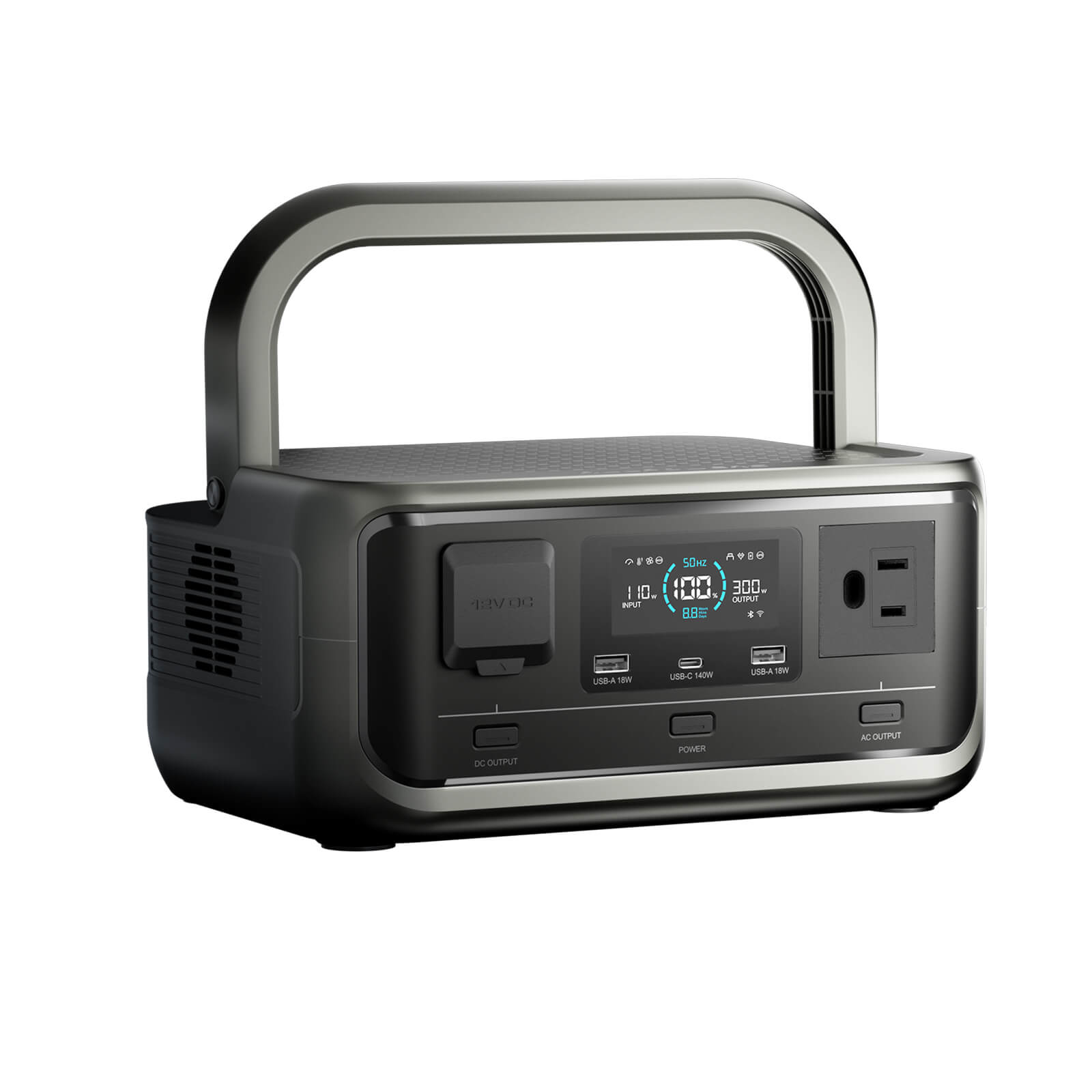
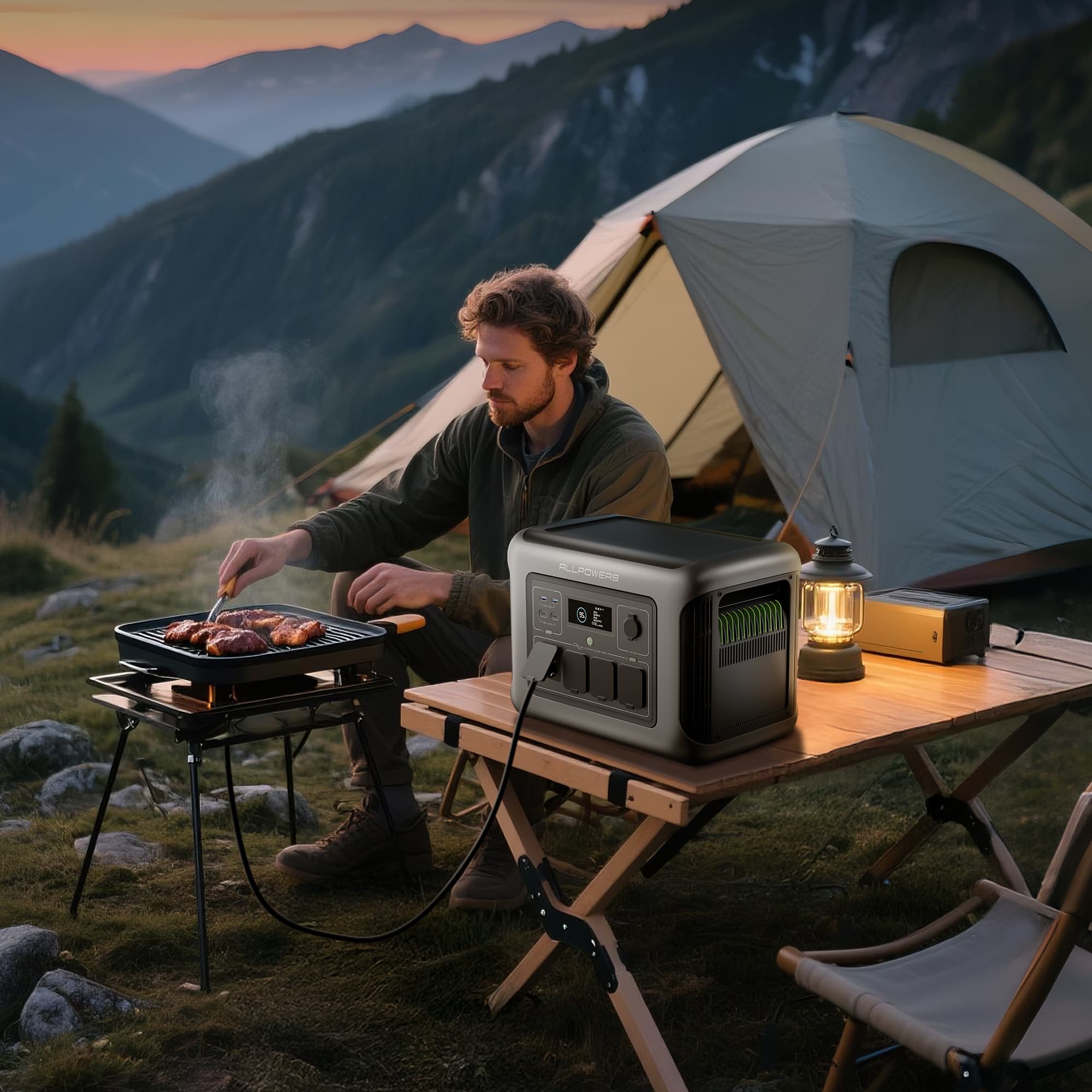
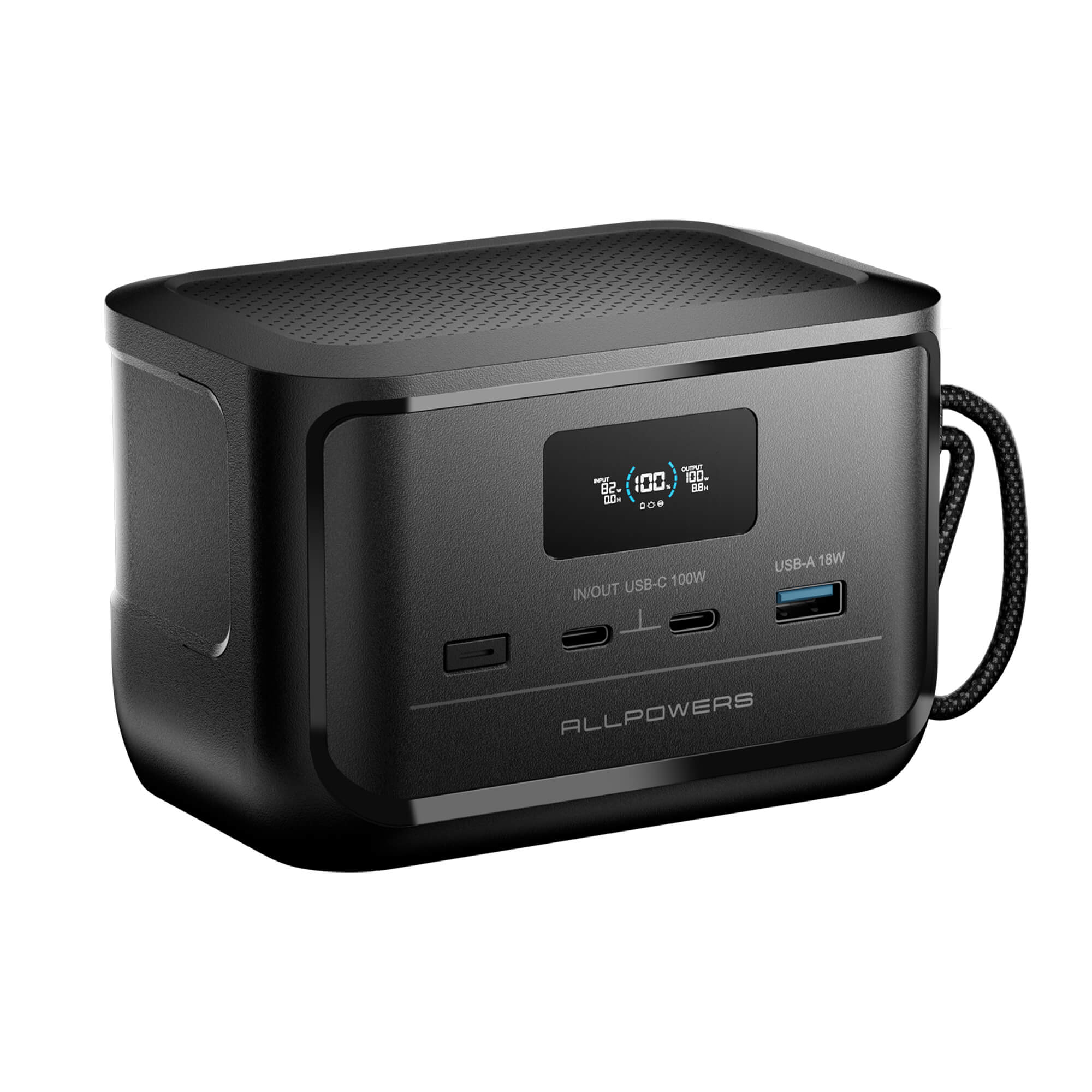
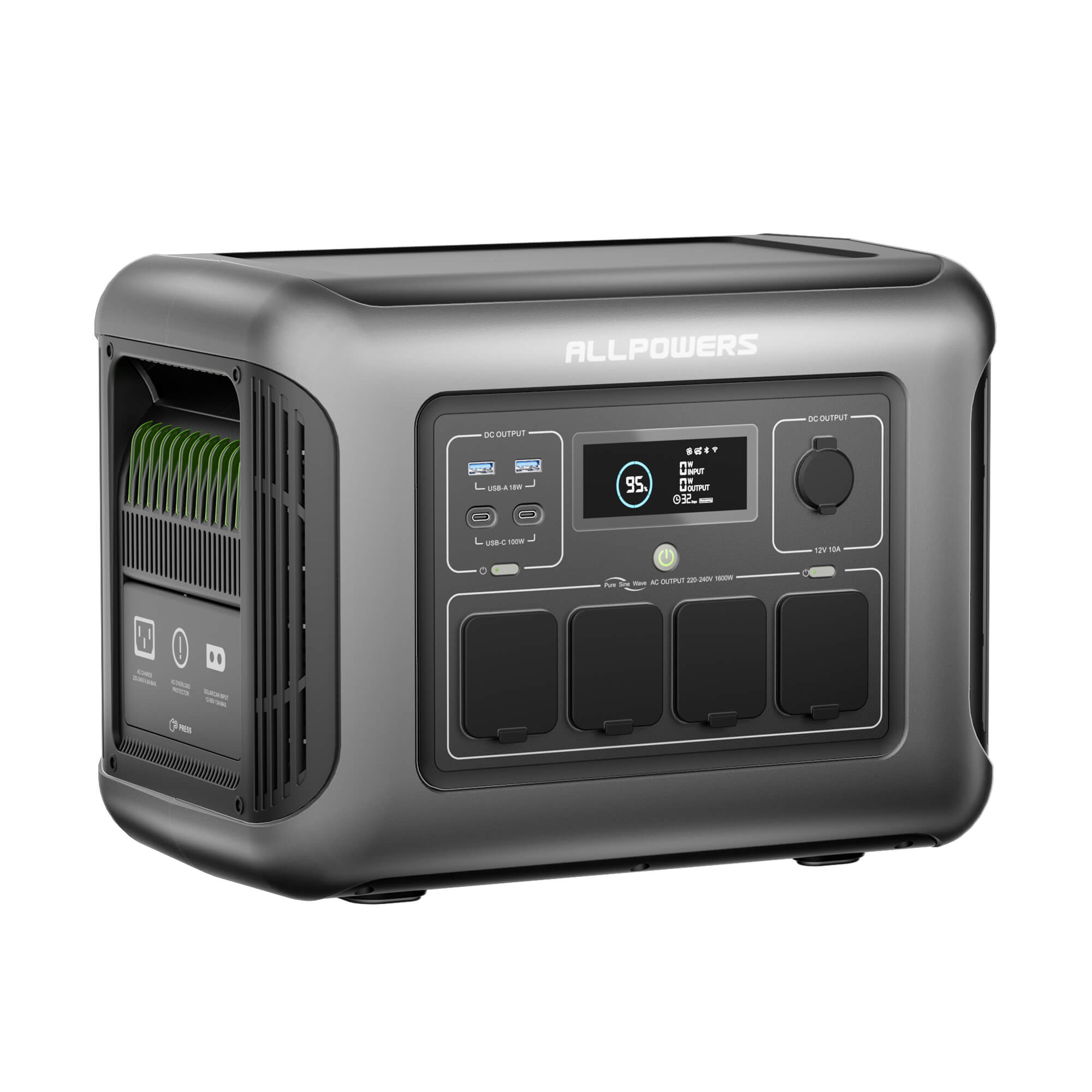
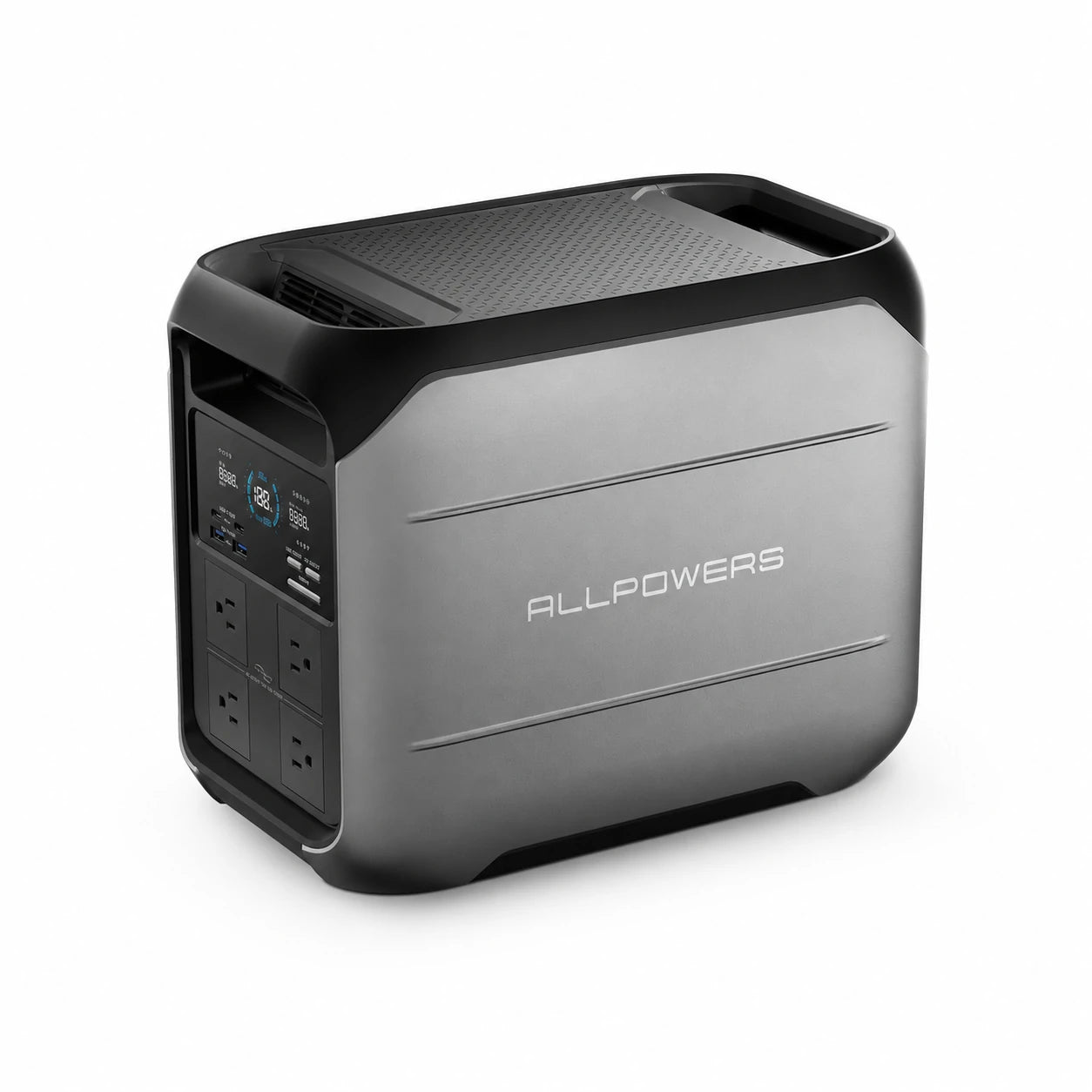
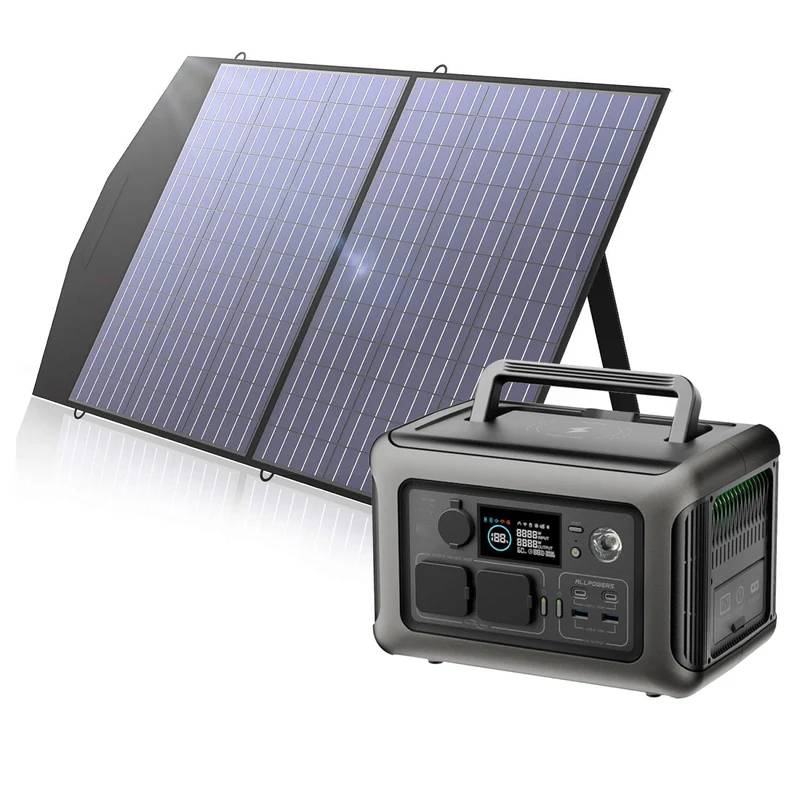
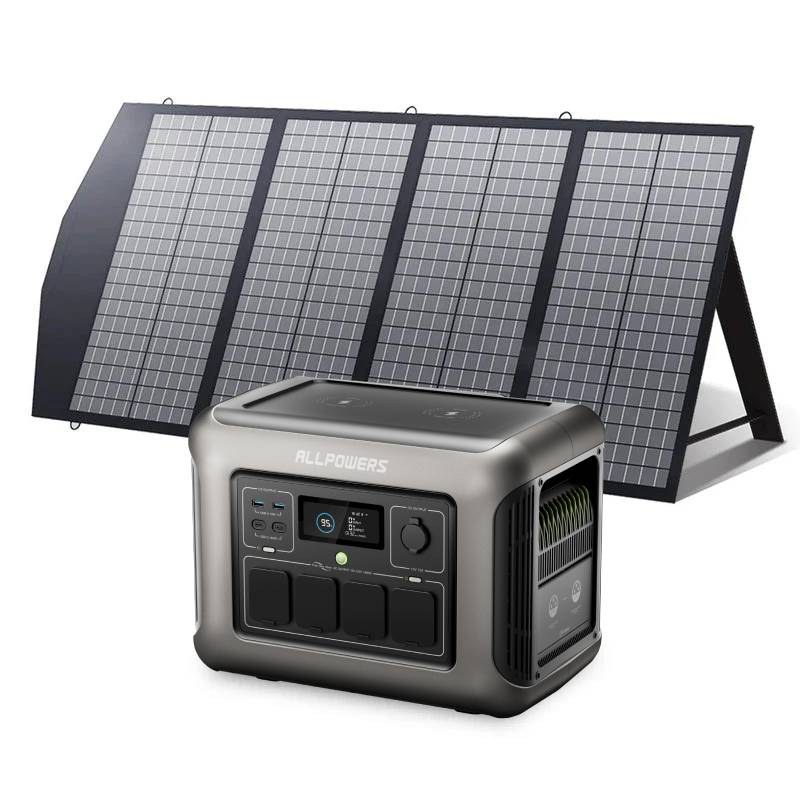
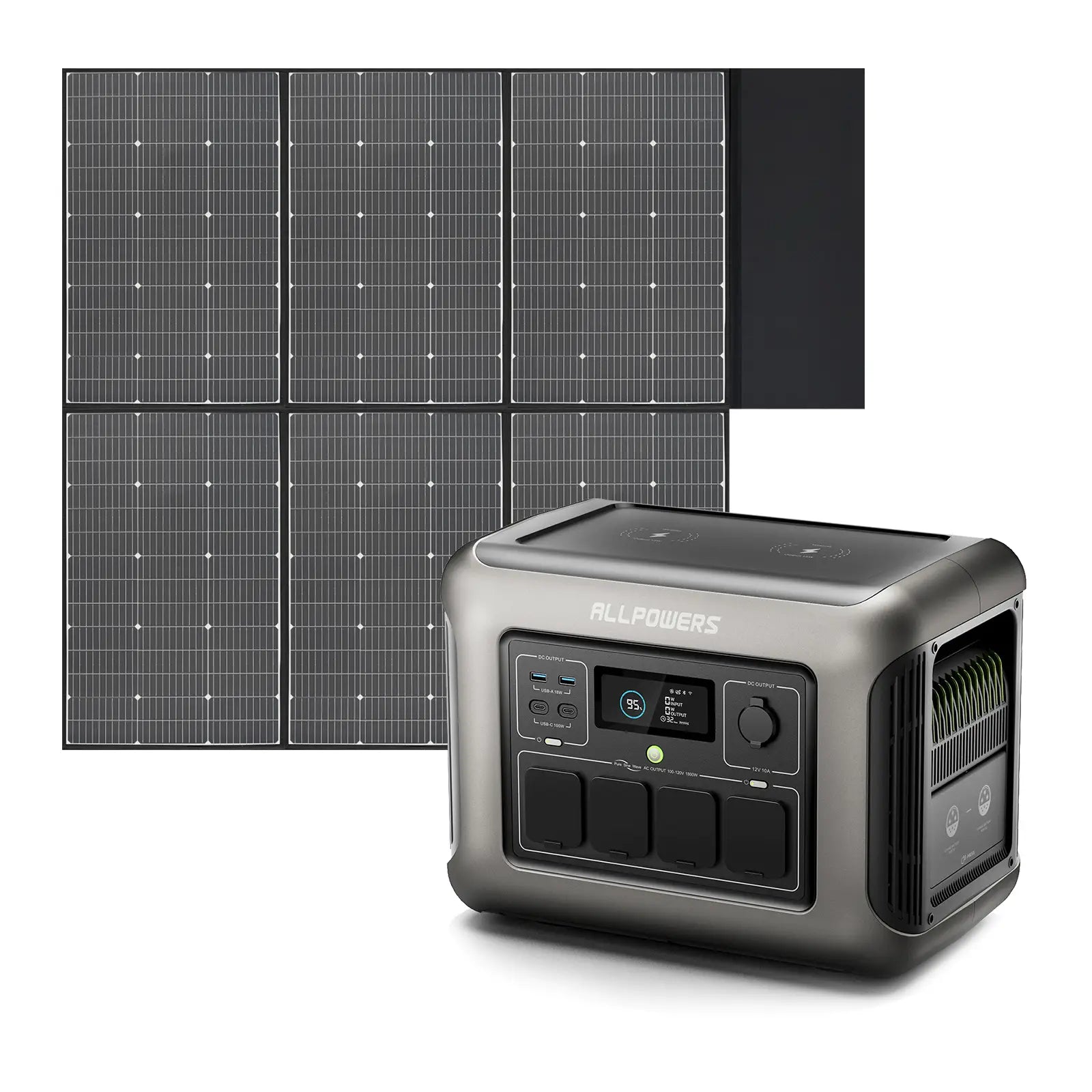
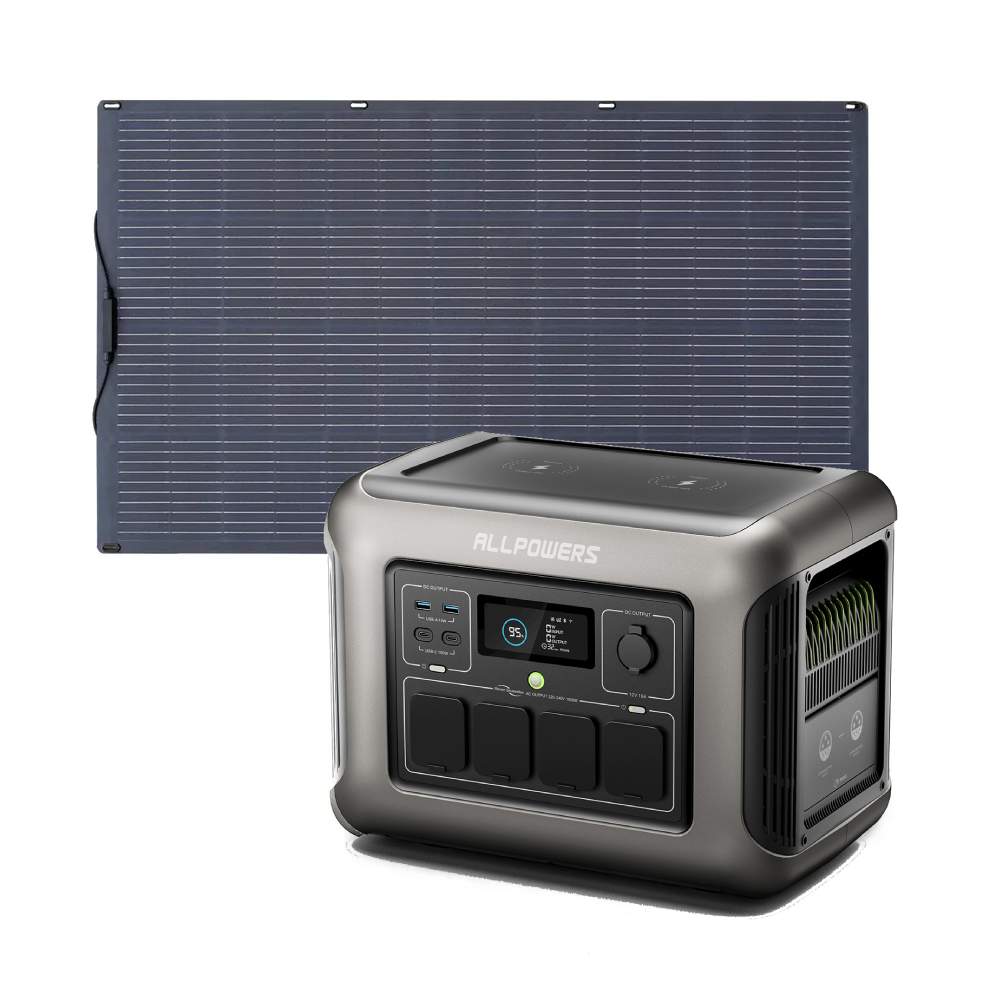
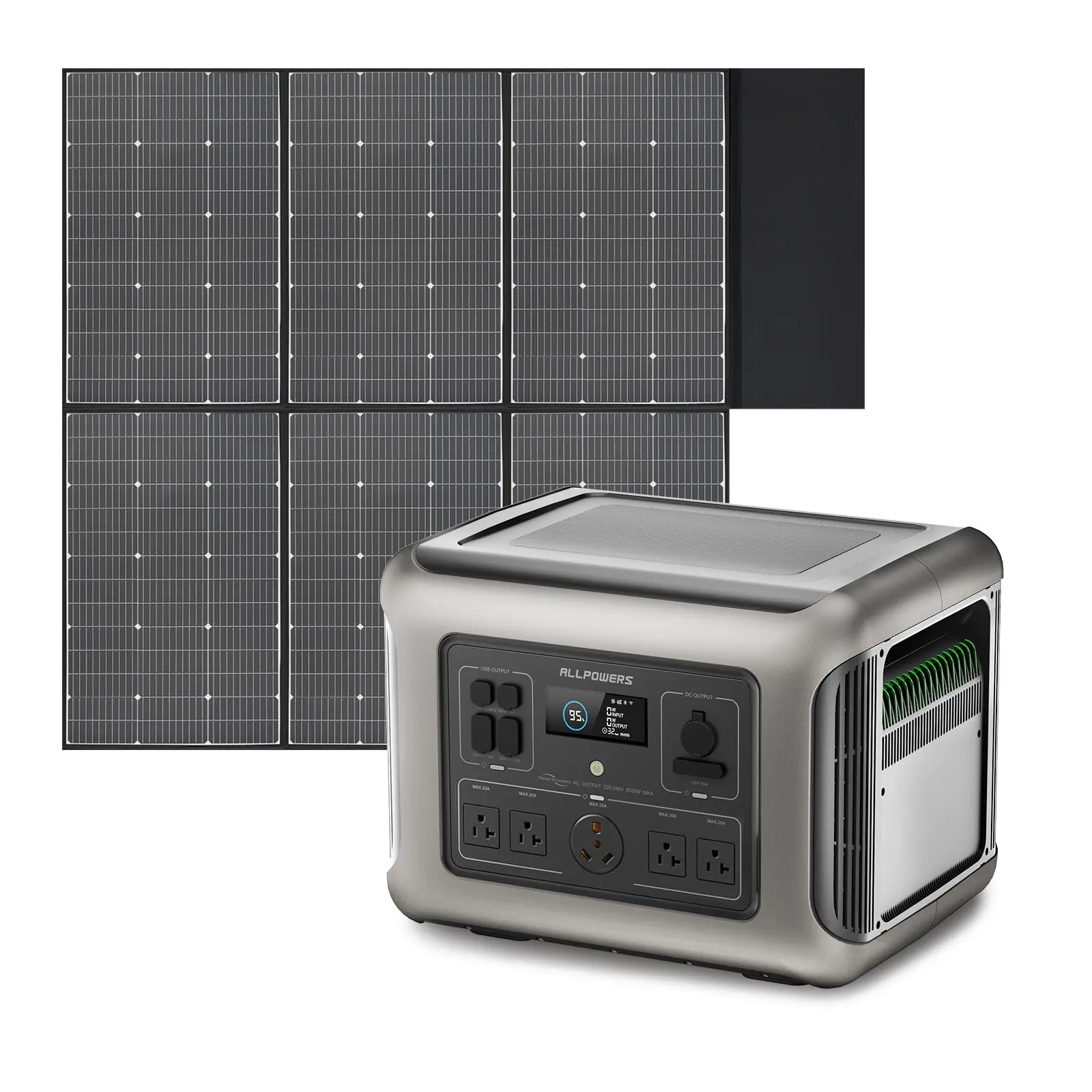
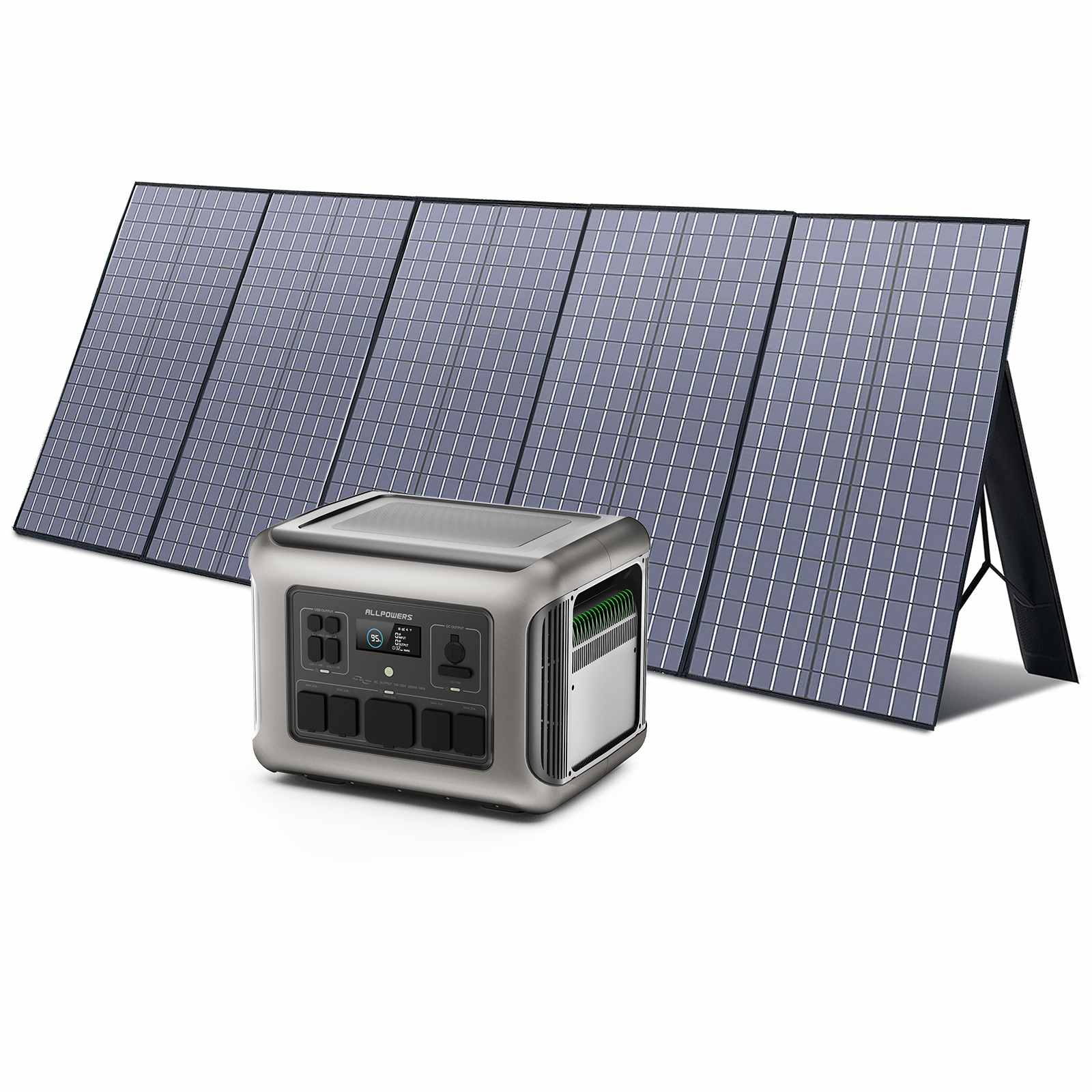
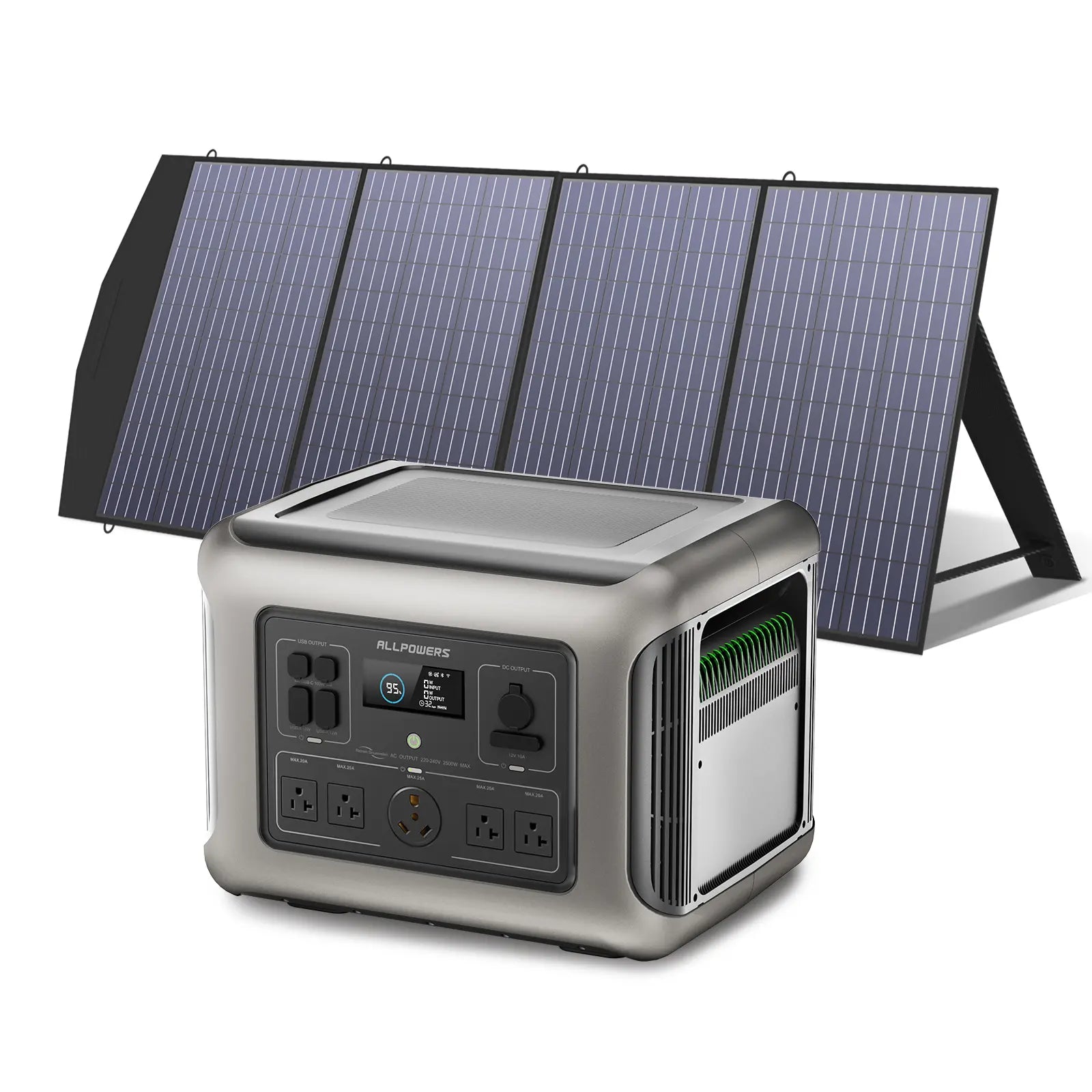
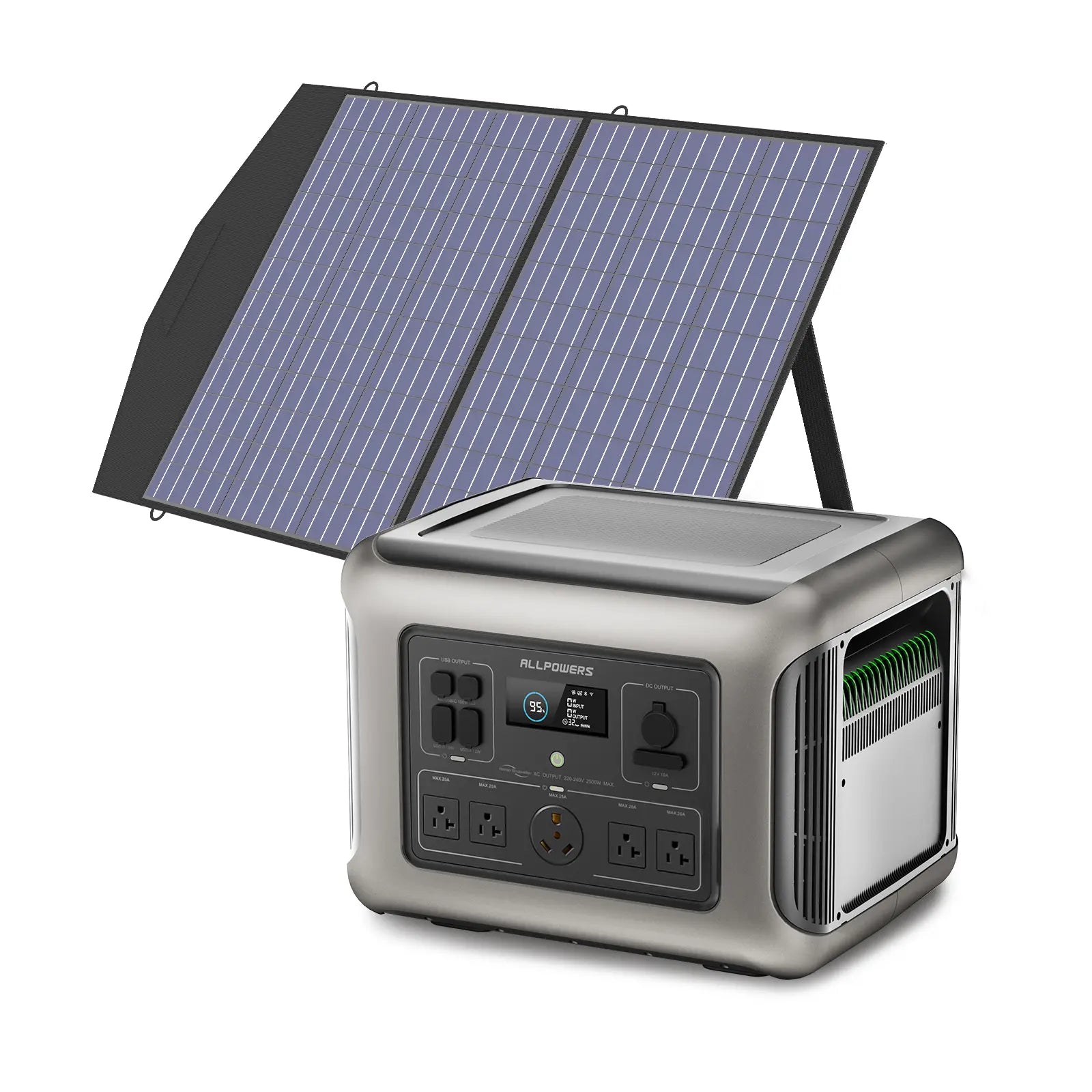
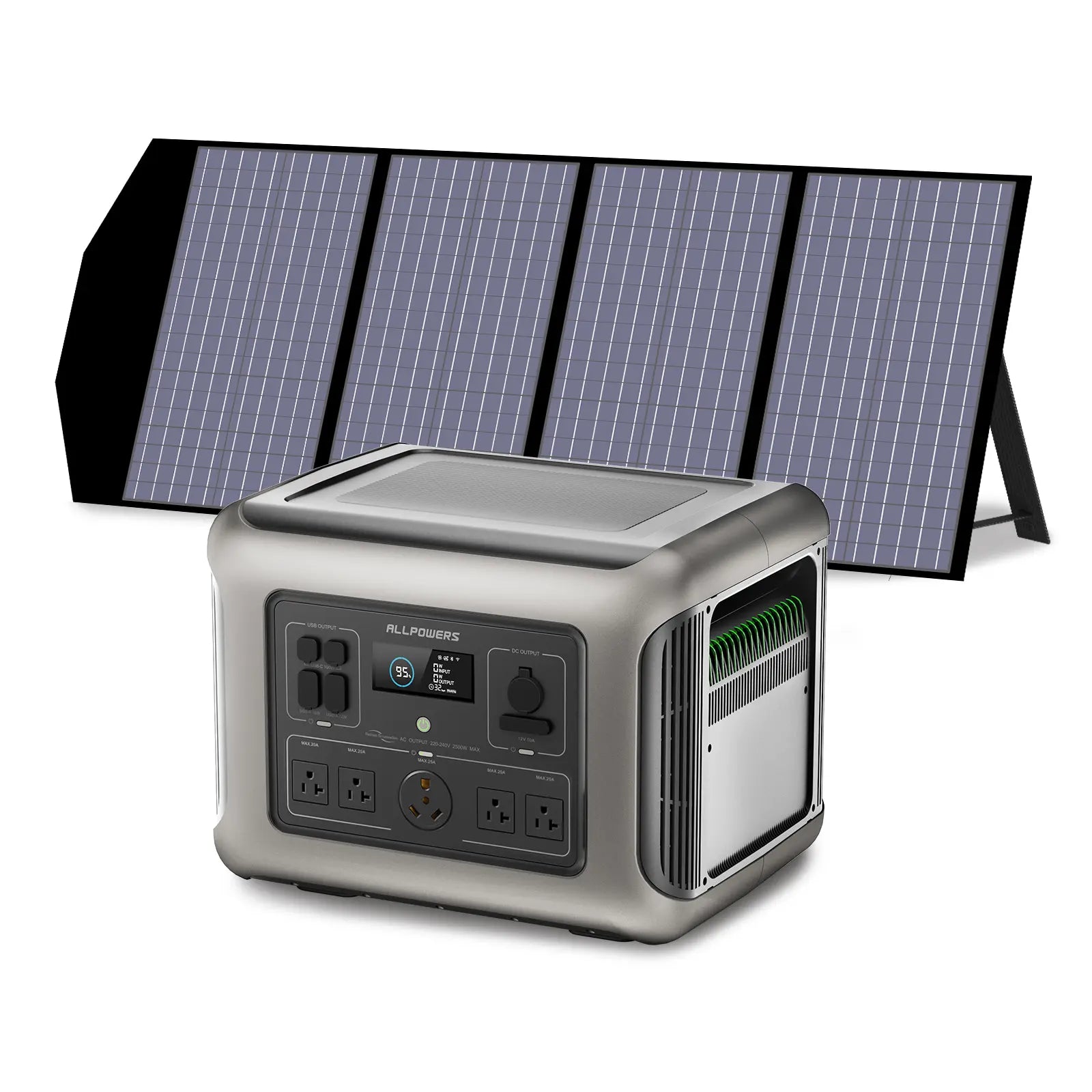
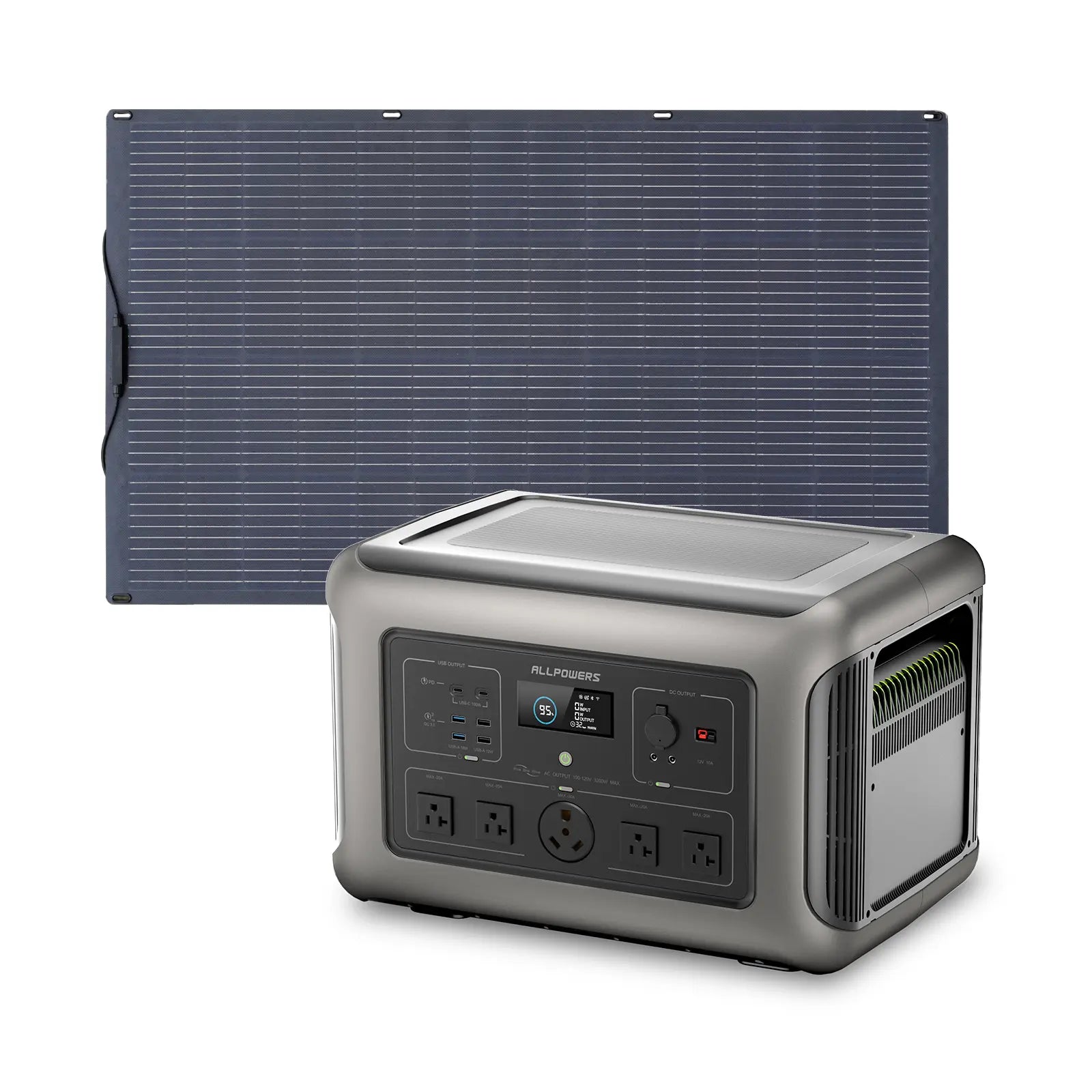
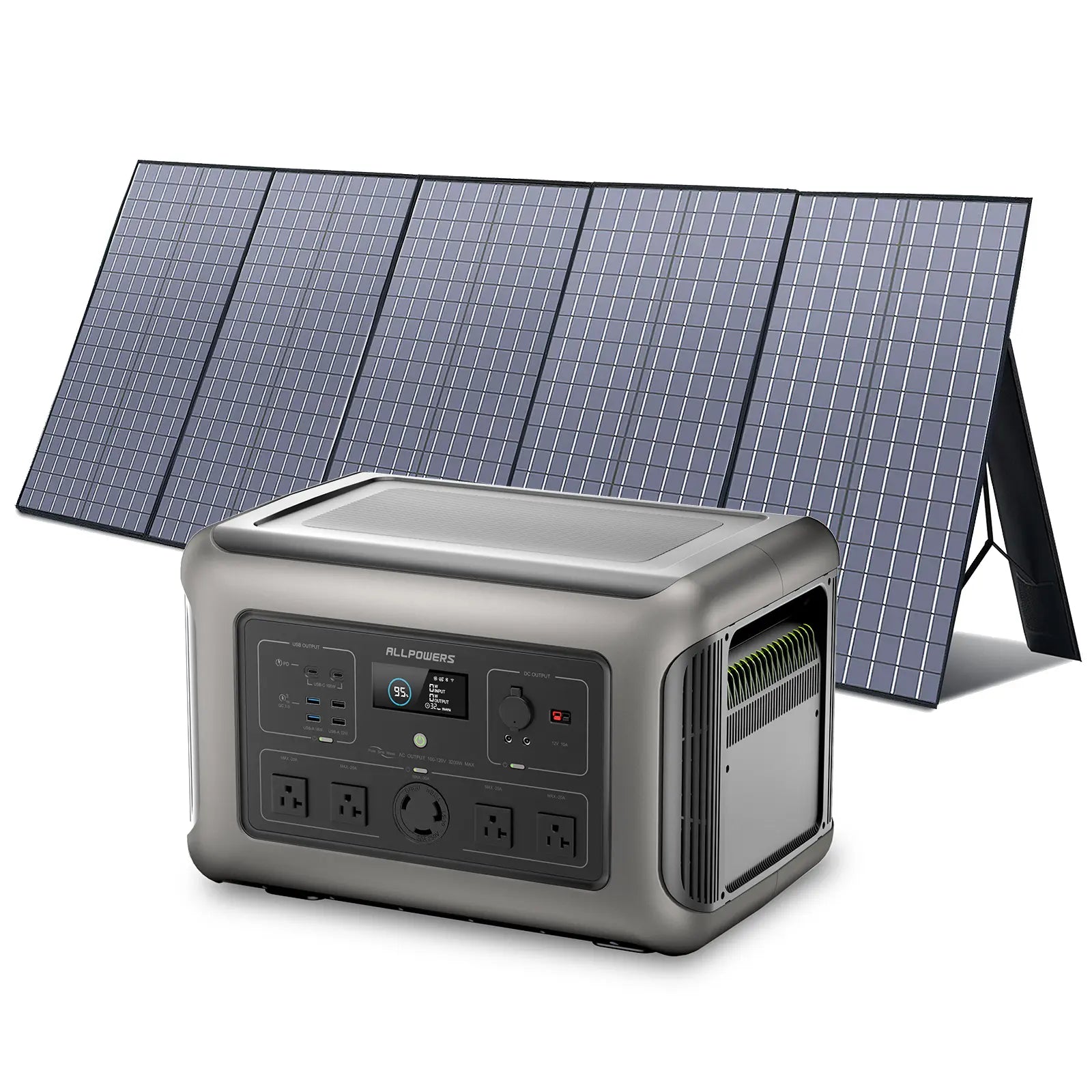
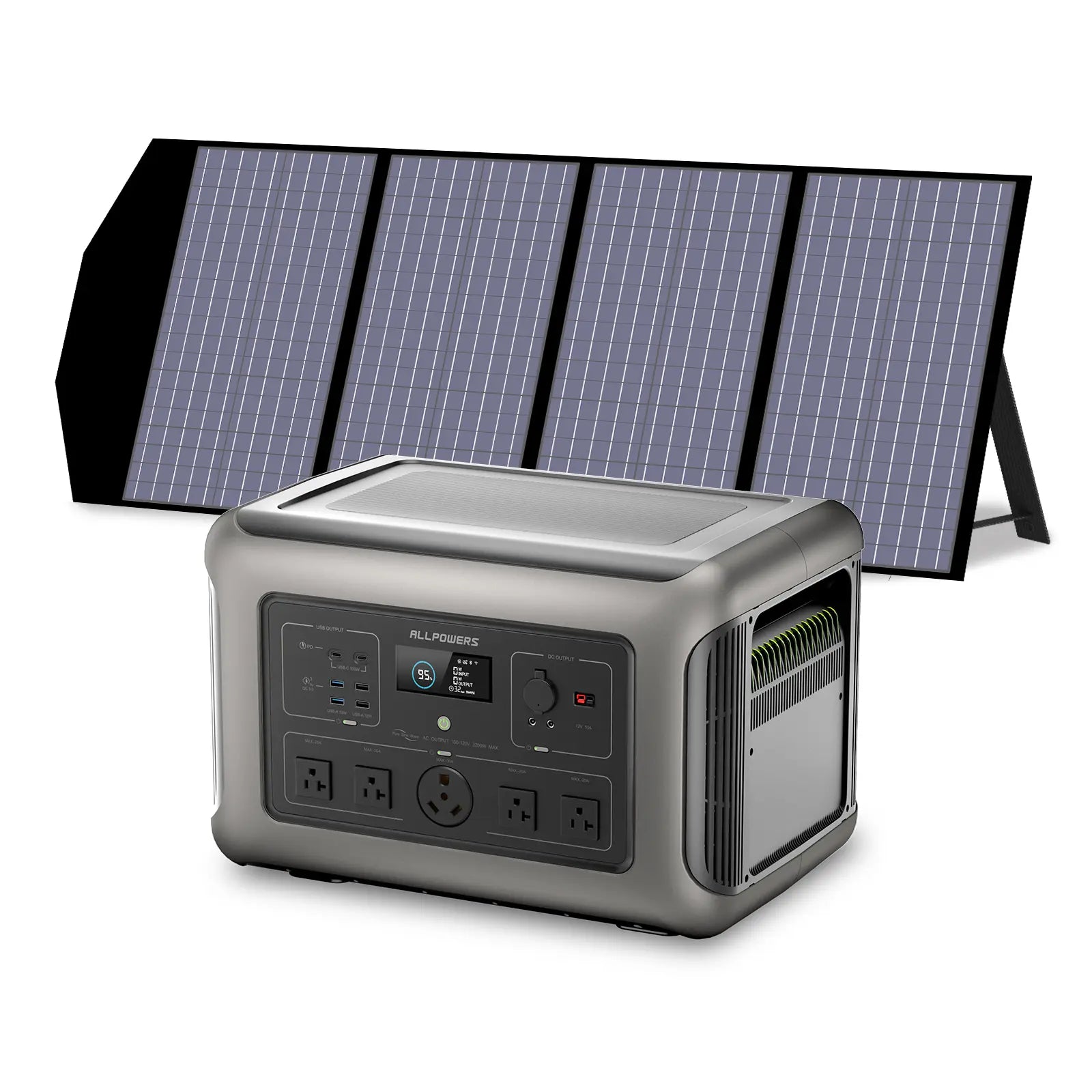
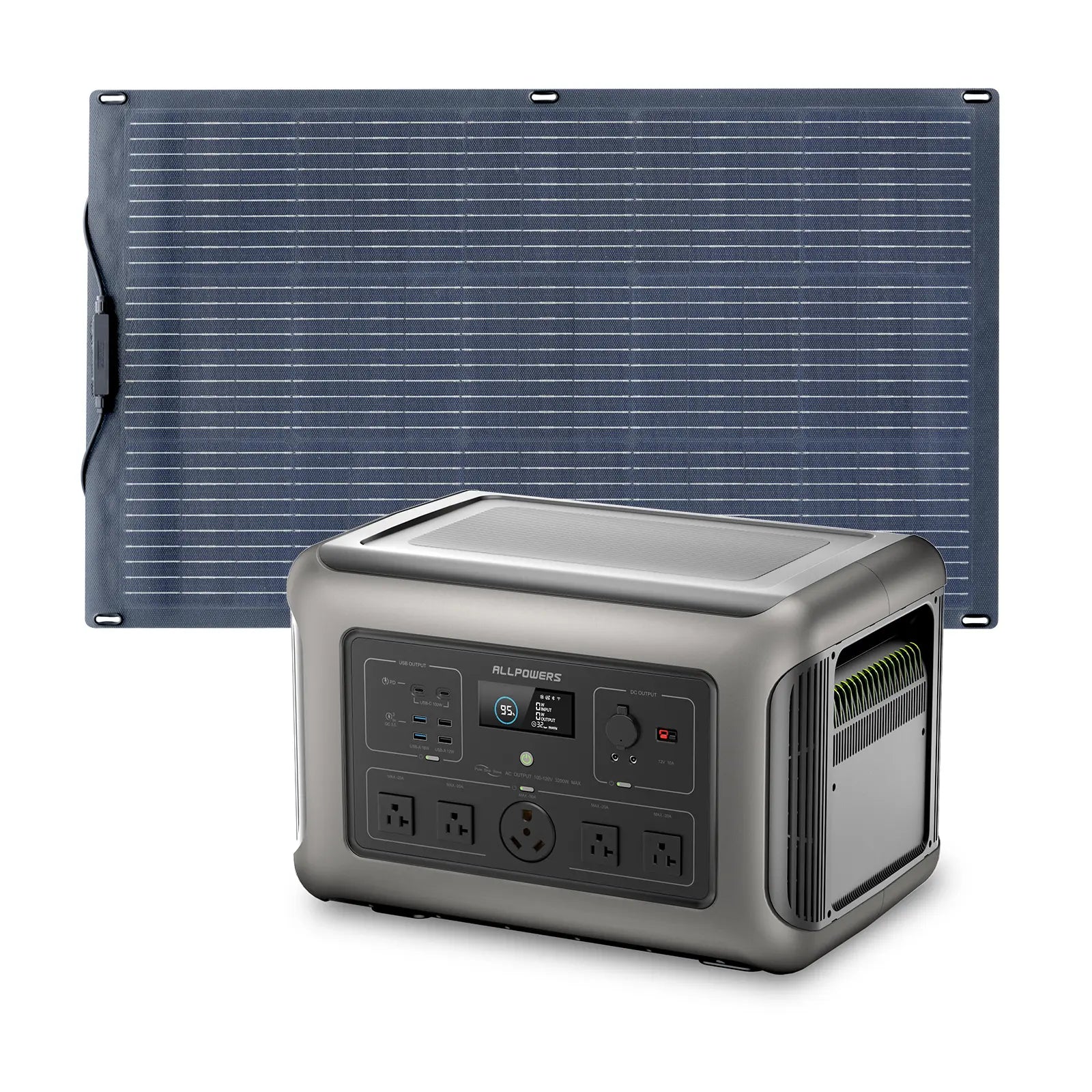
ALLPOWERS VOLIX P300 Portable Power Station
$149.00 $249.00
- 299Wh Capacity;
- 300W AC Output (600W Surge);
- Fast Charge 100% in 1 Hours;
- Ultra-quiet 30dB Under Load ;
- Long-Lasting And Safe Lifepo4 Battery;
What size power station to run Starlink?
There’s a tendency to think, “I’ll just get the largest power station and forget about it.” It’s not wrong—but it’s not always right either.
Larger units mean more weight, longer charging times, and, frankly, more cost. If your goal is to run Starlink for a few hours in the evening, a massive battery might be overkill.
On the flip side, going too small creates a different kind of stress. You start rationing usage—turning the dish off, checking battery levels every hour, maybe even avoiding using the connection when you actually need it.
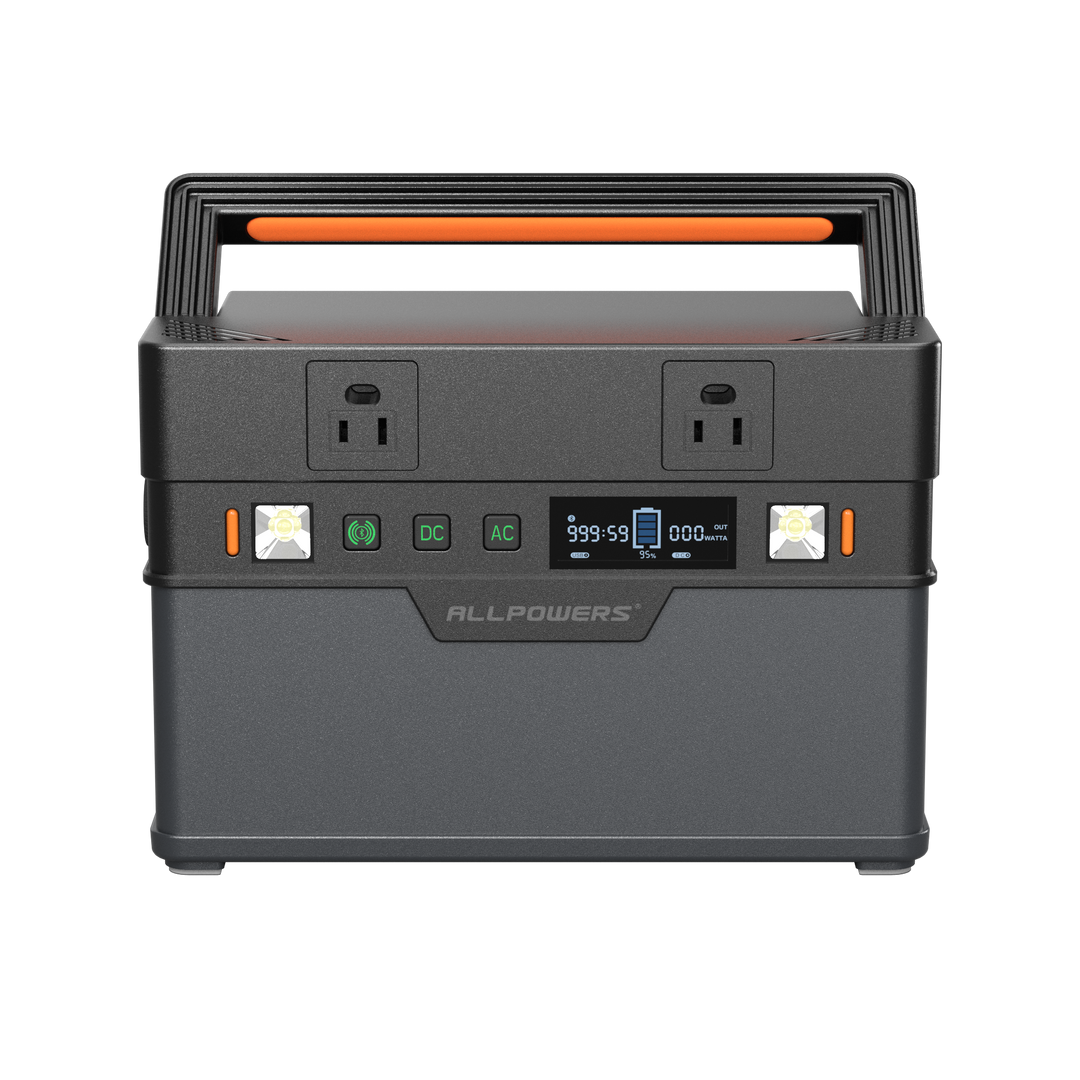
If your Starlink setup averages 40 watts, and your power station has a capacity of 300 watt-hours, you might think you’ll get 10 hours of runtime. In theory, yes. In practice, not quite.
There are losses—conversion losses, inverter inefficiencies, even cable resistance. You might lose 10 to 20 percent without realizing it. Suddenly, that 10-hour estimate shrinks to something closer to 7 or 8.
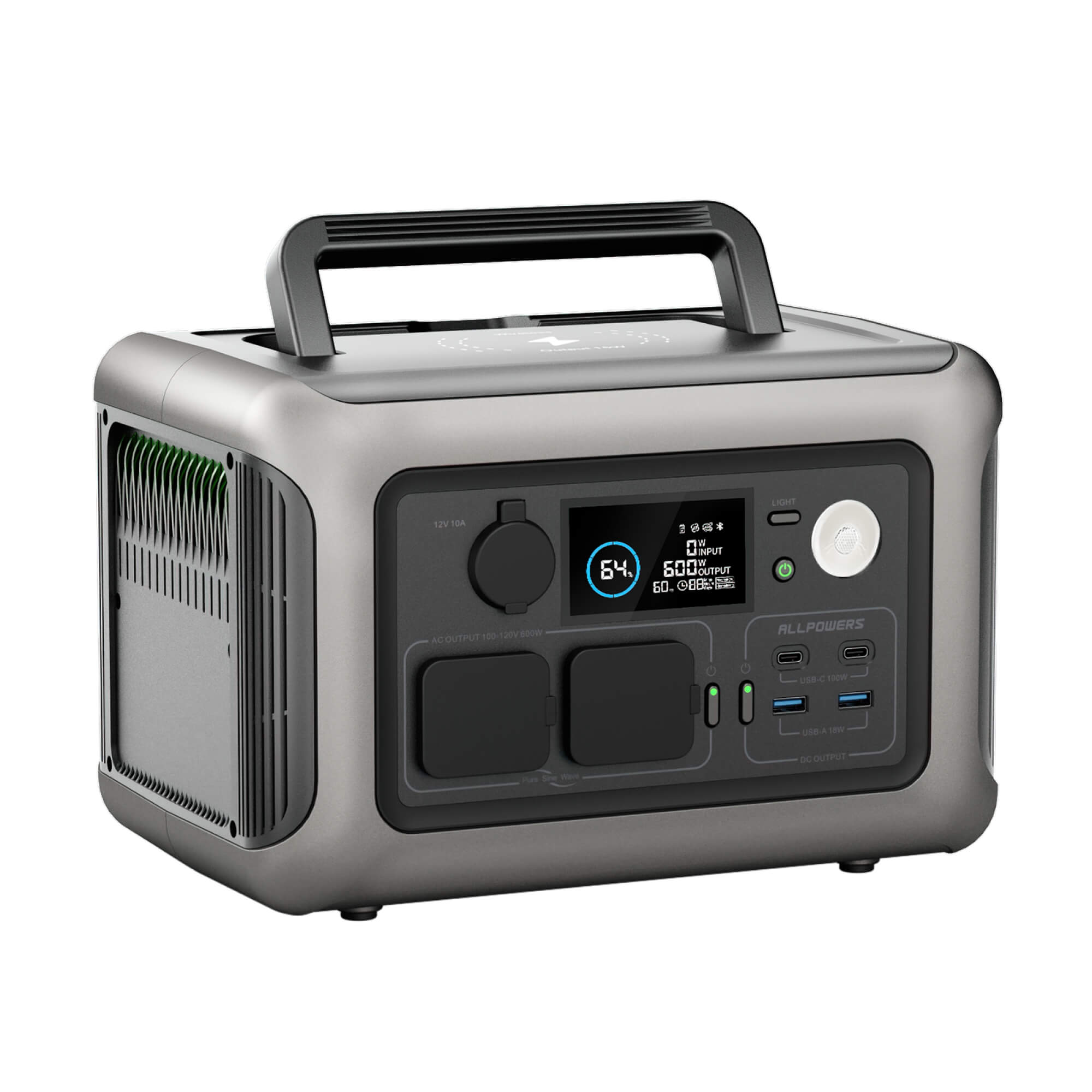
Step up to something around 500Wh to 700Wh, and suddenly you’re looking at half a day, give or take. That’s enough for a remote work session or a long video call with someone back home who keeps asking, “Wait, where are you again?”
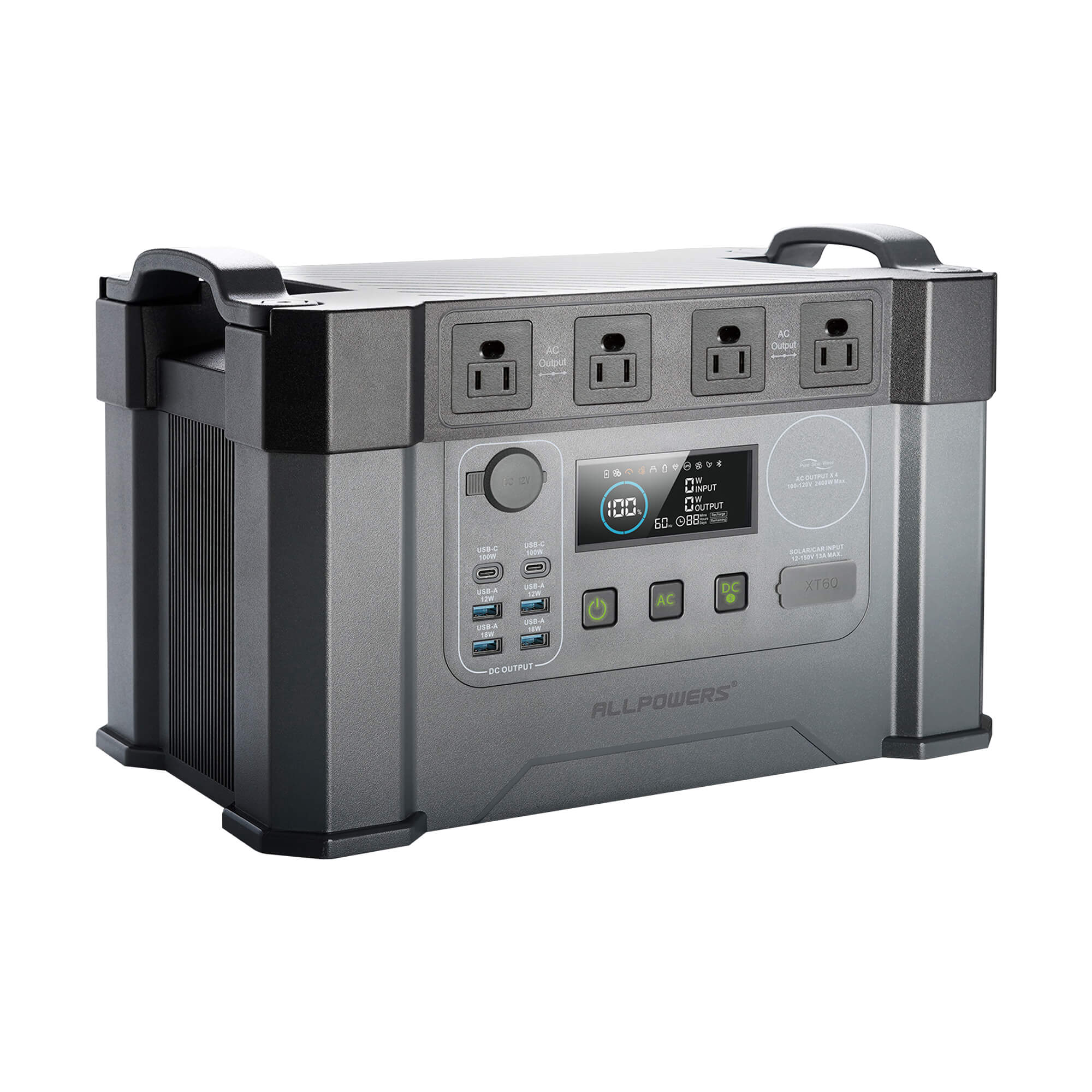
Larger units—1000Wh and above—start to feel like a safety net. Not unlimited, but forgiving.
You can run Starlink, charge devices, maybe even power a small appliance without watching the battery percentage like it’s a countdown timer.
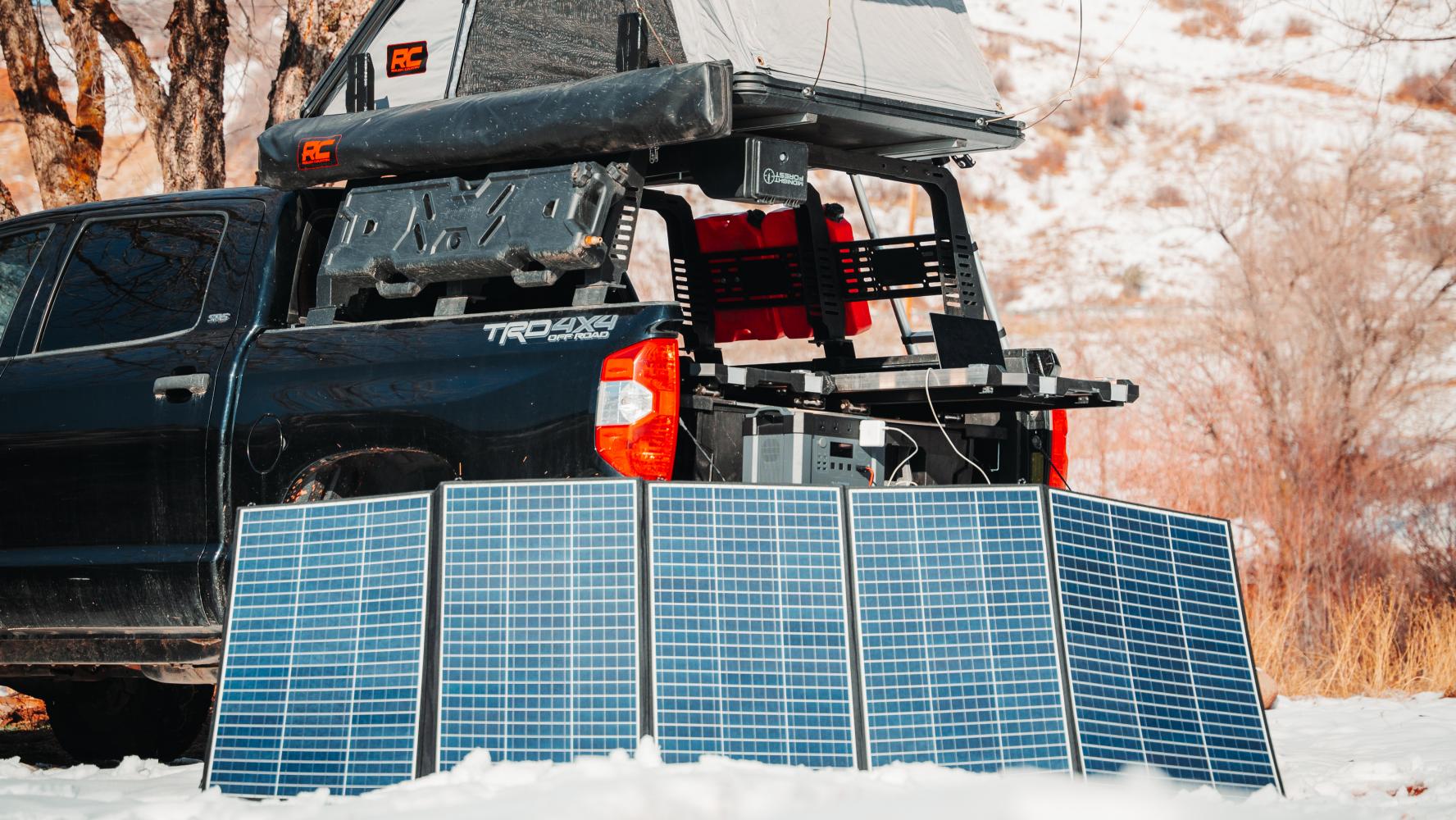
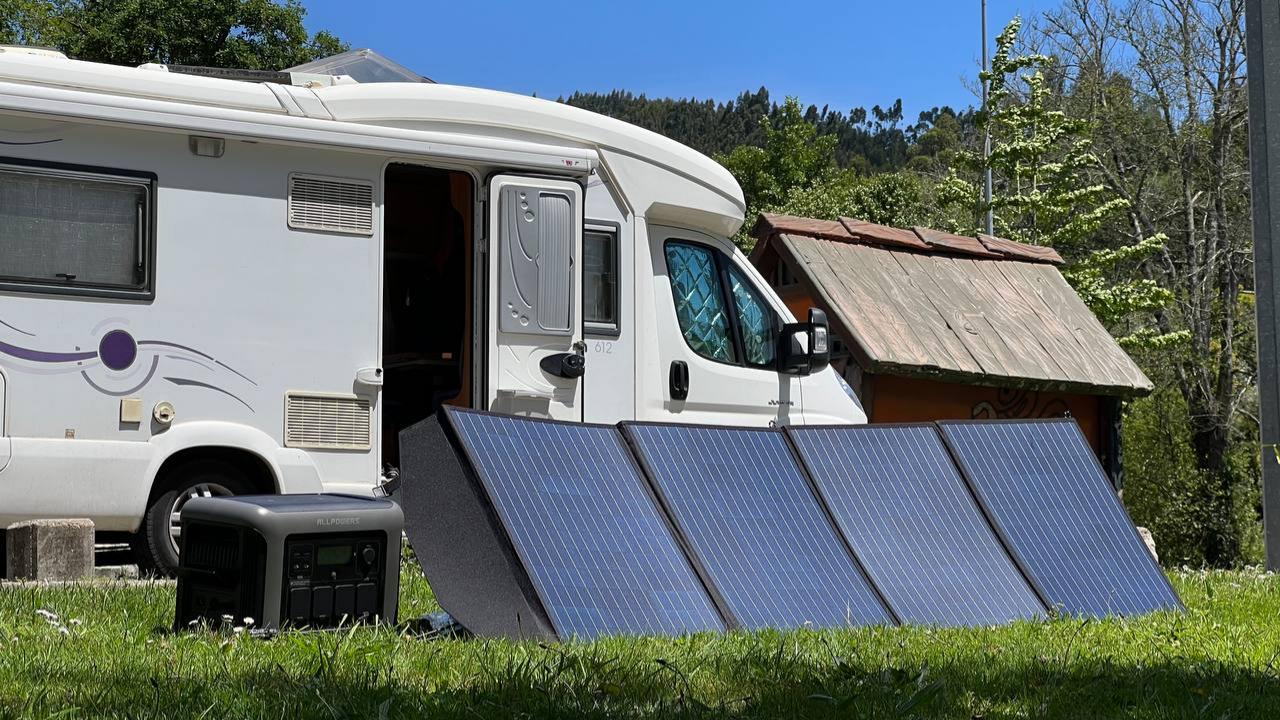
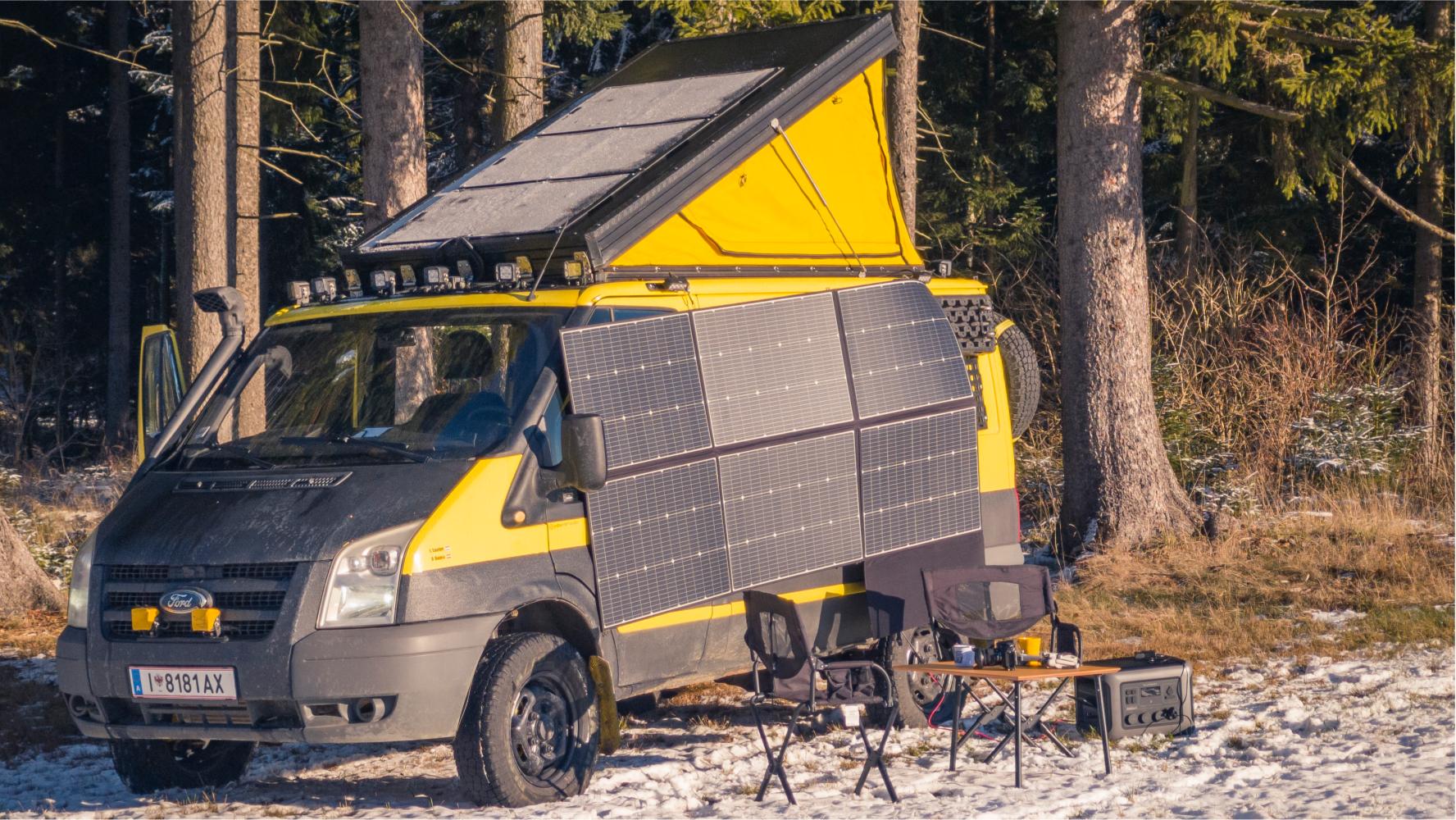
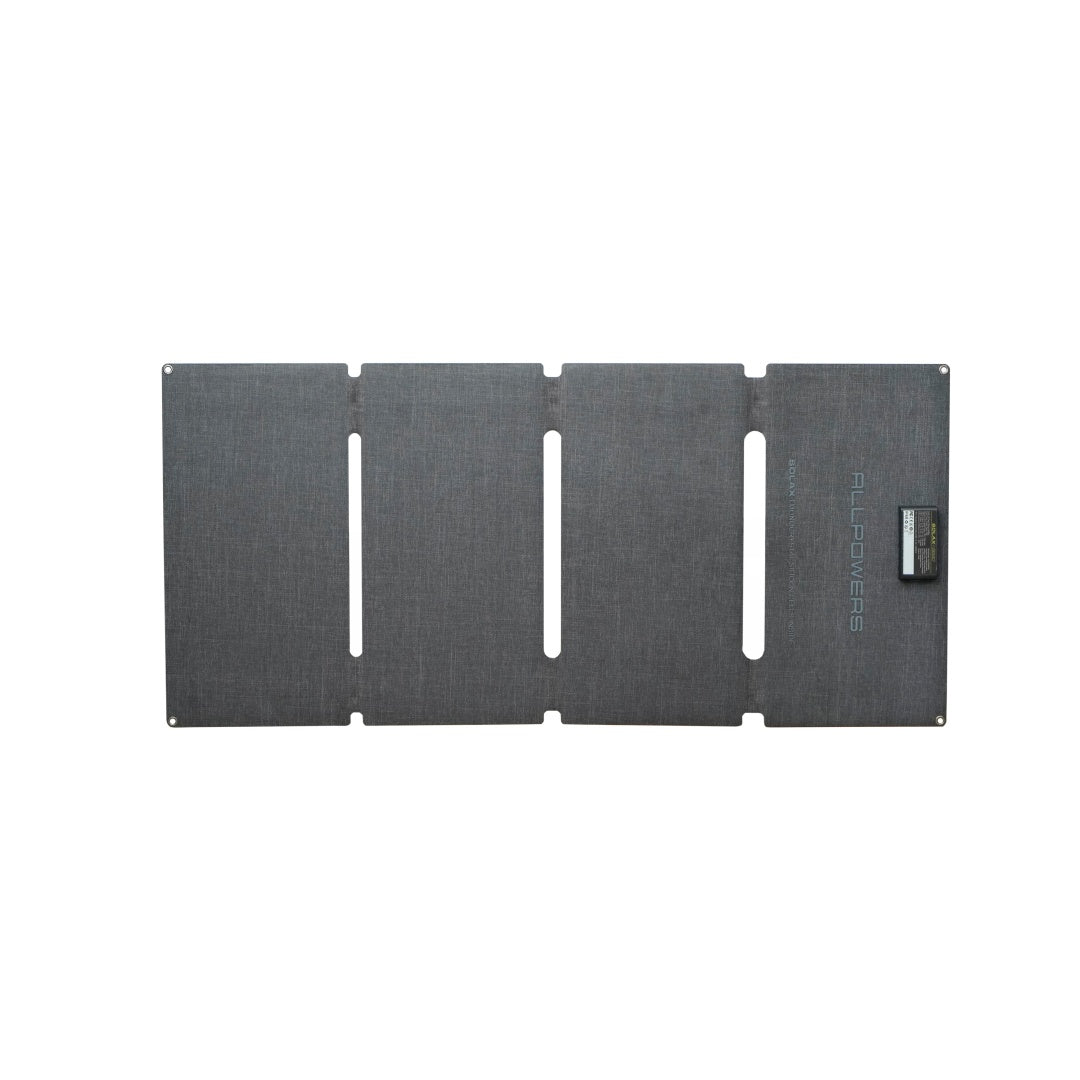
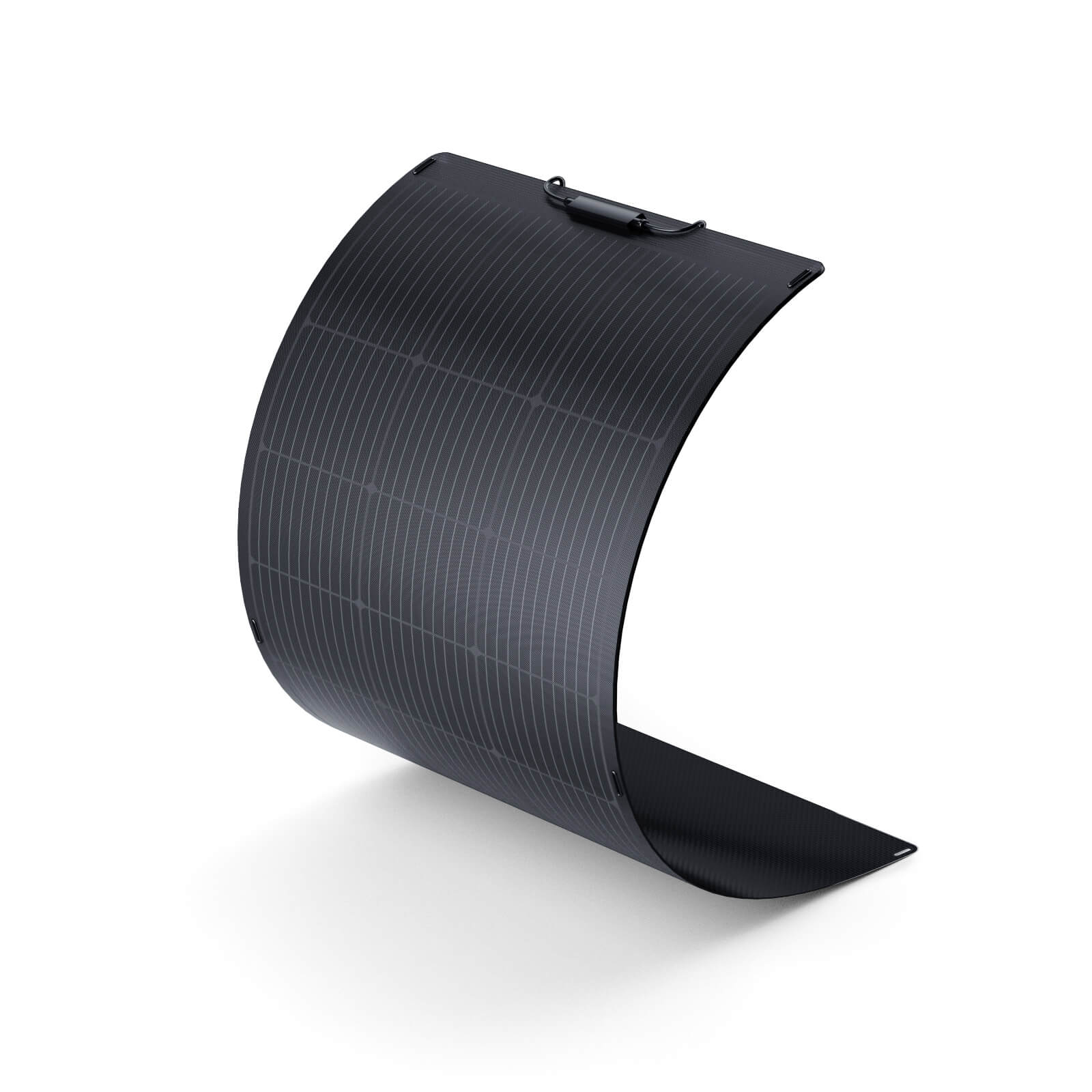
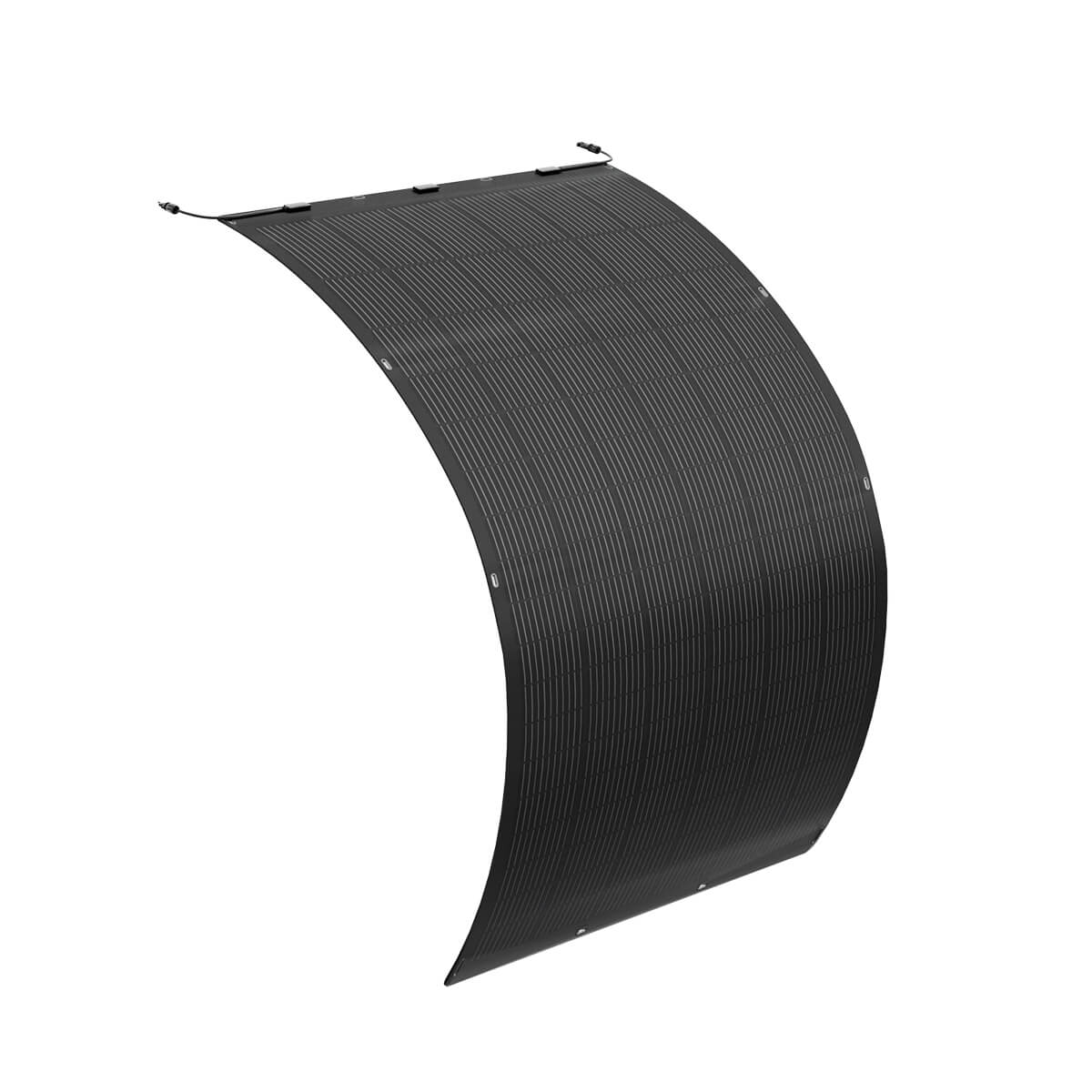
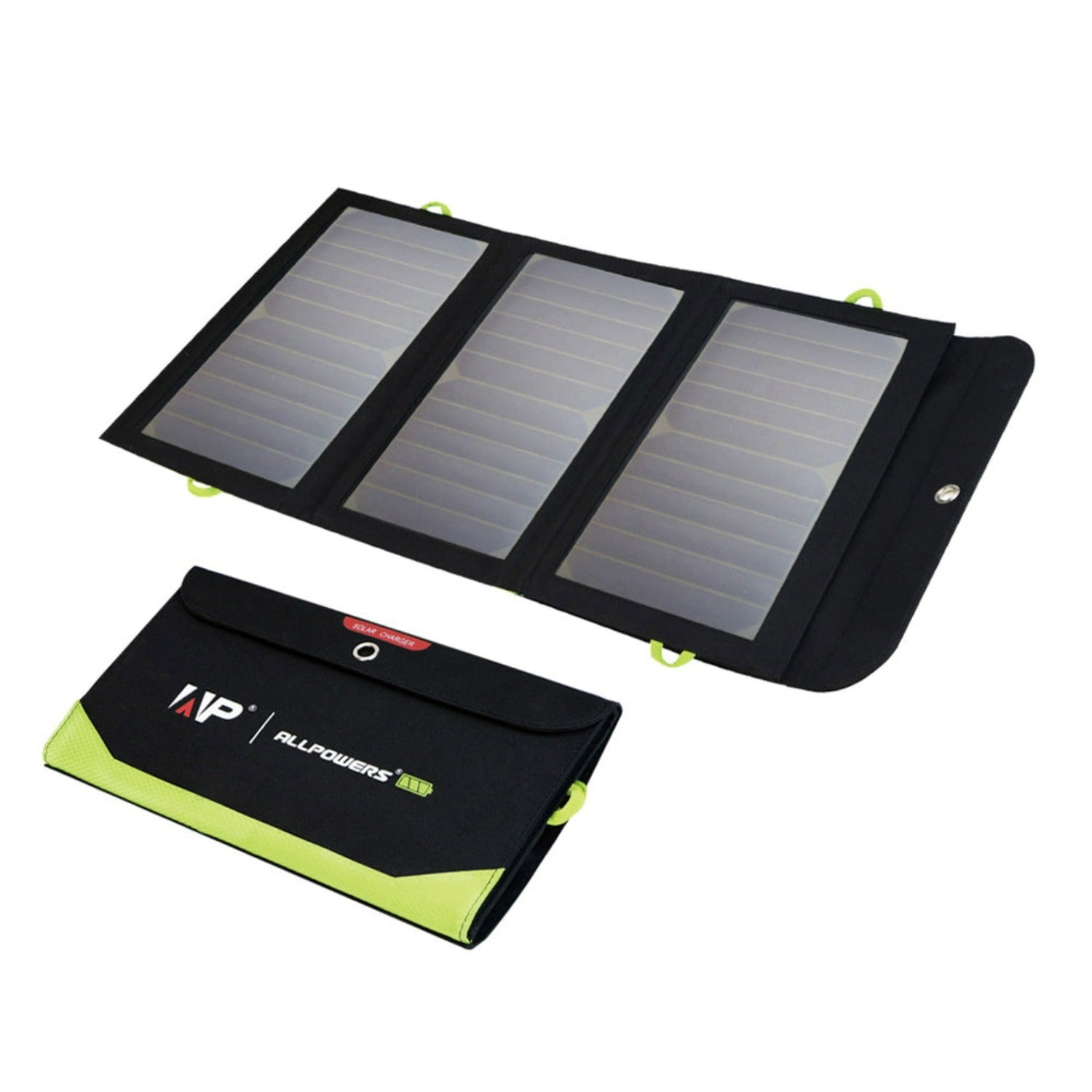
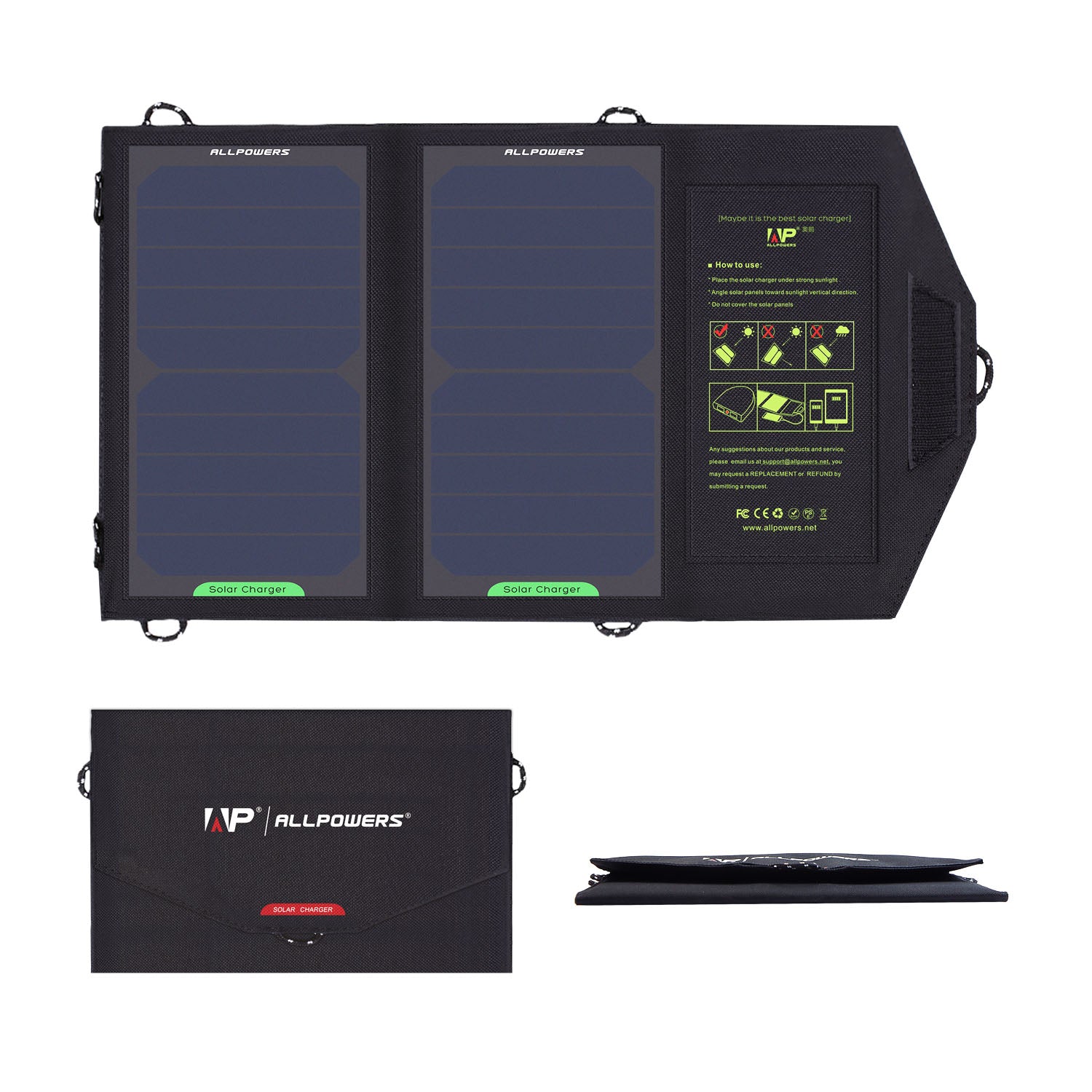
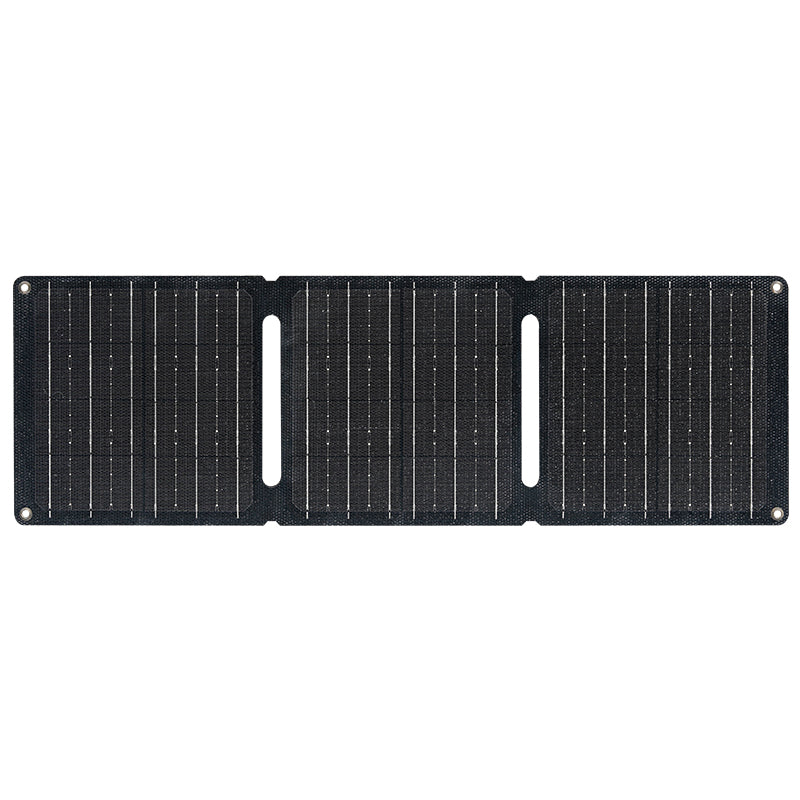
Can you power Starlink with a solar panel?
If your Starlink setup consumes 60 watts and your solar panels can generate 100 watts under ideal conditions, you’re technically covering your usage.
Here’s the thing: solar panels don’t store energy. They generate it in real time.
That energy has to go somewhere immediately or be captured by a storage system.
Starlink, meanwhile, prefers a steady diet of electricity. It doesn’t like sudden drops or spikes.
Even a brief interruption can cause a reconnect cycle, which feels like a small but noticeable disruption when you’re in the middle of something important.
That’s why most real-world solar setups don’t connect panels directly to Starlink.
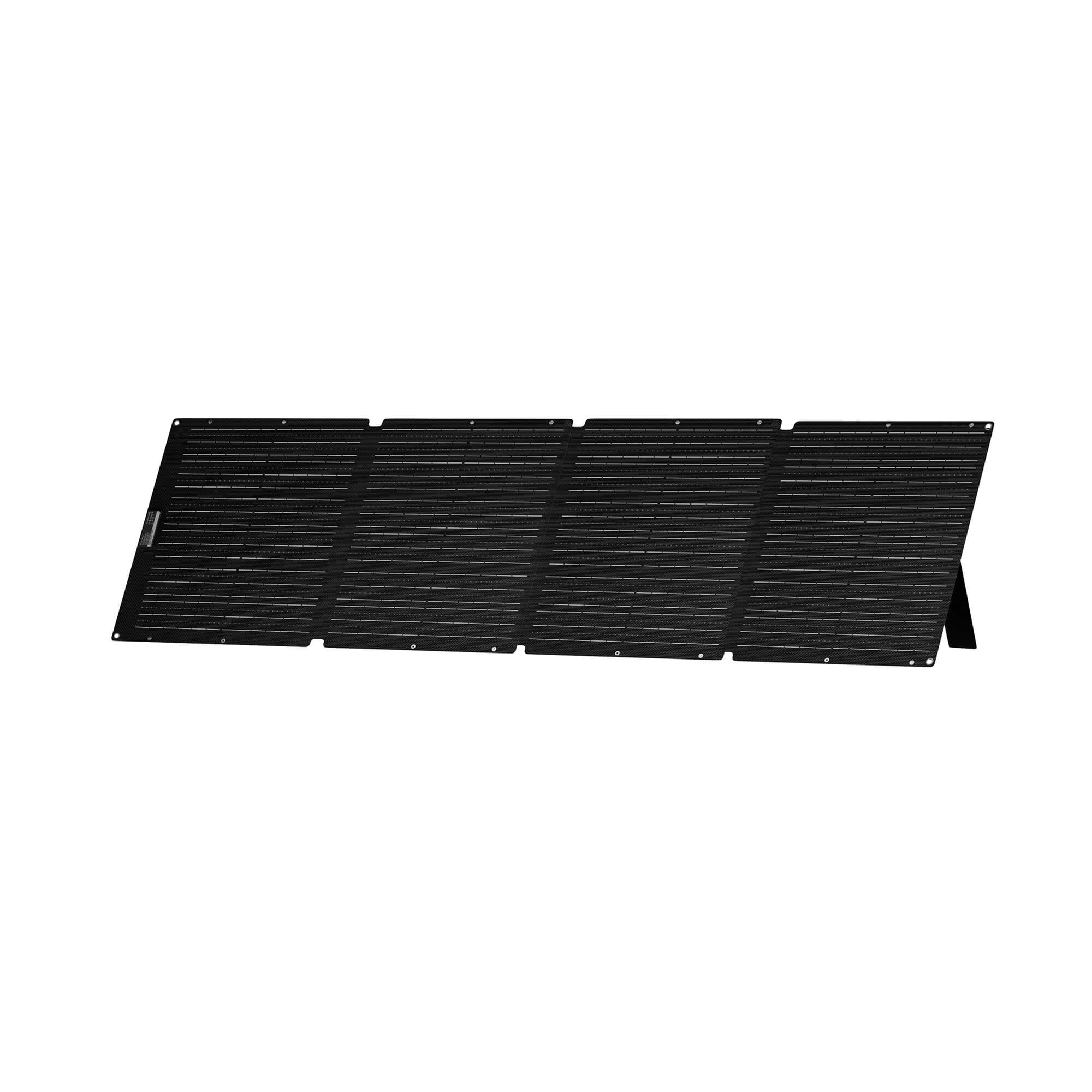
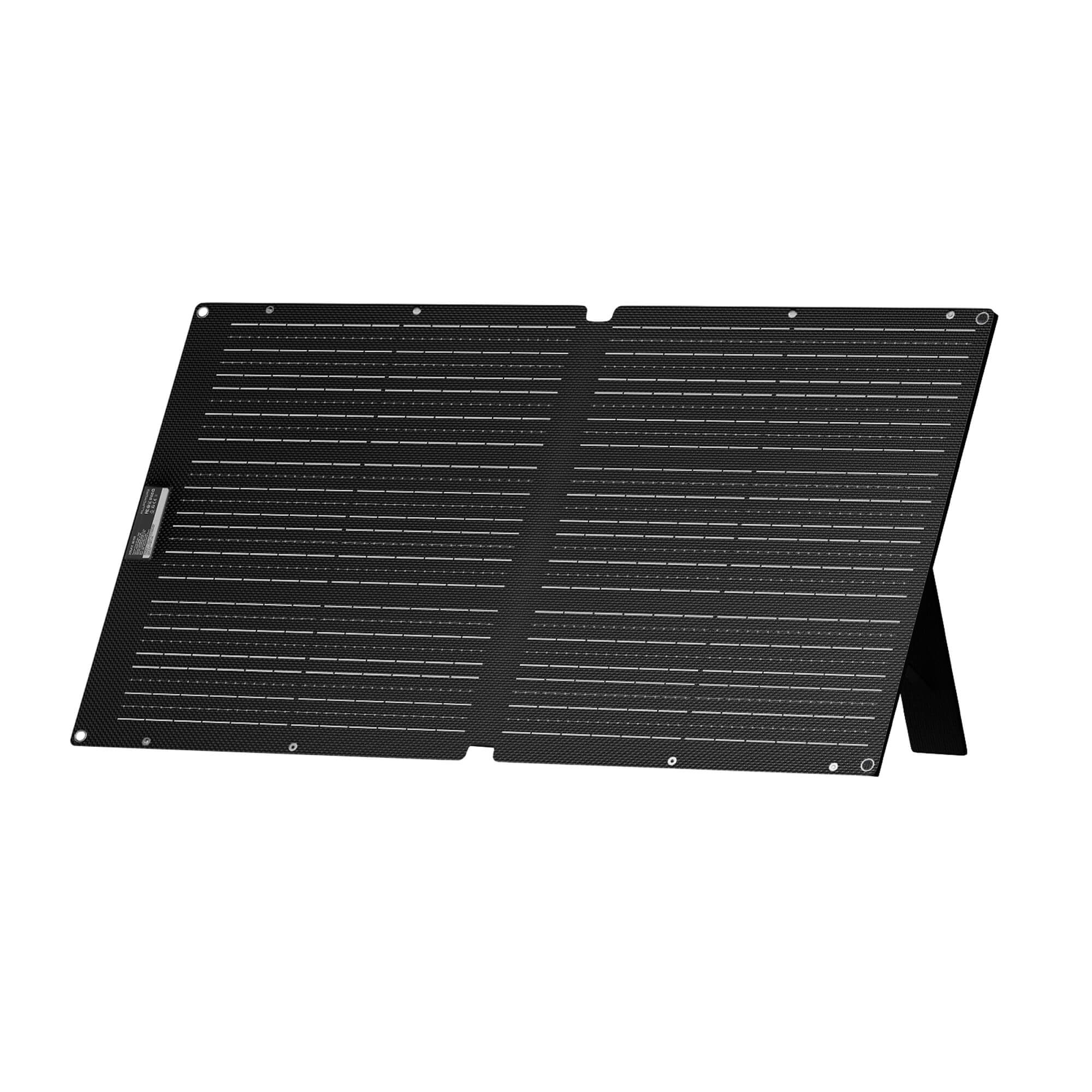
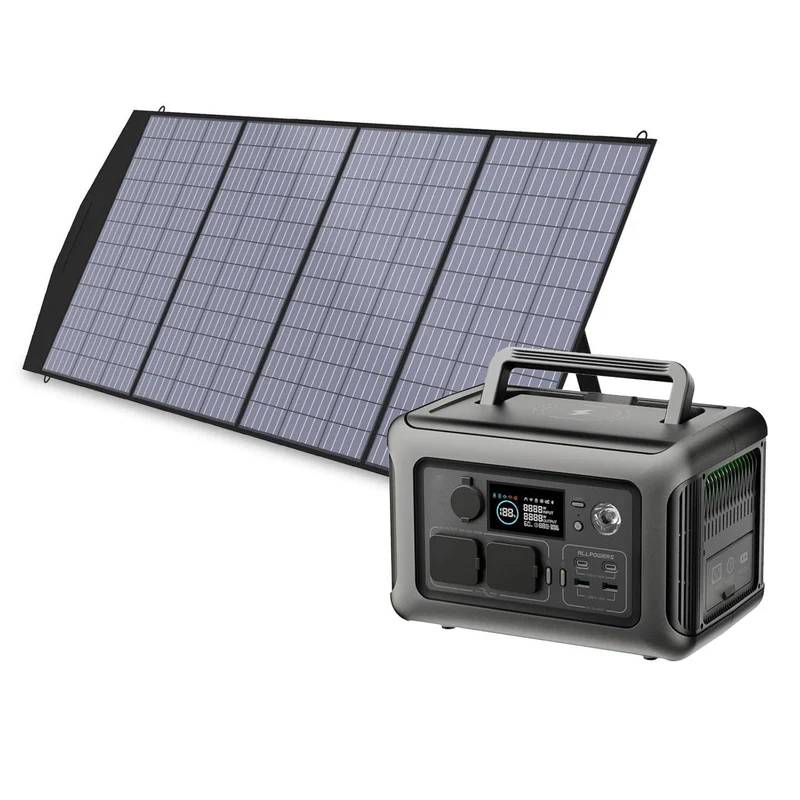
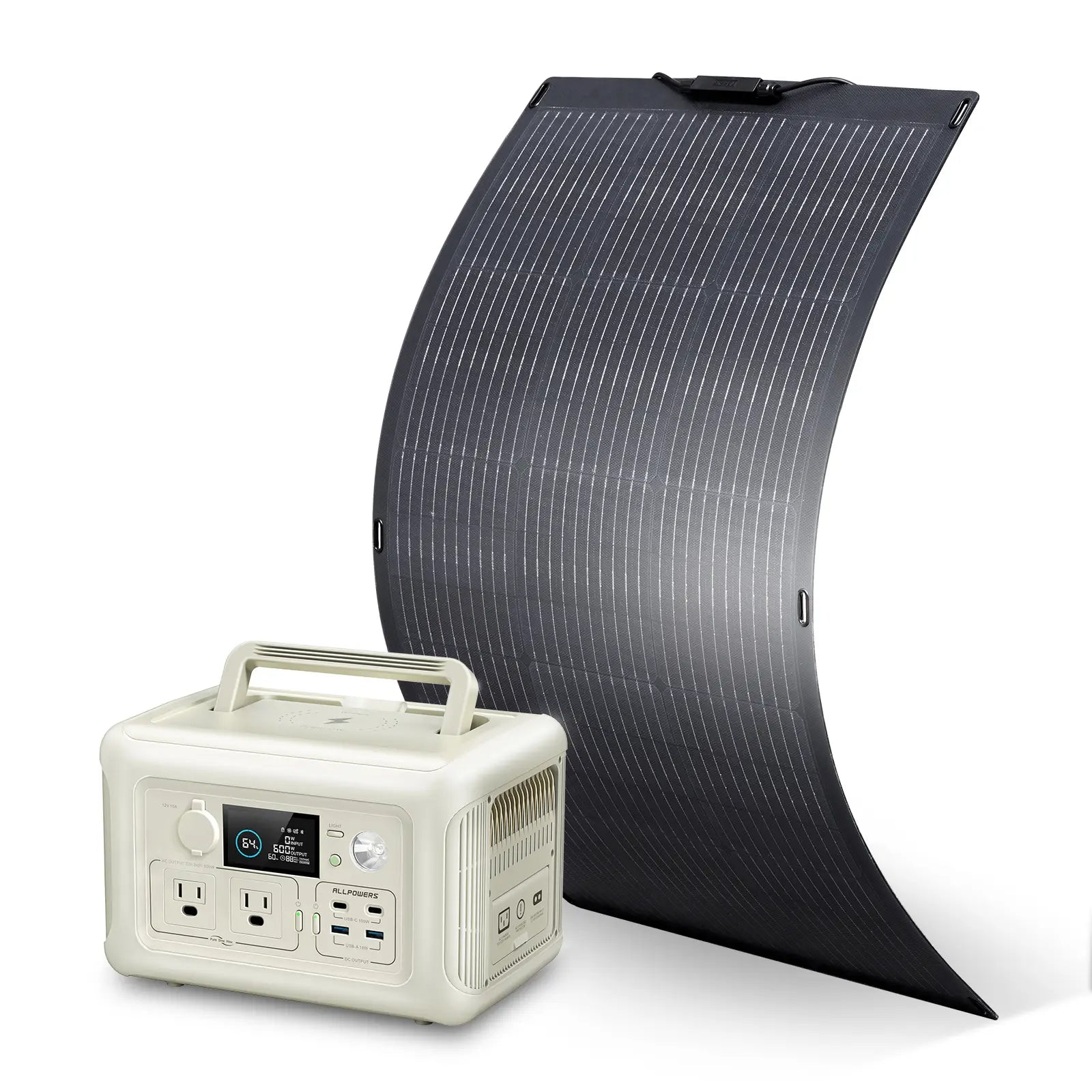
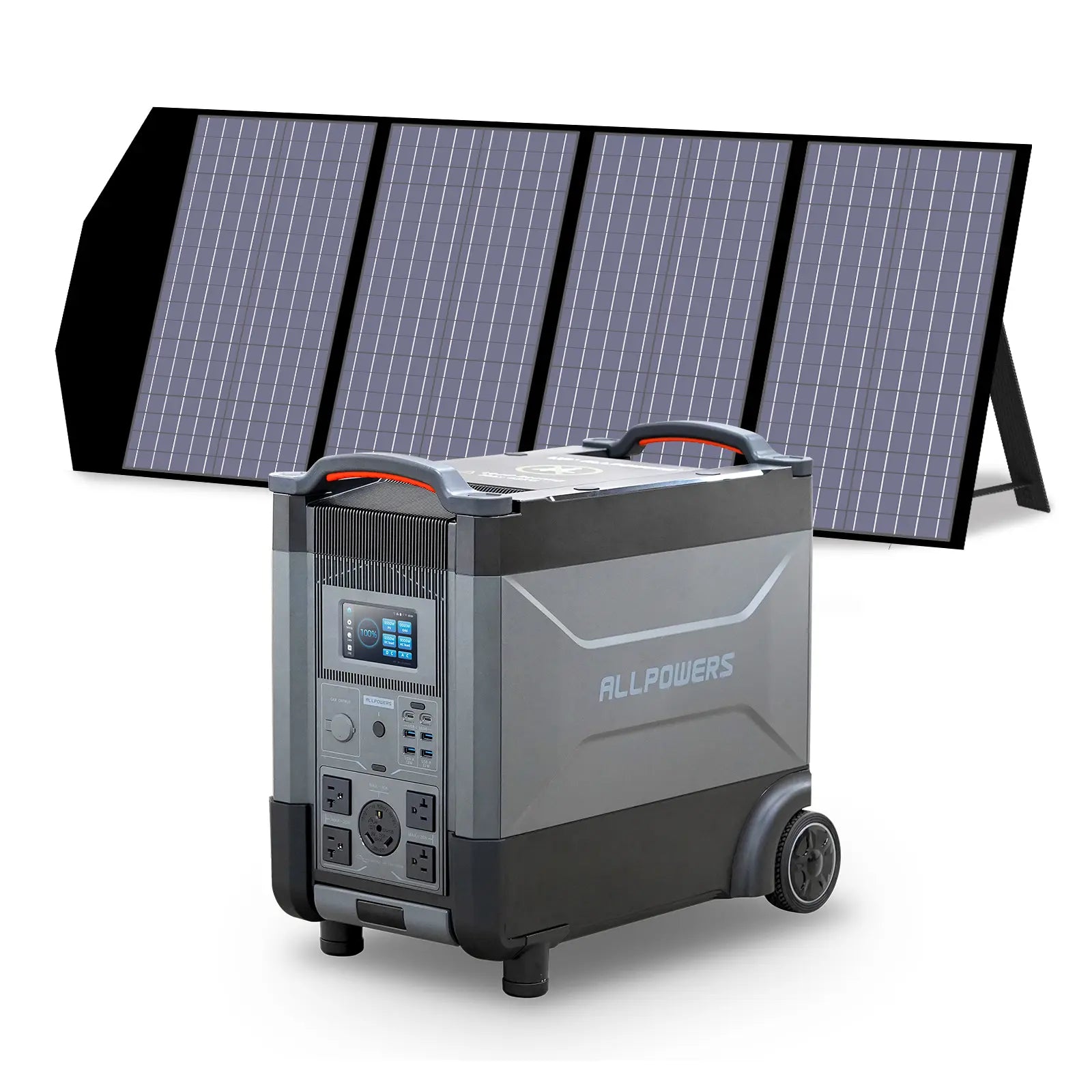
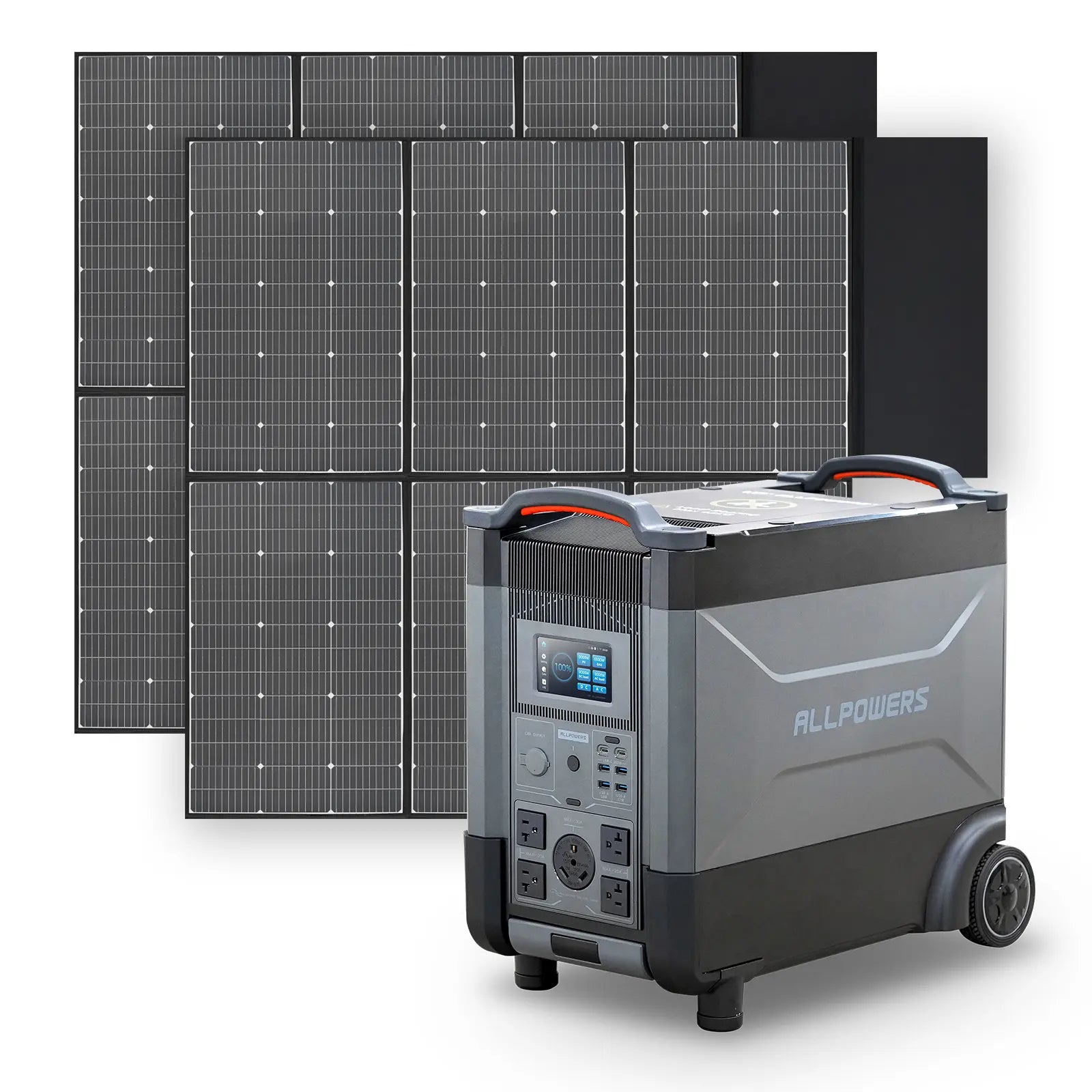
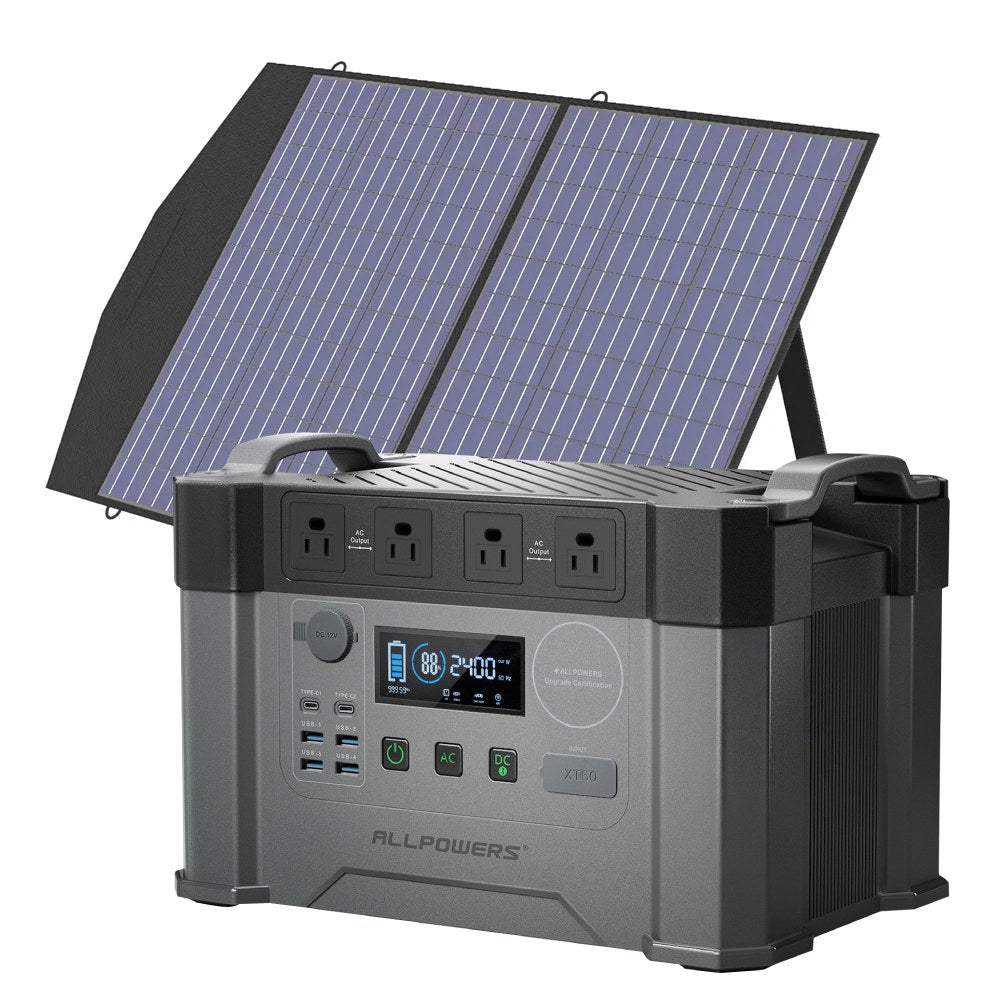
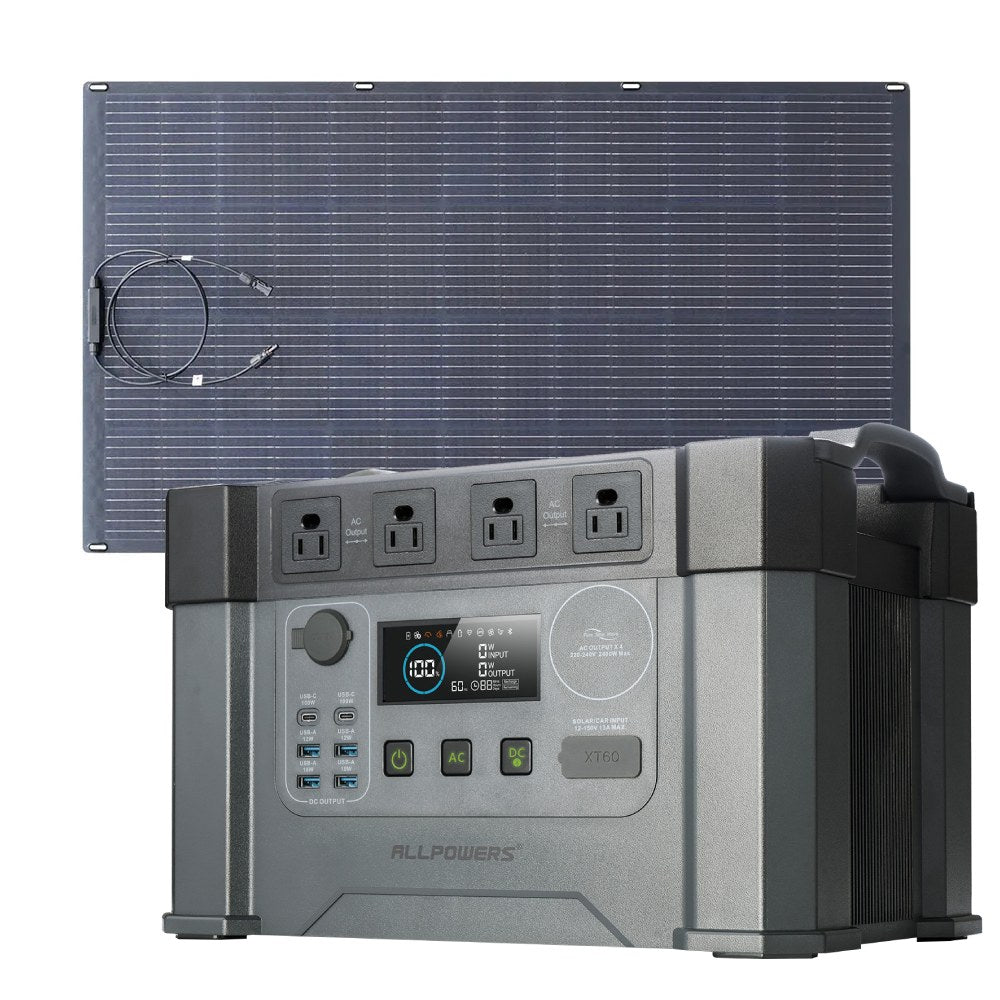
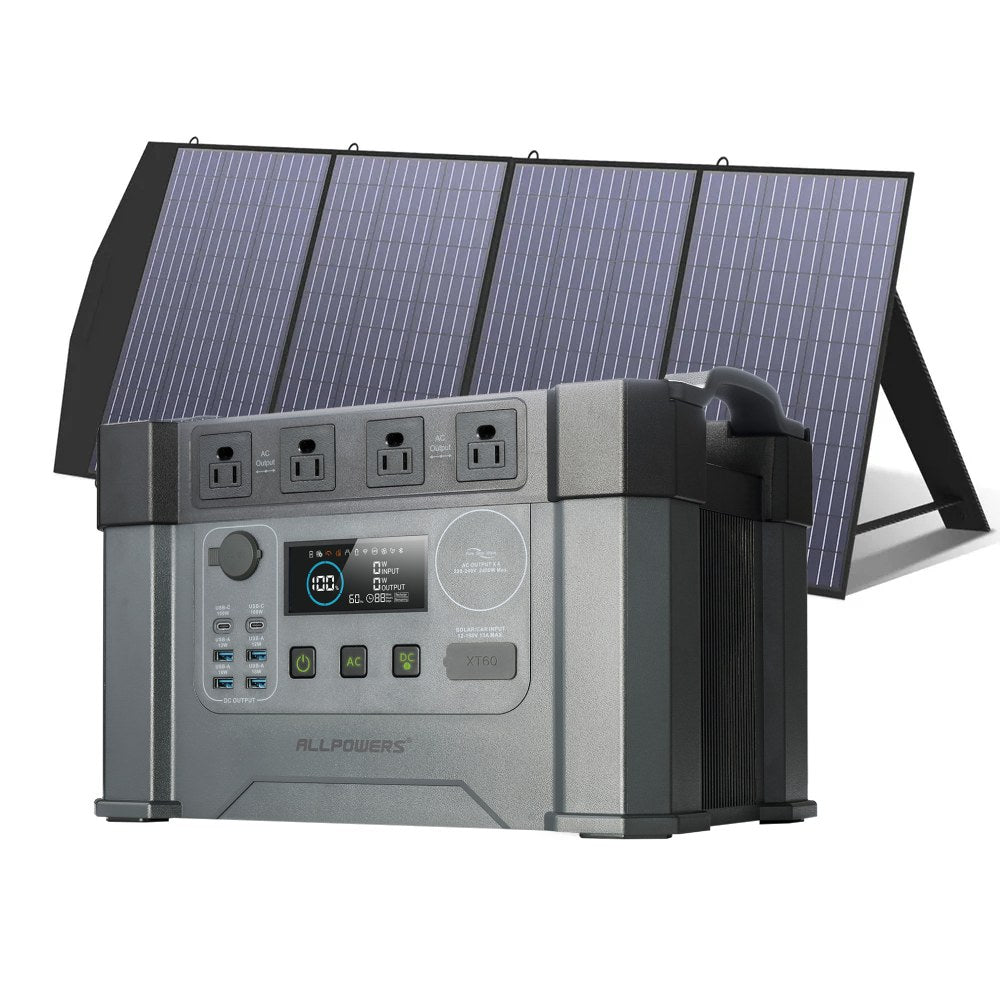
Instead, solar energy flows into a storage buffer first—usually a portable power station or a dedicated battery bank with a charge controller managing the input.
Conclusion
So, can a power station run Starlink? Yes, absolutely. That’s the simple answer.
A modest power station can handle short sessions without breaking a sweat.
A mid-sized one supports a full evening or work block. Add solar, and you start stretching into multi-day territory with surprising ease.