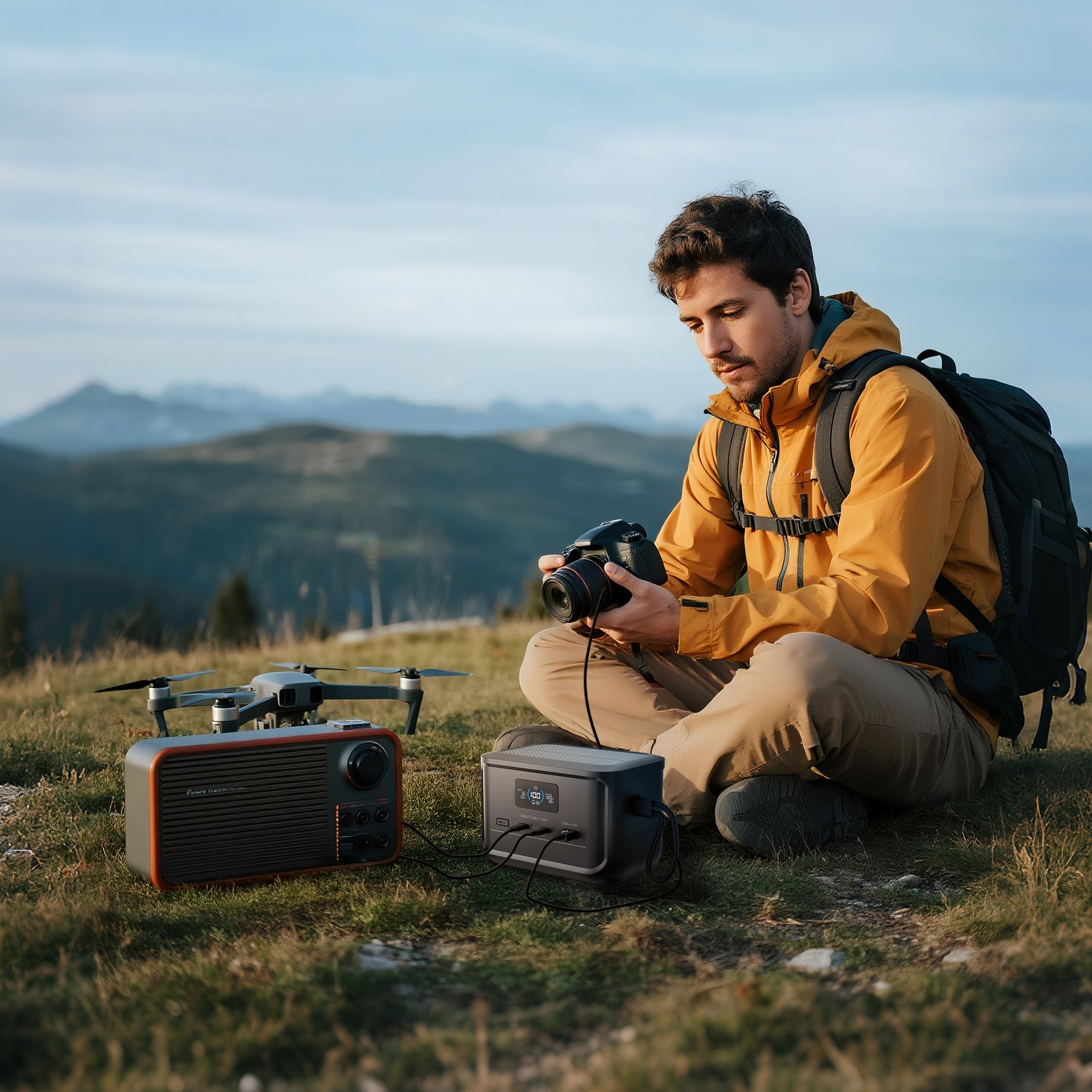
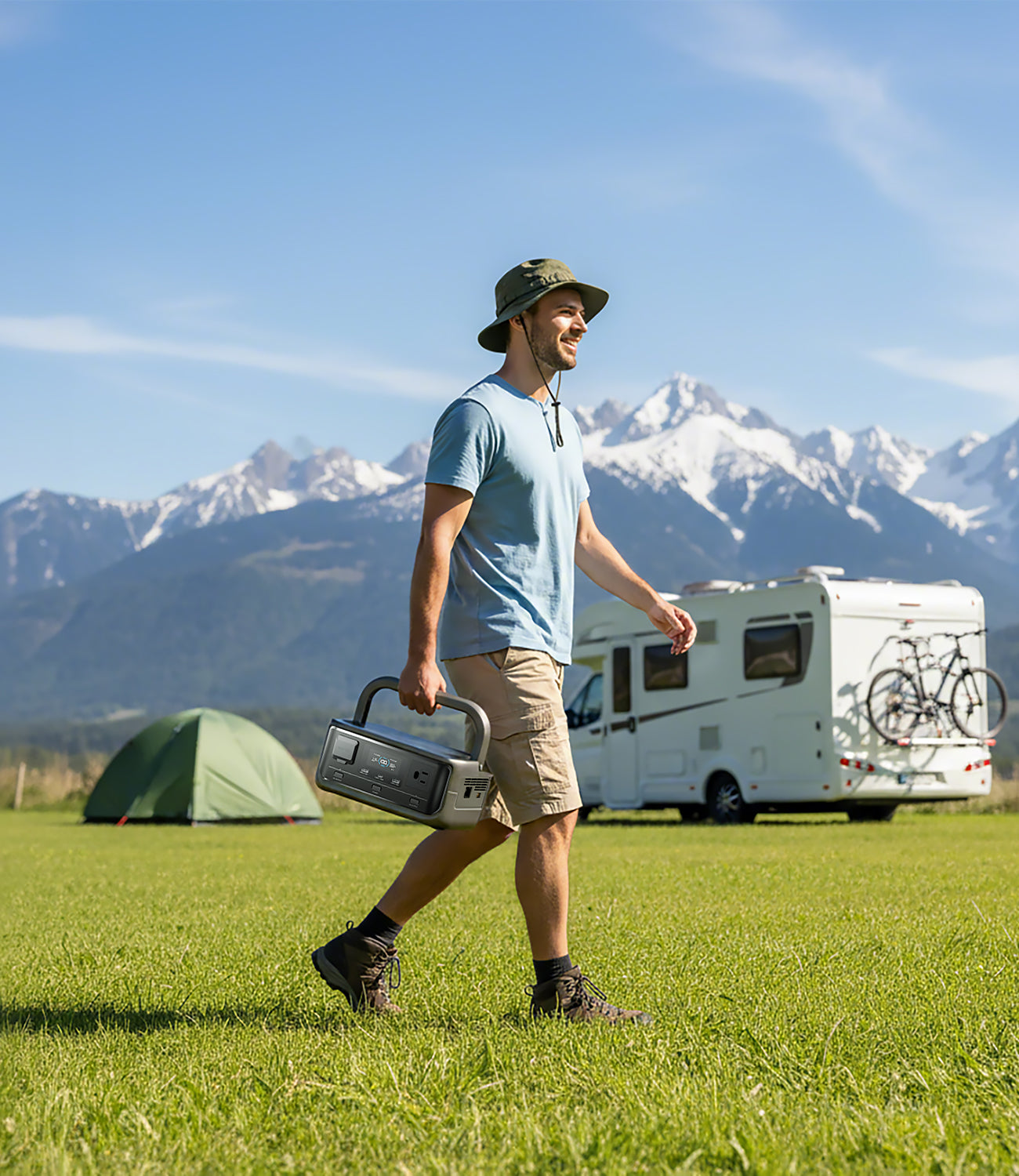

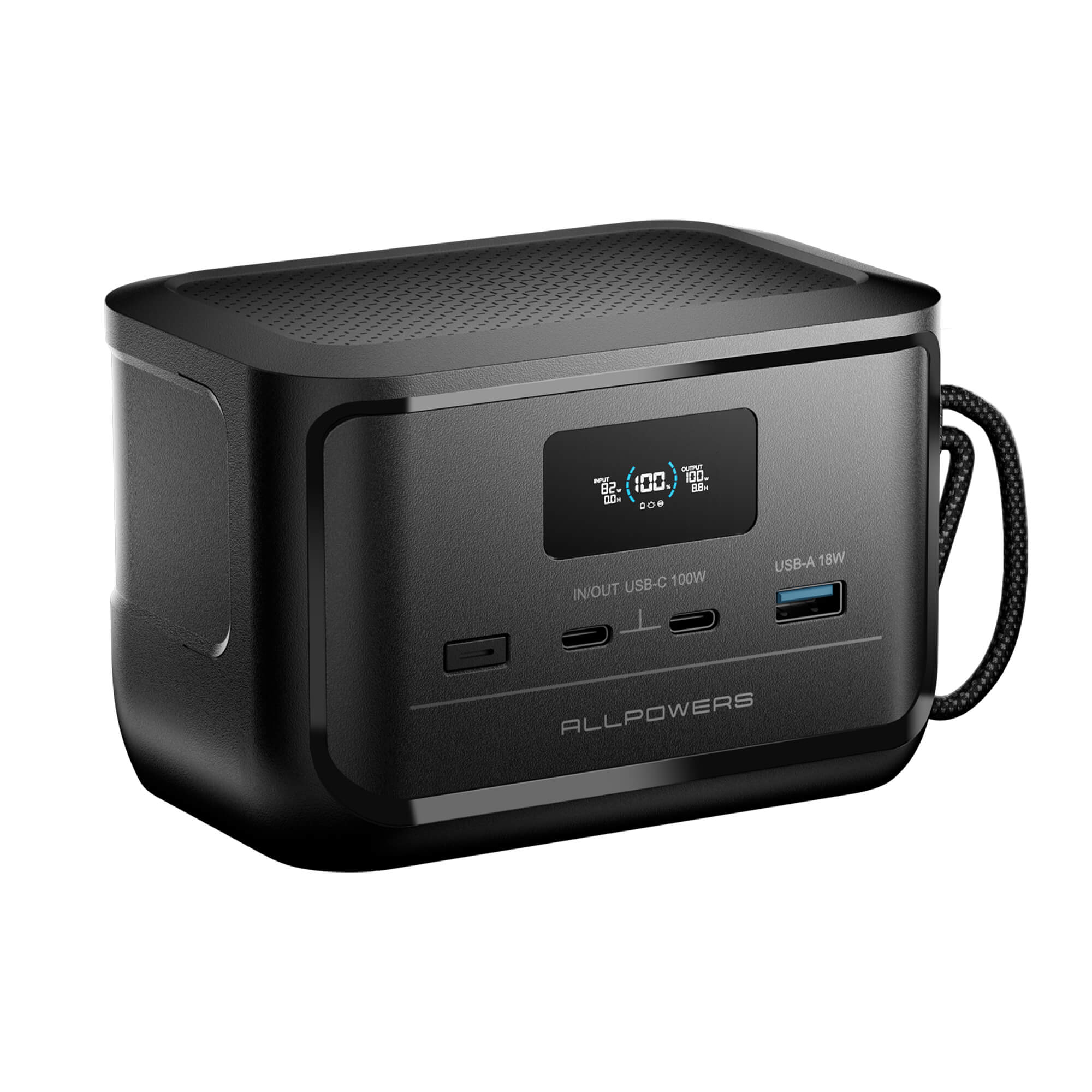

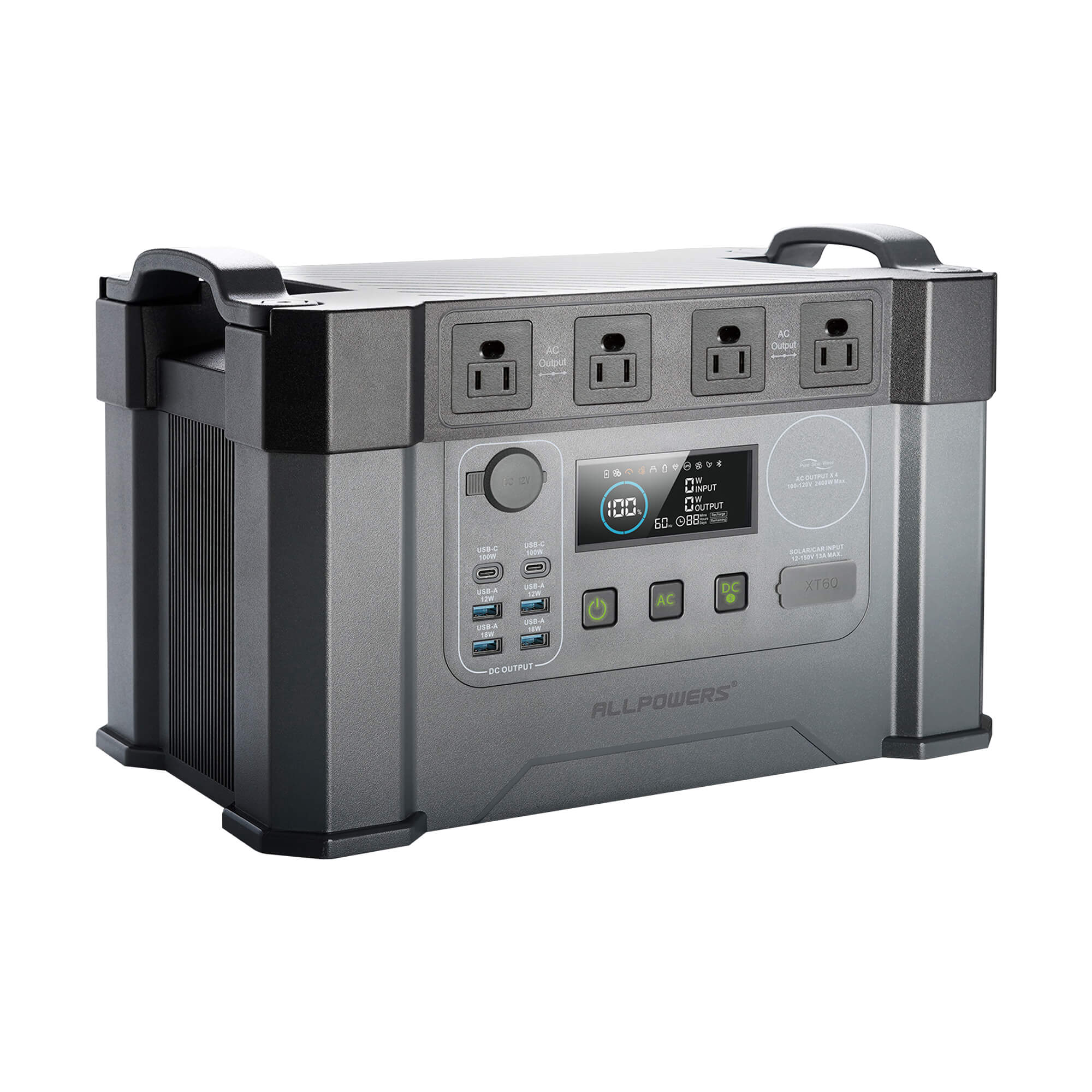
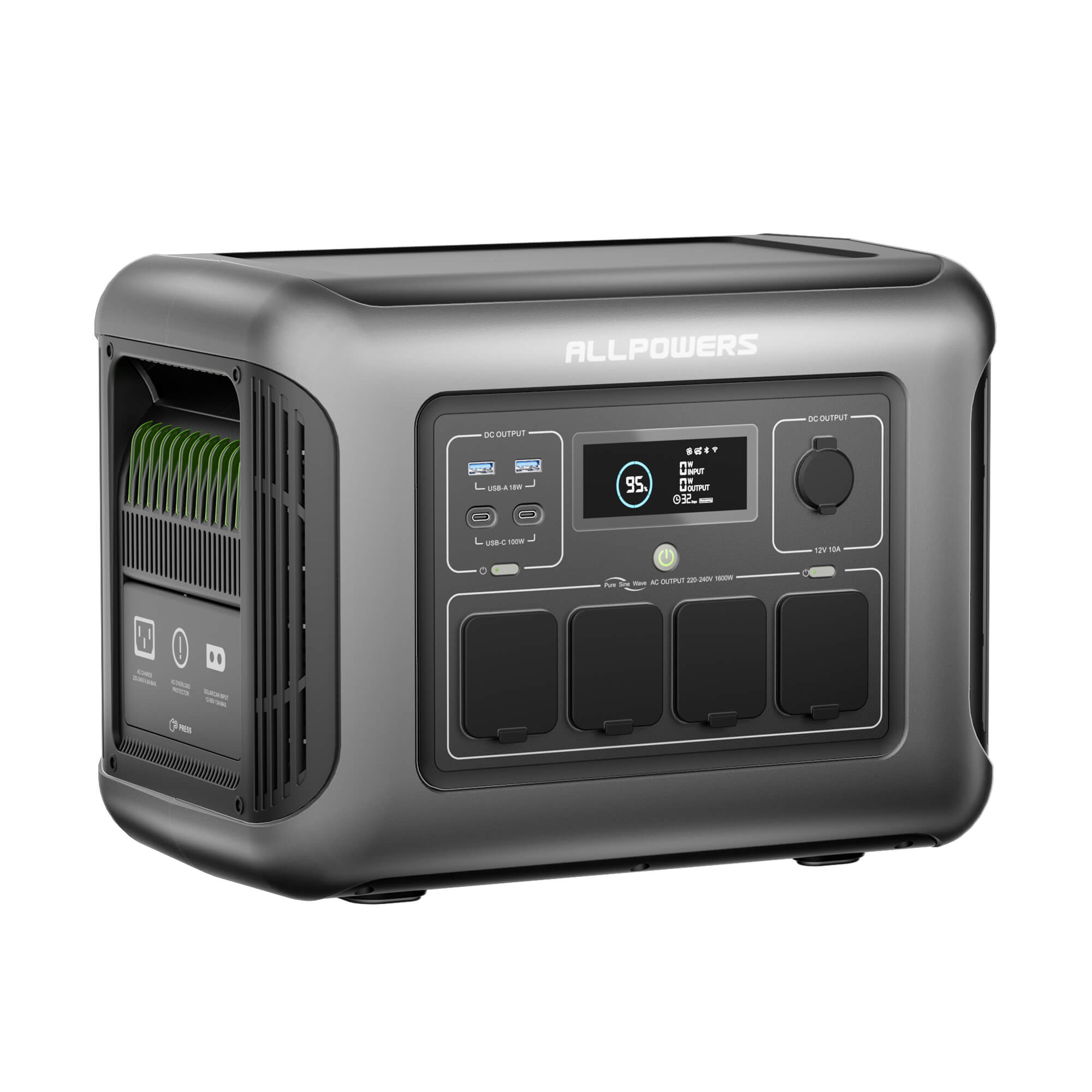
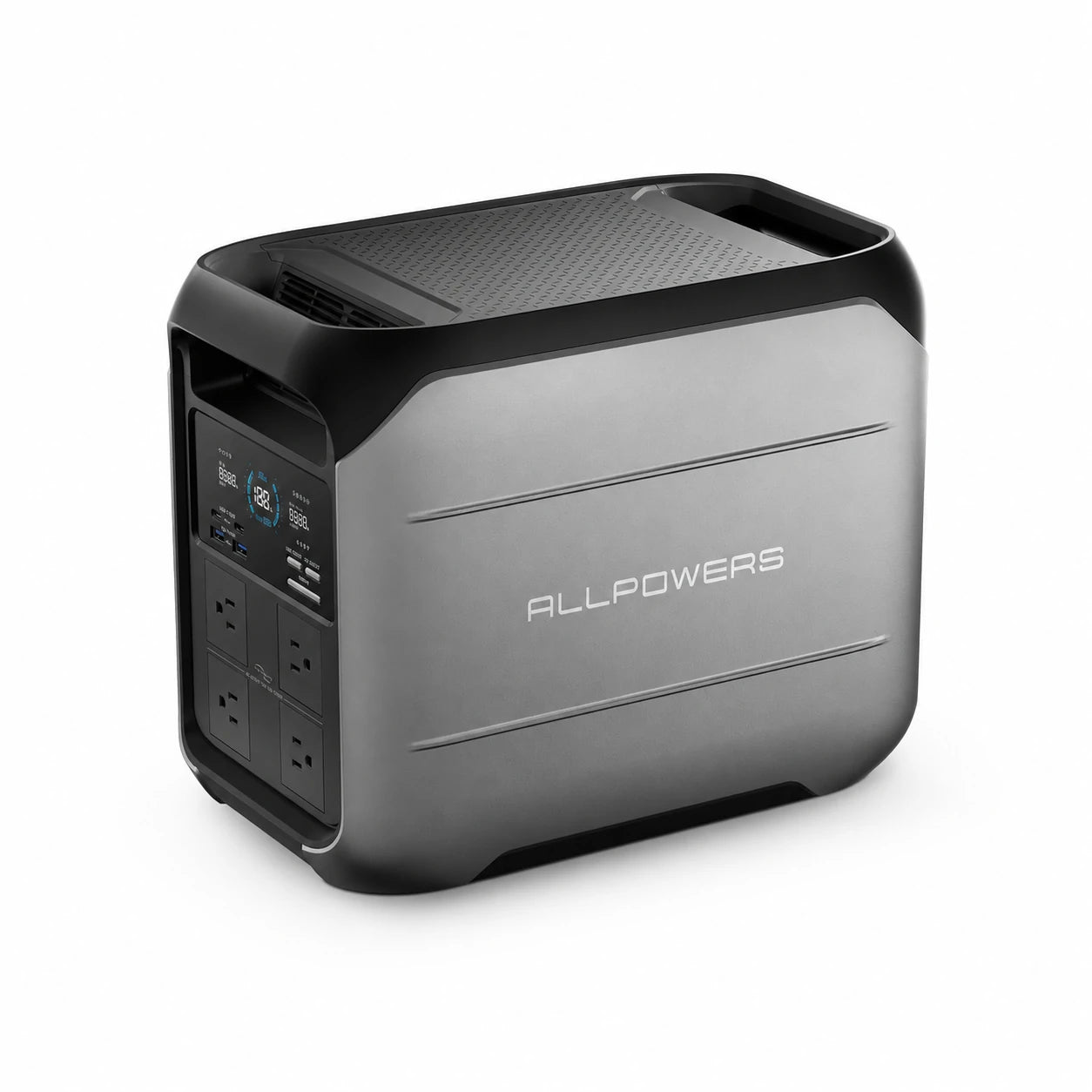




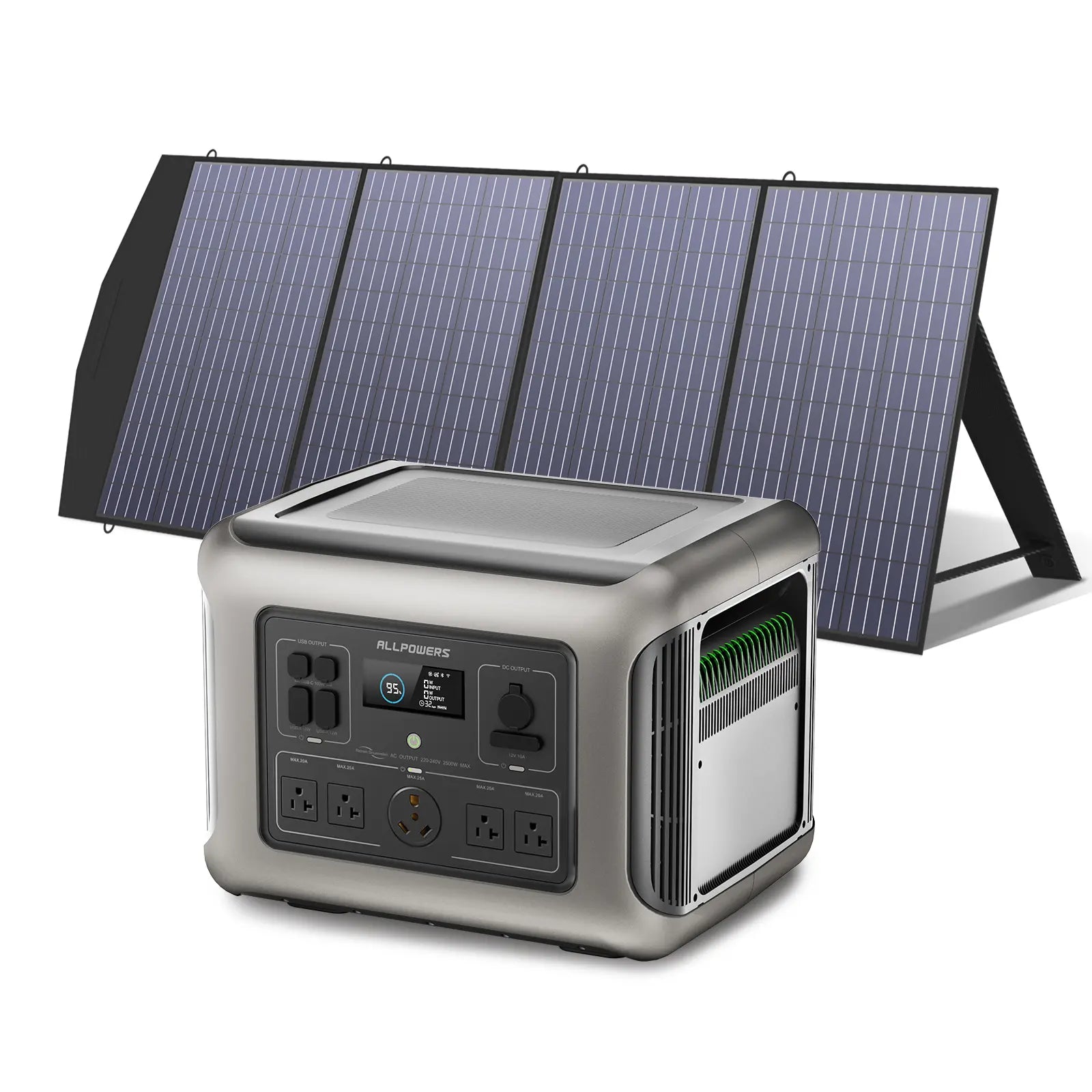
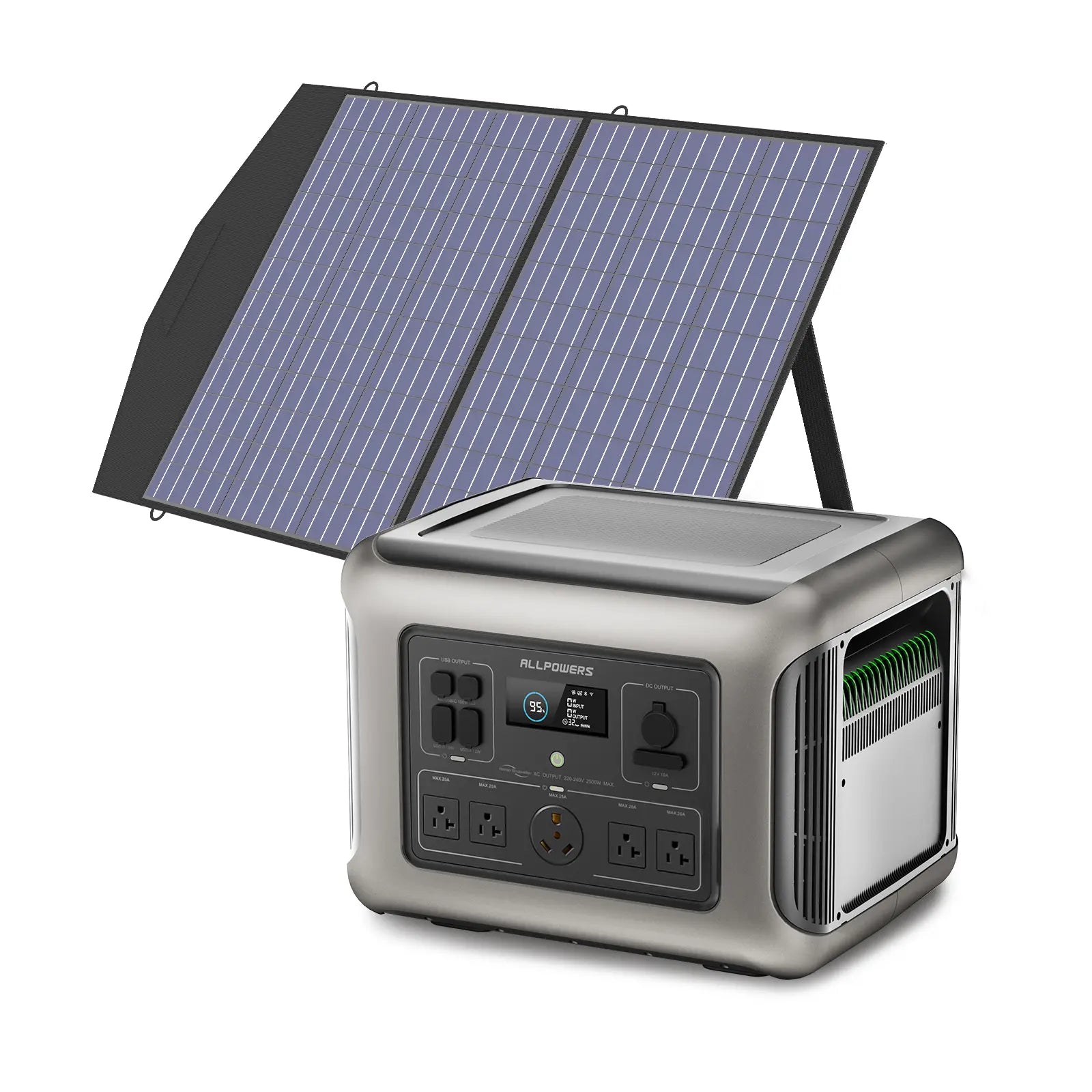
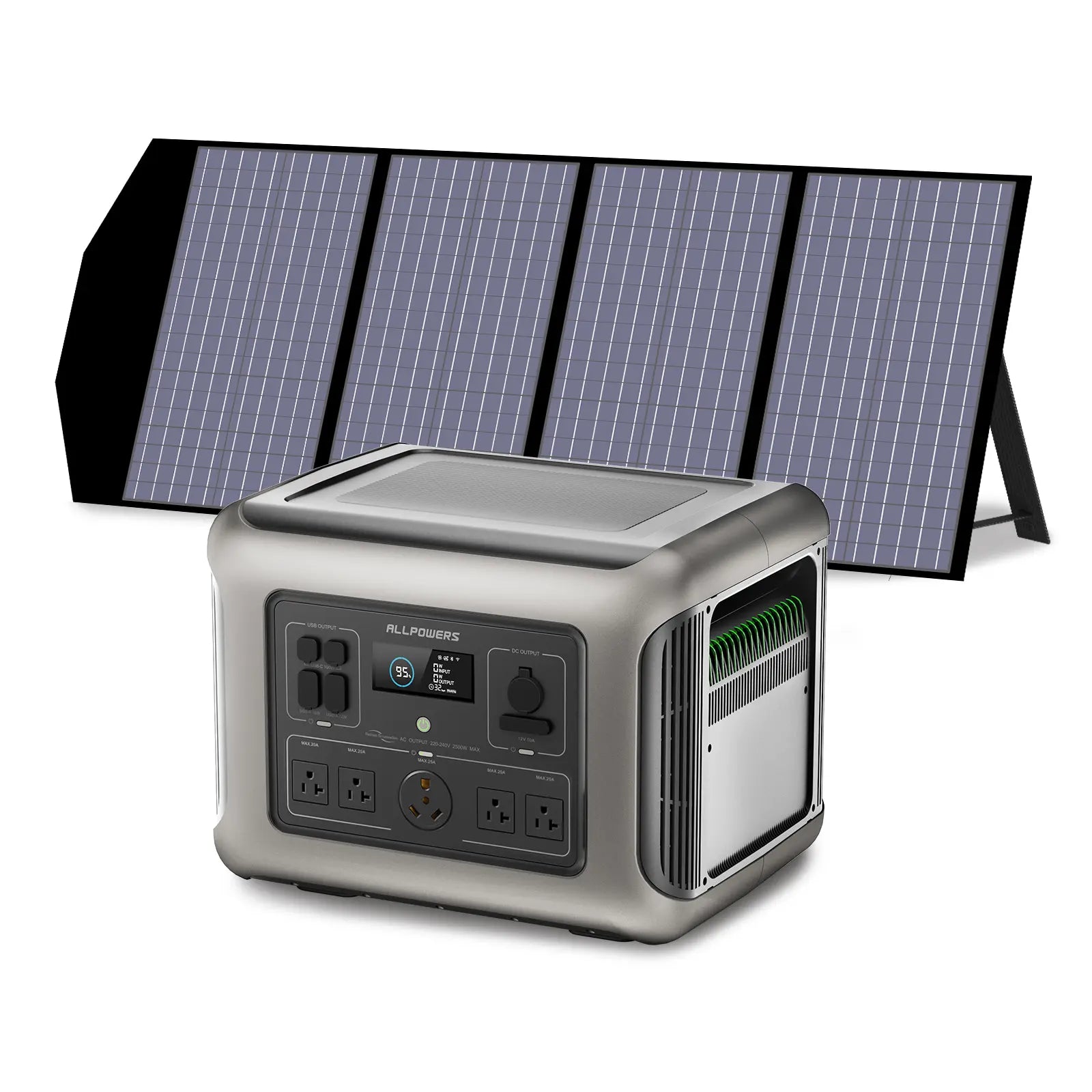
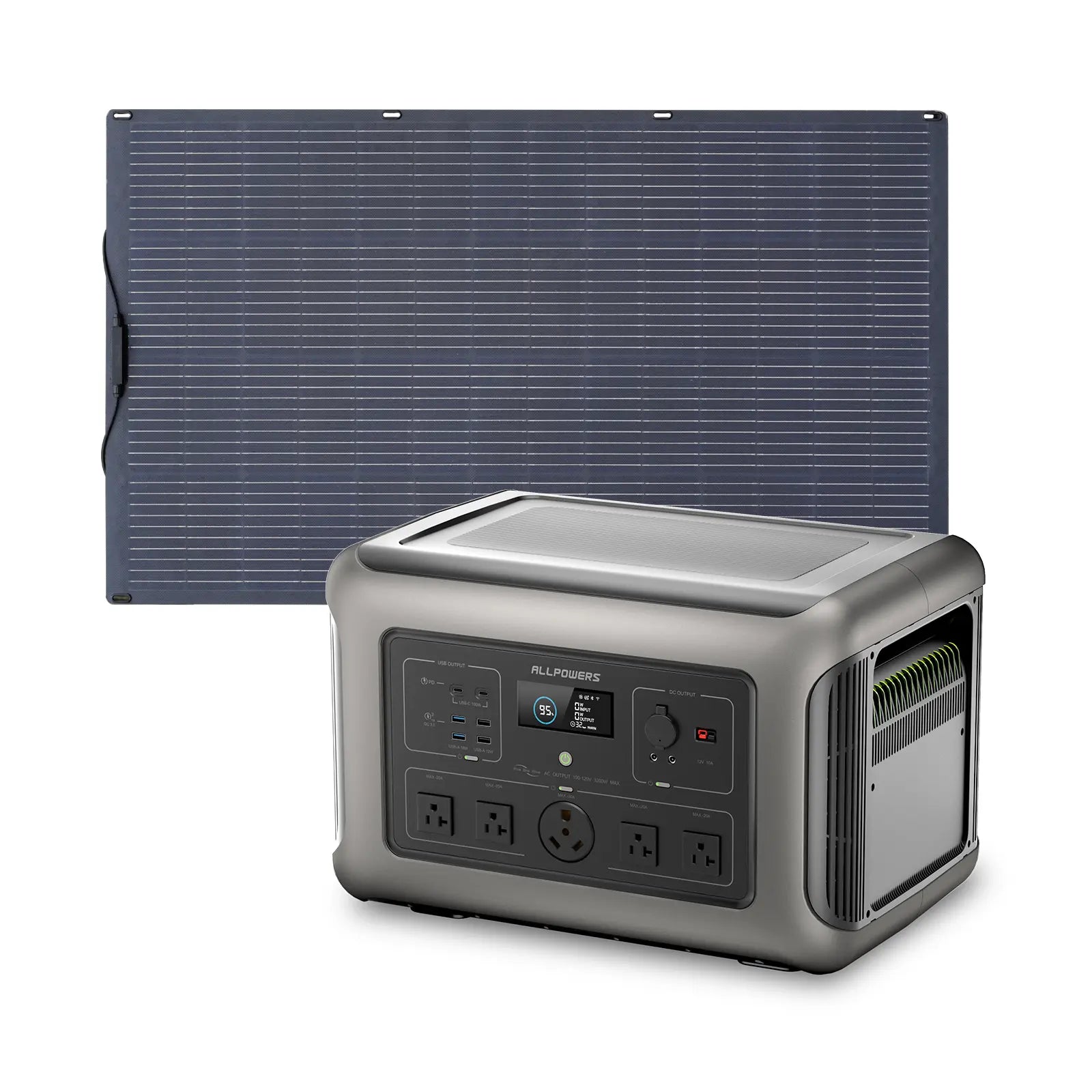
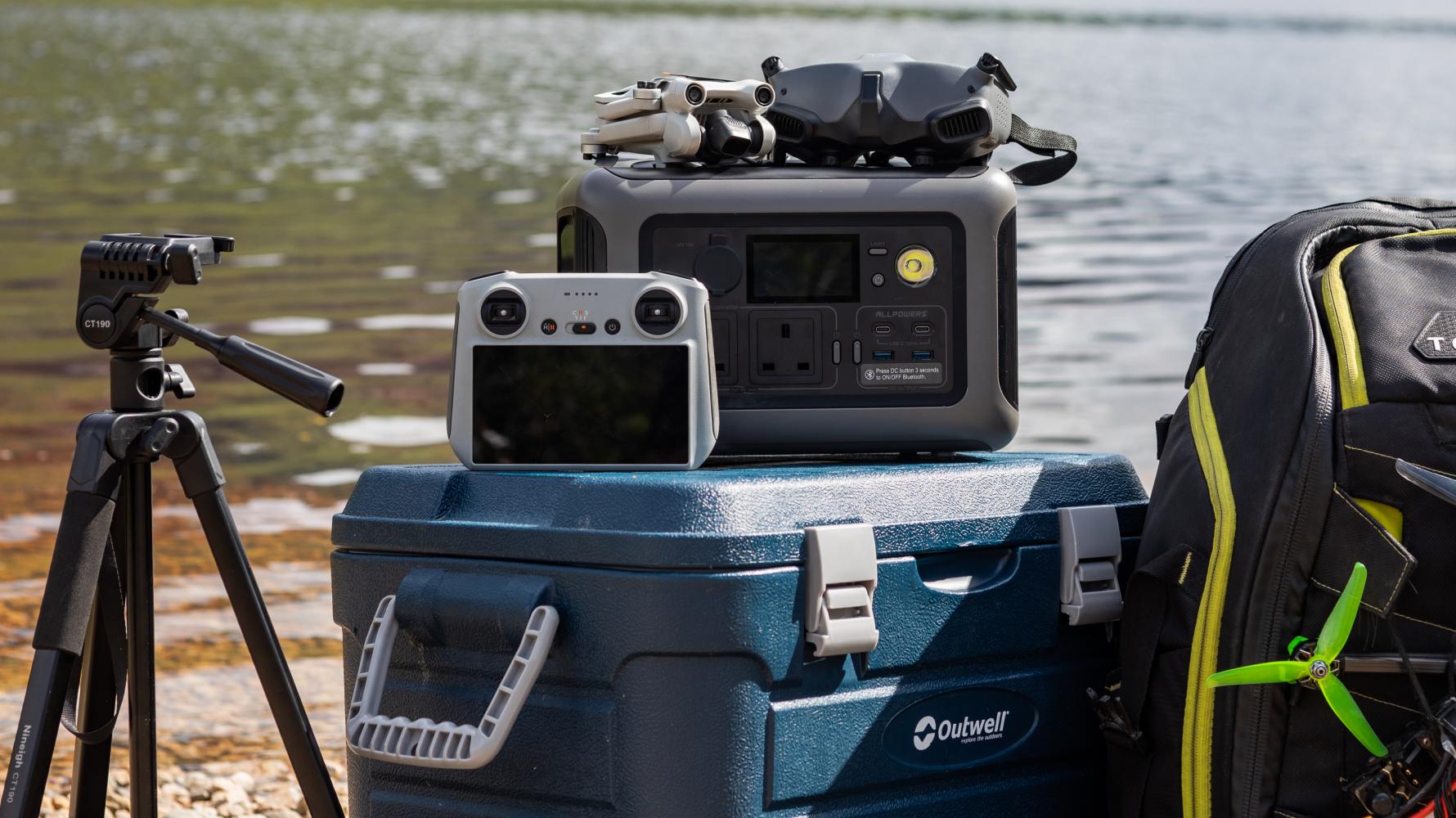
Camping is often about escaping modern routines and reconnecting with nature, but staying outdoors does not always mean giving up access to electricity.
From charging phones and running lights to powering refrigerators, cameras, and small appliances, electricity has become an important part of modern camping.
However, unlike at home, most campsites—especially dispersed or backcountry locations—offer little or no access to traditional power outlets.
So, how do you get power when camping?
TL;DR: Campers can get power through several methods, including portable batteries, vehicle charging, solar charging, fuel generators, and campsite electrical hookups. For most modern camping setups, combining stored energy with renewable charging provides a flexible way to keep essential electronics powered while staying off-grid.
Why Modern Campers Need Electricity
Modern camping has changed significantly over the years. While traditional camping focused mainly on tents, cooking equipment, and basic supplies, many outdoor enthusiasts now bring electronic devices that improve safety, communication, and comfort.
Power is often needed for essential items such as smartphones, GPS devices, cameras, lights, and emergency communication equipment.
For longer trips, campers may also need electricity for portable refrigerators, CPAP machines, laptops, or cooking appliances.
As a result, having access to reliable electricity has become increasingly important.
How Much Power Do You Need While Camping?
Before choosing a camping power solution, the most important step is understanding your actual electricity requirements.
Small Electronics
Phones, watches, cameras, and GPS devices usually require minimal energy. These devices can often be supported with compact charging solutions.
Medium-Power Camping Devices
Items such as portable speakers, laptops, fans, lights, and small refrigerators require more planning because they may operate for several hours at a time.
High-Power Appliances
Electric grills, coffee makers, heaters, and air conditioners consume significantly more electricity and require larger energy systems.
| Camping Device | Typical Power Usage | Energy Planning Difficulty |
|---|---|---|
| Smartphone charging | 5–20W | Low |
| LED camping lights | 5–30W | Low |
| Laptop | 40–100W | Medium |
| Portable refrigerator | 40–80W | Medium |
| Coffee maker | 600–1500W | High |
| RV air conditioner | 1200W+ | Very High |
What Are the Main Ways to Get Electricity While Camping?
There are several common ways campers generate or access electricity outdoors.
Using a Vehicle for Power
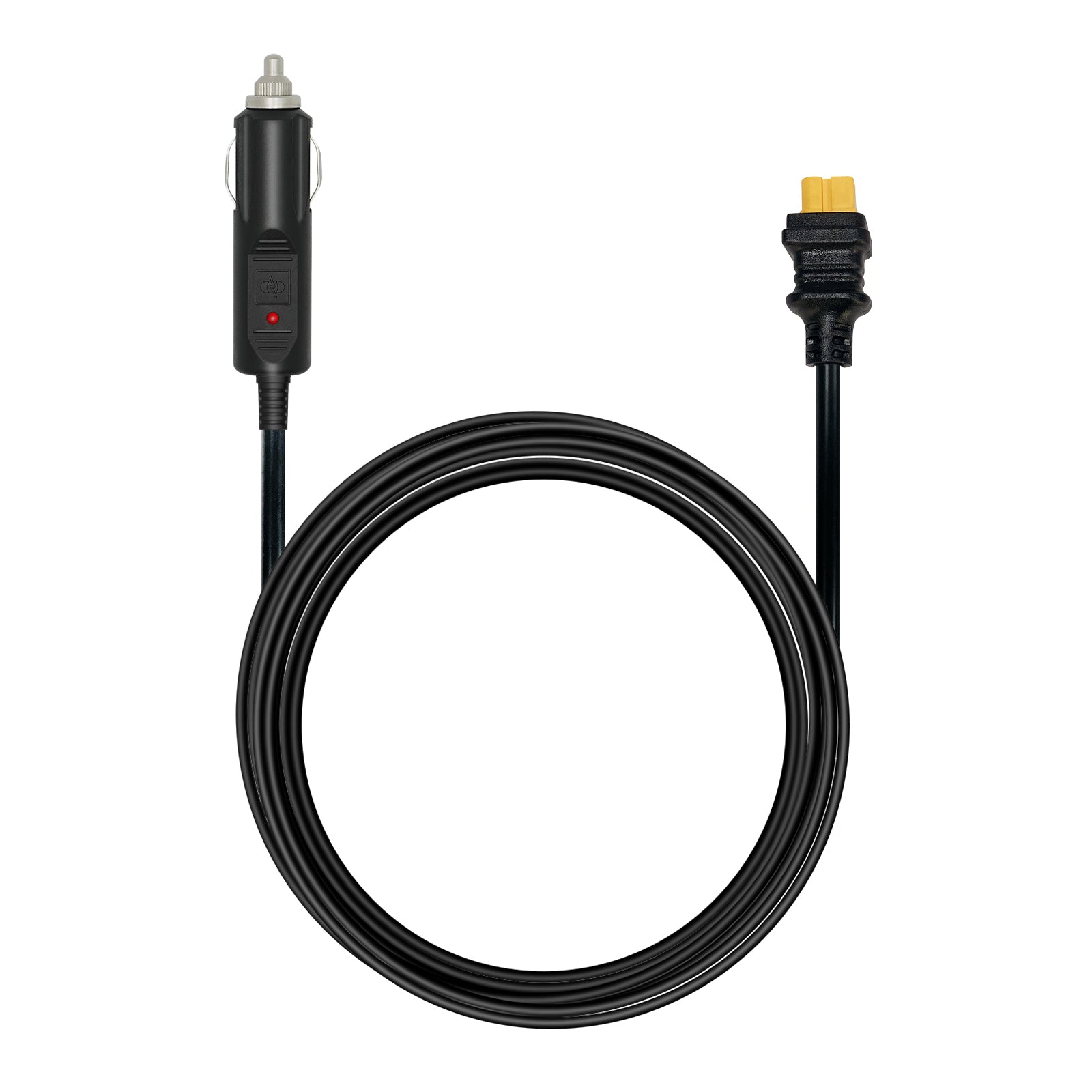
Your vehicle is often the first power source available during camping trips. Many campers use 12V outlets, vehicle charging ports, or inverters to recharge small electronics.
This method works well for short trips, but it has limitations. Running devices for extended periods can drain the vehicle’s starter battery, potentially leaving you unable to start the engine.
Using Campsite Electrical Hookups
Developed campgrounds often provide electrical hookups, usually through standard household-style outlets or RV connections.
These are the simplest option because they provide continuous electricity without requiring additional equipment.
However, electrical campsites are not always available, especially when camping in national forests, remote areas, or dispersed camping locations.
Using Fuel-Powered Generators
Traditional generators remain popular among RV owners and campers who need significant amounts of electricity.
They can provide high output for demanding appliances such as air conditioners, microwaves, and power tools.
However, fuel generators also come with disadvantages, including noise, fuel storage requirements, maintenance, and emissions.
These factors make them less suitable for quiet campsites or environmentally sensitive areas.
Using Battery-Based Power Systems
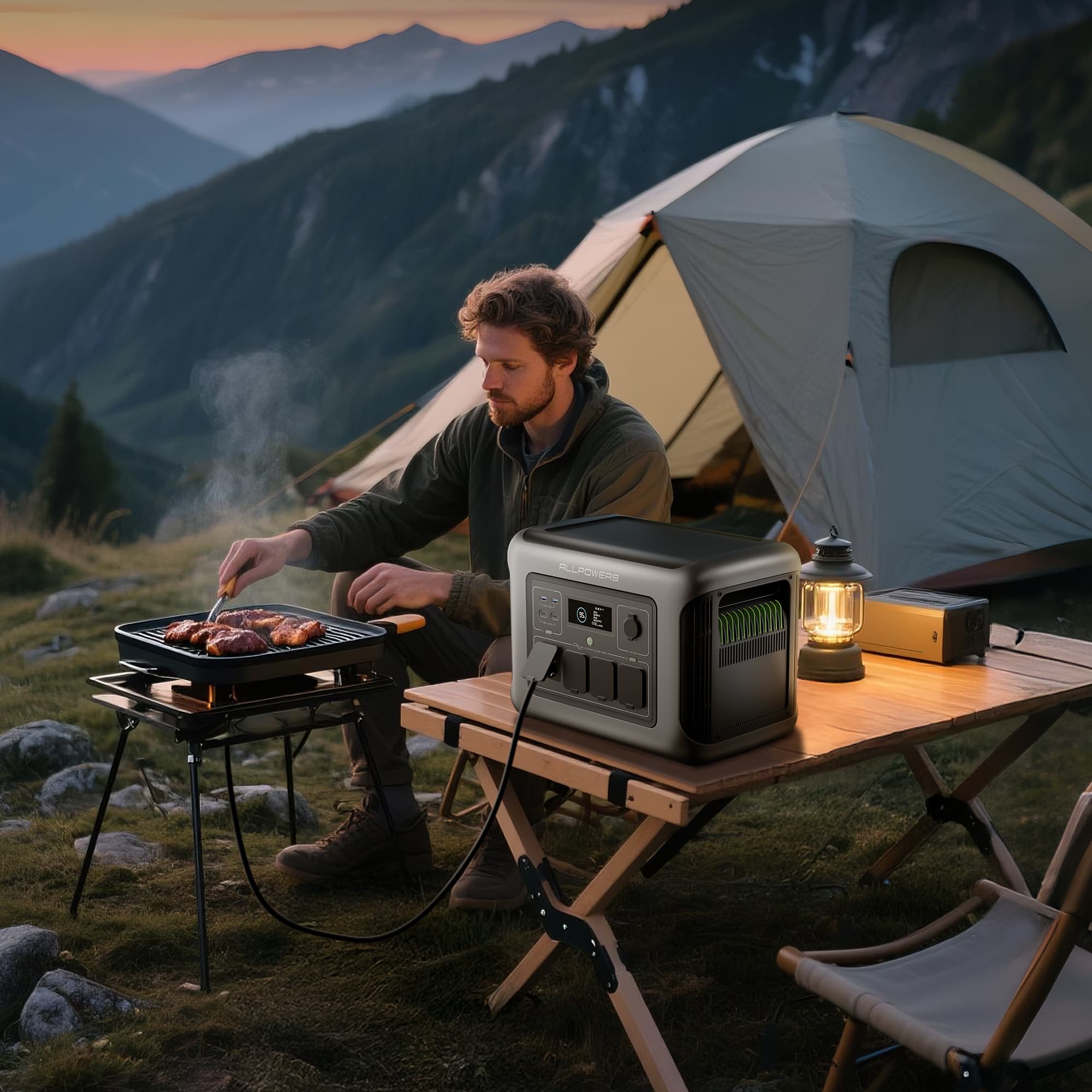
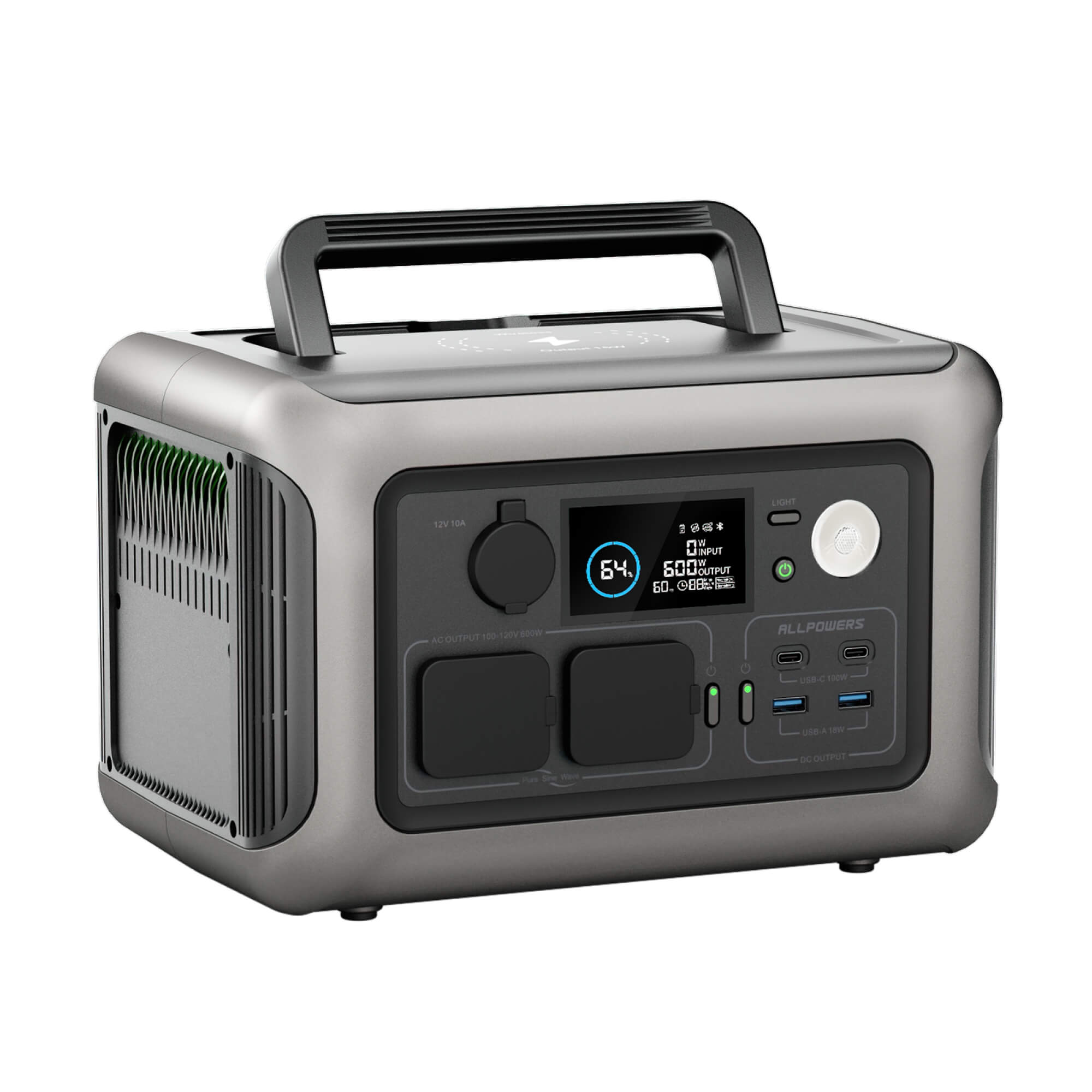
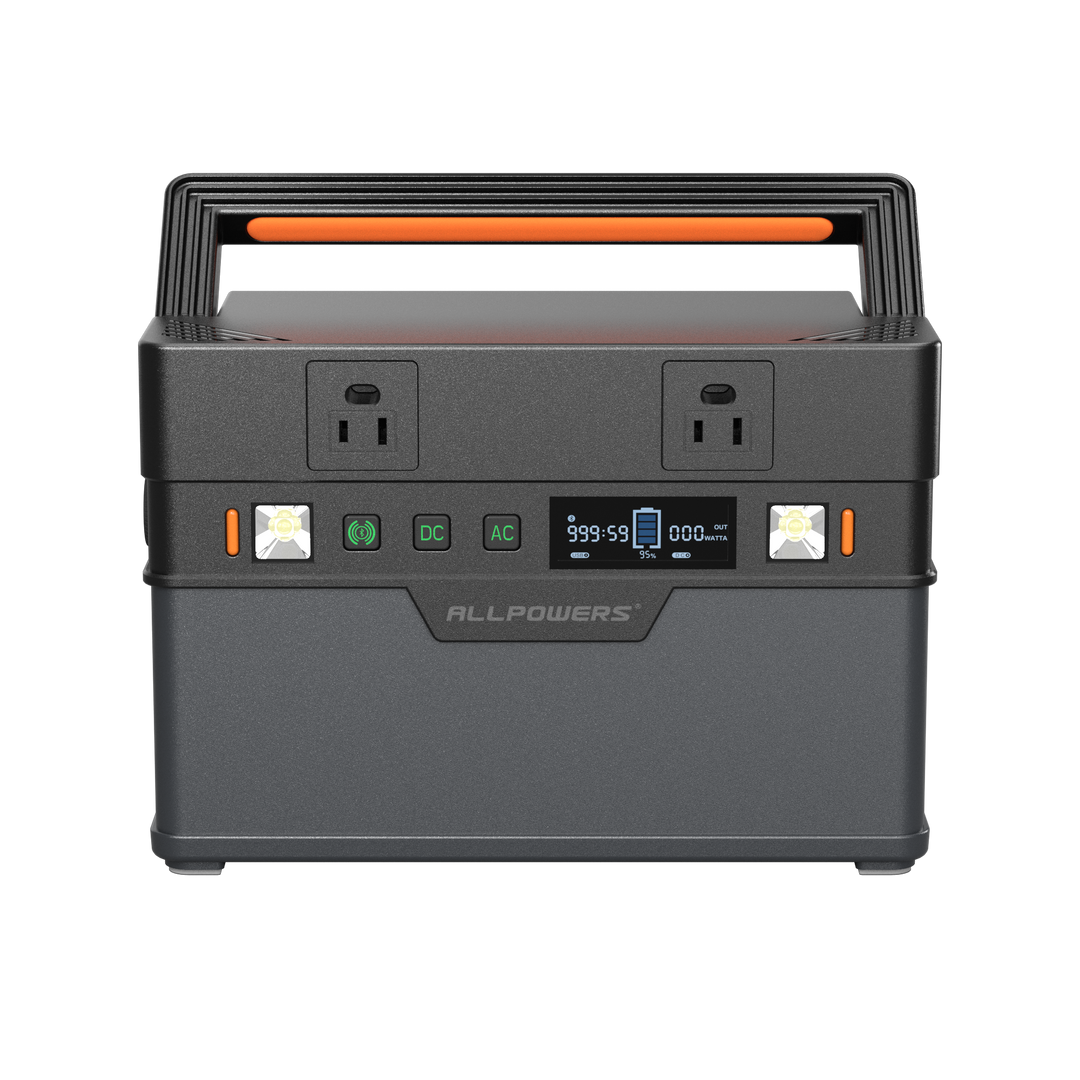
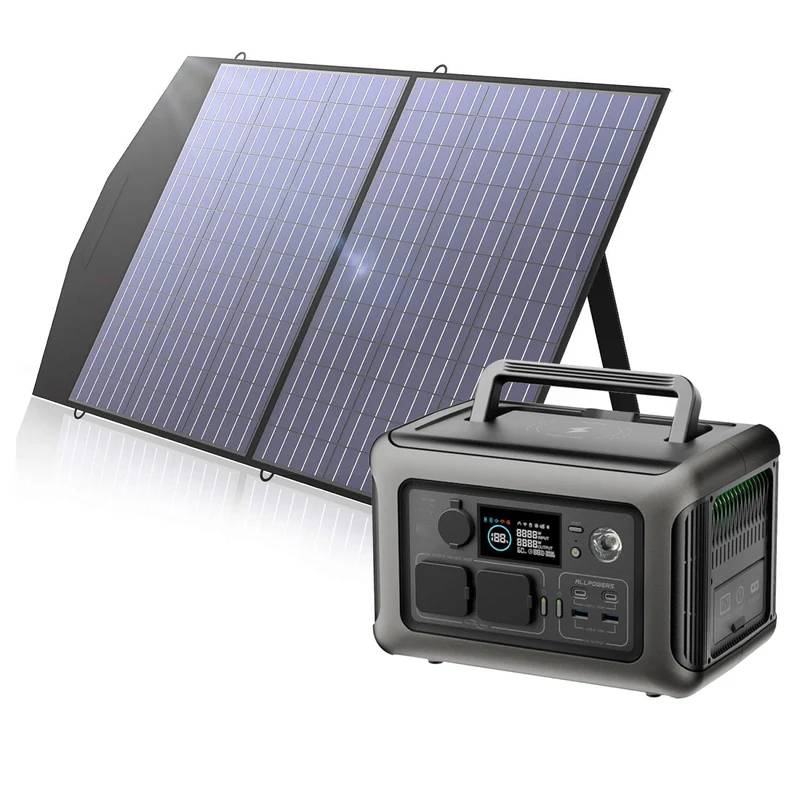
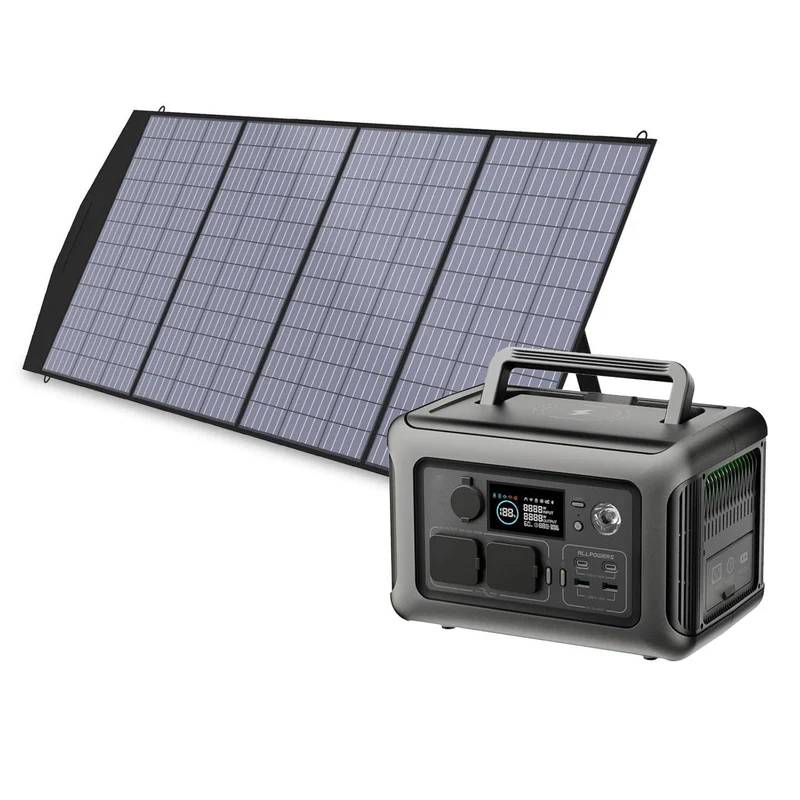
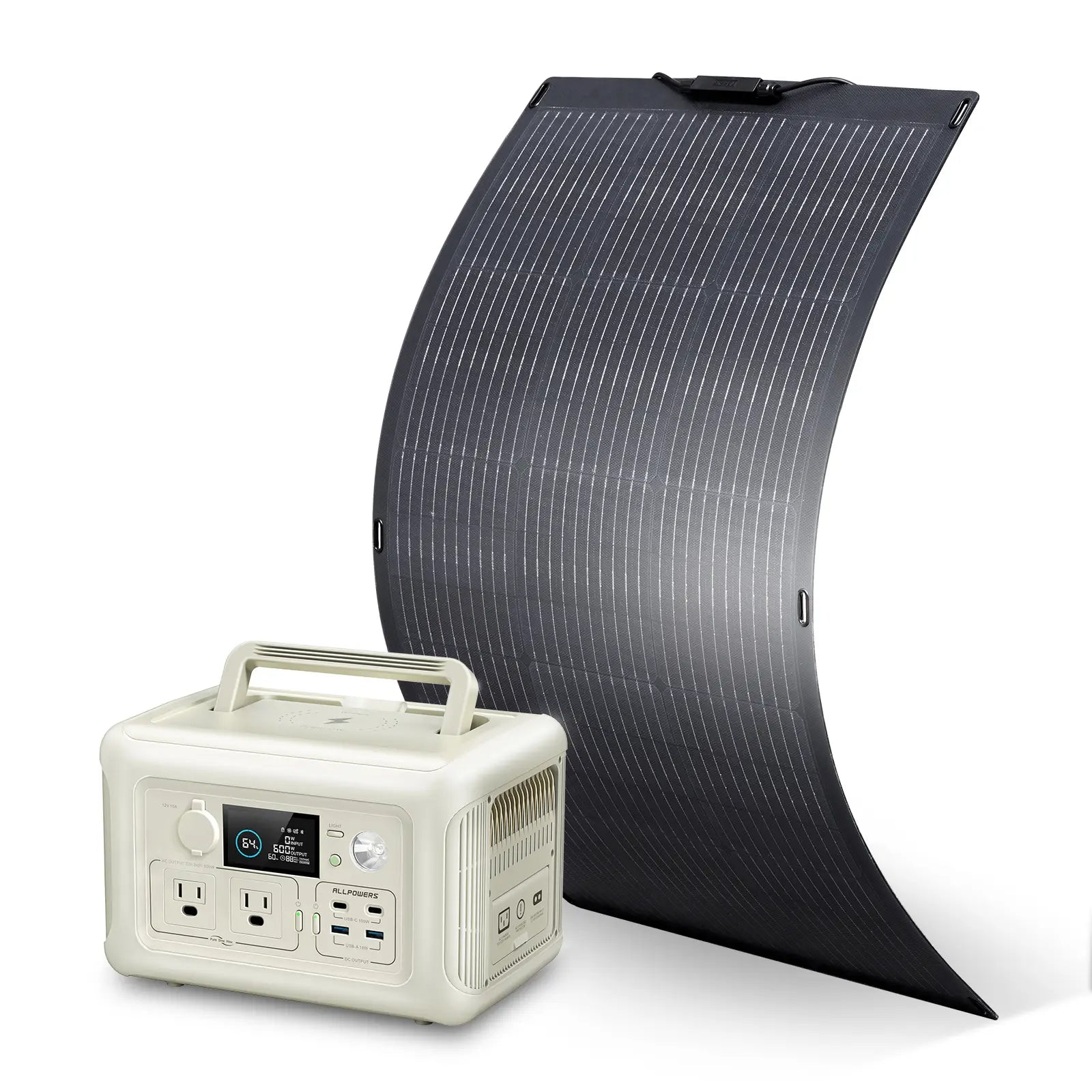
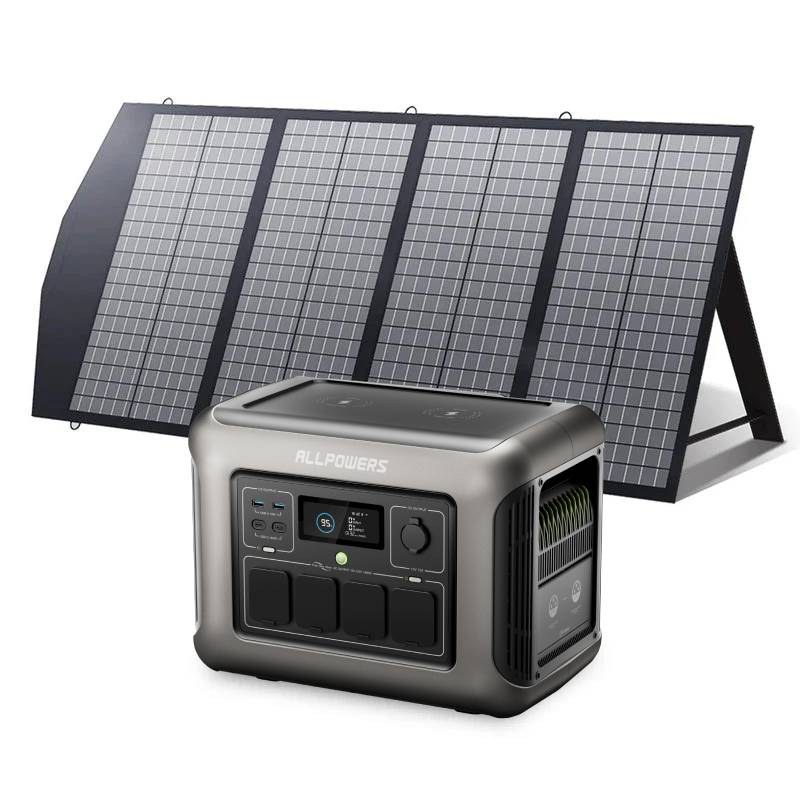
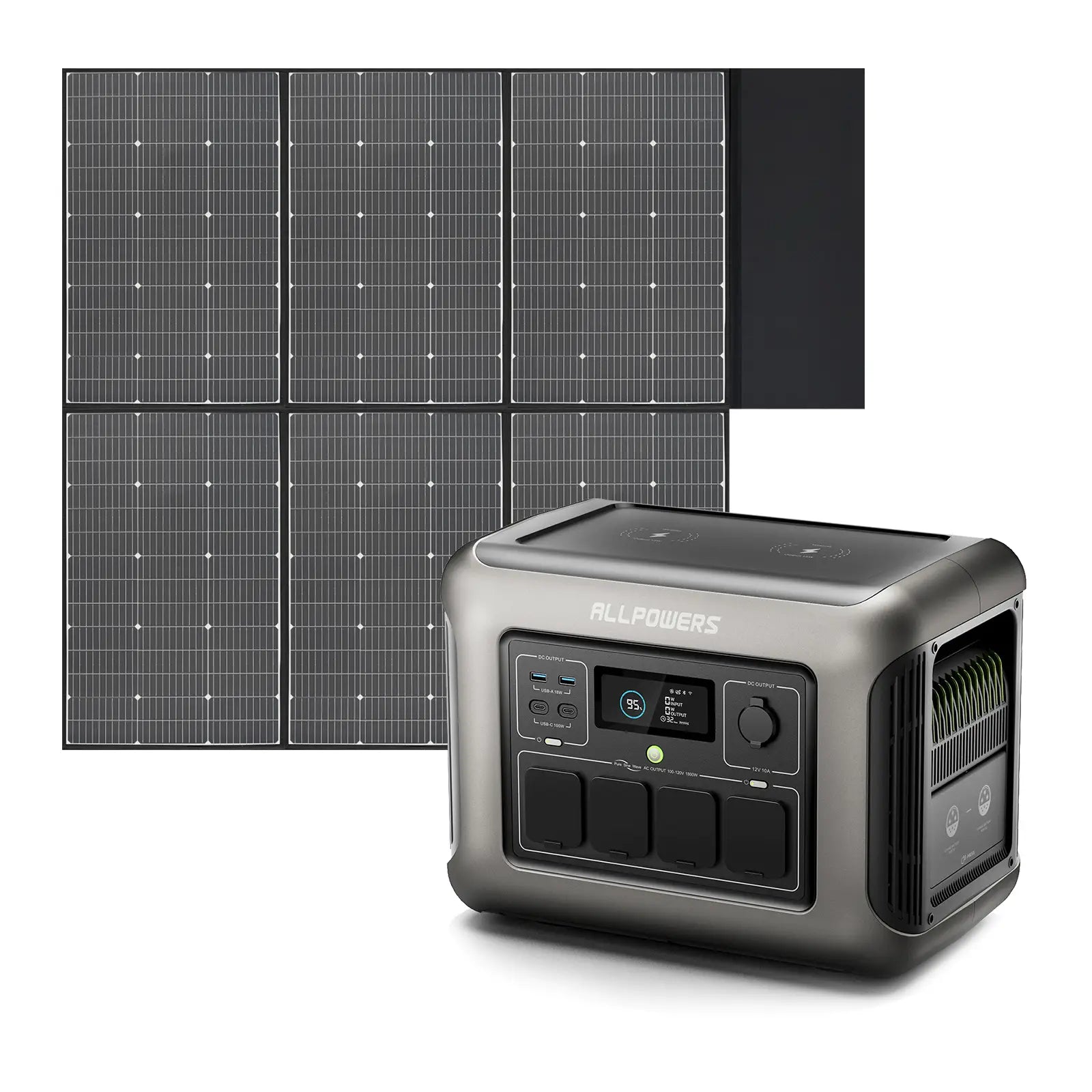
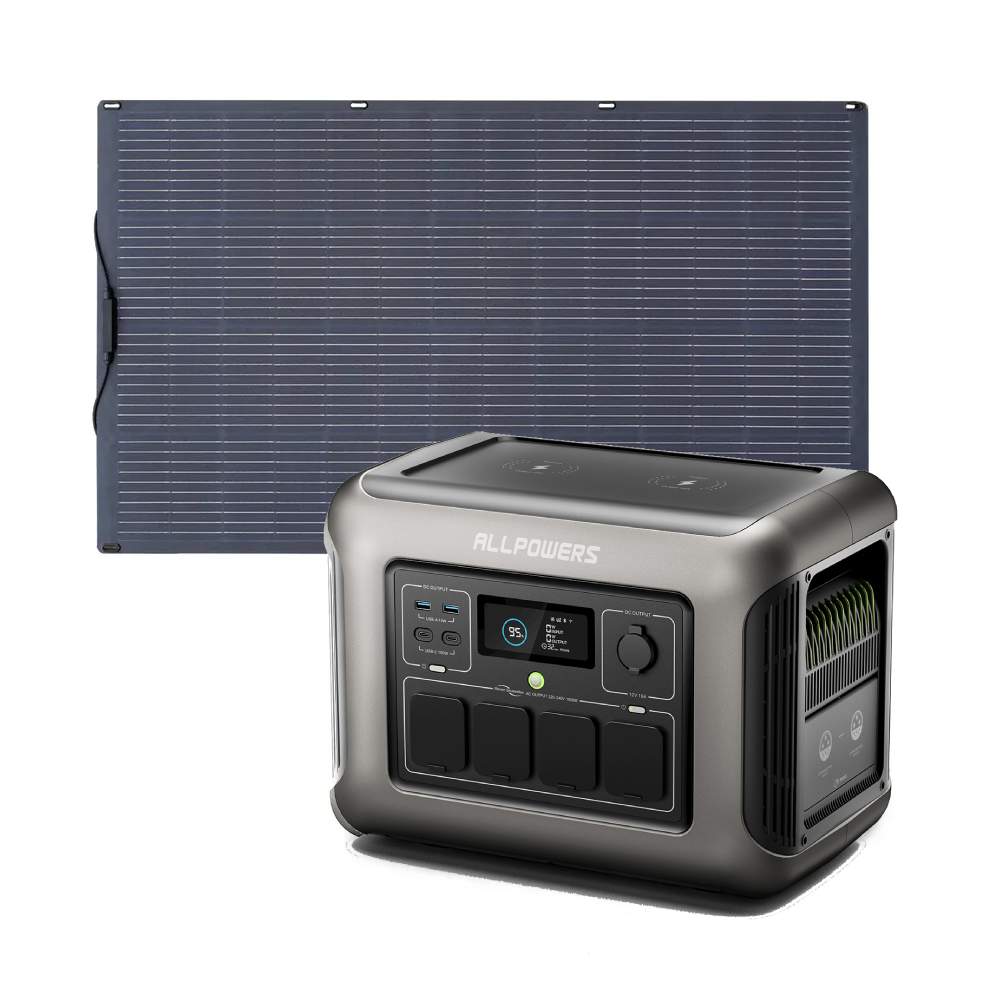
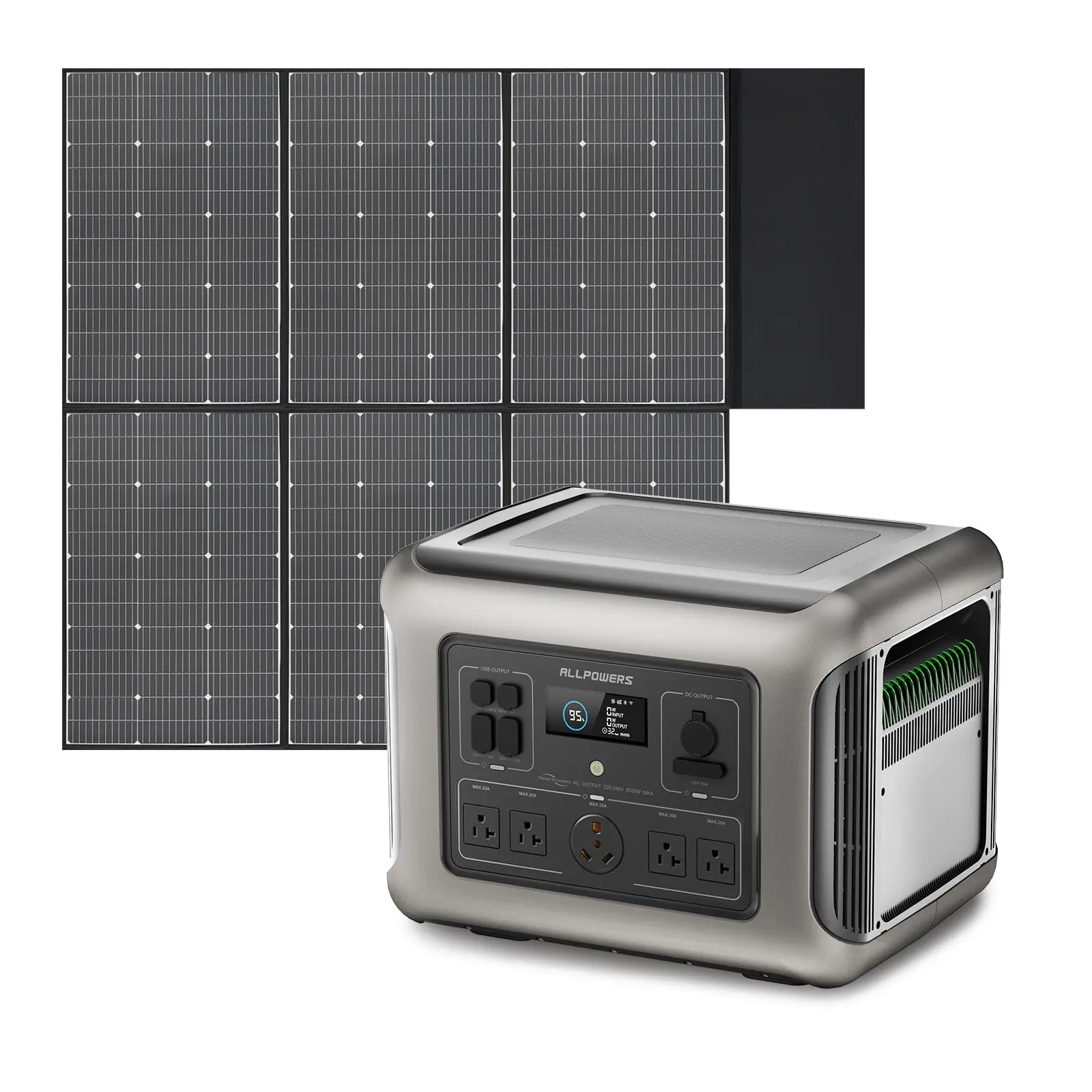
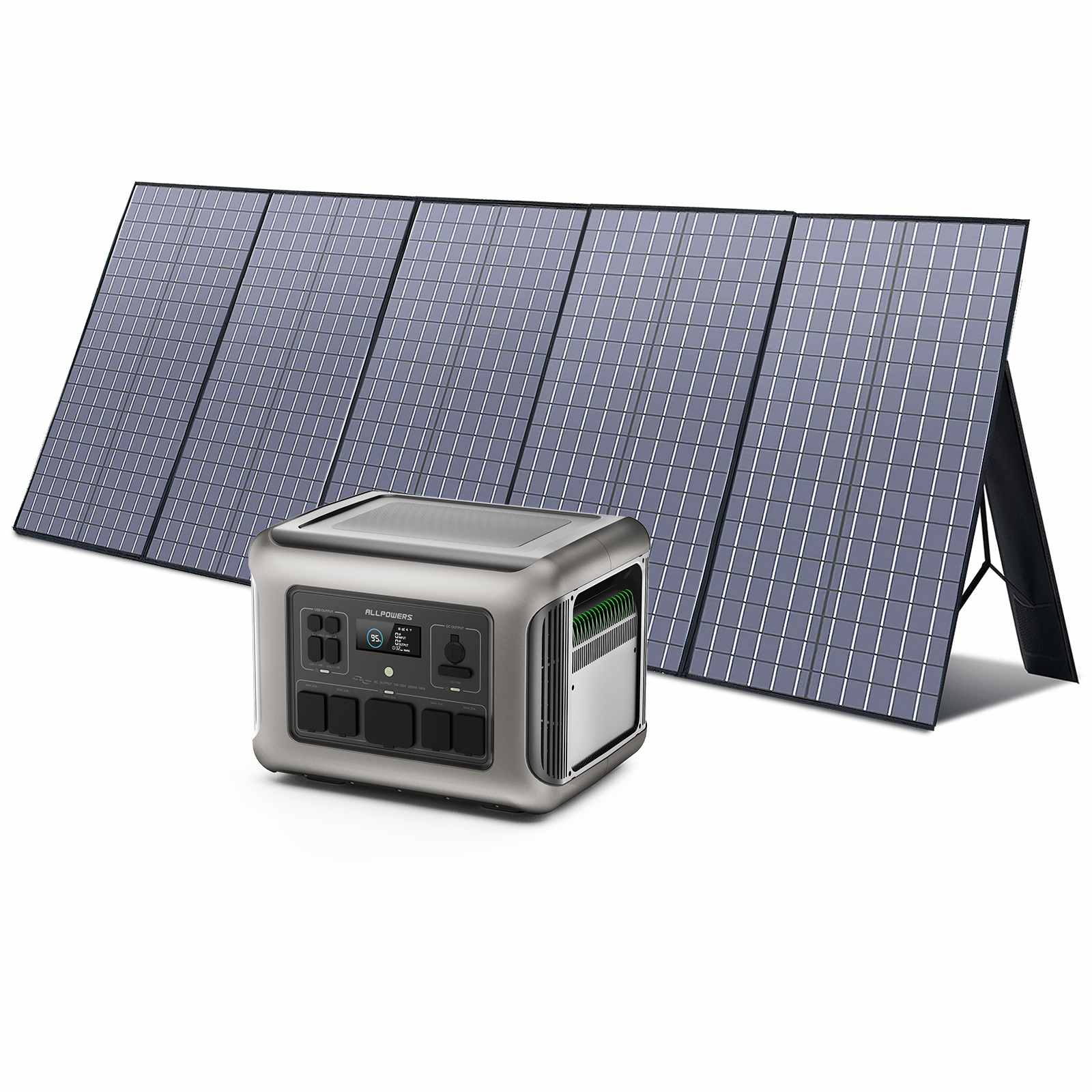
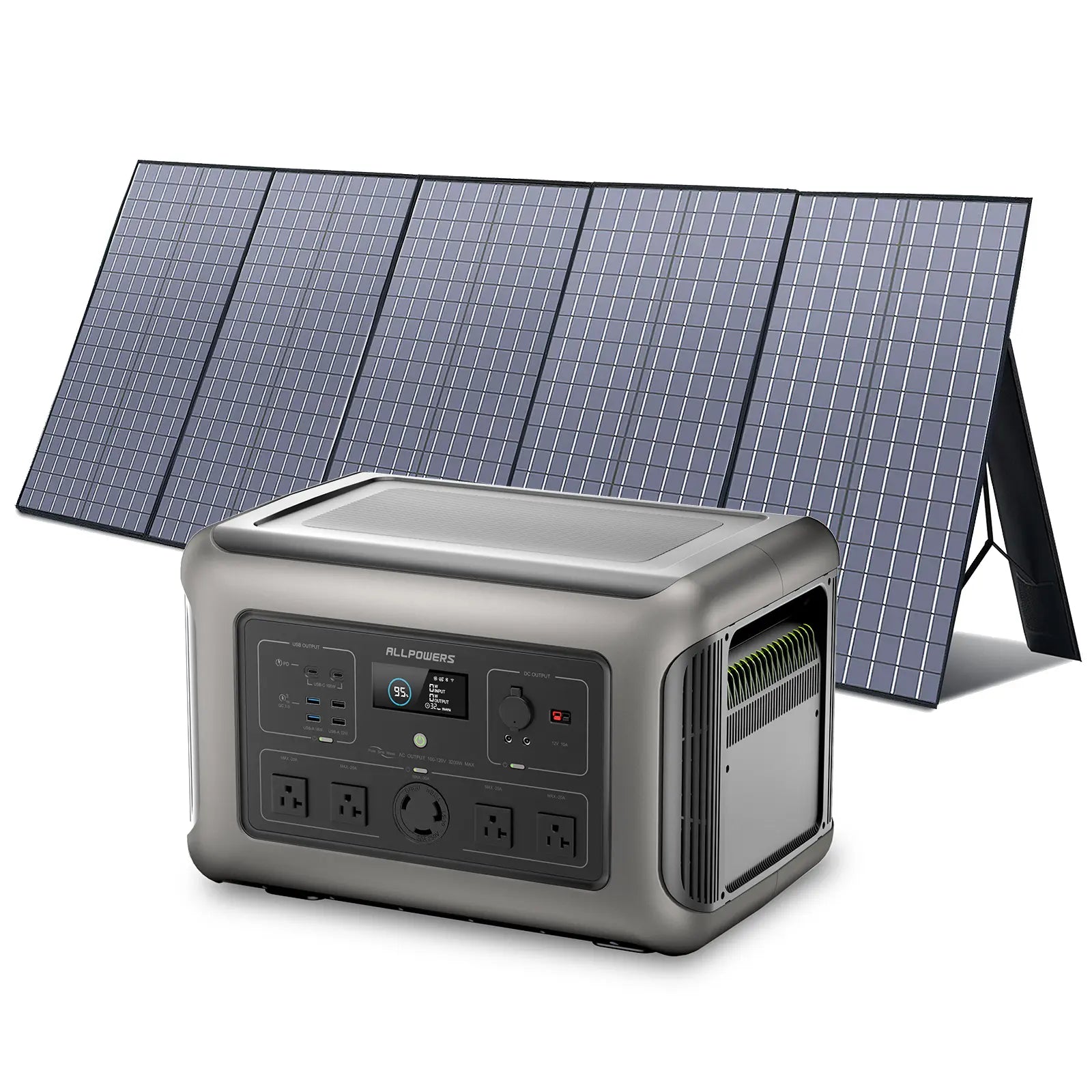
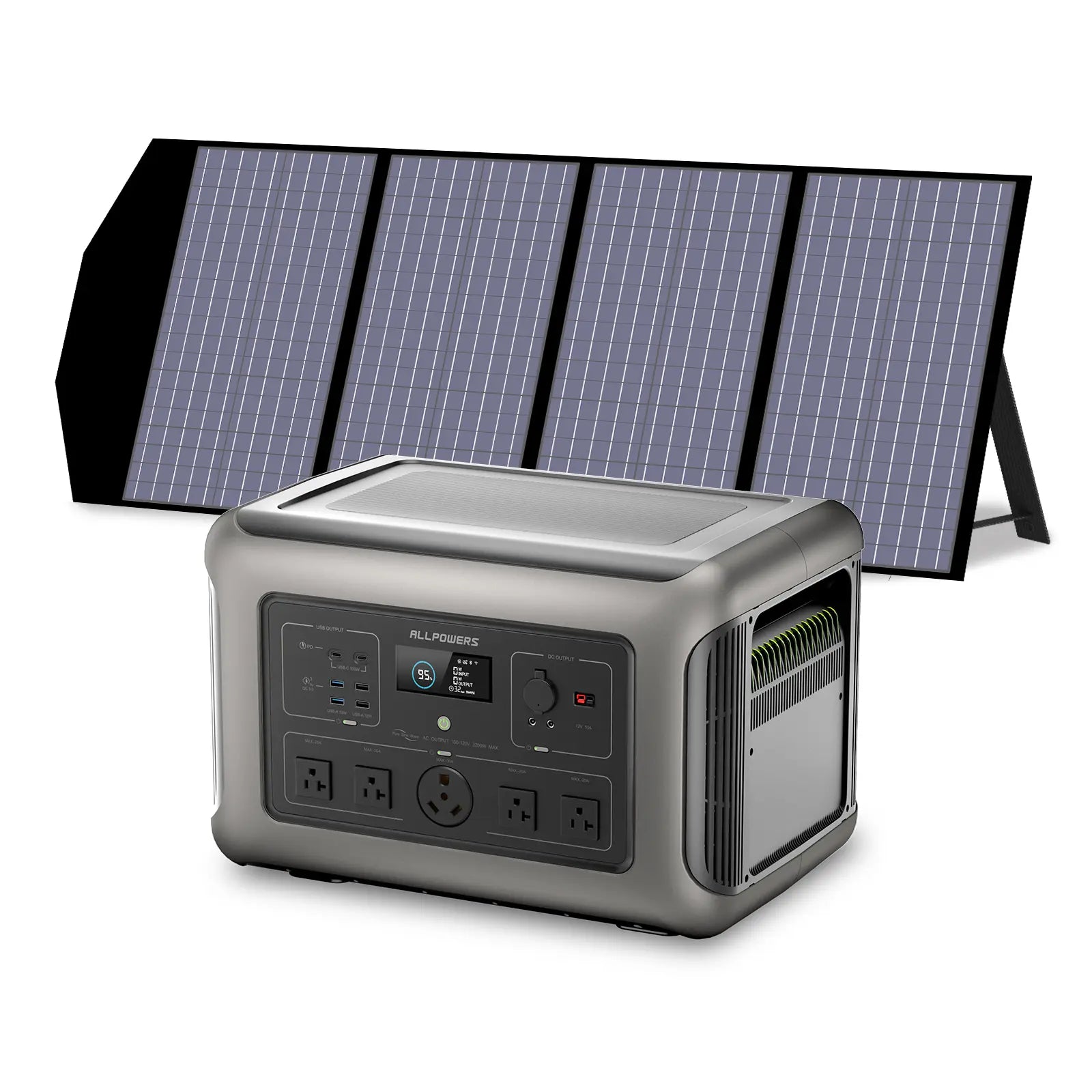
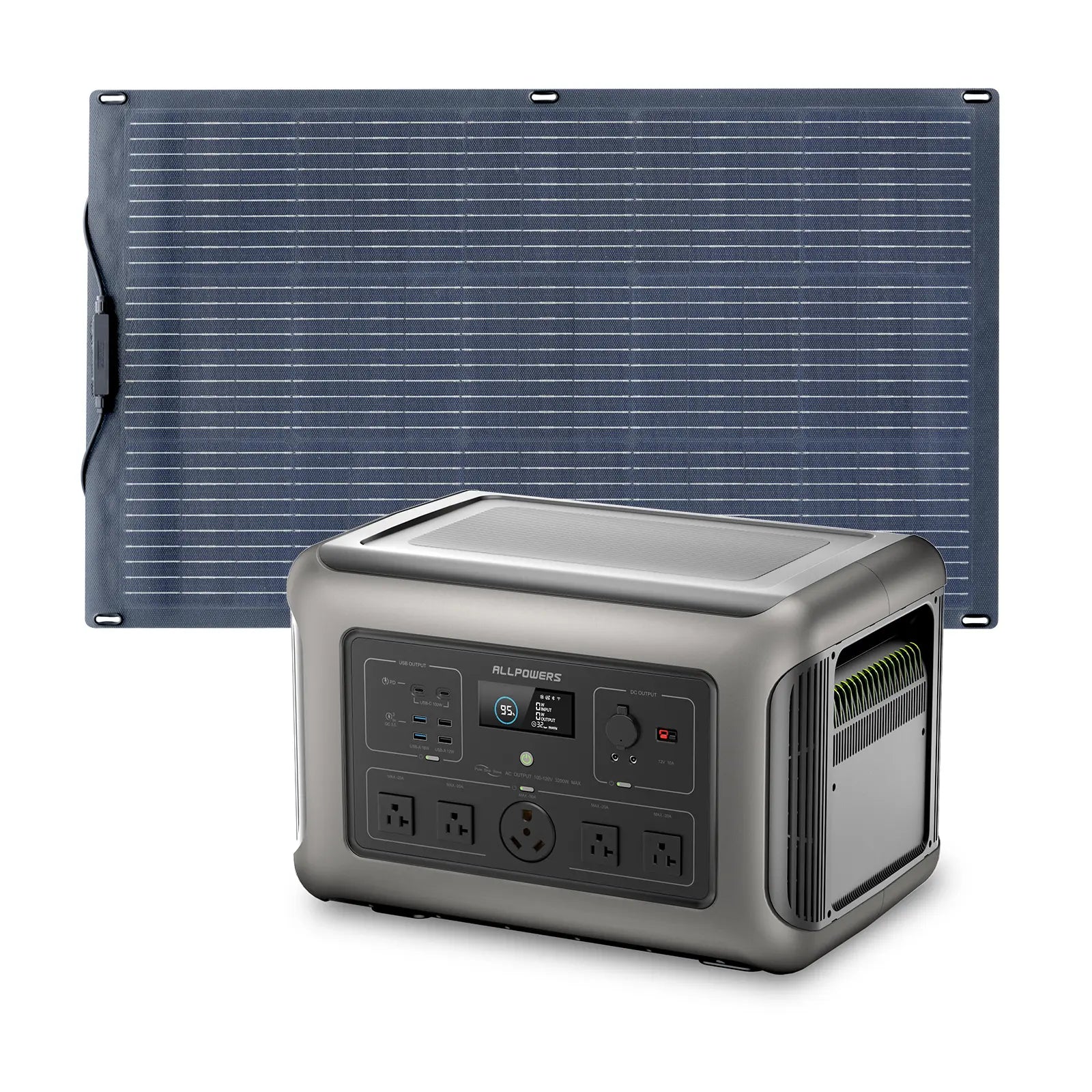
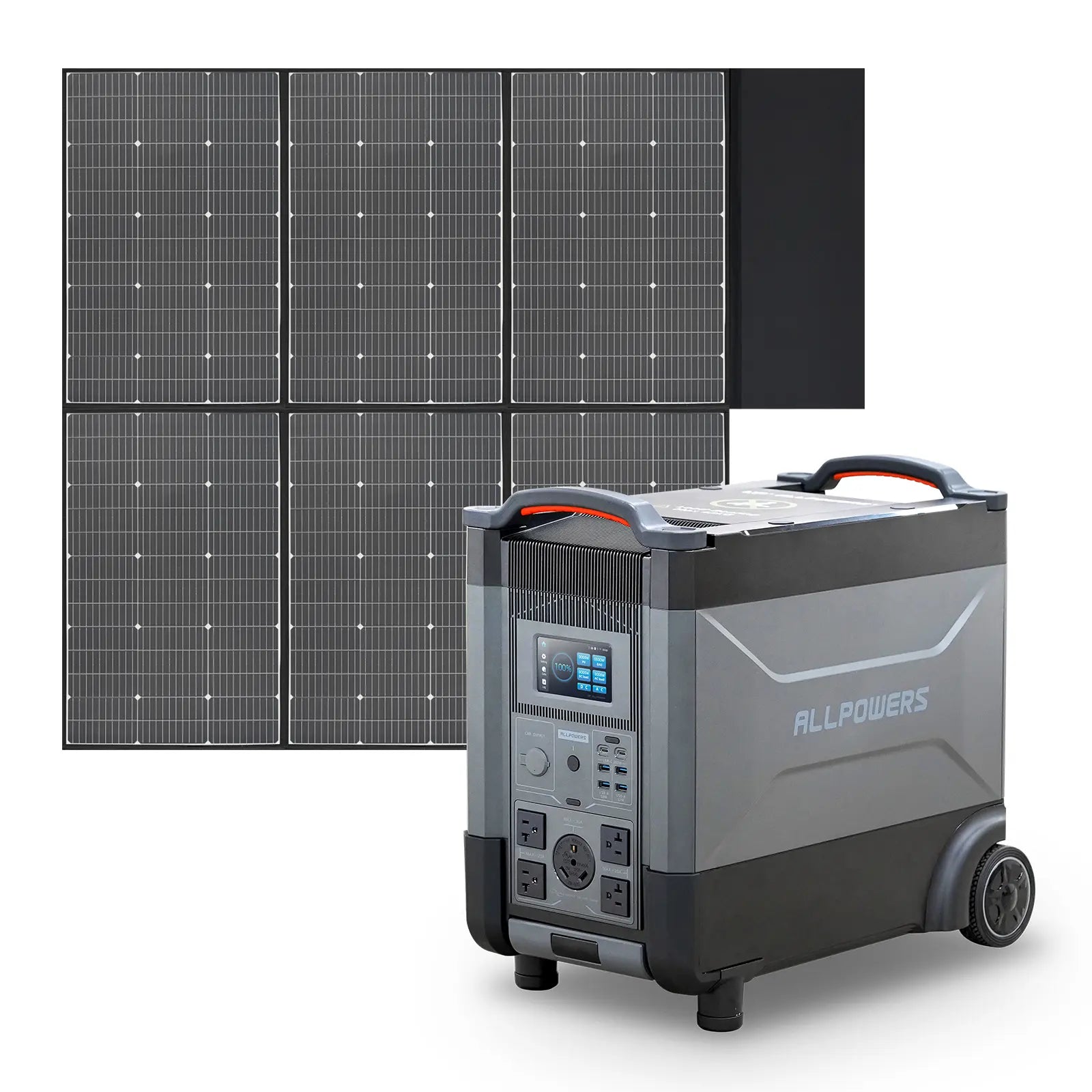
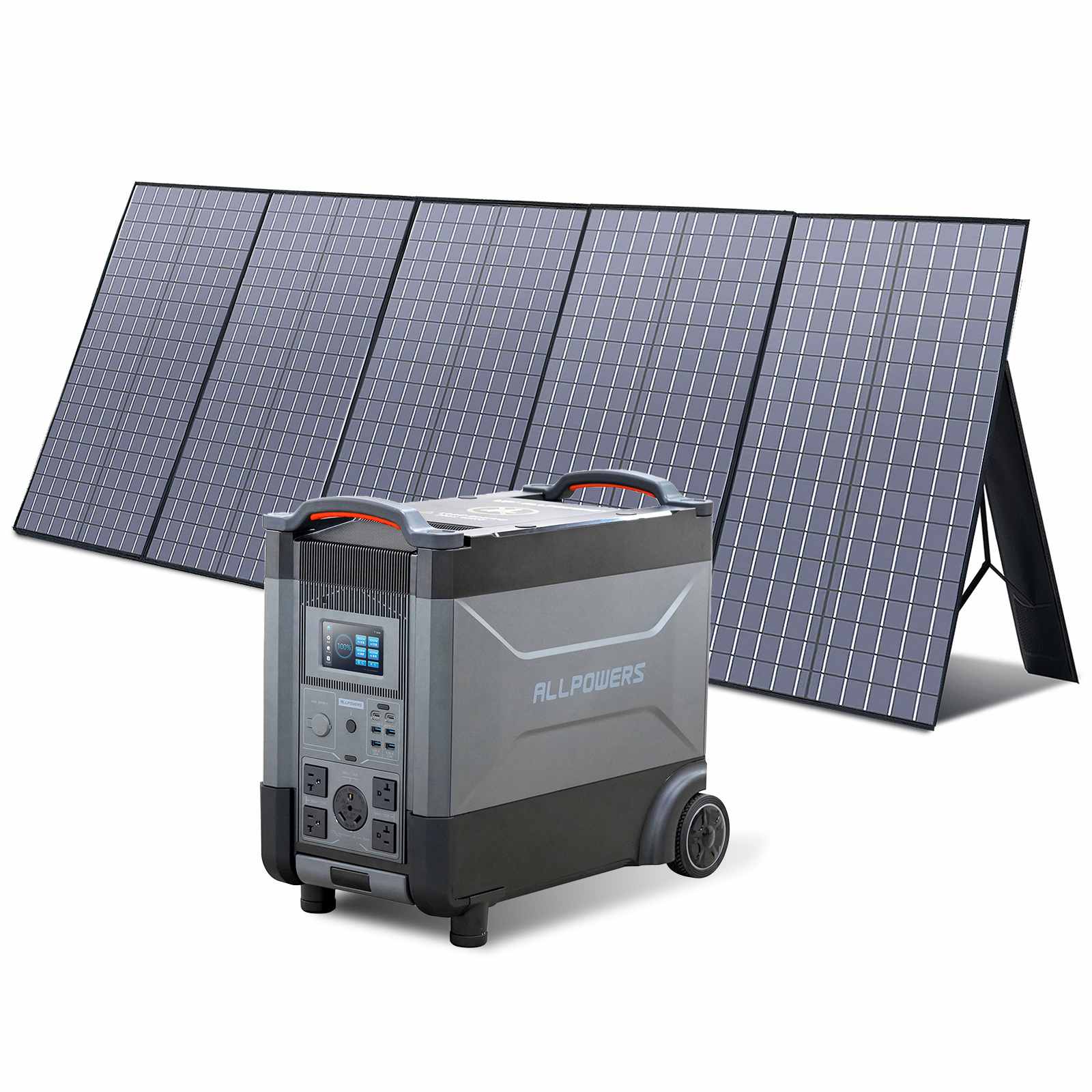
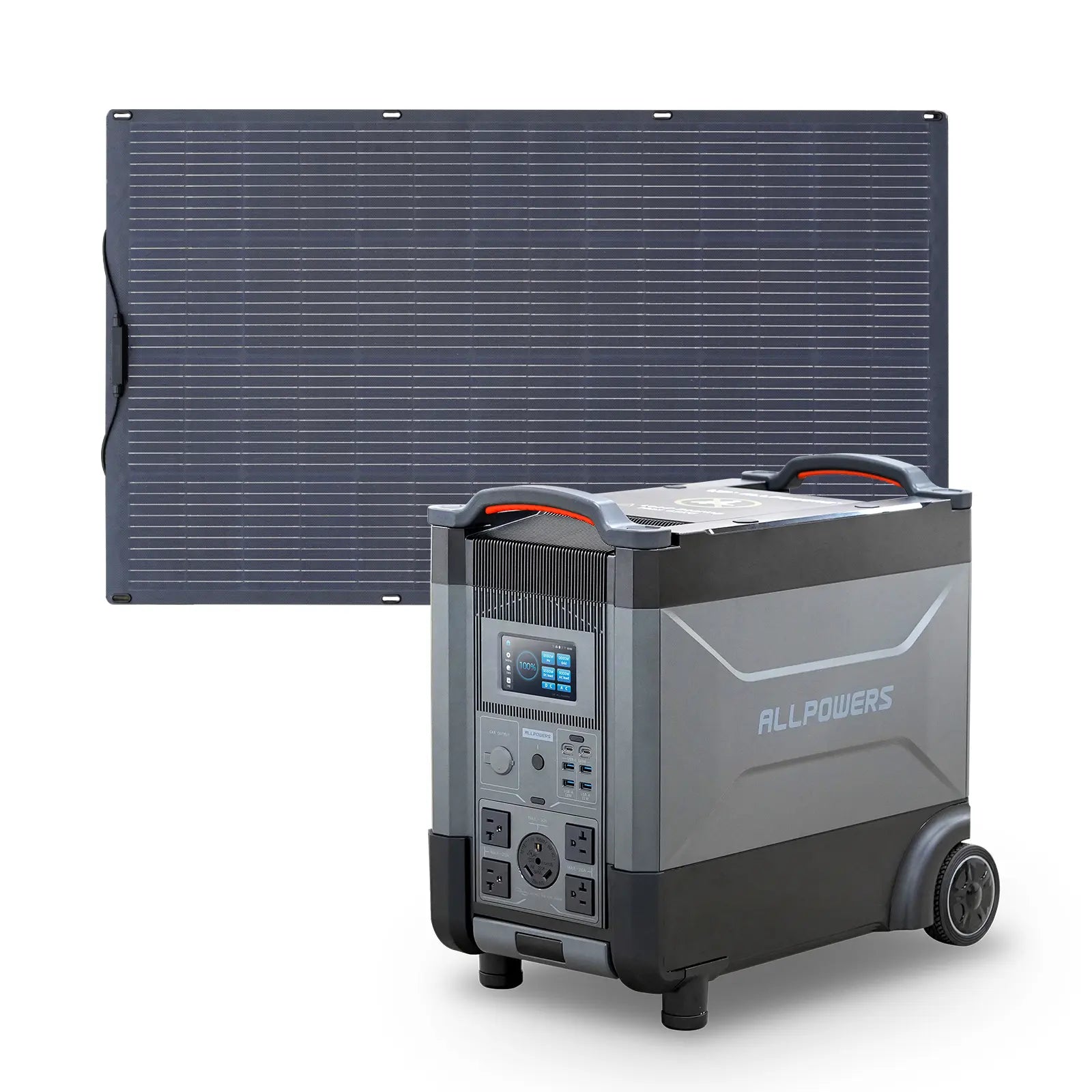
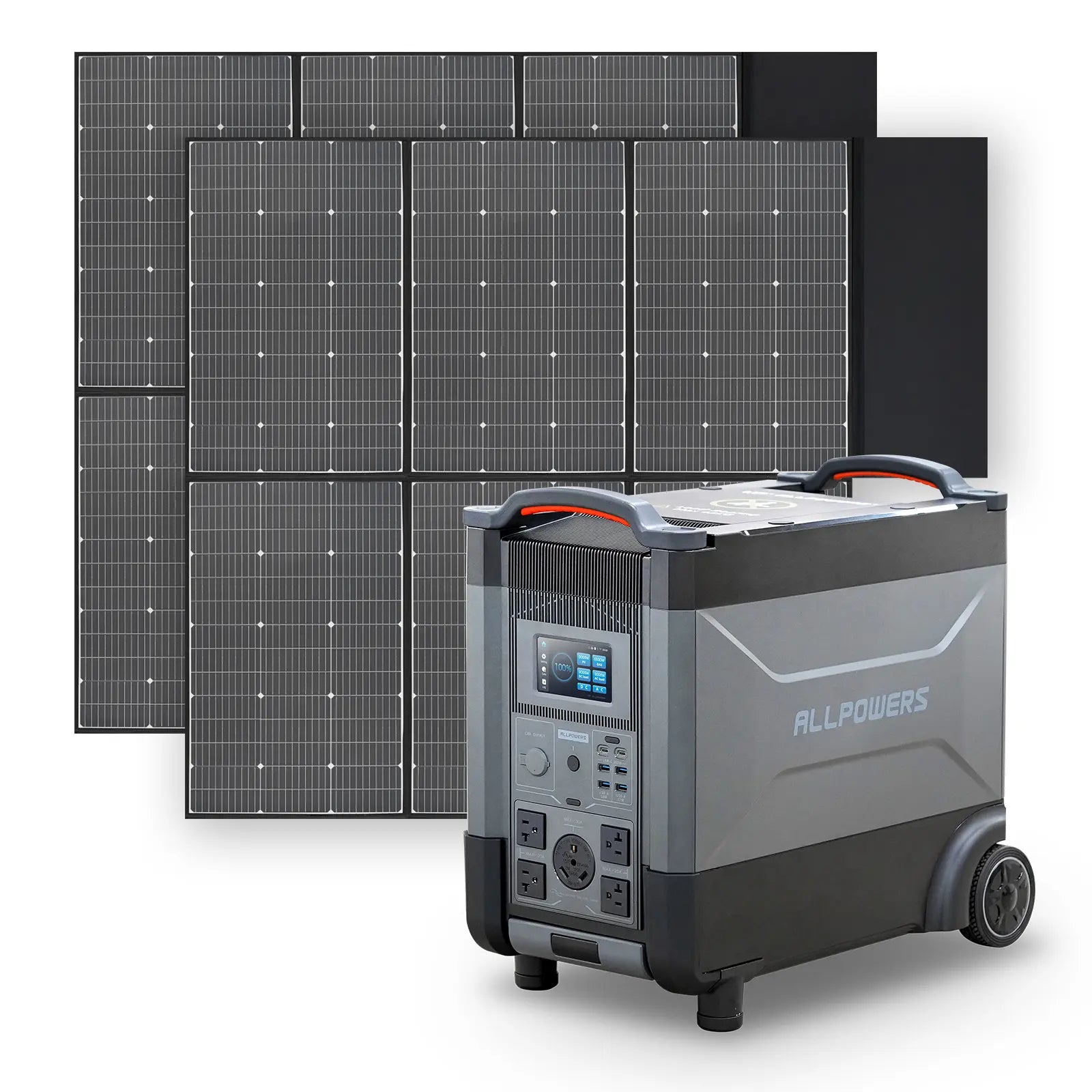
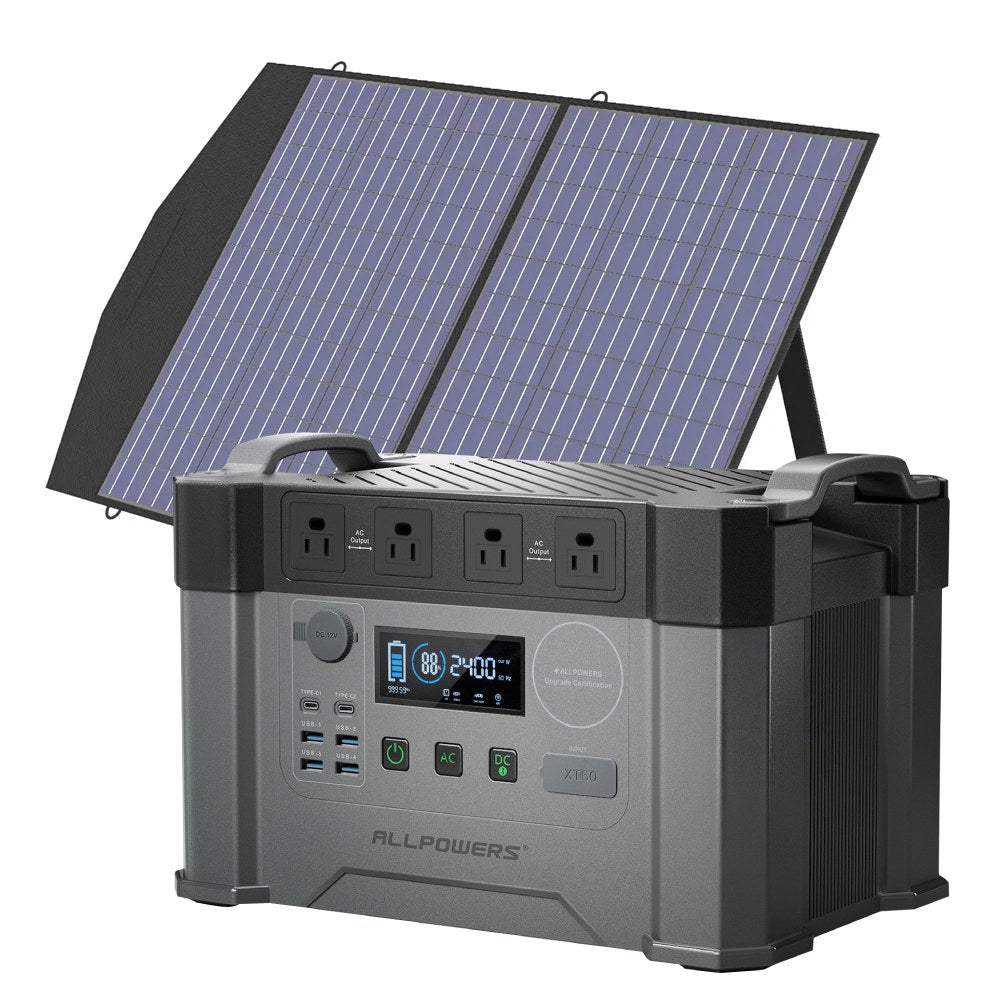
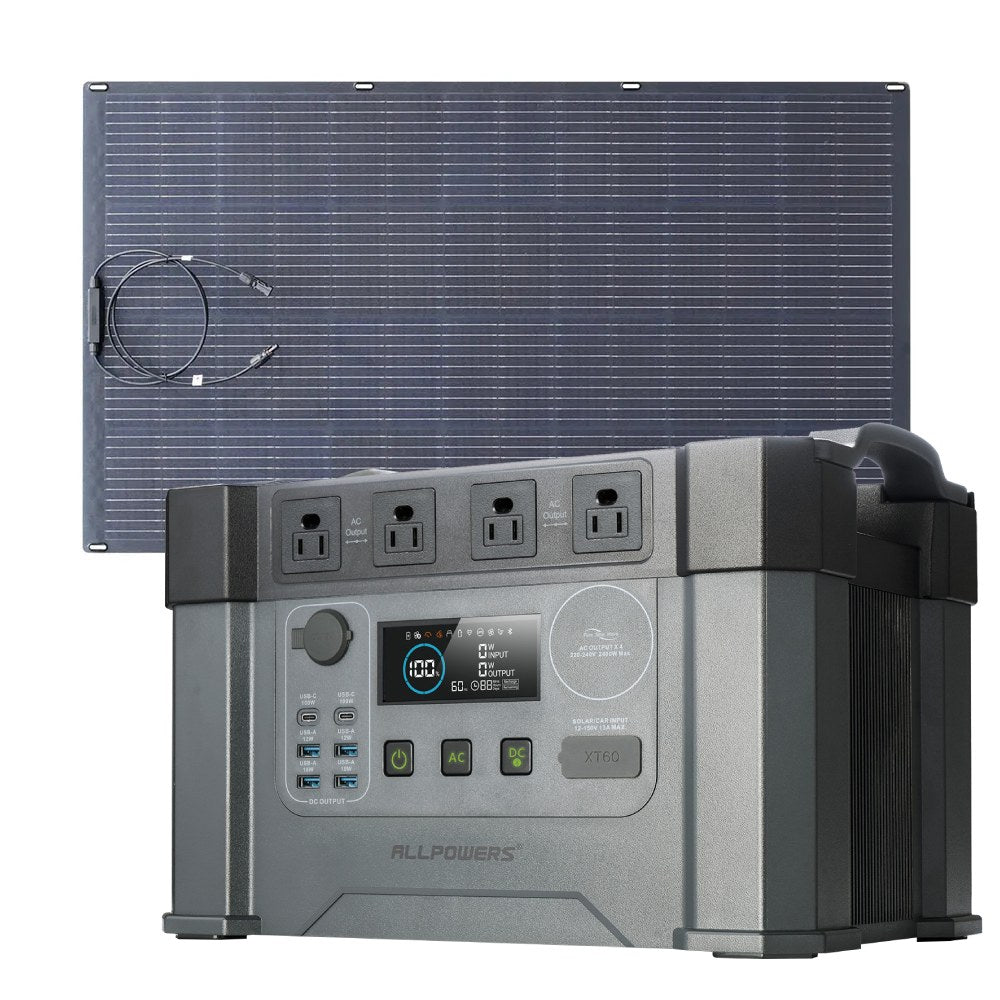
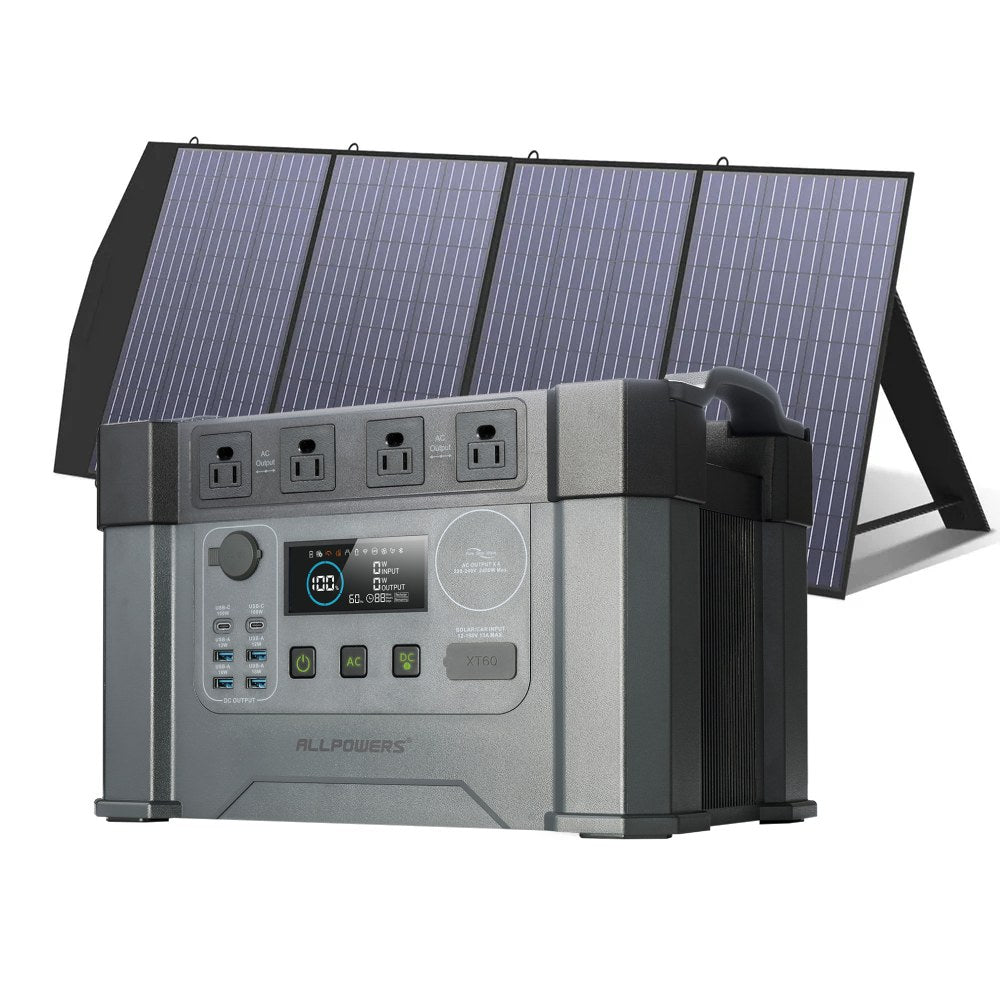
Battery-powered energy systems have become increasingly common because they provide quiet, clean, and convenient electricity for outdoor activities.
These systems store energy in advance and provide power when needed, making them useful for everything from charging electronics to supporting small appliances during off-grid trips.
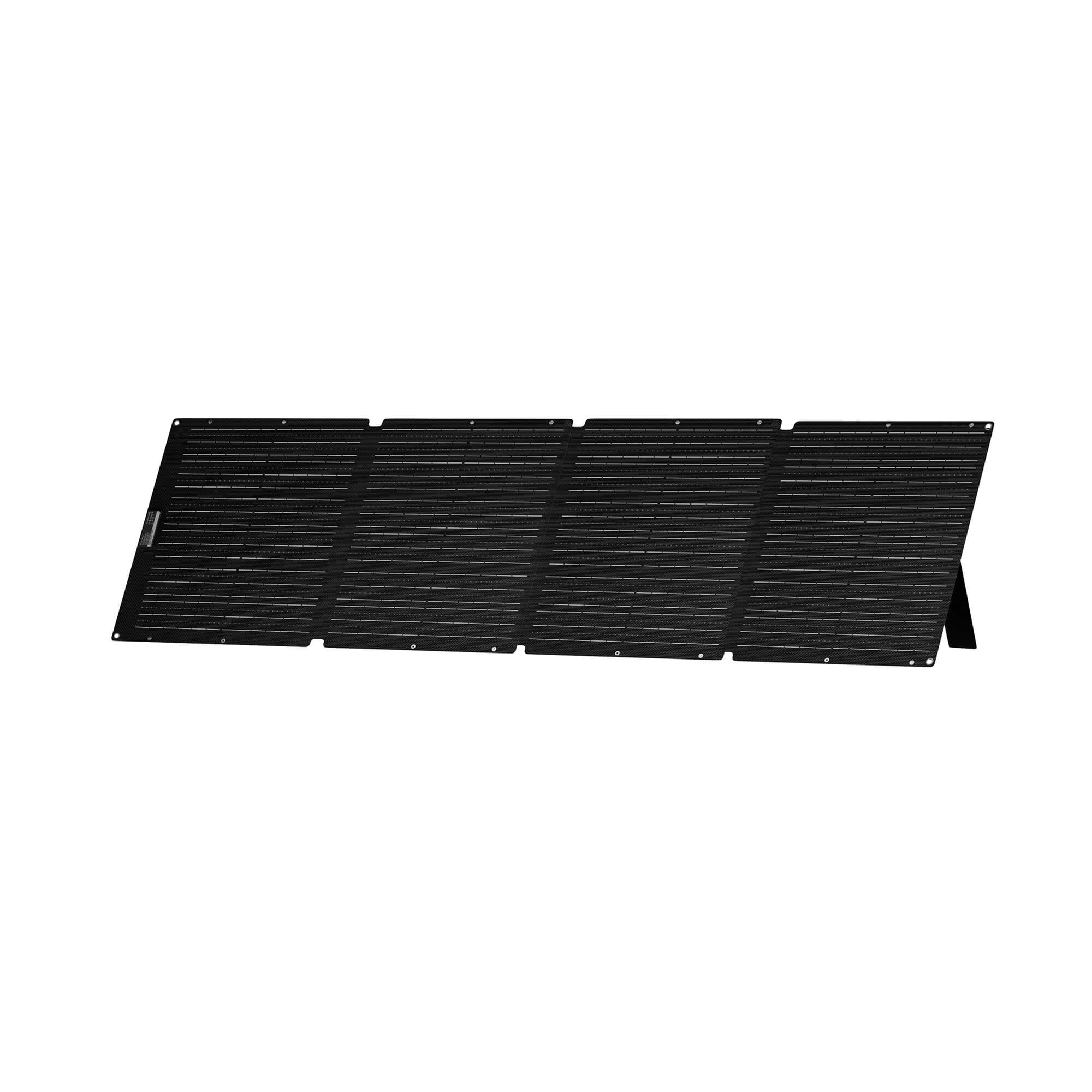
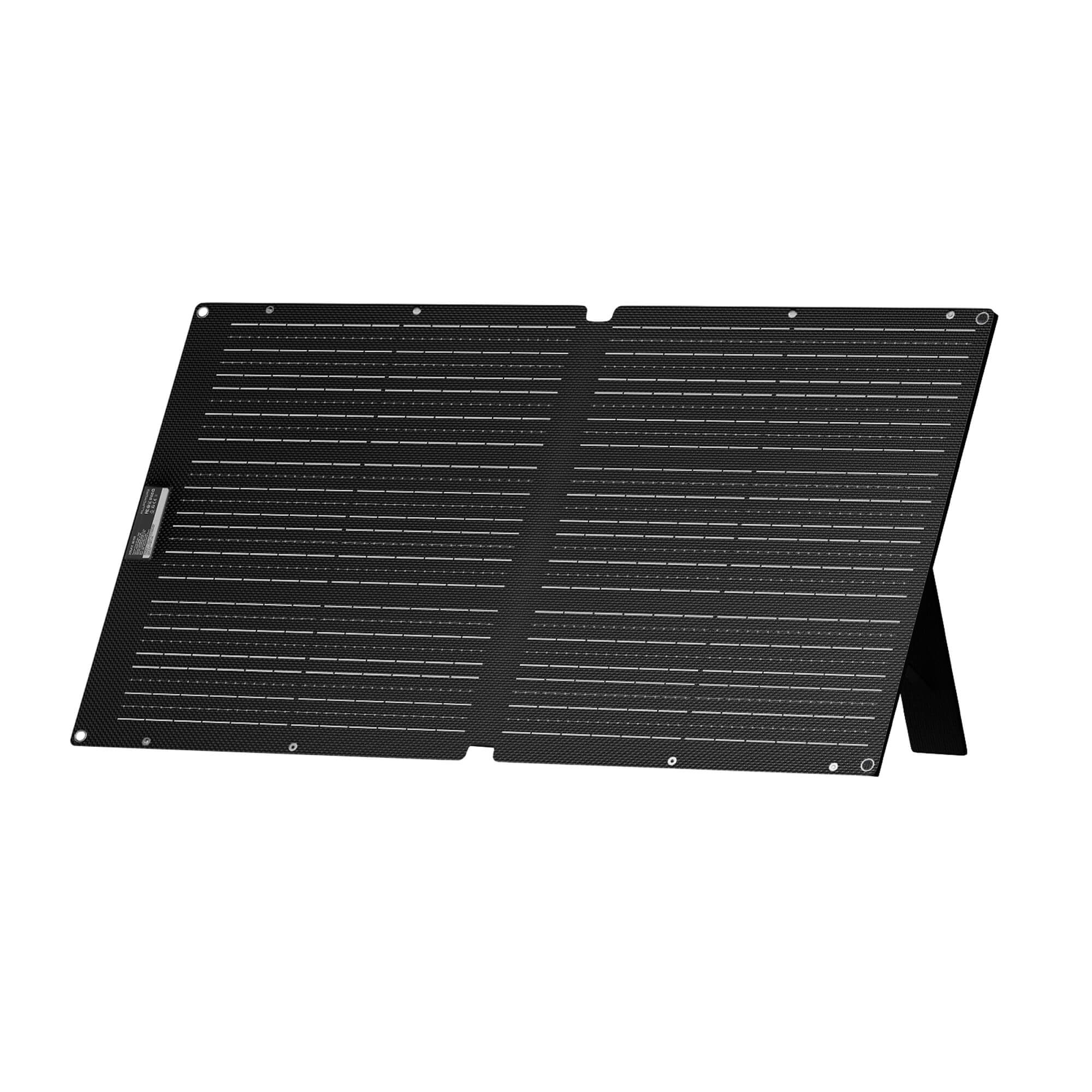
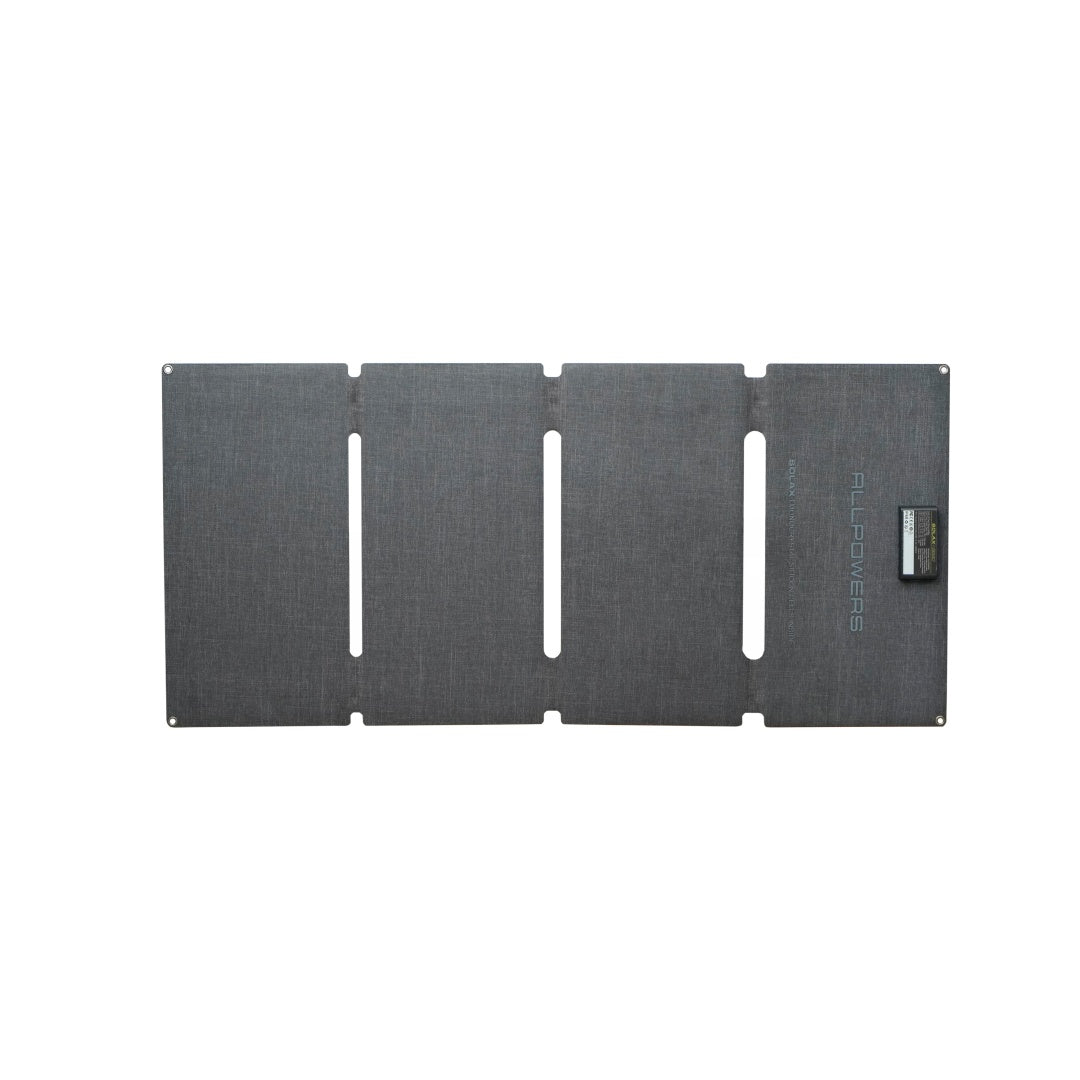
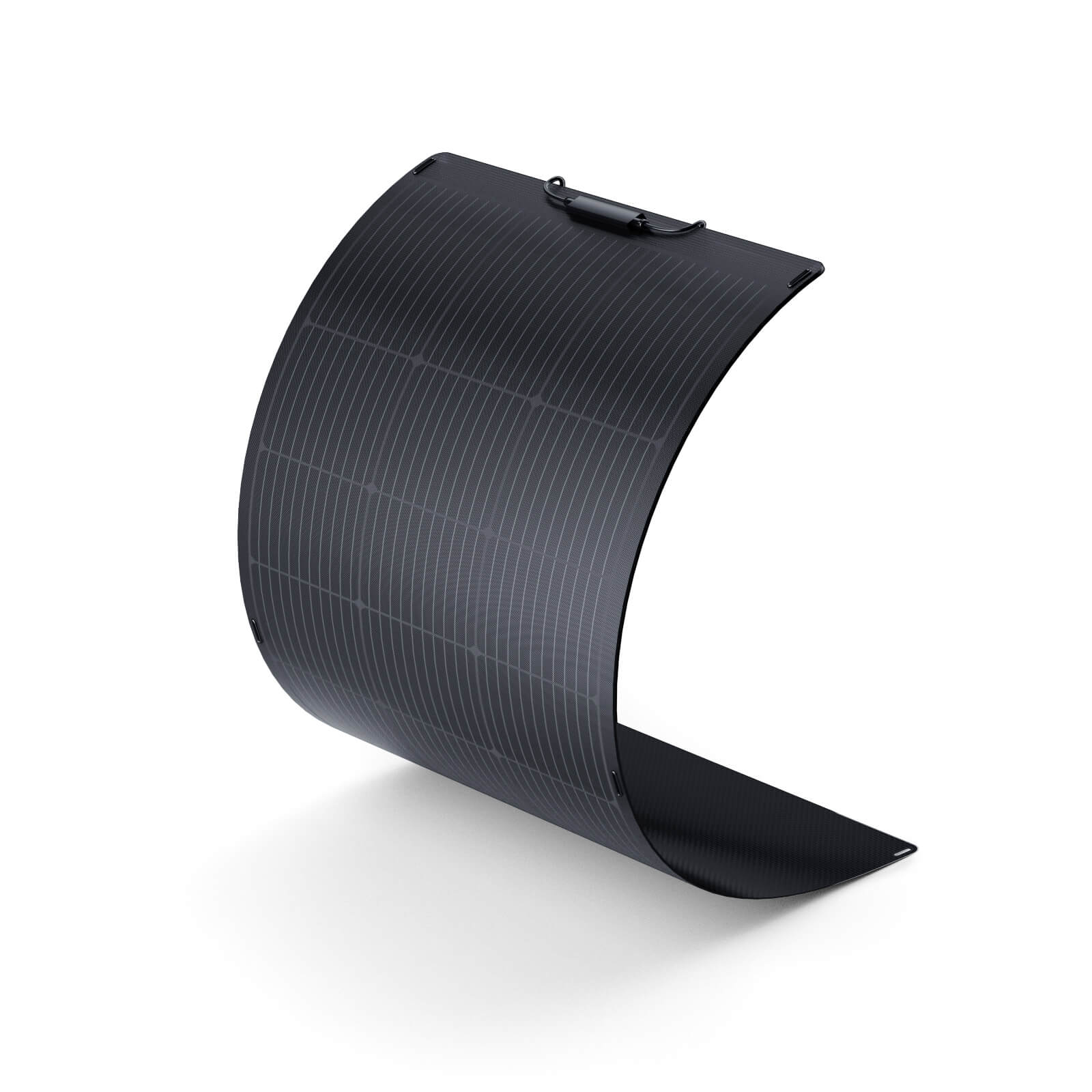
Using Solar Power
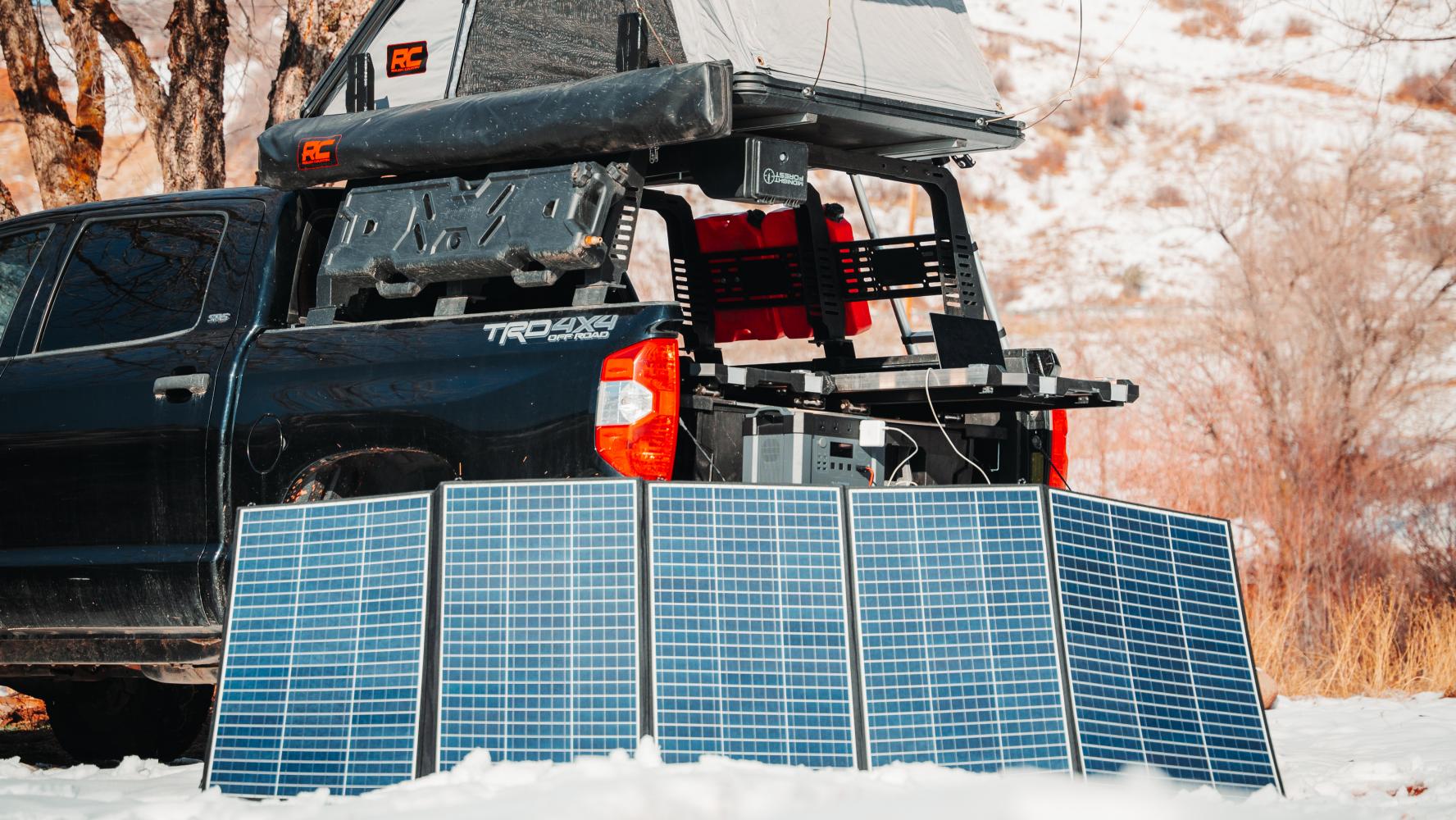
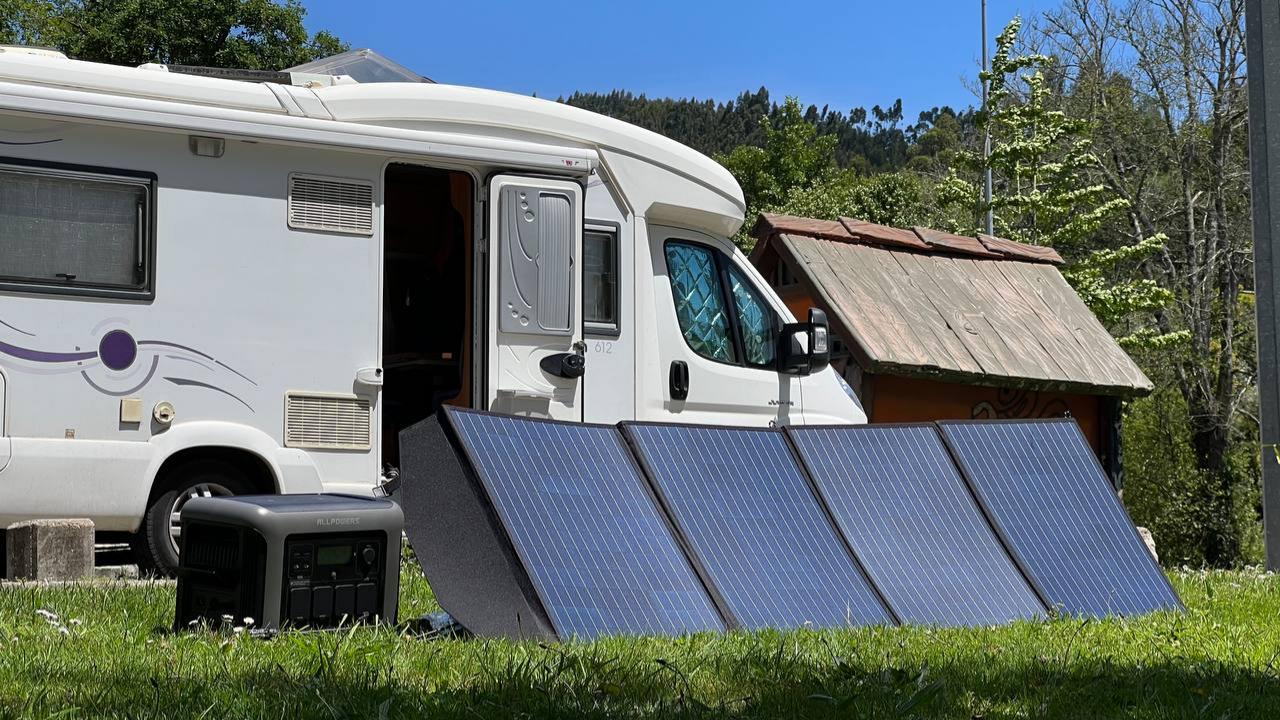
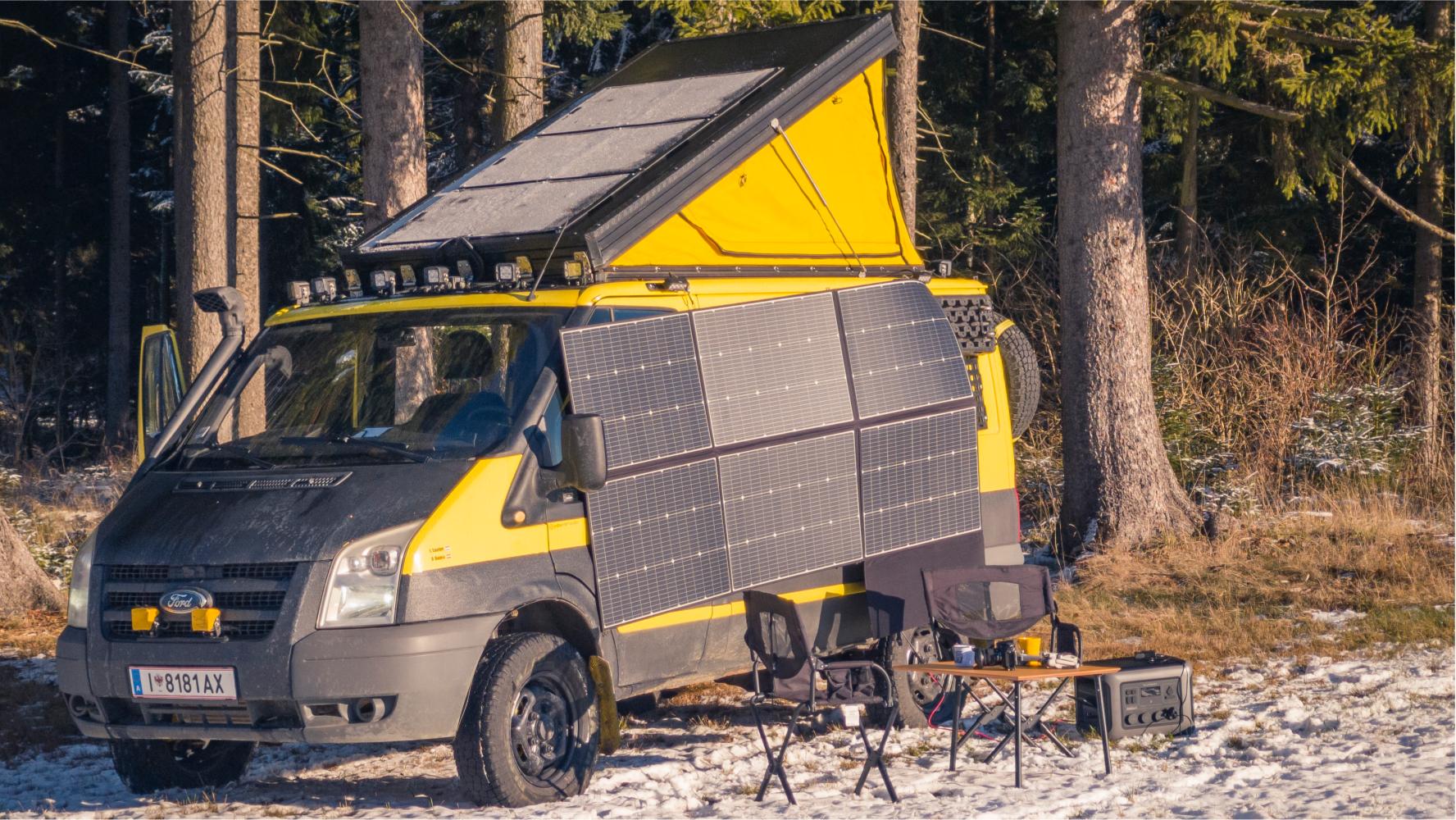
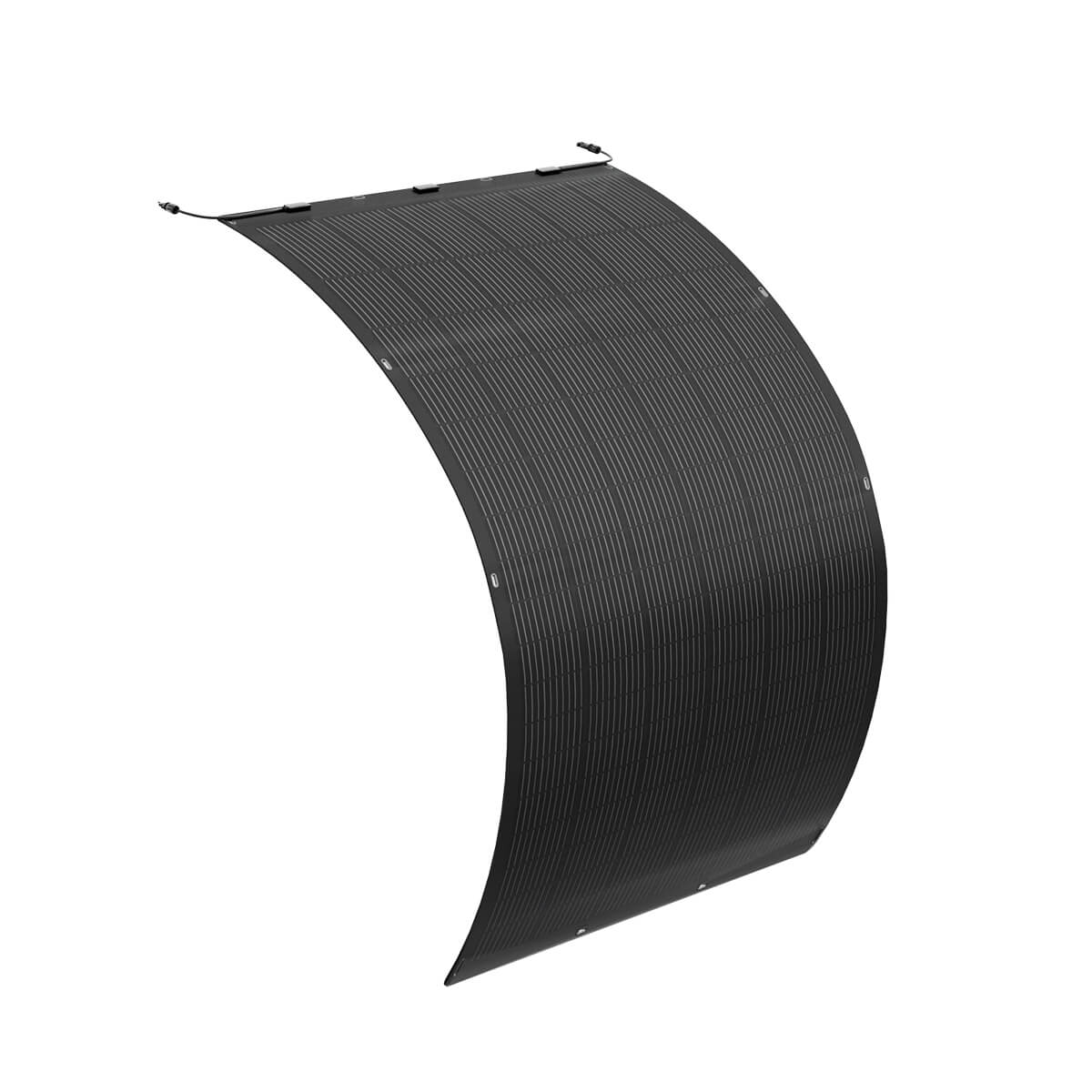
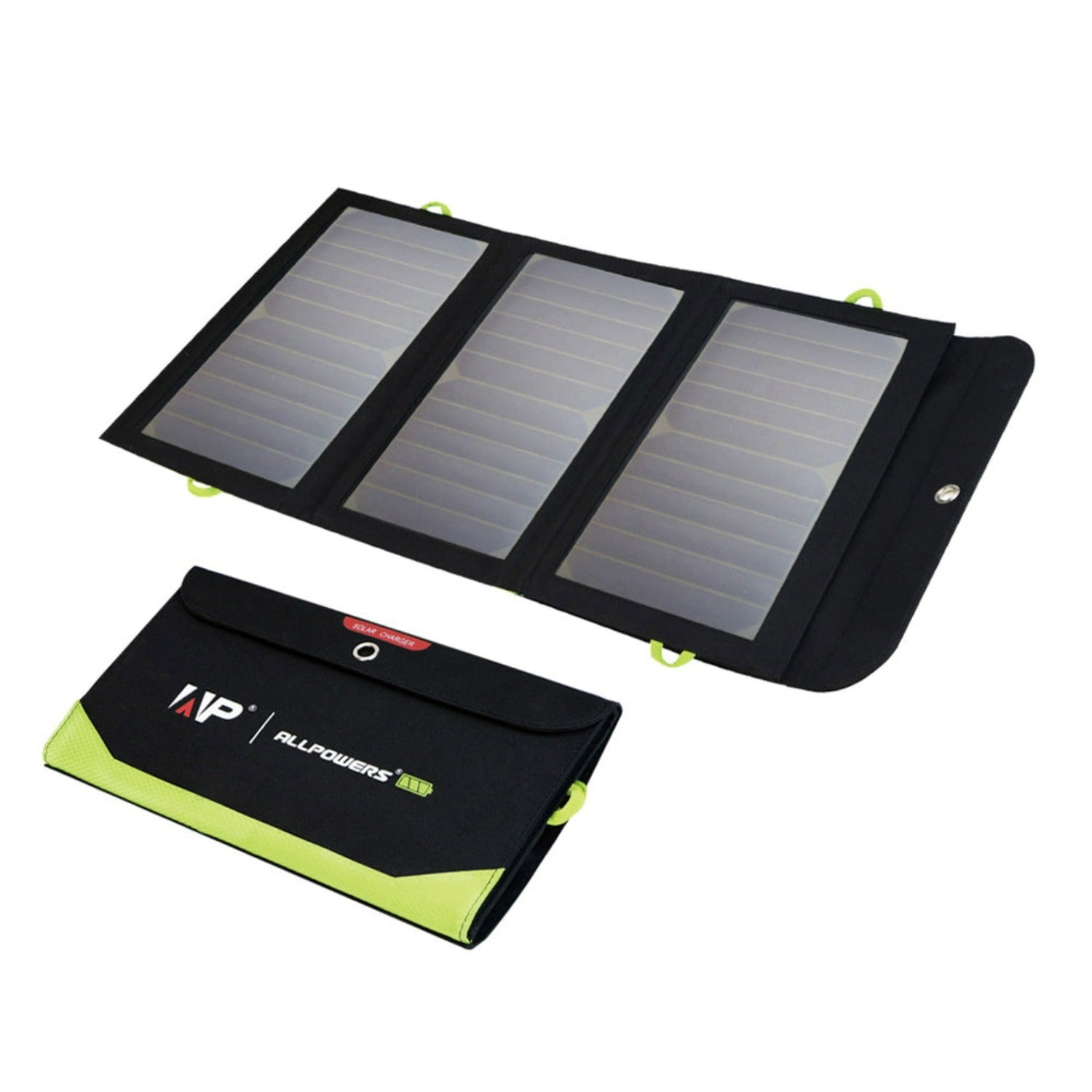
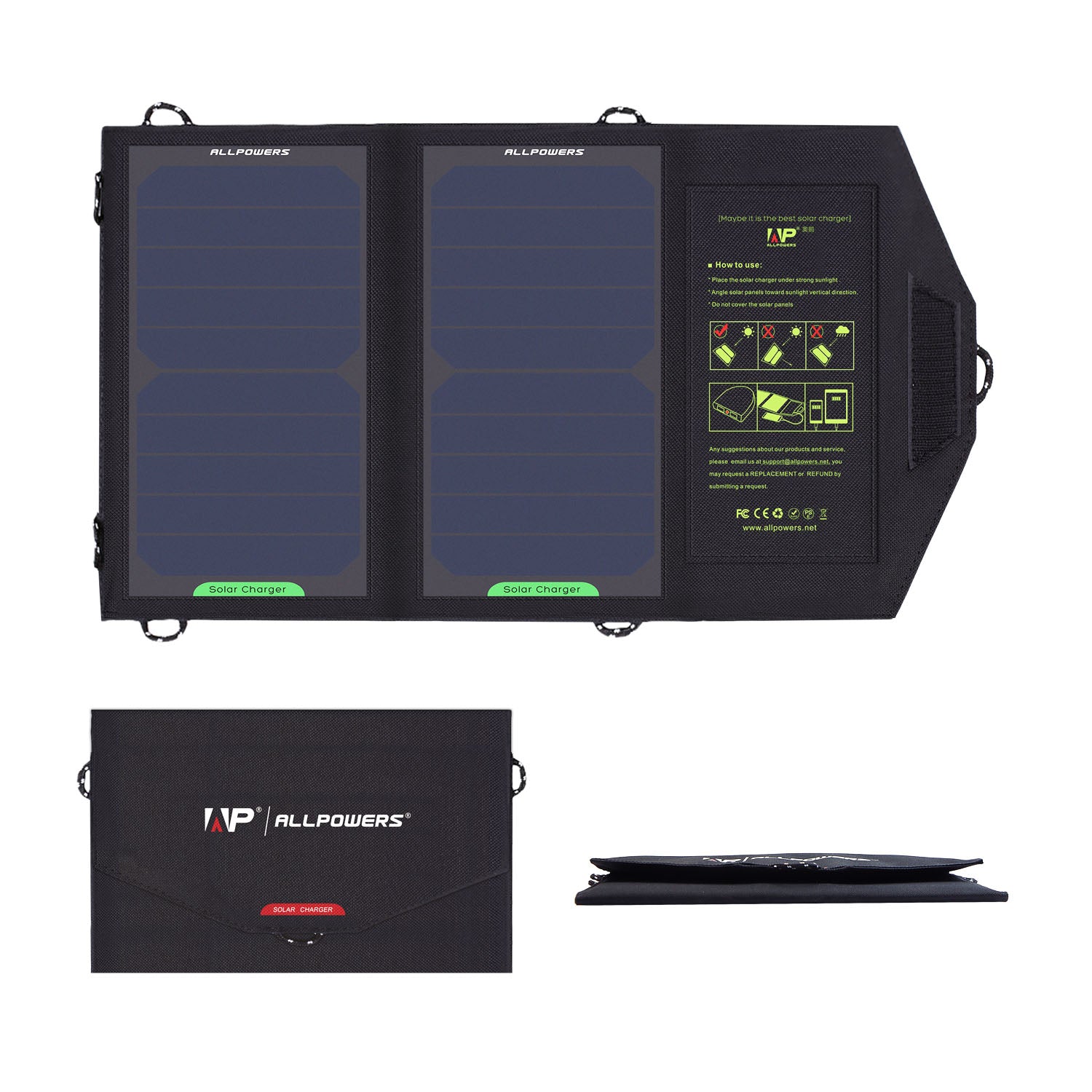
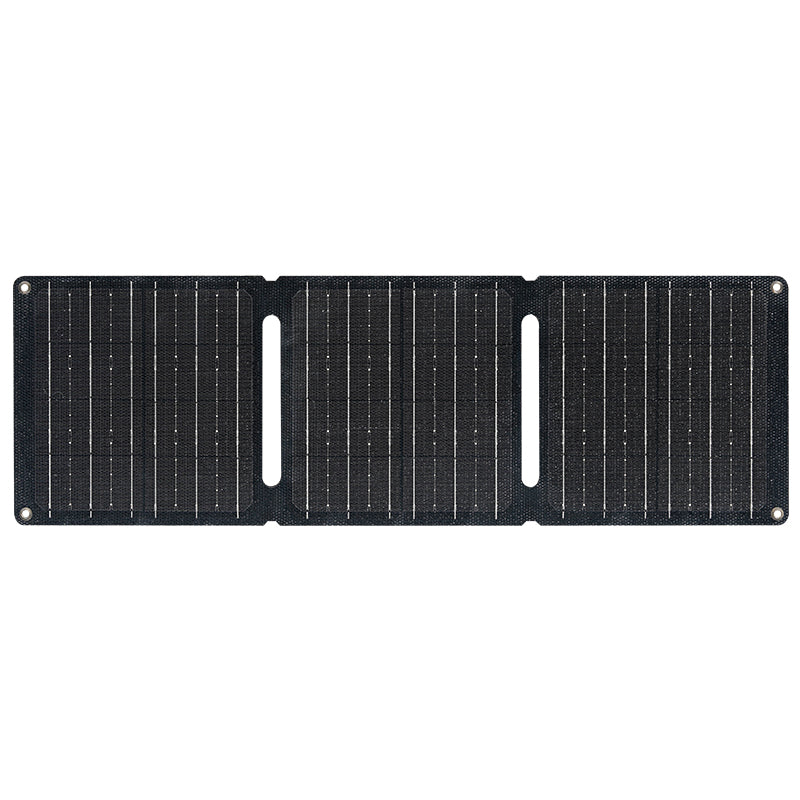
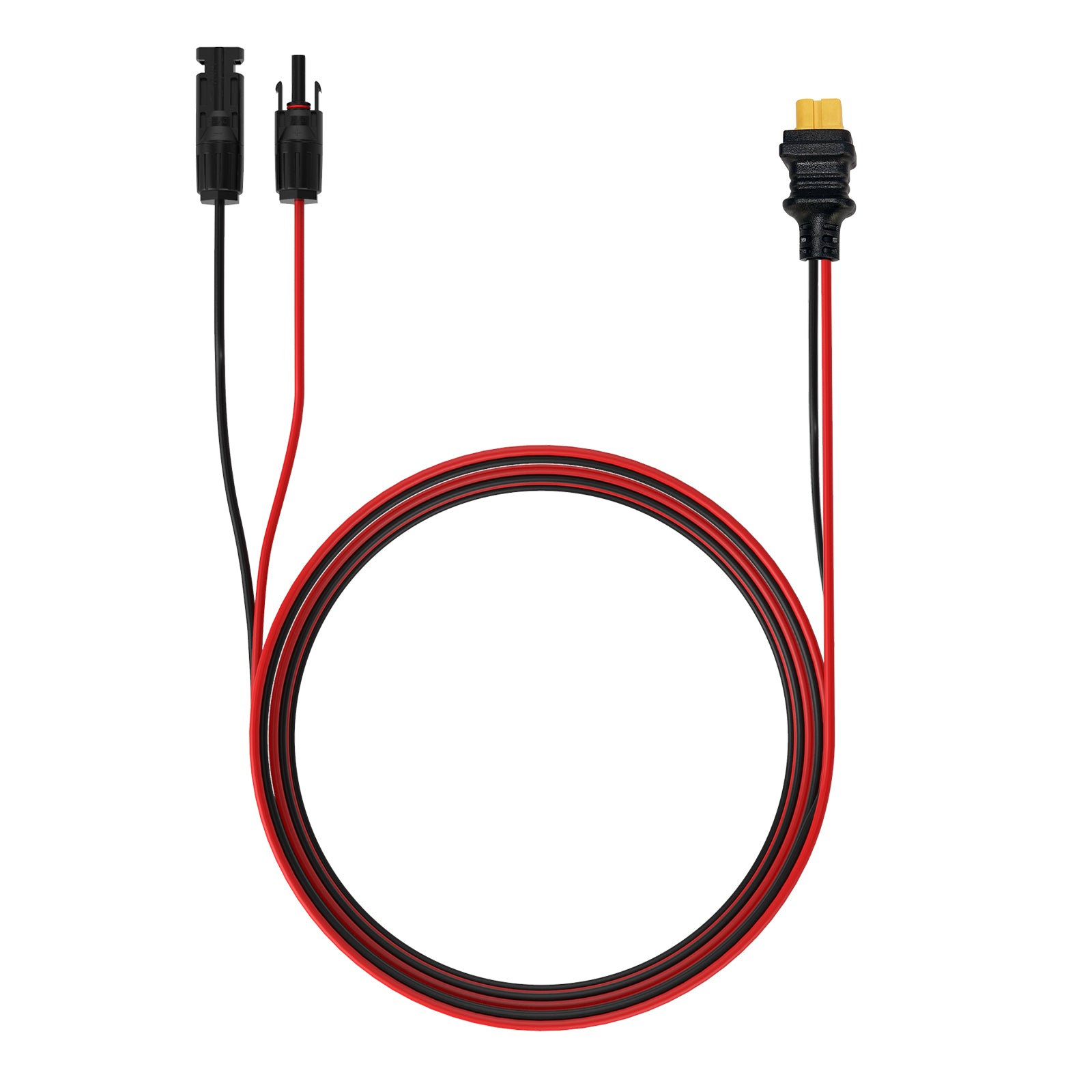
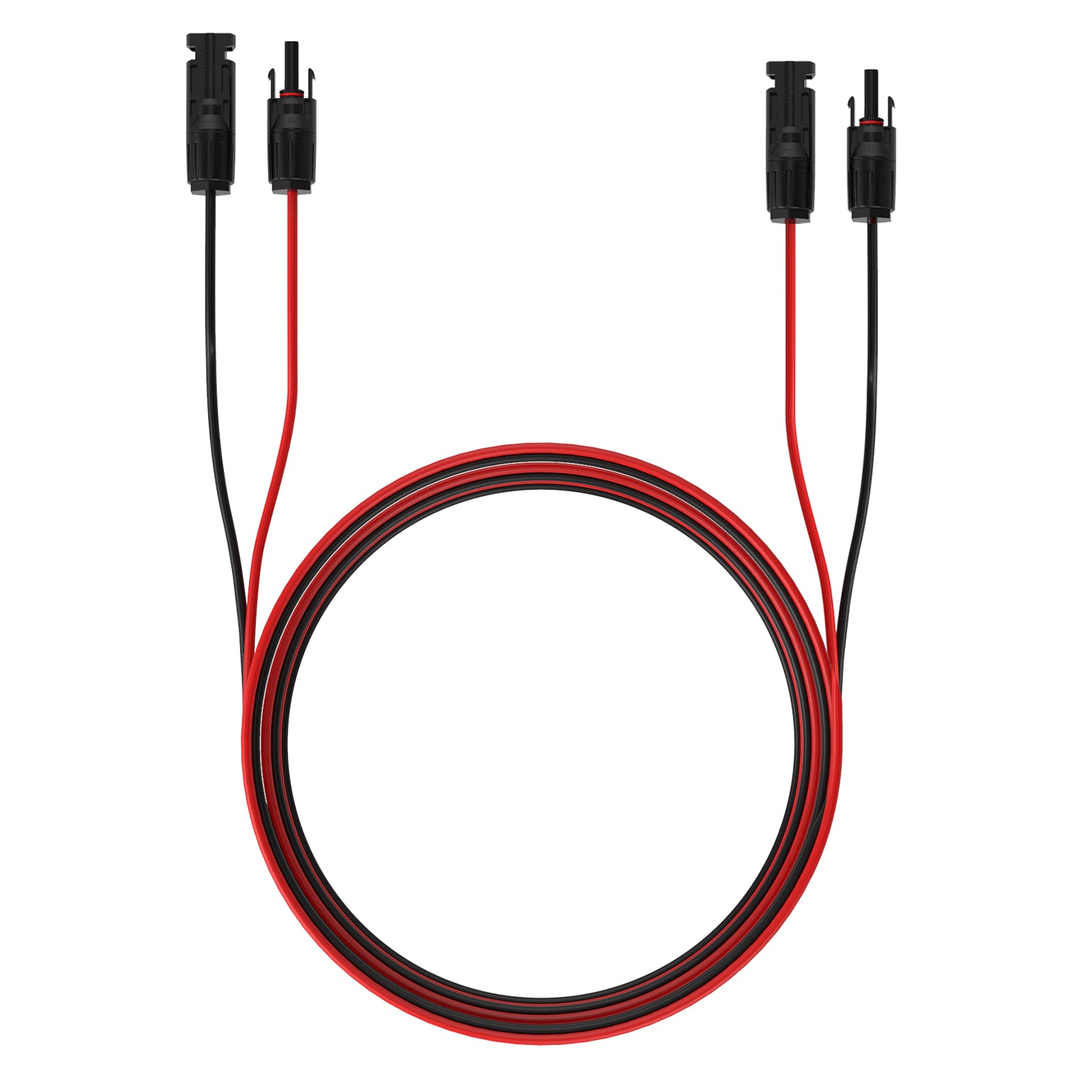
For multi-day camping adventures, solar charging provides a way to continuously replenish stored energy during daylight hours. This is especially useful when camping far away from traditional power sources.
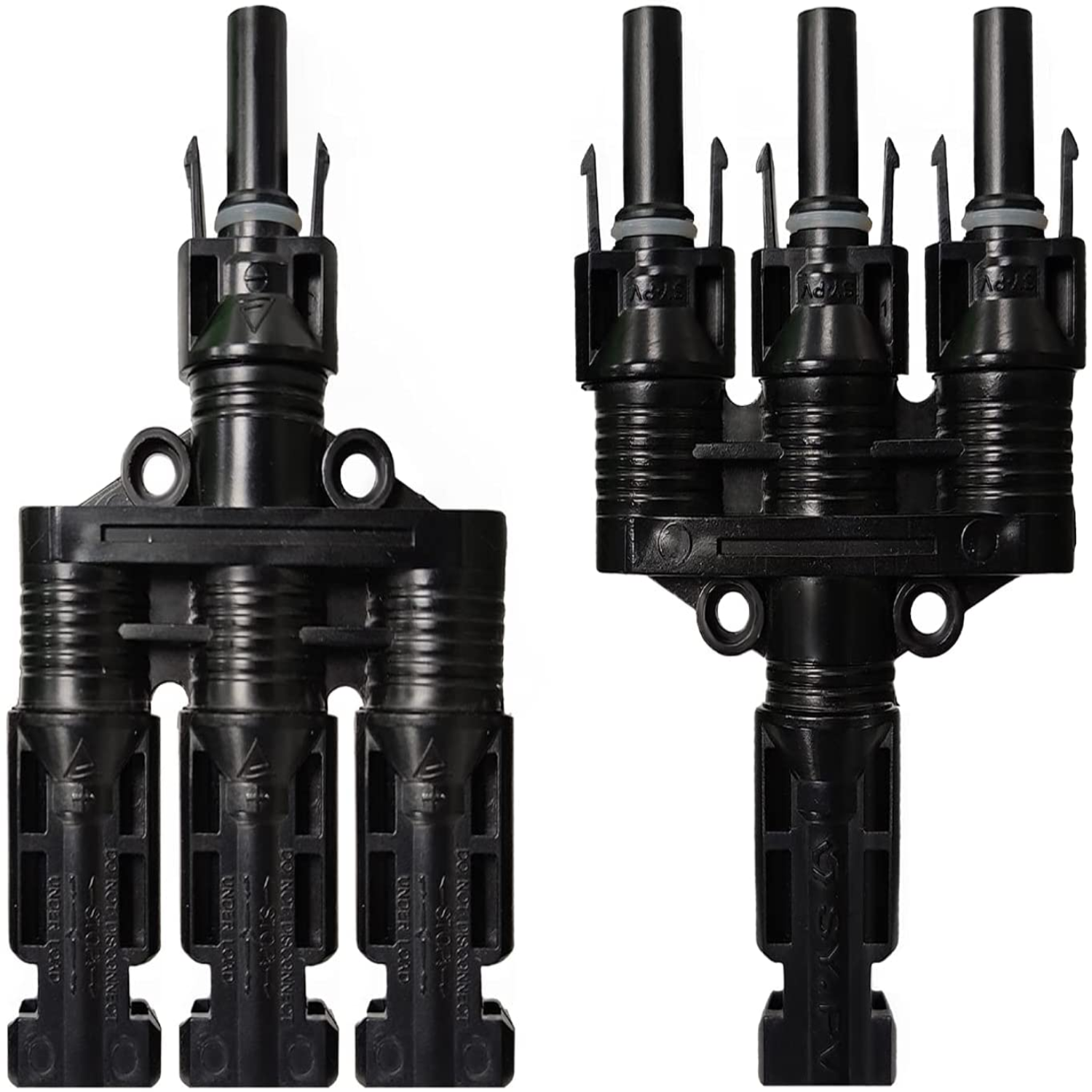
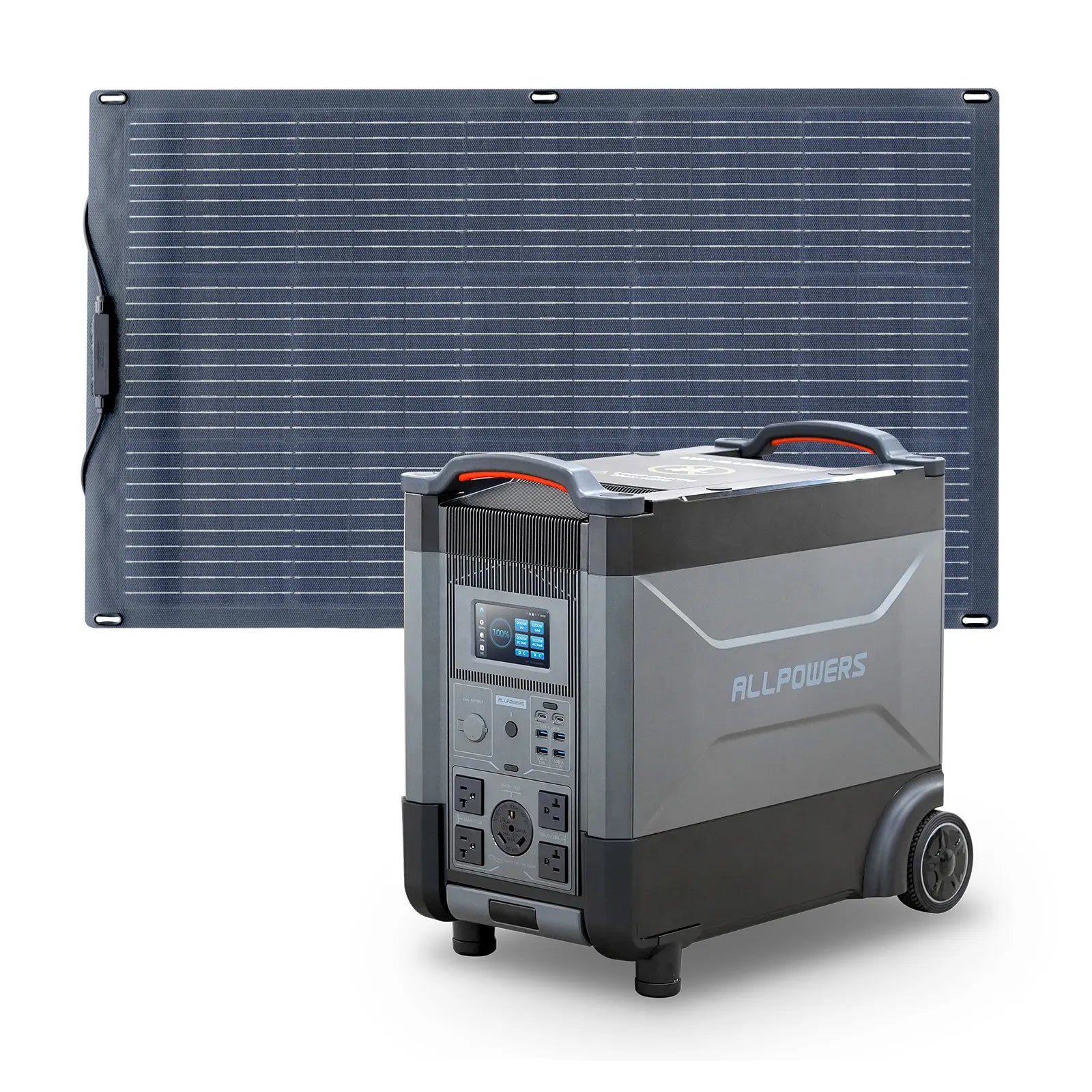
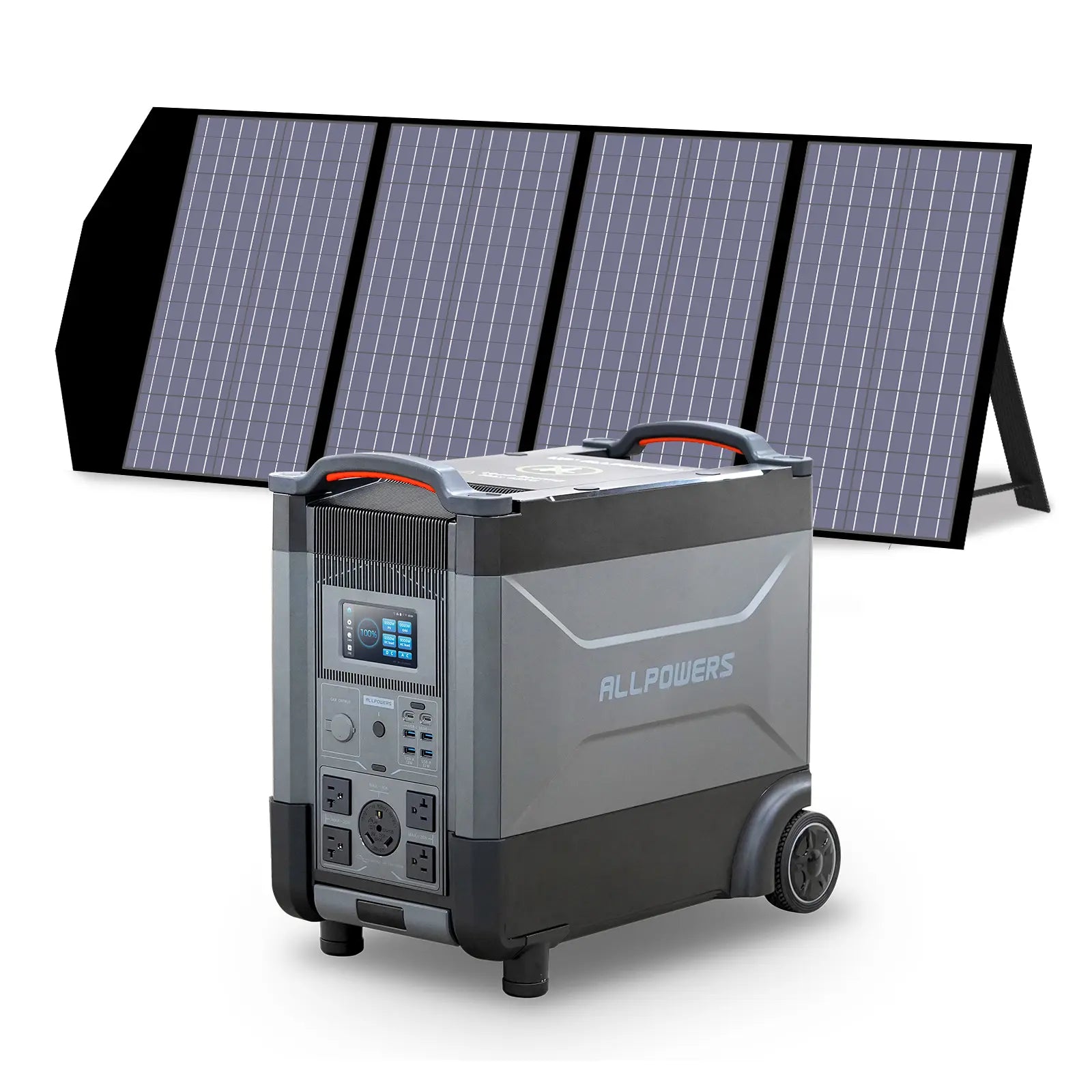
Many outdoor travelers combine solar charging with battery storage systems to create a more flexible energy setup.
These systems allow campers to collect energy during the day and use it at night for lighting, communication devices, and entertainment.
| Power Source | Noise Level | Best For | Runtime |
|---|---|---|---|
| Campground Hookups | Silent | Developed Campgrounds | Unlimited |
| Battery-Based Systems | Silent | Tent & Car Camping | Depends on Capacity |
| Portable Solar Panels | Silent | Multi-Day Trips | Weather Dependent |
| Vehicle Charging | Low | Road Trips | Driving Time Dependent |
| Fuel Generator | High | High-Power Equipment | Fuel Dependent |
What Is the Best Power Source for Off-Grid Camping?
The best camping power source depends on your camping style. Backpackers, car campers, and RV travelers often have completely different requirements.
For Backpacking Trips
Weight is the biggest concern for backpackers. Lightweight battery packs and small solar panels are often preferred because they provide essential energy without adding unnecessary weight.
For Car Camping
Car campers have more flexibility because transportation is not as limited. Larger battery systems, additional charging equipment, and more comfortable campsite setups become practical options.
For RV Camping
RV travelers usually have higher energy demands because they may need to support refrigerators, entertainment systems, kitchen equipment, and climate control.
| Camping Style | Recommended Power Approach | Main Priority |
|---|---|---|
| Backpacking | Small batteries + solar chargers | Low weight |
| Car camping | Larger battery systems | Convenience |
| RV camping | Multiple energy sources | High capacity |
| Long-term off-grid | Solar + stored energy | Energy independence |
Planning for Longer Camping Trips
The longer you remain off-grid, the more important energy planning becomes. Instead of focusing on one power source, experienced campers often combine several charging methods to improve flexibility and reliability.
For example, batteries may be recharged during daytime driving, supplemented by solar charging at camp, and reserved primarily for evening use when lighting, cooking equipment, and communication devices are most needed.
This balanced approach helps reduce unnecessary energy shortages while making the overall camping experience more comfortable.
By understanding your equipment, estimating daily electricity consumption, and selecting charging methods that match your travel style, you can enjoy reliable power almost anywhere without sacrificing the freedom that makes camping so rewarding.
Frequently Asked Questions
What is the best way to get electricity while camping?
It depends on your trip. Battery-based power systems, solar charging, campground hookups, and vehicle charging are among the most common solutions.
Can solar panels provide enough power for camping?
Yes. Portable solar panels can recharge battery systems during the day, especially on multi-day trips with good sunlight.
Is it okay to use a generator at a campground?
Many campgrounds allow generators, but they often restrict operating hours because of noise.
Can I charge electronics from my car?
Yes. Most vehicles can charge phones and small devices, but larger appliances should not rely directly on the vehicle's starter battery for extended periods.
How do I know how much power I need for camping?
Estimate the daily energy use of every device you plan to bring, including lighting, electronics, cooking equipment, and medical devices, then choose a power solution that comfortably exceeds that requirement.