

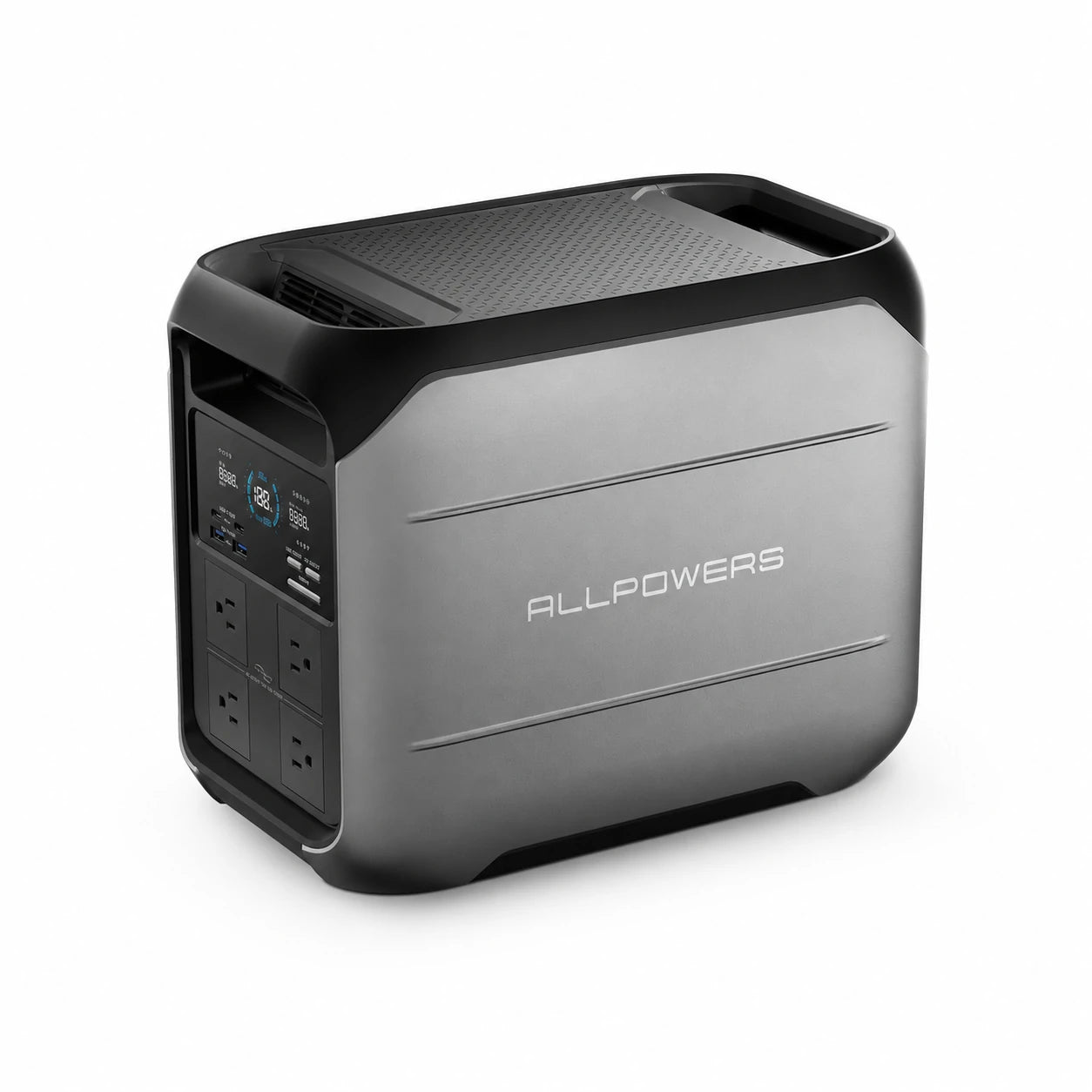




Portable power has become one of the most valuable pieces of camping equipment, allowing campers to keep essential devices running far from electrical hookups.
However, choosing the right size isn't always straightforward. Buy one that's too small, and it may run out of power before the day is over.
Choose one that's unnecessarily large, and you'll end up carrying extra weight and paying for capacity you may never use.
So, what size power station is best for camping?
TL;DR: The right power station size for camping depends on your devices, trip length, and camping style. Small weekend trips with phones, lights, and cameras usually work well with around 200Wh–500Wh. Campers using portable fridges, laptops, or more electronics often need 500Wh–1500Wh. Longer off-grid adventures, RV trips, and remote work setups may require 1500Wh or more.
Why Choosing the Right Size Matters
Many campers focus on the maximum output wattage when comparing different models, but battery capacity is often the more important specification.
Capacity determines how long your devices can operate before the battery needs to be recharged.
A small battery may easily charge phones, cameras, and headlamps for several days, but it can drain much more quickly when powering larger devices like portable refrigerators or electric kettles.
On the other hand, bringing a battery that's far larger than necessary adds unnecessary weight and takes up valuable storage space.
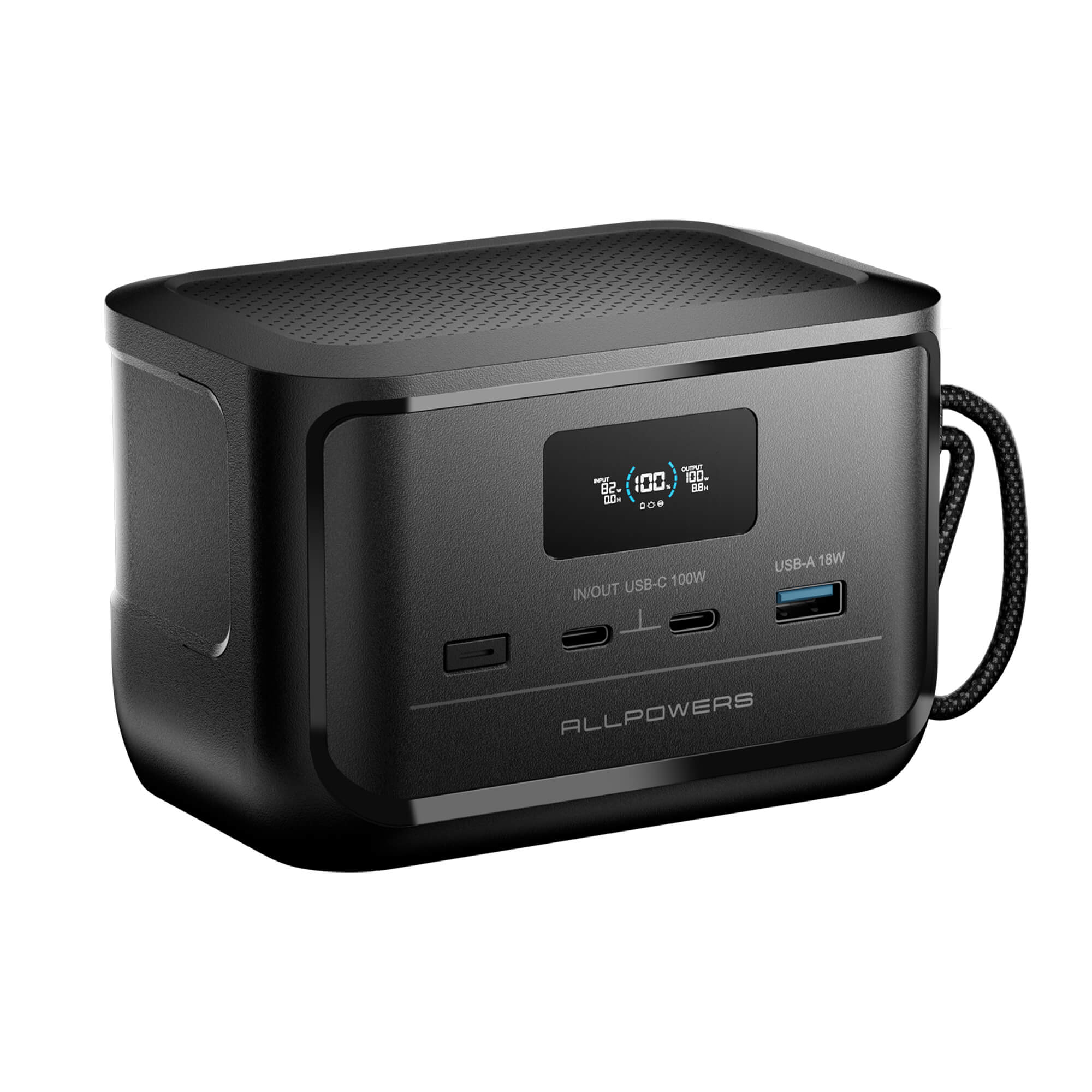
Small Capacity Power Stations
Not every camping trip requires a large battery sitting beside your tent. Sometimes, less really is more.
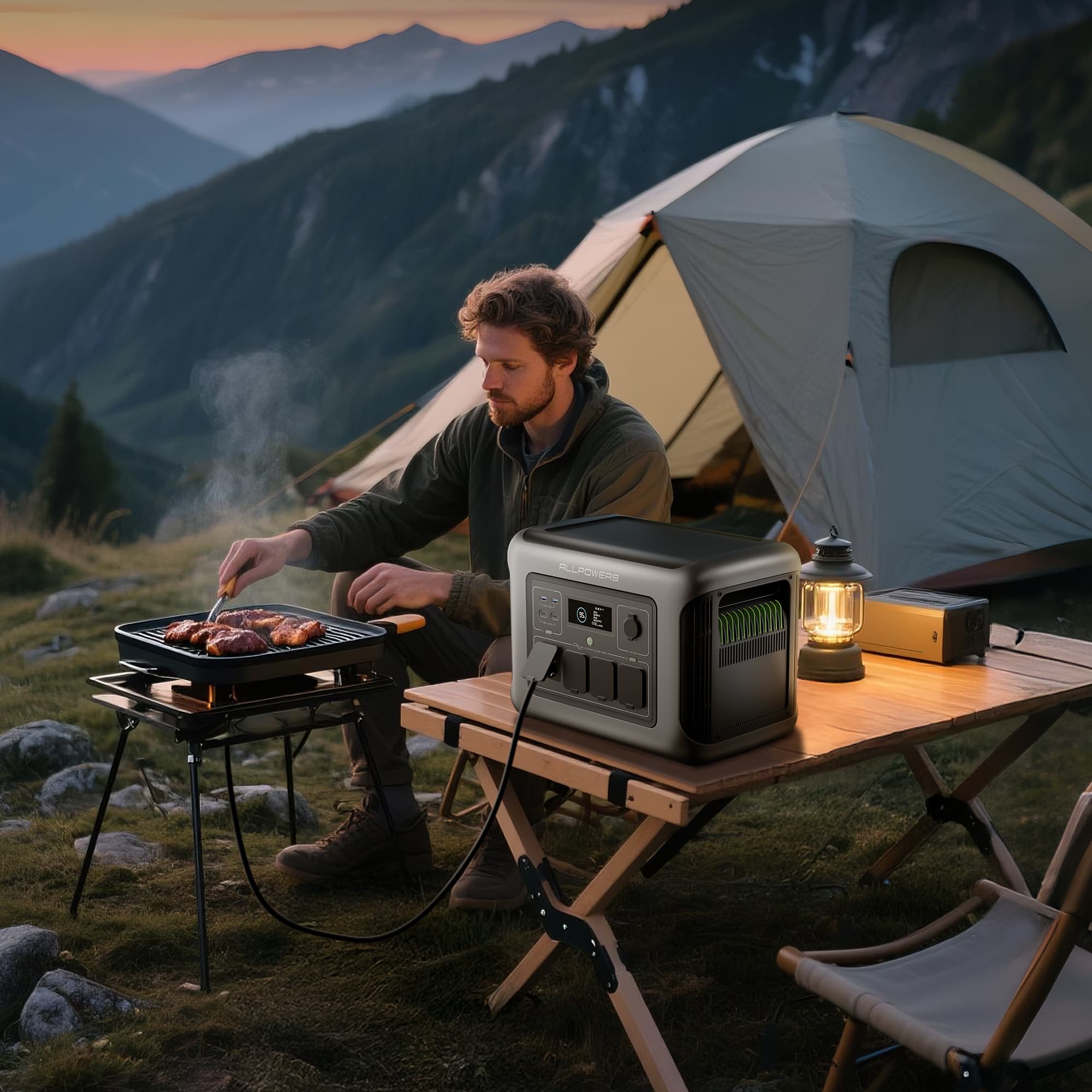
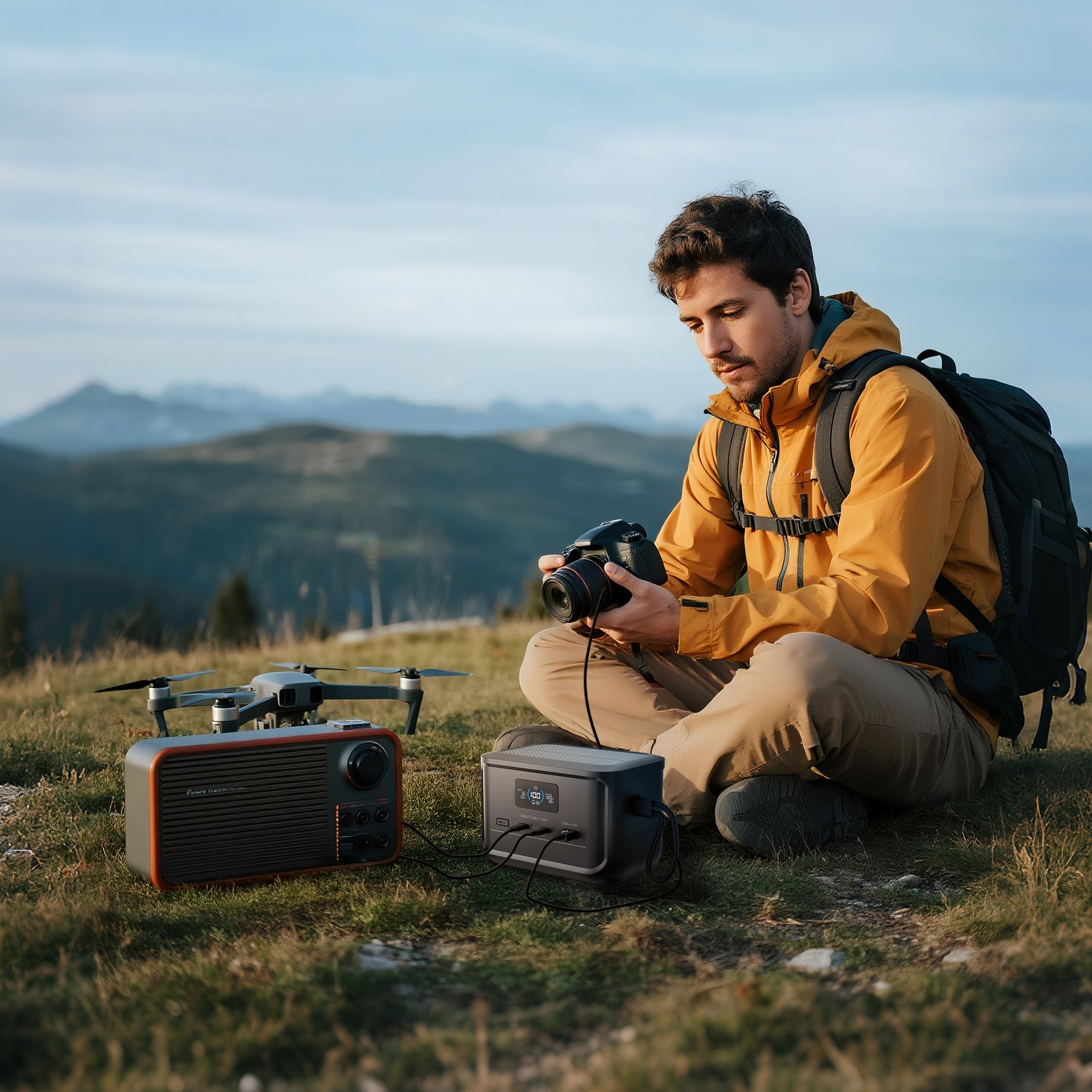
If your camping style is closer to a traditional outdoor escape — a tent, a sleeping bag, a few essential gadgets, and a desire to disconnect — a smaller power station can often handle your needs.
During the day, you are hiking and exploring. At night, you return to camp, turn on a small light, charge your phone, check your camera batteries, and maybe run a small fan while you sleep.
In this situation, a compact power station between 200Wh and 500Wh may already provide enough energy.
This size is popular among hikers, photographers, and casual campers because it offers a good balance between usefulness and portability.
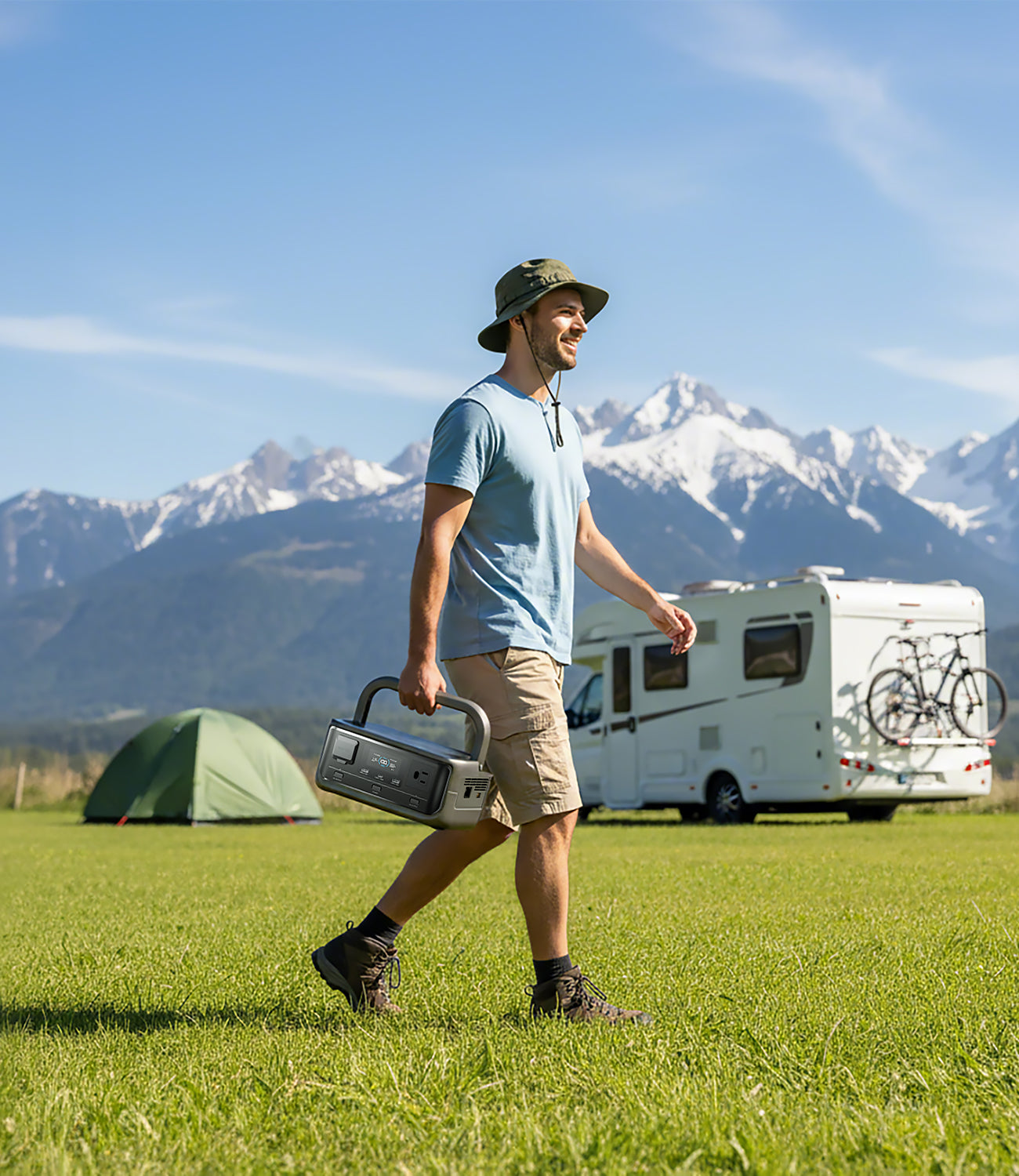
Carrying extra battery capacity sounds reassuring, but when you have to move your gear from the car to a remote campsite, every extra pound becomes noticeable.
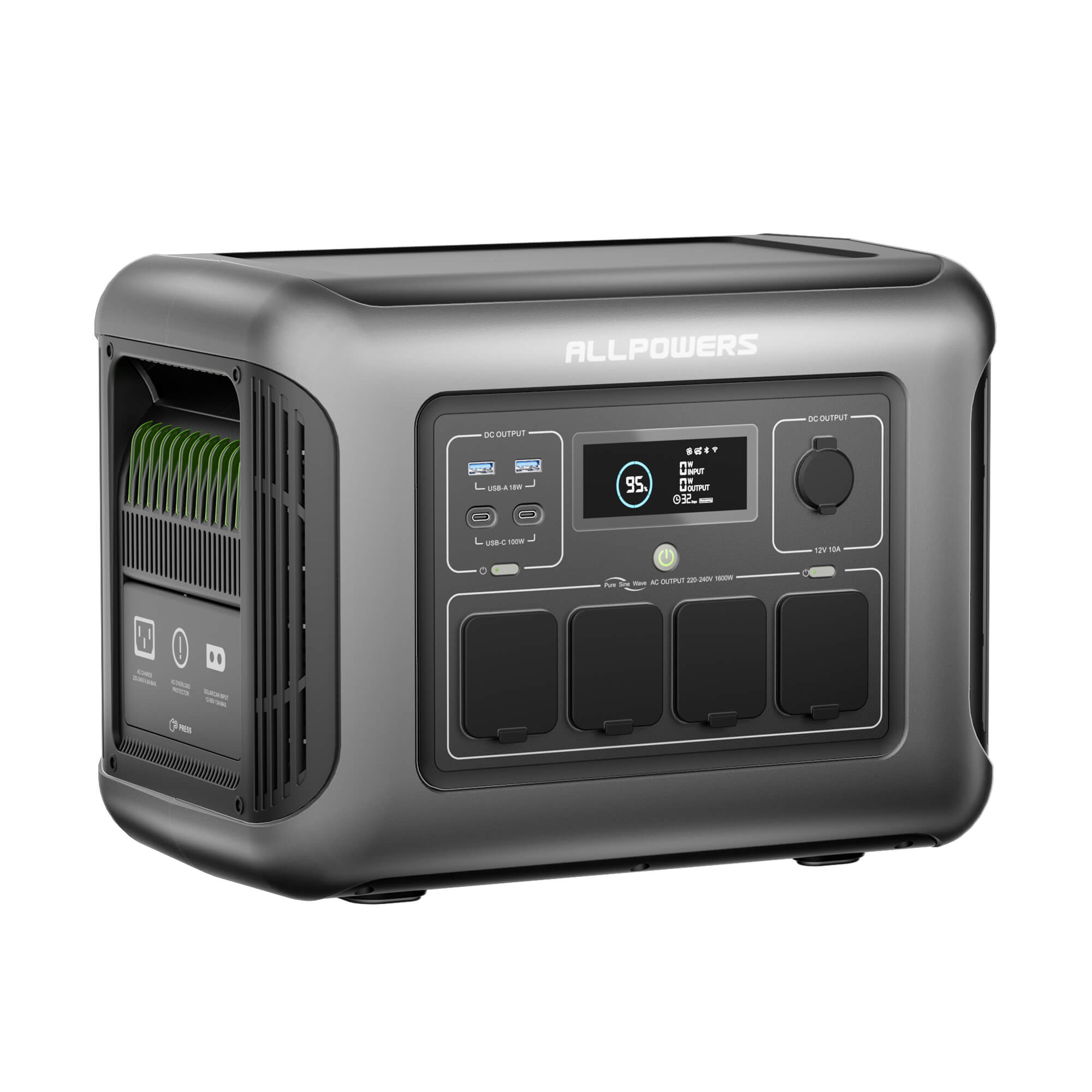
Medium Capacity Power Stations
For many outdoor enthusiasts, the 500Wh to 1500Wh range is where things become much more flexible.
This capacity fits the growing number of campers who enjoy staying connected while still spending time away from traditional power sources.
This is also the range where camping starts to look different from the old image of simply disconnecting from everything.
Many people now combine outdoor adventures with remote work, photography projects, or longer road trips.
A laptop is a good example. A computer may not seem like a major power user, but several hours of work each day can slowly drain your available energy.
Add a camera battery charger, a portable light, a phone, and perhaps a small refrigerator, and your energy requirements increase quickly.
Portable refrigerators are especially important because they operate differently from devices like phones.
A phone charges for a short period and then stops. A fridge may continue cycling throughout the day to maintain temperature.
This does not mean you always need the biggest battery. A well-organized campsite uses energy more efficiently.
Keeping a refrigerator shaded, reducing unnecessary charging, and turning off devices when they are not needed can significantly extend runtime.
You know what? Good energy management is a lot like packing for a camping trip. Experienced campers do not simply bring everything they own. They bring what serves a purpose.
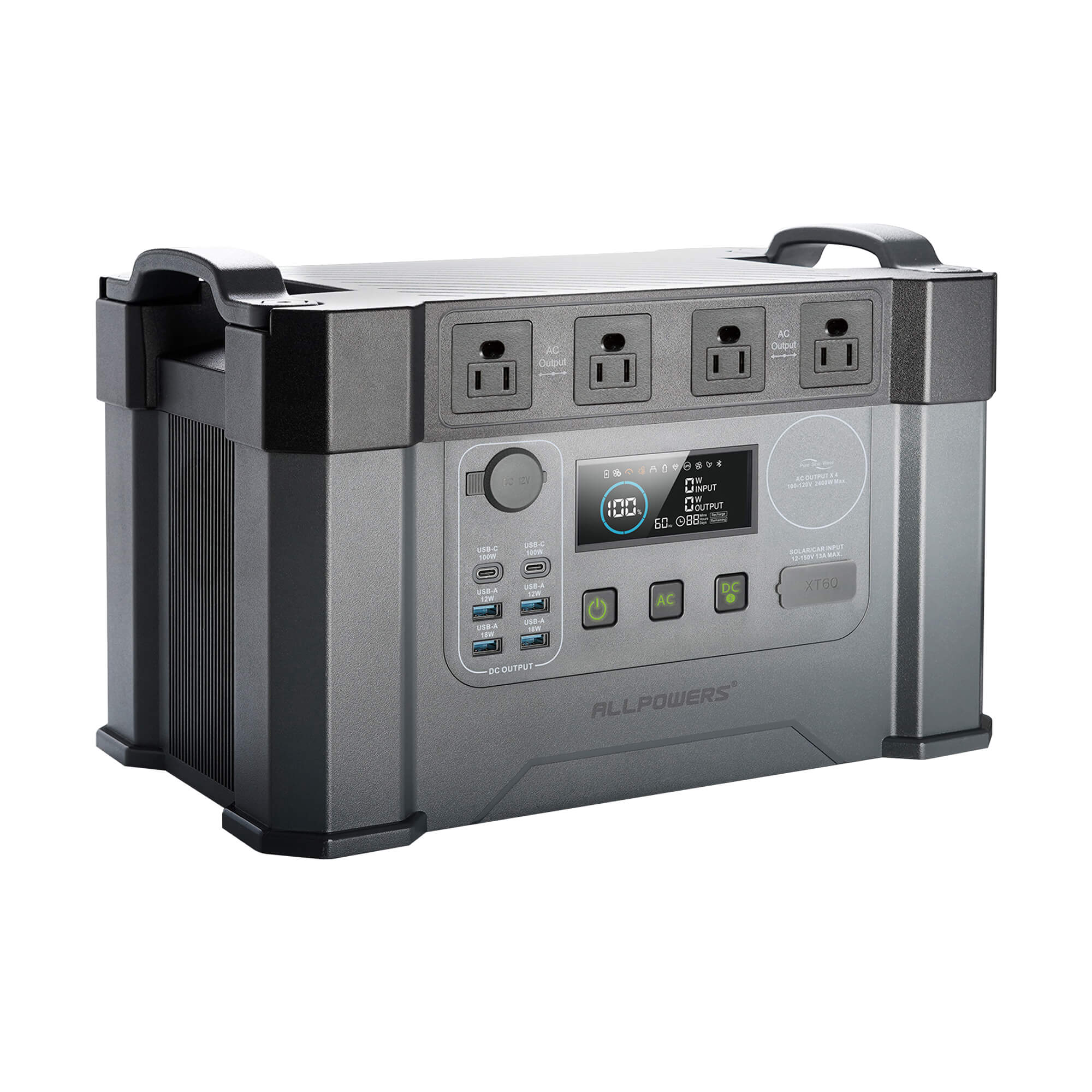
Larger Capacity Power Stations
Extended camping trips require a different level of preparation. When you spend several days or even weeks away from traditional power sources, electricity becomes part of your overall resource planning.
A larger power station above 1500Wh can make sense for campers who need more independence.
This includes RV travelers, remote workers, photographers on long trips, and people exploring areas where access to electricity is limited.
For example, a remote worker camping near the mountains may need to power a laptop, monitor, internet equipment, lights, and communication devices every day.
A photographer traveling through remote landscapes may need enough energy to recharge multiple camera batteries after long days outdoors.
However, bigger does not always mean better.
A large battery can provide peace of mind, but it also takes up more space and adds weight. If your camping style involves hiking several miles into the wilderness, a large capacity unit may not be practical.
If you are traveling by vehicle and staying in one location for several days, the extra capacity may be much more valuable.
| Camping Style | Typical Devices | Suggested Battery Capacity | Energy Demand |
|---|---|---|---|
| Overnight Camping | Phone, Lights, Camera | 200–300Wh | Low |
| Weekend Camping | Laptop, Fan, Small Electronics | 300–700Wh | Moderate |
| Family Camping | Multiple Devices, Lighting, Cooler | 700–1,000Wh | Medium to High |
| Off-Grid Camping | Refrigerator, CPAP, Work Equipment | 1,000–2,000Wh | High |
| RV Camping | Several Appliances and Electronics | 2,000Wh+ | Very High |
How to Calculate Your Camping Power Requirements
Start by thinking about what you will actually use during your trip. Many people overestimate their needs because they imagine every possible situation.
Others underestimate because they forget about small devices that quietly consume power.
The basic calculation is simple:
Device wattage × hours of use = watt-hours consumed
For example, imagine you bring a portable fridge that uses around 40W while running. If it operates for approximately 10 hours of active cooling during a day, that equals around 400Wh of energy use.
Now add a laptop that uses 60W for three hours. That adds another 180Wh. Phones, lights, and small accessories may add another 50Wh or more.
Suddenly, a camping setup that seemed simple can require several hundred watt-hours per day.
Real outdoor conditions also change the numbers. Hot weather may make a fridge work harder.
Cold temperatures can affect battery performance. Cloudy weather may reduce solar charging speed.
Because of these variables, many experienced campers prefer having some extra capacity rather than operating at the absolute limit.
Can Solar Charging Extend Camping Power?
For multi-day camping trips, charging options become just as important as battery size. A larger battery provides more stored energy, but eventually it needs to be replenished.
Many outdoor enthusiasts combine stored energy with renewable charging methods to extend their time away from traditional electricity sources.
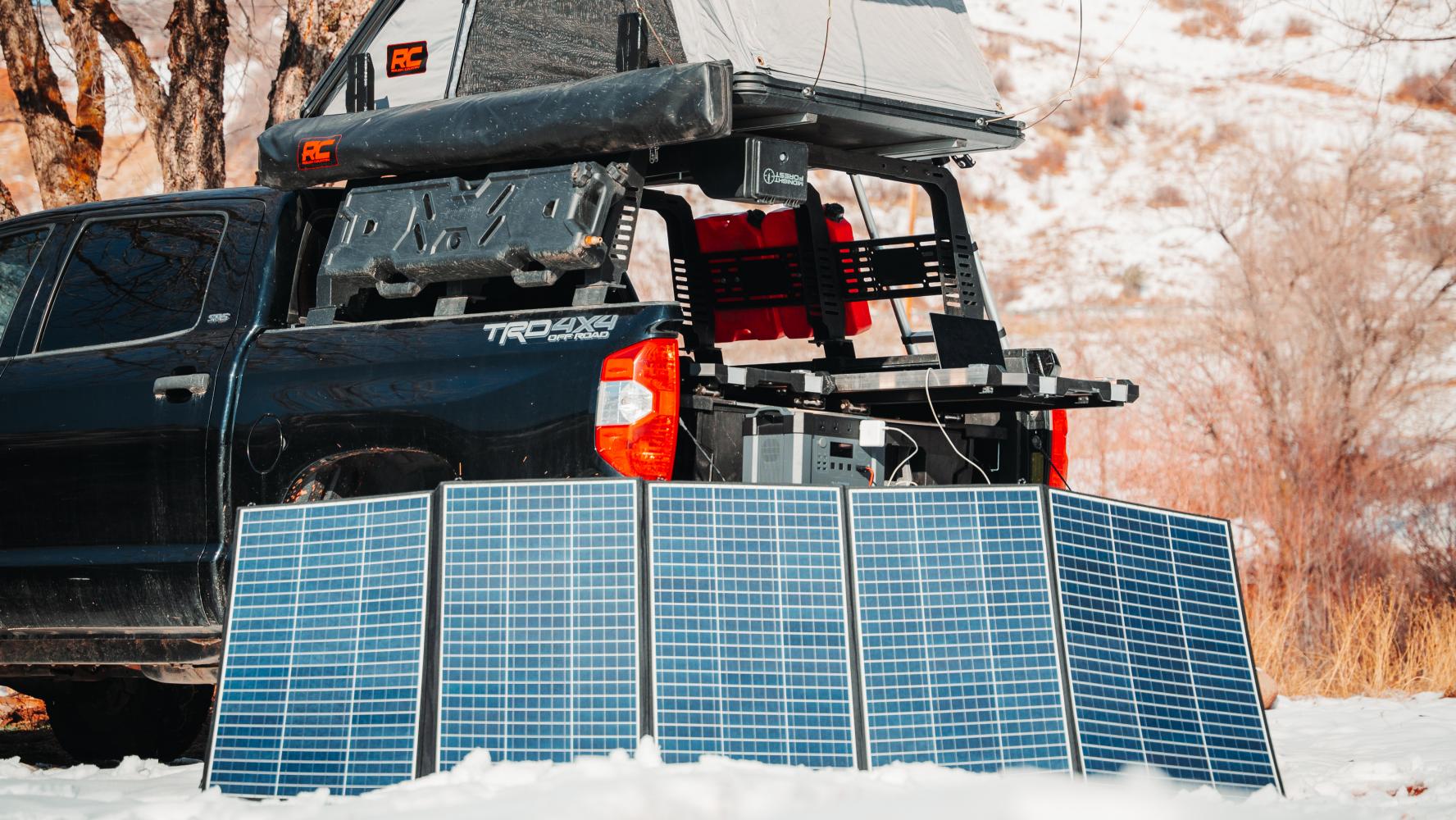
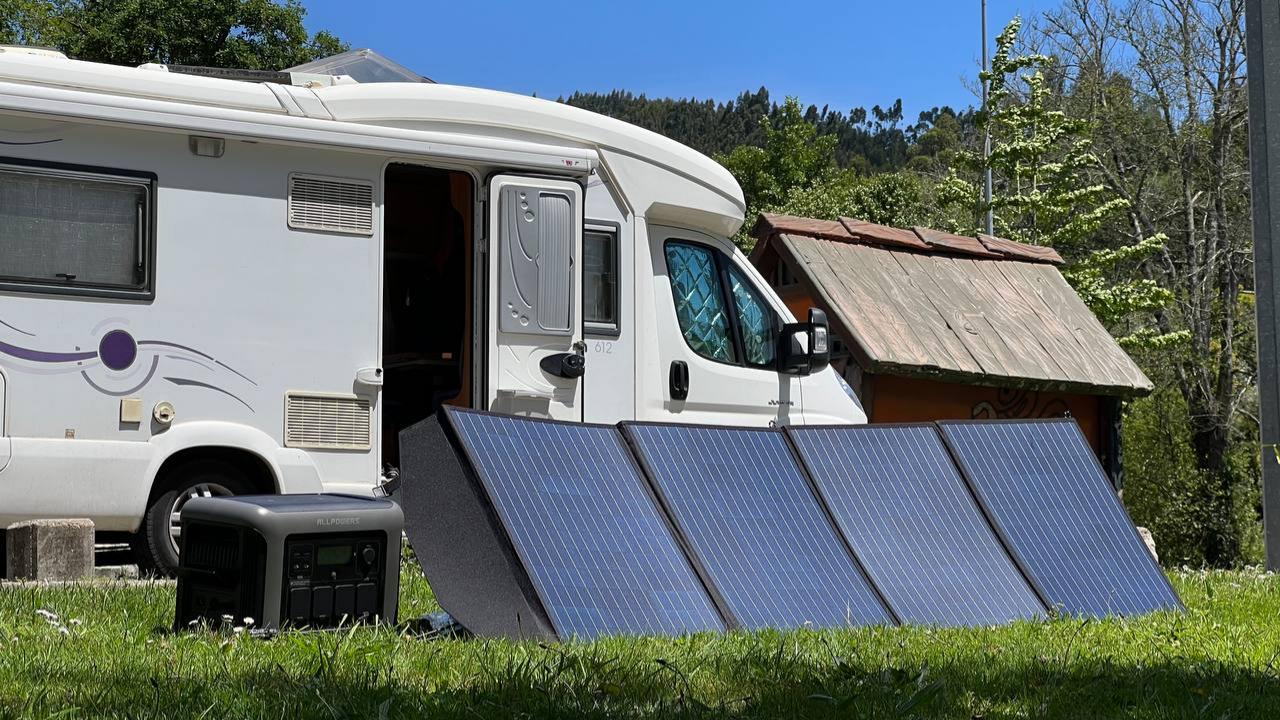
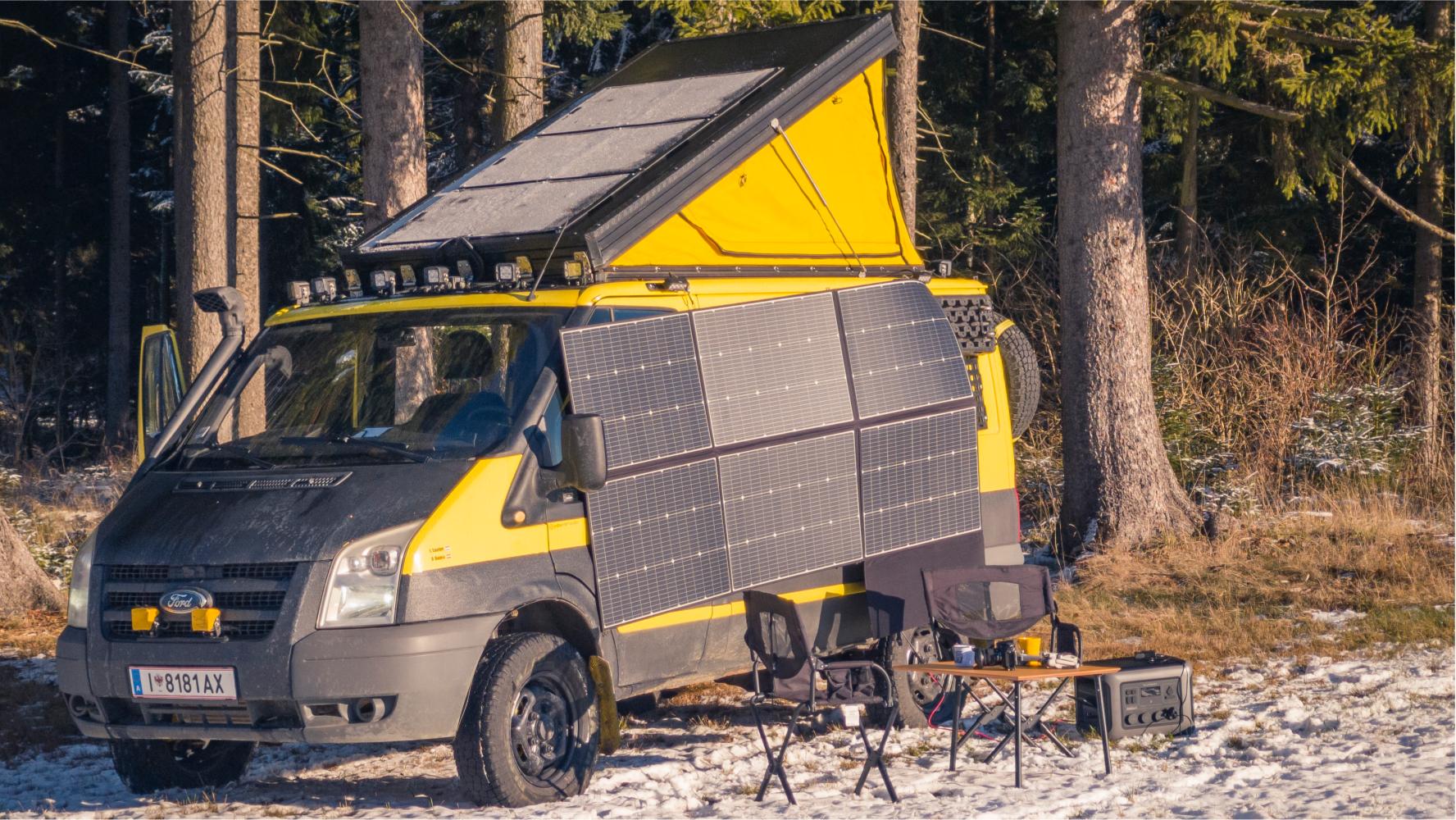
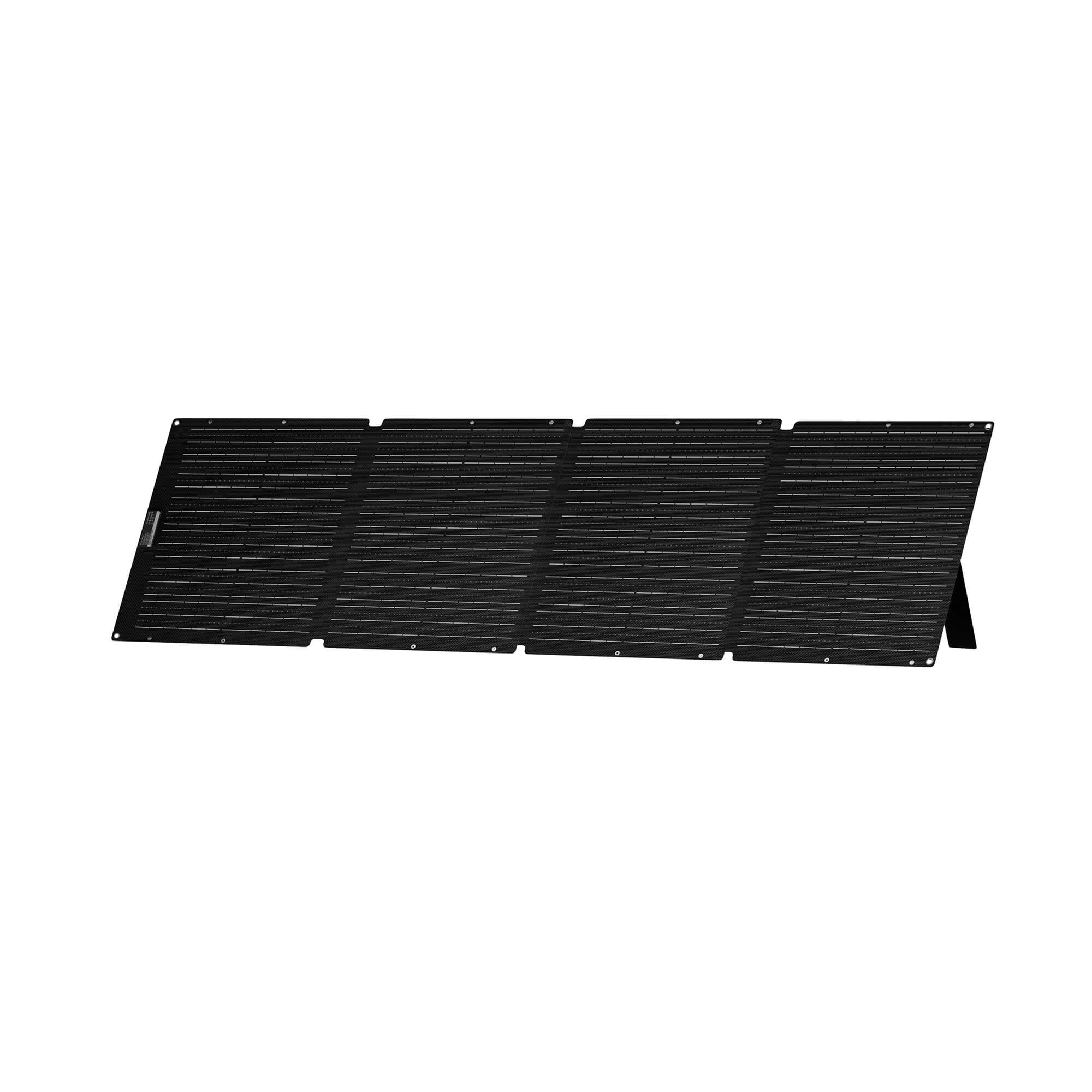
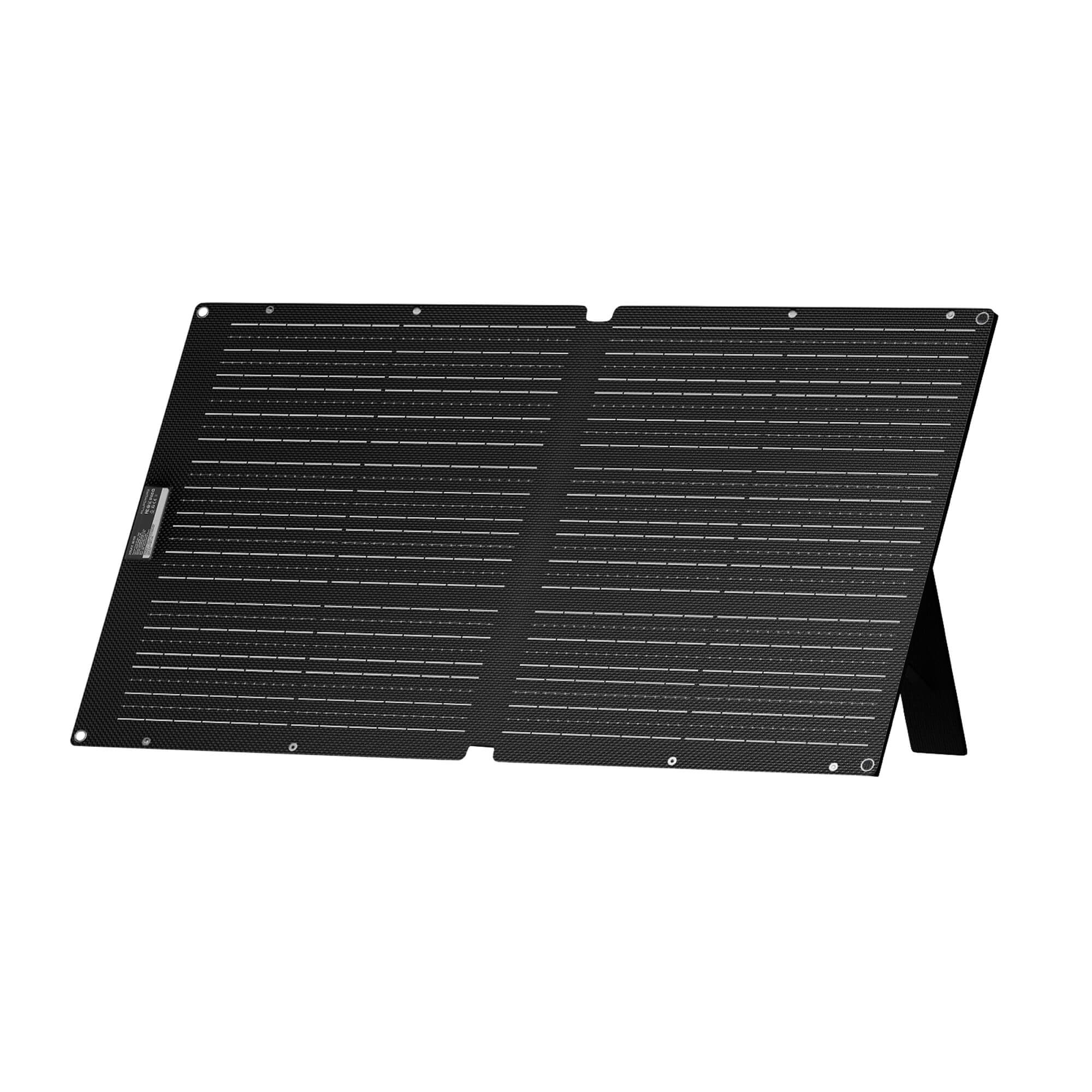
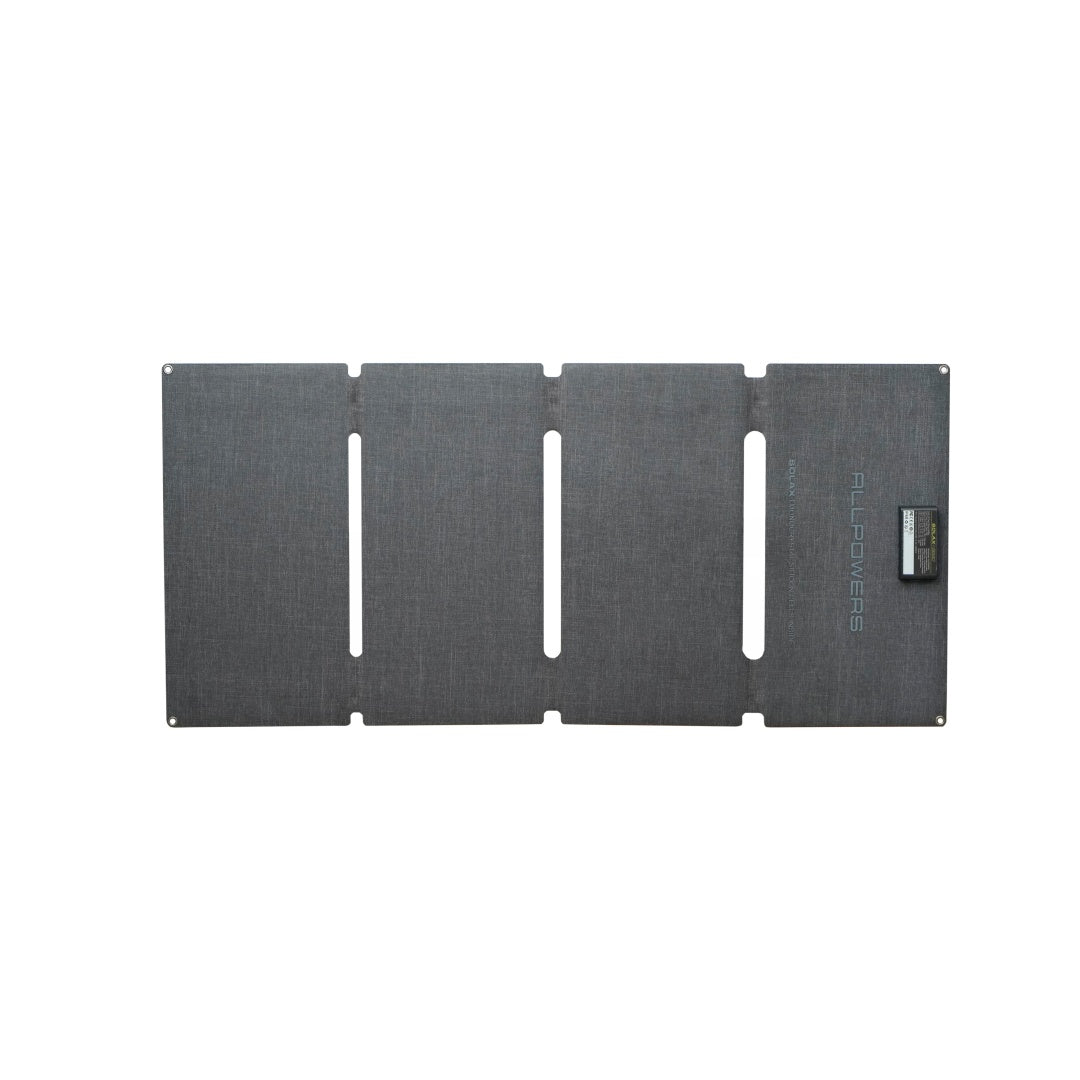
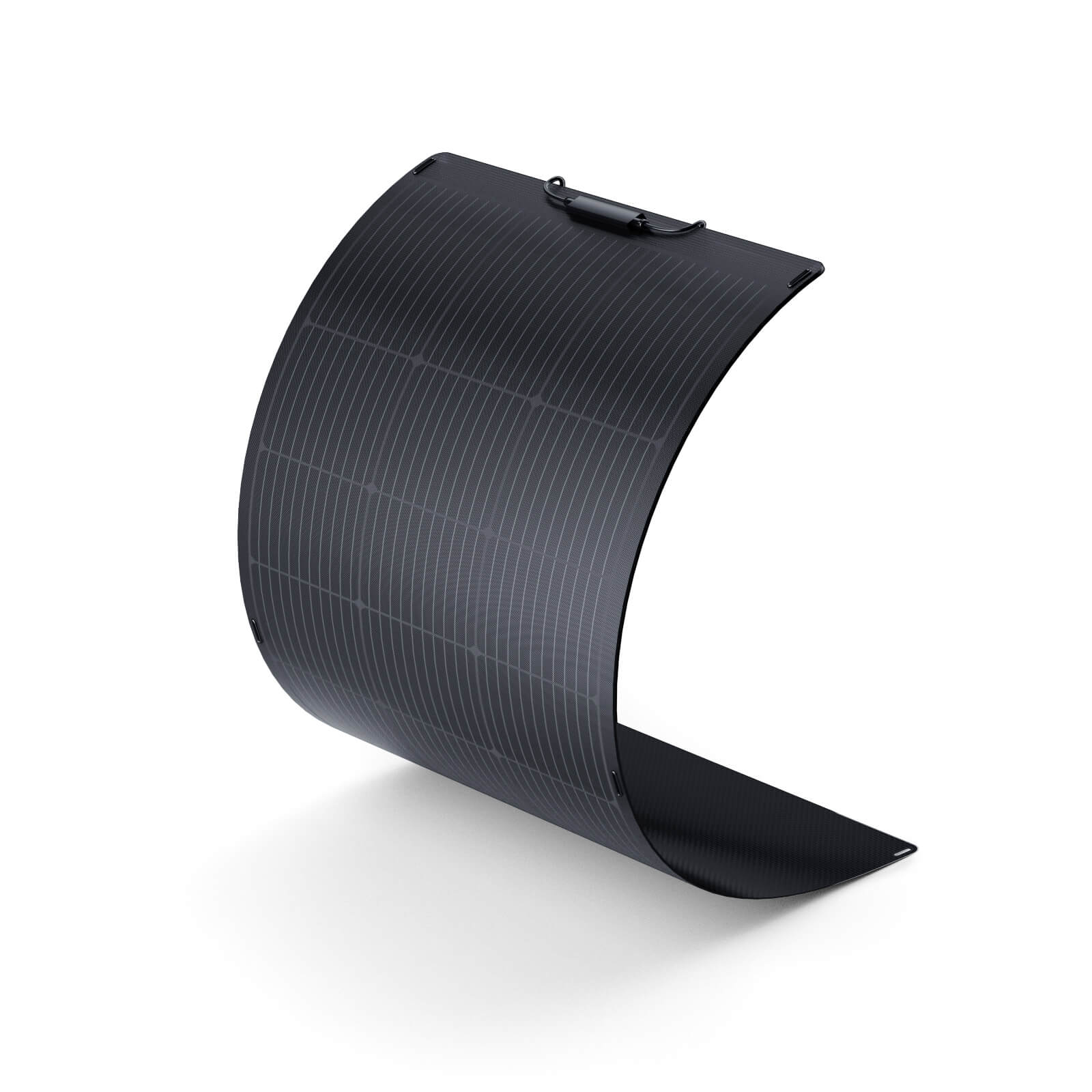
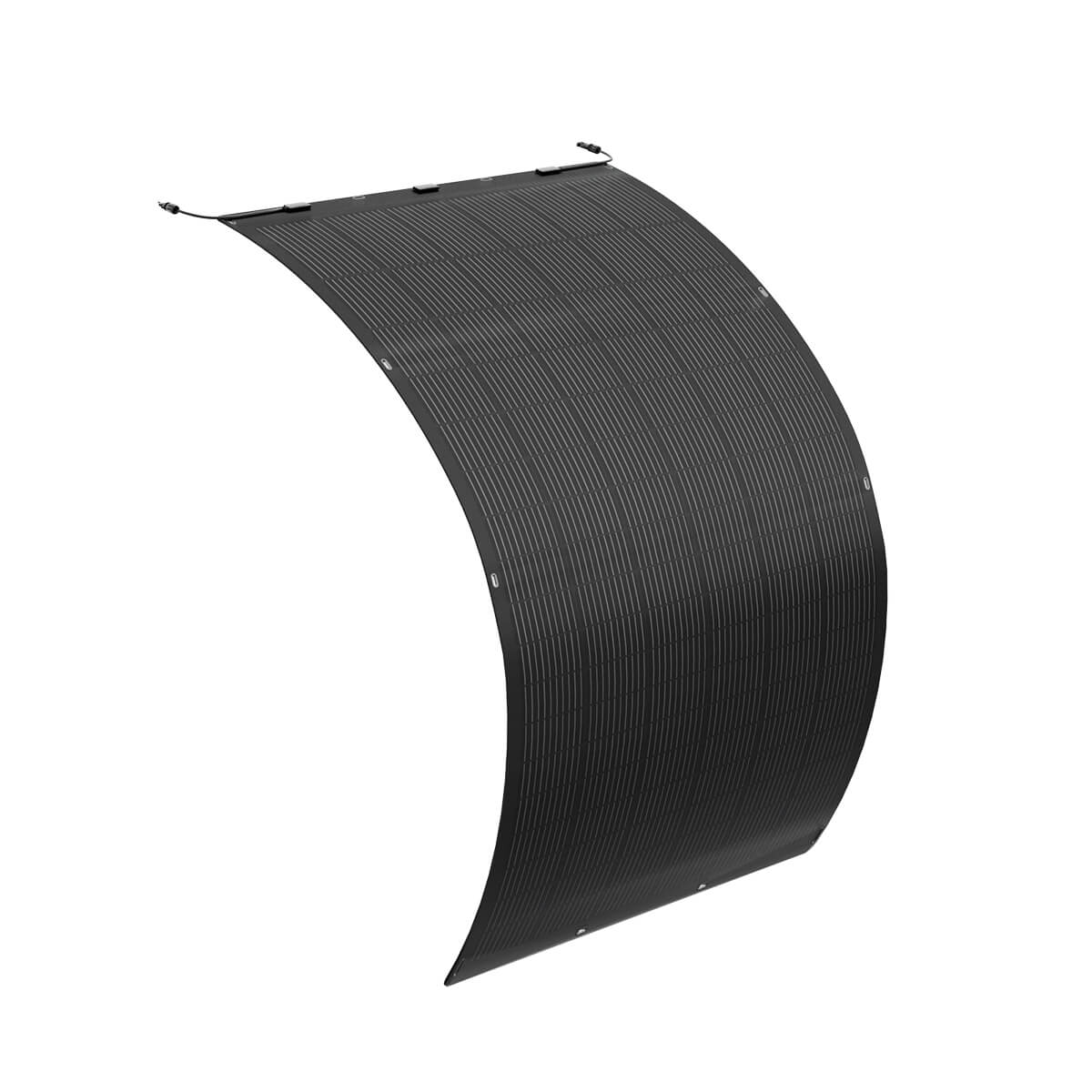
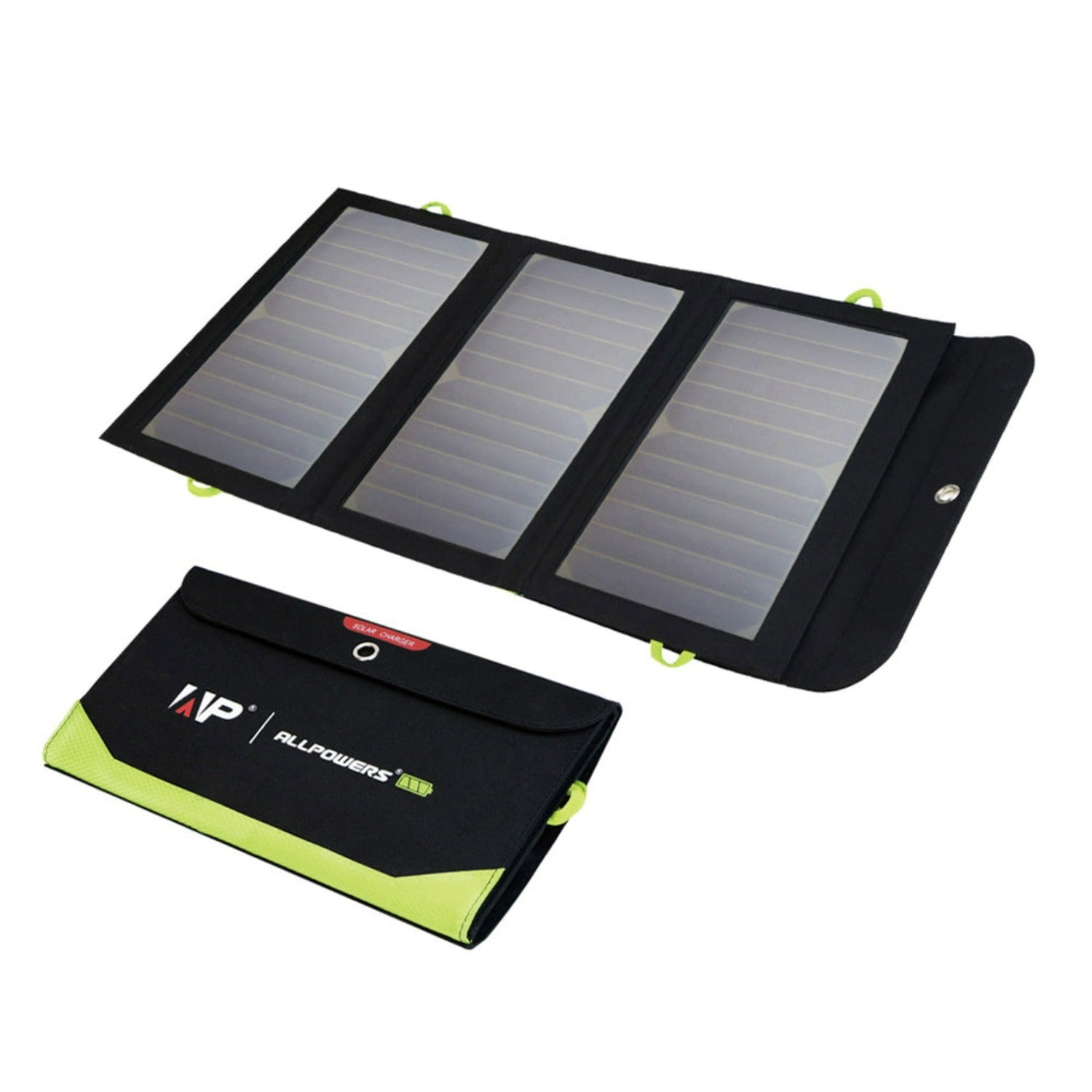
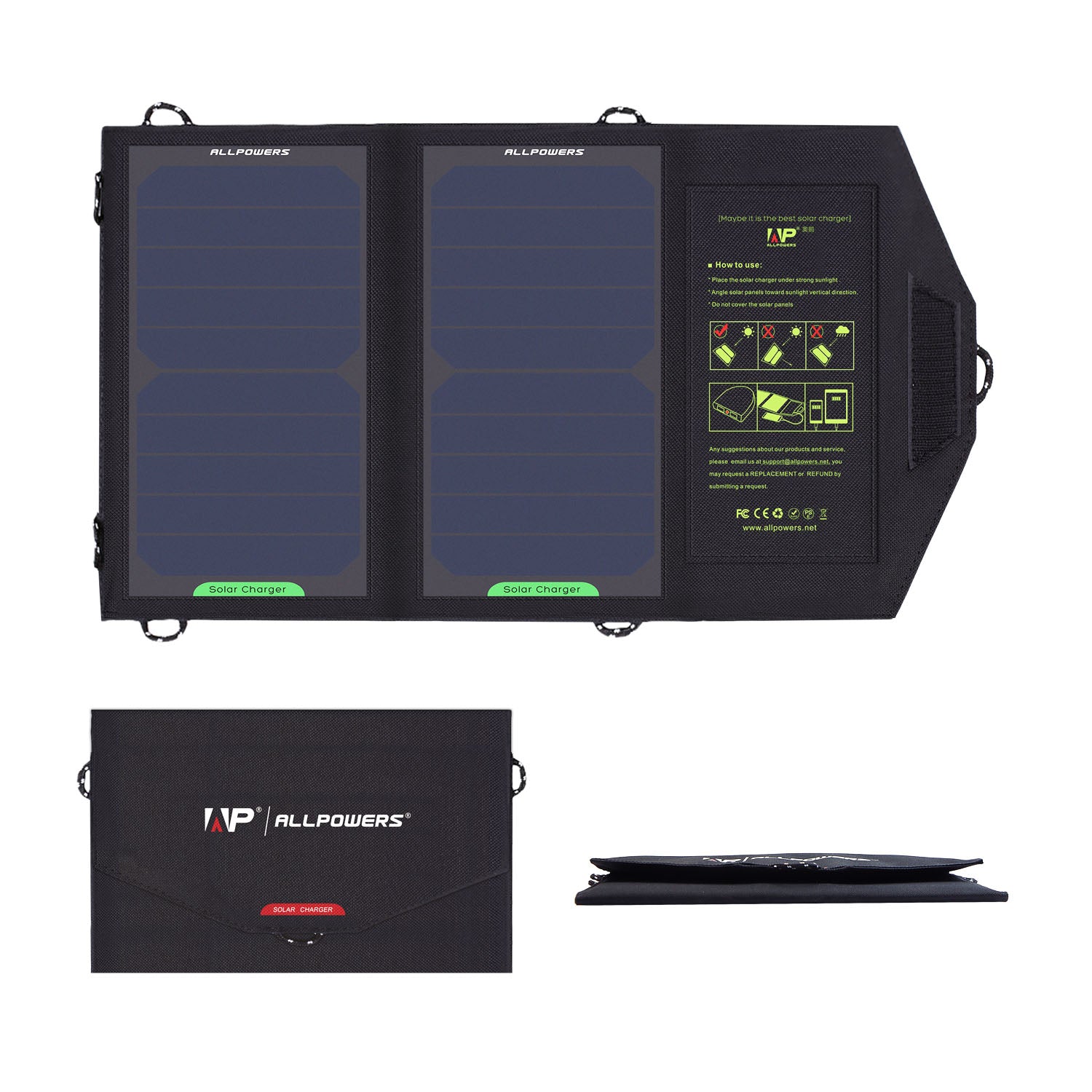
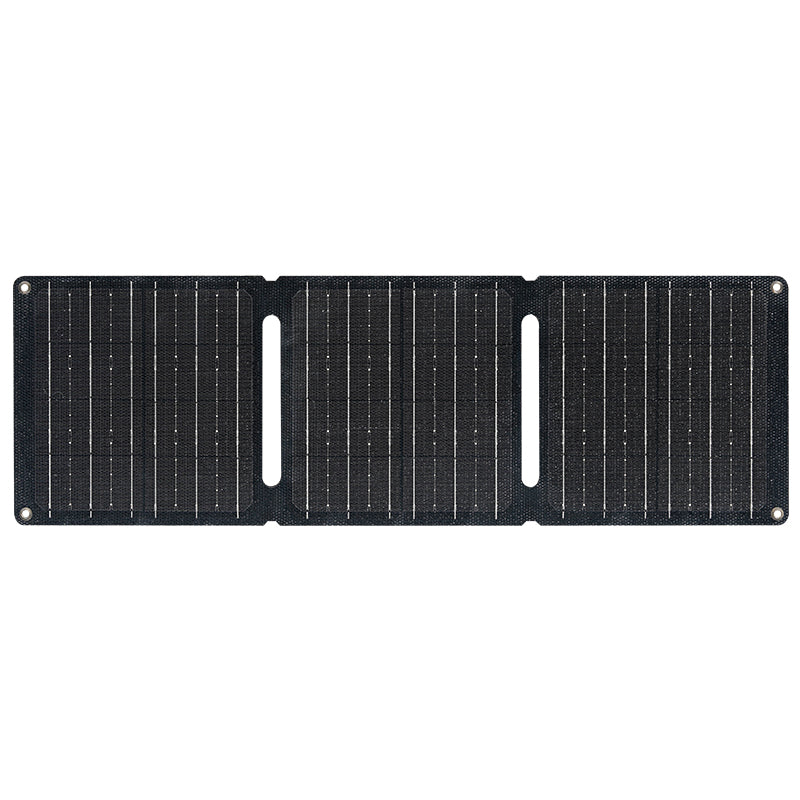
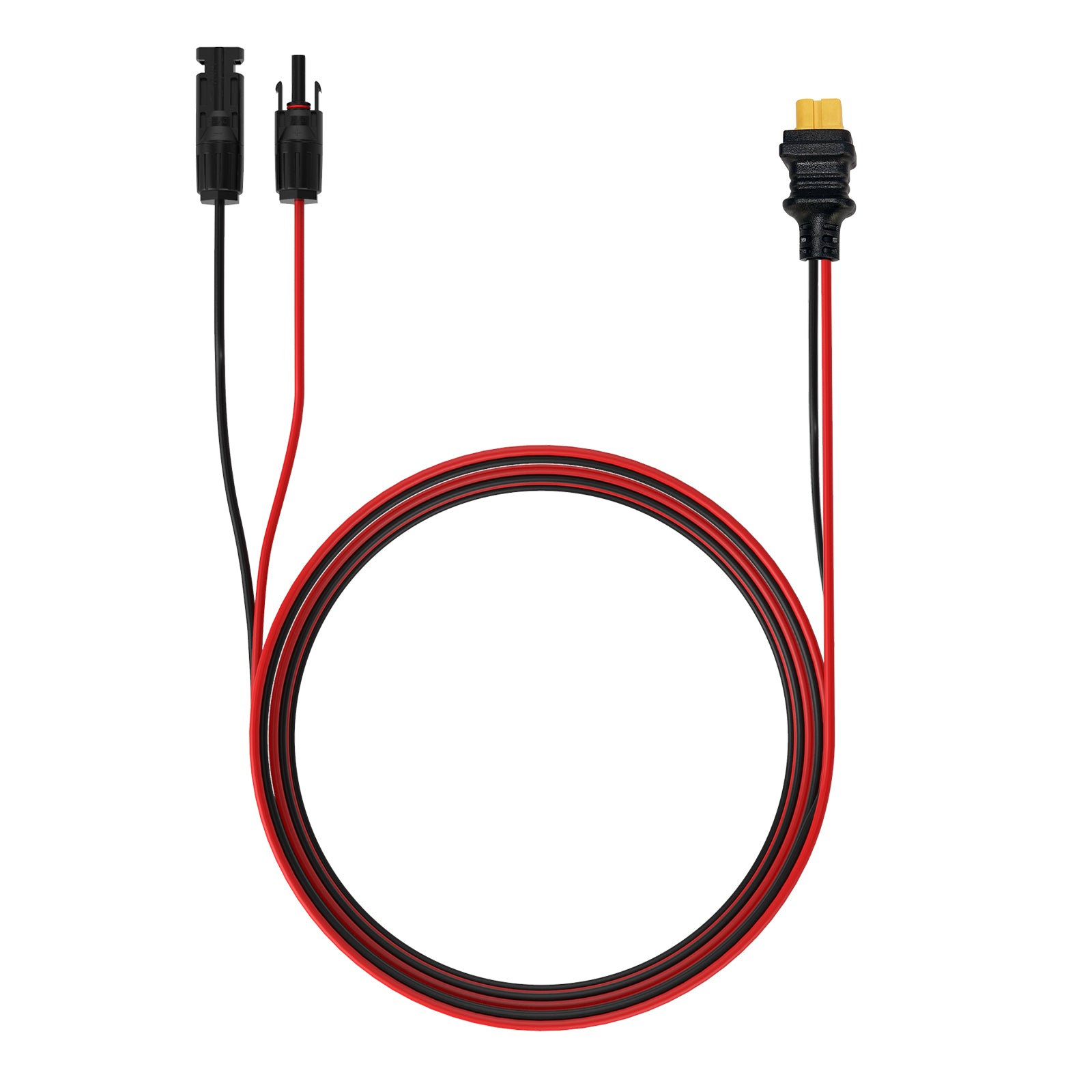
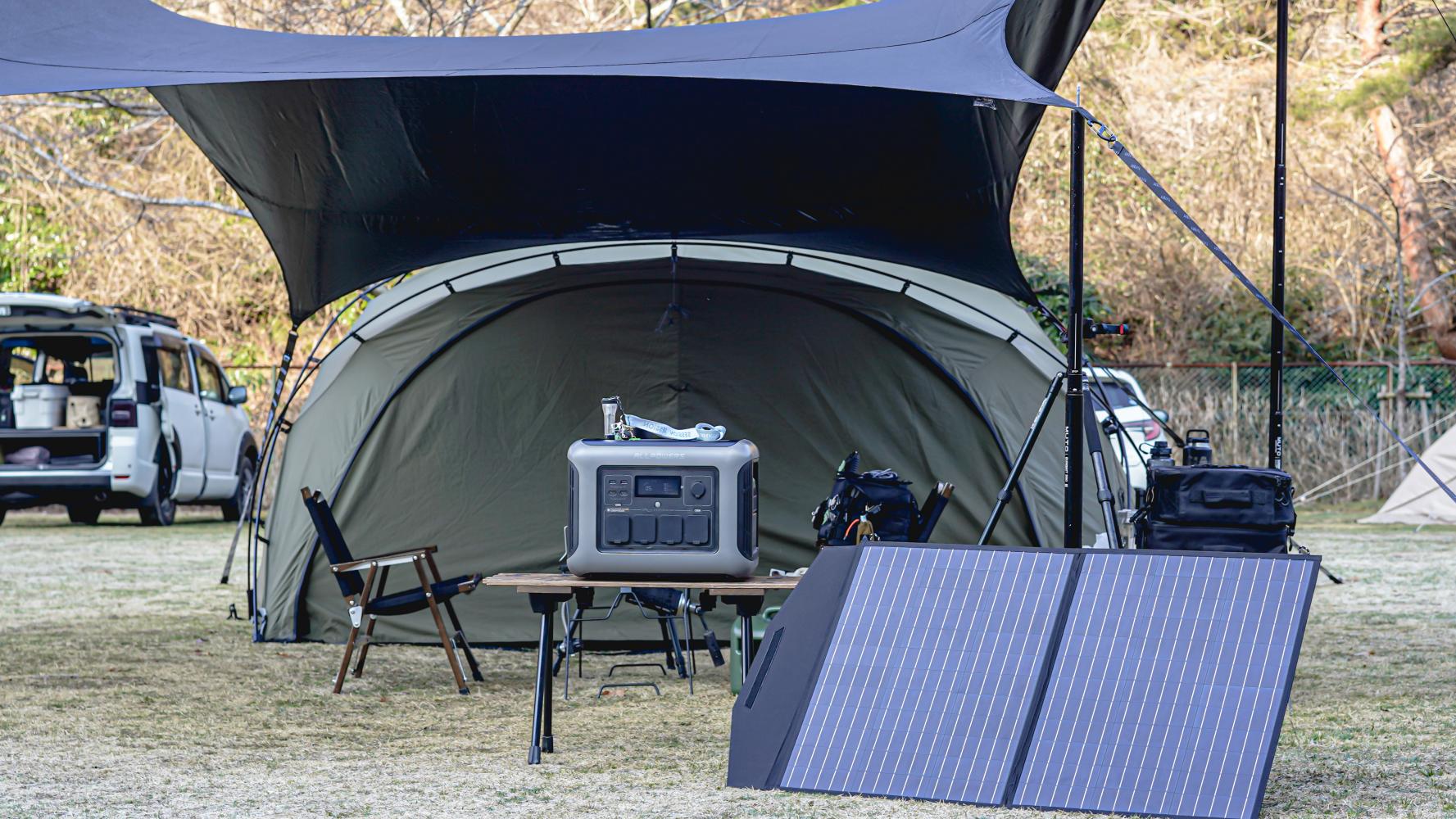
Solar charging can help replenish energy during daylight hours, allowing stored power to be used during evenings and overnight.
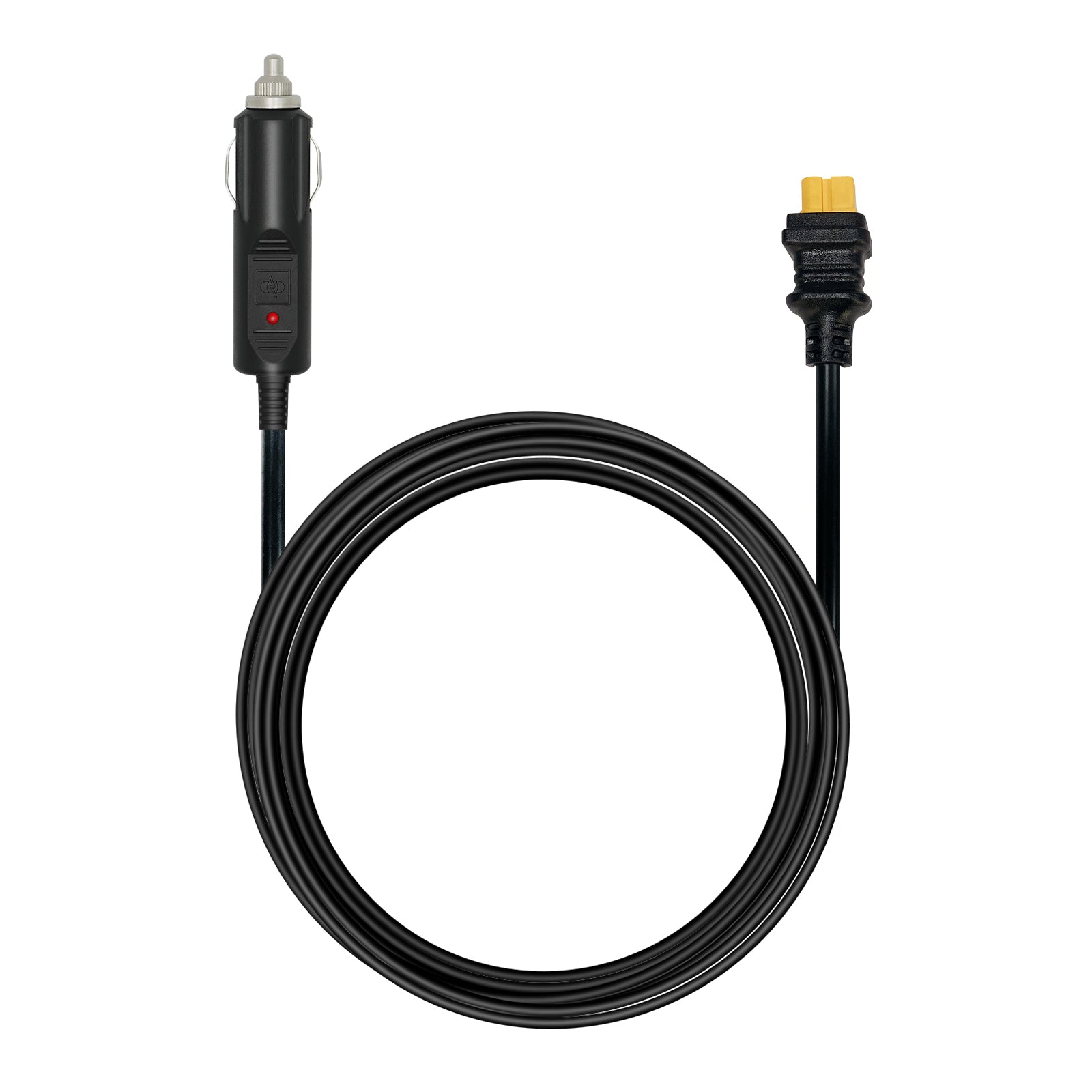
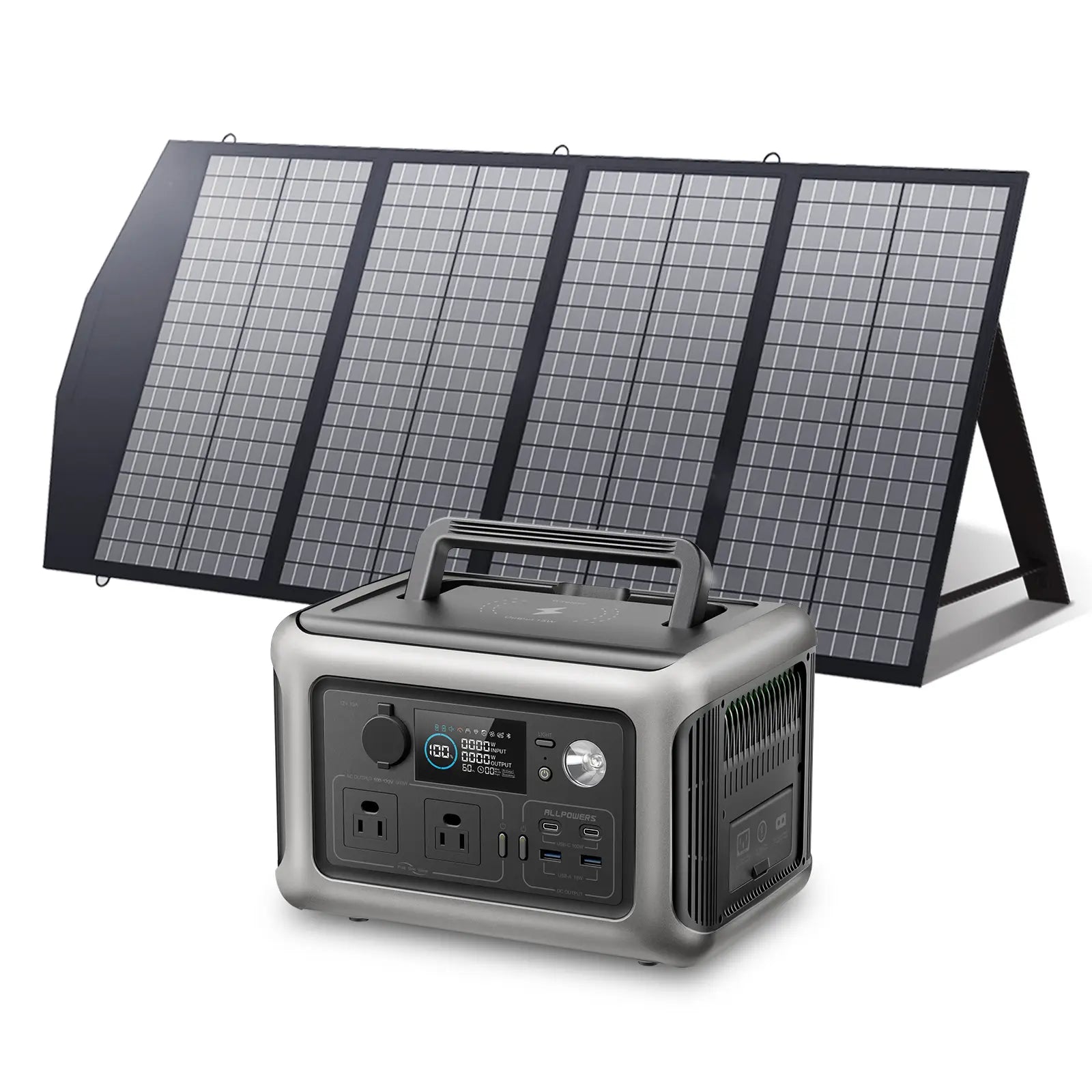
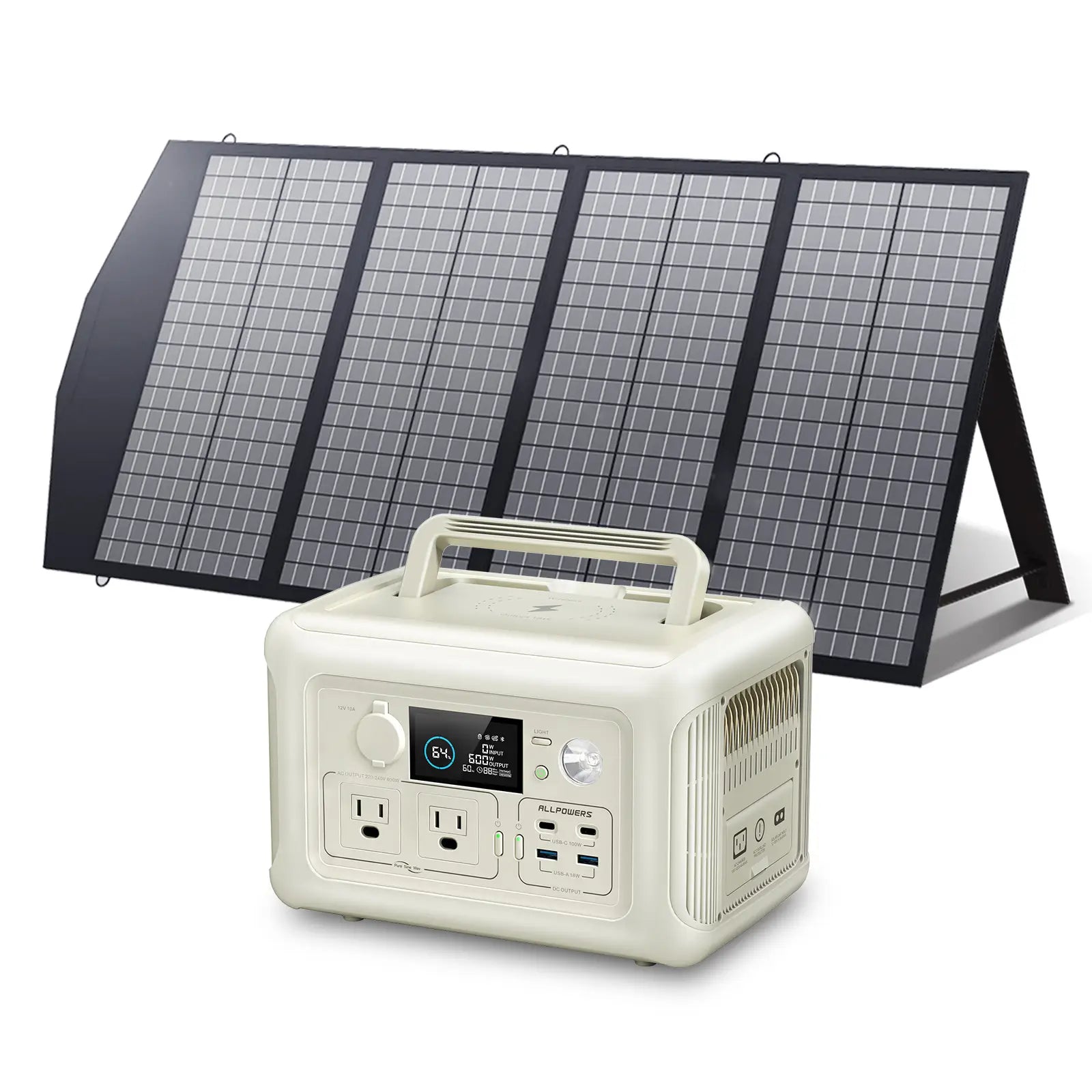
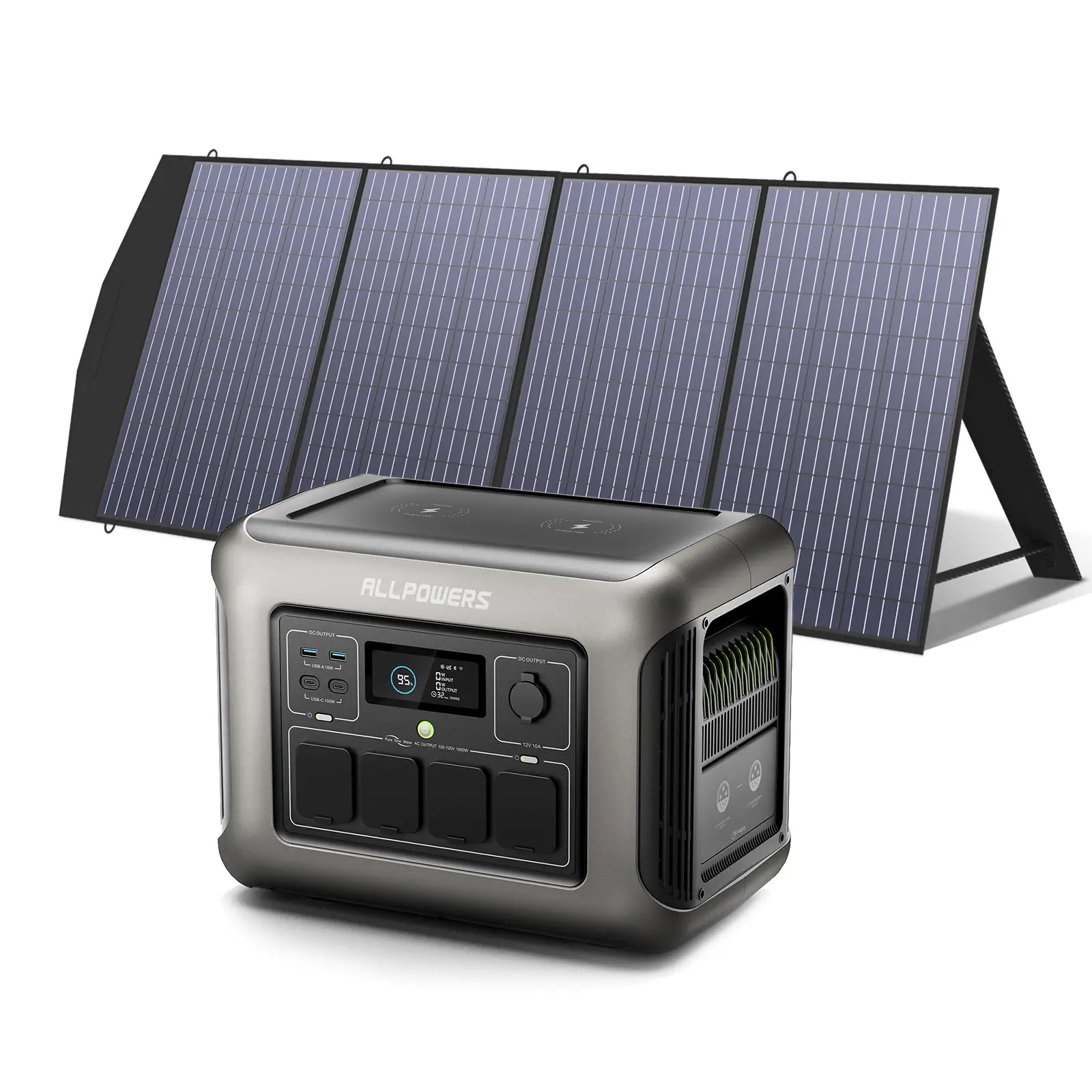
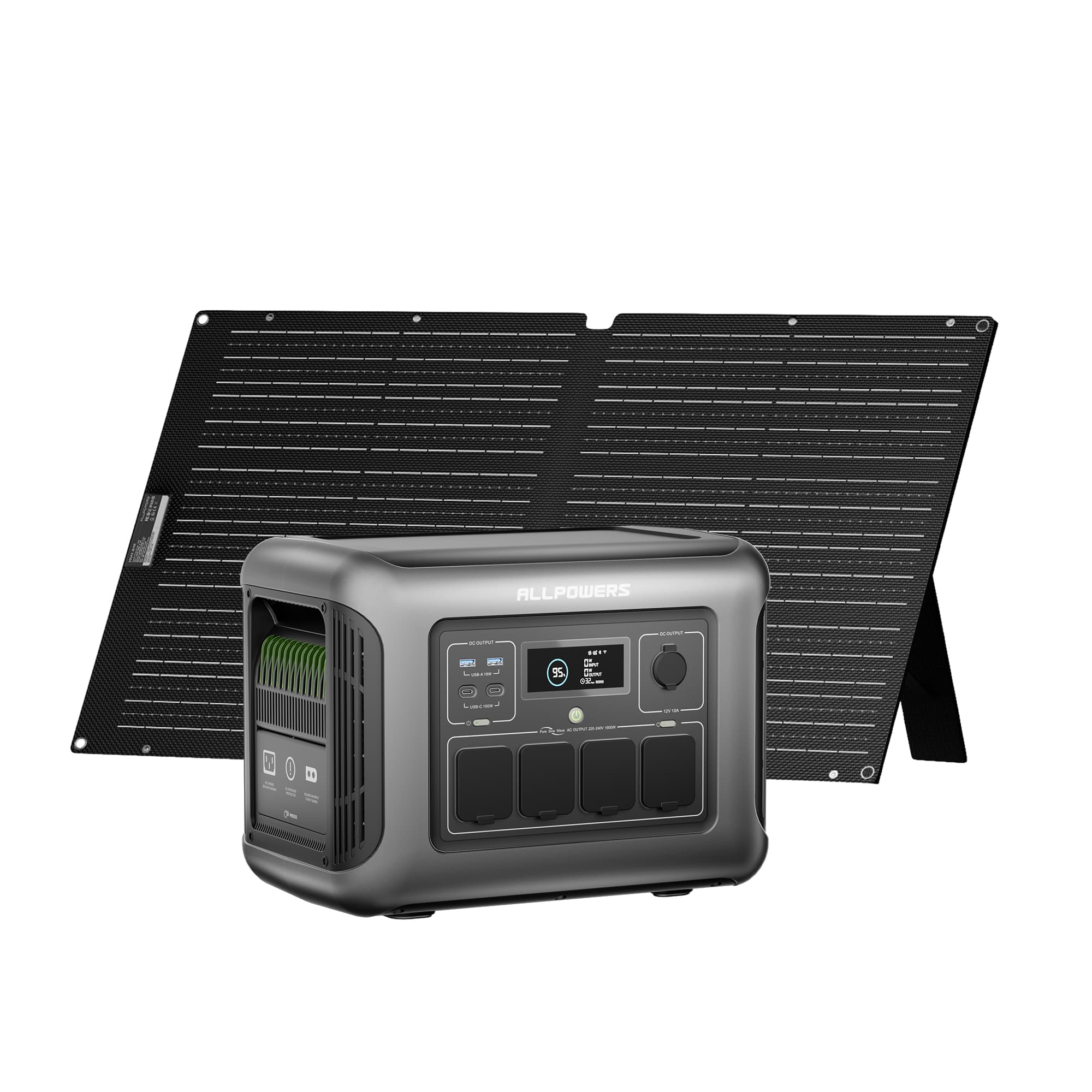
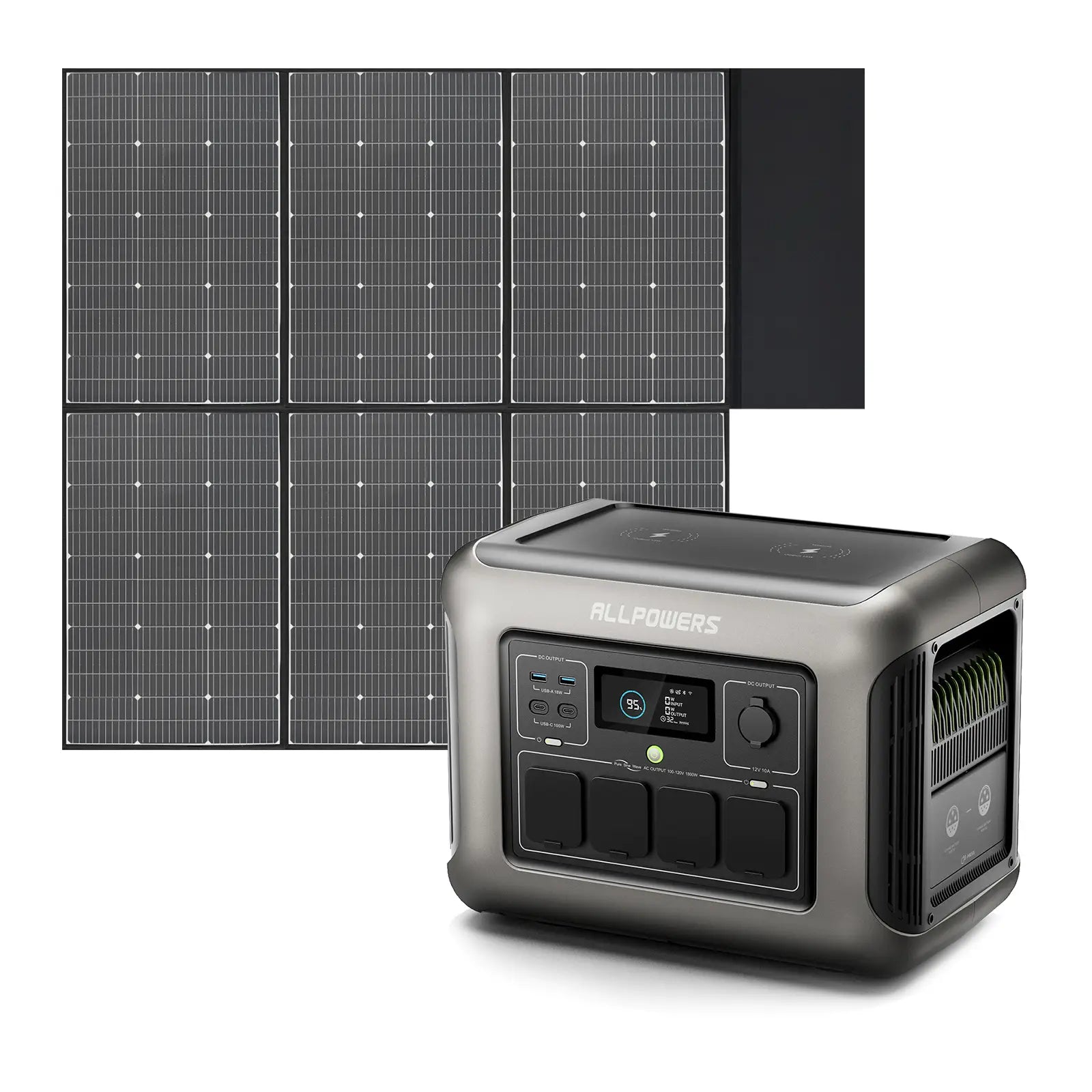
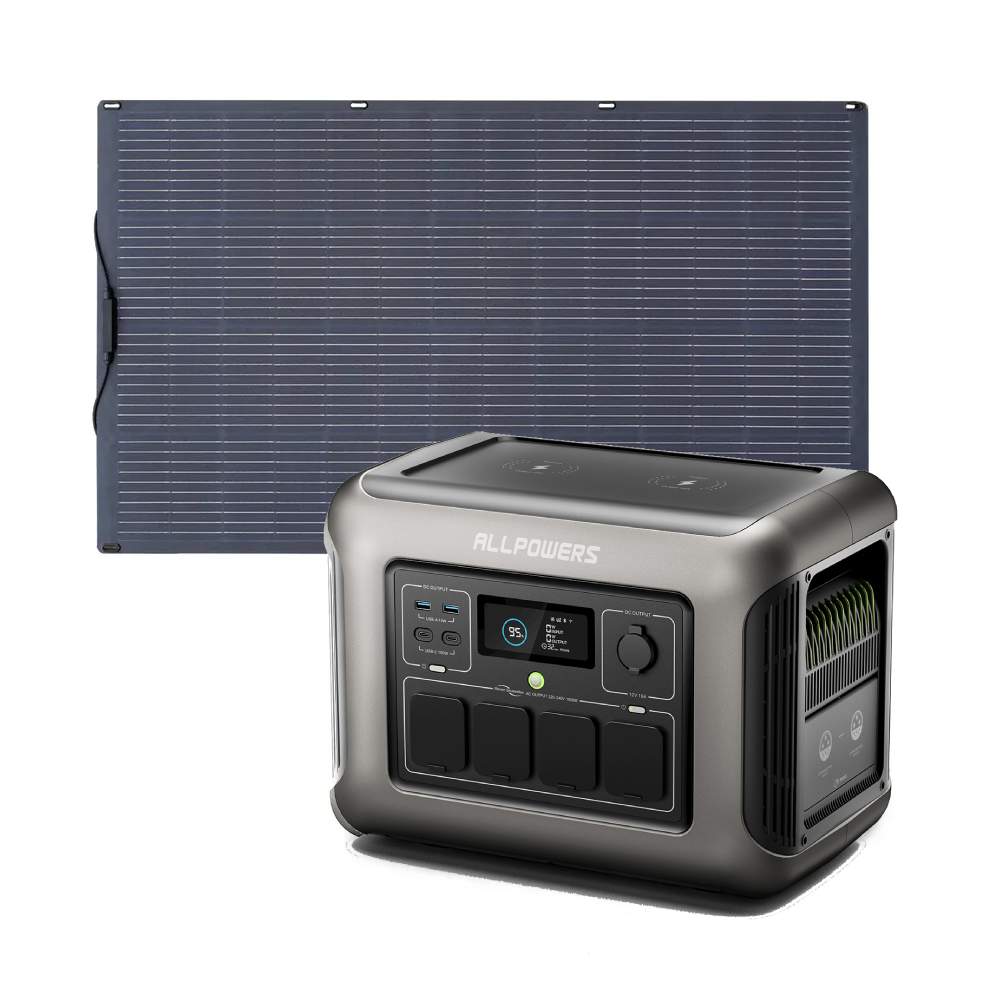
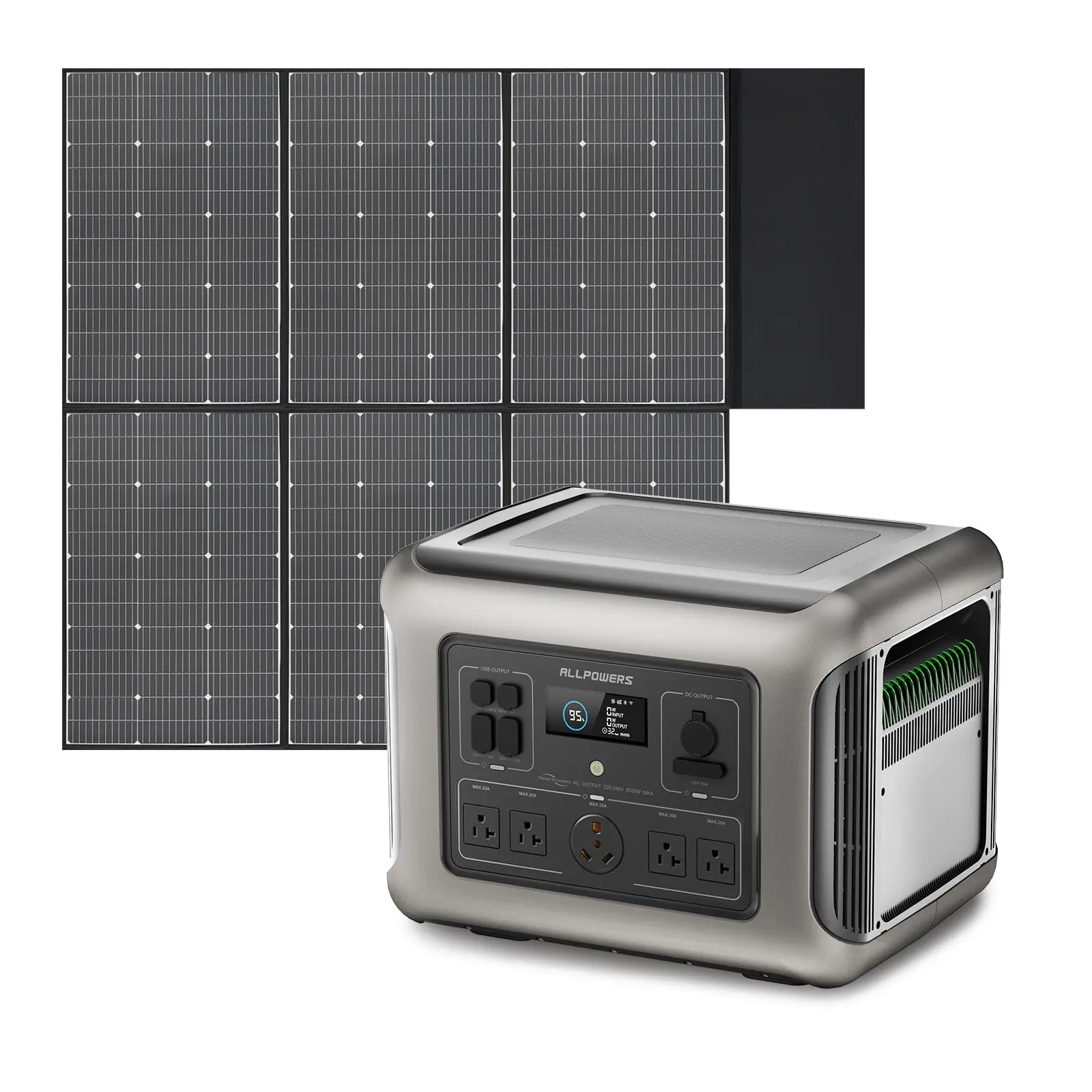
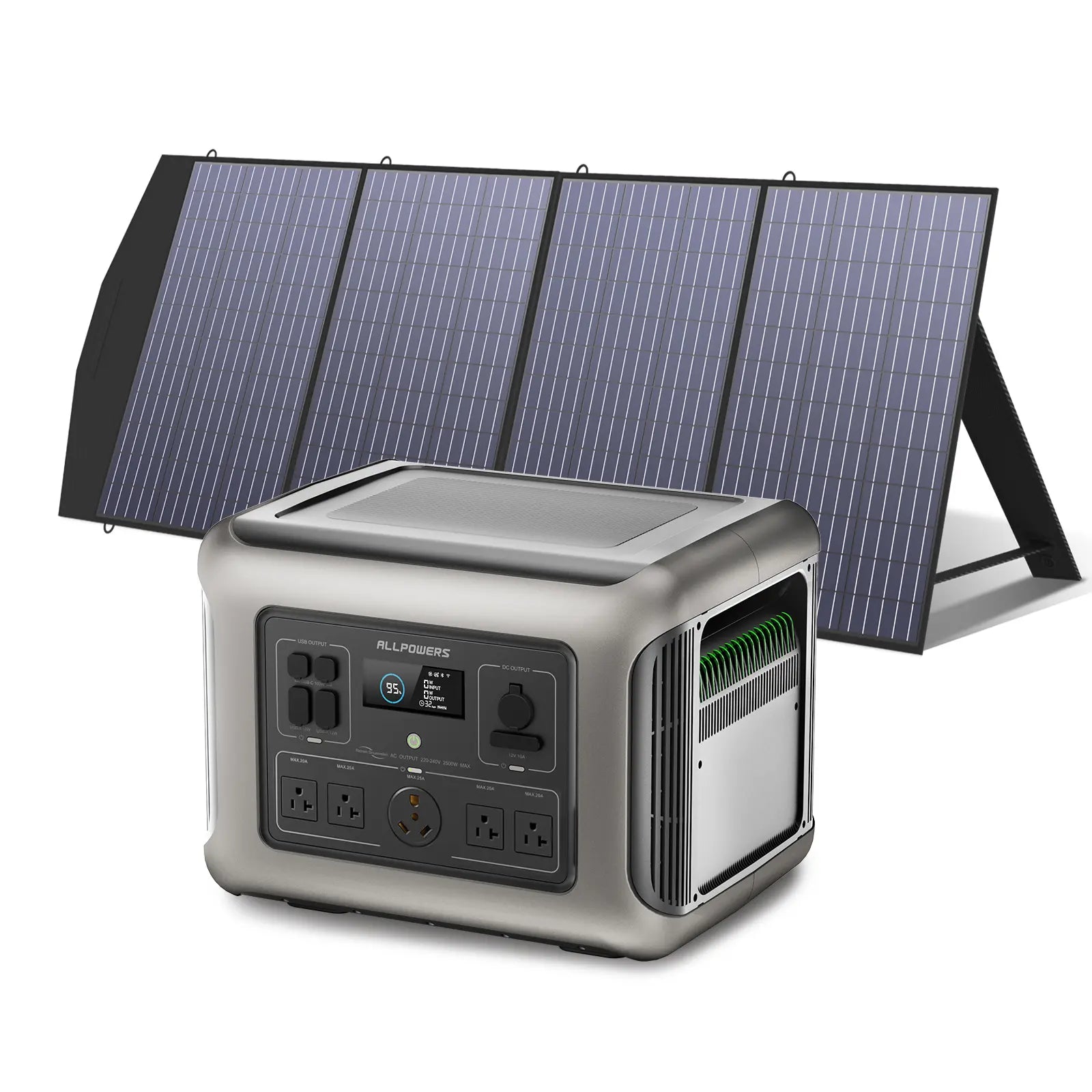
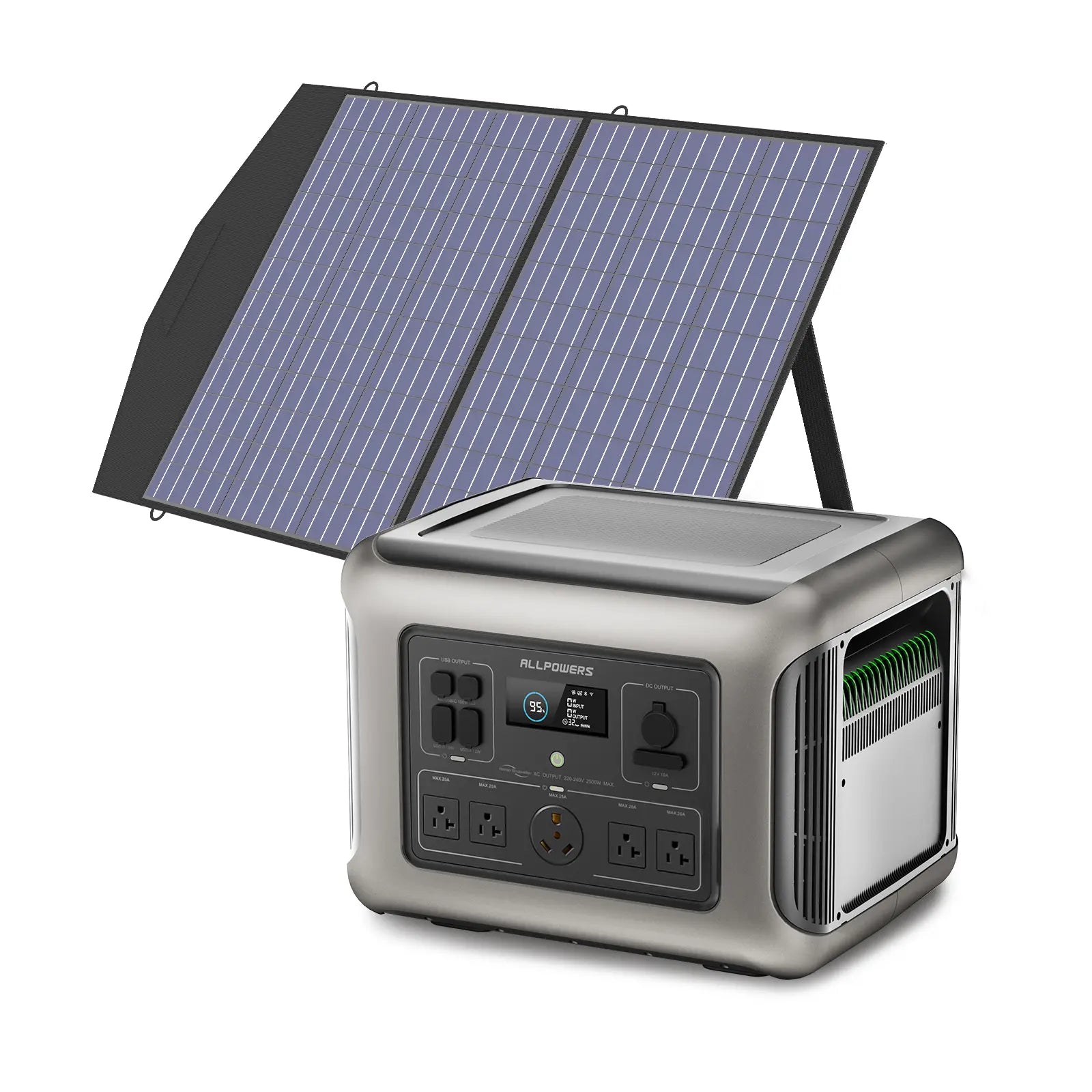
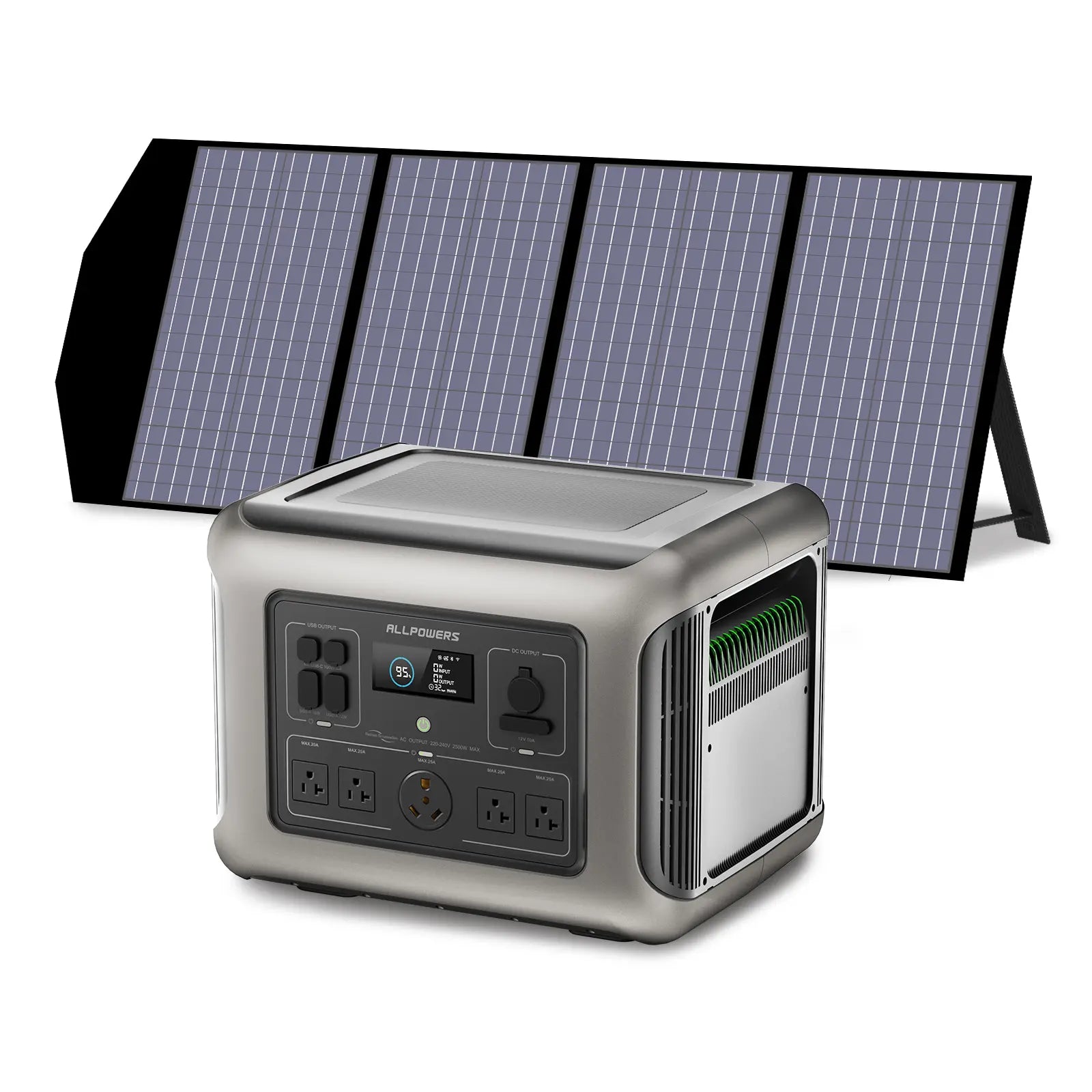
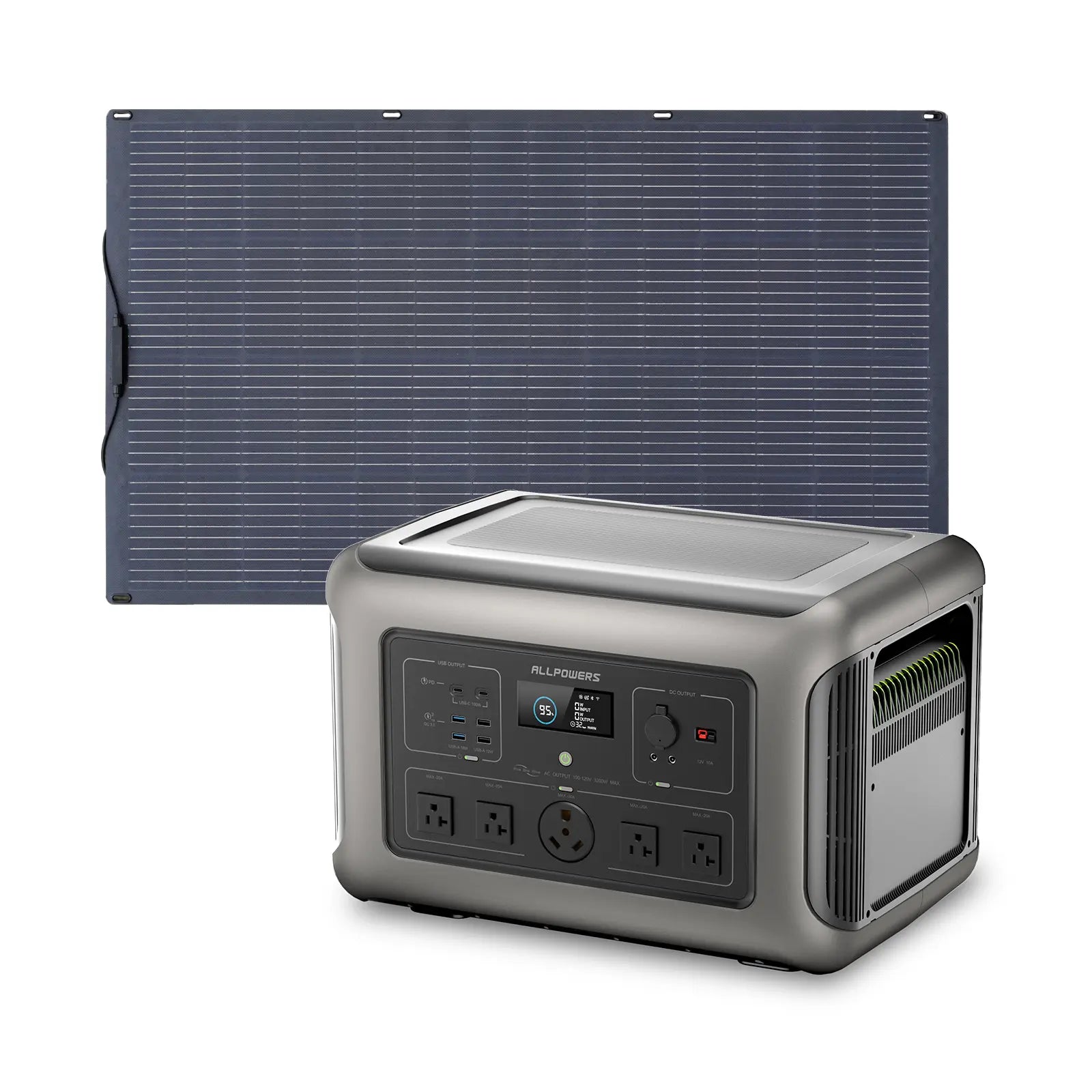
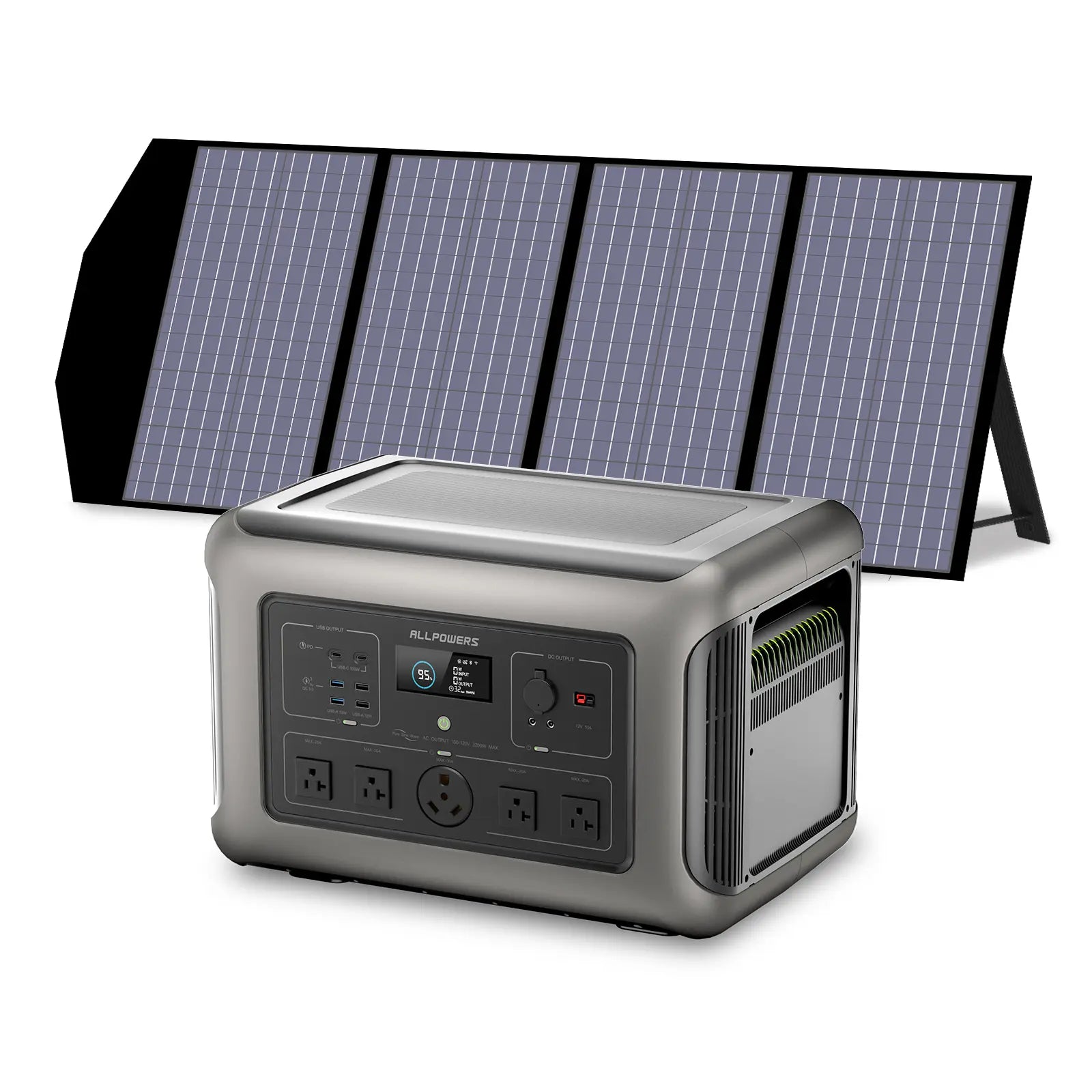
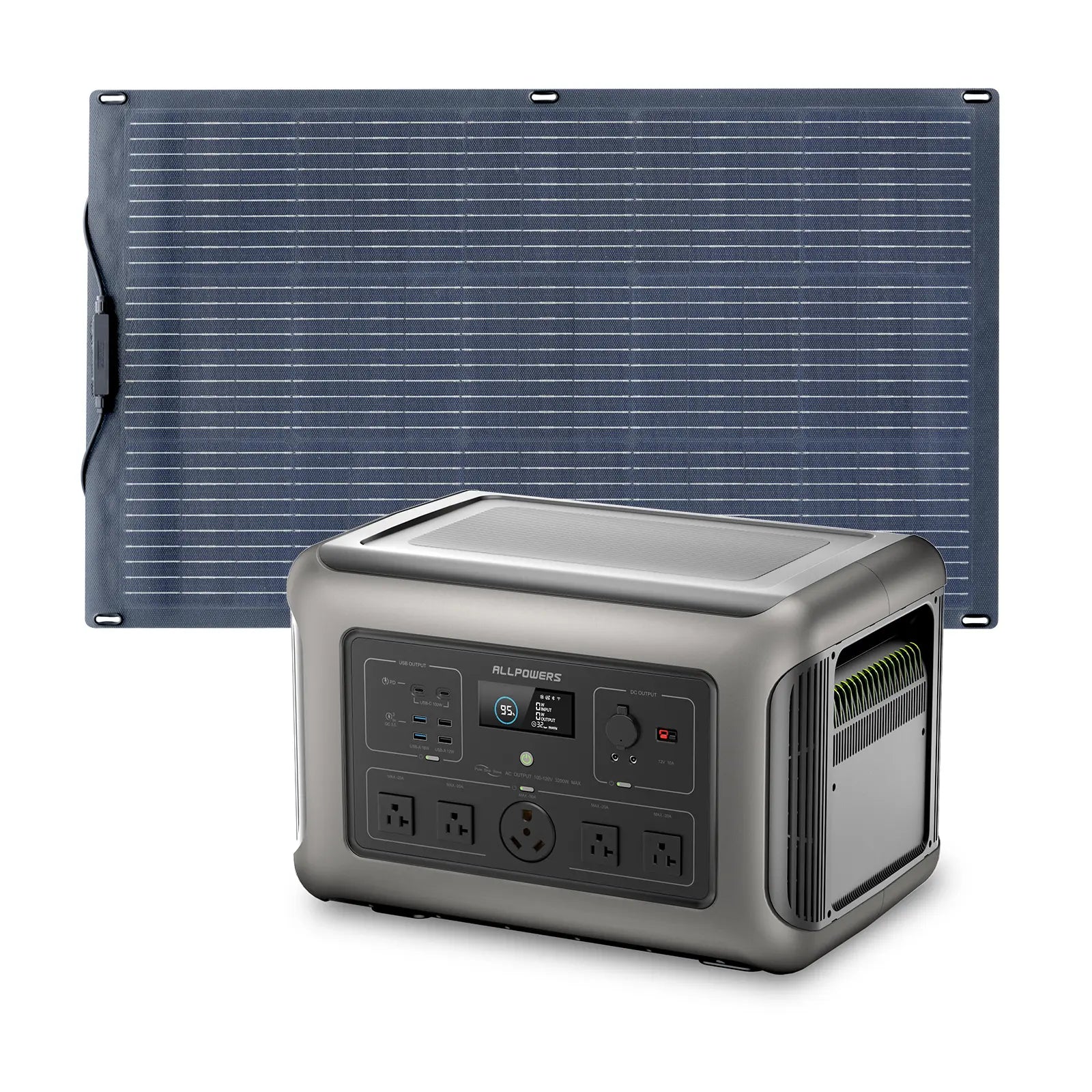
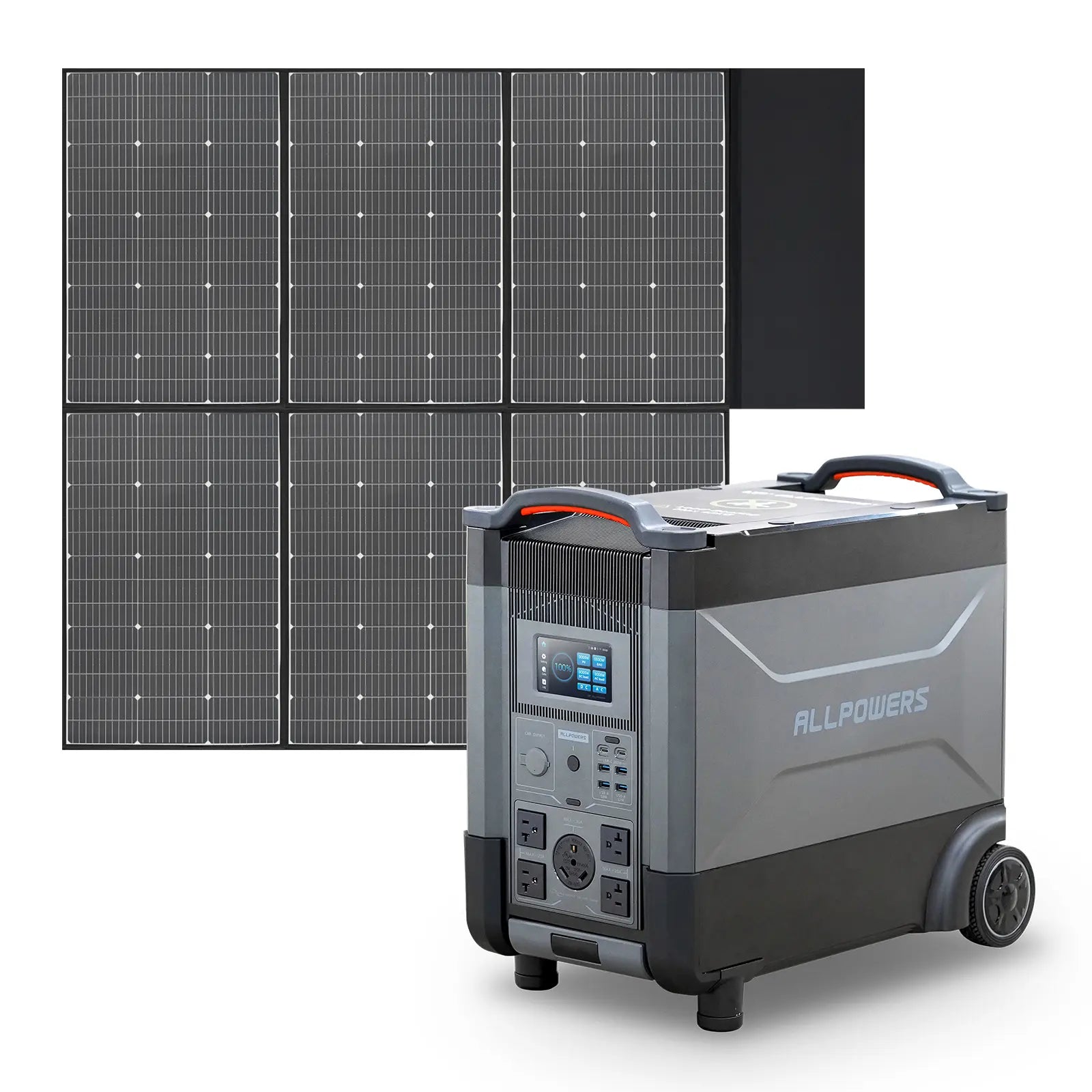
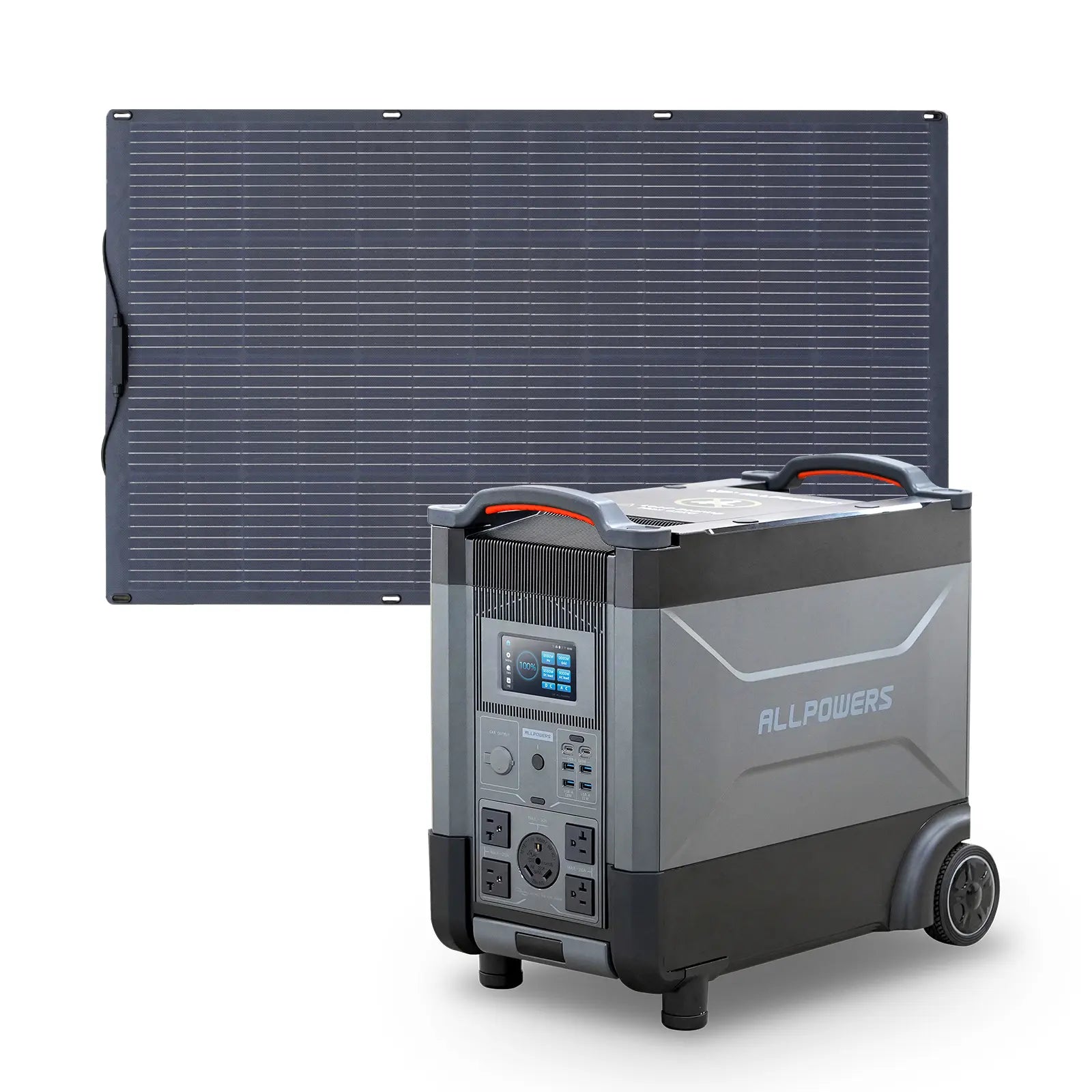
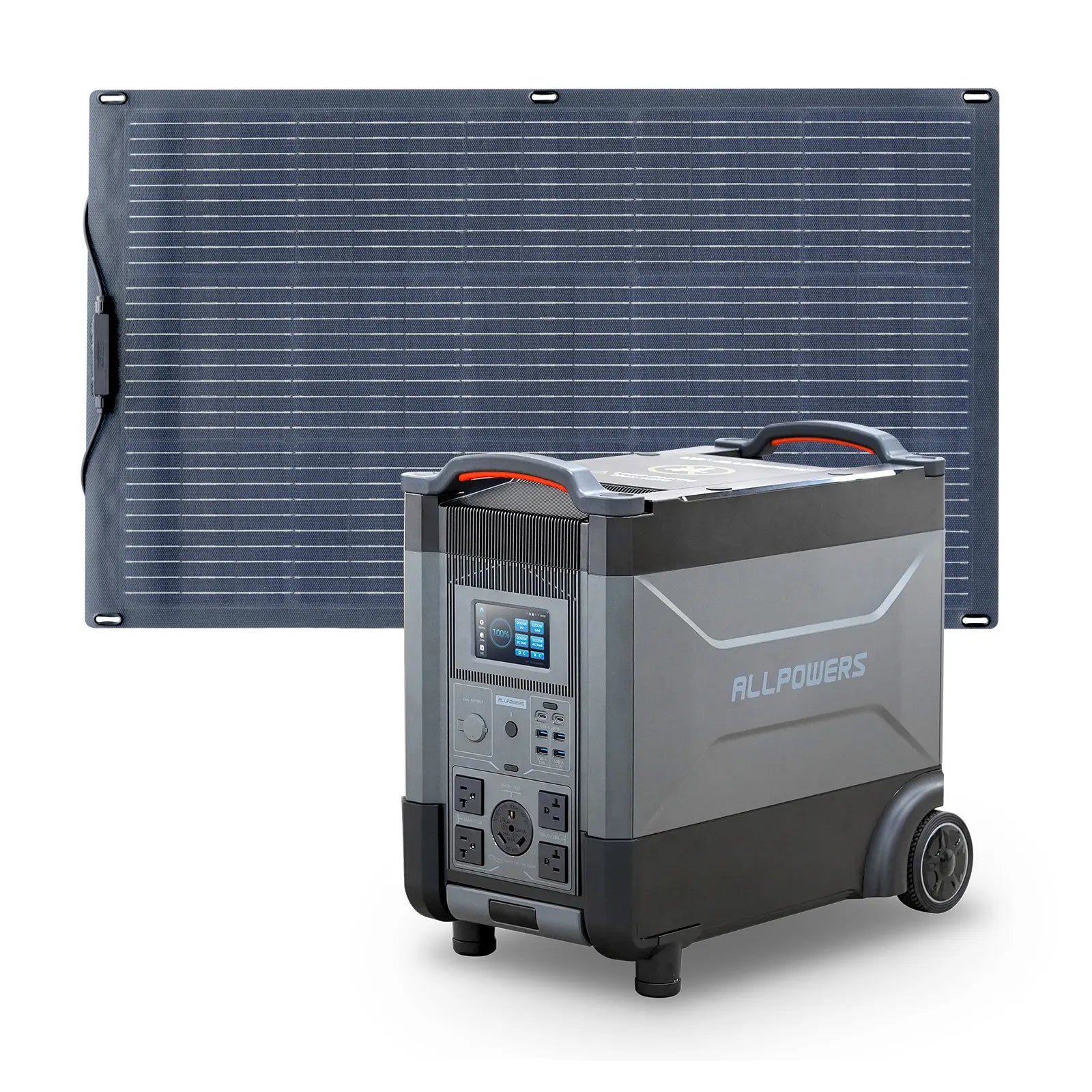
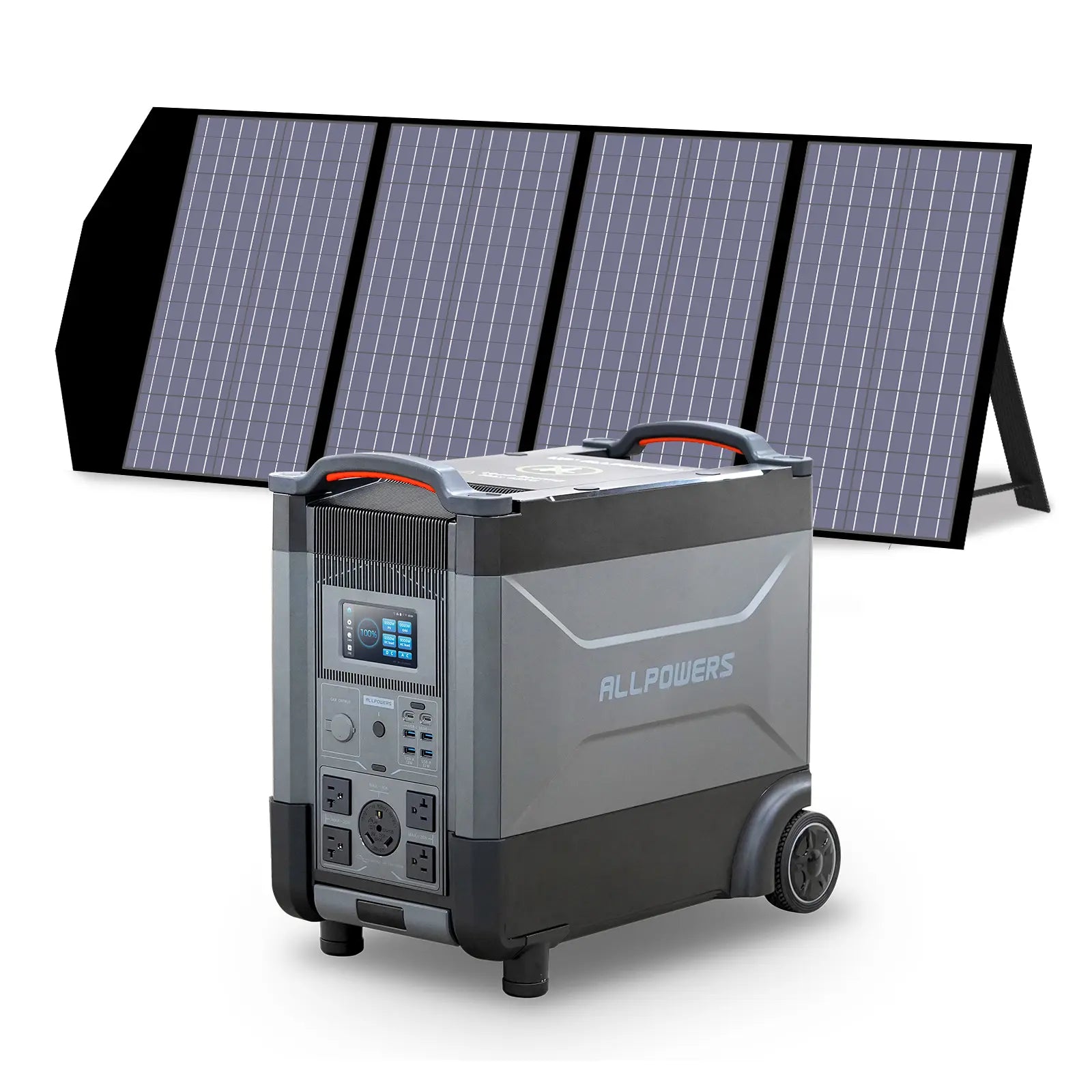
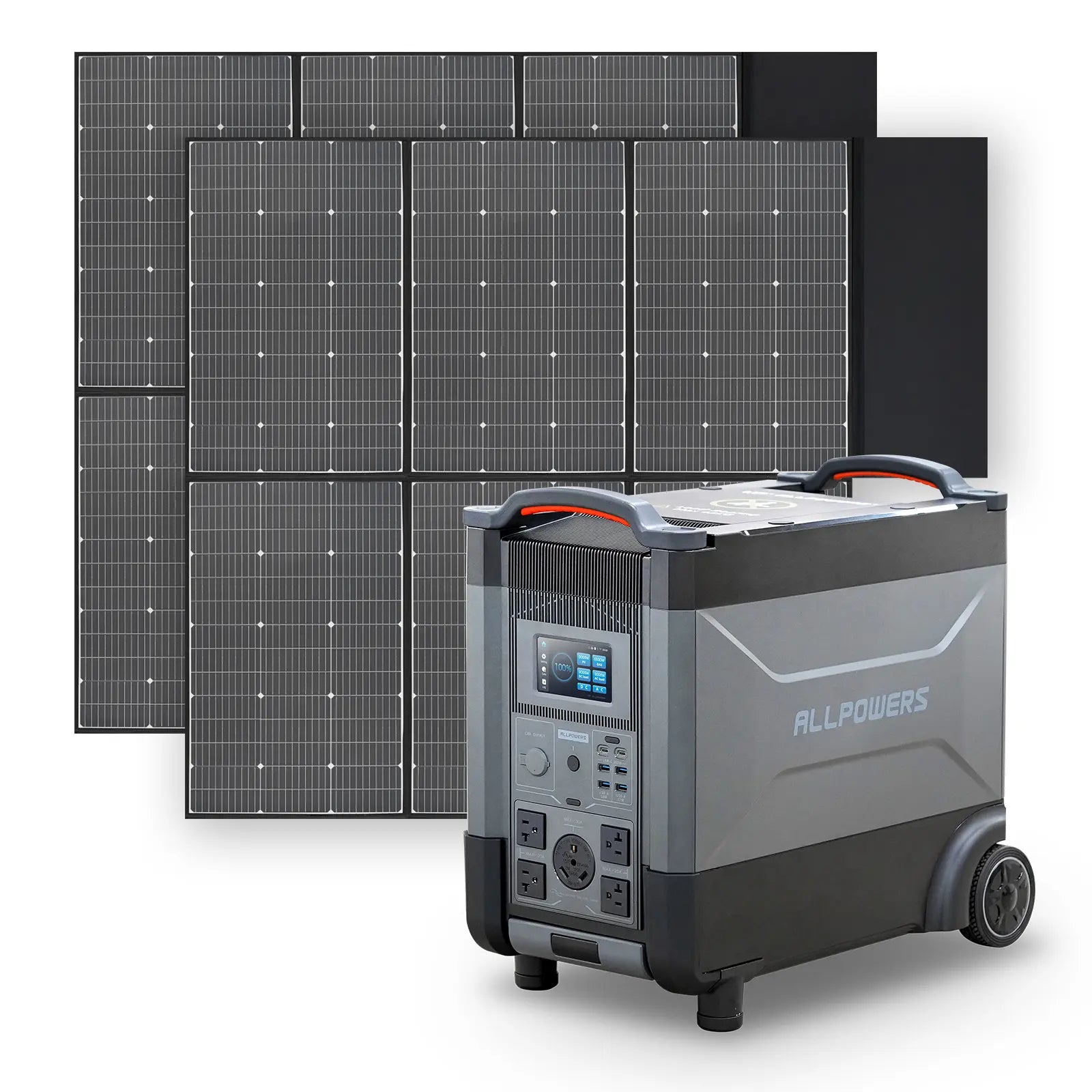
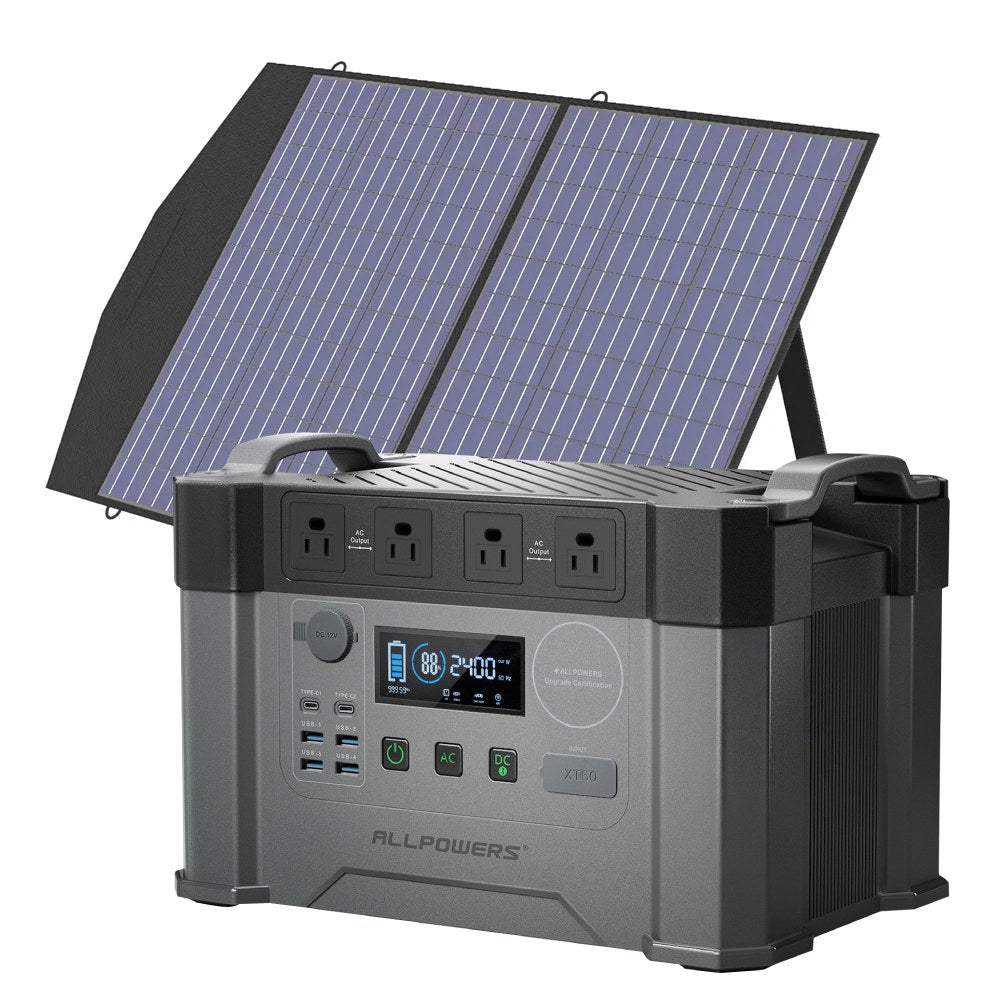
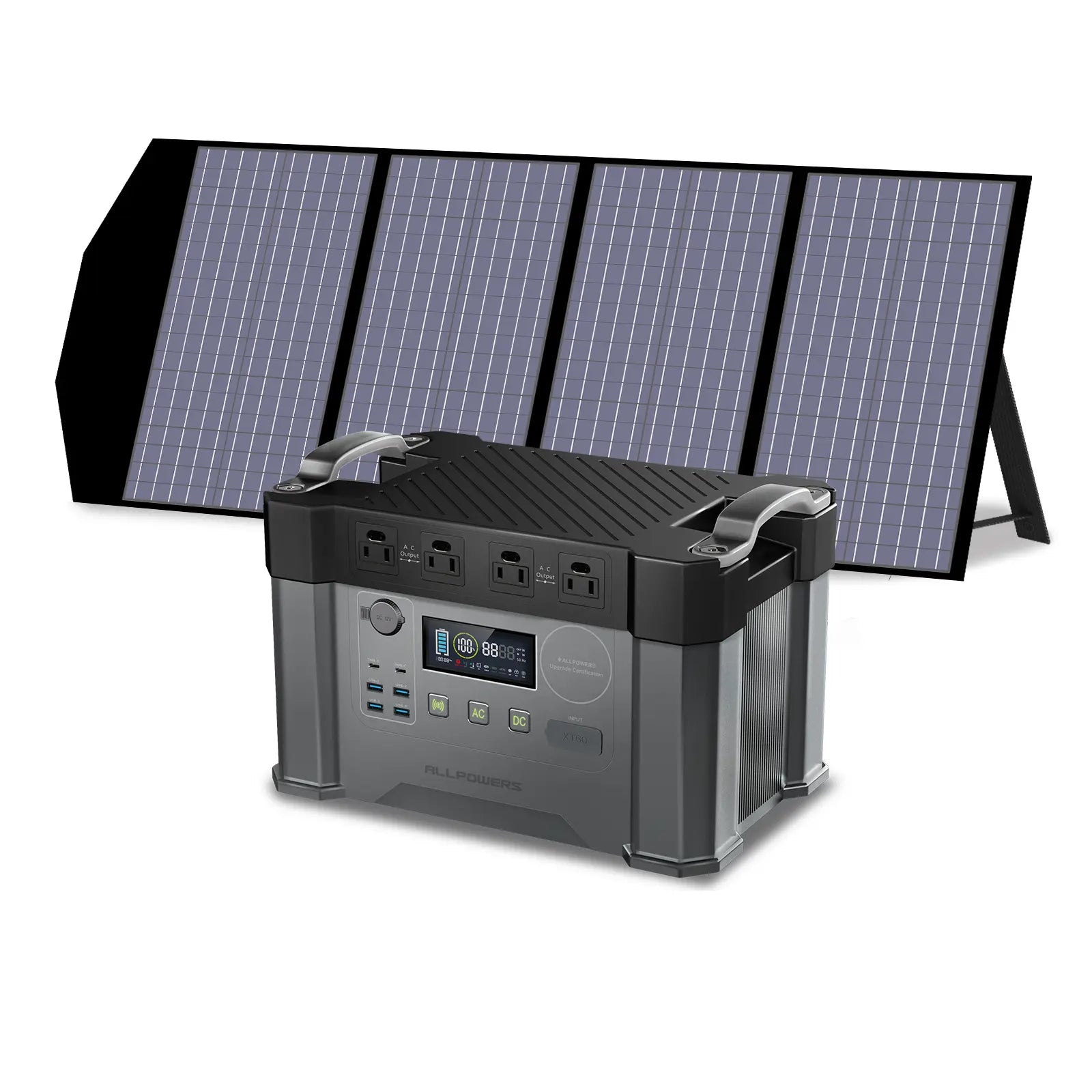
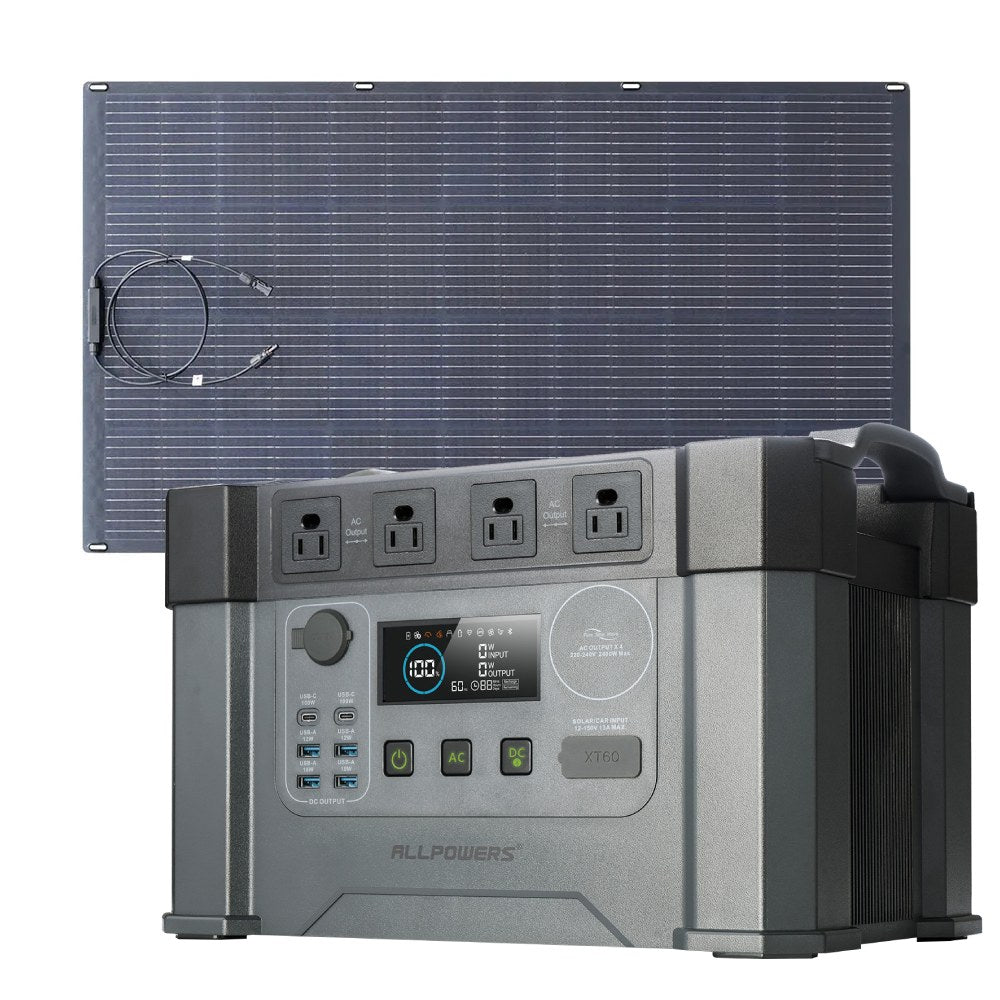
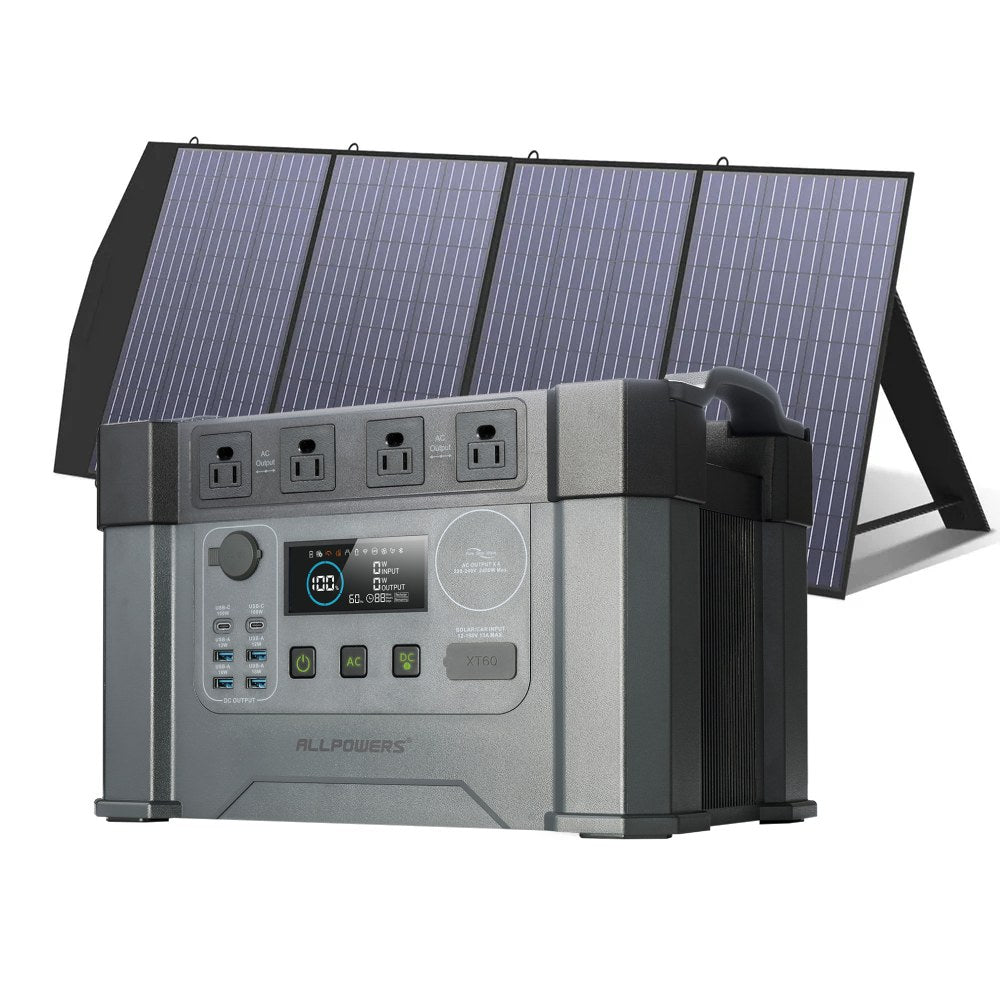
In these situations, a solar generator setup can provide a practical way to combine solar input, battery storage, and portable electricity management for longer adventures.
How Can You Make Your Camping Power Setup More Efficient?
The easiest way to reduce capacity requirements is improving efficiency. Small adjustments can significantly extend available energy.
Using LED lighting, charging devices only when necessary, enabling battery-saving modes on electronics, and avoiding unnecessary standby power can all reduce consumption.
Good energy habits often matter as much as battery size because they allow the same amount of stored energy to last longer.
Choosing the Right Capacity for Your Camping Style
The ideal camping power capacity depends on your personal habits, not just the number printed on the battery label.
Someone taking occasional weekend trips may only need enough energy for essential electronics, while remote workers or long-term travelers may require significantly more.
The best approach is to calculate your expected daily energy use, consider future needs, and choose a setup that provides enough flexibility without unnecessary weight.
With proper planning, you can enjoy modern conveniences outdoors while still maintaining the freedom and simplicity that makes camping enjoyable.
Frequently Asked Questions
Is 500Wh enough for camping?
A 500Wh capacity can be enough for short trips involving phones, lights, cameras, and small electronics. Longer trips or larger appliances may require more capacity.
What size power station do I need for a camping refrigerator?
The required size depends on refrigerator efficiency and runtime, but many campers choose medium to large capacities for extended operation.
Can a power station run a coffee maker while camping?
Some higher-output systems can operate coffee makers, but these appliances consume significant power and require careful planning.
How do I know how much battery capacity I need?
Calculate the wattage of each device, multiply by usage hours, and add extra capacity for efficiency losses and unexpected needs.