





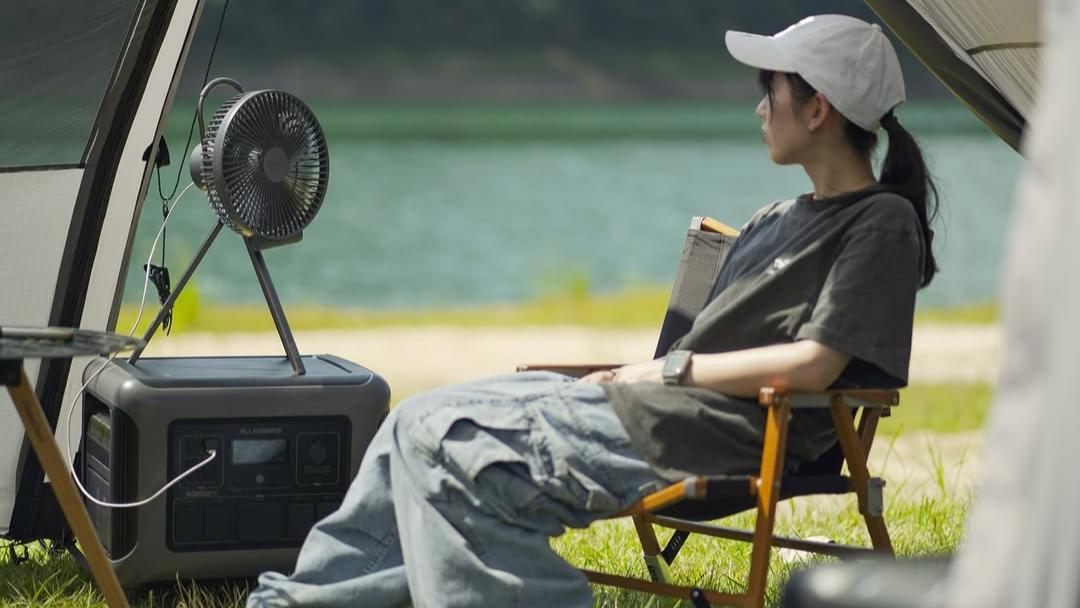
A camping fan can make a remarkable difference during warm-weather adventures.
However, unlike at home, there are no wall outlets in most campgrounds or backcountry campsites.
So, how can you power a fan while camping without access to traditional electricity?
TL;DR: The easiest way to power a fan while camping is by choosing an efficient fan and pairing it with a suitable energy source. Small USB fans can run from rechargeable batteries or power banks, while larger camping fans may require higher-capacity battery systems.
How Much Power Does a Camping Fan Use?
Compared with appliances such as air conditioners or electric heaters, fans are relatively energy-efficient because they only move air instead of changing the temperature.
Compact USB fans are designed for personal cooling and usually have very low power requirements. They are ideal for backpackers who prioritize lightweight equipment.
Larger fans provide stronger airflow but require more stored energy. These models are often better suited for car camping, family camping, or longer stays where carrying additional equipment is less of a concern.
The difference becomes important when you need the fan to operate throughout the night.
| Fan Type | Typical Power Usage | Best Camping Use |
|---|---|---|
| USB Mini Fan | 1–5W | Personal cooling while sleeping |
| Rechargeable Camping Fan | 5–15W | Tents, cabins, and small spaces |
| Portable Floor Fan | 20–50W | Larger tents and group camping |
| High-Power Outdoor Fan | 50W+ | Extended cooling areas |
What Are the Different Ways to Power a Fan While Camping?
There are several ways to keep a fan running outdoors, and the best option depends on your camping style.
Using Built-in Battery
Many modern camping fans include built-in rechargeable batteries. These are convenient because they do not require external equipment and can often be charged before leaving home.
The main limitation is runtime. Once the internal battery is empty, you need access to another charging method to continue using the fan.
Using Power Banks
USB fans are popular among minimalist campers because they can share charging equipment with phones and other small electronics.
However, smaller power banks may not provide enough capacity for running a fan continuously overnight, especially at higher speeds.
Using Vehicle Charging
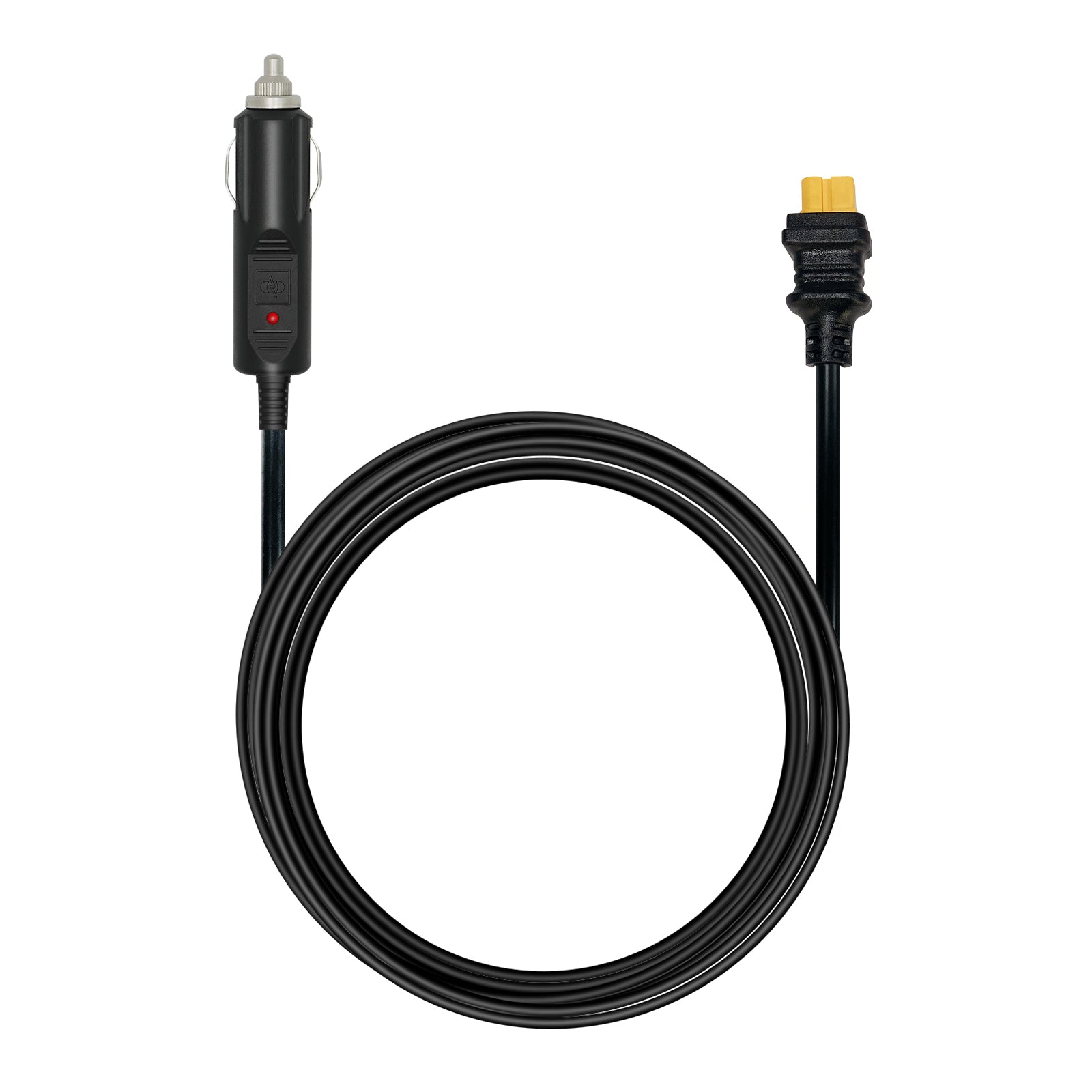
Some campers recharge their fan batteries or other electronics through vehicle outlets while traveling.
This works well for road trips, but relying only on a vehicle can become inconvenient during longer stays away from the car.
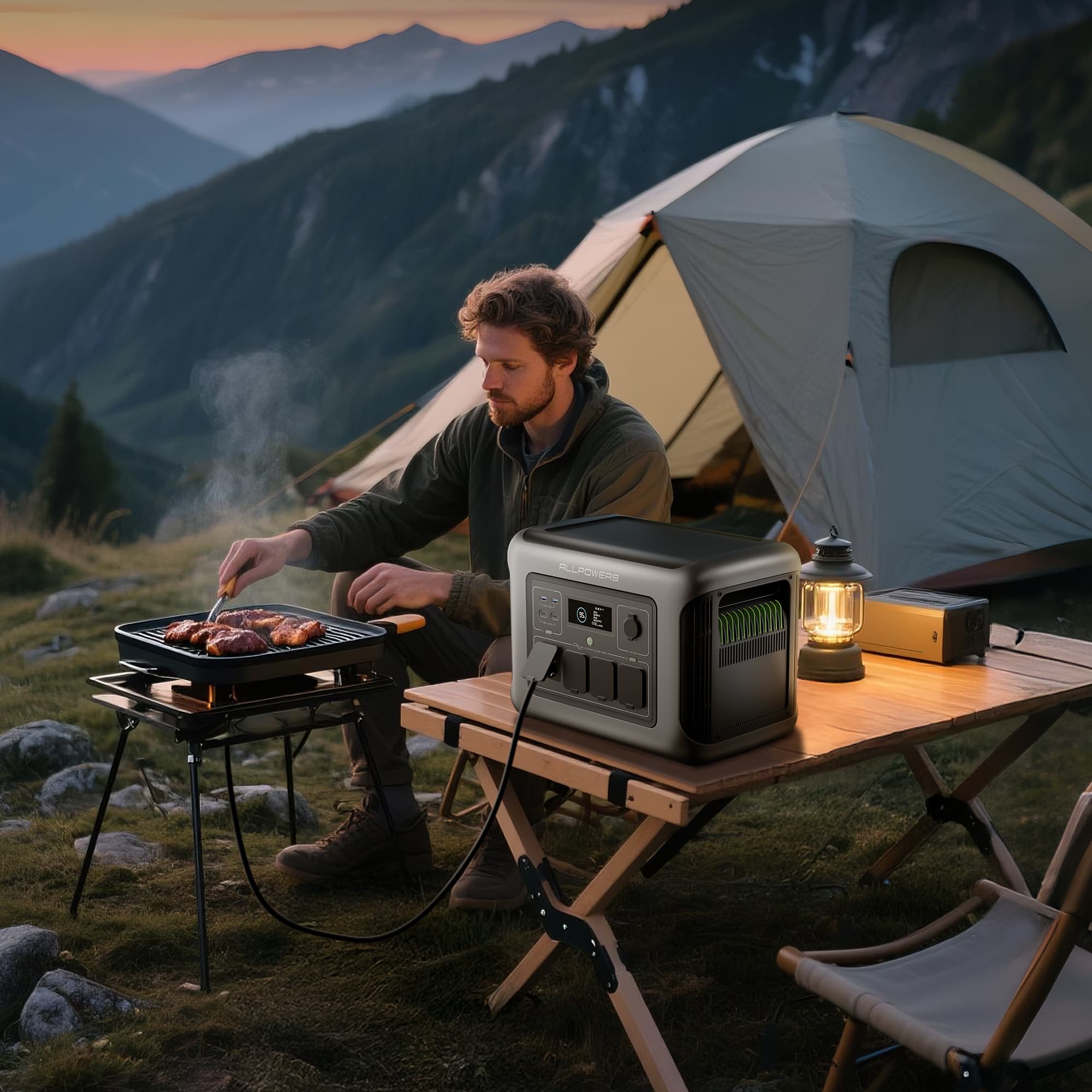
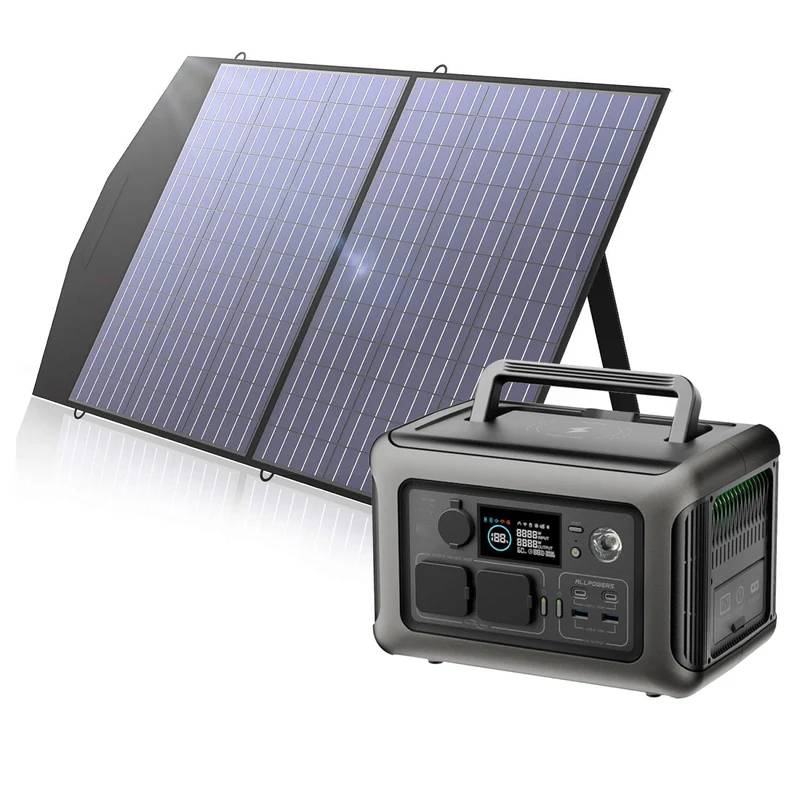
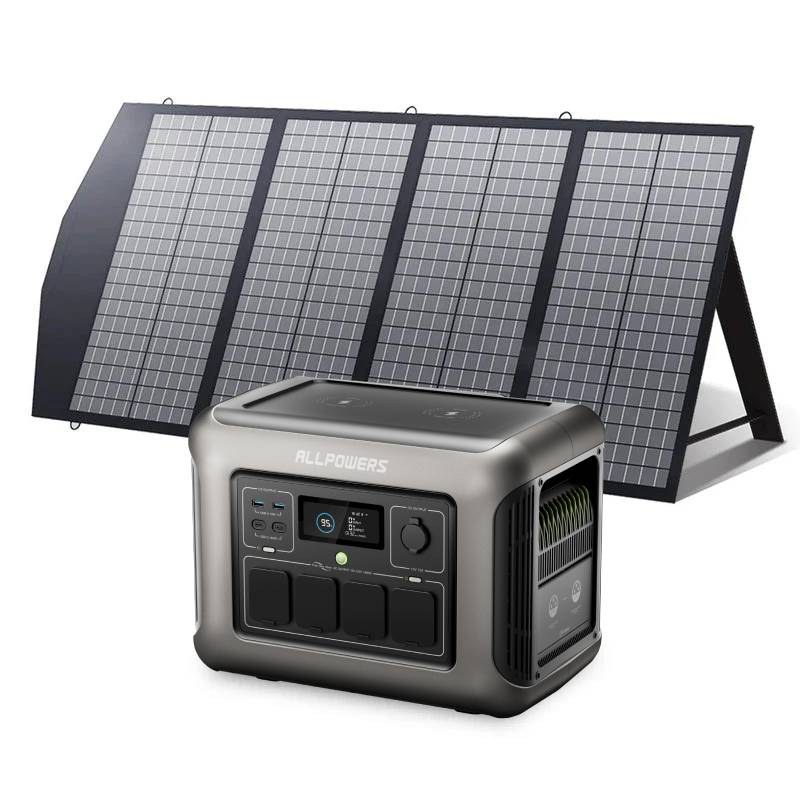
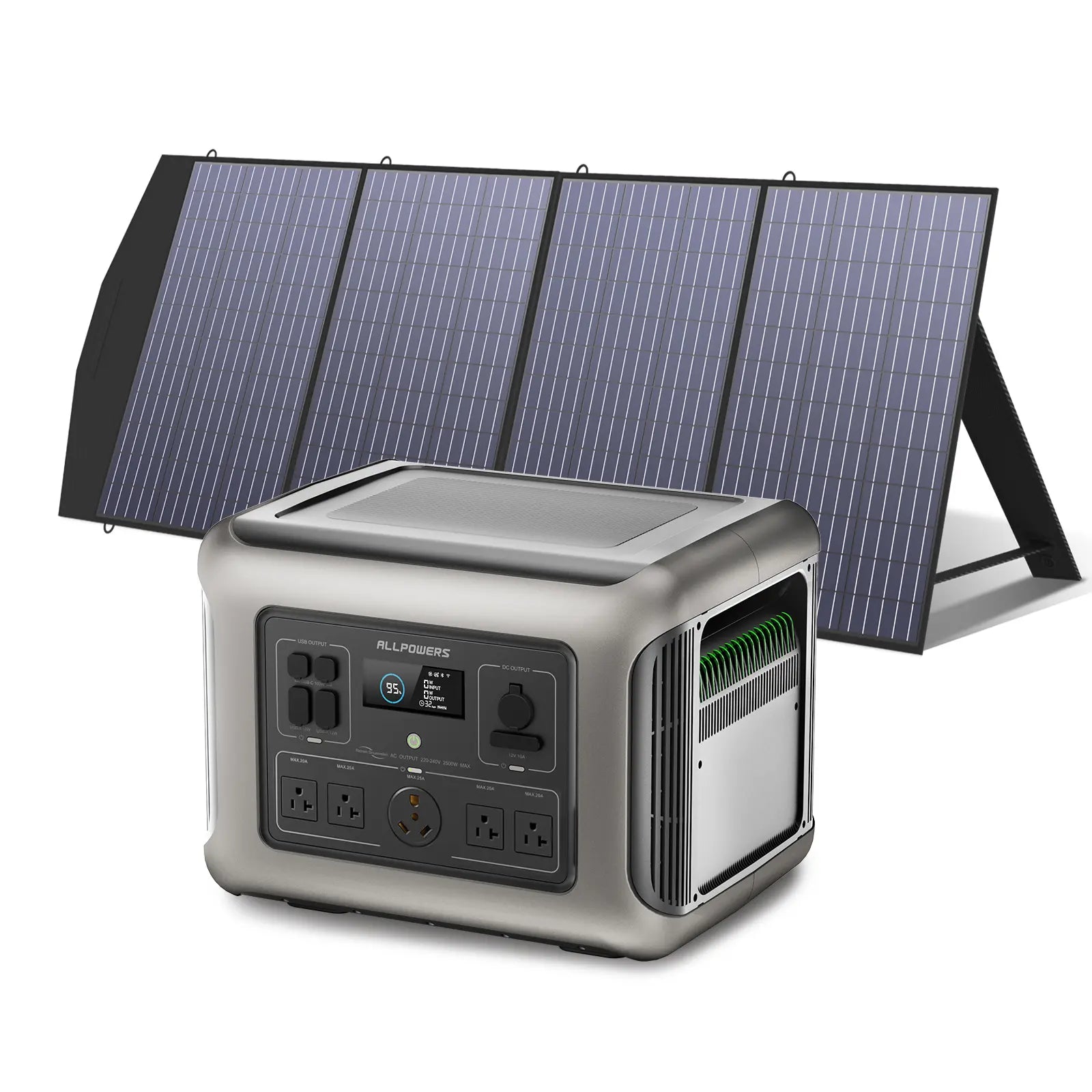
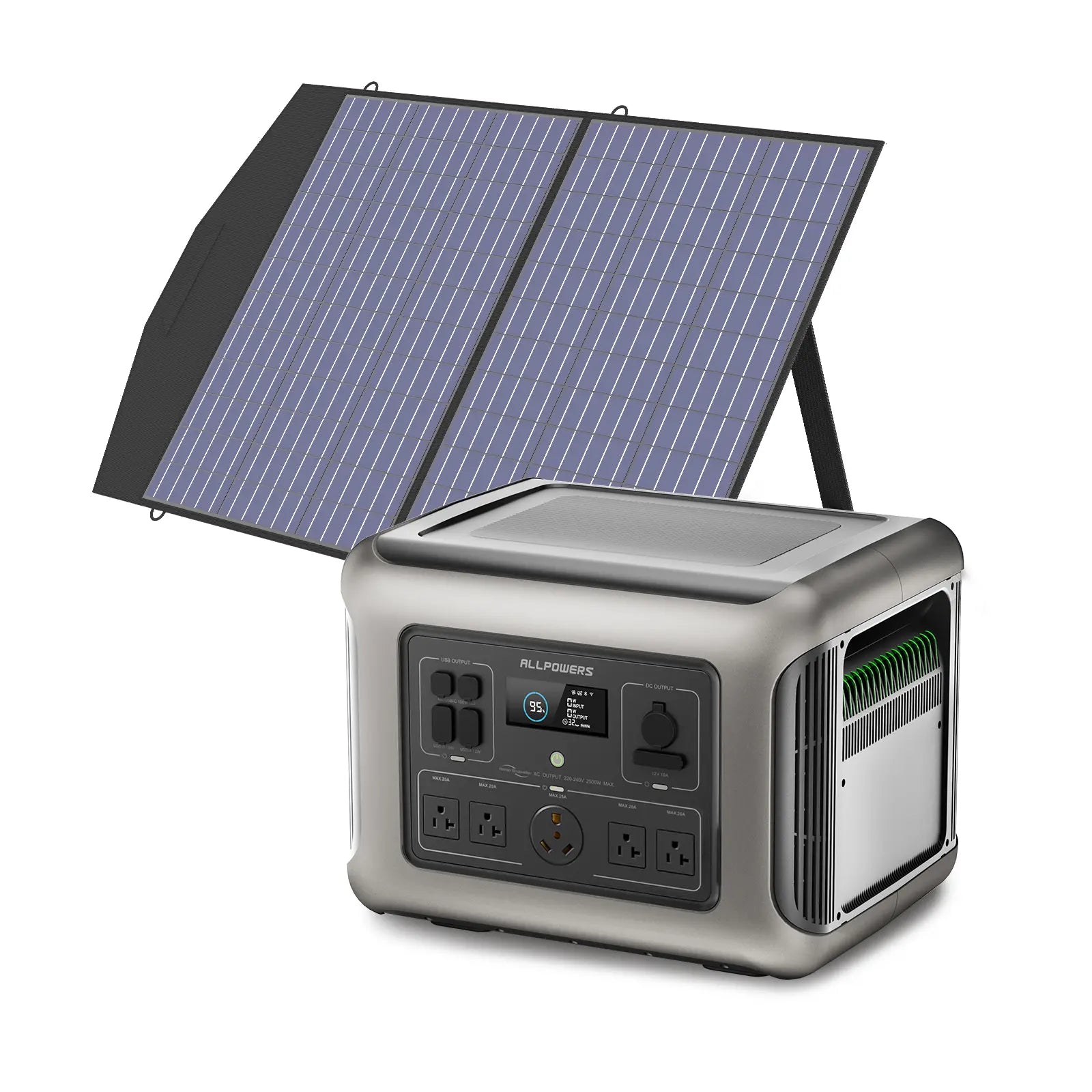
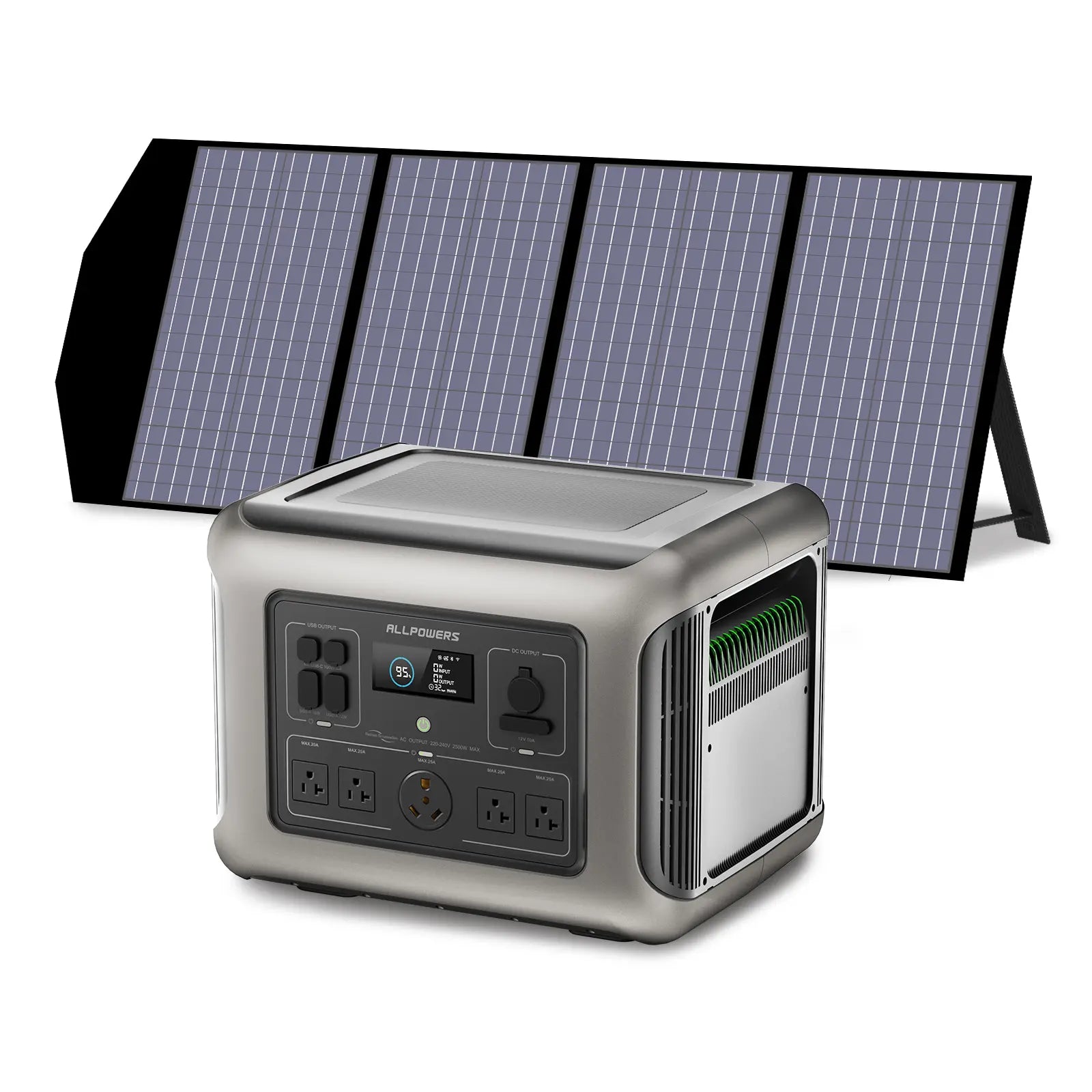
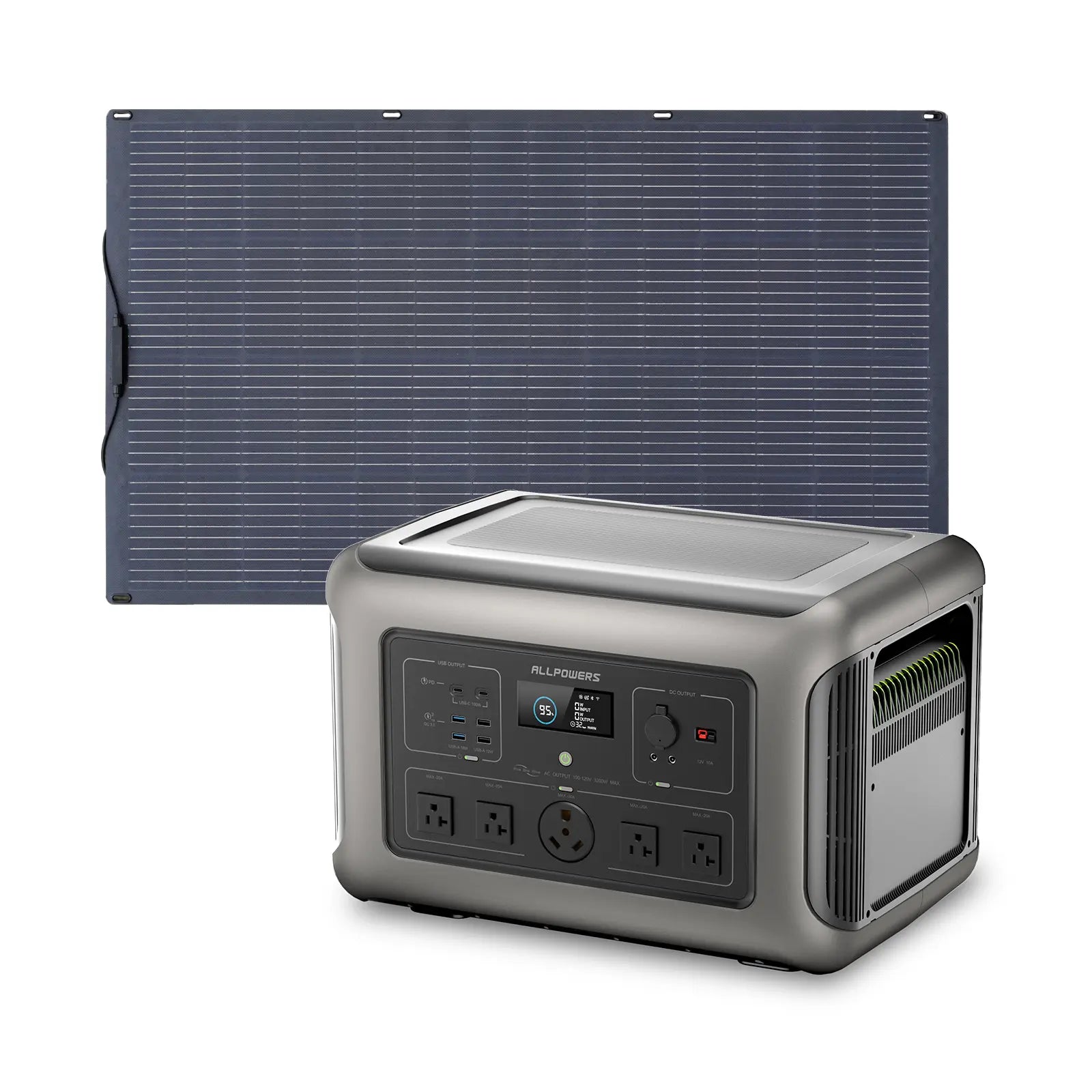
Using Portable Power Stations
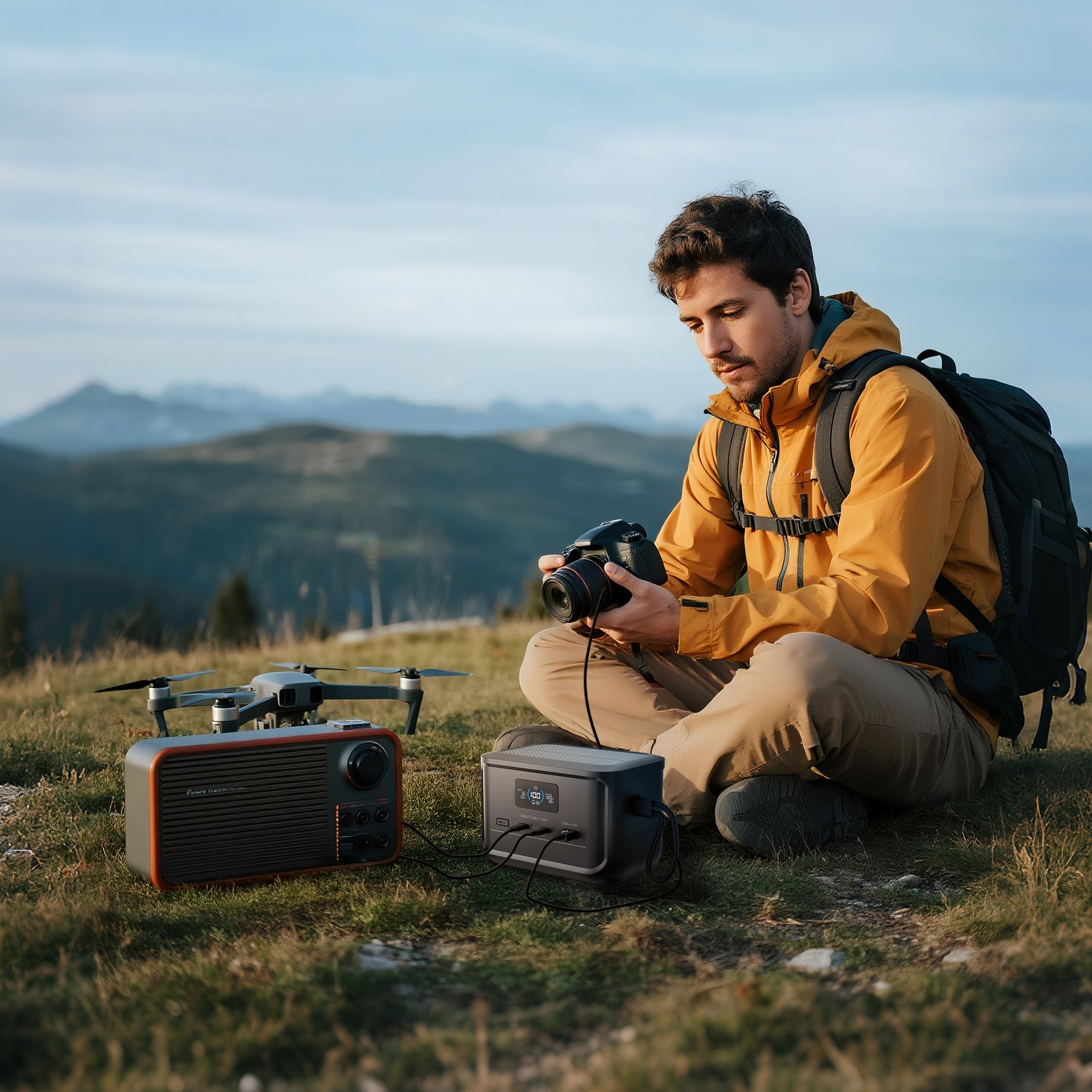
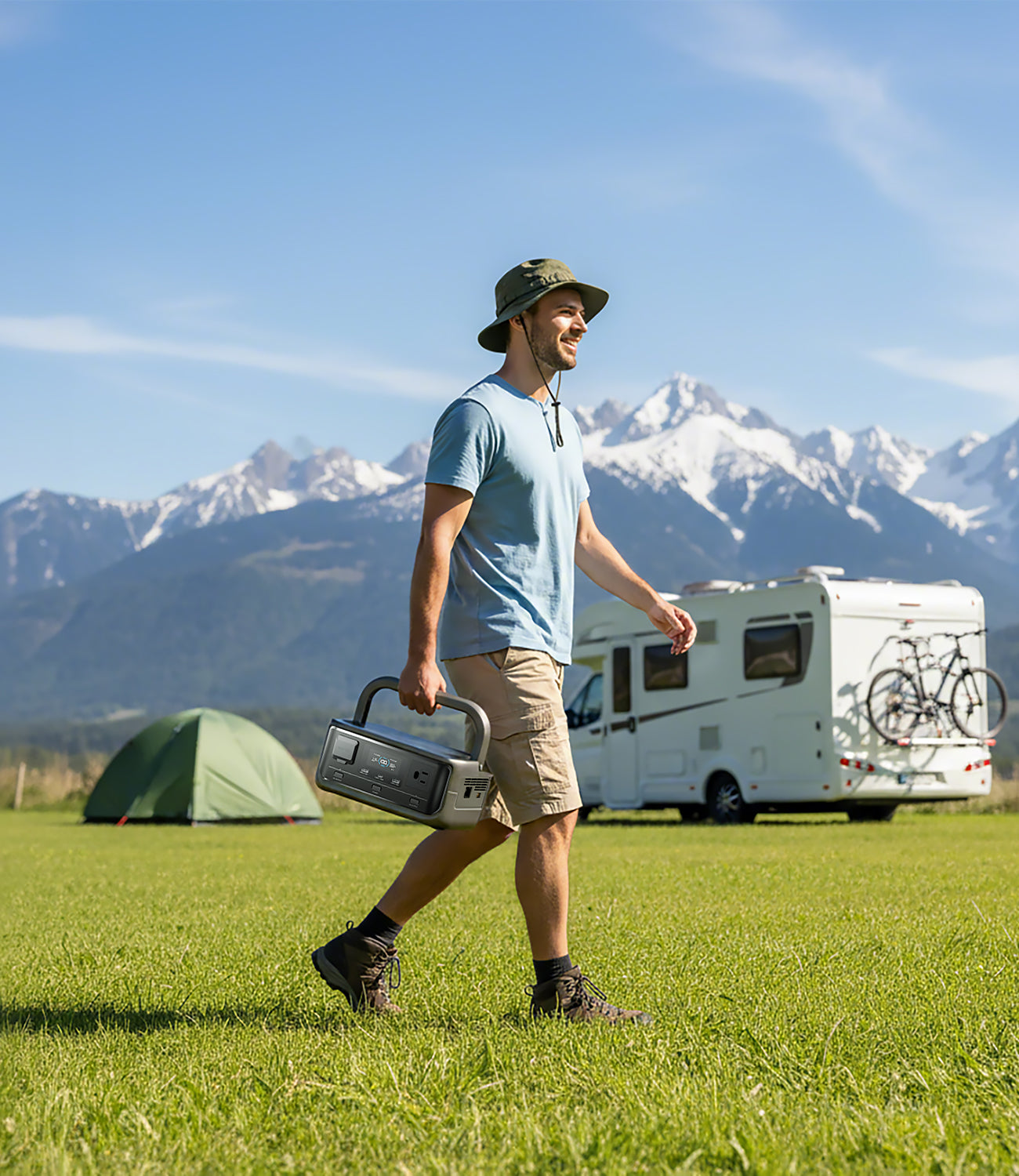
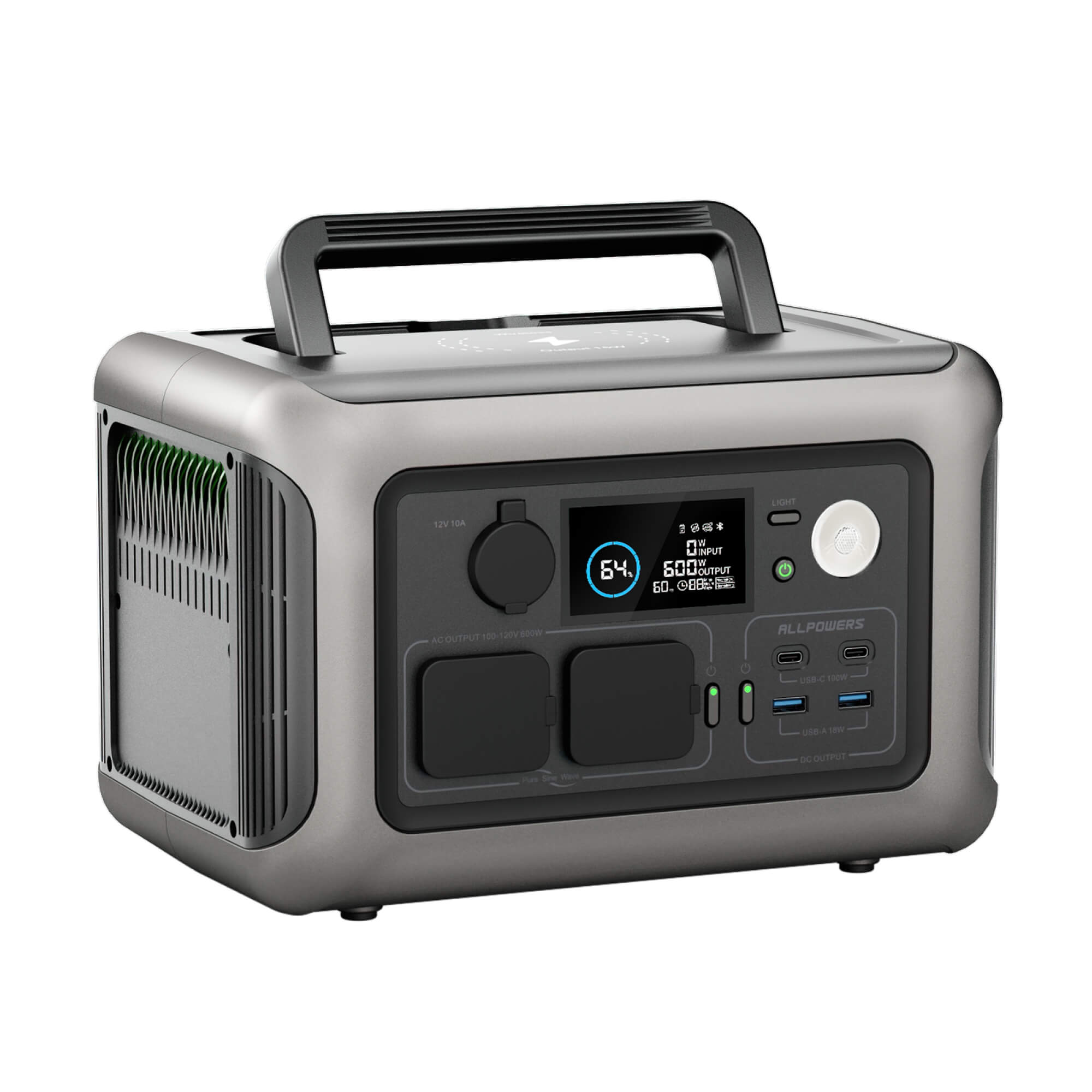
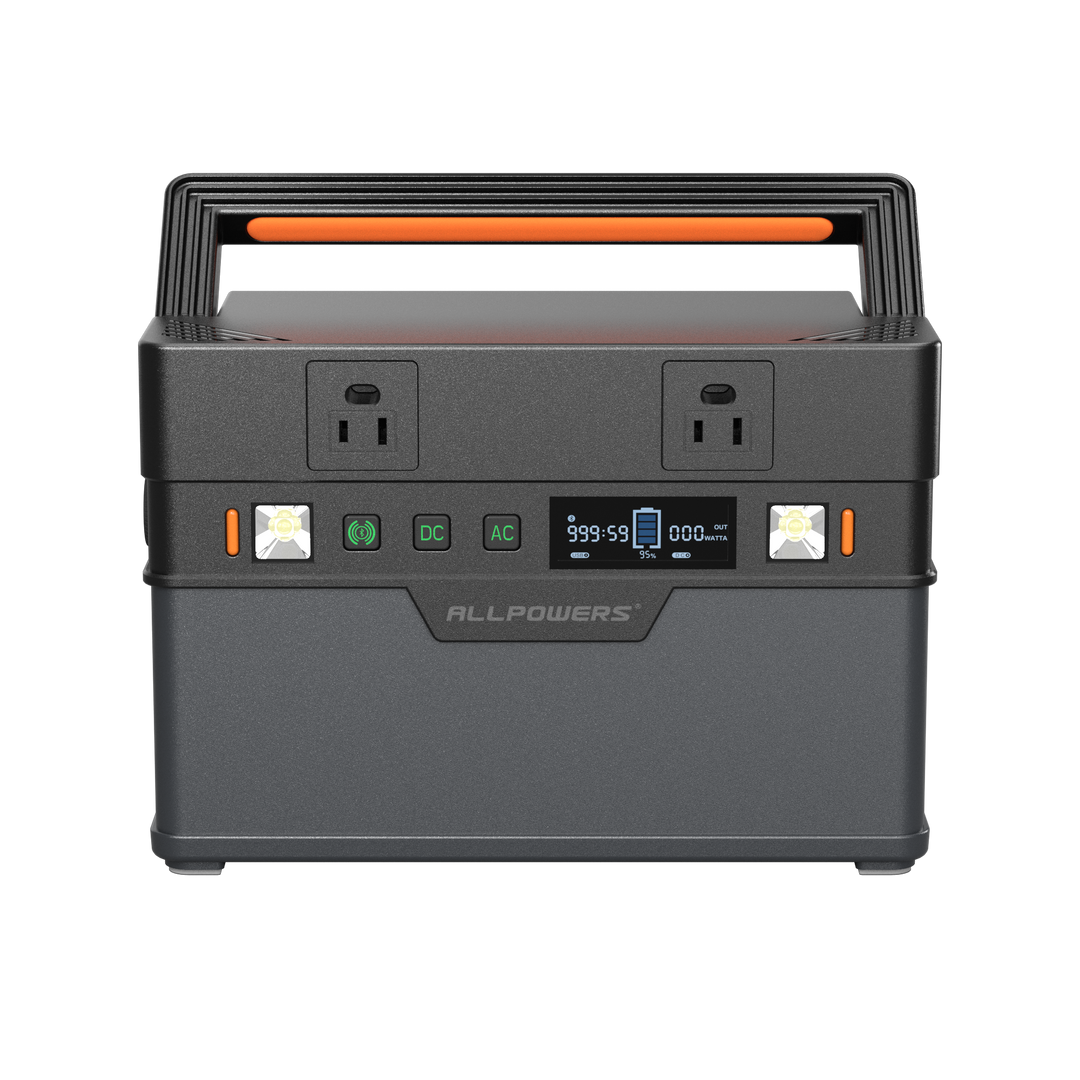
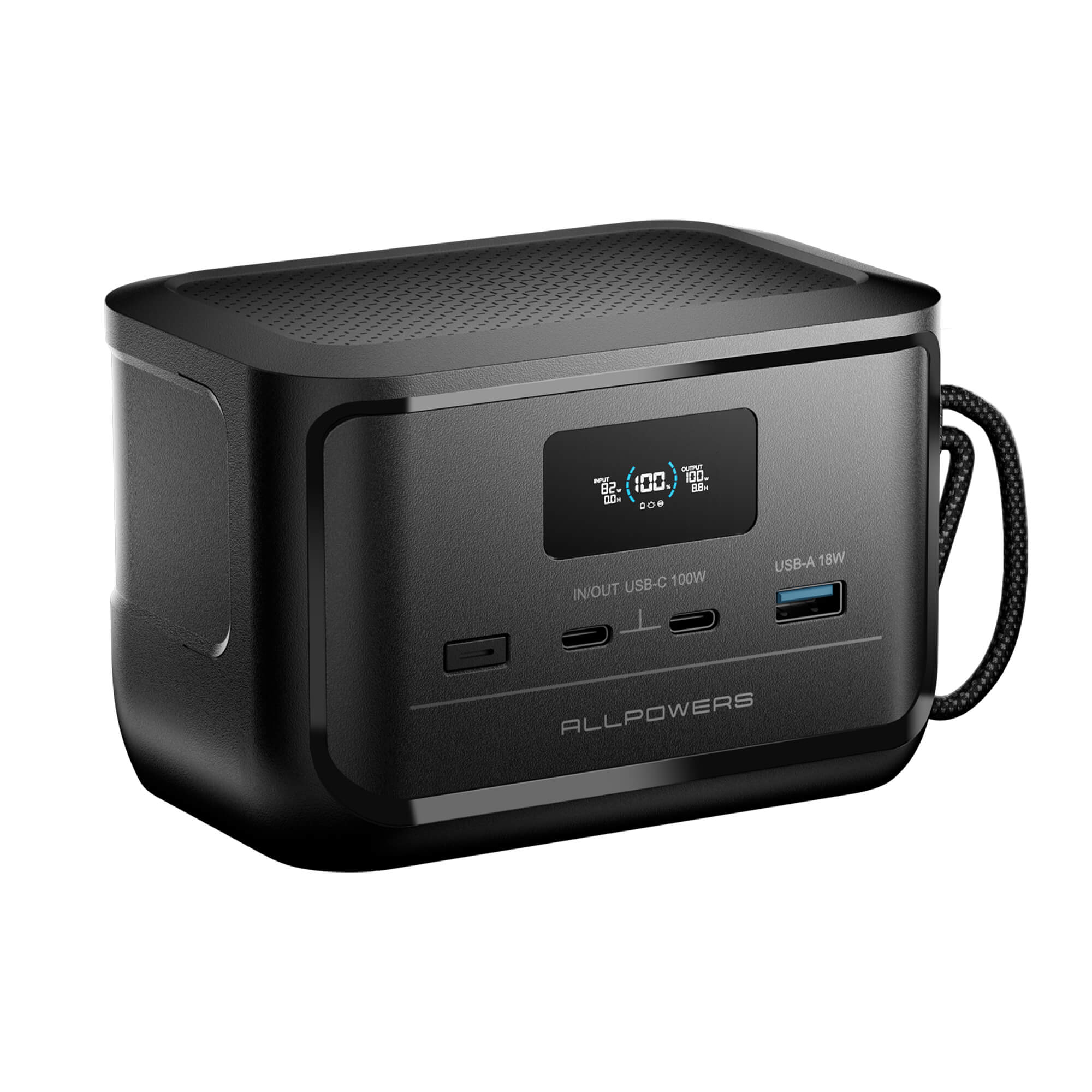
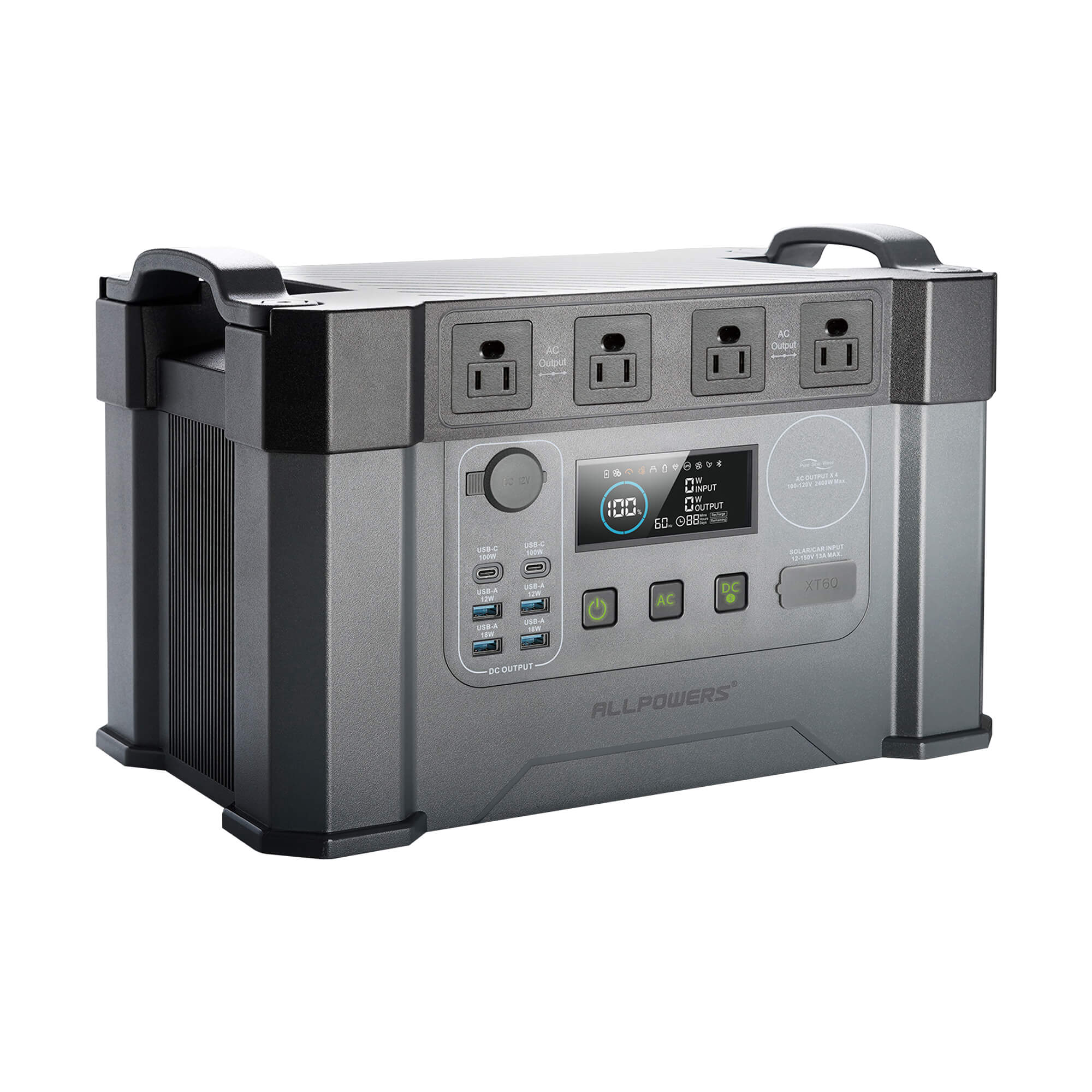
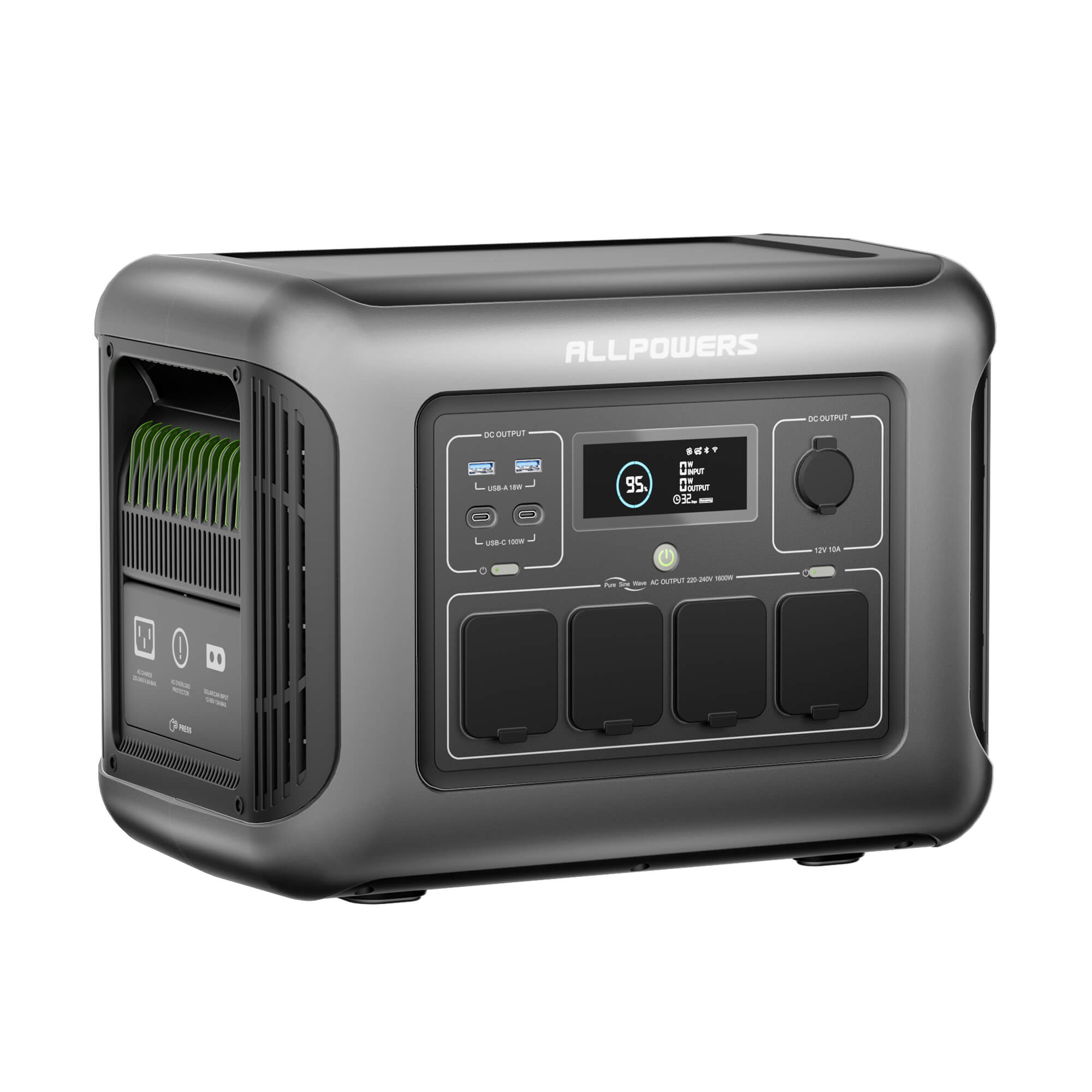
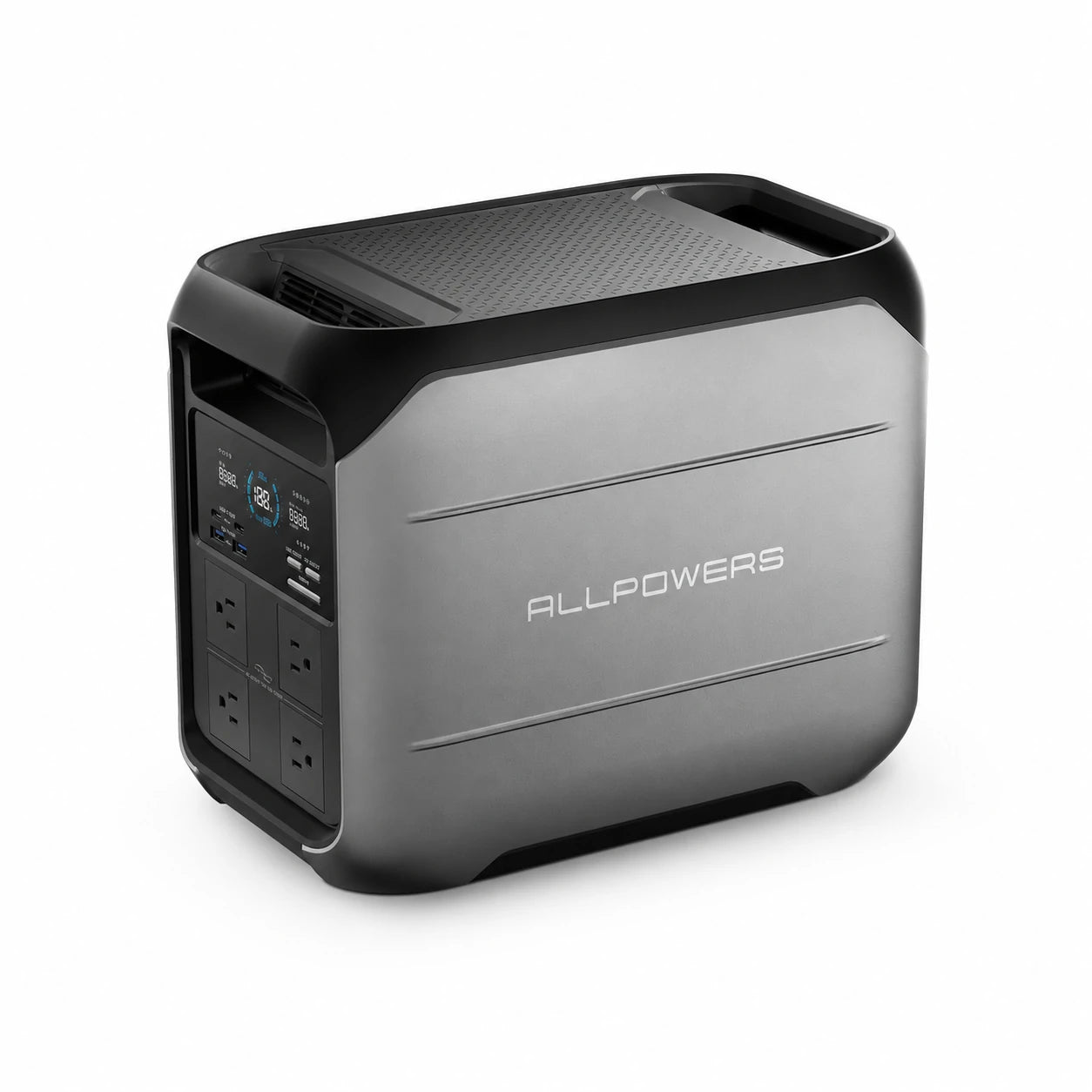
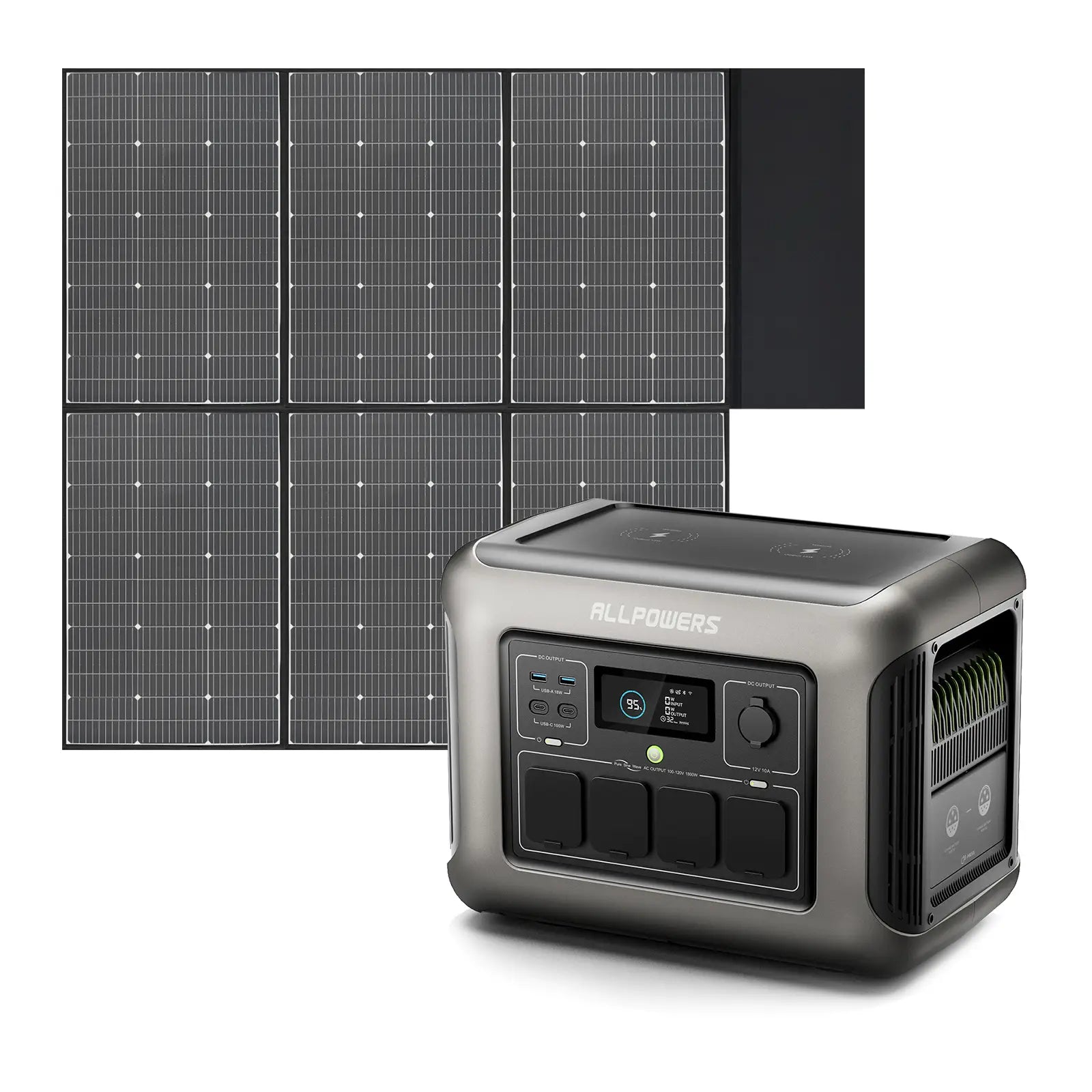
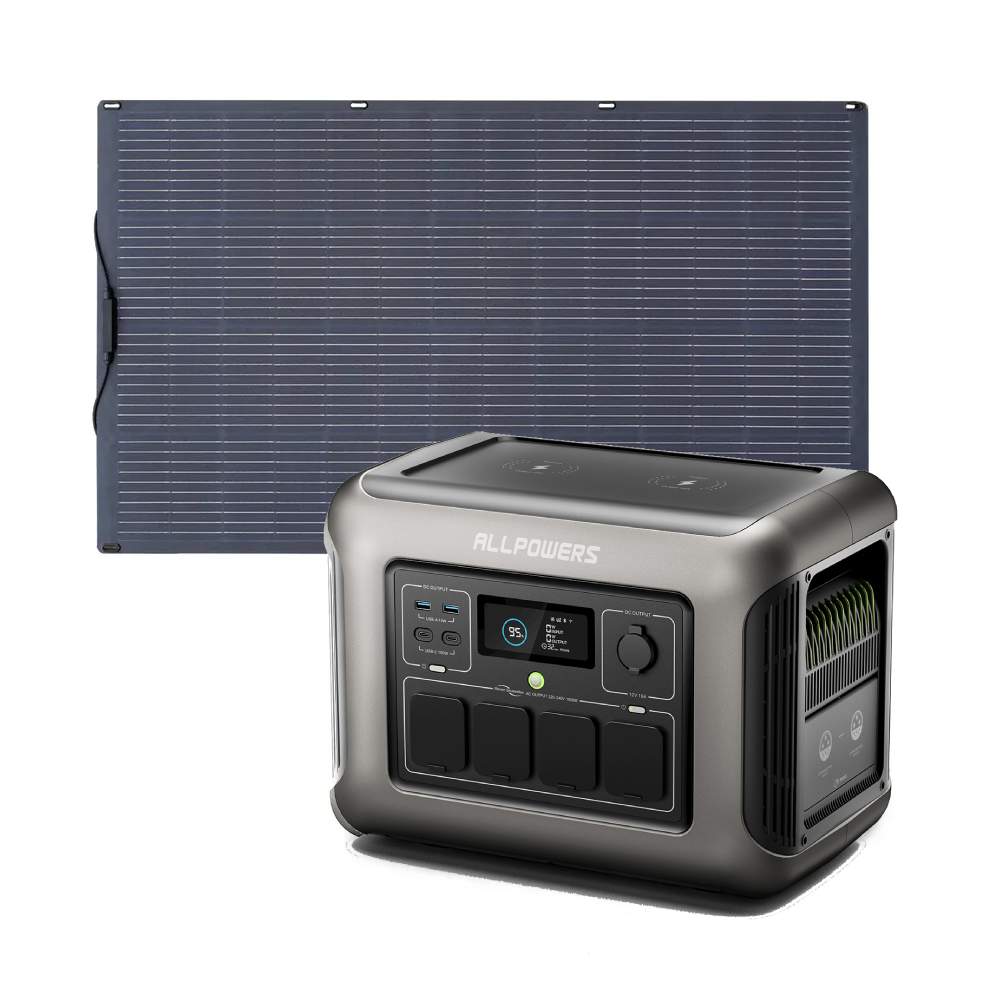
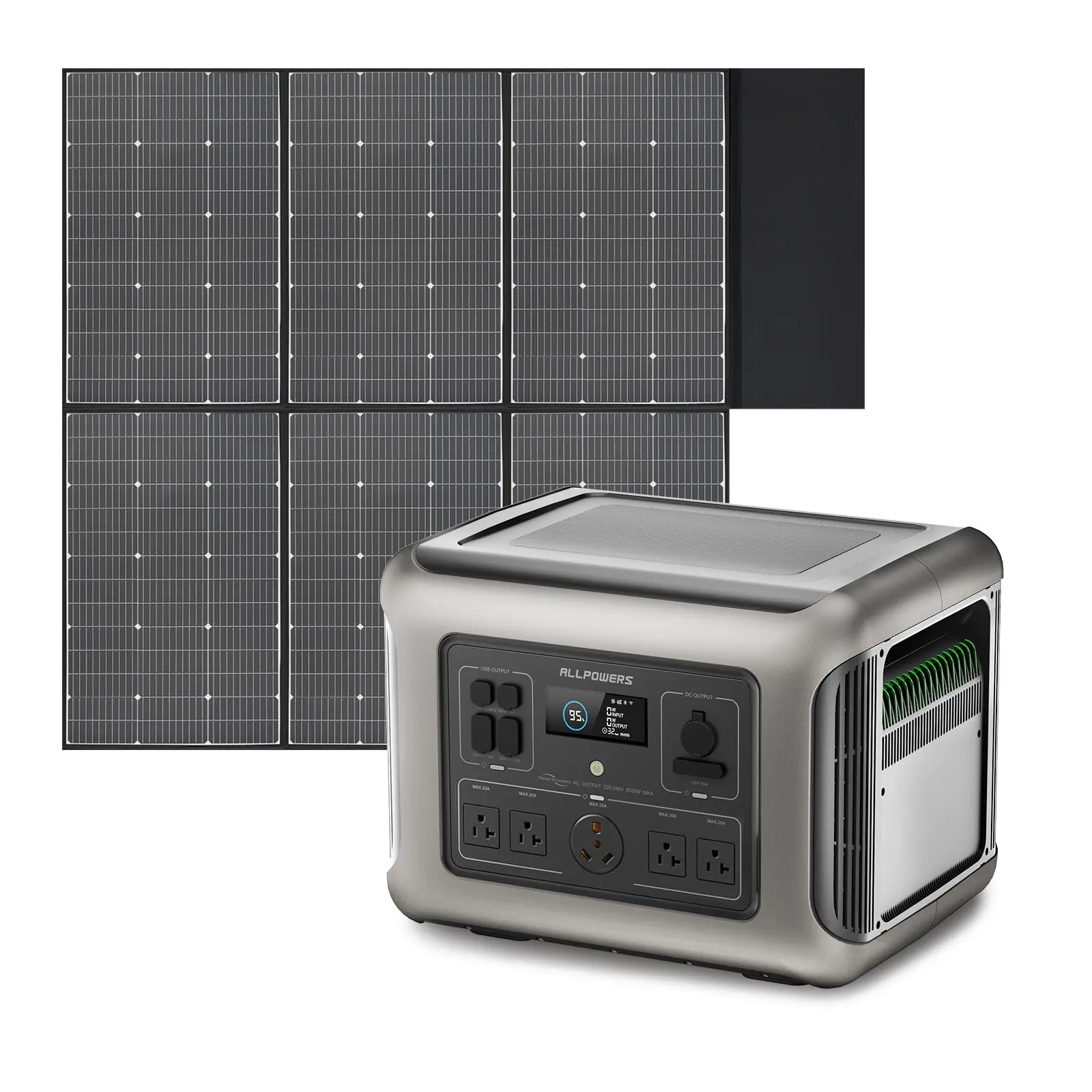
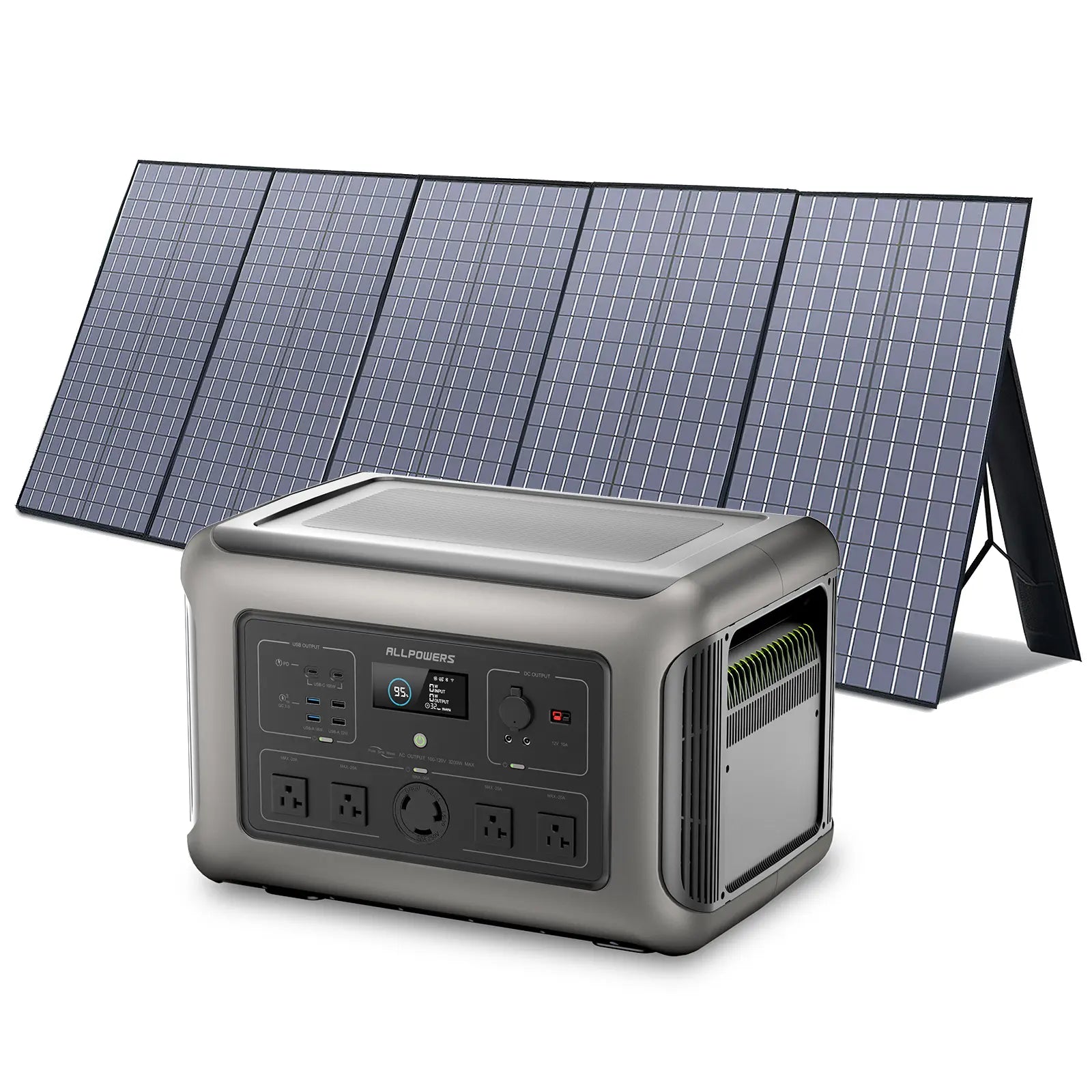
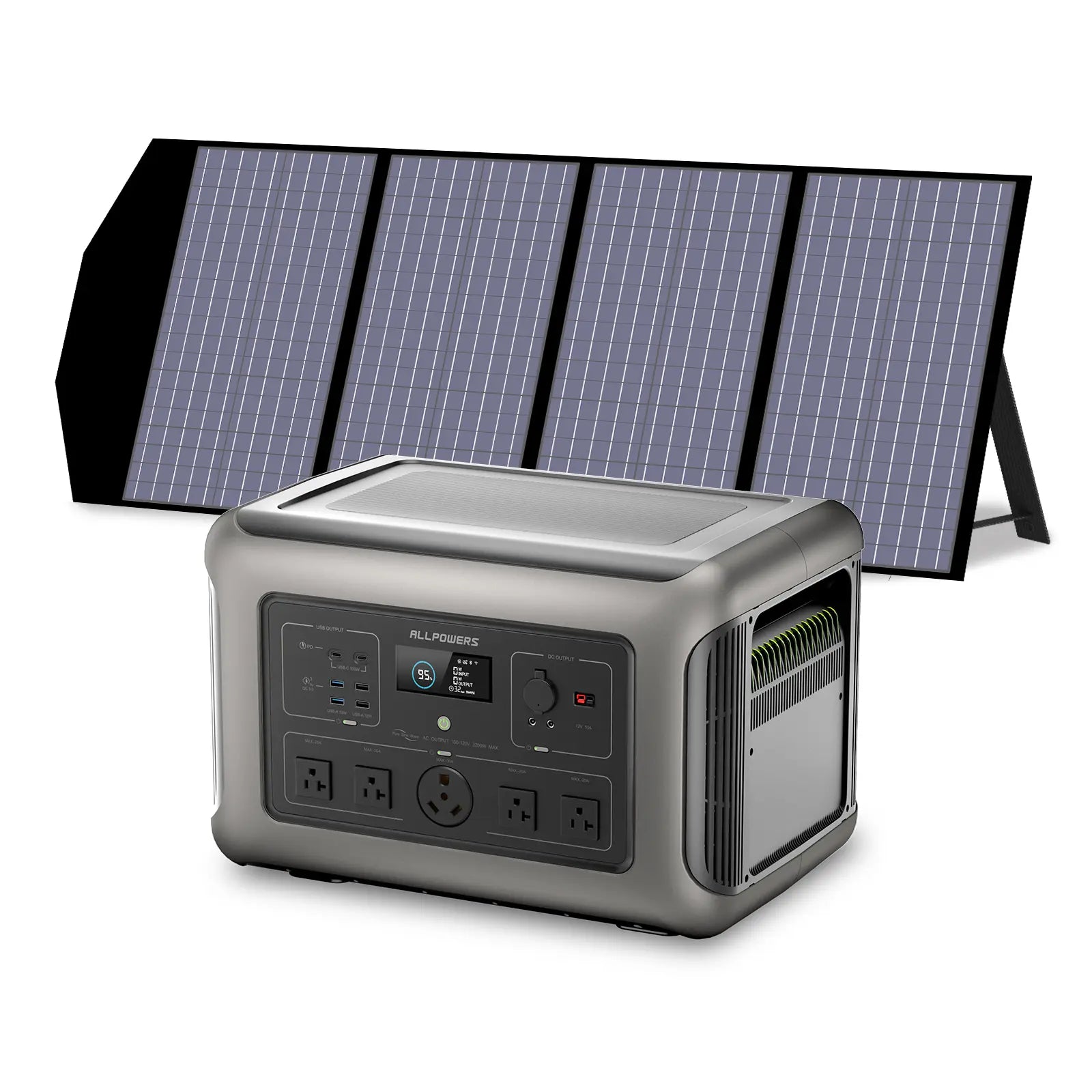
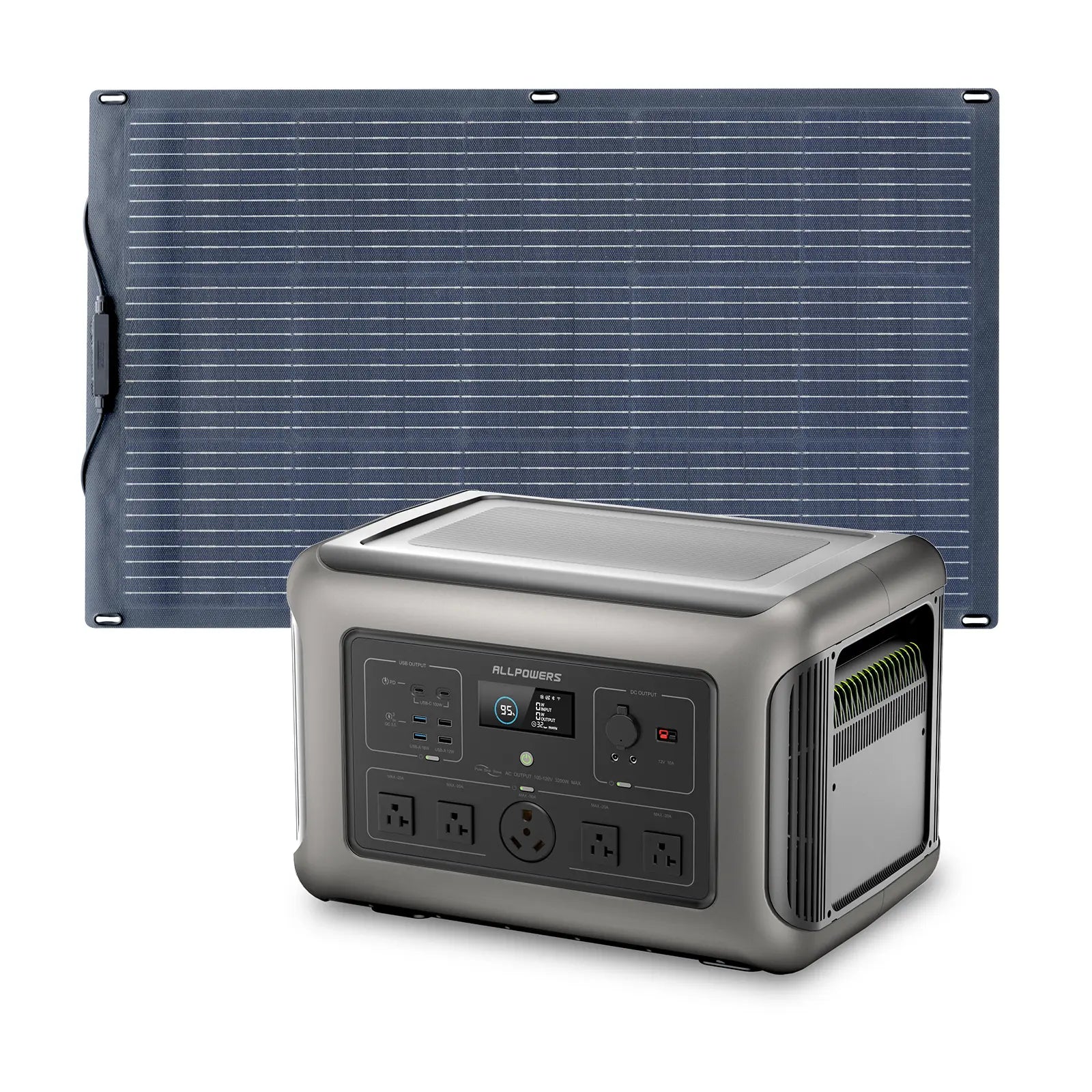
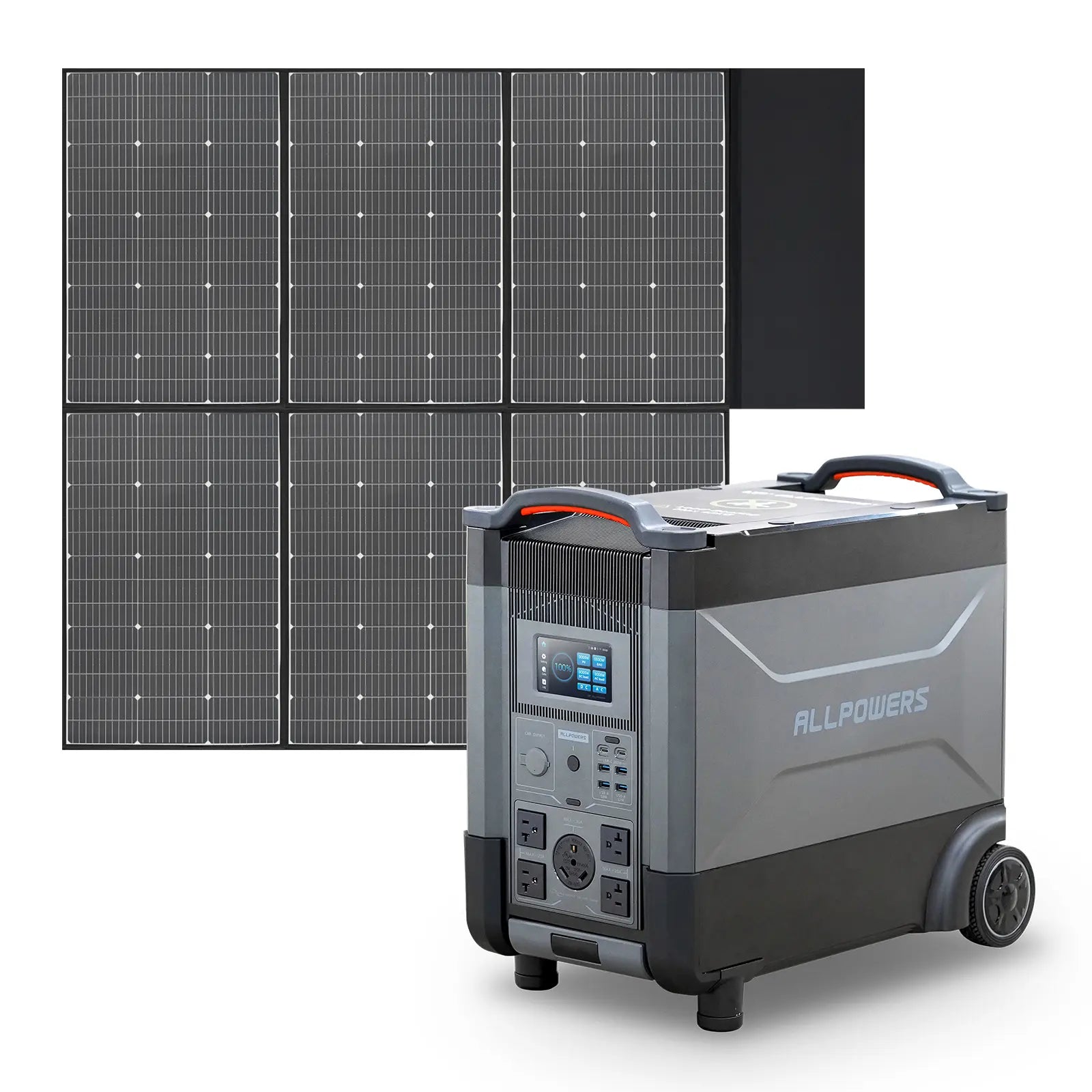
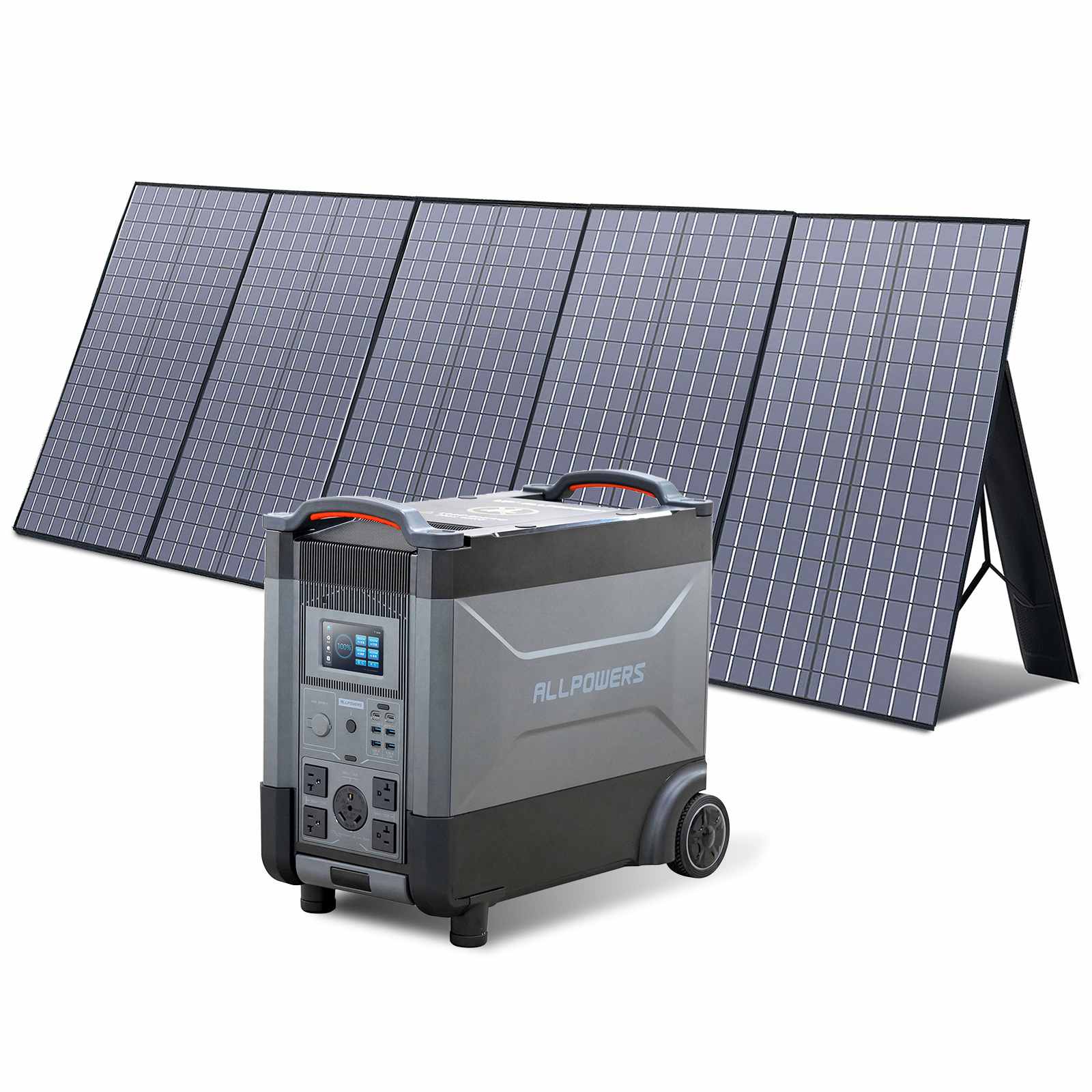
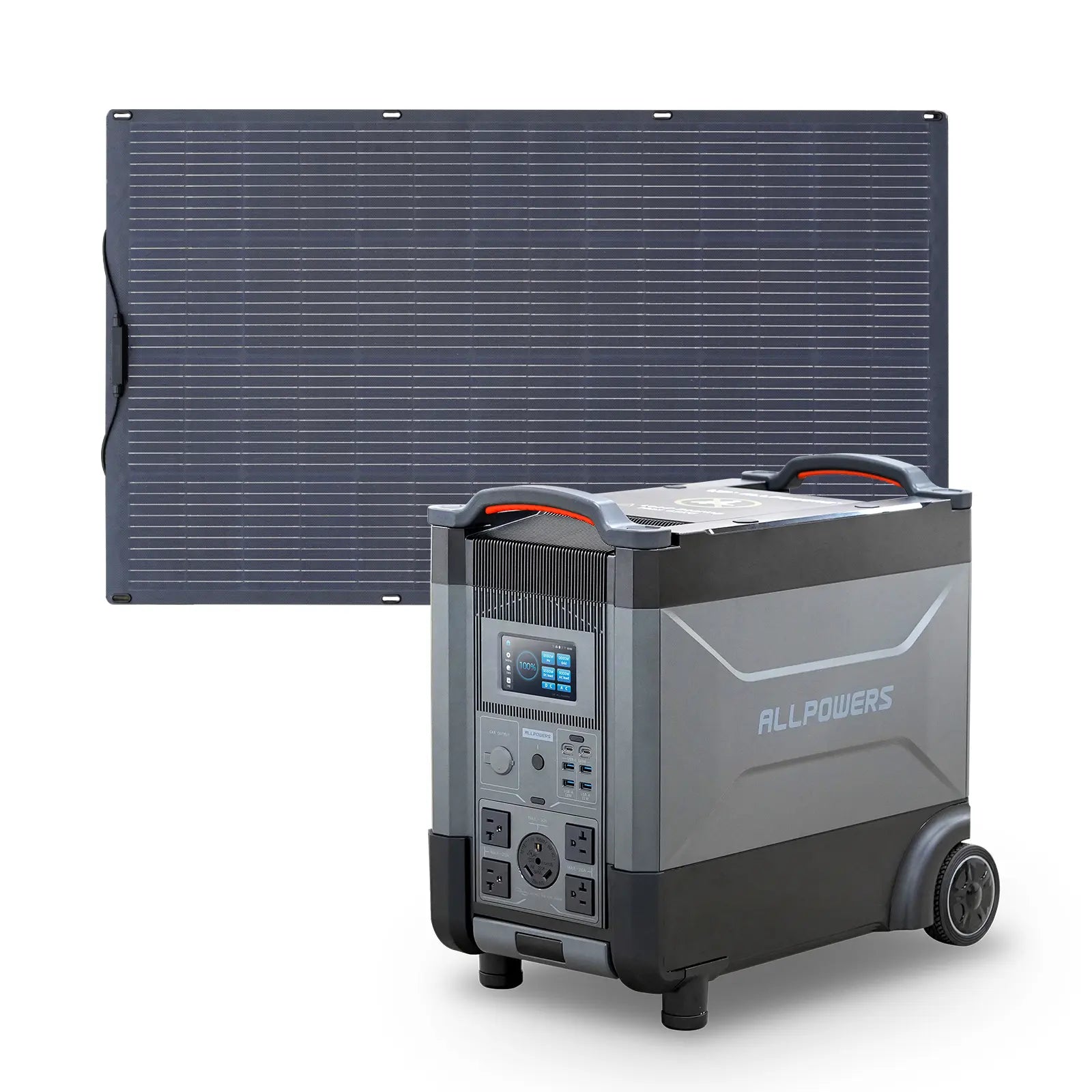
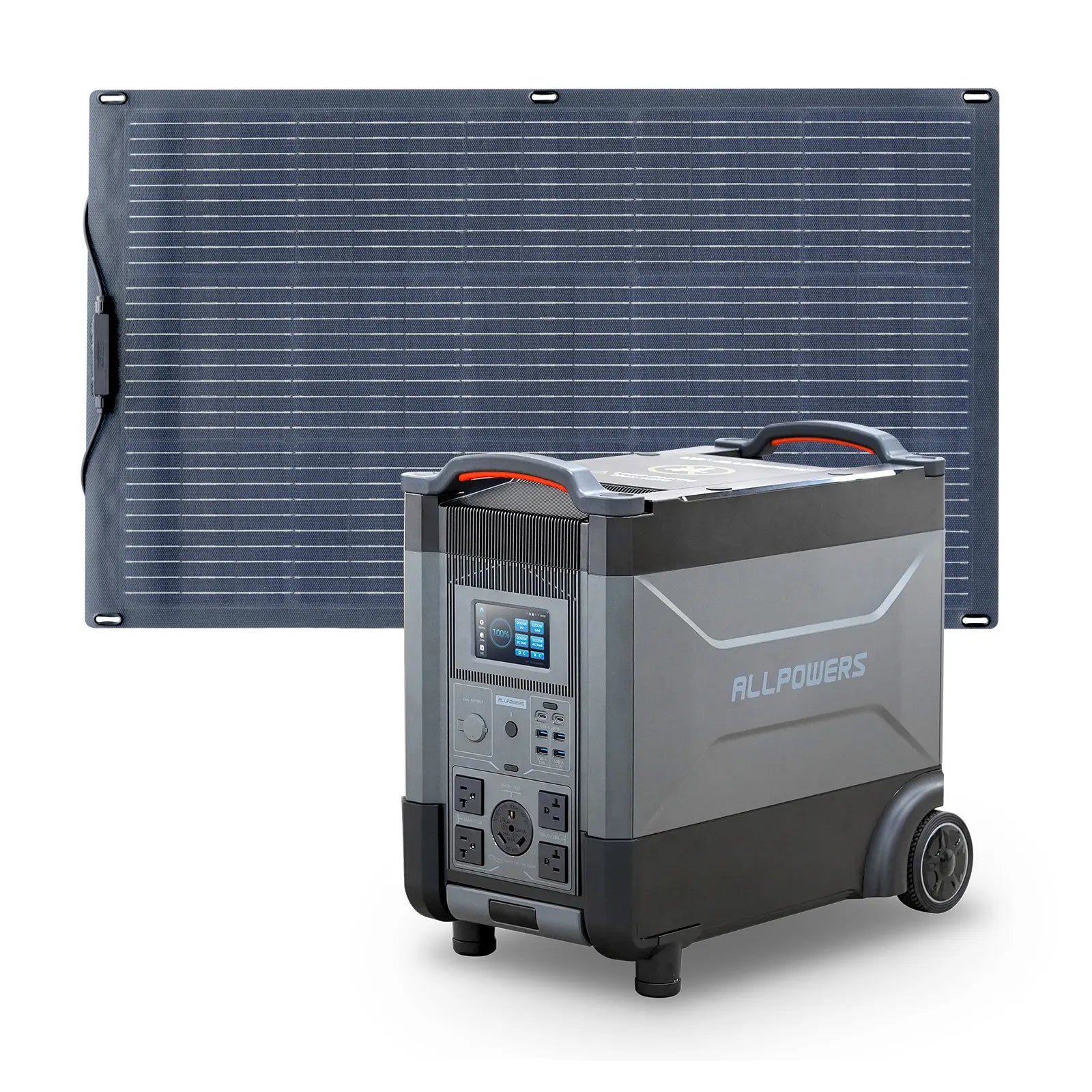
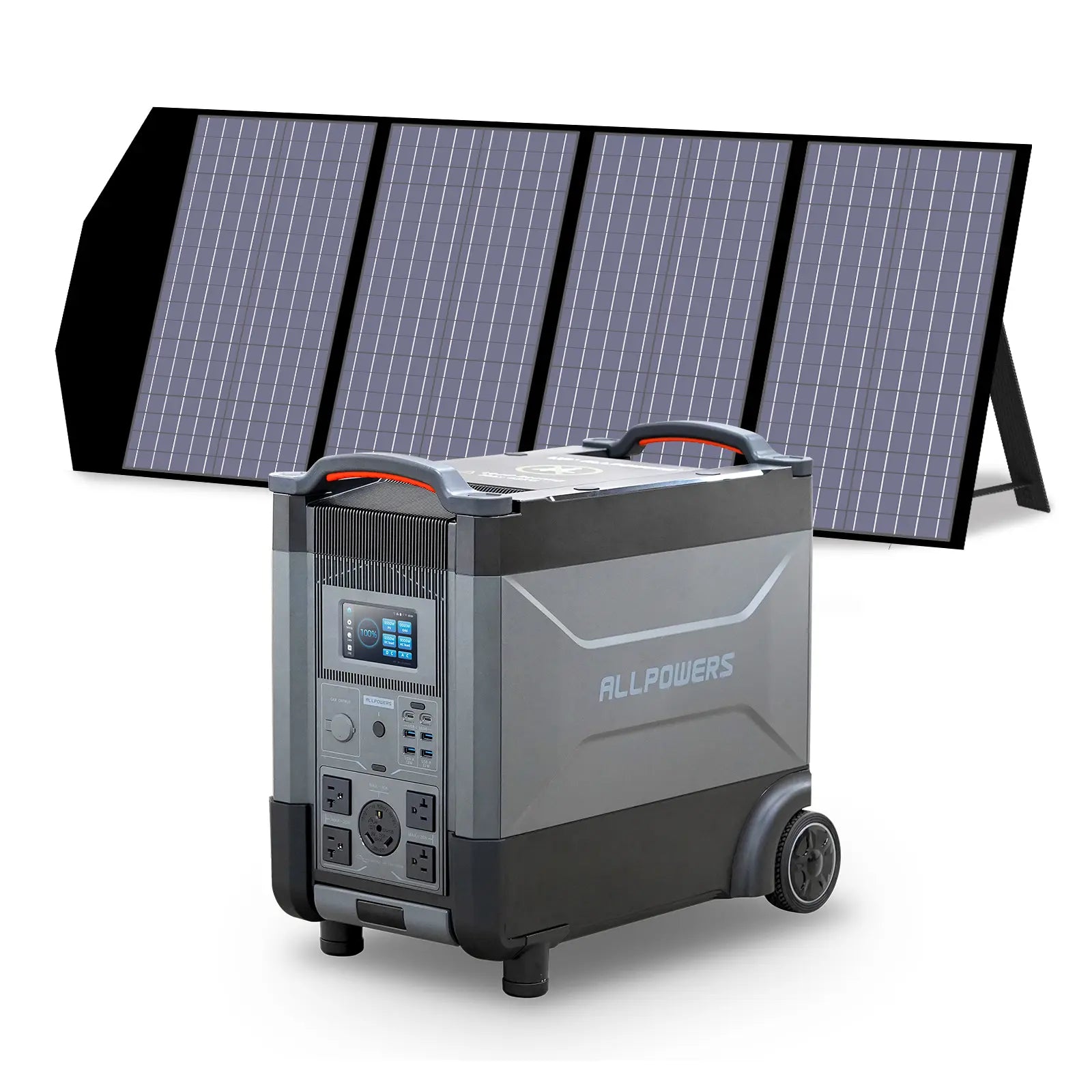
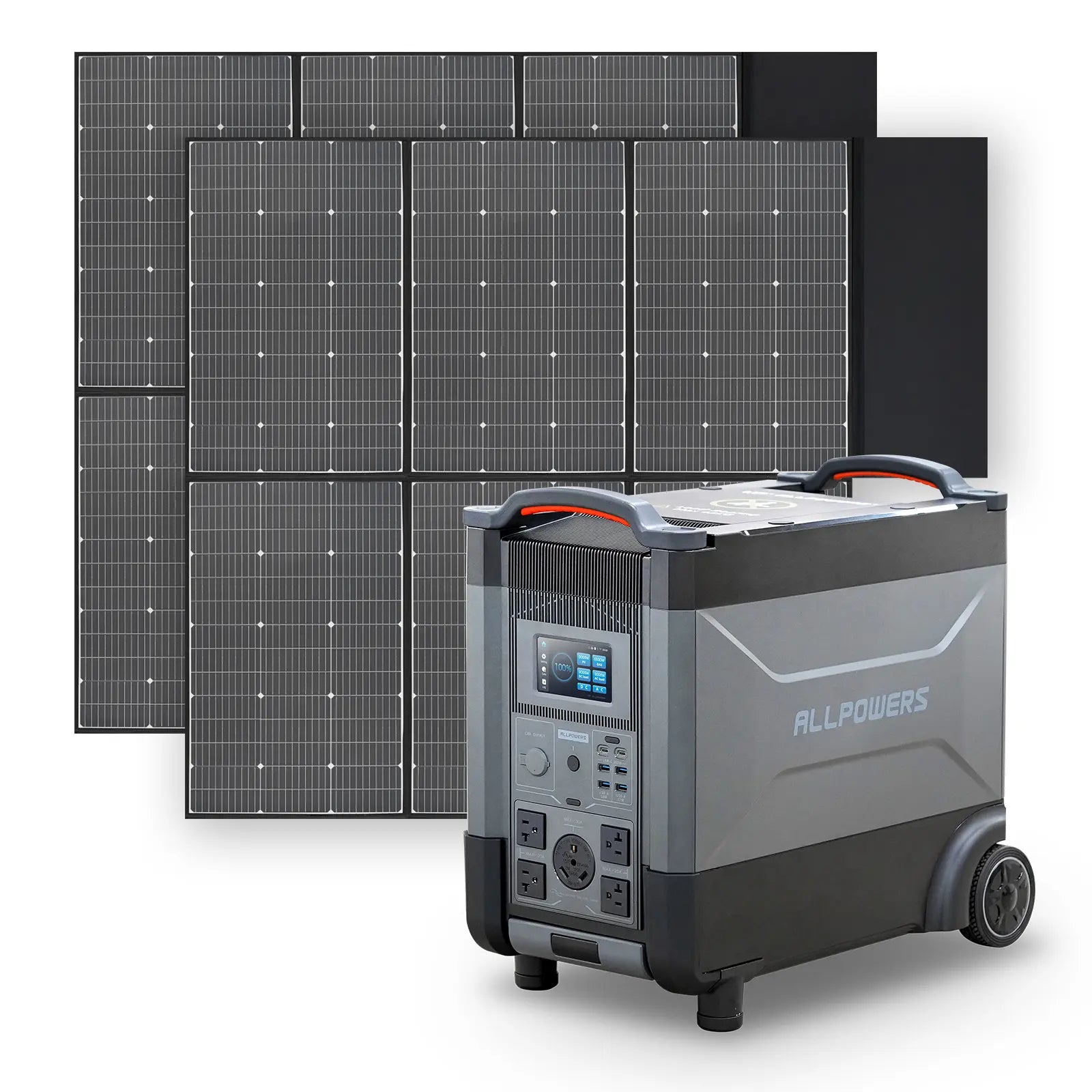
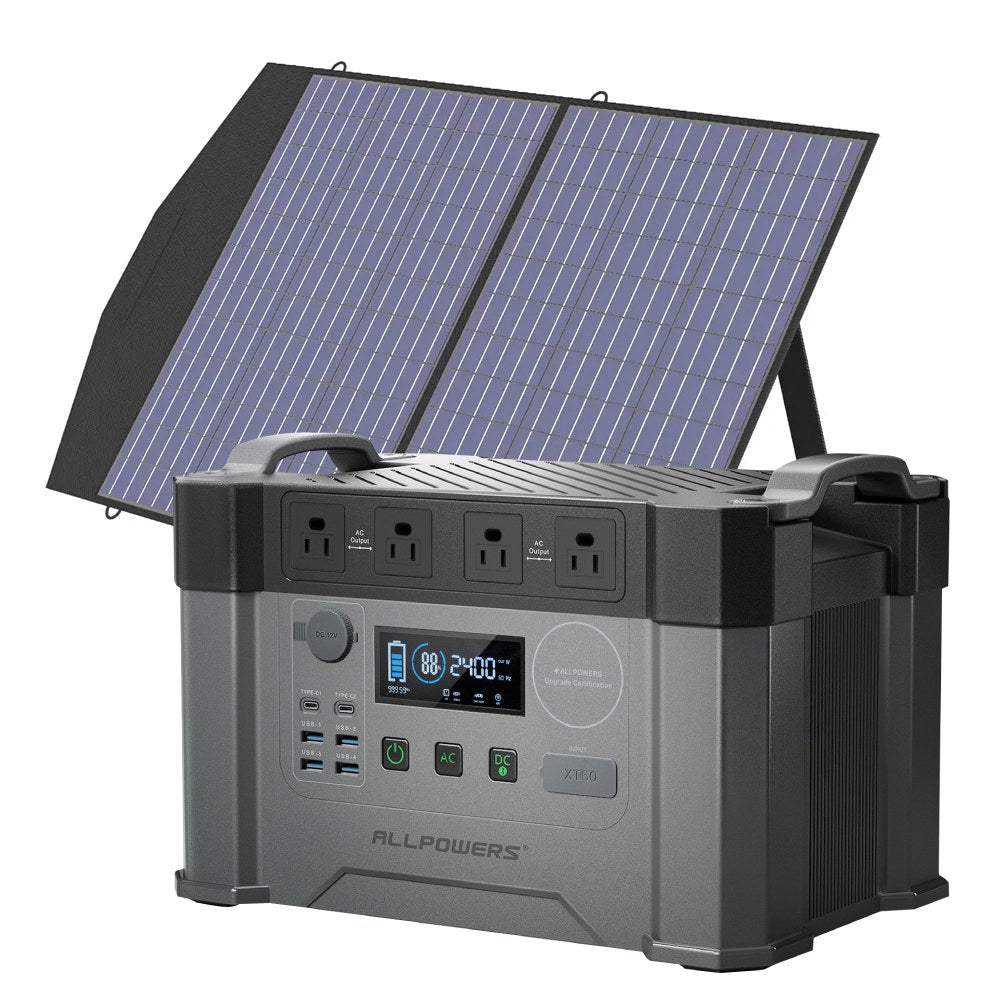
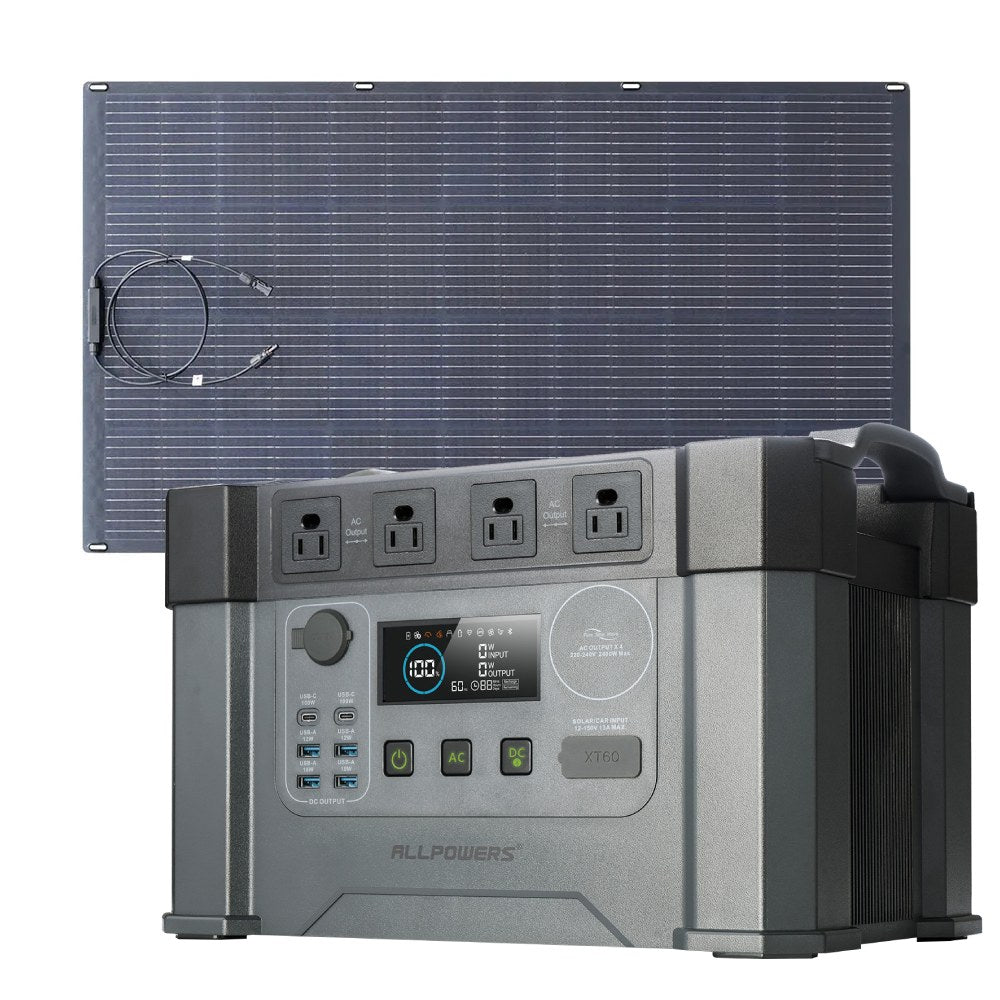
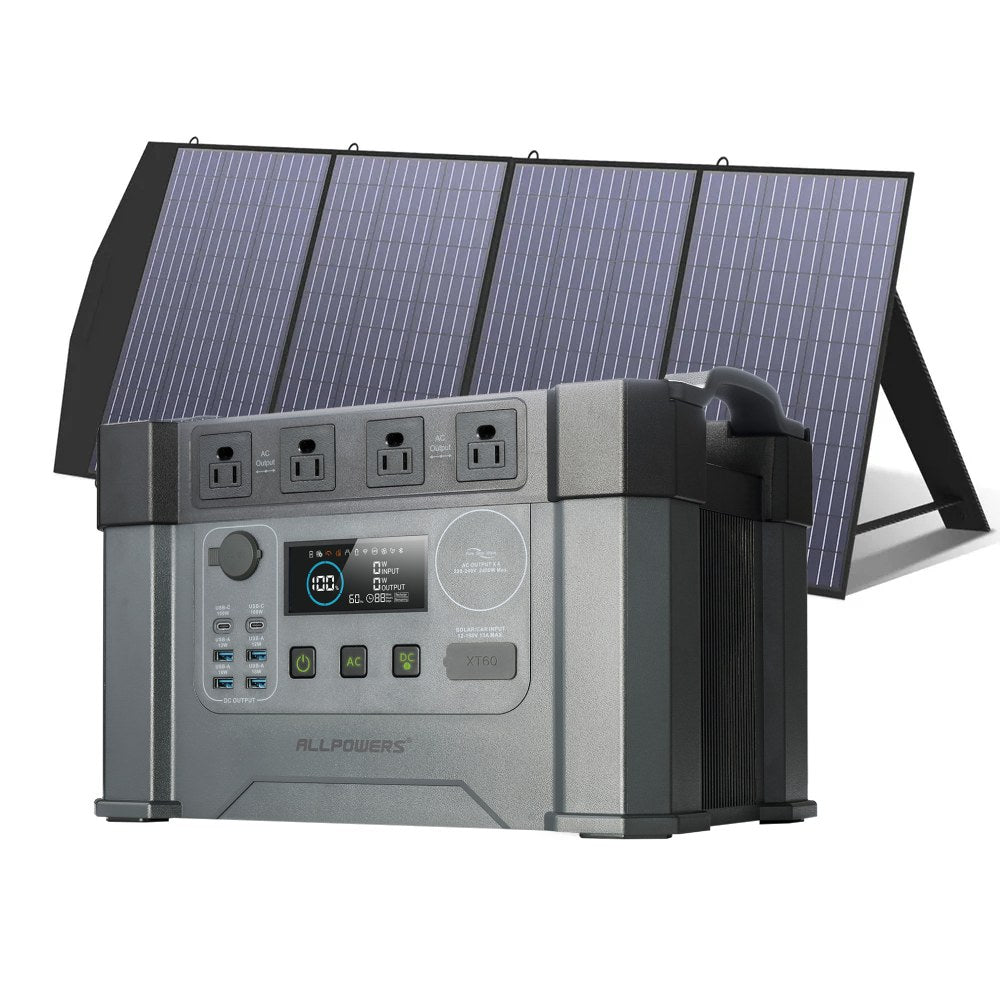
For campers who need to power multiple devices beyond a fan, a larger battery-based system can provide more flexibility.
These systems can support fans, lights, phones, cameras, and other small electronics while keeping the campsite quiet.
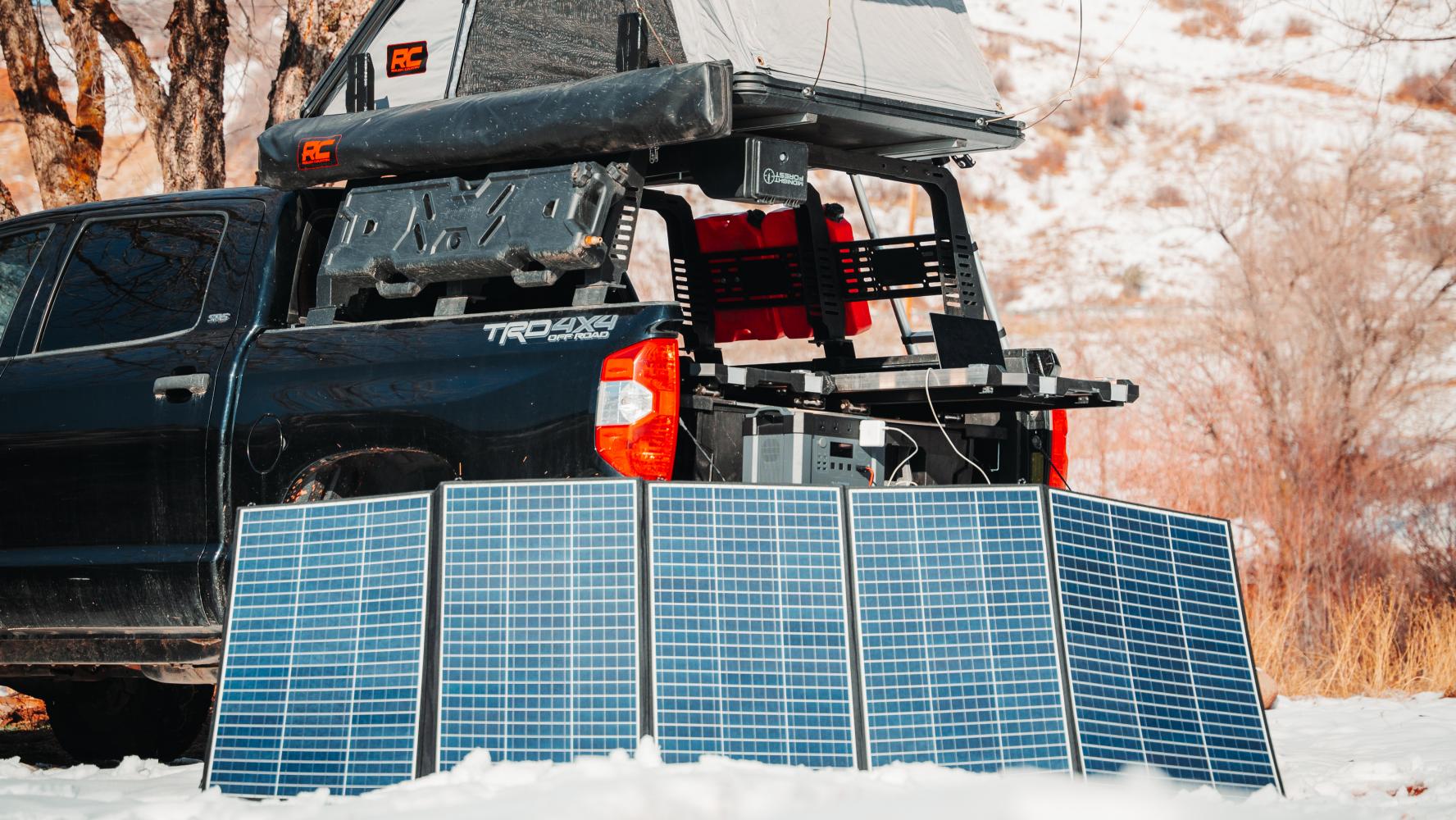
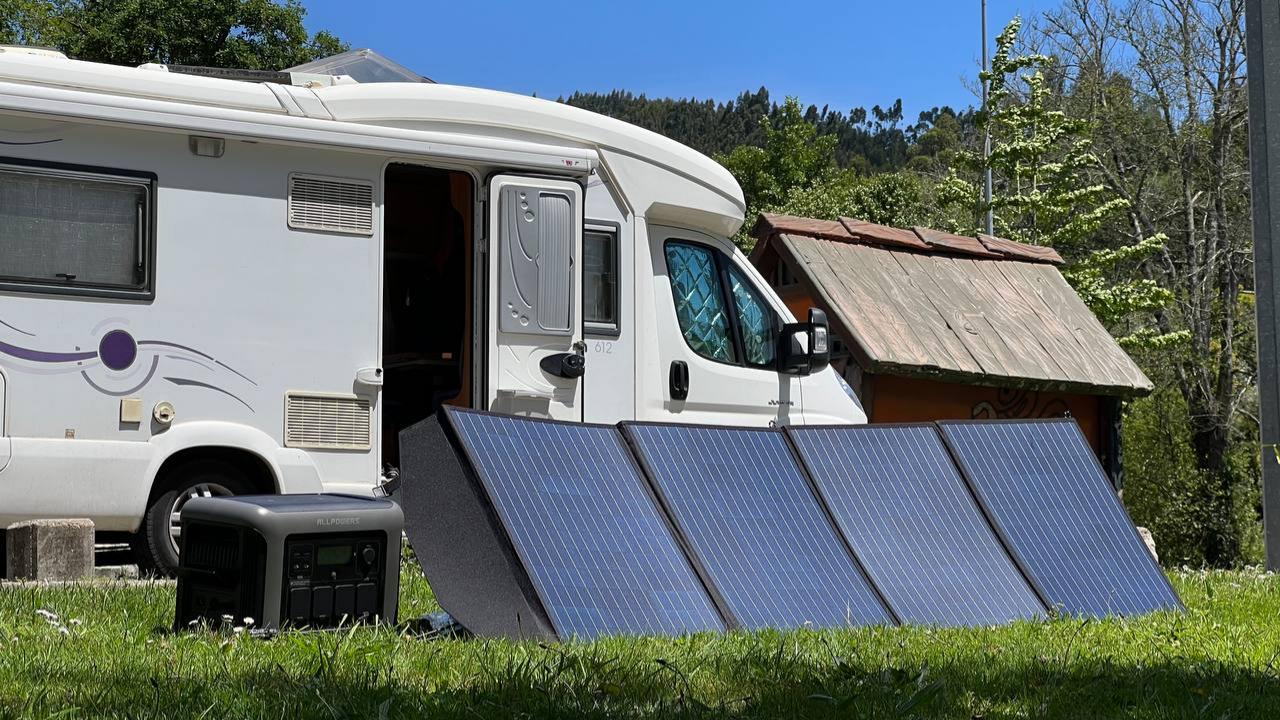
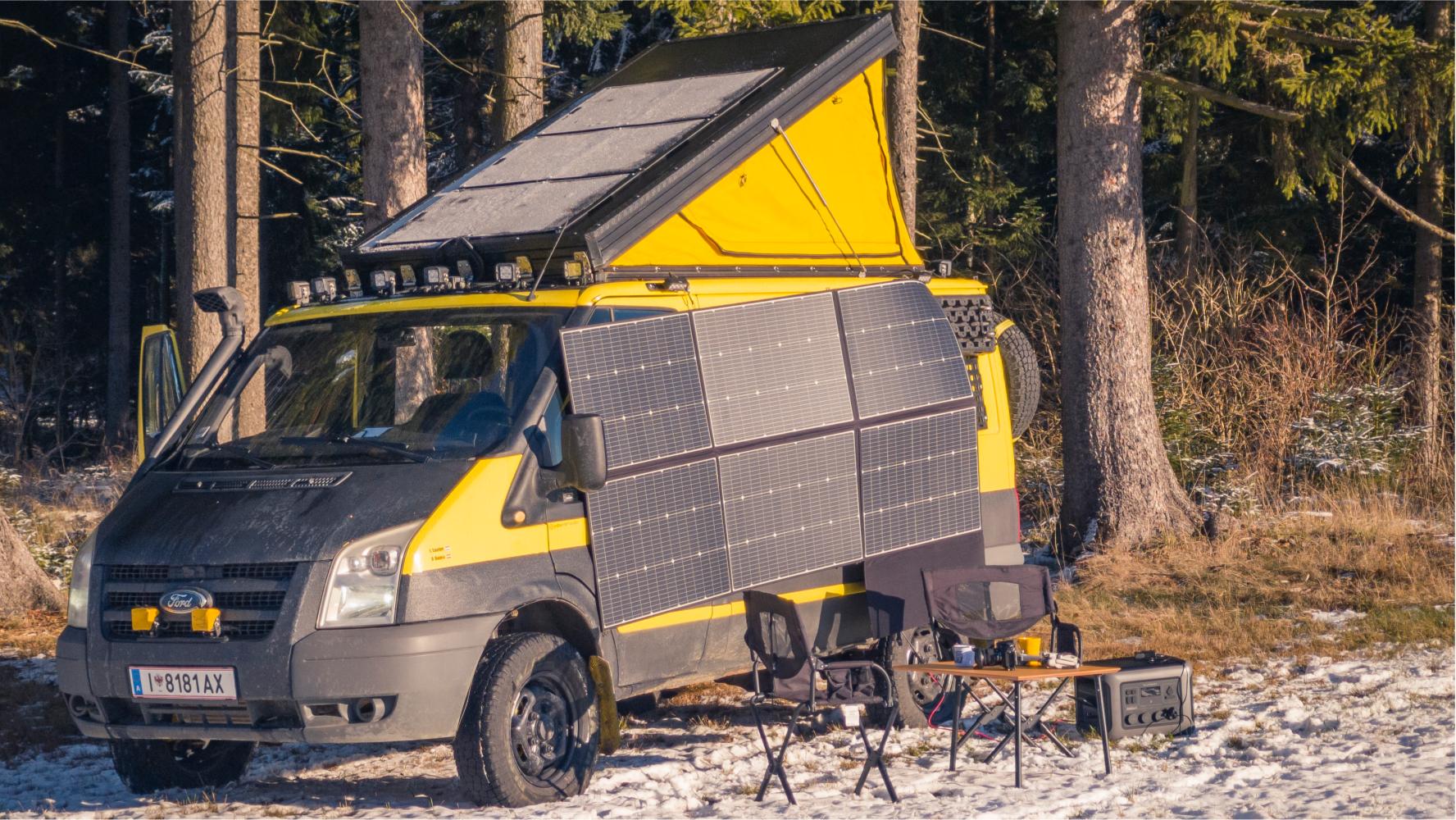
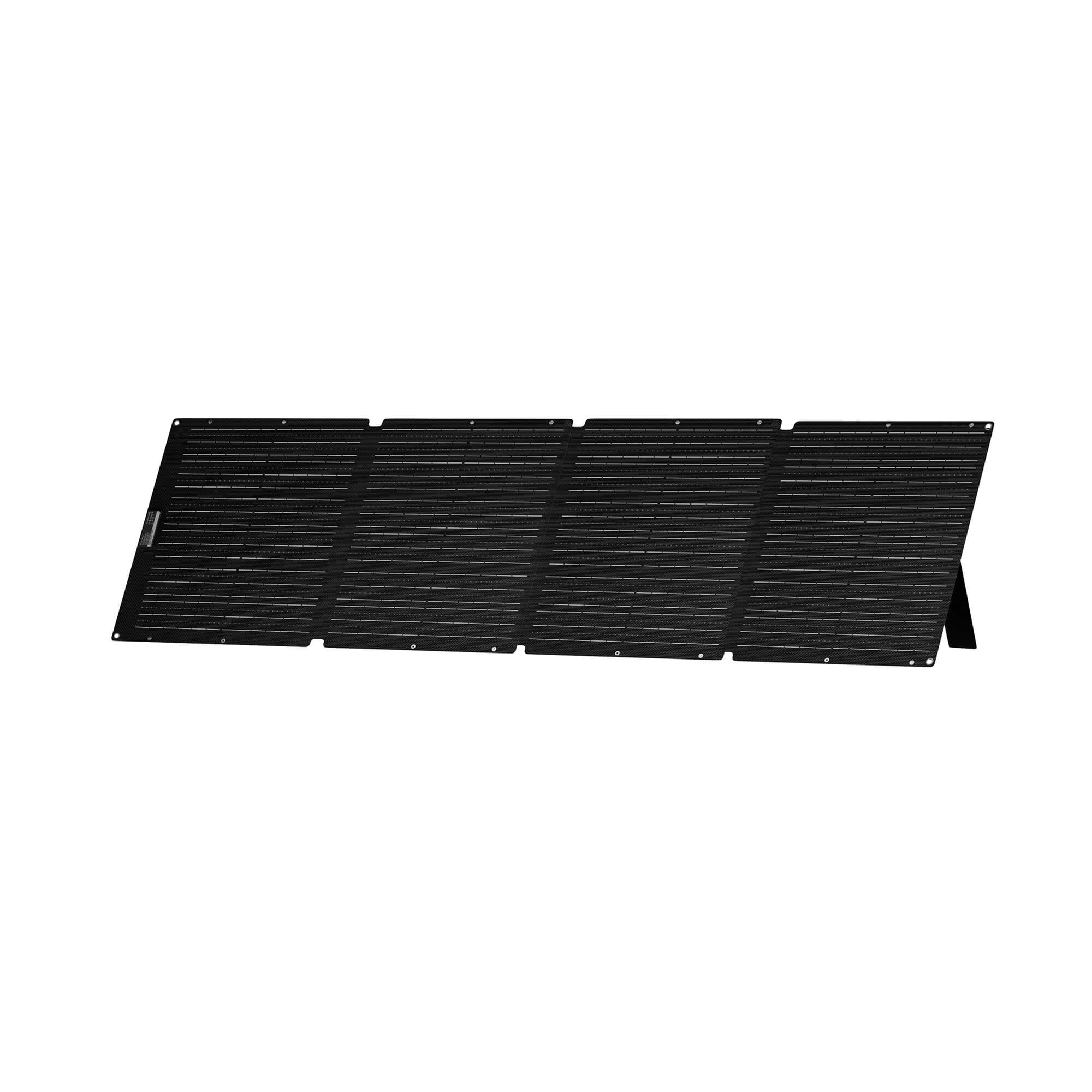
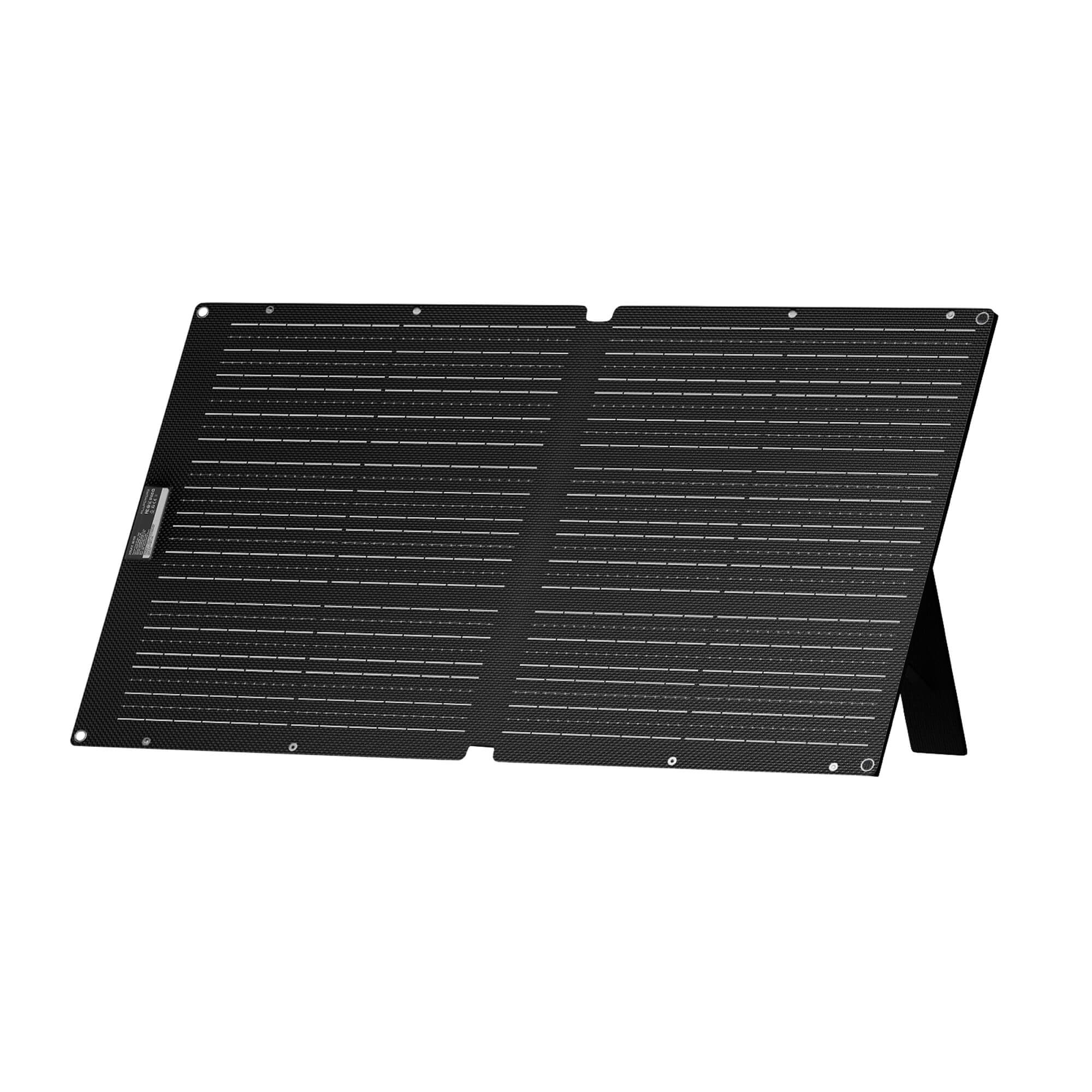
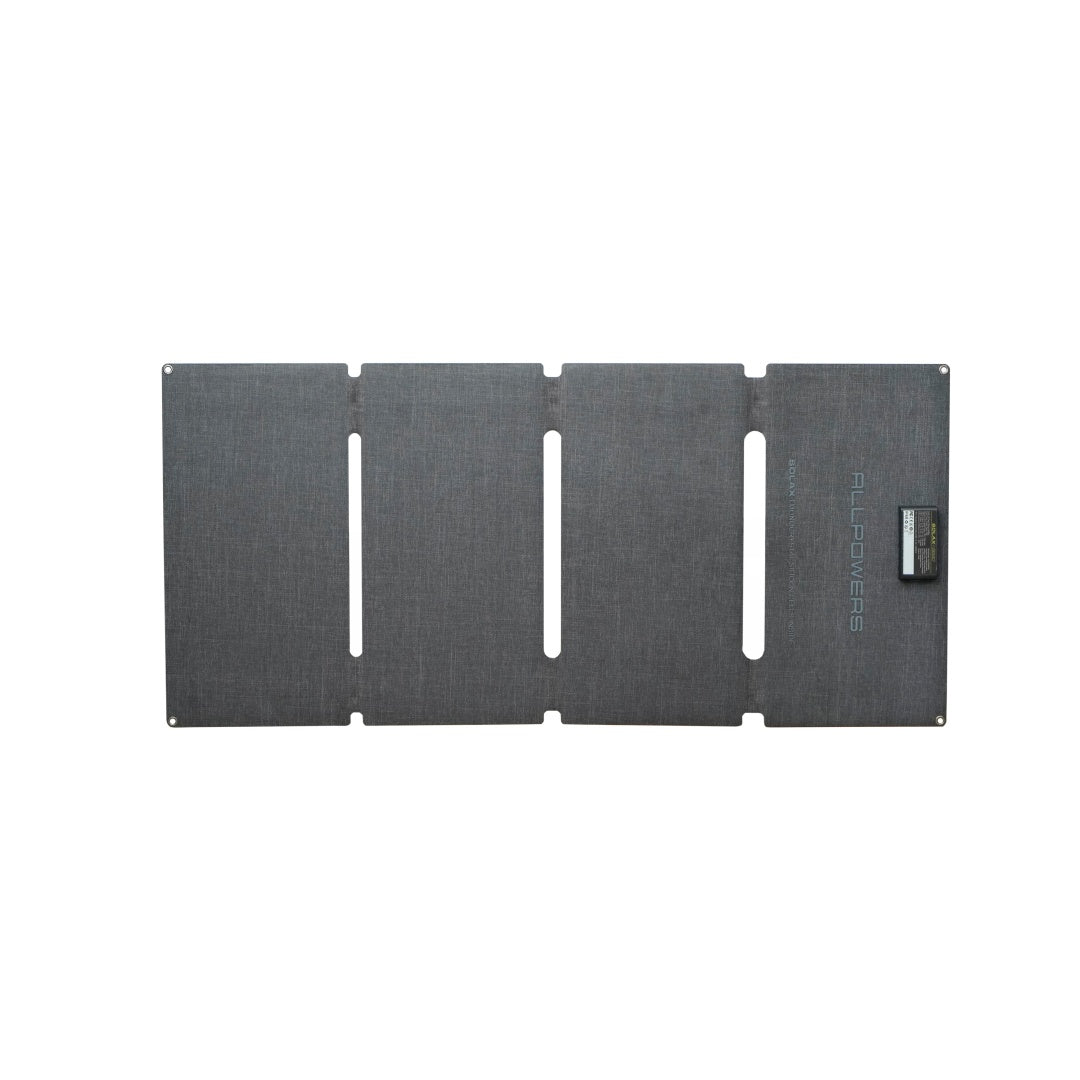
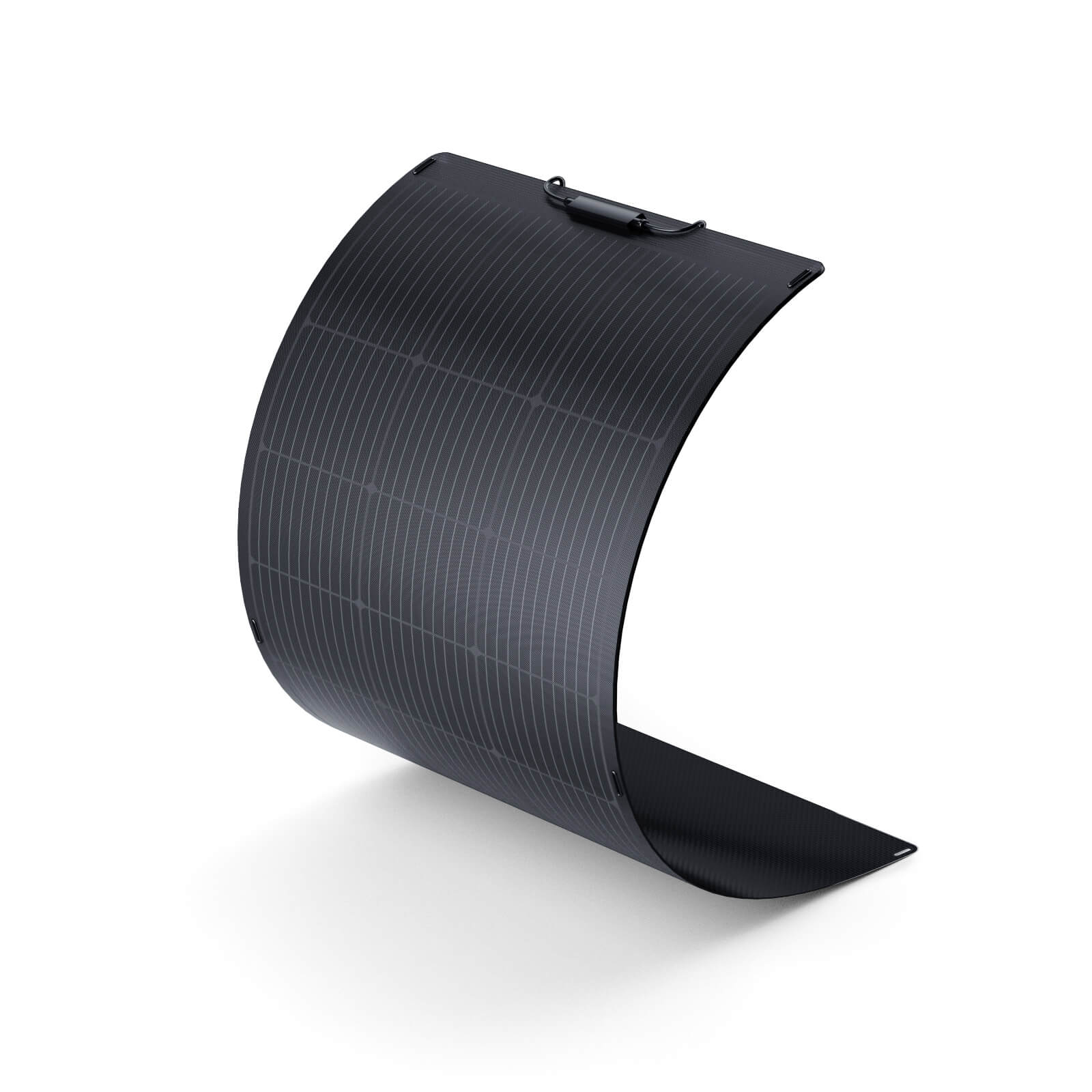
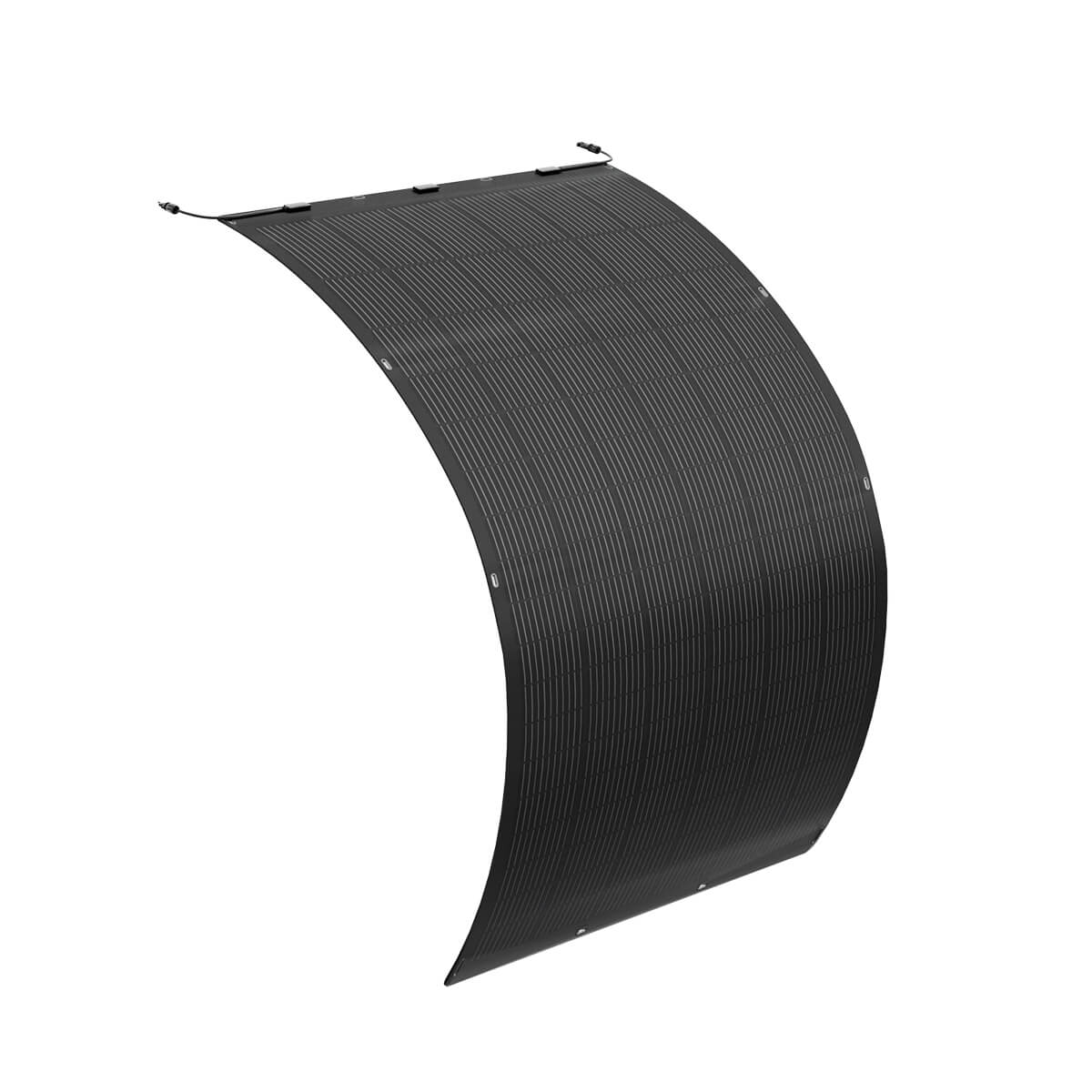
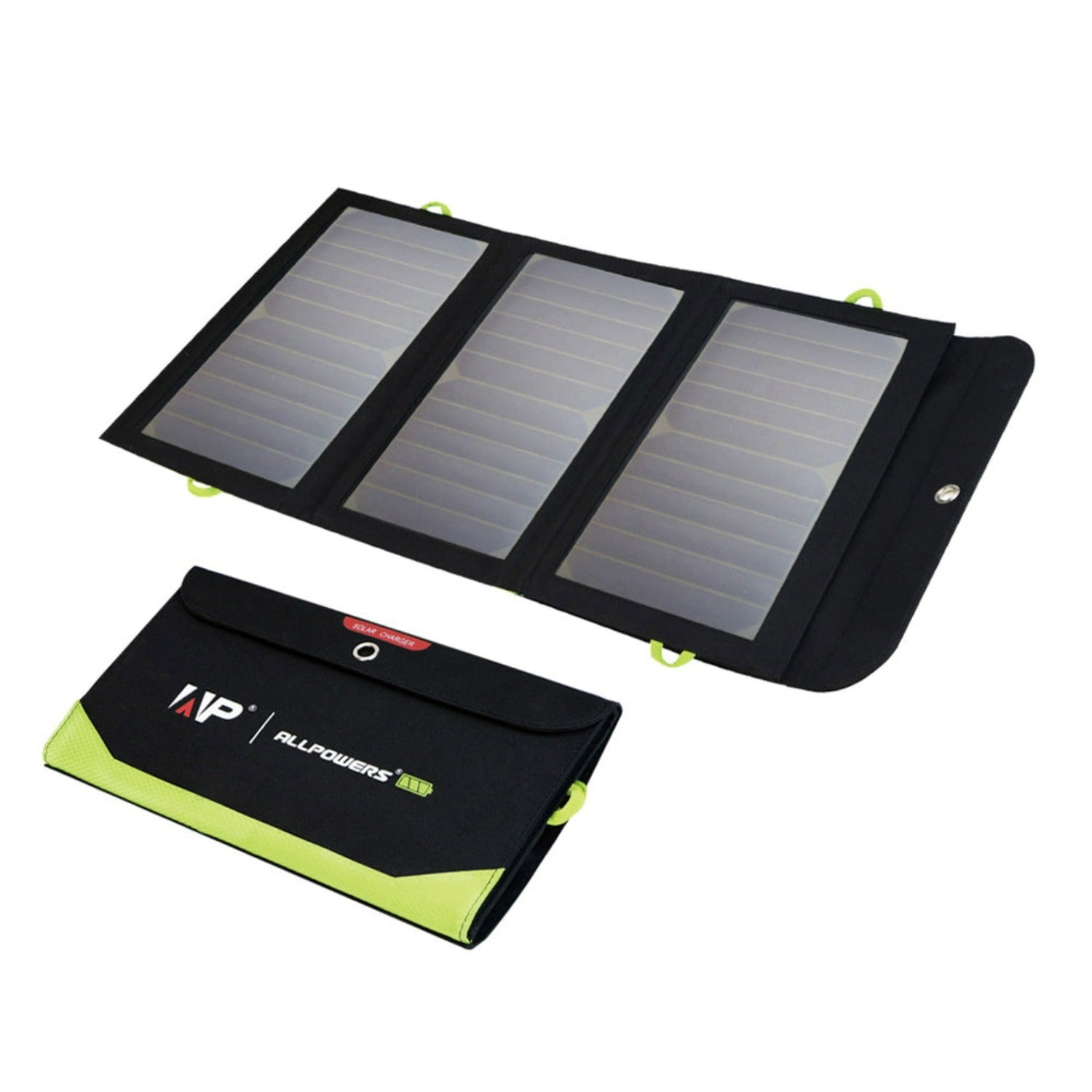
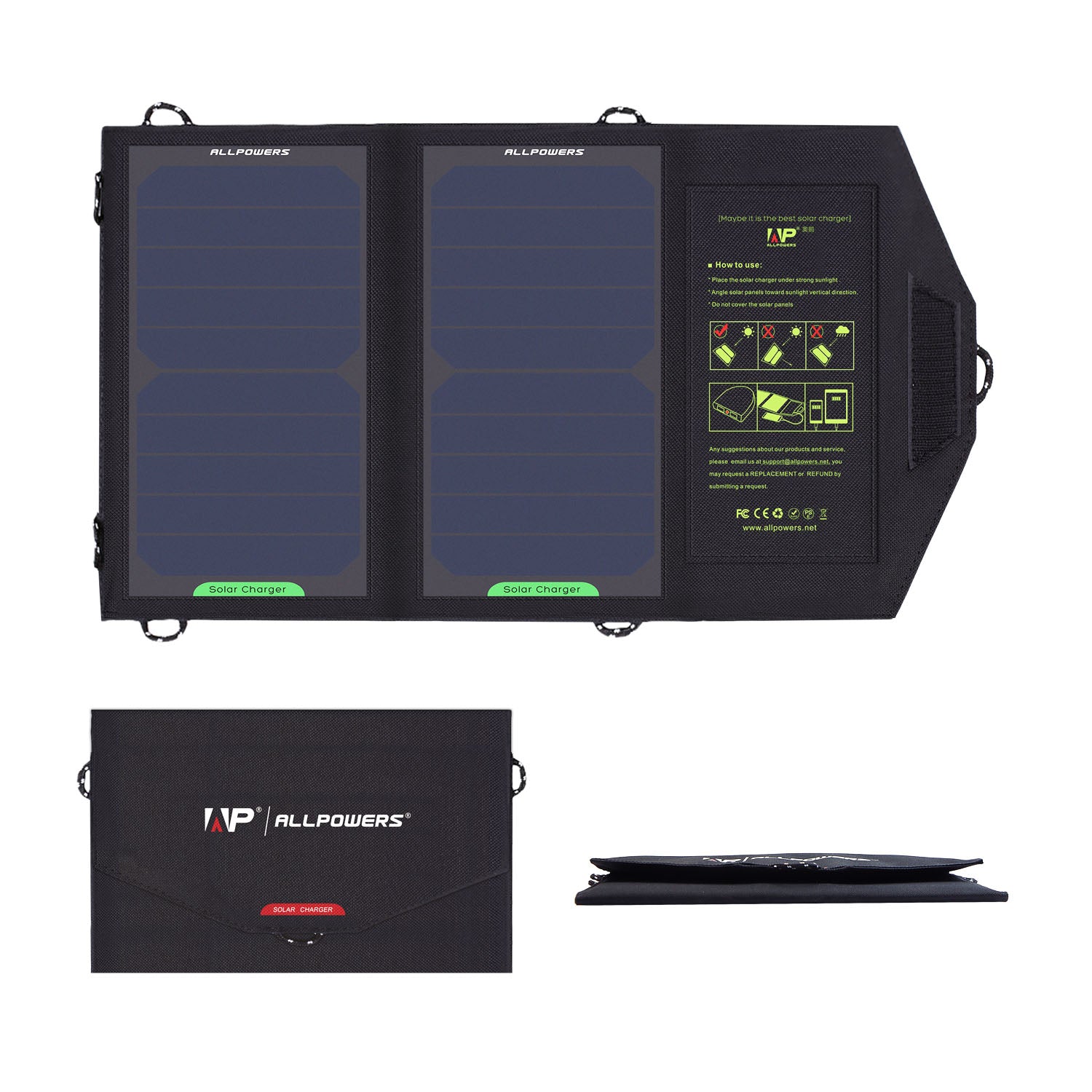
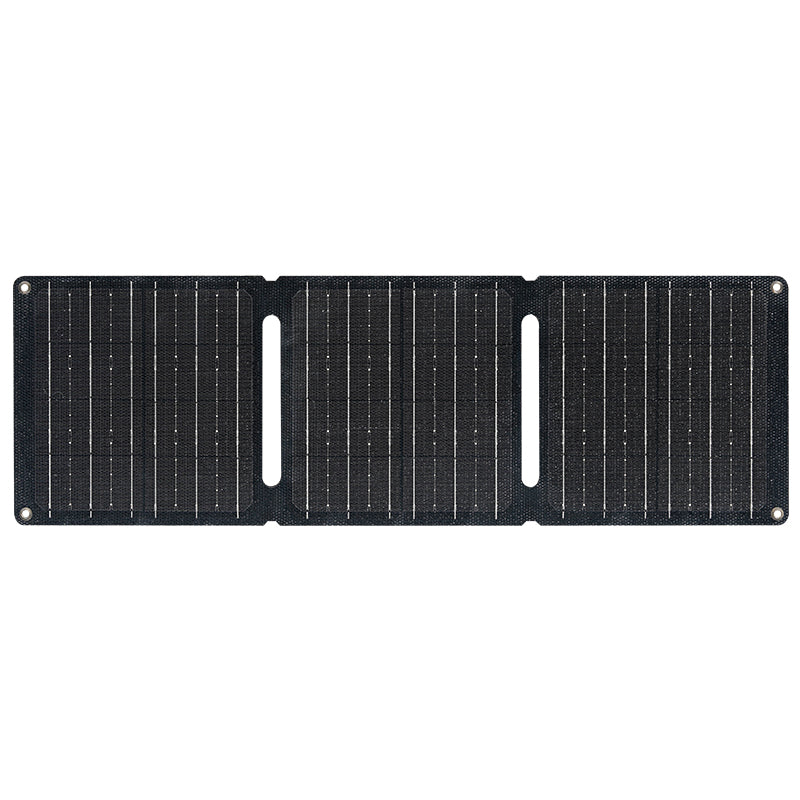
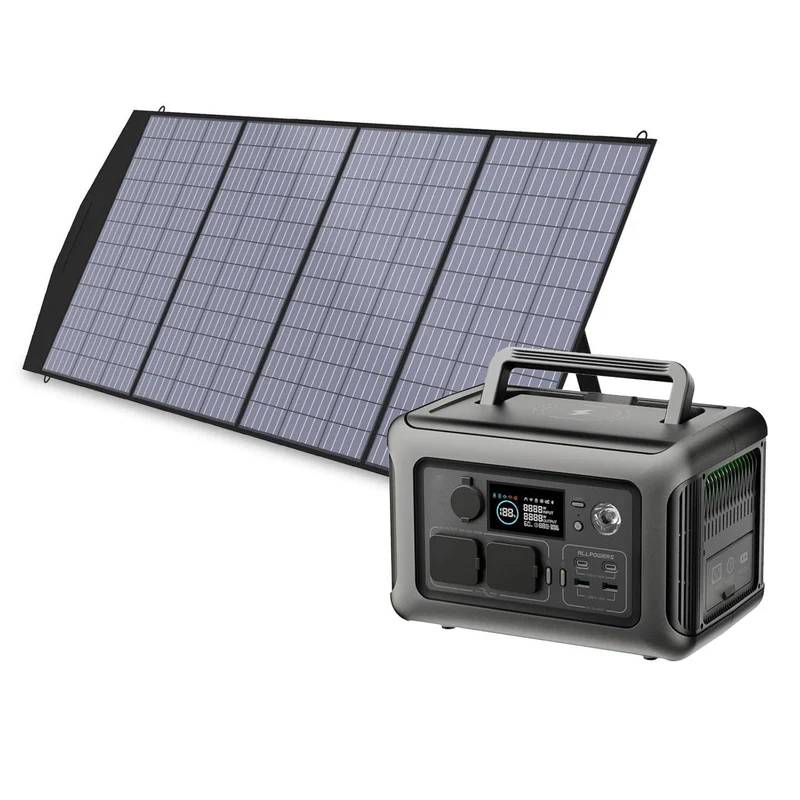
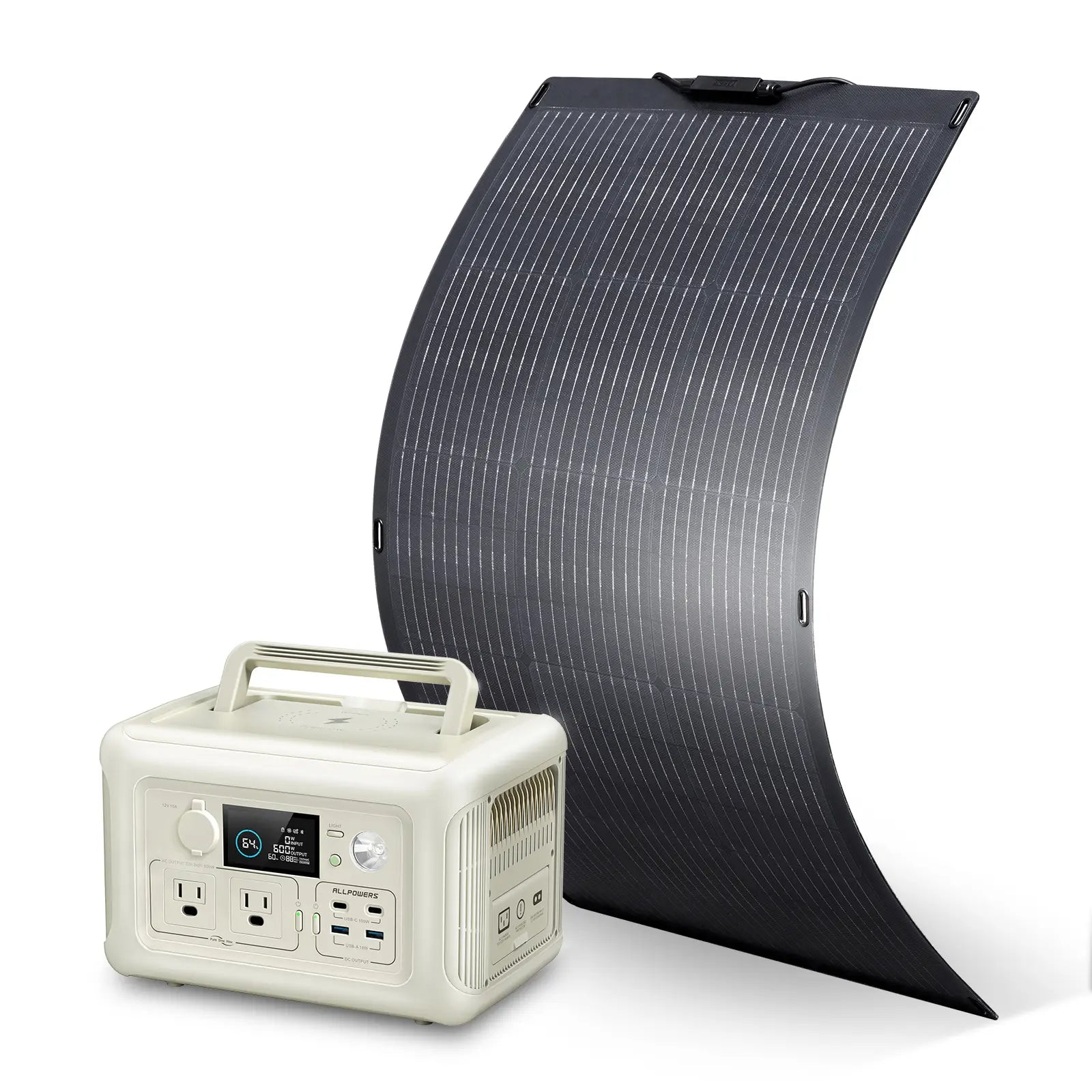
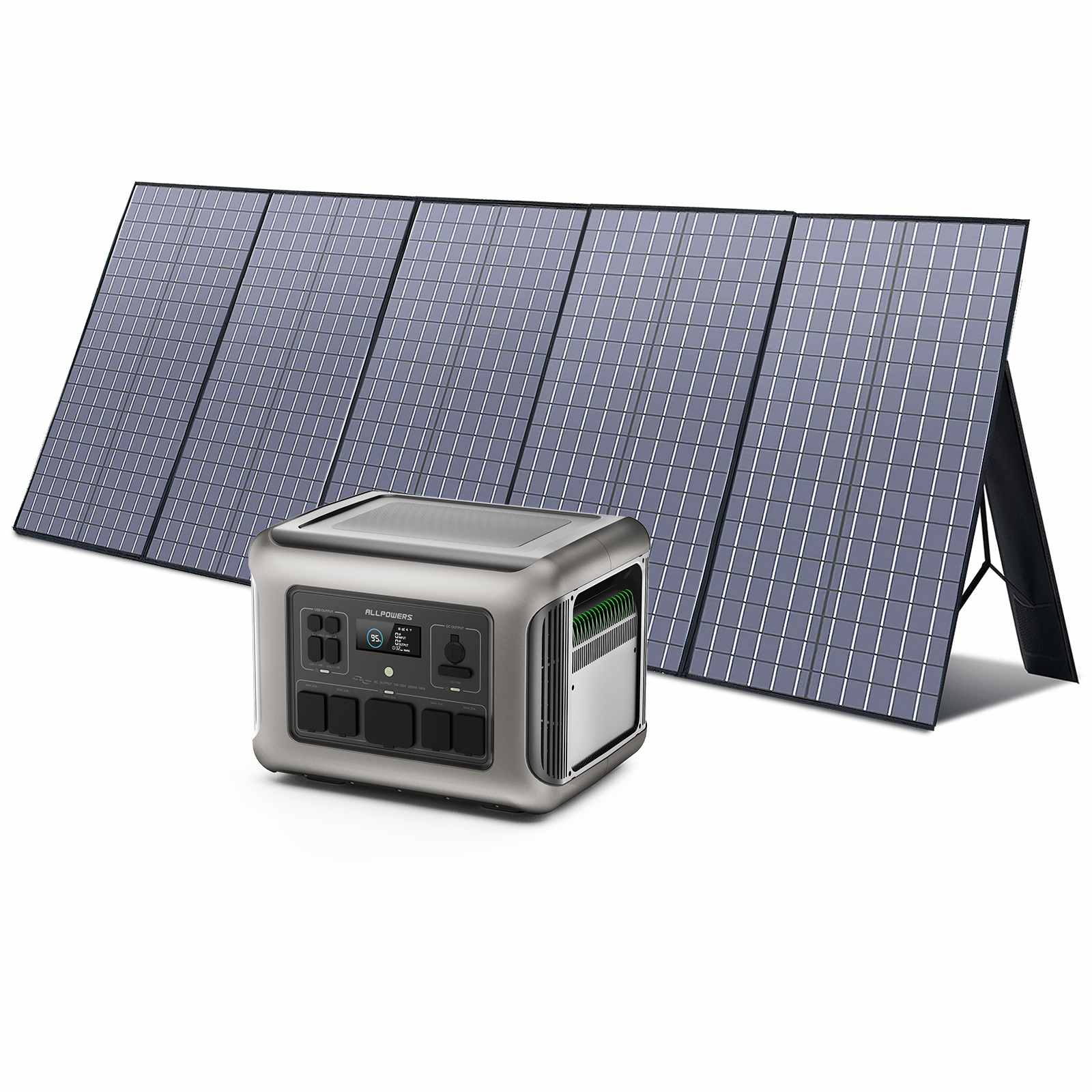
Using Solar Energy
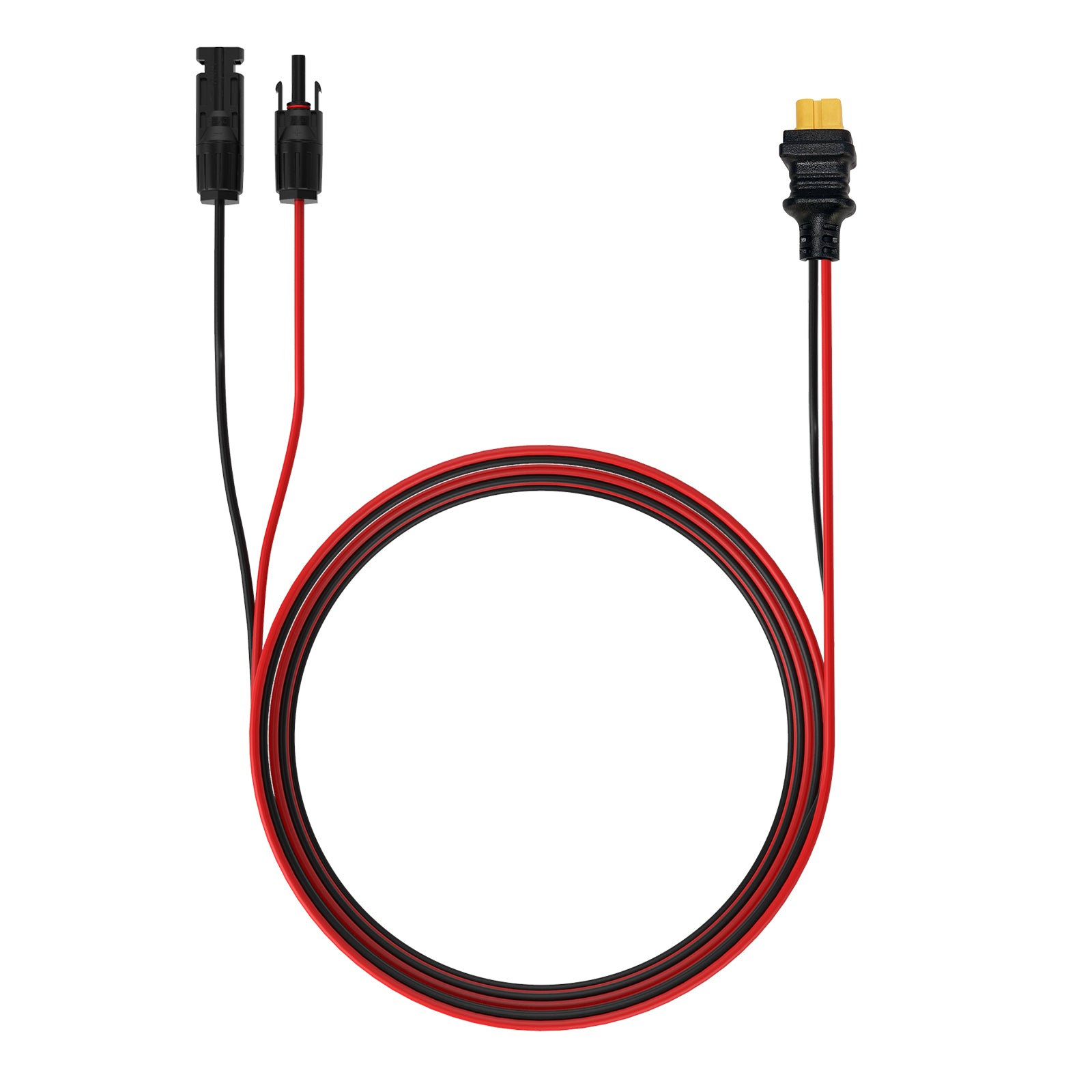
Solar energy can be a useful option for campers who spend multiple days outdoors. However, solar panels usually work best as a charging method rather than directly powering a fan overnight.
Can a Battery Power a Fan Overnight?
Yes, many fans can run overnight with the right battery capacity. The key is matching the energy source to your expected usage time.
Battery capacity is usually measured in watt-hours (Wh), which indicates how much energy is stored. A higher-capacity battery generally allows devices to operate longer before needing a recharge.
A simple way to estimate runtime is to compare the fan’s power consumption with the available battery capacity. A fan using less electricity will naturally operate longer from the same battery.
How Can You Make a Camping Fan Last Longer Overnight?
Getting through a warm night does not always require the largest battery. Small adjustments can significantly improve fan runtime.
Use Lower Speed Settings
Many campers run fans at full power unnecessarily. A moderate airflow setting often provides enough comfort while using much less energy.
Improve Natural Ventilation
A fan works best when combined with good airflow. Opening tent vents, positioning doors correctly, and allowing warm air to escape can reduce how hard the fan needs to work.
Cool the Campsite Before Sleeping
Running a fan before bedtime can help remove trapped heat from inside a tent. Once temperatures drop overnight, a lower fan setting may be enough.
Learn More: How to Stay Cool While Camping?
Creating a More Comfortable Summer Camping Experience
Keeping cool while camping does not require complicated equipment. A well-chosen fan, efficient energy planning, and smart campsite preparation can significantly improve comfort during warm-weather adventures.
For short trips, a rechargeable fan or power bank may provide everything you need. For longer off-grid stays, combining efficient fans with reliable energy storage and solar charging can create a more comfortable campsite without depending on traditional electricity.
When your cooling needs and power resources are properly matched, staying comfortable outdoors becomes much easier—even during the hottest camping seasons.
Frequently Asked Questions
What is the easiest way to power a fan while camping?
A rechargeable camping fan or USB fan connected to a battery source is usually the simplest option for most campers.
How many watts does a camping fan use?
Most camping fans use between 1W and 50W, depending on size, speed settings, and design.
Can a portable power station run a fan overnight?
Yes. Since many camping fans consume relatively little electricity, a properly sized battery system can often provide overnight operation.
Can solar panels charge a camping fan?
Solar panels can recharge compatible batteries or power systems during the day, allowing stored energy to run fans at night.