





Camping no longer means completely disconnecting from modern comforts.
While many people head outdoors to unplug, others enjoy relaxing with a favorite movie, watching live sports, or keeping up with the news.
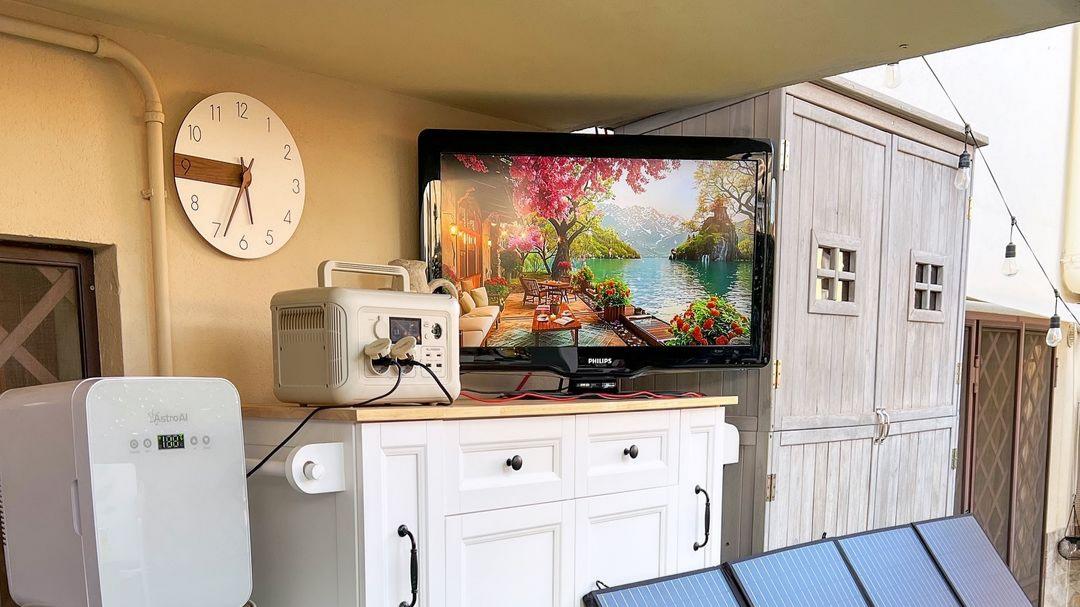
Thanks to today's energy-efficient televisions and compact camping equipment, bringing a TV outdoors is more practical than ever.
The challenge, however, is that TVs require a stable source of electricity, and electricity isn't always available outdoors.
So, how do you power a TV while camping?
TL;DR: Most modern LED TVs consume between 30W and 120W, making them relatively easy to power while camping. While campground hookups are the simplest option, portable power stations paired with daytime solar charging offer a quiet, independent solution.
How Much Power Does a TV Use While Camping?
The first step in choosing a reliable power solution is understanding your television's electricity consumption.
Fortunately, modern LED televisions use significantly less energy than older LCD or plasma models, making them much more suitable for outdoor use.
A typical 24-inch LED TV consumes around 20–40 watts, while a 32-inch model usually requires between 30 and 60 watts.
Larger smart TVs may draw over 100 watts depending on screen size, brightness, and built-in features.
Although larger televisions provide a better viewing experience, they also increase power consumption. For camping, many travelers choose smaller screens that balance image quality with energy efficiency.
If you use a streaming stick or media player, remember that these accessories also require electricity.
While their power draw is relatively small, they contribute to the overall energy demand during longer viewing sessions.
| Television Type | Typical Power Consumption | Best Camping Use |
|---|---|---|
| 24-inch LED TV | 20–40W | Solo or couples camping |
| 32-inch Smart TV | 30–60W | Family camping |
| 40-inch LED TV | 60–100W | RV camping |
| Large Smart TV | 100W+ | Campgrounds with higher power availability |
What Other Devices Add to Your Power Requirements?
A television is usually only one part of a complete outdoor entertainment system.
Understanding the power needs of supporting equipment helps prevent unexpected shutdowns during a movie or sporting event.
Streaming Devices
Streaming sticks, media players, and TV boxes typically consume only 3 to 10 watts, but they operate continuously while content is playing.
External Speakers
Portable Bluetooth speakers generally require between 10 and 30 watts, depending on volume and battery charging status.
Lighting Around the Campsite
LED camping lights use very little electricity, yet many people leave them on throughout the evening. Including these smaller loads provides a more accurate estimate of total energy use.
| Device | Typical Wattage | Usage Pattern |
|---|---|---|
| LED TV | 30–100W | Continuous |
| Streaming Stick | 3–10W | Continuous |
| Bluetooth Speaker | 10–30W | Continuous |
| LED Camp Light | 5–15W | Optional |
| Phone Charging | 5–20W | Intermittent |
What Are the Best Ways to Power a TV Outdoors?
Several power options are available depending on where you're camping and how long you plan to stay.
Campground Electrical Hookups
If you're staying at a developed campground or RV park, electrical hookups provide the simplest solution. With access to household-style outlets, you can operate a television much like you would at home.
Vehicle Power
Some campers use a vehicle inverter connected to a 12V outlet. While this can work for short viewing periods, relying on a vehicle's starter battery for extended entertainment may leave insufficient power to start the engine later.
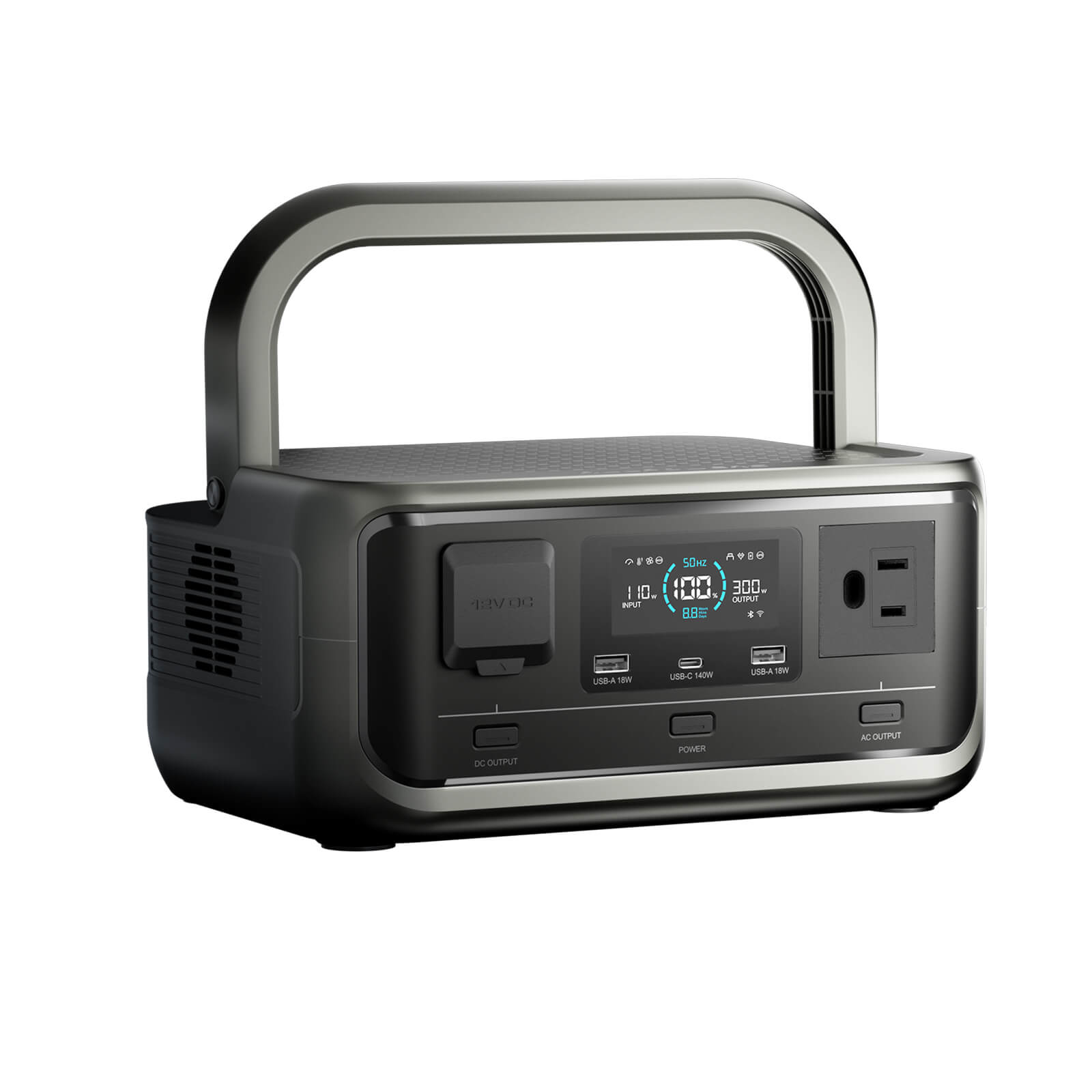
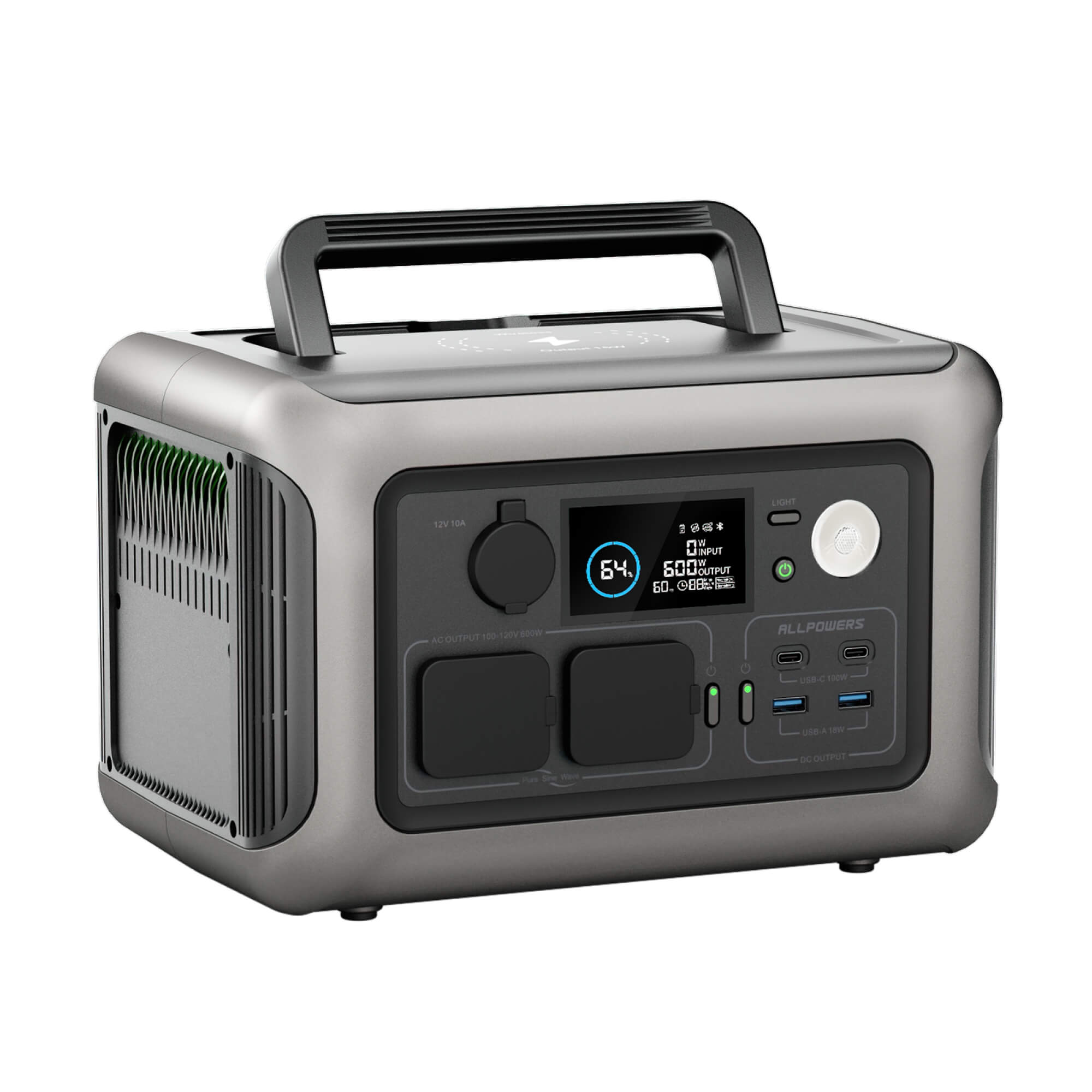
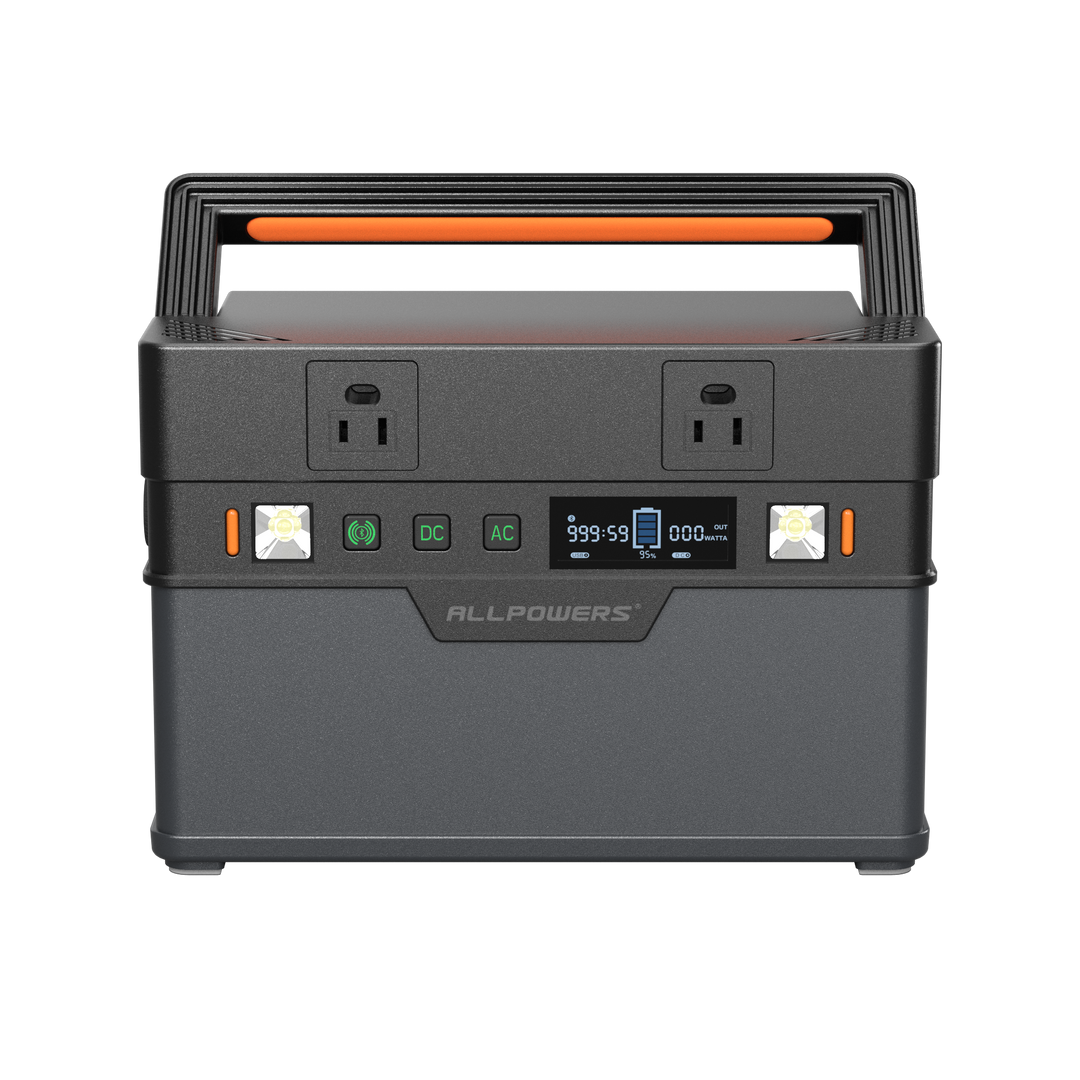
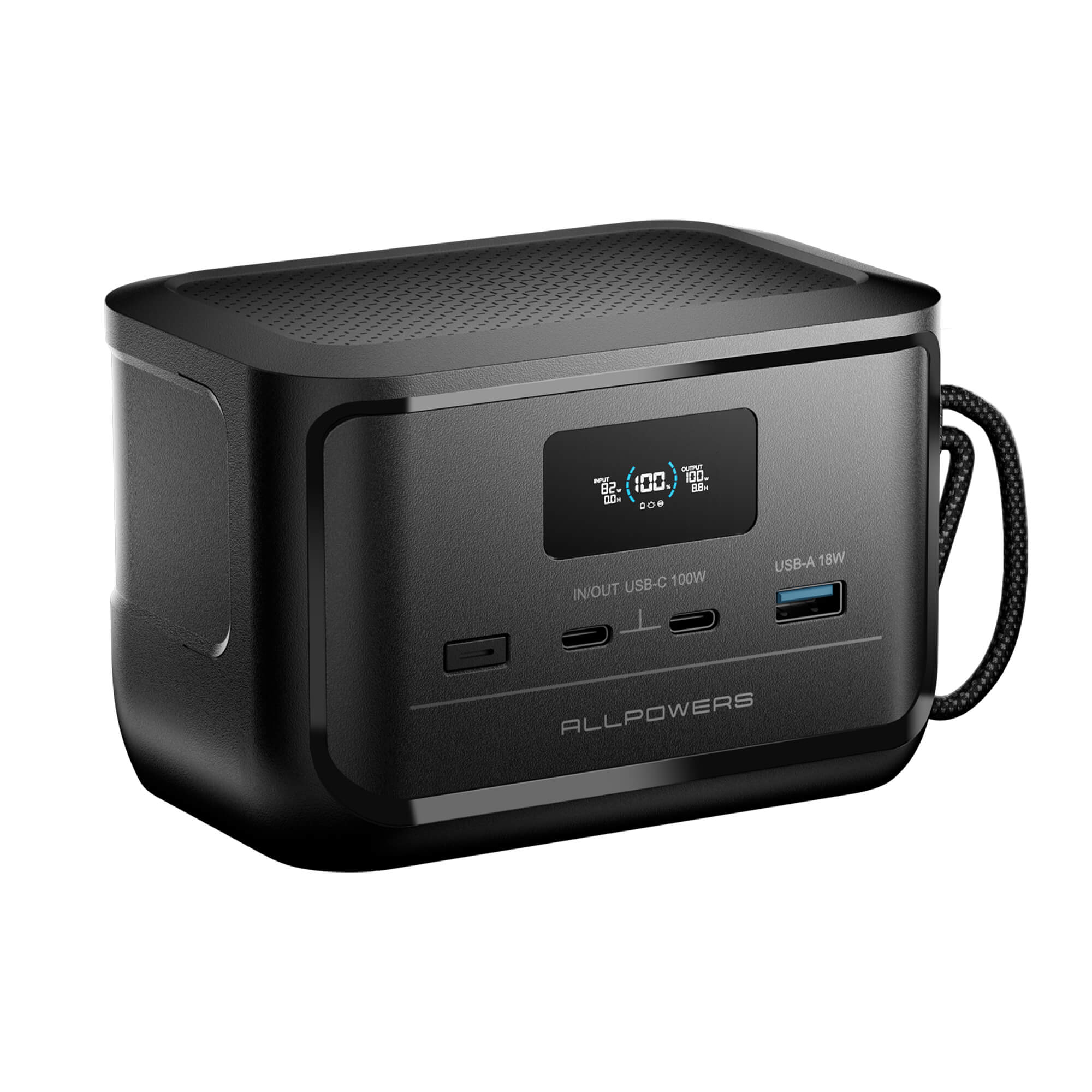
ALLPOWERS VOLIX P300 Portable Power Station
$149.00 $249.00
- 299Wh Capacity;
- 300W AC Output (600W Surge);
- Fast Charge 100% in 1 Hours;
- Ultra-quiet 30dB Under Load ;
- Long-Lasting And Safe Lifepo4 Battery;
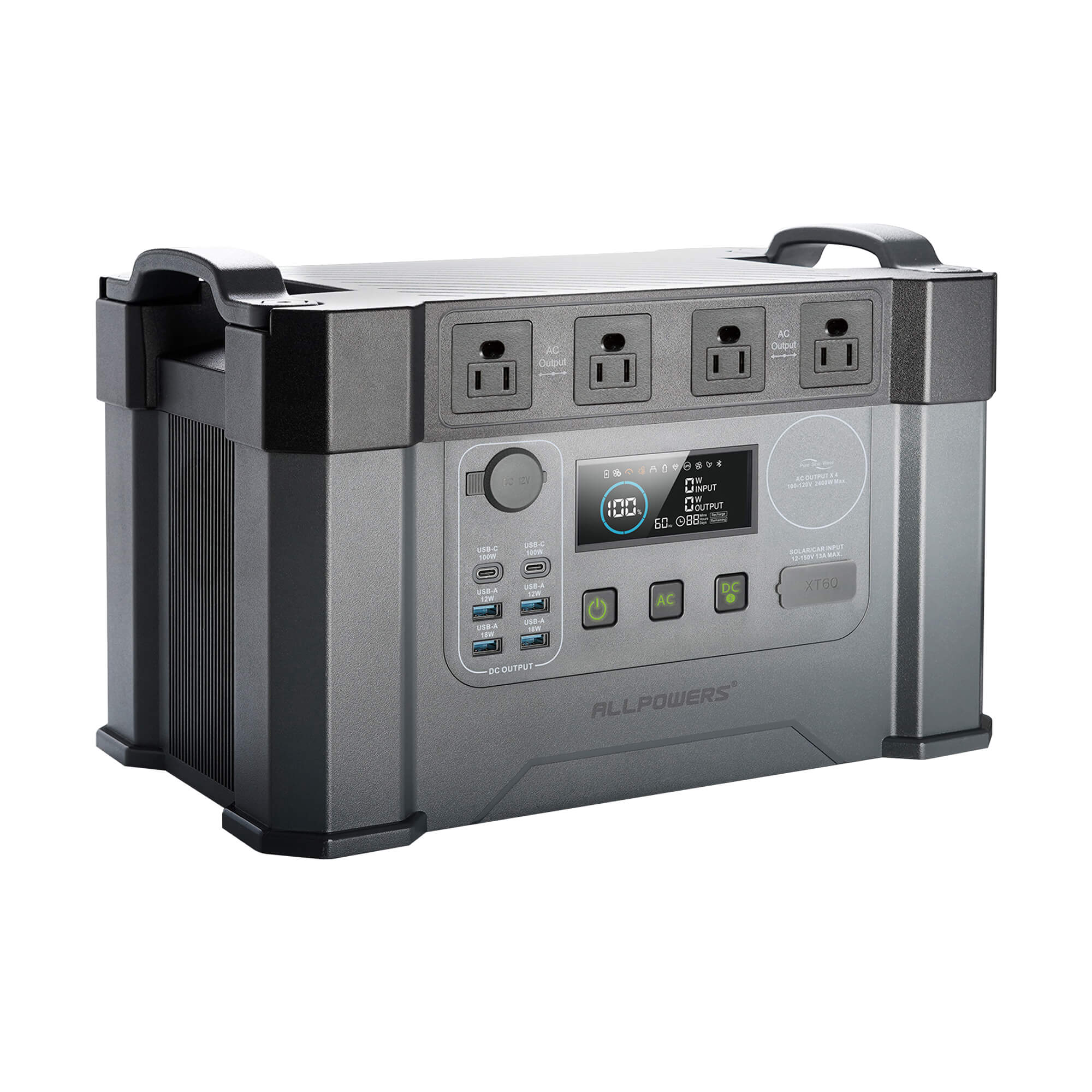
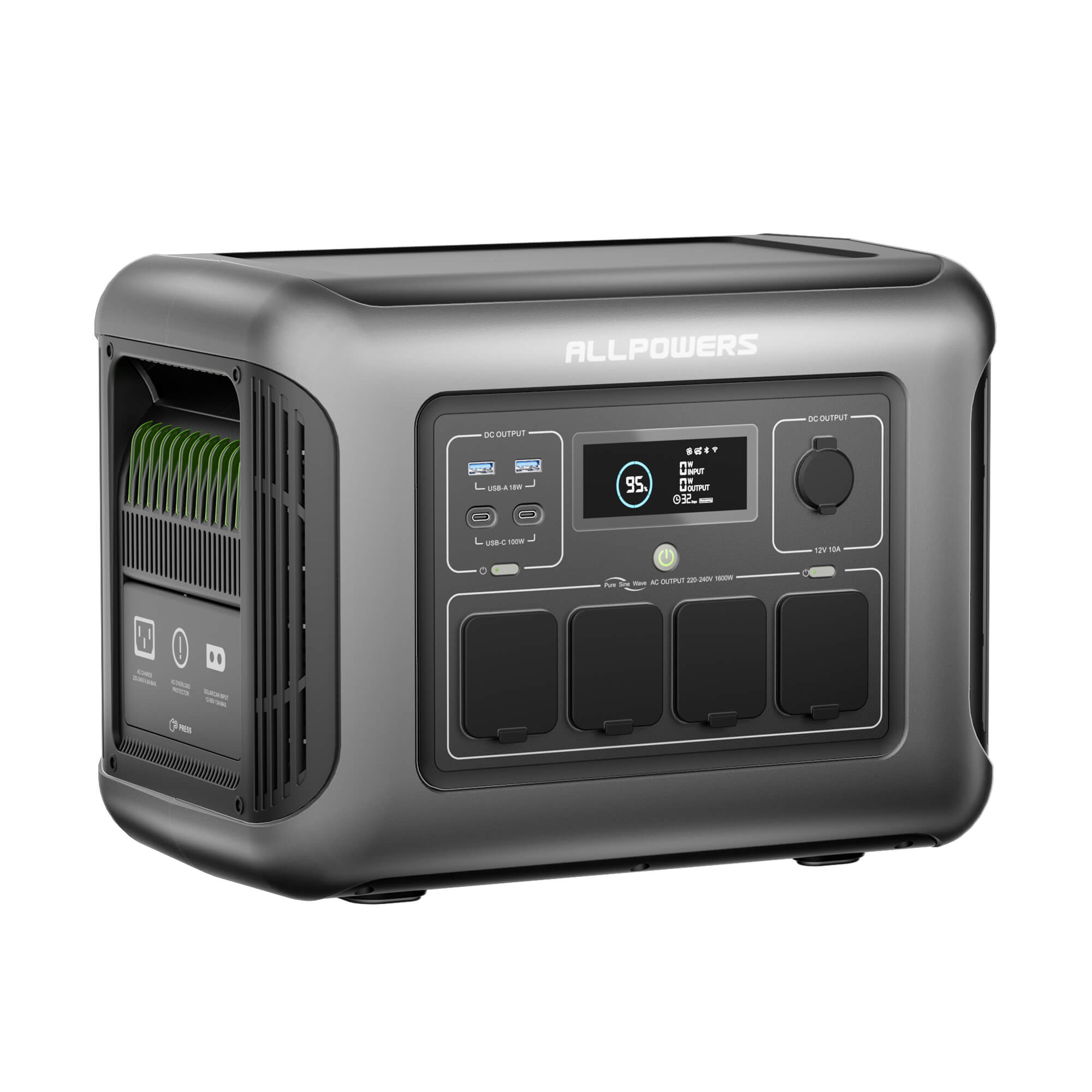
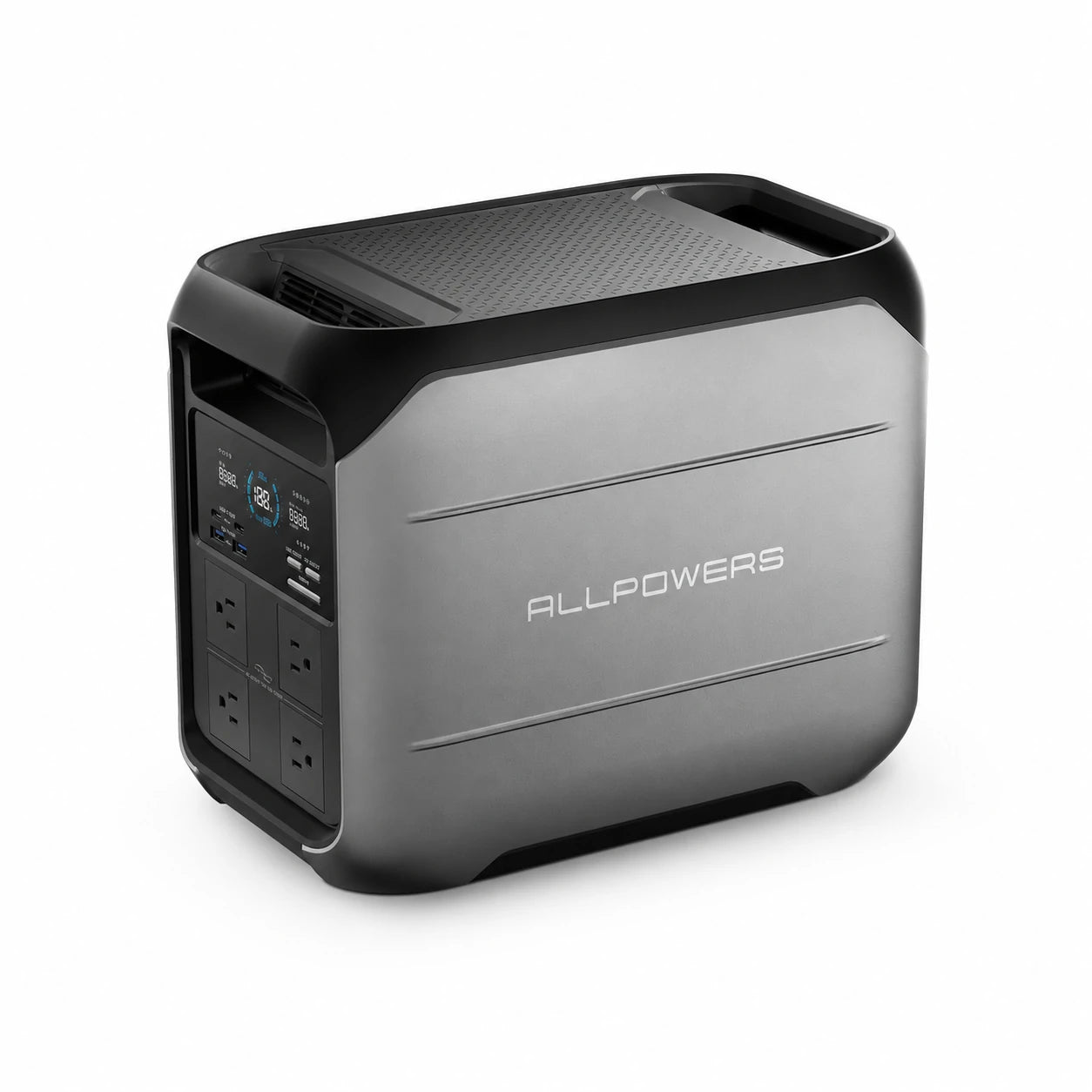
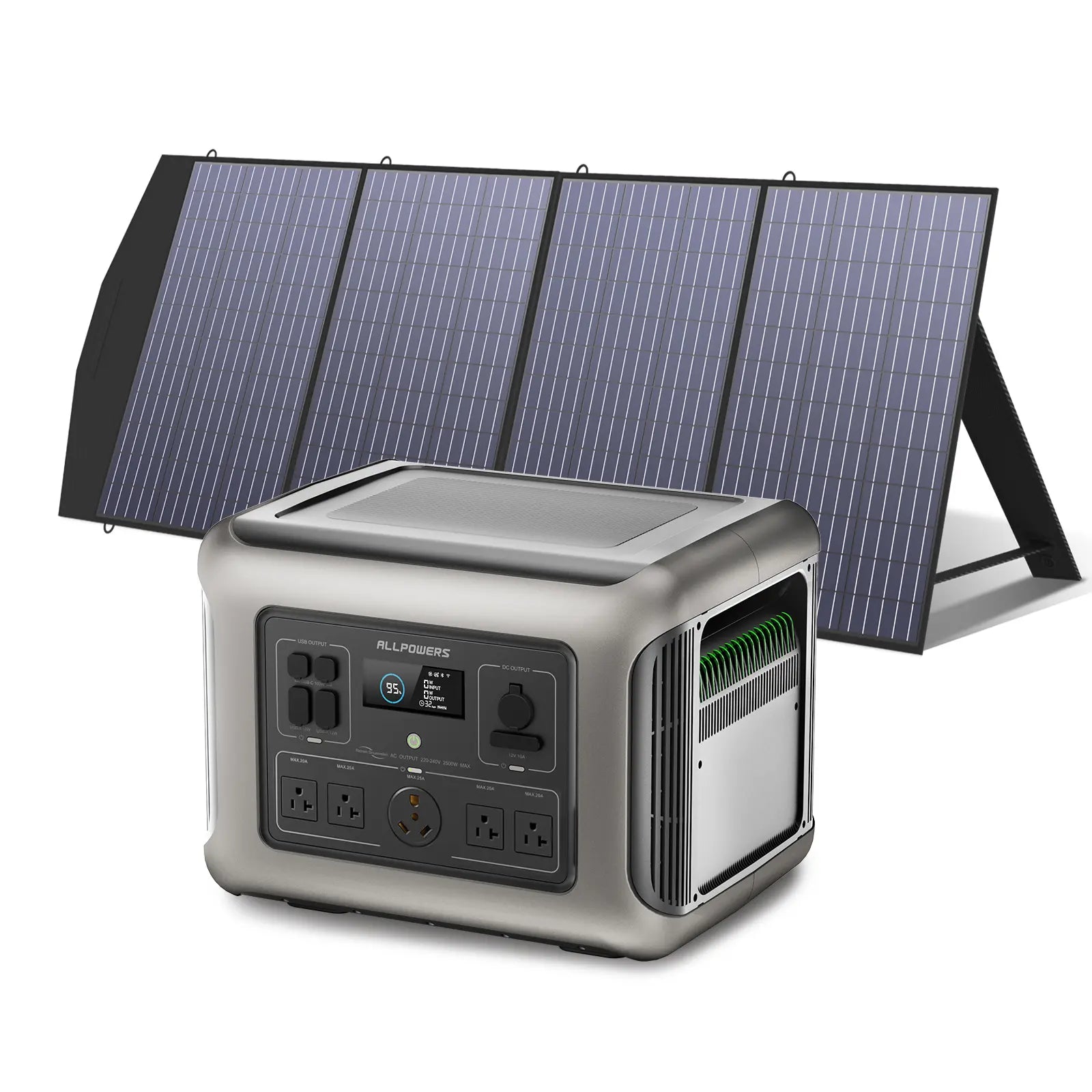
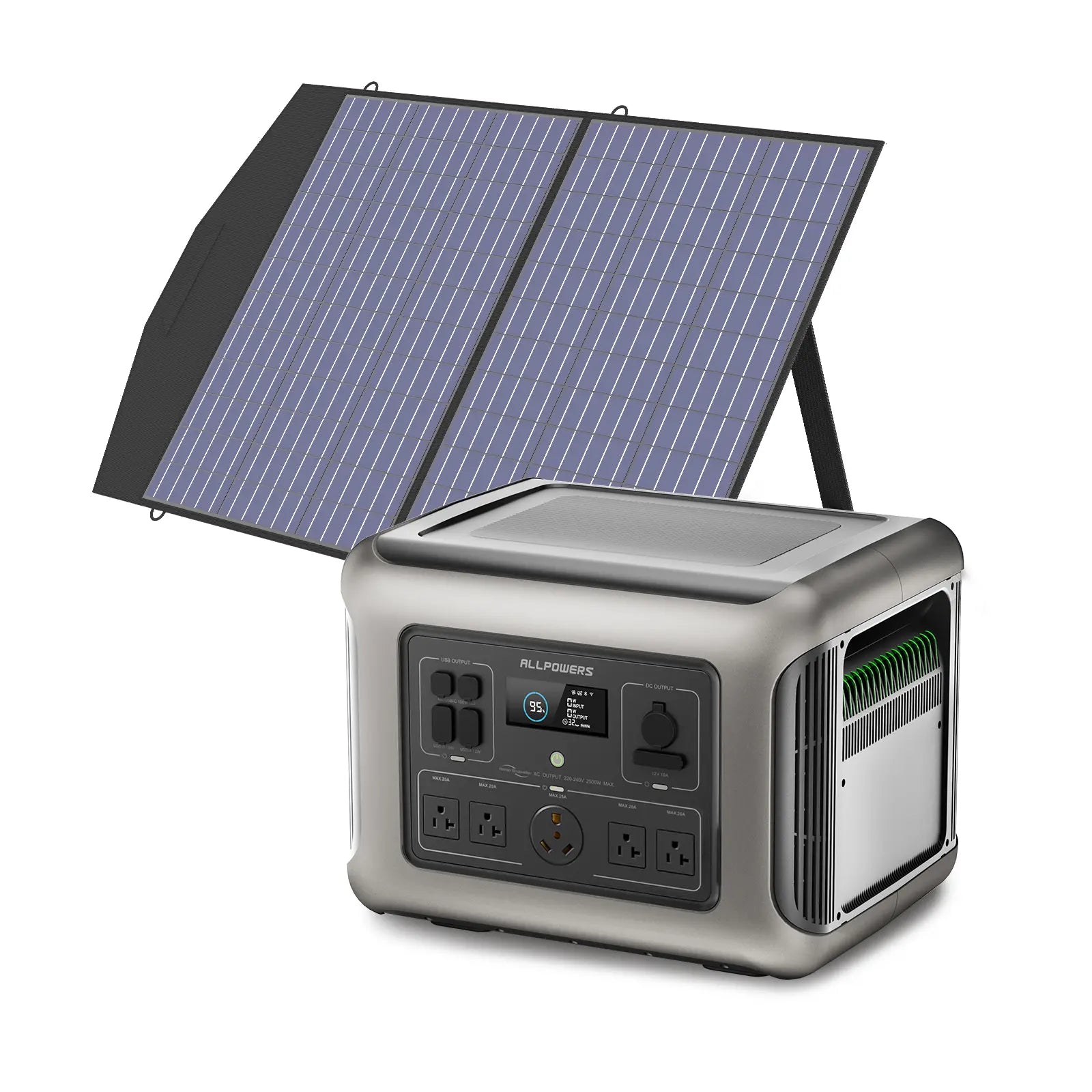
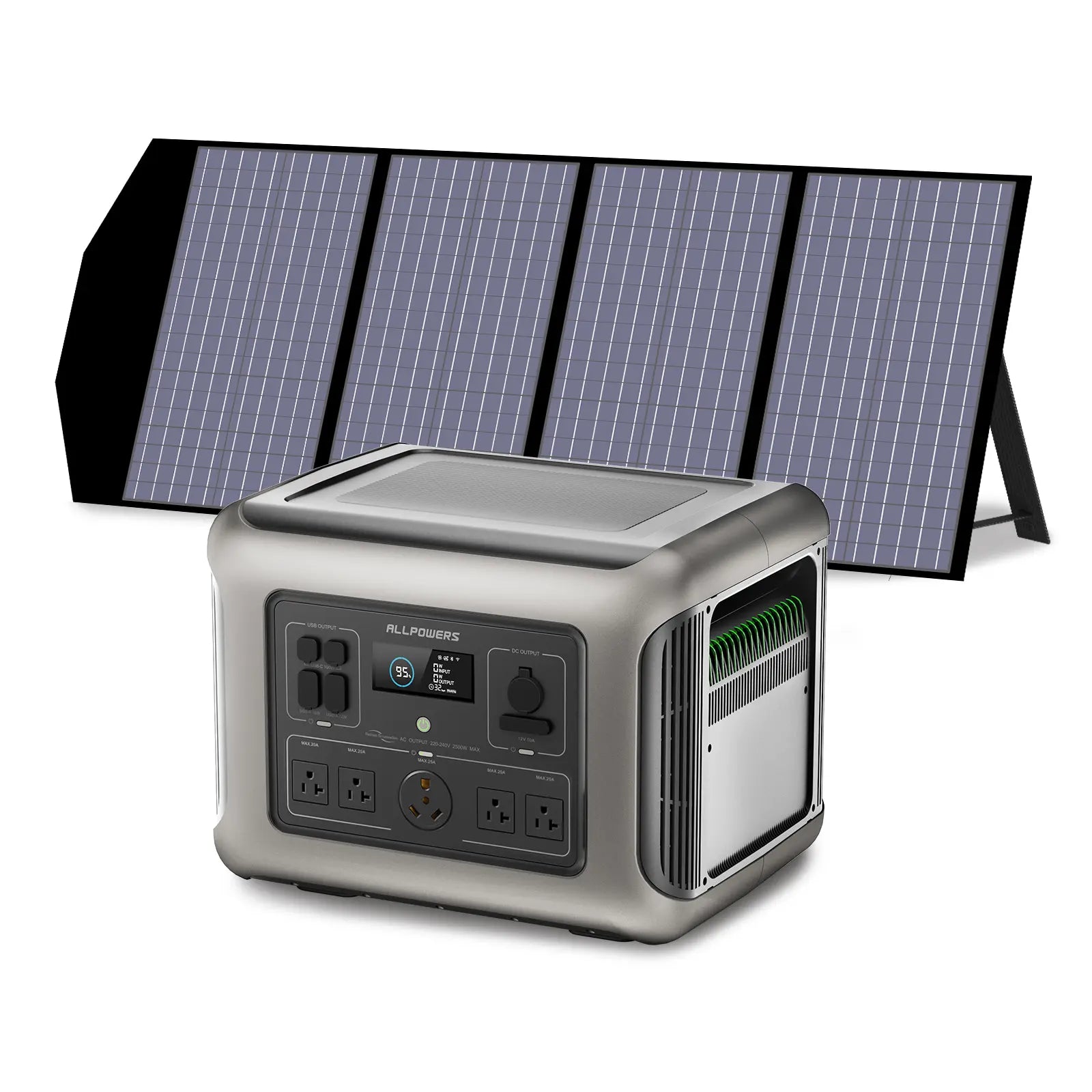
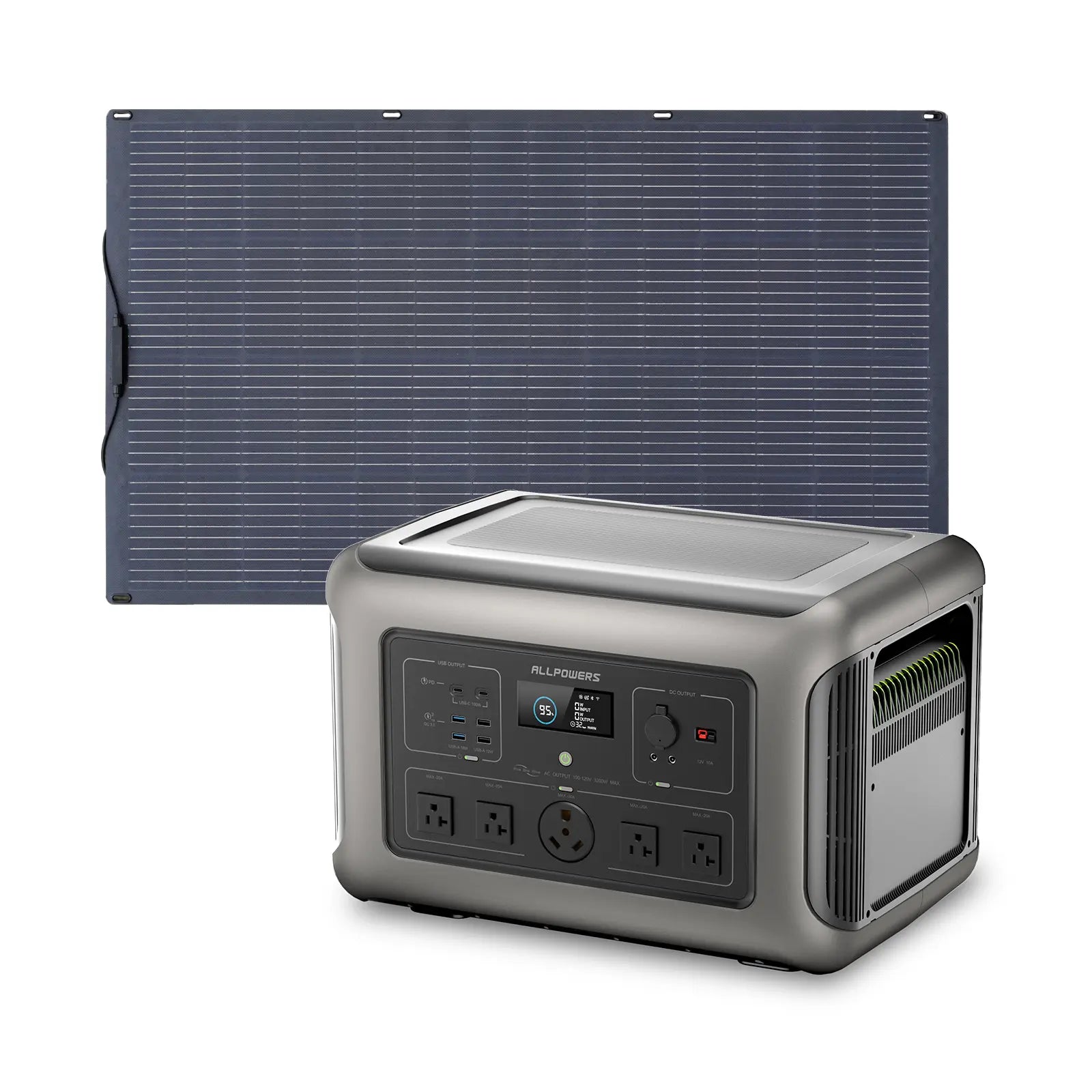
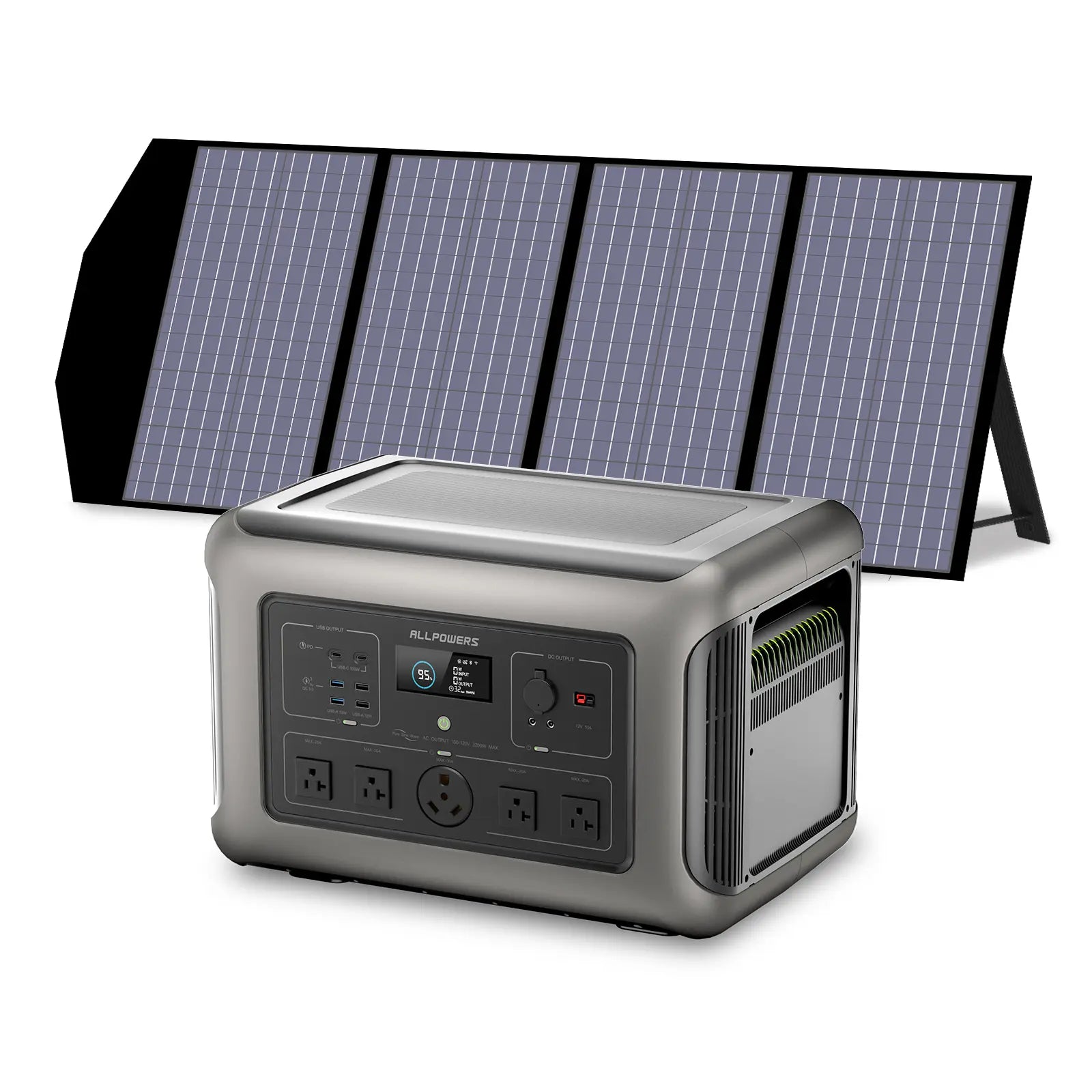
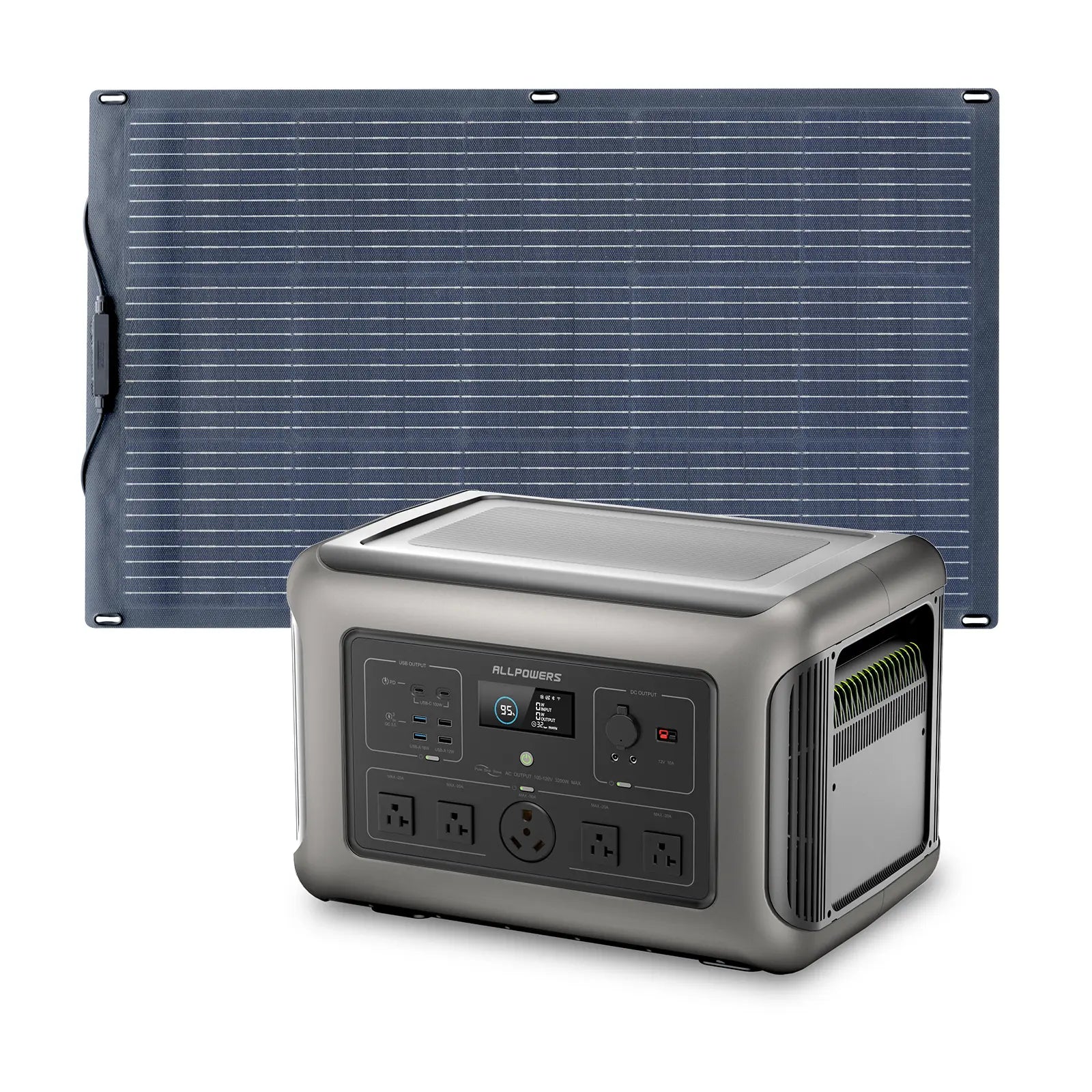
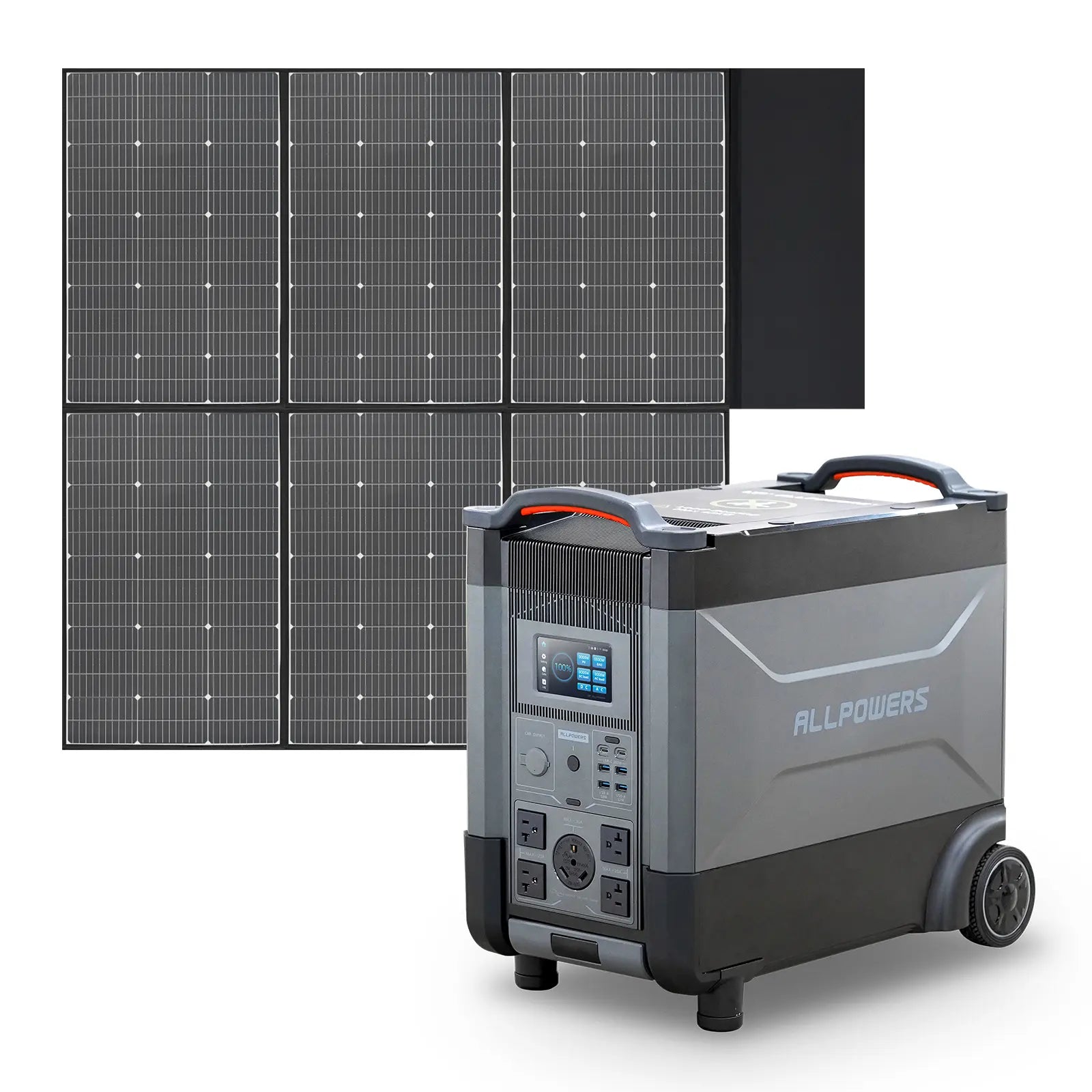
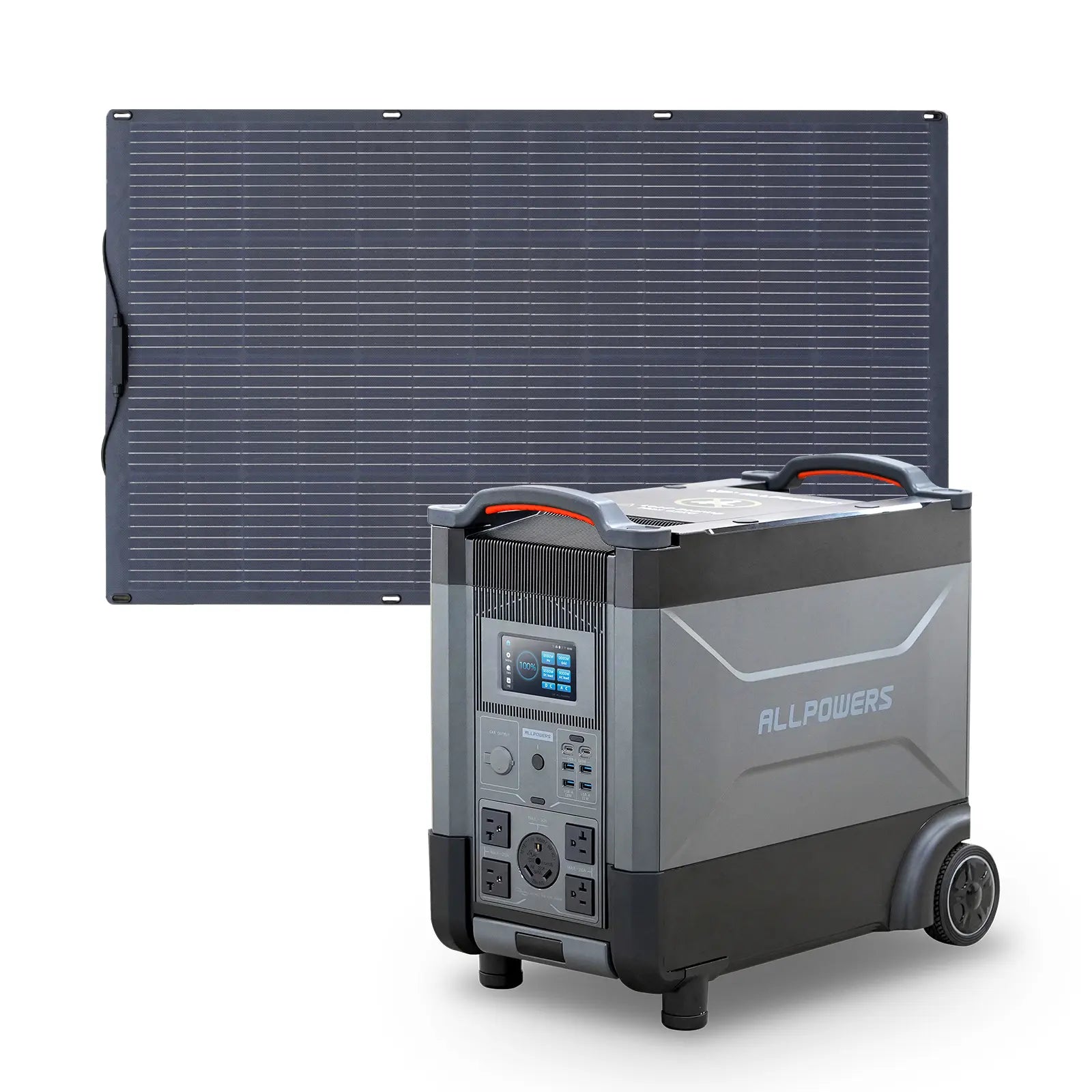
Rechargeable Energy Storage
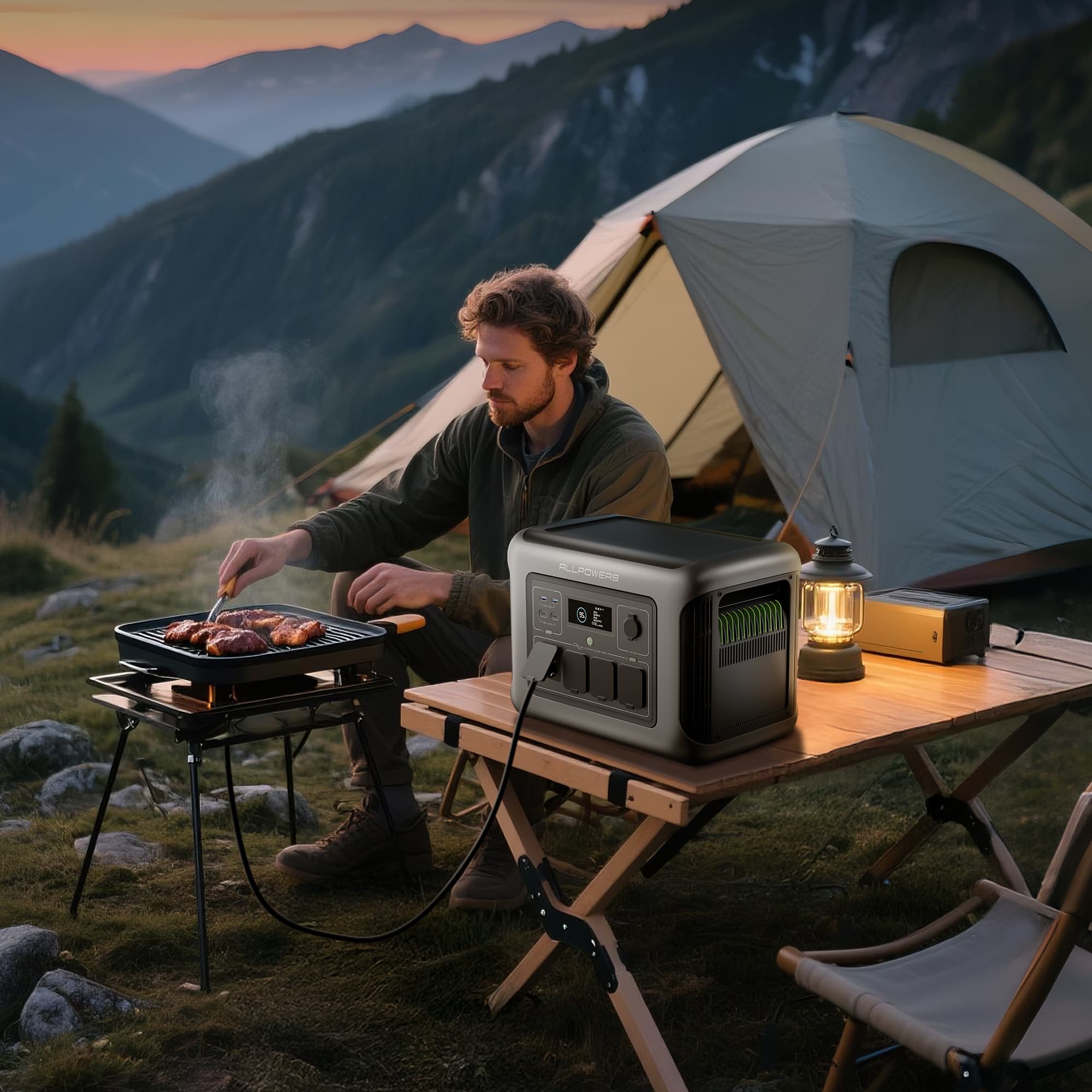
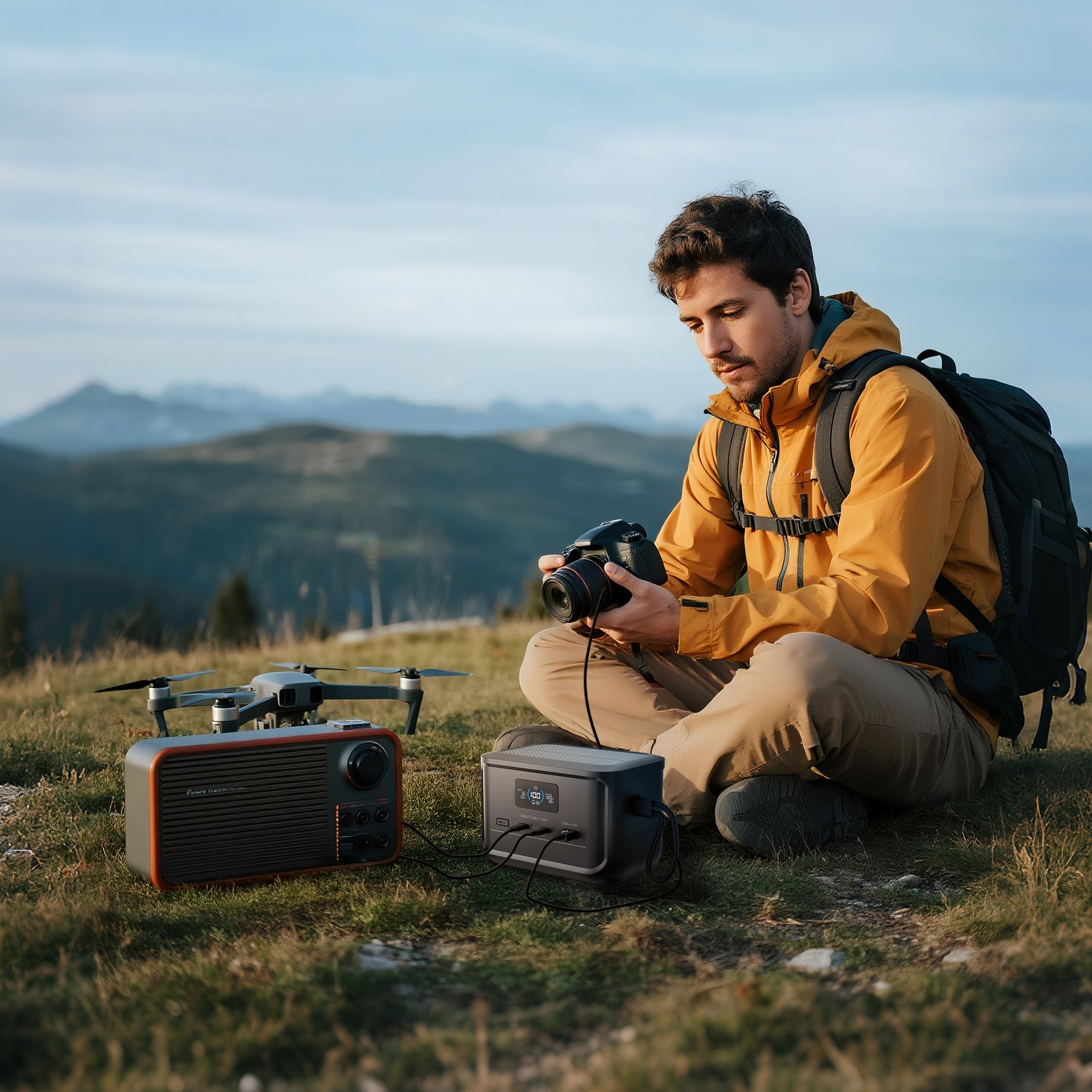
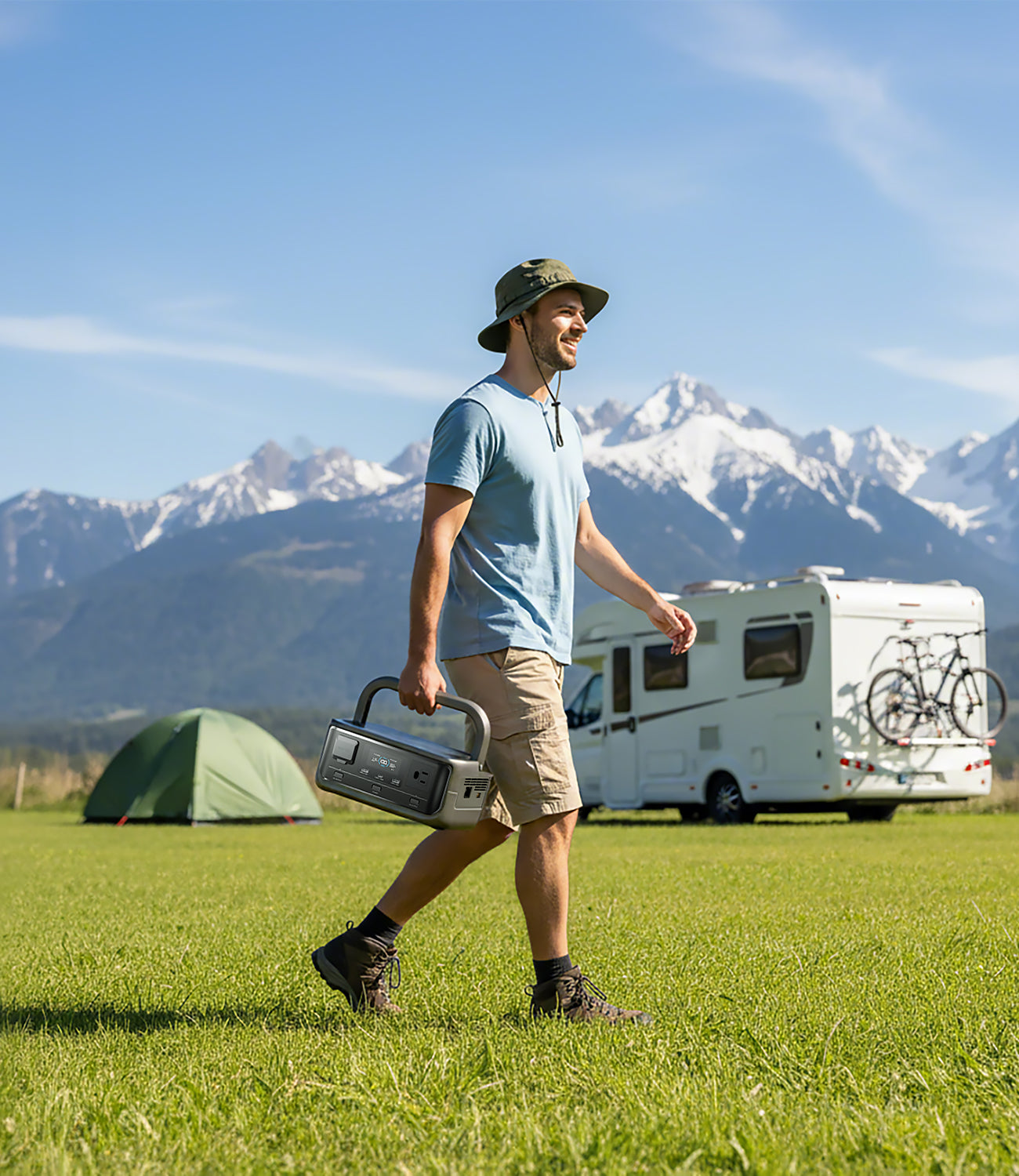
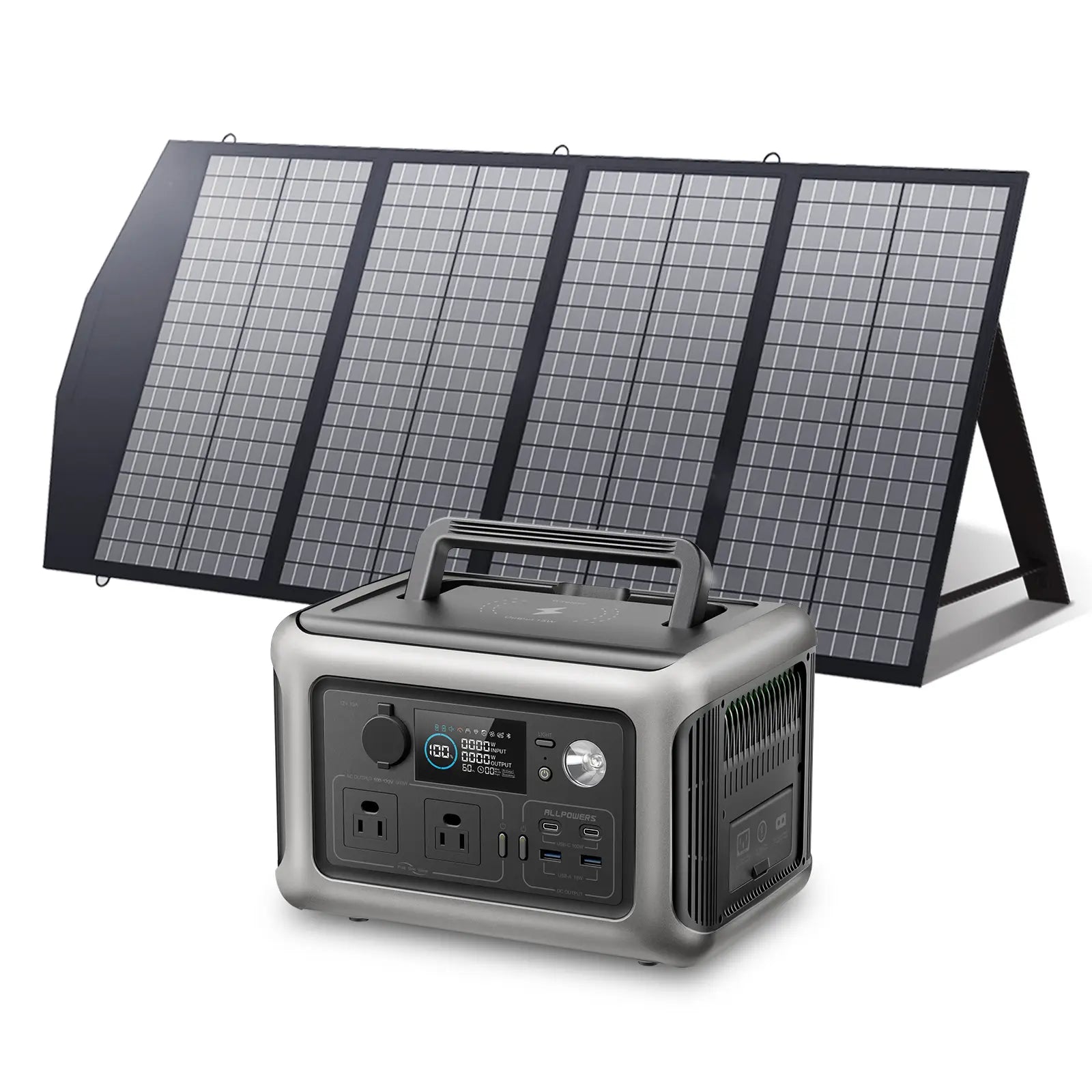
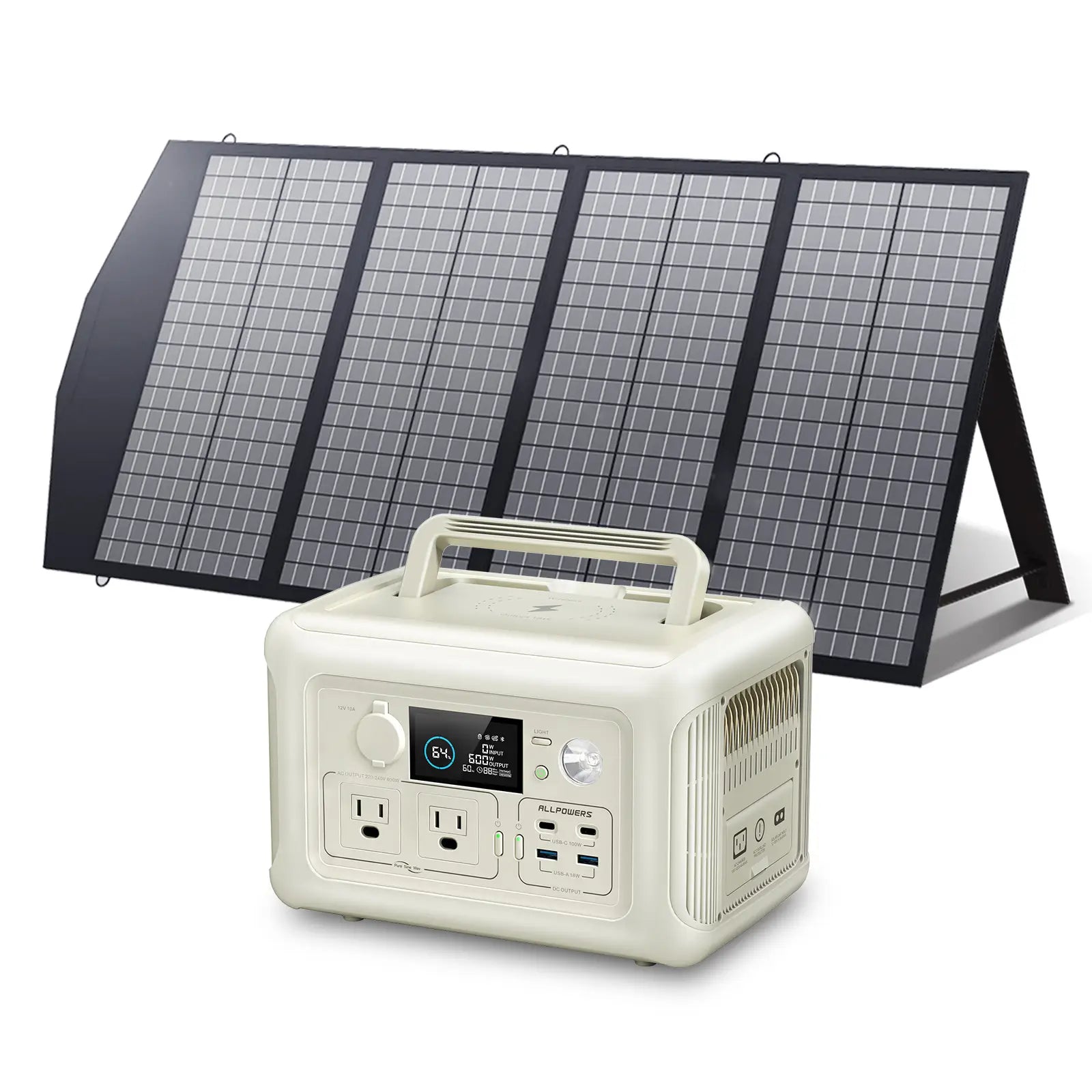
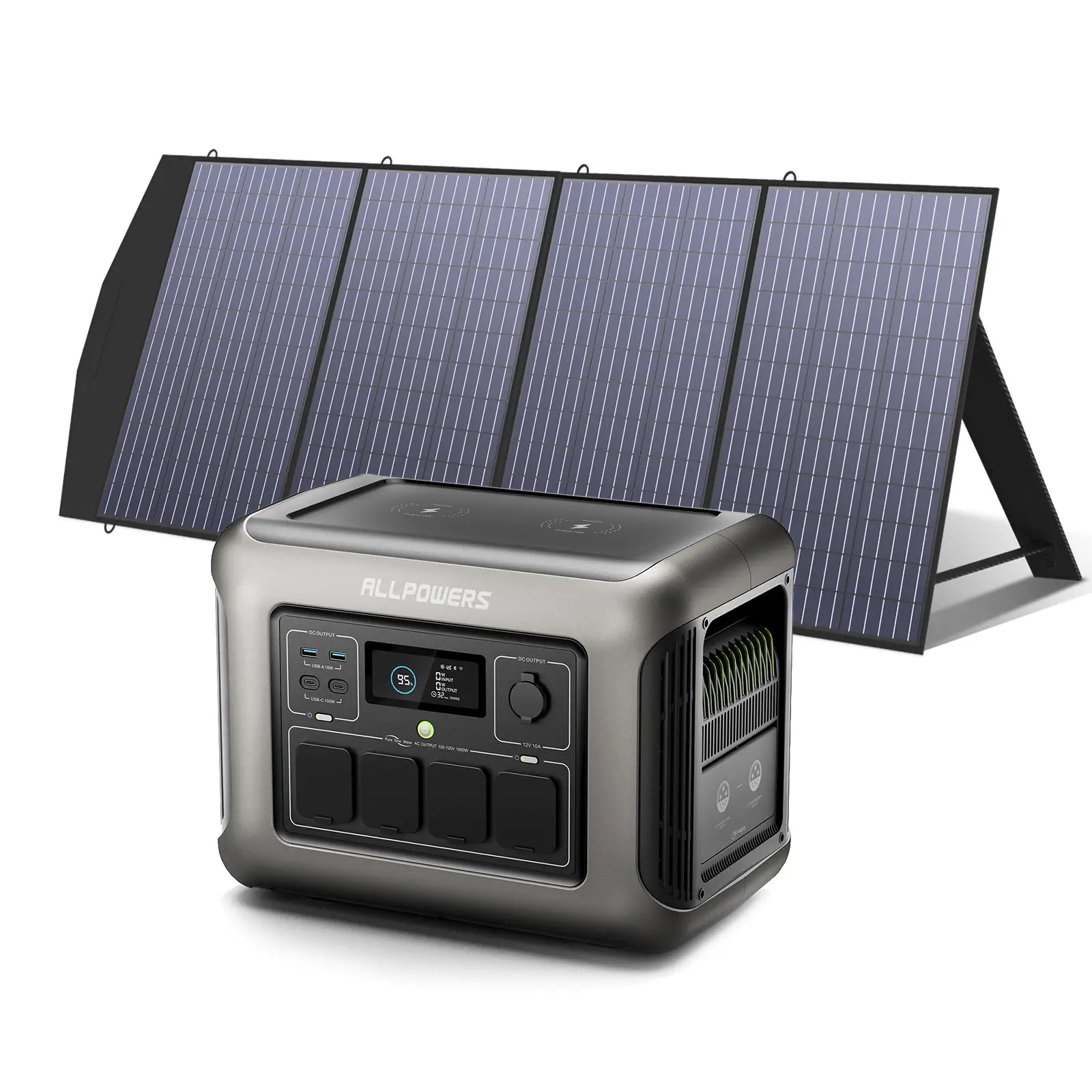
For campers who stay away from electrical hookups, rechargeable battery systems offer a practical balance of portability and quiet operation.
Many people use them not only for televisions but also for charging phones, running LED lights, and powering small electronics throughout the evening.
Learn More: How Long Will a Portable Power Station Run a TV?
Can Solar Energy Help Power a TV While Camping?
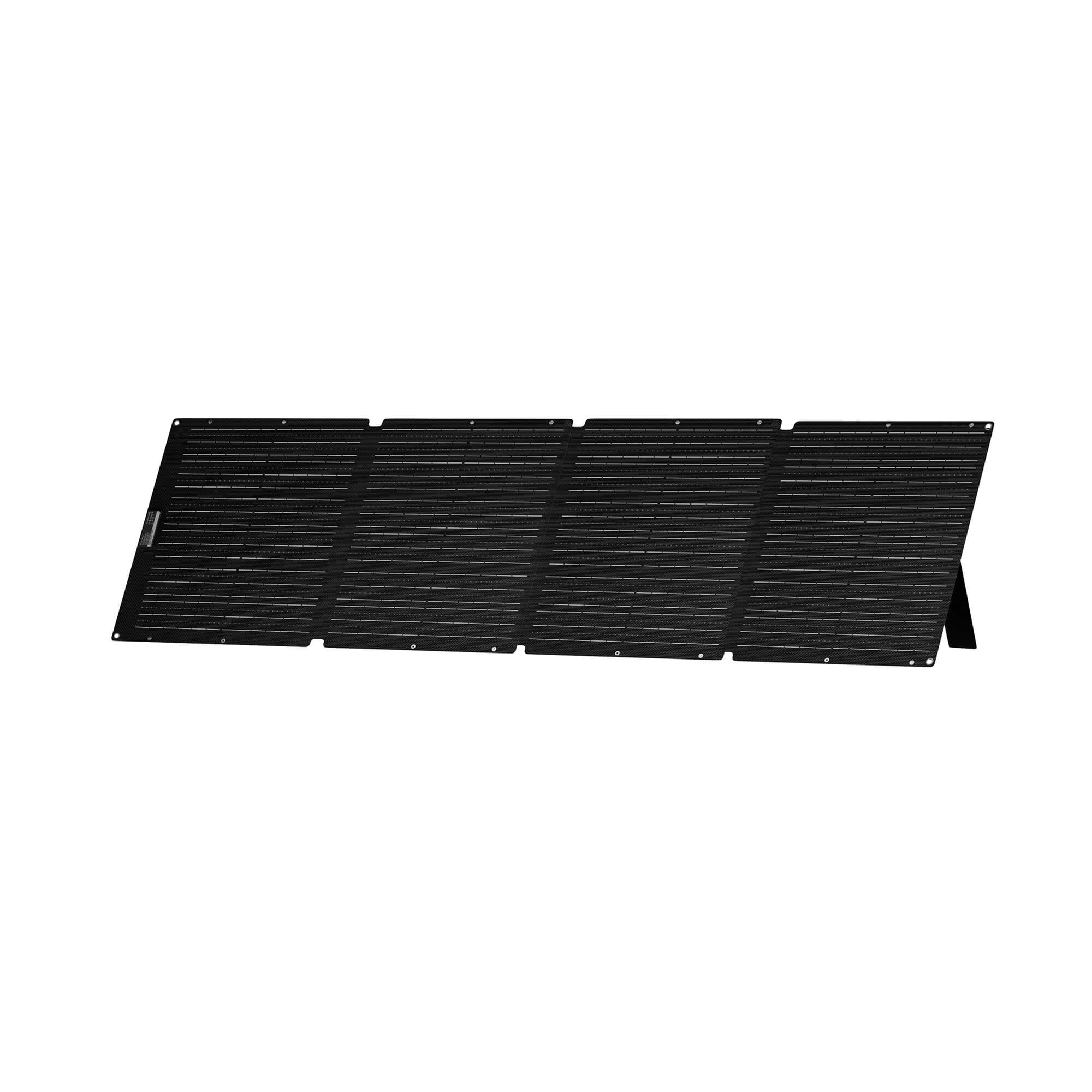
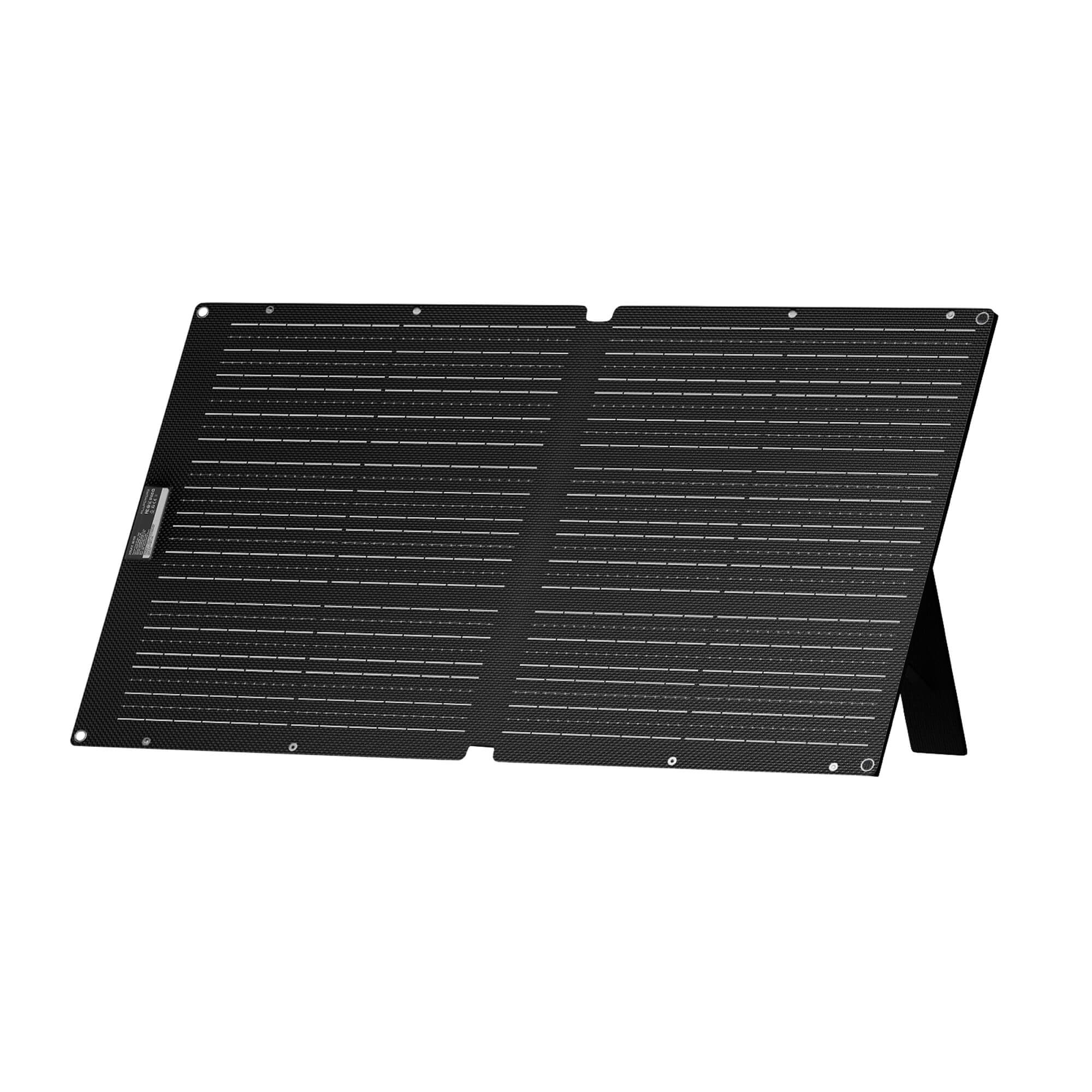
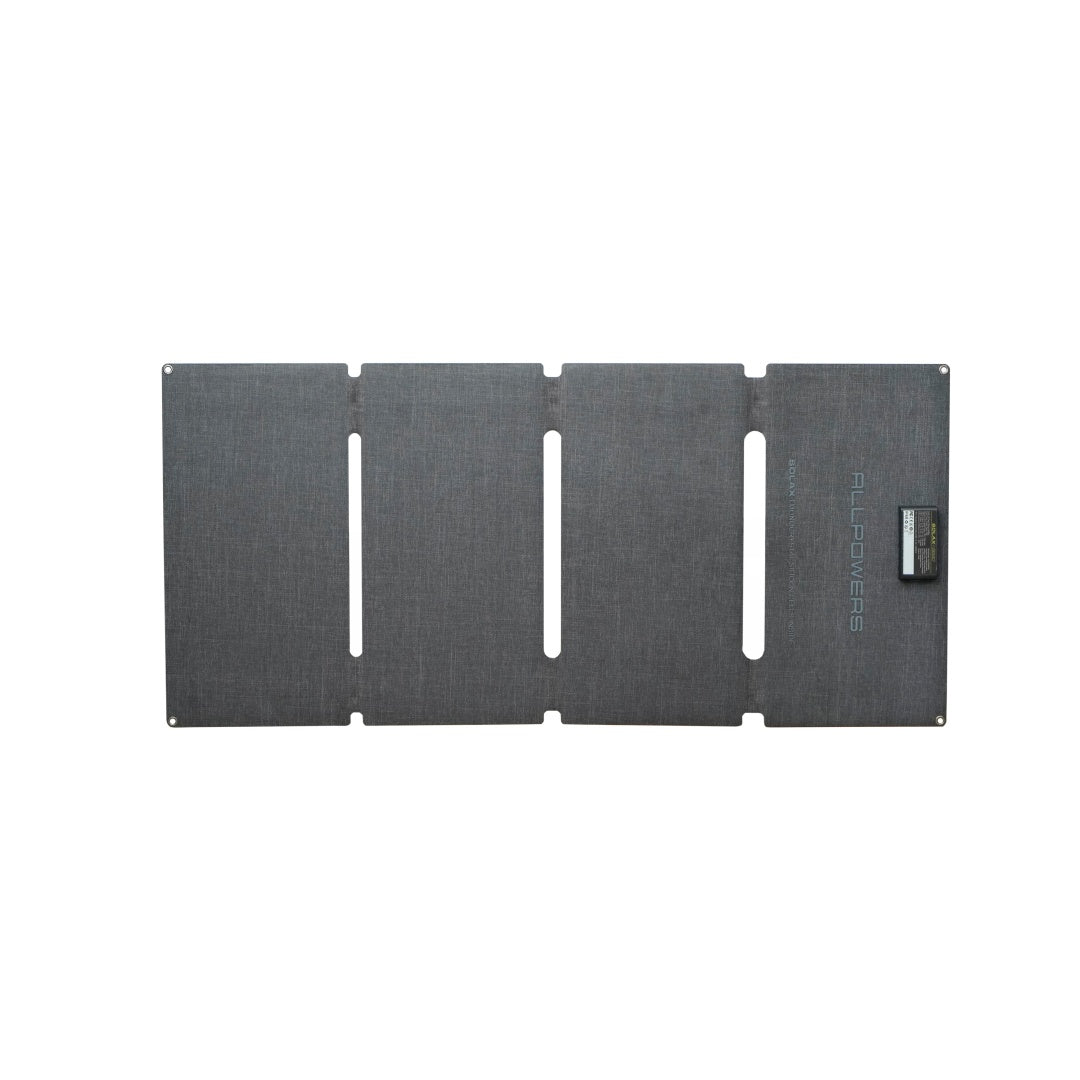
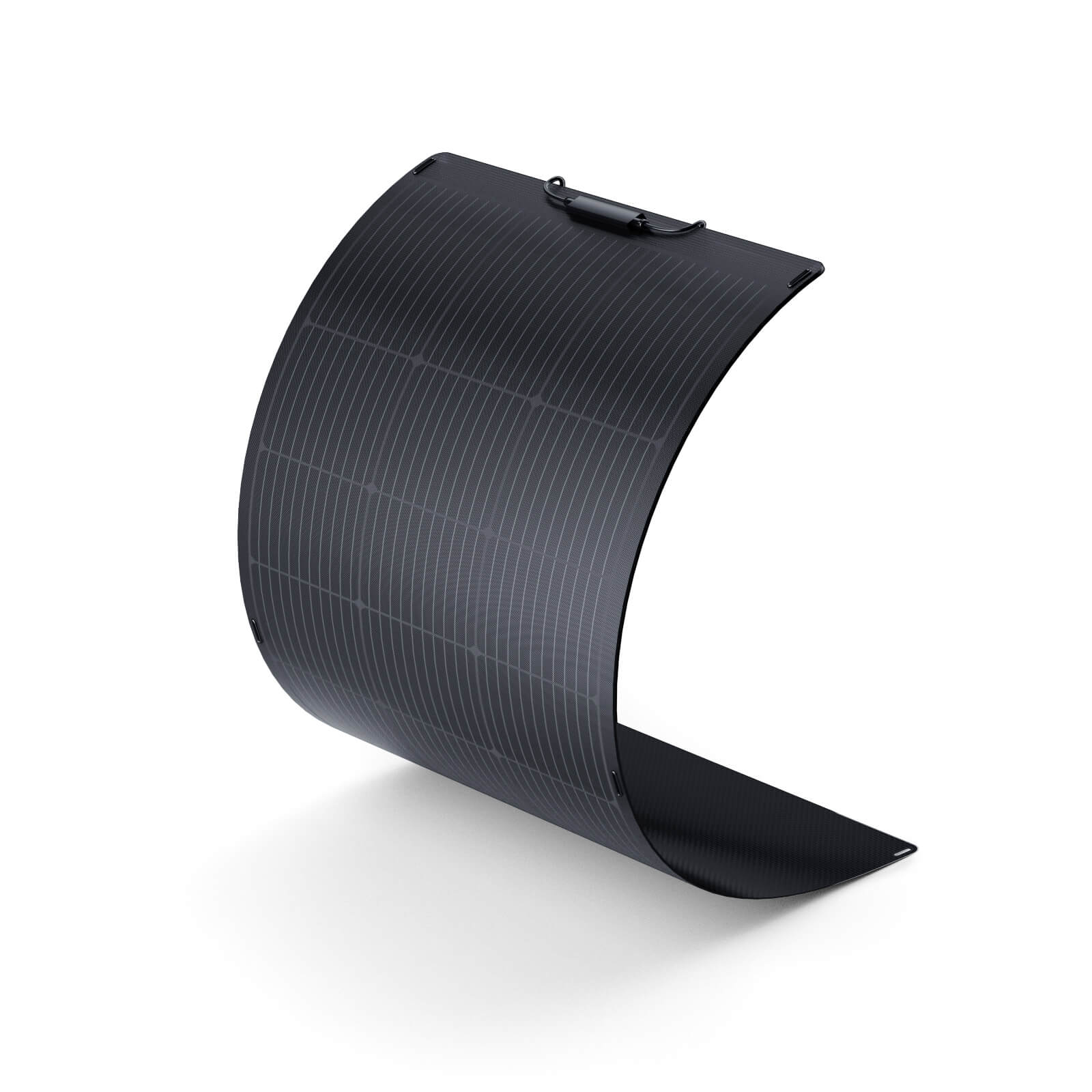
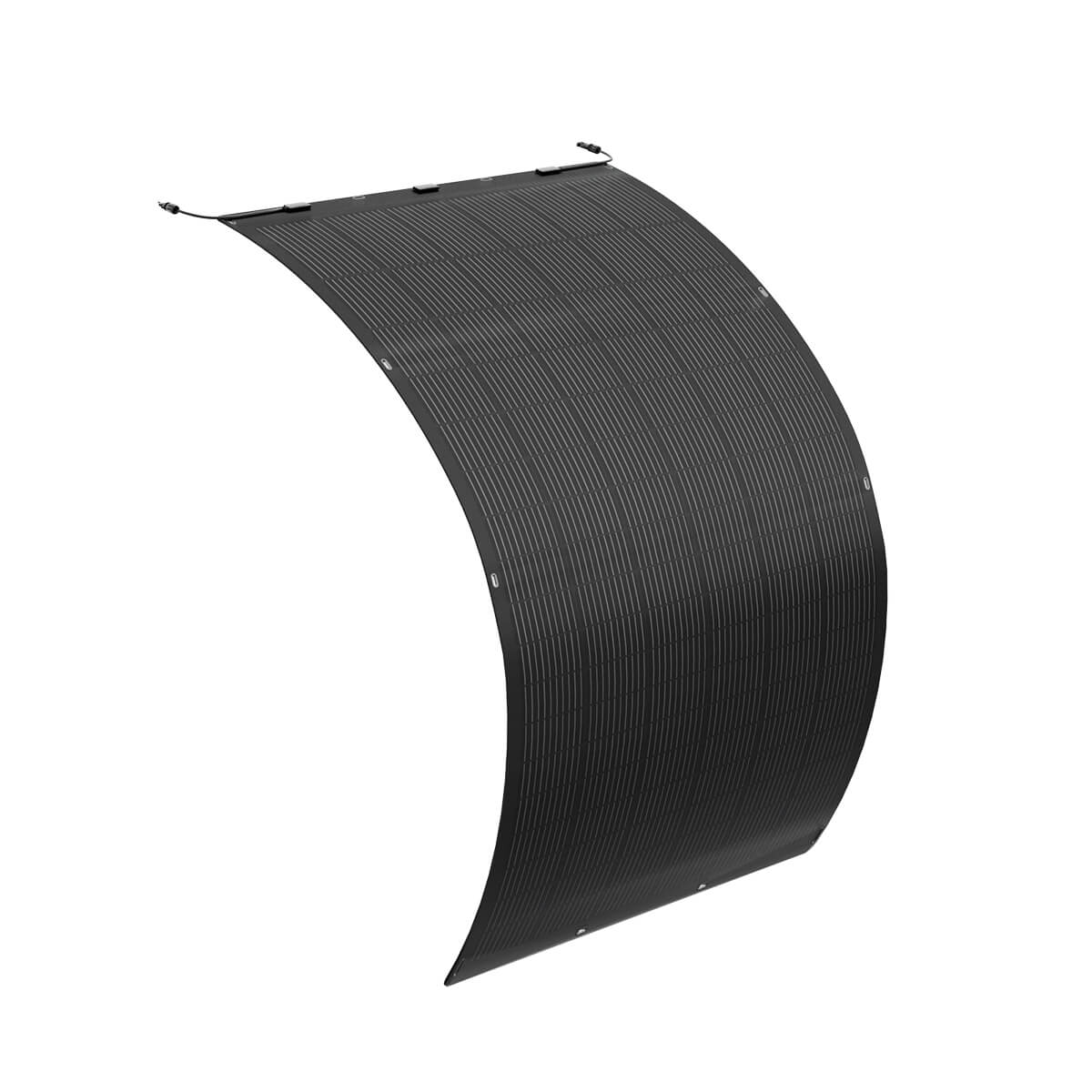
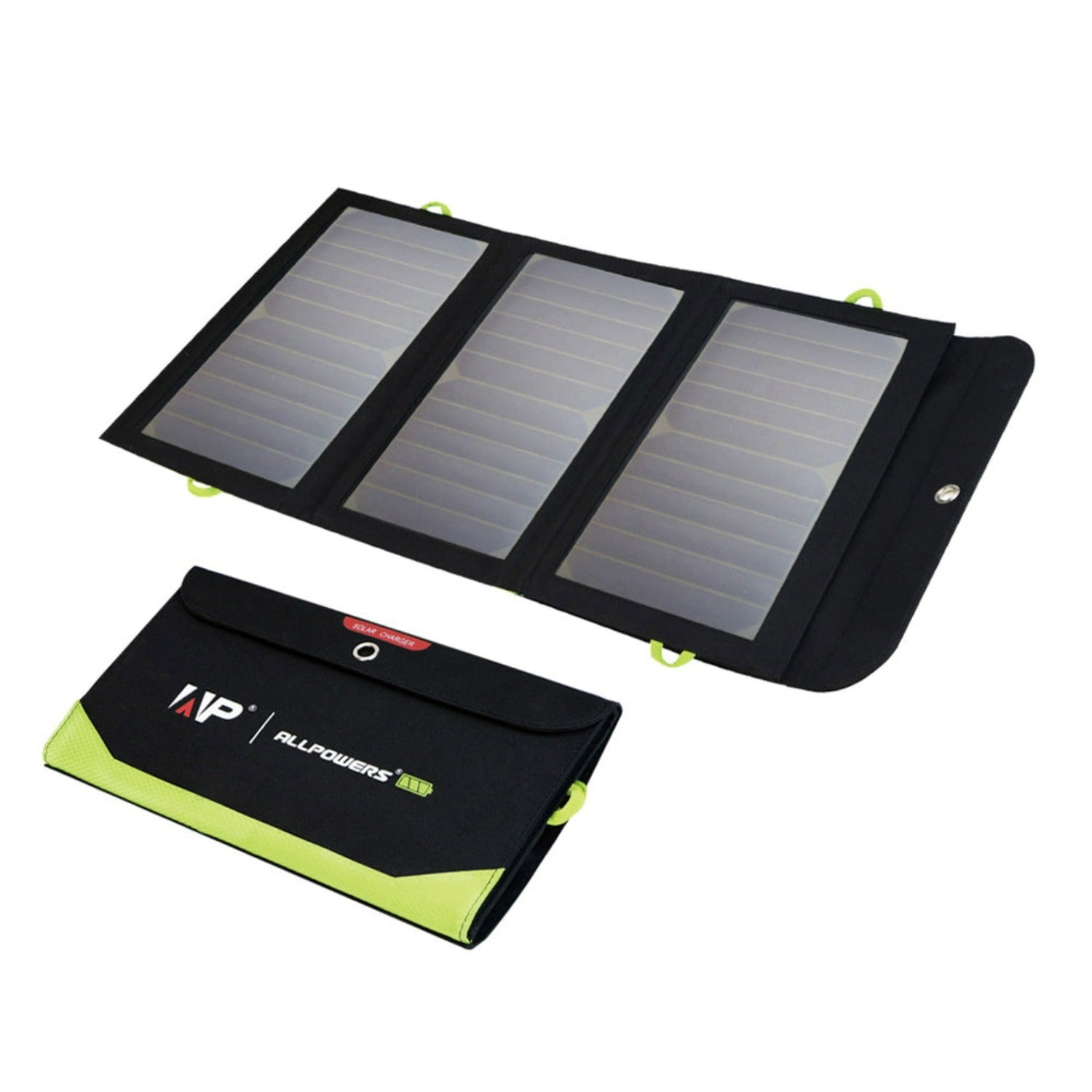
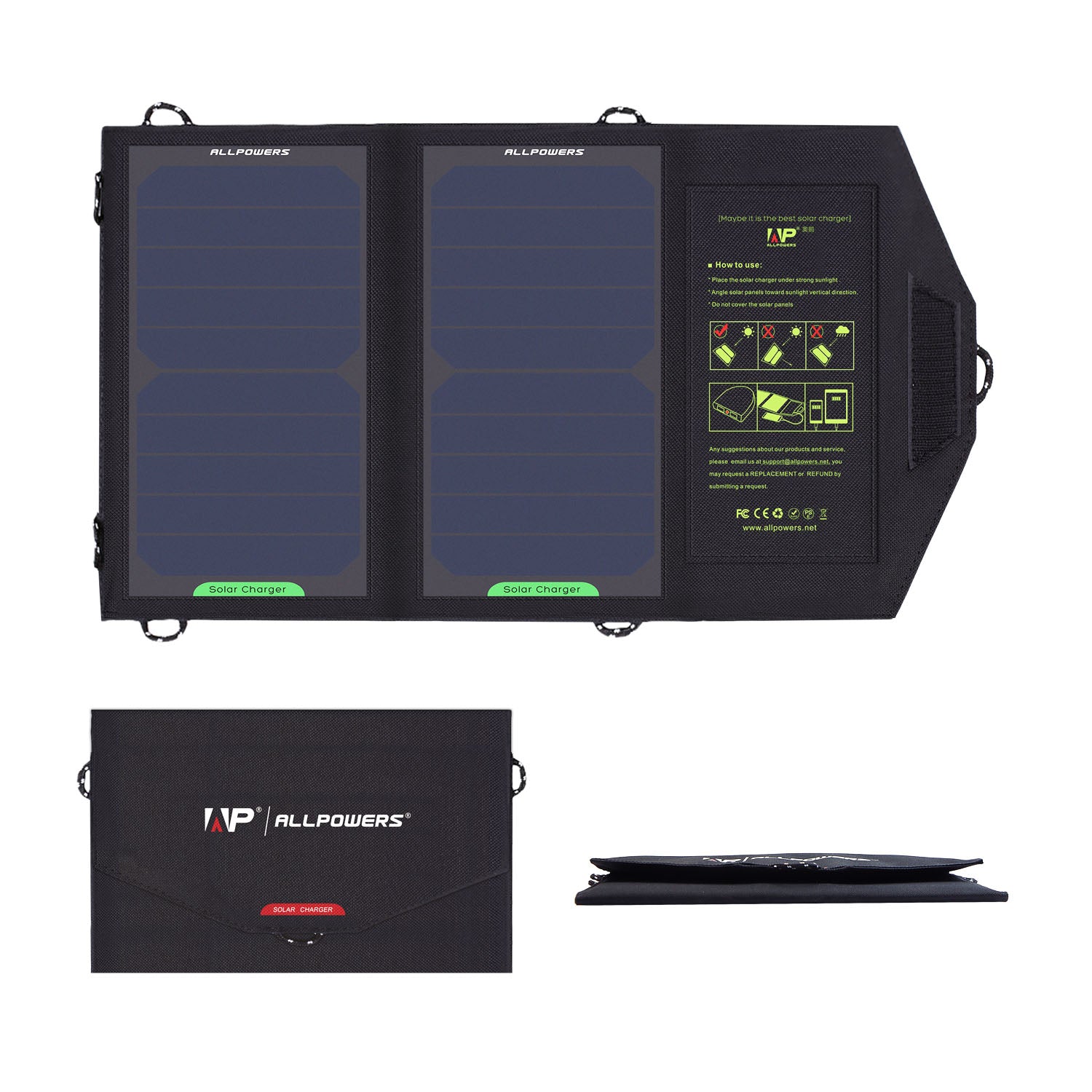
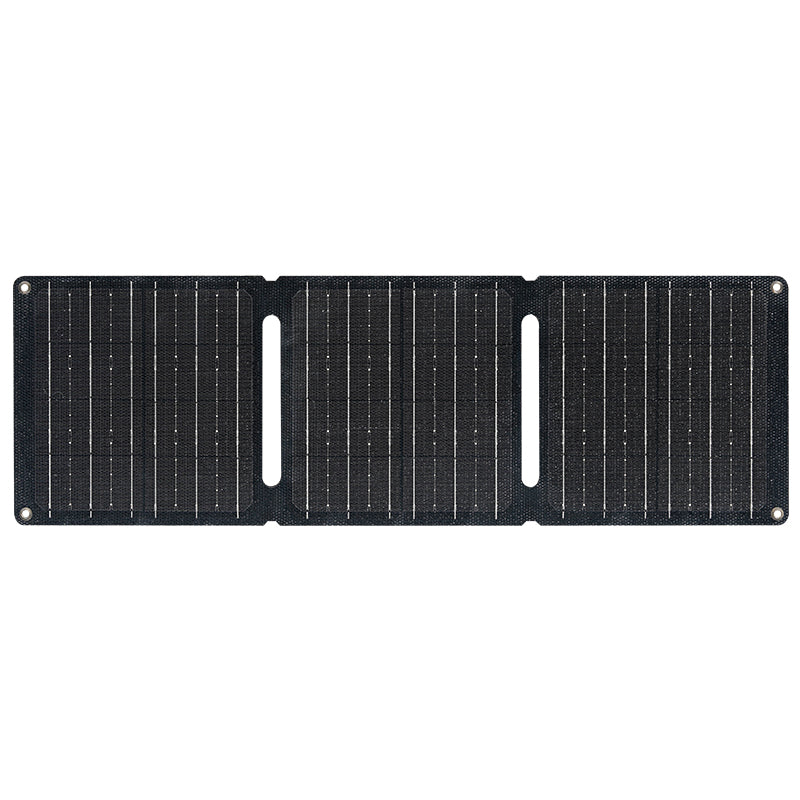
Yes, although solar panels typically play a supporting role rather than powering a television directly during use.
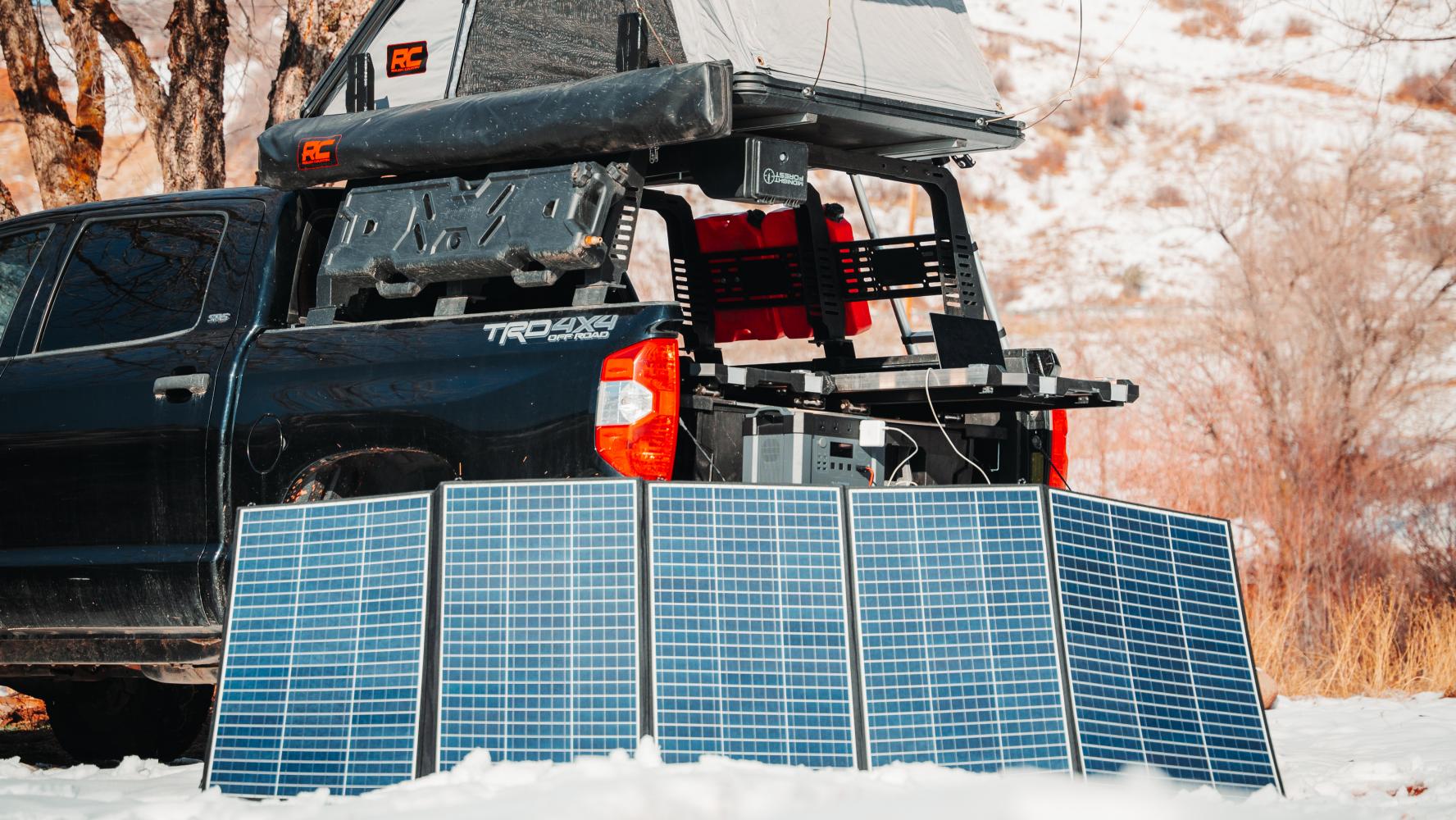
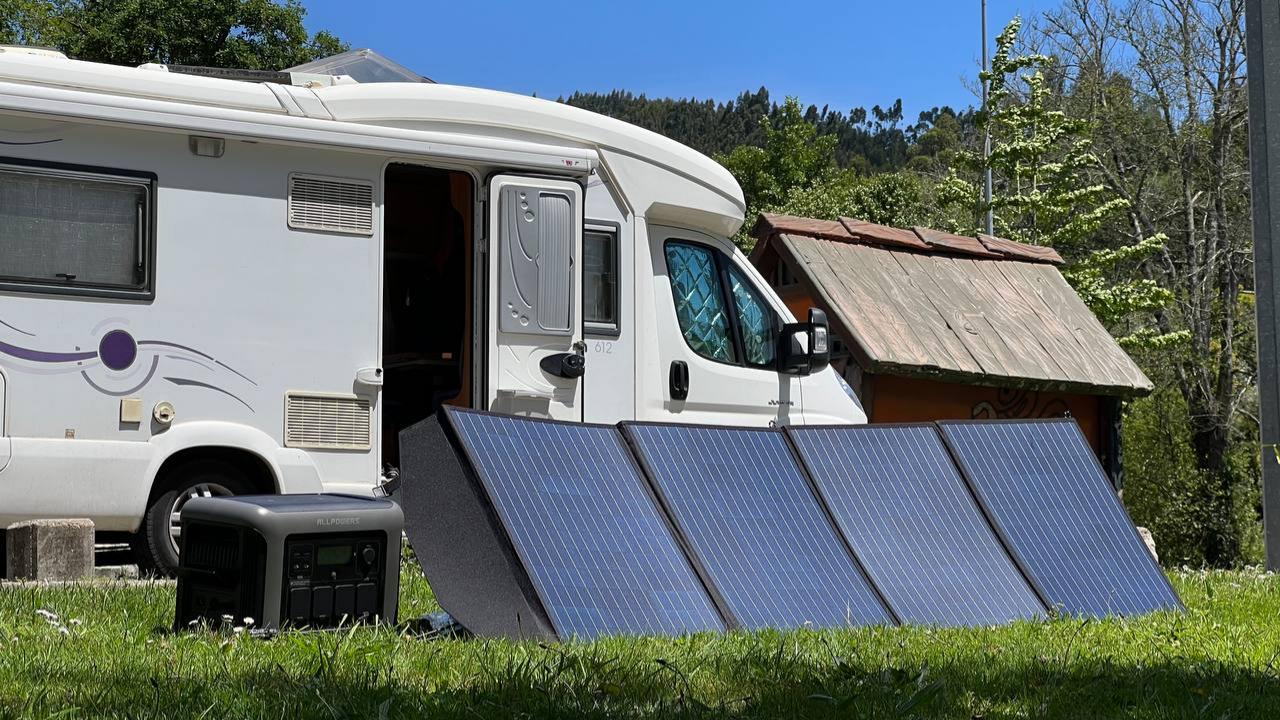
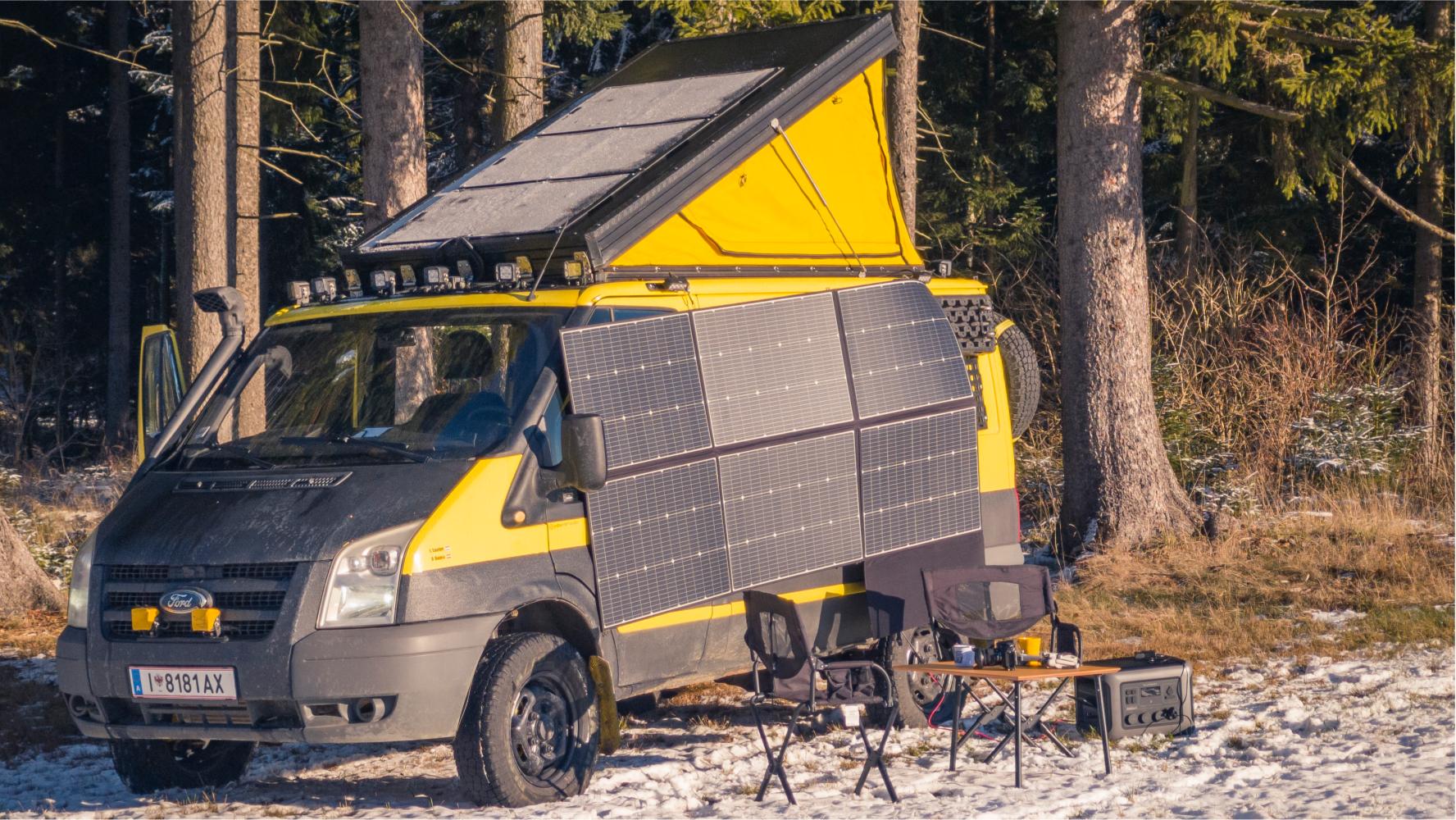
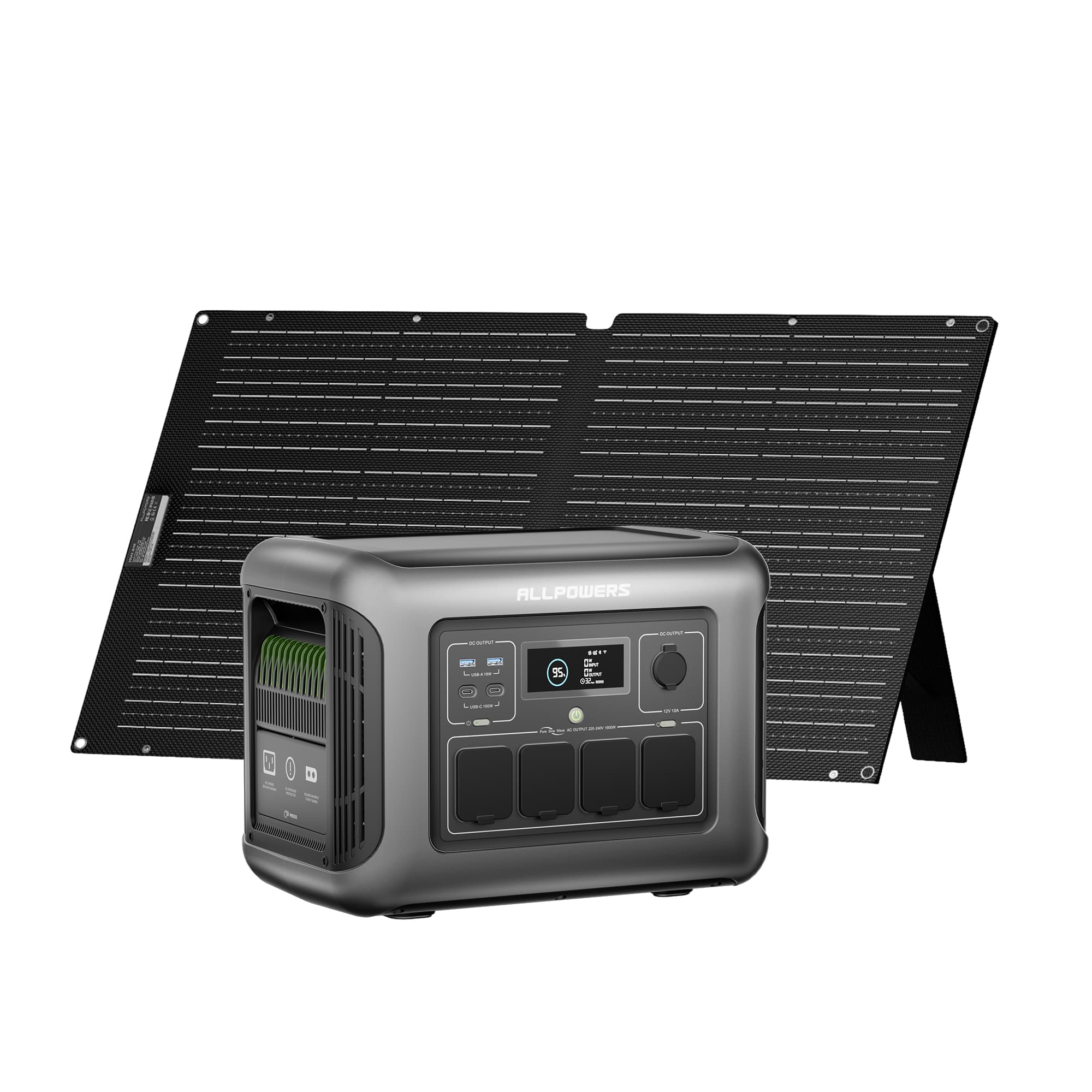
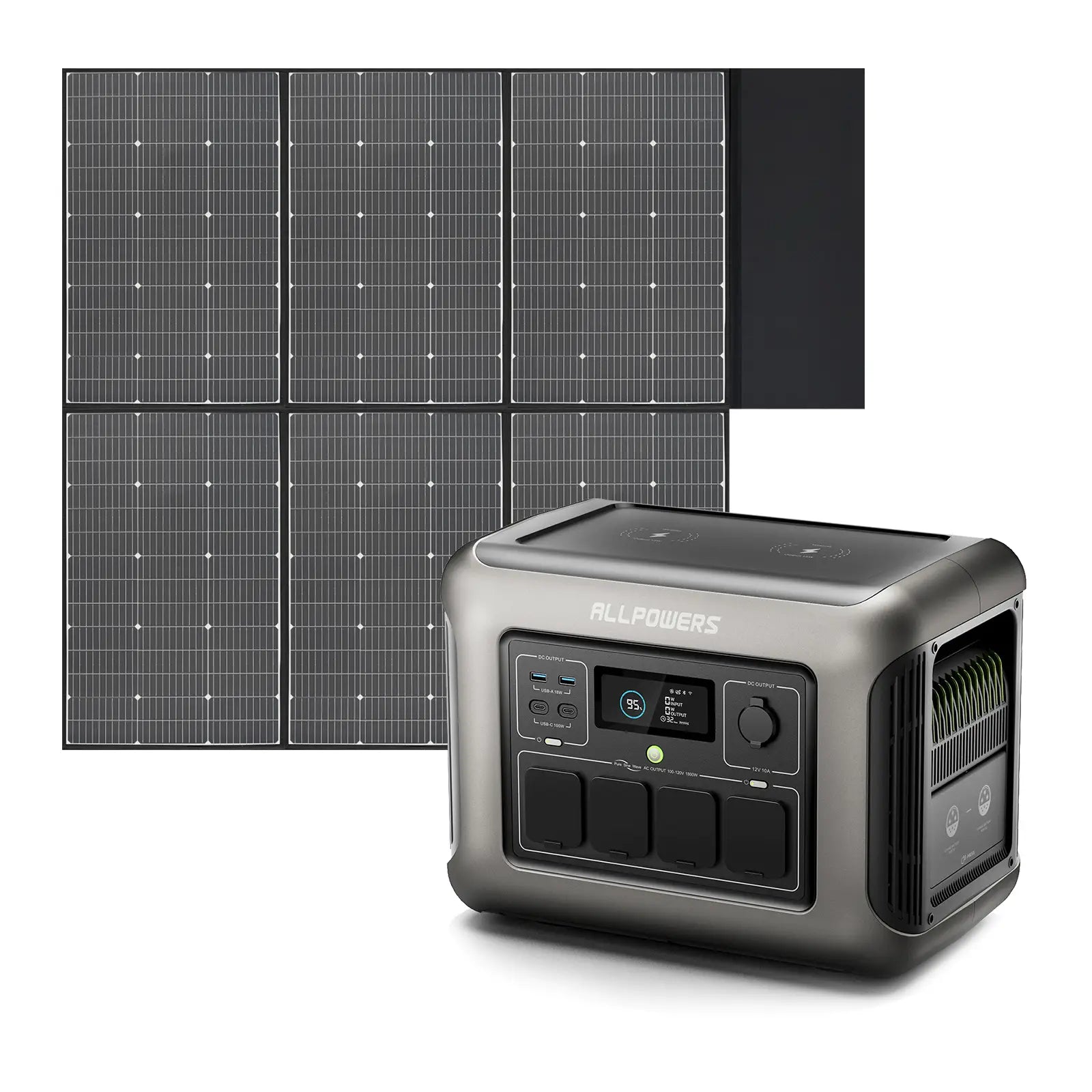
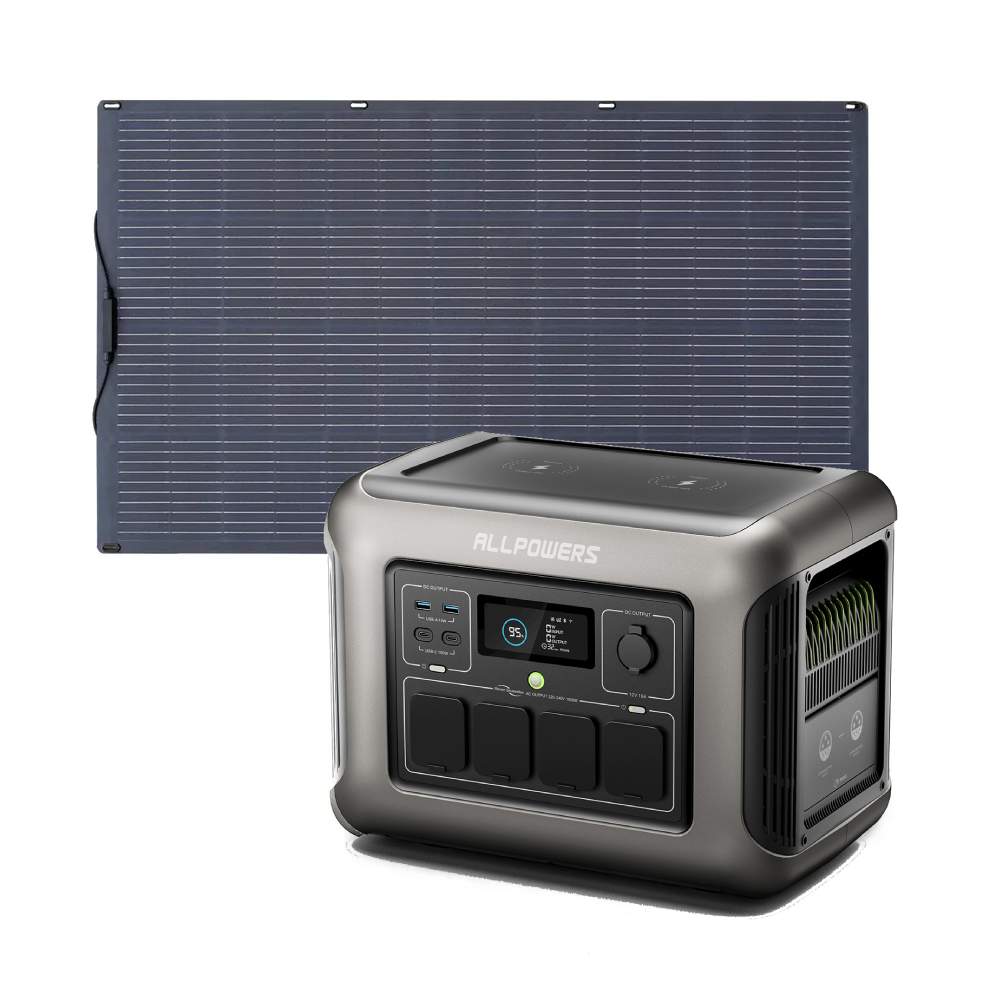
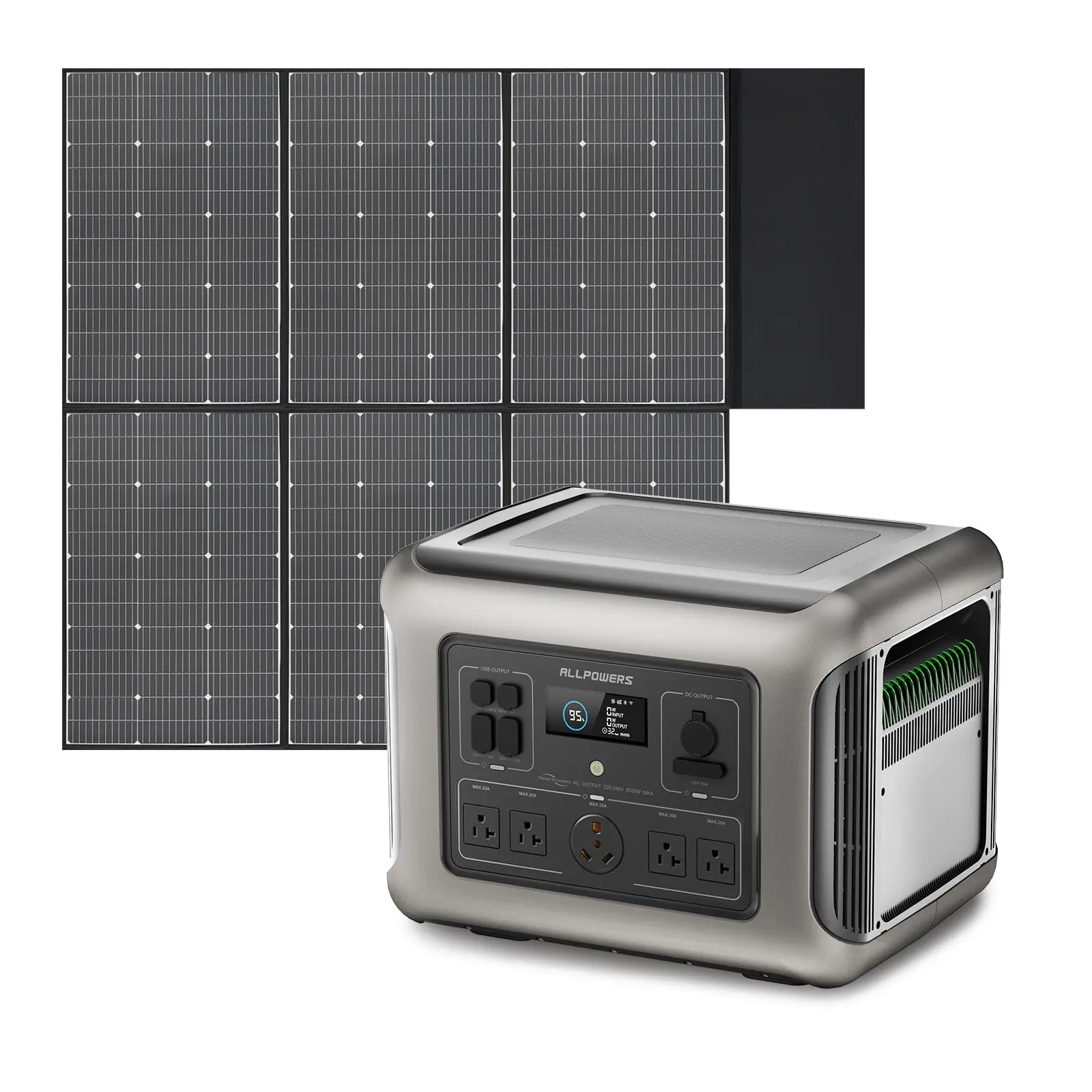
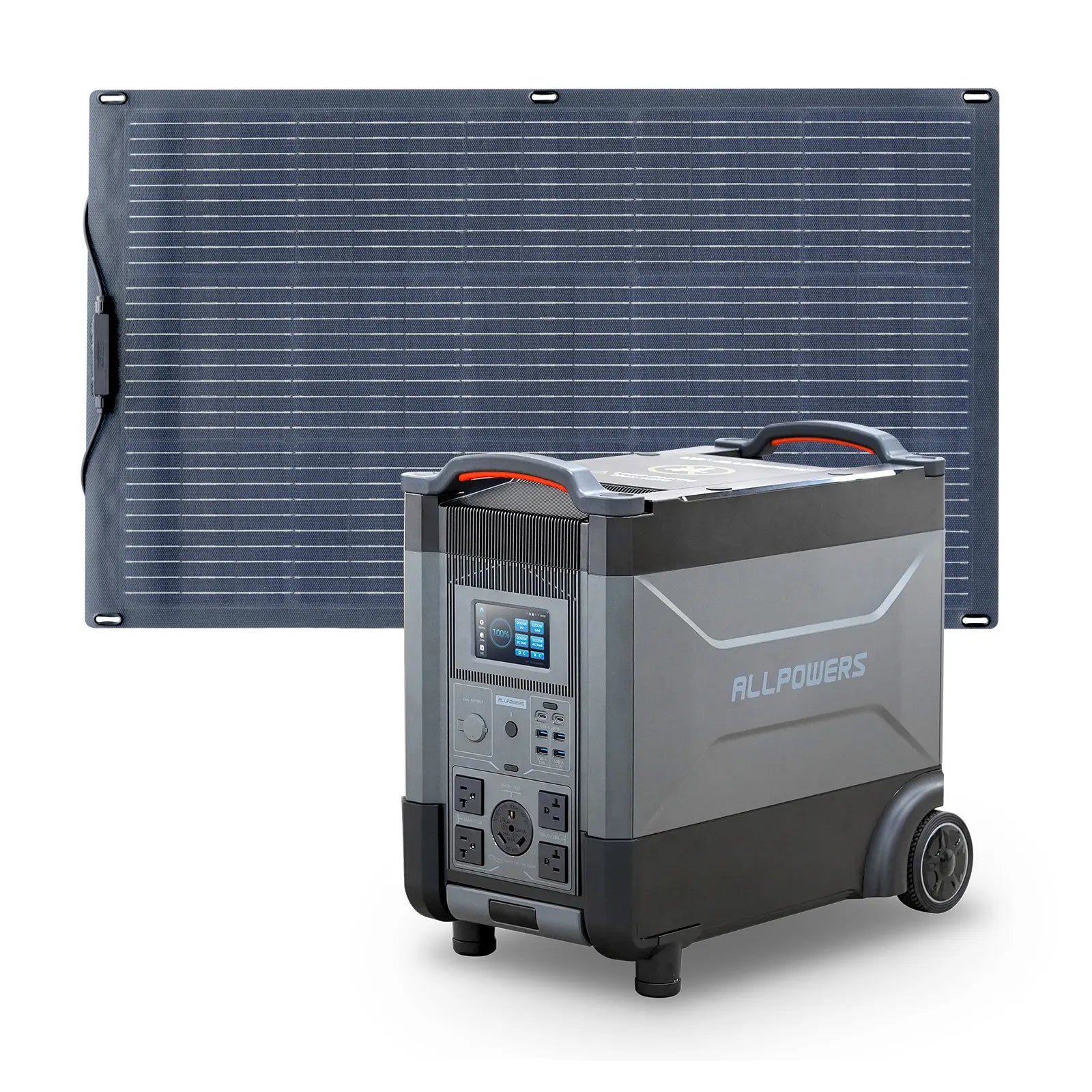
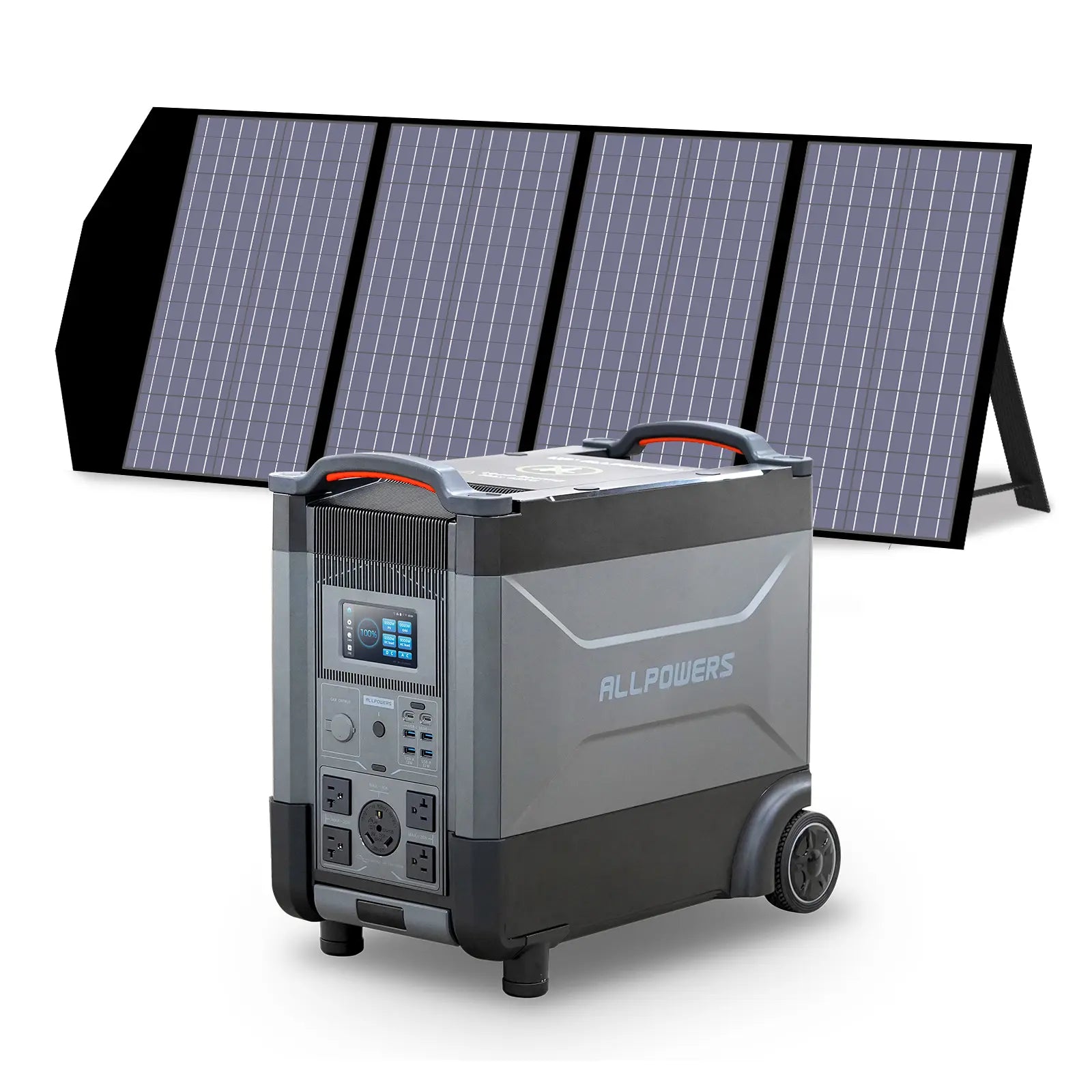
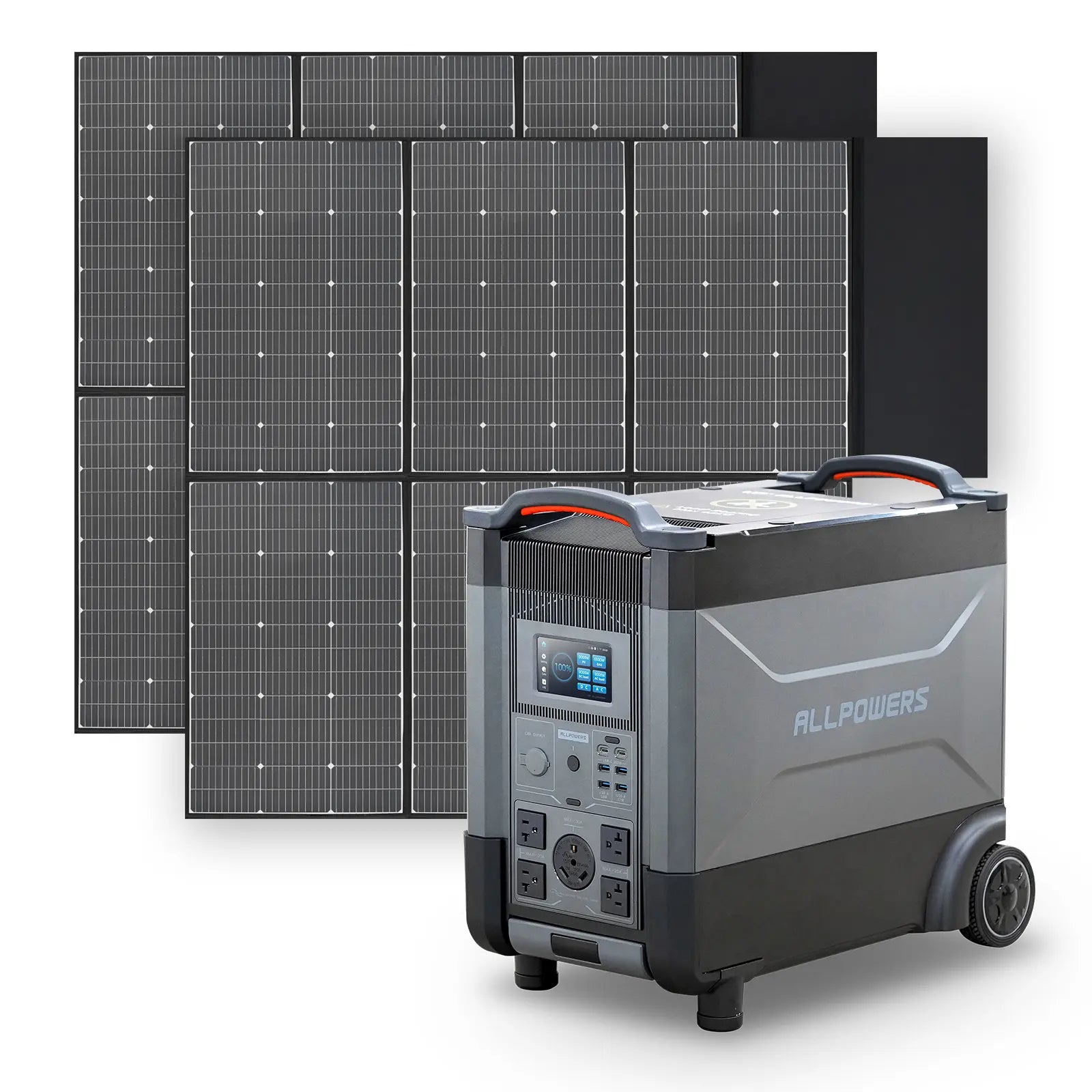
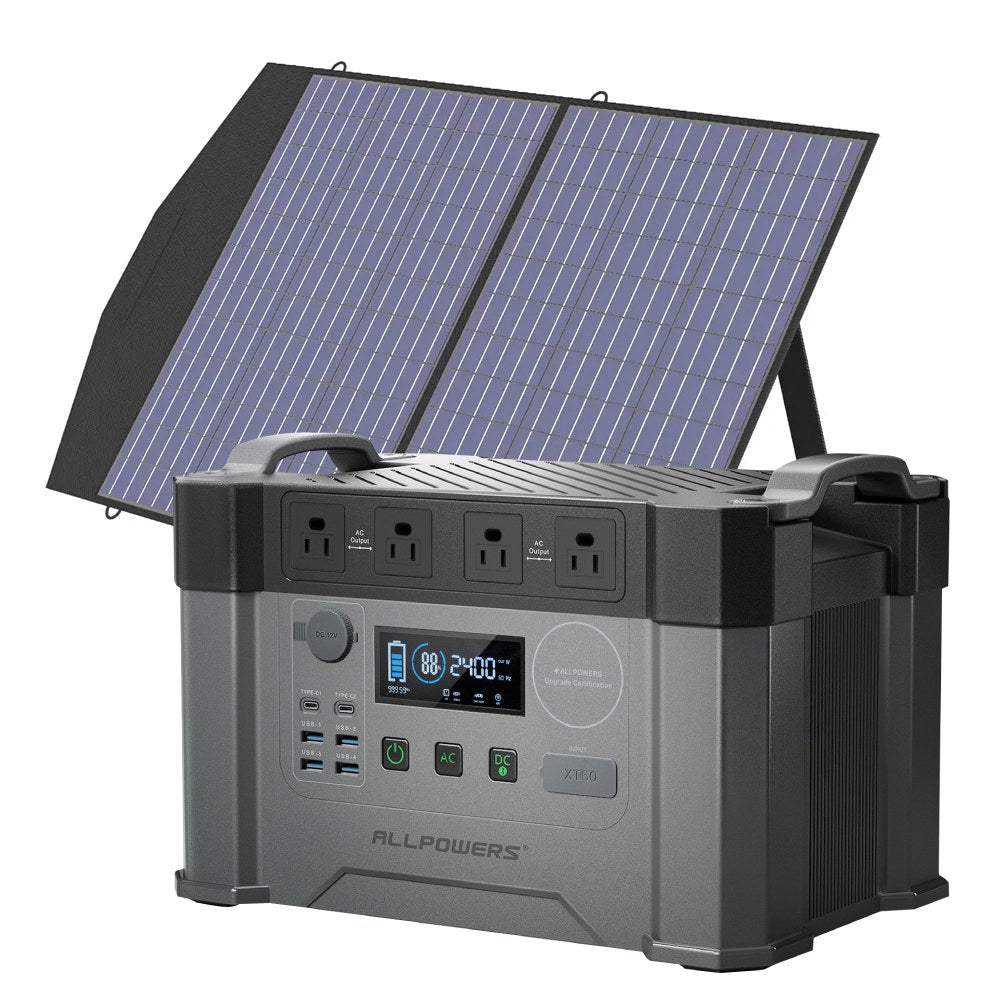
Many experienced campers combine daytime solar charging with portable power stations, which is then used after sunset when watching television.
This approach allows evening entertainment without relying entirely on fuel or campground hookups, particularly during multi-day camping trips.
How Can You Make Your TV Run Longer Outdoors?
Extending runtime isn't always about bringing more energy. Often, small adjustments to your equipment and viewing habits can significantly improve overall efficiency.
Reduce Screen Brightness
Outdoor movie nights usually begin after sunset, meaning maximum brightness is rarely necessary. Lowering brightness can reduce electricity consumption while maintaining a clear picture.
Download Content Before You Leave
Downloading movies or shows in advance eliminates the need for continuous internet connections and allows streaming devices to operate more efficiently.
Turn Off Unused Features
Built-in voice assistants, automatic updates, and wireless connections that aren't needed during camping can all contribute to unnecessary energy consumption.
Should You Choose a TV or a Projector for Camping?
Both televisions and projectors have advantages, and the better choice depends on your camping style.
Televisions offer brighter images, simple setup, and better daytime visibility, making them ideal for smaller groups.
Projectors create a larger viewing experience but typically require darker conditions and additional equipment such as screens or projection surfaces.
If portability is your highest priority, compact televisions generally require less setup time and perform more consistently under varying outdoor conditions.
Learn More: How to Power a Projector While Camping?
How Can You Build a More Efficient Camping Entertainment Setup?
Rather than treating every device as an independent power consumer, many campers think of their campsite as a complete energy system.
This makes it easier to prioritize essential equipment and estimate overall electricity demand.
For example, some campers use a small television for evening entertainment while reserving most of their available energy for refrigeration, lighting, and communication devices during the day. Others simplify their setup by choosing compact electronics that naturally consume less electricity.
During longer off-grid trips, some campers also rely on portable power stations to support televisions alongside low-power accessories such as streaming devices, LED lighting, or phone charging, allowing their overall campsite energy use to remain organized and predictable.
| Camping Style | Typical TV Usage | Power Planning Focus |
|---|---|---|
| Weekend Camping | 1–2 hours nightly | Simple energy planning |
| Family Camping | Movies after sunset | Multiple connected devices |
| RV Camping | Daily entertainment | Balanced appliance management |
| Extended Off-Grid Trips | Occasional viewing | Careful energy budgeting |
Frequently Asked Questions
Can you watch TV while camping without electricity?
Yes. Many campers use stored battery power, vehicle-based systems, or other portable energy solutions to operate televisions away from traditional electrical outlets.
How many watts does a camping TV use?
Most small LED televisions consume between 30 and 80 watts, although larger smart TVs may require more power.
Can I run a smart TV while camping?
Yes. As long as your available power source provides sufficient capacity and stable output, a smart TV can operate just like it does at home.
Should I use a larger TV when camping?
Not necessarily. Smaller, energy-efficient televisions are usually easier to transport, consume less electricity, and provide an excellent viewing experience in outdoor environments.