





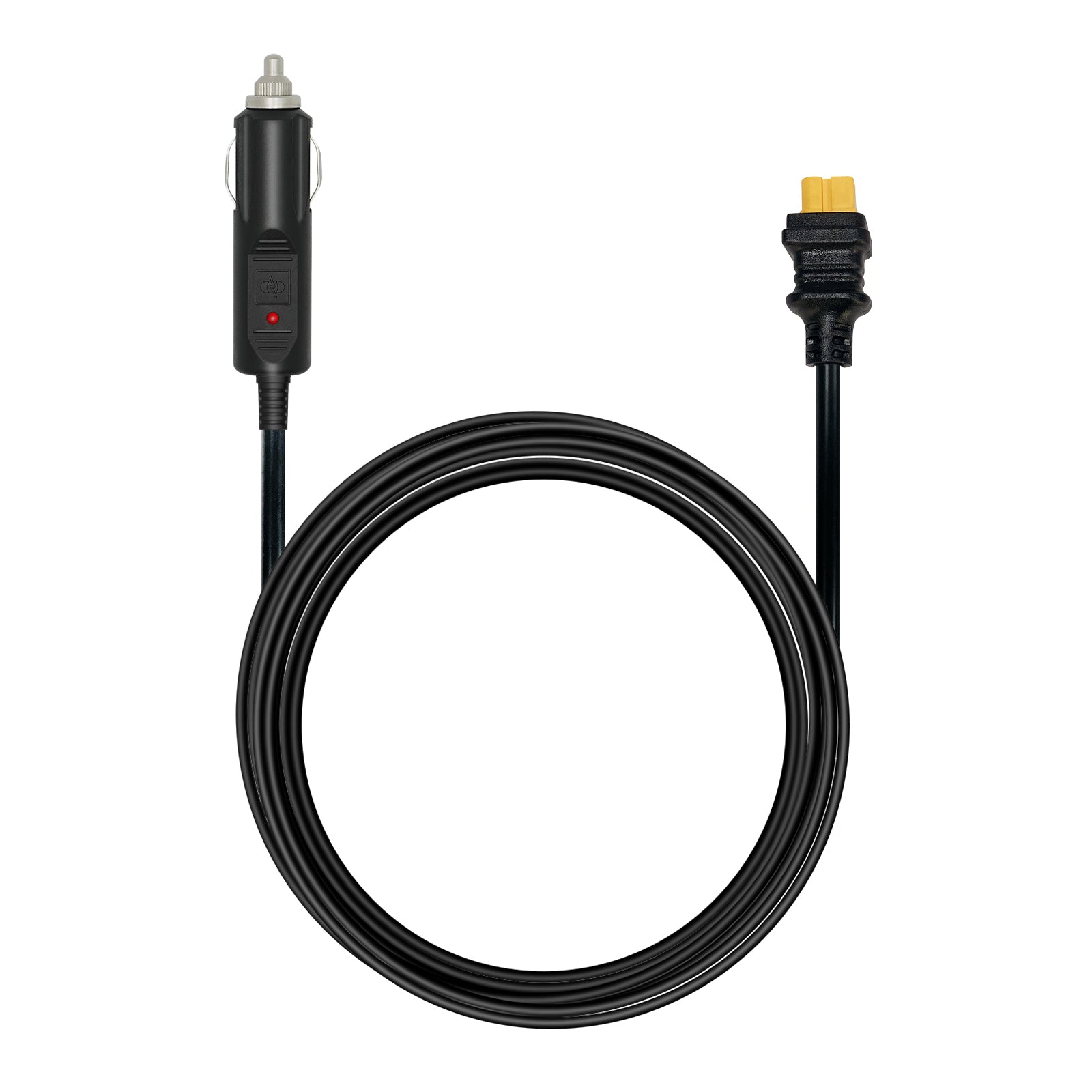
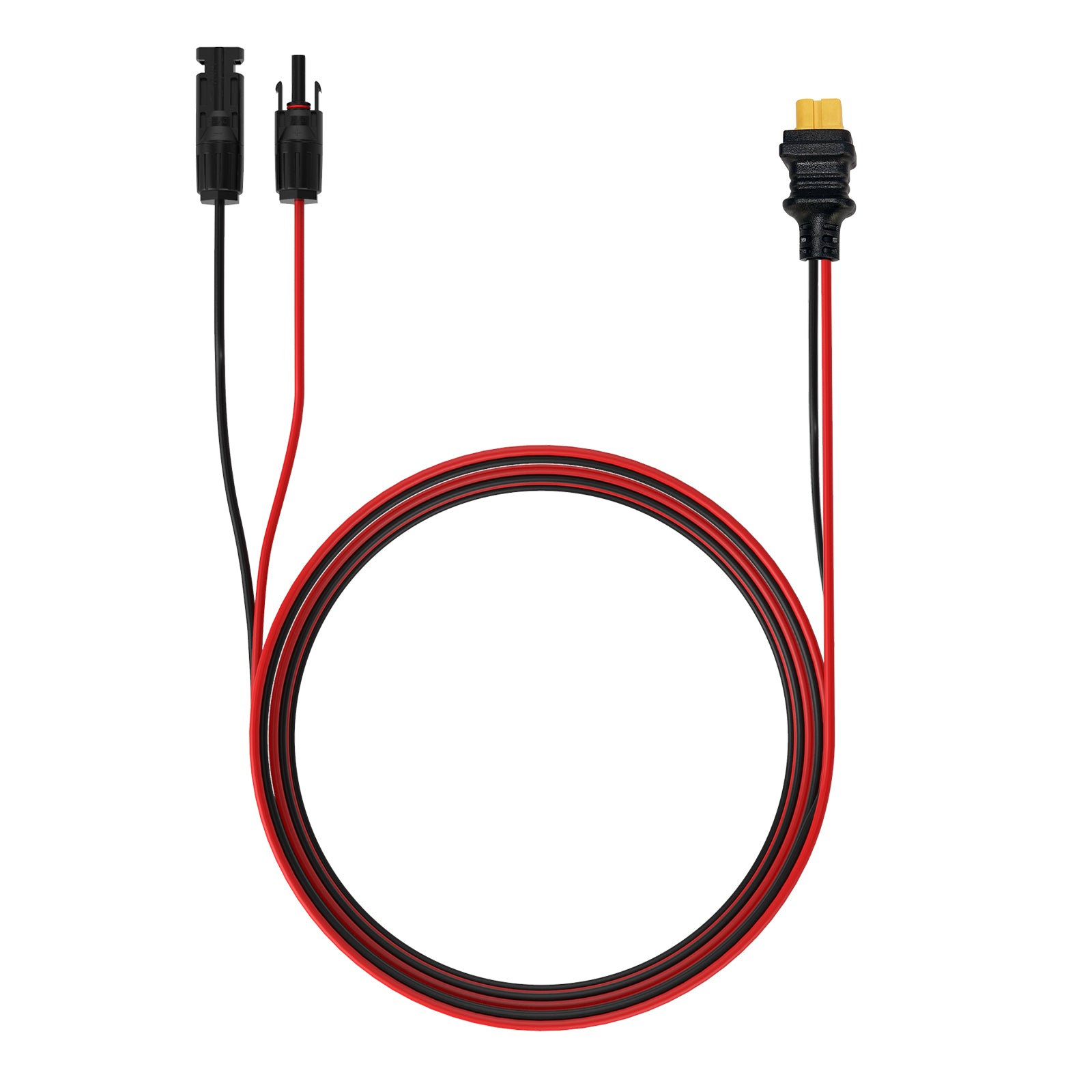
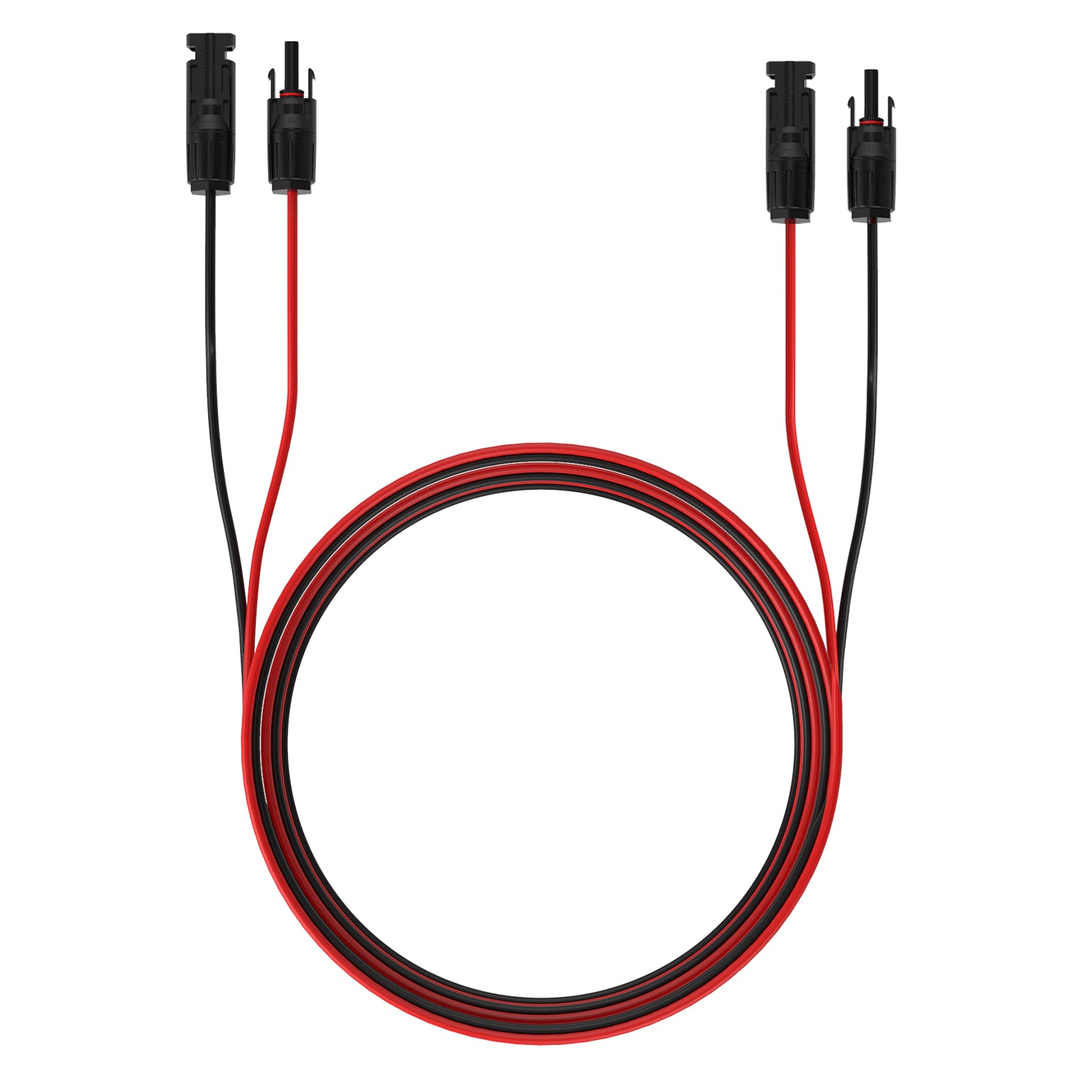
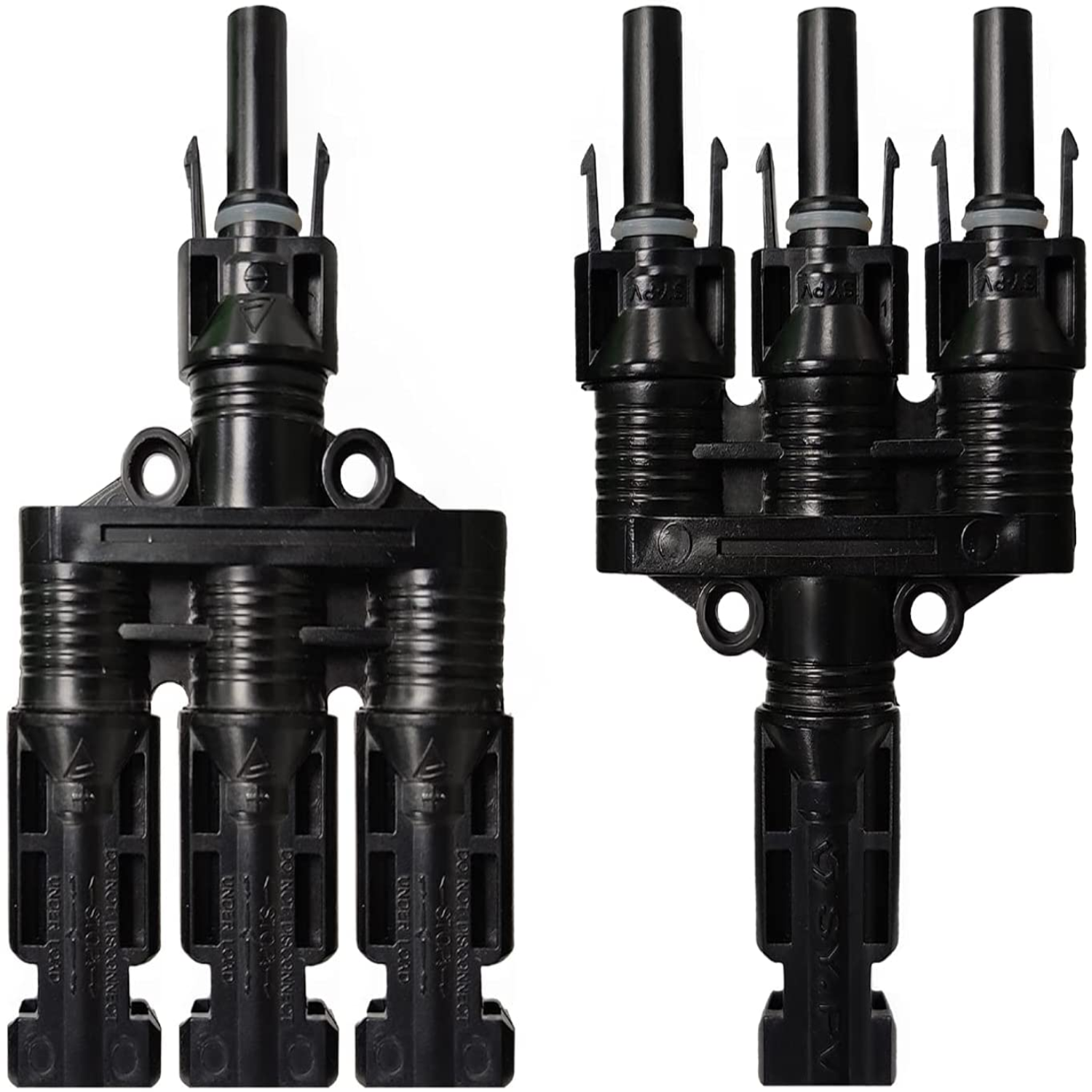
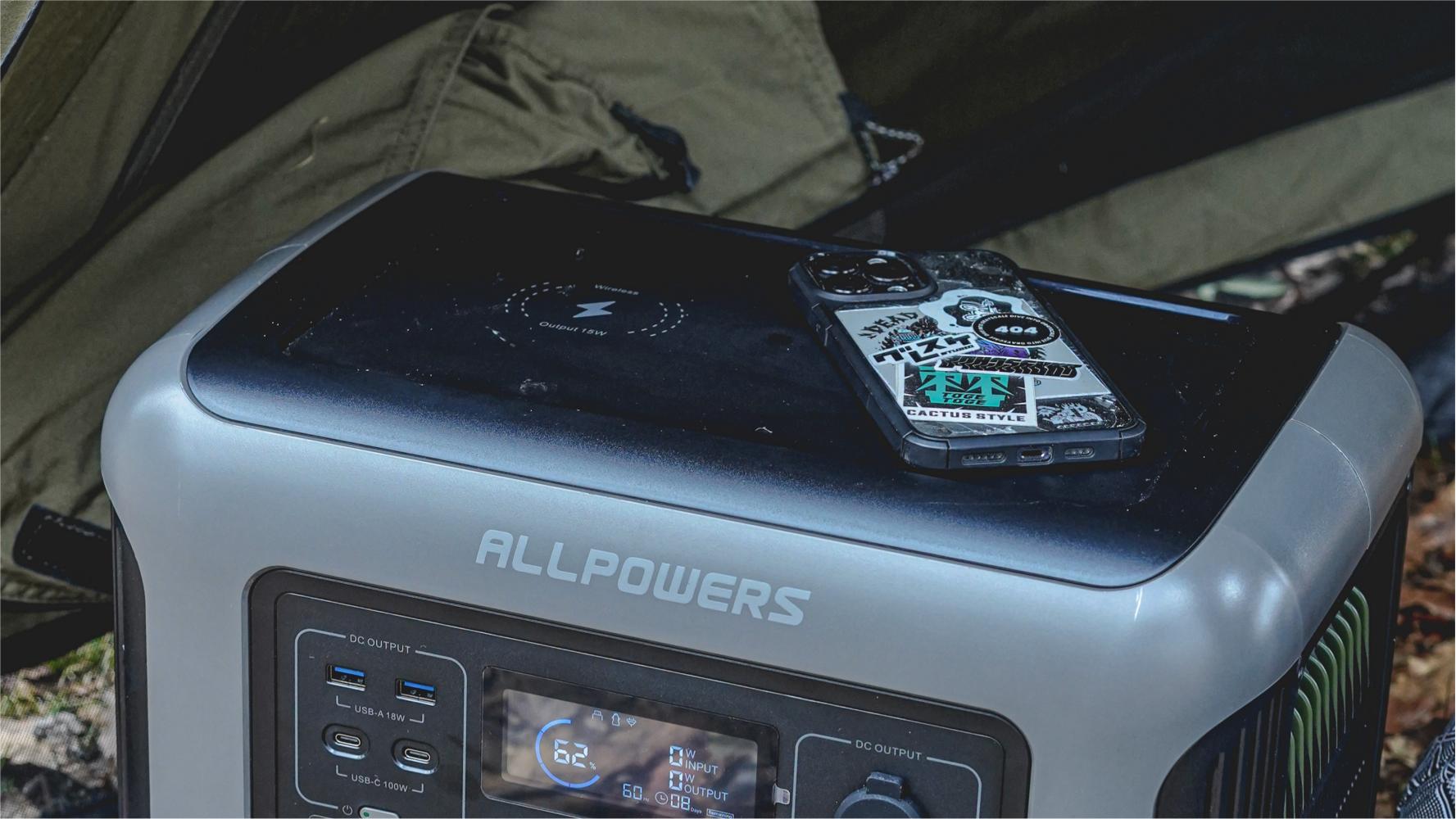
A smartphone has become one of the most useful tools to bring on a camping trip.
Beyond taking photos, it can provide GPS navigation, weather forecasts, emergency communication, campground reservations, and even digital trail maps.
The challenge, however, is keeping it charged when you're far from electrical outlets.
Once your phone battery starts running low, important functions like GPS maps, emergency calls, and digital reservations can become unavailable.
So, what are the best ways to charge your phone while camping?
TL;DR:
The most reliable ways to charge a phone while camping include using power banks, solar charging systems, vehicle charging, or battery-based energy solutions. Planning your power usage before leaving can help ensure your phone stays available when you need it most.
Why Does Your Phone Battery Drain Faster While Camping?
Many campers notice that their phone battery seems to disappear much faster outdoors than it does at home.
This isn't your imagination. Several environmental and usage factors contribute to increased power consumption during camping trips.
One of the biggest reasons is poor cellular reception. When your phone struggles to find a signal, it continuously searches for nearby towers, consuming significantly more energy than it would in areas with strong coverage.
At the same time, many campers rely heavily on navigation apps, photography, weather forecasts, and messaging, all of which place additional demands on the battery.
Different Ways to Charge a Phone Outdoors
There are several reliable ways to keep a smartphone powered while camping.
Using a Portable Power Bank
A power bank is one of the simplest solutions for short camping trips. These compact batteries store electricity that can later recharge your phone through a USB connection.
The main advantage is portability. A lightweight power bank can provide several additional phone charges without adding significant weight to your backpack.
Charging Through a Vehicle
For car campers and RV travelers, vehicle charging is another convenient option. USB adapters connected to a vehicle outlet can recharge phones while driving between locations.
However, repeatedly charging devices while the engine is off can drain the vehicle battery, so campers should avoid relying on the starter battery as their only energy source.
Using Solar Energy
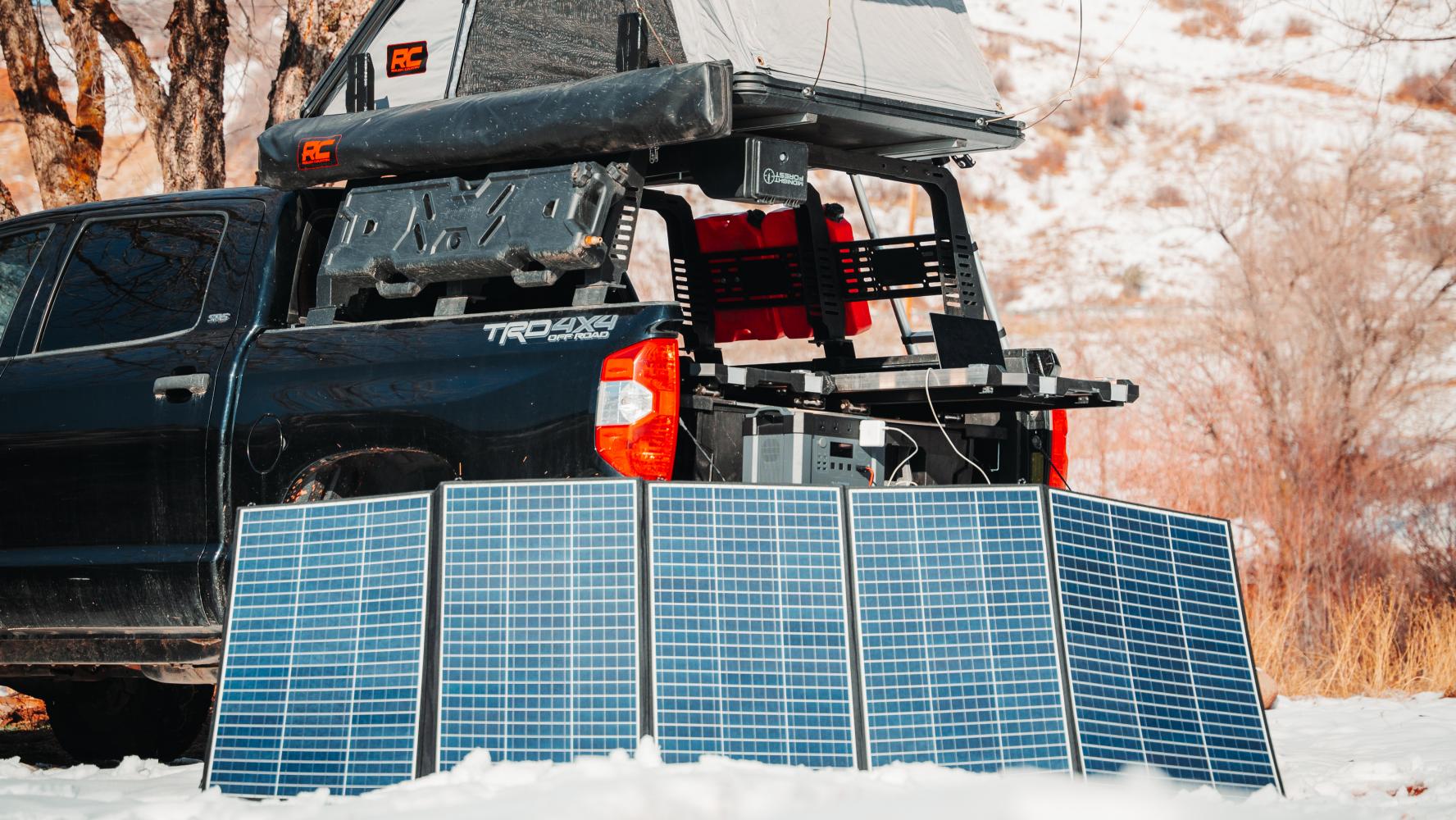
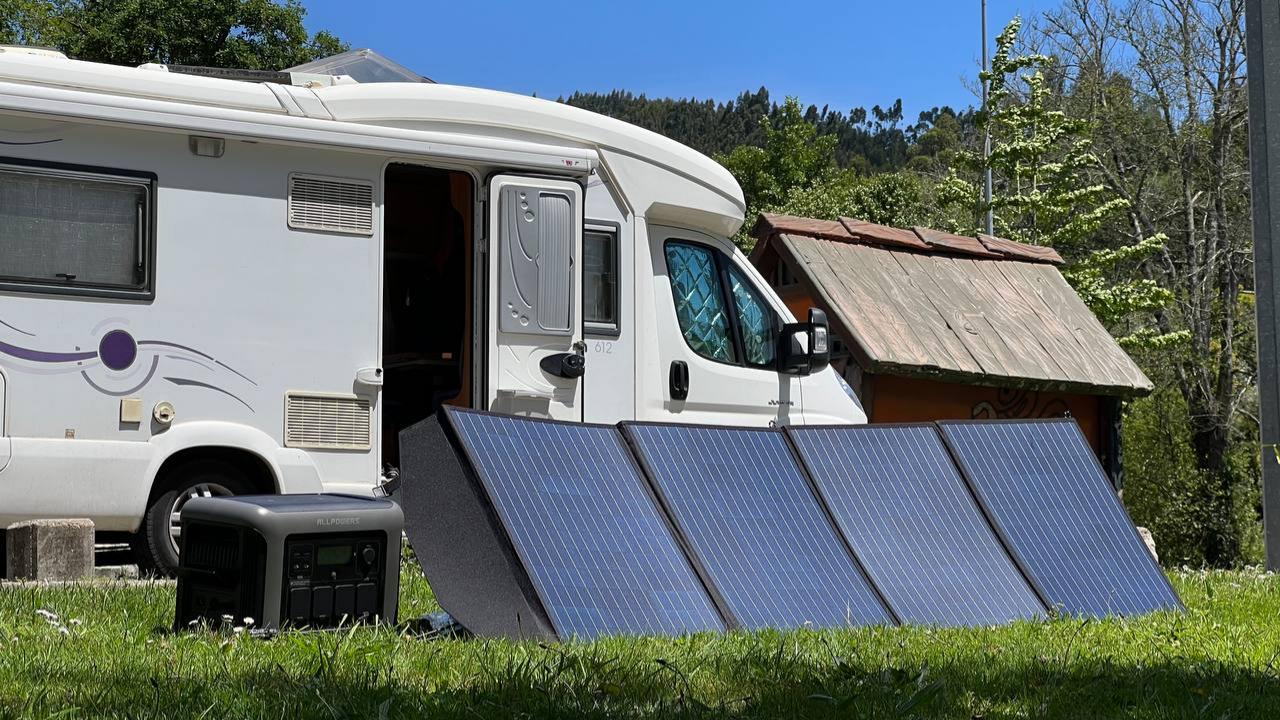
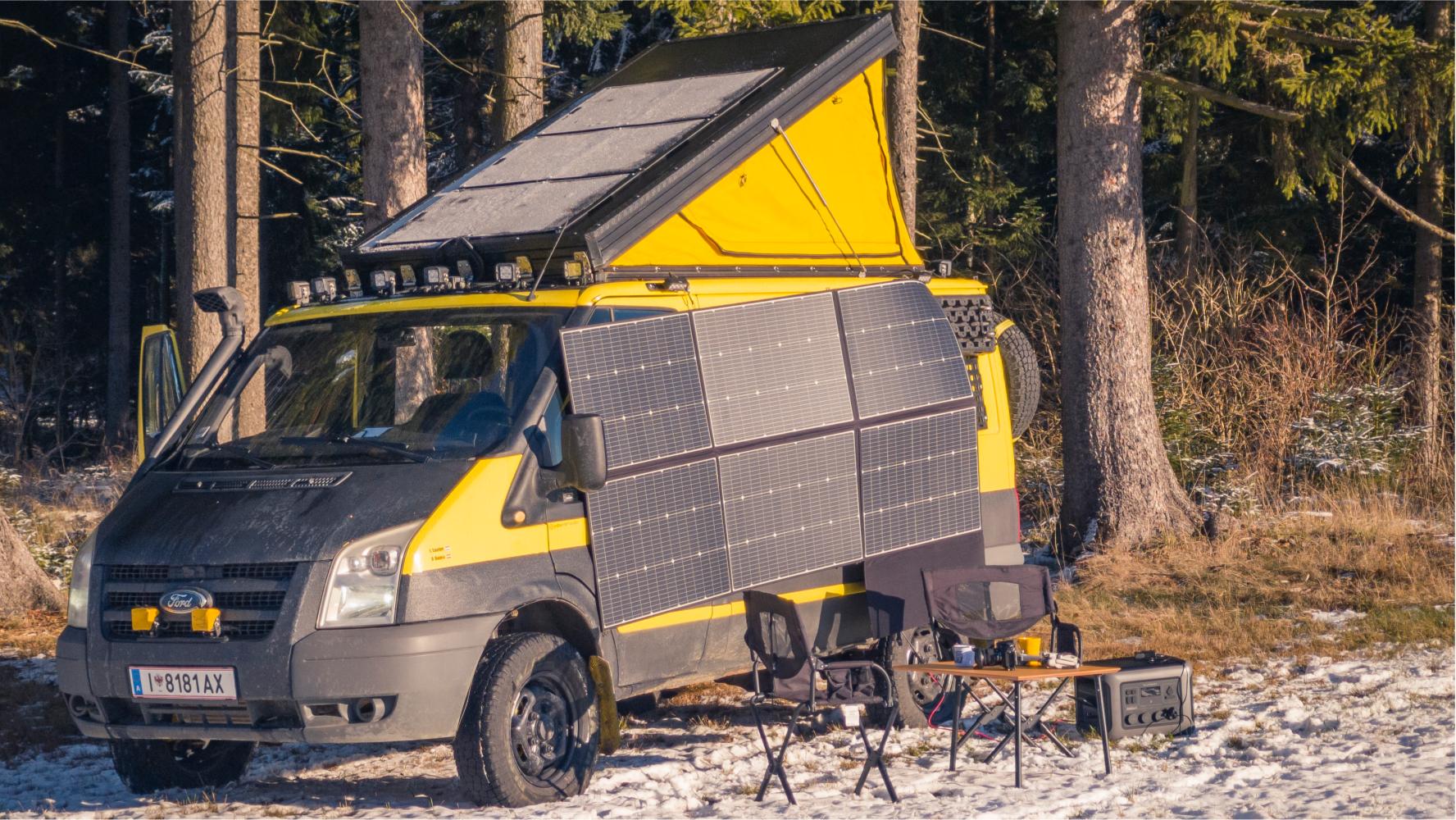
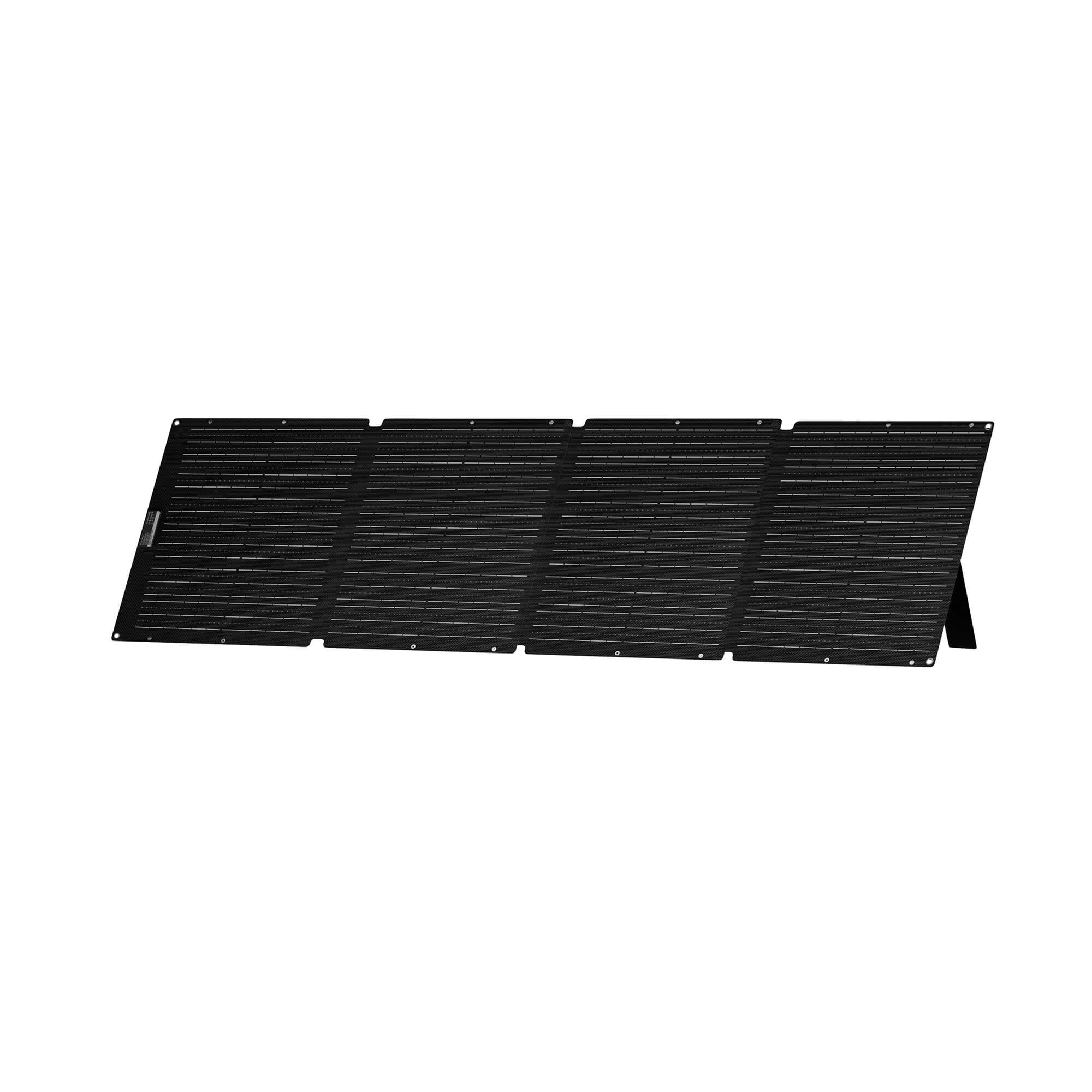
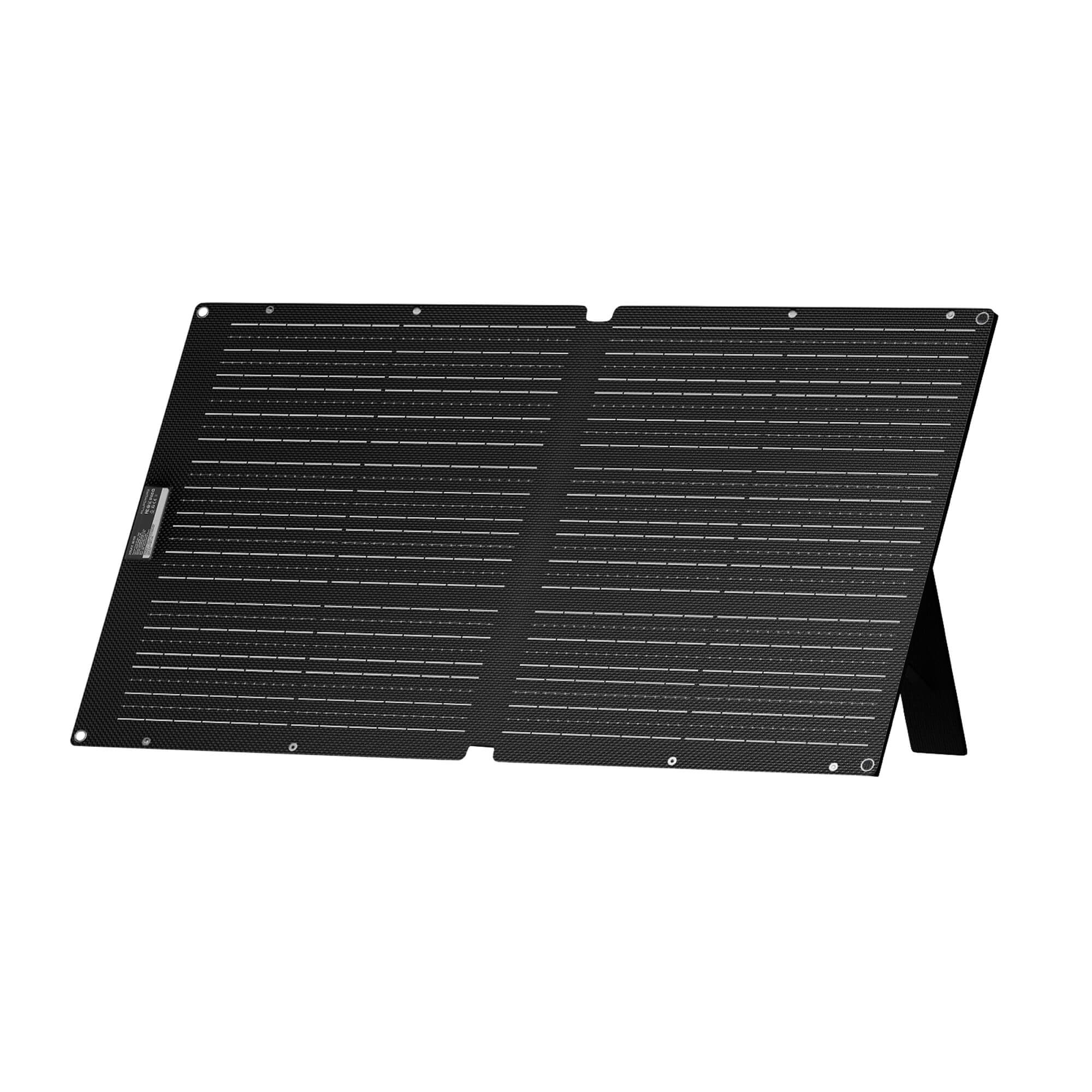
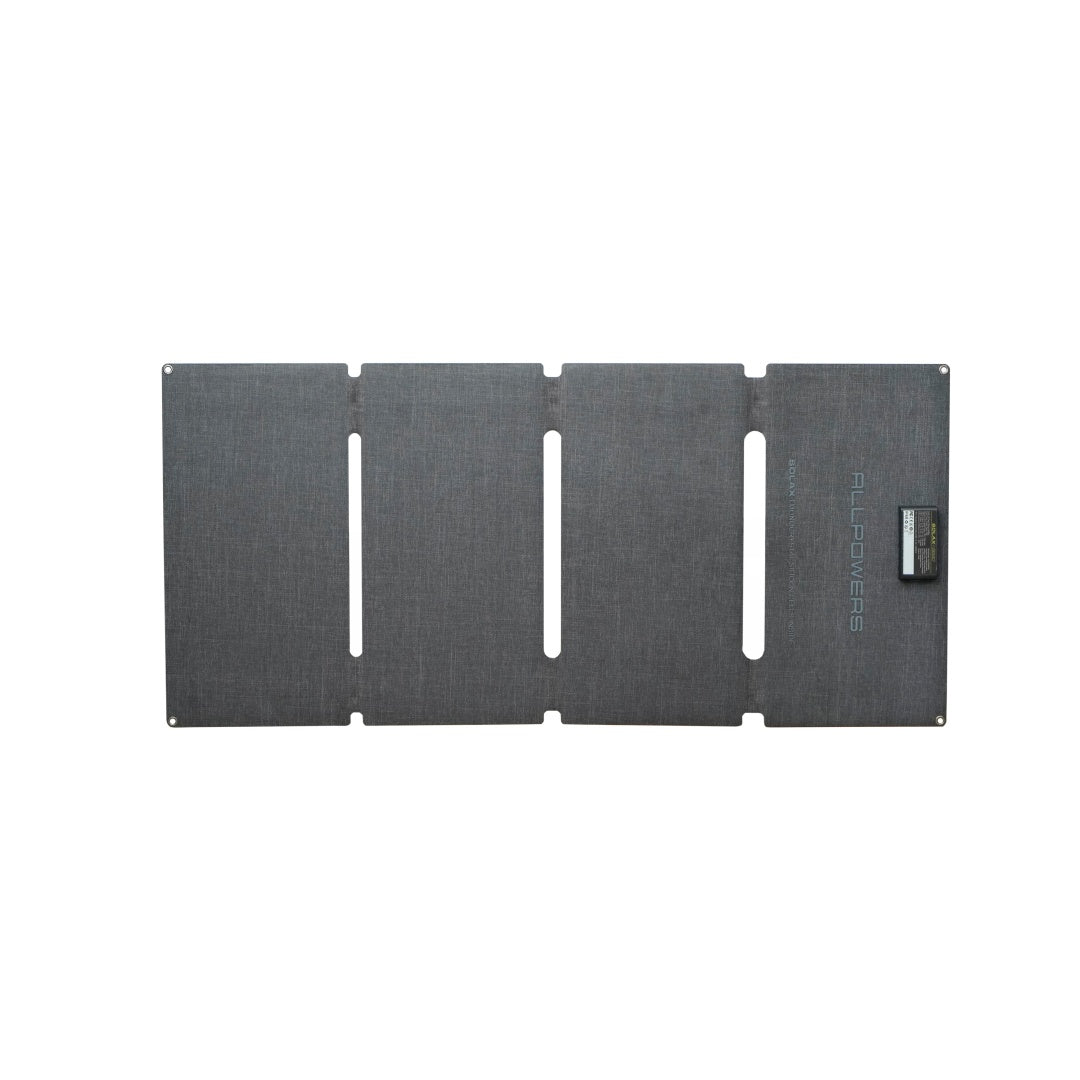
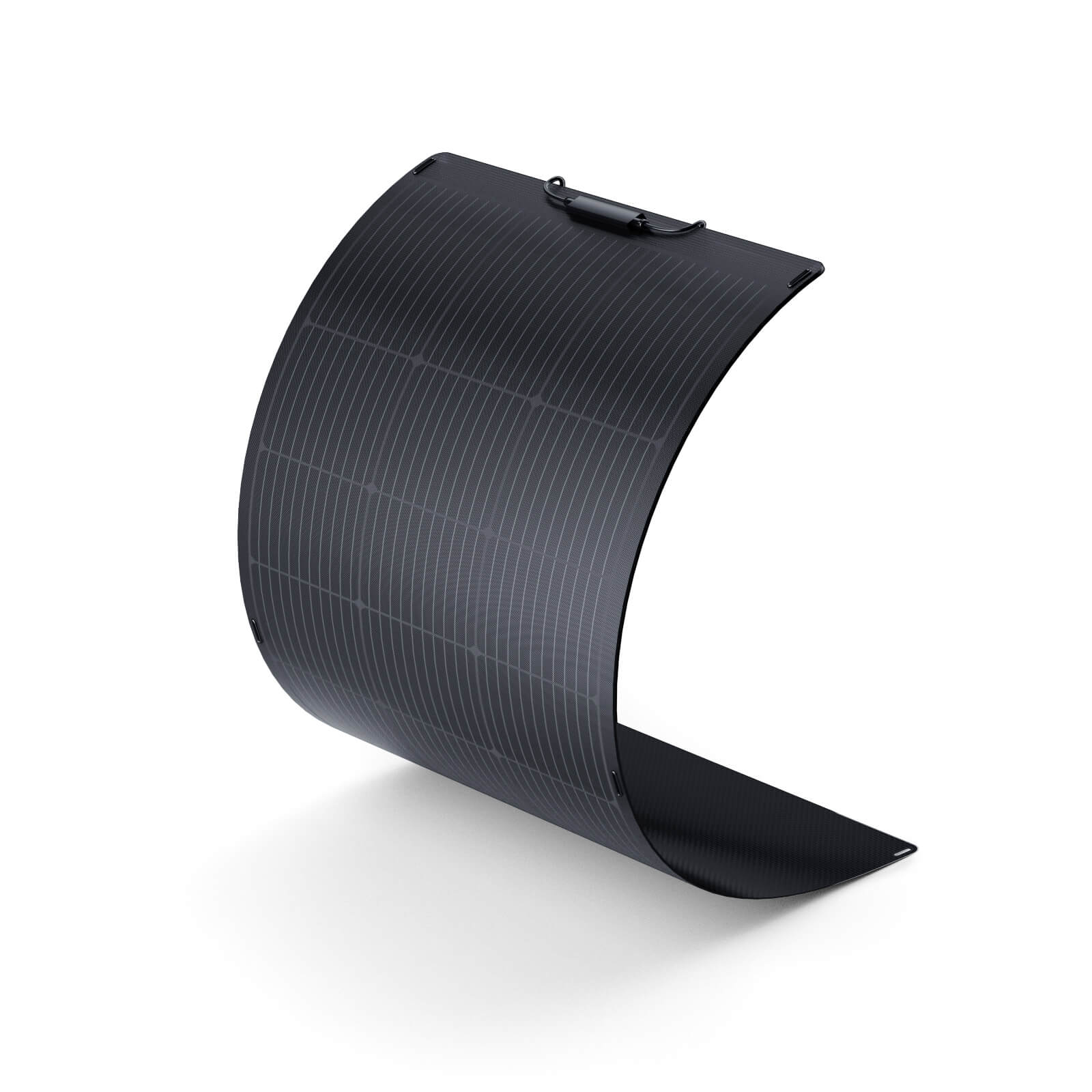
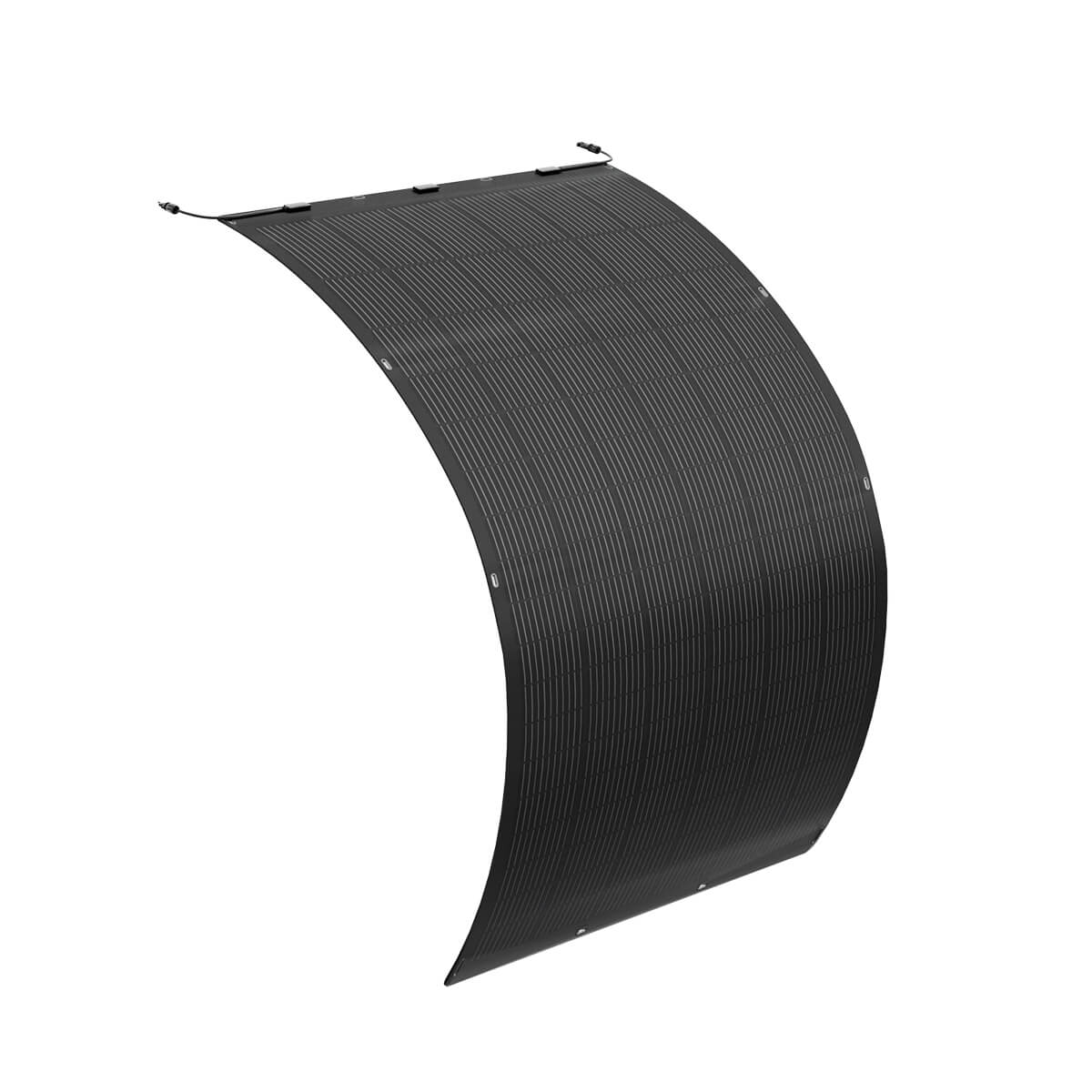
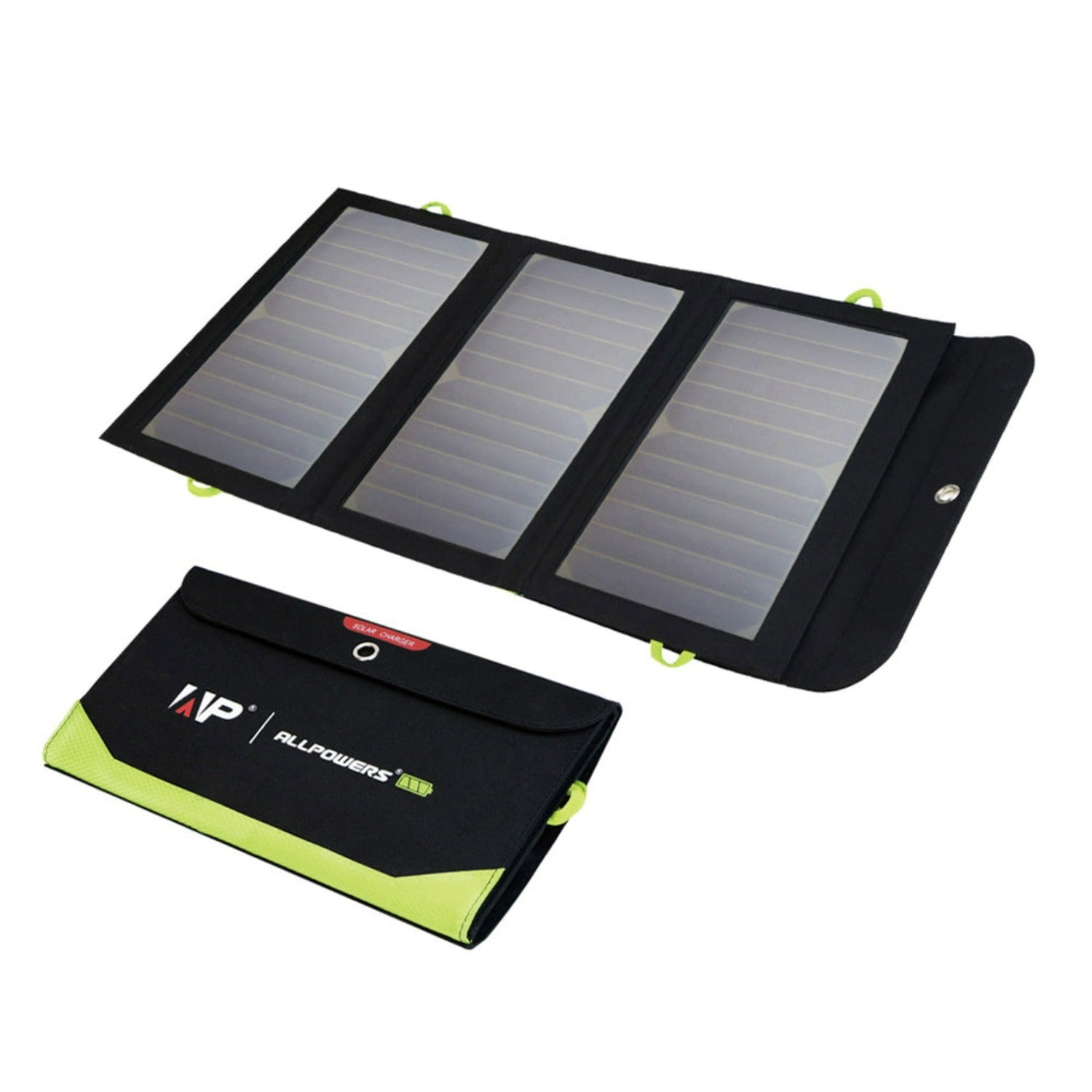
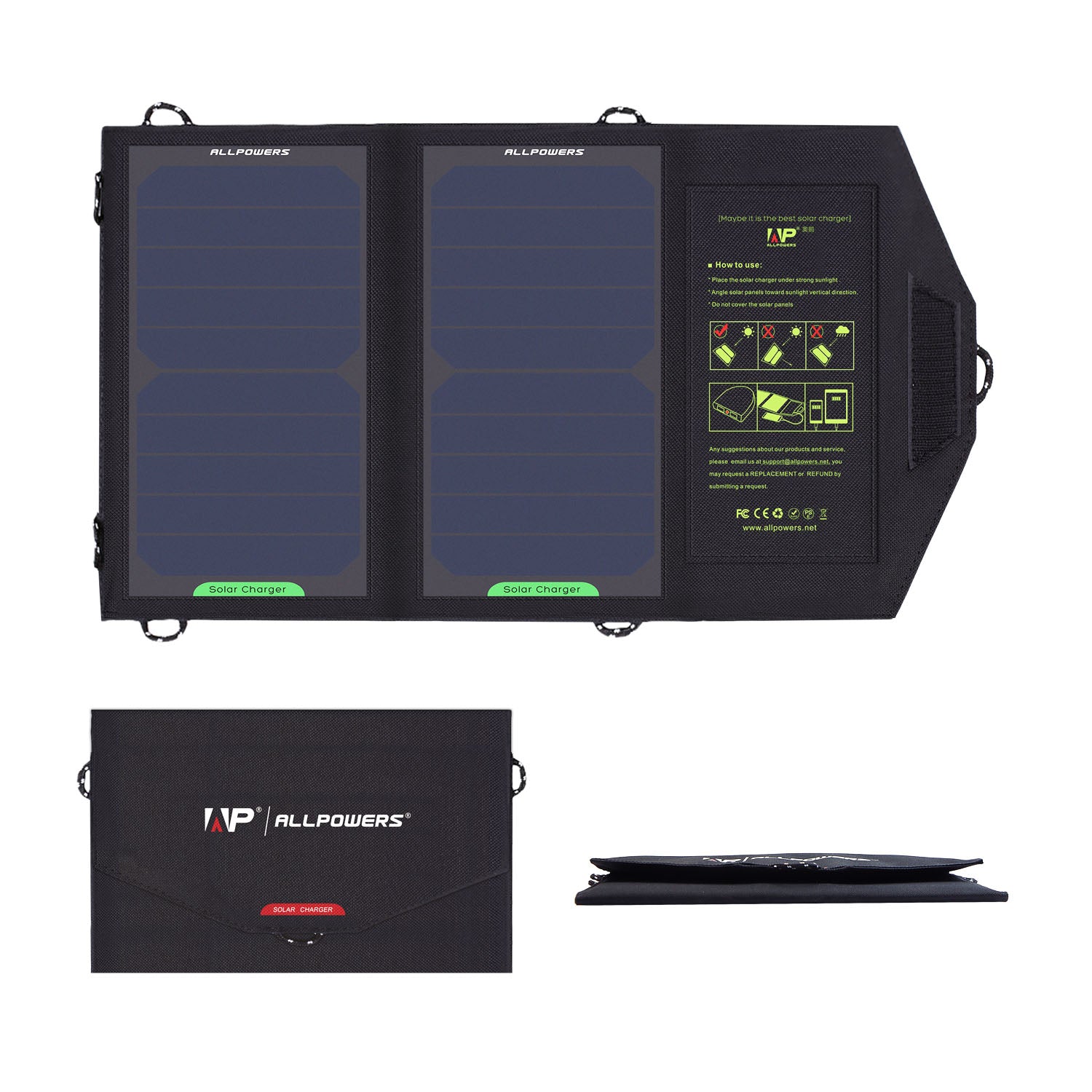
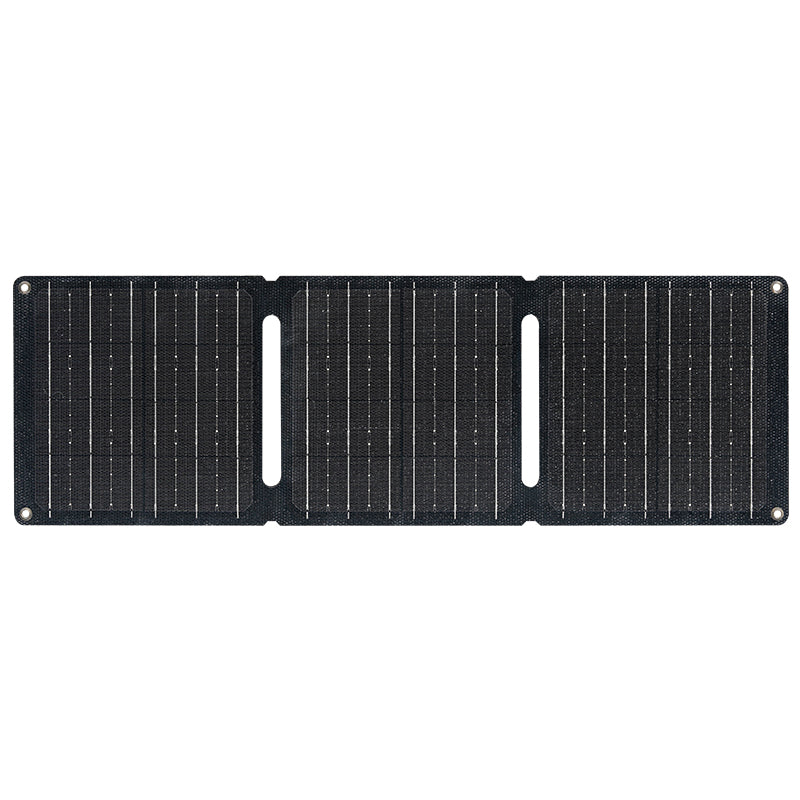
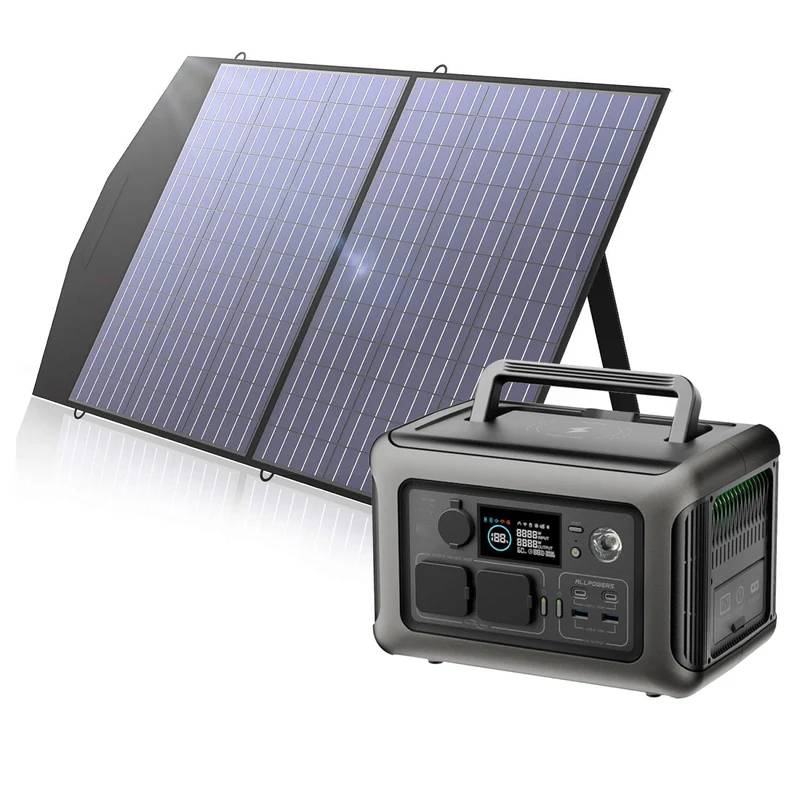
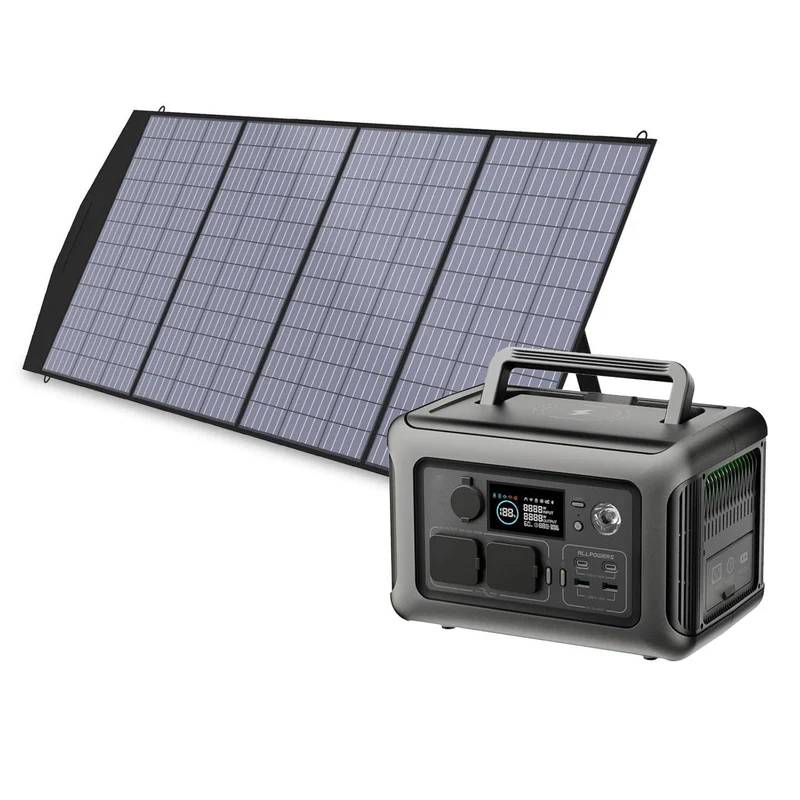
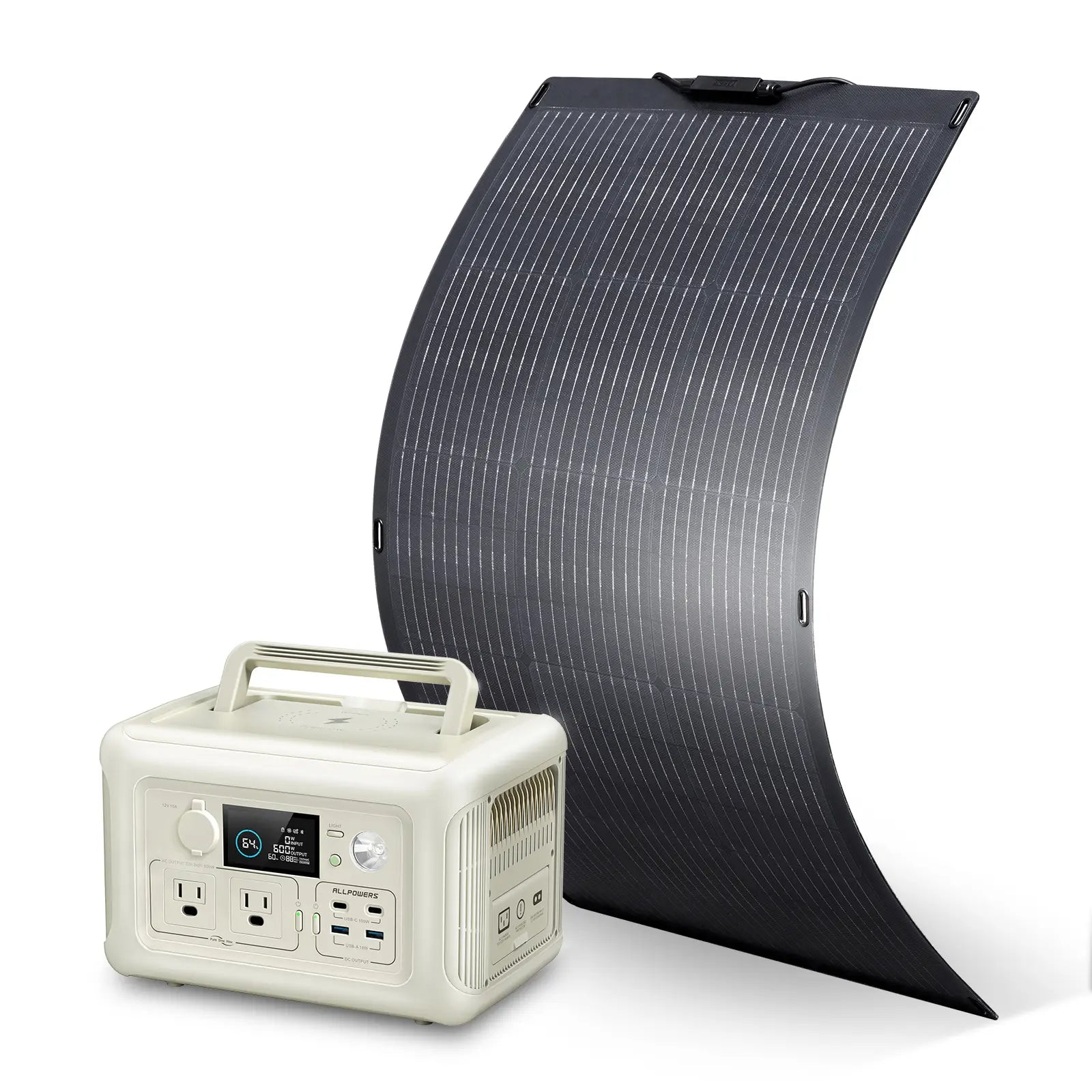
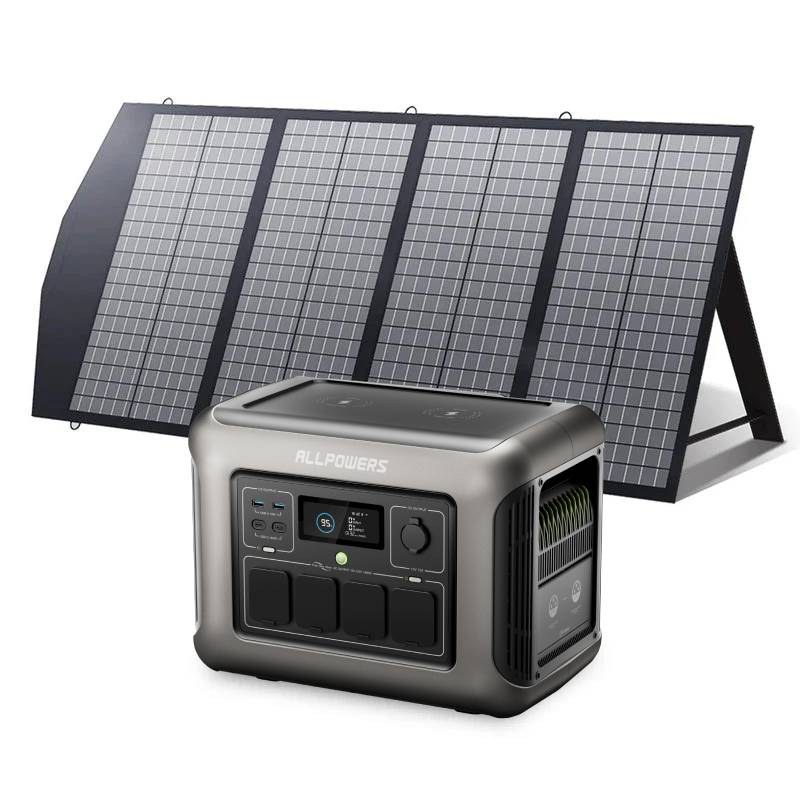
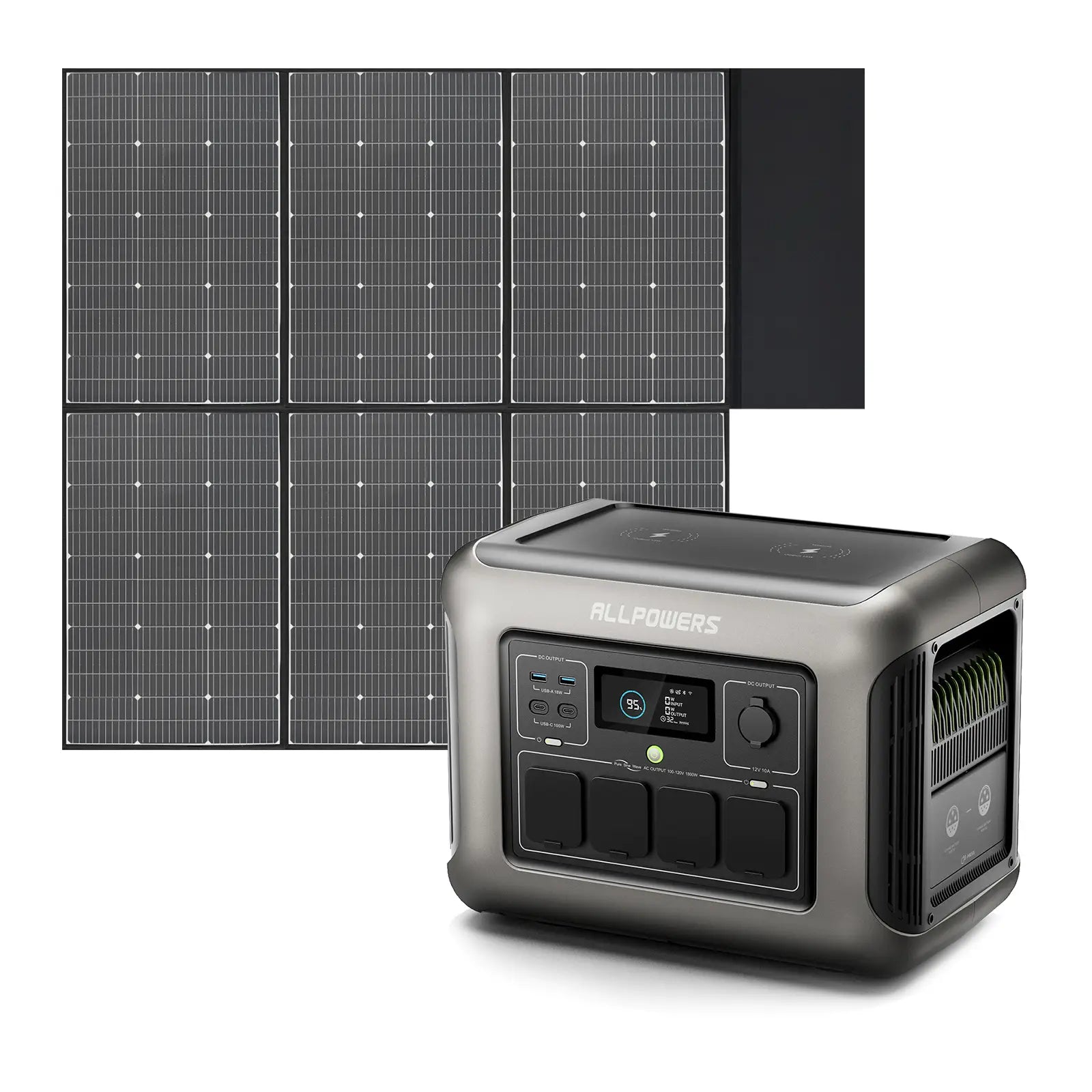
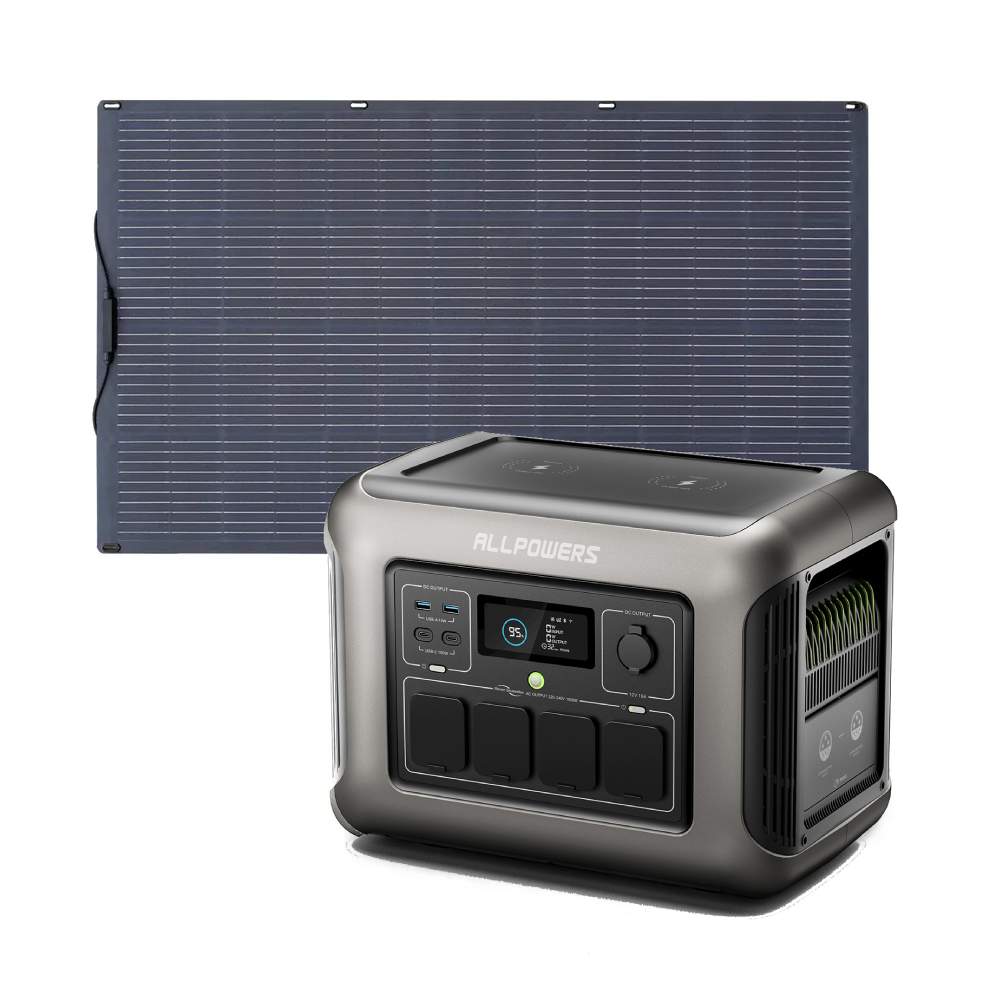
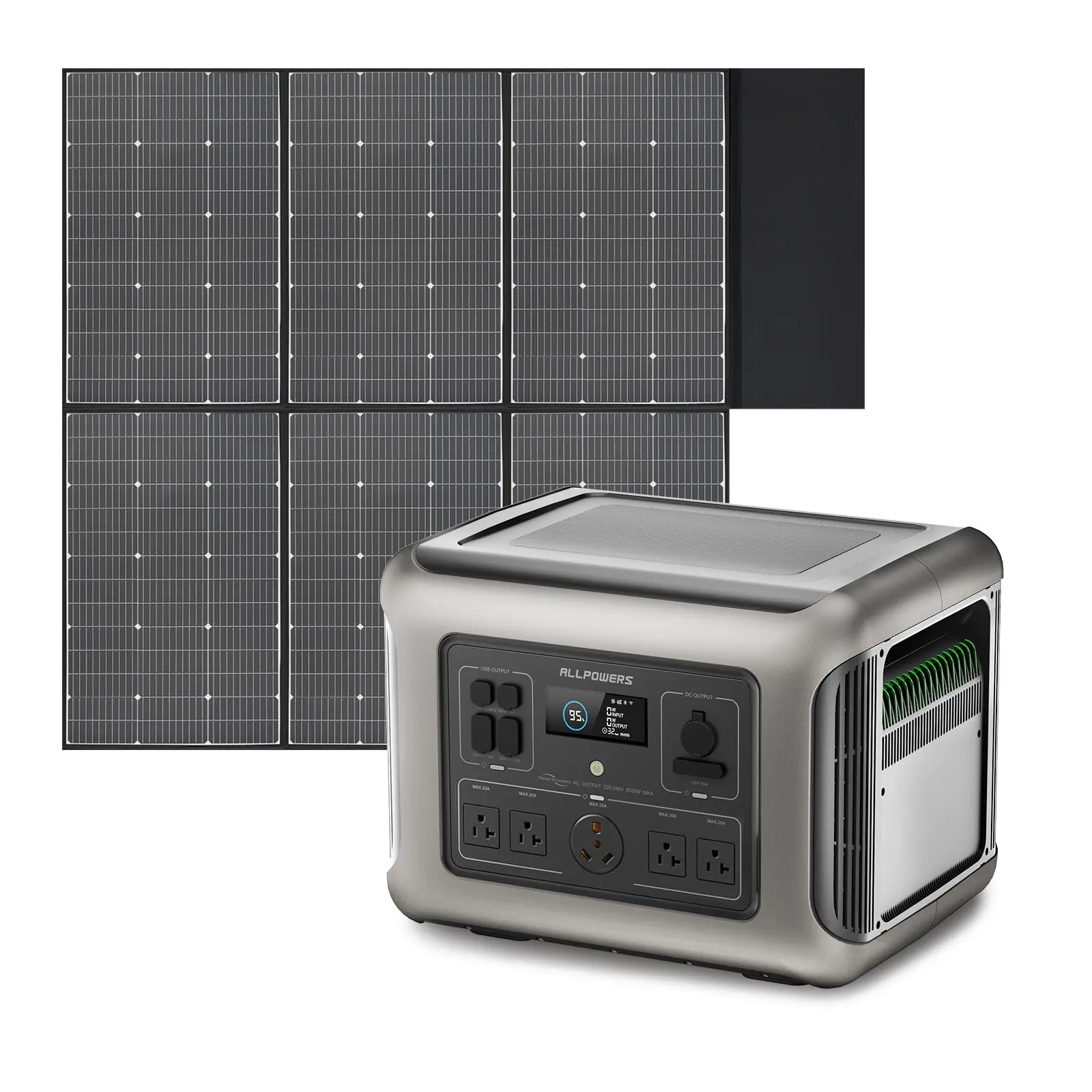
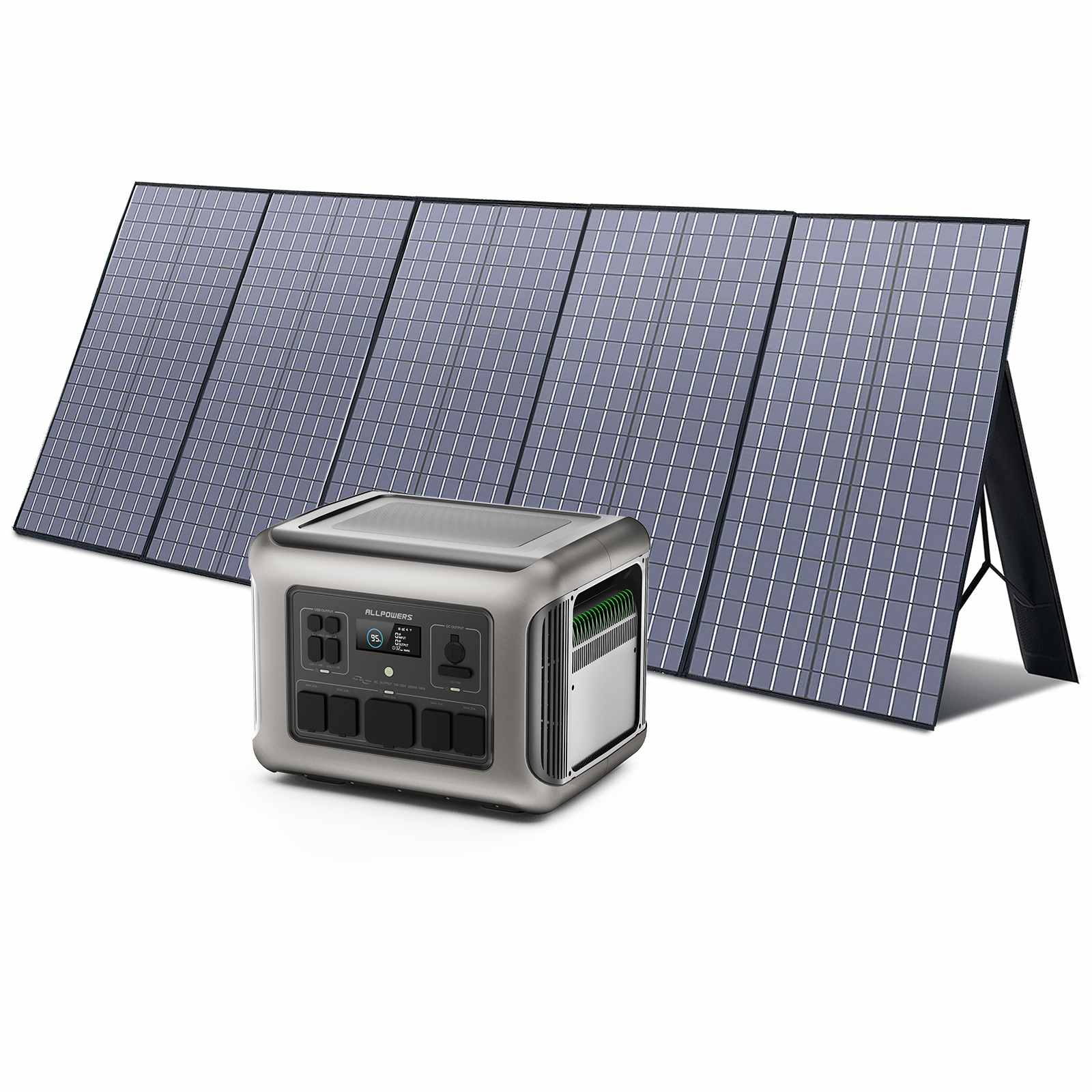
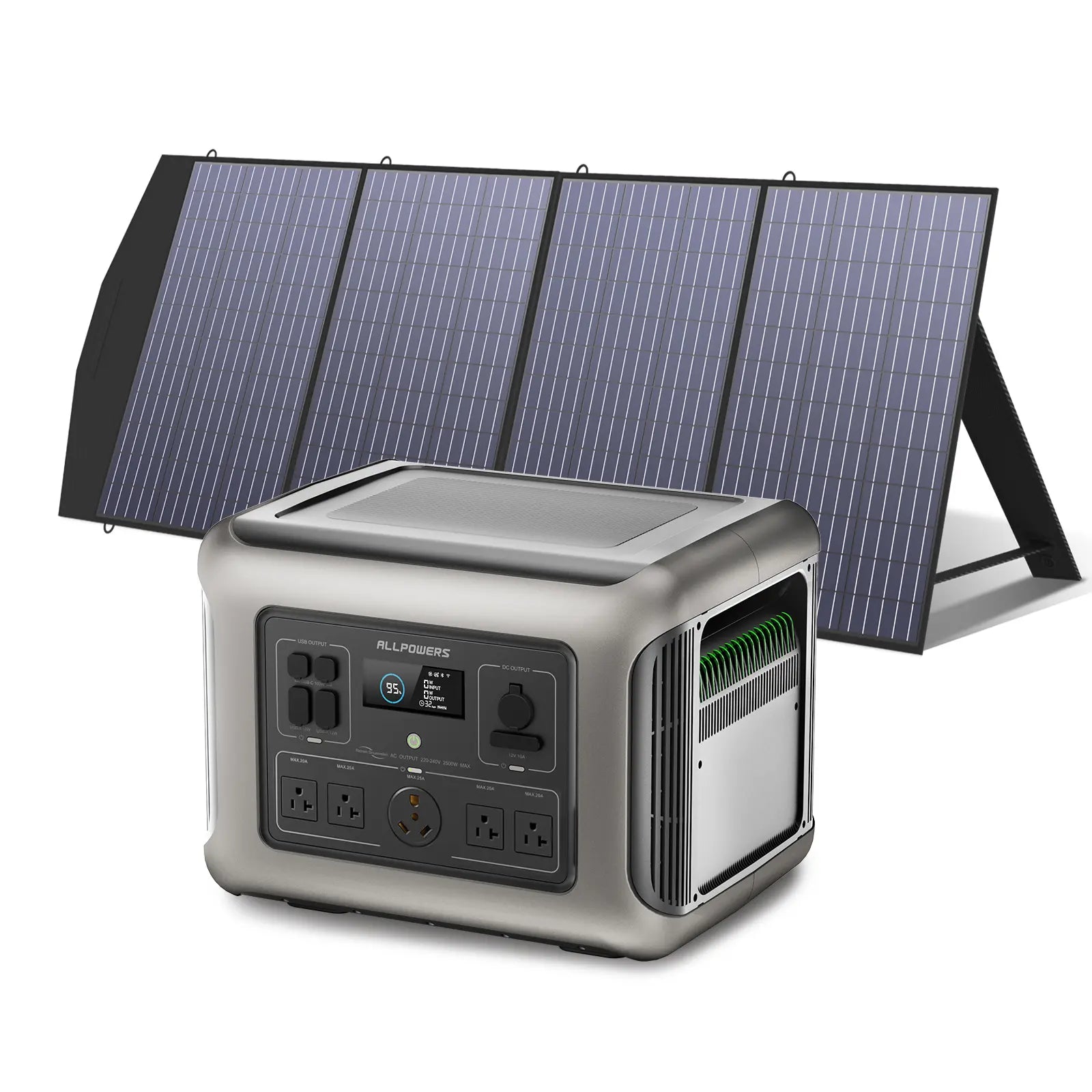
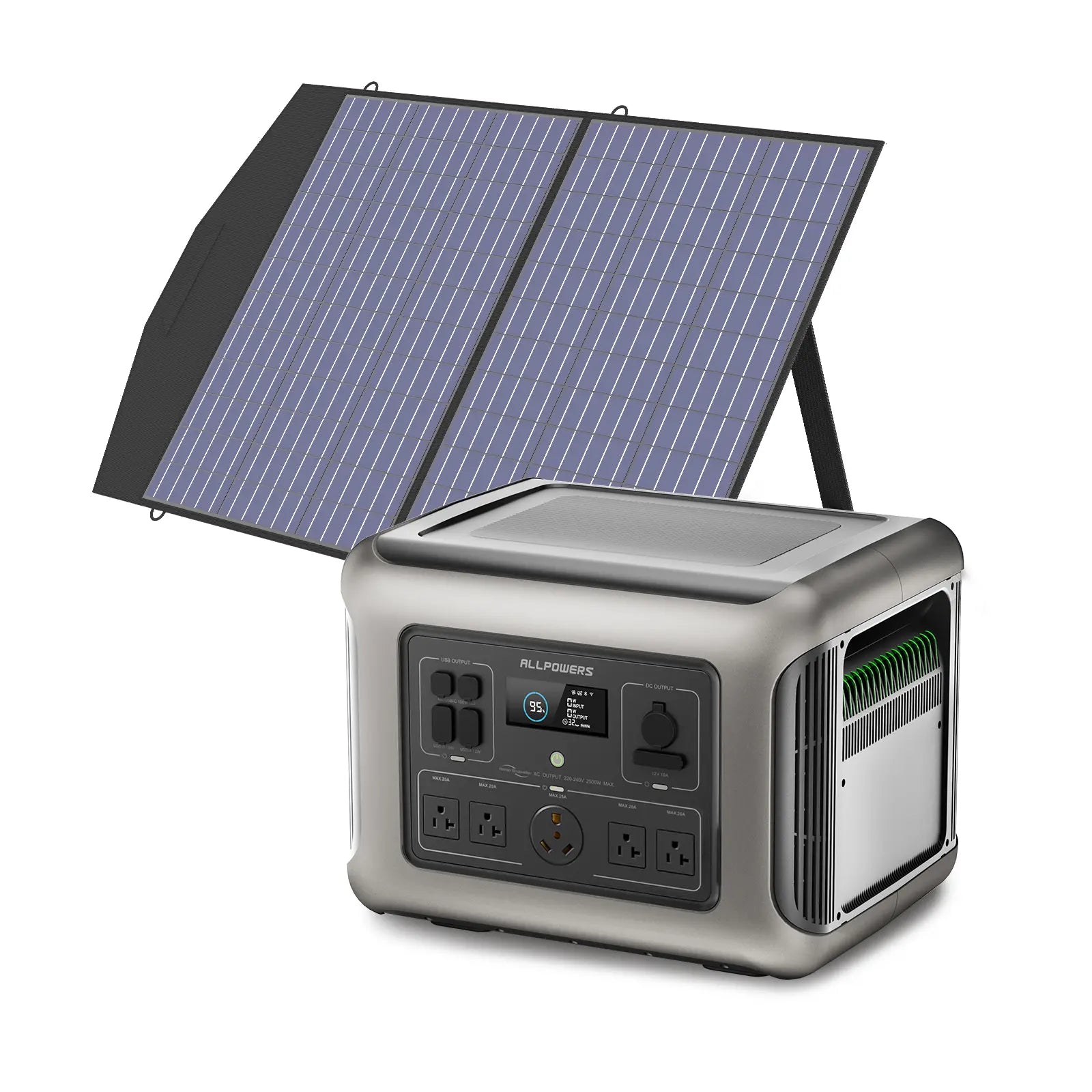
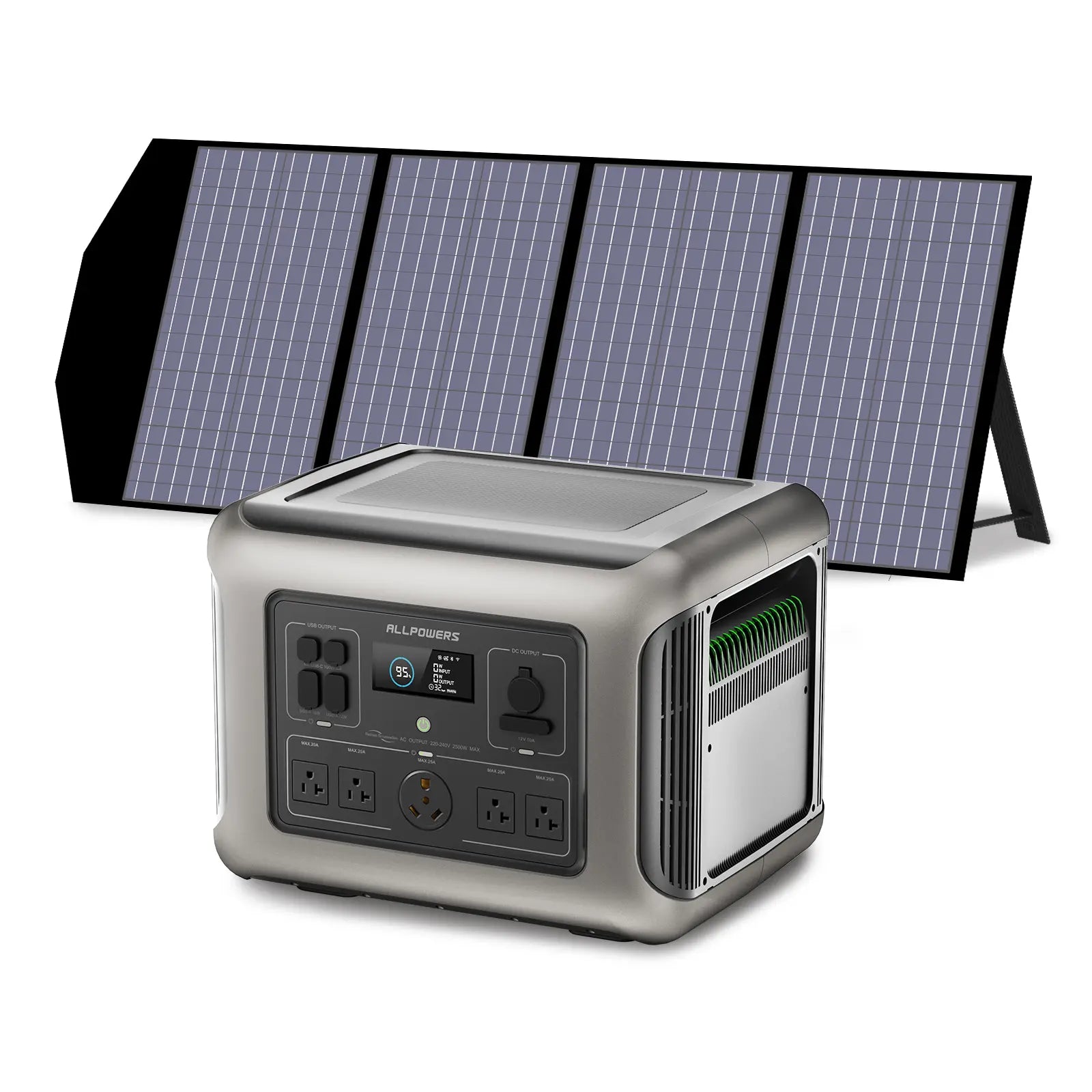
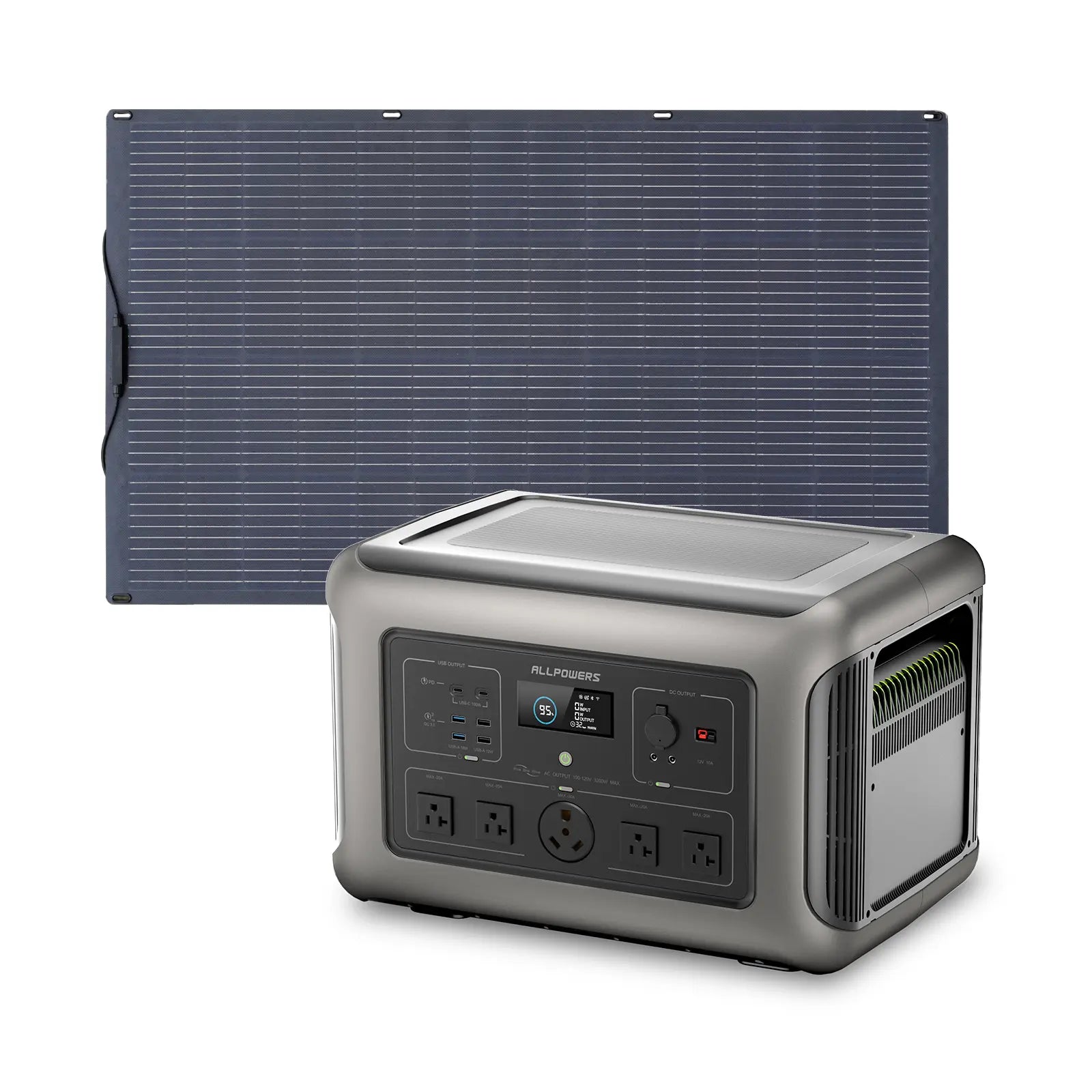
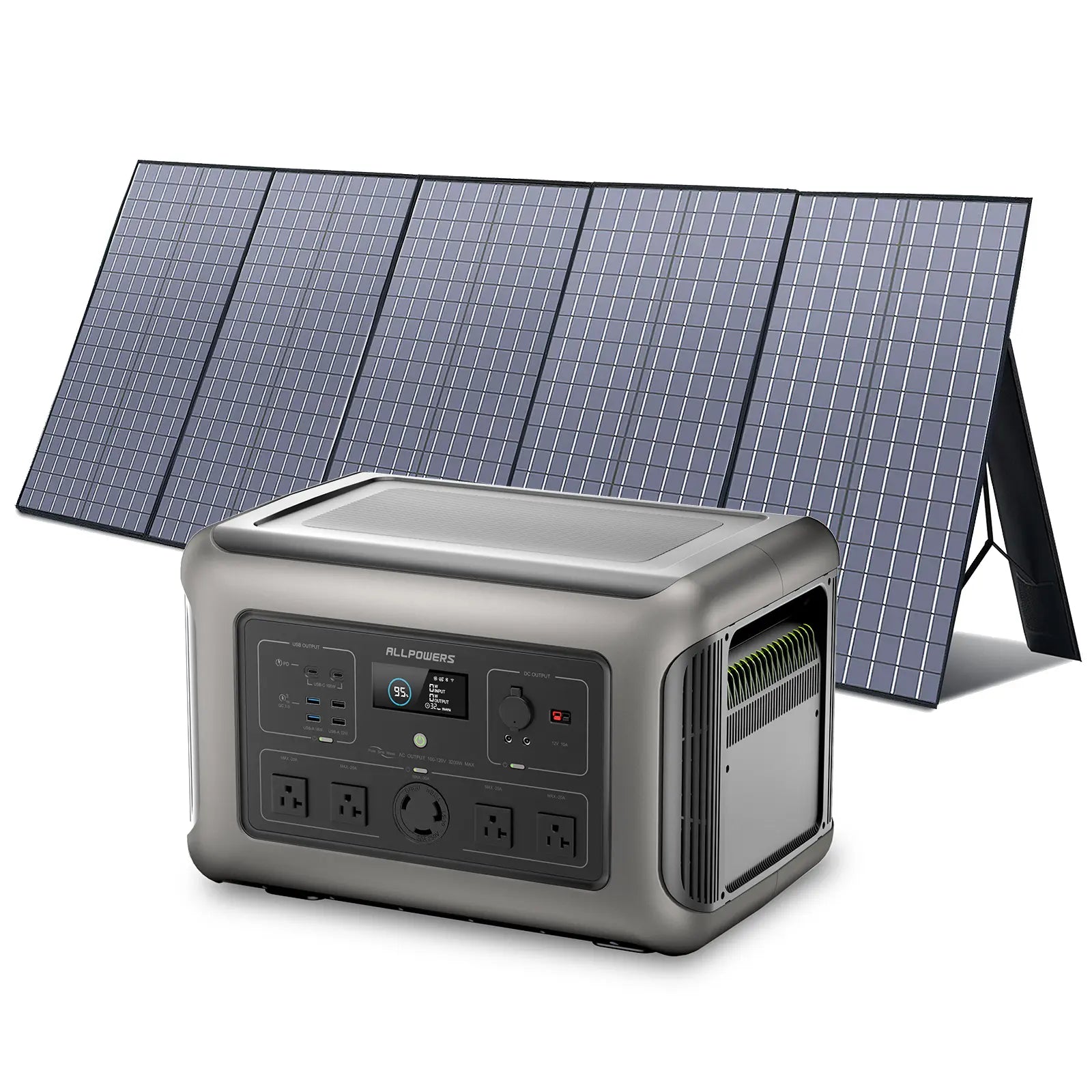
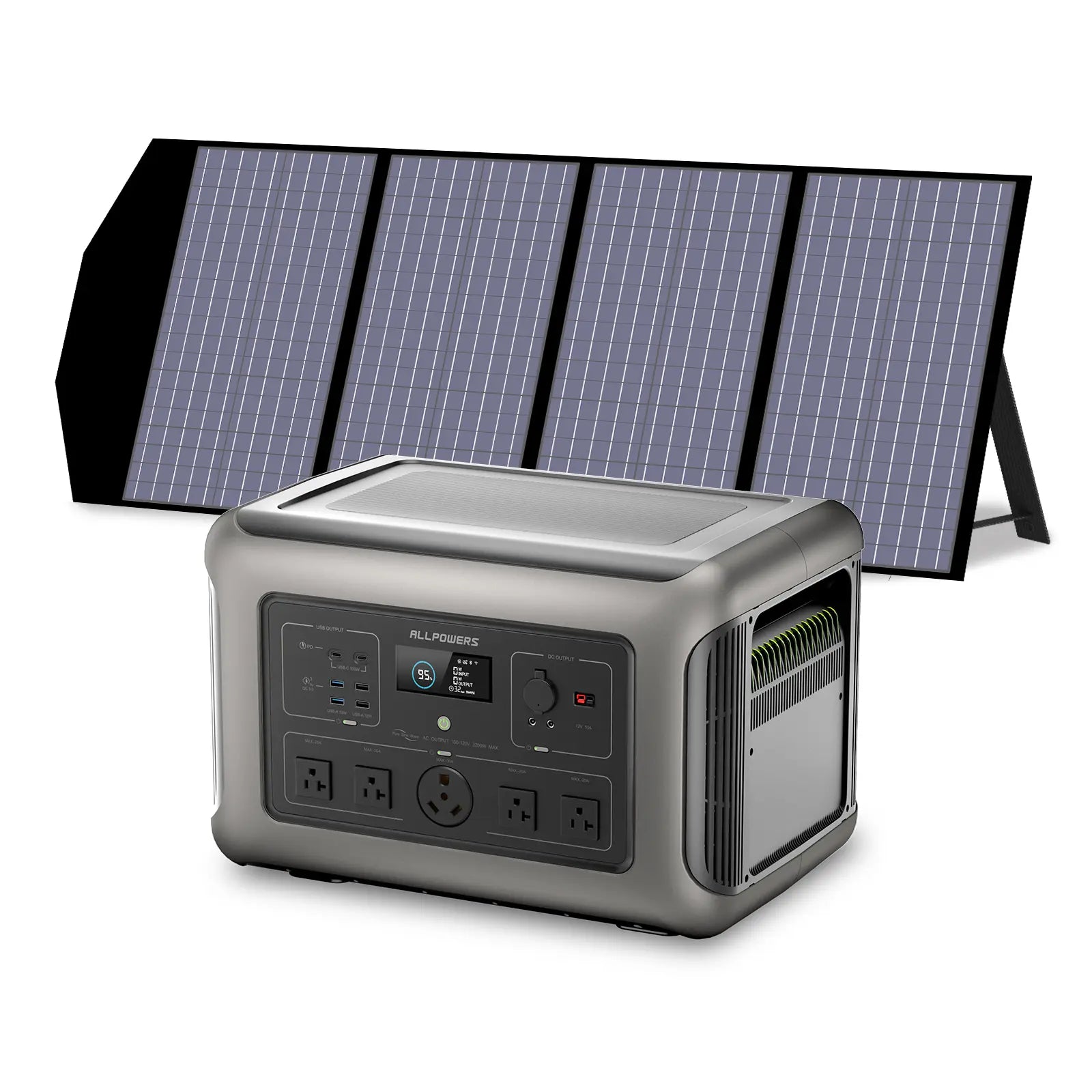
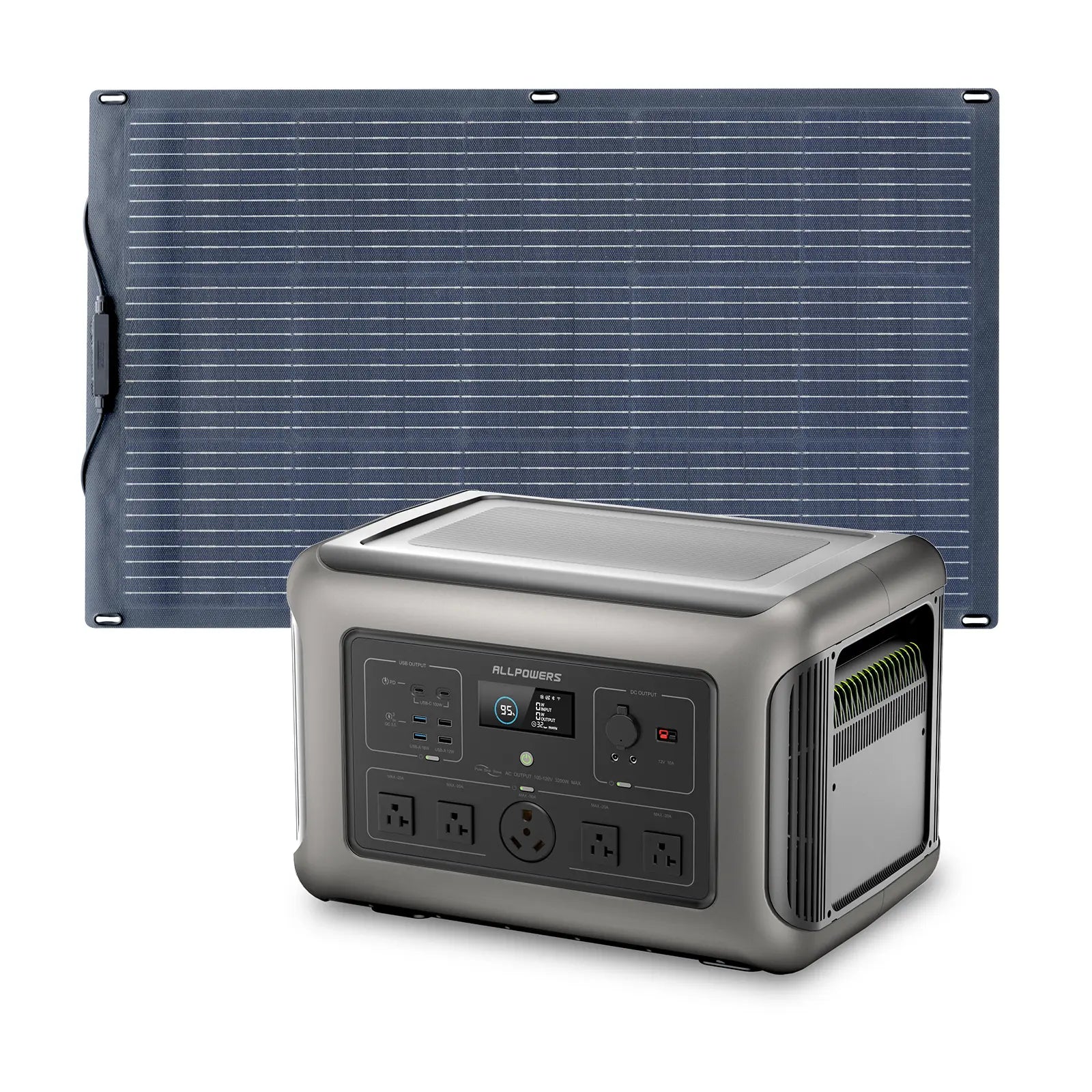
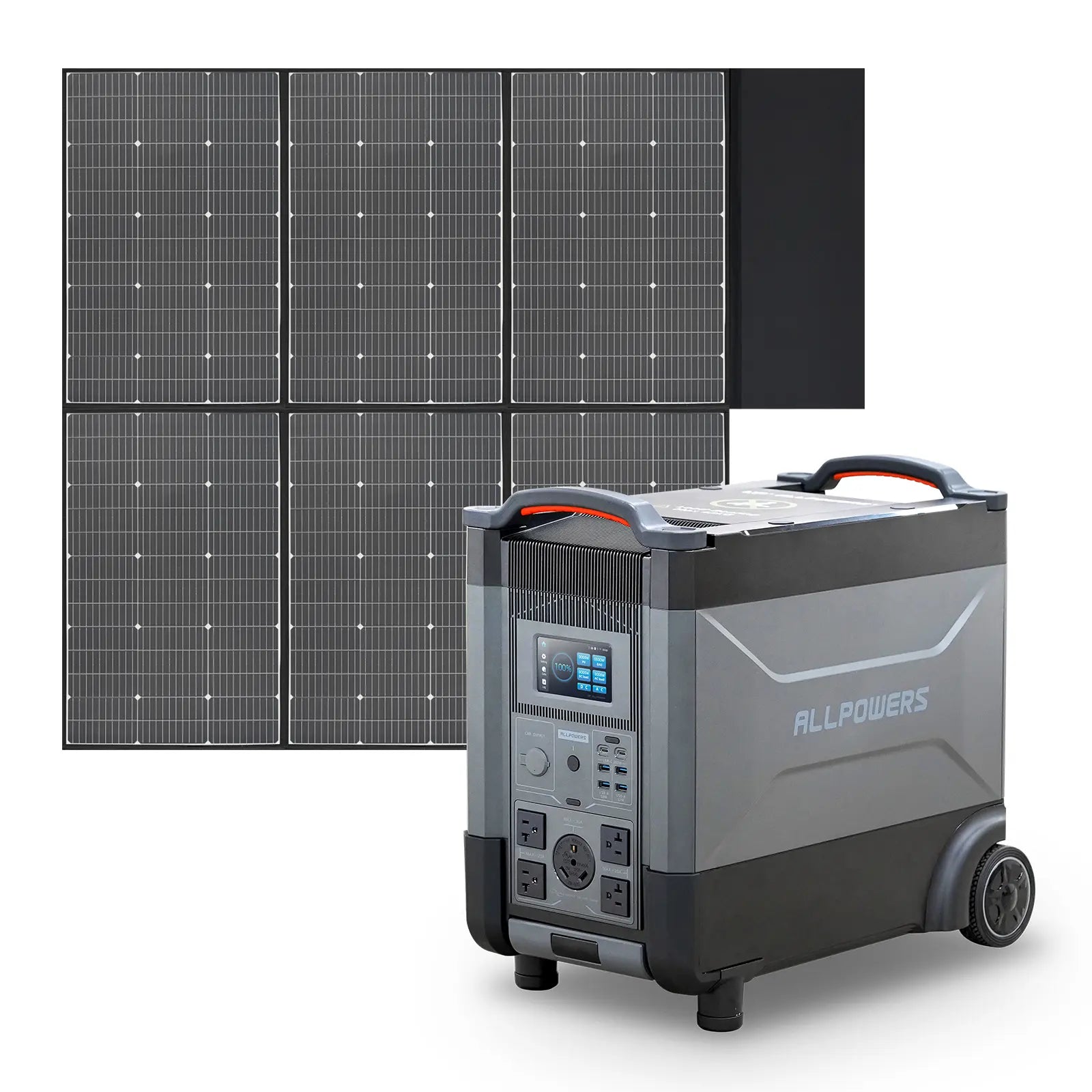
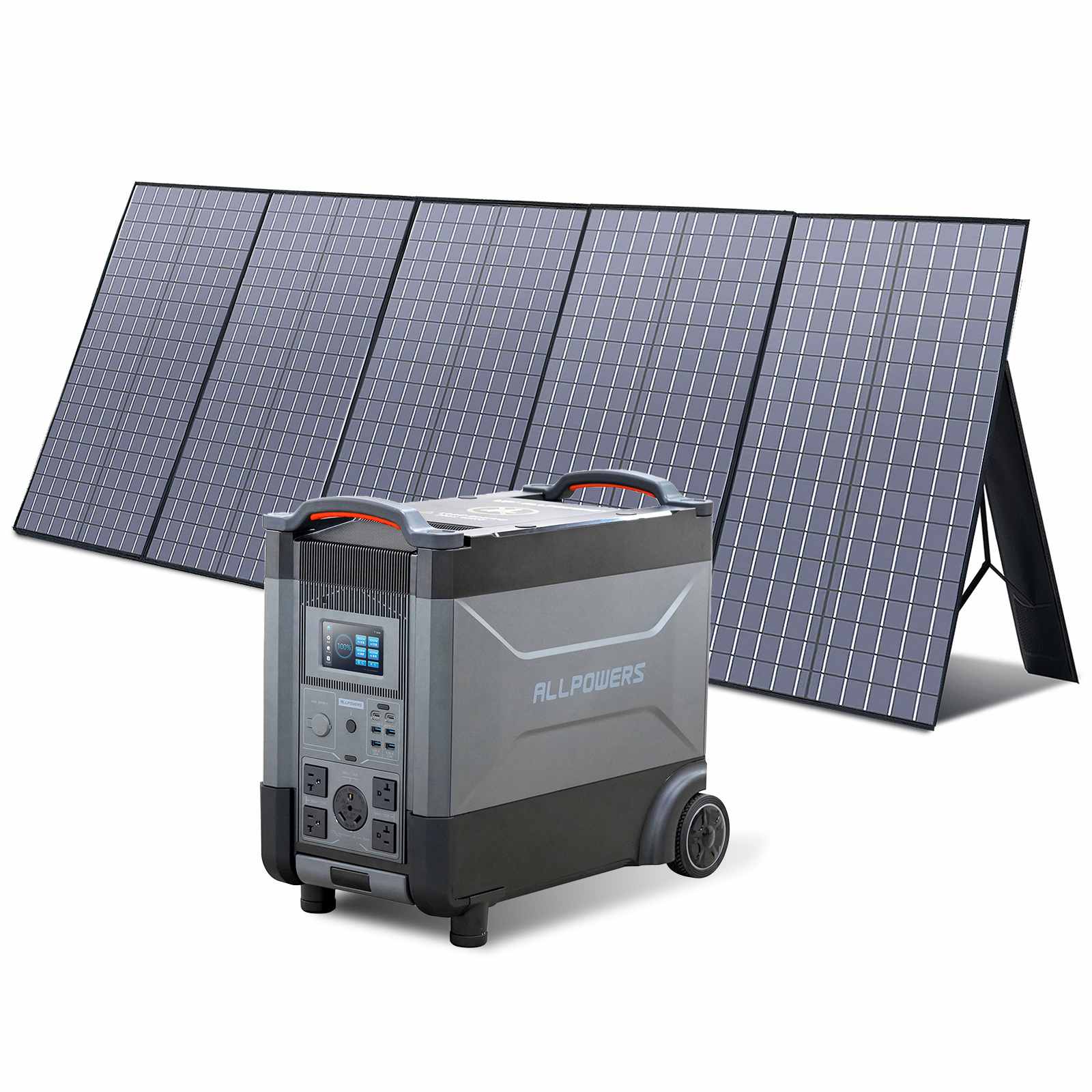
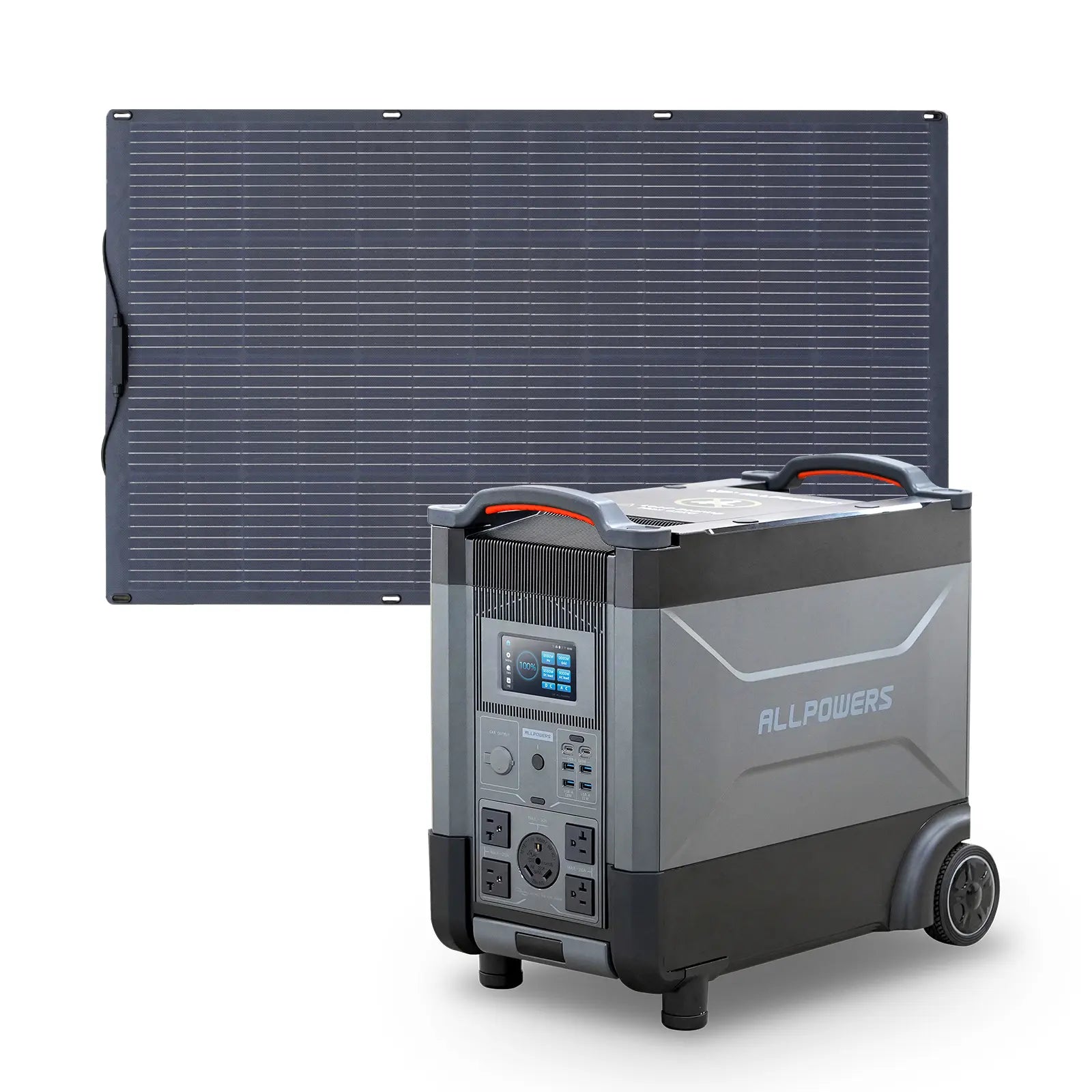
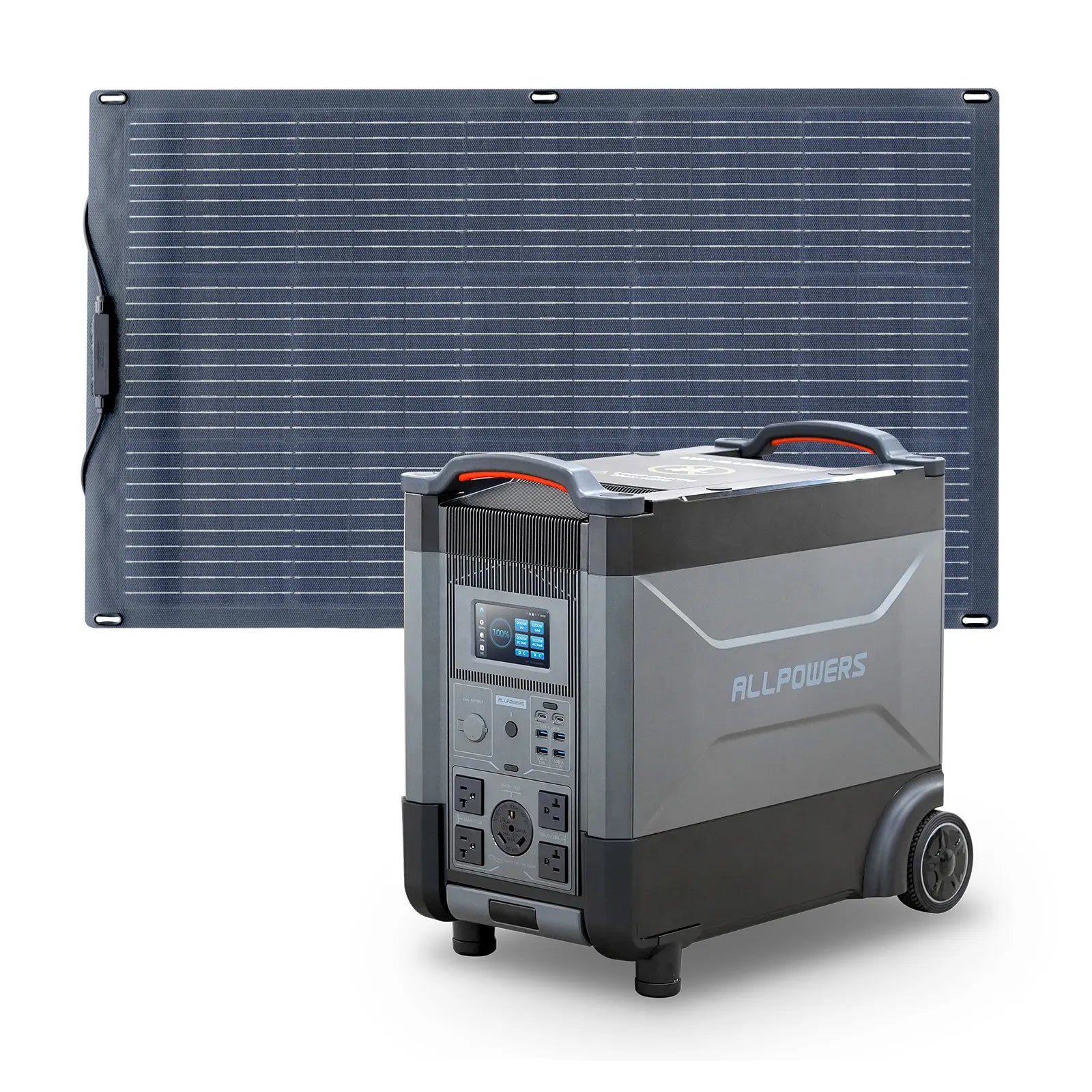
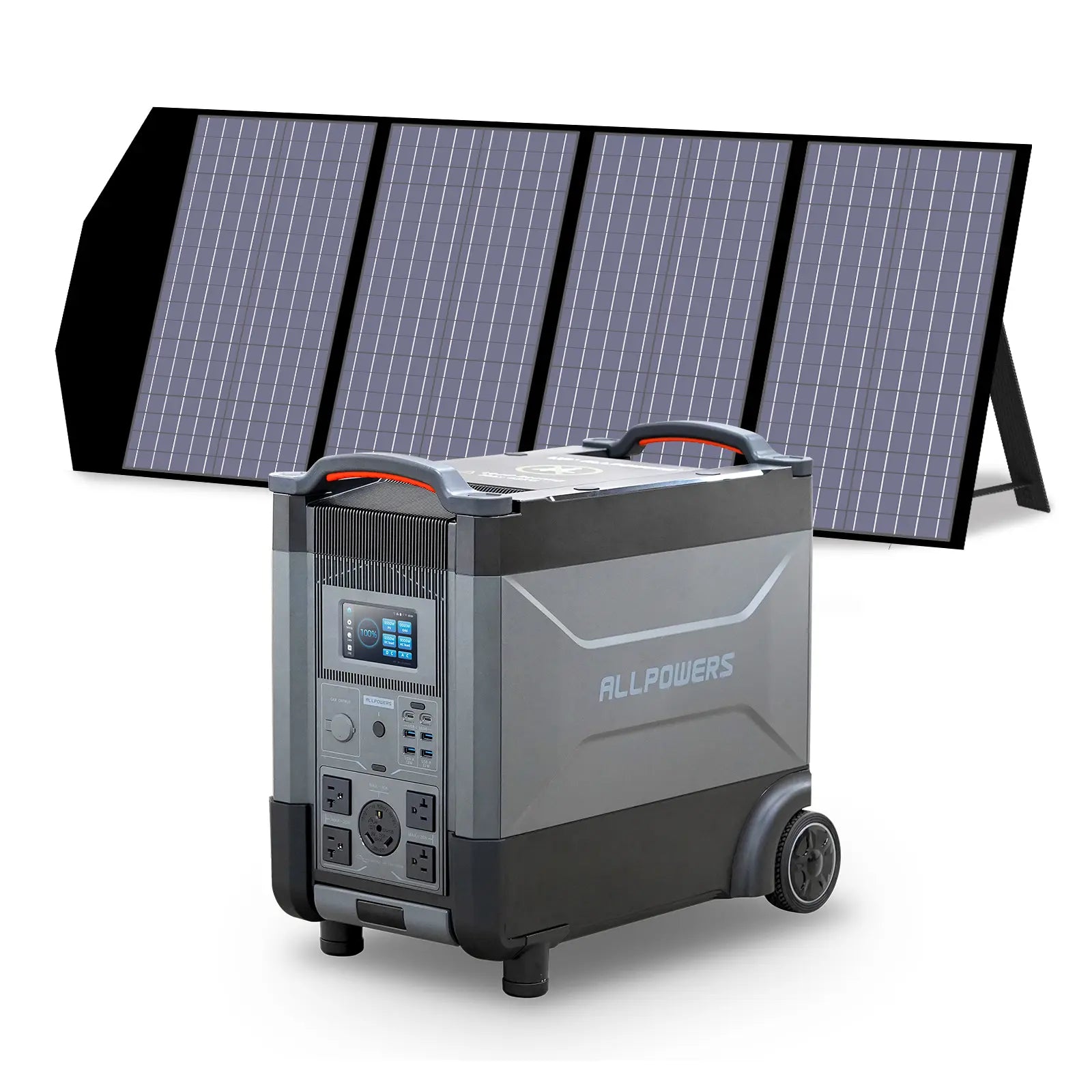
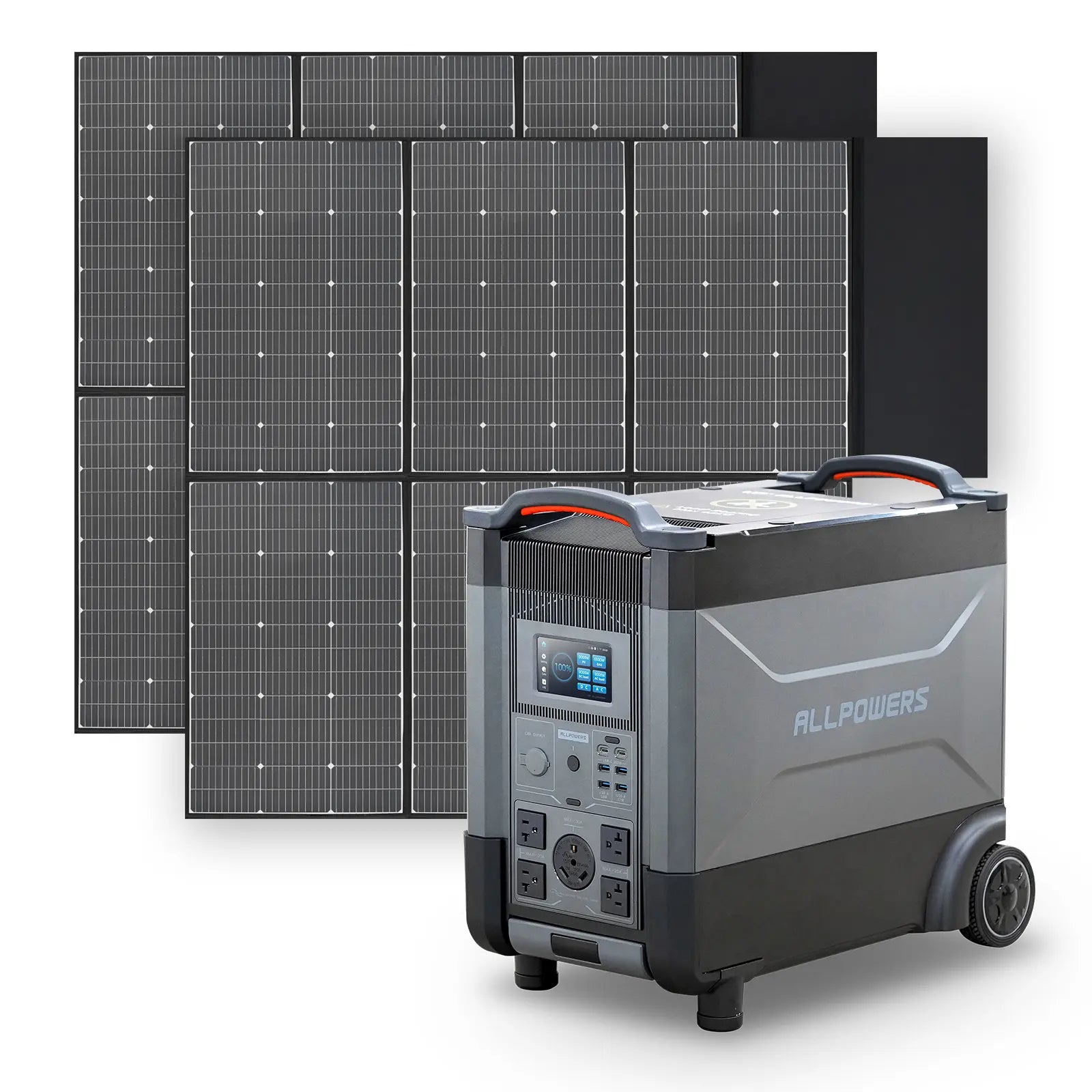
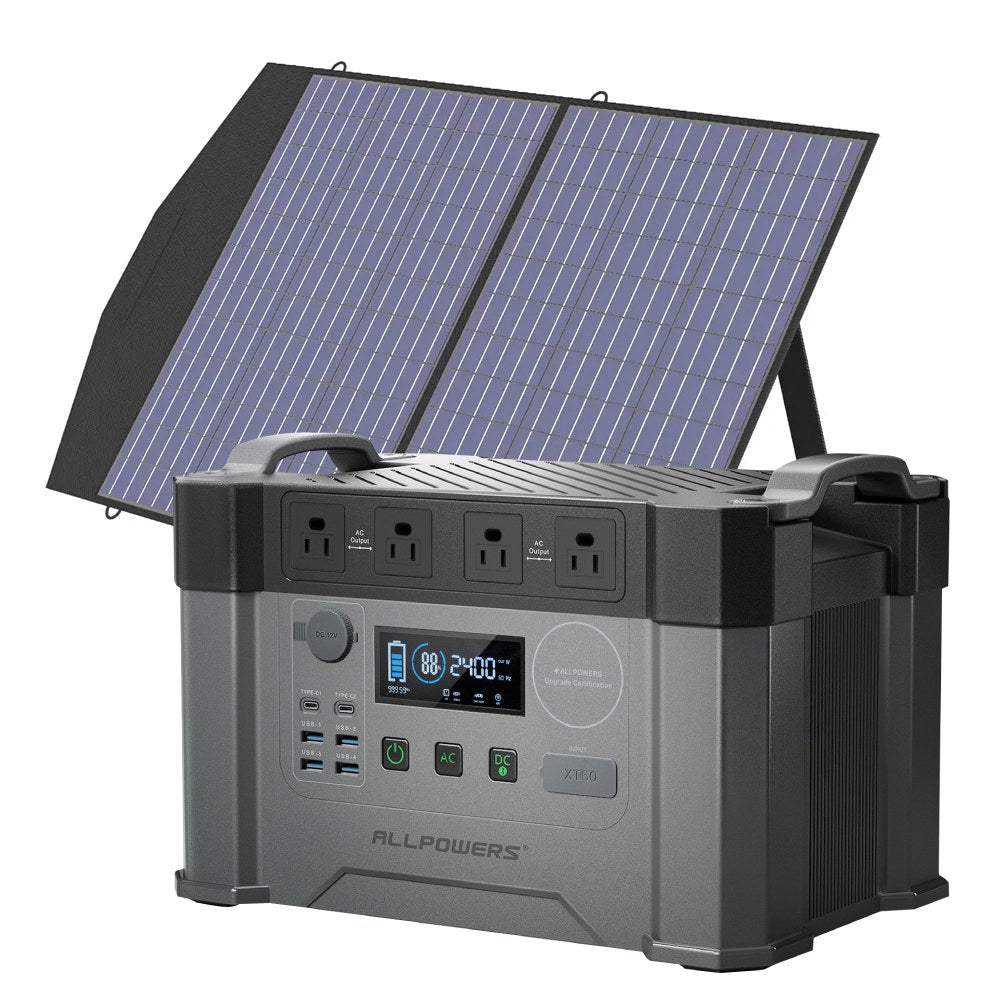
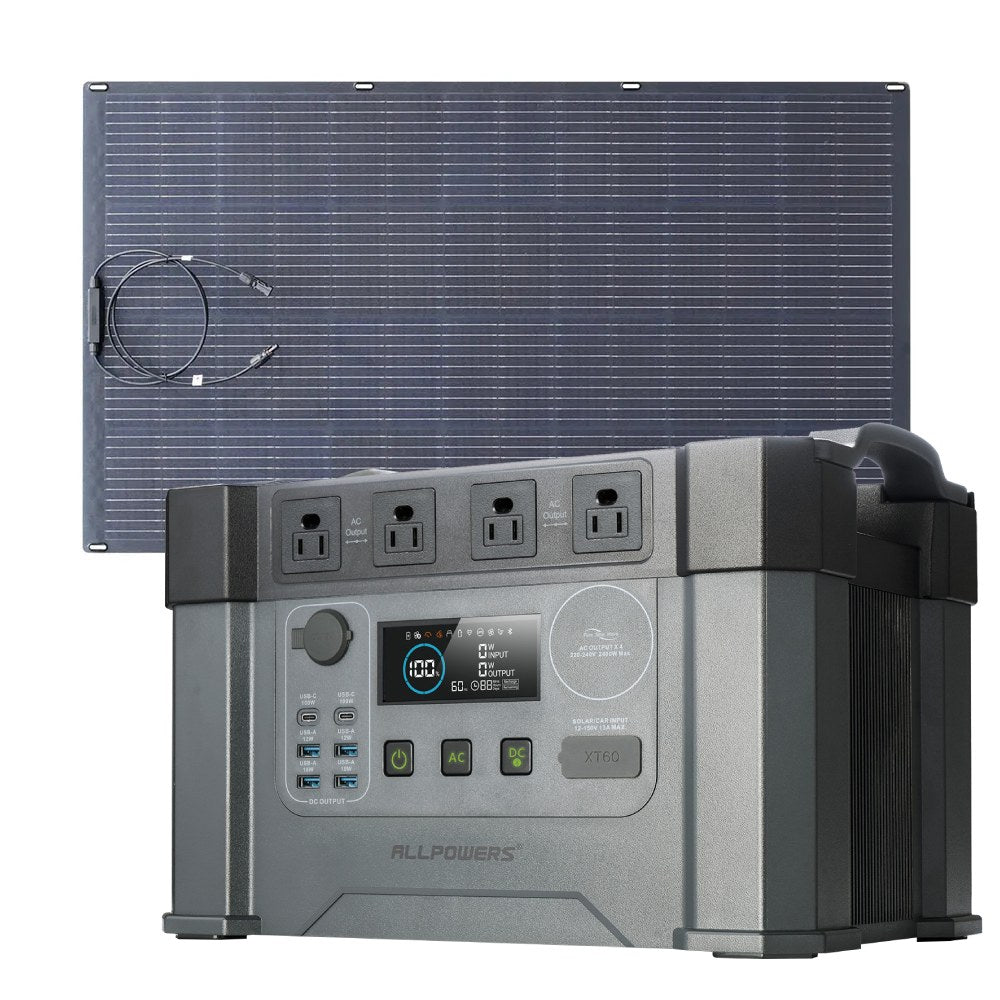
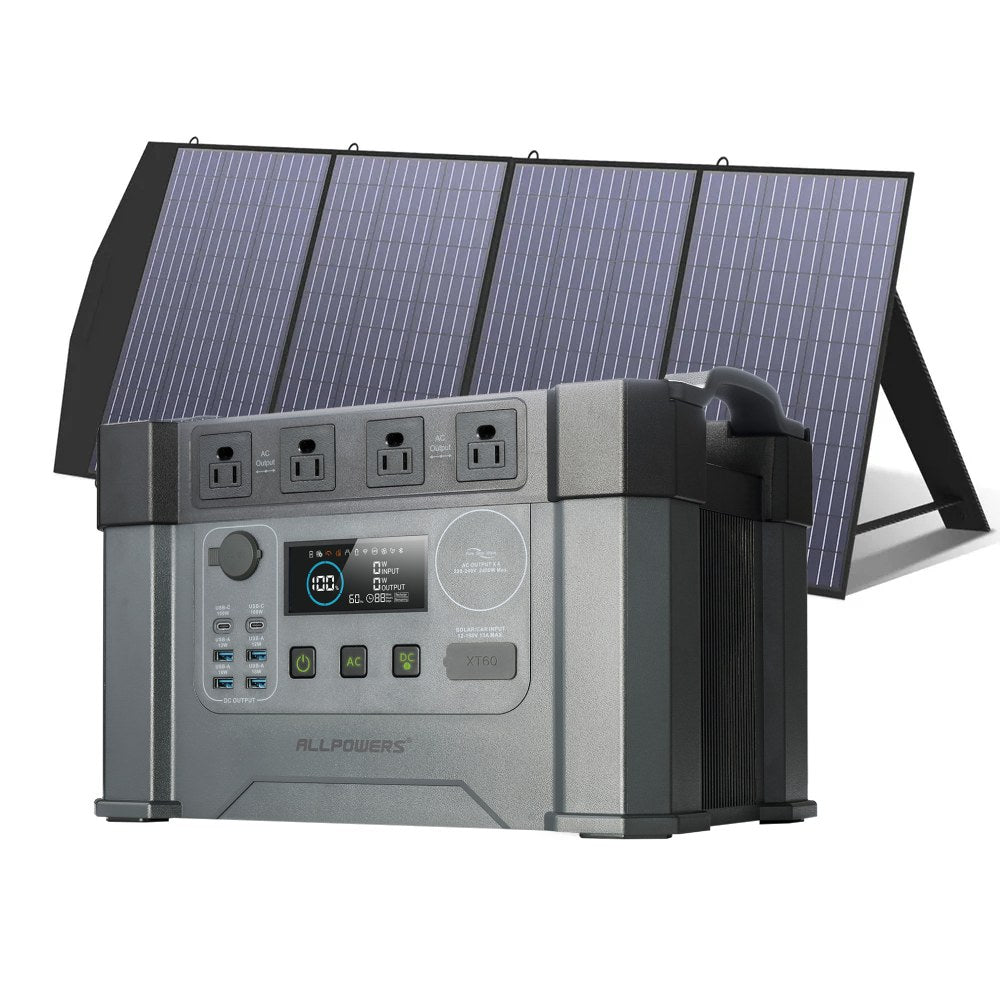
Portable solar panels have become increasingly popular among campers, especially for trips lasting several days.
However, it's important to understand that solar charging is rarely instantaneous. Weather conditions, cloud cover, panel angle, and seasonal sunlight all influence charging performance.
Many campers combine solar charging with stored energy systems so electricity collected during daylight hours can be used later at night or during cloudy periods.
This approach provides more stable charging even when weather conditions change.
How Can You Make Your Phone Battery Last Longer?
Reducing power consumption is often just as effective as increasing charging capacity. Small adjustments can significantly extend battery life, especially during multi-day camping trips.
Use Airplane Mode When Possible
If cellular service is unavailable, switching to Airplane Mode prevents your phone from continuously searching for a signal, helping conserve battery.
Download Maps Before Leaving
Offline navigation apps eliminate the need for constant mobile data, reducing both battery consumption and dependence on unreliable network coverage.
Lower Screen Brightness
The display is one of the largest power consumers on any smartphone. Reducing brightness or enabling automatic brightness adjustment can noticeably extend runtime.
Close Background Applications
Many apps continue syncing data or updating location information even when they are not actively being used. Closing unnecessary apps helps reduce background battery drain.
What If You're Camping for Several Days?
The longer your camping trip, the more important it becomes to think beyond your smartphone alone.
Cameras, headlamps, smartwatches, Bluetooth speakers, and GPS devices all compete for the same available energy.
Rather than carrying multiple charging accessories, many campers simplify their setup by planning their daily power needs in advance.
This allows them to recharge several devices from a single battery source while keeping essential equipment ready for emergencies.
If solar charging is part of your setup, it is also wise to account for cloudy weather by maintaining enough stored energy for at least a day or two without strong sunlight.
| Camping Duration | Recommended Charging Strategy |
|---|---|
| 1–2 Days | Power bank only |
| 3–5 Days | Power bank + vehicle charging |
| 5+ Days | Solar charging + battery storage |
| Remote Off-Grid Camping | Multiple backup charging methods |
Should You Charge Other Devices at the Same Time?
Modern camping often involves more than just a smartphone. Many campers also carry cameras, wireless earbuds, GPS devices, tablets, smartwatches, or portable speakers.
Charging all of these devices simultaneously can quickly deplete available energy. Prioritizing essential equipment first helps ensure your phone remains operational if power becomes limited.
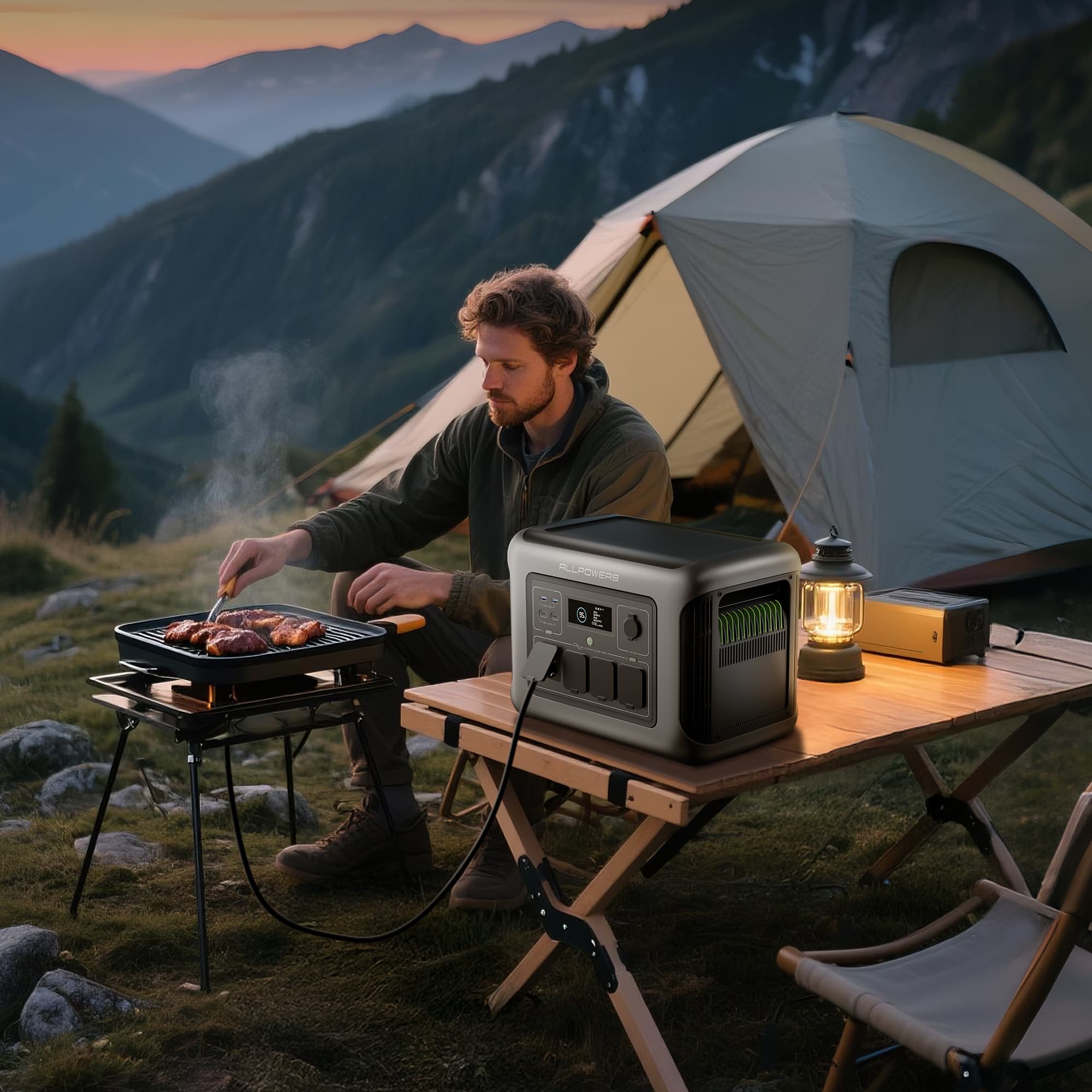
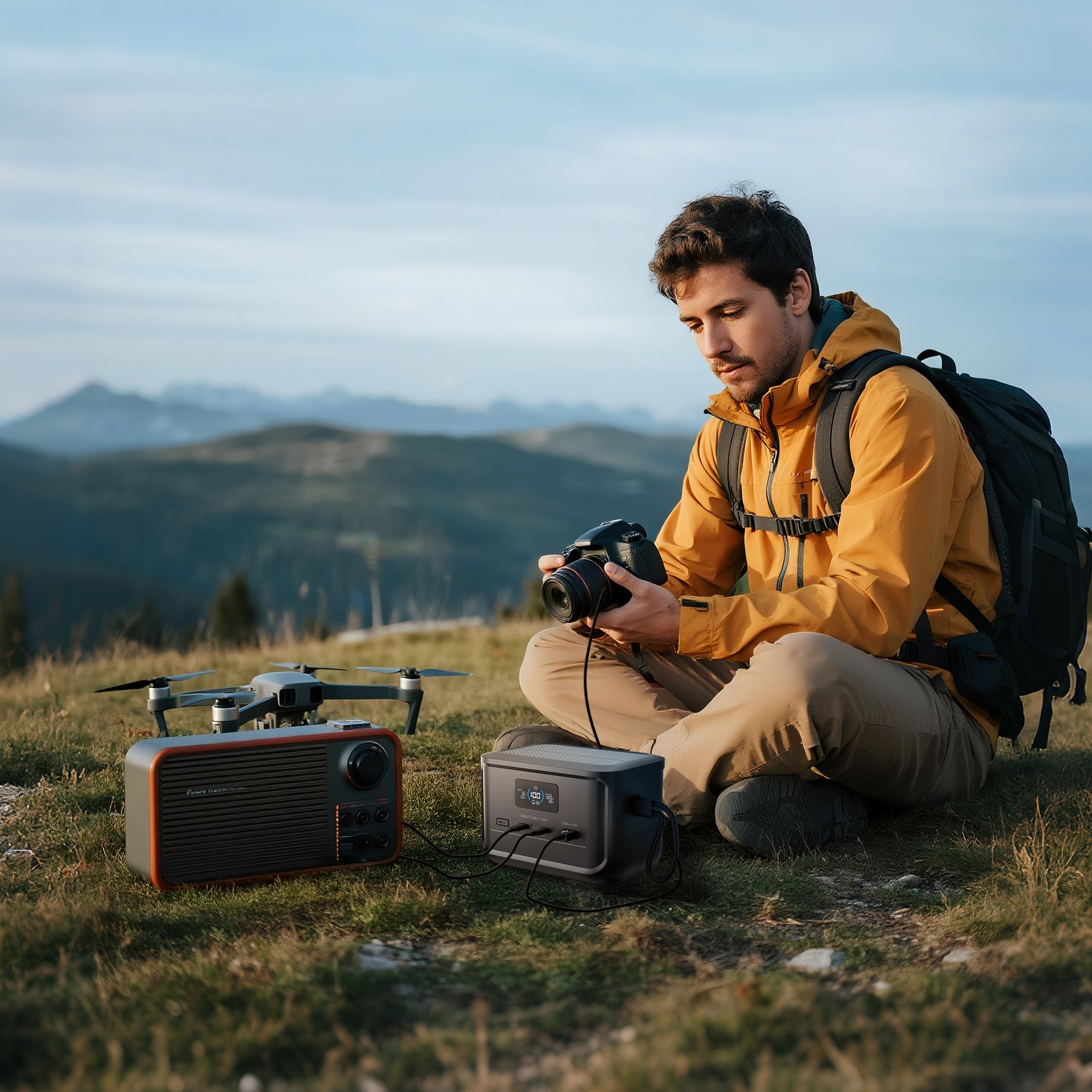
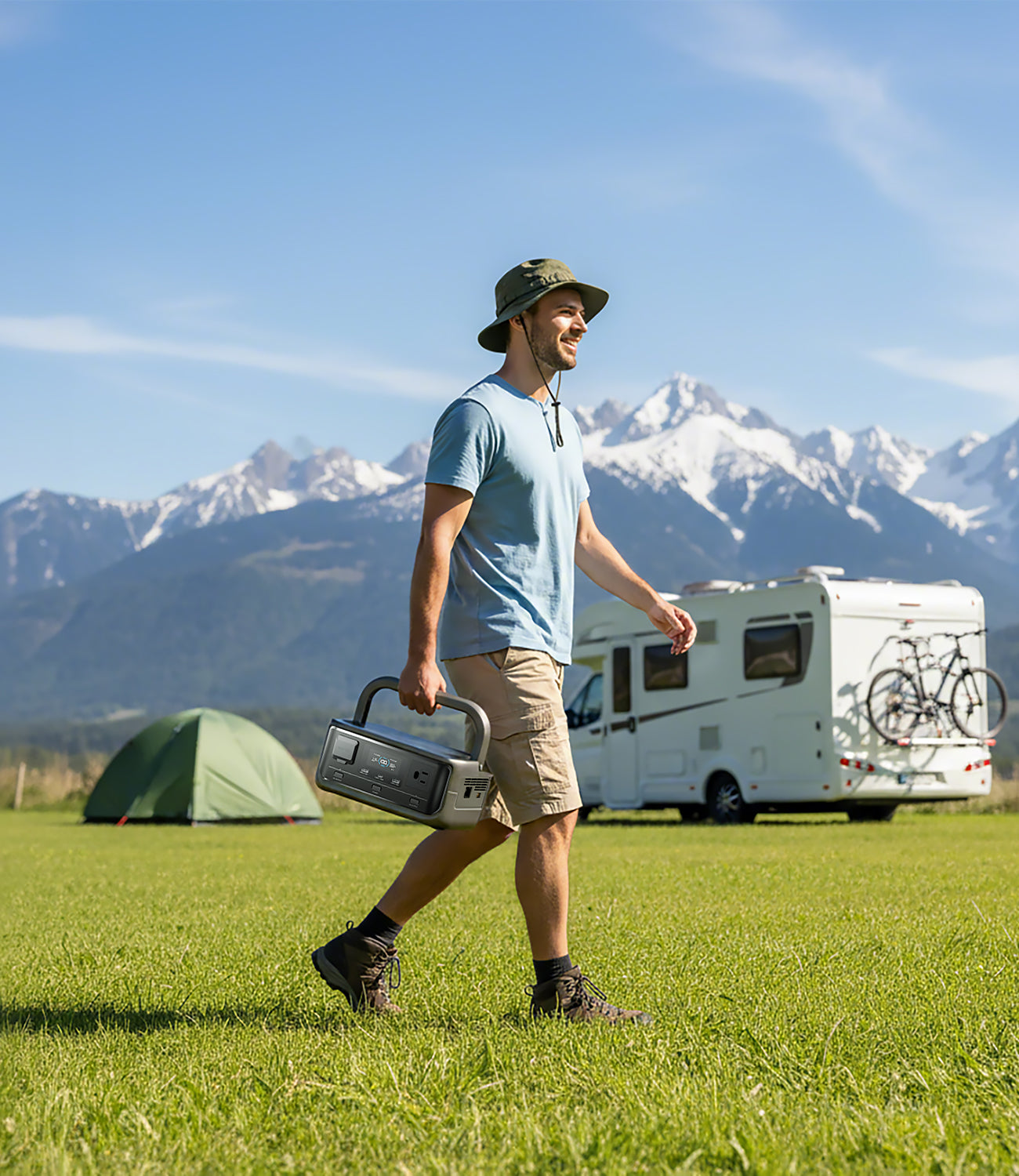
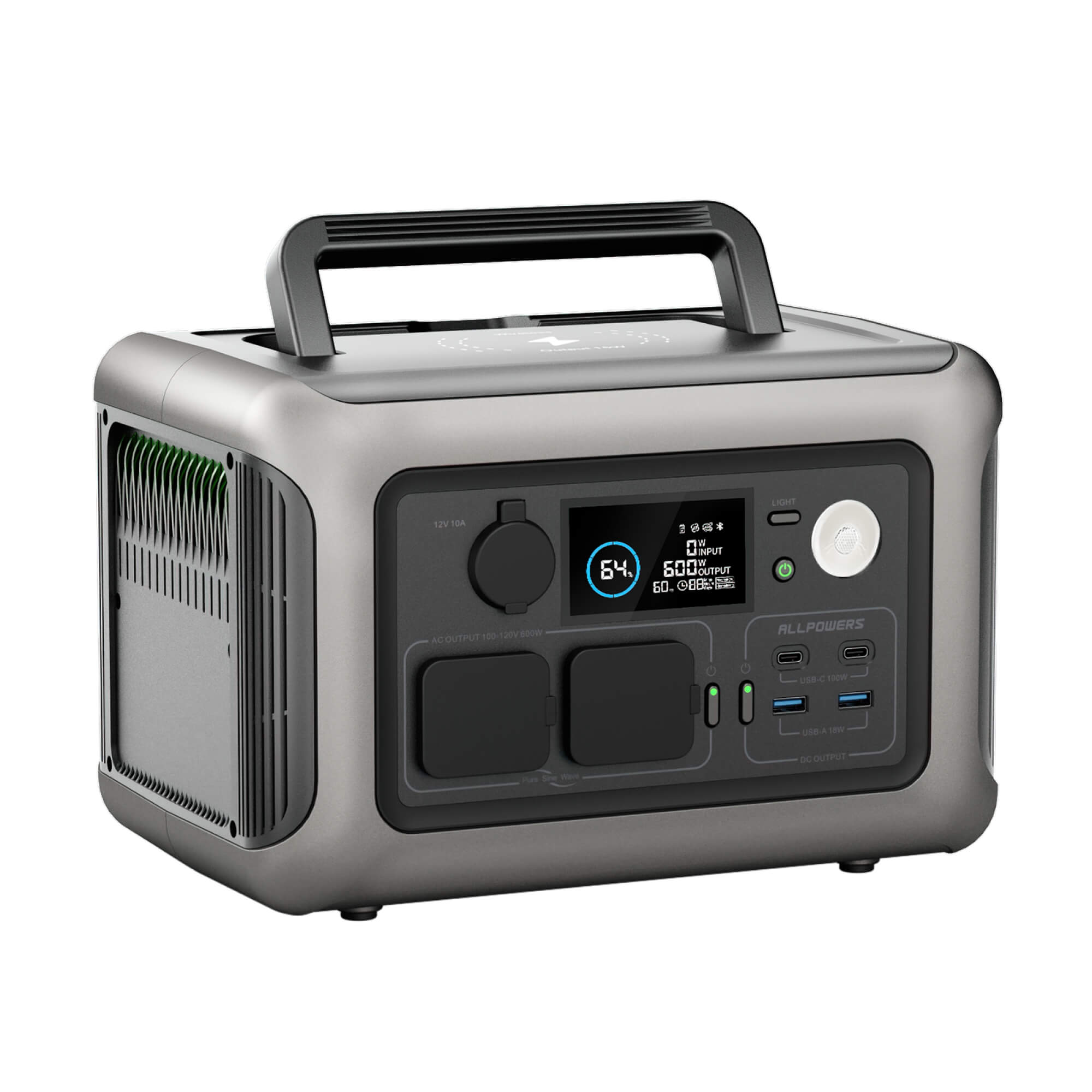
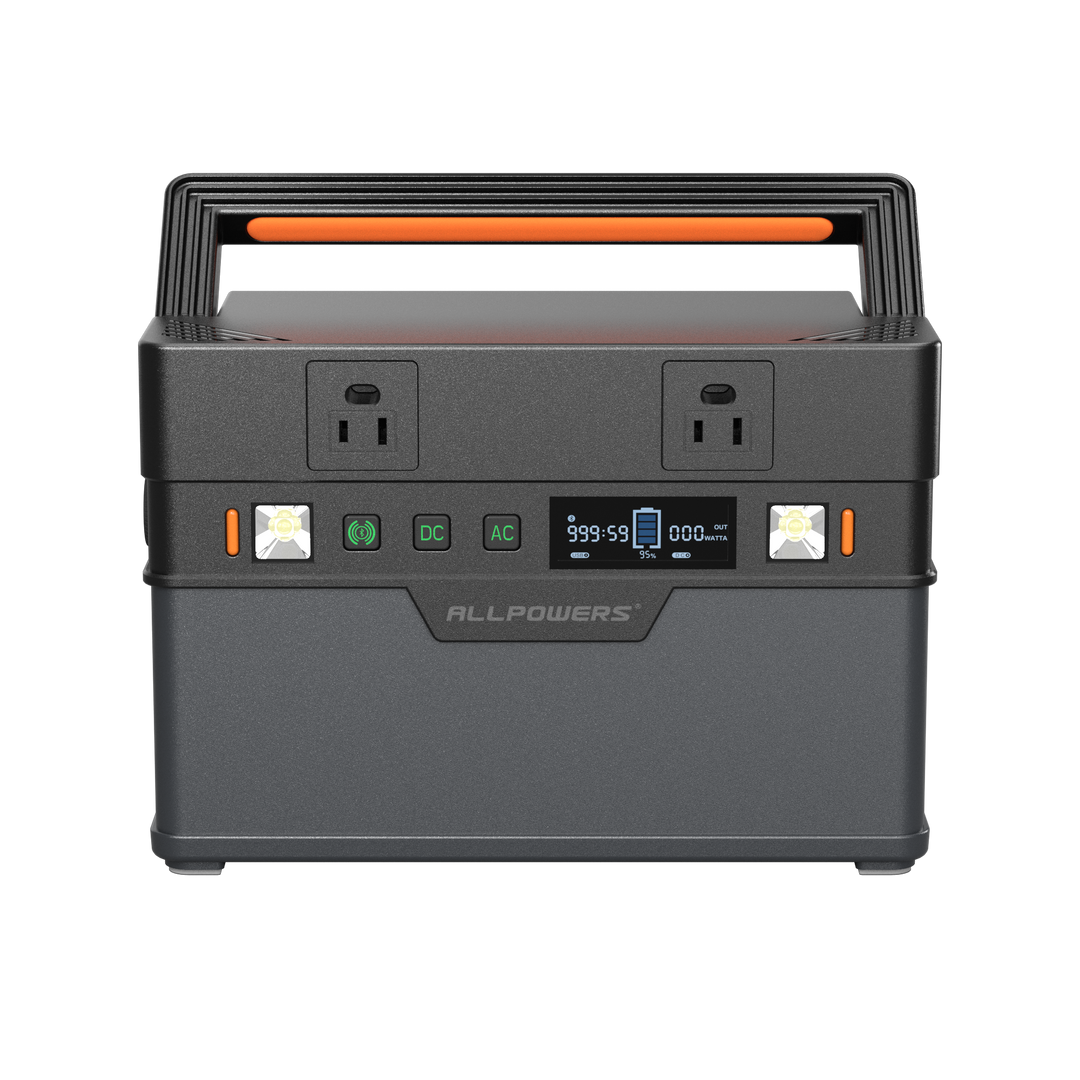
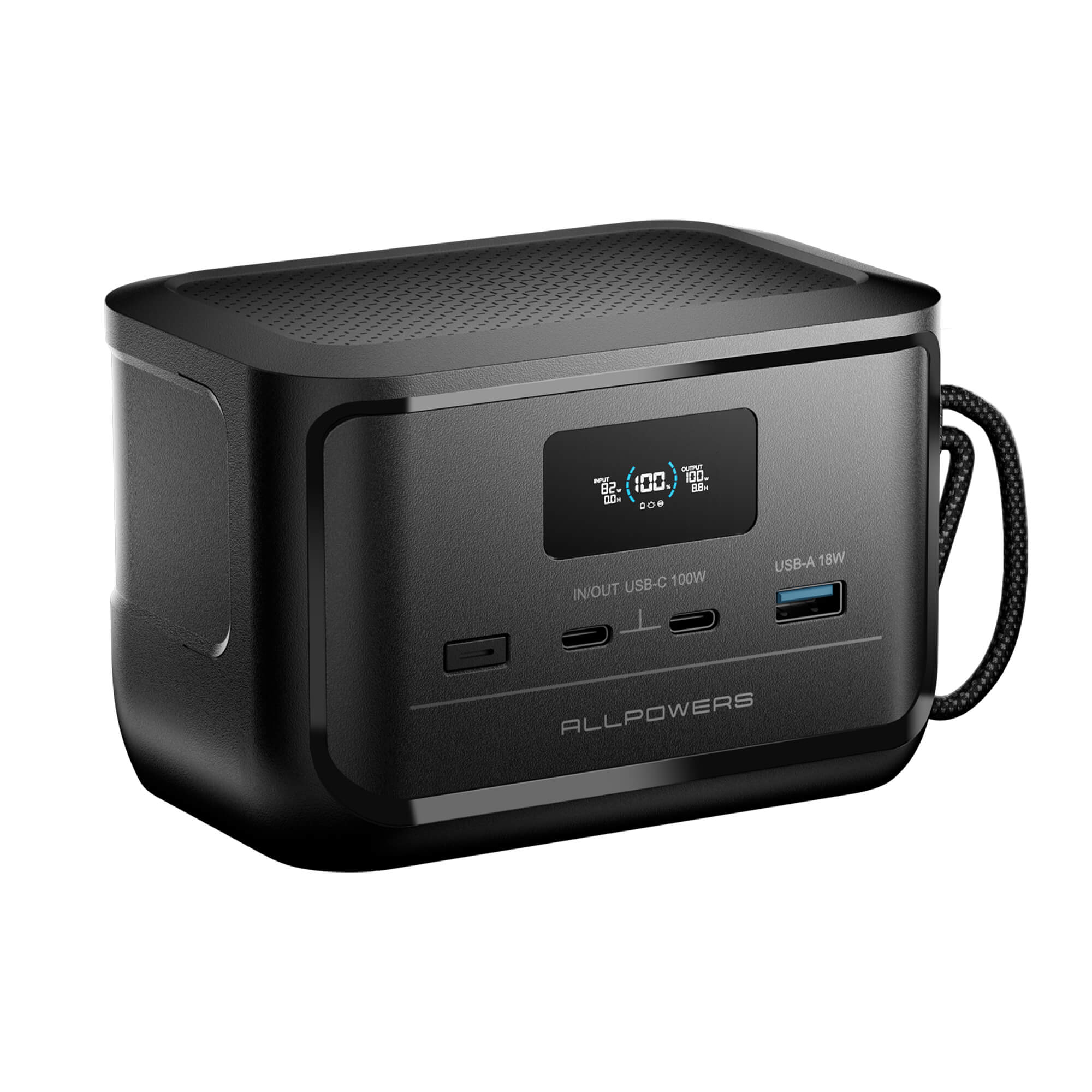
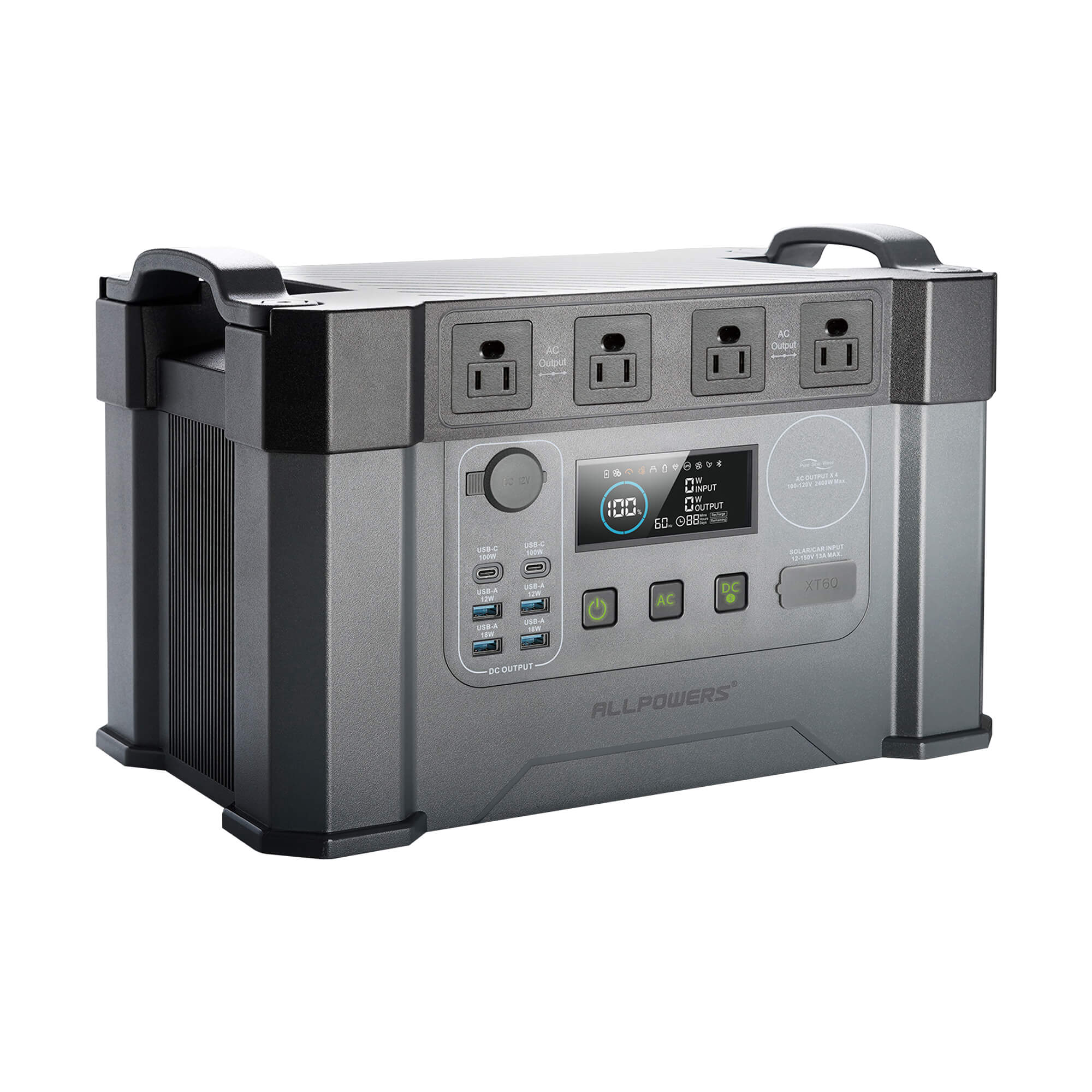
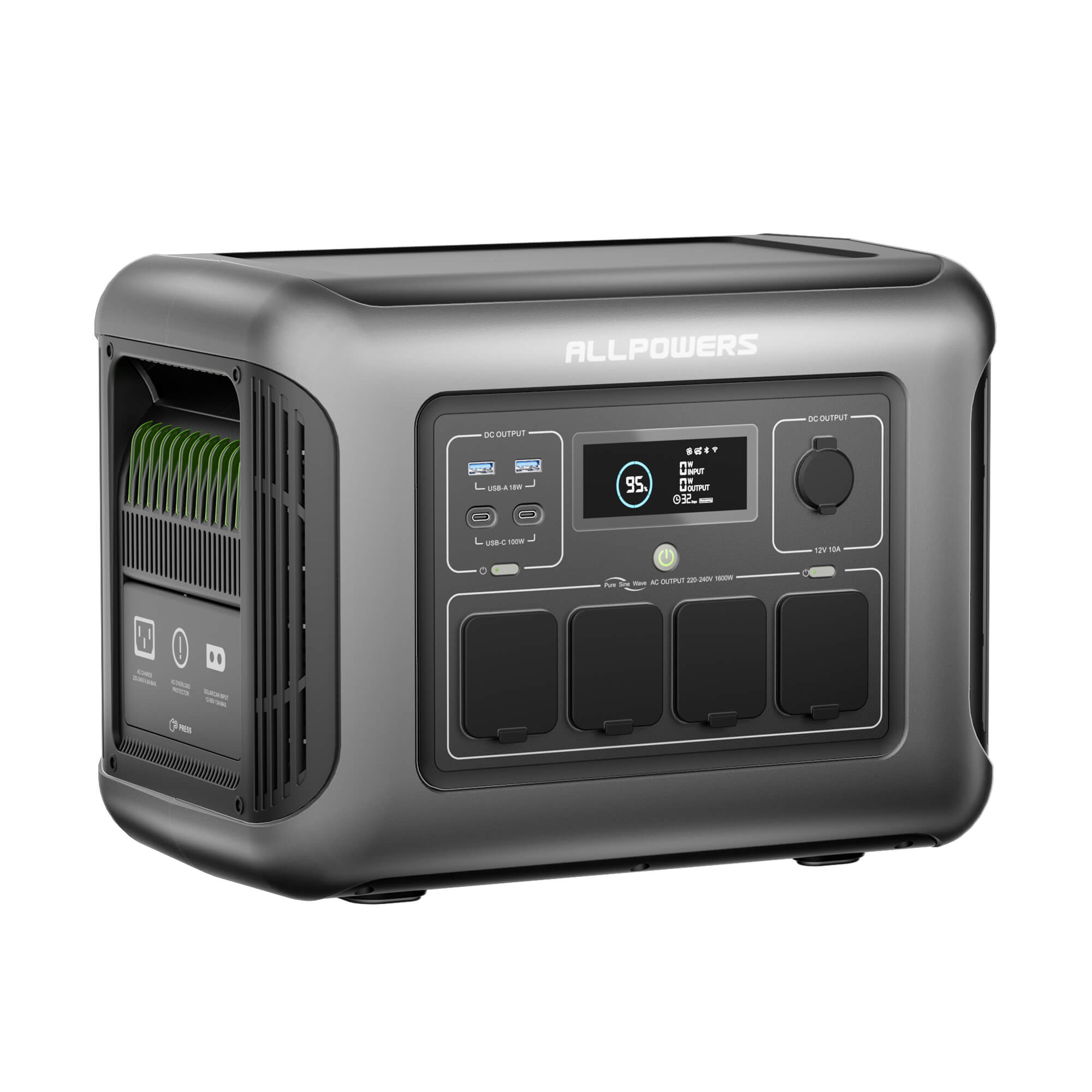
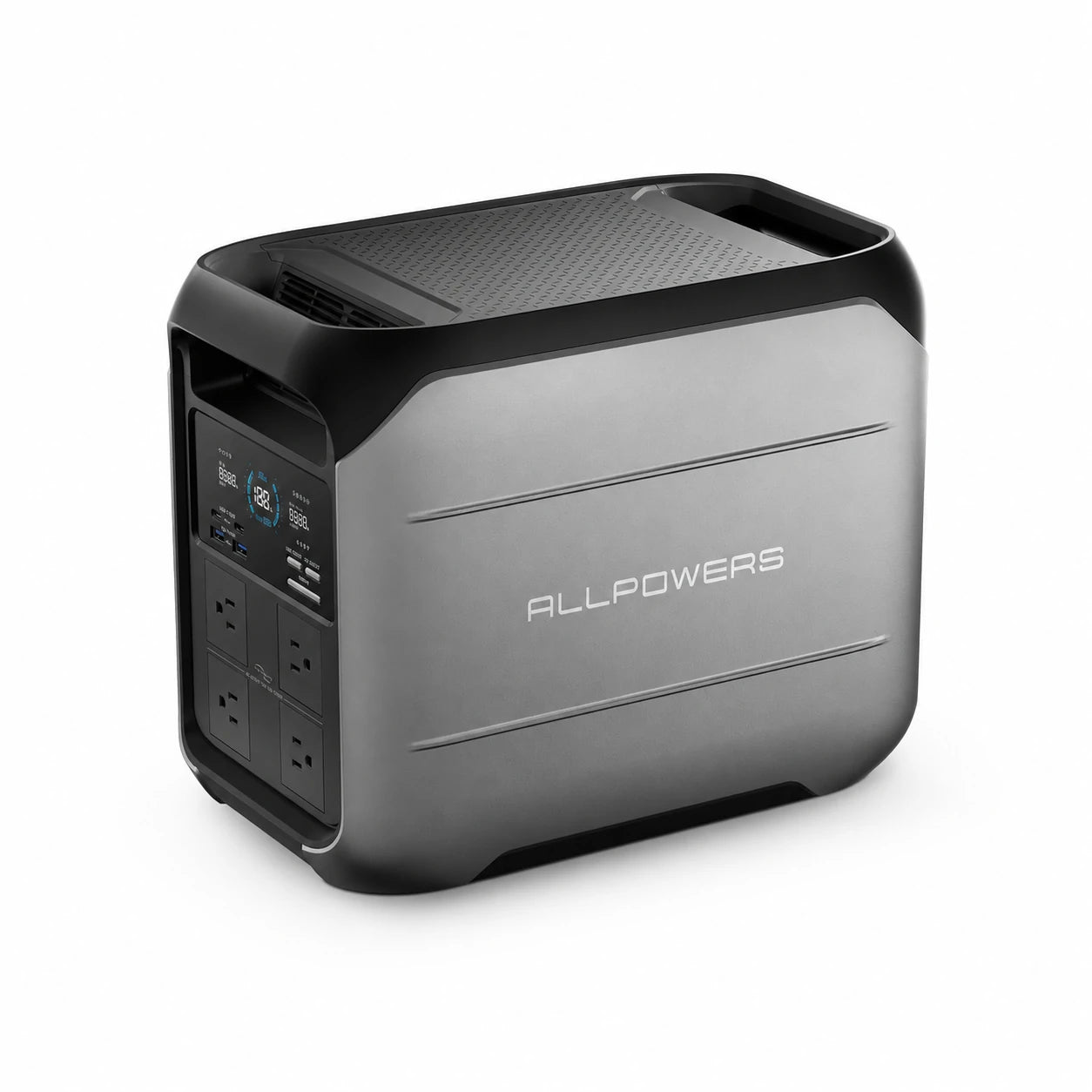
Some campers also bring portable power stations to support multiple USB devices from a single energy source during longer off-grid stays, particularly when charging cameras, lighting, and communication devices together.
Planning Ahead Makes Charging Much Easier
The most reliable phone charging strategy begins before you leave home. Fully charging every device, downloading offline maps, carrying appropriate cables, and understanding your daily power needs can prevent many common camping frustrations.
Rather than focusing on a single charging method, think of your camping power plan as a complete system.
Combining efficient phone settings with appropriate charging equipment allows you to spend less time worrying about battery percentages and more time enjoying the outdoors.
Frequently Asked Questions
Can I charge my phone with a solar panel while camping?
Yes. Solar panels can recharge batteries during the day, although charging speed depends on sunlight conditions and panel size.
Is a power bank enough for a weekend camping trip?
For most campers, a fully charged power bank provides enough energy to recharge a smartphone multiple times over a typical weekend.
Does Airplane Mode really save battery?
Yes. Airplane Mode reduces battery drain by preventing your phone from continuously searching for cellular signals in remote areas.
How many times can a battery pack charge a phone?
The answer depends on both the battery pack capacity and your phone's battery size, but many high-capacity power banks can recharge a smartphone between two and five times.