






Camping allows people to disconnect from busy routines, but modern outdoor adventures often still depend on electronic devices.
Smartphones help with navigation, cameras capture memories, GPS devices improve safety, and laptops or tablets can support remote work during longer trips.
The challenge is that campsites do not always provide convenient access to electricity, especially when exploring remote locations away from traditional power sources.
So, how can you keep your essential devices charged while enjoying time outdoors?
TL;DR: Charging devices while camping requires matching your energy needs with the right power source. Small electronics can often be supported by power banks, while longer trips may require larger battery-based energy solutions, solar charging, or vehicle charging.
How Much Power Do Camping Devices Actually Need?
Many campers underestimate their energy needs because individual devices seem small, but multiple electronics operating together can quickly consume available power.
Small Electronics
Phones, smartwatches, GPS devices, and wireless earbuds generally require relatively little energy. A compact battery pack is often enough for short camping trips involving only basic electronics.
Learn More: How to Charge Your Phone While Camping?
Medium-Power Devices
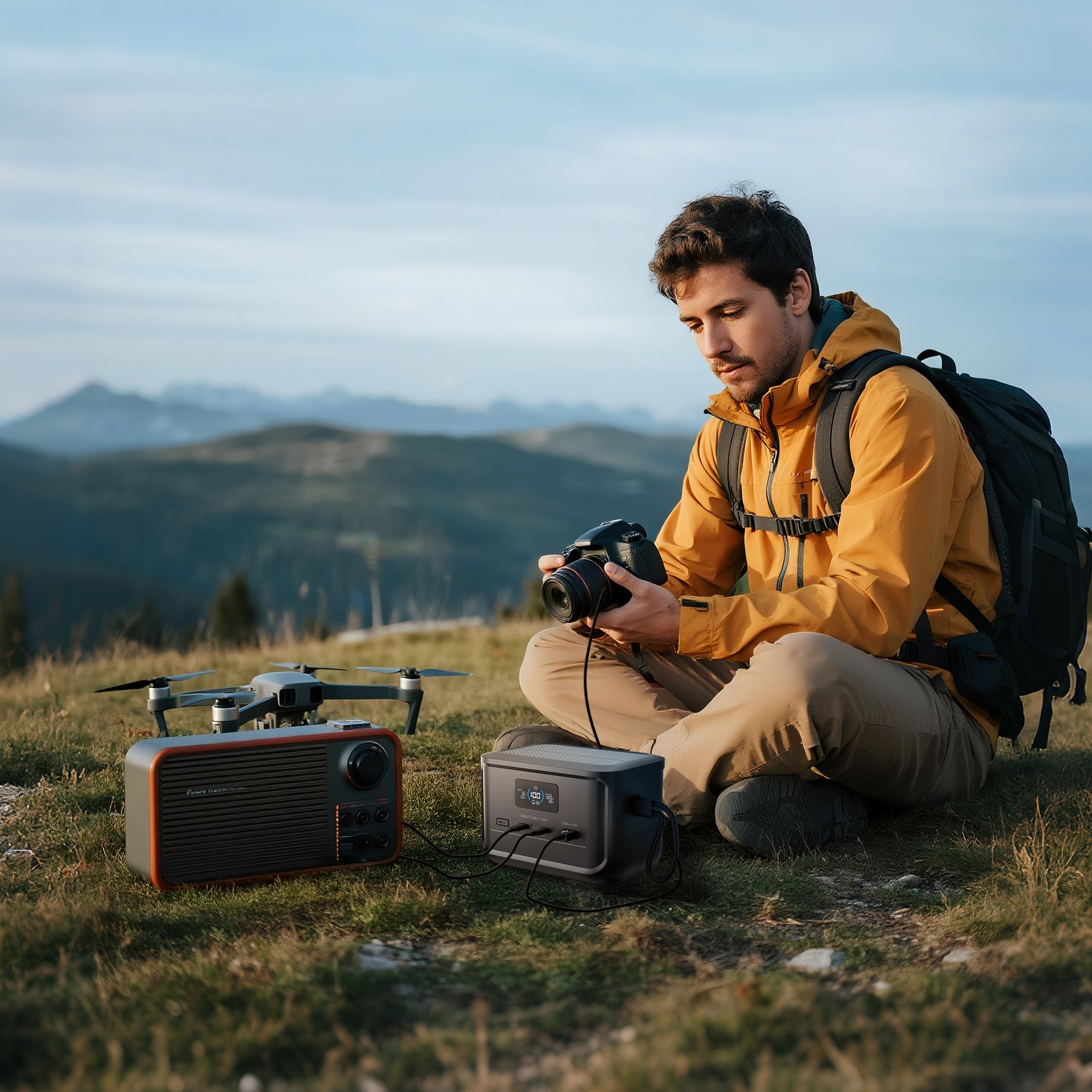
Devices such as tablets, cameras, drones, and portable speakers consume more electricity, especially when used frequently throughout the day.
High-Power Equipment
Laptops, portable refrigerators, electric cooking equipment, and communication devices require more careful planning because they can quickly drain smaller batteries.
Learn More: How Do You Power a Fridge When Camping?
| Device | Typical Energy Usage | Charging Difficulty |
|---|---|---|
| Smartphone | 5–15Wh per charge | Low |
| Camera Batteries | 10–50Wh | Low |
| Tablet | 20–50Wh | Low |
| Laptop | 40–100Wh | Medium |
| Drone Batteries | 50–150Wh | Medium |
| Portable Refrigerator | 300Wh+ | High |
What Are the Best Ways to Charge Devices While Camping?
There are several ways to keep electronics powered during a camping trip, and each method works best in different situations.
Using Power Banks
For short trips, small battery packs are often enough to recharge smartphones, watches, and other low-power electronics. They are lightweight, affordable, and easy to carry.
However, their limited capacity means they may not be suitable for powering larger devices or supporting multiple people during longer camping trips.
Campground Electrical Hookups
Developed campgrounds sometimes provide electrical connections, allowing campers to use standard chargers and small appliances.
However, many remote campsites and dispersed camping areas do not provide these conveniences.
Vehicle Charging
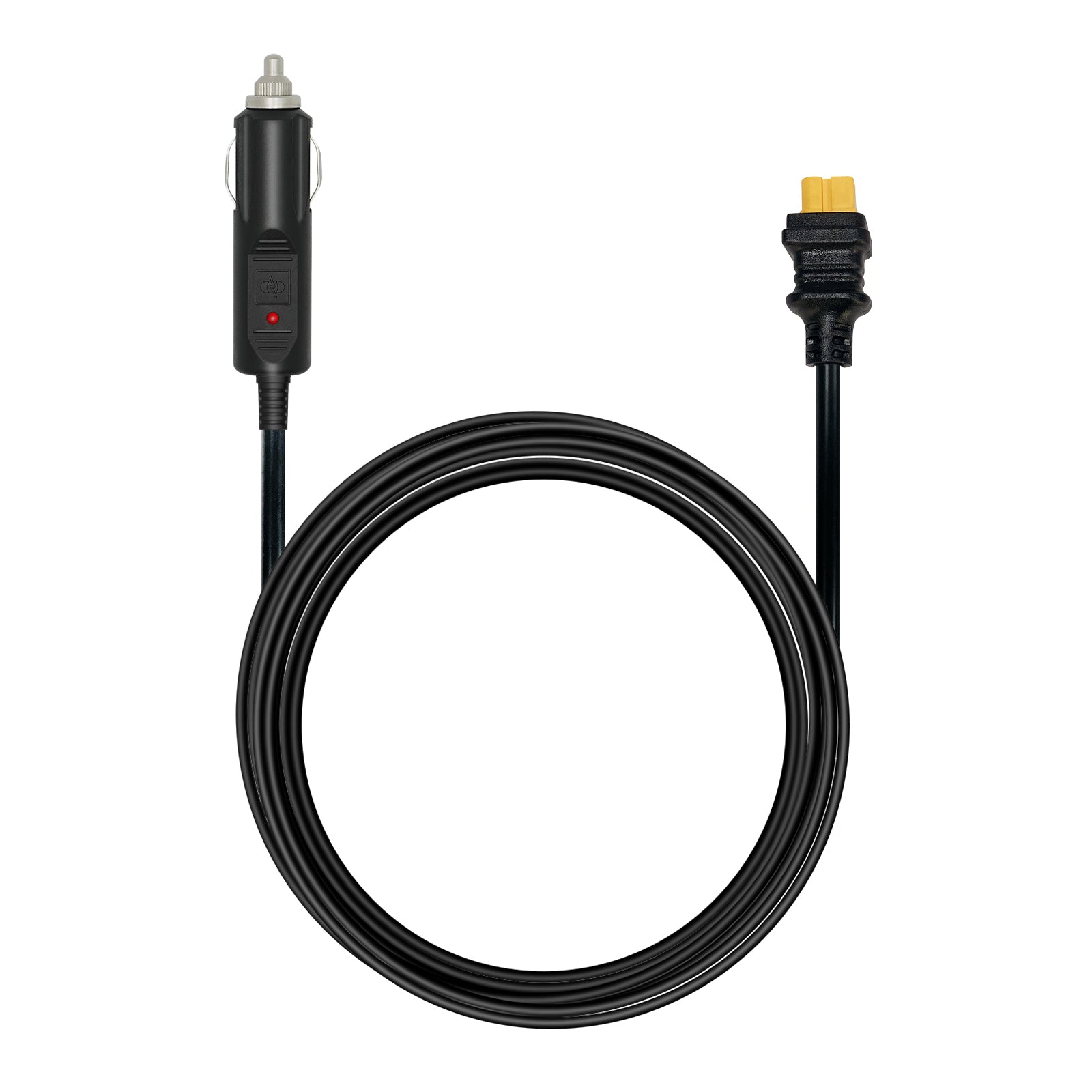
Many campers use their vehicle as a temporary charging source. USB ports and 12V outlets can recharge small electronics while driving between locations.
The main limitation is that vehicle charging depends on travel time and may not be practical when staying at a campsite for several days without driving.
Battery Storage Systems
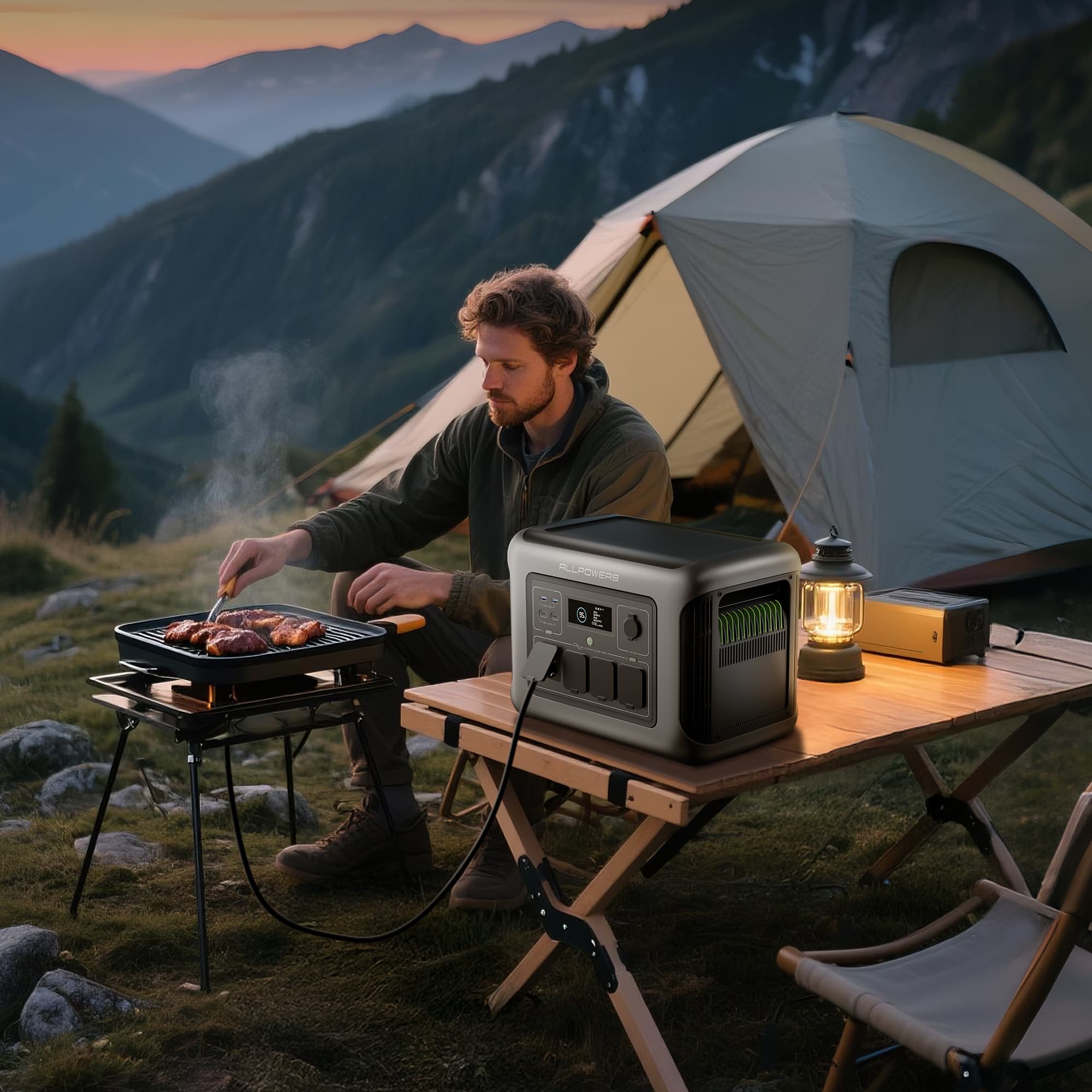
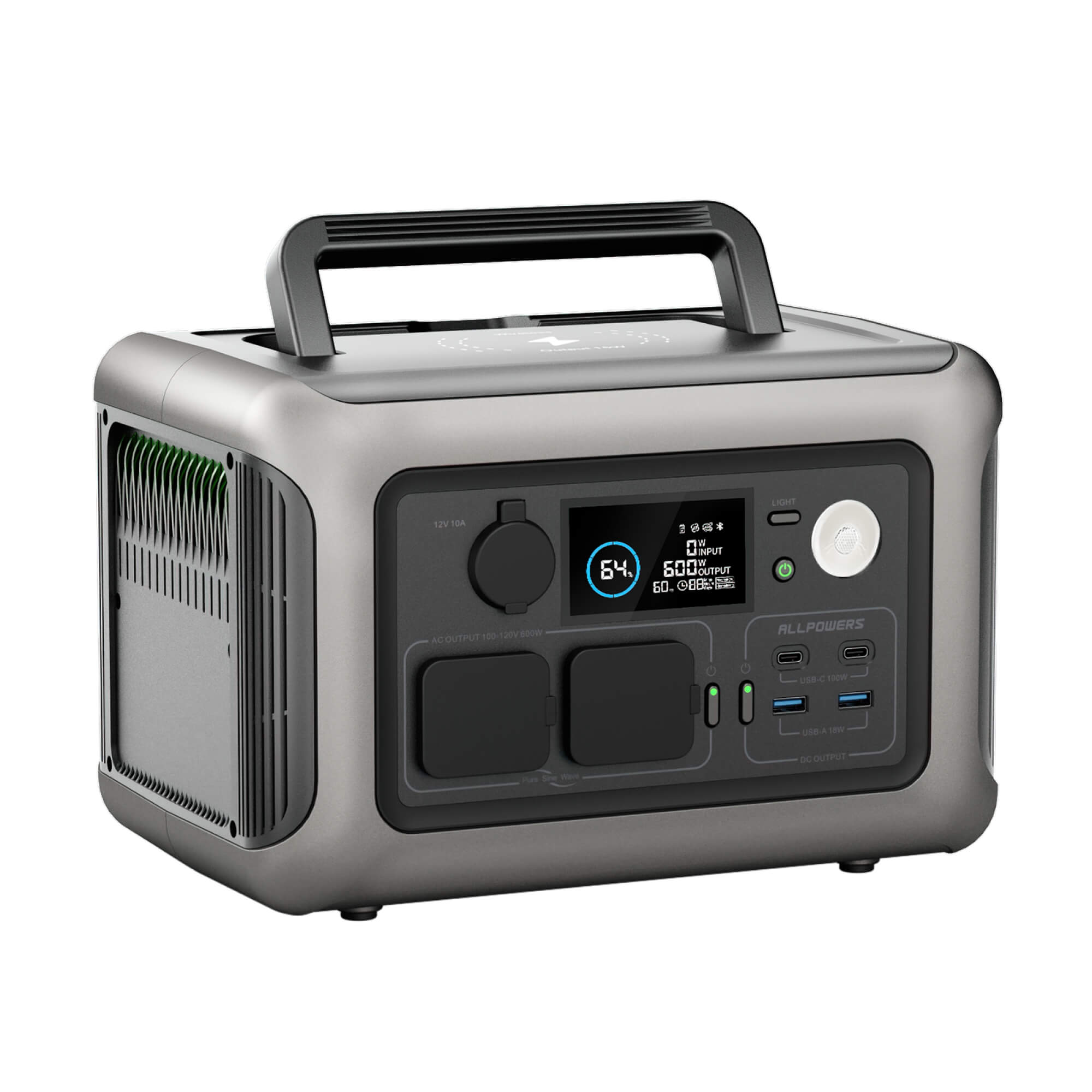
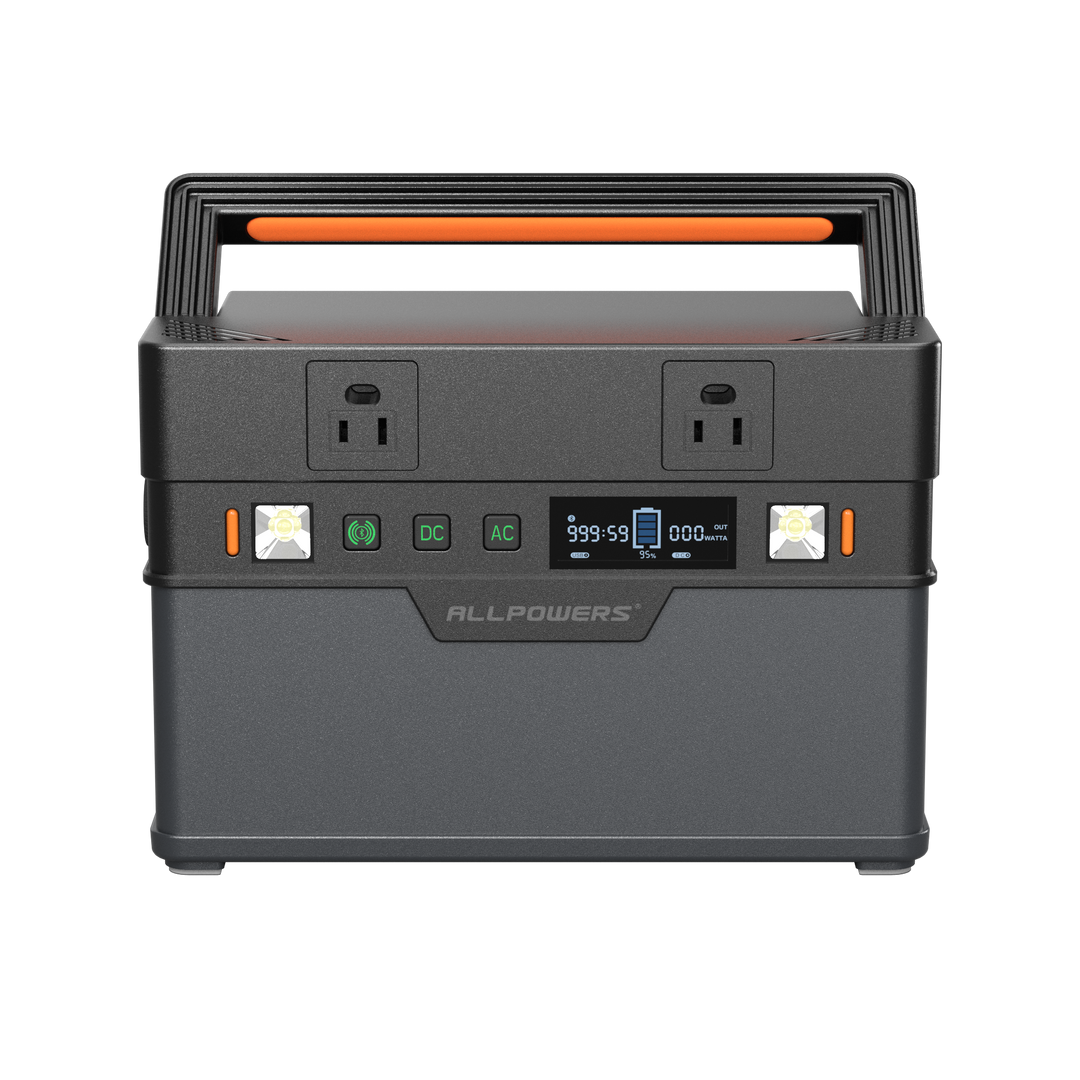
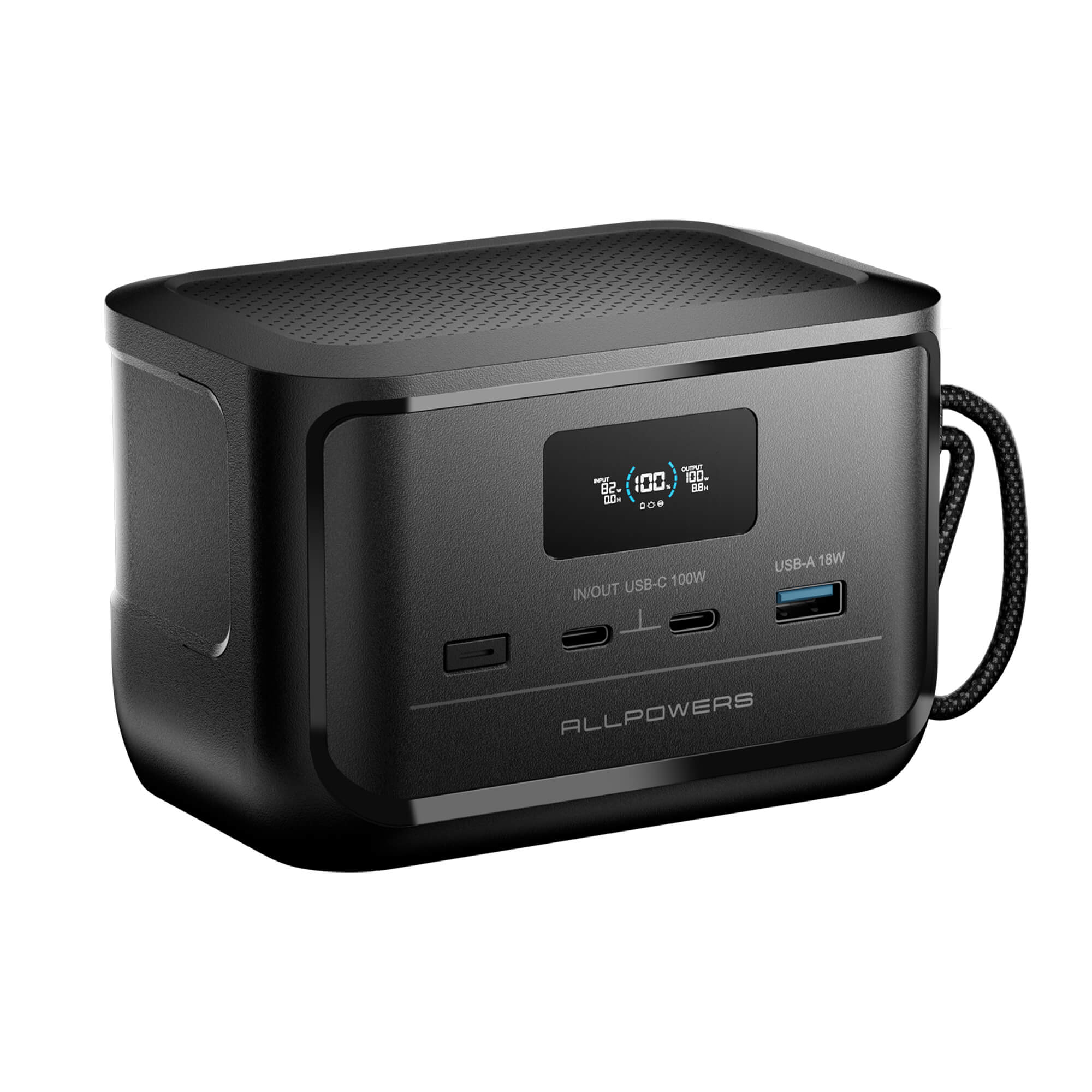
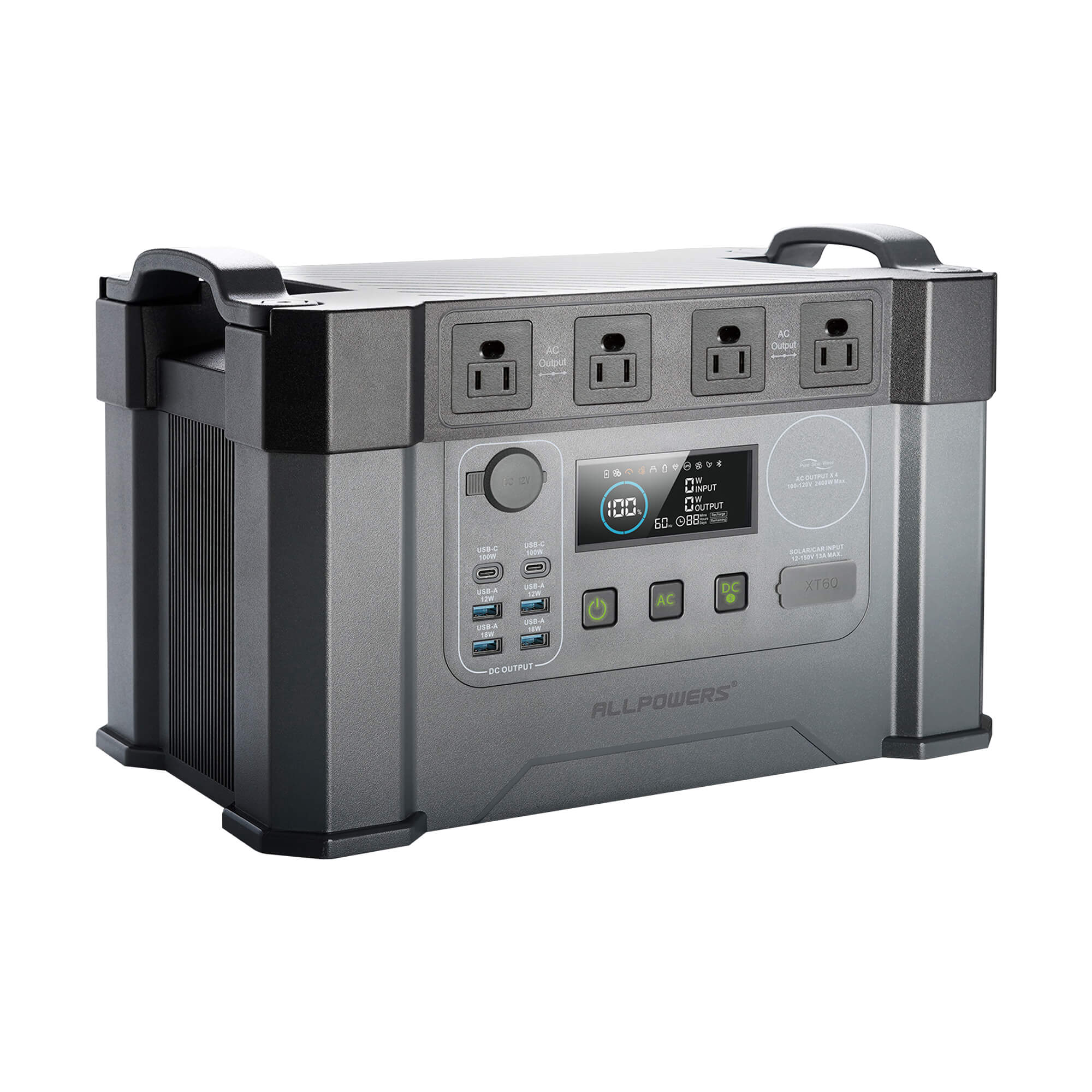
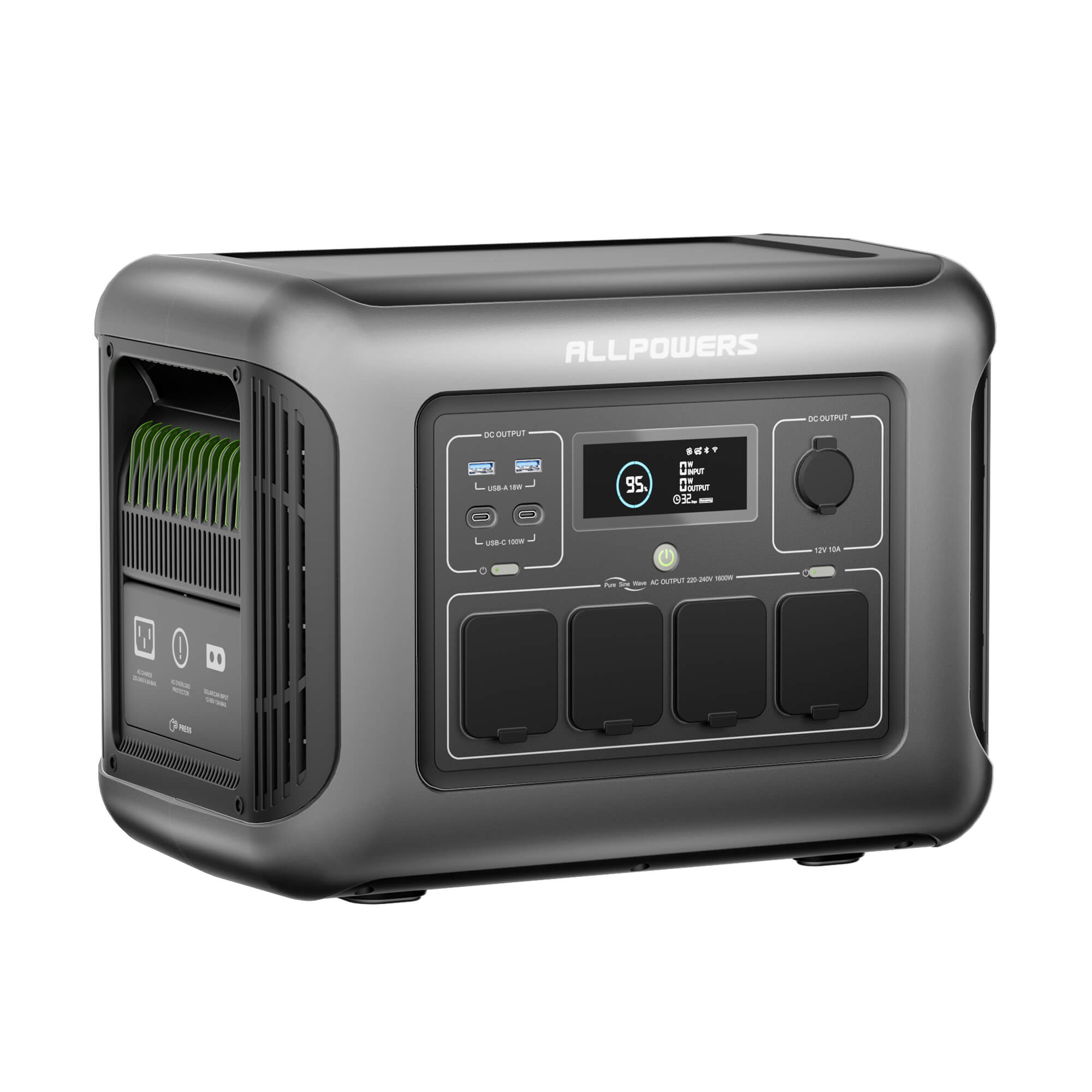
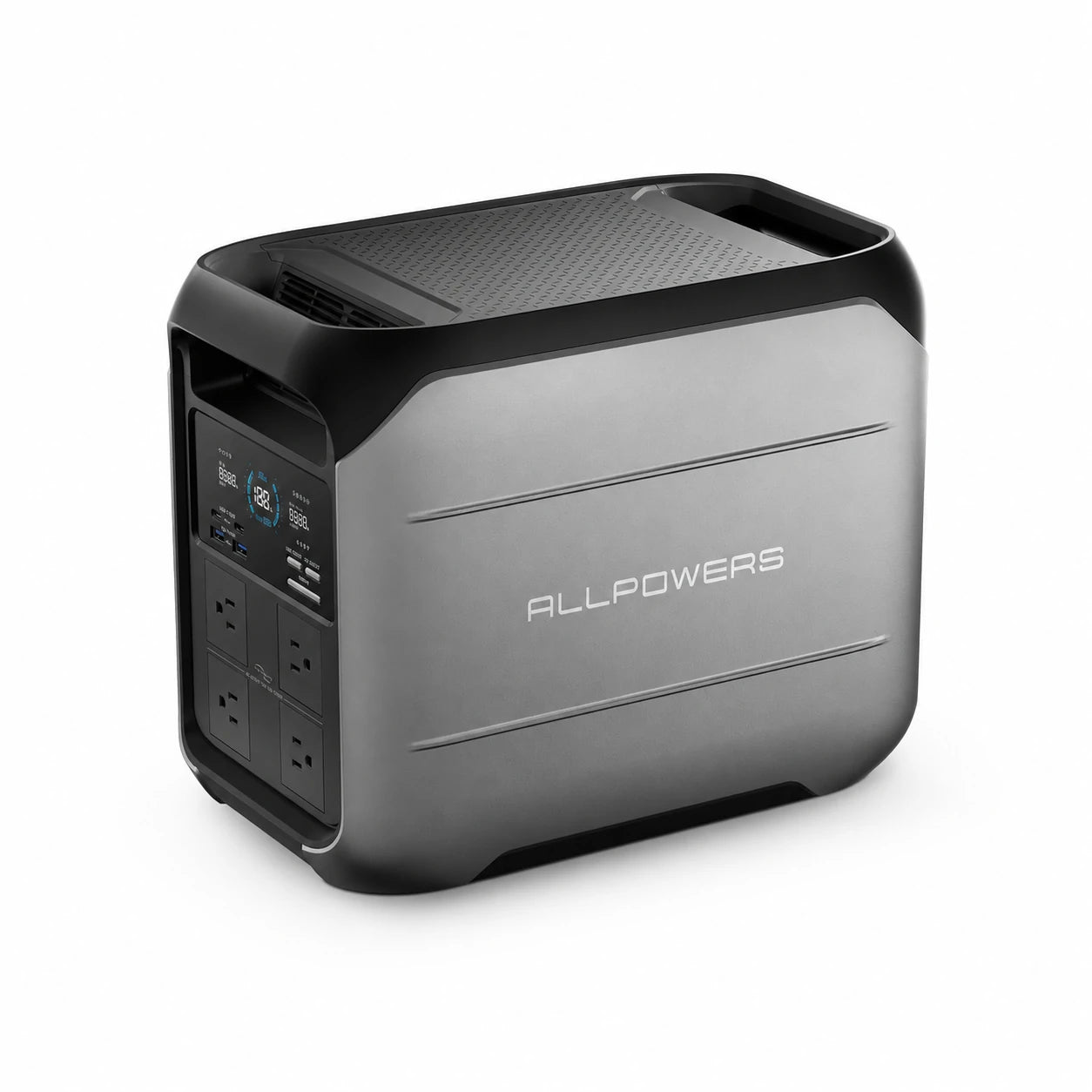
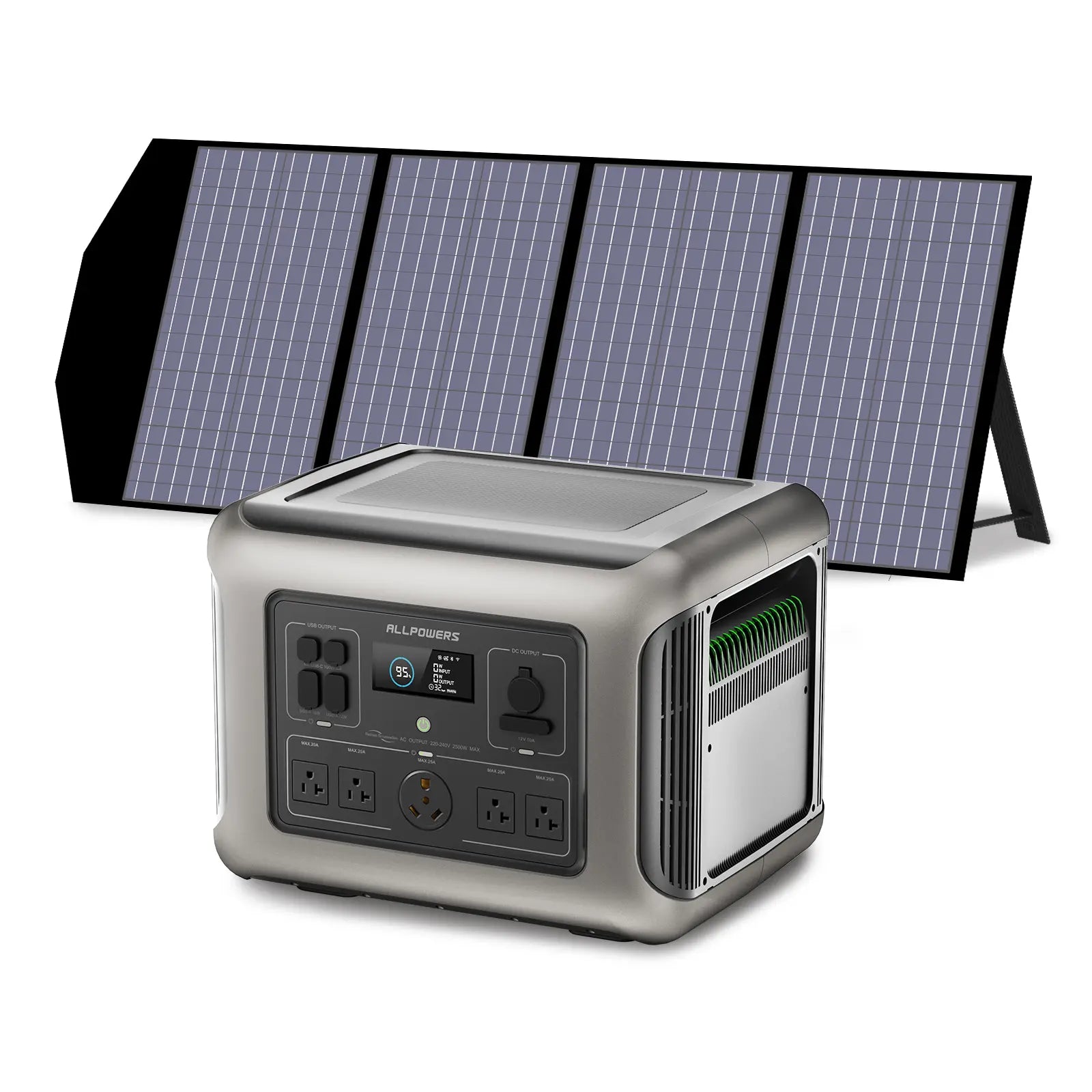
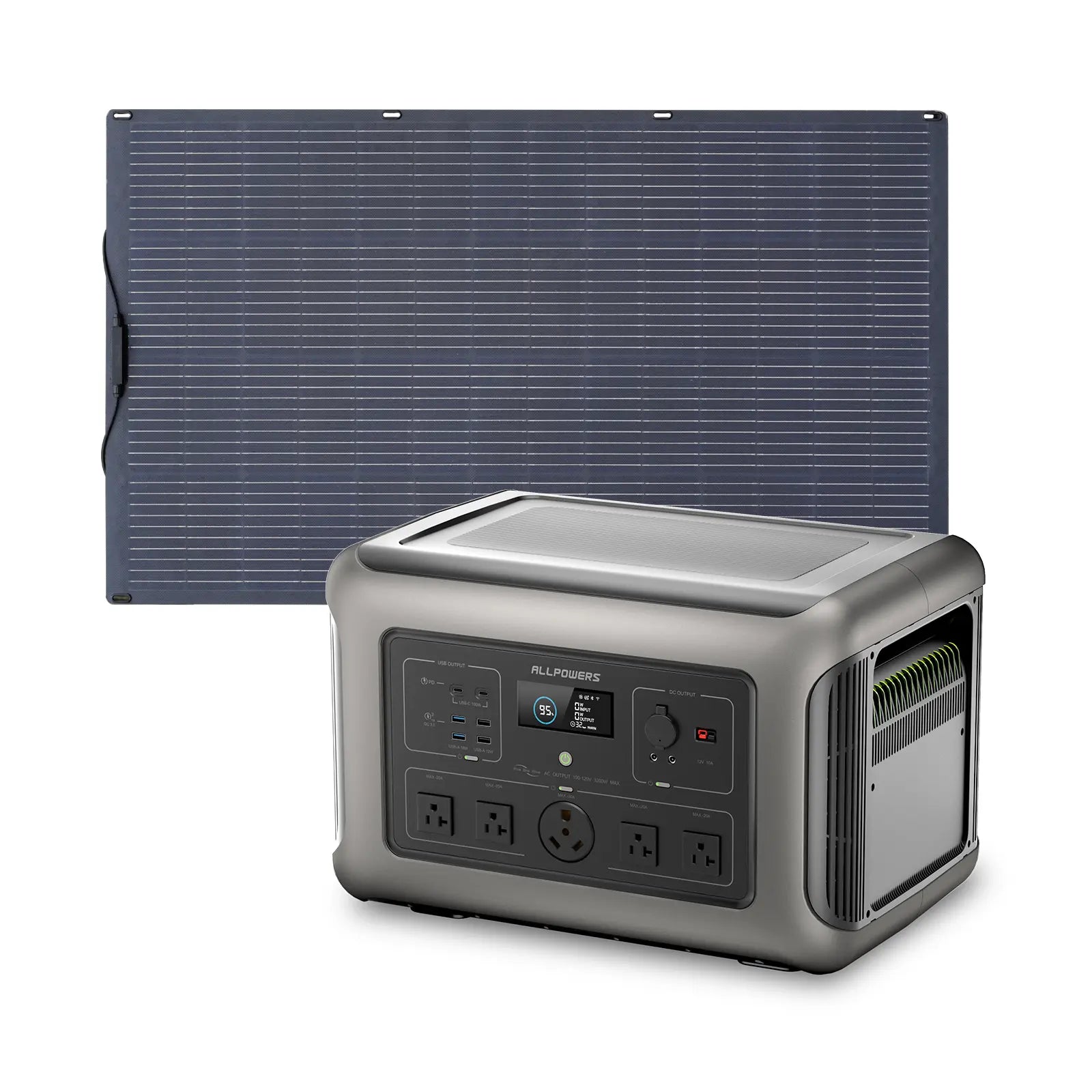
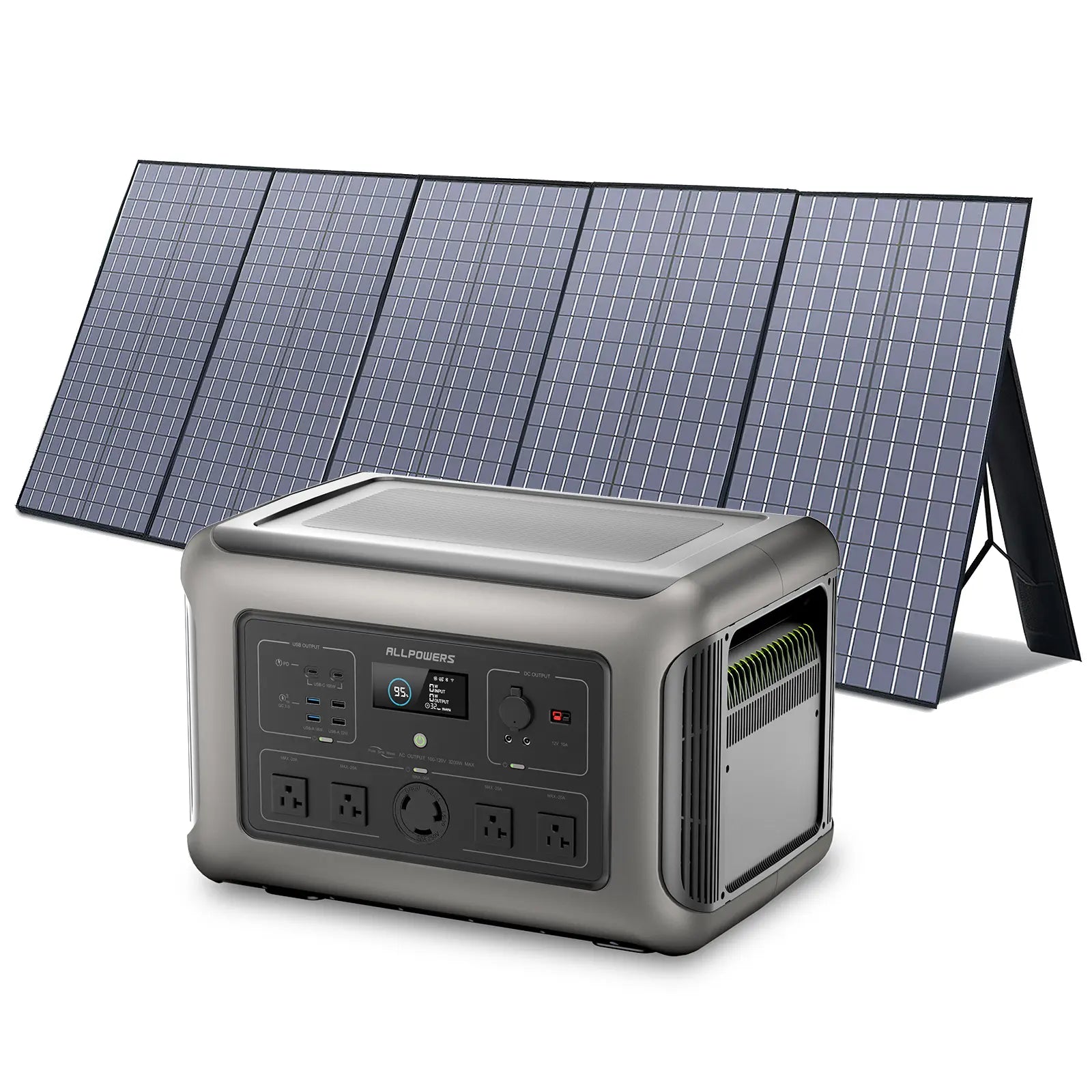
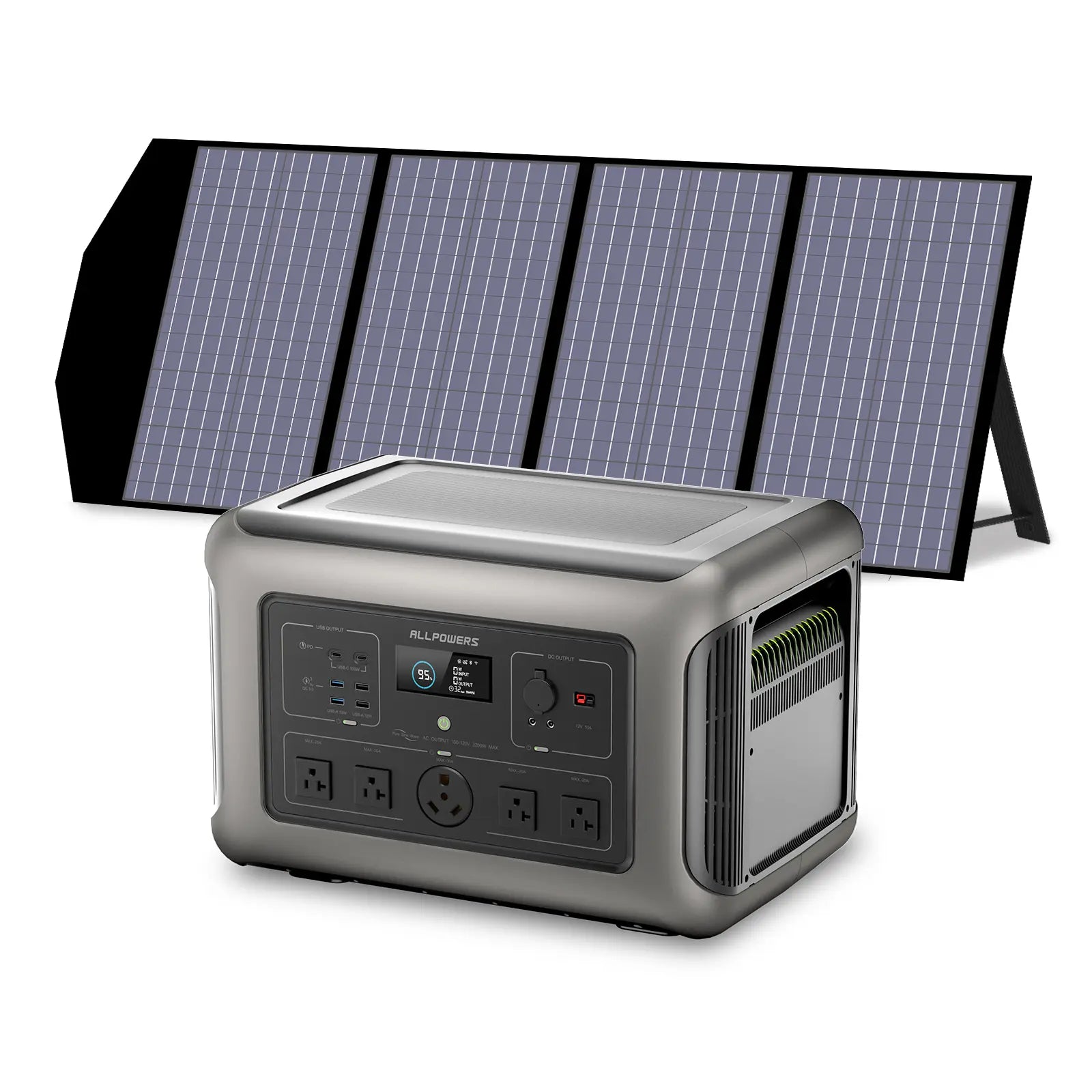
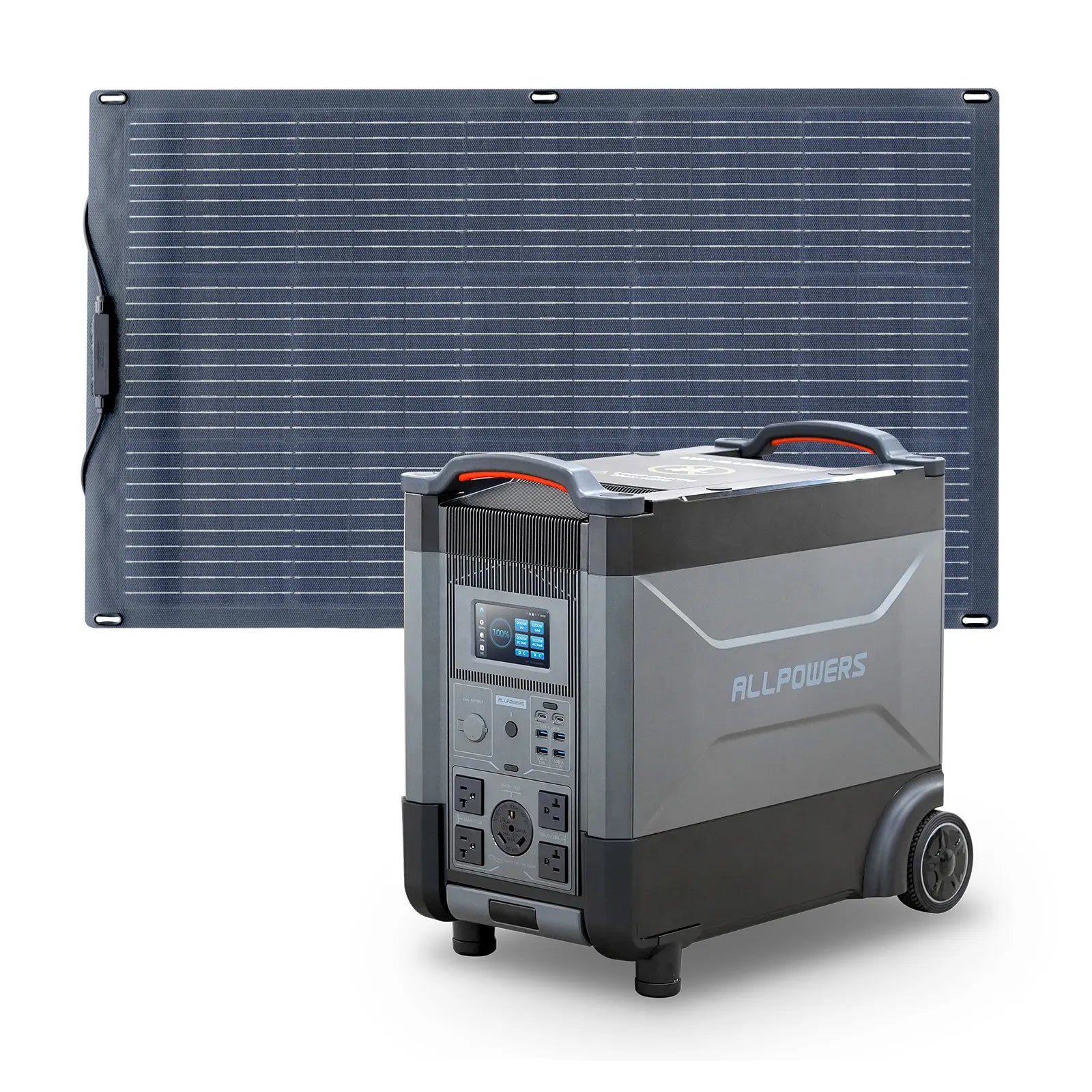
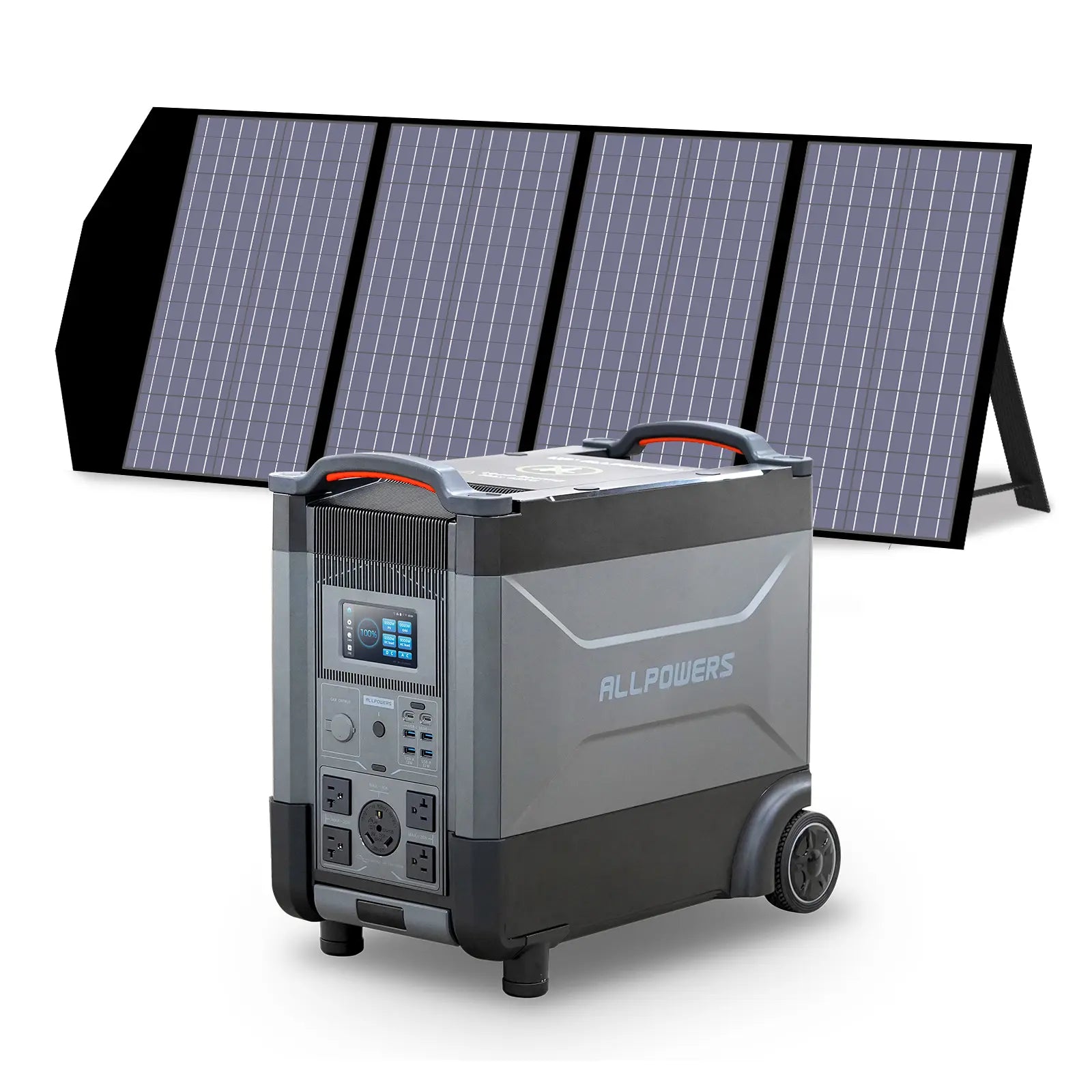
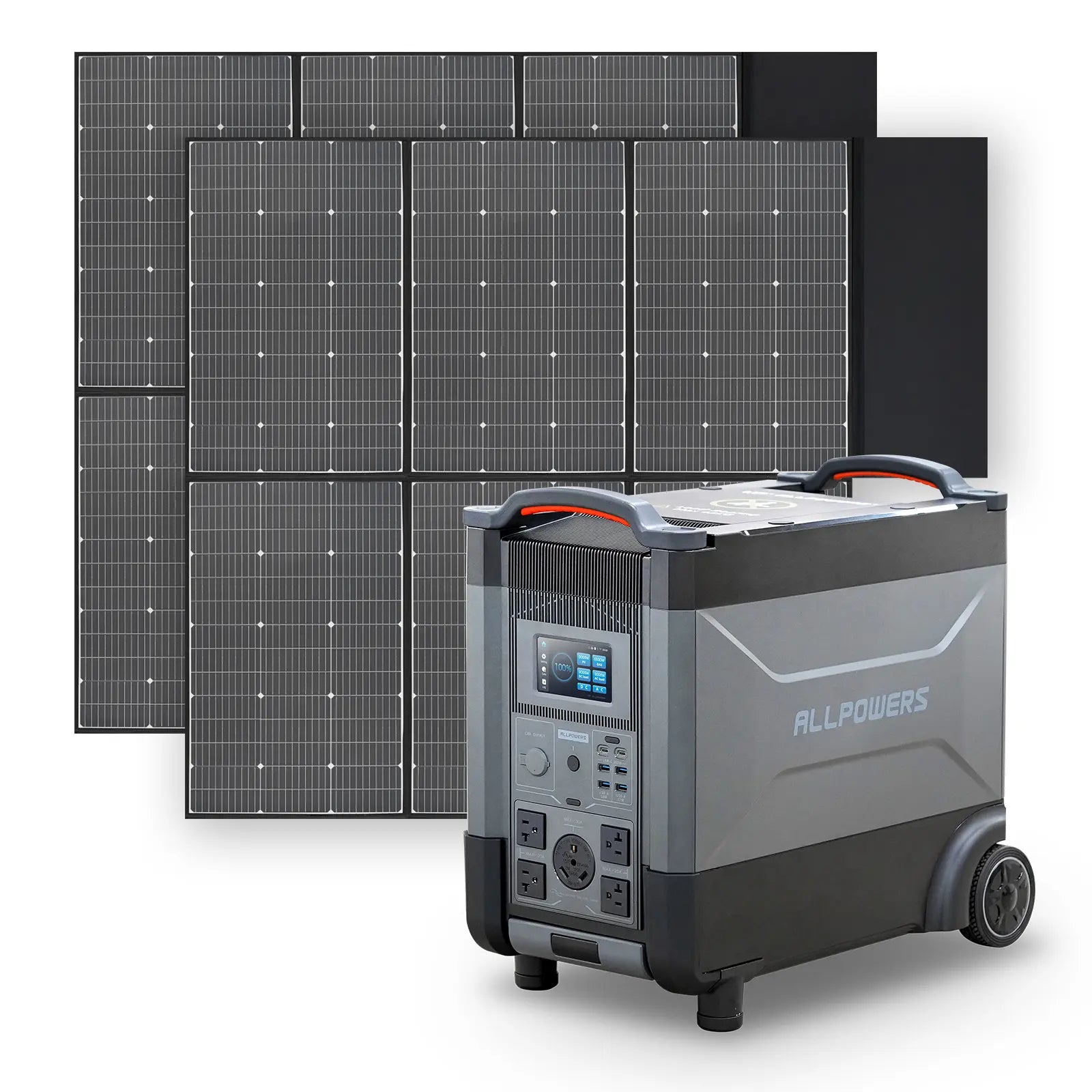
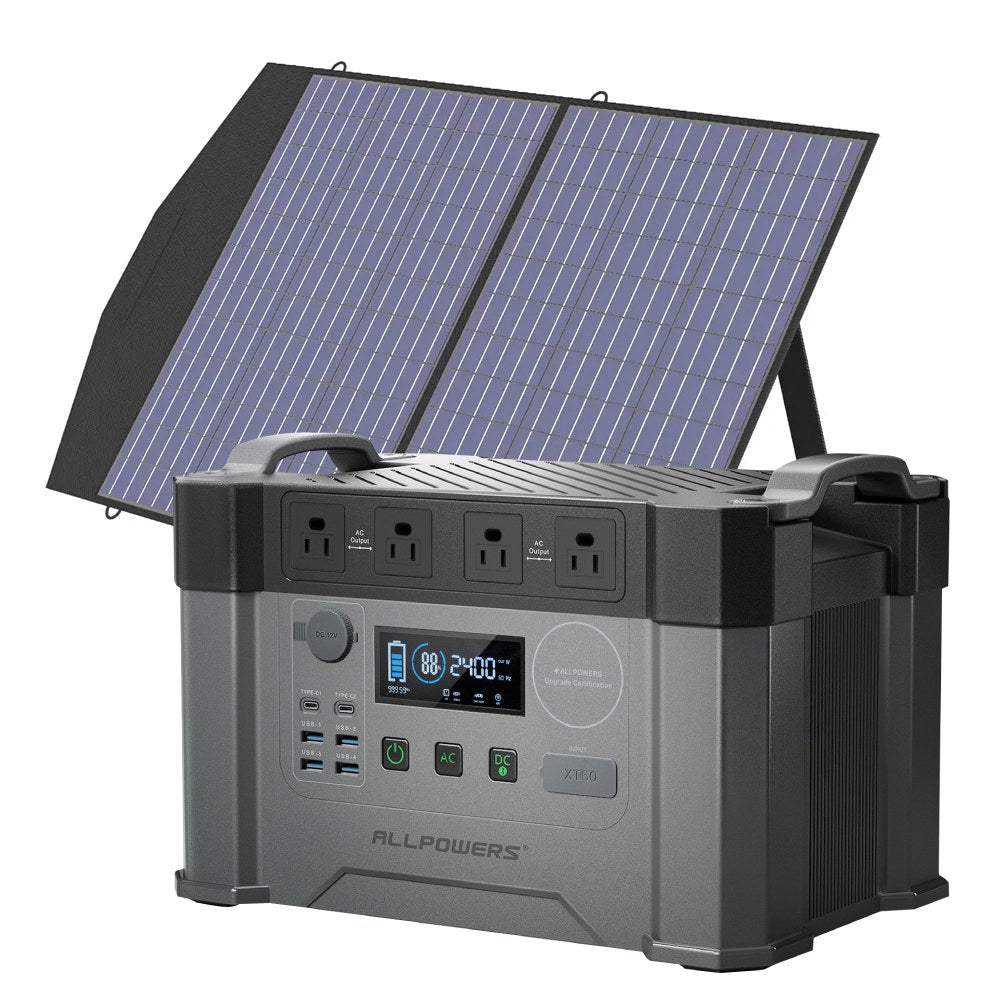
For campers who bring multiple electronics or stay outdoors for several days, larger battery systems can provide more consistent electricity.
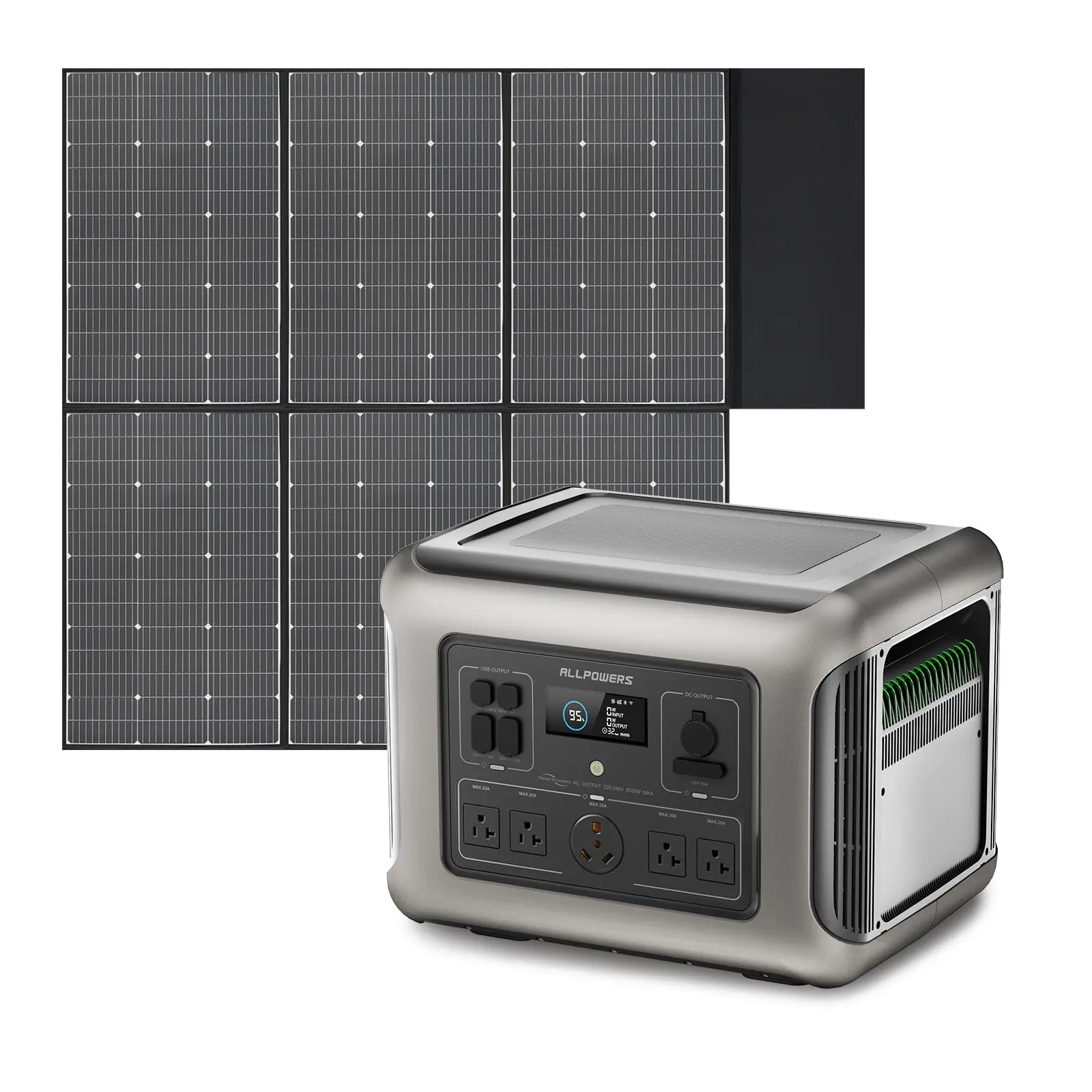
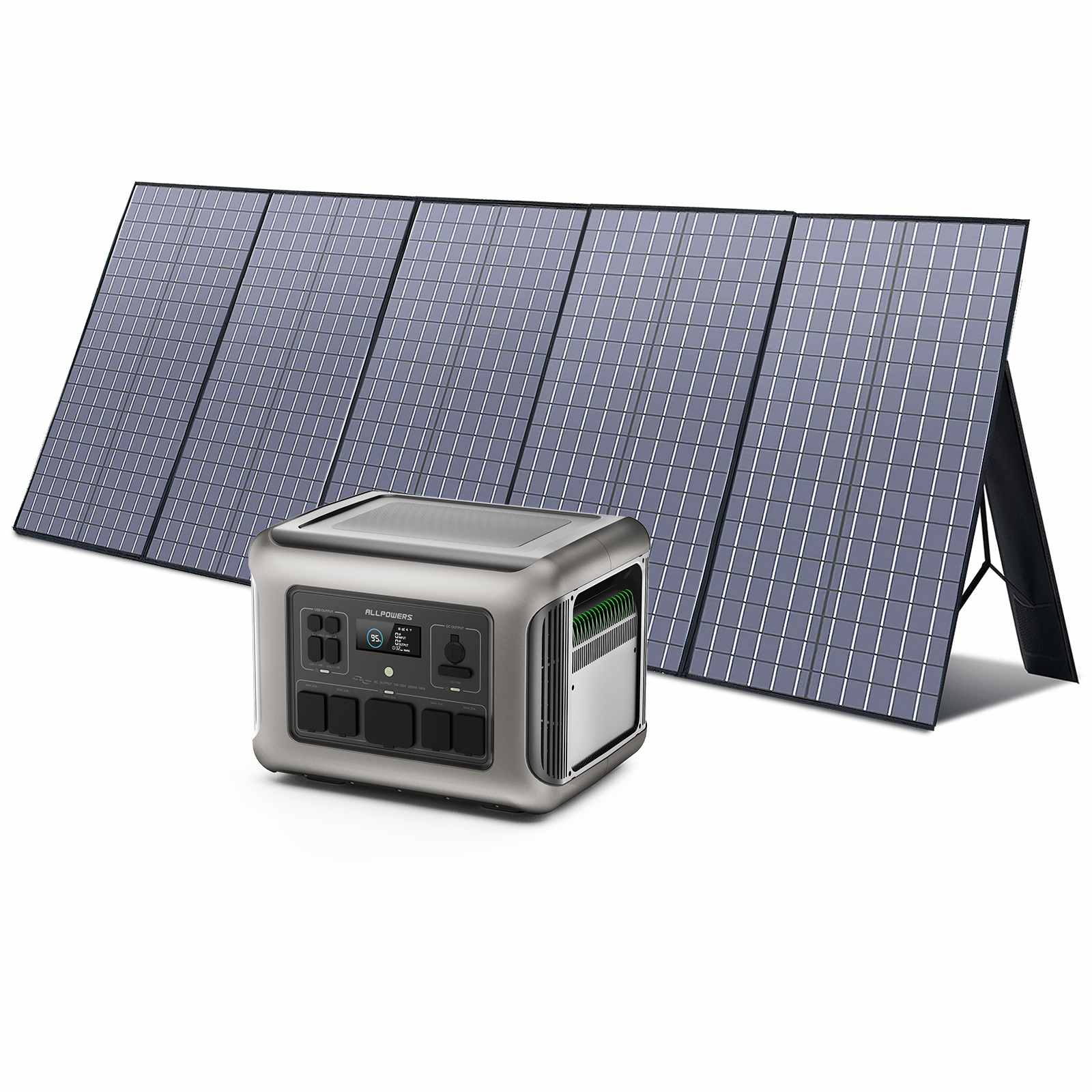
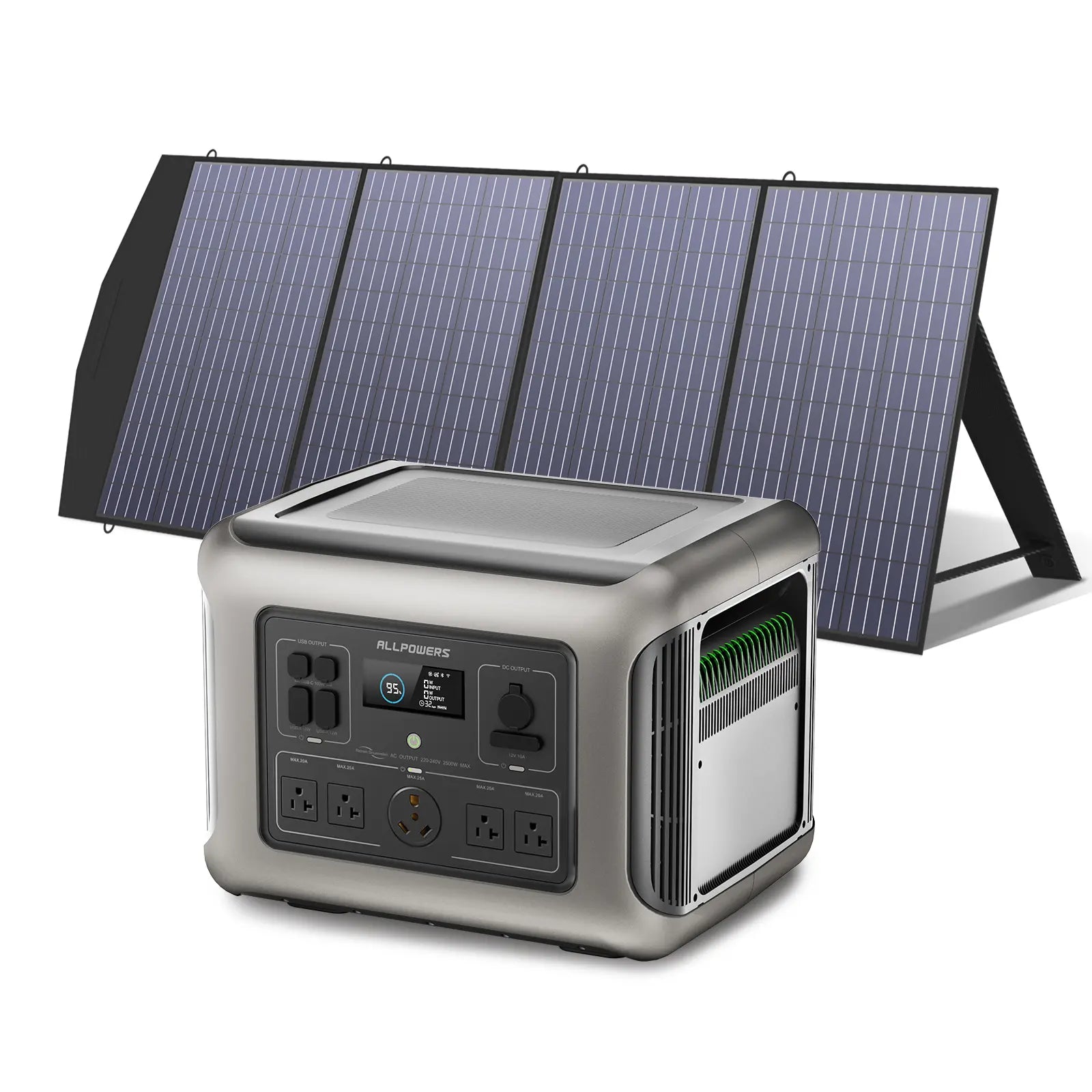
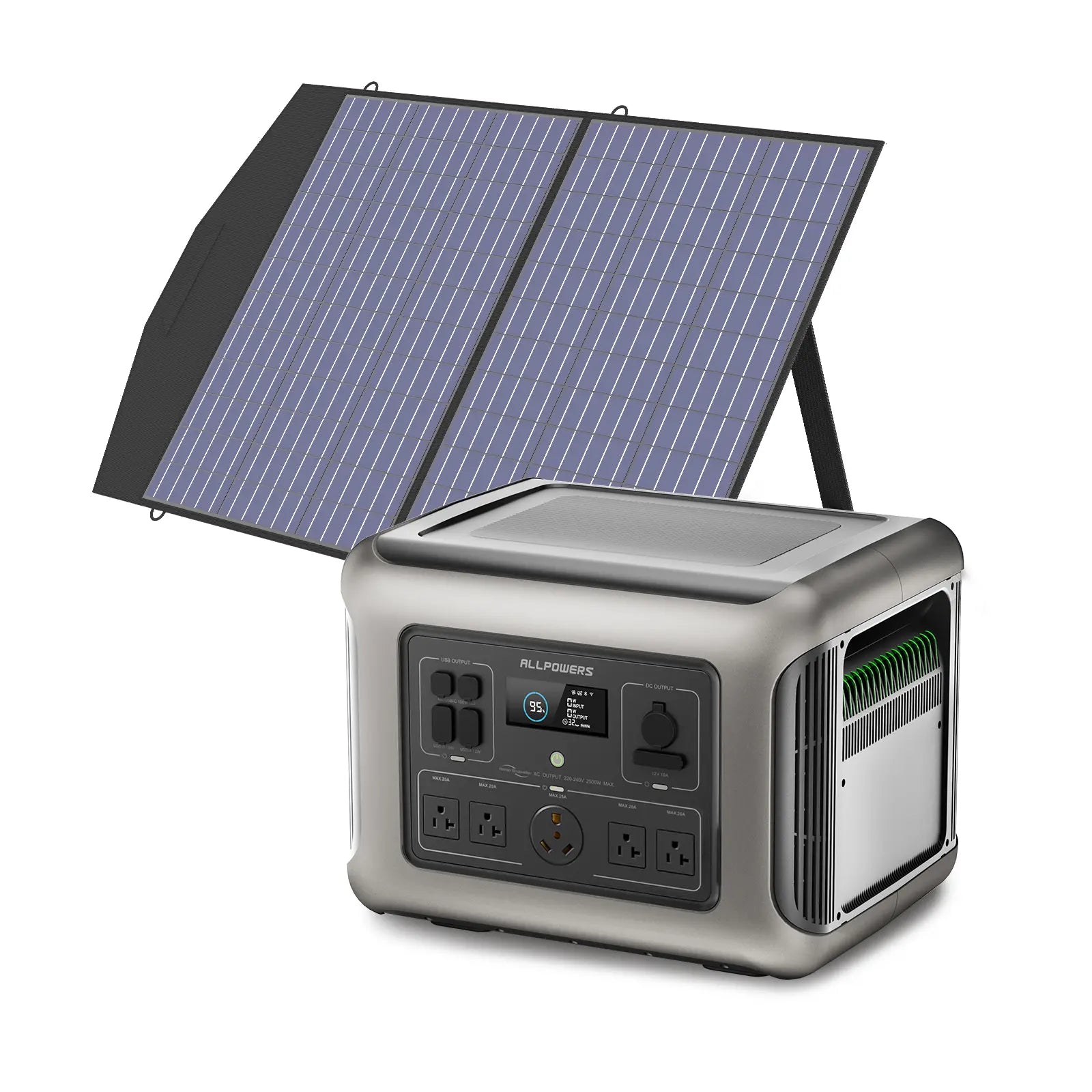
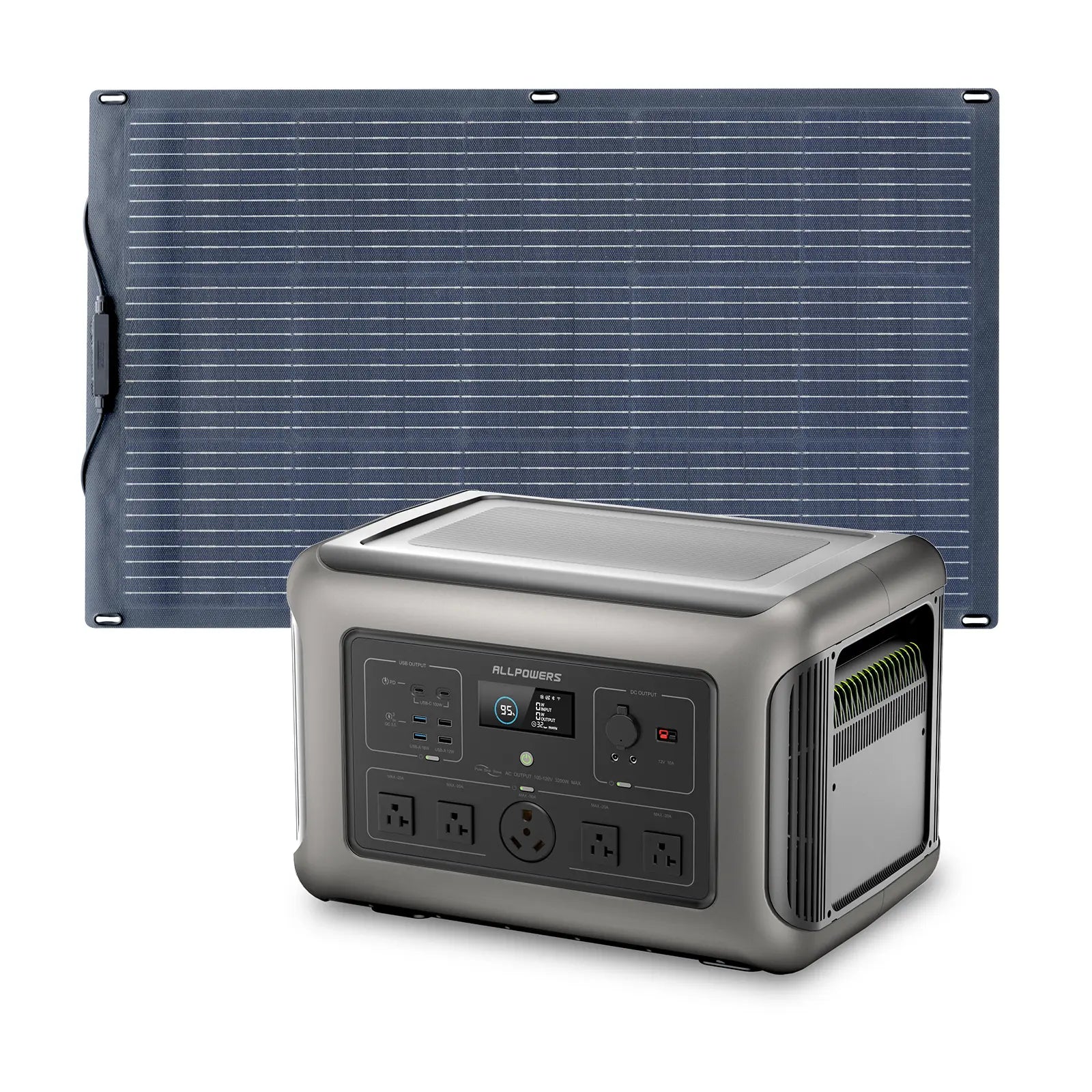
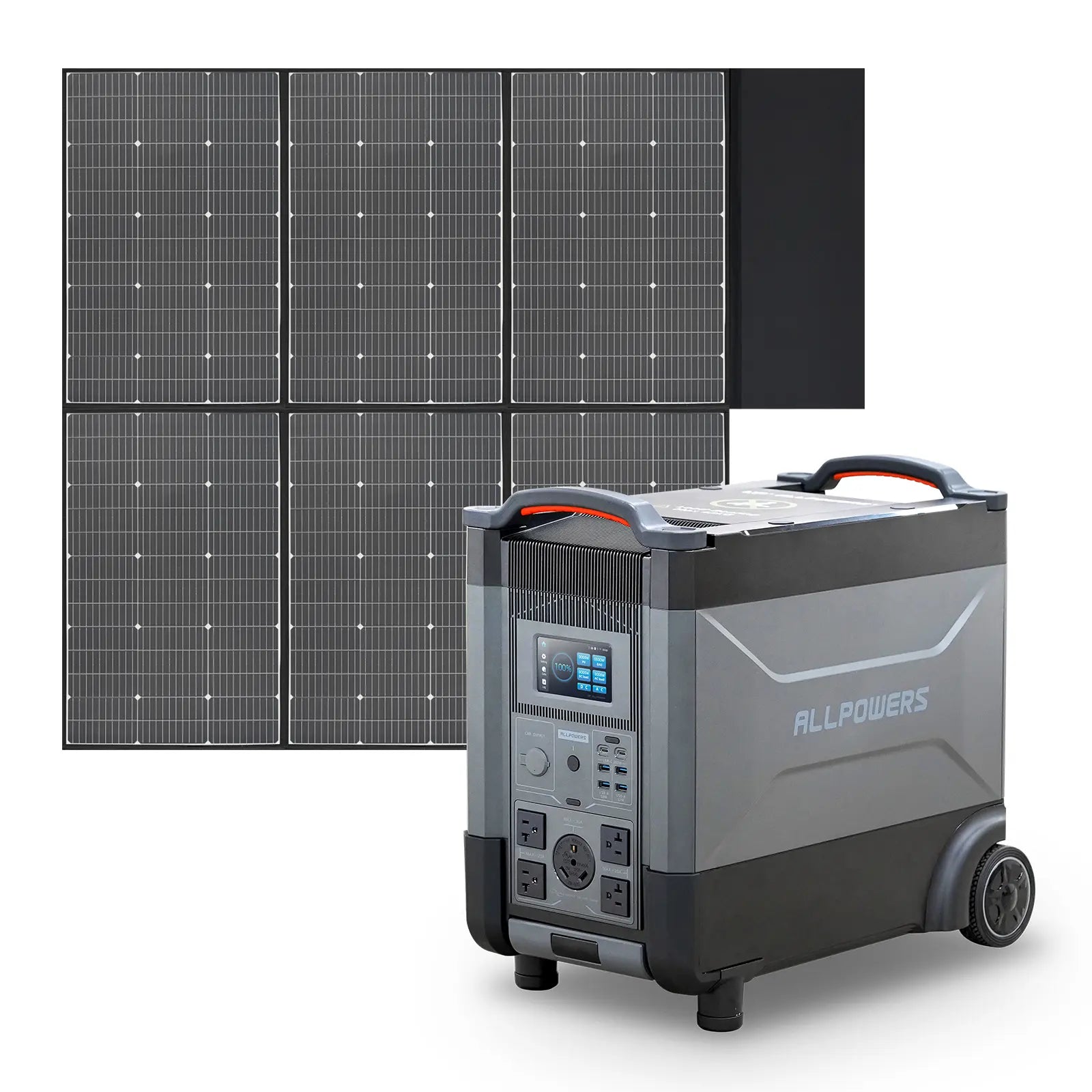
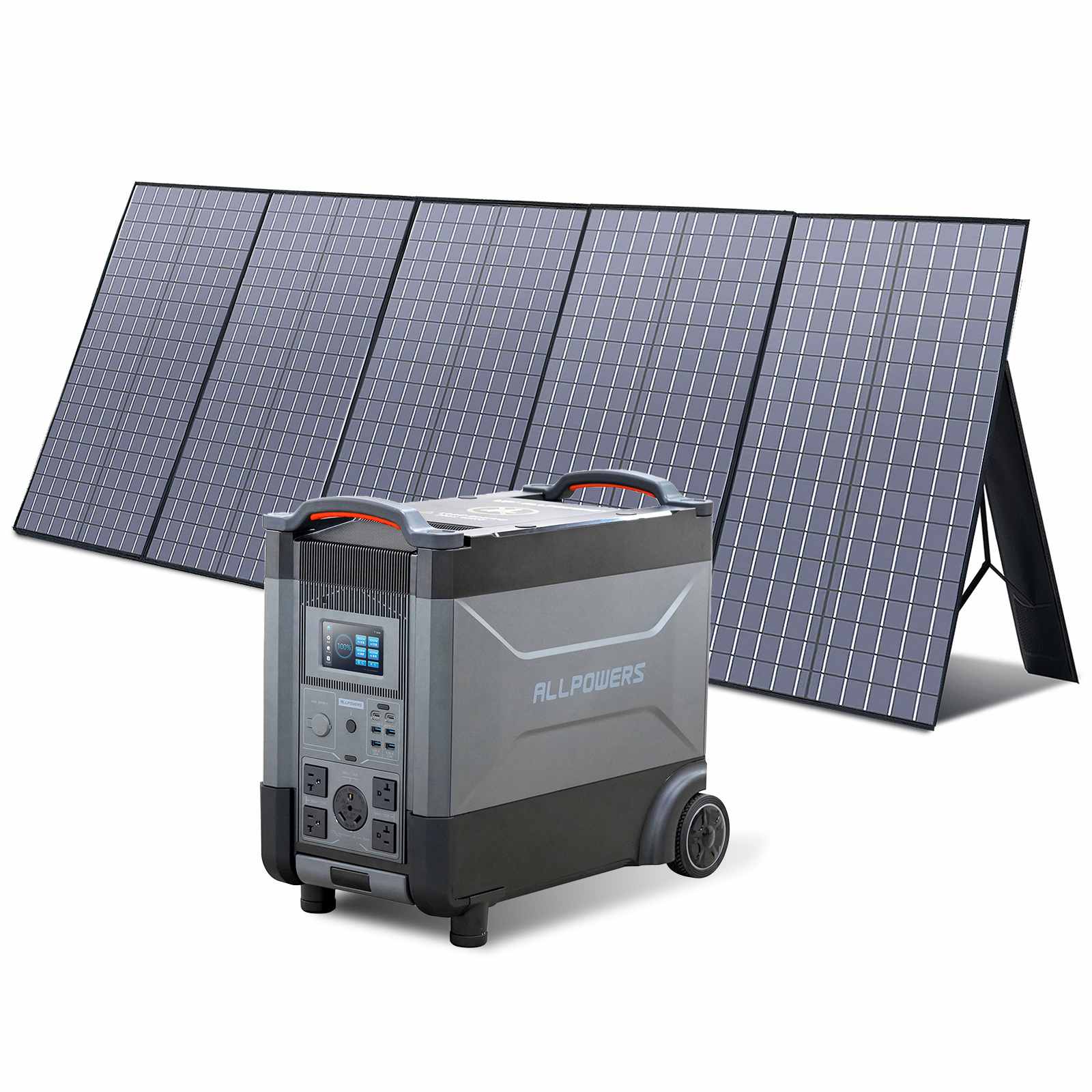
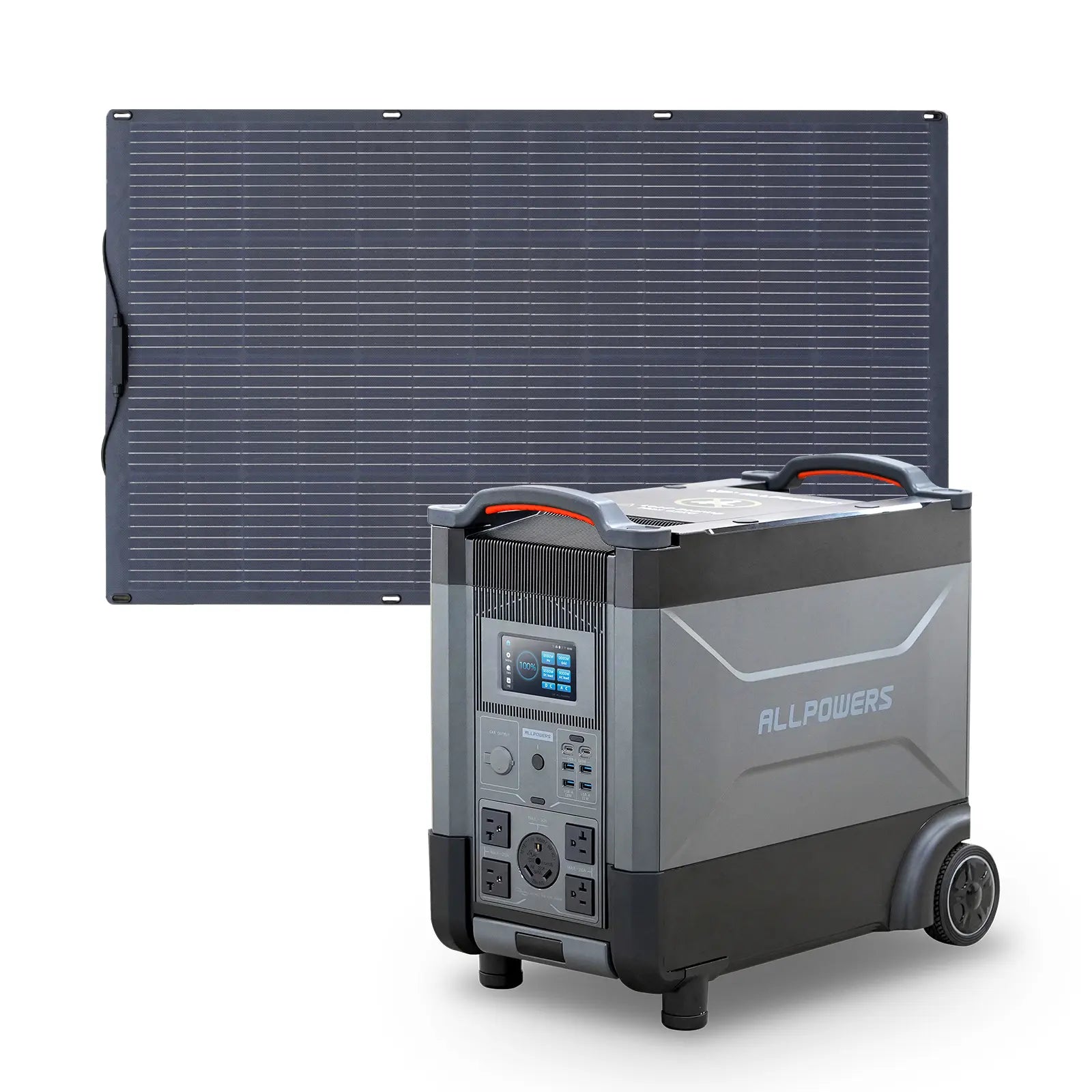
These systems are commonly used for charging cameras, laptops, lights, communication equipment, and other campsite devices because they provide more energy storage than traditional small chargers.
Using Solar Charging
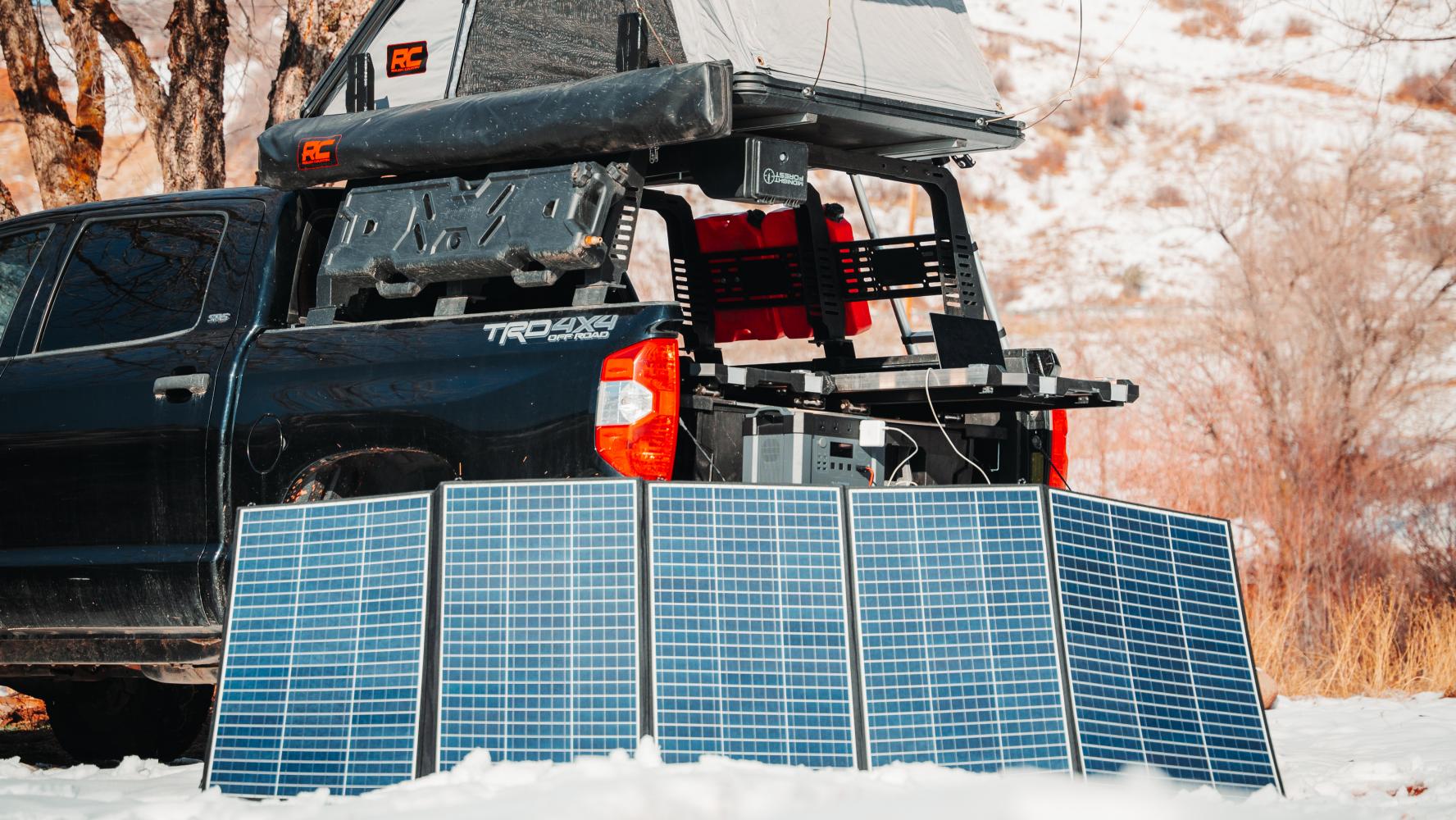
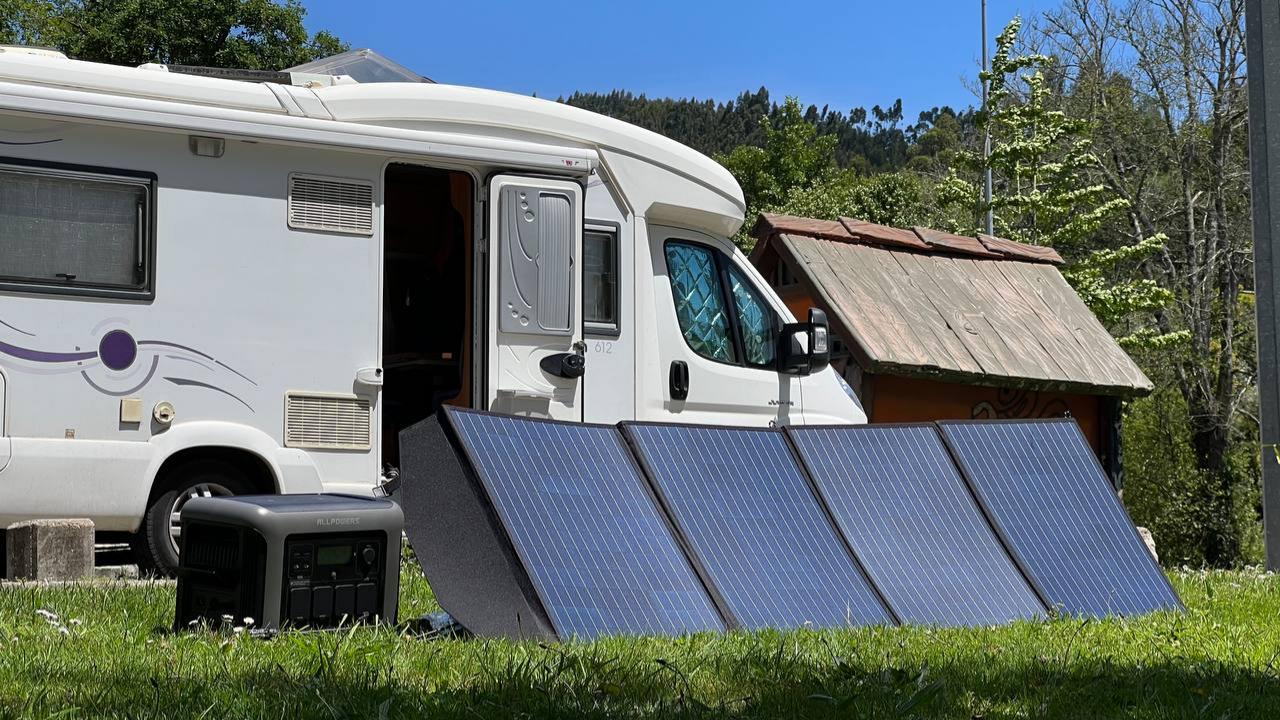
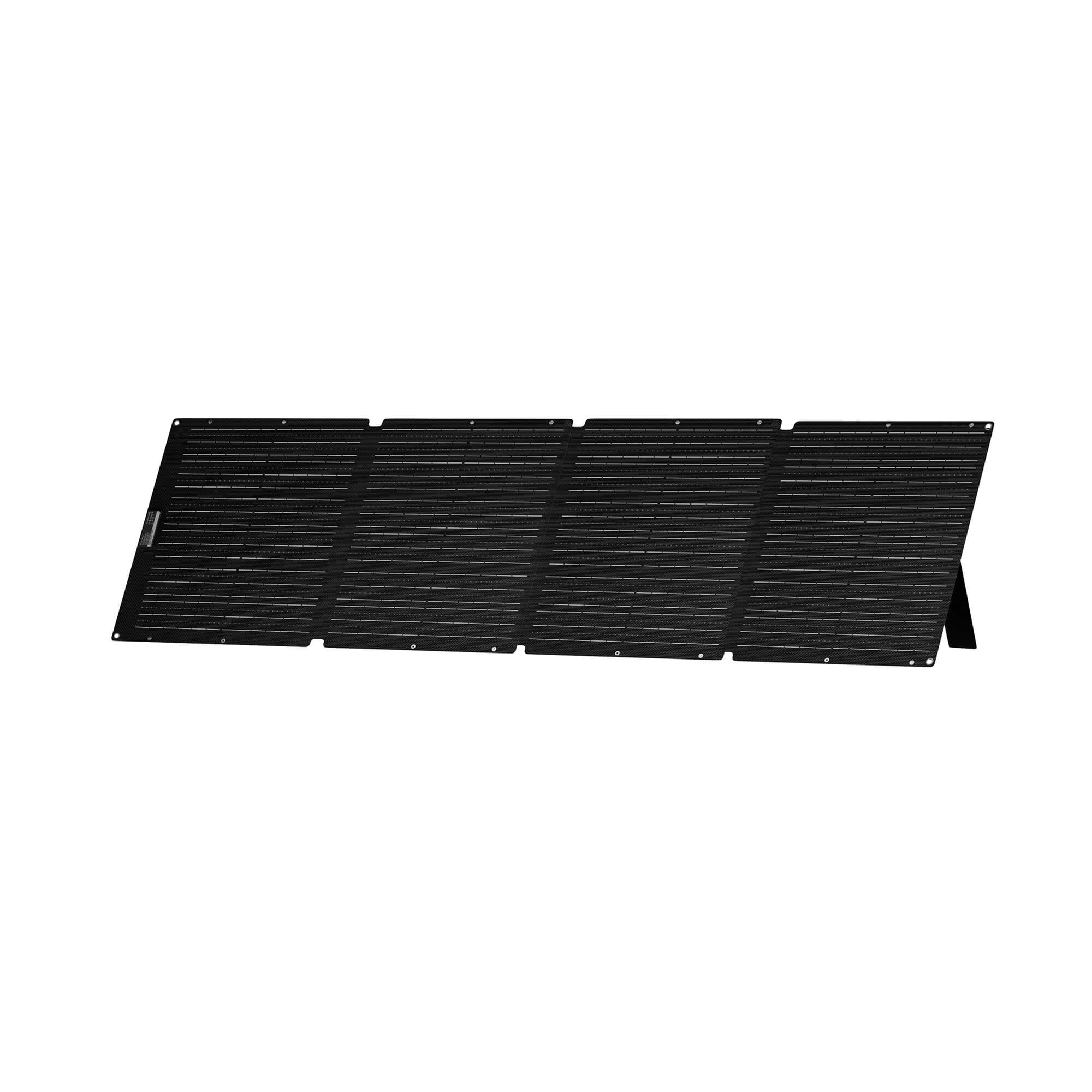
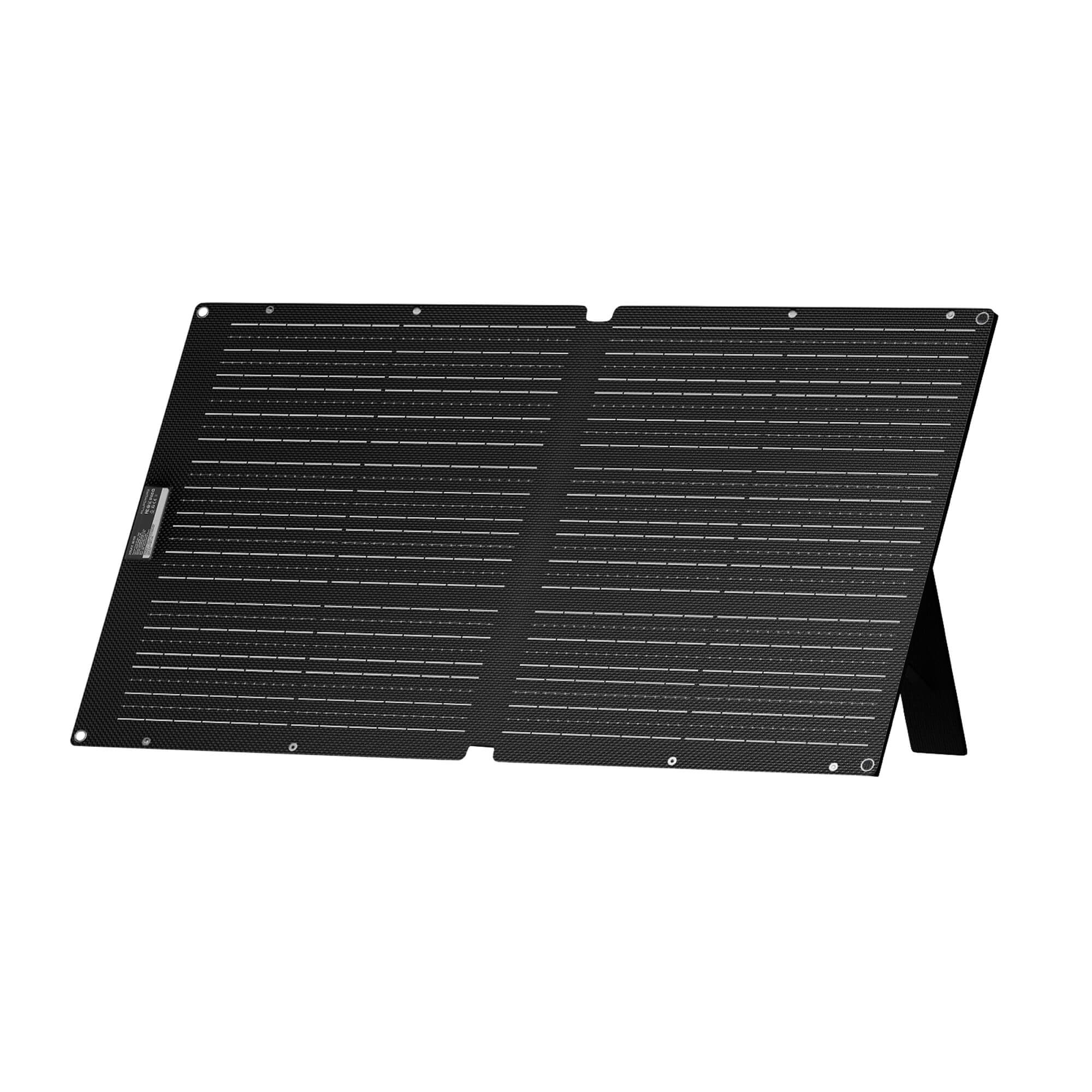
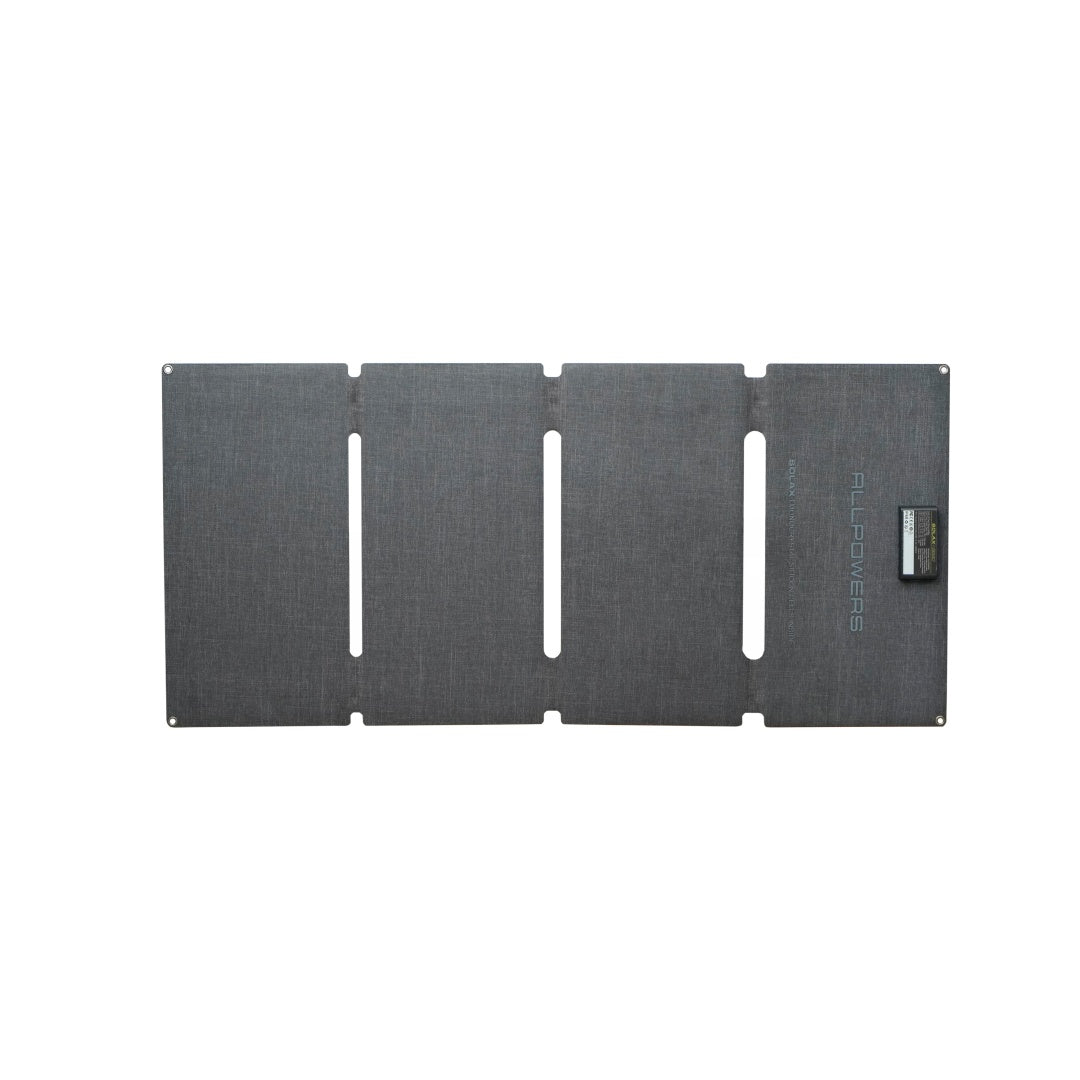
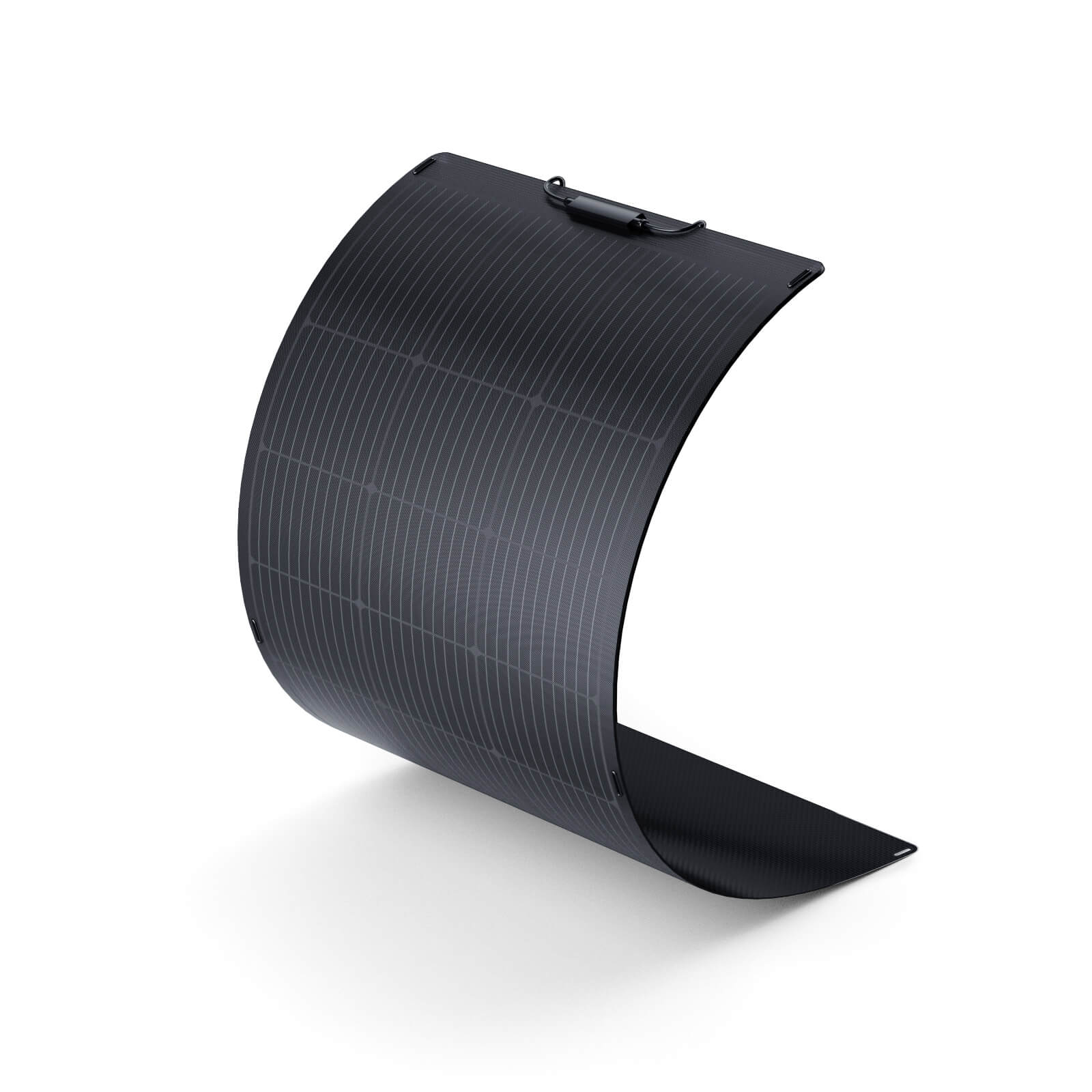
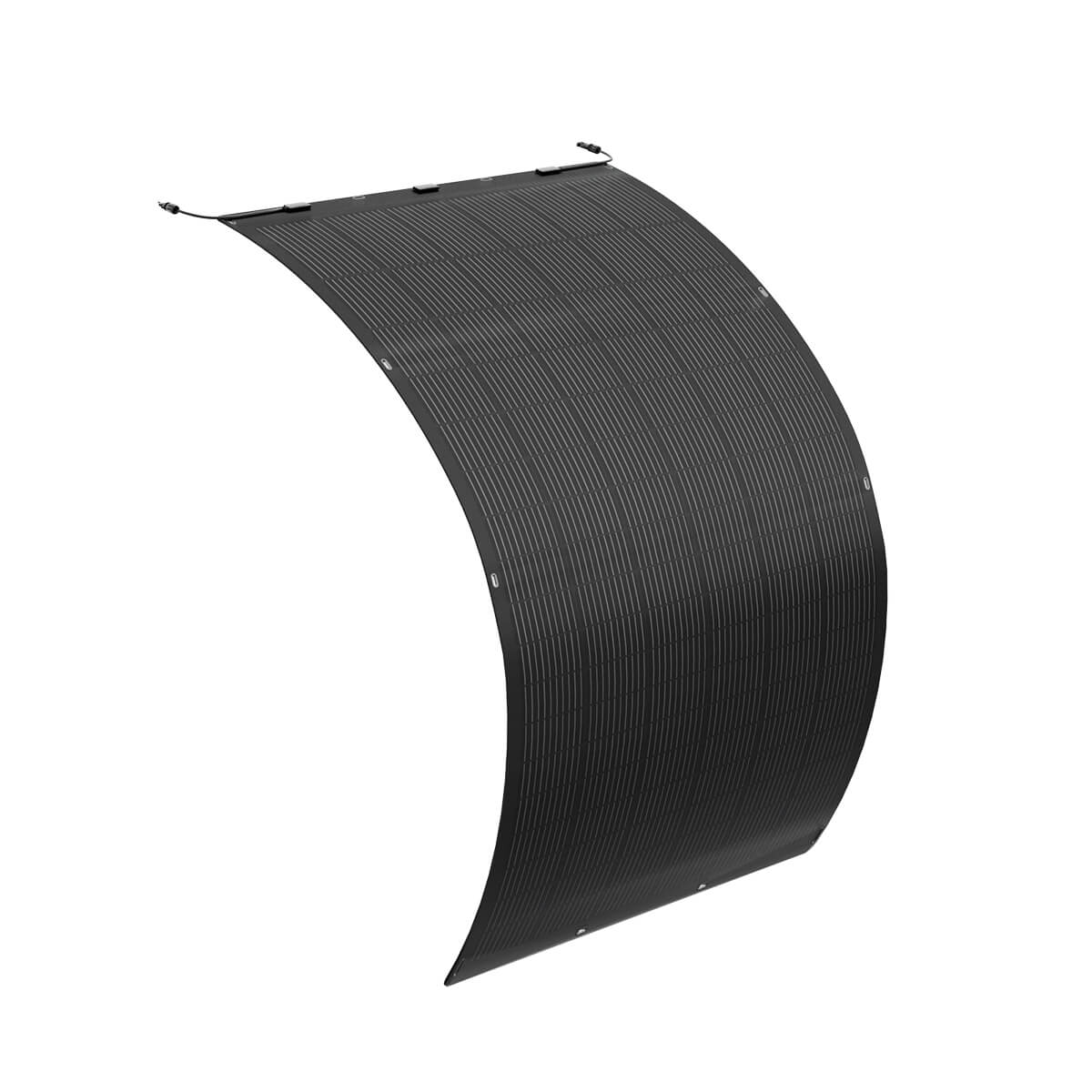
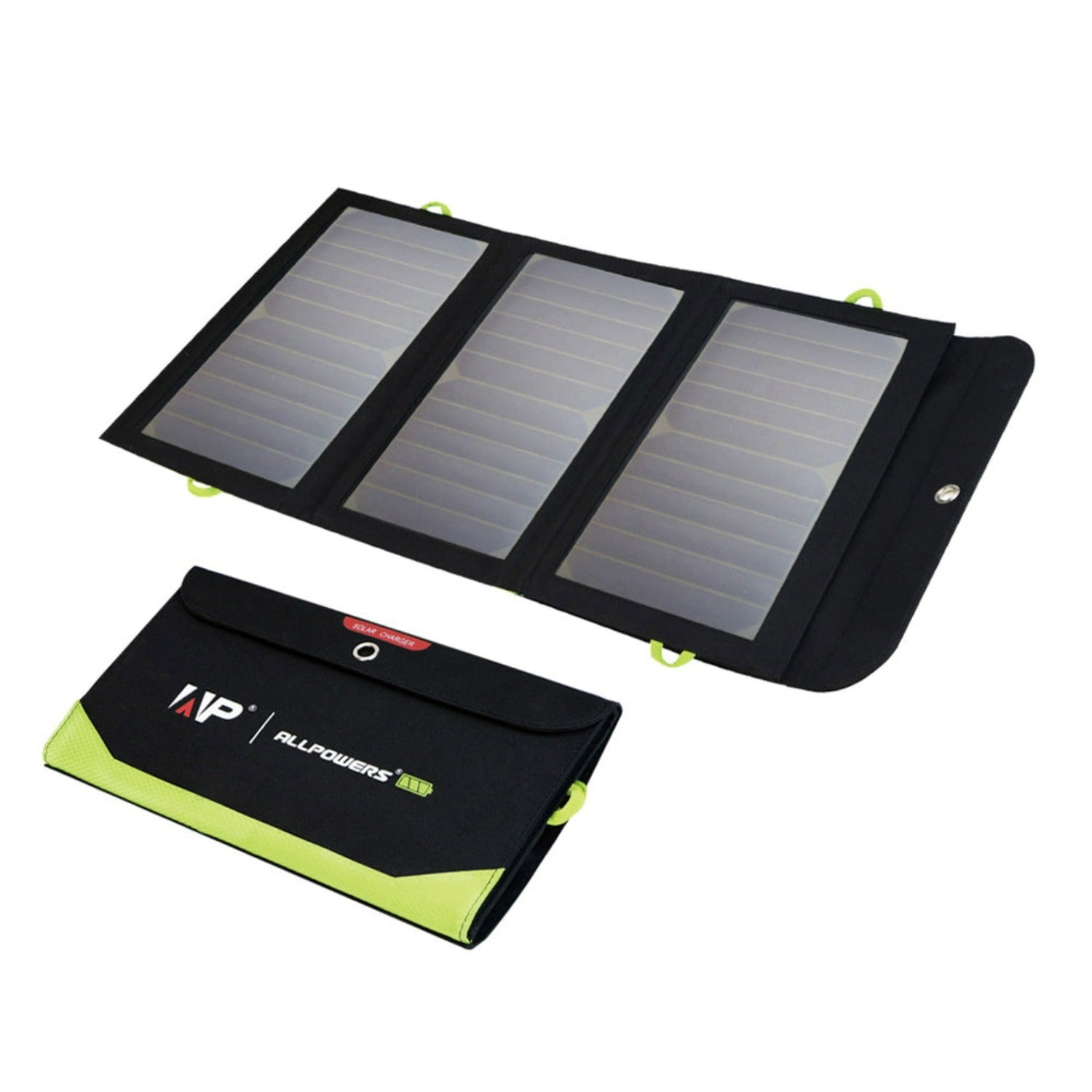
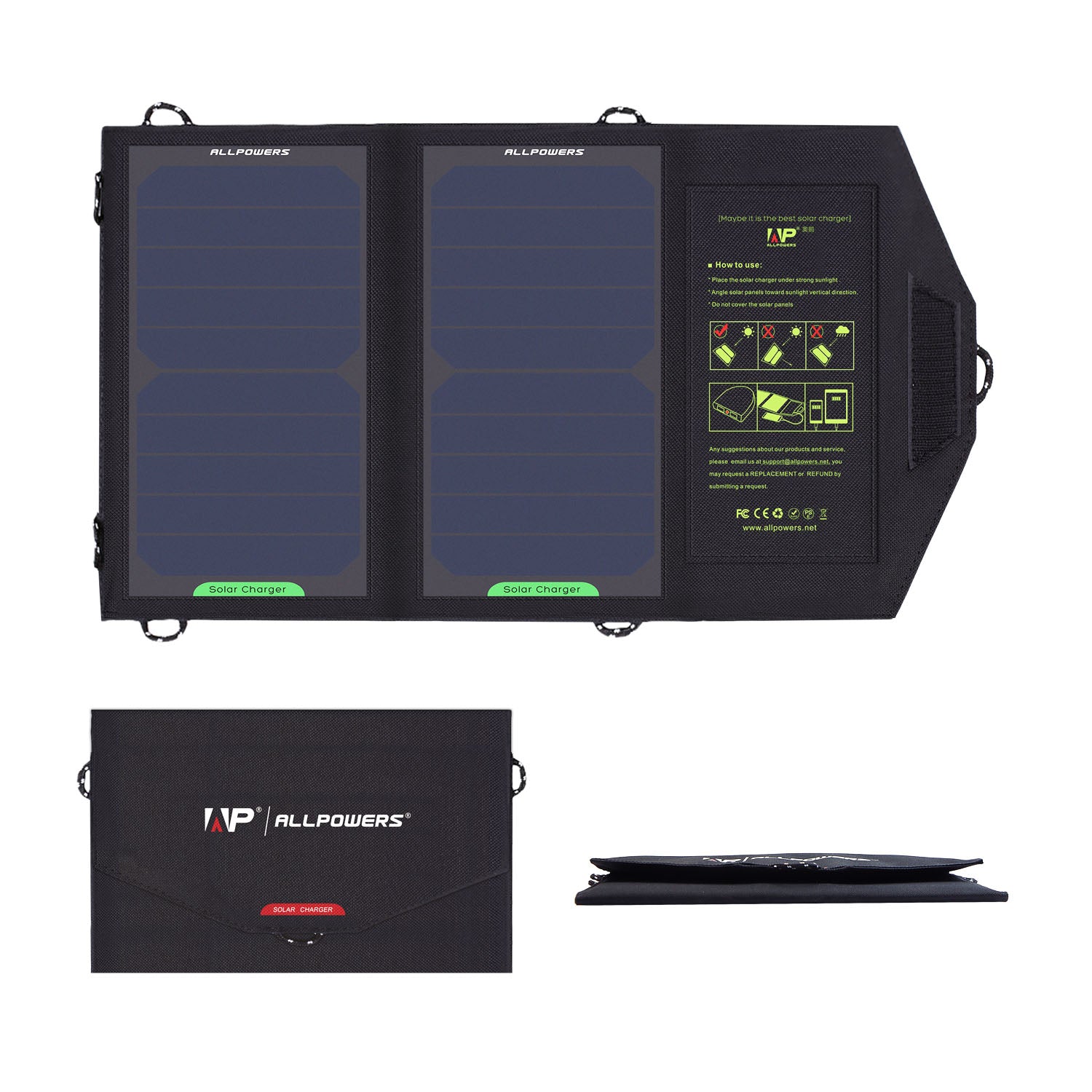
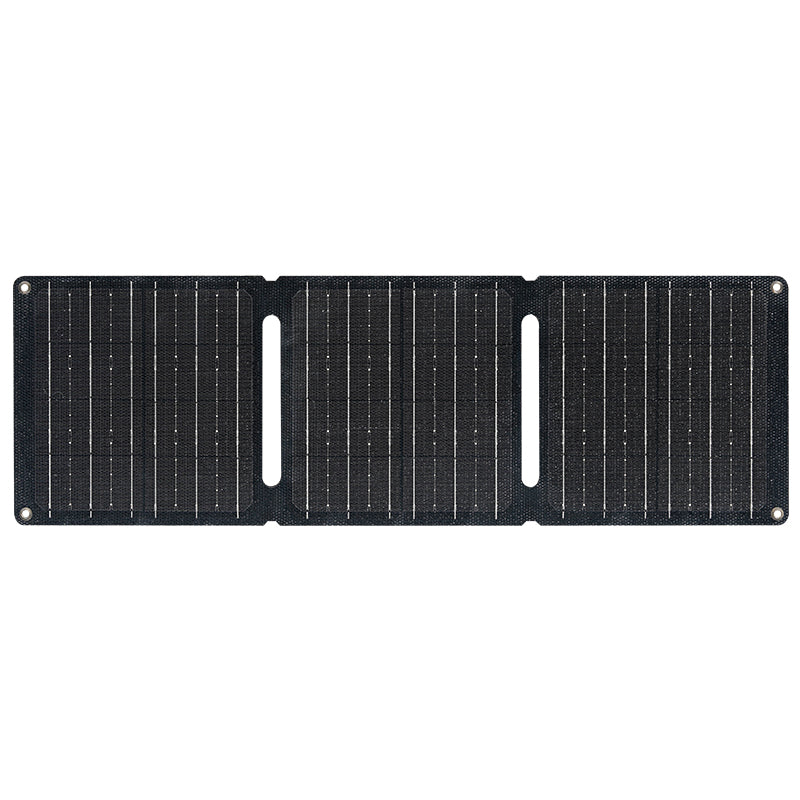
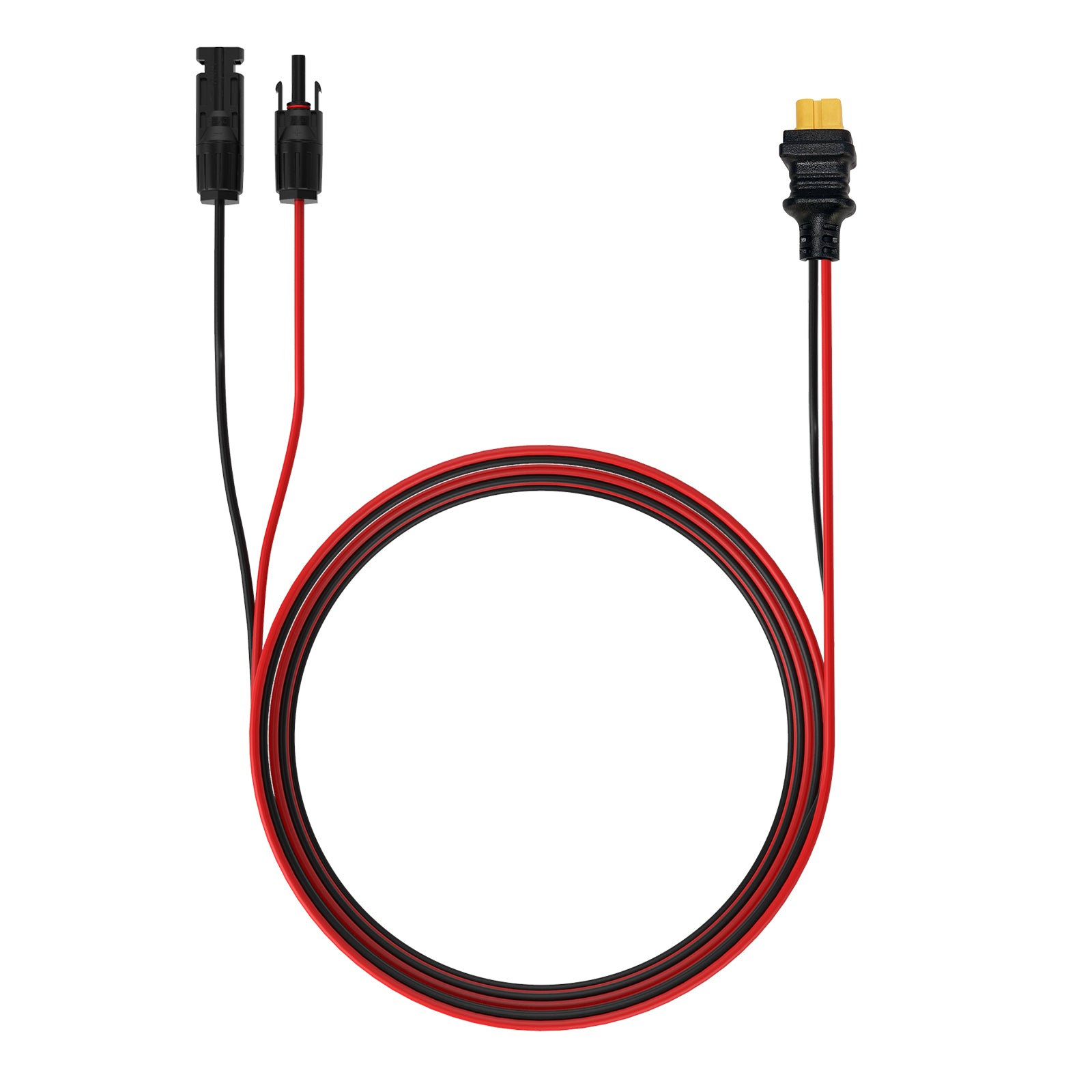
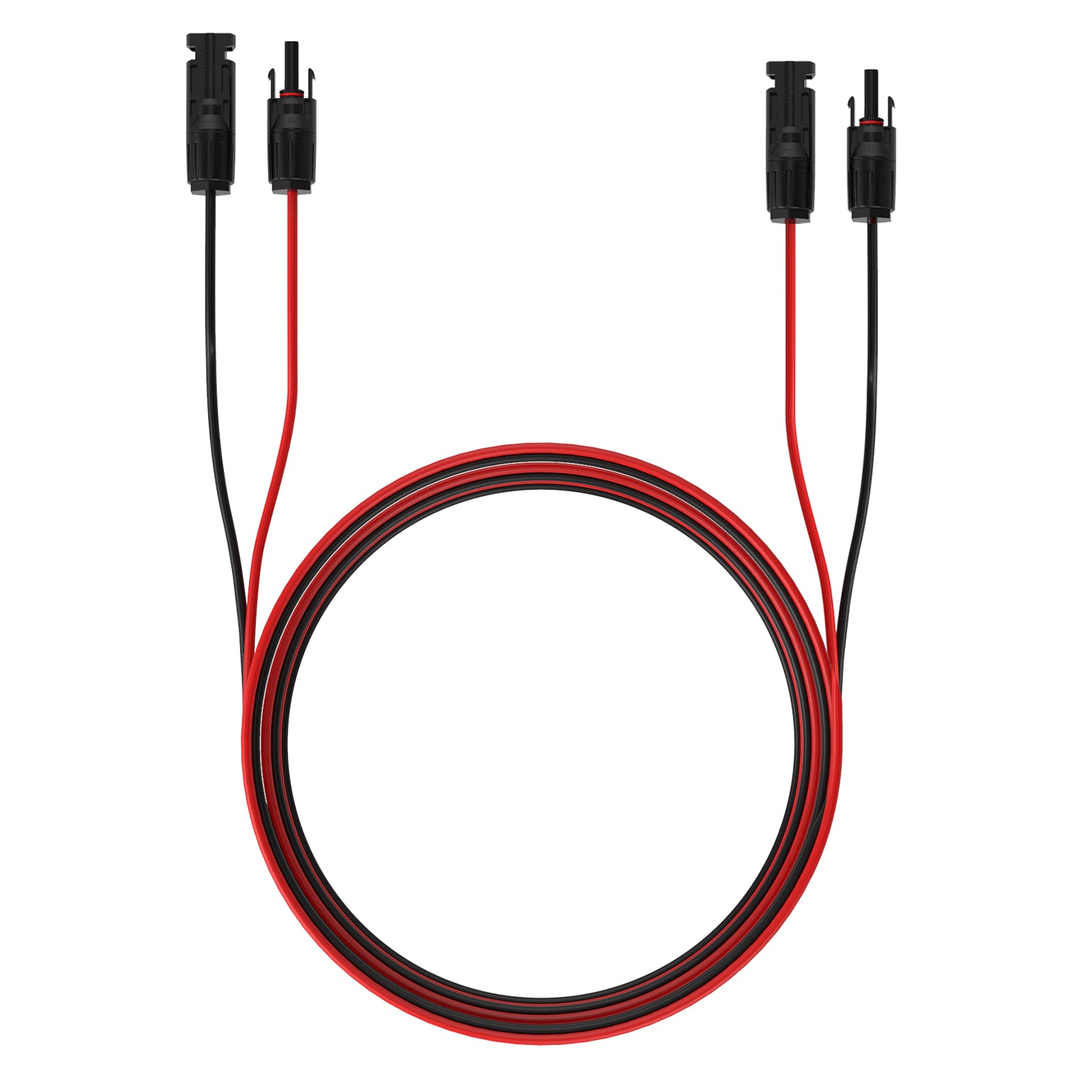
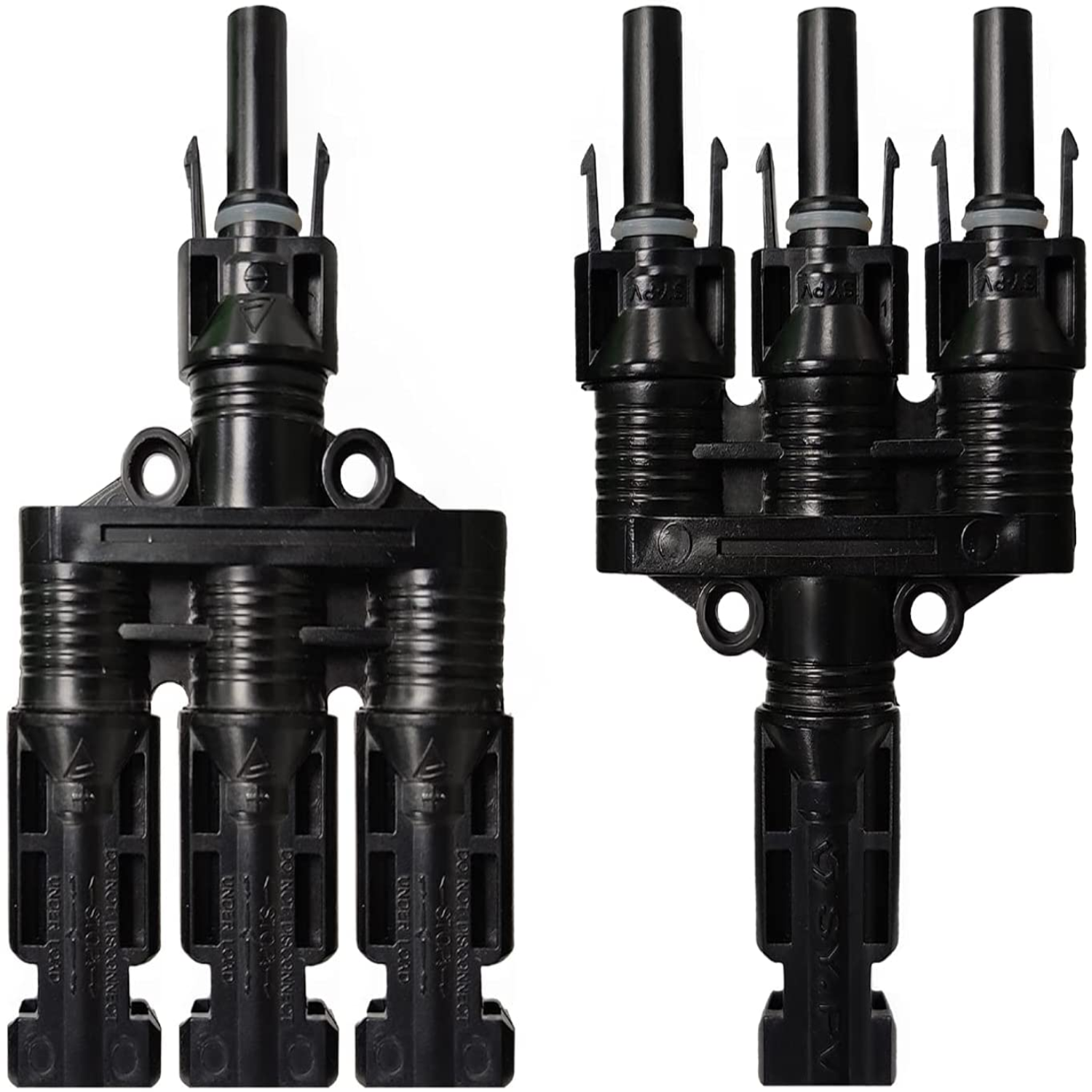
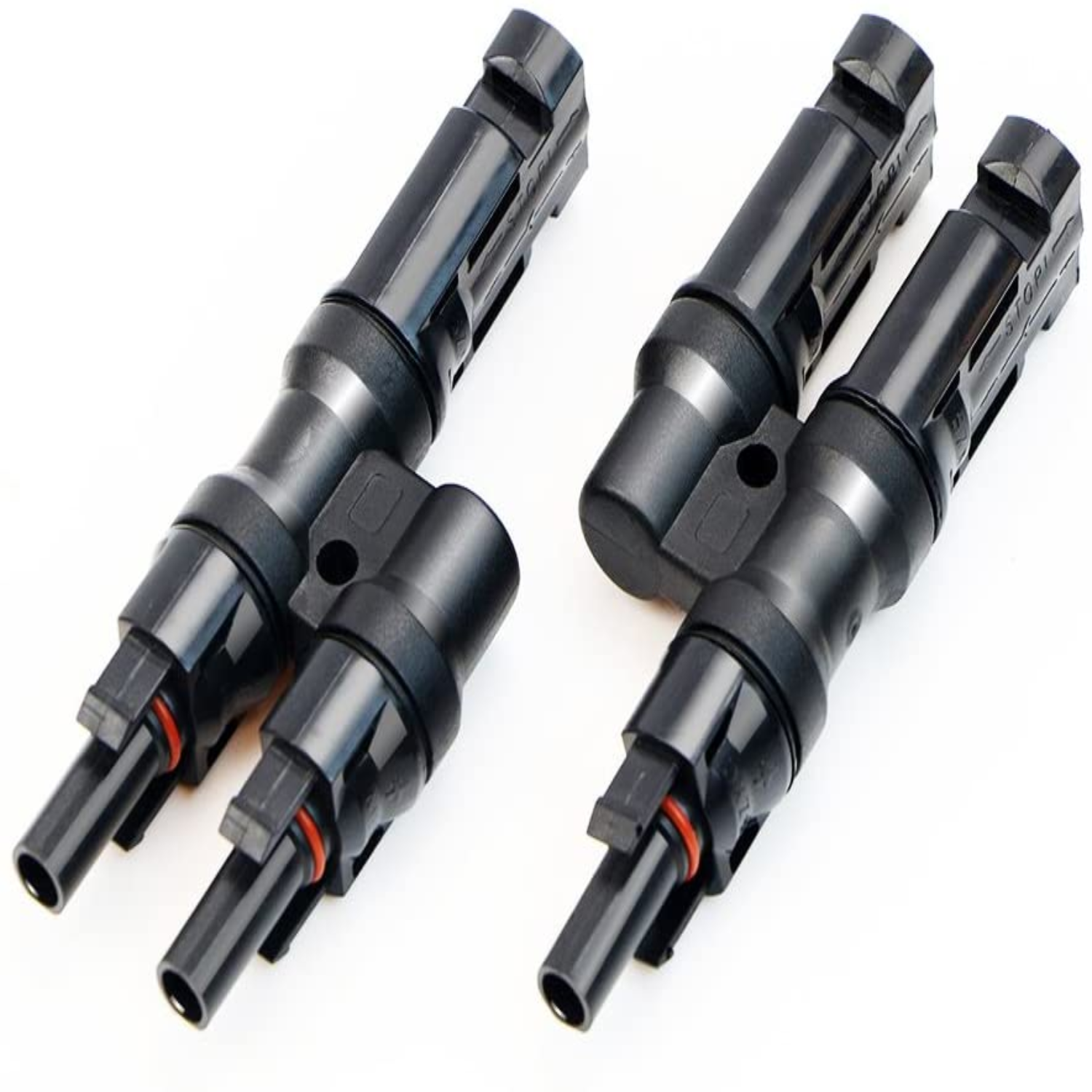
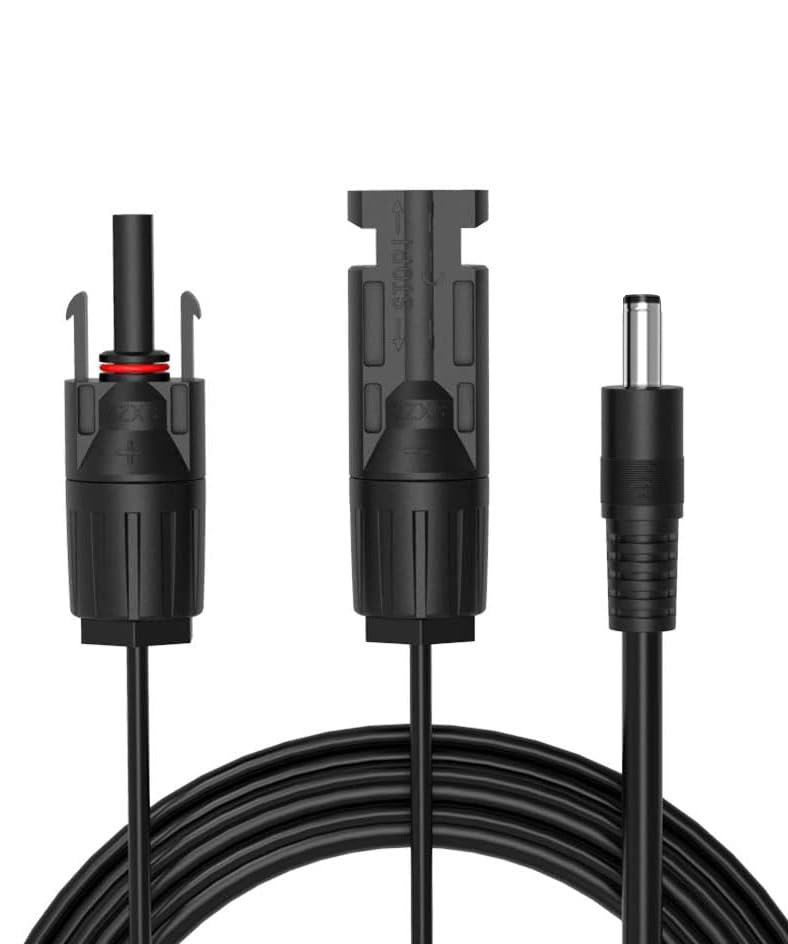
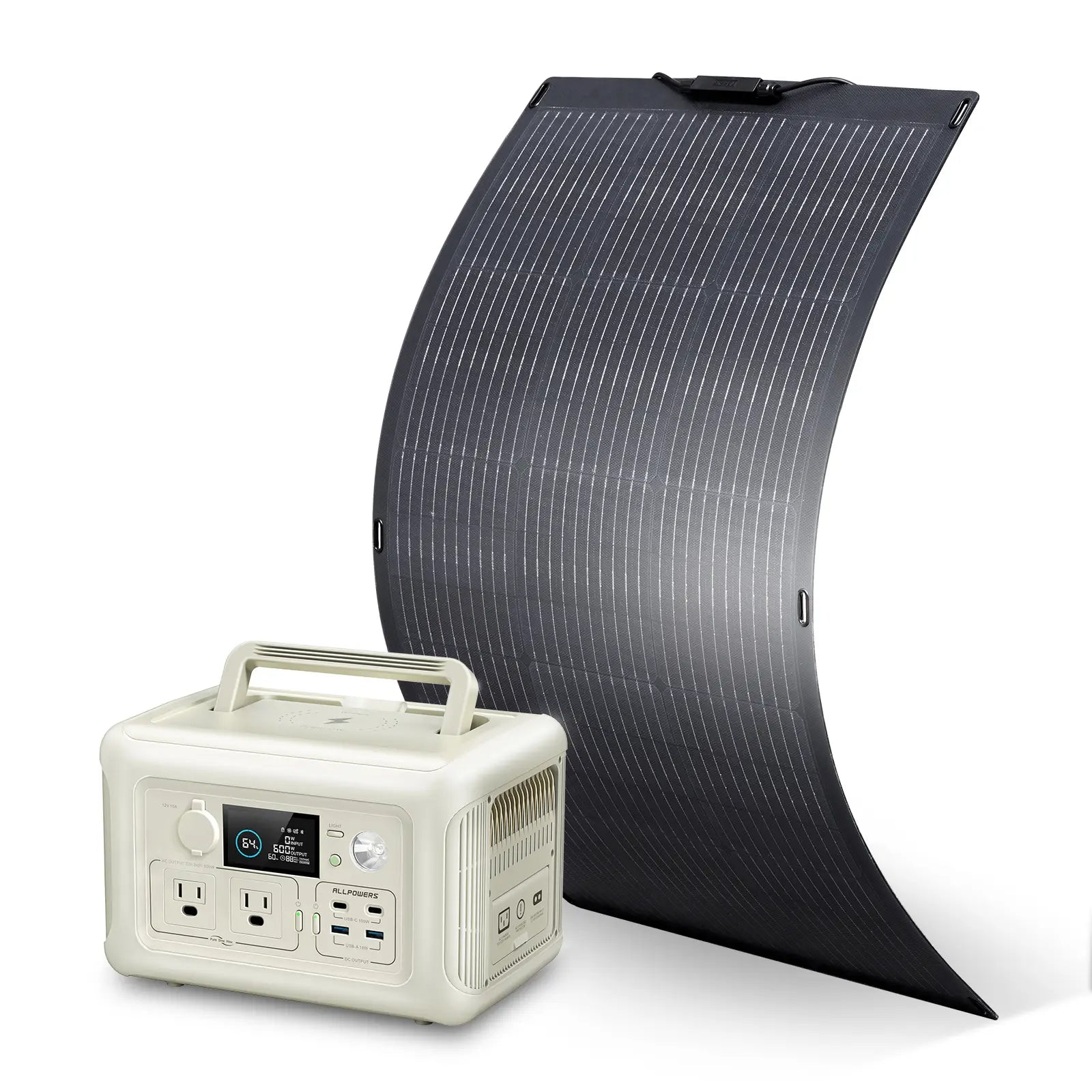
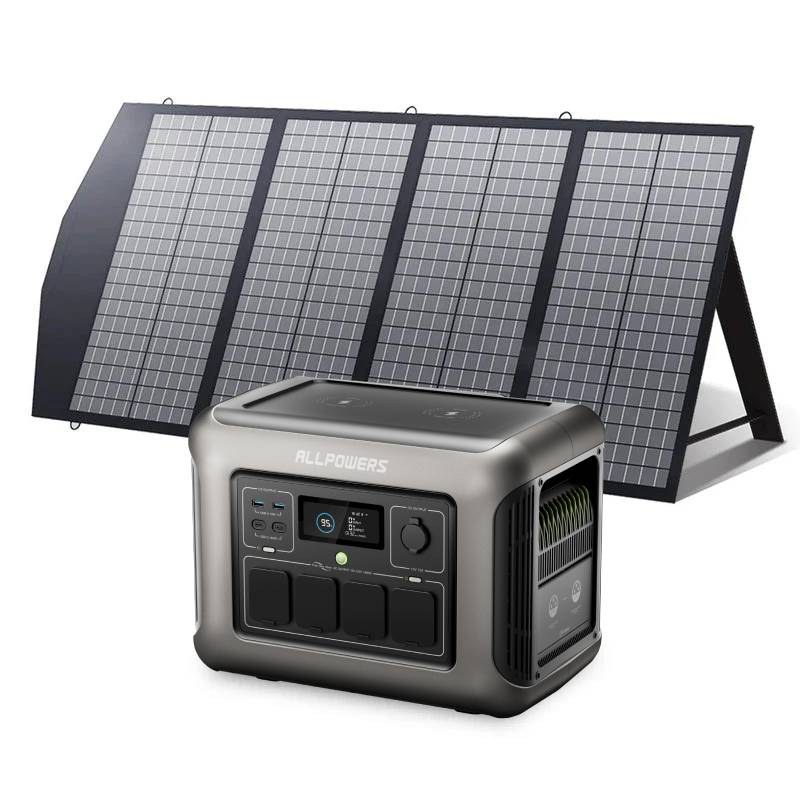
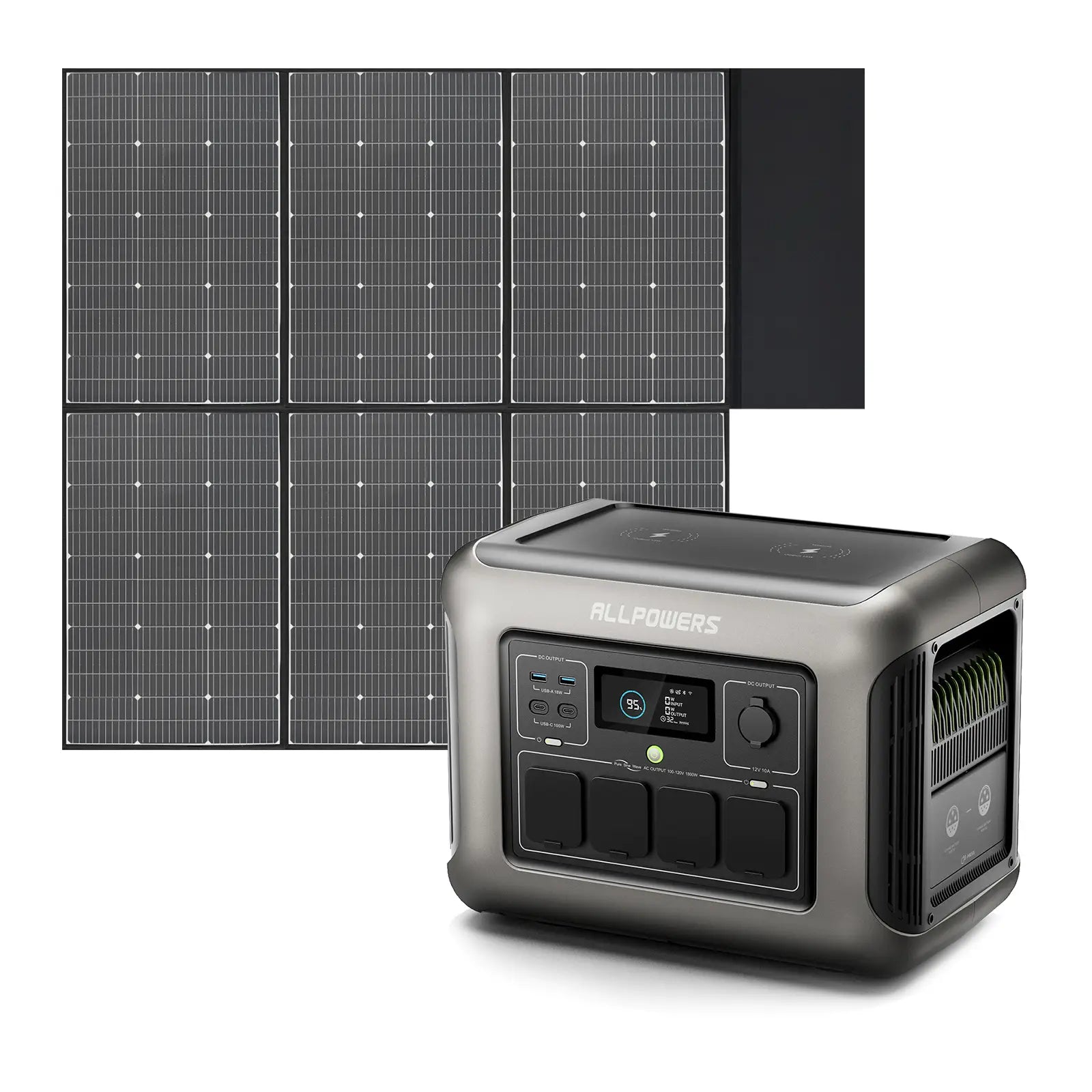
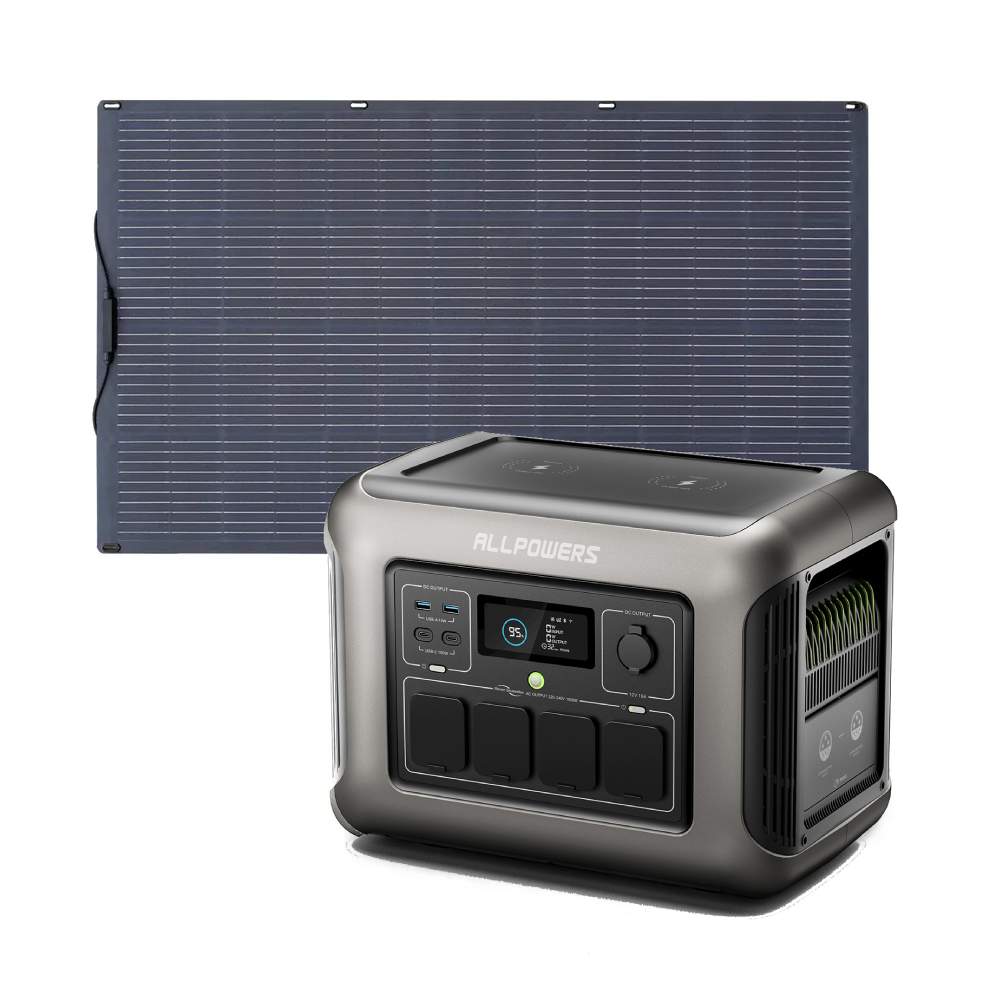
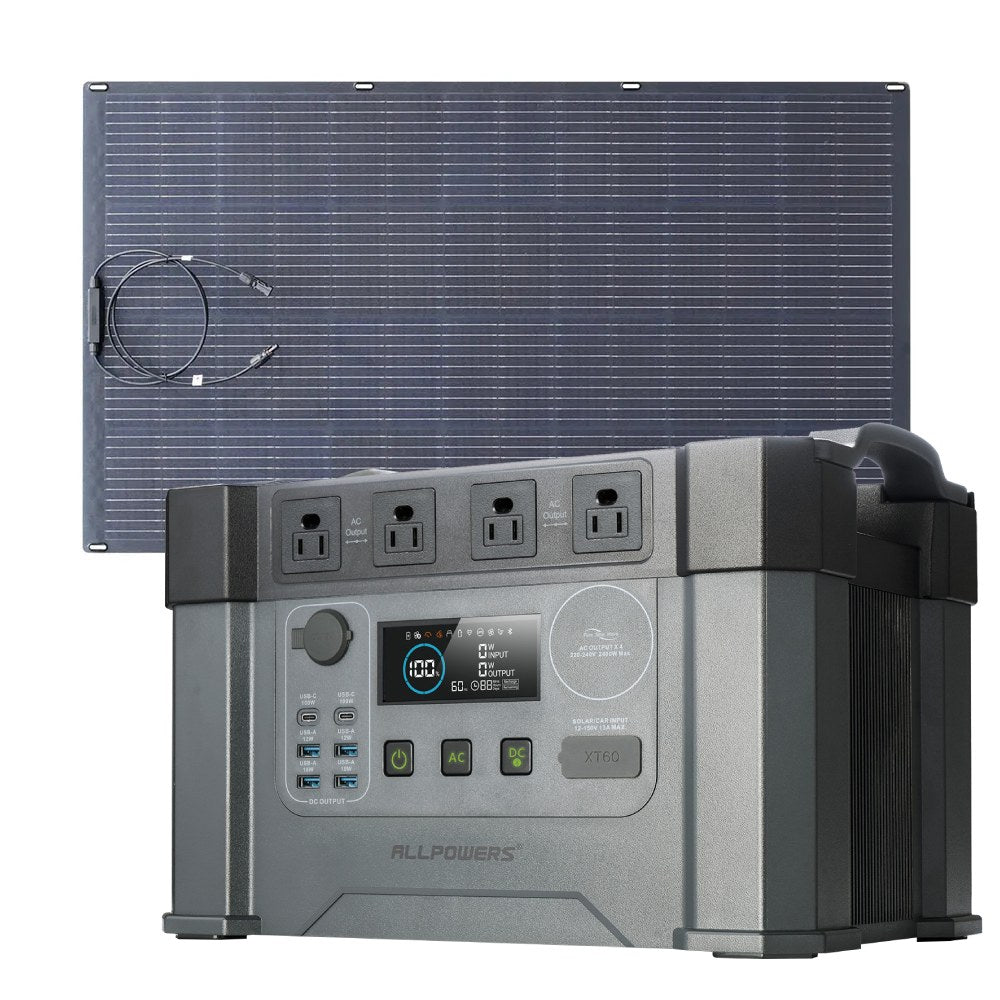
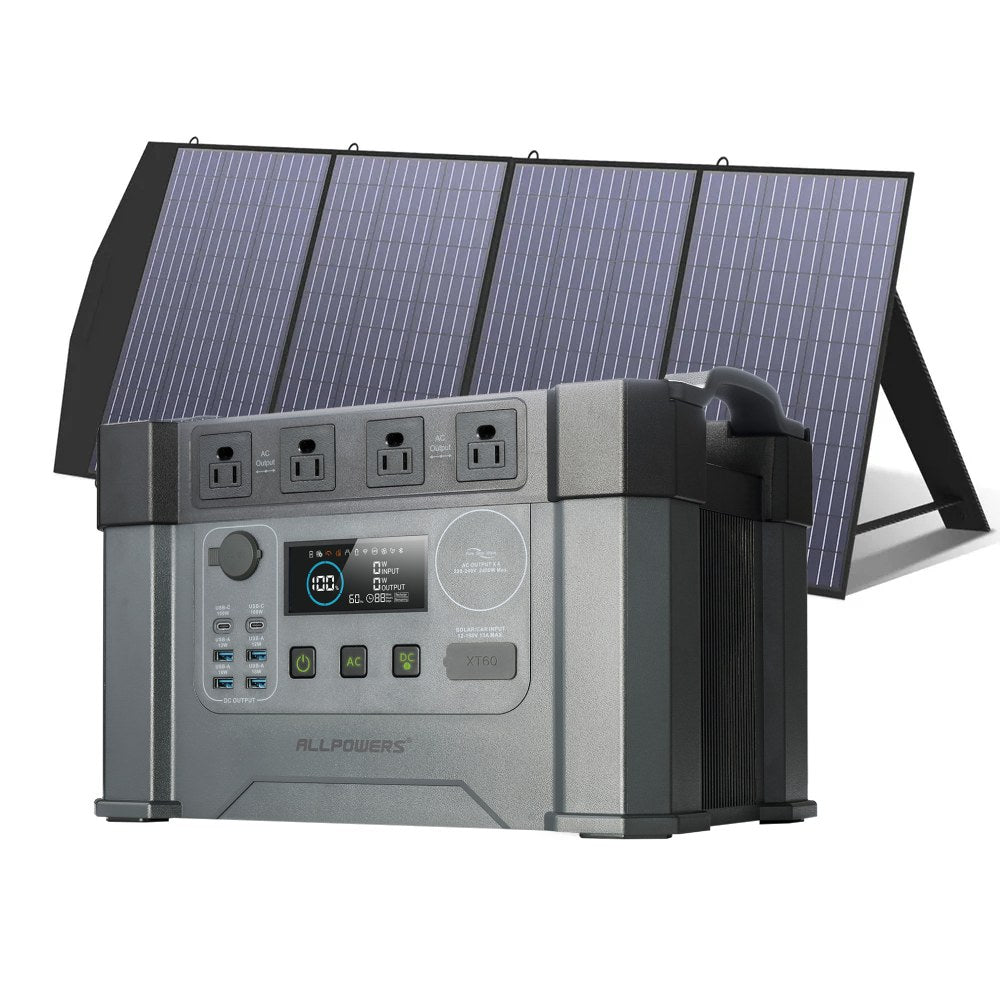
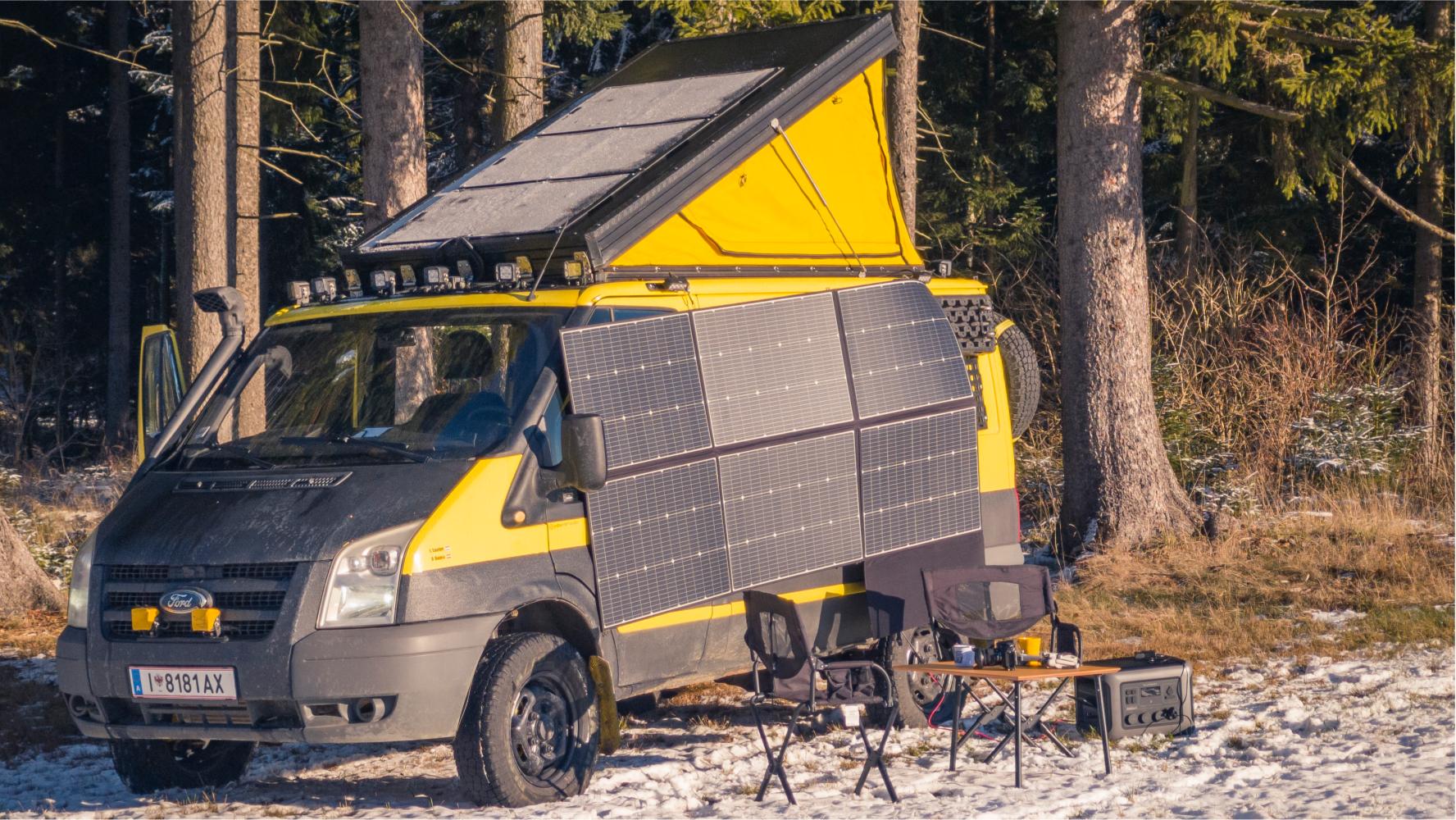
Solar charging allows campers to generate electricity during daylight hours. It is especially useful for longer trips where access to traditional electricity is unavailable.
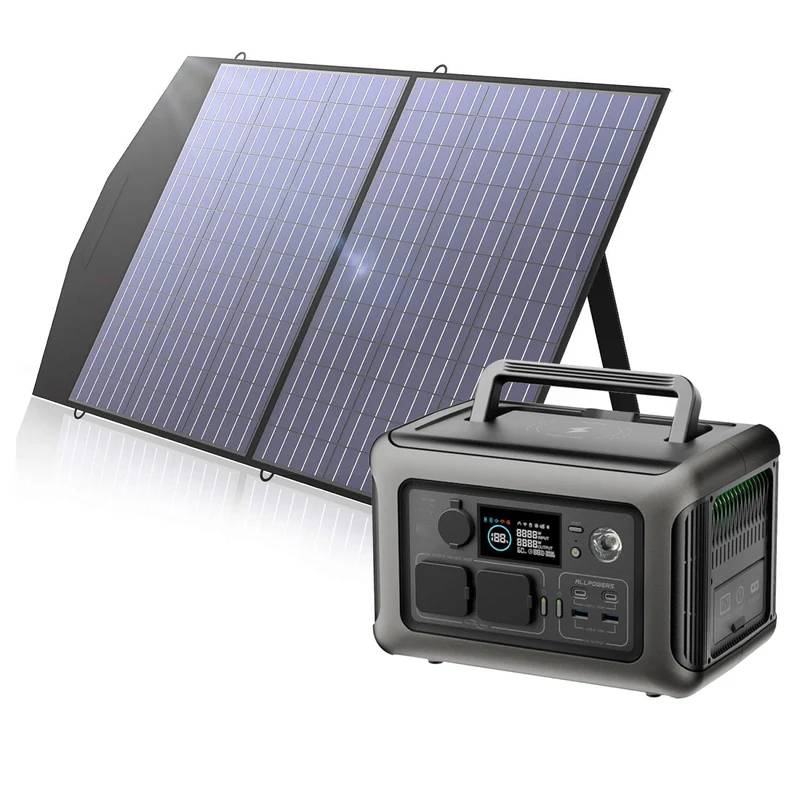
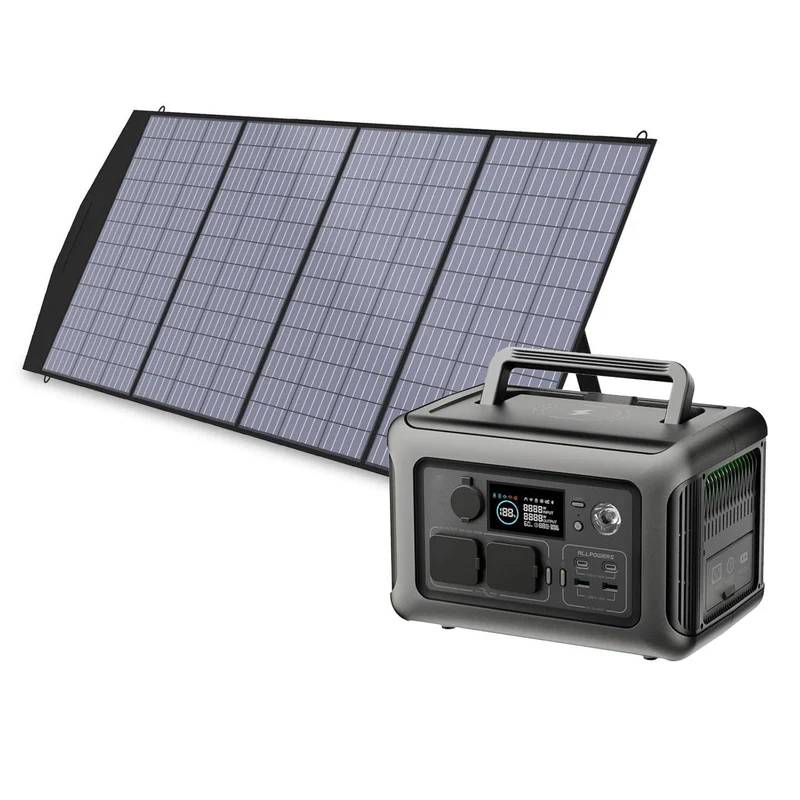
Because solar production depends on weather, location, and sunlight exposure, many campers use solar panels together with portable power stations instead of depending on direct charging alone.
How Can You Make Your Camping Power Last Longer?
Charging more devices does not always require bringing more equipment. Better energy management can significantly extend available power.
Reduce Unnecessary Consumption
Turning off unused devices, limiting background applications, and using efficient lighting can preserve energy throughout your trip.
Charge During the Right Time
If using solar charging, daytime is the ideal period for replenishing energy. Planning charging schedules around available sunlight improves overall efficiency.
Prioritize Essential Devices
Not every device has the same importance. Navigation equipment, communication tools, and safety-related electronics should always receive priority.
What Should You Consider Before Choosing a Camping Charging Method?
Before deciding how to charge devices while camping, consider four important factors: trip duration, location, device requirements, and available charging opportunities.
A weekend campsite near your vehicle may only require simple solutions, while a week-long remote trip requires more careful planning.
The most reliable setups are usually not the most complicated ones. They are the systems that match actual needs and provide enough flexibility when conditions change.
Frequently Asked Questions
What is the easiest way to charge devices while camping?
For short trips, power banks are often the simplest option for charging phones and small electronics.
Can you charge devices using solar panels while camping?
Yes. Solar panels can recharge compatible battery systems during daylight hours, allowing stored energy to be used later.
How do you charge a laptop while camping?
Laptops usually require more energy than phones, so campers often use larger battery systems or vehicle charging solutions.
How much power do I need for camping?
The required amount depends on the number of devices, daily usage time, and trip length.
Is it worth bringing electronic devices while camping?
Many campers find that essential electronics improve safety and convenience, especially for navigation, communication, and emergency situations.