





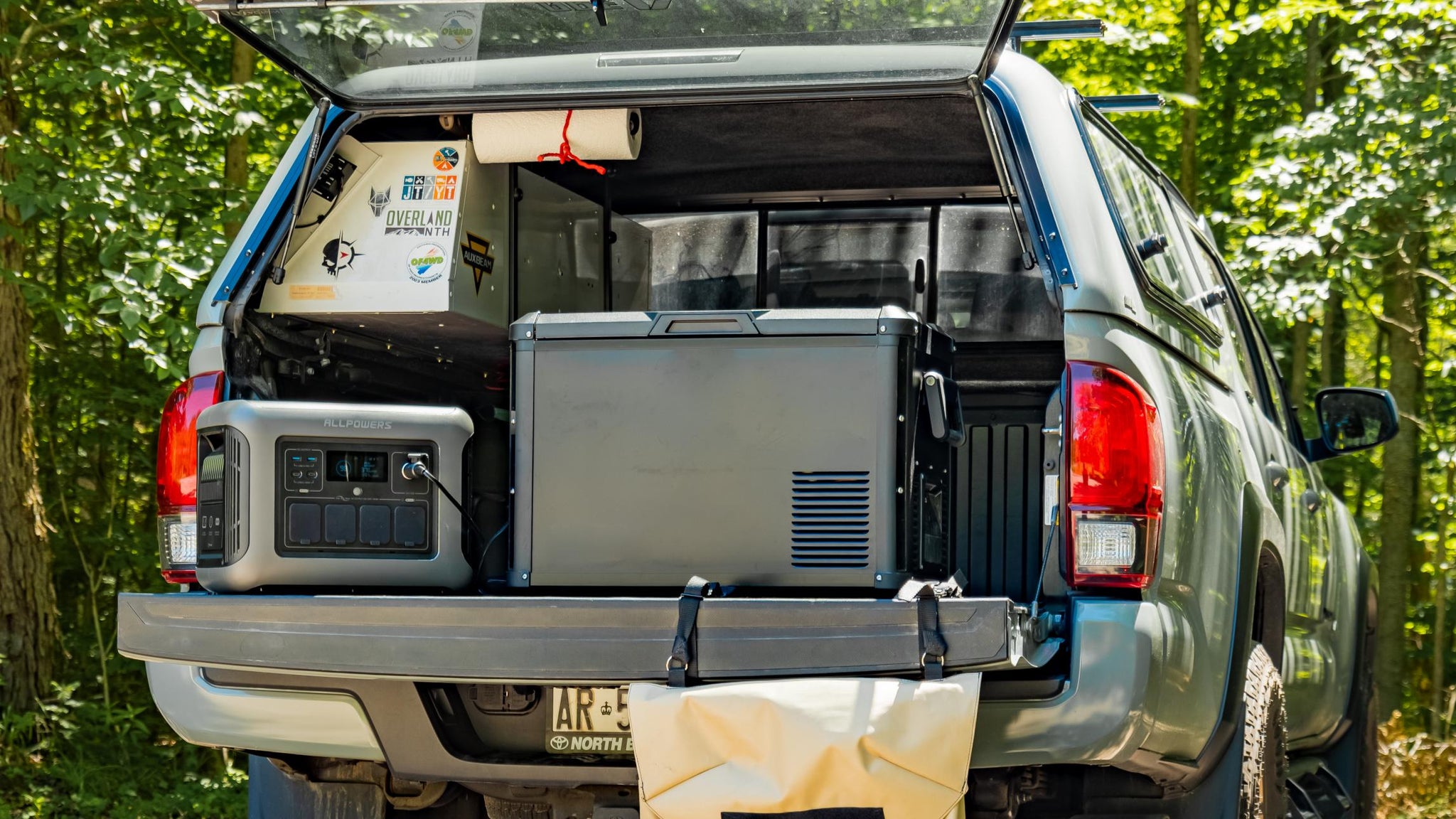
Keeping food fresh while camping has become much easier thanks to modern portable refrigerators and off-grid cooling technology.
Unlike traditional ice coolers, portable camping fridges can maintain consistent temperatures without constantly replacing melted ice.
However, powering a fridge while camping requires careful planning because refrigerators consume electricity continuously throughout the day and night.
So, how do campers keep a fridge running while camping?
TL;DR: Most campers power refrigerators using battery systems, vehicle charging setups, solar panels, campground hookups, or portable energy storage solutions. Power consumption depends on fridge size, outdoor temperature, compressor efficiency, and cooling settings. Efficient energy management and proper battery planning are essential for reliable off-grid refrigeration during camping trips.
Why Camping Fridges Are Becoming Popular
Traditional ice coolers have been used for decades, but many campers now prefer portable refrigerators because they offer more consistent cooling and eliminate the need to continuously buy ice.
Modern 12V camping fridges are especially popular among road trippers, RV travelers, overlanders, and families who spend multiple days outdoors.
Portable refrigerators also help reduce food waste because they maintain stable internal temperatures more effectively than standard coolers filled with melting ice.
How Camping Refrigerators Work
Most camping refrigerators use compressor-based cooling systems, which operate similarly to household refrigerators but are designed for portable and off-grid use.
Unlike thermoelectric coolers, compressor refrigerators are generally more energy-efficient and capable of maintaining colder temperatures even during hot weather.
12V DC Operation
Many portable camping fridges are designed to run directly from 12V DC power systems, making them compatible with vehicles and battery-based camping setups.
Power Consumption Varies
Electricity usage depends on several factors, including:
- Fridge size
- Outdoor temperatures
- Cooling settings
- Compressor efficiency
- Frequency of lid opening
Hot weather conditions often force refrigerators to cycle more frequently, increasing overall energy consumption.
Best Ways to Power a Camping Fridge
There are several common ways campers keep refrigerators powered while outdoors.
Vehicle Power
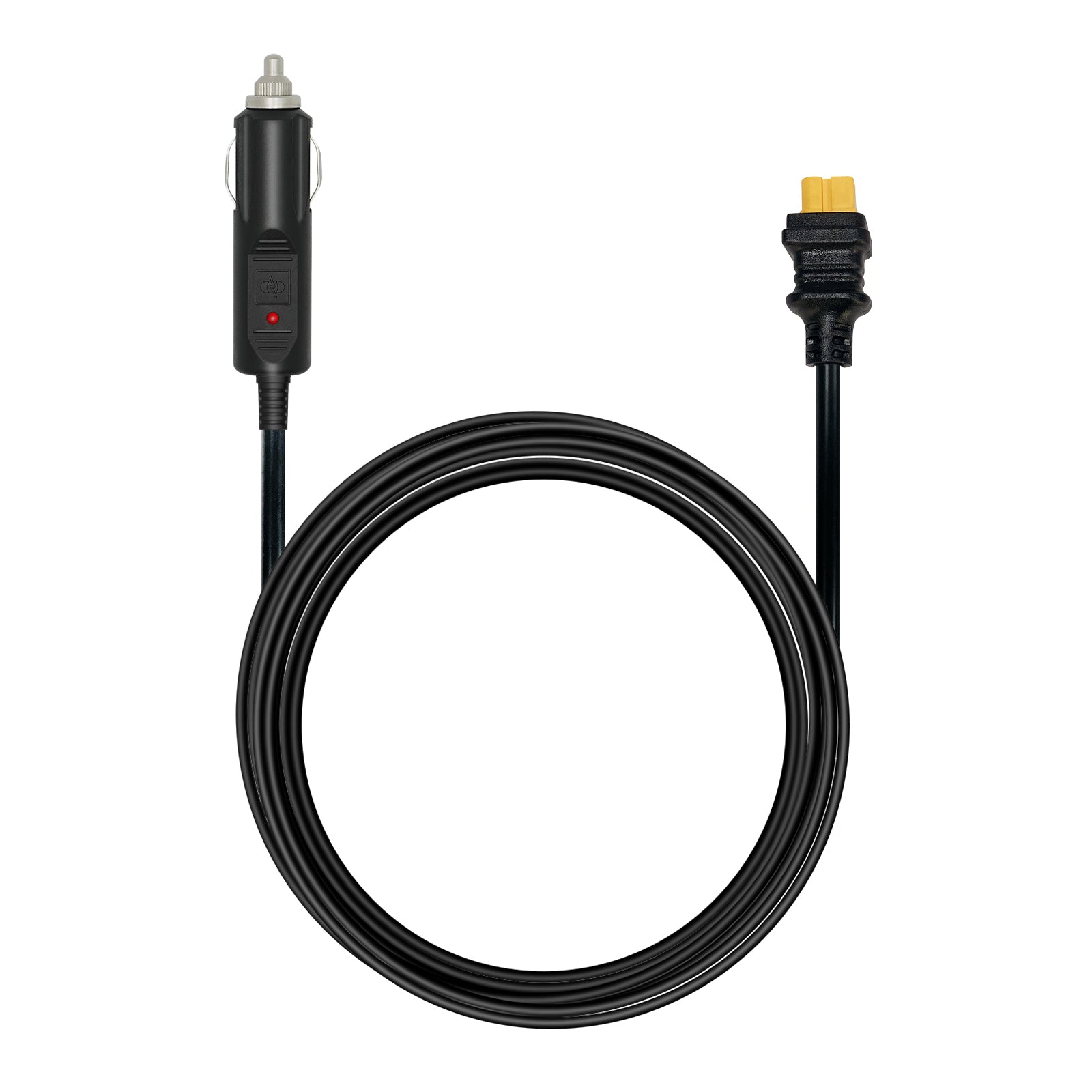
Many campers operate refrigerators directly from their vehicle’s 12V outlet while driving.
This setup works well during road trips, but relying entirely on a vehicle battery while parked overnight may increase the risk of draining the starter battery.
Battery-Based Power Systems
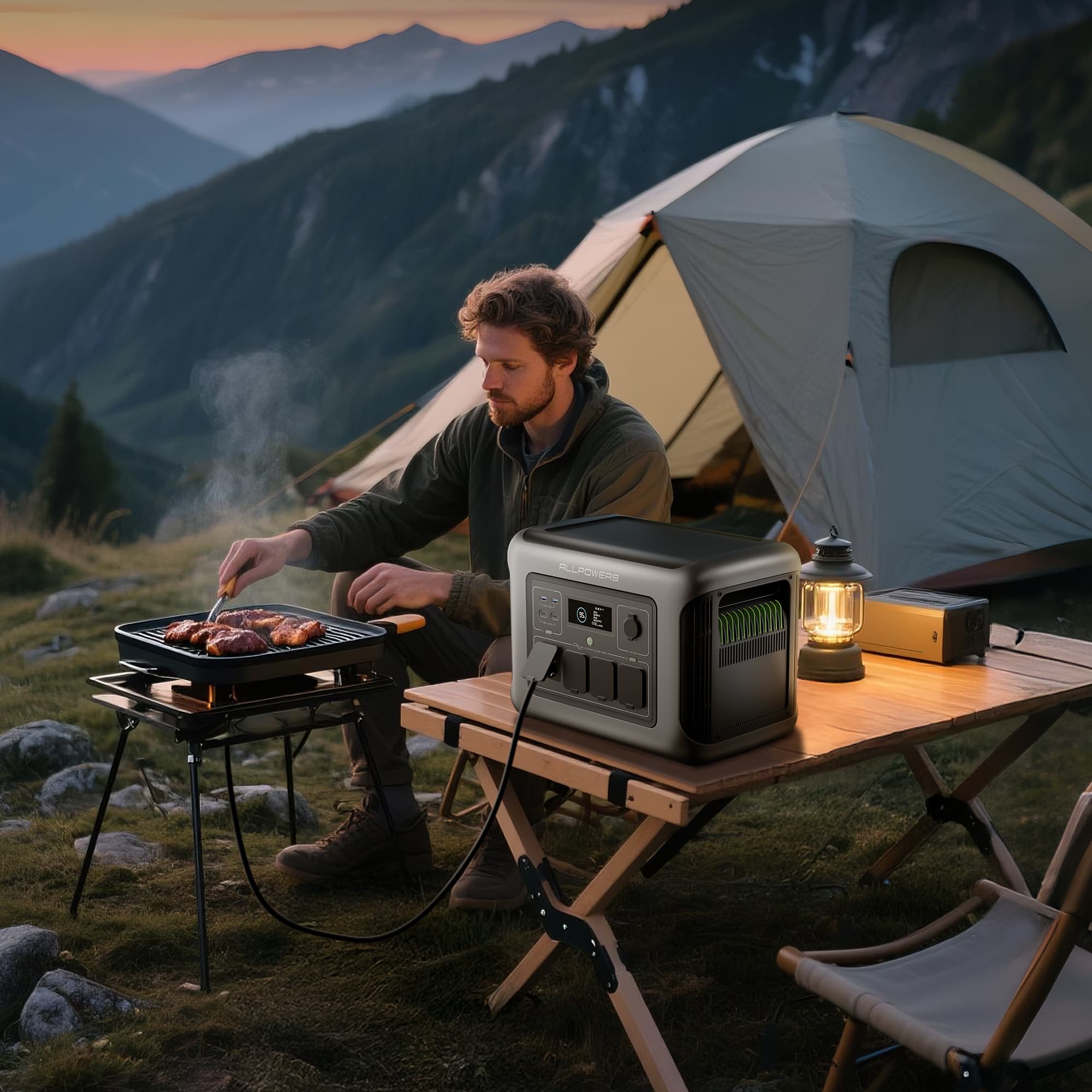
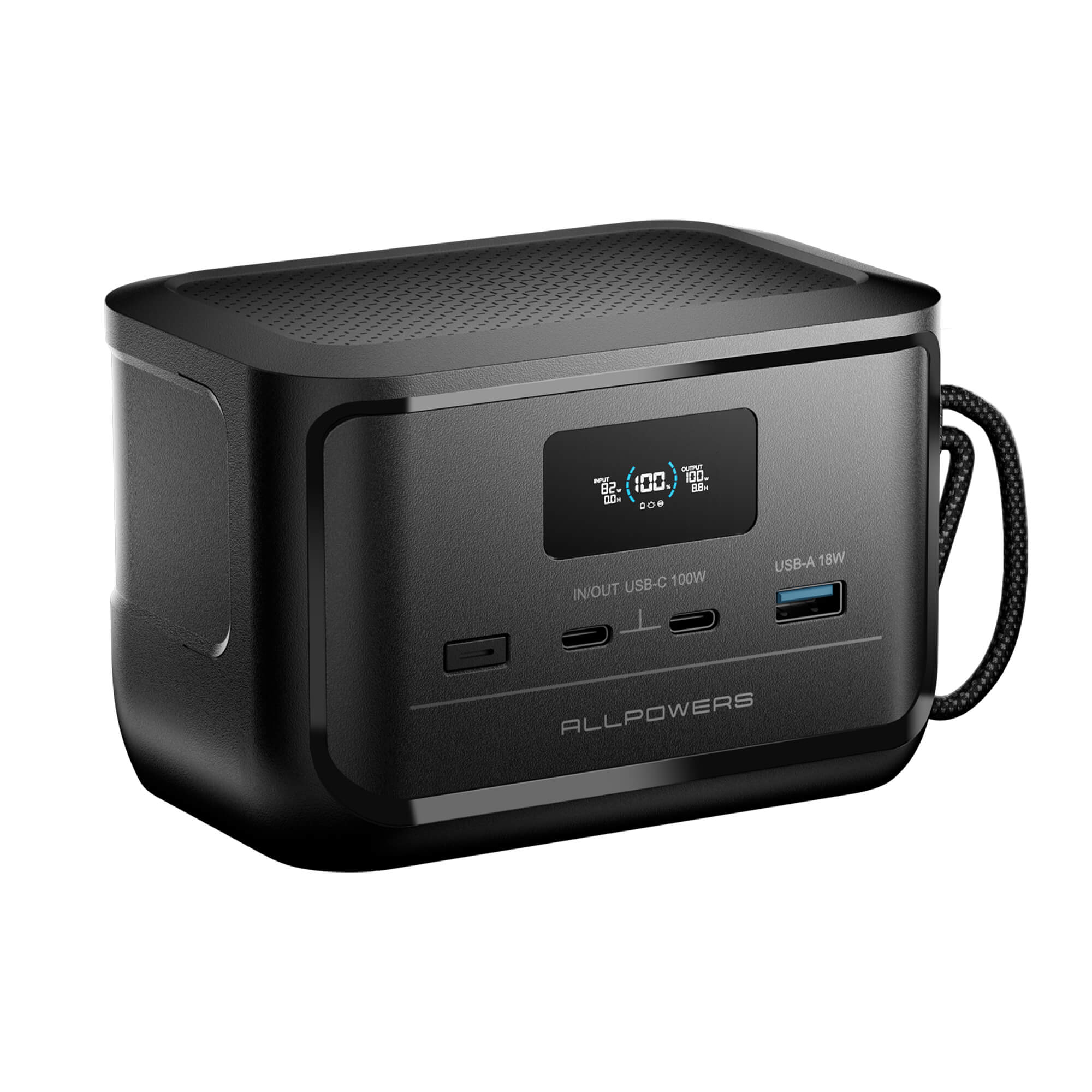
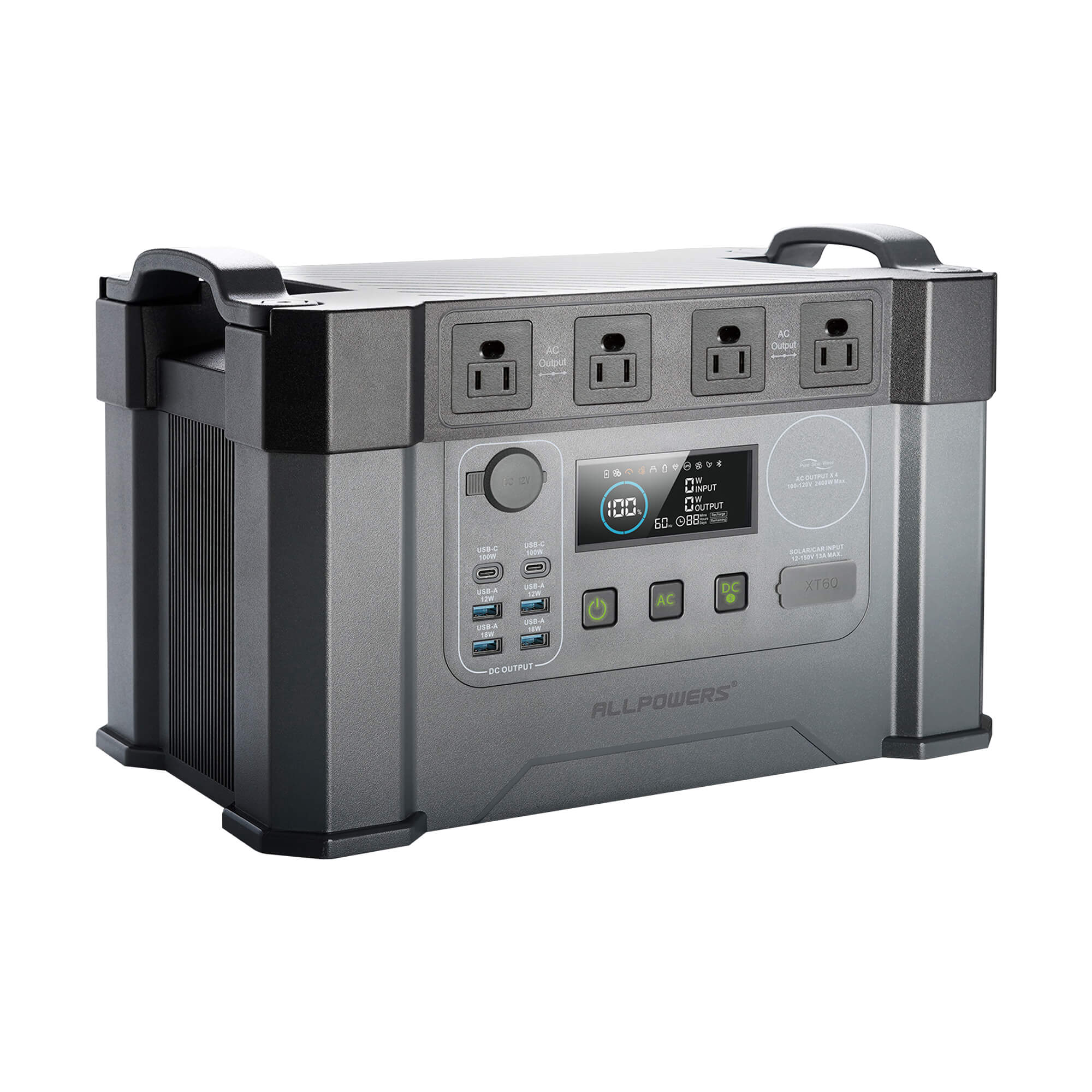
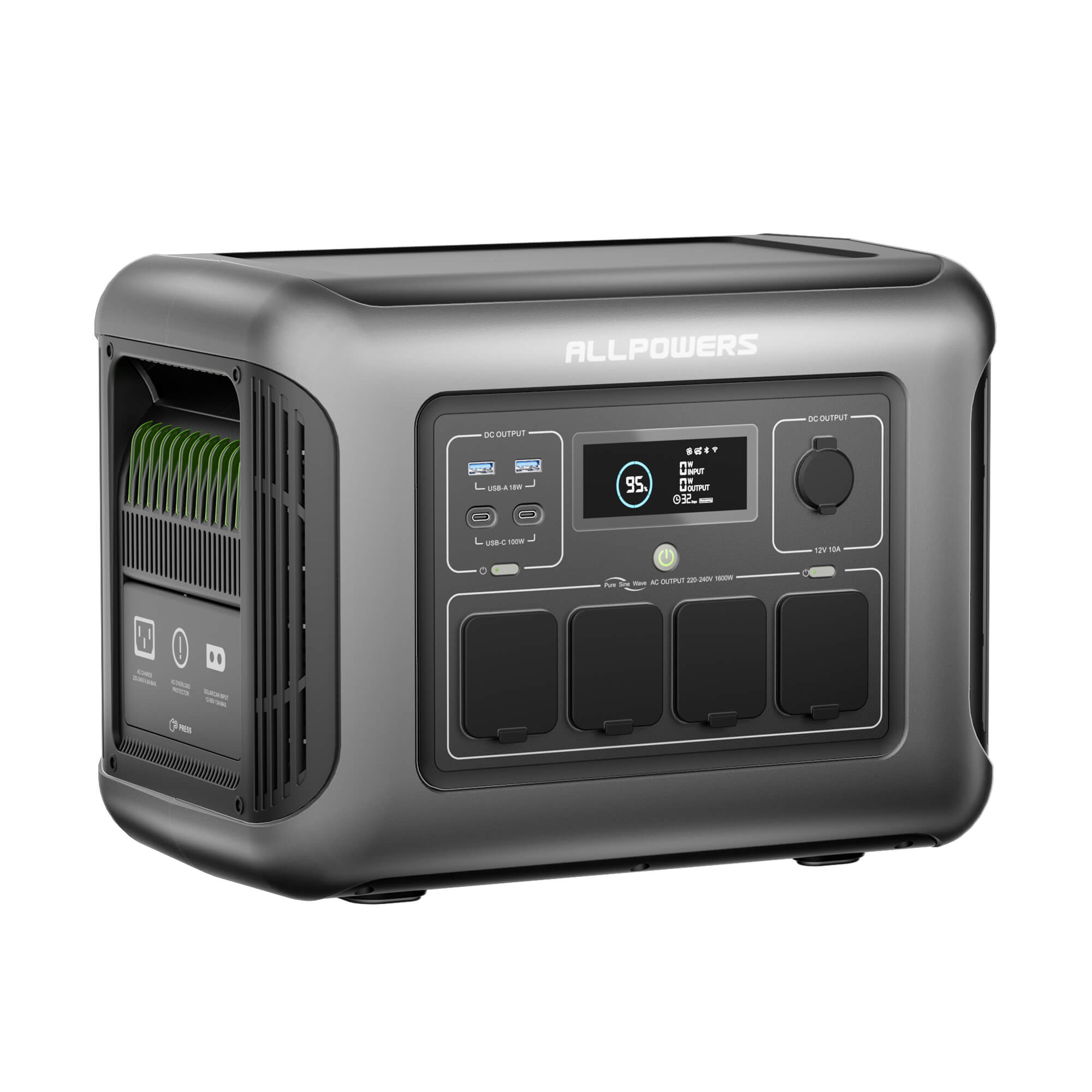
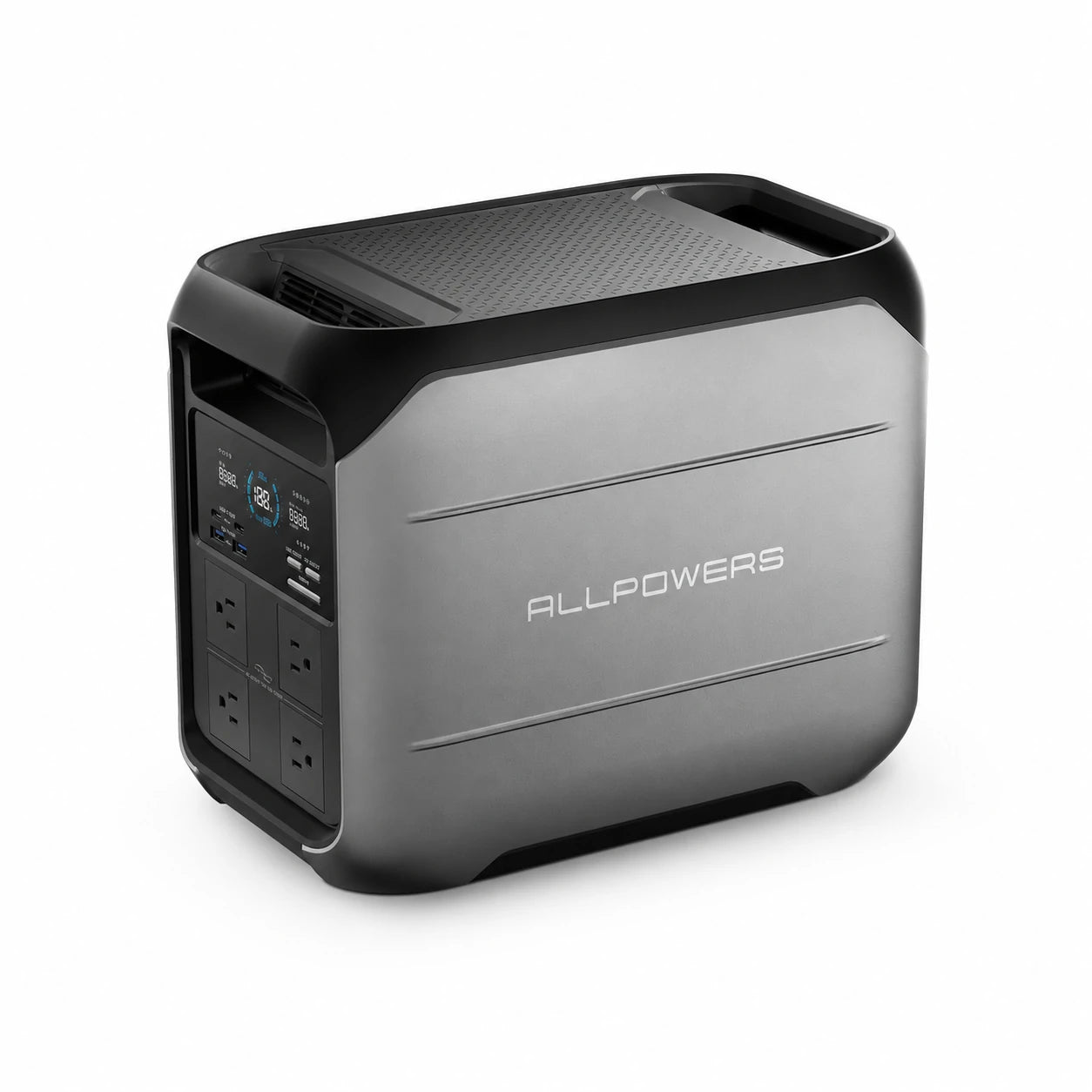
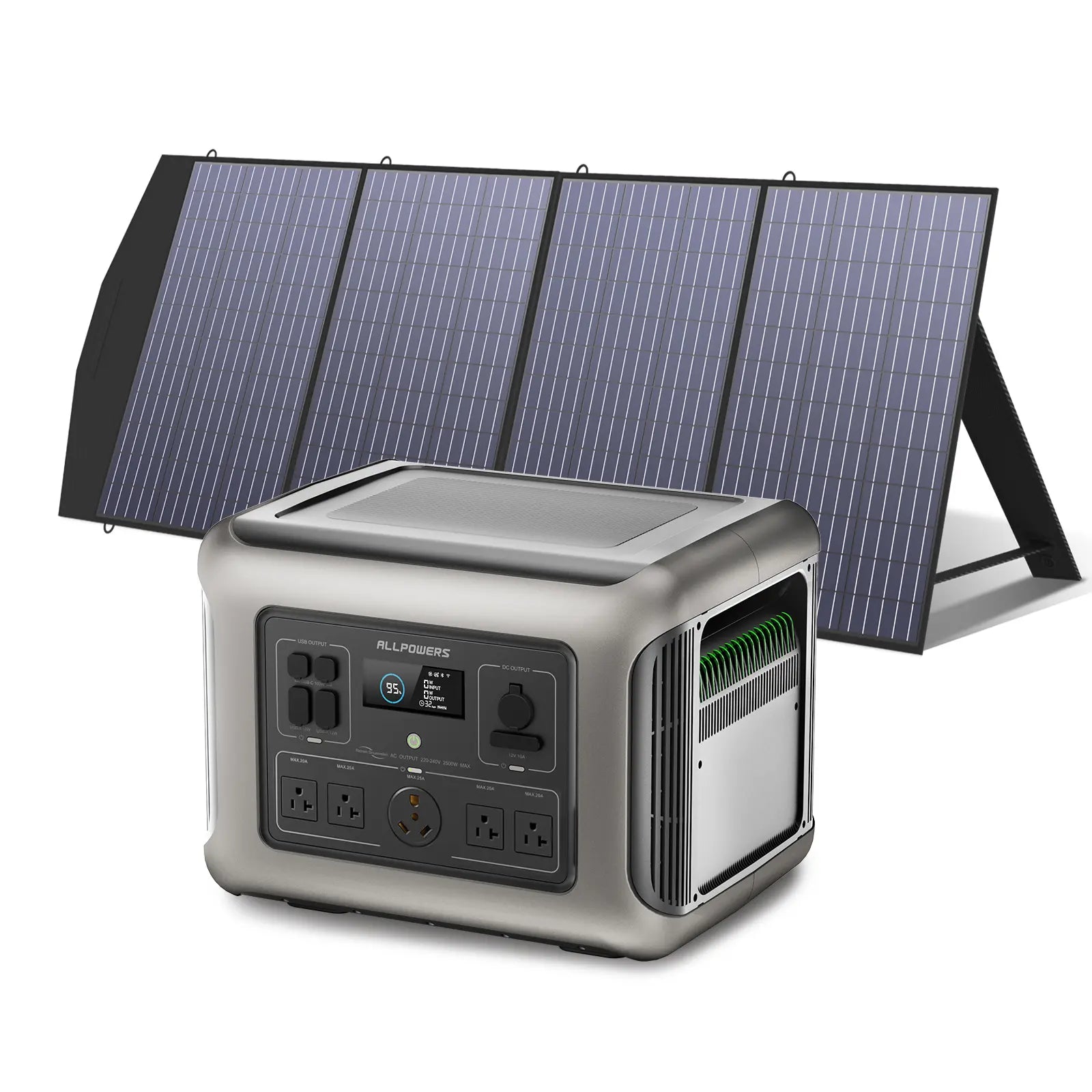
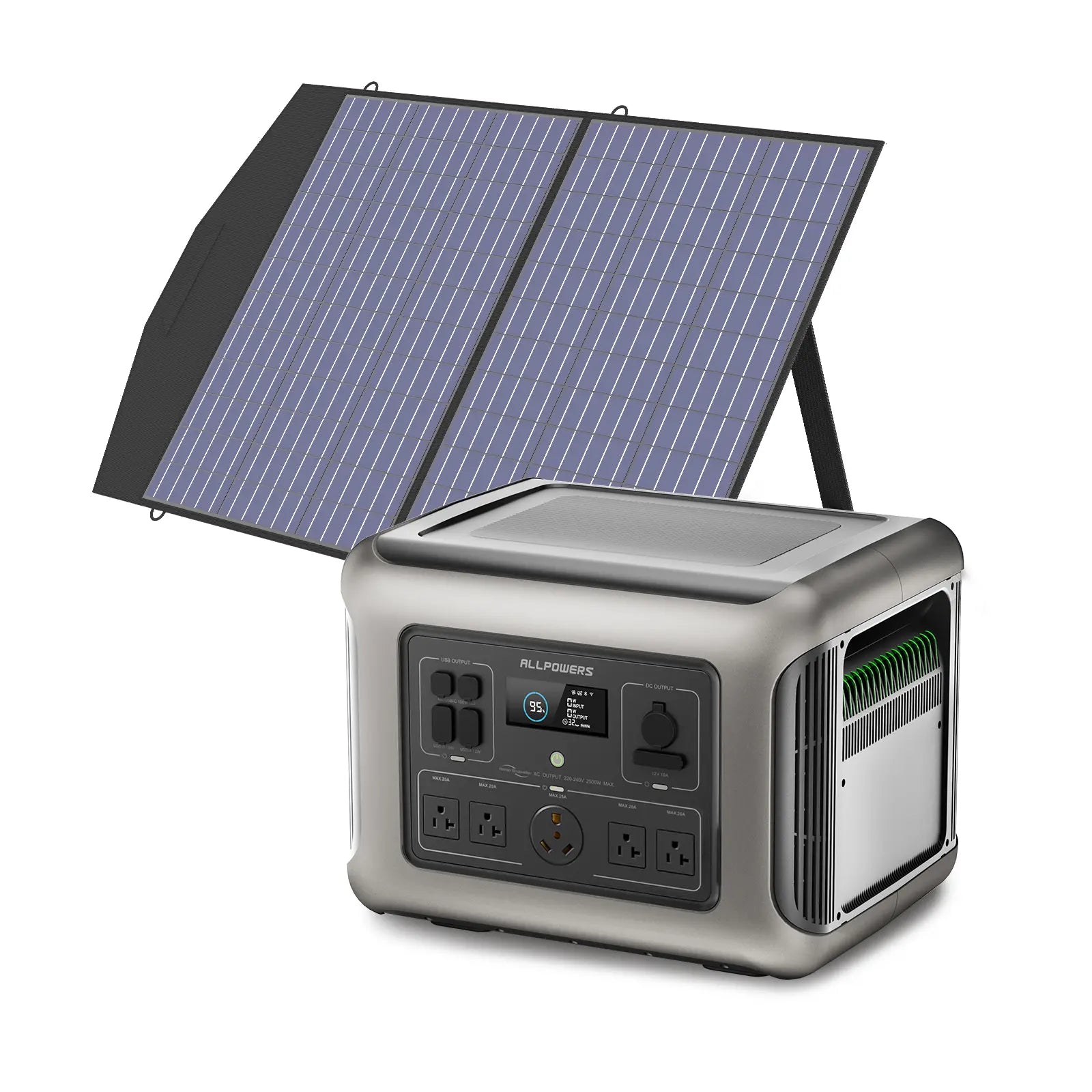
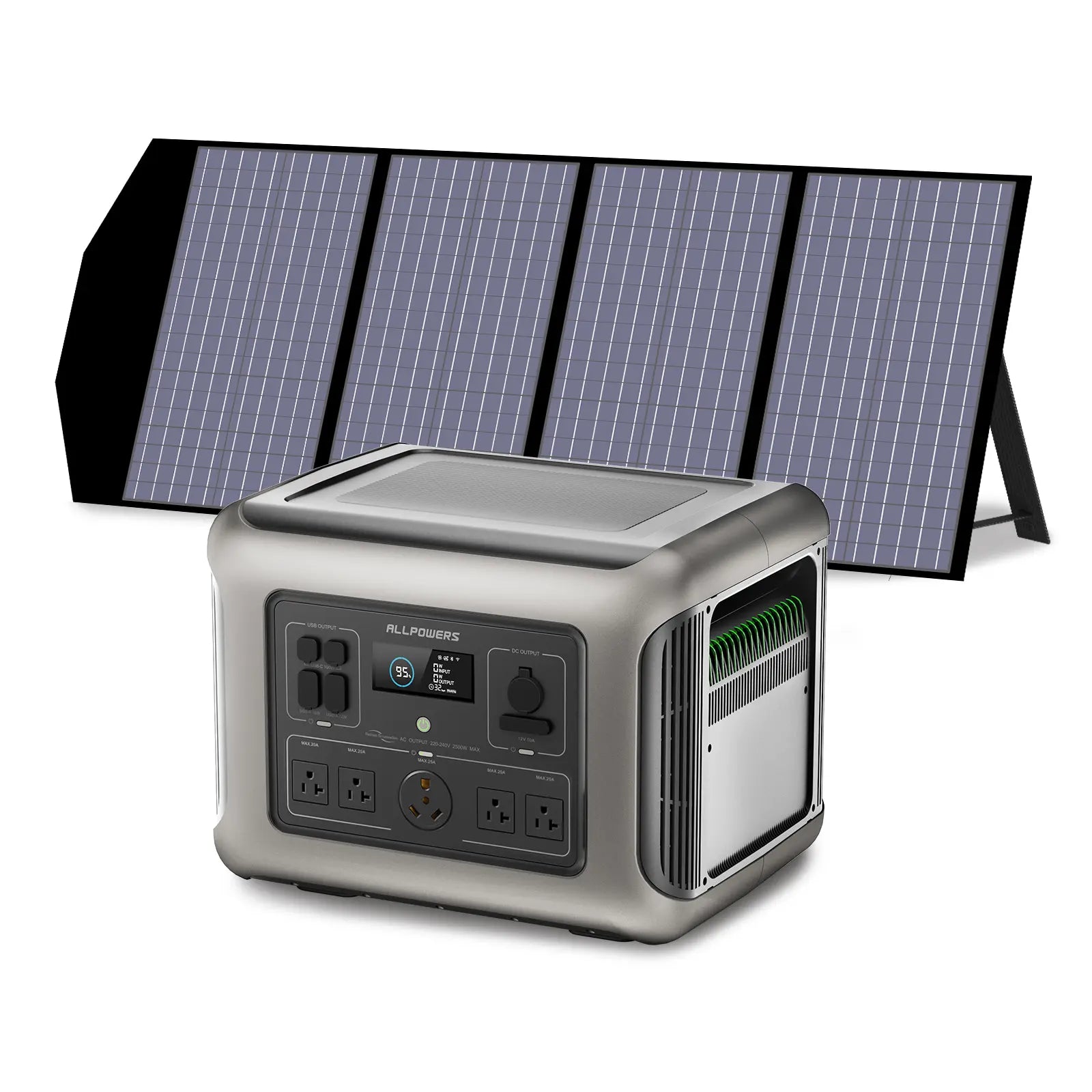
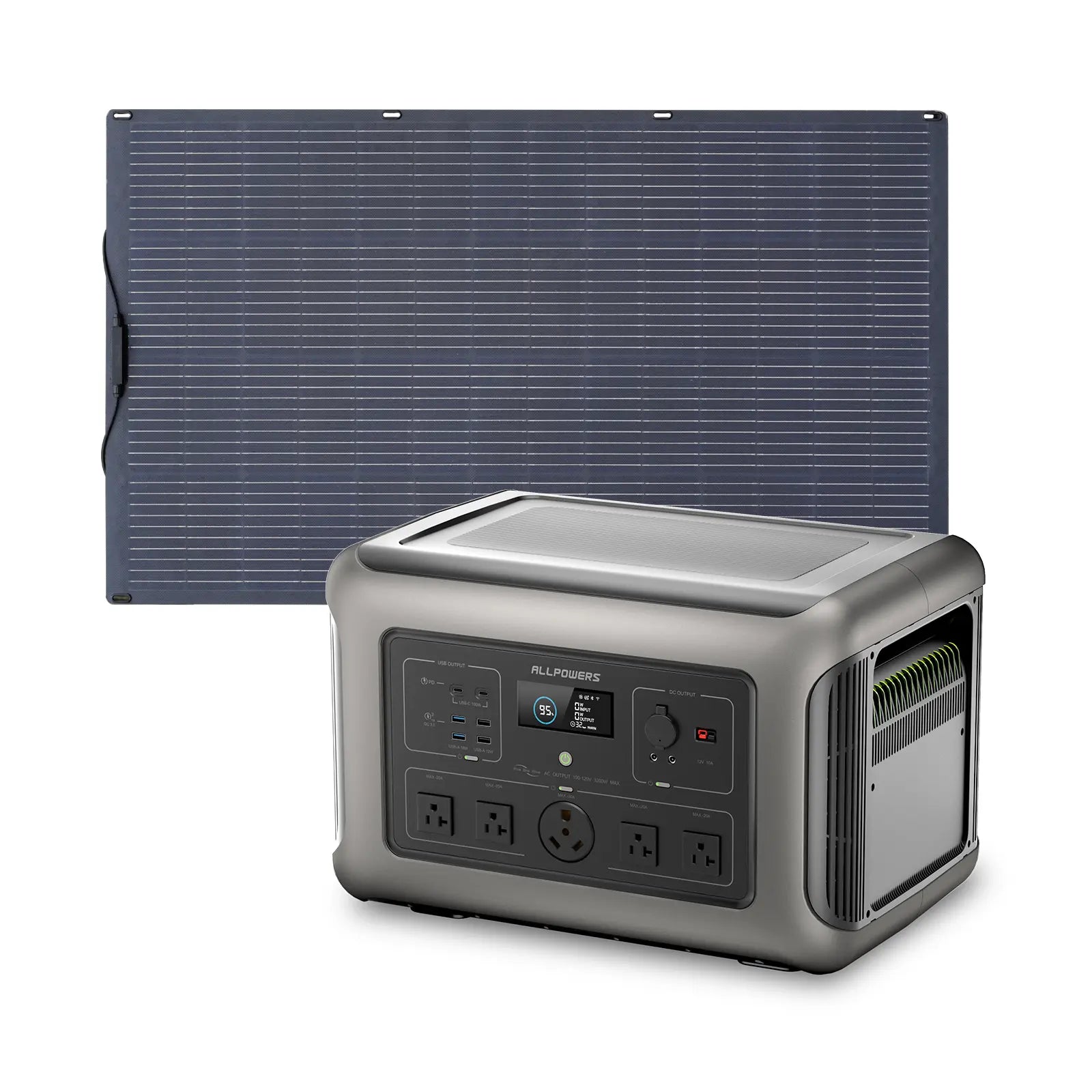
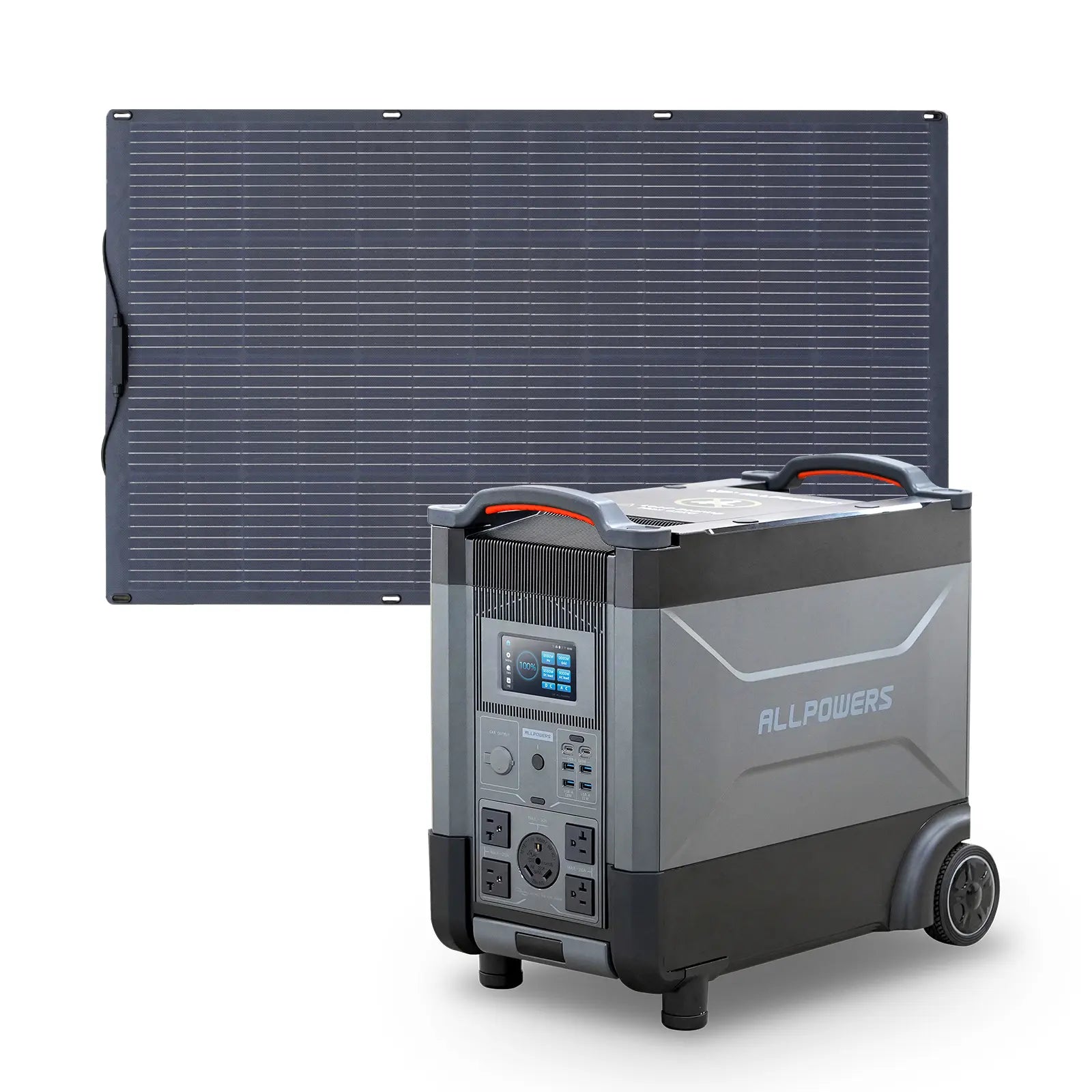
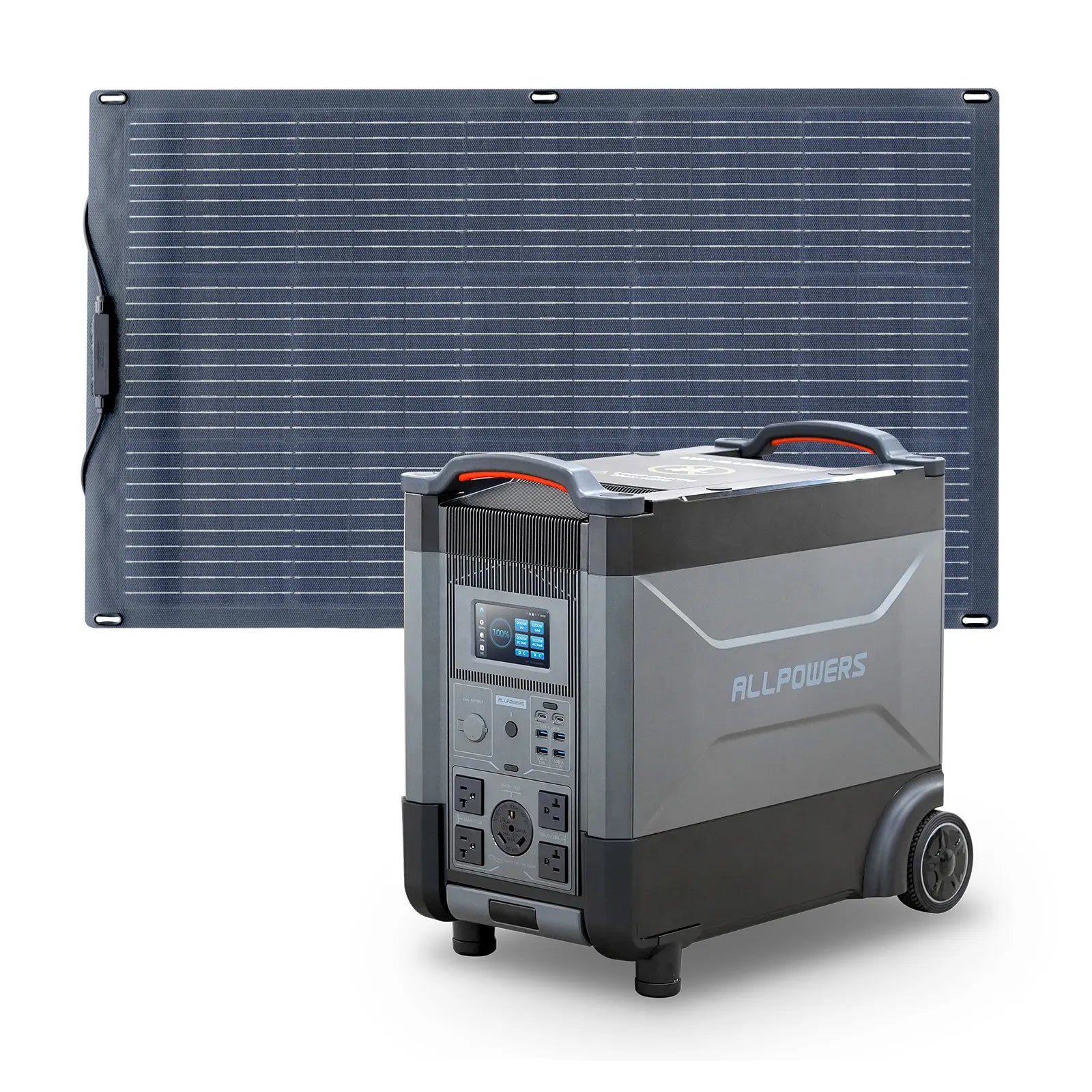
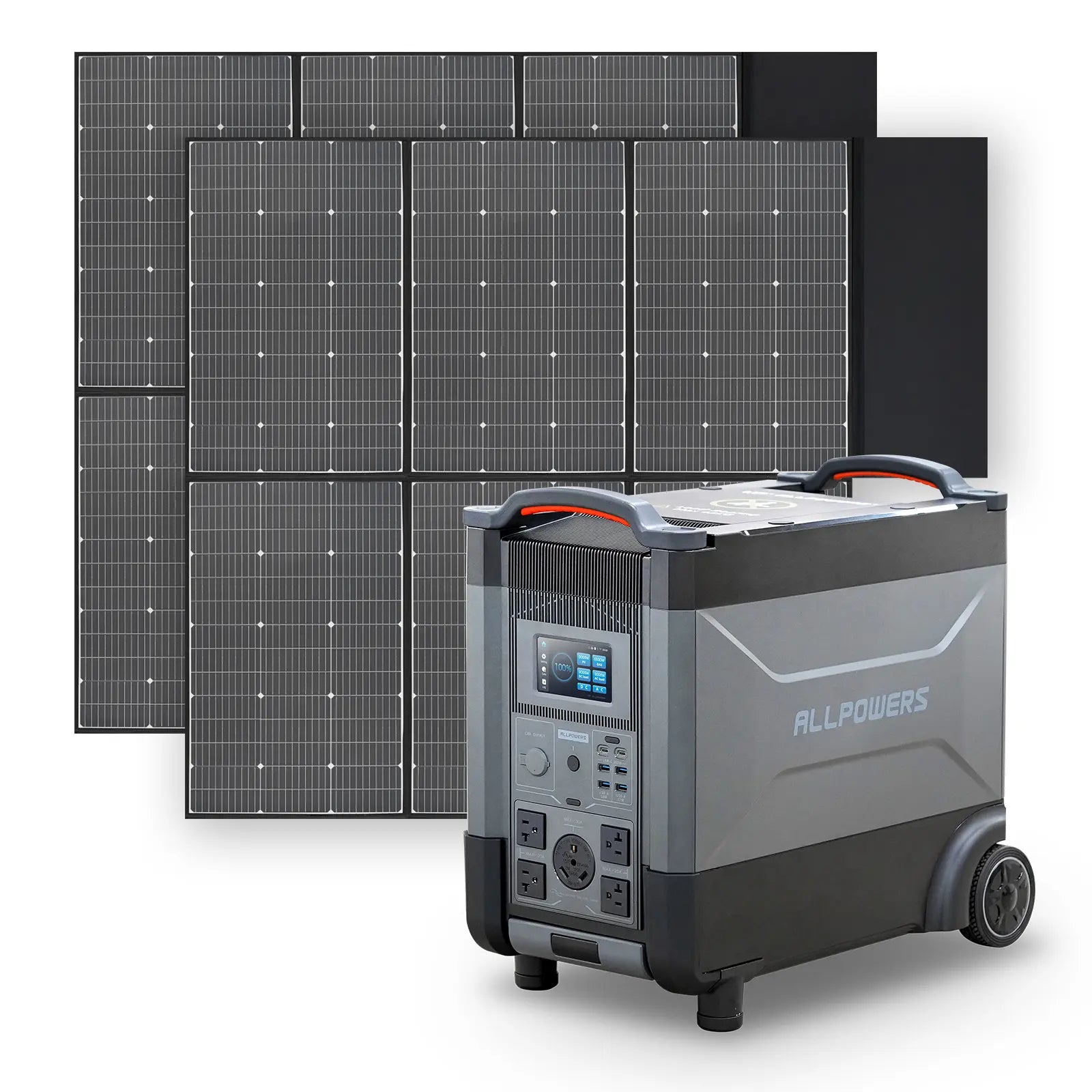
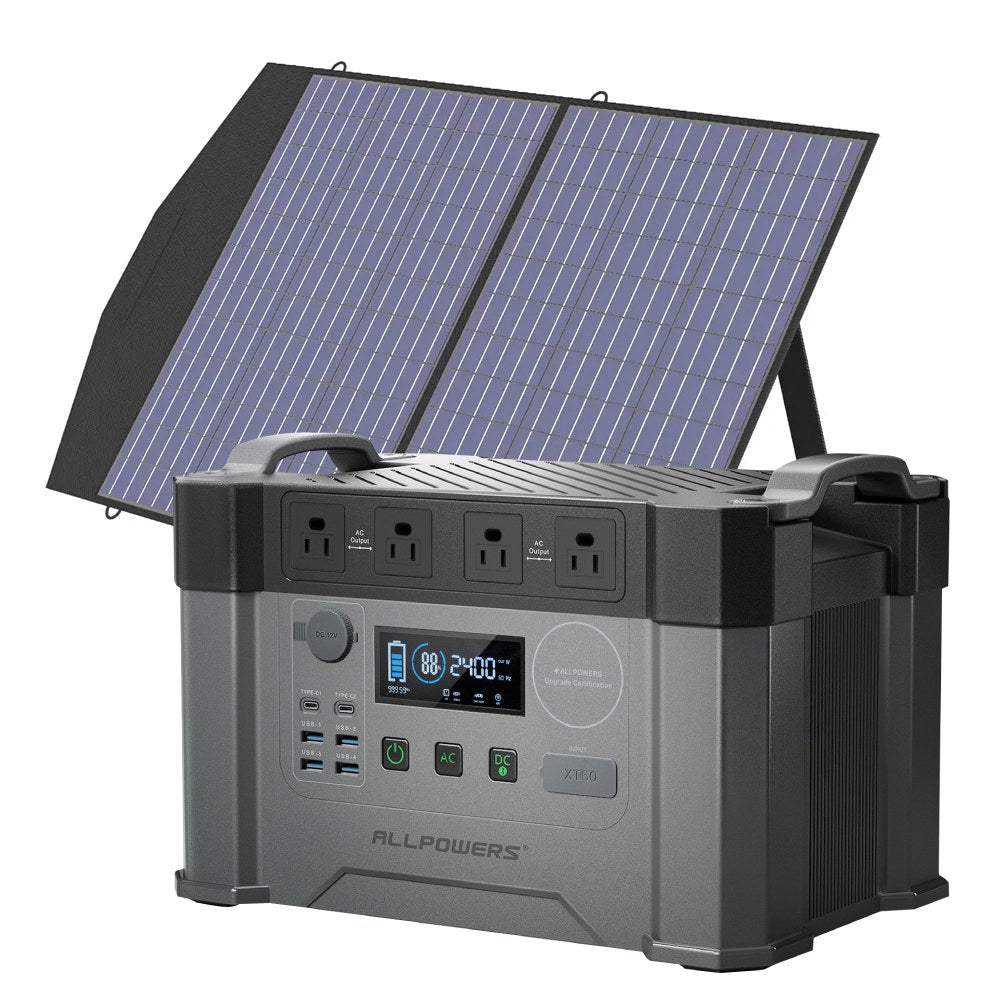
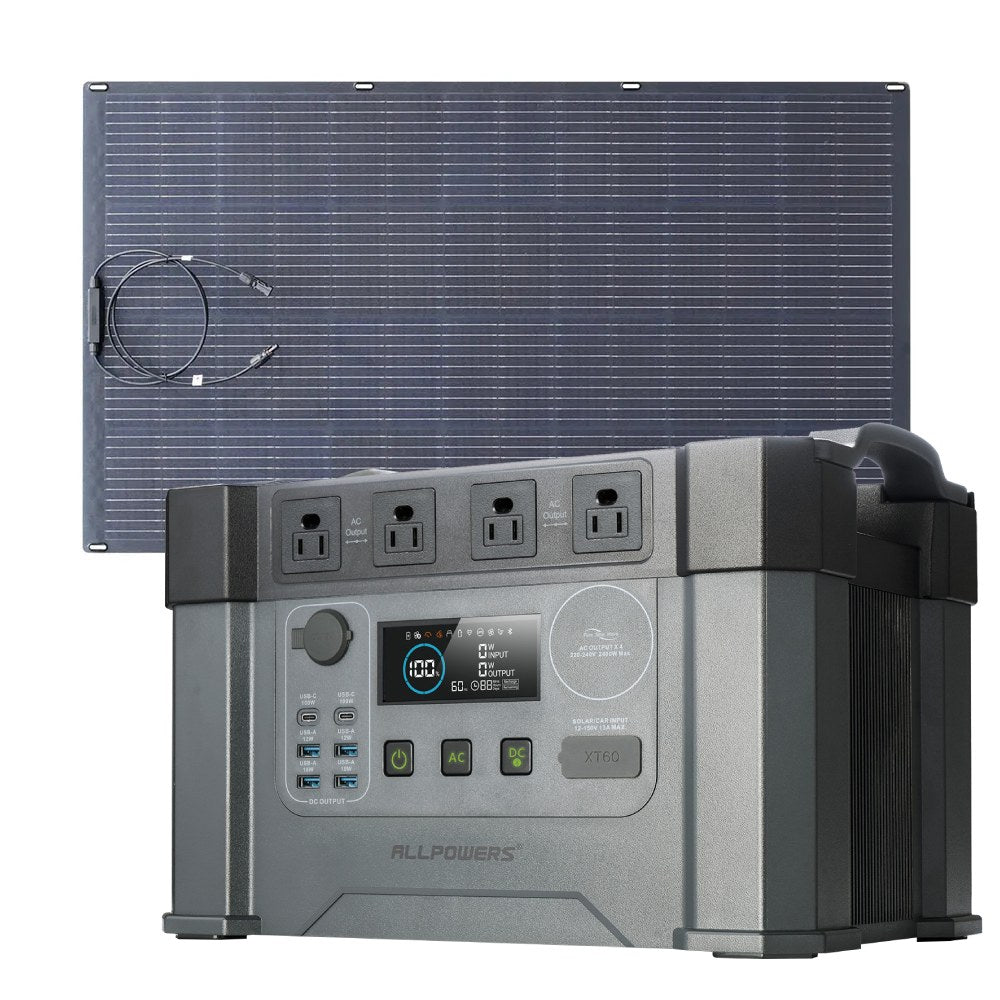
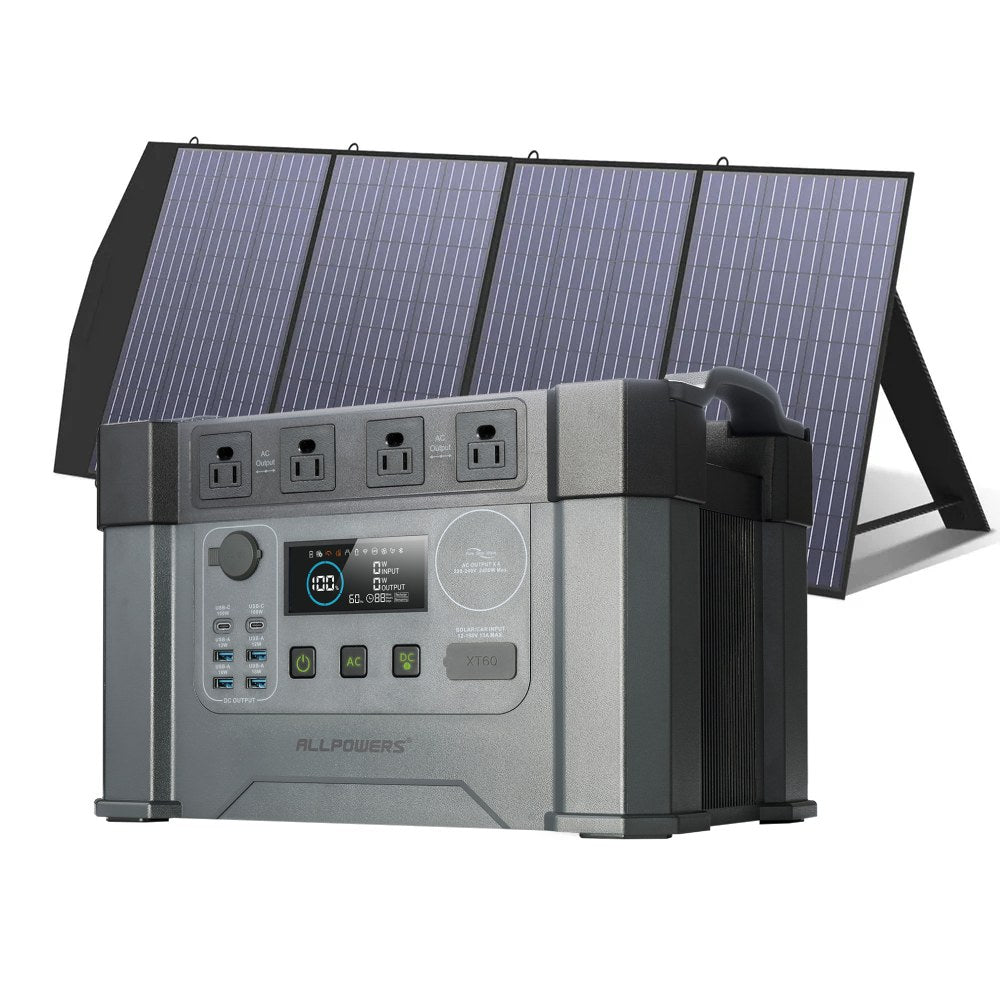
Lithium battery systems are becoming increasingly common for camping refrigeration because they provide portable and rechargeable off-grid power.
Many campers use compact battery setups to keep refrigerators running overnight without depending entirely on vehicle power.
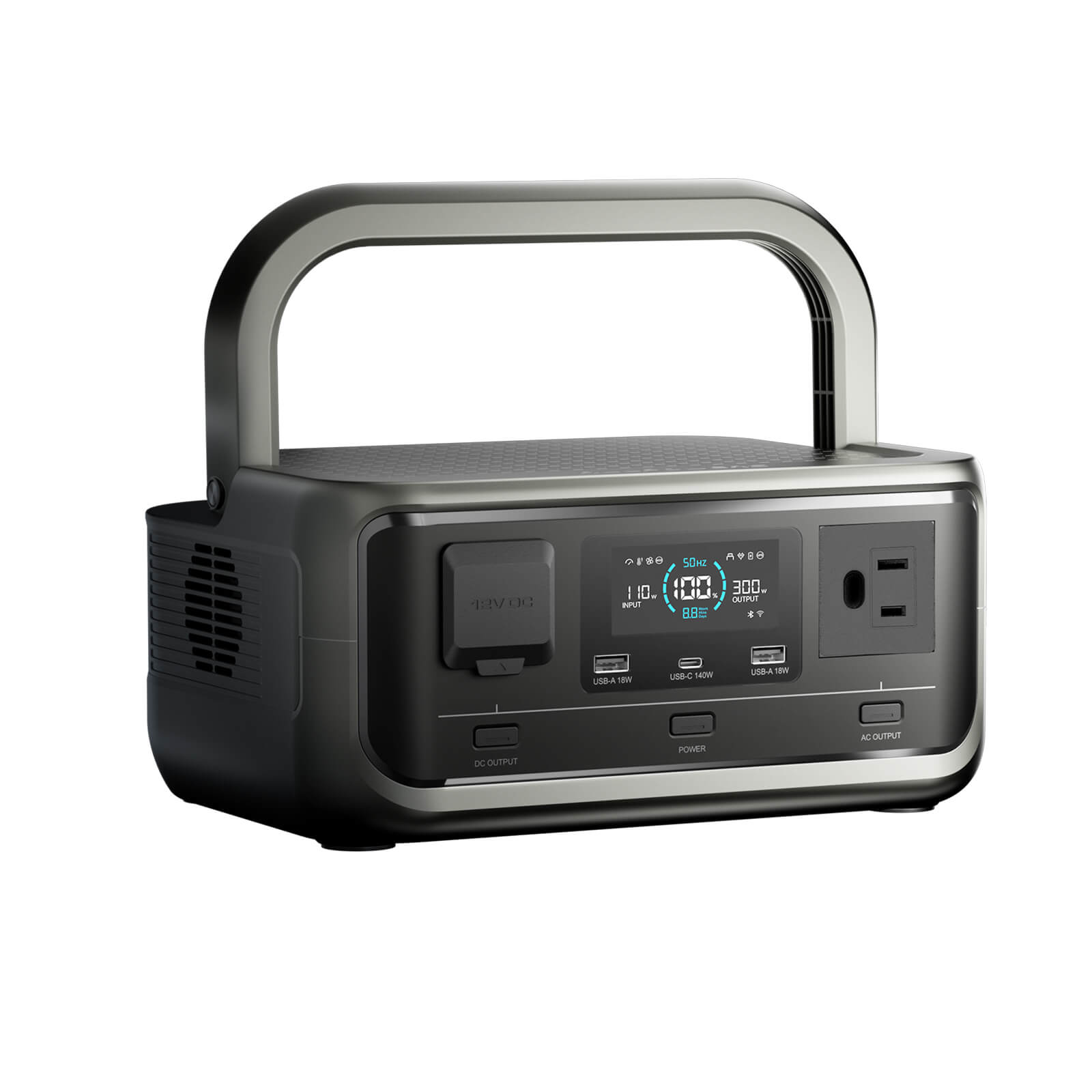
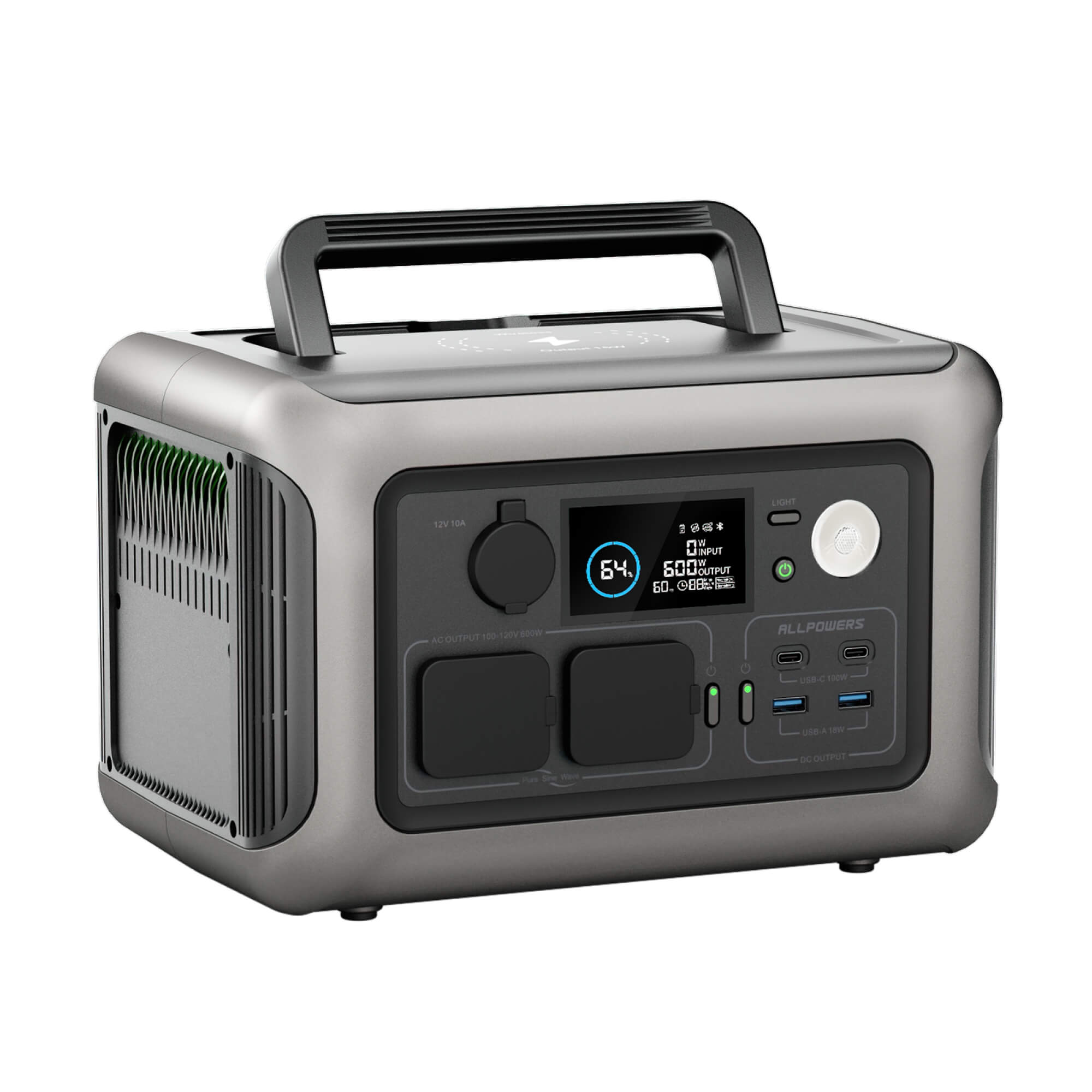
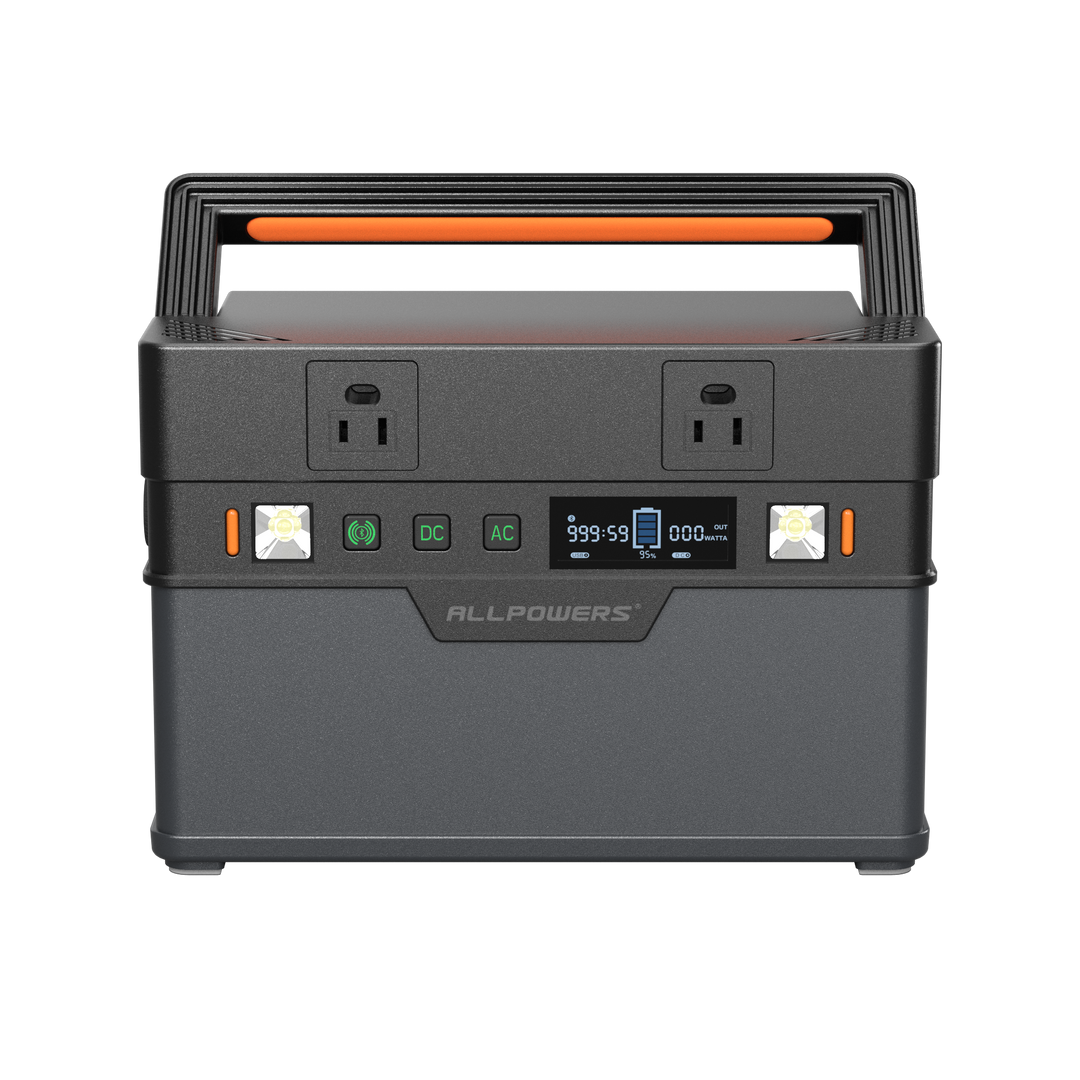
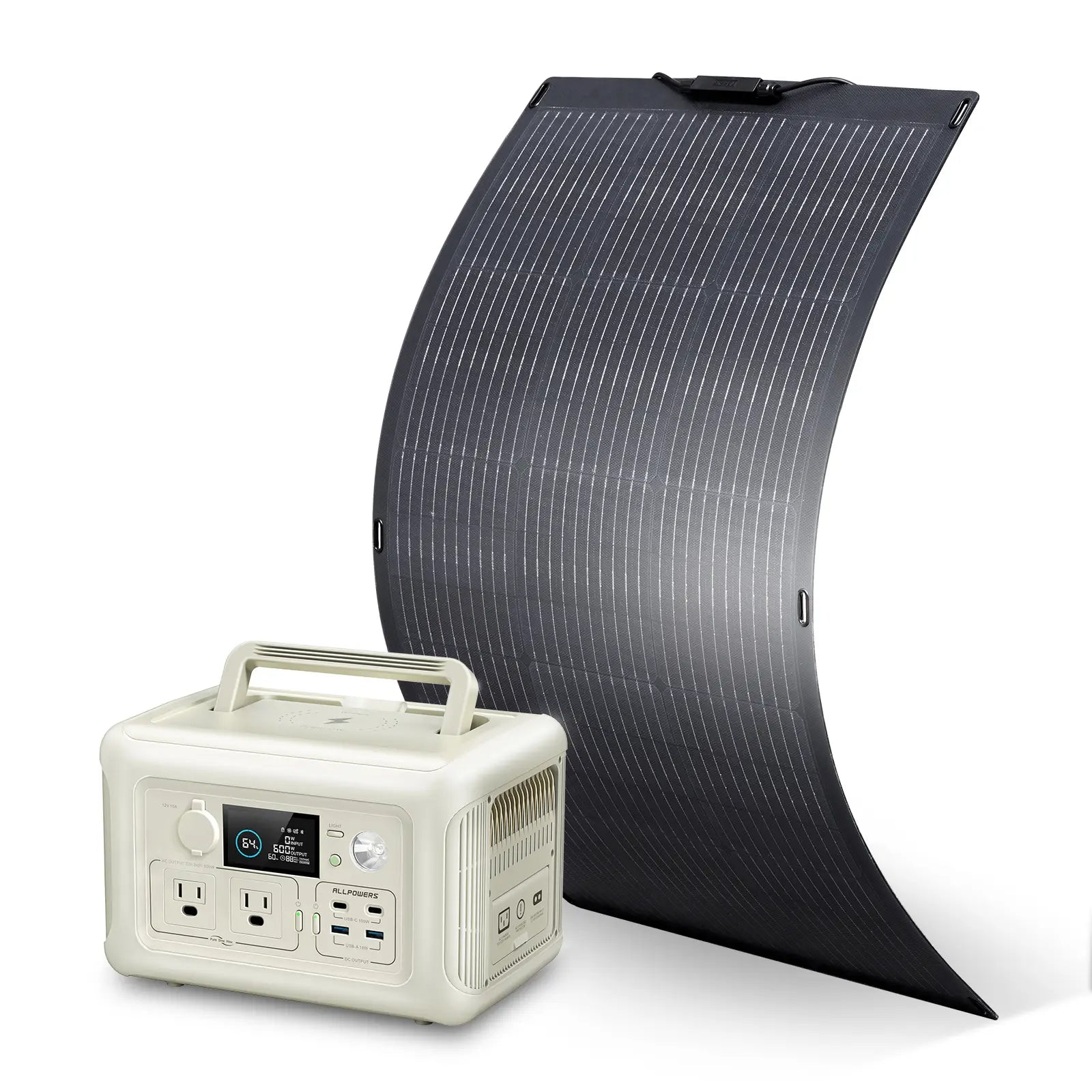
ALLPOWERS VOLIX P300 Portable Power Station
$149.00 $249.00
- 299Wh Capacity;
- 300W AC Output (600W Surge);
- Fast Charge 100% in 1 Hours;
- Ultra-quiet 30dB Under Load ;
- Long-Lasting And Safe Lifepo4 Battery;
Campground Electrical Hookups
At developed campsites, standard electrical hookups can power refrigerators continuously without relying on battery storage.
Solar Charging Systems
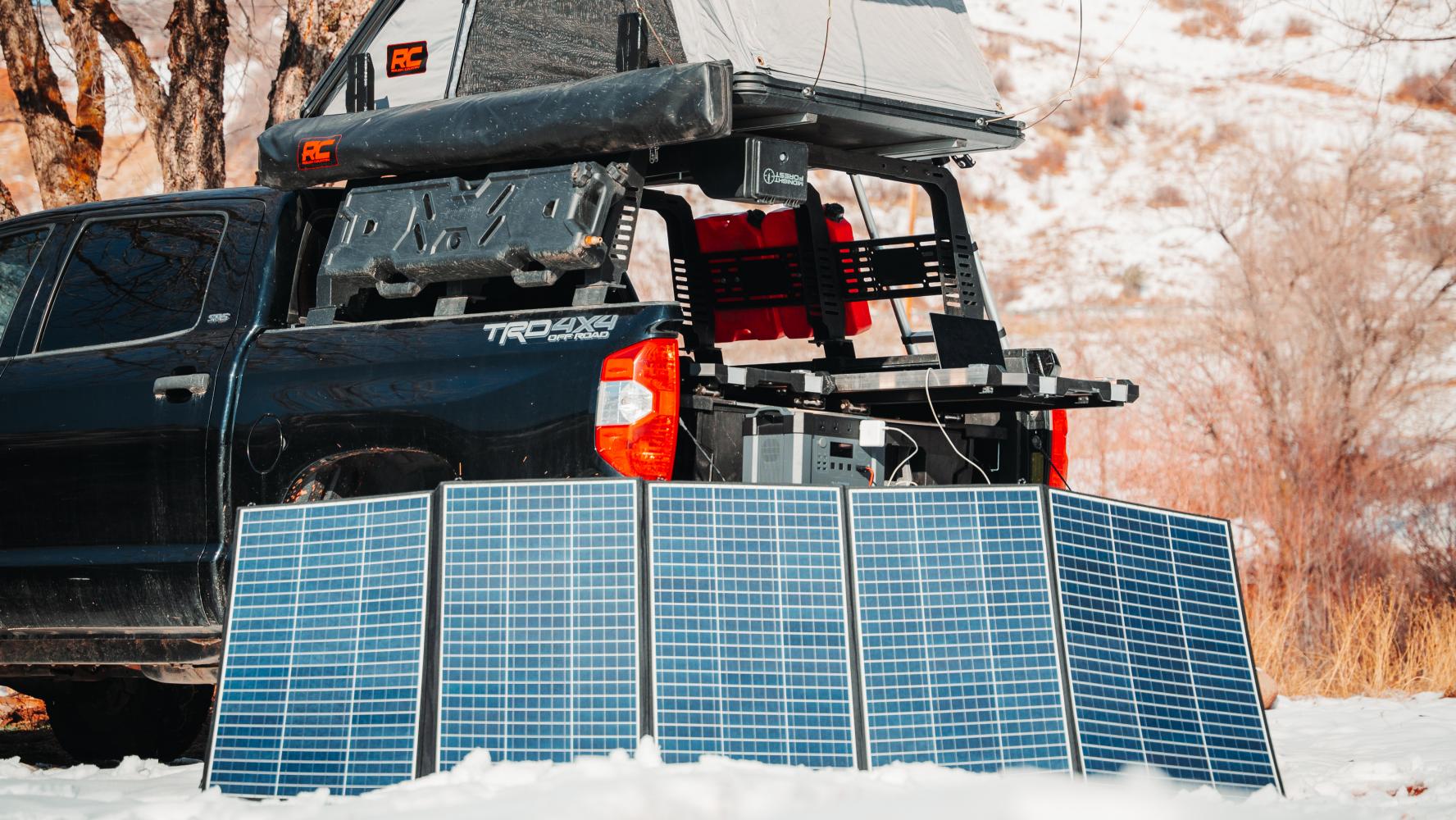
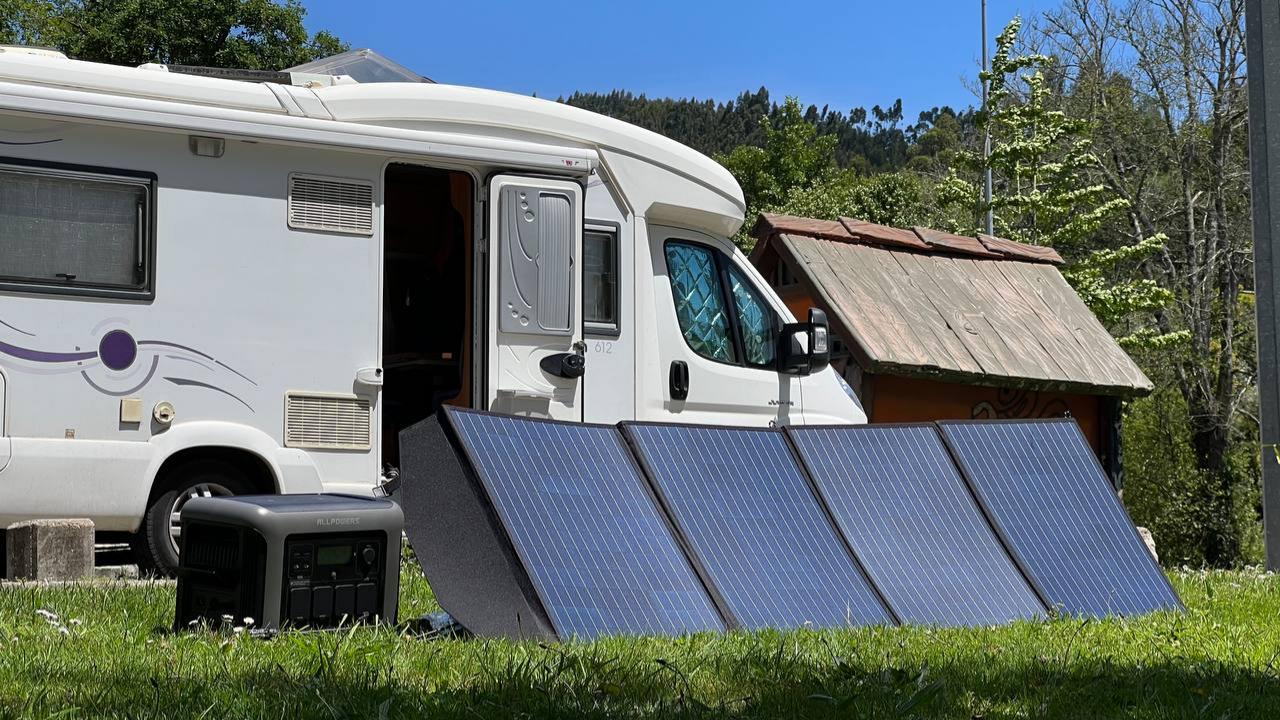
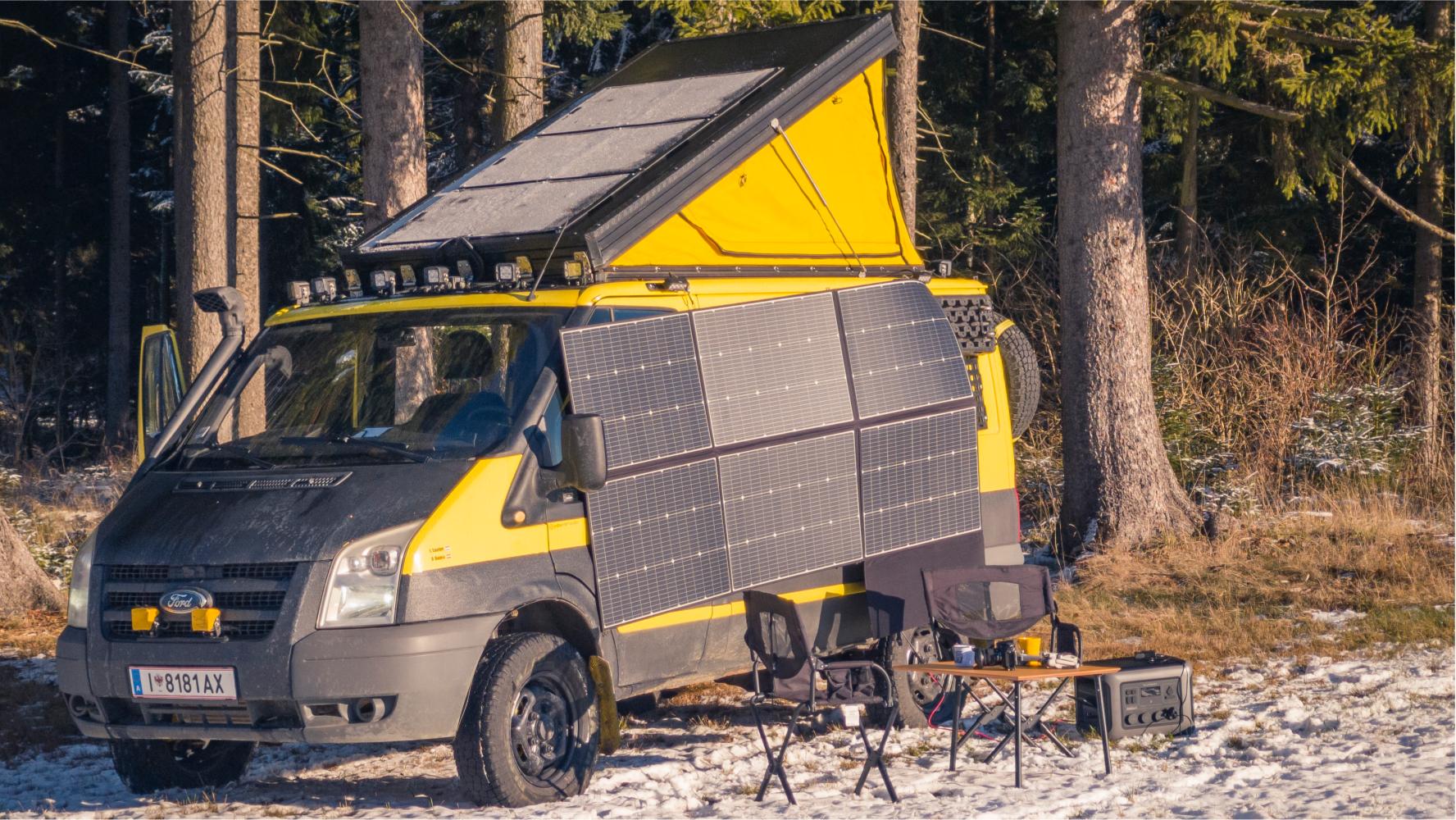
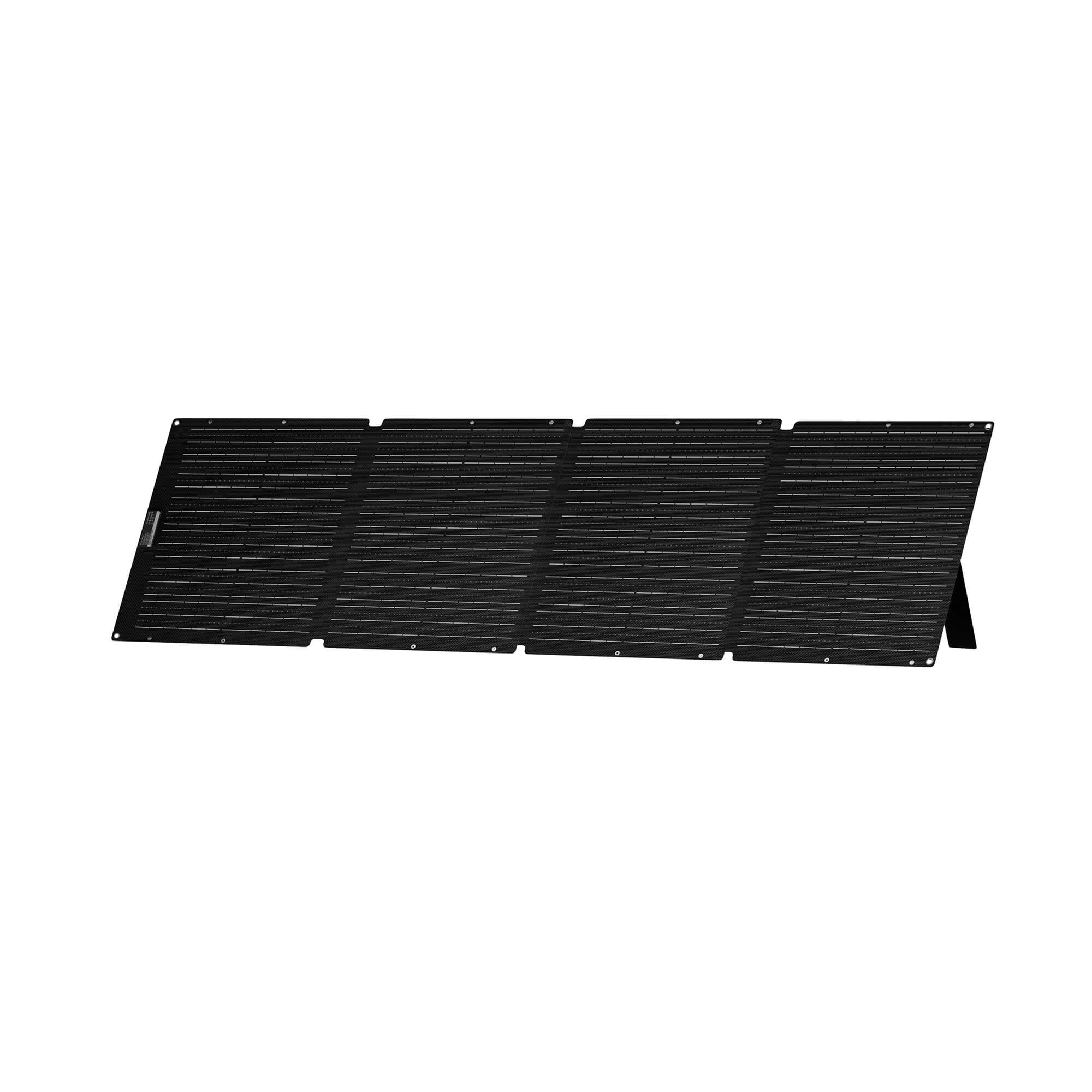
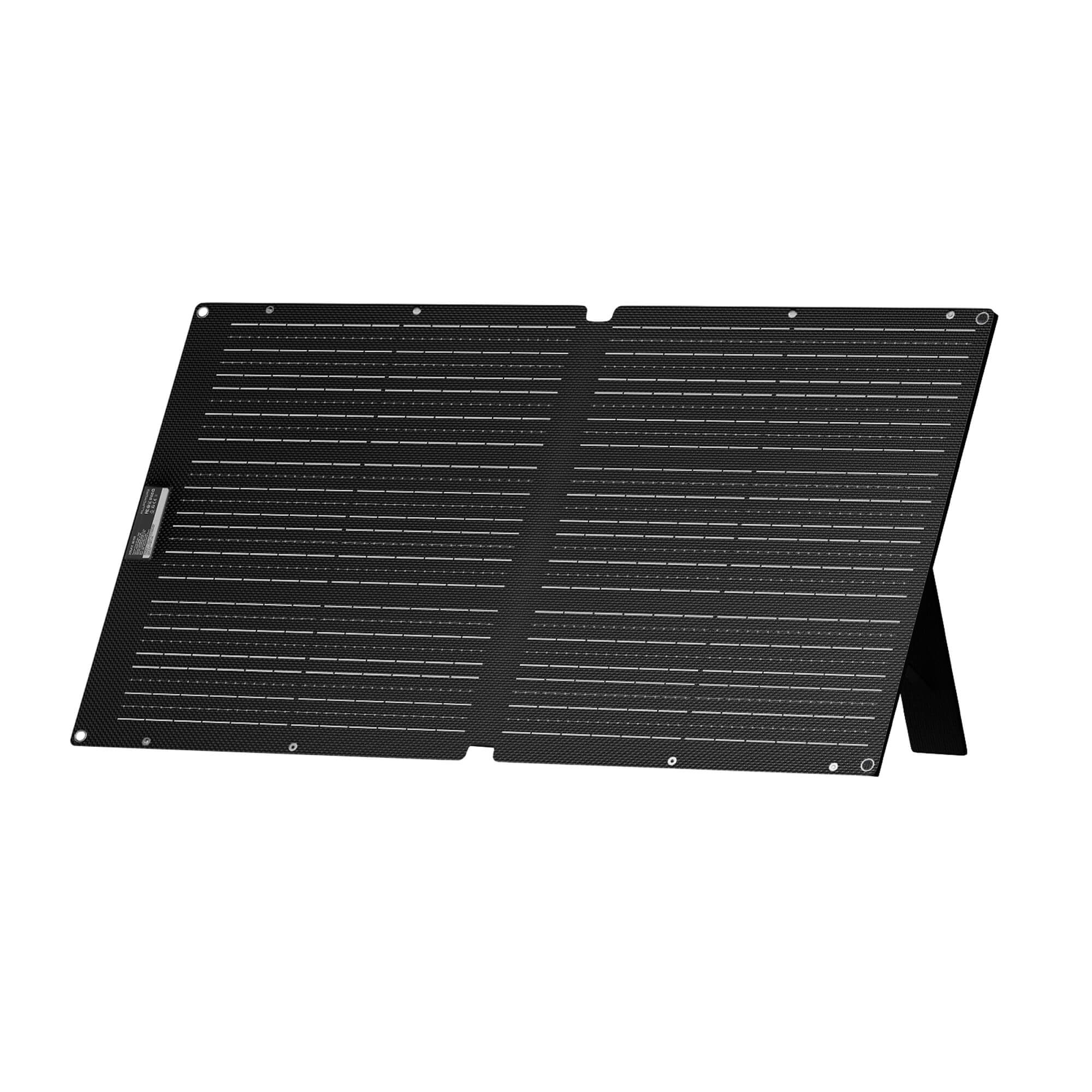
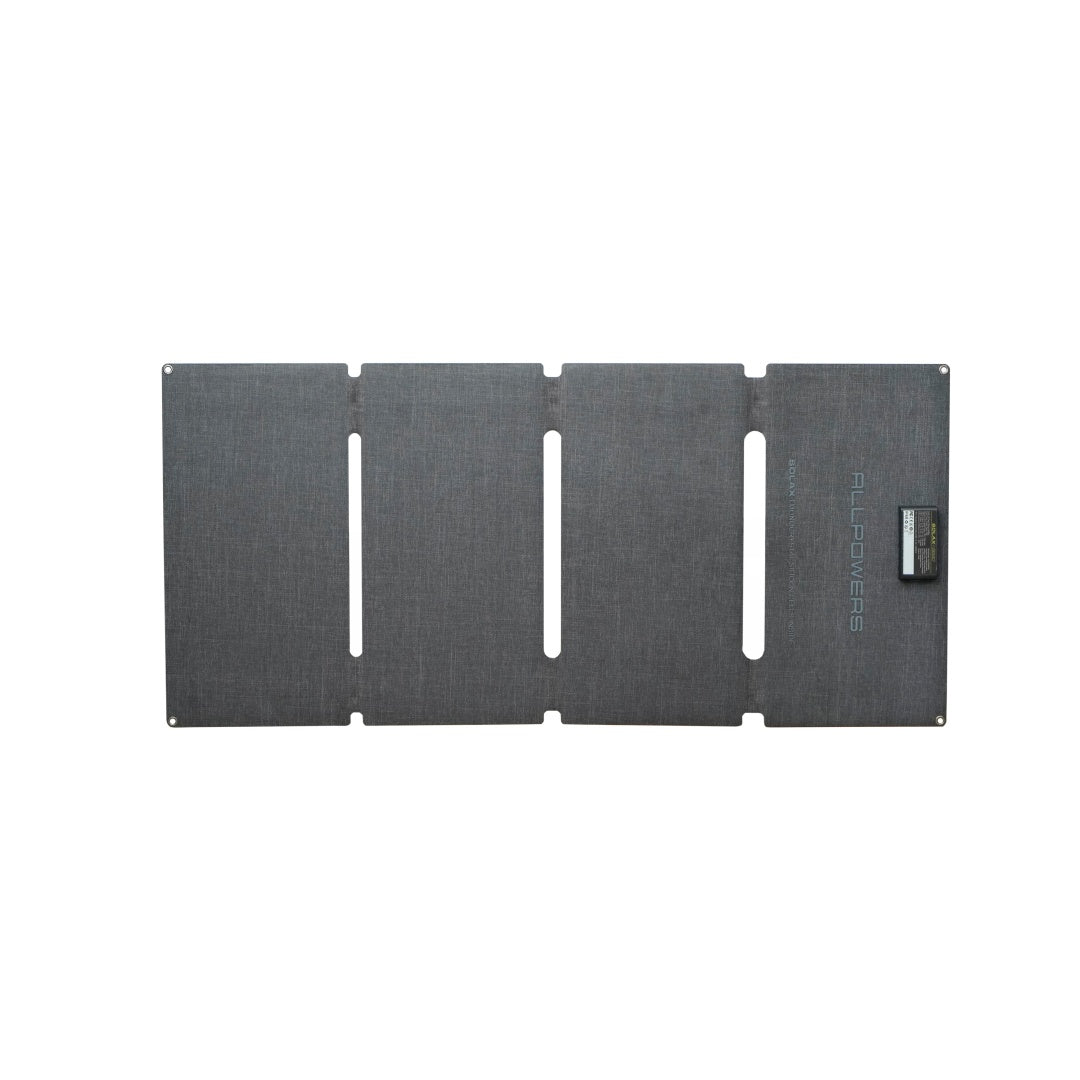
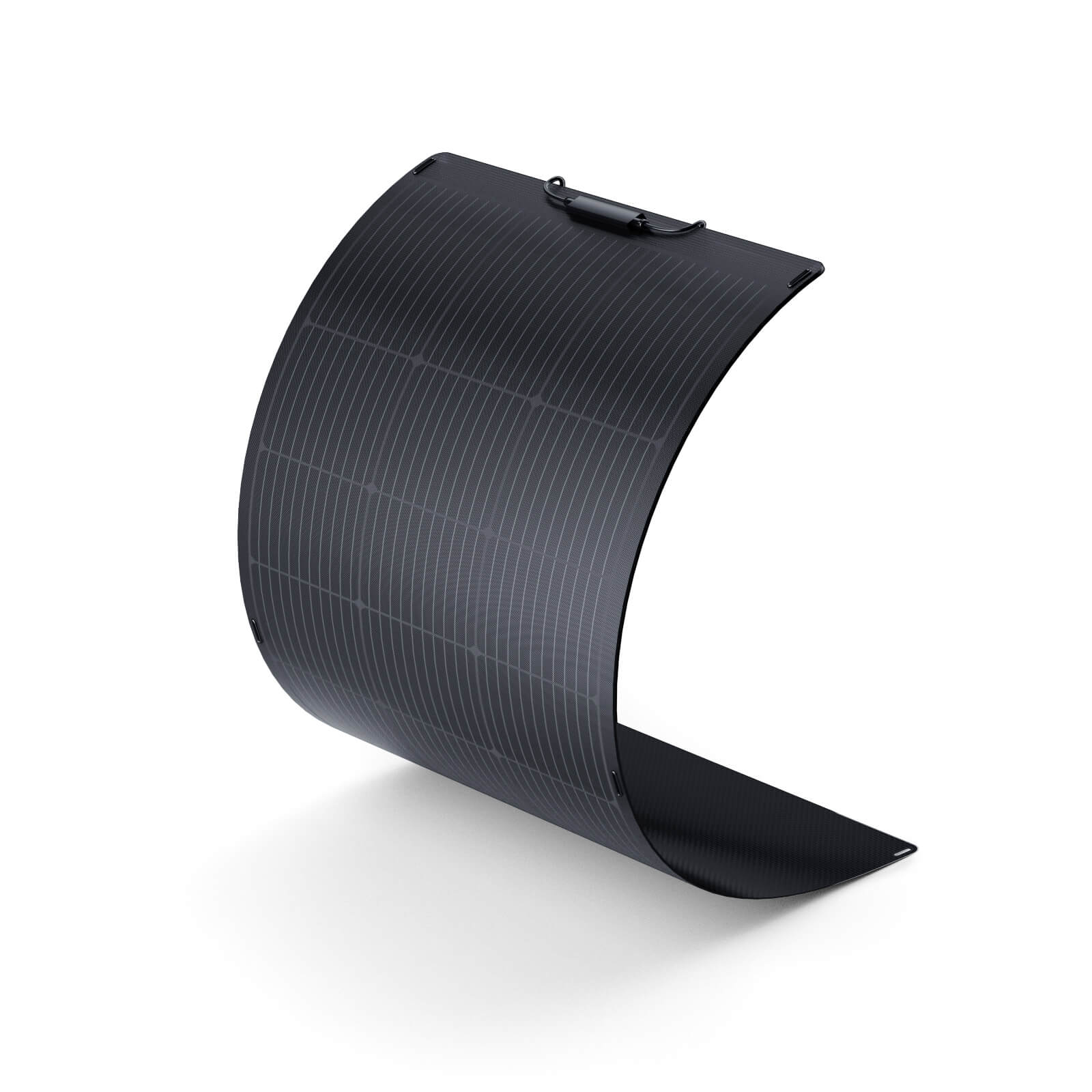
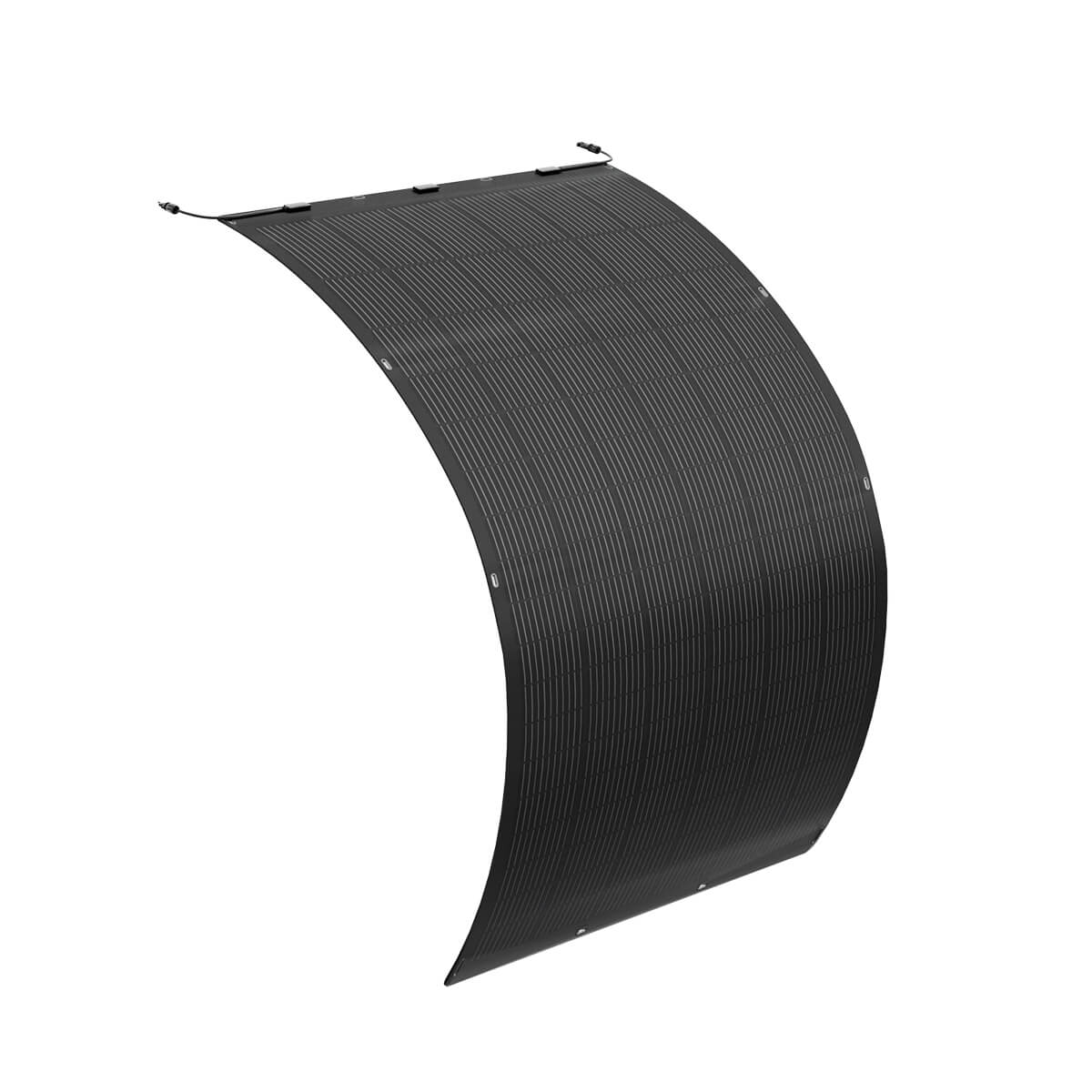
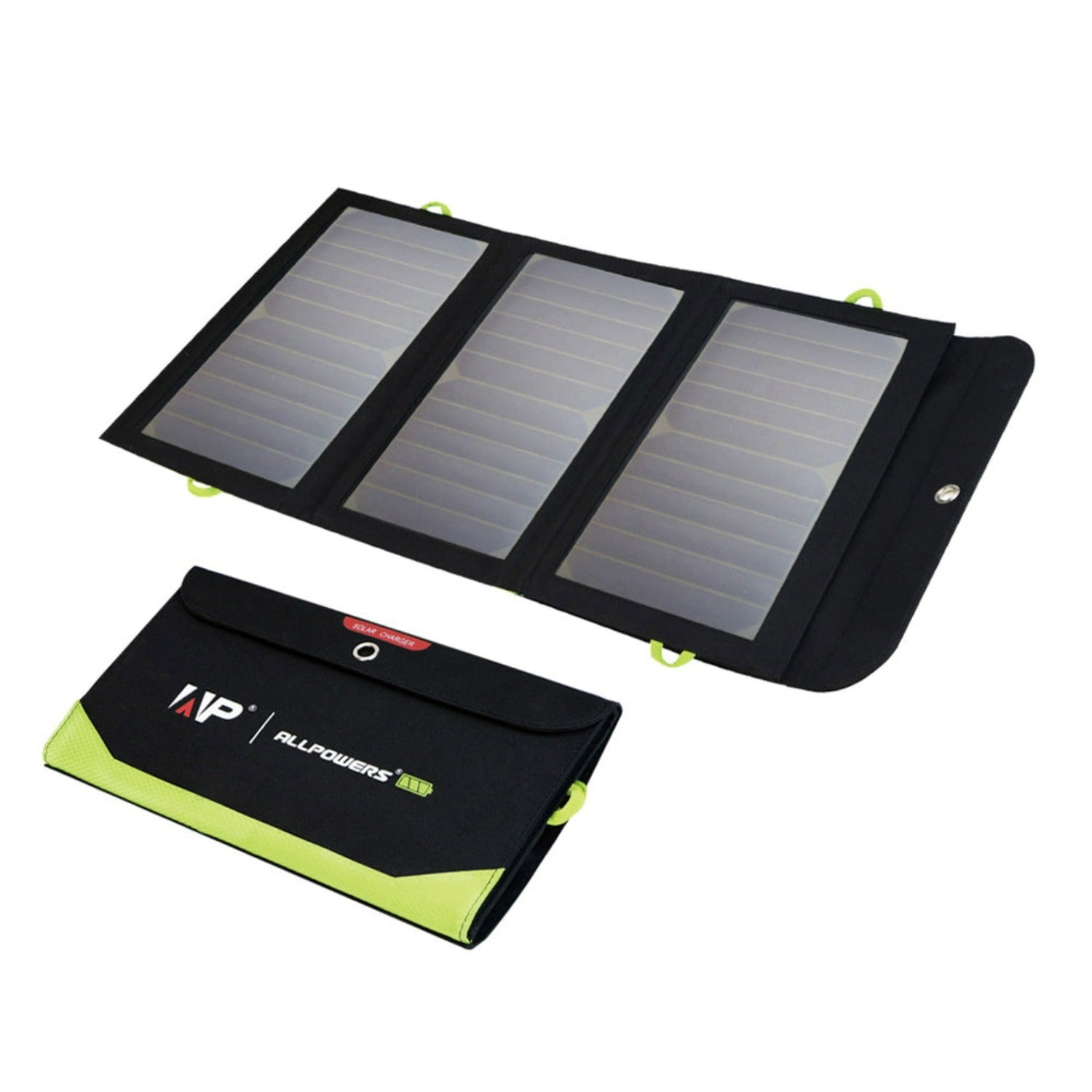
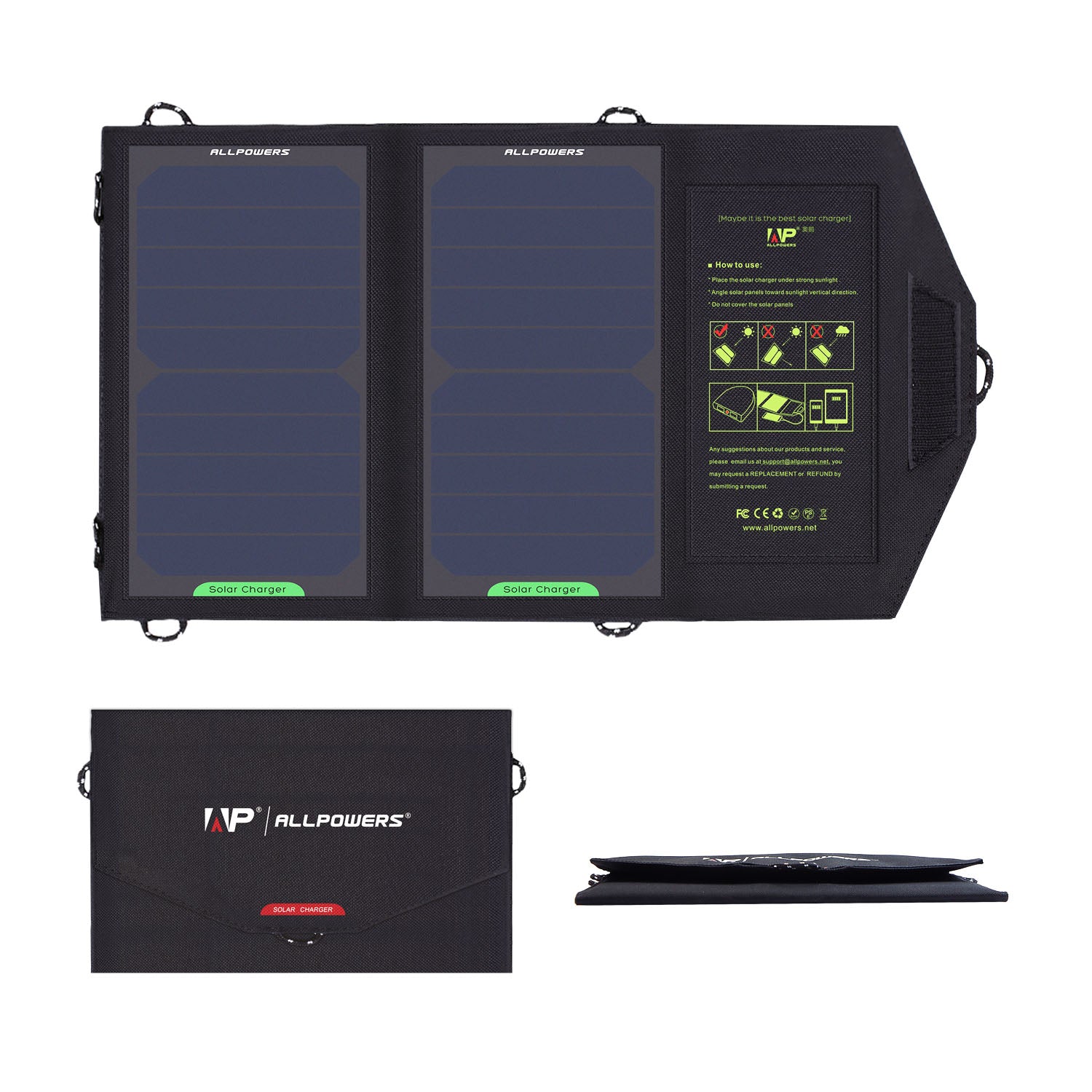
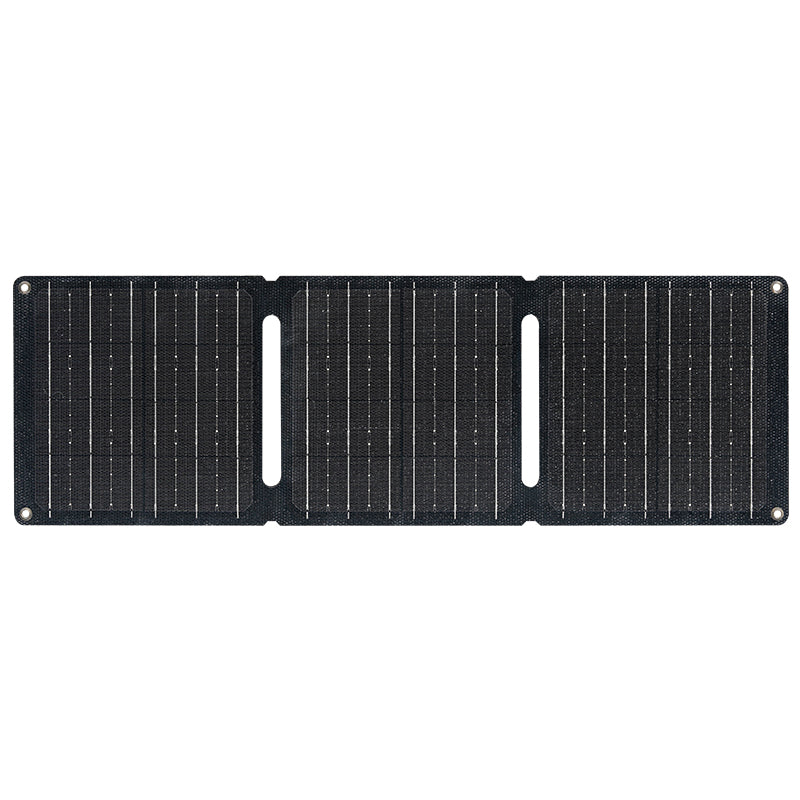
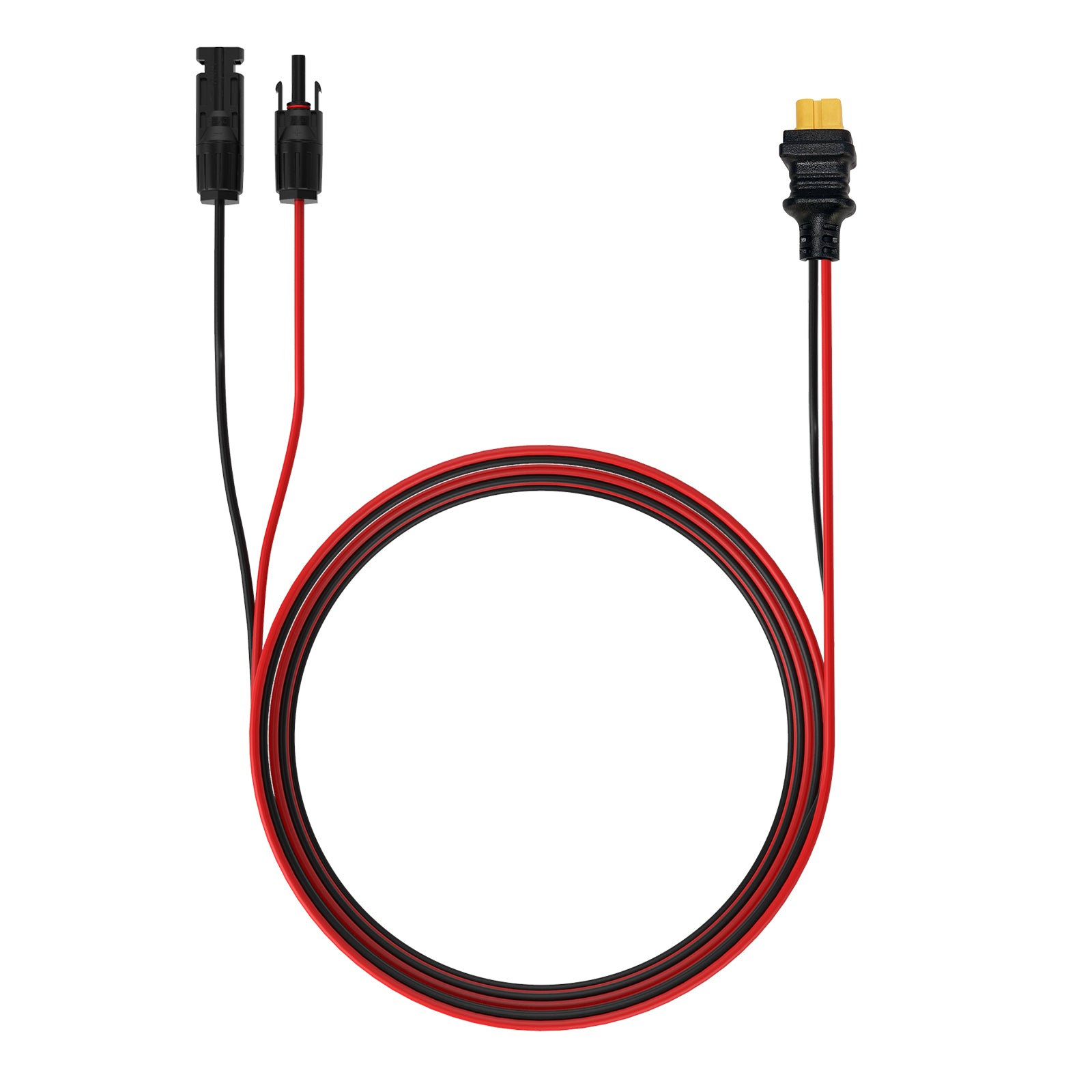
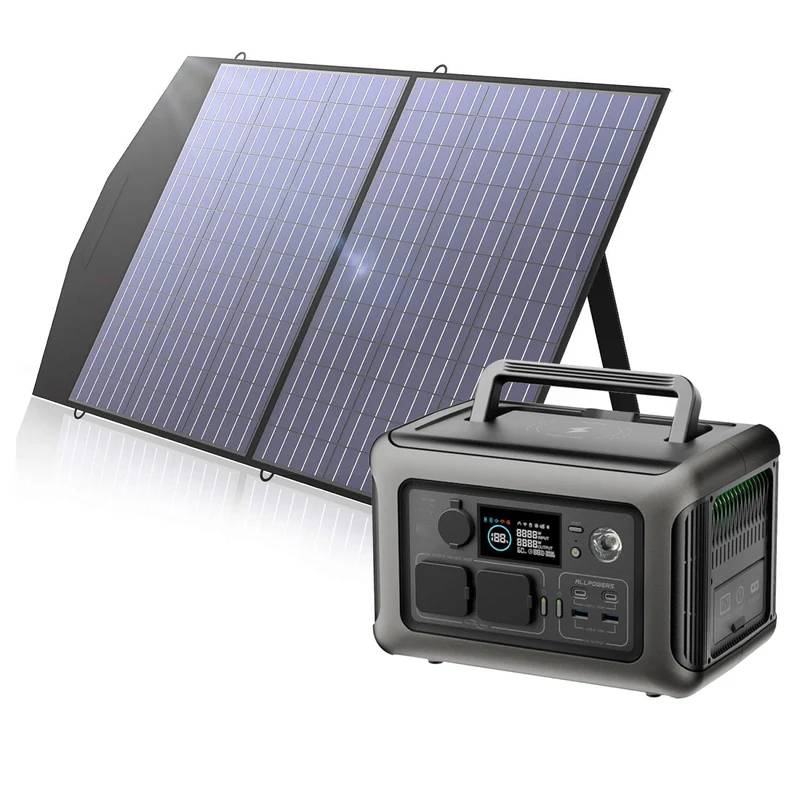
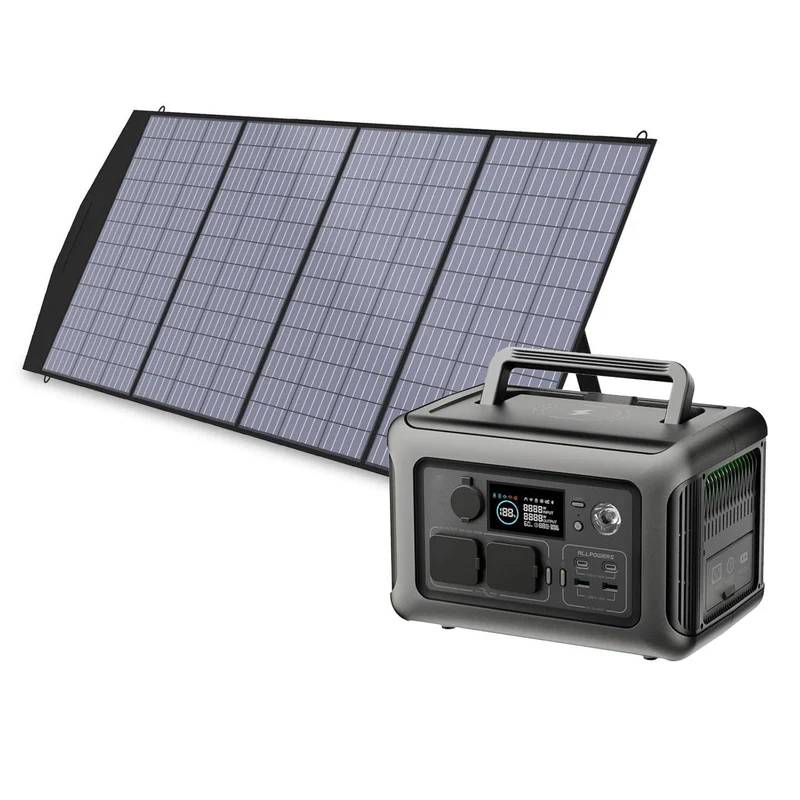
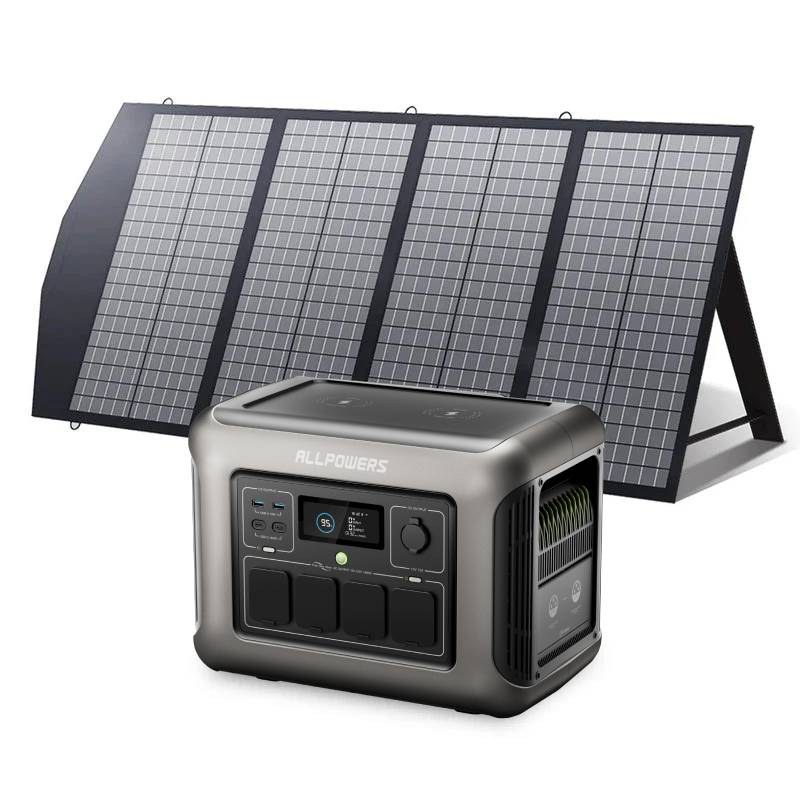
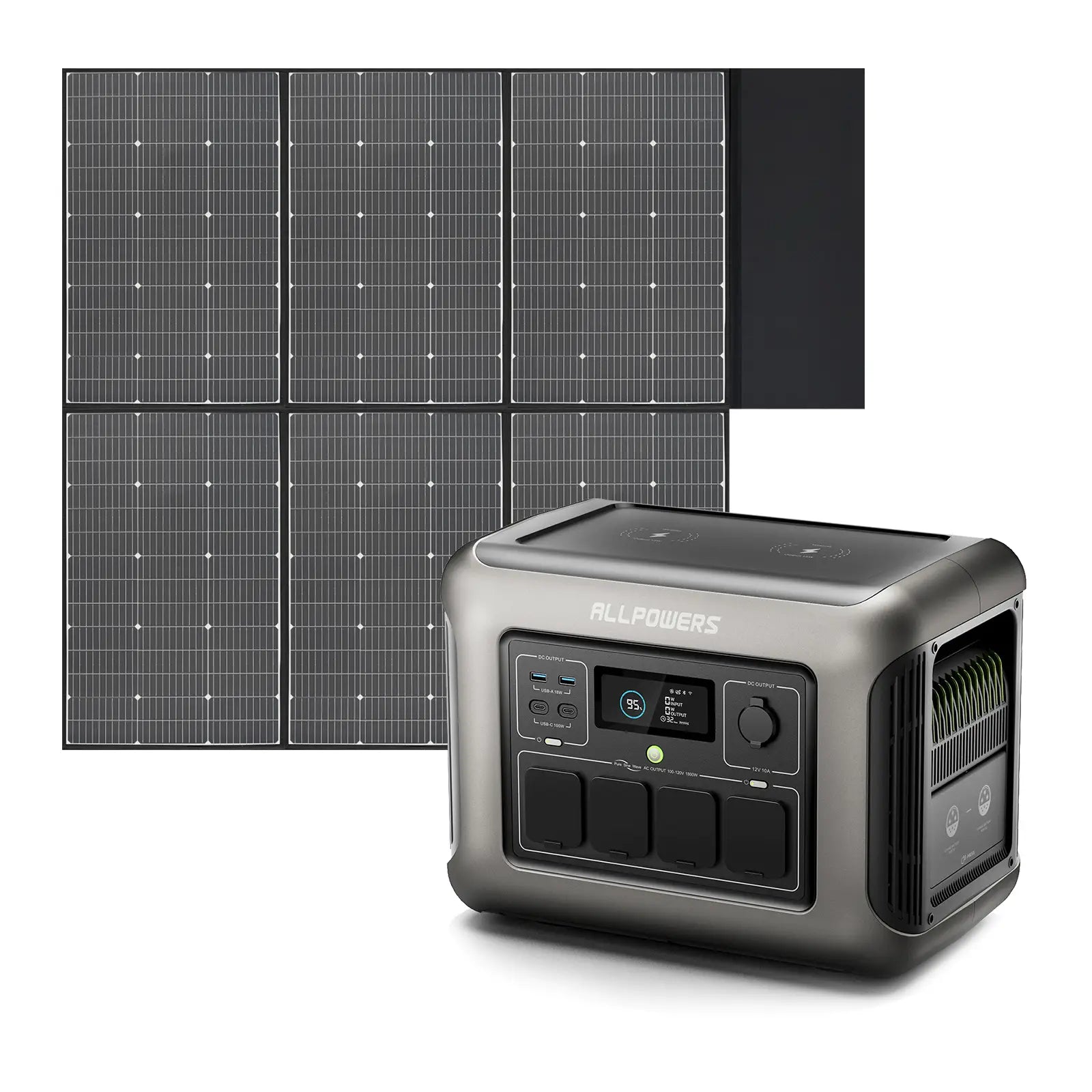
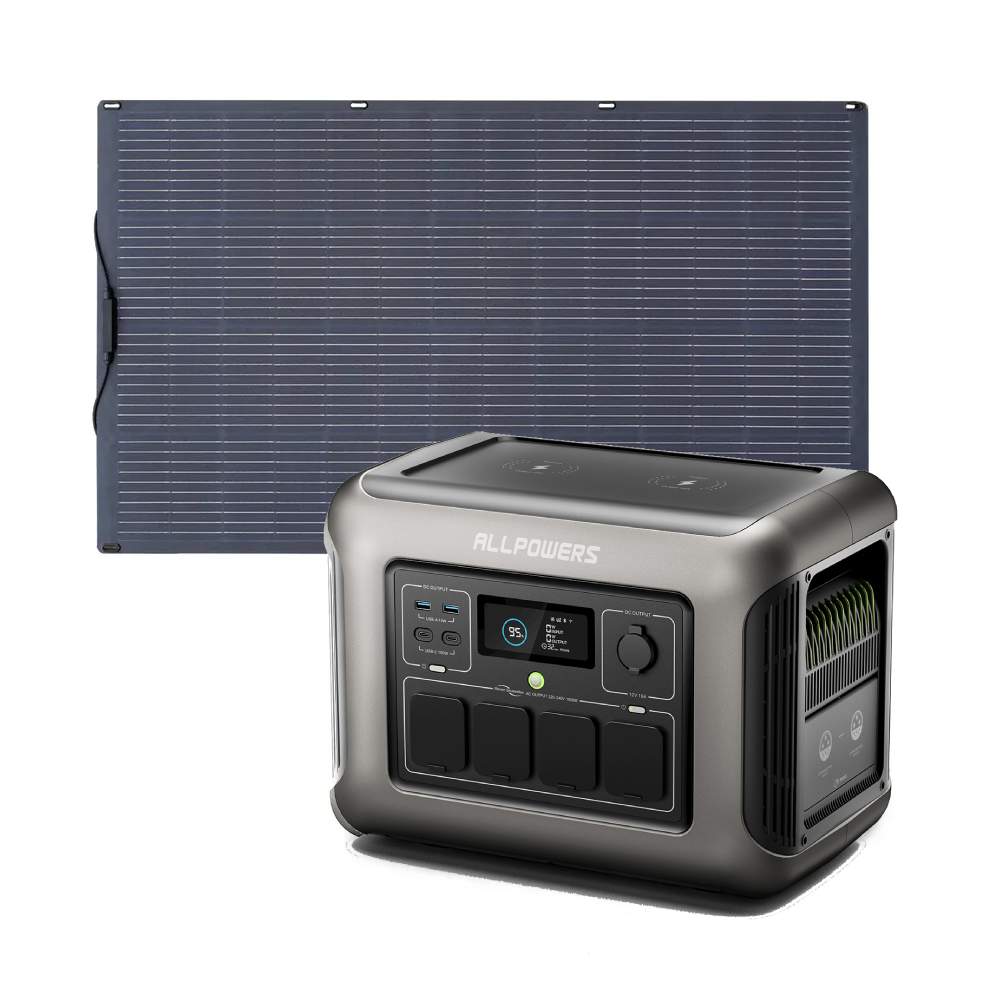
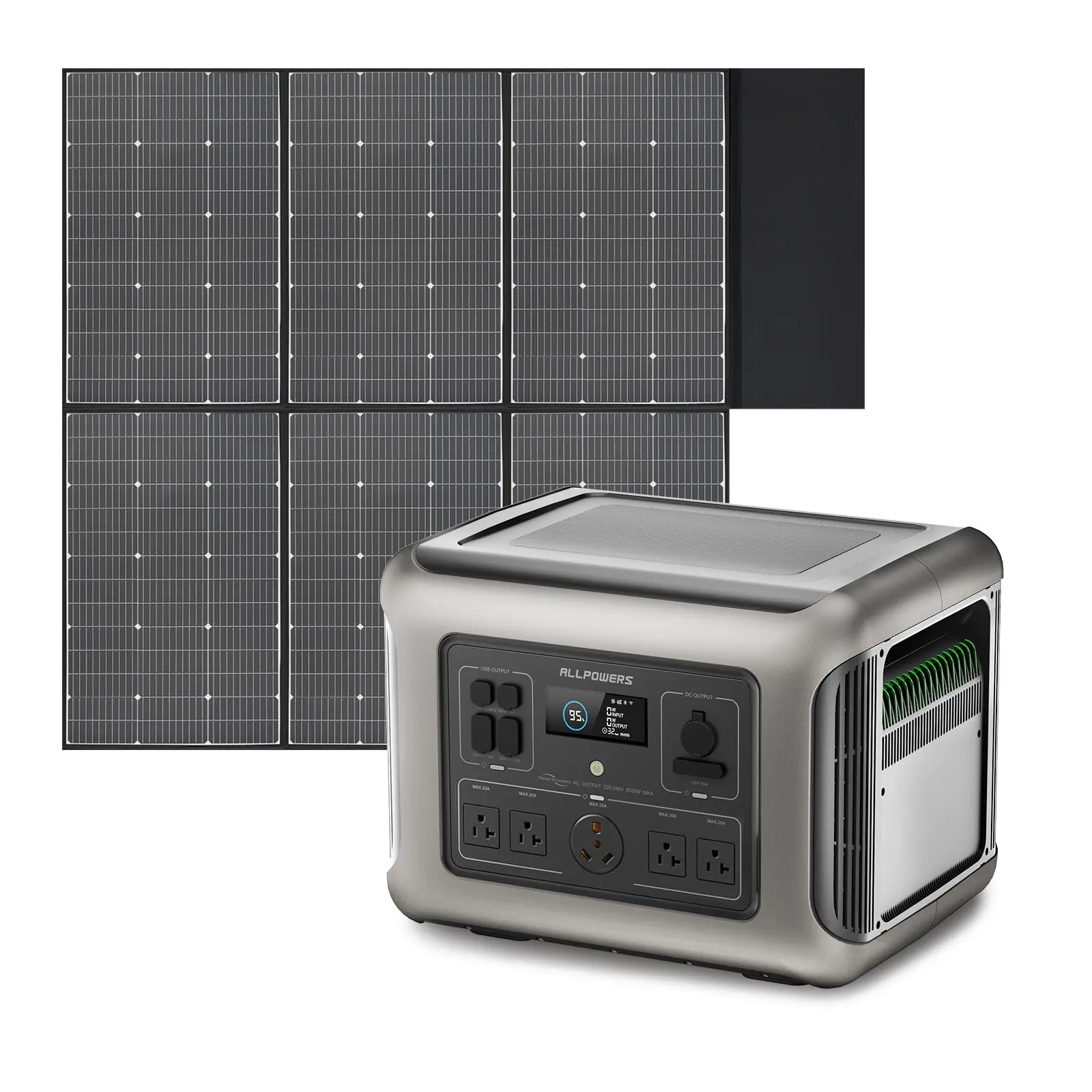
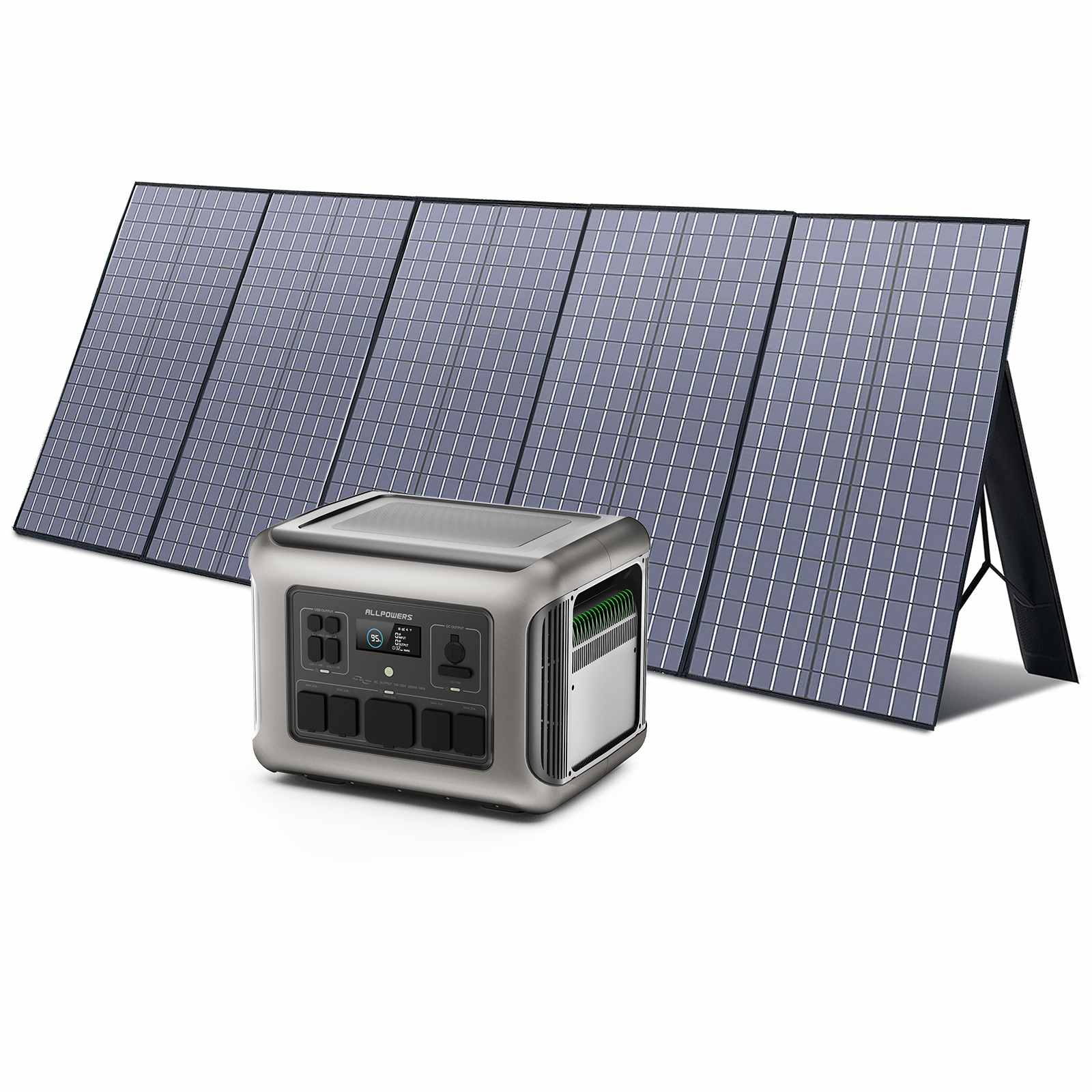
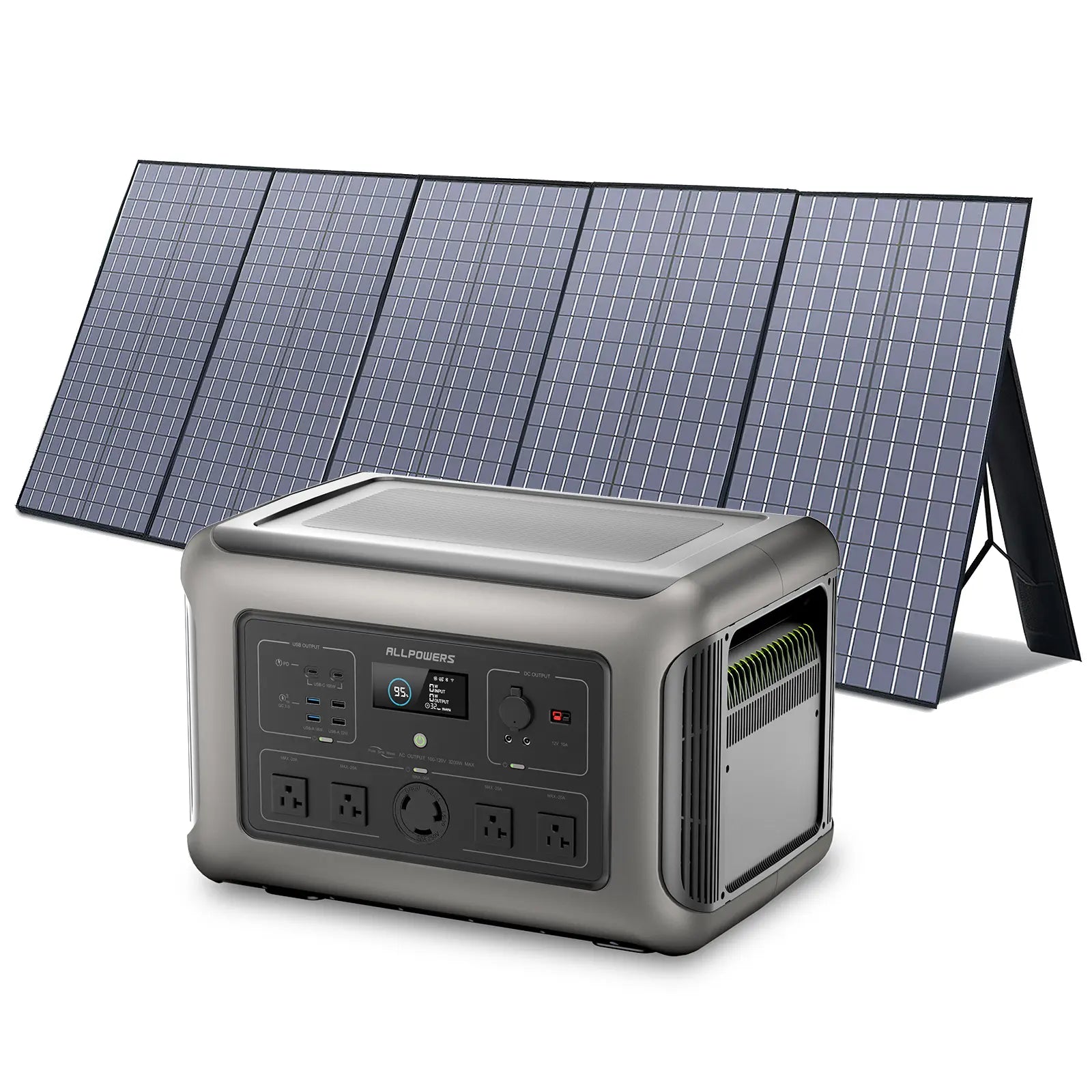
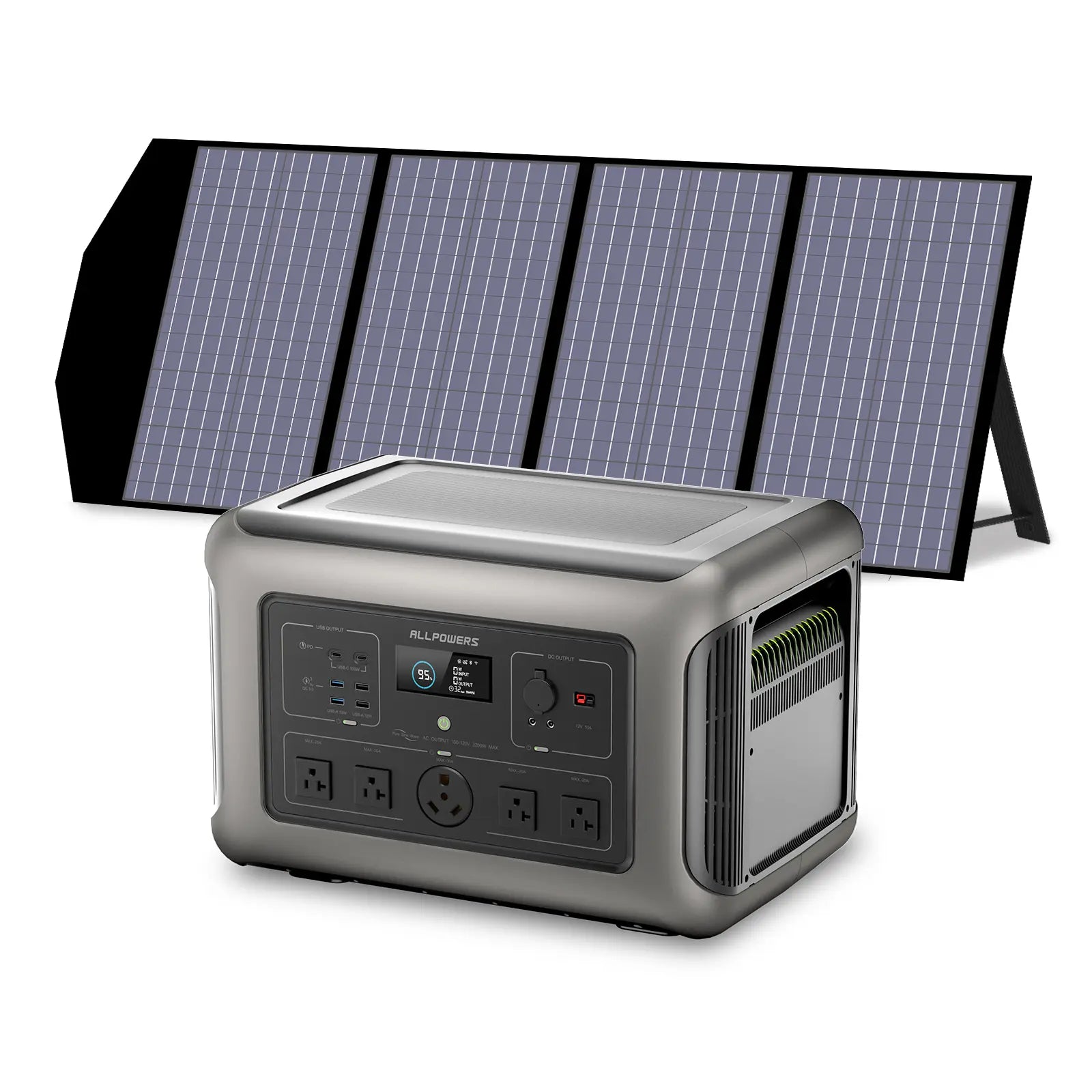
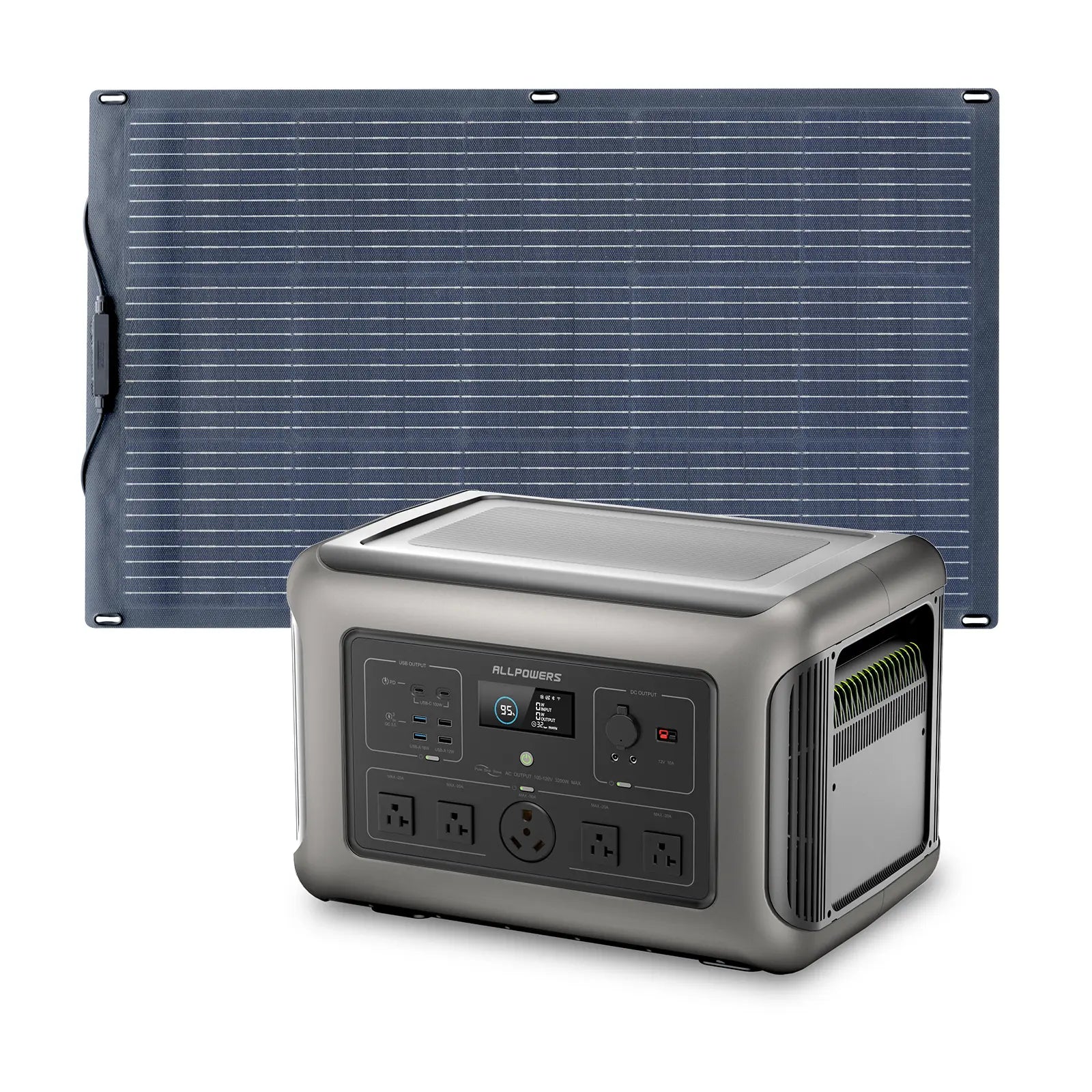
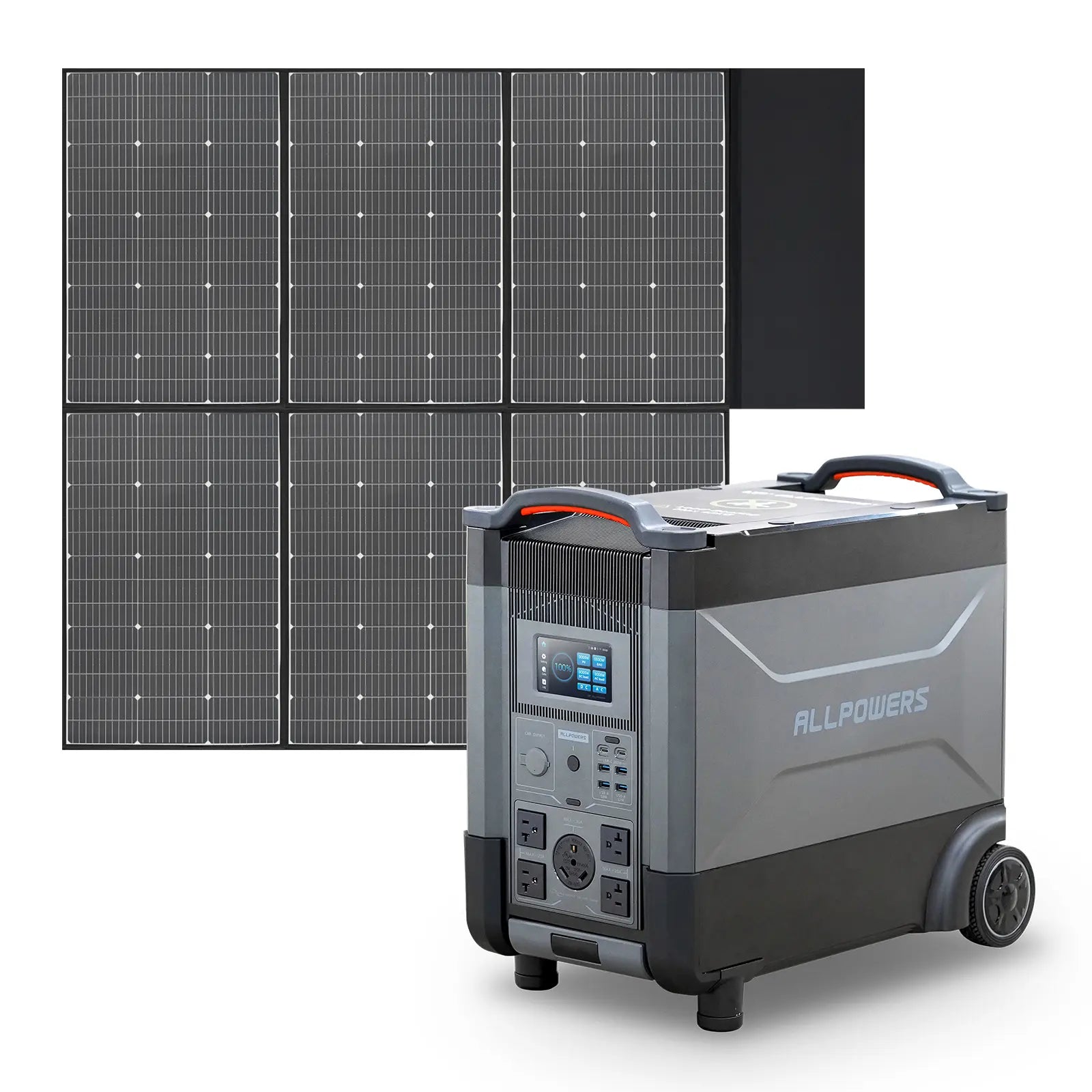
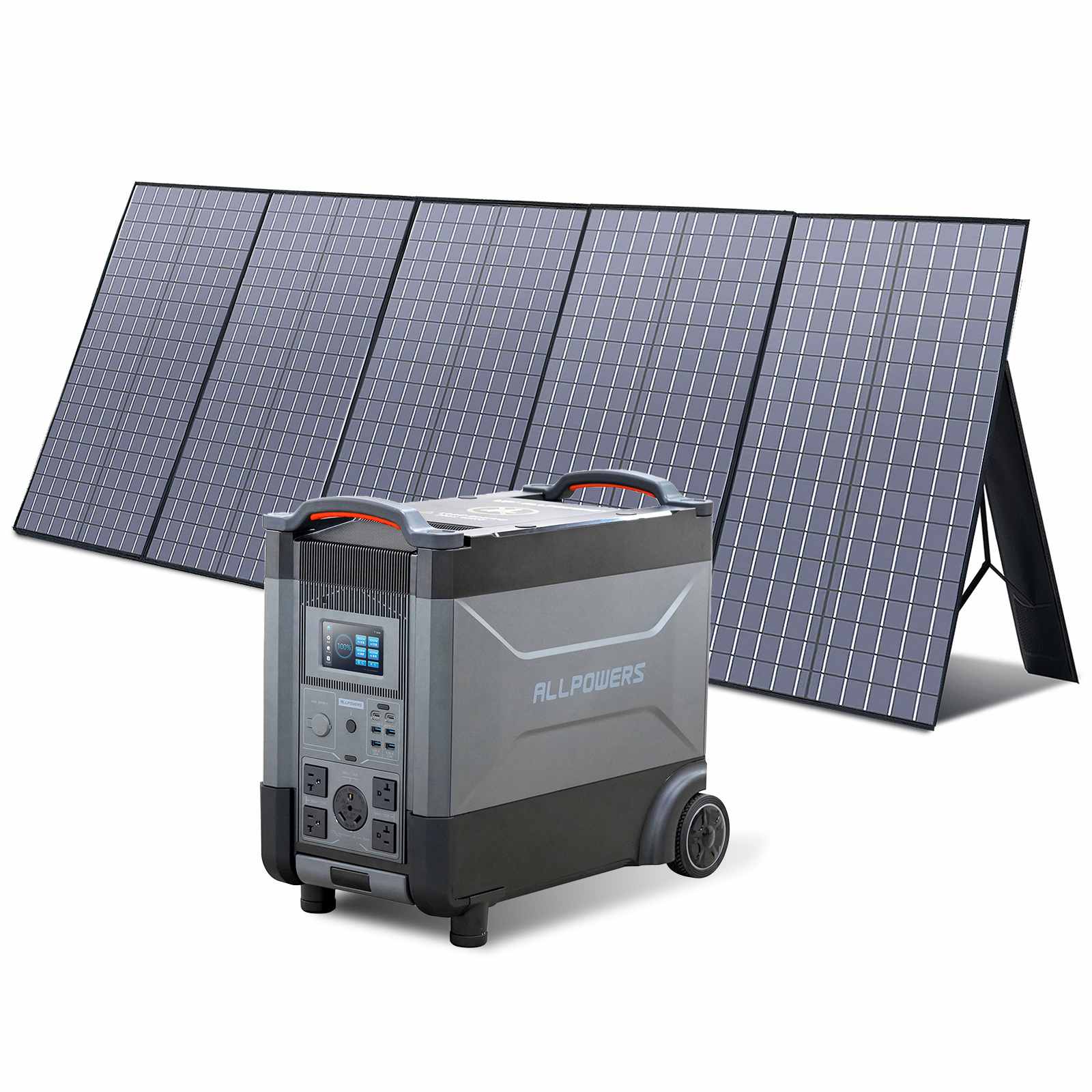
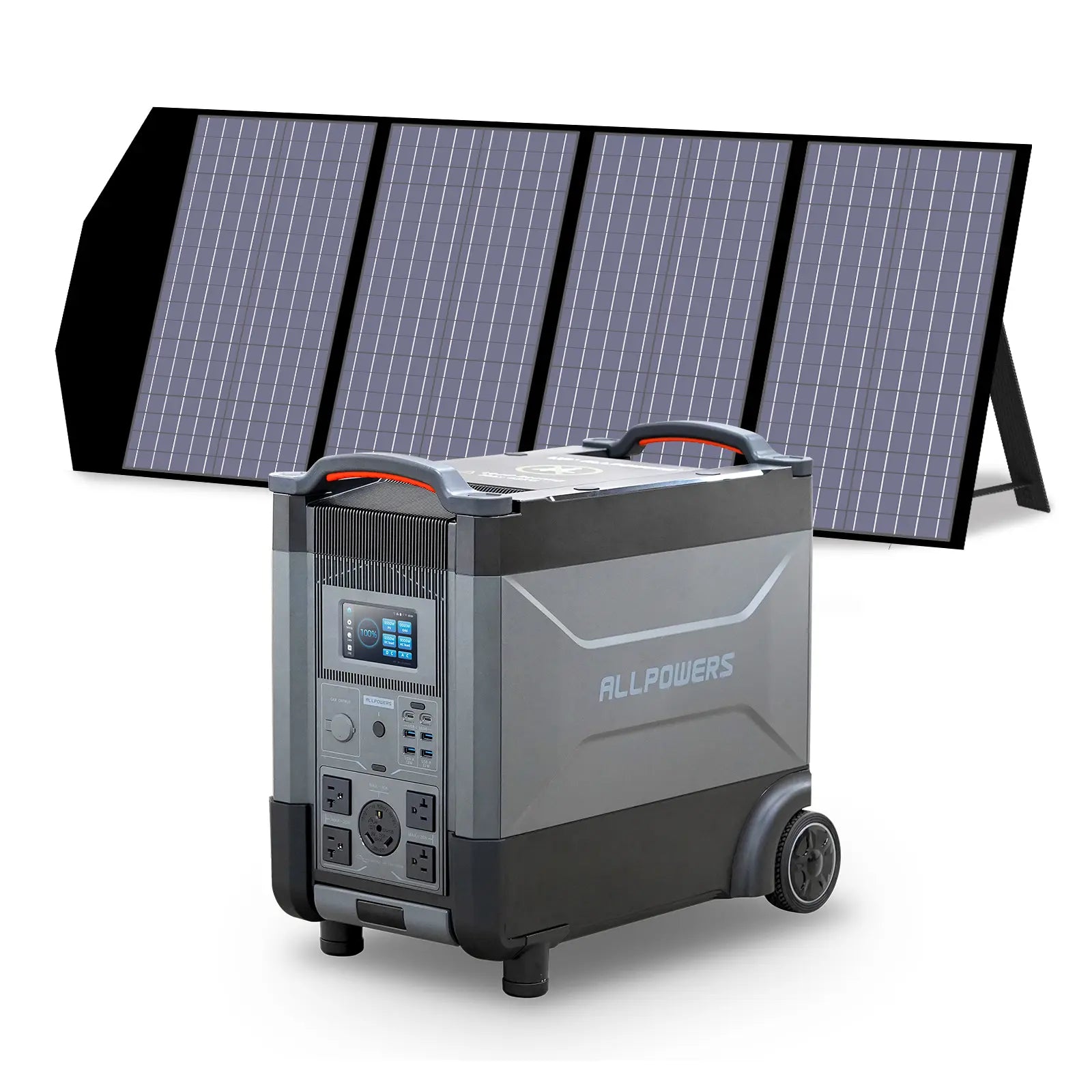
Some campers combine solar panels with battery storage to maintain refrigeration during longer off-grid trips.
How Long Can a Battery Run a Fridge?
Battery runtime depends heavily on the refrigerator’s power consumption and the total battery capacity available.
Unlike appliances that operate only occasionally, refrigerators cycle on and off continuously to maintain stable cooling temperatures.
Temperature Conditions Matter
High outdoor temperatures usually increase refrigerator energy usage because compressors must work harder to maintain cooling performance.
Efficient Fridges Use Less Energy
Modern compressor refrigerators are typically much more energy-efficient than older camping coolers or thermoelectric models.
Many campers are surprised by how long efficient refrigerators can operate when paired with properly sized battery systems.
Using Solar Power While Camping
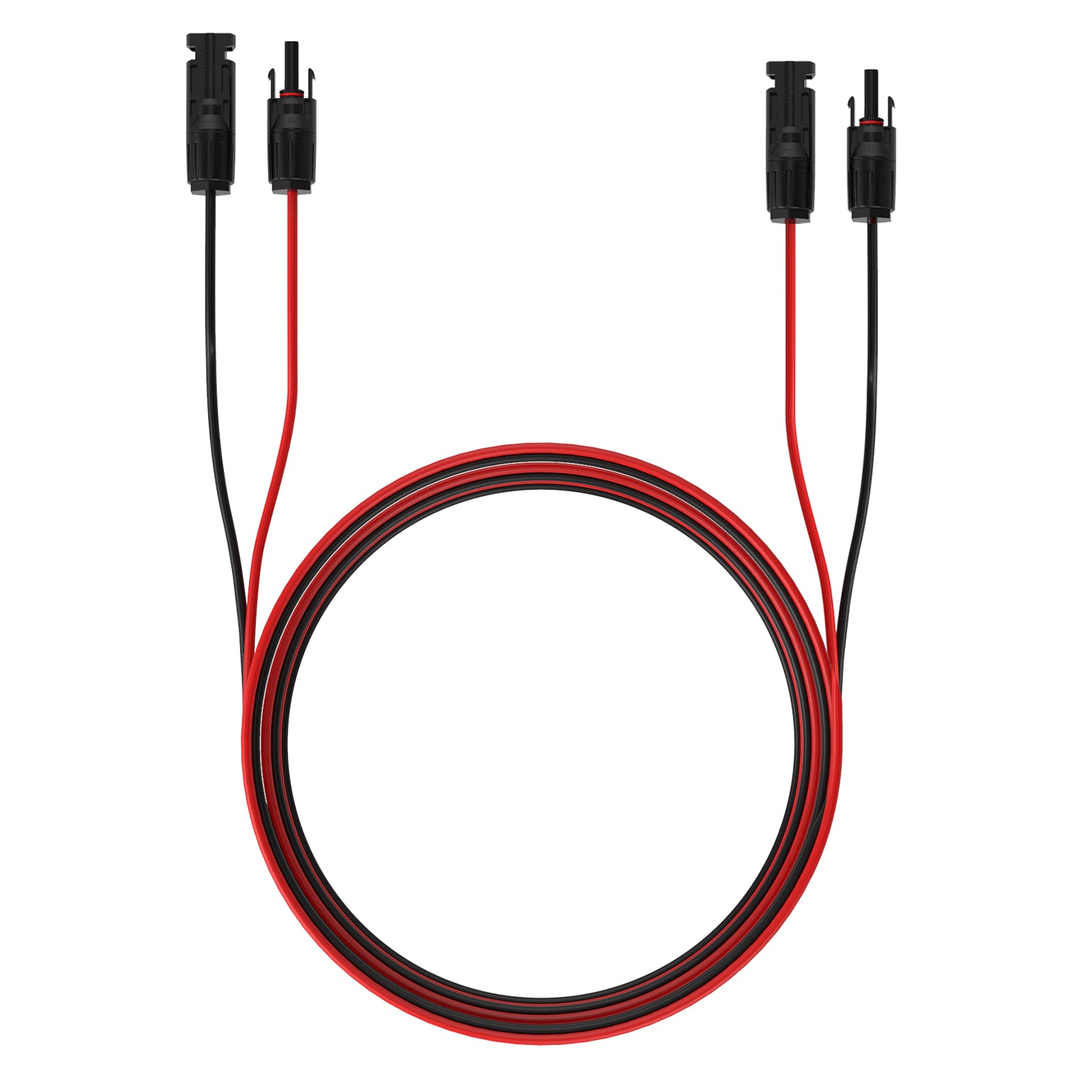
Portable solar panels are increasingly used to recharge batteries during daytime hours while refrigerators continue operating throughout the trip.
Solar charging is especially popular among overlanders, RV travelers, and campers who stay off-grid for several days.
Solar Conditions Affect Charging
Cloud cover, tree shade, weather conditions, and panel positioning all influence solar charging performance.
Battery Storage Remains Essential
Most refrigerators continue running overnight, so daytime solar generation is usually paired with battery storage systems for continuous operation.
How to Reduce Fridge Power Consumption
Careful energy management can significantly improve refrigerator runtime while camping.
Pre-Chill Food Before Departure
Placing already cold food inside the refrigerator reduces the amount of energy required to cool items initially.
Limit Lid Openings
Frequent lid openings allow cold air to escape and force compressors to run more often.
Park in Shaded Areas
Keeping refrigerators out of direct sunlight helps reduce cooling demand and improve overall efficiency.
Use Appropriate Temperature Settings
Setting the fridge colder than necessary often increases power consumption unnecessarily.
Estimated Camping Fridge Power Usage
| Camping Setup | Power Consumption | Runtime Efficiency | Best Use Case |
|---|---|---|---|
| Vehicle 12V Outlet | Low to Moderate | Good While Driving | Road Trips |
| Lithium Battery Setup | Moderate | High Flexibility | Off-Grid Camping |
| Solar + Battery System | Variable | Extended Runtime | Multi-Day Camping |
| Campground Hookup | Stable | Continuous Operation | RV Parks |
| Thermoelectric Cooler | Higher Continuous Draw | Lower Efficiency | Short Trips |
Common Camping Fridge Mistakes
Using Starter Batteries Overnight
Running refrigerators directly from vehicle starter batteries overnight may leave insufficient power to start the vehicle later.
Ignoring Outdoor Temperature
Hot environments dramatically increase refrigerator power consumption.
Opening the Fridge Too Often
Repeatedly opening the fridge allows cold air to escape and forces compressors to cycle more frequently.
Choosing the Wrong Cooling System
Compressor refrigerators are usually far more efficient for extended camping compared to basic thermoelectric coolers.
The Future of Off-Grid Camping Refrigeration
Portable refrigeration technology continues improving as outdoor travel and off-grid camping become more popular.
Modern refrigerators are becoming lighter, quieter, and significantly more energy-efficient than older camping cooling systems.
At the same time, advances in lithium battery technology, solar charging, and compact energy storage are making reliable off-grid refrigeration increasingly practical for longer outdoor adventures.
Frequently Asked Questions
Can you run a camping fridge off a car battery?
Yes, but running a fridge directly from a starter battery overnight may drain the battery too much to restart the vehicle.
How much power does a camping fridge use?
Power usage varies depending on fridge size, compressor efficiency, temperature settings, and outdoor conditions.
Are camping fridges better than coolers?
Camping refrigerators provide more consistent cooling and eliminate the need for ice replacement during longer trips.
Can solar panels power a camping fridge?
Yes. Solar panels are commonly used to recharge battery systems that power refrigerators during off-grid camping.
What is the best way to extend fridge battery runtime?
Reducing lid openings, parking in shade, pre-cooling food, and using efficient temperature settings can all help reduce power consumption.