






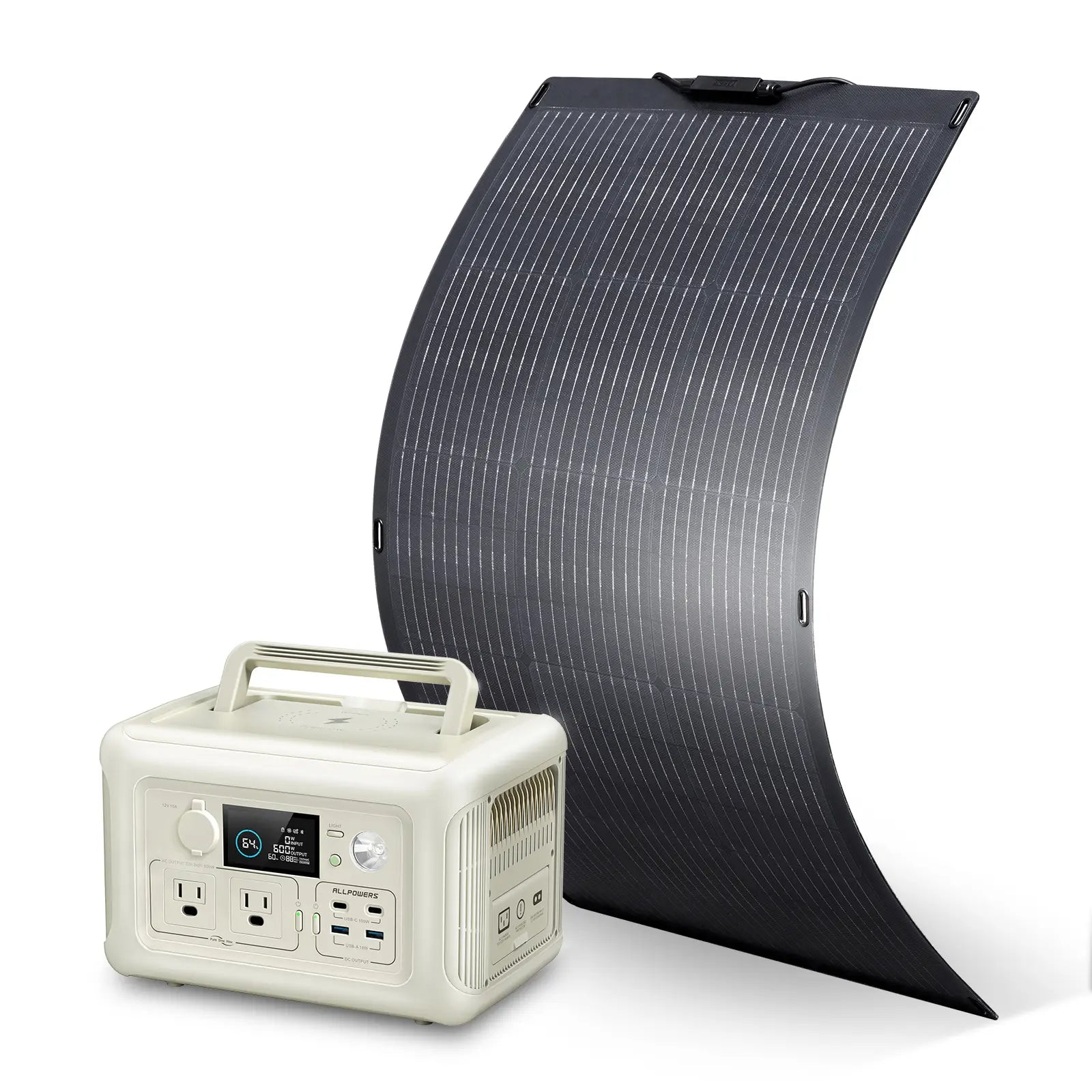
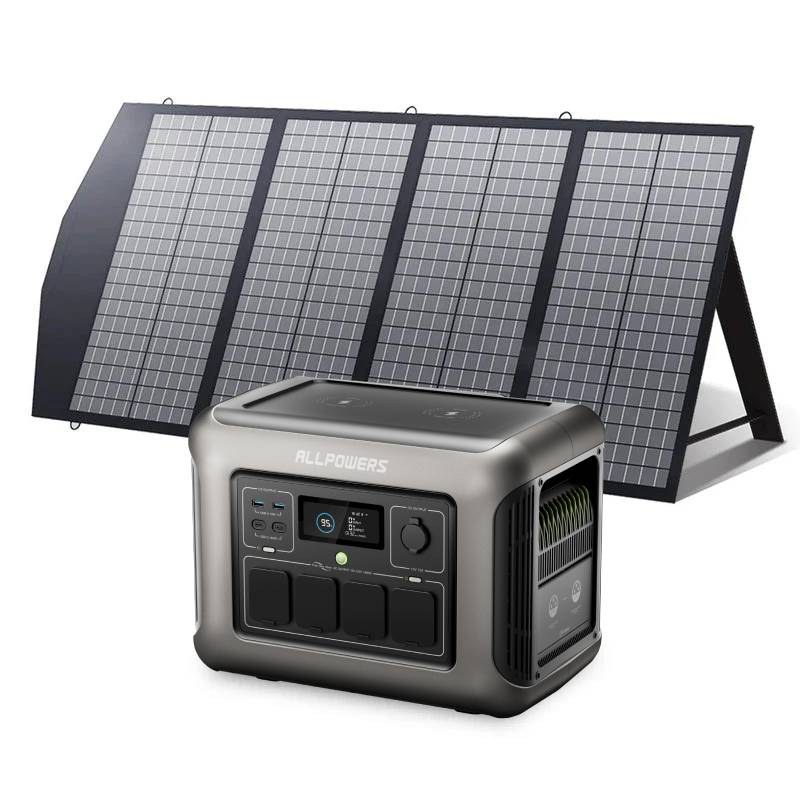
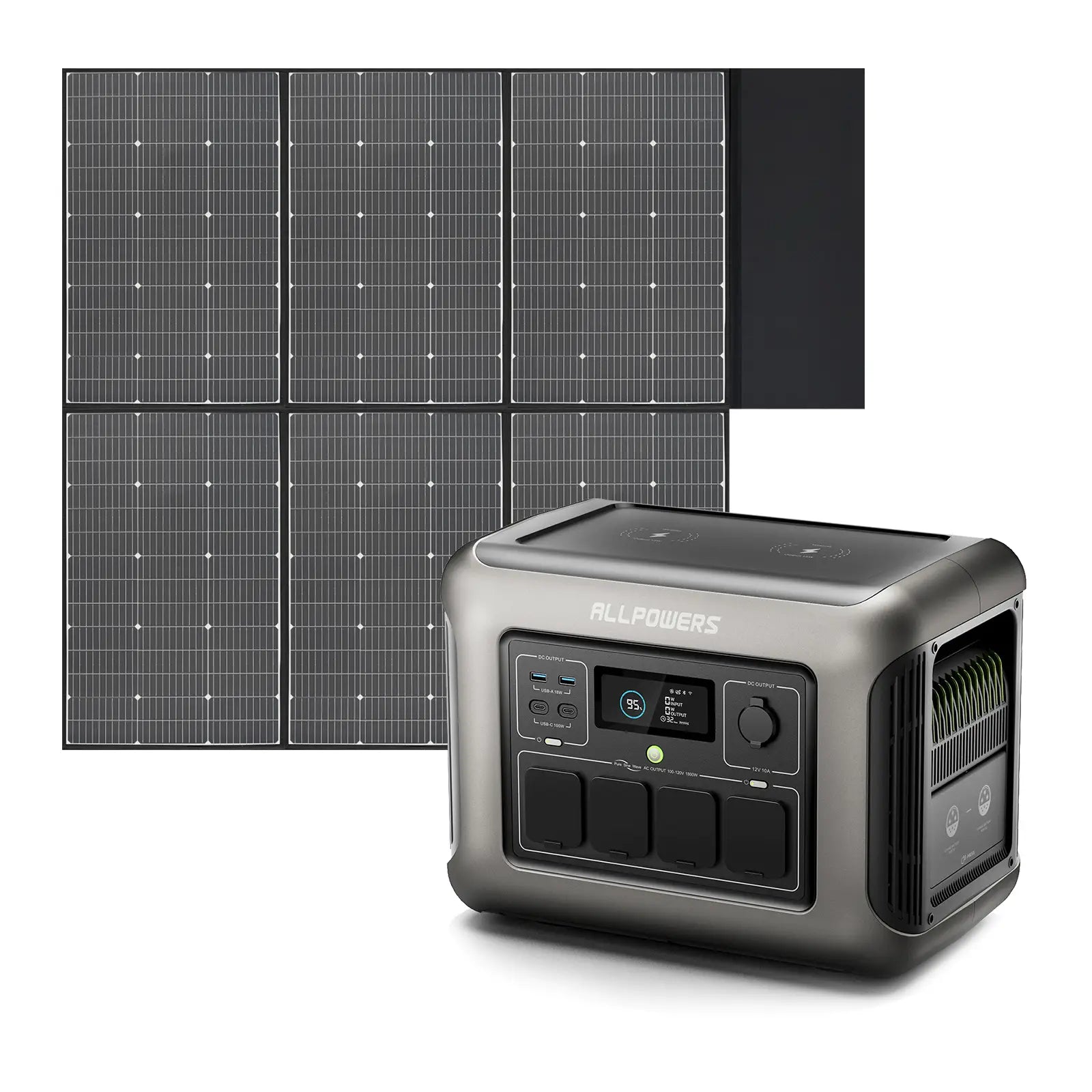
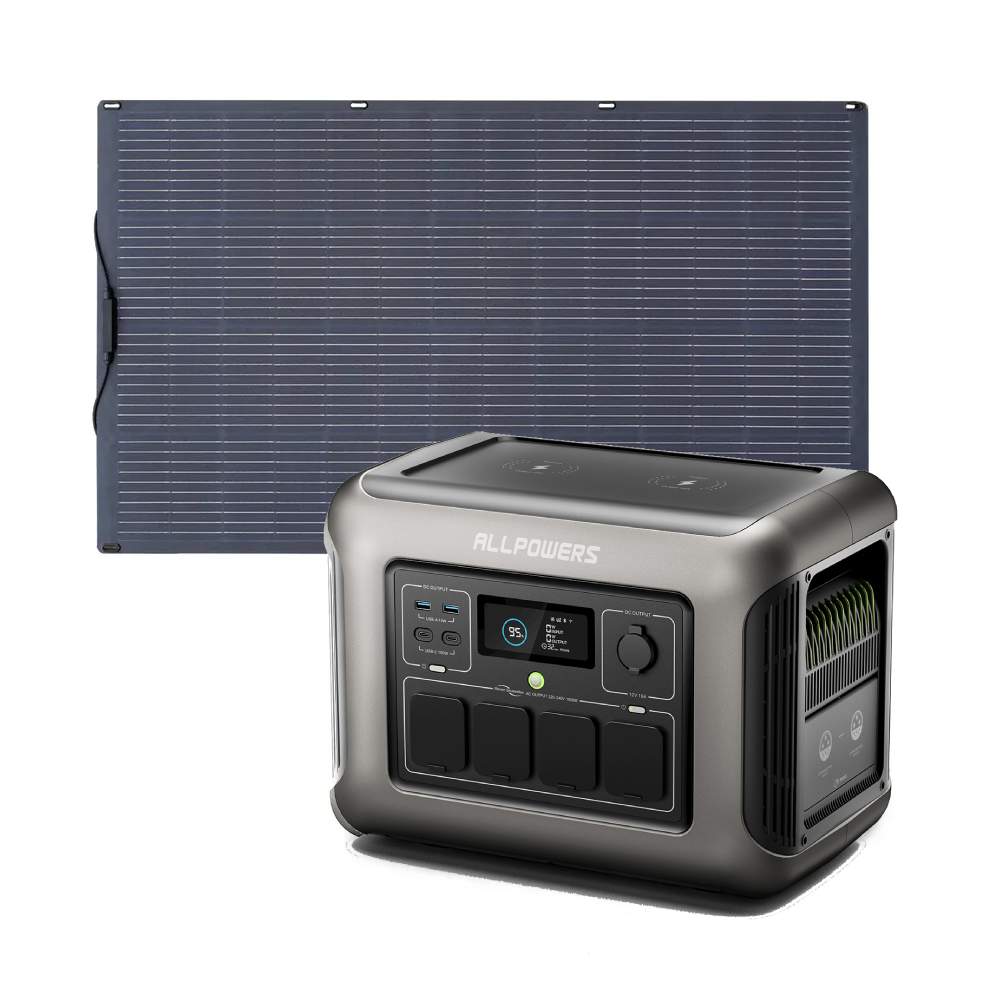
RV travel gives people the freedom to explore places far away from traditional power sources, but staying comfortable on the road still requires reliable electricity.
From keeping food cold and charging electronics to running lights, appliances, and entertainment systems, modern RVs depend on a steady energy supply.
While campground hookups are convenient, many travelers want more flexibility when staying in remote locations.
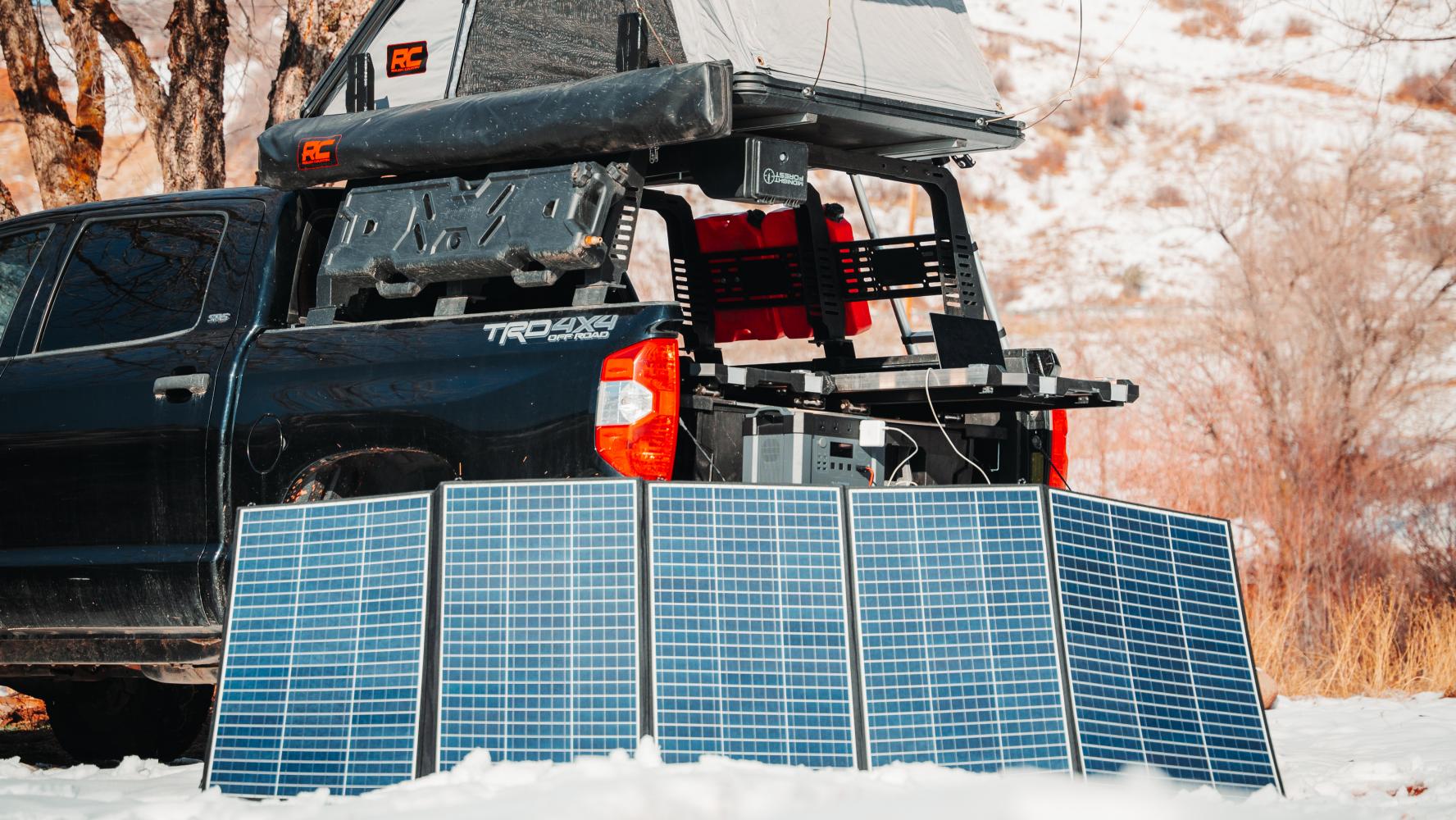
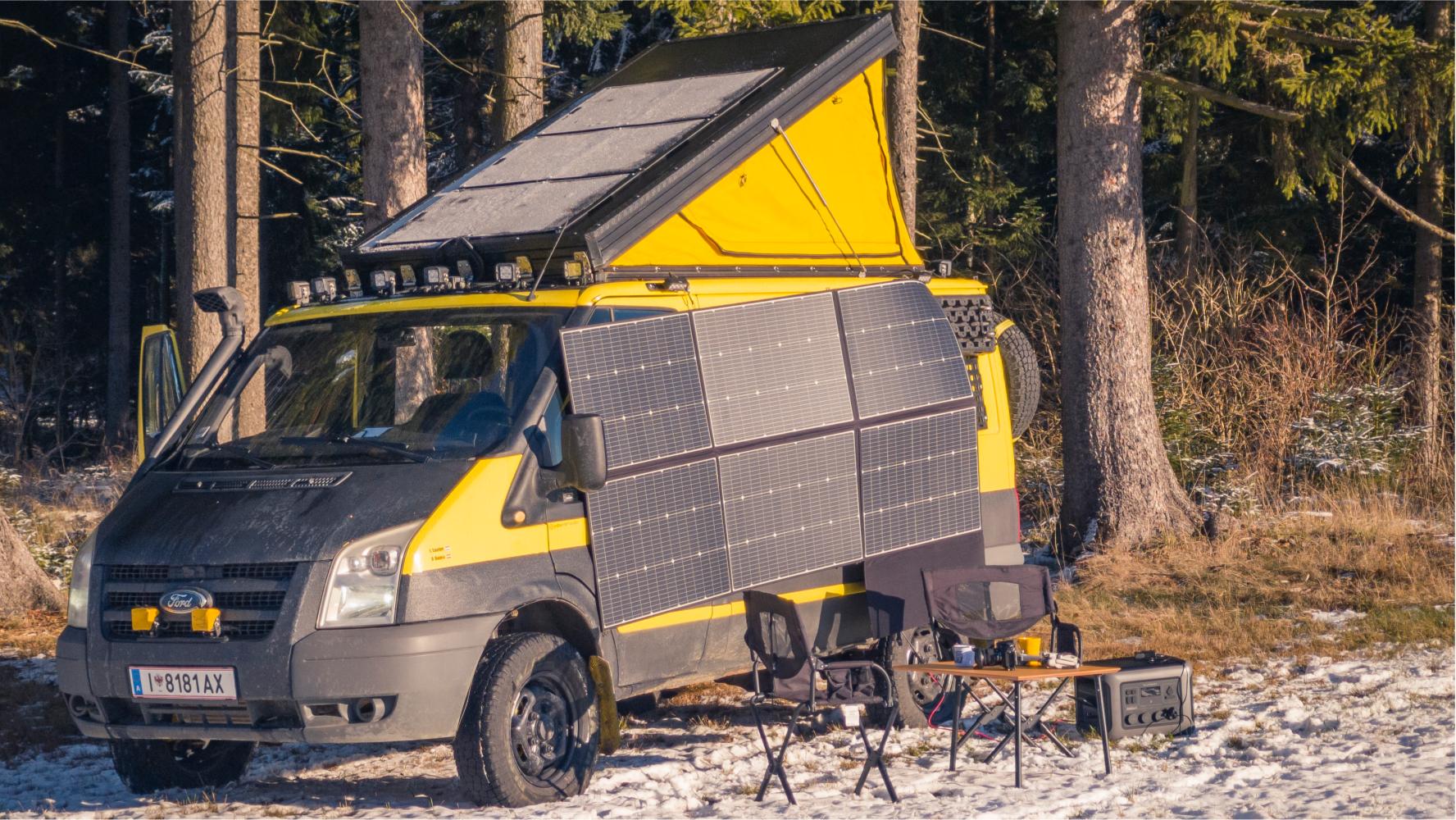
This has made solar-based energy solutions increasingly popular among campers who want more independence from campgrounds and fuel-powered equipment.
But can a solar generator really provide enough electricity to power an RV?
TL;DR: The short answer is yes. A solar generator can provide electricity by storing energy from solar panels and delivering power when your appliances need it. Small electronics, lights, fans, and refrigerators are usually easier to support, while high-demand devices like air conditioners require much larger energy systems and careful planning.
How Does a Solar Generator Work for an RV?
Despite its name, a solar generator does not generate electricity from sunlight instantly like a traditional fuel generator produces power.
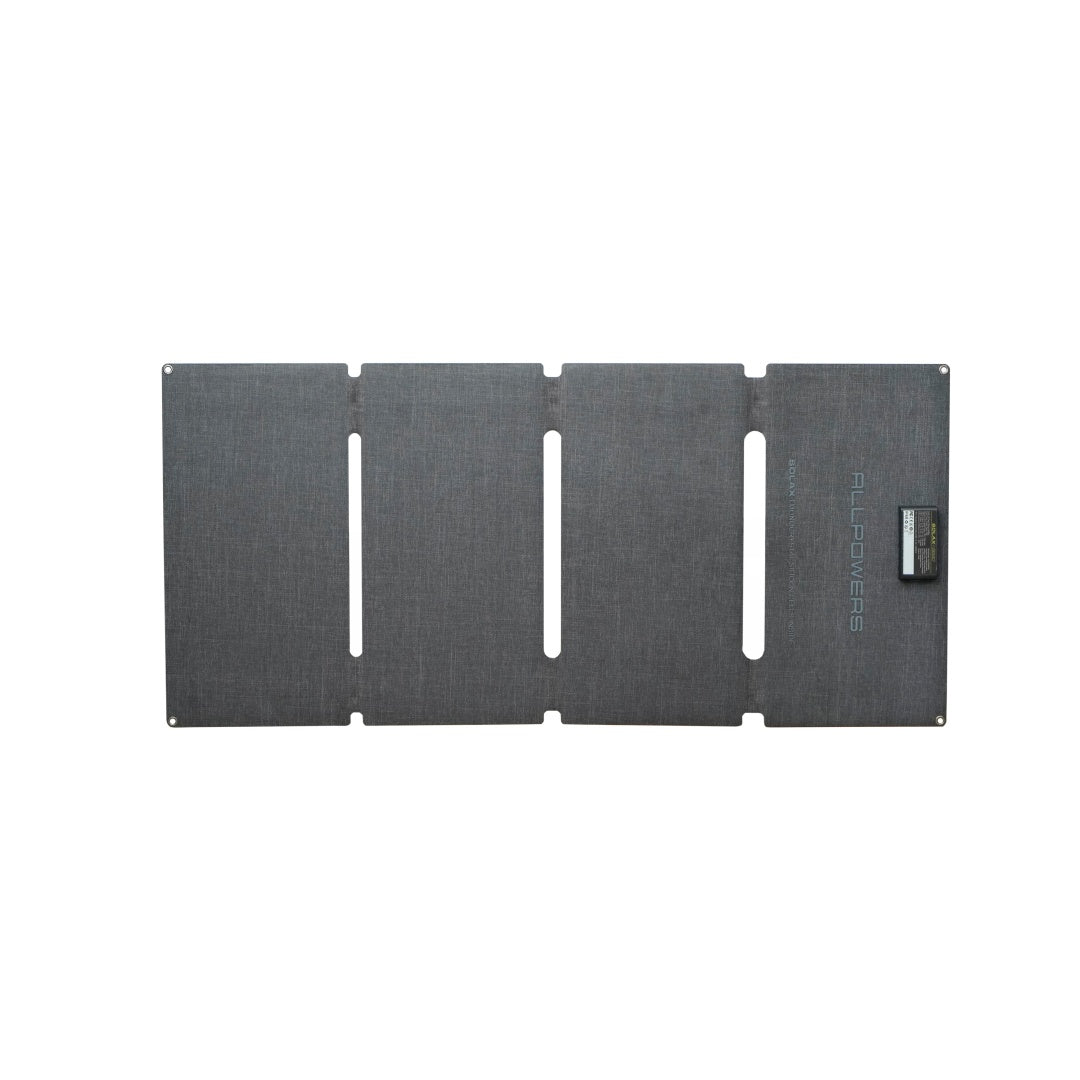
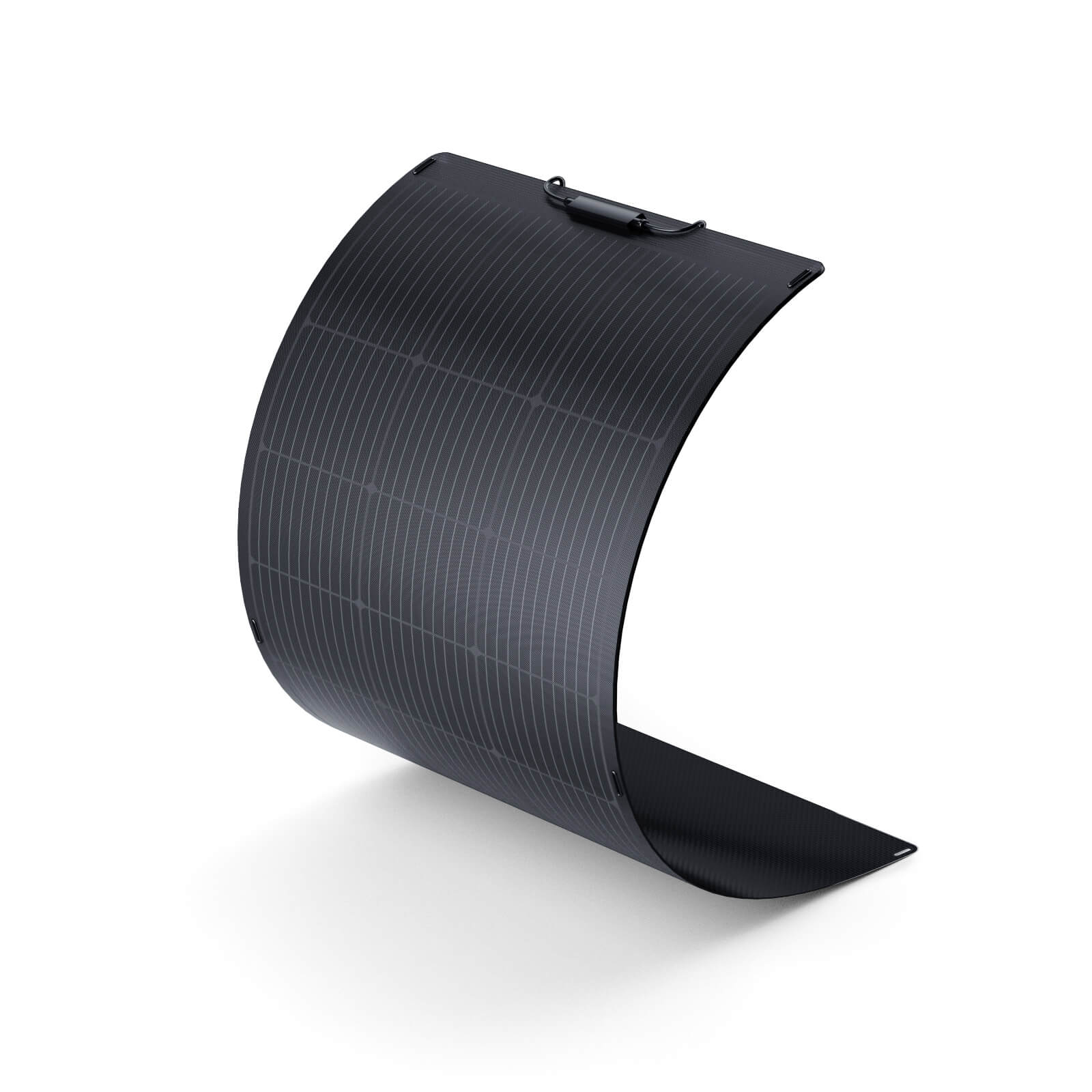
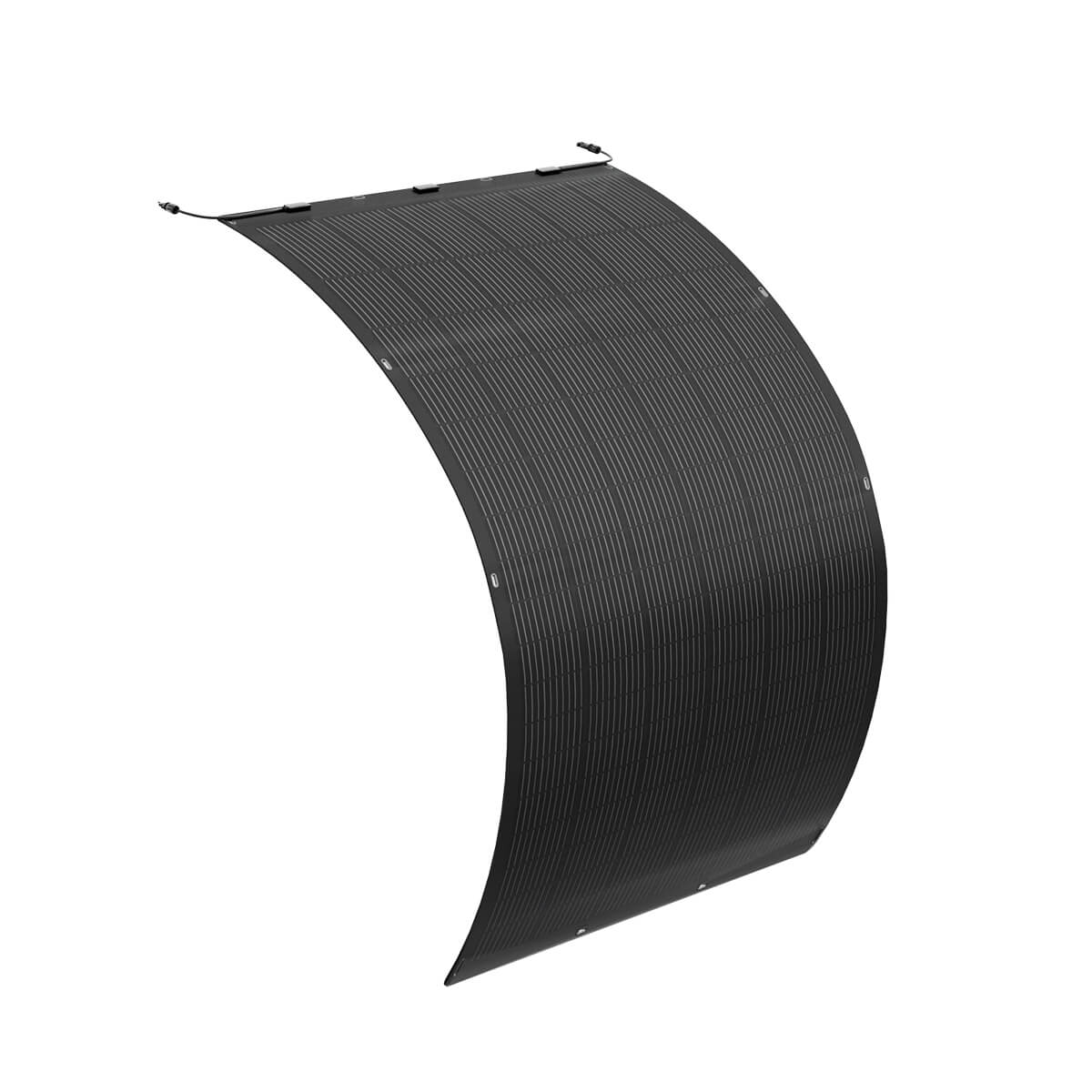
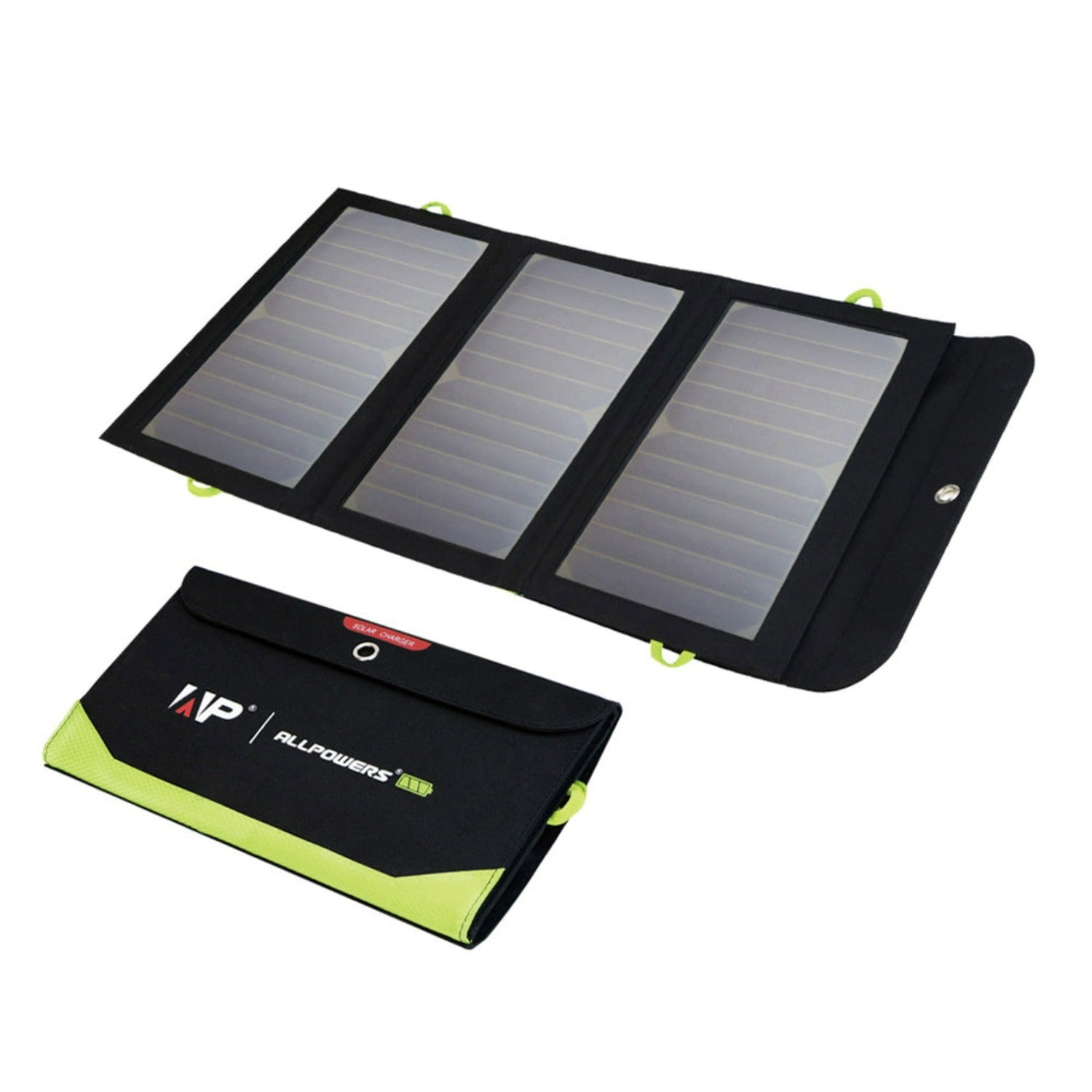
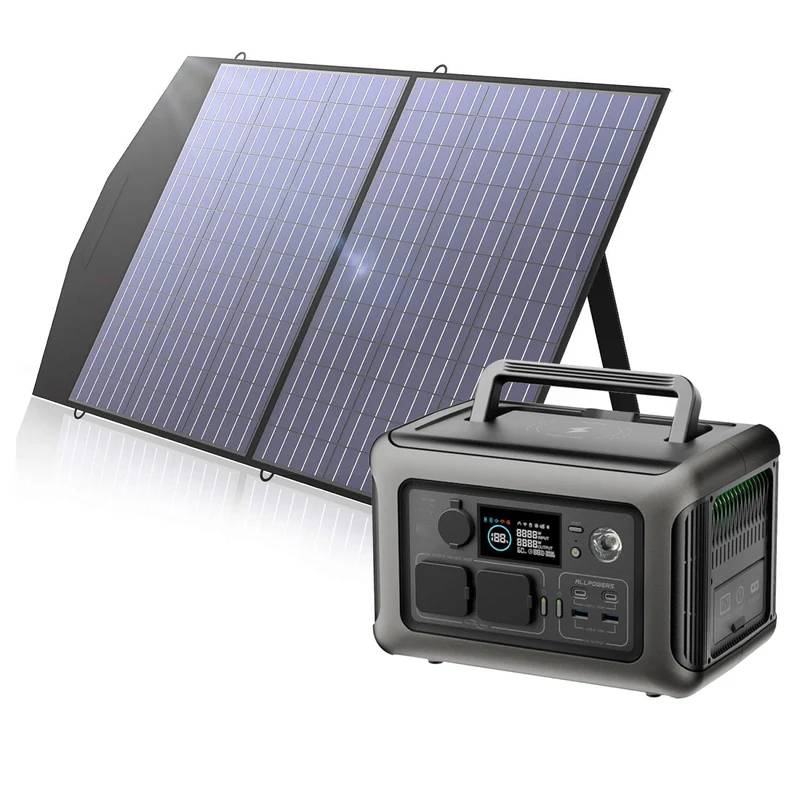
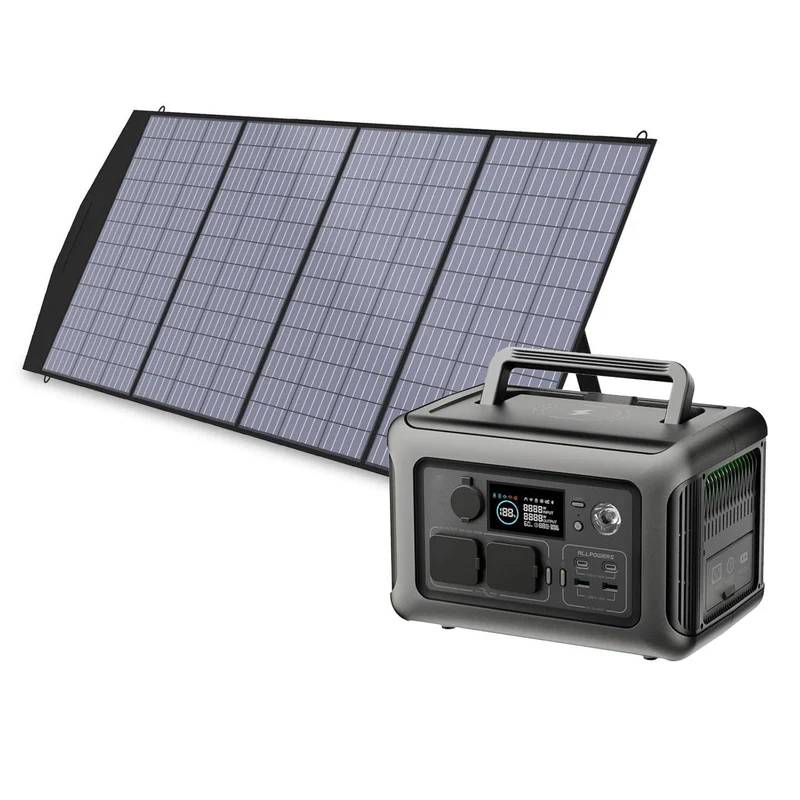
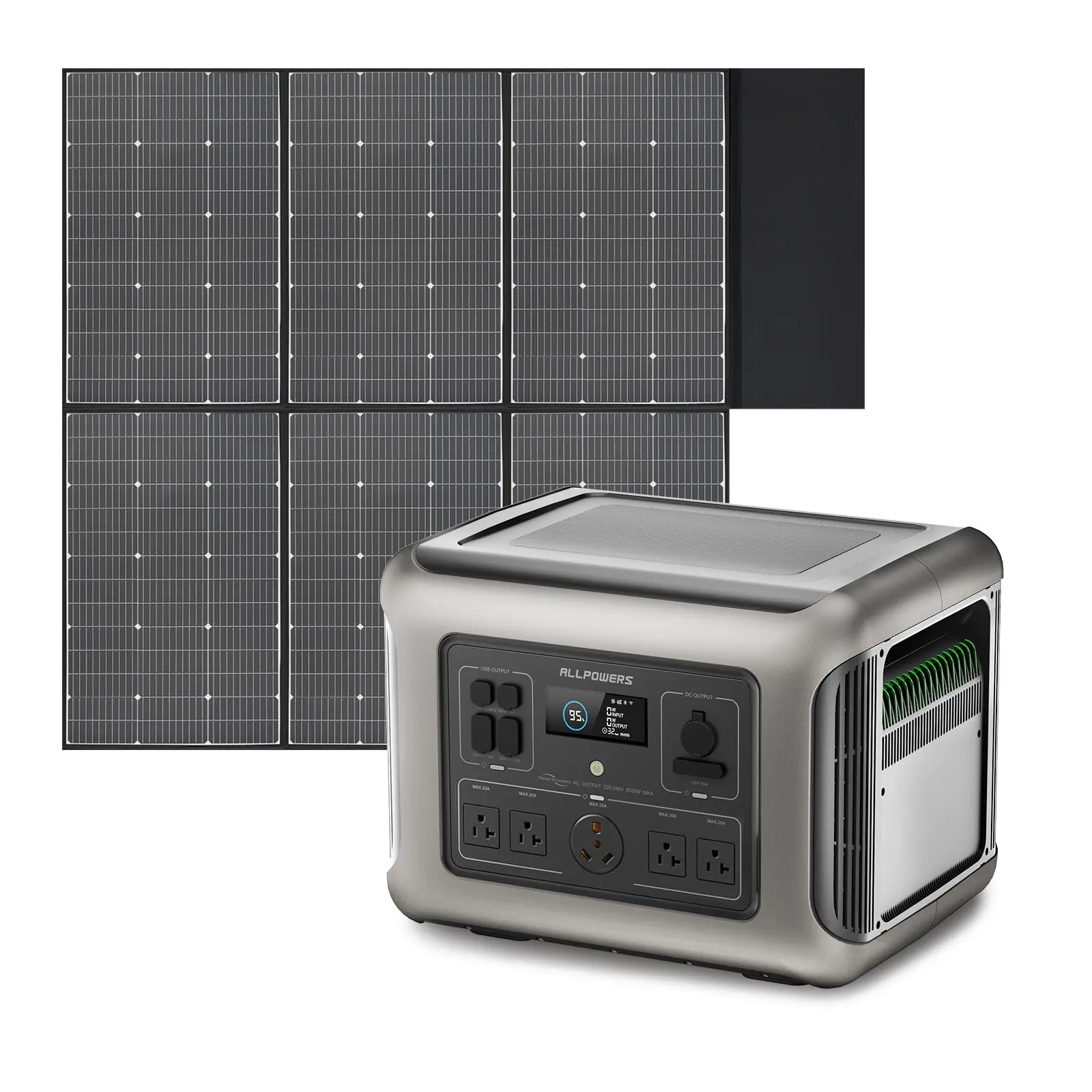
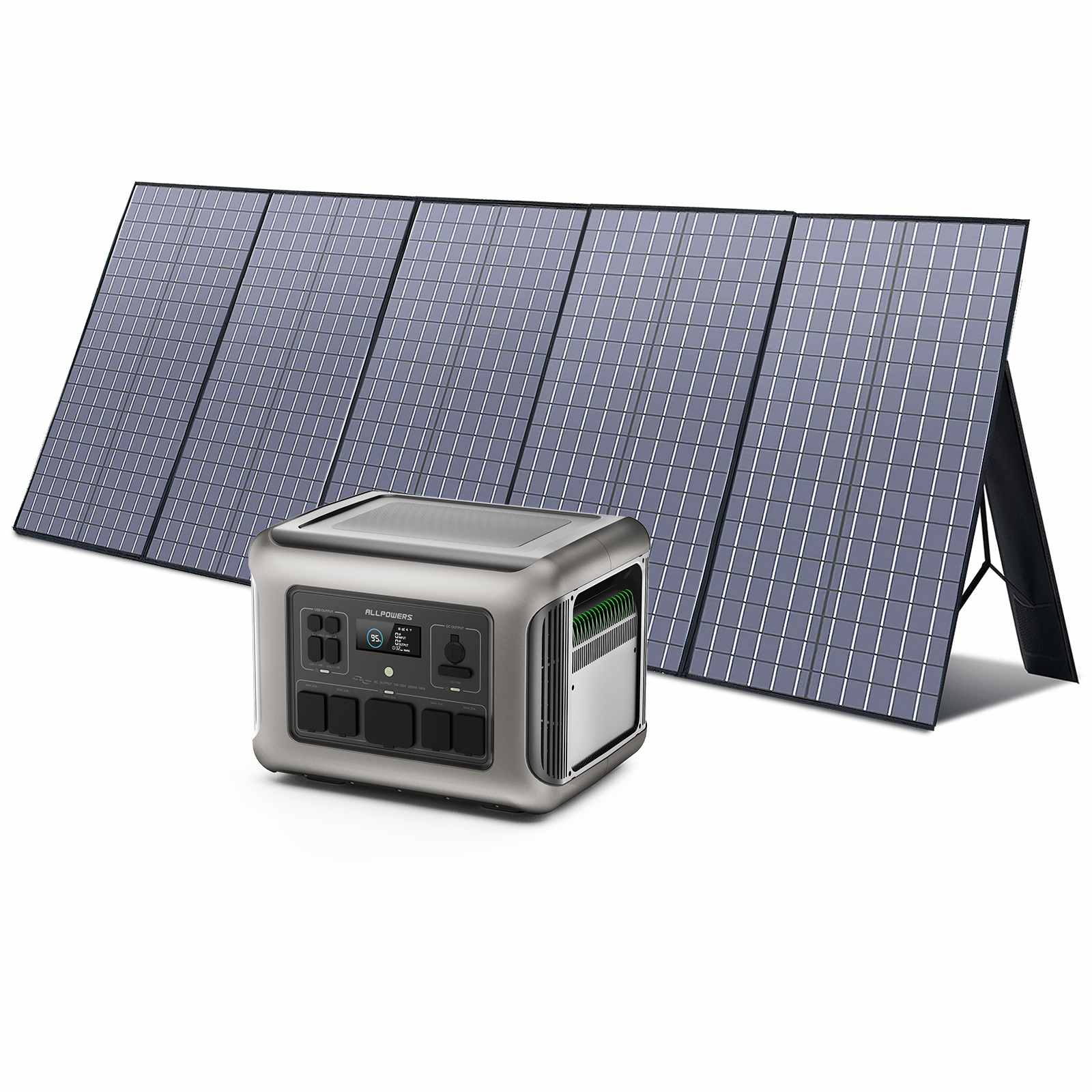
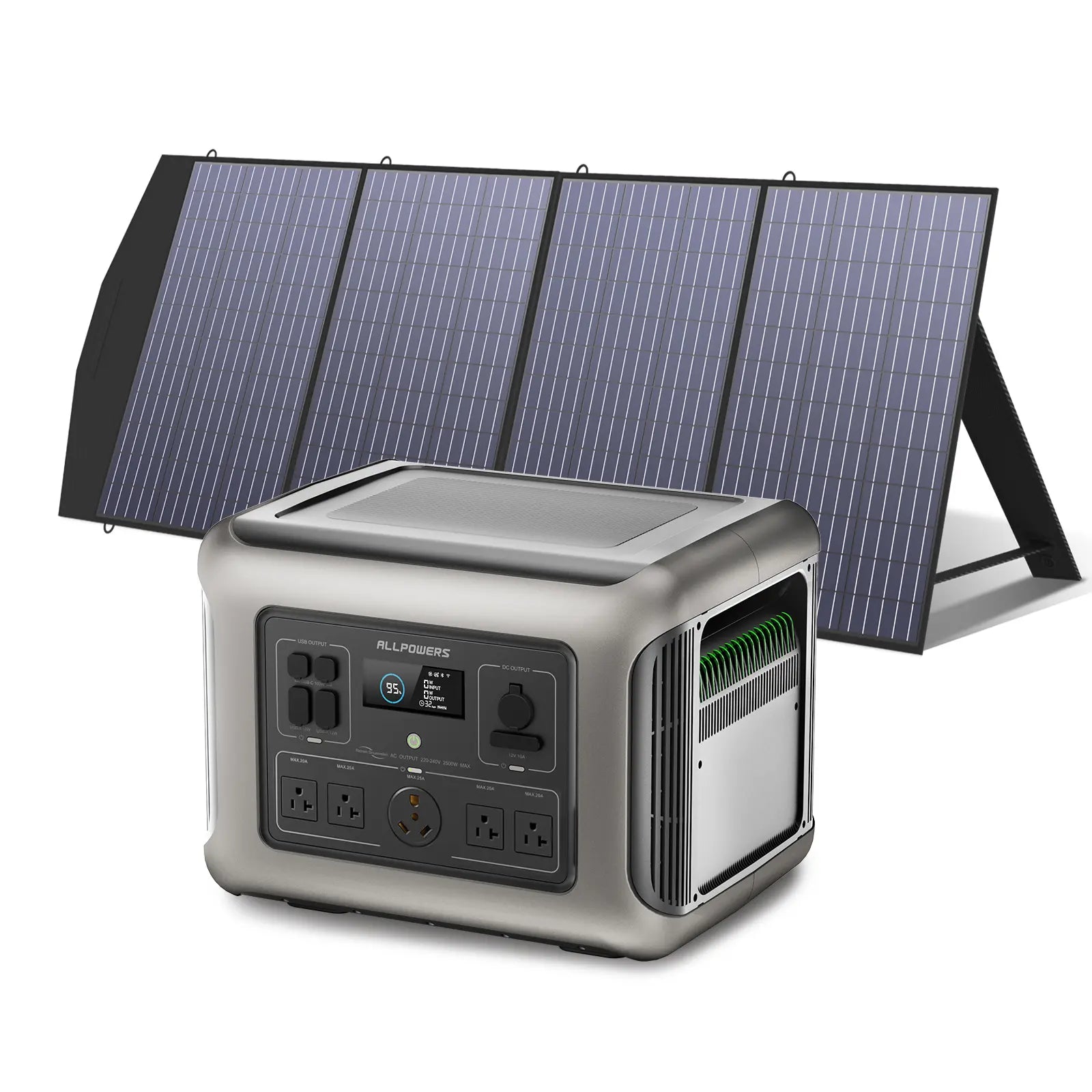
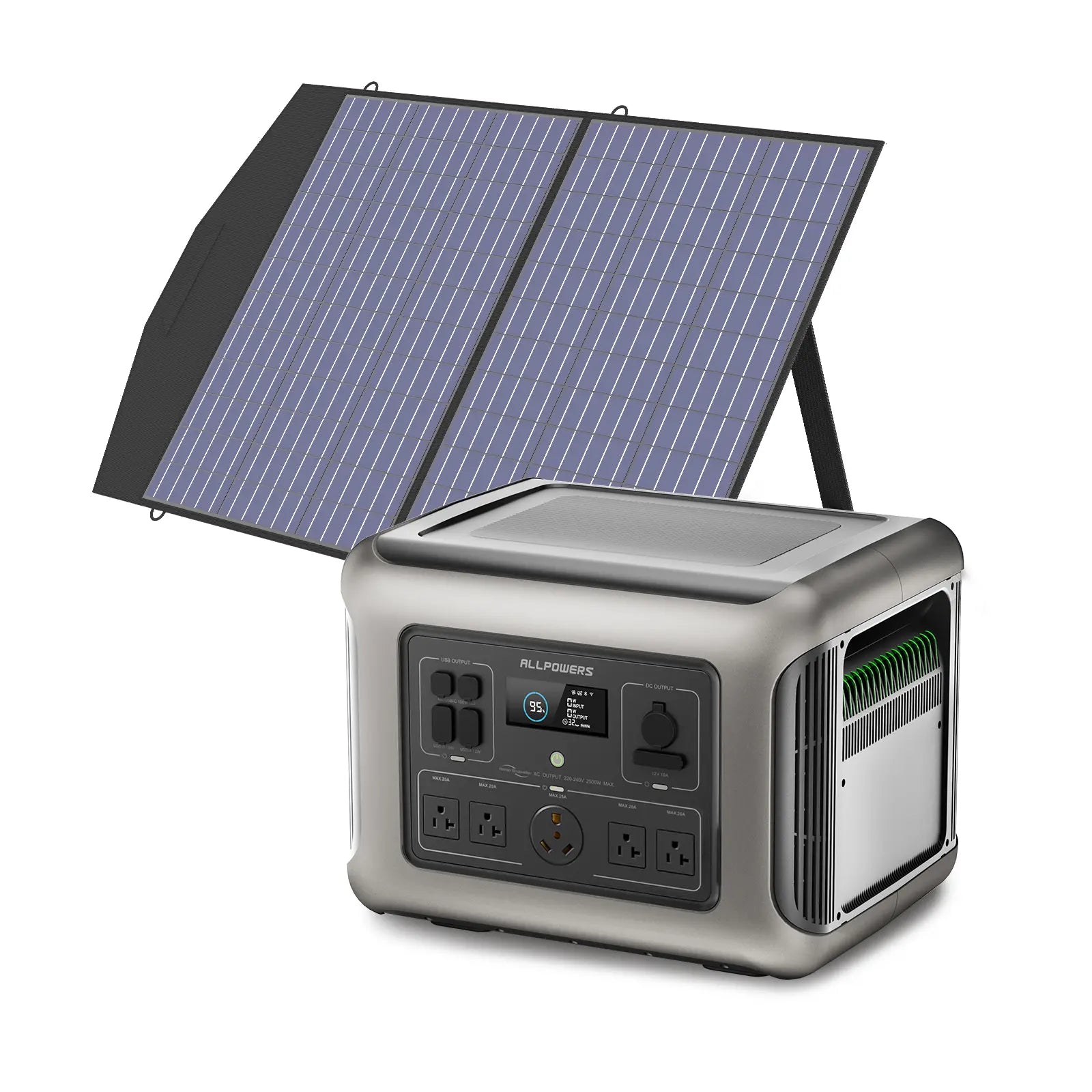
Instead, it typically combines solar panels, battery storage, and an inverter to collect, store, and deliver electricity when needed.
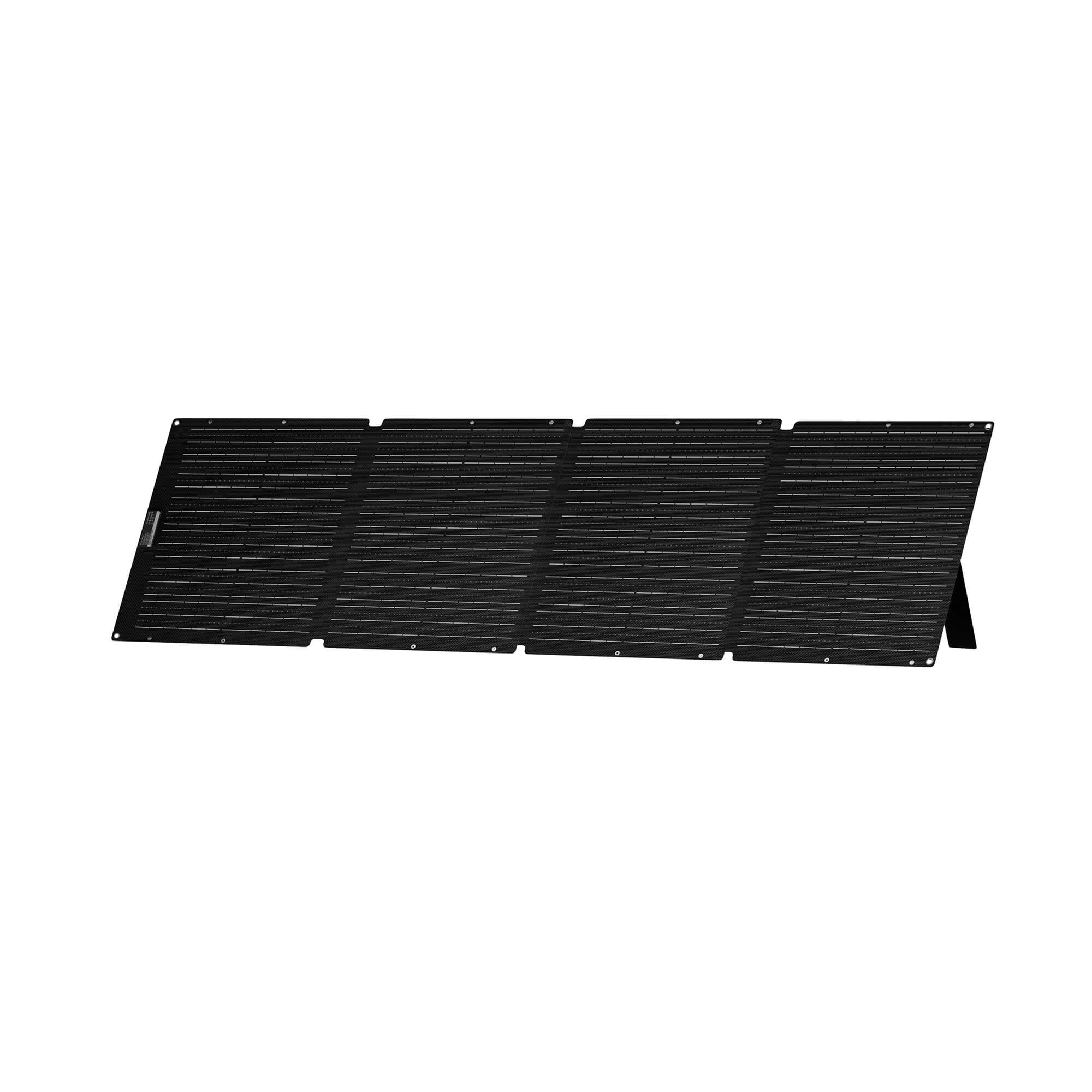
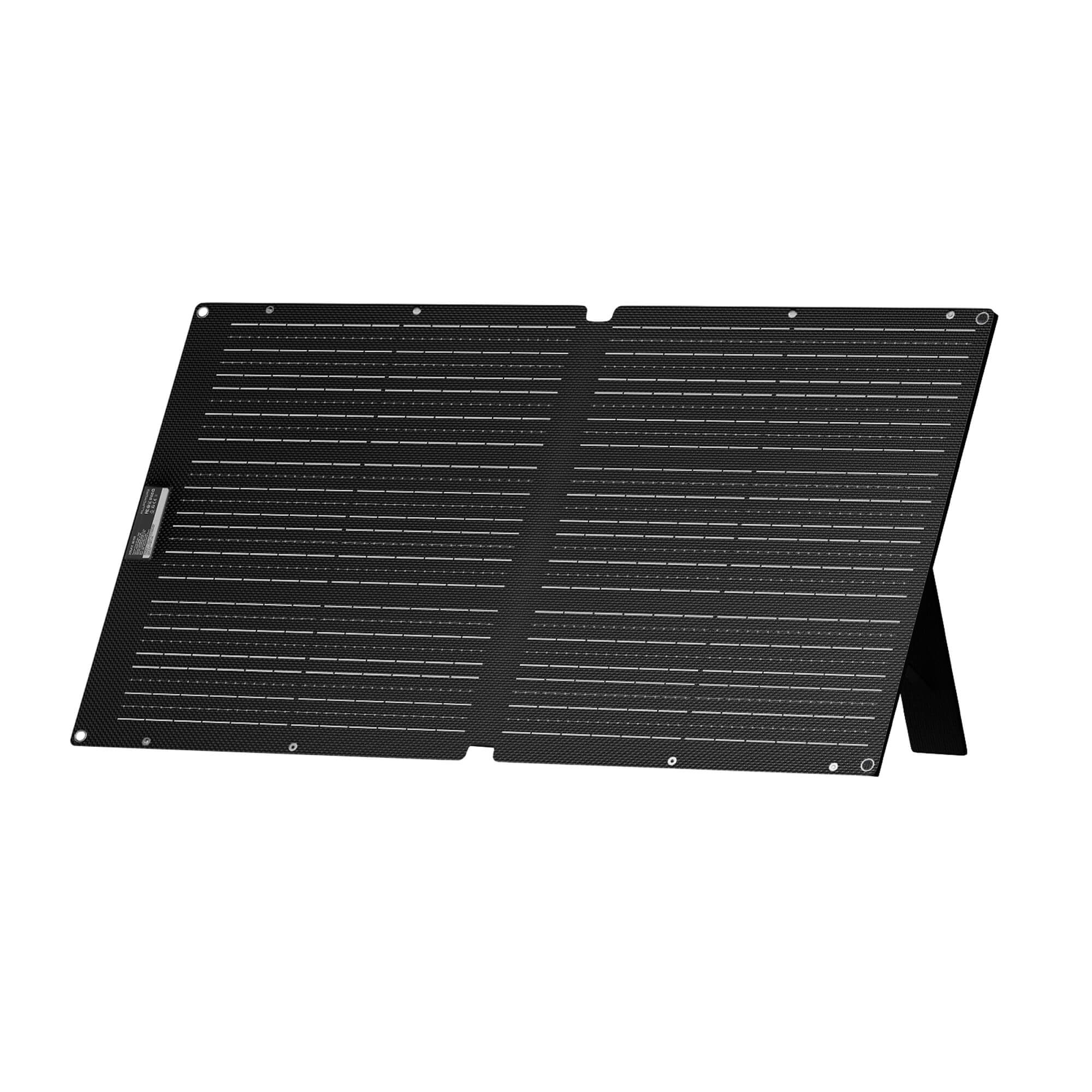
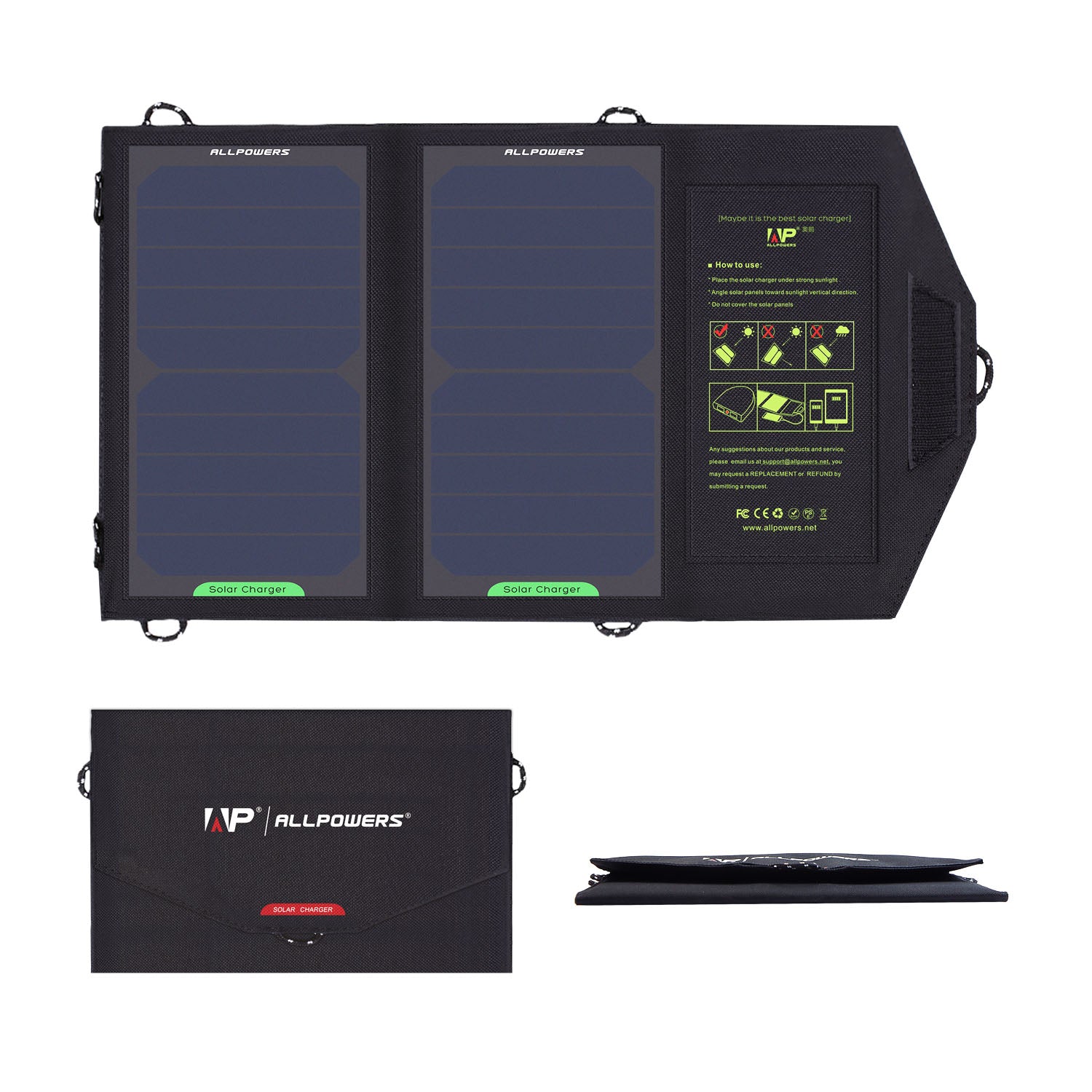
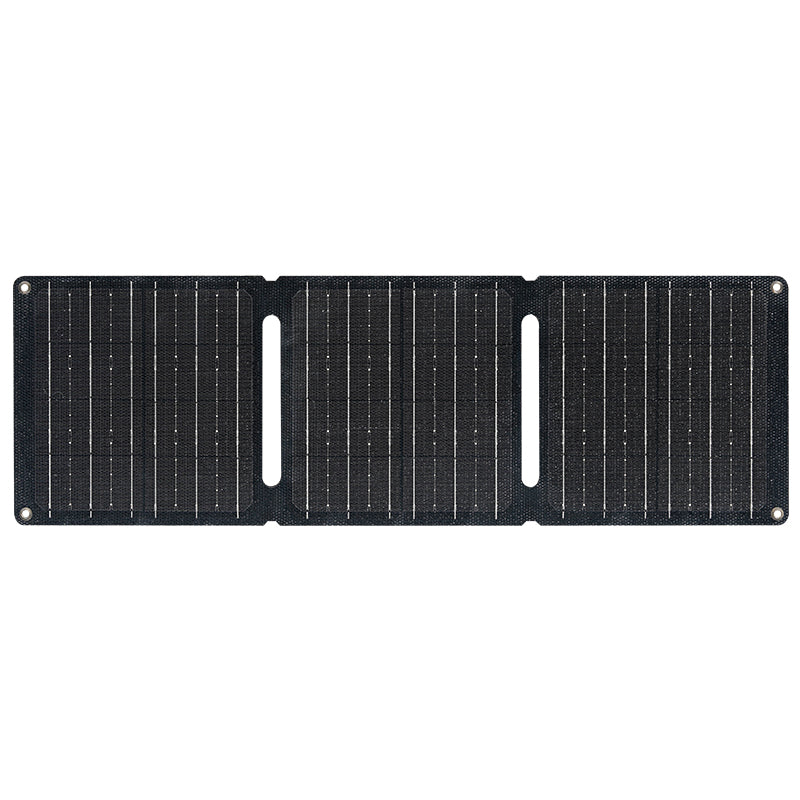
During the day, solar panels capture energy from sunlight and transfer it into a battery.
The stored energy can then be used later to power RV devices, especially during evenings or cloudy periods when solar production is limited.
The battery is one of the most important parts of an RV solar setup. Solar panels determine how quickly energy can be collected, but the battery determines how much electricity is available when the sun is not shining.
A larger battery capacity allows RV owners to run more devices for longer periods without needing immediate recharging.
How Much Power Does an RV Use?
The amount of electricity an RV consumes depends heavily on travel style. A minimalist camper who only powers lights, phones, and small electronics will use far less energy than someone running air conditioning, kitchen appliances, and entertainment systems.
Energy usage is usually measured in watt-hours (Wh), which represents how much electricity a device consumes over time.
Light Usage RV Setup
A basic setup may include LED lights, smartphones, cameras, a laptop, and a small refrigerator. These devices generally require moderate amounts of electricity.
High-Comfort RV Setup
Travelers who want a home-like experience may use coffee makers, electric cooking appliances, large refrigerators, televisions, and climate control equipment. These devices can significantly increase energy demand.
Which RV Appliances Use the Most Electricity?
Not every RV appliance affects energy consumption equally. Some devices require only a small amount of power, while others can quickly drain available battery capacity.
RV Air Conditioners
Air conditioning systems are usually among the biggest electricity consumers in an RV. Because they rely on compressors and motors, they require substantial continuous power.
This is why many RV travelers carefully consider climate conditions before planning off-grid trips without campground hookups.
Microwaves and Cooking Appliances
Electric ovens, induction cooktops, and microwaves can draw significant power during operation.
Although they may only run for short periods, their high wattage makes them important when calculating total energy needs.
Refrigerators
RV refrigerators often operate continuously, making them one of the most important appliances to consider during extended travel.
Electronics
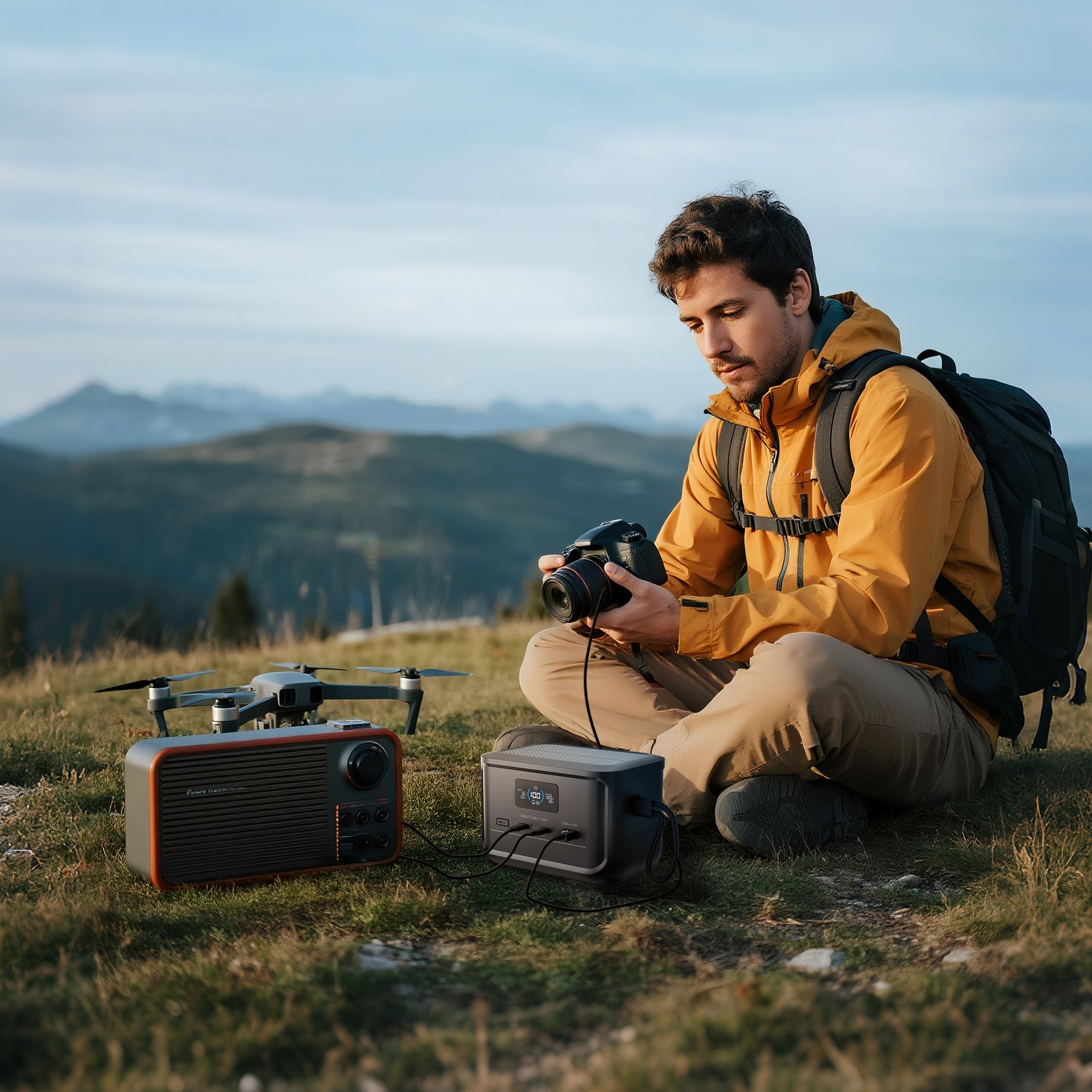
Laptops, phones, cameras, routers, and entertainment devices typically consume less electricity individually, but their combined usage can become noticeable during longer trips.
| RV Appliance | Typical Power Usage | Energy Impact |
|---|---|---|
| LED Lights | 5–20W | Low |
| Phone and Tablet Charging | 5–30W | Low |
| Laptop | 40–100W | Medium |
| RV Refrigerator | 50–150W | Medium |
| Microwave | 800–1,500W | High |
| RV Air Conditioner | 1,200–2,000W+ | Very High |
How Much Battery Capacity Does an RV Need?
Battery capacity determines how long your RV can operate without additional charging. It is usually measured in watt-hours (Wh) or kilowatt-hours (kWh).
The larger the battery capacity, the more energy is available for overnight use or periods without sunlight. However, larger batteries also increase weight, cost, and installation complexity.
The basic calculation is simple: multiply device wattage by the number of hours used.
For example, a 50-watt device running for four hours uses approximately 200 watt-hours of energy.
| RV Usage Example | Estimated Daily Energy Use |
|---|---|
| Lights and Phone Charging | 50–100Wh |
| Laptop and Internet Equipment | 100–300Wh |
| Refrigerator Operation | 500–1000Wh |
| Entertainment Devices | 100–300Wh |
| Air Conditioning | Several kWh per day |
What Are the Advantages of Using Solar Energy for RV Camping?
The biggest advantage of solar-based RV power is flexibility. Campers are no longer limited to locations with electrical hookups.
Solar energy can also reduce dependence on fuel-based generators, especially for smaller daily electricity needs.
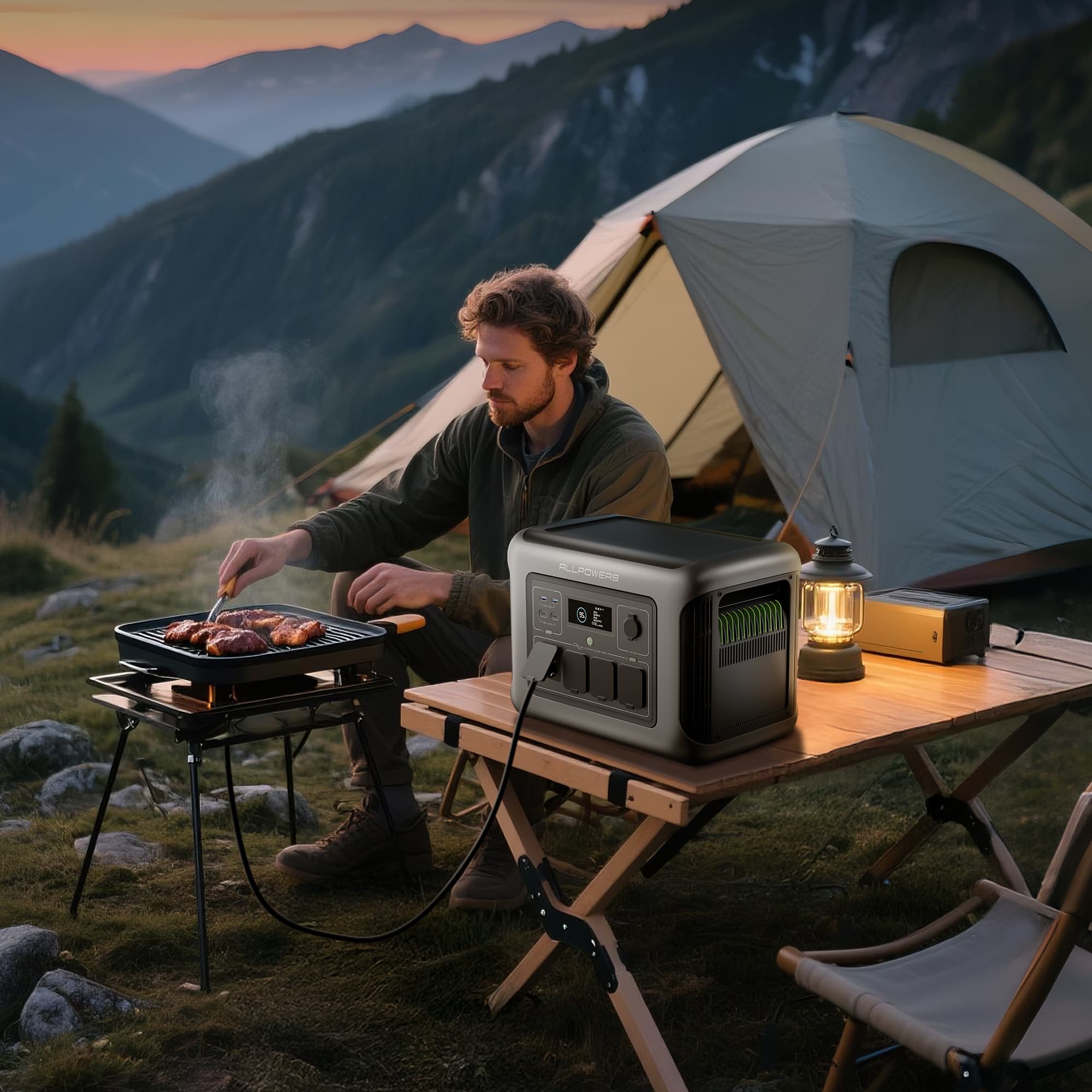
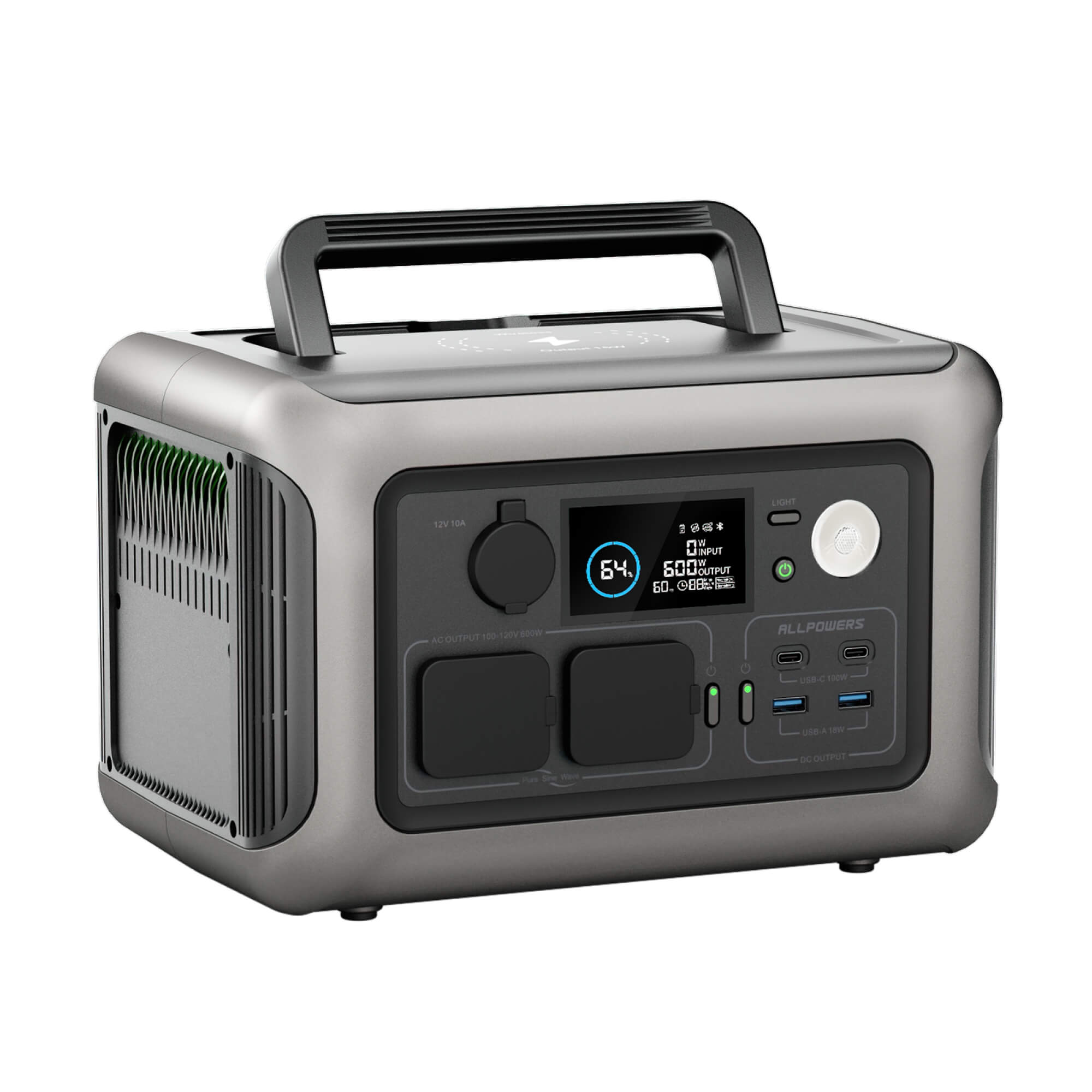
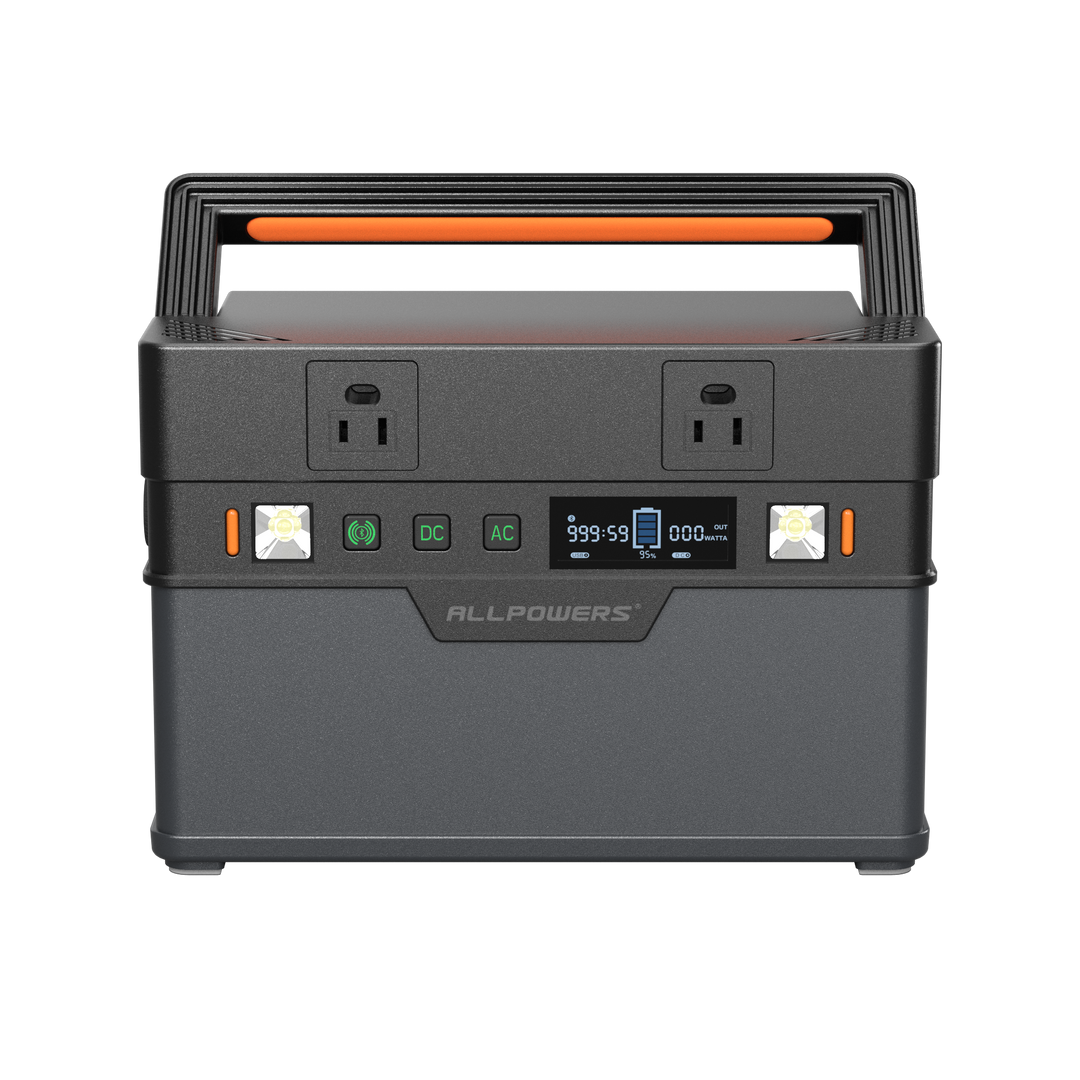
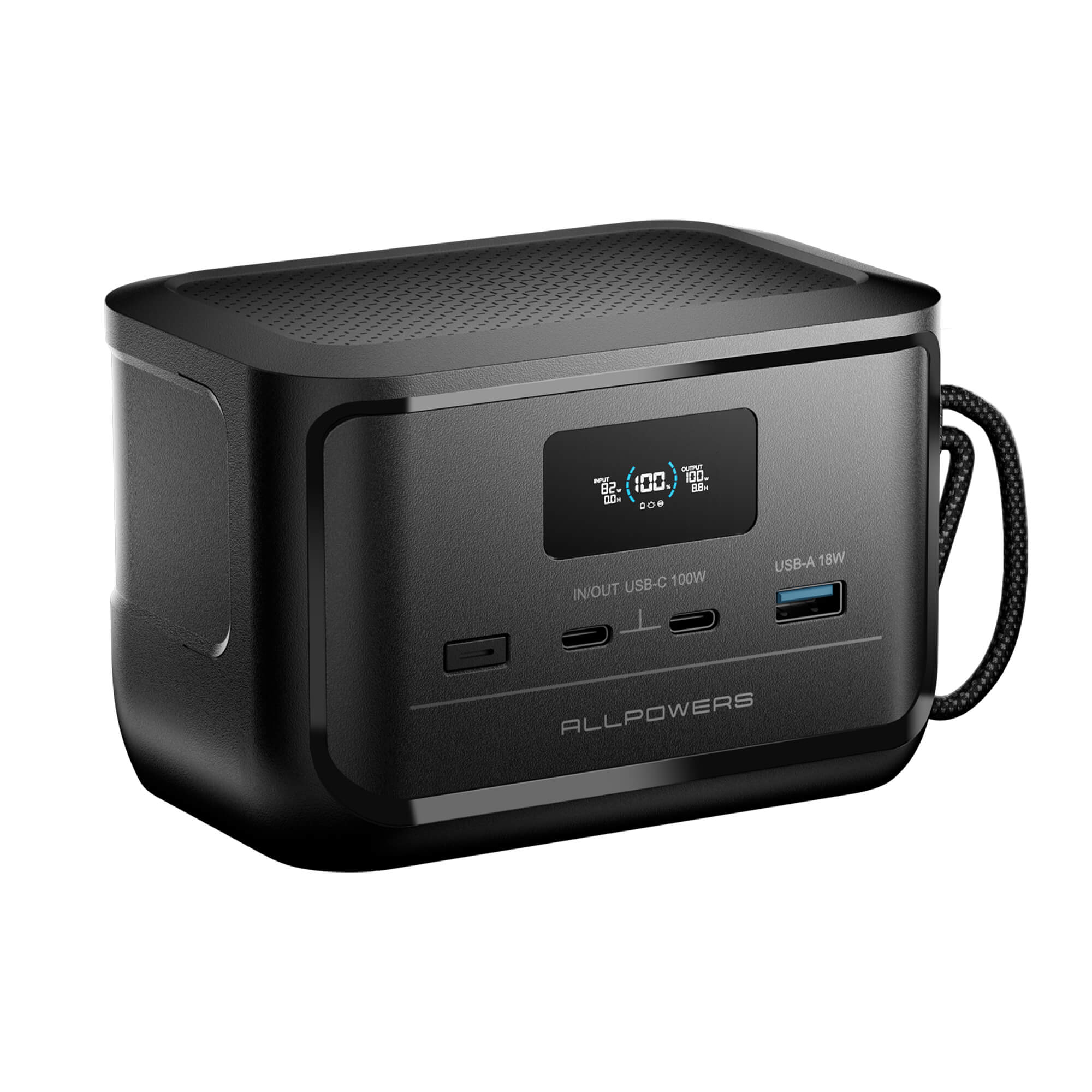
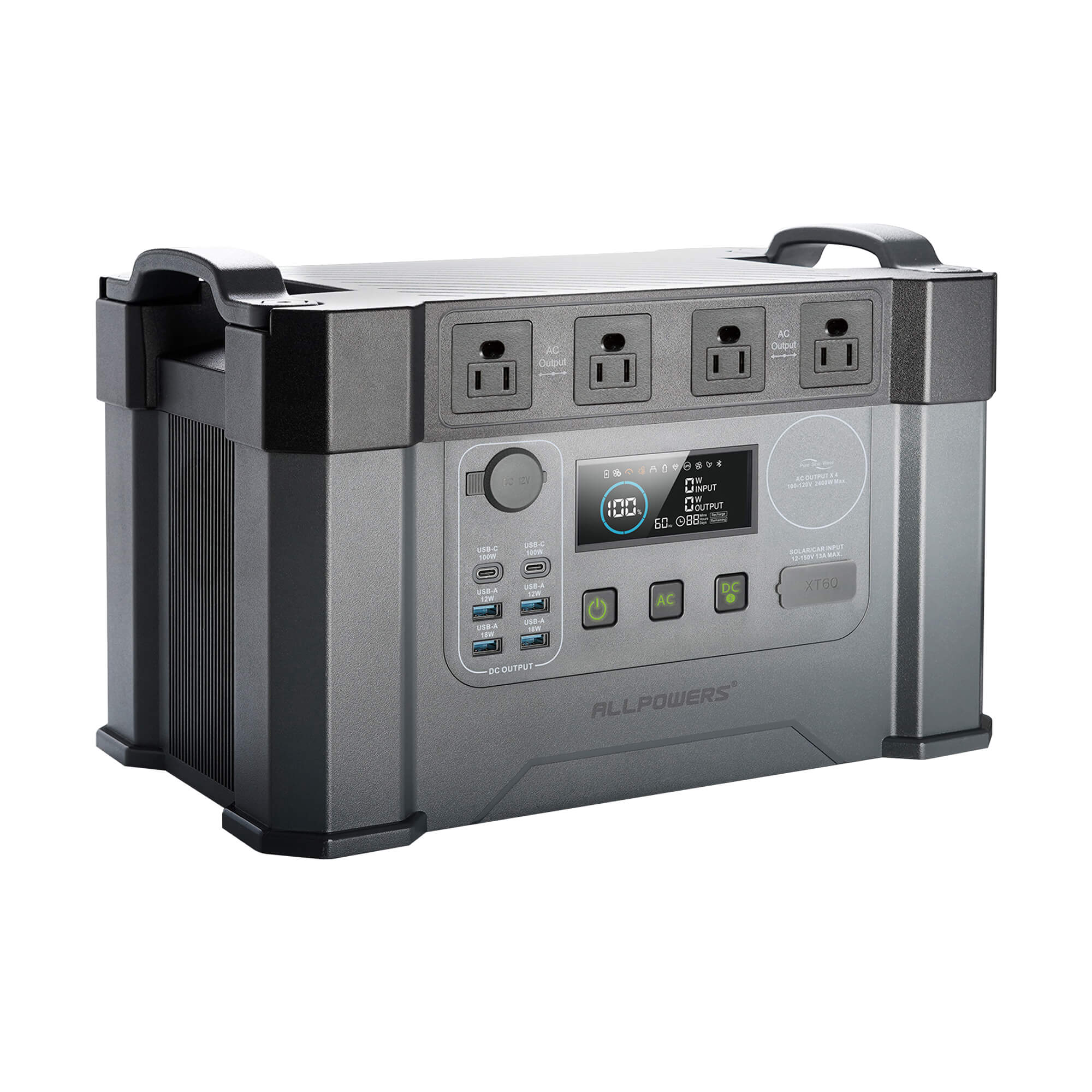
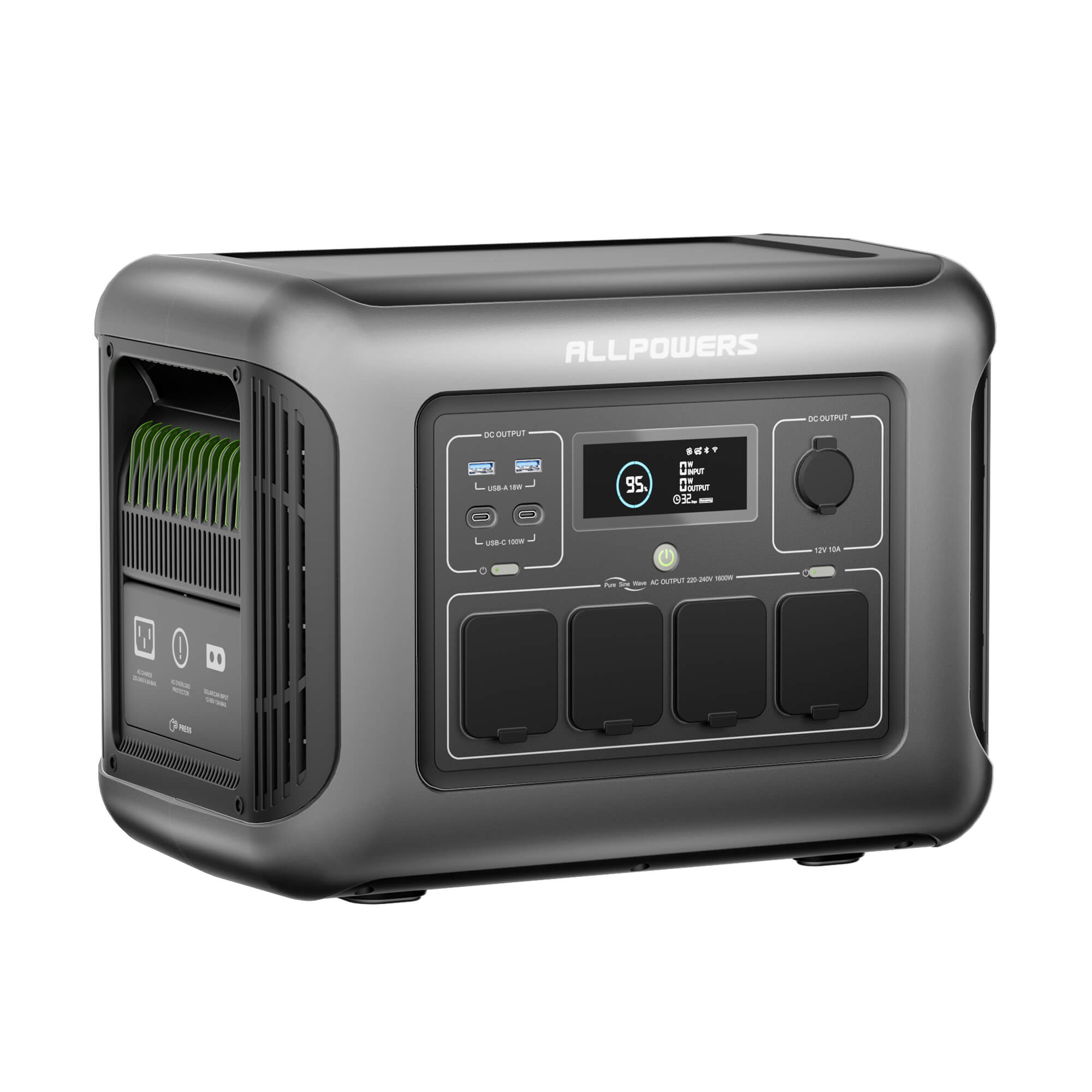
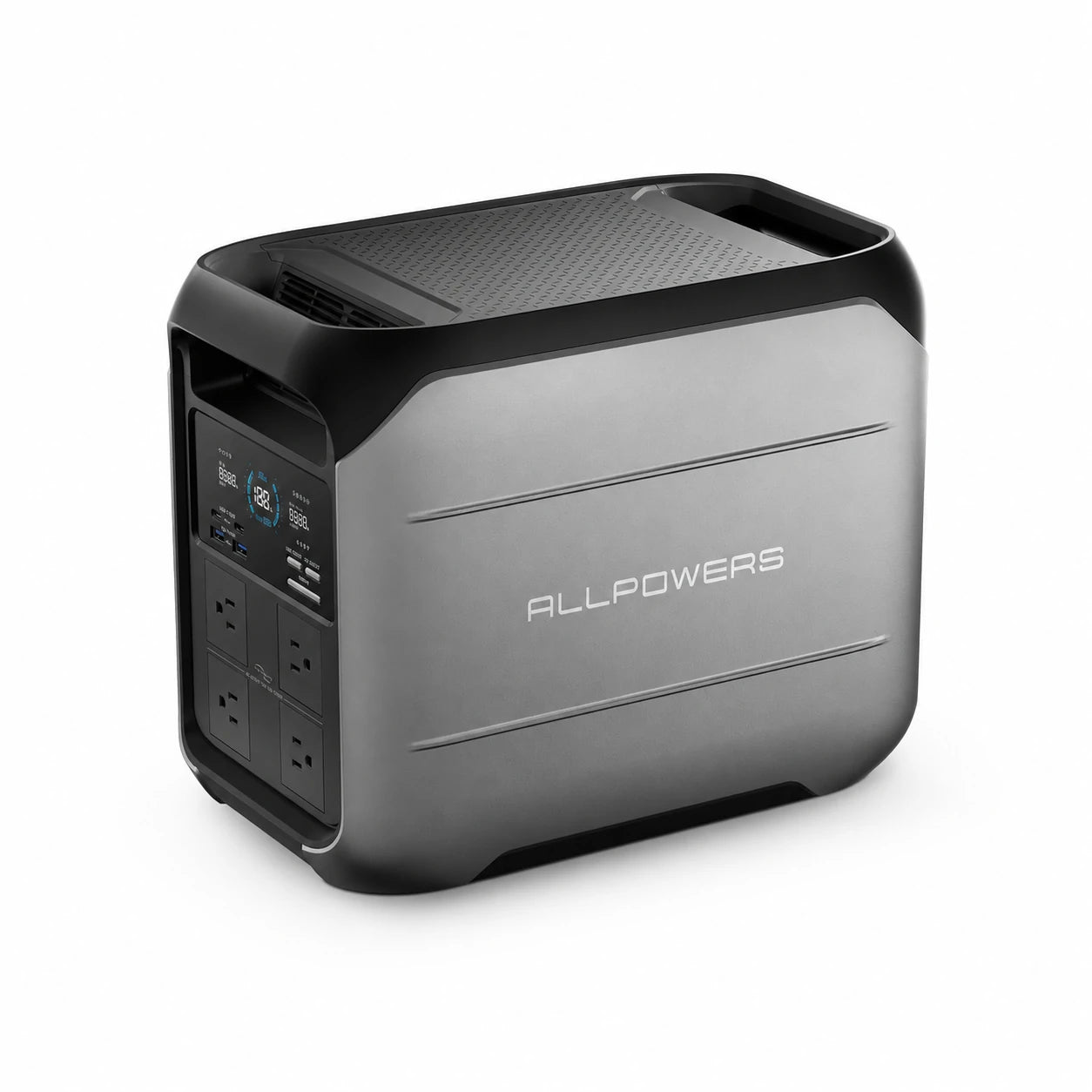
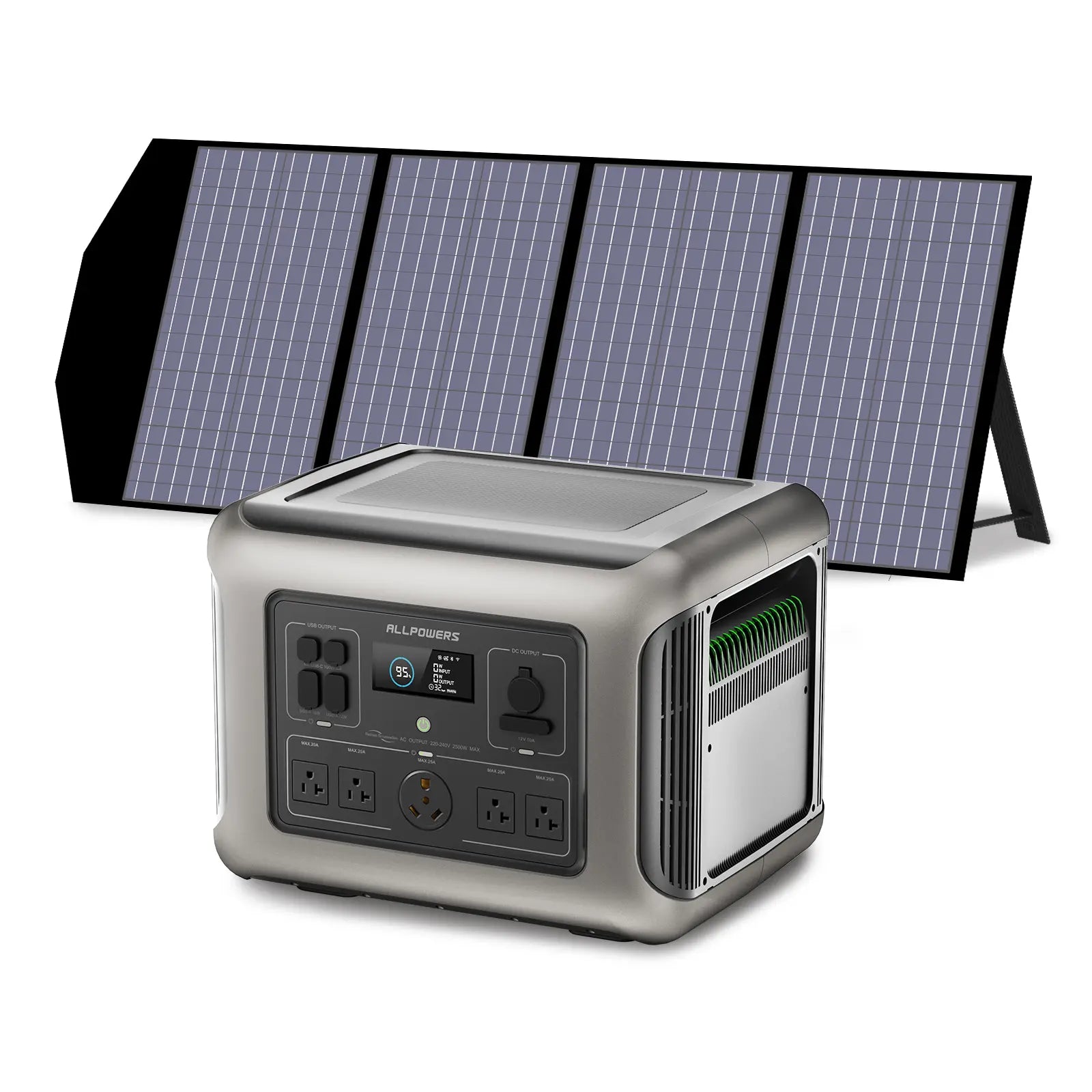
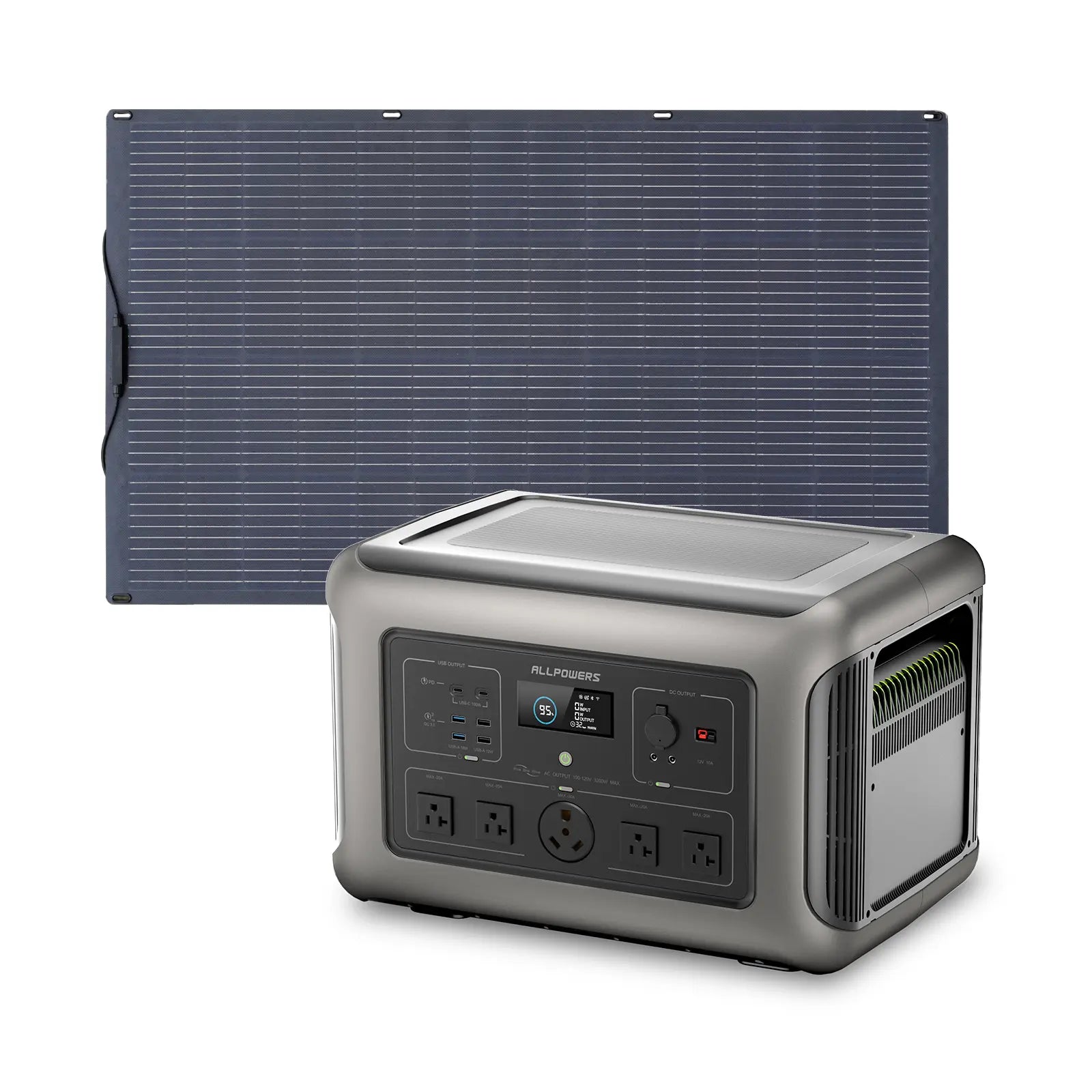
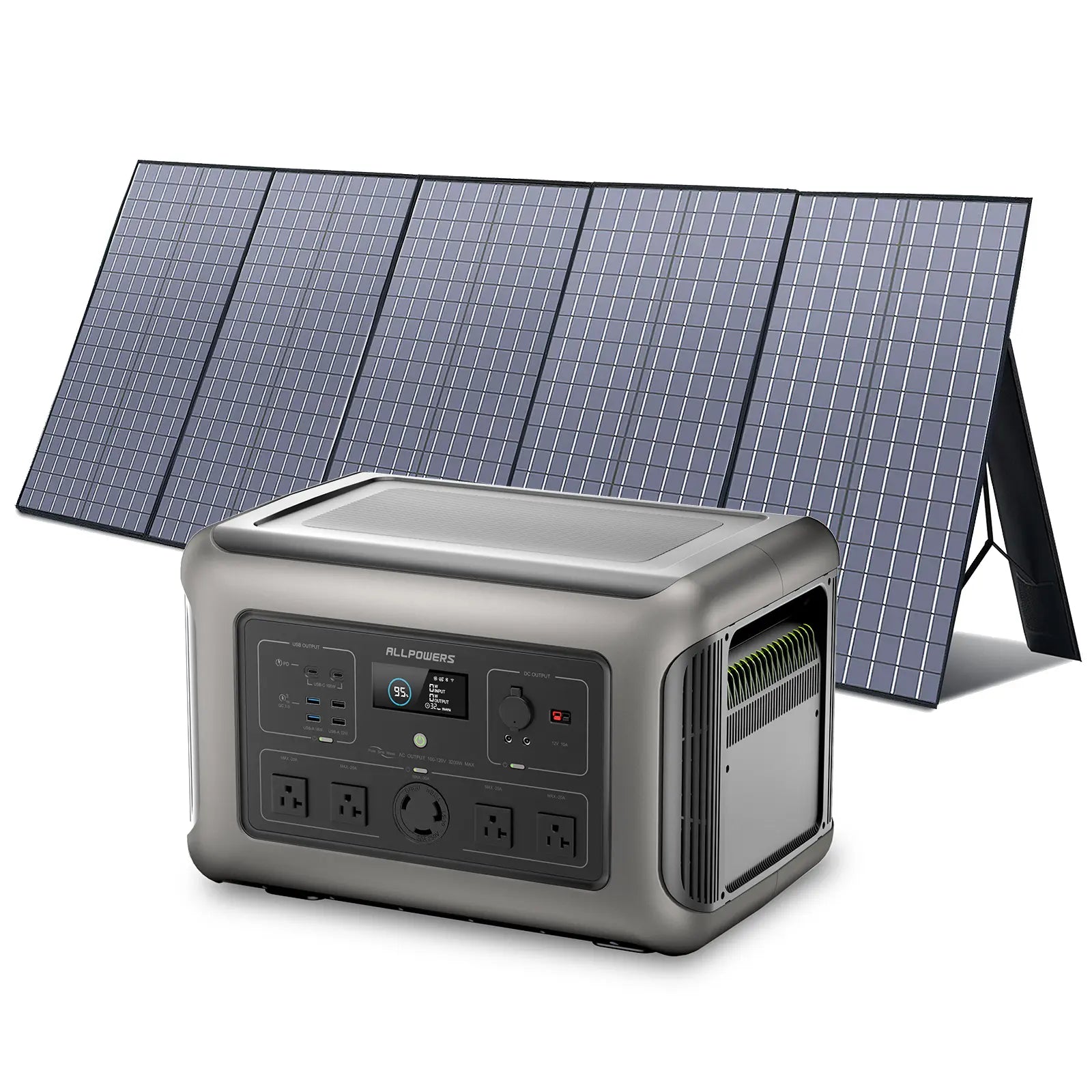
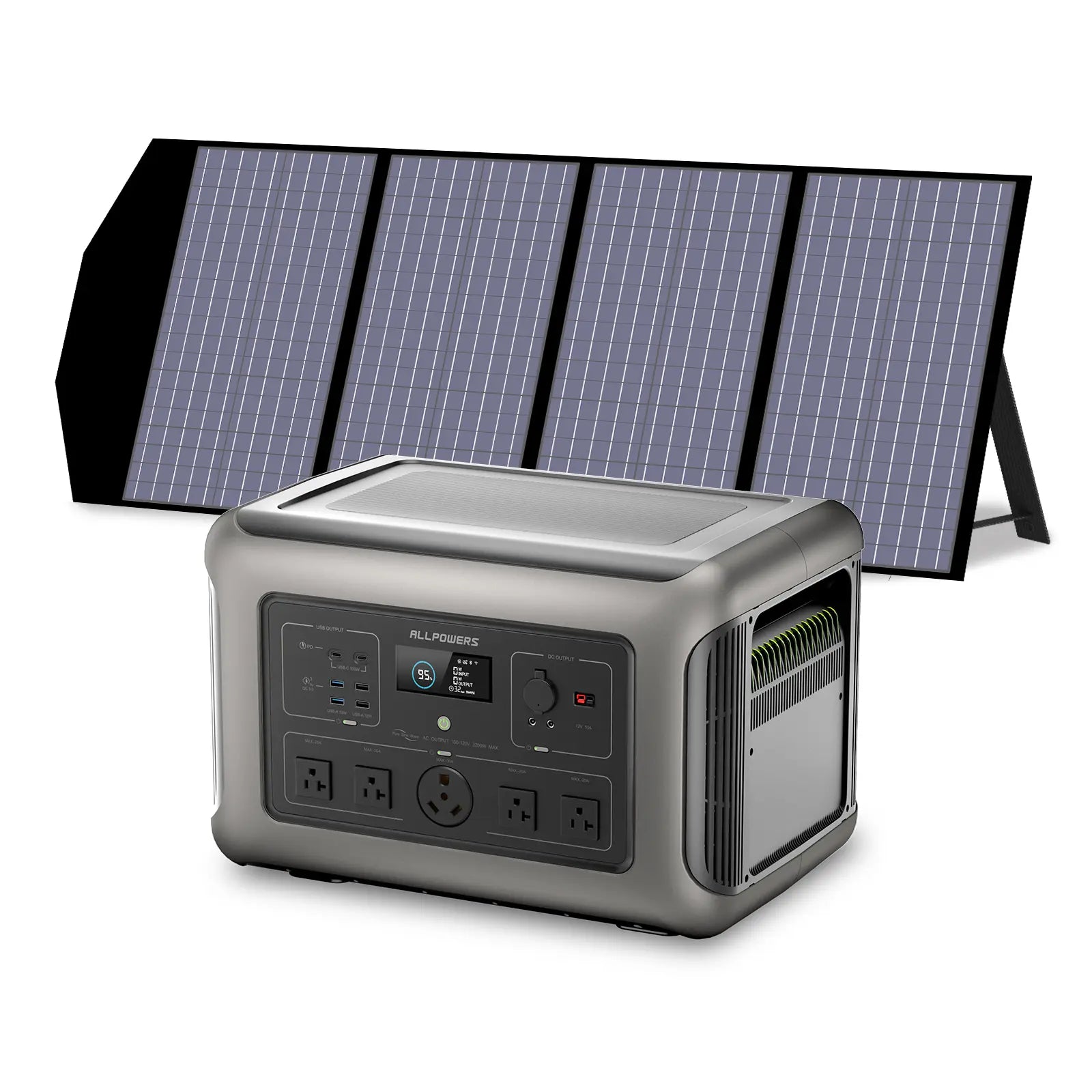
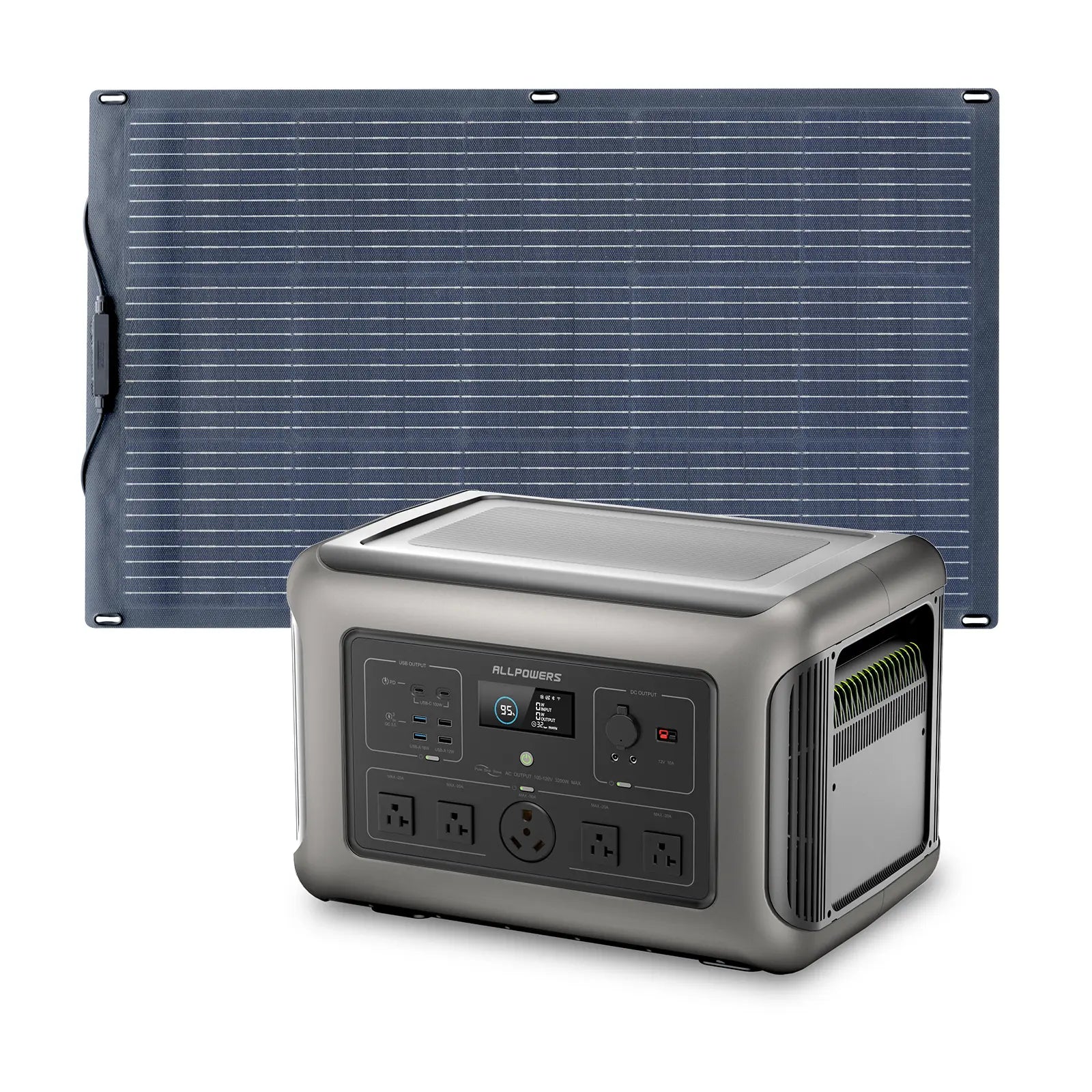
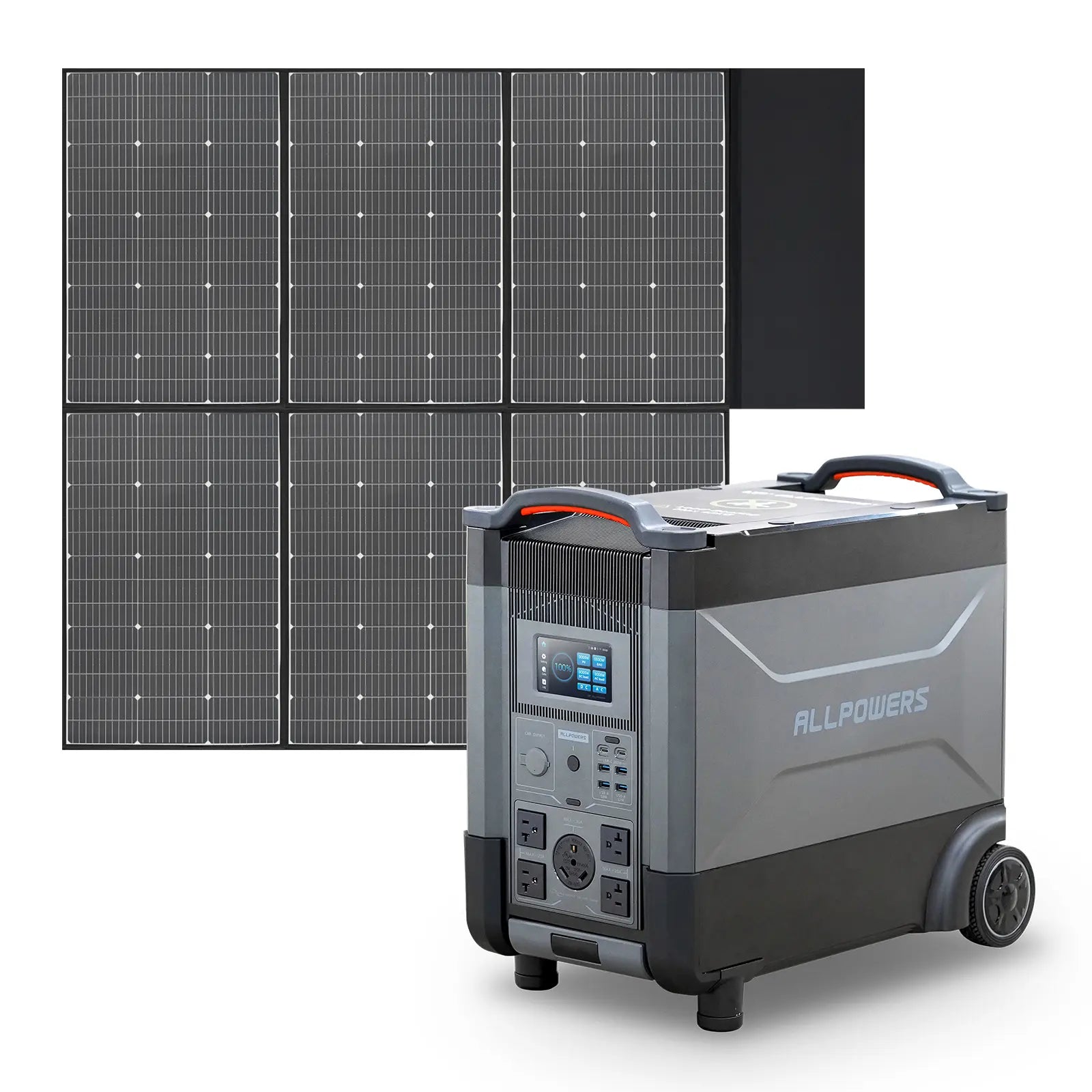
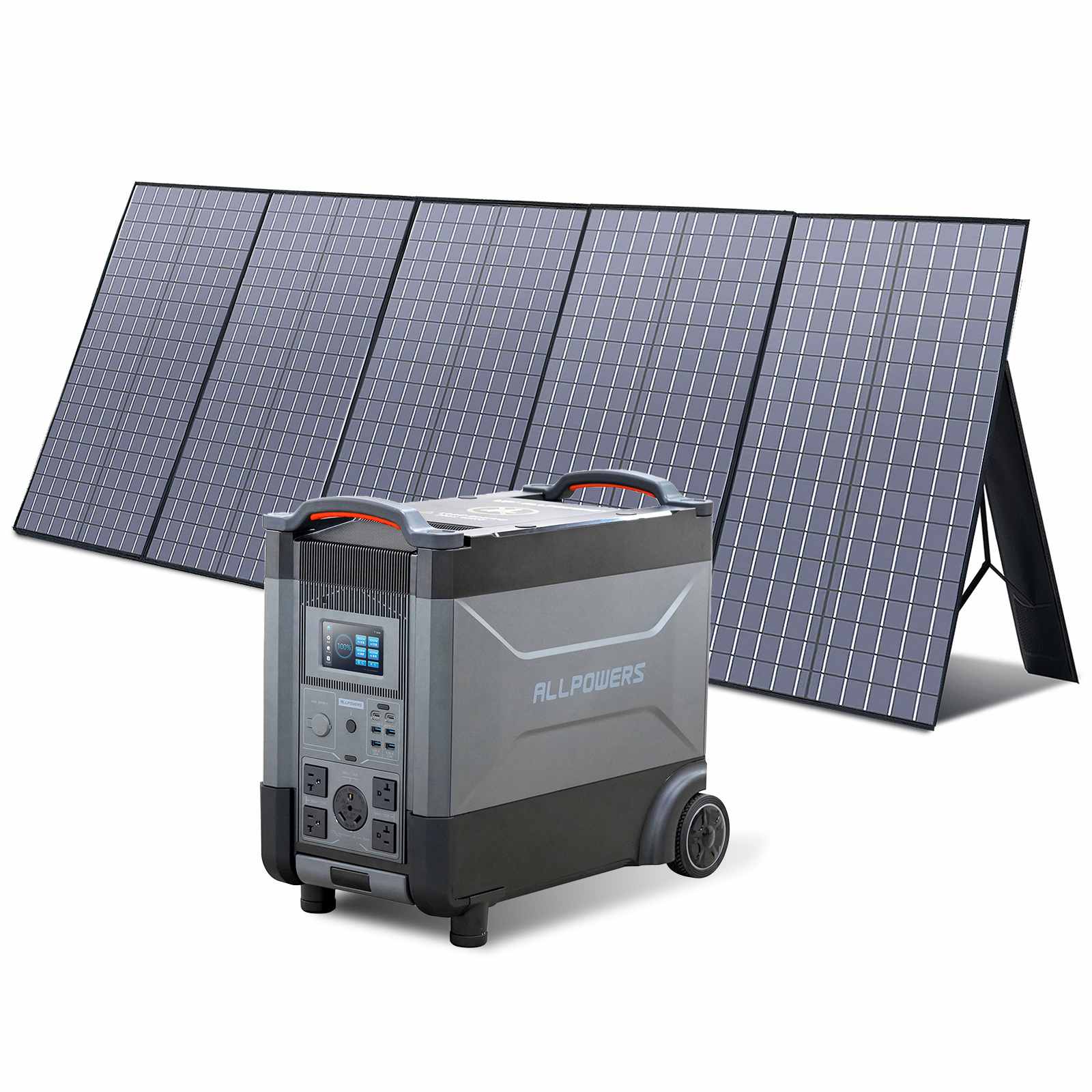
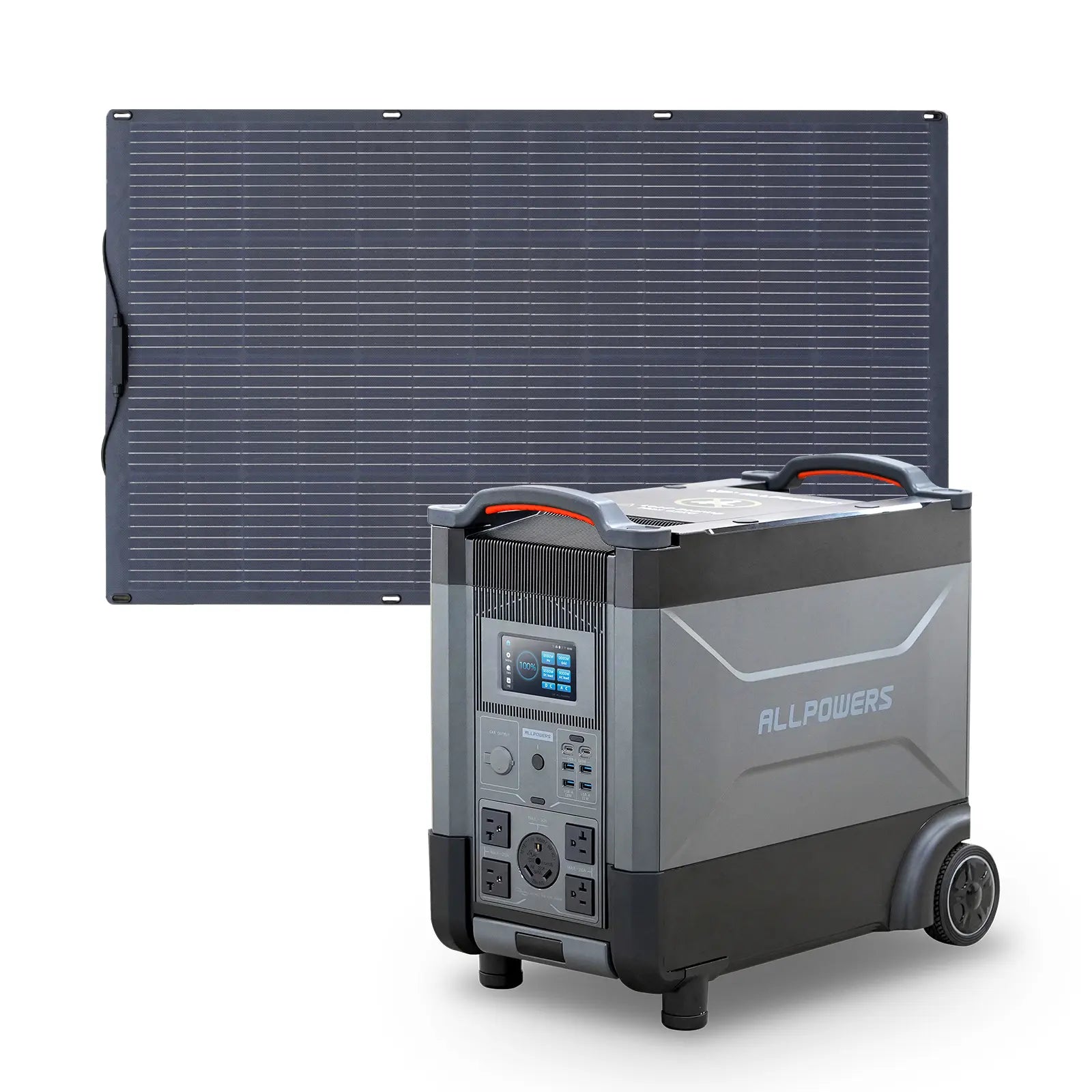
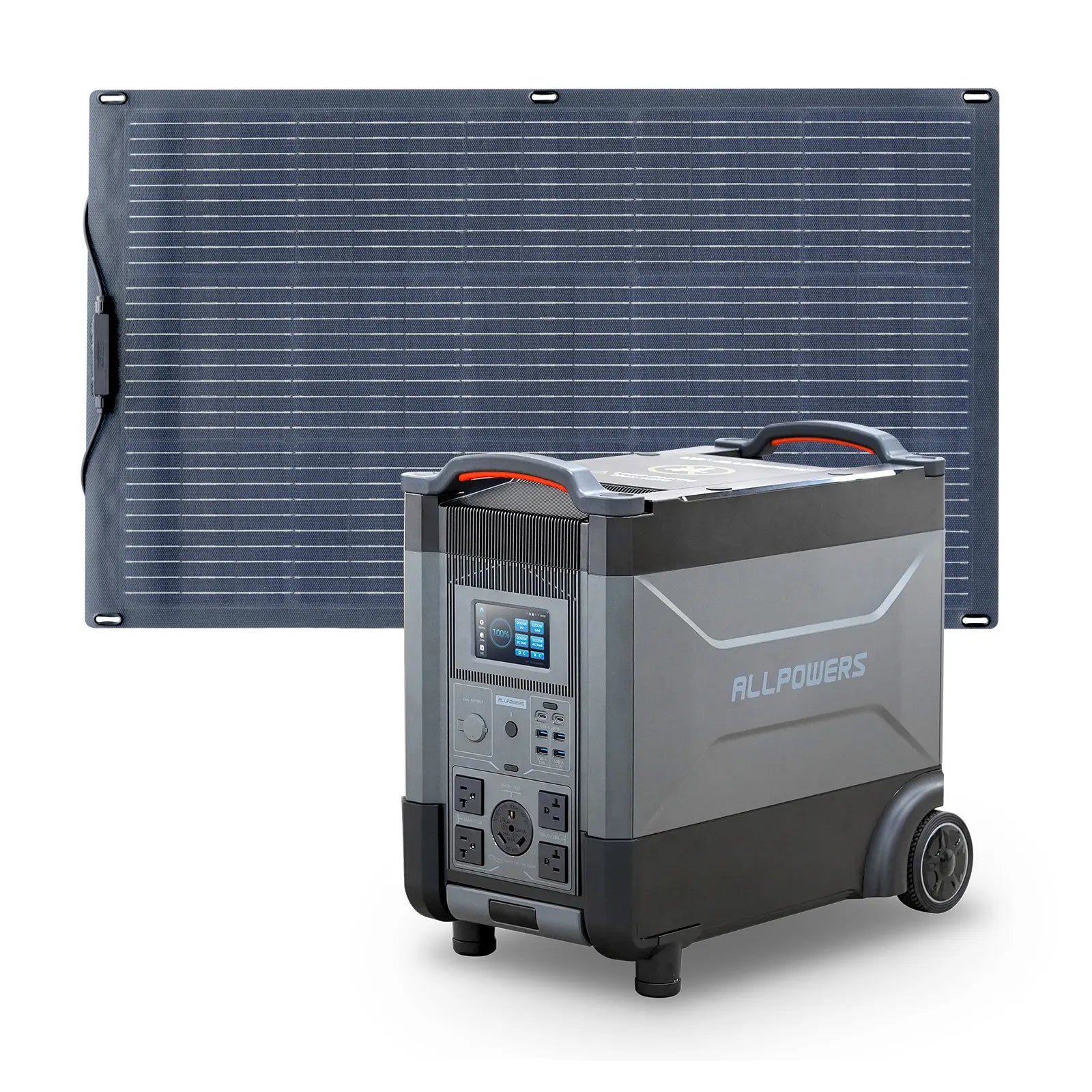
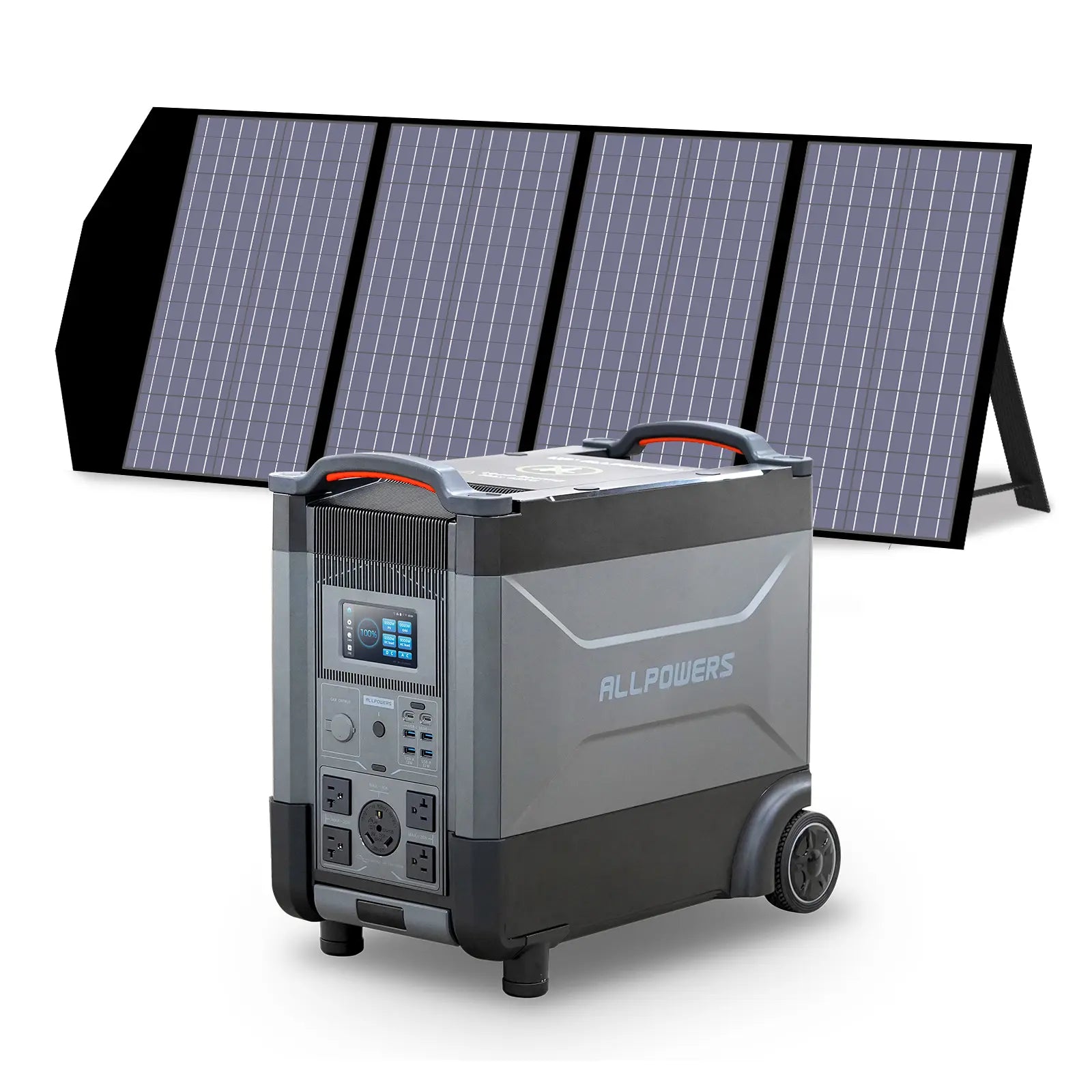
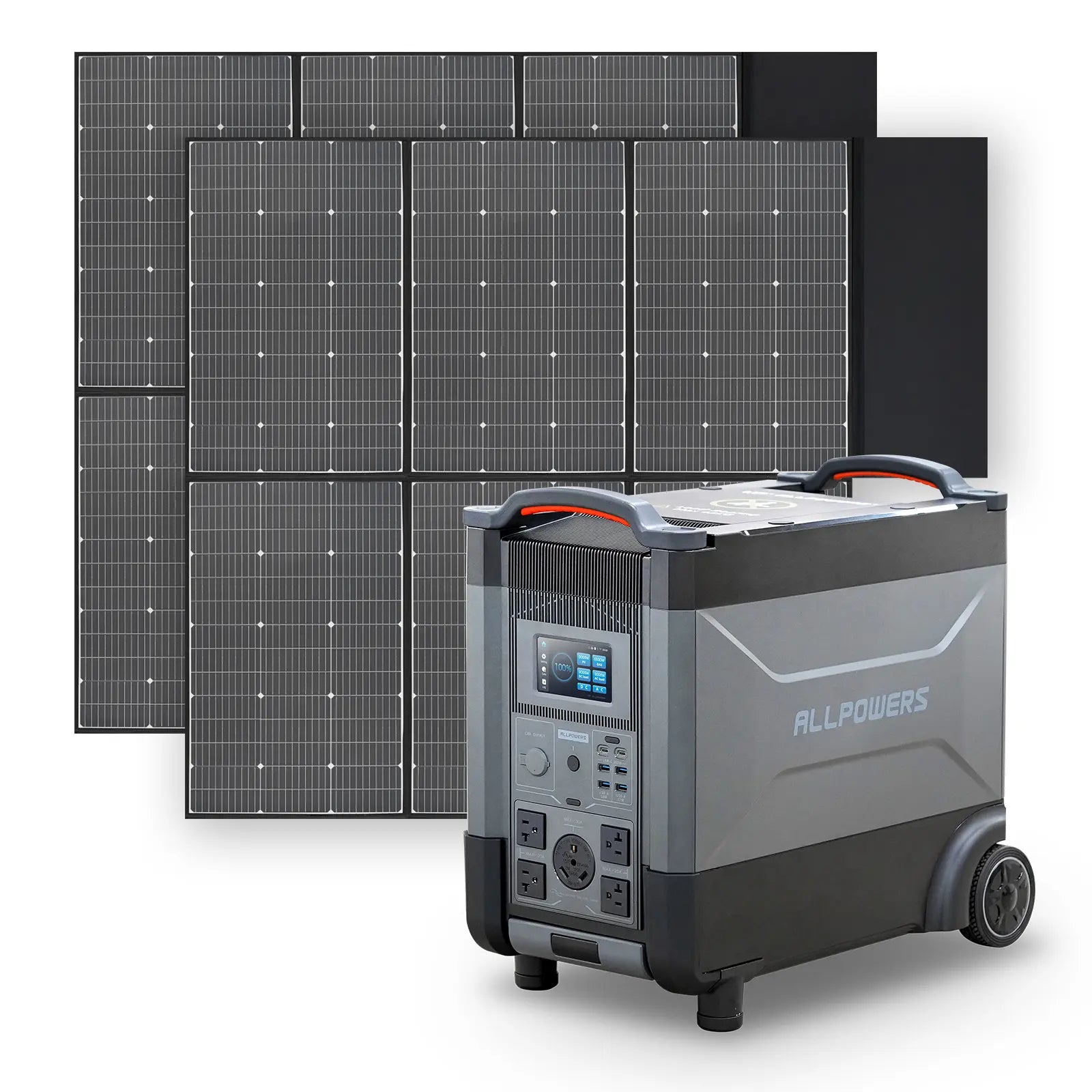
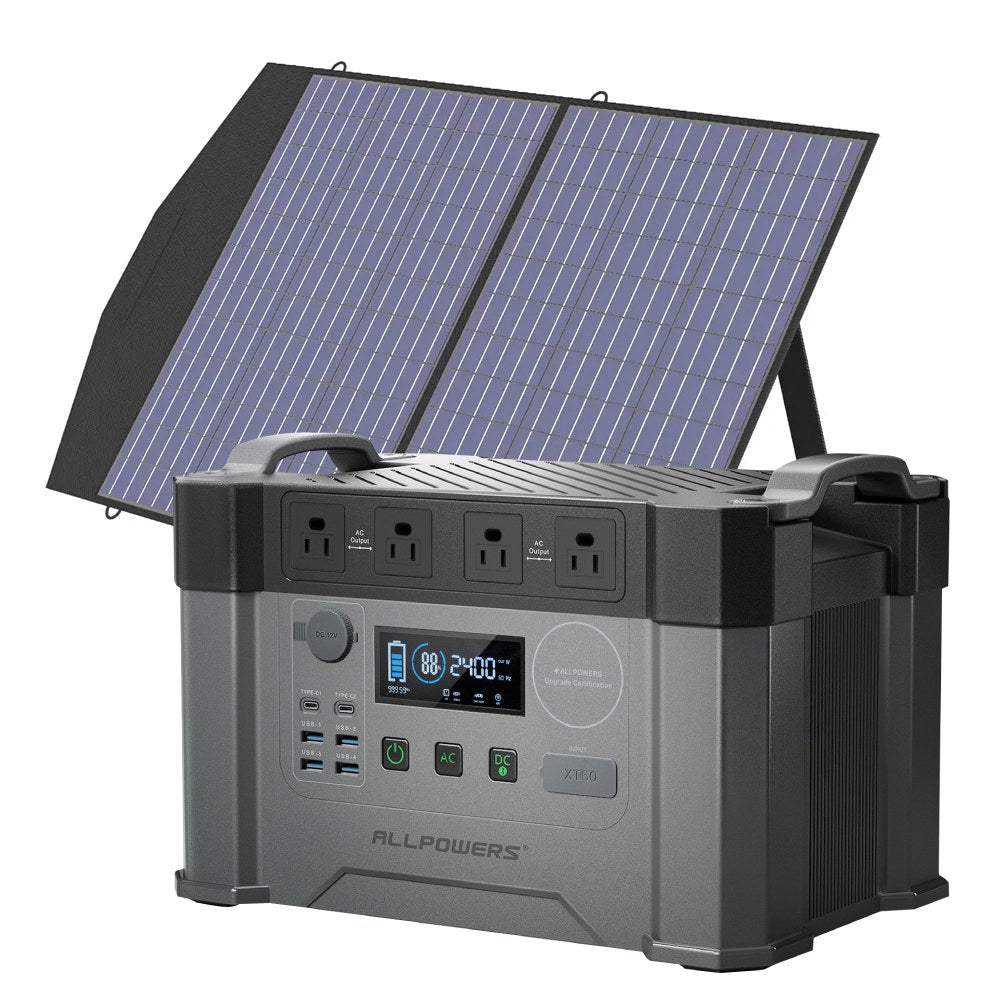
For travelers who need quiet and flexible electricity for electronics, communication equipment, and daily essentials, portable power stations can provide stored energy that works alongside solar charging and other RV systems.
Although solar energy is useful, it is not unlimited. Several cloudy days can reduce available energy production, especially if electricity consumption remains unchanged.
How Can You Make a Solar Generator More Efficient?
A successful RV energy system is not only about adding more capacity. Efficiency plays an equally important role.
Use Energy-Efficient Appliances
LED lighting, efficient refrigerators, and low-power electronics reduce daily electricity demand and help stored energy last longer.
Monitor Your Energy Usage
Tracking which appliances consume the most power helps RV owners make better decisions about what to run and when.
Prioritize Essential Loads
During extended off-grid trips, separating essential equipment from optional entertainment devices can significantly improve reliability.
Planning an RV Power System That Fits Your Lifestyle
A solar generator can power an RV, but success depends on matching the system with your actual lifestyle.
The biggest mistake many RV owners make is focusing only on generation capacity instead of understanding their daily electricity habits.
For many travelers, combining solar charging, efficient appliances, and stored energy creates a balanced approach to off-grid camping.
Portable power stations can also support flexible energy management by providing stored electricity for electronics and smaller RV loads when traditional hookups are unavailable.
The goal of an RV power system is not necessarily to run every household appliance indefinitely.
It is to provide reliable electricity where it matters most while allowing you to enjoy the freedom of traveling beyond traditional campsites.
Frequently Asked Questions
Can a solar generator power a whole RV?
Yes, but the ability to power an entire RV depends on battery size, inverter capacity, solar input, and the appliances being used.
Can solar power run an RV refrigerator?
Yes. RV refrigerators are generally much easier to support than high-demand appliances like air conditioners.
How much solar power does an RV need?
The required solar capacity depends on daily energy consumption, travel habits, and whether you need to power high-energy appliances.
Can I run an RV air conditioner with solar power?
It is possible with a sufficiently large battery, inverter, and solar system, but air conditioning requires significantly more planning than everyday RV electronics.