






Summer is one of the most popular seasons for RV travel, offering longer days, better road conditions, and more opportunities to explore outdoor destinations.
However, unlike traditional homes, RVs have smaller interiors, thinner walls, and limited insulation, which means they can heat up quickly under direct sunlight.
So, what are the most effective ways to keep an RV cool during hot summer days?
TL;DR: Air conditioning is the fastest way to cool your RV, but stopping heat before it gets inside is what saves power. Strategic parking, sunshades, better insulation, and turning off heat-generating electronics will drastically improve your summer comfort.
Why RVs Get So Hot in Summer
RVs are designed for mobility rather than maximum thermal efficiency. Compared with houses, most recreational vehicles have thinner walls, smaller insulation layers, and more exposed surfaces that absorb sunlight throughout the day.
When an RV is parked under direct sunlight, the roof, windows, and exterior walls can absorb significant amounts of heat.
This heat gradually transfers into the living area, making the interior temperature rise even when the outside air feels manageable.
Because RVs have limited space, temperatures can increase quickly. A vehicle that feels comfortable in the morning may become uncomfortable within a few hours if heat prevention measures are ignored.
Preparing Your RV for Hot Weather Travel
A comfortable summer RV trip starts before leaving home. Preparing your vehicle and cooling strategy in advance can prevent problems when temperatures rise.
Check Your Cooling System
Inspect air conditioner filters, vents, and electrical connections before summer trips begin.
Plan Your Campsite Location
Choosing shaded campsites and considering sun exposure throughout the day can greatly reduce cooling demands.
Monitor Weather Conditions
Extreme heat waves may require additional preparation, especially when traveling in areas with limited access to electricity.
How to Use an RV Air Conditioner Efficiently
For most RV owners, the air conditioner is the primary tool for managing summer heat. However, RV air conditioners can consume a significant amount of electricity, especially when running continuously during extremely hot weather.
Choose the Right Temperature Setting
Setting the thermostat extremely low does not always cool an RV faster. Instead, maintaining a reasonable indoor temperature allows the system to operate more efficiently while reducing unnecessary energy consumption.
Clean Air Filters Regularly
Dirty air filters restrict airflow and force the air conditioner to work harder. Regular cleaning improves cooling performance and helps maintain better airflow throughout the RV.
Avoid Running the AC Against Excessive Heat
If an RV has already absorbed several hours of direct sunlight, the cooling system must remove a much larger amount of heat. Preventing heat buildup during the day makes air conditioning more effective later.
Can You Run an RV Air Conditioner Without Hookups?
Running an RV air conditioner without campground electricity is possible, but doing so requires a reliable alternative power source.
For a standard 13,500 to 15,000 BTU AC unit, a generator rated between 2,000 and 3,500 watts is generally required to start and operate the system reliably.
Inverter generators are particularly ideal for this setup because they run much quieter and provide cleaner electricity for sensitive electronics.
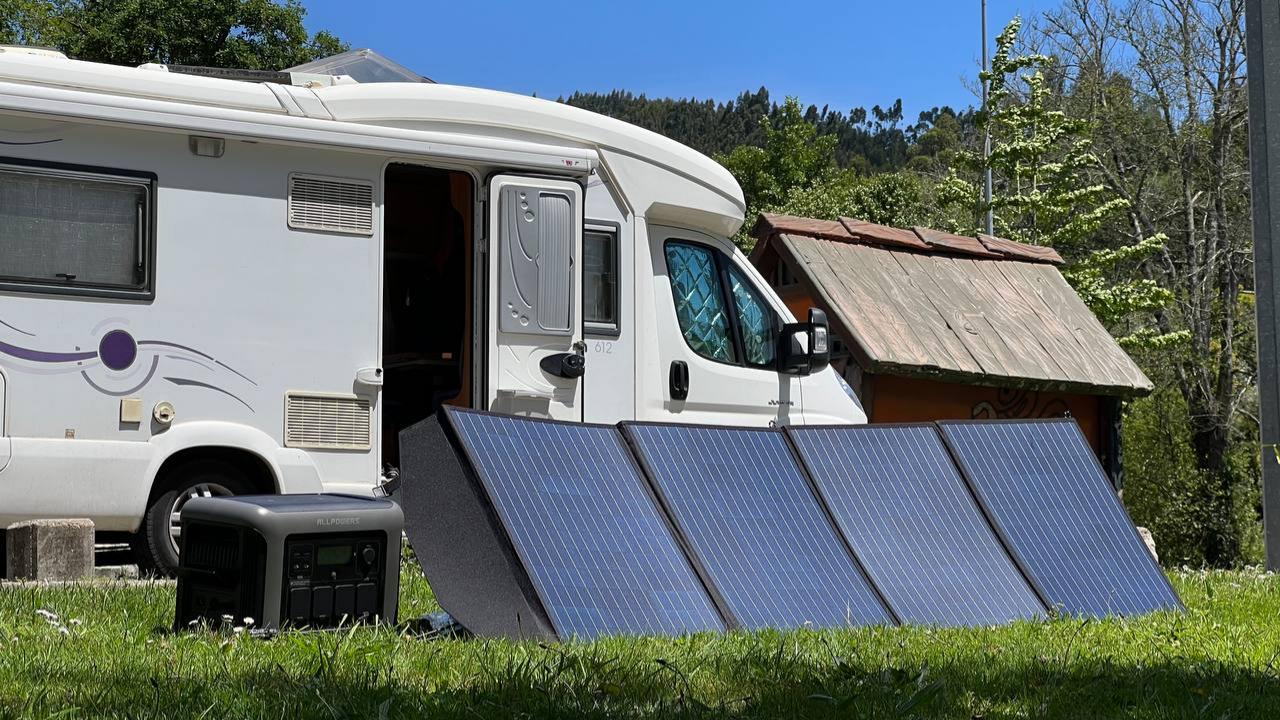
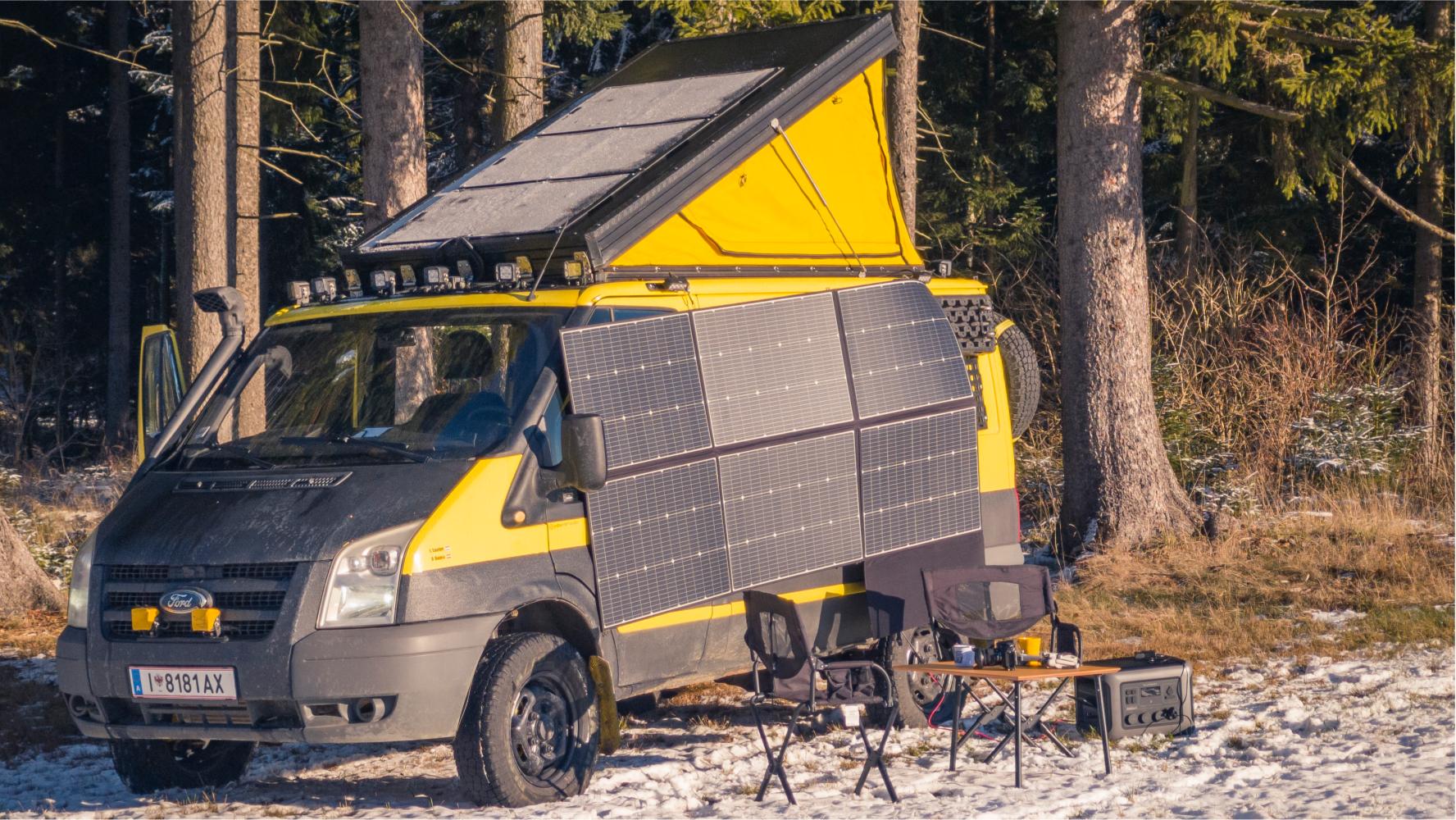
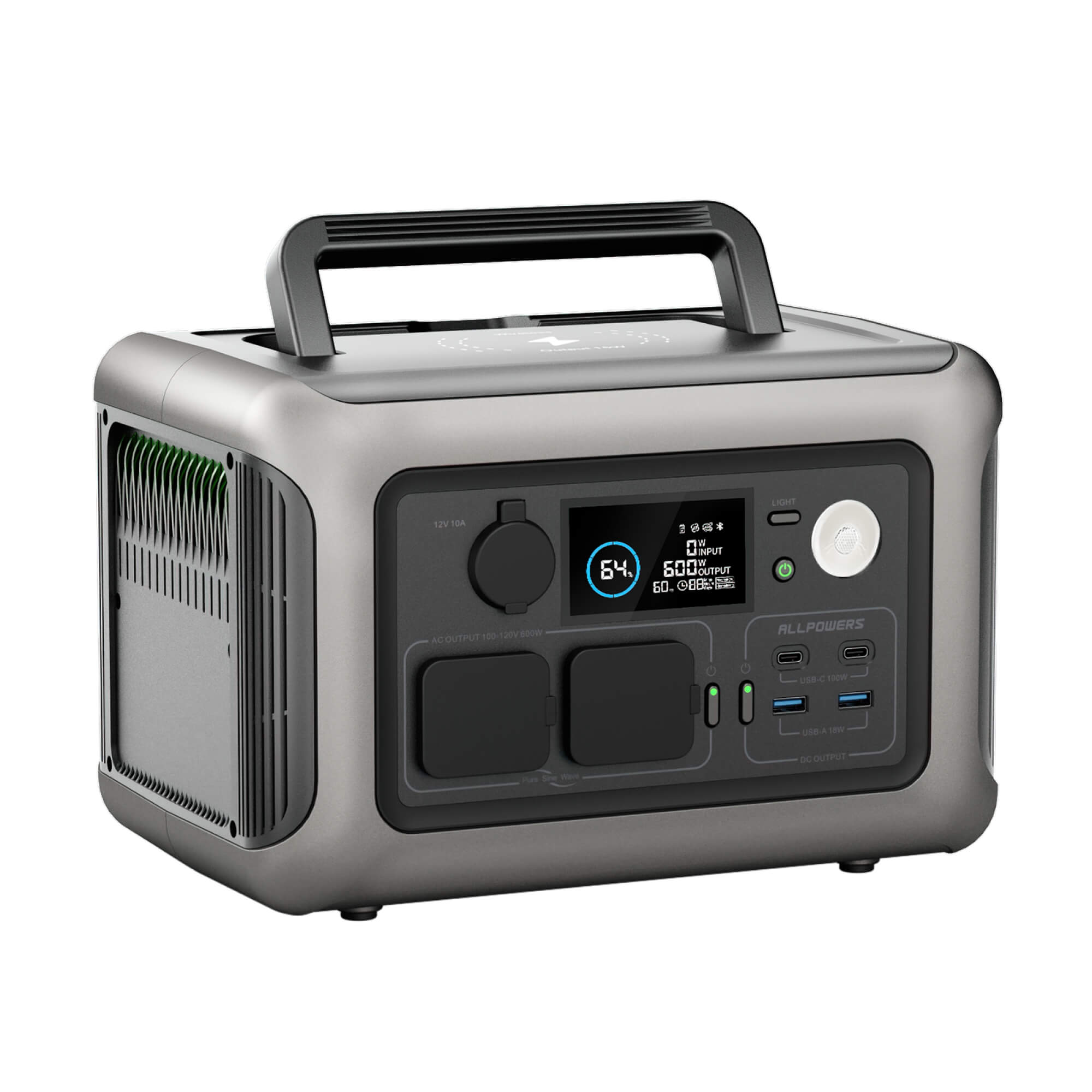
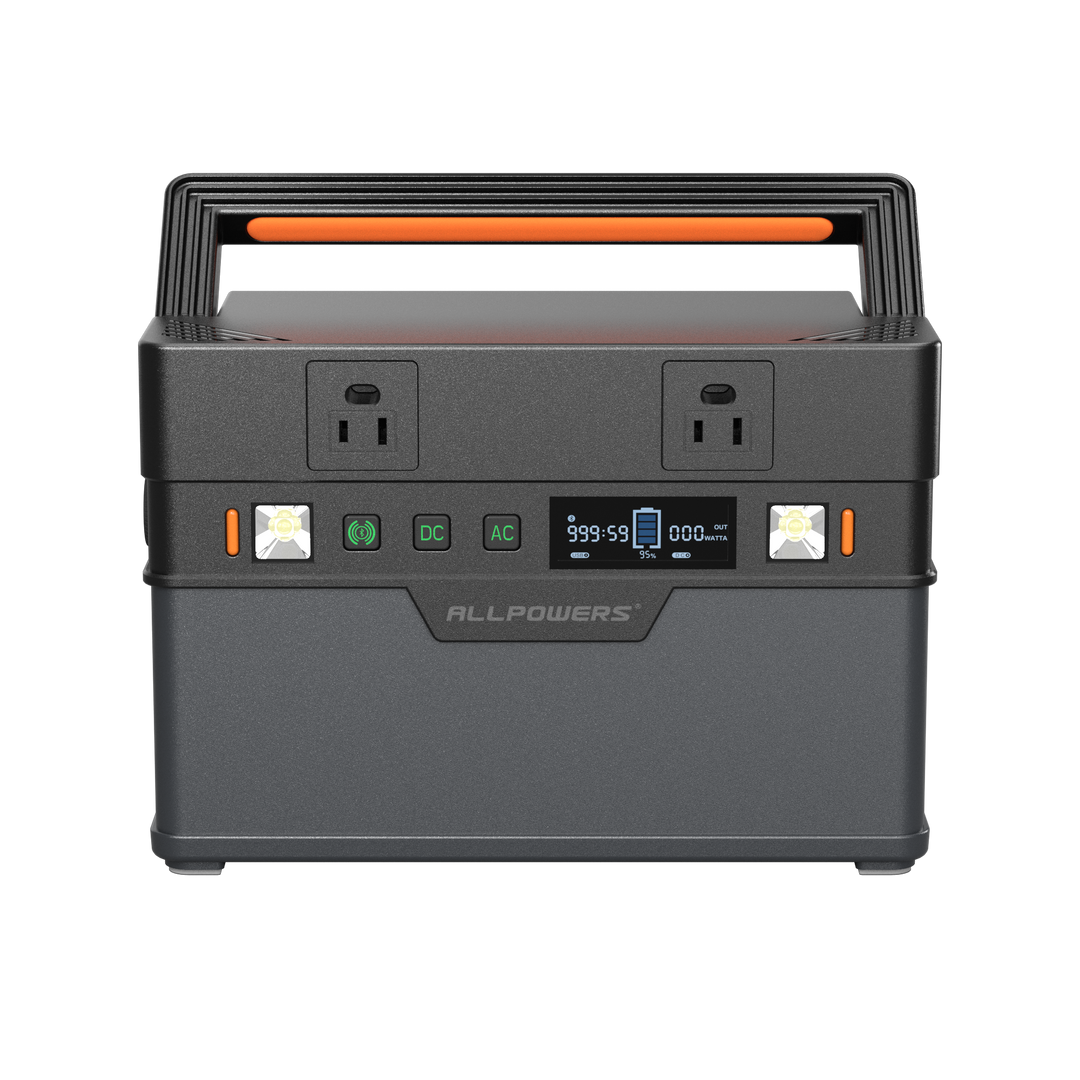
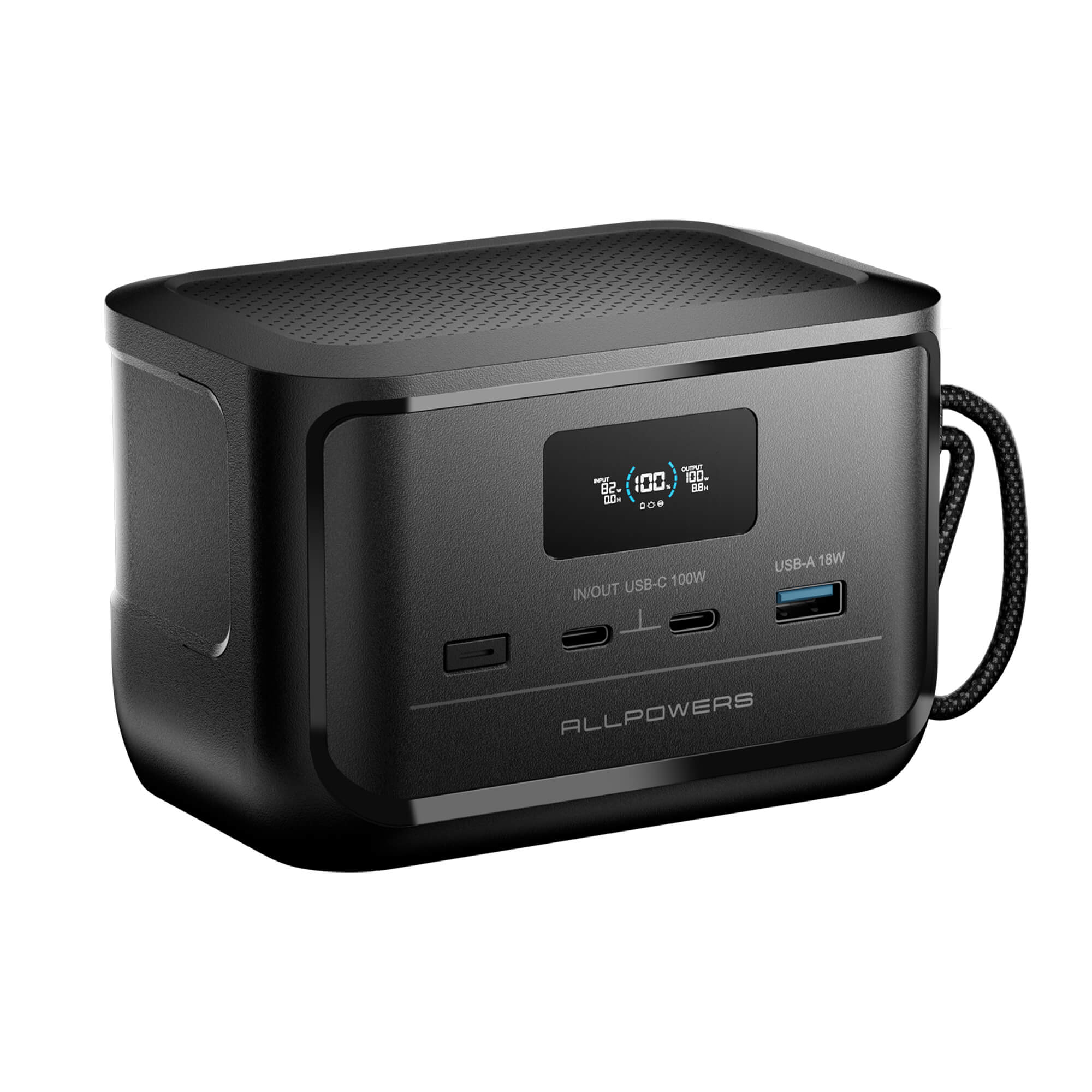
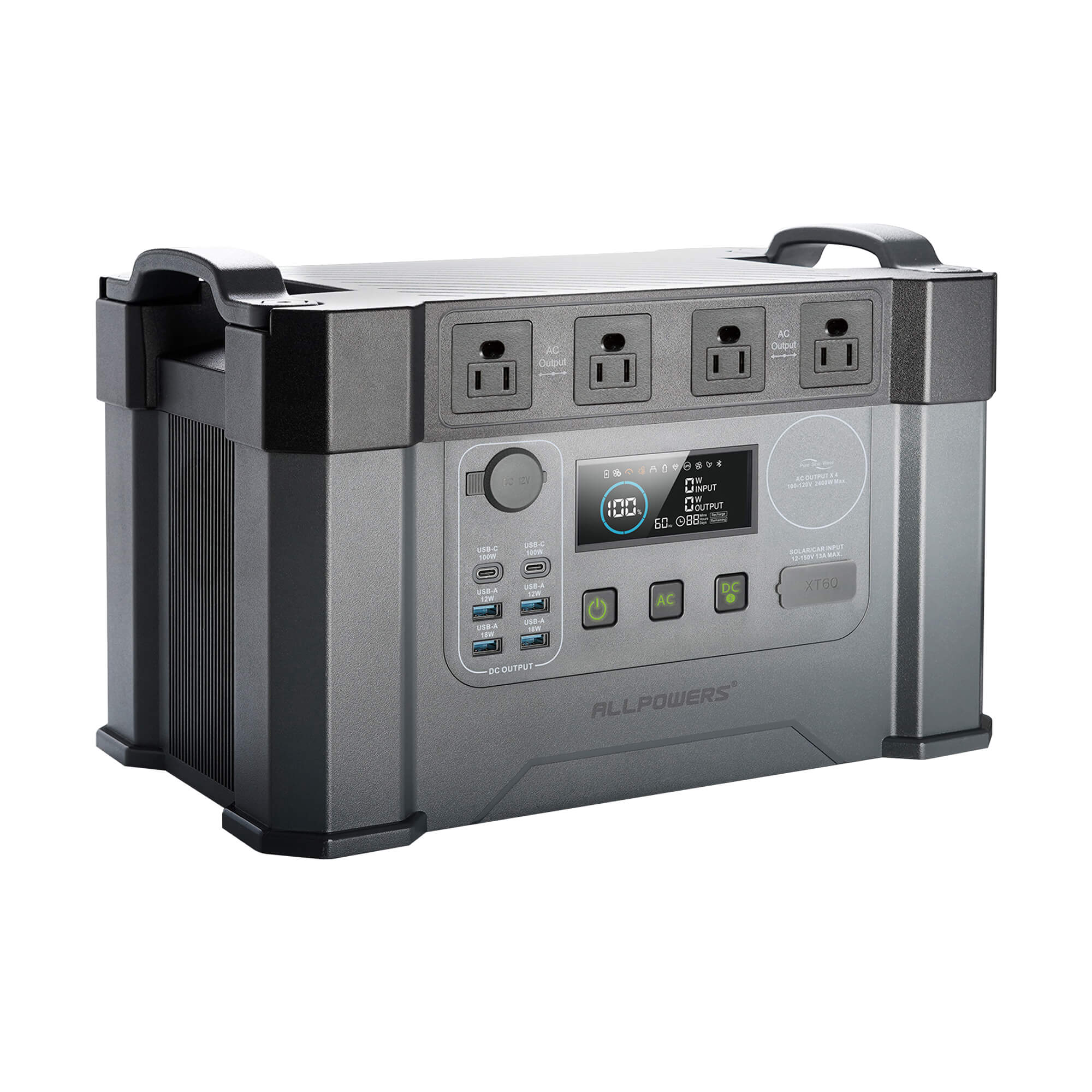
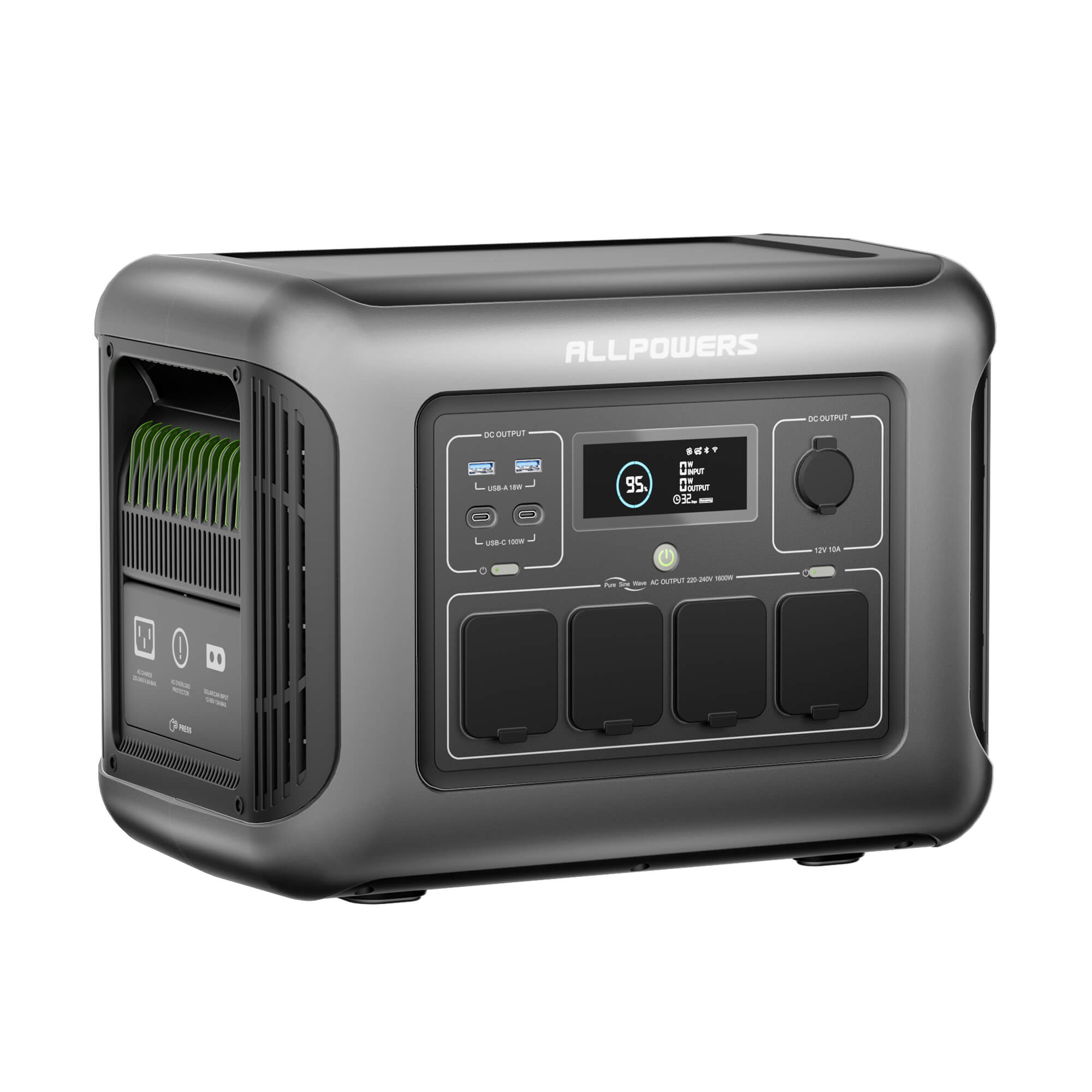
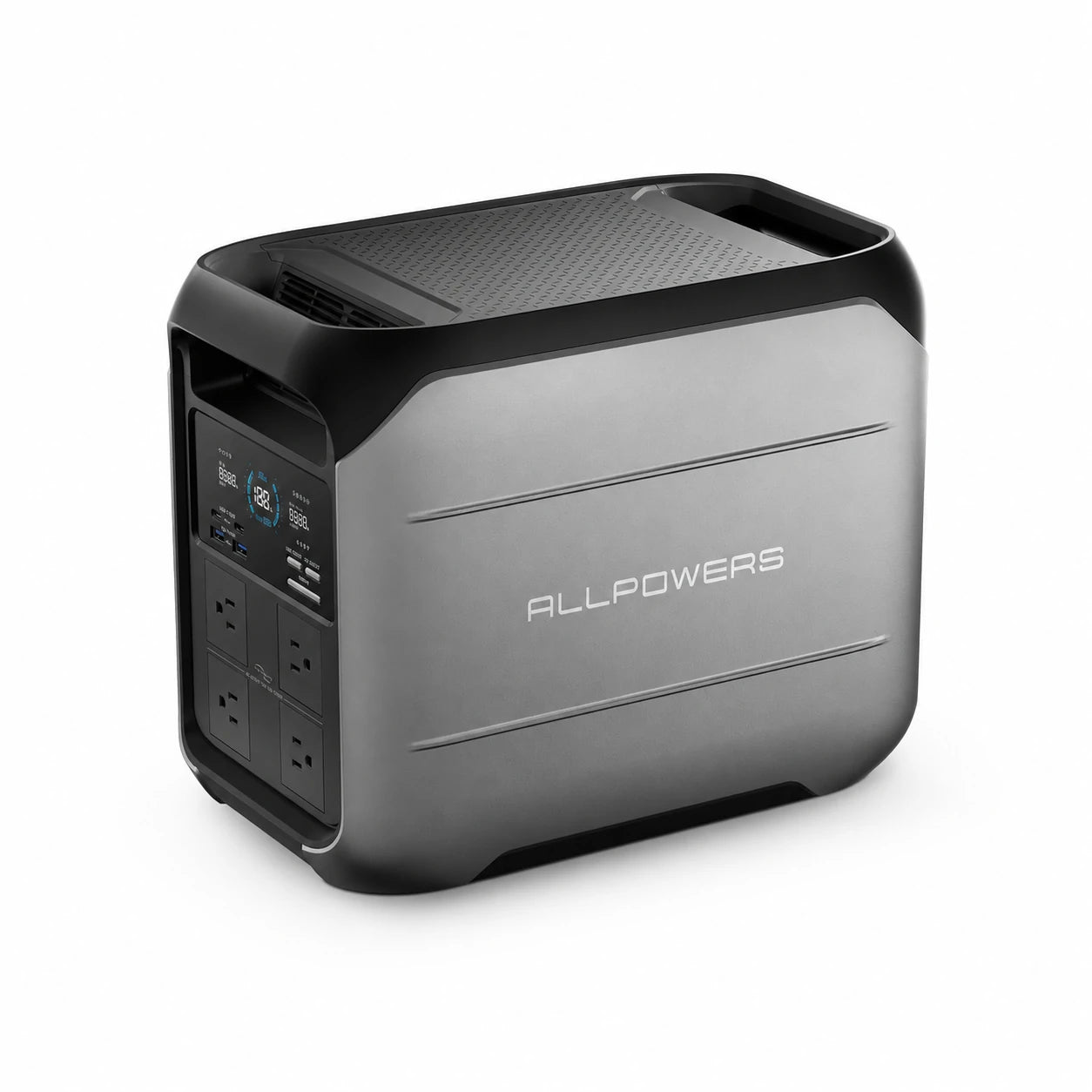
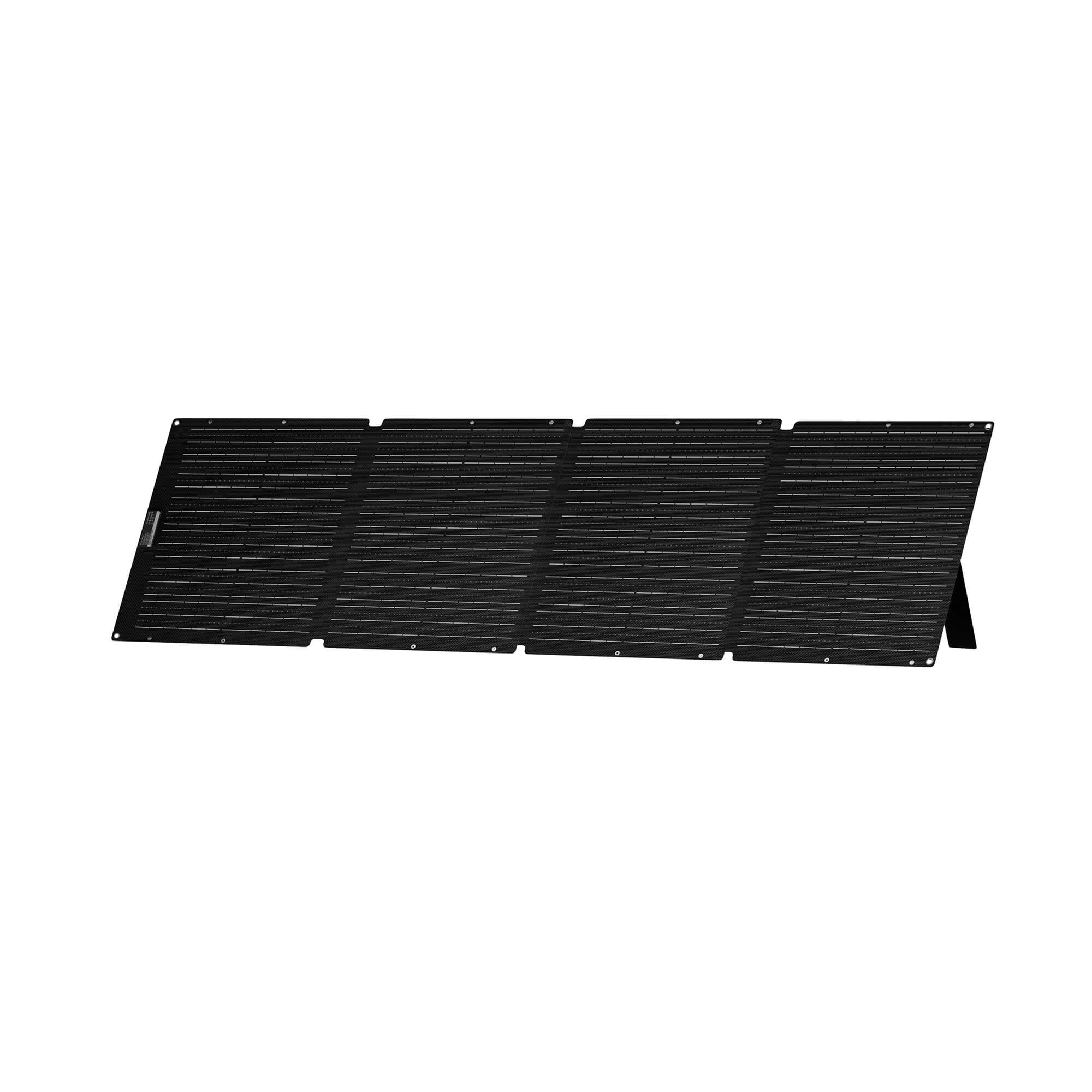
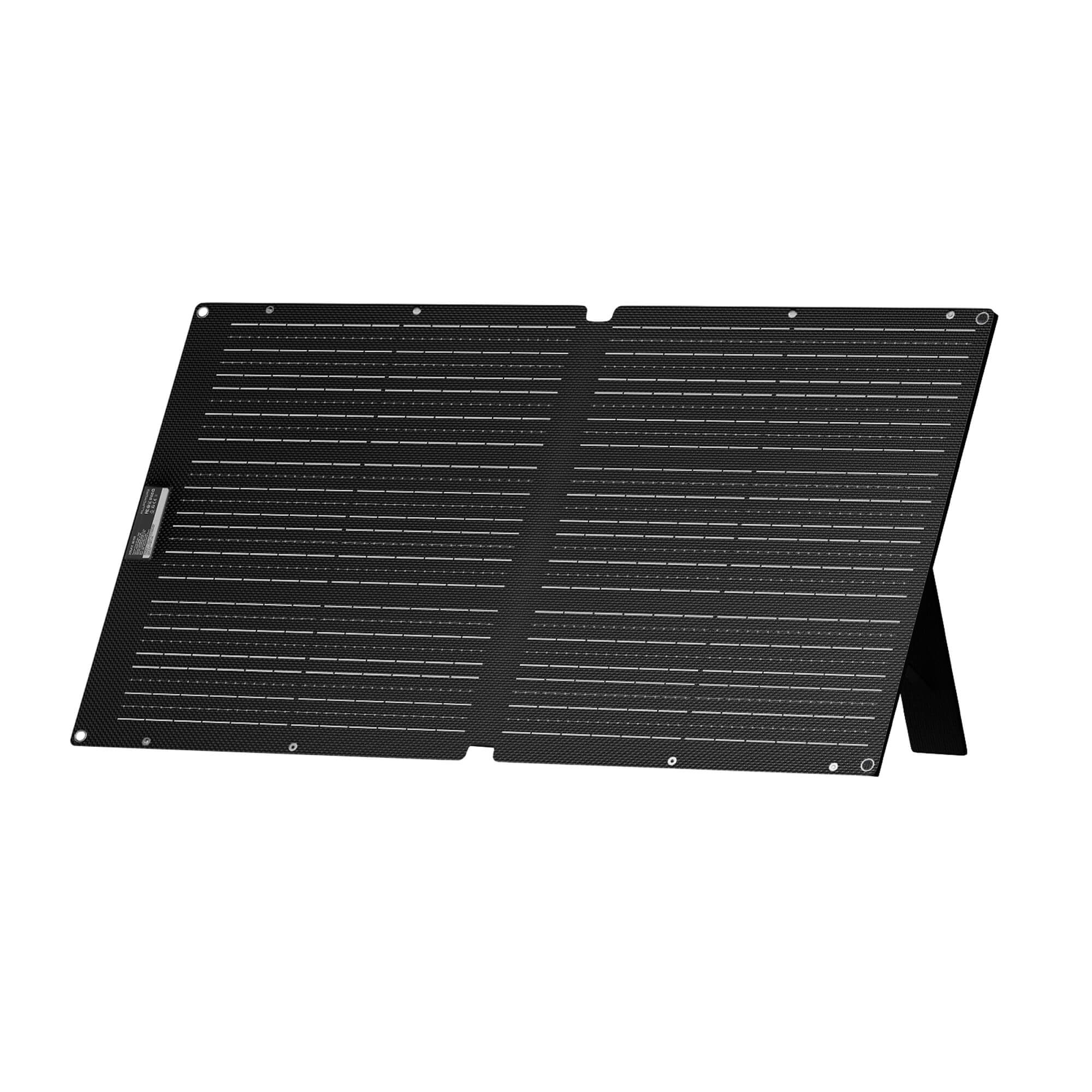
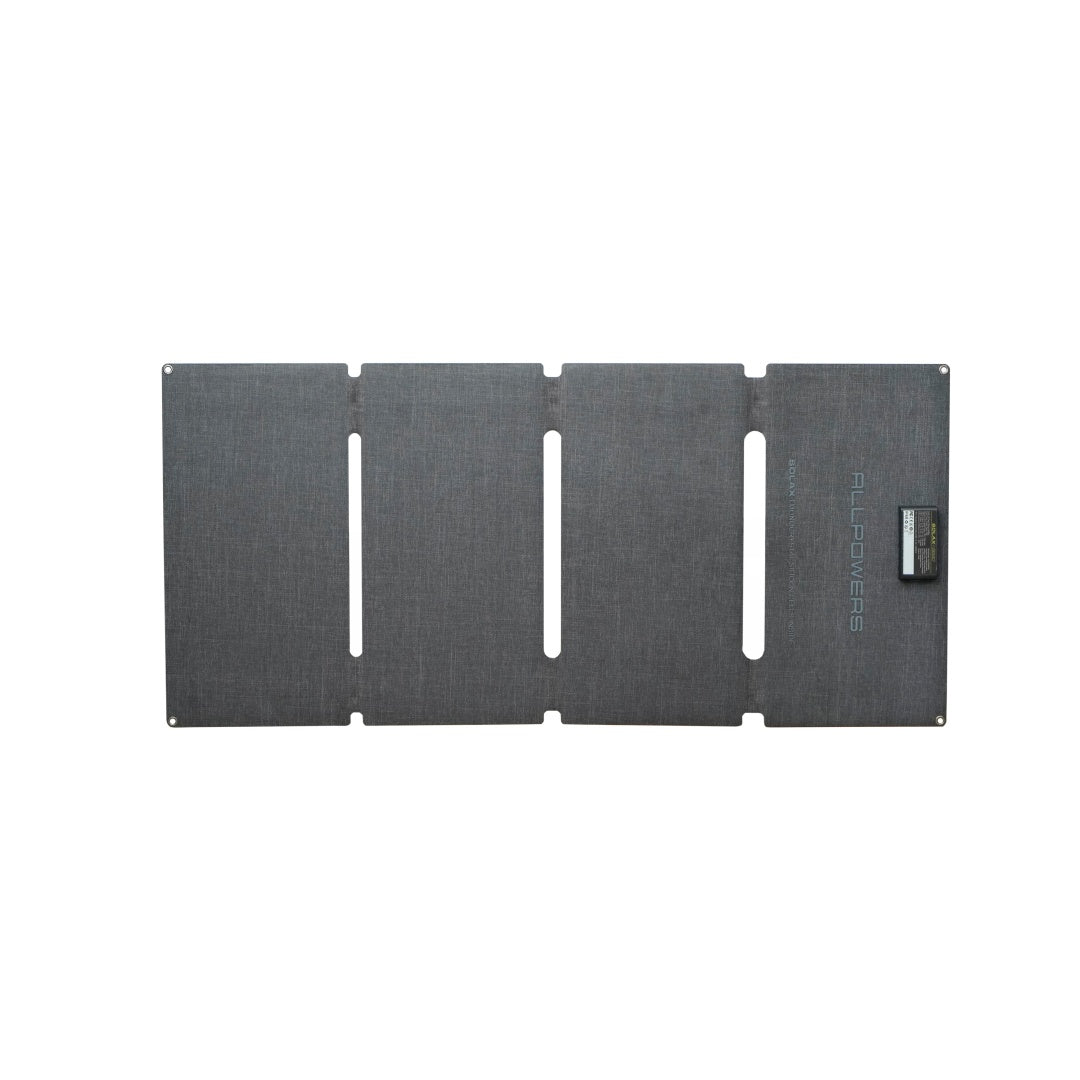
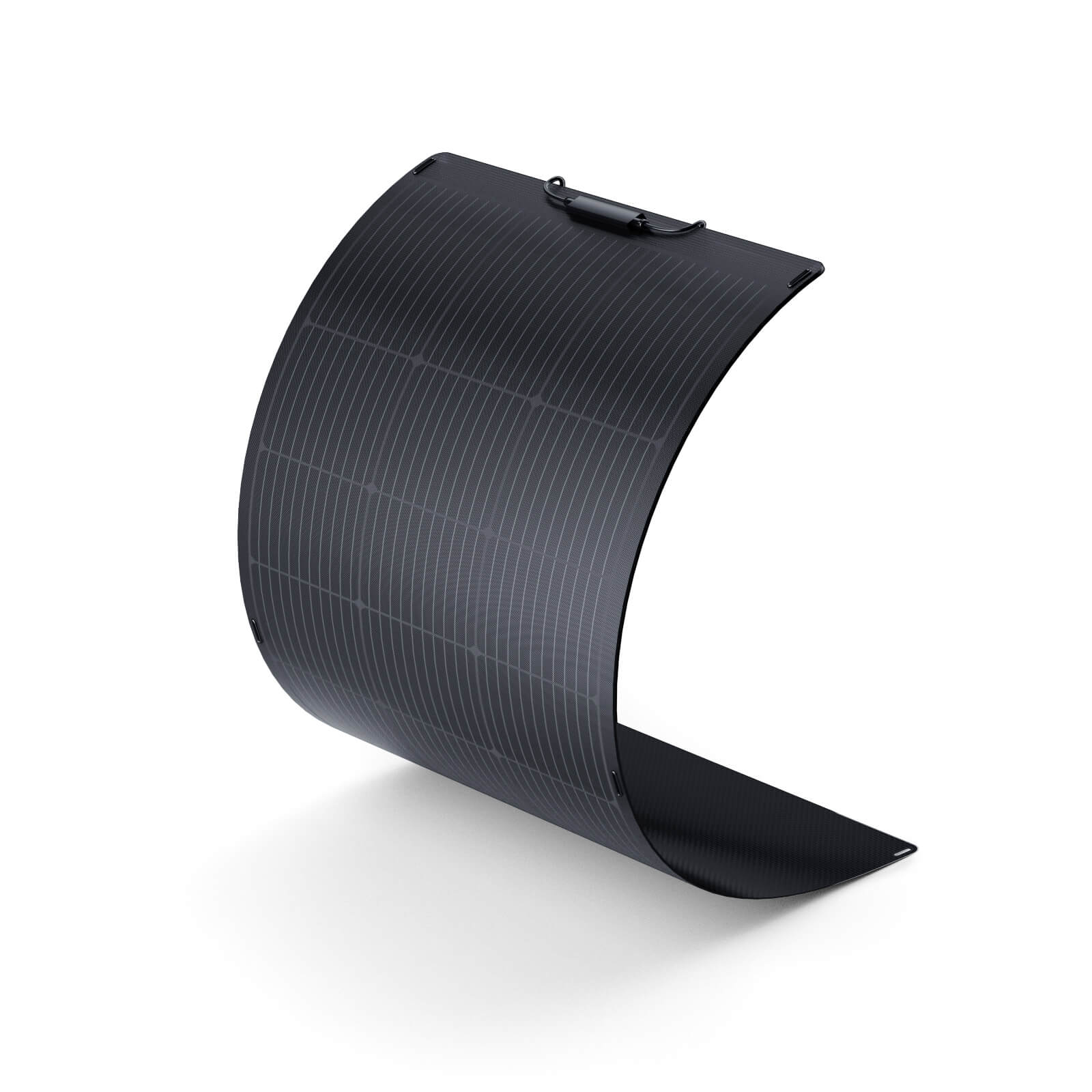
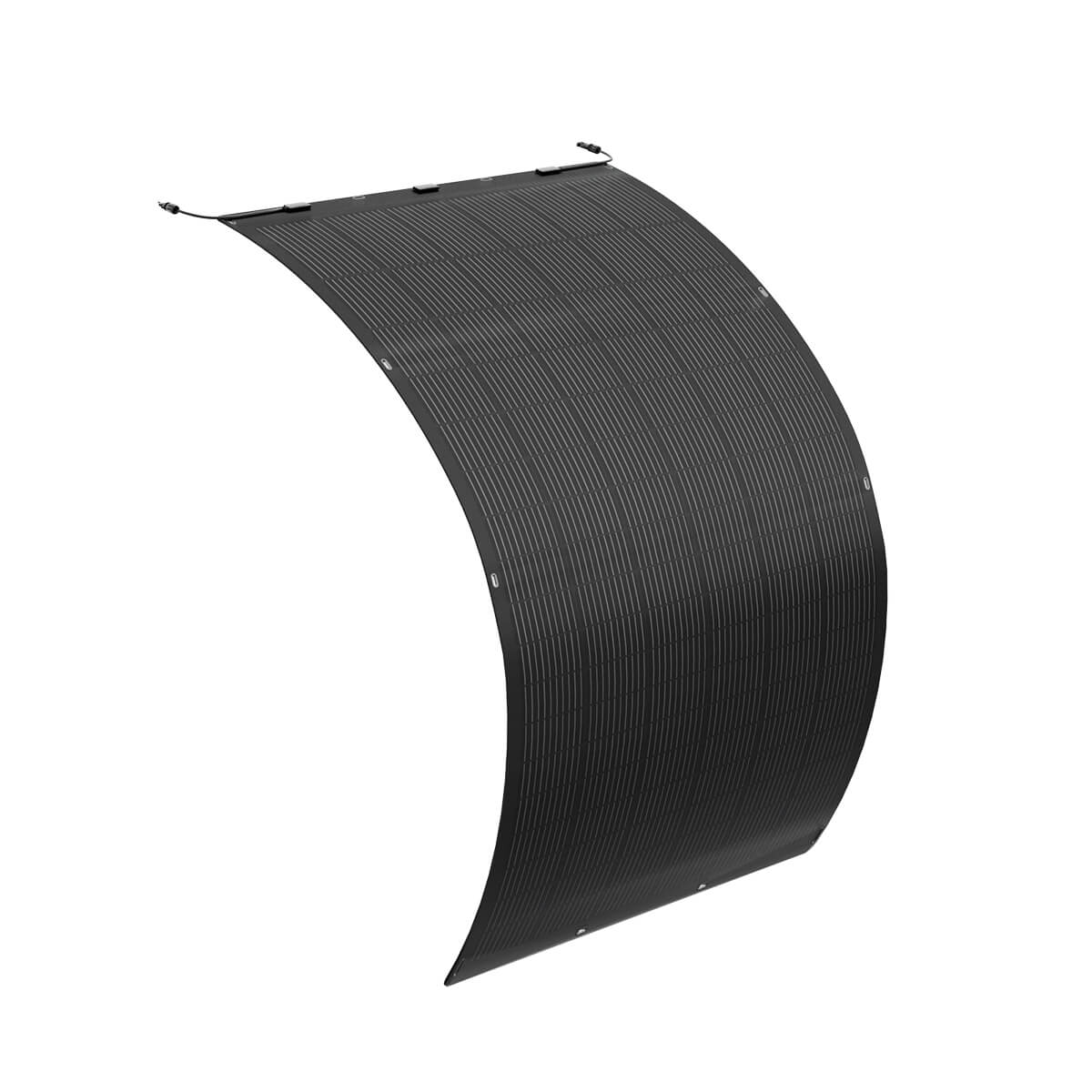
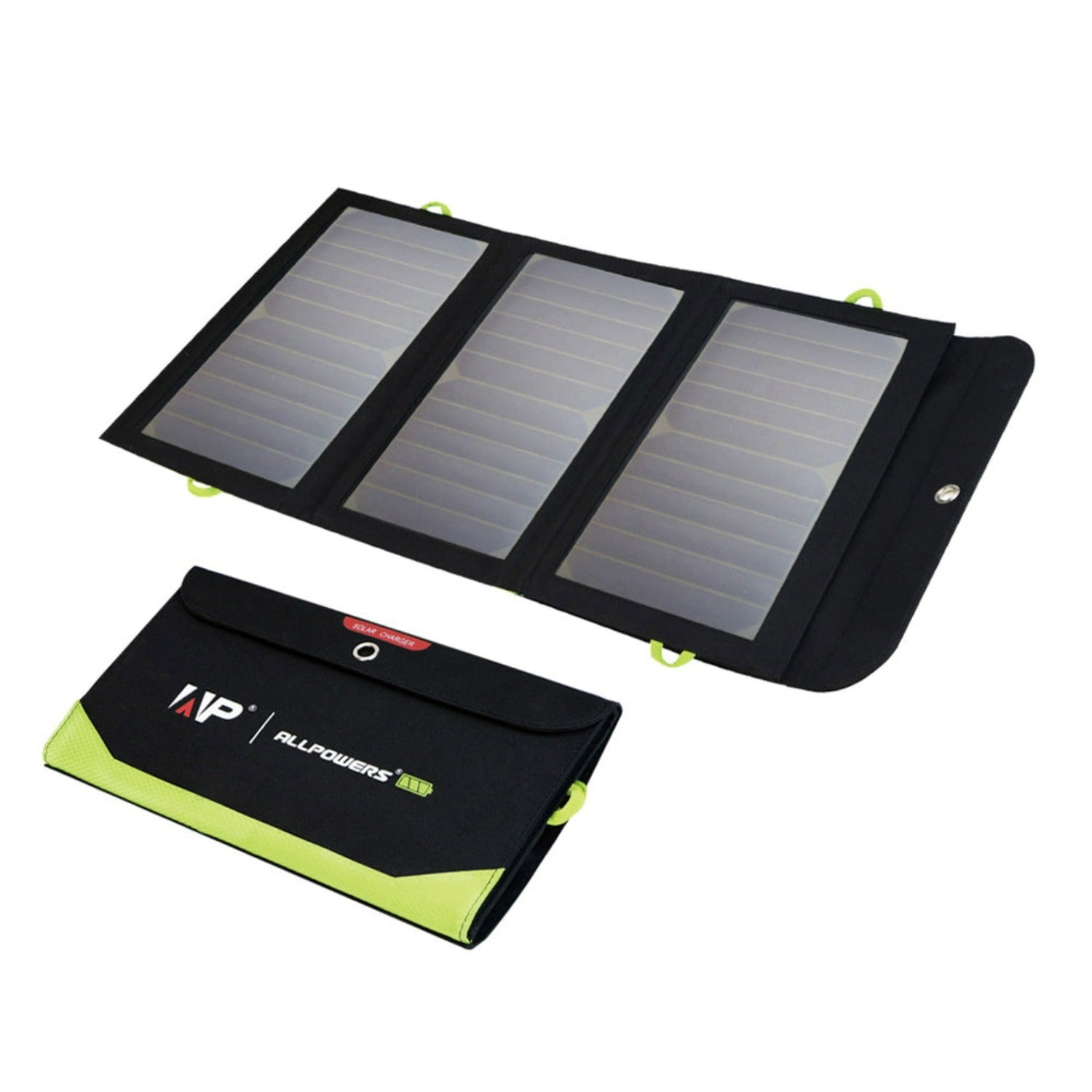
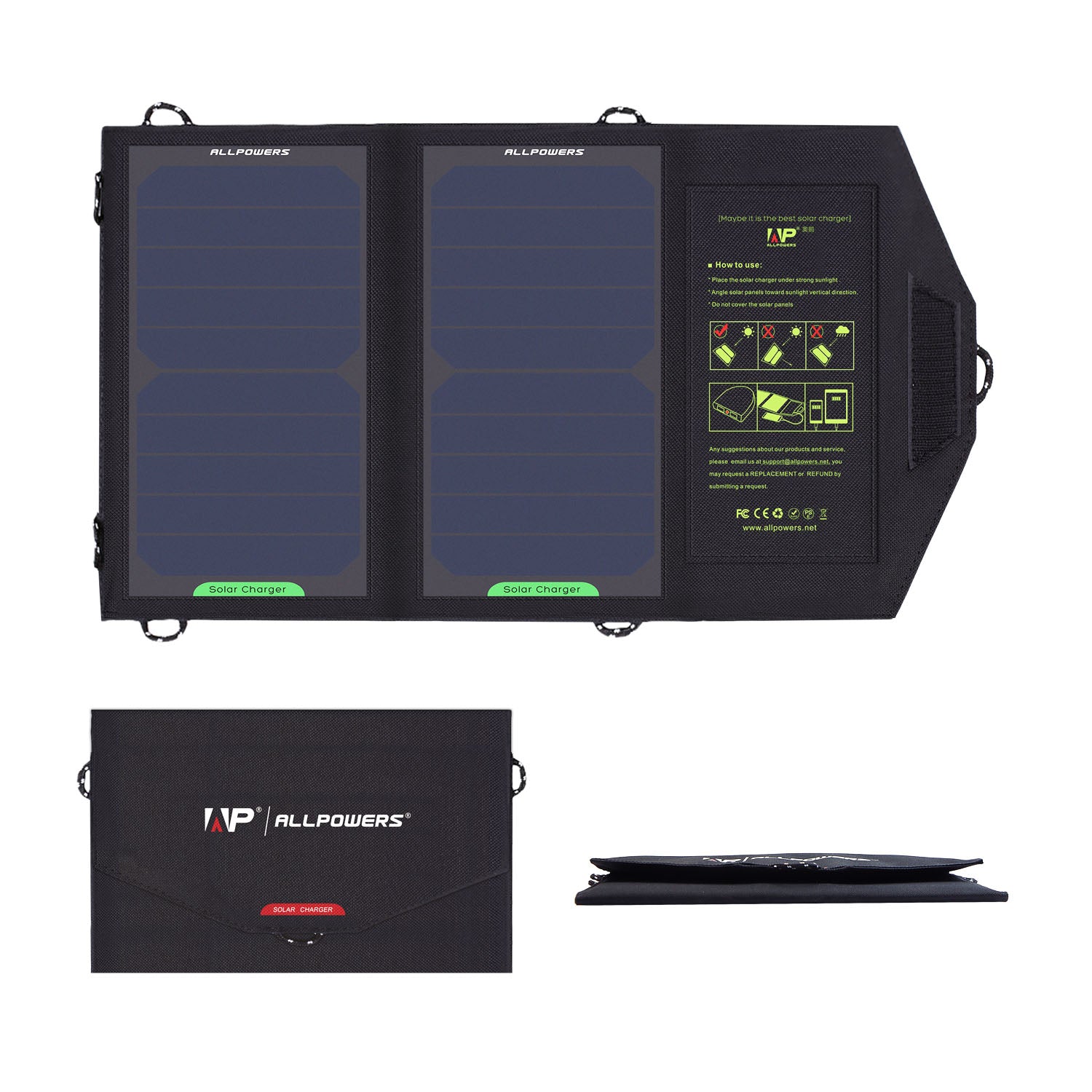
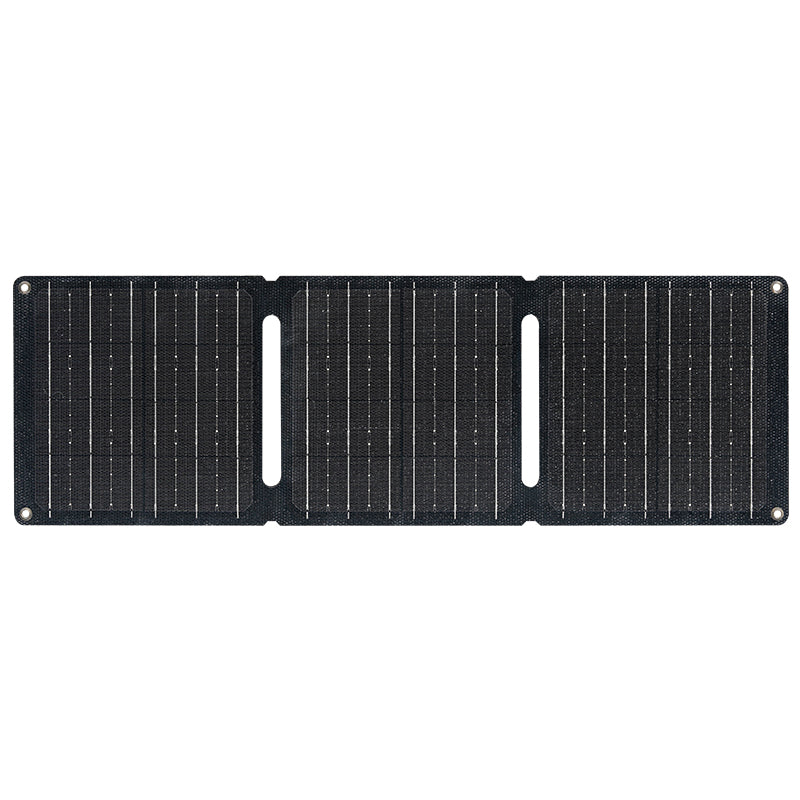
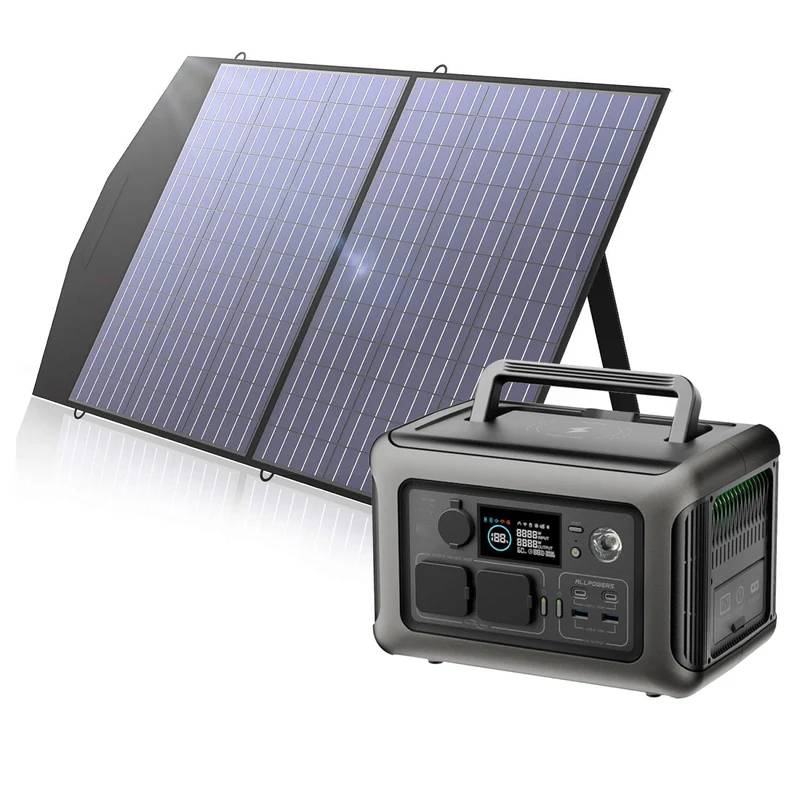
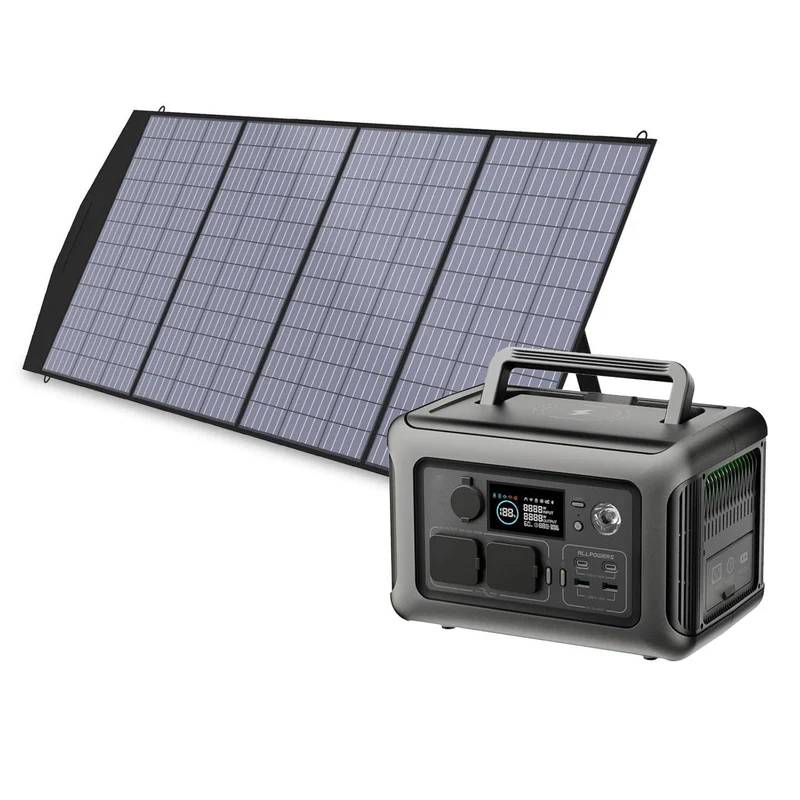
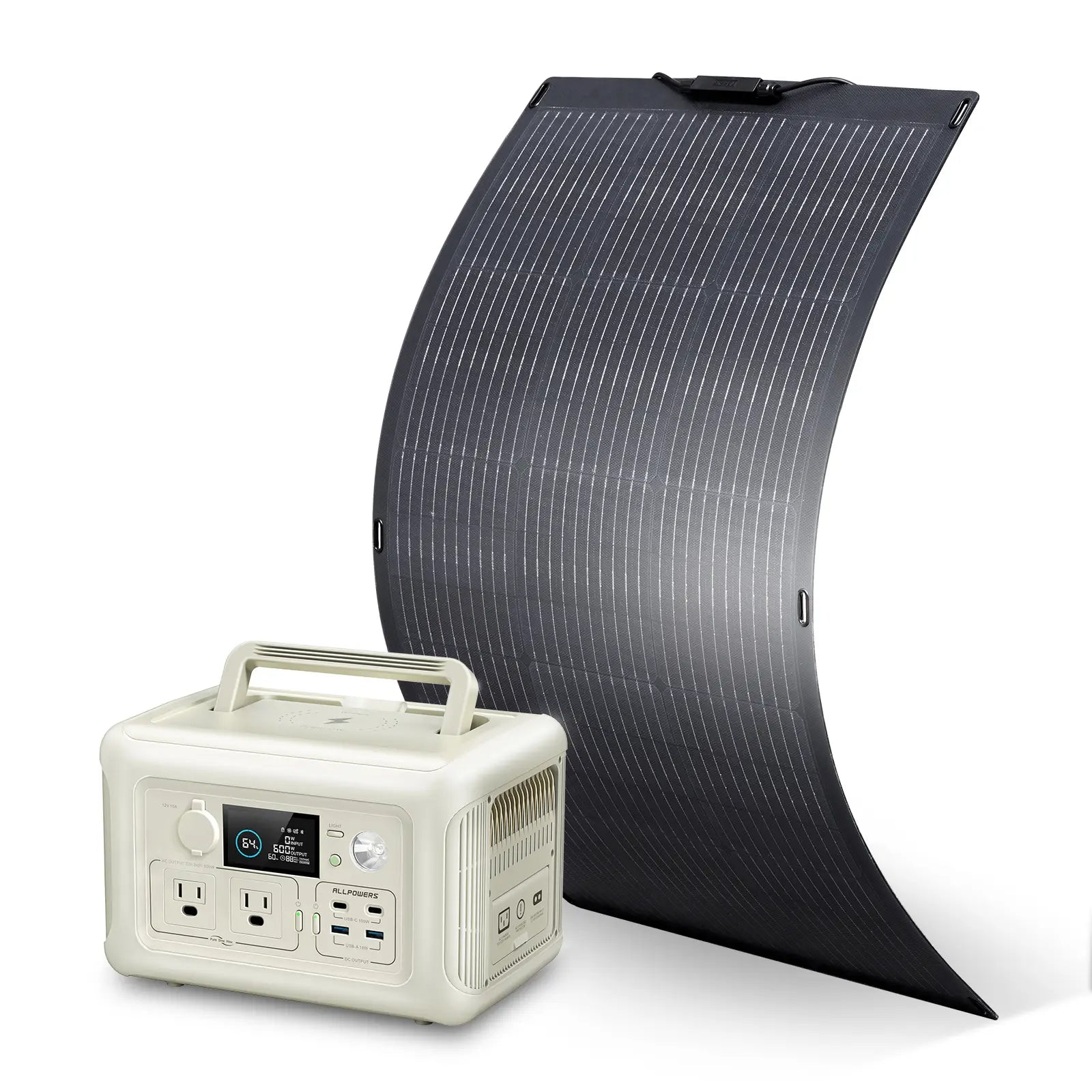
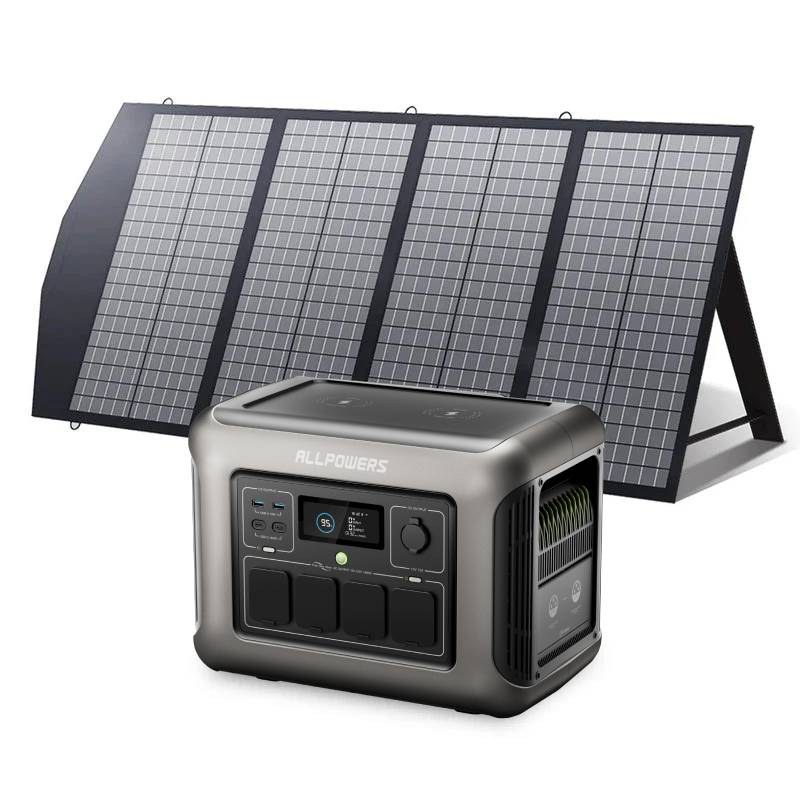
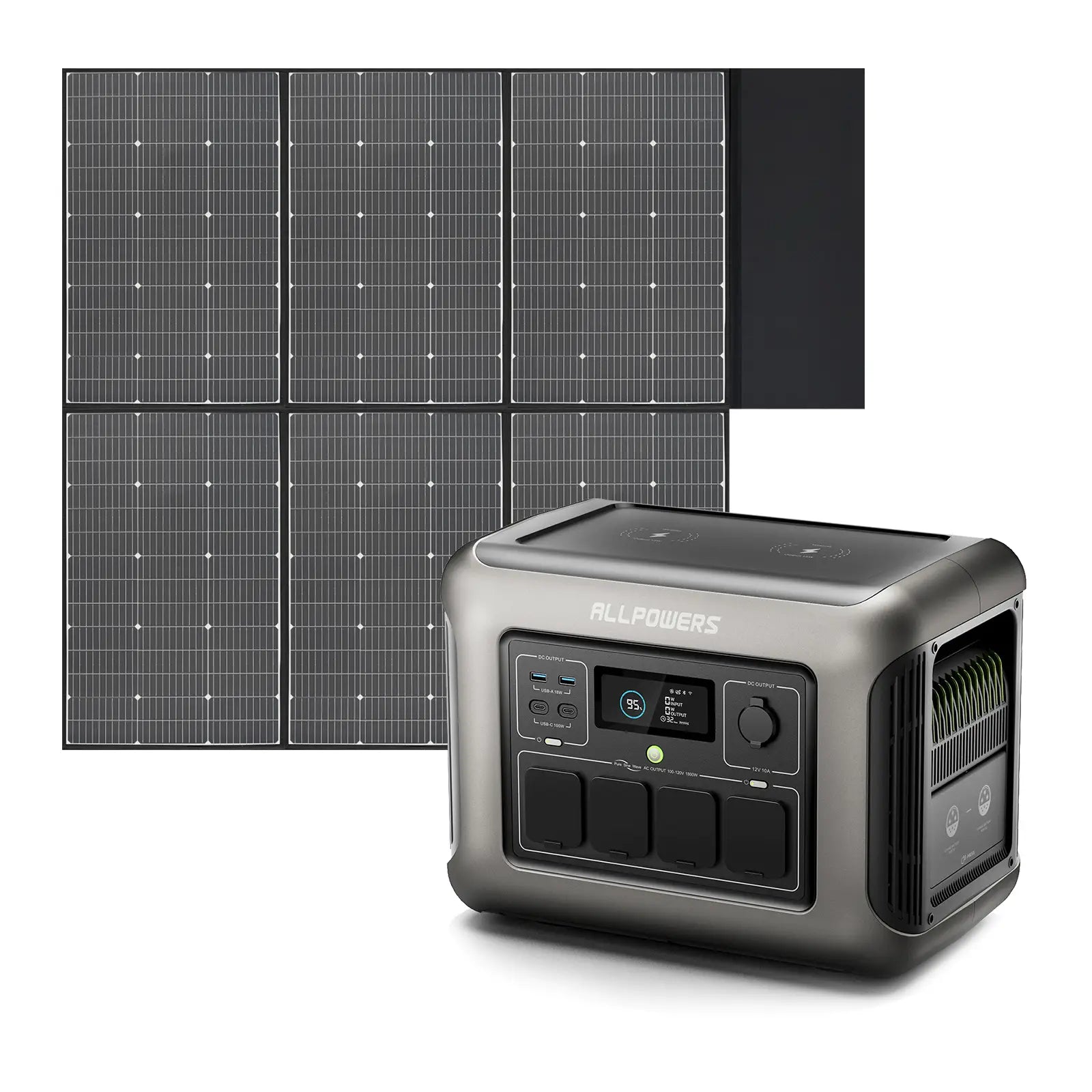
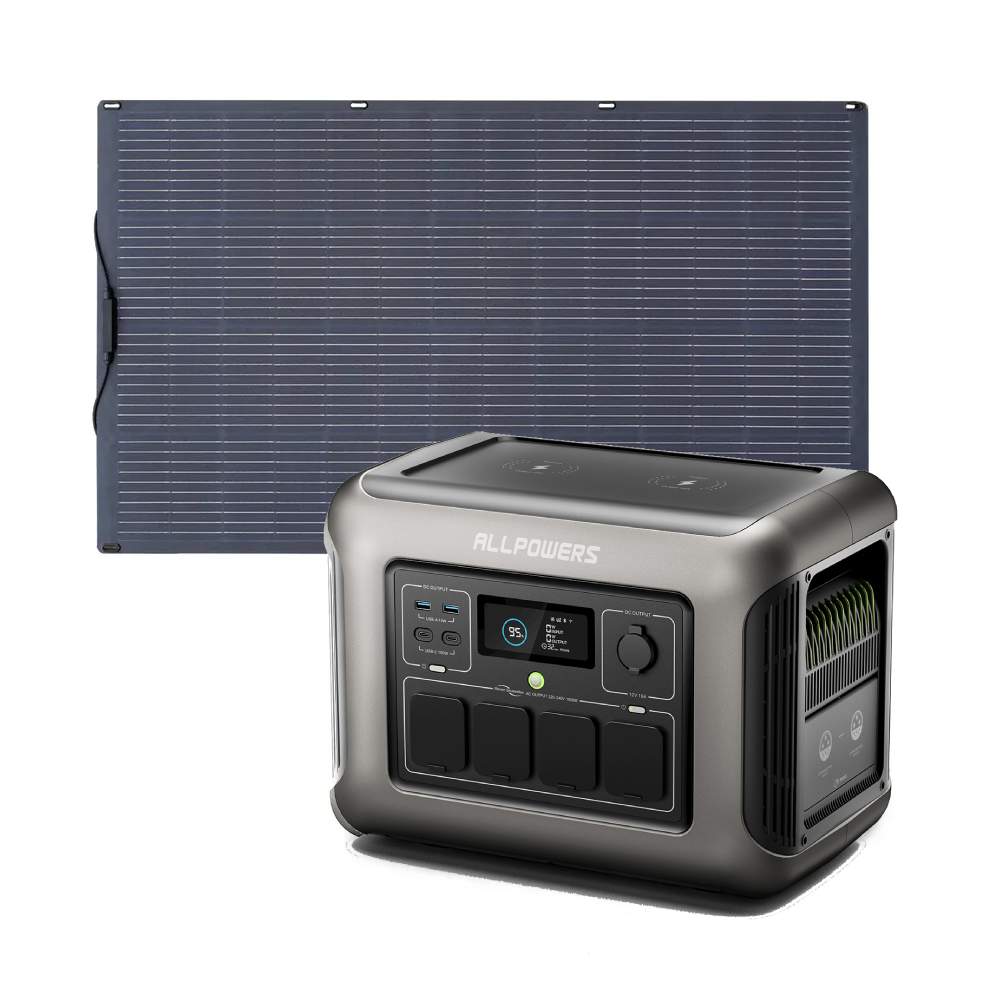
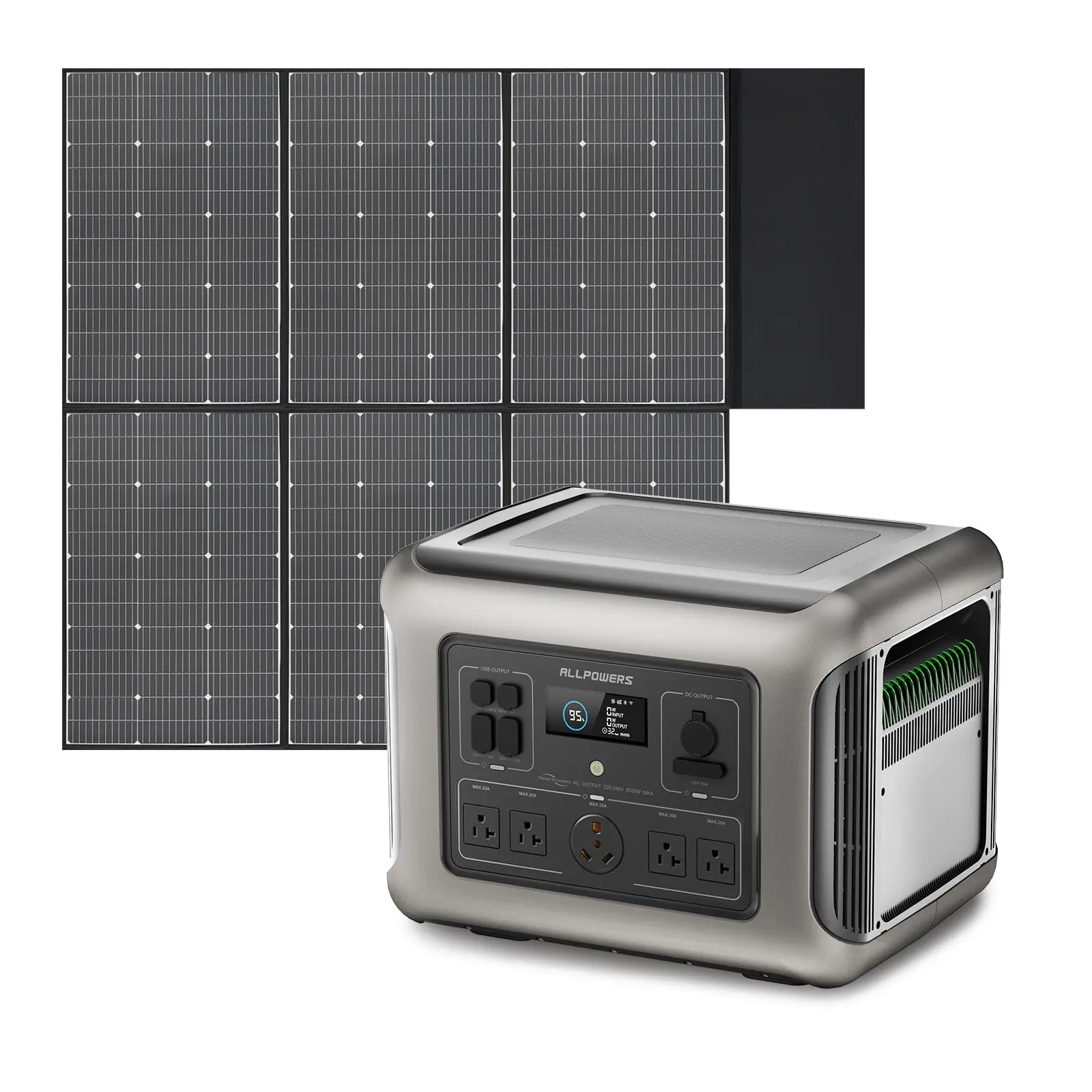
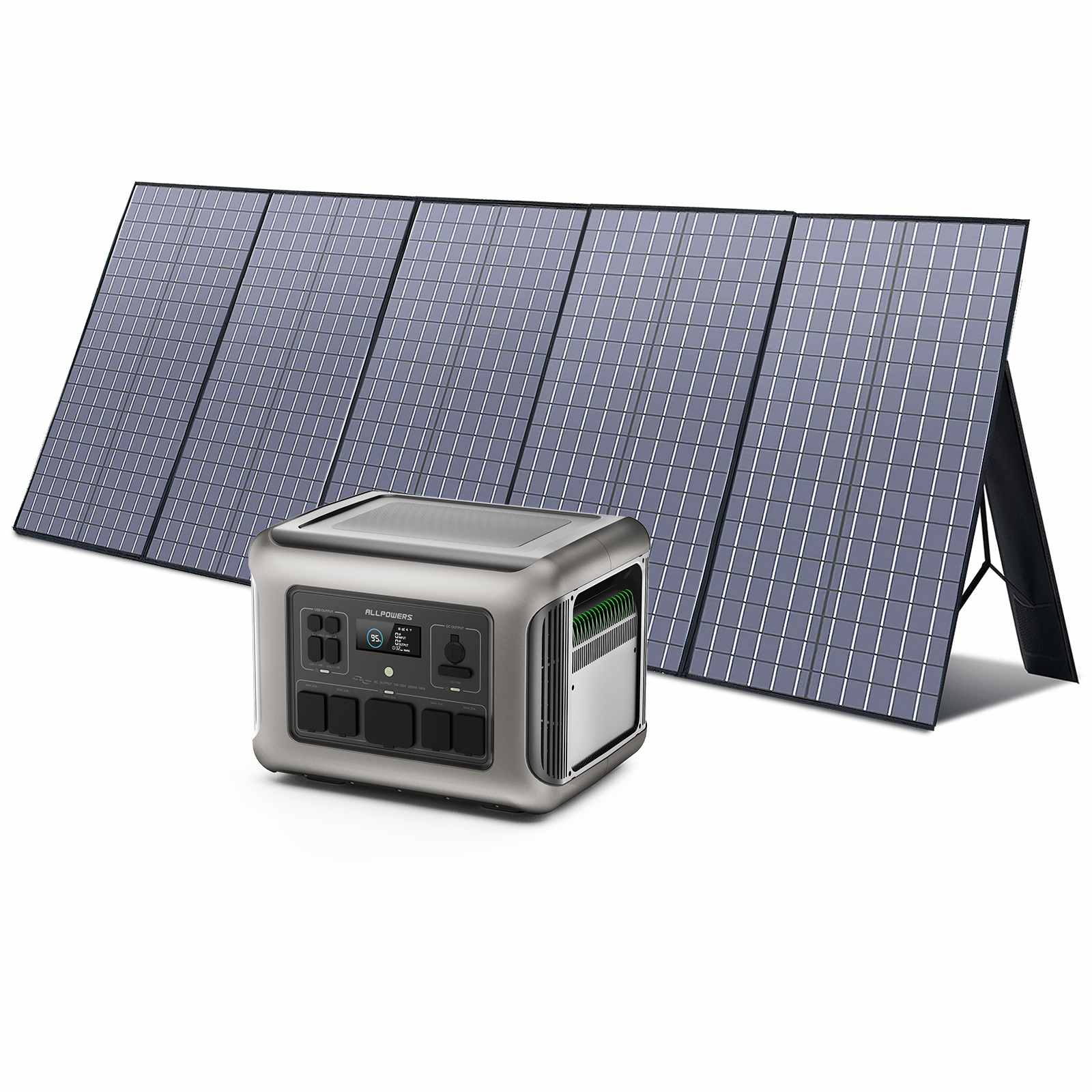
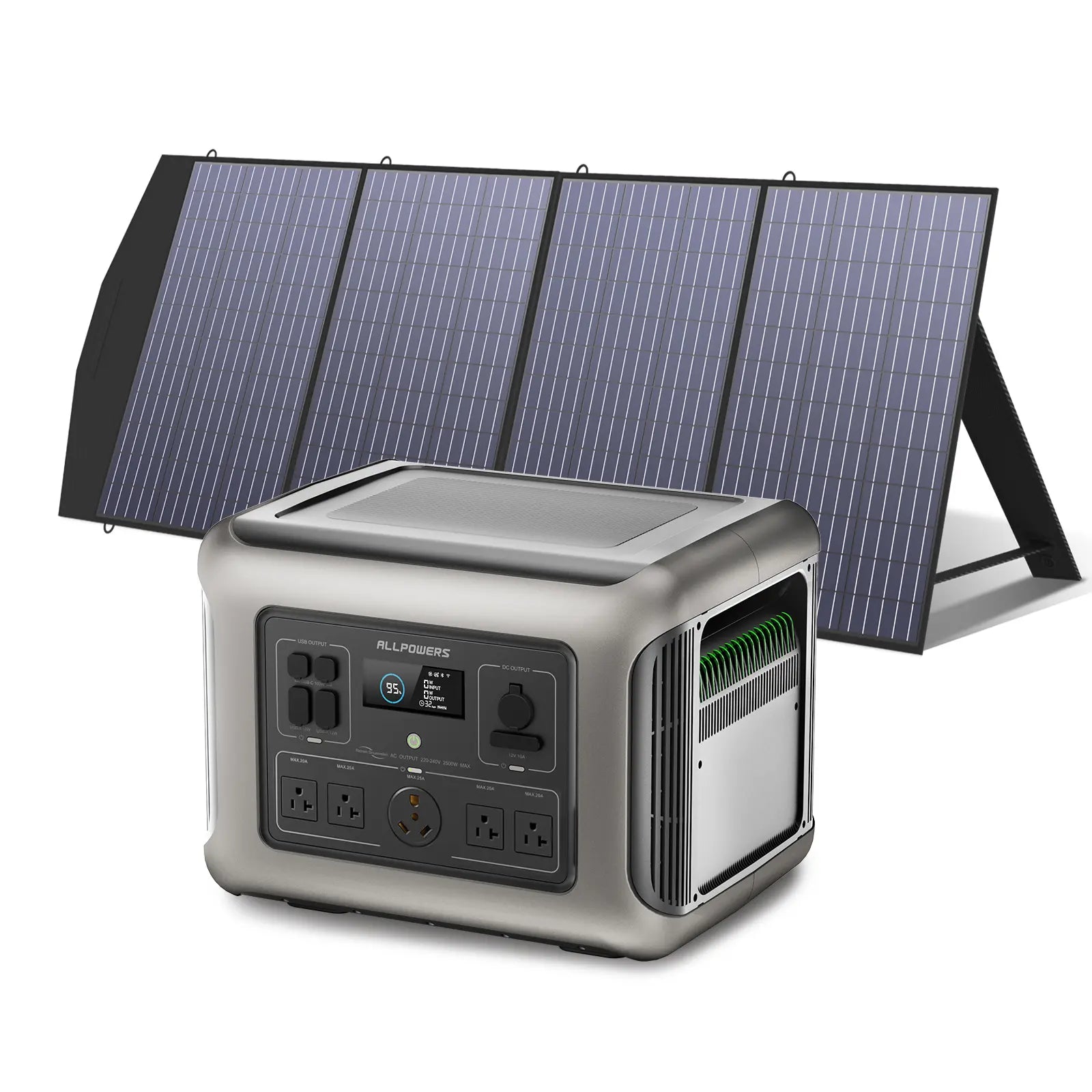
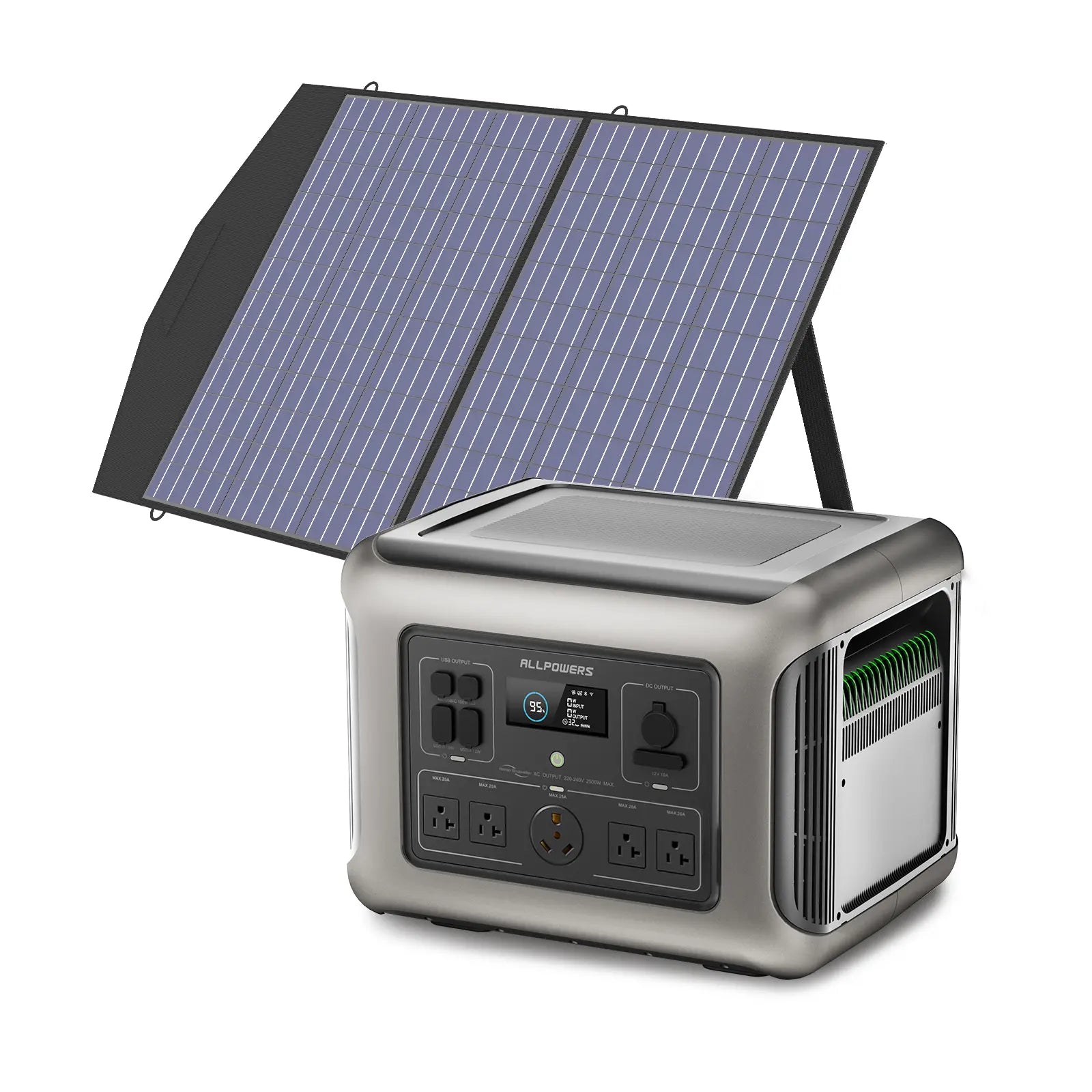
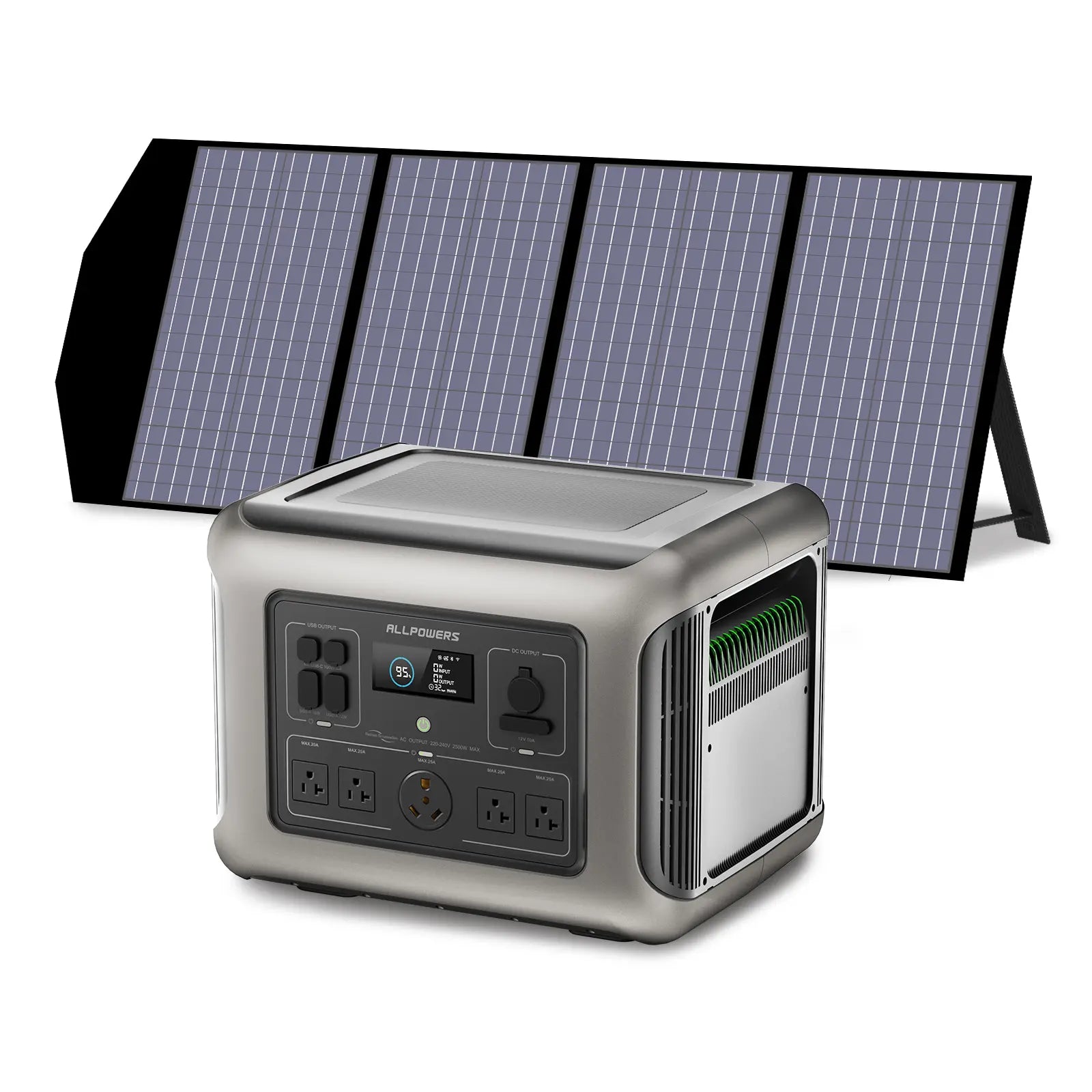
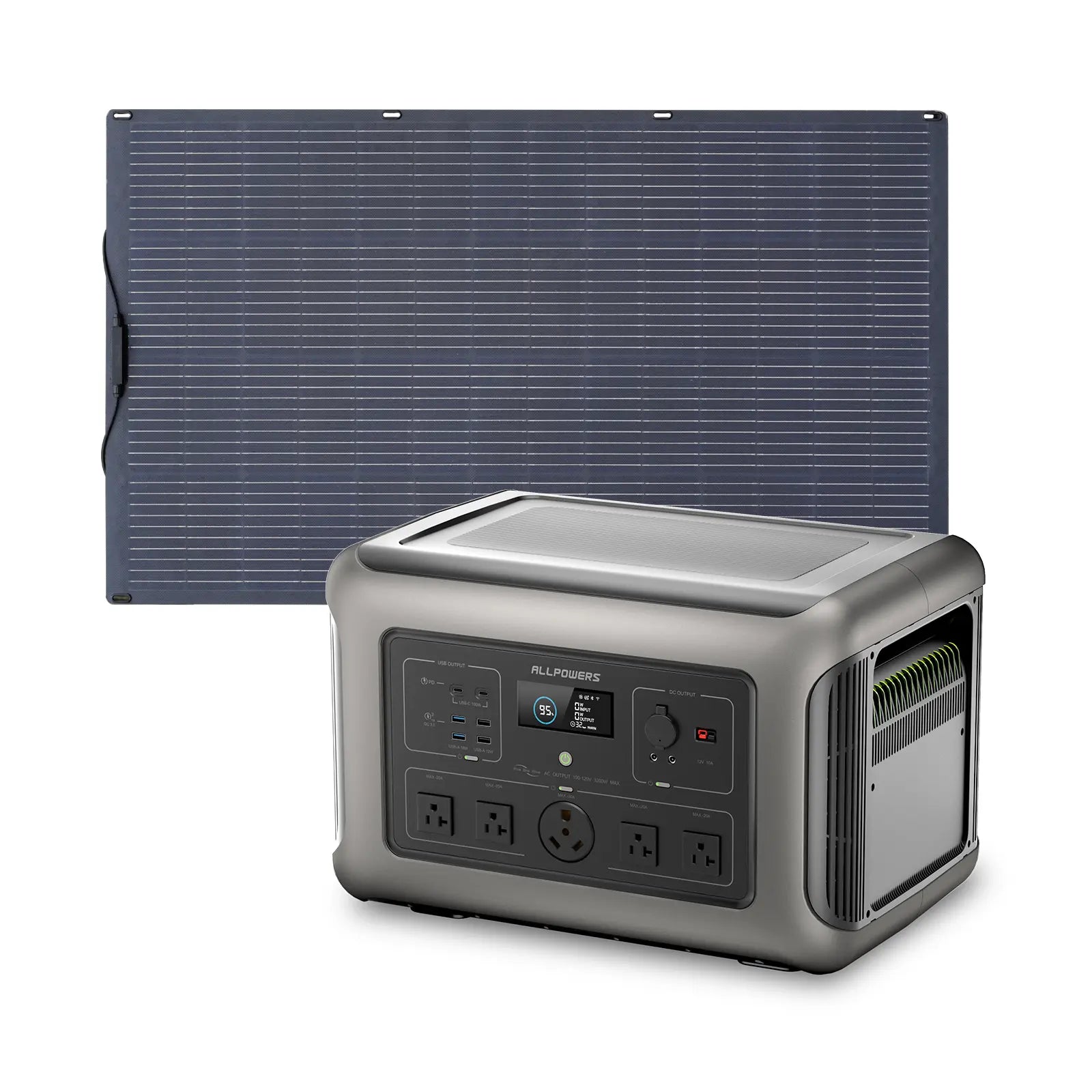
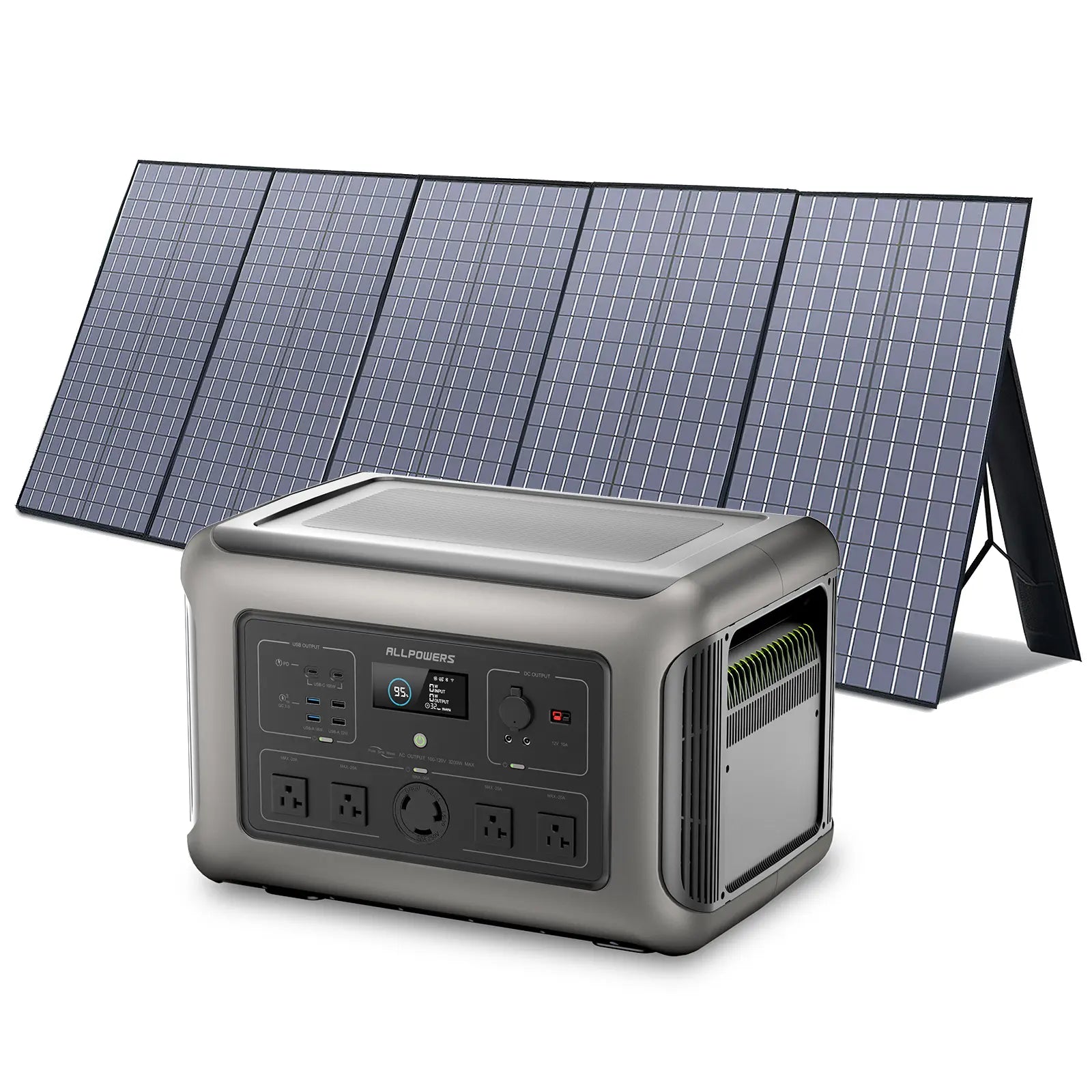
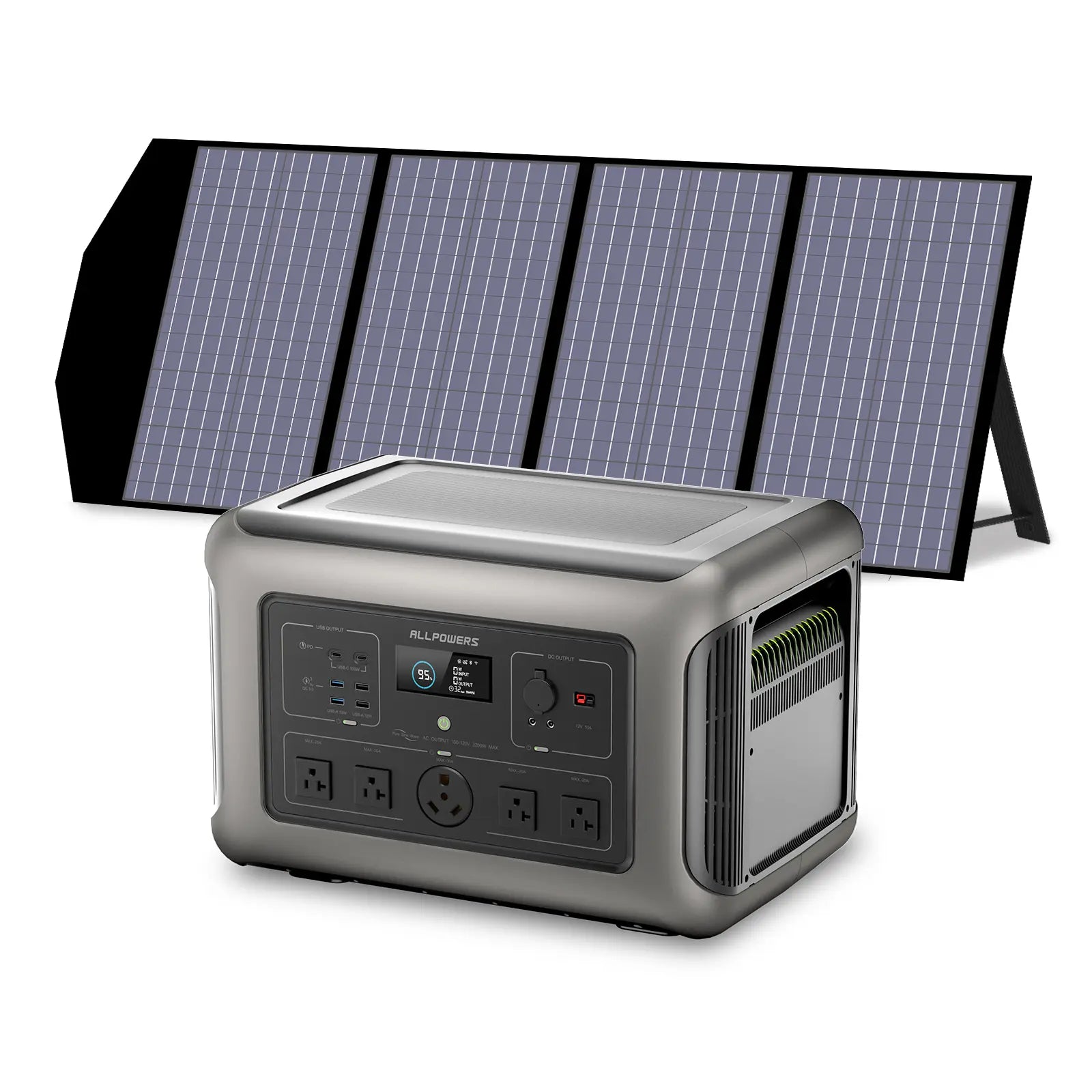
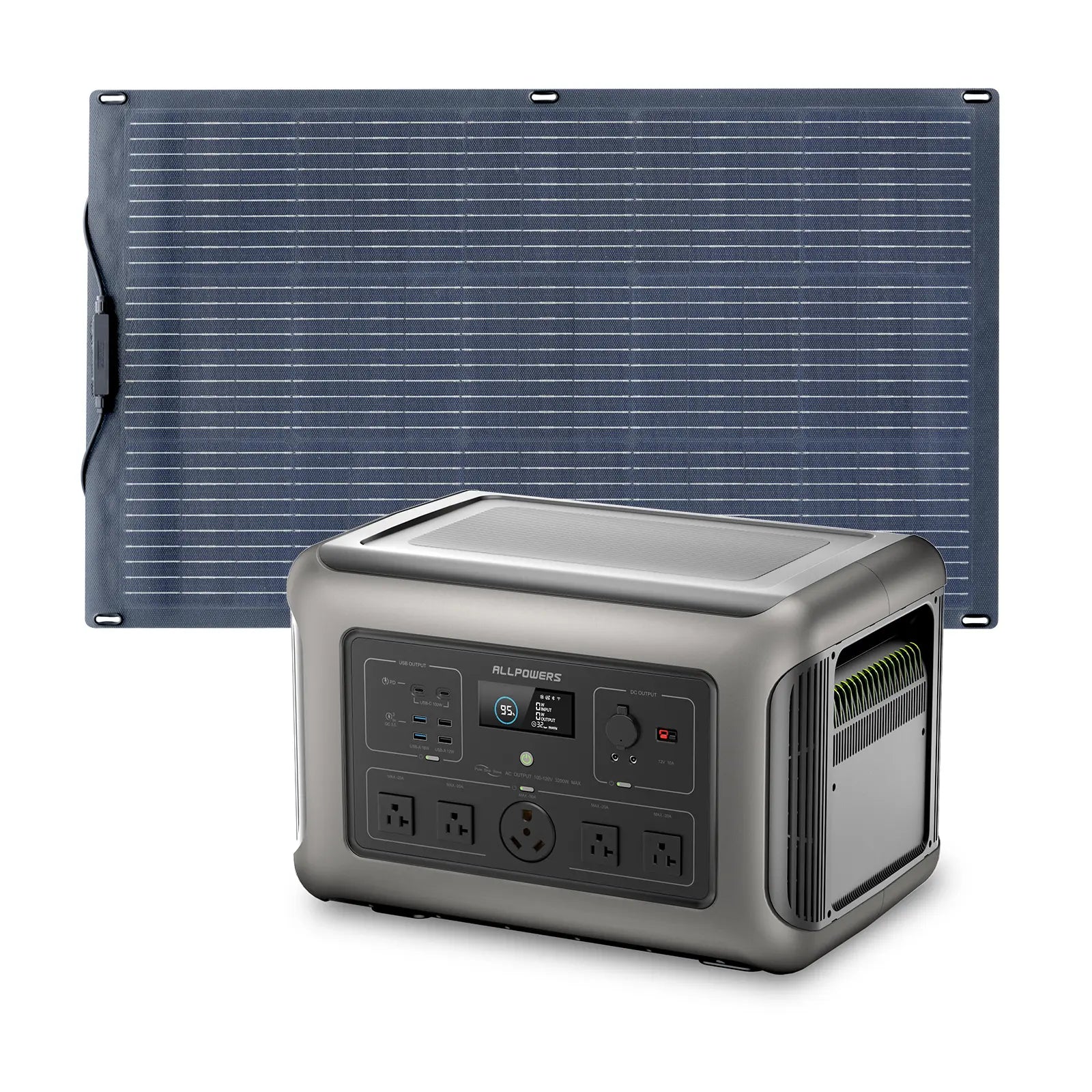
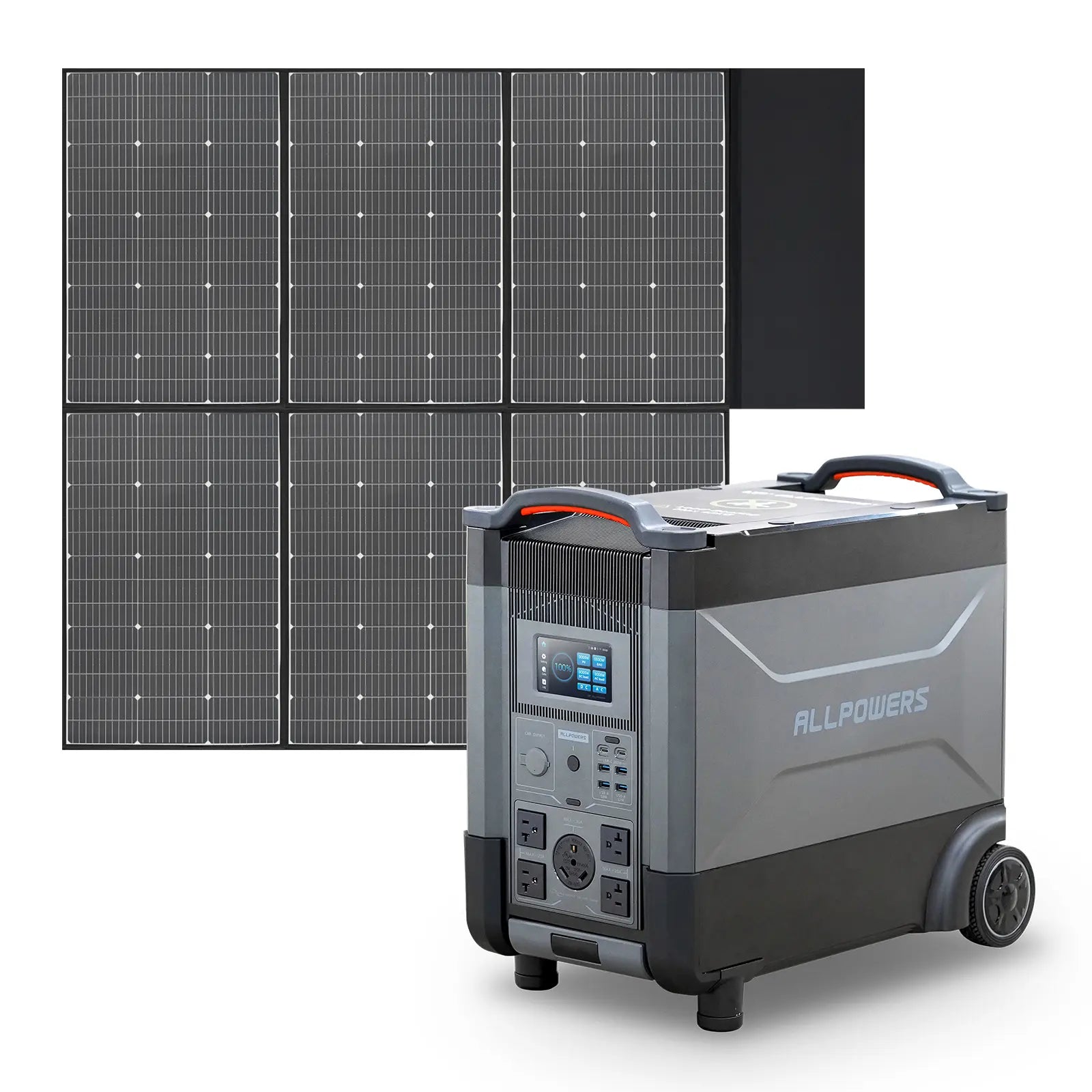
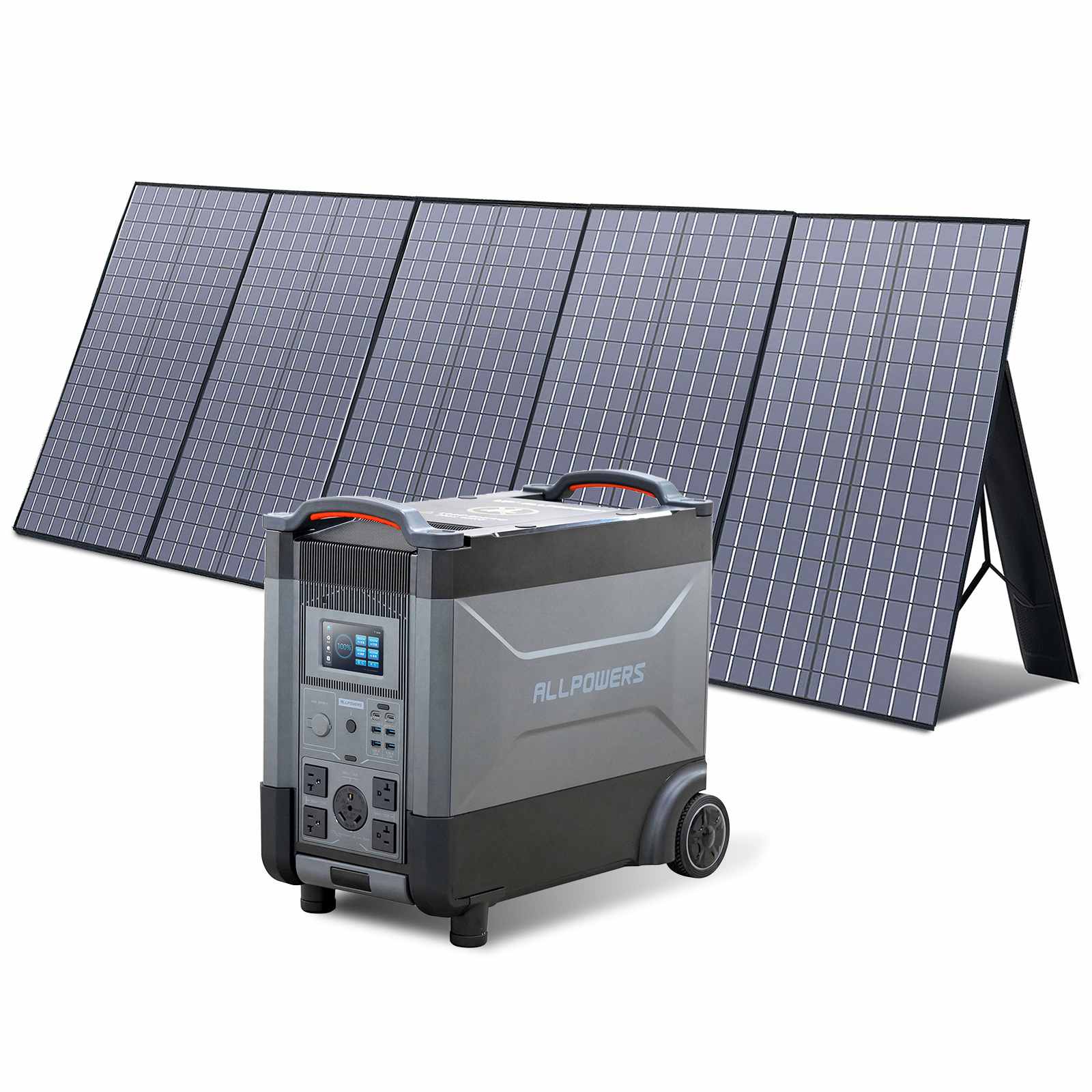
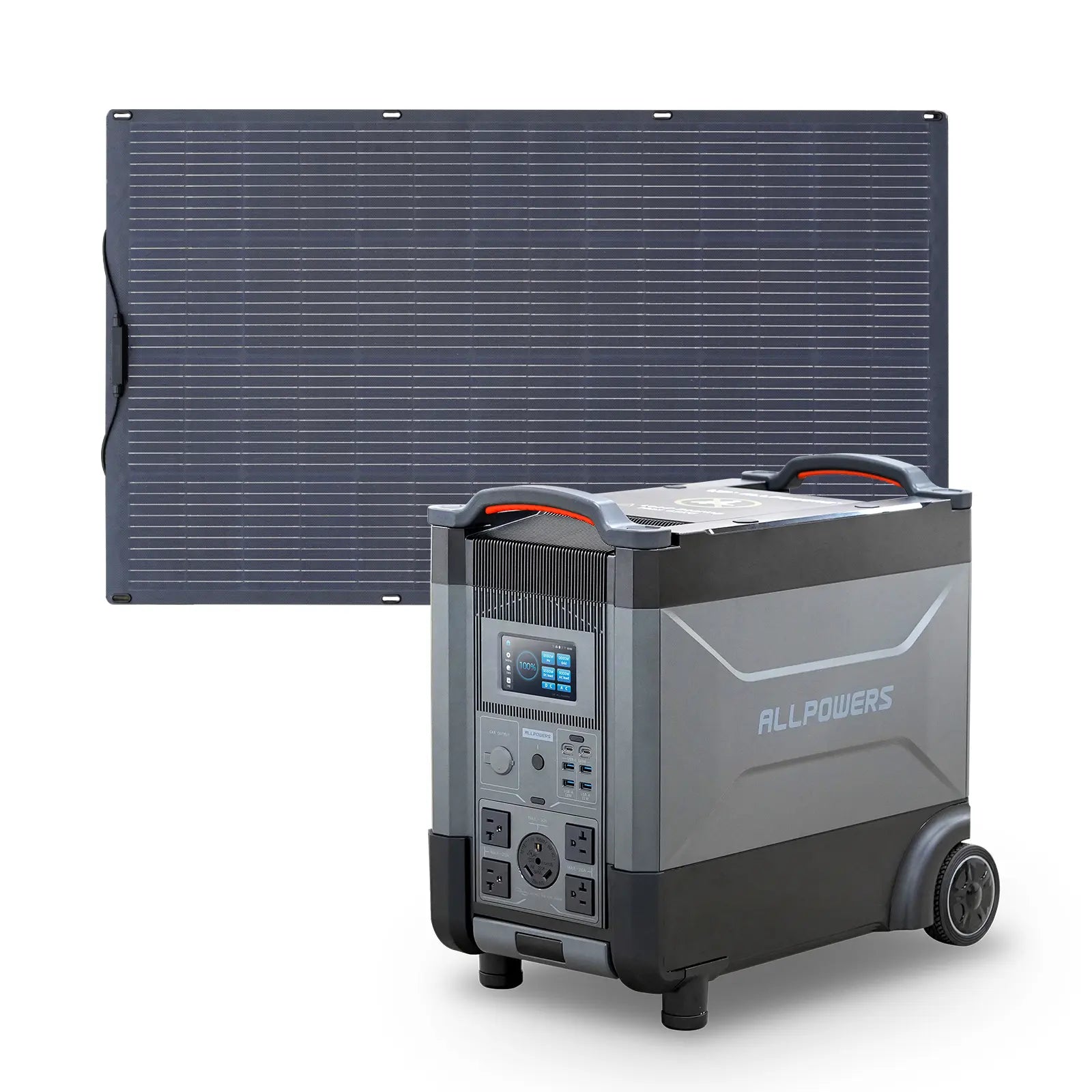
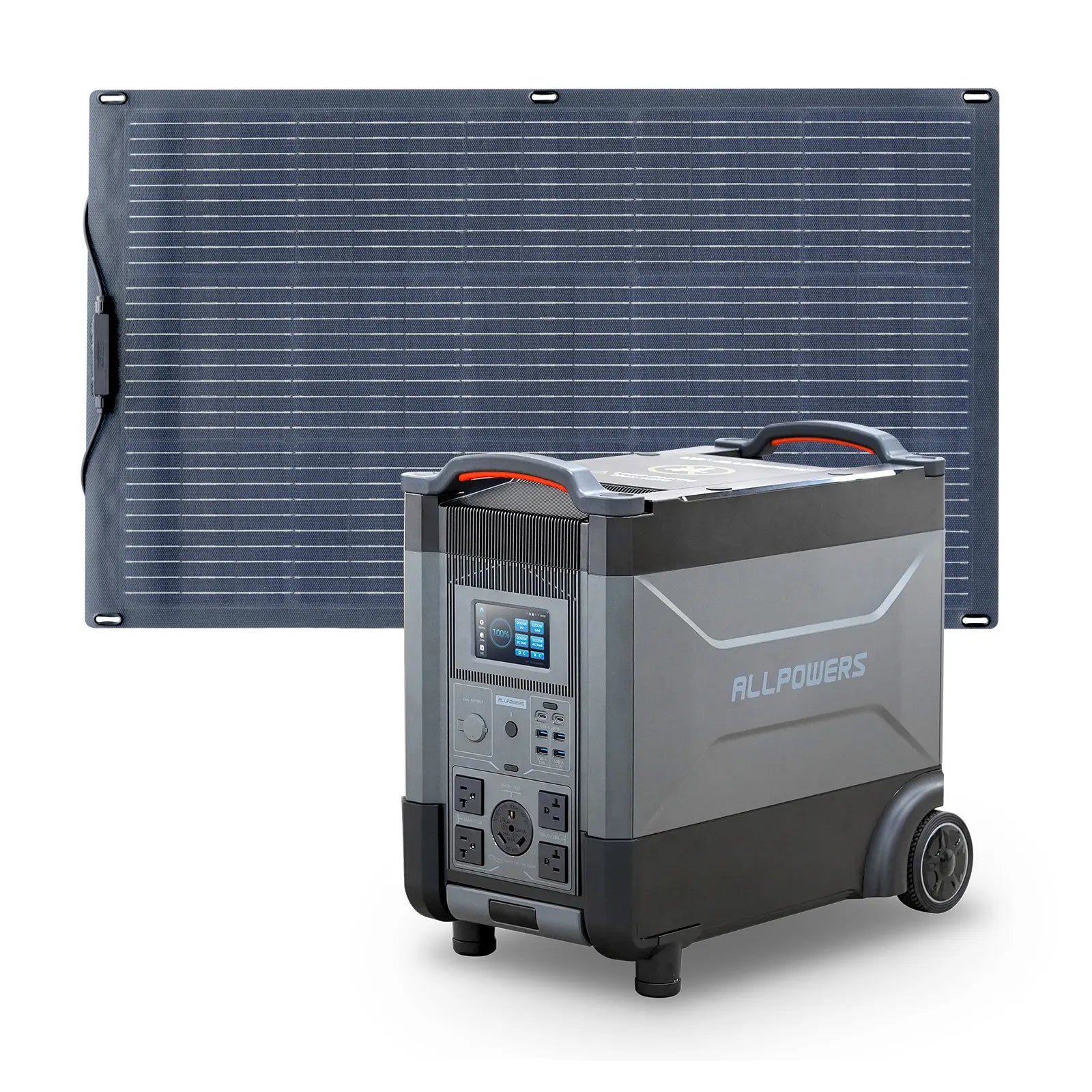
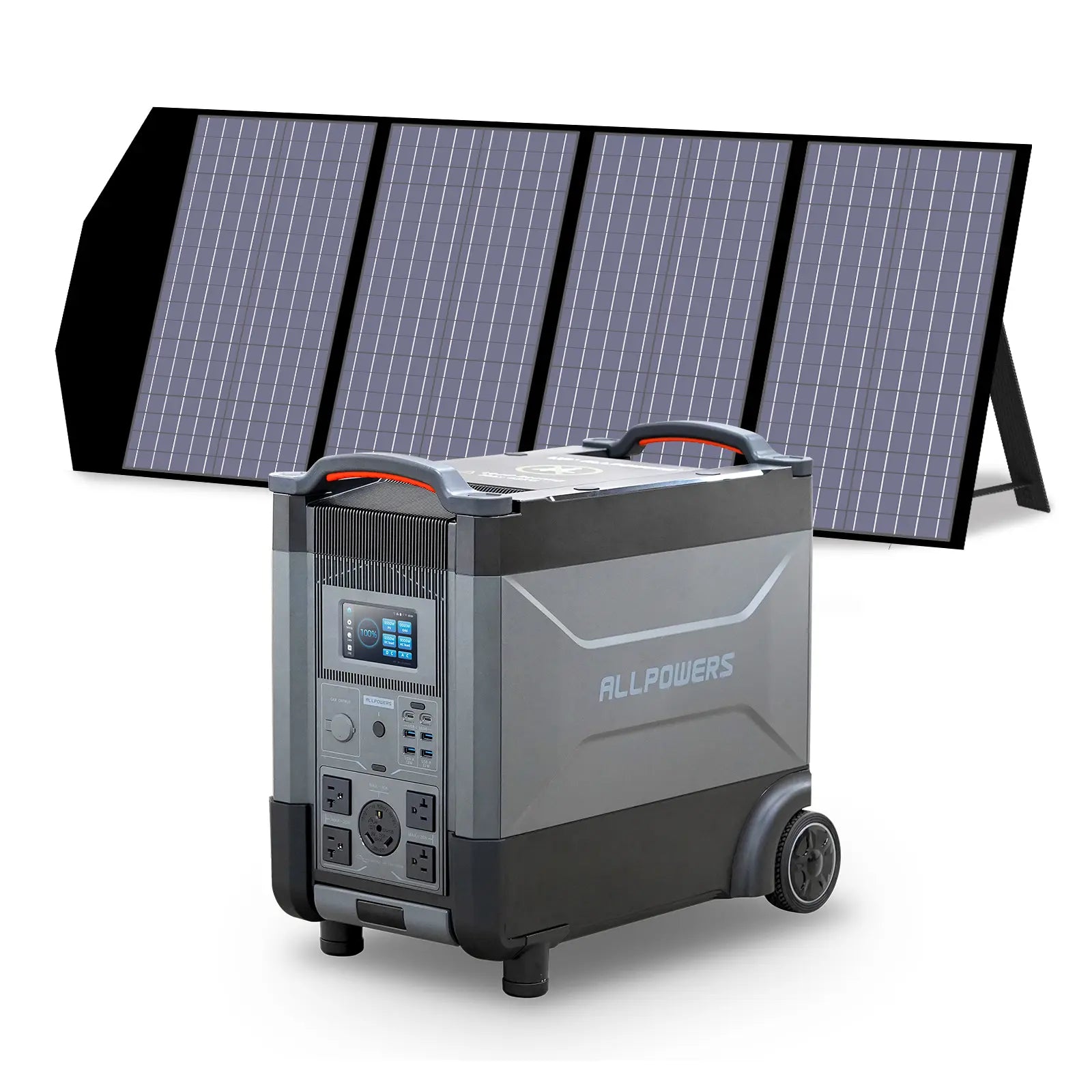
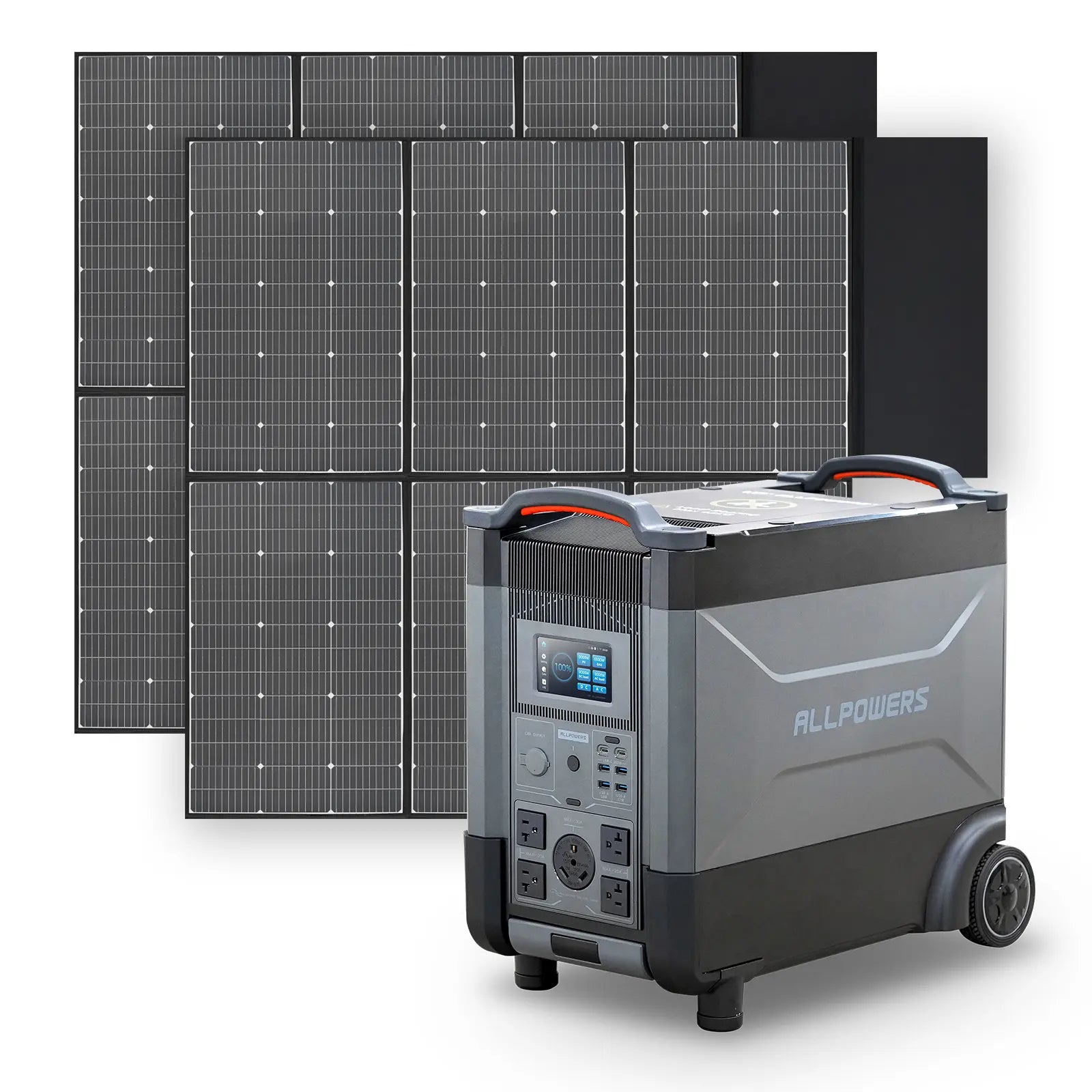
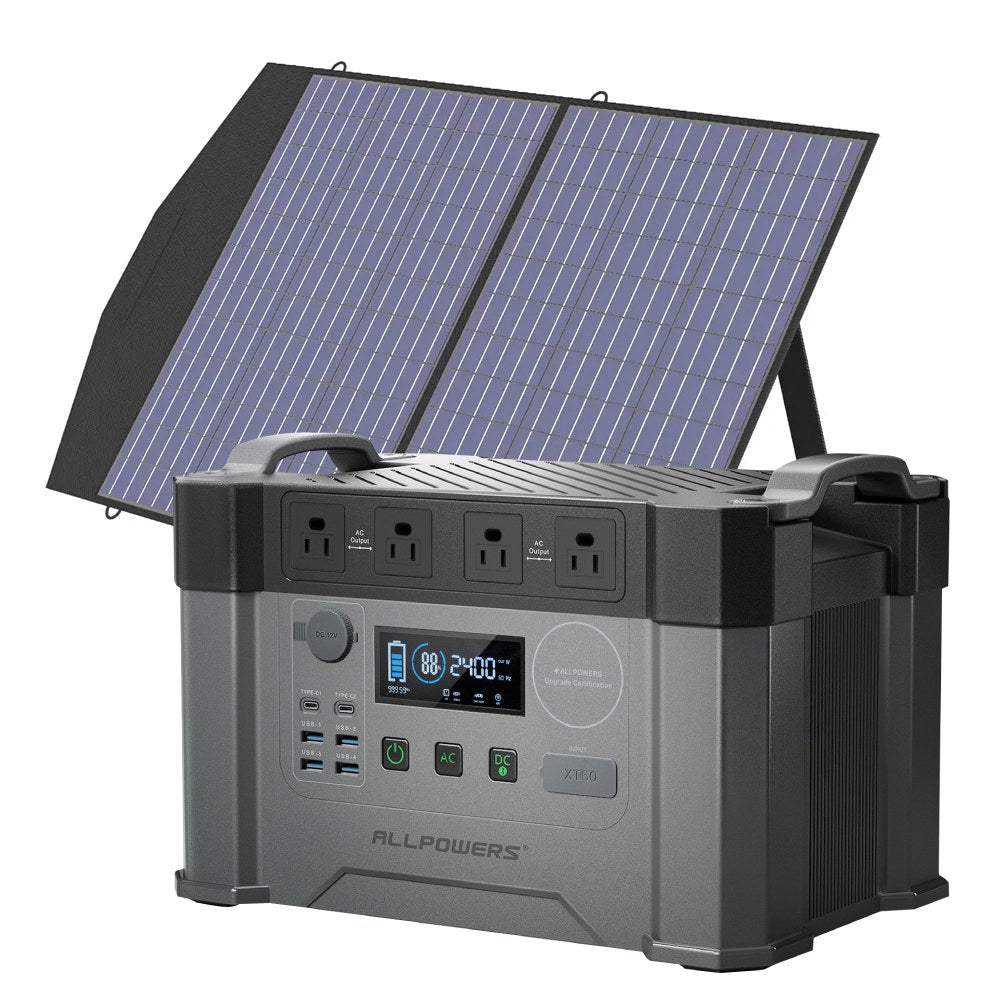
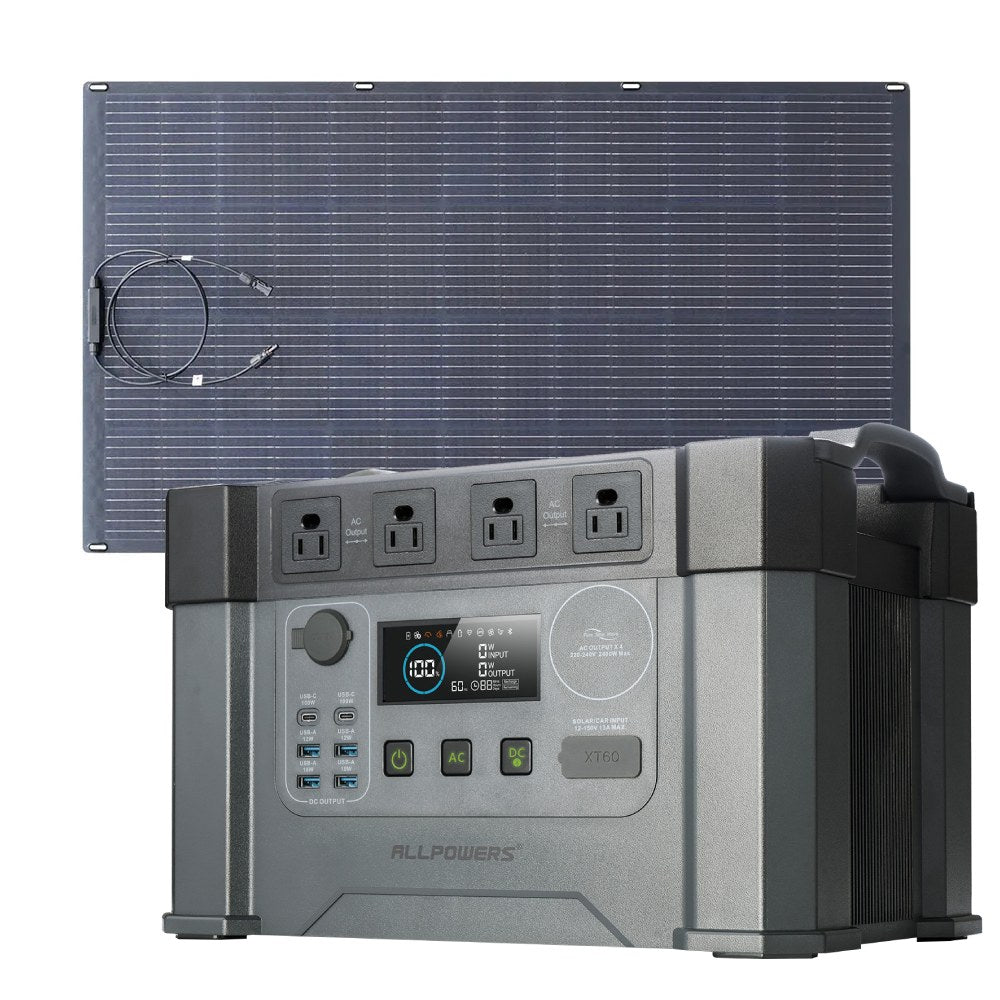
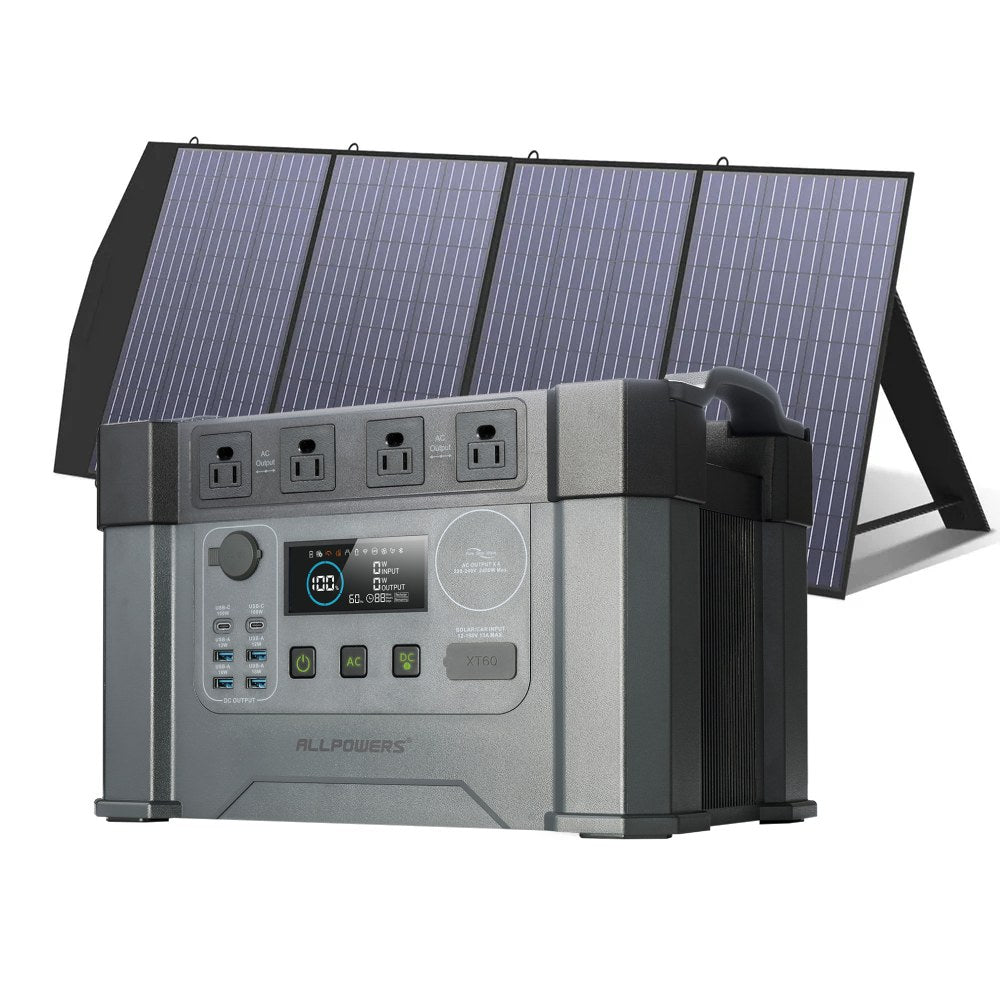
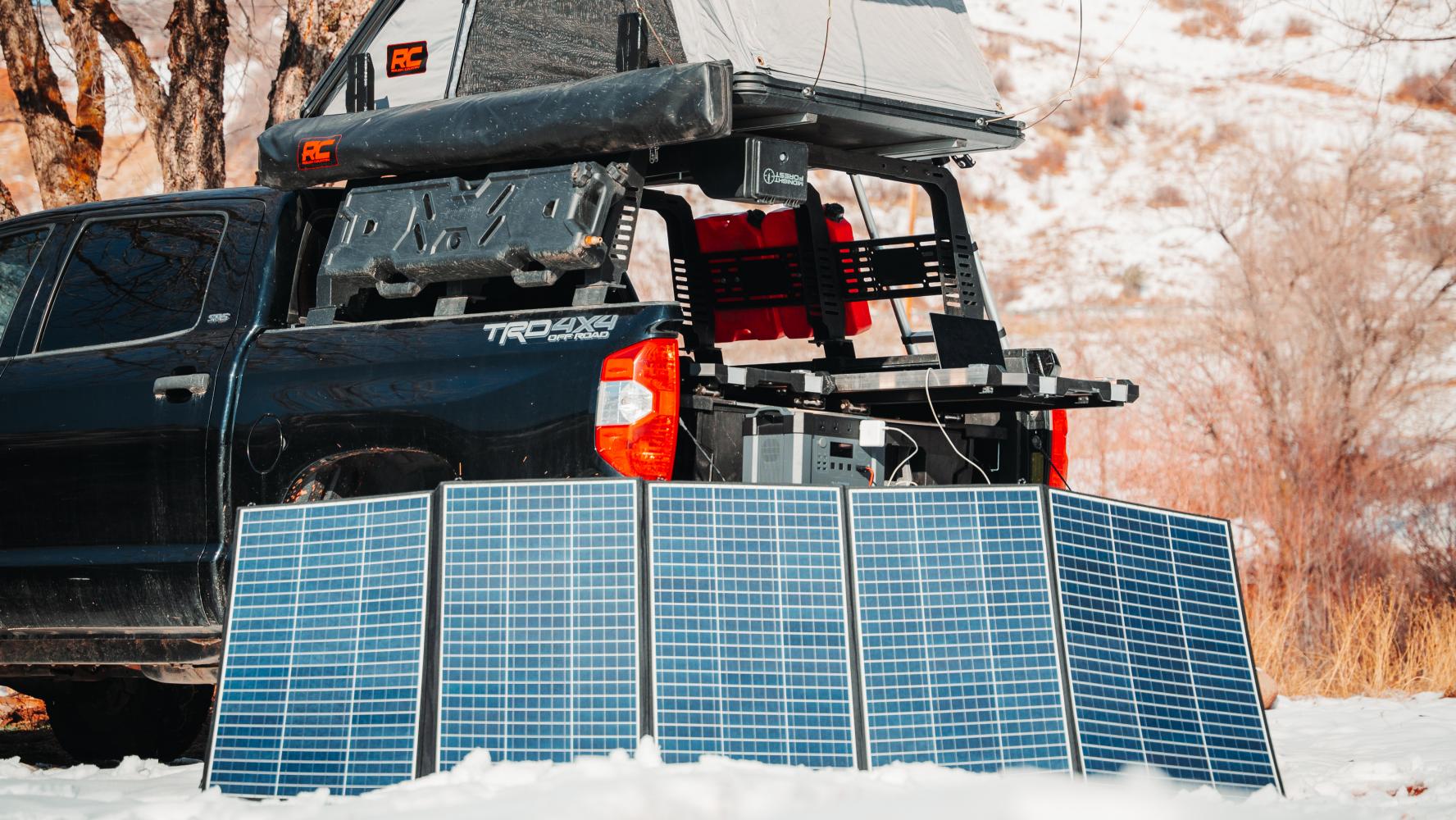
For longer trips or extended off-grid stays, a portable solar generator equipped with high-capacity power stations and solar panels becomes a great alternative.
It delivers silent, continuous power during peak daylight hours, freeing you from fuel consumption and generator noise over the long haul.
Learn More: Will a 2500 Watt Generator Run an RV Air Conditioner?
Reduce Heat Inside an RV
The most effective way to keep an RV cool is to prevent heat from entering in the first place.
Cooling an already overheated RV requires significantly more energy than maintaining a comfortable temperature.
Park in the Shade
Parking location has a major impact on interior temperature. Natural shade from trees or nearby structures can reduce direct solar exposure and help lower cooling demand.
Use Window Covers
RV windows allow a large amount of solar heat to enter the living space. Reflective shades, thermal curtains, and insulated window coverings can block sunlight before it warms the interior.
Protect the Roof
The RV roof receives direct sunlight throughout the day. Roof coatings, reflective materials, and regular maintenance can help reduce heat absorption.
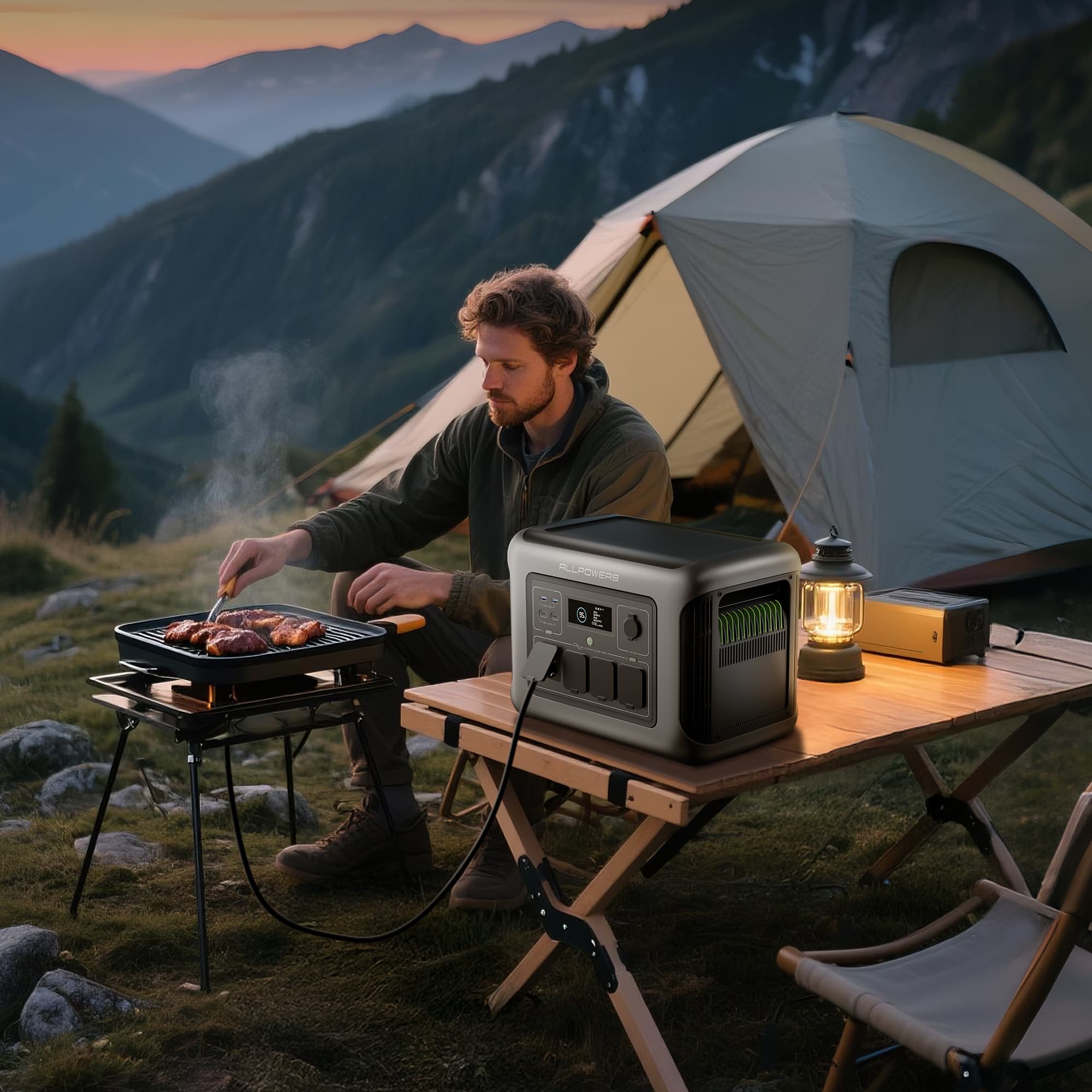
Cook Outside When Possible
Cooking inside an RV creates additional heat from ovens, stovetops, and appliances. Outdoor cooking helps prevent unnecessary temperature increases inside the living area.
Improving RV Airflow and Ventilation
Good airflow plays an important role in keeping an RV comfortable. Even when the air conditioner is not running, proper ventilation can help remove trapped hot air.
Use Roof Vents
RV roof vents allow rising hot air to escape from the interior. When combined with fans, they can improve air circulation throughout the living area.
Install Vent Fans
Ventilation fans help move air more effectively and can reduce the feeling of heat inside small RV spaces.
Take Advantage of Cooler Evening Air
During cooler mornings and evenings, opening windows and vents can help replace warm indoor air with fresh outdoor air.
Should You Run Fans Instead of RV Air Conditioning?
Fans cannot lower the actual temperature of the air, but they can improve comfort by increasing airflow across your skin.
During mild summer evenings, fans may provide enough cooling without using the high electricity required by an air conditioner.
However, during extreme heat, especially above safe temperature levels, air conditioning remains the more effective solution.
Creating a More Comfortable Summer RV Experience
Keeping an RV cool is not about relying on one single solution. The most comfortable setups combine heat prevention, efficient cooling, airflow management, and smart energy planning.
Simple improvements such as parking in shade, upgrading insulation, reducing indoor heat sources, and maintaining cooling equipment can make a noticeable difference during summer travel.
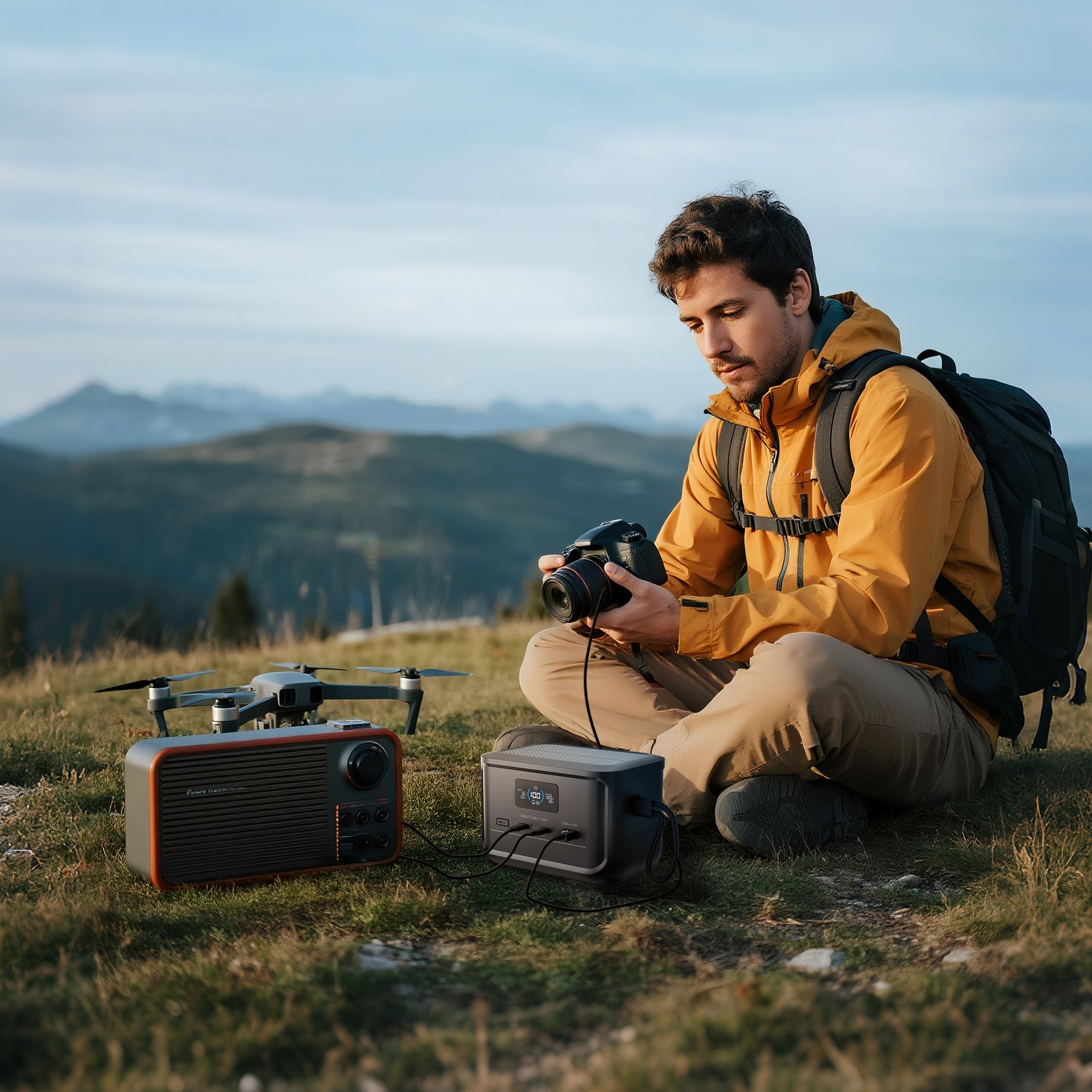
For RV owners who enjoy remote destinations, thoughtful energy preparation also creates more freedom. With proper planning, it becomes easier to enjoy comfortable camping experiences even when traditional campground utilities are unavailable.
Frequently Asked Questions
How can I keep my RV cool without air conditioning?
Using window shades, improving ventilation, parking in shade, and reducing indoor heat sources can help maintain cooler temperatures without constant air conditioning.
Does parking direction affect RV temperature?
Yes. Parking to reduce direct sunlight exposure can significantly decrease heat buildup inside an RV.
Why does my RV get hot so quickly?
RVs typically have thinner insulation and more exposed surfaces than houses, allowing heat to enter faster.
Can solar power help run RV cooling equipment?
Solar charging can help replenish stored energy used by RV appliances, but cooling systems require careful energy planning because they consume substantial electricity.
What uses the most electricity in an RV during summer?
Air conditioning systems usually consume the most electricity, followed by refrigerators, cooking appliances, and electronic devices.