



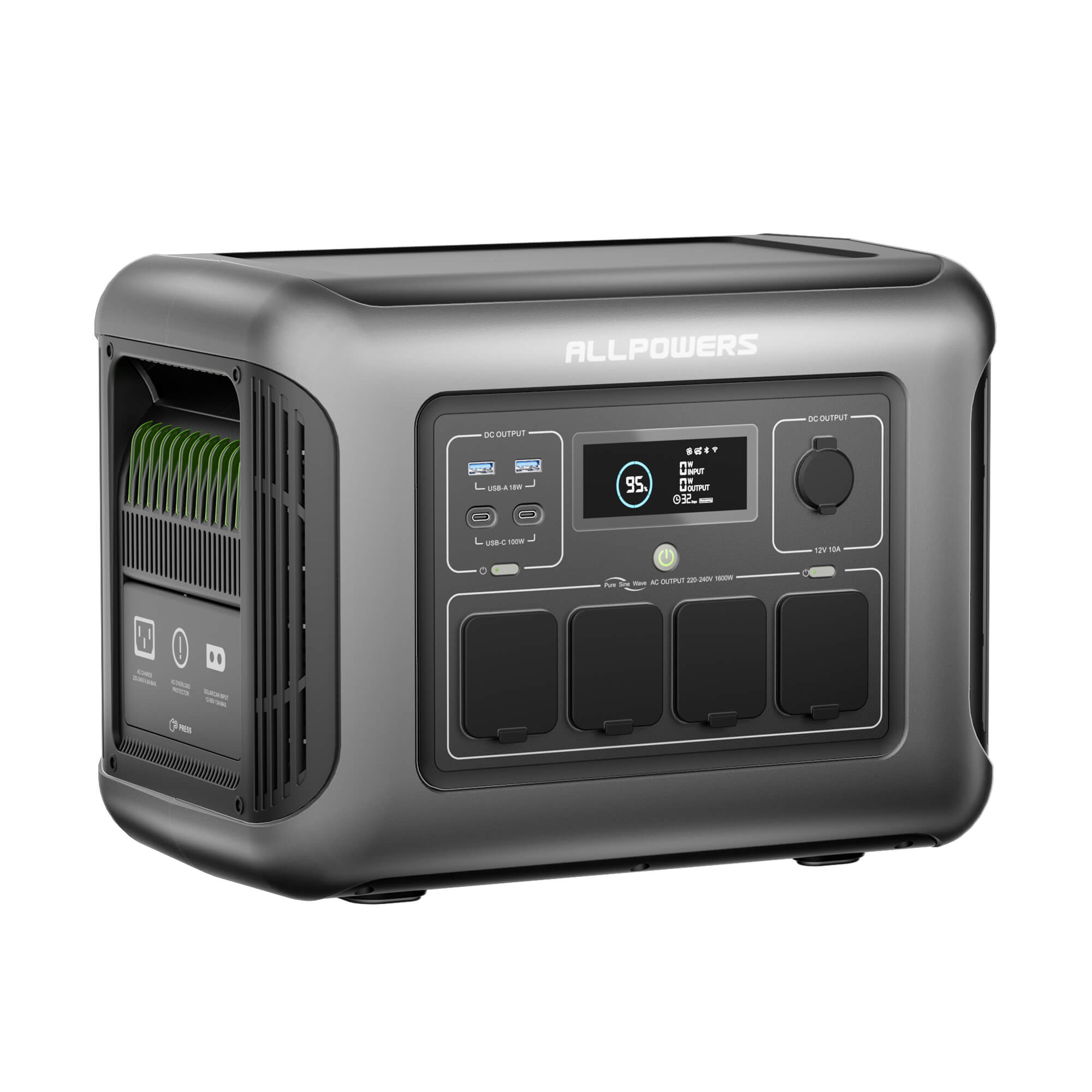
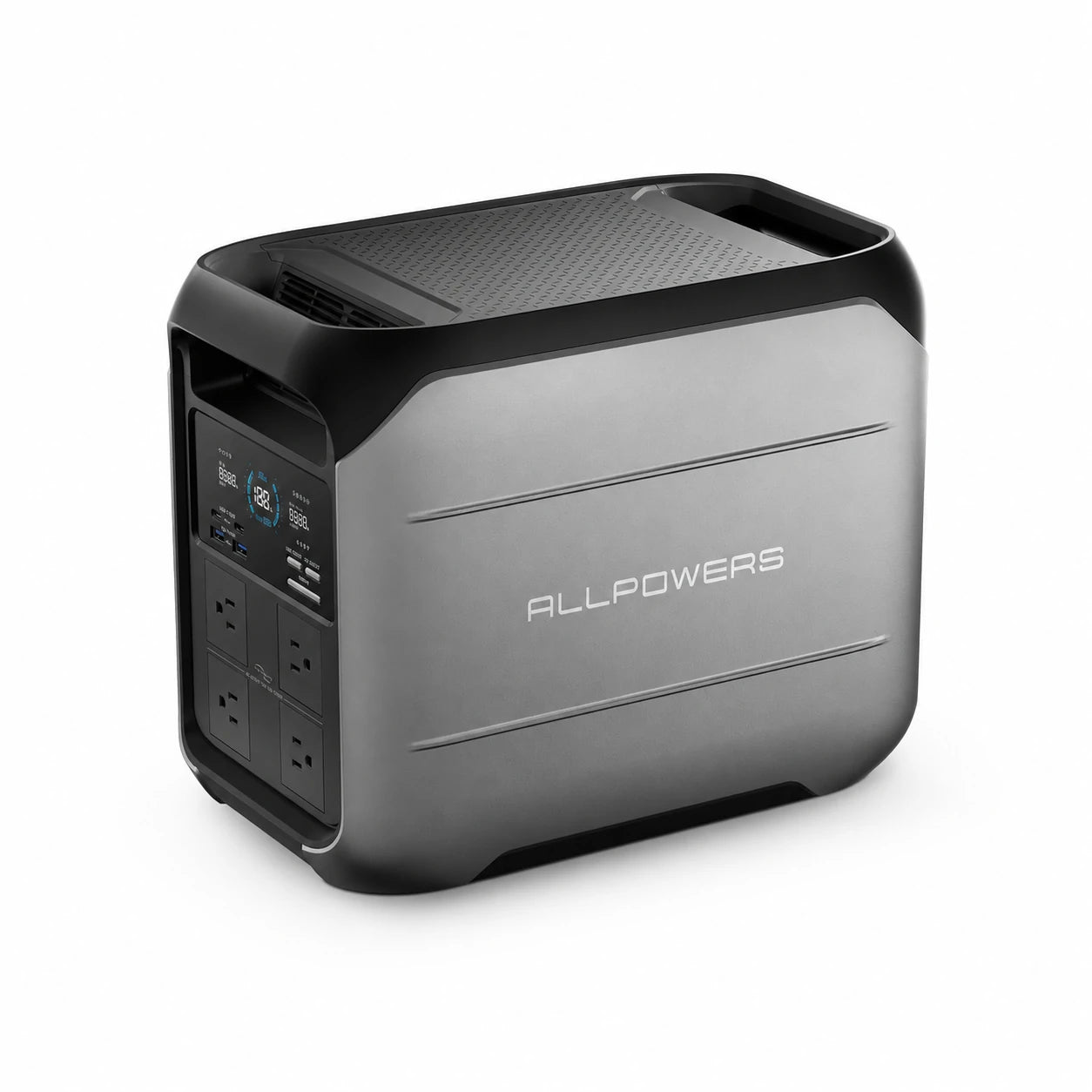





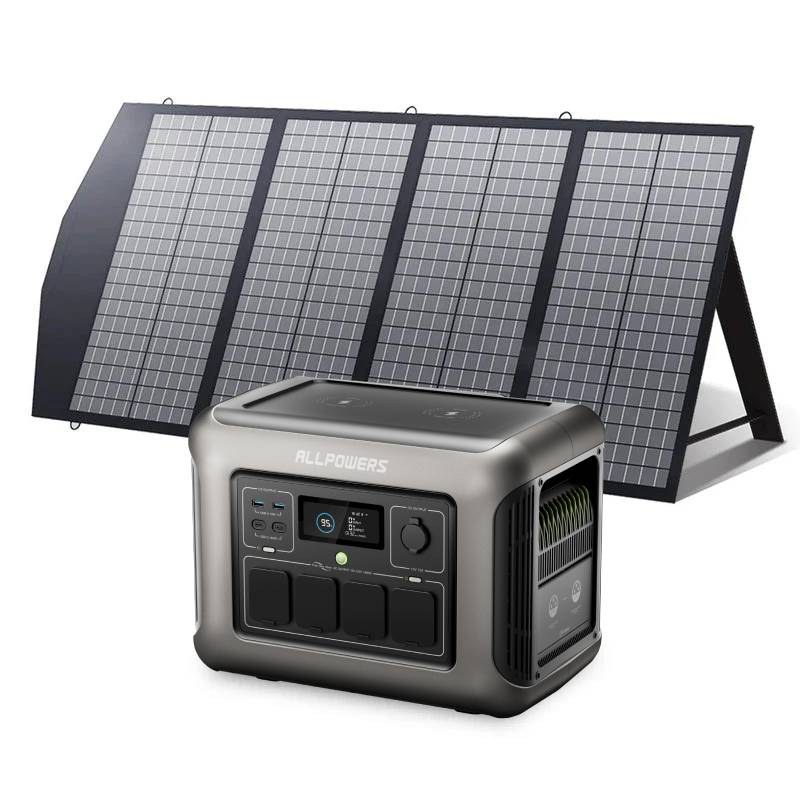
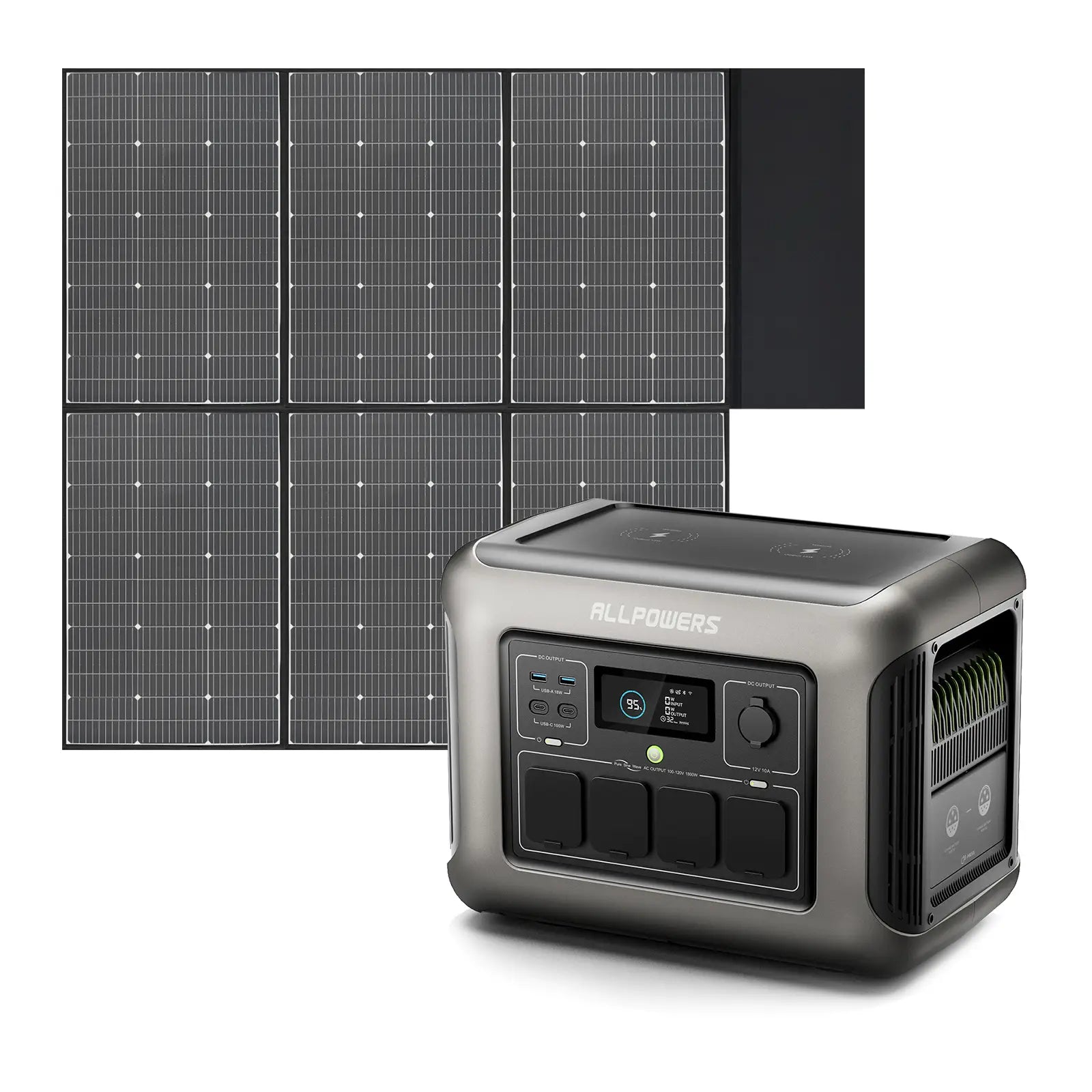
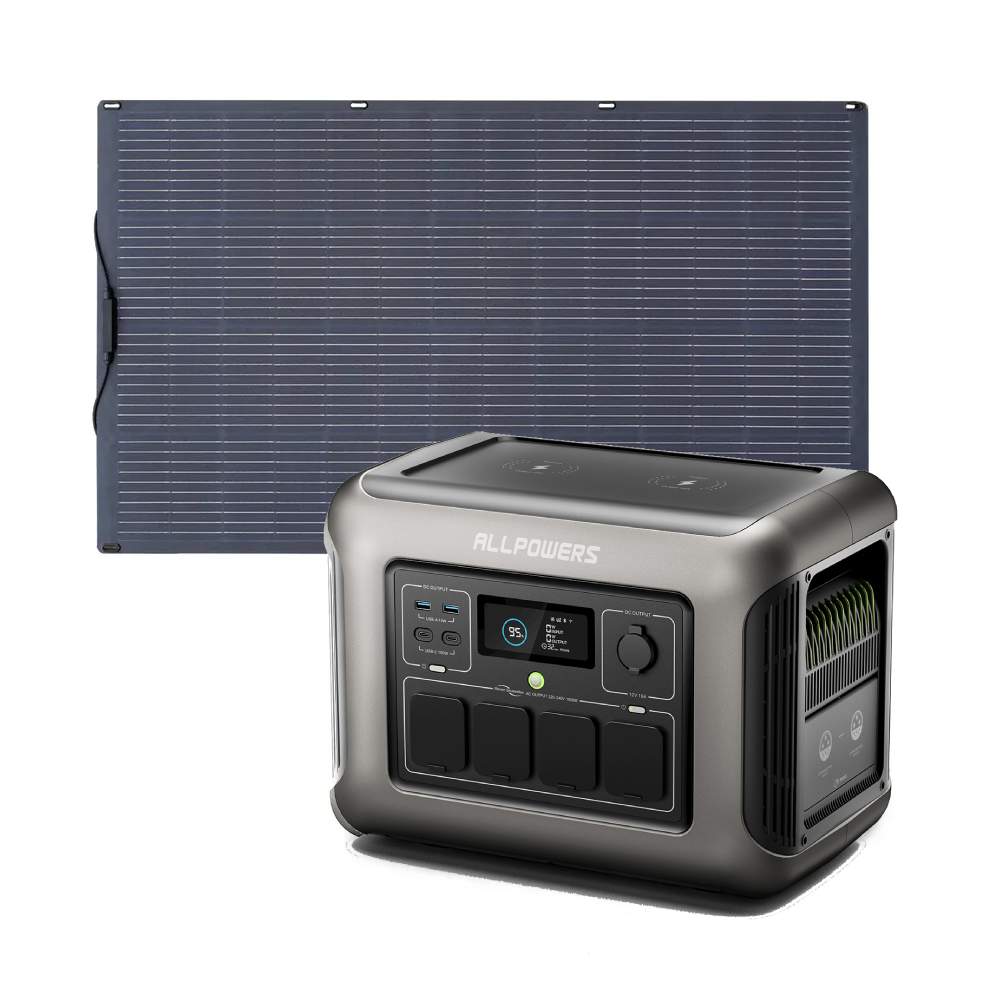
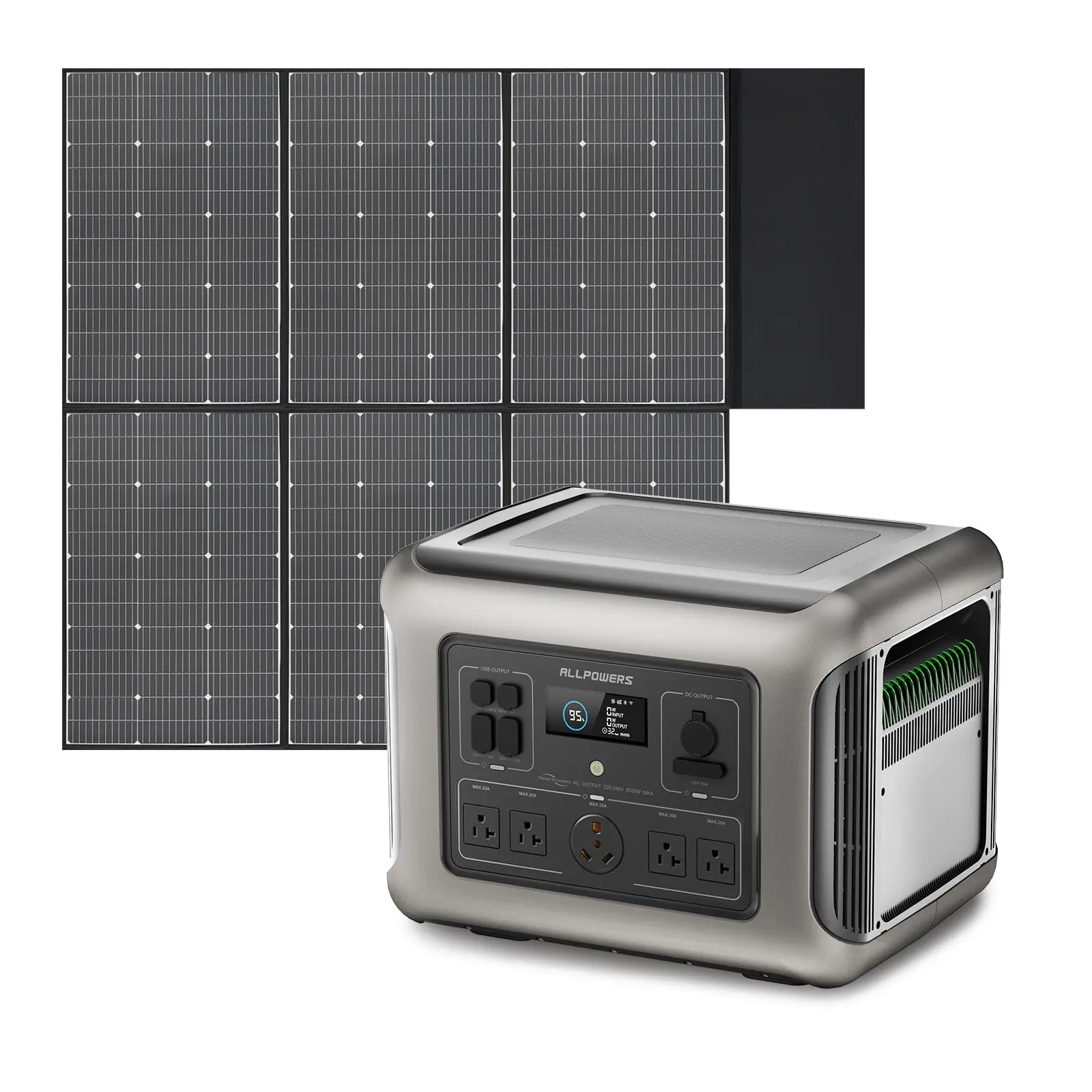
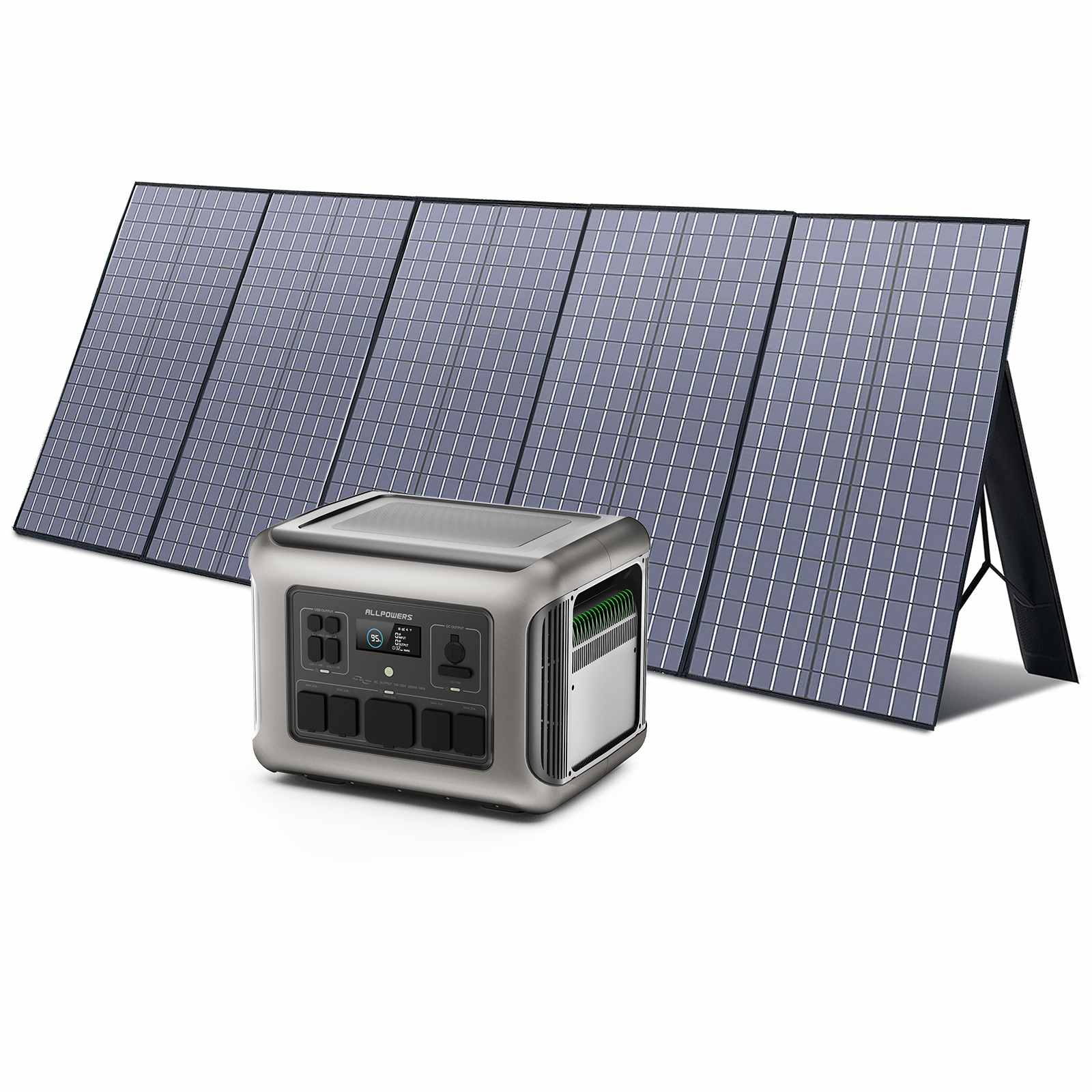
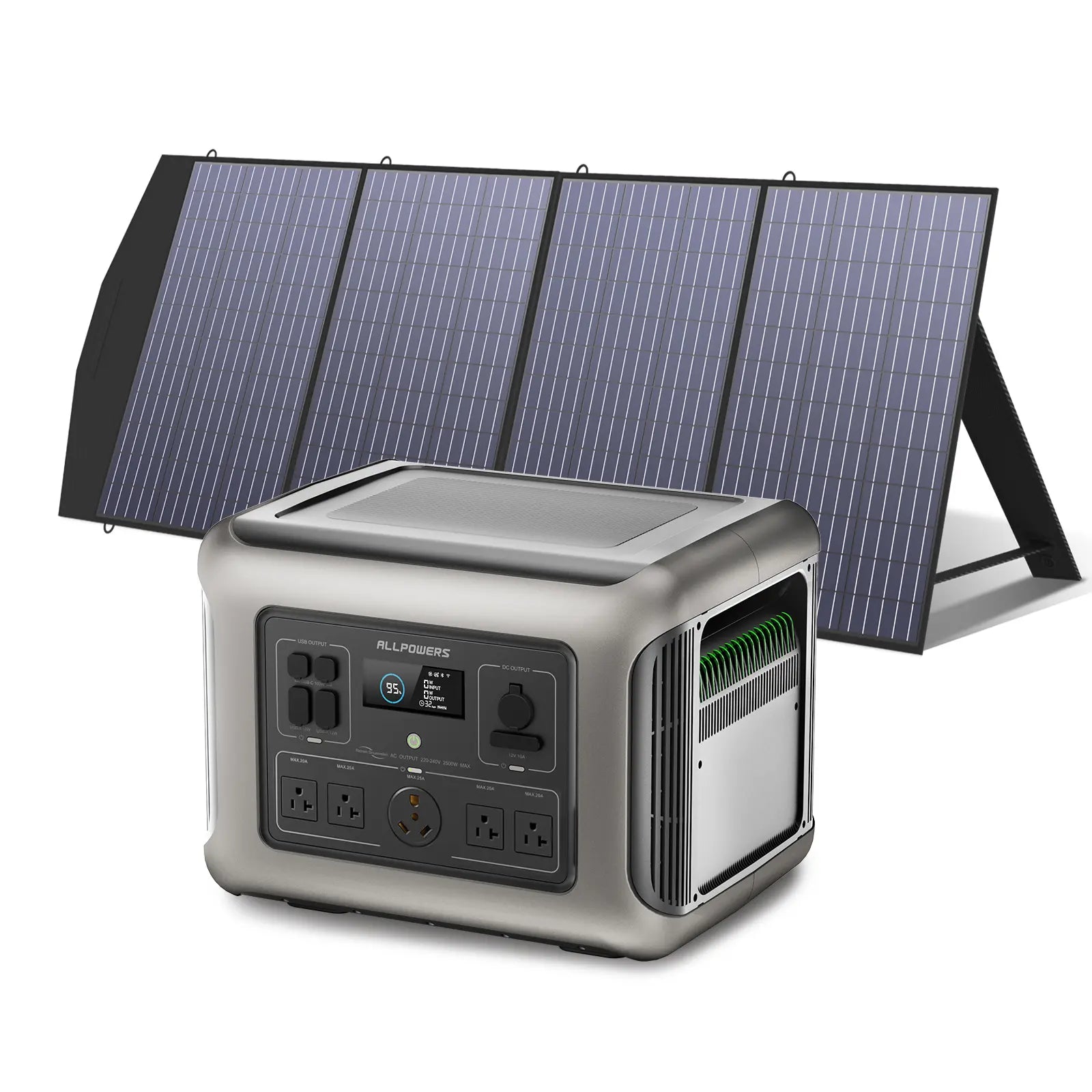
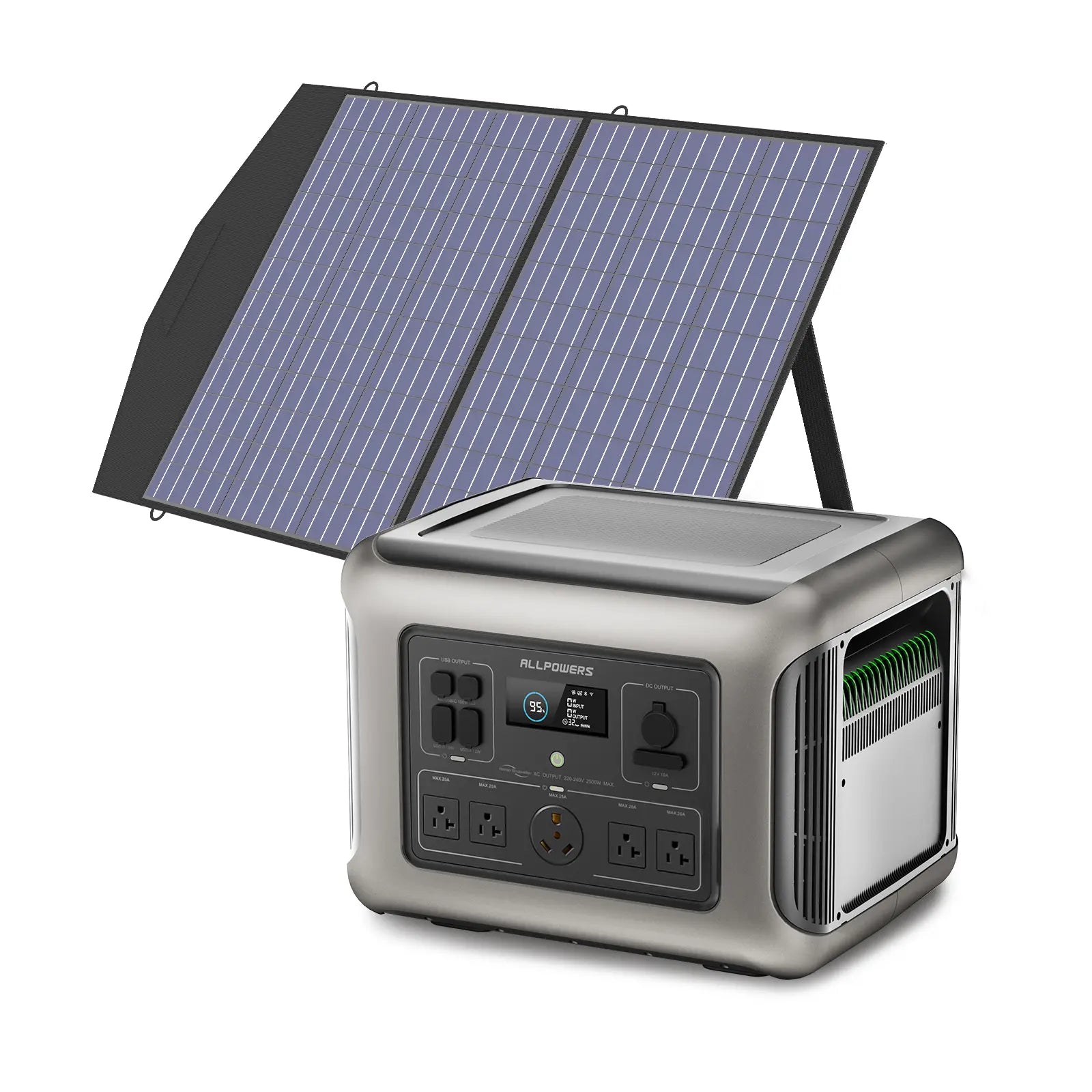
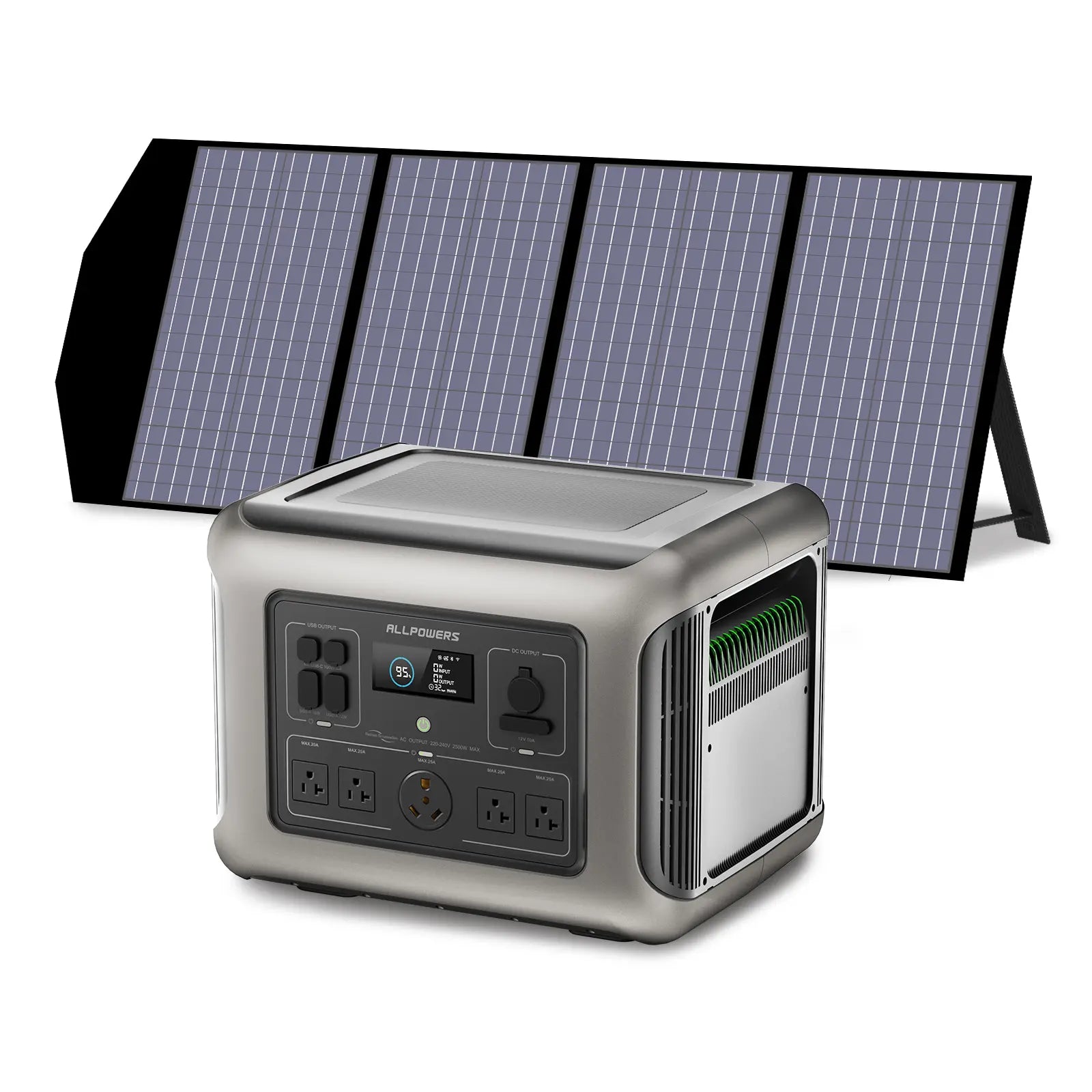
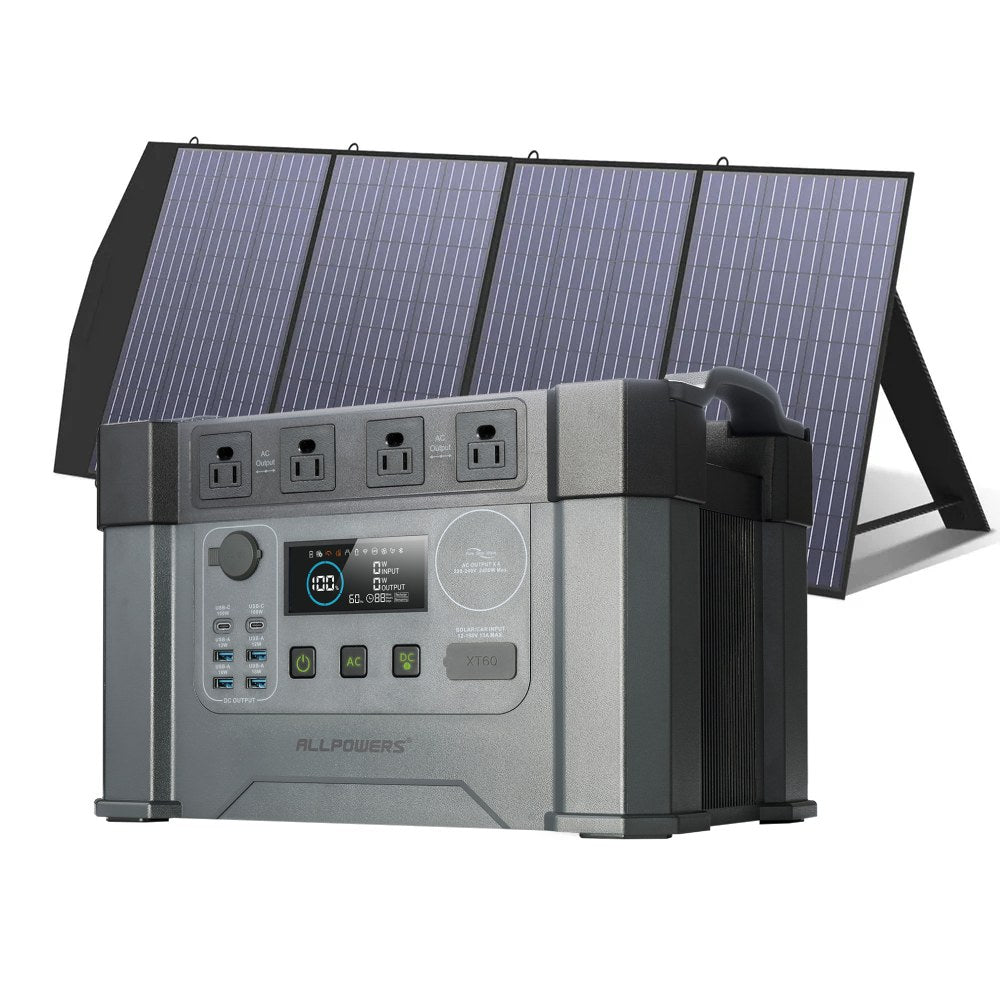
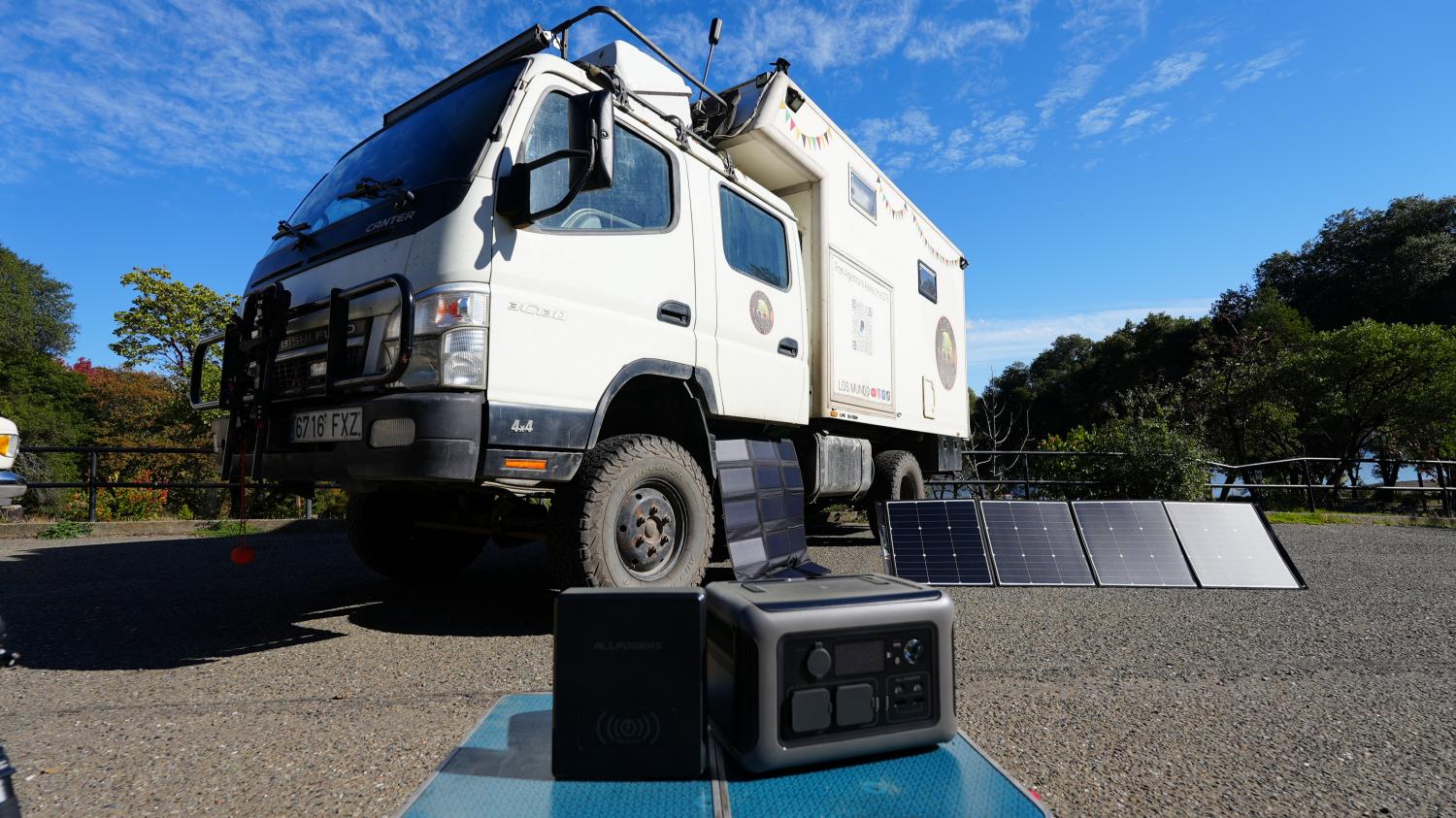
Keeping an RV cool during the summer is one of the biggest challenges for campers who spend time away from shore power.
While a 2500 watt generator is a popular choice, many RV owners aren't sure whether it can reliably power an air conditioner.
So, is a 2500 watt generator enough to keep your RV air conditioner running?
TL;DR: A 2500 watt generator can run many 13,500 BTU RV air conditioners under the right conditions, but startup surge is often the deciding factor. Using a soft start device, reducing other electrical loads, and understanding your RV's actual power demand greatly improve the chances of reliable operation.
How Much Power Does an RV Air Conditioner Really Need?
RV air conditioners are one of the most demanding appliances in a mobile living setup because they must compress refrigerant continuously to cool a relatively small but poorly insulated space.
Most standard RV AC units fall in the range of 13,500 to 15,000 BTU, and their power consumption typically ranges from moderate to high depending on environmental conditions.
While running wattage is important, what matters more is the continuous load requirement combined with short bursts of very high energy demand when the compressor starts cycling.
This means that even if a generator appears sufficient on paper, real-world performance can behave very differently during startup cycles.
| RV Air Conditioner Size | Running Watts | Typical Startup Watts |
|---|---|---|
| 9,000 BTU | 700–1,000 W | 1,500–2,000 W |
| 13,500 BTU | 1,200–1,800 W | 2,500–3,500 W |
| 15,000 BTU | 1,500–2,000 W | 3,000–4,000 W |
Can a 2500 Watt Generator Start an RV Air Conditioner?
A 2500 watt generator sits in the mid-range portable power category, often designed for camping, RV backup, and light off-grid use.
Its rated output usually refers to running wattage, while peak wattage may reach slightly higher for short bursts.
In practical RV usage, this means the generator can often support a single major appliance load—but not multiple high-demand systems at once.
Even if a 2500 watt generator can technically support an air conditioner, RV electrical systems rarely run only one device at a time.
Everyday usage introduces competing loads that reduce available headroom.
Can You Run Other Appliances at the Same Time?
One of the biggest mistakes new RV owners make is assuming that if the generator can run the air conditioner, it can also power everything else simultaneously.
In reality, every appliance reduces the amount of available capacity. Running a microwave while the air conditioner cycles on may easily overload a 2500 watt generator.
| Common RV Appliance | Typical Power Use |
|---|---|
| Microwave | 900–1,500 W |
| Coffee Maker | 700–1,200 W |
| Electric Kettle | 1,000–1,500 W |
| RV Refrigerator | 100–600 W |
| Laptop Charger | 40–90 W |
| LED Lighting | 20–100 W |
Managing electrical loads often makes a greater difference than purchasing a larger generator.
Many experienced RV travelers simply avoid operating kitchen appliances while the air conditioner is cycling.
What Factors Can Affect Generator Performance?
Even when a generator is correctly sized, real-world conditions can influence how well it performs.
Hot Weather Increases Power Demand
When outdoor temperatures climb into the 90s or higher, your air conditioner works harder to remove heat from the RV.
This often increases both runtime and compressor cycling frequency, placing additional stress on the generator.
High Elevation Reduces Engine Output
Generators rely on gasoline engines, and those engines naturally produce less power at higher elevations because thinner air contains less oxygen.
Many manufacturers estimate that engine output drops by approximately 3% for every 1,000 feet above sea level, meaning a generator that performs well at sea level may struggle in mountain campgrounds.
Poor Maintenance Can Reduce Performance
Dirty air filters, old spark plugs, or stale fuel can all reduce generator efficiency. Likewise, neglected air conditioners with clogged filters may consume more electricity than expected.
Can a Soft Start Device Make a Difference?
Many experienced RV owners install a soft start kit on their air conditioner. Rather than allowing the compressor to demand maximum current instantly, the device gradually increases motor speed.
Lower startup demand means the generator experiences less stress during compressor startup, making it much more likely that a mid-sized generator can operate the system successfully.
So, Is a 2500 Watt Generator the Right Choice?
For many RV owners, the answer is yes—but with realistic expectations. A quality 2500 watt generator is often capable of running a 13,500 BTU air conditioner when conditions are favorable and electrical loads are managed carefully.
However, if your RV uses a larger 15,000 BTU air conditioner, frequently camps in extremely hot climates, or regularly operates multiple appliances at once, you may find yourself operating very close to the generator's limits.
Understanding your actual power requirements before purchasing a generator helps avoid unnecessary frustration, improves camping comfort, and ensures your electrical system performs reliably wherever your travels take you.
Frequently Asked Questions
Will a 2500 watt generator run a 15,000 BTU RV air conditioner?
Sometimes, but it depends on the unit's startup wattage and whether a soft start kit is installed. Many larger air conditioners exceed the comfortable operating range of a 2500 watt generator.
Does altitude affect generator performance?
Yes. Higher elevations reduce engine efficiency, which lowers available generator output.
Can I run a microwave and RV air conditioner together?
In most cases, this is not recommended because the combined power demand can exceed a 2500 watt generator's capacity.
Does a soft start kit reduce electricity usage?
No. It primarily reduces startup surge, making it easier for generators to start the compressor.