





Camping during the warmer months offers longer days, beautiful scenery, and more opportunities to enjoy nature.
However, high temperatures can quickly turn an enjoyable trip into an uncomfortable experience if you are not prepared.
So, how can you stay cool while camping even during the hottest days?
TL;DR: To stay cool while summer camping, pick a shaded campsite with good cross-ventilation and flip your schedule to tackle hikes during cooler mornings or evenings. Keep yourself refreshed by wearing lightweight, light-colored clothes, drinking water consistently before you feel thirsty, and resting during peak afternoon heat. Smart, simple schedule adjustments and natural airflow matter far more than expensive gear.
Why Camping Feels Hotter Than Expected
Many first-time campers are surprised by how quickly tents heat up after sunrise.
Unlike houses, tents have very little insulation, allowing sunlight to warm the interior within minutes.
Once the fabric absorbs heat, temperatures inside can rise well above the surrounding air.
Humidity also plays an important role. When the air is humid, sweat evaporates more slowly, making it harder for your body to cool itself naturally.
Combined with limited airflow inside a tent, this can make even moderate temperatures feel uncomfortable.
Fortunately, thoughtful planning and simple campsite adjustments can dramatically improve comfort throughout the day.
Choose the Right Campsite
One of the most effective ways to stay cool begins before your tent is even pitched. Selecting a campsite with the right natural features can dramatically improve daytime comfort.
Look for Natural Shade
Trees provide natural protection from direct sunlight and help lower the temperature around your campsite. Even partial shade during the afternoon can prevent your tent from becoming excessively hot.
Take Advantage of Natural Airflow
Open areas with gentle breezes often feel significantly cooler than sheltered valleys where warm air becomes trapped. Positioning your campsite to benefit from prevailing winds improves ventilation throughout the day.
Avoid Low-Lying Areas
Cold air settles overnight, but during hot days, low areas can feel humid and stagnant. Elevated locations often provide better airflow and a more comfortable sleeping environment.
Set Up Your Tent for Better Airflow
Your tent serves as your temporary home, but it can also become the hottest place at the campsite if it is not properly ventilated.
Pitch the Tent at the Right Time
Whenever possible, set up your tent after the strongest afternoon sun has passed. This helps prevent the fabric and ground beneath it from storing excessive heat before bedtime.
Maximize Ventilation
Open roof vents, mesh windows, and rainfly openings whenever weather conditions allow. Improving cross ventilation helps hot air escape while drawing cooler evening air into the tent.
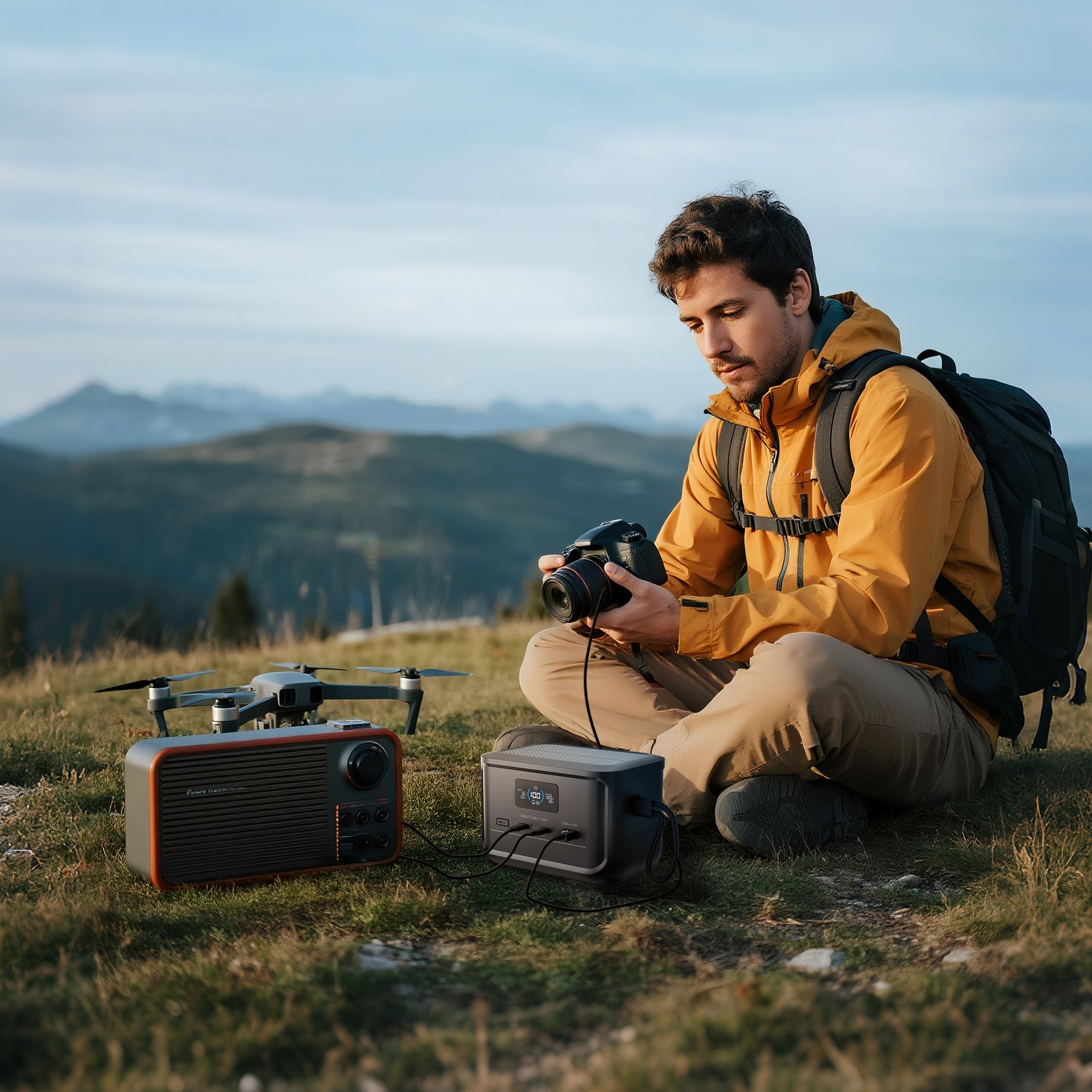
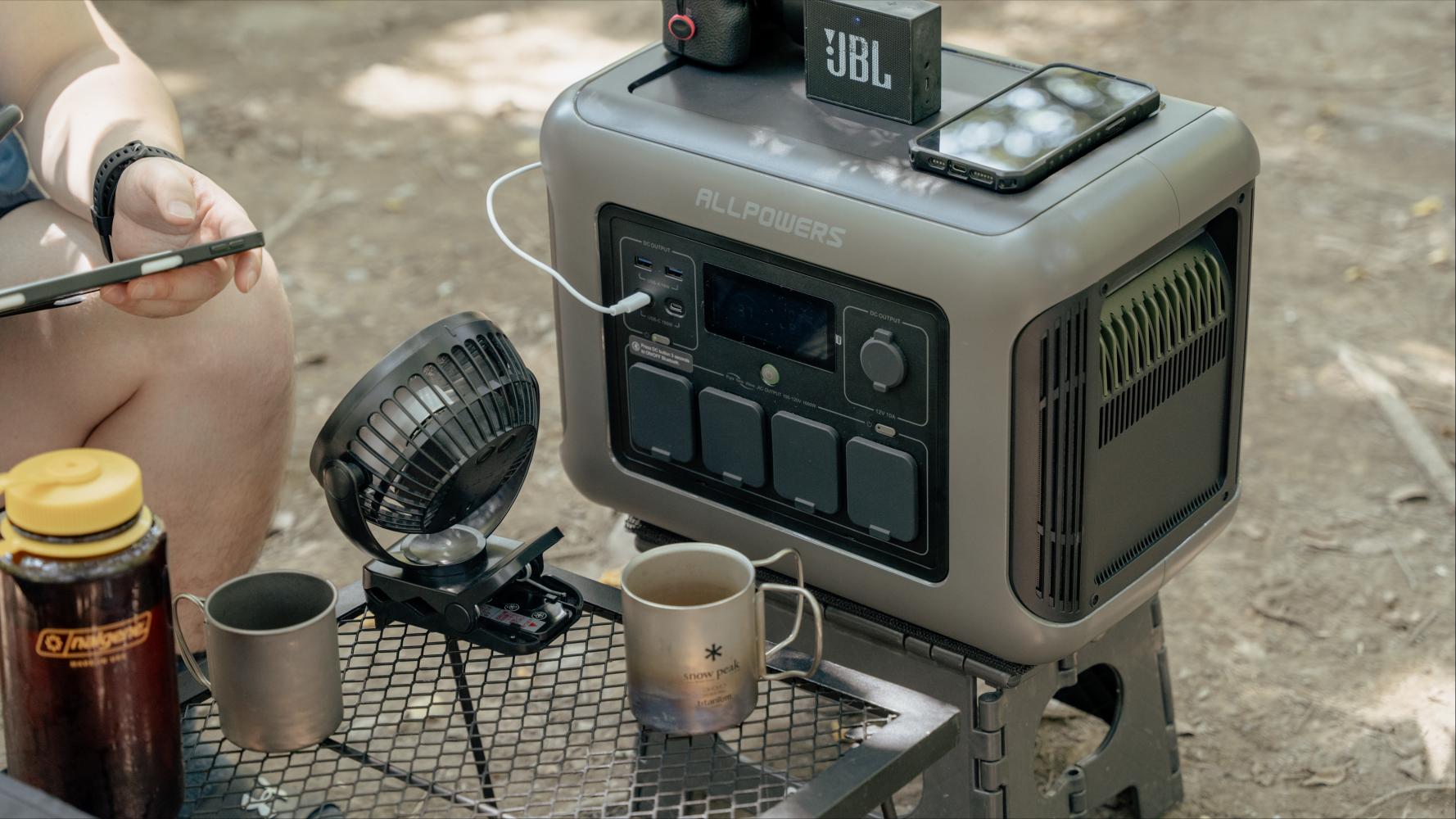
Some campers also place a small rechargeable fan inside the tent to improve air movement during warm evenings.
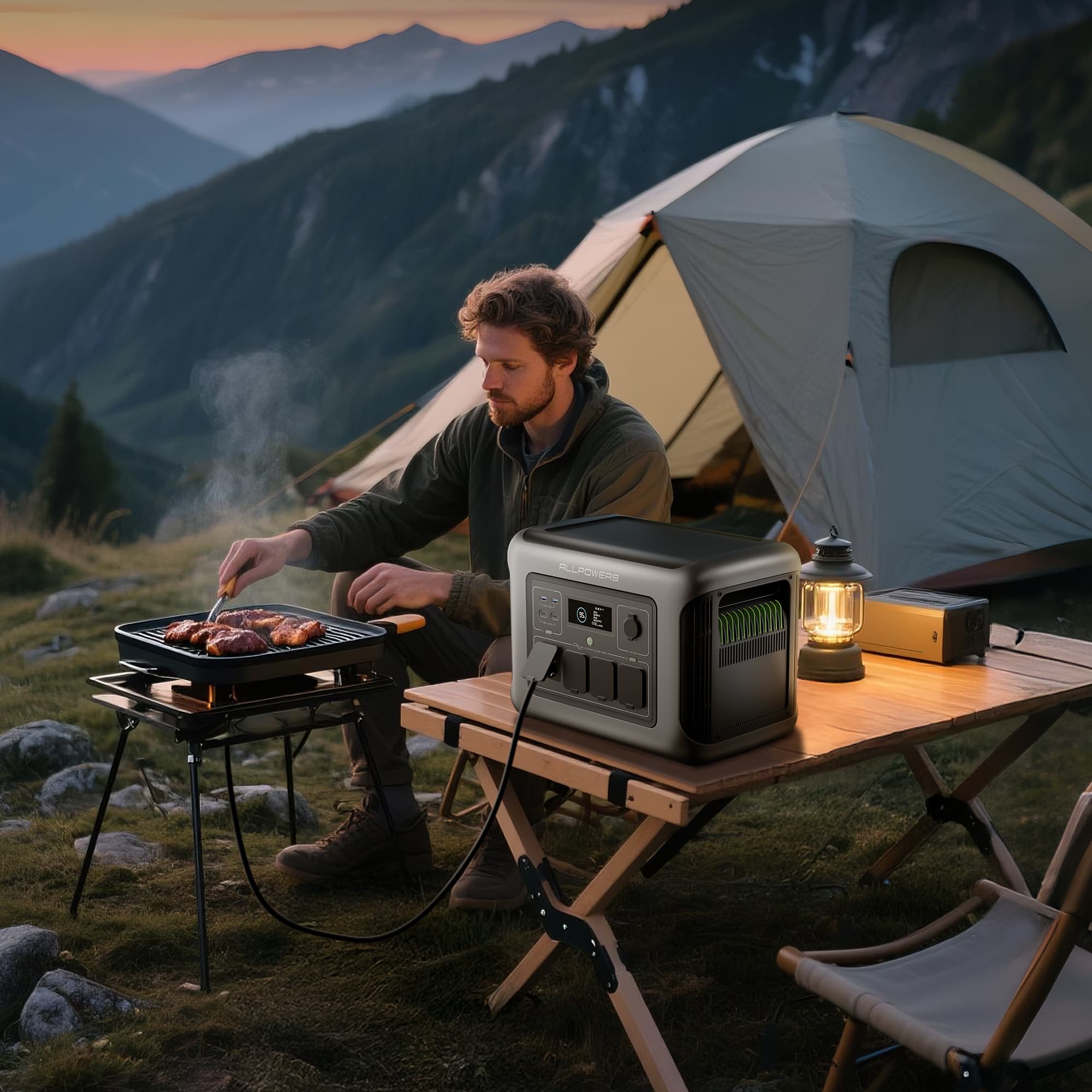
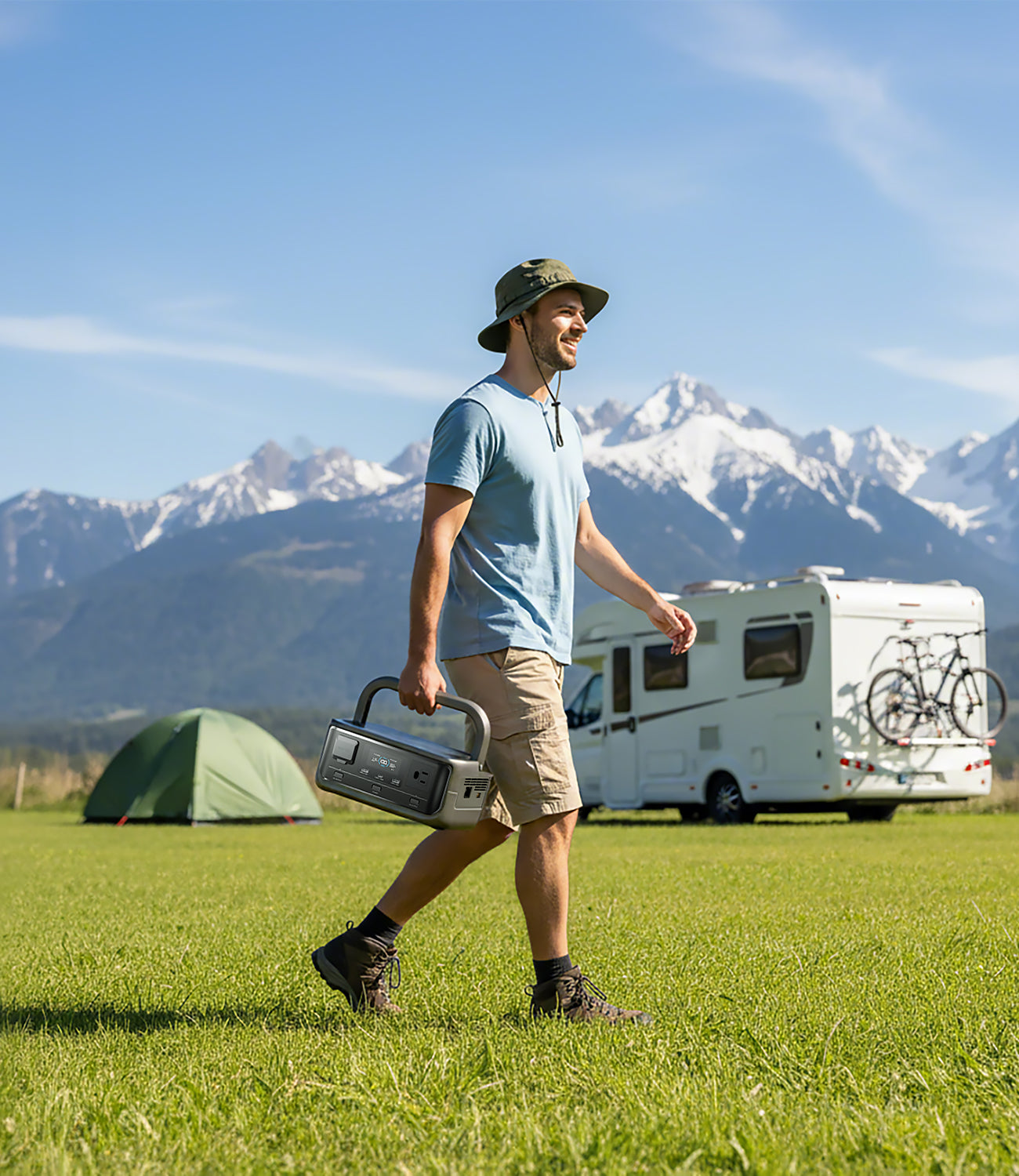
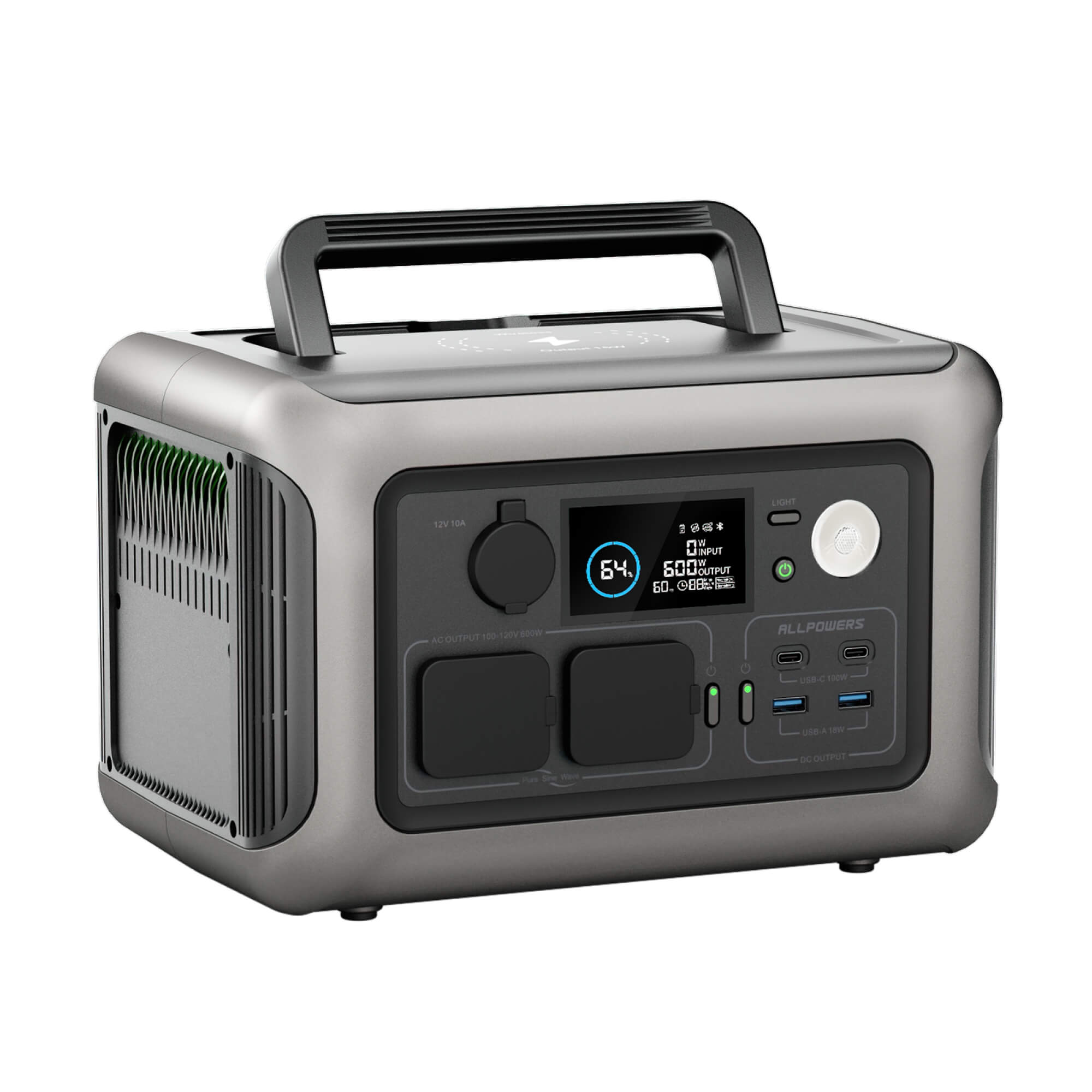
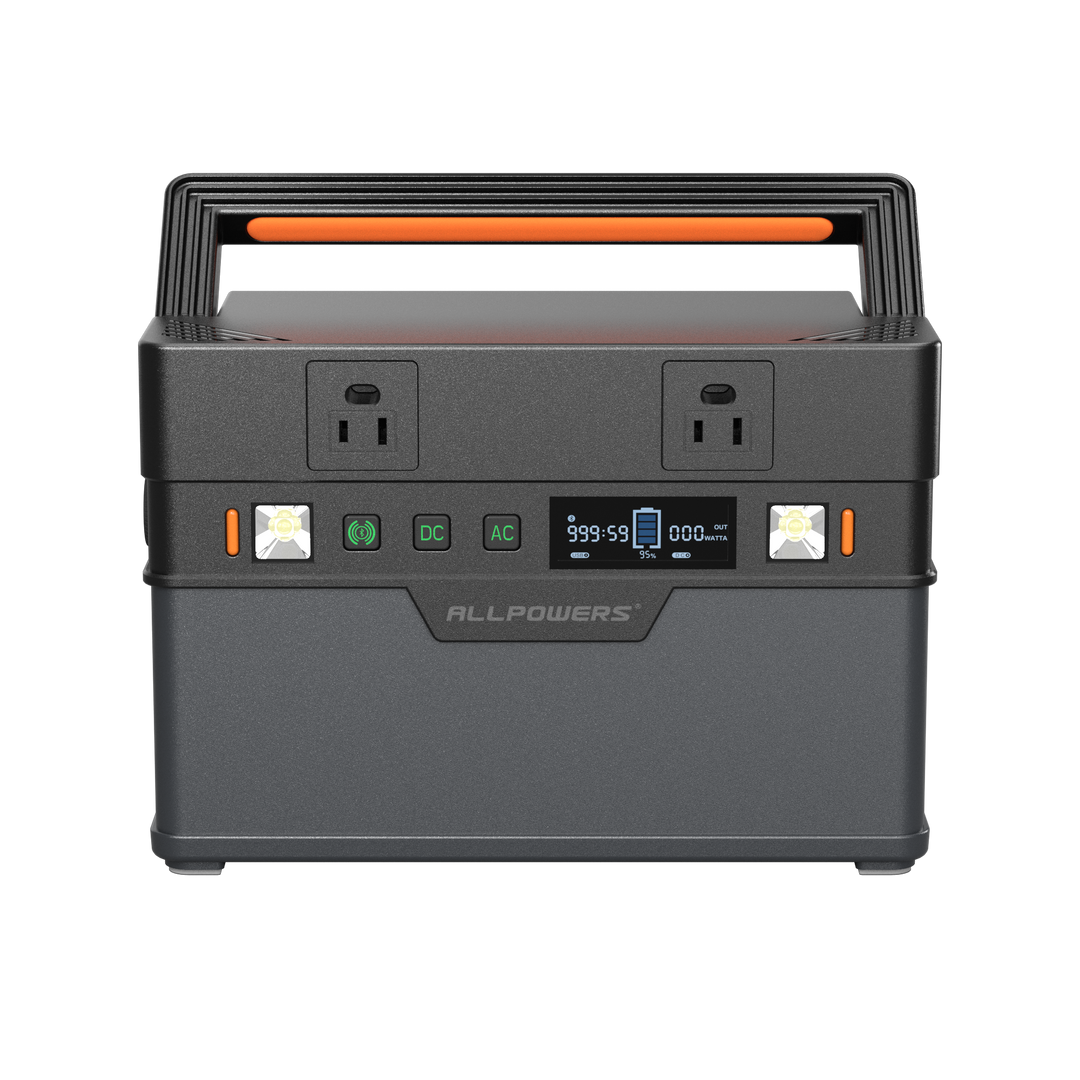
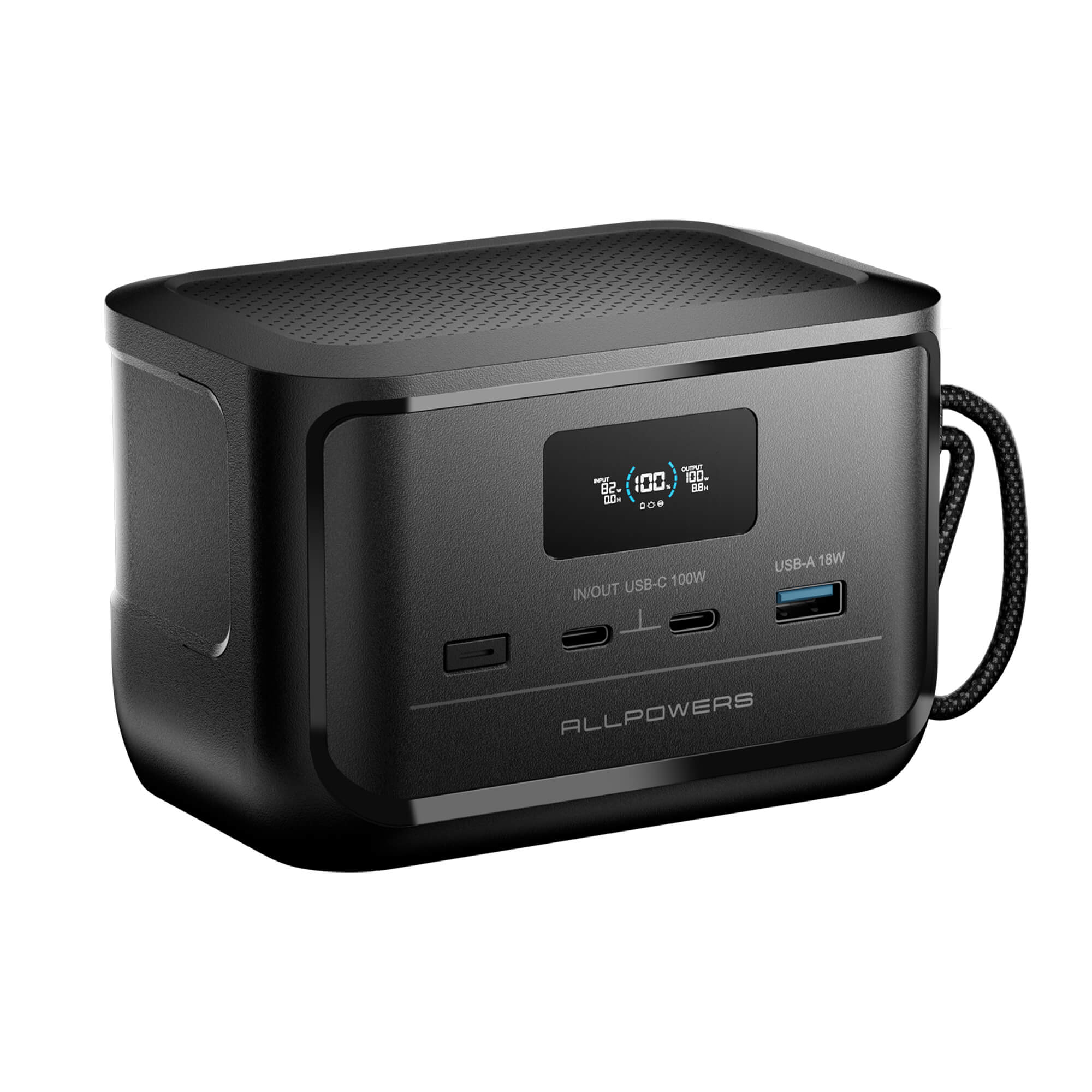
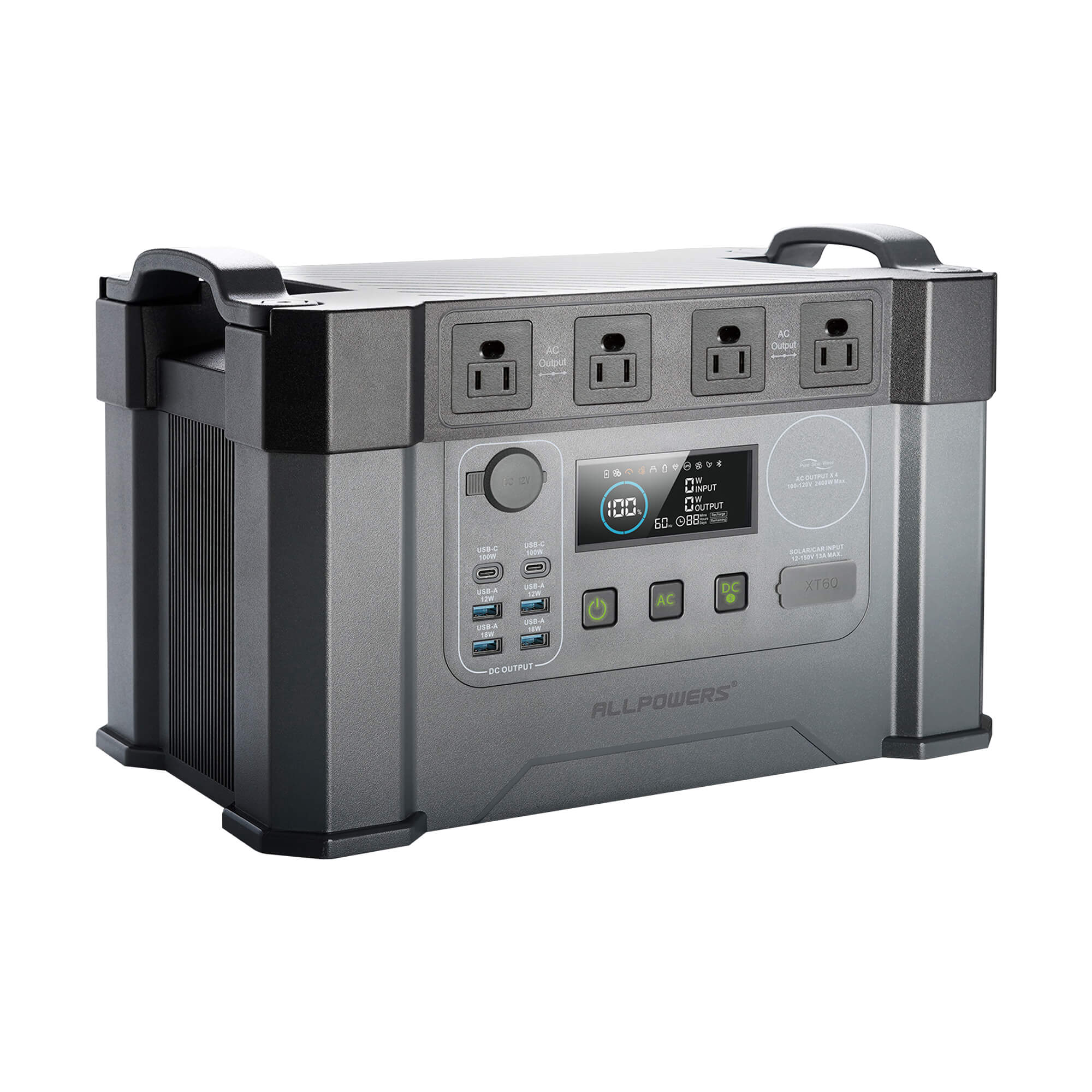
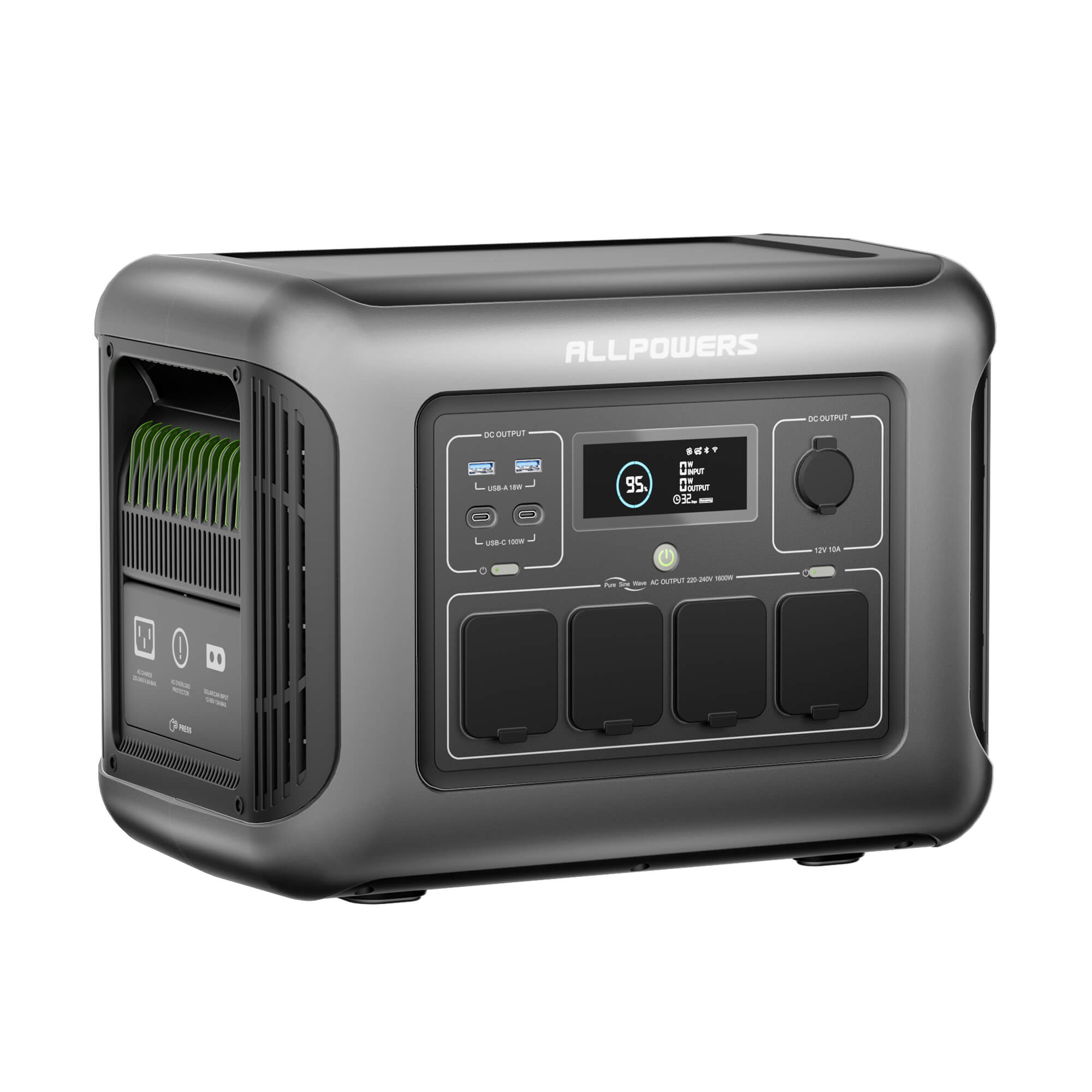
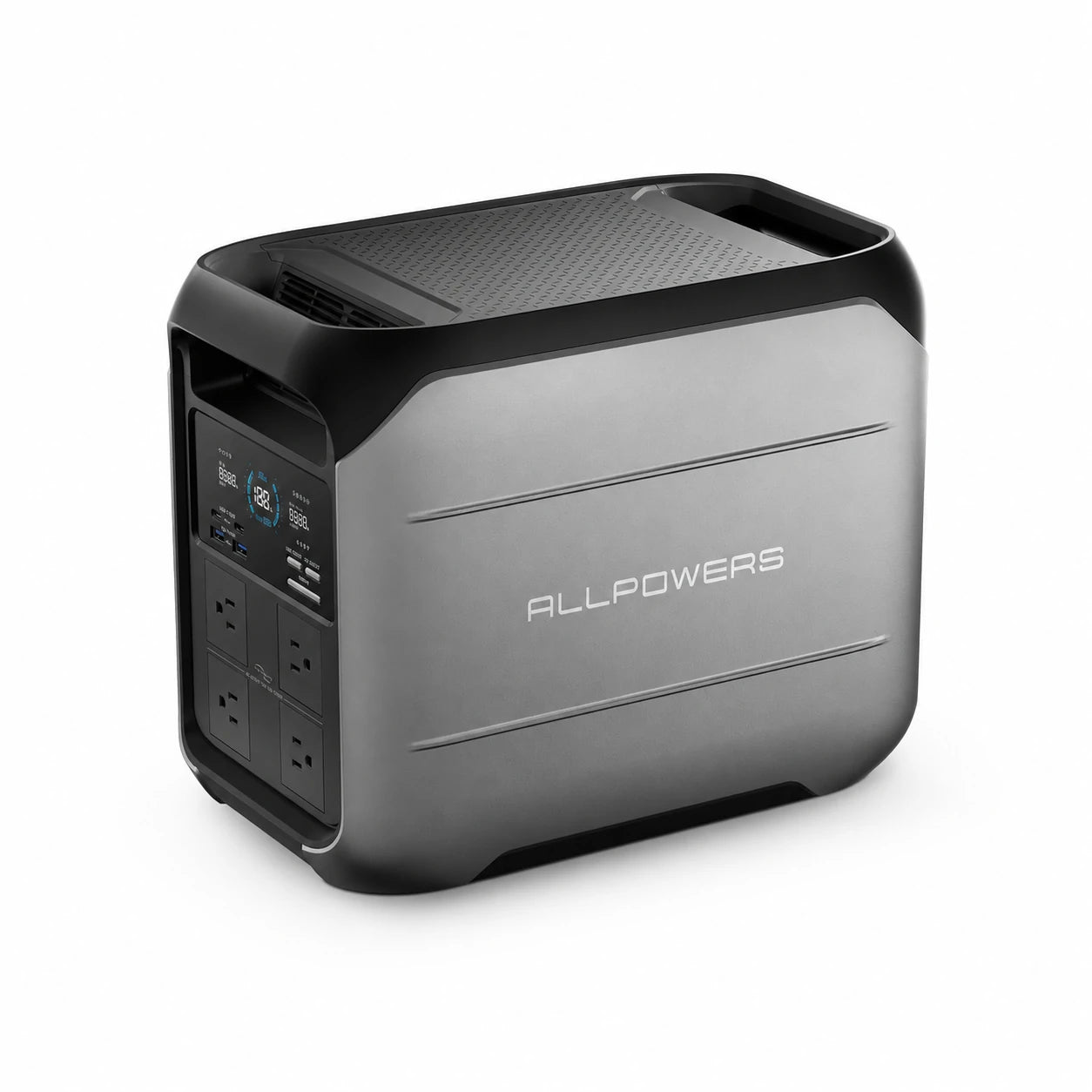
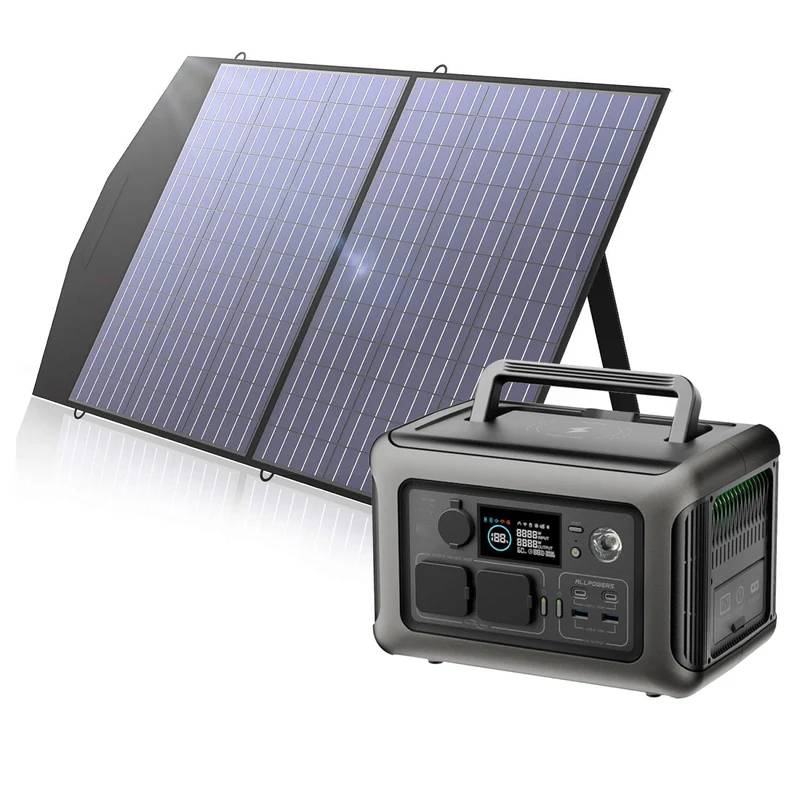
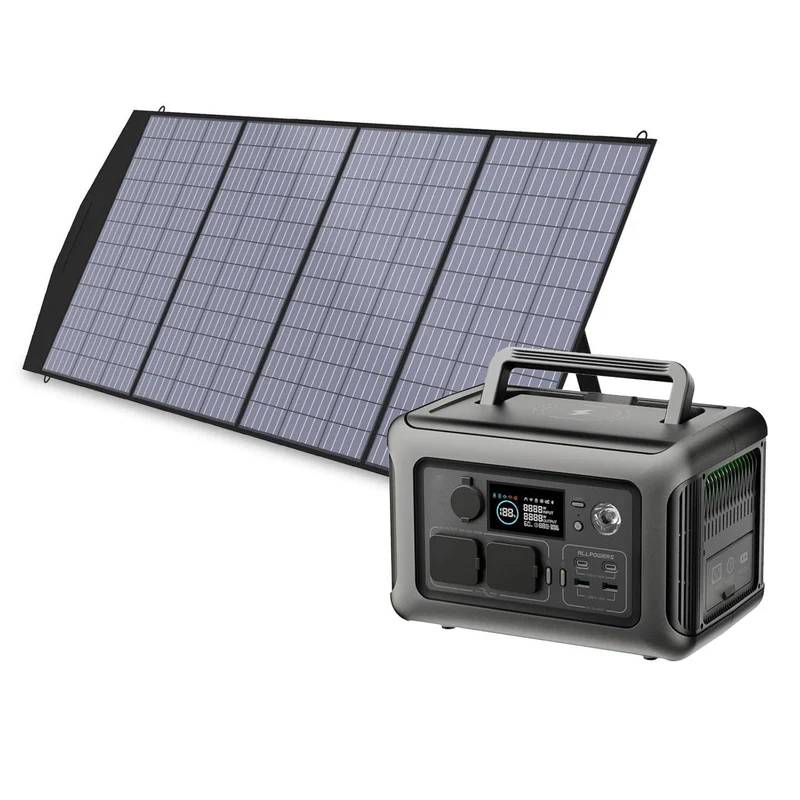
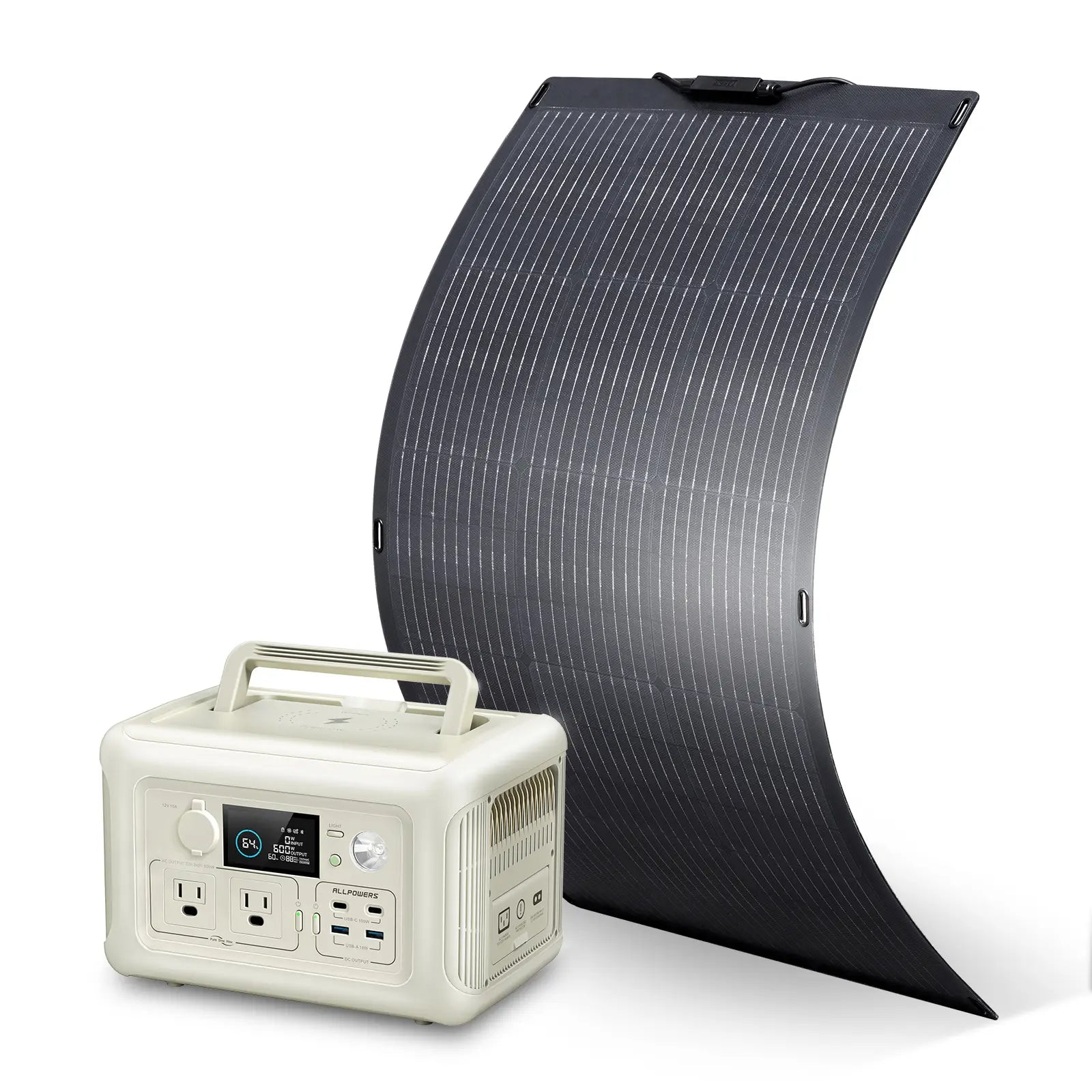
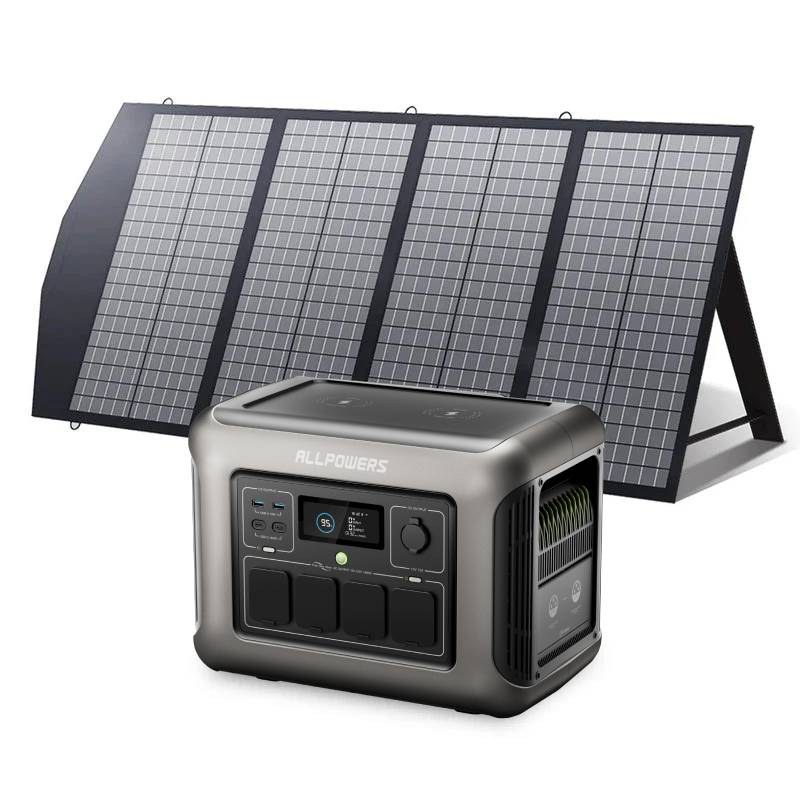
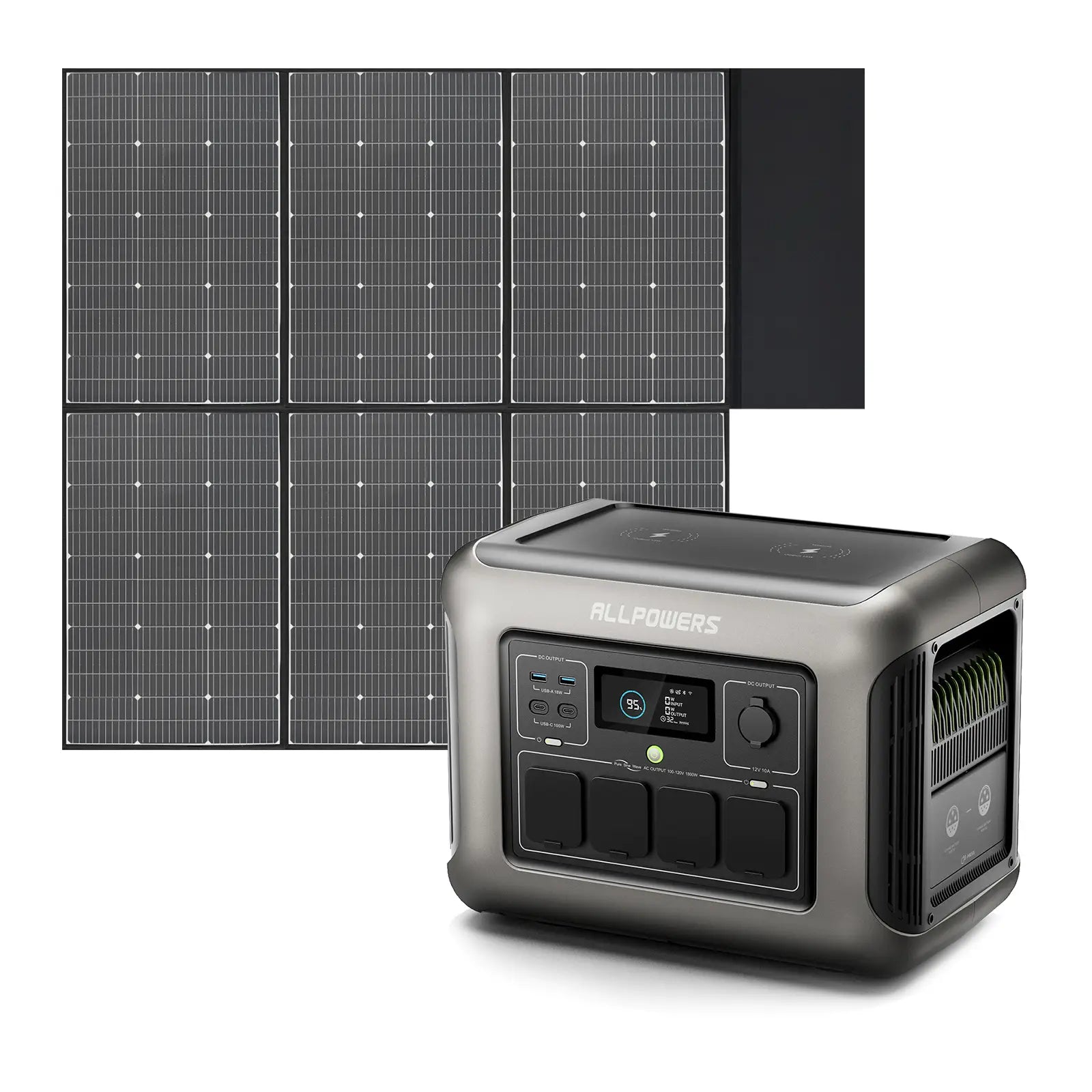
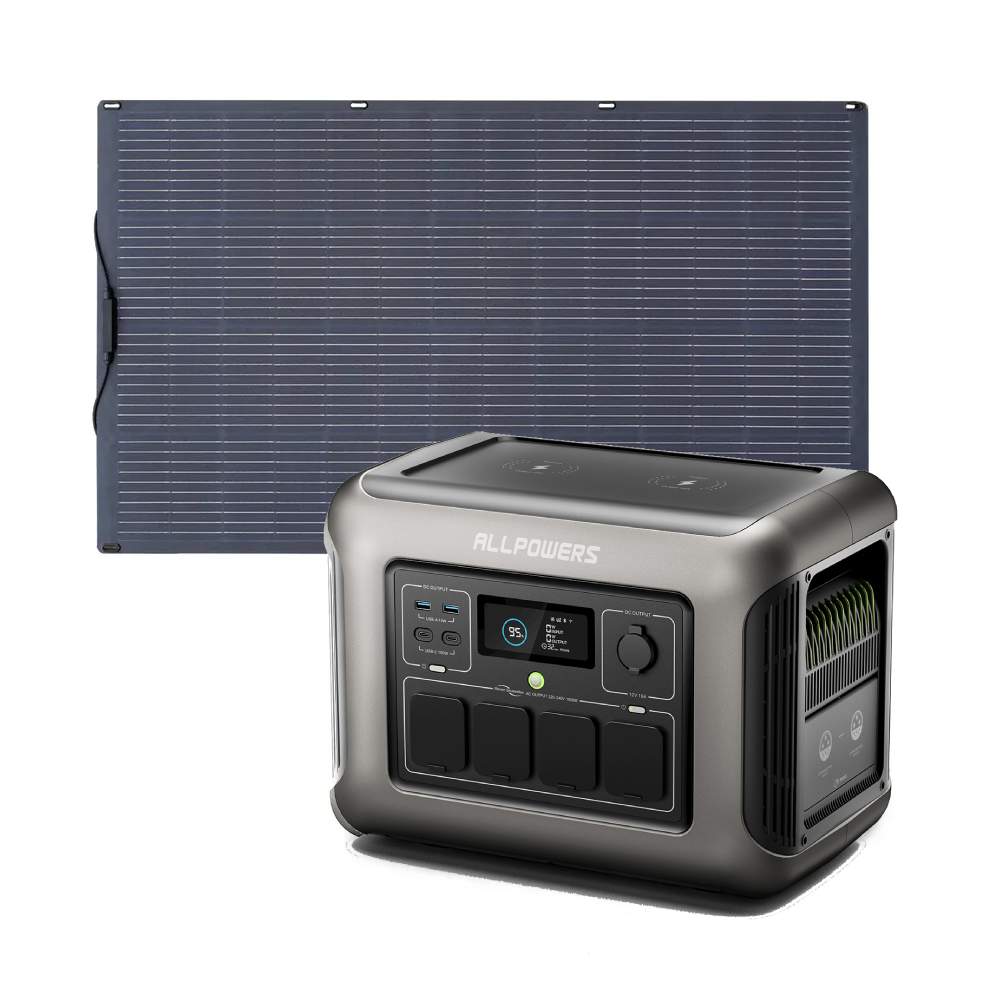
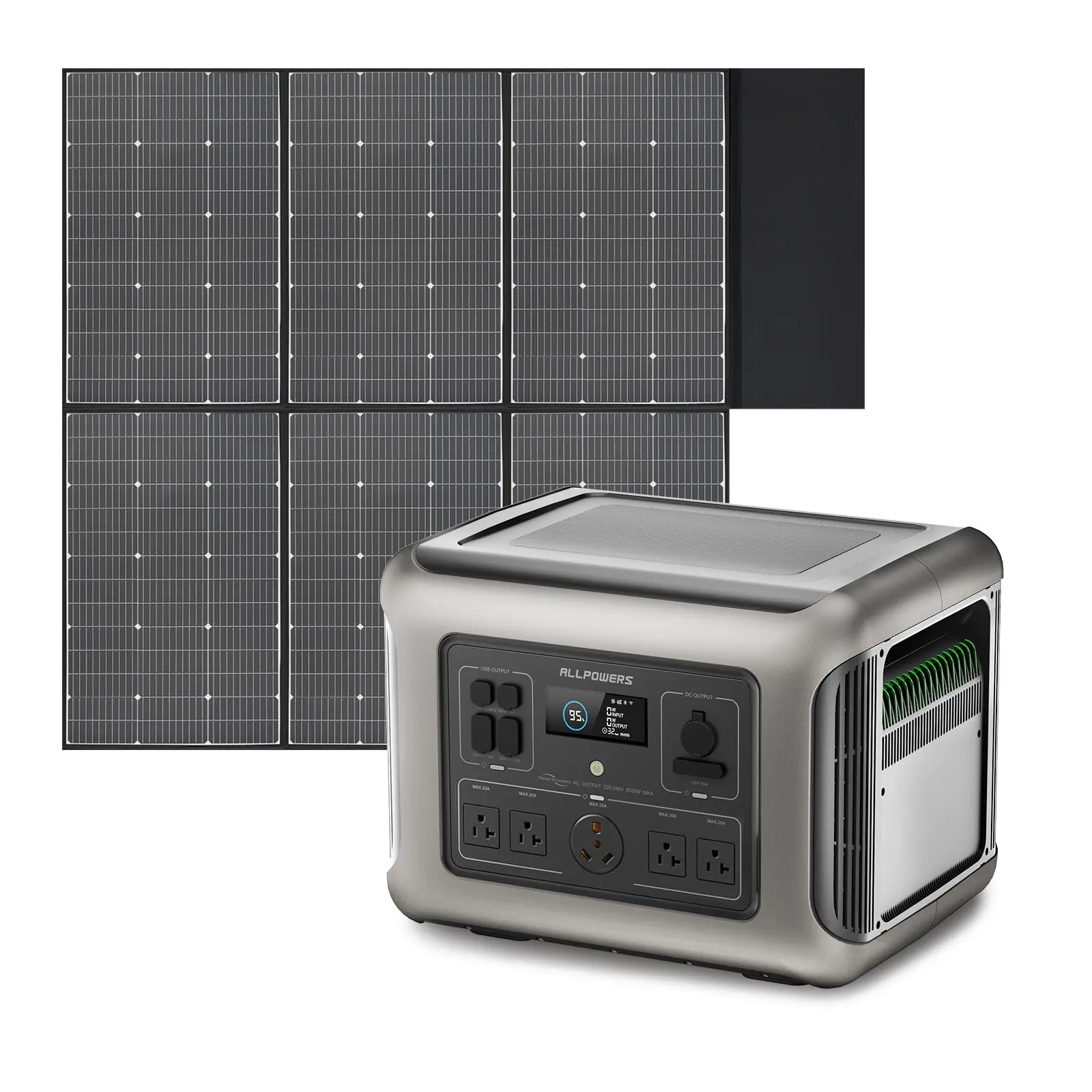
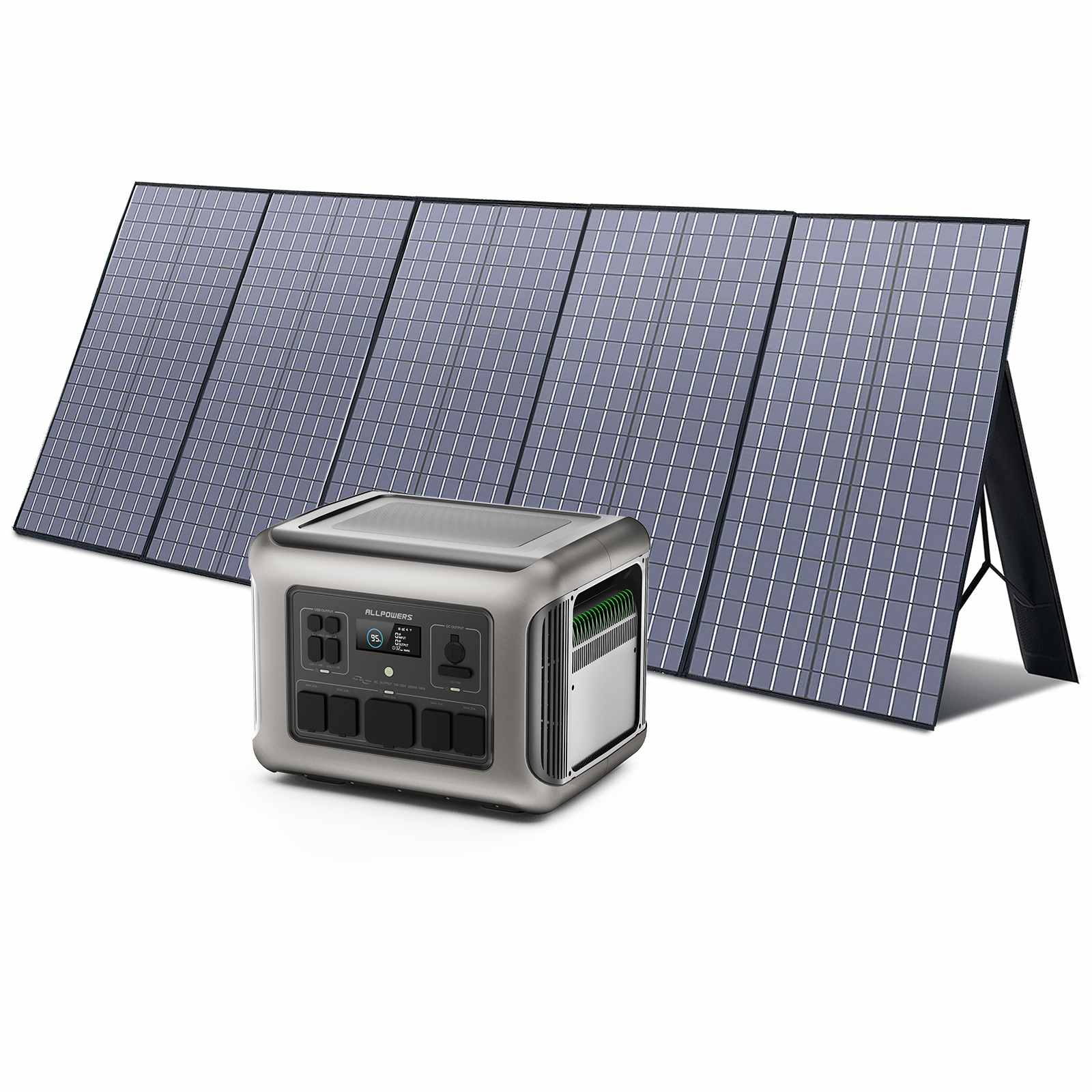
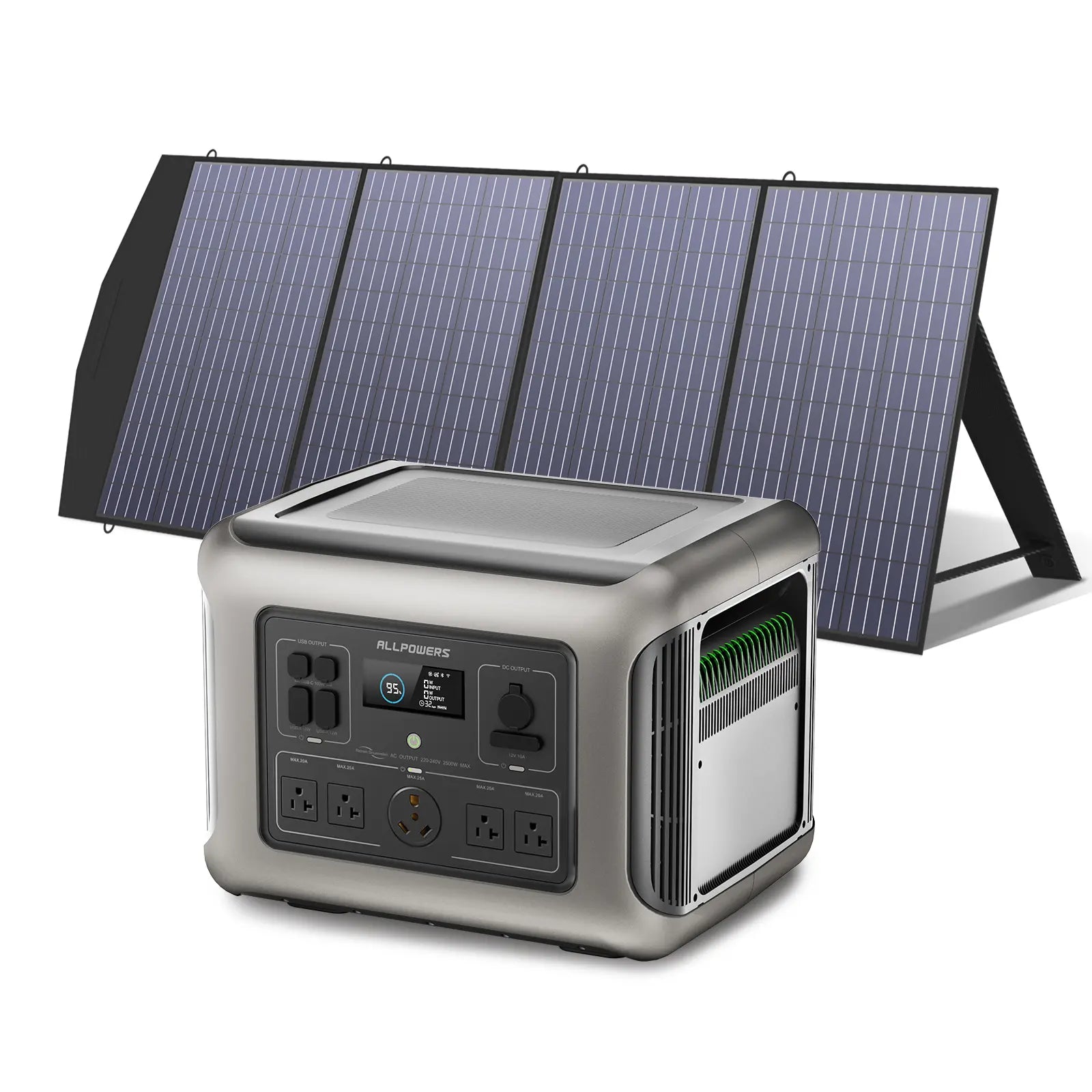
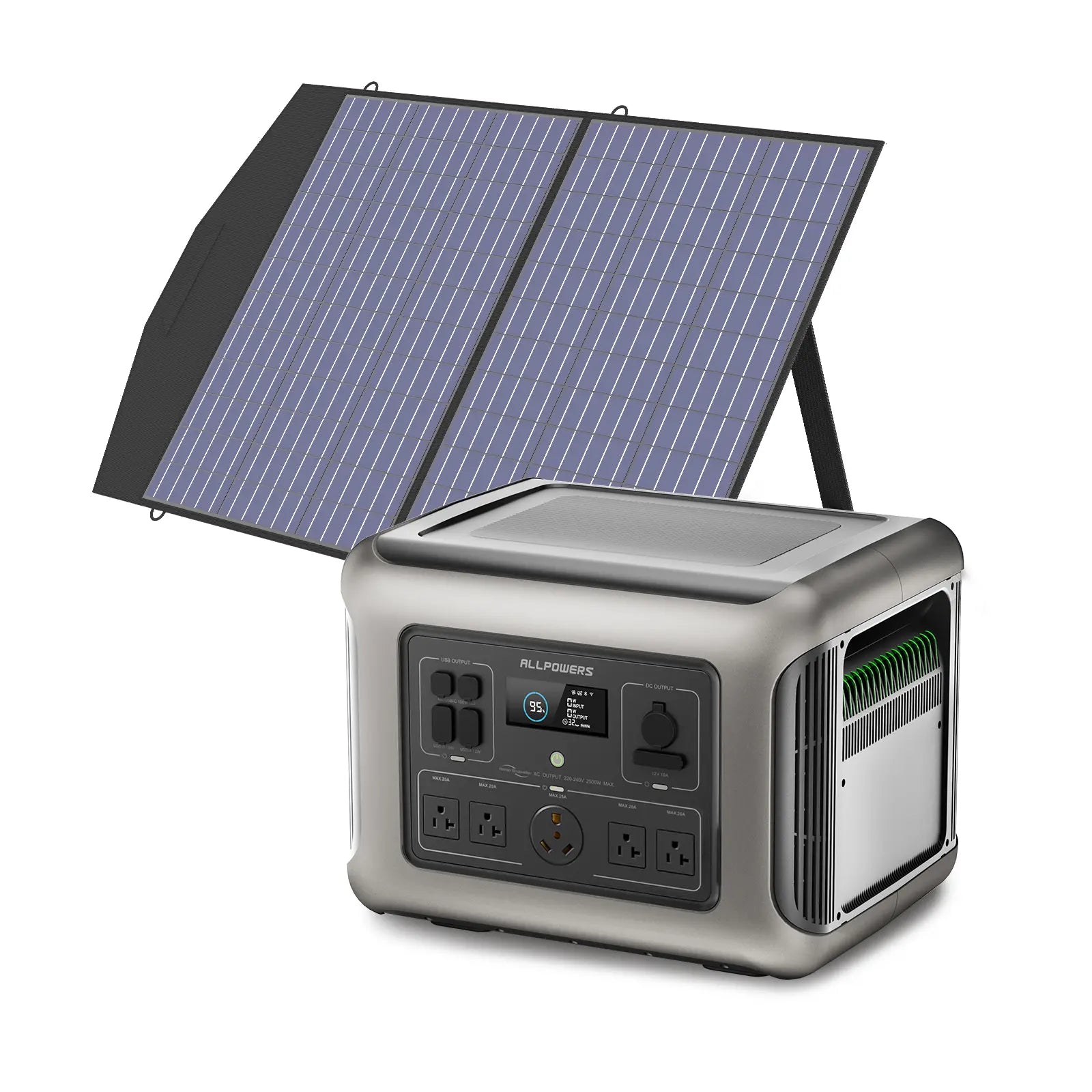
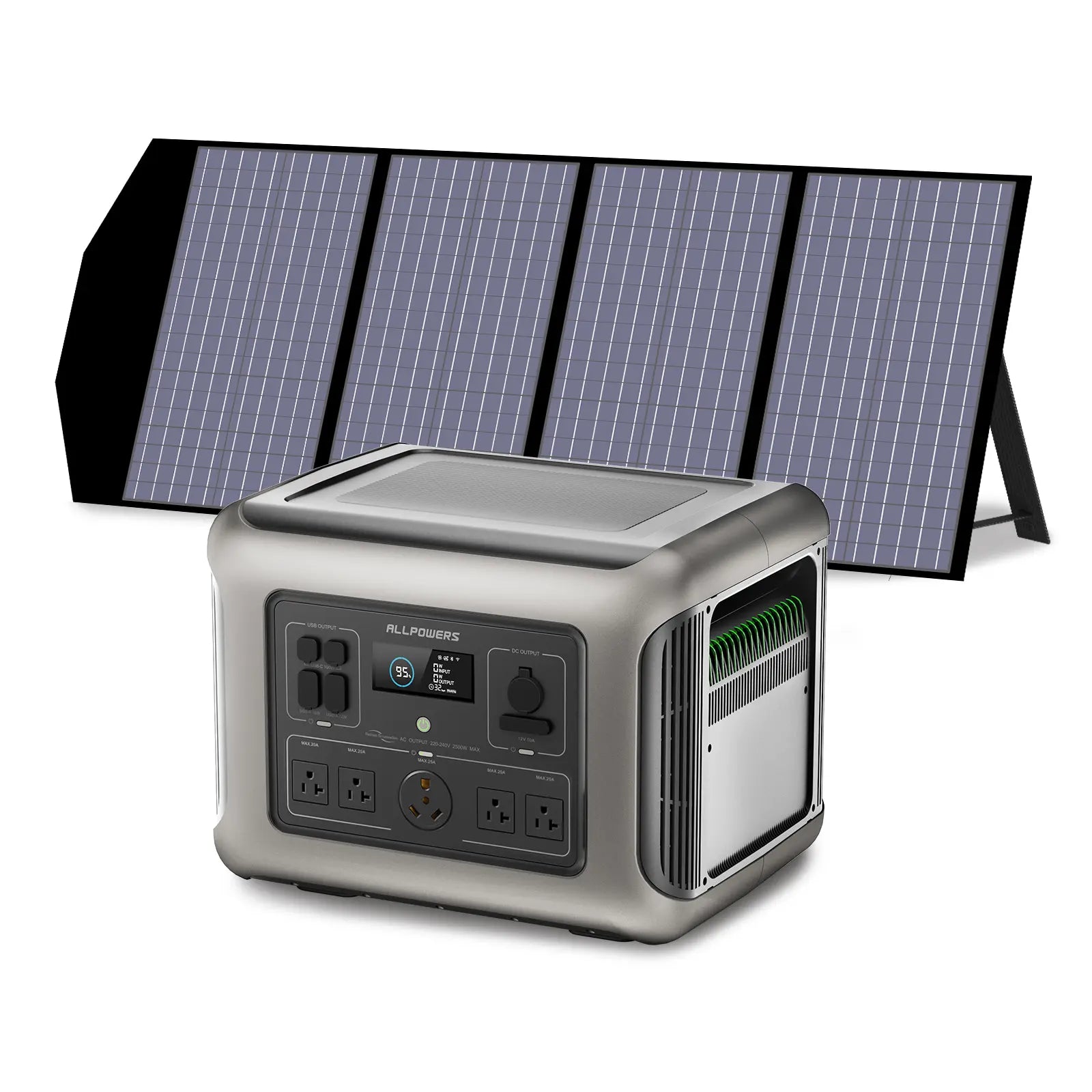
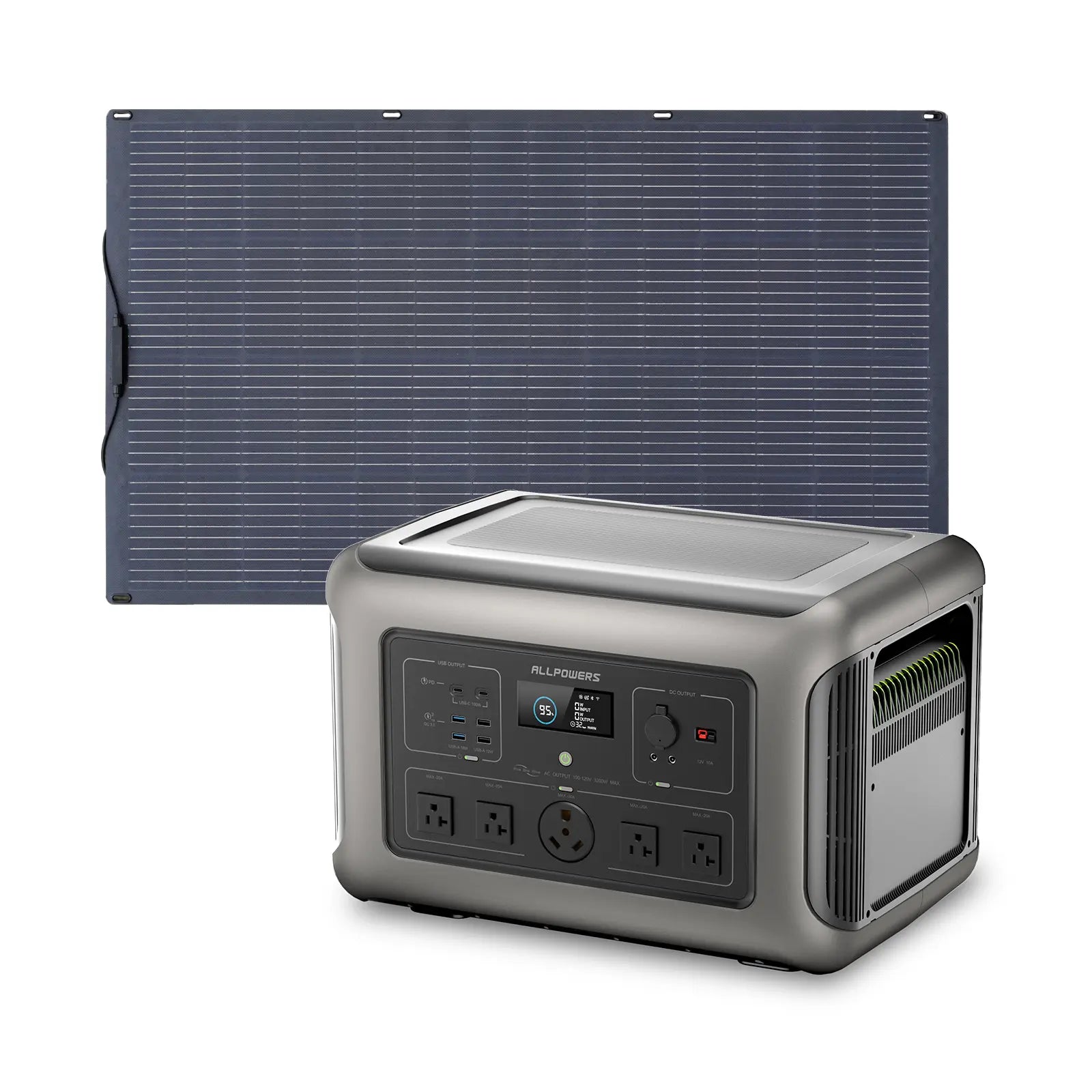
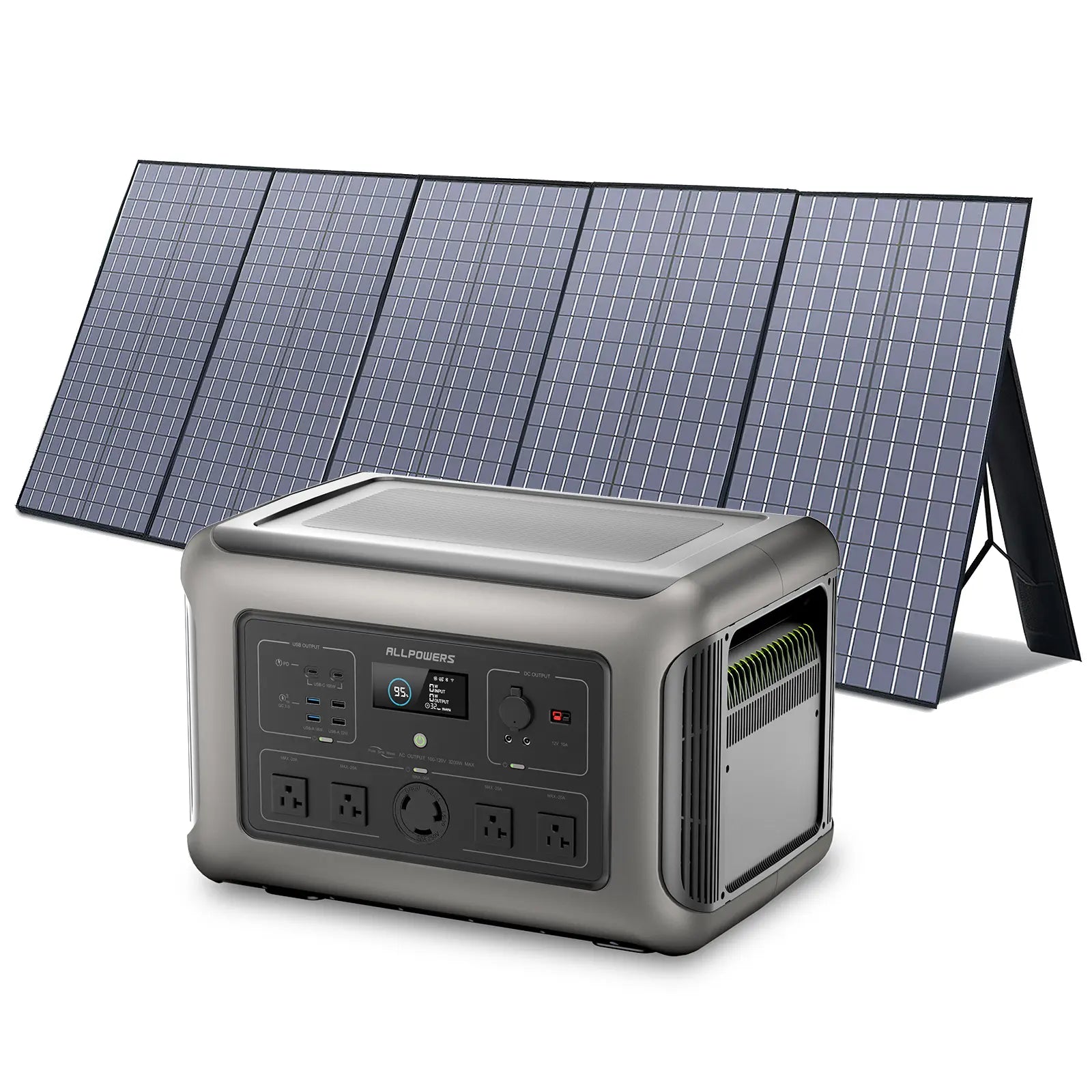
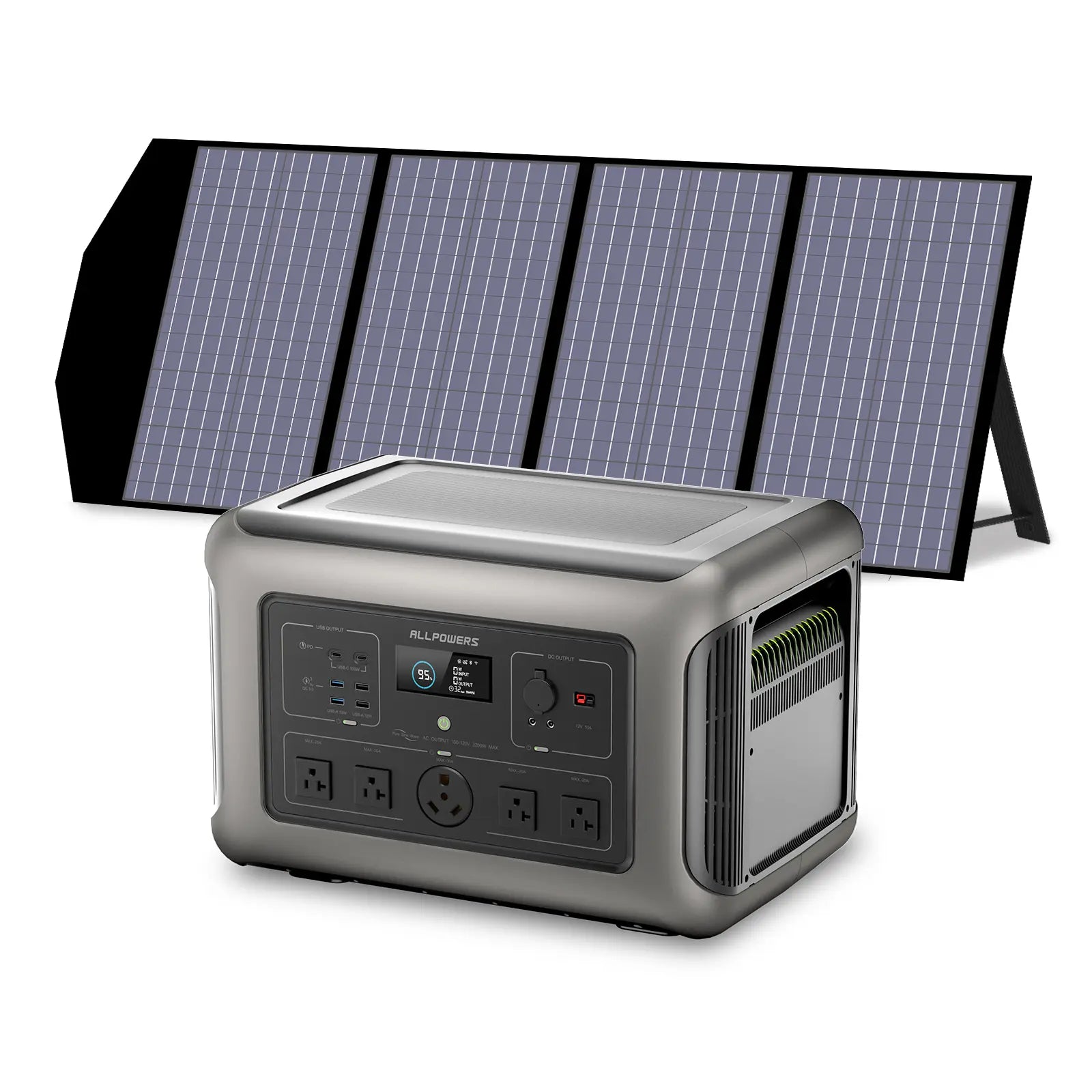
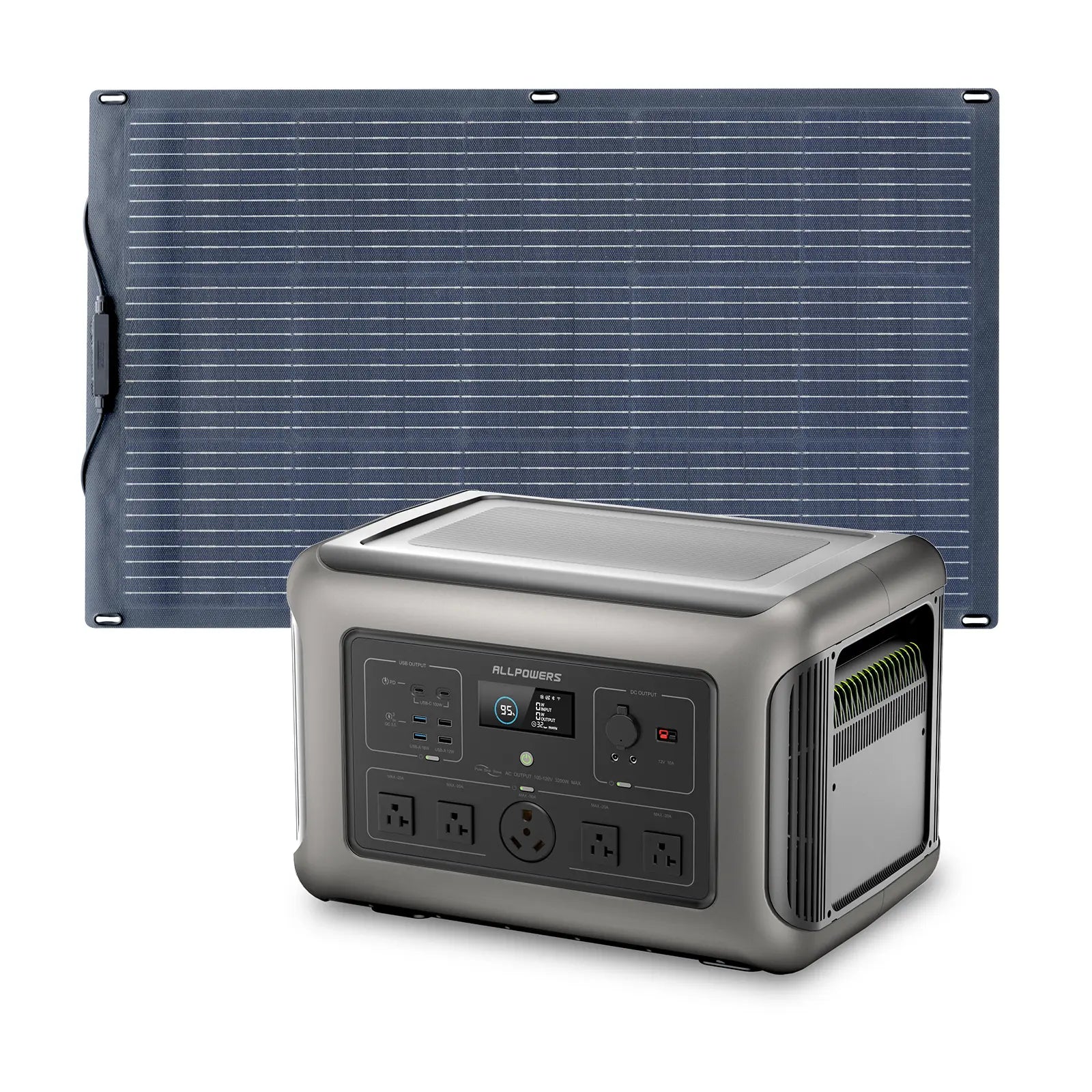
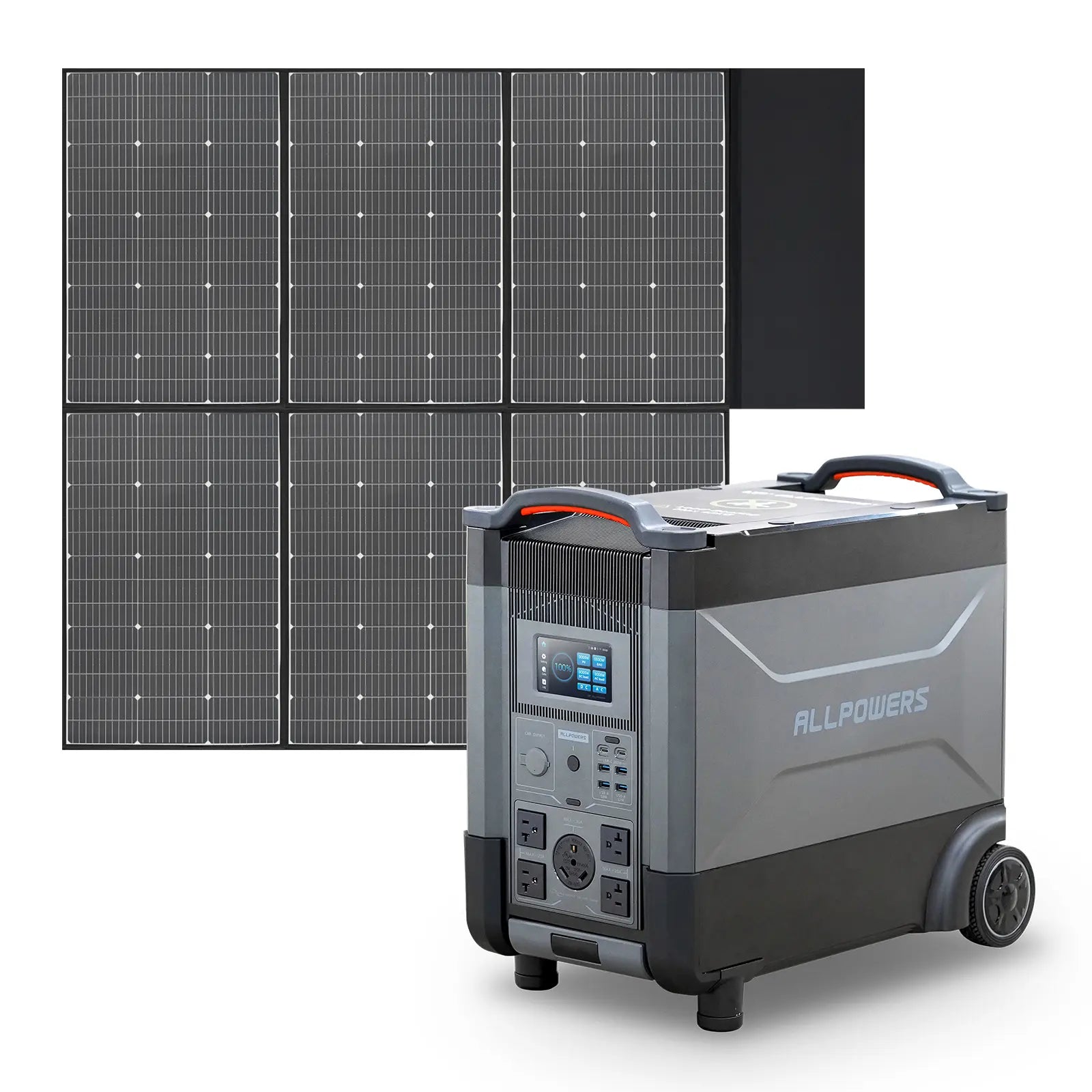
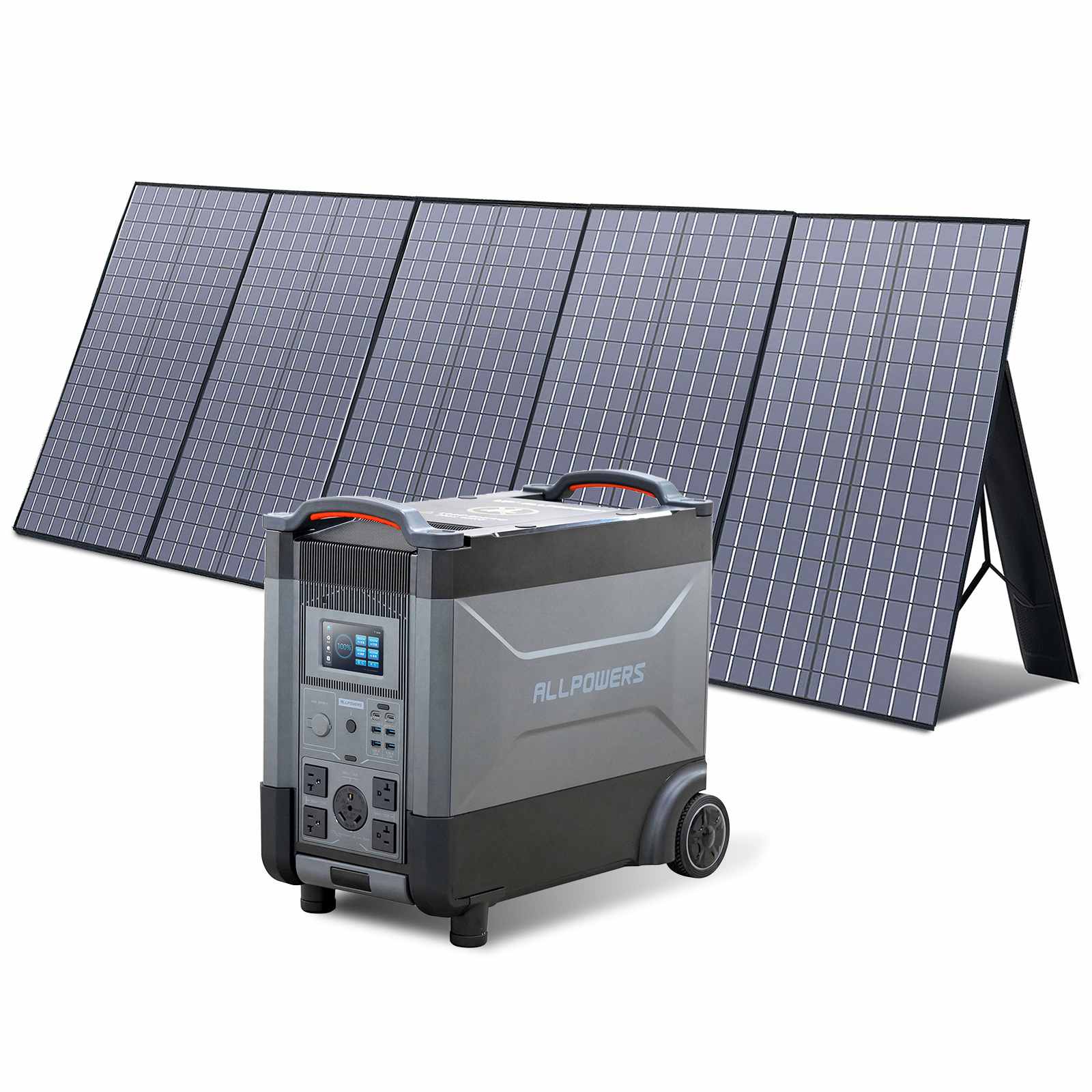
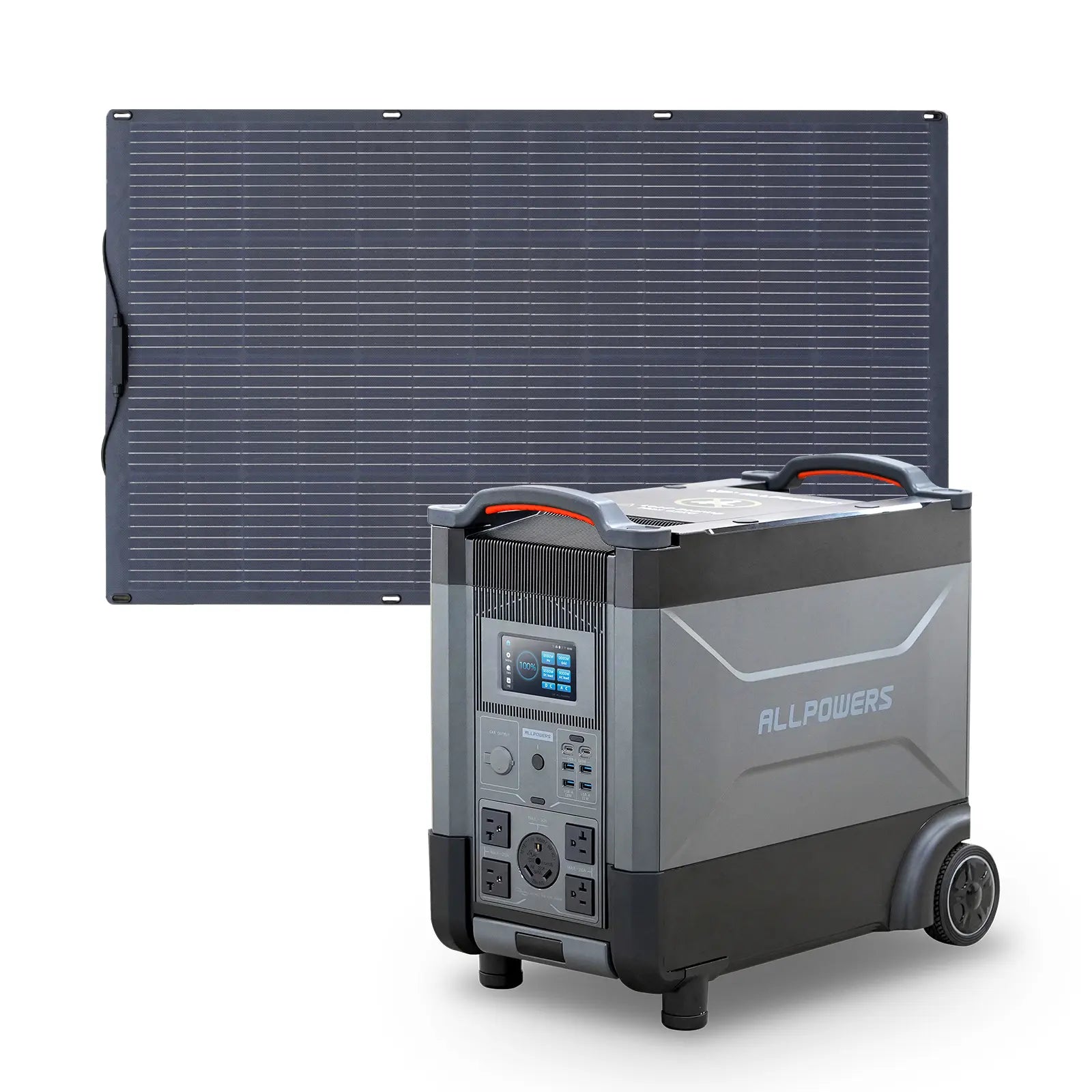
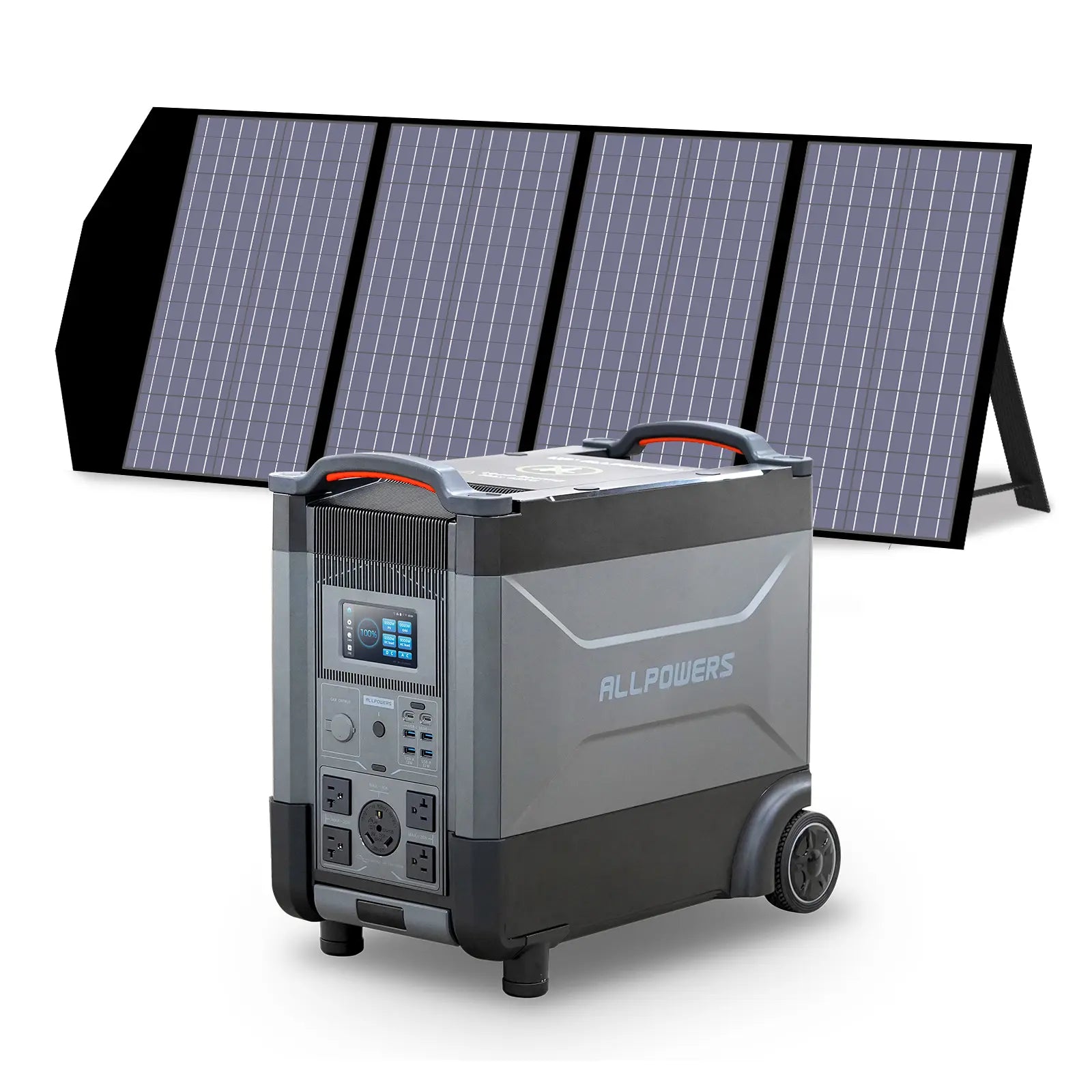
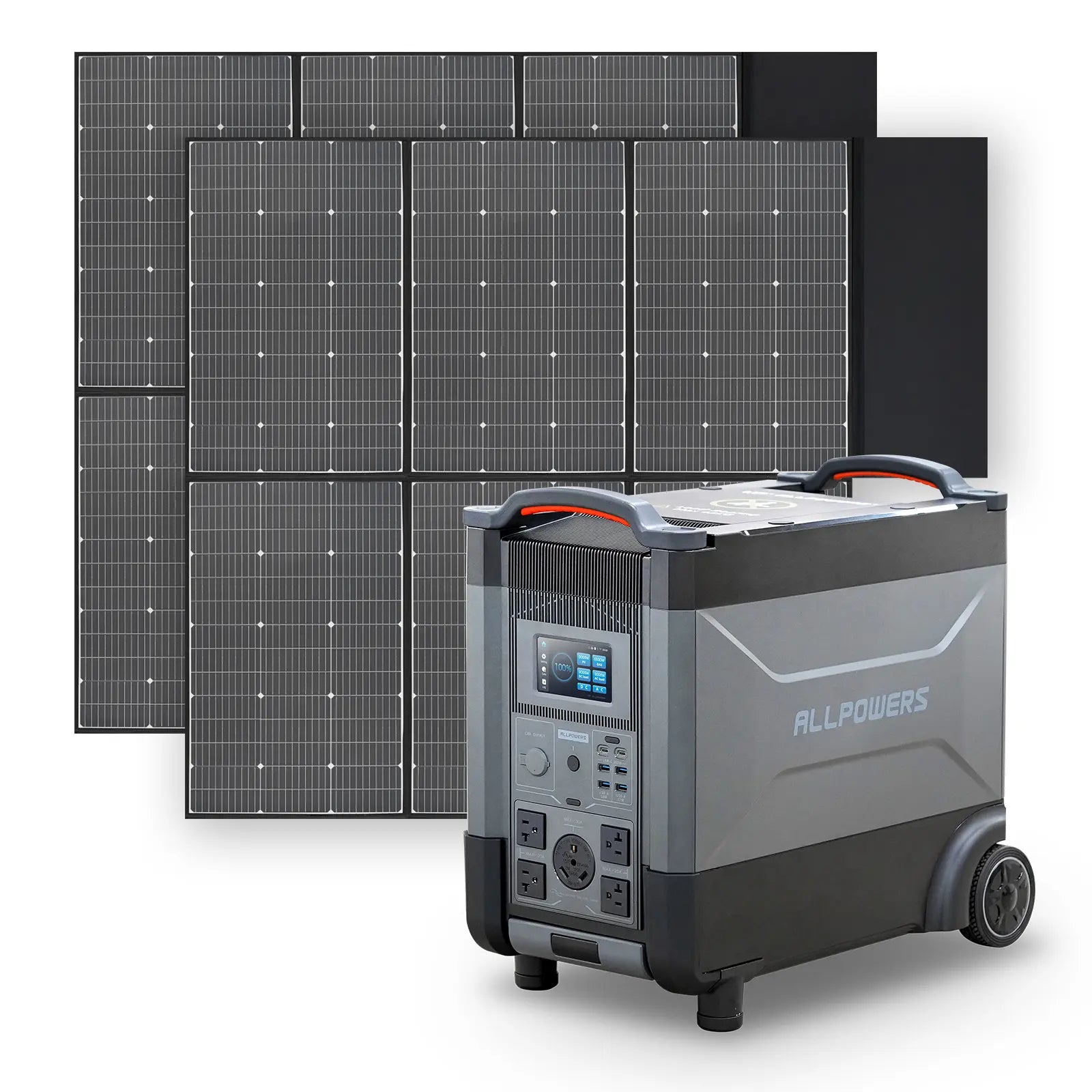
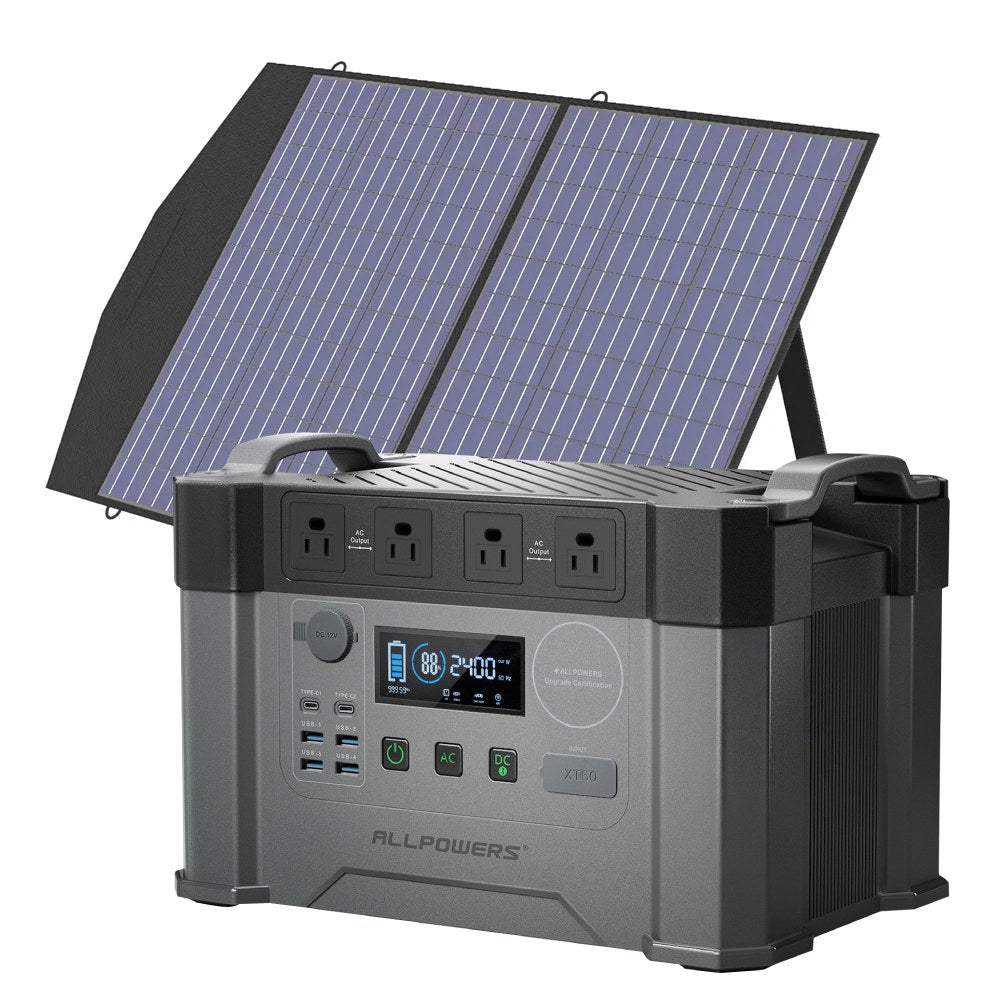
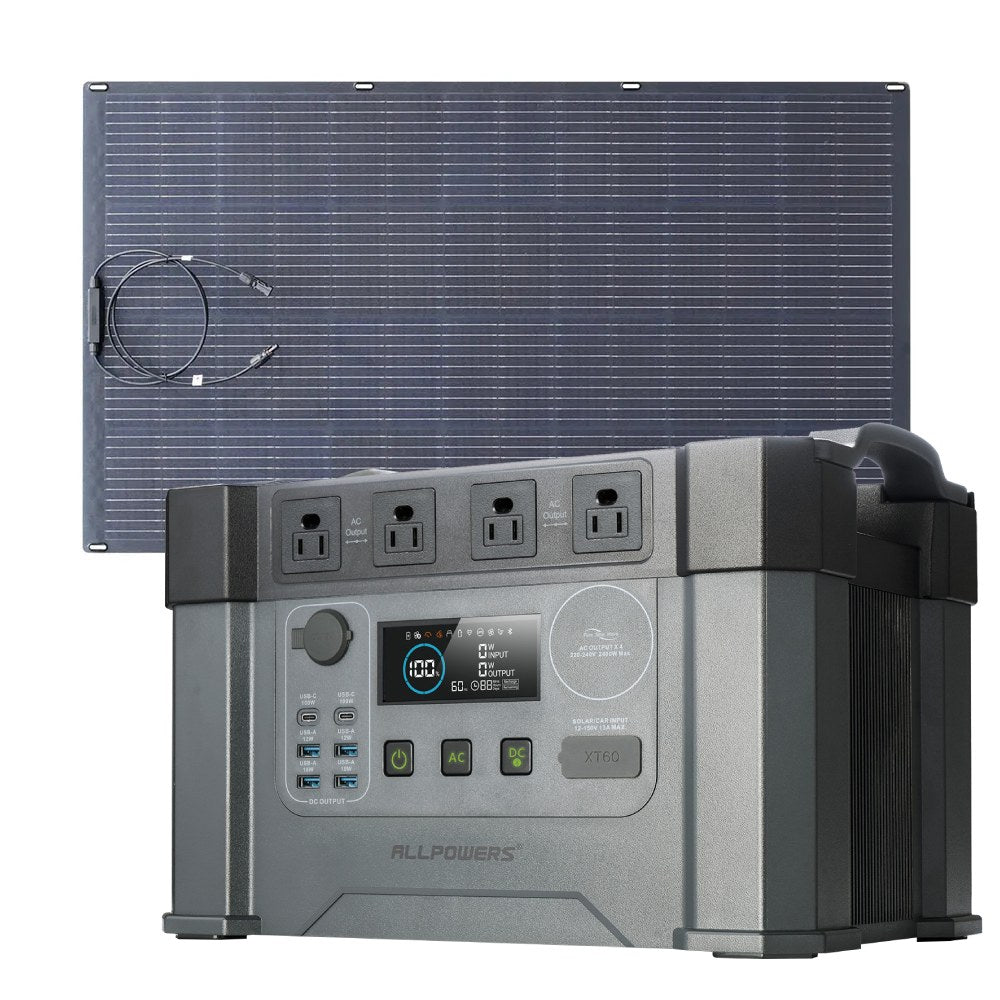
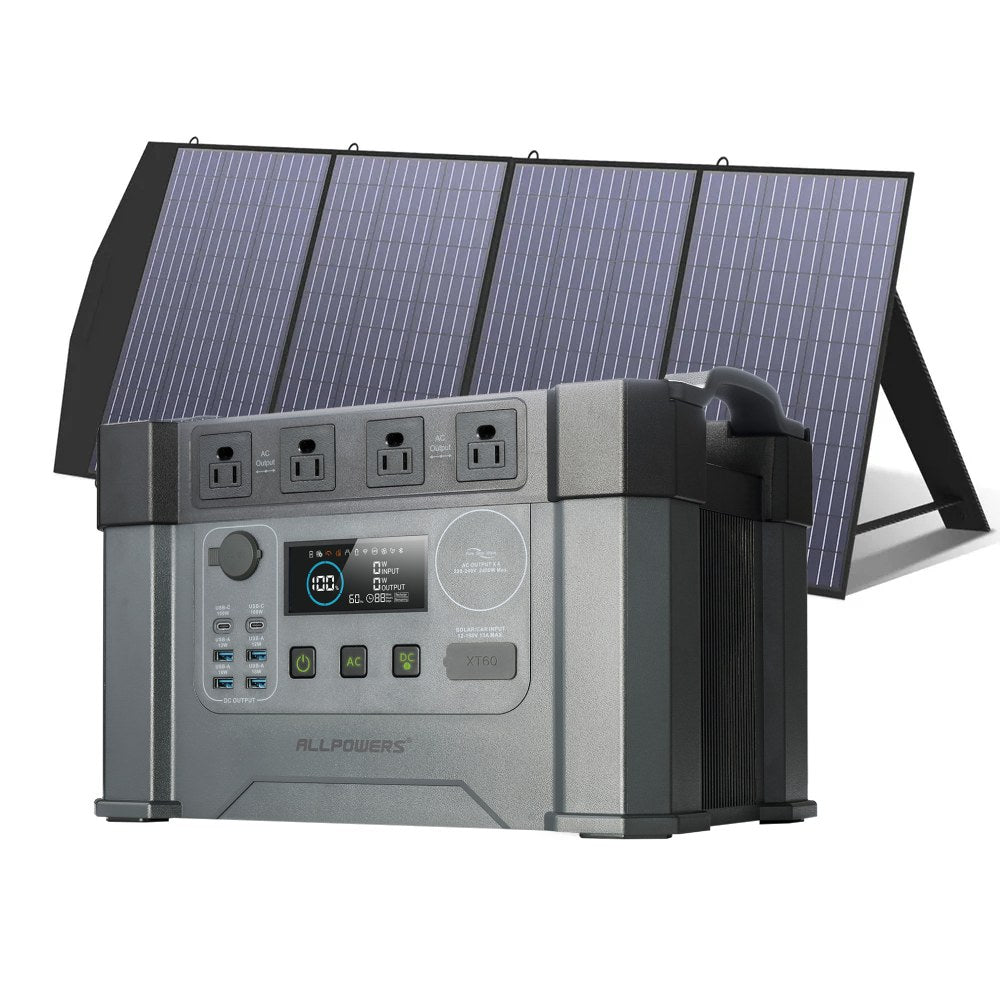
If you're spending several days off-grid, pairing these fans with a portable power station ensures you enjoy a cool and comfortable camping environment day after day.
Learn More: How to Power a Fan While Camping?
Use Reflective Tarps Carefully
A reflective tarp positioned above the tent—not directly on it—can reduce solar heat gain while still allowing air to circulate between the tarp and the tent roof.
Keep the Tent Closed During Peak Heat
If you leave the campsite during the day, keeping doors closed while maintaining roof ventilation can help reduce direct sunlight entering the tent.
Wear the Right Clothing
Your clothing plays an important role in regulating body temperature throughout the day. Lightweight, breathable fabrics allow sweat to evaporate more efficiently, helping your body cool itself naturally.
Choose Moisture-Wicking Materials
Technical outdoor fabrics often perform better than heavy cotton because they dry faster and continue feeling comfortable even after sweating.
Wear Light Colors
Light-colored clothing reflects more sunlight than darker fabrics, reducing heat absorption during long periods outdoors.
A wide-brim hat and UV-protective sunglasses also help minimize direct sun exposure during hiking and other daytime activities.
Stay Hydrated Throughout the Day
Hydration is one of the simplest yet most important ways to regulate body temperature during outdoor activities.
Your body relies on perspiration to cool itself, and dehydration reduces this natural cooling mechanism.
Drinking water consistently throughout the day is far more effective than waiting until you feel thirsty.
Replace Lost Electrolytes
During extended hikes or particularly hot weather, electrolyte replacement drinks may help replenish minerals lost through sweating.
Keep Drinking Water Cool
Insulated bottles and shaded storage locations help maintain cooler drinking water, encouraging more frequent hydration throughout the day.
Adjust Your Daily Camping Routine
Sometimes the best way to stay cool isn't changing your equipment—it's changing your schedule.
Plan Activities Early
Hiking, biking, fishing, and other physically demanding activities are often more enjoyable during the early morning or late evening when temperatures are lower.
Rest During Peak Heat
The hottest part of the day is often ideal for relaxing in shaded areas, reading, or preparing meals rather than engaging in strenuous activities.
Cool Foods Can Help
Fresh fruit, chilled drinks, and light meals often feel more refreshing than heavy cooked foods during extremely warm weather. Keeping food and beverages cool also improves comfort throughout the day.
Common Mistakes That Make Camping Hotter
Many campers accidentally create hotter campsites by pitching tents in direct sunlight simply because the ground is flat or convenient.
Others keep tents tightly sealed throughout the day, trapping heat that lingers long after sunset.
Another common mistake is scheduling strenuous activities during the hottest part of the afternoon.
Planning hikes in the early morning or evening not only feels more comfortable but also reduces the risk of heat-related illness.
Finally, many people underestimate the importance of preparing for overnight comfort.
Small improvements to airflow, hydration, and campsite orientation often have a much greater impact than purchasing expensive camping gear.
Enjoying Summer Camping More Comfortably
Hot weather doesn't have to limit your camping adventures. By choosing shaded campsites, improving tent ventilation, staying hydrated, and planning activities around cooler parts of the day, you can remain comfortable even during the warmest months of the year.
Rather than relying on a single piece of equipment, the most effective approach is combining several small strategies that work together.
Thoughtful planning before your trip often has a much greater impact on comfort than simply packing more gear, allowing you to spend less time battling the heat and more time enjoying everything the outdoors has to offer.
Frequently Asked Questions
How can I keep my tent cool during the day?
Choose a shaded campsite, maximize ventilation, and orient the tent toward prevailing breezes whenever possible.
What should I wear when camping in hot weather?
Lightweight, breathable, and light-colored clothing helps improve airflow and reduce heat absorption.
How much water should I drink while camping?
Water needs vary depending on temperature and activity level, but drinking regularly throughout the day is generally recommended to prevent dehydration.
Is it safe to hike during the hottest part of the day?
Whenever possible, strenuous activities should be scheduled during the morning or evening when temperatures are lower.
What are the first signs of heat exhaustion?
Heavy sweating, dizziness, weakness, muscle cramps, nausea, and headaches are common early symptoms that should not be ignored.