







Living or traveling off the grid doesn't necessarily mean giving up internet access.
Thanks to modern technology, several technologies now make it possible to access the internet without relying on traditional cable or fiber connections.
So, how can you get reliable internet when you're completely off the grid?
TL;DR:
The best ways to get off-grid internet include satellite internet, cellular hotspots, fixed wireless services, and mobile routers. Your ideal setup depends on coverage, speed requirements, and how long you'll be away from traditional utilities. For extended off-grid living, it's equally important to plan both your internet connection and a dependable way to keep networking equipment powered.
Why Is Off-Grid Internet Becoming More Important?
Only a decade ago, going off grid often meant disconnecting completely.
Today, many people choose remote living while continuing to work online, attend virtual meetings, stream entertainment, or stay in contact with family.
As remote work and digital lifestyles continue to grow, internet access has become almost as important as electricity in many off-grid situations.
Reliable connectivity also improves safety. Weather alerts, GPS navigation, emergency communication, and online maps all depend on an internet connection, especially when traveling through unfamiliar areas.
According to the Federal Communications Commission (FCC), broadband expansion remains a national priority because reliable internet supports education, healthcare, emergency communication, and economic activity, including in rural communities.
The Best Ways to Get Internet Off Grid
Several technologies can provide internet access away from traditional utility infrastructure. Each solution offers different levels of speed, reliability, portability, and coverage.
Satellite Internet
Satellite internet has transformed off-grid connectivity by providing broadband access in locations where cable and fiber networks simply do not exist.
Unlike traditional internet providers, satellite systems communicate directly with satellites orbiting the Earth, making them ideal for remote cabins, campsites, and rural properties with clear views of the sky.
Cellular Hotspots and Mobile Networks
For many travelers, 4G LTE and 5G hotspots remain one of the simplest ways to get internet off grid.
If cellular coverage exists, a mobile hotspot can connect laptops, tablets, and other devices without requiring additional networking equipment.
However, network performance depends heavily on signal strength, tower congestion, terrain, and the distance from nearby cellular infrastructure.
Fixed Wireless Internet
In some rural communities, fixed wireless internet providers deliver broadband service using radio transmitters instead of underground cables.
This option typically requires a clear line of sight between the customer's antenna and the provider's transmission tower.
Although less portable than satellite or mobile hotspots, fixed wireless can provide reliable internet for permanent off-grid homes located within service areas.
Public Wi-Fi Networks
Libraries, coffee shops, visitor centers, campgrounds, and community facilities sometimes provide free Wi-Fi access for travelers.
While public Wi-Fi may be convenient for occasional internet use, it should generally not be considered a dependable long-term solution for remote work or continuous connectivity.
Off-Grid Internet Comparison
| Internet Option | Coverage | Typical Speed | Mobility | Best For |
|---|---|---|---|---|
| Satellite Internet | Excellent | High | High | Remote Locations |
| 4G/5G Hotspot | Good | High | Excellent | Road Trips & RV Travel |
| Fixed Wireless | Moderate | High | Low | Off-Grid Homes |
| Public Wi-Fi | Limited | Variable | Moderate | Occasional Access |
| Mobile Phone Tethering | Good | Moderate | Excellent | Light Internet Use |
What Equipment Do You Need for Off-Grid Internet?
Besides an internet service itself, you'll need equipment capable of operating reliably in outdoor or remote environments.
Most setups include a modem or satellite terminal, a Wi-Fi router, cables, and mounting hardware.
Depending on the system, additional accessories such as weatherproof enclosures or external antennas may also be required.
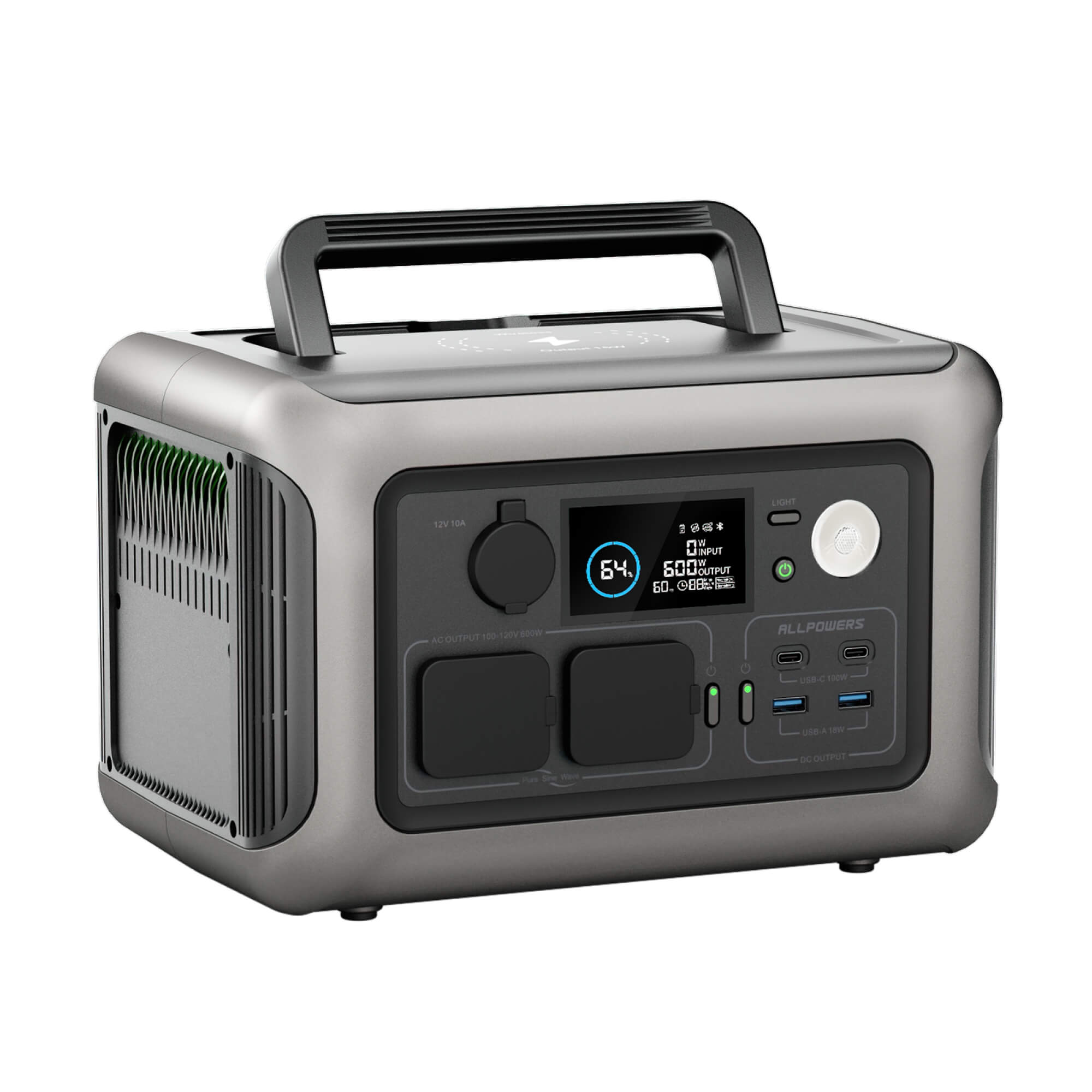
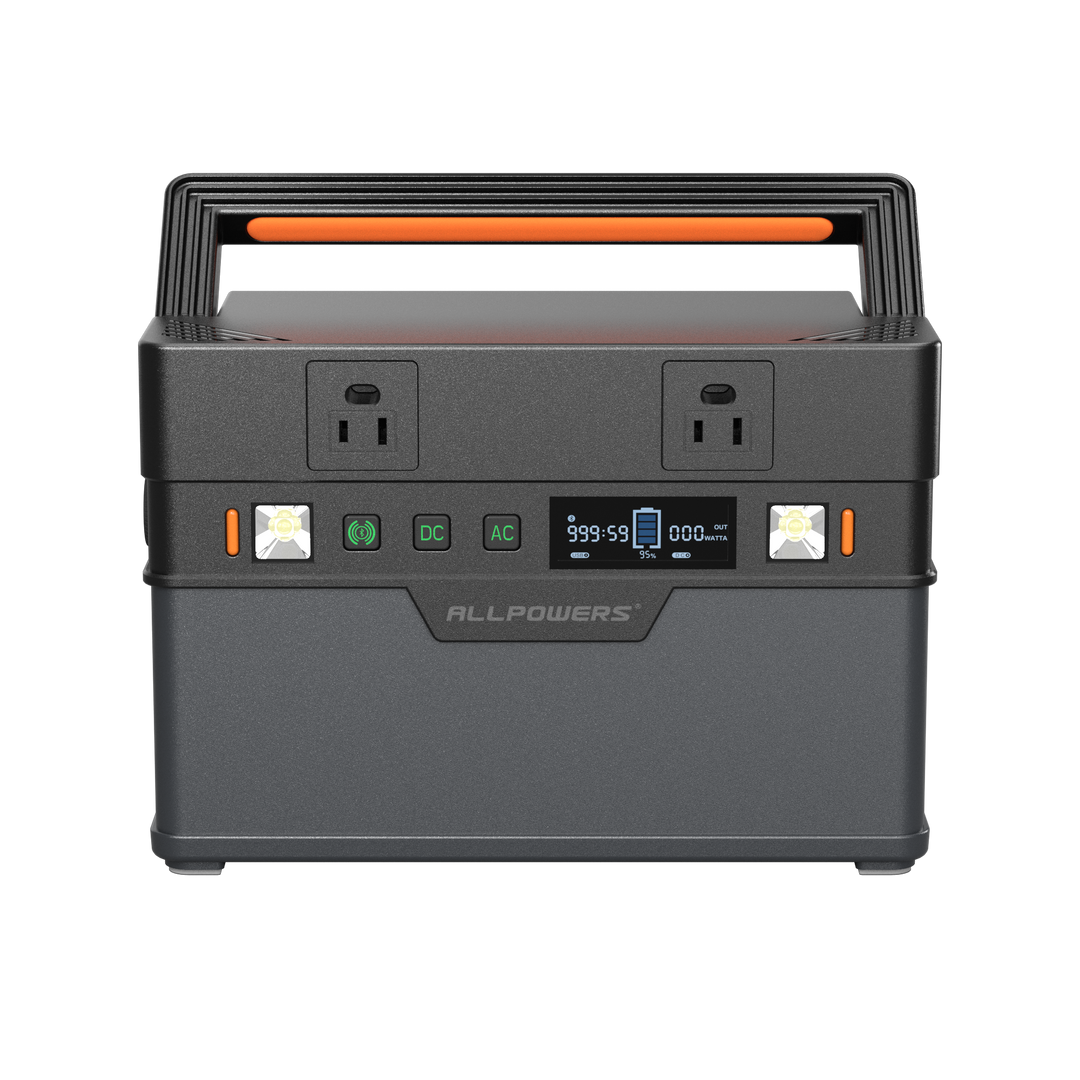
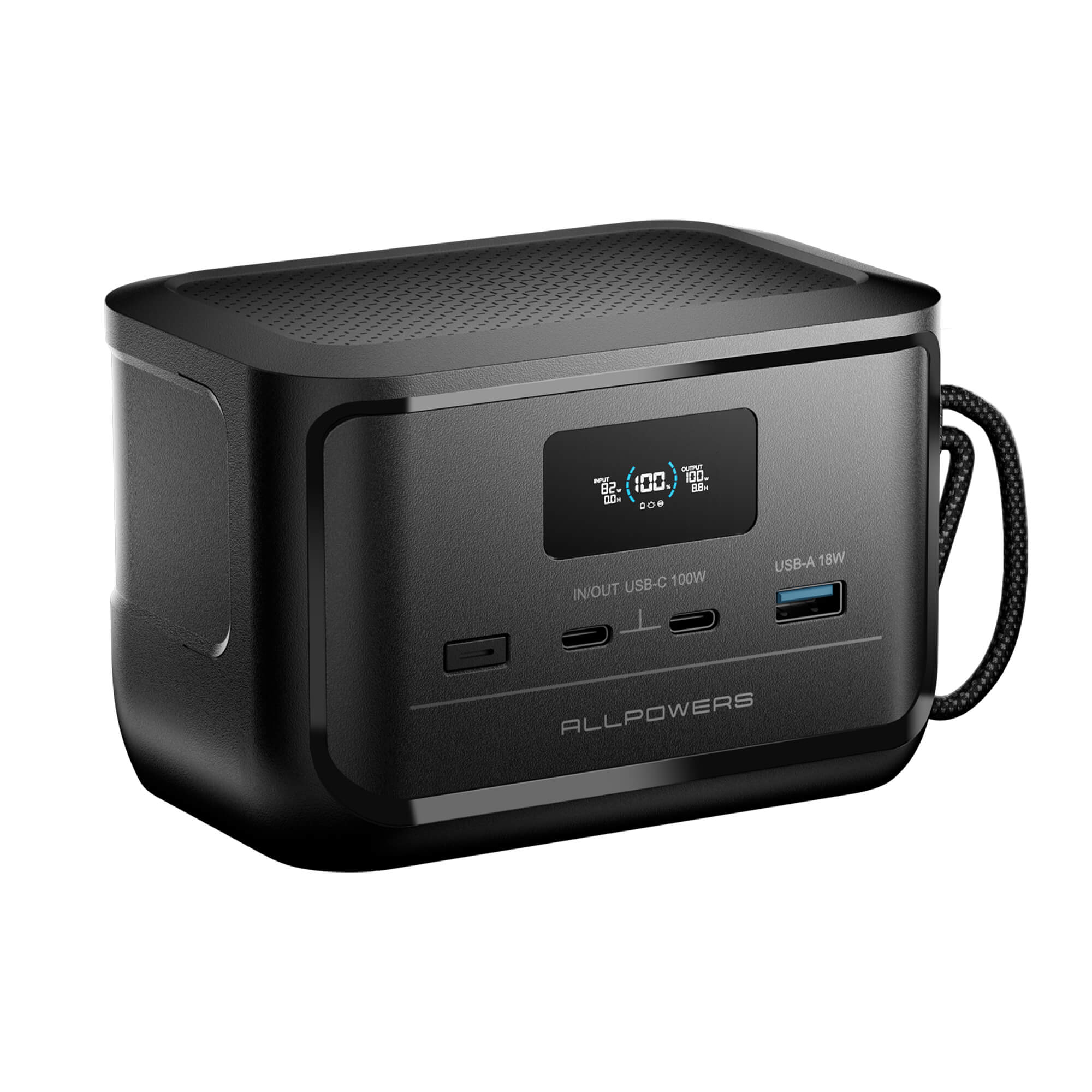
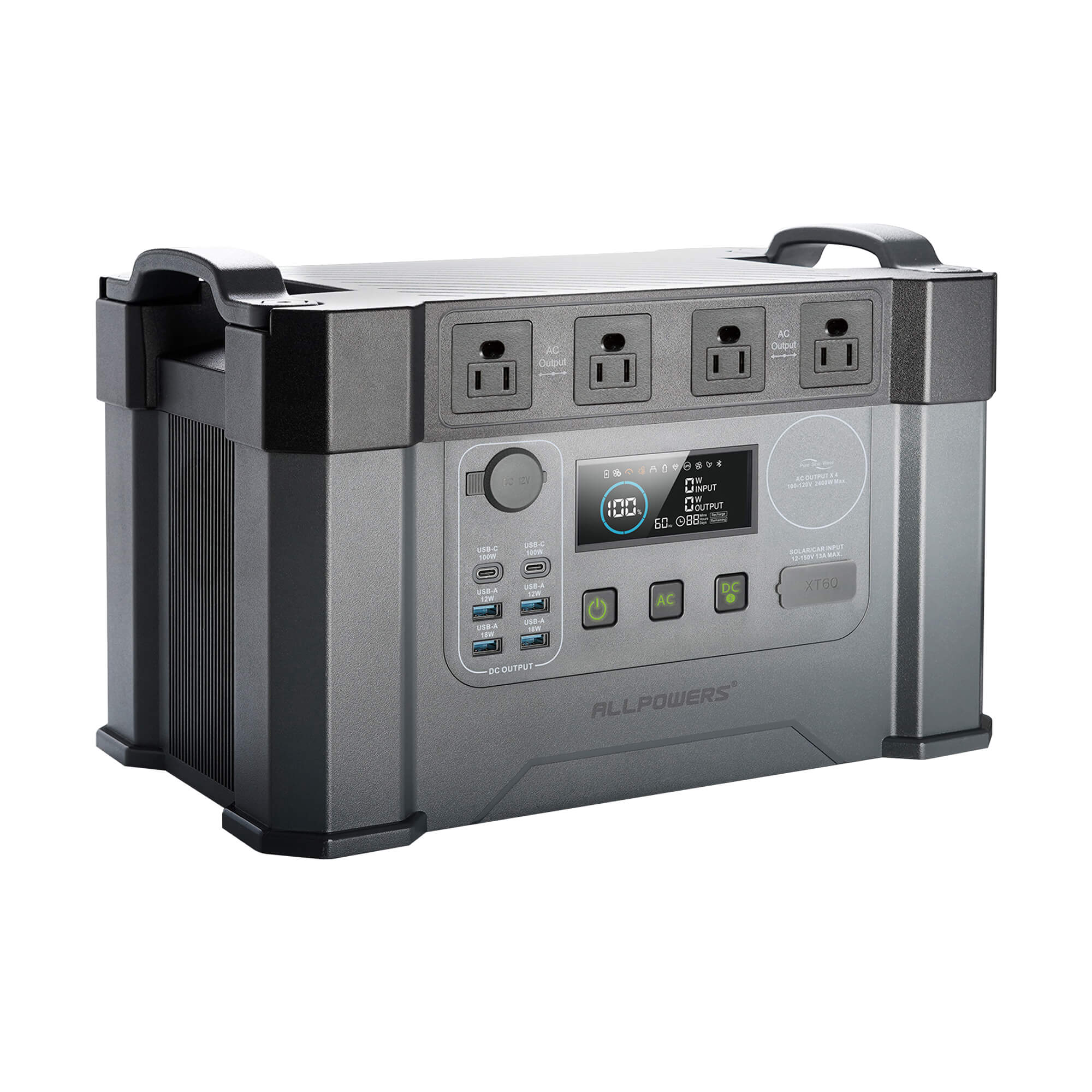
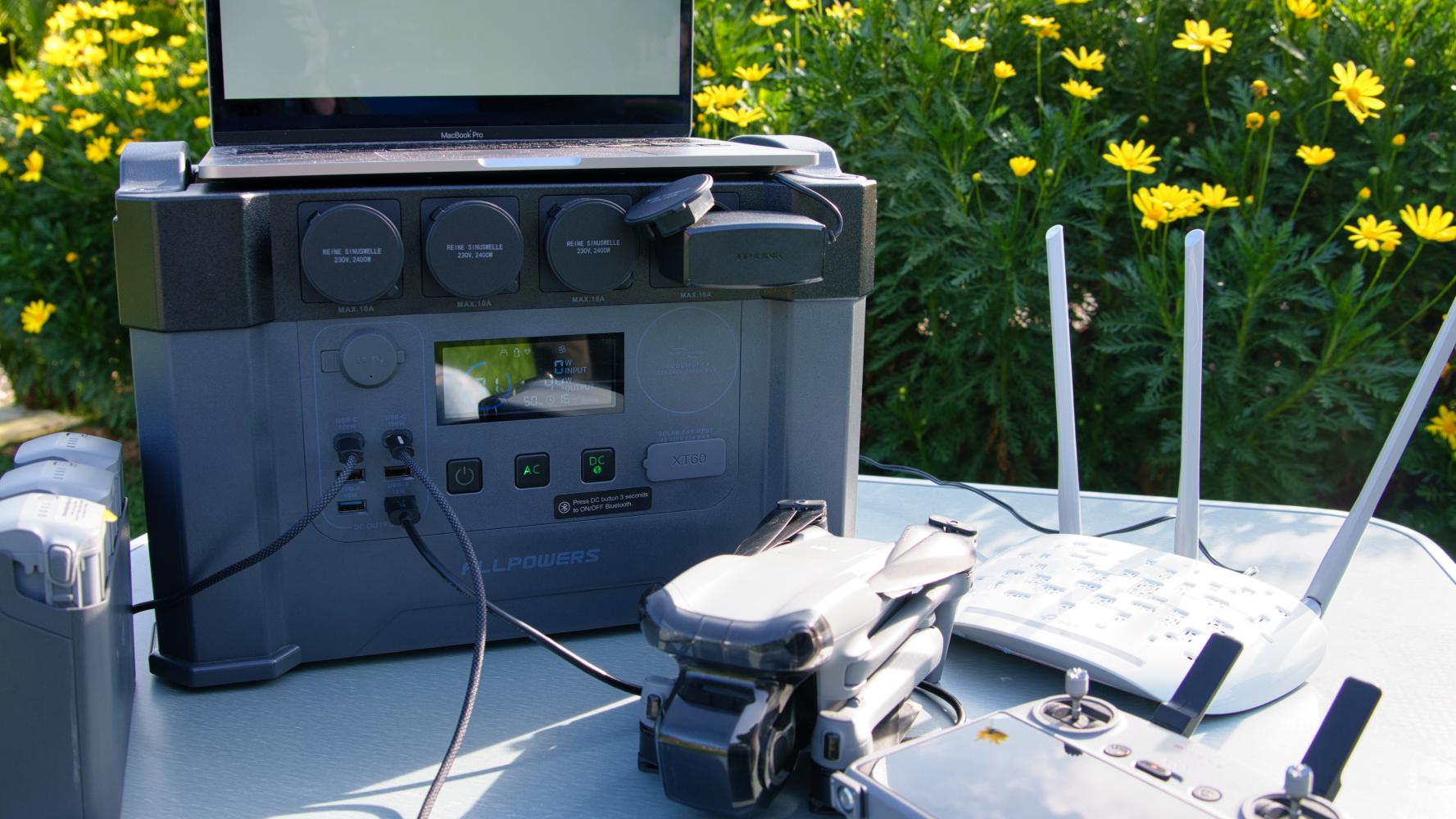
One factor that many beginners overlook is electricity. Every modem, router, hotspot, laptop, and charging device also requires electricity, making power planning an important part of any off-grid communication setup.
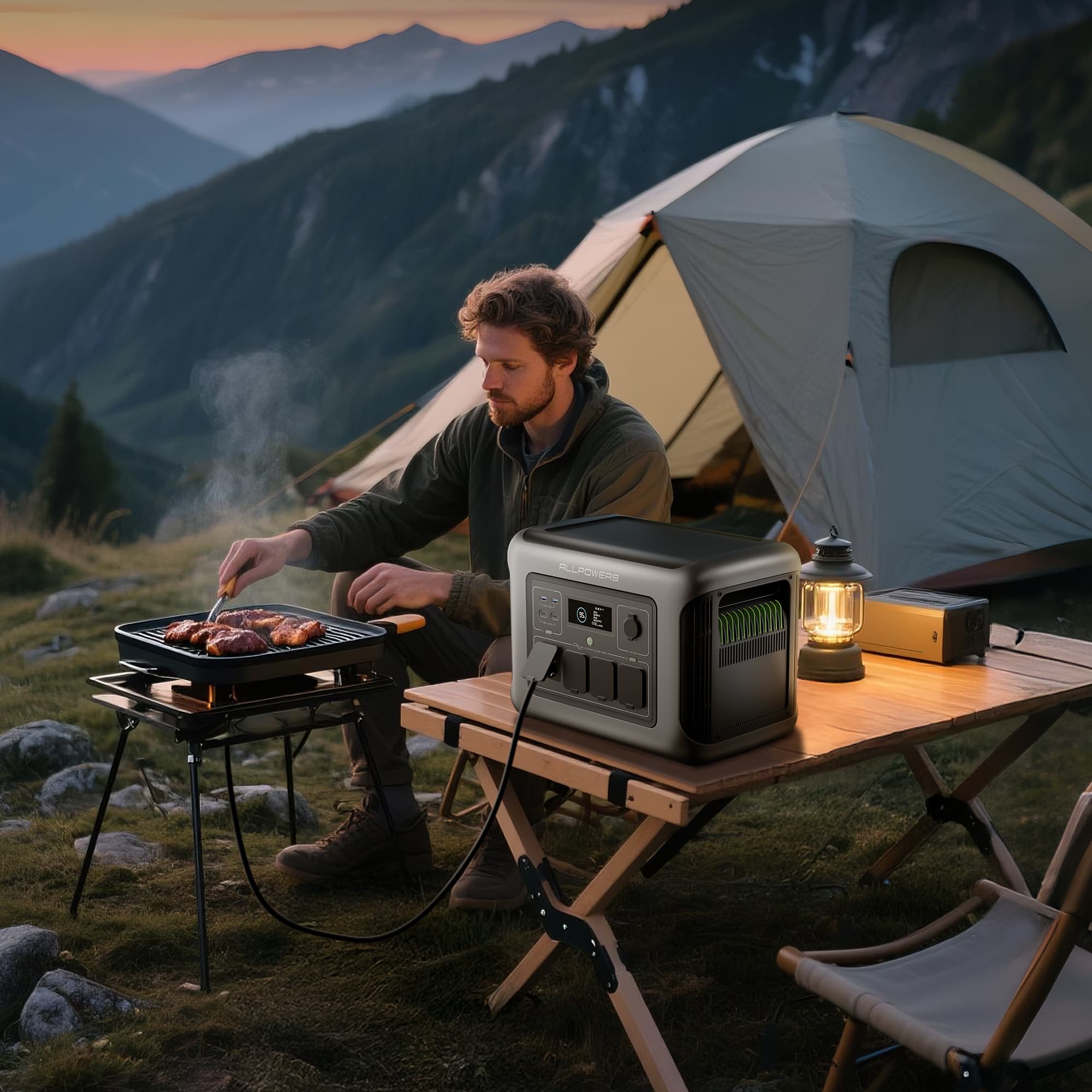
Rather than managing separate batteries for every device, many off-grid travelers use a single battery-based energy system that supports all of their essential equipment throughout the day.
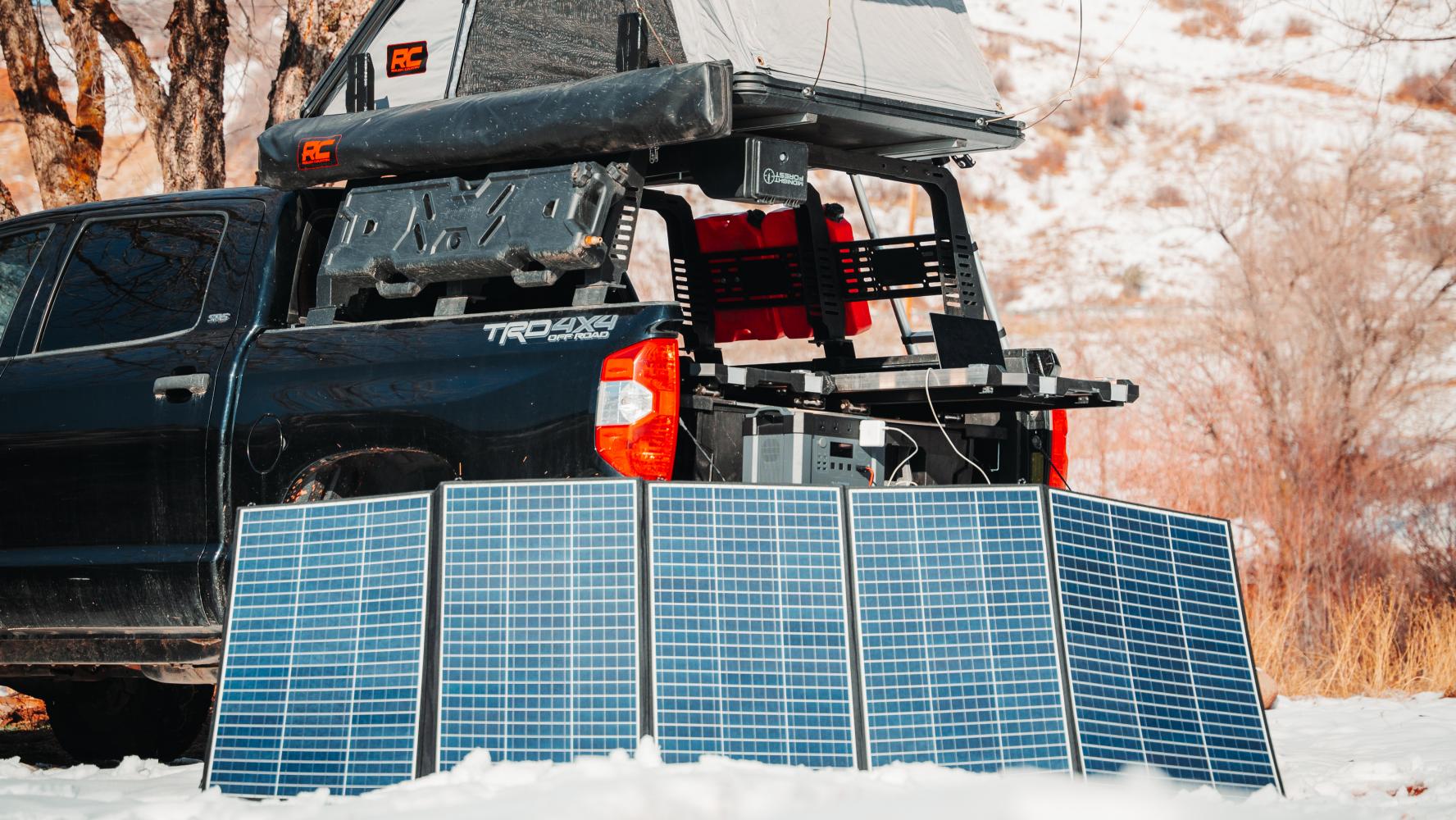
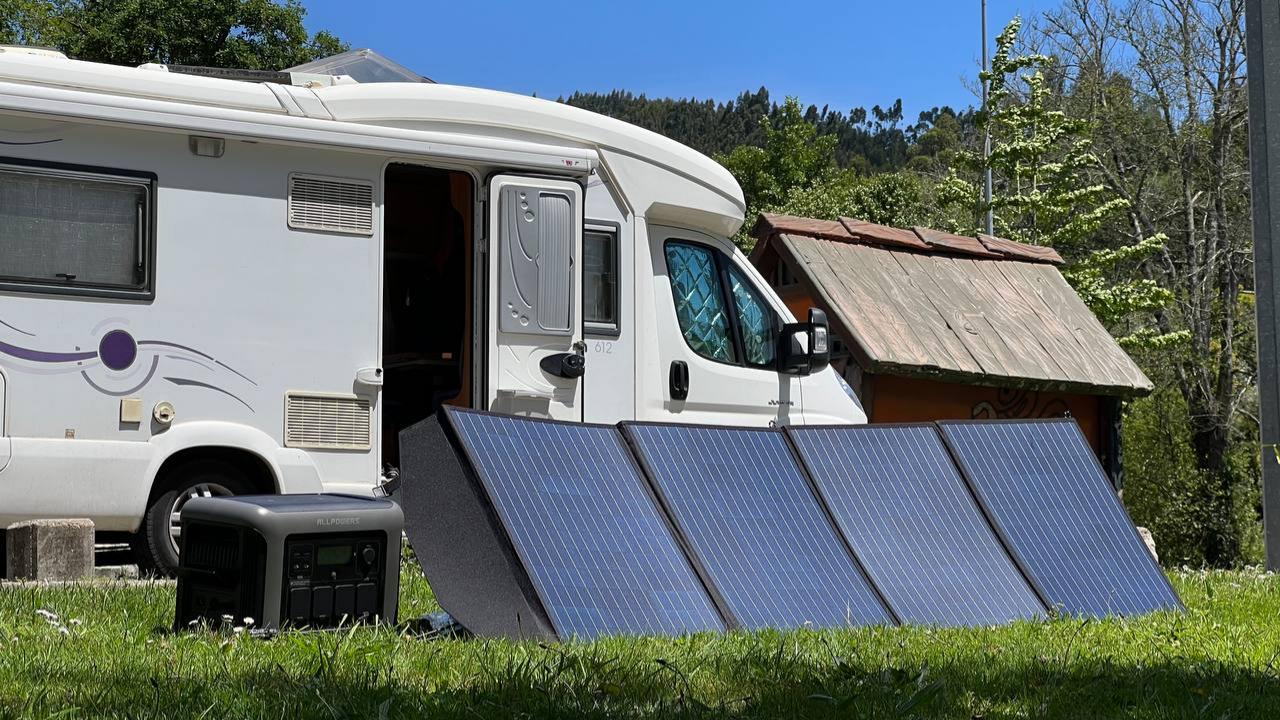
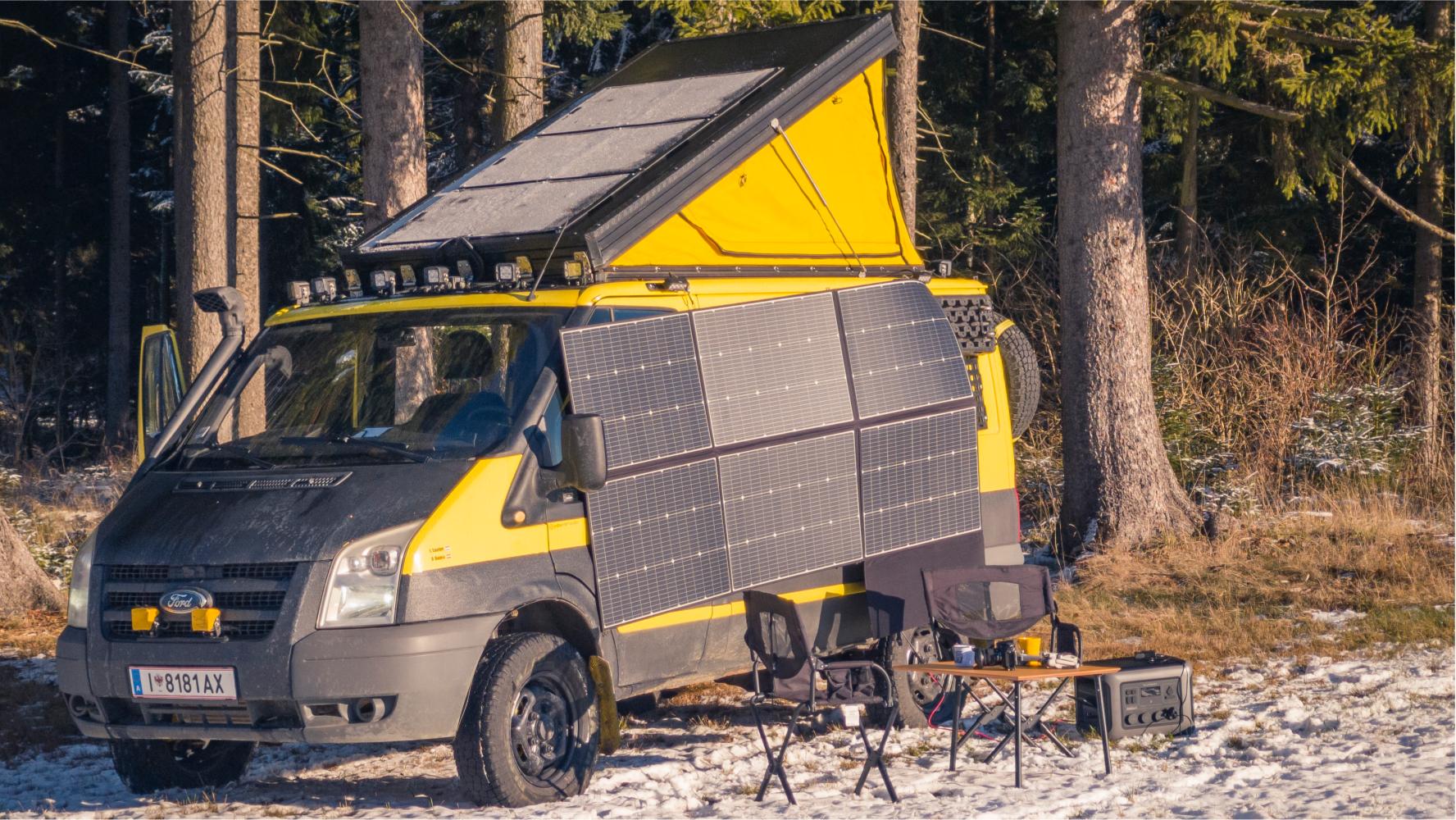
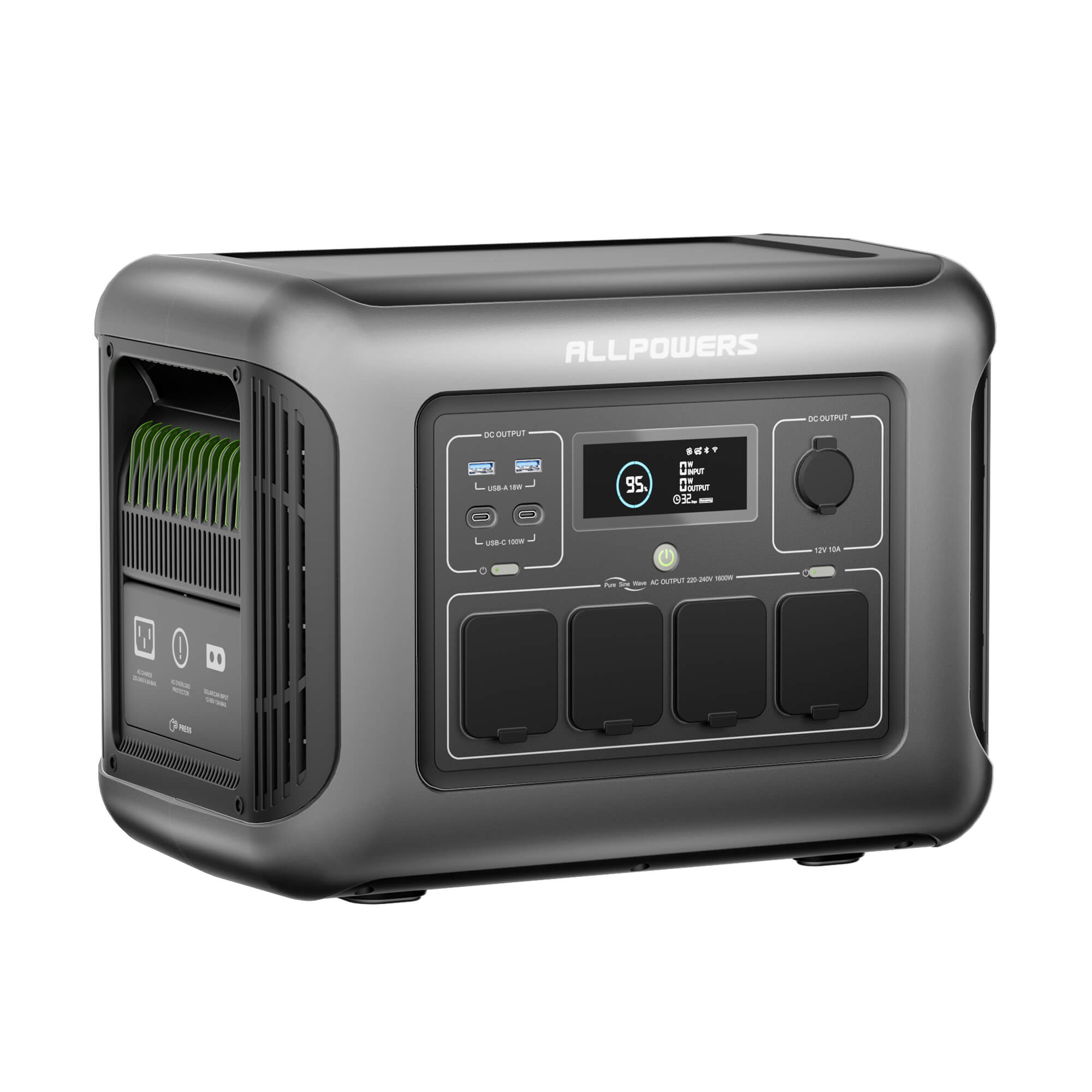
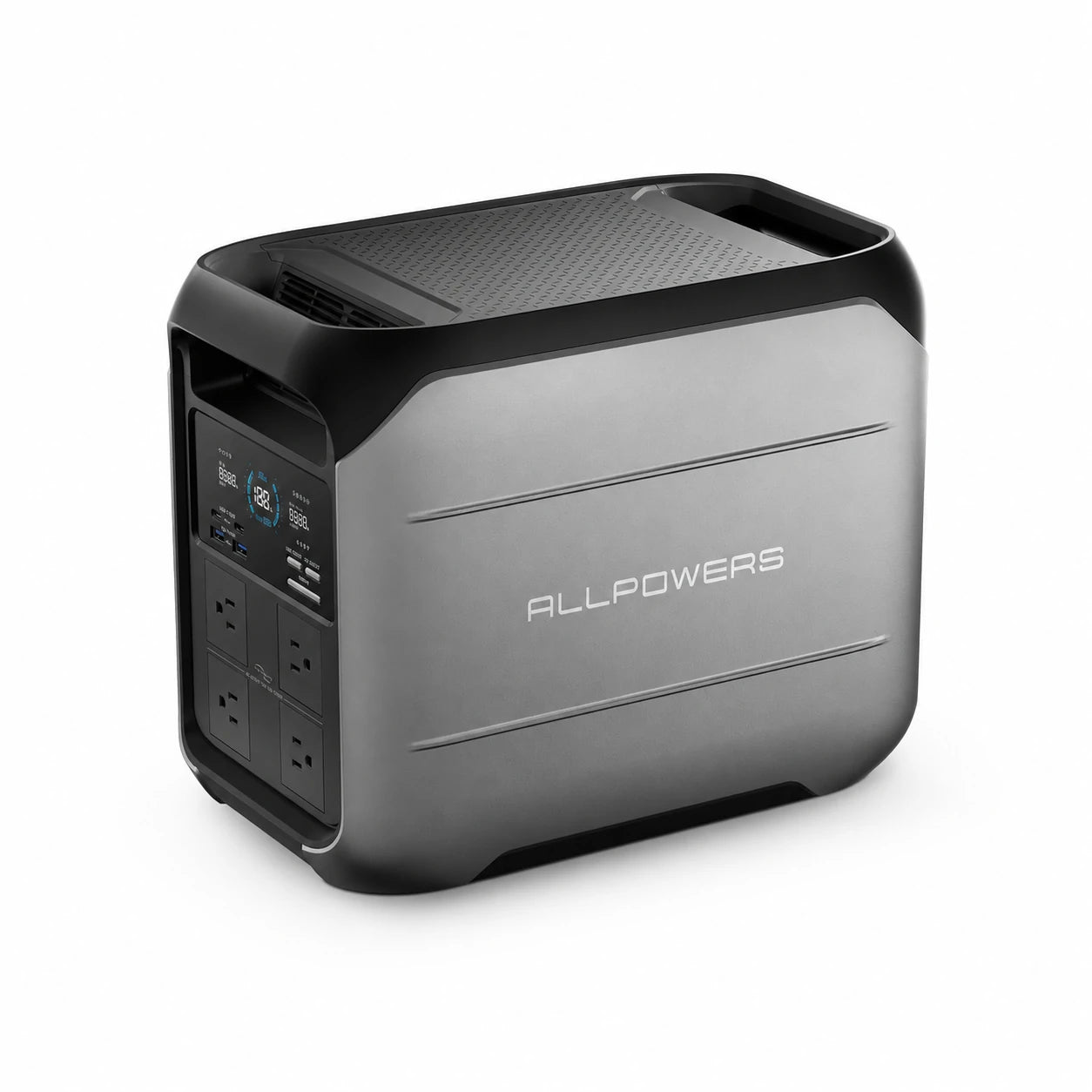
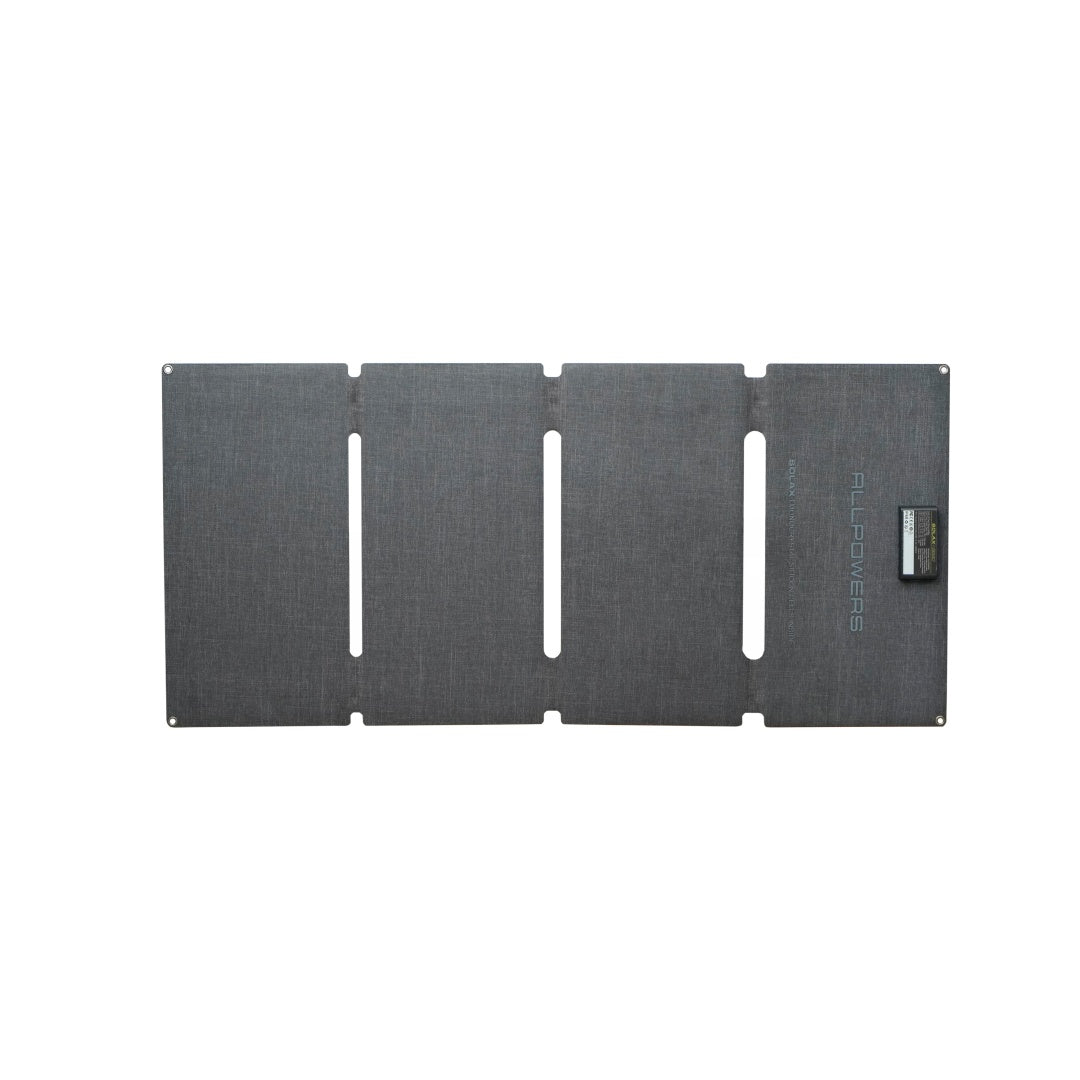
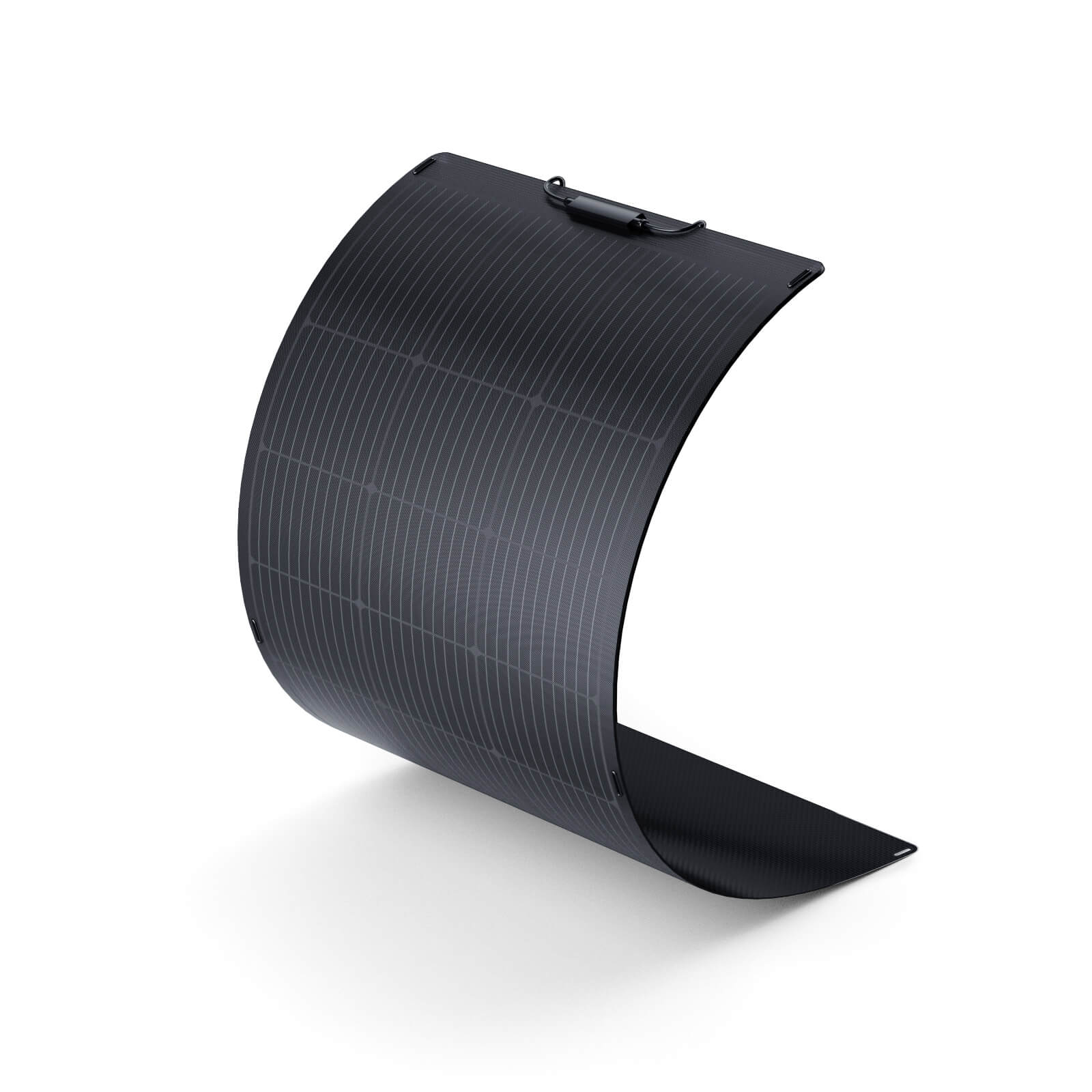
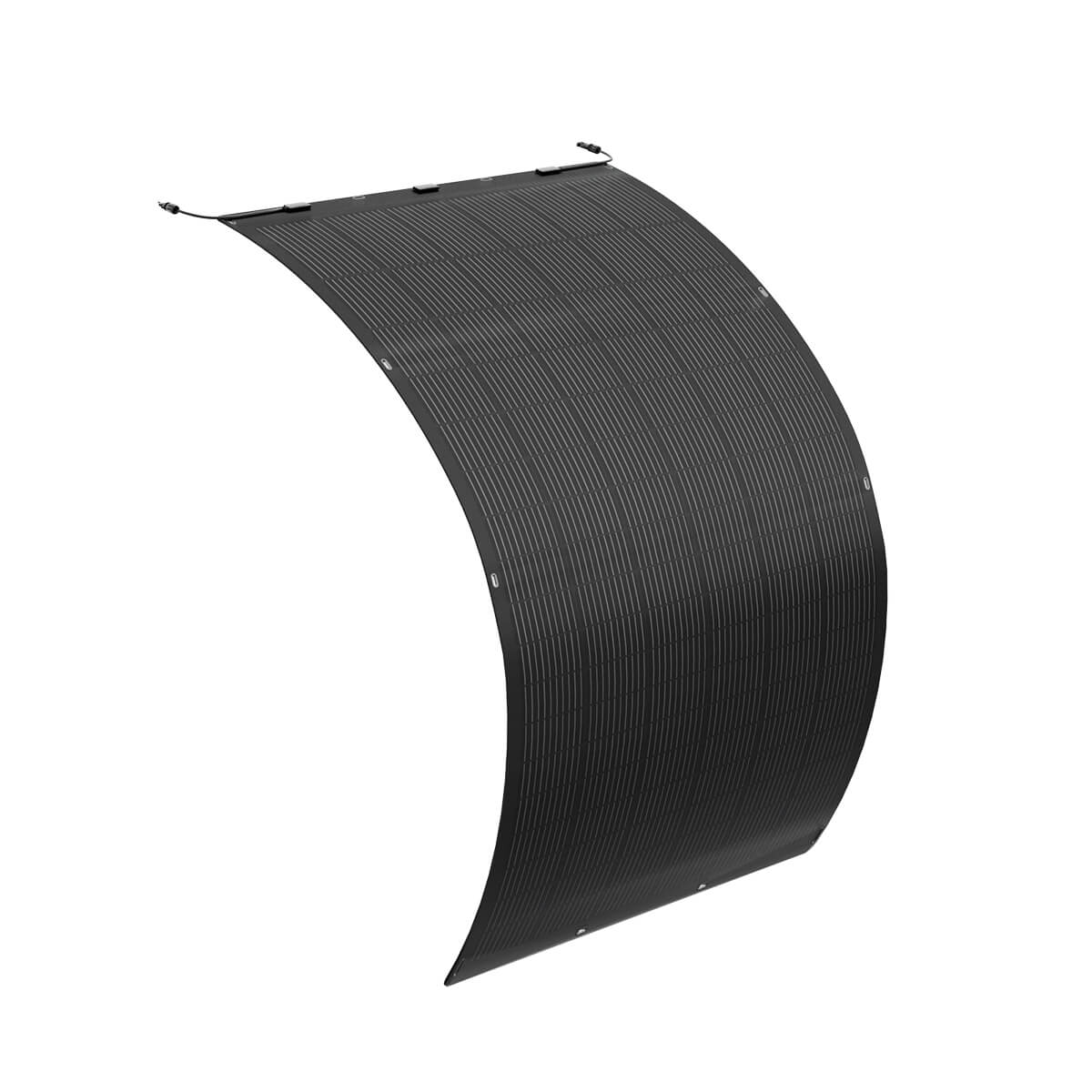
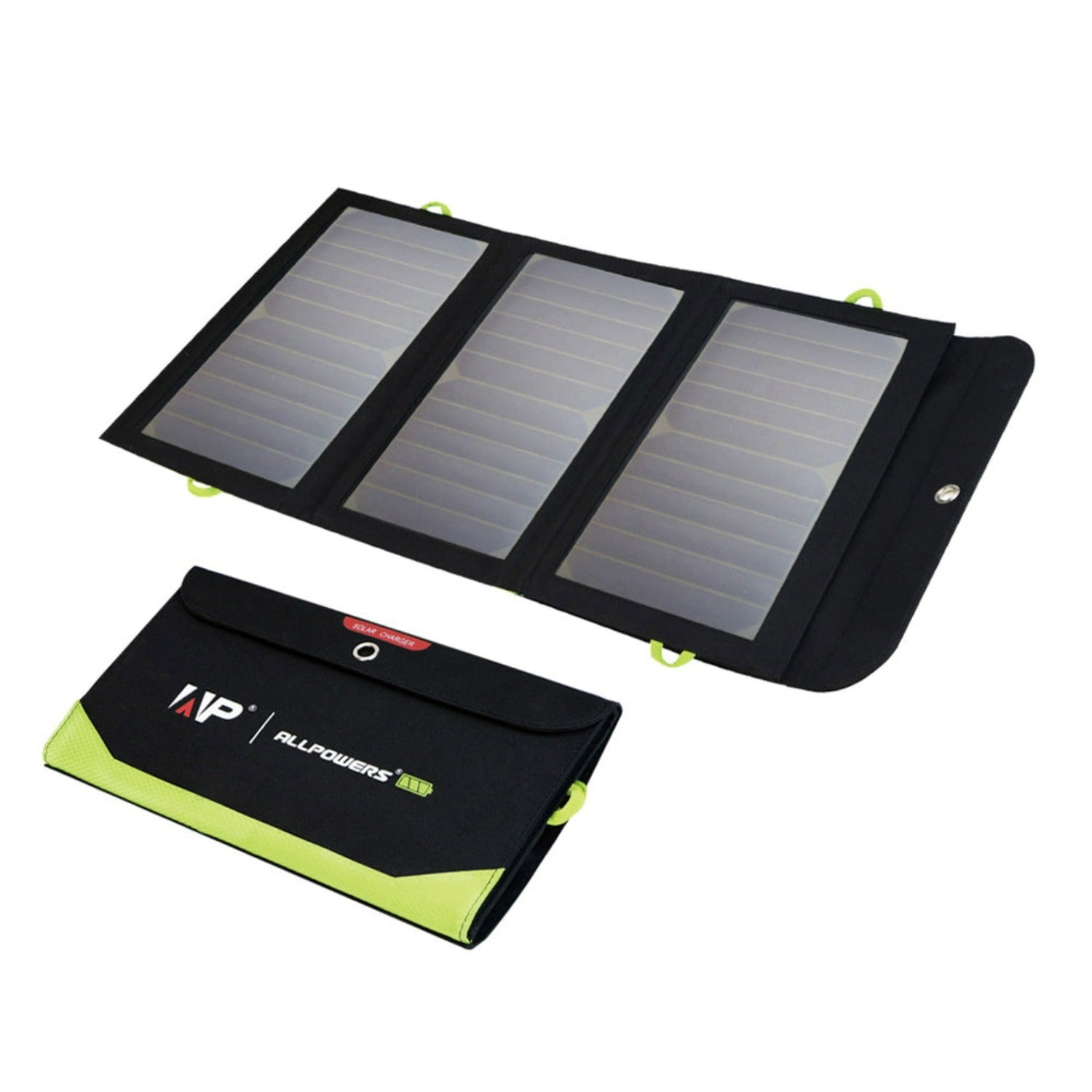
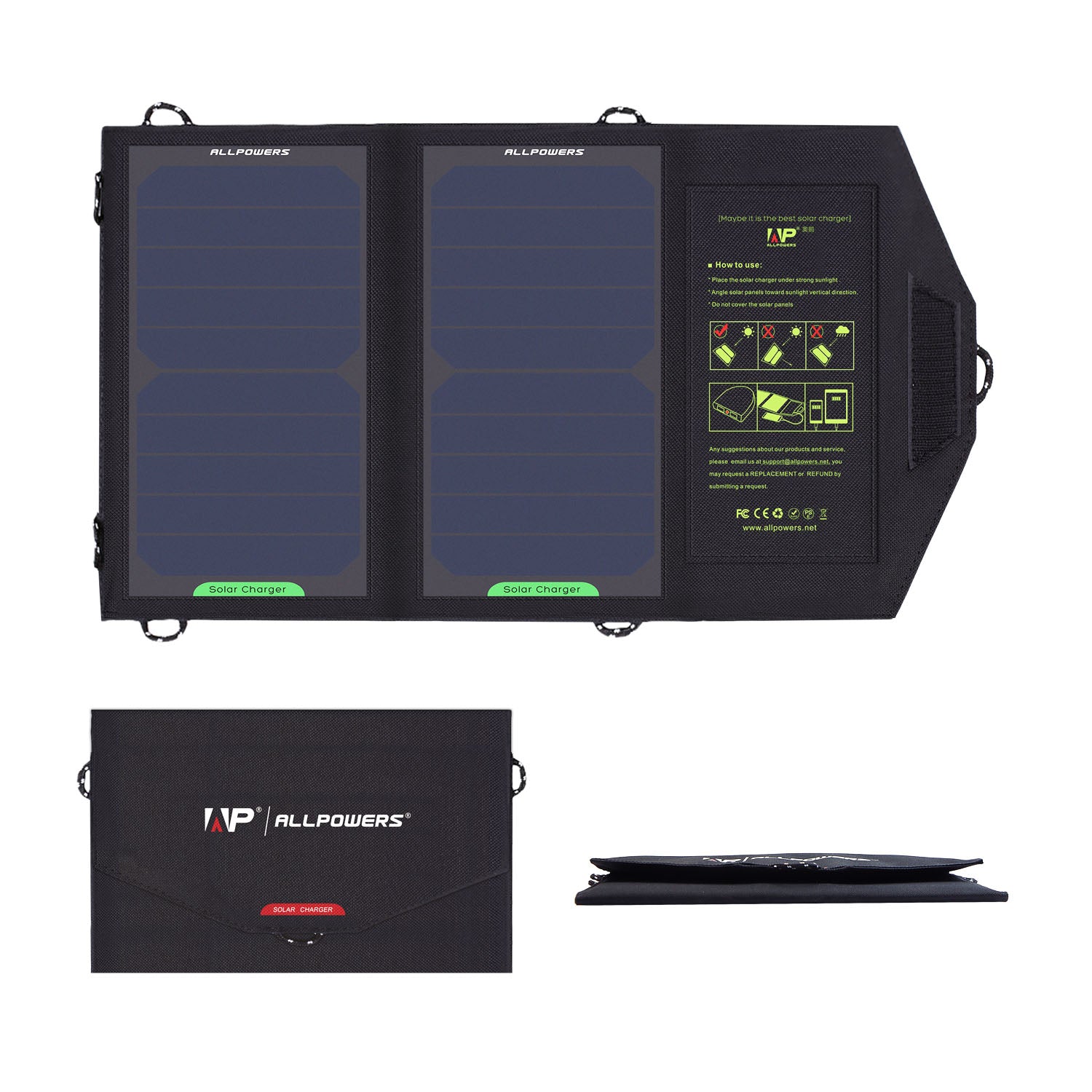
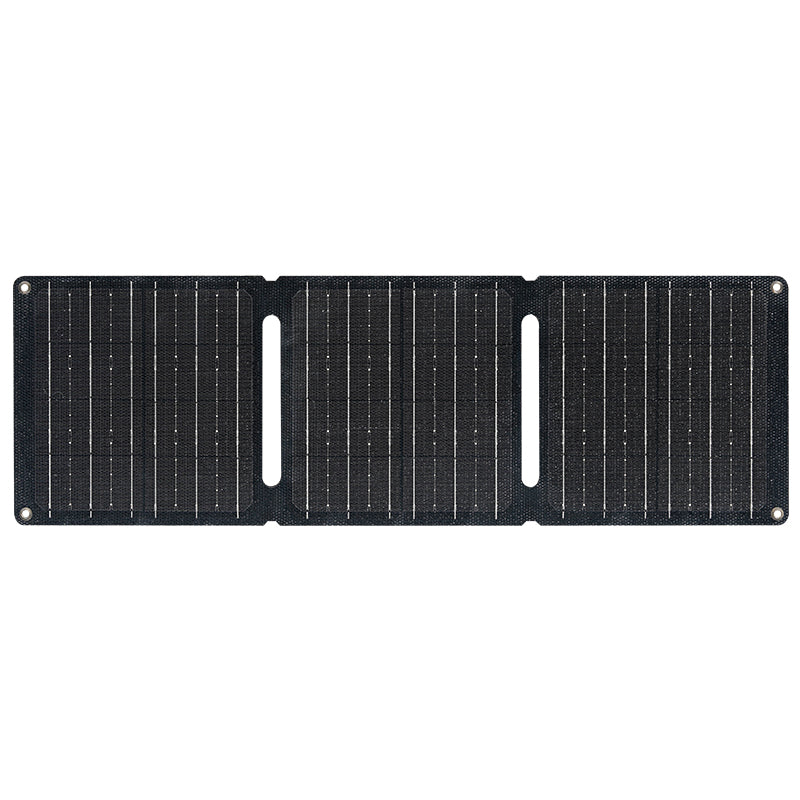
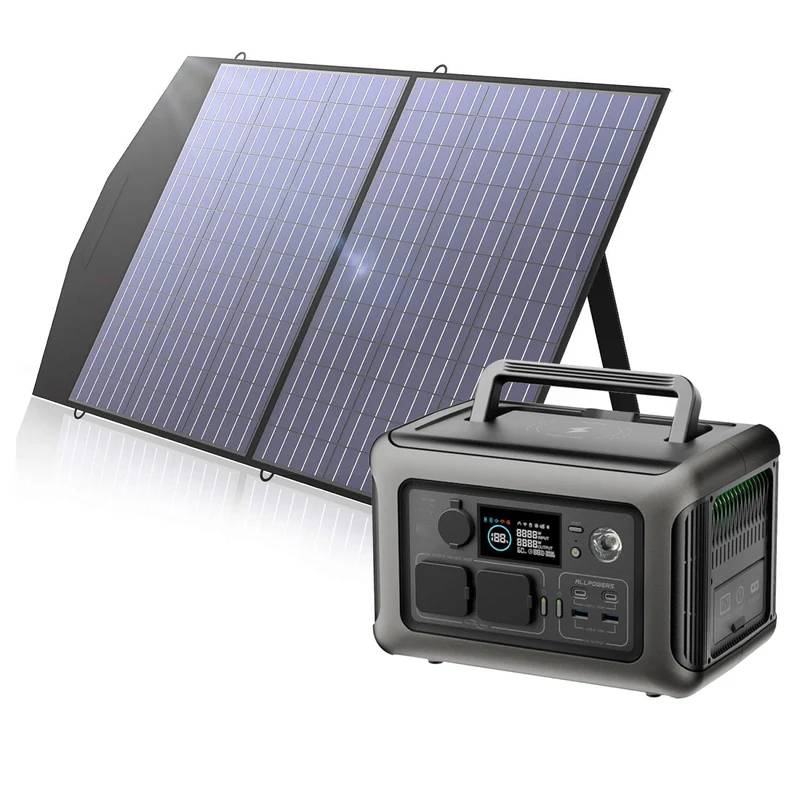
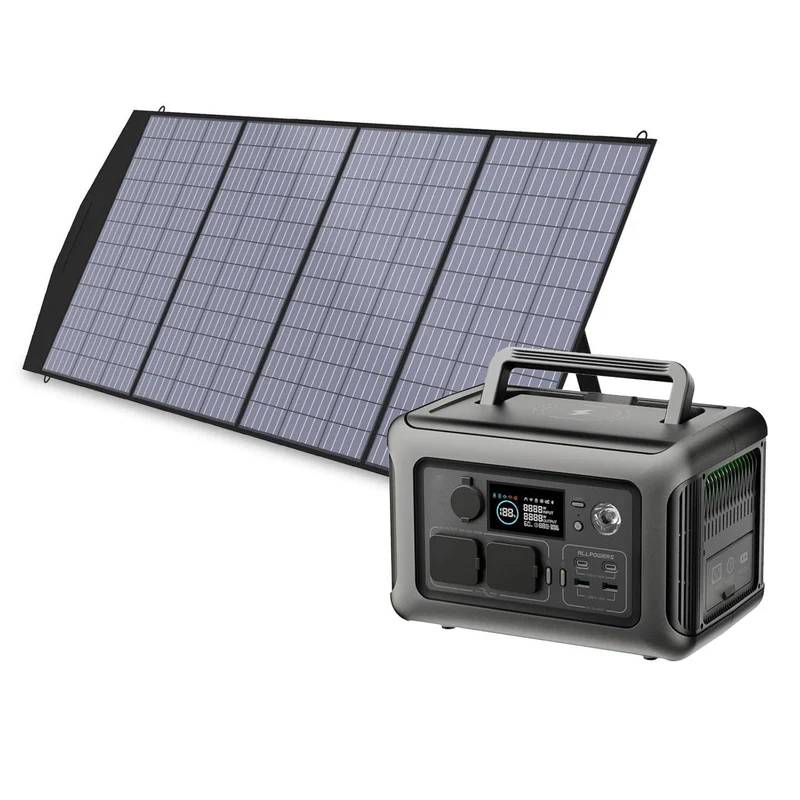
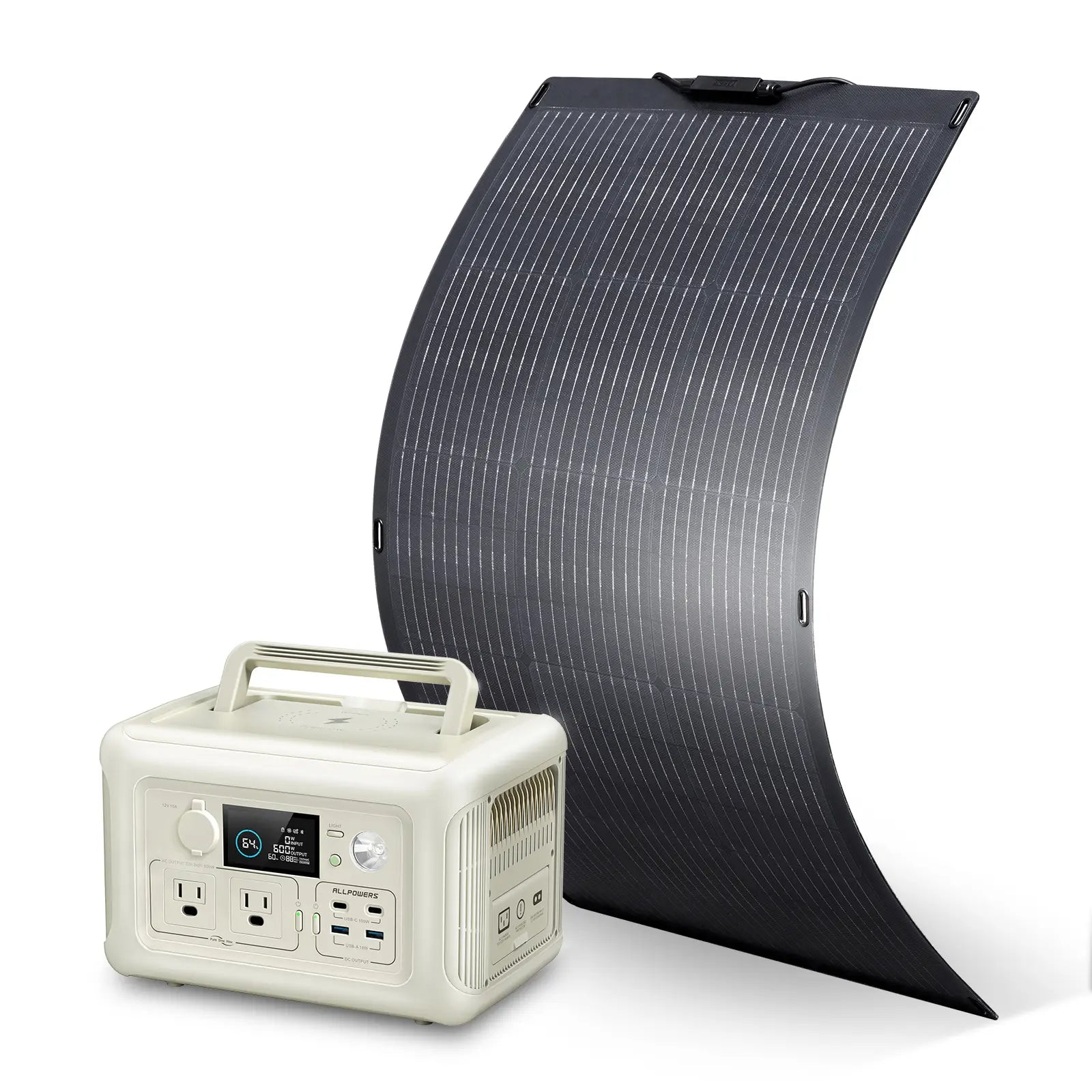
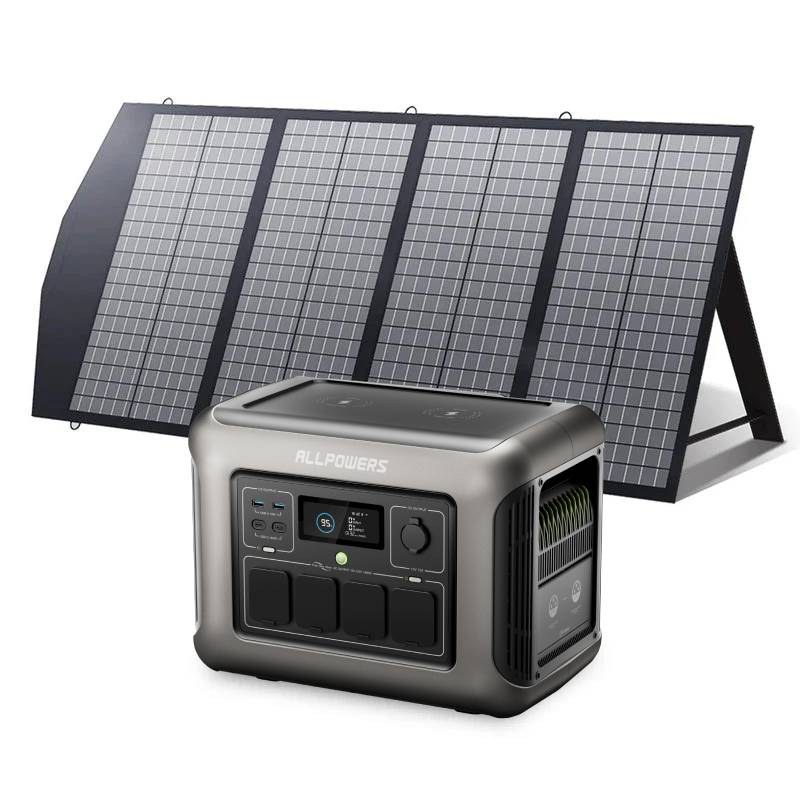
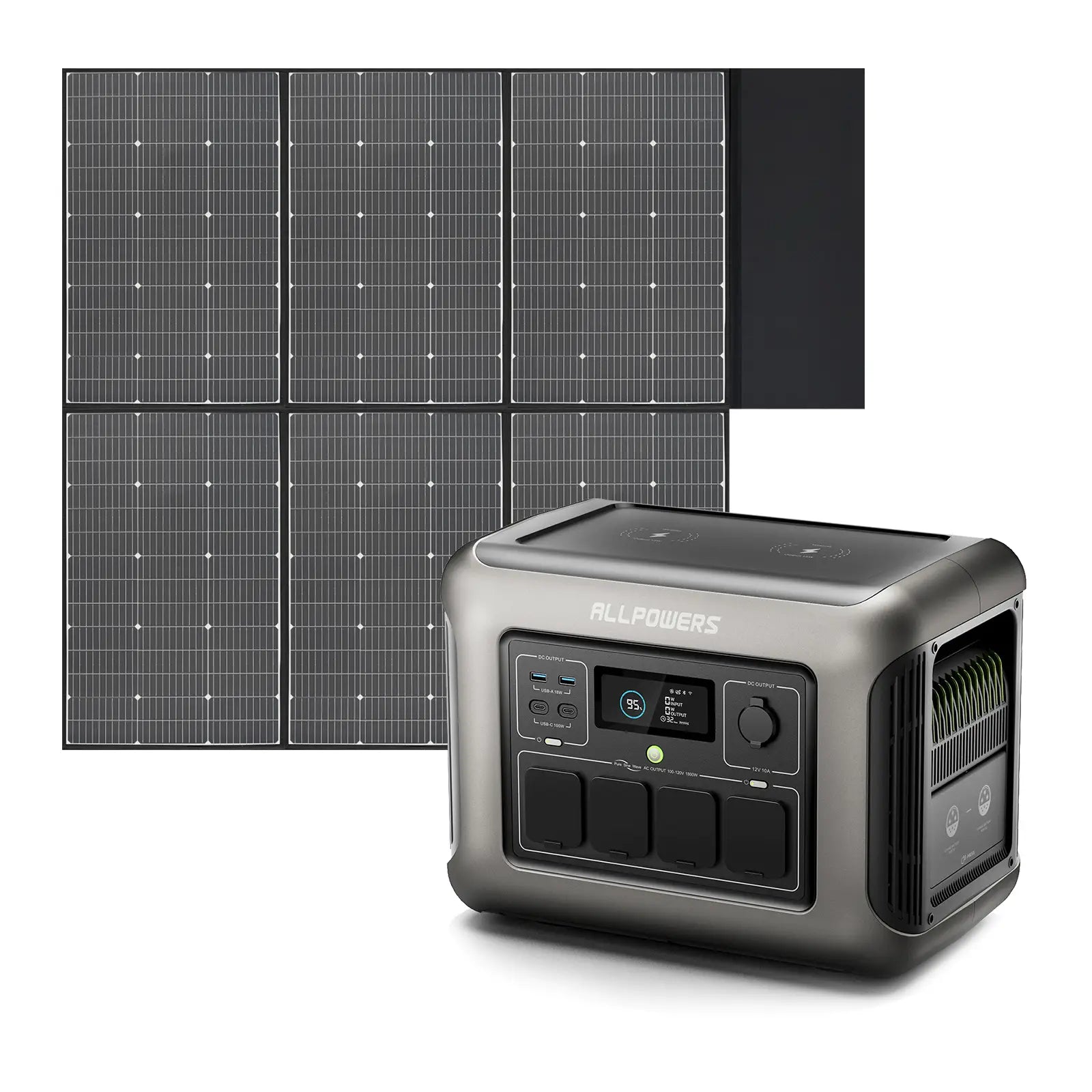
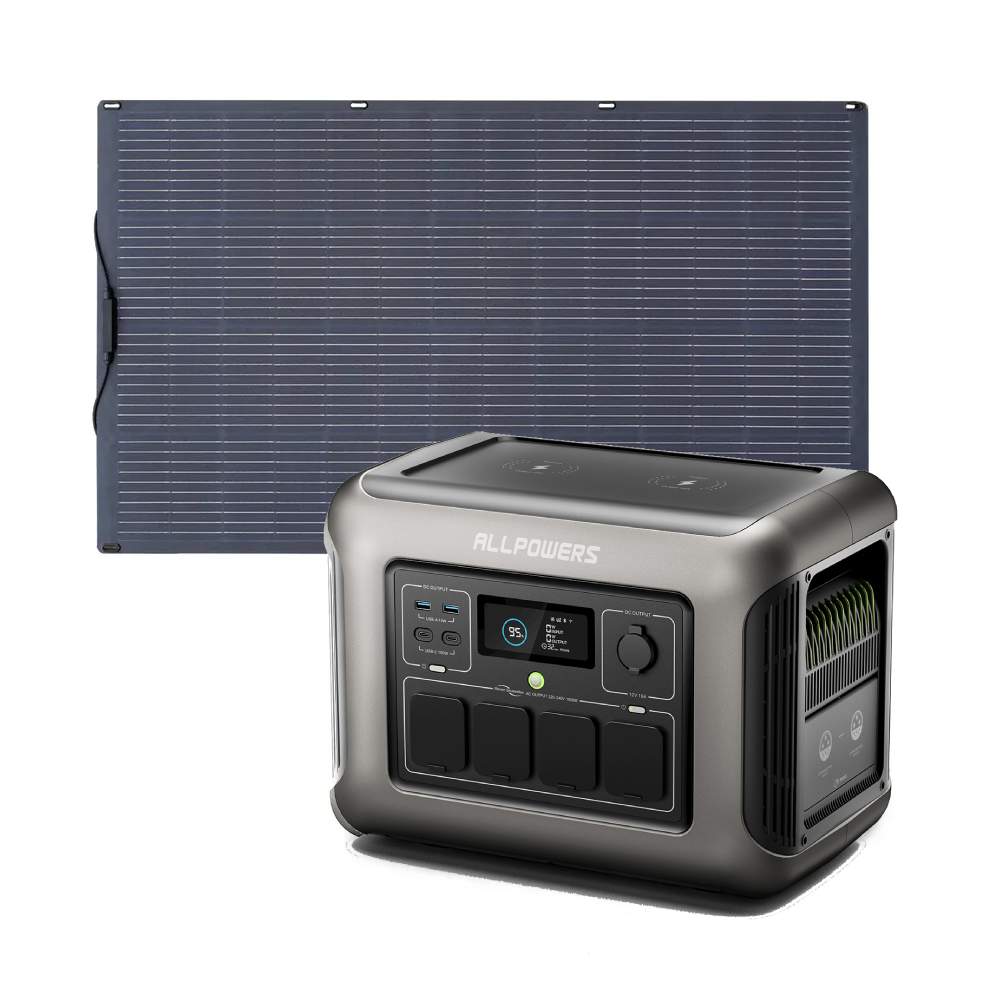
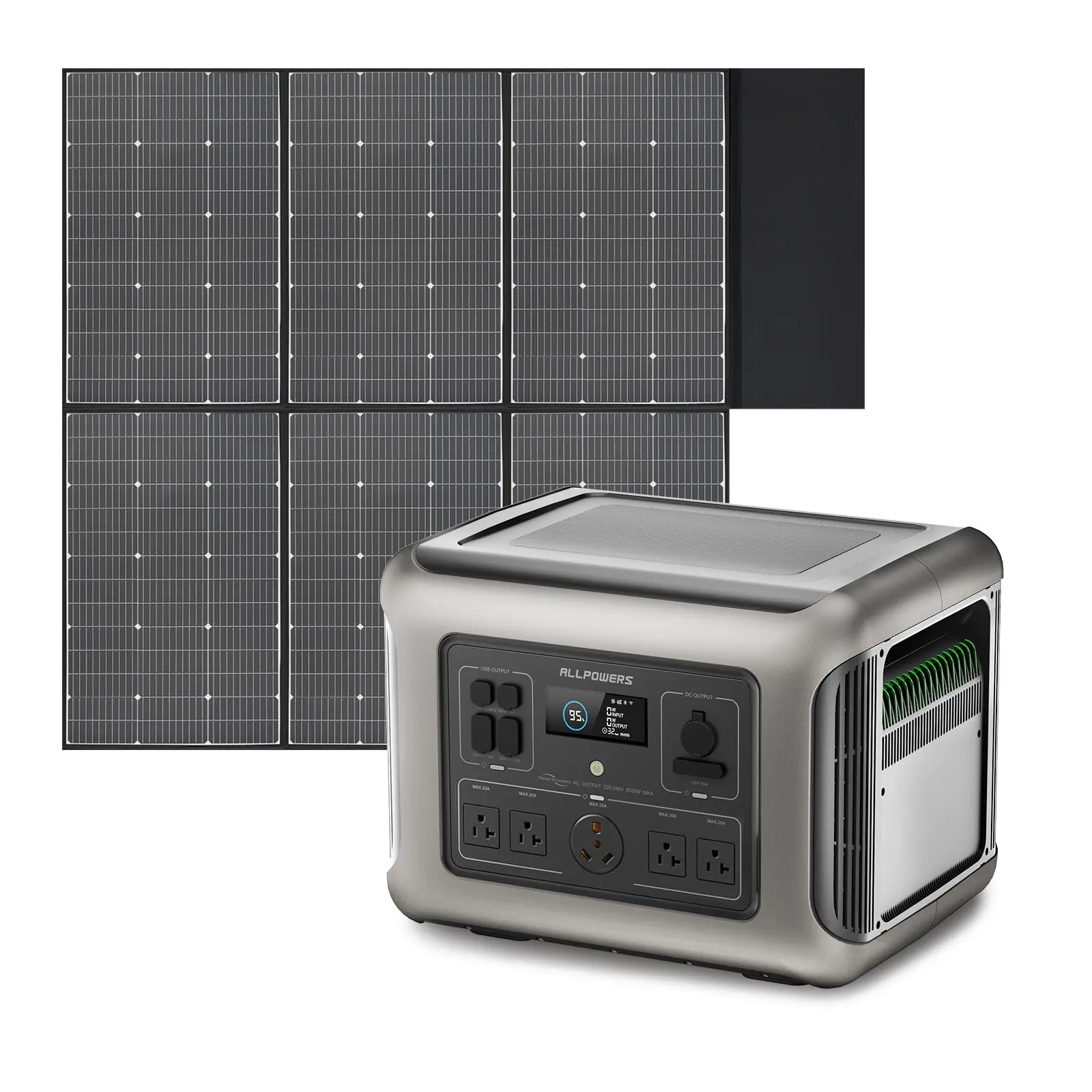
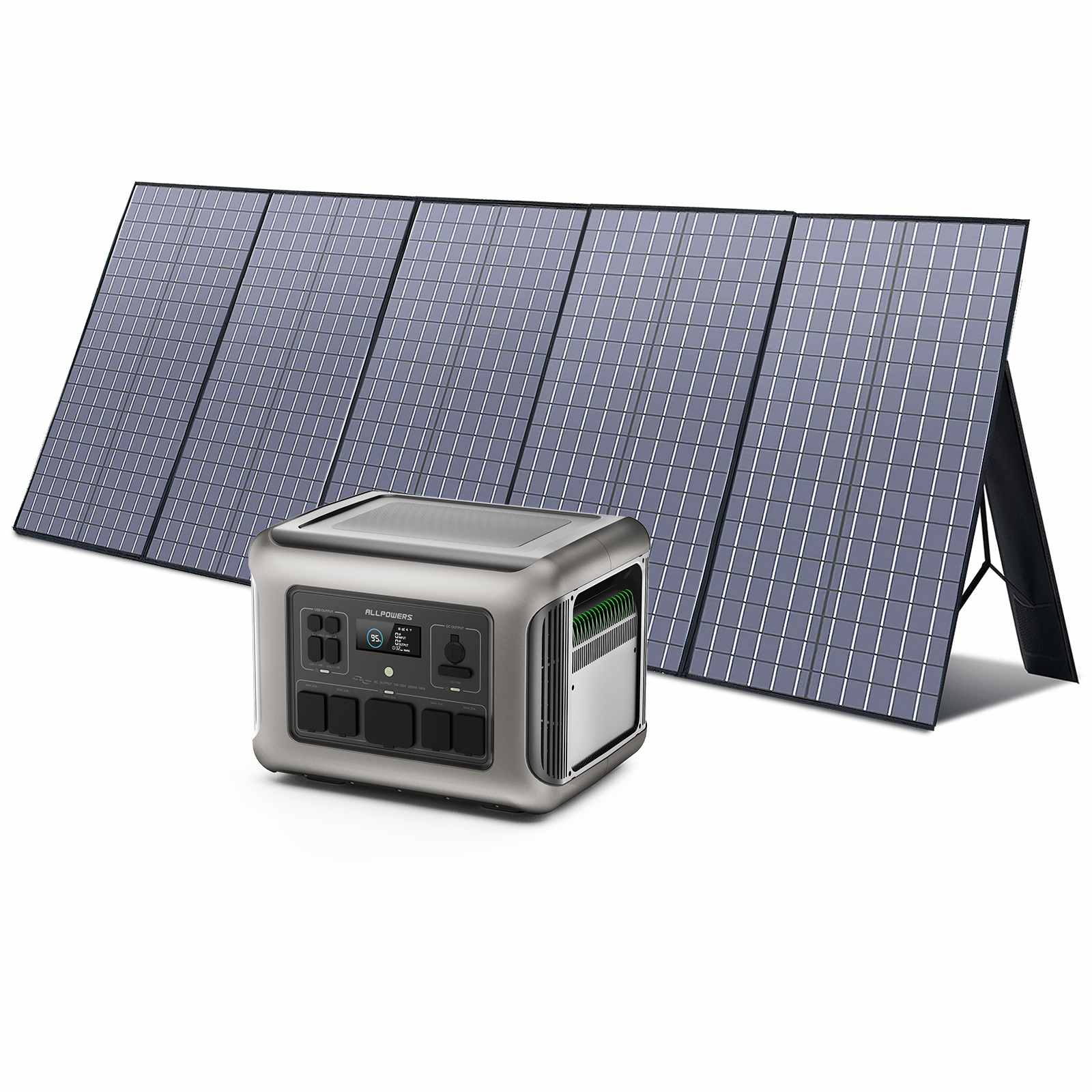
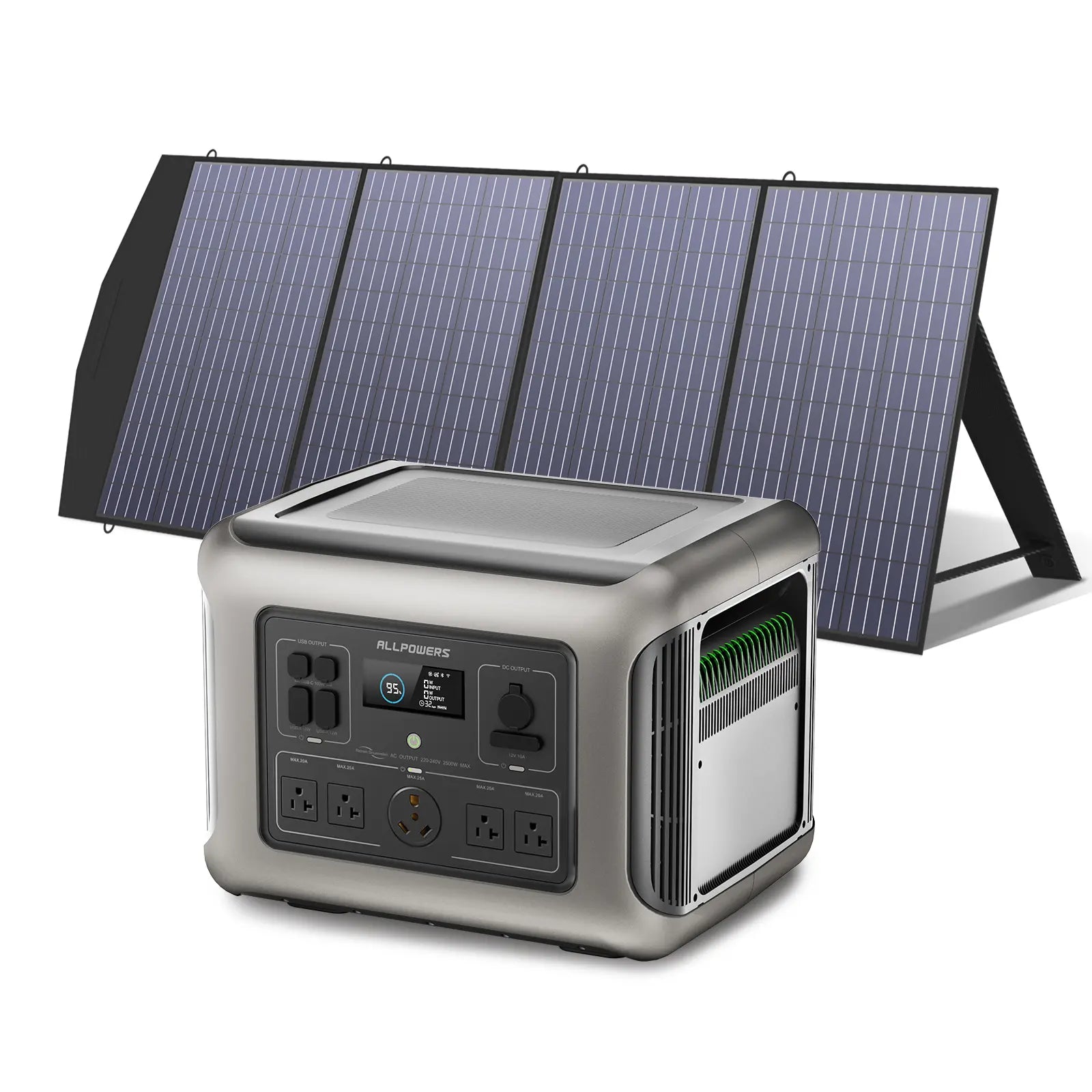
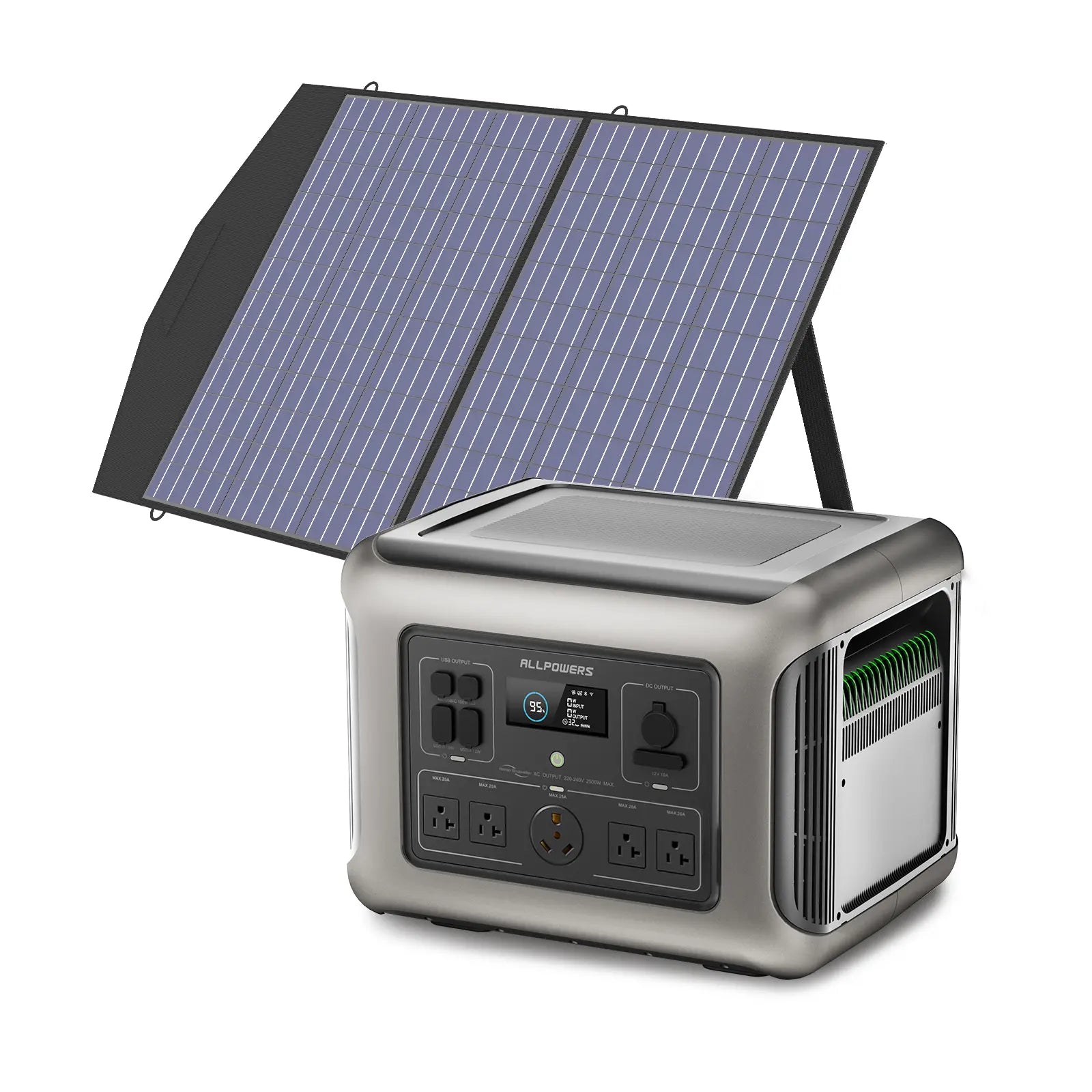
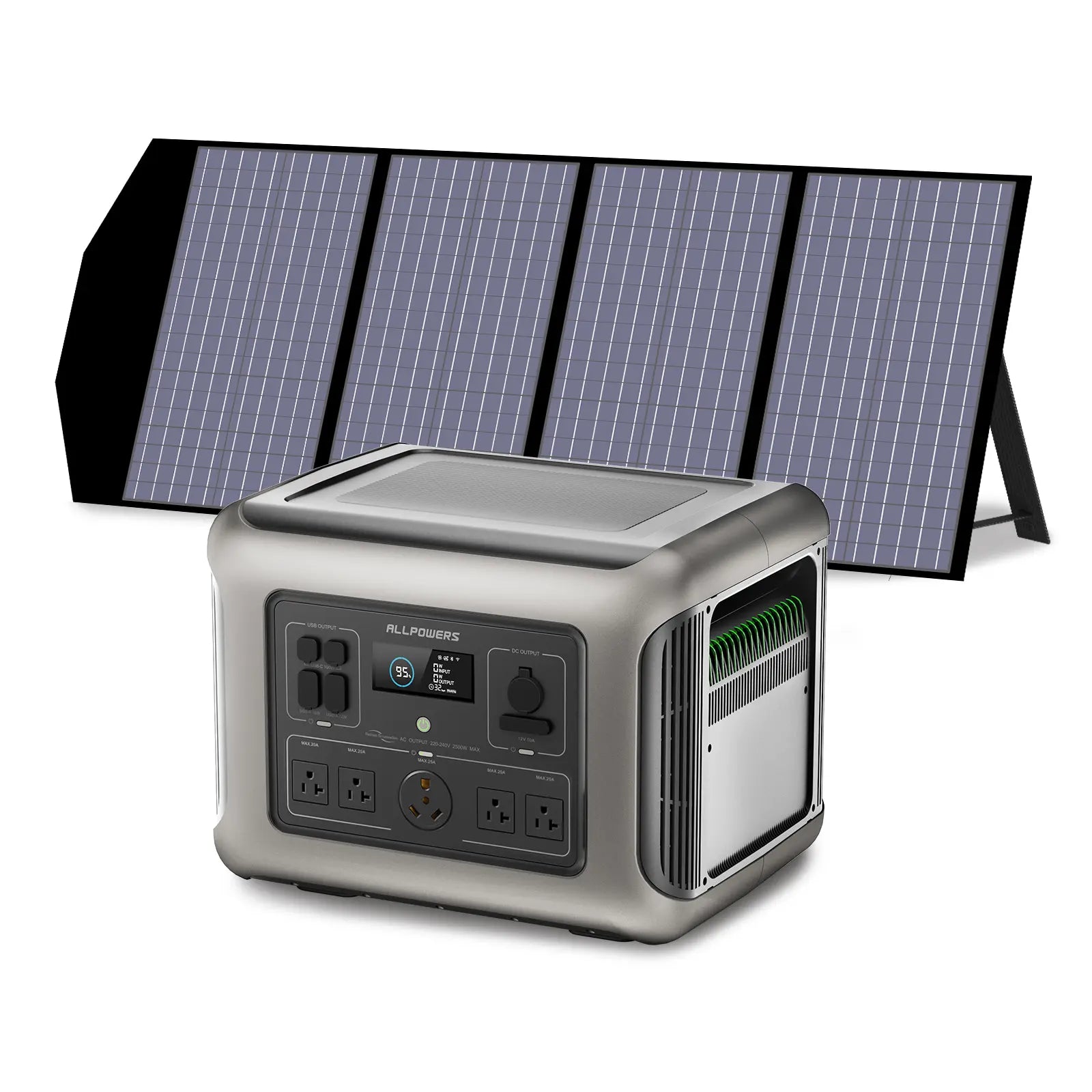
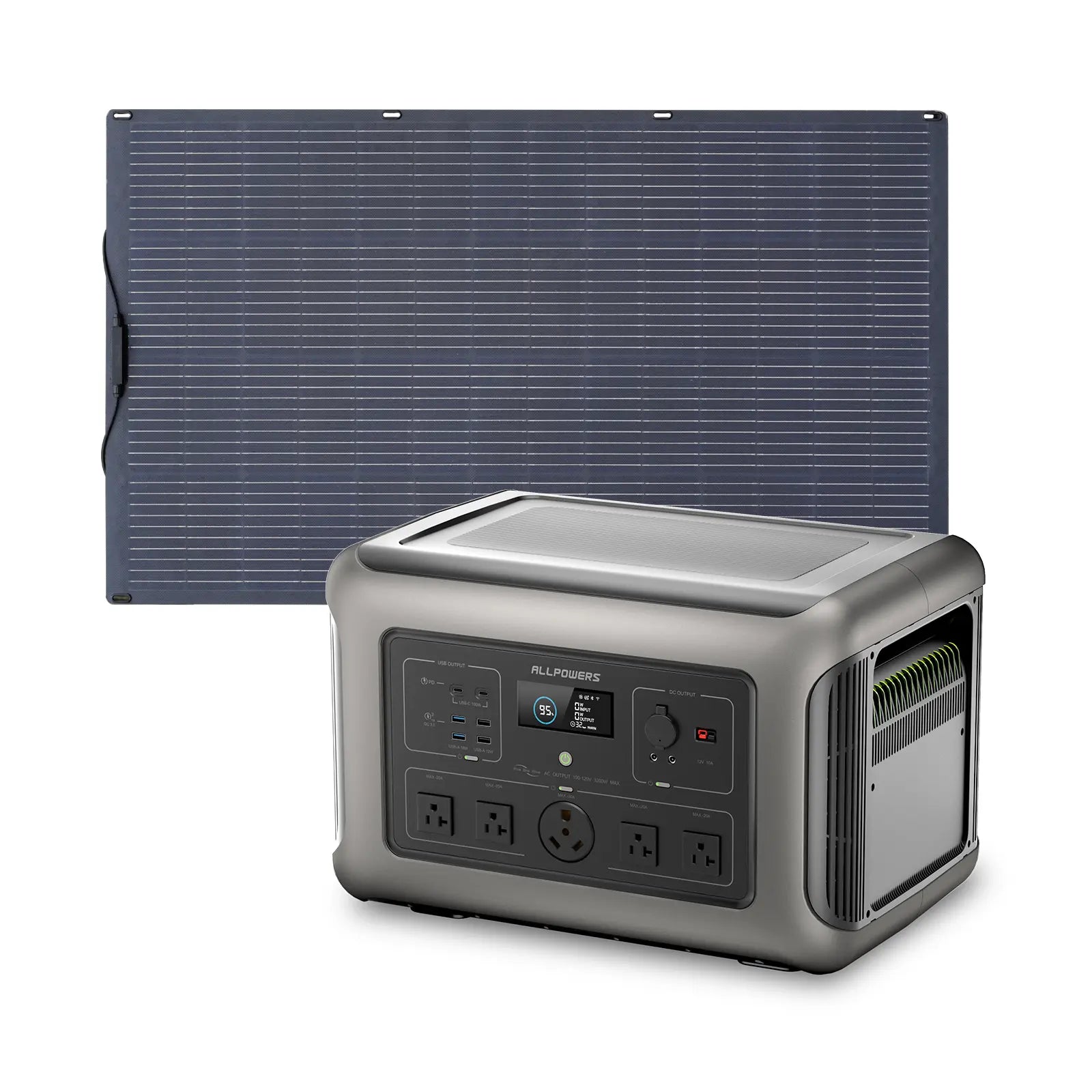
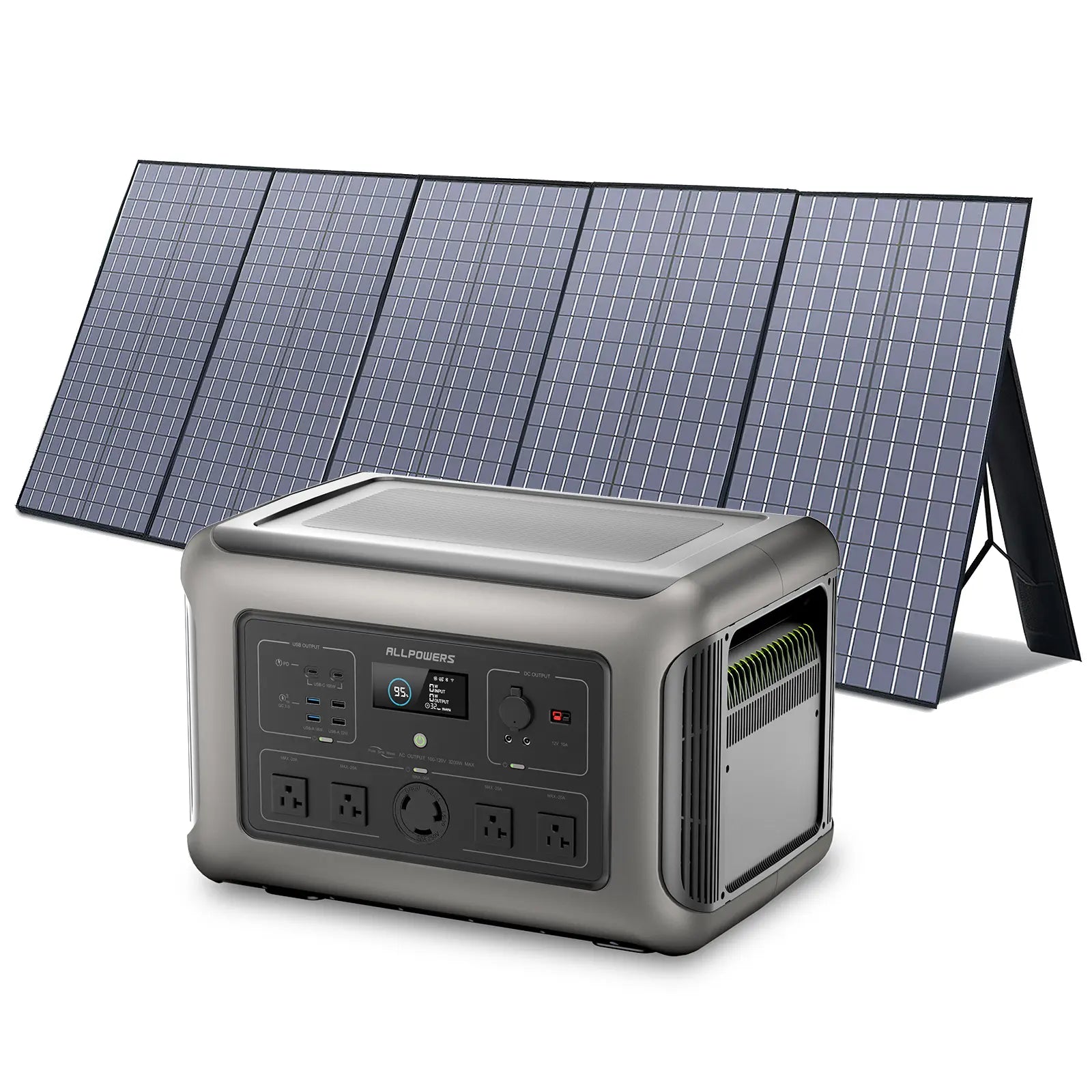
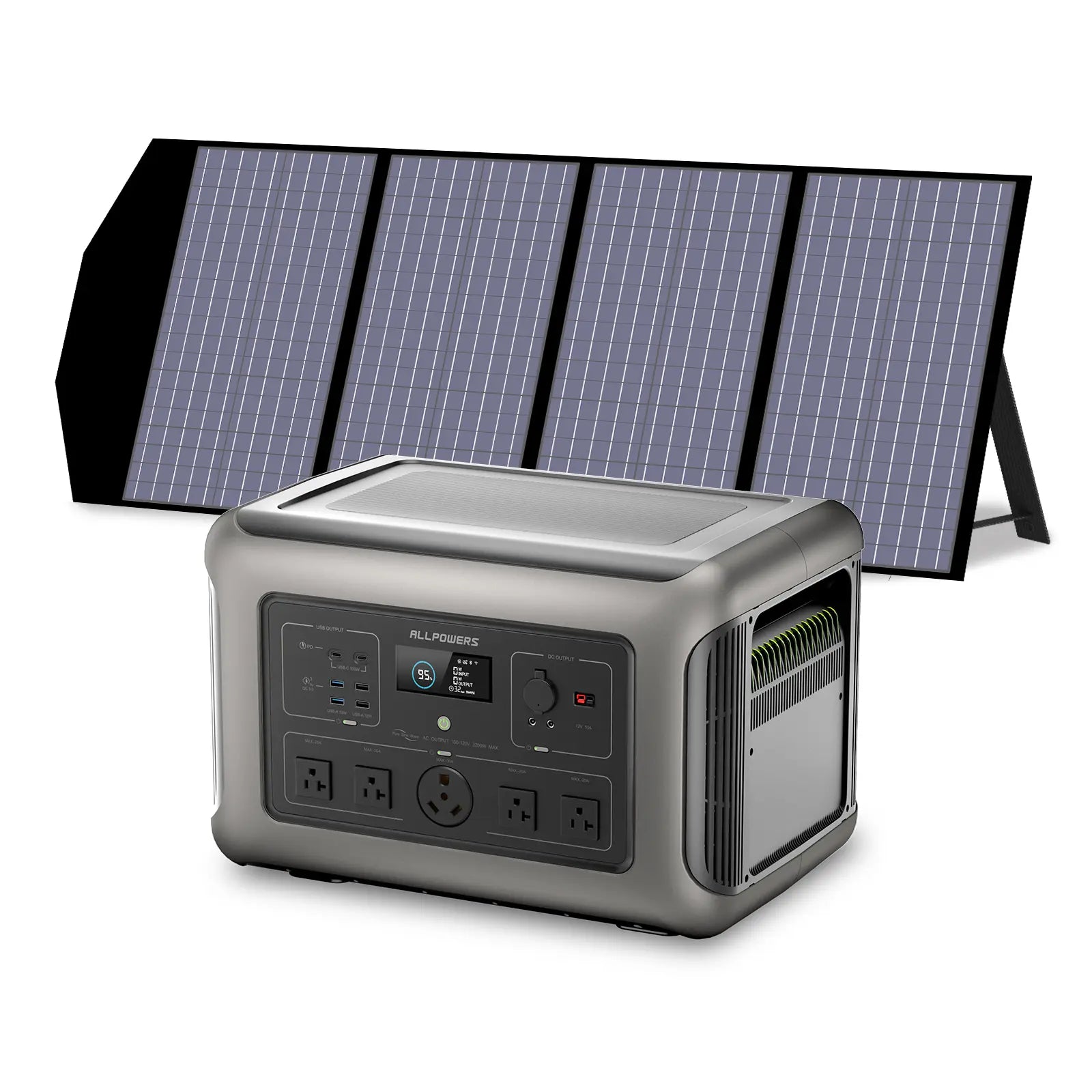
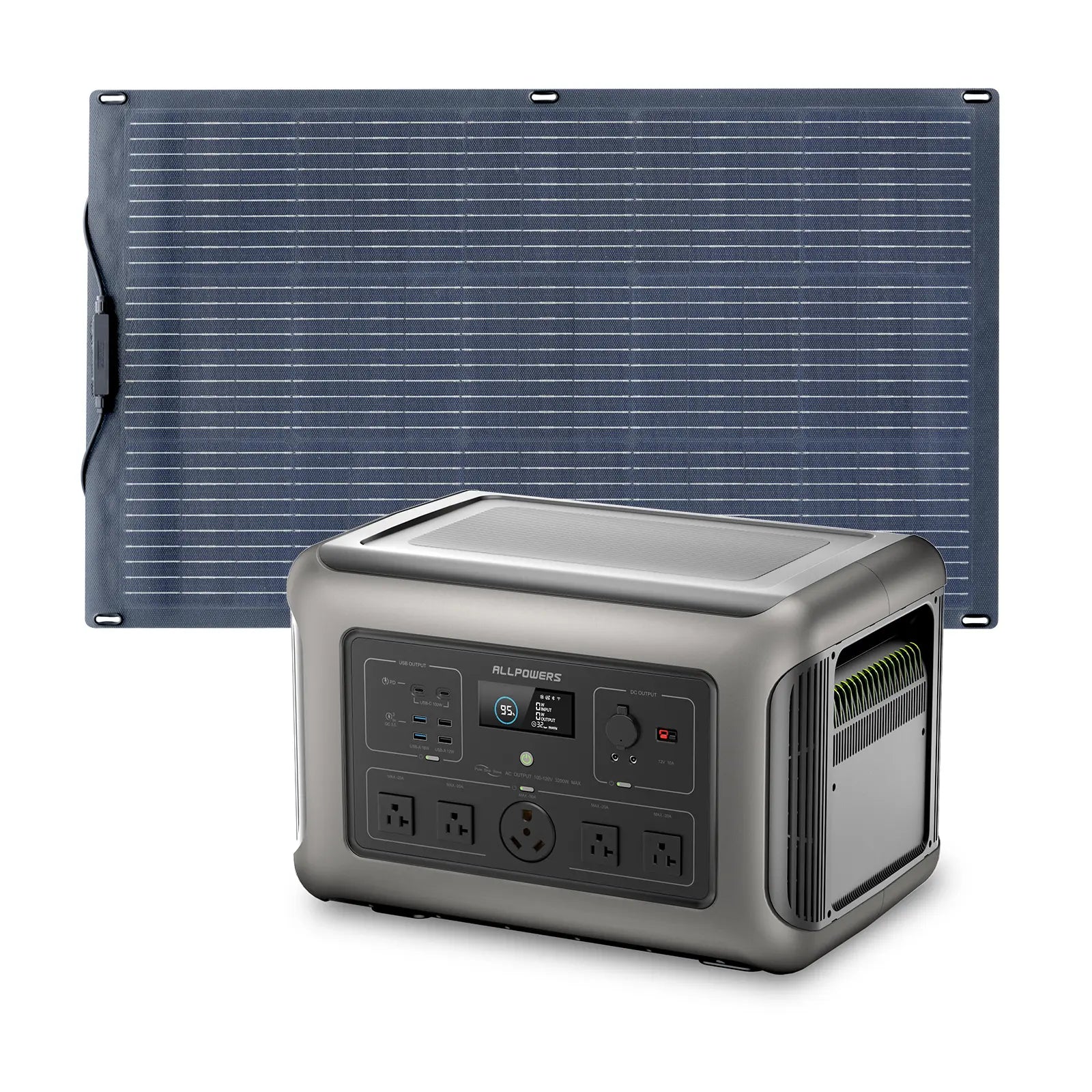
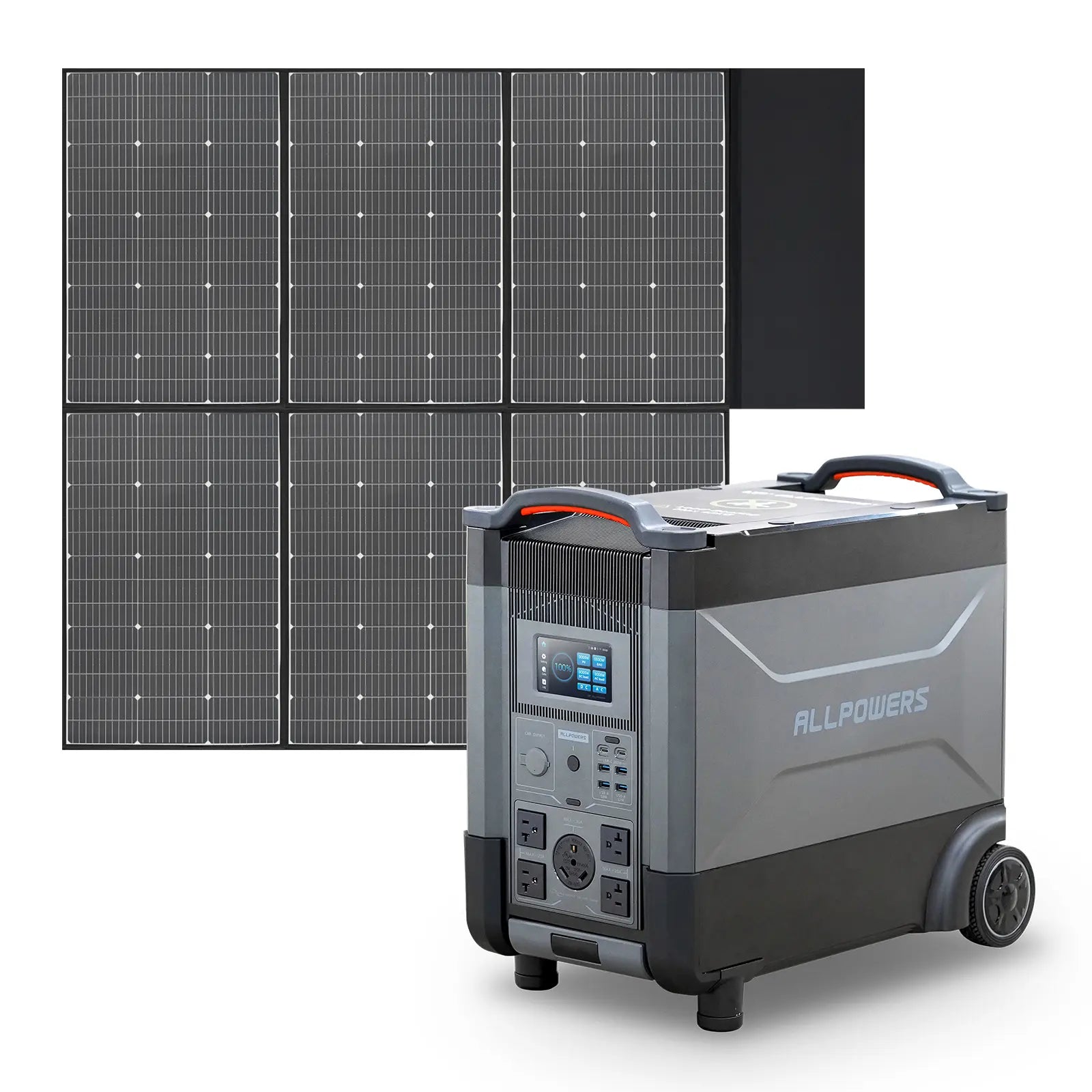
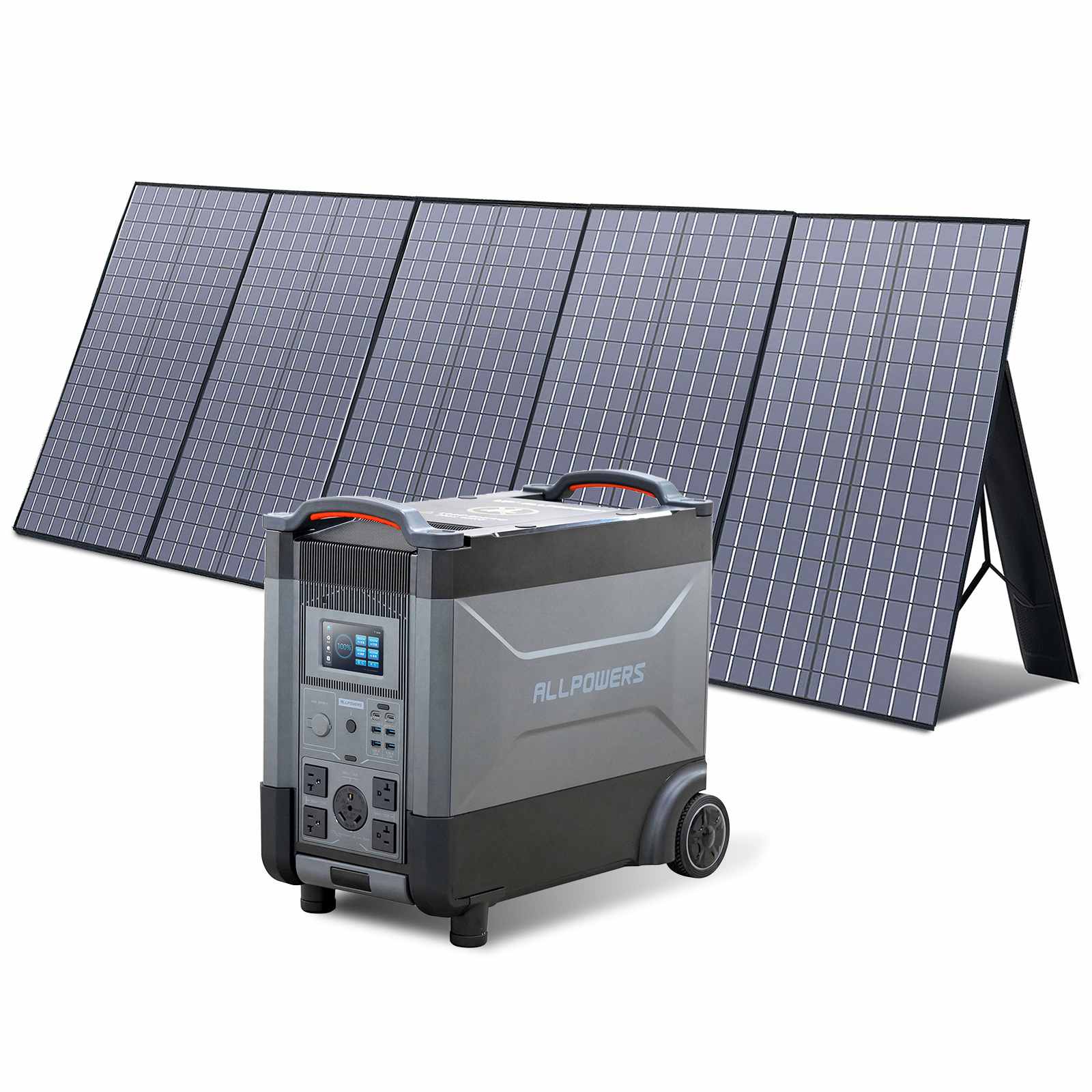
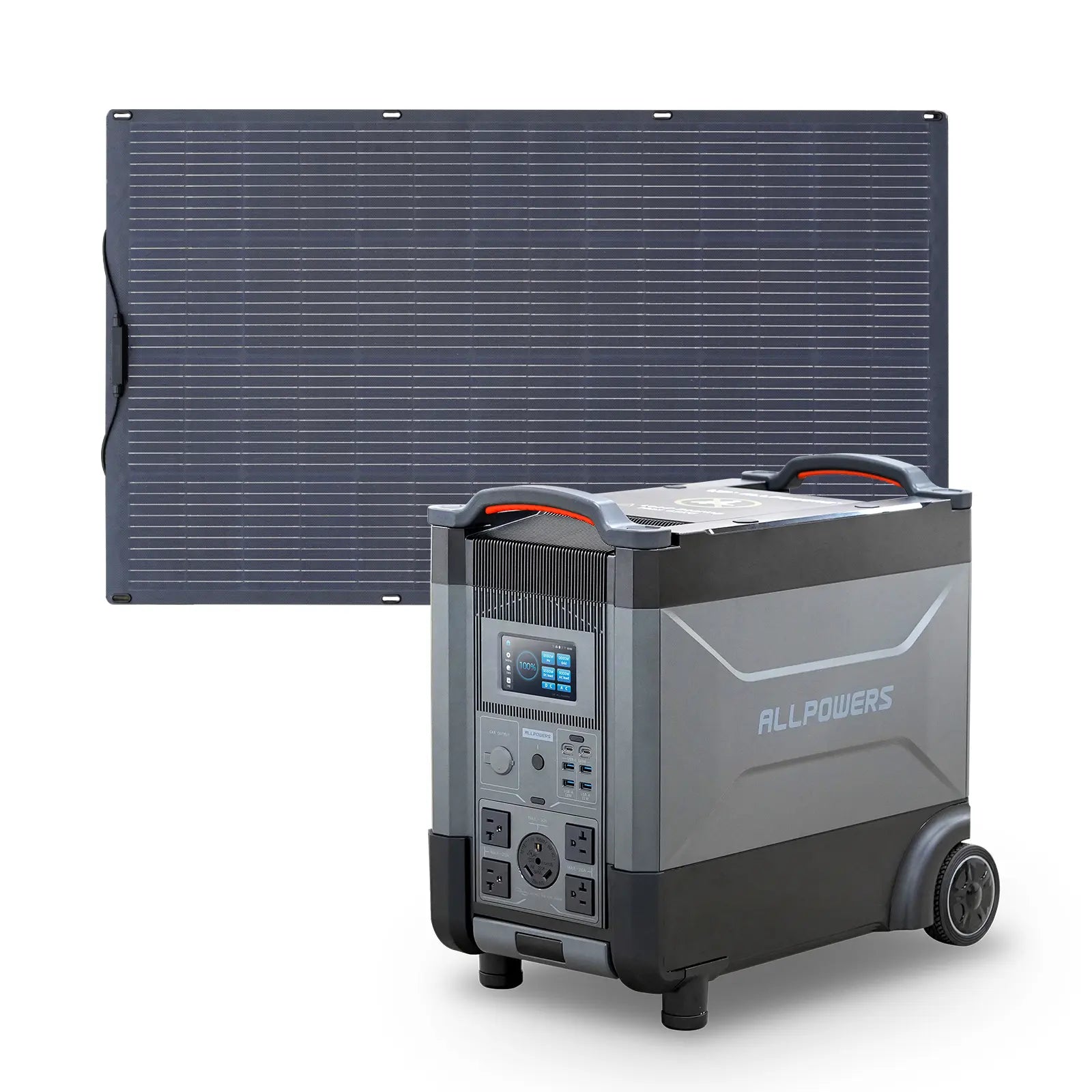
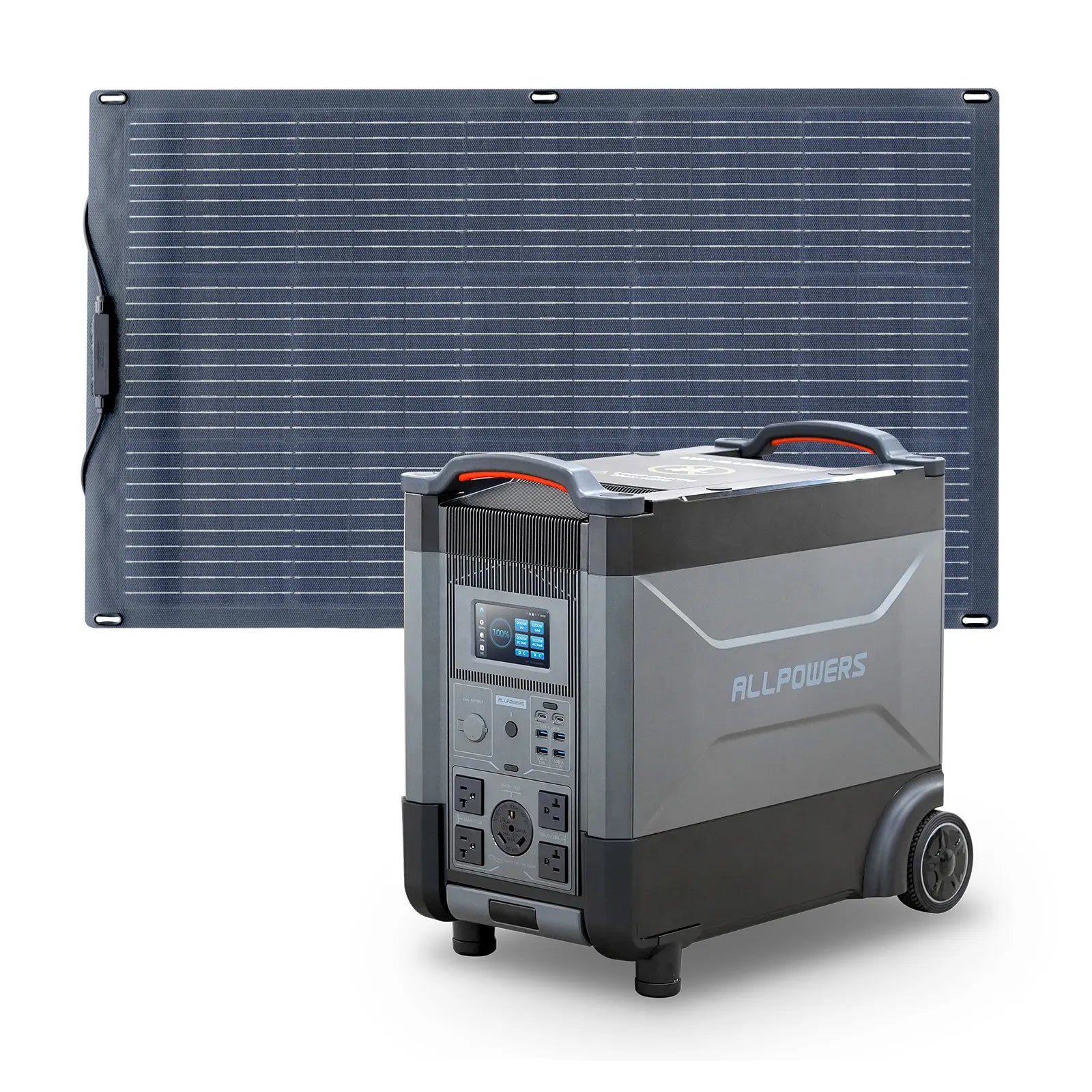
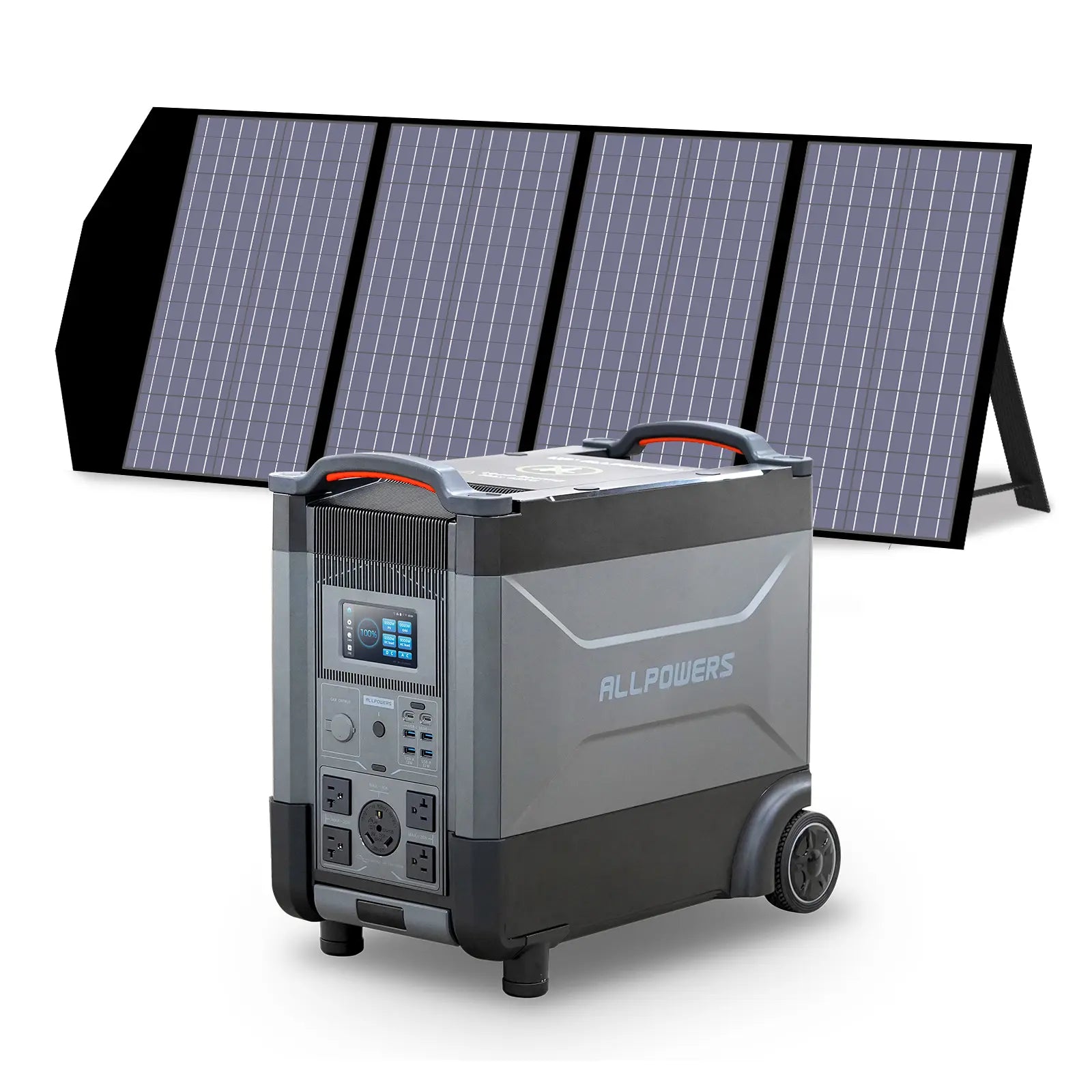
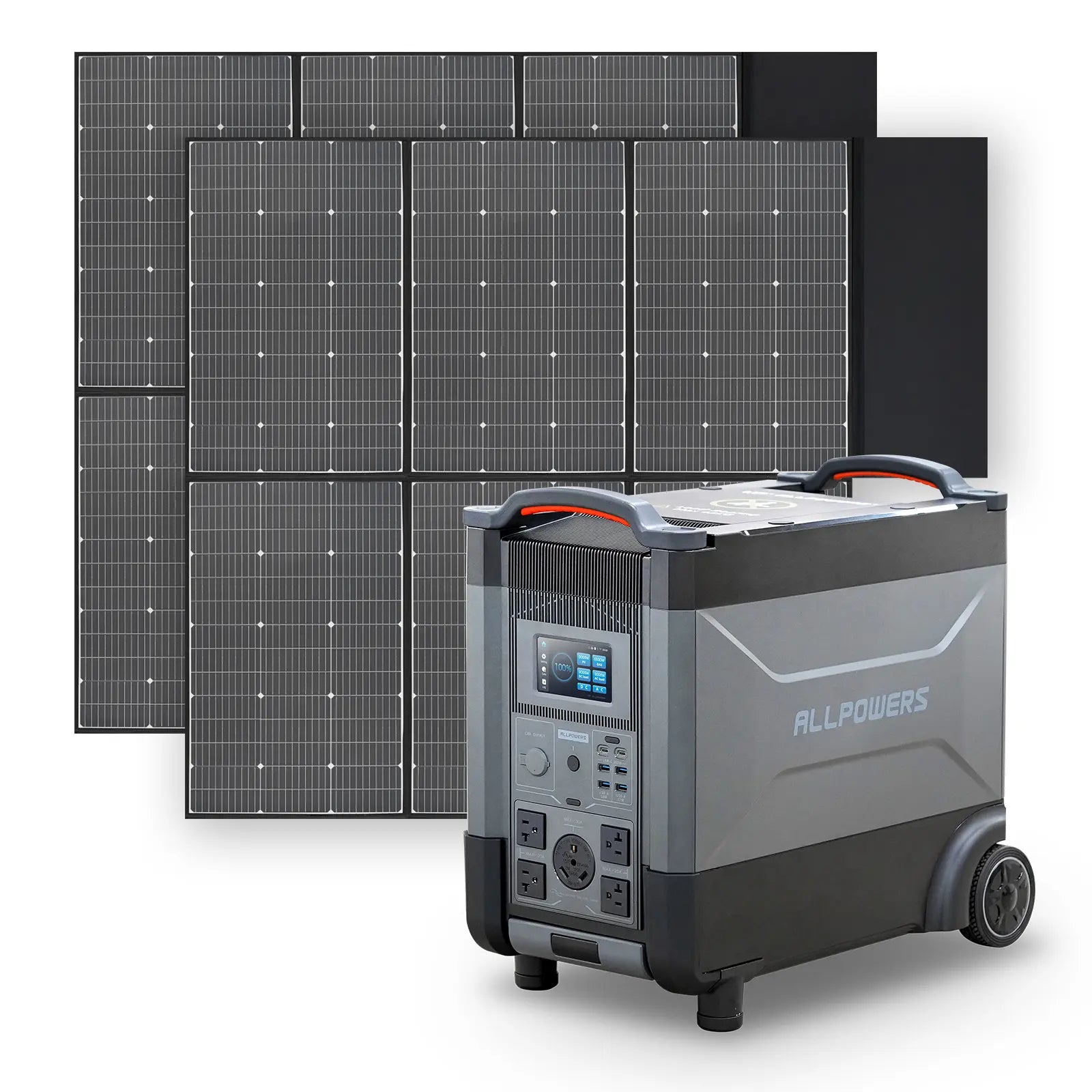
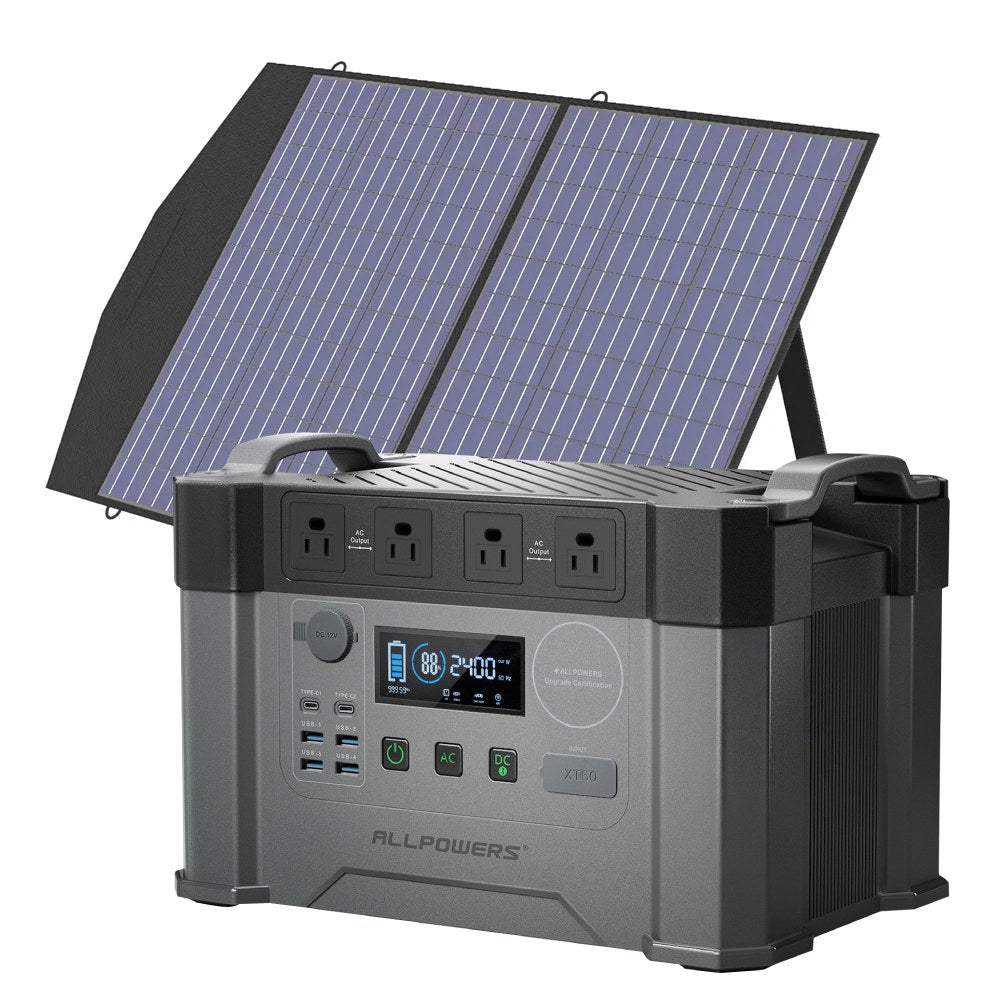
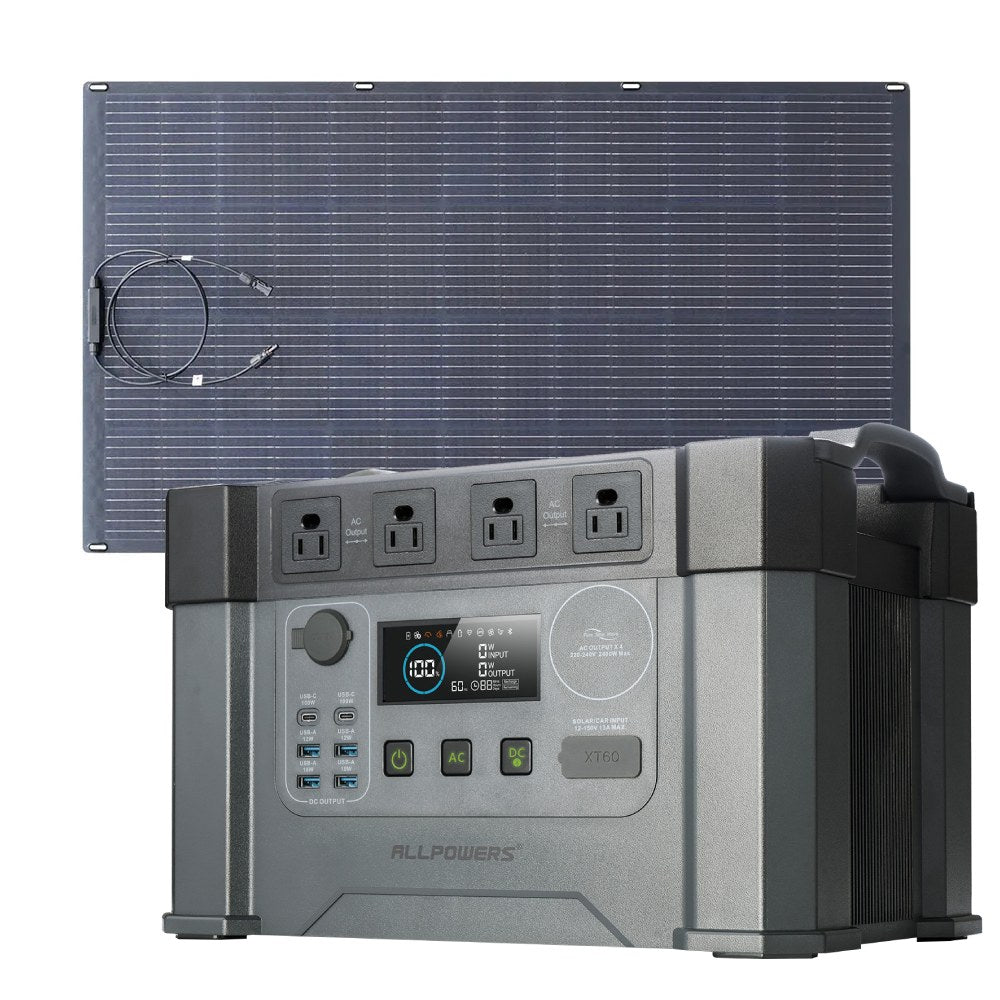
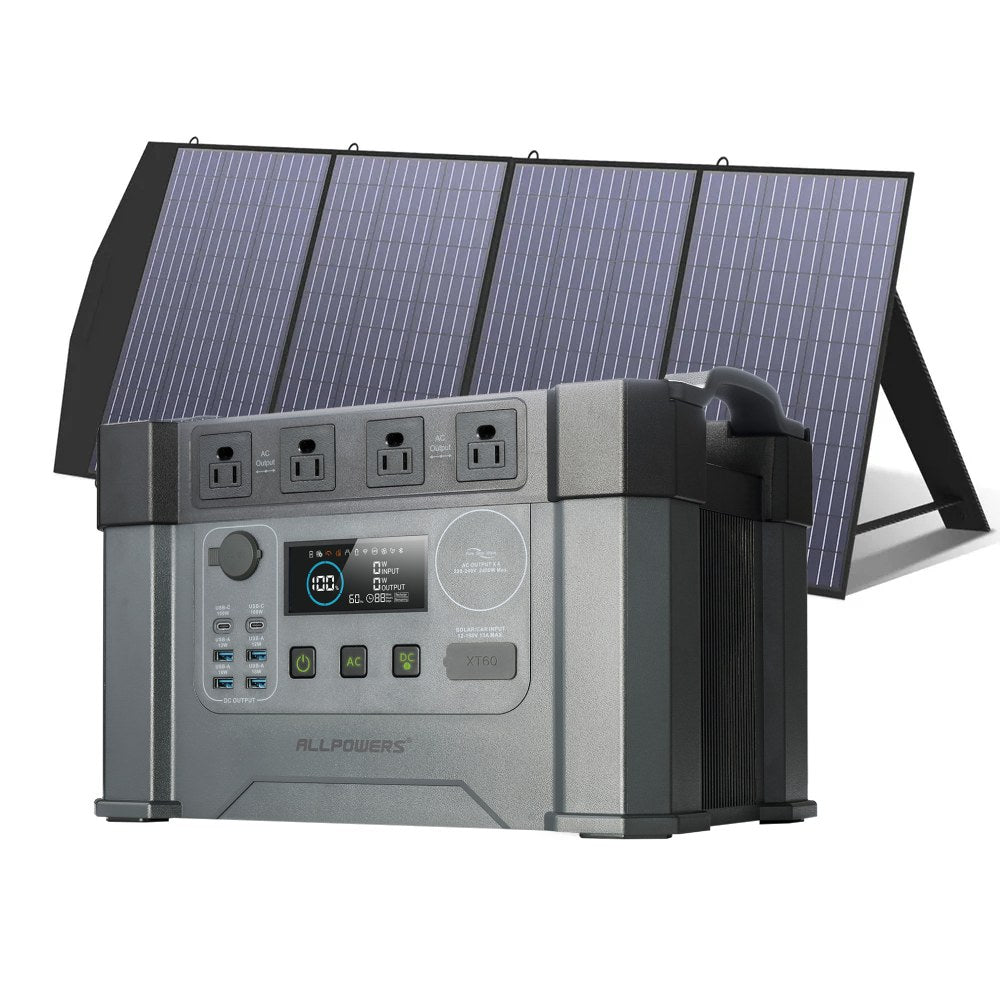
For longer camping trips or remote cabins, some people pair their communication equipment with solar generators, allowing routers, hotspots, and laptops to remain powered without relying entirely on fuel-powered generators.
How Can You Improve Internet Performance Off Grid?
Even the best internet service can perform poorly if equipment isn't installed properly. Small adjustments often make a noticeable difference in both connection quality and reliability.
Choose the Best Equipment Location
Positioning antennas or satellite dishes with the clearest possible view can improve signal strength considerably. Trees, cliffs, buildings, and heavy vegetation may interfere with reception.
Reduce Network Congestion
Limiting unnecessary downloads, cloud backups, or high-resolution streaming can improve performance when bandwidth is limited.
Protect Your Equipment
Dust, moisture, strong winds, and extreme temperatures can affect networking equipment over time. Weather-resistant installation helps maintain consistent performance during changing outdoor conditions.
| Challenge | Possible Cause | Potential Solution |
|---|---|---|
| Slow speeds | Network congestion | Reduce simultaneous device usage |
| Weak signal | Terrain or obstacles | Use external antennas or boosters |
| Frequent disconnects | Poor equipment placement | Relocate router or antenna |
| Power interruptions | Limited electricity supply | Plan adequate battery capacity |
Which Off-Grid Internet Solution Is Right for You?
The right choice depends on how and where you plan to use the internet.
A full-time off-grid homeowner may prioritize reliability above all else, while weekend campers may simply need enough bandwidth for navigation, messaging, and occasional streaming.
For travelers who frequently change locations, flexibility is often just as important as speed.
Meanwhile, remote workers should pay closer attention to latency, upload performance, and connection stability rather than focusing solely on advertised download speeds.
Frequently Asked Questions
What is the best internet option for off-grid living?
Satellite internet generally provides the widest coverage and is often the best choice for locations without reliable cellular service.
Can I work remotely while living off grid?
Yes. Many remote workers successfully use satellite internet or cellular hotspots for video conferencing, cloud applications, and everyday office tasks.
Does bad weather affect satellite internet?
Heavy rain, snow, and severe storms can temporarily reduce satellite performance, although modern systems are generally more resilient than older technologies.
Can I use my phone as an off-grid internet source?
If cellular coverage is available, most smartphones can function as personal hotspots for laptops and tablets.
How much power does off-grid internet equipment use?
Most routers, modems, and satellite terminals consume relatively little electricity compared with larger household appliances, making them practical for remote energy systems.