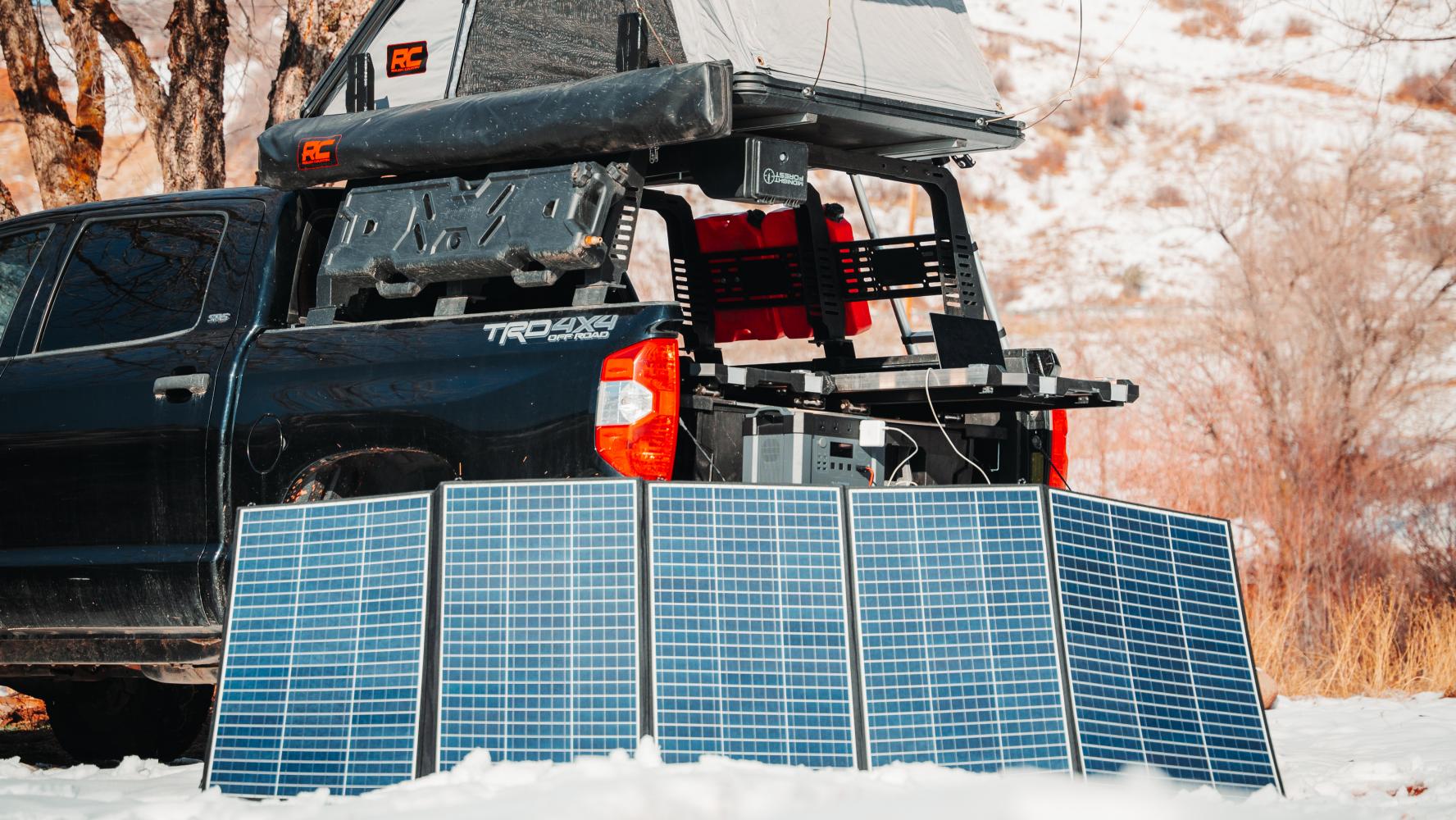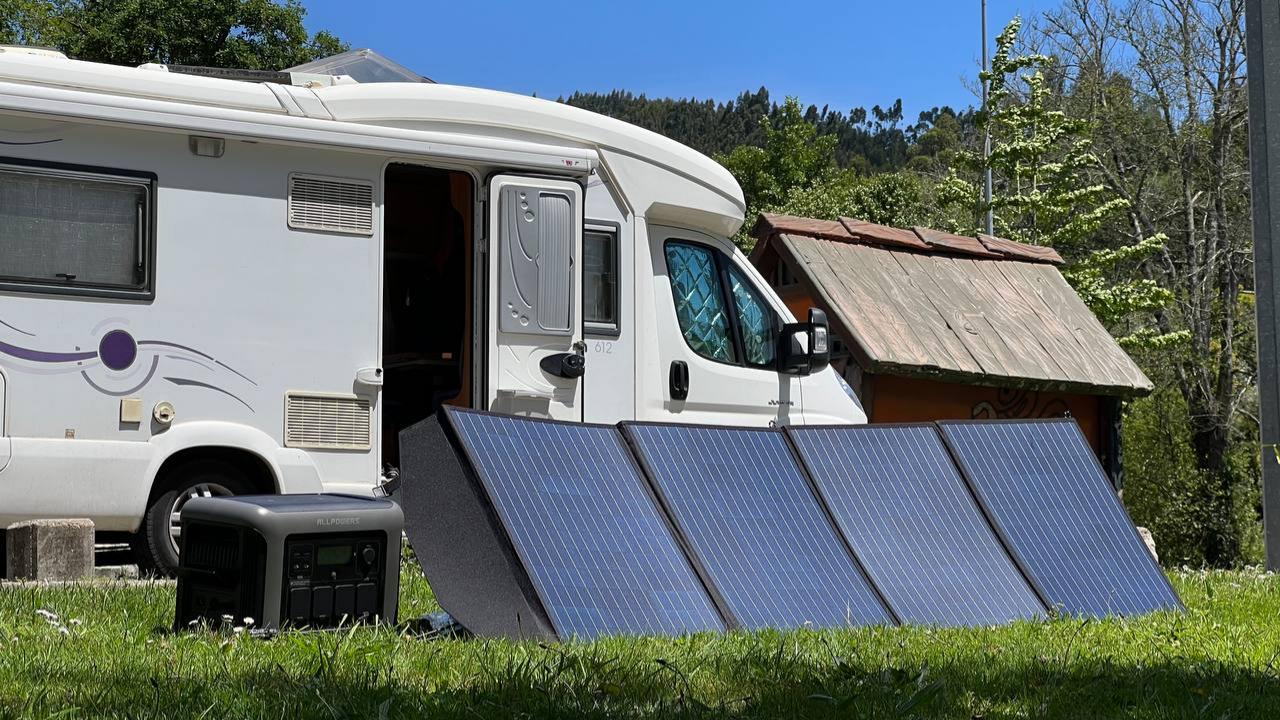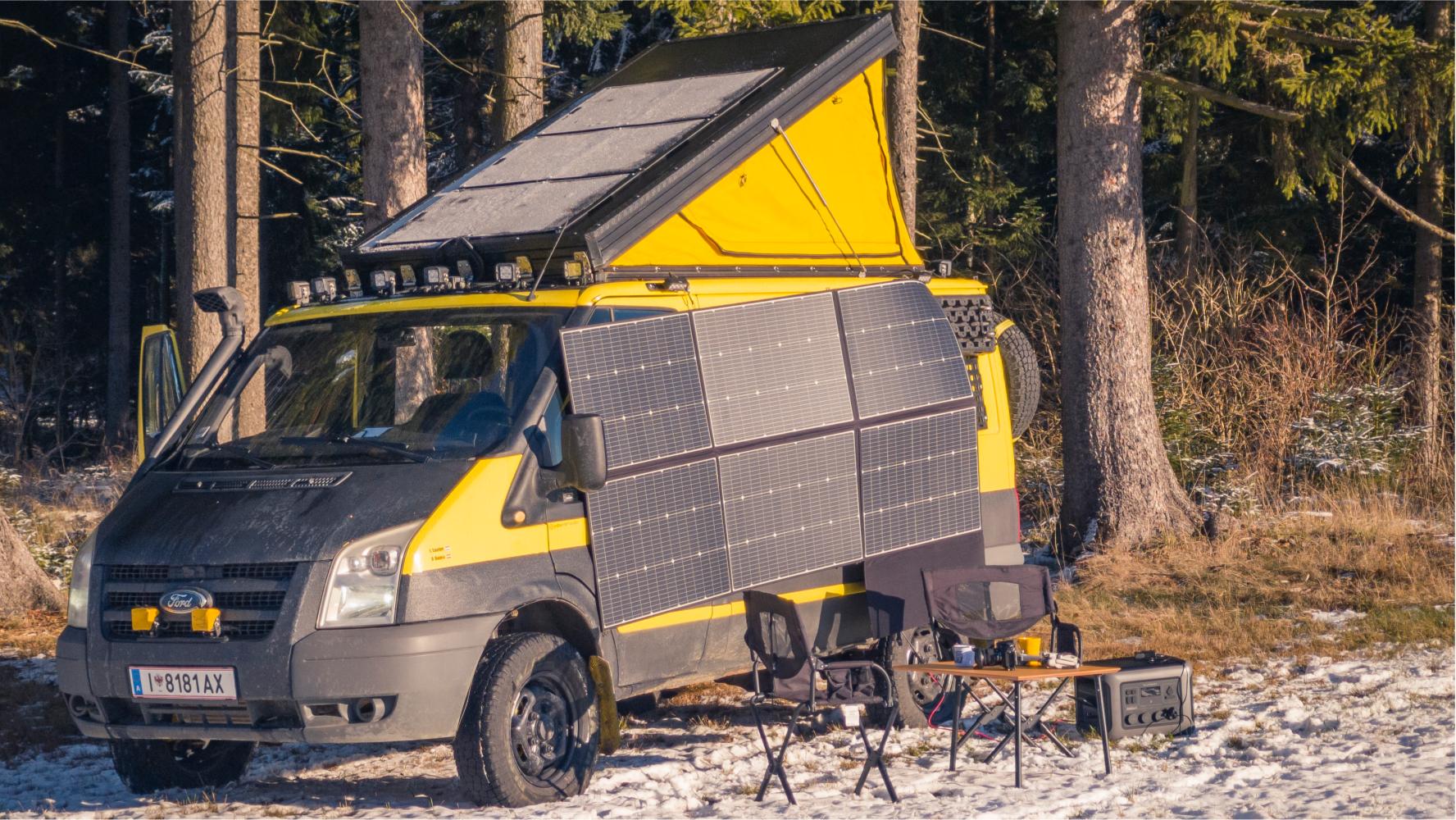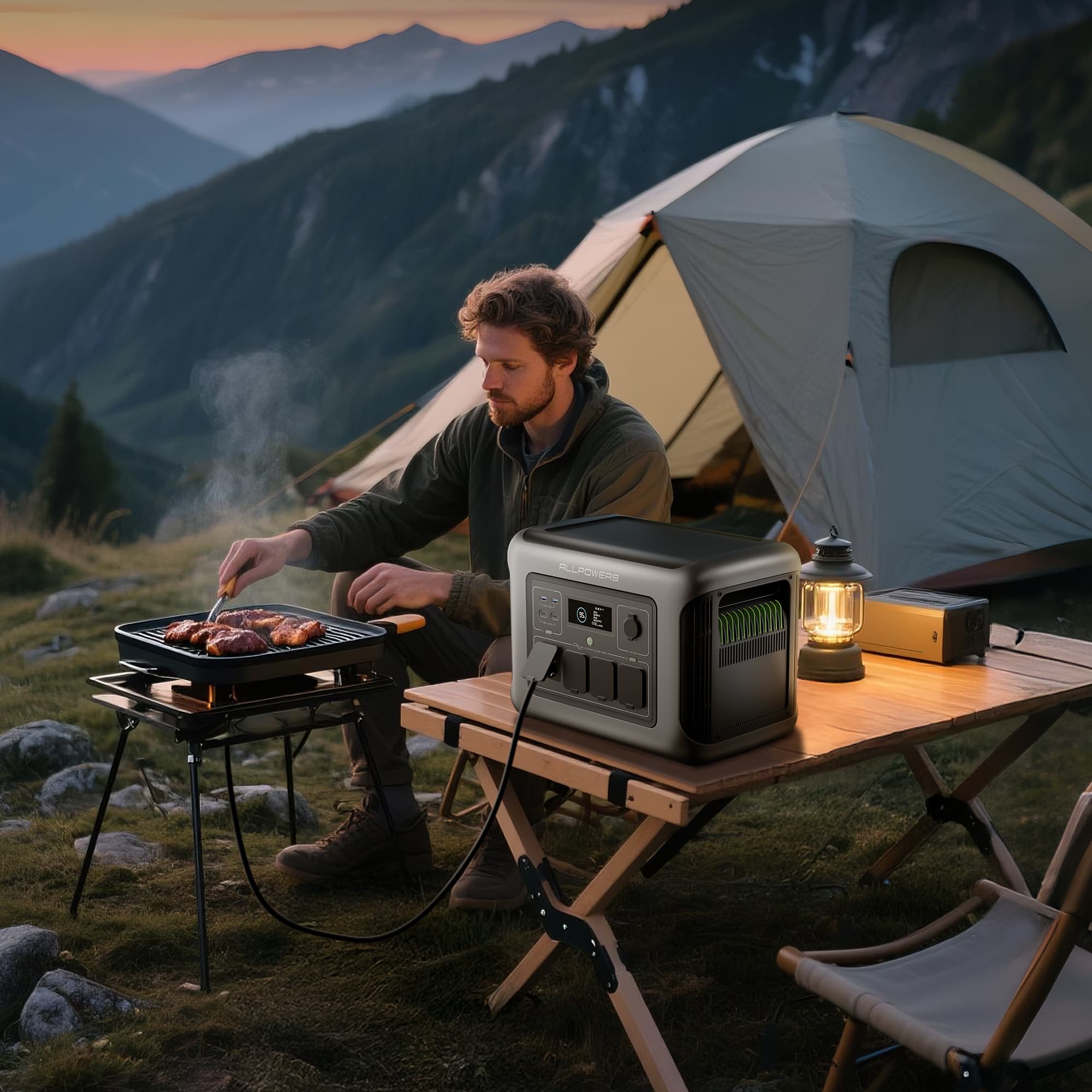












With Starlink, people can stay connected while camping, traveling in an RV, working from remote job sites, or living in off-grid cabins.
However, unlike a smartphone or tablet, Starlink requires a continuous source of electricity to maintain a stable satellite connection.
So how exactly do you keep Starlink running off grid?
TL;DR: Starlink can run off-grid using batteries, vehicle power, or solar-supported systems. The most stable setups combine a battery system with solar recharging, while energy management (turning off idle loads and optimizing runtime) is key for long-term use.
How Much Power Does Starlink Actually Use?
Starlink’s power consumption is often lower than people expect, but it is not completely constant.
In typical conditions, the system draws around 50–75 watts, but under heavy load—such as snow melting mode or weak signal conditions—it can temporarily rise to 90–100+ watts.
Unlike a mobile hotspot that can run on an internal battery for several hours, Starlink operates continuously whenever it is connected.
The satellite dish tracks satellites overhead while the router distributes internet throughout your campsite, RV, or cabin.
Even a brief interruption in power immediately disconnects the internet connection.
For remote workers, travelers, and emergency communication, maintaining stable electrical power is just as important as having a clear view of the sky.
What Are the Best Ways to Power Starlink Off Grid?
There are three primary off-grid strategies: stored battery systems, renewable charging systems, and fuel-based generation.
Each approach has strengths depending on how long you plan to stay off-grid and how much other equipment you are running simultaneously.
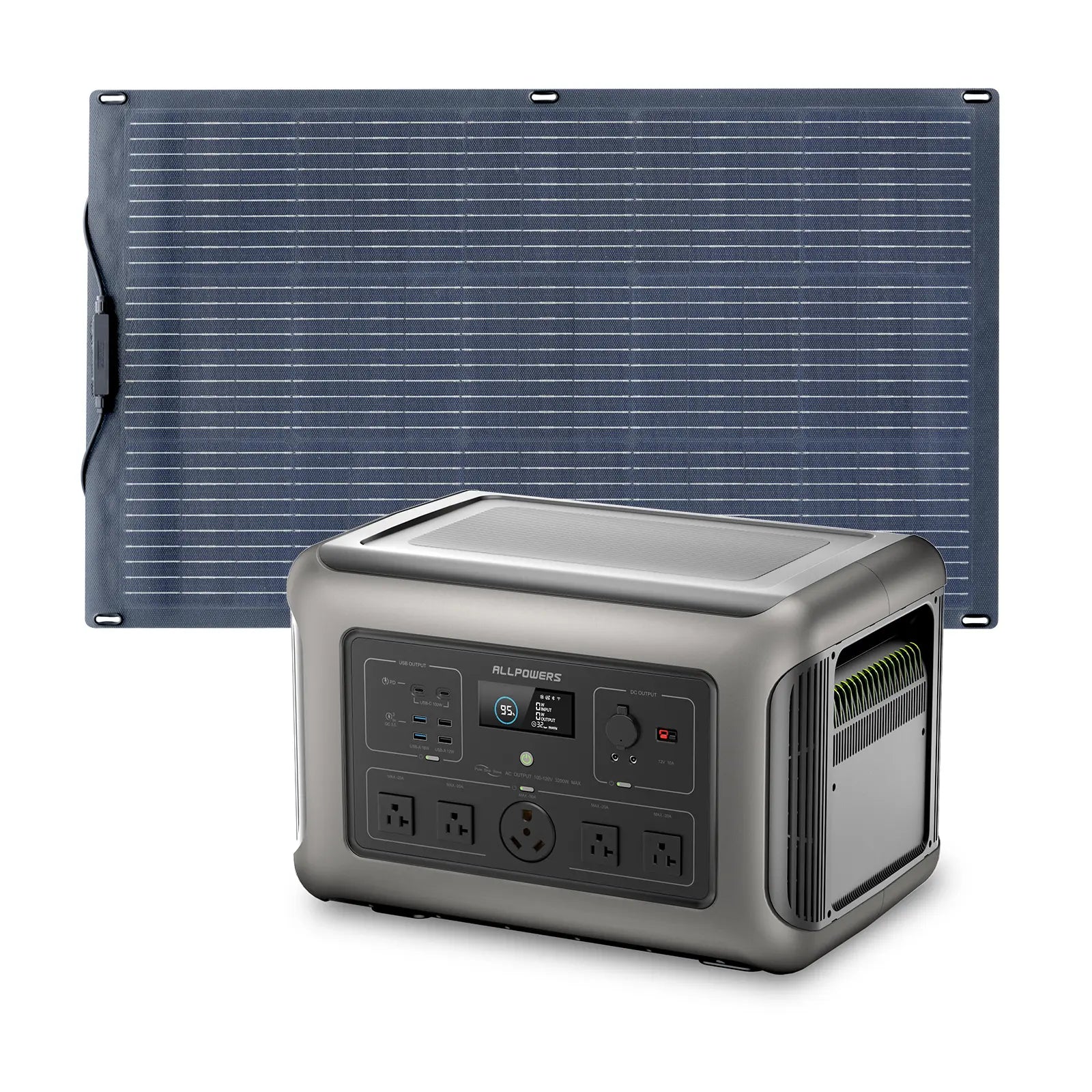
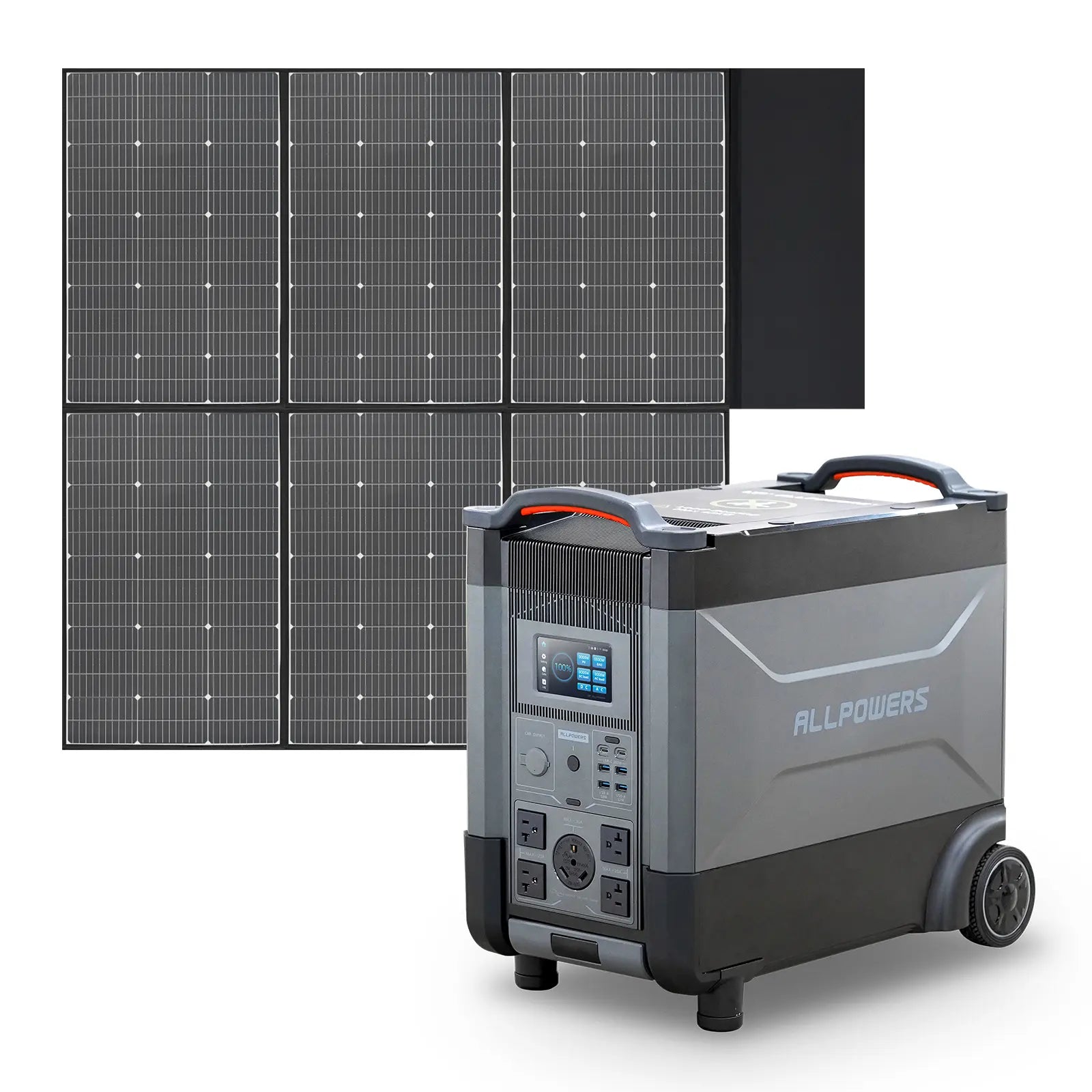
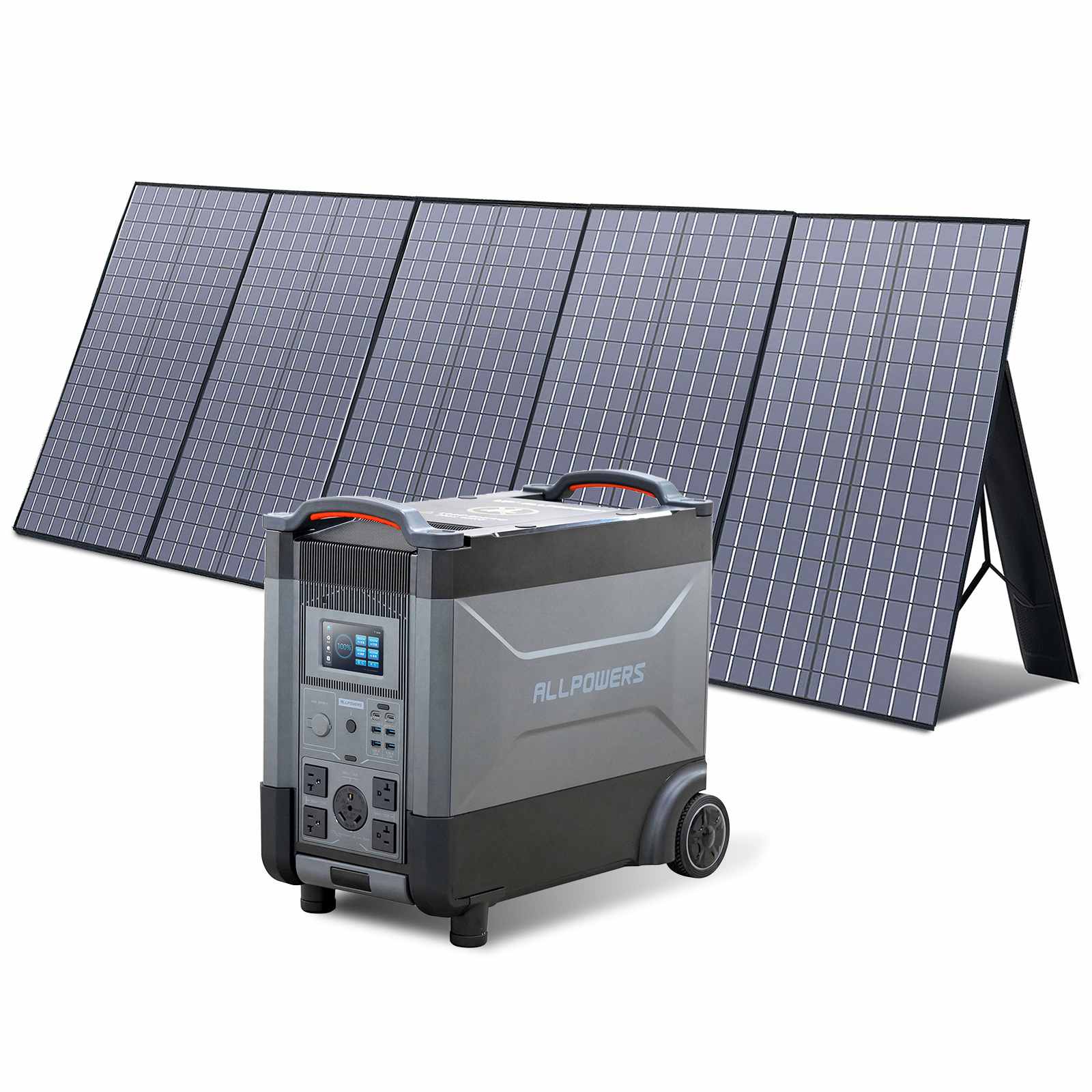
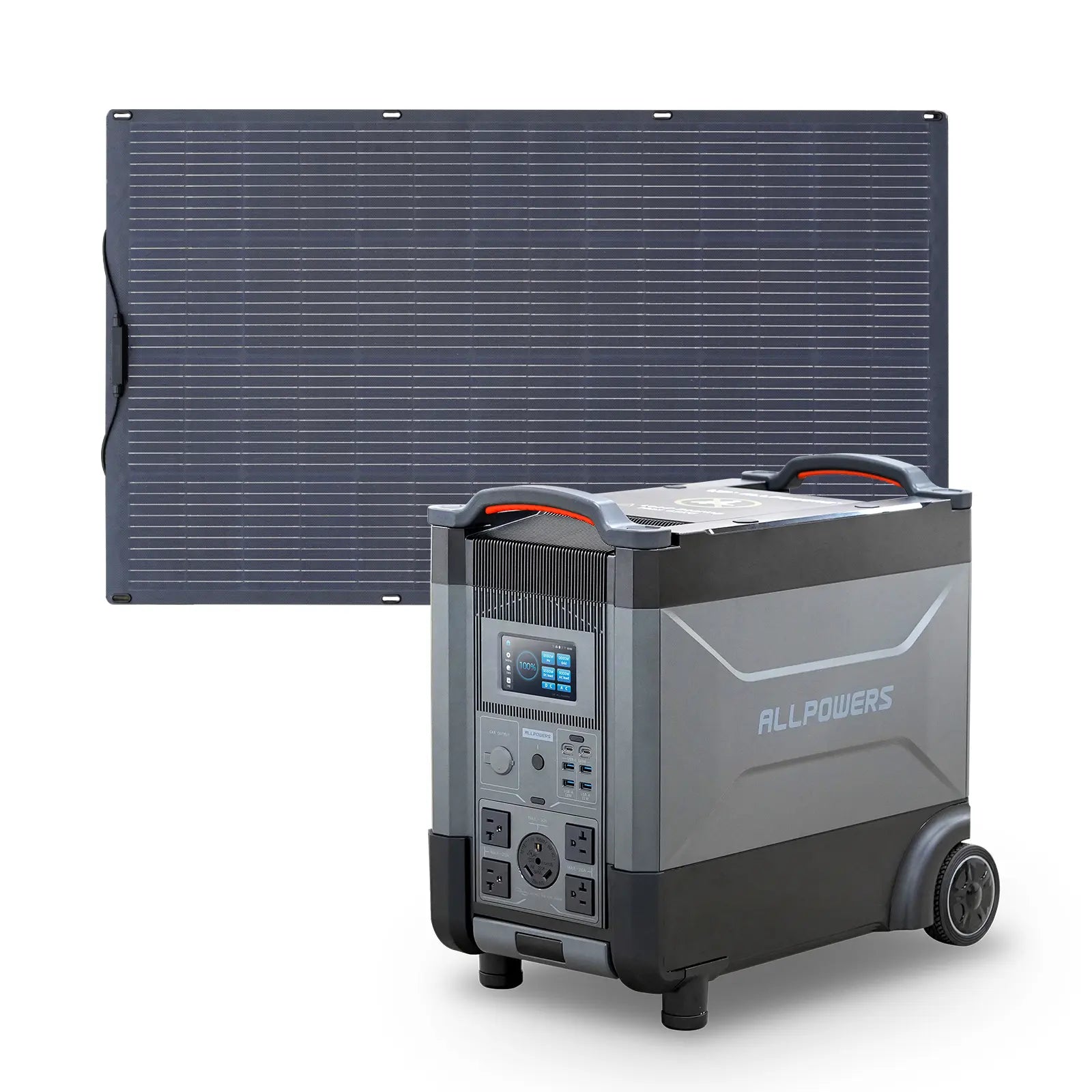
Battery-based systems for silent overnight operation
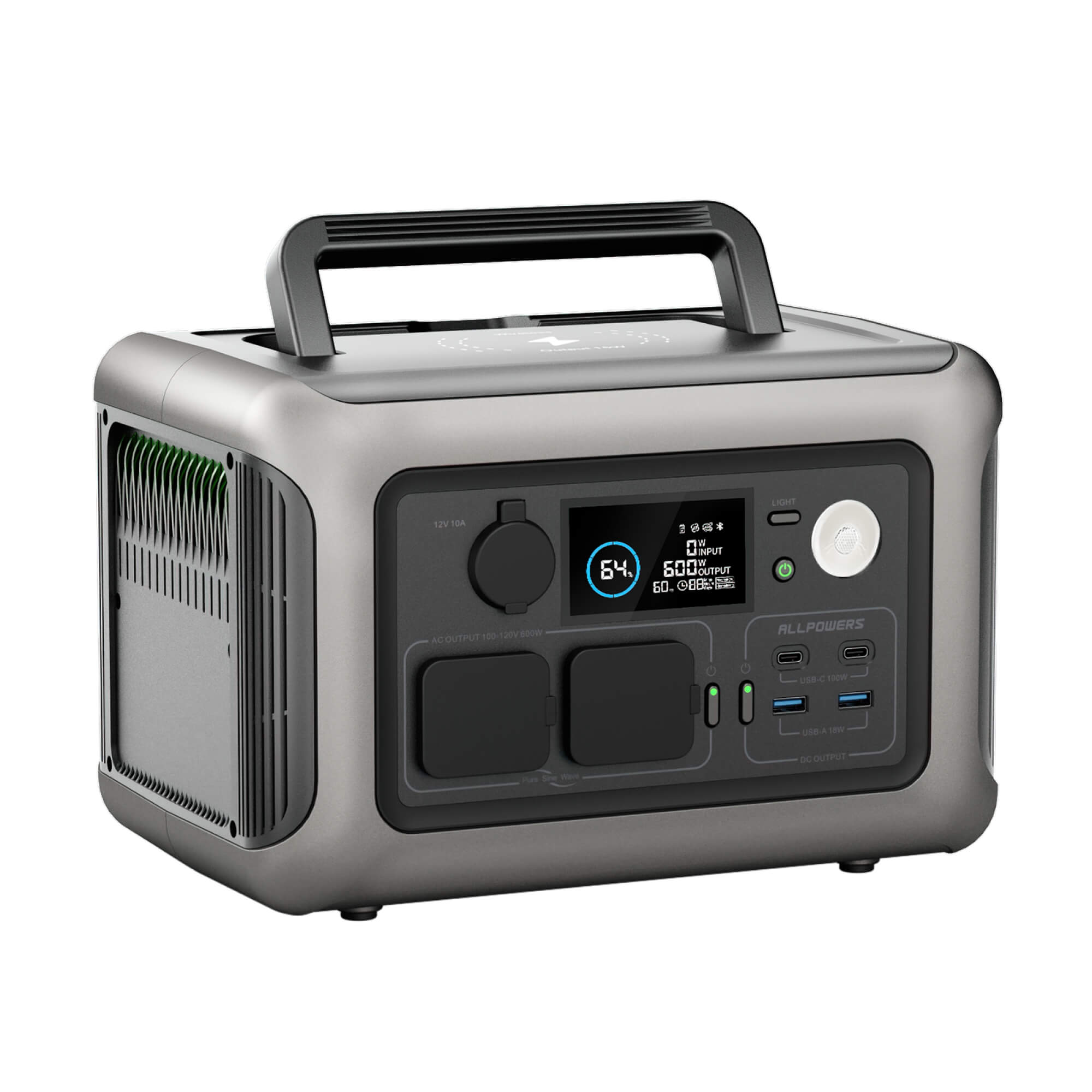
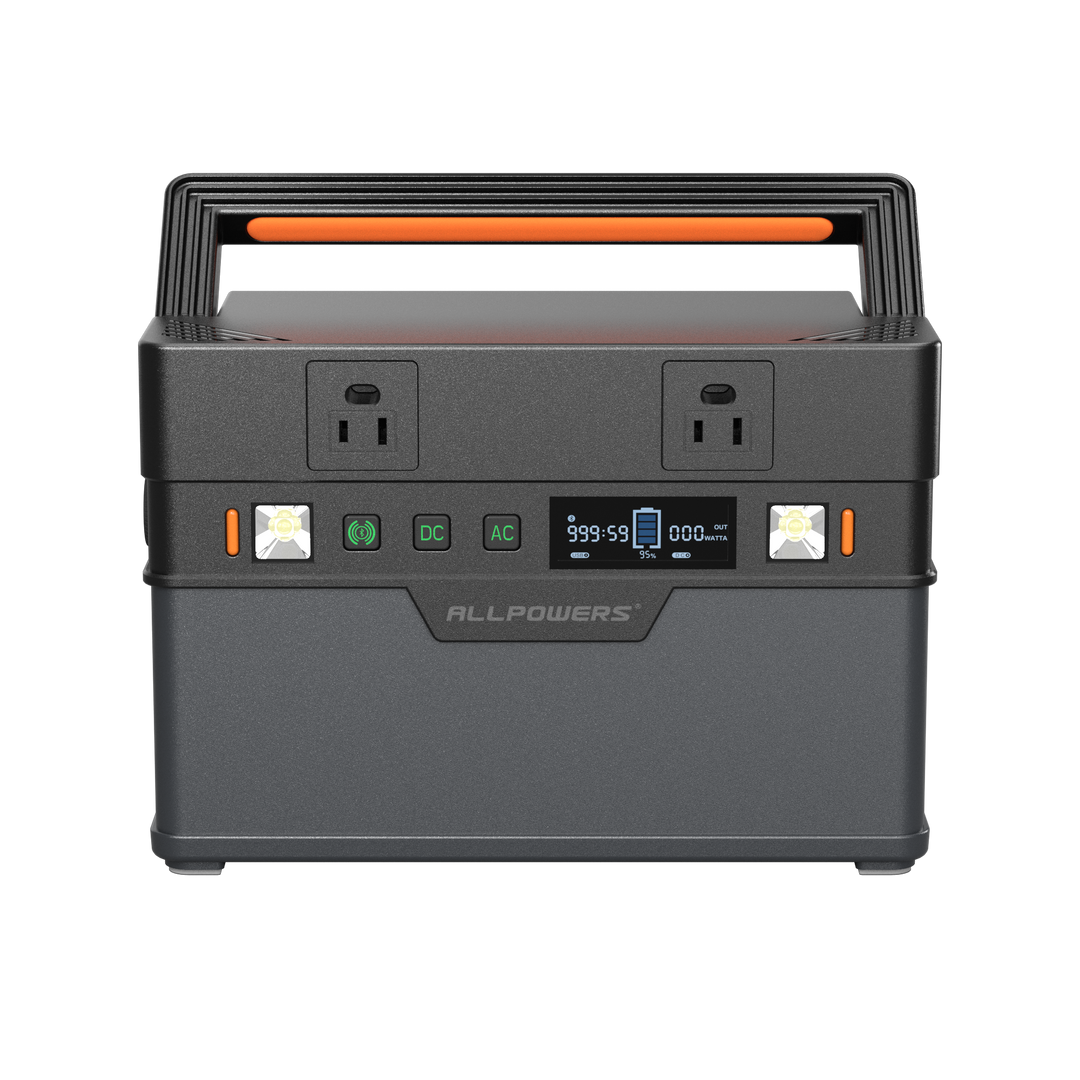
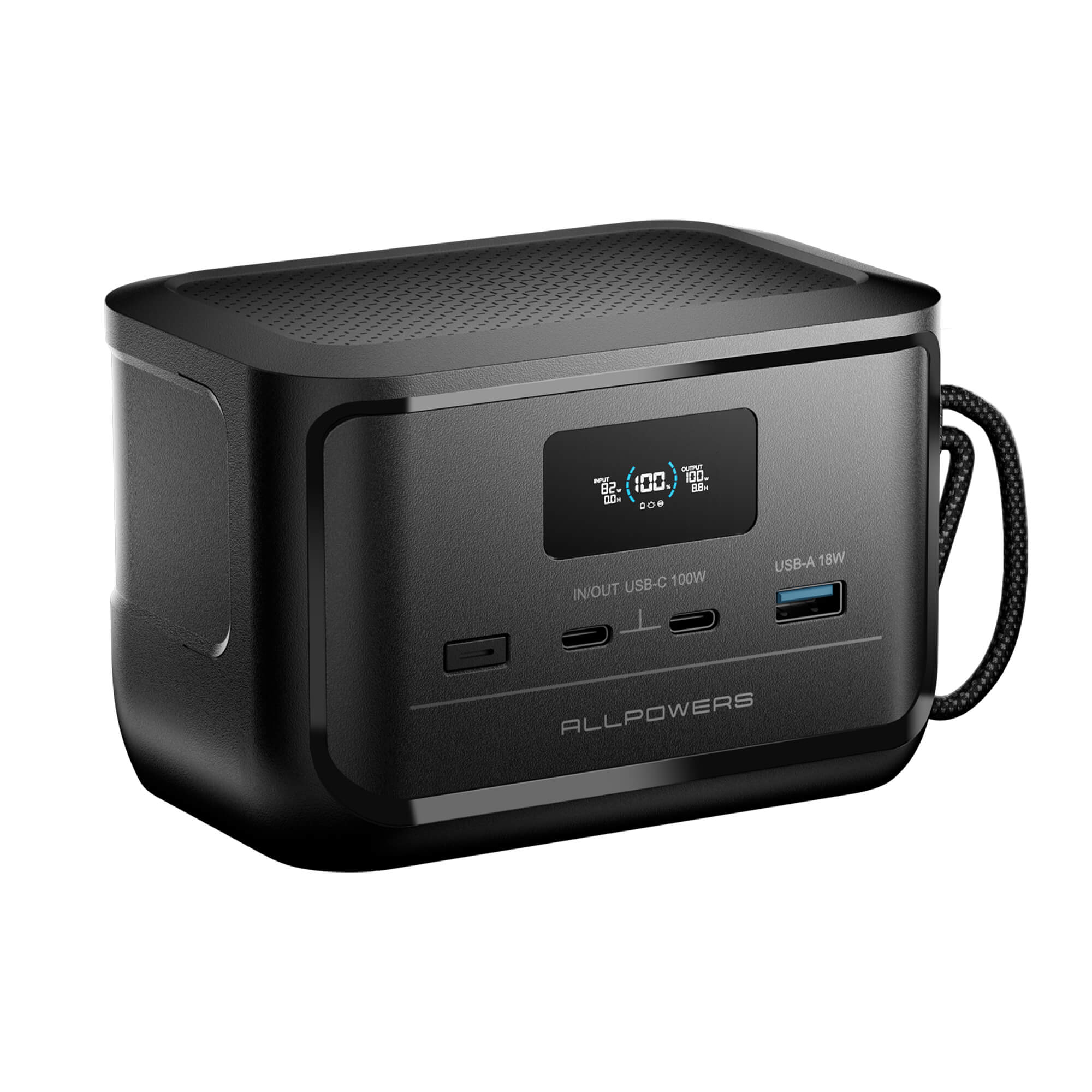
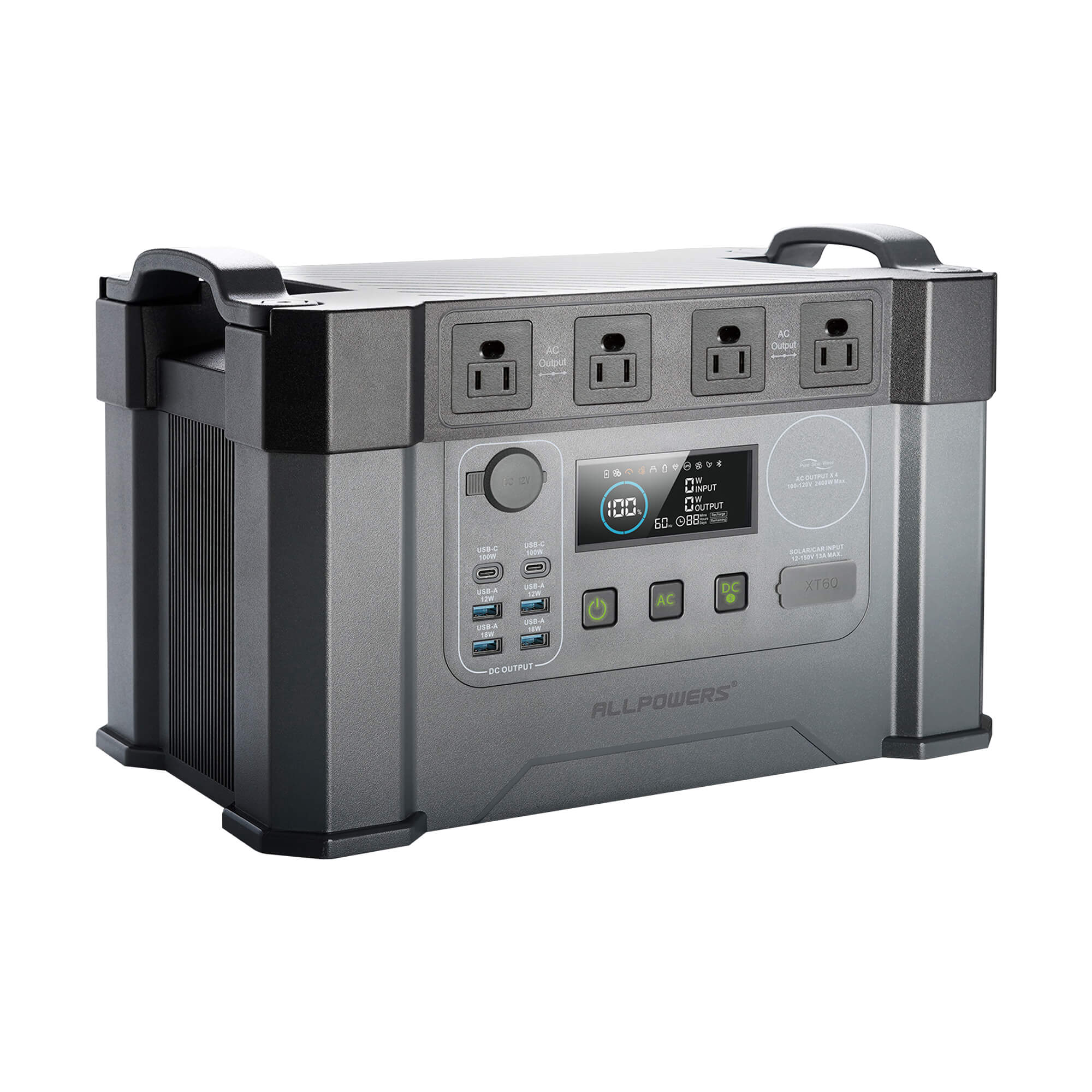
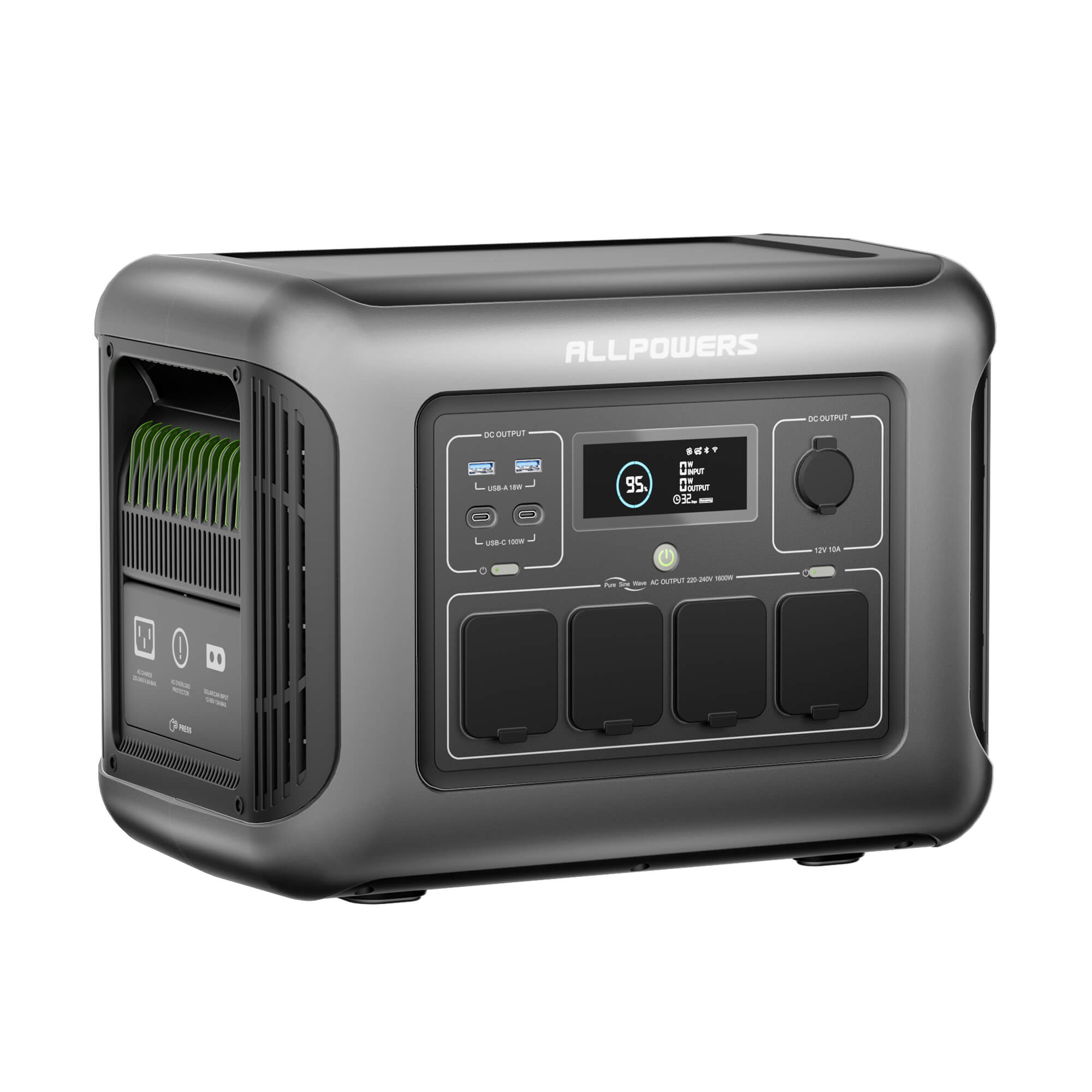
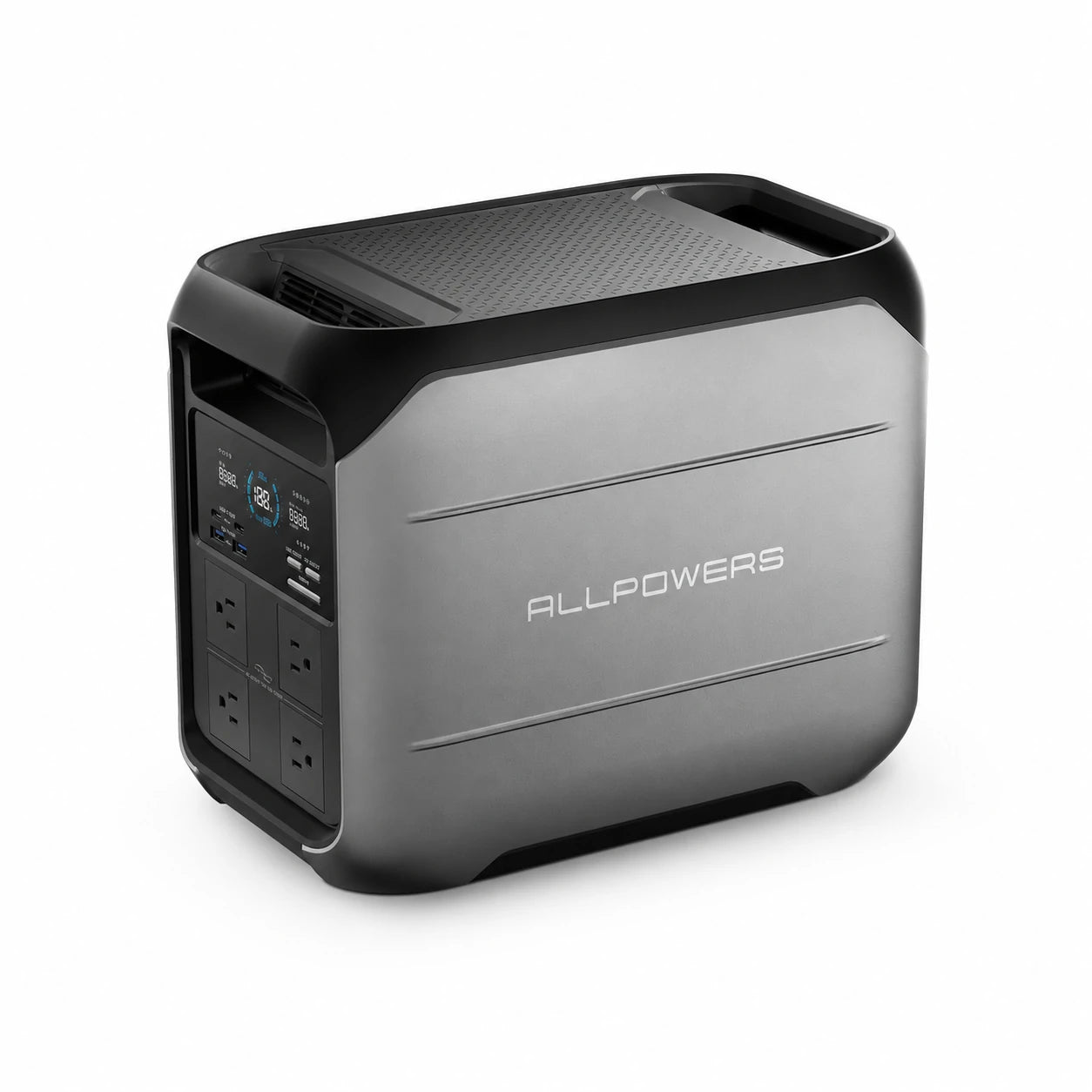
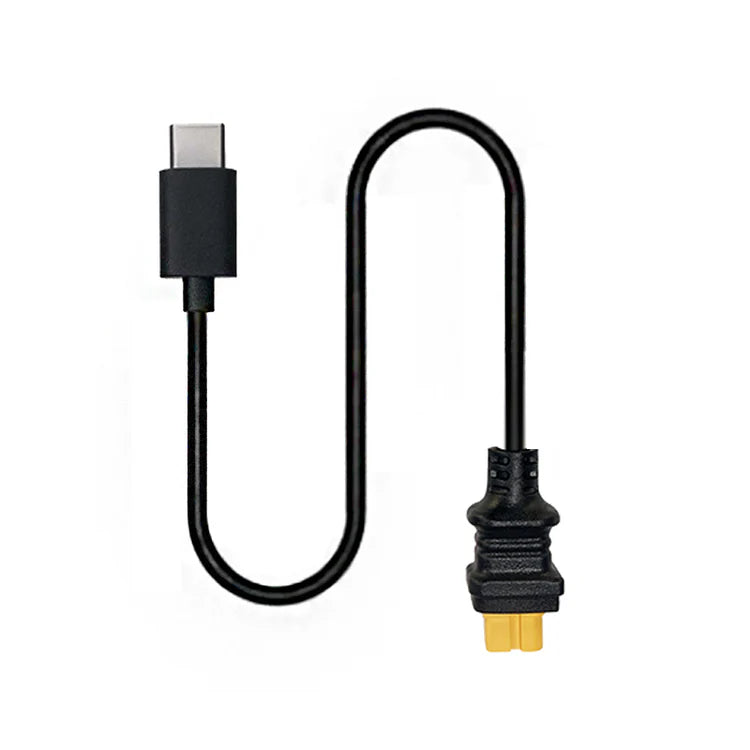
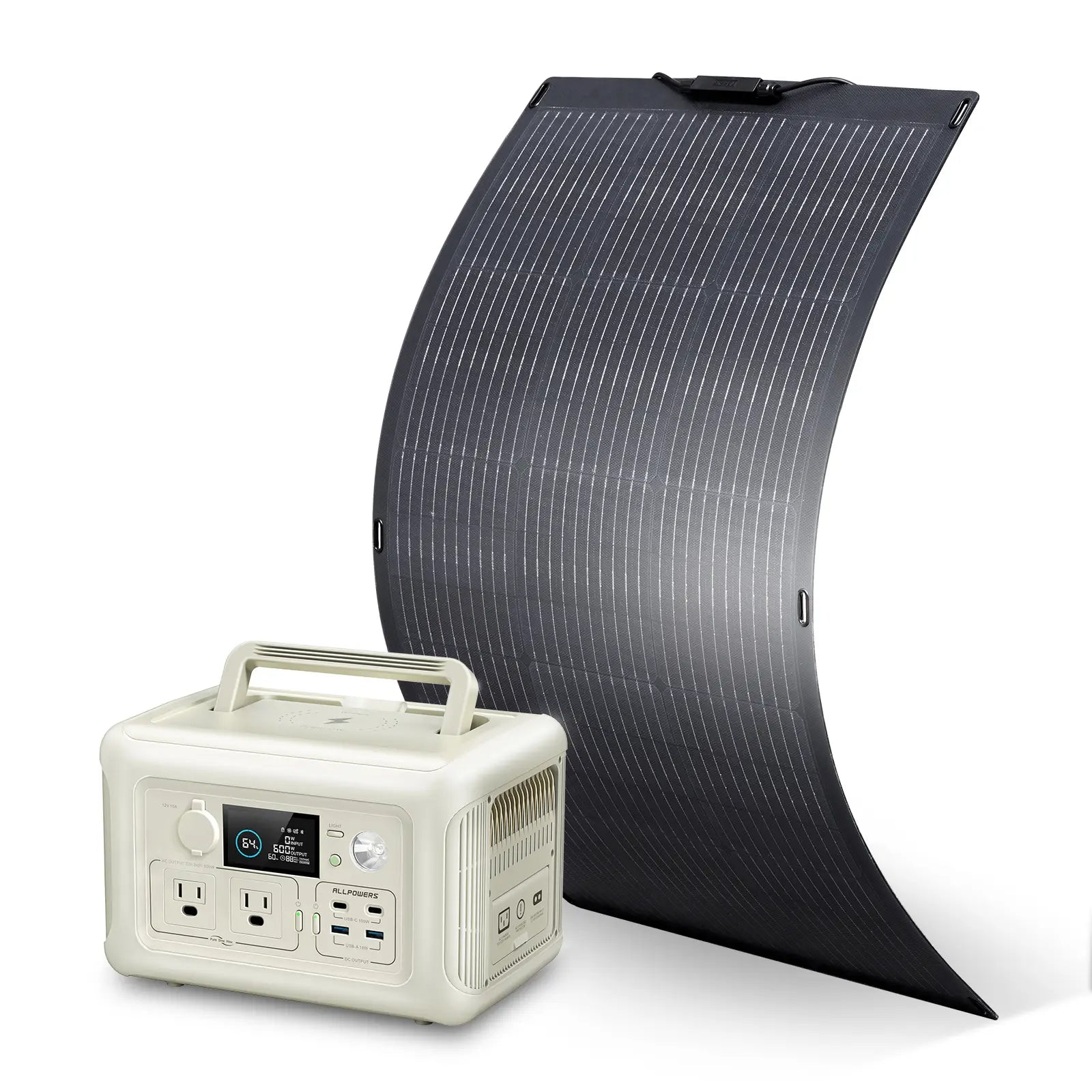
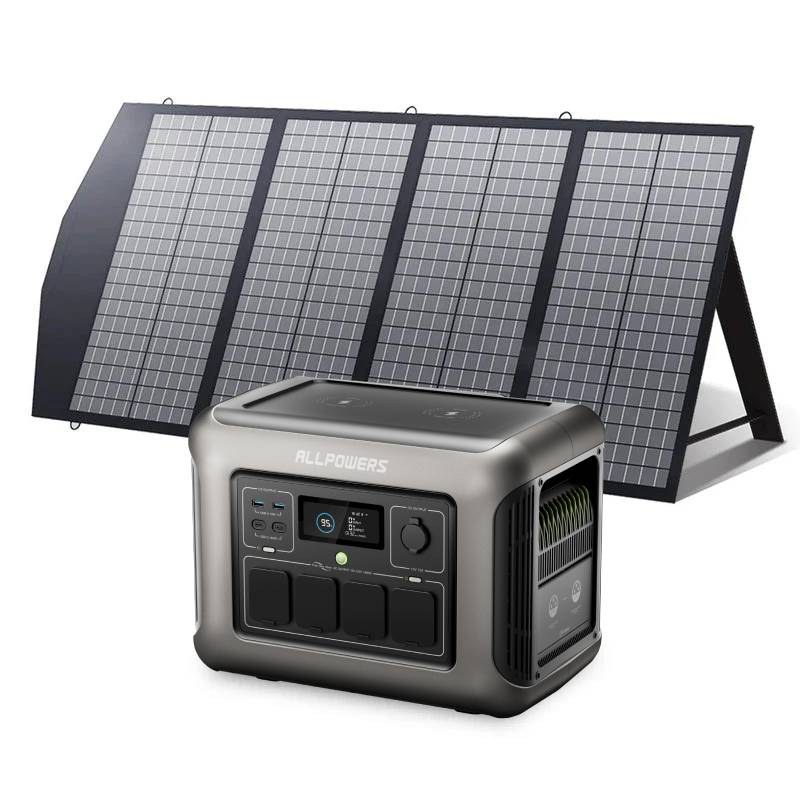
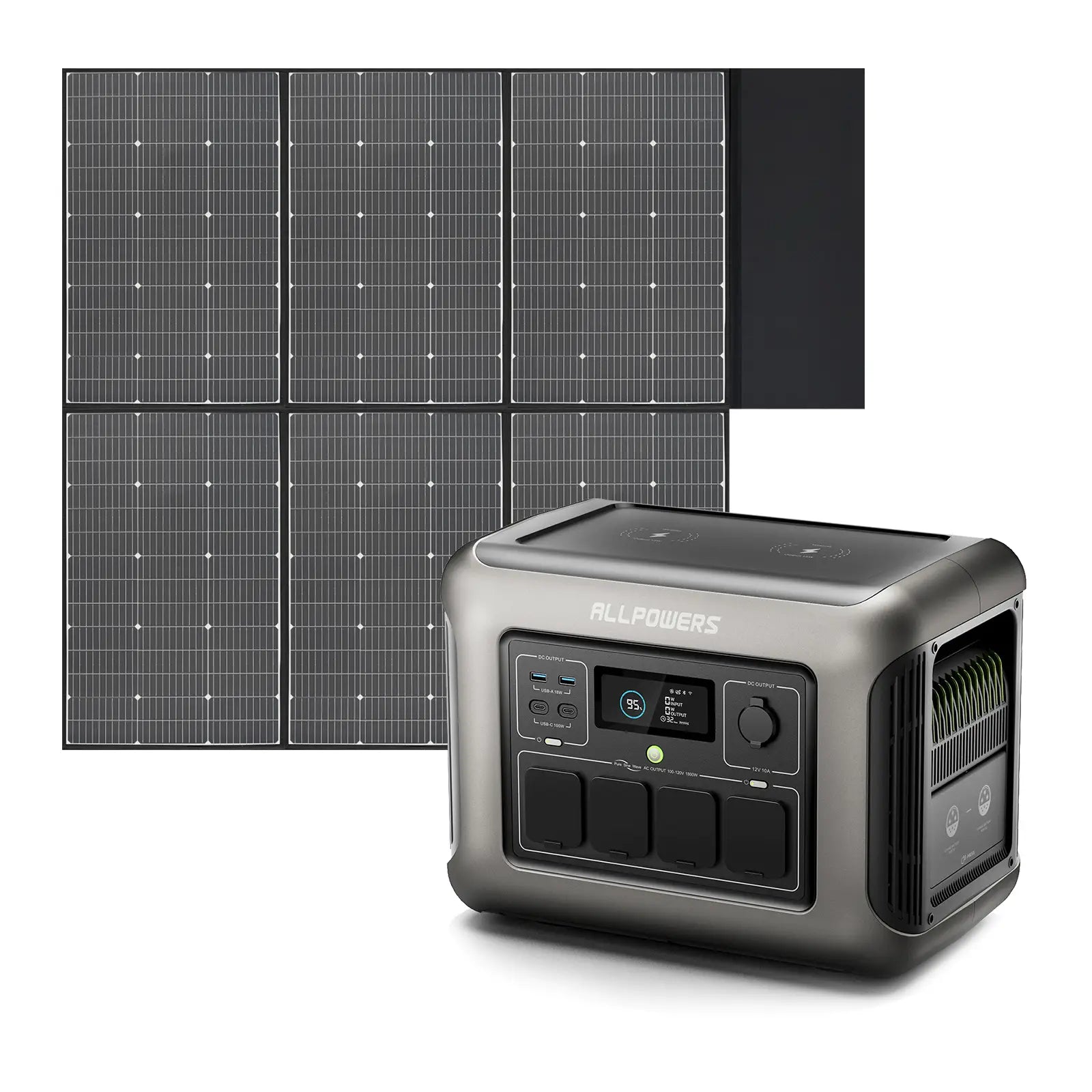
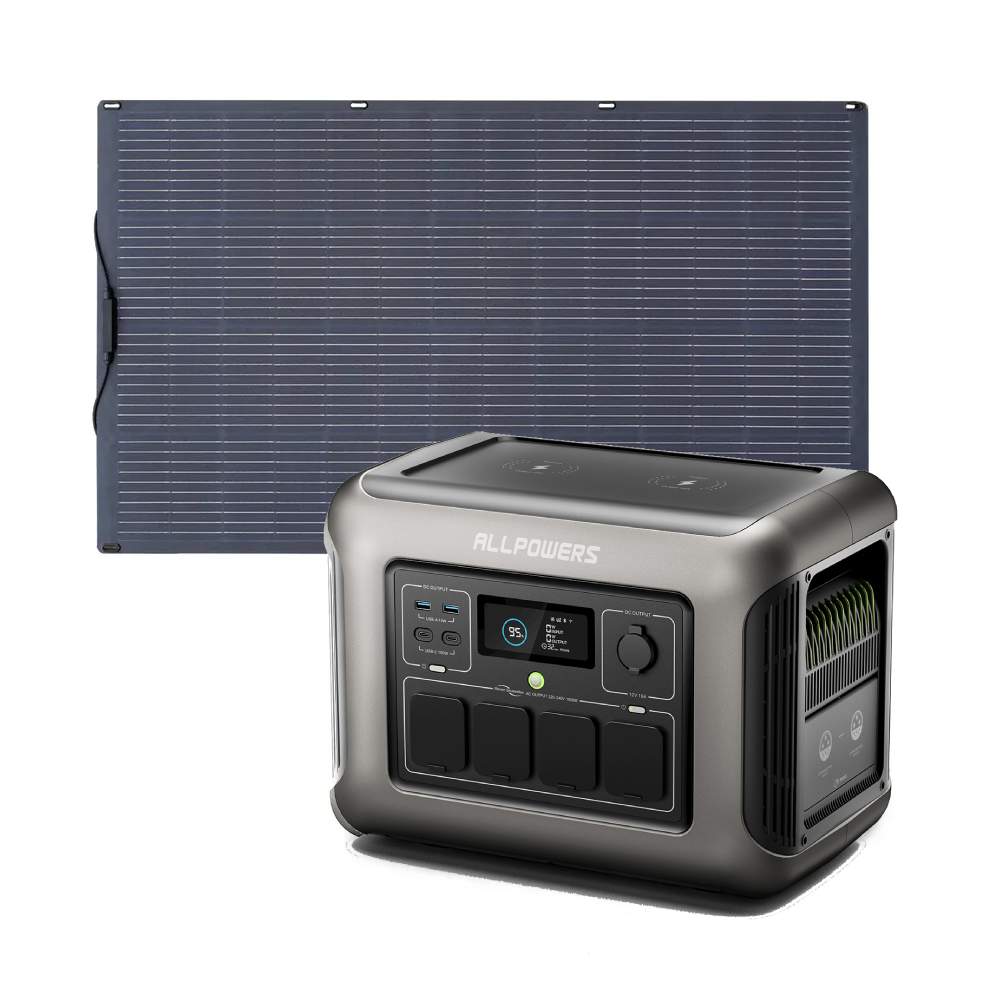
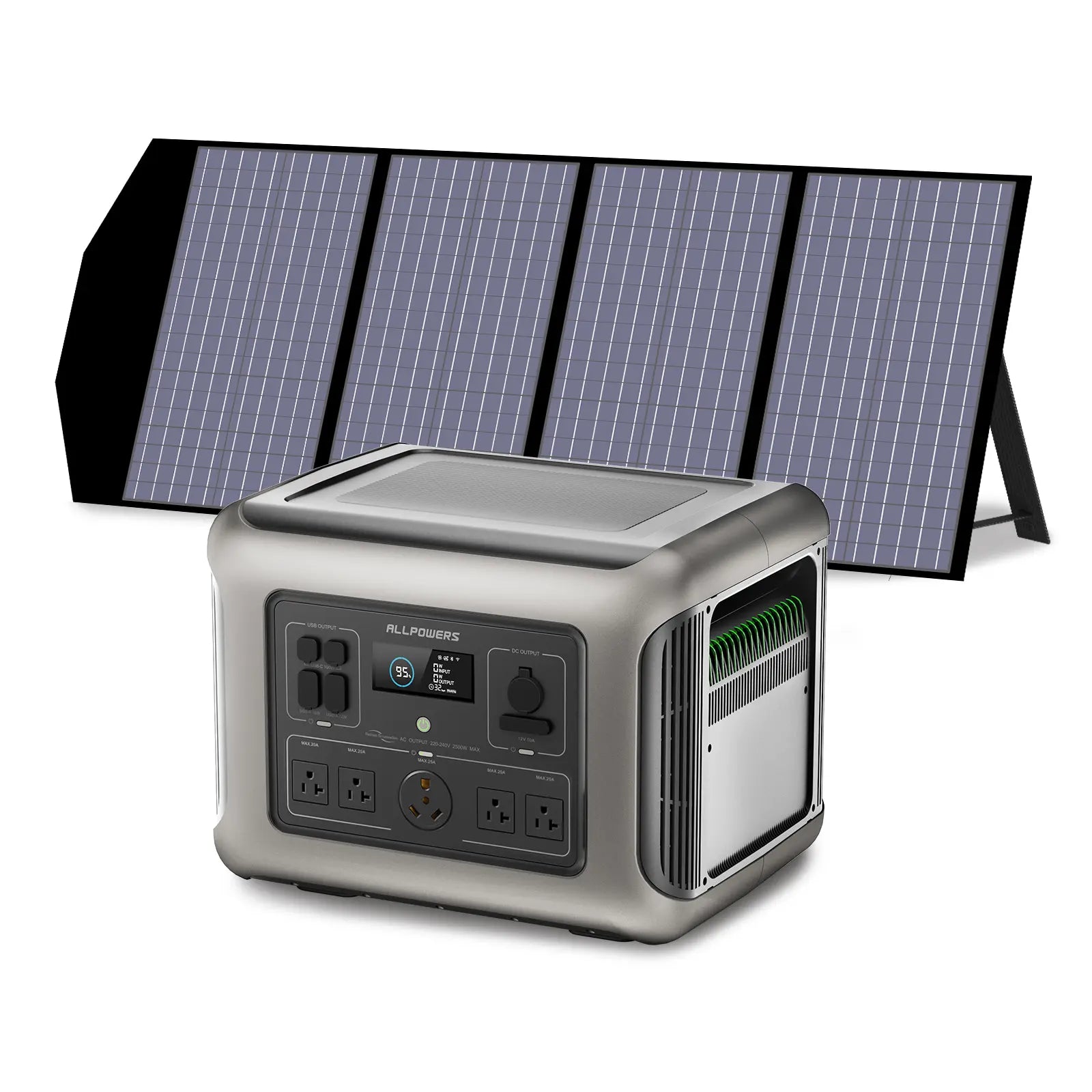
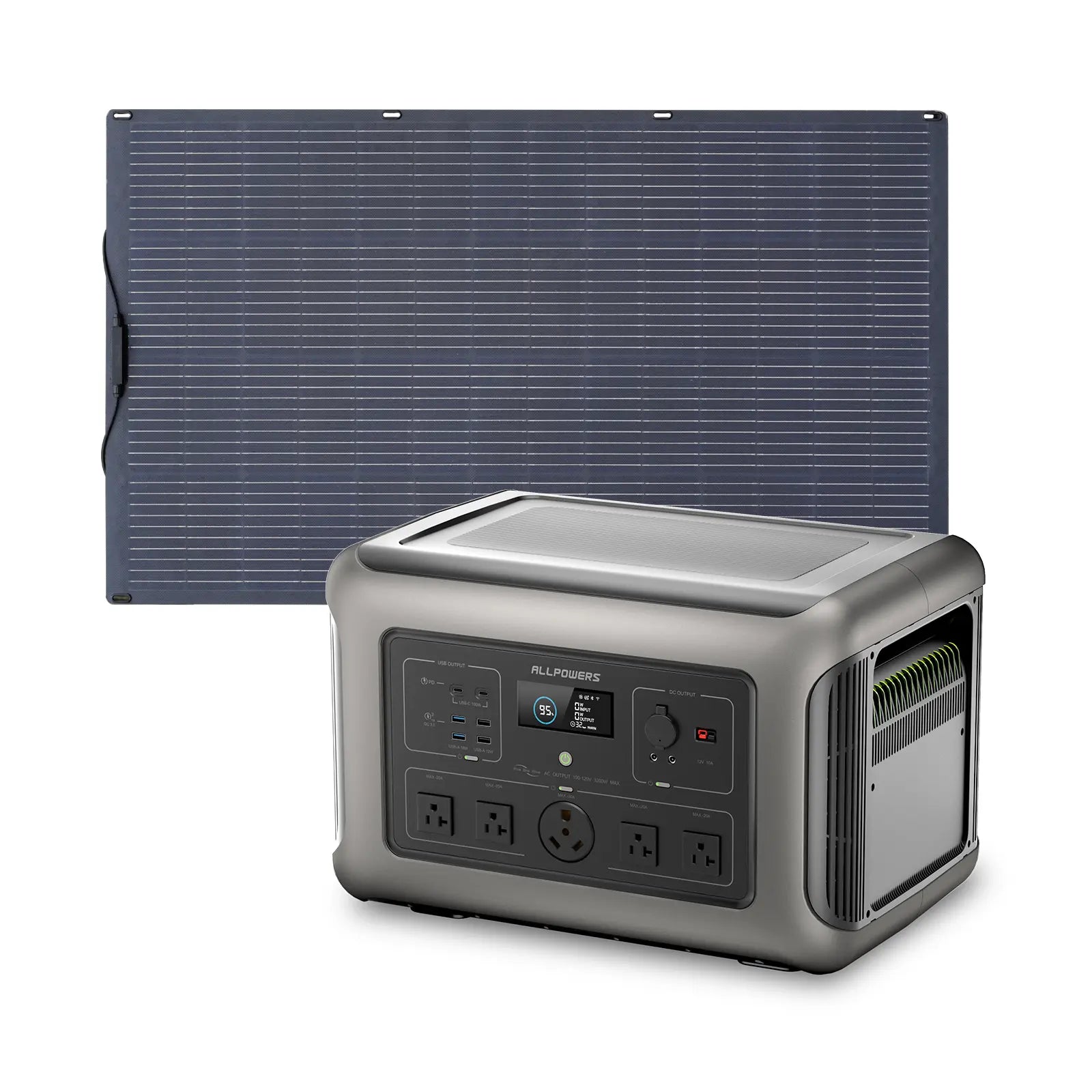
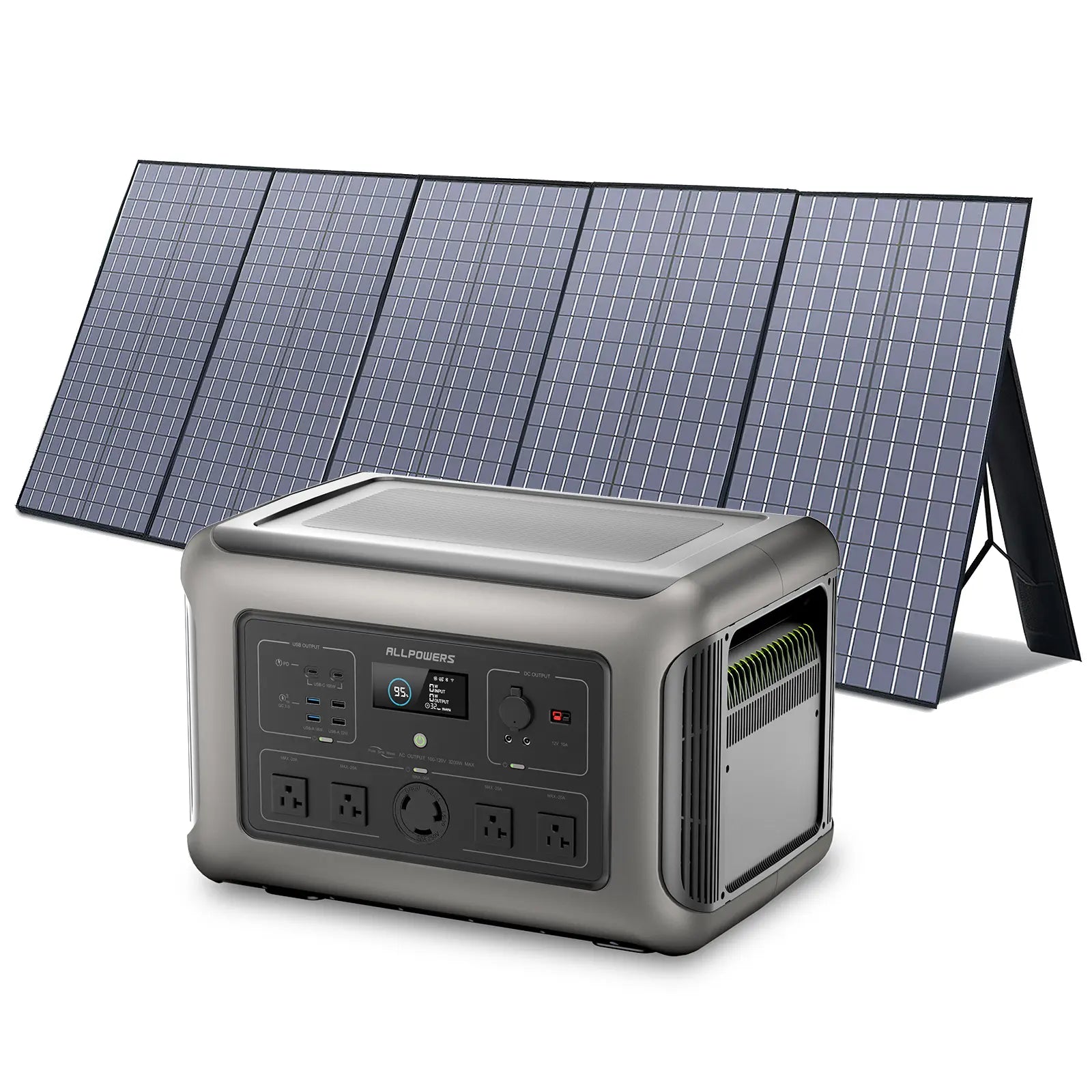
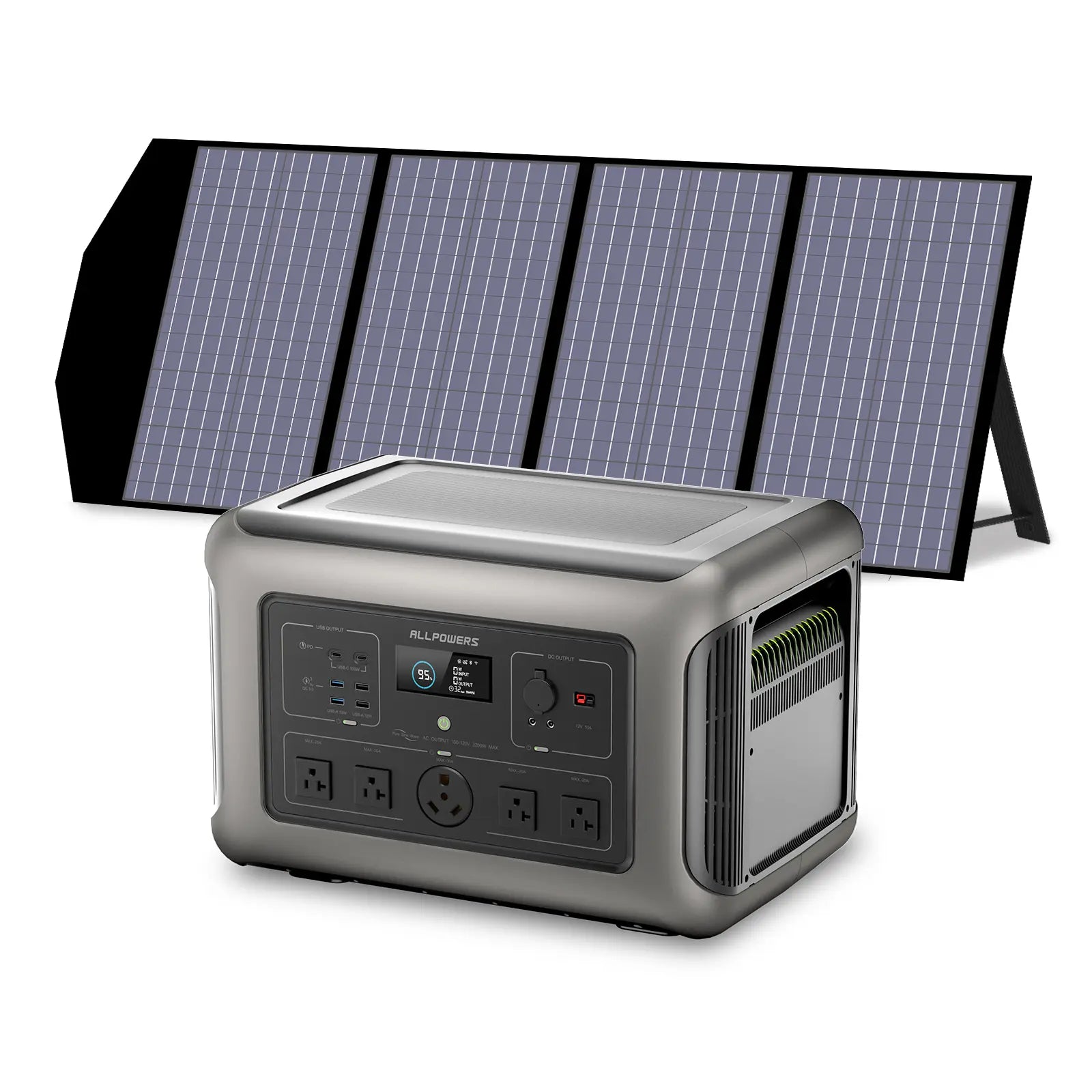
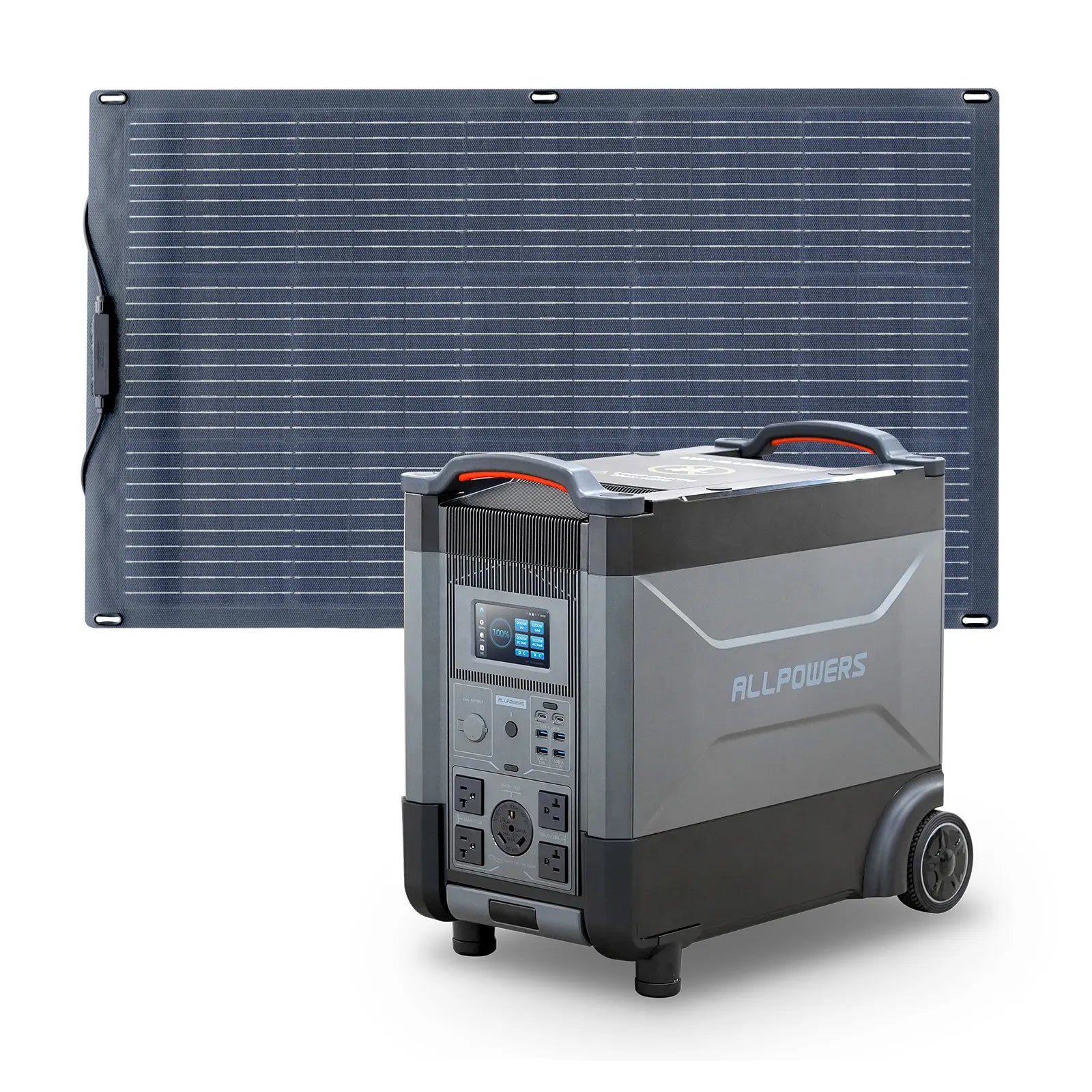
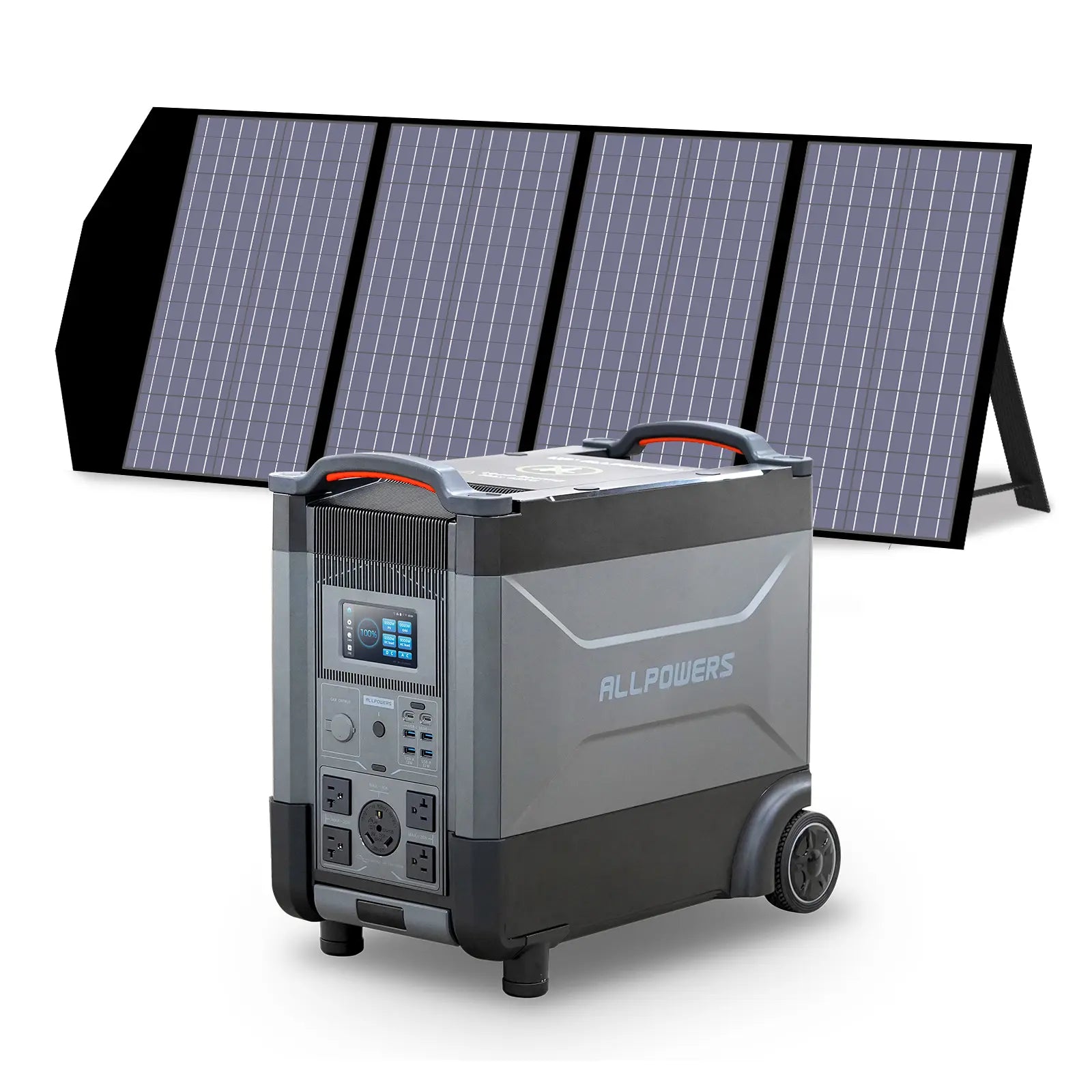
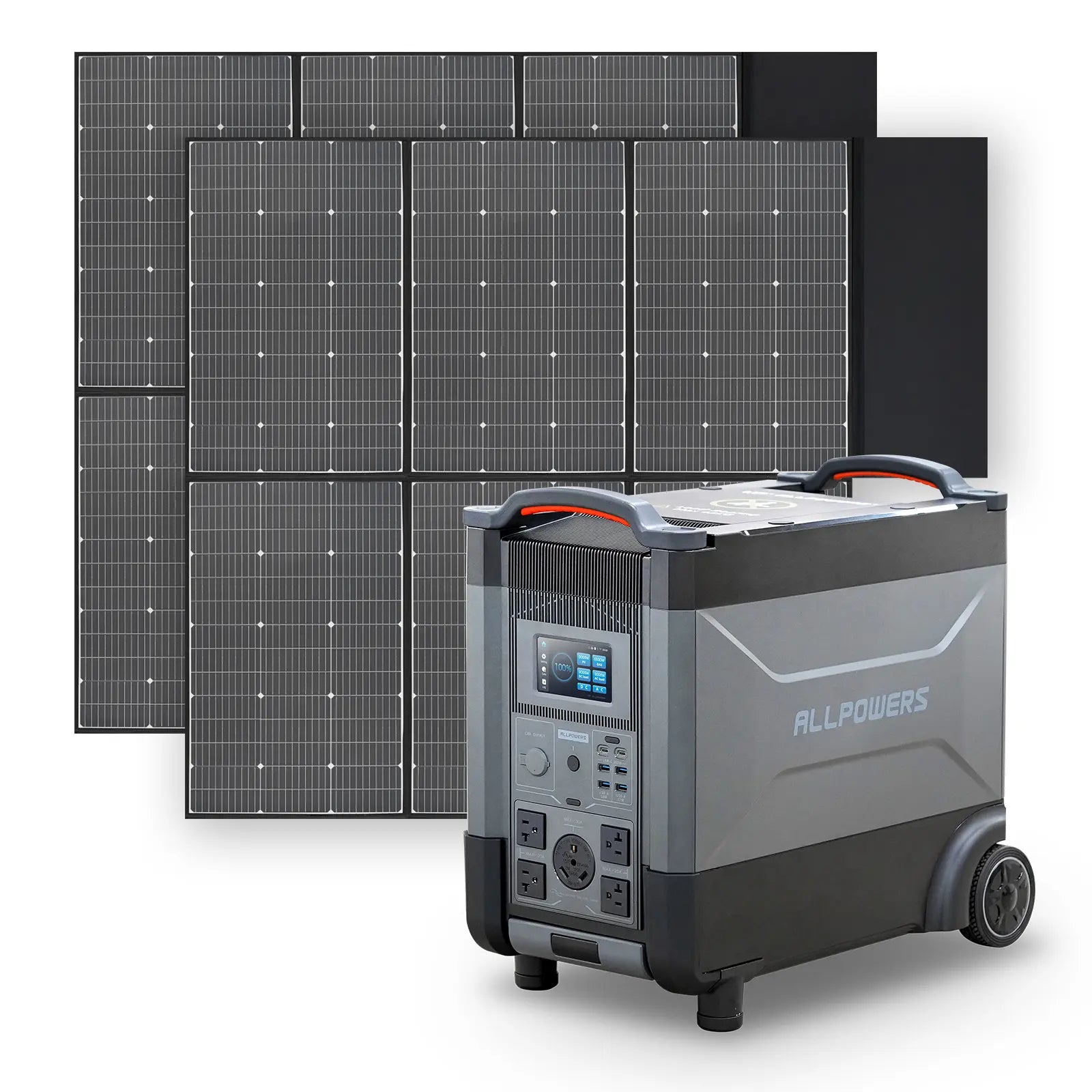
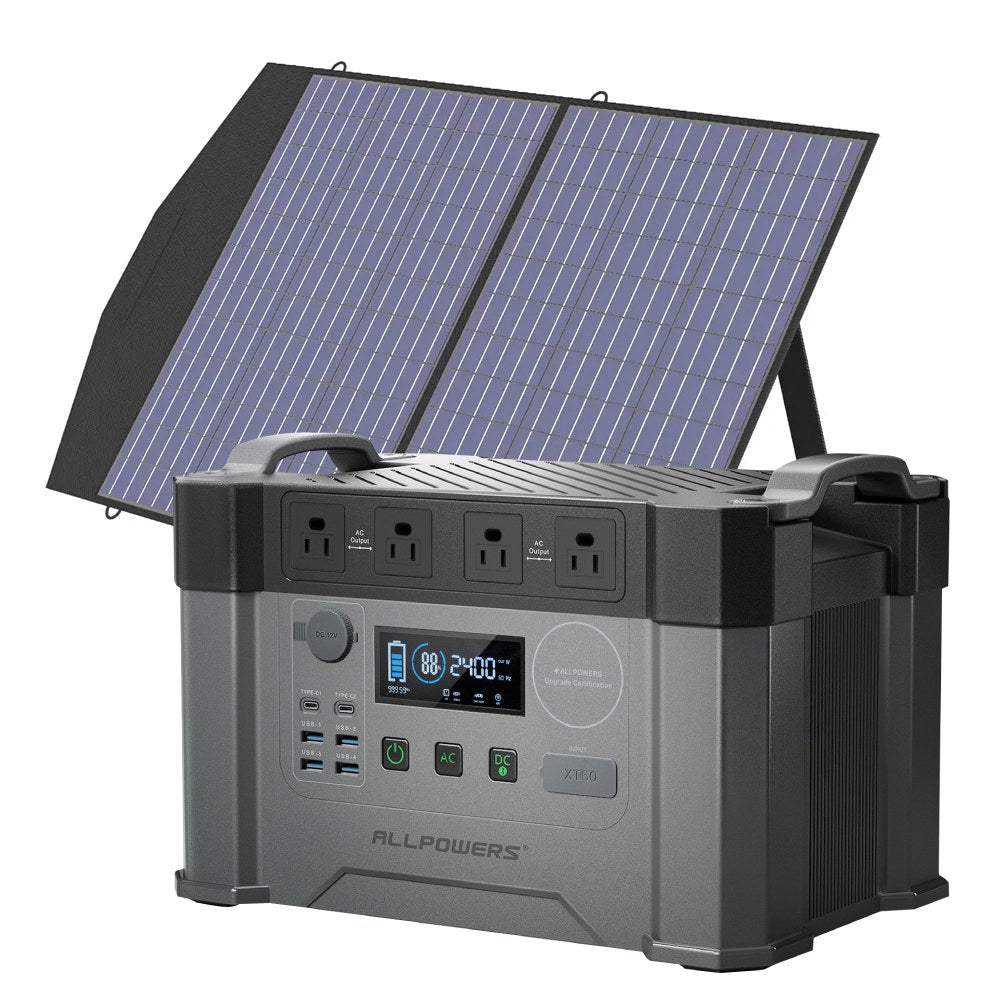
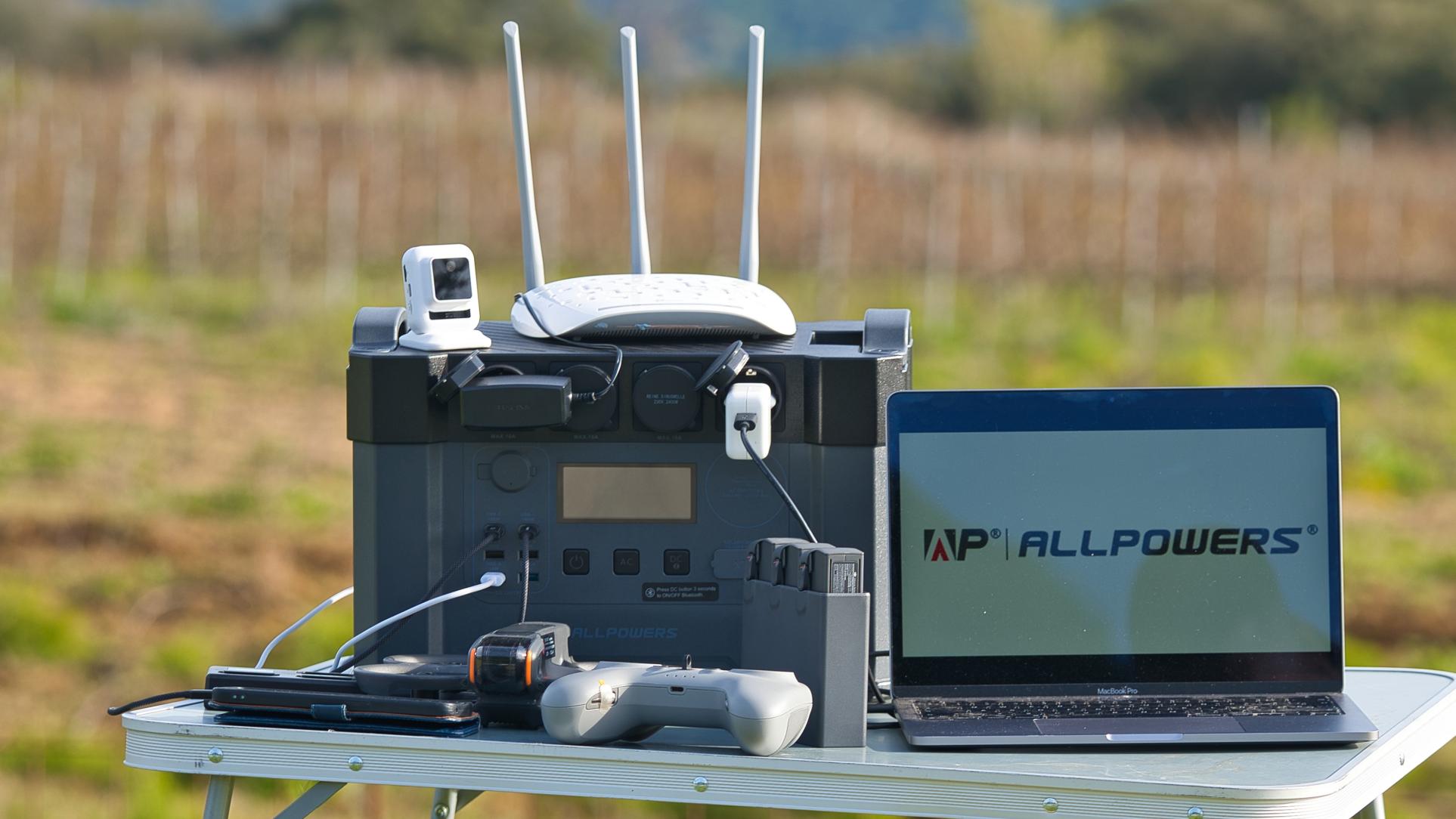
Battery storage is the most common method because it provides quiet, stable power without fuel dependency.
Learn More: Can a Portable Power Station Run a Starlink?
These systems are typically charged during the day and discharged at night to maintain continuous operation.
The key advantage is consistency. Starlink benefits from smooth output without interruptions, which is easier to maintain with batteries than with fluctuating generators.
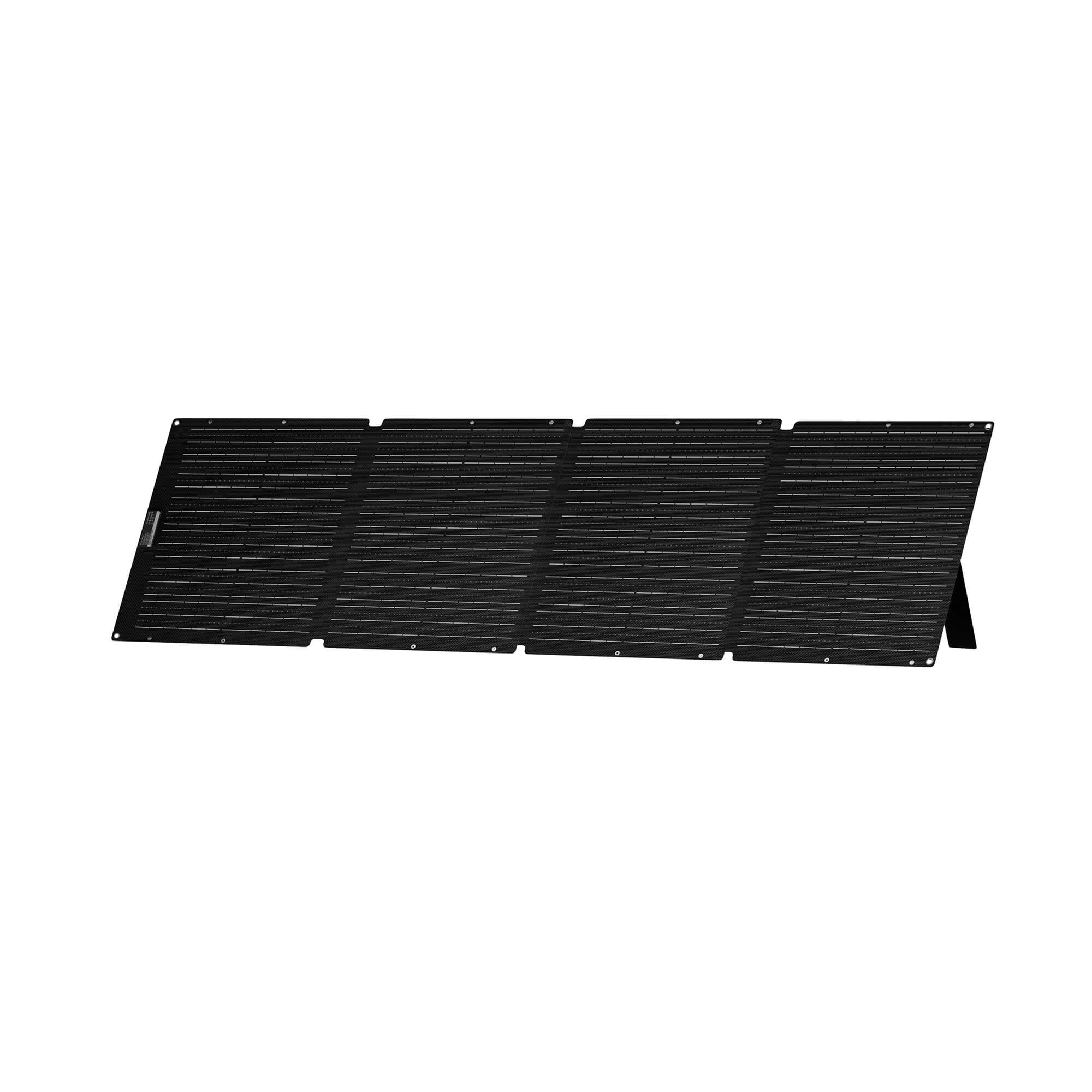
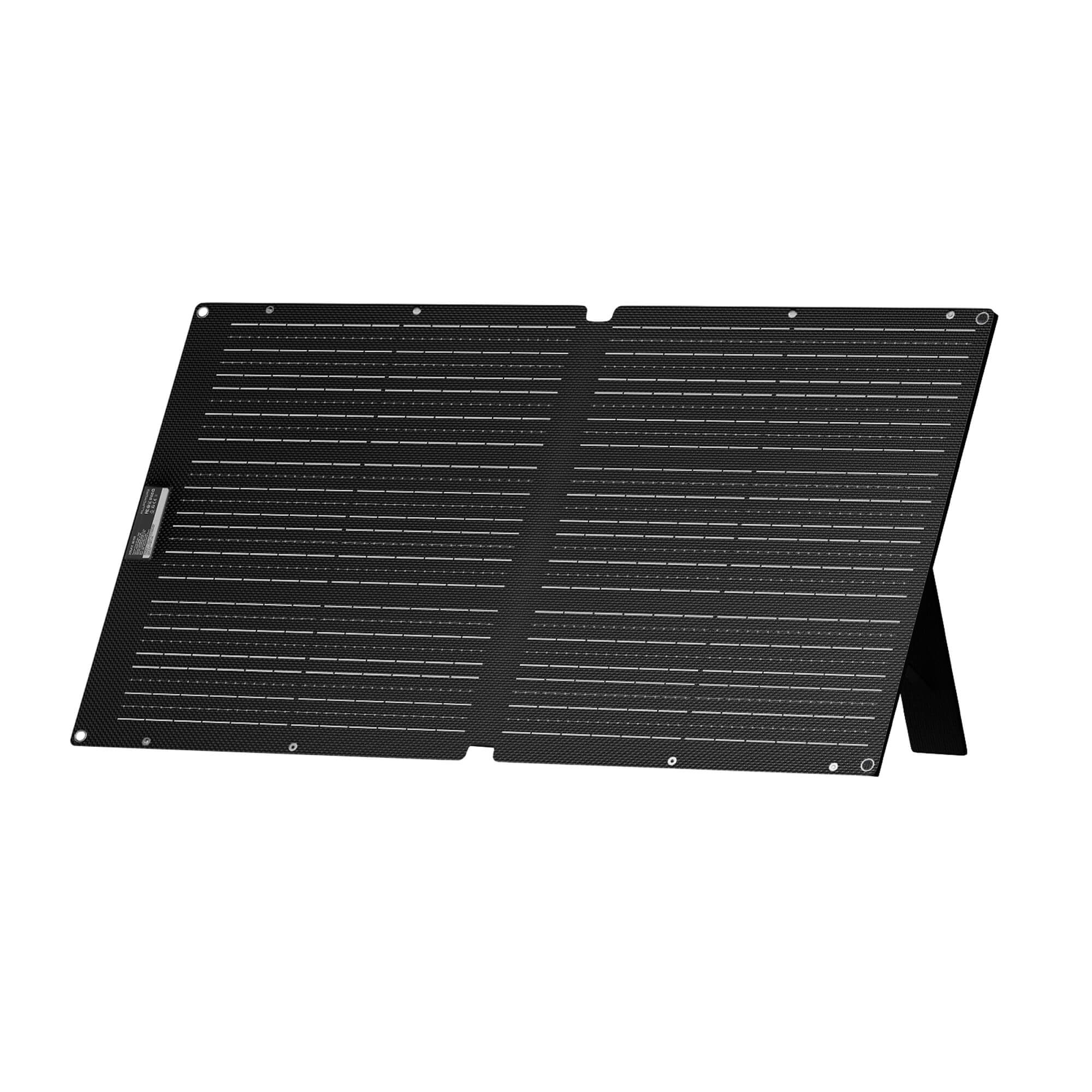
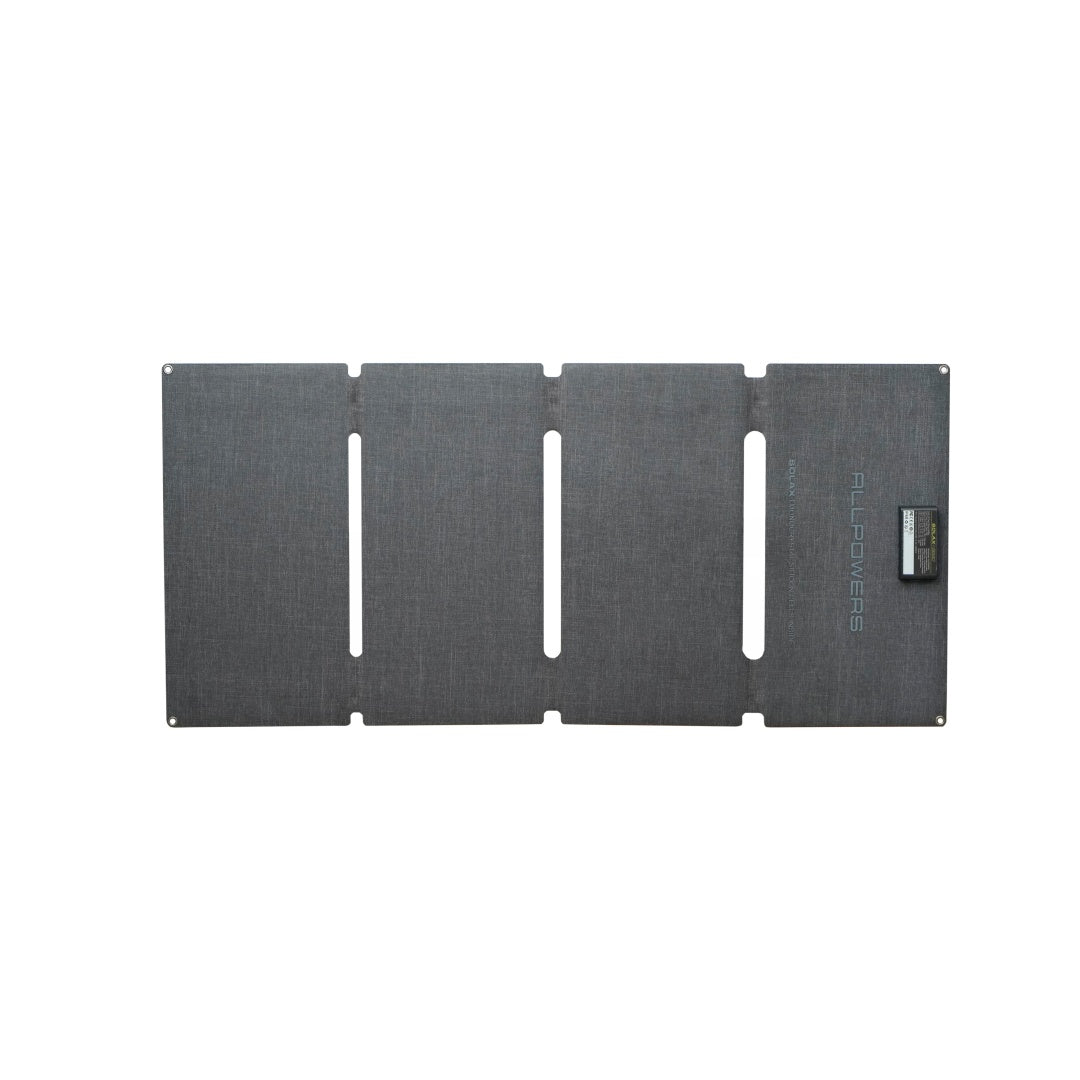
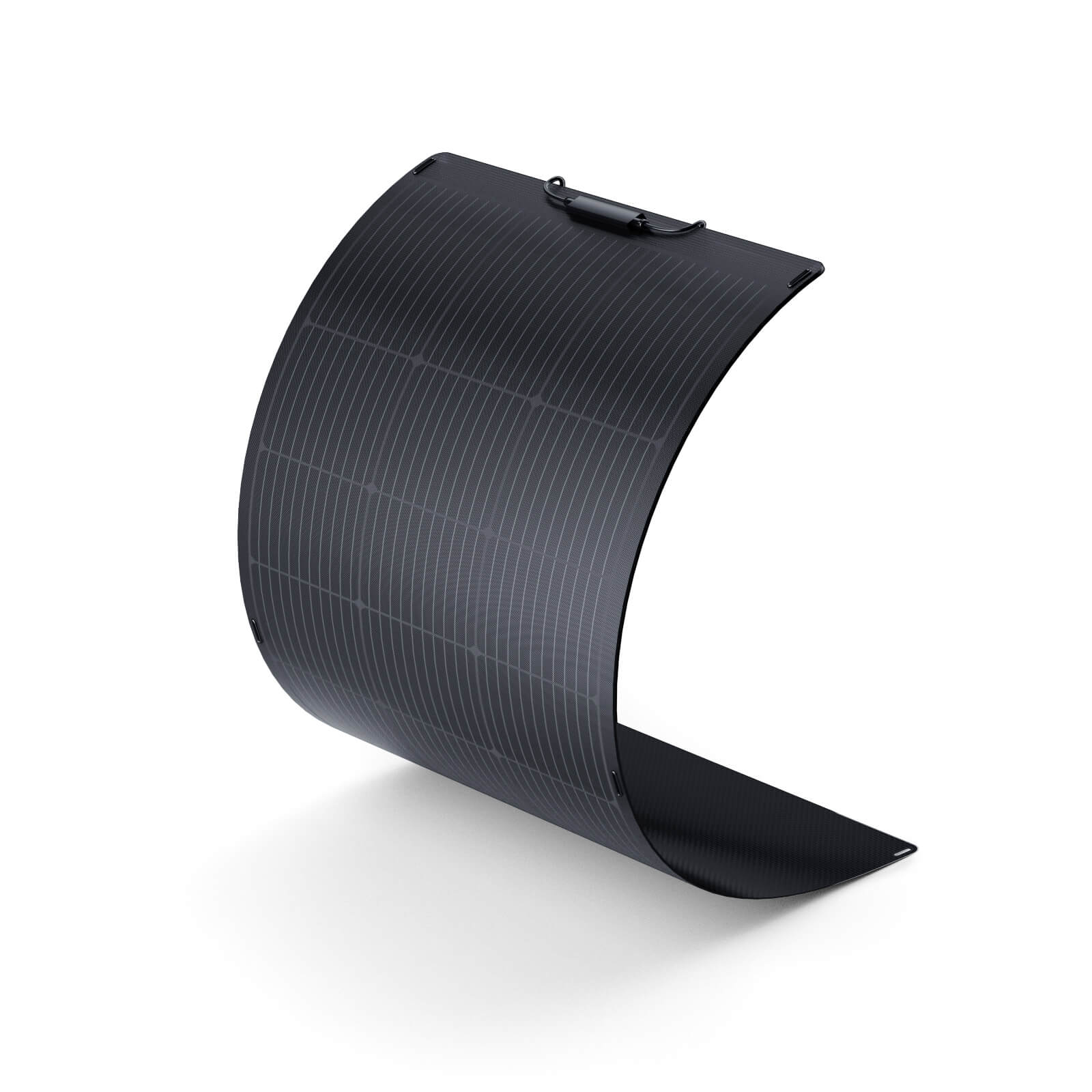
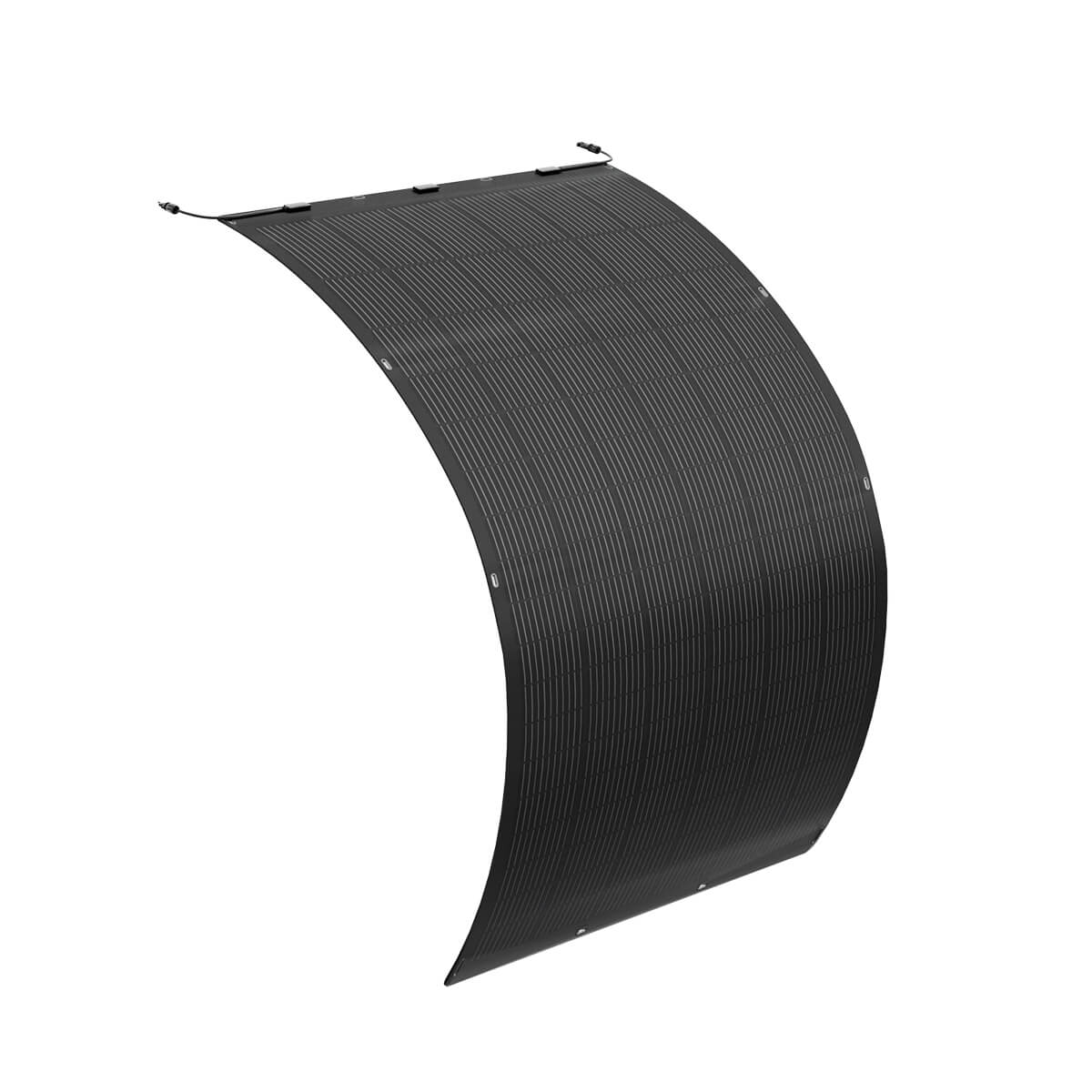
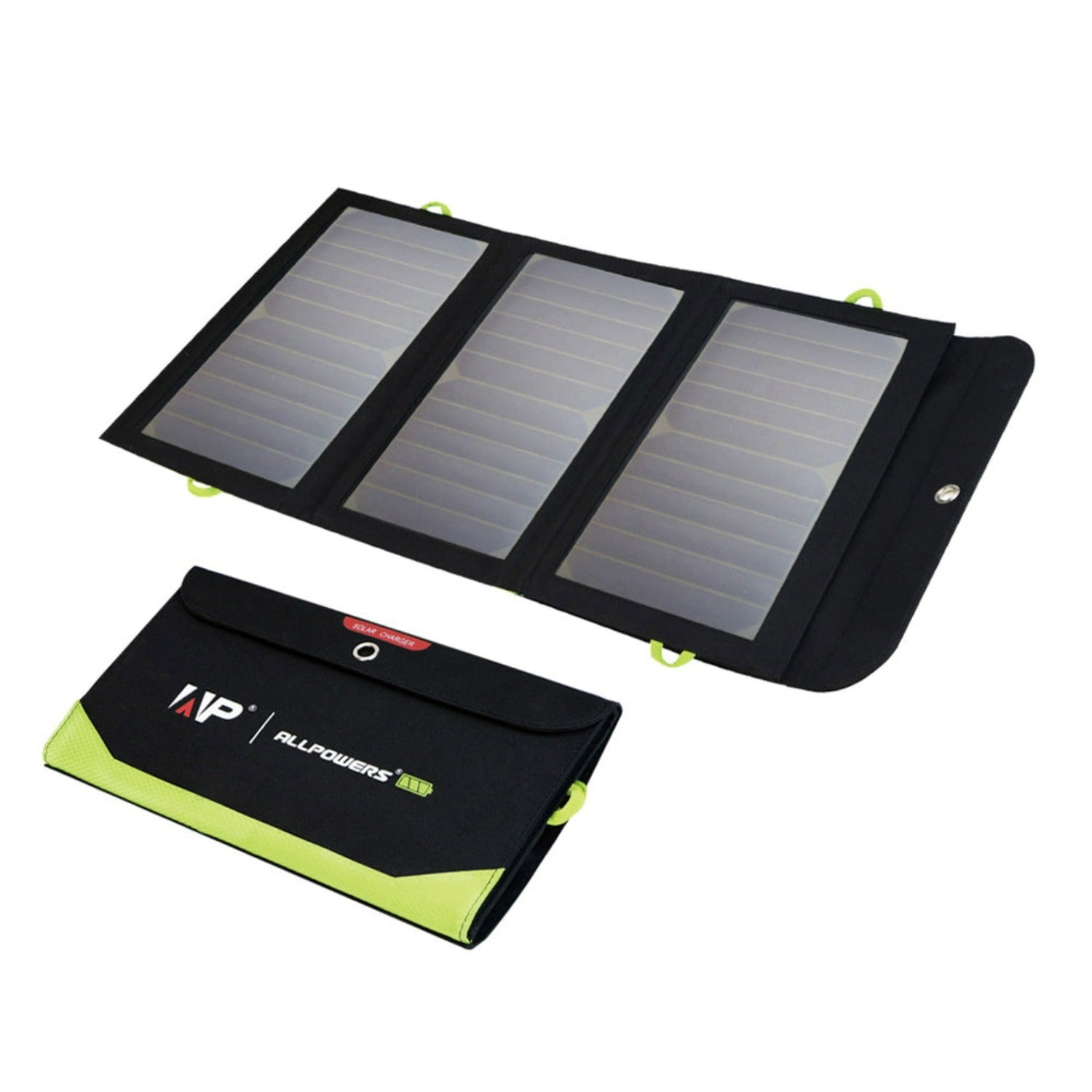
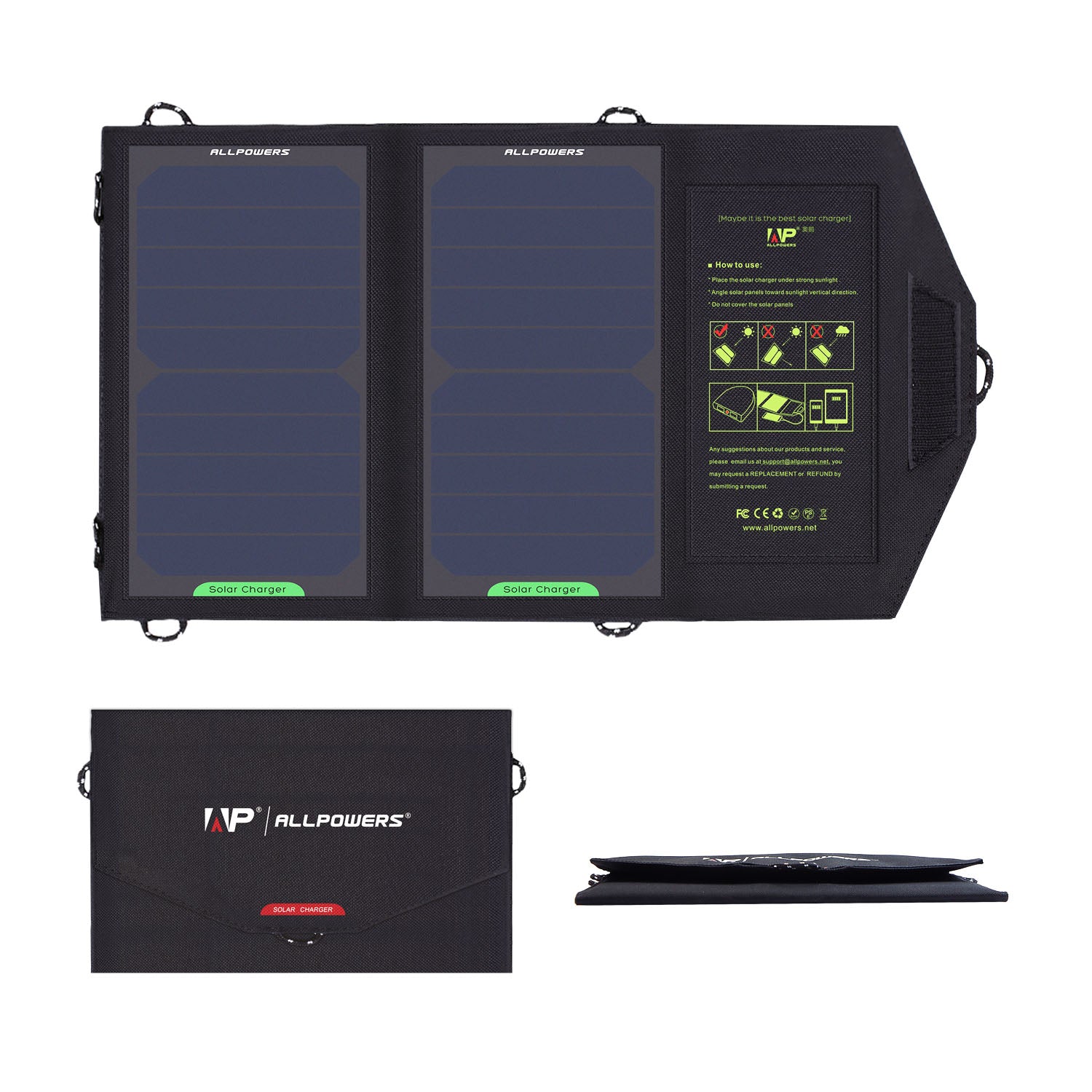
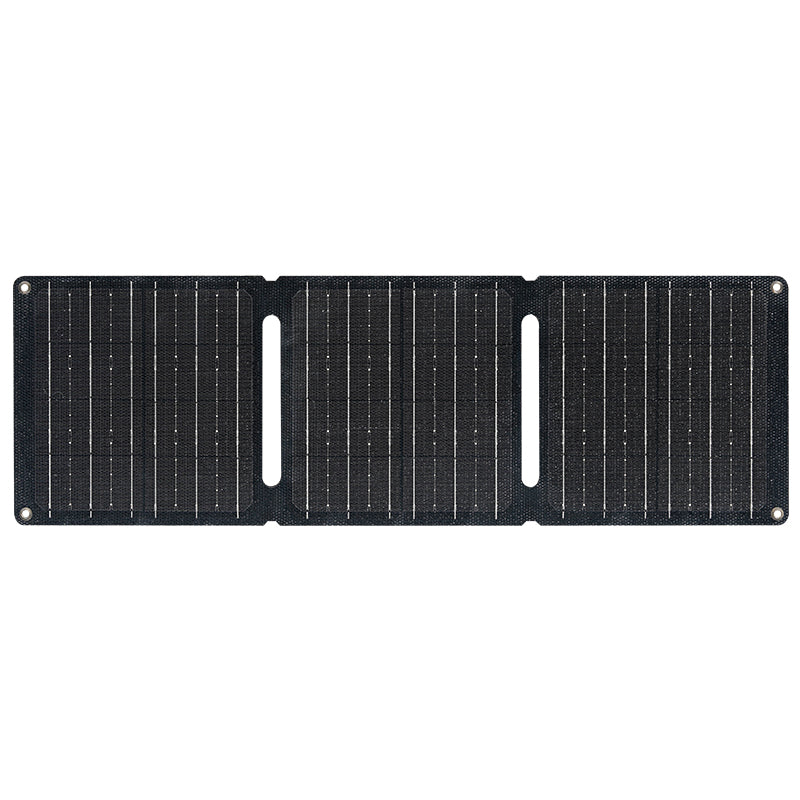
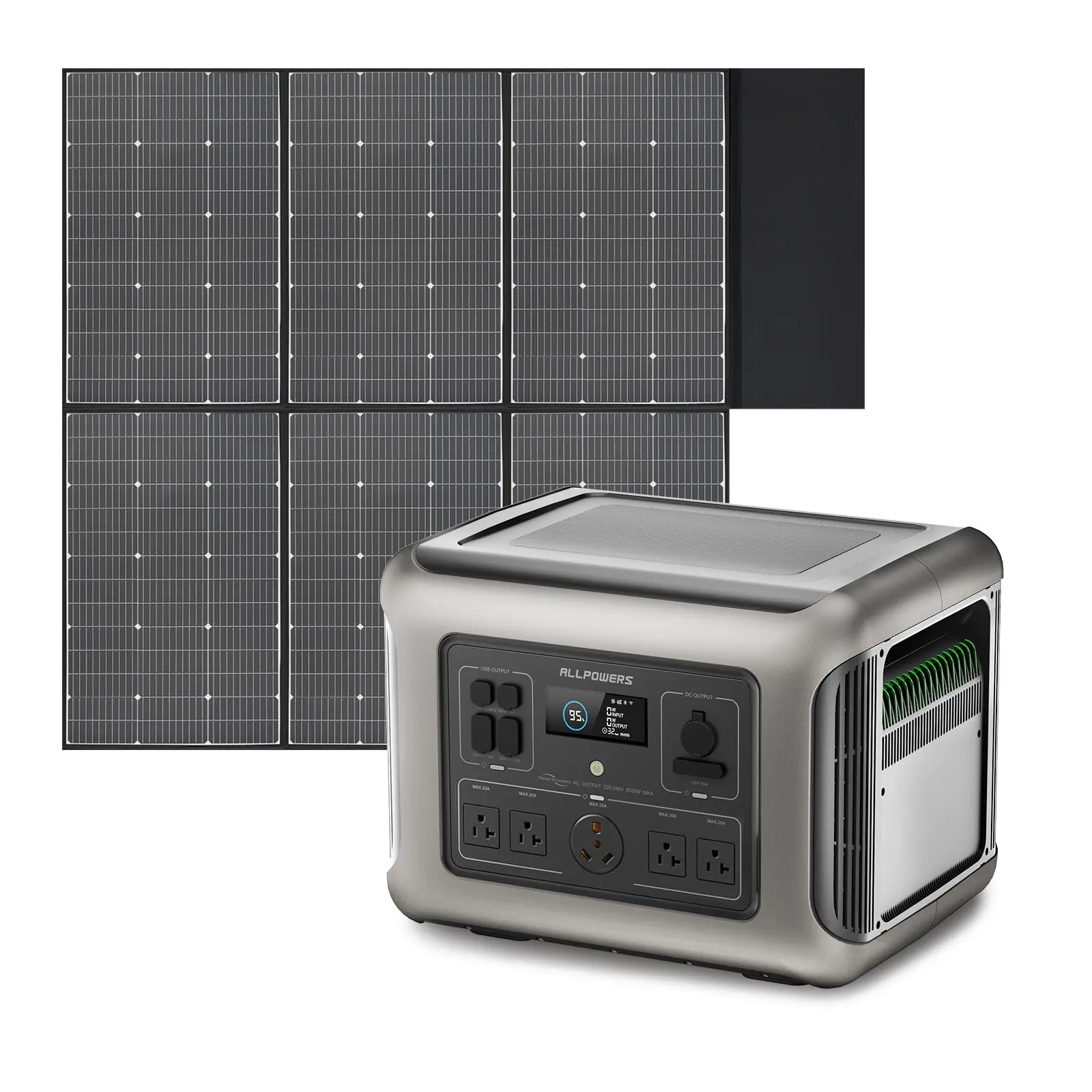
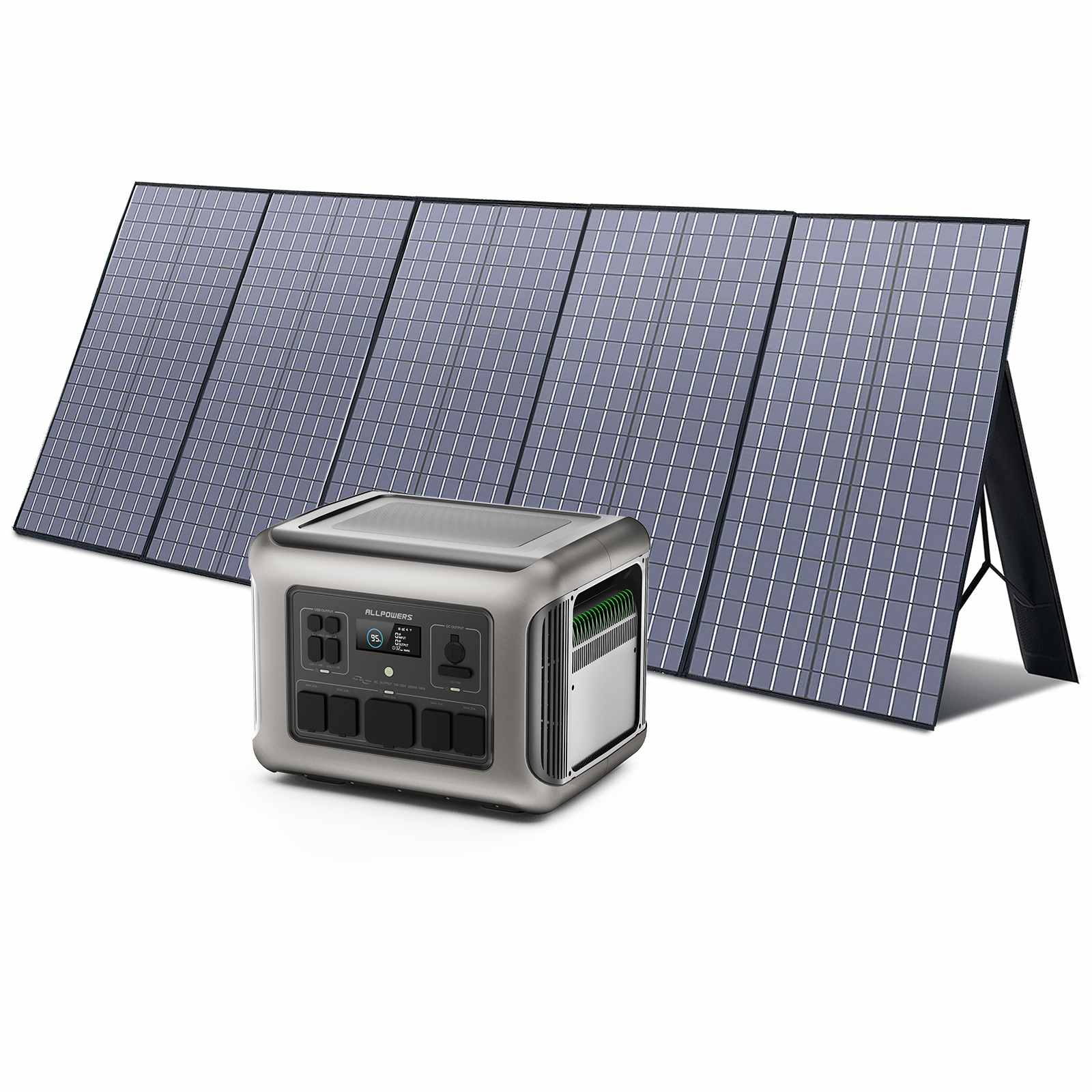
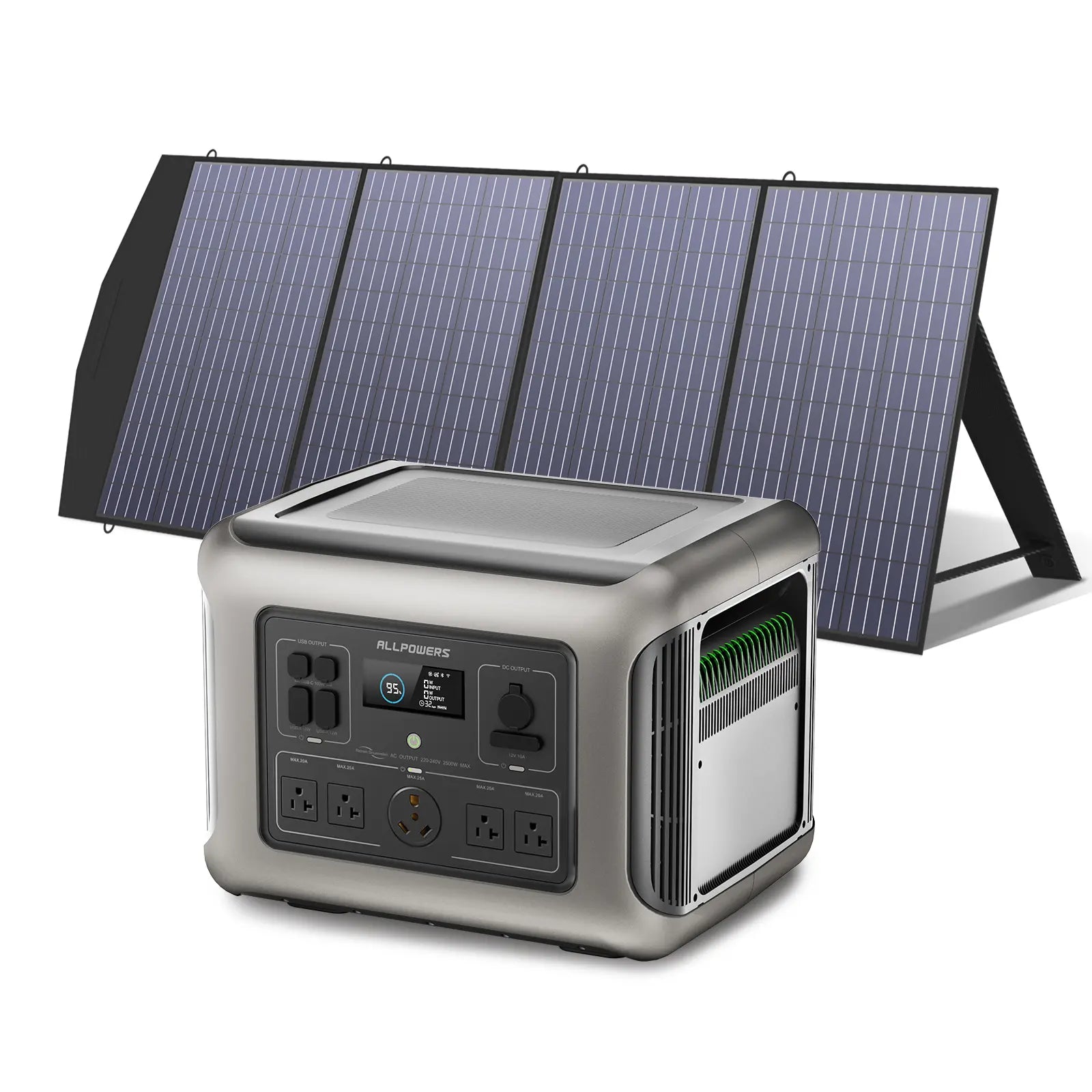
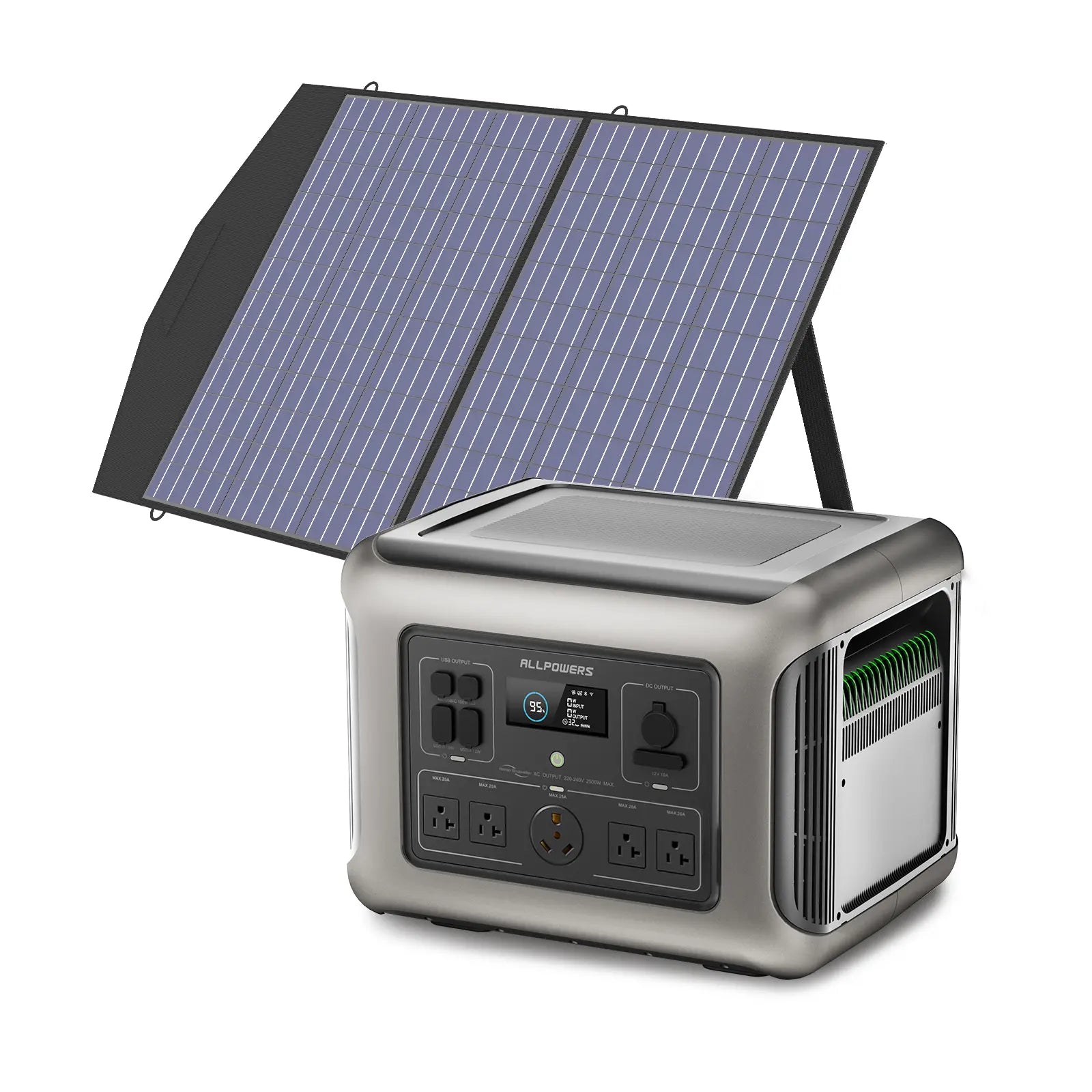
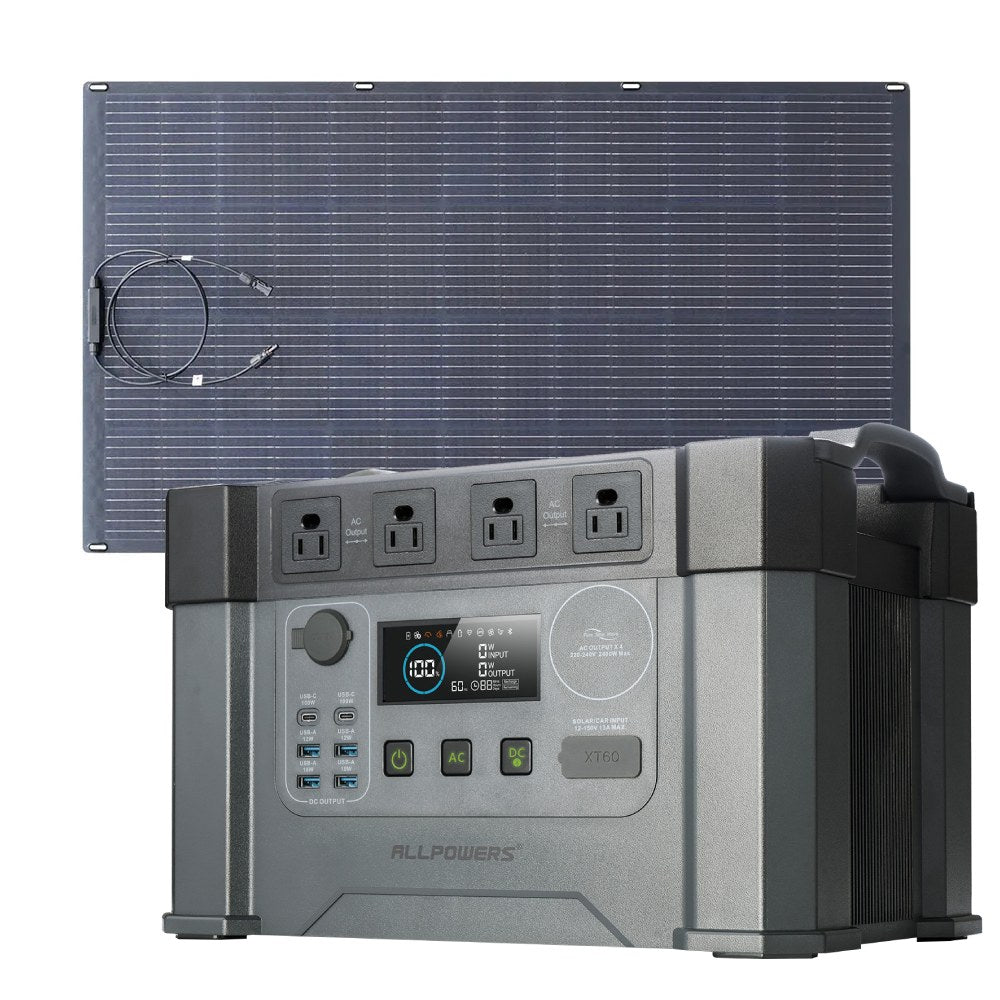
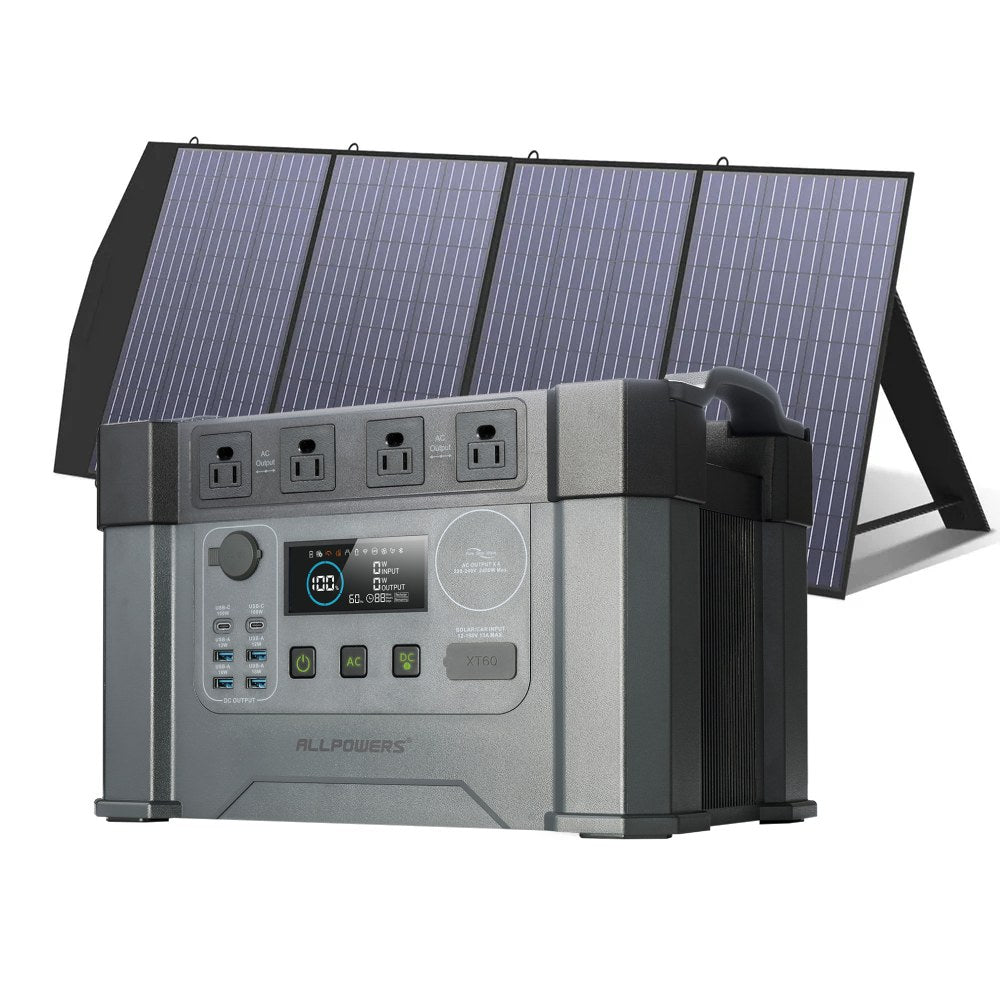
Solar charging for extended independence
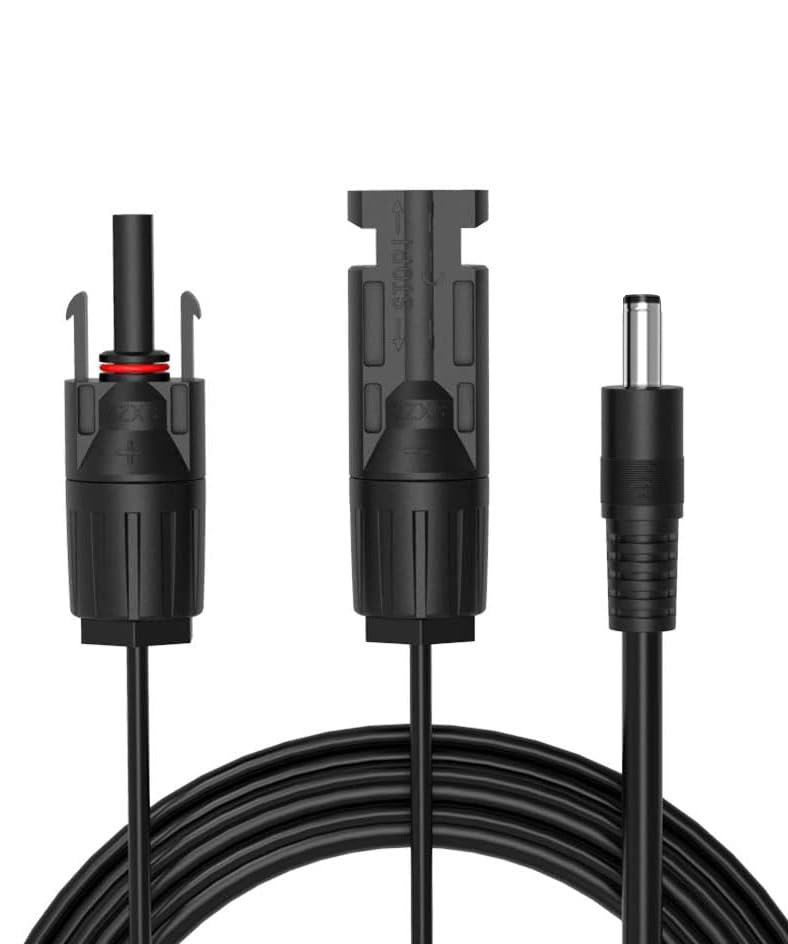
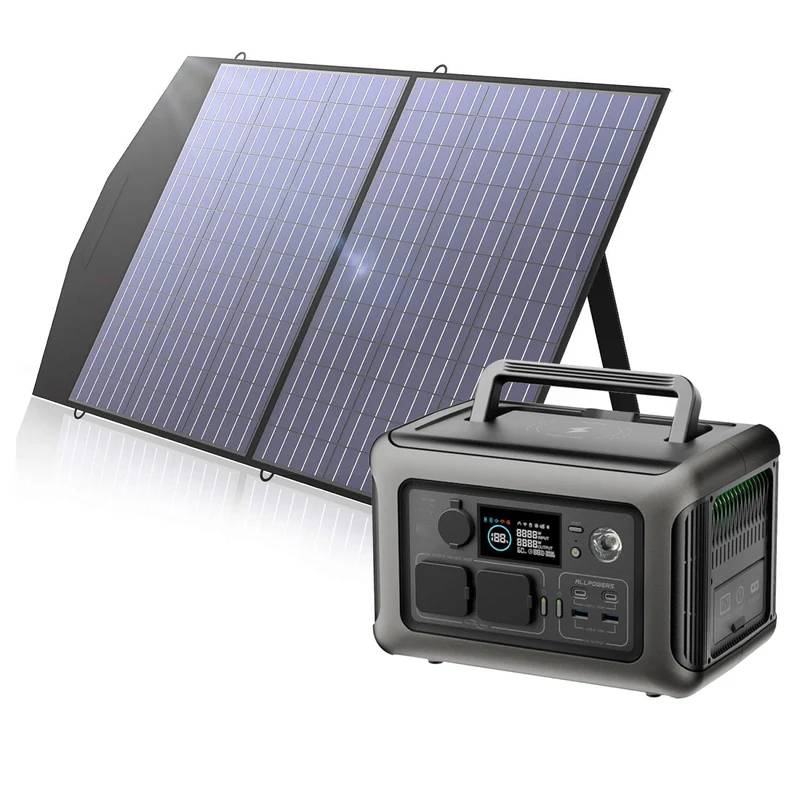
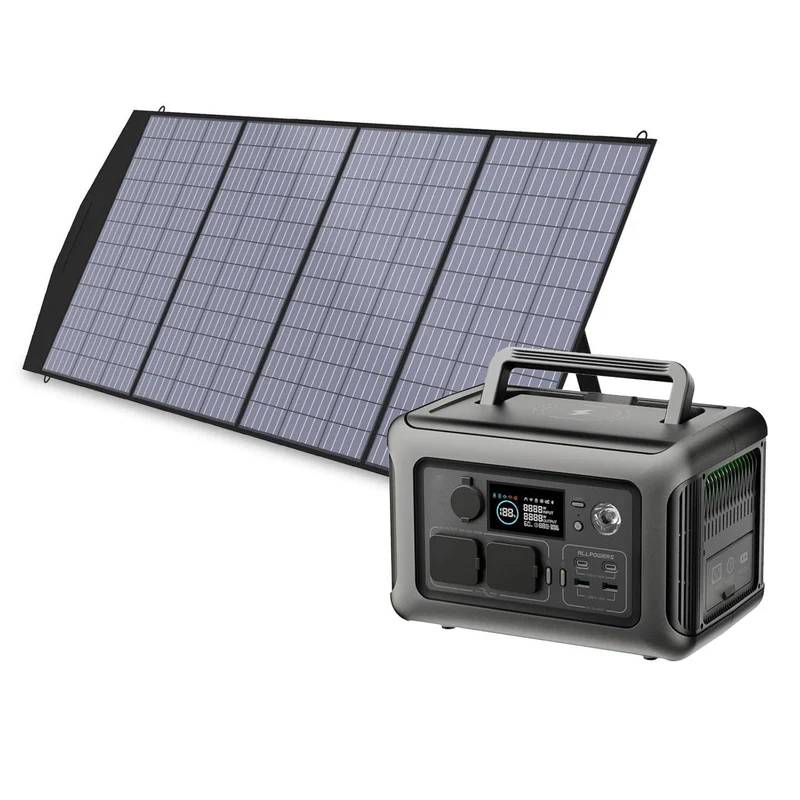
Solar energy becomes highly effective when combined with storage systems.
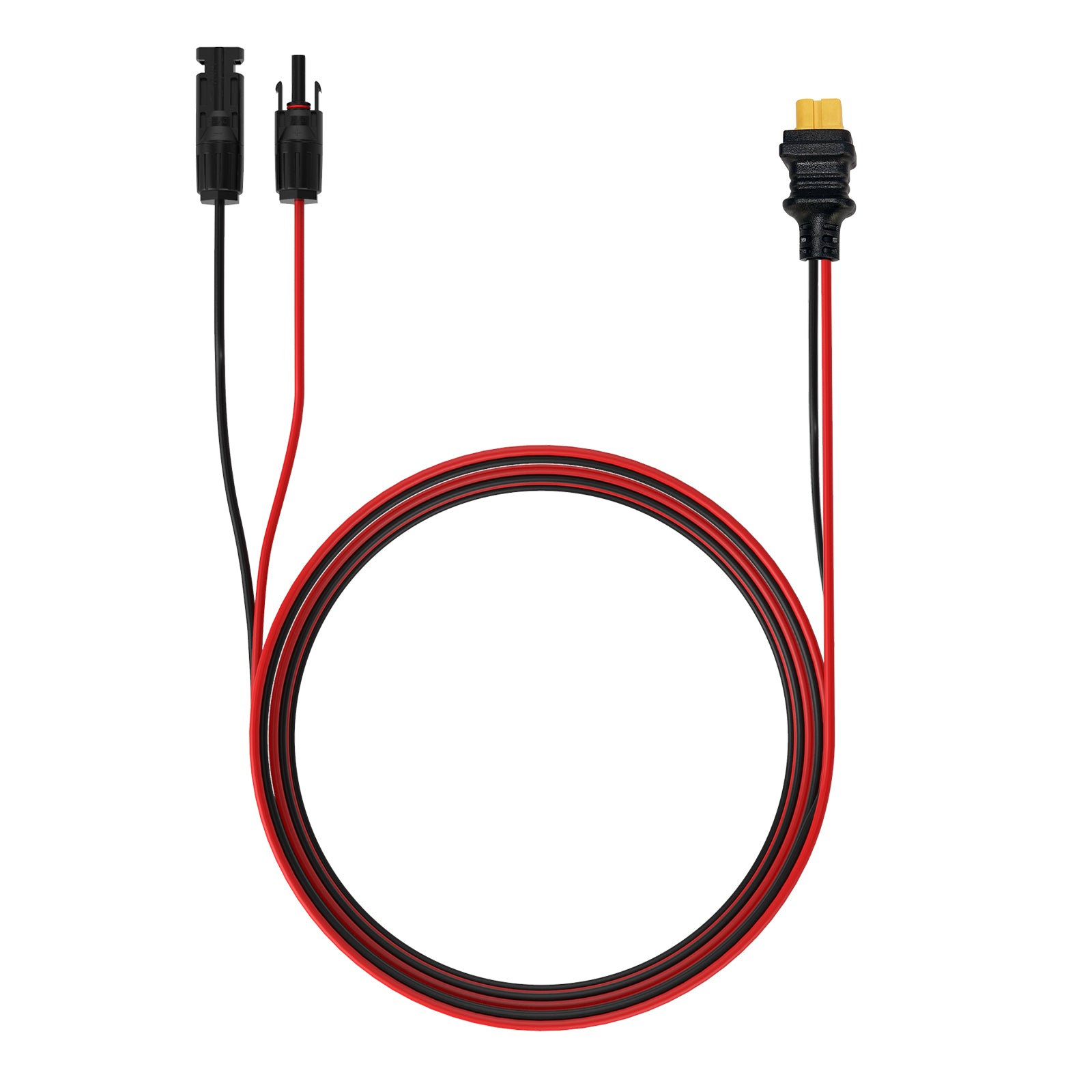
Solar panels generate electricity during daylight hours, while batteries store excess energy for nighttime use.
This pairing allows multi-day off-grid operation without fuel dependency.
However, solar performance depends heavily on weather conditions, panel positioning, and seasonal sunlight availability. Cloudy environments require larger storage buffers to maintain reliability.
Generator-assisted hybrid systems
In more demanding environments, some users rely on hybrid systems where generators support battery charging during low sunlight periods.
This reduces the need for oversized solar arrays while maintaining consistent uptime.
In these setups, fuel-based generation is not used continuously but rather as a backup or recharge mechanism, improving overall efficiency and reducing noise exposure.
Tips to Reduce Starlink Power Consumption
Extending battery runtime isn't always about bringing larger batteries. Often, improving energy efficiency produces better results.
Operate Only When Necessary
If continuous connectivity isn't required, powering Starlink only during work sessions or scheduled communication windows can significantly reduce daily electricity consumption.
Minimize Idle Devices
Leaving laptops, monitors, Wi-Fi extenders, or unnecessary electronics running alongside Starlink can quietly increase total energy usage throughout the day.
Monitor Battery Levels
Tracking battery capacity allows you to adjust internet usage before power becomes critically low, especially during cloudy weather when charging opportunities are reduced.
What Is the Best Off-Grid Strategy for Starlink Users?
The most reliable approach is not relying on a single power source but building a layered system.
This usually includes a primary storage system, a recharge method, and a backup option for emergencies. This structure ensures continuity even when environmental conditions change unexpectedly.
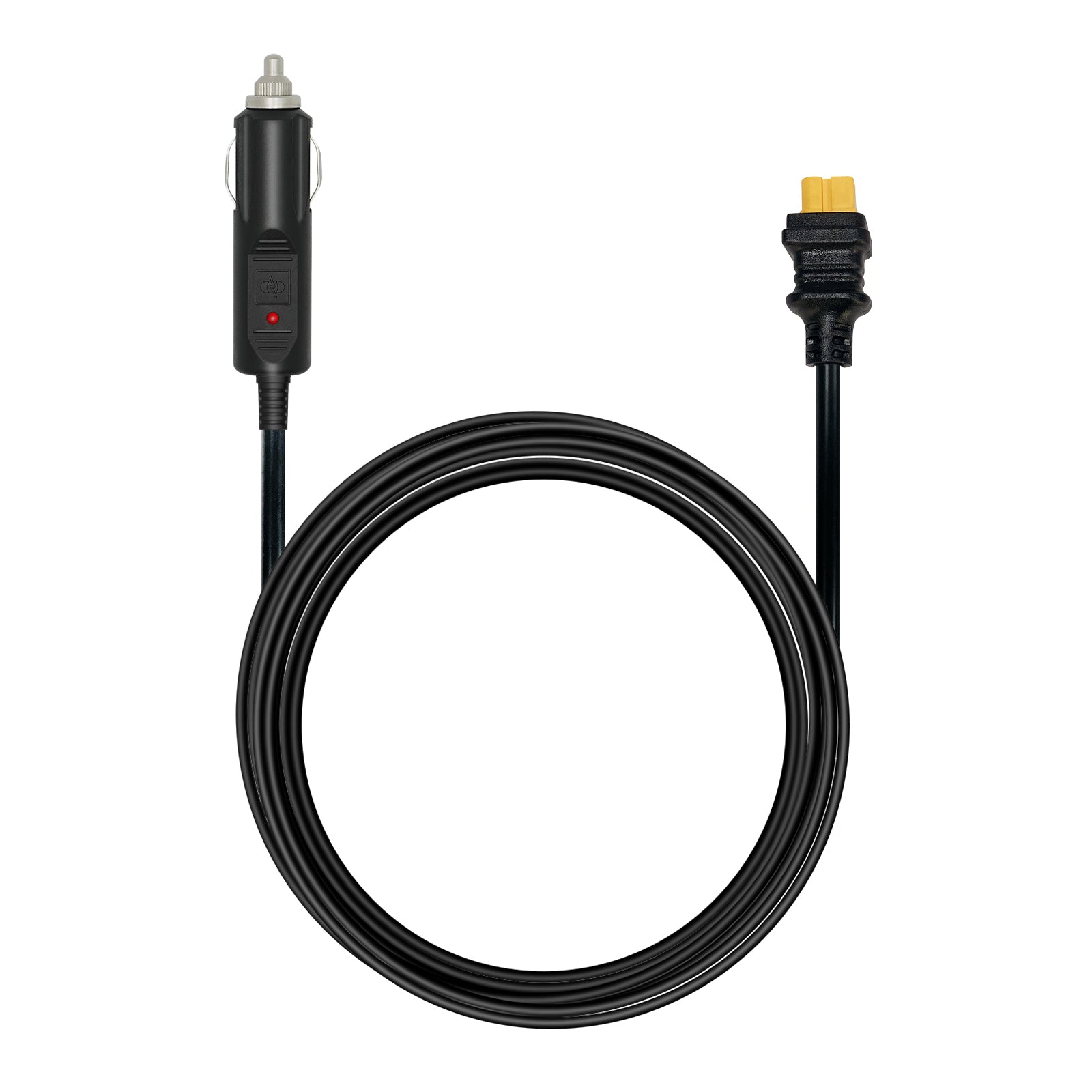
For short trips, simple battery-based setups may be enough. For extended remote travel, combining solar input with energy storage and optional vehicle charging creates a more resilient system that supports continuous connectivity.
In many modern off-grid setups, Starlink is treated not as a power-hungry device but as a baseline connectivity tool that must remain stable under all conditions, similar to lighting or navigation systems in traditional outdoor planning.
Conclusion
Powering Starlink off grid is less about maximizing raw energy and more about maintaining stability, efficiency, and predictable power delivery.
Once users understand its steady consumption pattern, designing a reliable system becomes far more straightforward.
Whether used for remote work, camping, RV travel, or emergency backup connectivity,
Starlink can operate effectively off grid when supported by properly sized battery storage, efficient power conversion, and consistent recharging methods that match real environmental conditions.
FAQ
How many watts does Starlink need?
Most Starlink systems use between 50W and 150W, depending on model and usage conditions.
Can Starlink run on a portable battery?
Yes, but runtime depends on battery capacity and efficiency, with larger batteries providing significantly longer operation.
Does Starlink work better with solar power?
Solar does not directly improve performance but enables continuous operation by recharging batteries during daylight hours.
Can Starlink run 24/7 off grid?
Yes, if supported by sufficient battery storage and daily solar or alternative recharging sources.