






A generator can be a valuable source of backup electricity during outages, camping trips, RV adventures, and outdoor projects.
However, one of the most common questions people ask before choosing a generator is whether a specific wattage will be enough for their needs.
A 1800-watt generator sits in a popular middle ground—larger than many small recreational models but still compact enough for portable use.
While it cannot power an entire house, it can handle many essential appliances and electronics when used correctly.
So, what exactly can a 1800-watt generator run?
TL;DR: A 1800 watt generator can typically run refrigerators, TVs, laptops, routers, lights, fans, CPAP machines, coffee makers, and many small kitchen appliances. However, it usually cannot power large electric water heaters, central air conditioners, electric dryers, or electric ovens.
Understanding Generator Wattage
Most generators are rated according to their continuous running watts, which represent the amount of electricity they can provide consistently over time.
Some appliances also require additional power during startup. This temporary surge is known as starting wattage or surge wattage.
Ignoring startup requirements is one of the most common reasons generators become overloaded.
This difference between startup and running power is one of the most common reasons generators become overloaded unexpectedly.
What Can a 1800 Watt Generator Run?
A properly sized 1800 watt generator can comfortably support many essential devices found in homes, campsites, RVs, and emergency situations.
Refrigerators and Freezers
Most modern refrigerators operate well within the capacity of an 1800 watt generator. Although refrigerators require a temporary startup surge, their normal running wattage is typically much lower.
Lighting Systems
LED lighting consumes very little electricity, making it one of the easiest loads for a generator to handle.
Multiple rooms of LED lighting can often operate simultaneously with minimal impact on available power.
Electronics and Communication Devices
Laptops, smartphones, routers, televisions, and Wi-Fi equipment generally consume relatively small amounts of power and can operate comfortably on a generator of this size.
CPAP Machines
For individuals who rely on sleep therapy equipment, CPAP machines usually require modest amounts of electricity and are often compatible with 1800 watt power systems.
Coffee Makers
Most standard coffee makers fall within the operating range of an 1800 watt generator.
This is one reason generators of this size are popular among campers and RV owners who want basic kitchen convenience while traveling.
Common Appliance Power Requirements
| Appliance | Running Watts | Starting Watts | 1800W Generator Compatible? |
|---|---|---|---|
| Refrigerator | 150–800W | 600–2200W | Usually Yes |
| LED Lighting | 10–100W | 10–100W | Yes |
| Laptop | 50–100W | 50–100W | Yes |
| Television | 100–300W | 100–300W | Yes |
| CPAP Machine | 30–90W | 30–90W | Yes |
| Coffee Maker | 600–1200W | 600–1200W | Usually Yes |
| Microwave | 1000–1500W | 1000–1500W | Sometimes |
| Window AC Unit | 500–1500W | 1200–3000W | Depends on Model |
What a 1800 Watt Generator Cannot Run
While 1800 watts is sufficient for many essential devices, certain appliances simply require too much electricity.
Central Air Conditioning Systems
Central air conditioners often require several thousand watts during startup and operation, placing them well beyond the capabilities of most 1800 watt generators.
Electric Water Heaters
Many electric water heaters consume between 3000 and 4500 watts during operation.
Electric Dryers
Clothes dryers use large heating elements that typically exceed generator capacity by a significant margin.
Large Electric Heaters
Portable space heaters can consume 1500 watts alone, leaving little capacity available for other appliances.
Getting More Runtime from Your Generator
Generator performance is not only about power output. Runtime and fuel efficiency are equally important considerations during emergencies and outdoor activities.
Prioritize Essential Loads
Running only necessary devices helps conserve fuel and reduce wear on the generator.
Avoid Simultaneous High Loads
Alternating between appliances rather than operating everything at once can improve overall efficiency.
Use Energy-Efficient Appliances
LED lighting, efficient refrigerators, and low-power electronics help maximize available generator capacity.
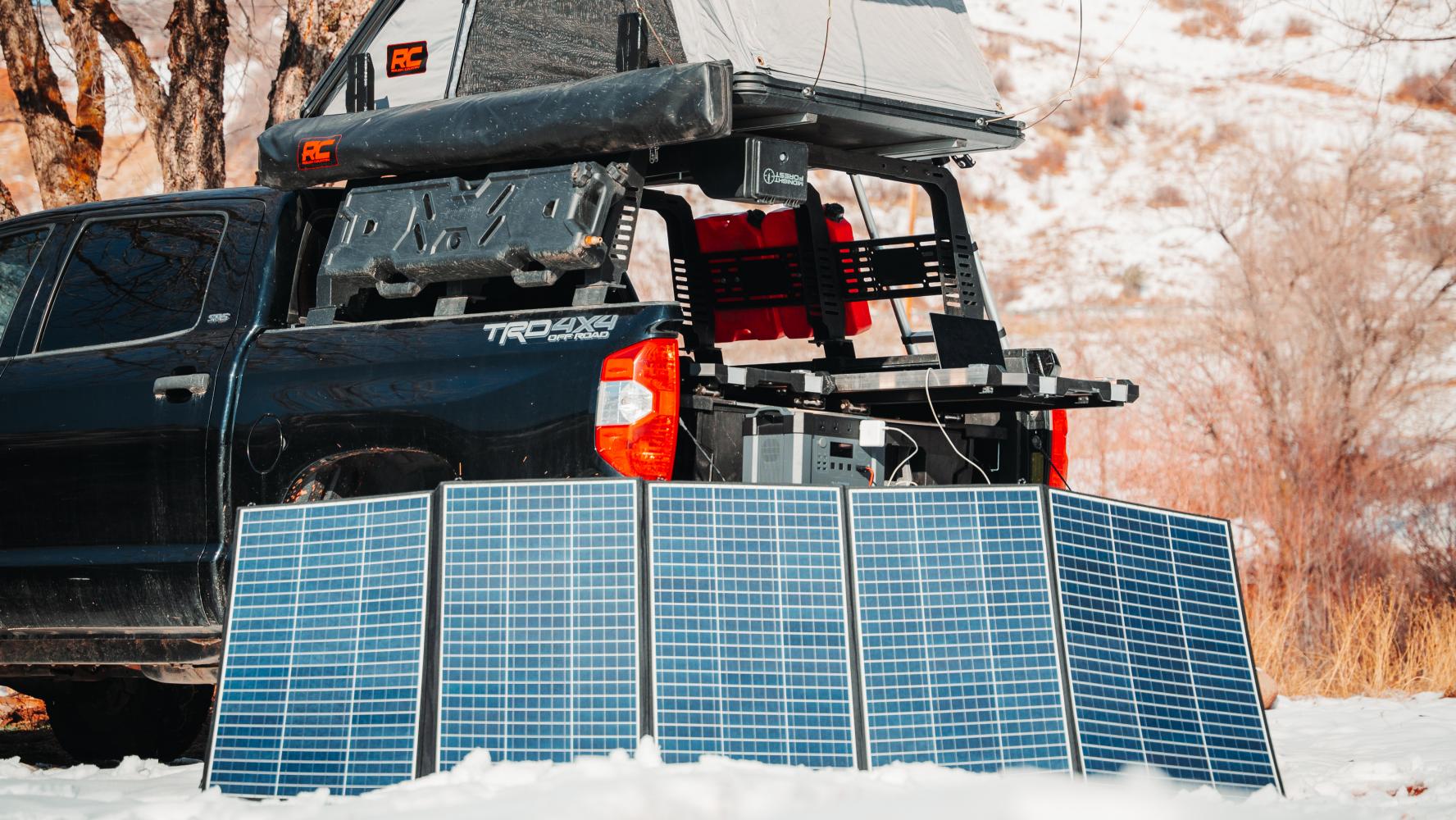
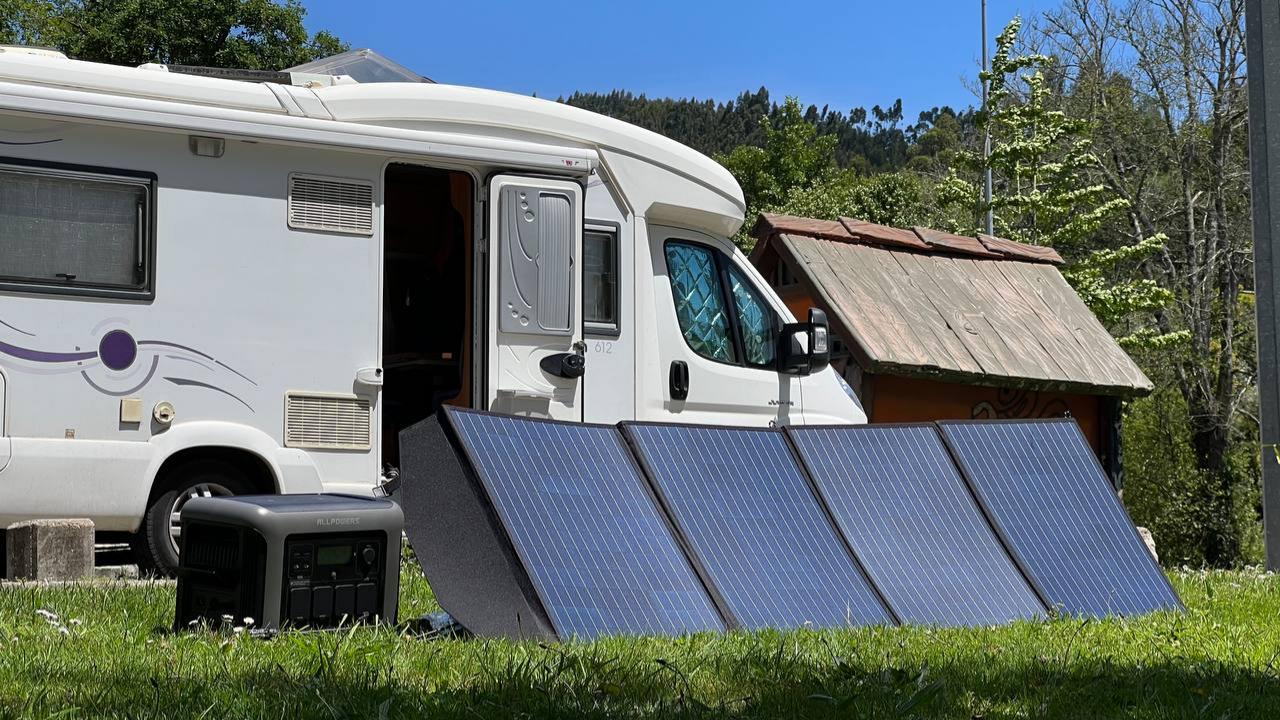
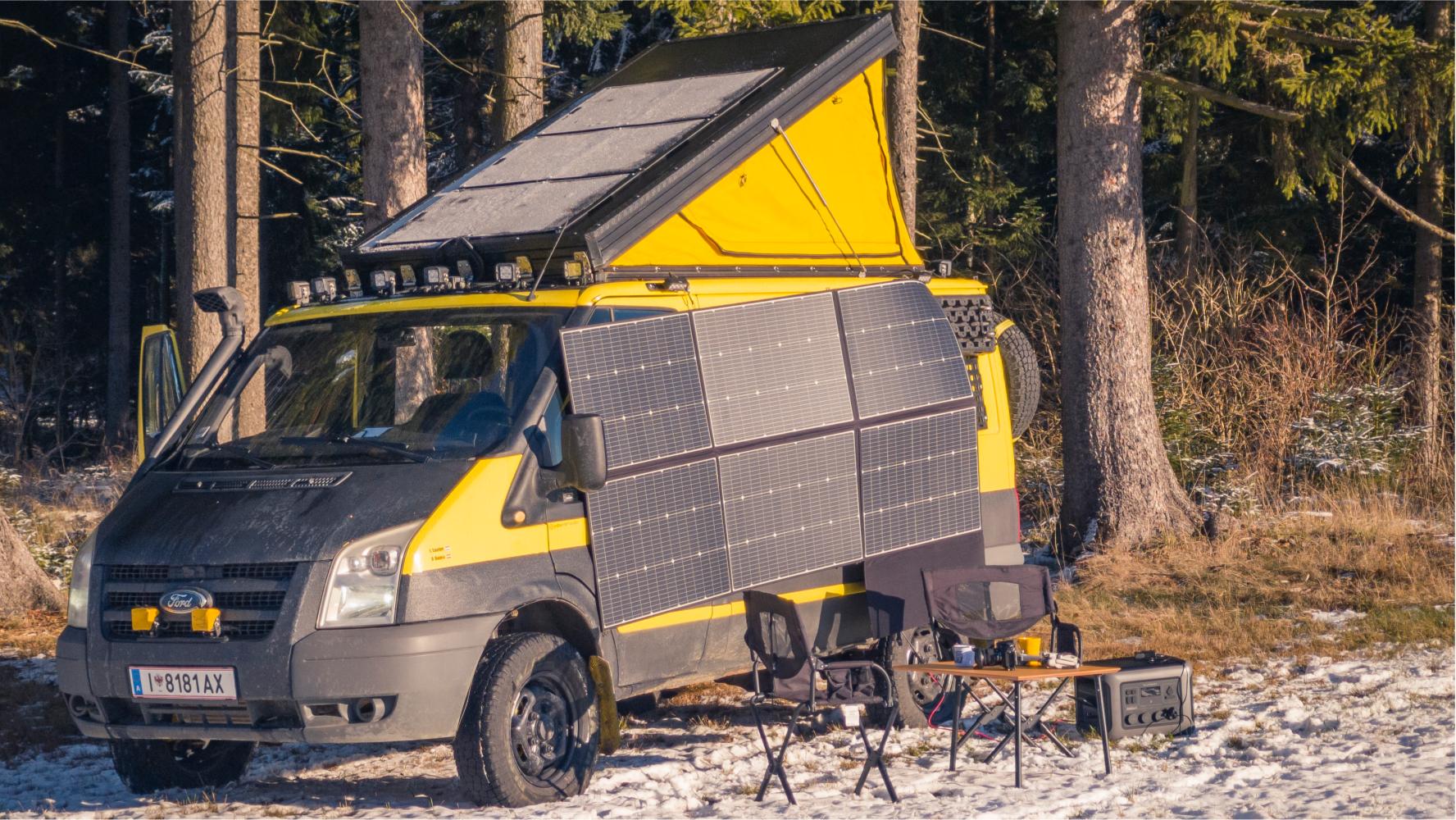
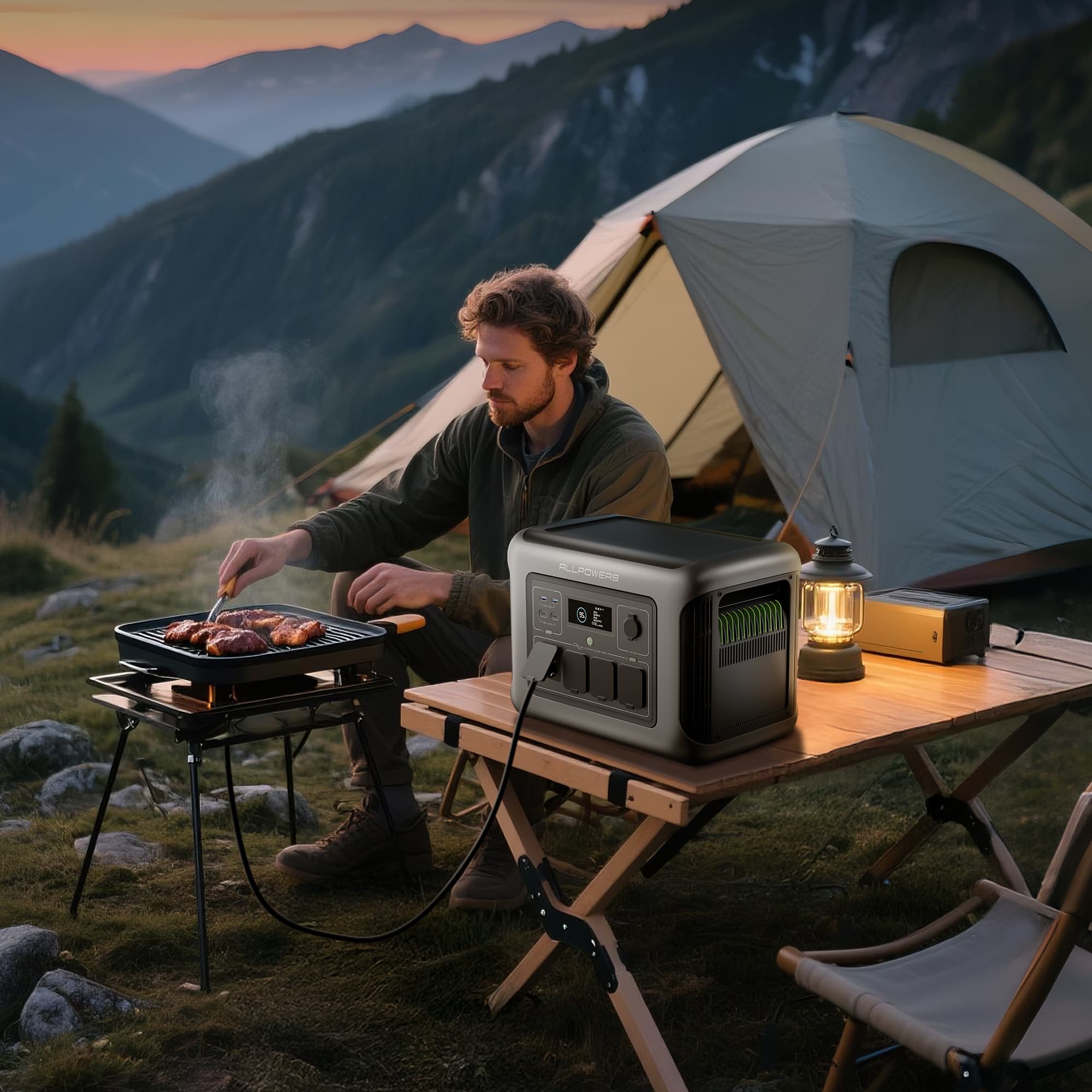
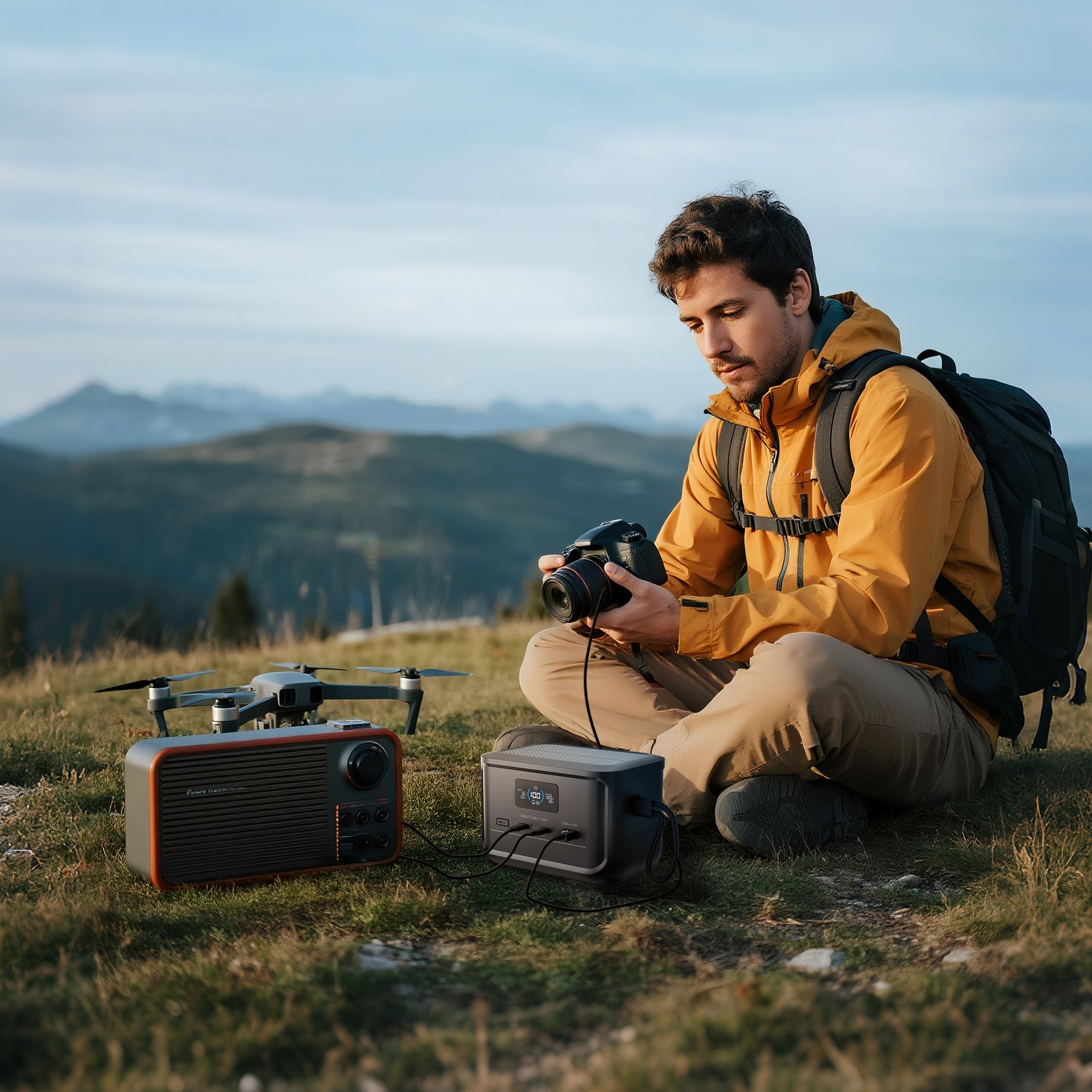
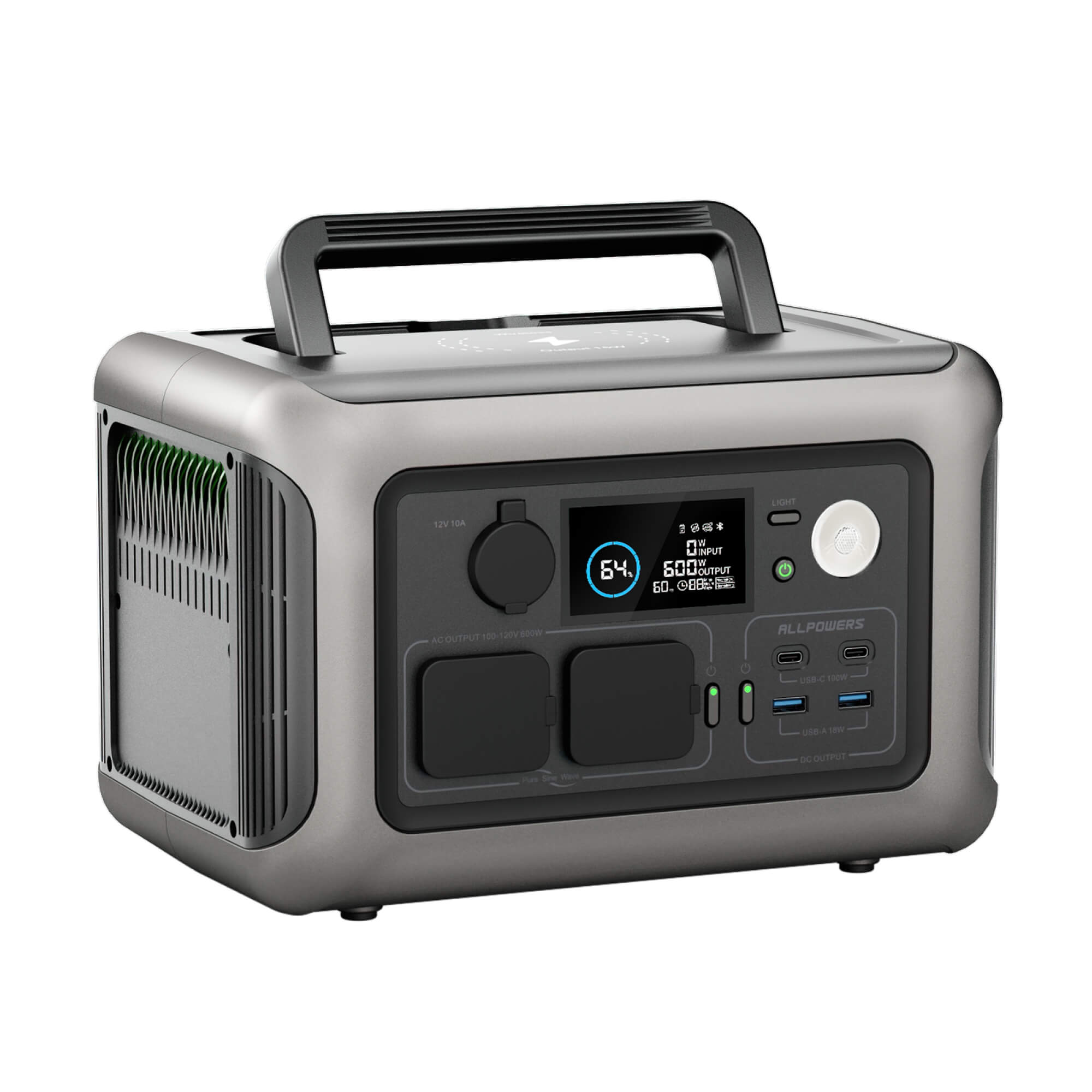
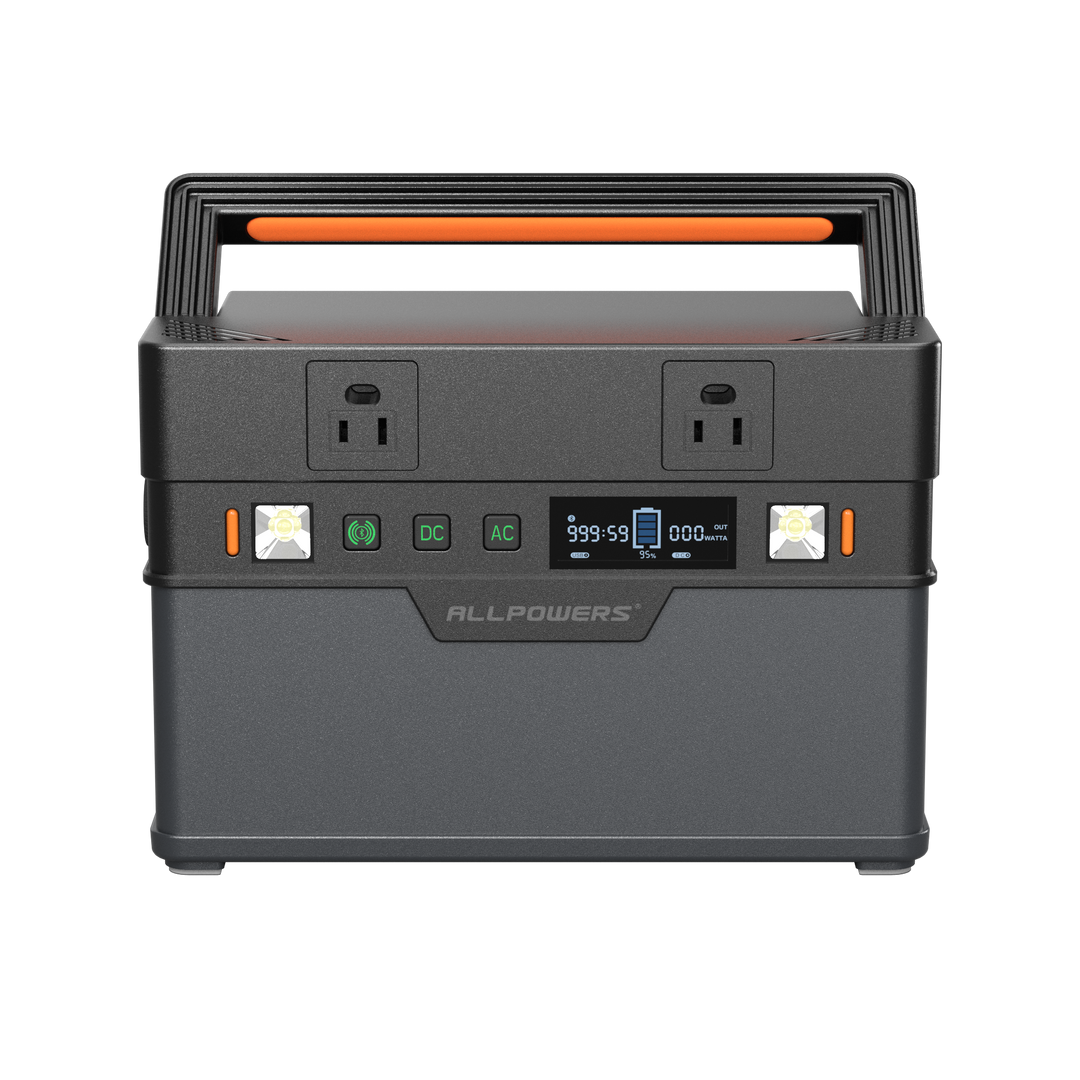
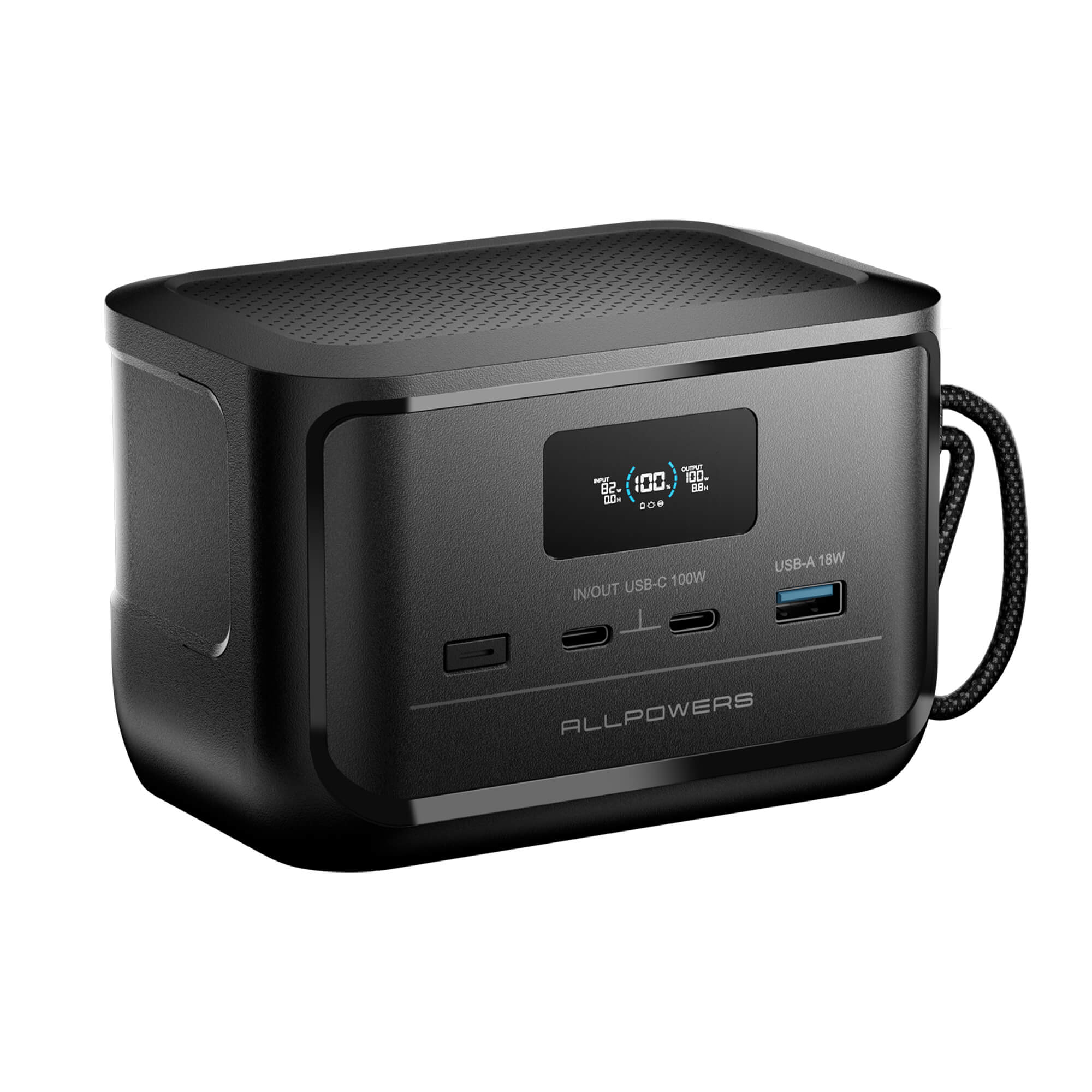
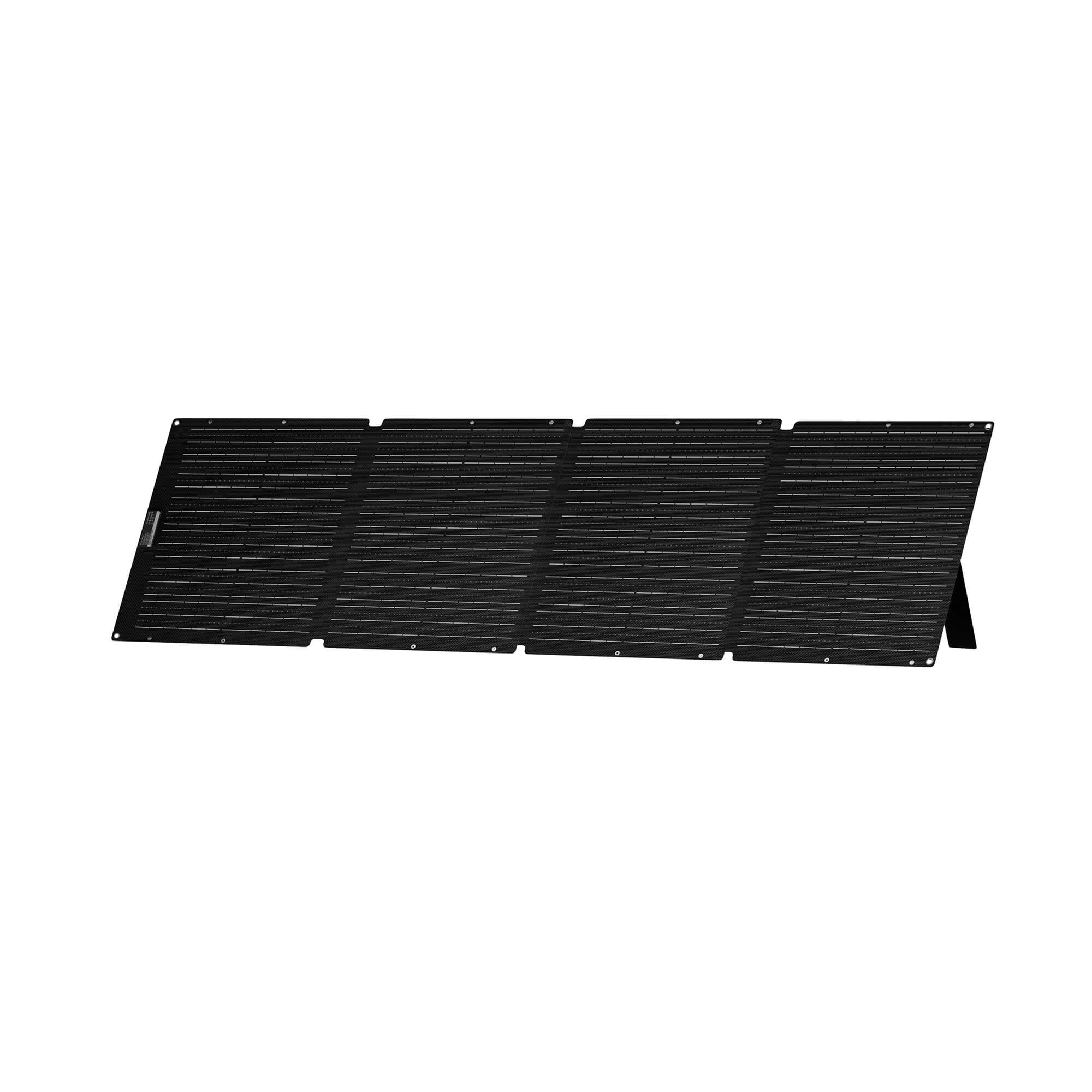
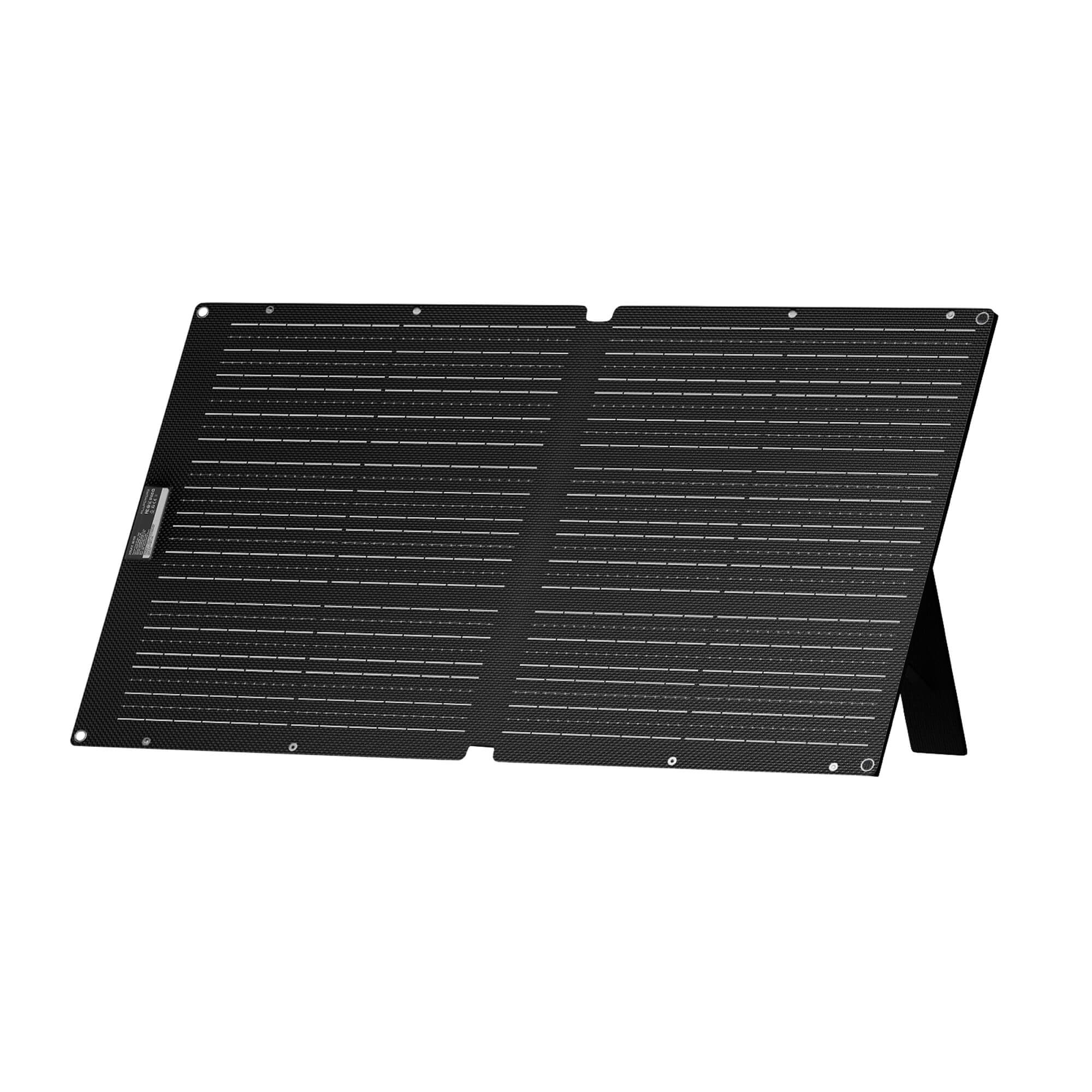
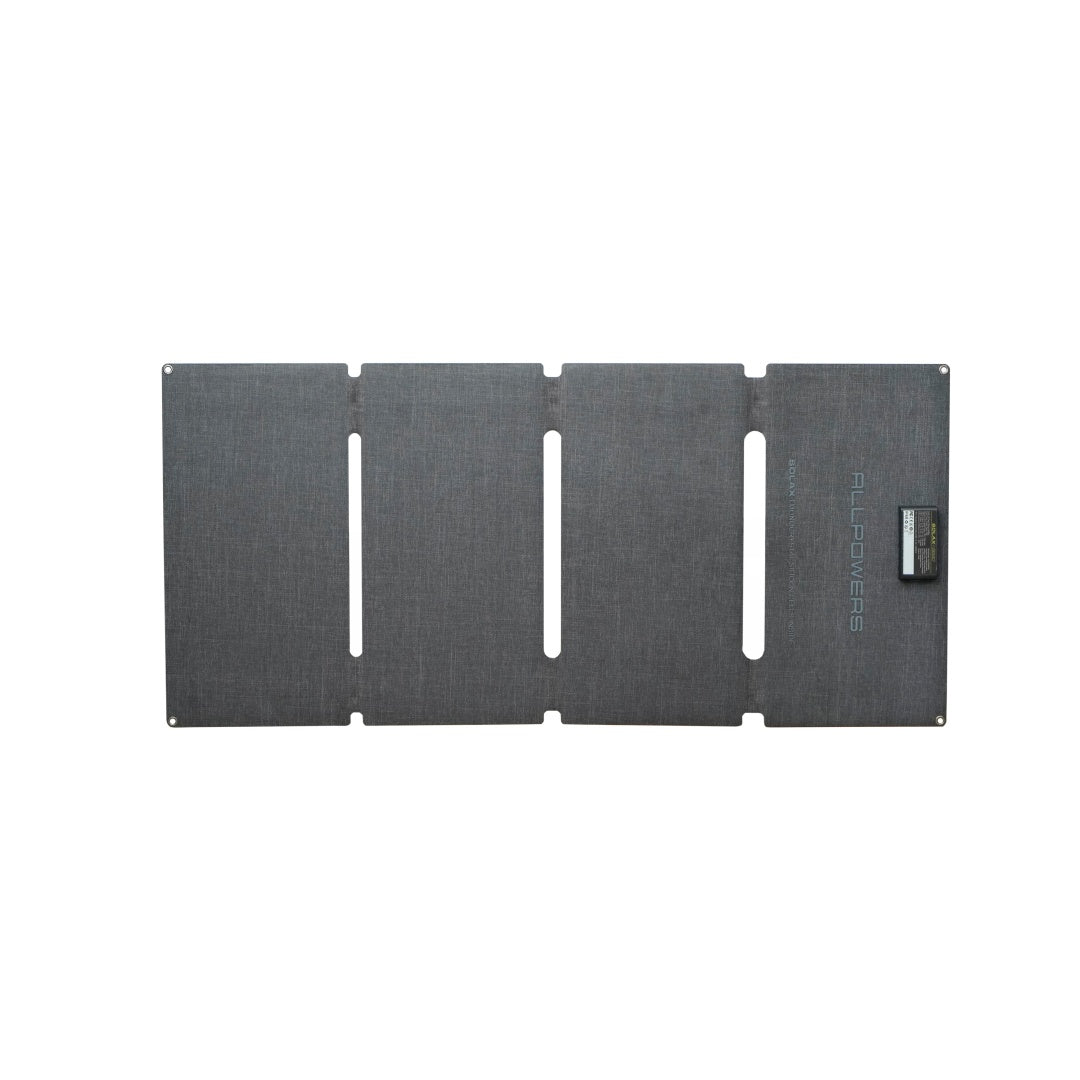
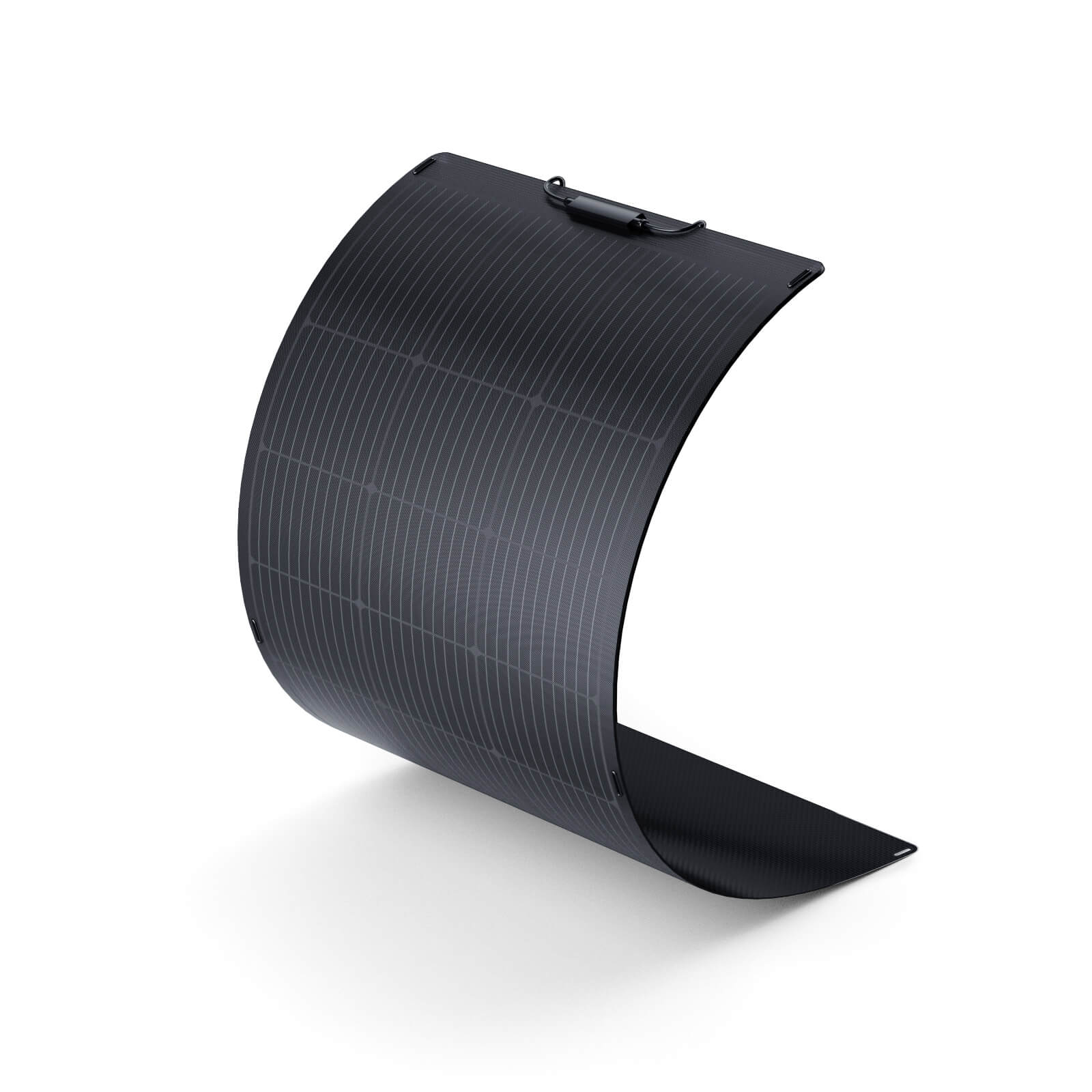
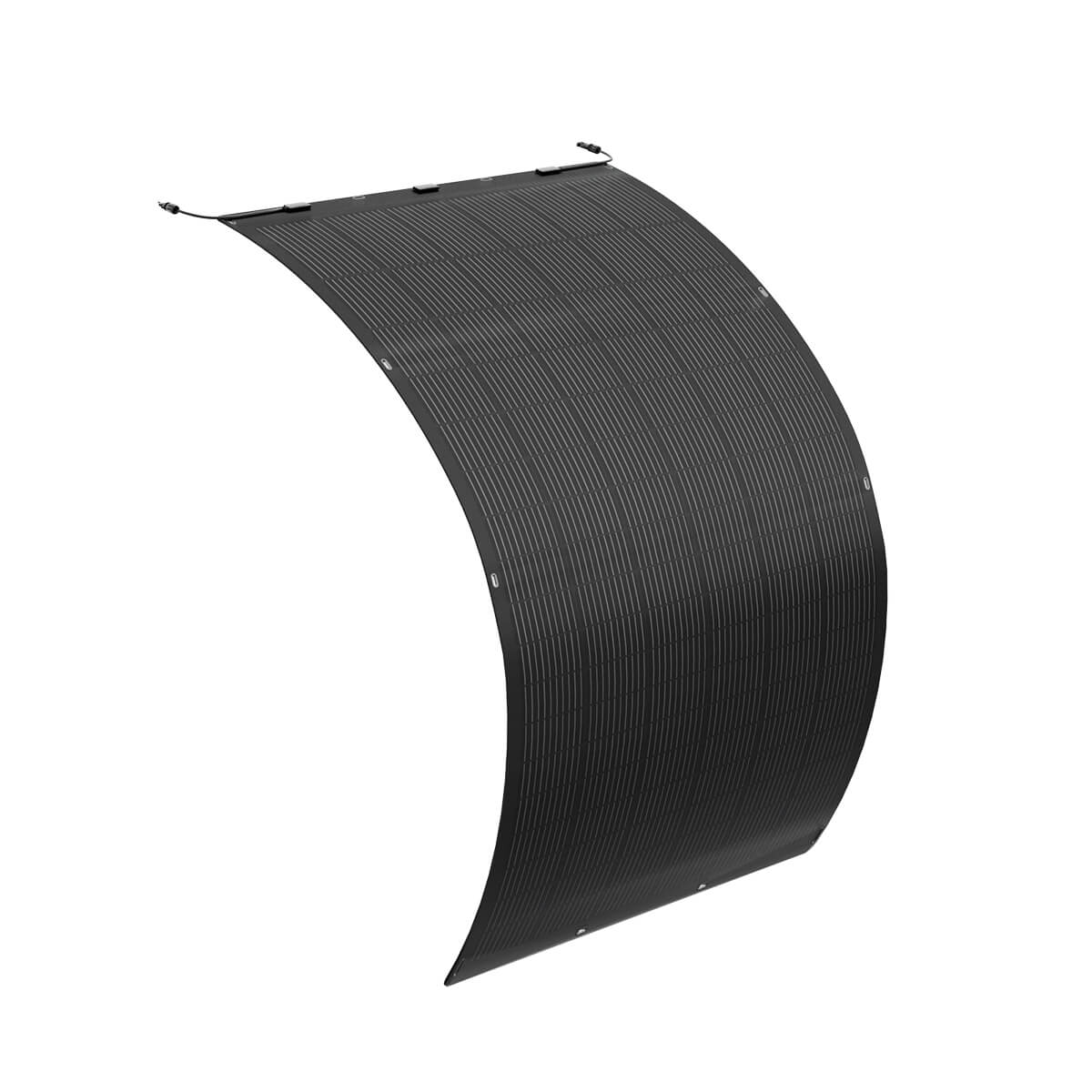
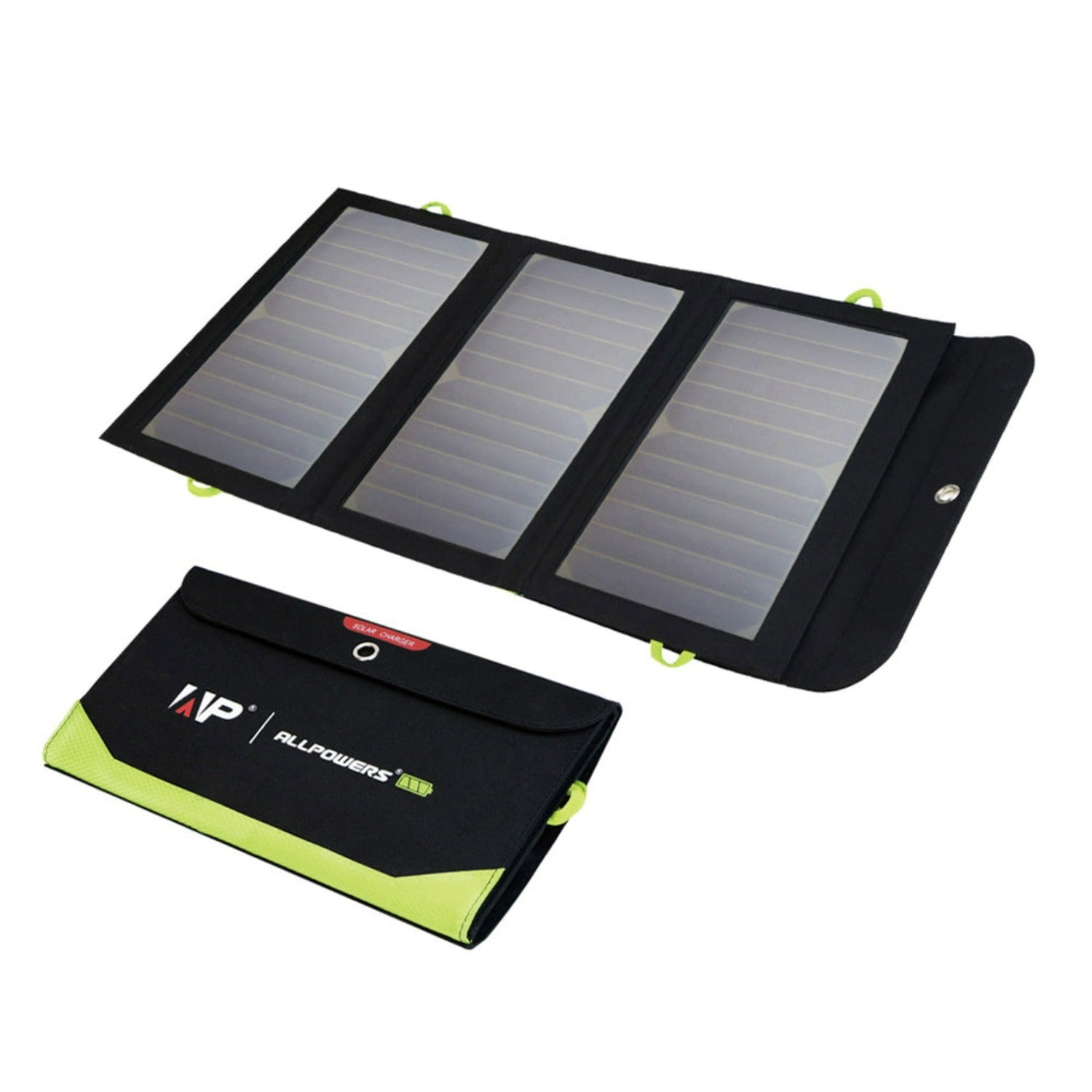
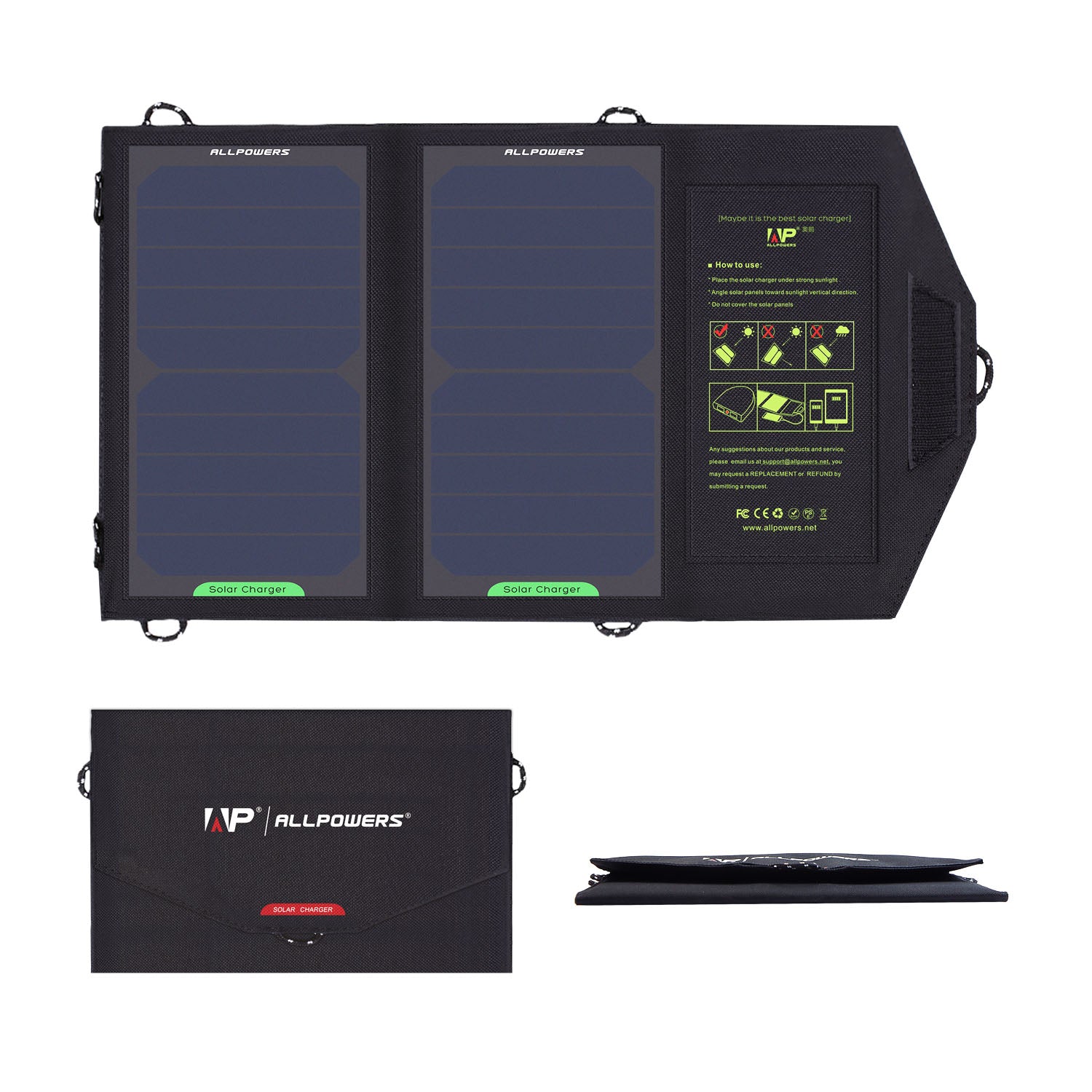
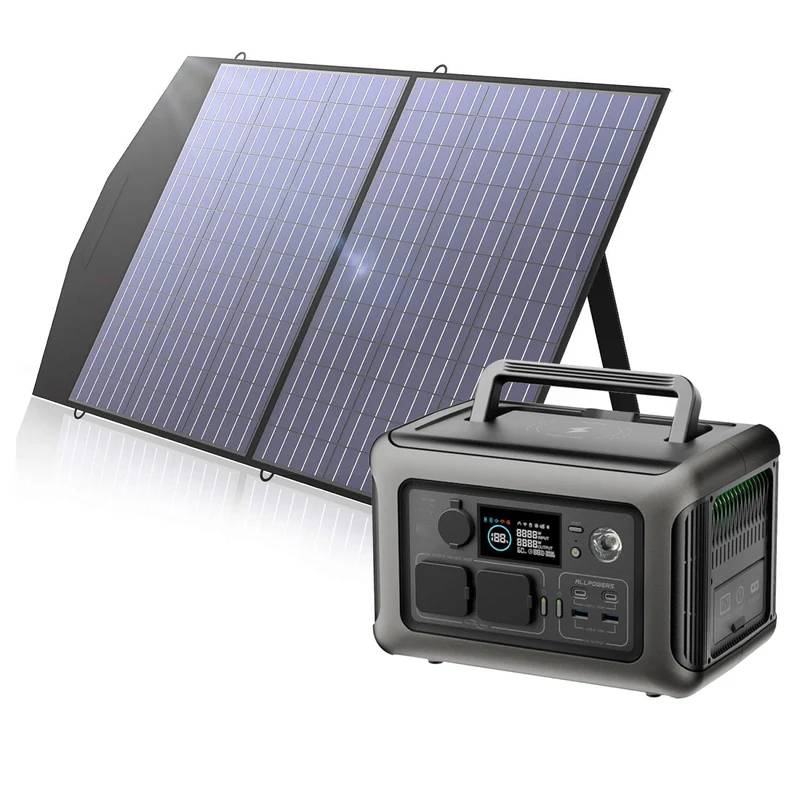
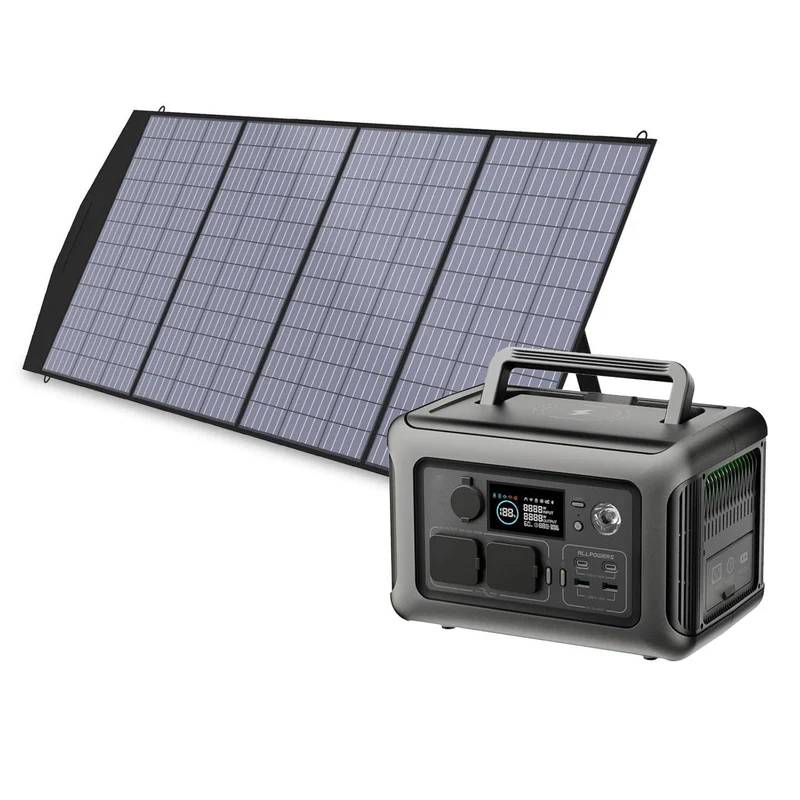
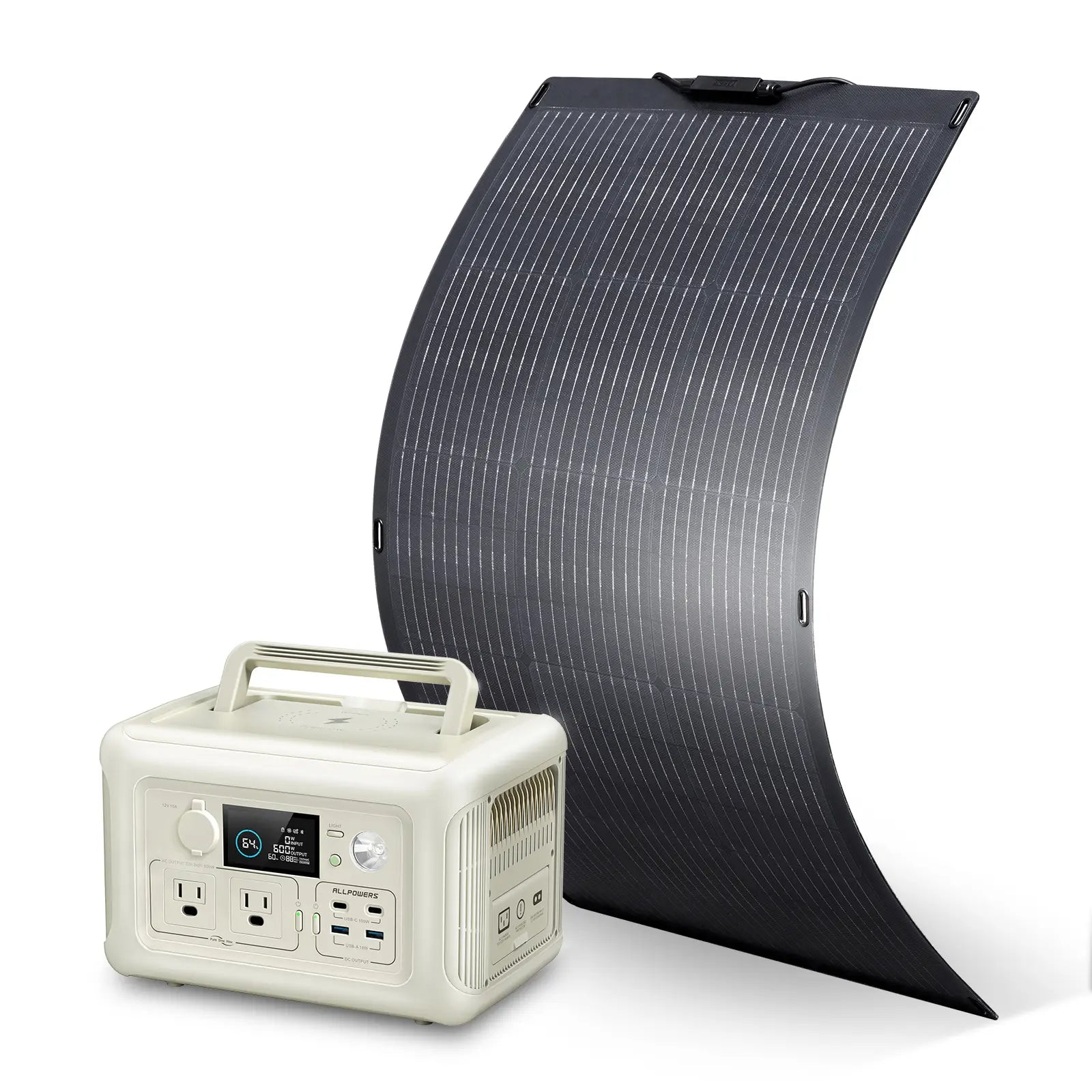
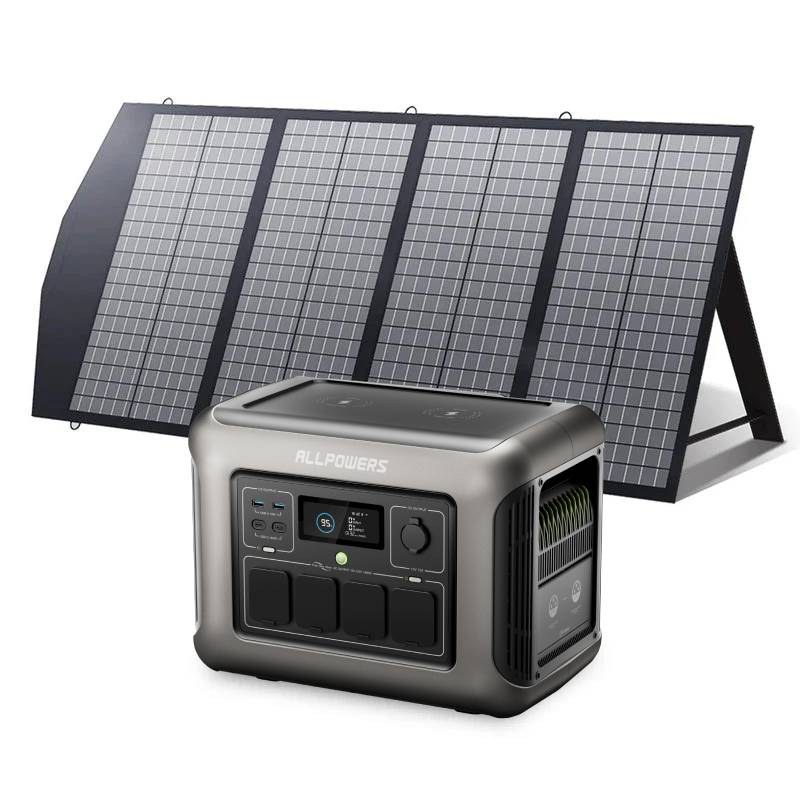
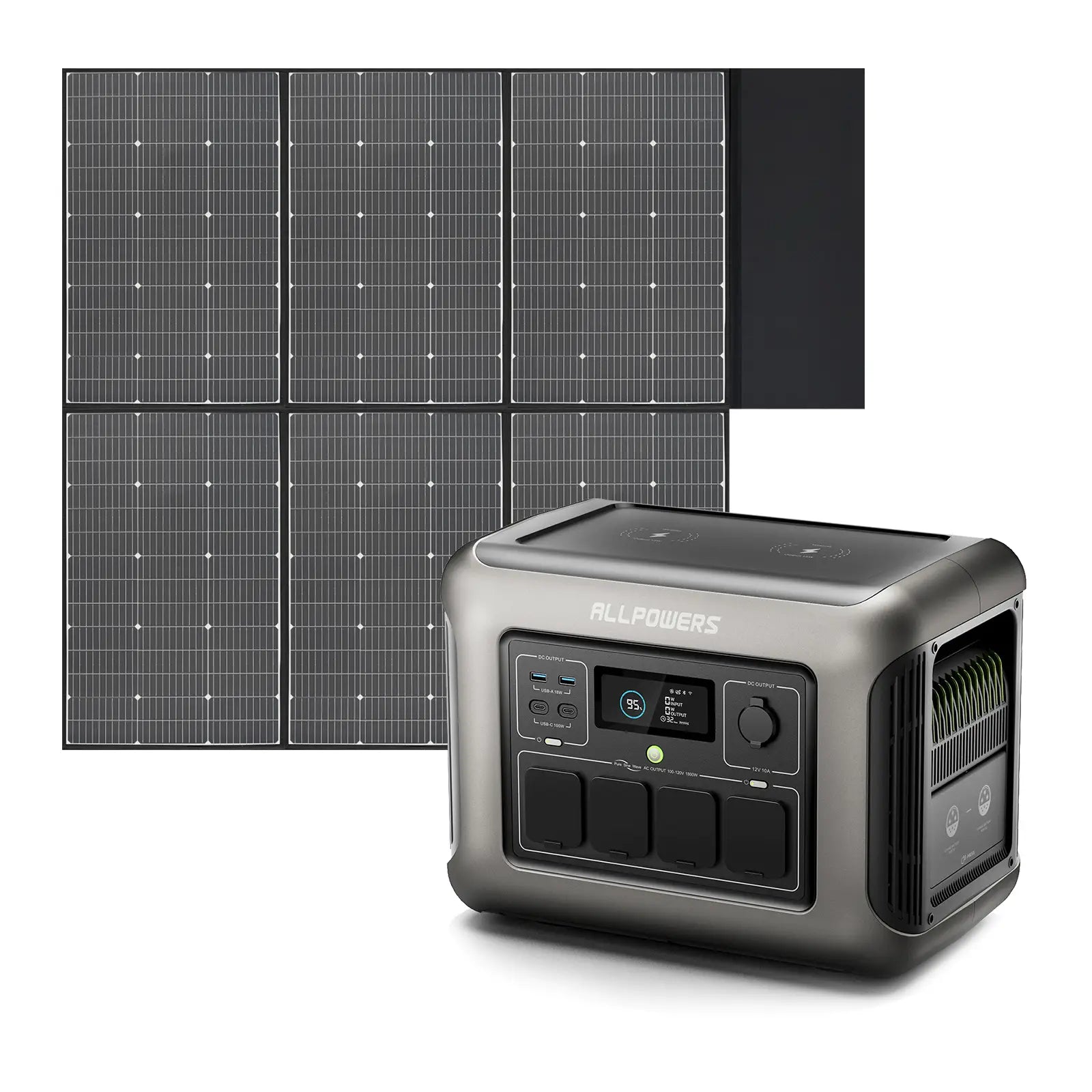
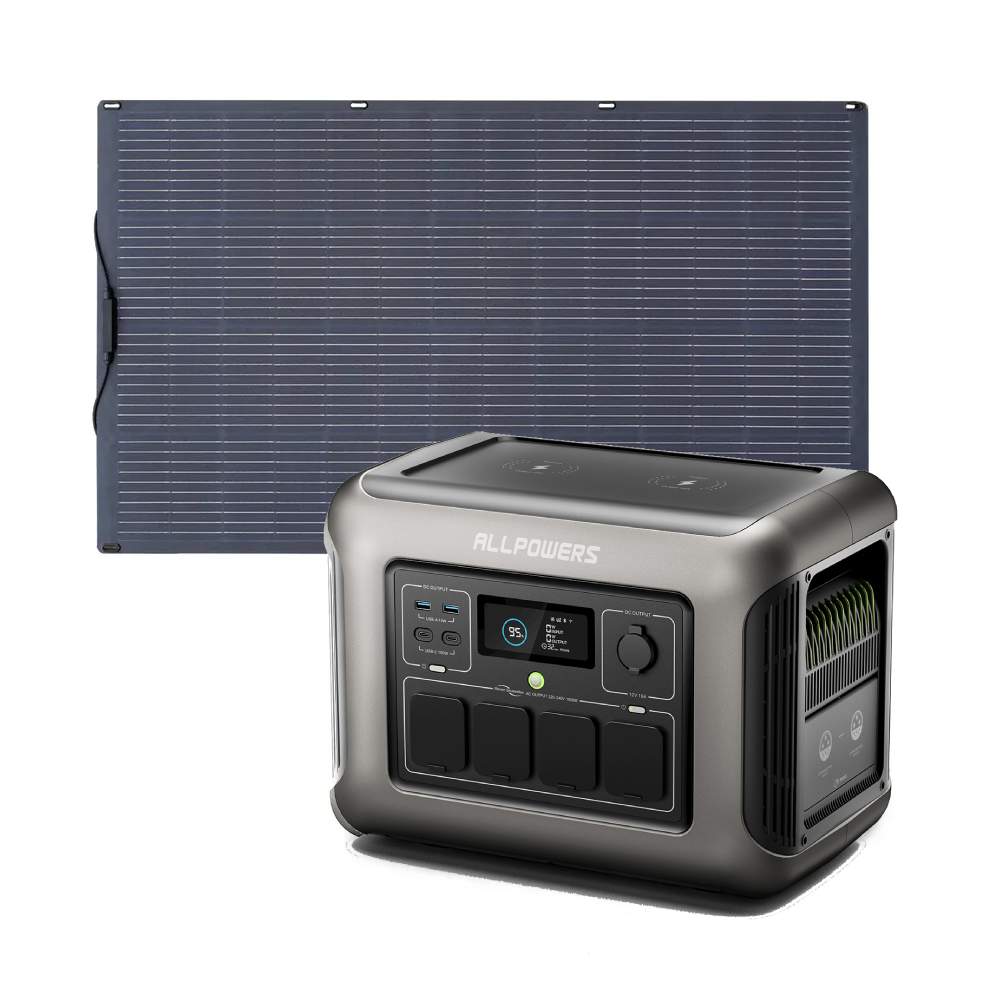
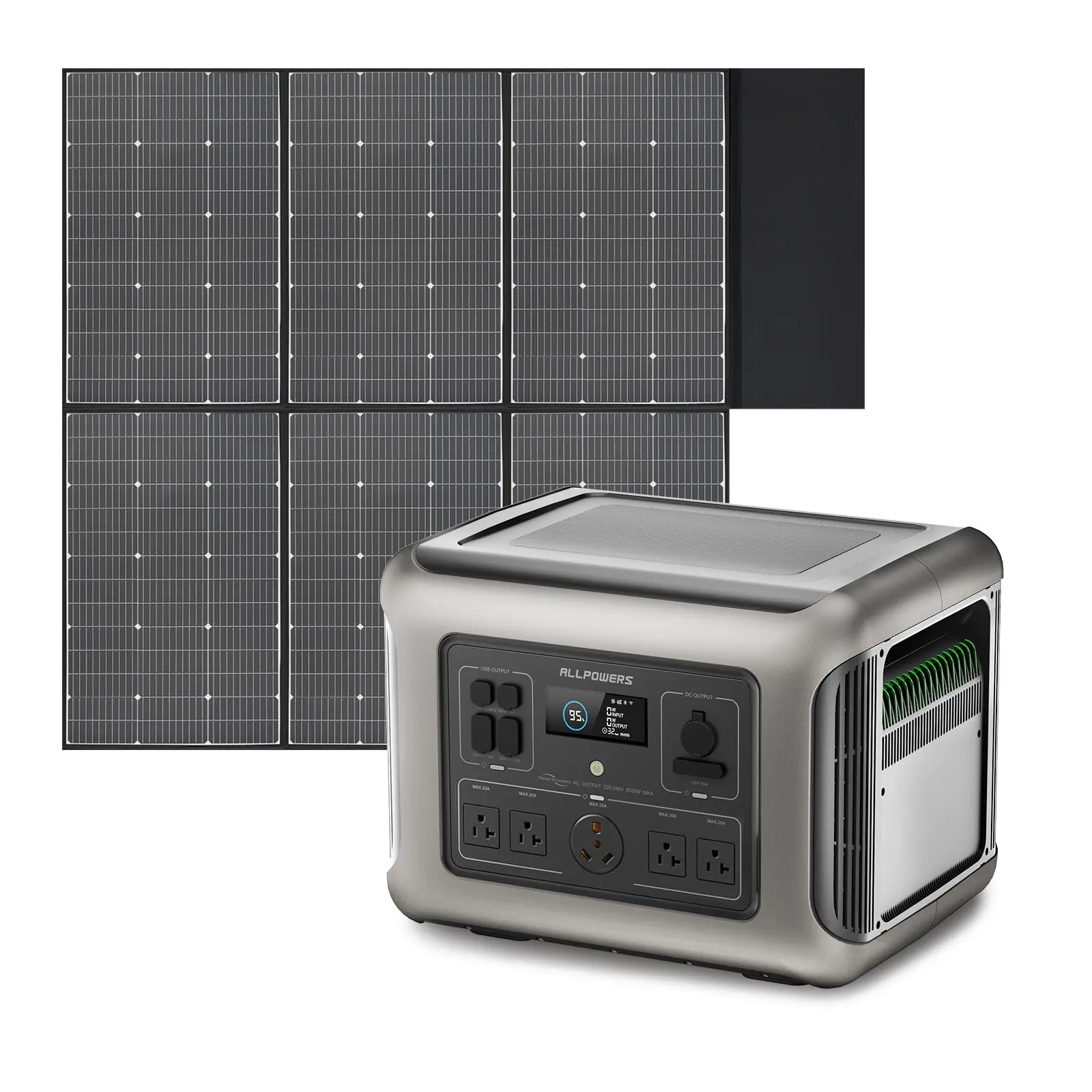
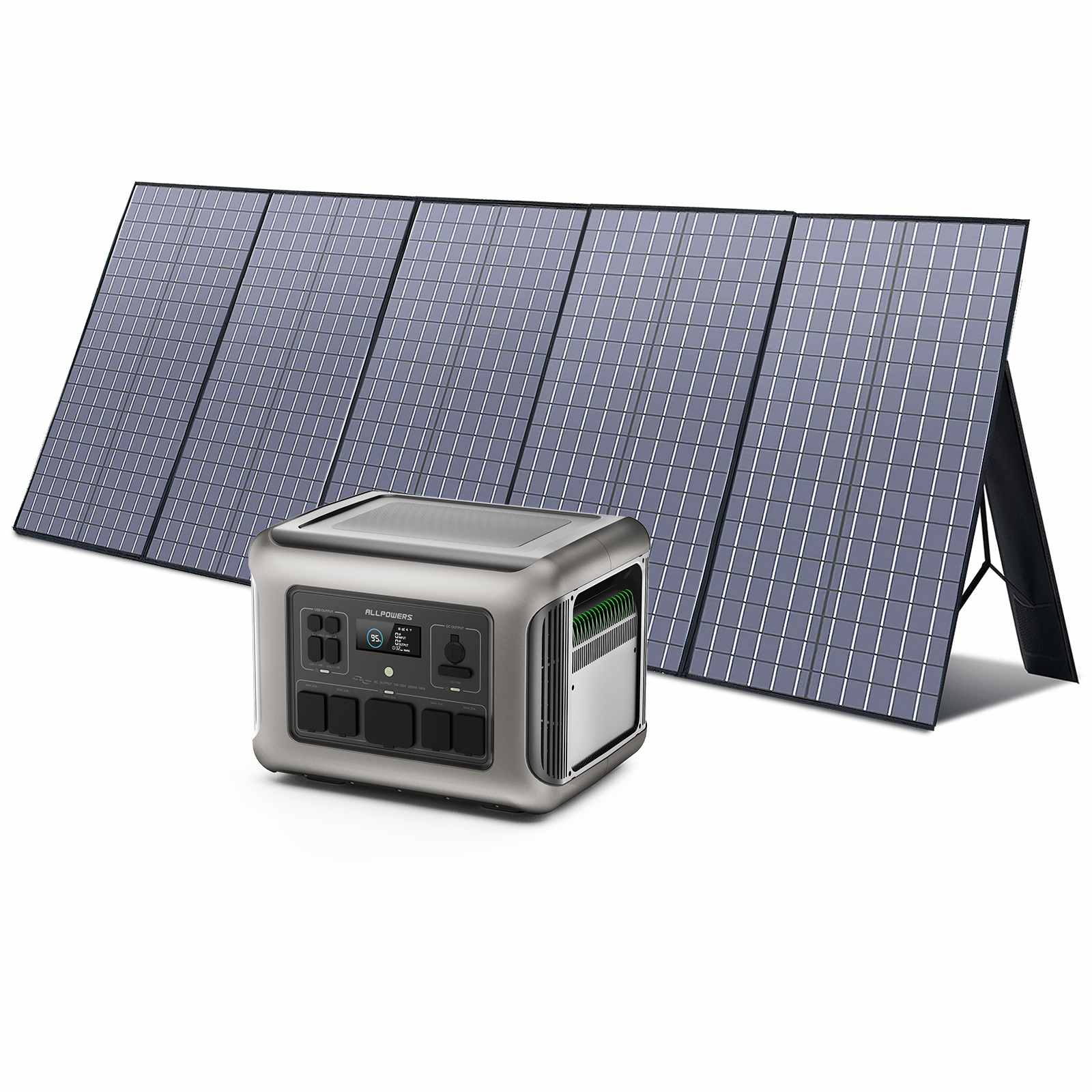
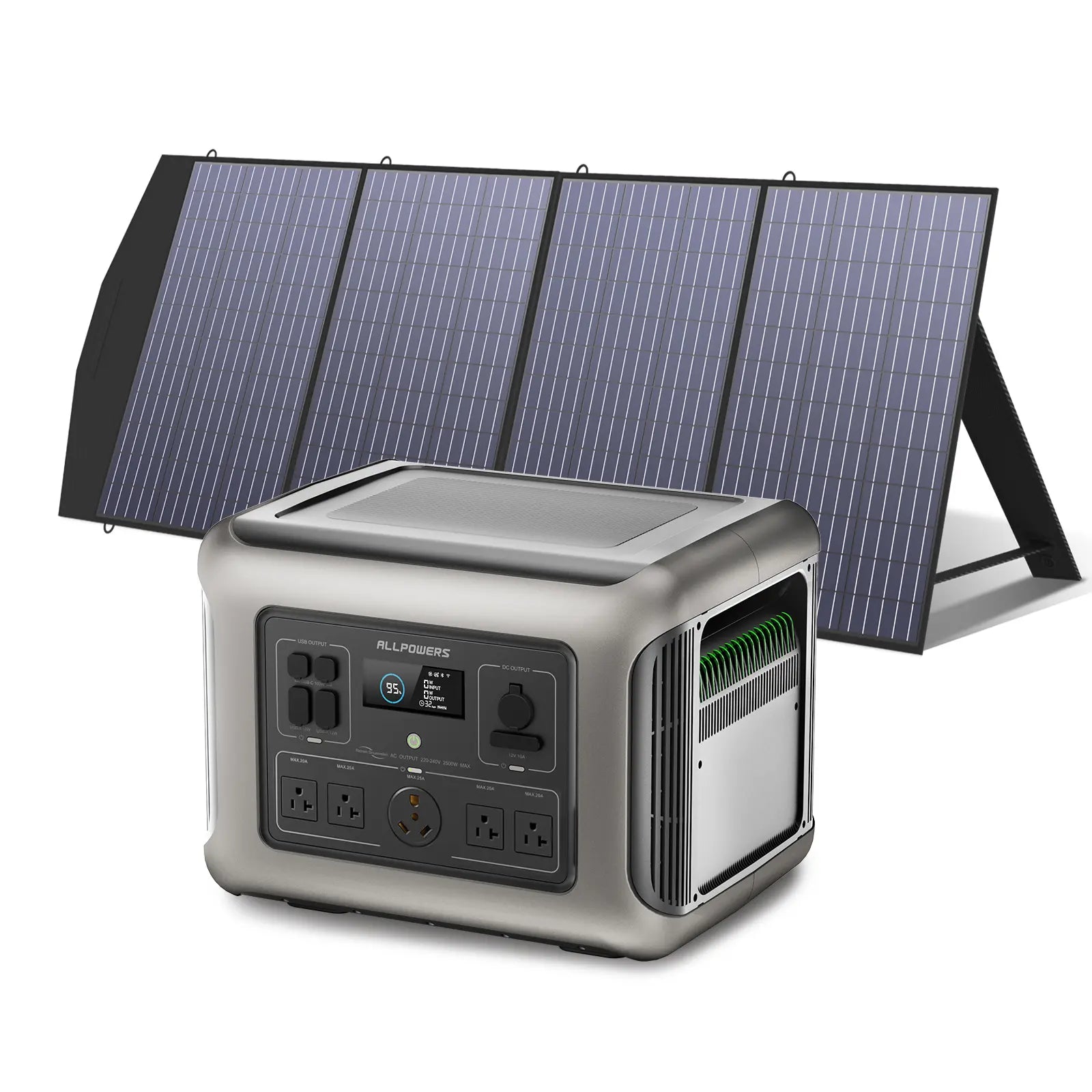
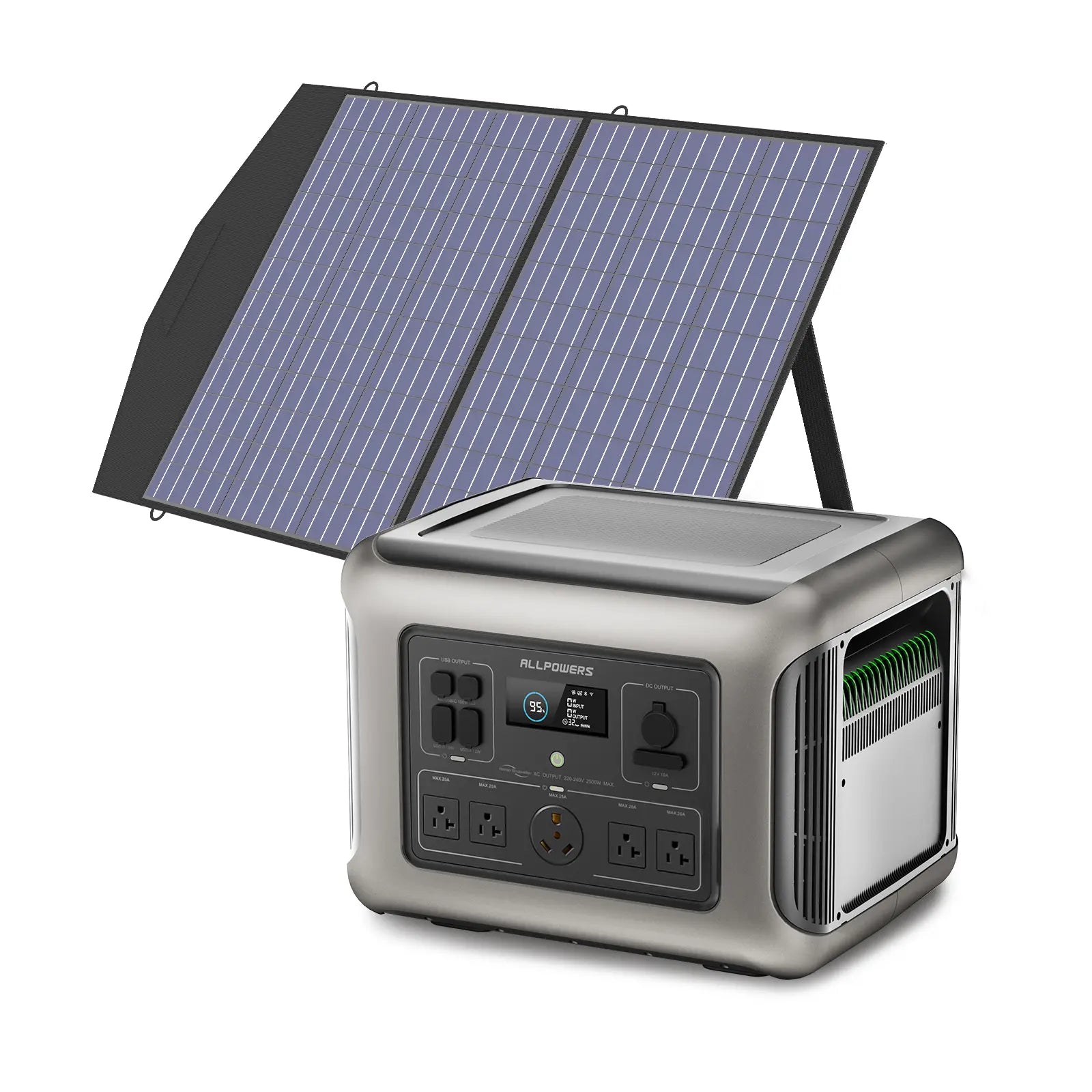
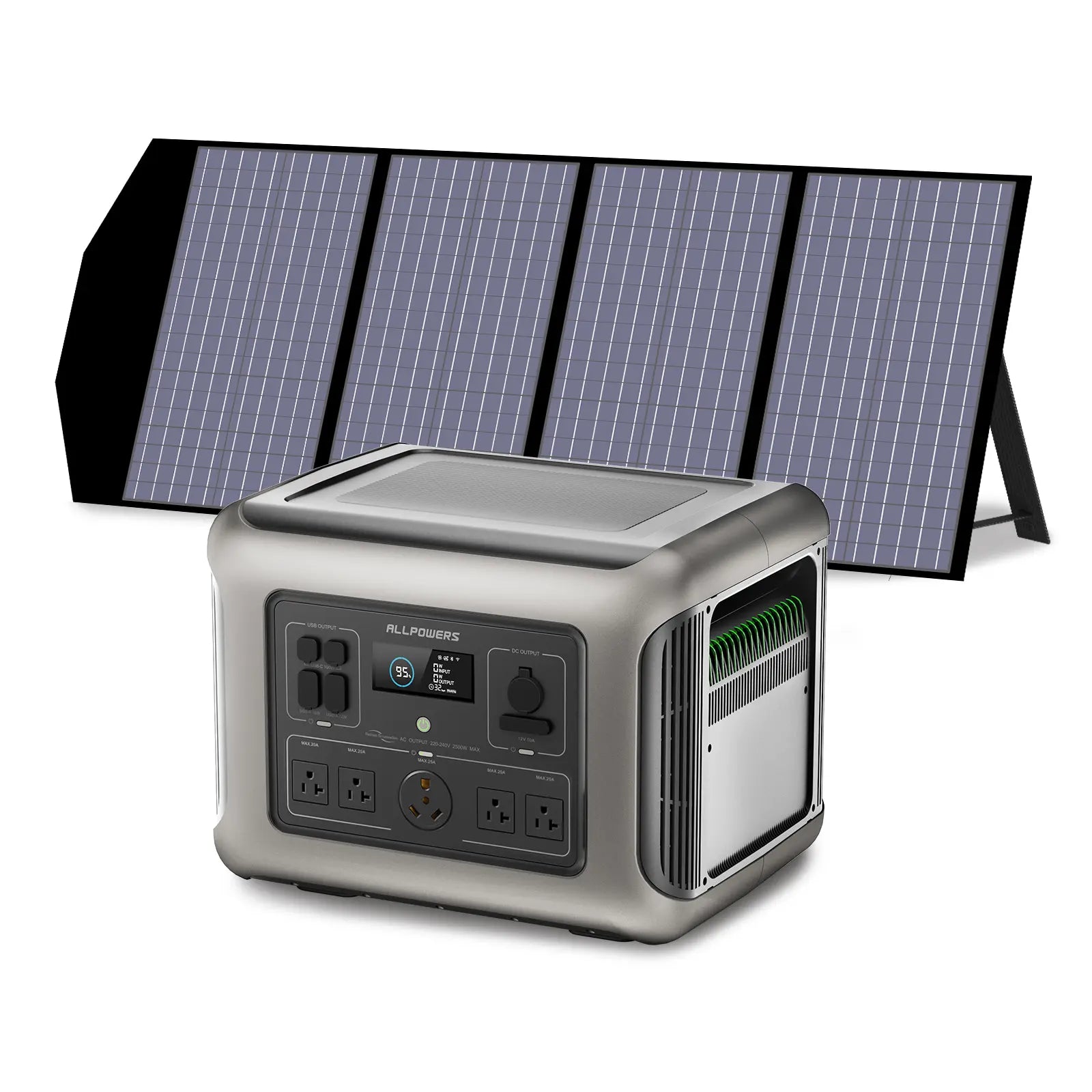
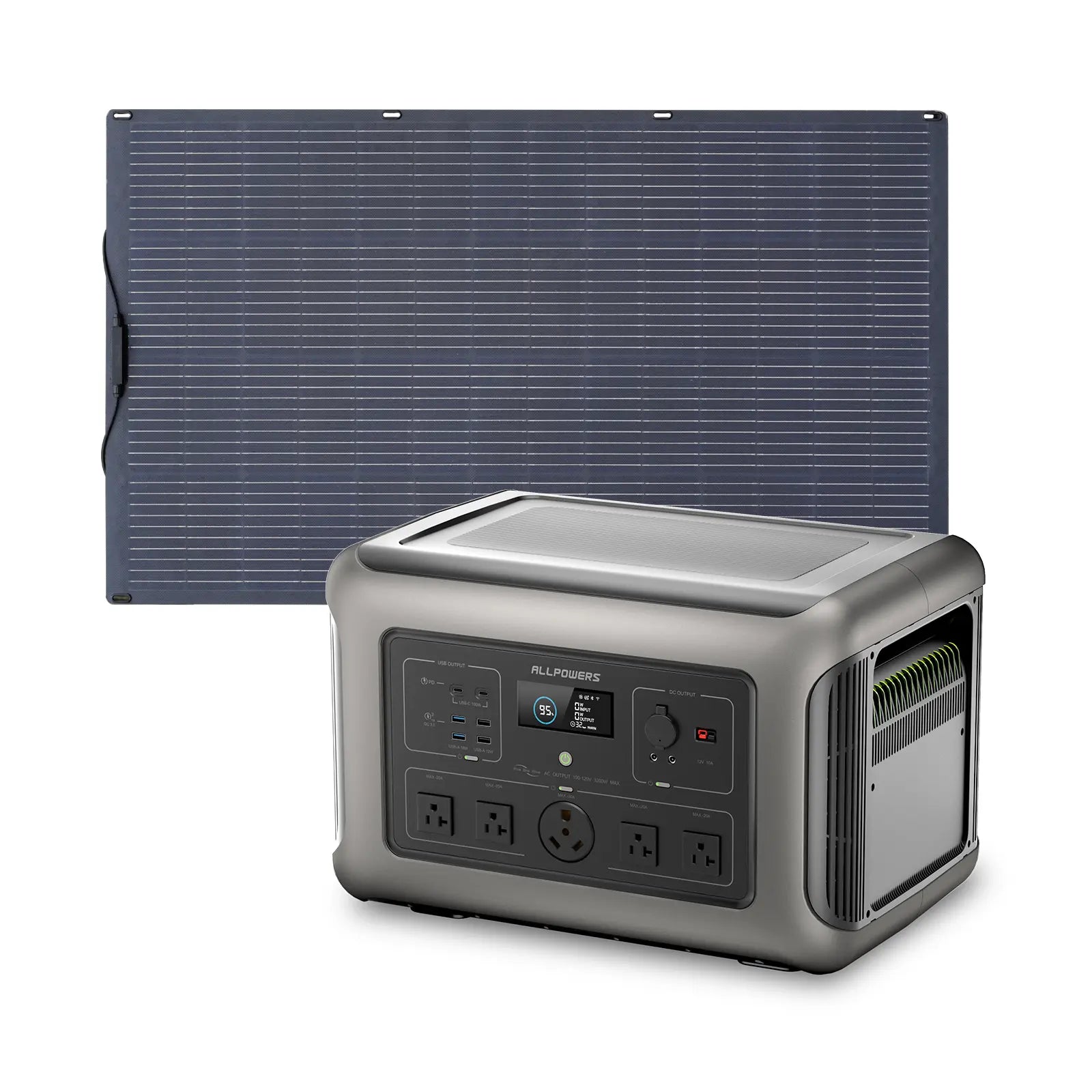
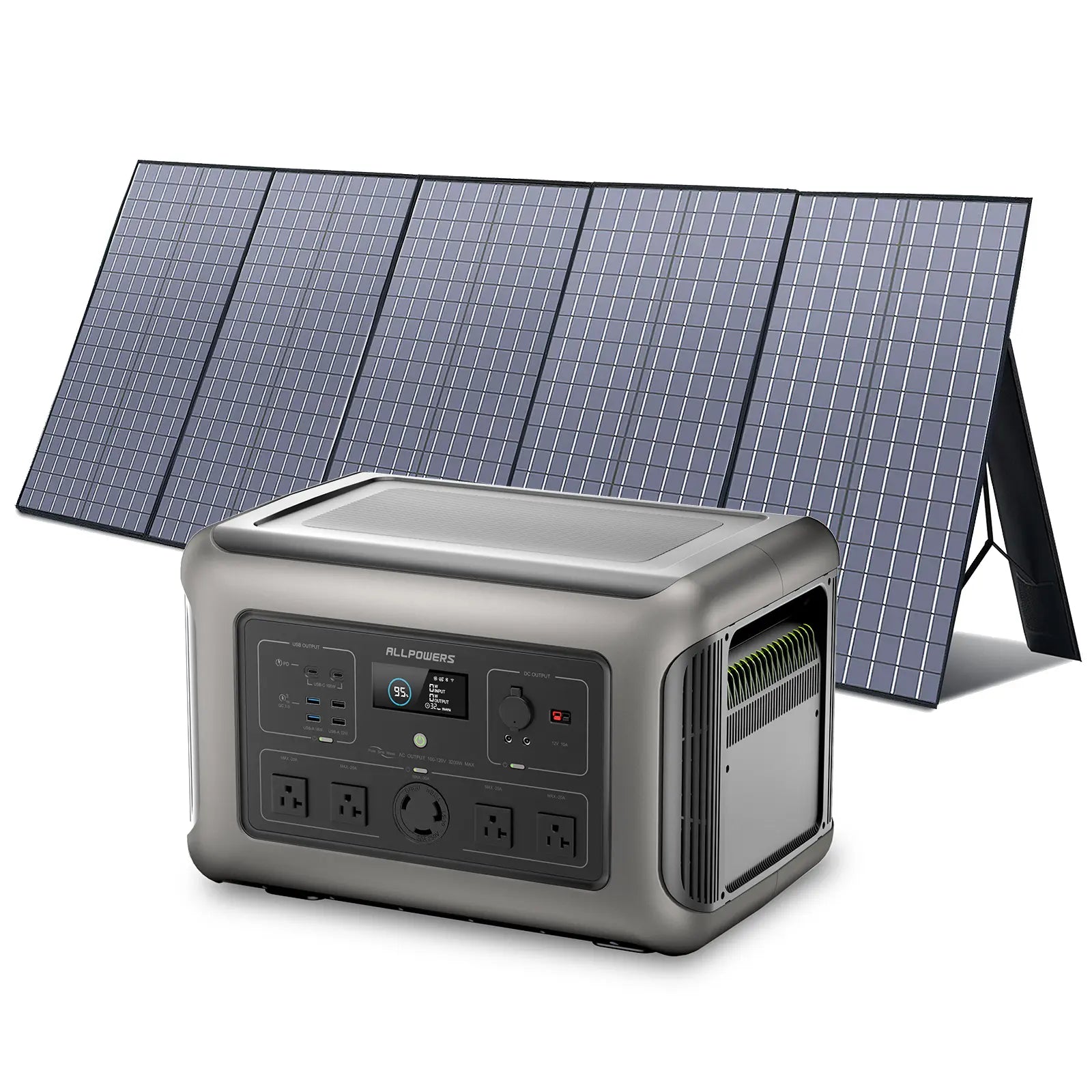
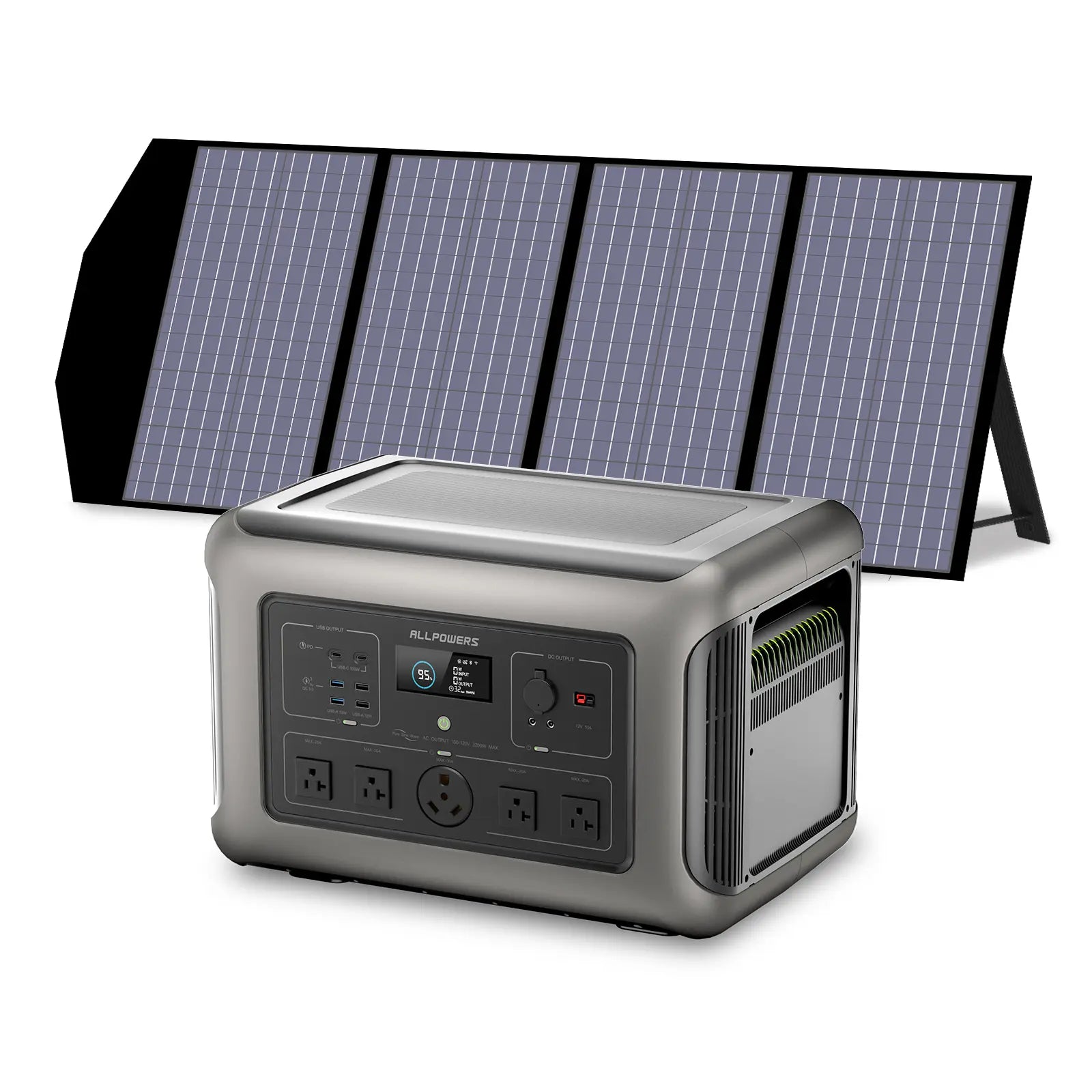
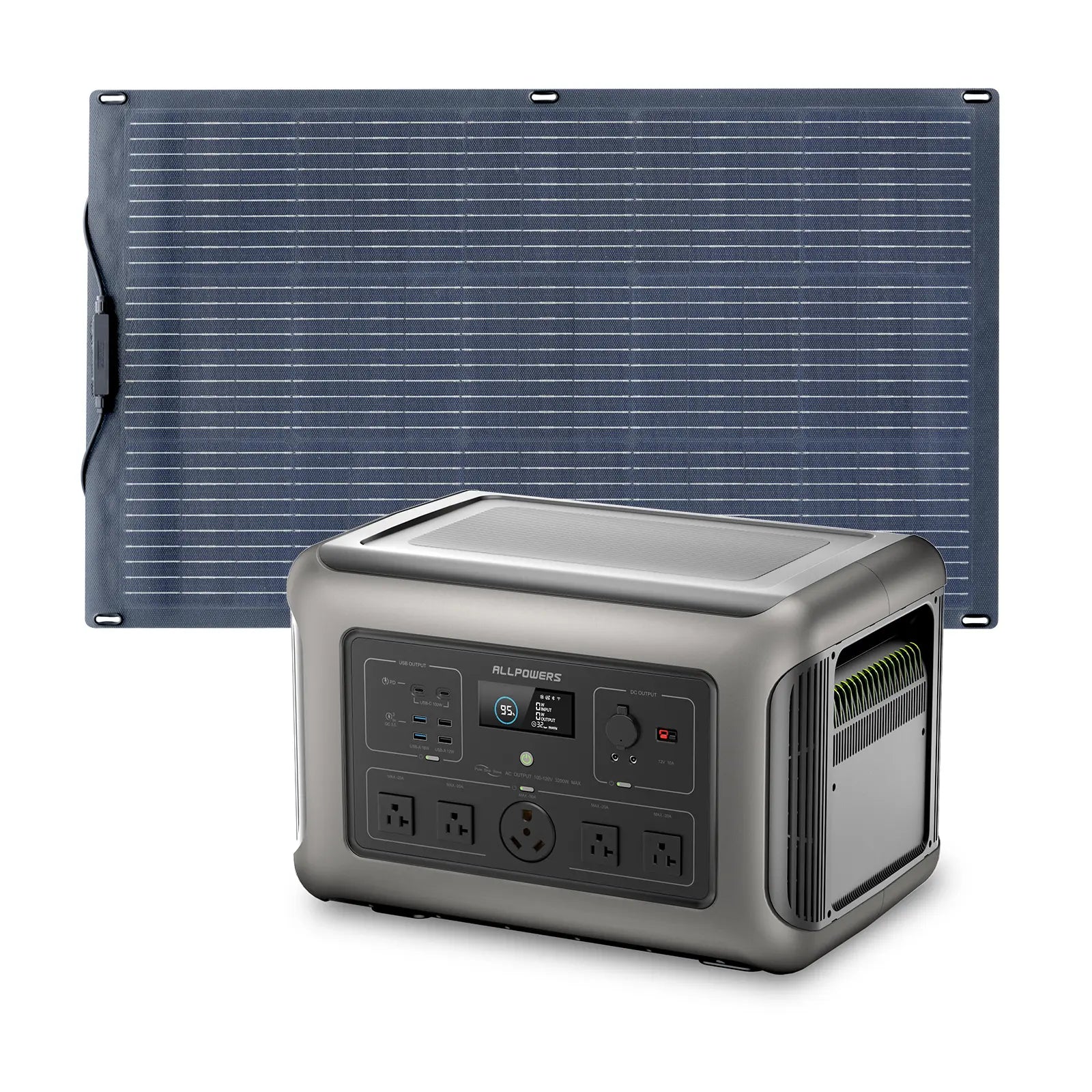
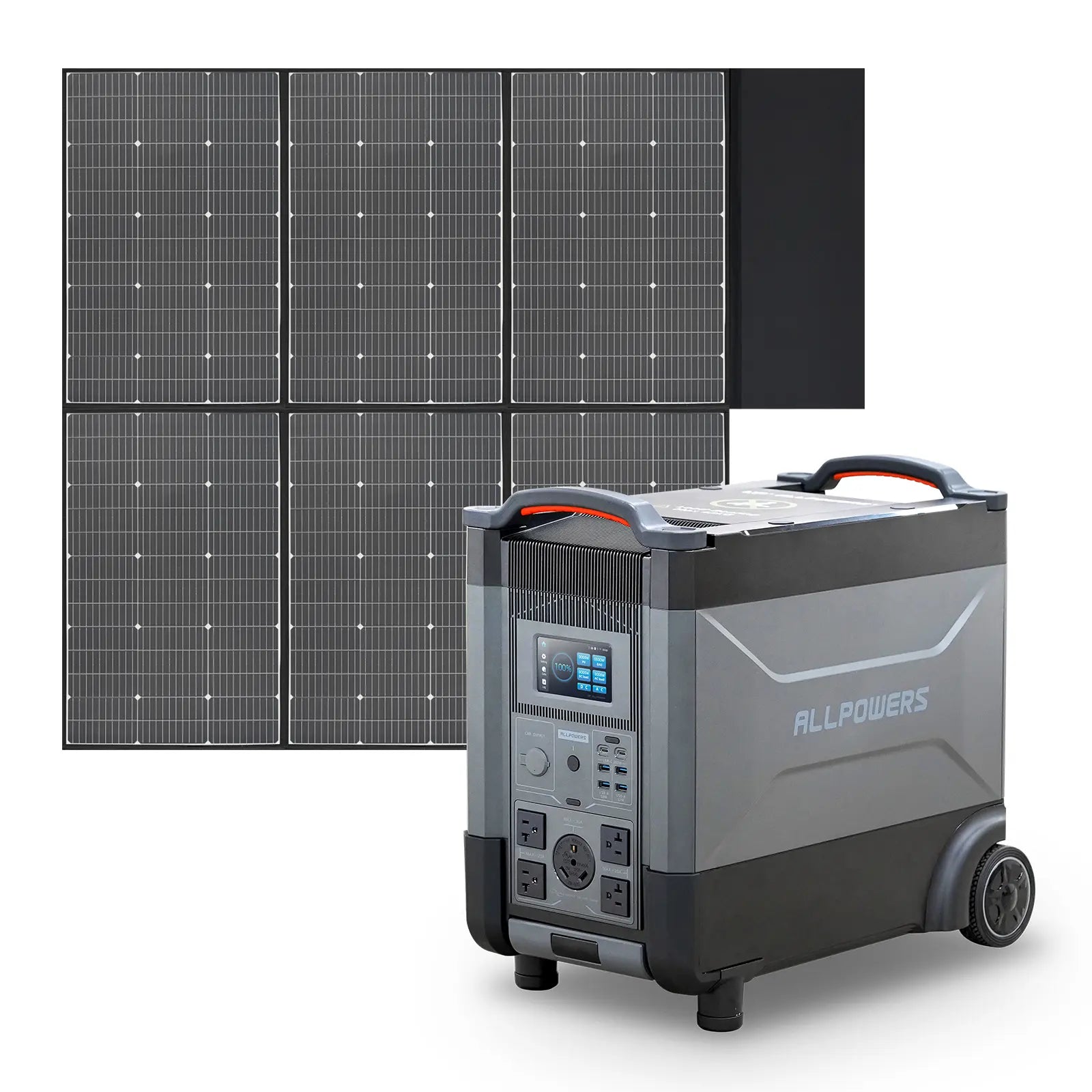
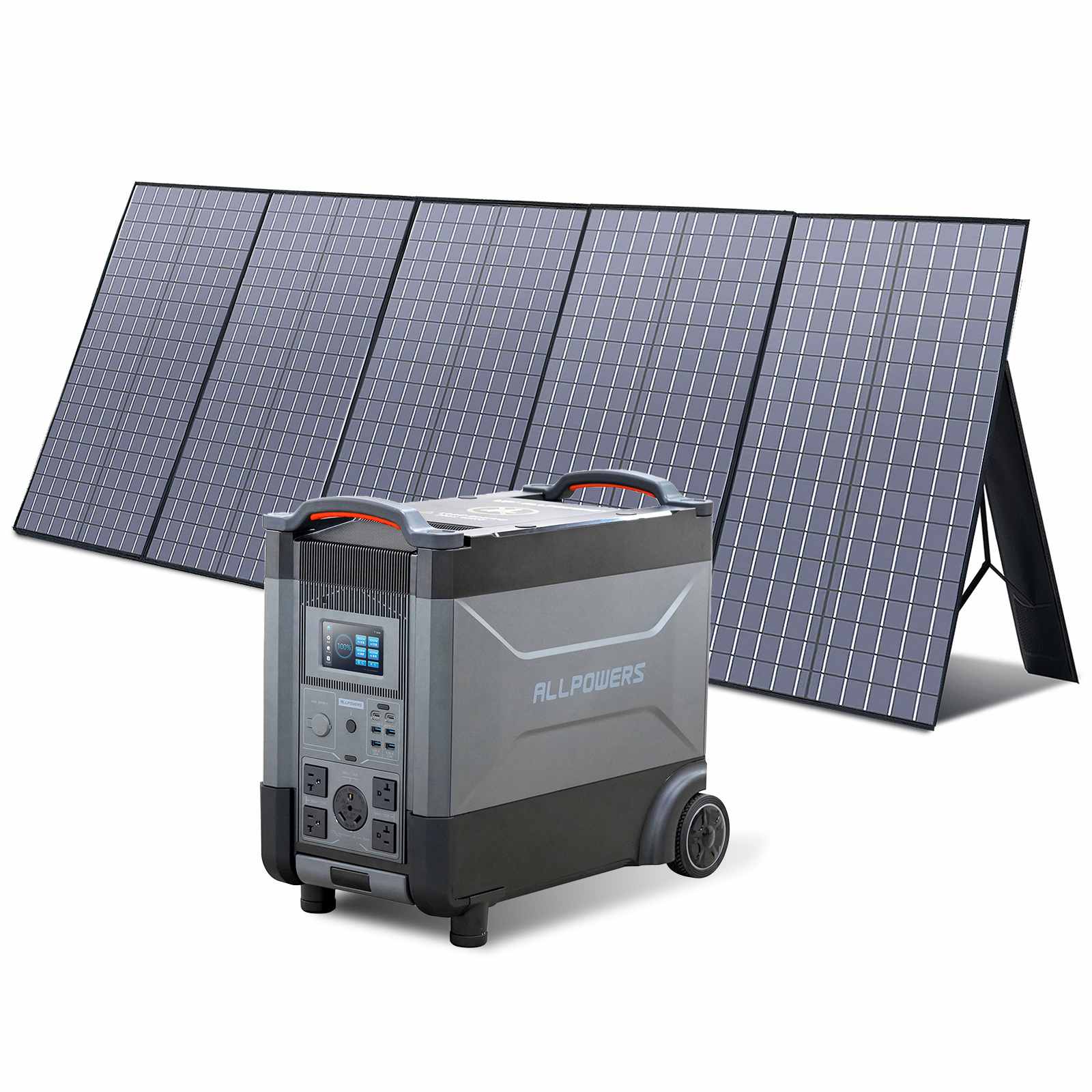
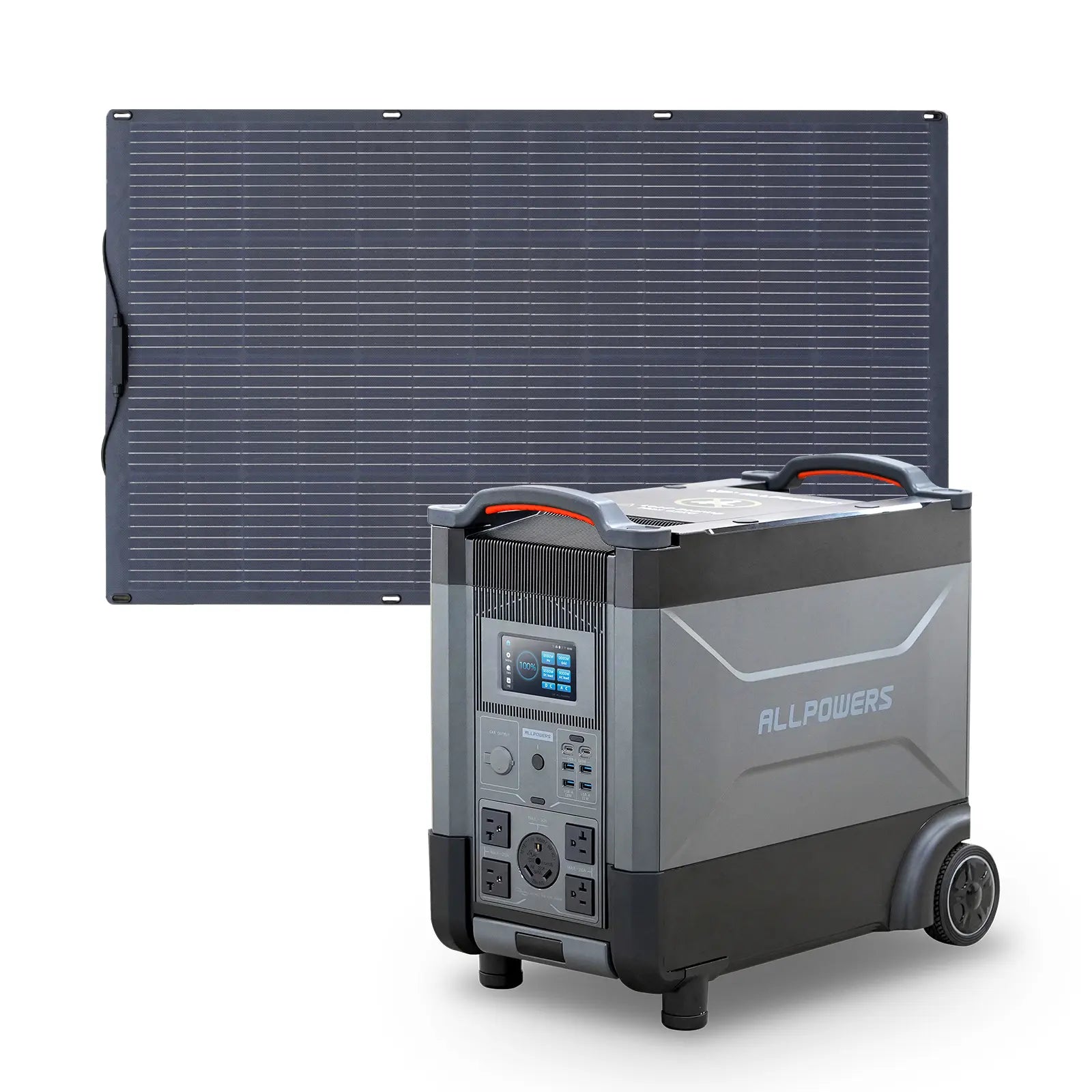
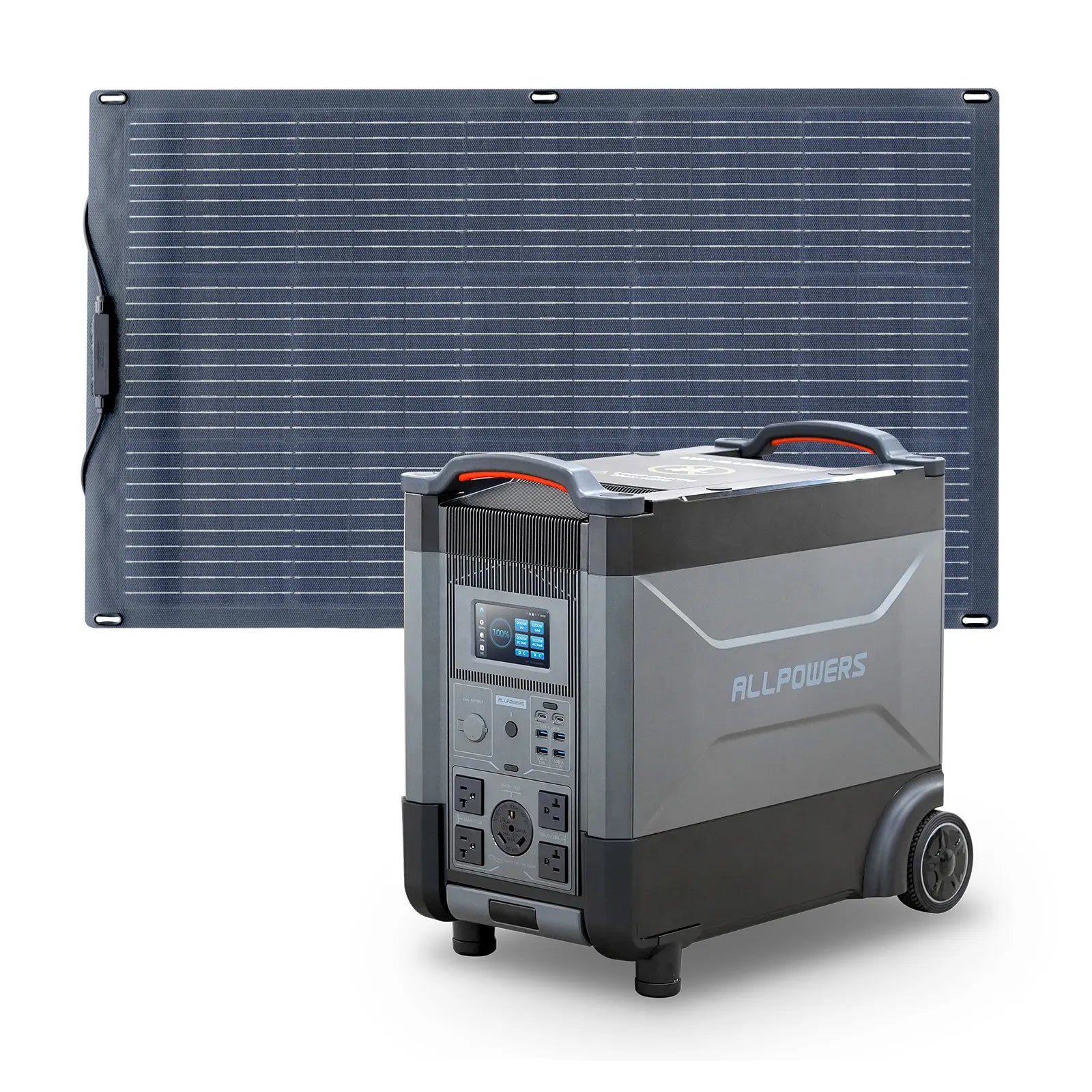
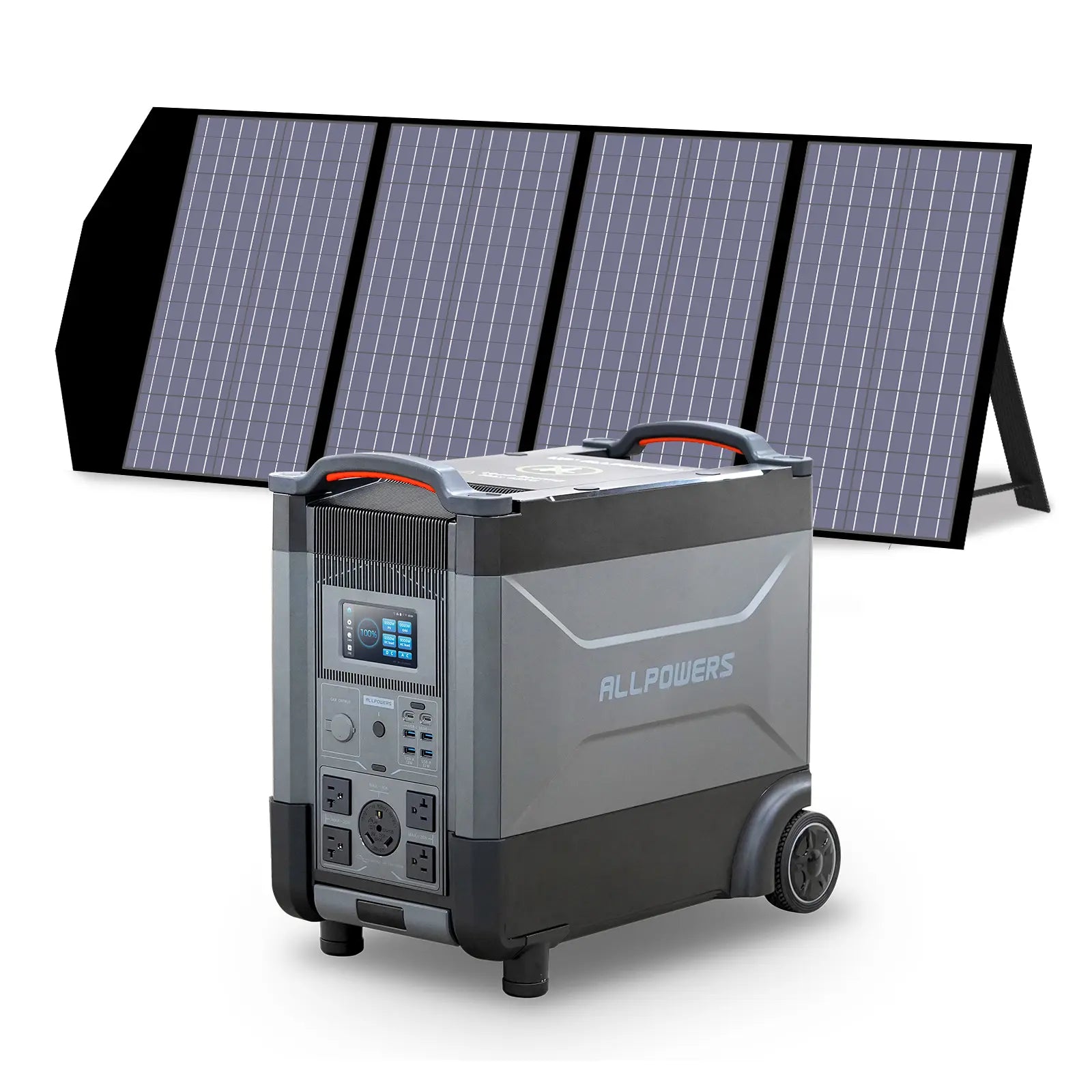
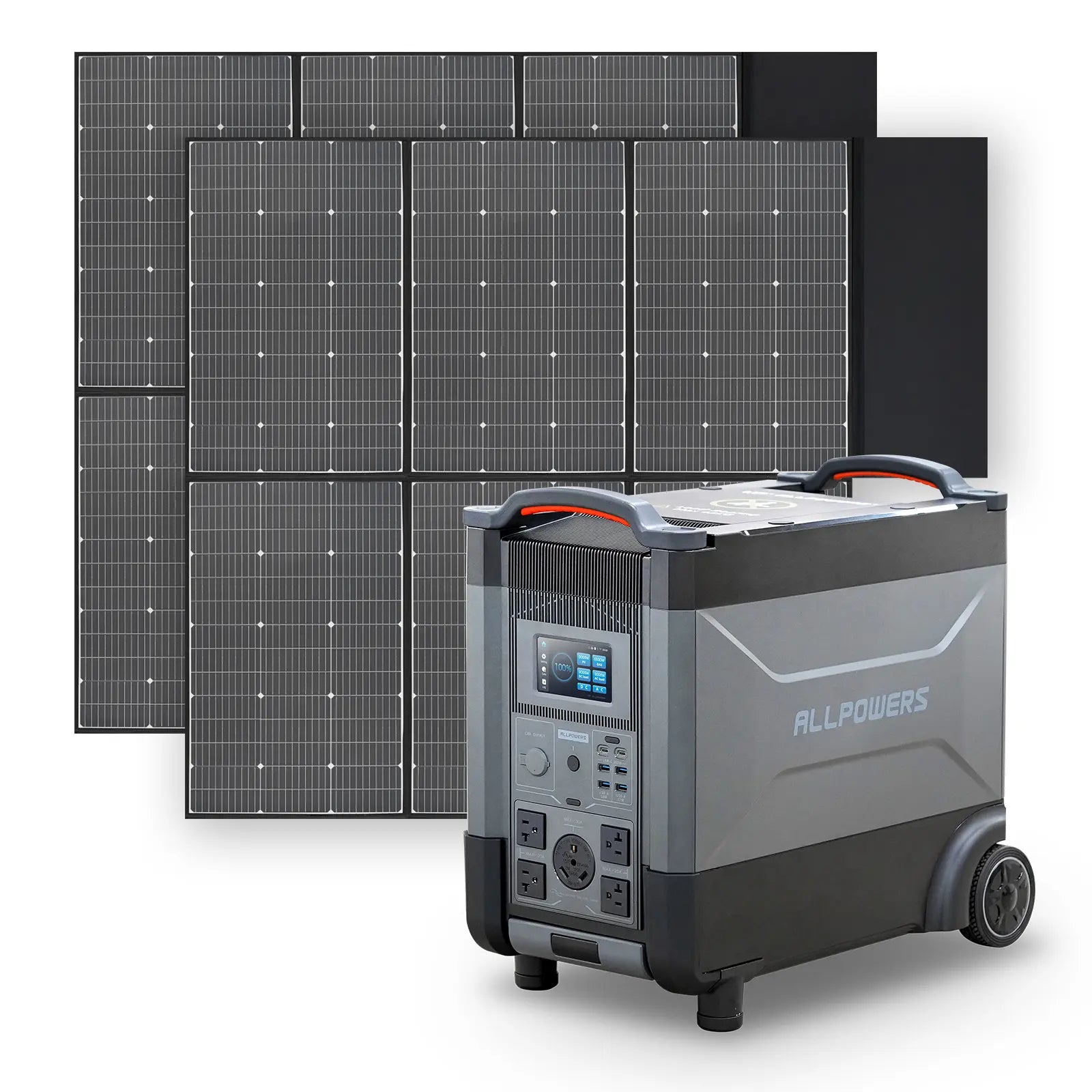
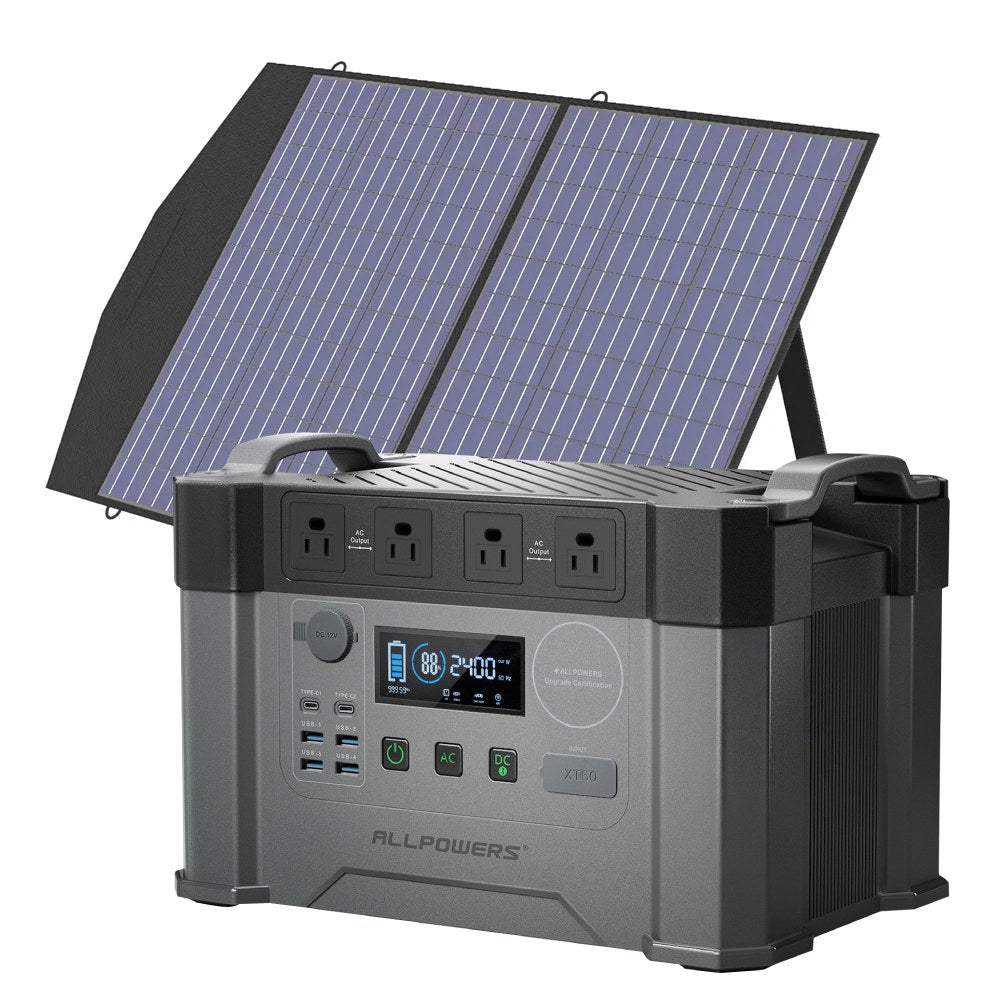
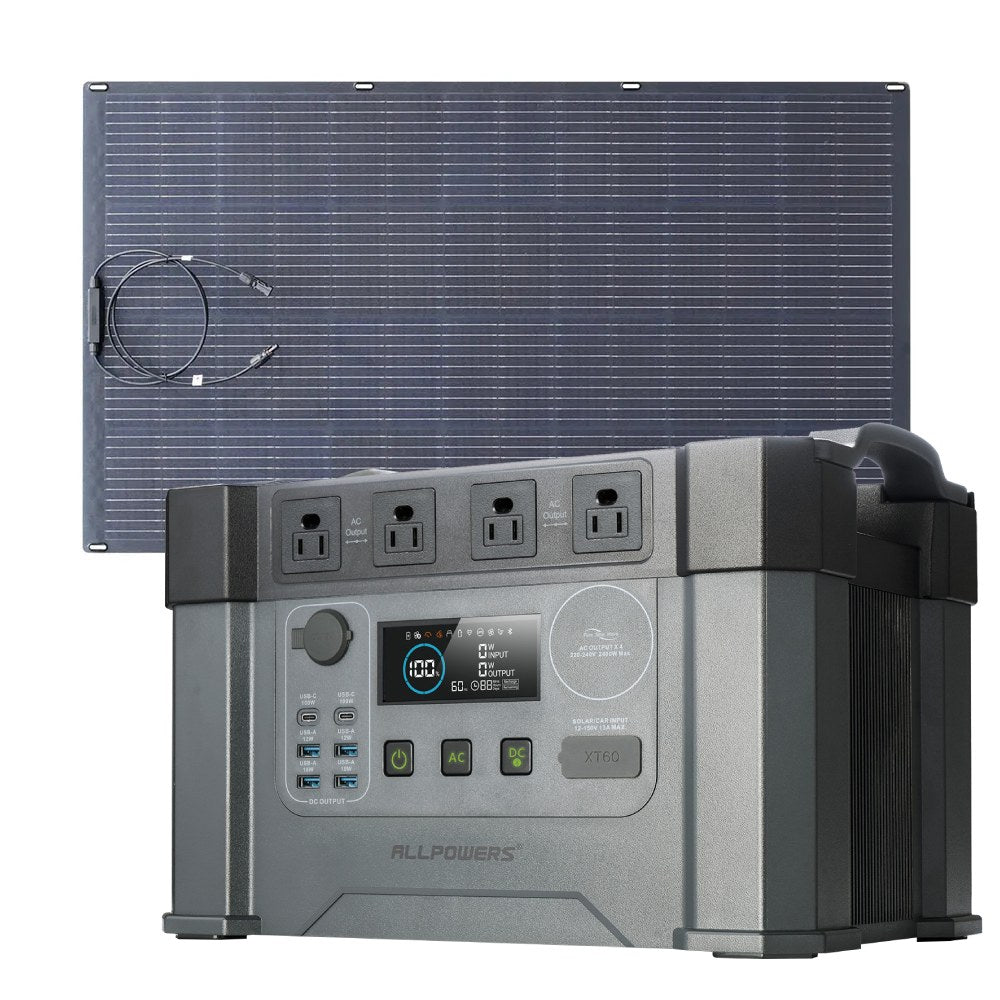
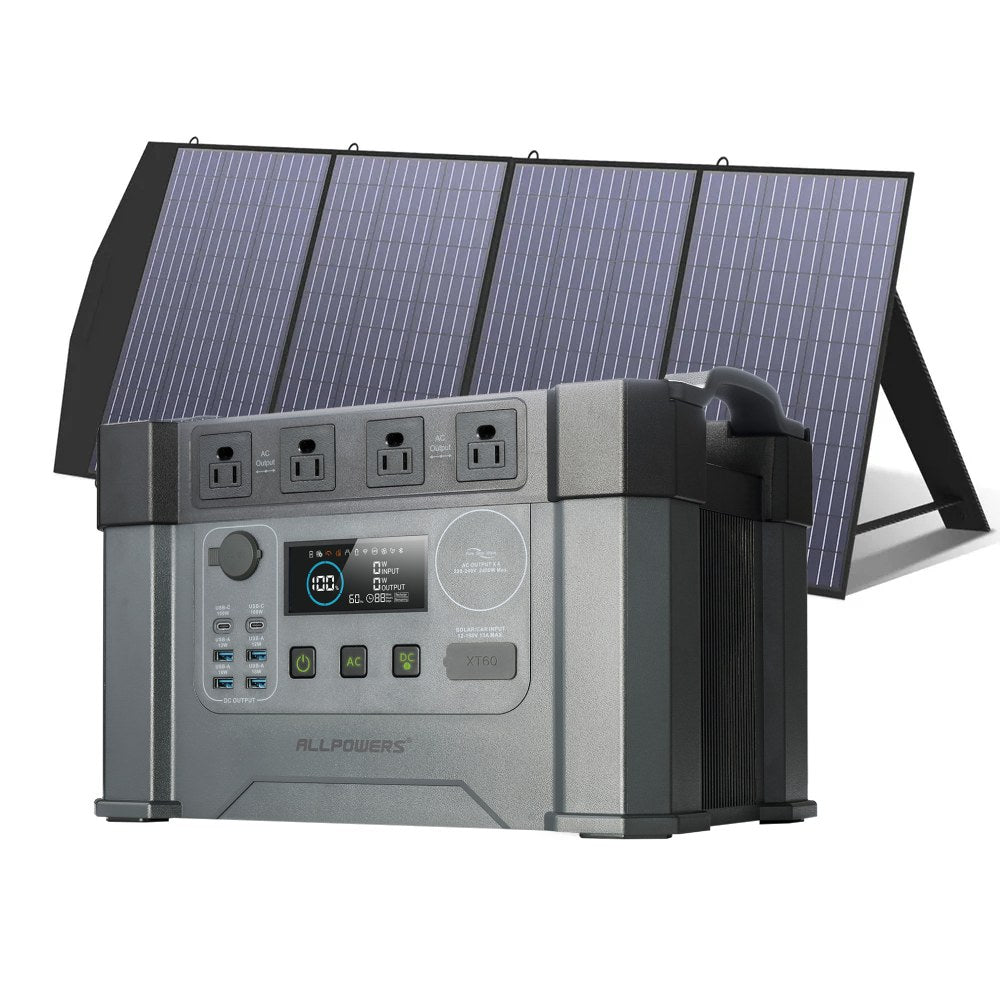
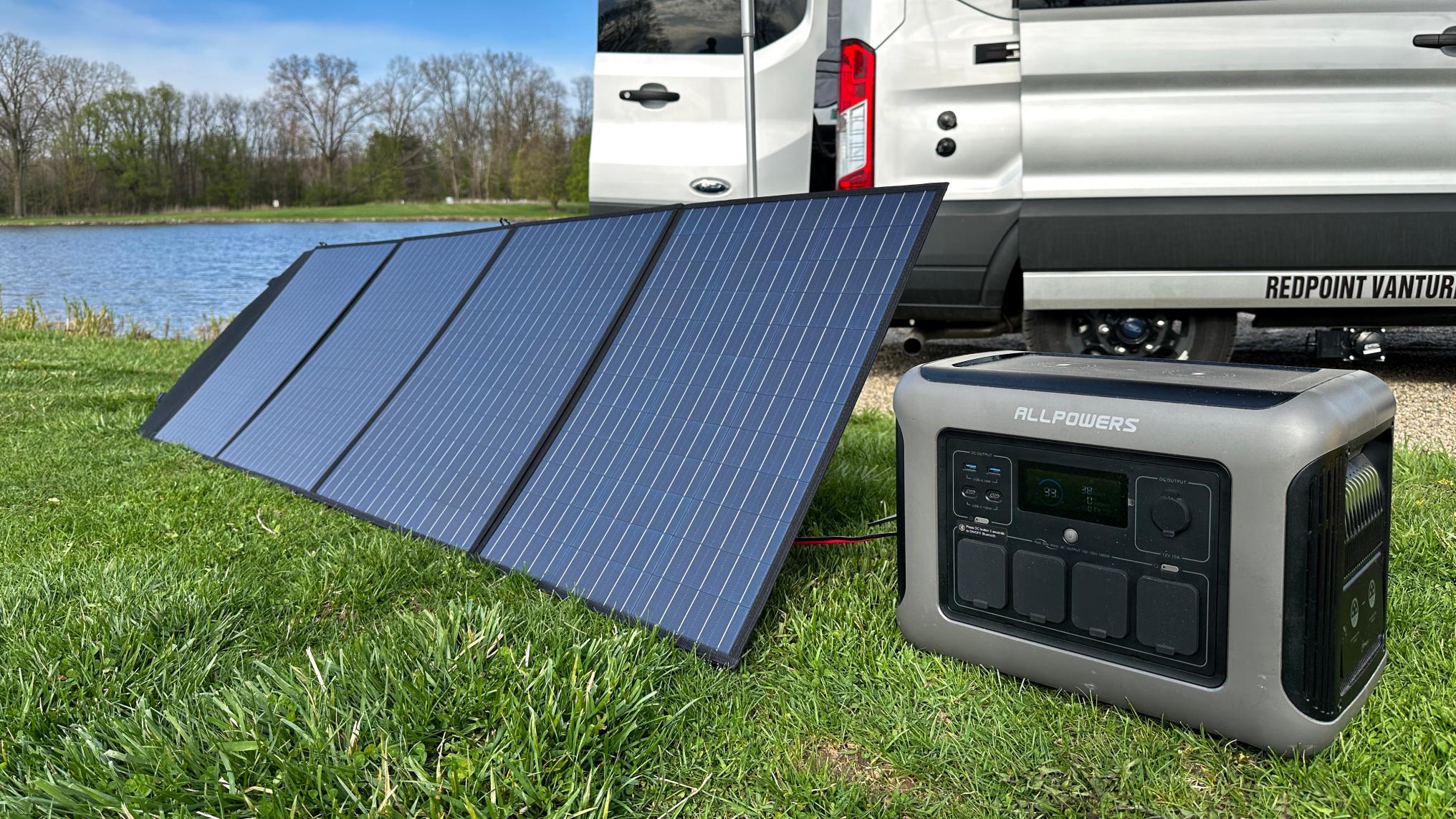
During longer off-grid trips, some outdoor enthusiasts supplement their power needs with rechargeable energy systems that can be replenished through solar panels, helping them operate small appliances and electronics without relying entirely on fuel-powered generators.
Choosing the Right Generator Size for Your Needs
The ideal generator size ultimately depends on what you plan to power. For many households, an 1800 watt generator provides enough electricity to maintain comfort, communication, food preservation, and essential daily functions during short-term outages.
However, homeowners expecting to run multiple large appliances simultaneously may require a larger solution.
Carefully calculating appliance requirements before purchasing a generator can help avoid disappointment and ensure reliable performance when power is needed most.
Frequently Asked Questions
Can a 1800 watt generator run a refrigerator?
Yes. Most refrigerators can run on a 1800 watt generator, although startup wattage should always be considered.
Can a 1800 watt generator run a microwave?
Some microwaves can operate on a 1800 watt generator, but higher-powered models may approach the generator's maximum capacity.
Can a 1800 watt generator run an air conditioner?
Small window air conditioners may work, but most central air conditioning systems require significantly more power.
Is 1800 watts enough for camping?
Yes. An 1800 watt generator is typically sufficient for lighting, charging devices, refrigerators, coffee makers, and many campsite essentials.
What should I power first during an outage?
Most emergency preparedness experts recommend prioritizing refrigeration, communication devices, medical equipment, and lighting.