








Welders are among the most power-hungry tools commonly used on construction sites, farms, workshops, and remote job locations.
Choosing the wrong generator can lead to poor welding performance, tripped breakers, or even equipment damage.
So, what size generator do you actually need to run a welder?
TL;DR:
The right generator size depends on your welder's input voltage, amperage requirements, and duty cycle. Small inverter welders may run on generators as small as 3,000 to 5,000 watts, while larger MIG, TIG, and stick welders often require 7,000 to 15,000 watts or more.
Why Generator Size Matters for Welding
Welders place unique demands on power sources. Unlike many household appliances that operate at relatively stable loads, welding equipment often experiences rapid power fluctuations during operation.
If a generator is undersized, welders may experience unstable arcs, voltage drops, poor weld quality, or unexpected shutdowns.
In severe cases, inadequate power can place excessive stress on both the generator and welding equipment.
Choosing the correct generator size not only improves welding results but also helps extend equipment lifespan and reduce operational problems.
Understanding Welder Power Requirements
The first step in sizing a generator is understanding your welder's electrical specifications.
Most welders include a nameplate that lists important information such as input voltage, input current, and maximum output amperage.
Input Voltage
Many portable welders operate on either 120V or 240V power, while larger industrial machines often require higher-capacity electrical systems.
Input Amperage
The welder's input amperage determines how much electrical current it draws while operating. Higher welding outputs generally require more electrical input power.
Duty Cycle
Duty cycle refers to the amount of time a welder can operate continuously before requiring a cooling period. Higher duty cycles typically indicate greater power demands.
How Different Welders Affect Generator Size
Not all welding machines consume electricity in the same way. The type of welder you use has a significant impact on generator sizing requirements.
MIG Welders
MIG welders are among the most popular welding machines for automotive work, fabrication shops, and general-purpose metalworking.
Smaller MIG welders often operate comfortably with medium-sized generators, while larger industrial units may require substantially more power.
TIG Welders
TIG welding generally demands stable and consistent electrical power because precision arc control is essential for producing high-quality welds.
Power fluctuations that might be acceptable for other welding processes can negatively affect TIG welding performance.
Stick Welders
Stick welders are commonly used on farms, construction sites, and field repair jobs because of their durability and versatility.
Many stick welders require significant power during arc initiation, making generator sizing particularly important.
Multi-Process Welders
Modern multi-process welders combine MIG, TIG, and stick capabilities into a single machine. Generator requirements vary depending on which welding mode is being used.
How to Calculate Generator Wattage for a Welder
Calculating generator size begins with understanding a simple electrical relationship between voltage, amperage, and wattage.
Watts = Volts × Amps
For example, a welder drawing 30 amps at 240 volts would require approximately 7,200 watts of input power under full load conditions.
Most professionals recommend adding a safety margin above the calculated wattage to account for startup demands and operating fluctuations.
Generator Size Chart for Common Welders
| Welder Type | Input Voltage | Typical Input Amps | Estimated Generator Size |
|---|---|---|---|
| Small MIG Welder | 120V | 20–30A | 3,500–5,000W |
| Mid-Size MIG Welder | 240V | 20–30A | 6,000–8,000W |
| TIG Welder | 240V | 25–35A | 7,000–10,000W |
| Stick Welder | 240V | 30–40A | 8,000–10,000W |
| Industrial Welder | 240V+ | 40A+ | 10,000W+ |
Voltage and Frequency Considerations
Generator wattage is only one part of the equation. Welders also require stable voltage output and proper frequency control.
Voltage Stability
Fluctuating voltage can negatively affect arc performance, especially for TIG and inverter-based welding machines.
Frequency Accuracy
Most North American welders are designed to operate at 60Hz. Significant frequency deviations may cause equipment performance issues.
Powering Welders at Remote Job Sites
Remote welding projects often present unique challenges because access to utility power may be unavailable.
Construction crews, ranchers, pipeline workers, and mobile repair technicians frequently need reliable off-grid power solutions.
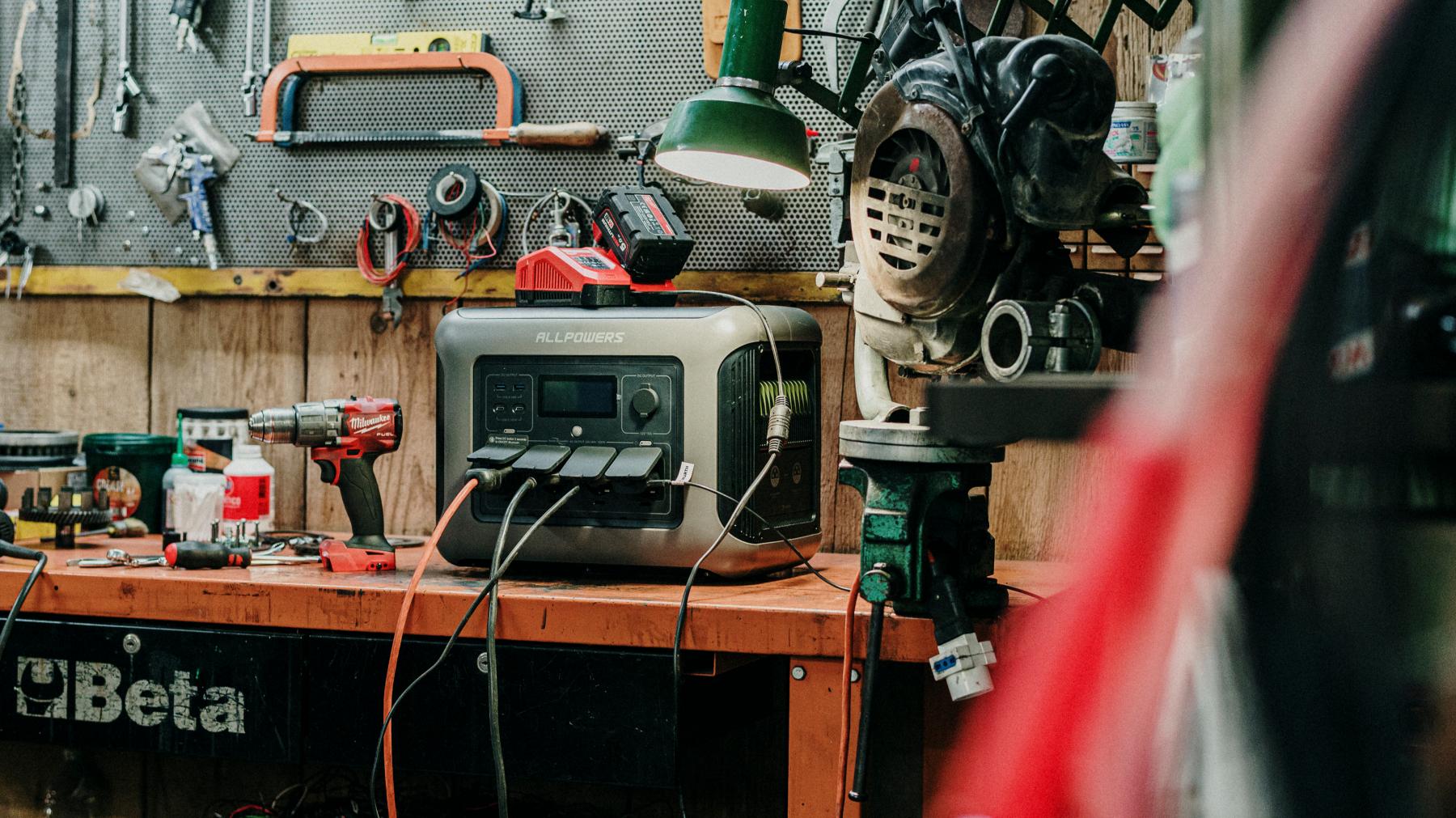
In addition to powering welding equipment, many job sites require electricity for grinders, work lights, battery chargers, ventilation equipment, and communication devices.
Because of these additional loads, total power requirements may exceed the welder's demand alone.
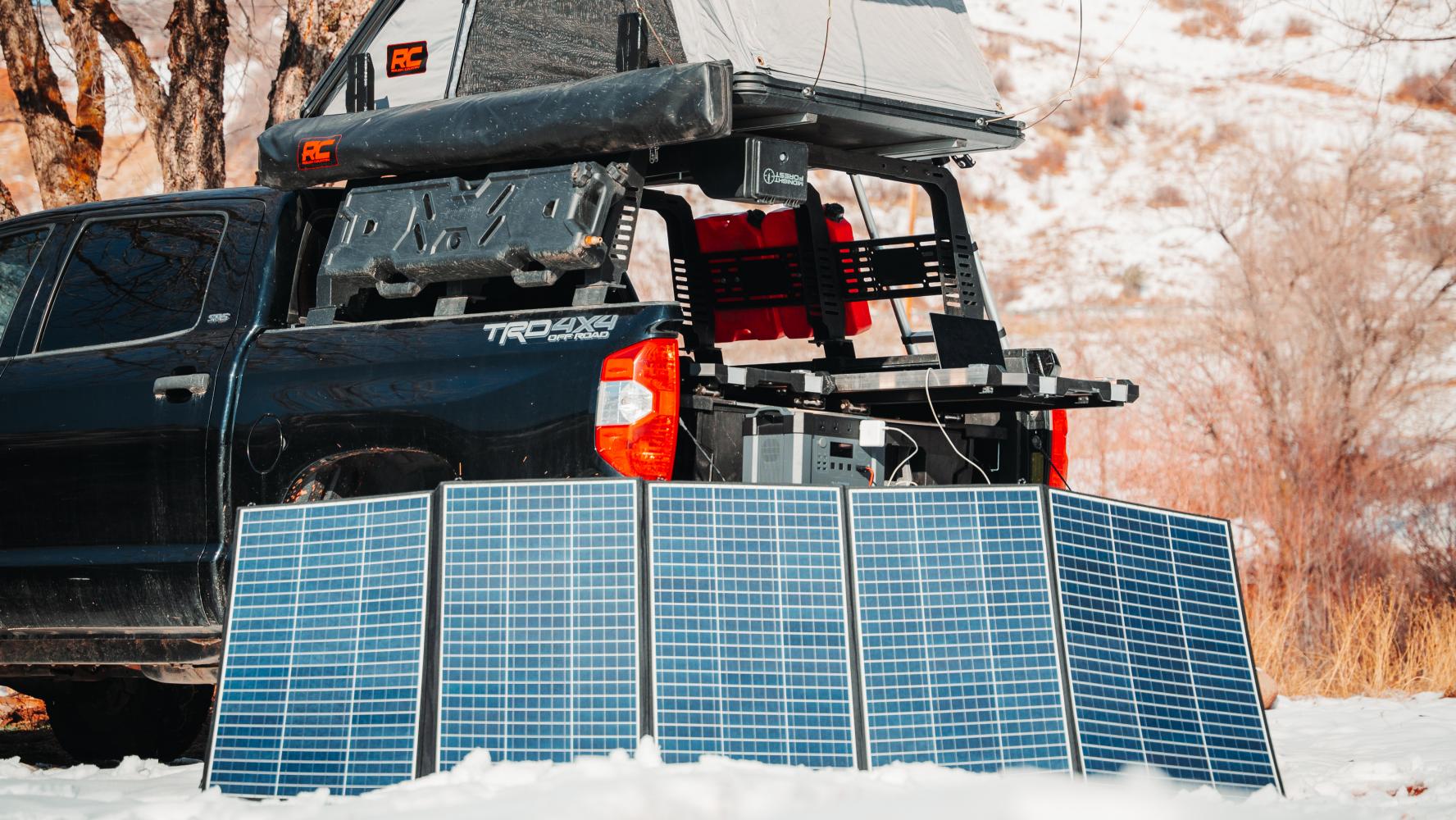
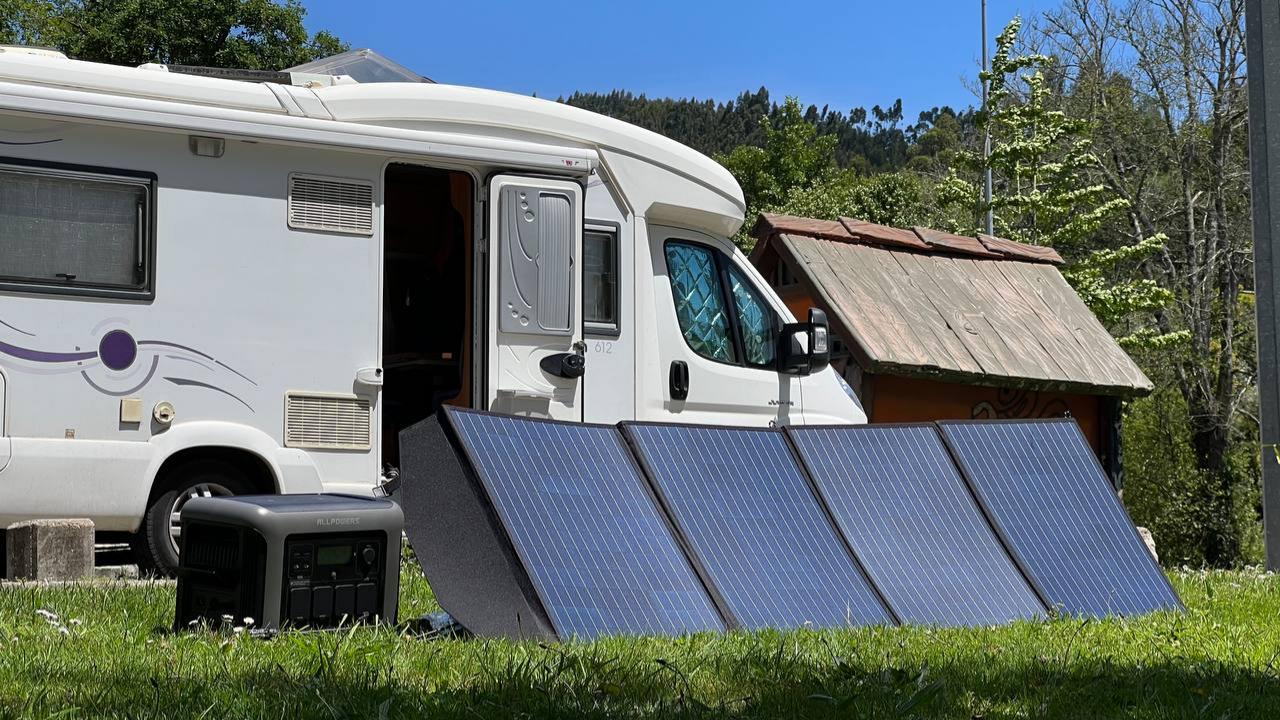
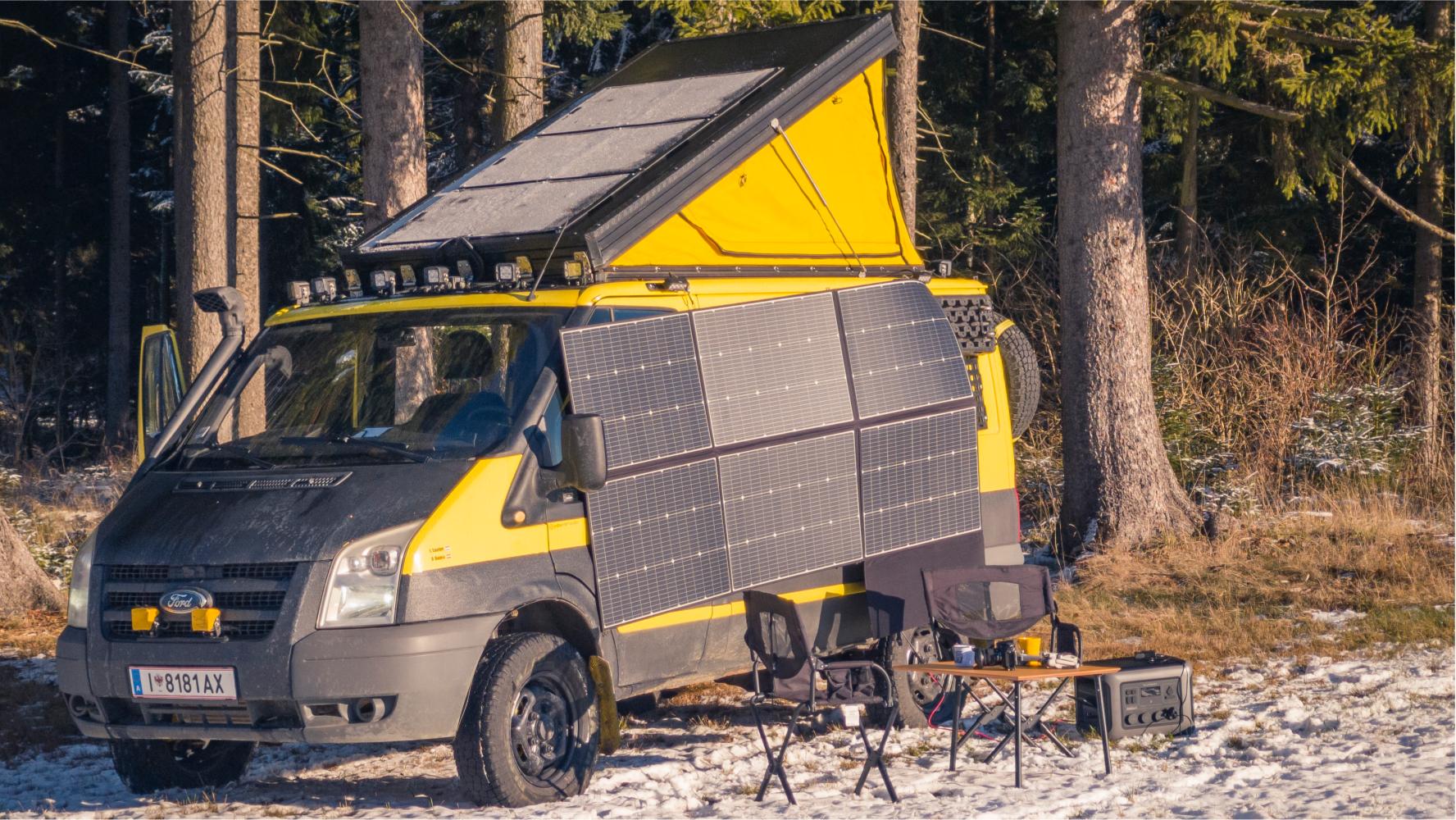
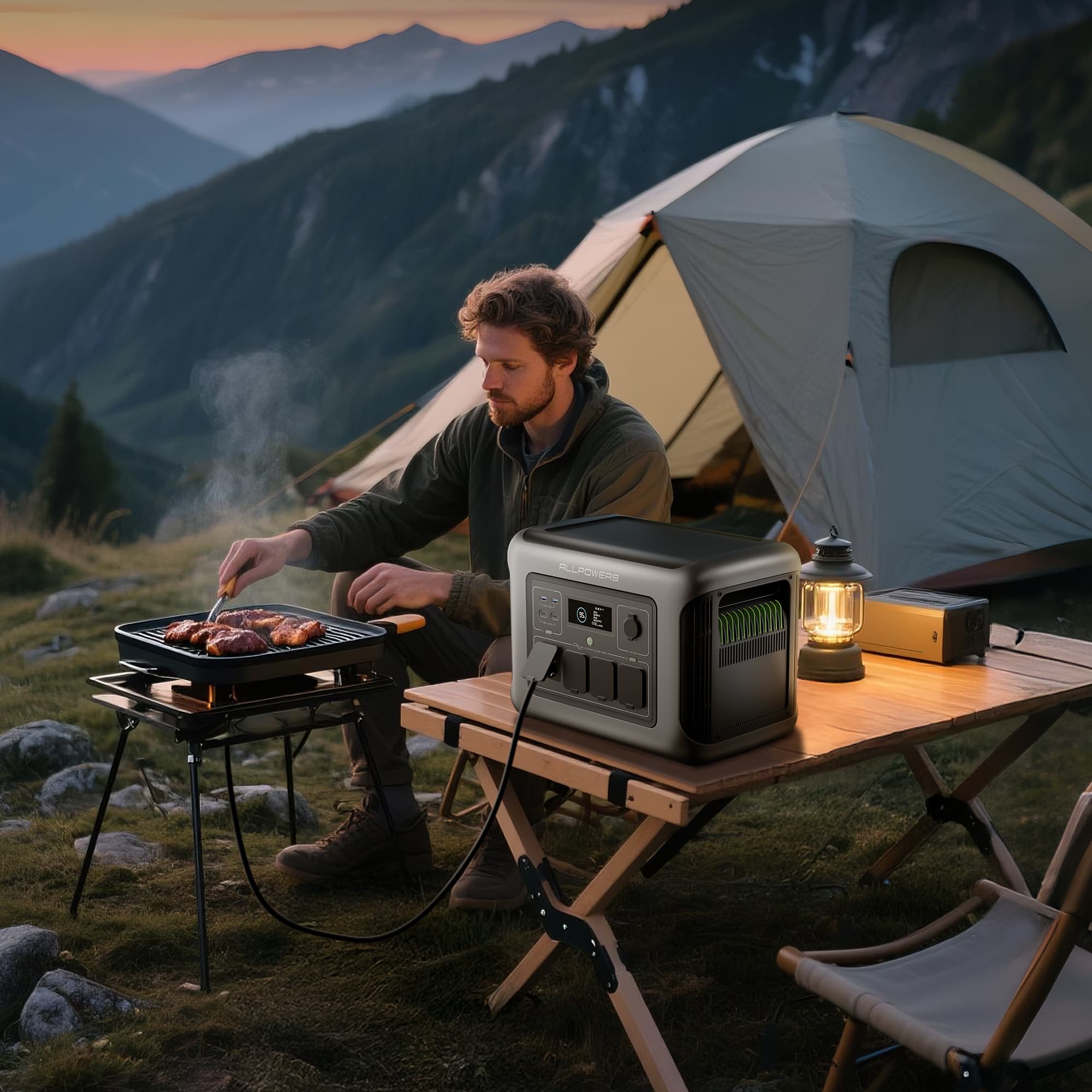
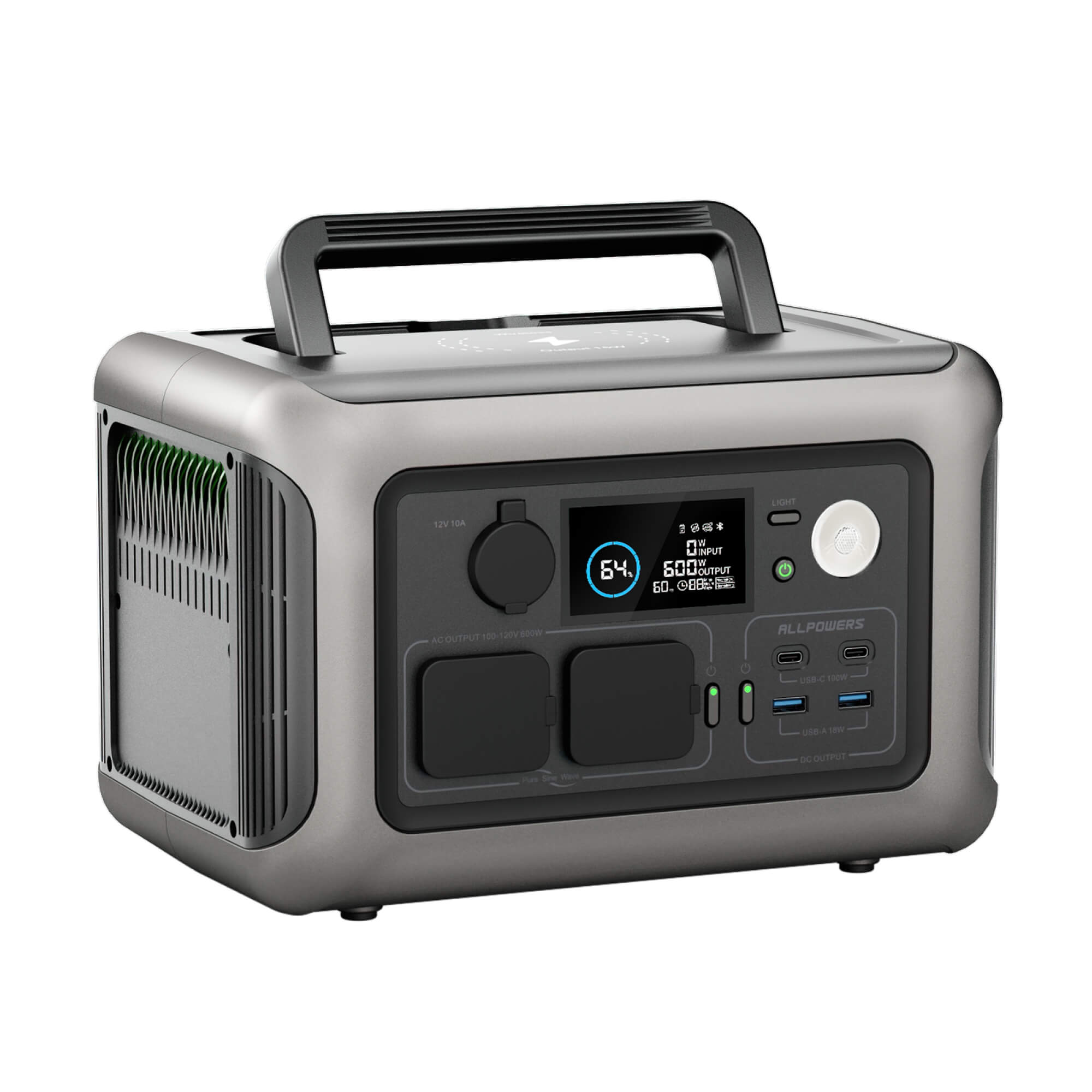
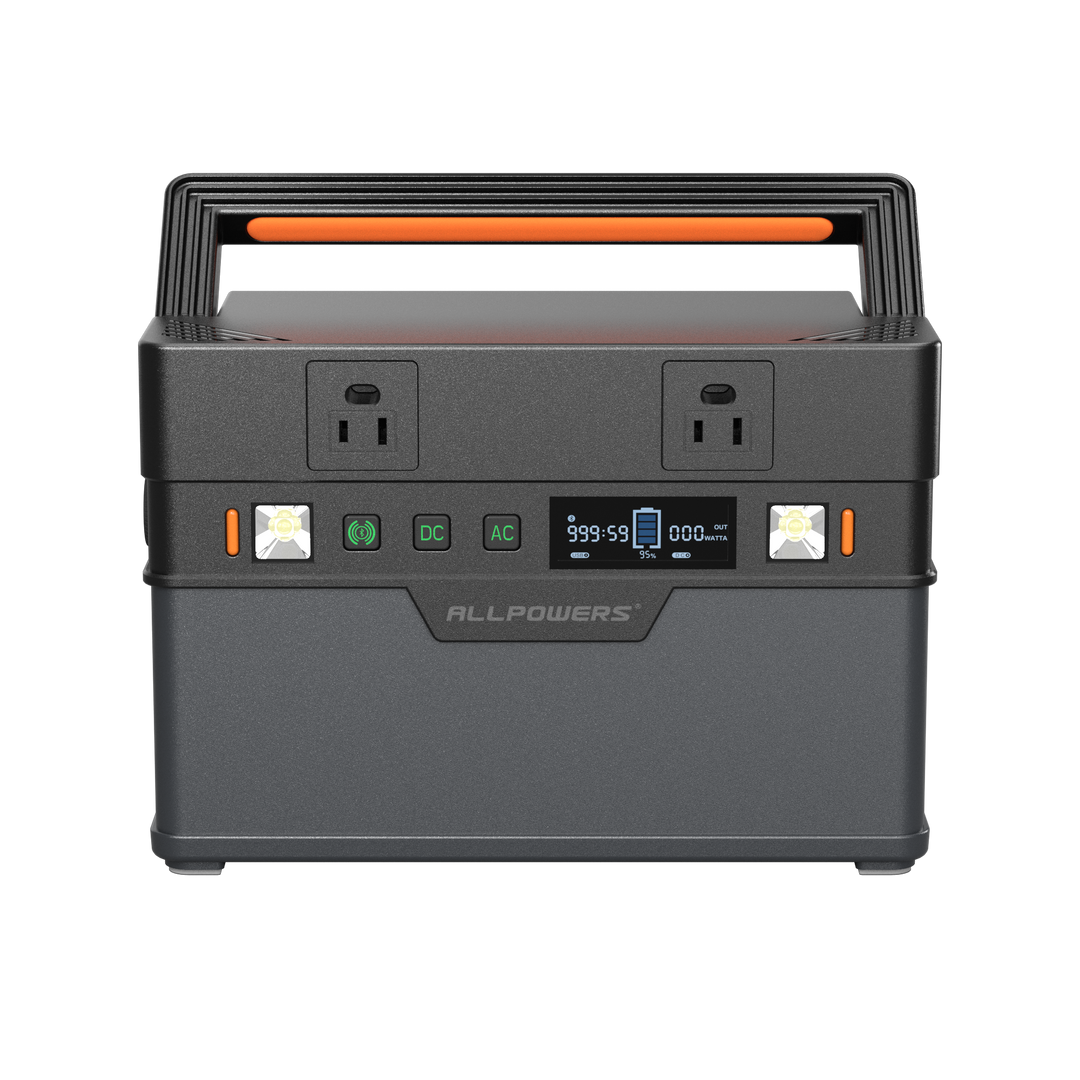
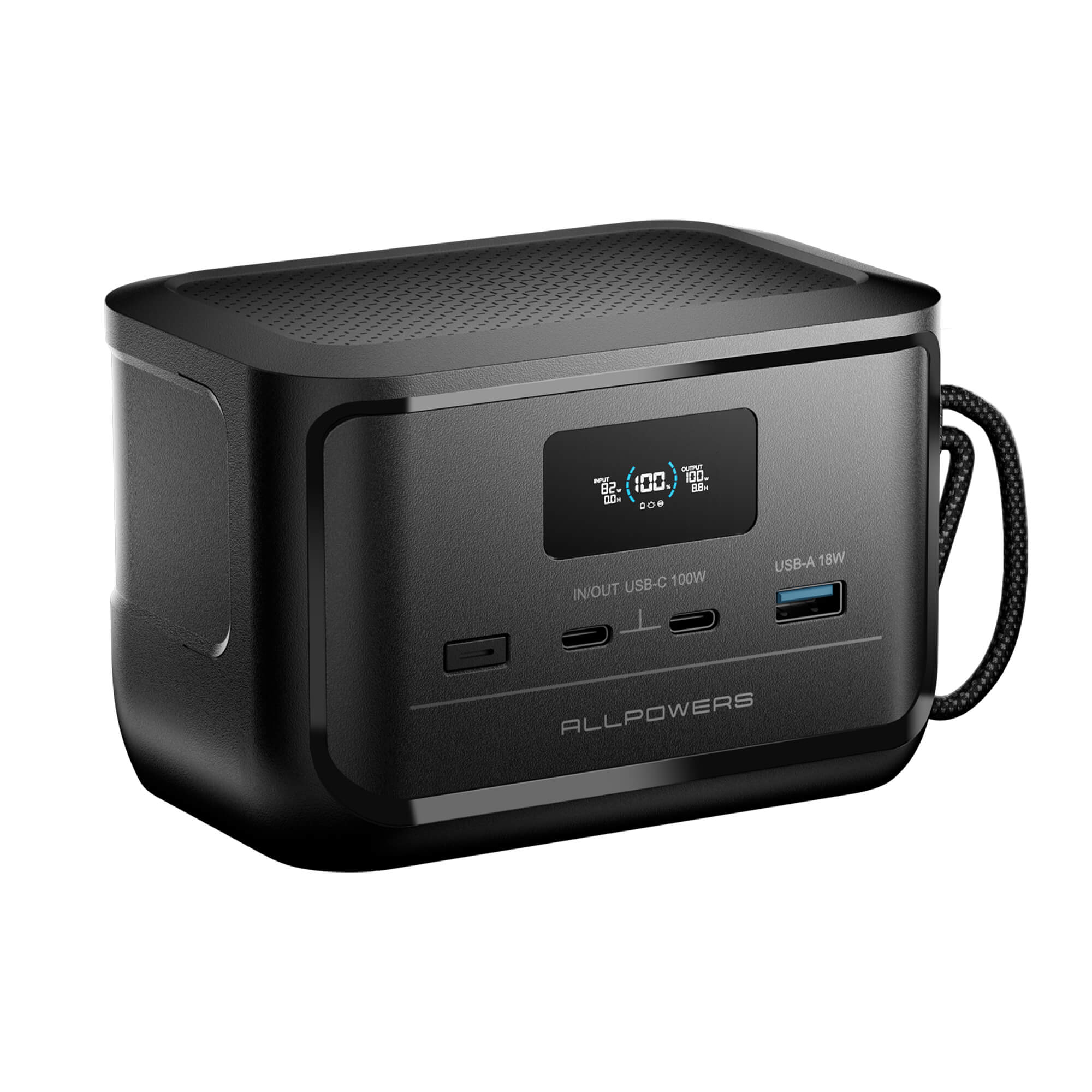
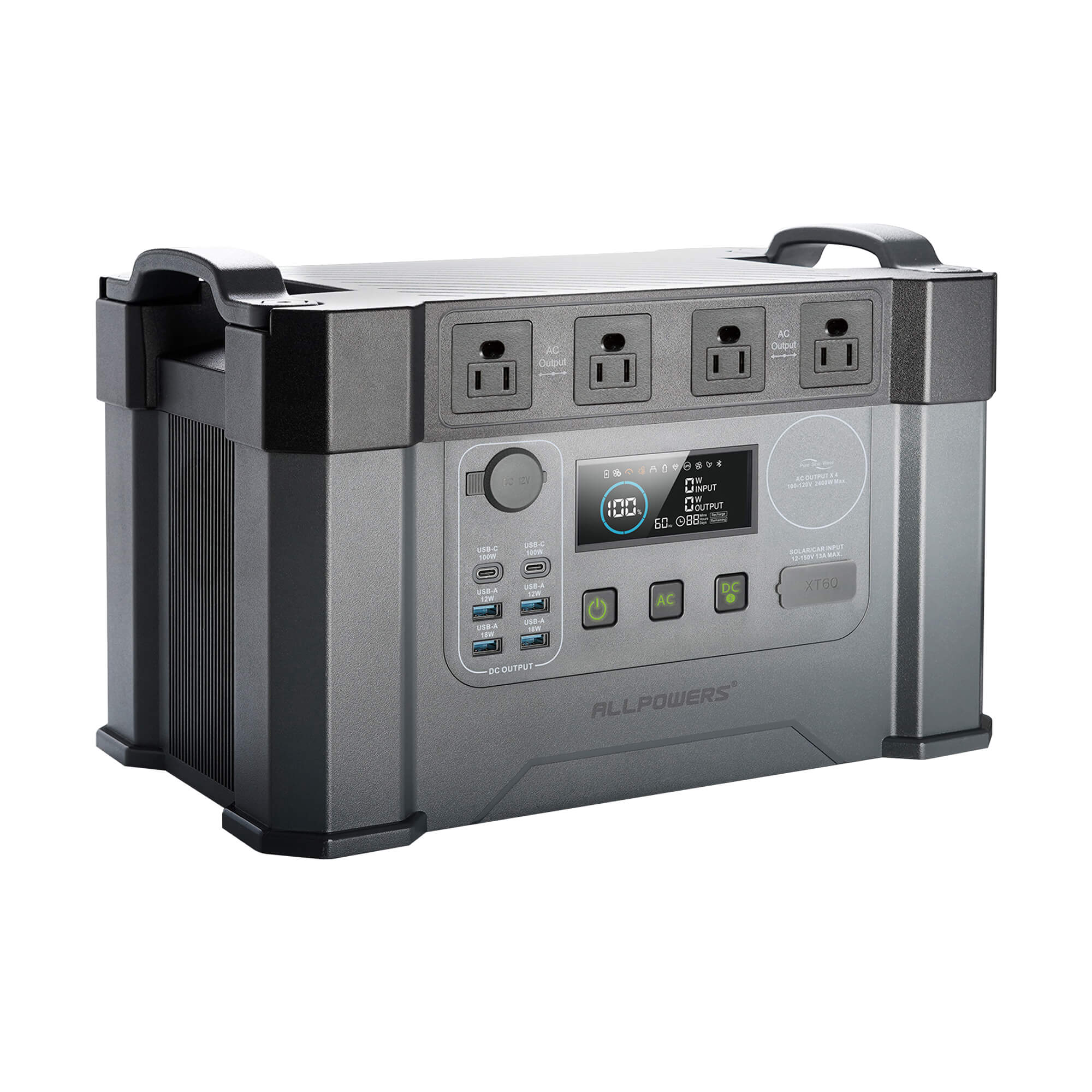
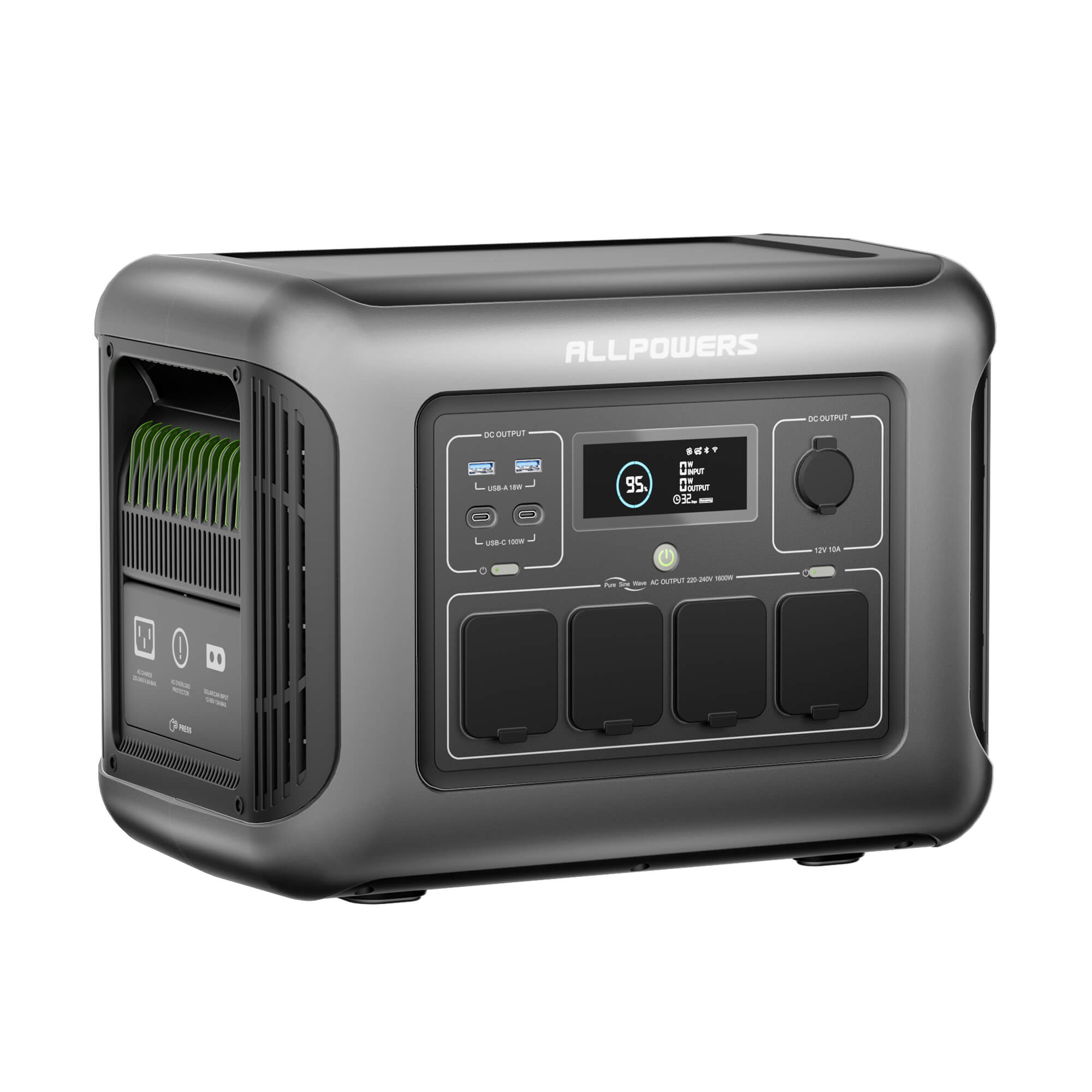
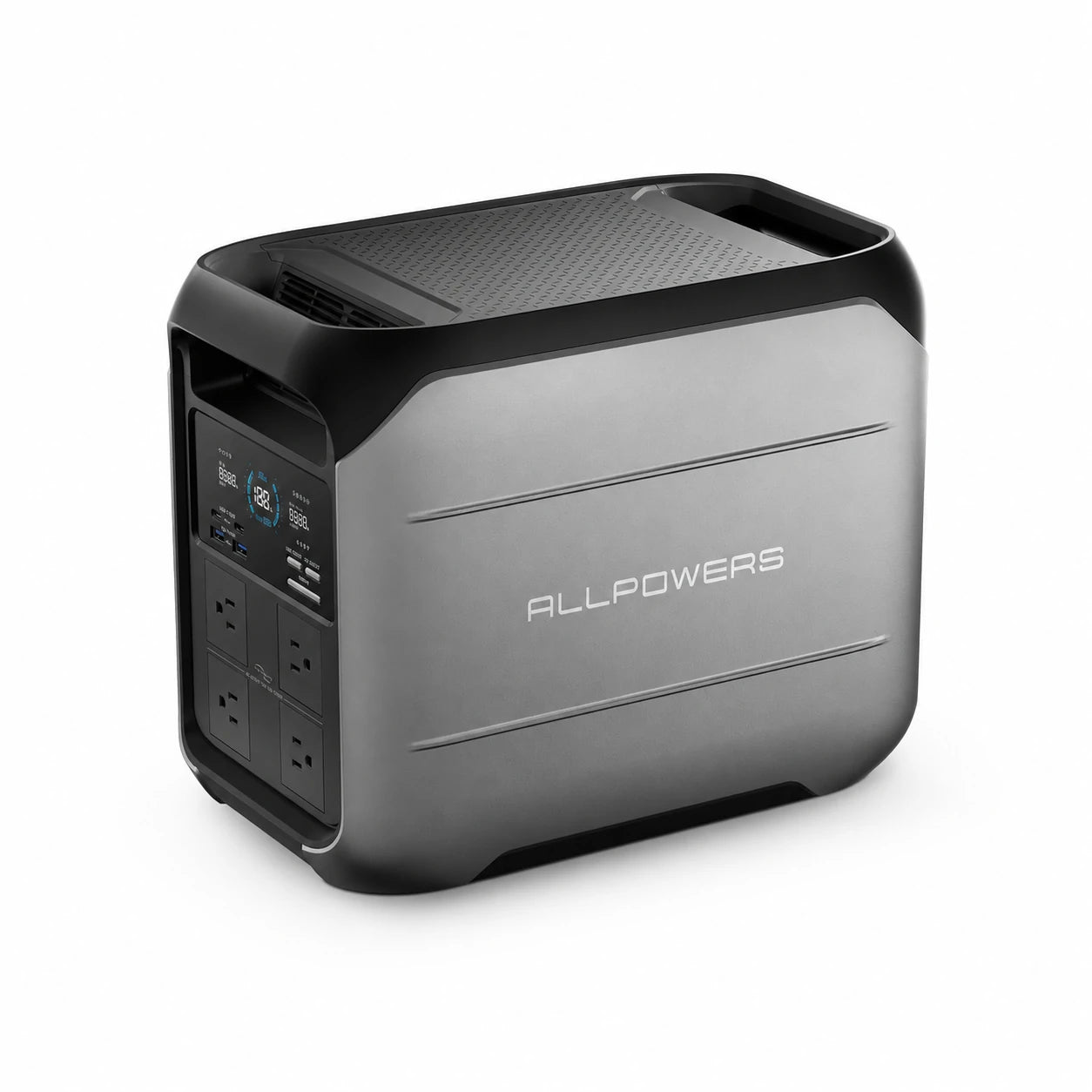
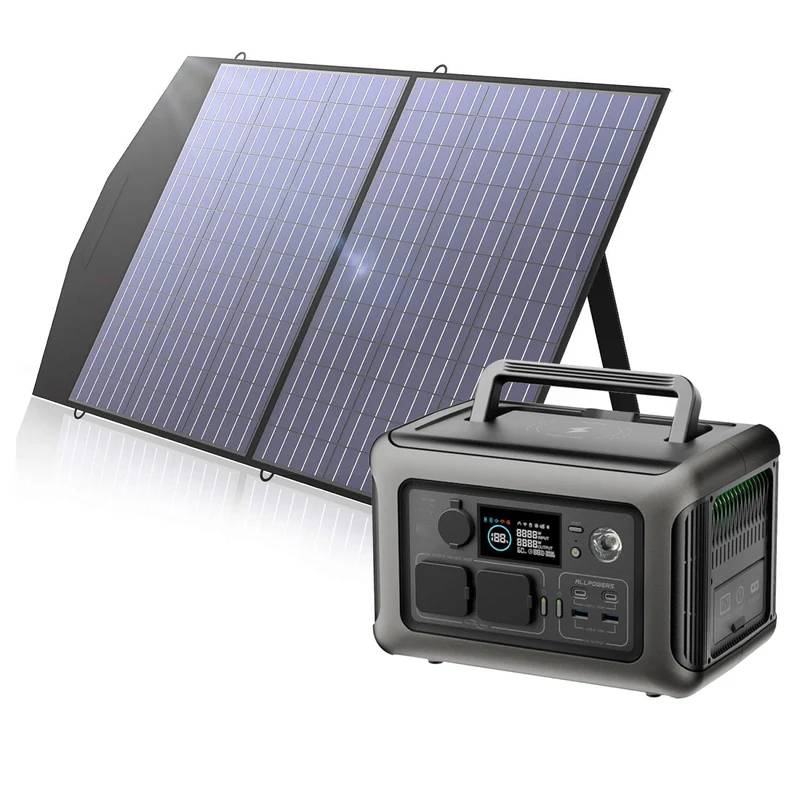
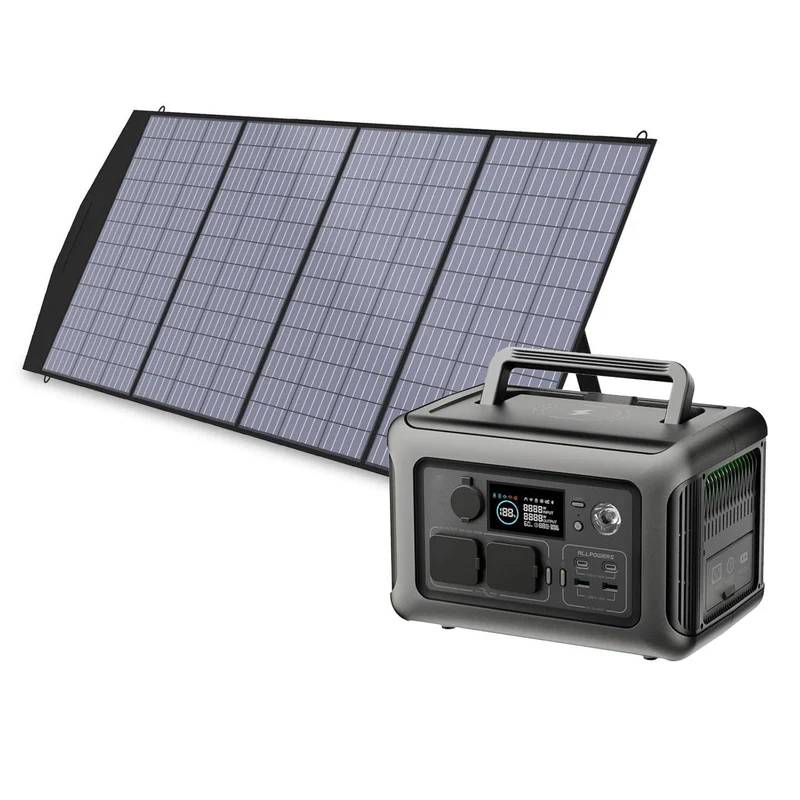
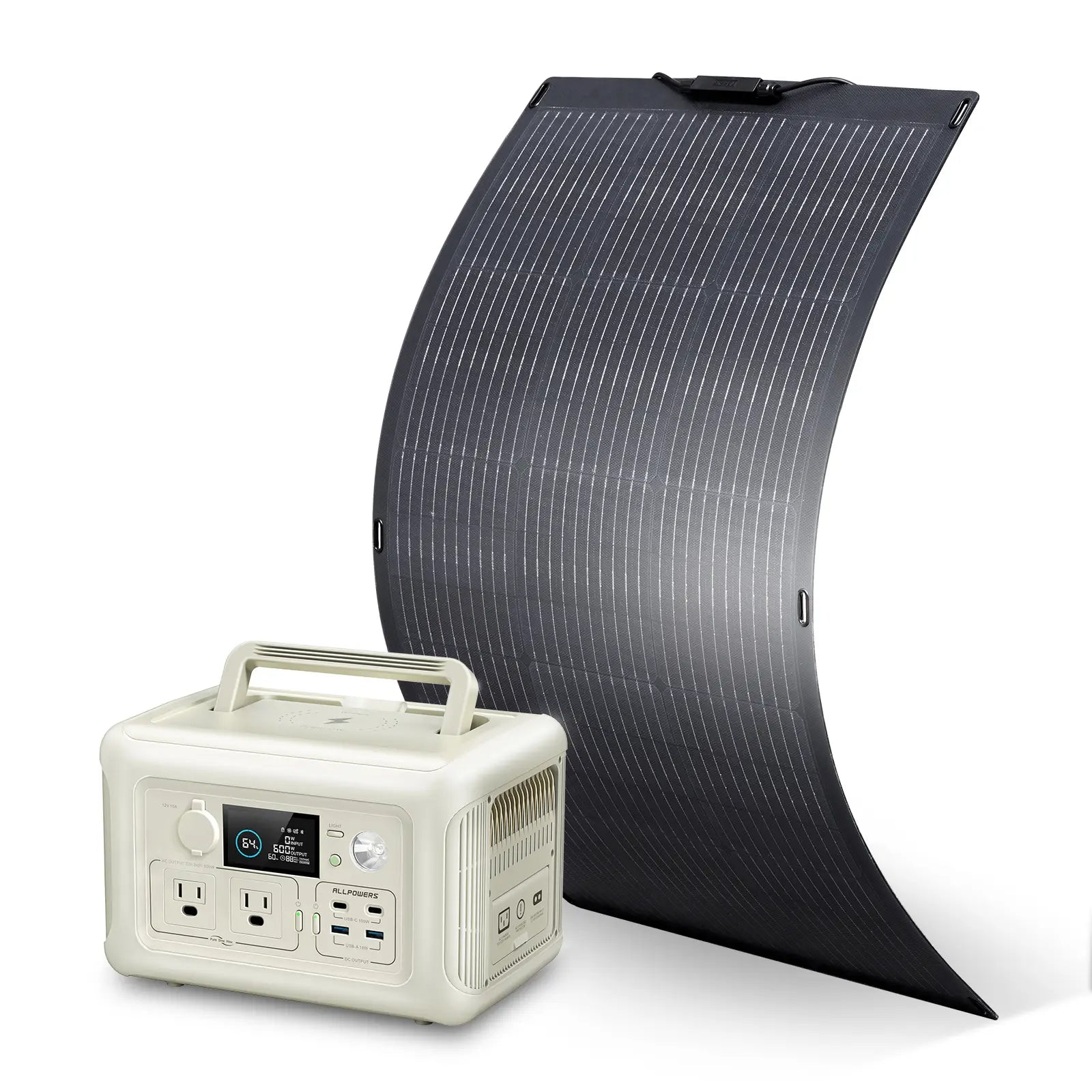
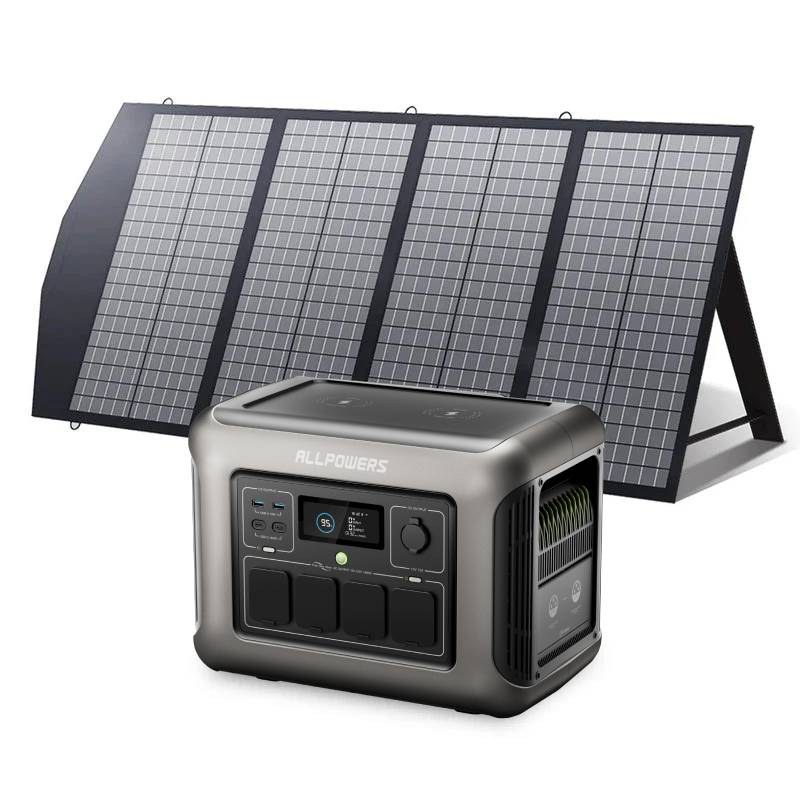
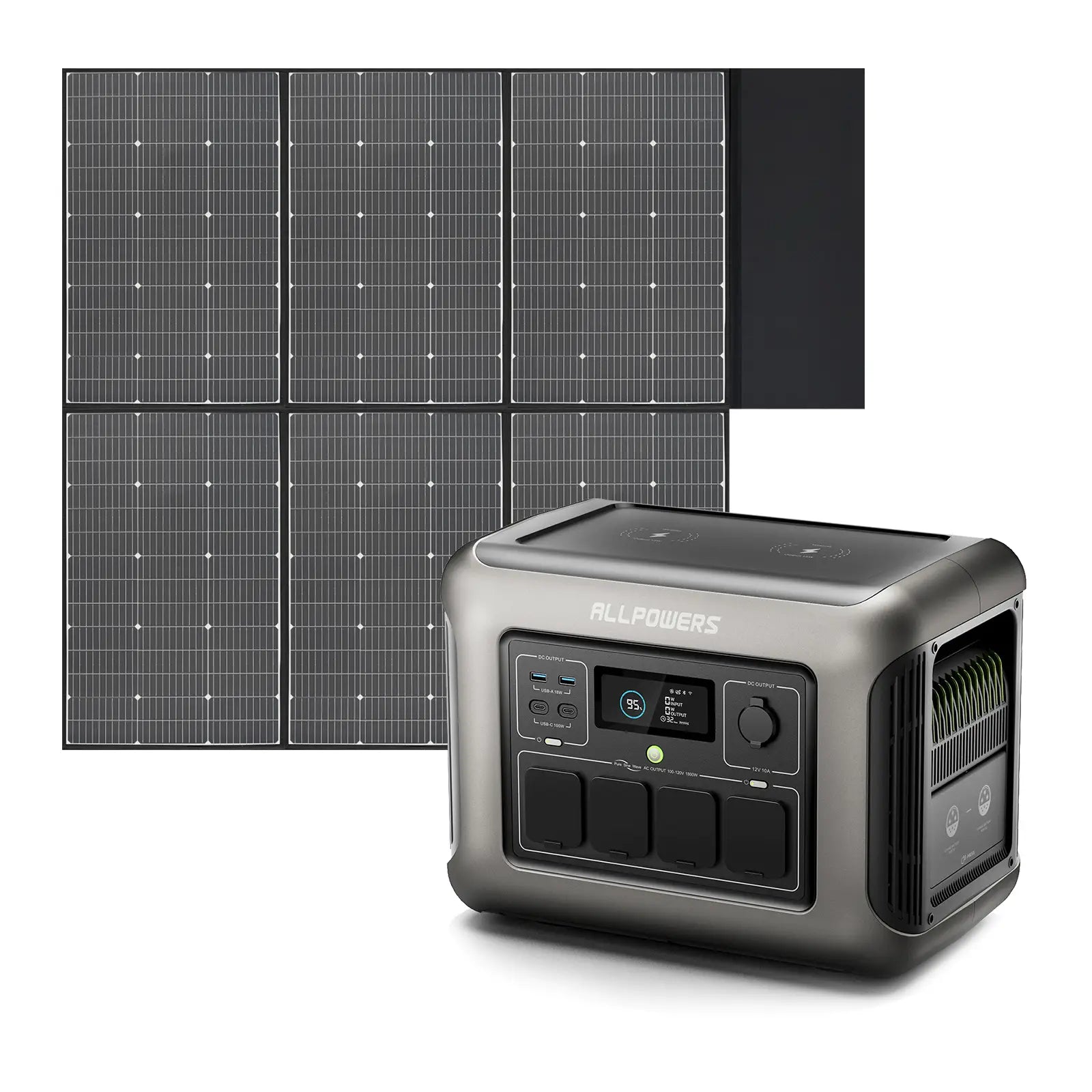
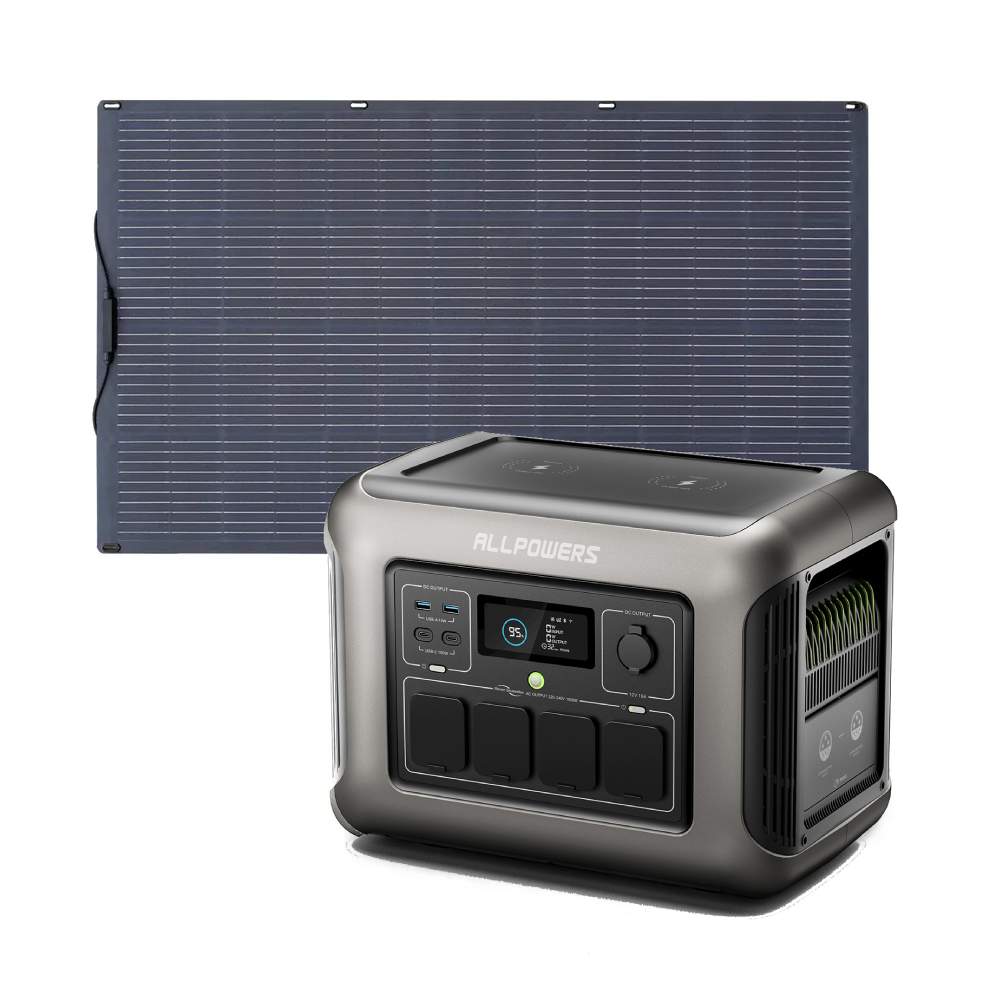
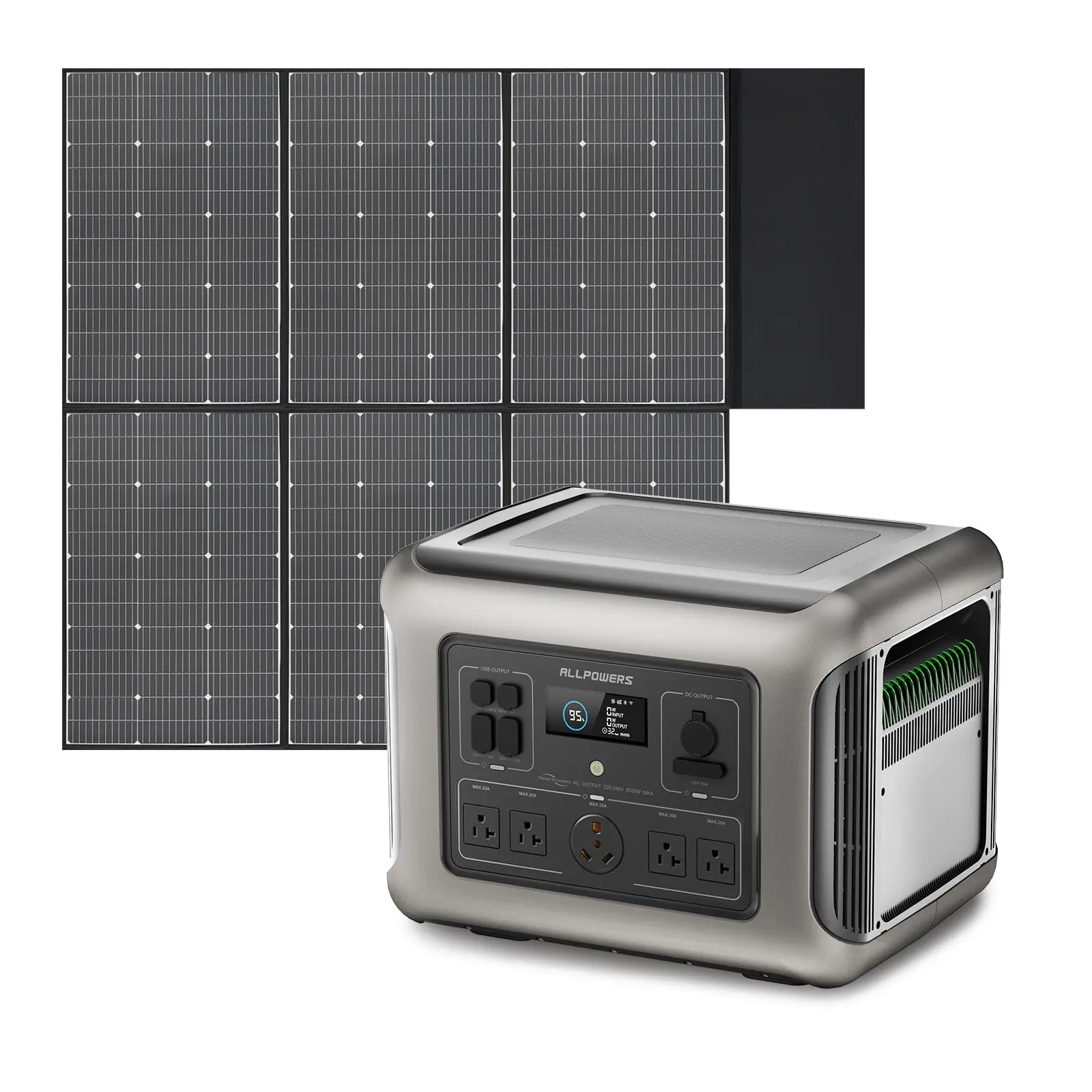
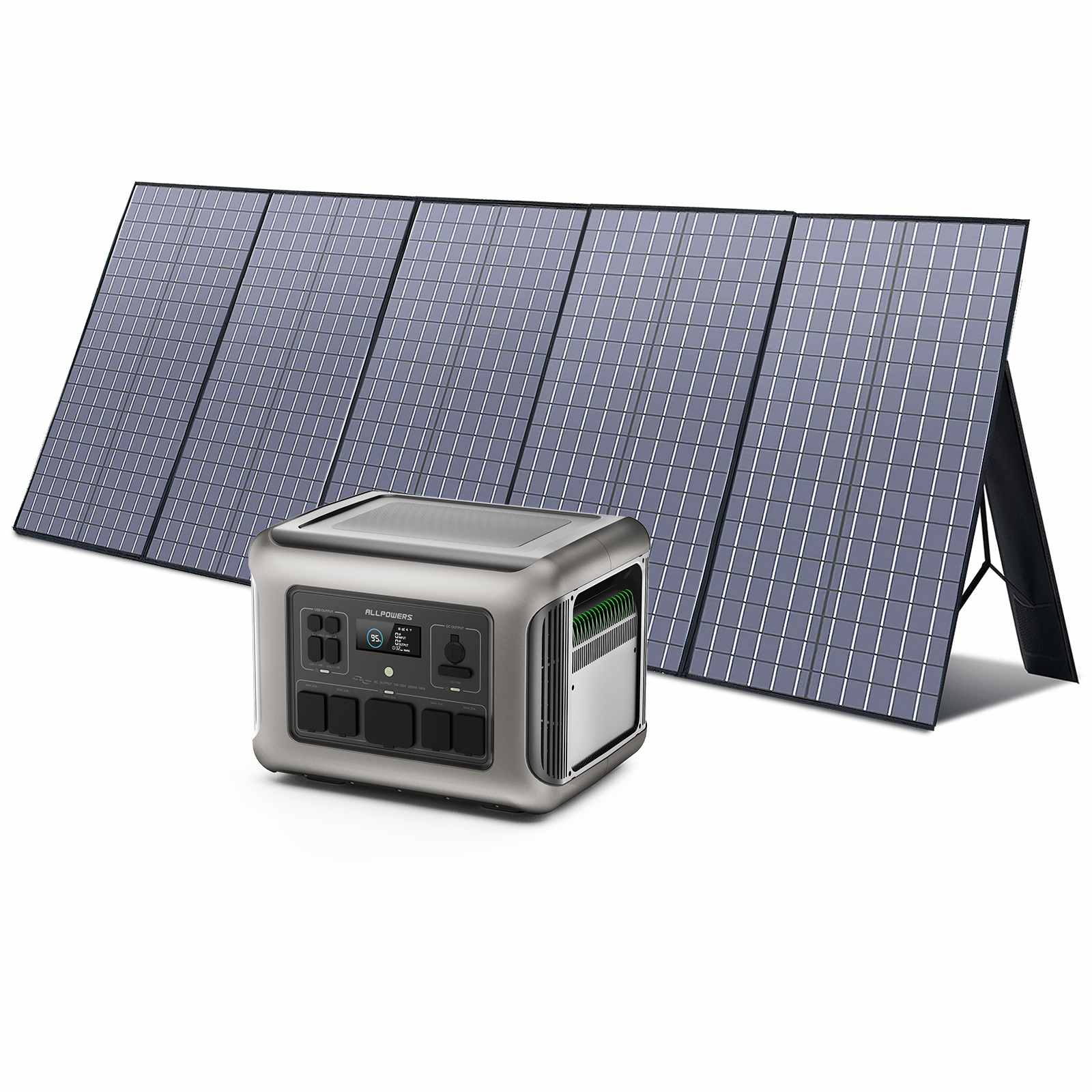
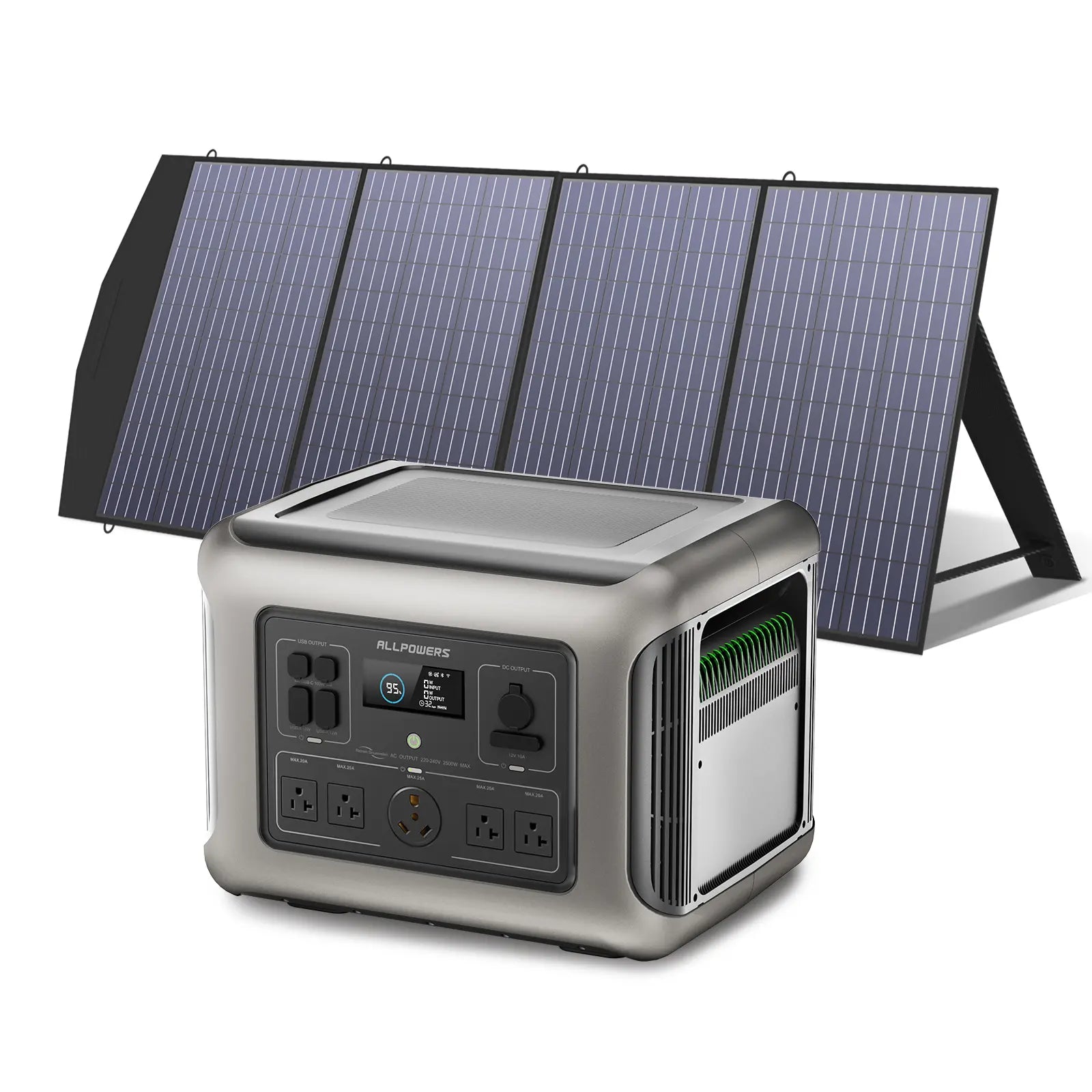
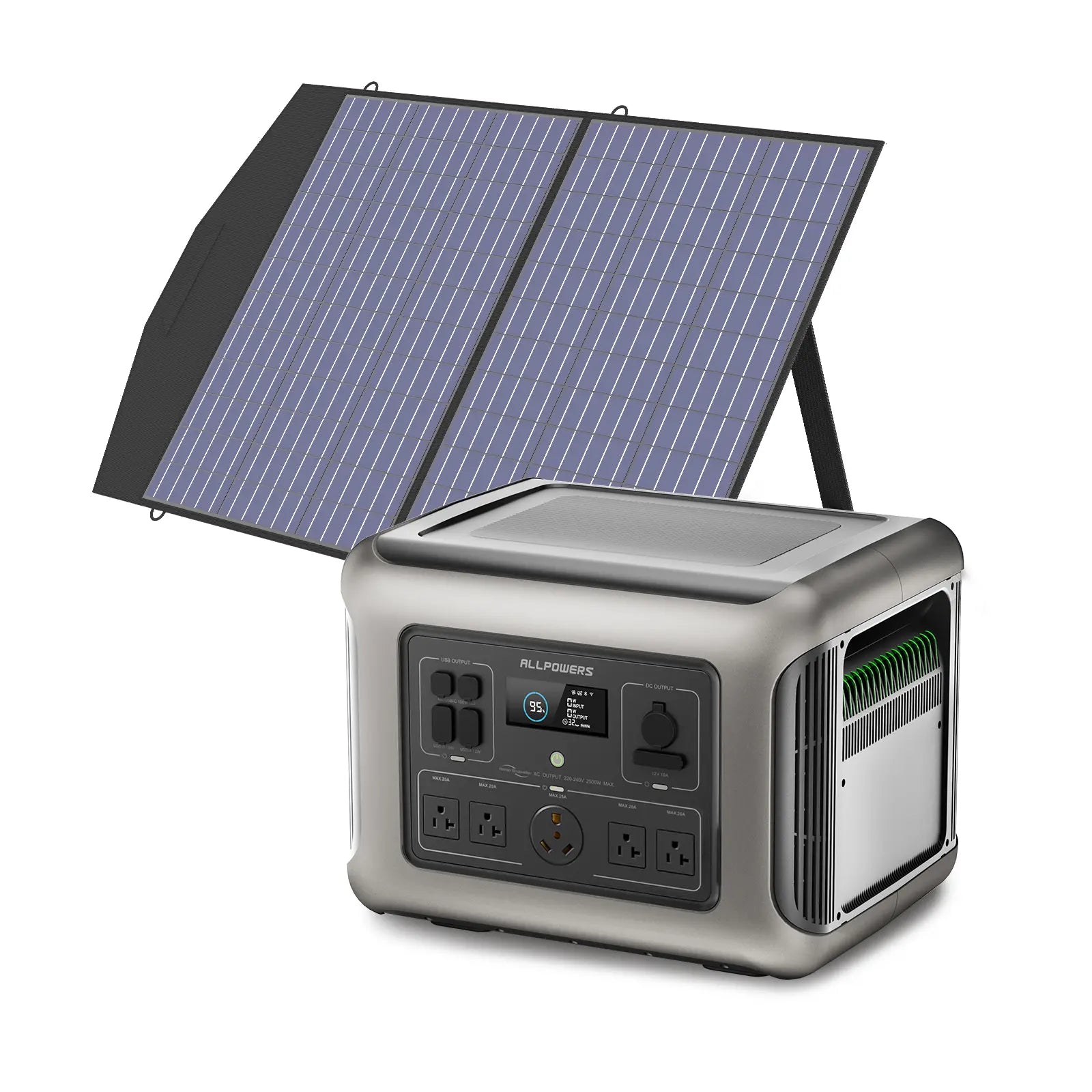
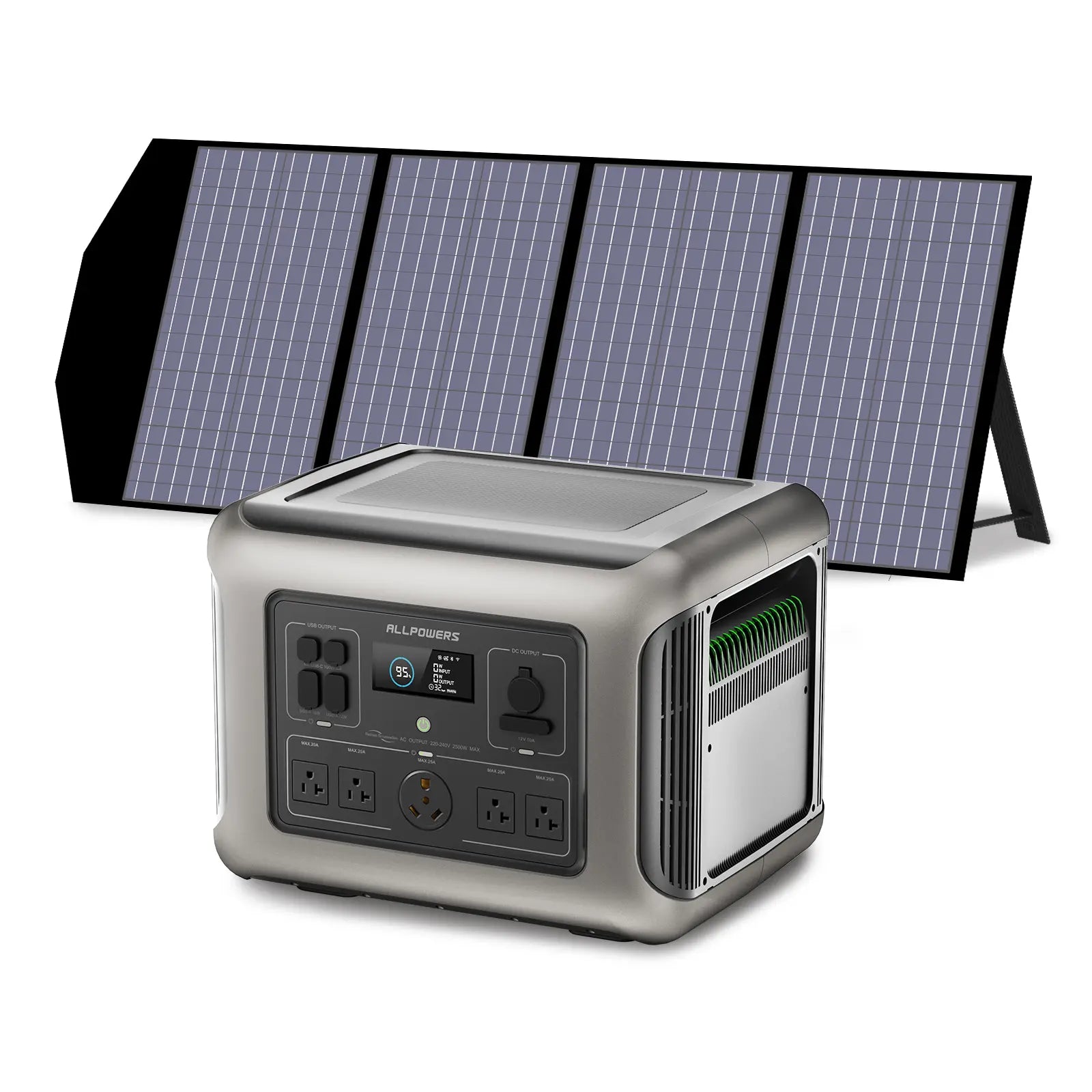
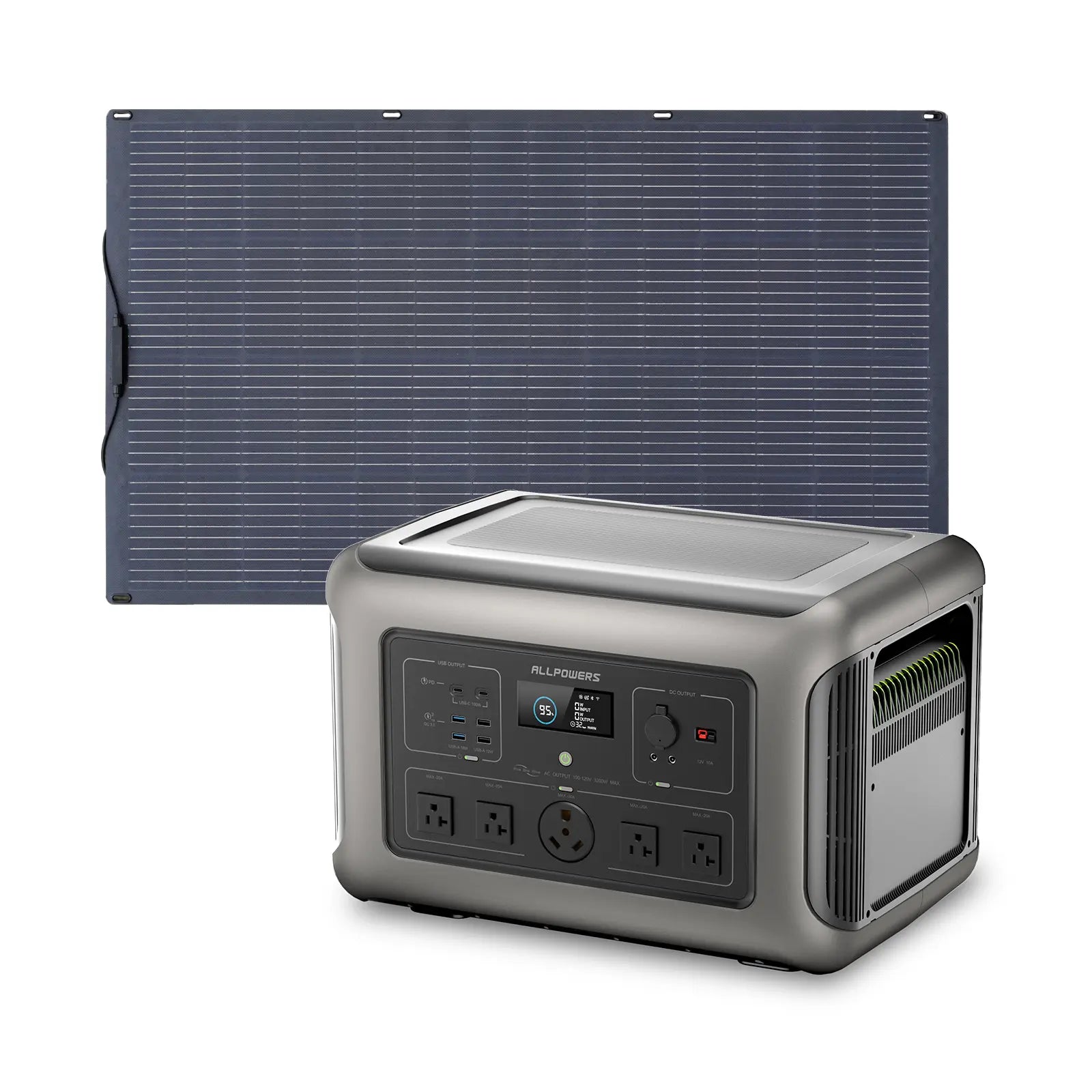
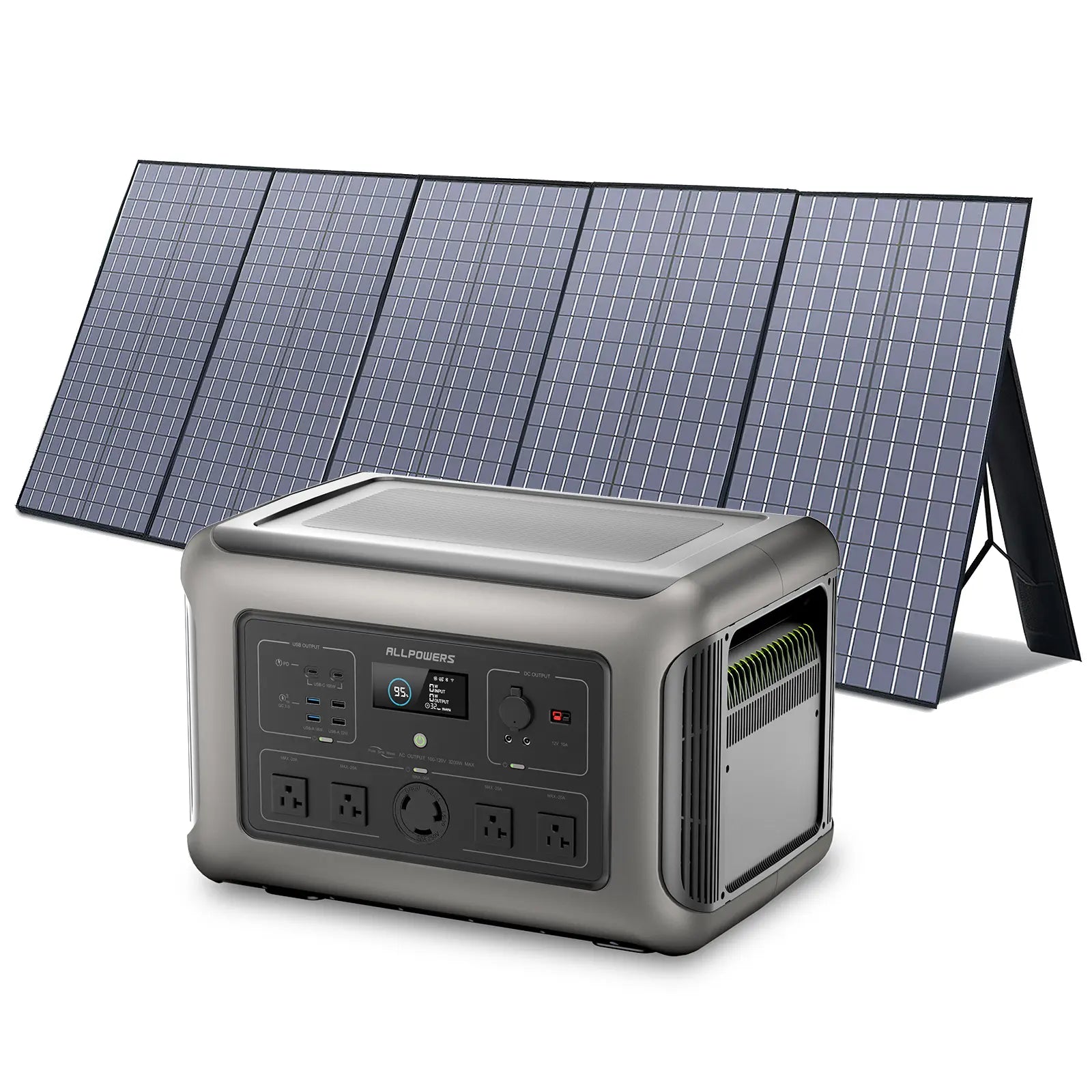
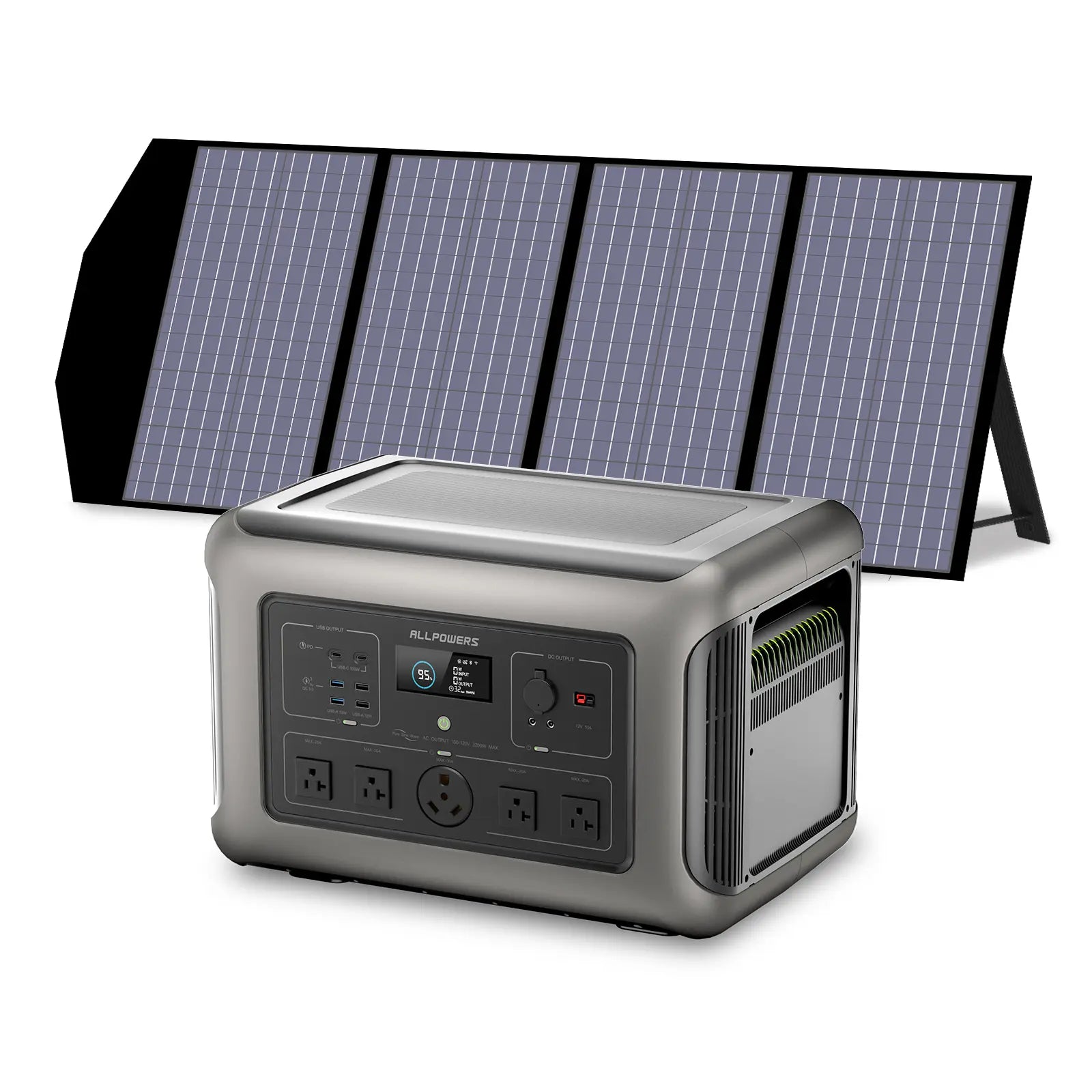
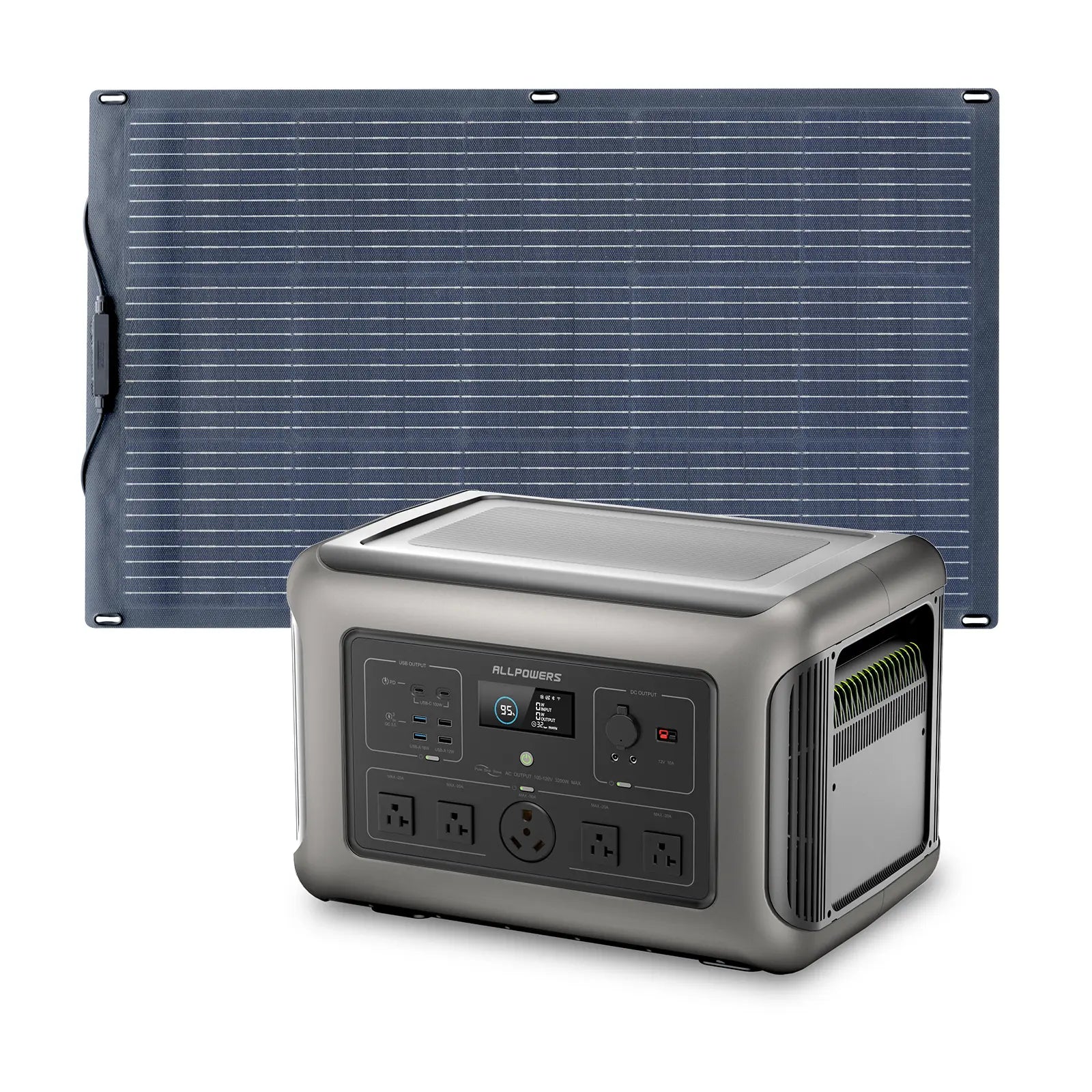
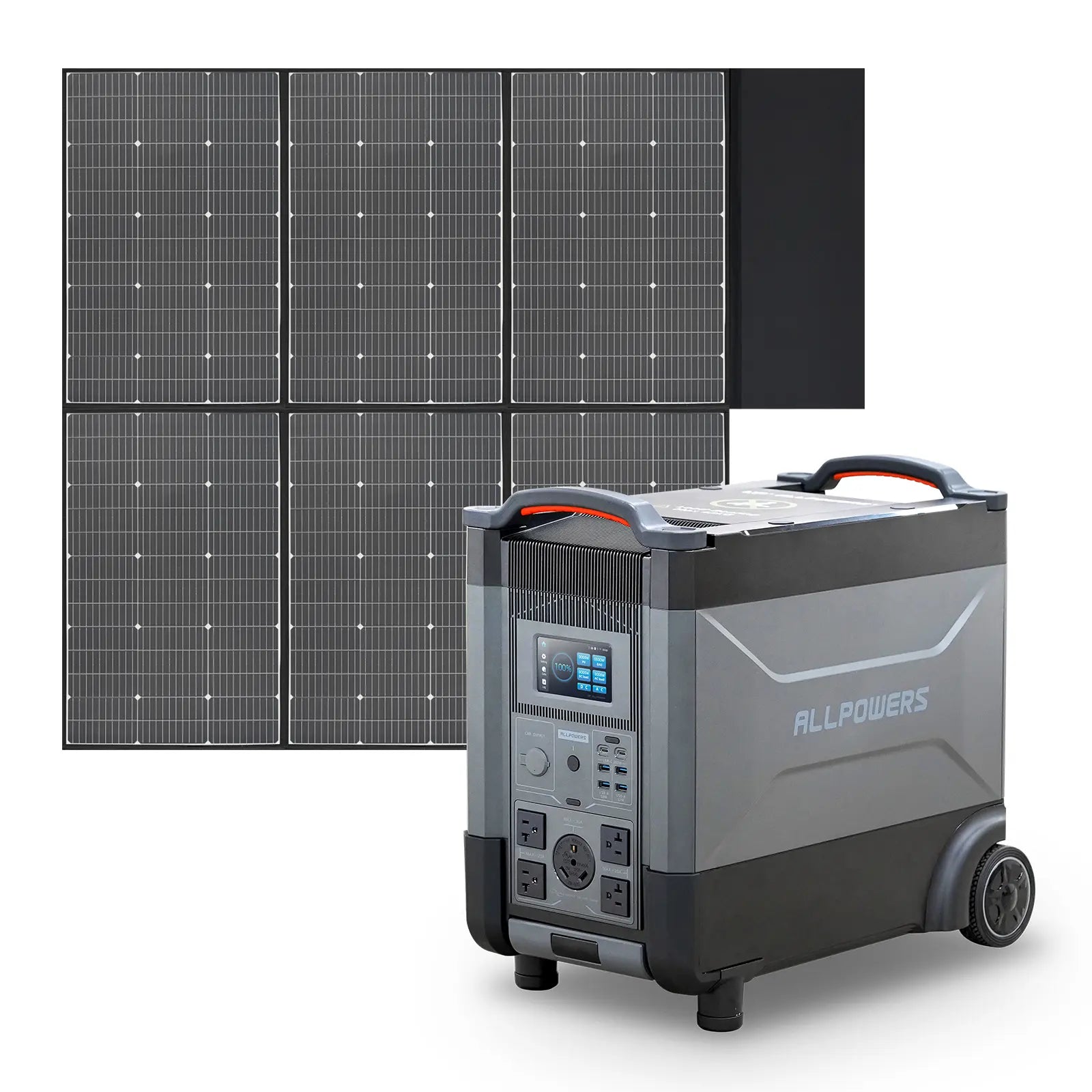
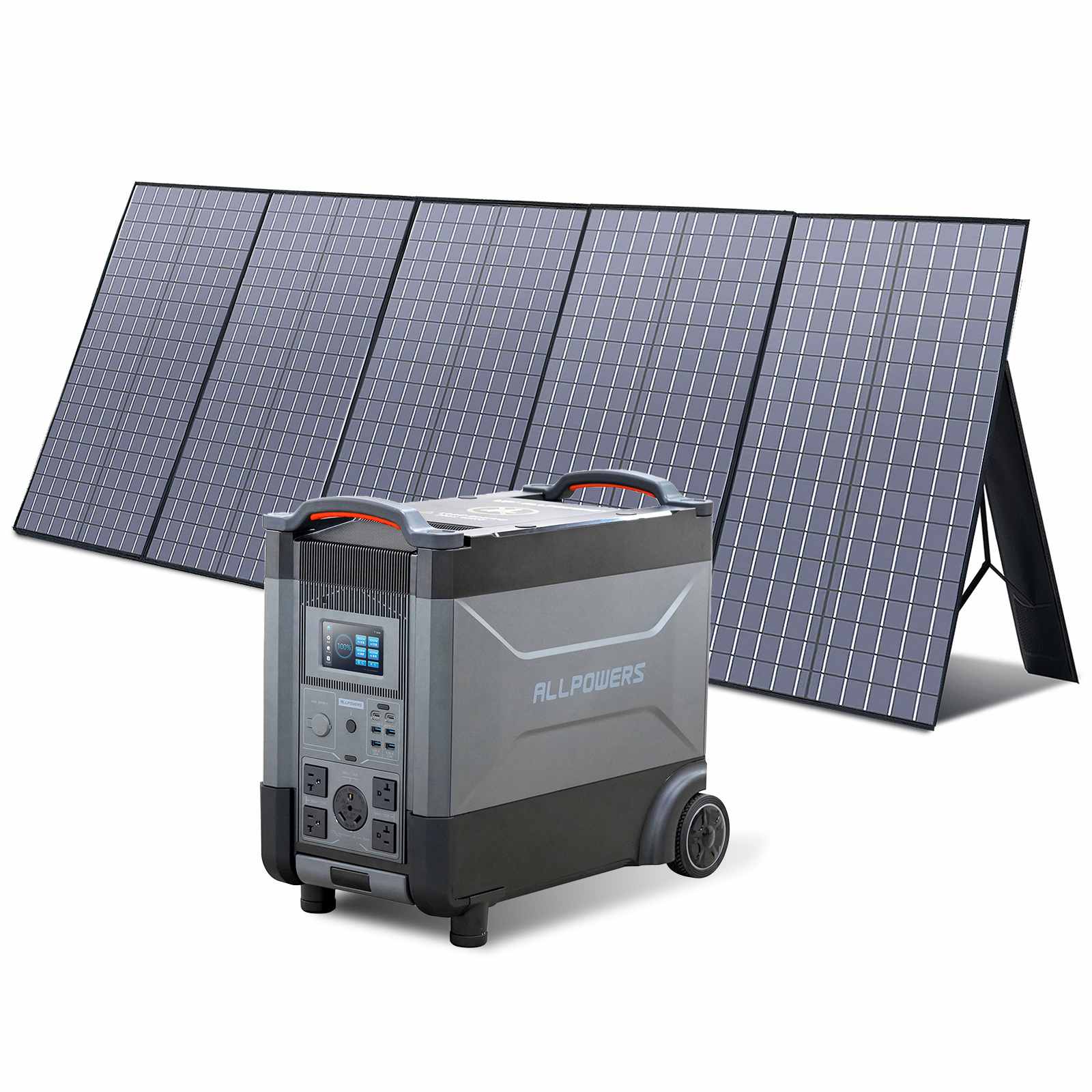
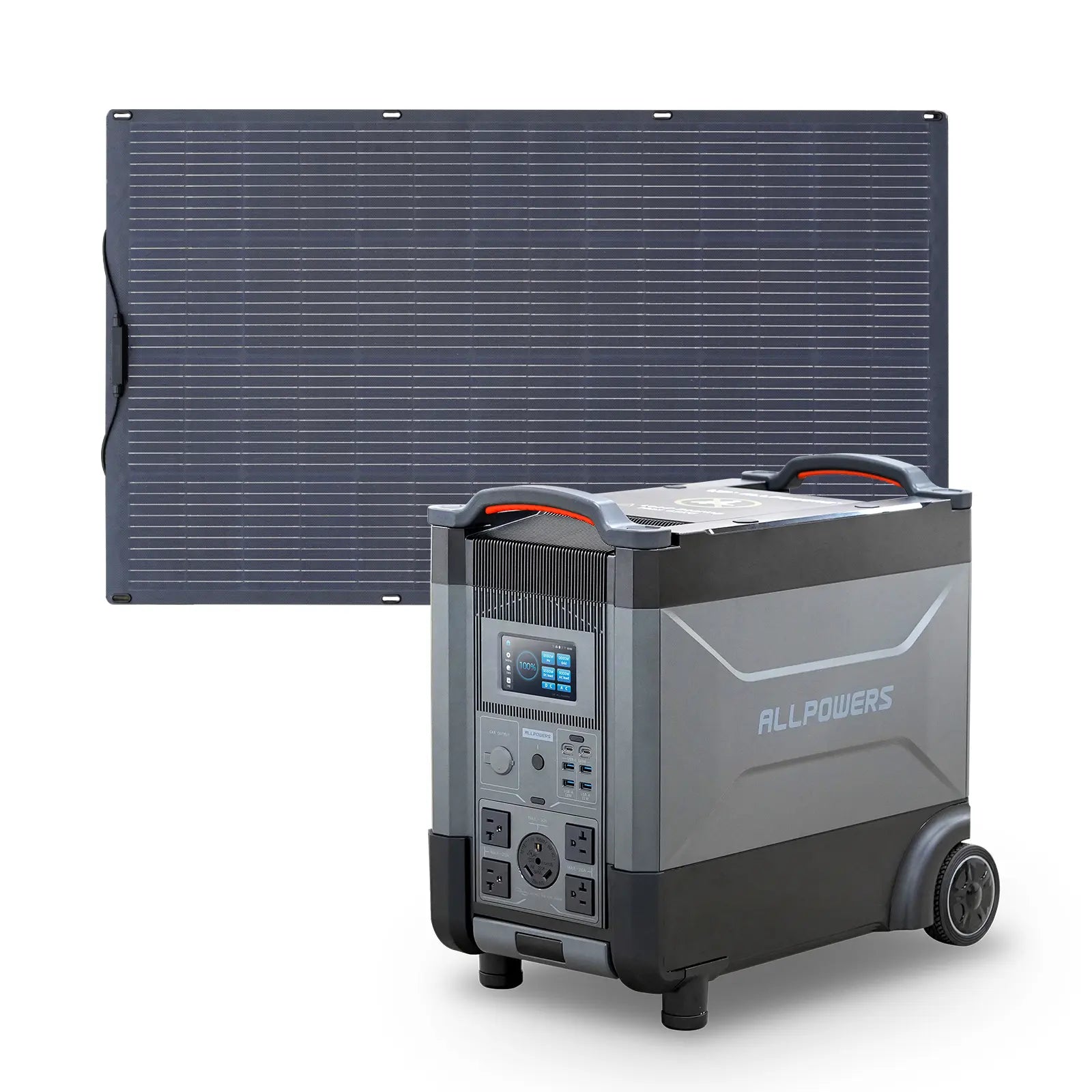
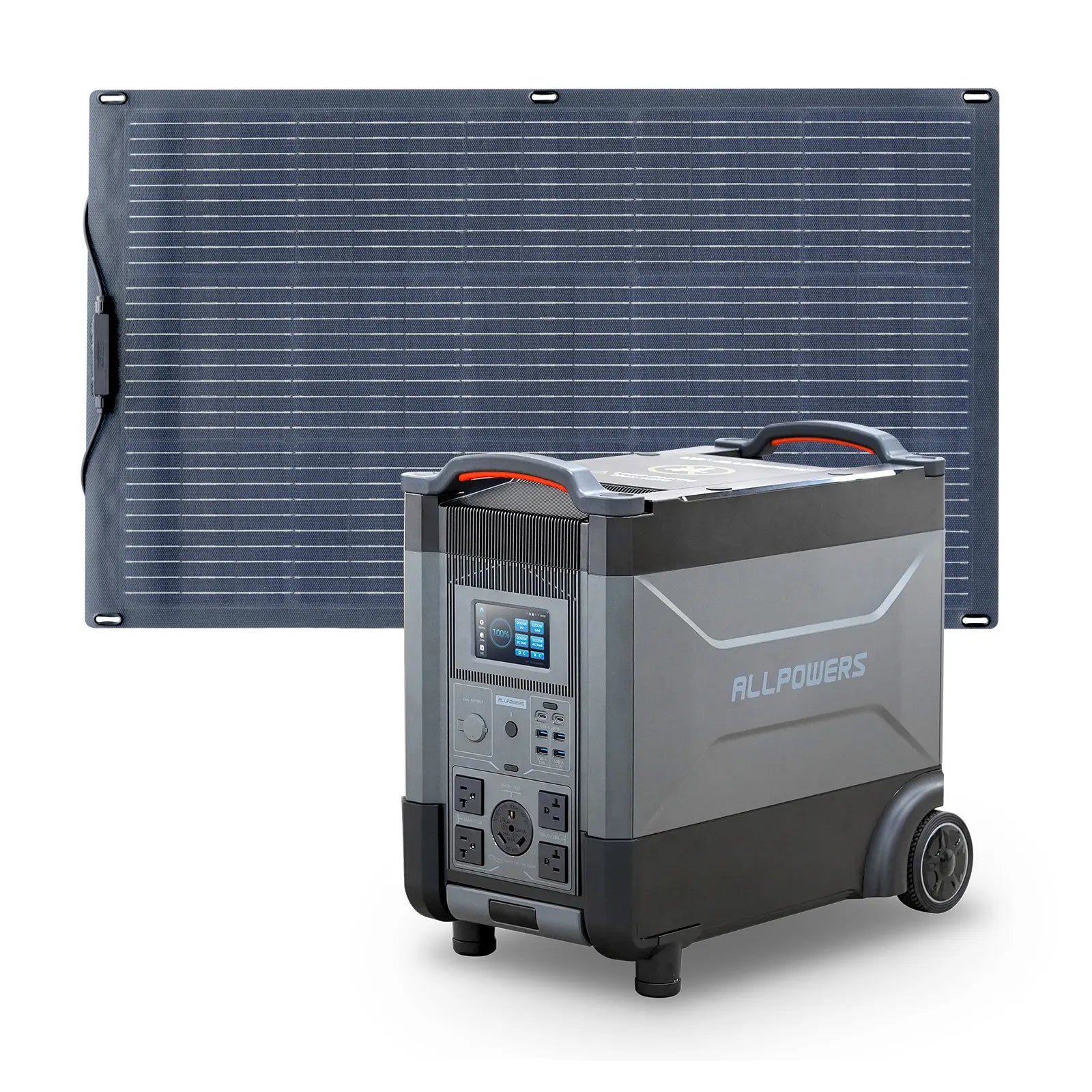
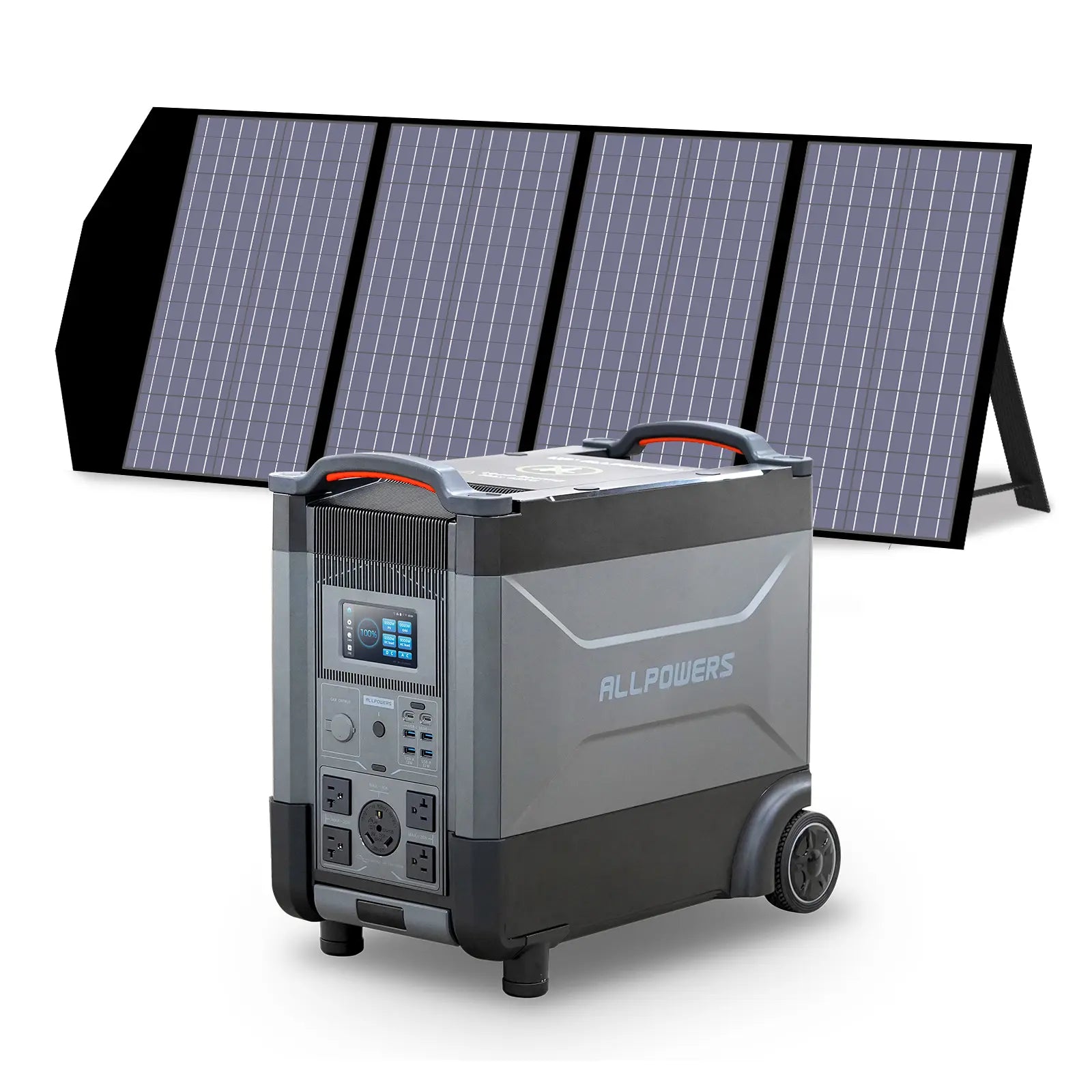
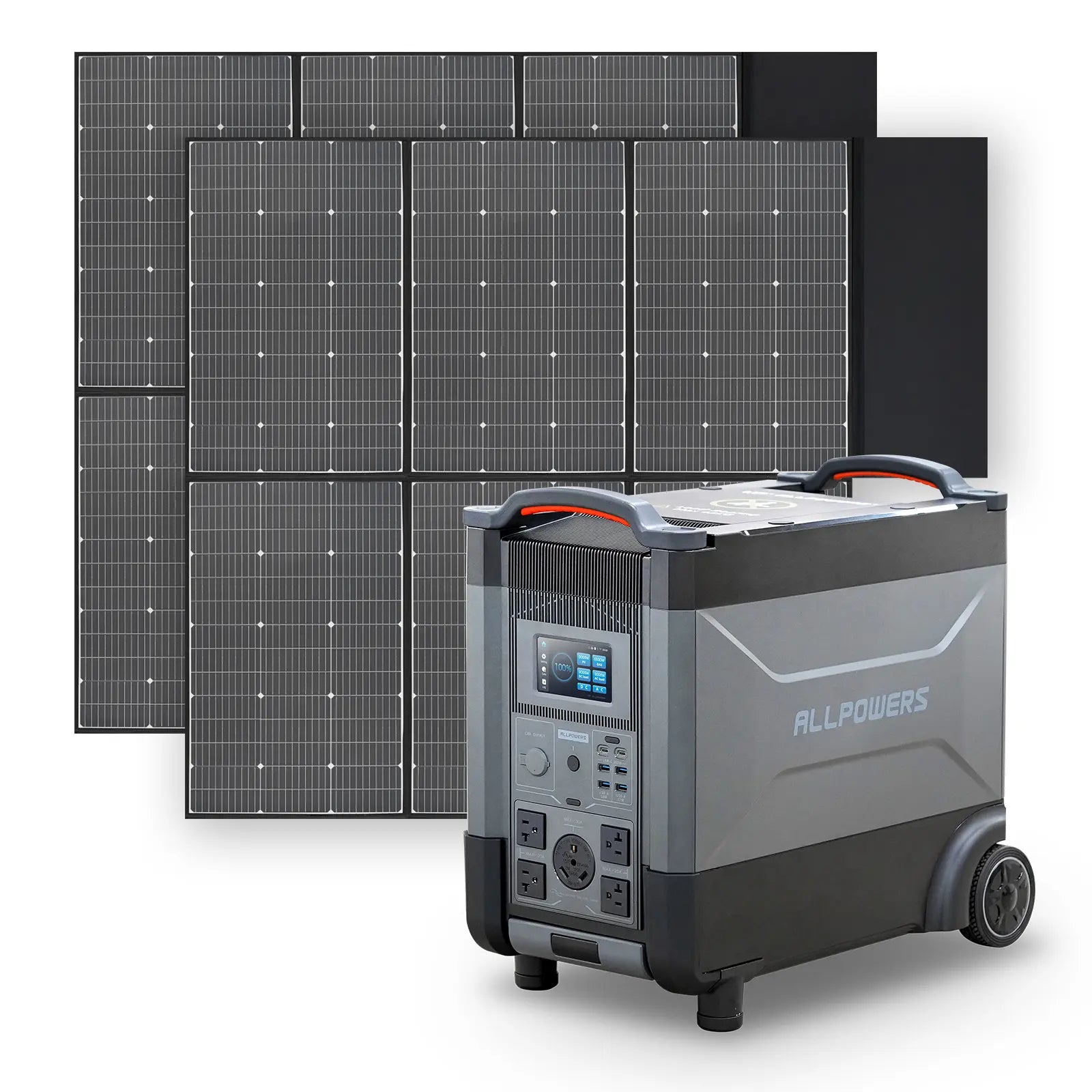
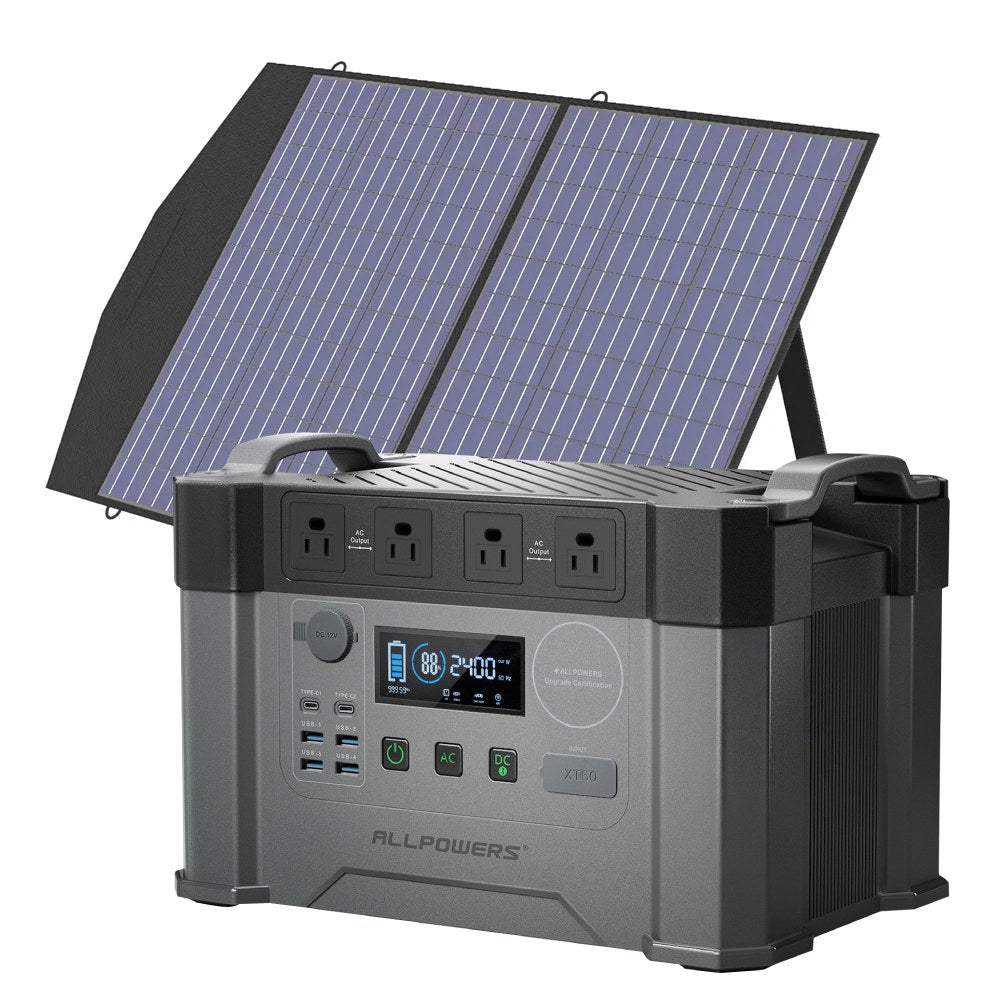
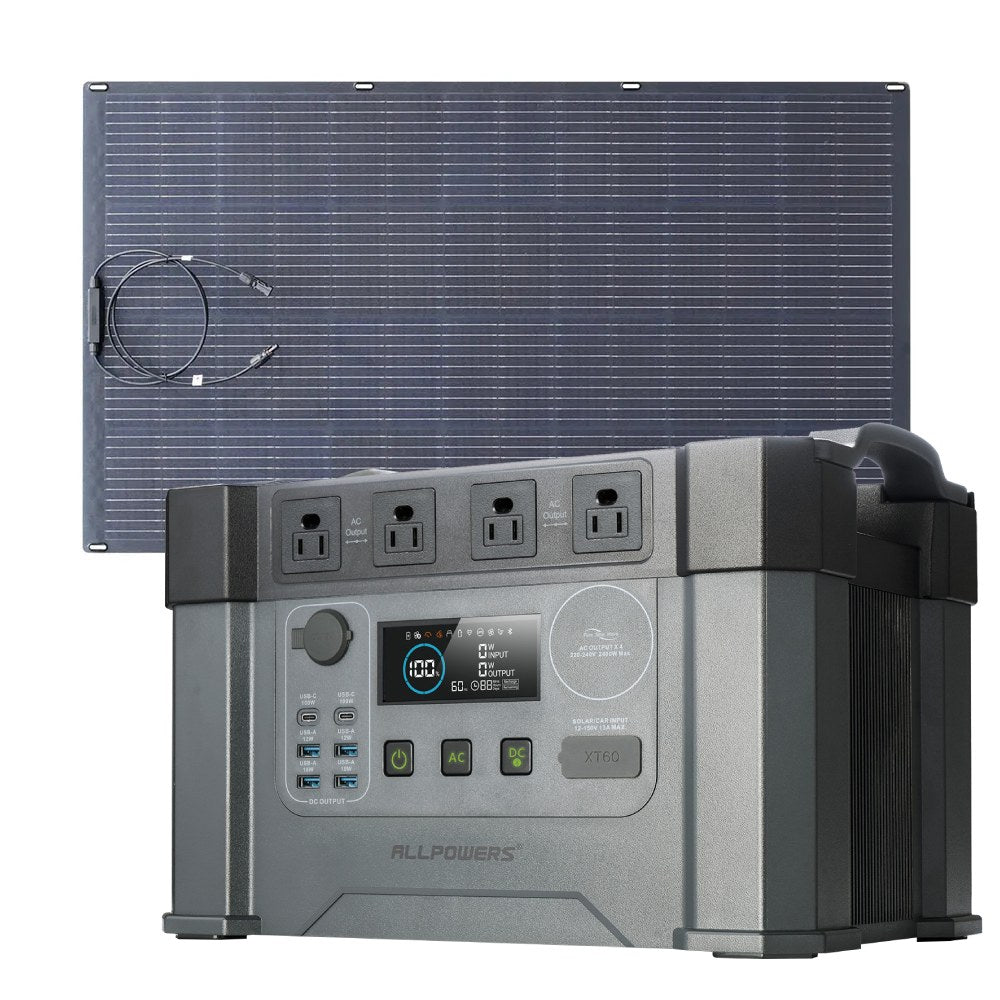
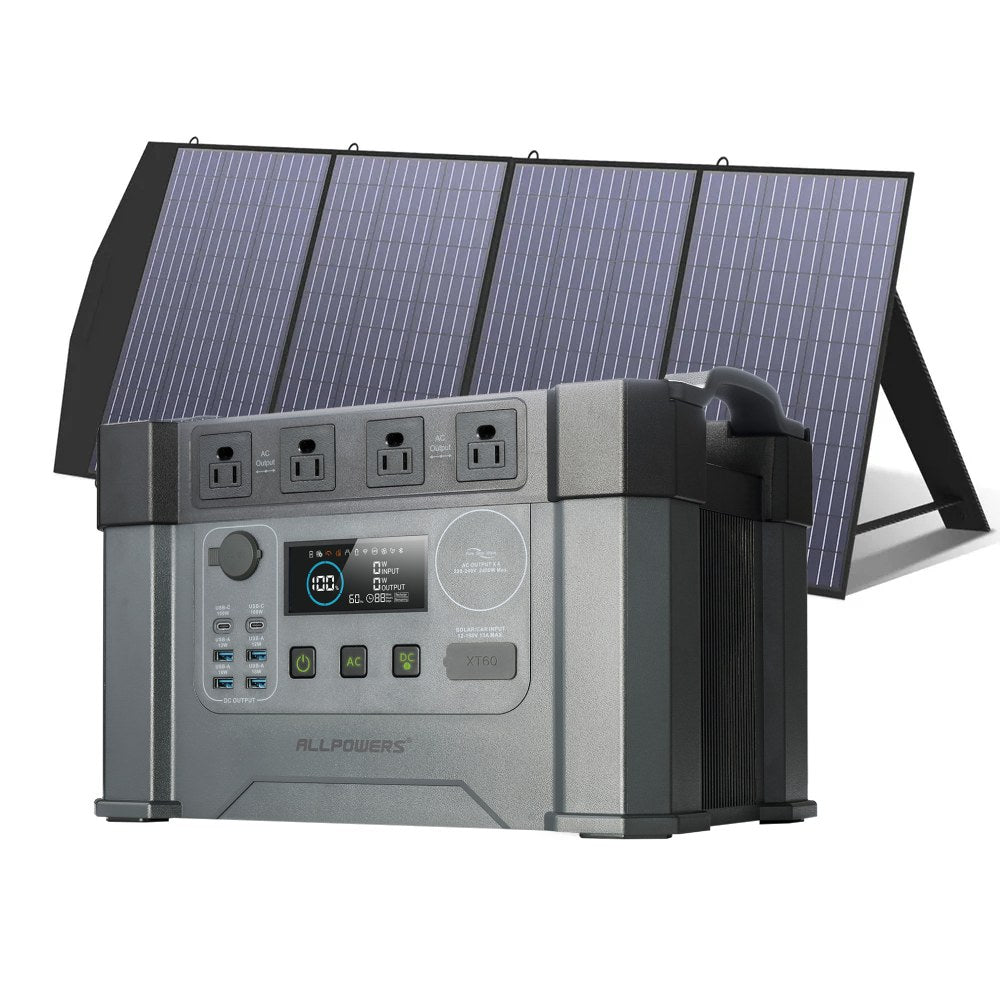
For lighter-duty welding applications, some professionals are increasingly exploring advanced battery-based energy systems and solar generators as alternatives to traditional fuel-powered generators, particularly when low noise levels, portability, or indoor operation are important considerations.
However, compatibility depends heavily on the welder's power requirements and the output capacity of the energy system being used.
Common Generator Sizing Mistakes
Using Rated Output Instead of Input Requirements
Many users mistakenly focus on welding output amperage rather than the machine's actual electrical input requirements.
Ignoring Startup Surges
Startup power demands can briefly exceed continuous operating loads and should always be considered during generator selection.
Forgetting Additional Tools
Remote work environments often include grinders, saws, compressors, and lighting equipment that increase overall power demand.
Choosing the Smallest Possible Generator
Selecting a generator with minimal reserve capacity can lead to performance problems and reduced equipment lifespan.
Choosing Reliable Power for Better Weld Quality
The quality of your welds depends on more than just welding technique. A stable and properly sized power source plays a major role in arc consistency, equipment reliability, and overall productivity.
Whether you're operating a compact MIG welder in a garage workshop or performing field repairs on heavy equipment, understanding your welder's electrical requirements can help prevent costly mistakes.
Rather than selecting a generator based solely on advertised wattage, take the time to evaluate voltage requirements, input amperage, duty cycle, and additional job-site power needs.
A properly matched power source provides the stability needed to keep welding projects running smoothly wherever the work takes you.
Frequently Asked Questions
Can a 5,000-watt generator run a welder?
Some smaller MIG welders and light-duty welding machines can operate on a 5,000-watt generator, but larger welders typically require more capacity.
How many watts does a 240V welder need?
Many 240V welders require between 6,000 and 10,000 watts, depending on amperage settings and machine size.
Can inverter generators run welders?
Yes. Many inverter generators can power welders, provided they offer sufficient wattage and stable voltage output.
Do welders require surge wattage?
Yes. Welding equipment often experiences temporary startup surges and varying load demands during operation.
Can solar generators power a welder?
Some high-capacity solar generators can support certain welding machines, particularly smaller inverter welders. However, compatibility depends on the welder's startup surge, continuous power requirements, and voltage specifications.