











Storms often bring more than heavy rain and strong winds. They can also cause widespread power outages that leave homes without electricity for hours or even days.
When the lights go out, many homeowners rely on backup power sources to keep essential appliances running.
However, one of the most overlooked aspects of emergency preparedness is knowing where a generator should be placed during a storm.
Improper placement can create serious safety hazards, reduce equipment performance, and even increase the risk of carbon monoxide exposure.
So, where should you put a generator during a storm?
TL;DR: A generator should always be placed outdoors in a well-ventilated area, away from doors, windows, vents, and attached garages. It should sit on a dry, stable surface protected from direct rain while maintaining adequate airflow. Never operate a fuel-powered generator indoors, in garages, or under enclosed structures.
Why Generator Placement Matters
Many homeowners focus on generator size, fuel supply, and runtime but pay less attention to proper generator placement.
During a storm, placement becomes one of the most important factors affecting both safety and performance.
Fuel-powered generators produce exhaust gases that contain carbon monoxide (CO), an odorless and potentially deadly gas.
Without proper ventilation, carbon monoxide can accumulate quickly and create life-threatening conditions.
Proper placement also protects equipment from water damage, improves airflow, and helps ensure reliable operation during severe weather.
How Far Should a Generator Be From Your House?
One of the most common questions homeowners ask during storm season is how far a generator should be positioned from the home.
Most safety organizations recommend placing generators at least 20 feet away from occupied structures whenever possible.
The goal is to prevent exhaust gases from entering through doors, windows, attic vents, crawl space vents, or HVAC systems.
Learn More: How Far Should Generator Be From House?
Pay Attention to Wind Direction
Storm conditions can cause wind patterns to change rapidly. Even if a generator is positioned at a safe distance, exhaust fumes may still drift toward the house under certain conditions.
Whenever possible, position the exhaust outlet so that fumes move away from living areas.
Avoid Attached Structures
Many homeowners mistakenly believe operating a generator inside an open garage is safe. In reality, open garage doors do not provide sufficient ventilation to prevent carbon monoxide buildup.
Can You Run a Generator in the Rain?
Storm-related outages often occur during heavy rainfall, leading many homeowners to wonder whether generators can operate safely in wet conditions.
Water and electricity are a dangerous combination. Running electrical equipment in standing water or exposing outlets to direct rainfall can increase the risk of electrical shock and equipment damage.
Learn More: Can You Run a Generator in the Rain?
Keep the Generator Dry
A generator should always remain on a dry and elevated surface. Avoid placing it directly in puddles, low-lying areas, or locations prone to flooding.
Use Approved Weather Protection
Many generator manufacturers offer specially designed covers that provide rain protection while maintaining proper airflow.
Improvised coverings such as tarps may restrict ventilation and increase overheating risks if not used carefully.
Common Generator Placement Mistakes
Many generator-related accidents occur because of seemingly small mistakes that become dangerous during emergencies.
Operating Inside a Garage
Garages remain one of the most common locations where homeowners mistakenly place generators. Even with doors open, dangerous gases can accumulate.
Placing the Generator Near Windows
Open windows may allow carbon monoxide to enter living spaces even when the generator appears to be positioned outdoors.
Using Extension Cords Improperly
Long extension cords stretched across wet surfaces can create trip hazards and electrical risks during storms.
Operating Near Flooded Areas
Floodwater introduces significant electrical dangers and can damage generator components.
Preparing Backup Power Before a Storm
Generator safety starts long before severe weather arrives. Waiting until a storm is already underway often leads to rushed decisions and unsafe setups.
Homeowners should inspect equipment regularly, test startup procedures, verify fuel supplies, and identify safe operating locations before storm season begins.
Practice Setup Procedures
Familiarity with generator operation can reduce stress and improve safety during actual emergencies.
Check Carbon Monoxide Detectors
Working CO detectors provide an important layer of protection whenever backup power equipment is being used near occupied structures.
Safe vs Unsafe Generator Locations
| Location | Safety Level | Reason |
|---|---|---|
| Open Outdoor Area | Safe | Provides proper ventilation |
| Dry Concrete Pad | Safe | Stable and elevated surface |
| Garage | Unsafe | Carbon monoxide accumulation risk |
| Basement | Unsafe | No ventilation |
| Covered Porch Near Windows | Unsafe | Exhaust may enter home |
| Flooded Area | Unsafe | Electrical shock hazard |
Noise, Safety, and Neighborhood Considerations
Generator placement also affects noise levels, especially during extended outages when equipment may operate for many hours.
Positioning equipment farther from sleeping areas can improve comfort while still maintaining safe operating distances.
In densely populated neighborhoods, thoughtful placement can also help reduce disturbances for nearby residents.
Planning for Extended Power Outages
Not all backup power solutions face the same placement challenges during storms.
Traditional fuel-powered generators require careful attention to ventilation, fuel storage, exhaust direction, and weather protection.
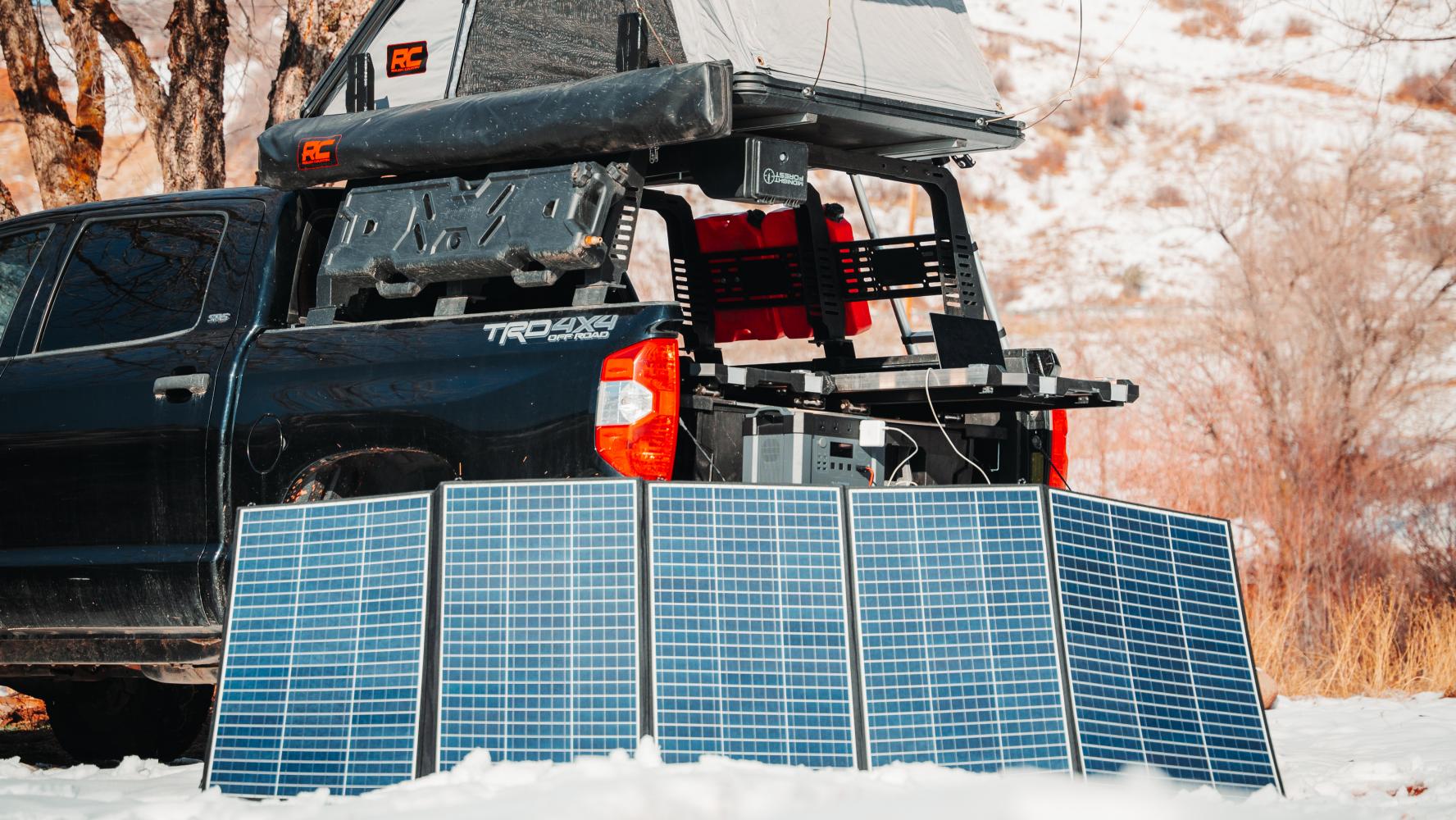
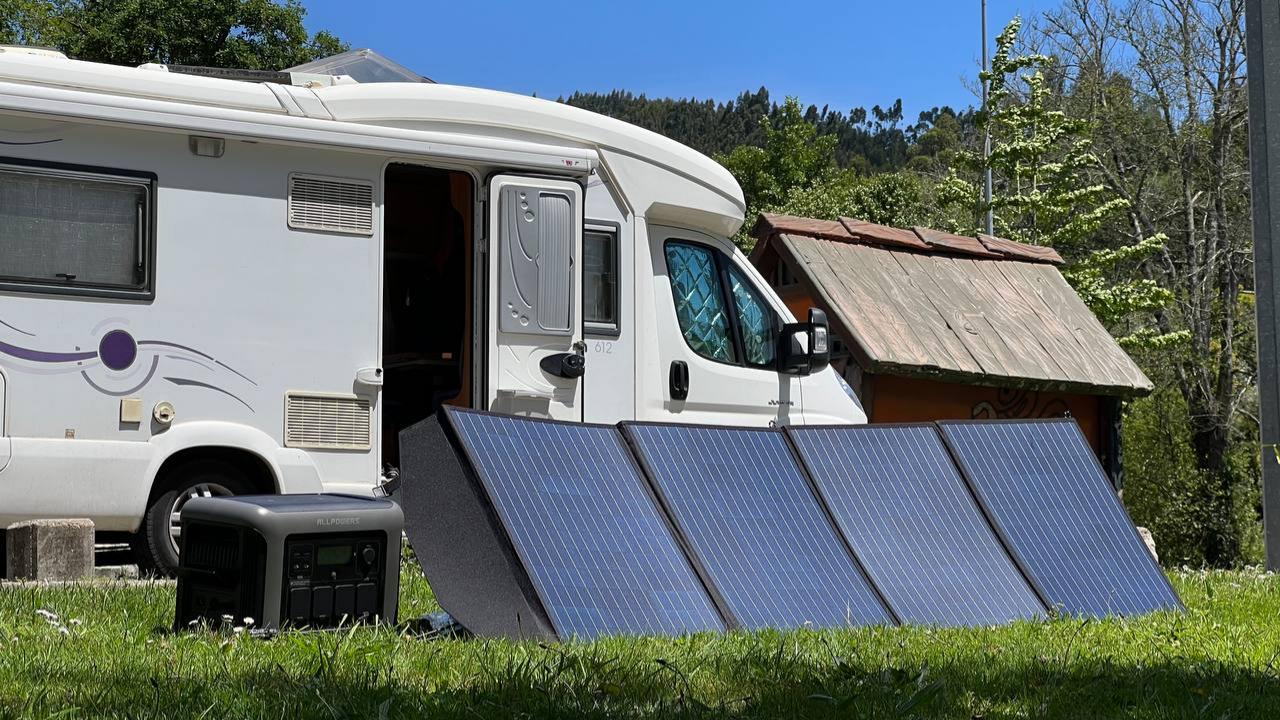
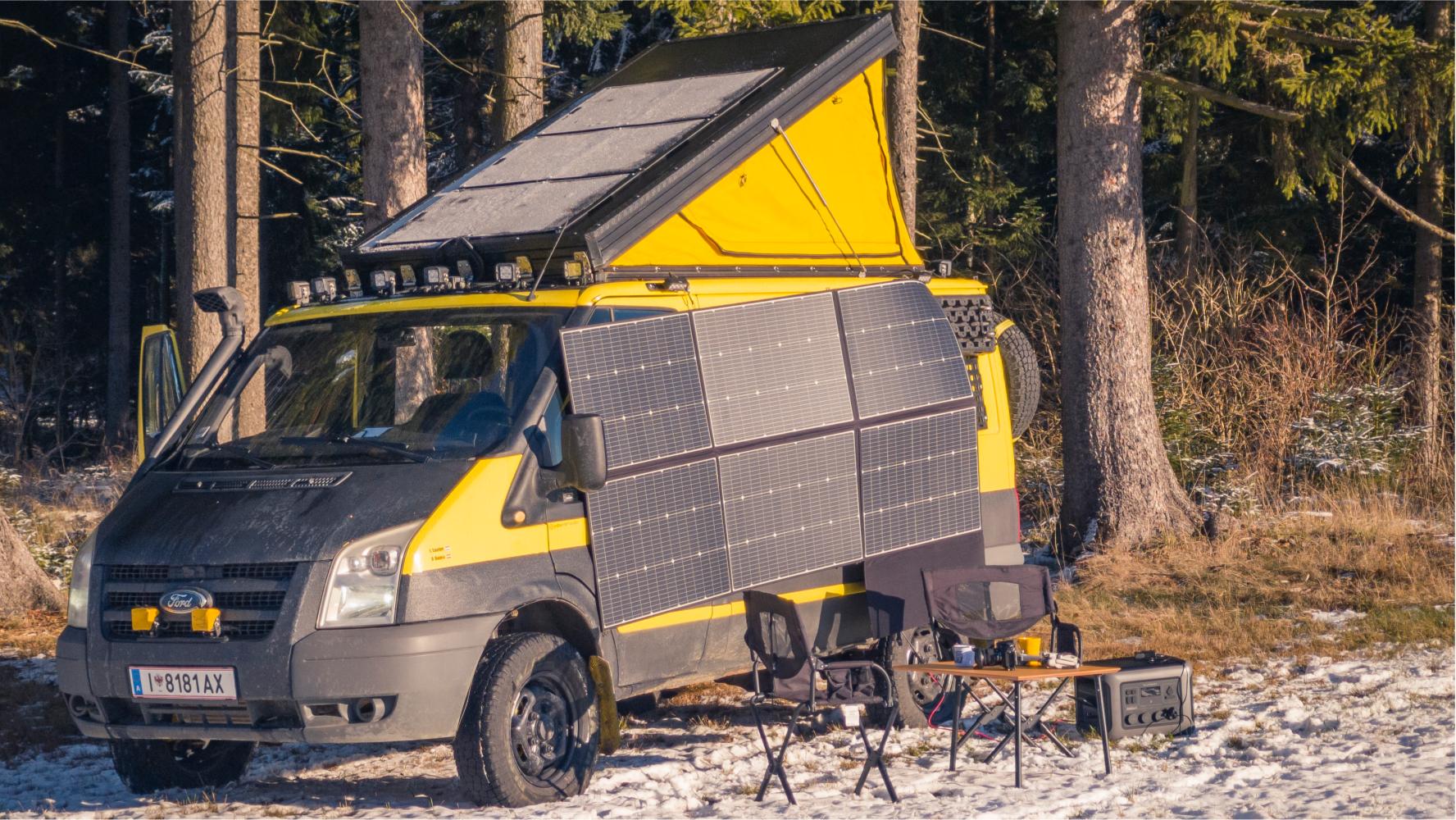
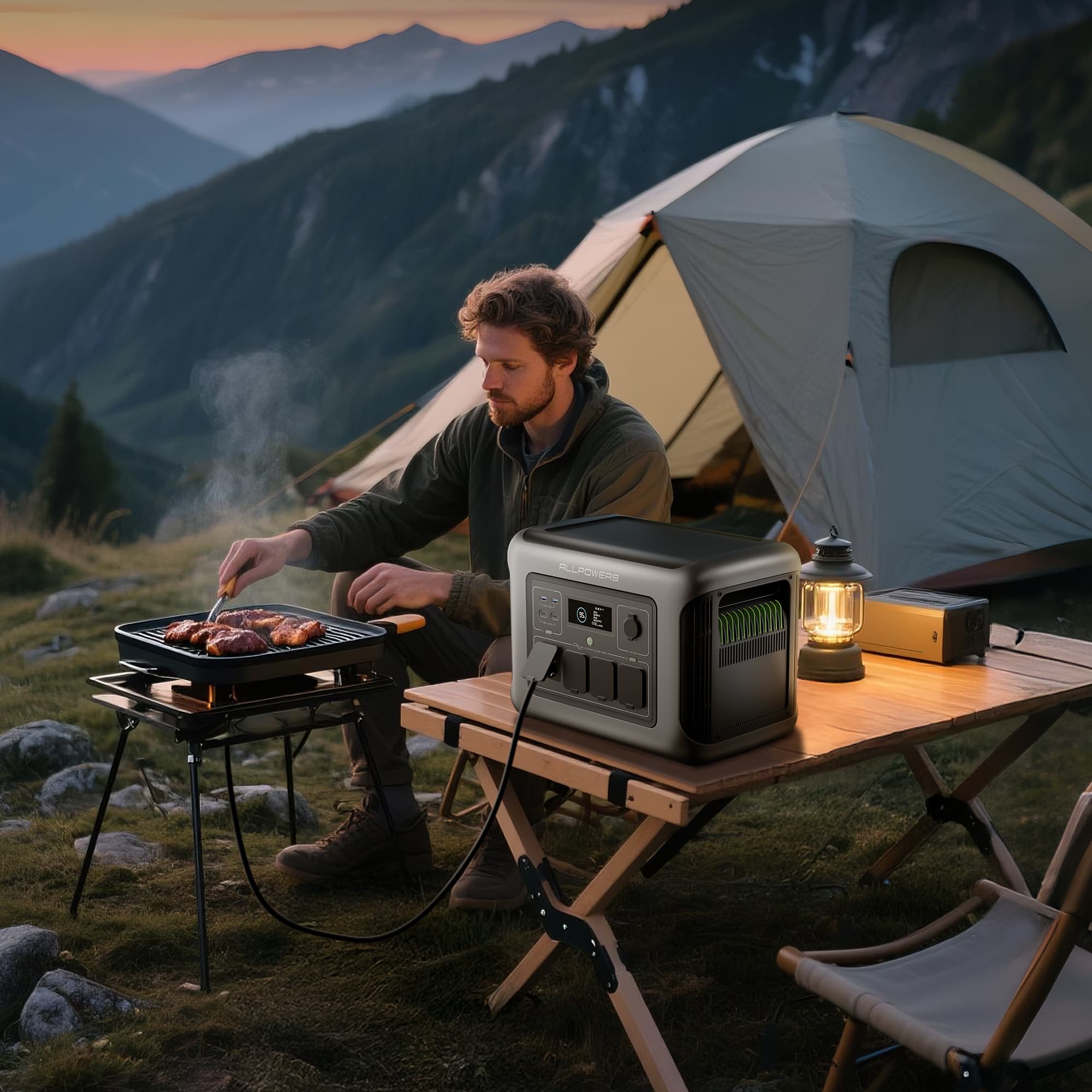
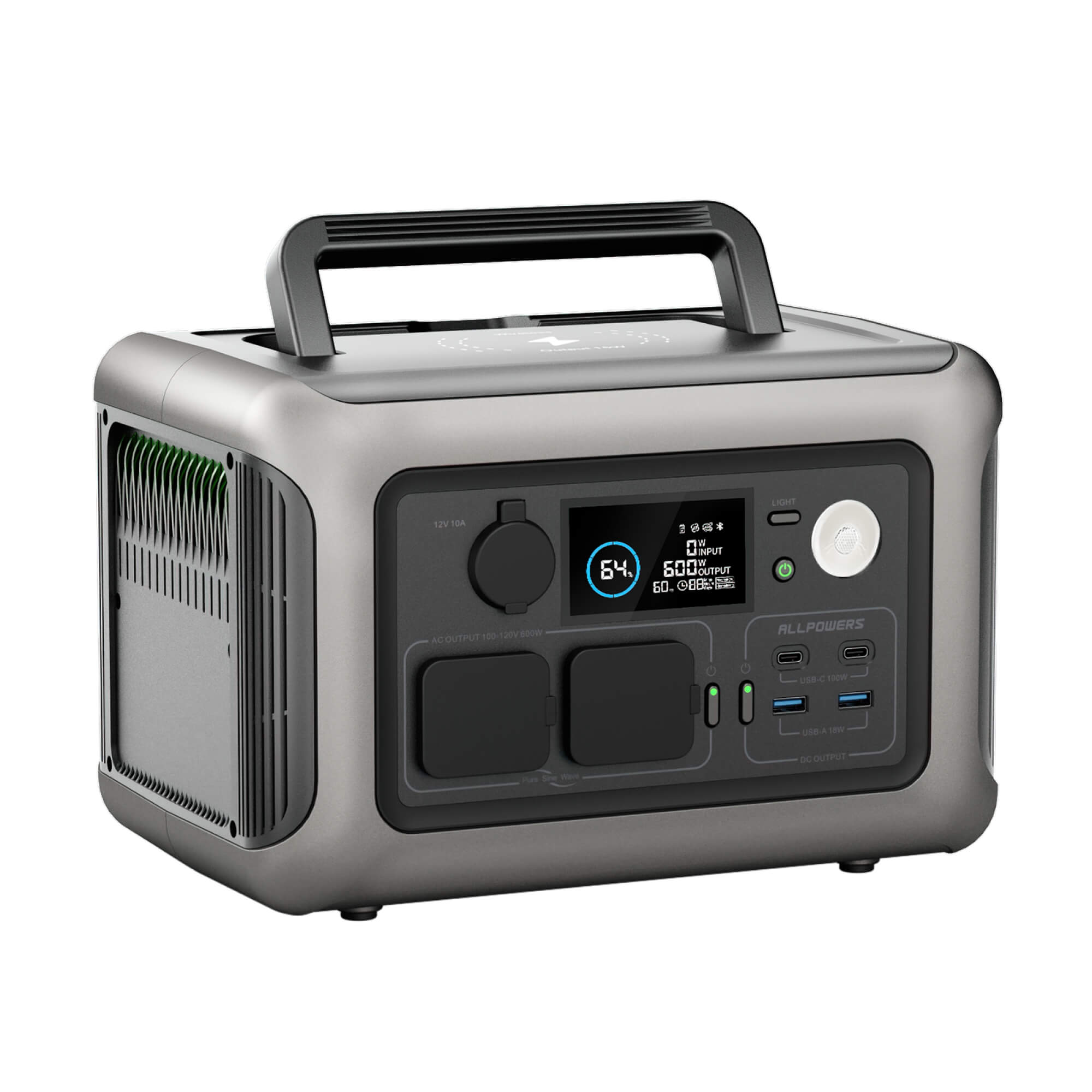
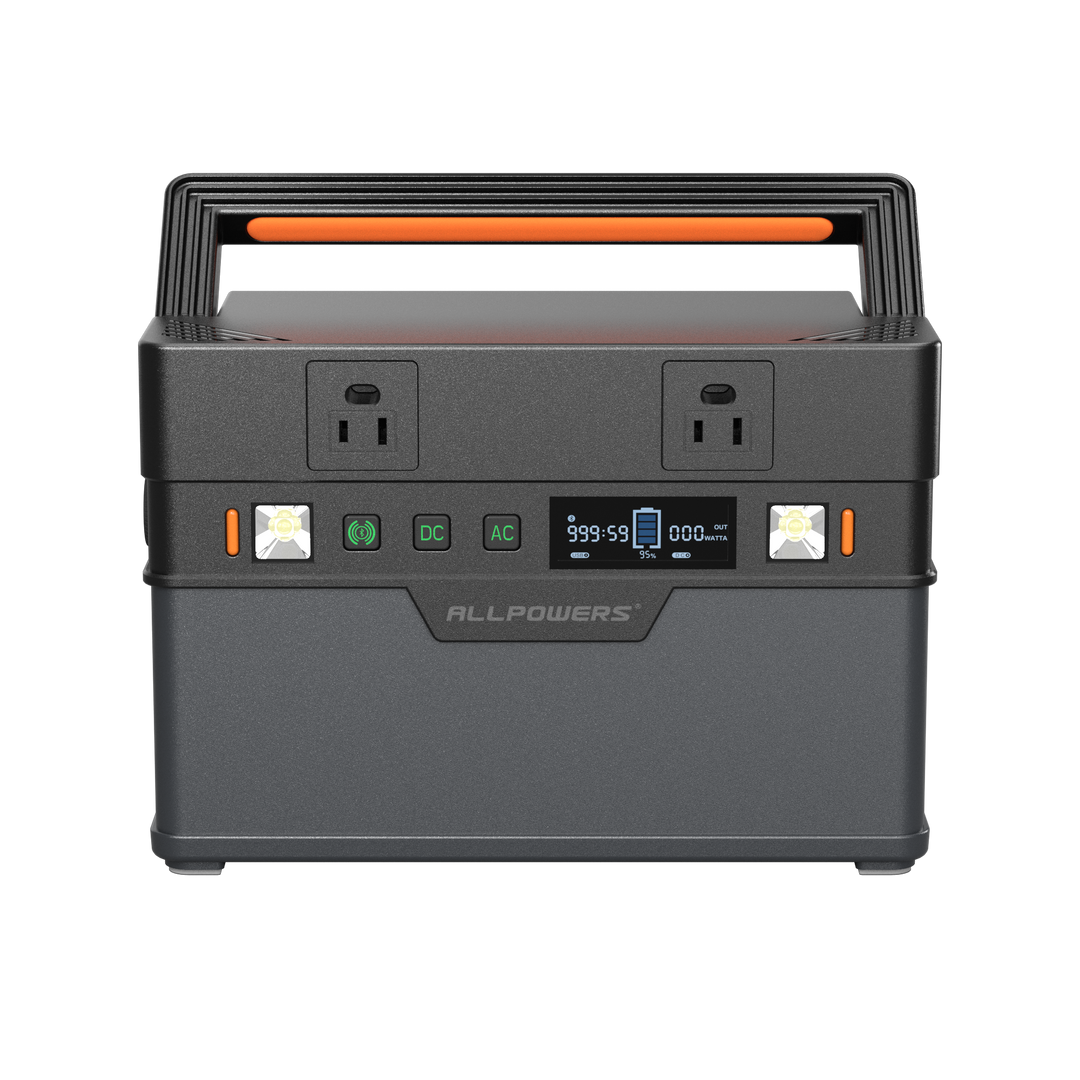
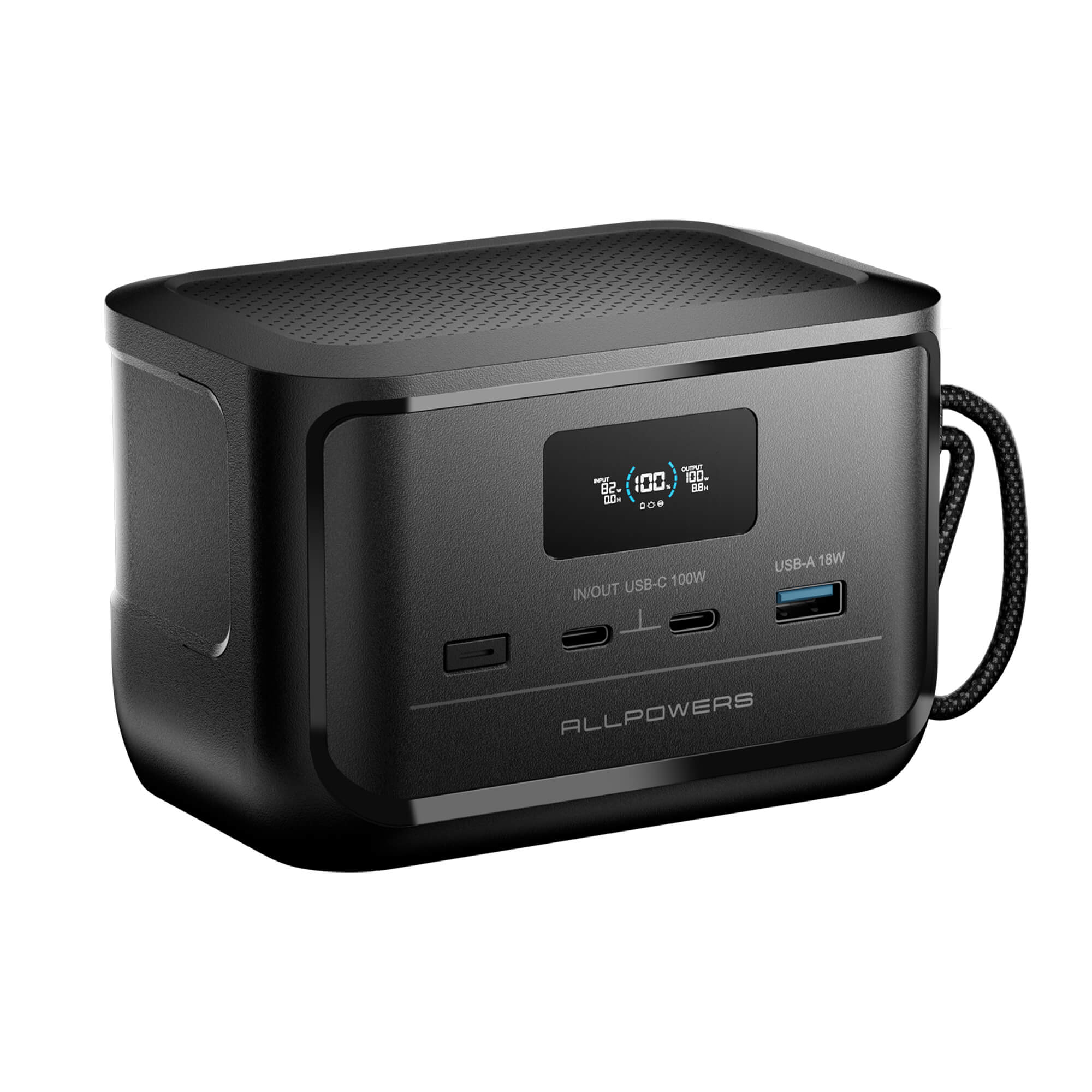
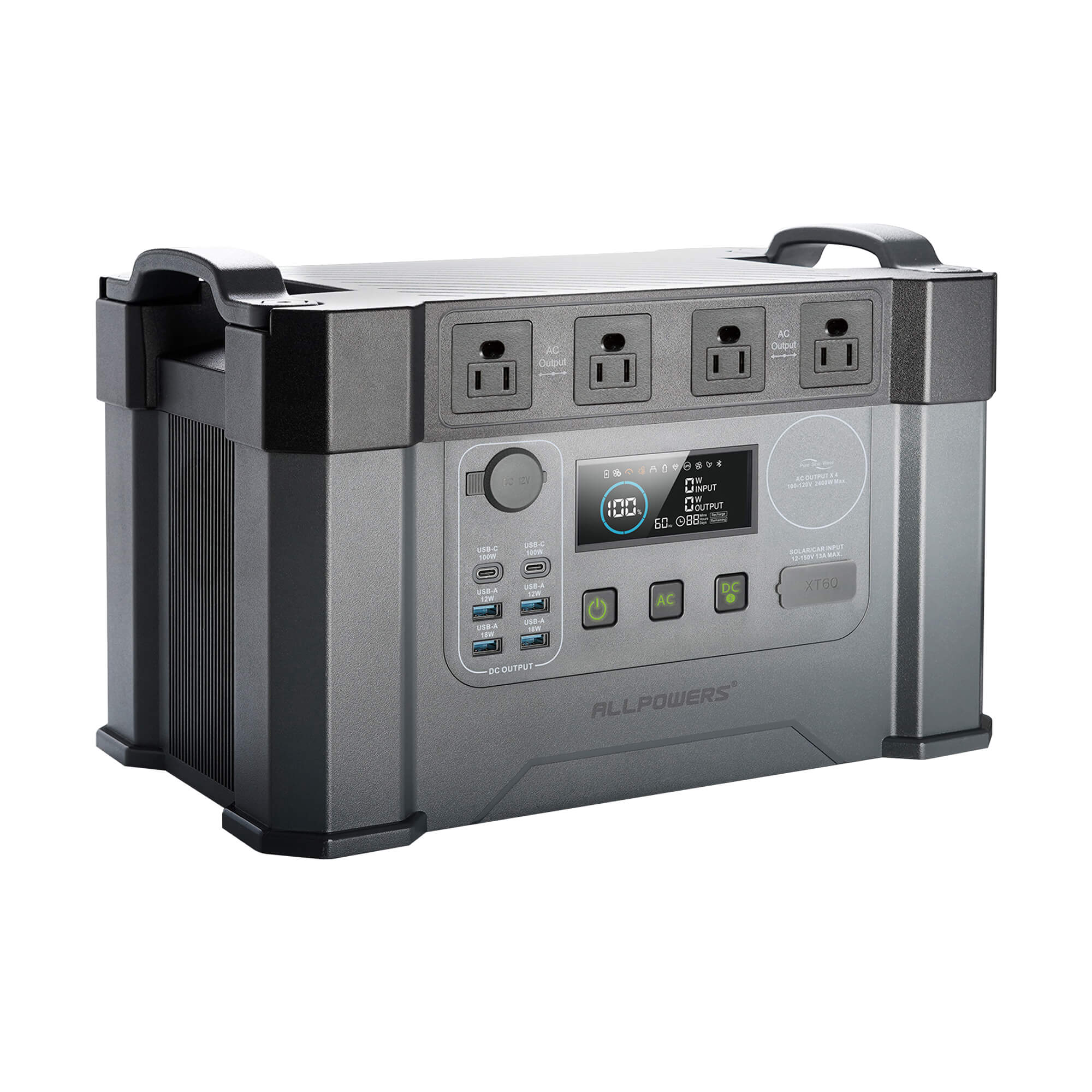
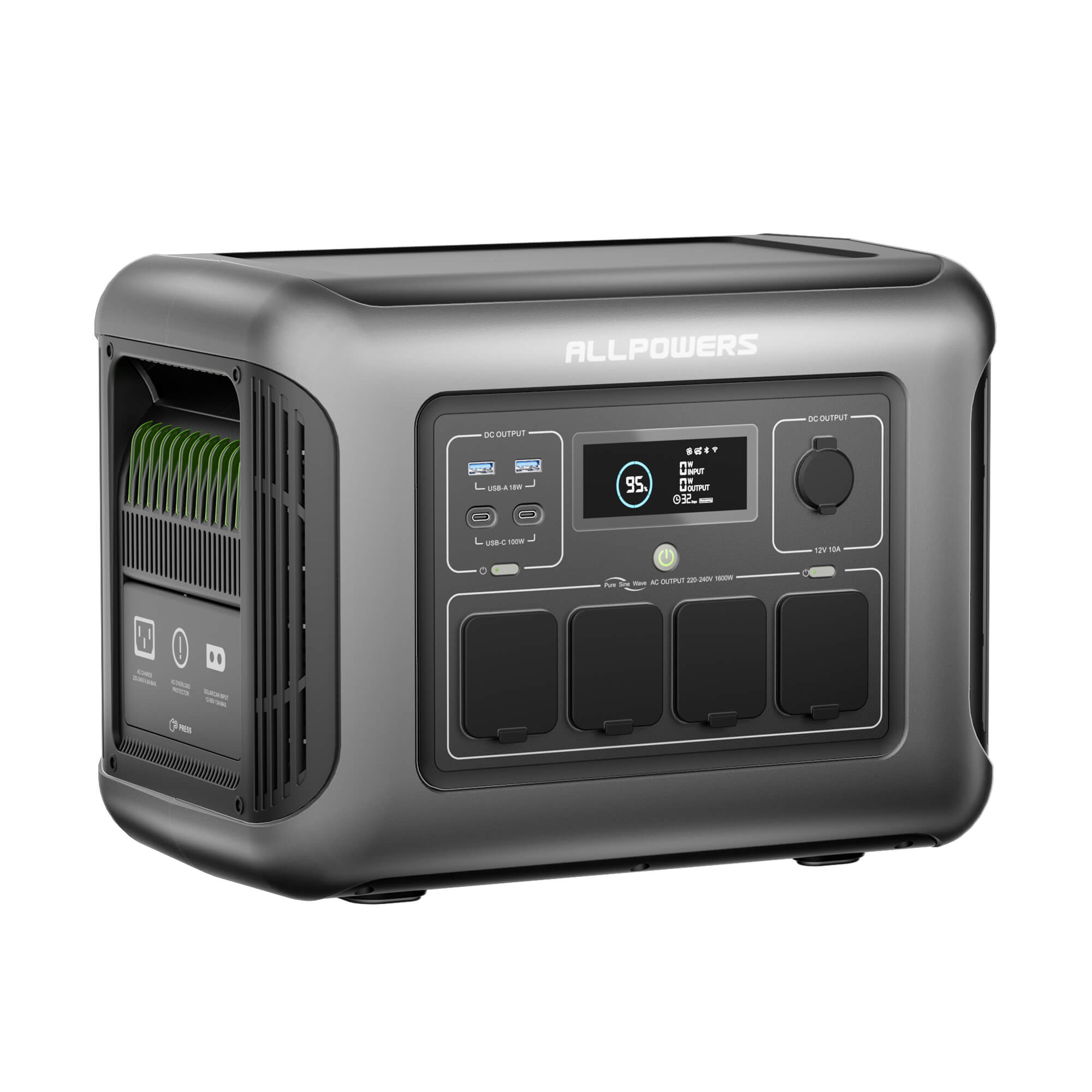
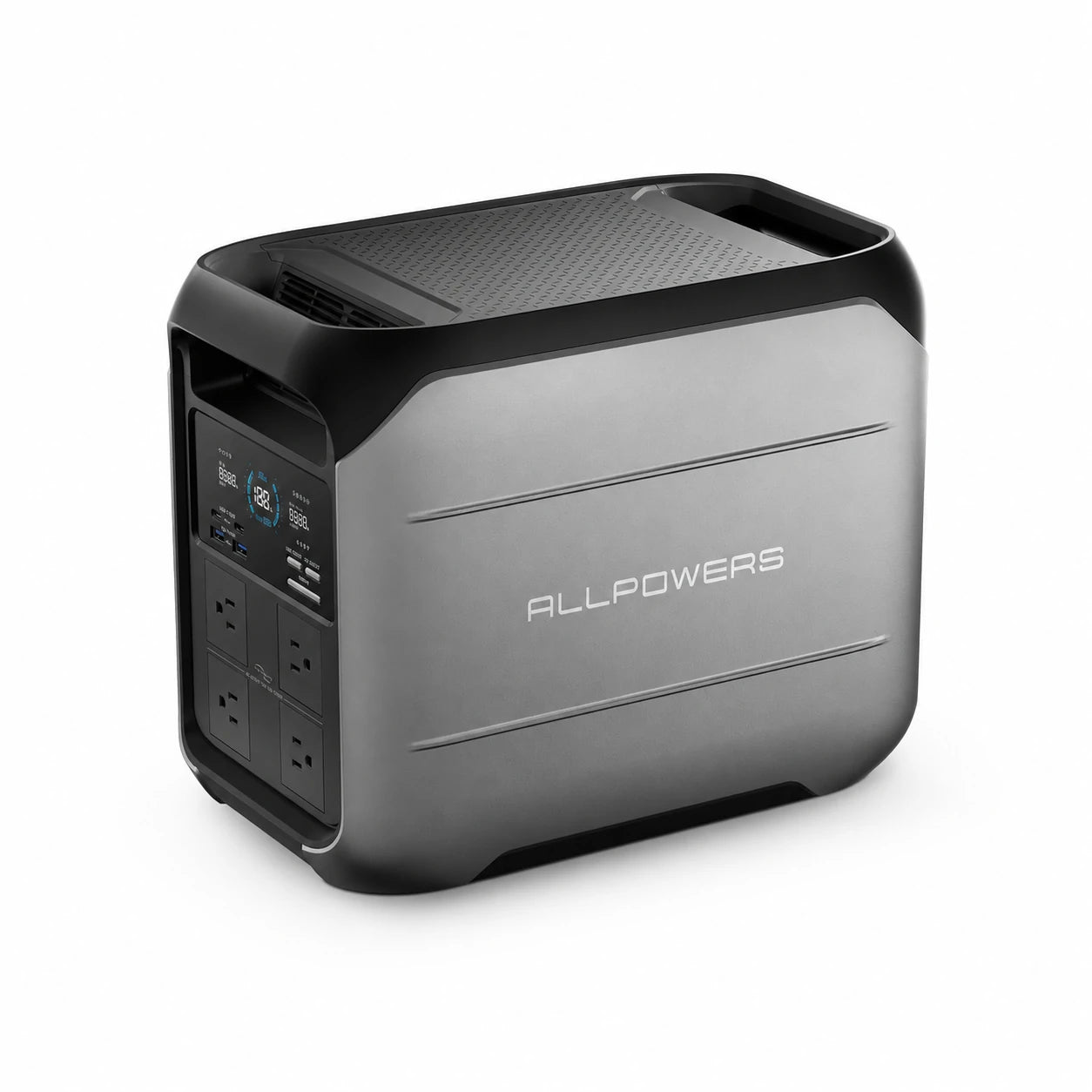
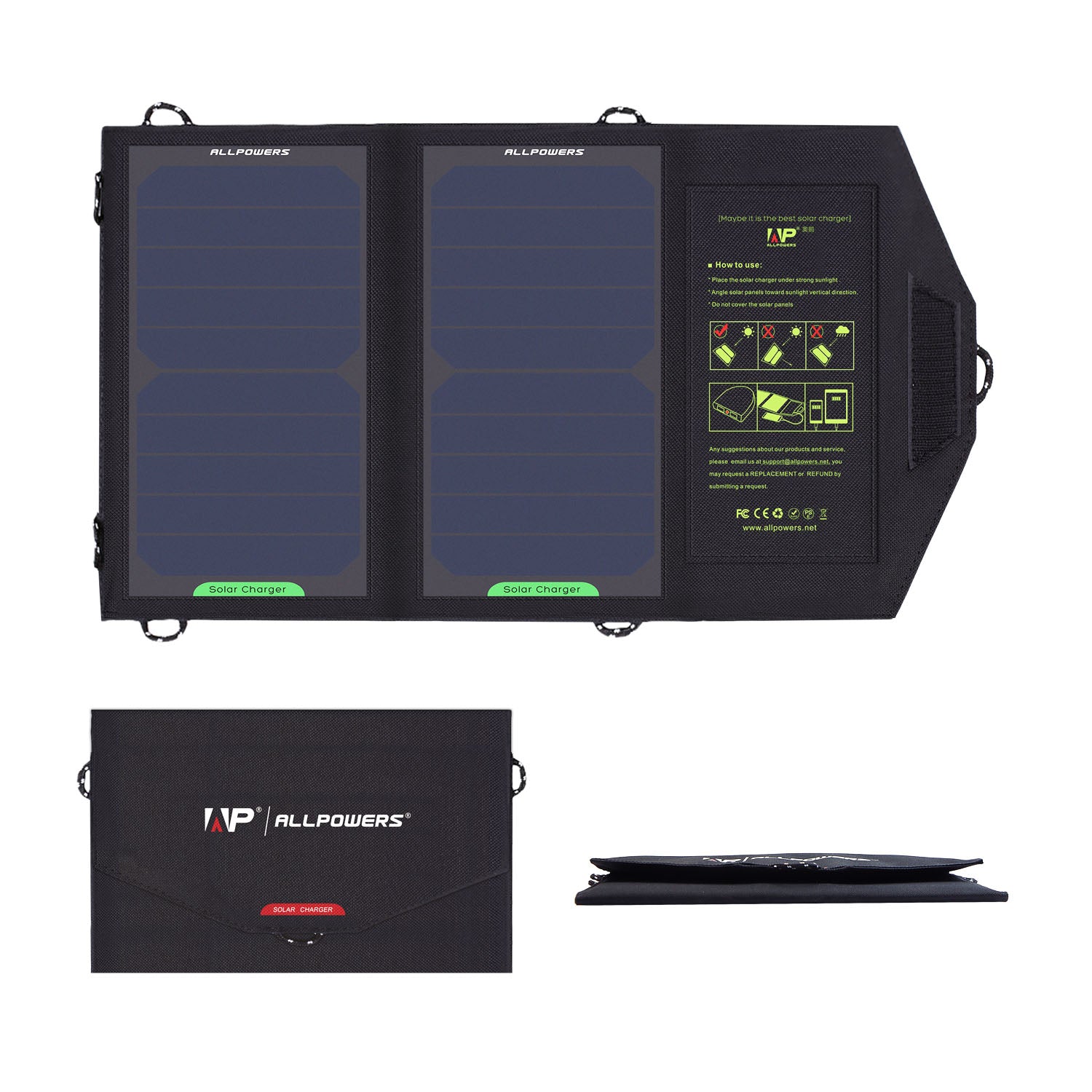
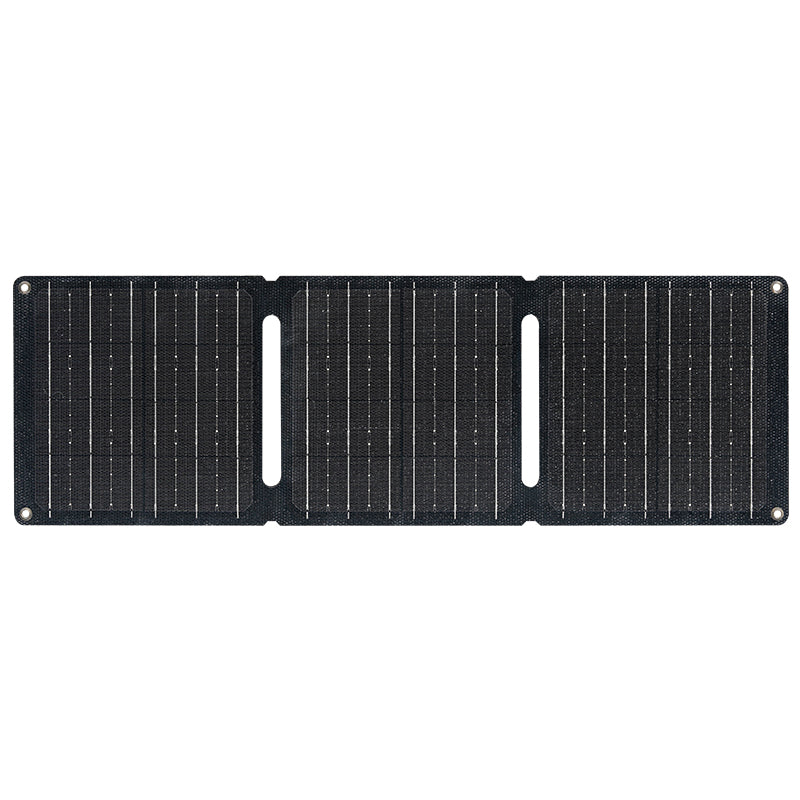
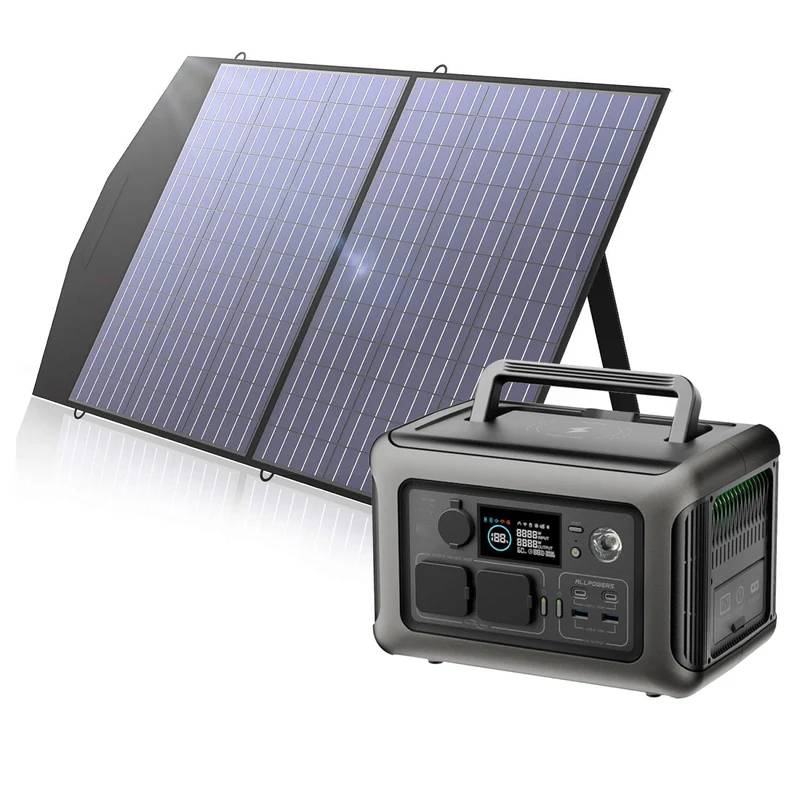
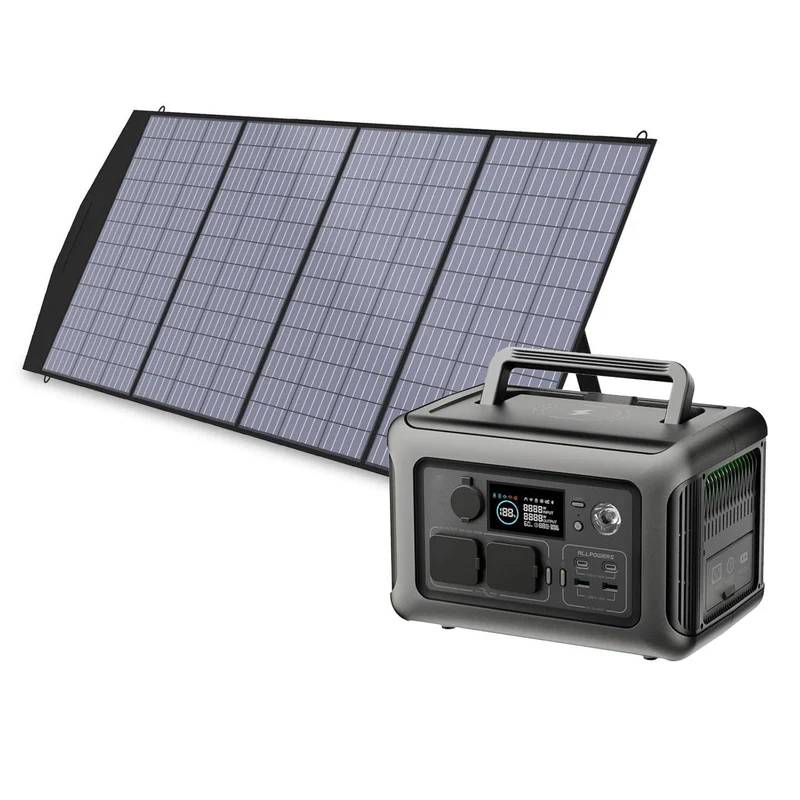
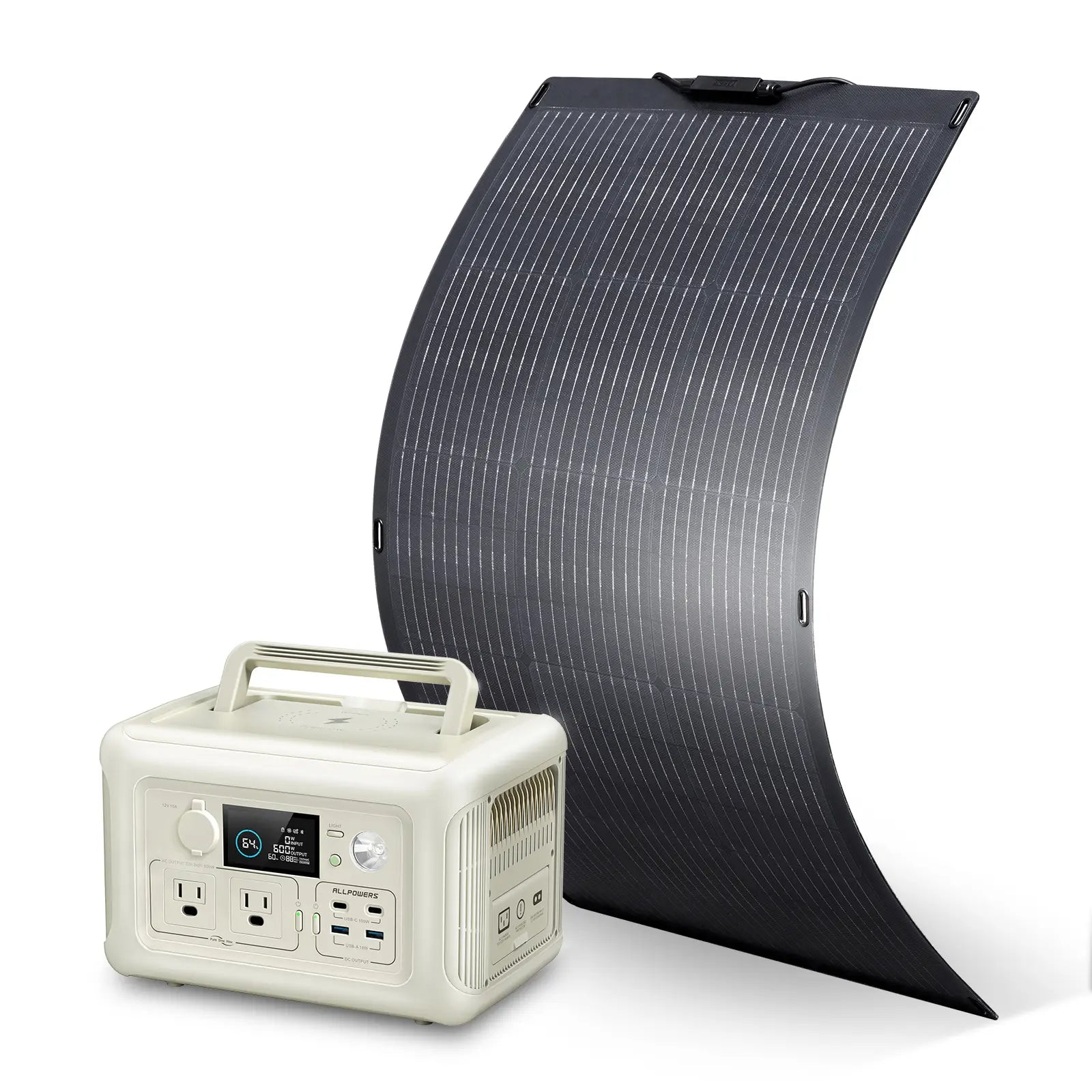
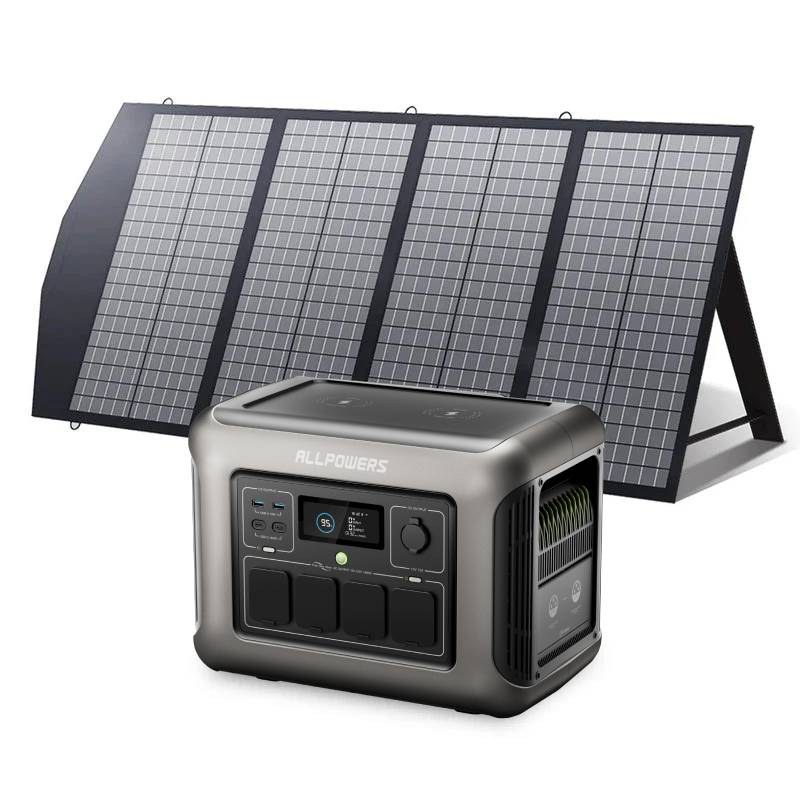
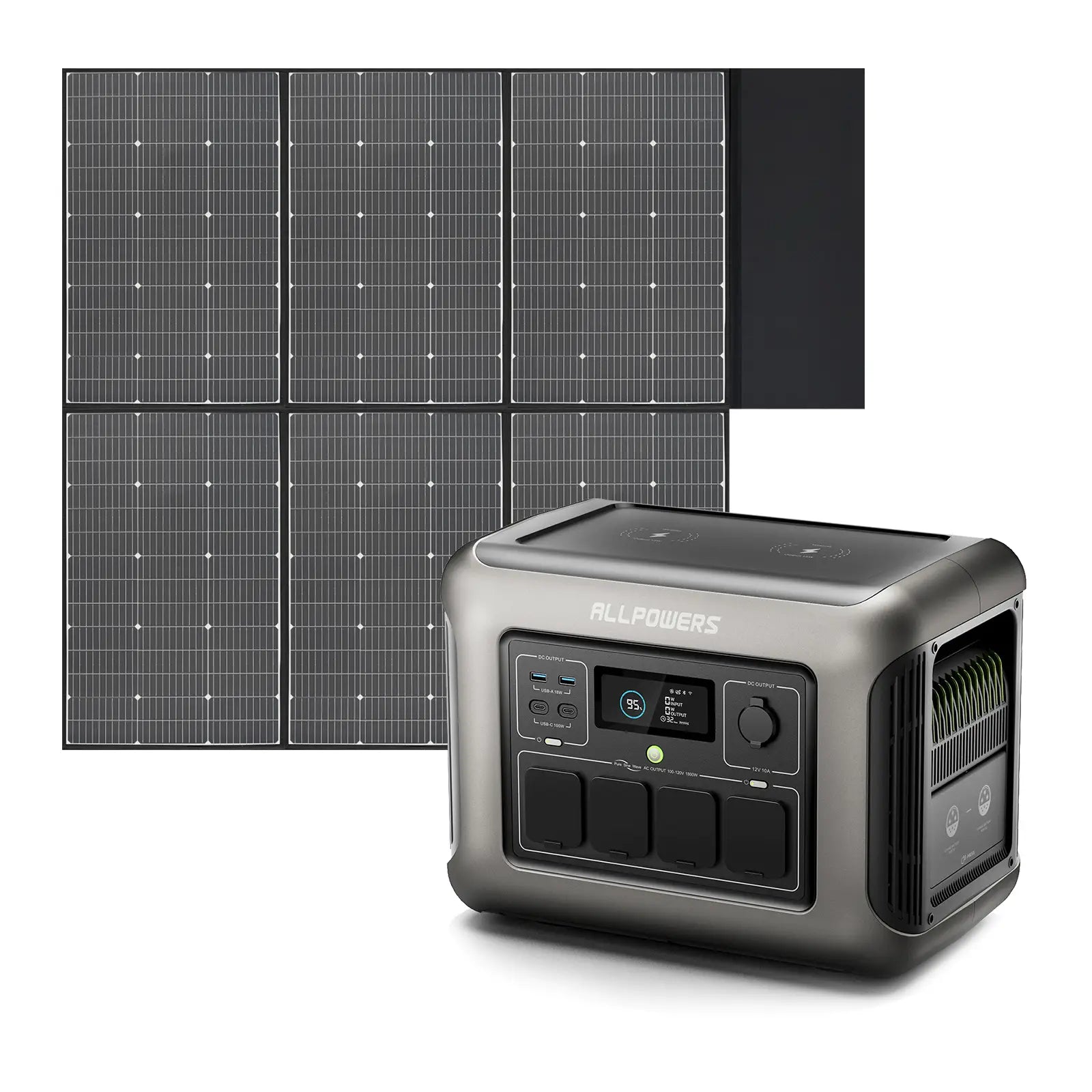
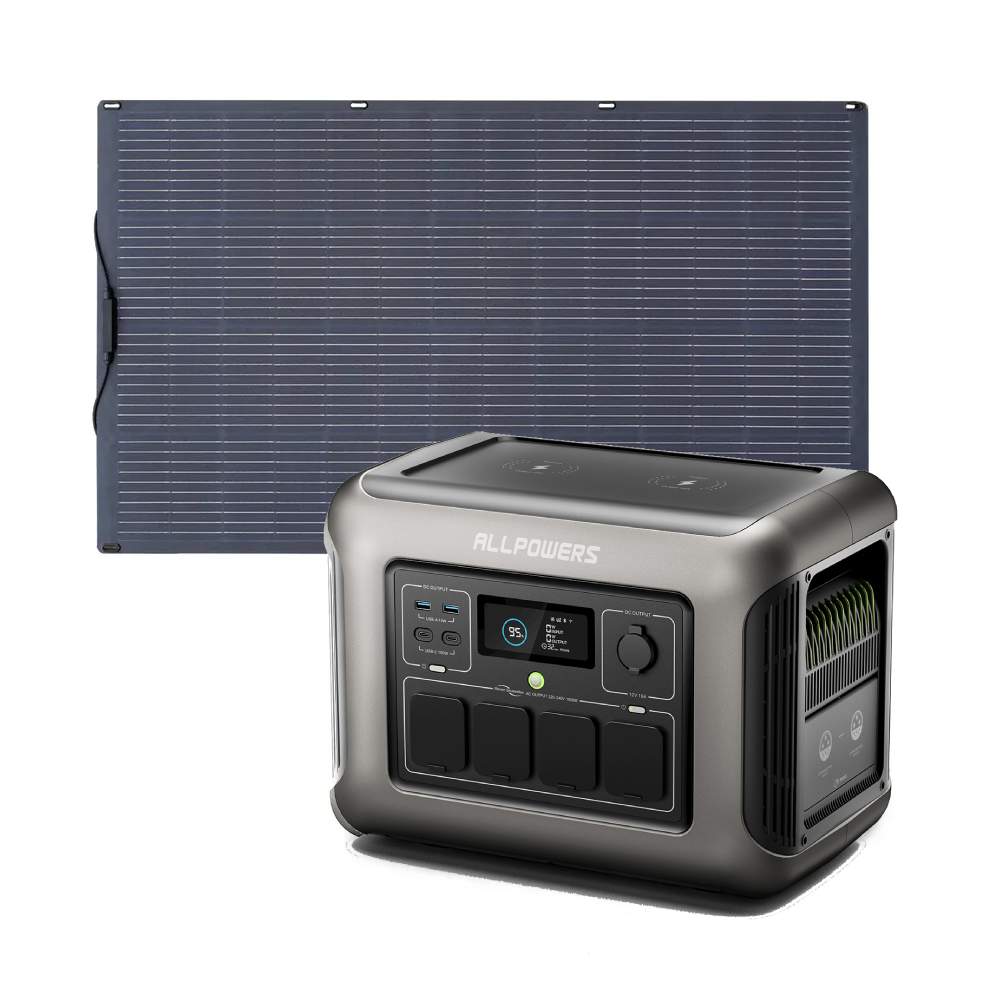
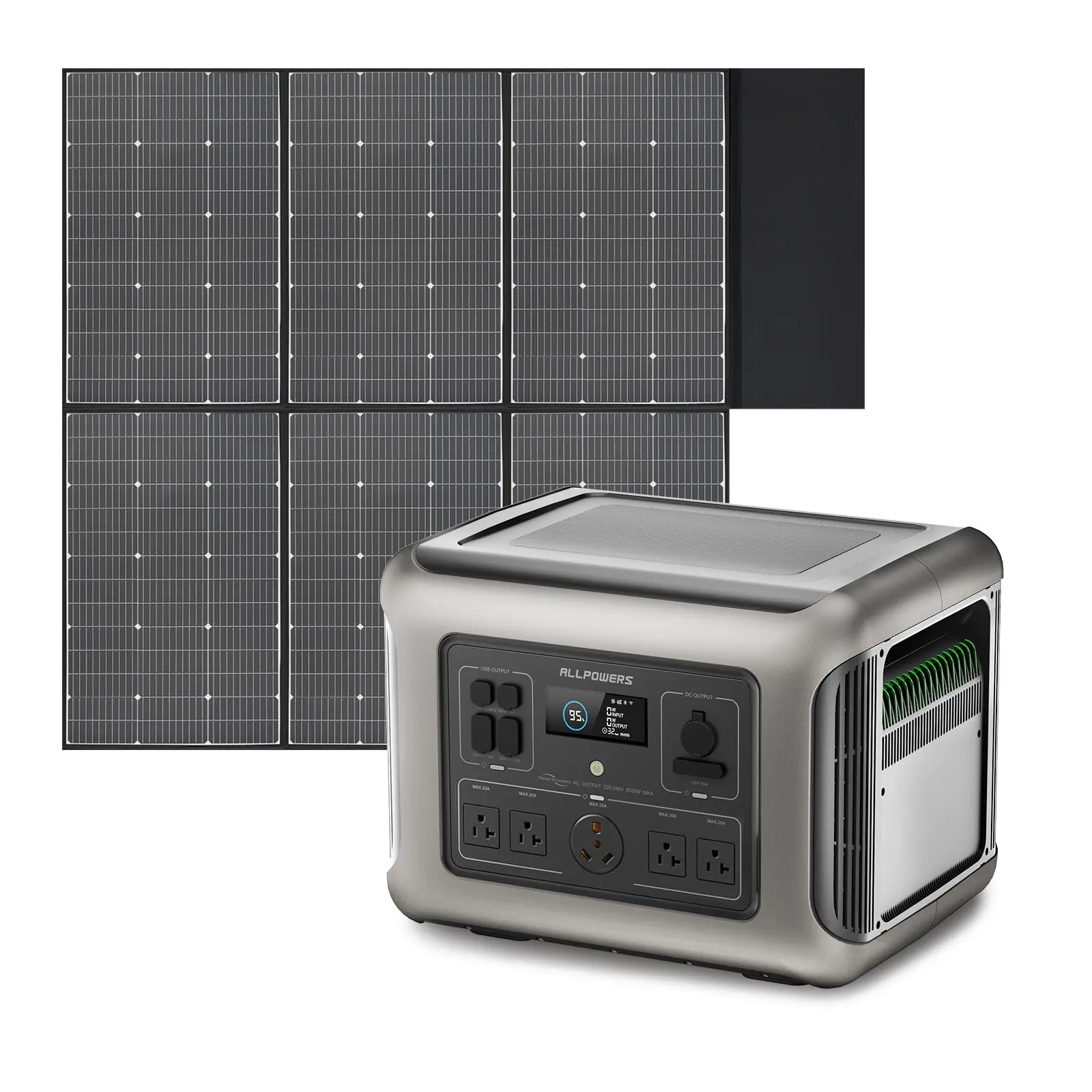
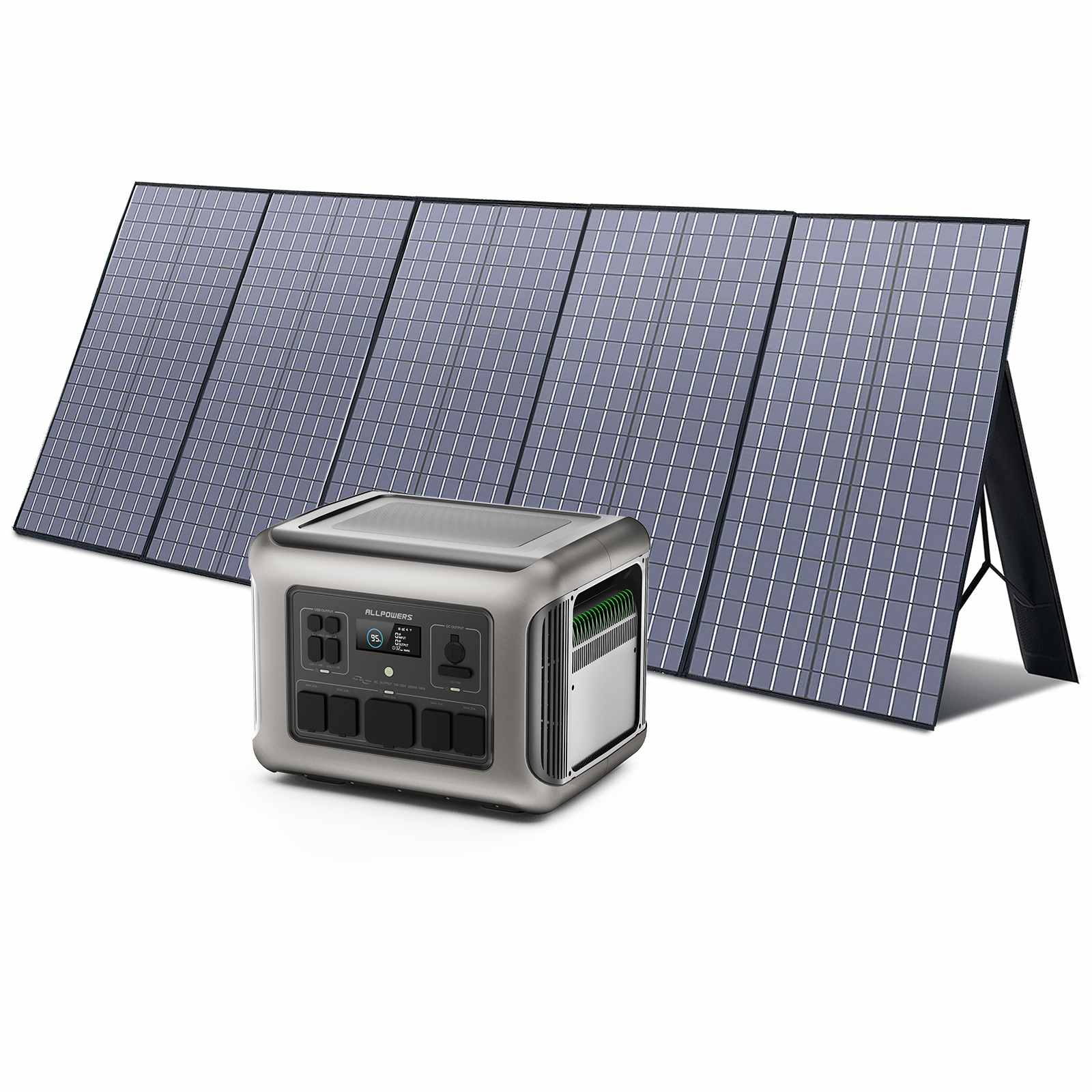
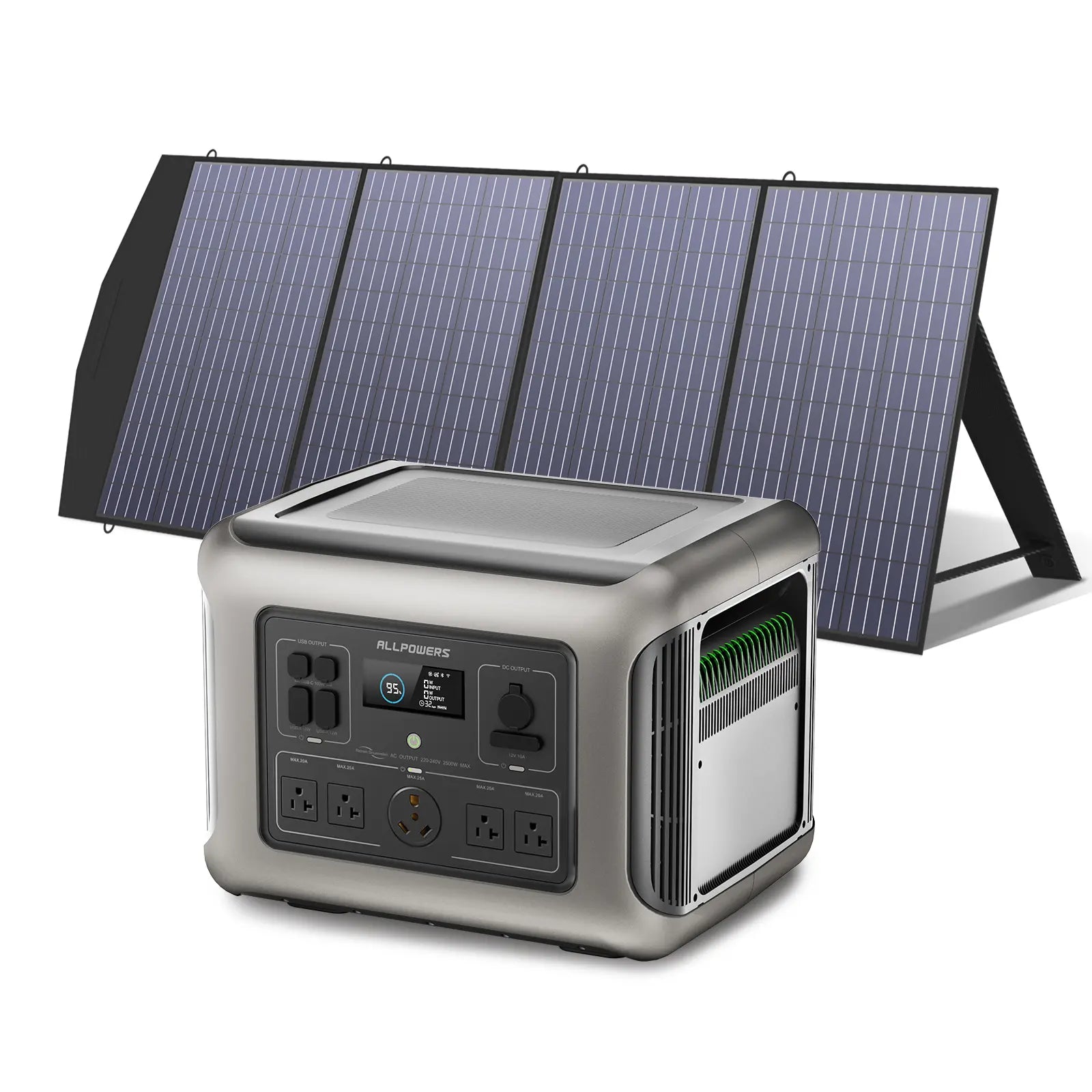
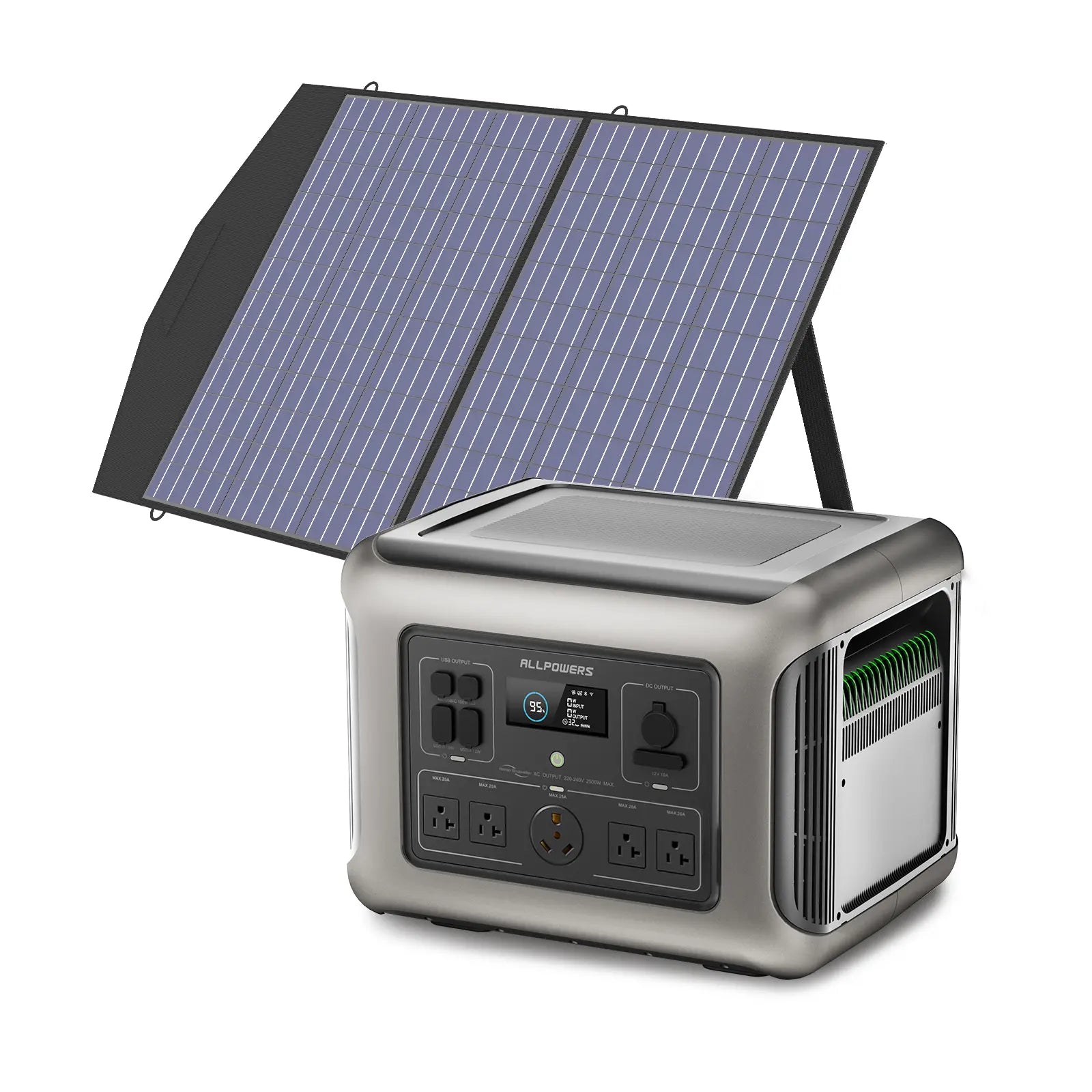
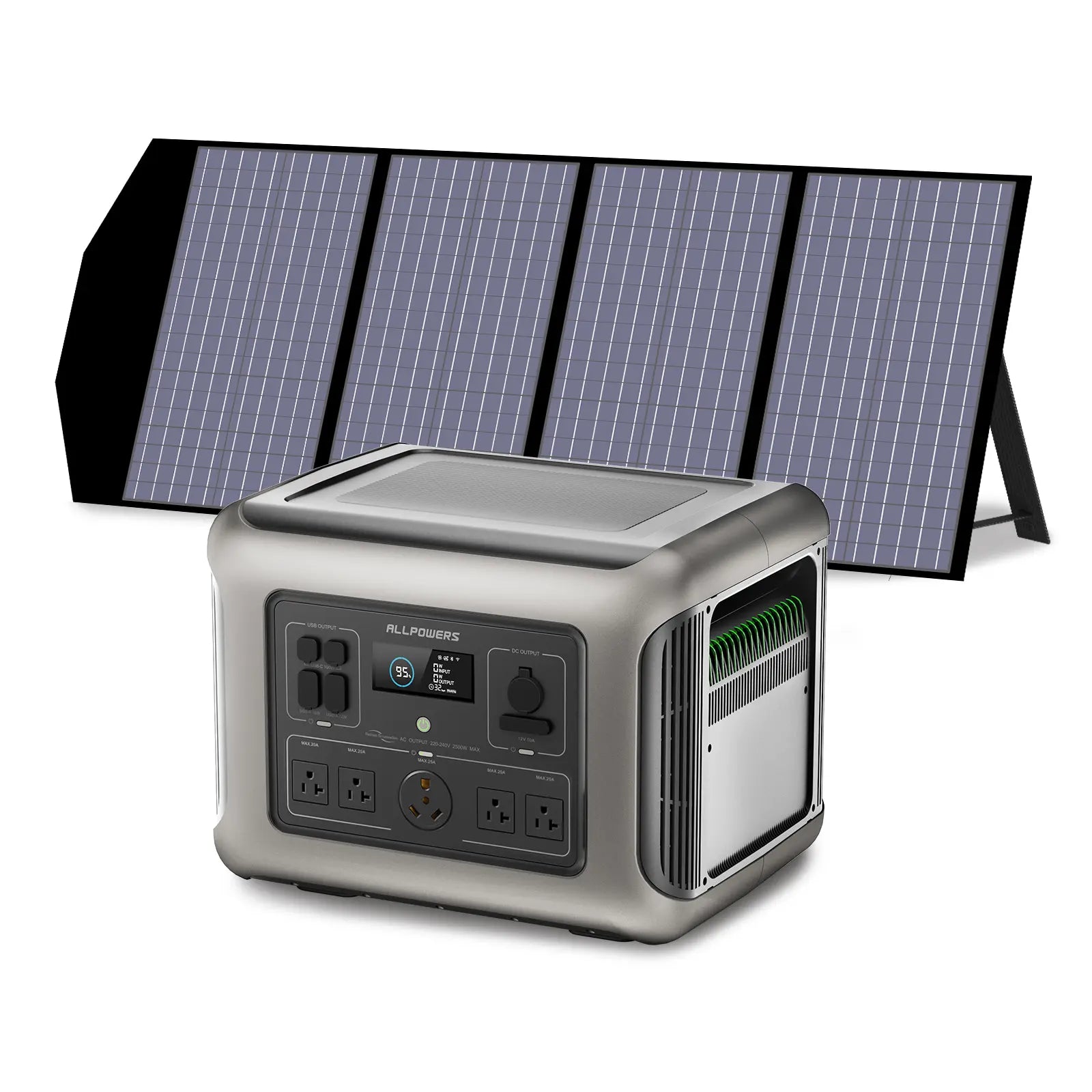
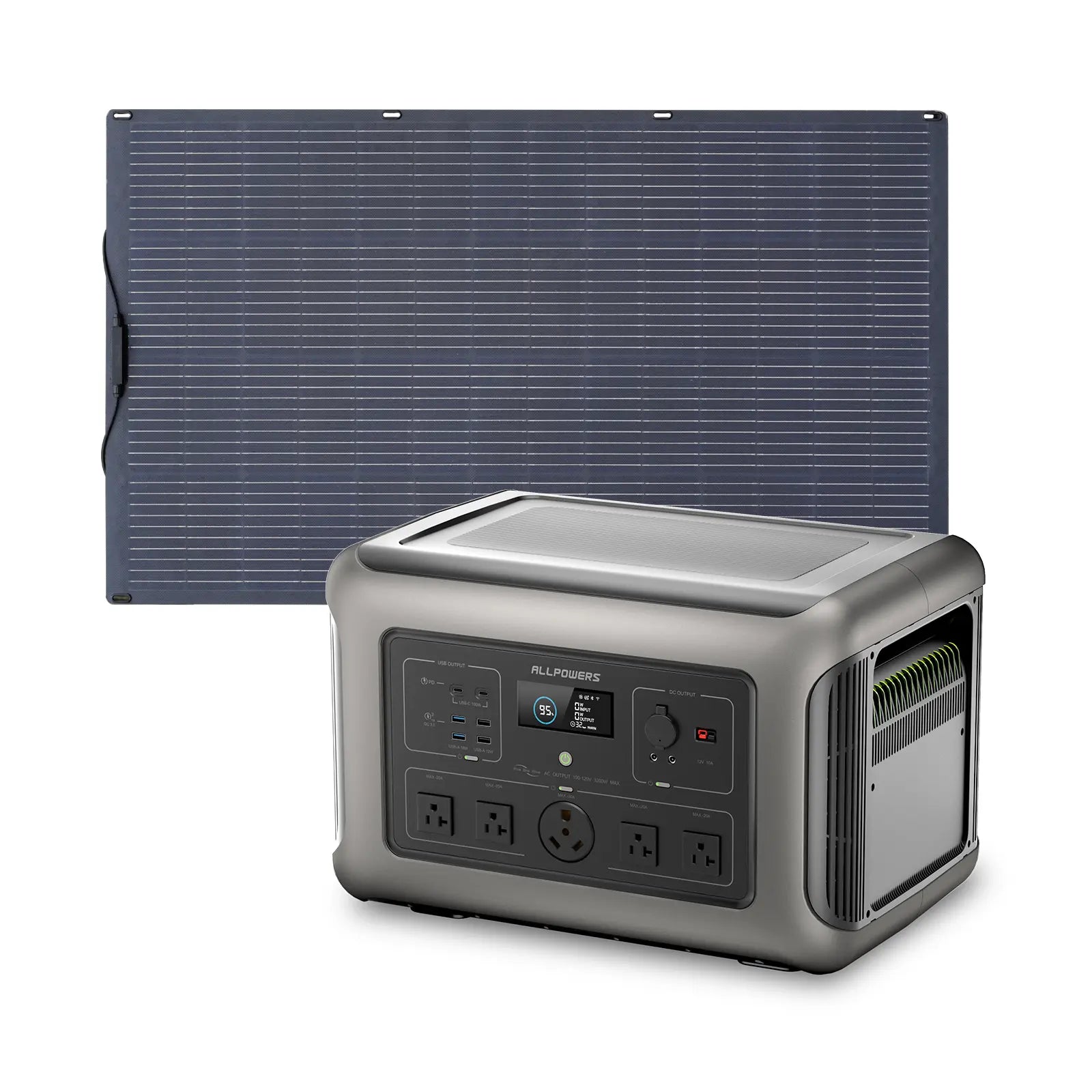
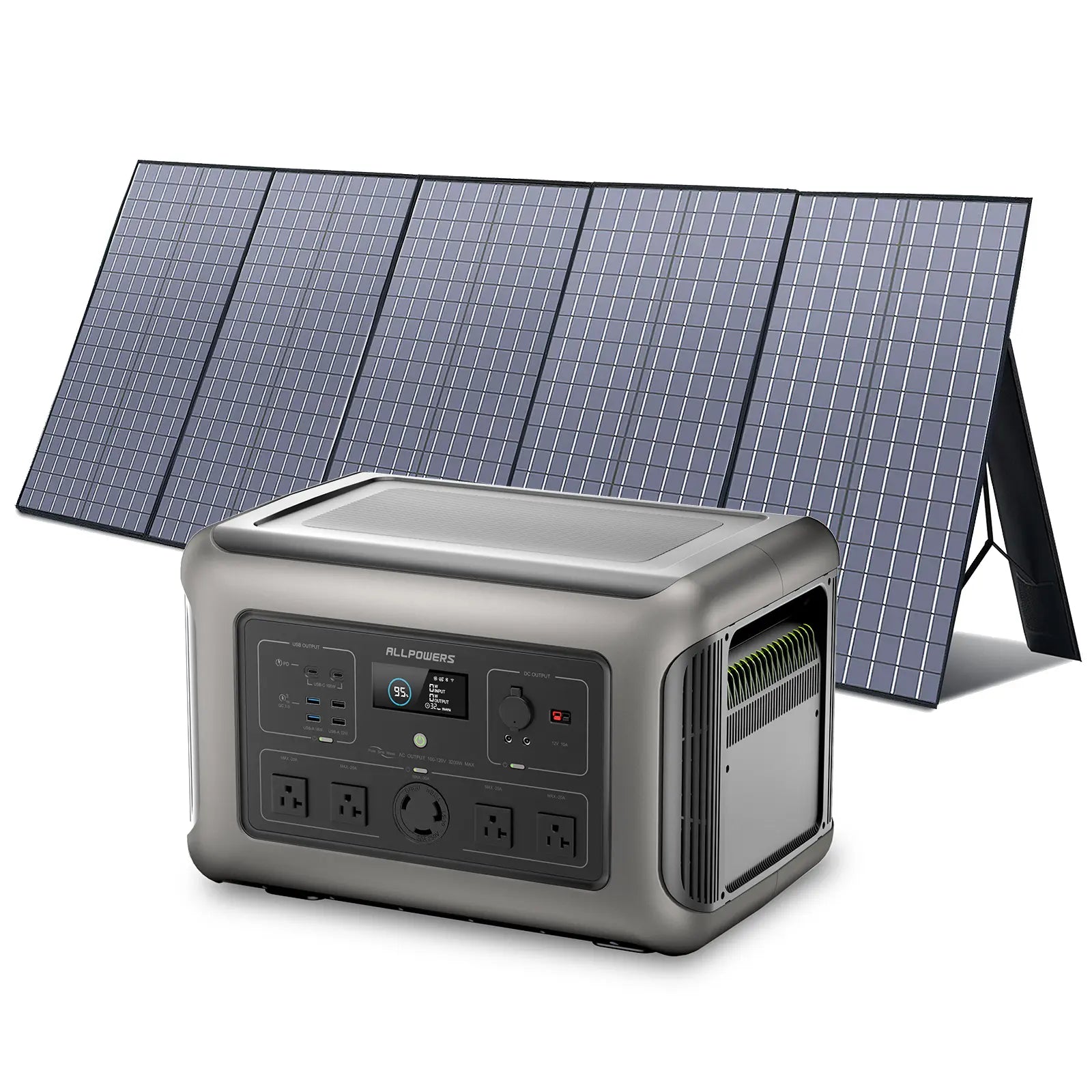
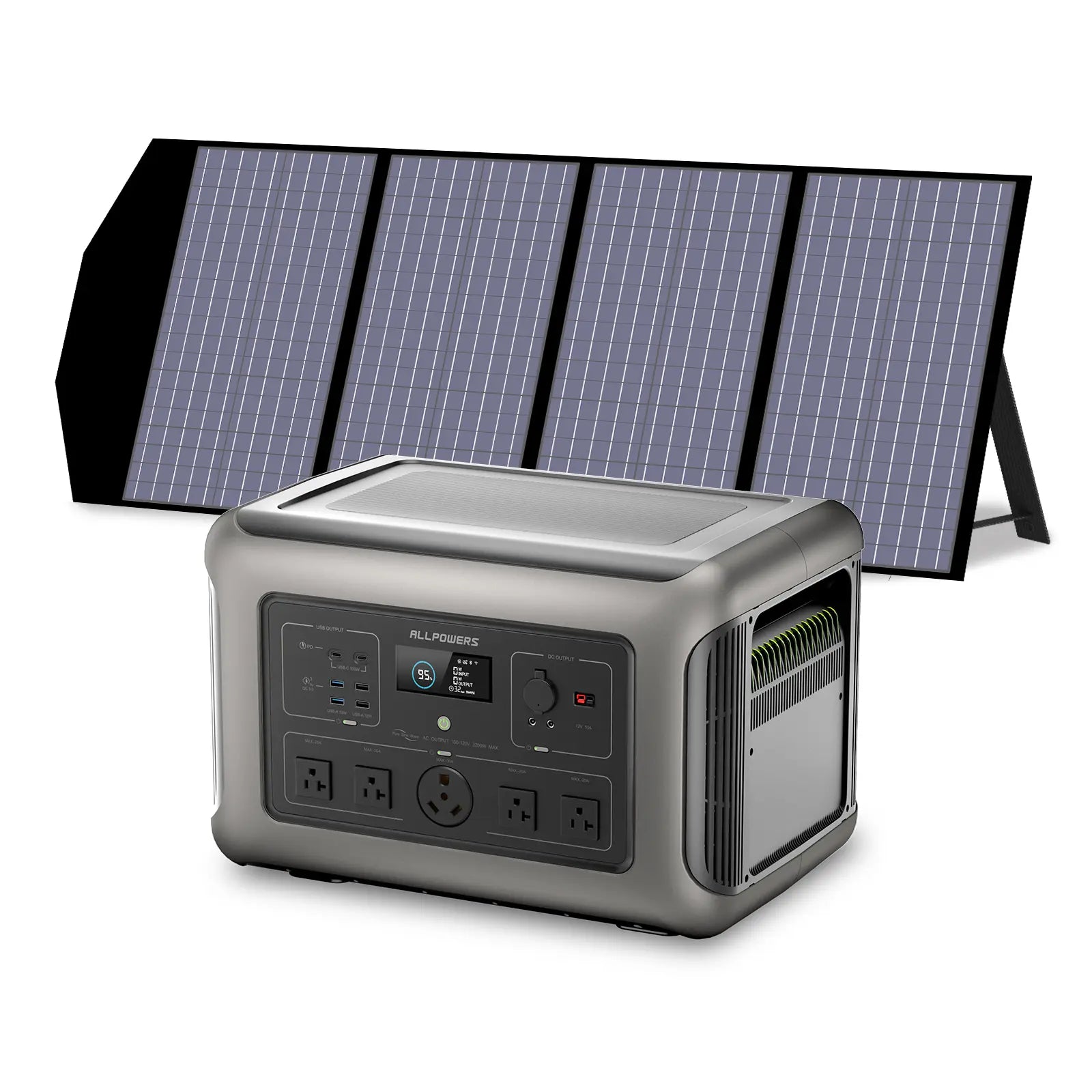
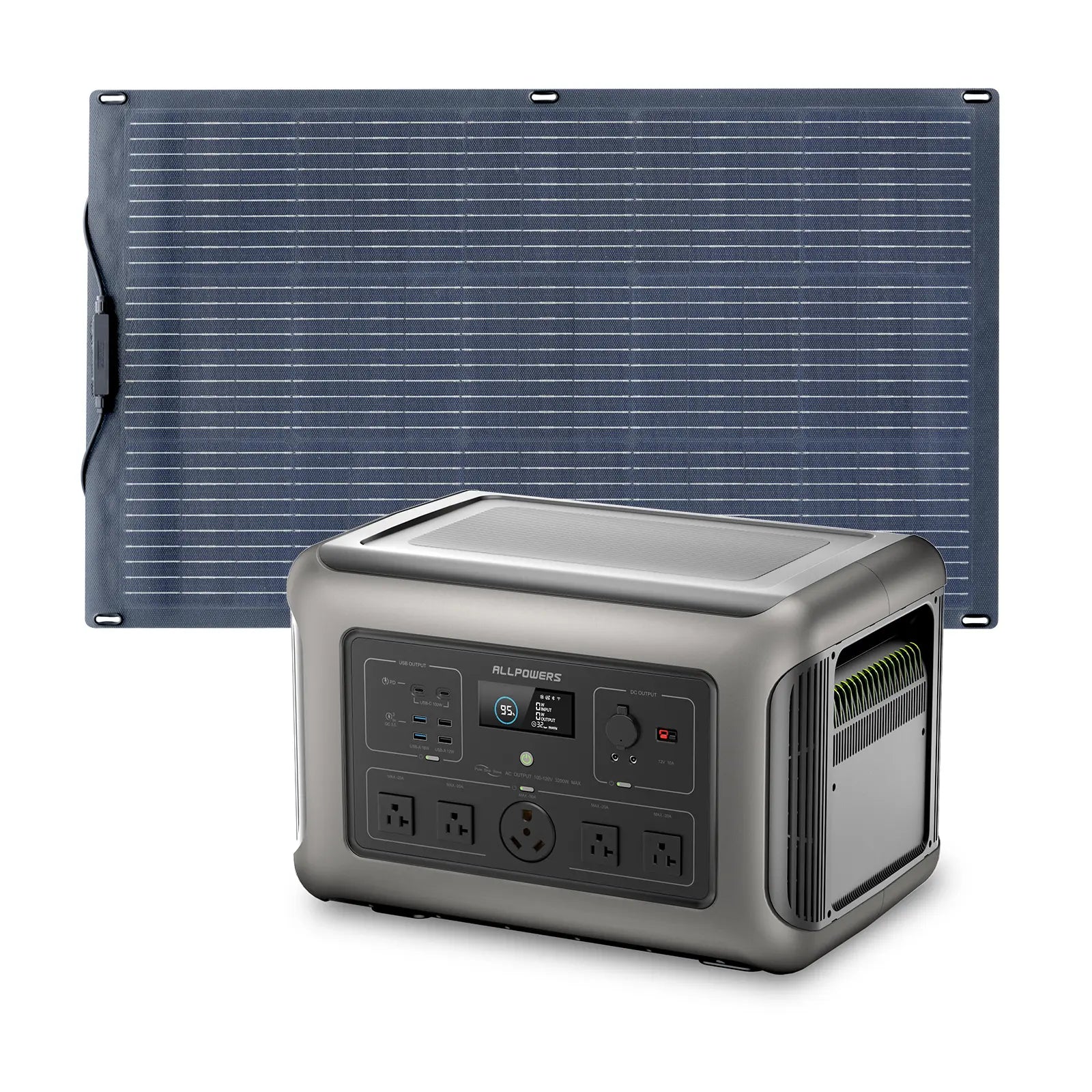
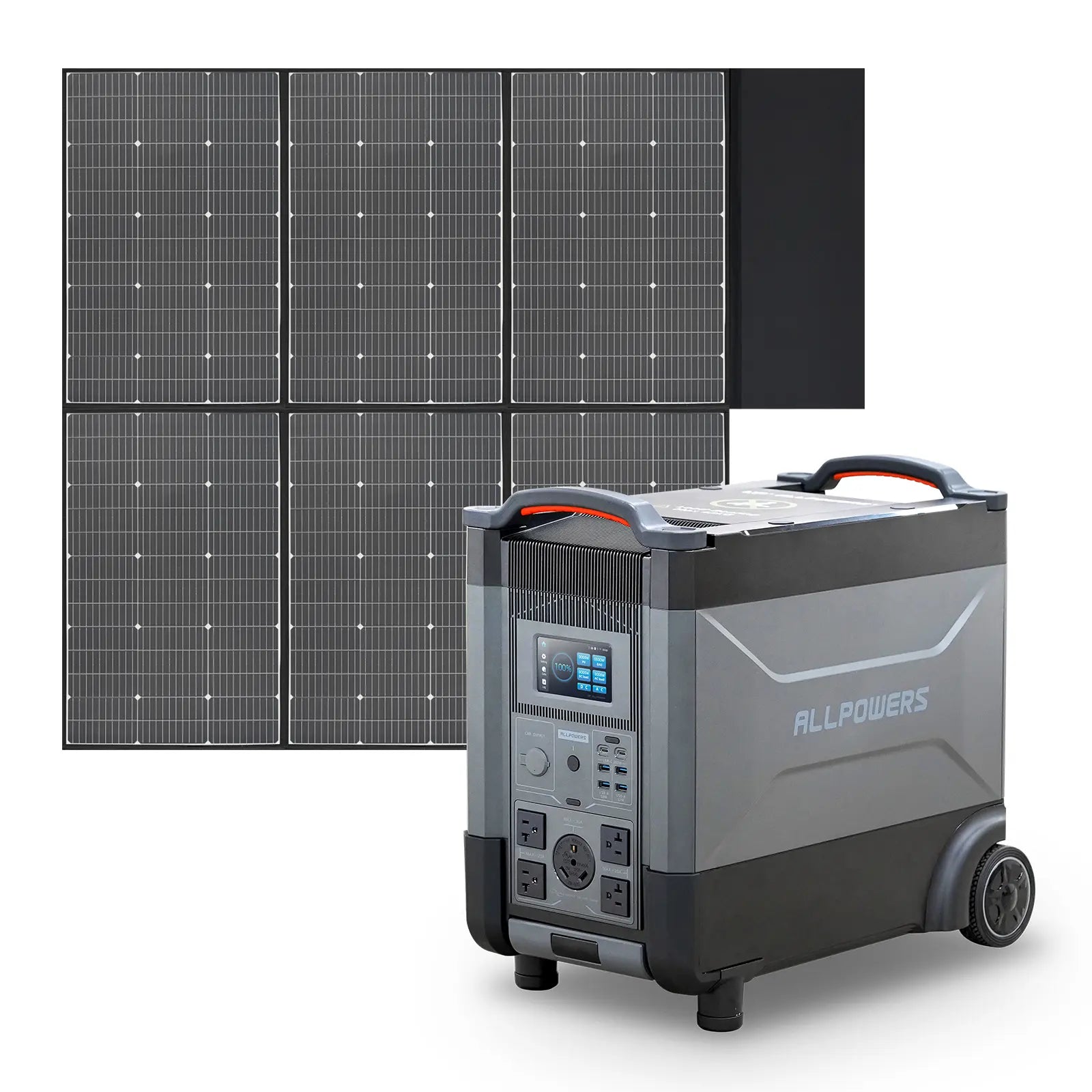
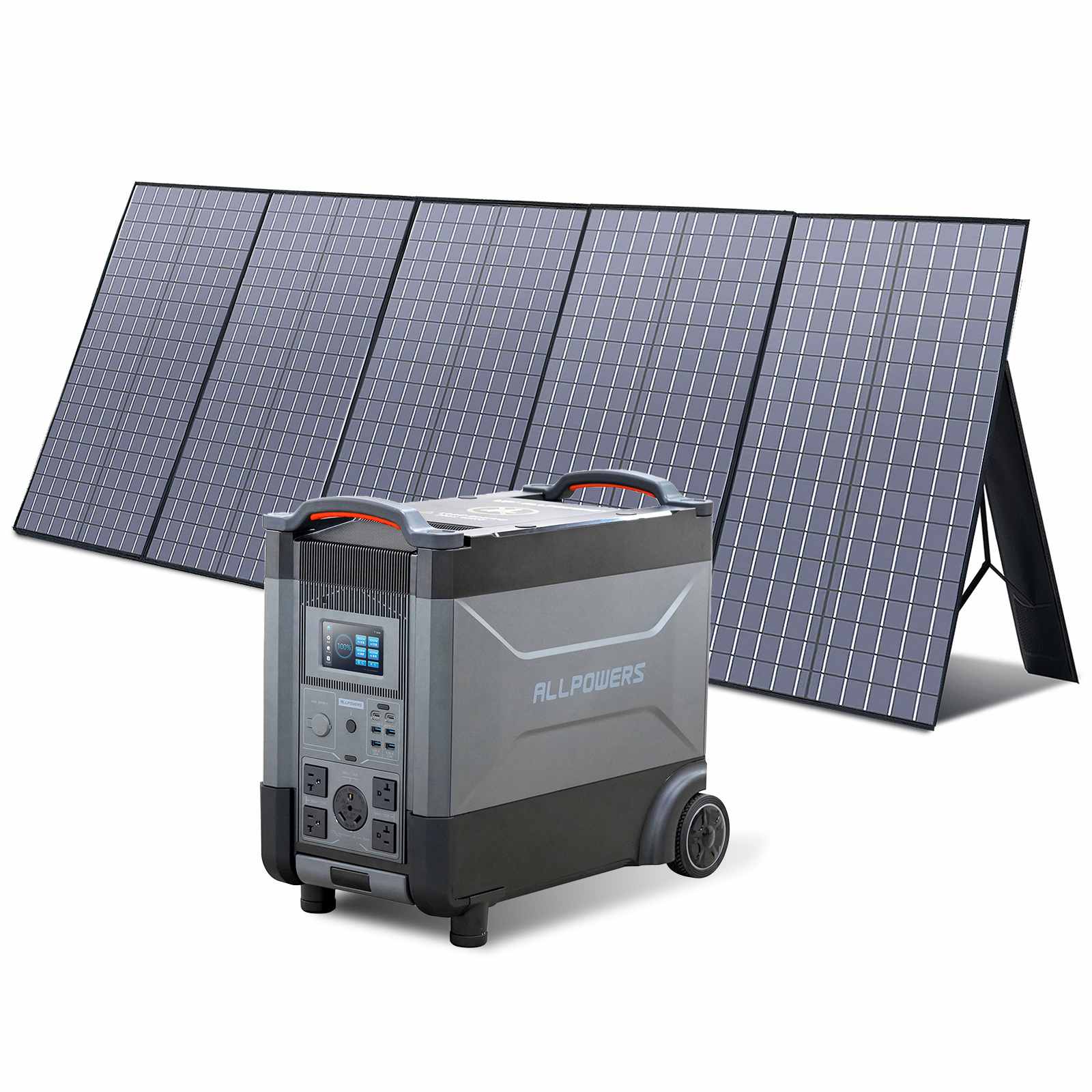
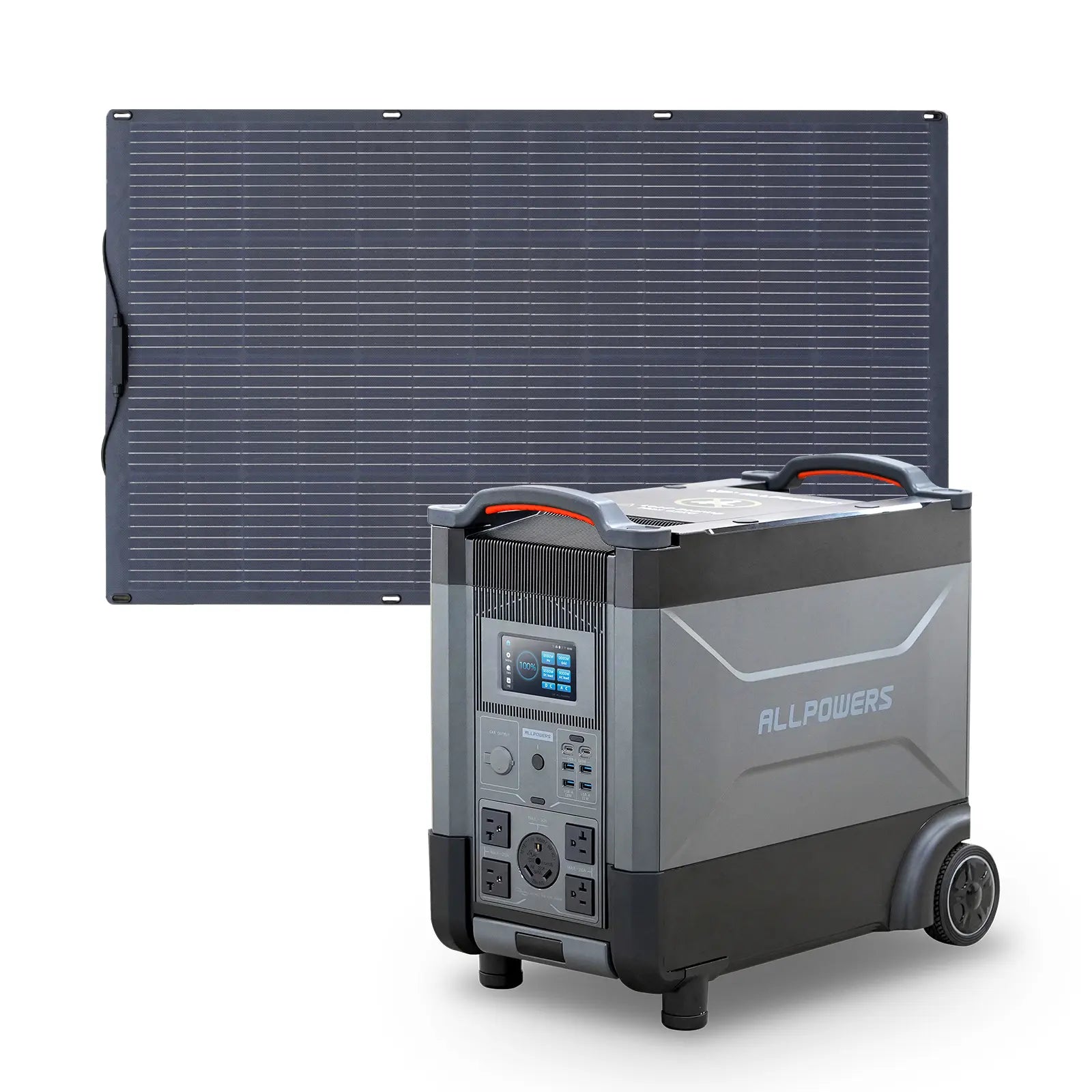
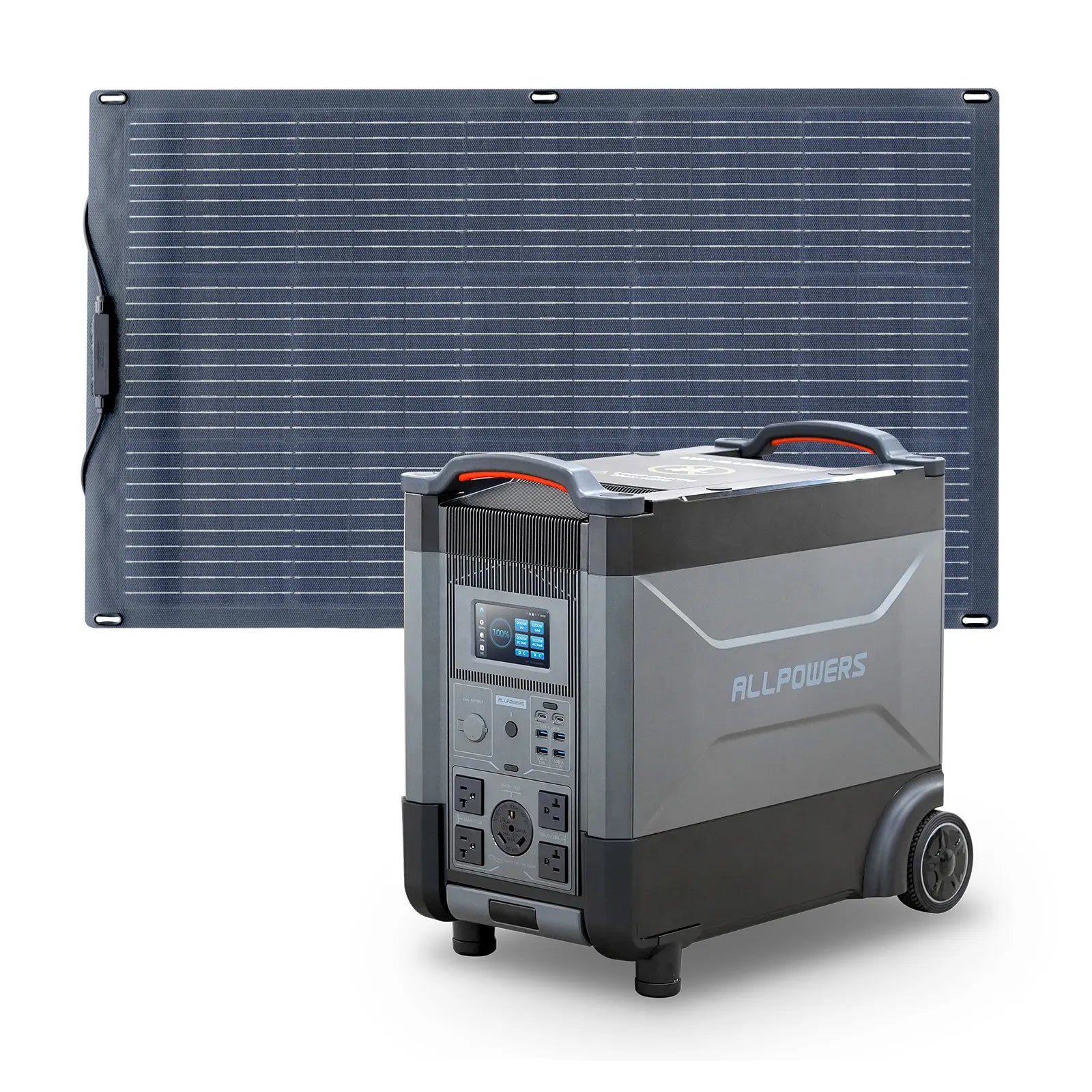
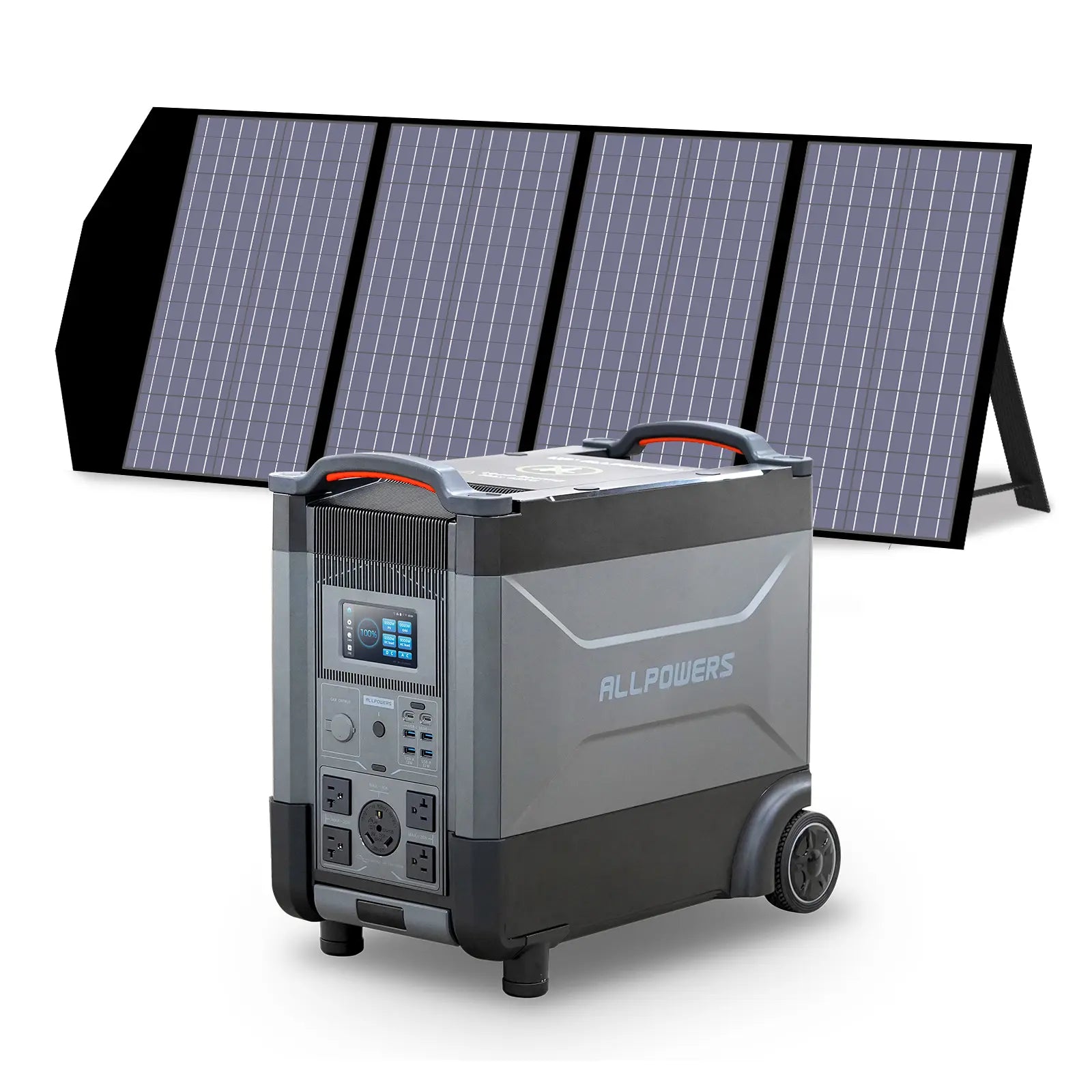
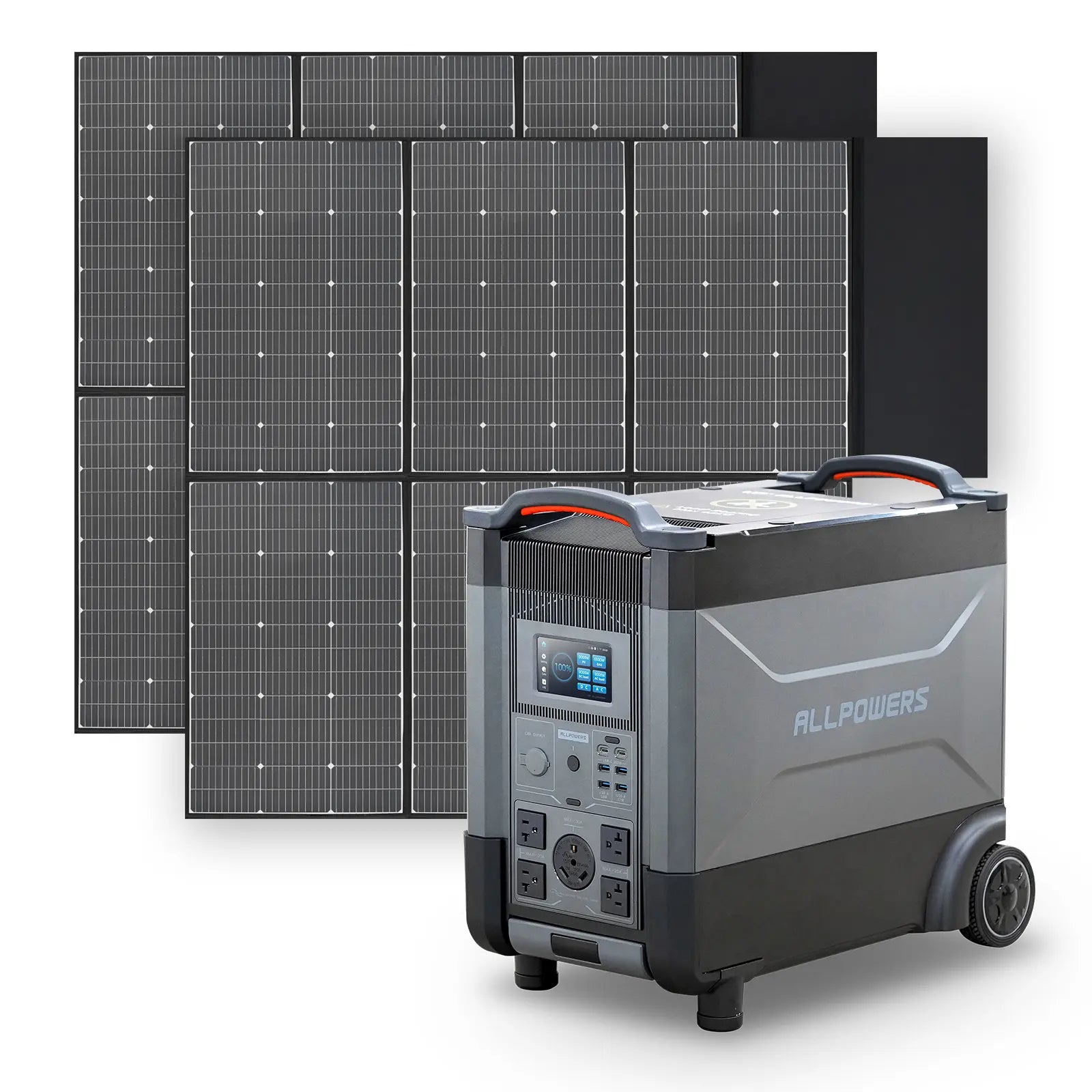
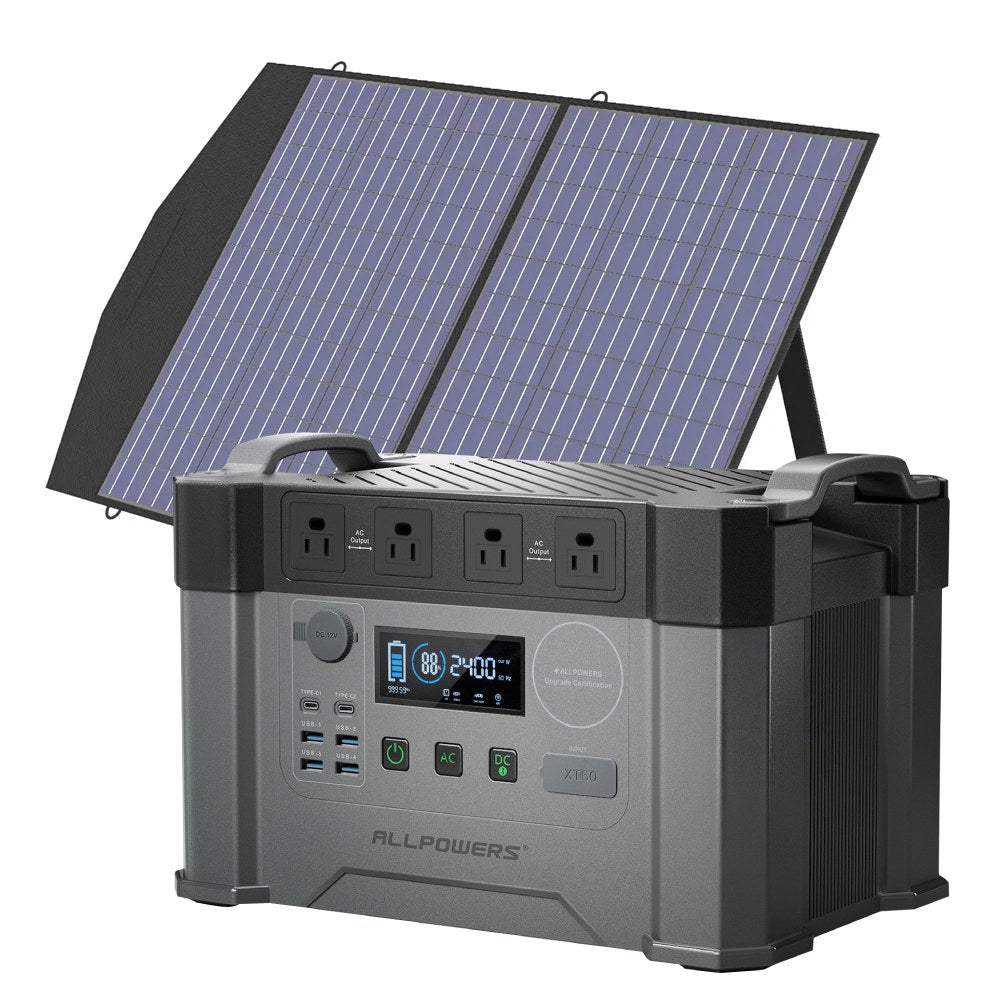
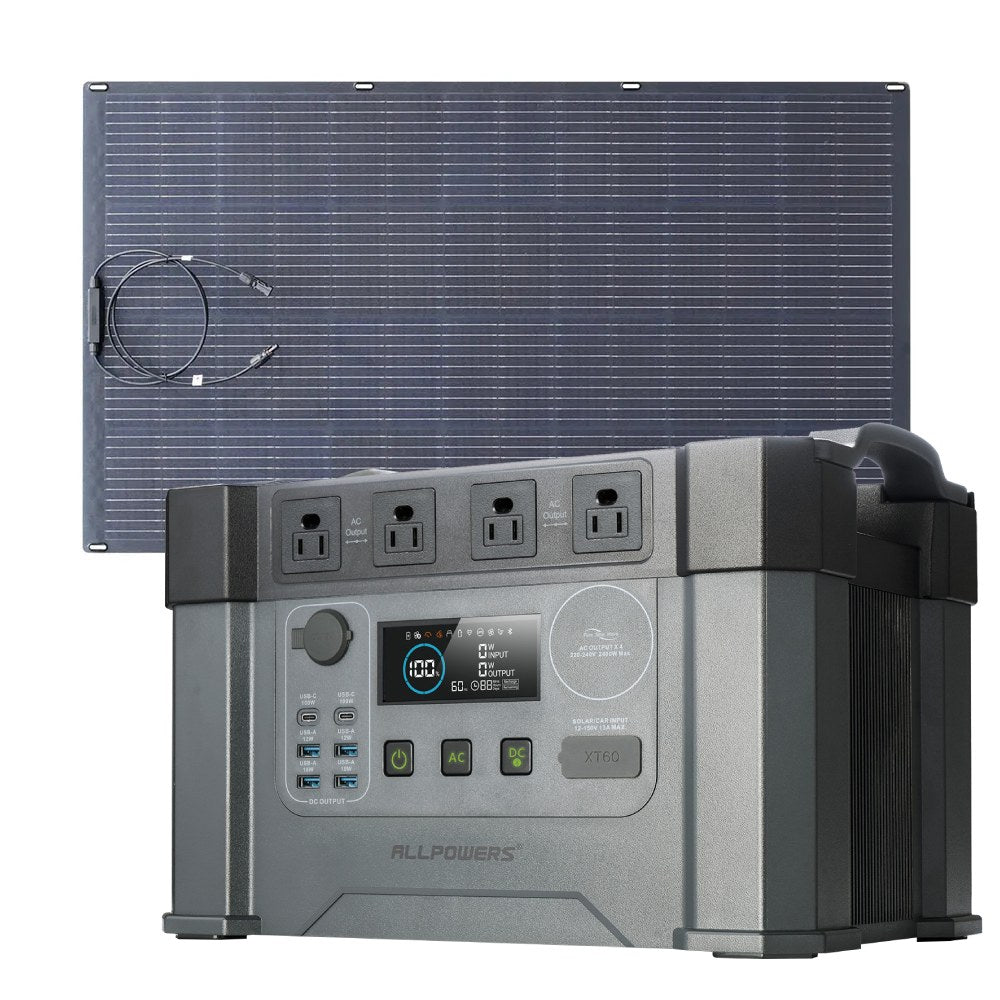
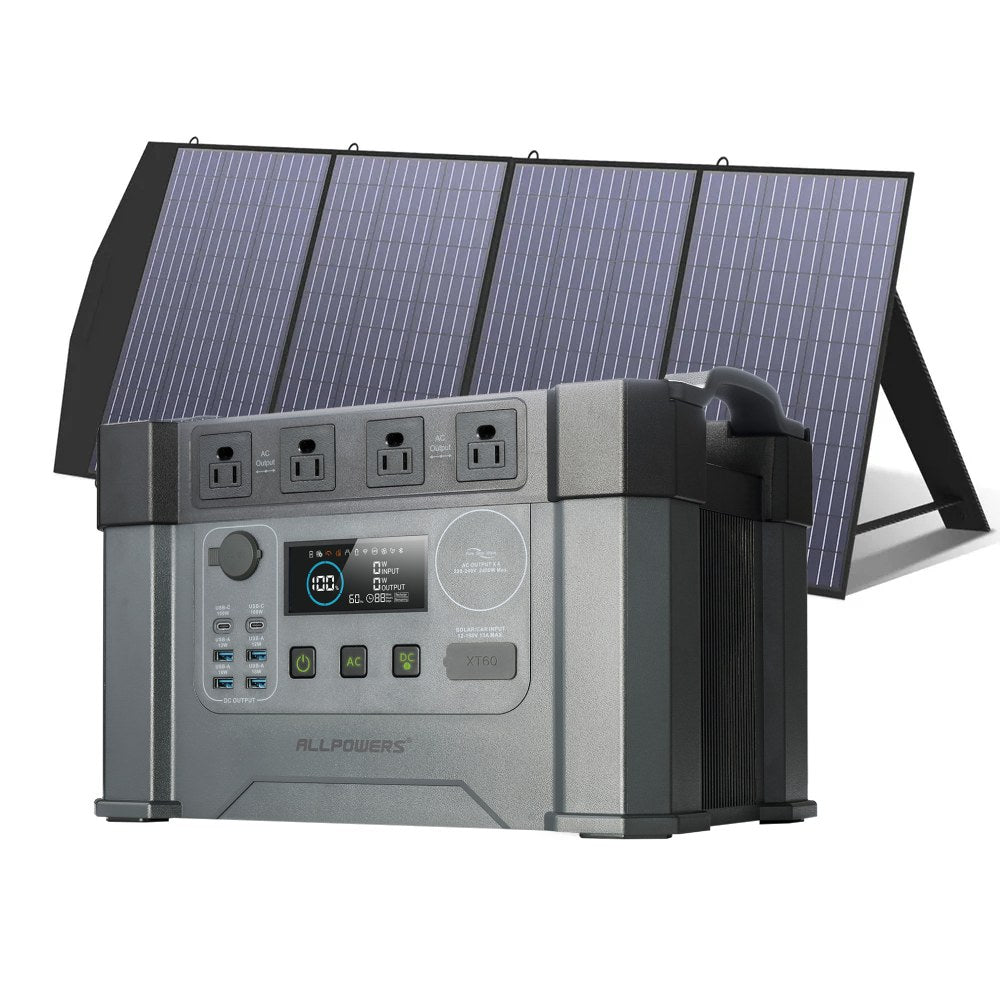
As a result, some homeowners researching emergency preparedness also explore battery-based backup systems and solar generators as part of a broader resilience strategy.
These systems do not produce exhaust gases during operation, which changes some of the placement considerations associated with fuel-powered equipment.
Regardless of the technology used, understanding safe operating practices remains essential for maintaining power while protecting household safety during severe weather events.
Storm Safety Is More Important Than Convenience
When a storm causes a power outage, it can be tempting to place a generator wherever it seems most convenient.
However, convenience should never outweigh safety. Proper generator placement protects your family from carbon monoxide exposure, reduces electrical hazards, and helps ensure reliable operation throughout an outage.
A few extra minutes spent choosing the right location can make a significant difference during an emergency.
By planning ahead and following established safety guidelines, homeowners can stay prepared when severe weather strikes while minimizing unnecessary risks.
Frequently Asked Questions
Can I run a generator in my garage if the door is open?
No. Even with the garage door open, carbon monoxide can accumulate and enter living spaces.
How far should a generator be from a house?
Many safety organizations recommend keeping generators at least 20 feet away from occupied structures whenever possible.
Can a generator get wet in the rain?
Generators should be protected from direct rain exposure while maintaining adequate ventilation.
Is it safe to run a generator under a covered patio?
Only if the area is fully open and well-ventilated. Enclosed or partially enclosed spaces may trap exhaust gases.
Are solar generators safer during storms?
Battery-based systems do not produce exhaust gases during operation, but users should still follow manufacturer safety guidelines and protect electrical equipment from water exposure.