










Rain has a way of showing up at the worst possible time.
The power flickers, goes out, and suddenly the house feels quieter than it should.
In moments like this, a generator feels like the obvious solution—flip the switch, restore the lights, keep the fridge cold.
But then the rain intensifies, puddles spread across the driveway, and a new question surfaces: Is it actually safe to run a generator in the rain?
TL;DR:
Running a traditional gas generator in the rain is dangerous. Water can cause electrical shock, short circuits, corrosion, and engine failure. If you must operate one during wet weather, it needs proper cover, dry placement, and safe grounding—never indoors or in enclosed spaces. If frequent storms are part of your life, a battery-powered station is the safer, more practical choice since it can be used right inside your home.
Why Running a Generator in the Rain Can Be Deadly
When we talk about electricity, we have to talk about how it moves.
Water is an excellent conductor, and when it gets into the outlets or the internal wiring of a generator, it creates a path for the current to go places it was never meant to go.
In a perfect world, the electricity flows from the alternator to your power cord.
In a rainy world, that electricity might decide to flow through the frame of the machine, into the wet ground, or worse, through you when you reach out to flip a switch.
Honestly, it is not just about the machine breaking; it is about the very real threat of a fatal shock.
How Water Can Ruin Your Gas Generator Engine
Beyond the electrical side of things, we have to consider the engine itself.
A gas generator is essentially a small car engine that stays in one place. It needs to breathe in a lot of air to mix with the fuel for combustion.
If the air intake is sucking in moisture-laden air or actual droplets, you are going to have a bad time.
Water does not compress like air does. If enough water gets into the cylinder, you can experience something called hydro-lock.
This is where the piston tries to move up, hits the water, and stops instantly, often snapping the connecting rod or cracking the engine block.
Never Bring a Generator Indoors
When the rain starts coming down hard, the natural human instinct is to move the generator under some kind of cover.
This is where things get really dicey from a safety perspective. You might think about sliding it into the garage, under a porch, or even into the entryway of a large tent. Please, never do that.
Generators emit carbon monoxide, which is an odorless, colorless gas that can kill a person in minutes if it builds up in an enclosed space.
Every year, we hear tragic stories about people who were just trying to stay dry and ended up losing their lives to CO poisoning.
It is a bit of a catch-22 situation. You can't leave the generator in the rain because of the electrical risk, but you can't bring it inside because of the exhaust.
Even a partially open garage is not safe enough. The wind can easily blow those toxic fumes back into your living space.
You have to keep the unit at least twenty feet away from any door, window, or vent. This makes the whole "running a generator in a storm" thing a massive headache.
You’re out there in the wind, trying to find a spot that is far enough away to be safe but covered enough to stay dry.
It’s a stressful balancing act that nobody wants to deal with when they should be relaxing.
Learn More: How Far Should Generator Be From House?
Are Protective Covers Effective For Generators in the Rain?
If you absolutely must run a gas-powered unit when it is wet, you need to invest in a real generator tent. They look a bit like a little hat for your machine.
The genius of these covers is that they keep the electrical panel dry while still allowing the engine to breathe and the exhaust to vent. You can't just throw a plastic tarp over a running generator.
The tarp will melt on the hot muffler, and it will also block the cooling air, causing the engine to overheat and seize up in no time.
These tents are great, but they are another thing to carry, another thing to set up, and honestly, they can be a bit of a pain.
You have to keep the unit on a raised, level surface like a concrete pad or a heavy-duty plastic pallet. It is a lot of logistics just to keep the lights on while the clouds are leaking.
Why Solar Generators Are Ideal for Wet Weather
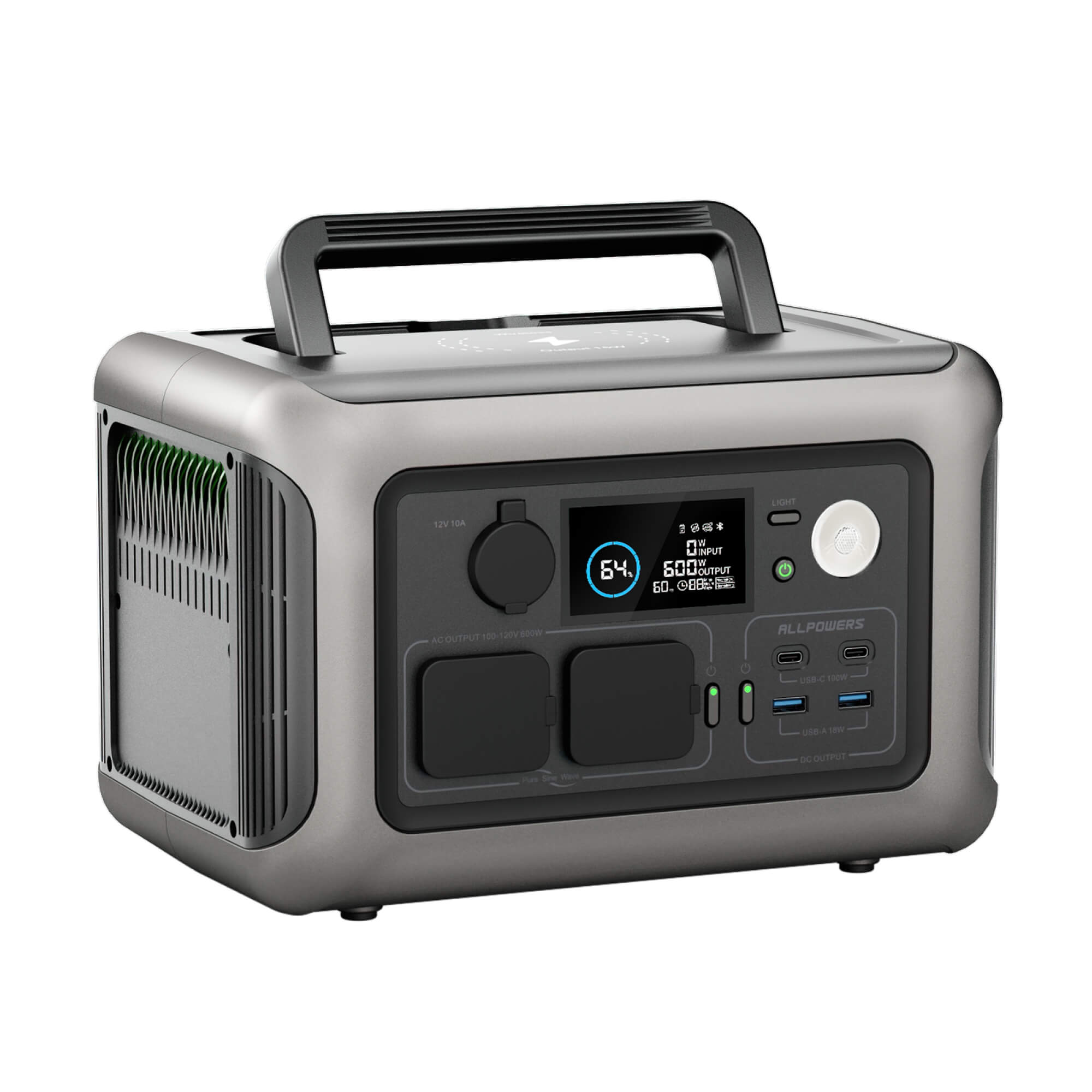
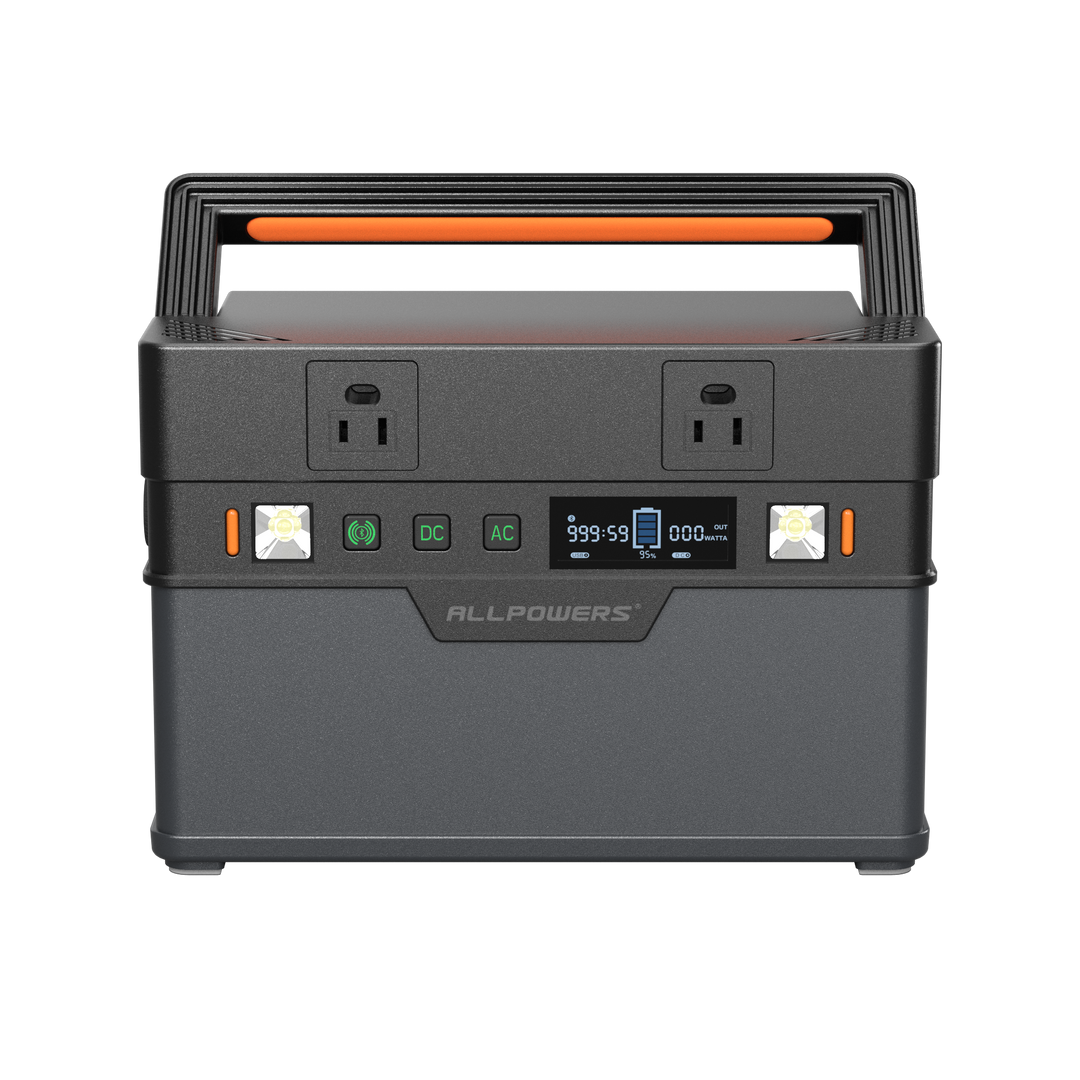
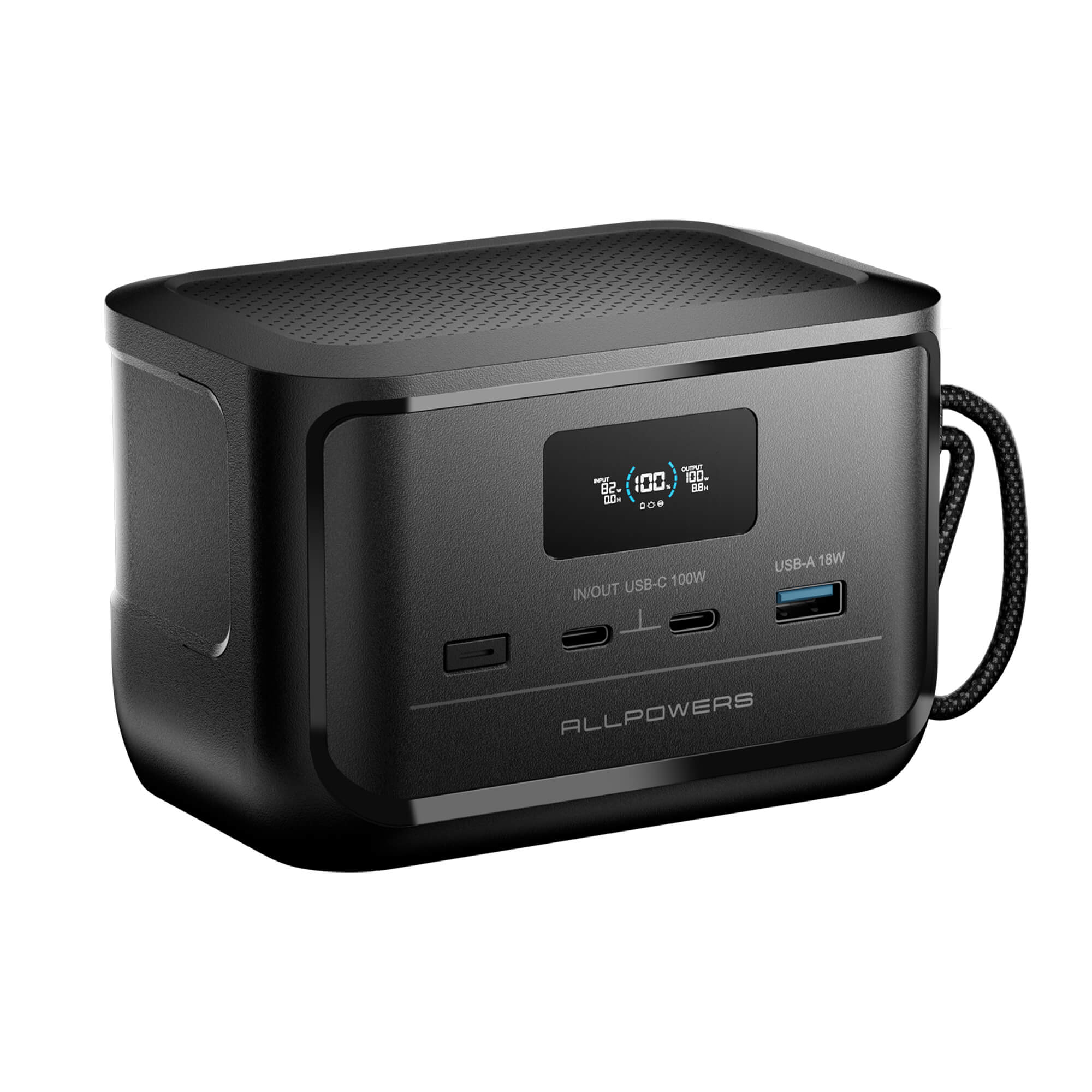
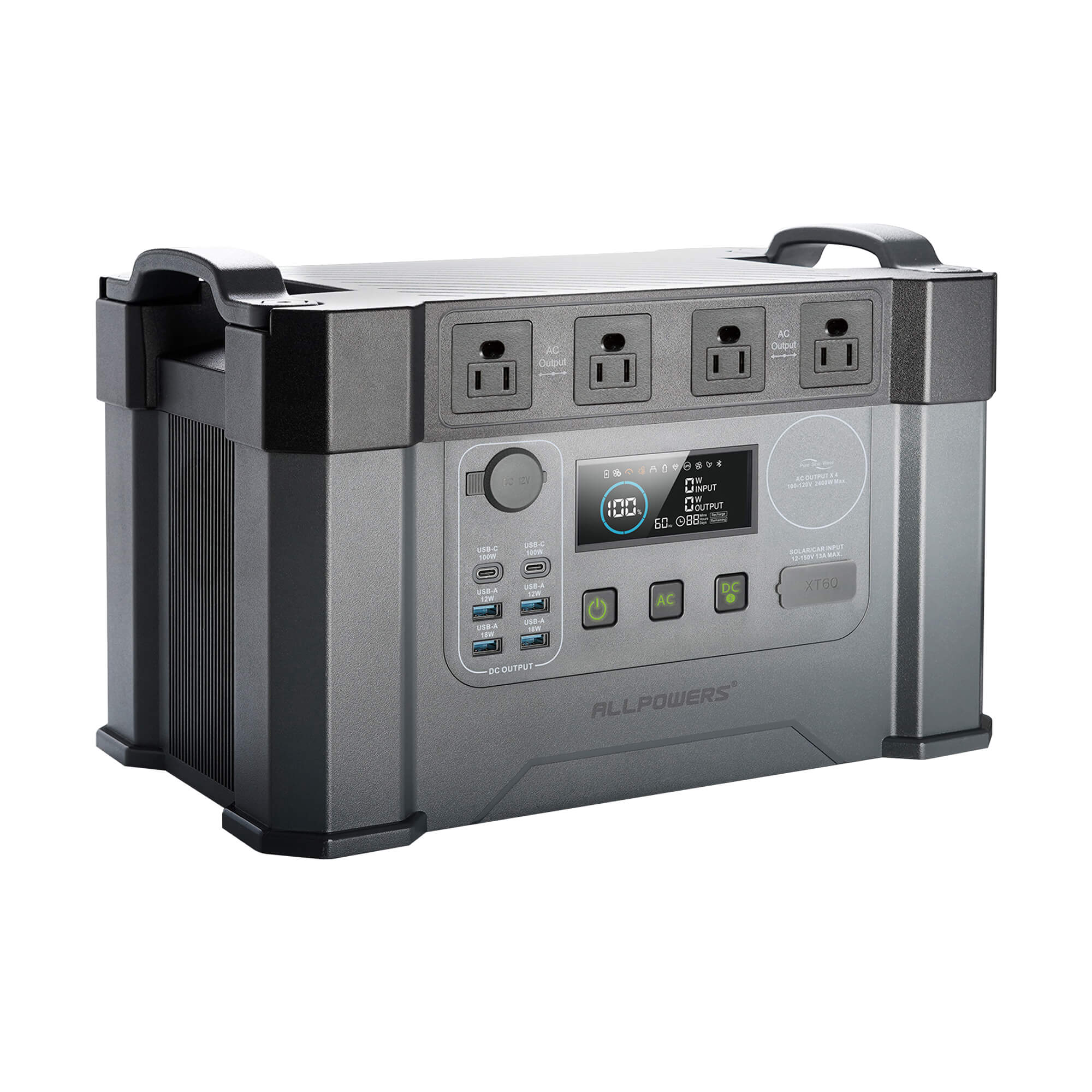
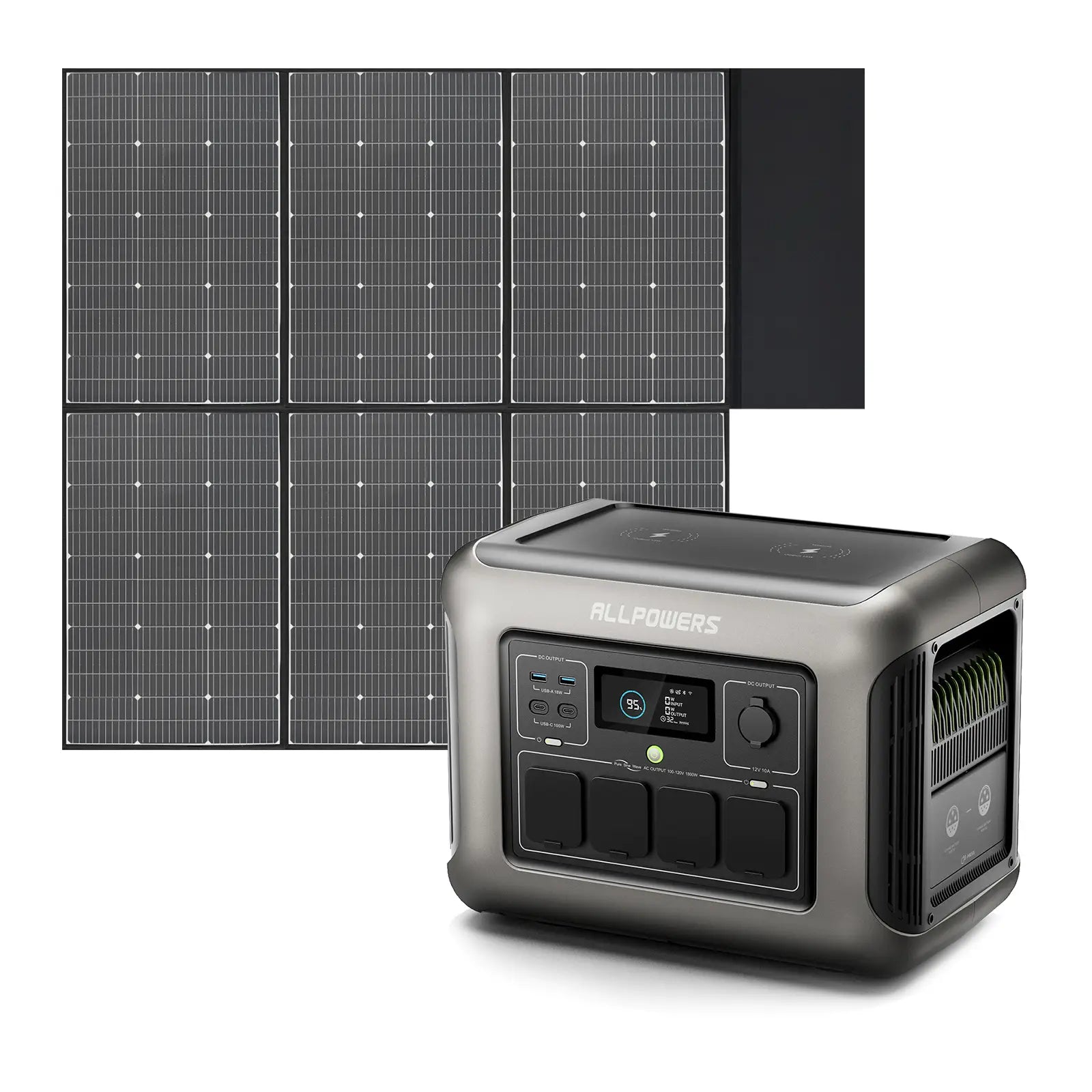
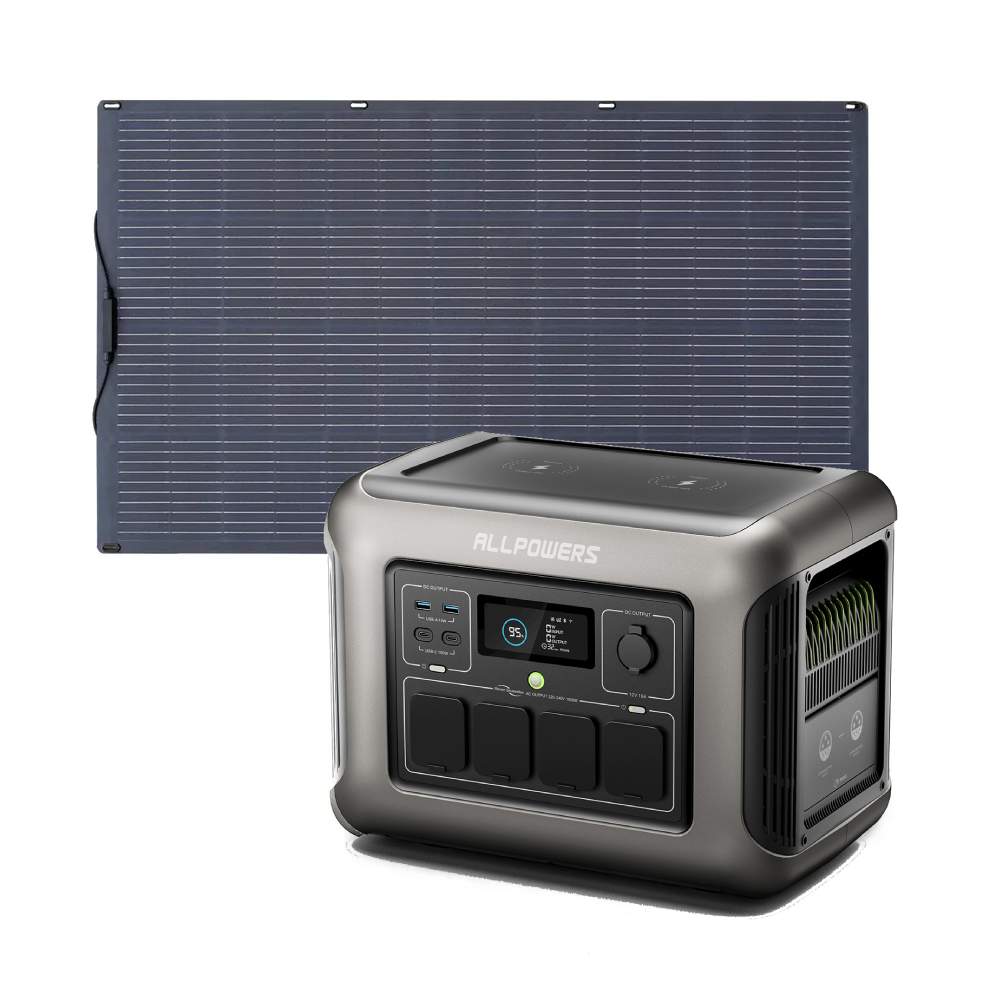
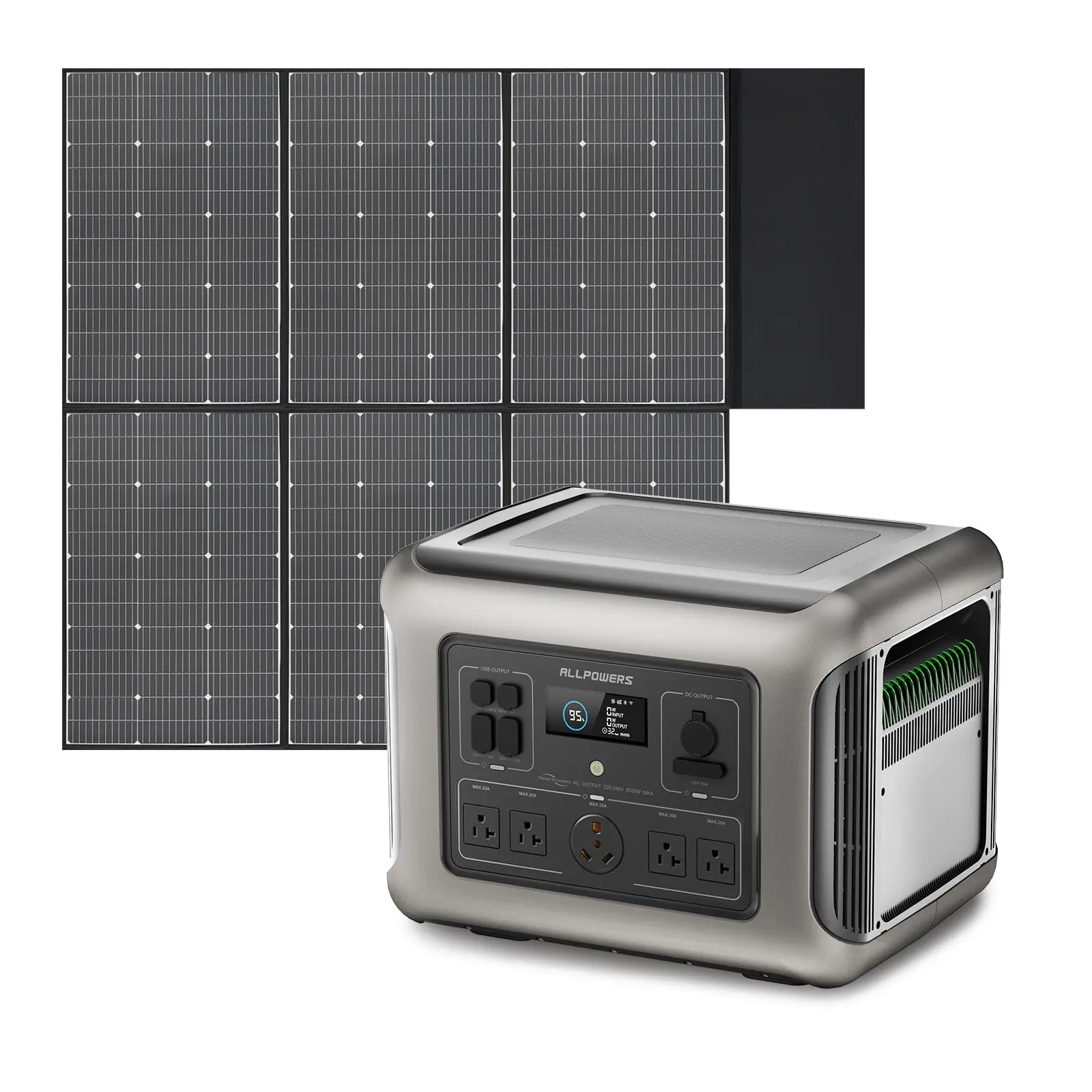
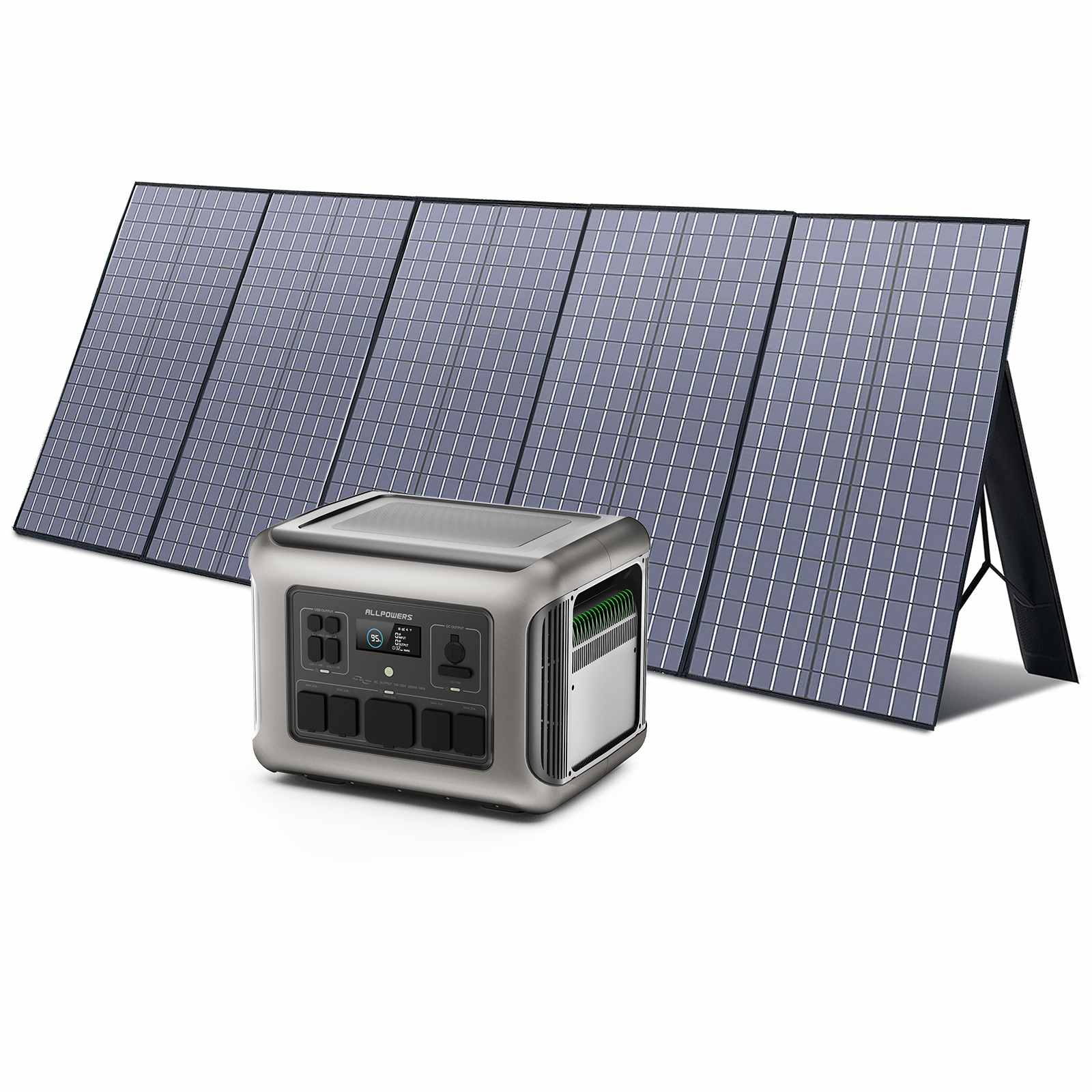
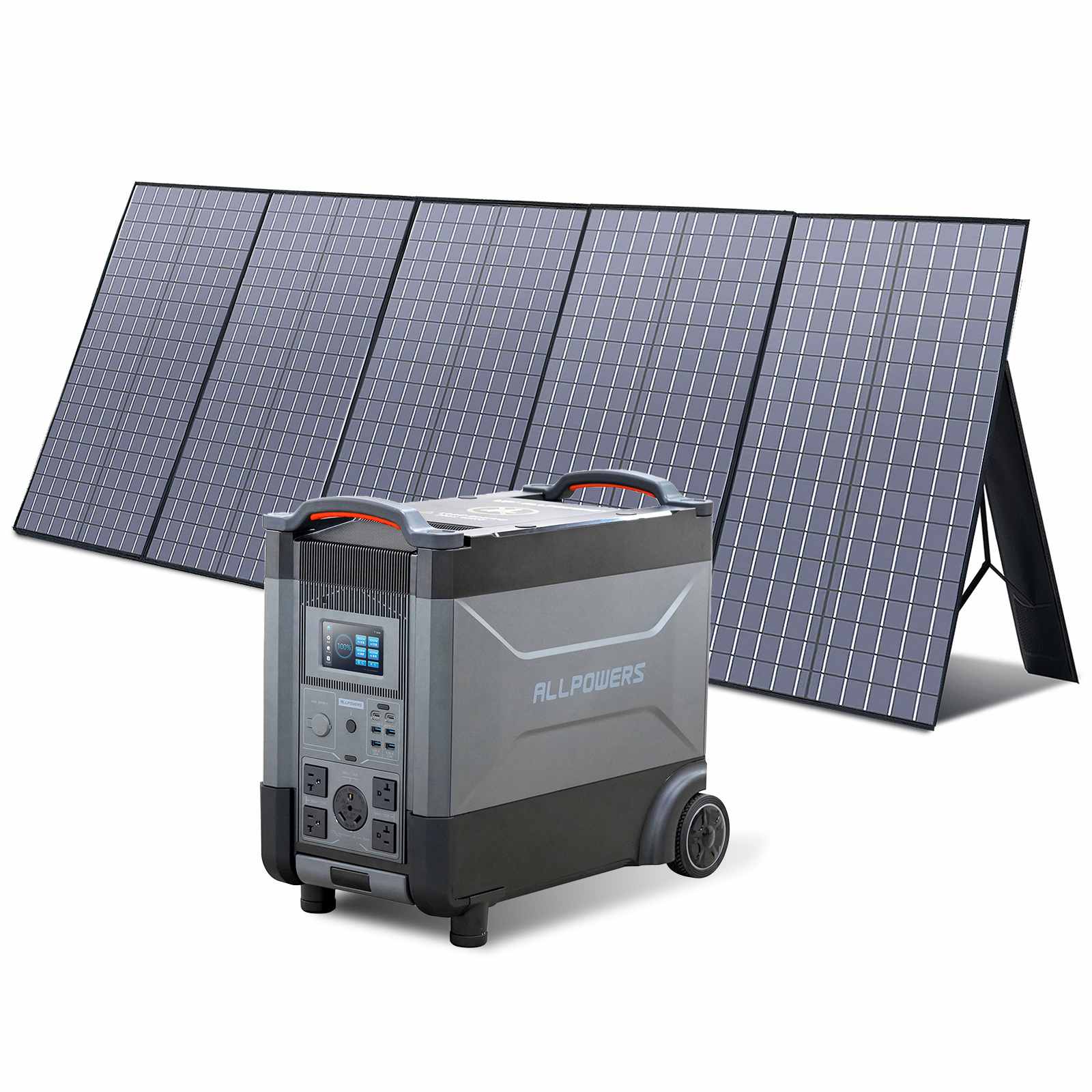
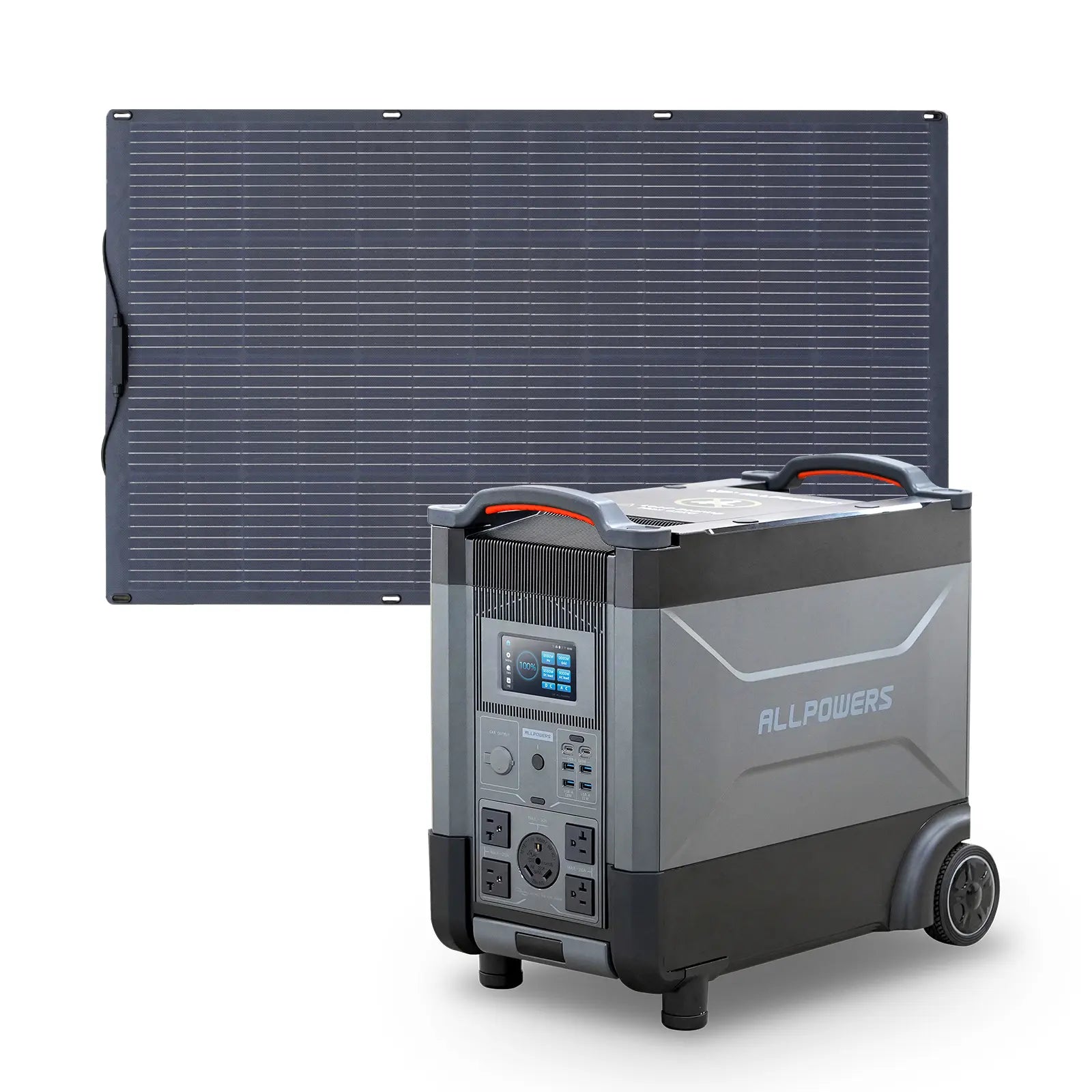
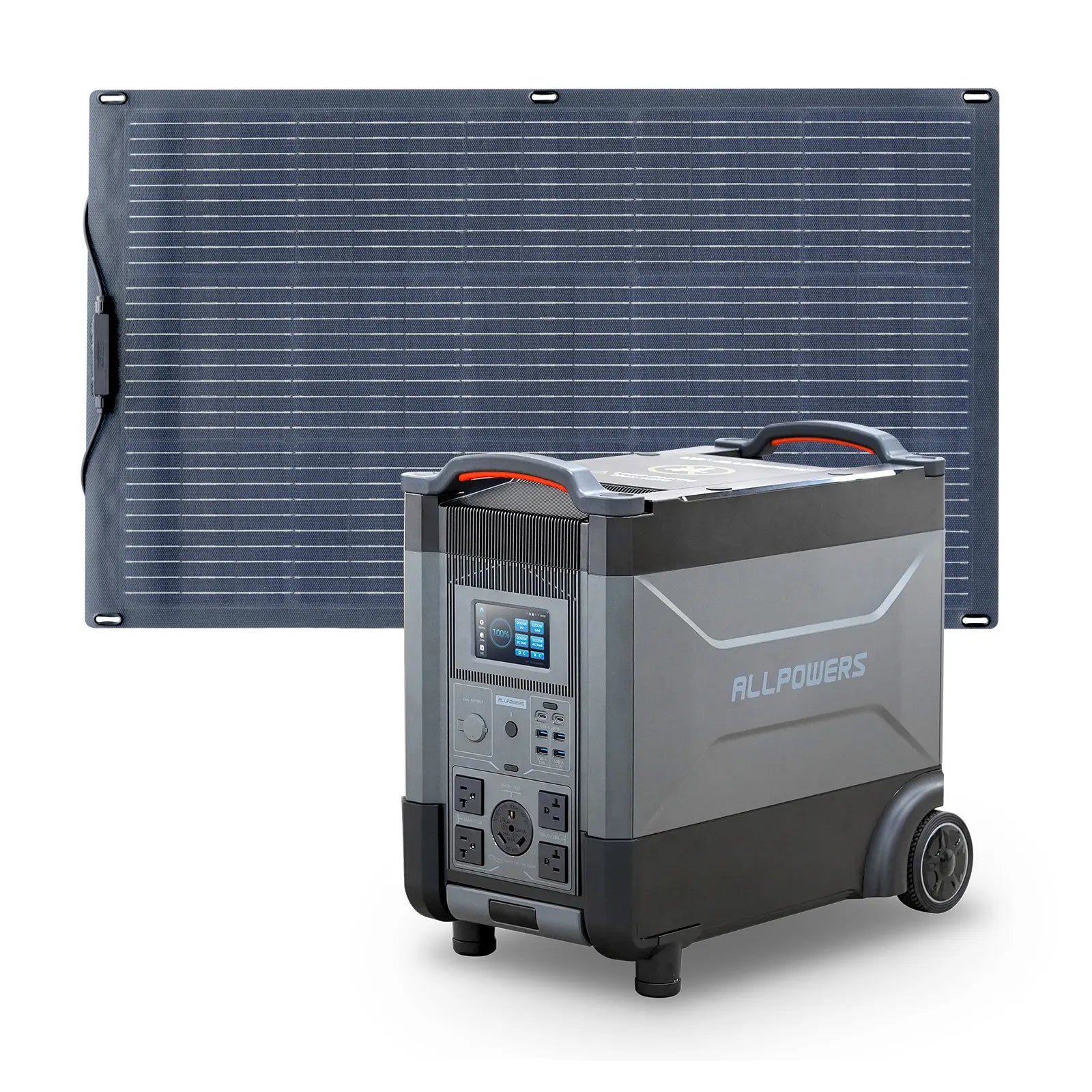
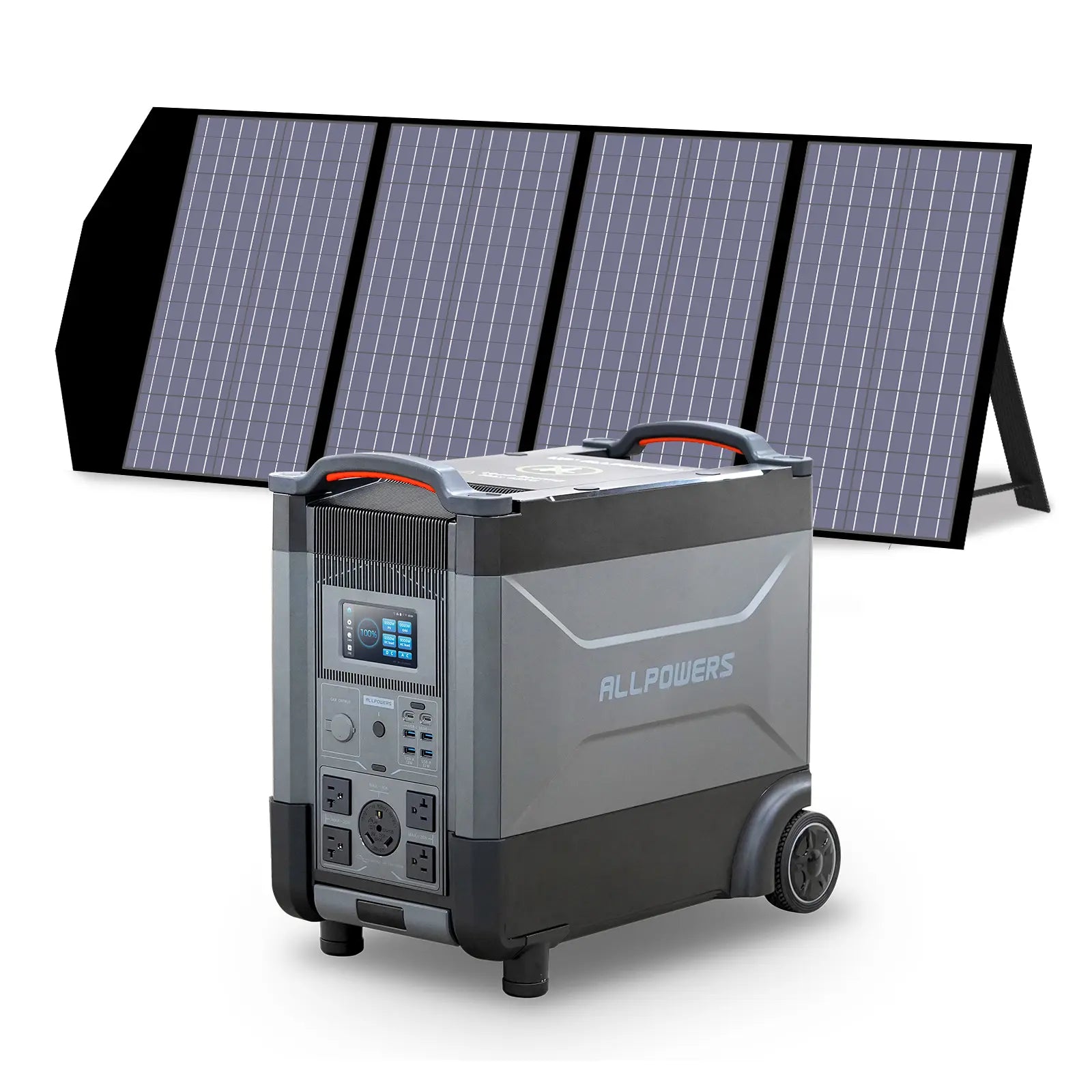
If you have ever looked at a solar generator, you will notice they are built very differently from the old-school gas chuggers.
They don't have an internal combustion engine, which means they don't need air intakes to breathe or an exhaust pipe that gets red hot.
Because they don't have those open vents for cooling a fire-burning engine, manufacturers can often seal them up much tighter against the elements.
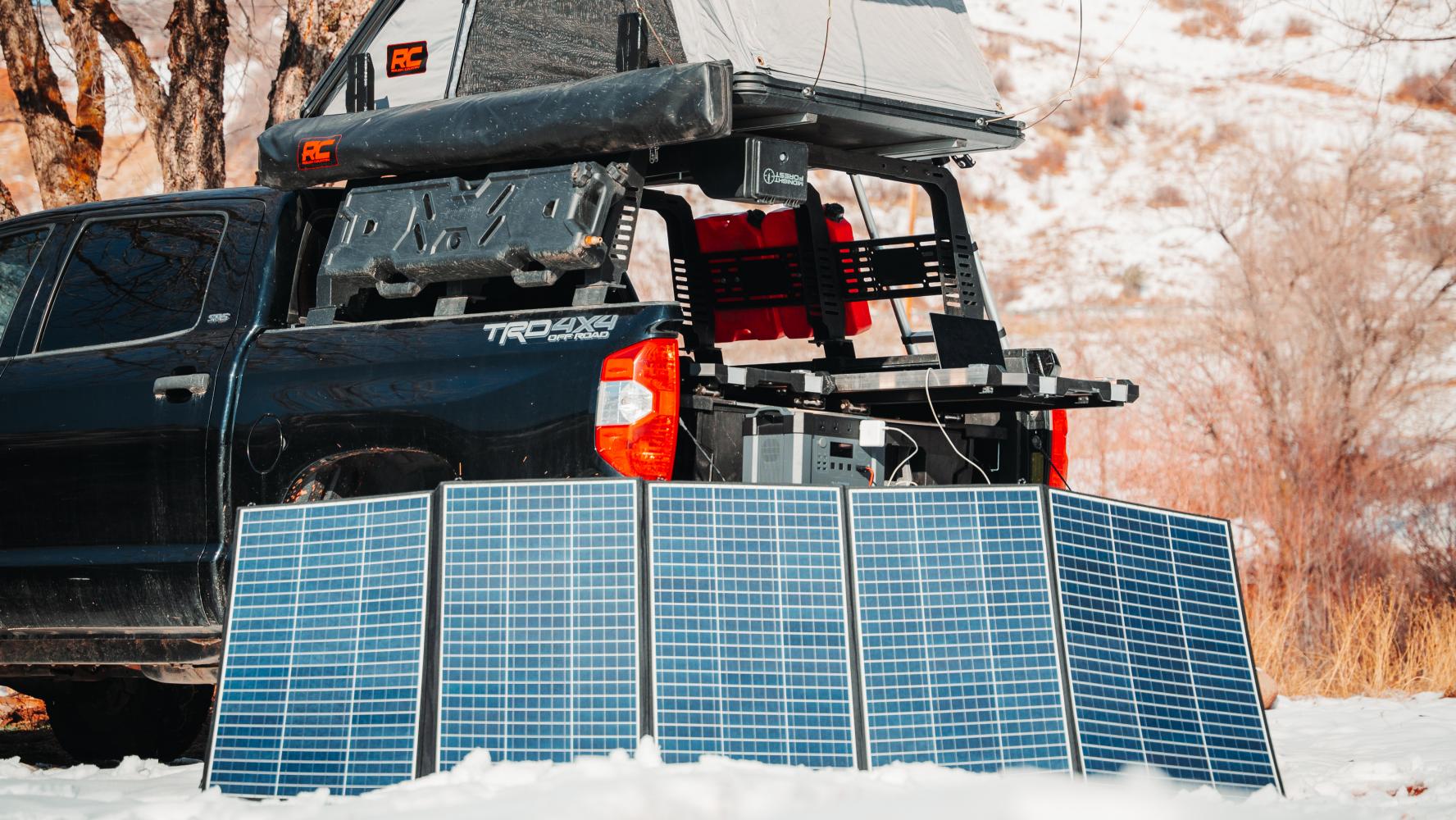
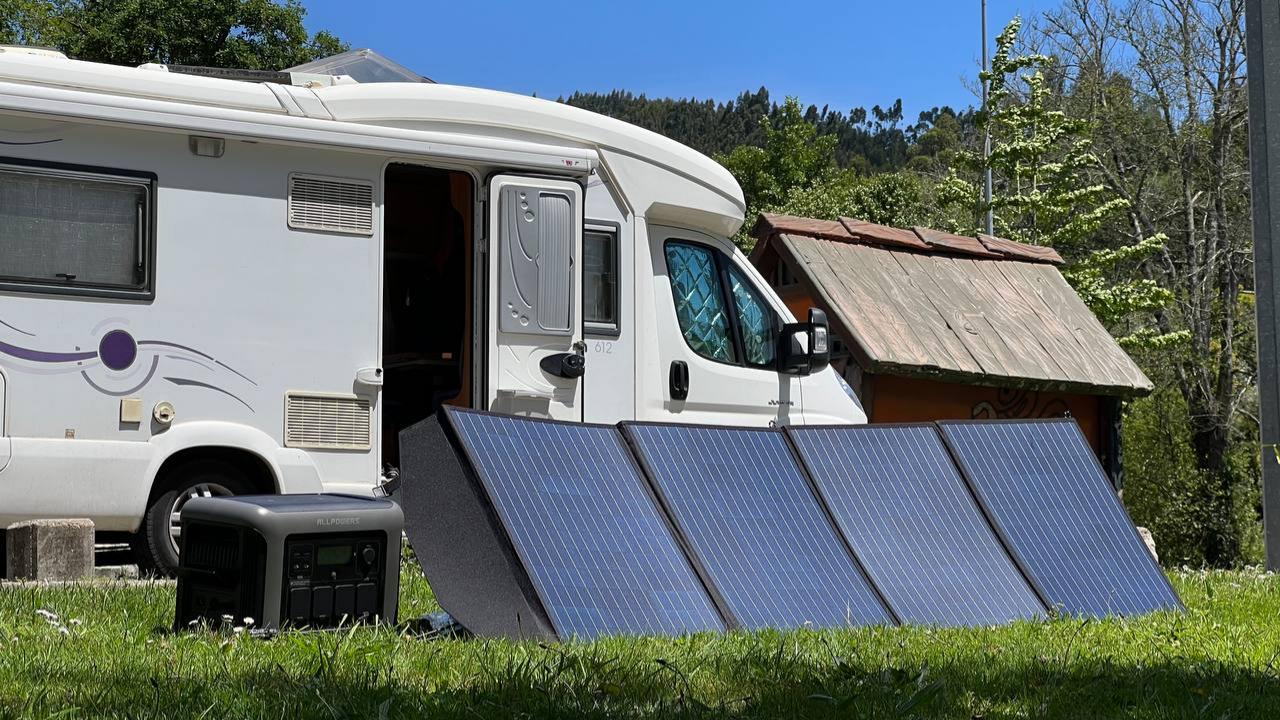
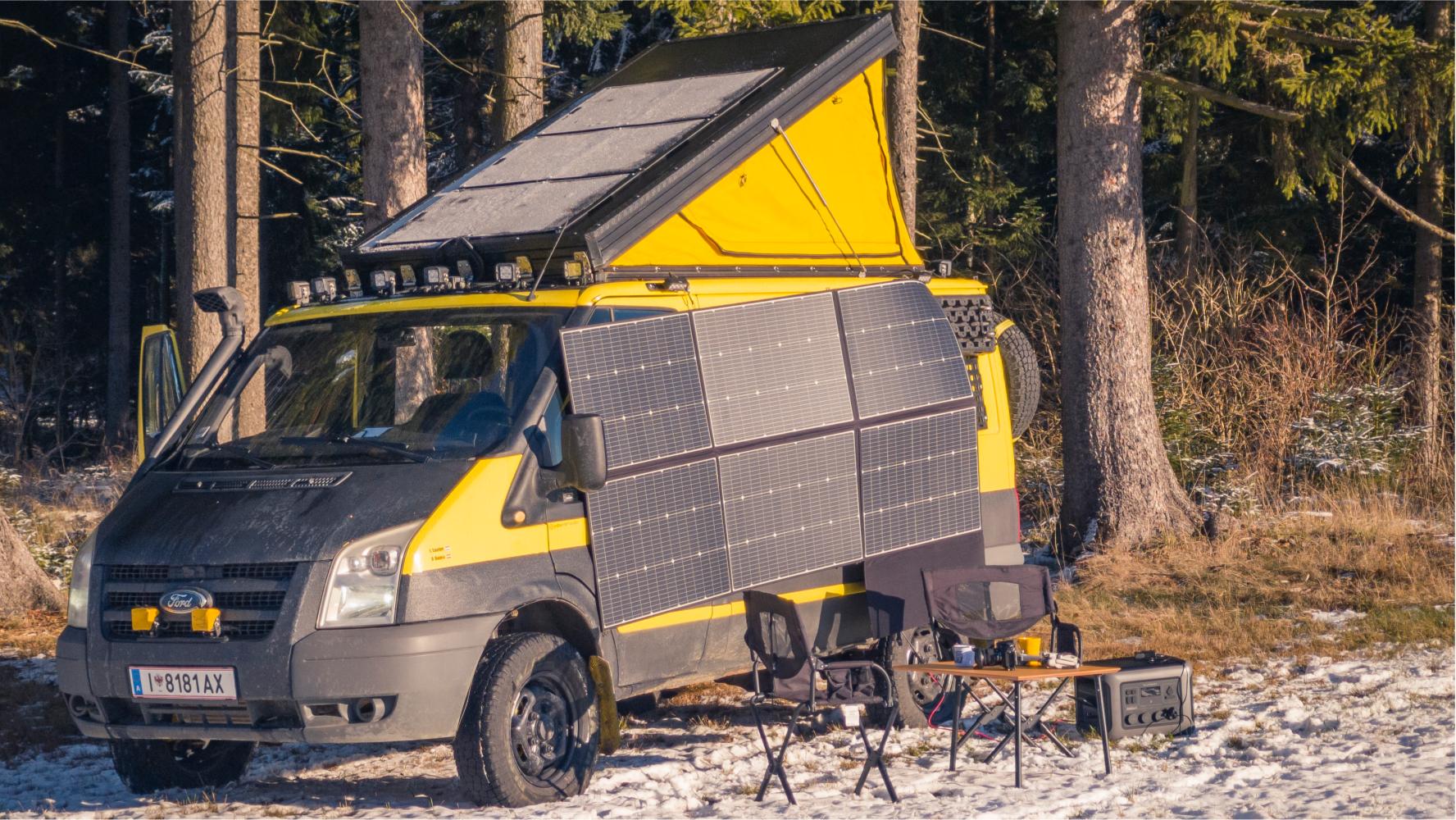
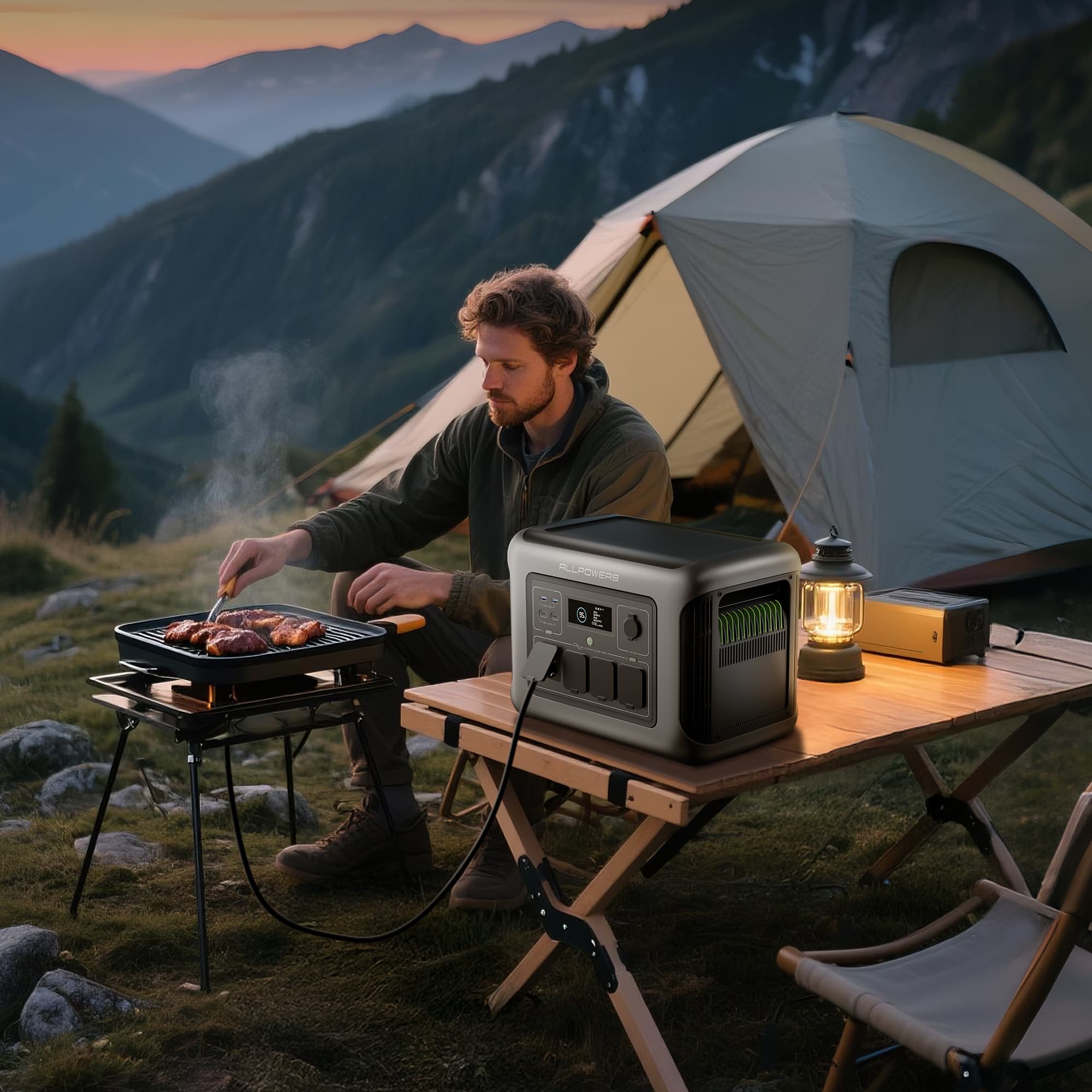
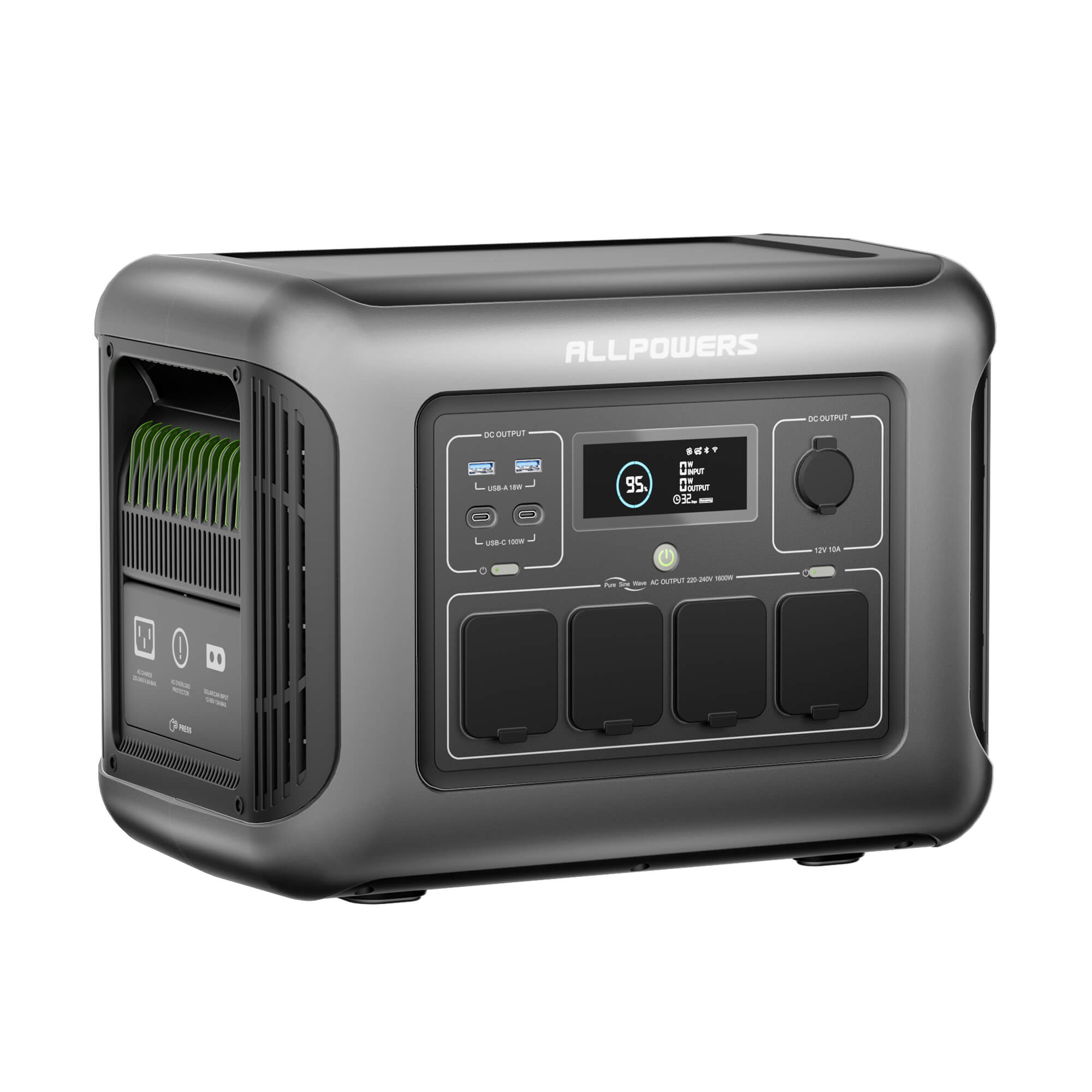
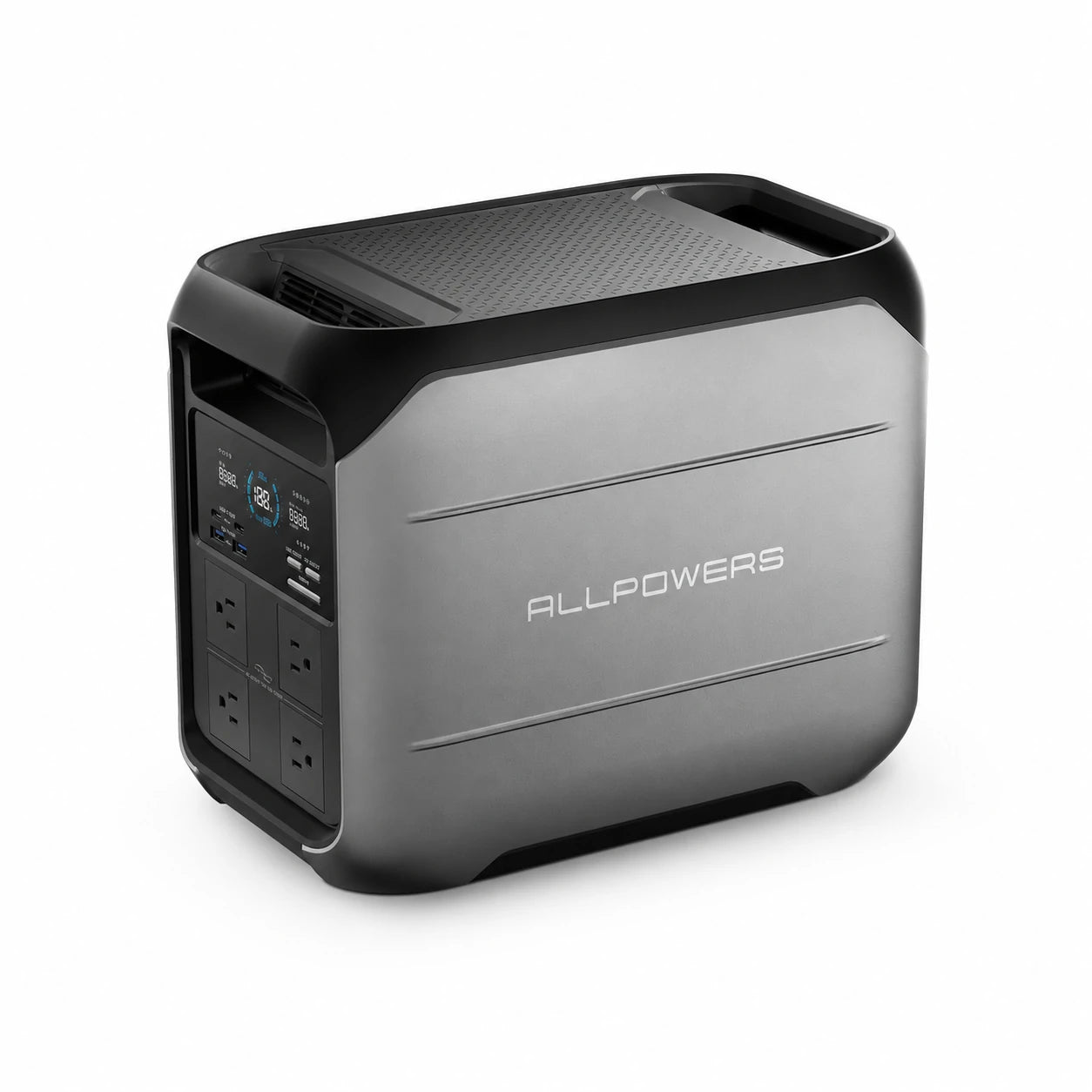
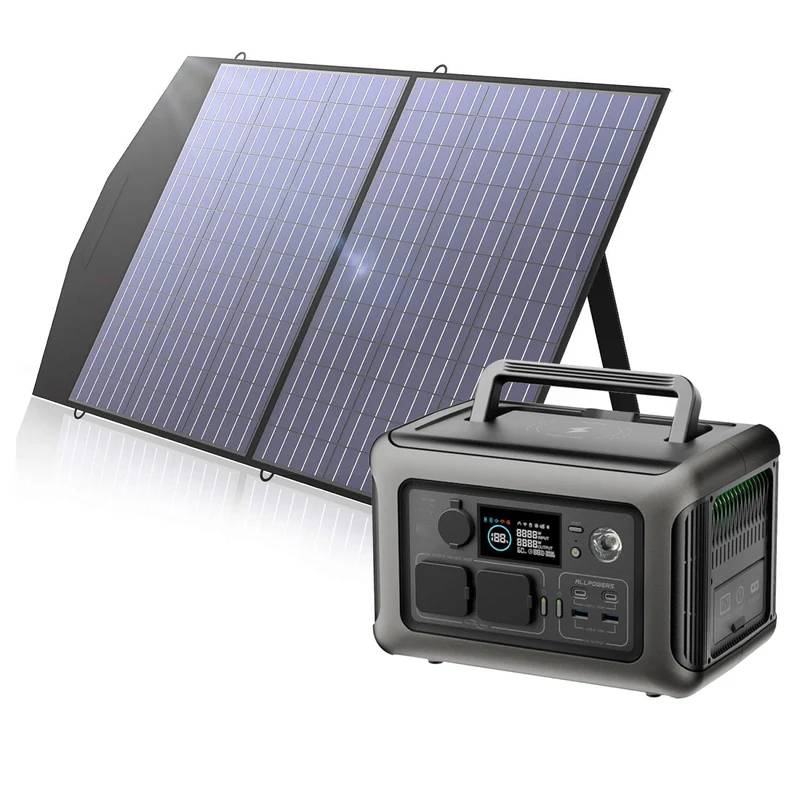
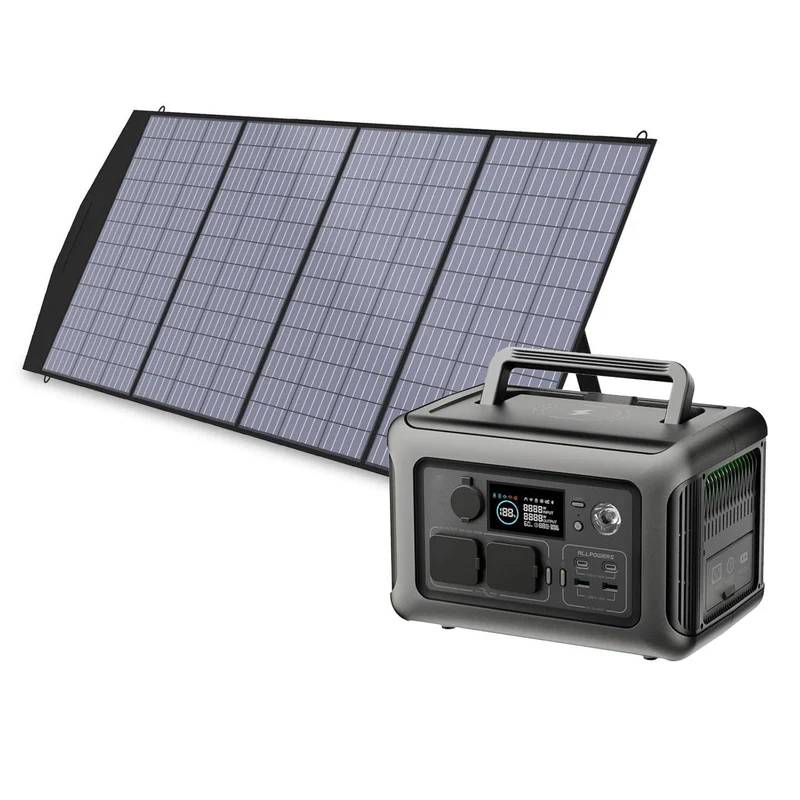
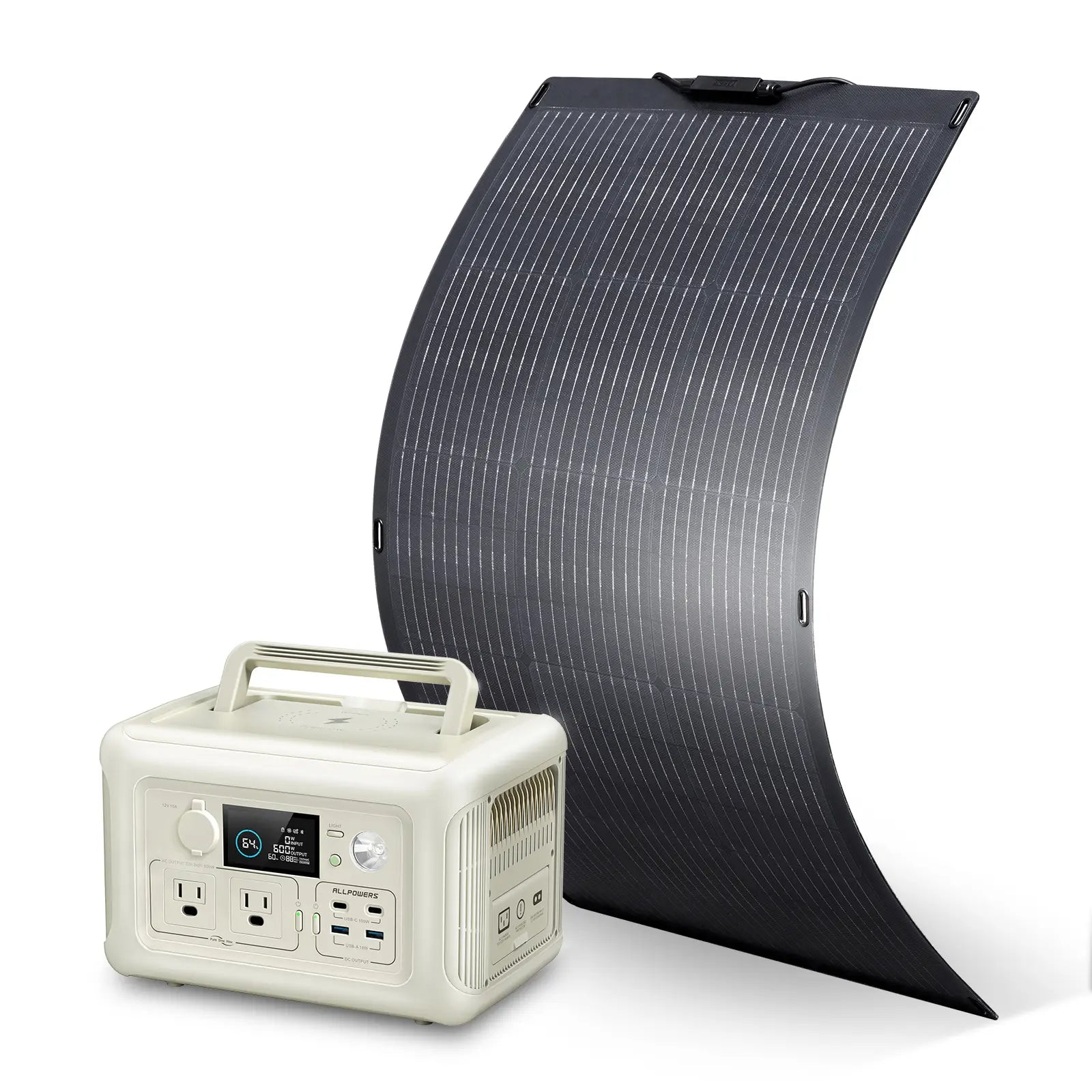
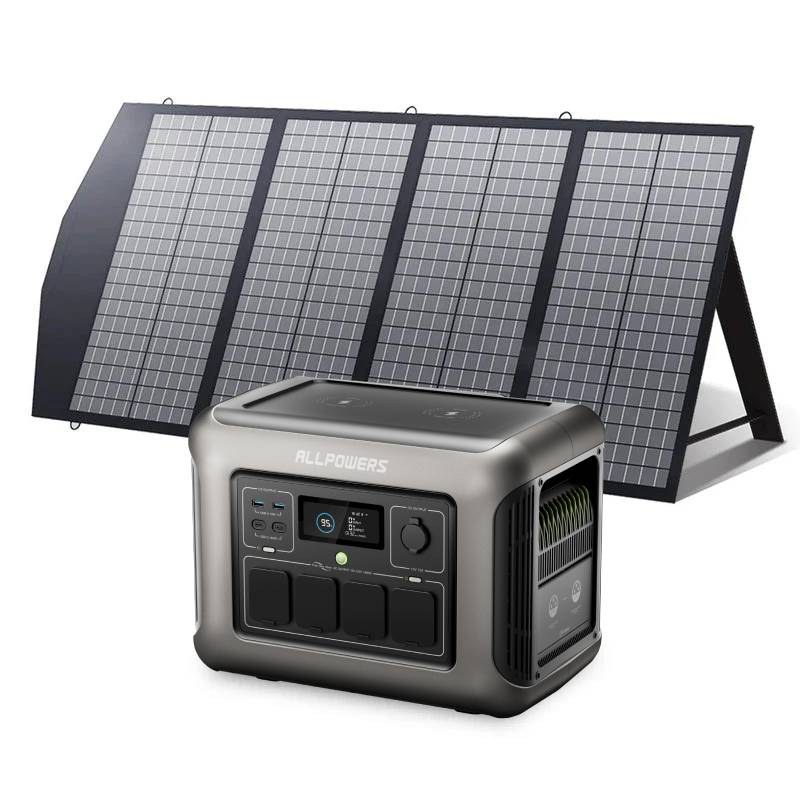
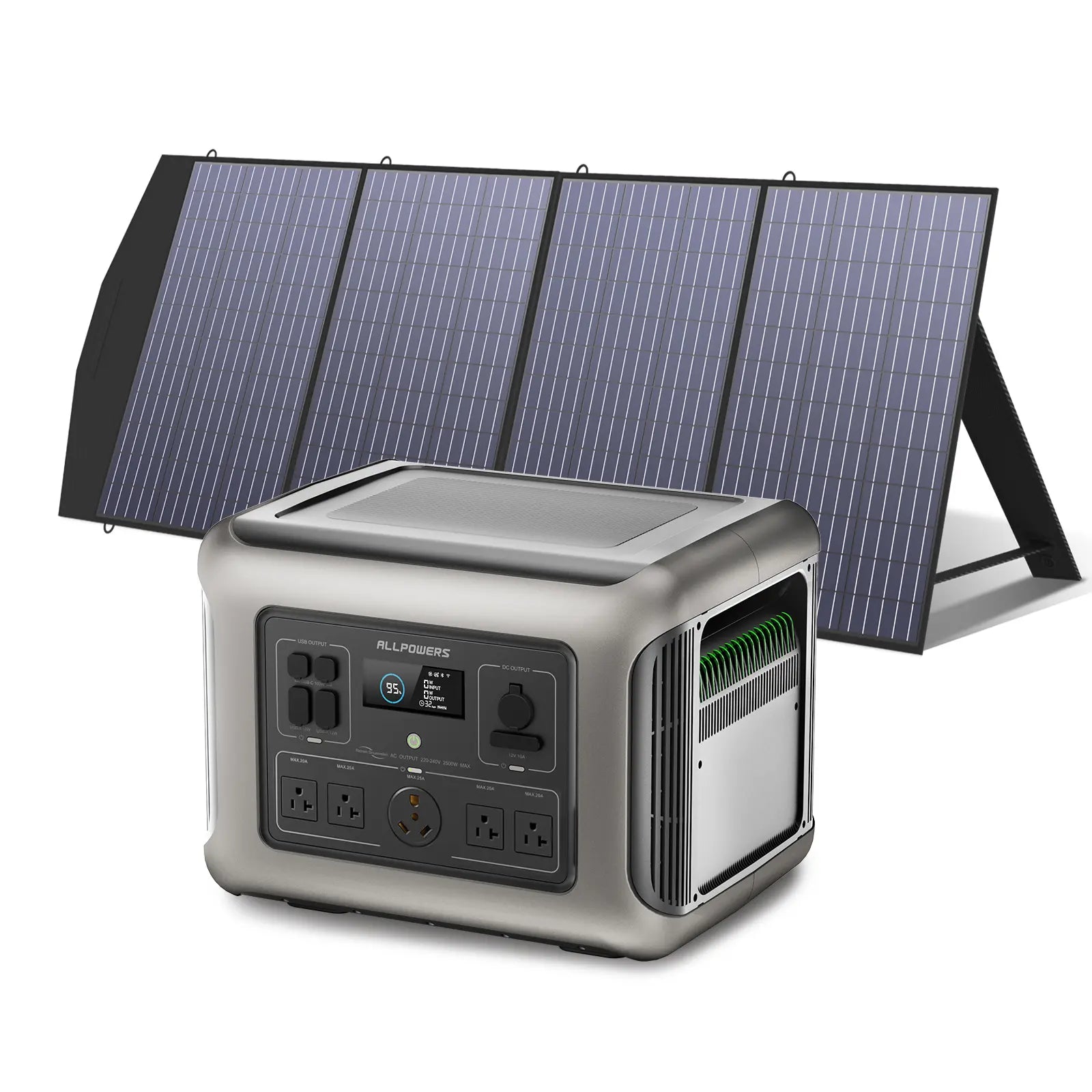
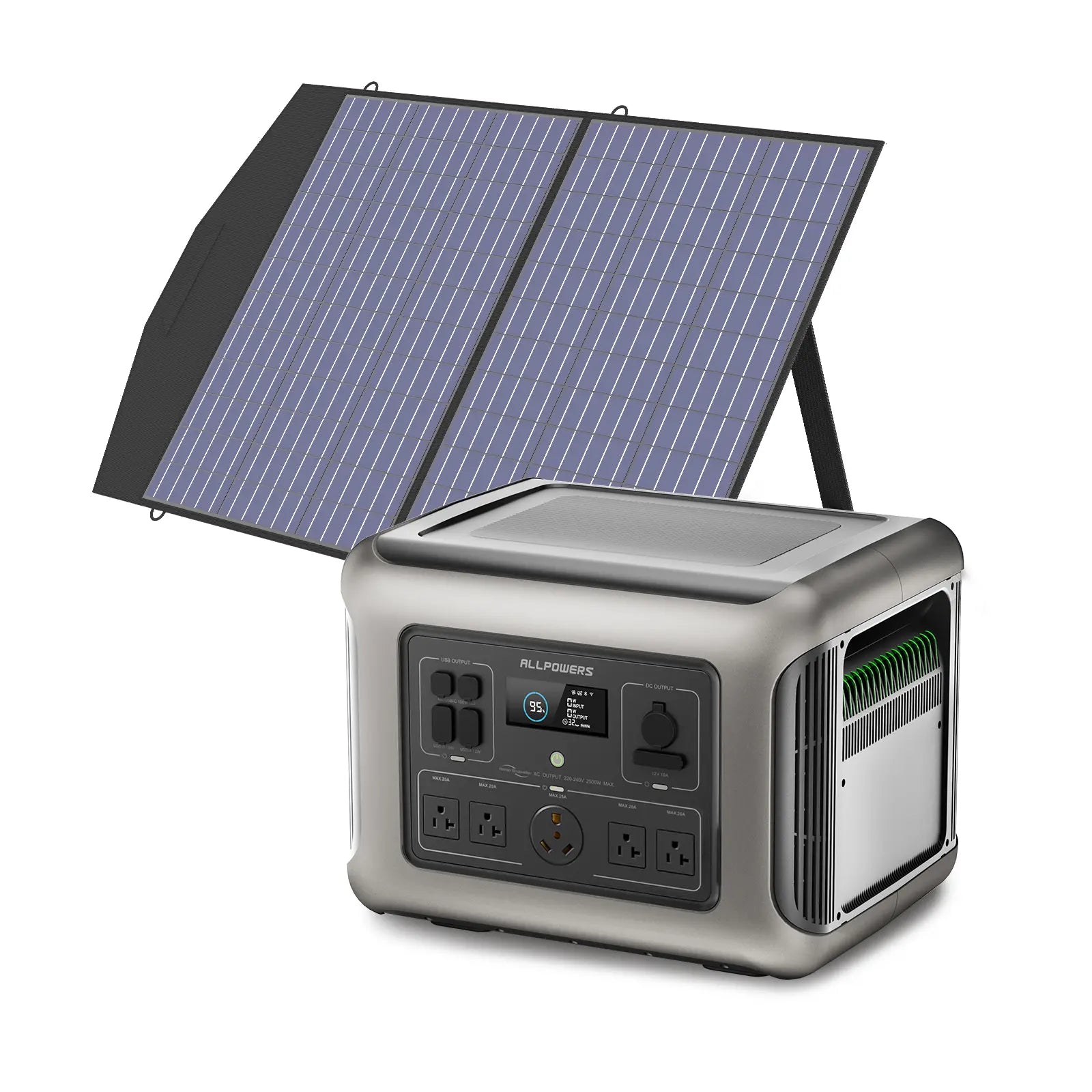
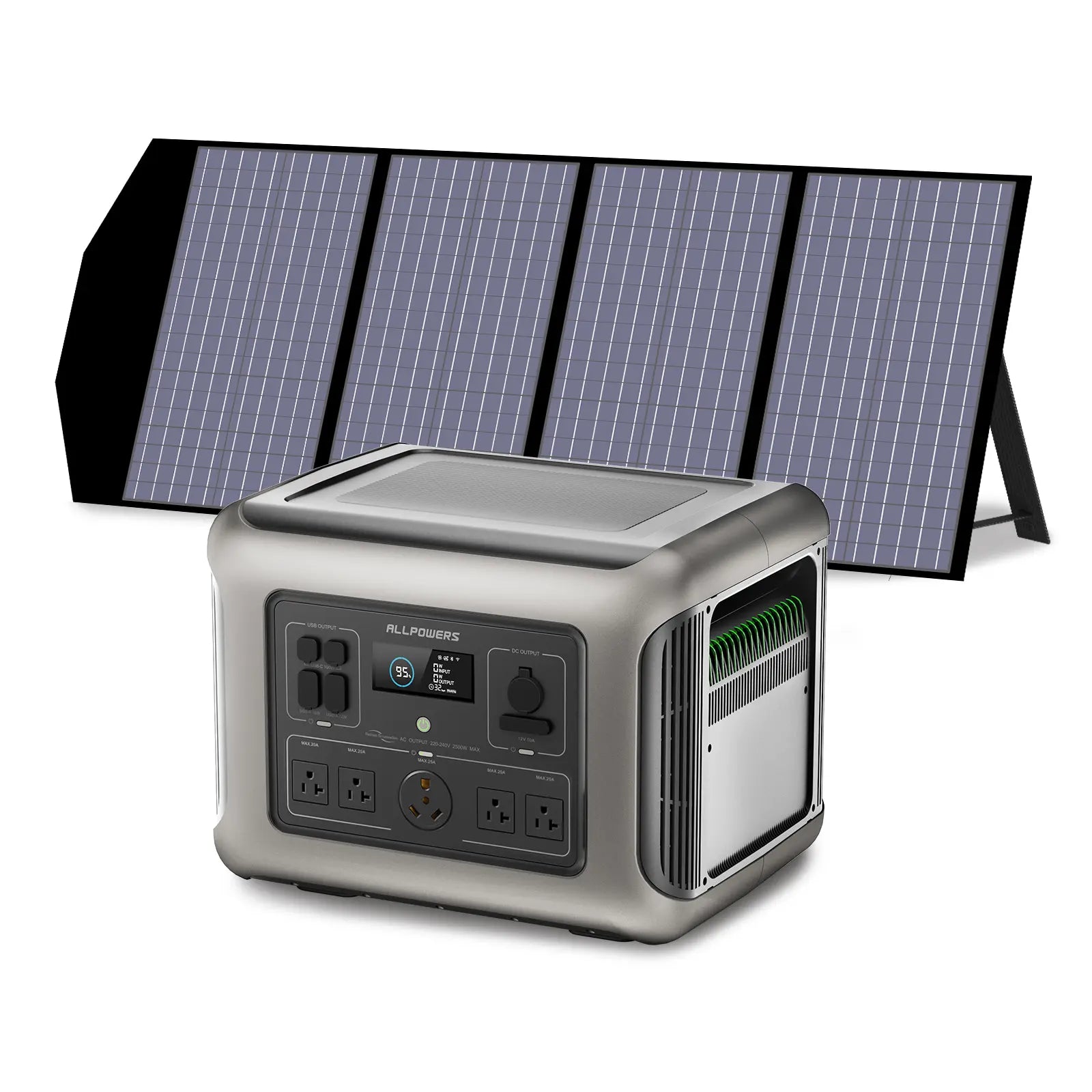
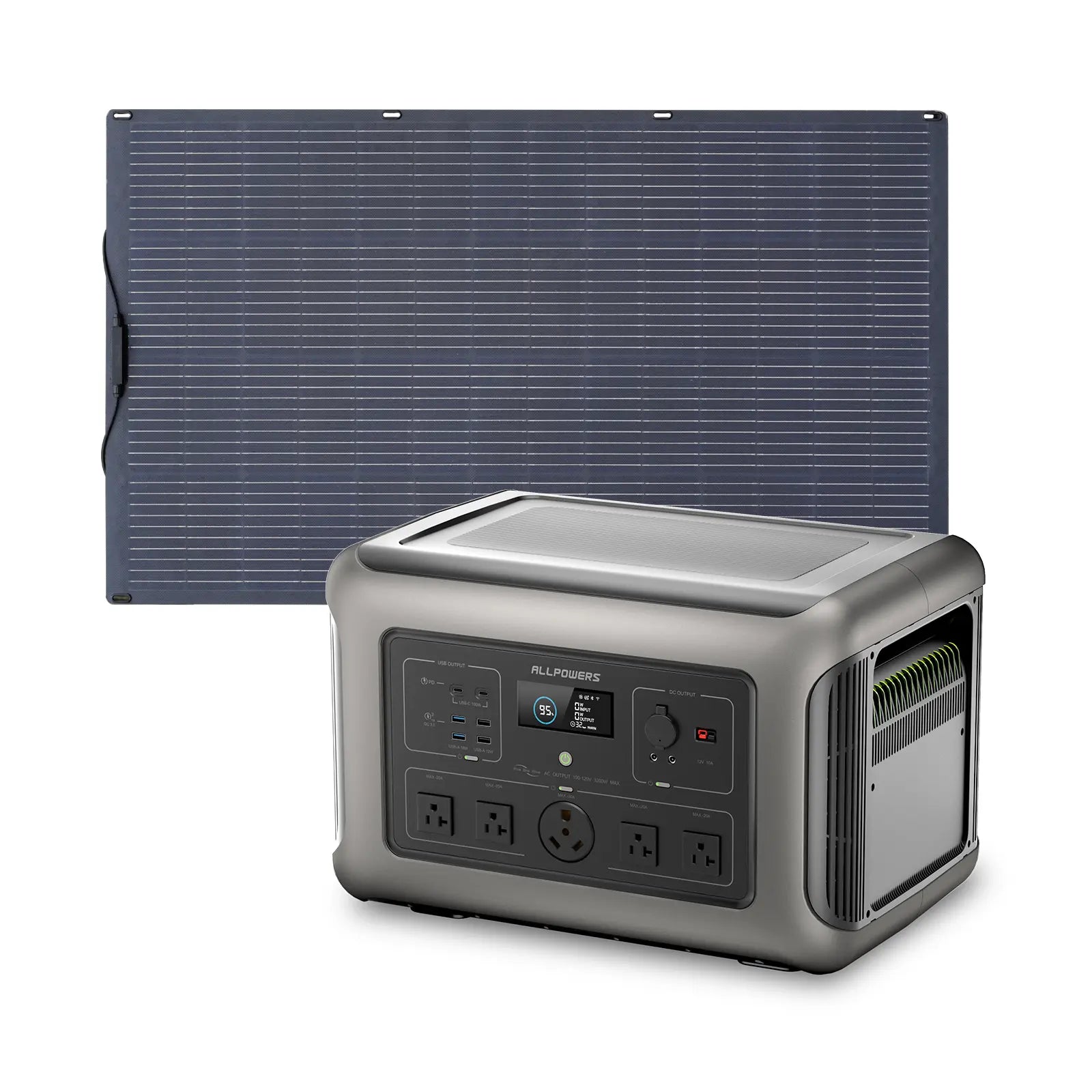
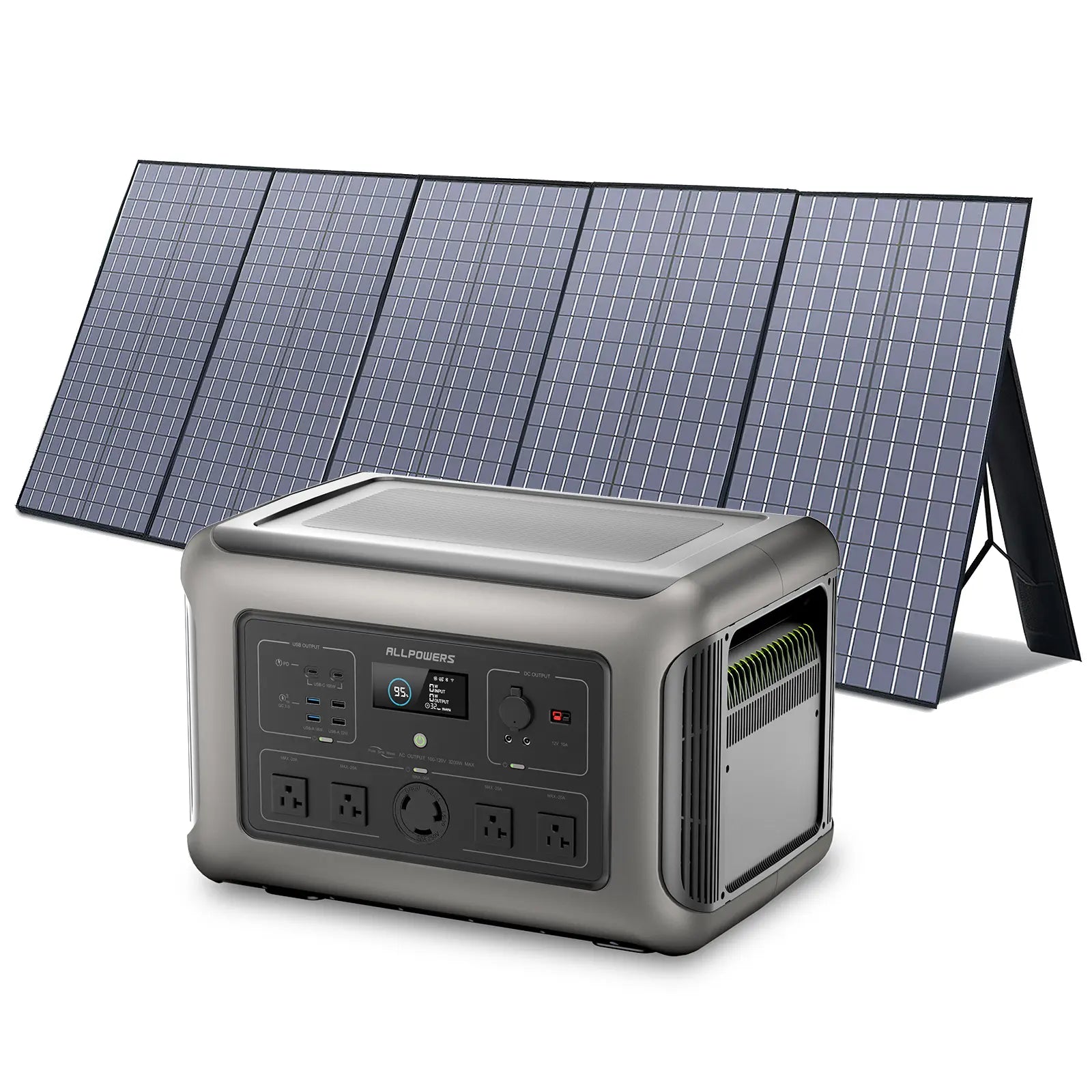
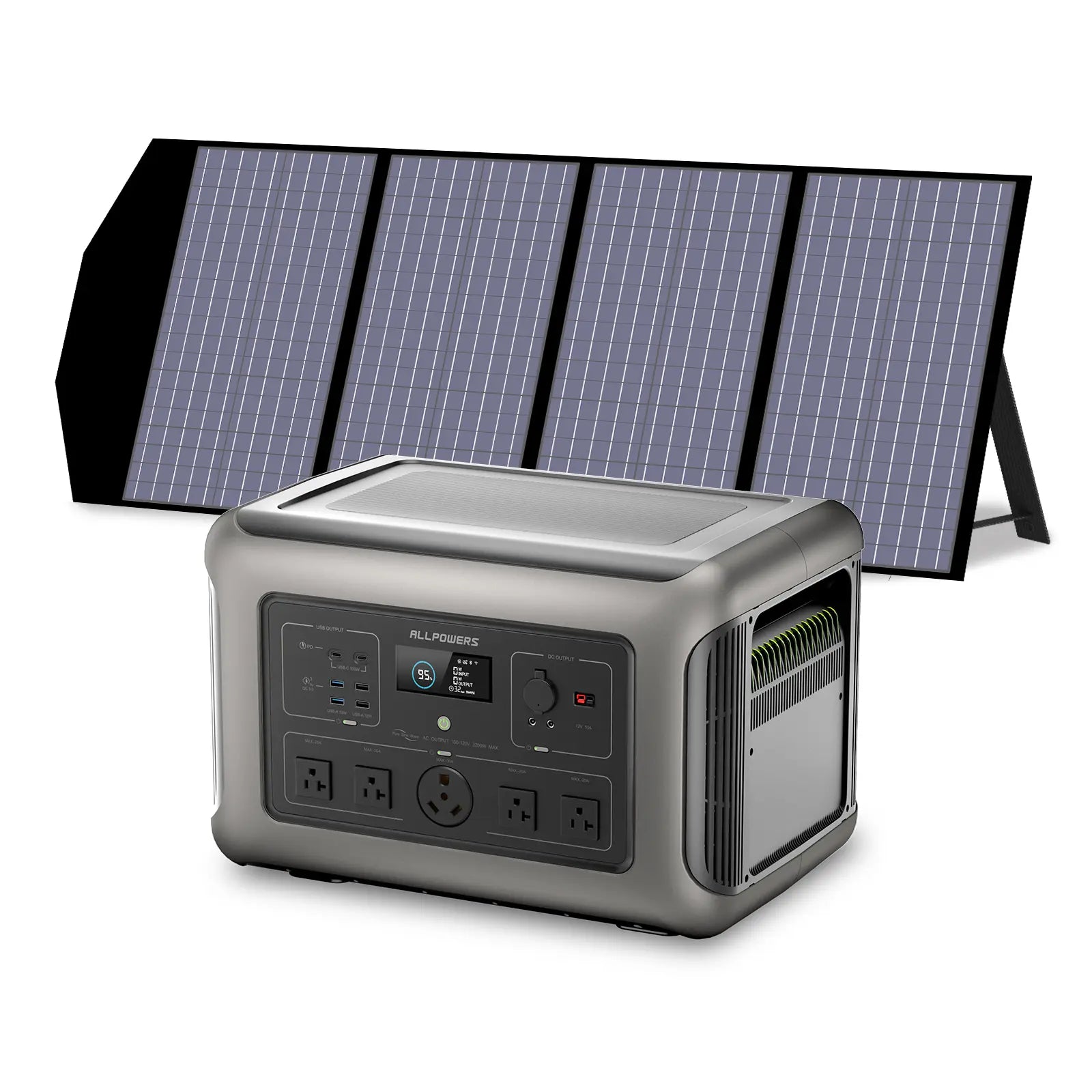
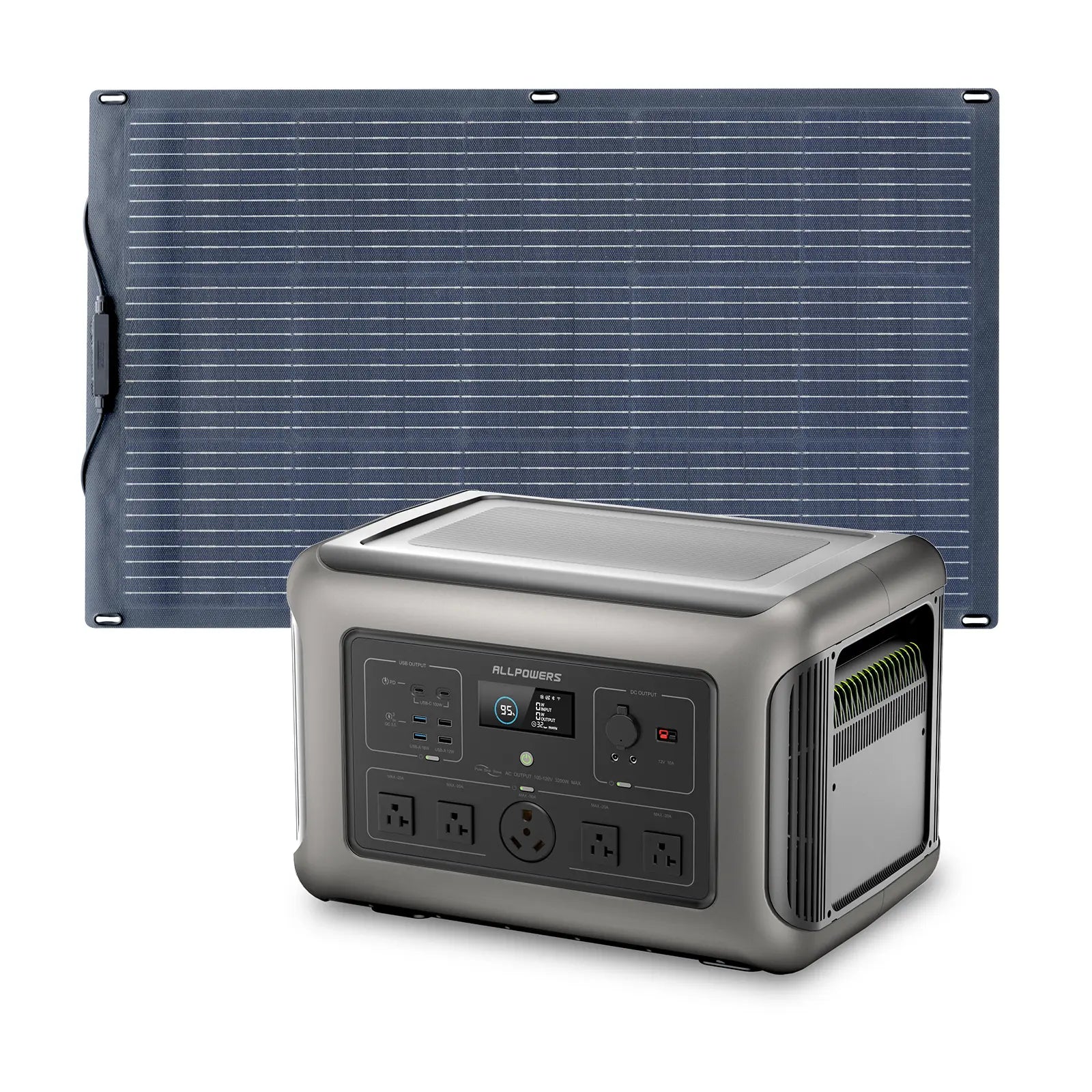
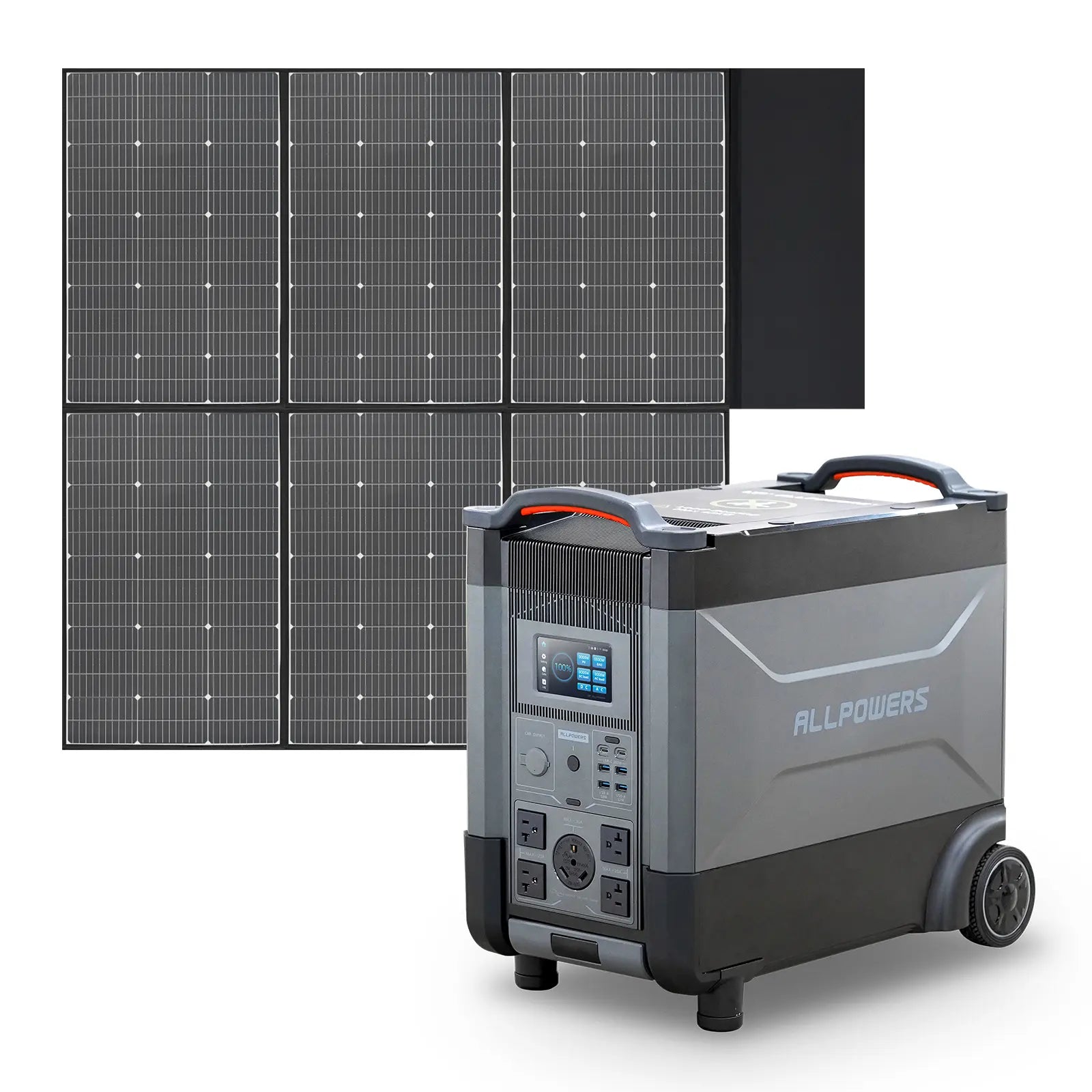
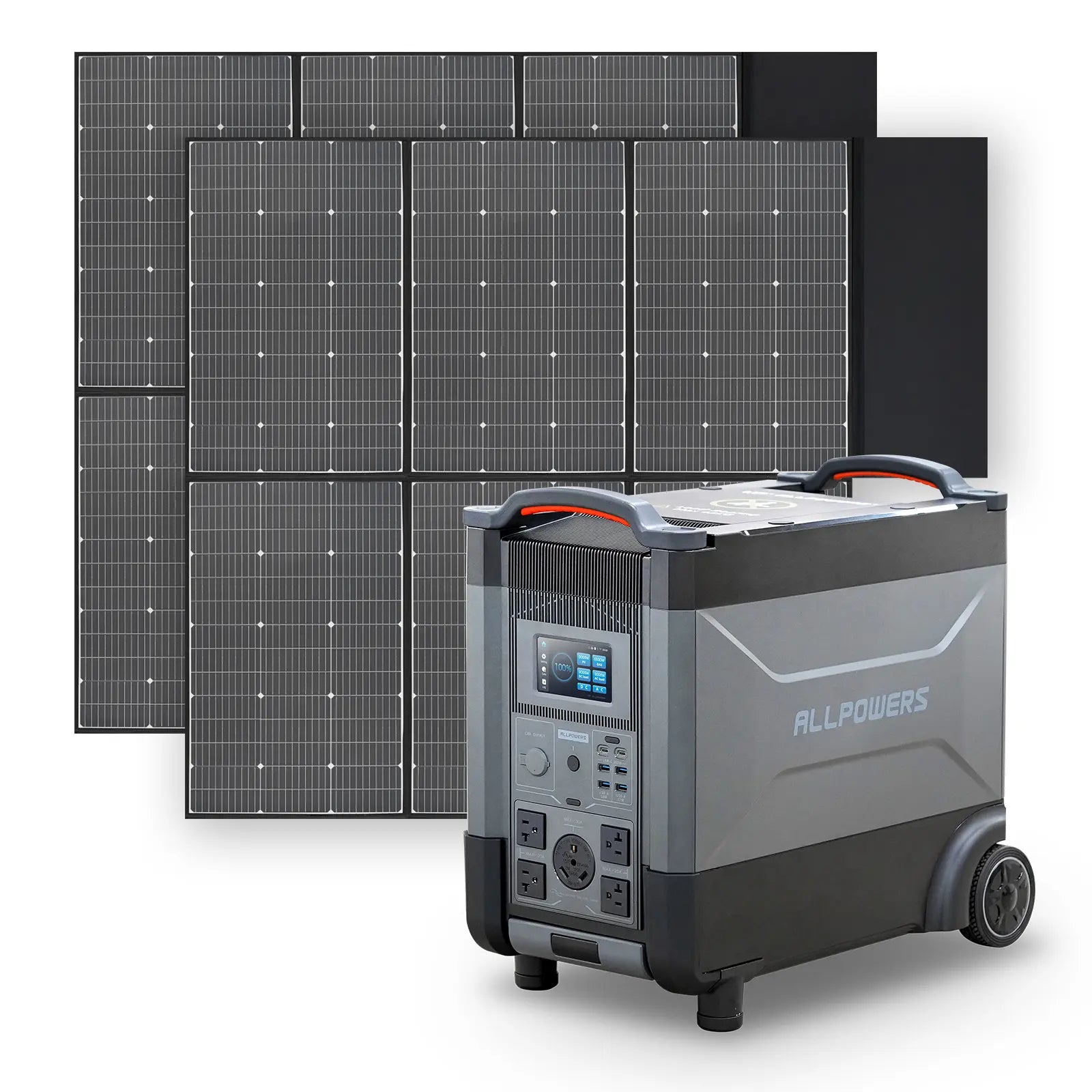
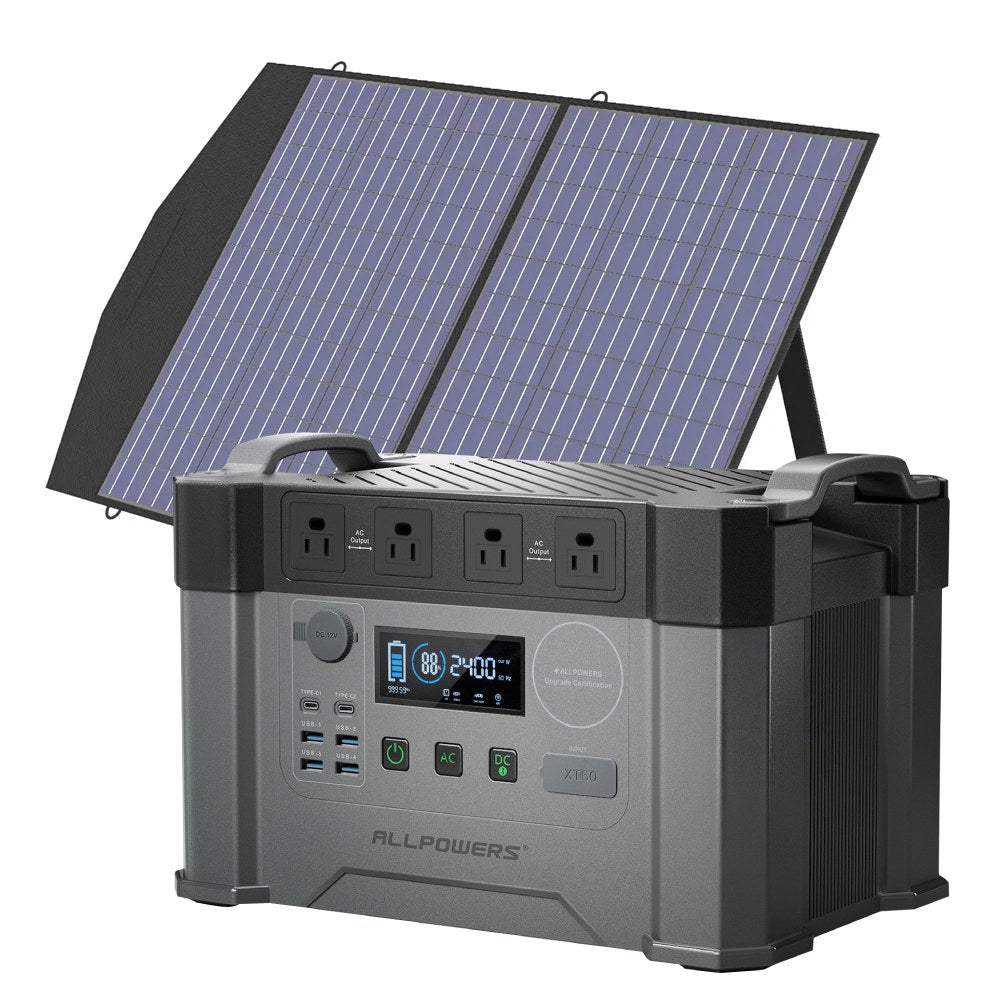
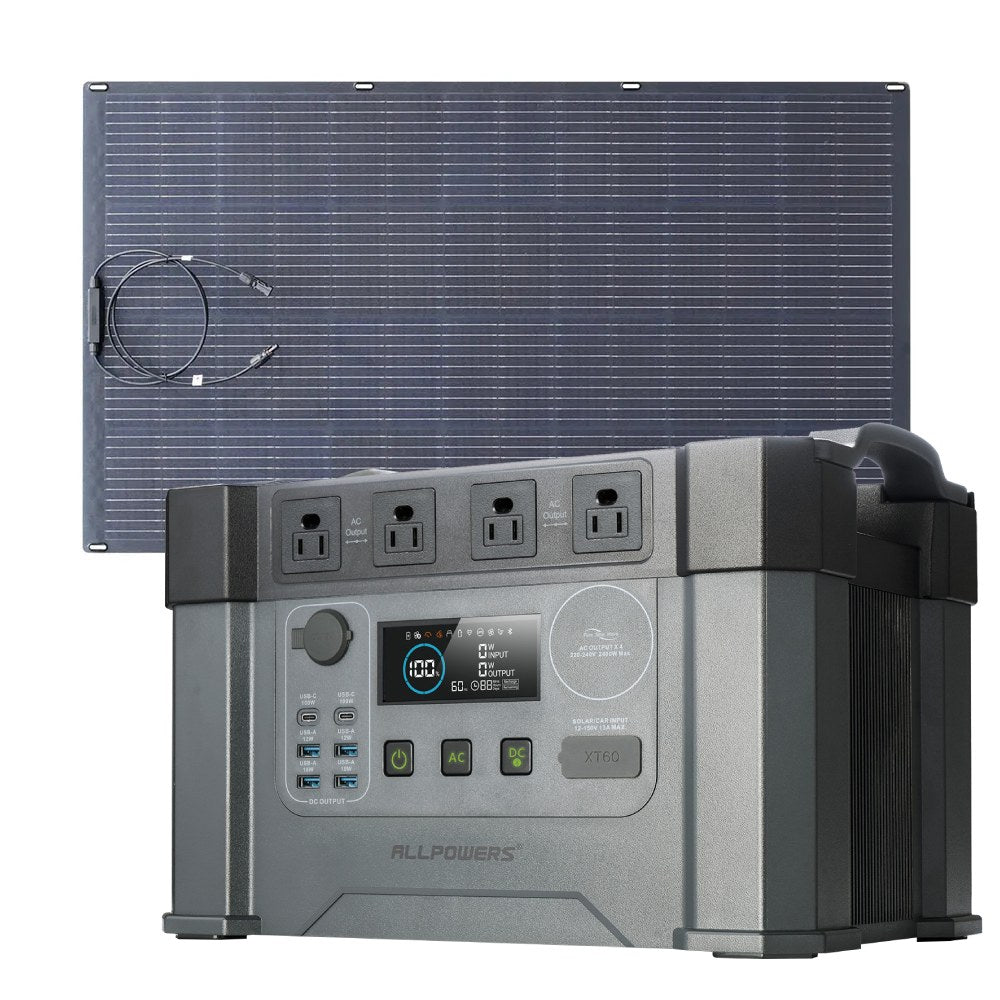
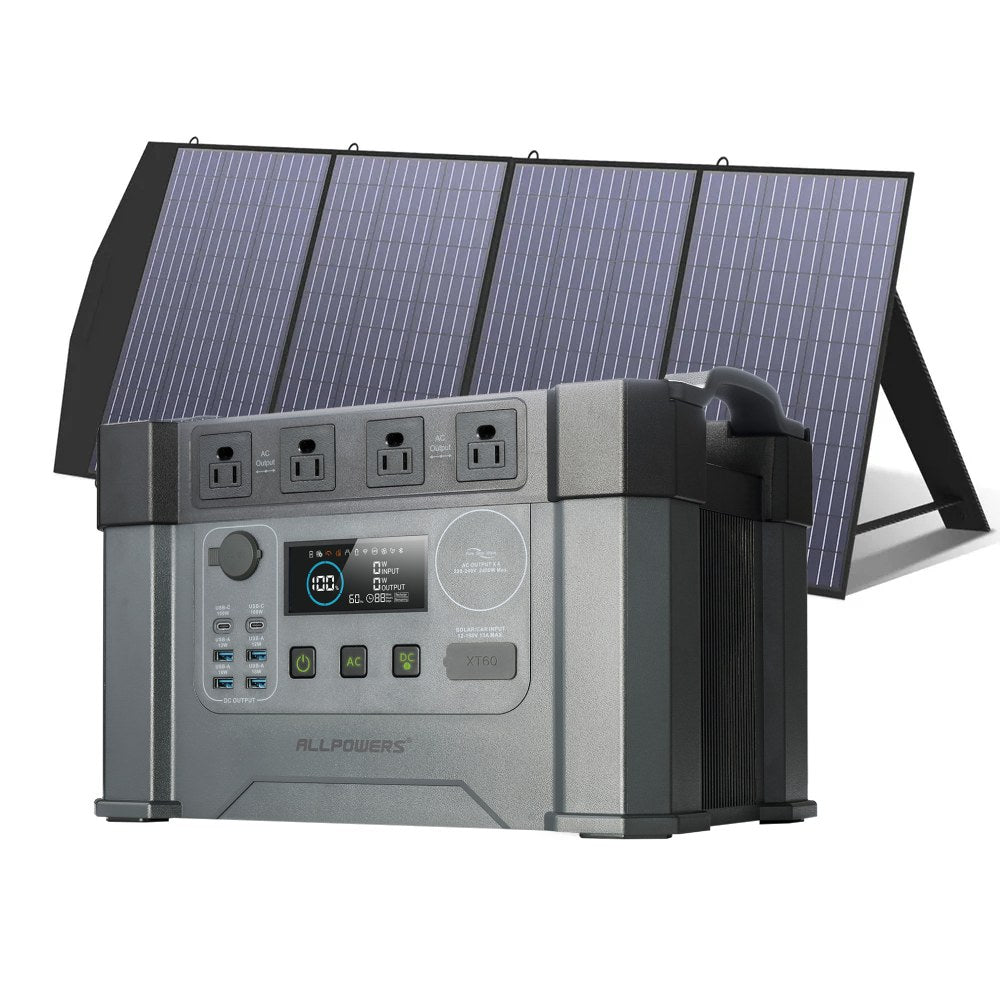
You know what is really cool about using something like a portable power station? You can actually bring it inside your tent or your van.
Since there is no carbon monoxide to worry about, the rain outside becomes a non-issue for the unit itself.
You could be sitting inside your dry camper, running your coffee maker and charging your laptop, while the storm rages outside.
While you still shouldn't leave most battery units sitting out in a puddle—water and batteries still don't mix well—the fact that they are safe to use in enclosed spaces completely changes the game for rainy-day camping.
What Practical Safety Steps Can Reduce Risk
Sometimes you don’t have a choice. The storm has arrived. The power is out. The rain isn’t stopping.
If you must run a gas generator in wet conditions, keep it outdoors, at least 20 feet from your home, under an open-sided canopy that shields it from direct rainfall.
Elevate it above ground moisture. Use outdoor-rated extension cords. Keep connections dry and off the ground.
Never operate it inside garages, sheds, or enclosed patios—even if doors are open.
Install carbon monoxide detectors in your home. Replace batteries regularly. It’s a small device that can save lives.
And once the weather clears, inspect the generator. Dry it thoroughly. Check for corrosion.
Maintenance after exposure matters almost as much as placement during use.
Conclusion
Can you run a generator in the rain? Maybe. Carefully. With protection. With distance.
Rain introduces risk layers—electrical, mechanical, and environmental. Each layer requires mitigation. Each mitigation requires attention.
If you’re camping and a light drizzle starts, a well-ventilated canopy might be enough.
If you’re in the middle of a severe storm, the safer move may be to power only critical loads with a battery-based system.