







A food truck doesn’t just run on recipes and personality—it runs on power.
So figuring out the right generator size isn’t just technical—it’s survival for your business.
Too little, and your fridge warms up, your fryer stalls, and your customers walk away.
Too much, and you’re hauling around weight, burning fuel, and wasting money.
So what size generator really makes sense for a food truck?
TL;DR:
Most food trucks need a generator between 3,000 and 10,000 watts, depending on equipment load. Smaller setups (coffee, snacks) can run on 4,000–6,000 watts, while full kitchens with fryers and grills often require 8,000–12,000 watts or more. Always calculate peak wattage, not just running wattage, and leave headroom for safety and expansion.
How many watts are needed to power a food truck?
Every food truck has its own personality.
A taco truck doesn’t draw power like a mobile coffee bar, and neither compares to a burger truck with dual fryers and a griddle running nonstop.
Still, there are some usual suspects.
Refrigerators and freezers often sit between 500 and 1,500 watts. Griddles can range from 1,200 to over 3,000 watts depending on size.
Deep fryers, especially electric ones, are heavy hitters—sometimes pushing past 4,000 watts.
Coffee machines, blenders, POS systems, lighting… it all adds up faster than you’d expect.
Then there’s air conditioning. In a compact metal box under the summer sun, it’s not optional—it’s survival. And it can quietly demand 1,500 to 2,500 watts on its own.
When you stack all of that together, many food trucks land somewhere between 7,000 and 12,000 watts during normal operation.
Small food trucks can get away with less power
Coffee carts, smoothie bars, dessert trucks—they often run lean.
A couple of machines, some lighting, maybe a small fridge. In these cases, a 2,000 to 4,000-watt generator can be enough.
But here’s the catch—“enough” doesn’t leave room for growth.
You might start with just an espresso machine and grinder, then realize customers want iced drinks.
Suddenly you add a blender, then maybe a second fridge. Before long, your once-perfect setup is pushing your generator to its limits.
And when a generator runs near max capacity all day, it wears out faster. It runs louder. It burns more fuel.
So even for small setups, a little breathing room goes a long way.
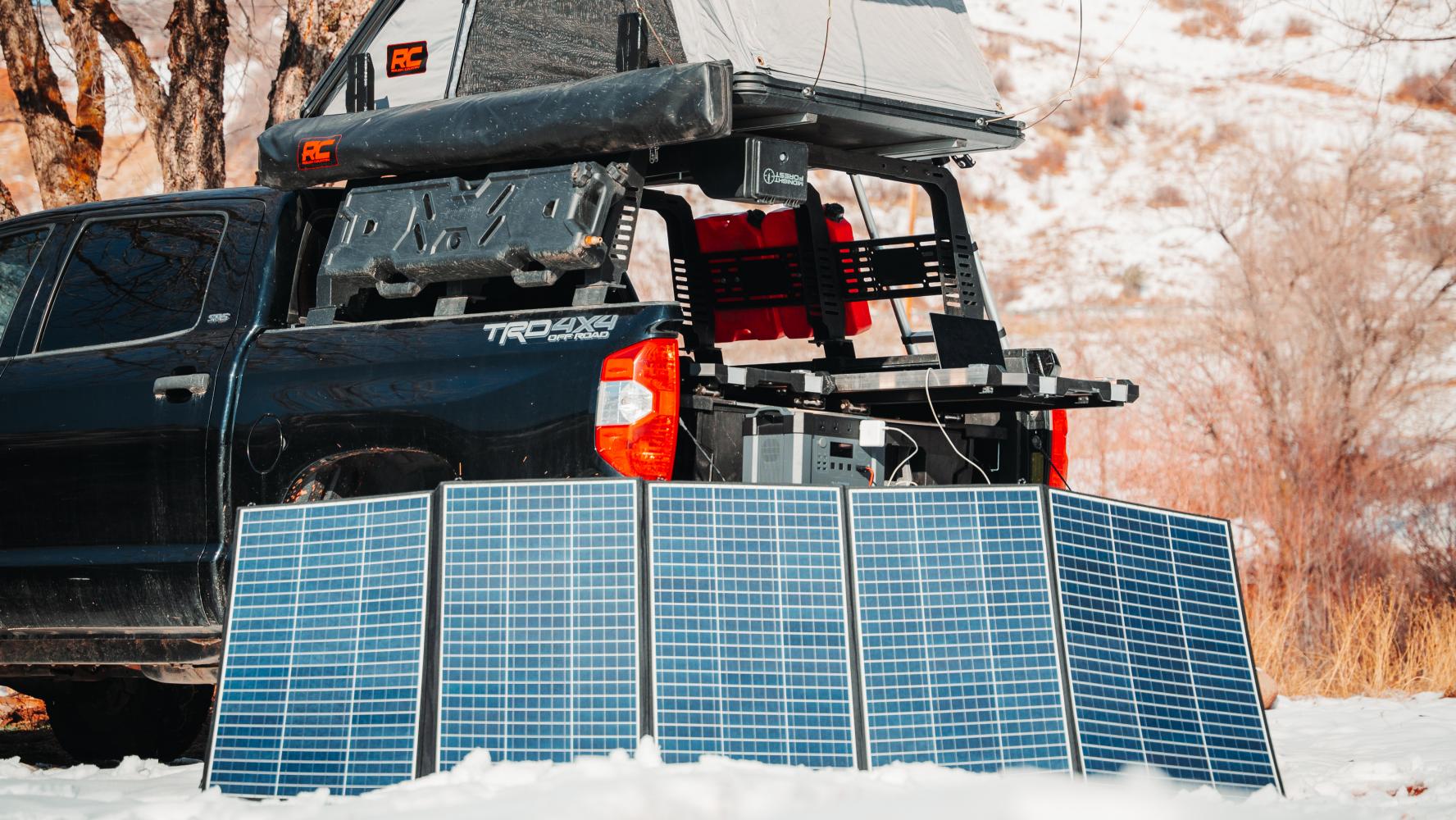
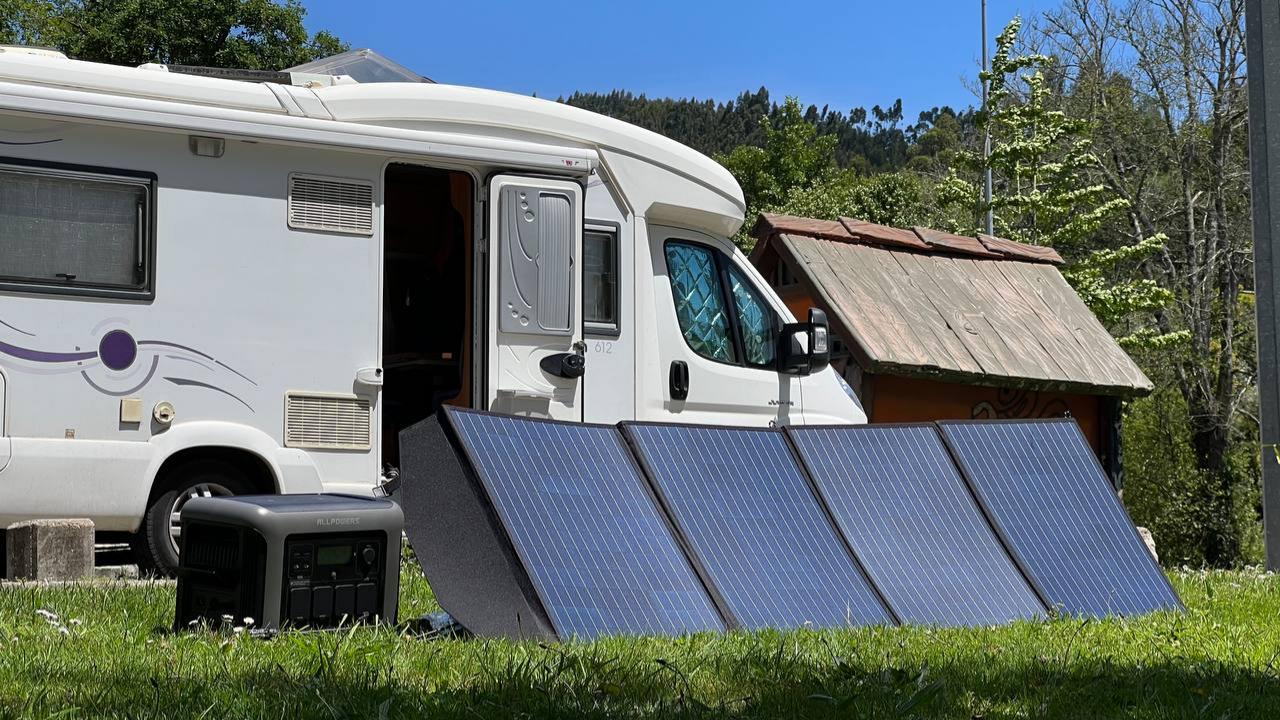
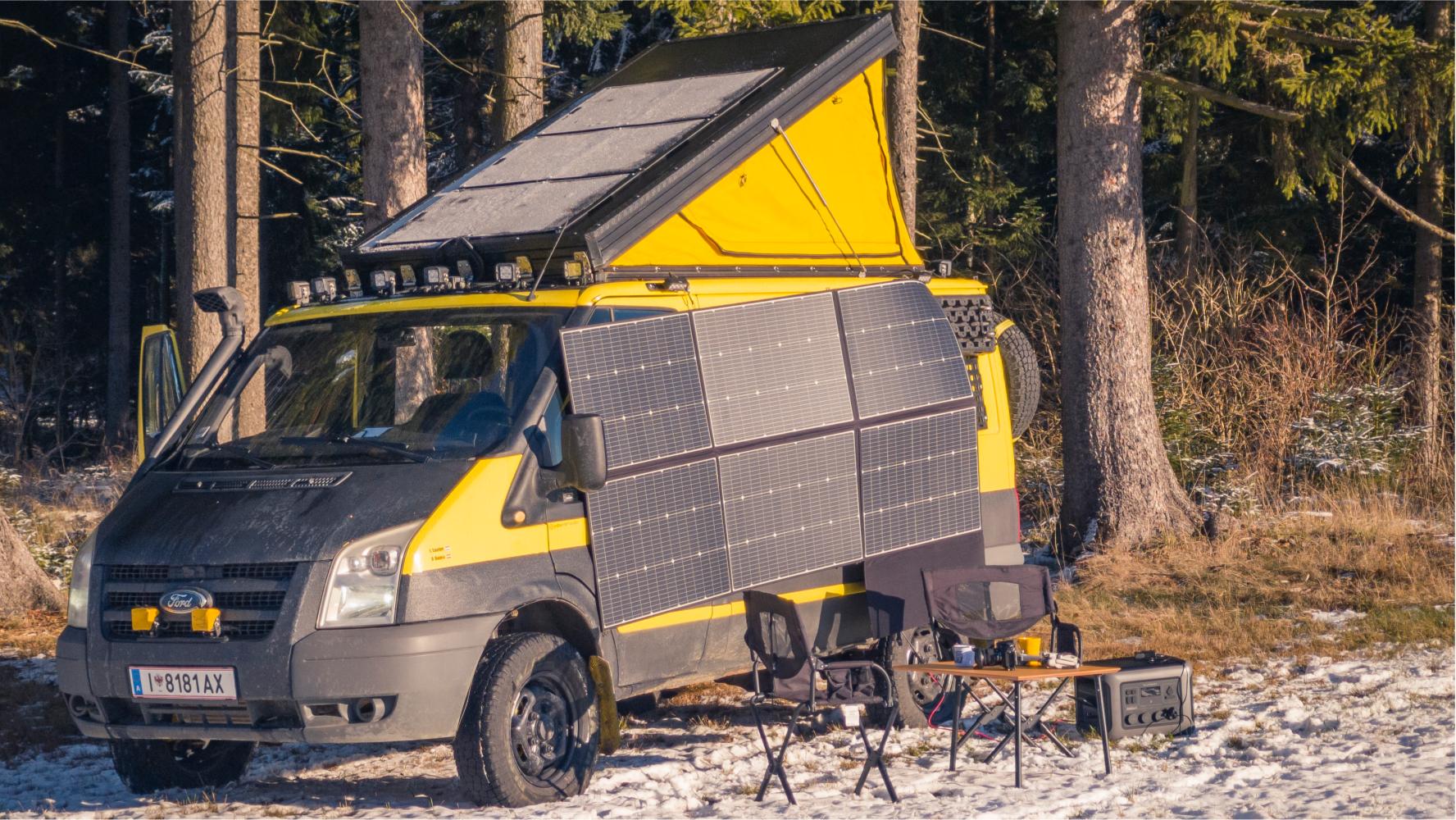
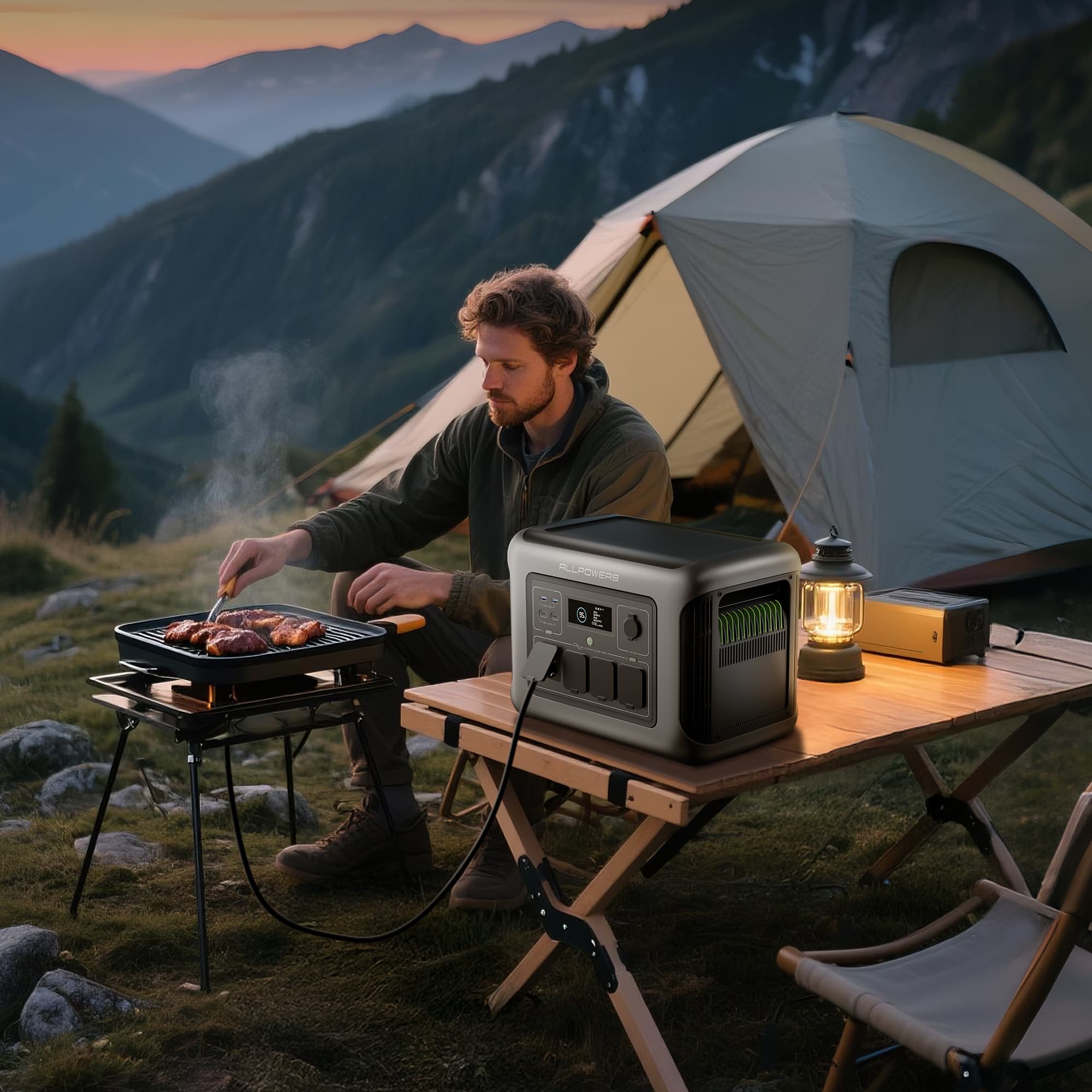
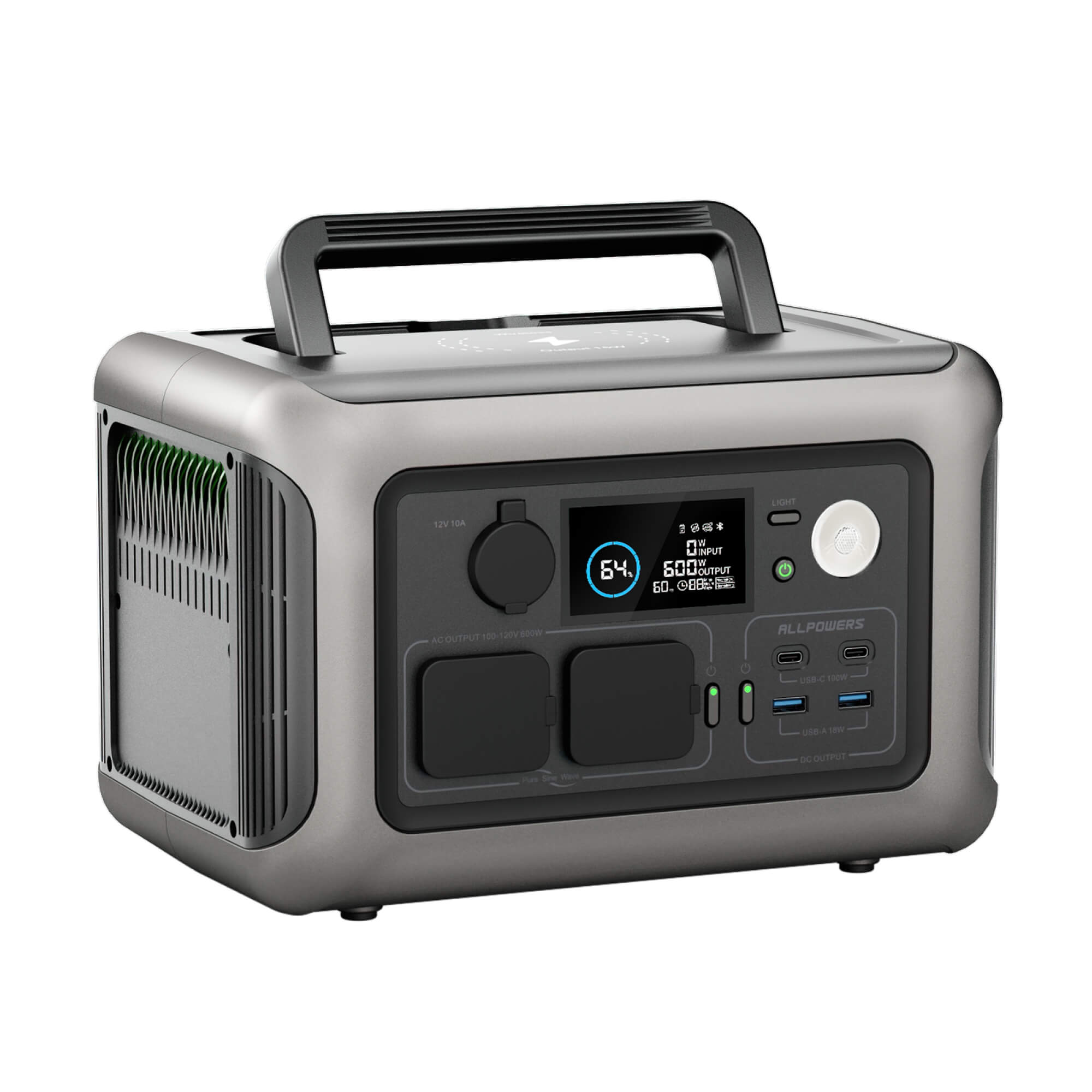
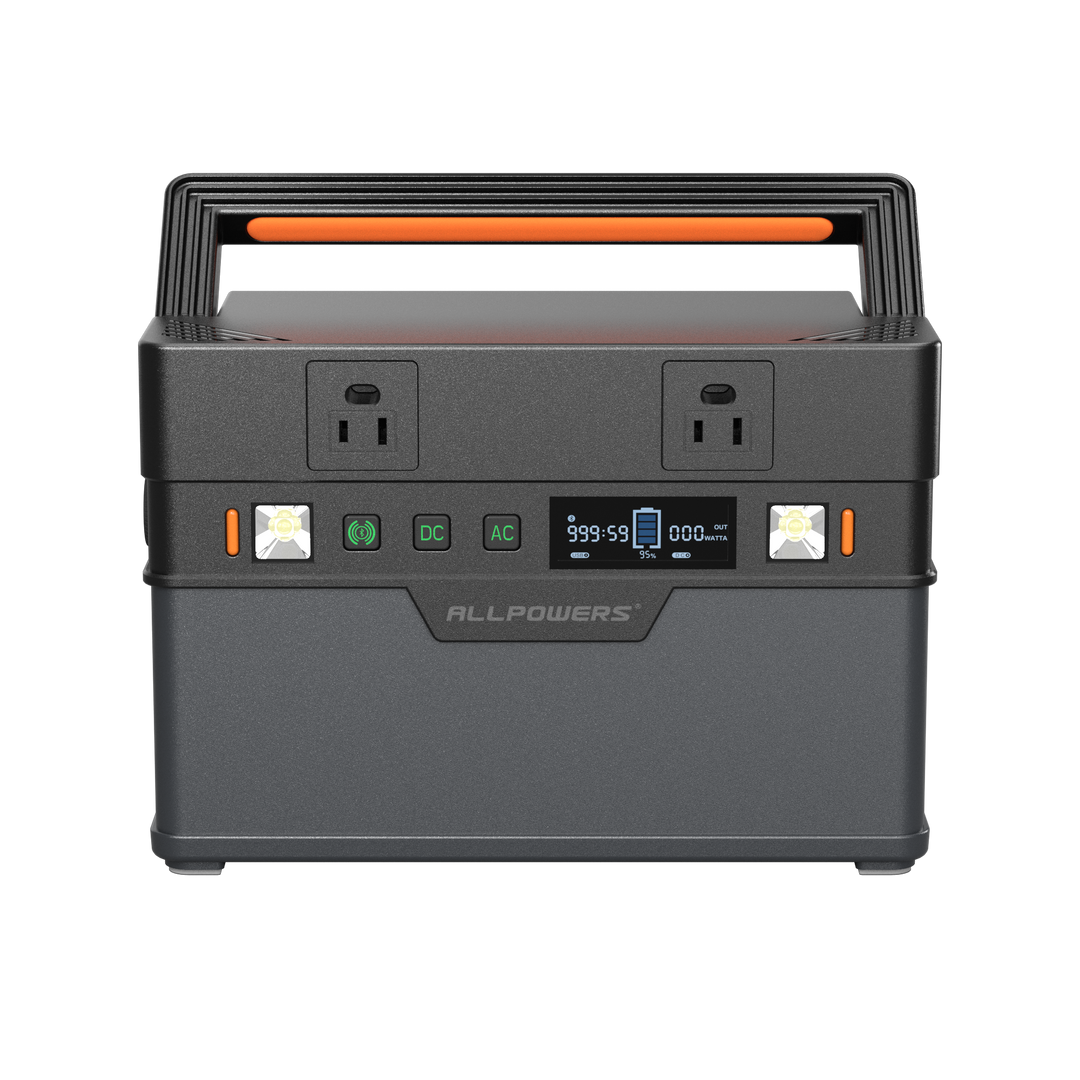
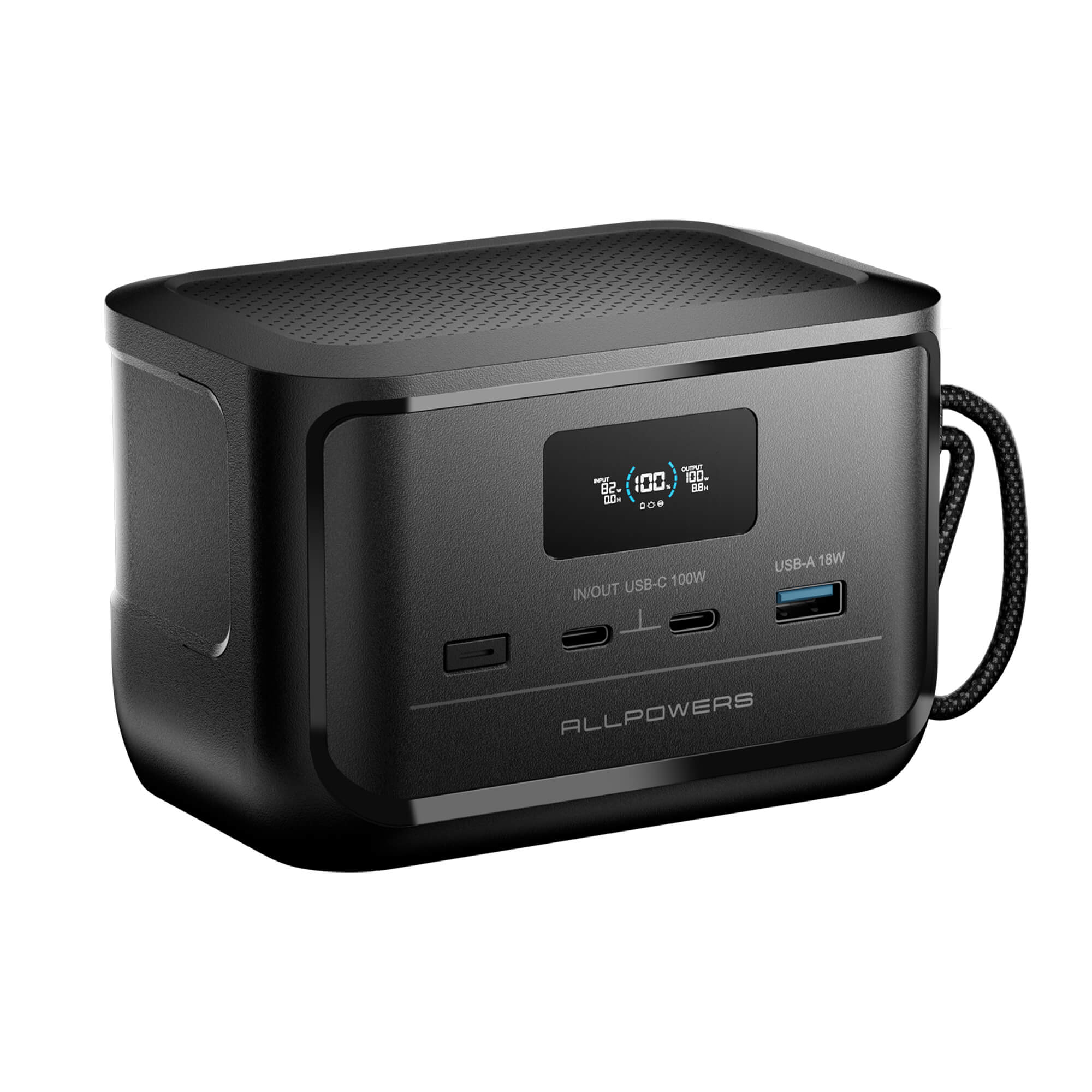
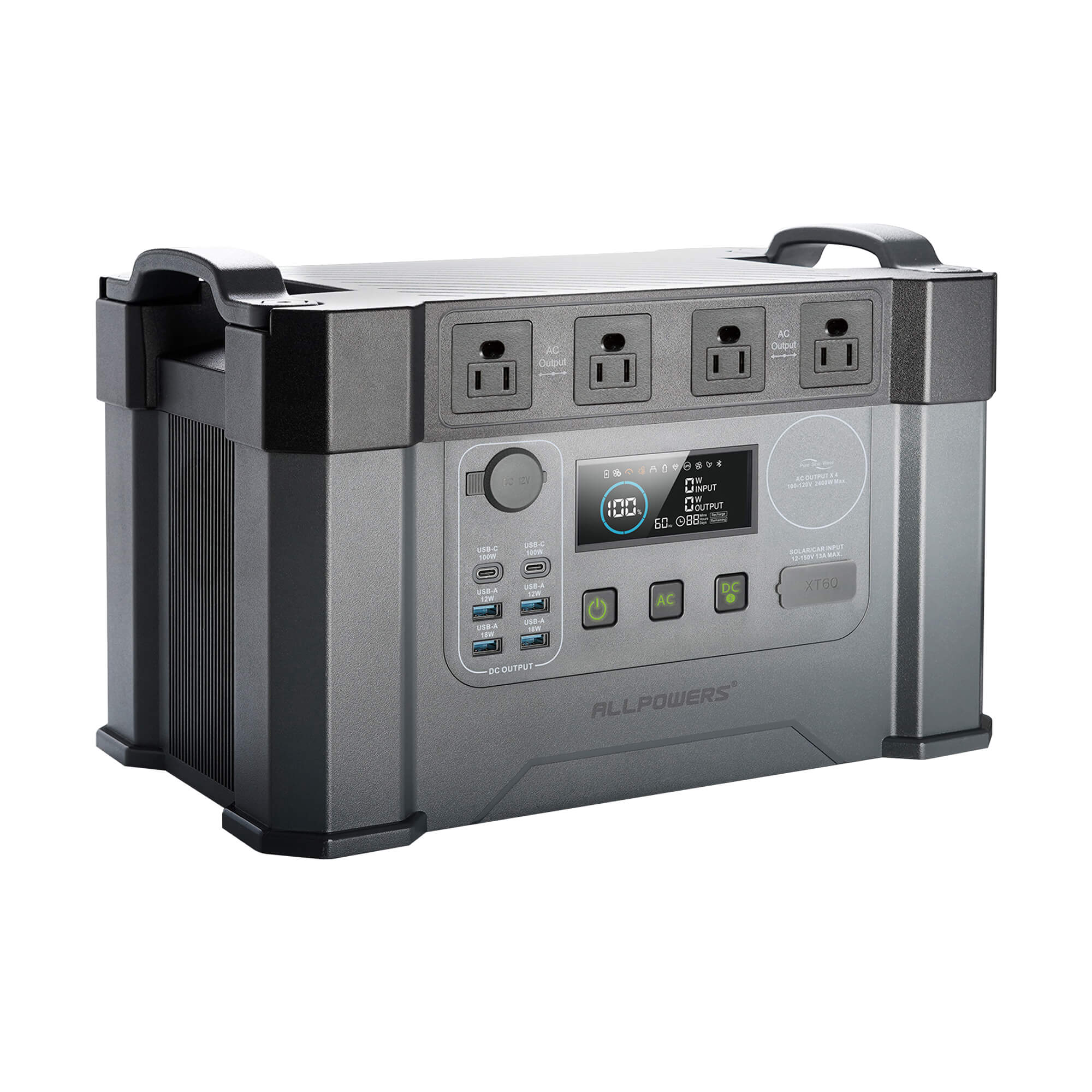
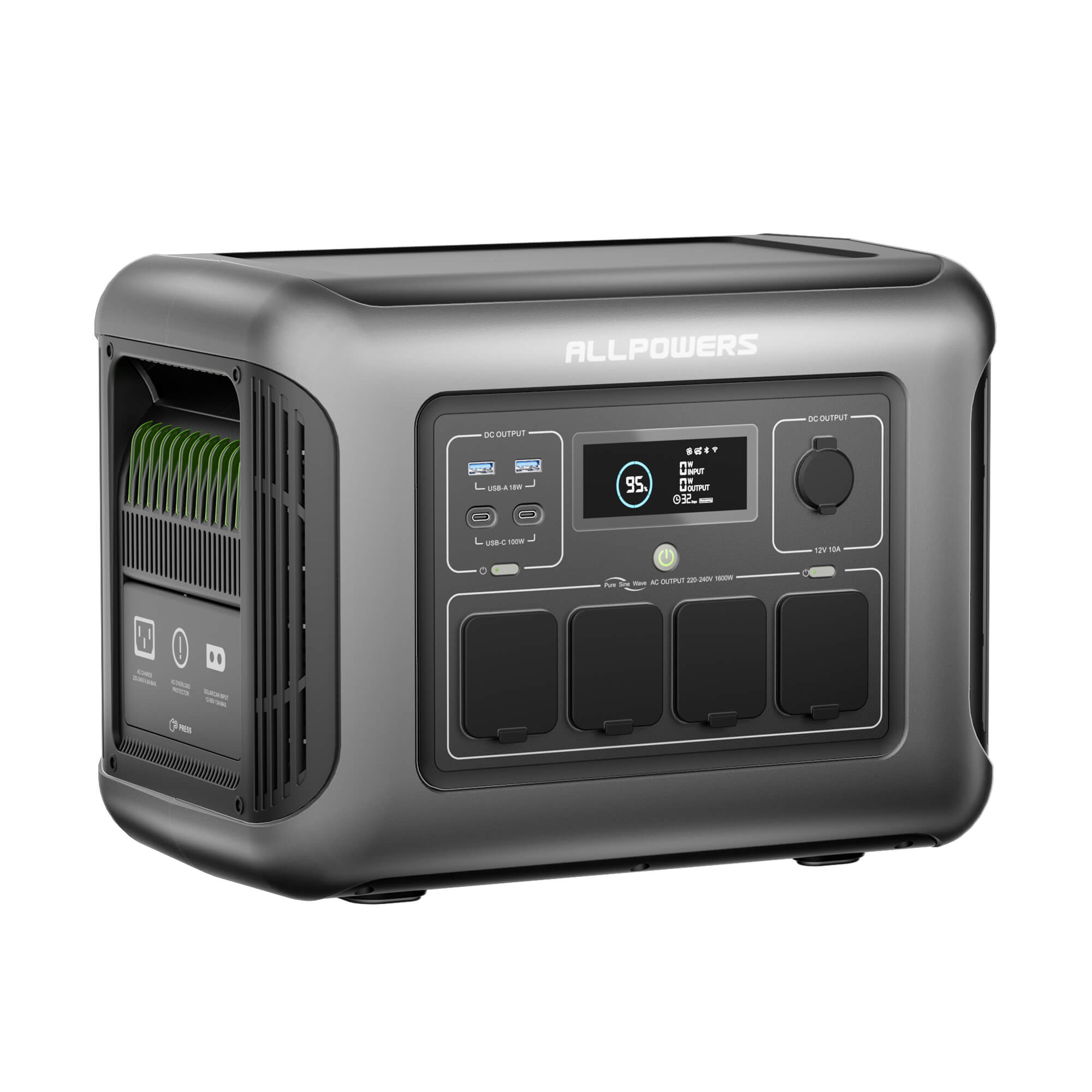
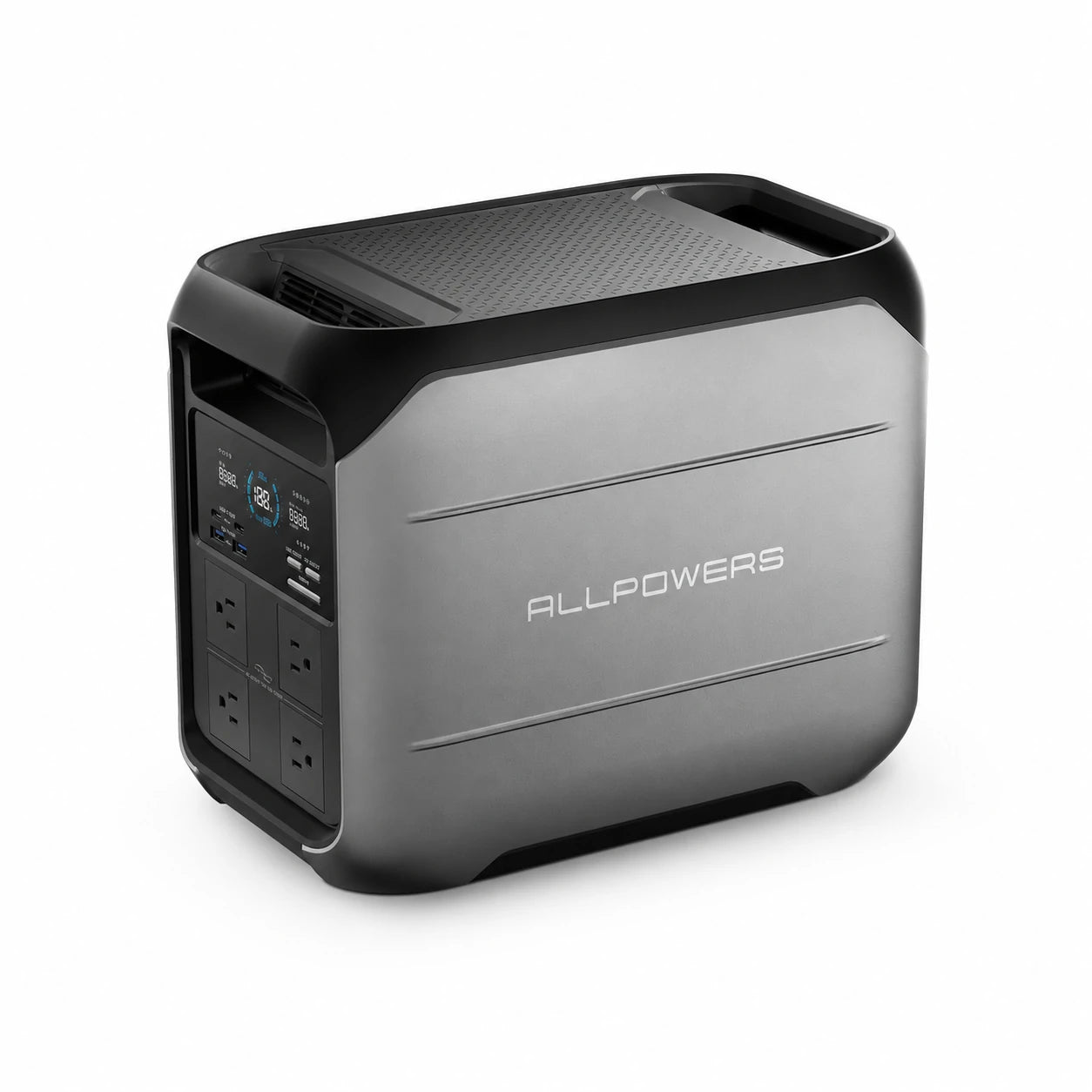
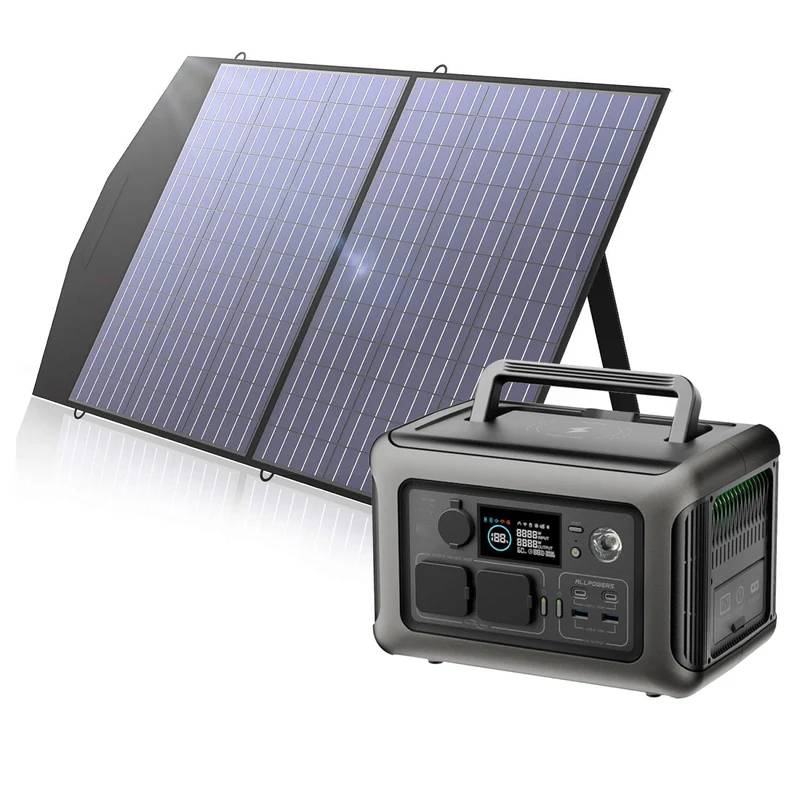
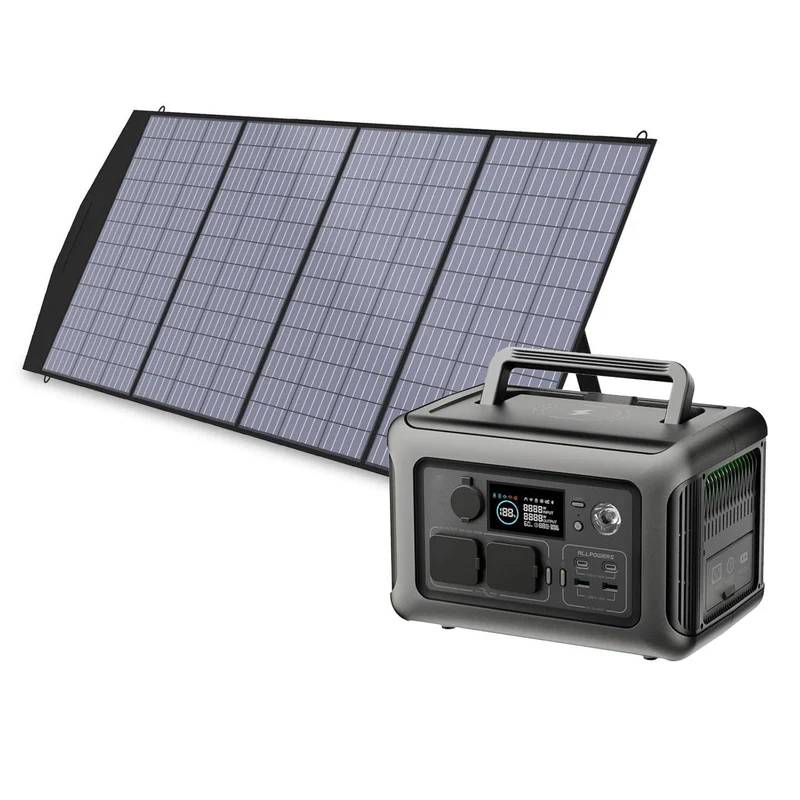
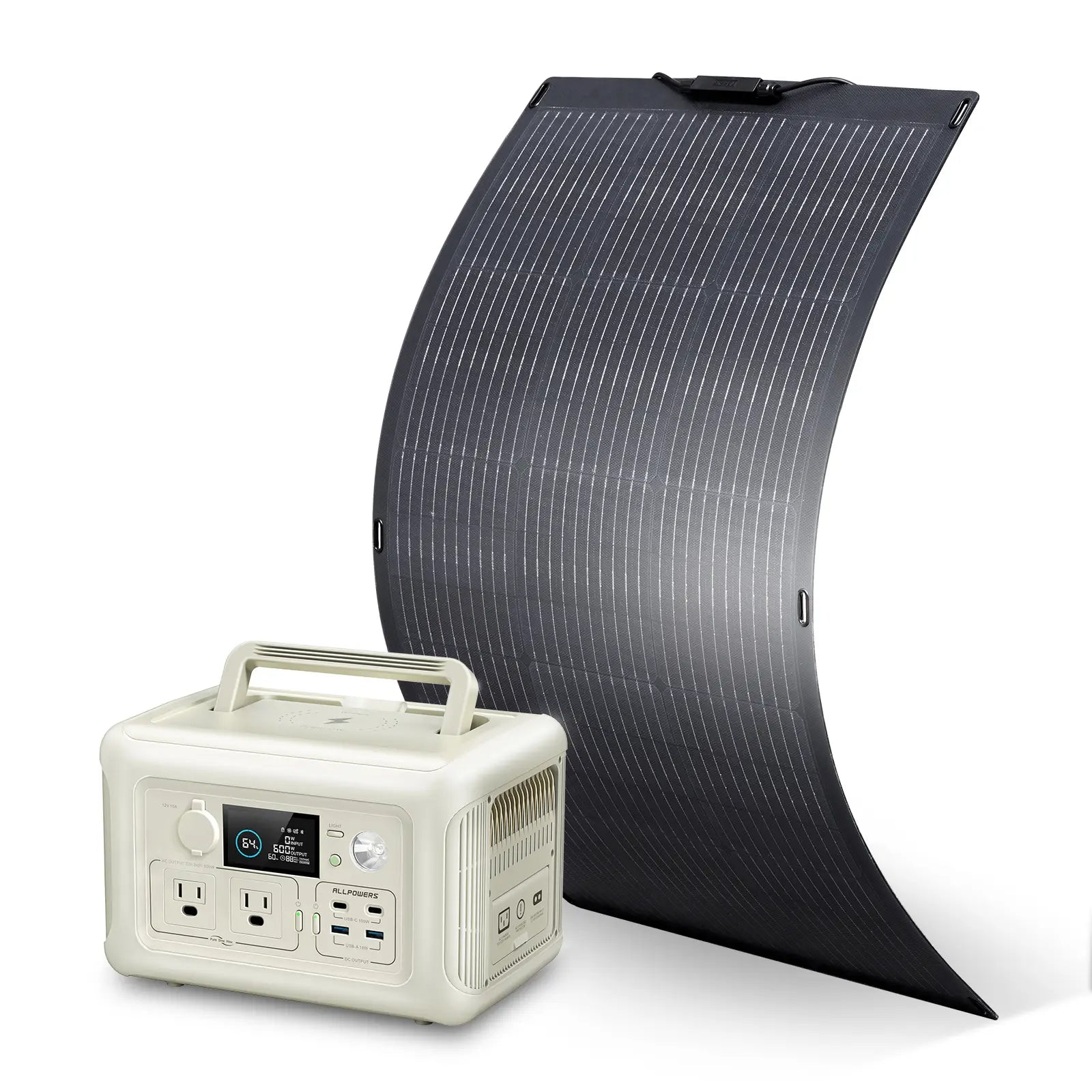
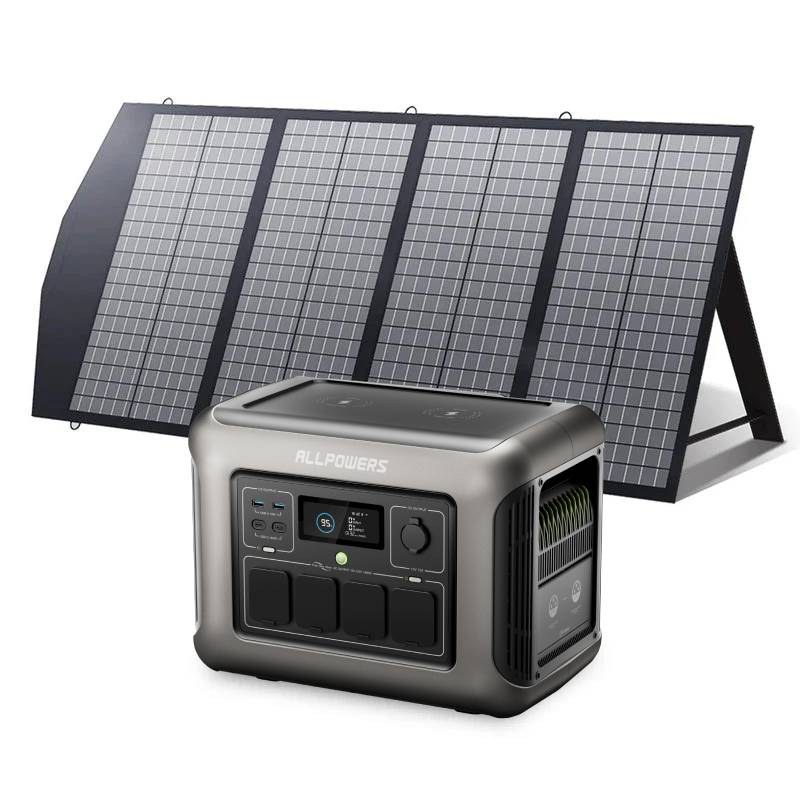
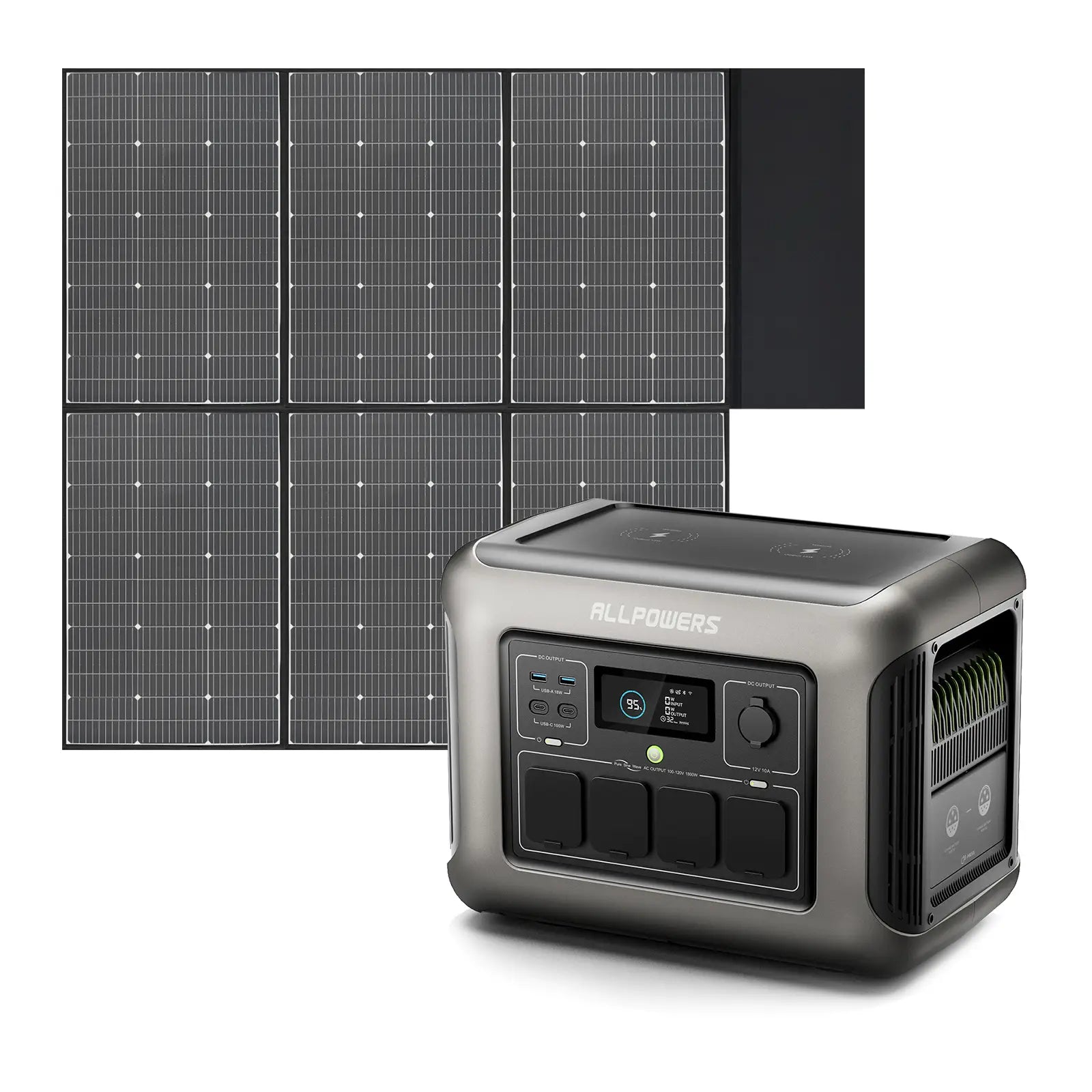
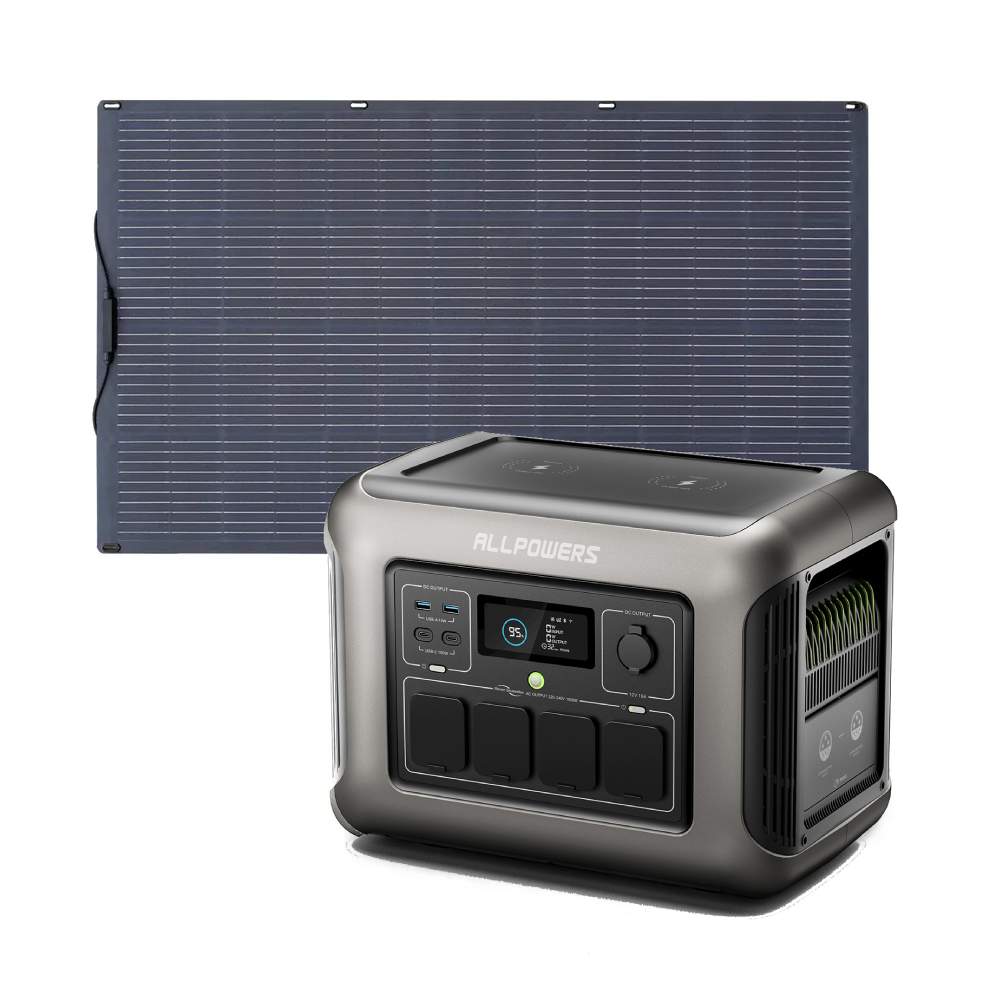
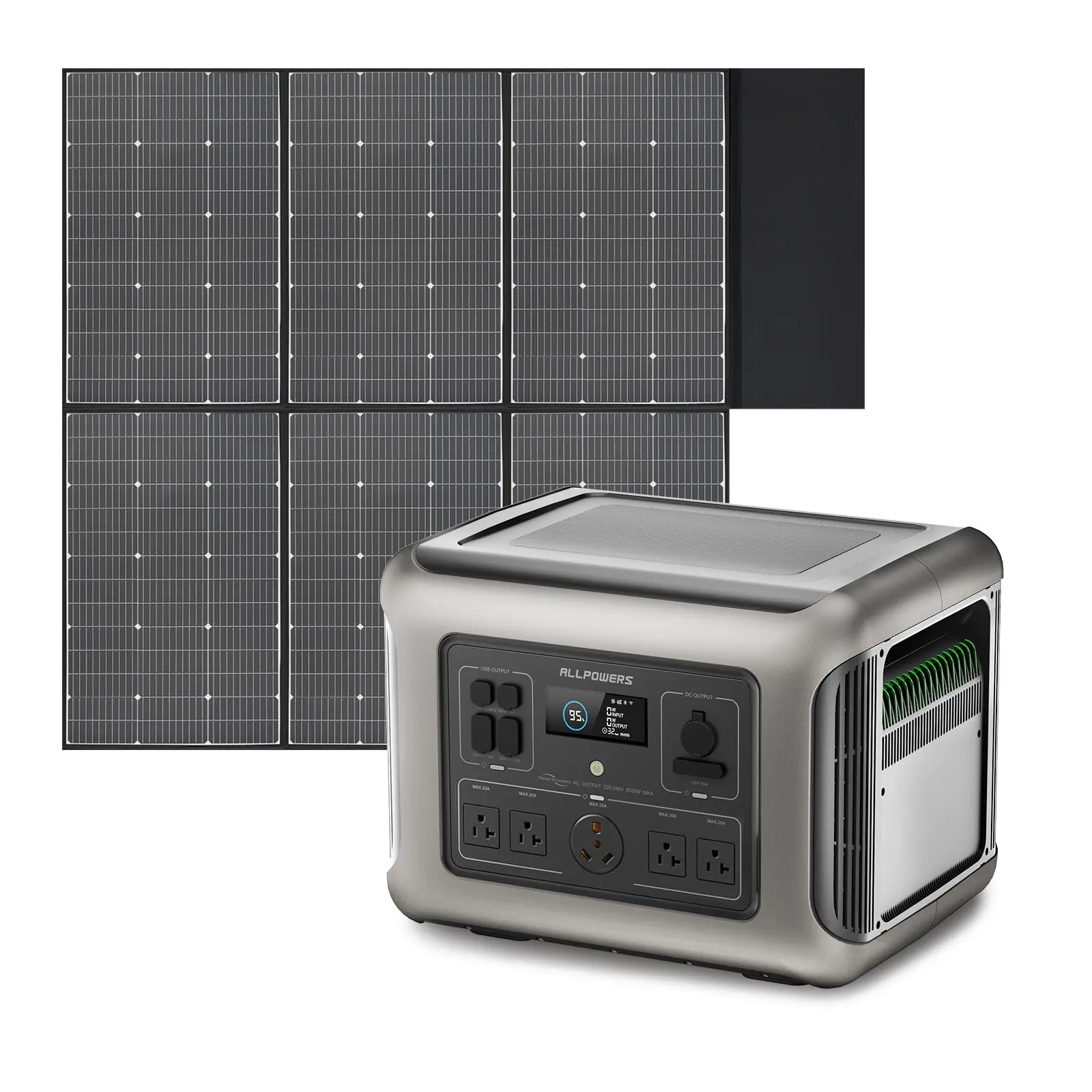
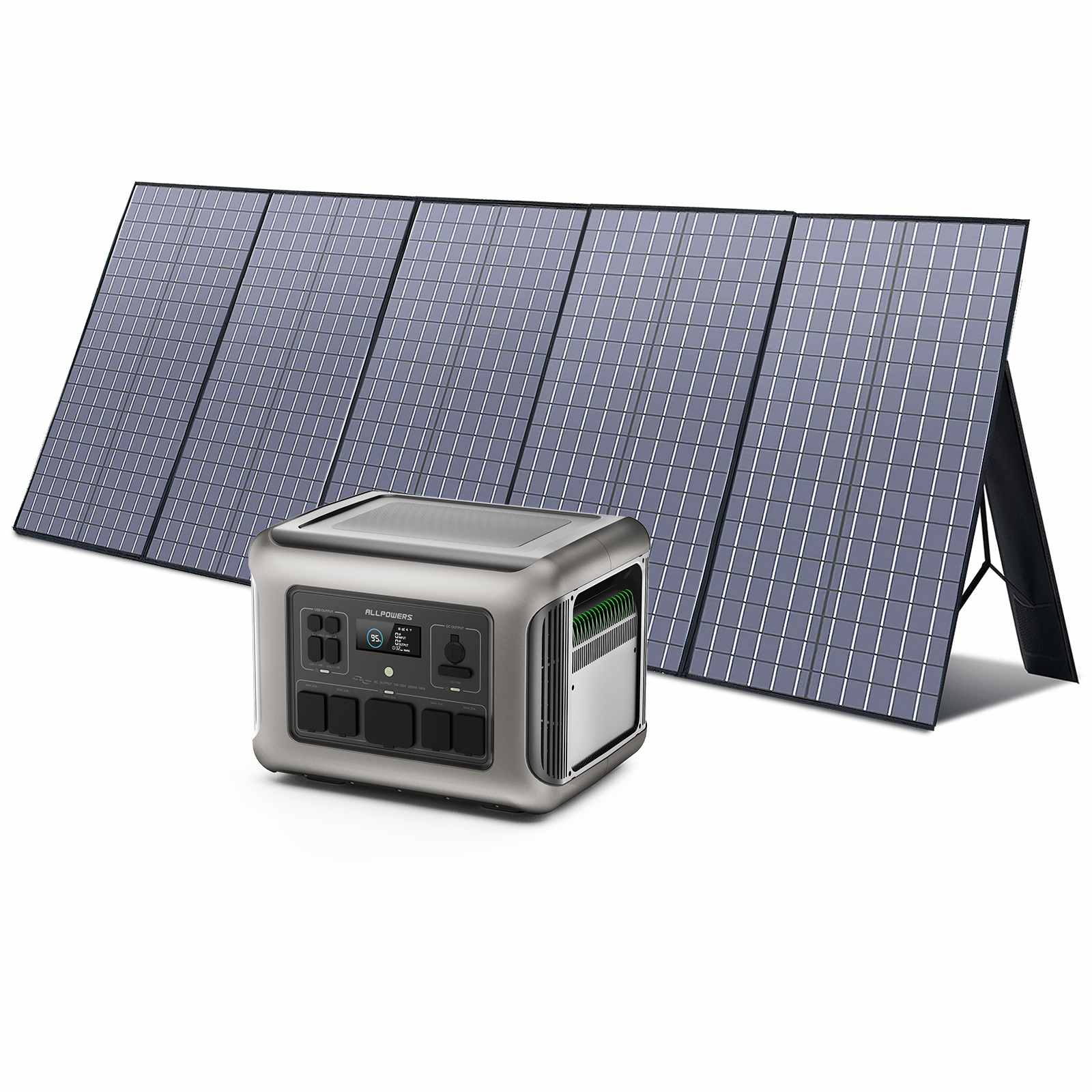
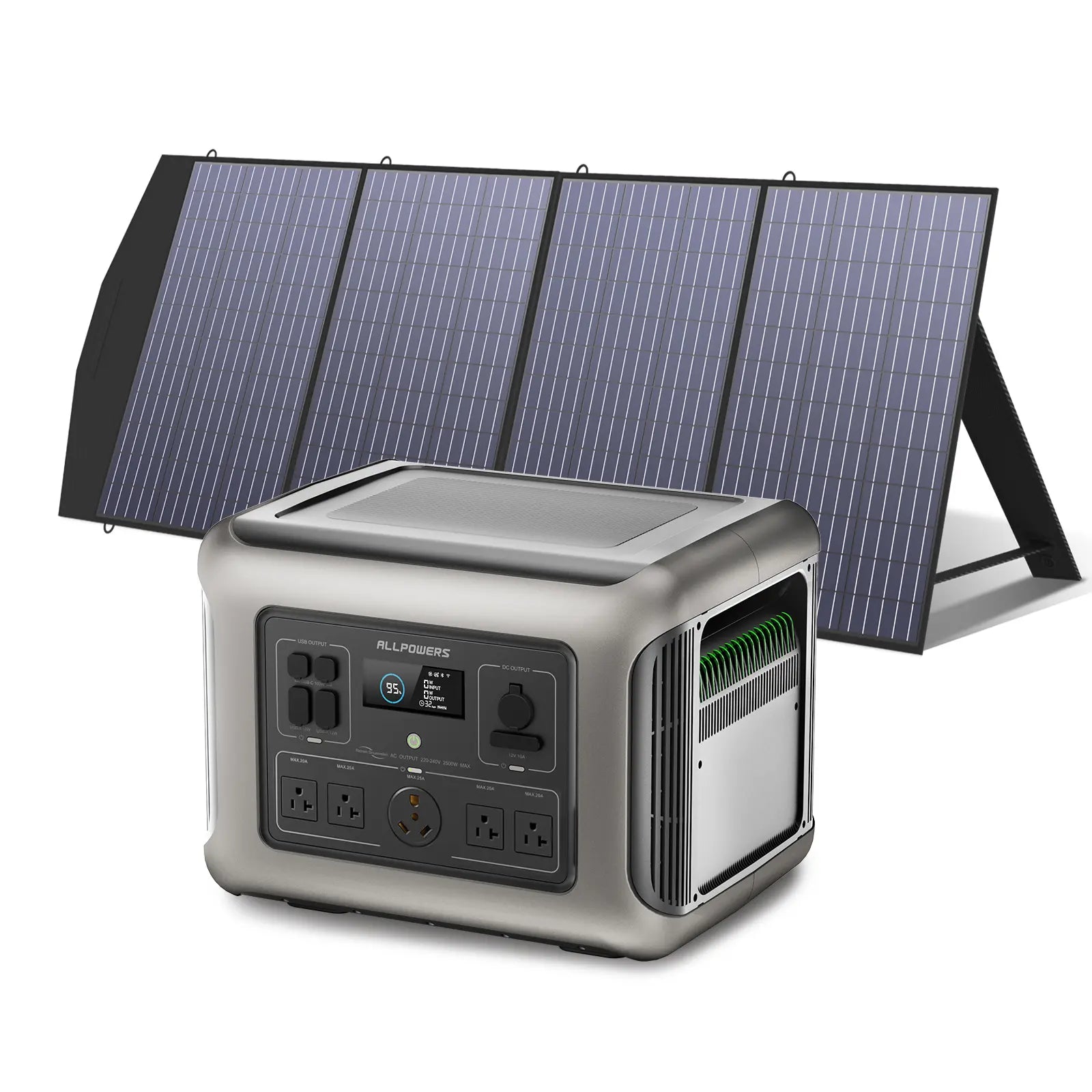
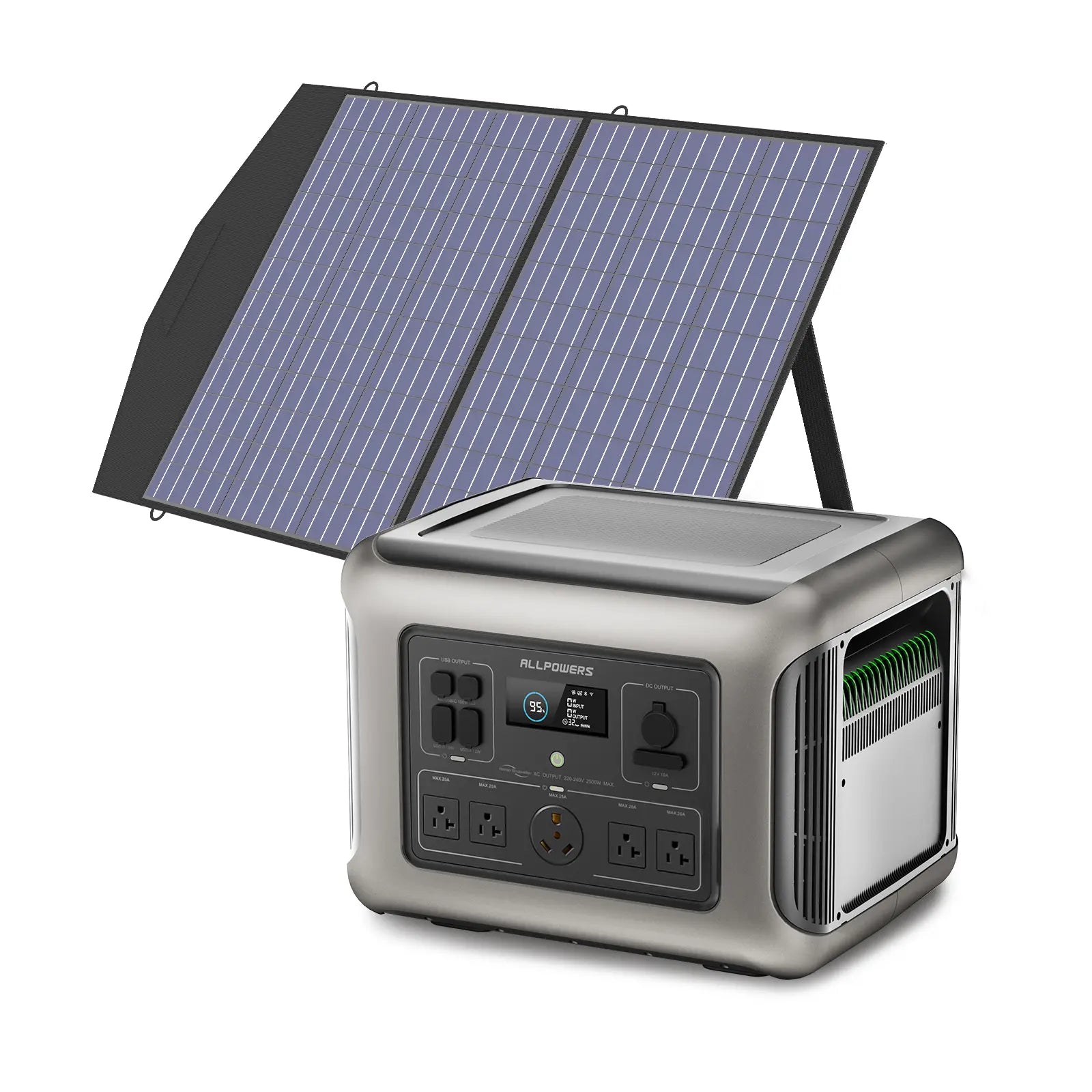
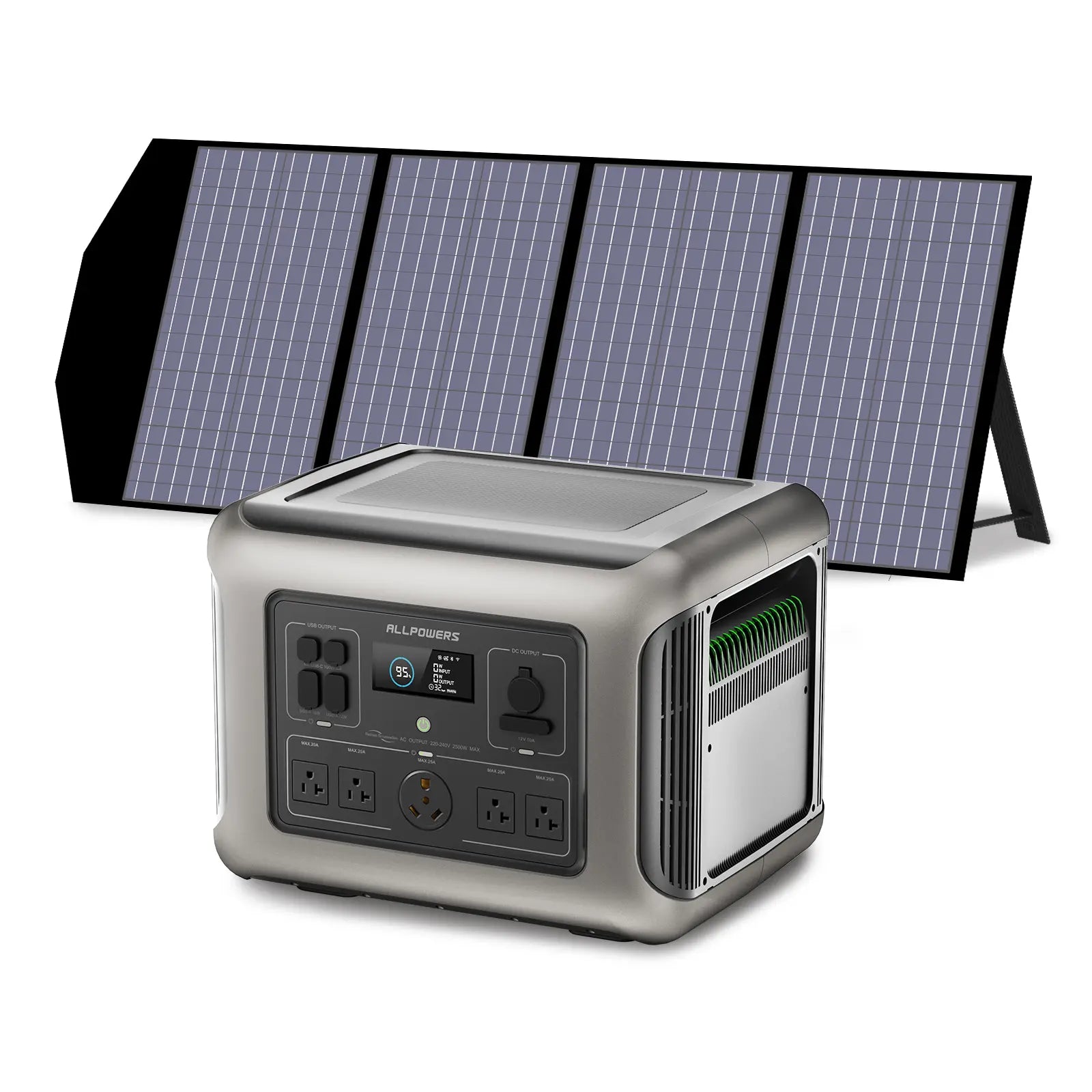
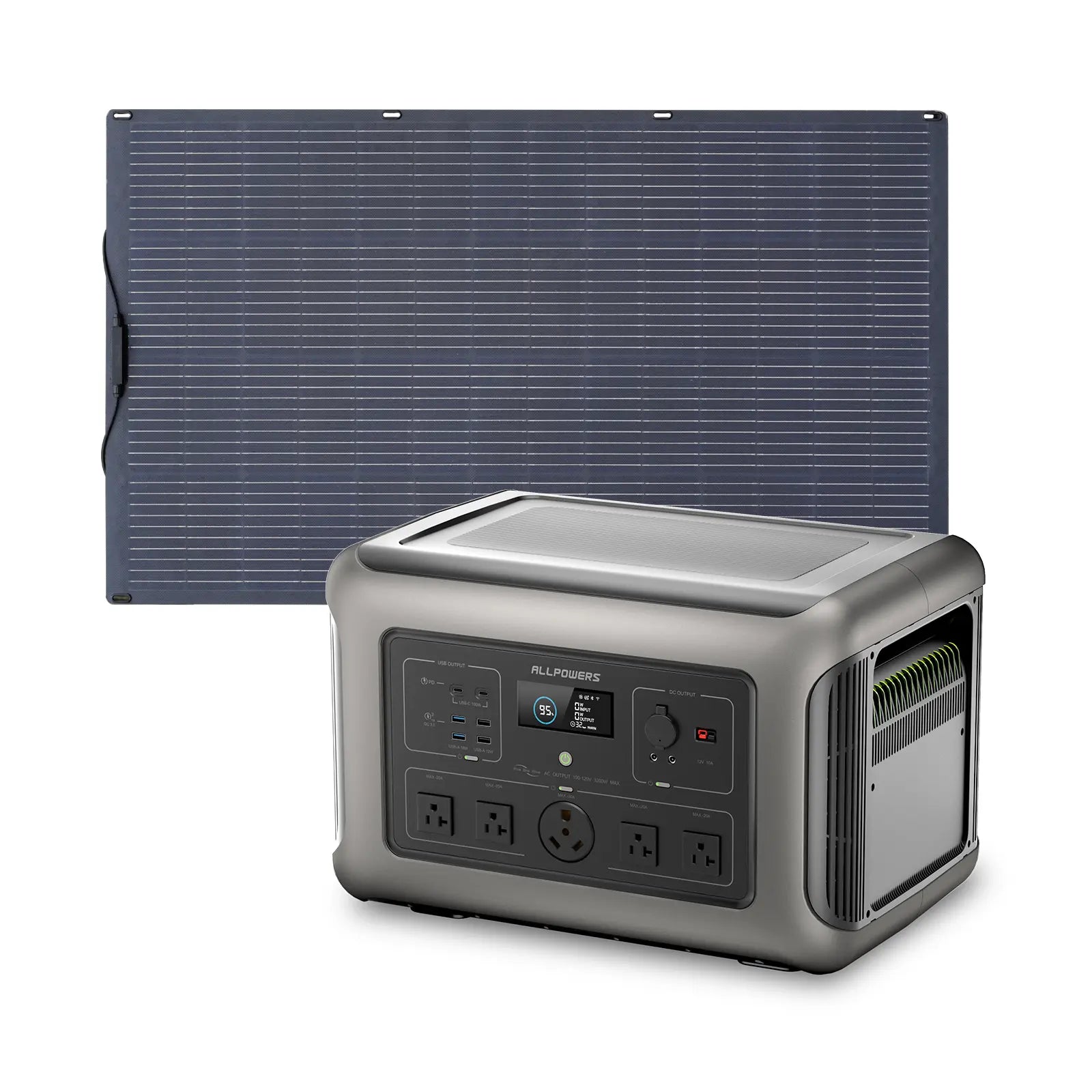
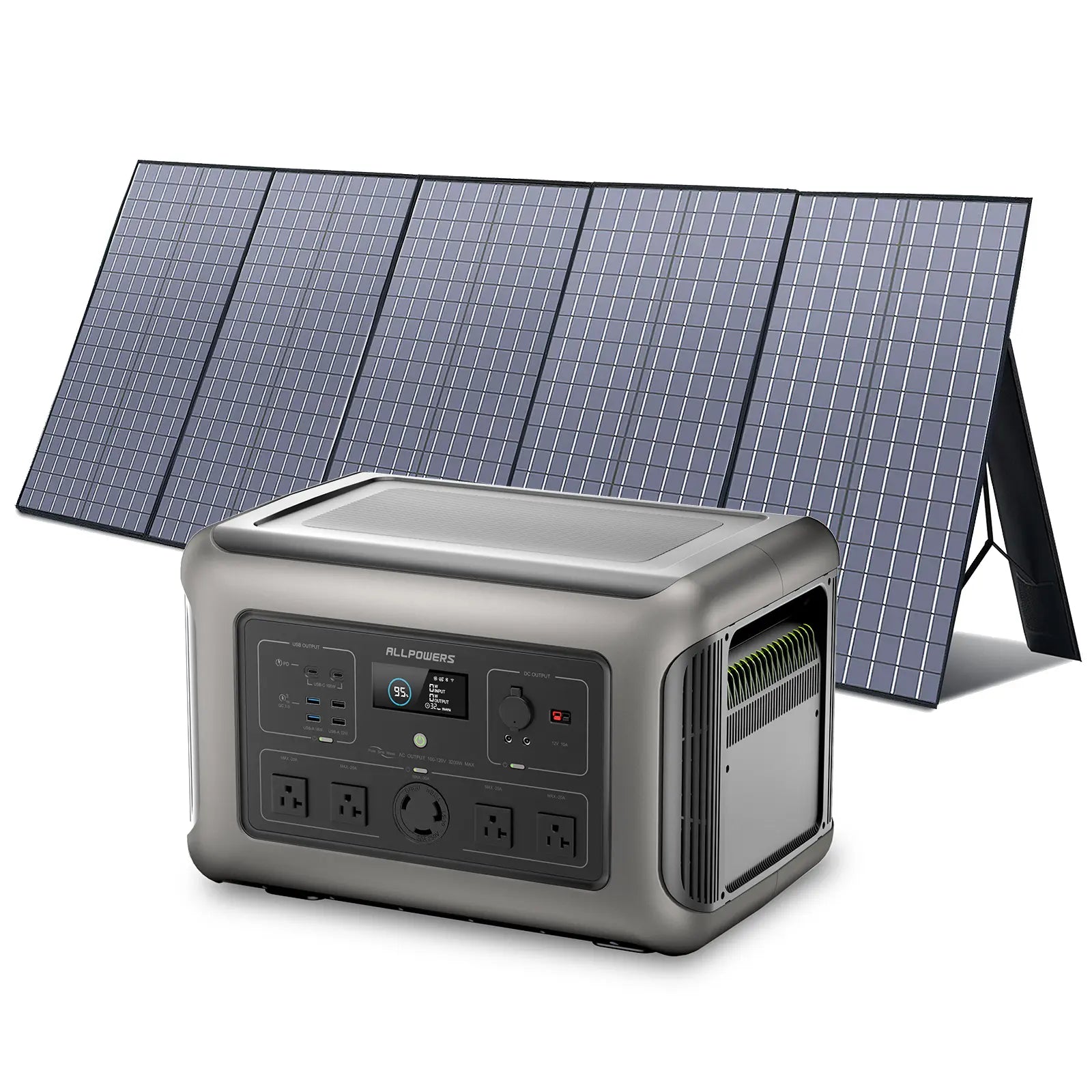
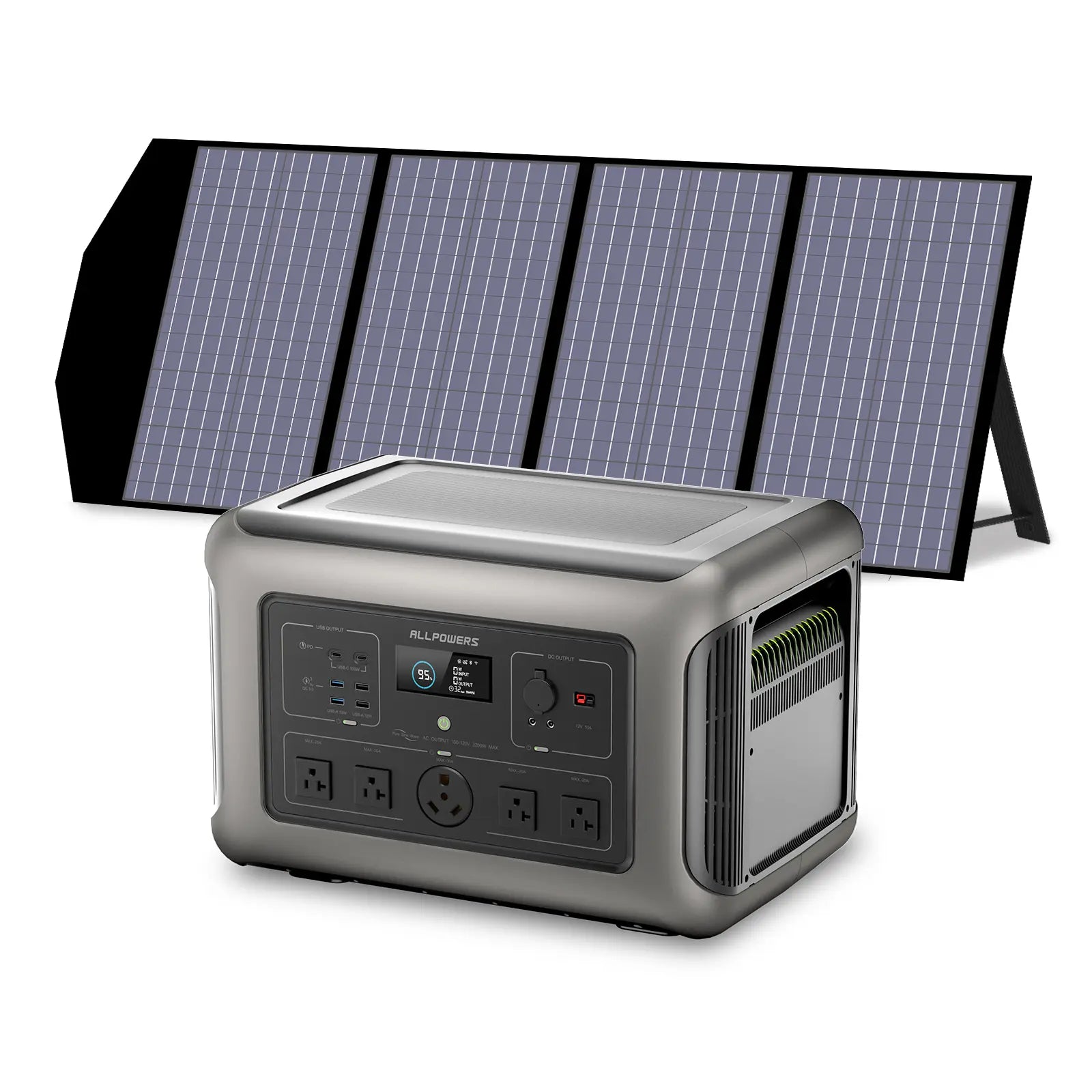
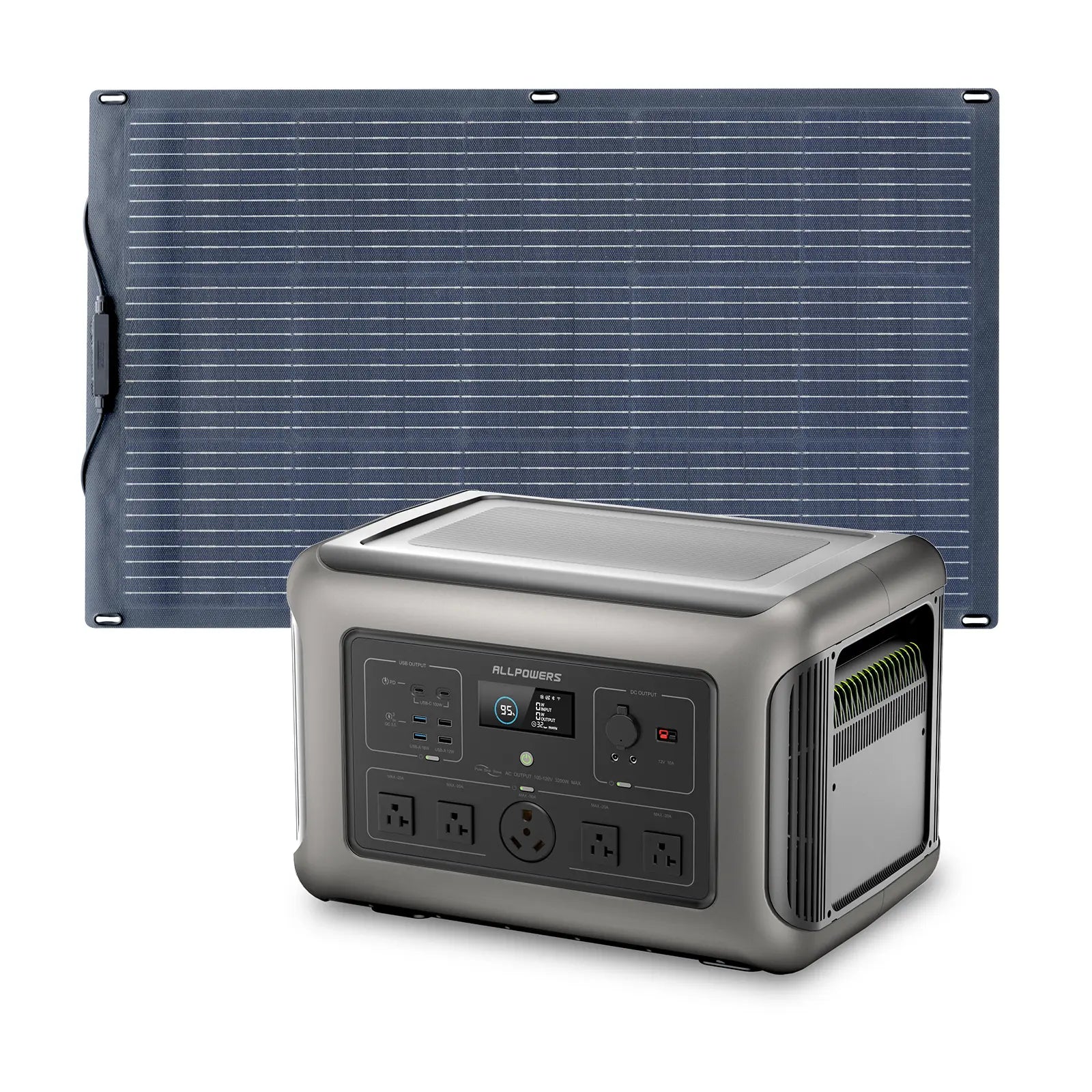
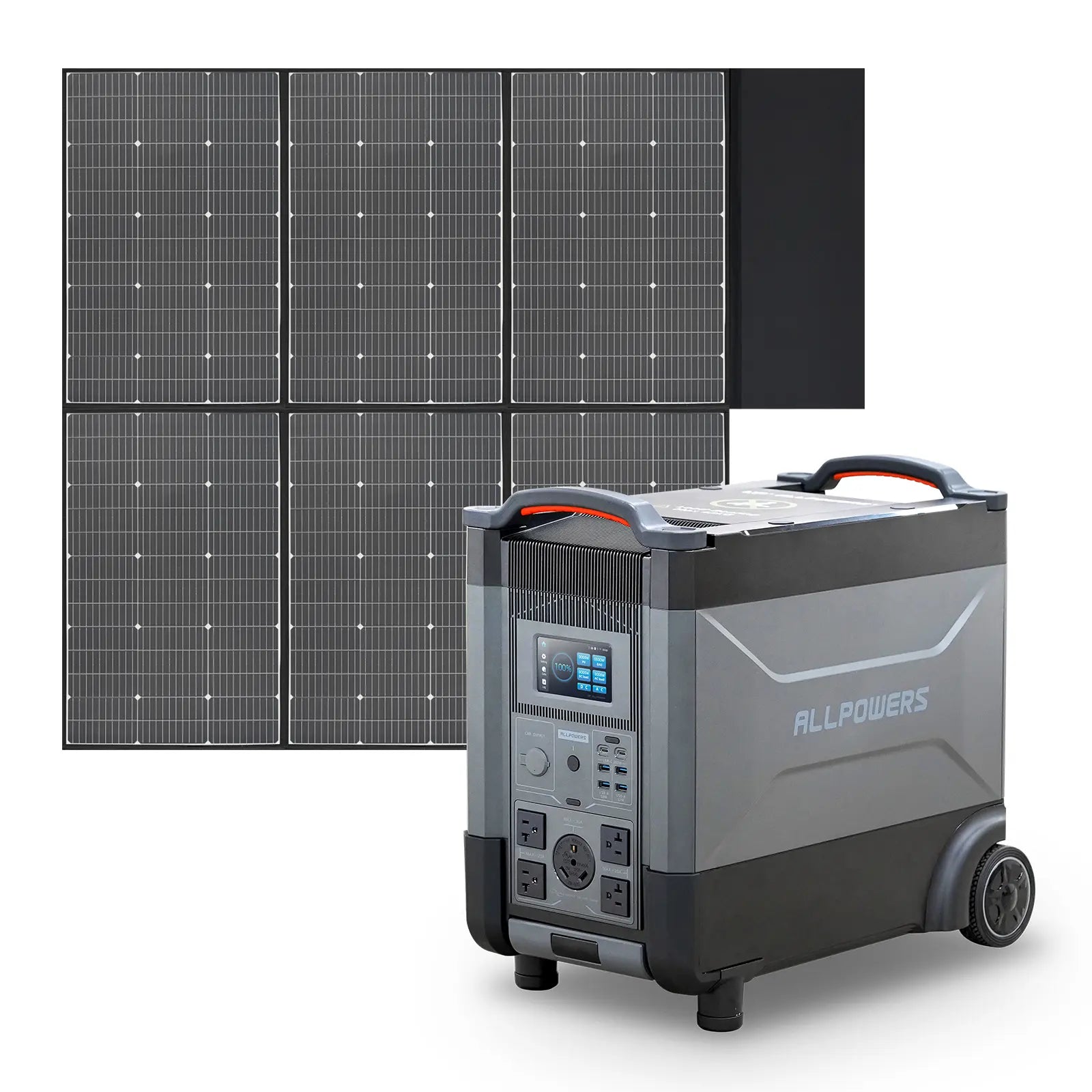
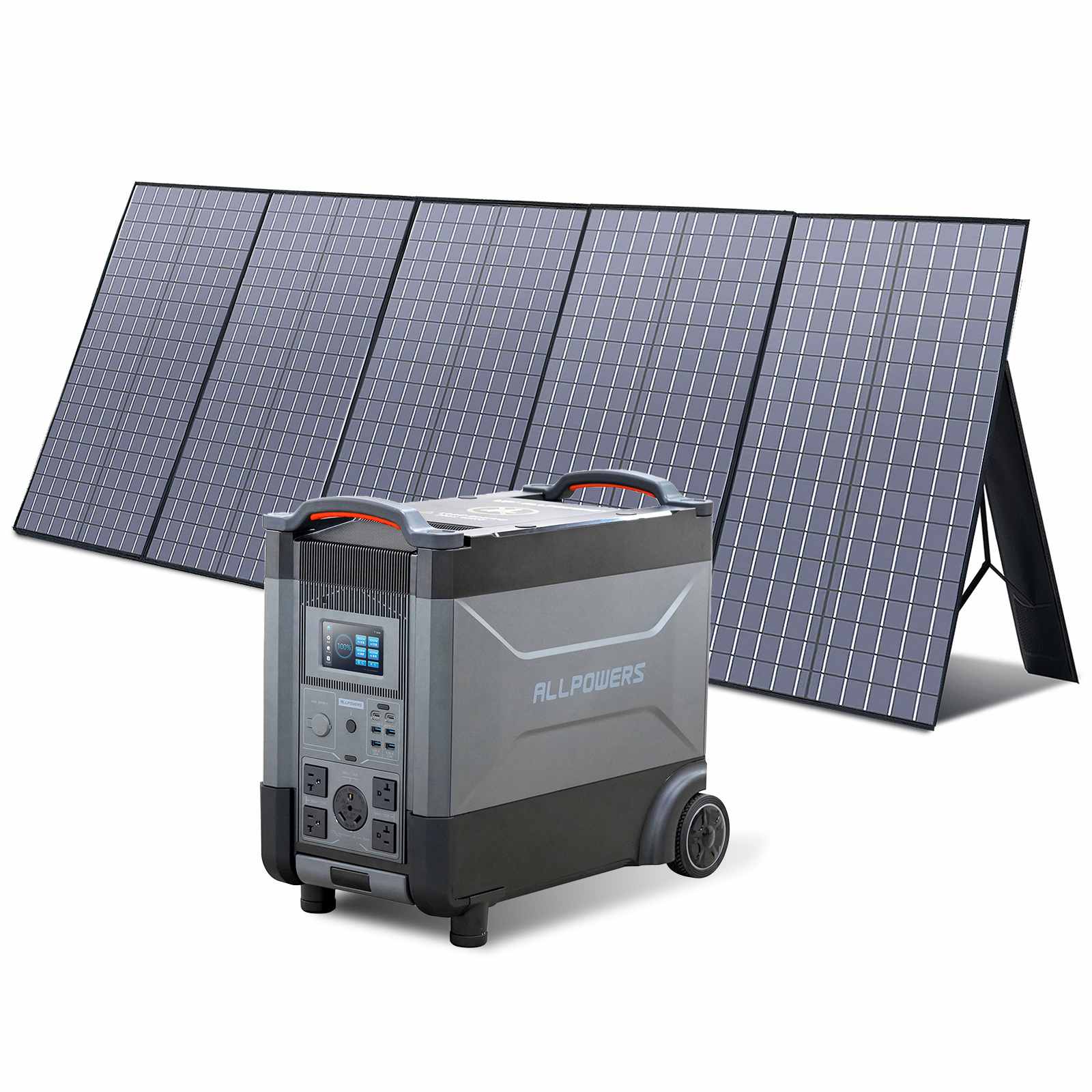
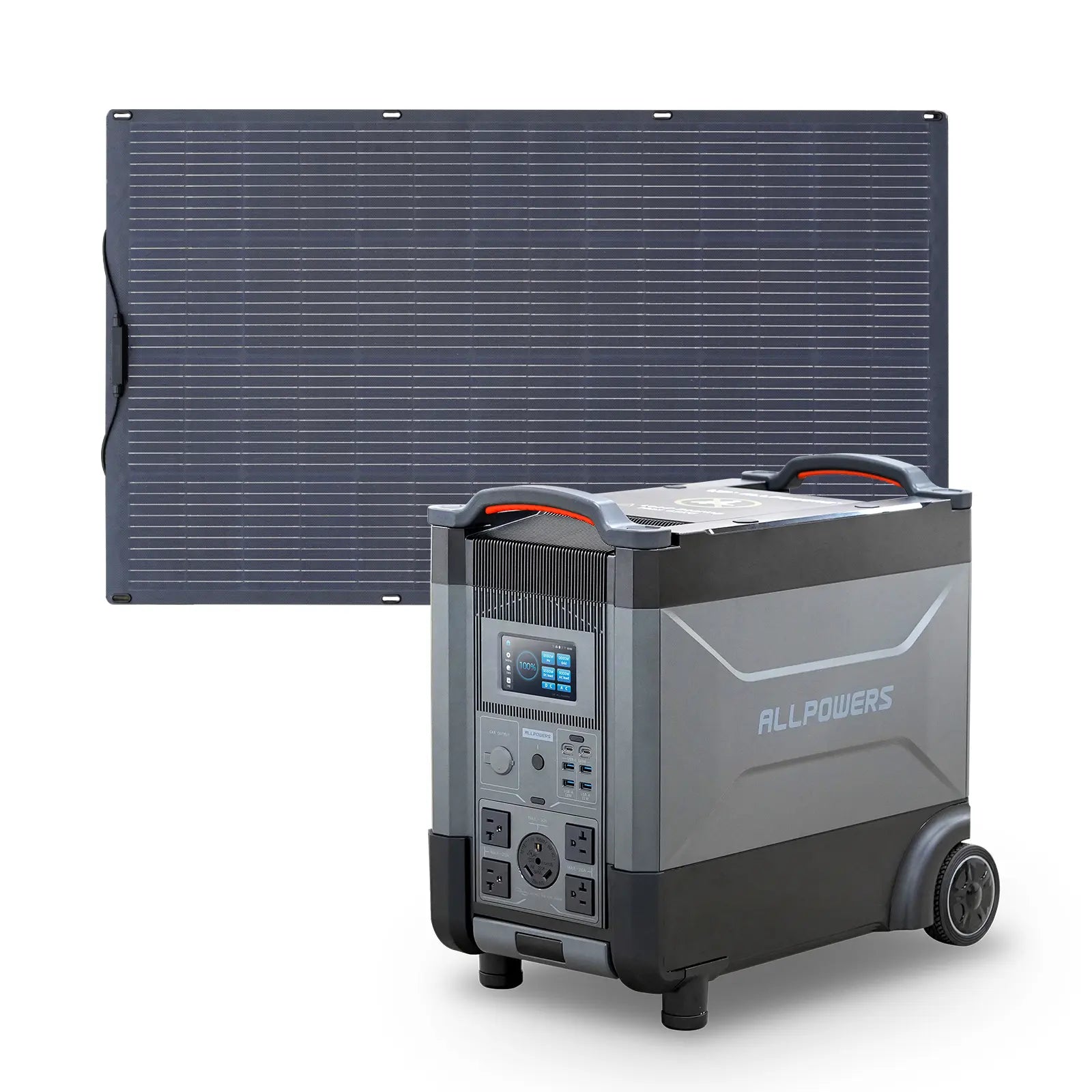
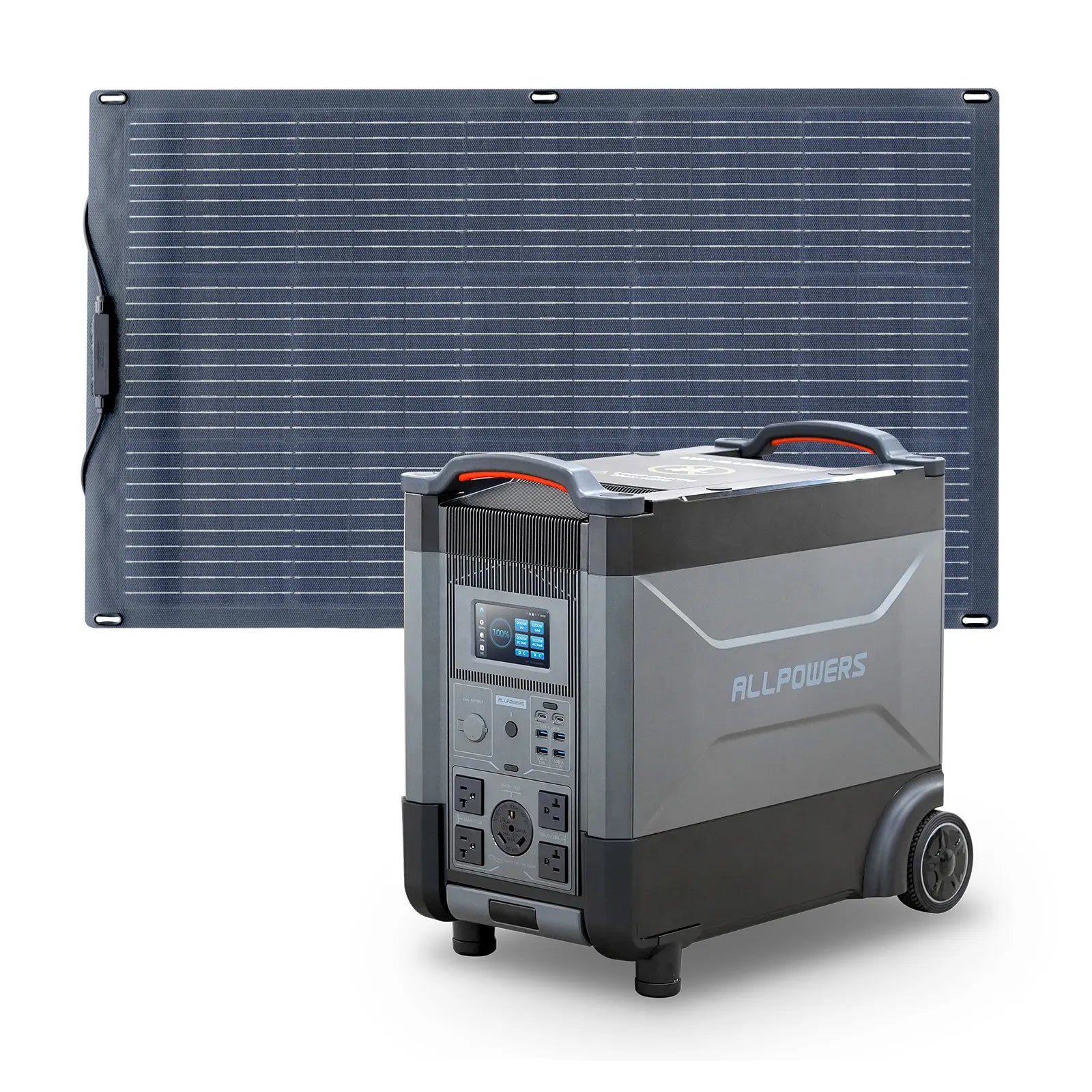
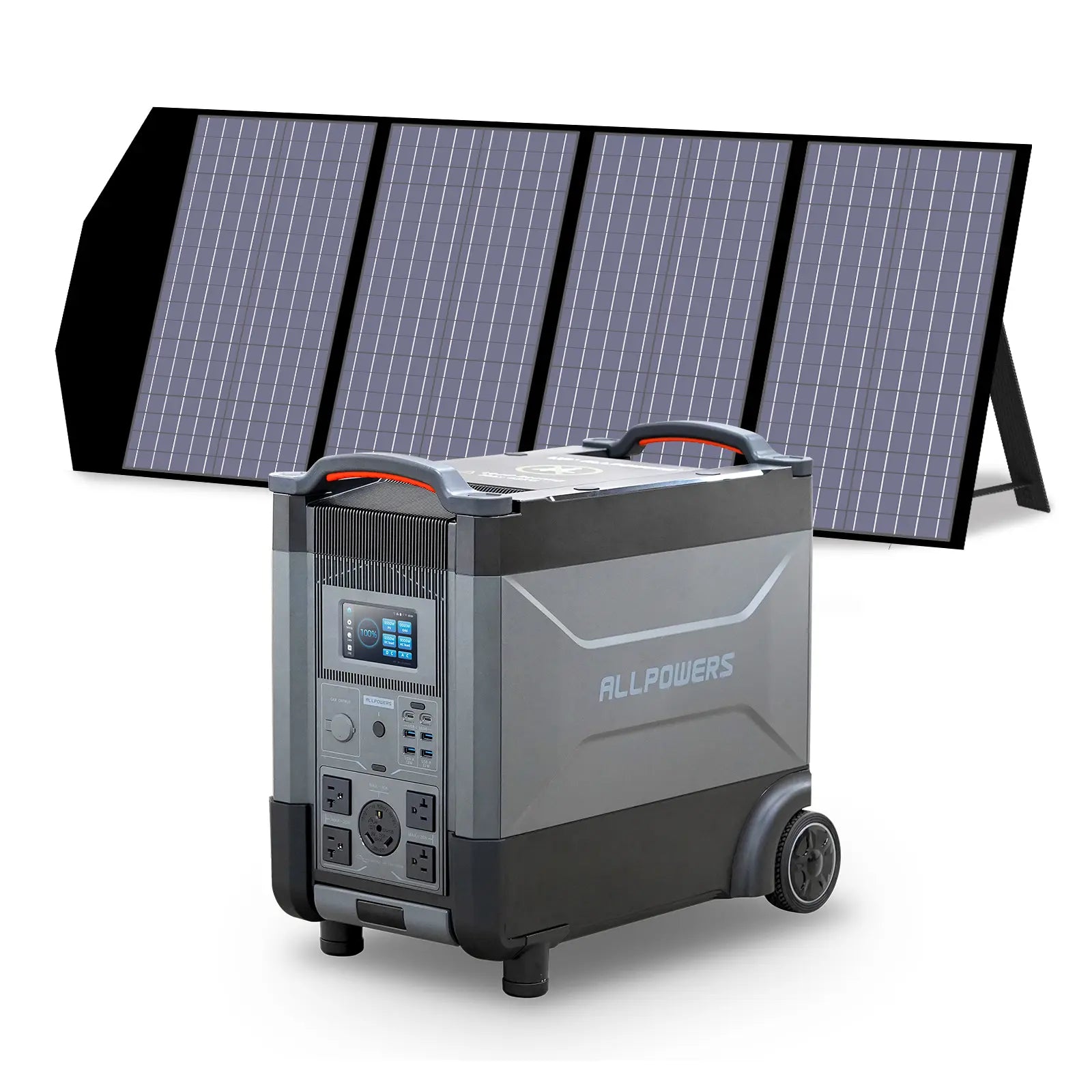
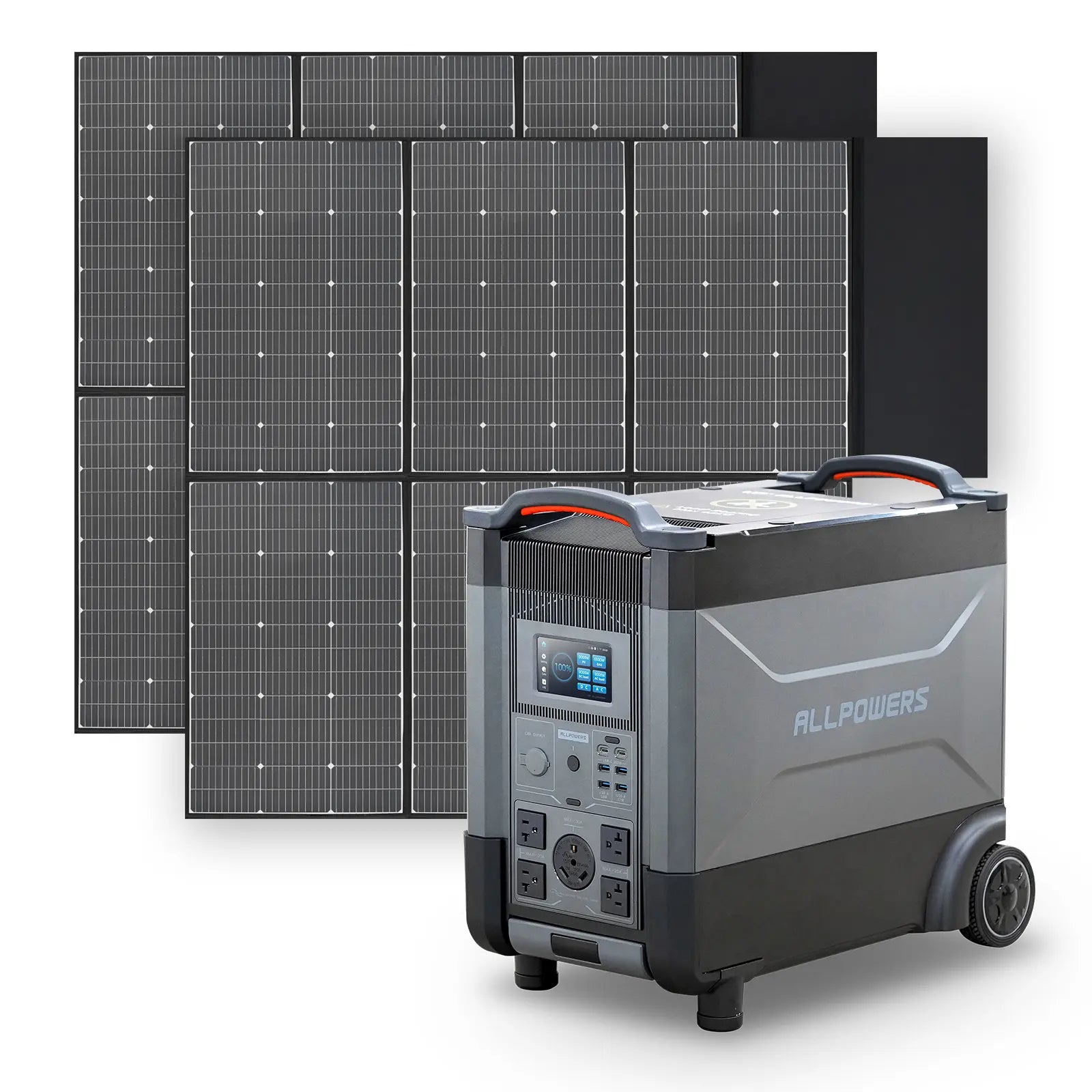
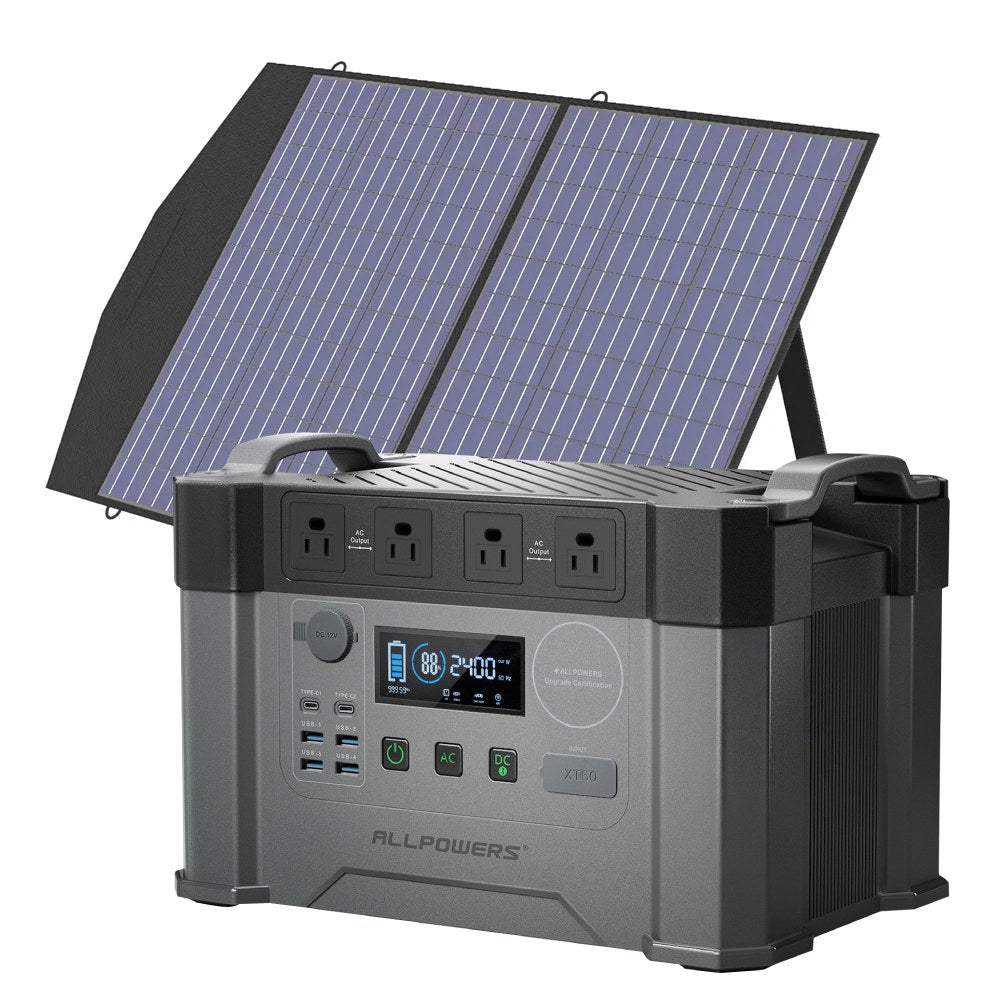
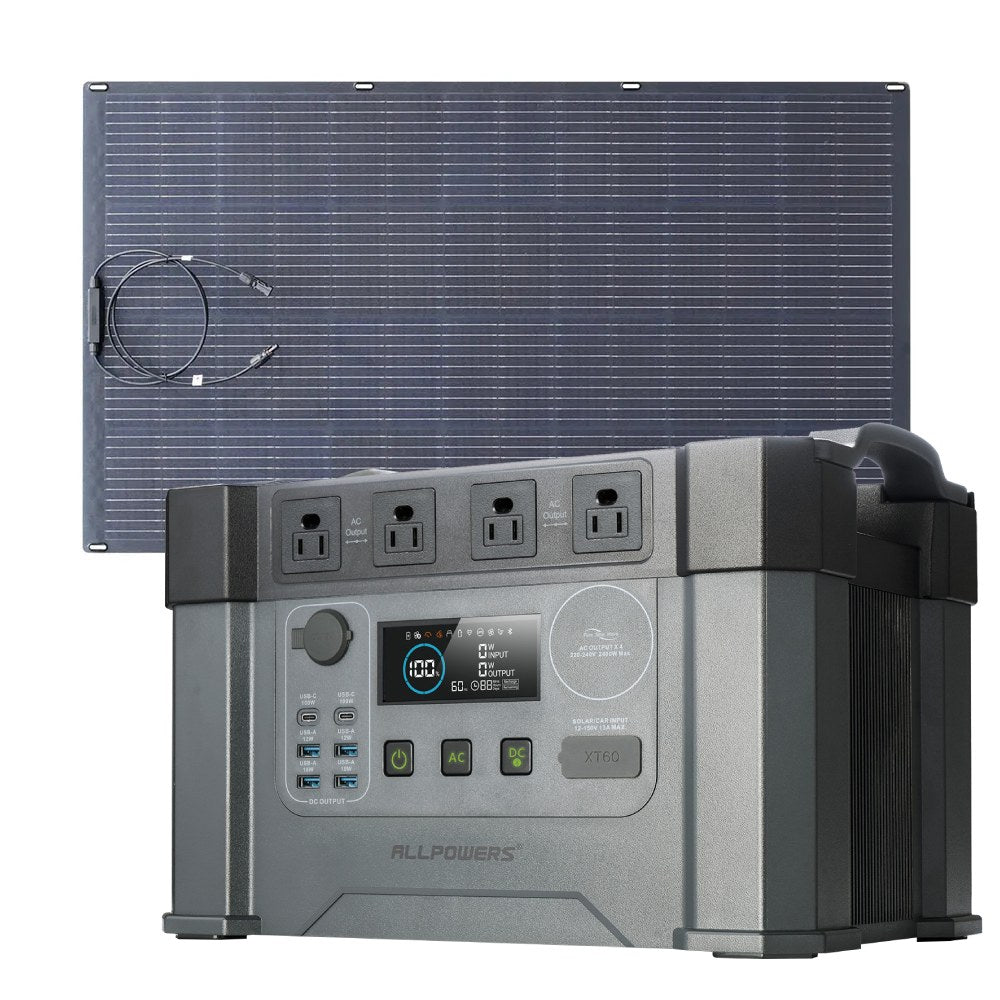
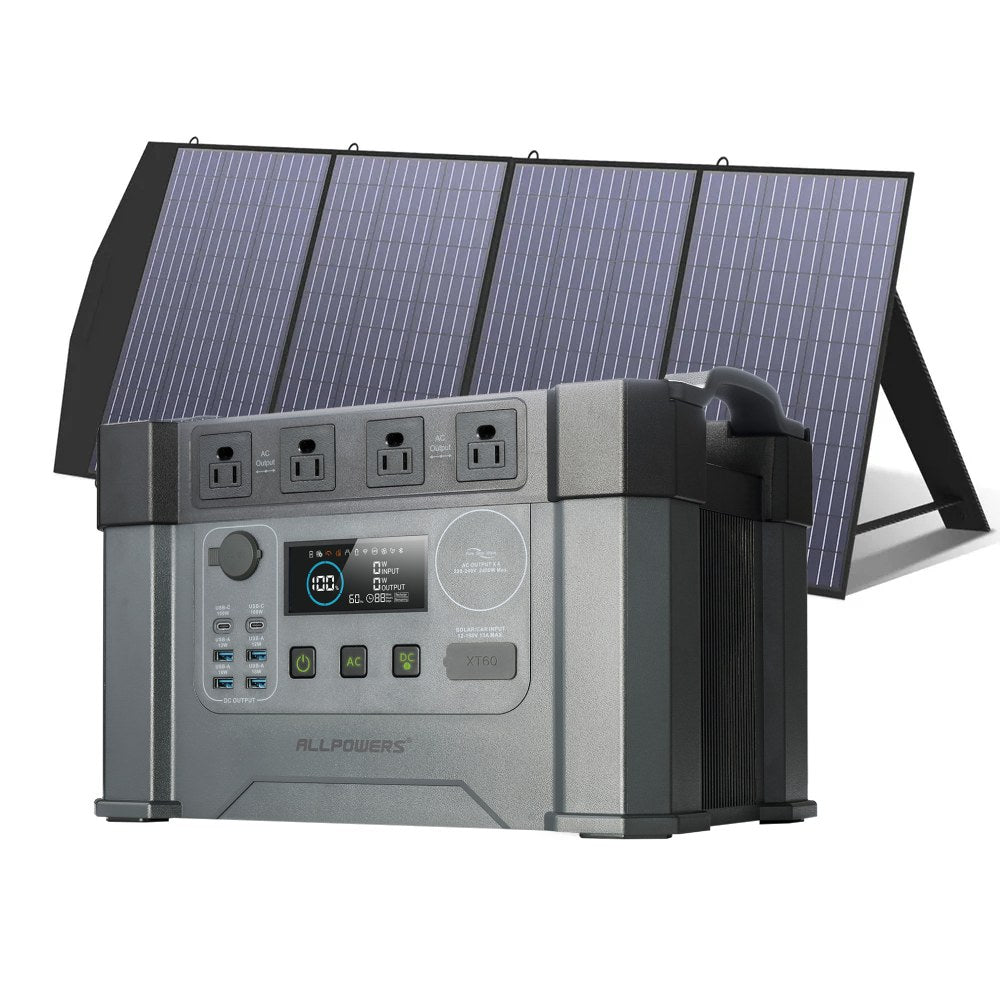
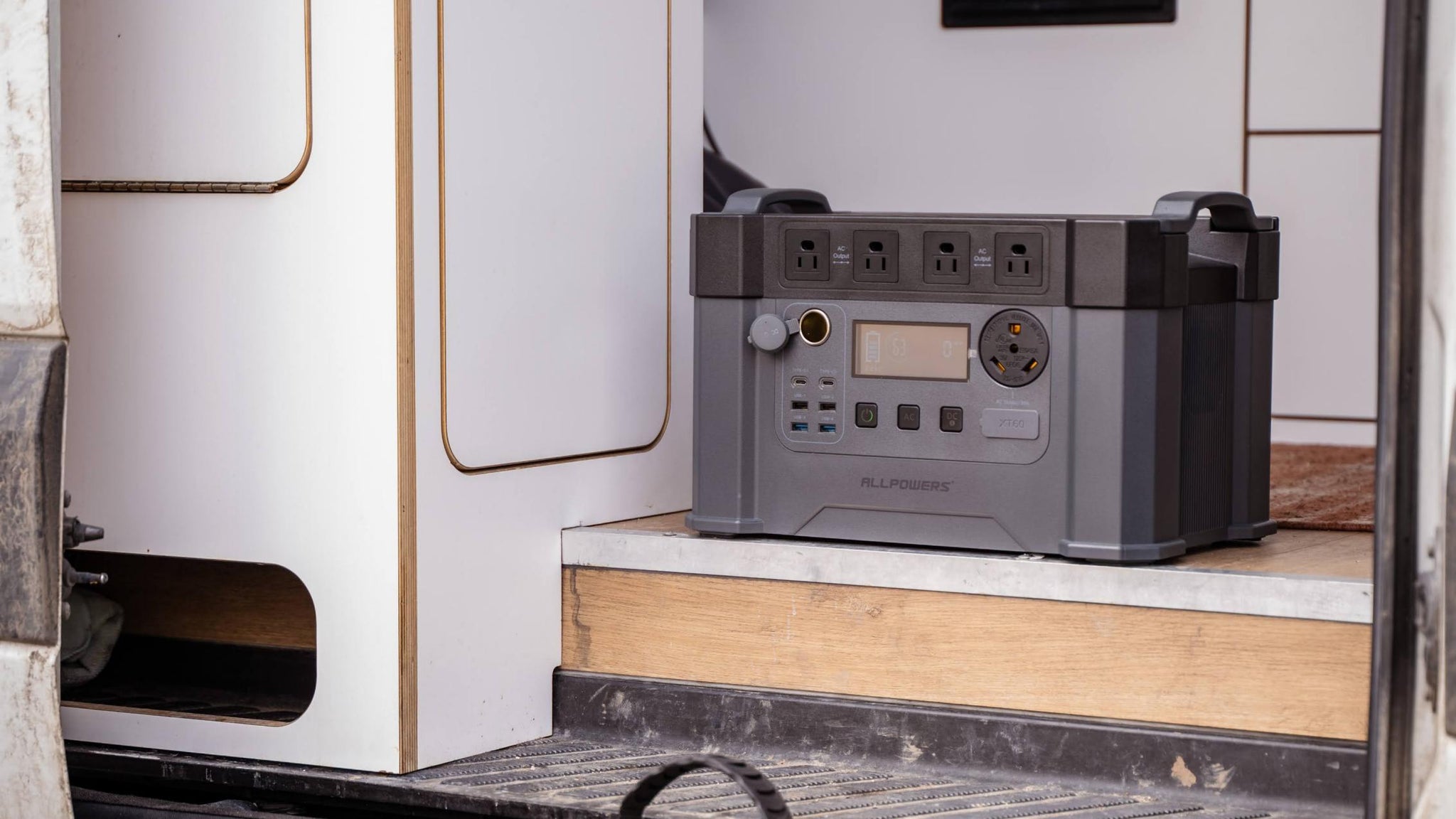
ALLPOWERS 2500W Solar Generator
$1,100.00 $1,799.00
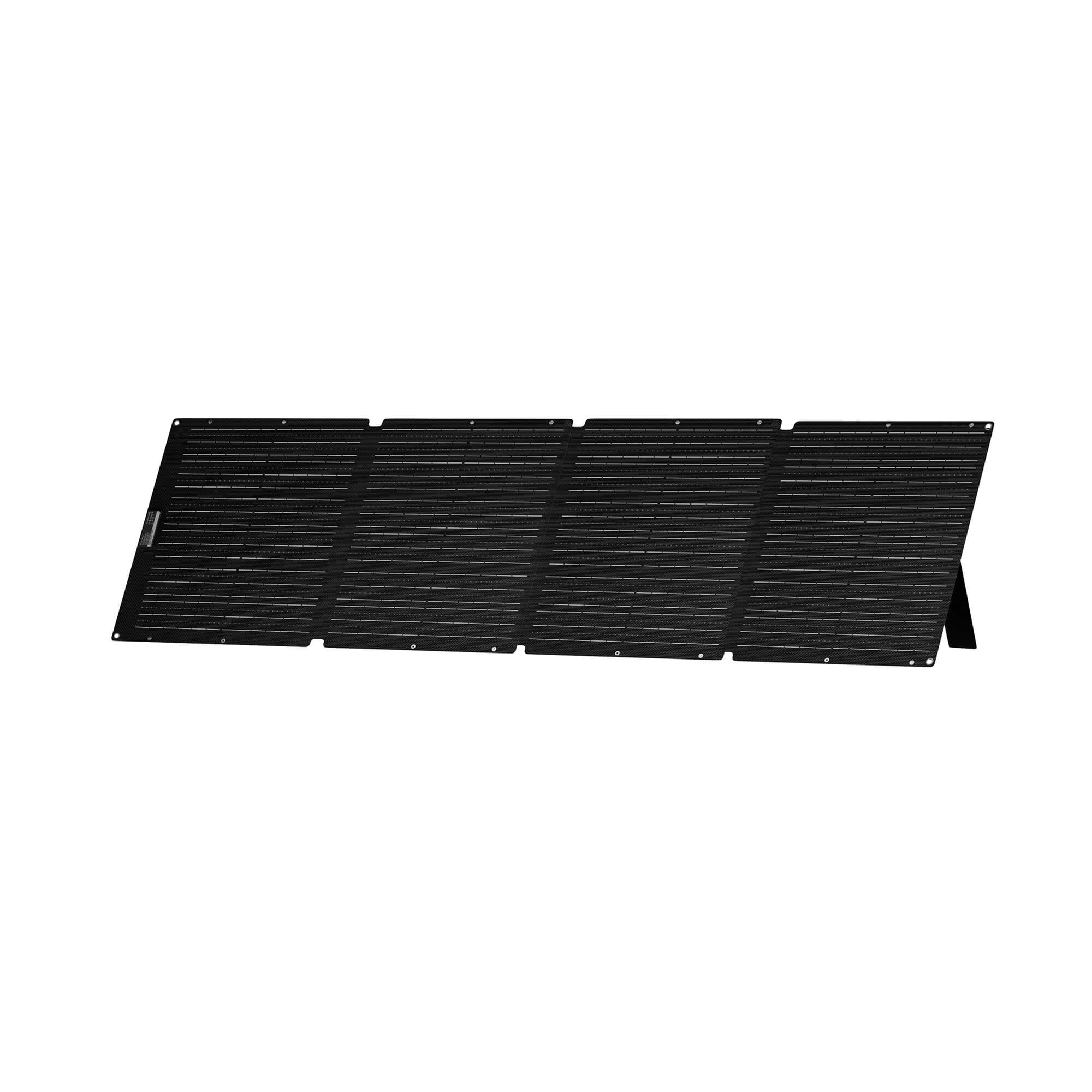
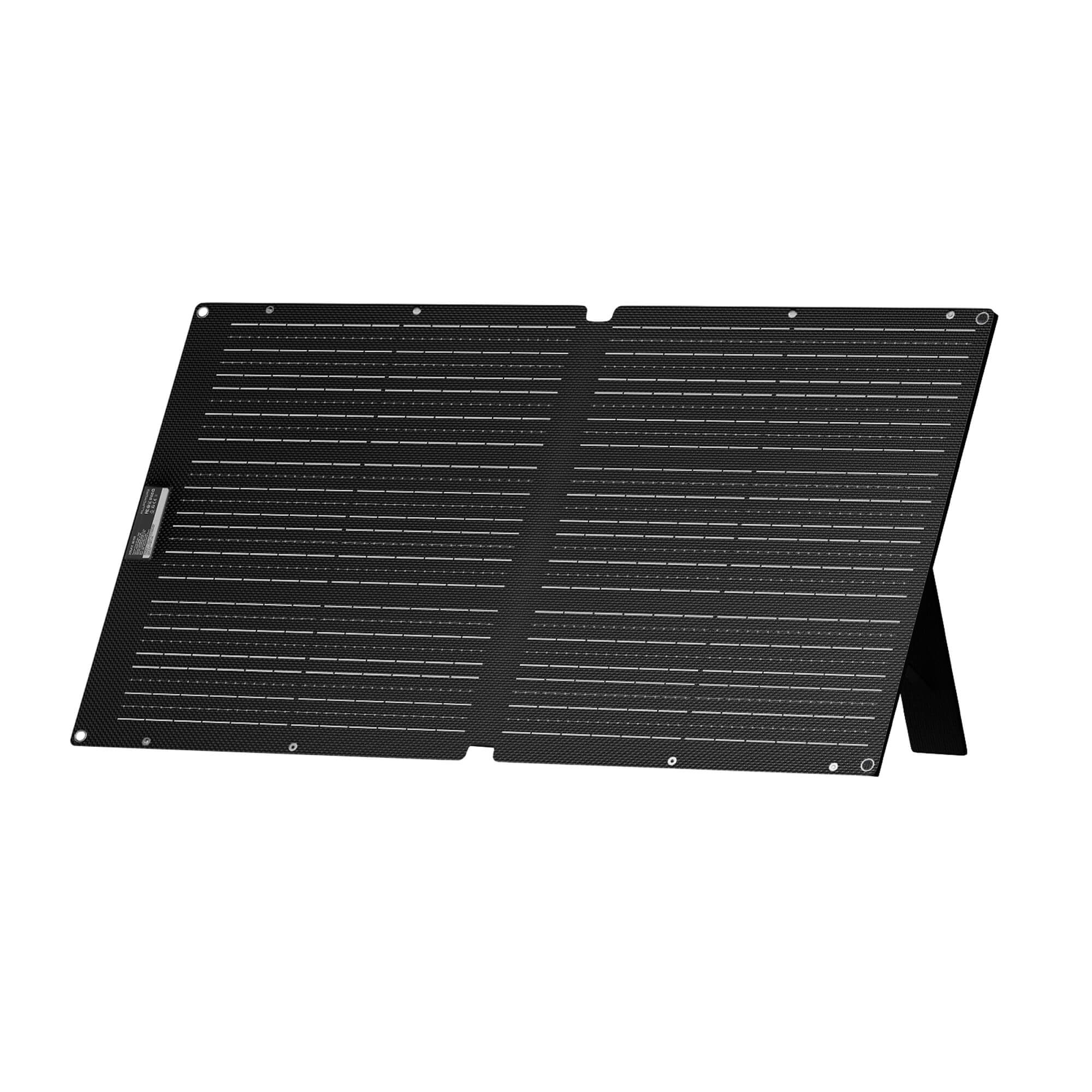
- 2016Wh Capacity + 400W Soalr Input;;
- 2500W AC Output (4,000W Surge);
- Fast Charge 100% in 1 Hours;
- Start UPS in 15 ms;
- Expandable Up to 3x B1000 Expansion Battery;
Medium to large food trucks demand serious wattage
Now, if you’re running a full kitchen—griddle, fryer, freezer, ventilation, lighting—you’re entering a different league.
It’s not unusual for these setups to require 8,000 to 12,000 watts. Sometimes more, depending on how much runs on electricity versus propane.
And here’s where a mild contradiction comes in: you don’t always use all that power at once. But you still need a generator capable of handling it.
Why? Because food service isn’t predictable. A sudden rush can push everything into operation simultaneously.
The grill’s hot, the fryer’s bubbling, the fridge cycles on, and someone plugs in a backup appliance. It happens fast.
Having extra capacity isn’t wasteful—it’s protective. It gives you breathing room, which, in a tight kitchen, is worth more than you’d think.
Choosing the right generator is part math
So how do you actually figure it out?
Start by listing every electrical appliance in your truck. Write down both running watts and starting watts if available. Add up the running watts first—that’s your baseline.
Then identify which appliances might start simultaneously. You don’t need to stack every surge together, but you should account for realistic overlaps.
Add a safety margin—again, around 20–30%.
The final number isn’t just a wattage target; it’s a working range. If your calculation lands around 8,000 watts, a 9,000 or 10,000-watt generator gives you breathing room.
And breathing room, in a food truck, is everything.
Why oversizing your generator is not always the answer
You might think, “Why not just get the biggest generator I can afford and call it a day?” Fair question.
But bigger isn’t always better.
Large generators tend to burn more fuel, even when running below capacity.
They’re heavier, noisier, and frankly, a bit overkill for smaller setups.
There’s also the issue of efficiency. Generators perform best when running near their optimal load range.
Too much unused capacity can actually reduce efficiency and increase wear over time.
So yes, you need enough power—but not an excessive amount.
Fuel type affects more than just operating cost
Gasoline, propane, diesel—each has its quirks.
Gasoline generators are common and easy to find, but fuel storage can be tricky, especially in hot climates.
Propane burns cleaner and stores well, but availability varies by region. Diesel is efficient and durable, yet often heavier and louder.
But here’s where things get interesting. There’s a growing shift toward hybrid setups—combining traditional generators with battery storage.
The idea is simple: use the generator to charge the battery during low-demand periods, then run silently off stored energy during service.
You smooth out the peaks, reduce noise, and often cut fuel use. Not every truck needs this, of course.
But if you’re operating in areas with strict regulations—or just want a quieter workspace—it’s worth considering.
Conclusion
So, what size generator do you need for a food truck?
For most setups, somewhere between 3,000 and 12,000 watts covers the spectrum.
If you run a simple coffee and pastry truck, you might be perfectly comfortable with a 3,000-watt setup.
If you’re frying, grilling, and blending all at once, you’re likely looking at 8,000 watts or more.
So take the time to map out your equipment, understand your peak loads, and think a step ahead.