








Generators—whether for a sudden blackout or weekend camping—are lifelines when the lights go out.
But they come with a very real caveat: placement. You can’t just plop one next to the back door and call it a day.
It can be loud, it can spew carbon monoxide, and honestly, it can be downright dangerous if it’s too close to your home.
So, how far should a generator actually be from your house to keep everyone safe and sound?
TL;DR:
Most safety agencies recommend keeping a fuel-powered generator at least 20 feet (about 6 meters) away from your home, with the exhaust pointing away from doors, windows, and vents; farther is often better. Yet many people now choose battery-based power sources to sidestep these issues entirely.
The Danger of Carbon Monoxide
You know what’s sneaky about generators? The exhaust.
Carbon monoxide is colorless and odorless, and can become deadly in just a few minutes if it accumulates.
That’s why running a generator in your garage, basement, or even too close to an open window is an absolute no-go.
The science is simple: the farther away the source of exhaust, the lower the risk of CO creeping into your living space.
Think of it like smoke drifting from a campfire. If you’re standing too close, you cough, your eyes water, and you hope the breeze changes direction.
Step a few dozen feet back, and suddenly the smoke is just an aesthetic, harmless wispy haze.
The same principle applies to generators—you need to give them room to breathe.
That’s why fire marshals and safety experts are almost evangelical about keeping combustion-based generators far from living spaces.
Twenty feet is the common guideline, but some authorities recommend even 25 to 30 feet if you have overhangs or decks.
Why 20 Feet Became the Standard Number
You’ll hear the number 20 feet a lot, and it’s not random.
It’s based on how carbon monoxide disperses in open air and how quickly it can enter a structure.
Modern homes are better sealed than older ones, which is great for heating and cooling, but terrible when CO sneaks in.
Negative pressure from bathroom fans or HVAC systems can actually pull exhaust inside.
There’s also radiant heat to consider. A running generator gets hot. Very hot.
Vinyl siding, dry leaves, wooden decks—none of these appreciate sustained heat nearby.
Fire investigators have seen enough melted siding and scorched eaves to know that extra space isn’t wasted space.
But—and this matters—that 20 feet assumes ideal conditions. Calm weather. Open space.
No weird airflow patterns bouncing fumes back toward the house. Real life, honestly, is messier than that.
Placement Matters as Much as Distance
People fixate on feet and meters, but orientation quietly does half the work.
Exhaust direction should always point away from structures, especially those with openings.
A generator twenty feet away, but aimed at a window, is asking for trouble.
Elevation matters too. Placing a generator downhill from your home can allow heavier exhaust gases to drift upward toward the building.
Flat ground, stable footing, and open airflow beat tucking it beside a wall every time.
Covering a generator? Necessary for rain, sure, but never with something that traps exhaust.
Improvised tents, tarps draped too low, or tight enclosures can push fumes sideways instead of up and away.
Noise is Part of the Equation
Generators aren’t subtle. Traditional gas units often run between 65 and 85 decibels.
That’s lawnmower territory. During extended outages, that hum can strain neighborly goodwill faster than you’d expect.
Placing the generator farther from your house can reduce indoor noise levels.
But if that moves it closer to a neighbor’s bedroom window, you’ve traded one problem for another.
This is one reason many campers and RV owners gravitate toward quieter inverter generators such as those from Honda or Yamaha.
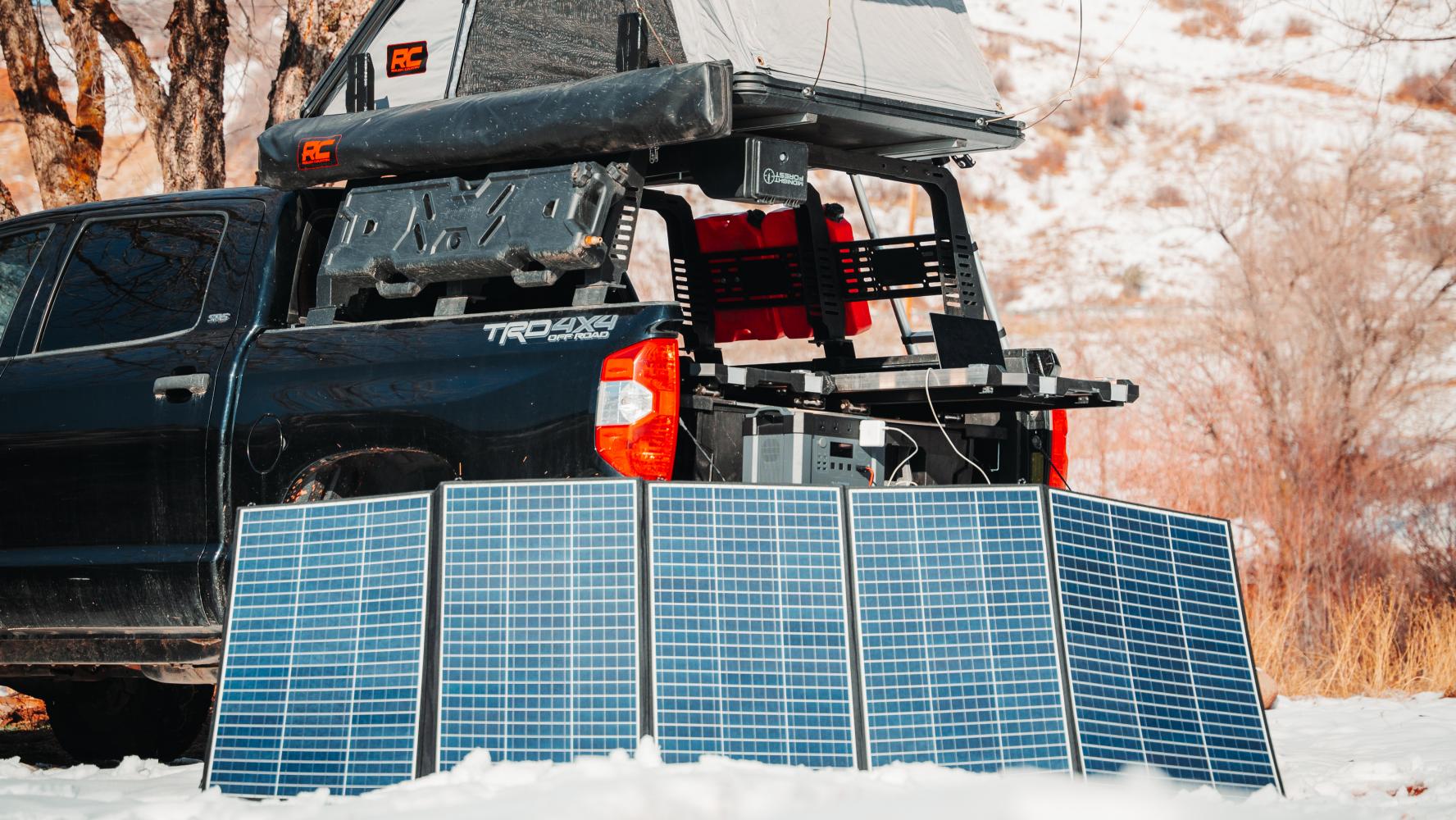
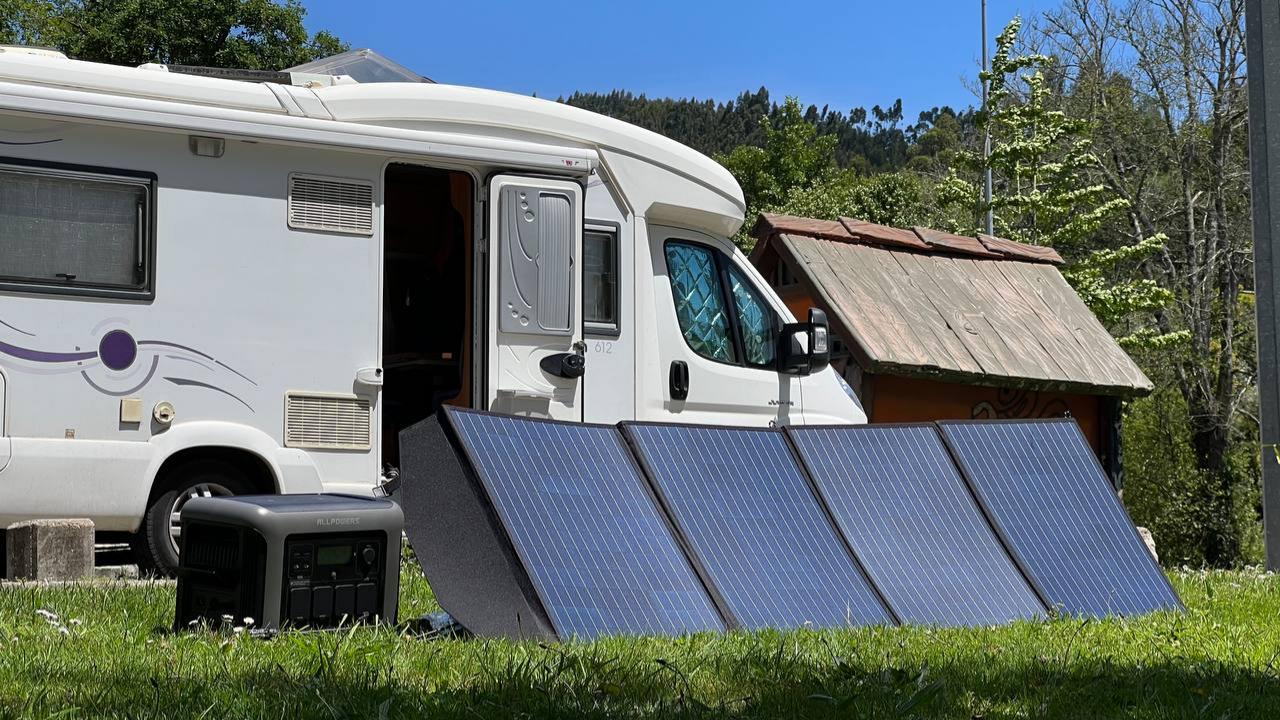
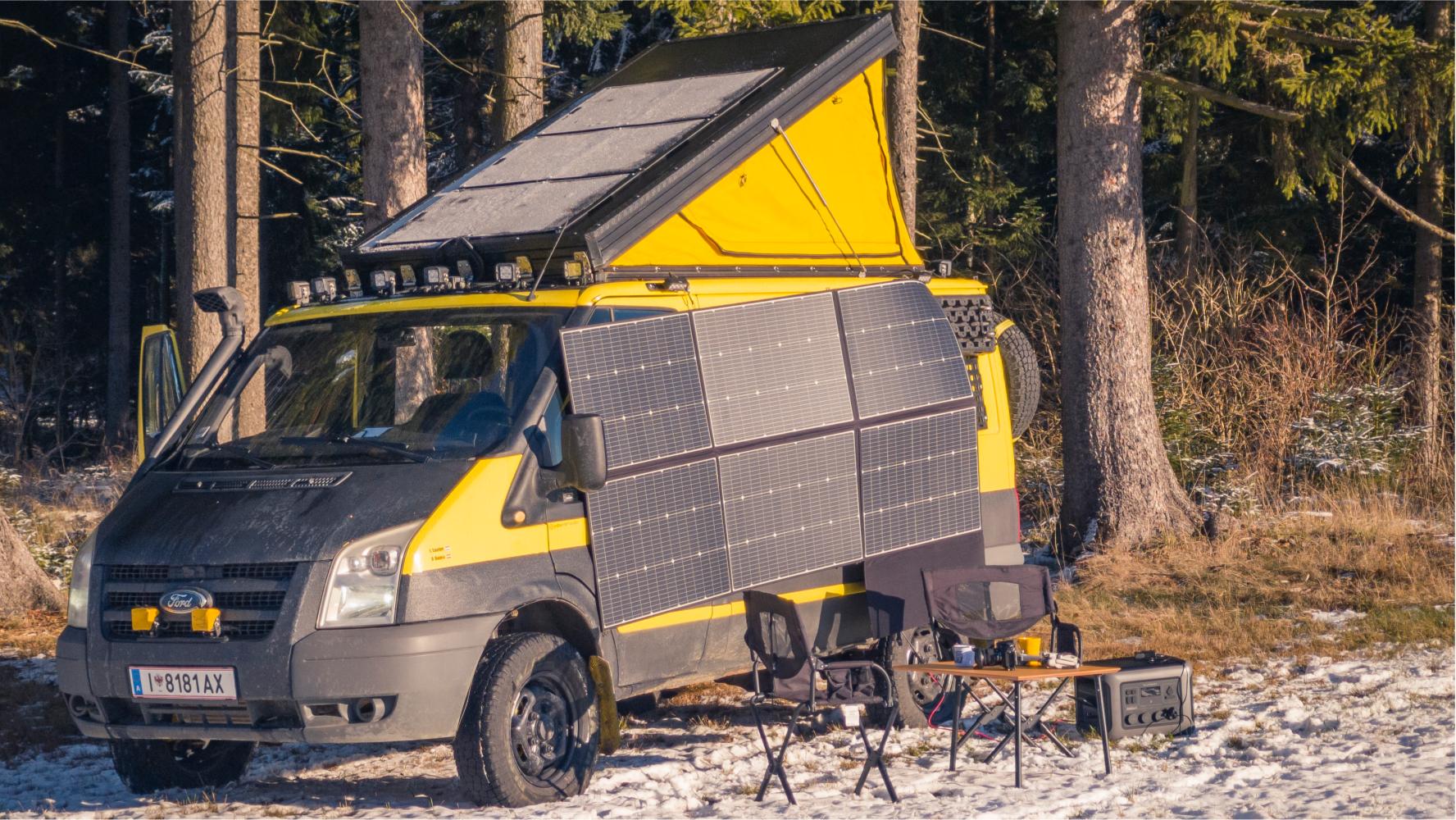
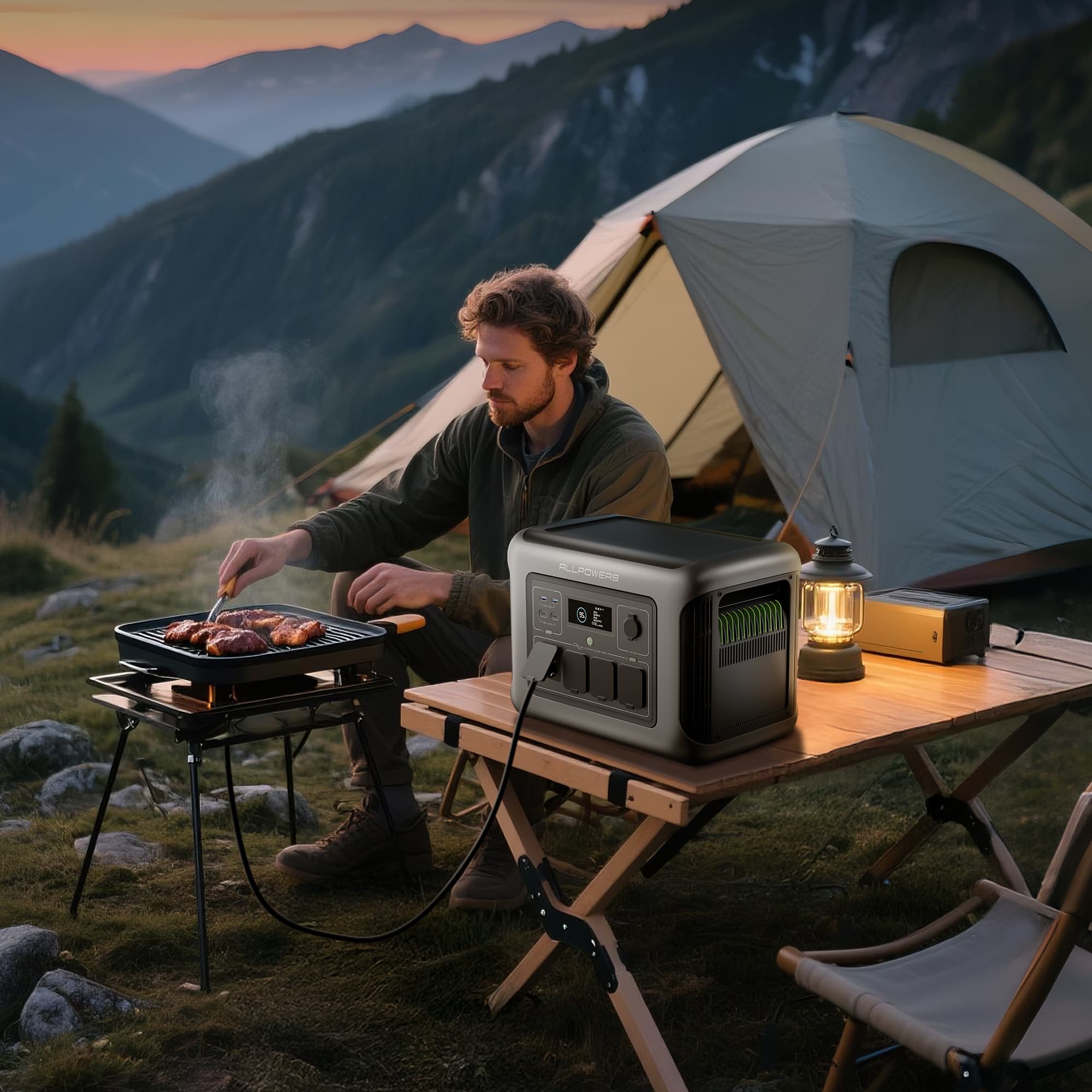
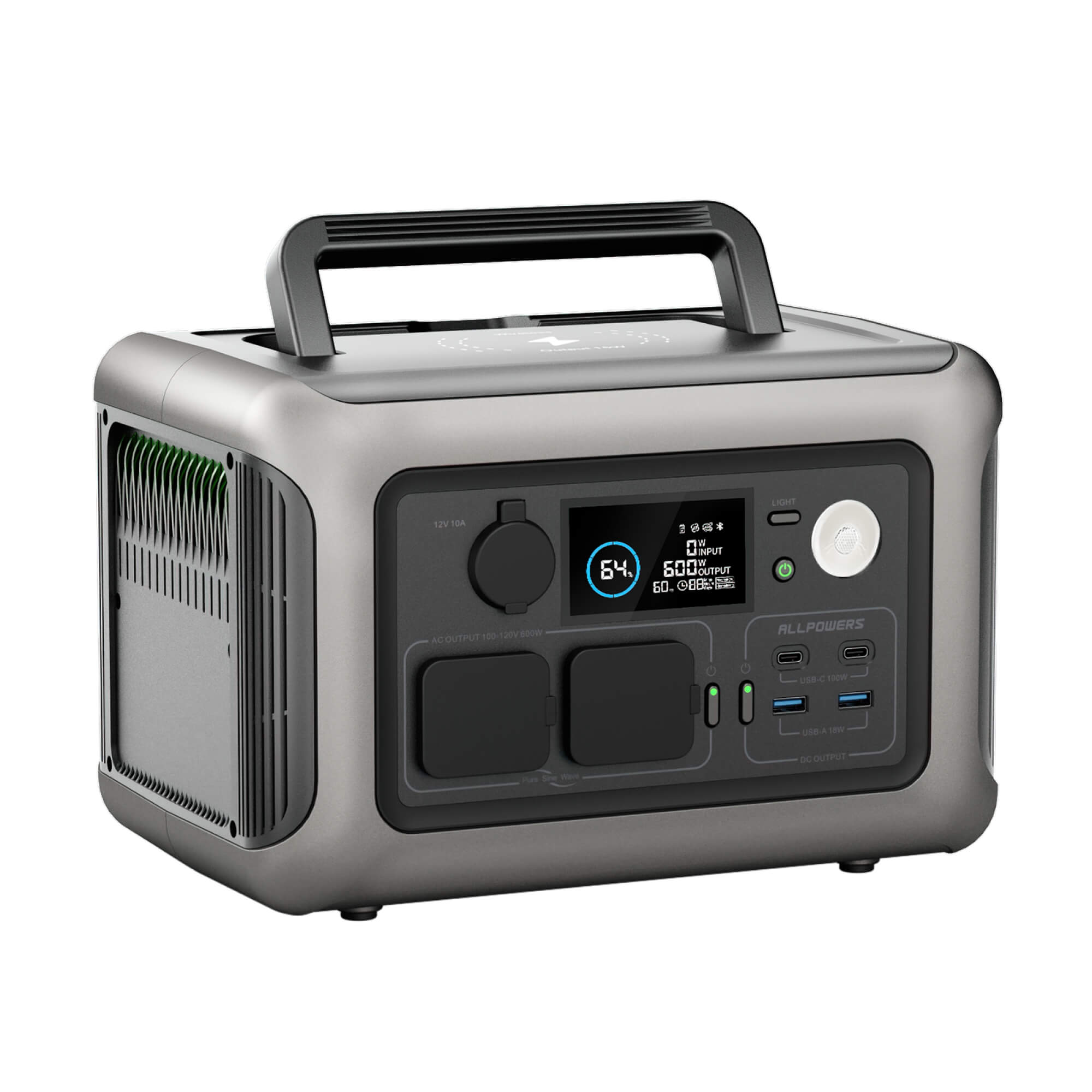
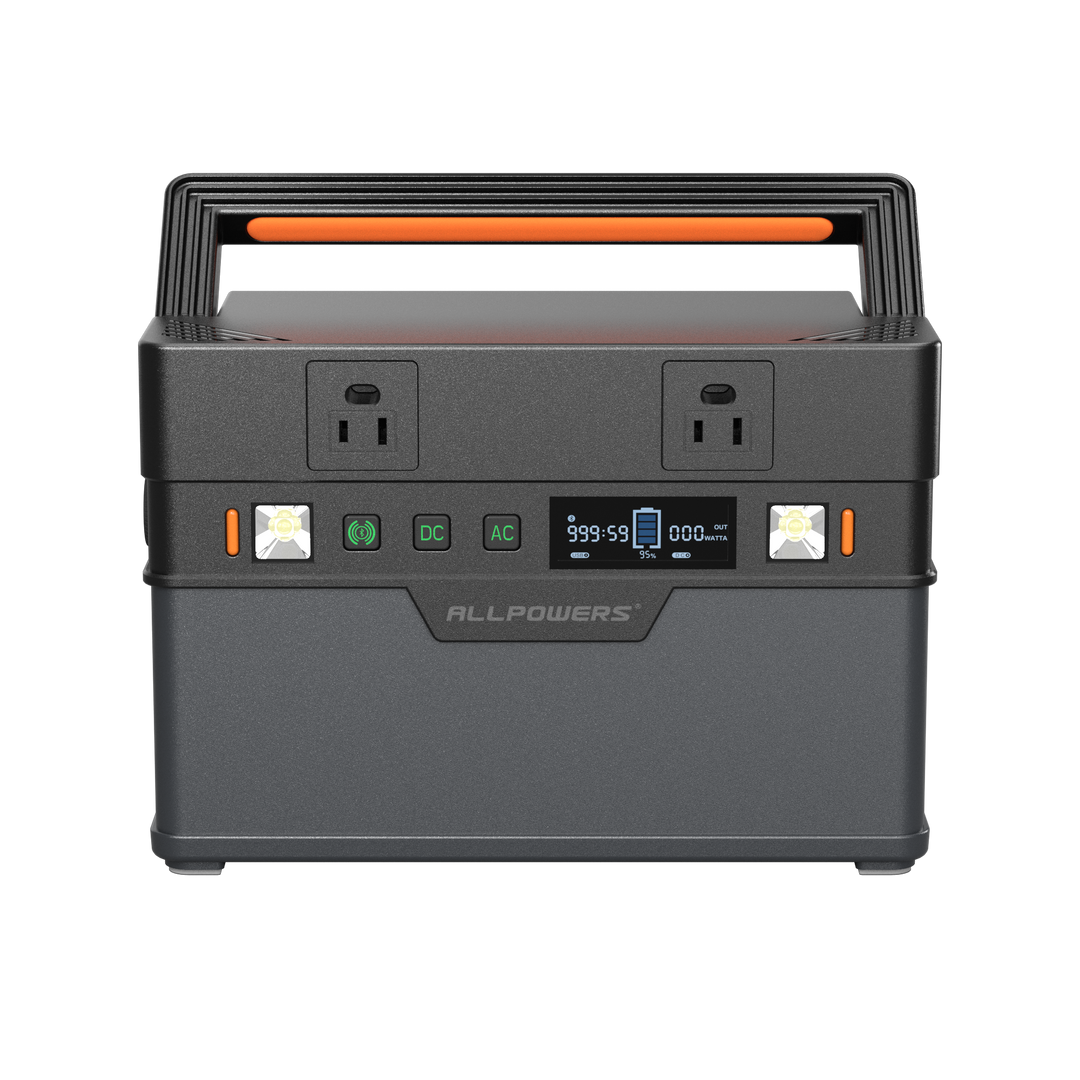
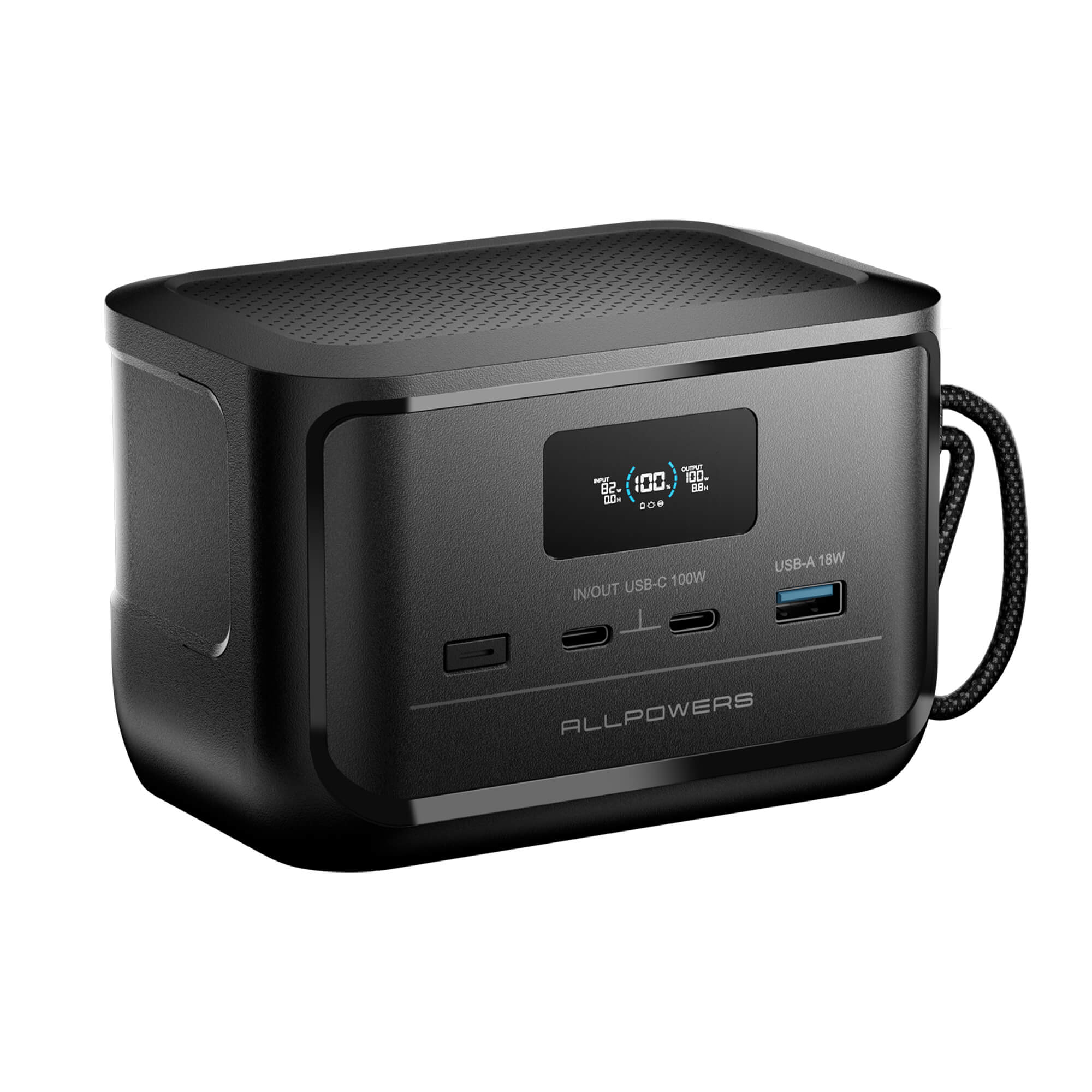
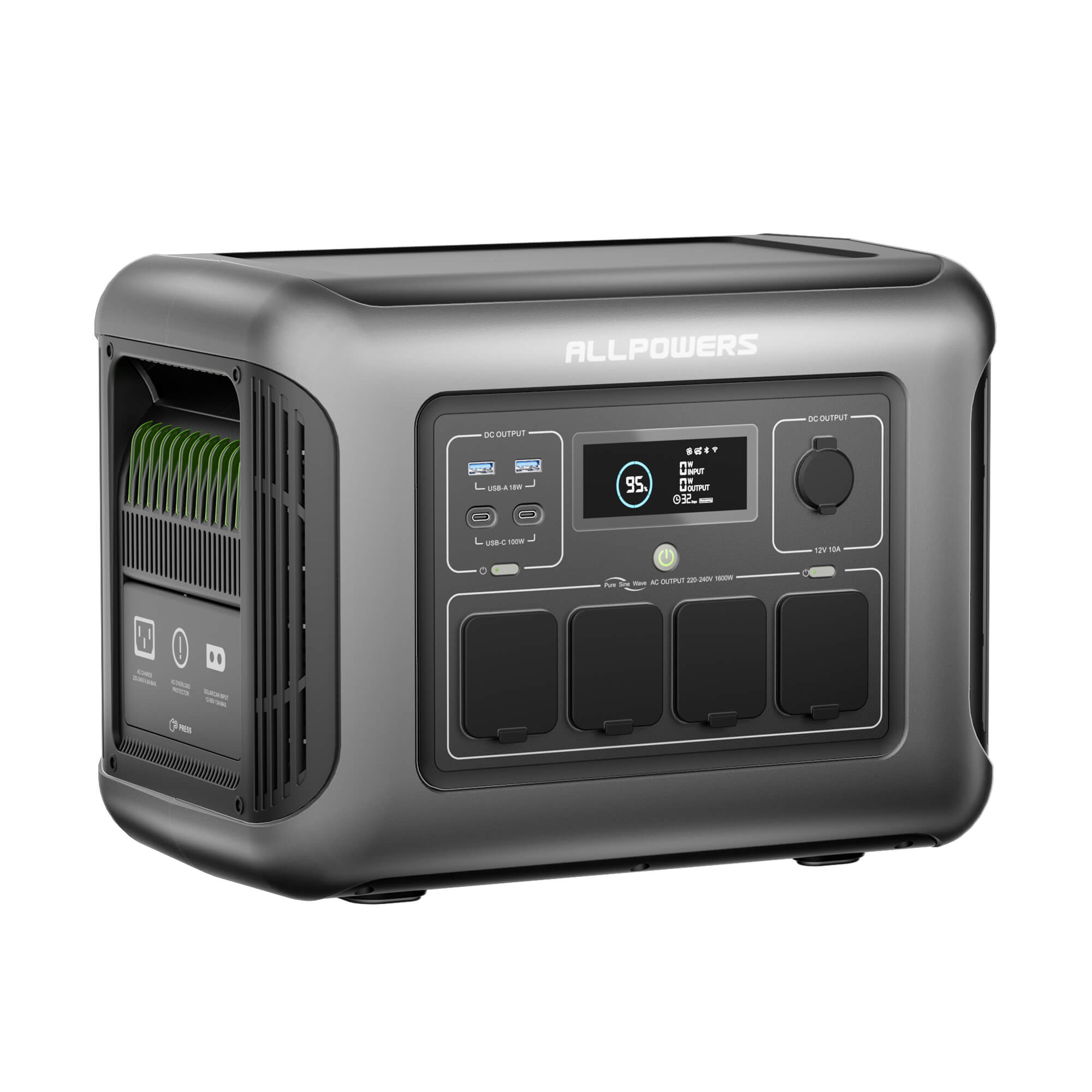
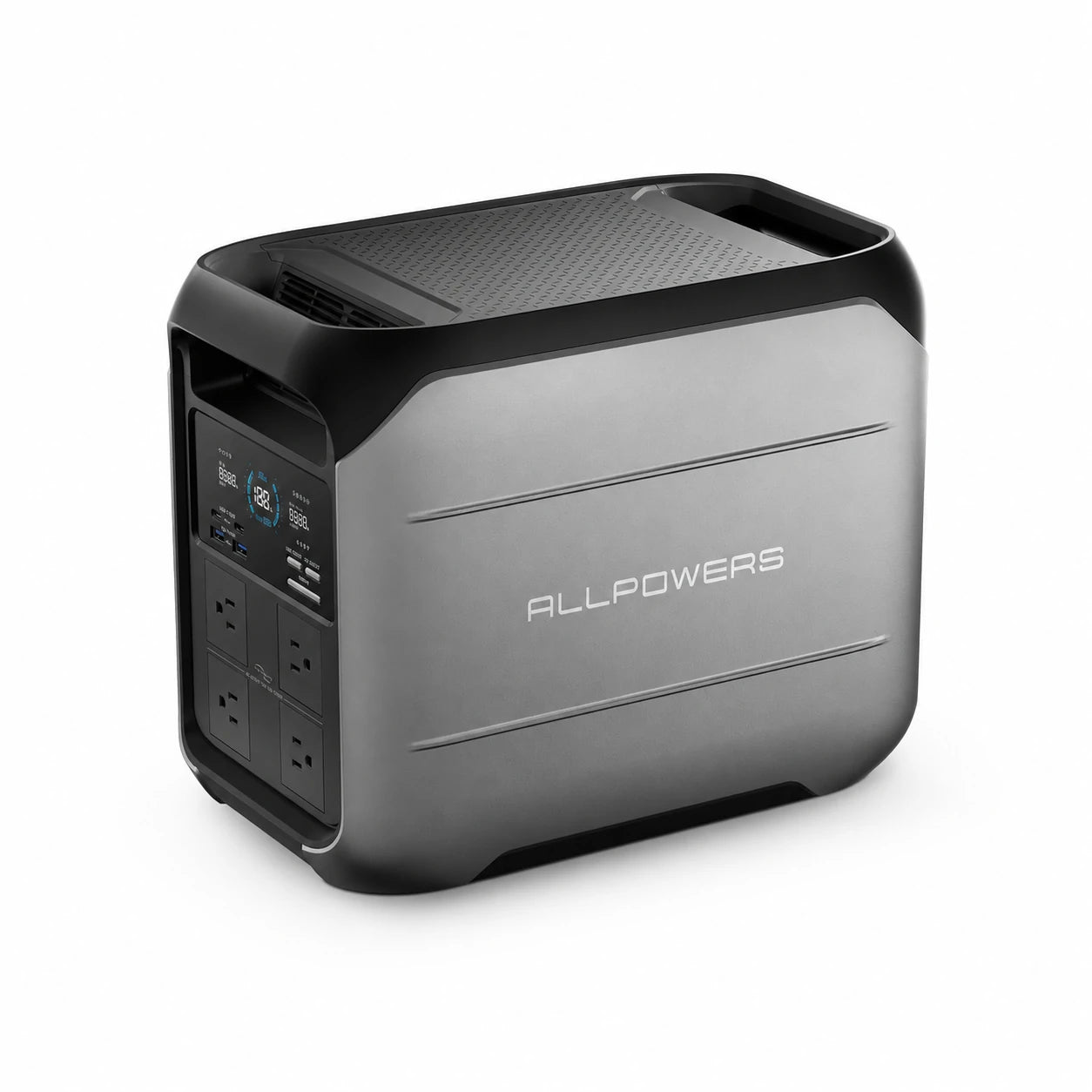
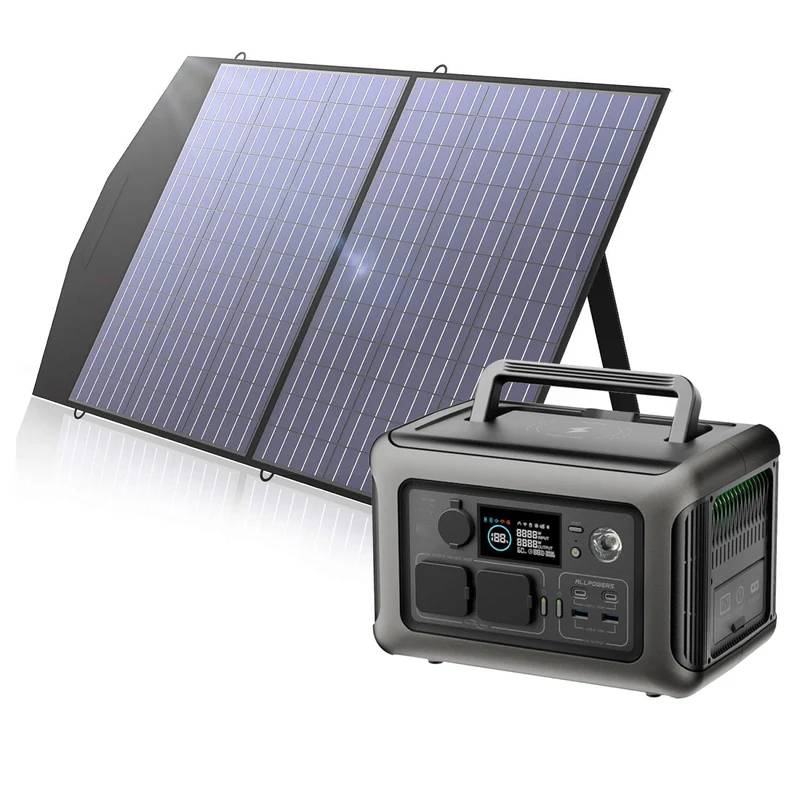
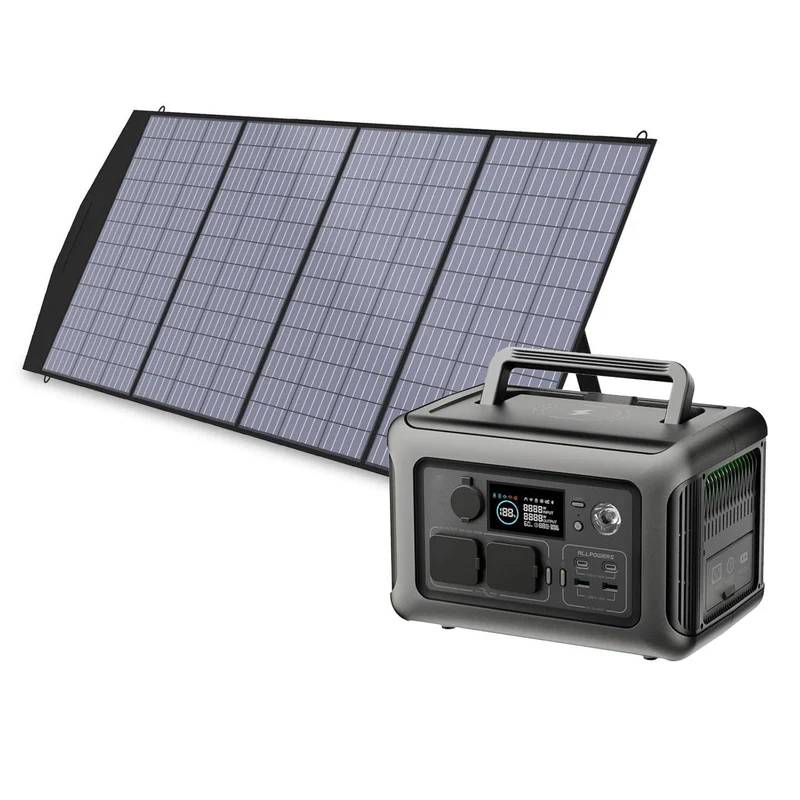
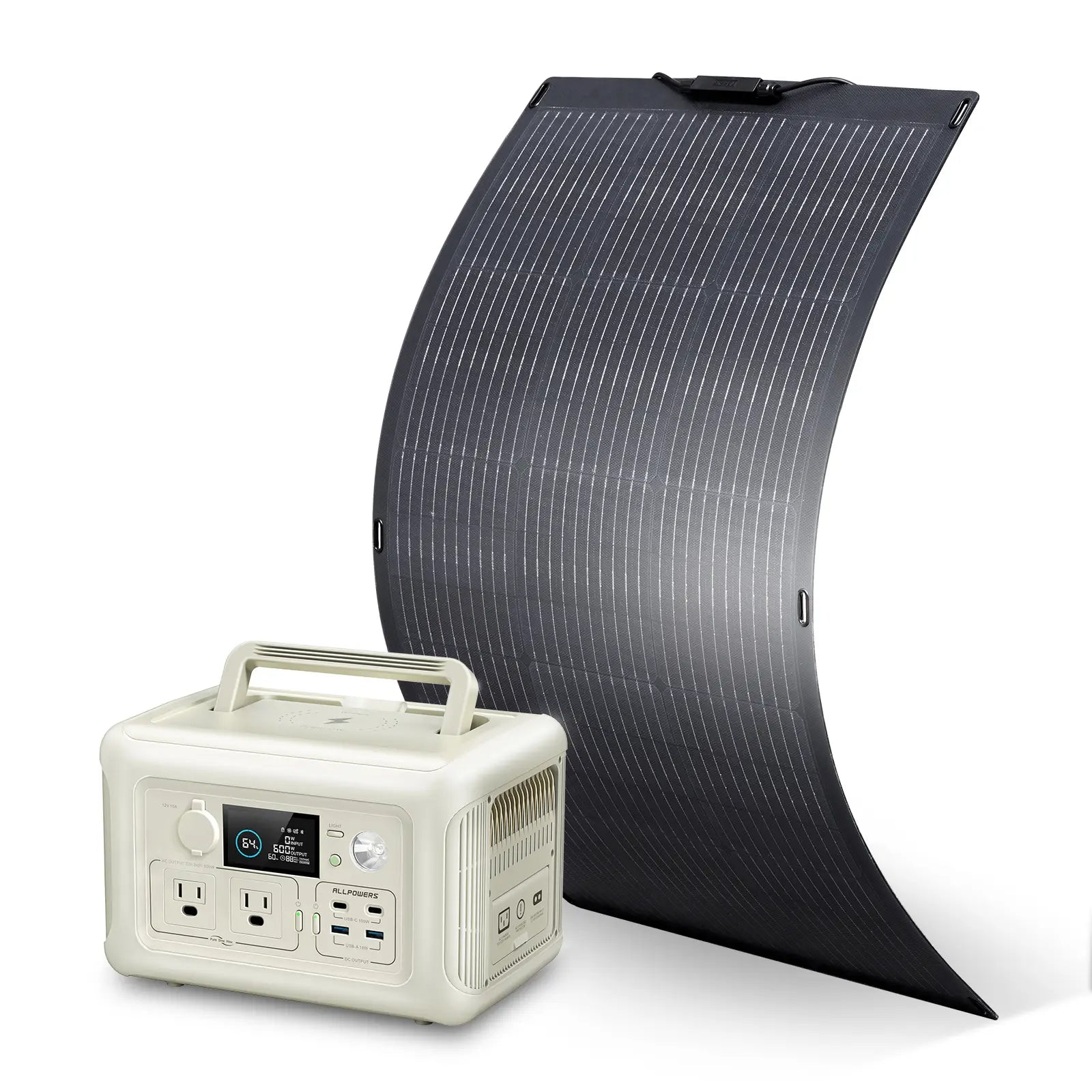
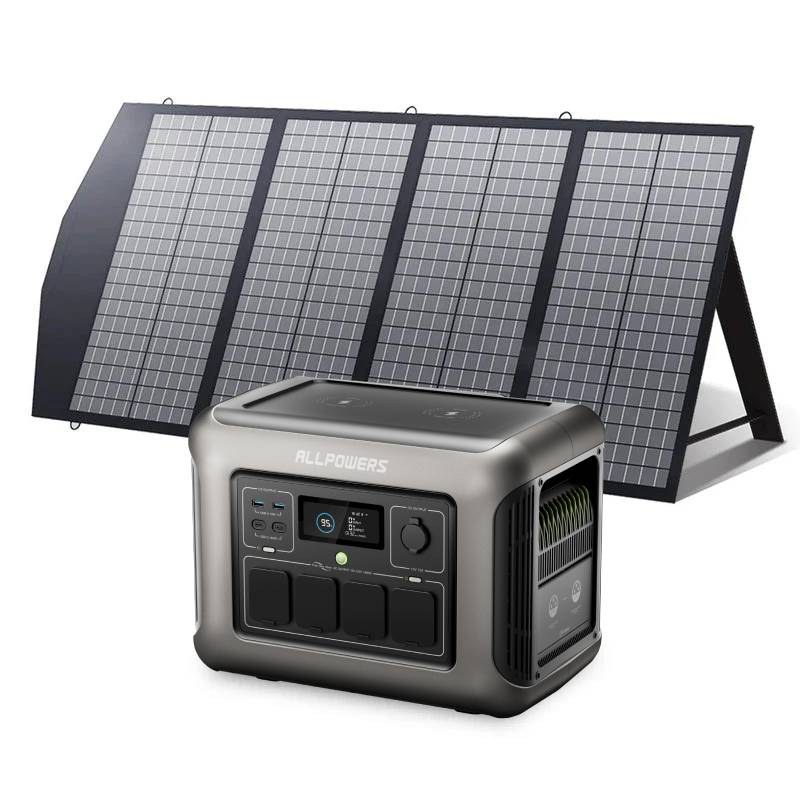
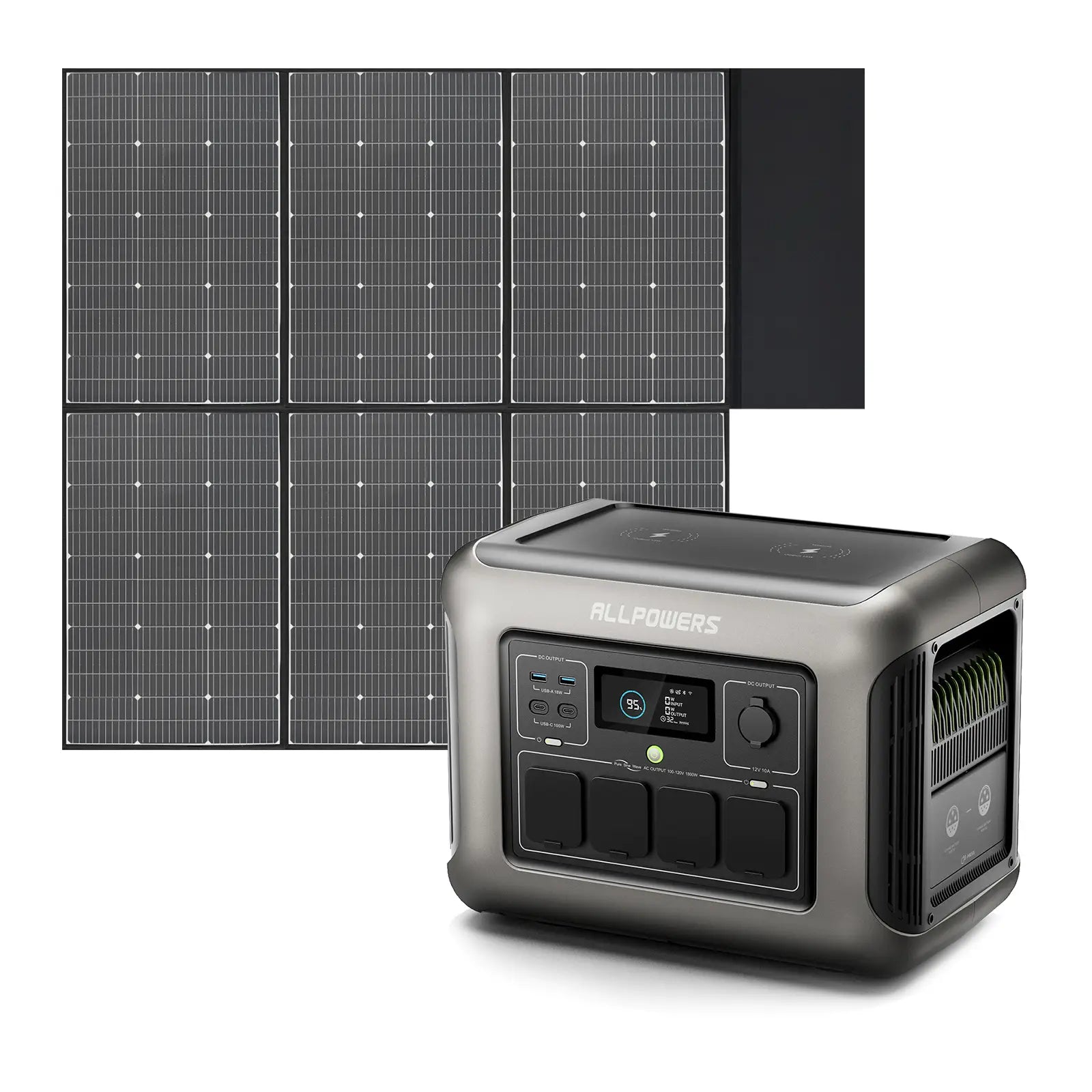
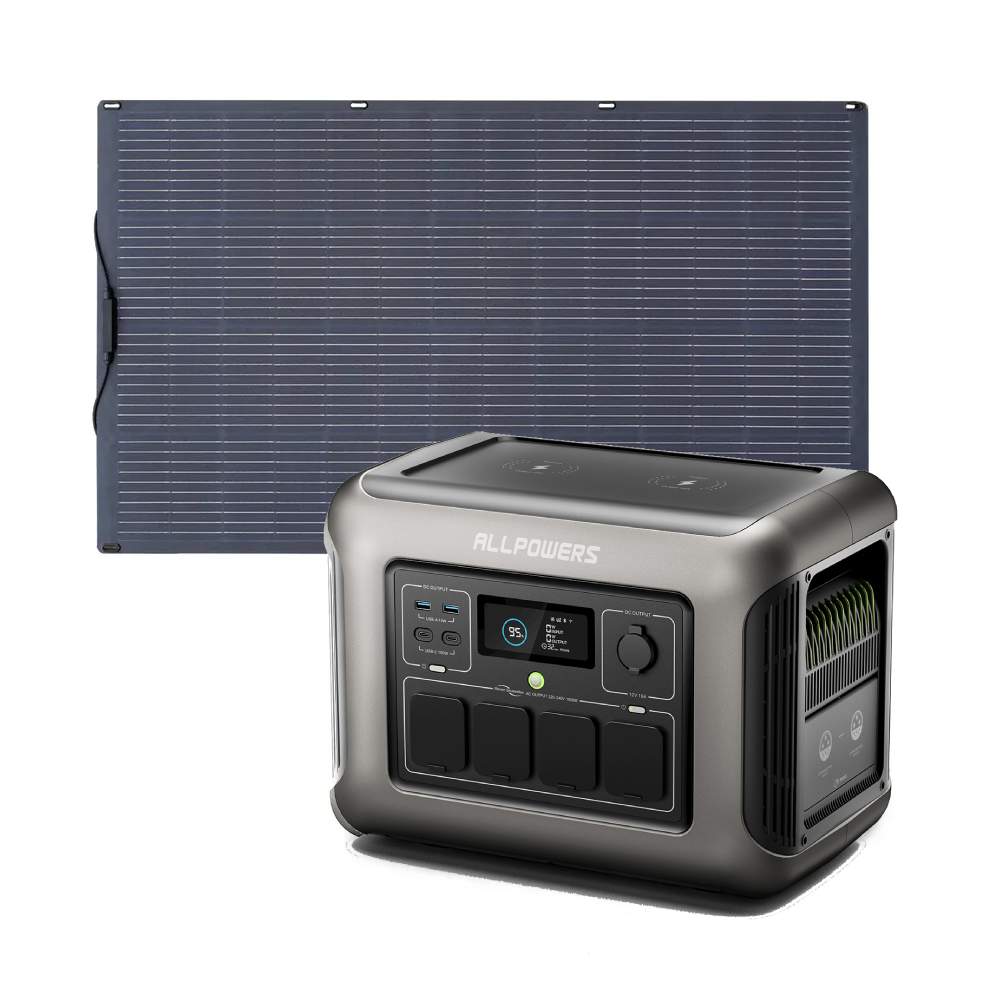
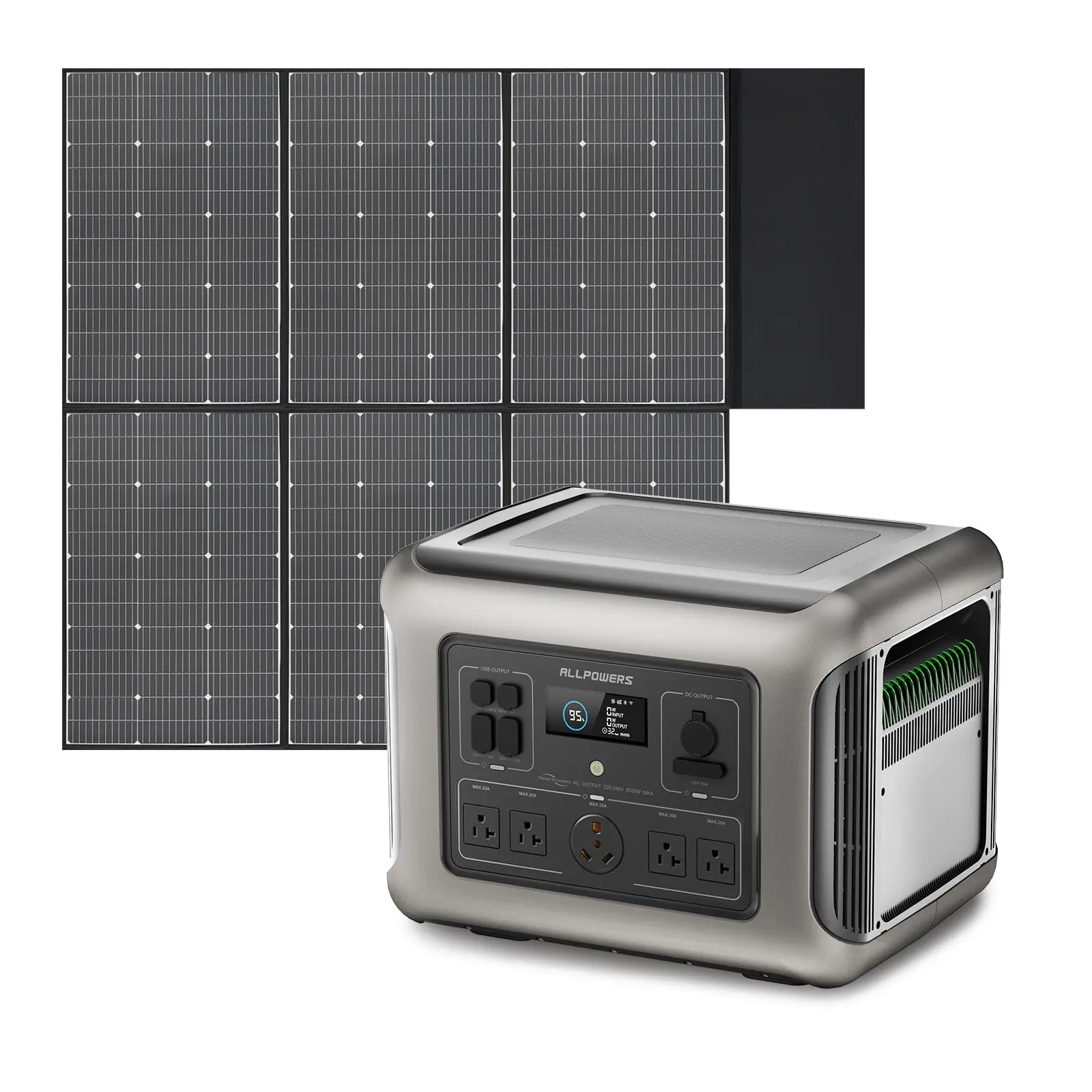
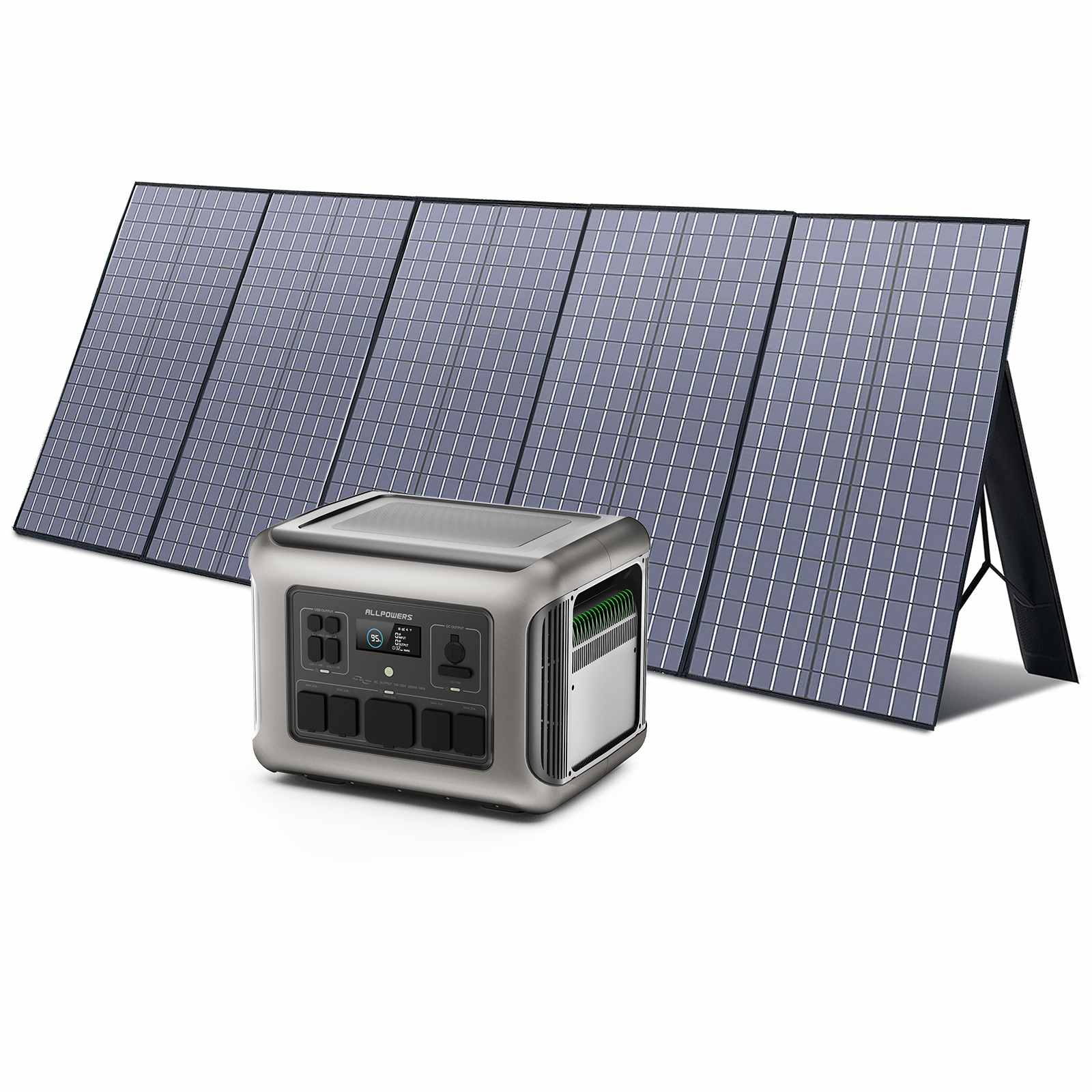
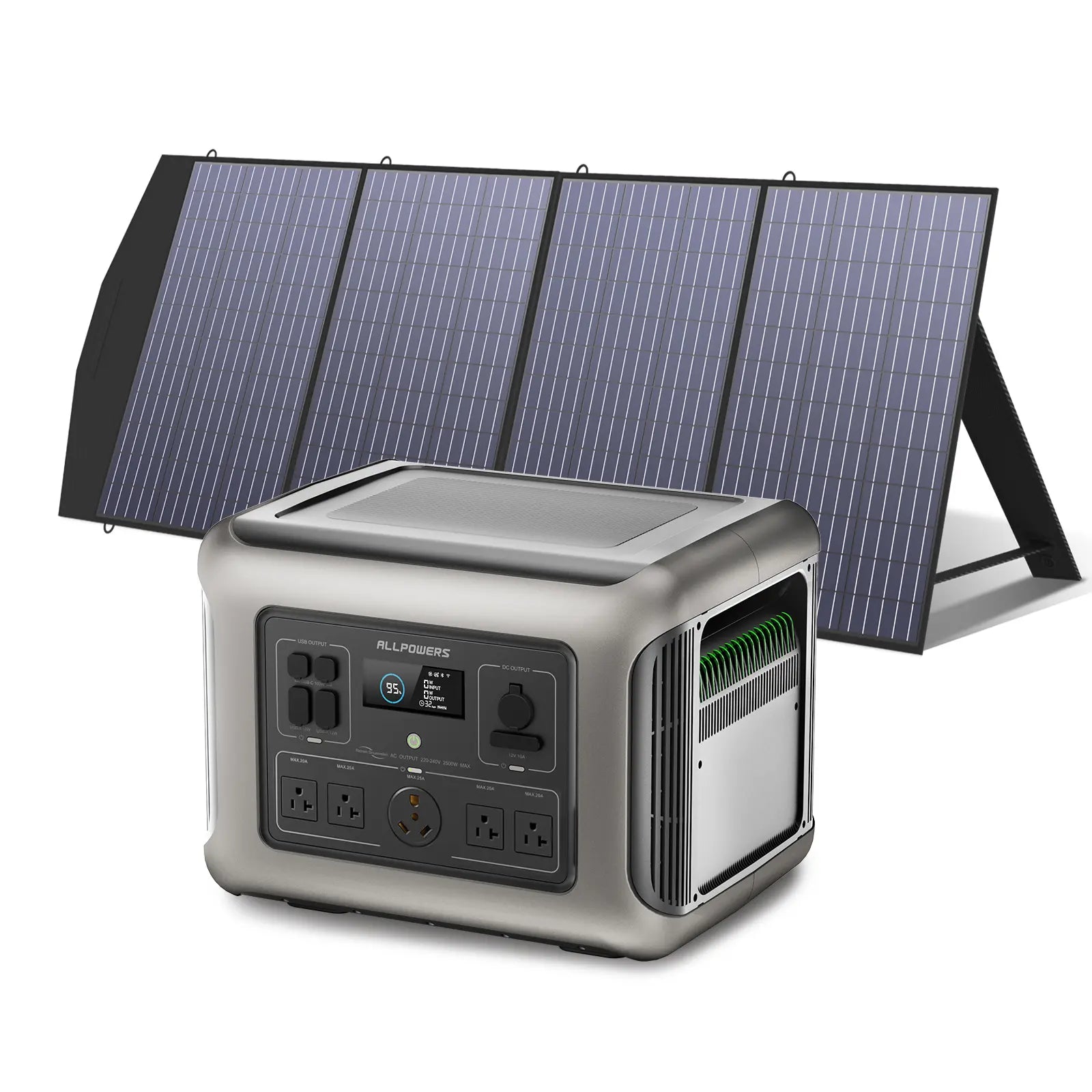
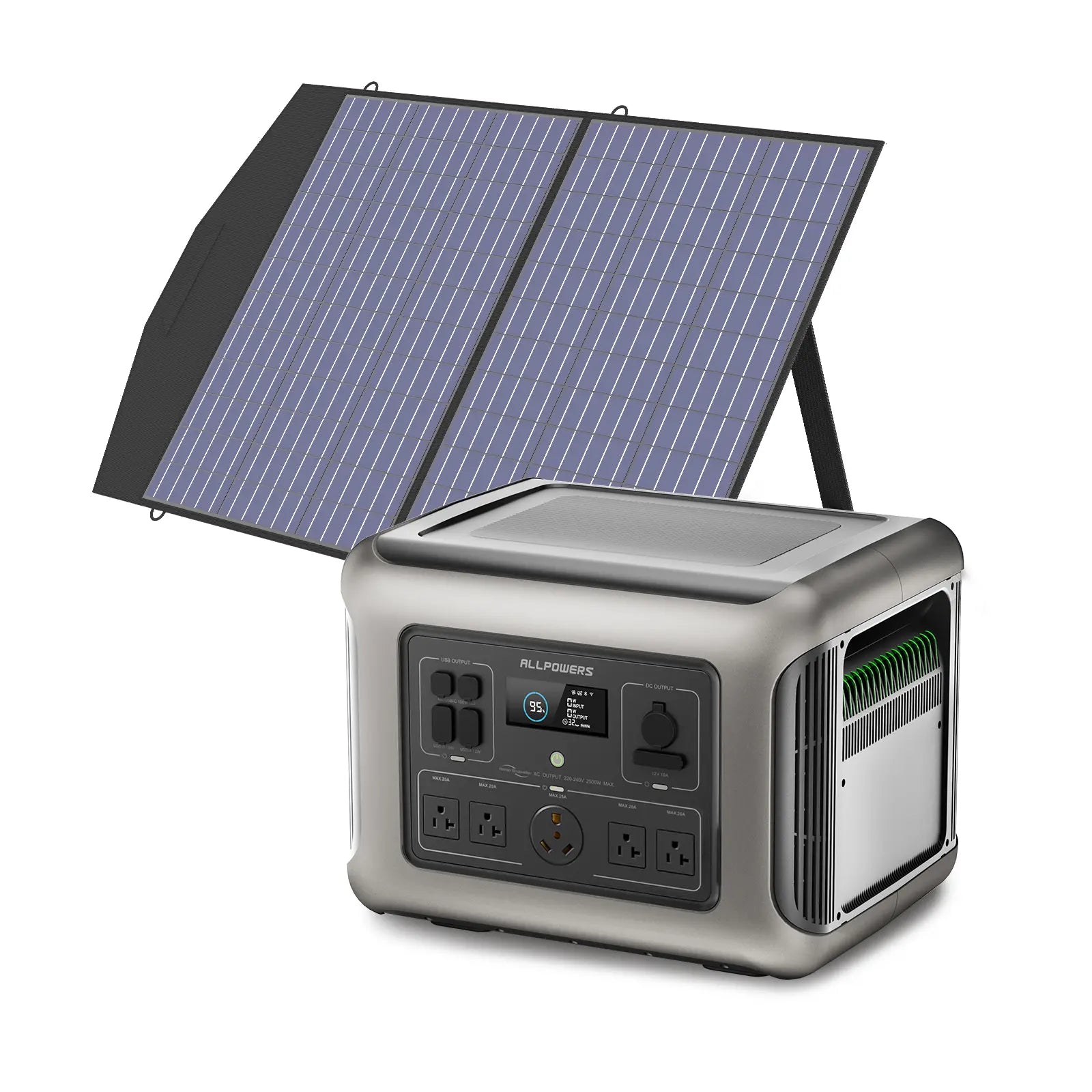
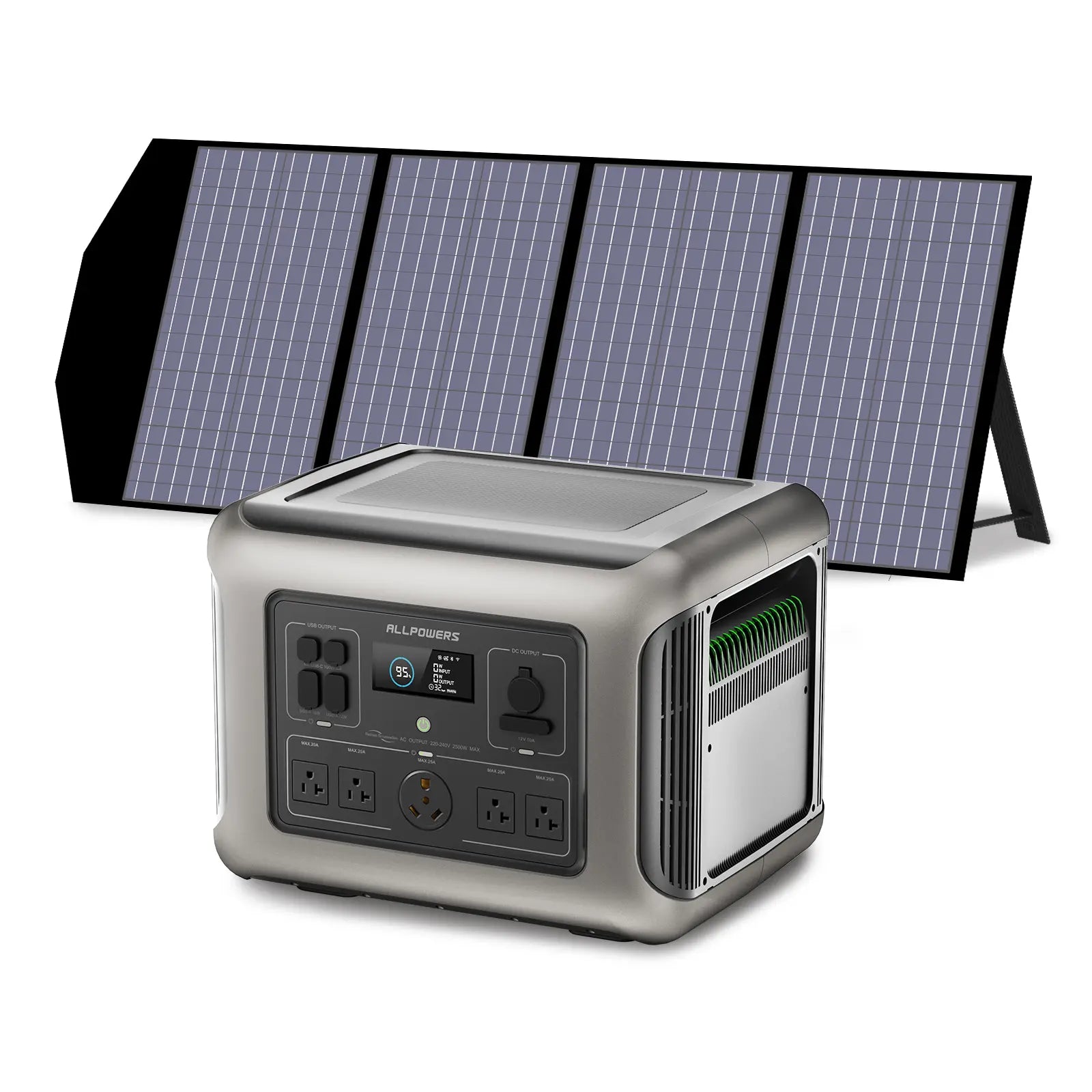
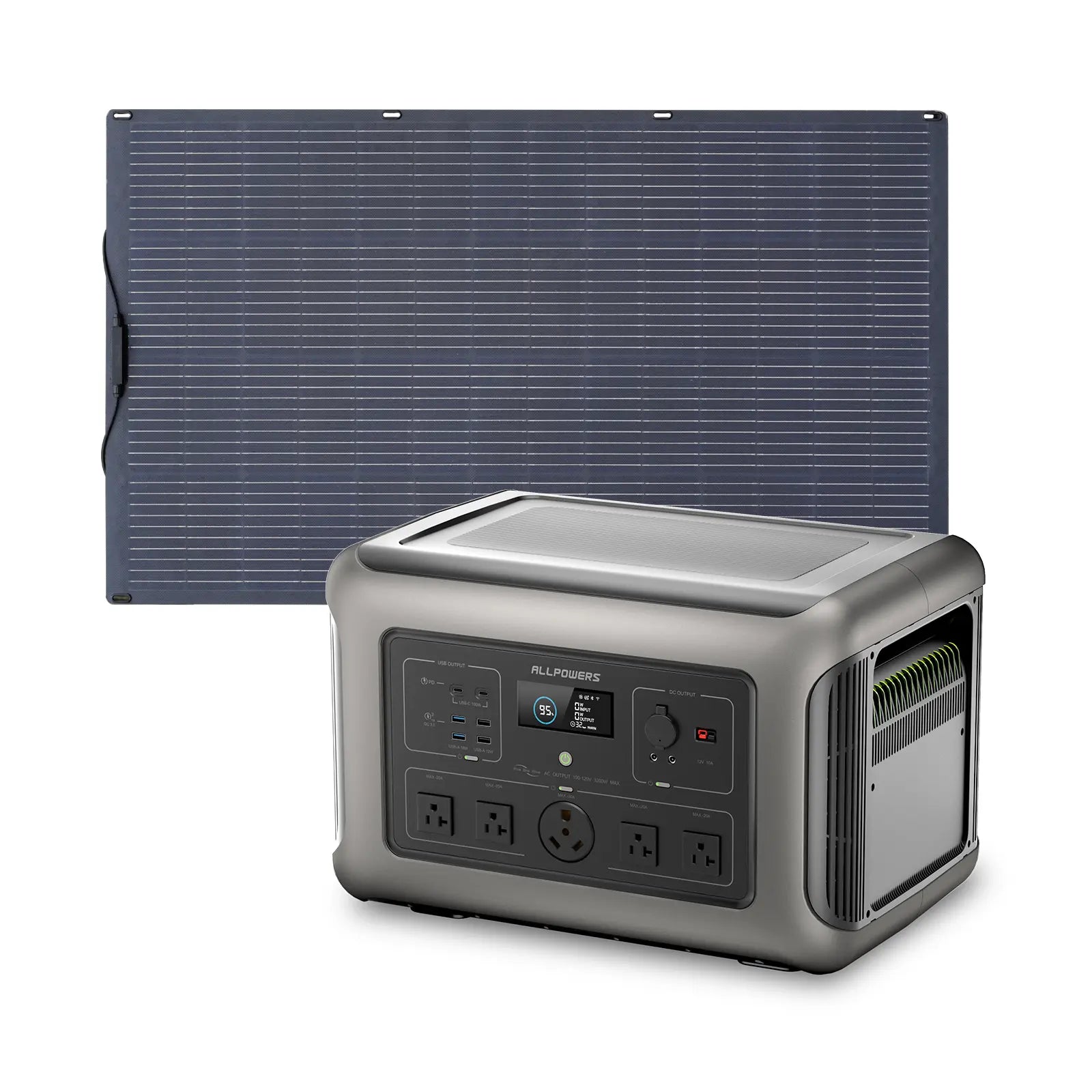
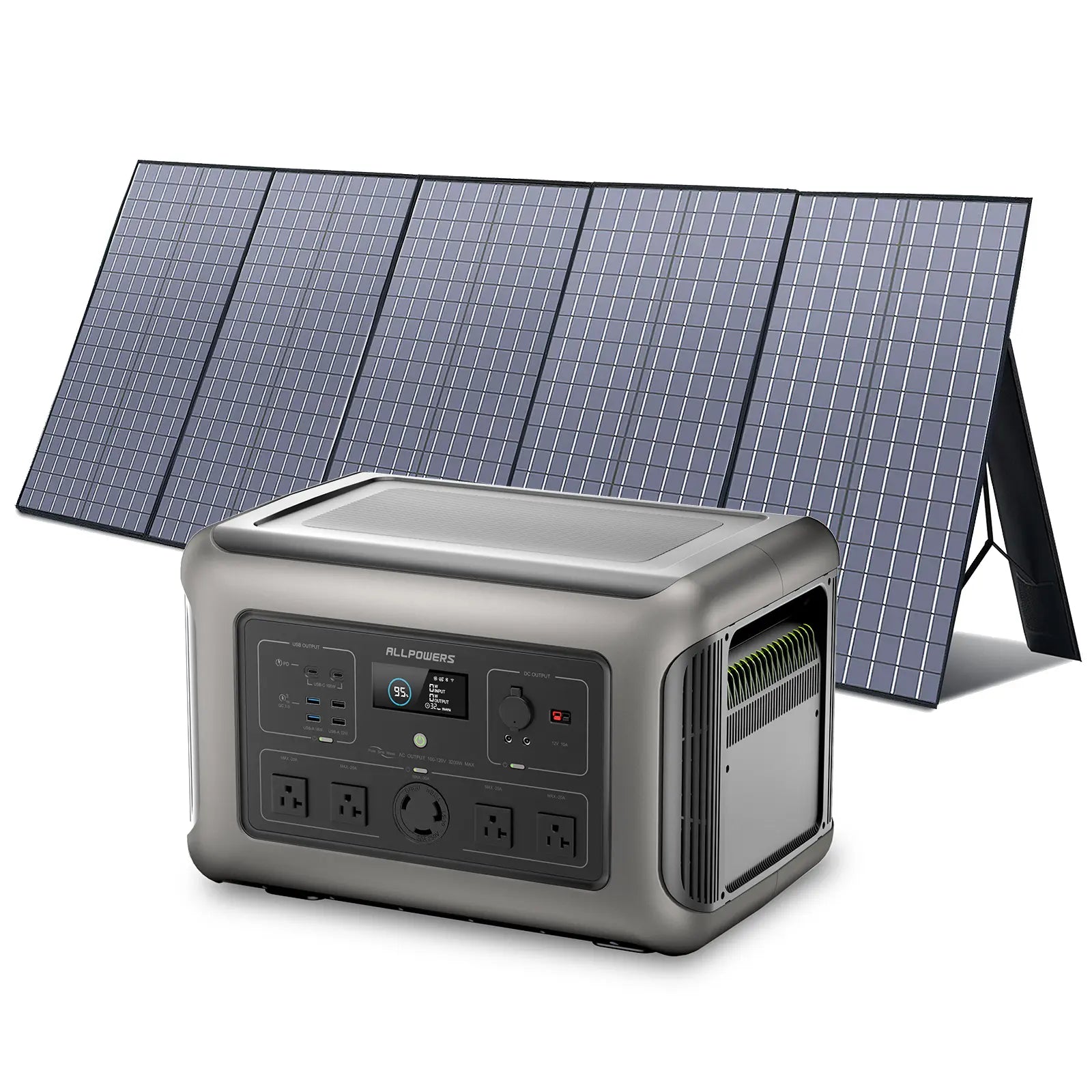
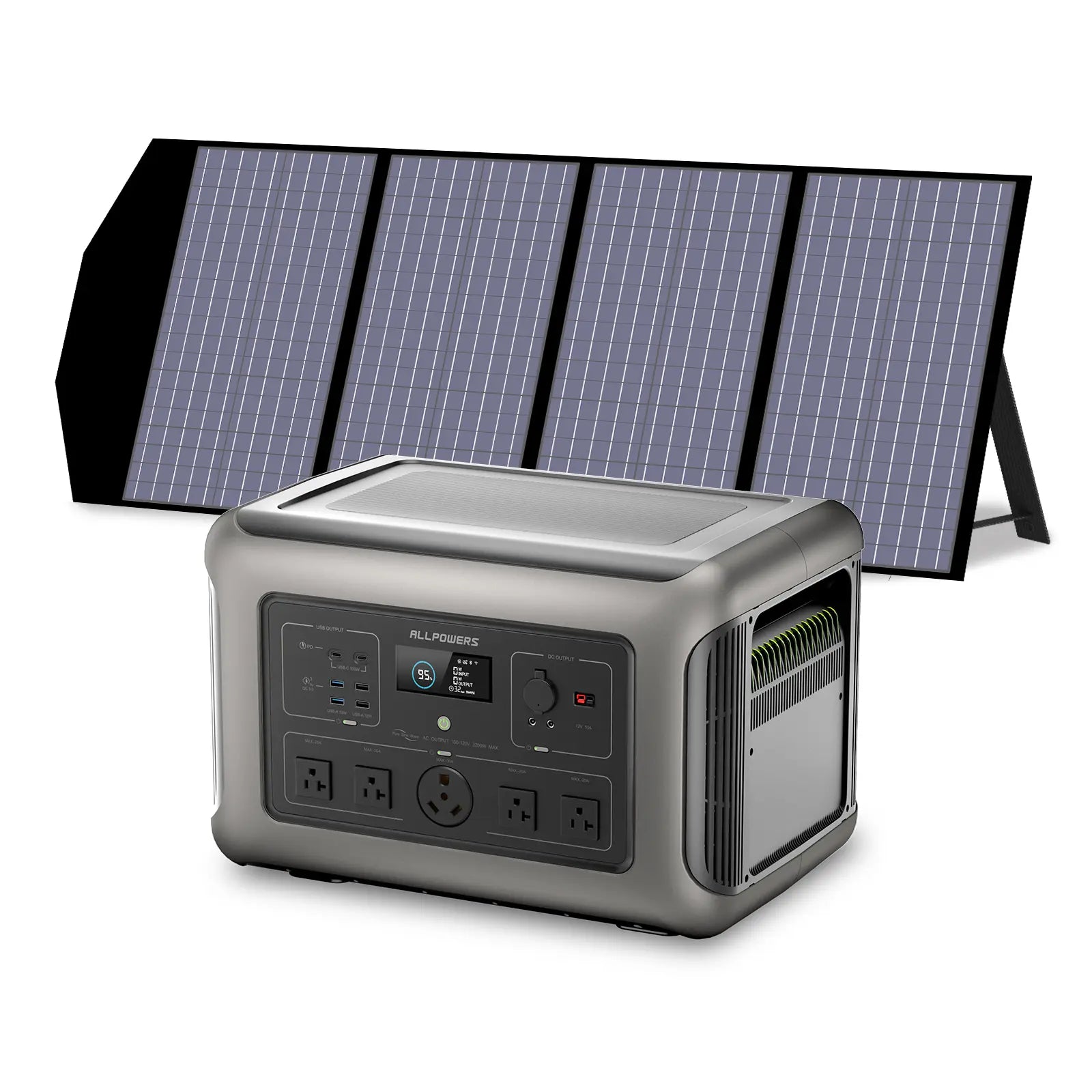
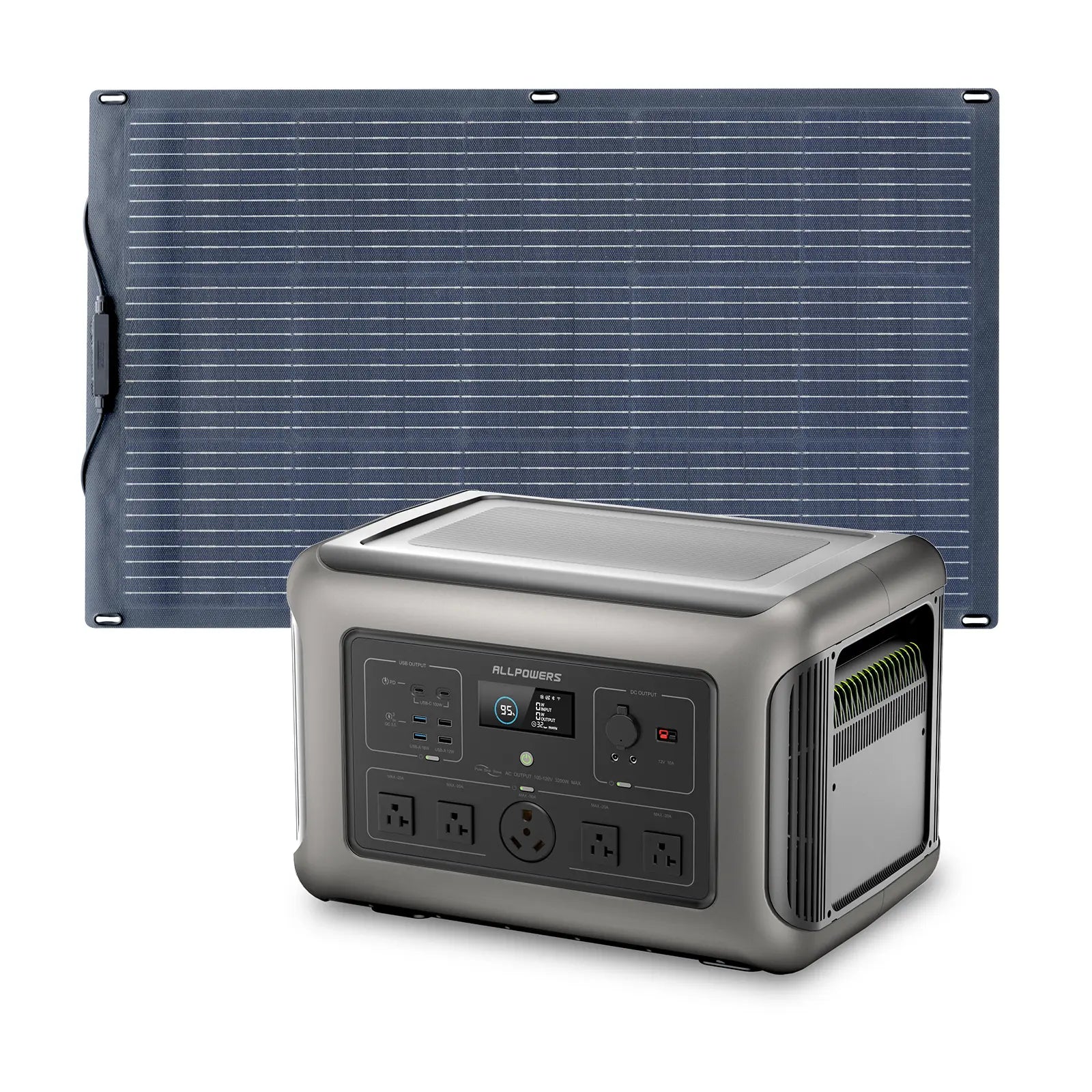
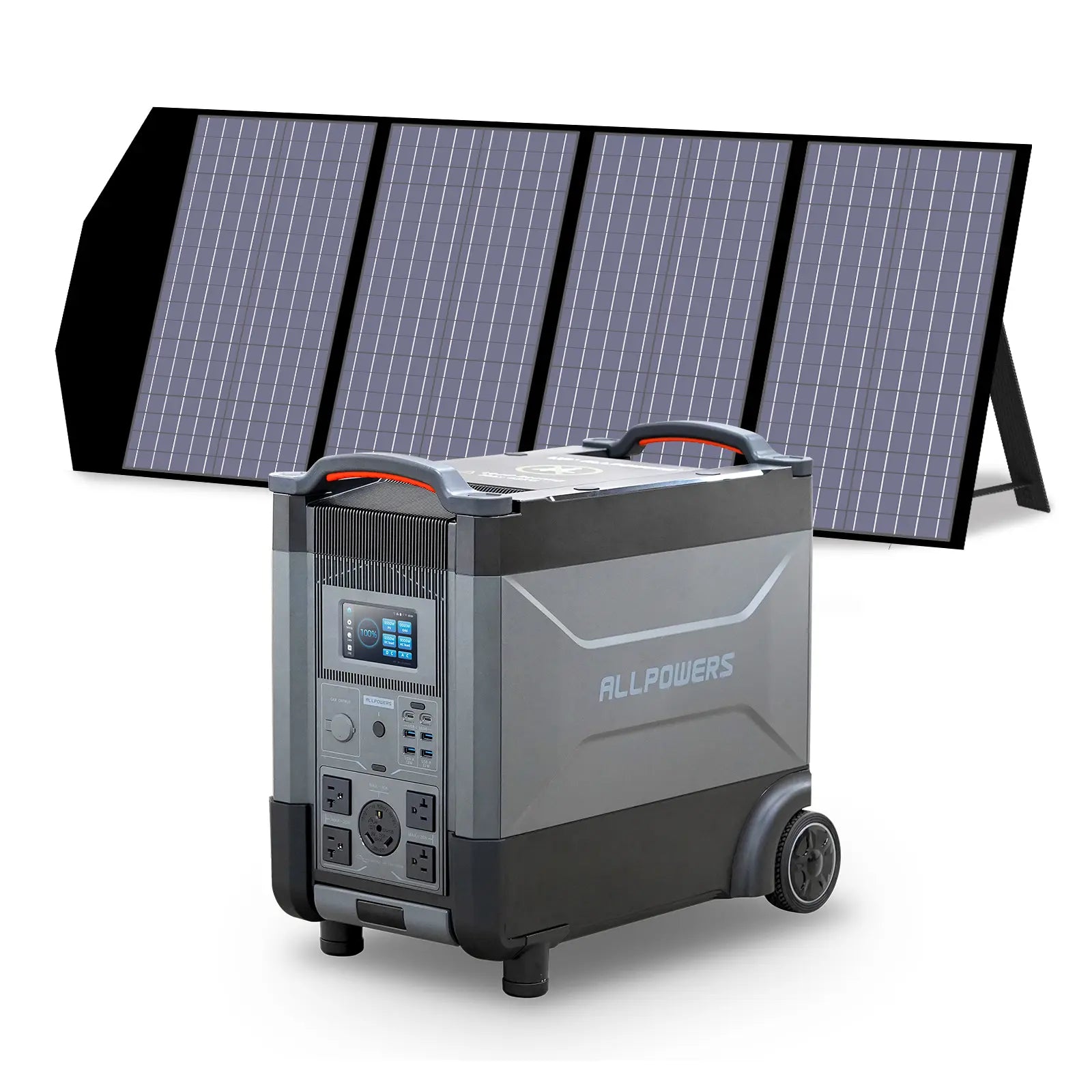
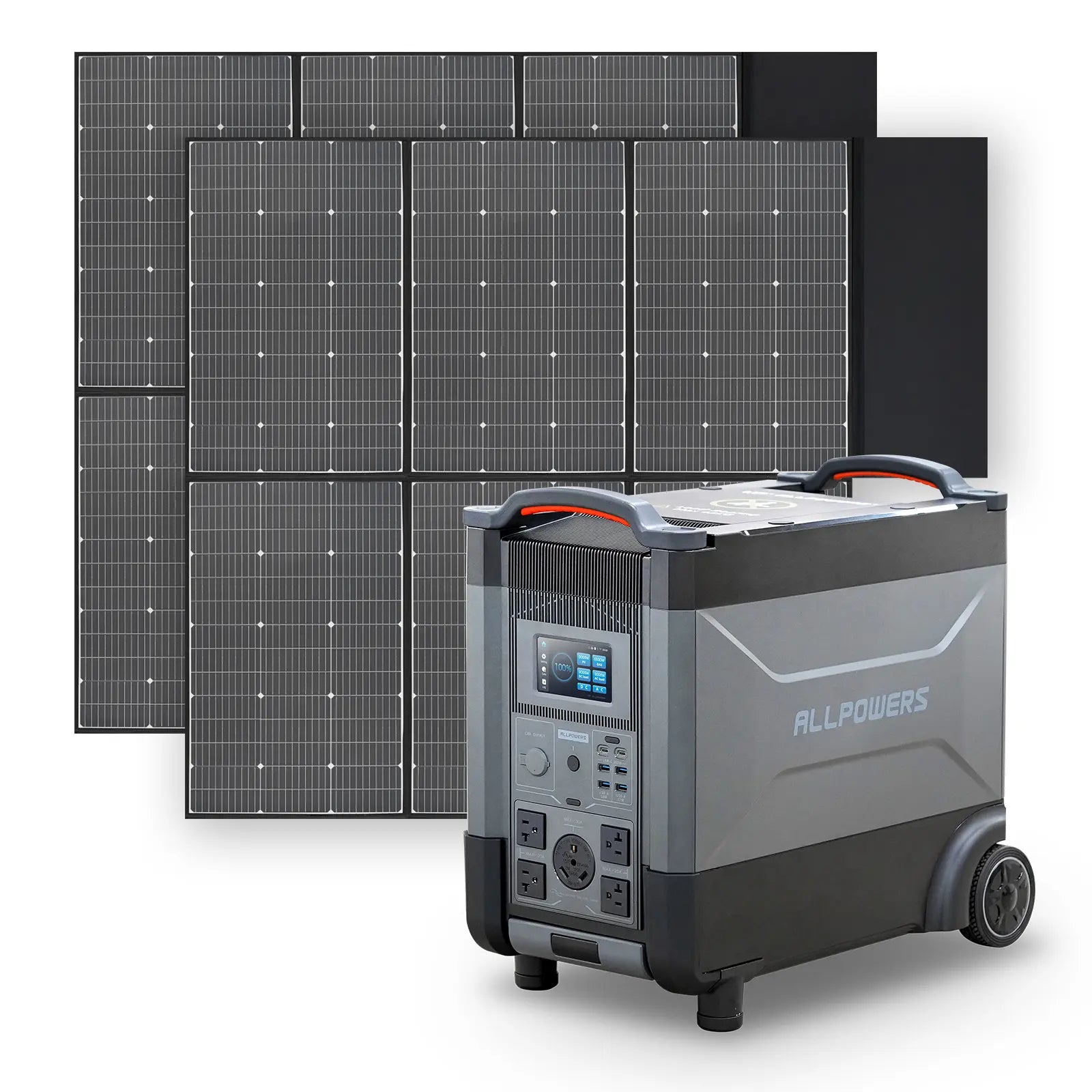
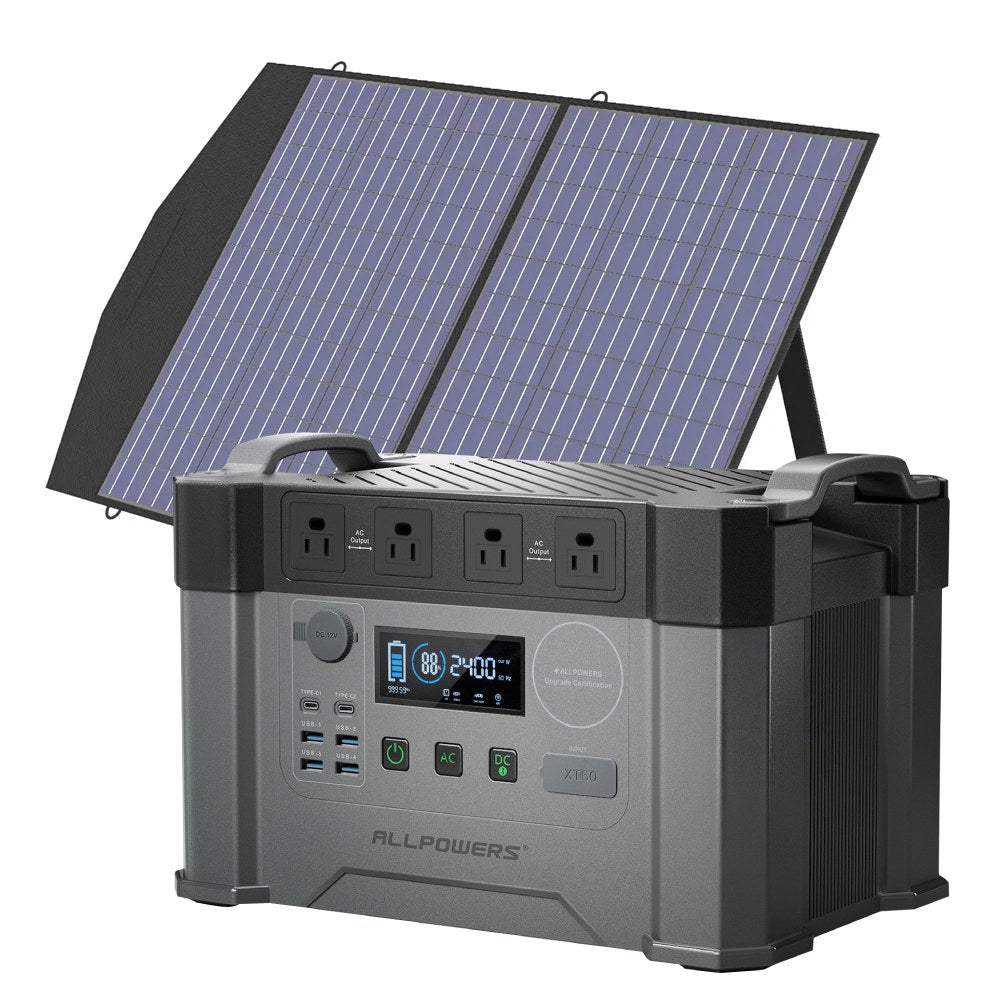
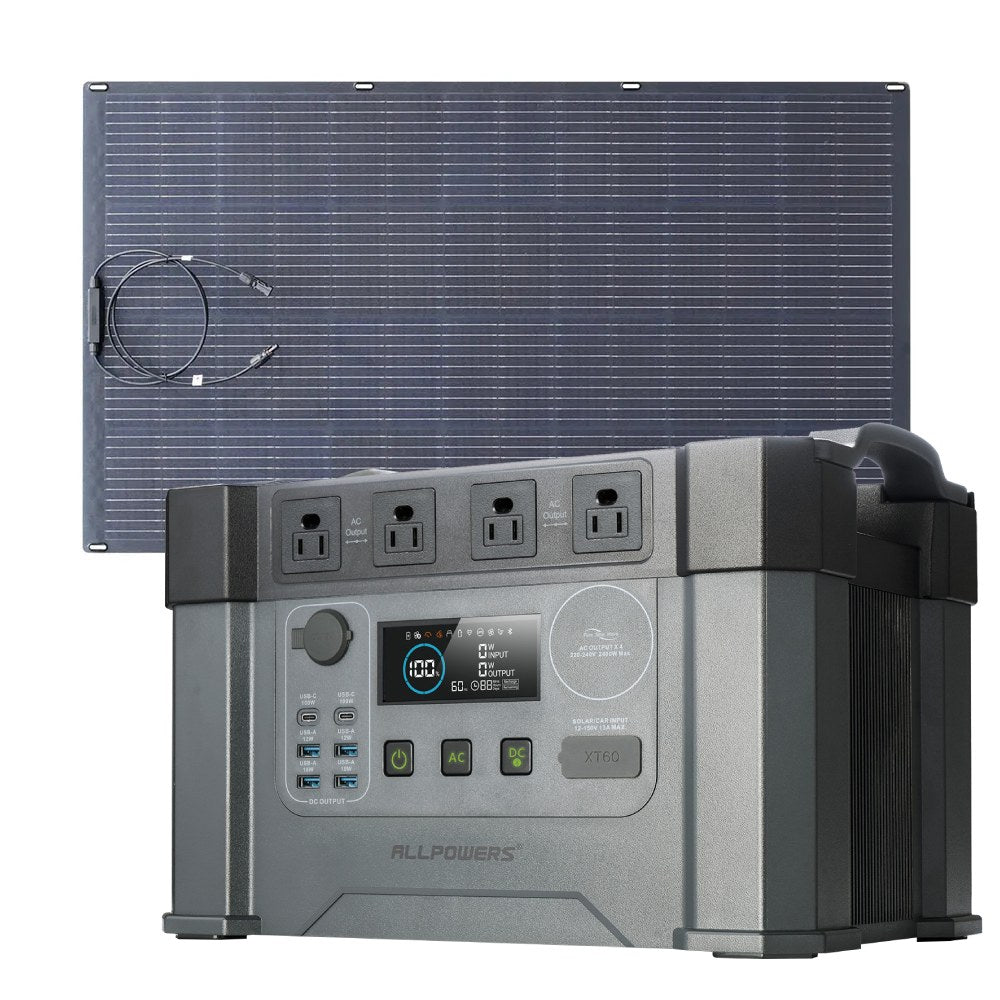
And then there are battery-based power stations—silent by design. No engine. No exhaust. No midnight rumble.
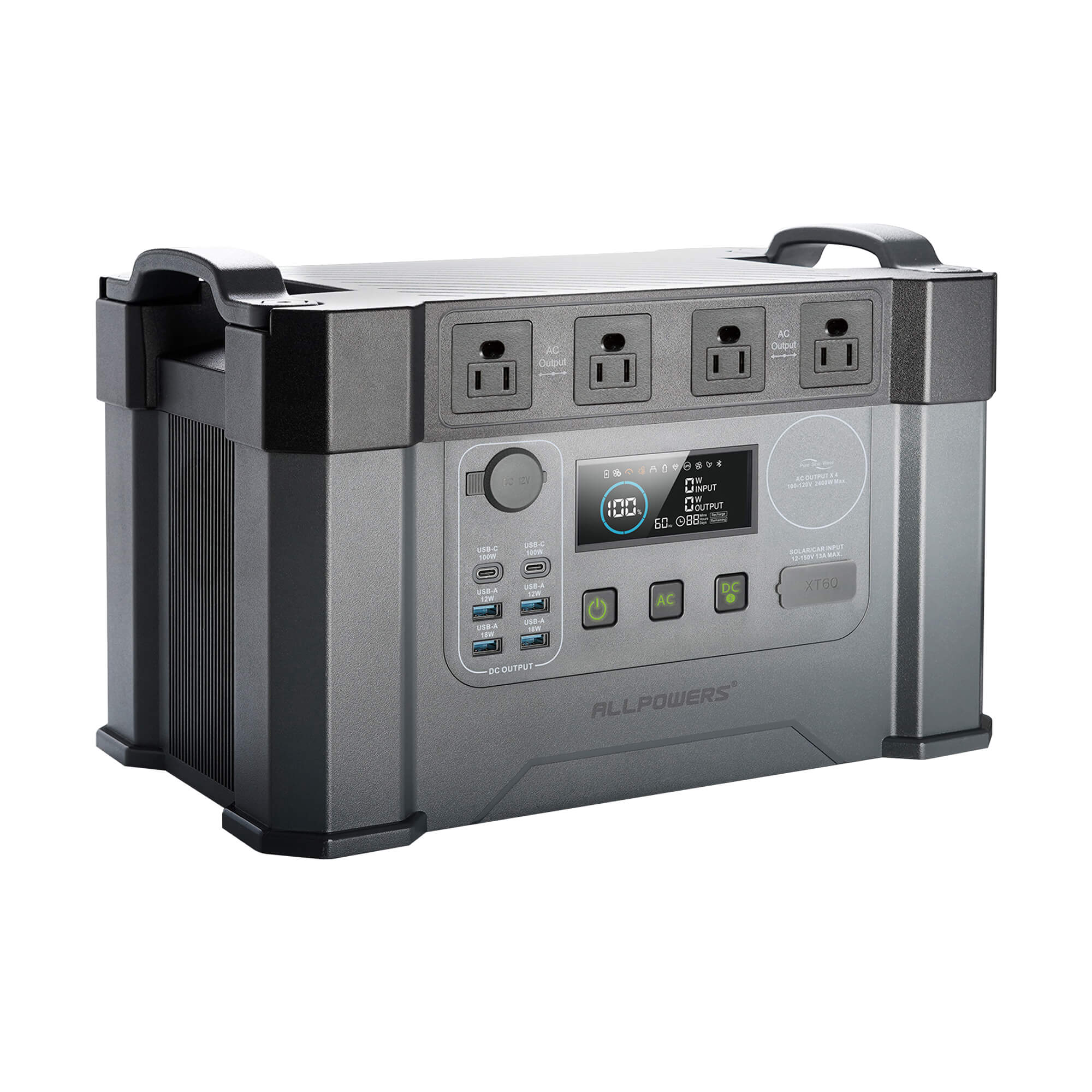
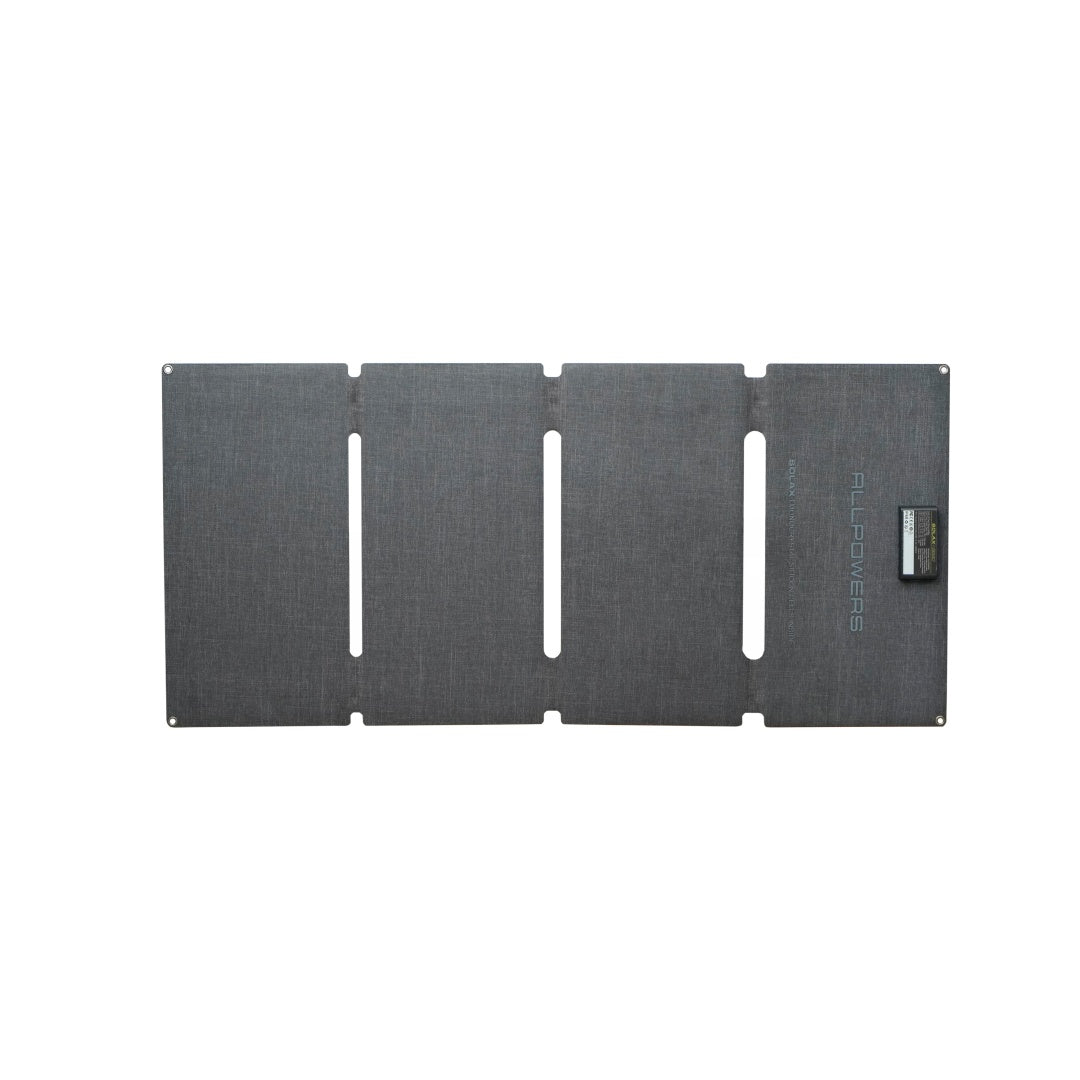
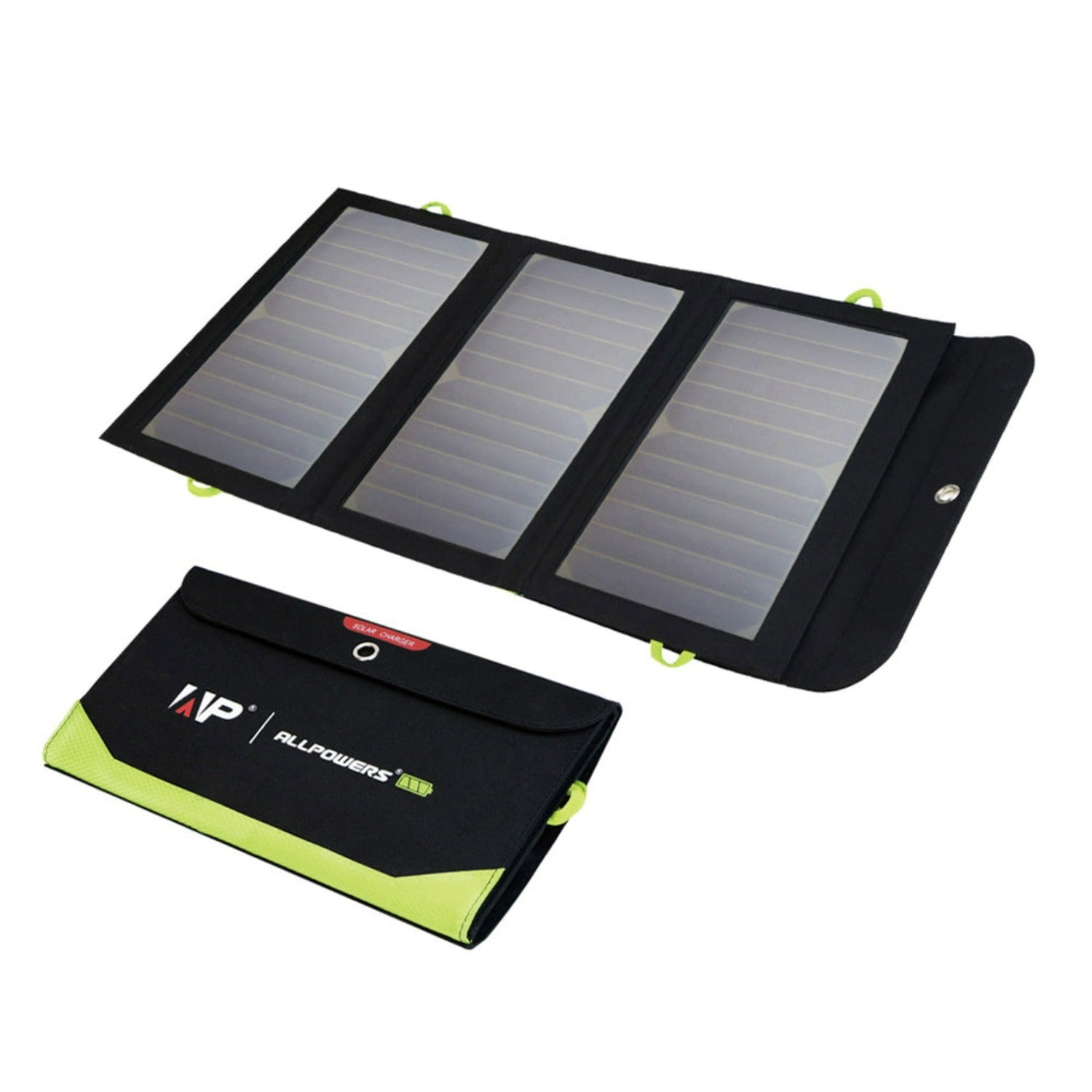
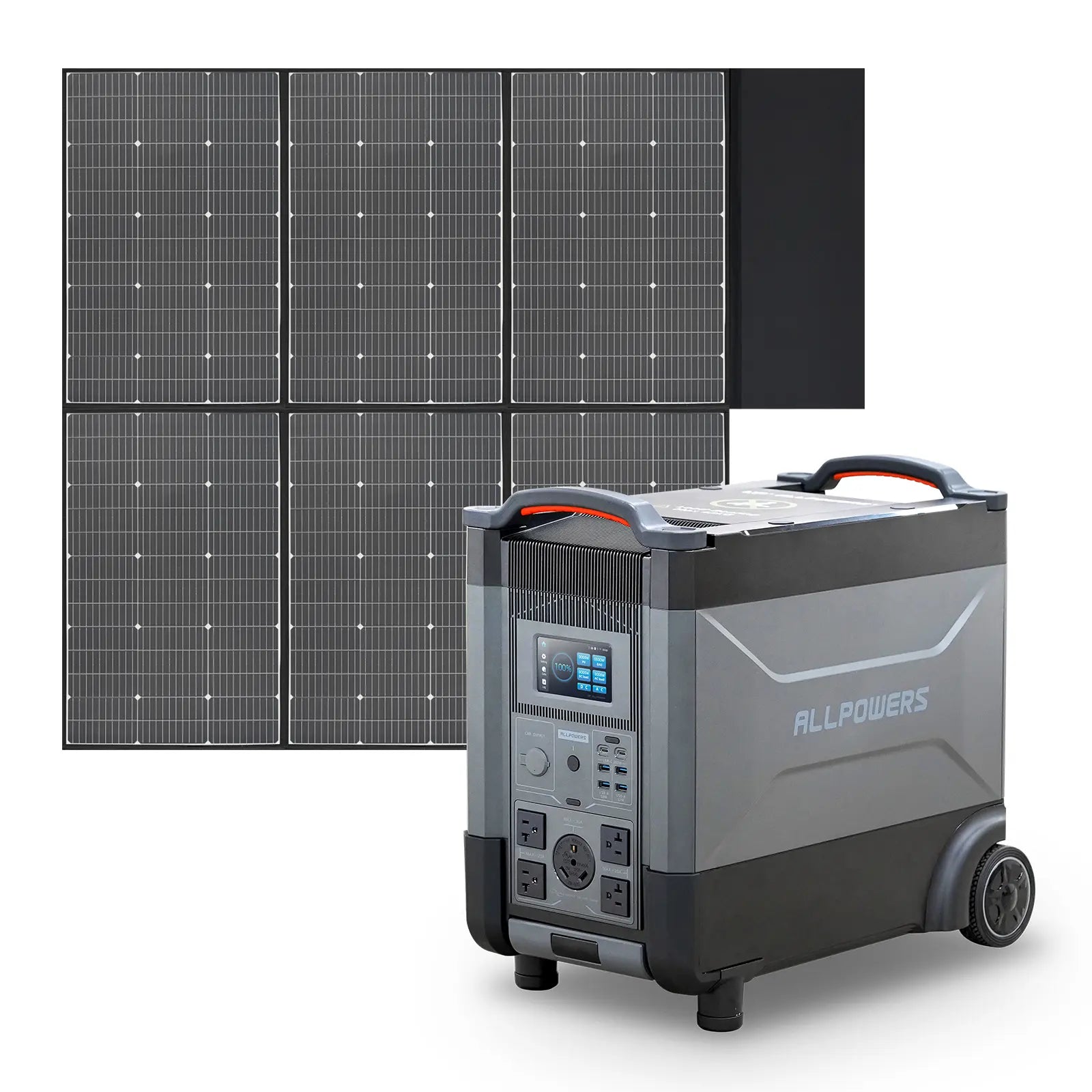
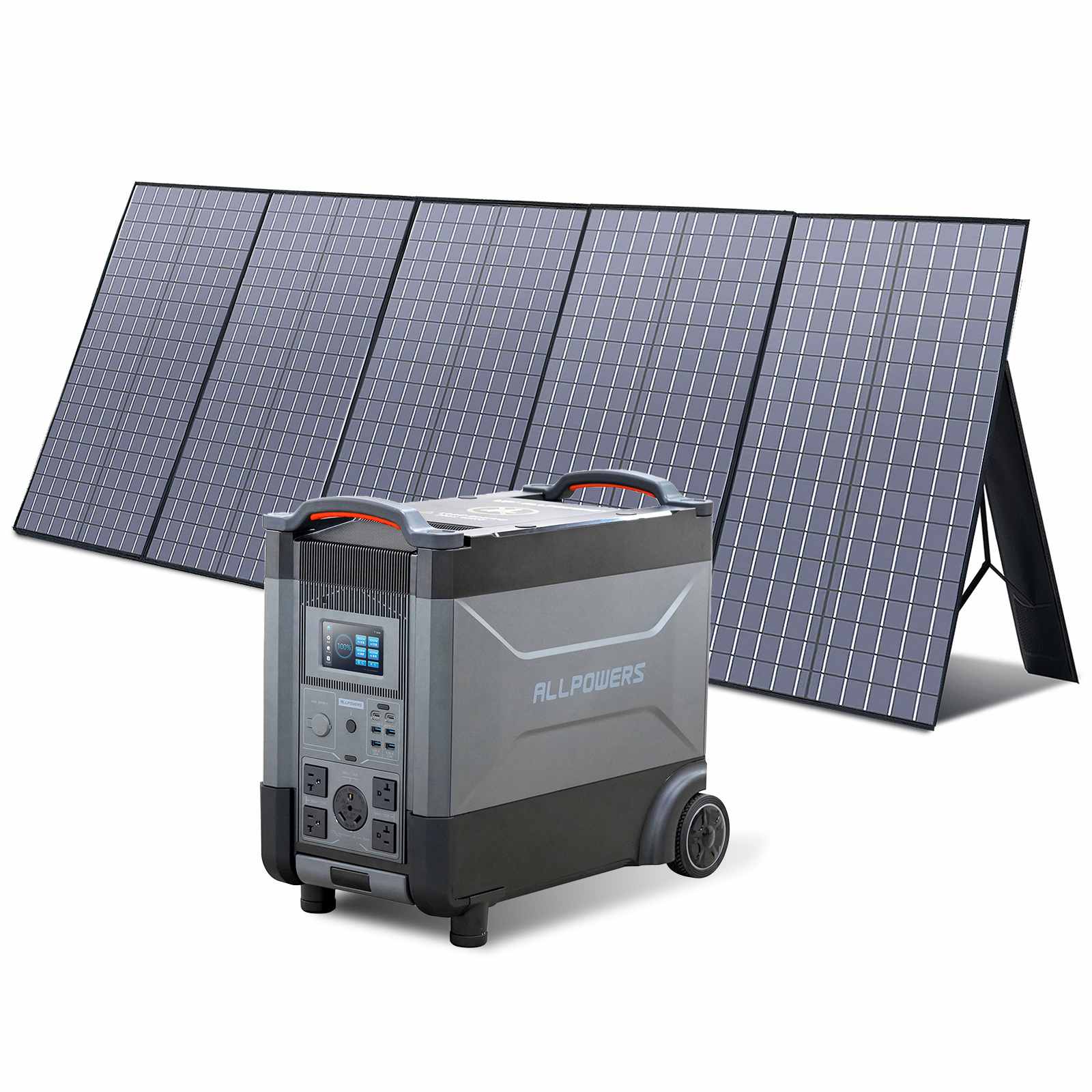
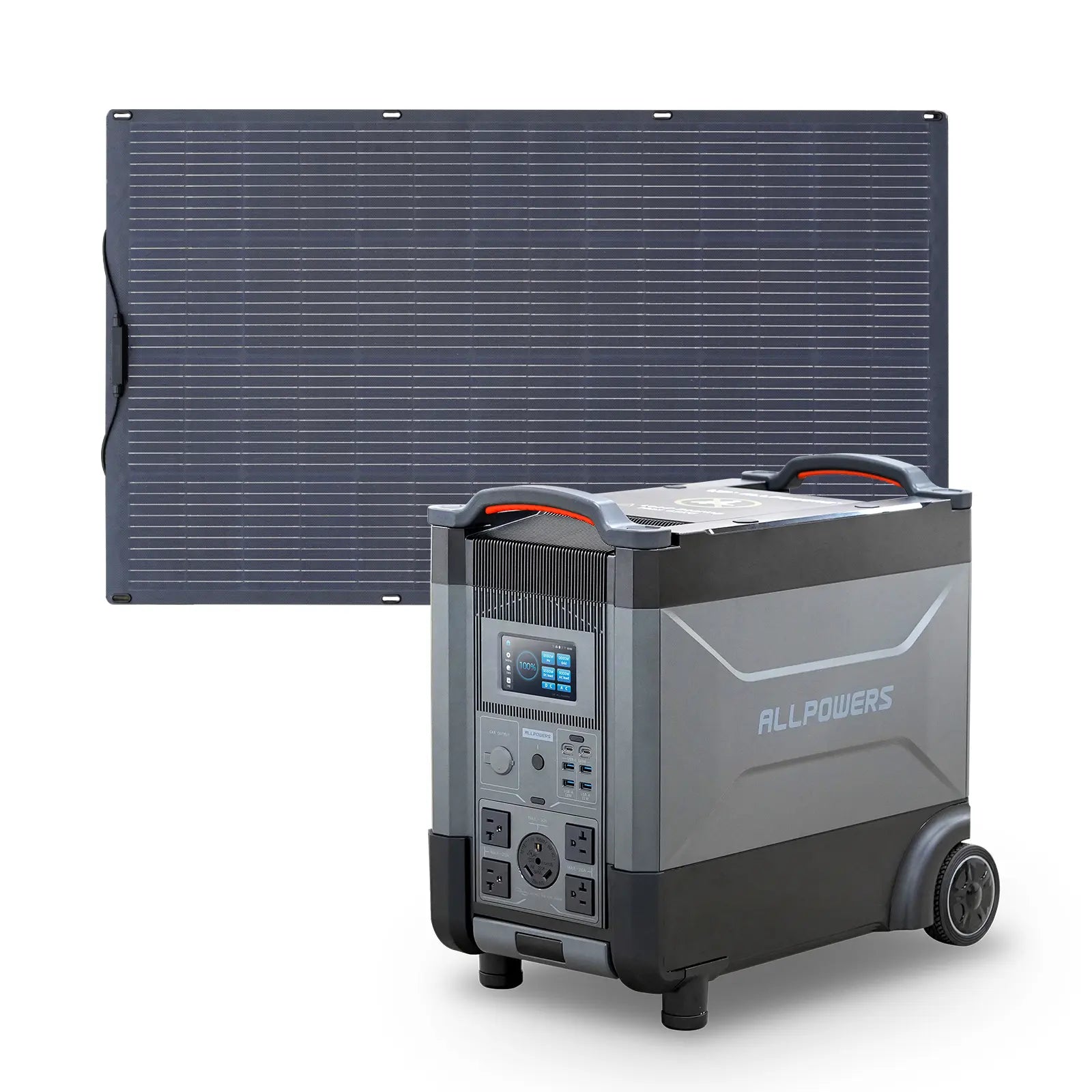
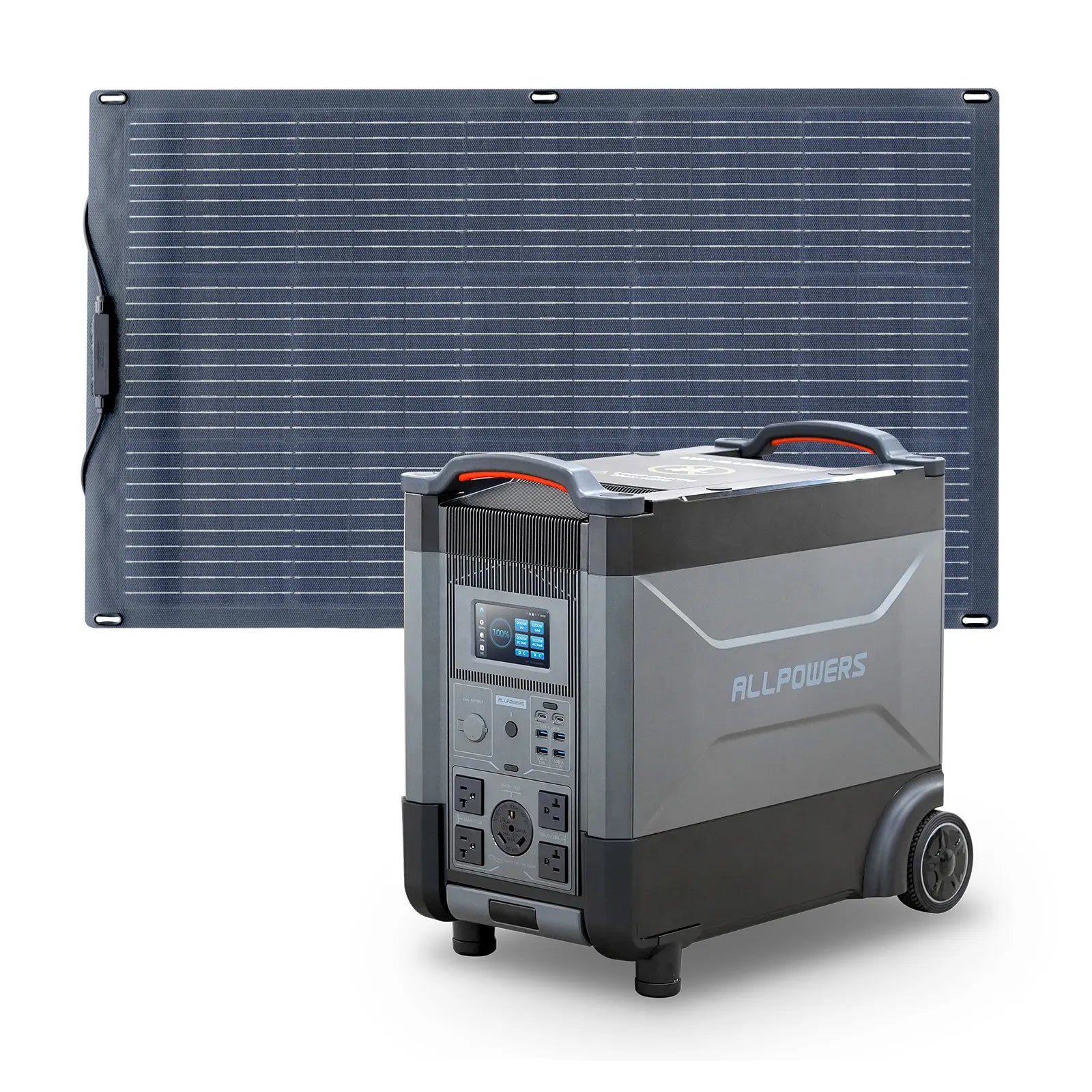
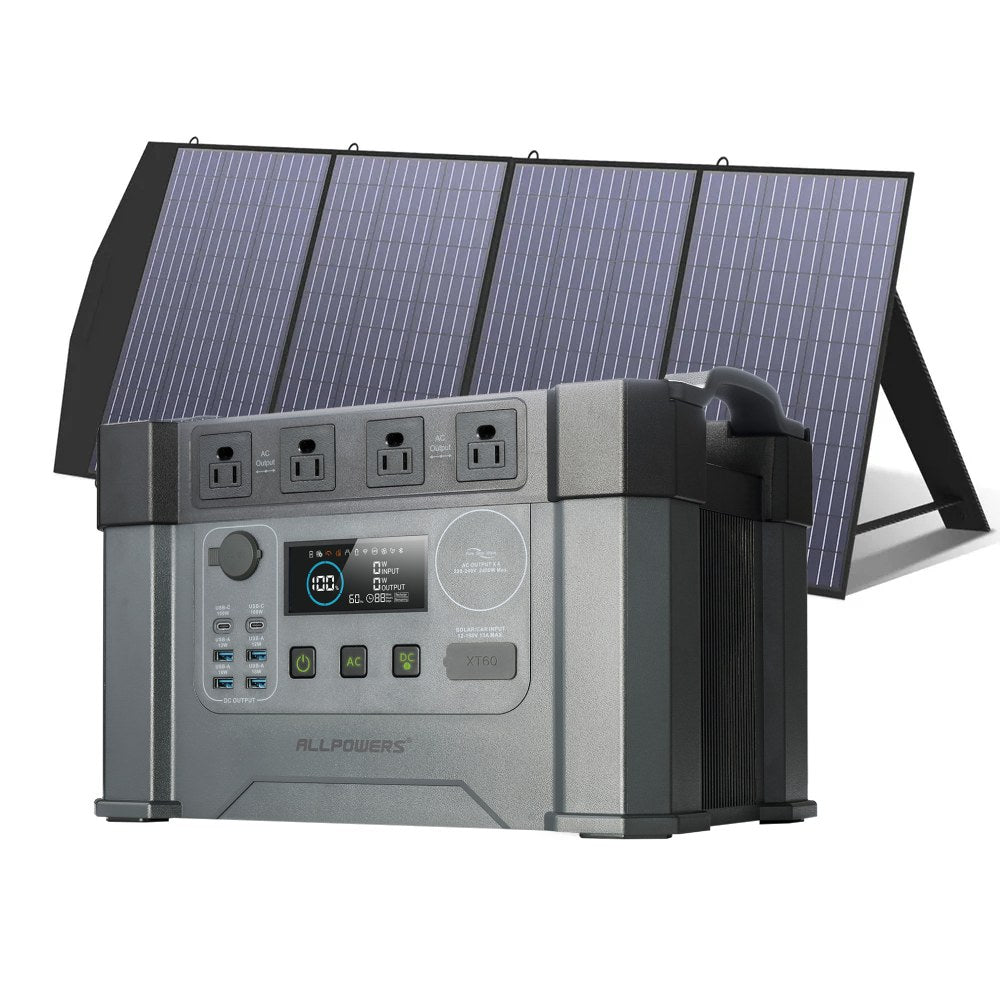
ALLPOWERS 2500W Solar Generator
$1,100.00 $1,799.00
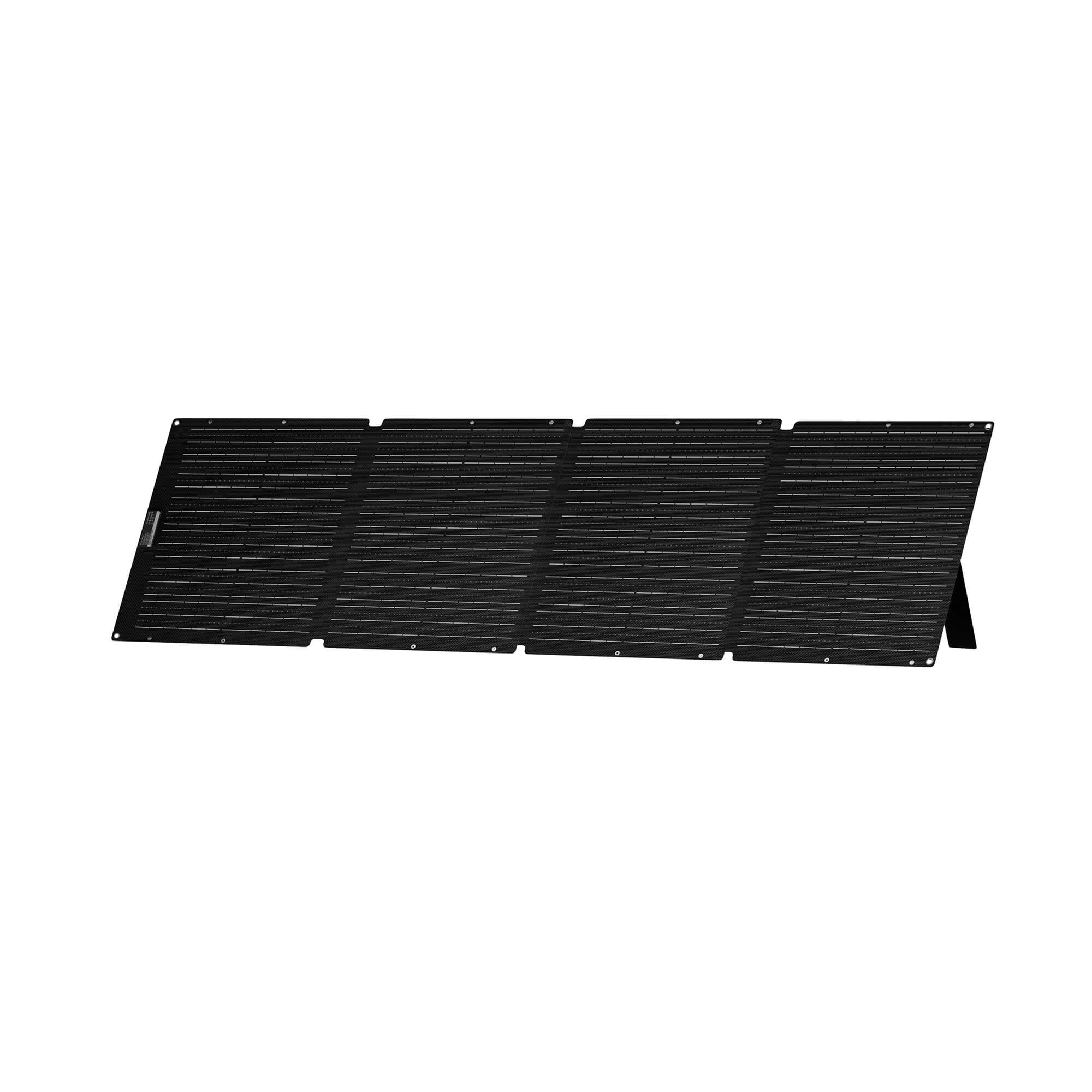
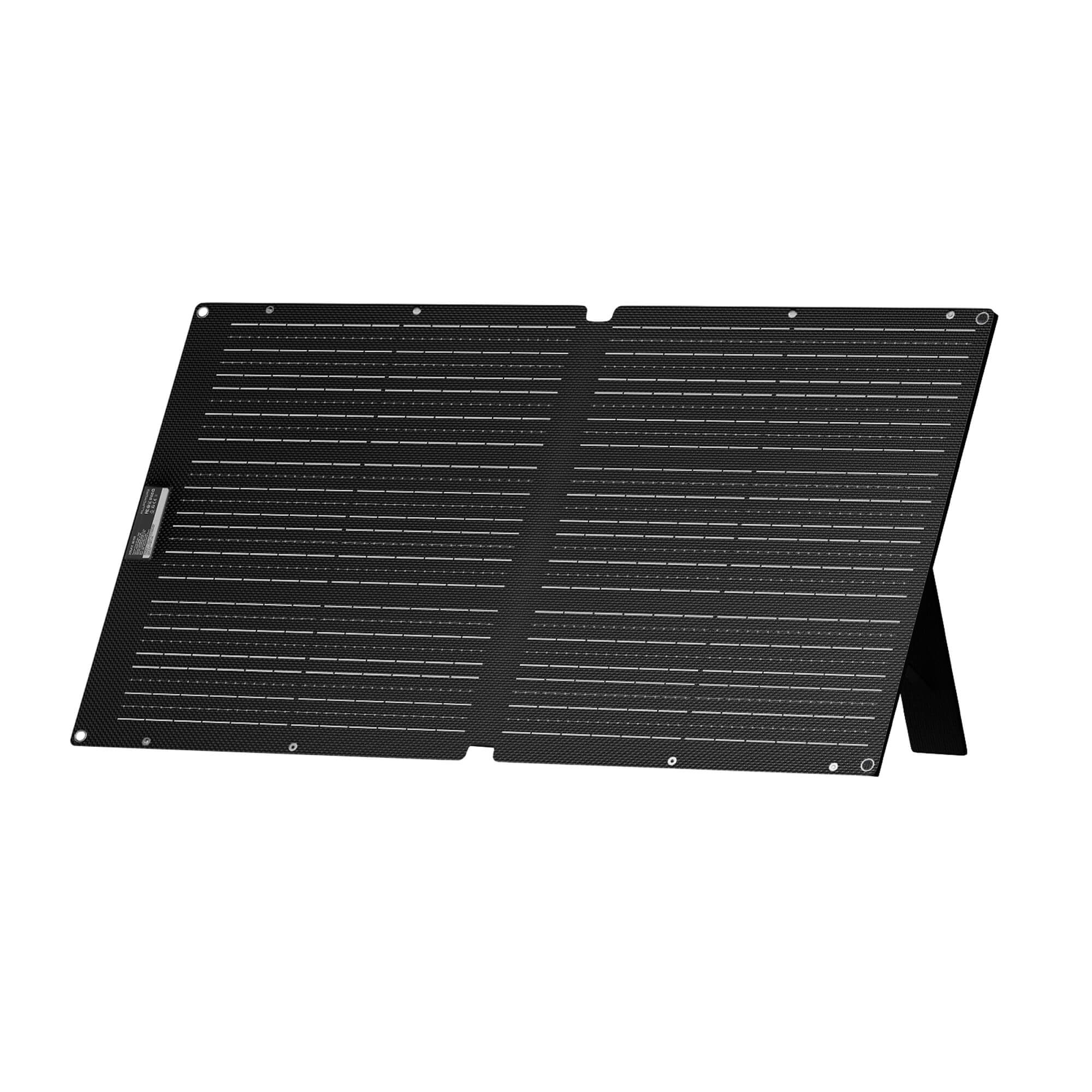
- 2016Wh Capacity + 400W Soalr Input;;
- 2500W AC Output (4,000W Surge);
- Fast Charge 100% in 1 Hours;
- Start UPS in 15 ms;
- Expandable Up to 3x B1000 Expansion Battery;
Alternatives to Traditional Placement
Not everyone has the space or desire to place a generator far from the house.
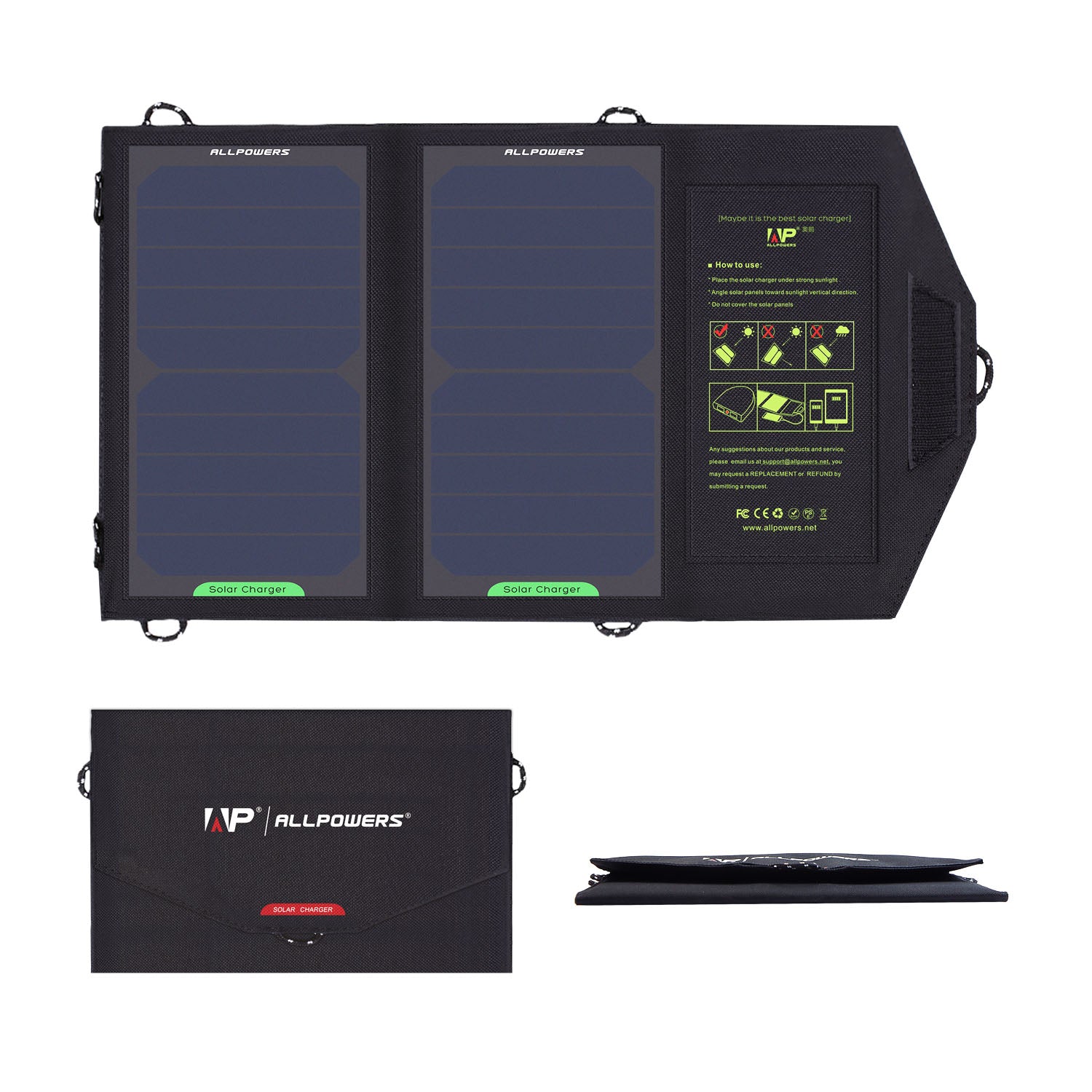
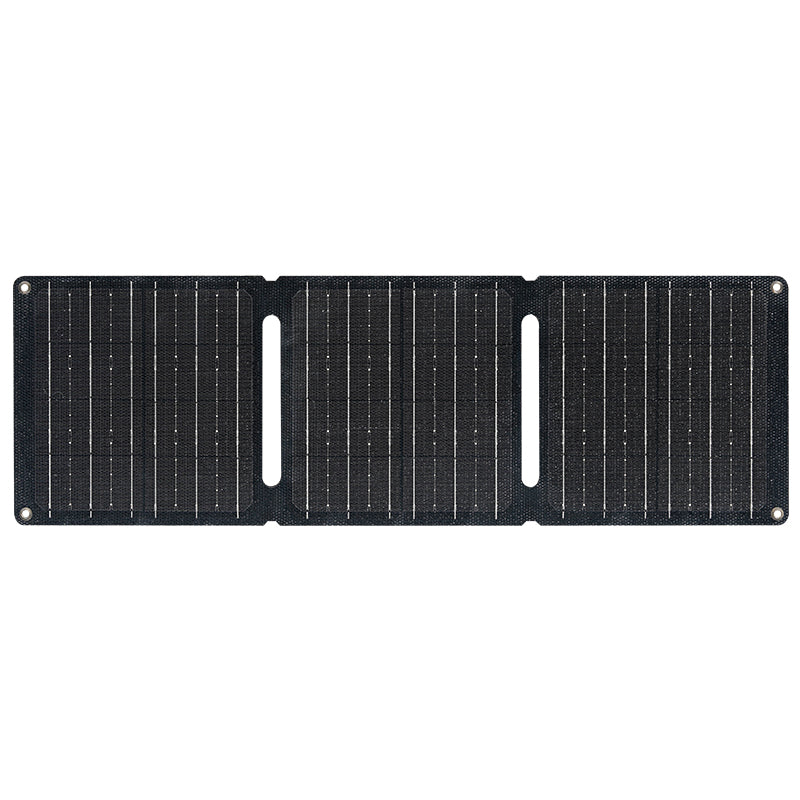
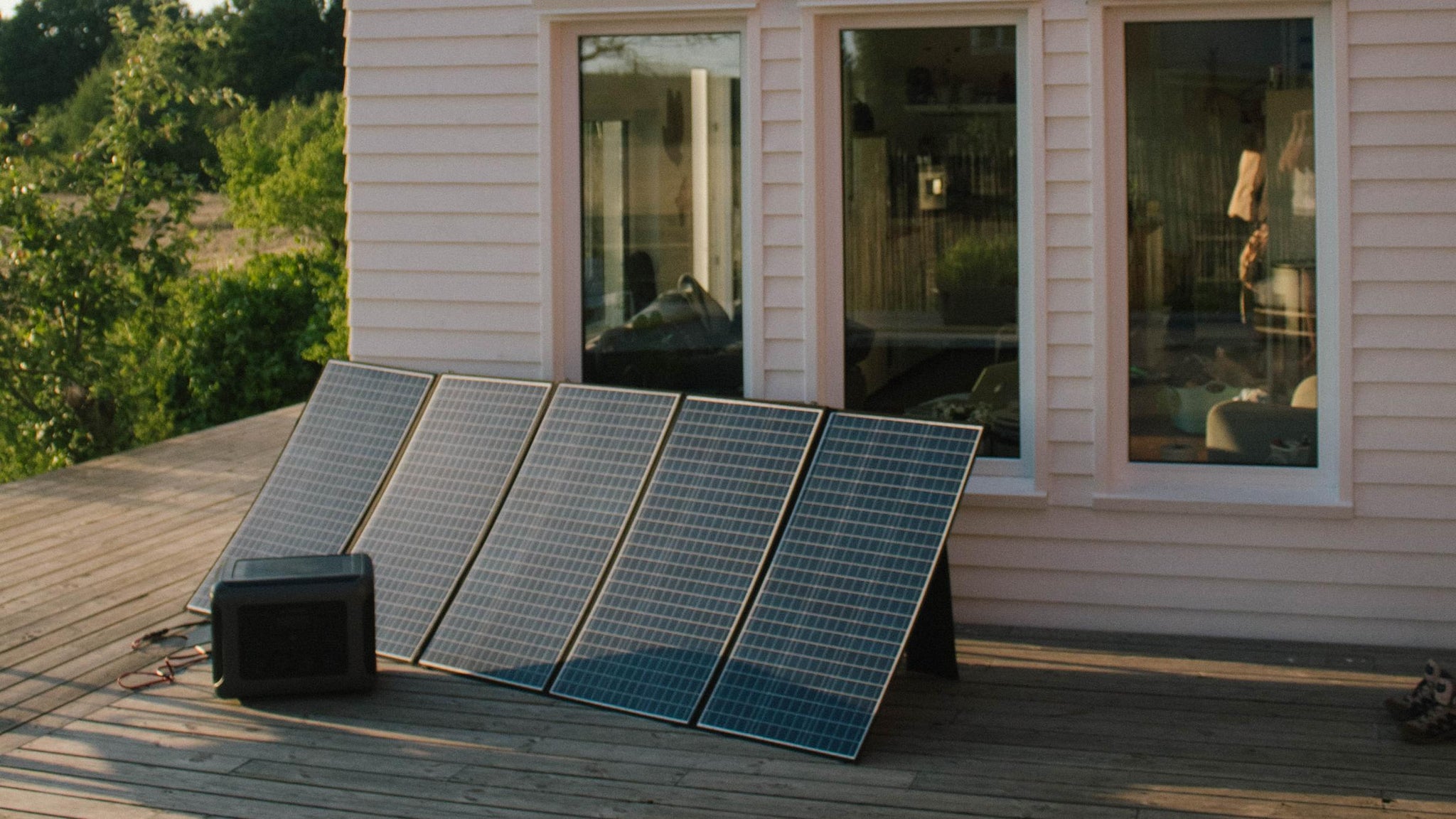
This is where smaller, quieter options like solar generators or inverter models shine.
These units let you keep power close without worrying about exhaust, noise, or vibrations.
They aren’t a replacement for high-wattage gas models if you need to run heavy loads, but they expand your options in tight yards or multi-story homes.
Even pairing a small solar generator with a standard gas unit can optimize placement.
Use the solar one for near-house loads like charging phones, running a router, or lighting, while the big unit hums safely at a distance.
It’s the hybrid approach that makes sense once you consider all the factors we’ve discussed.
Conclusion
So, how far should a generator be from the house?
At least 20 feet. Exhaust pointed away. Never in a garage. Never under a covered patio. Always paired with CO detectors. That’s the baseline.
Sometimes the old solution—gas engine humming in the yard—makes sense. Other times, especially for shorter outages or sensitive indoor use, quieter battery-based systems provide a different kind of security.