







When shopping for a generator, many buyers focus on wattage, portability, or price.
However, one of the most important factors during a power outage, camping trip, RV adventure, or jobsite application is generator run time.
A generator that can operate continuously for long periods without frequent refueling often provides greater convenience.
But not all generators are designed to run for the same length of time.
So, what generators provide the longest run time?
TL;DR:
Generators with the longest runtime typically combine large fuel capacity, efficient engines, moderate power output, and intelligent load management. Whole-house standby generators connected to natural gas can operate for days or even weeks, while efficient inverter generators and modern solar generators can deliver extended power with minimal interruptions depending on energy demand and charging conditions.
Why Generator Runtime Matters
Generator runtime determines how long a unit can continue providing electricity before requiring refueling, recharging, or maintenance.
During emergencies, extended runtime can reduce interruptions and improve overall power reliability.
For homeowners dealing with prolonged outages, long-duration power availability is often more valuable than maximum wattage output.
Similarly, campers and RV owners frequently prioritize runtime because refueling opportunities may be limited.
A generator that operates efficiently for extended periods may provide more practical value than a larger unit that consumes fuel rapidly.
What Determines Generator Runtime?
Many consumers assume runtime is determined only by fuel tank size, but several factors influence how long a generator can operate.
Fuel Capacity
The most obvious factor is fuel storage capacity. Larger tanks generally allow generators to operate longer before refueling becomes necessary.
Electrical Load
Runtime changes dramatically depending on how much power is being used.
A generator powering a refrigerator and a few lights may run much longer than the same generator supporting air conditioners, heaters, and multiple appliances.
Engine Efficiency
Modern inverter generators often use advanced engine management systems that automatically adjust engine speed based on demand, reducing unnecessary fuel consumption.
Environmental Conditions
Temperature, altitude, humidity, and maintenance conditions can all affect fuel efficiency and overall runtime.
Which Generator Types Run the Longest?
Different generator technologies offer different runtime advantages depending on the application.
Diesel Generators
Diesel generators are often known for exceptional fuel efficiency and long operating durations.
Because diesel engines typically consume less fuel per kilowatt-hour generated, they are commonly used for industrial and commercial backup power applications.
Many standby diesel systems can operate continuously for extended periods when connected to large fuel supplies.
Propane Generators
Propane generators can also achieve impressive runtimes, especially when connected to large external propane tanks.
Because propane does not degrade as quickly as gasoline during storage, many homeowners prefer it for emergency preparedness.
Inverter Generators
Inverter generators use advanced electronics to adjust engine speed according to power demand. This allows them to consume less fuel during lighter loads and significantly extend runtime.
For camping, RV use, and recreational applications, inverter technology often delivers some of the best fuel efficiency available.
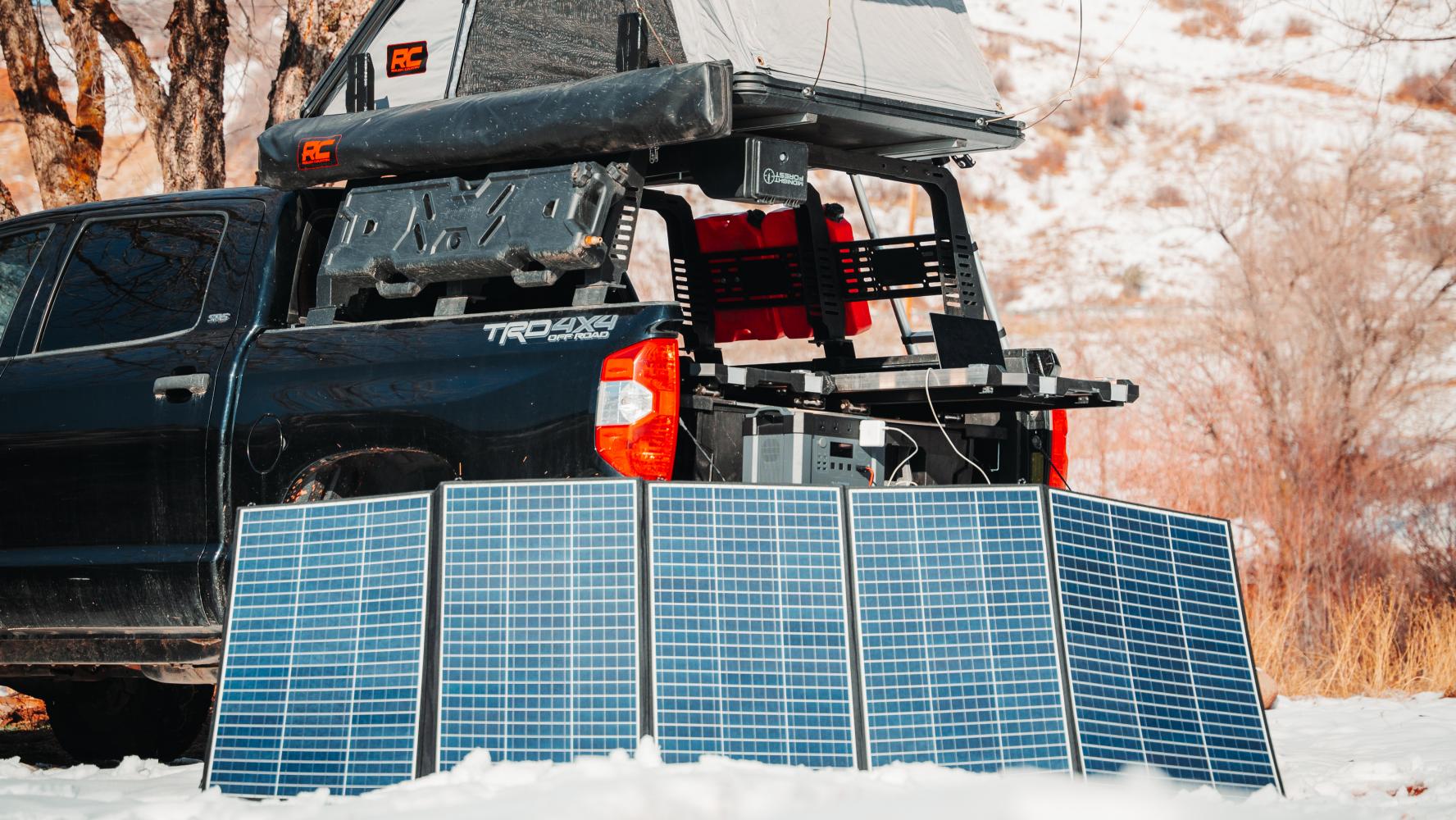
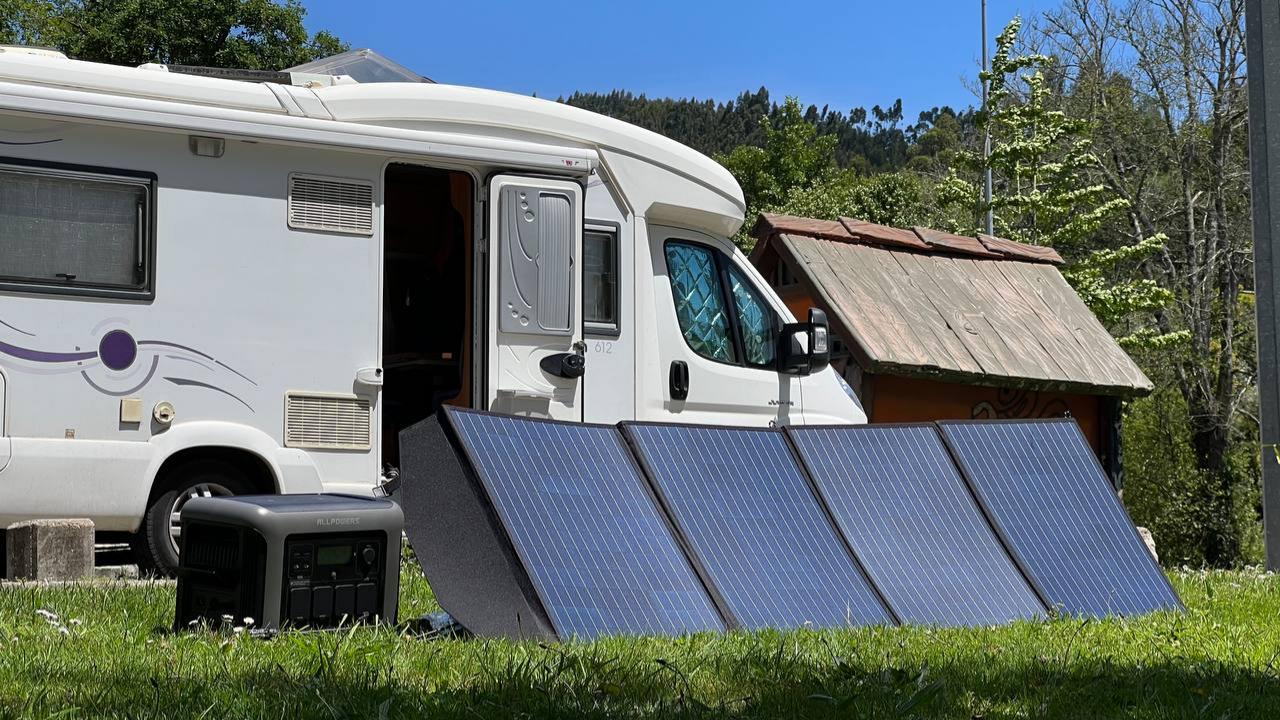
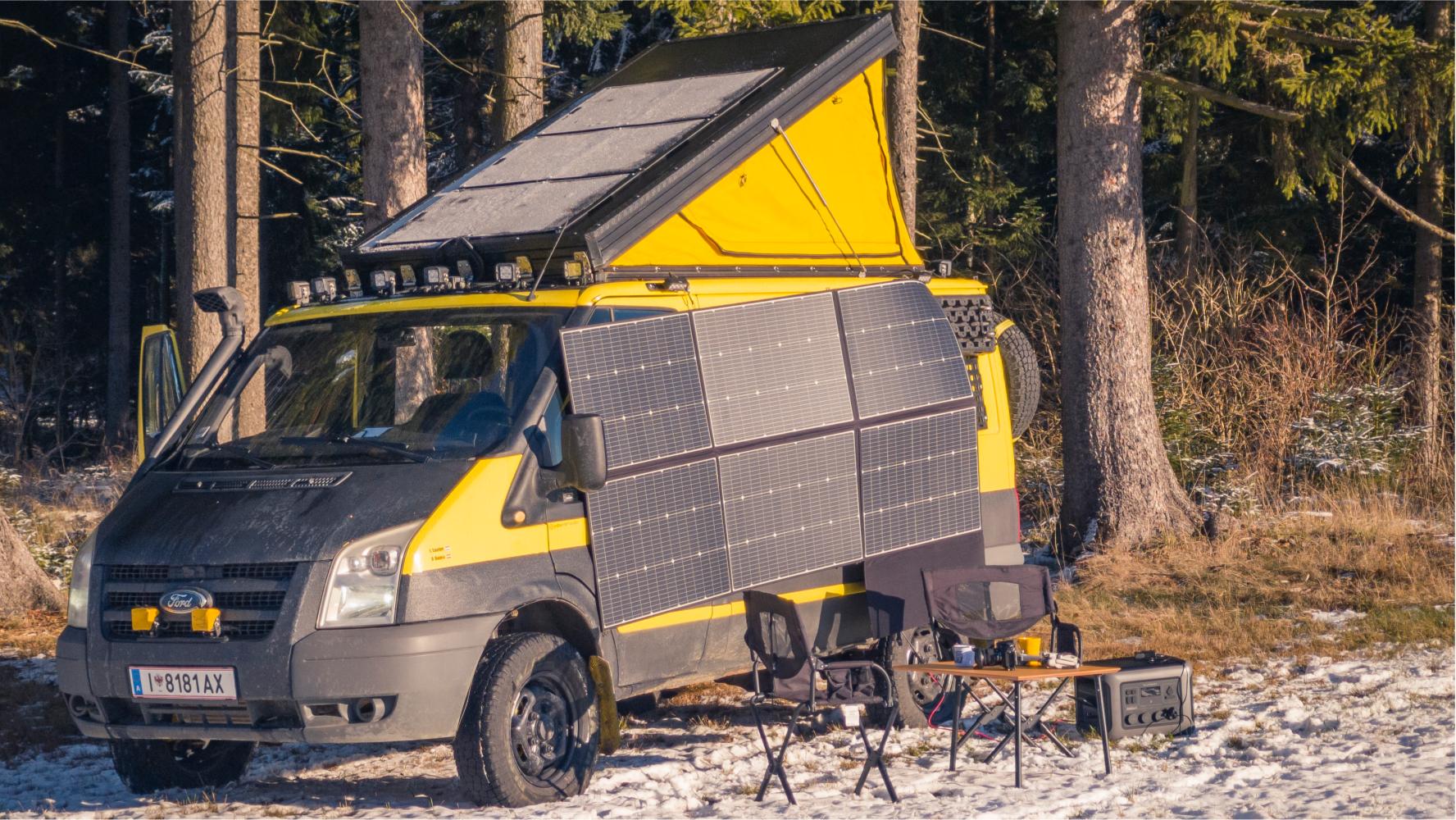
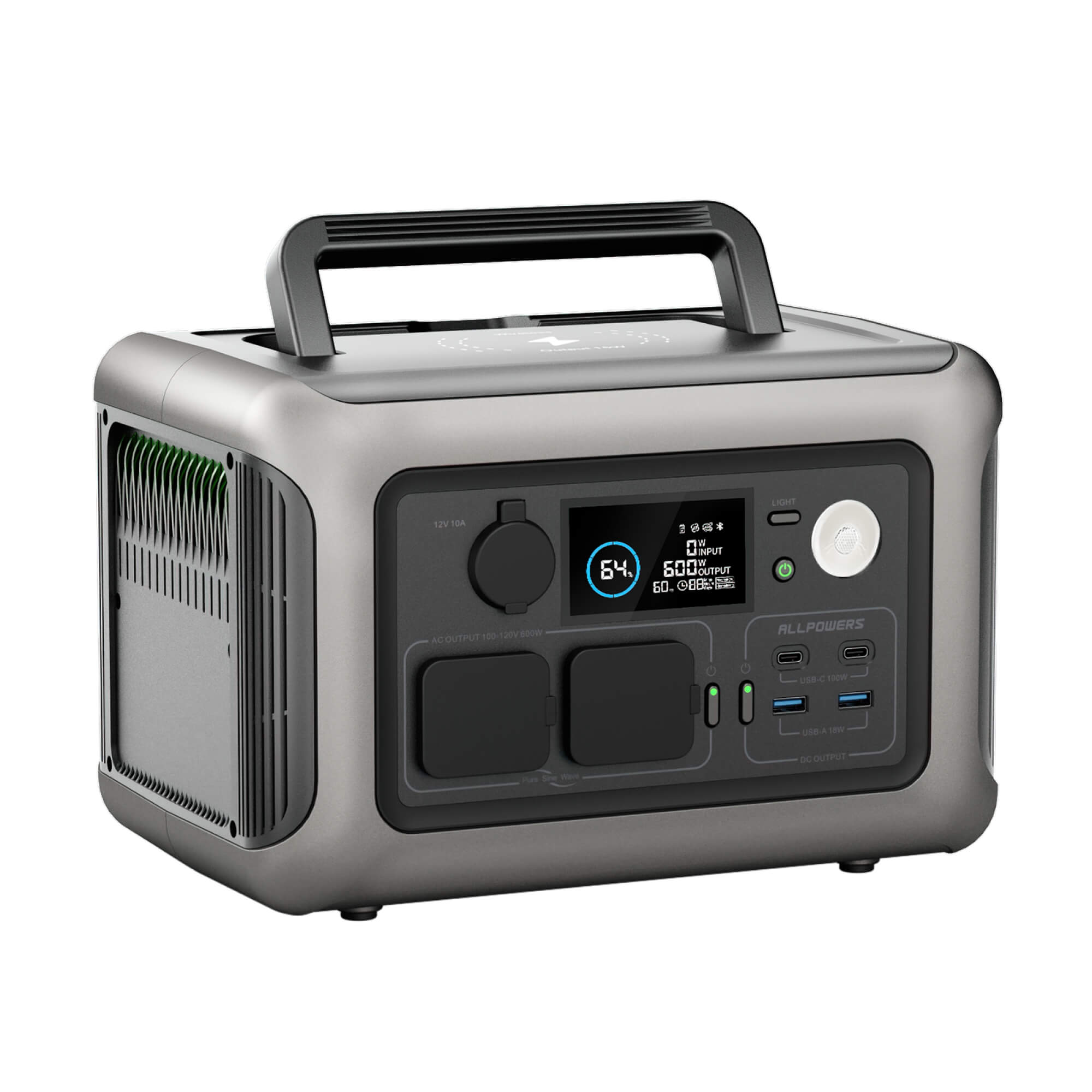
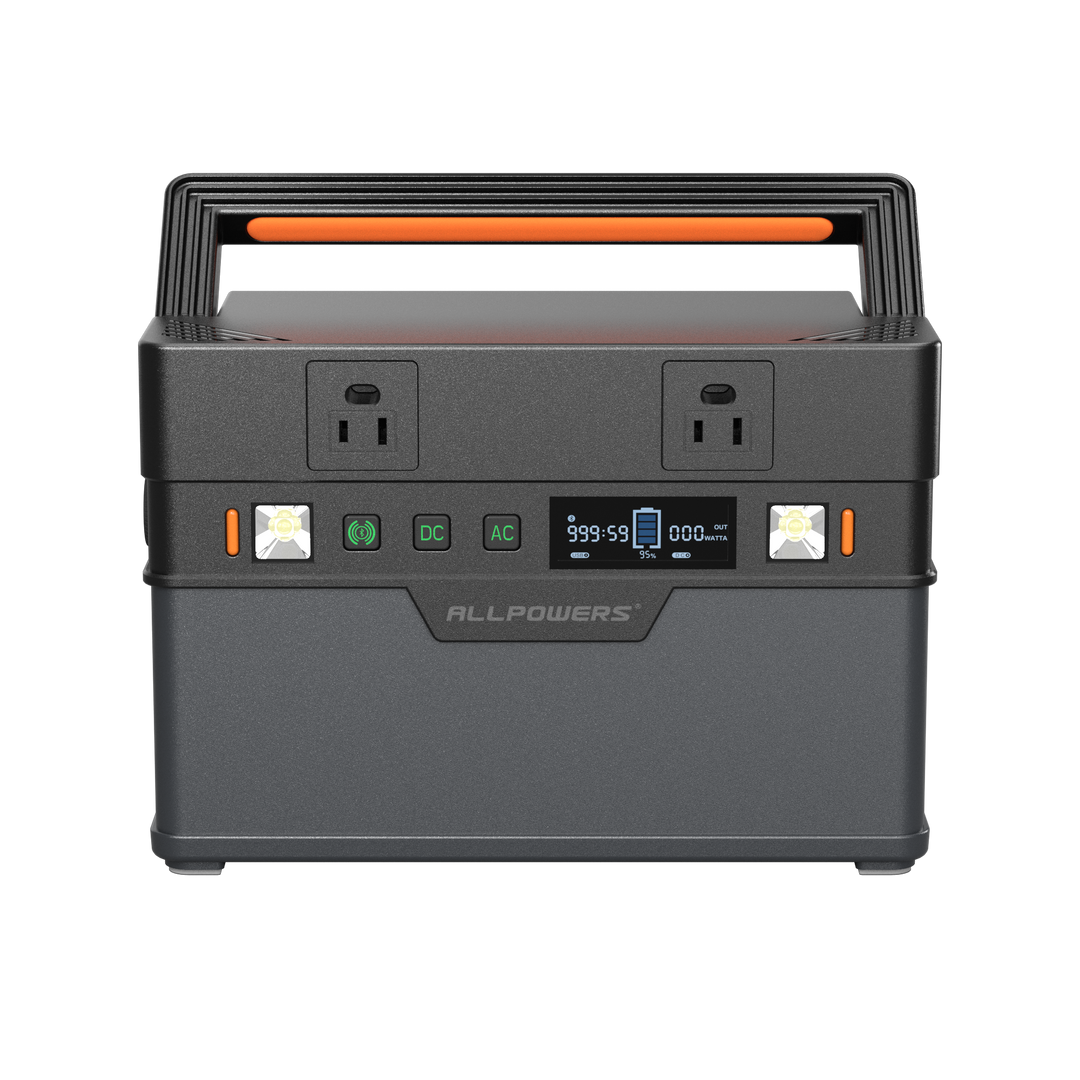
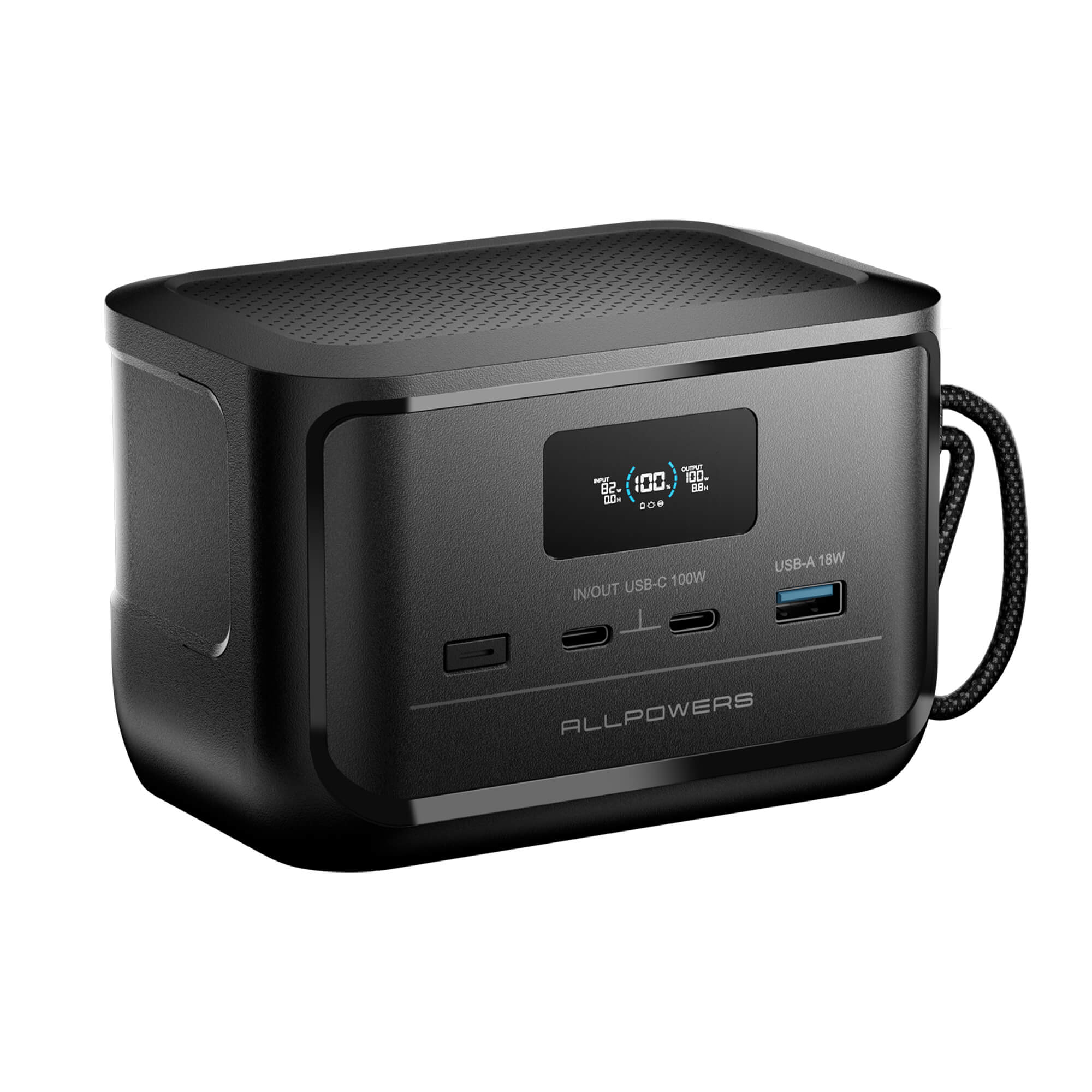
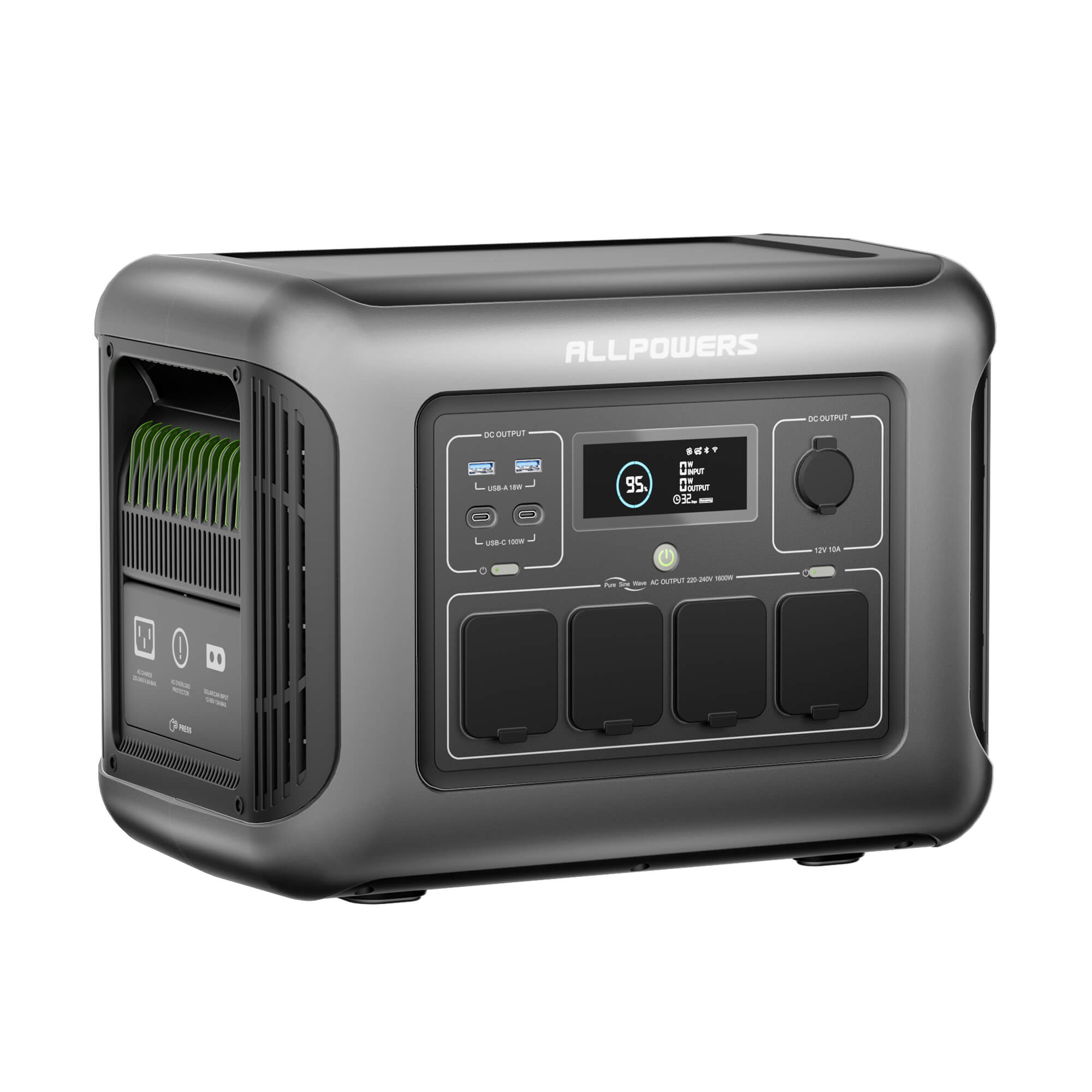
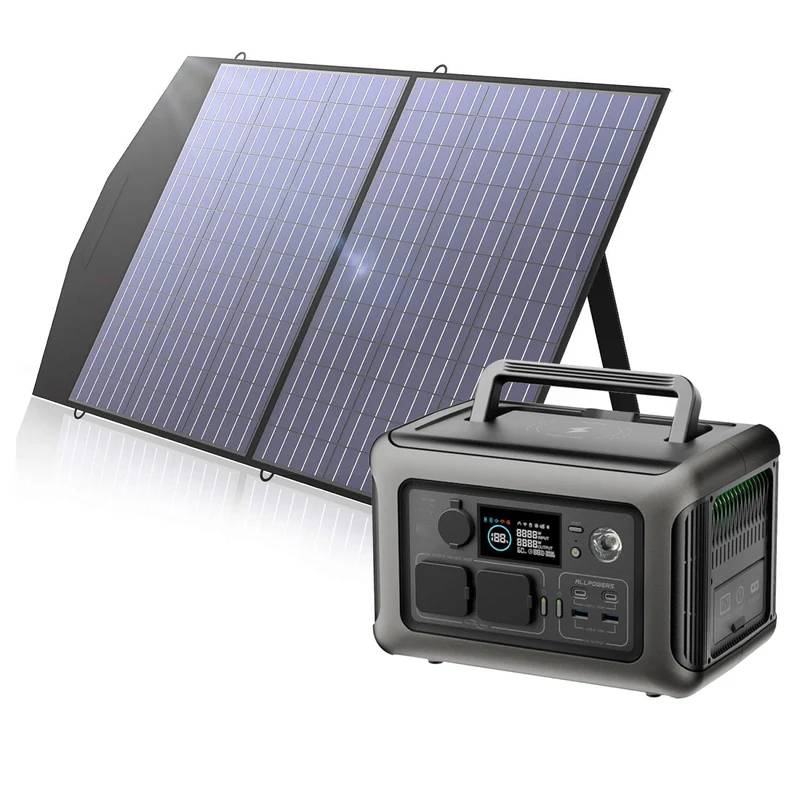
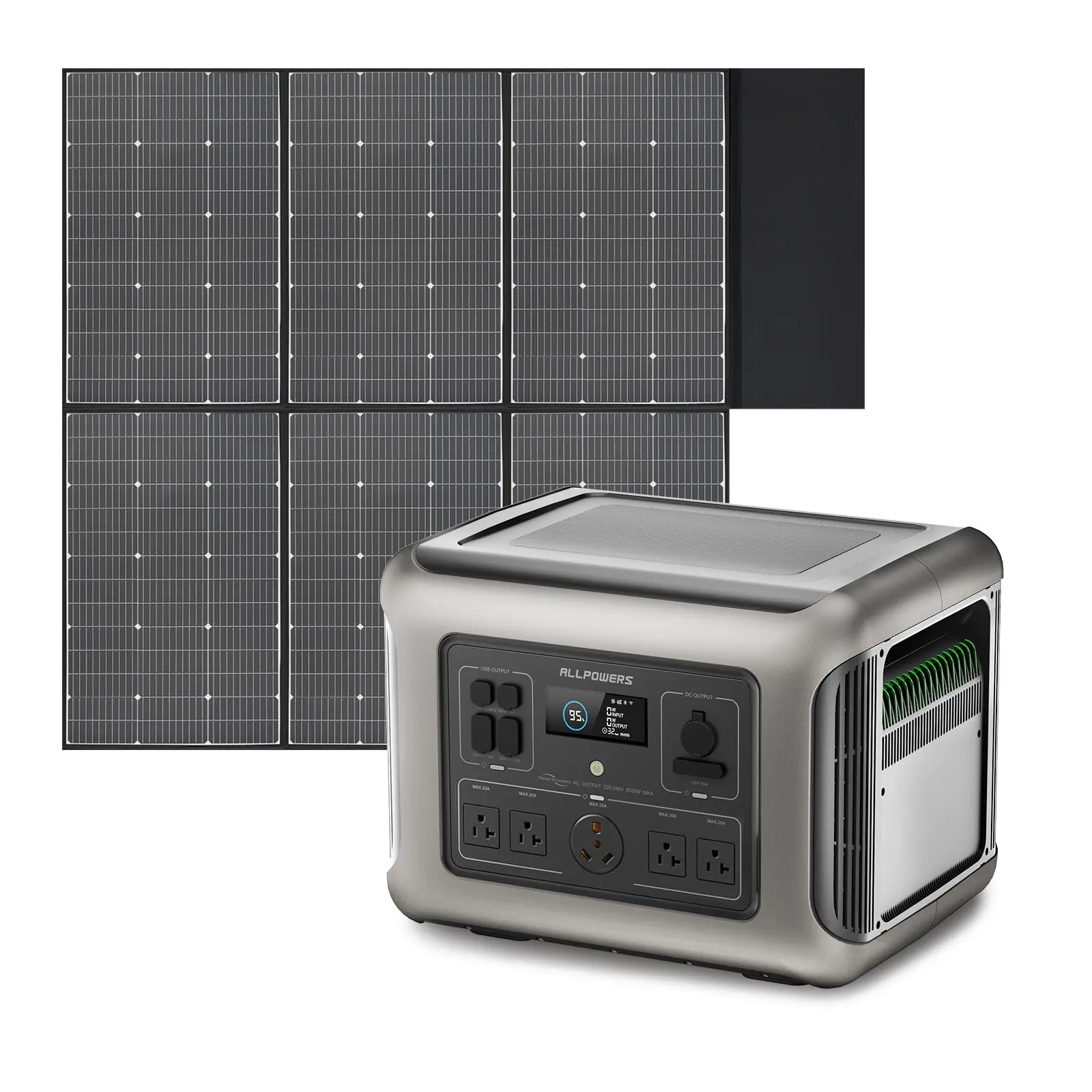
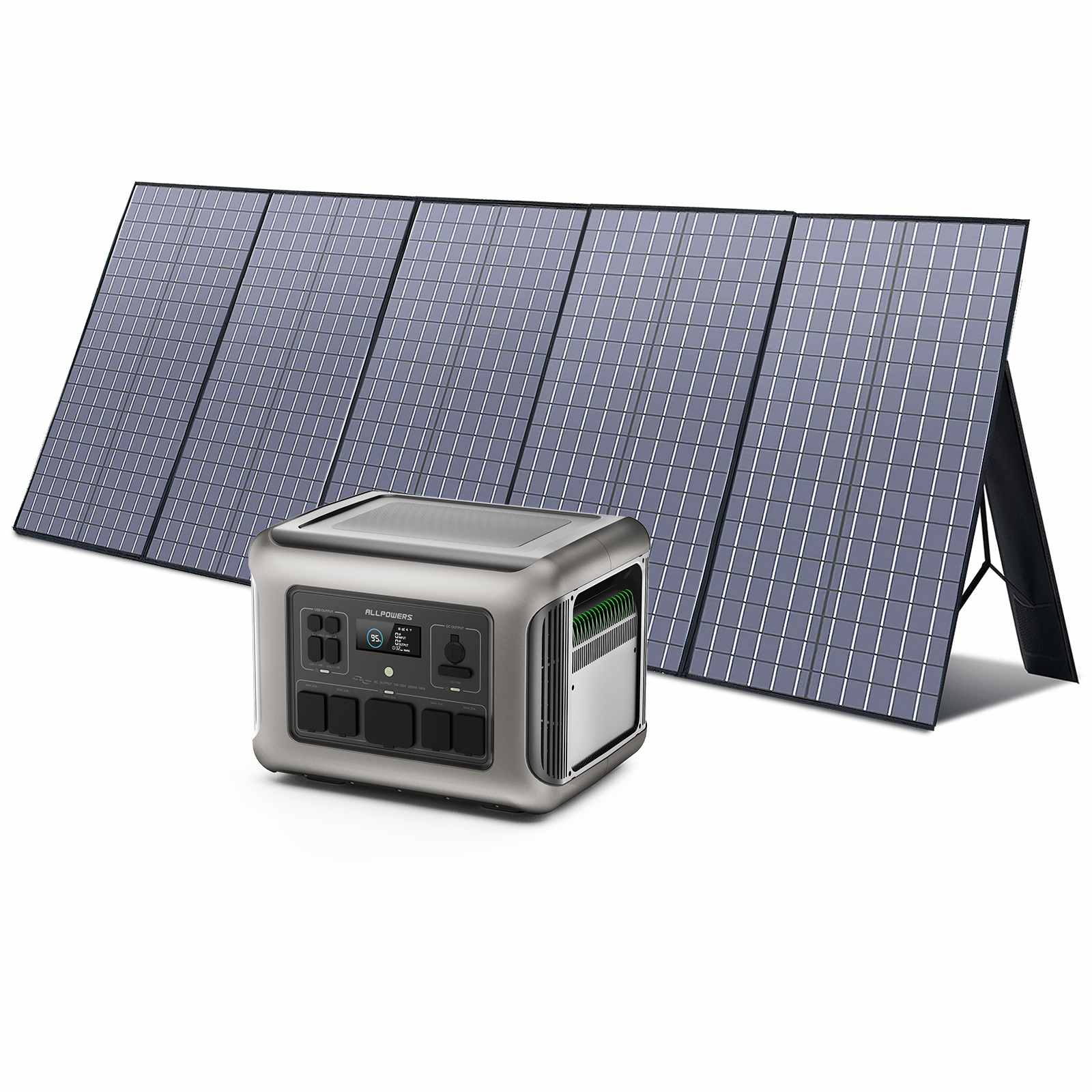
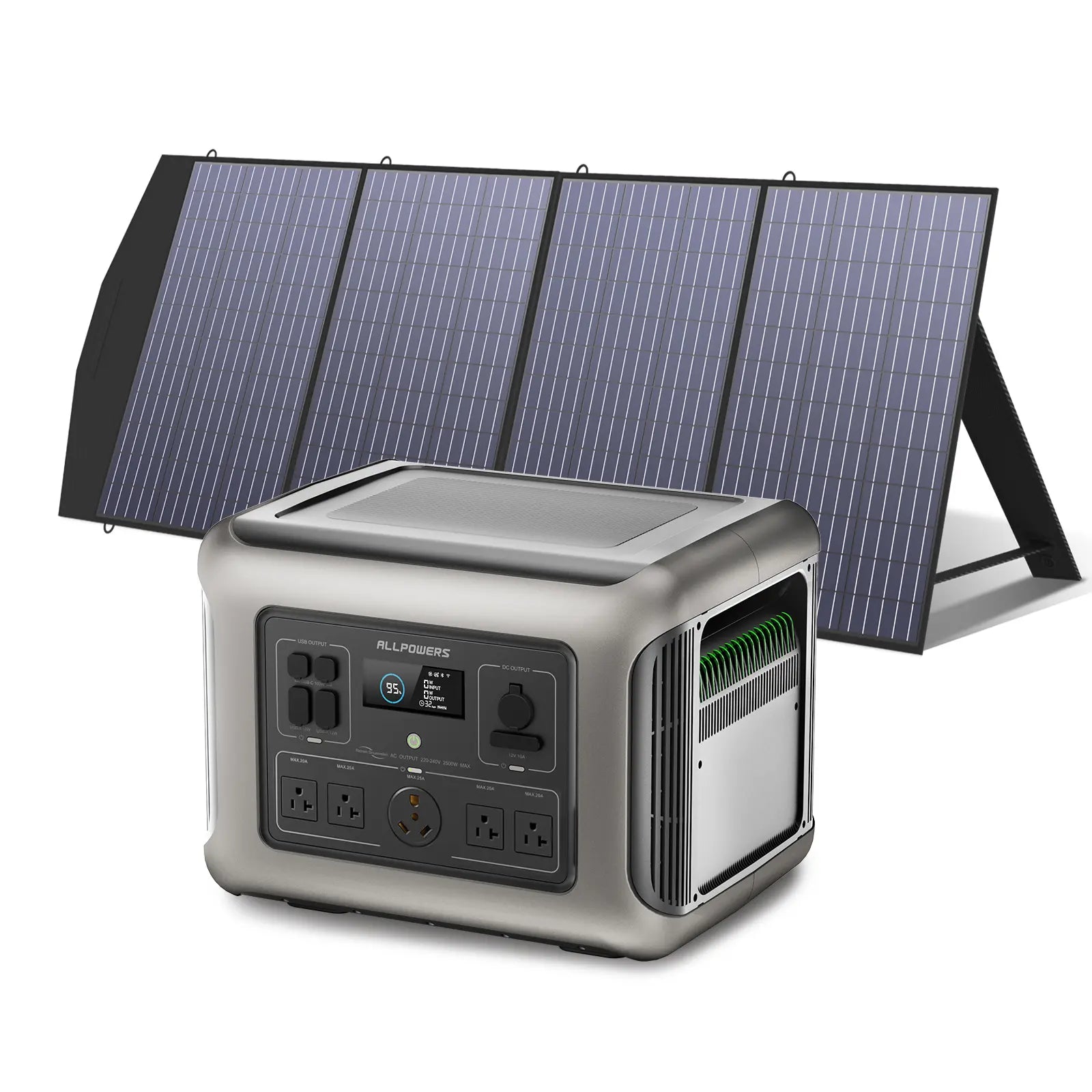
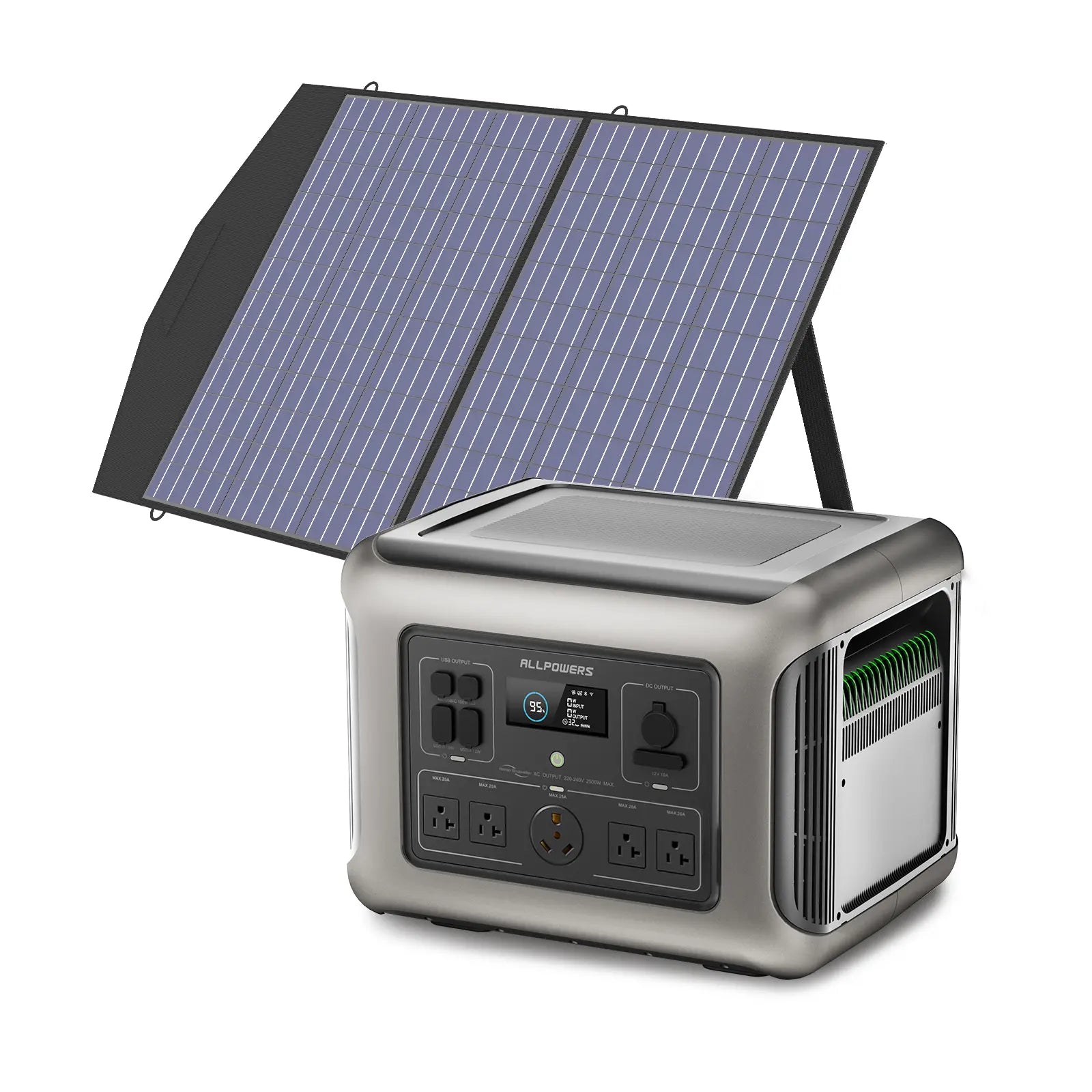
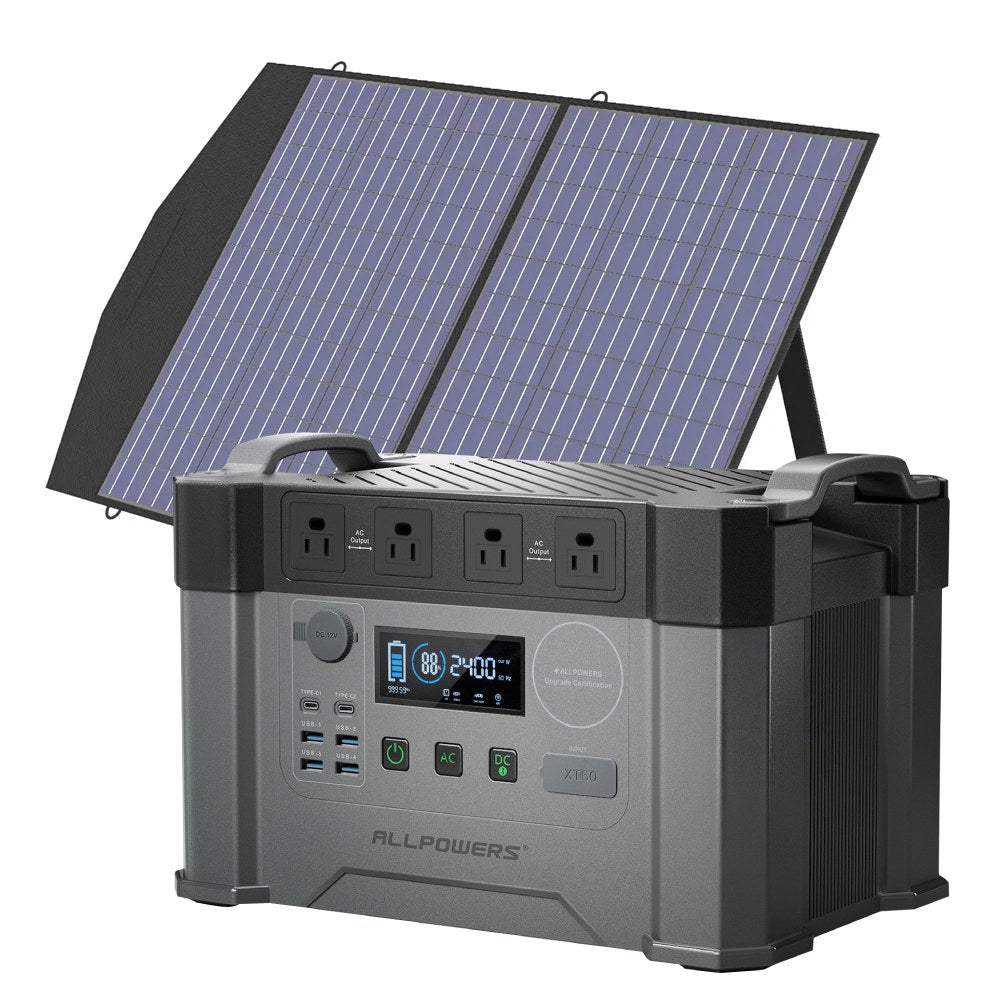
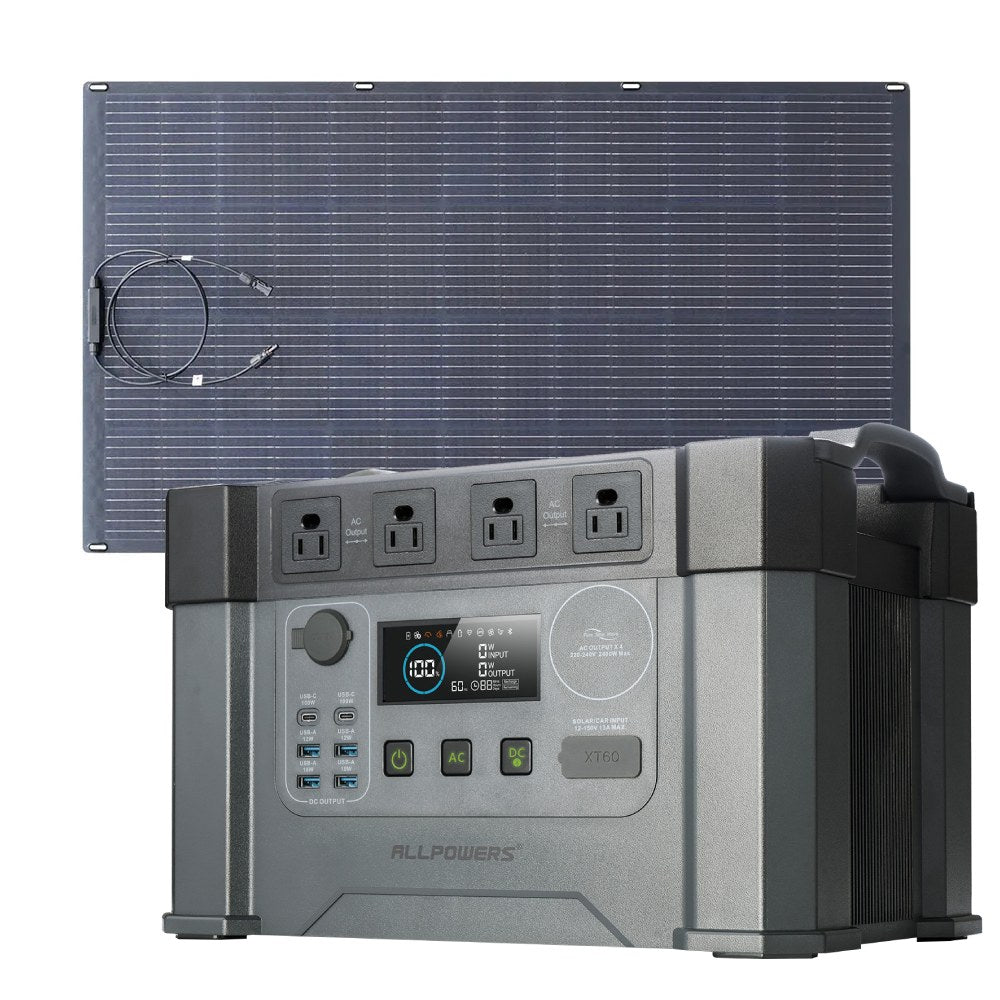
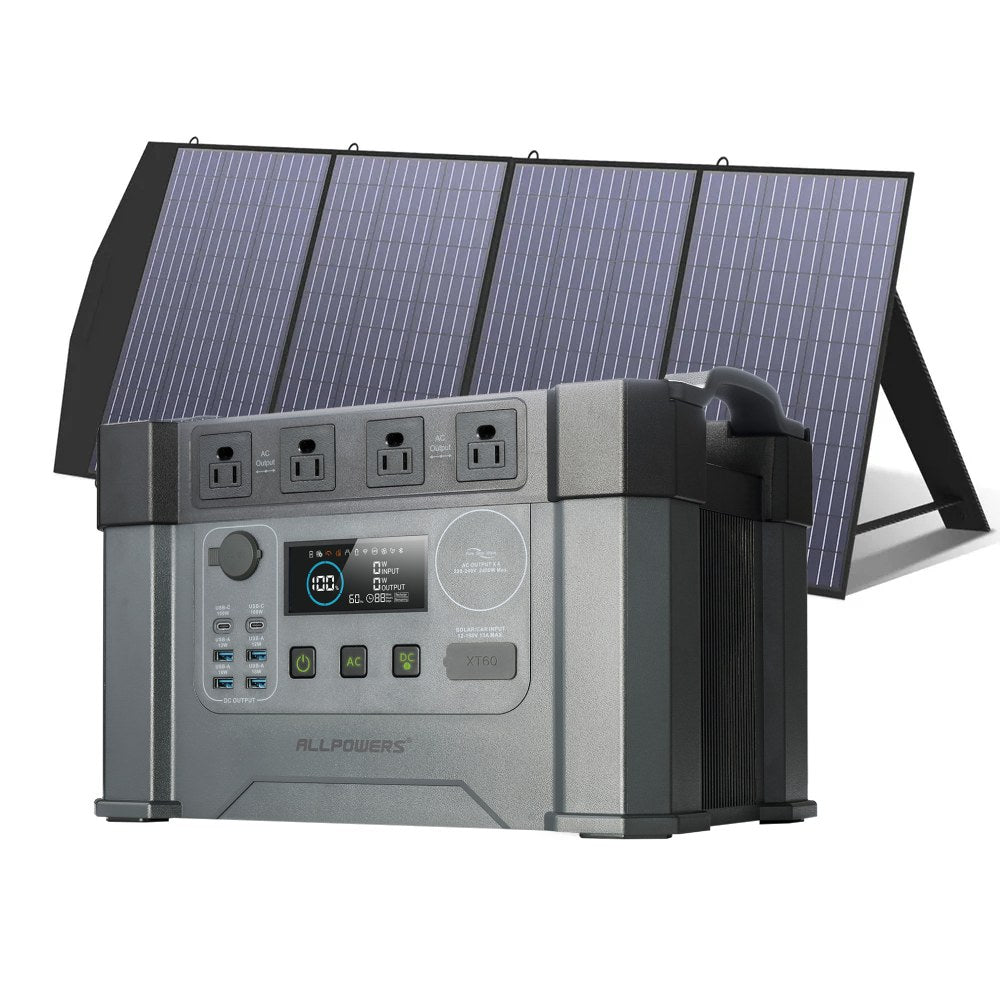
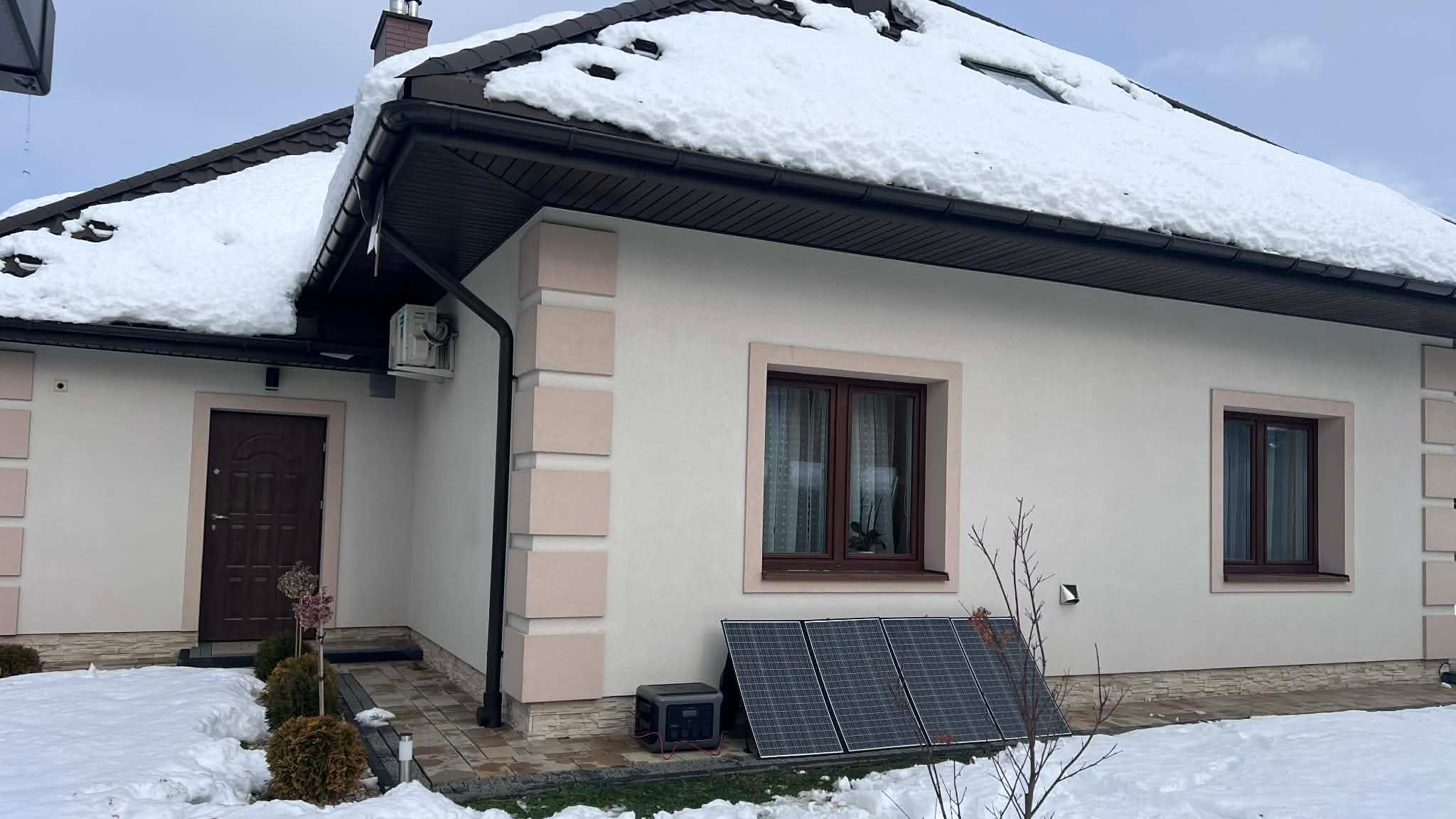
Solar Generators
Unlike fuel-powered generators, solar generators rely on battery storage systems and renewable energy input.
Runtime depends largely on battery capacity, energy consumption, and available sunlight for recharging.
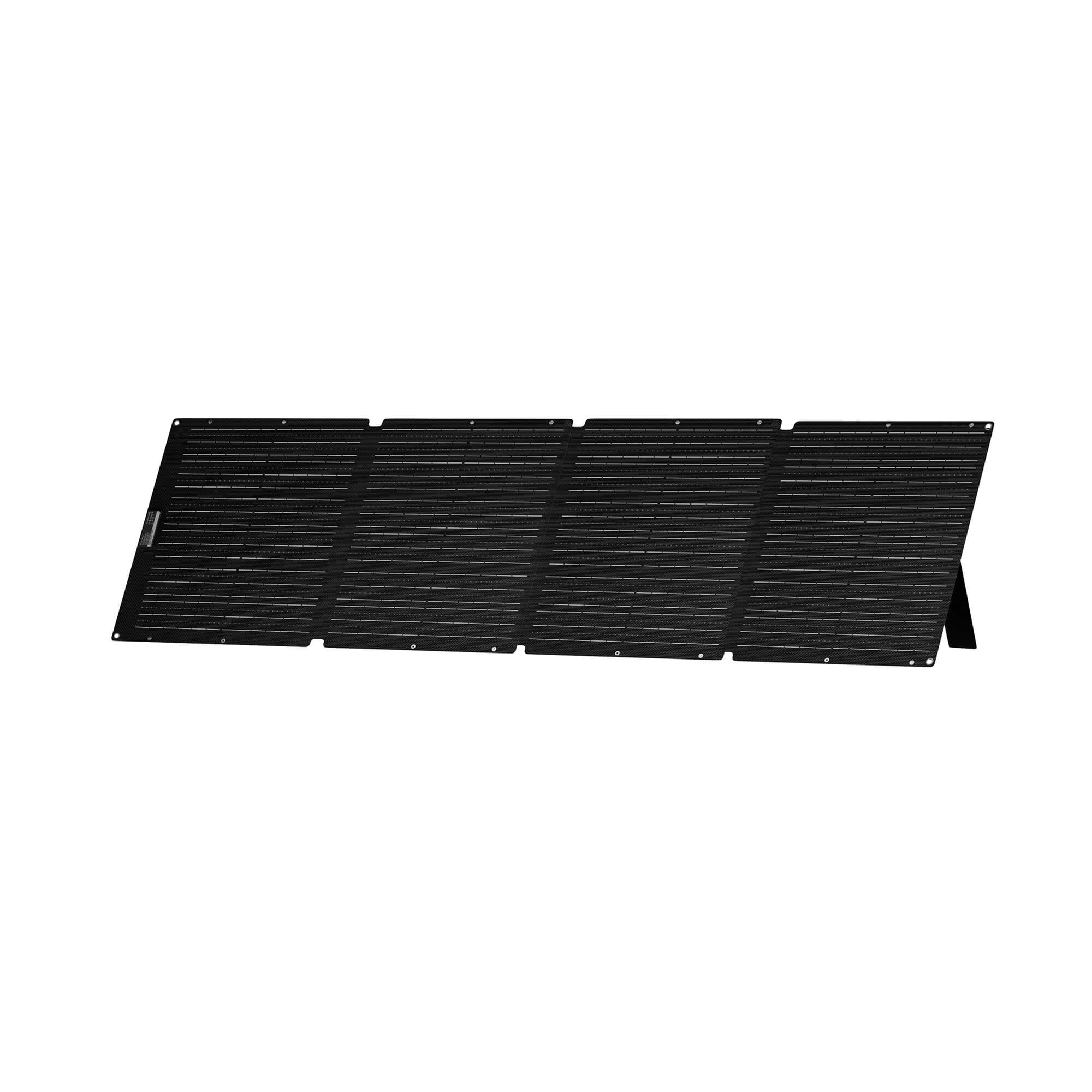
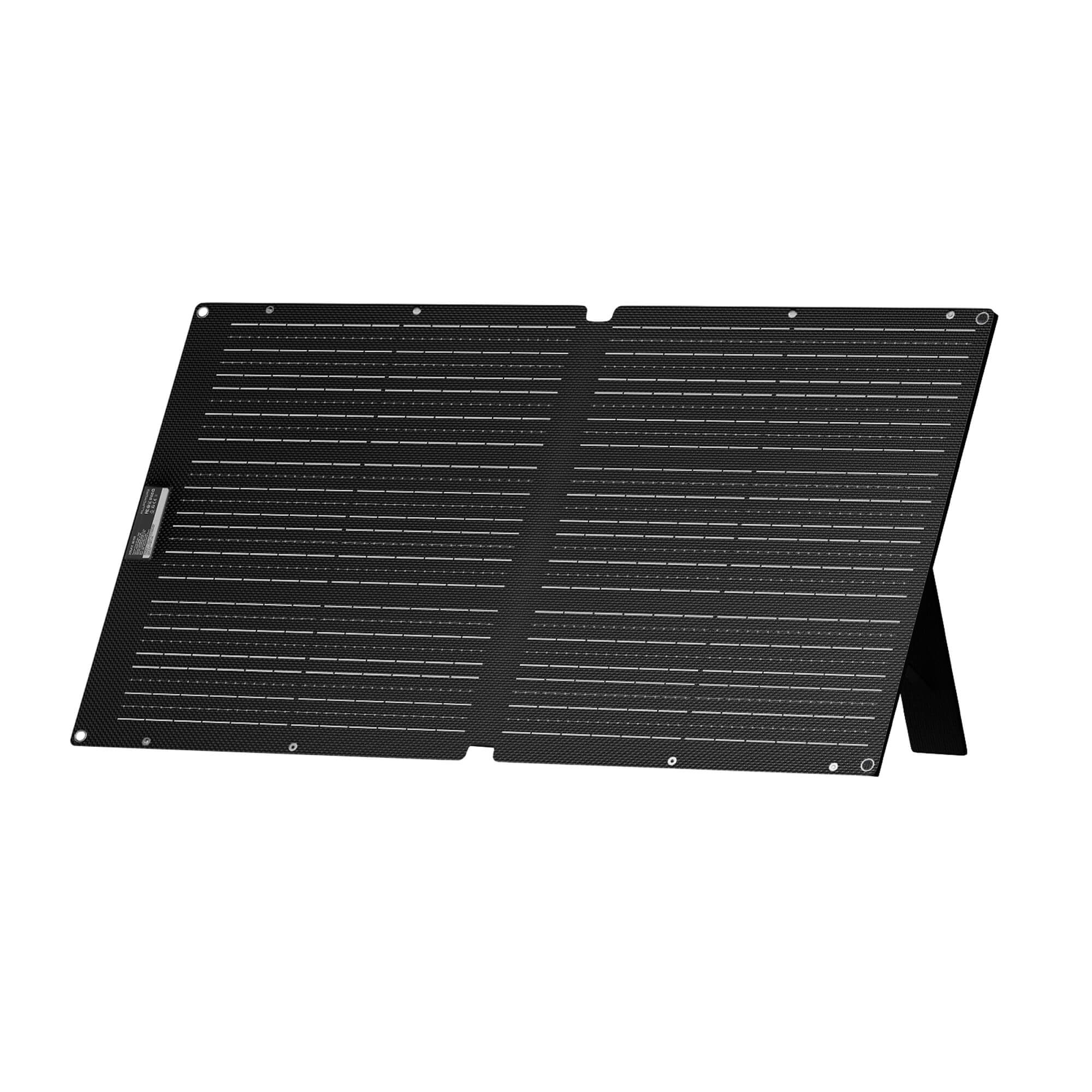
In applications where electrical loads remain moderate, users can often extend operating time by combining battery storage with ongoing solar charging throughout the day.
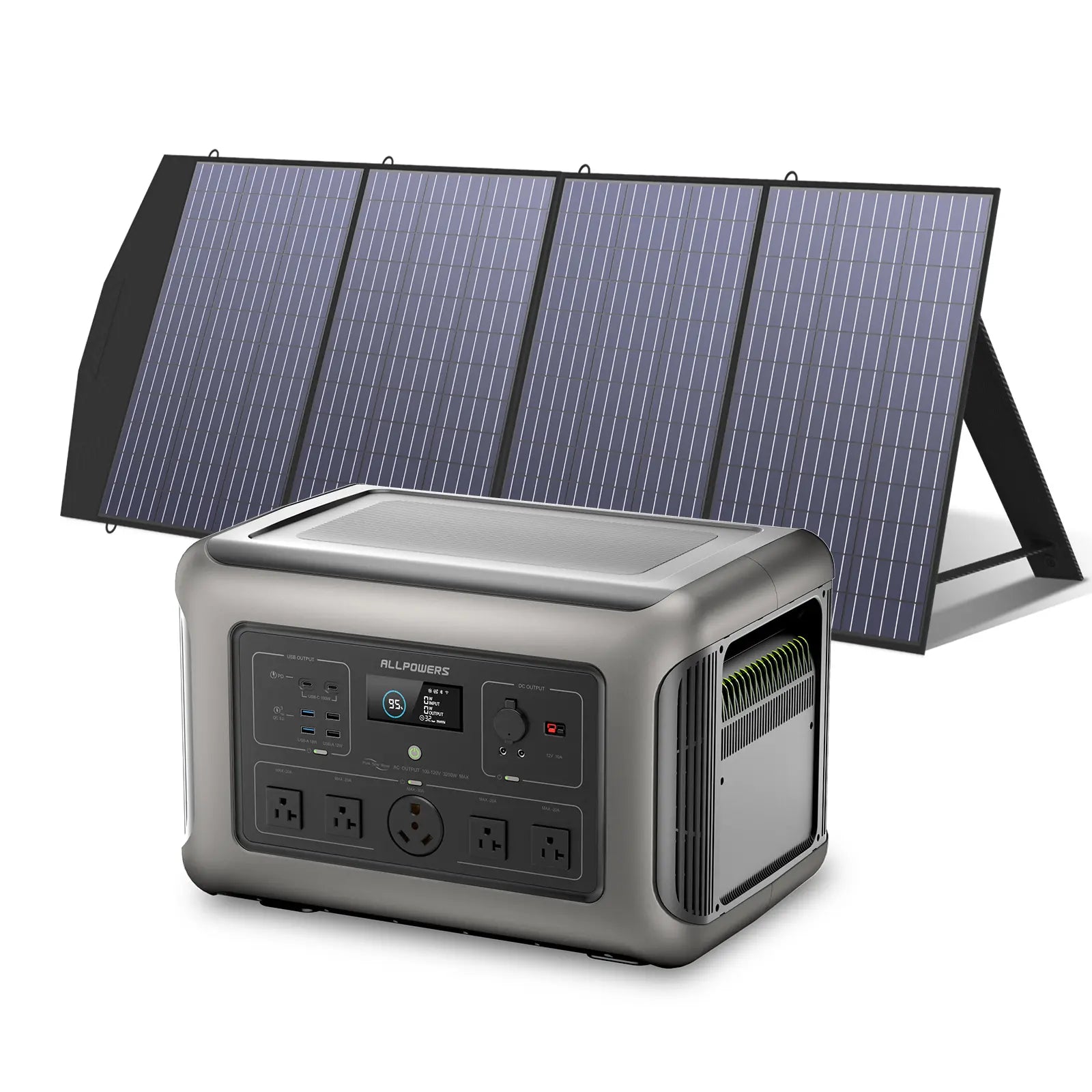
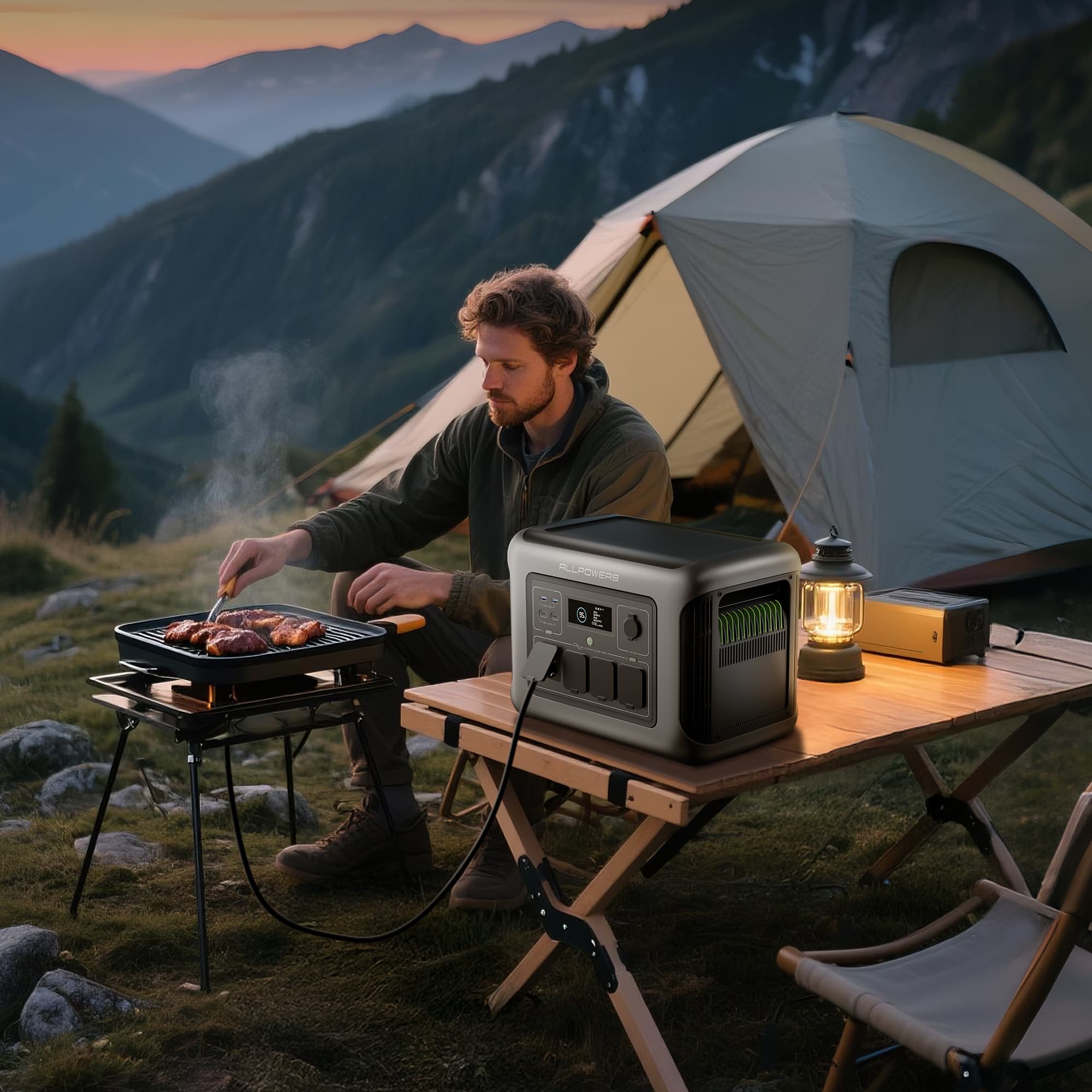
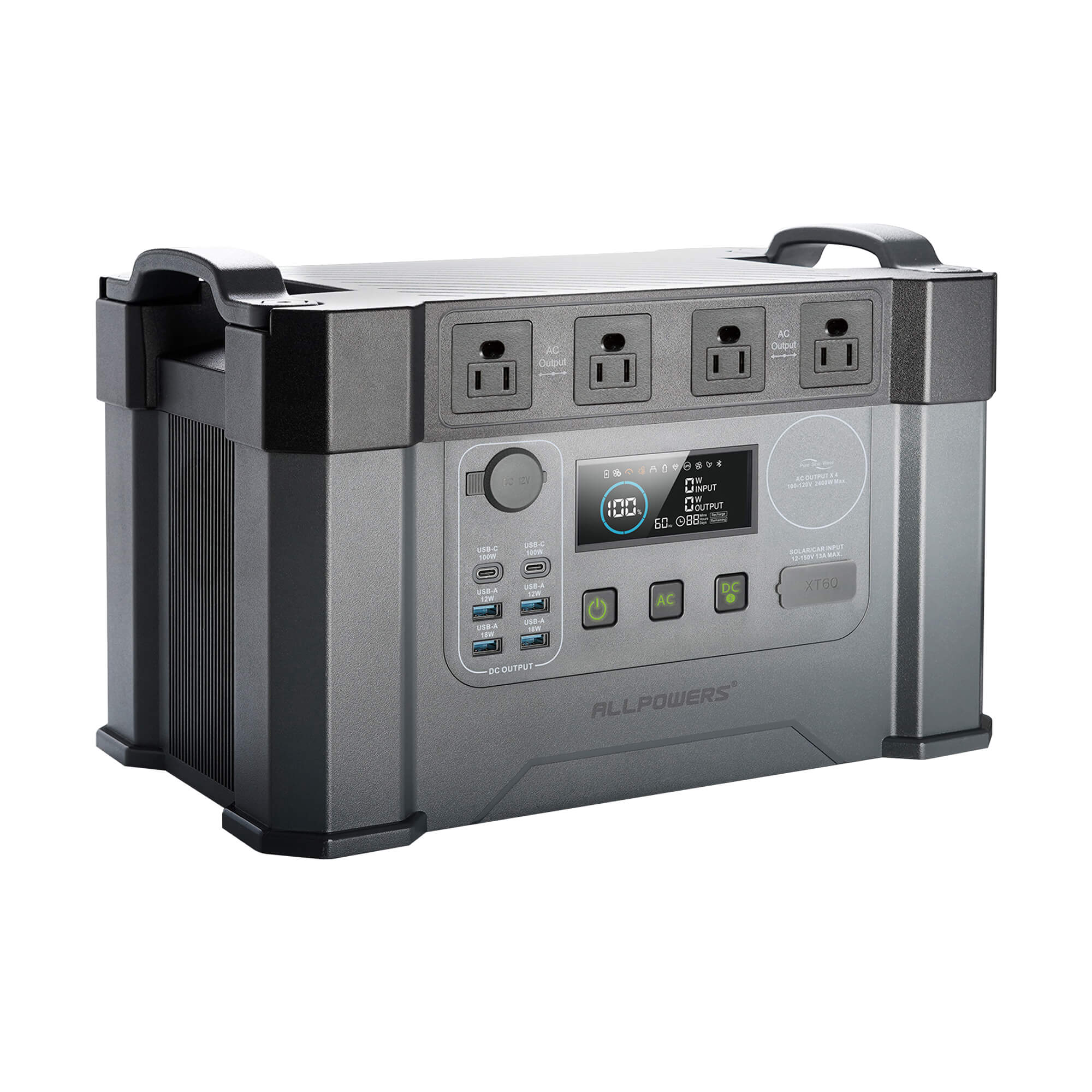
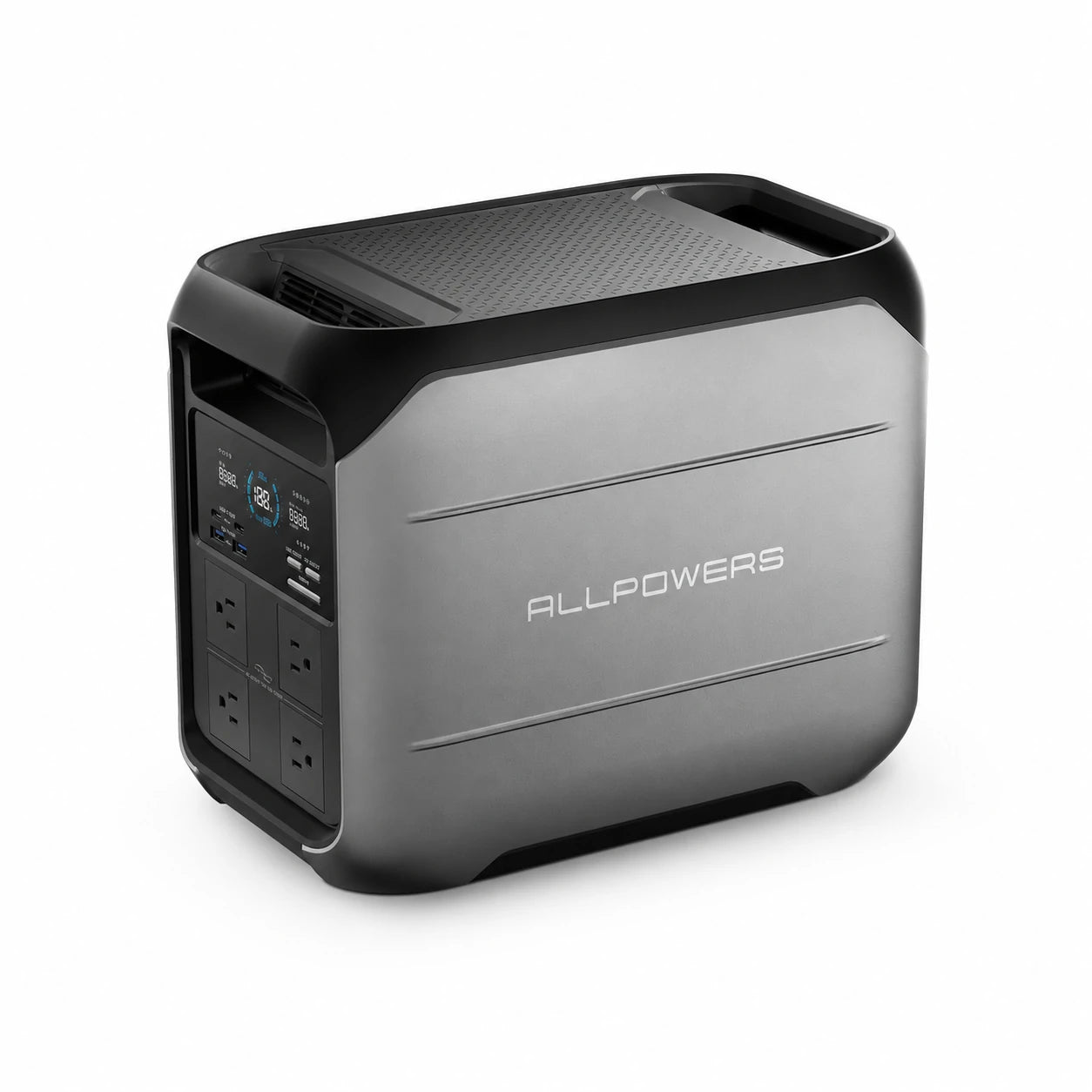
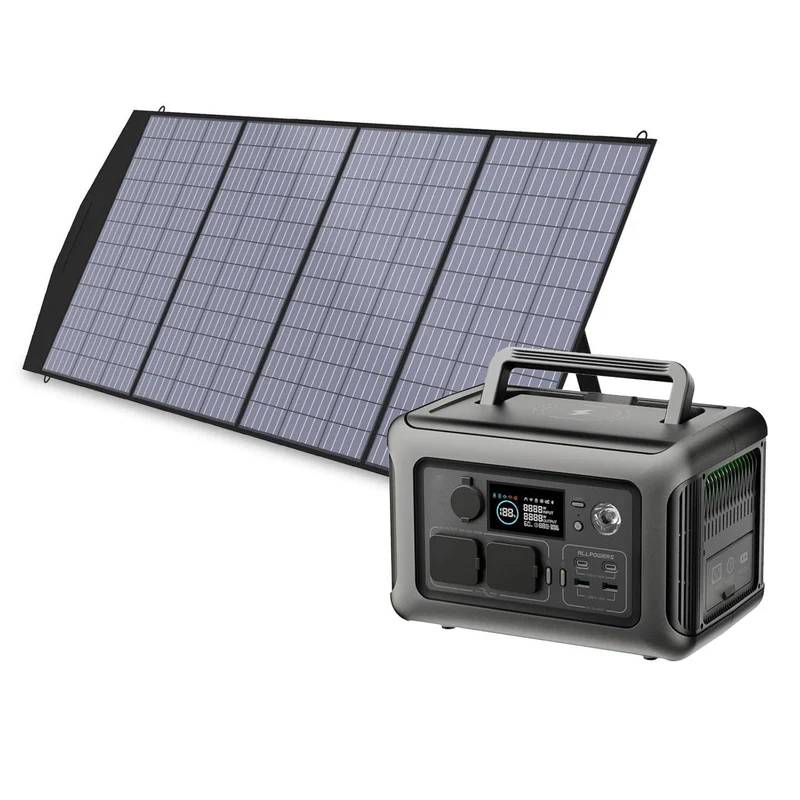
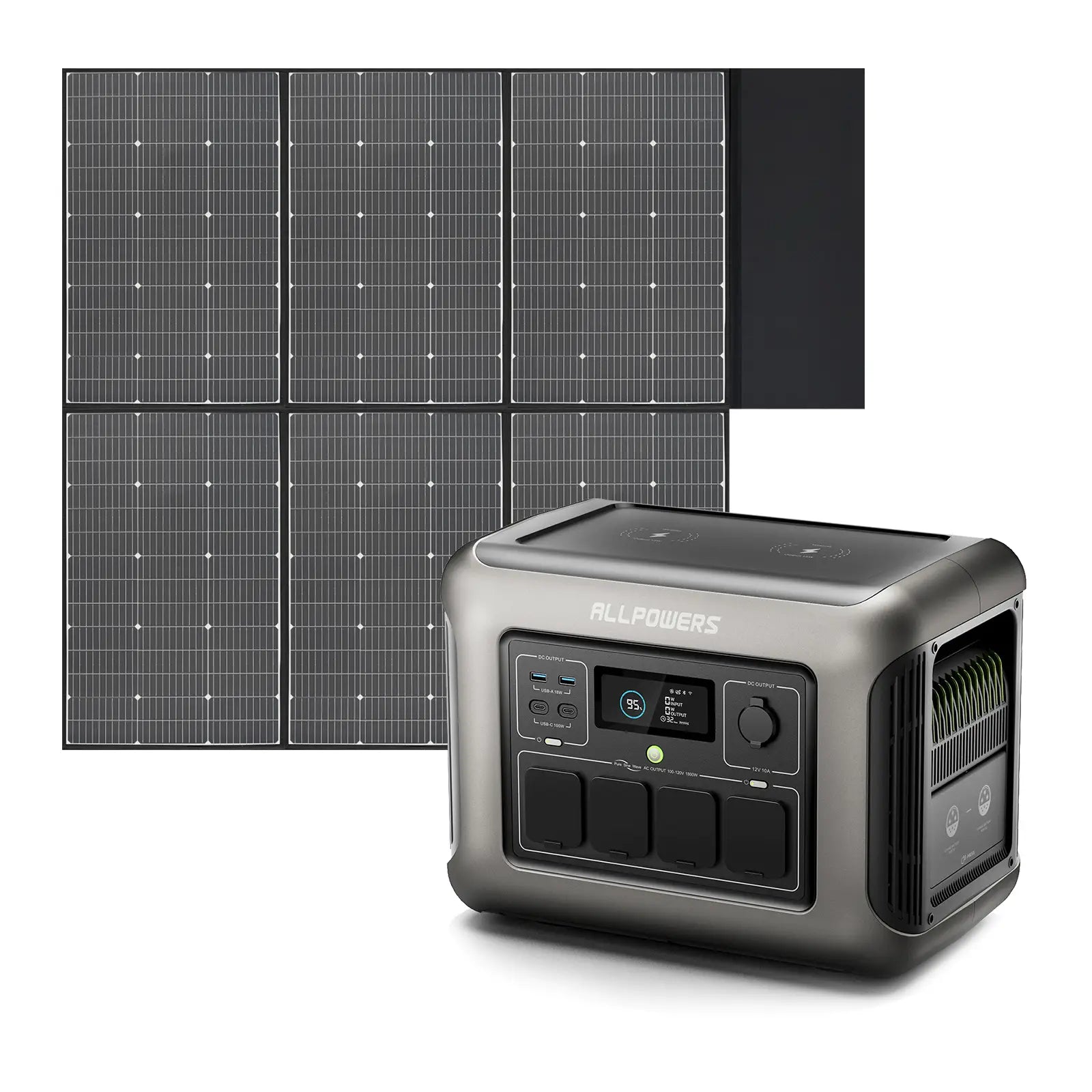
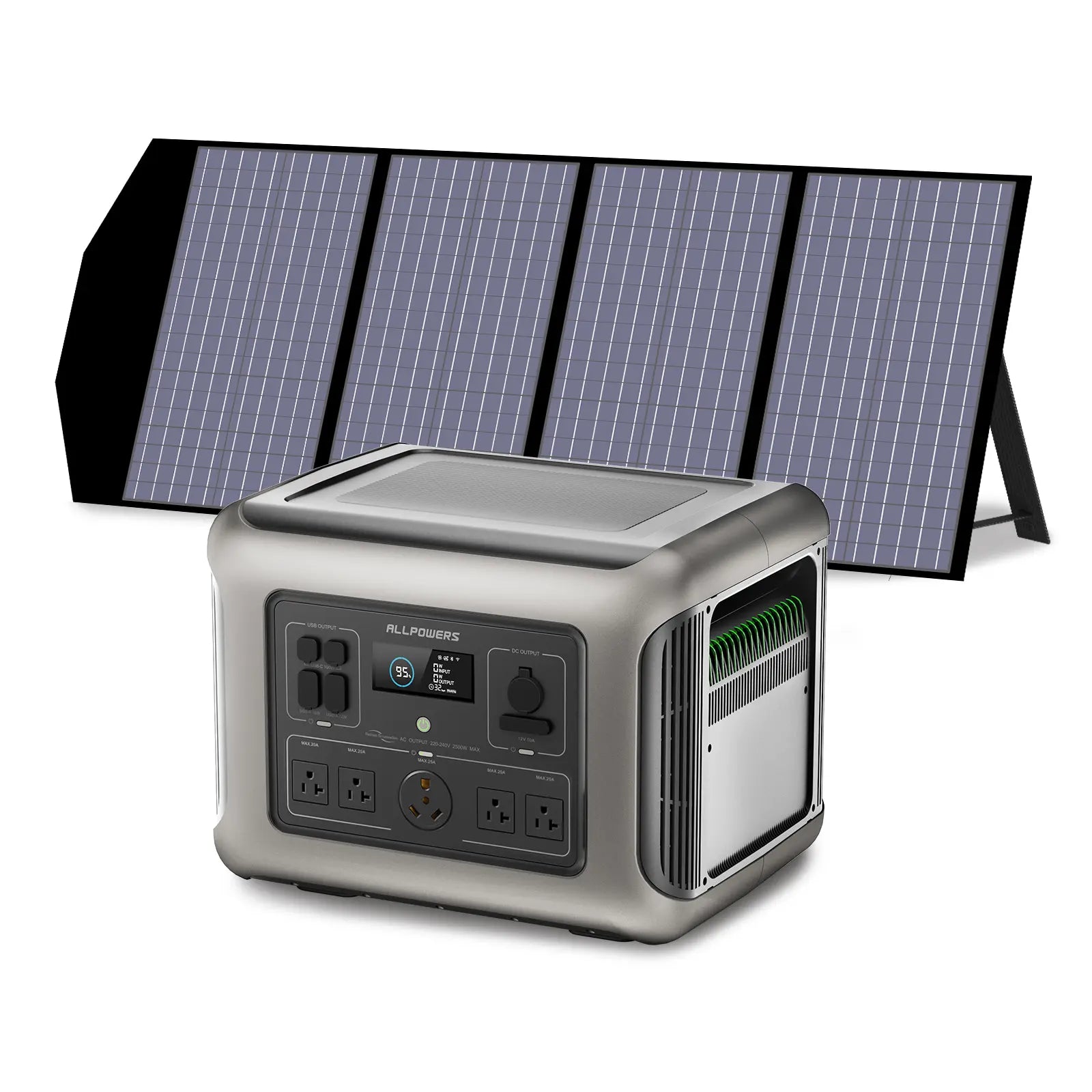
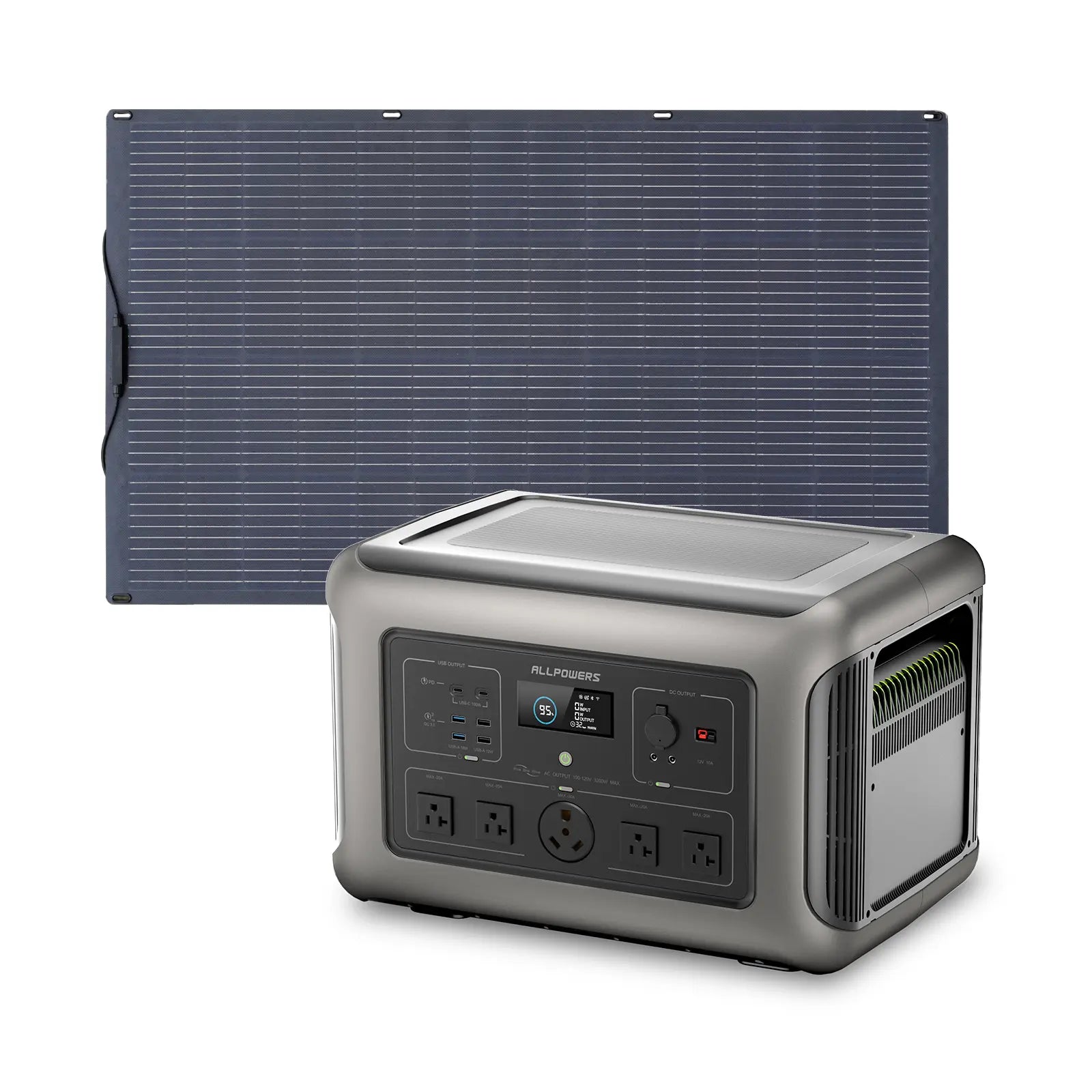
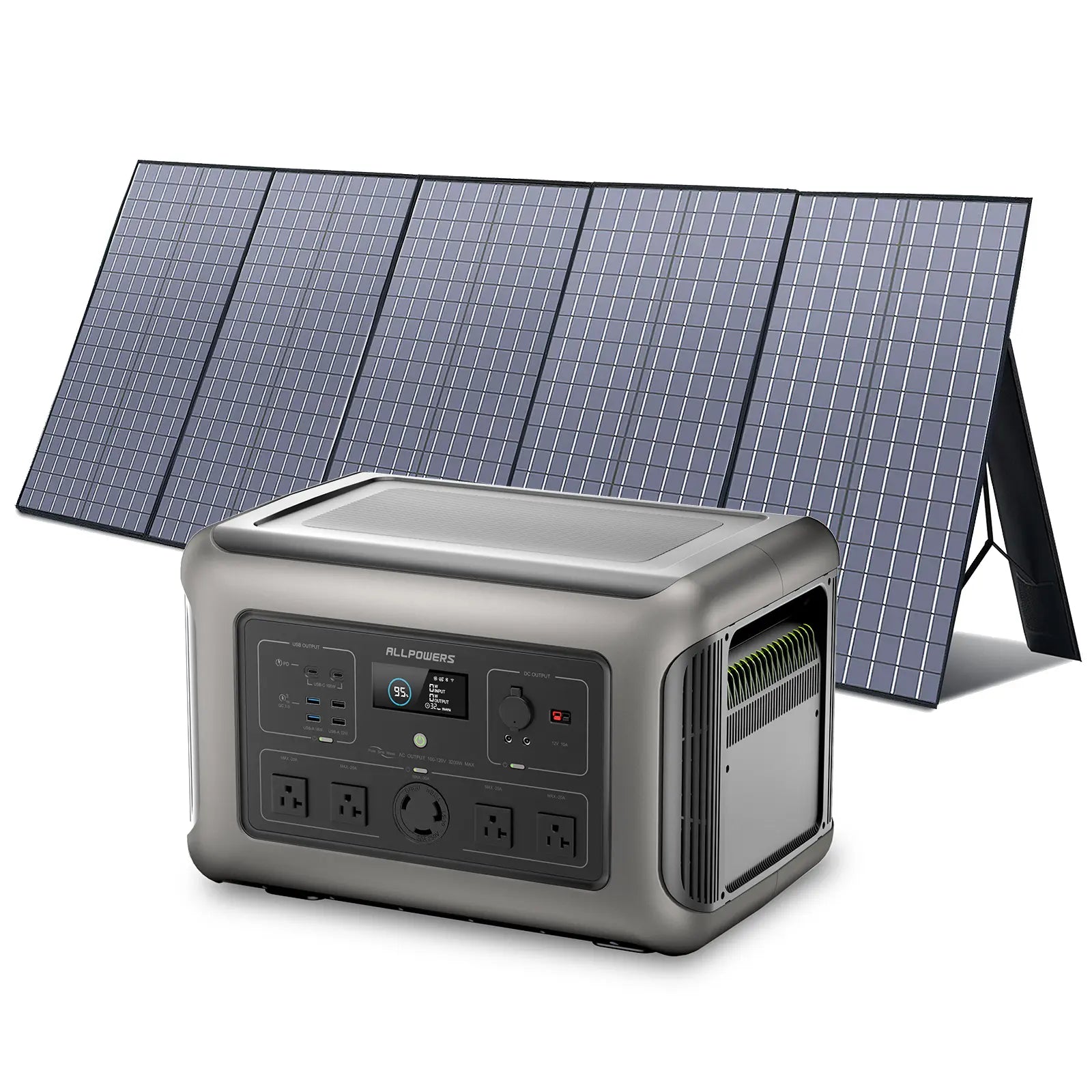
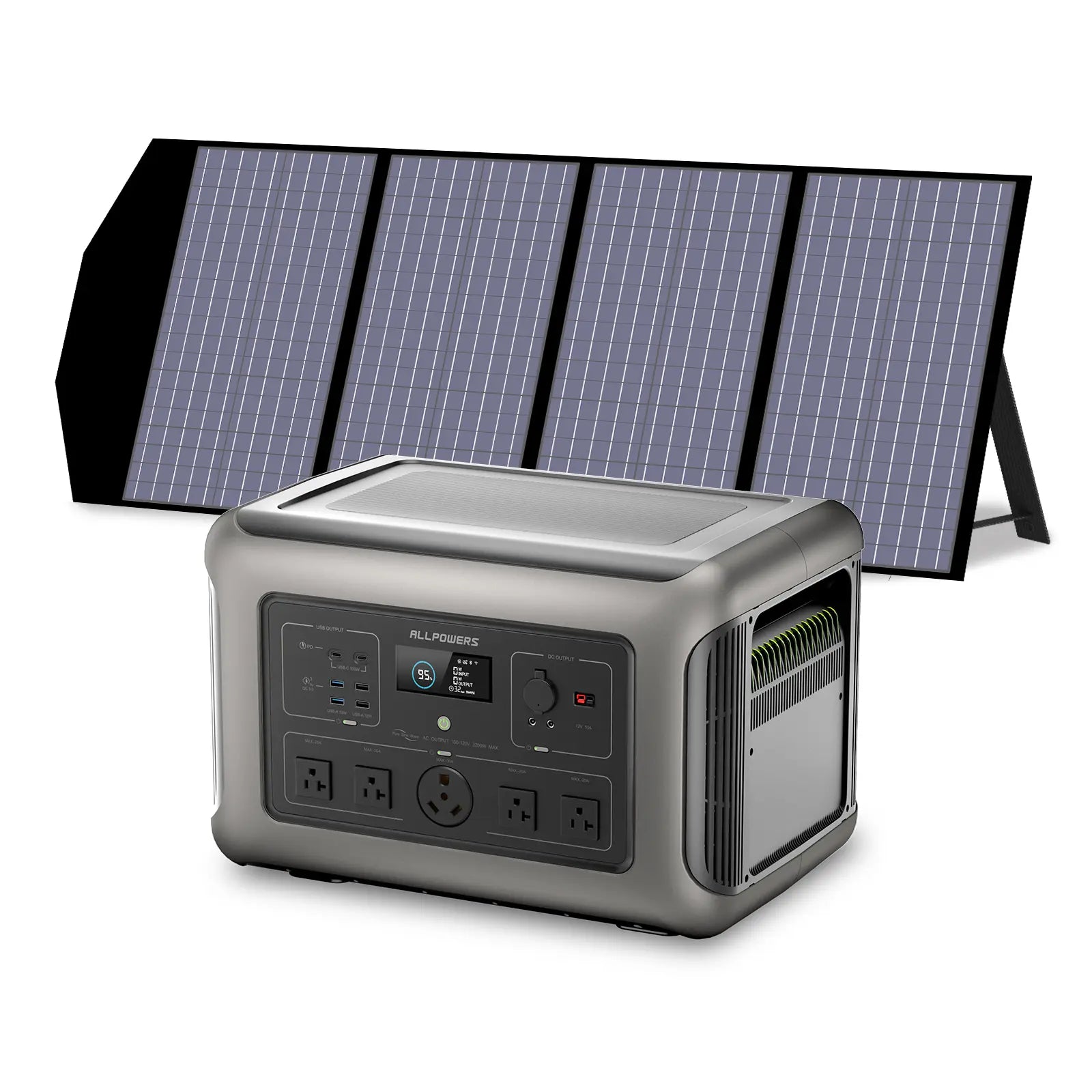
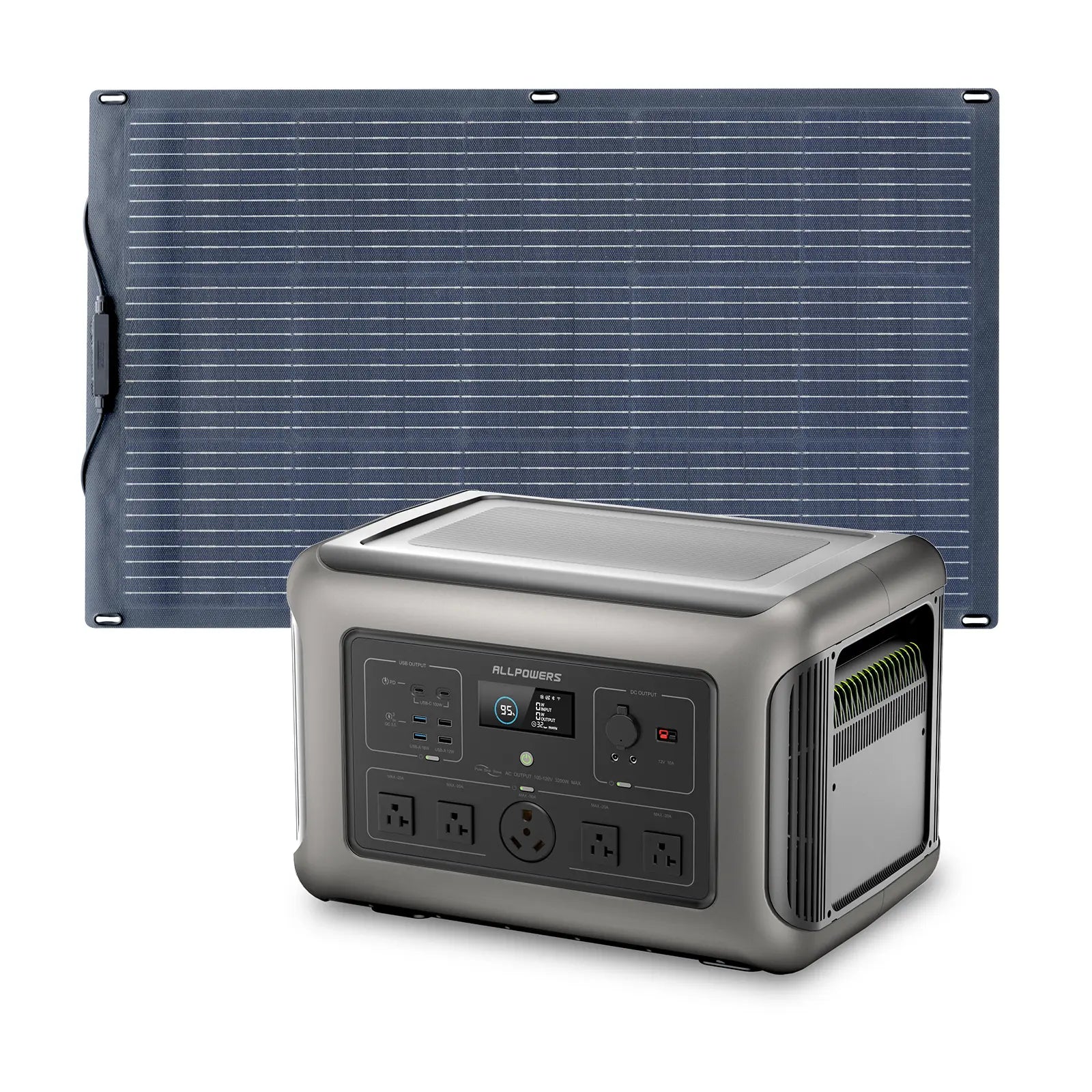
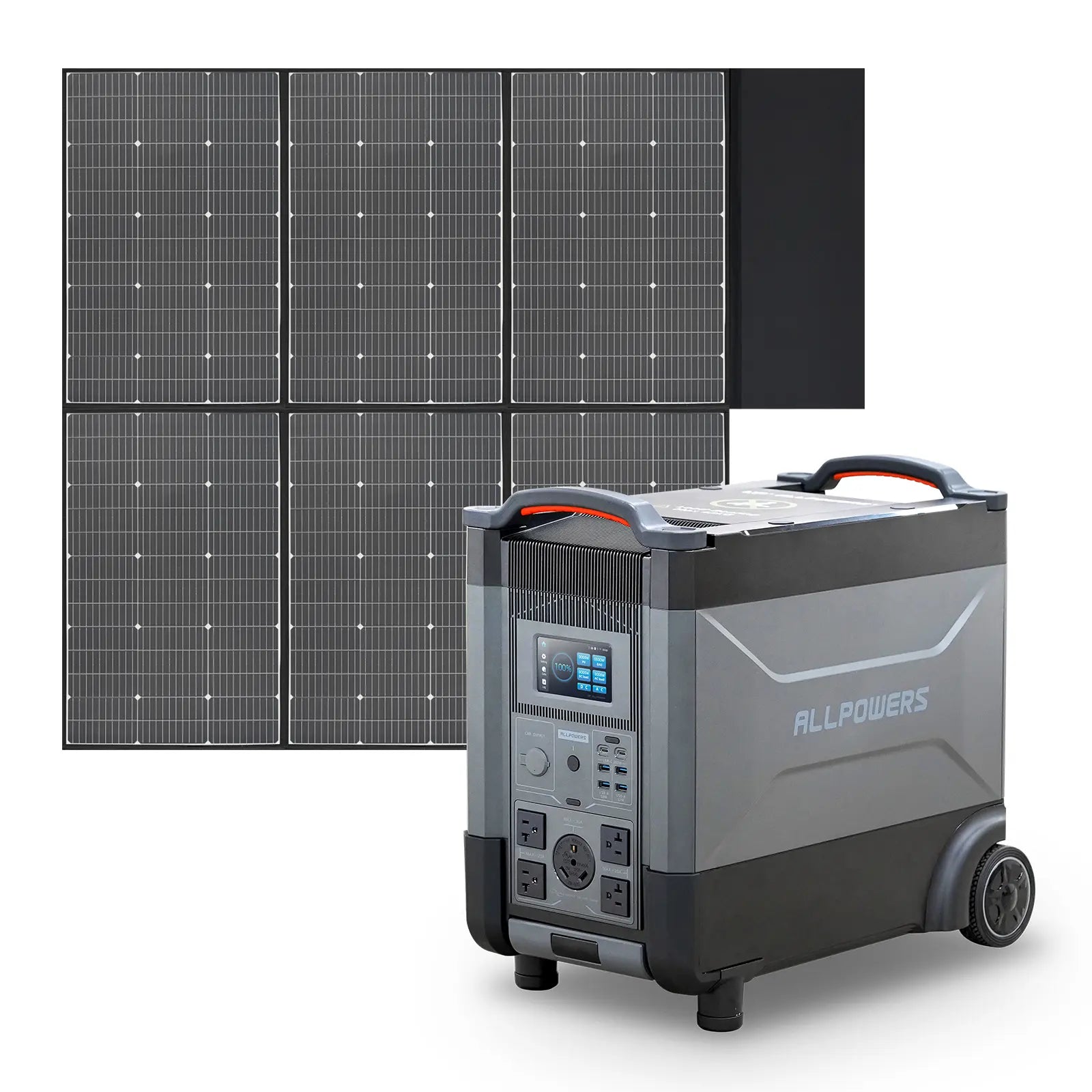
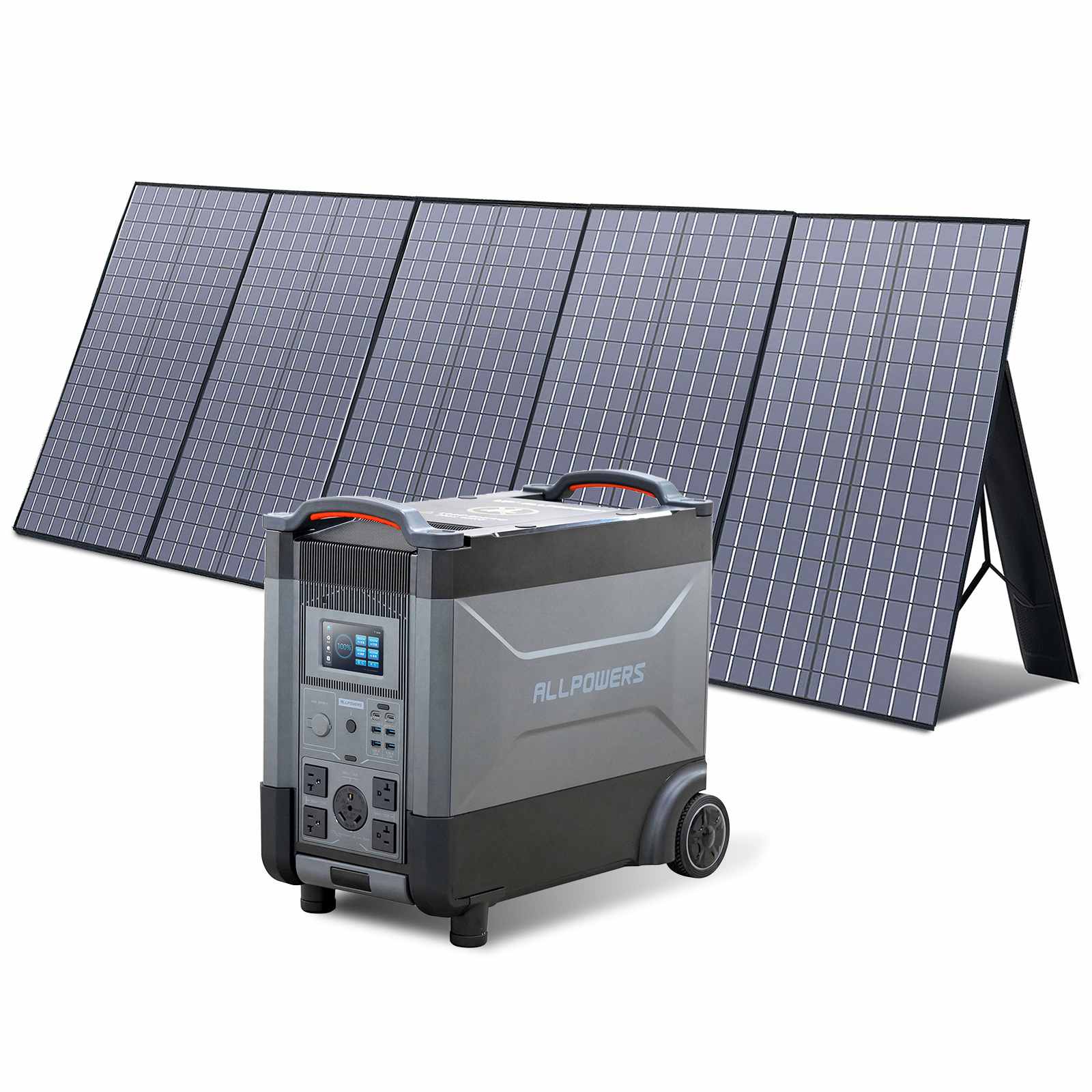
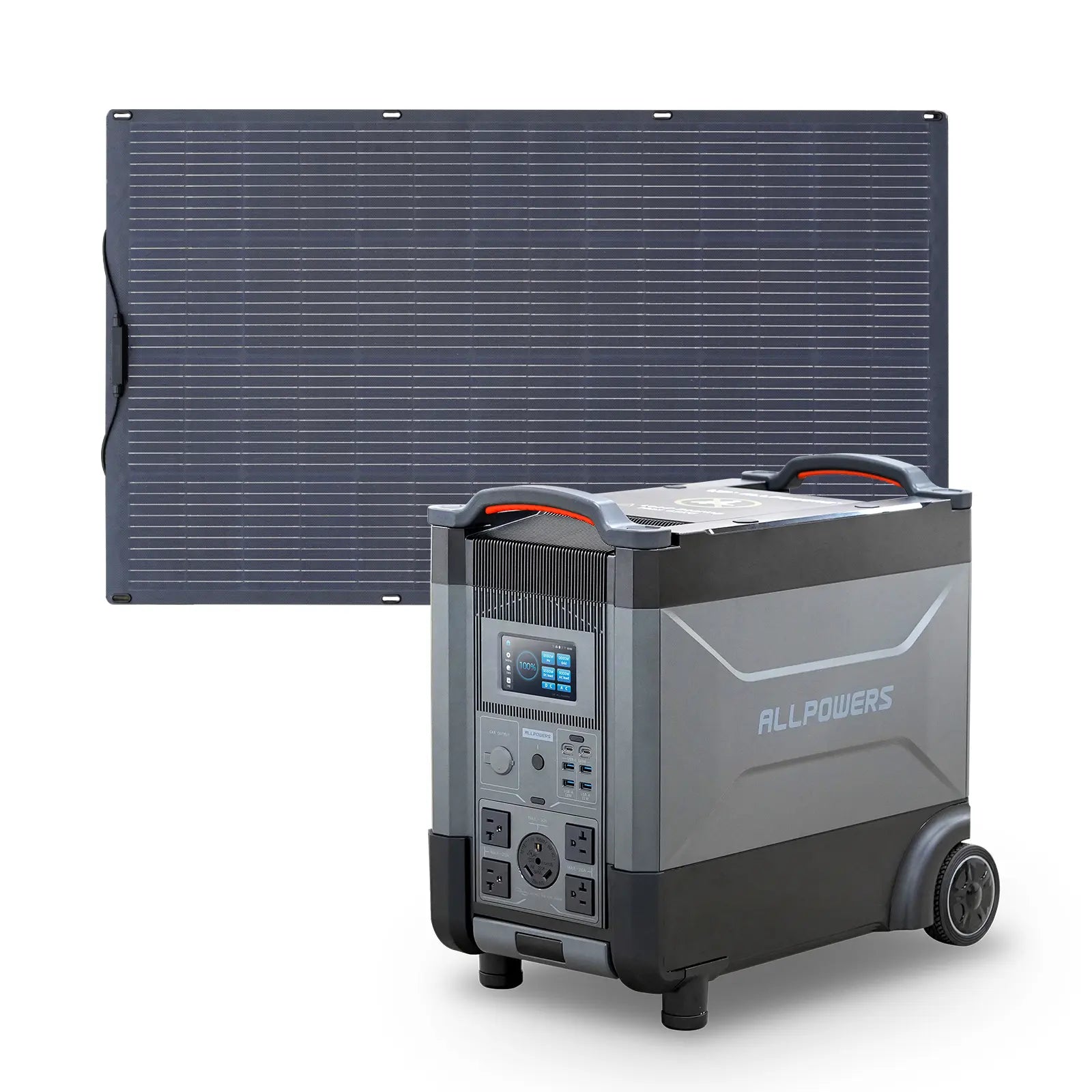
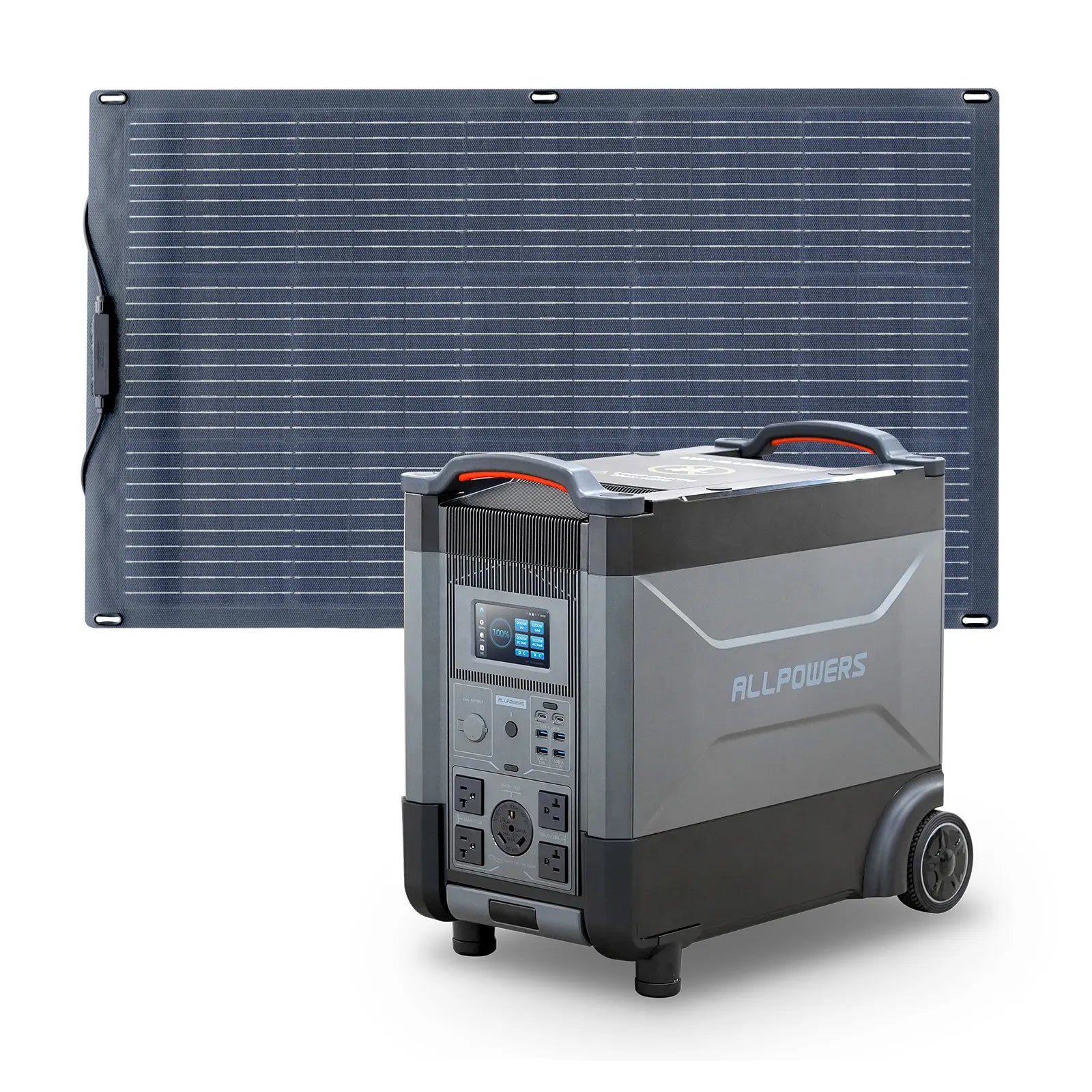
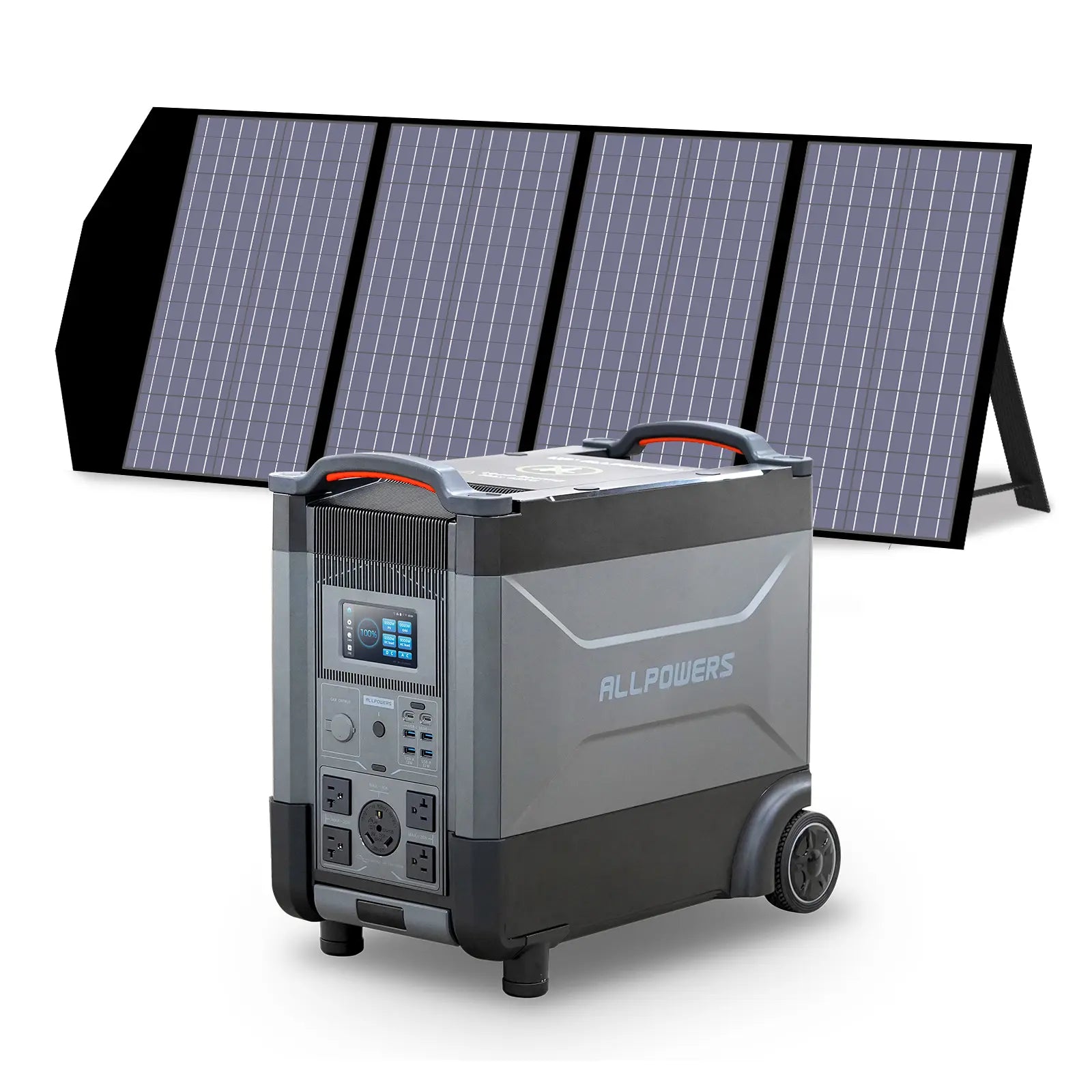
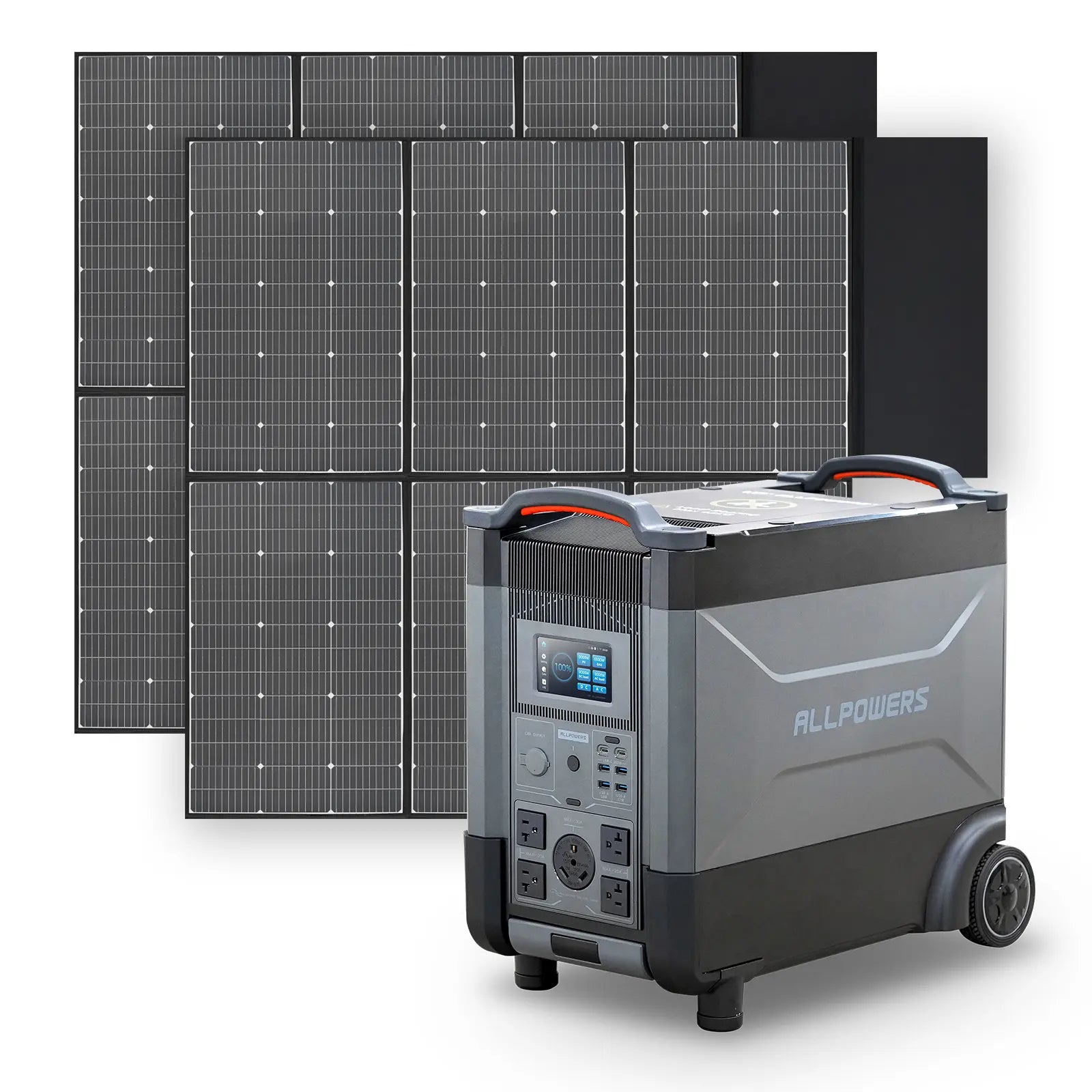
ALLPOWERS 3200W Solar Generator
$1,559.00 $2,399.00
- 3168Wh Capacity + 200W Soalr Input;
- 3200W AC Output (6000W Surge);
- Fast Charge 100% in 1 Hours;
- 2000W Max MPPT. Solar Input;
- Power 99% of Electrical Appliances;
Generator Runtime Comparison
| Generator Type | Typical Runtime | Fuel Source | Efficiency Level | Best Use Case |
|---|---|---|---|---|
| Conventional Gas Generator | 6–12 Hours | Gasoline | Moderate | General Backup Power |
| Inverter Generator | 8–18 Hours | Gasoline | High | Camping & Home Backup |
| Dual-Fuel Generator | 8–20 Hours | Gasoline/Propane | High | Emergency Preparedness |
| Diesel Generator | 12–24+ Hours | Diesel | Very High | Industrial Applications |
| Solar Generator | Variable | Battery + Solar Input | Load Dependent | Quiet Off-Grid Power |
How to Maximize Generator Runtime
Regardless of generator type, several strategies can help extend runtime and improve overall efficiency.
Reduce Unnecessary Loads
Every connected device increases power consumption. Prioritizing essential appliances can significantly improve runtime.
Use Energy-Efficient Appliances
LED lighting, efficient refrigerators, and modern electronics often require far less electricity than older equipment.
Maintain the Generator Properly
Regular oil changes, clean air filters, and proper maintenance help generators operate more efficiently and consume less fuel.
Monitor Fuel Consumption
Understanding actual power usage helps users estimate runtime more accurately and avoid unexpected interruptions.
Choosing the Right Generator for Long-Term Use
The best long-runtime generator depends heavily on how it will be used.
For homeowners preparing for extended outages, fuel availability may be just as important as runtime specifications.
A highly efficient generator with access to a large fuel supply may outperform a larger generator that consumes fuel rapidly.
For campers and RV users, inverter generators often provide an excellent balance between runtime, portability, and fuel efficiency.
For off-grid users, combining battery storage with renewable charging sources can reduce dependence on fuel entirely while supporting essential appliances for longer periods.
Rather than focusing solely on advertised runtime numbers, buyers should evaluate real-world usage patterns, expected electrical loads, fuel access, and overall energy efficiency before making a decision.
Frequently Asked Questions
What type of generator has the longest runtime?
Diesel generators often provide the longest runtime due to their fuel efficiency and ability to operate with large fuel supplies.
Do inverter generators run longer than regular generators?
Yes. Inverter generators can adjust engine speed based on power demand, improving fuel efficiency and extending runtime.
How long can a propane generator run?
Runtime depends on generator size, electrical load, and propane tank capacity, but many systems can operate for well over 10 hours on a single supply.
Can solar generators run indefinitely?
Solar generators can continue operating as long as battery capacity, energy consumption, and solar charging conditions remain balanced.
What is the best way to extend generator runtime?
Reducing unnecessary electrical loads, improving energy efficiency, and operating only essential appliances can significantly increase runtime.