







Hot water is one of the first things many people miss during a power outage.
Whether you're taking a shower, washing dishes, or doing laundry, a water heater plays a critical role in daily comfort and household functionality.
However, many people discover that running a hot water heater from a generator is not as simple as plugging it in.
Different types of water heaters have vastly different power requirements, making generator sizing an essential part of any backup power plan.
So, what size generator do you need to run a hot water heater?
TL;DR: The generator size required depends primarily on the type of hot water heater you have. Electric tank water heaters typically require between 4,000 and 5,500 running watts, while larger models may need even more. Gas water heaters generally consume much less electricity because power is only needed for ignition and control systems.
Why Generator Size Matters
Many homeowners assume that if a generator can power lights and small appliances, it can also run a water heater.
In reality, water heaters are among the largest energy-consuming appliances found in most homes.
Unlike televisions, refrigerators, or laptops, electric water heaters rely on powerful heating elements that convert electricity into heat.
These heating elements often require thousands of watts during operation.
If a generator is undersized, it may struggle to supply enough electricity for the water heater while supporting other household devices.
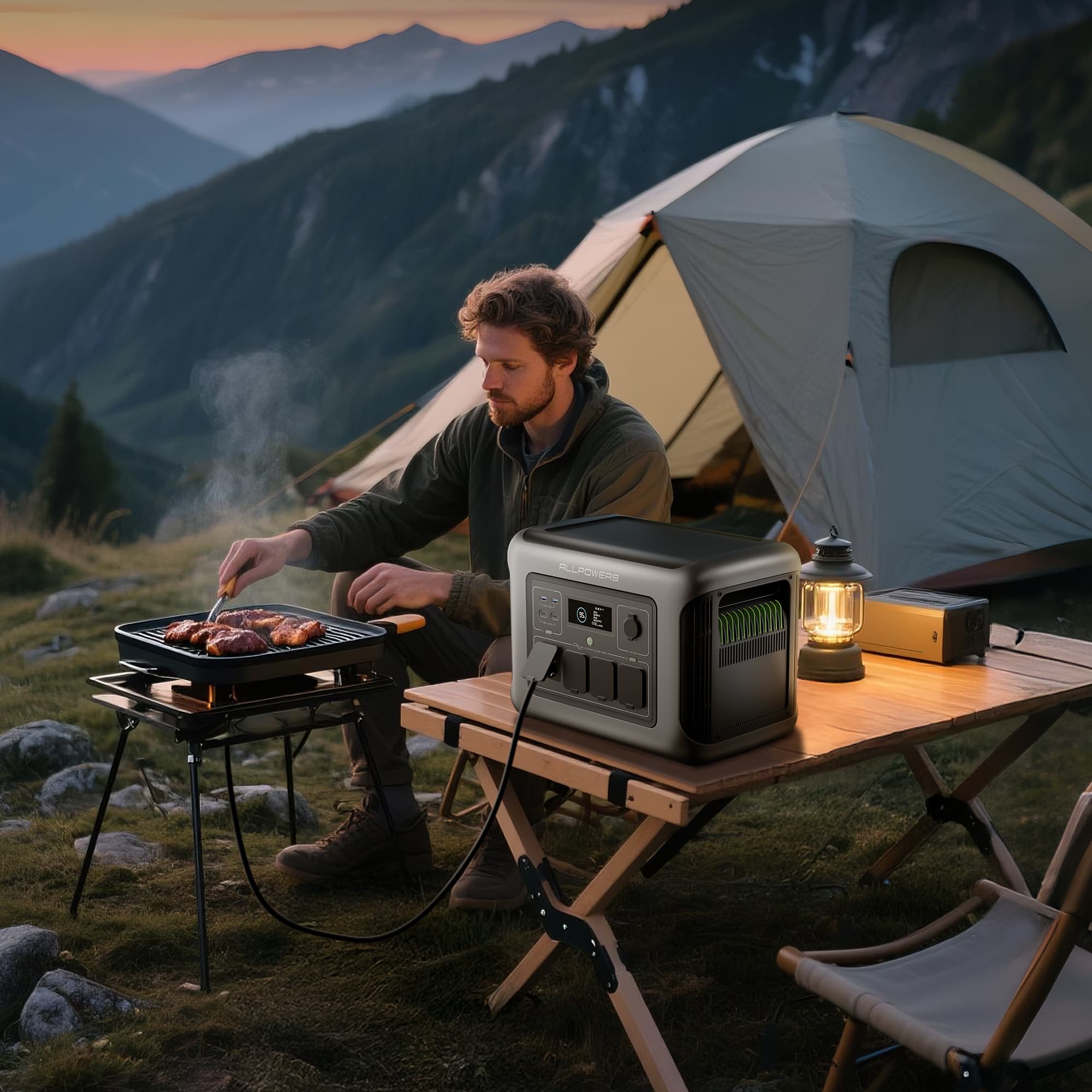
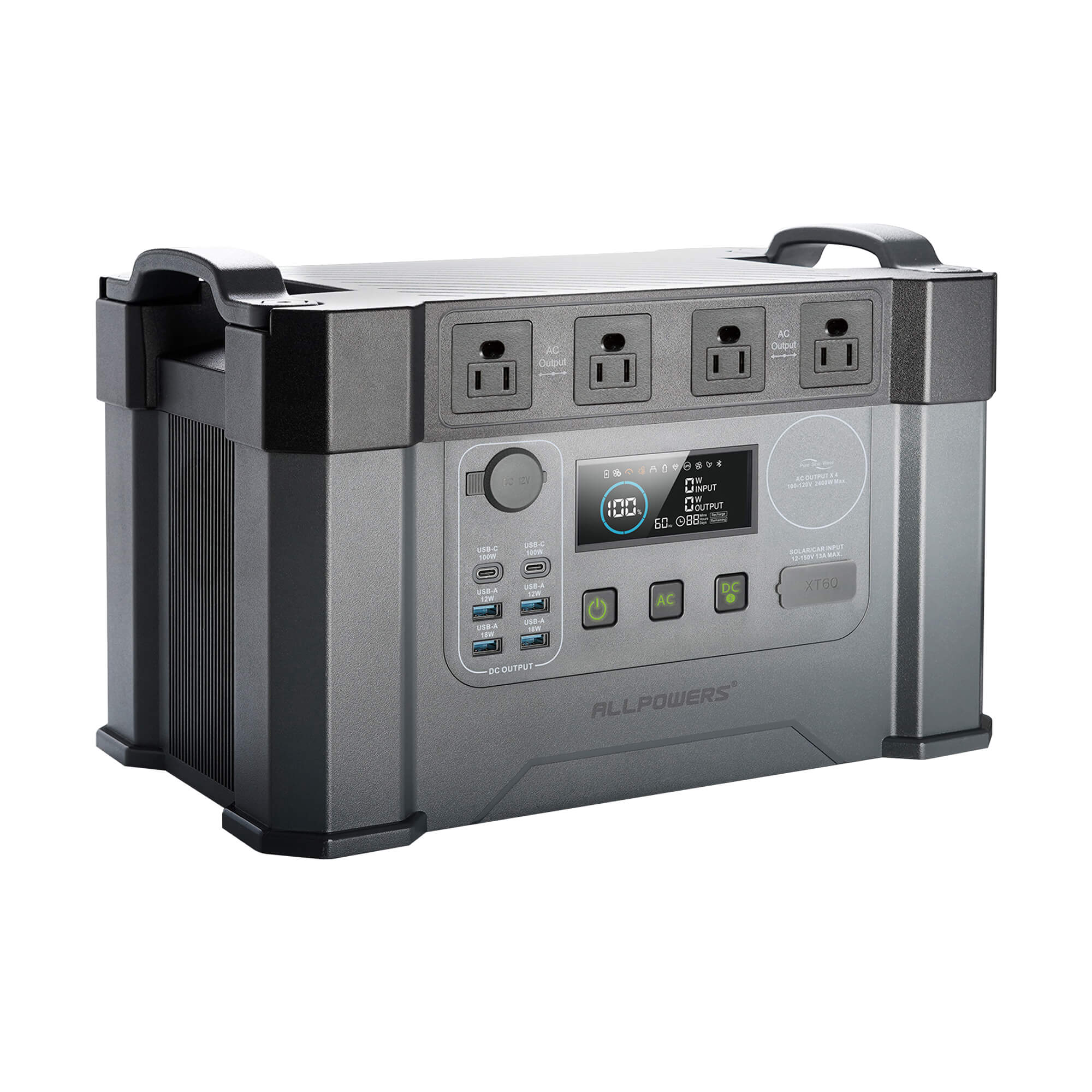
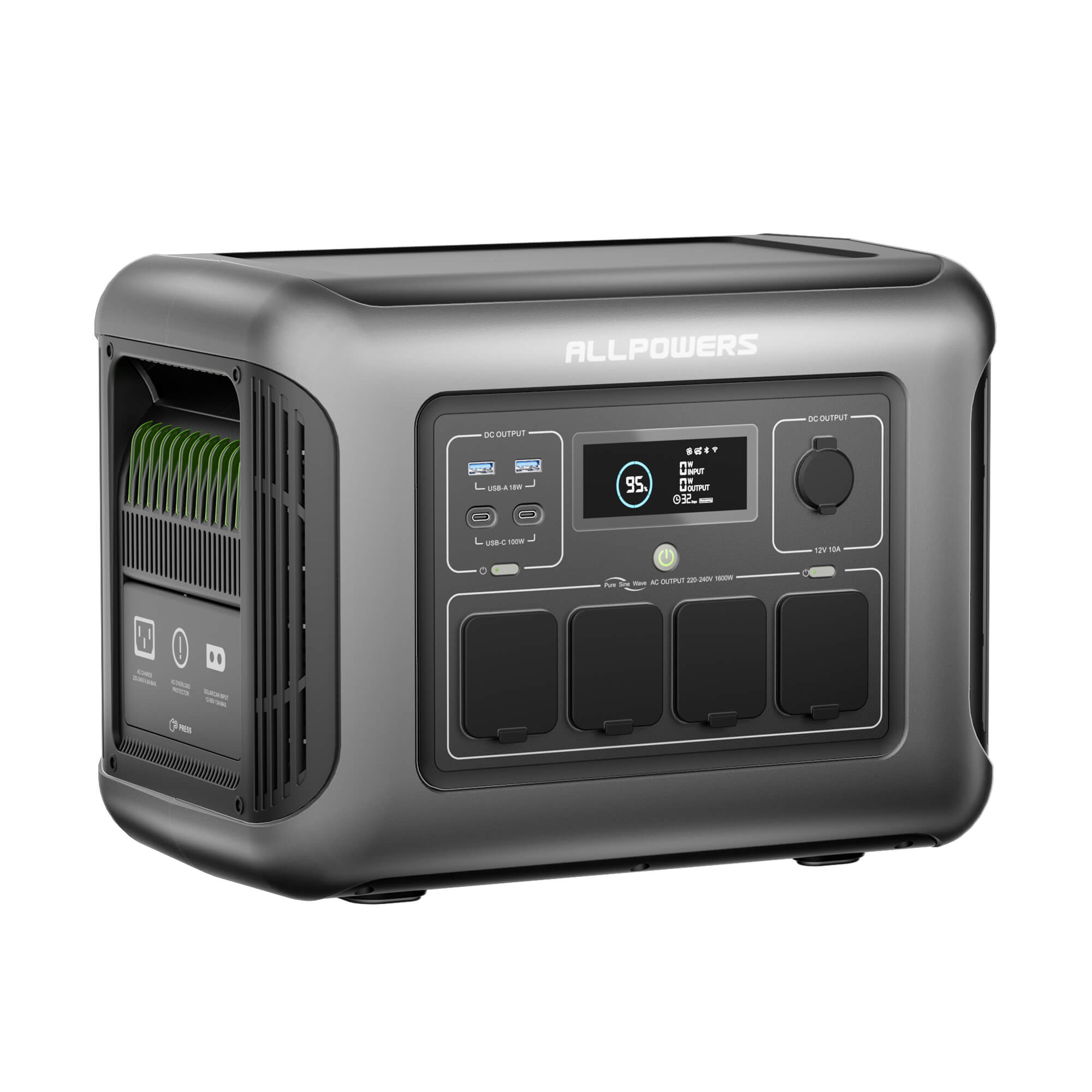
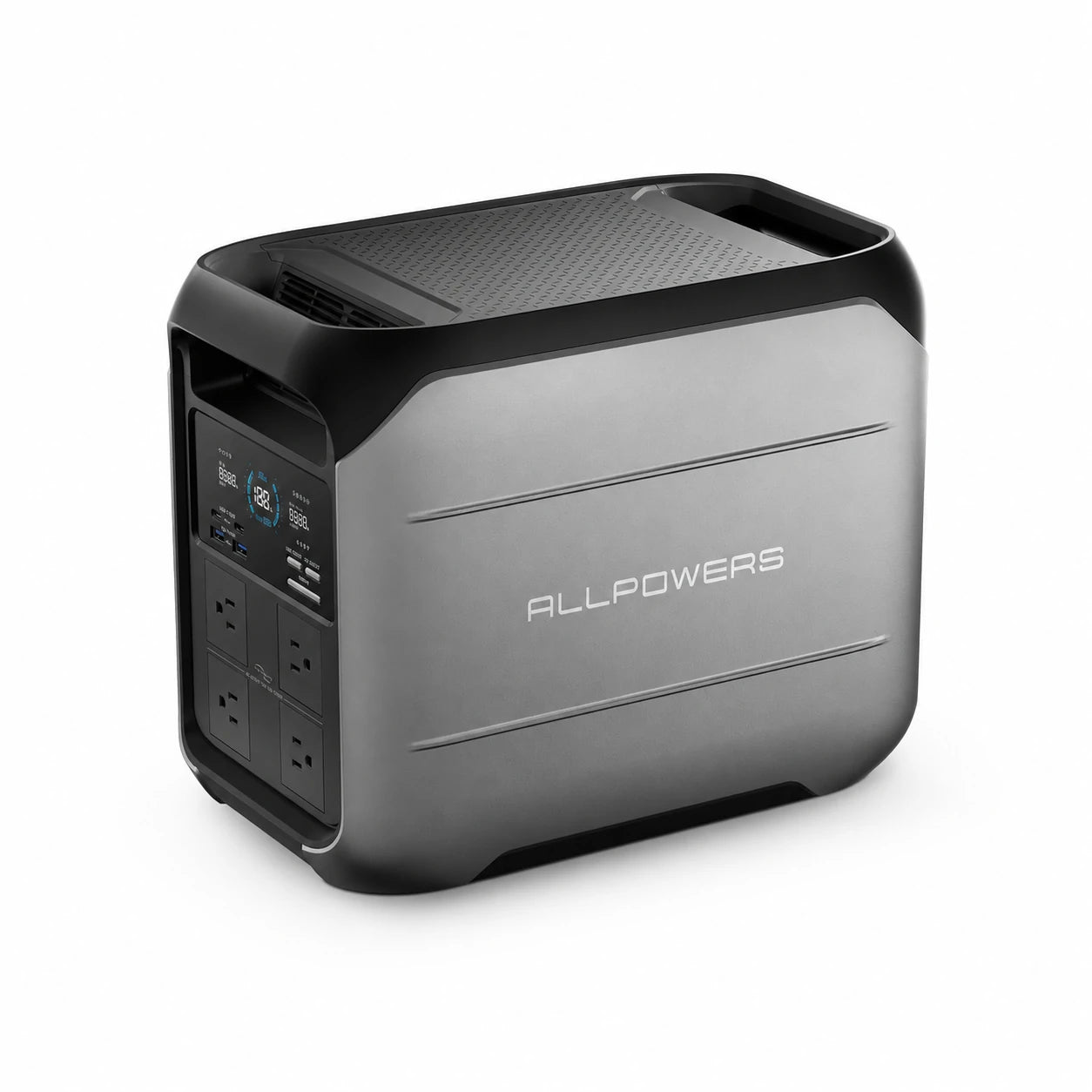
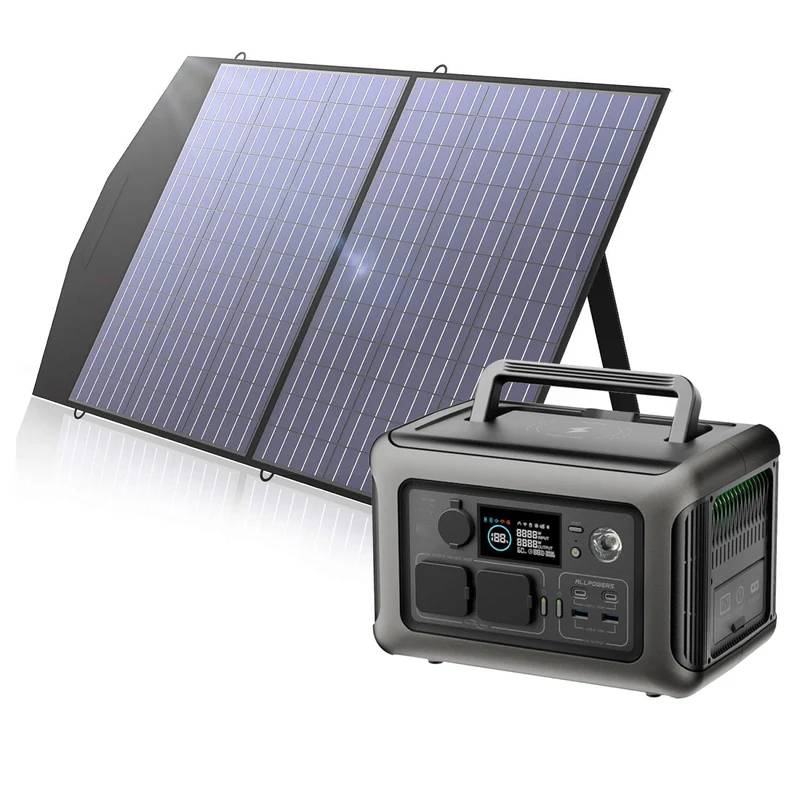
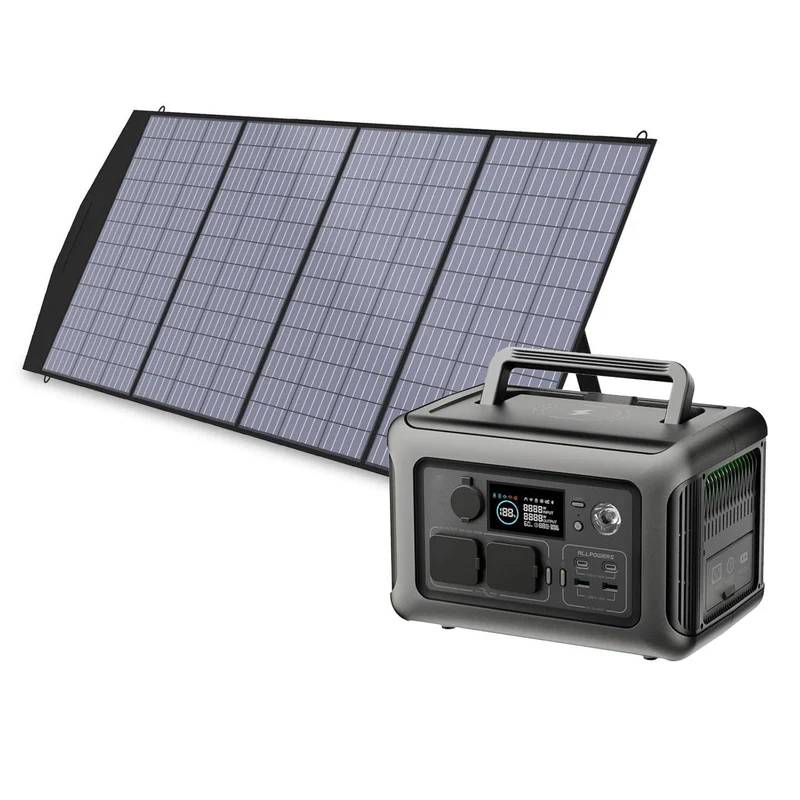
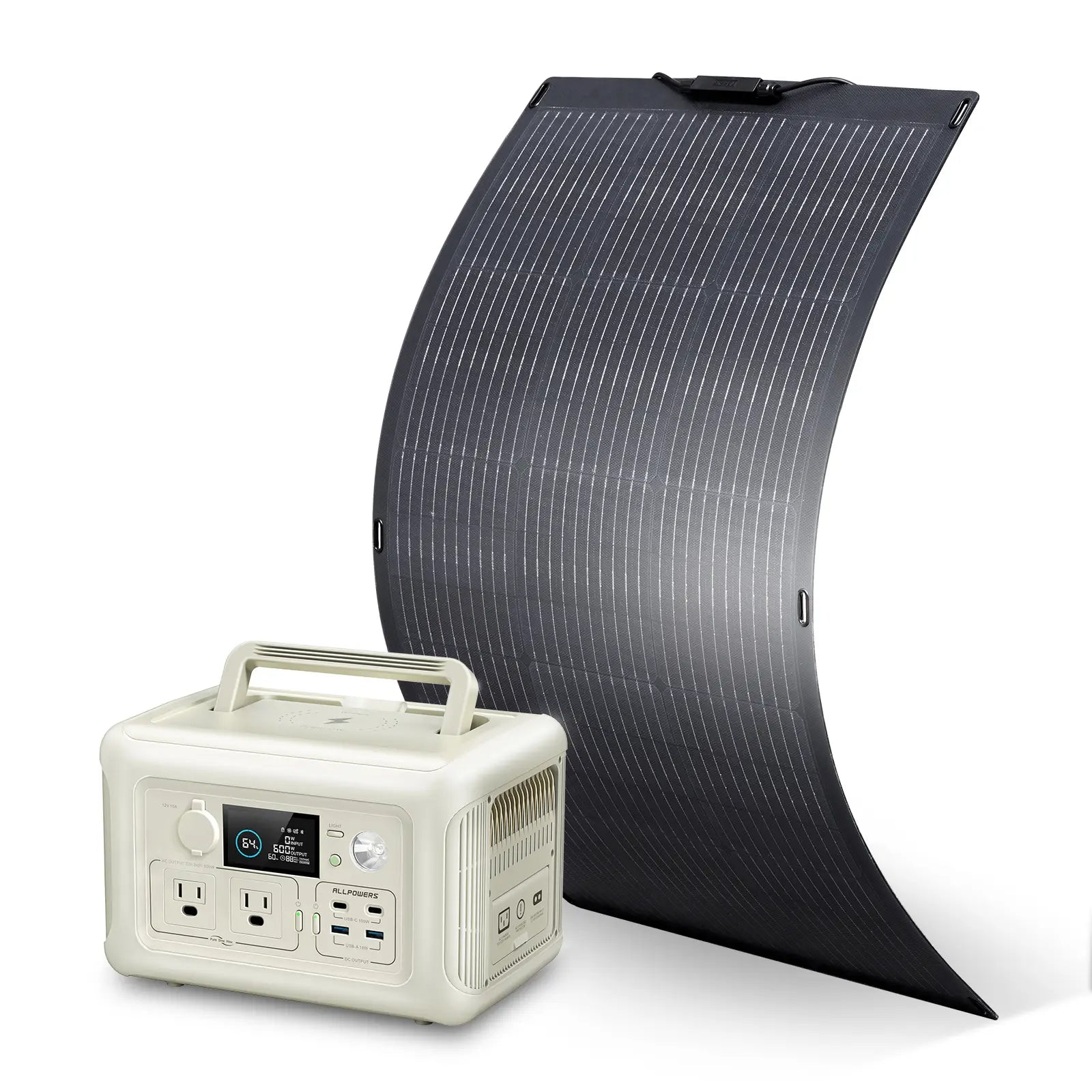
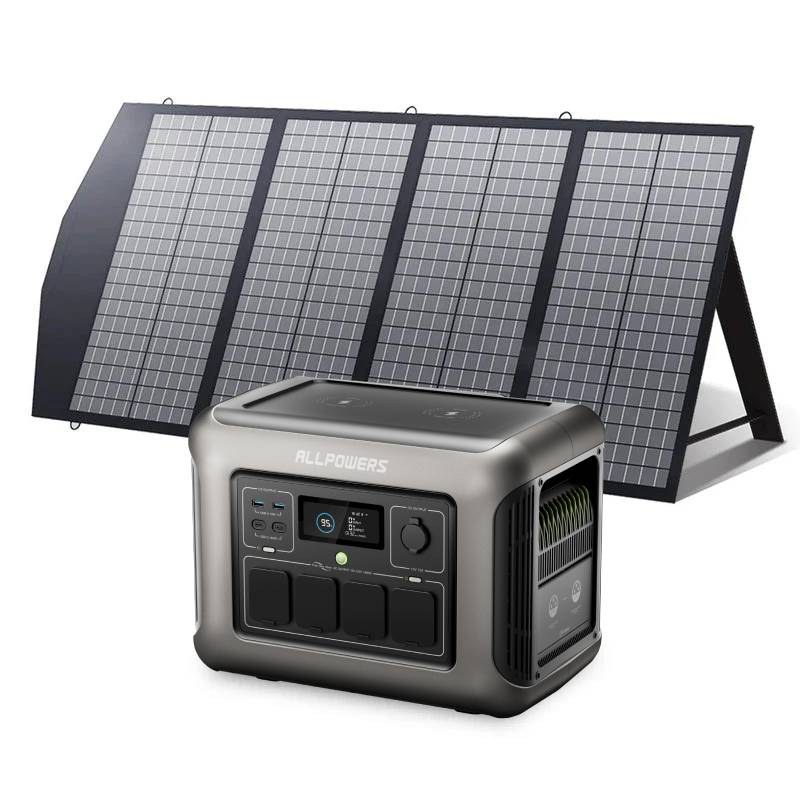
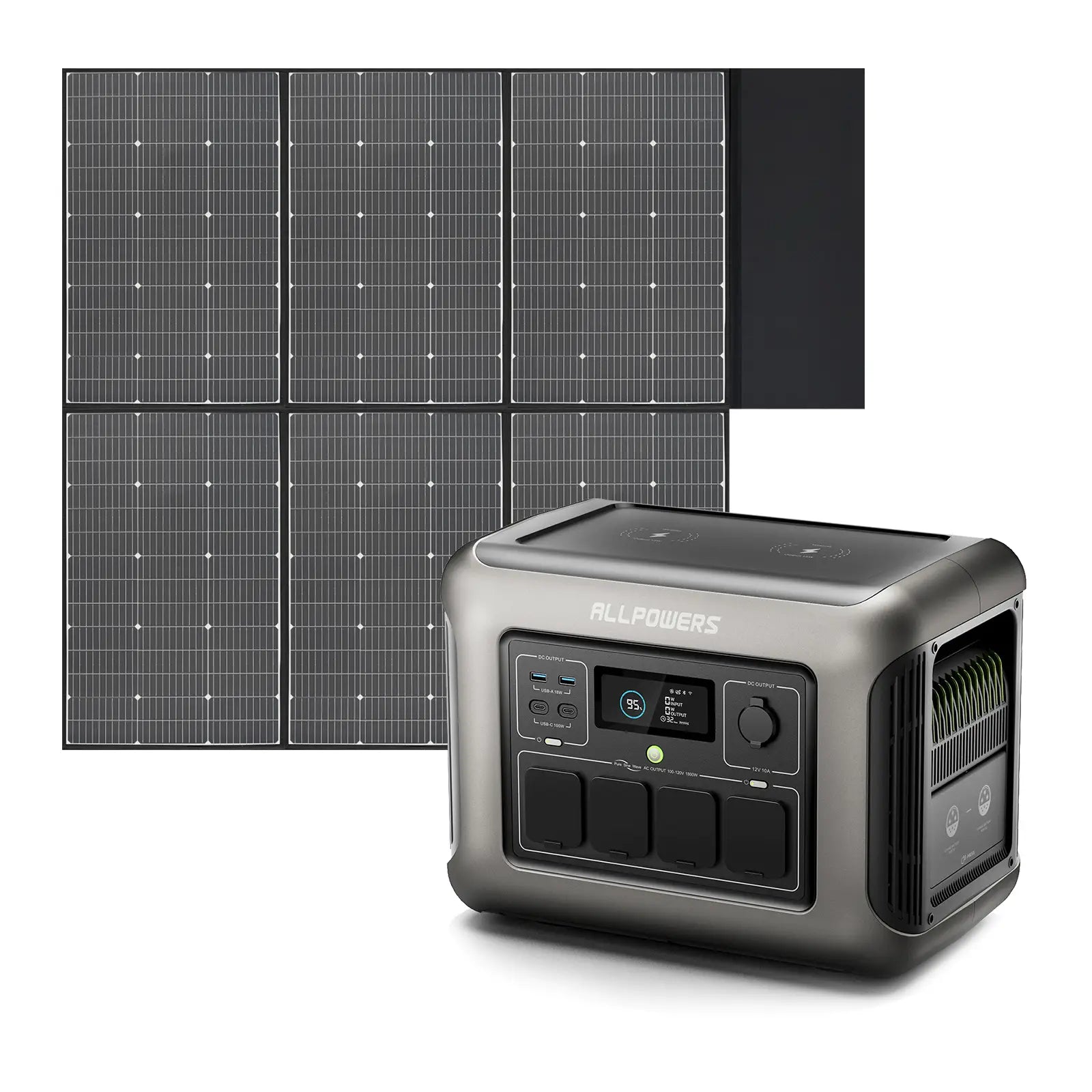
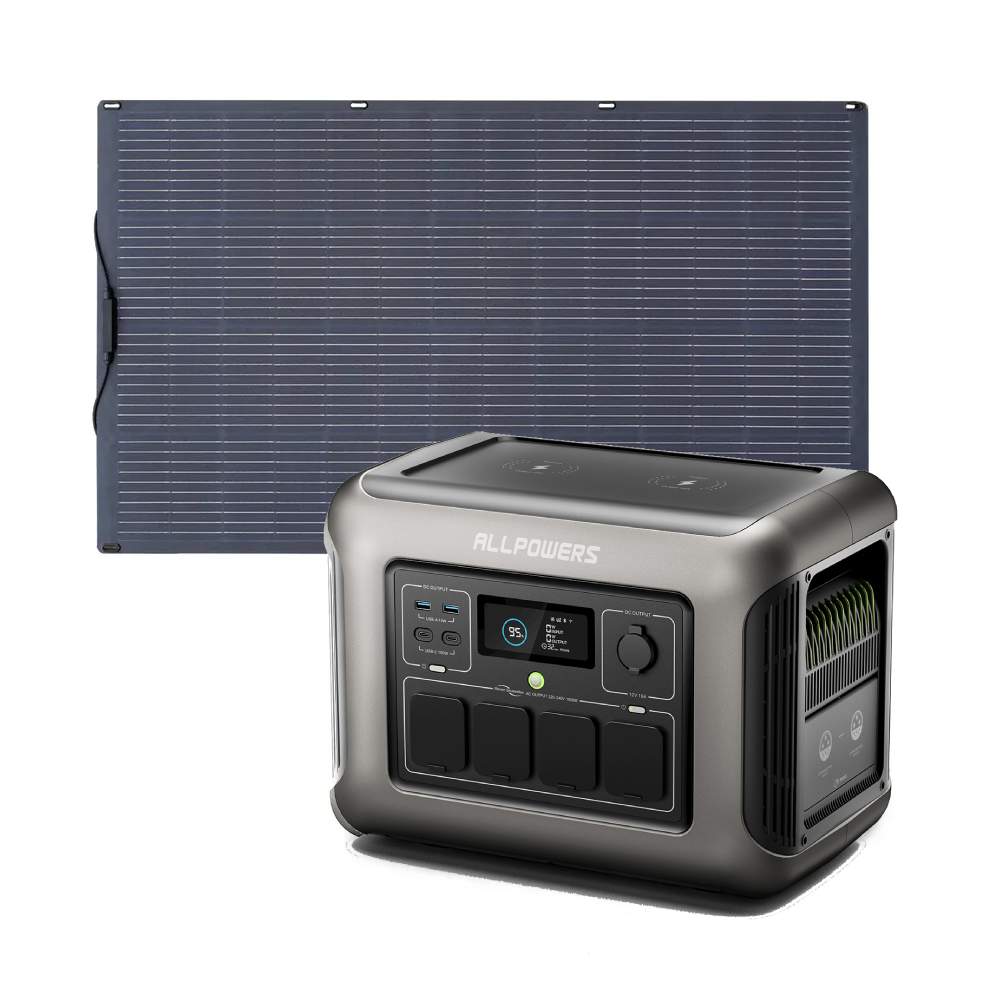
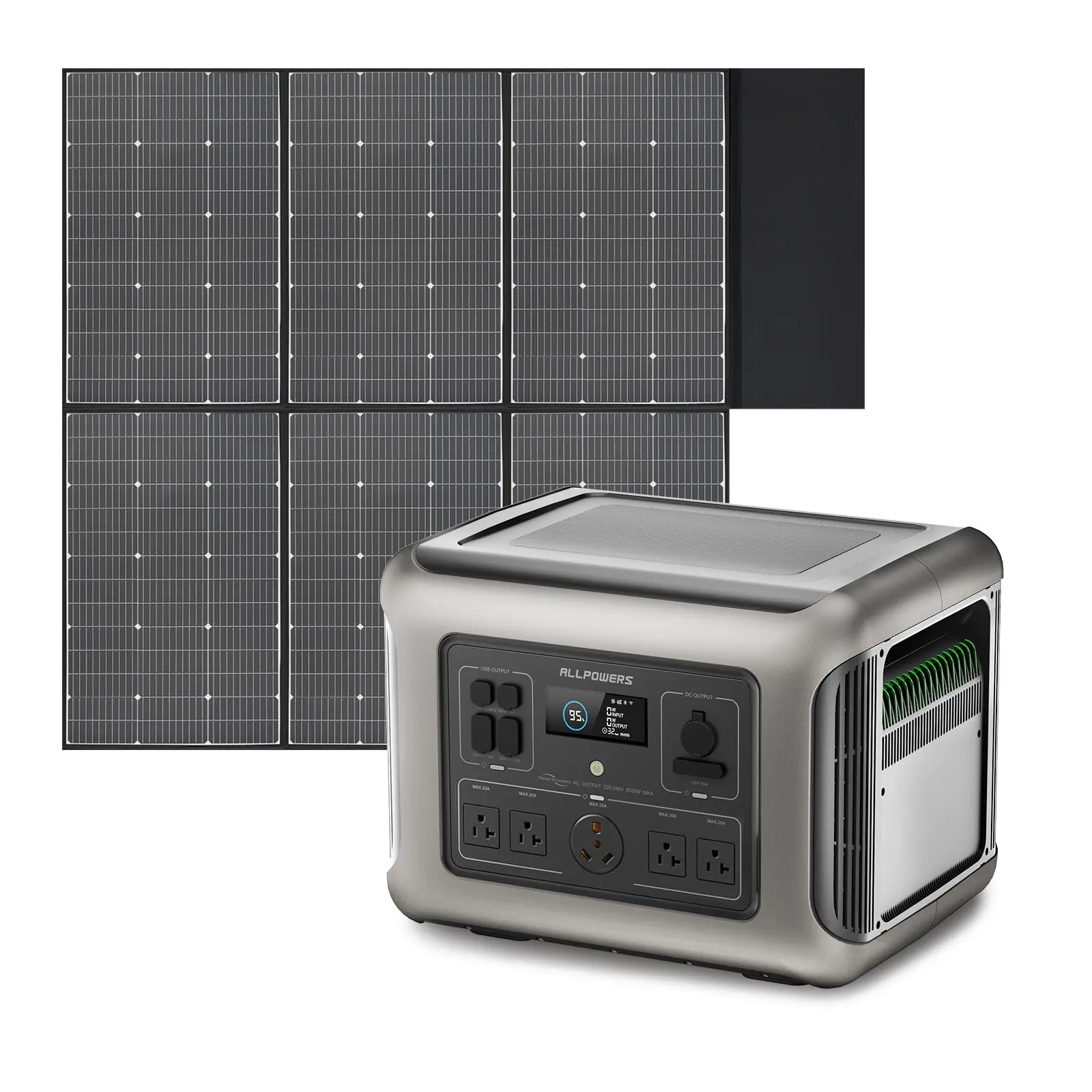
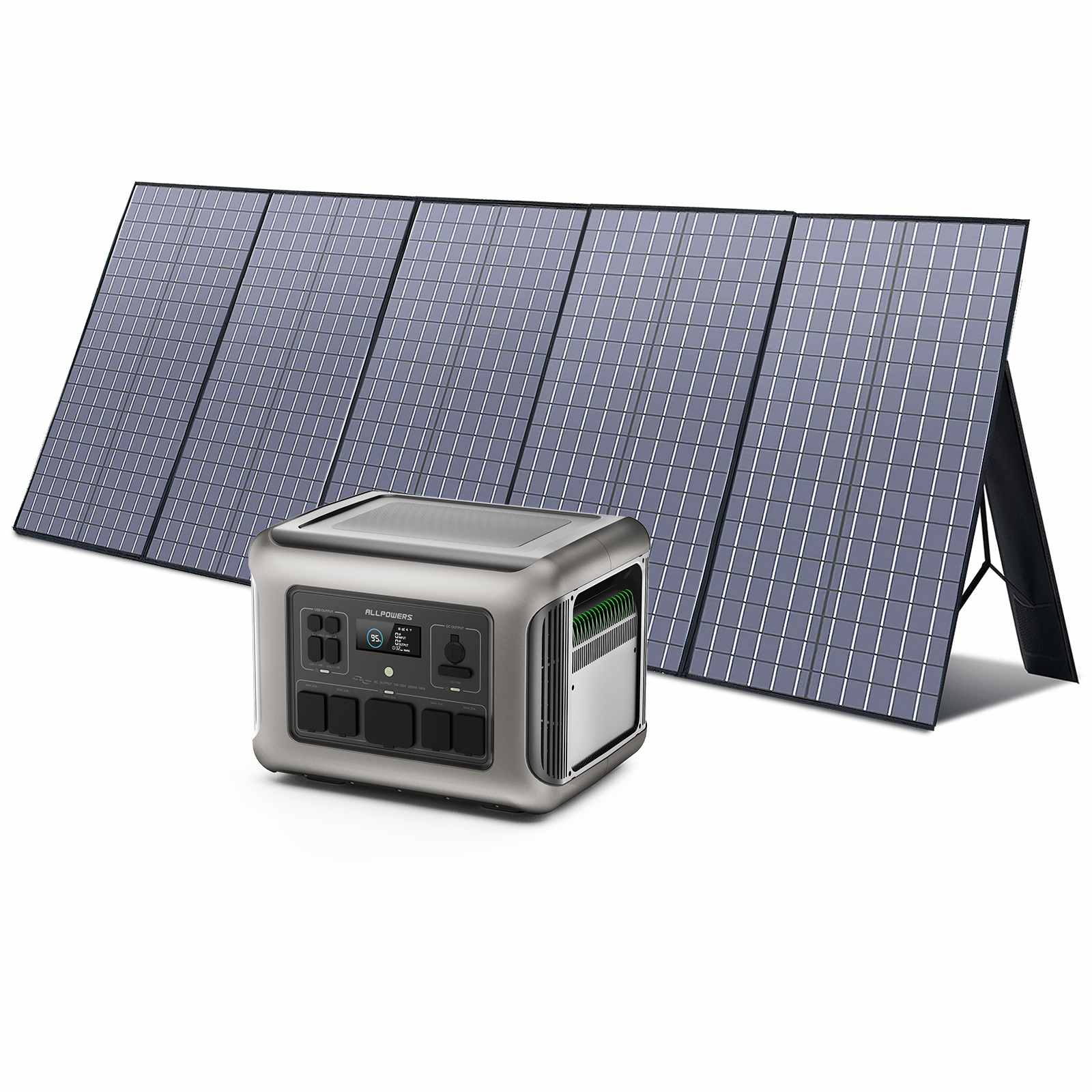
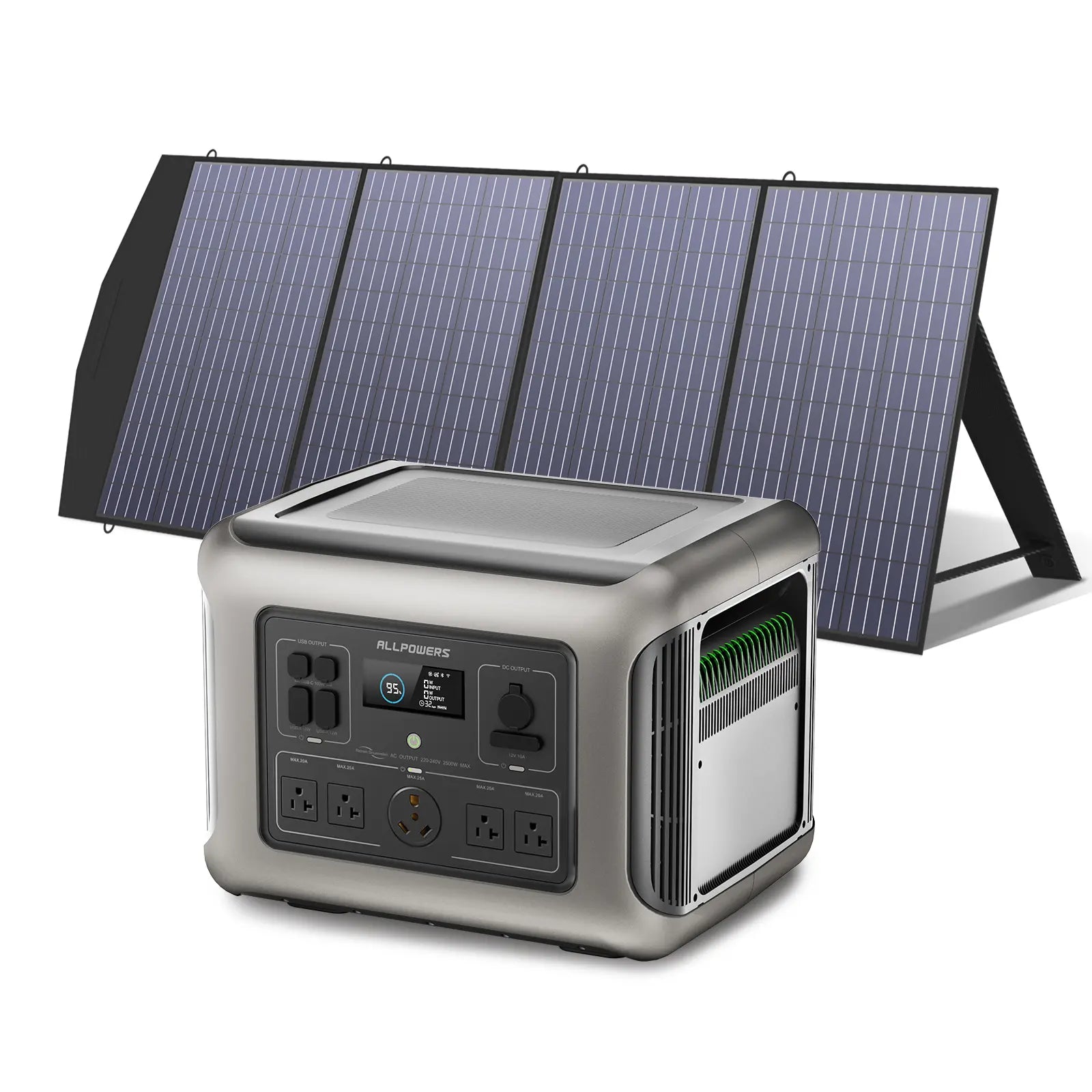
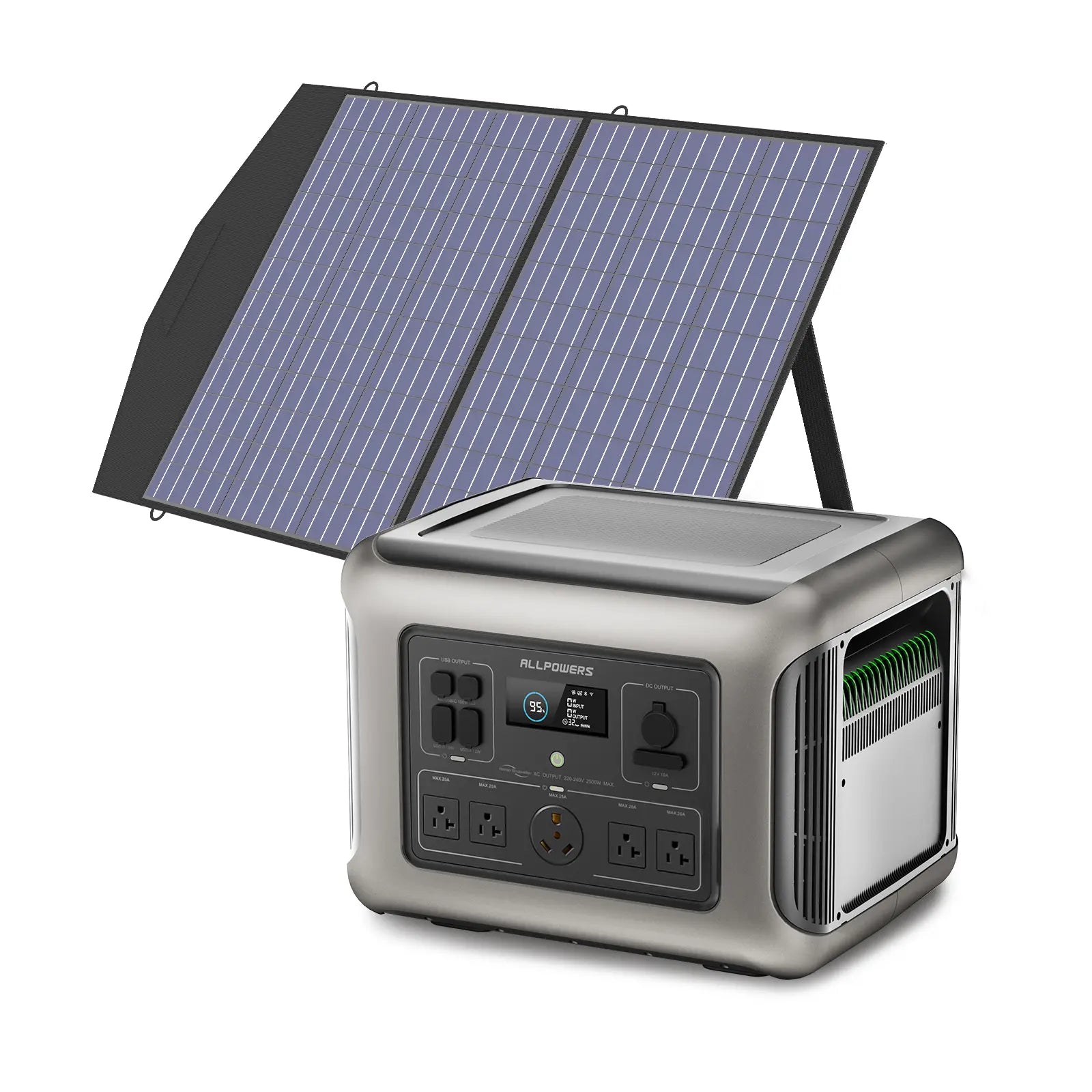
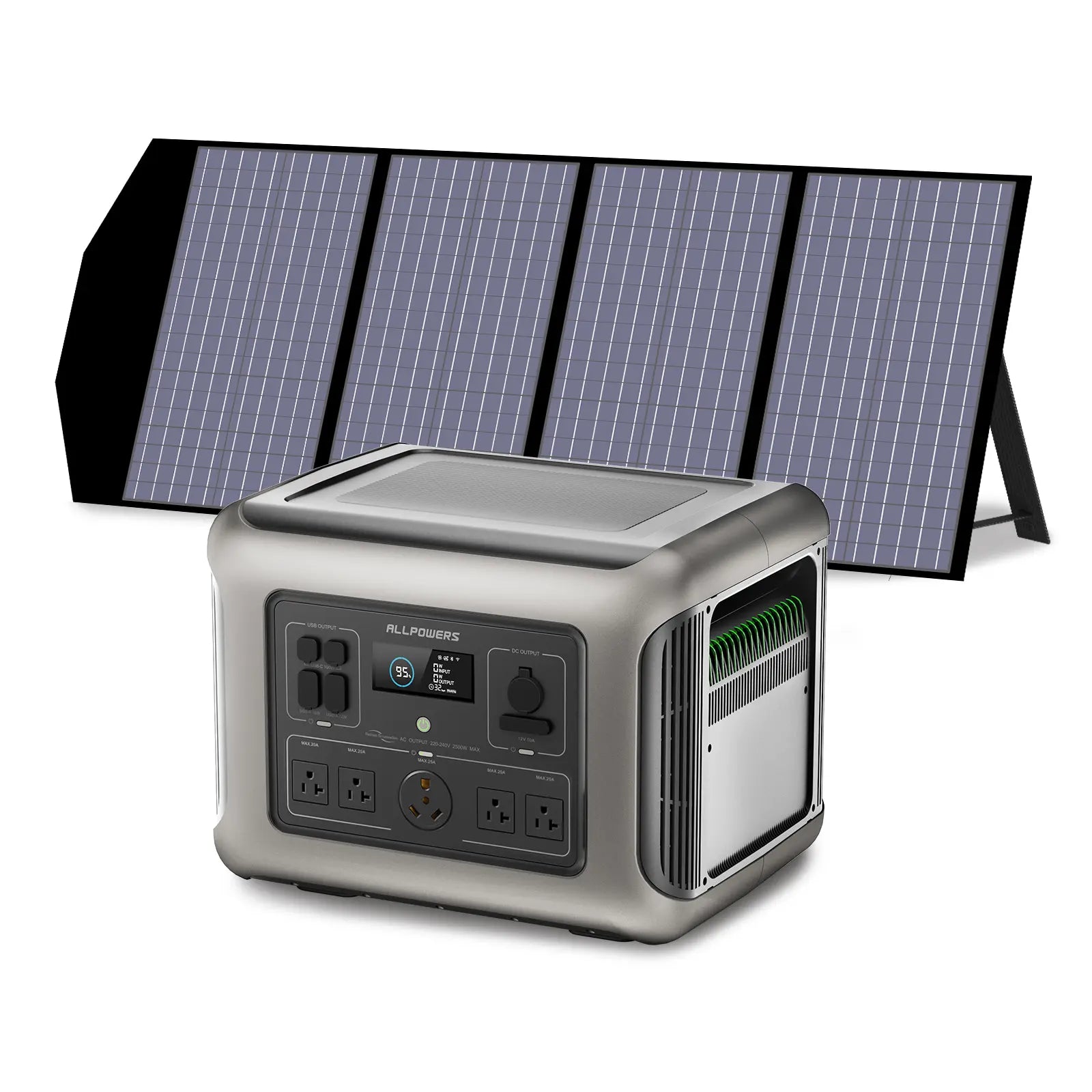
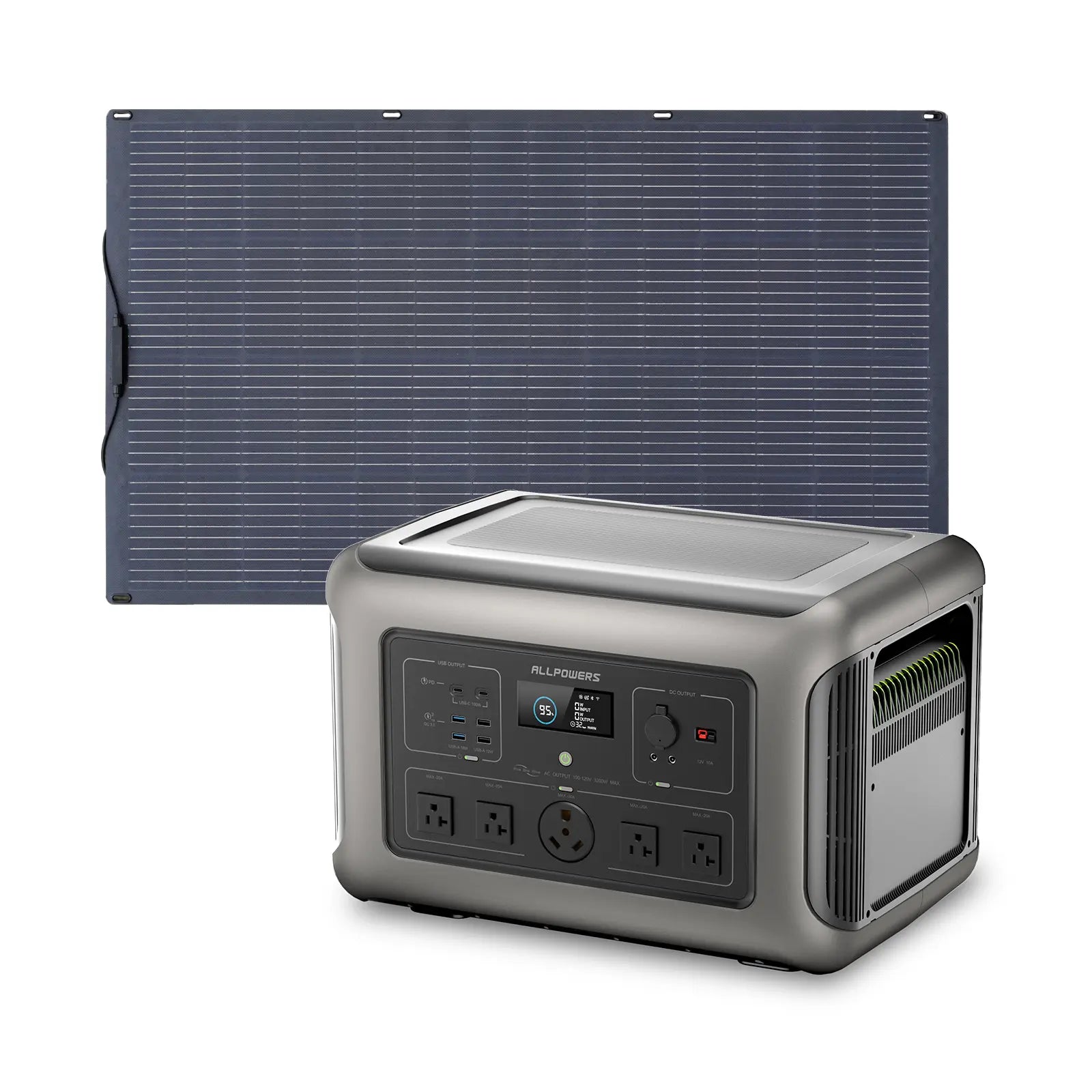
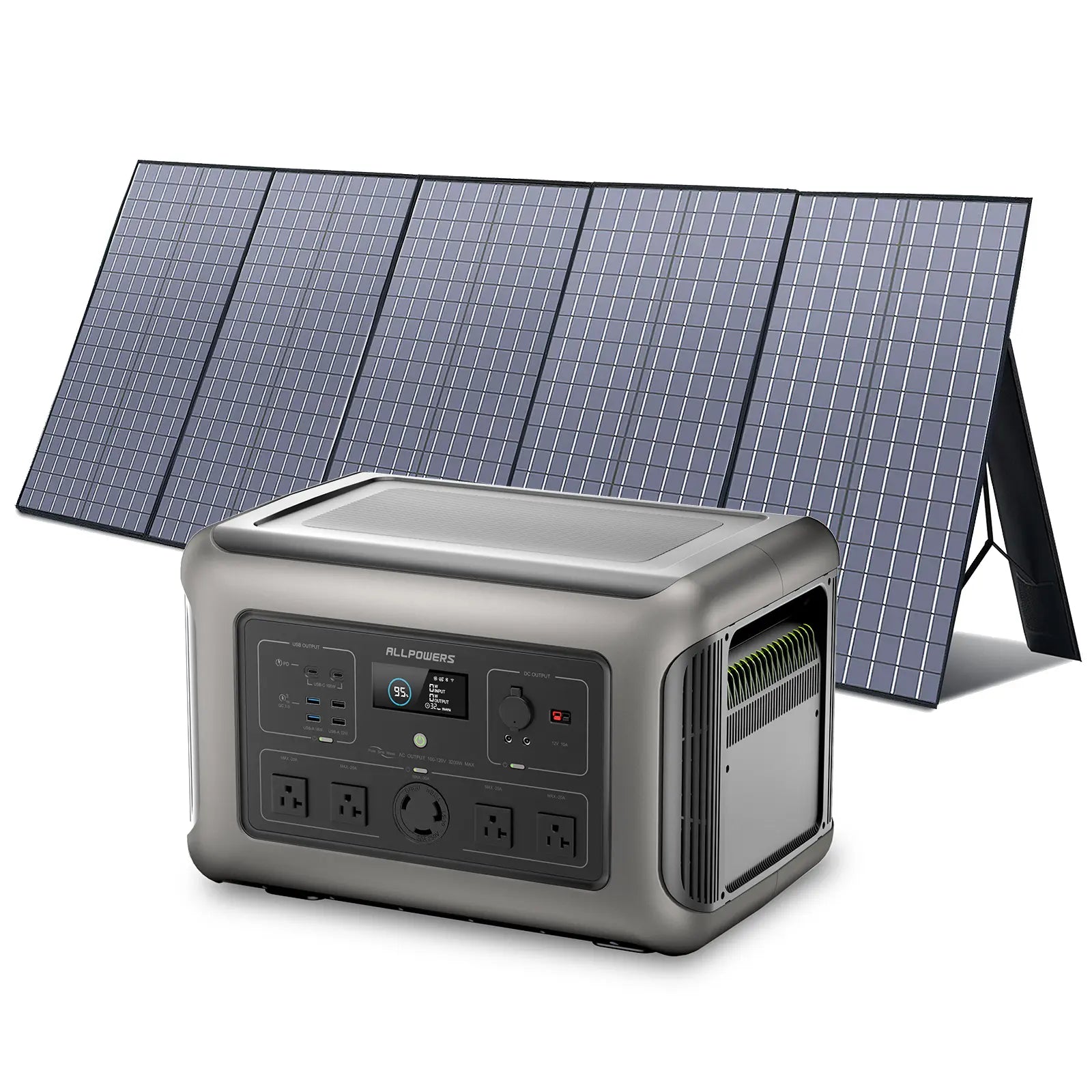
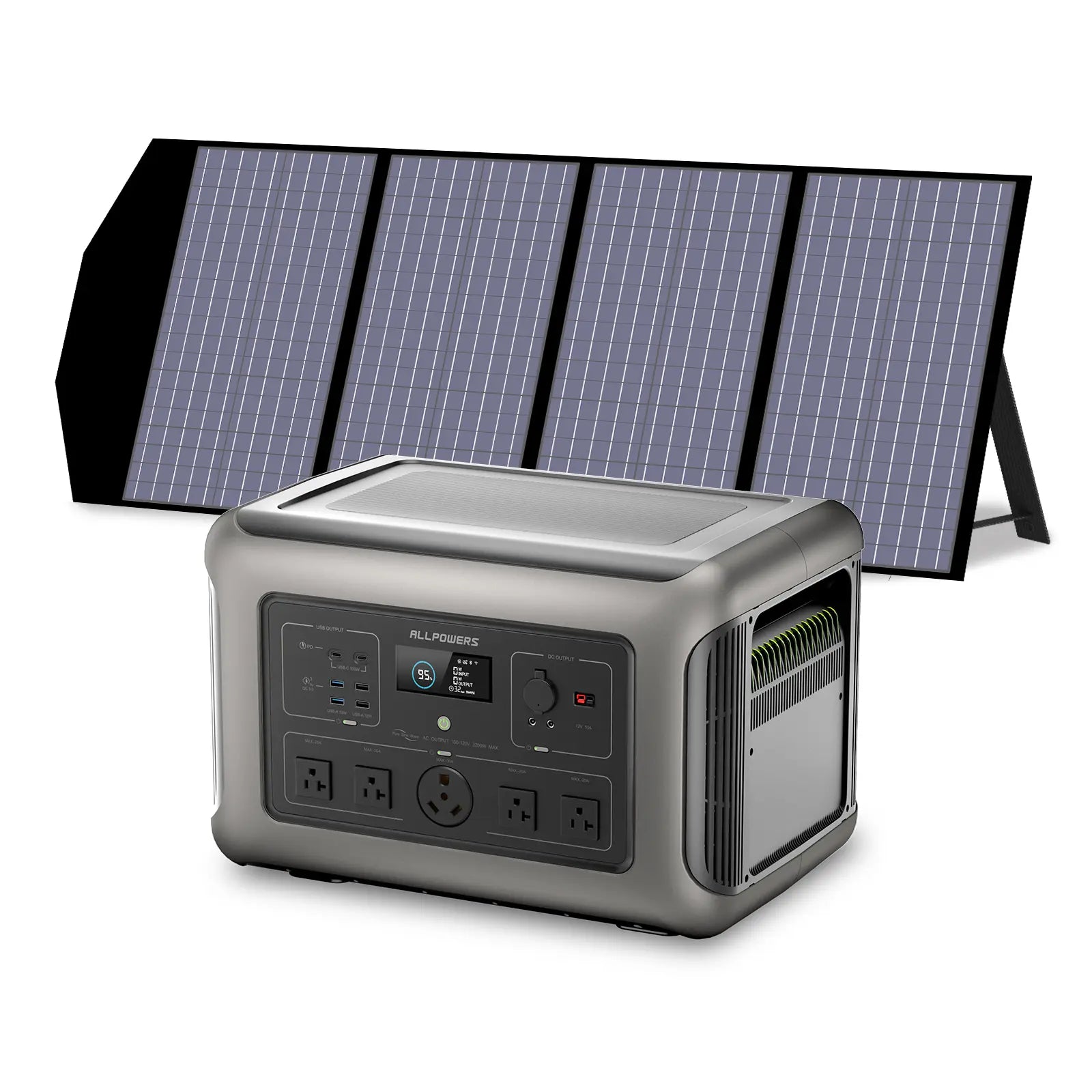
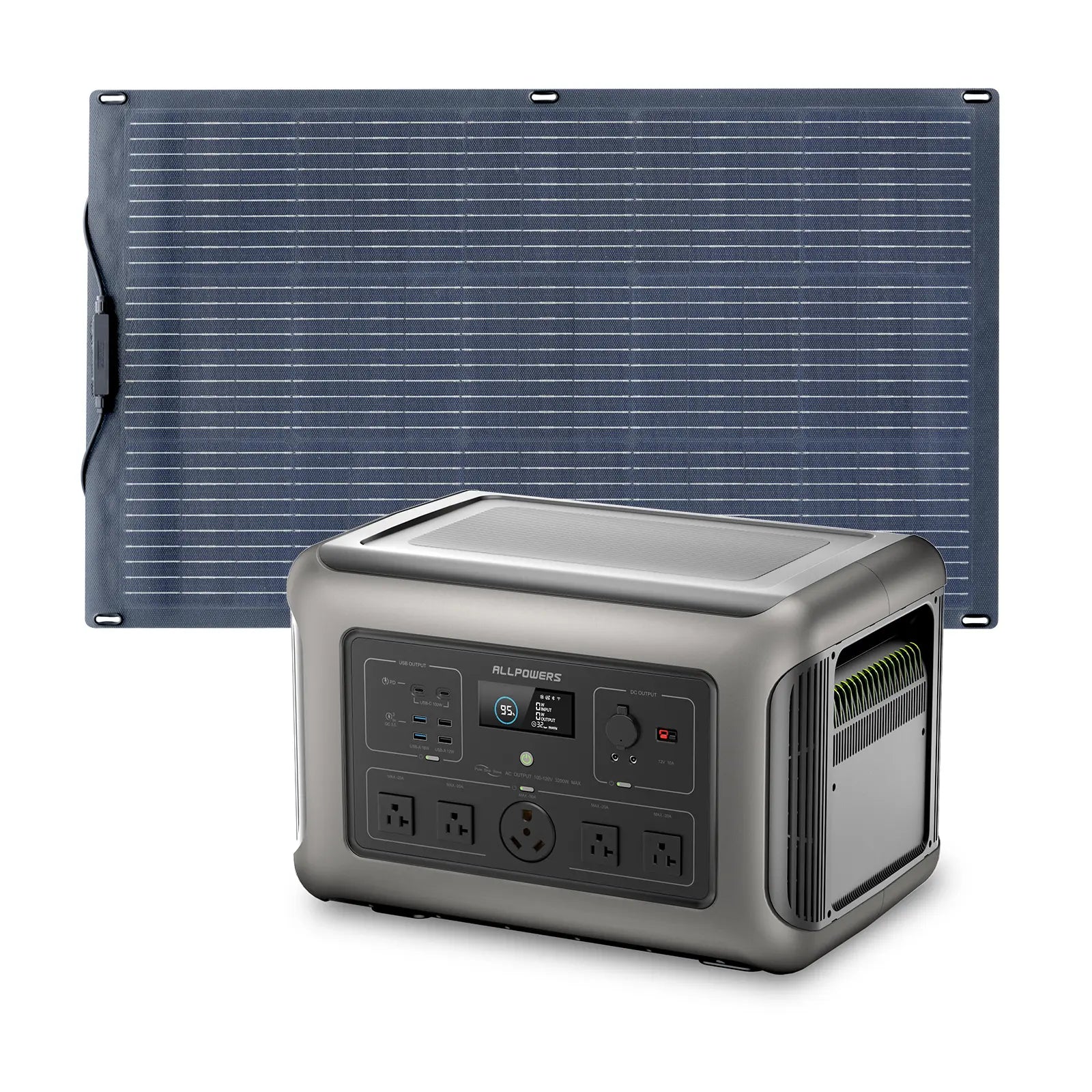
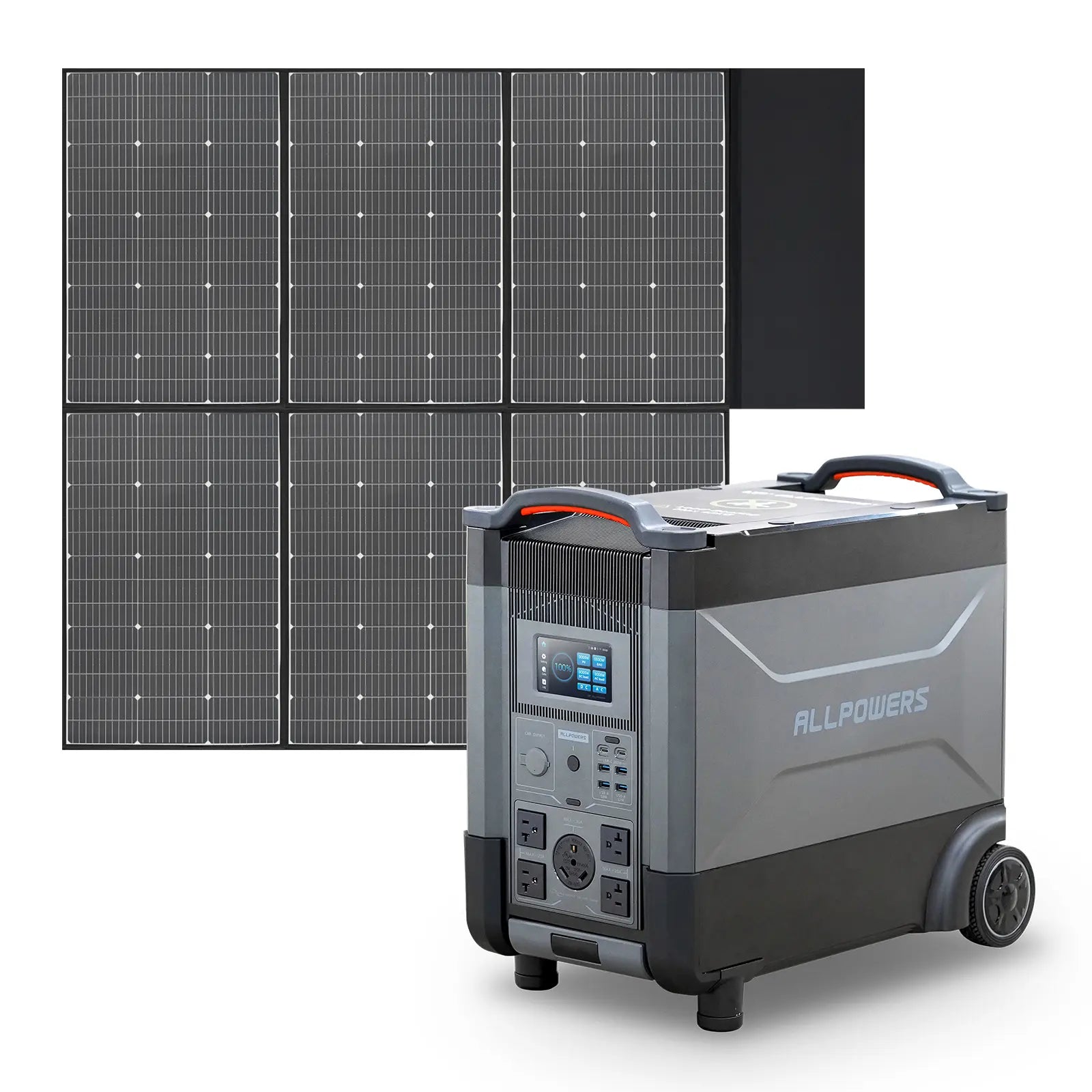
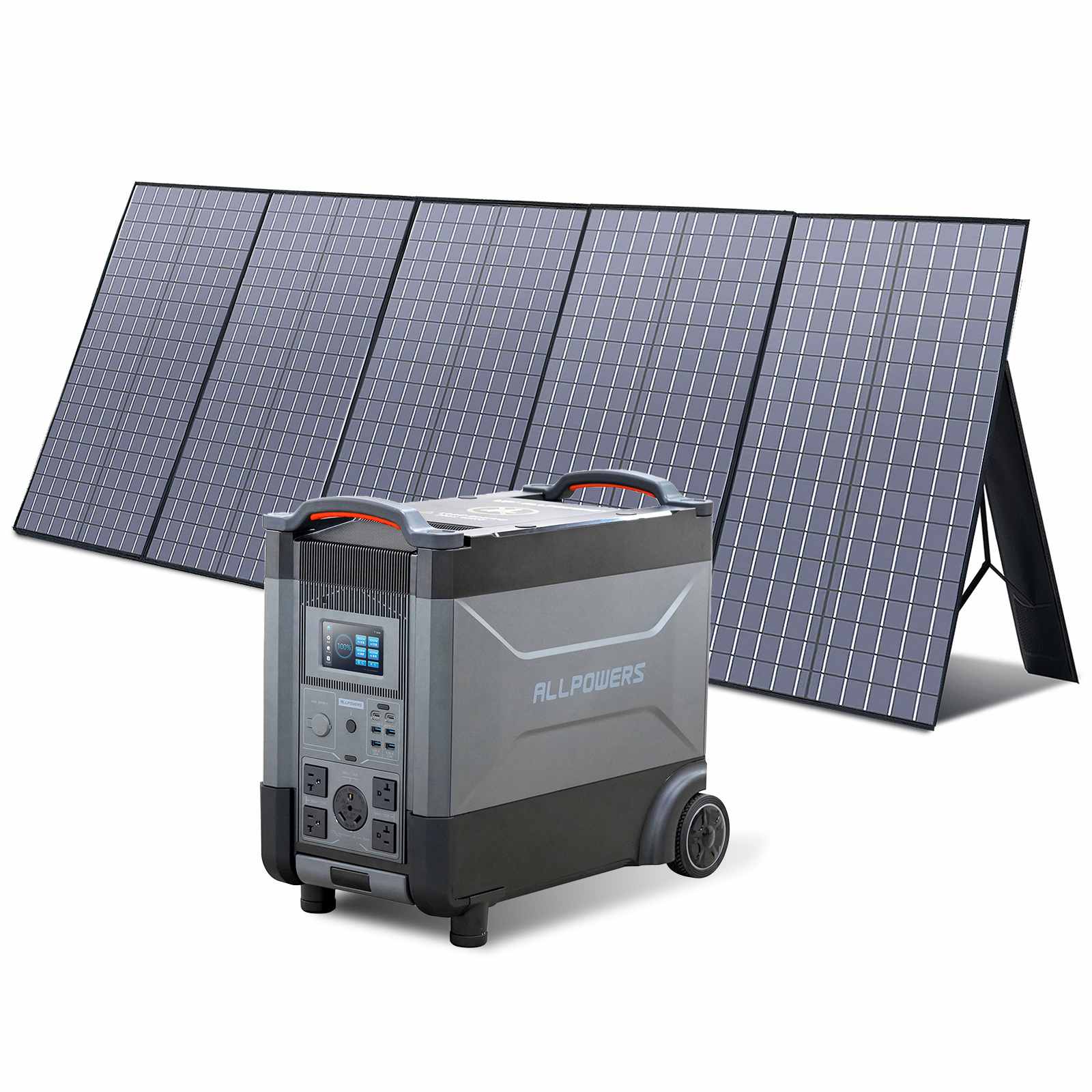
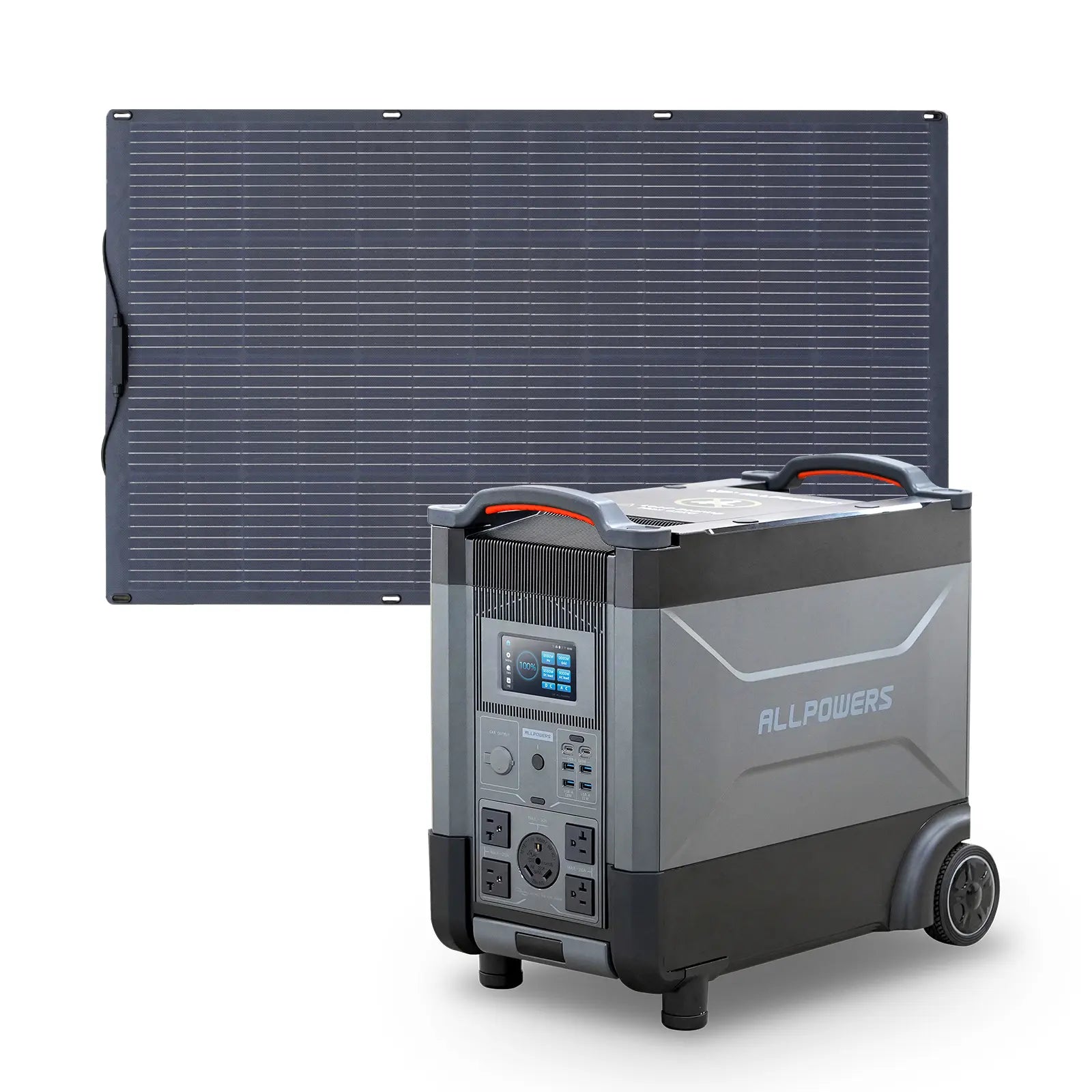
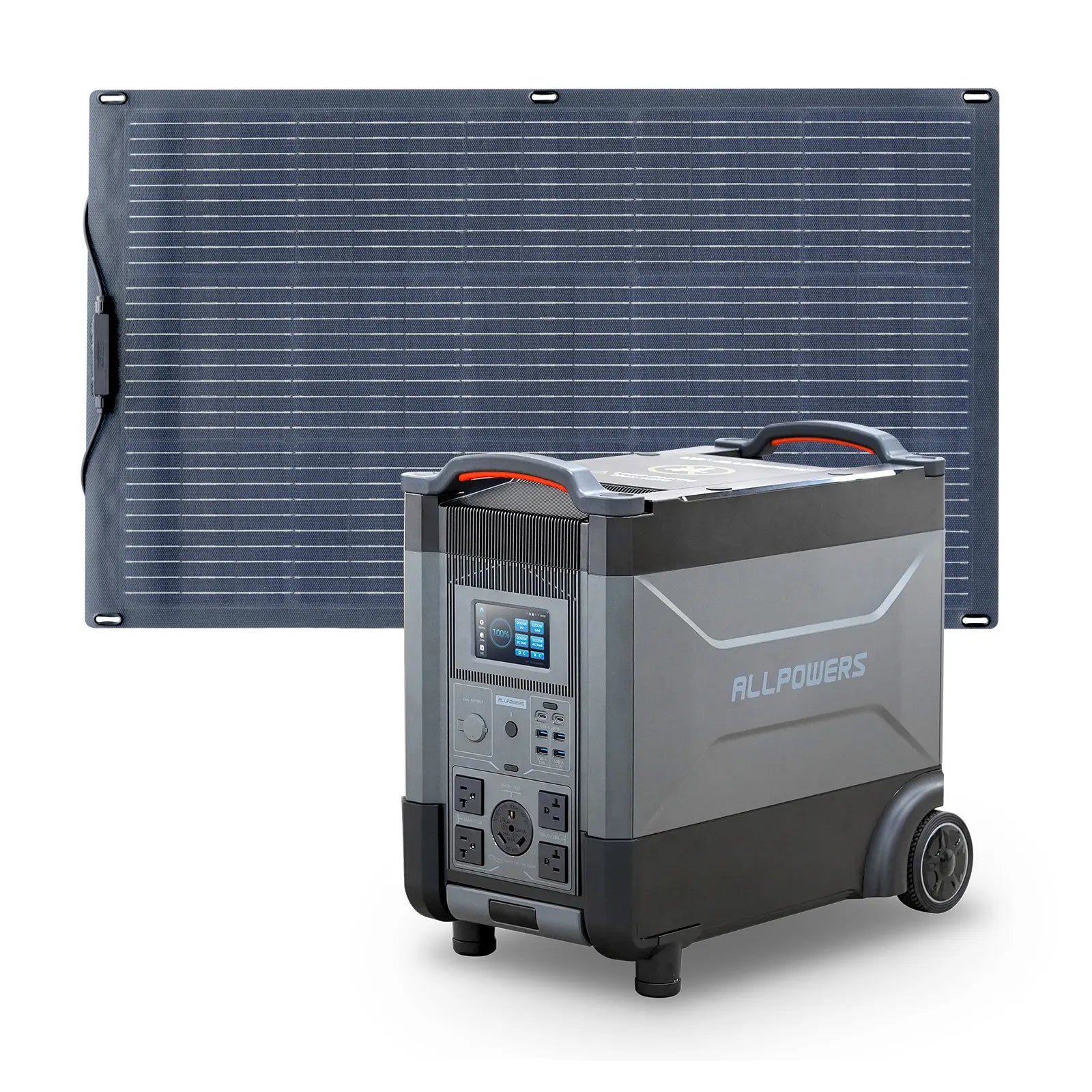
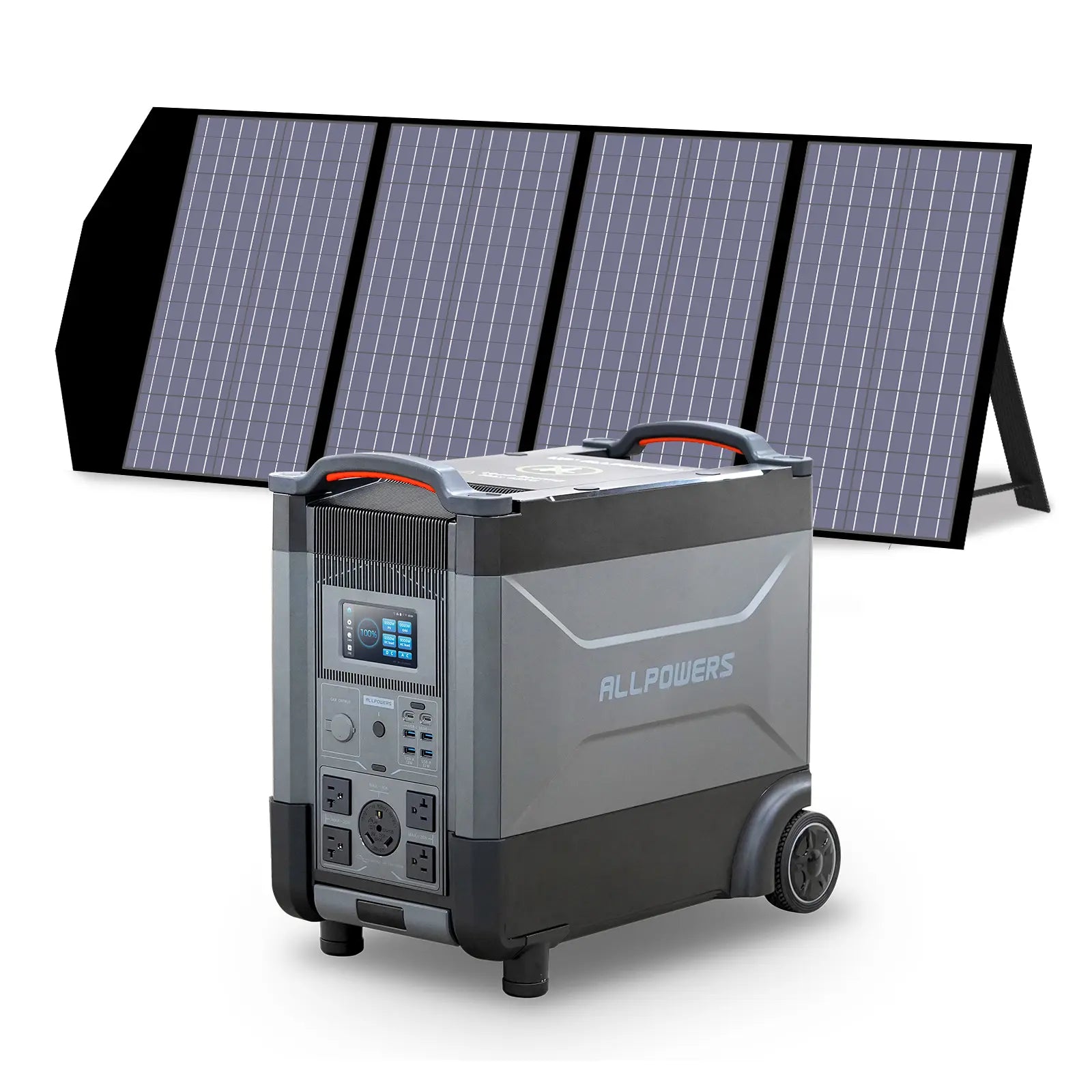
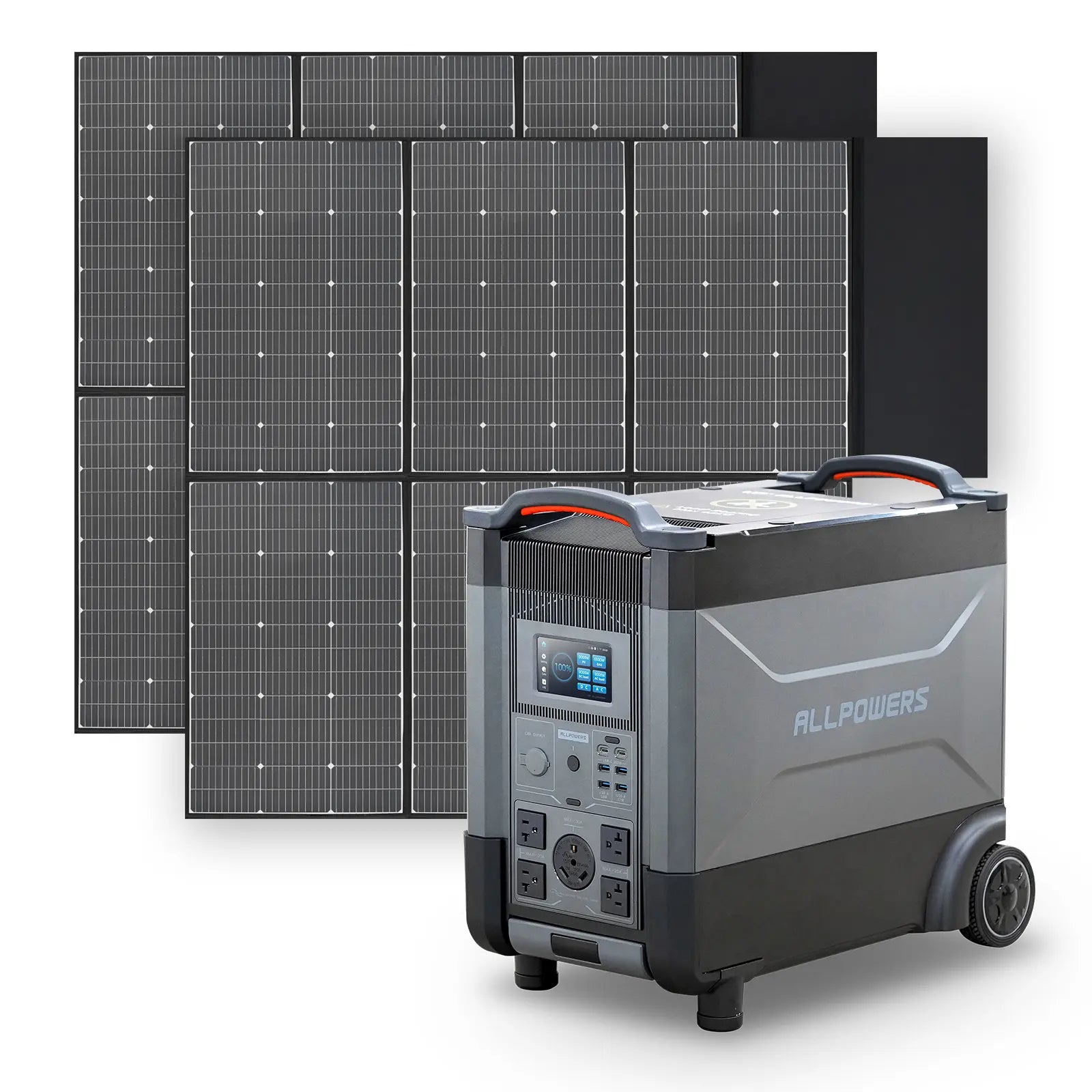
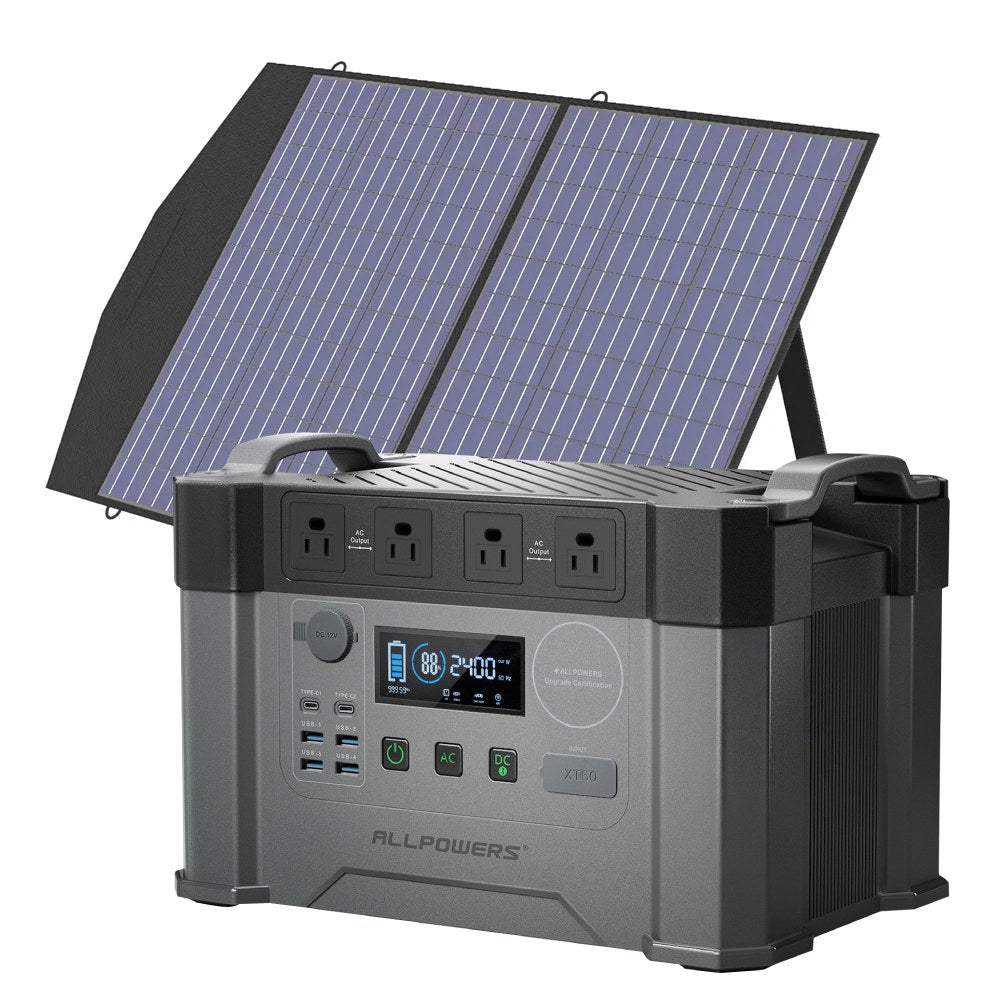
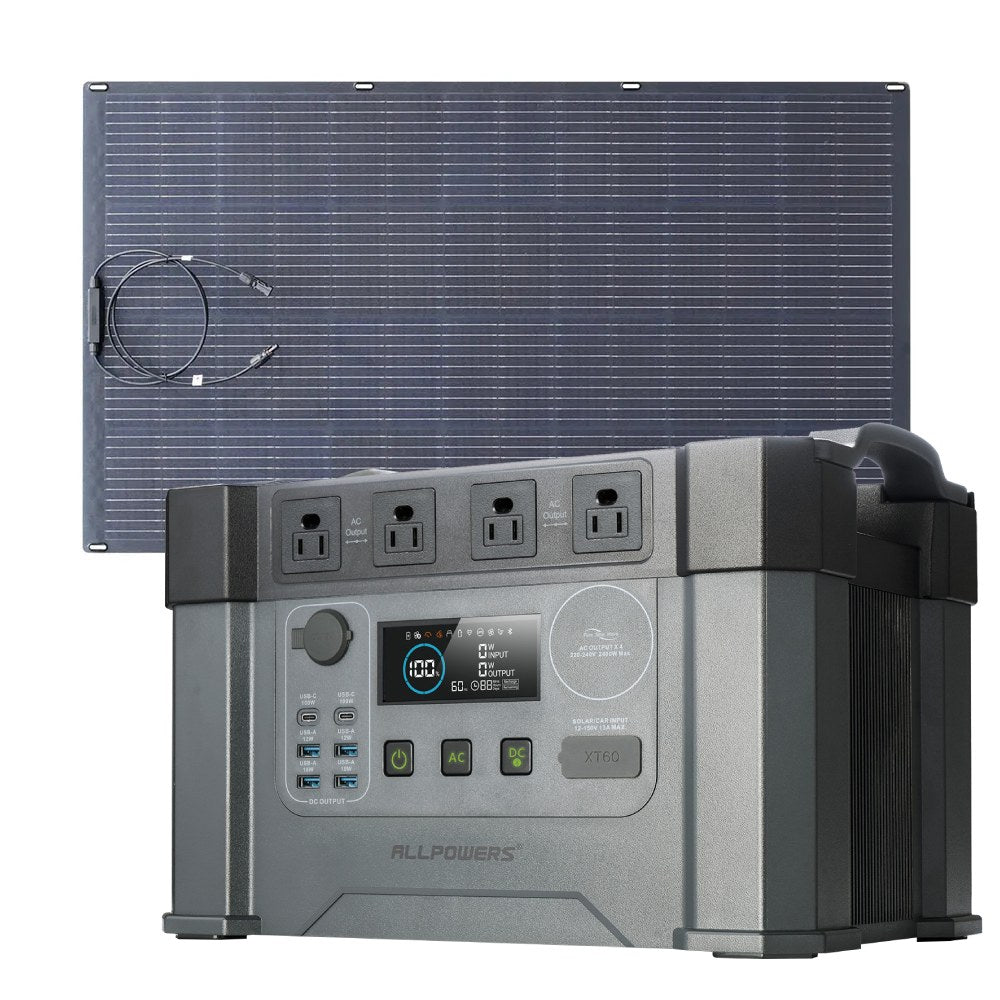
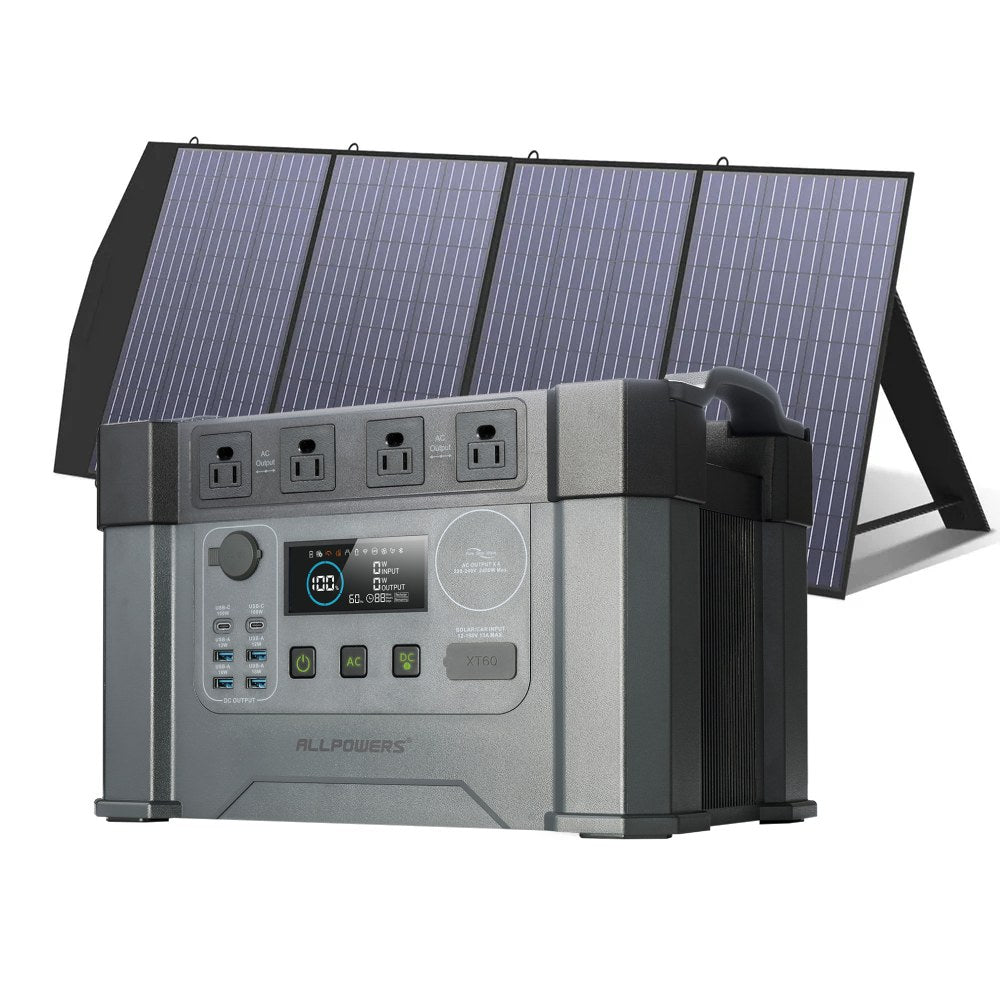
ALLPOWERS 2500W Solar Generator
$1,100.00 $1,799.00
- 2016Wh Capacity + 400W Soalr Input;;
- 2500W AC Output (4,000W Surge);
- Fast Charge 100% in 1 Hours;
- Start UPS in 15 ms;
- Expandable Up to 3x B1000 Expansion Battery;
How Much Power Does a Water Heater Use?
The amount of electricity required depends largely on the type and size of the water heater installed in your home.
Standard Electric Water Heaters
Most residential electric storage water heaters use heating elements rated between 3,000 and 5,500 watts.
Although many units contain two heating elements, they generally do not operate simultaneously.
Instead, one element activates at a time depending on the water temperature inside the tank.
Tankless Electric Water Heaters
Electric tankless water heaters often require substantially more power than traditional tank models.
Whole-house tankless systems can demand anywhere from 10,000 watts to more than 30,000 watts, making them impractical for many portable generators.
| Water Heater Type | Typical Wattage | Generator Requirement |
|---|---|---|
| Gas Water Heater | 50–200W | Very Low |
| Electric Tank Water Heater | 3,000–5,500W | Moderate to High |
| Small Electric Tankless Unit | 6,000–12,000W | High |
| Whole-House Tankless Unit | 10,000–30,000W+ | Very High |
How to Calculate Generator Size
Calculating generator size begins with determining the total electrical load you expect the generator to support.
If the generator will power only a water heater, the calculation is relatively straightforward.
Example Calculation
If your electric water heater uses 4,500 watts, a generator with a minimum continuous output slightly above 4,500 watts would generally be required.
Many homeowners choose generators with additional capacity to provide a safety margin and support other essential appliances simultaneously.
Running Multiple Appliances
If you plan to operate refrigerators, lighting, internet equipment, or kitchen appliances alongside the water heater, their power requirements must also be included in the calculation.
| Appliance | Typical Running Watts | Power Demand |
|---|---|---|
| Electric Water Heater | 3,000–5,500W | High |
| Refrigerator | 150–800W | Medium |
| LED Lighting | 50–200W | Low |
| Internet Router | 10–30W | Low |
| Microwave Oven | 800–1,500W | Medium to High |
Common Generator Sizing Mistakes
Ignoring Voltage Requirements
Many electric water heaters require 240-volt power. Purchasing a generator that only provides 120-volt output may prevent the heater from operating properly.
Forgetting Other Household Loads
Homeowners often calculate only the water heater's consumption and forget about other essential appliances that may need electricity during an outage.
Choosing the Absolute Minimum Size
Selecting a generator with no extra capacity can lead to overload issues and reduced flexibility if additional appliances need power.
Choosing the Right Generator for Your Situation
The best generator size ultimately depends on your water heater type, overall household energy needs, and emergency preparedness goals.
If you have a gas water heater, relatively modest backup power may be sufficient.
However, households with electric resistance water heaters typically require significantly larger generators because water heating demands substantial electrical energy.
Rather than focusing solely on the water heater itself, it is often helpful to view generator sizing as part of a broader household backup power strategy.
A properly sized system can provide greater flexibility, improved comfort, and more reliable support when utility power is unavailable.
Frequently Asked Questions
Can a 5,000-watt generator run a water heater?
It depends on the water heater's power requirements. Some smaller electric water heaters may operate on a 5,000-watt generator, but larger models often require additional capacity.
How many watts does a 50-gallon electric water heater use?
Many 50-gallon electric water heaters use between 4,500 and 5,500 watts while heating water.
Can a portable generator run a hot water heater?
Yes. As long as the generator provides sufficient running wattage and meets the appliance's electrical requirements, it can power a hot water heater.
Do gas water heaters need electricity?
Most gas water heaters require a small amount of electricity for ignition systems and controls, but their electrical demand is much lower than electric water heaters.
Should I size a generator only for my water heater?
In most cases, it is better to calculate the total power needs of all critical appliances rather than sizing a generator for a single device.