







Power outages can happen unexpectedly, whether caused by severe weather, grid failures, or maintenance issues.
When the lights go out, many homeowners begin wondering how large a generator they actually need to keep their homes running comfortably.
For a 1,500-square-foot house, the answer is not as simple as choosing a generator based solely on home size.
Instead, the correct generator size depends on which appliances and systems you plan to power during an outage.
So, what size generator is needed to run a 1,500 sq ft house?
TL;DR:
Most 1,500-square-foot homes require between 5,000 and 10,000 watts to operate essential appliances during a power outage. Running an entire house, including central air conditioning, electric water heating, and multiple large appliances, may require 10,000 to 15,000 watts or more. The most accurate way to size a generator is by calculating the wattage requirements of the devices you actually need to power.
How Much Power Does a 1,500 Sq Ft House Use?
A typical 1,500-square-foot home may consume anywhere from a few thousand watts to well over 15,000 watts depending on which appliances are operating.
During normal daily living, not every appliance runs simultaneously. However, backup power planning should consider peak usage scenarios and the startup demands of major equipment.
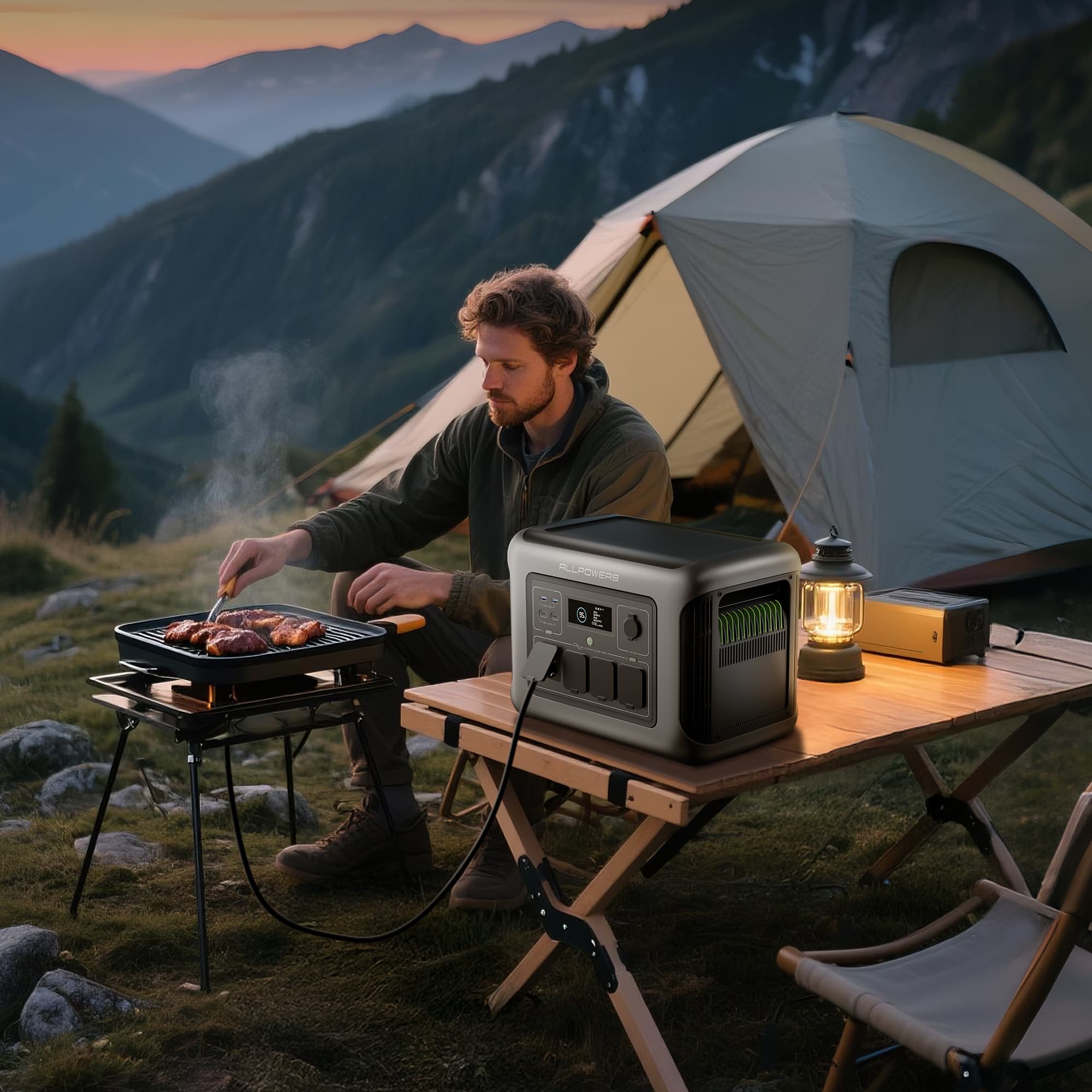
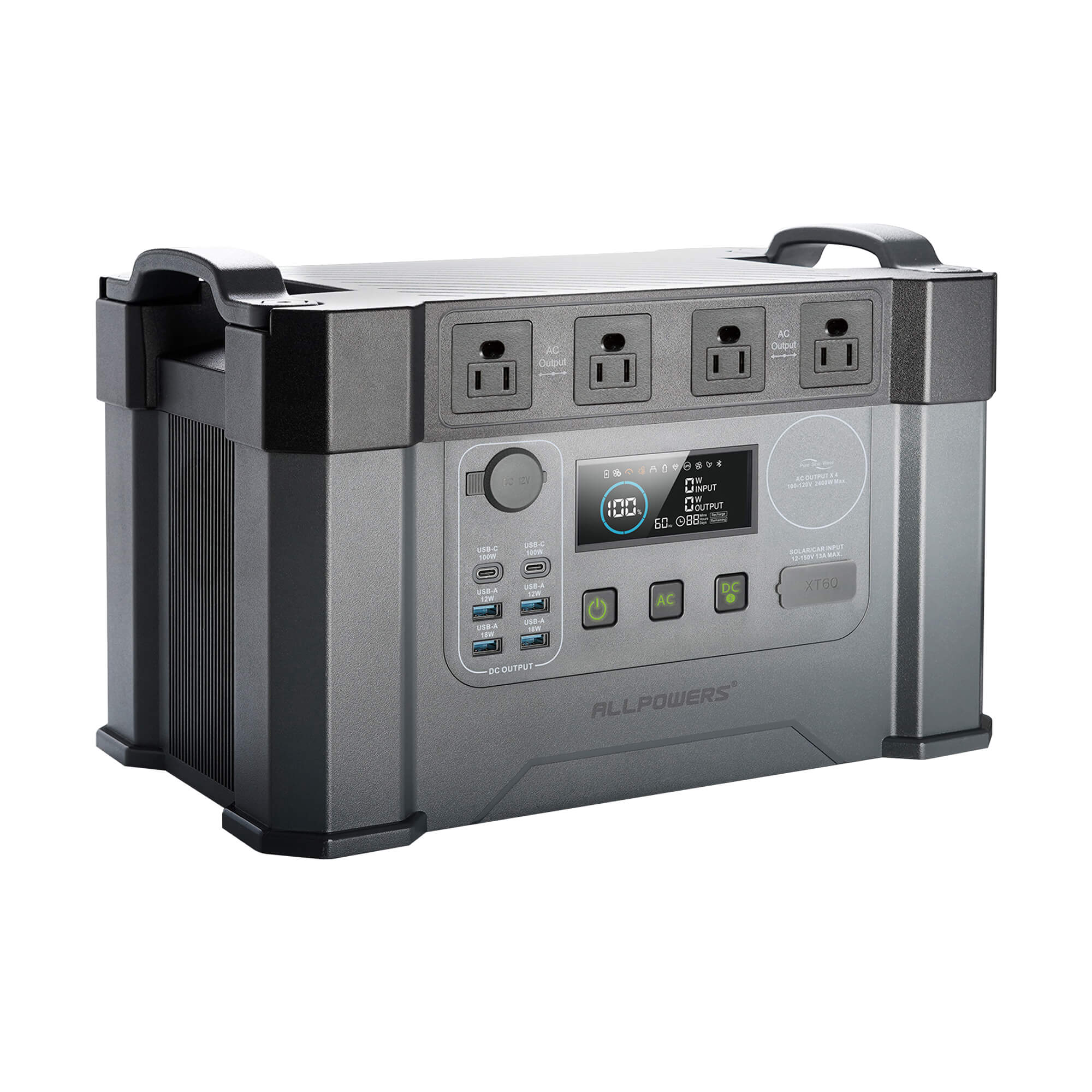
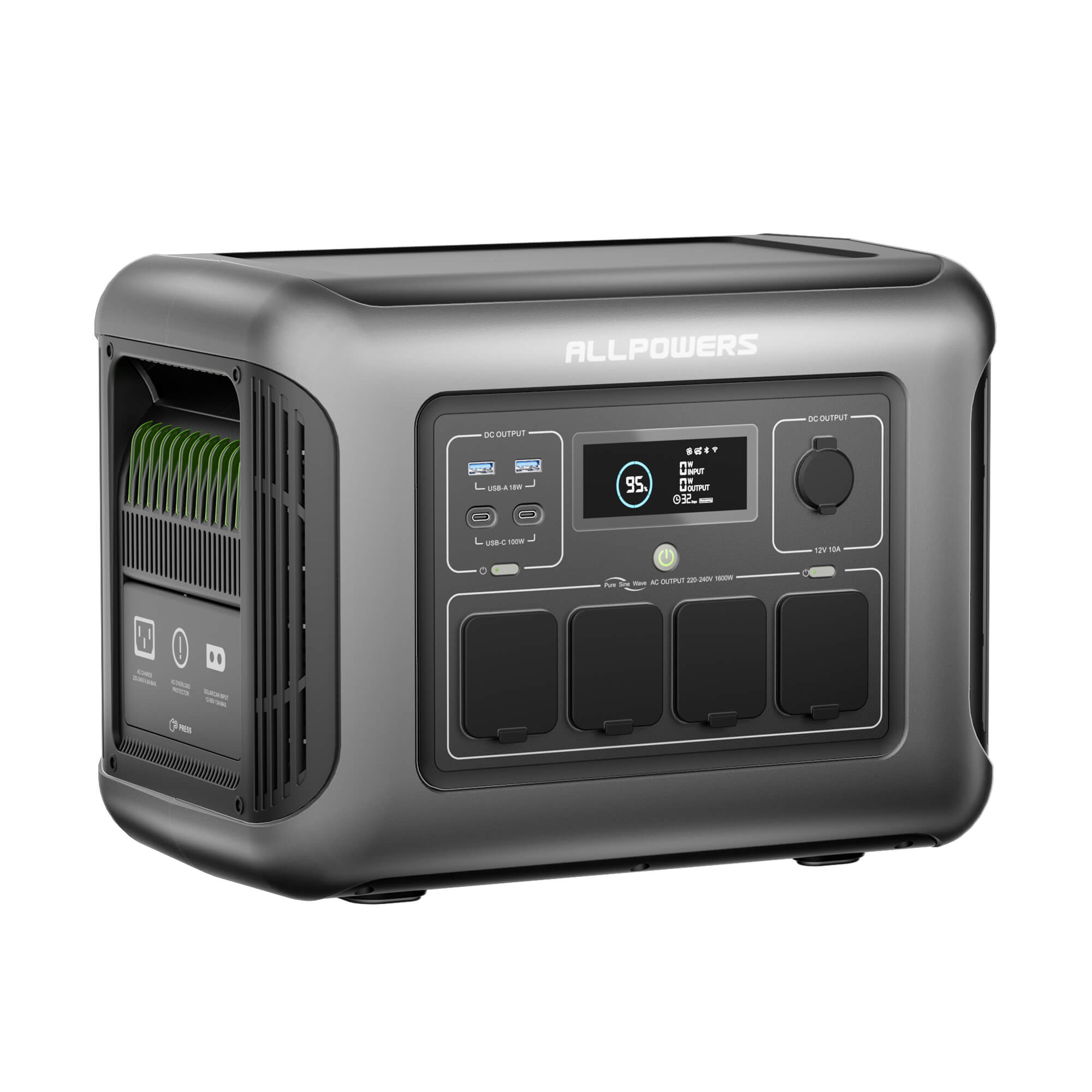
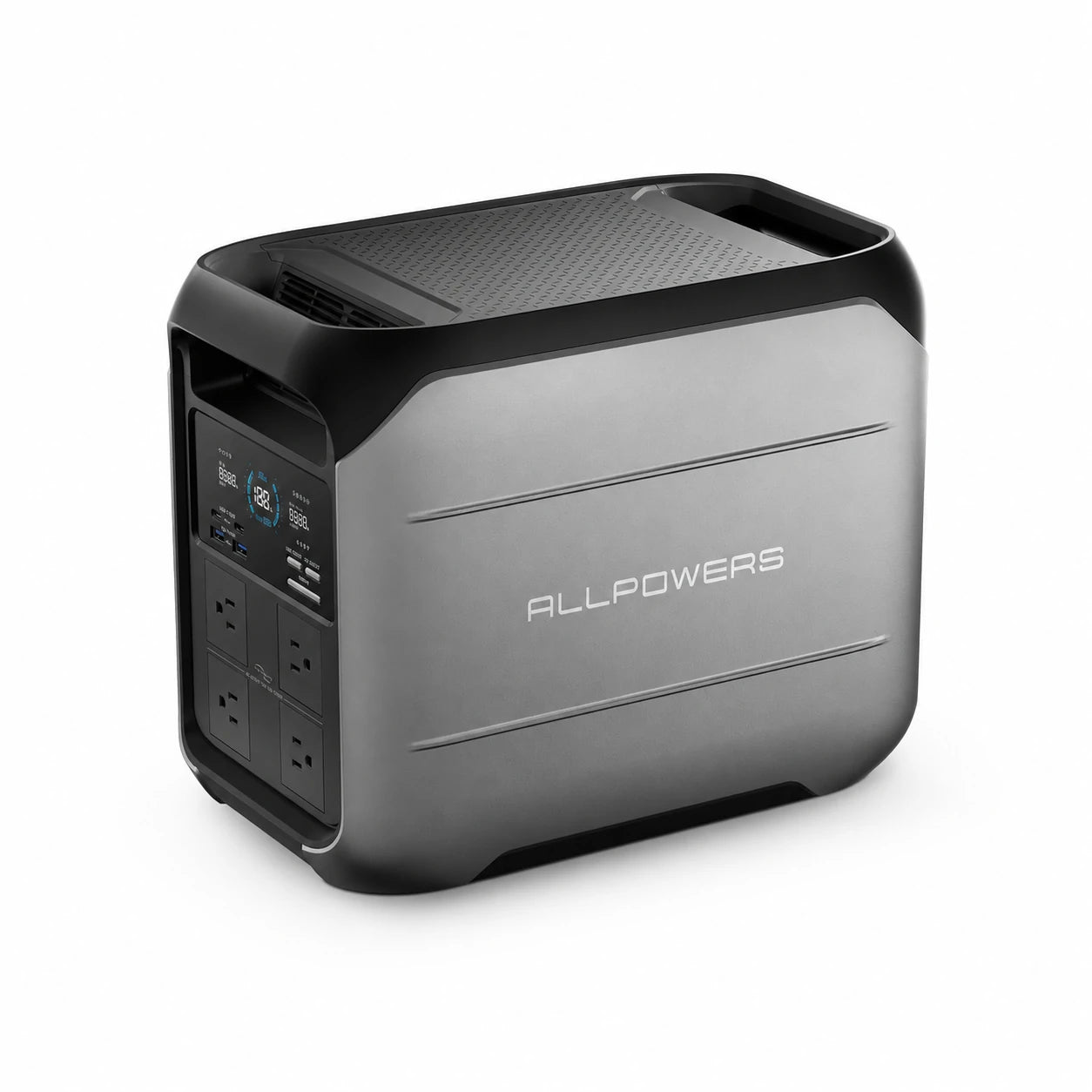
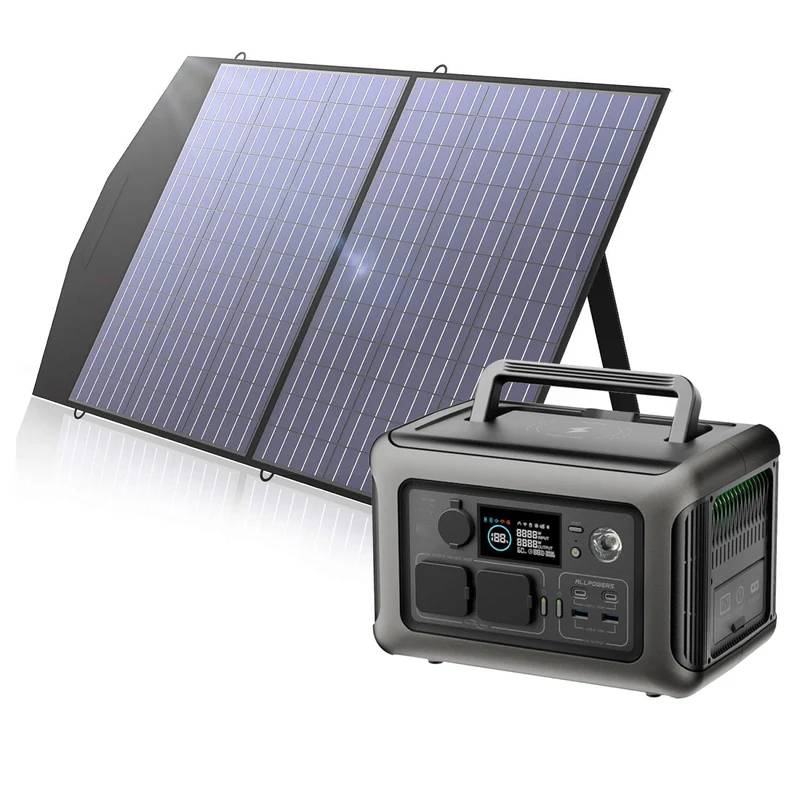
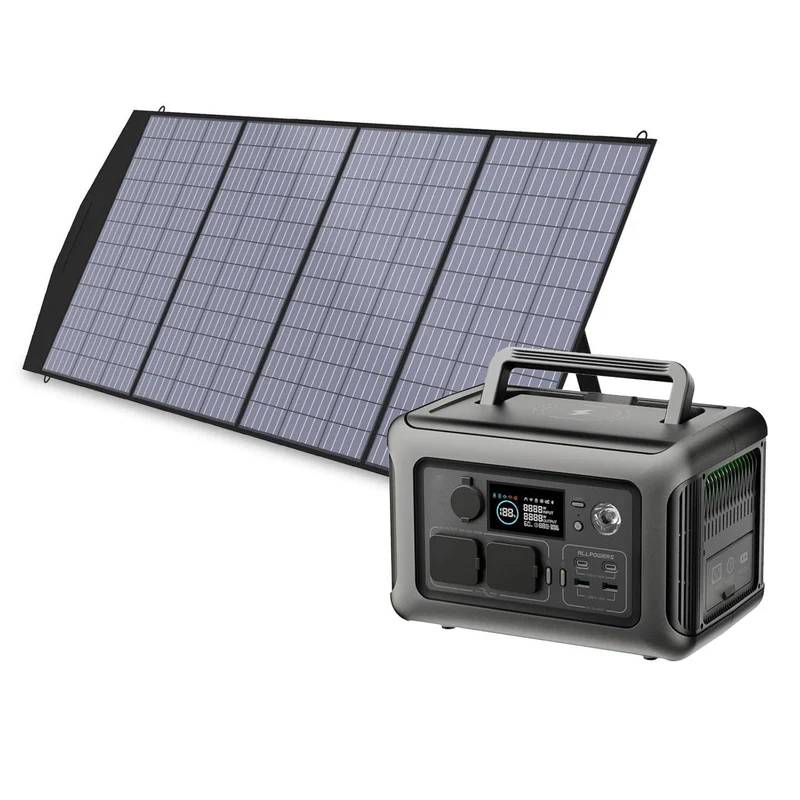
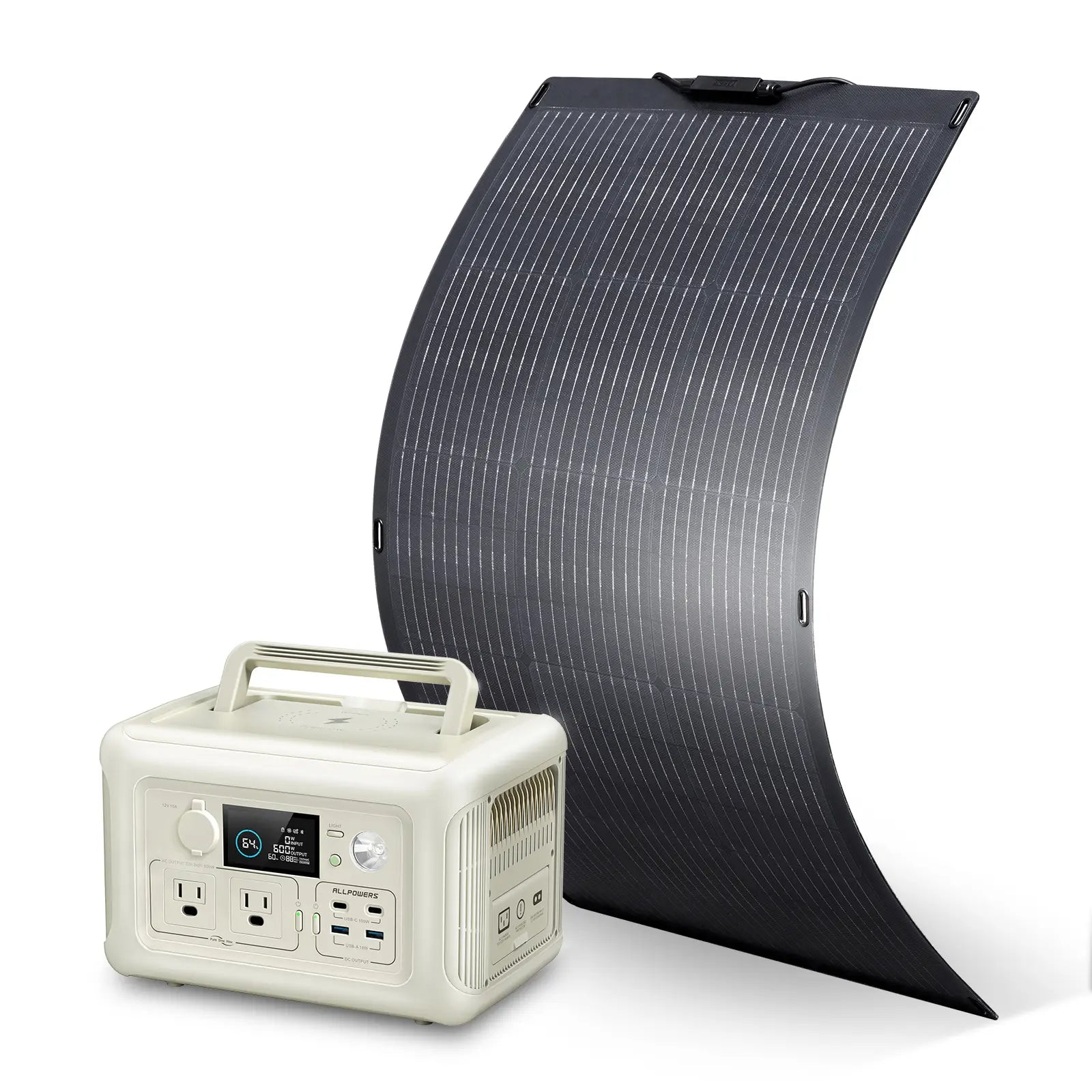
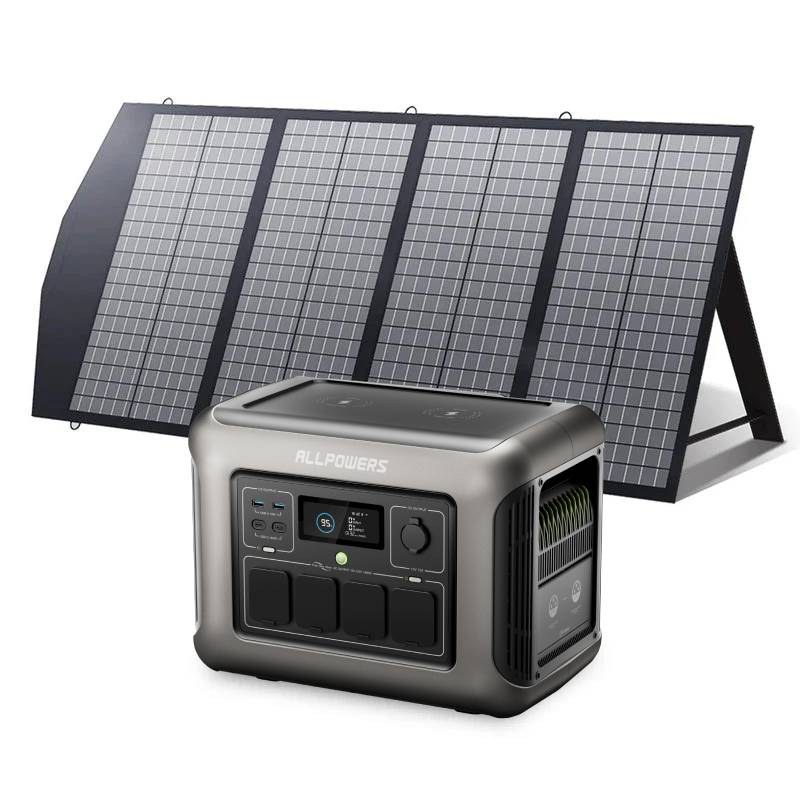
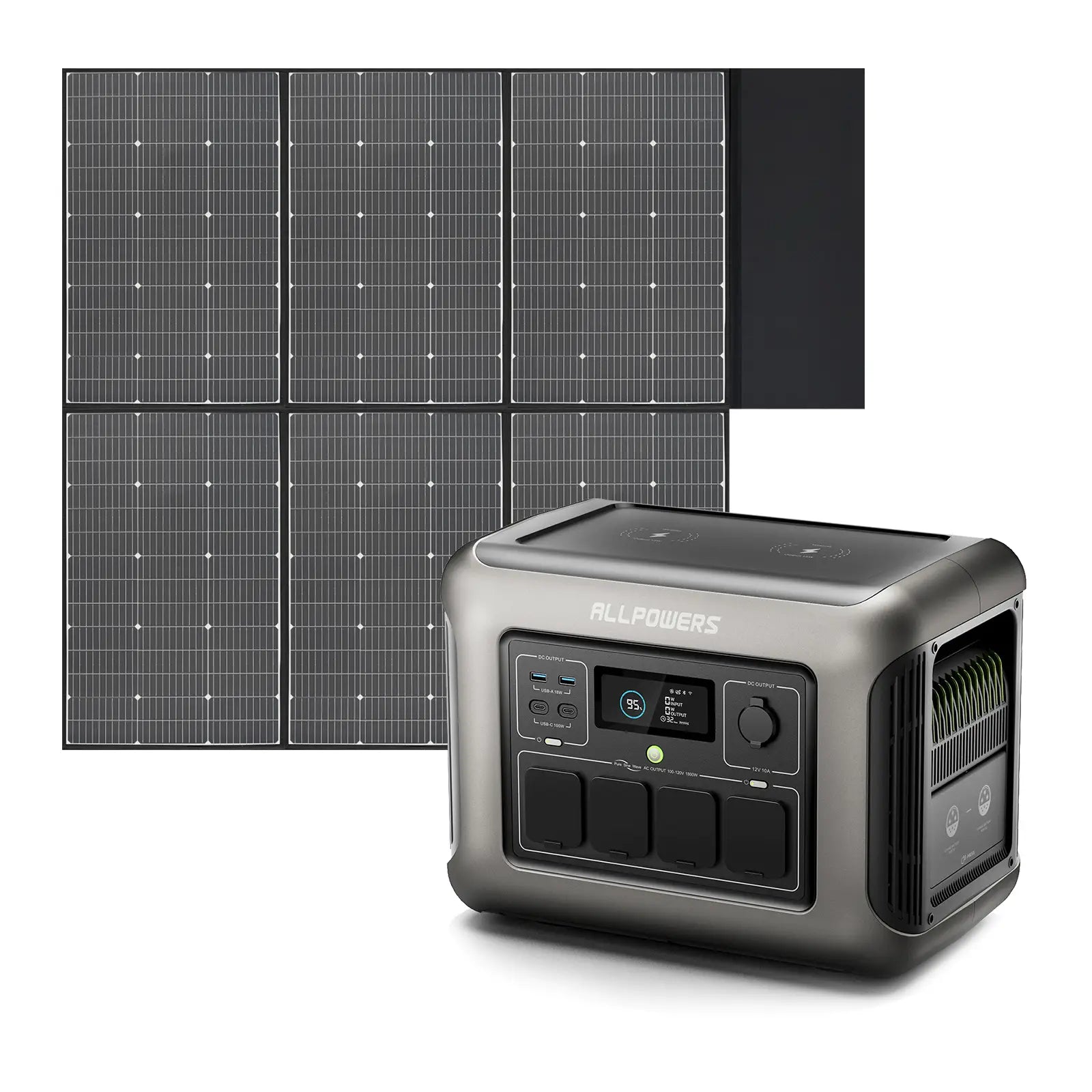
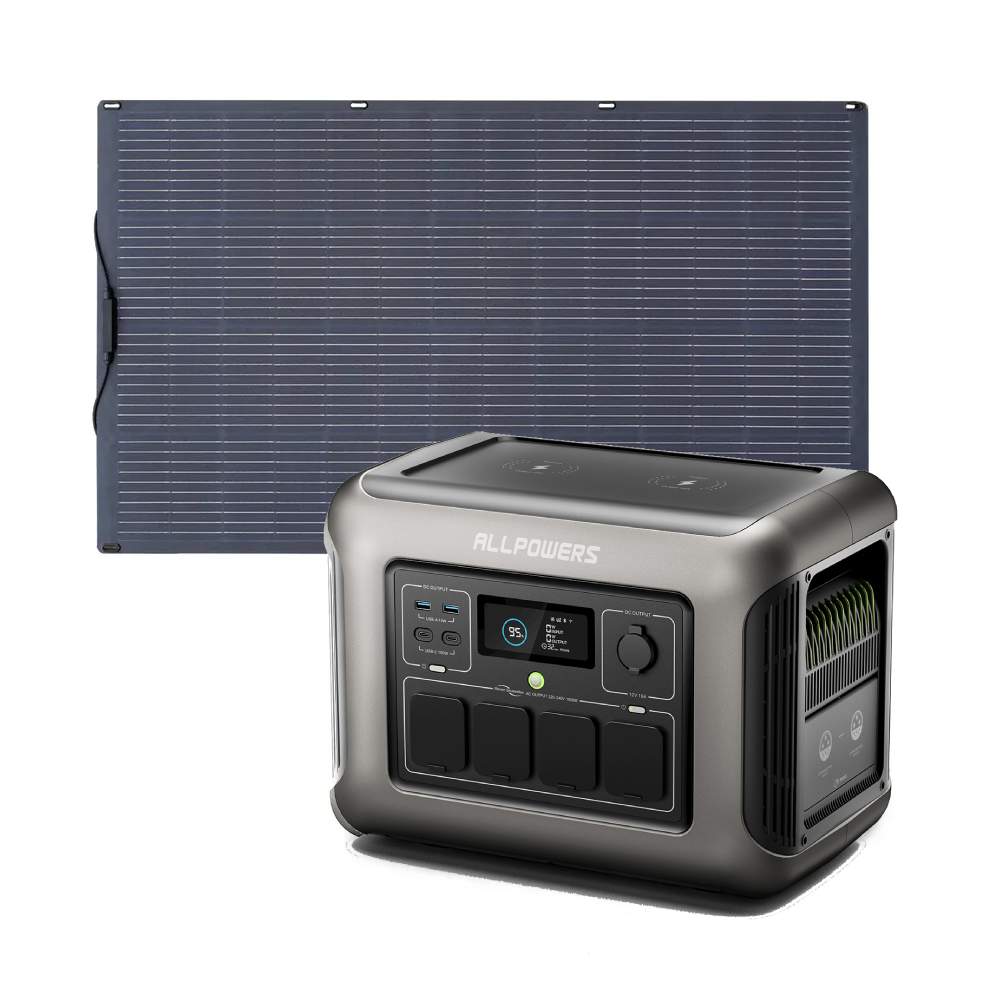
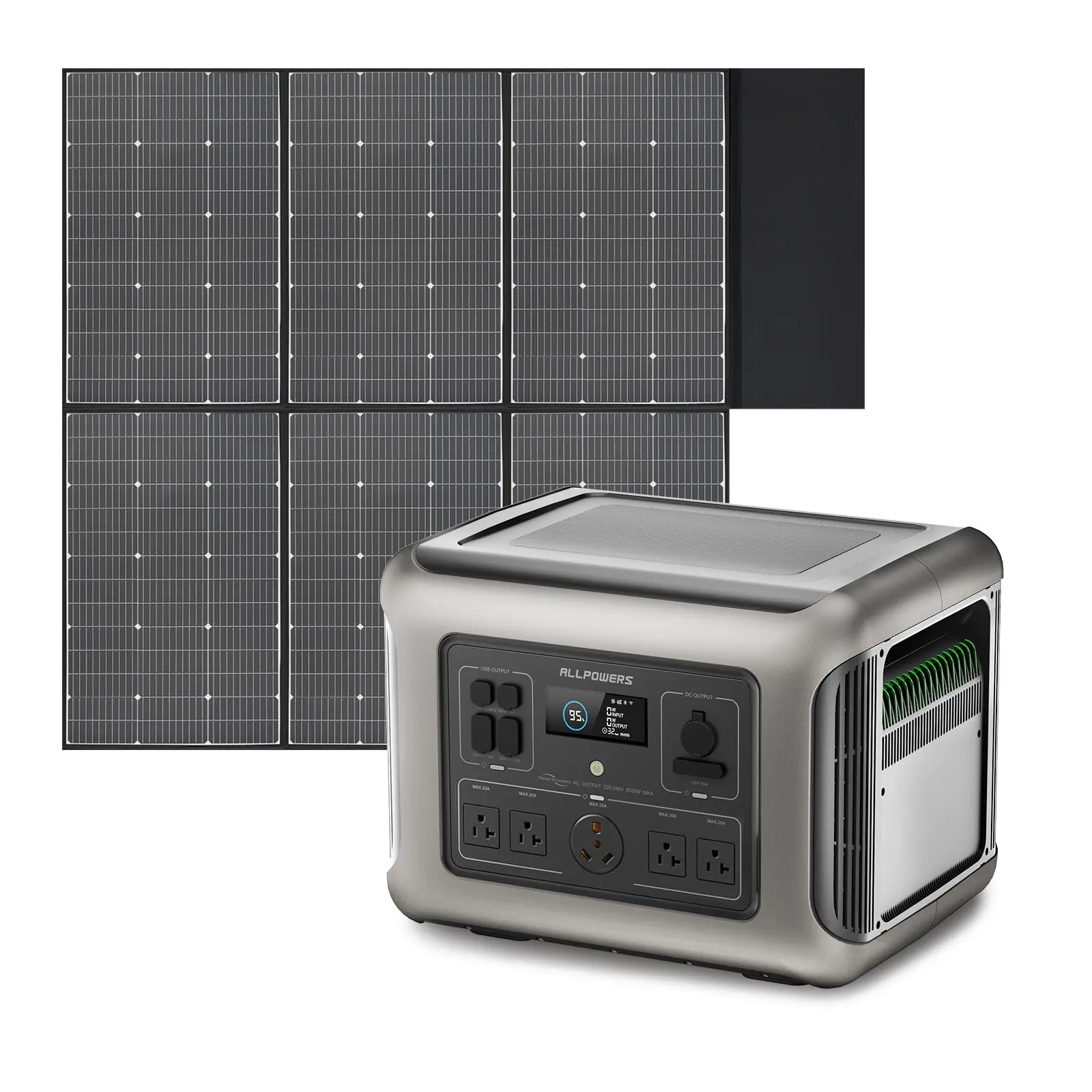
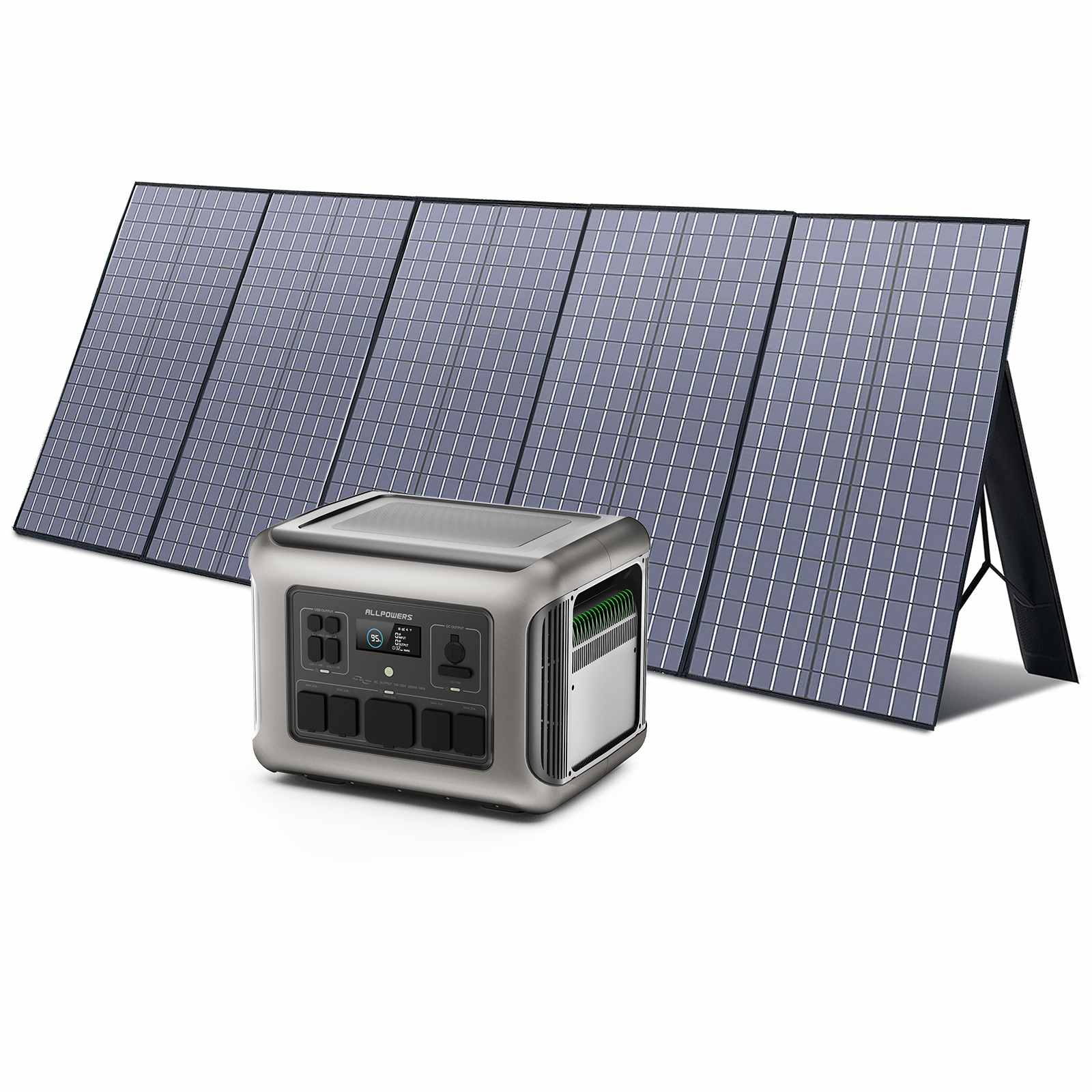
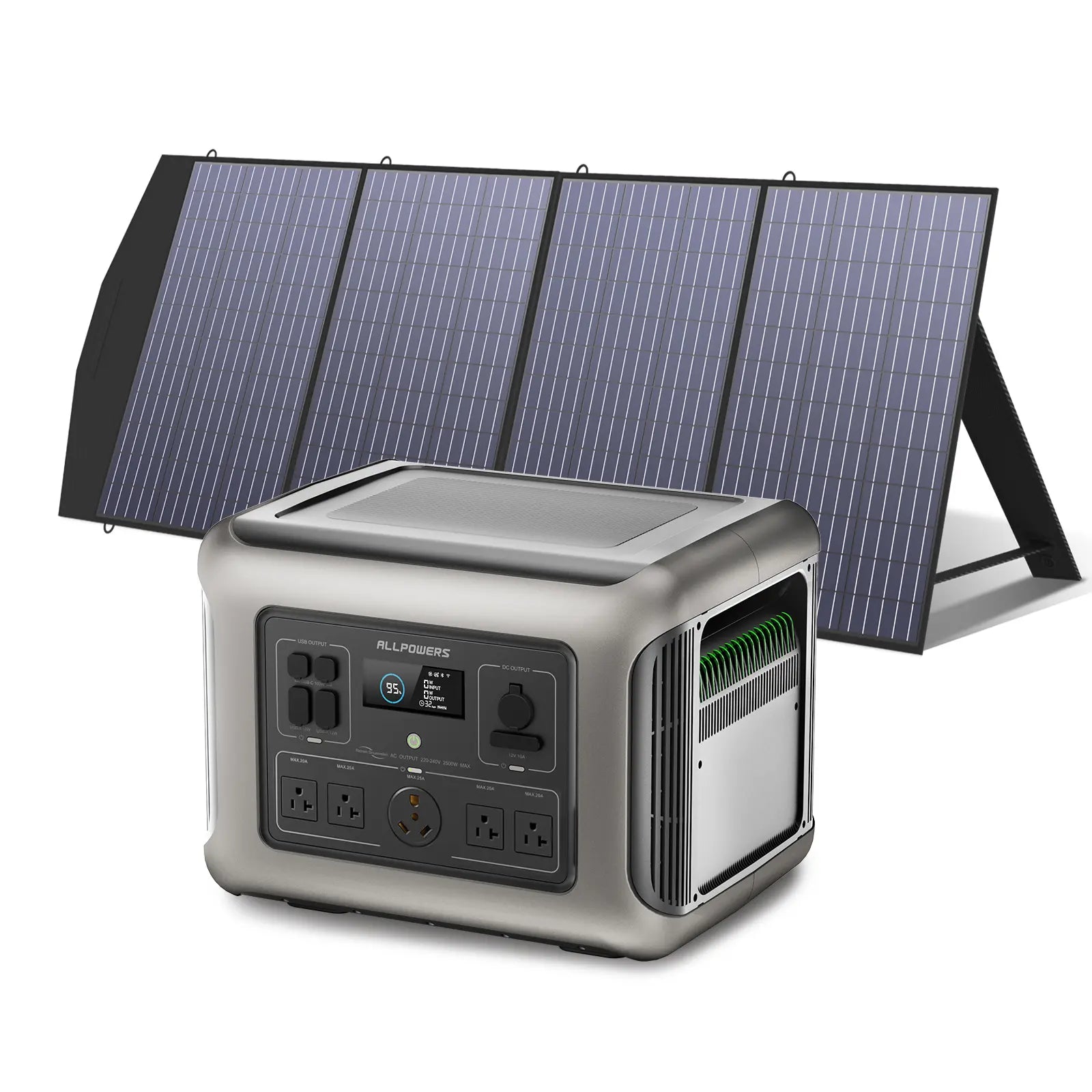
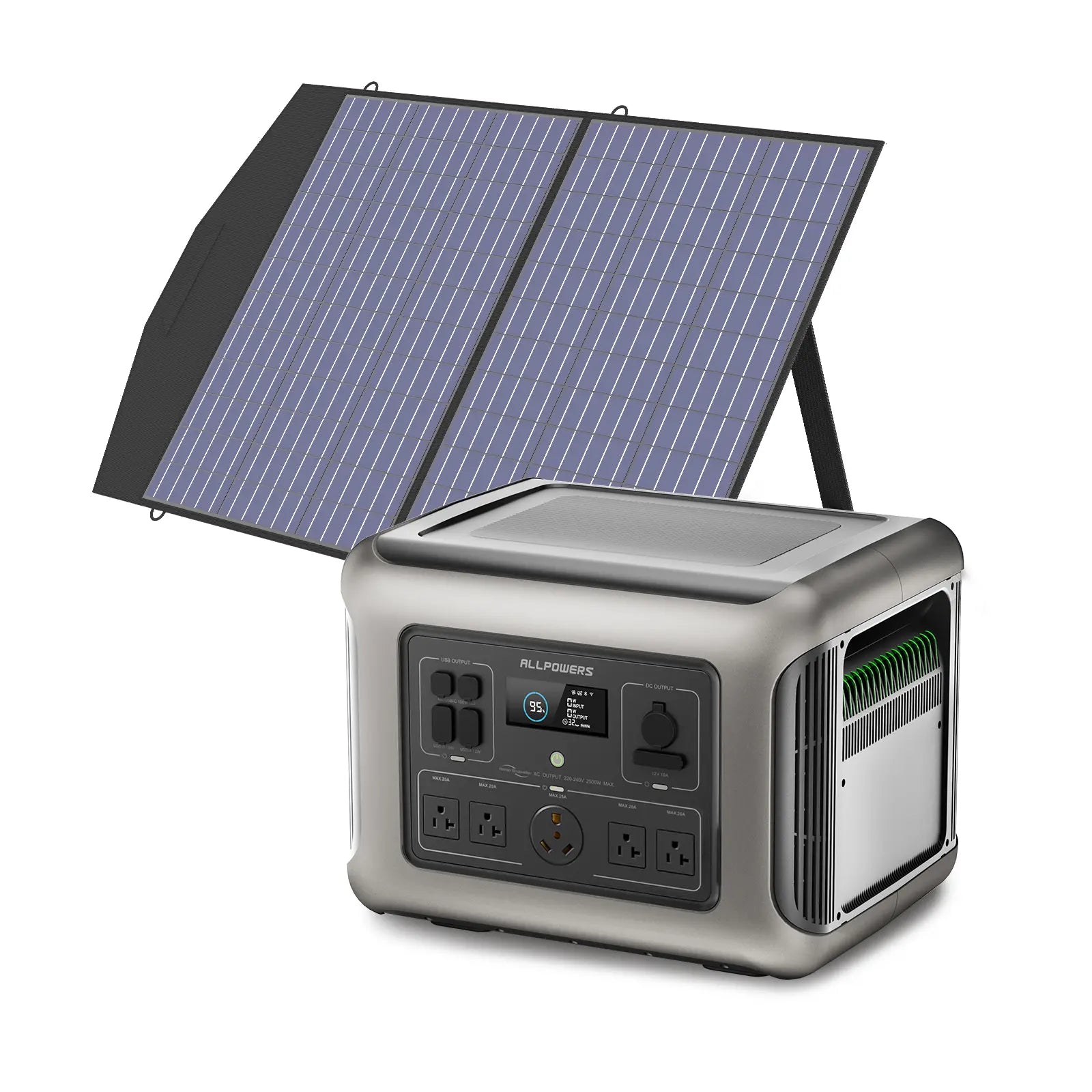
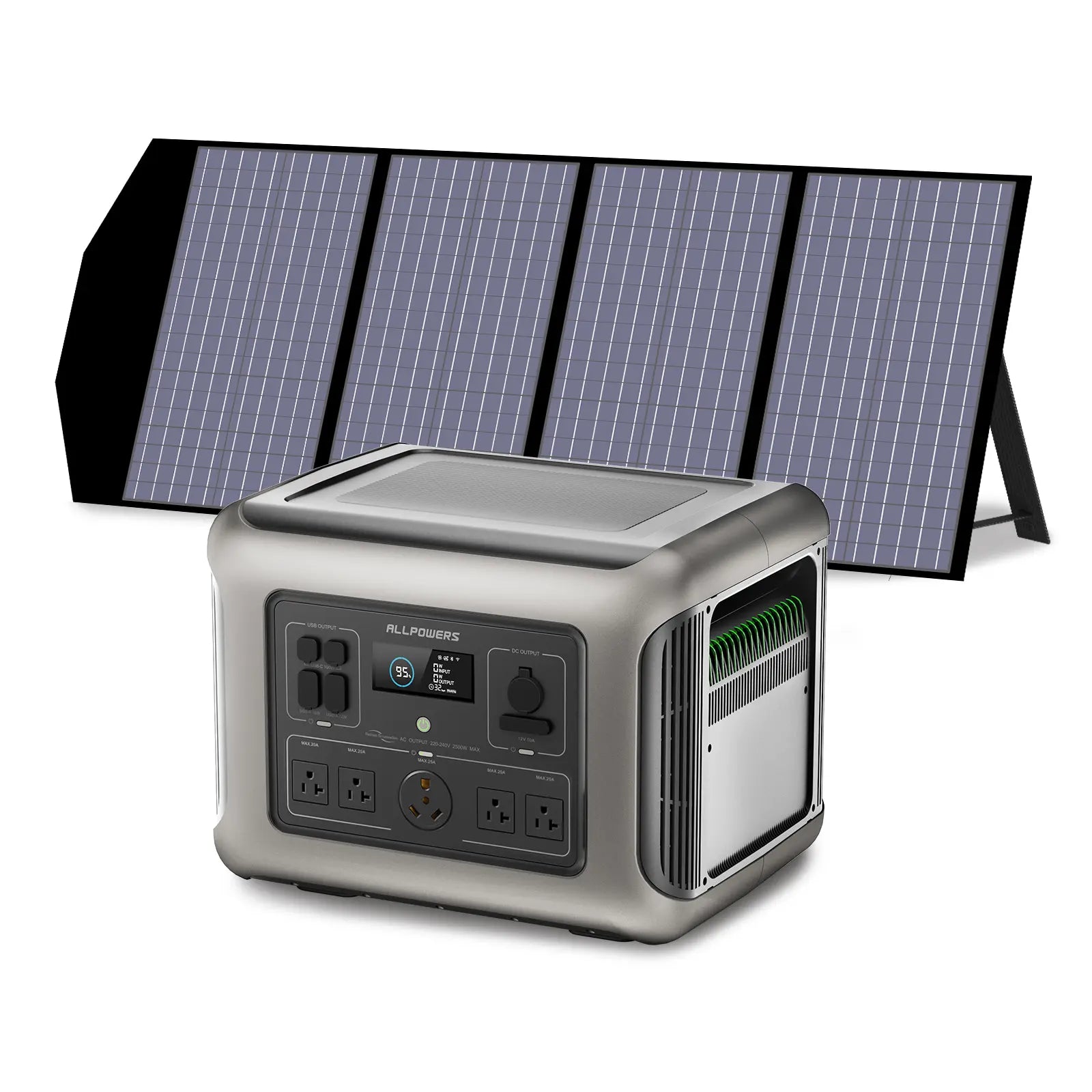
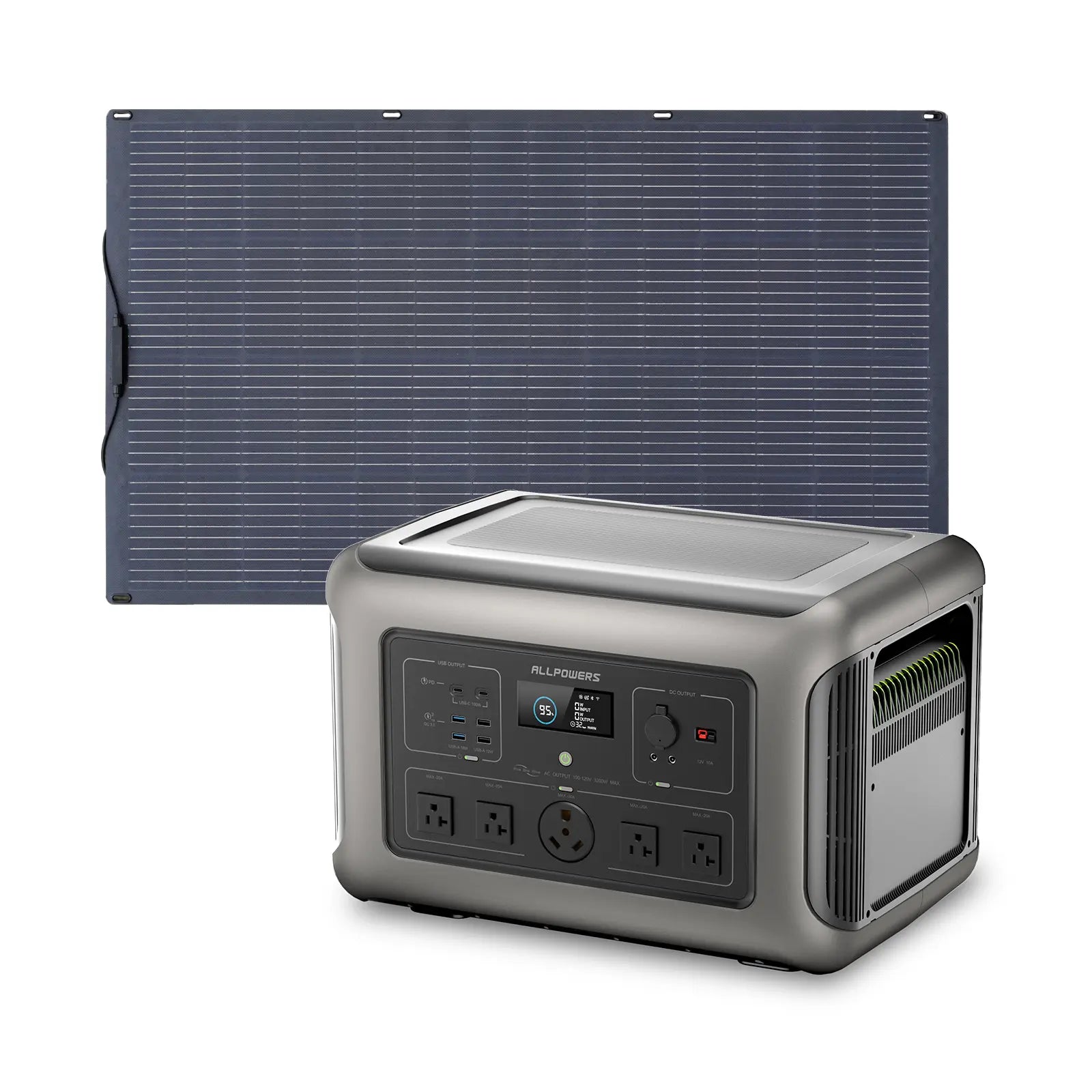
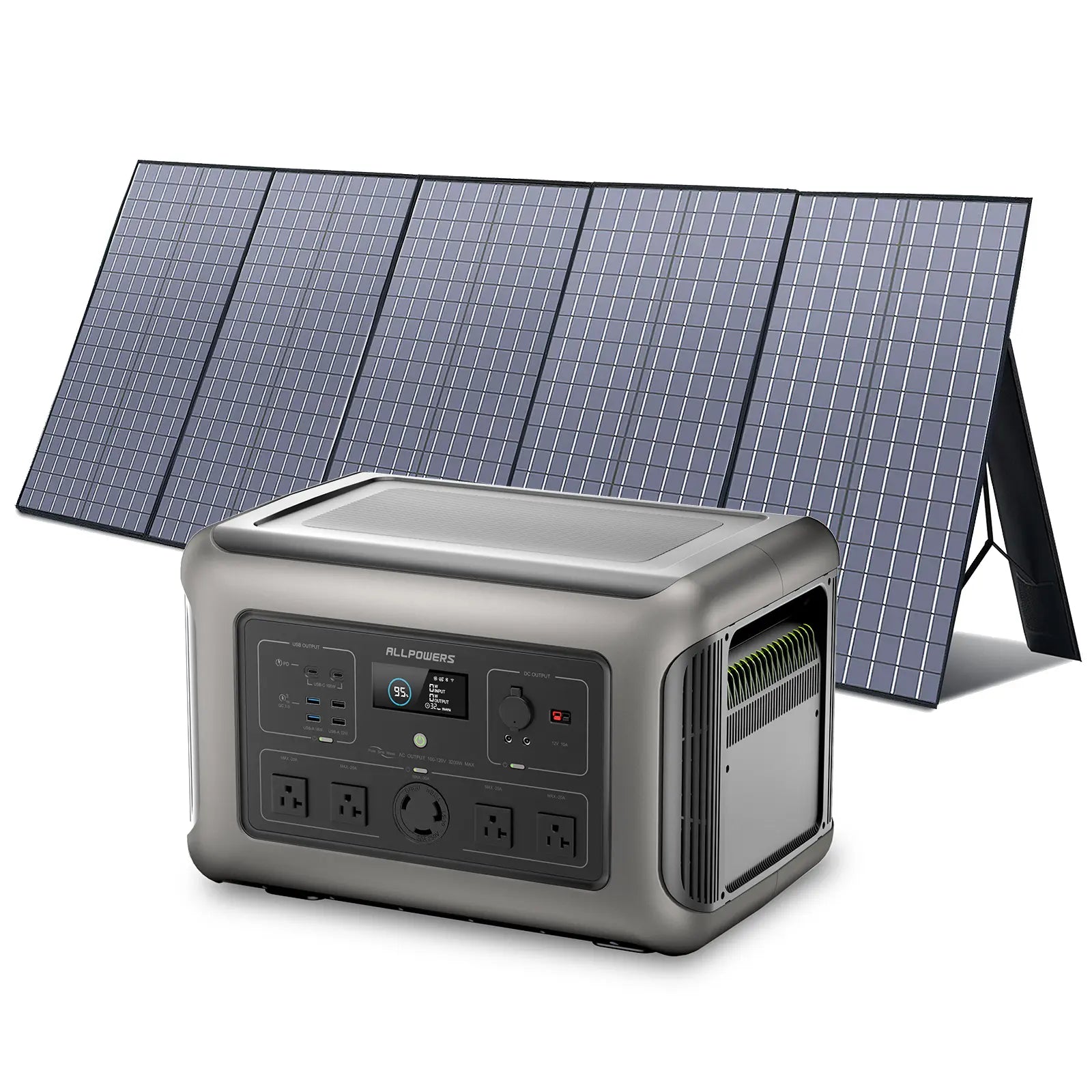
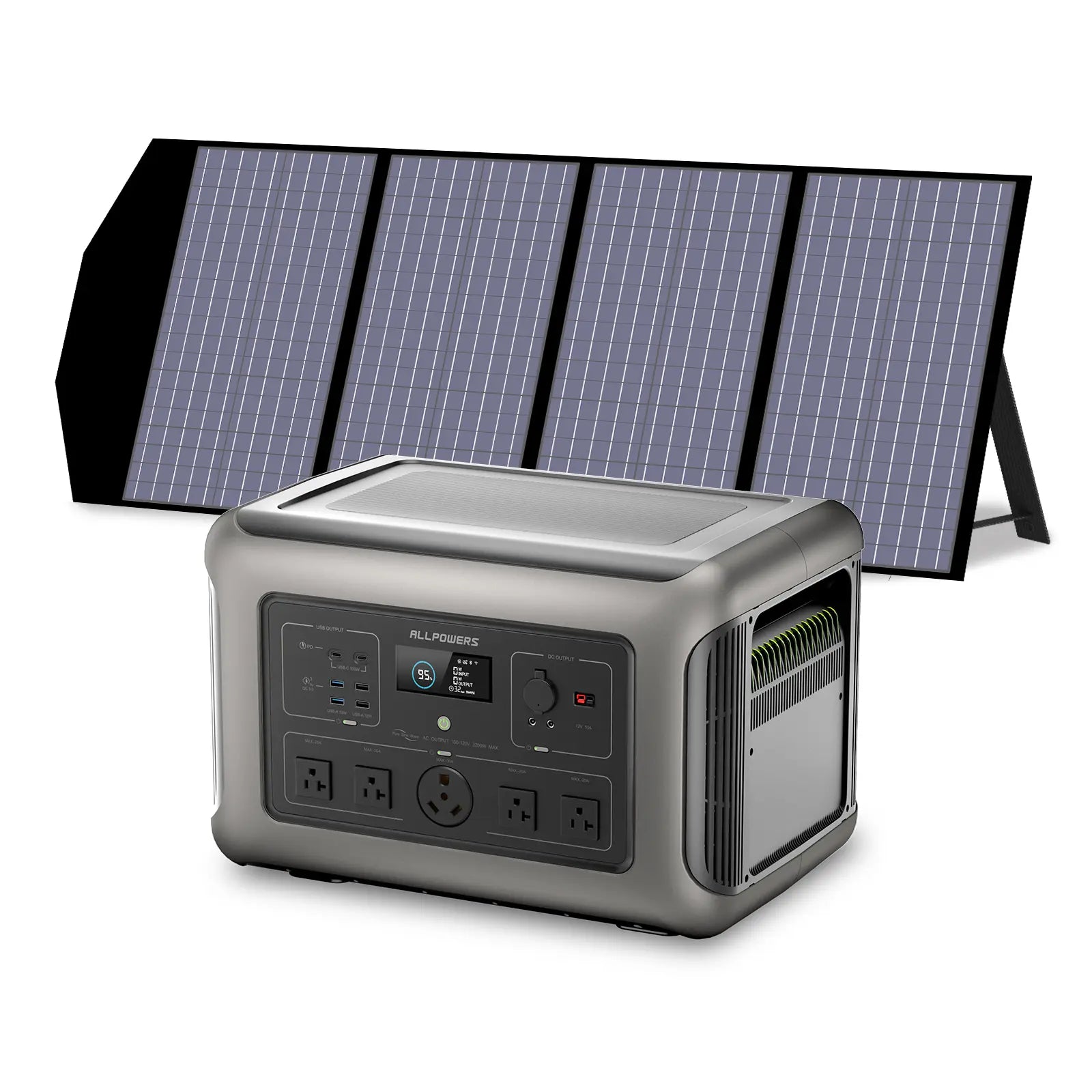
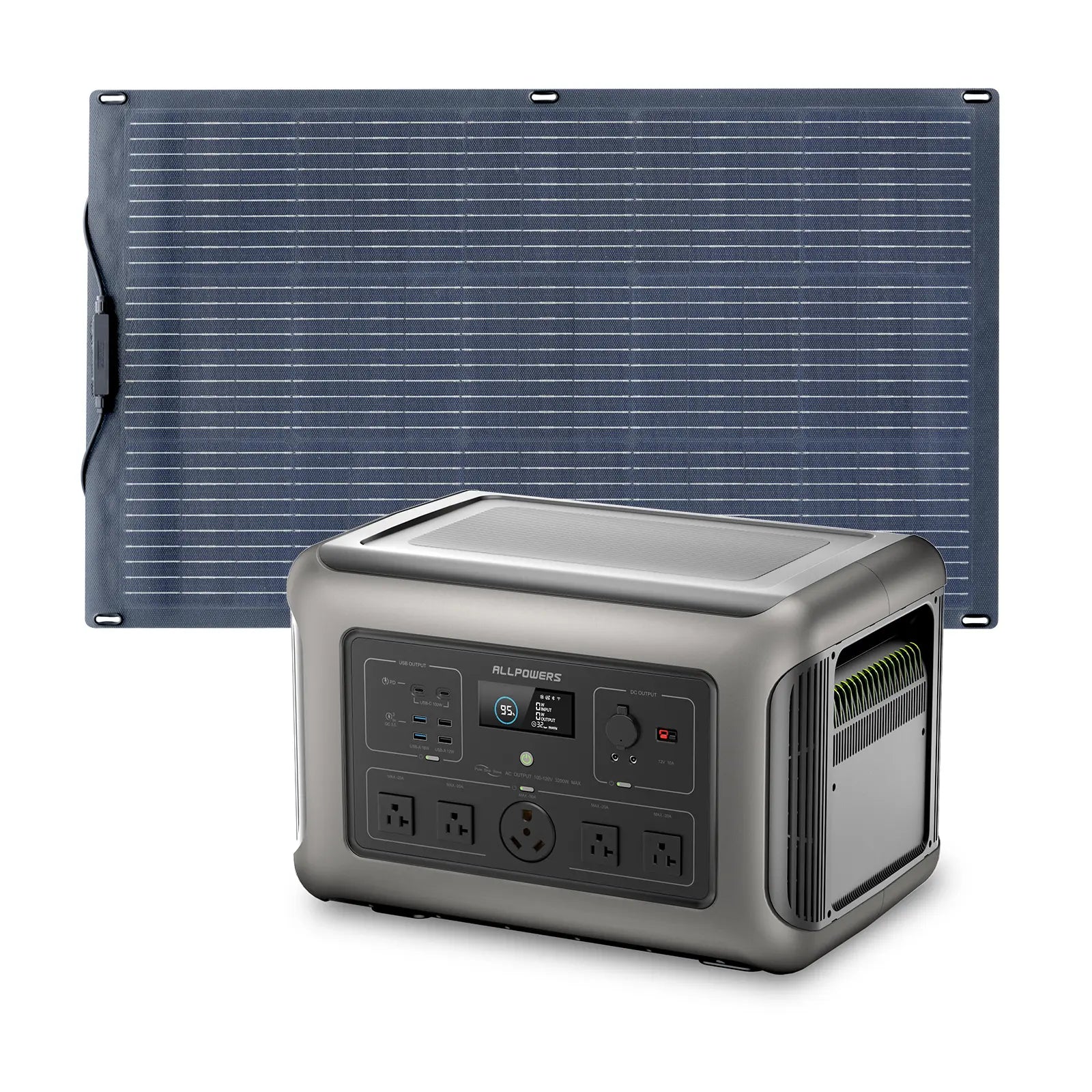
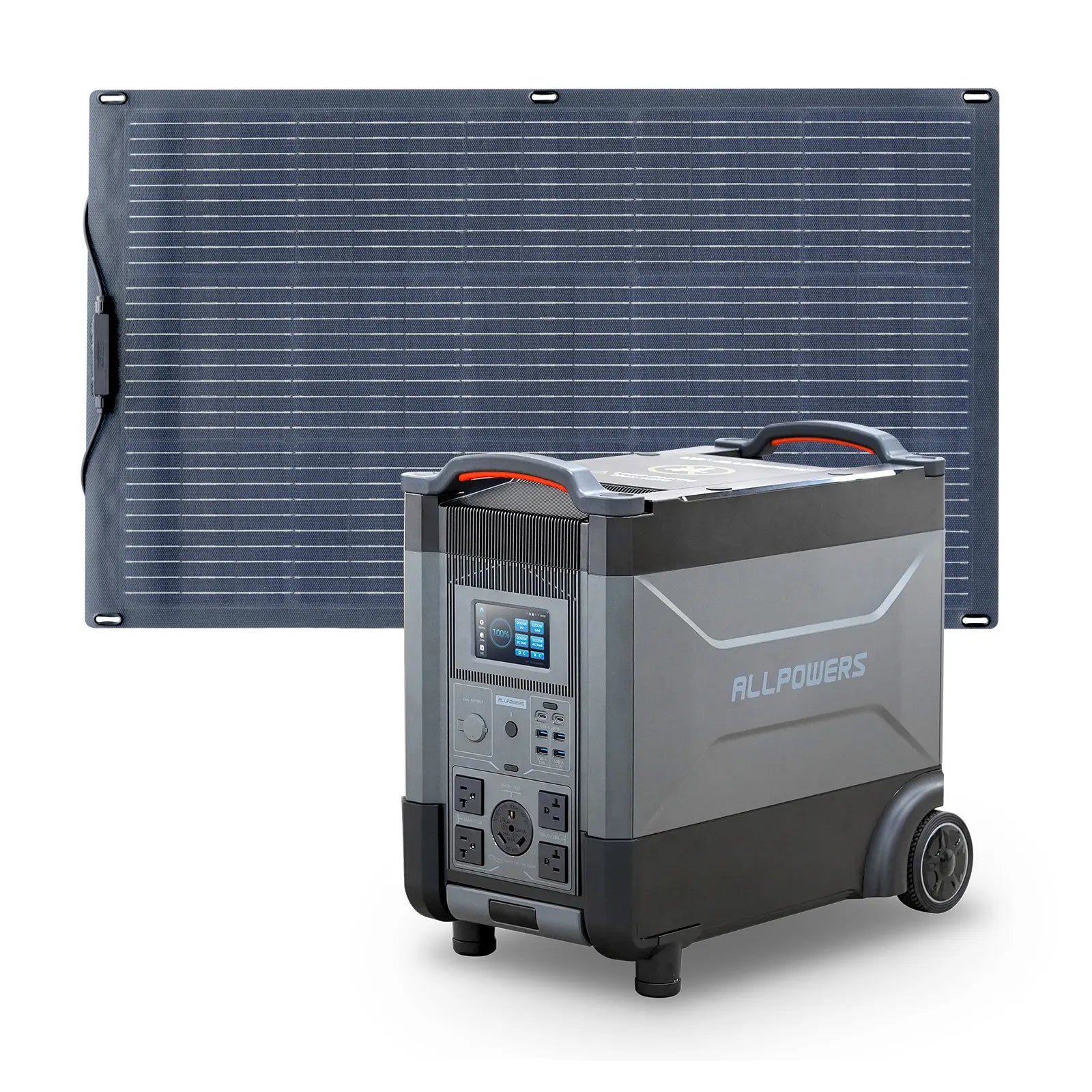
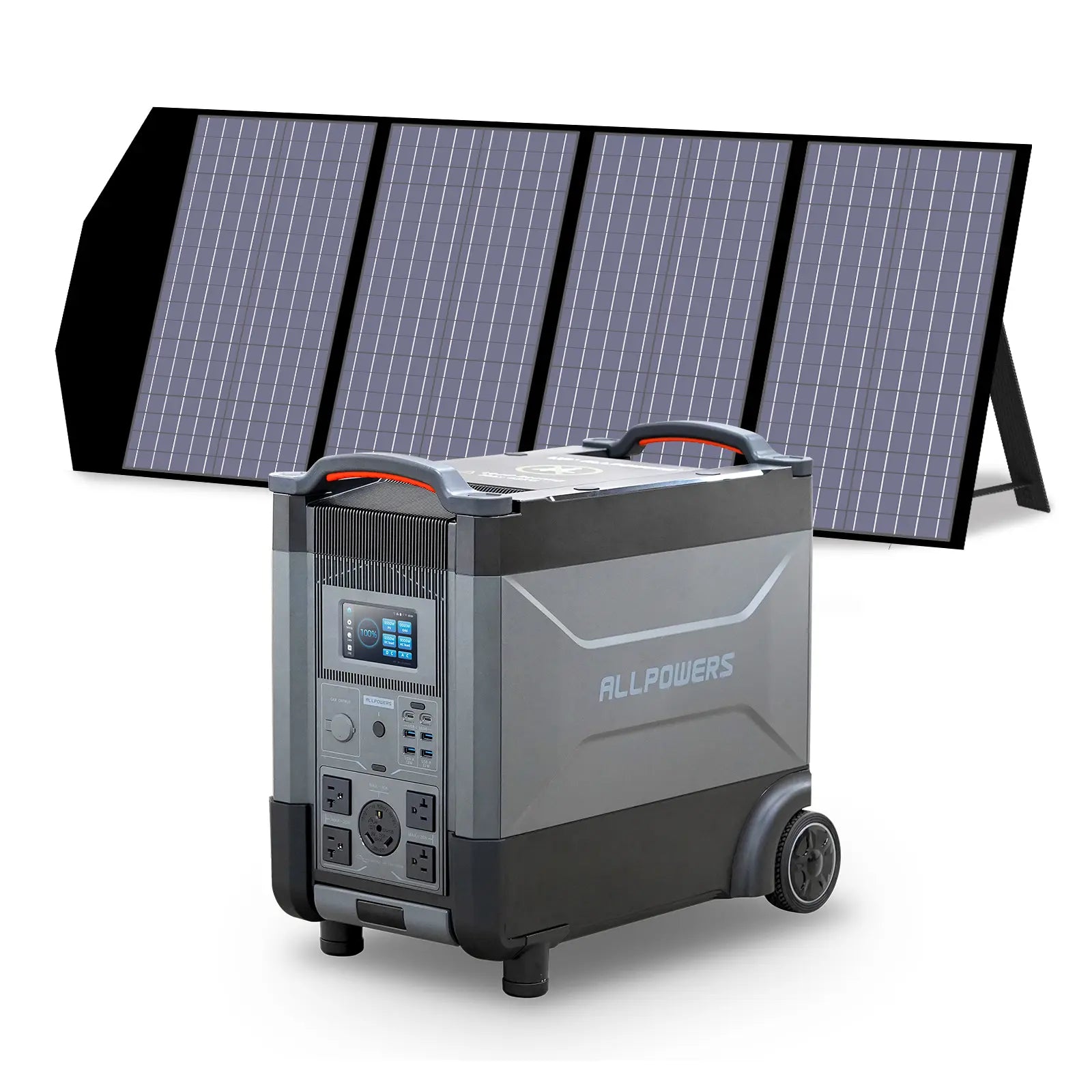
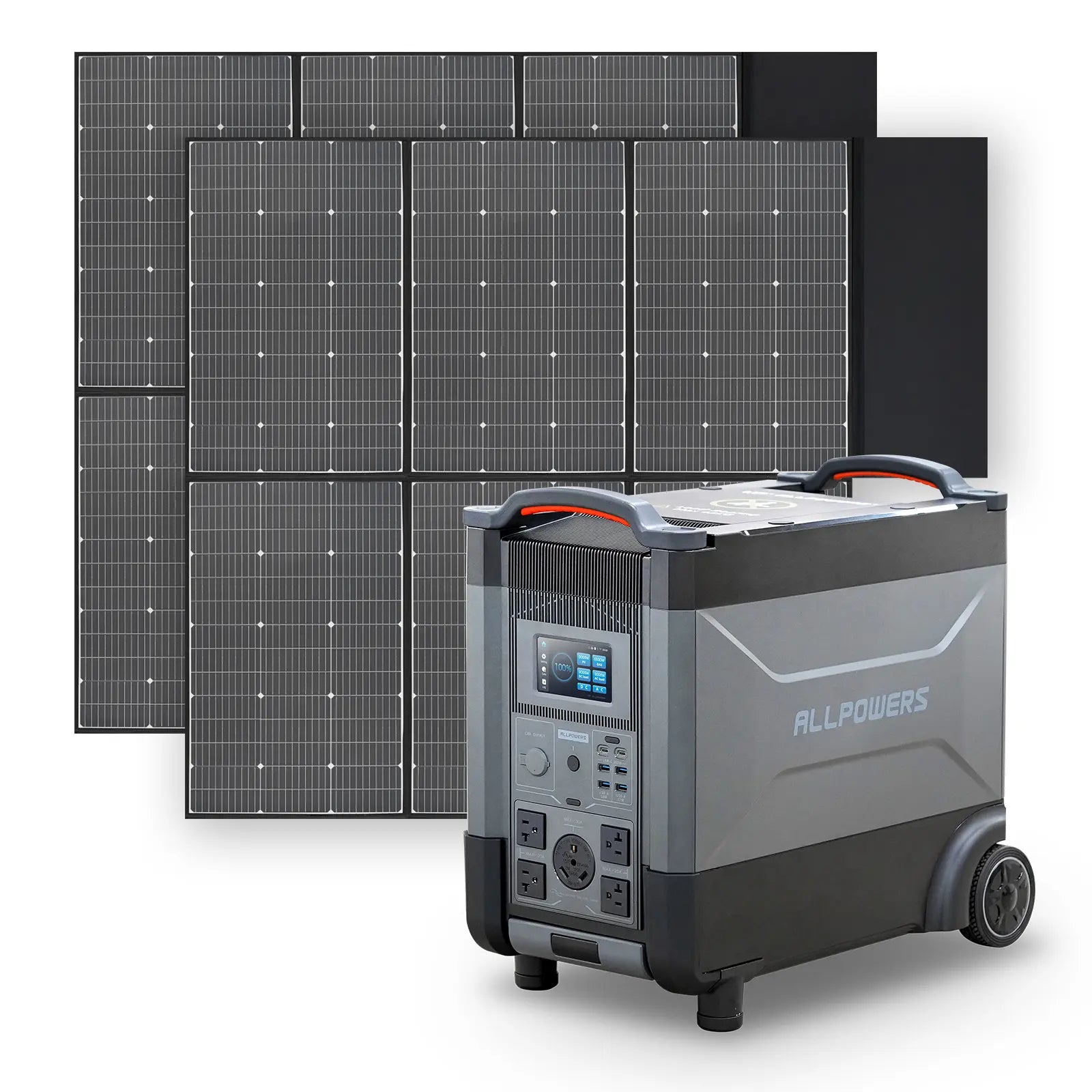
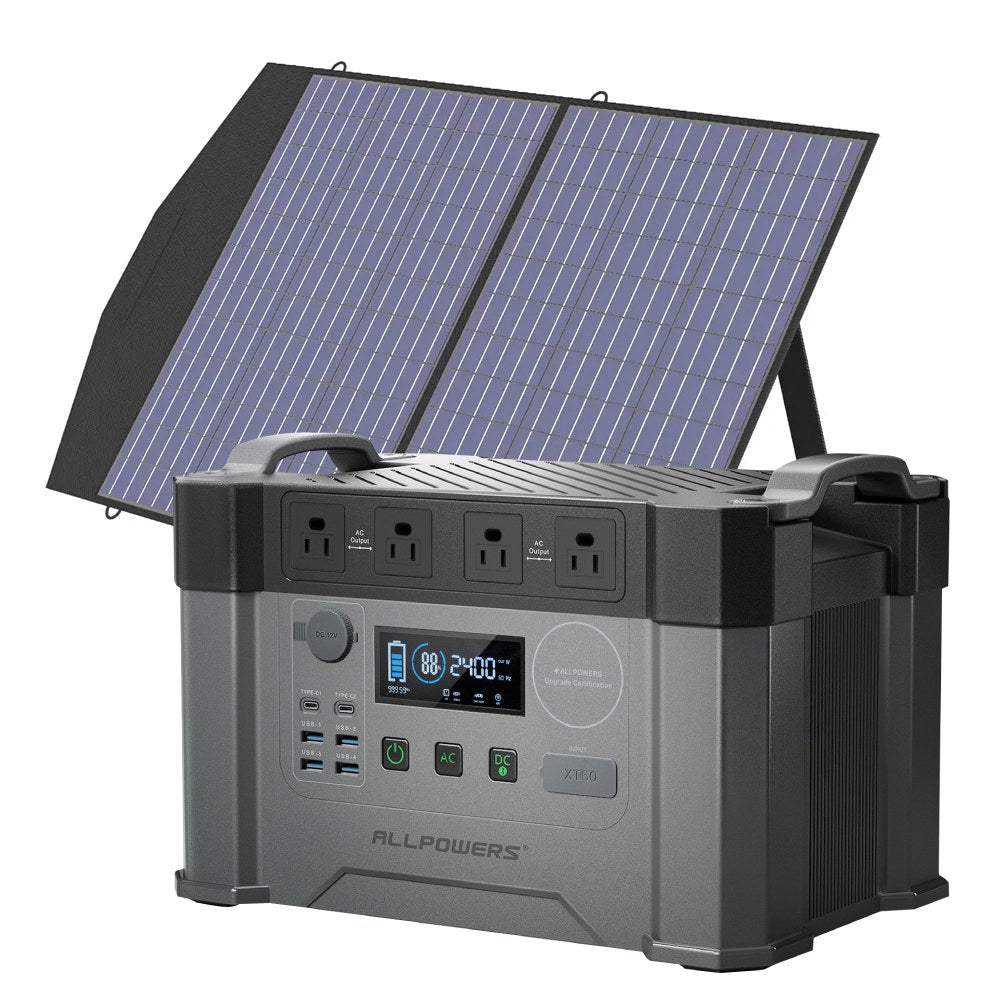
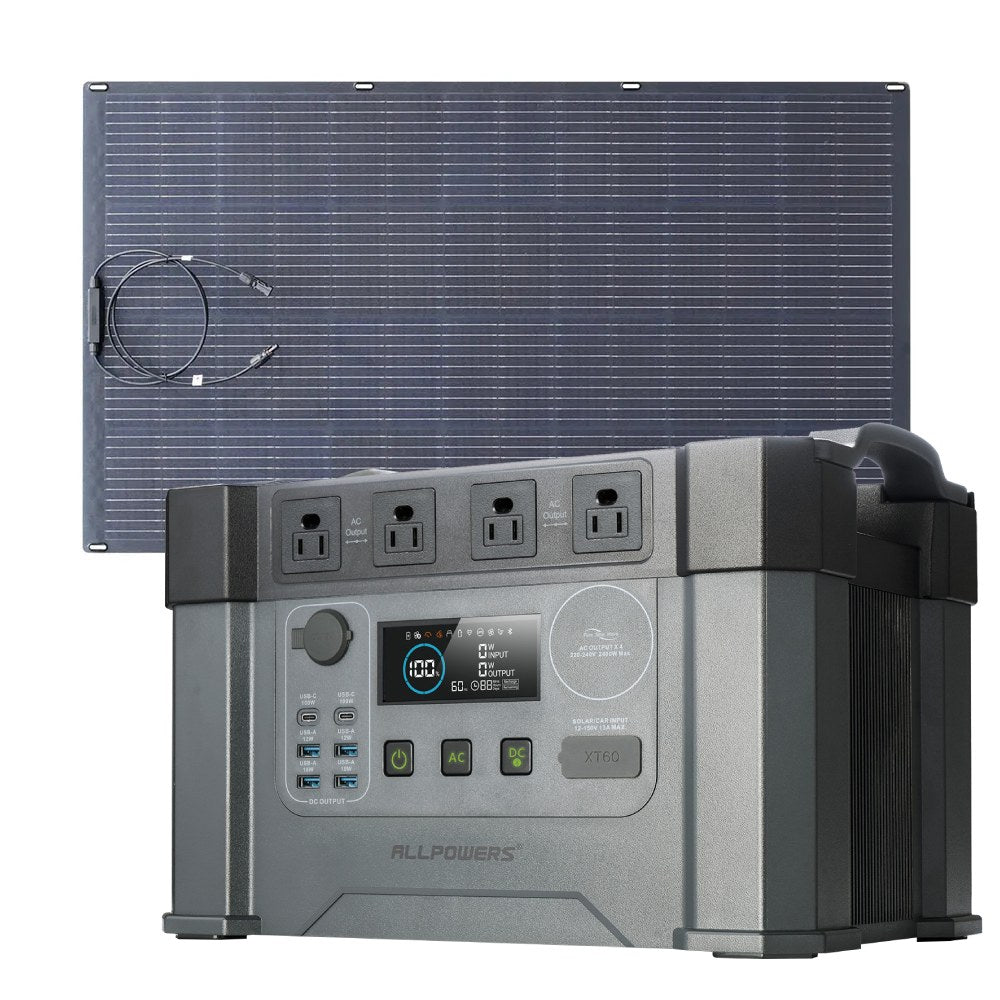
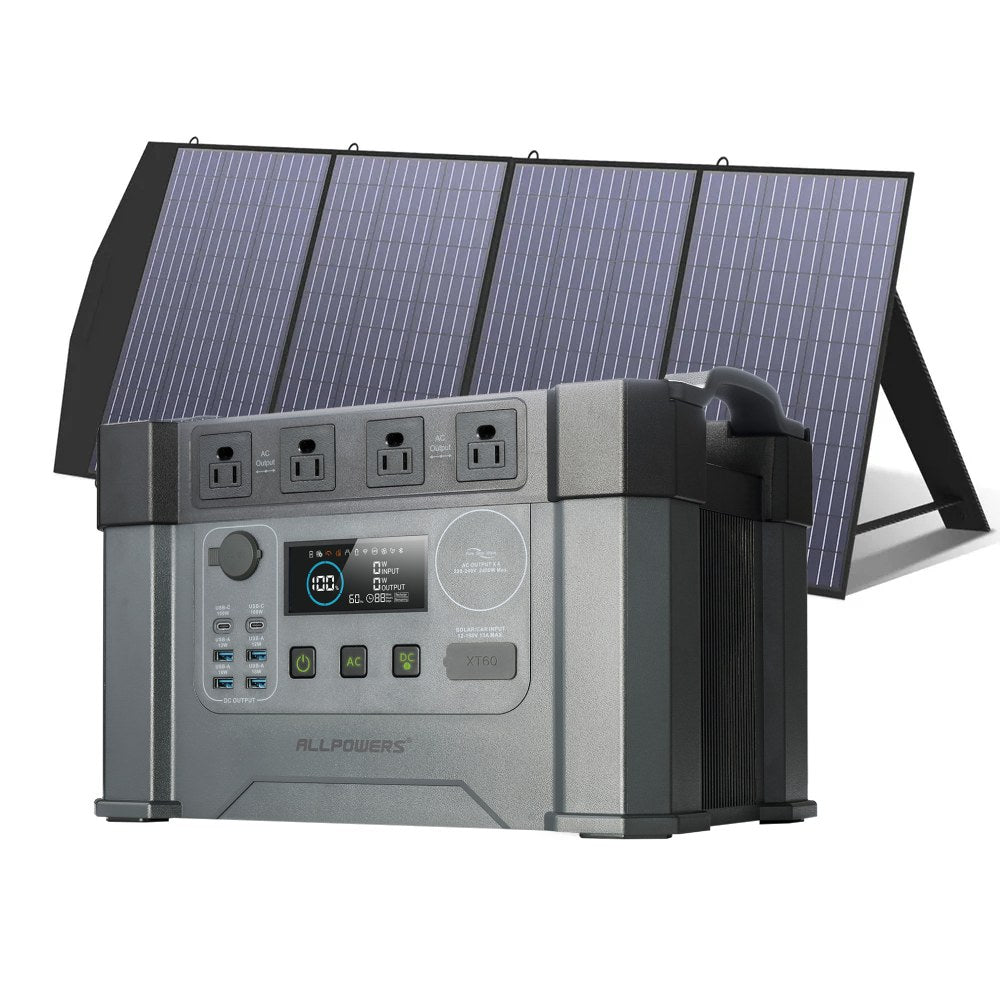
ALLPOWERS 2500W Solar Generator
$1,100.00 $1,799.00
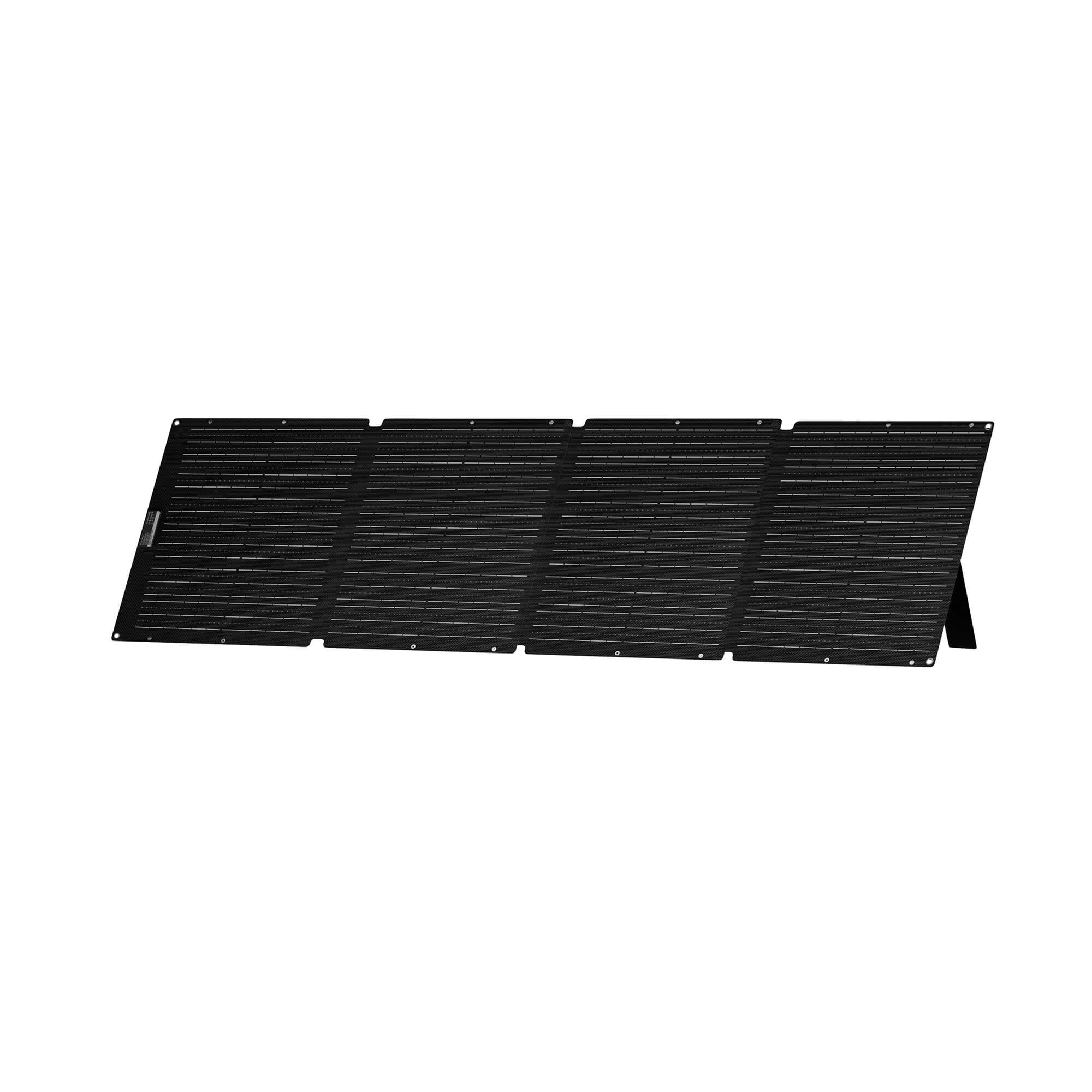
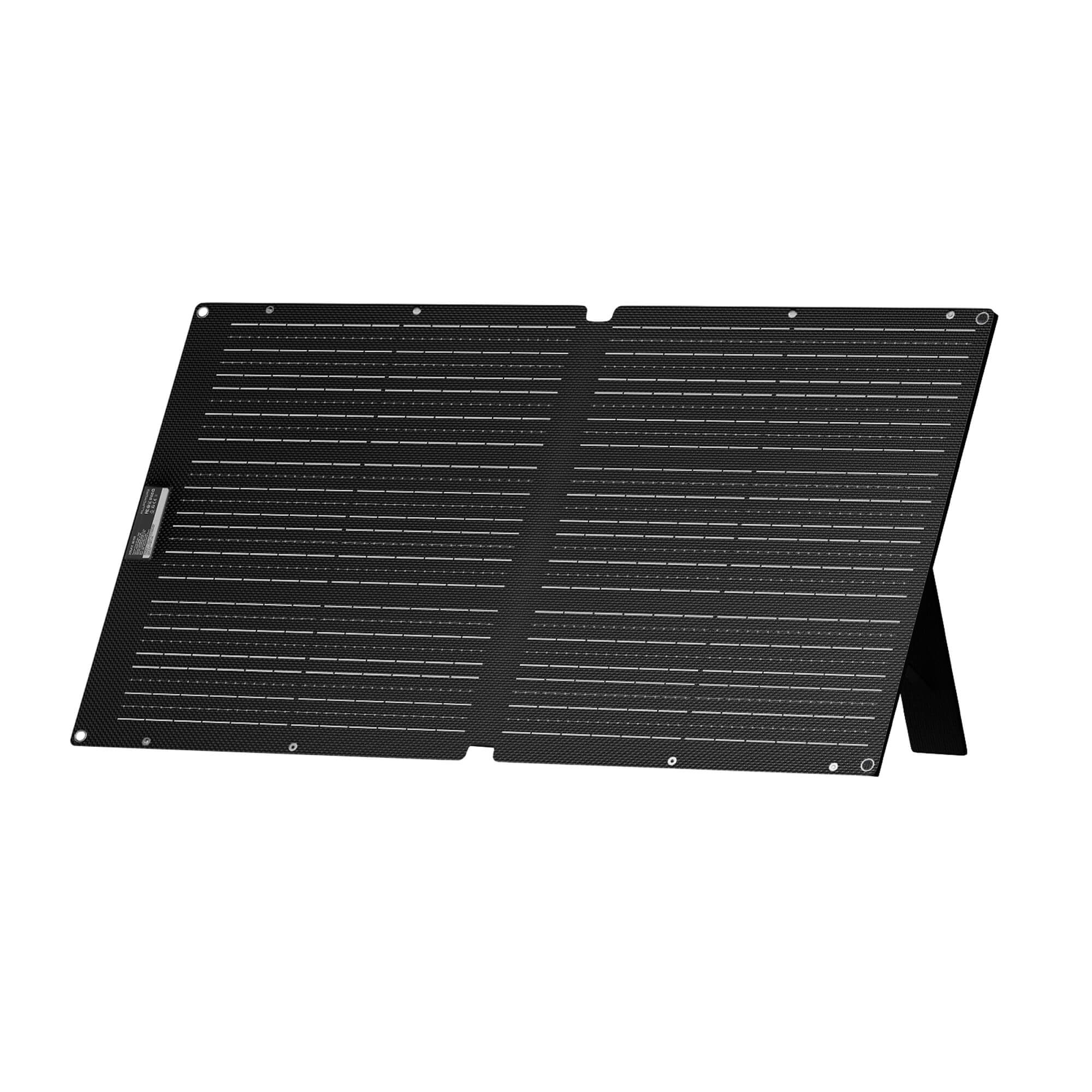
- 2016Wh Capacity + 400W Soalr Input;;
- 2500W AC Output (4,000W Surge);
- Fast Charge 100% in 1 Hours;
- Start UPS in 15 ms;
- Expandable Up to 3x B1000 Expansion Battery;
Basic Emergency Power
If your goal is simply to keep the essentials running during an outage, power requirements are often much lower than people expect.
A refrigerator, internet modem, lighting circuits, phone chargers, television, and a few small appliances may require only 2,000 to 4,000 watts of continuous power.
Comfort-Oriented Backup
Many homeowners also want to power additional appliances such as microwaves, sump pumps, coffee makers, or portable air conditioners.
In these situations, backup power requirements often increase into the 5,000 to 8,000-watt range.
Whole-House Backup
Running central air conditioning, electric water heaters, electric ranges, clothes dryers, and other large appliances simultaneously requires significantly more power.
Whole-house backup systems for a 1,500 sq ft home often require 12,000 to 20,000 watts or more depending on the home's electrical setup.
Essential Appliances Most Homeowners Want to Power
During short-term outages, most families focus on keeping a handful of critical systems operational. These loads usually represent only a fraction of a home's total electrical demand.
Refrigeration and Food Storage
Refrigerators and freezers are often among the highest-priority appliances because they help prevent food spoilage during prolonged outages.
Learn More: How Long Will a Fridge Stay Cold in a Power Outage?
Lighting and Communications
LED lighting, internet equipment, phone chargers, and laptops generally consume relatively little electricity but provide significant convenience and safety.
Heating and Cooling Equipment
Depending on the season, maintaining indoor comfort may become a top priority. However, heating and cooling systems often represent the largest power demand in a home.
Medical Equipment
For some households, devices such as CPAP machines, oxygen concentrators, or other medical equipment may be considered essential backup loads.
Learn More: What to Do With CPAP When Power Goes Out?
How to Calculate Generator Size
The most reliable method for determining generator size is calculating the total wattage of the appliances you expect to use simultaneously.
Step 1: List Essential Appliances
Begin by identifying the devices that absolutely need power during an outage.
Step 2: Add Running Watts
Each appliance has a running wattage requirement that represents the amount of electricity needed during normal operation.
Step 3: Consider Startup Loads
Motors and compressors often require additional power during startup. This is commonly called surge wattage or starting wattage.
Failing to account for startup requirements is one of the most common reasons generators become overloaded.
Typical Appliance Wattage Requirements
| Appliance | Running Watts | Starting Watts | Power Impact |
|---|---|---|---|
| Refrigerator | 600–800W | 1,200–2,000W | Medium |
| Freezer | 500–700W | 1,200–2,000W | Medium |
| Central AC | 3,000–5,000W | 6,000–10,000W | Very High |
| Electric Water Heater | 3,000–4,500W | Same as Running | High |
| Microwave | 1,000–1,500W | Same as Running | Medium |
| LED Lighting | 50–300W | Minimal | Low |
| Wi-Fi Router | 10–30W | Minimal | Very Low |
Smarter Energy Planning During Outages
Power outages are becoming more common in some regions due to severe weather, aging infrastructure, and increased demand on electrical grids.
As a result, many homeowners are paying closer attention to overall energy resilience rather than simply purchasing the largest generator available.
For example, homeowners who understand their actual electrical loads often discover they can manage outages more efficiently by rotating appliance usage, reducing unnecessary consumption, and focusing on critical systems first.
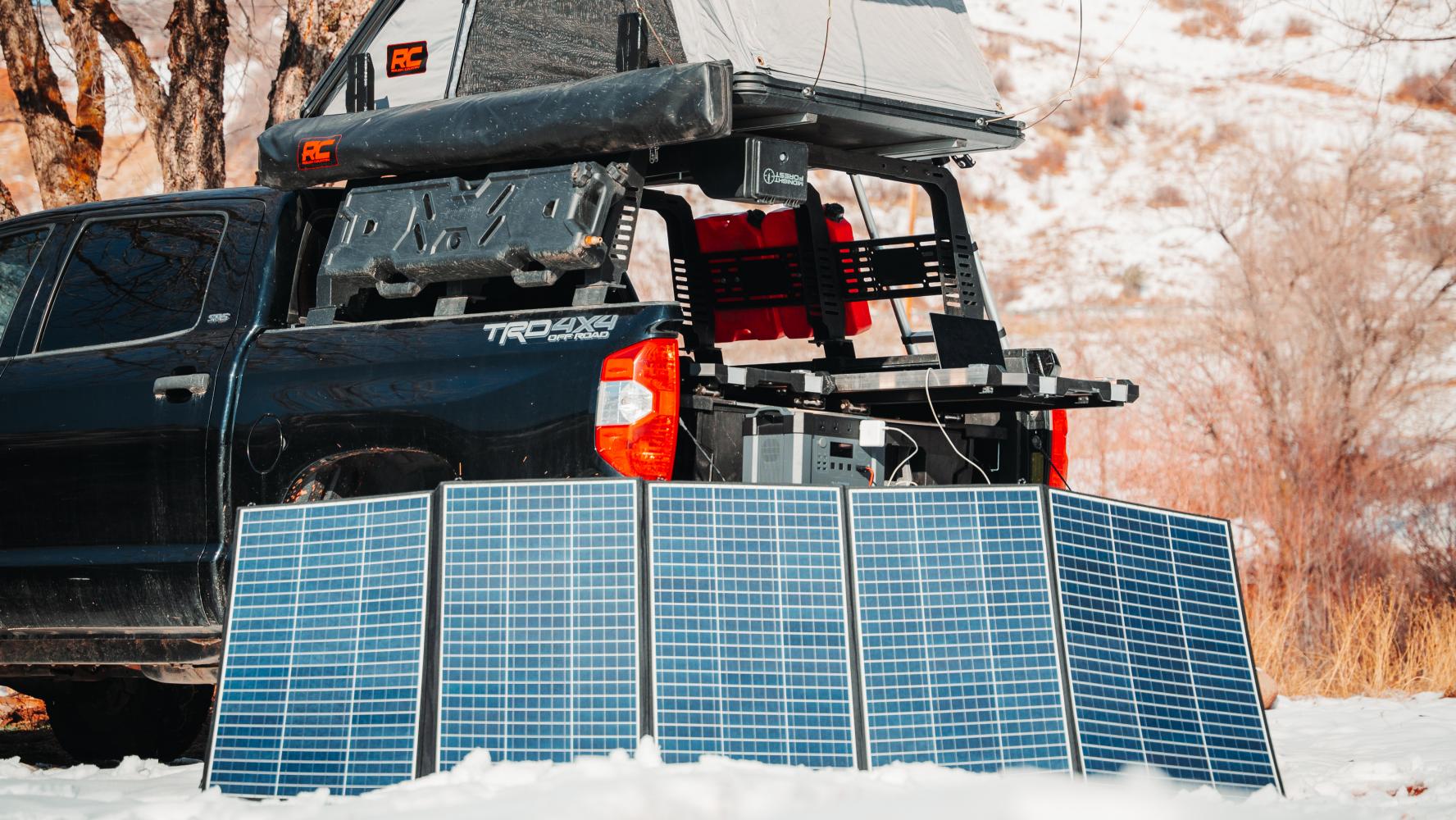
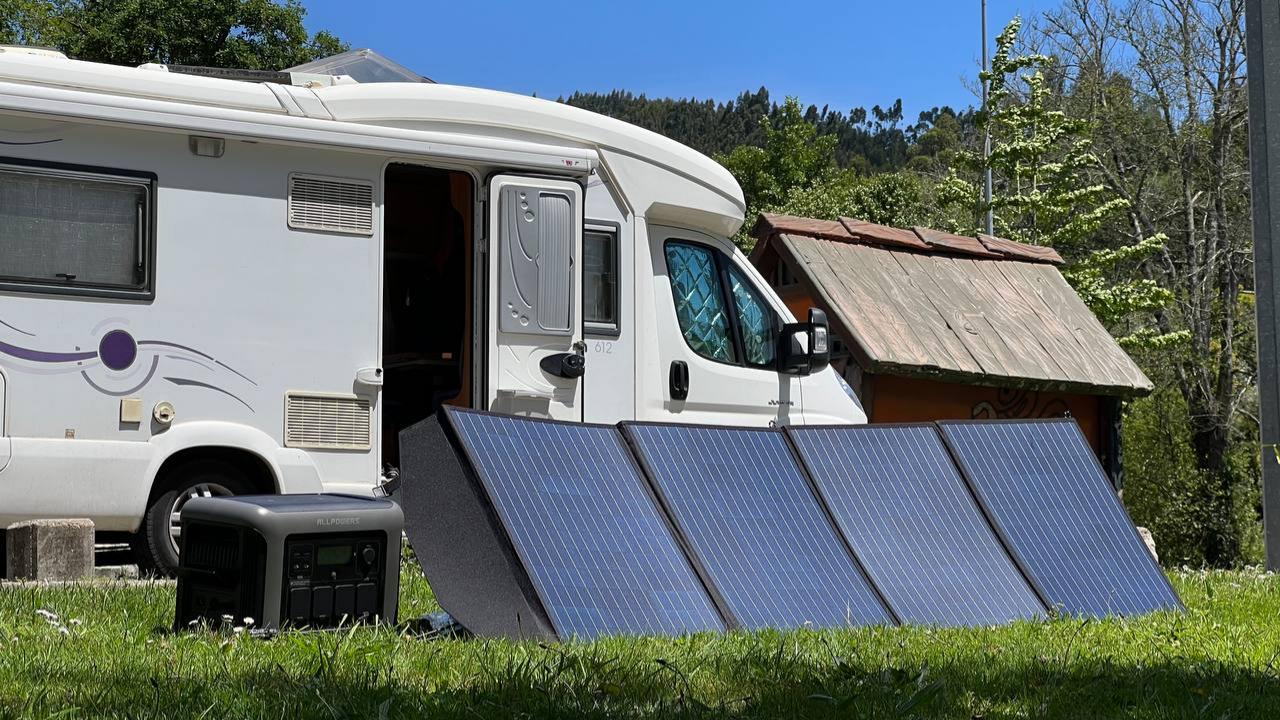
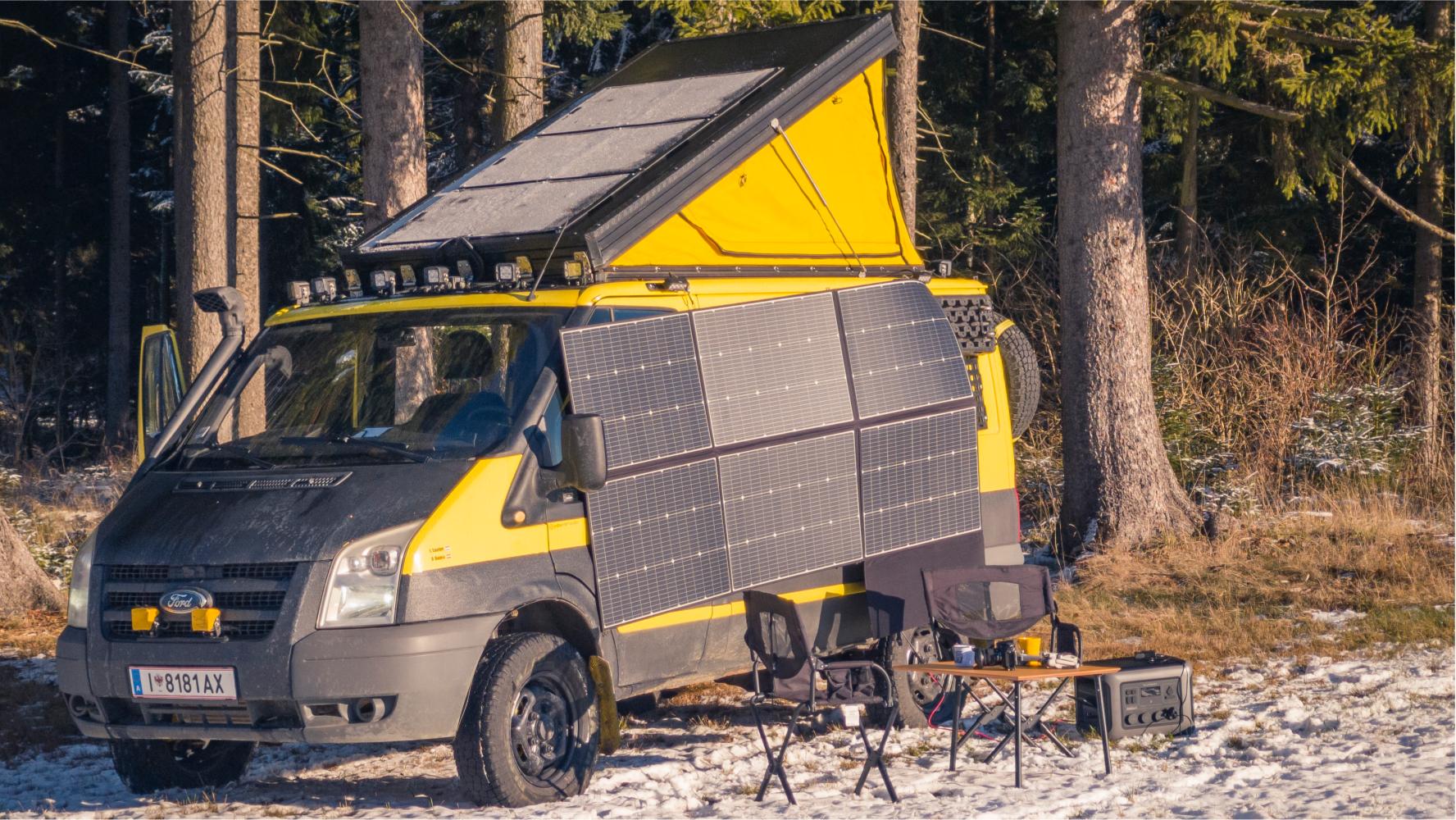
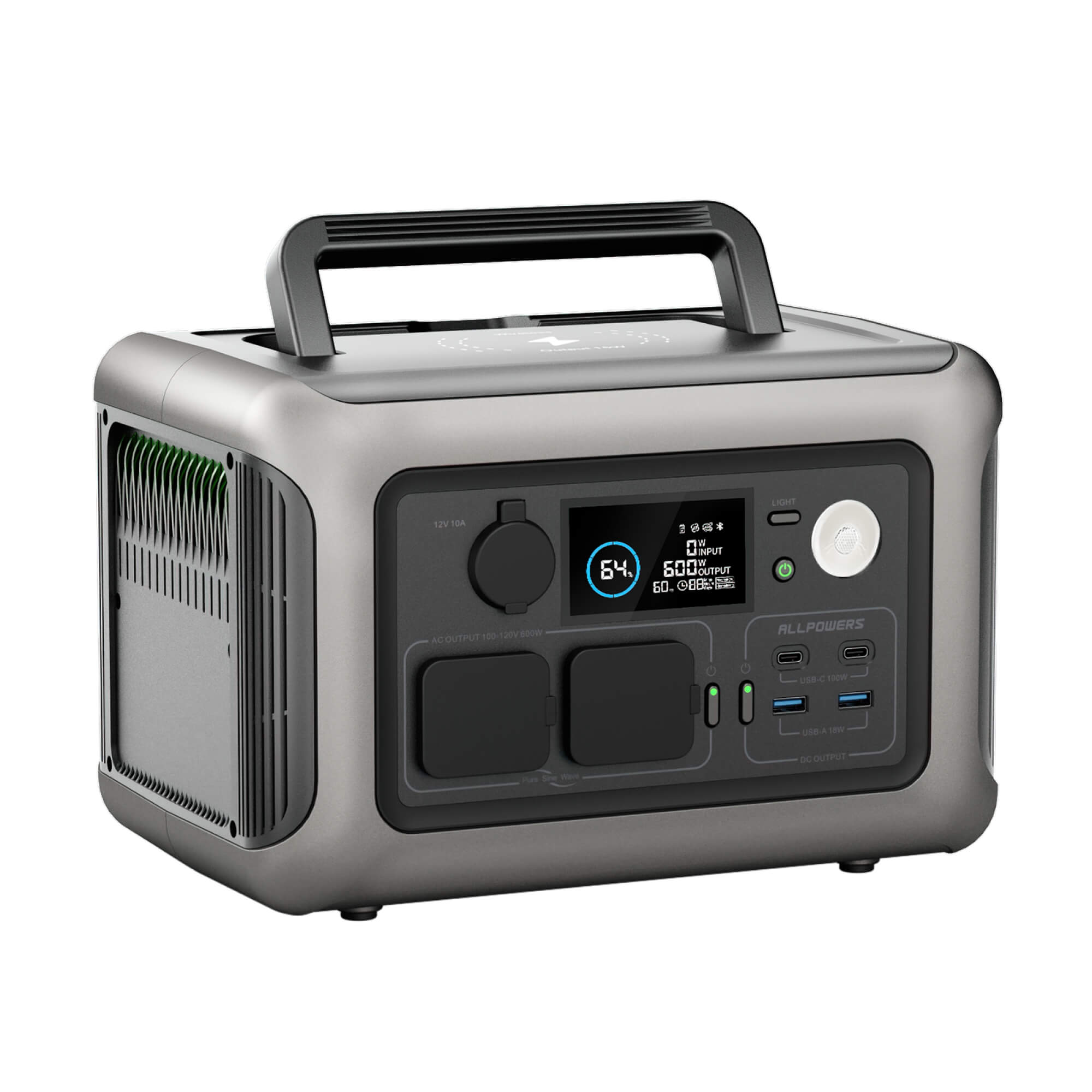
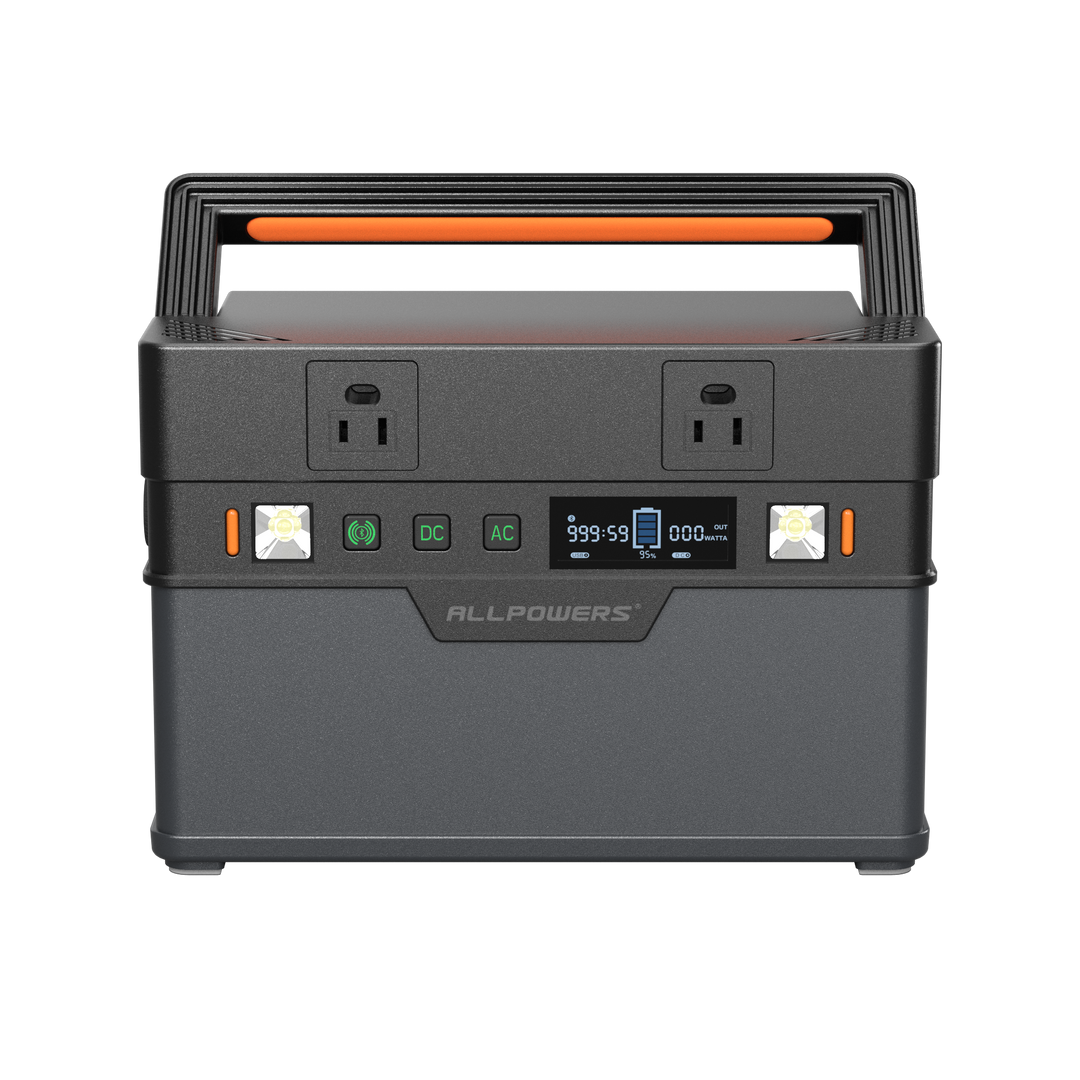
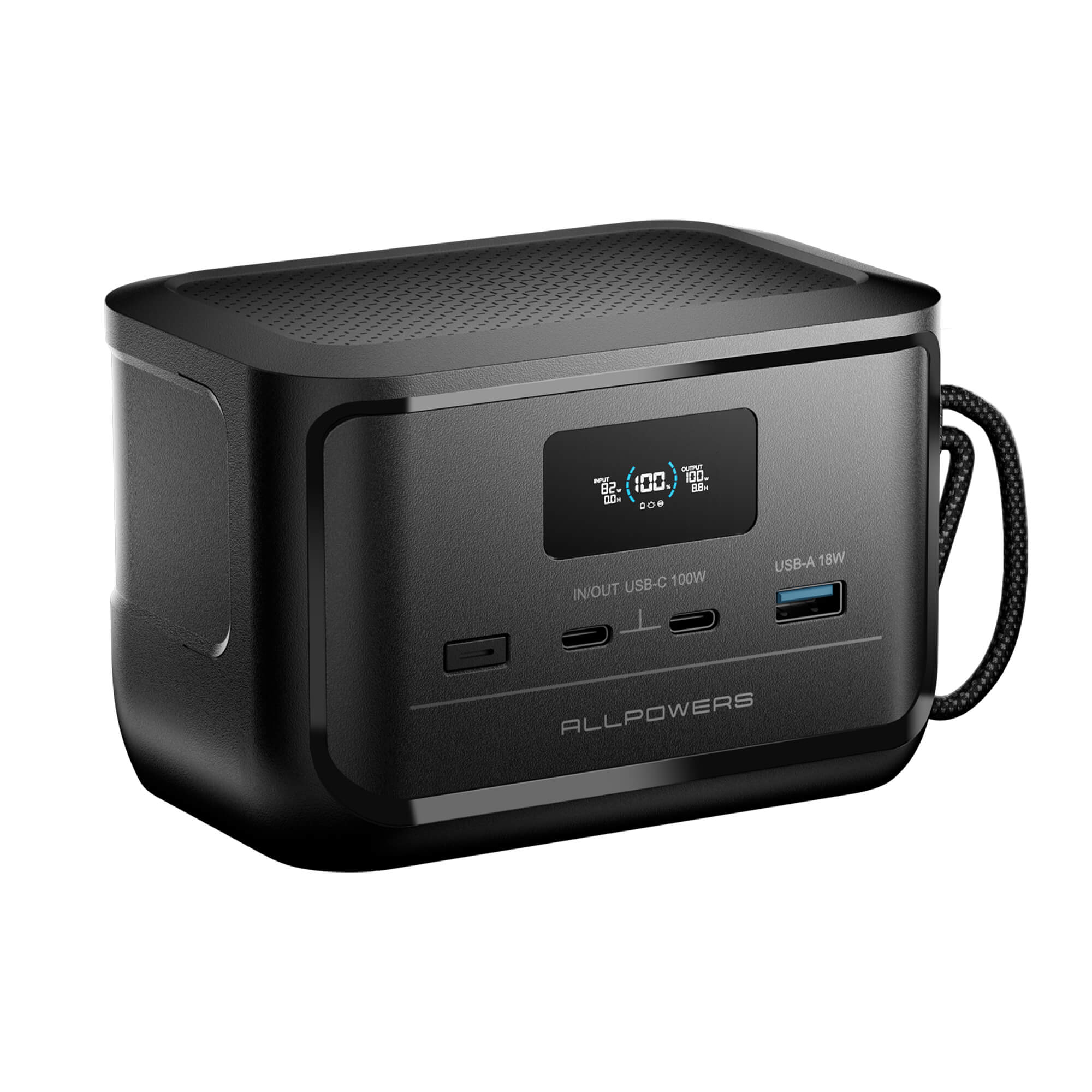
In some situations, households also explore solar generators and battery-based backup solutions as part of a broader energy preparedness strategy.
These systems are often discussed alongside traditional generators because they can support essential appliances, communication devices, lighting, and refrigeration without relying solely on fuel-based operation.
Regardless of the technology chosen, the most effective backup power plan starts with accurately understanding your home's energy needs.
Choosing the Right Backup Strategy
The best generator size for a 1,500-square-foot house depends far more on appliance requirements than the size of the home itself.
Some households can remain comfortable with 5,000 watts of backup power, while others may require more than 12,000 watts to support larger electrical loads.
Before investing in any backup power system, take time to calculate running watts, startup surges, and the specific appliances that matter most during an outage.
A carefully planned approach not only improves reliability but can also save money and reduce unnecessary energy consumption when reliable backup power is needed most.
Frequently Asked Questions
Can a 5,000-watt generator run a 1,500 sq ft house?
It can power many essential appliances, but it may not support central air conditioning or multiple large appliances simultaneously.
How many watts does a typical 1,500 sq ft home need?
Most homes require anywhere from 5,000 to 15,000 watts, depending on which systems need to operate during an outage.
Will a generator run central air conditioning?
Many central AC systems require several thousand running watts and substantial startup power, so larger generators are often necessary.
What appliances should be prioritized during a power outage?
Refrigerators, freezers, lighting, communication devices, and medical equipment are commonly considered essential loads.
Are solar generators suitable for home backup power?
Solar generators can support many critical household devices and are often used as part of a broader backup power strategy, particularly for shorter outages and essential circuits.