







Power outages can happen unexpectedly during storms, heat waves, grid failures, or severe weather events.
One of the first concerns many homeowners have during a blackout is whether the food inside the refrigerator will remain safe to eat.
Since refrigerators rely on continuous electricity to maintain cold temperatures, even a short outage can gradually increase the risk of food spoilage.
So, how long does a fridge actually stay cold during a power outage?
TL;DR:
In most situations, a closed refrigerator can keep food cold for about 4 hours during a power outage, while a fully stocked freezer may maintain safe temperatures for up to 48 hours if left unopened.
How Long a Fridge Stays Cold Without Power
In general, a standard refrigerator can maintain safe temperatures for approximately 4 hours if the doors remain closed during a power outage.
Modern refrigerators are insulated well enough to slow temperature increases temporarily, but they still rely on powered cooling systems to maintain food-safe conditions over time.
Once refrigerator temperatures rise above safe food storage ranges, bacteria growth can accelerate rapidly, especially with dairy products, meat, seafood, and leftovers.
How Long a Freezer Keeps Food Frozen
Freezers usually maintain cold temperatures much longer than refrigerators because frozen food holds temperature more effectively.
A fully stocked freezer can often stay frozen for up to 48 hours if left unopened, while a half-full freezer may remain cold for closer to 24 hours.
When Does Food Become Unsafe?
Food safety becomes a major concern once refrigerator temperatures rise above 40°F (4°C).
Bacteria can multiply rapidly when perishable foods remain in unsafe temperature ranges for extended periods.
High-Risk Foods
Items such as milk, eggs, meat, seafood, cooked leftovers, and soft cheeses spoil more quickly during temperature increases.
Frozen Foods May Still Be Safe
If frozen food still contains ice crystals or remains below 40°F, it may often be safely refrozen.
When in doubt, food safety professionals generally recommend throwing questionable food away rather than risking foodborne illness.
How to Keep Food Cold Longer During an Outage
Several simple strategies can help extend refrigerator cooling during a blackout.
Limit Door Openings
Keeping refrigerator and freezer doors closed as much as possible helps preserve cold air.
Use Ice Packs or Ice Bags
Additional ice storage can help stabilize internal temperatures during longer outages.
Group Cold Items Together
Keeping food packed closely together may improve cooling retention by reducing warm air circulation.
Recommended Food Temperature Safety Guide
| Appliance or Food Condition | Safe Temperature | Estimated Safe Duration | Risk Level |
|---|---|---|---|
| Refrigerator (Closed) | Below 40°F | About 4 Hours | Low |
| Full Freezer | Frozen | Up to 48 Hours | Low |
| Half-Full Freezer | Frozen | About 24 Hours | Moderate |
| Perishable Food Above 40°F | Unsafe Range | More Than 2 Hours | High |
| Refrigerator With Frequent Door Openings | Rapid Temperature Increase | Reduced Cooling Time | Moderate to High |
What to Do After Power Returns
Once electricity is restored, homeowners should carefully inspect refrigerator temperatures and food conditions before continuing normal use.
Check Appliance Temperatures First
Refrigerator thermometers provide the most reliable way to determine whether food remained within safe temperature ranges.
Inspect Food Carefully
Perishable foods that developed unusual odors, textures, or discoloration should generally be discarded.
Refreeze Food Carefully
Some frozen foods may remain safe to refreeze if they still contain ice crystals or remained below 40°F during the outage.
Common Refrigerator Mistakes During Blackouts
Opening the Door Too Often
Frequent door openings are one of the fastest ways to lose valuable cold air during outages.
Keeping Unsafe Food
Many homeowners underestimate how quickly bacteria can grow once food temperatures rise.
Ignoring Appliance Temperatures
Temperature monitoring becomes increasingly important during long outages, especially during warm weather.
Overloading Small Coolers
Poor airflow inside overloaded coolers may reduce cooling performance and ice retention.
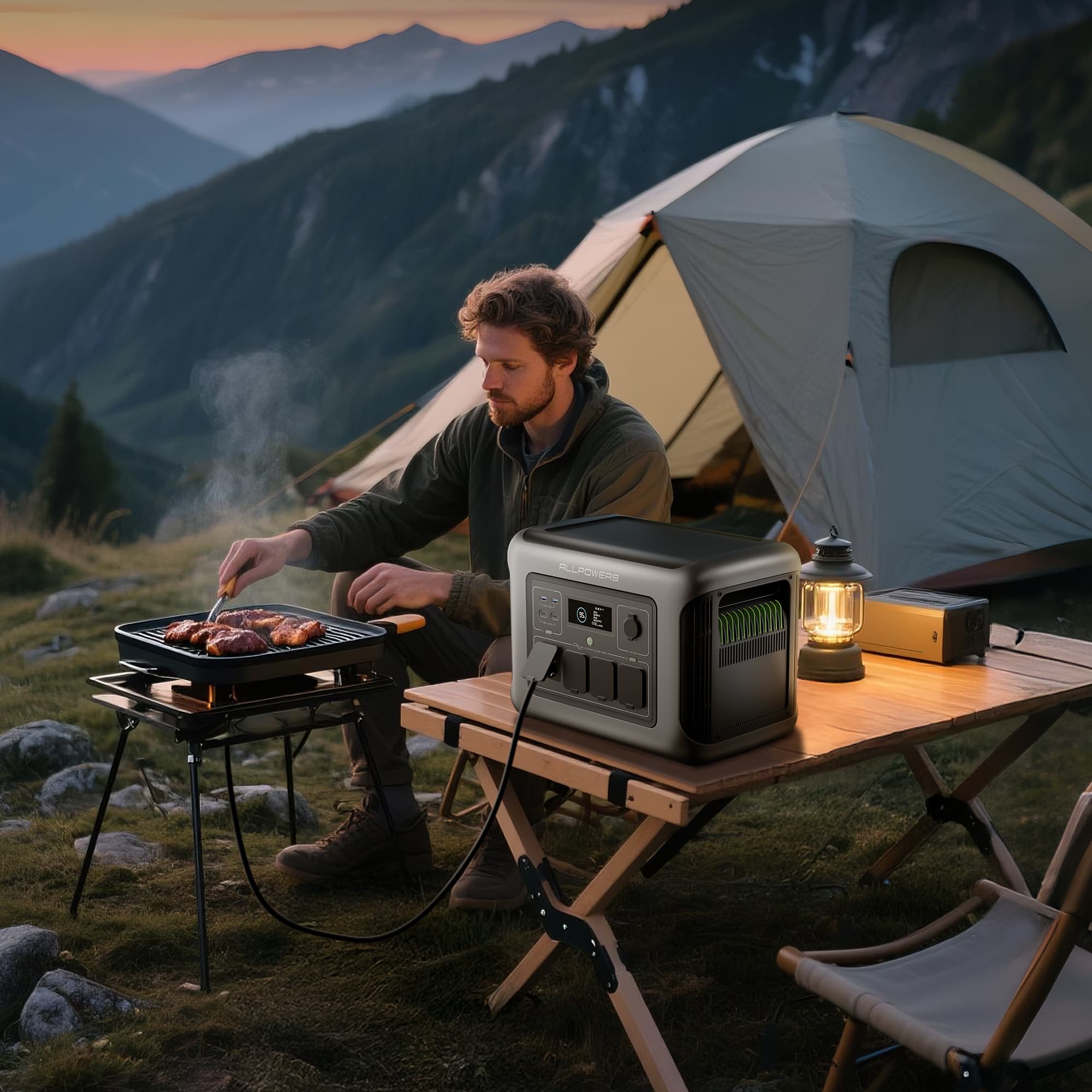
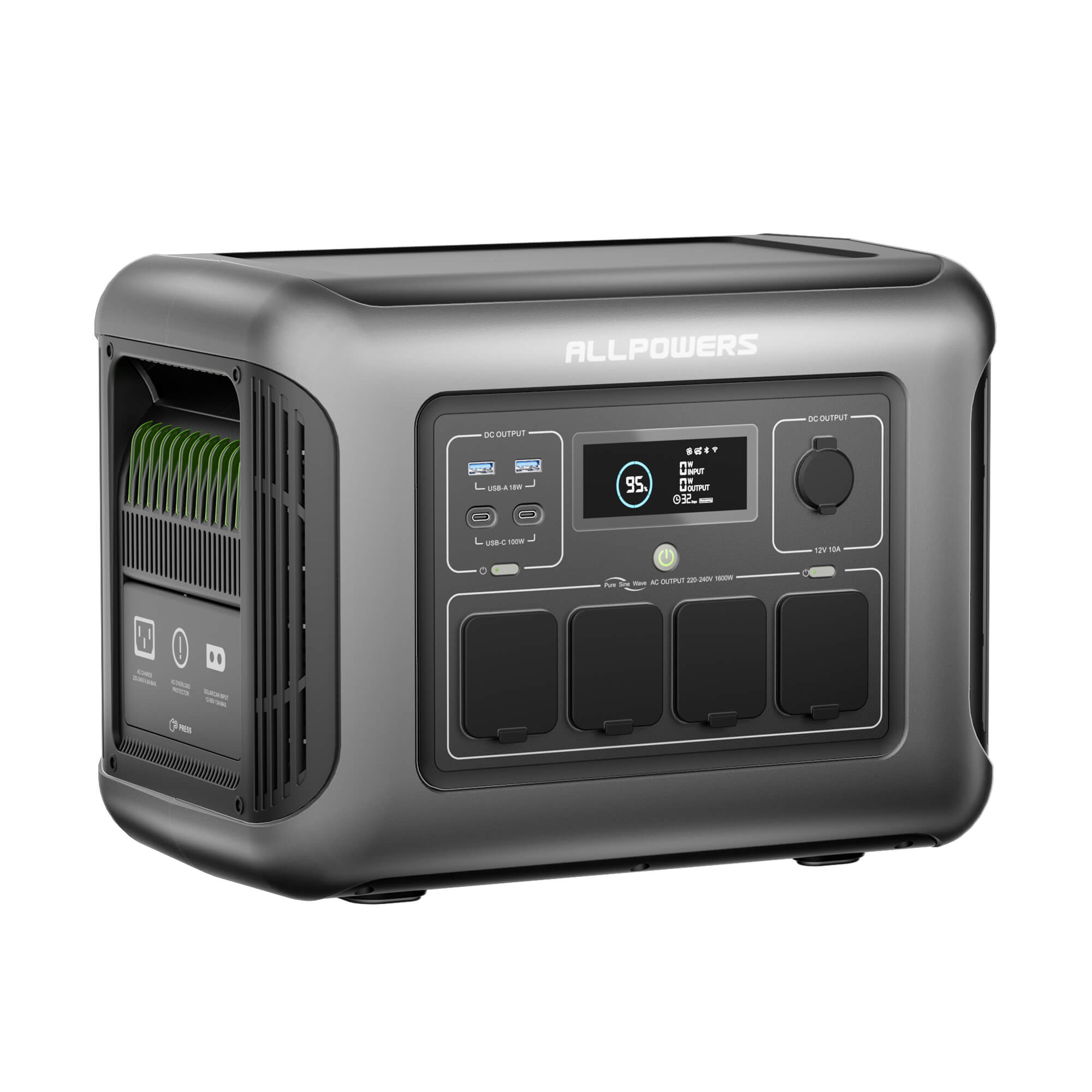
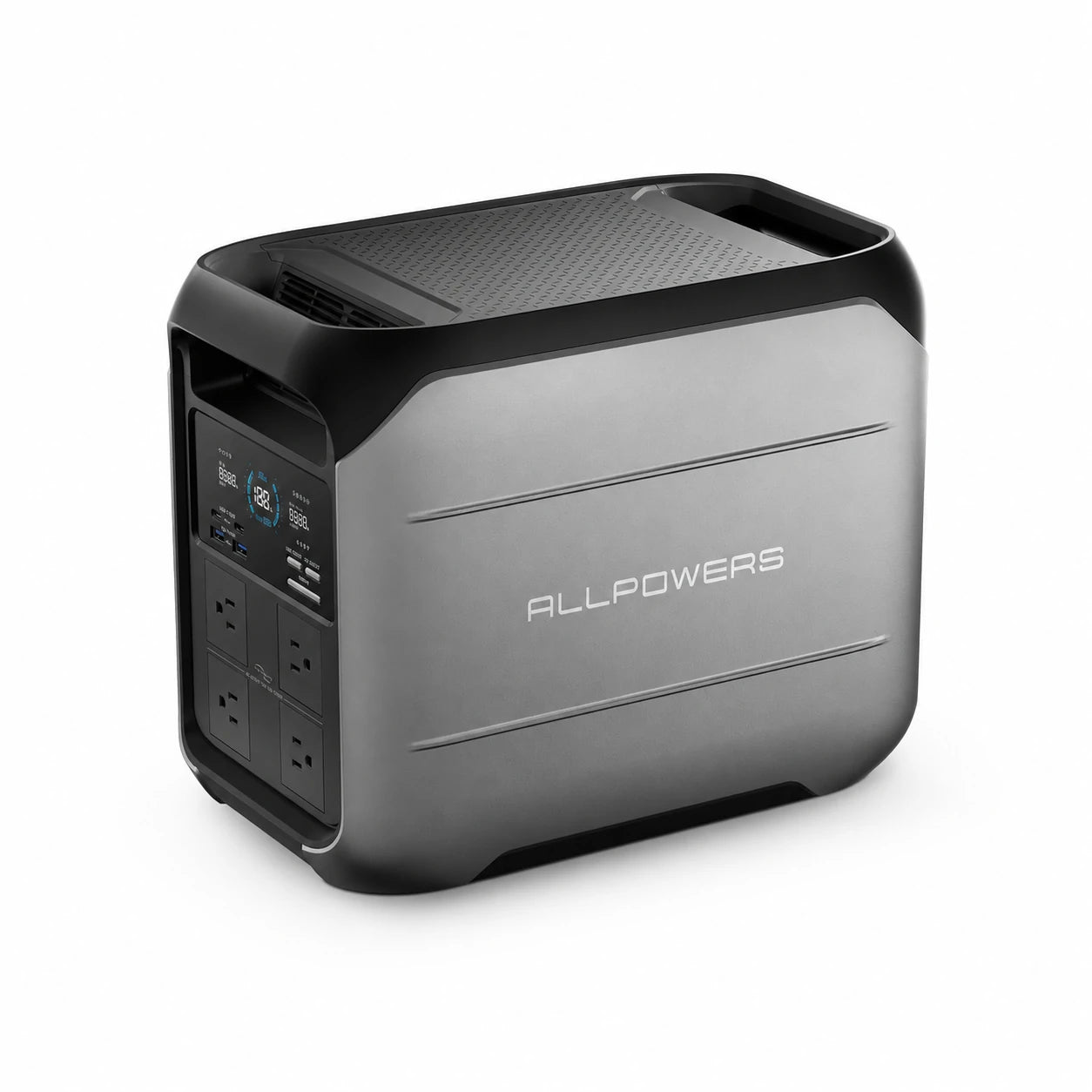
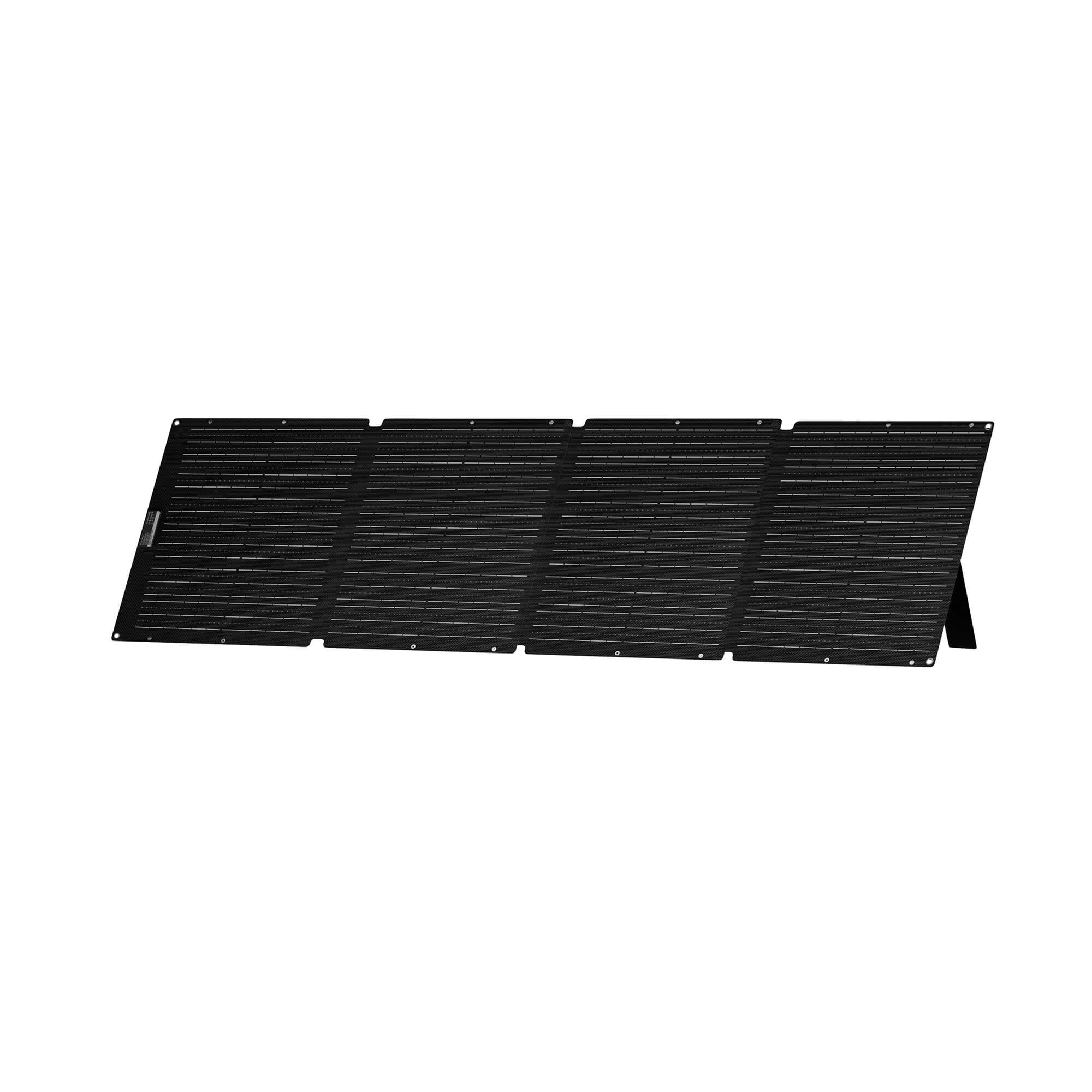
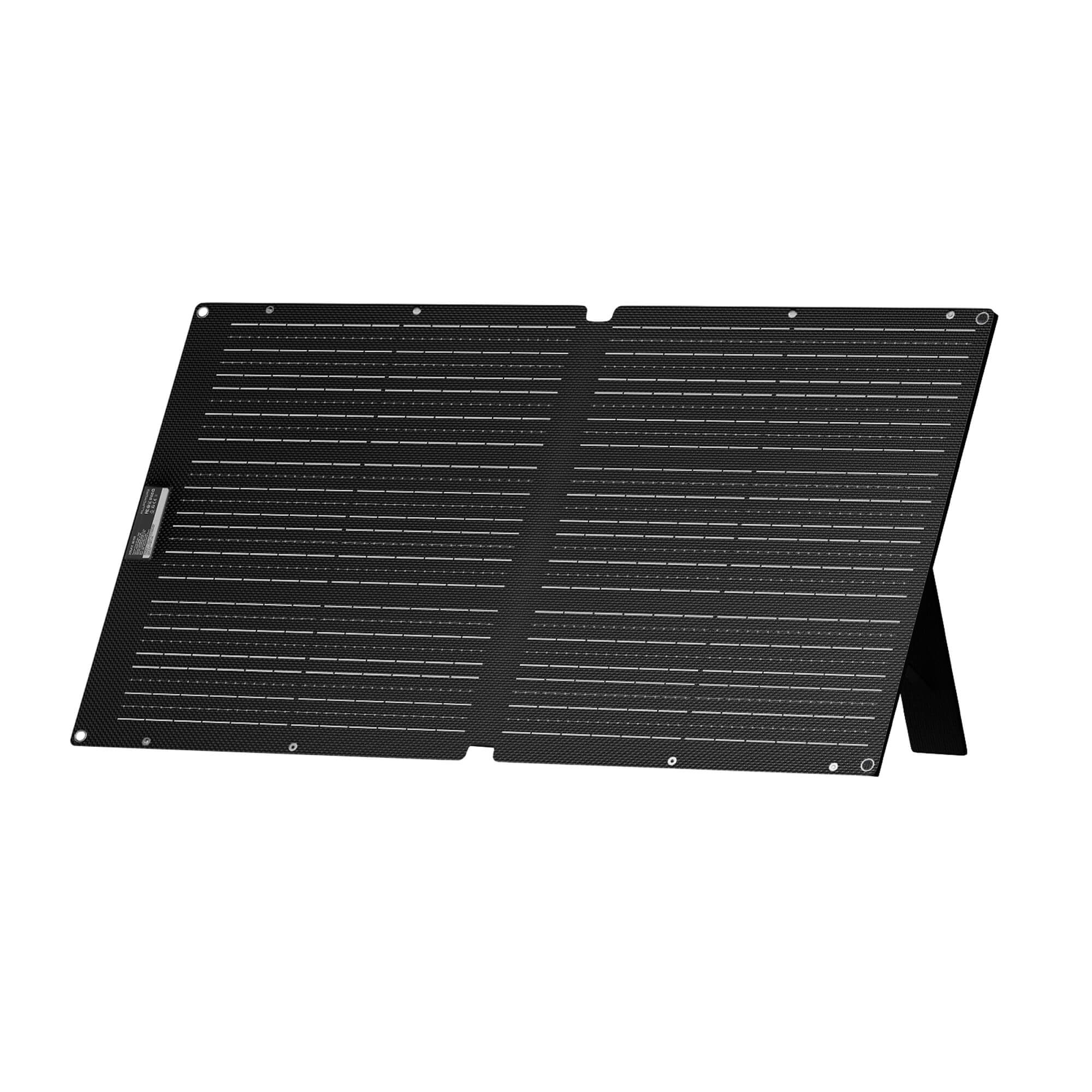
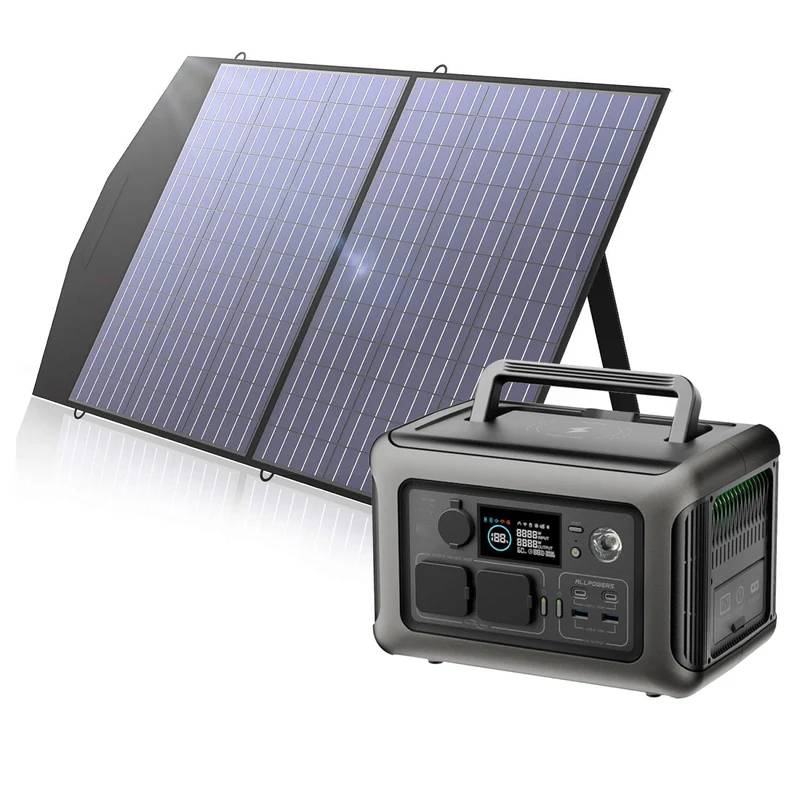
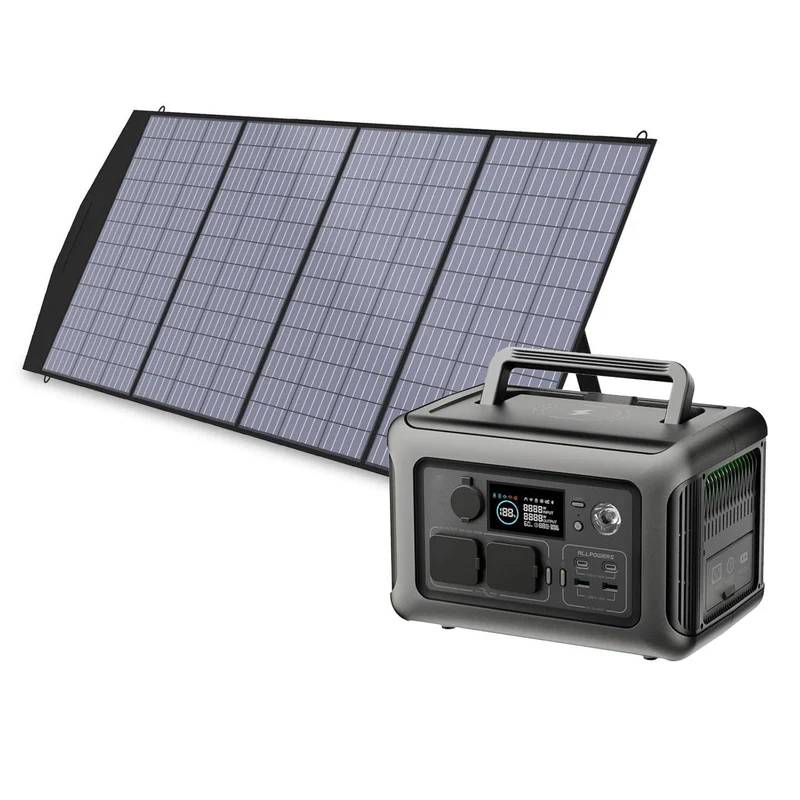
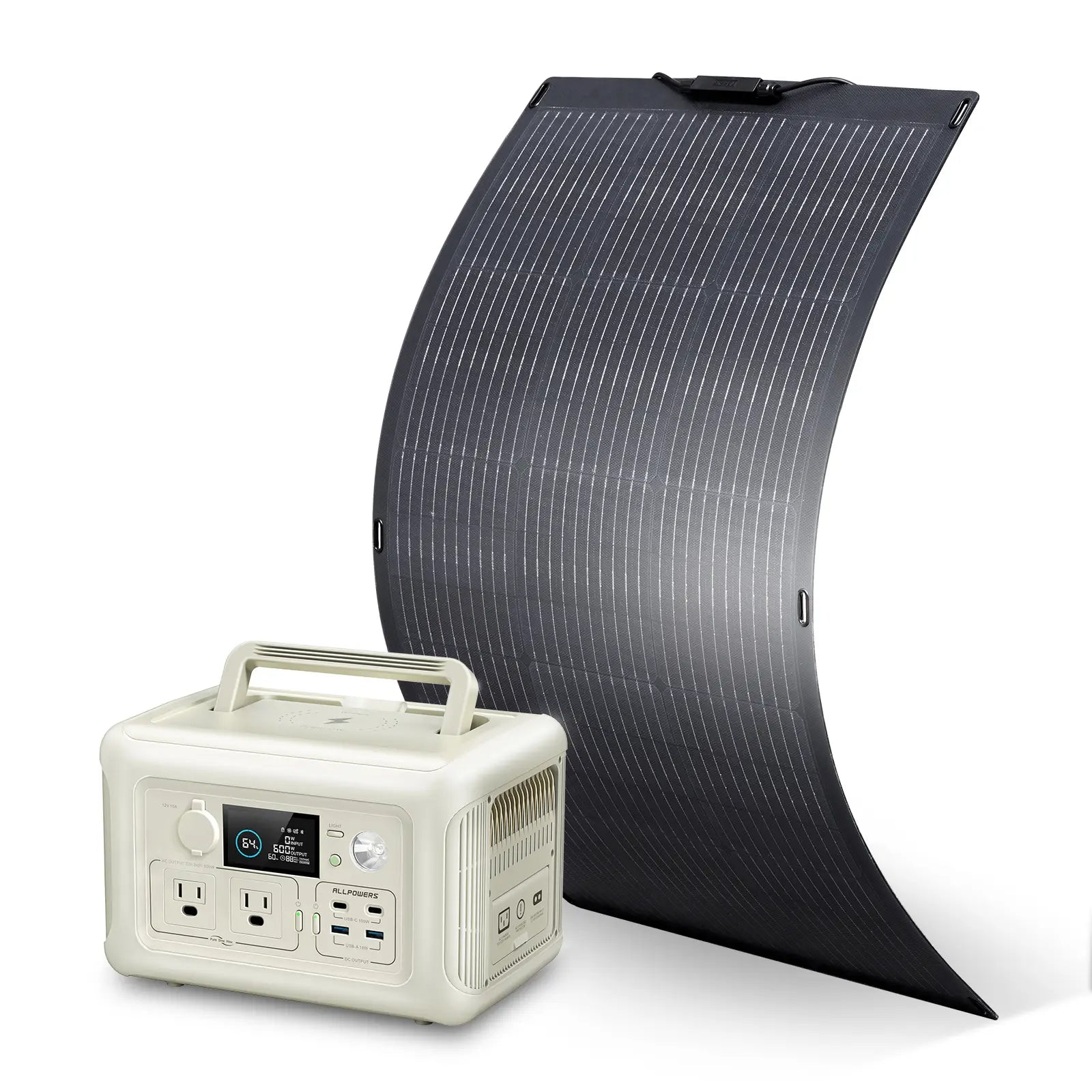
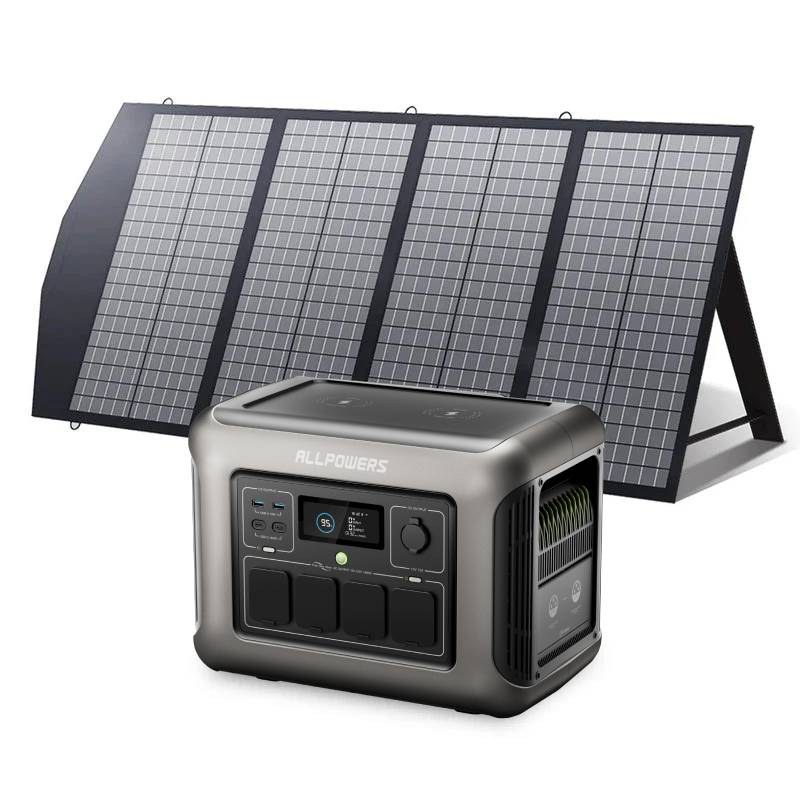
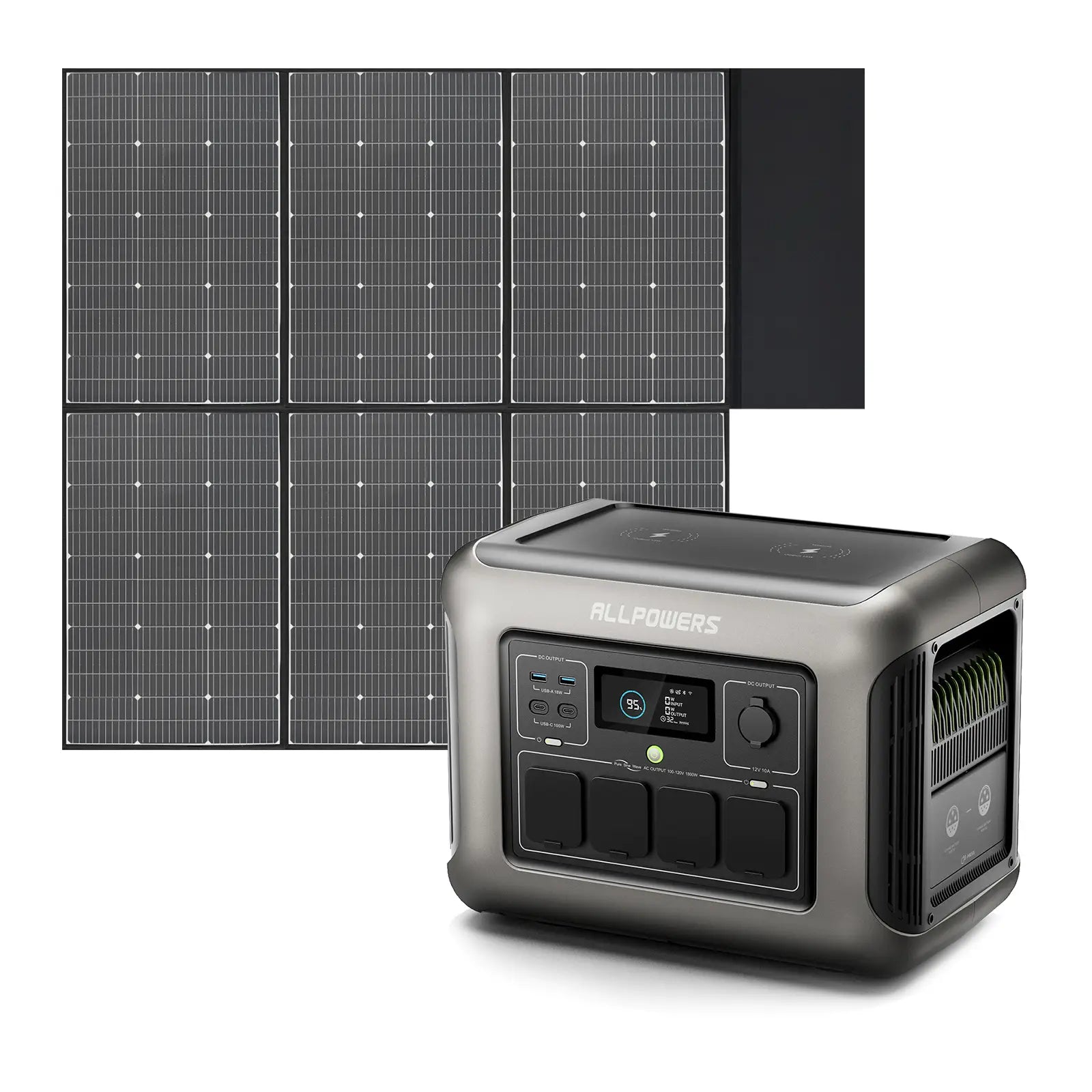
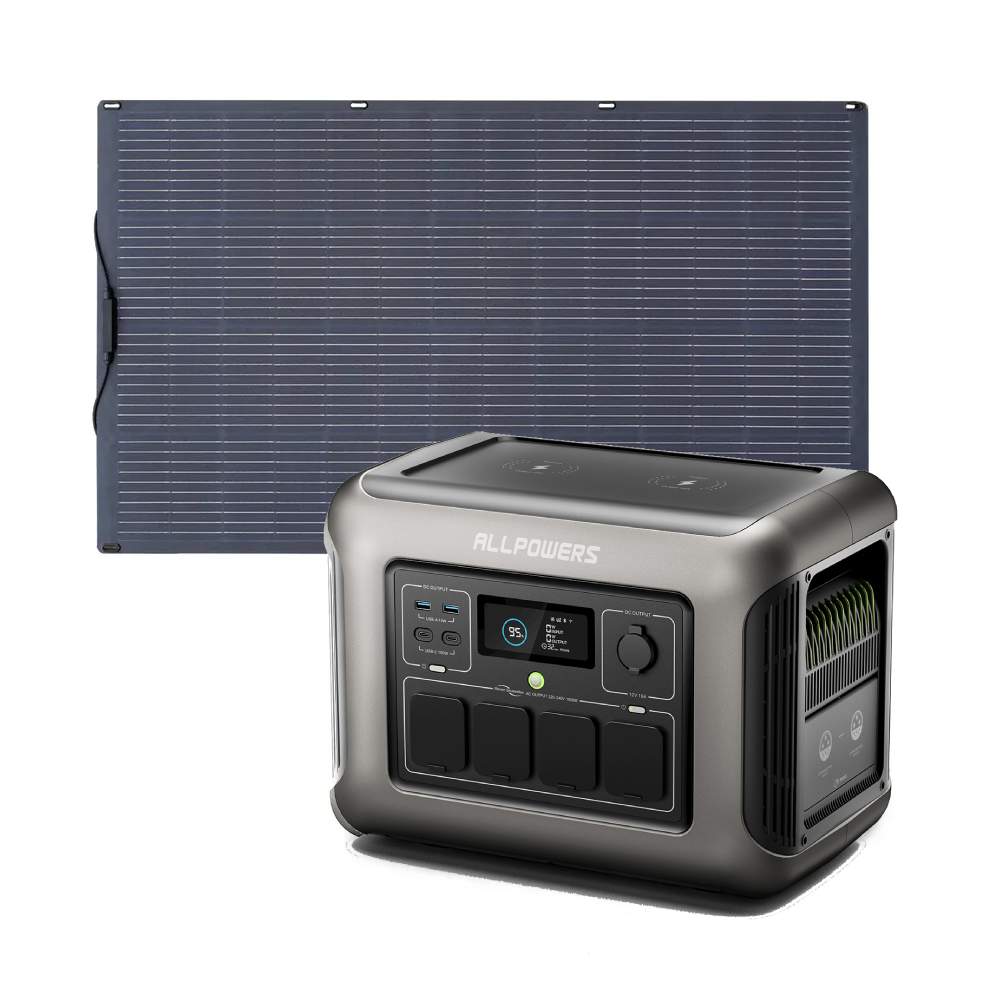
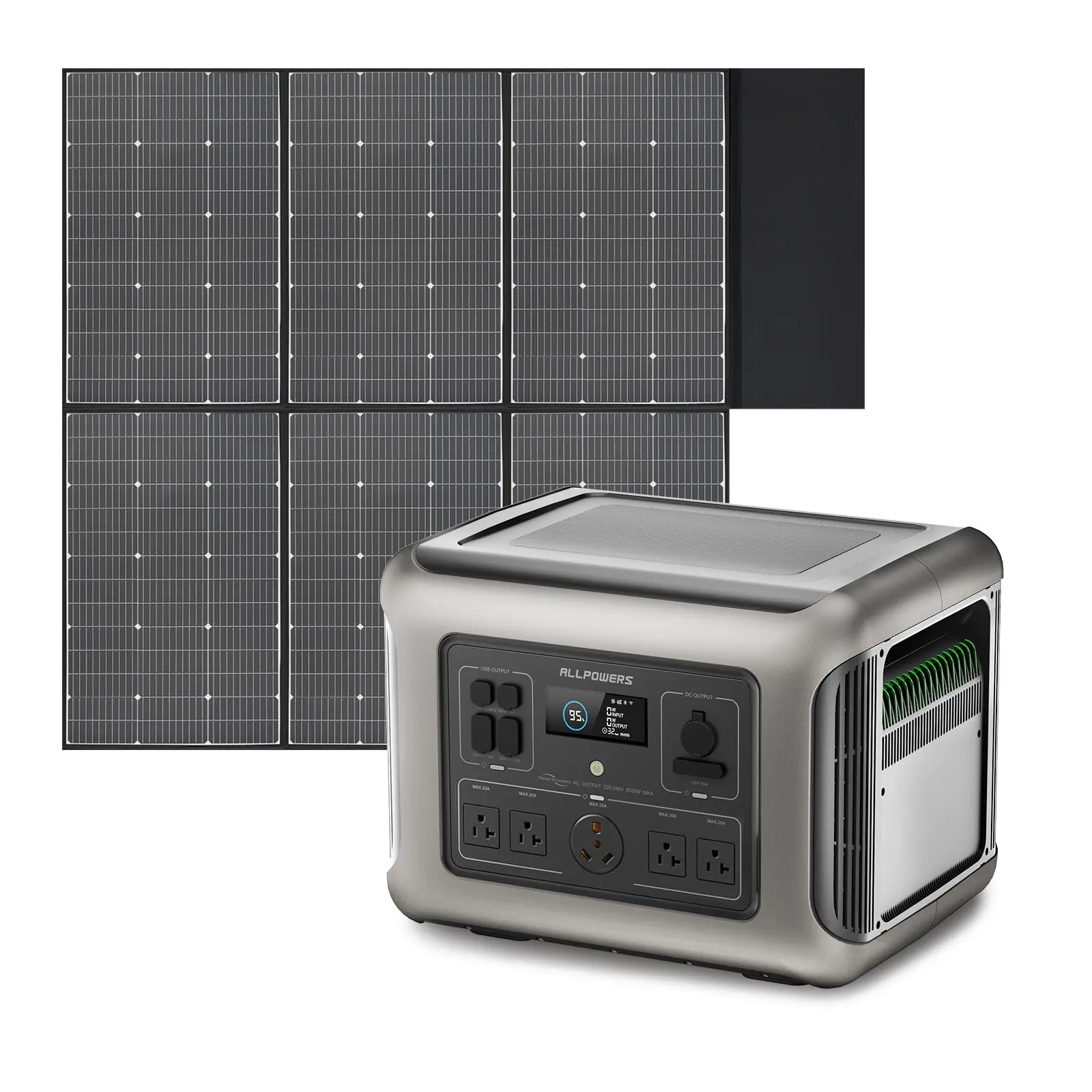
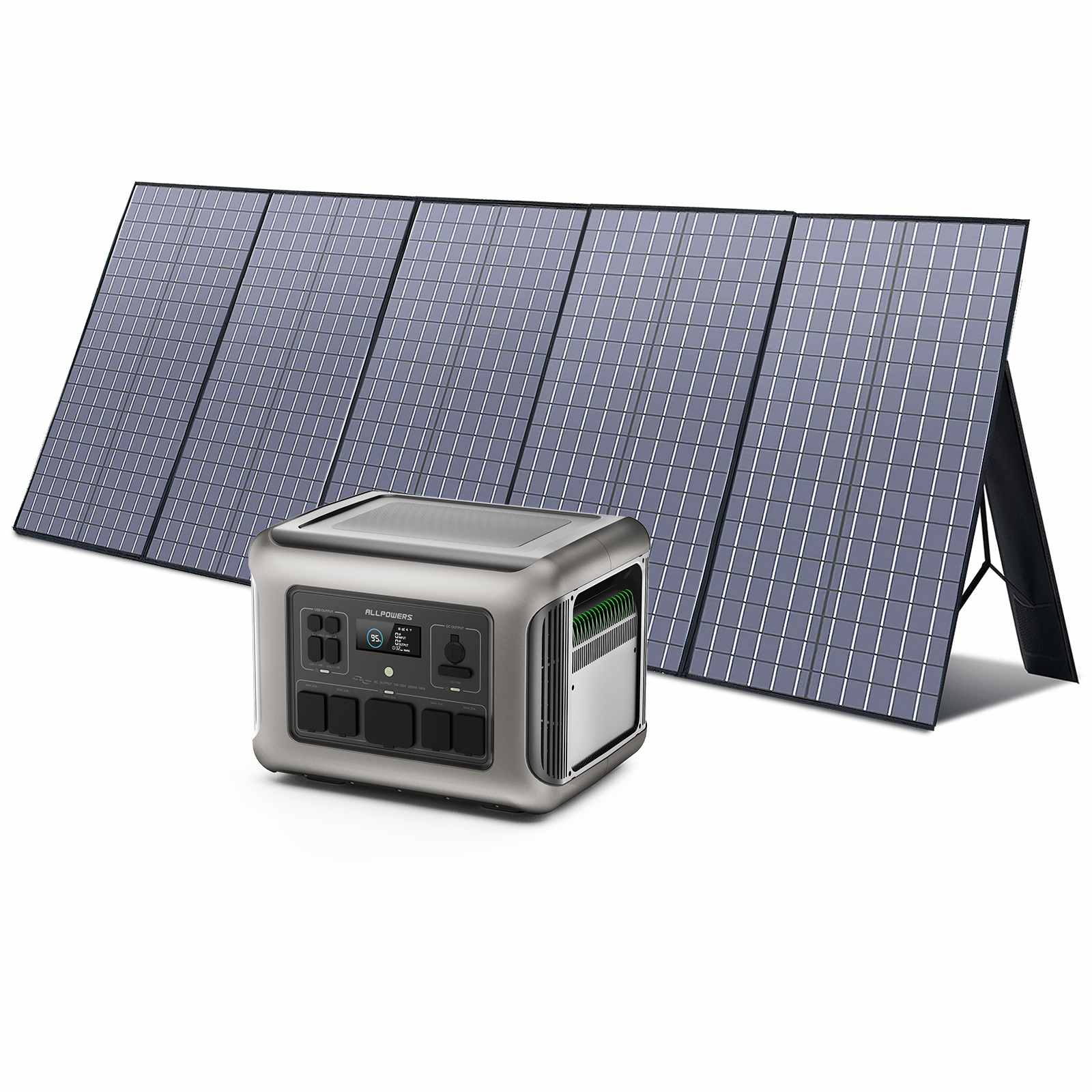
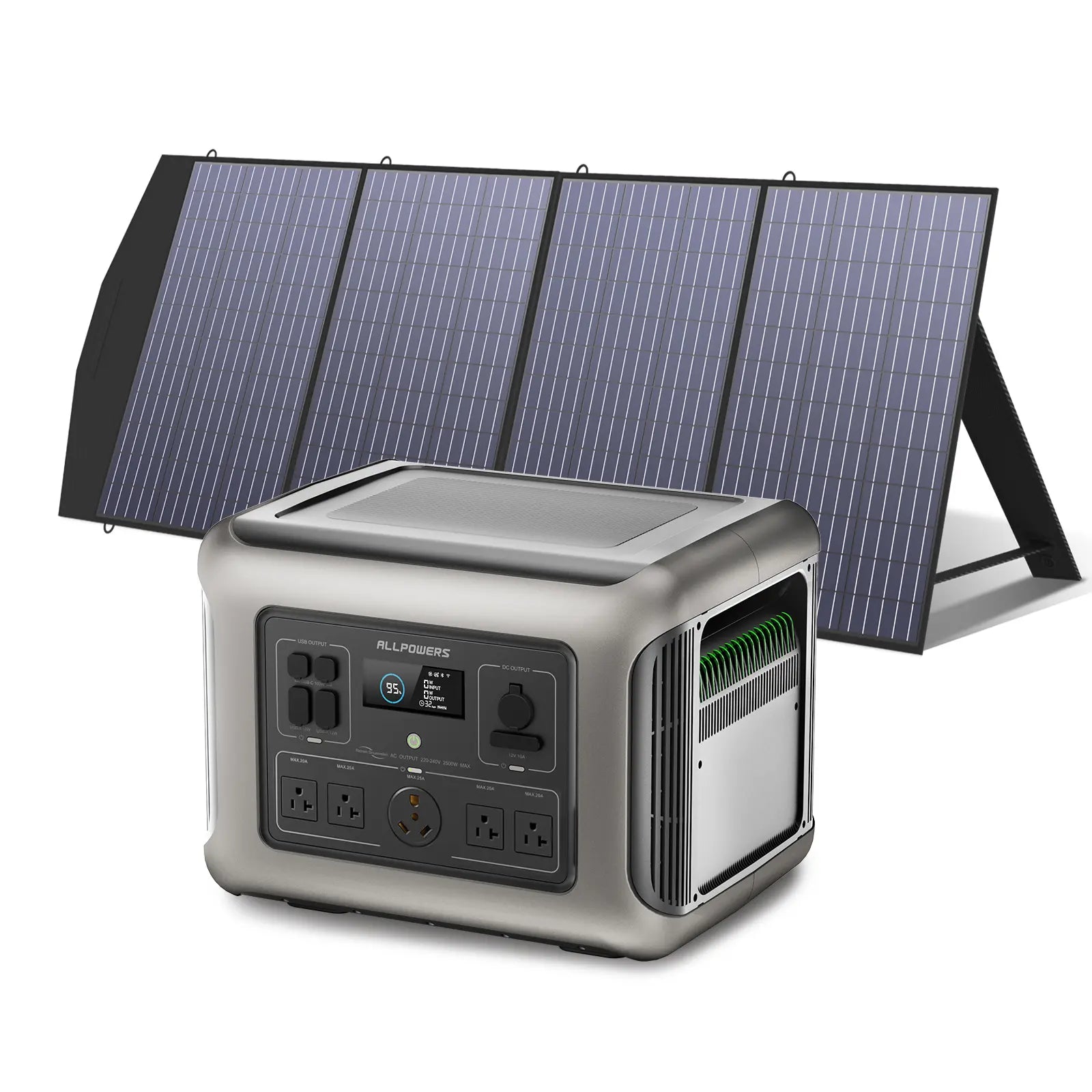
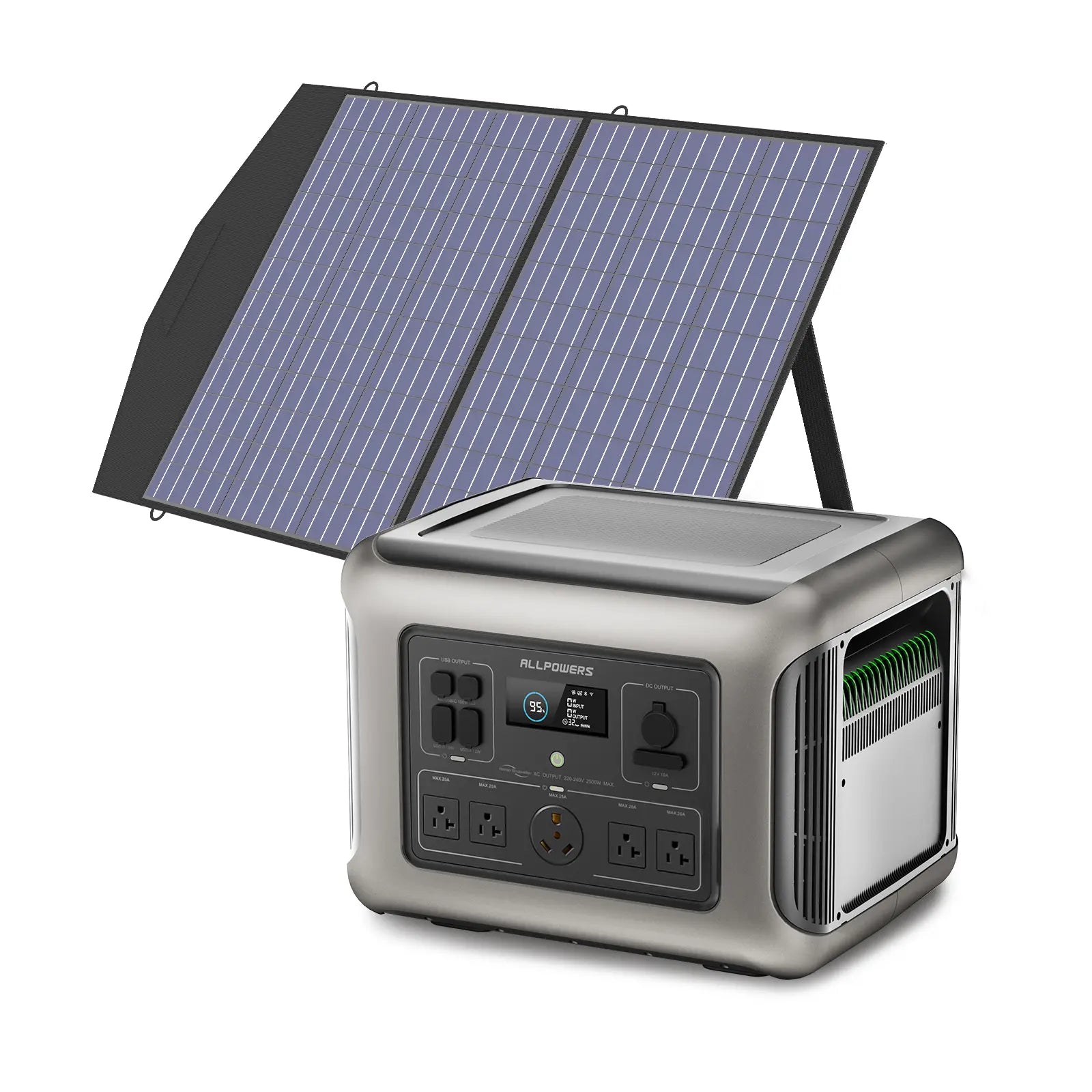
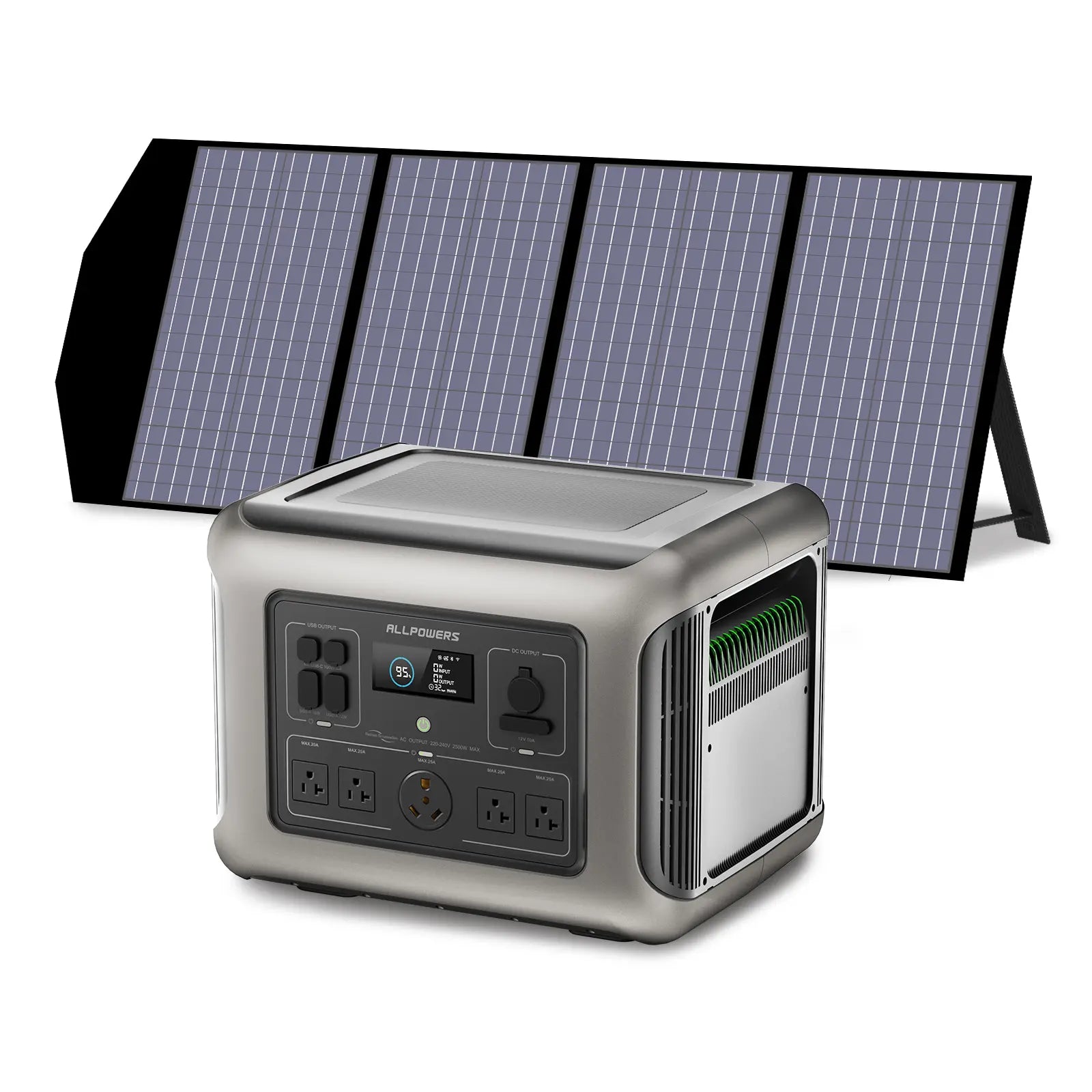
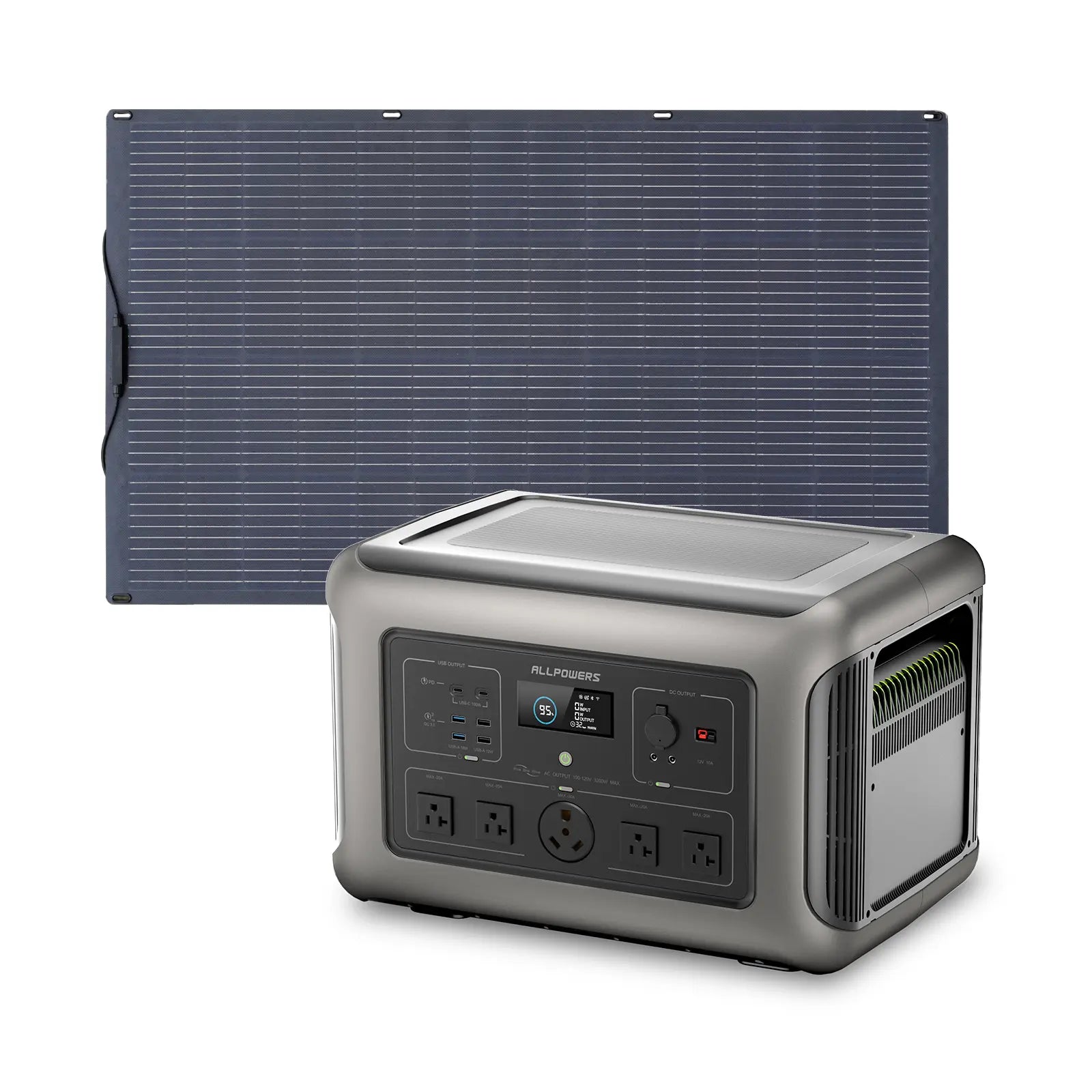
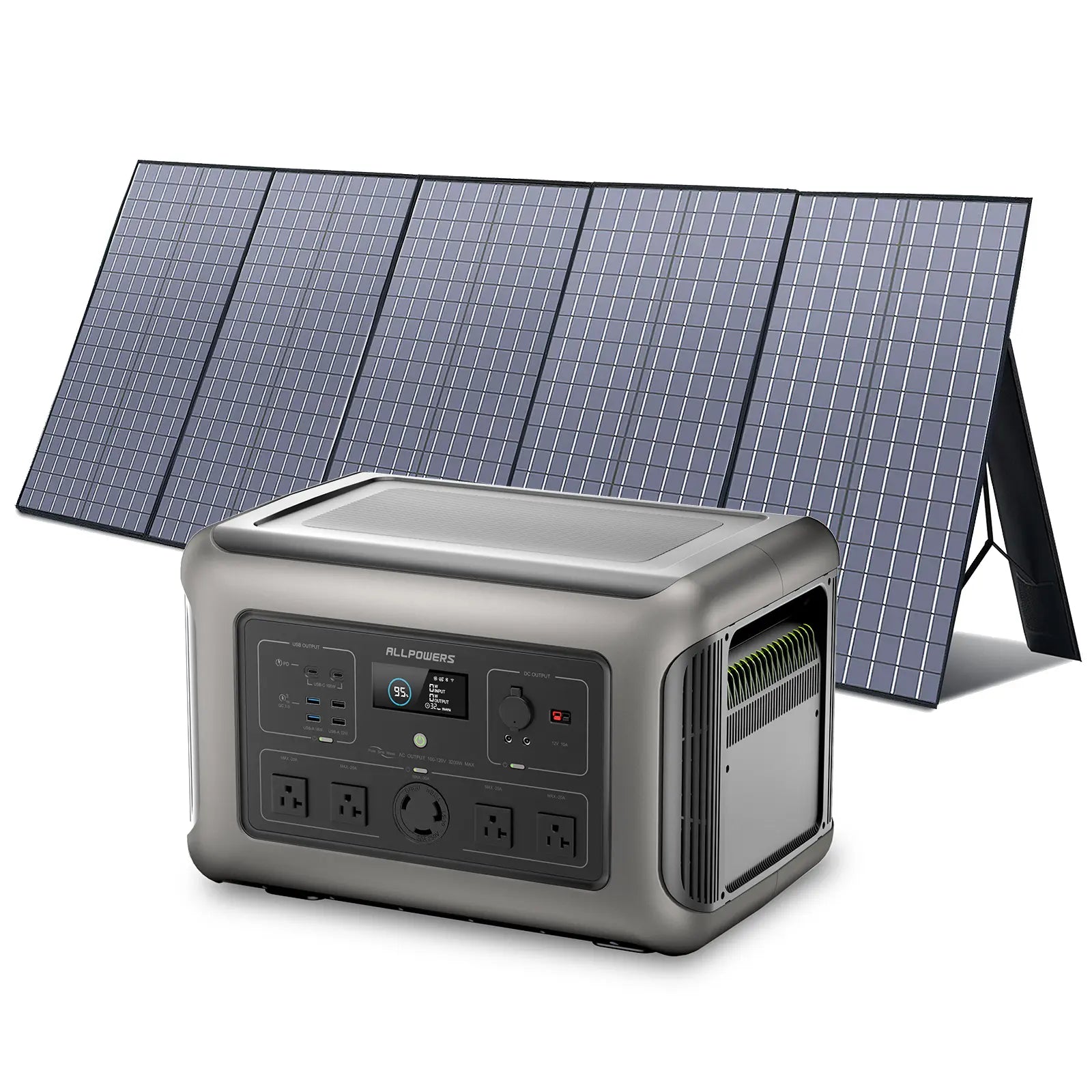
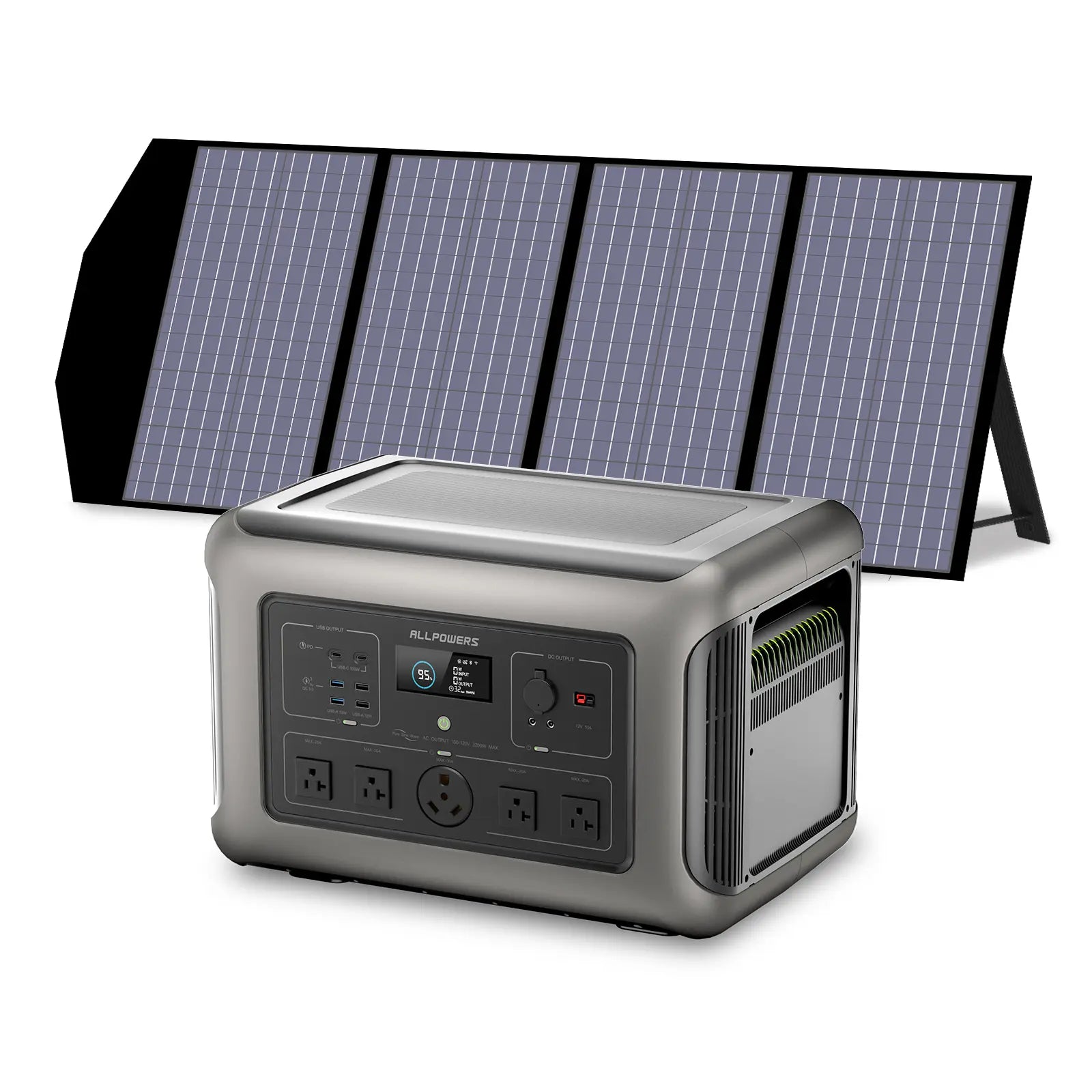
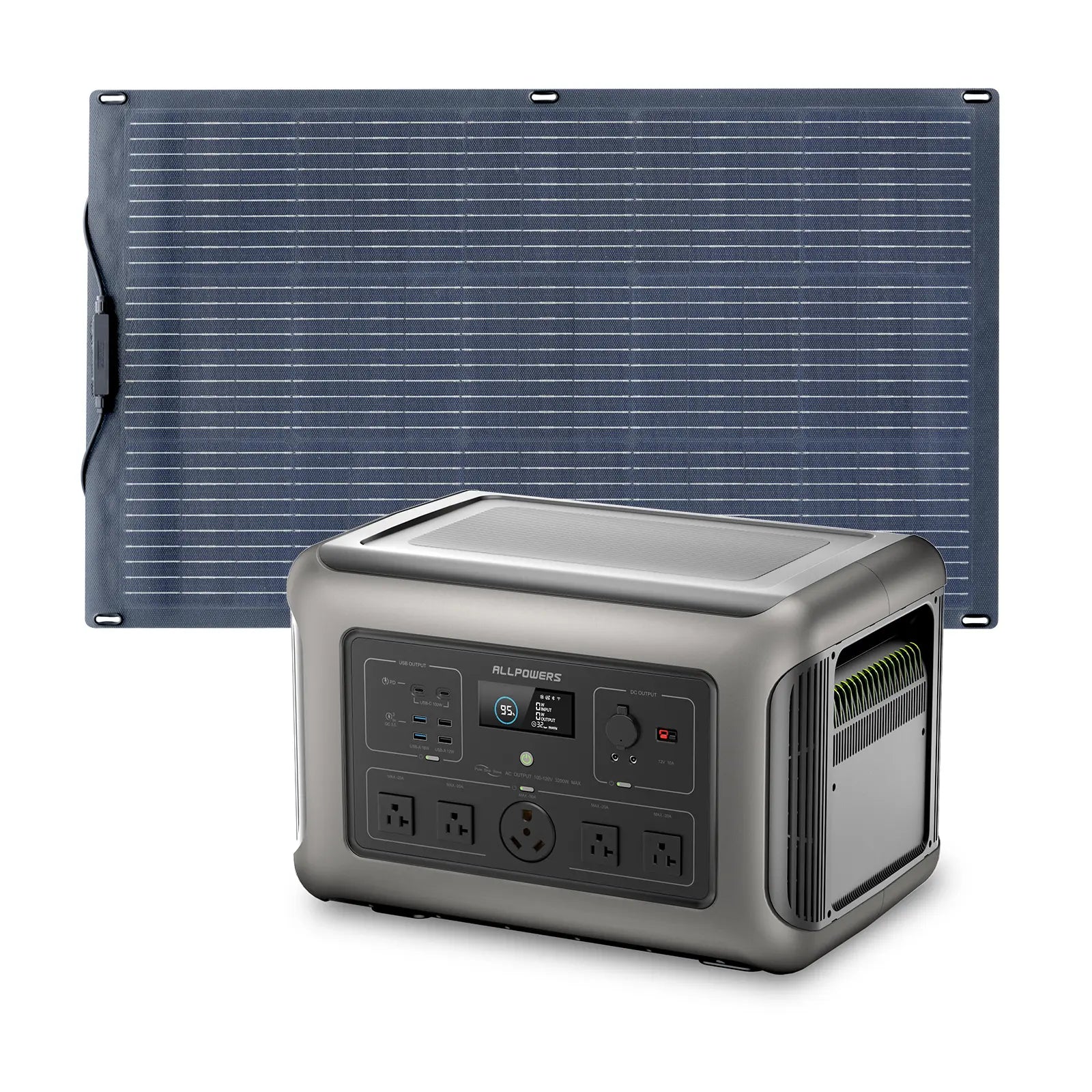
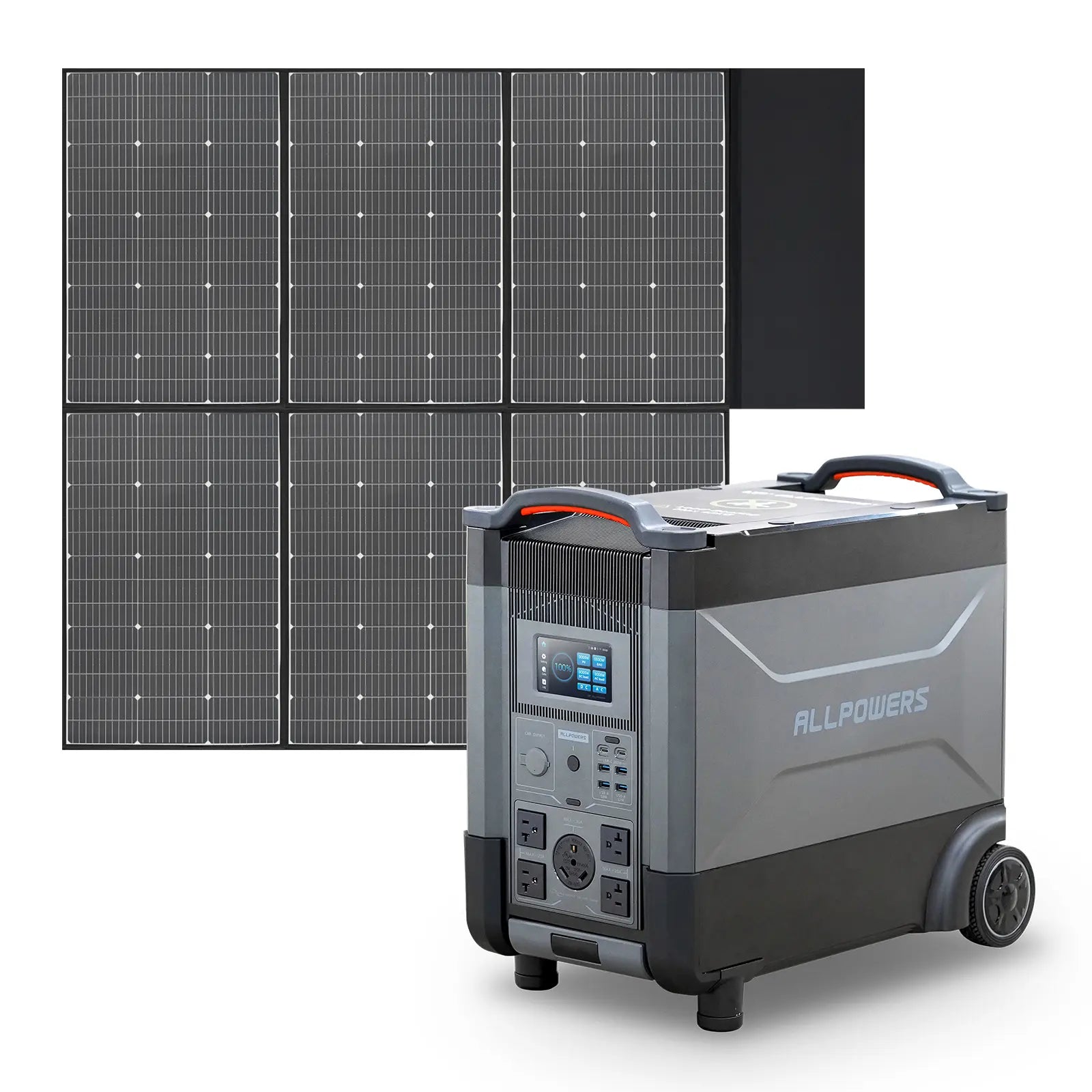
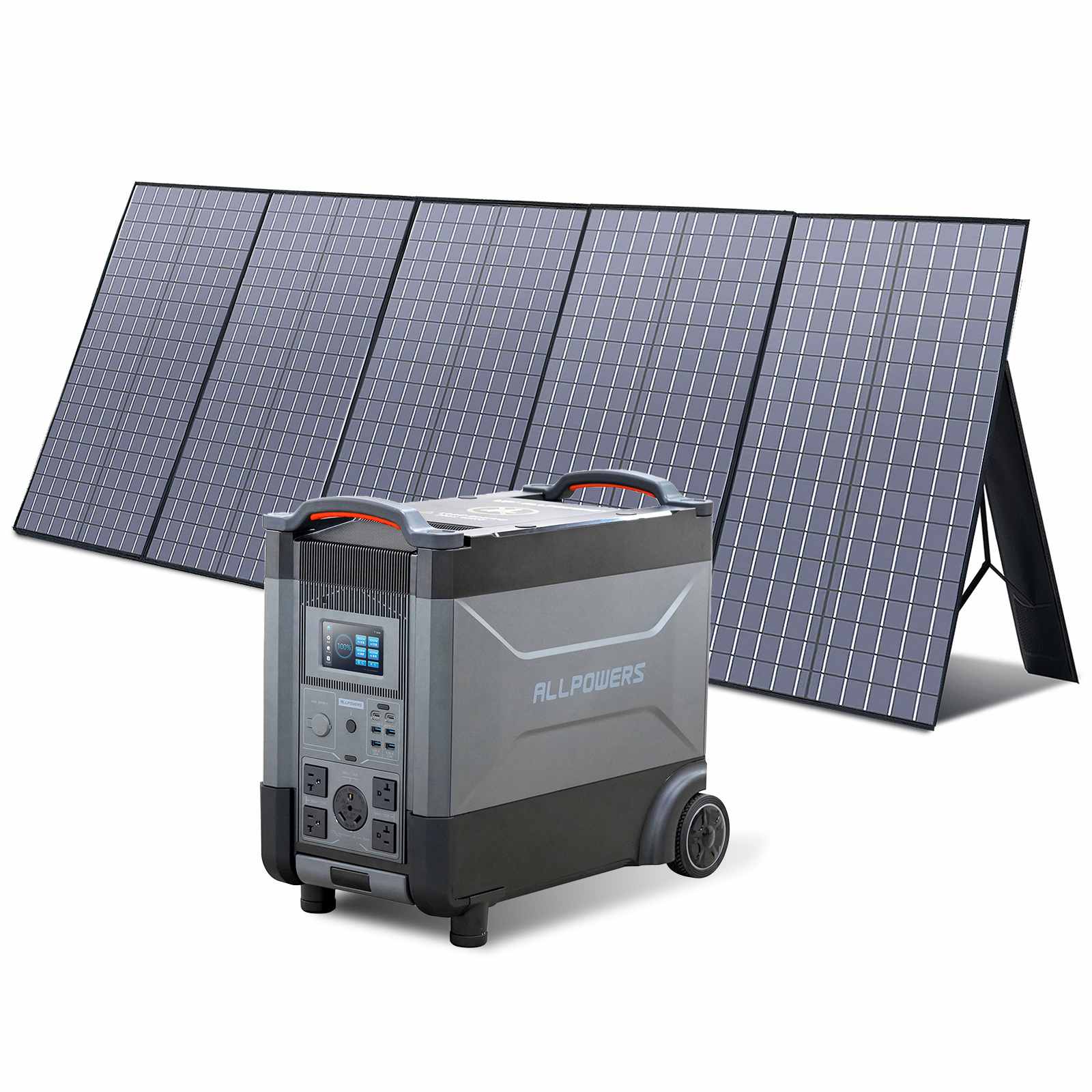
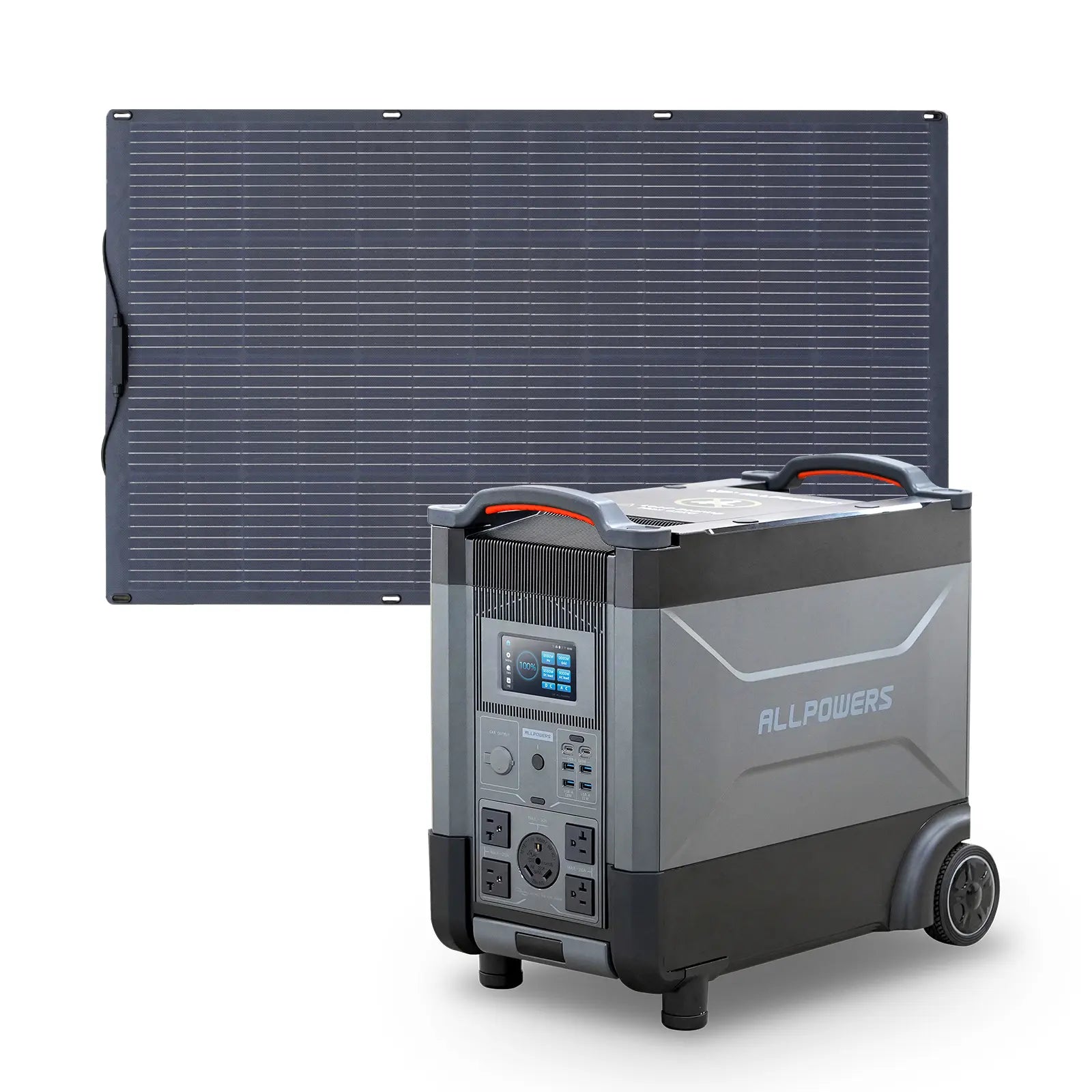
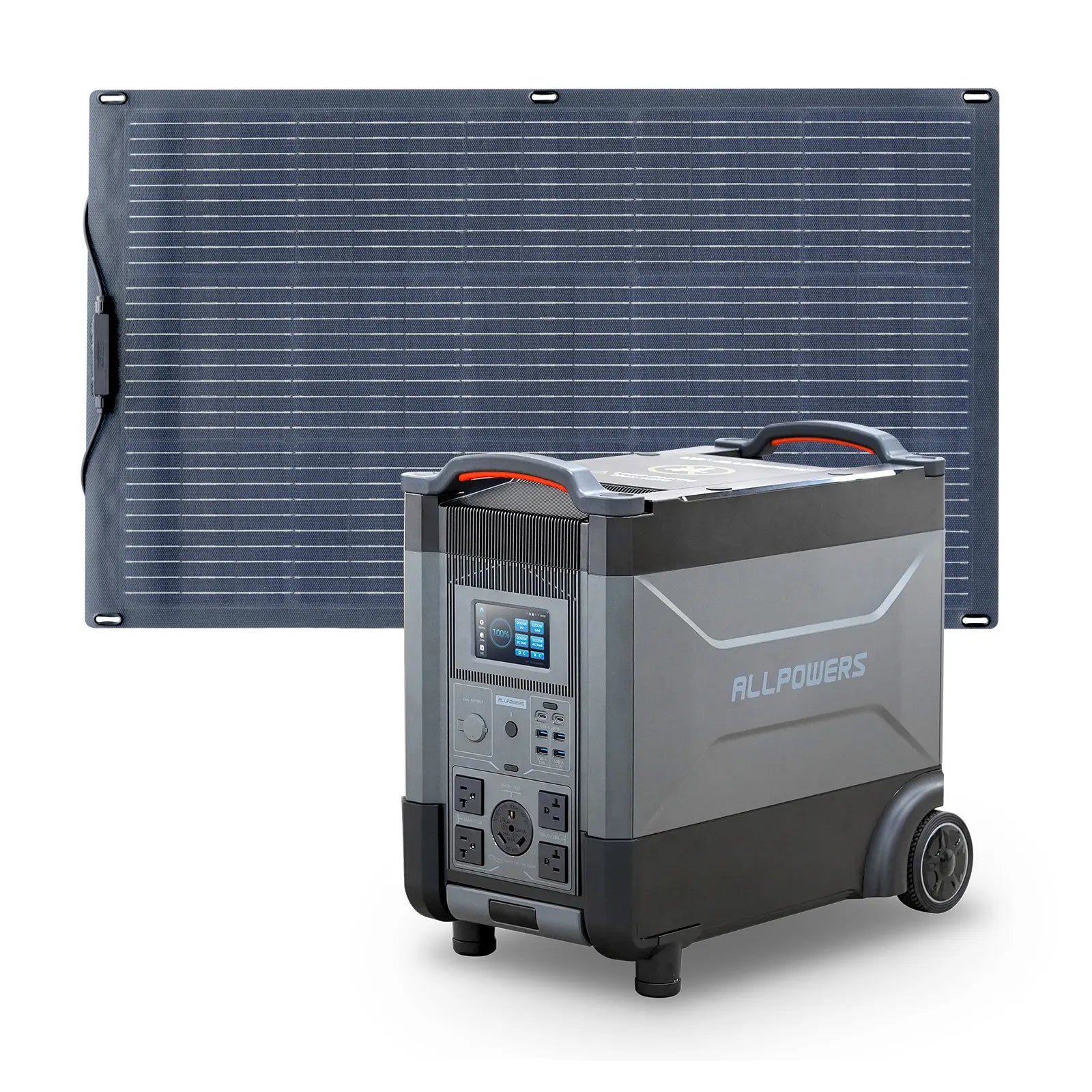
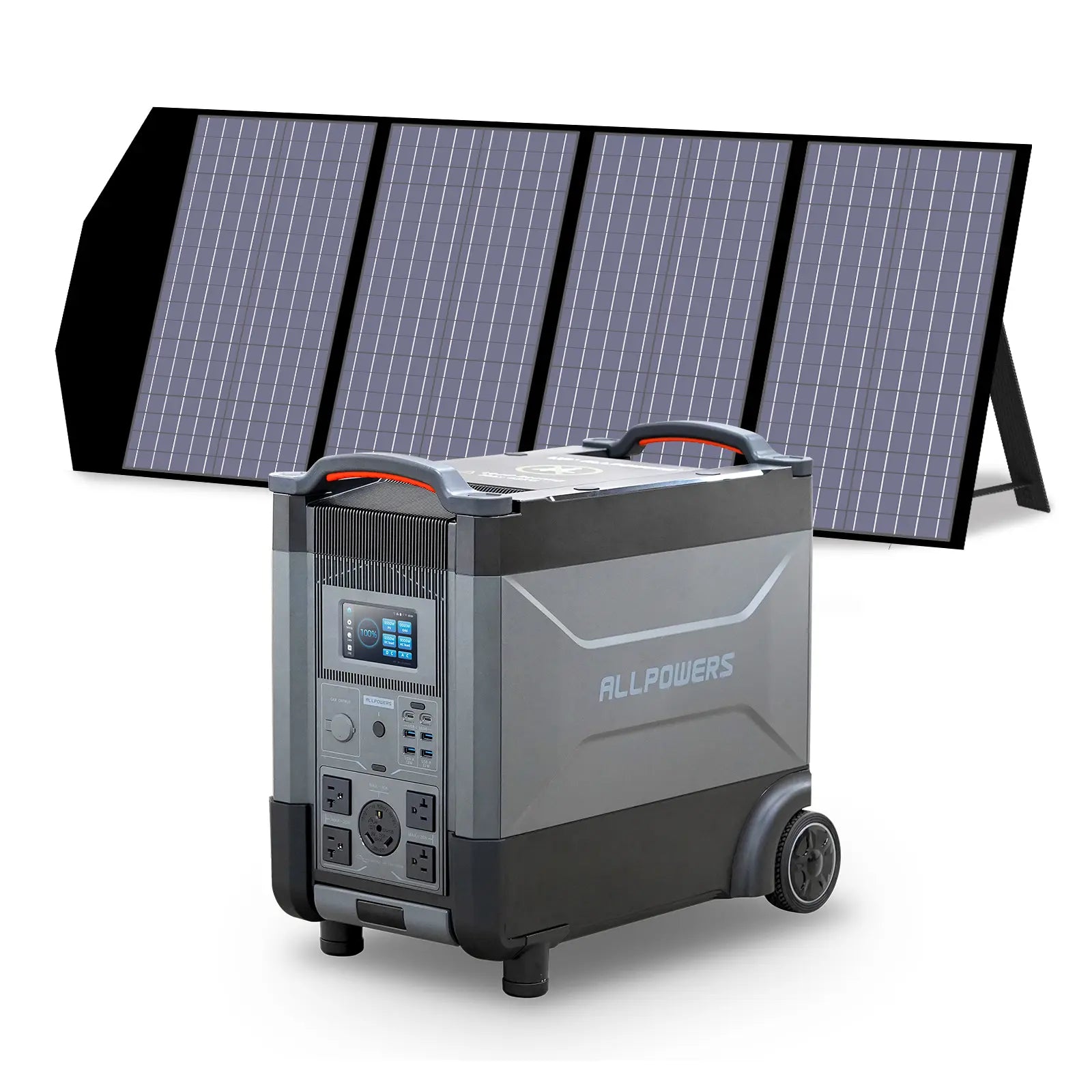
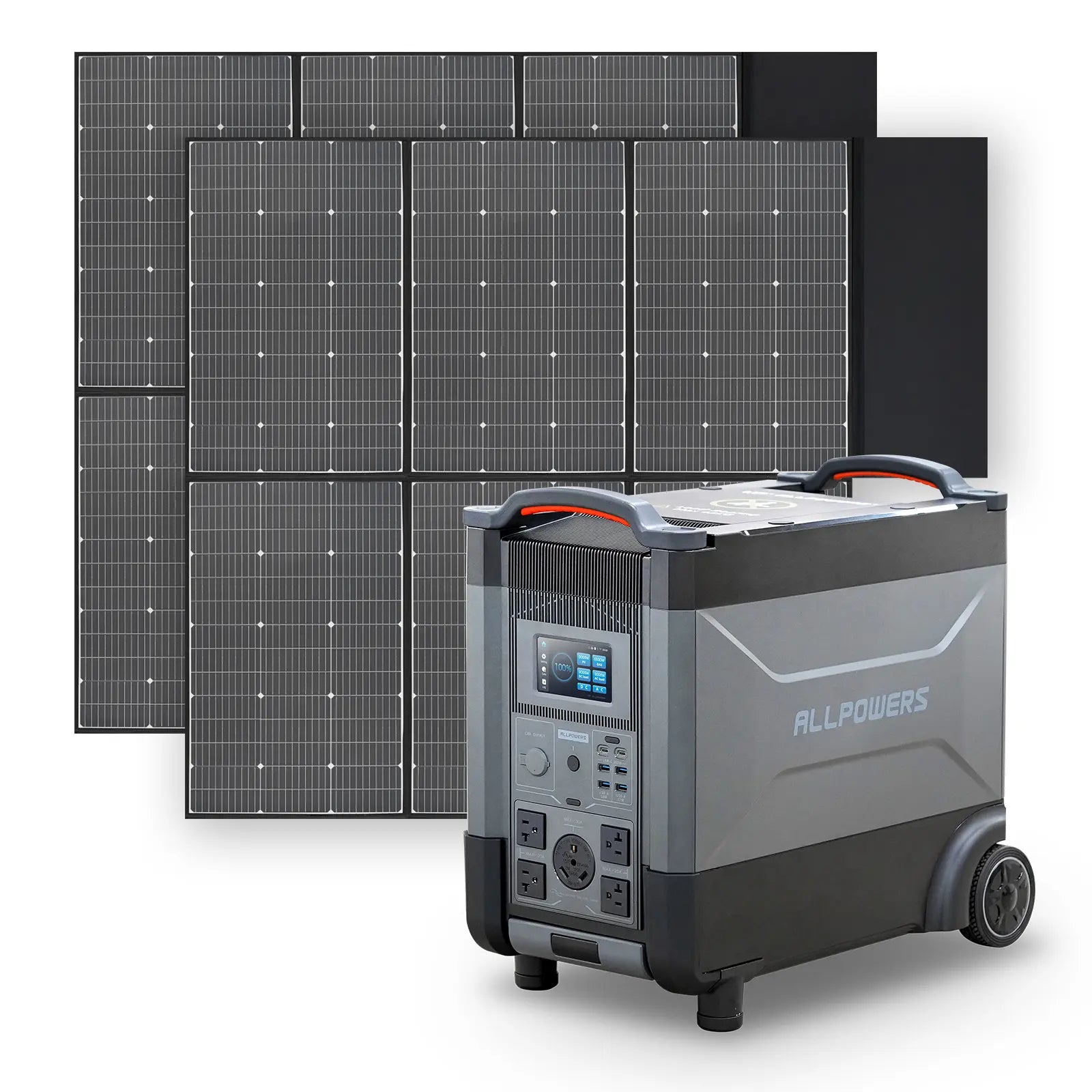
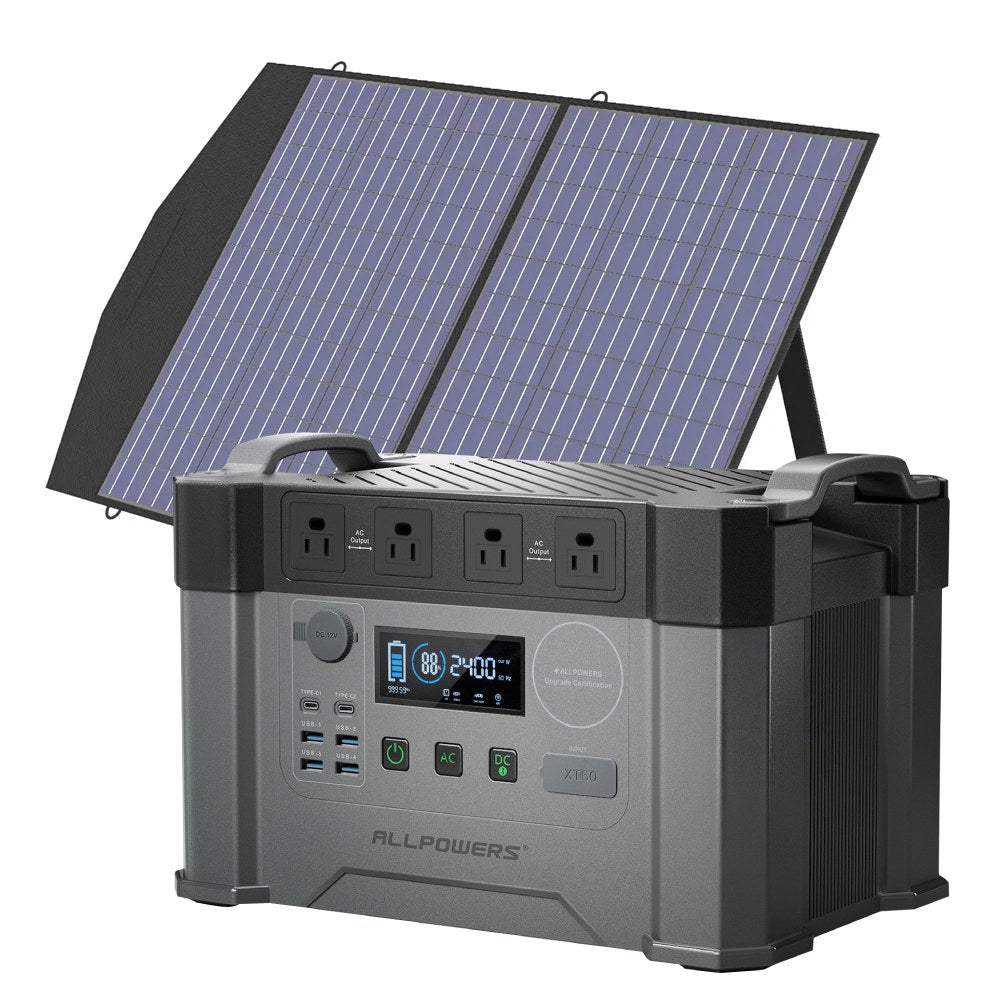
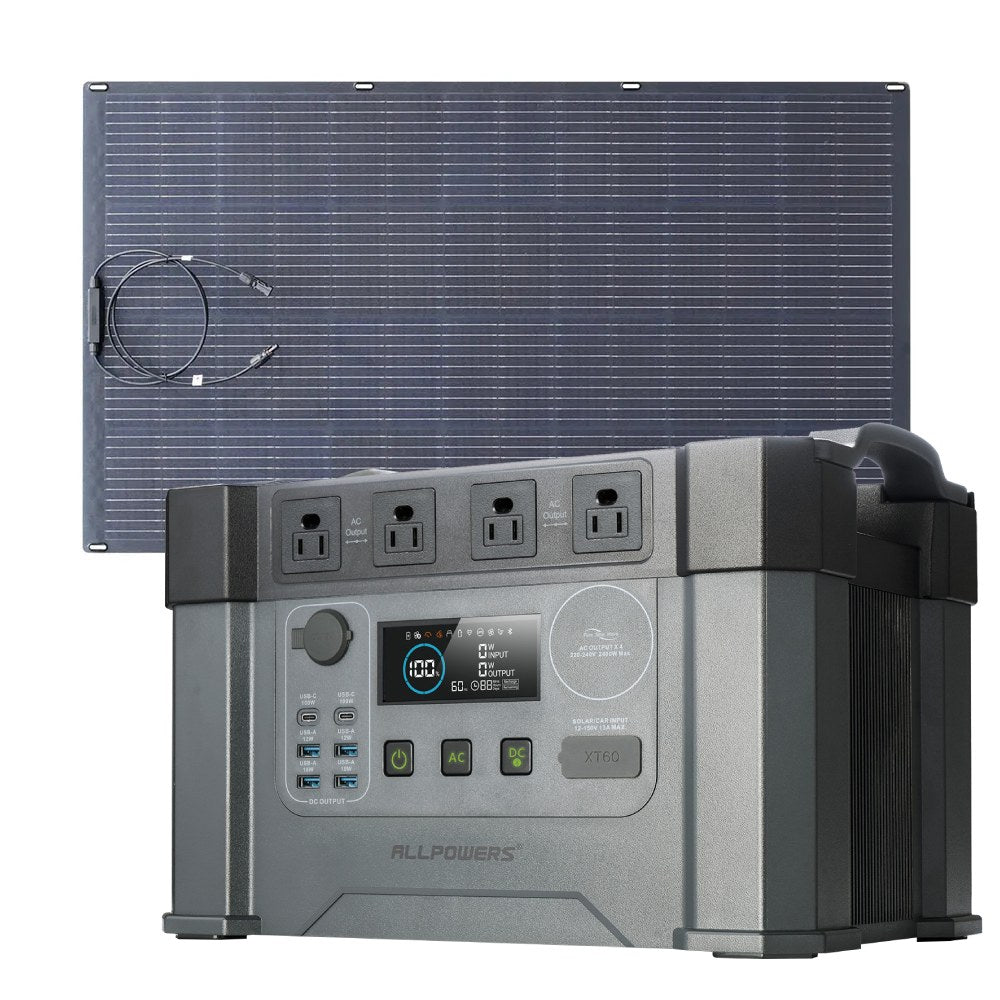
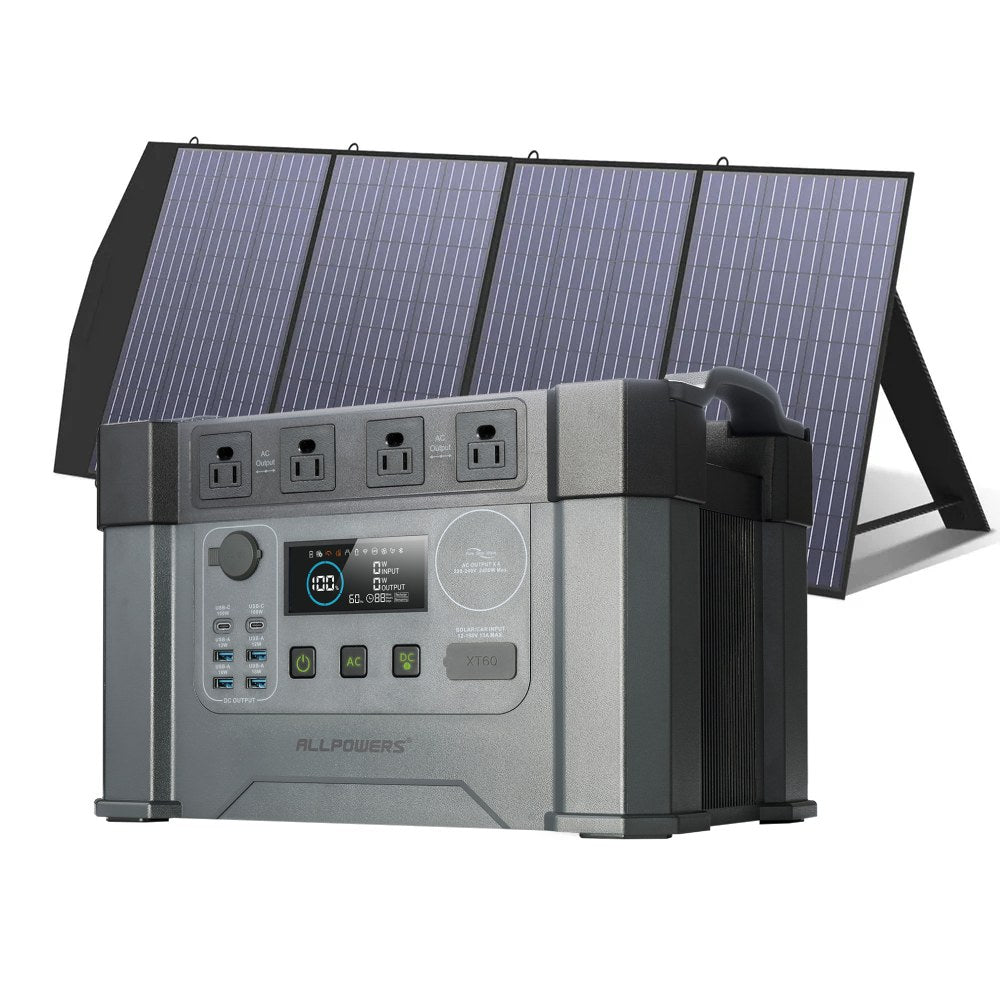
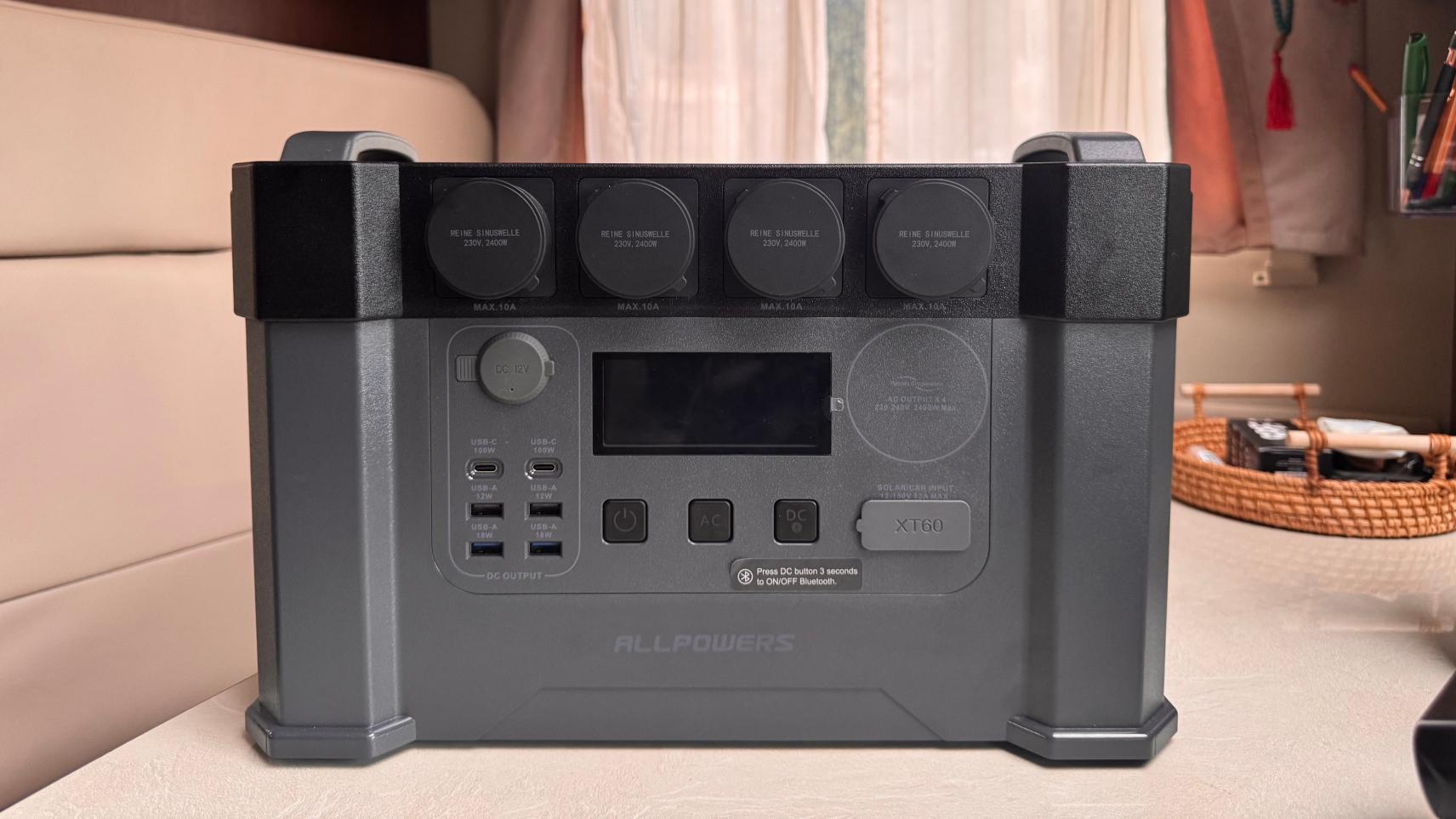
ALLPOWERS 2500W Solar Generator
$1,100.00 $1,799.00
- 2016Wh Capacity + 400W Soalr Input;;
- 2500W AC Output (4,000W Surge);
- Fast Charge 100% in 1 Hours;
- Start UPS in 15 ms;
- Expandable Up to 3x B1000 Expansion Battery;
Preparing for Longer Outages
Short outages are usually manageable if refrigerators remain closed, but extended blackouts require additional planning.
Some homeowners prepare coolers with ice packs to temporarily preserve essential foods during long outages.
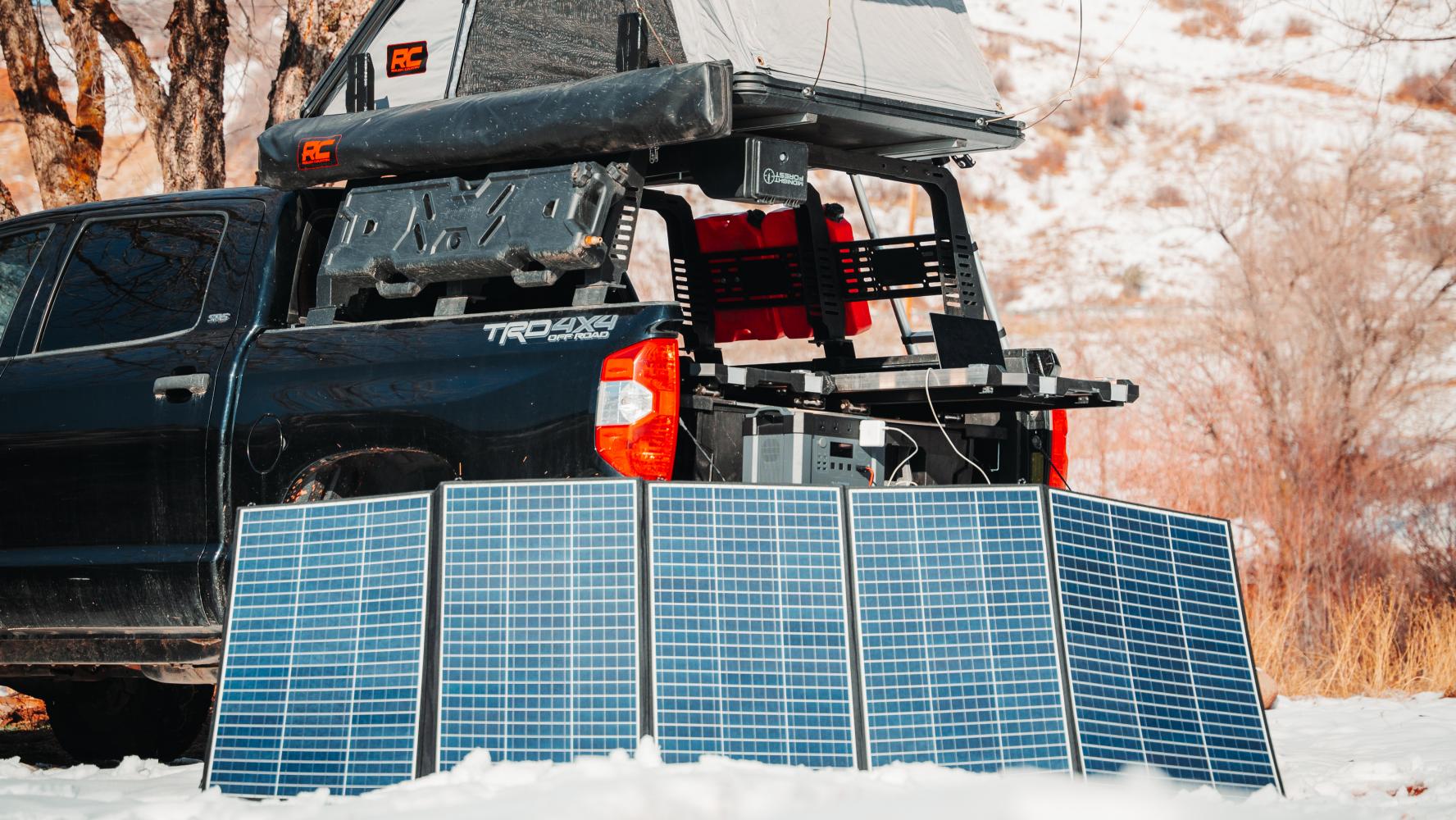
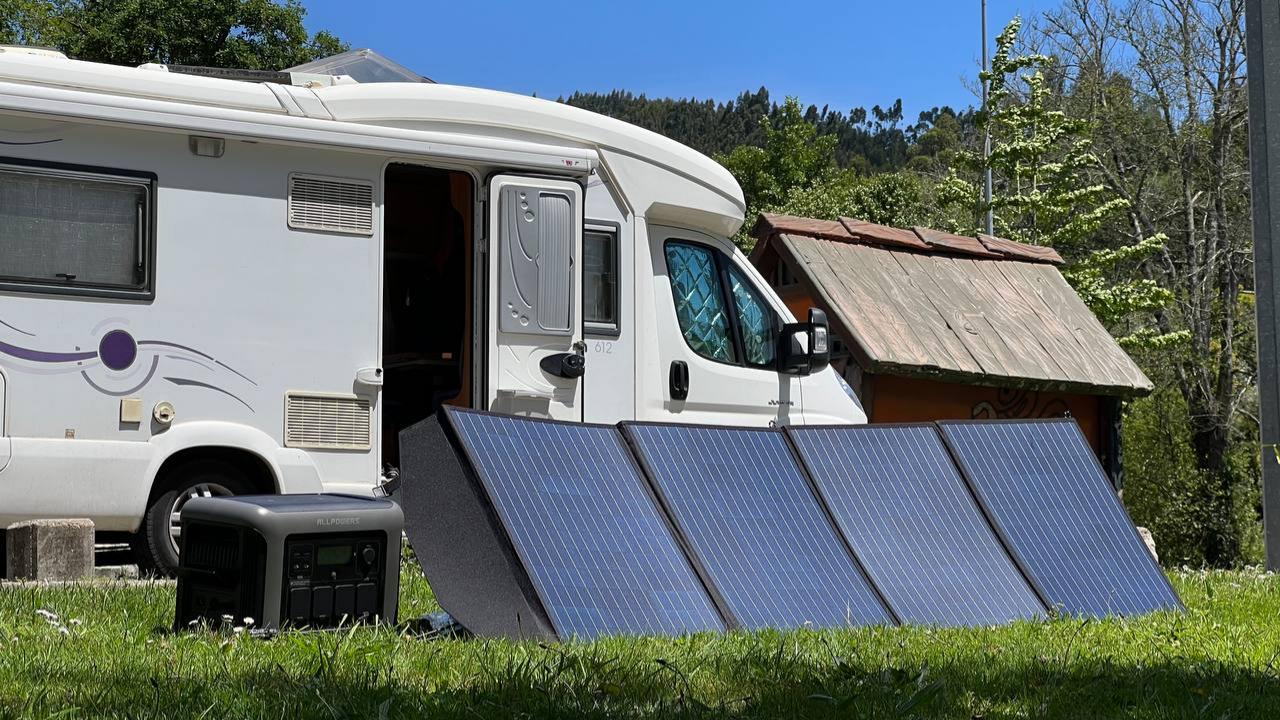
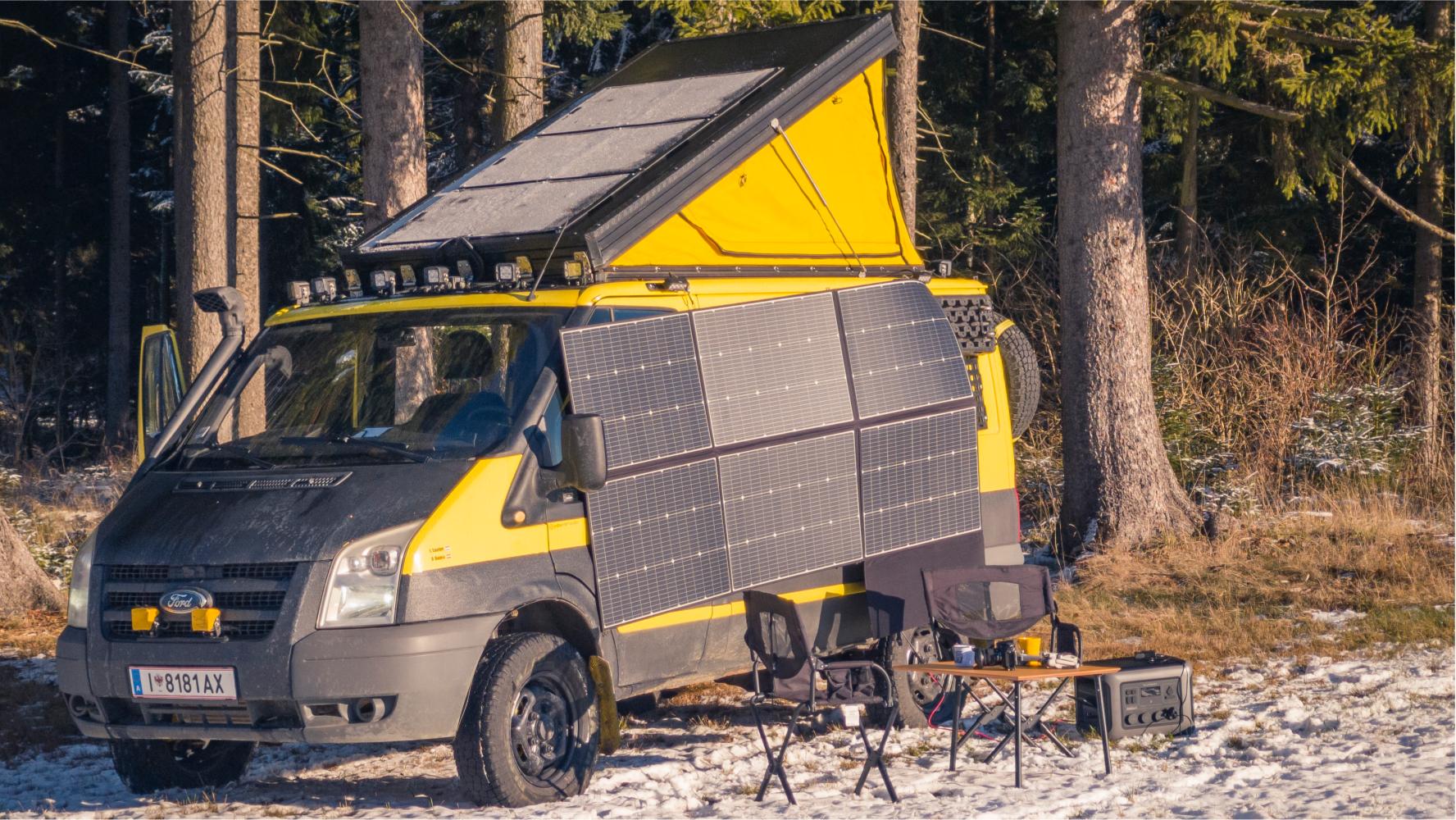
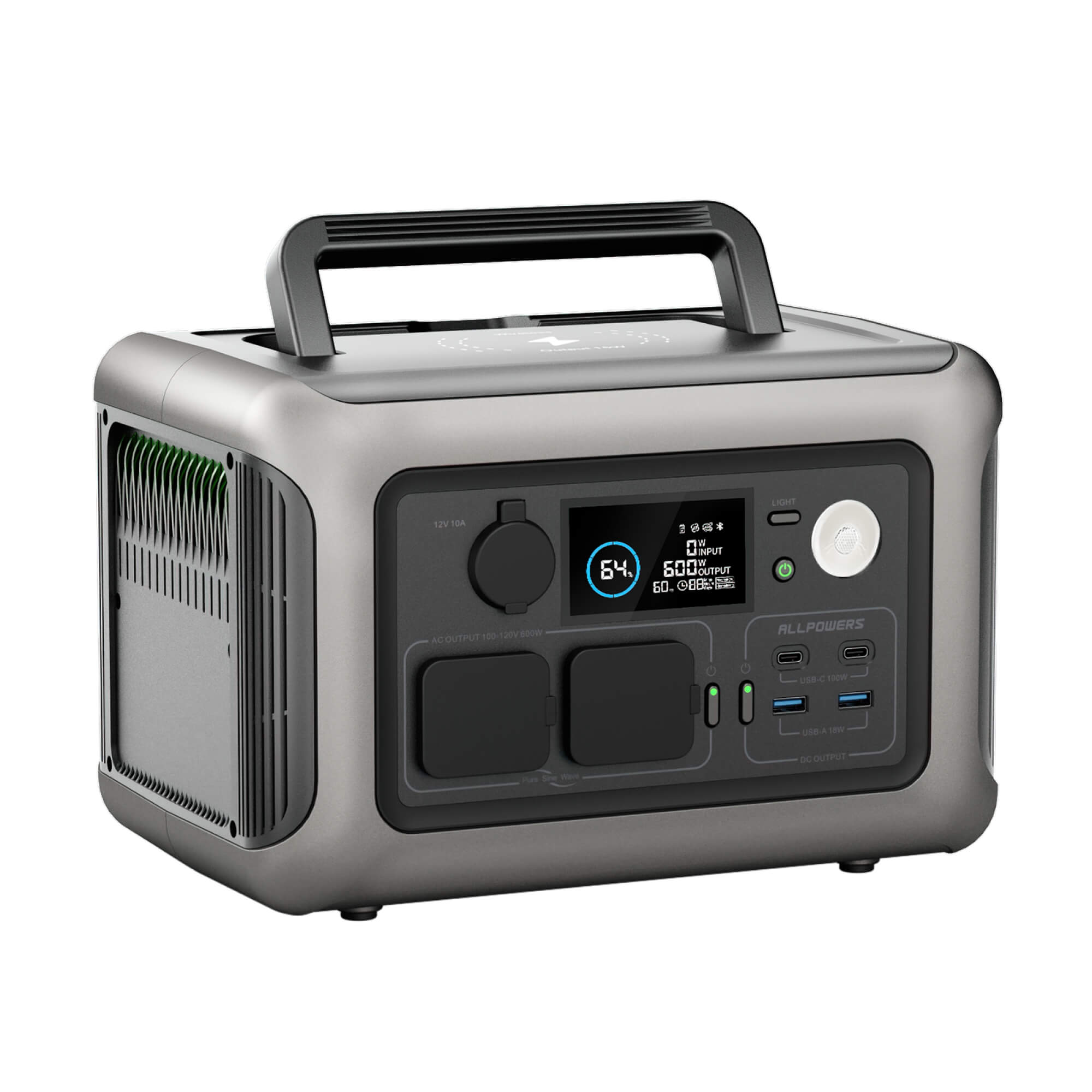
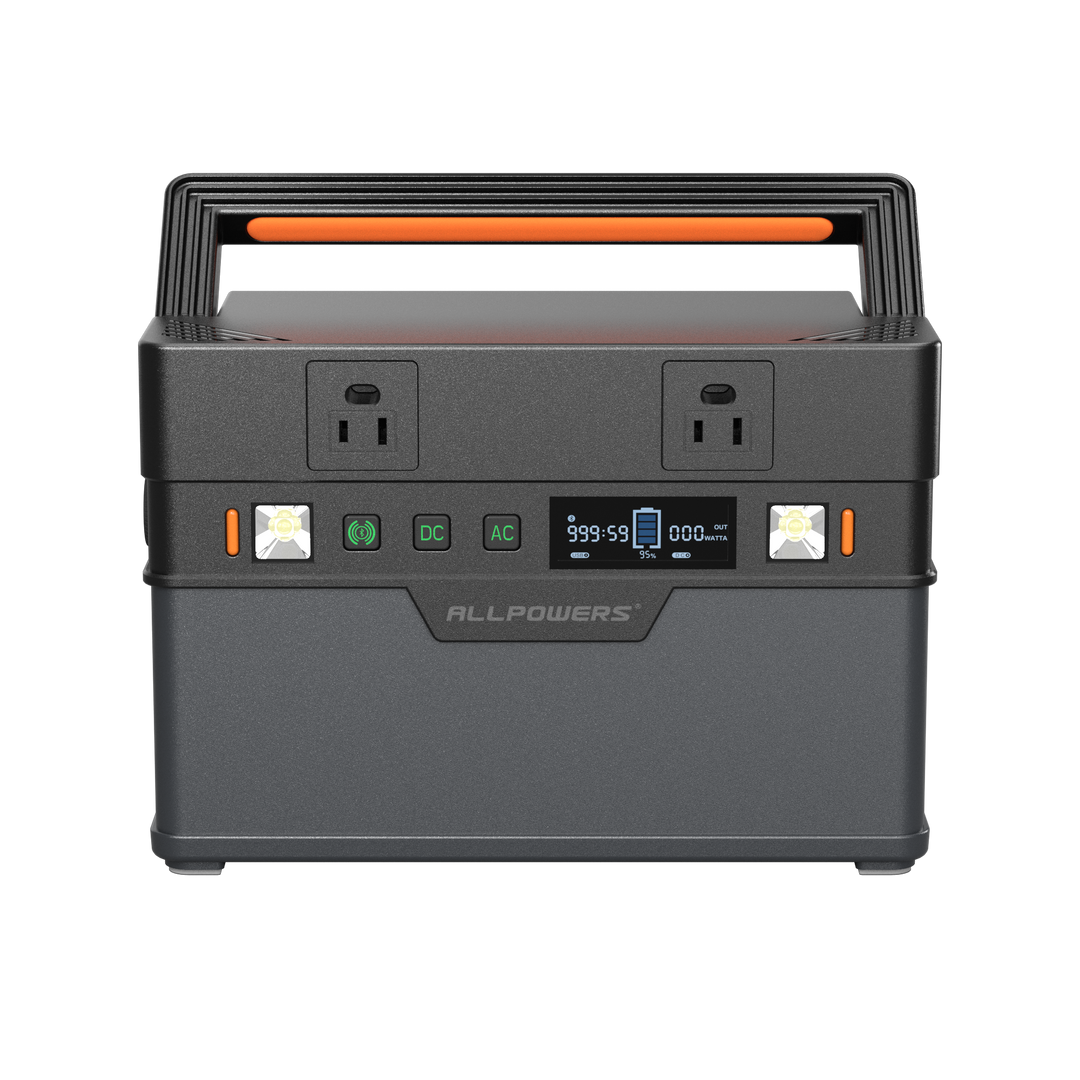
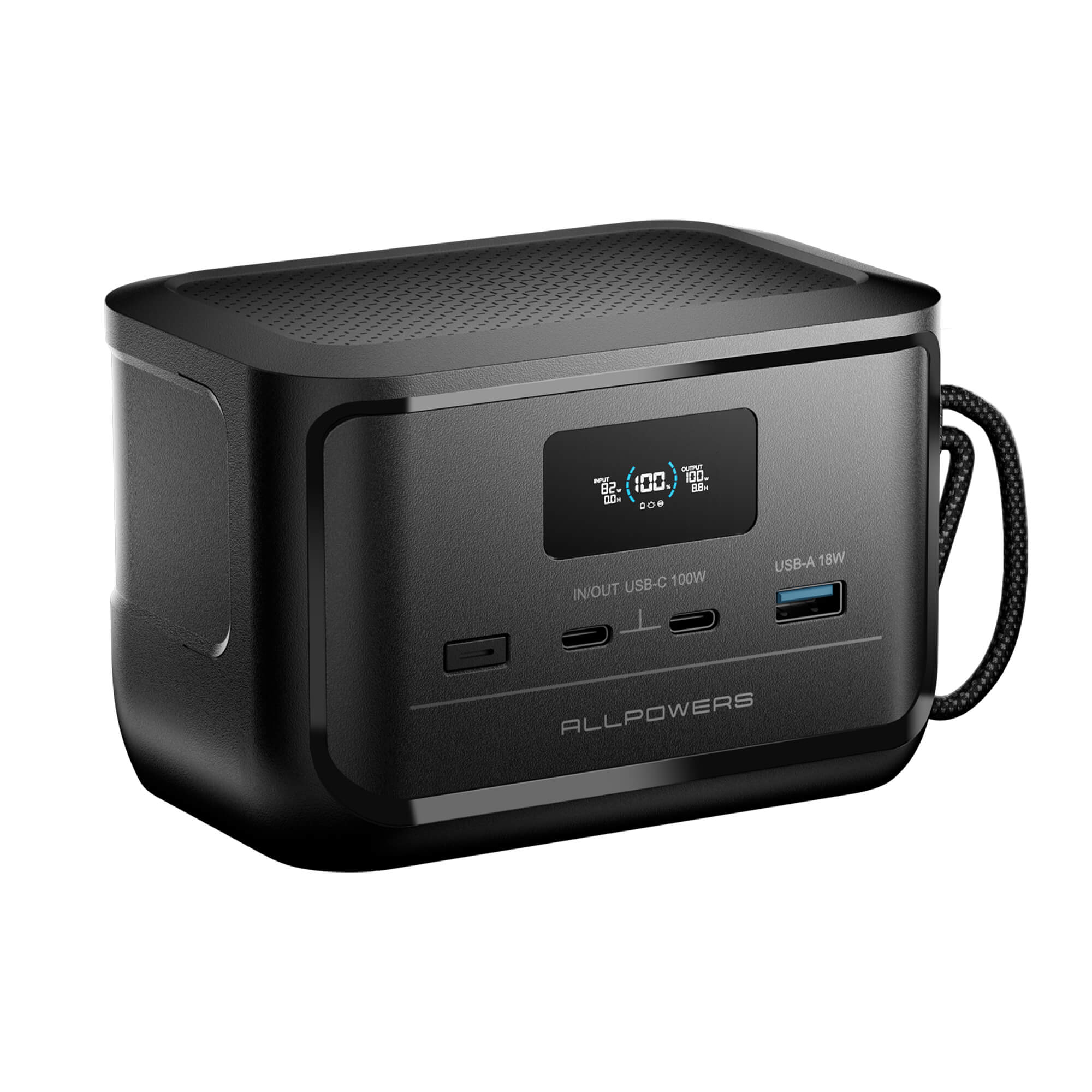
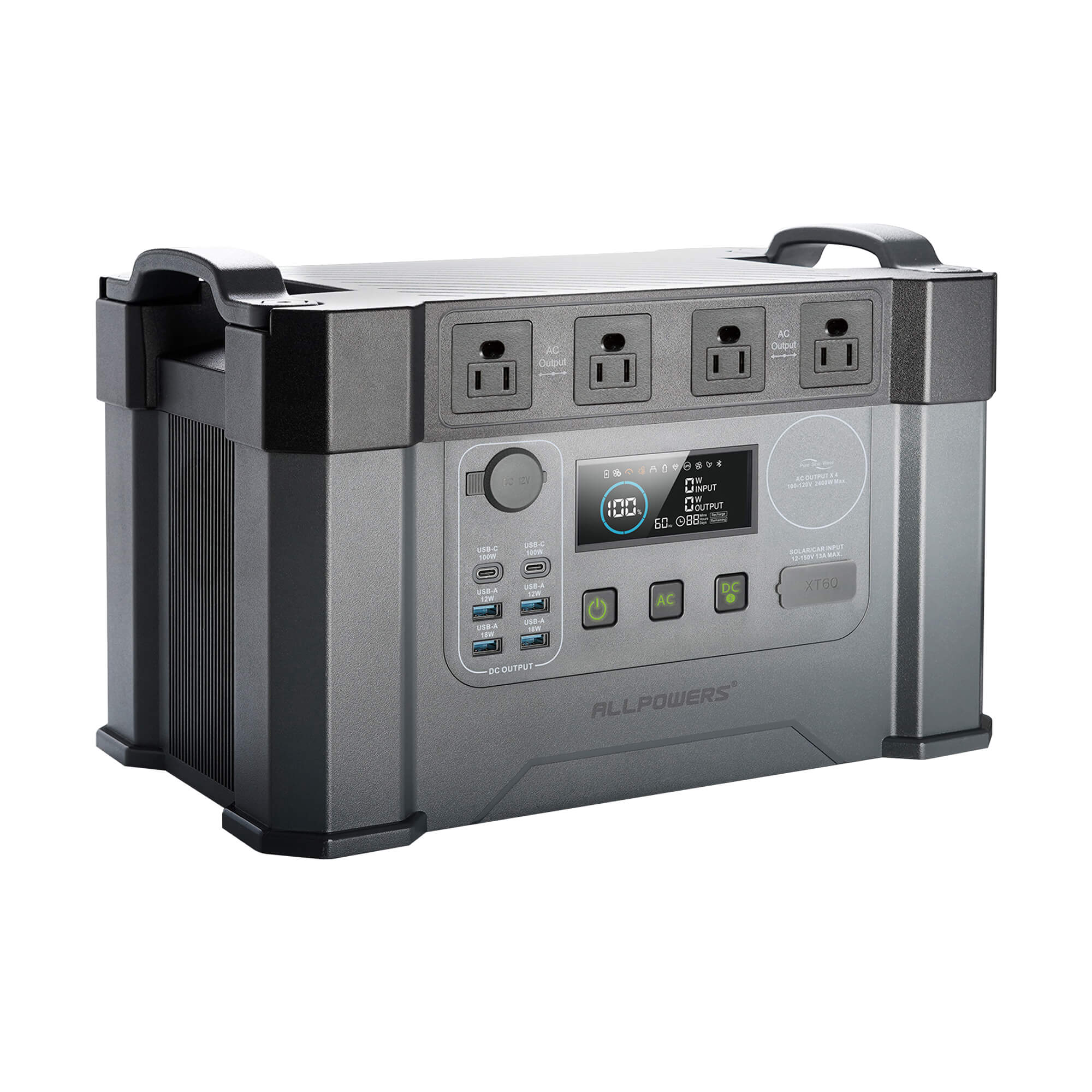
Others use backup energy systems to help maintain refrigeration for critical food storage, medications, or household necessities during emergencies.
In some cases, homeowners may rotate power periodically to refrigerators while also supporting phones, lighting, or communication devices during prolonged outages.
Learn More: How to Prepare for Long-Term Power Outage?
Frequently Asked Questions
How long does a refrigerator stay cold without power?
A closed refrigerator usually stays cold for about 4 hours during a power outage.
How long will a freezer keep food frozen?
A fully stocked freezer may stay frozen for approximately 48 hours if unopened.
Can you eat food after a power outage?
Food safety depends on temperature exposure and outage duration. Perishable foods above 40°F for over two hours may become unsafe.
Does opening the fridge make food spoil faster during outages?
Yes. Opening refrigerator doors allows warm air inside and speeds up temperature increases.
Can frozen food be refrozen after a power outage?
If food still contains ice crystals or remains very cold, it may often be safely refrozen.