







Power outages are no longer limited to short disruptions caused by temporary weather conditions.
In recent years, many regions have experienced extended blackouts lasting several days or even weeks due to severe storms, wildfires, heat waves, aging electrical infrastructure, and grid overload.
Proper planning can make a significant difference in both safety and comfort during an extended outage.
So, how should households prepare for a long-term power outage?
TL;DR:
Preparing for a long-term power outage involves securing backup lighting, emergency food and water supplies, communication tools, battery systems, alternative cooking methods, and reliable ways to keep essential devices running. Proper planning, energy management, and household emergency preparation can significantly improve safety and comfort during extended blackouts.
Why Long-Term Power Outages Are Increasing
Modern electrical grids are under growing pressure as energy demand continues increasing across residential and commercial sectors.
Severe weather events, overloaded infrastructure, and wildfire prevention shutdowns have all contributed to more frequent power interruptions in recent years.
In some areas, outages that once lasted only a few hours may now continue for multiple days.
Households that rely heavily on electric heating systems, internet connectivity, refrigerated food, and electronic devices often feel the impact most quickly.
As extreme weather patterns become more common in many regions, emergency preparedness is becoming increasingly important for homeowners and renters alike.
Learn More: How to Prepare for a Power Outage in an Apartment?
Essential Supplies for Extended Blackouts
Long-term outages affect much more than lighting. Modern households depend on electricity for communication, cooking, refrigeration, climate control, and access to information.
Emergency Water Storage
Clean drinking water should always be one of the highest priorities during emergency preparation.
Many emergency management agencies recommend storing enough water for several days because municipal systems may also become disrupted during severe disasters.
Non-Perishable Food
Foods that require little preparation or refrigeration are especially useful during long outages.
Canned foods, dry goods, protein bars, and shelf-stable meals can help households maintain basic nutrition when cooking options become limited.
Backup Batteries
Keeping extra batteries for radios, flashlights, medical devices, and communication equipment is essential during long outages.
Backup Cooking Methods
Outdoor grills, camping stoves, and propane cooking systems are commonly used during outages when electric kitchen appliances no longer function.
How to Prepare Food and Water Supplies
Food and clean drinking water are among the most important resources during a long-term outage.
Store Nonperishable Foods
Shelf-stable foods such as canned goods, rice, pasta, protein bars, peanut butter, and dried foods can remain usable without refrigeration.
Plan for Water Storage
Some power outages may also affect municipal water systems, especially if pumping stations lose electricity.
Many emergency experts recommend storing multiple days of drinking water per household member.
Alternative Cooking Methods
Outdoor grills, camping stoves, and propane cooking systems are commonly used when household kitchens become unavailable.
Some households also prepare compact cooking setups that can heat water and simple meals more efficiently during emergencies.
Communication During Emergencies
Reliable communication becomes extremely important during widespread outages.
Battery-Powered Radios
Emergency radios can provide weather alerts, evacuation notices, and emergency instructions even when internet service becomes unavailable.
Phone Charging Plans
Keeping phones charged helps maintain communication with emergency contacts and local authorities.
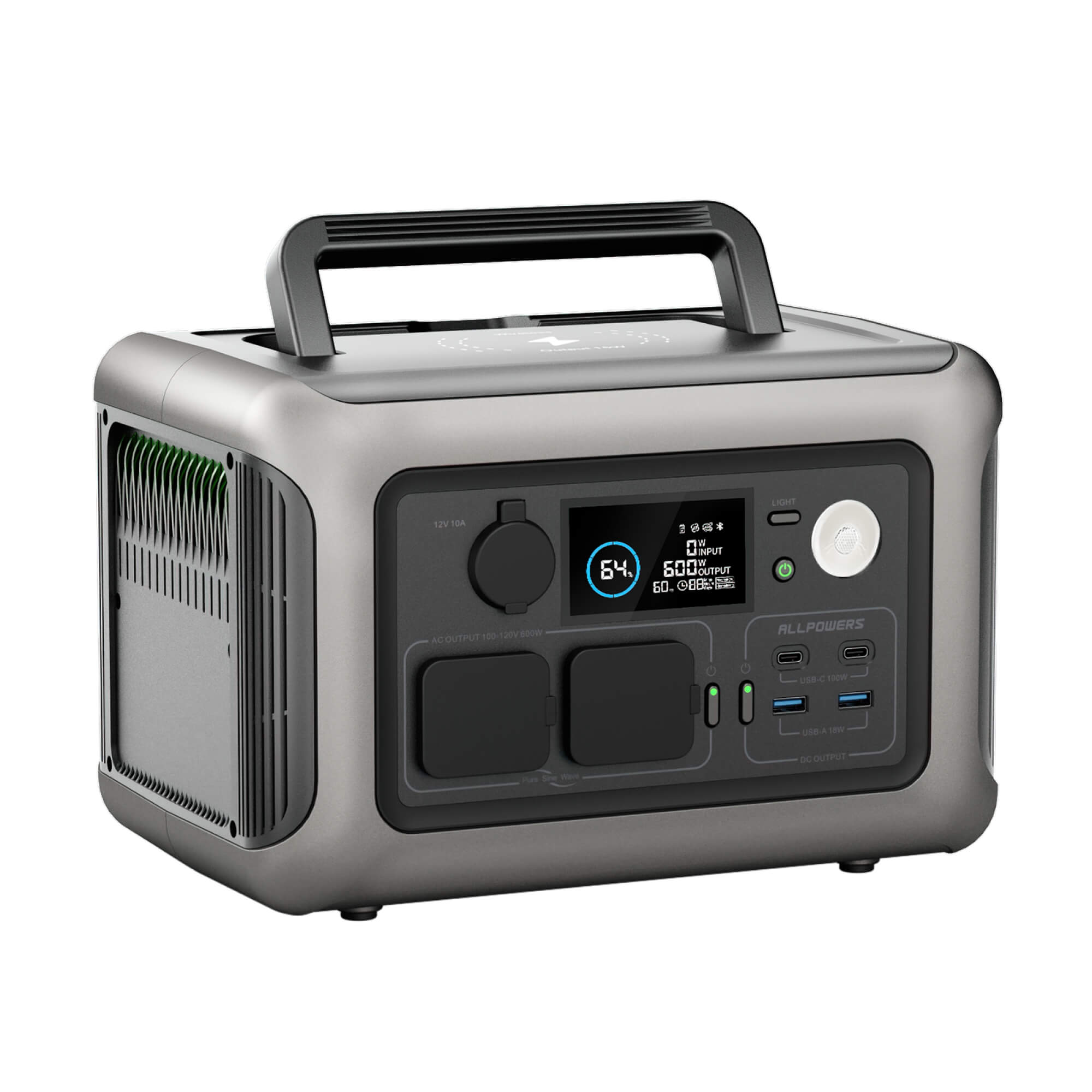
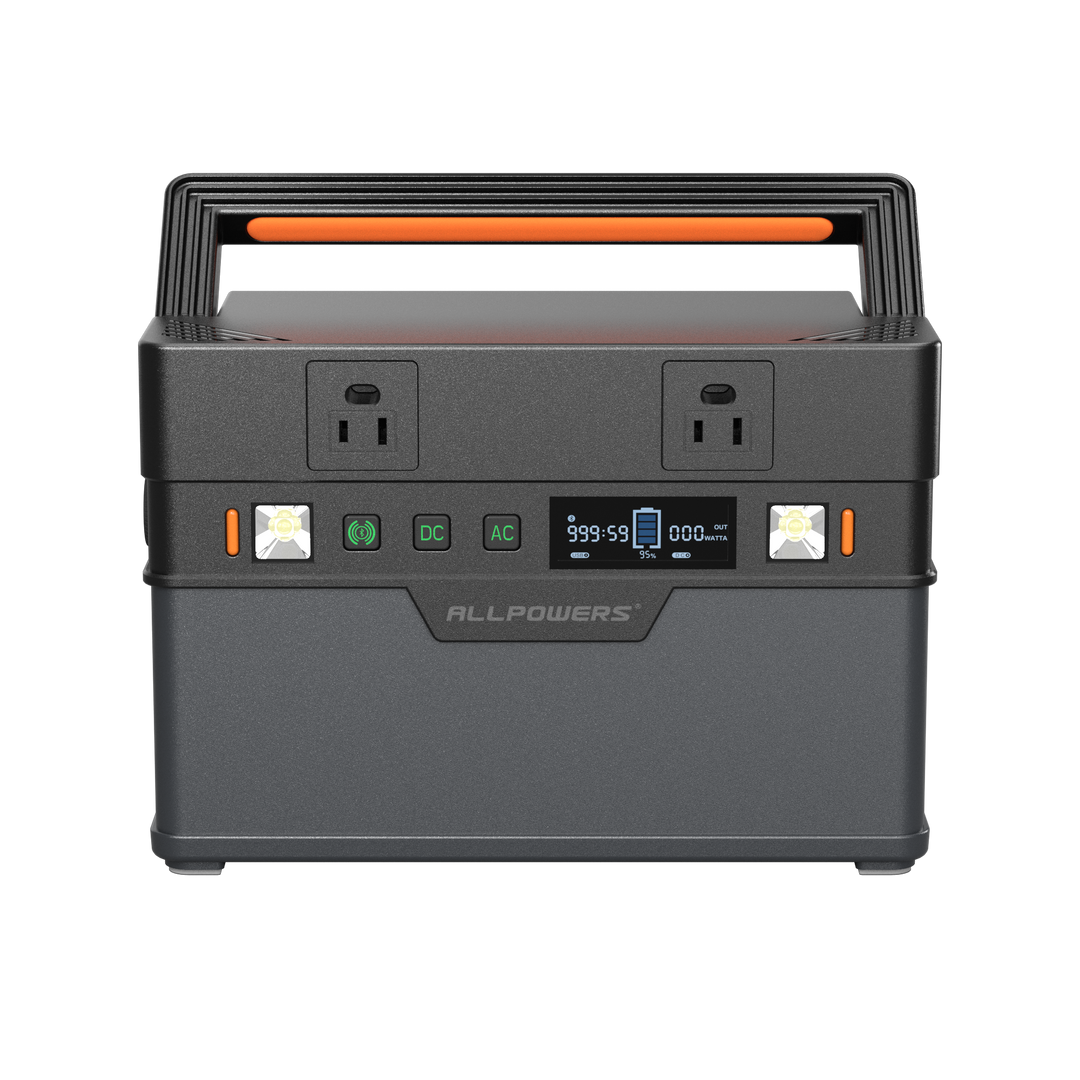
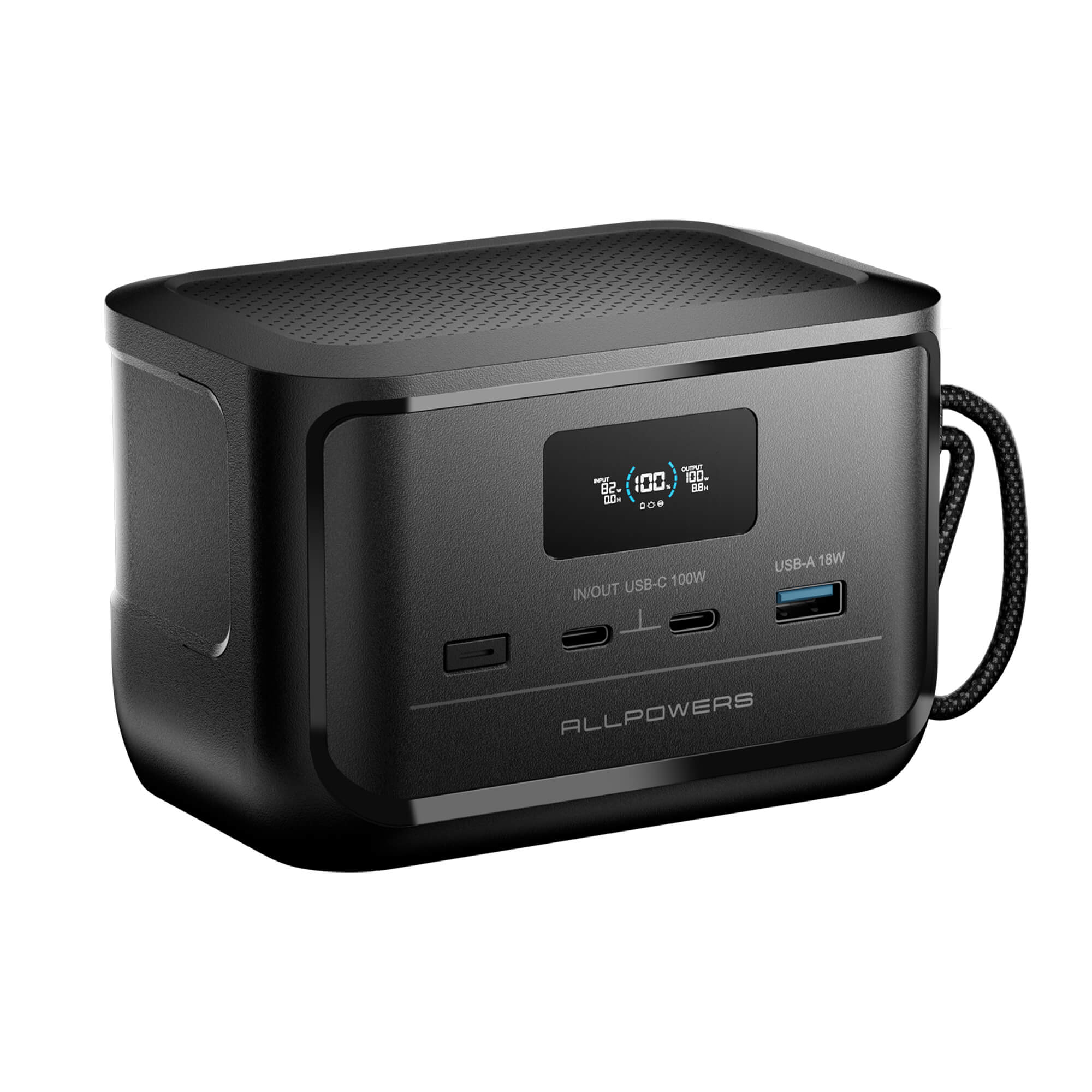
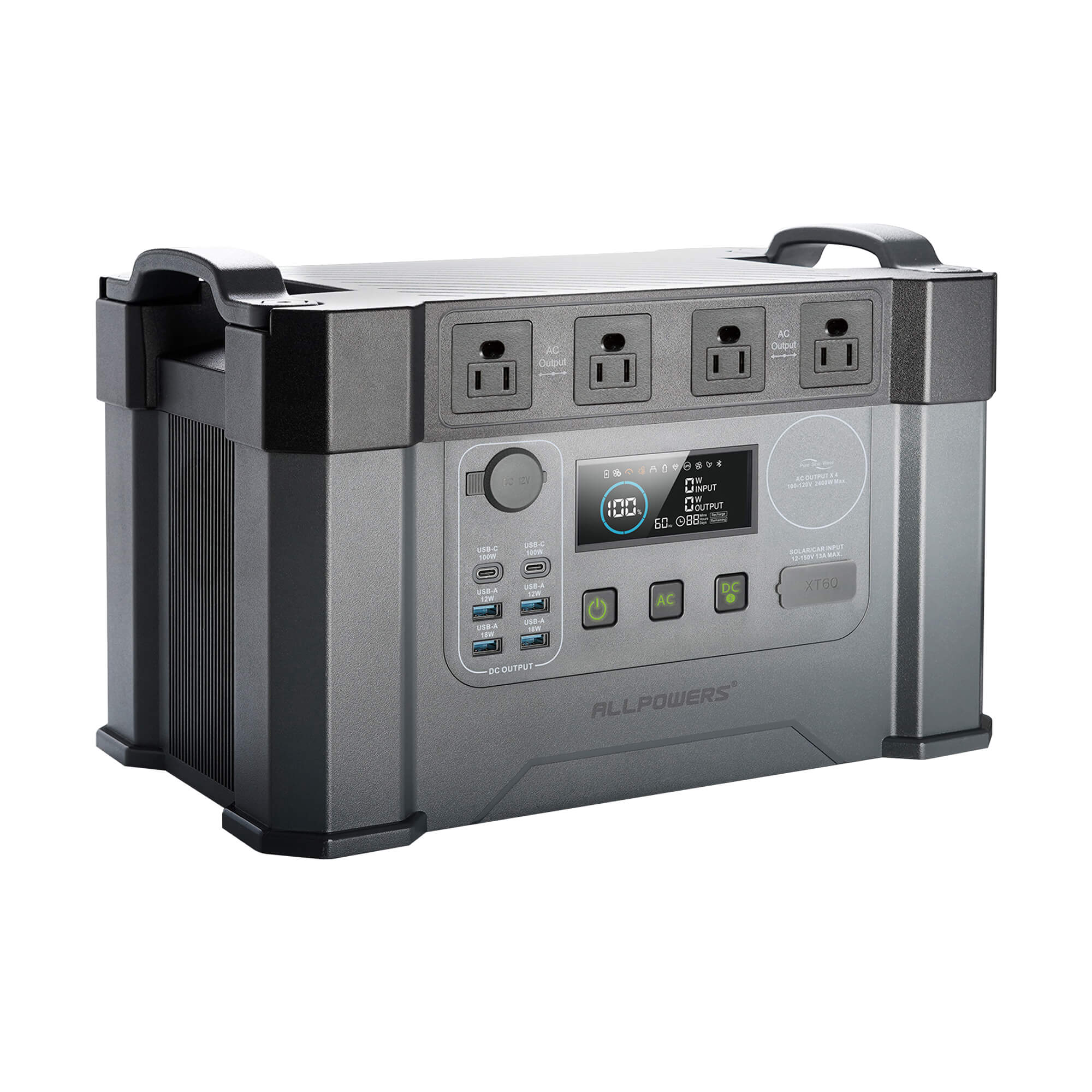
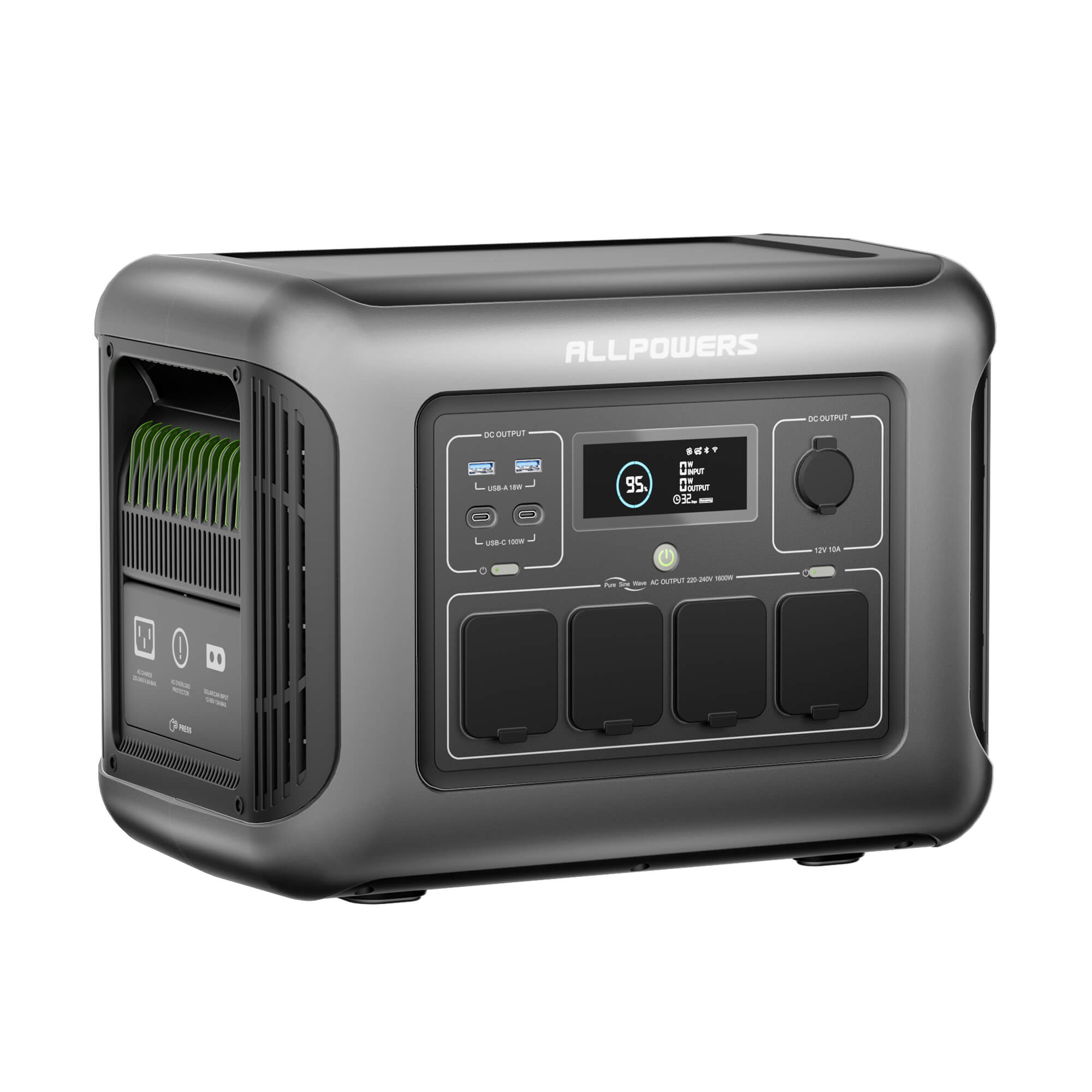
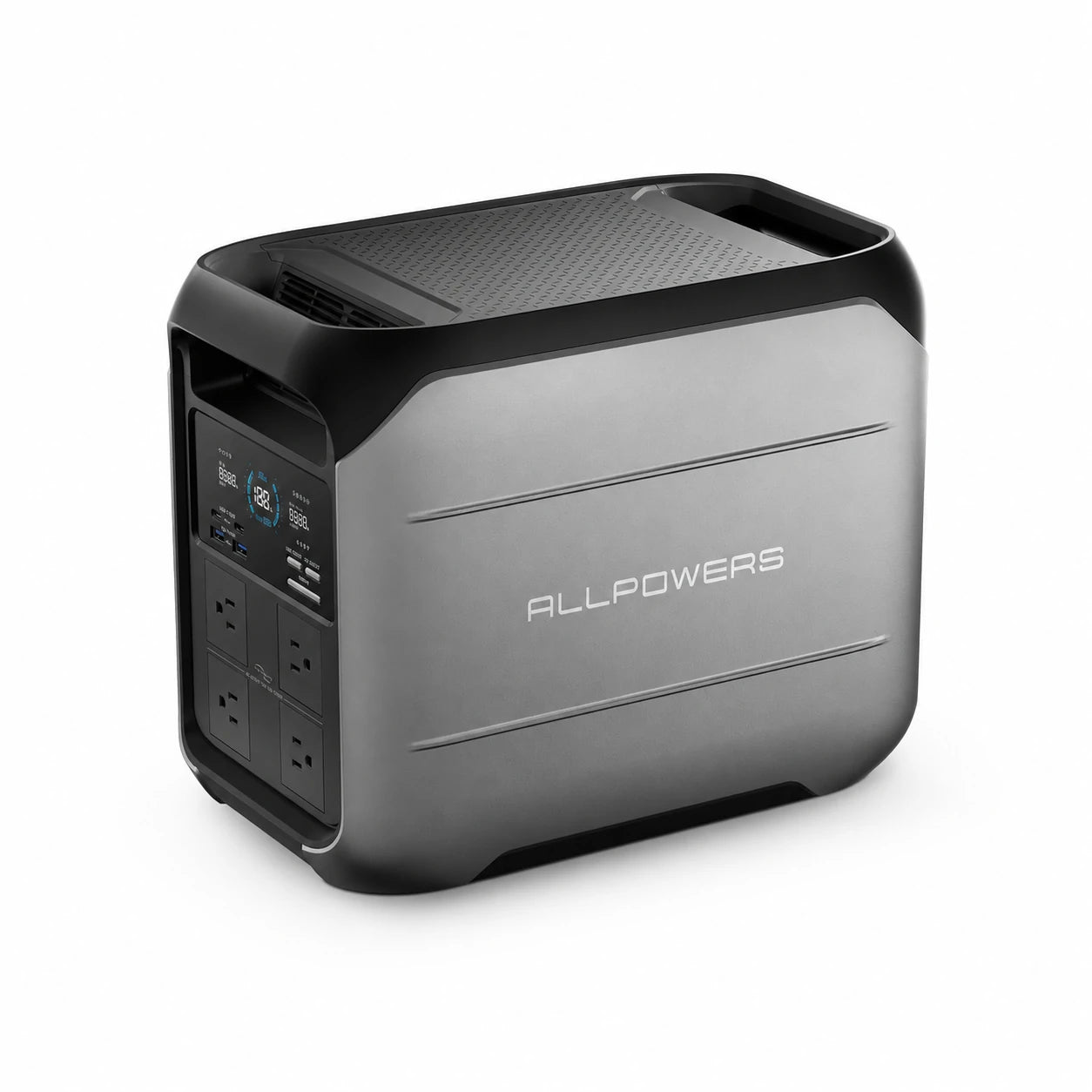
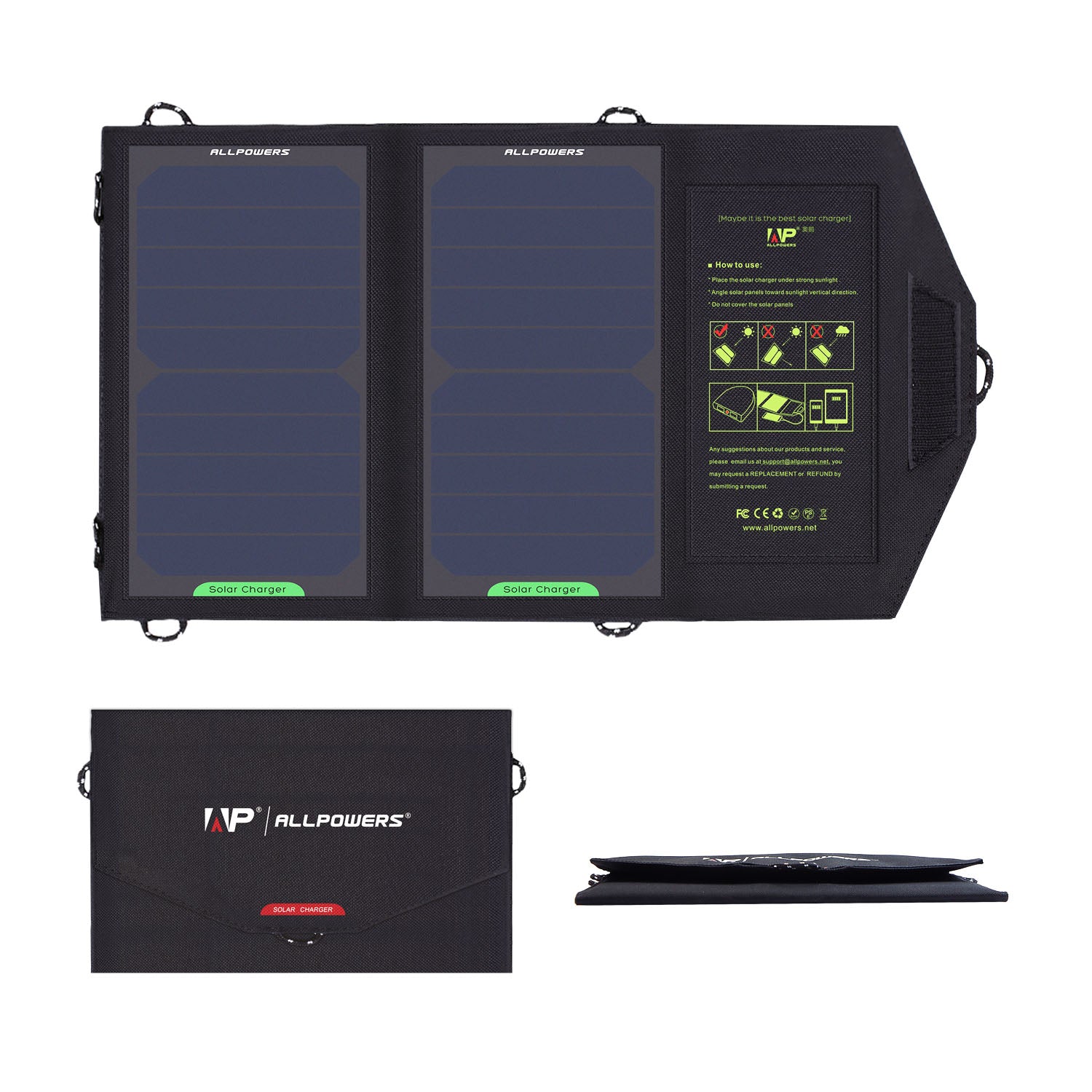
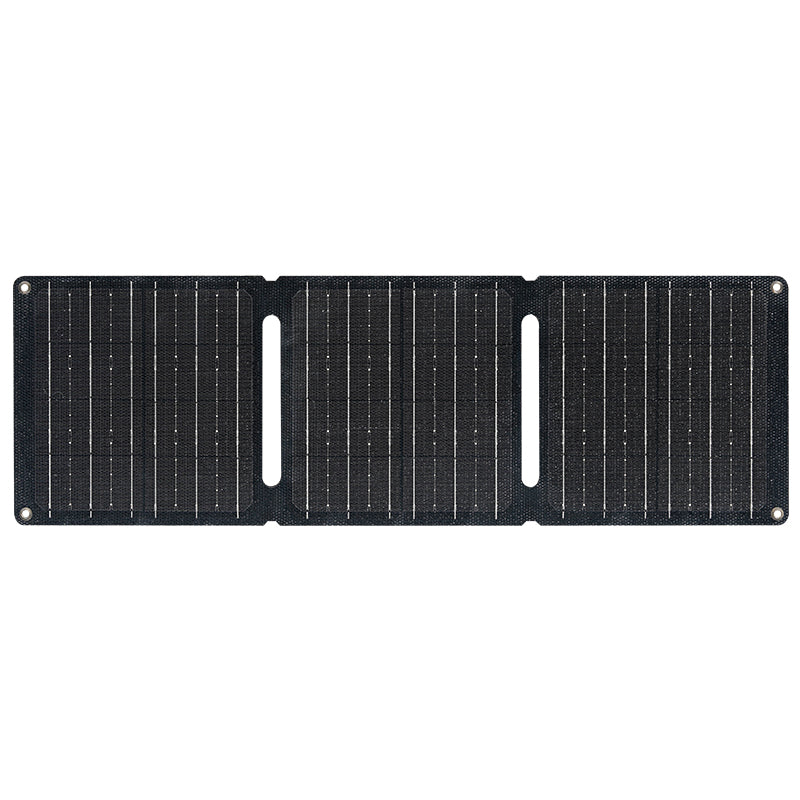
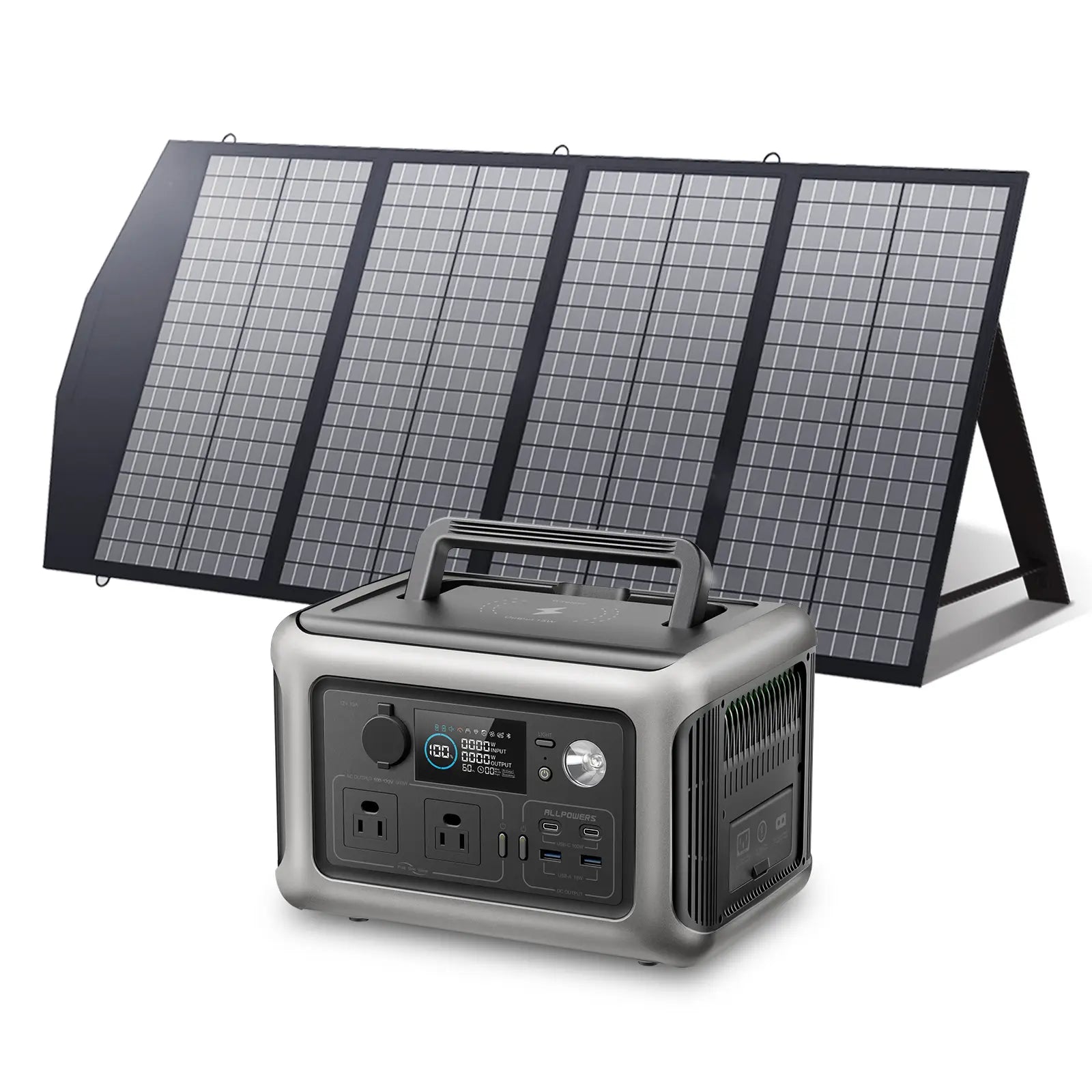
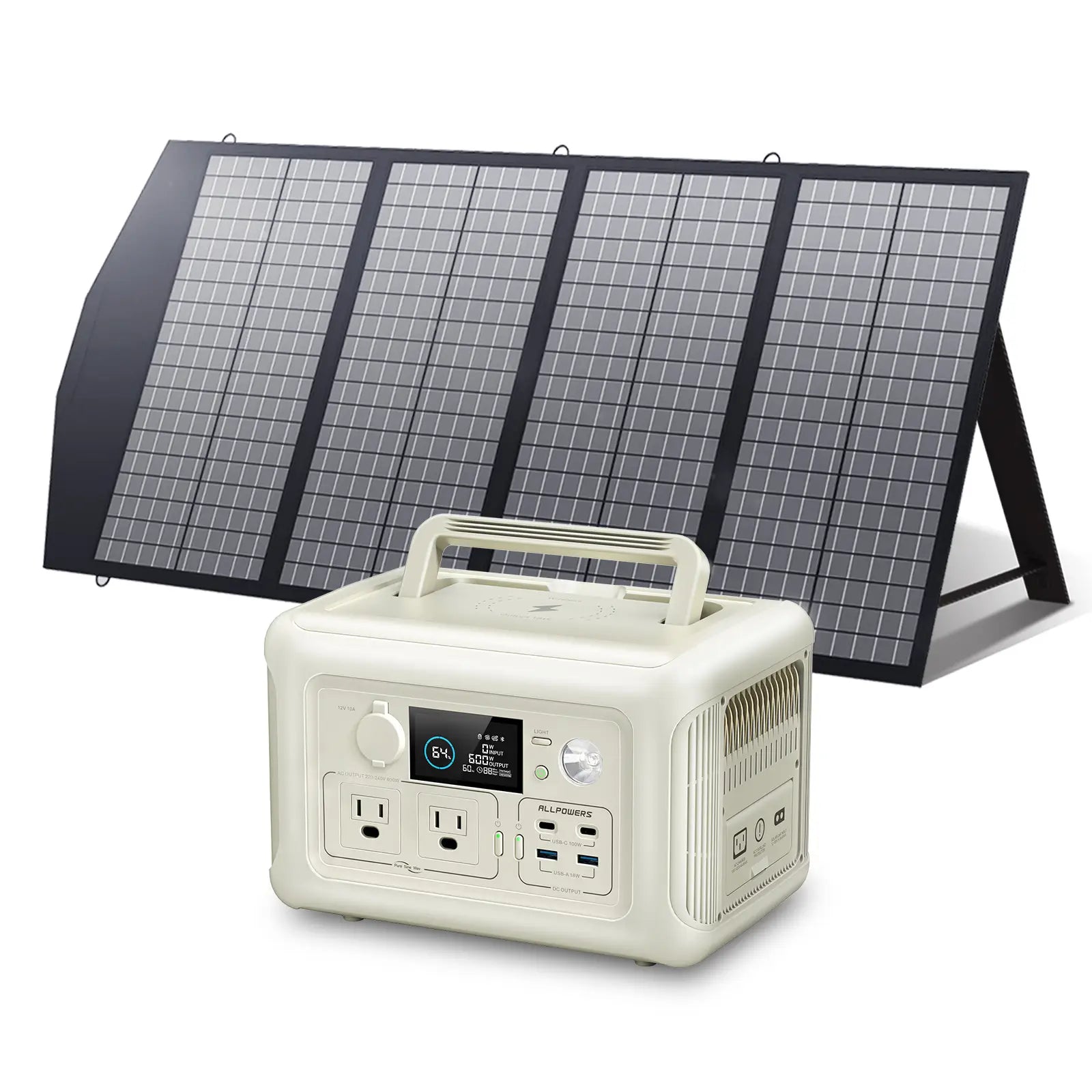
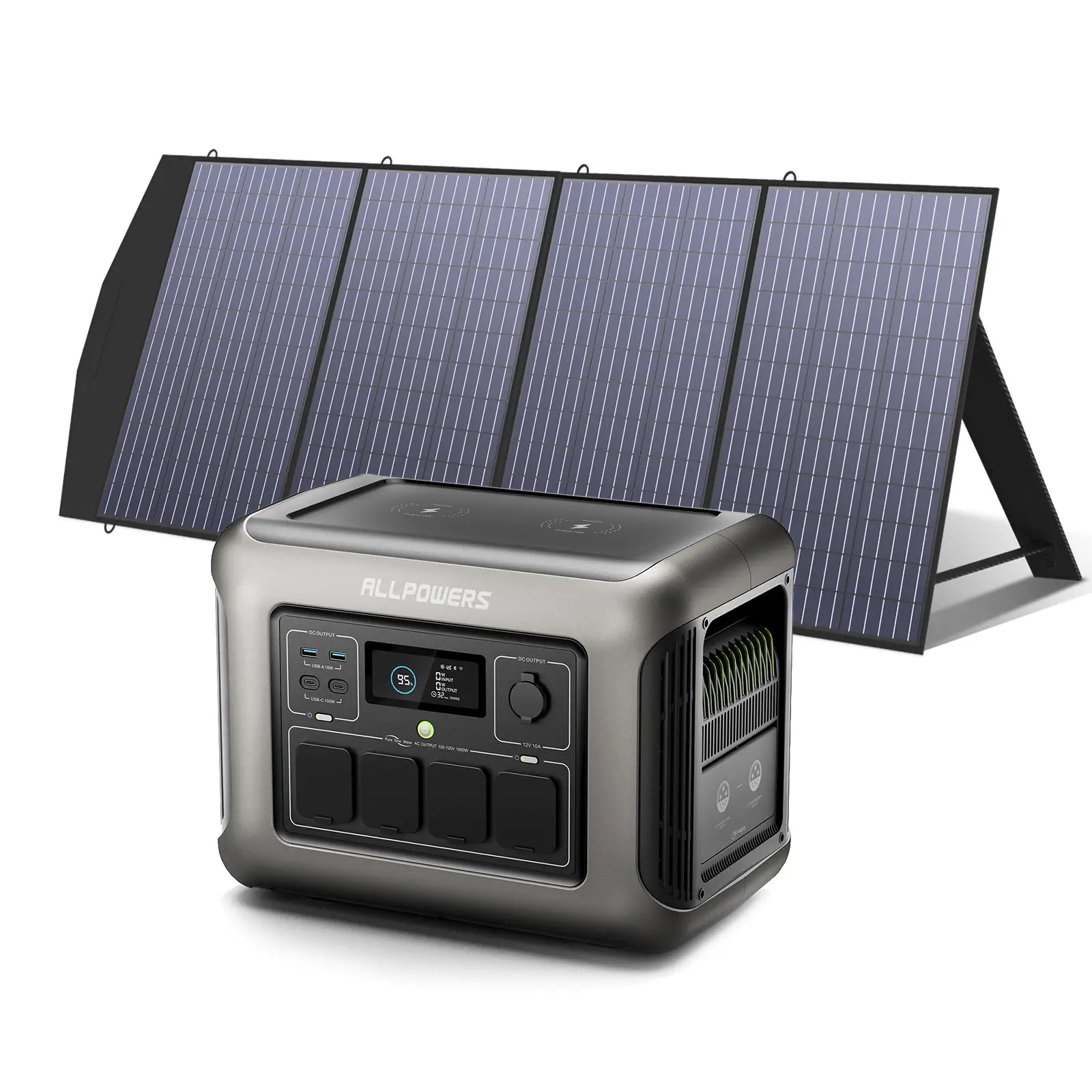
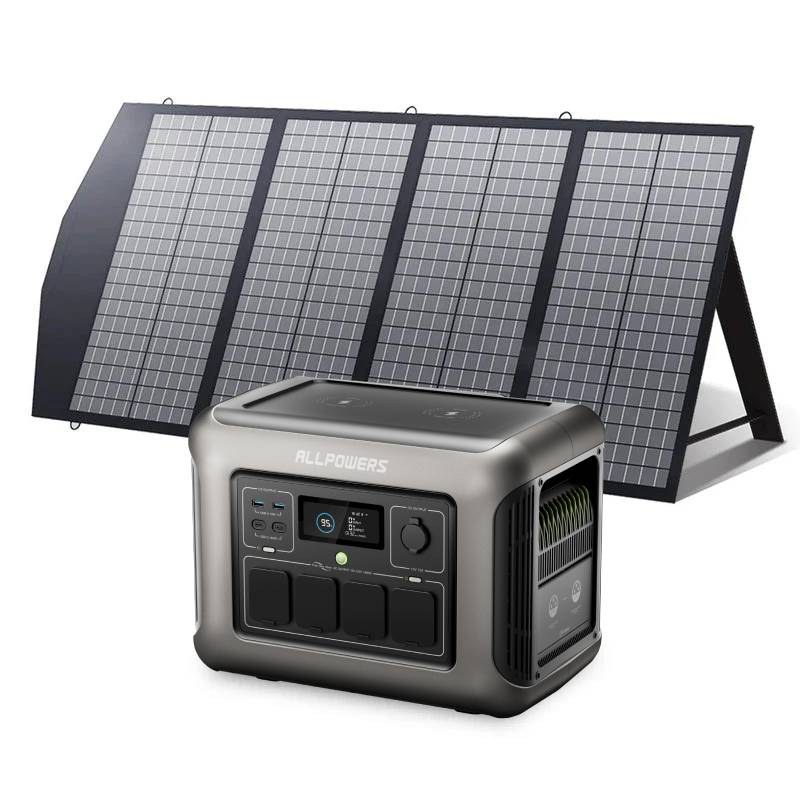
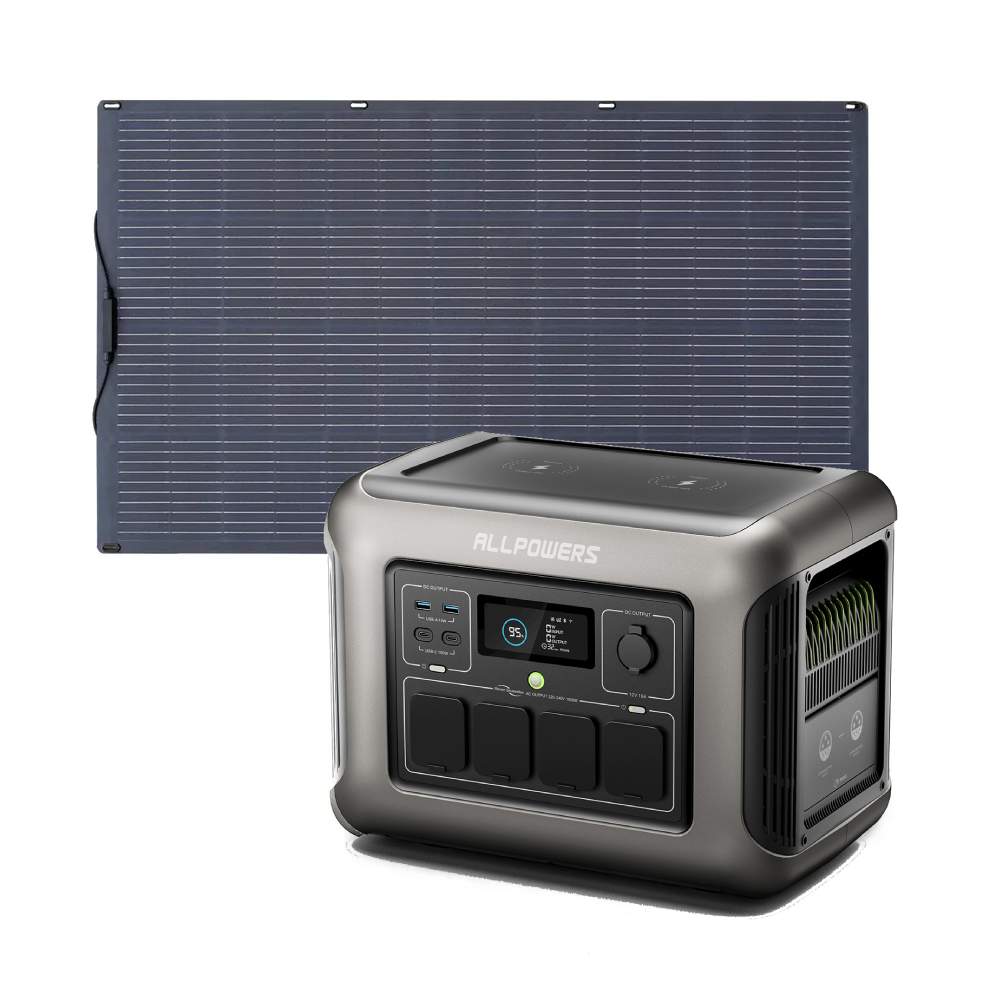
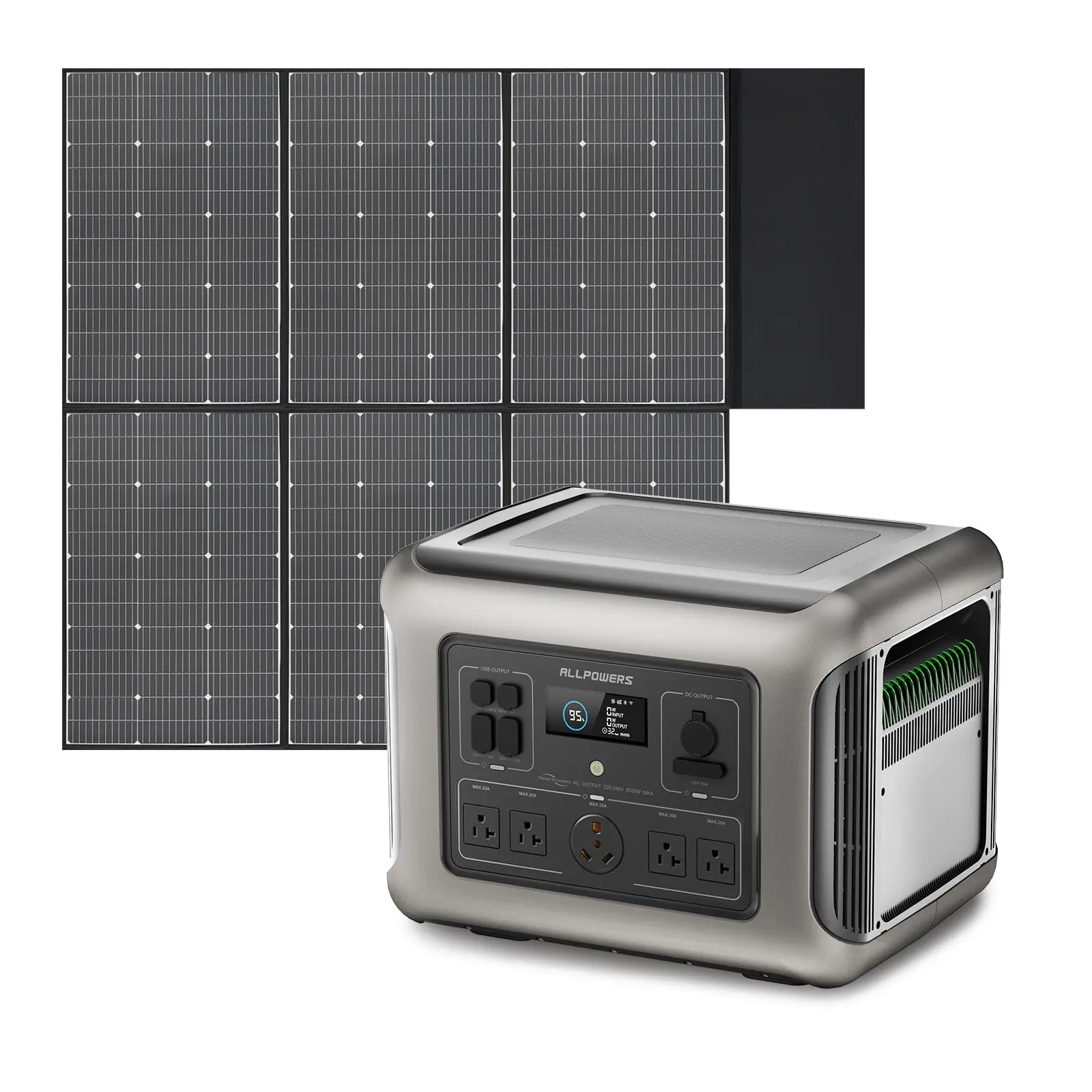
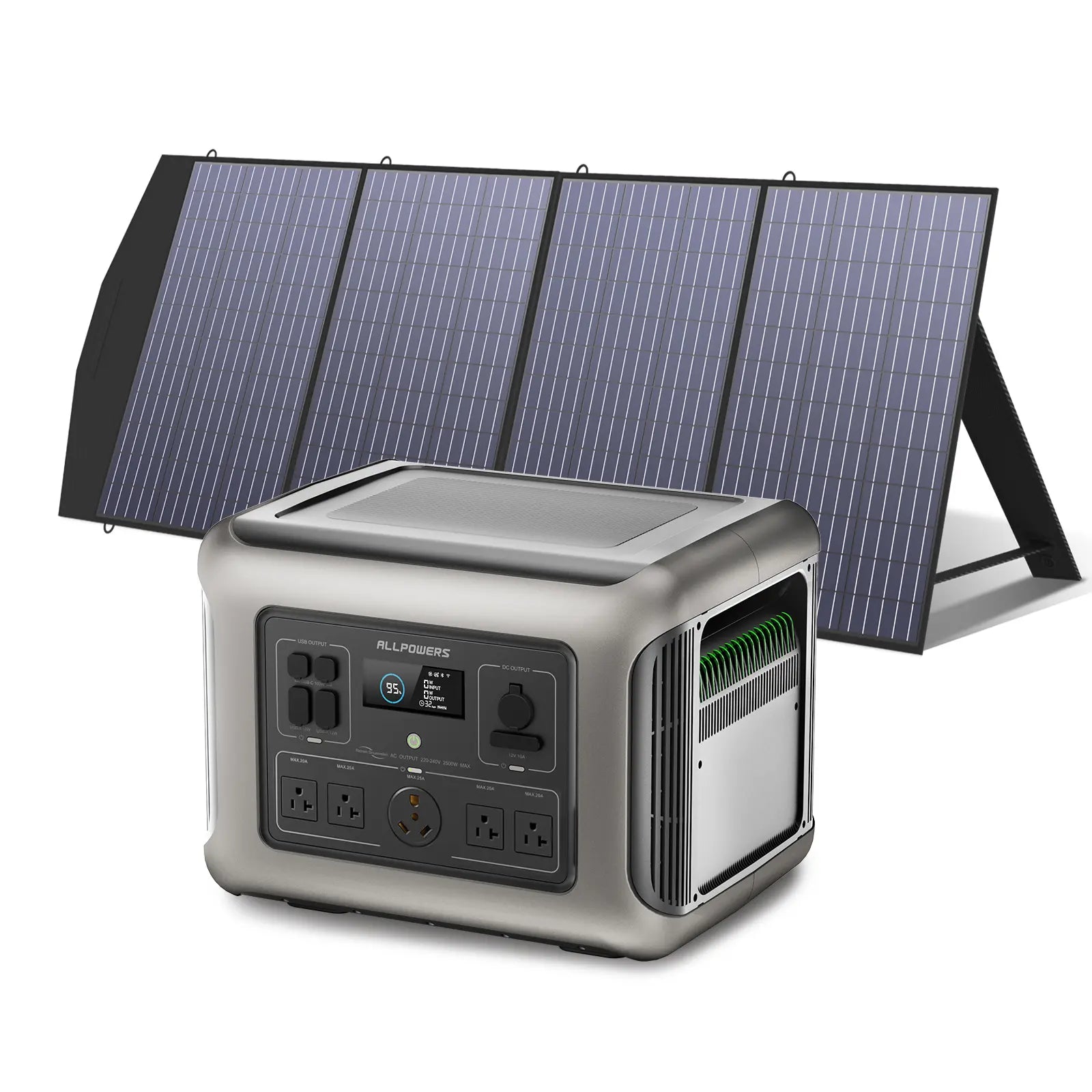
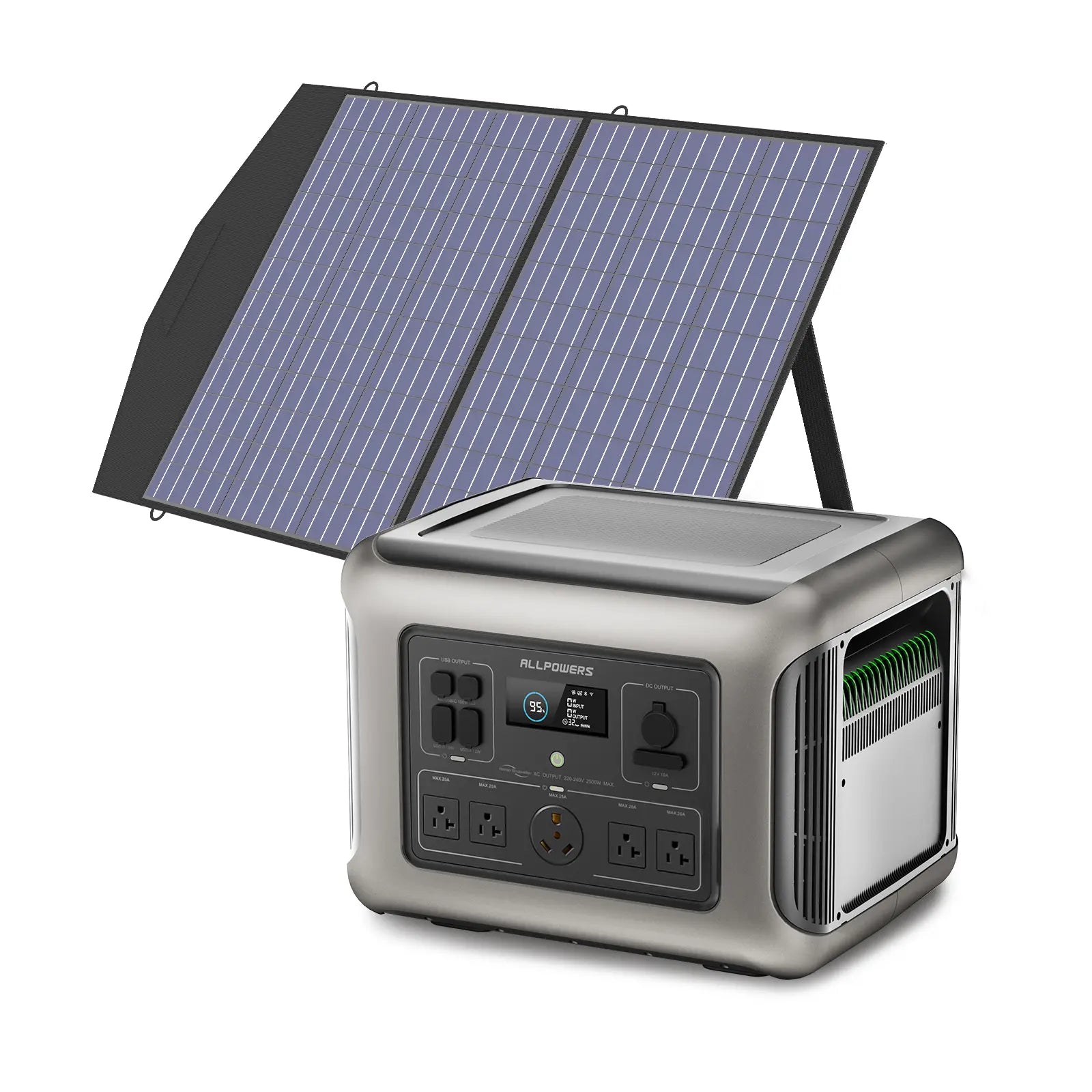
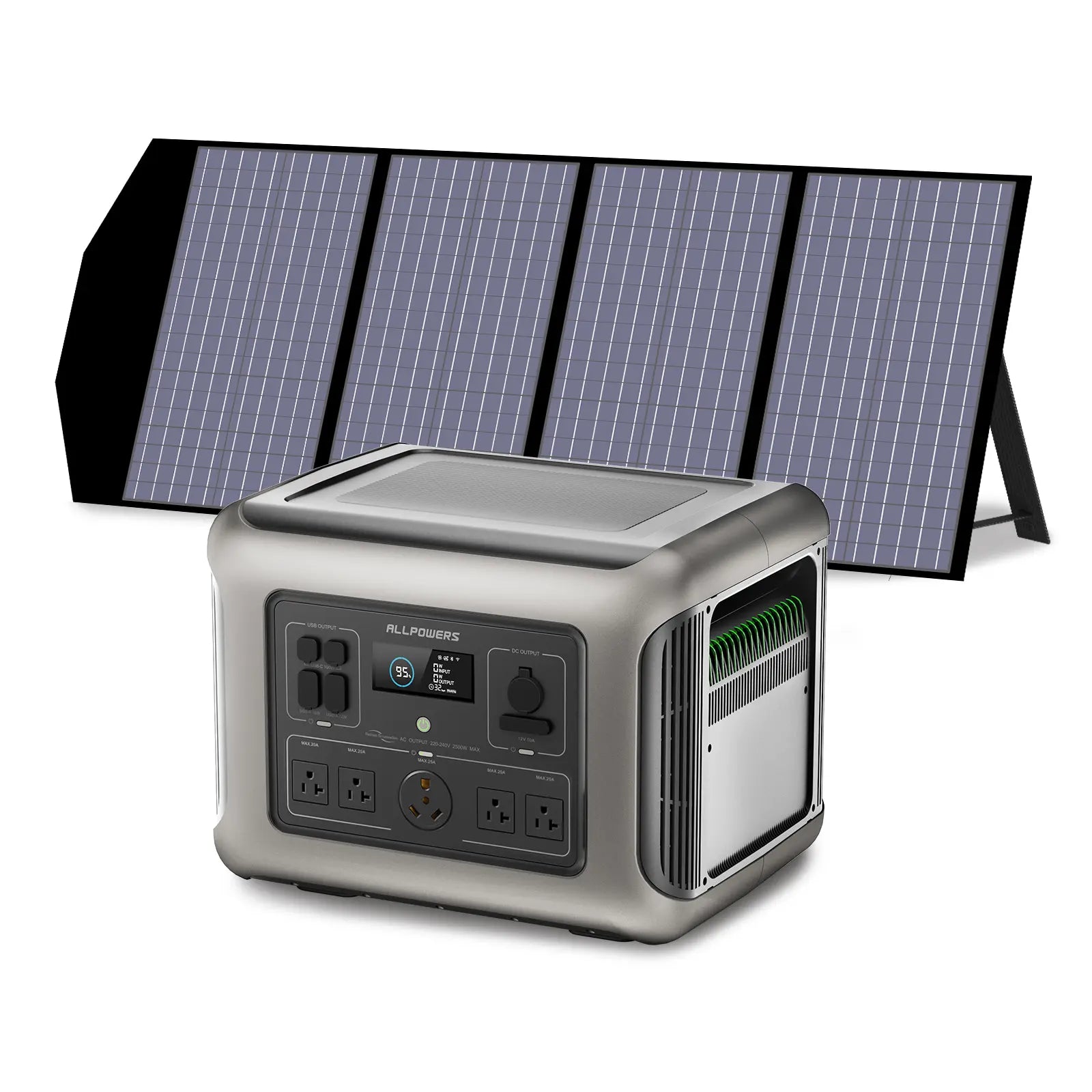
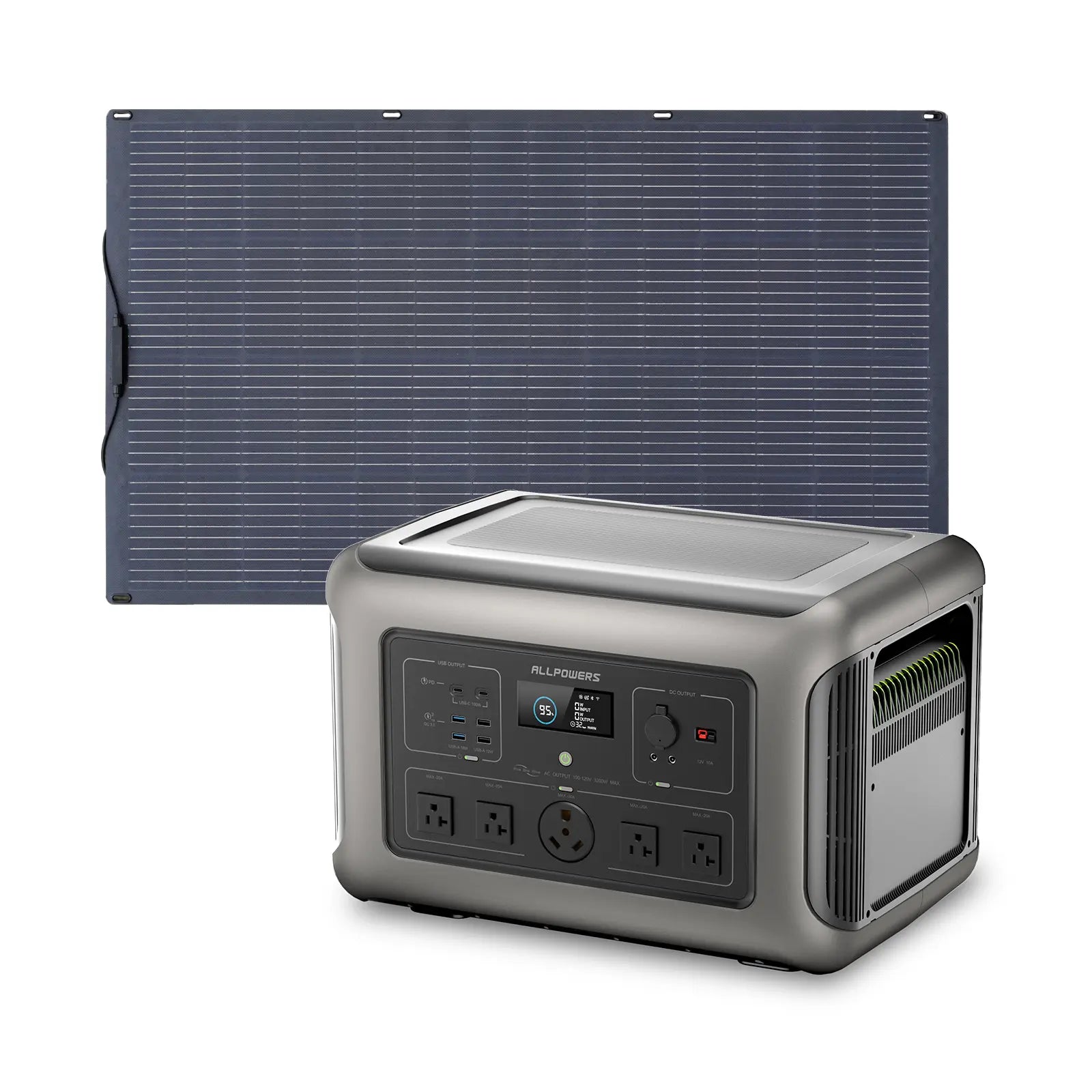
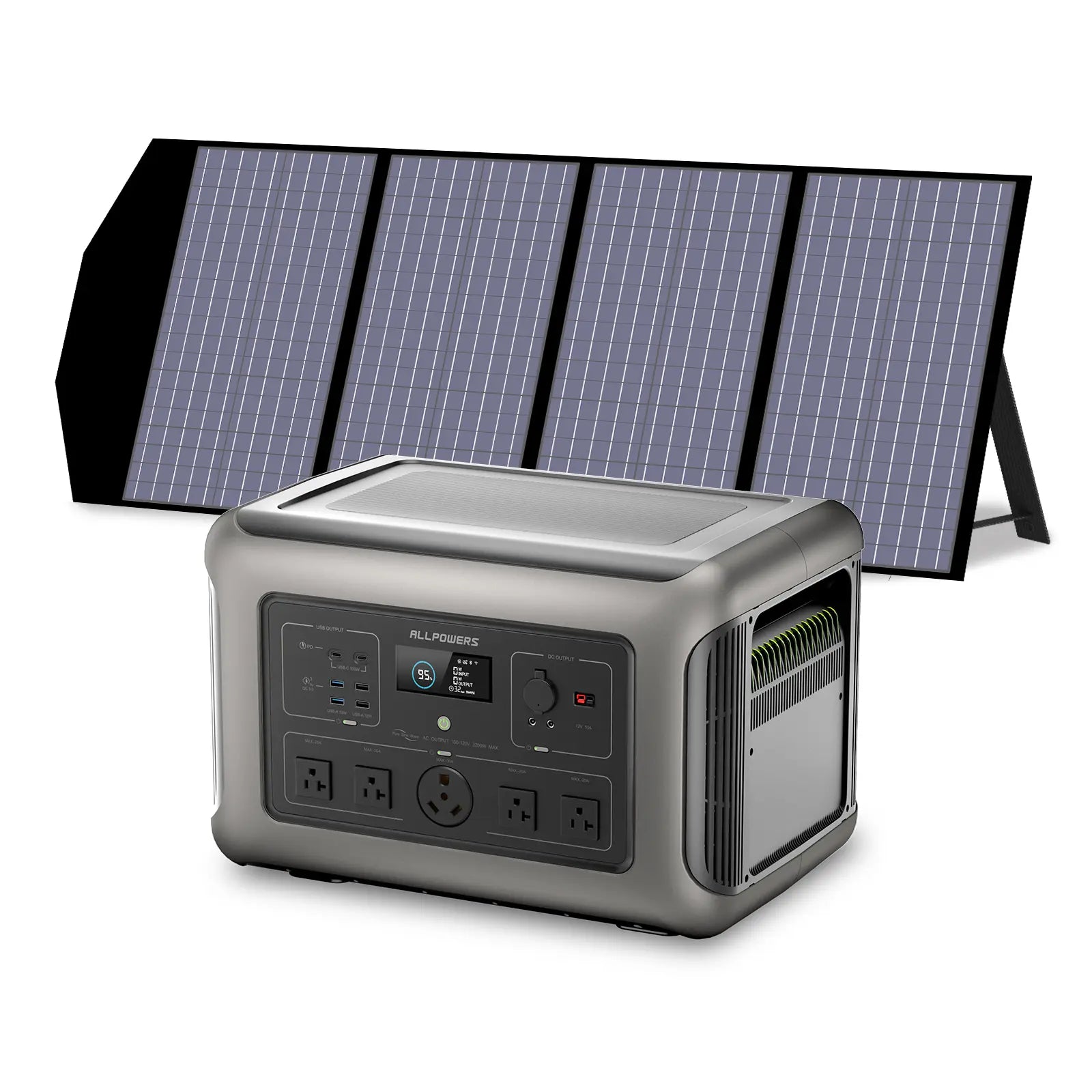
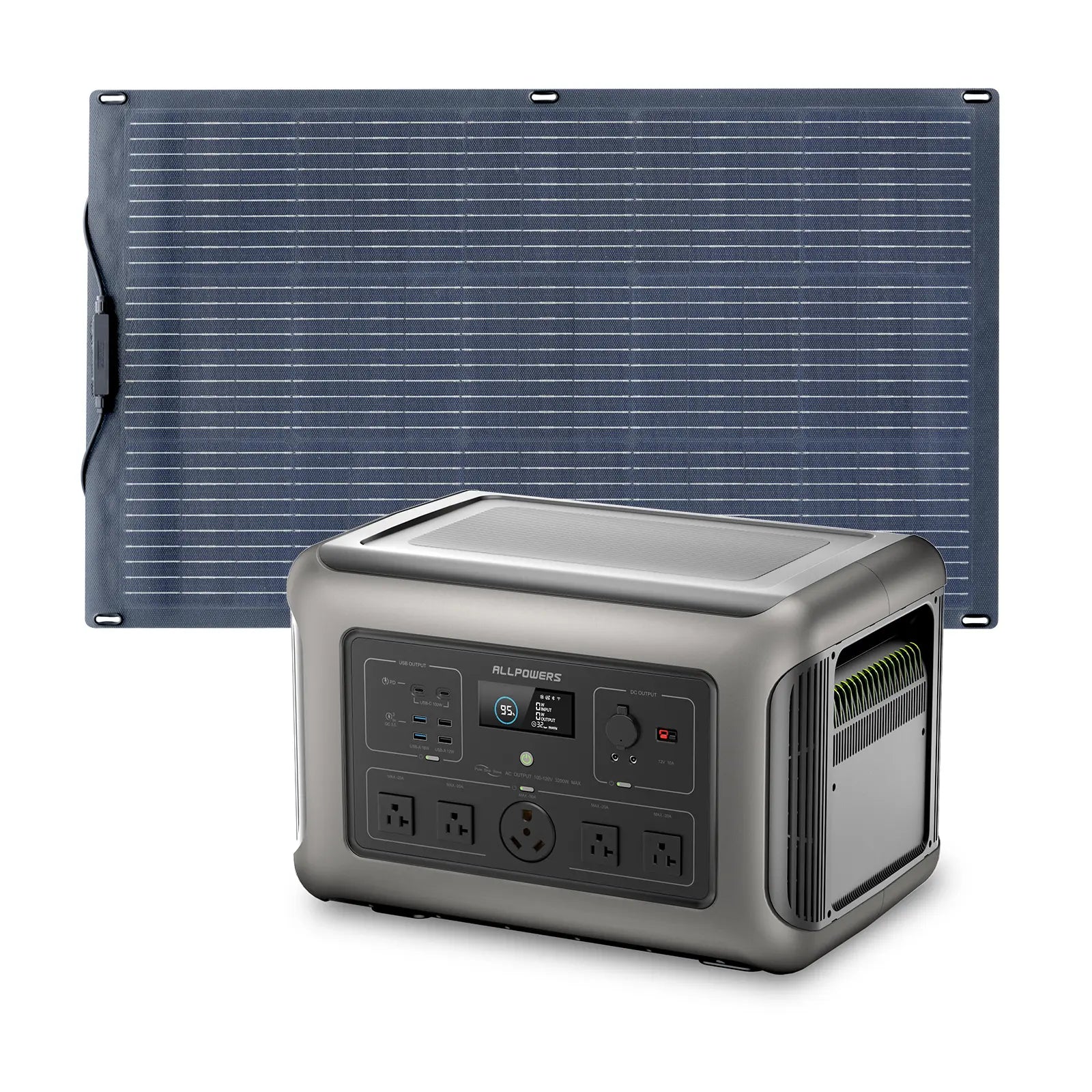
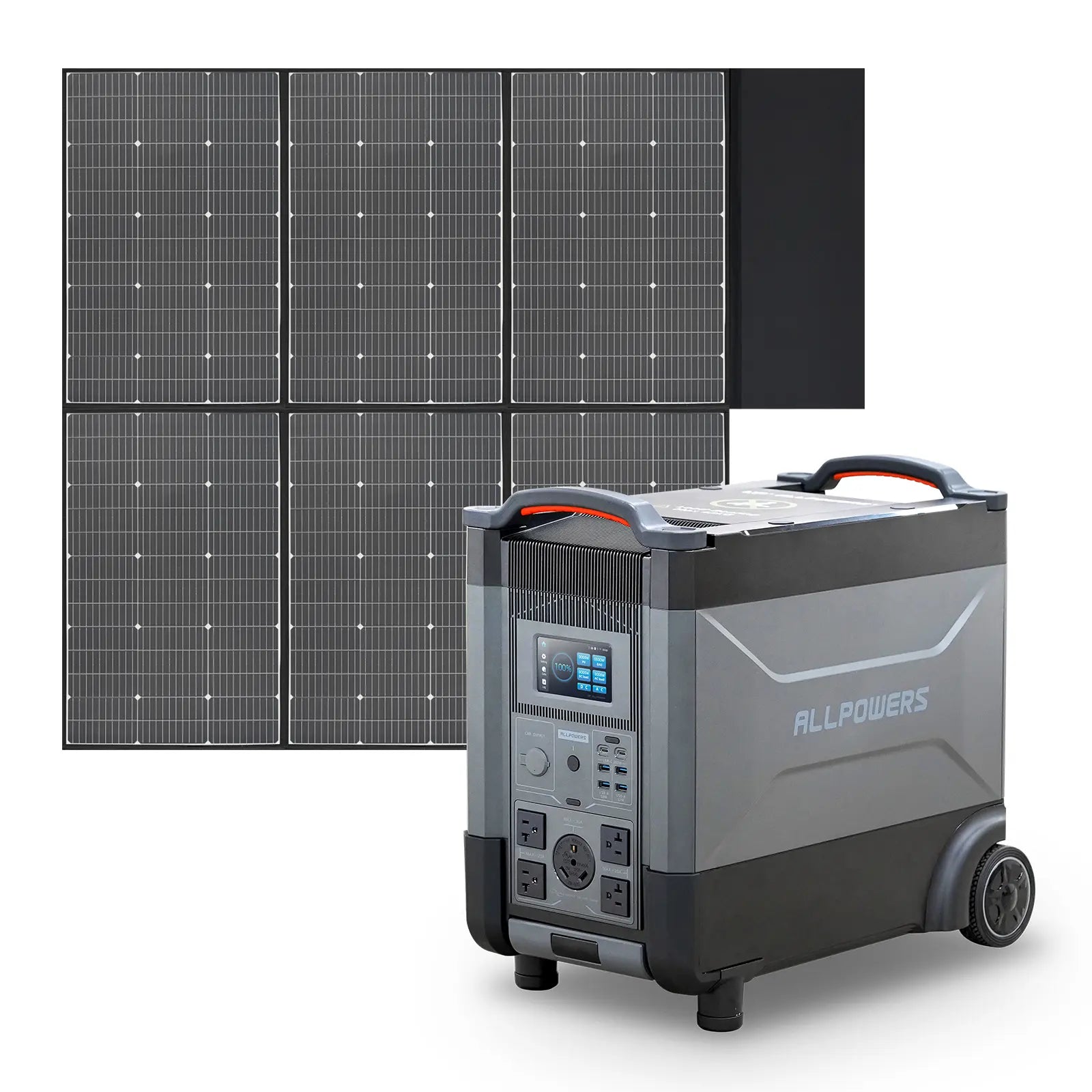
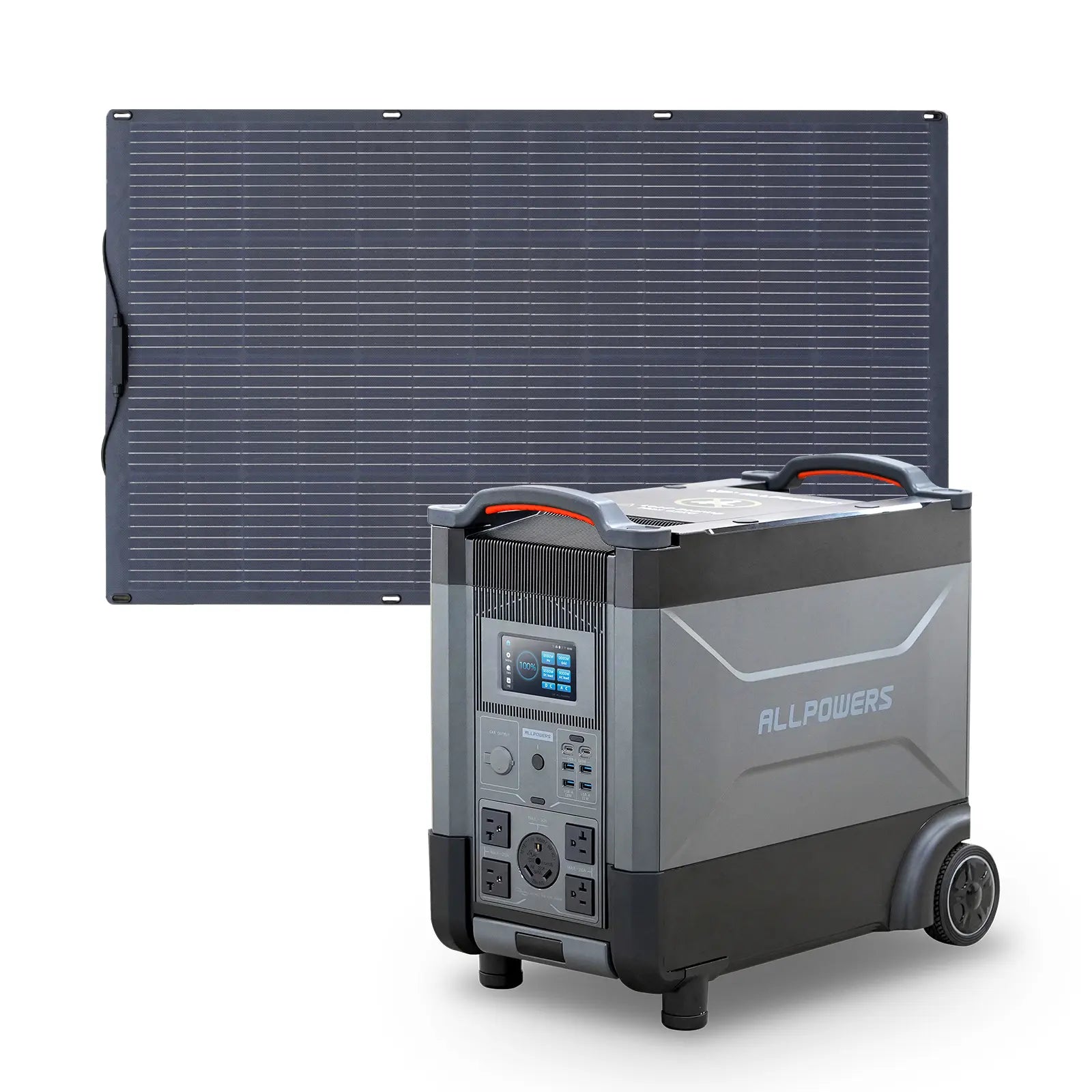
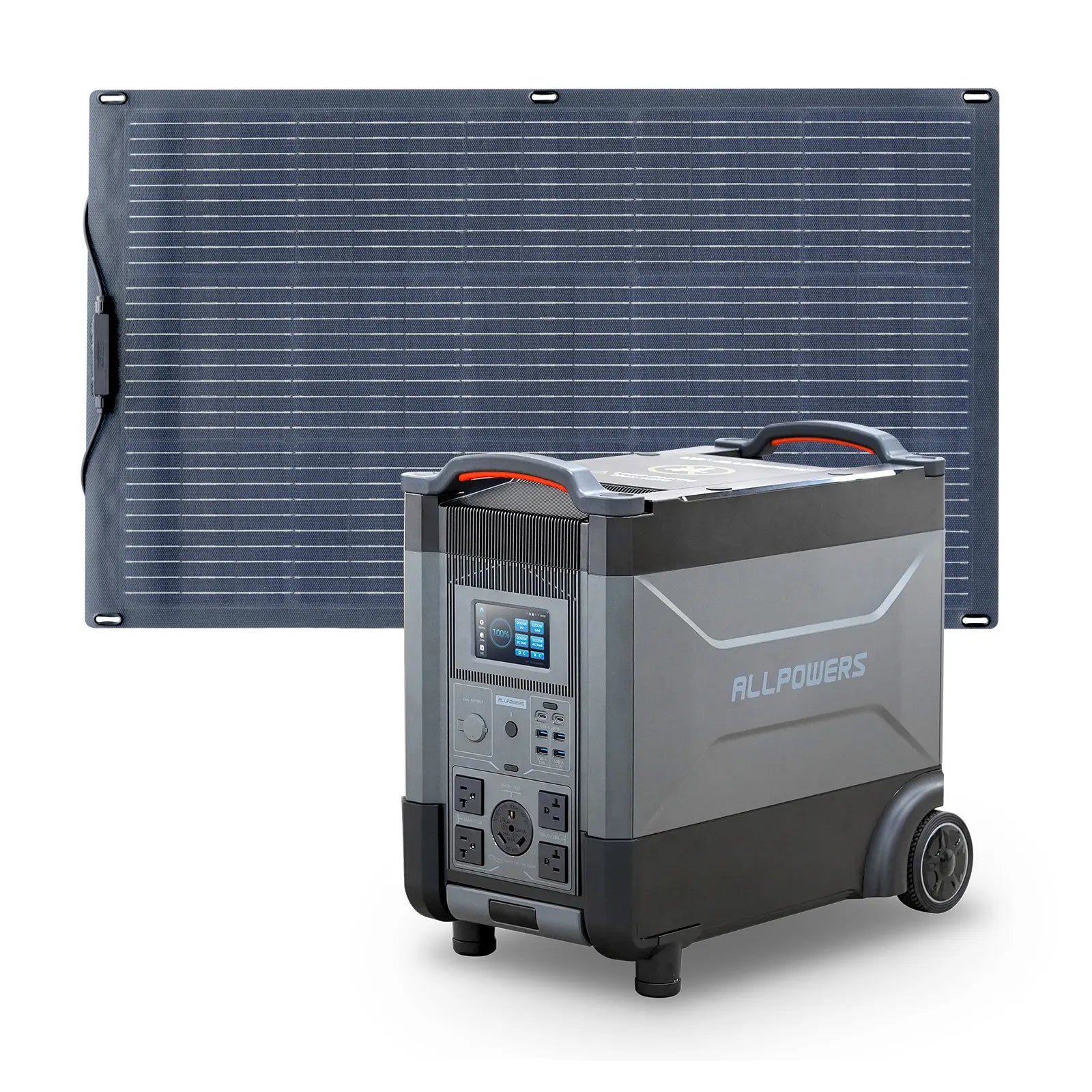
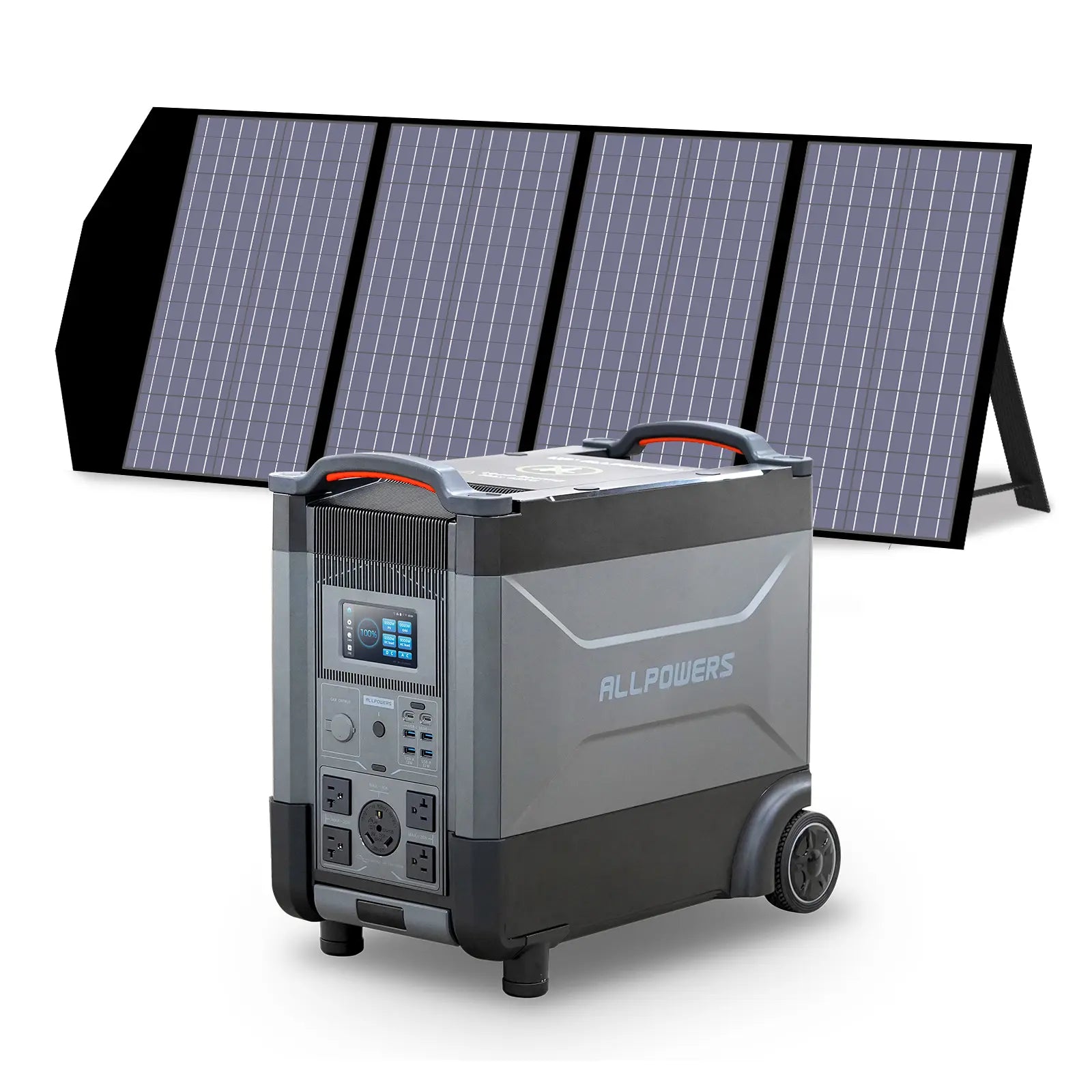
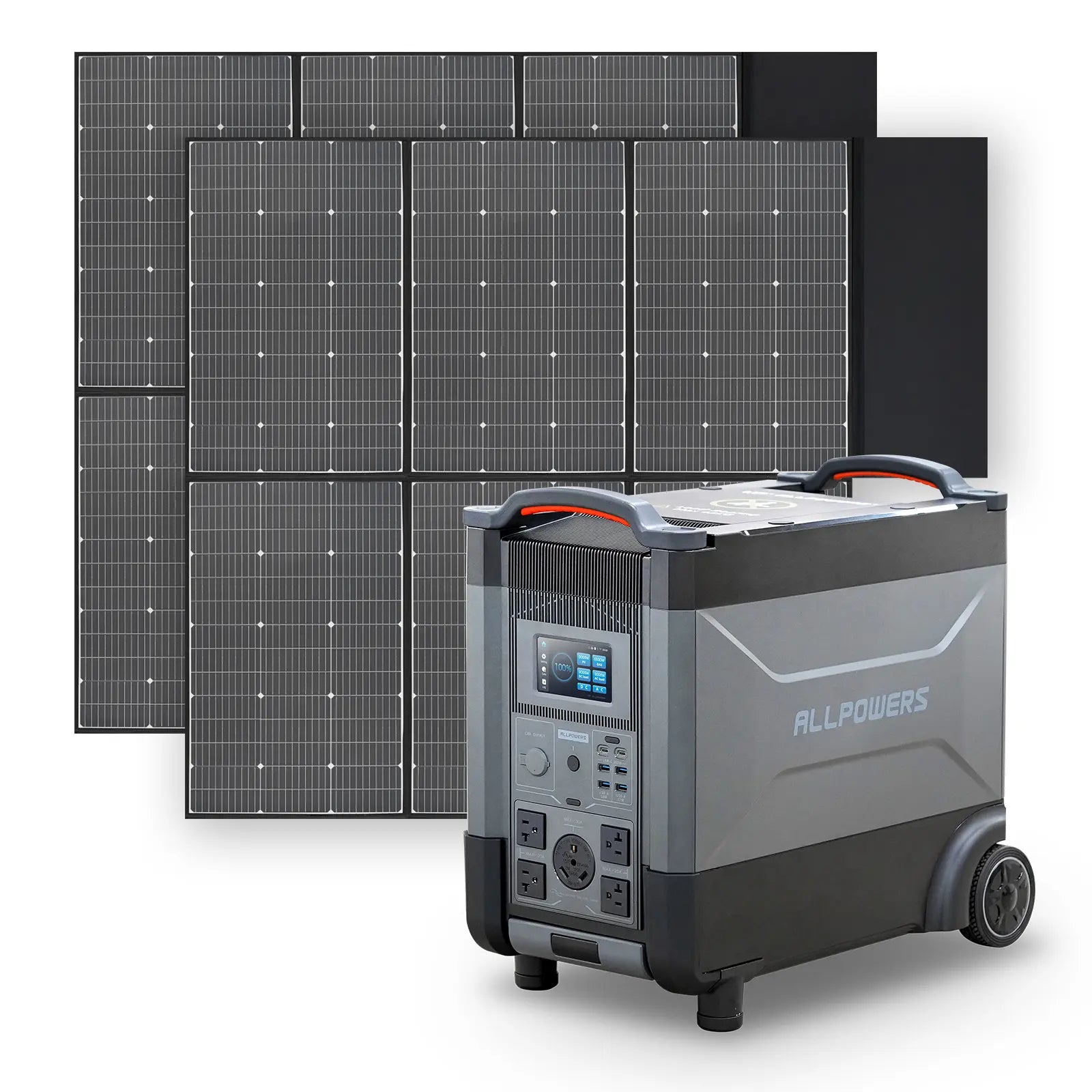
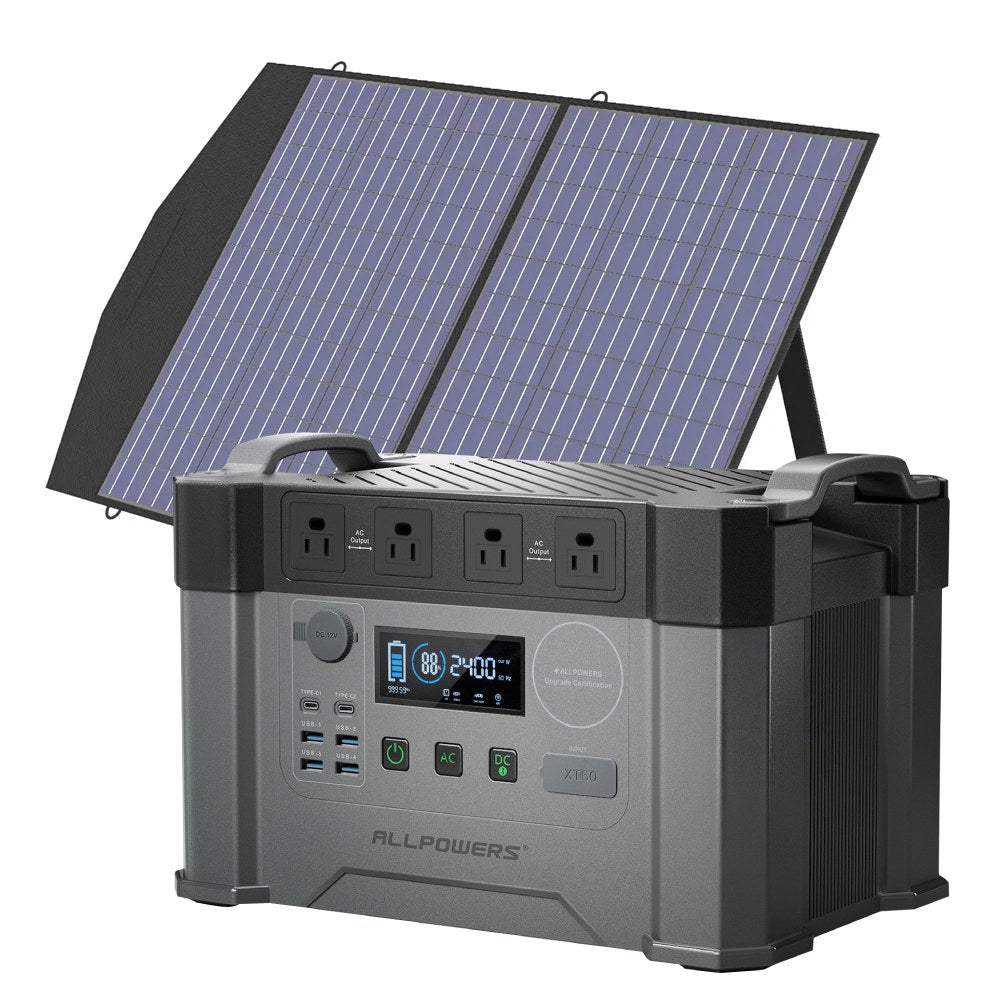
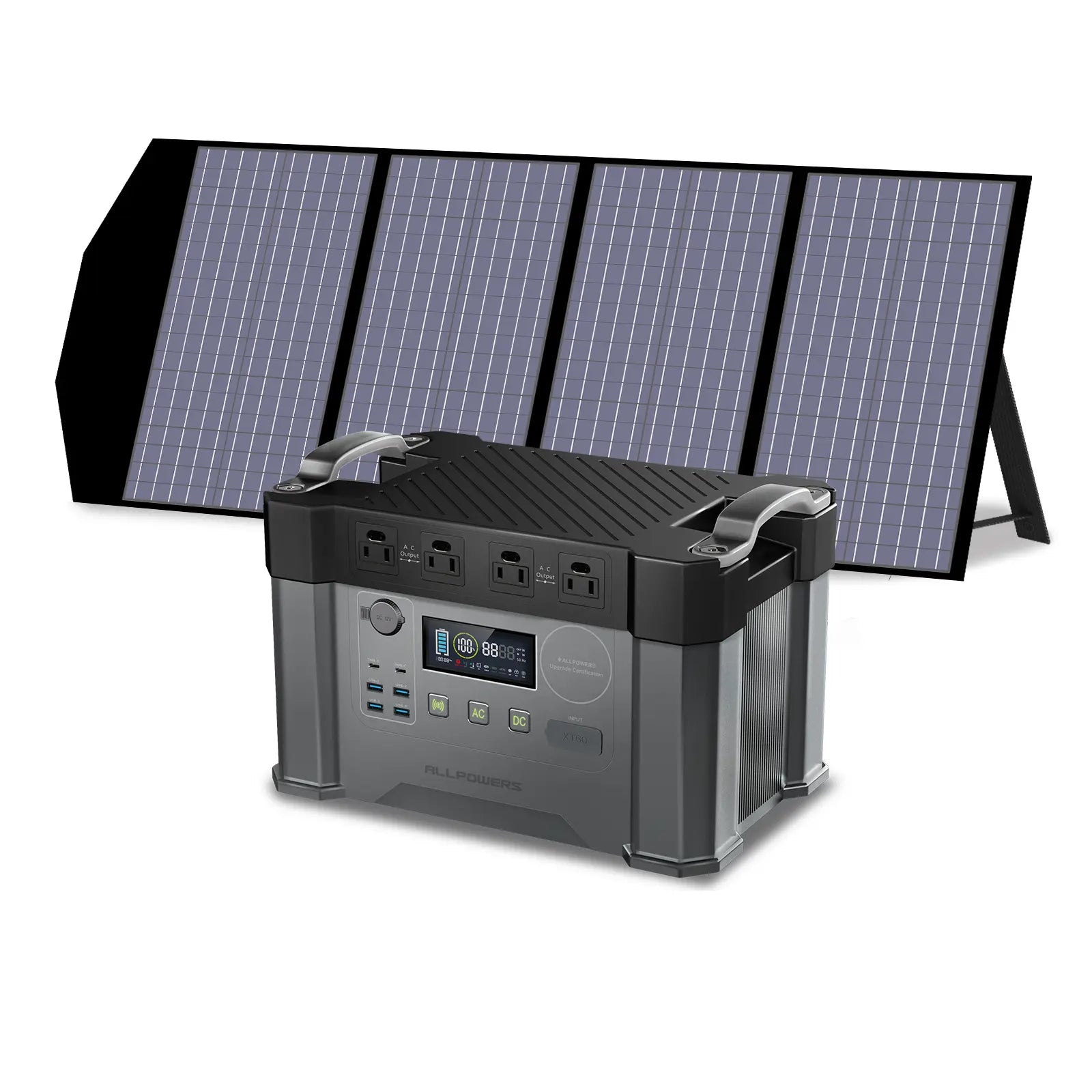
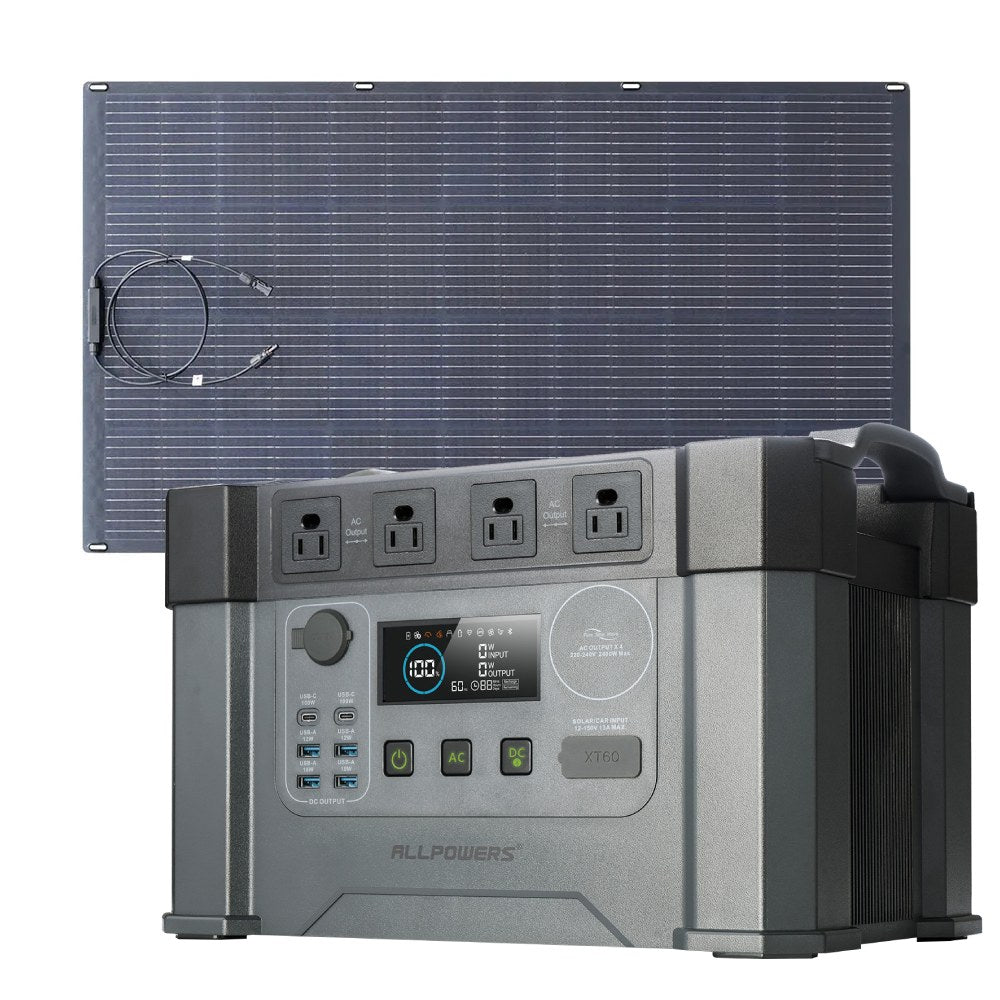
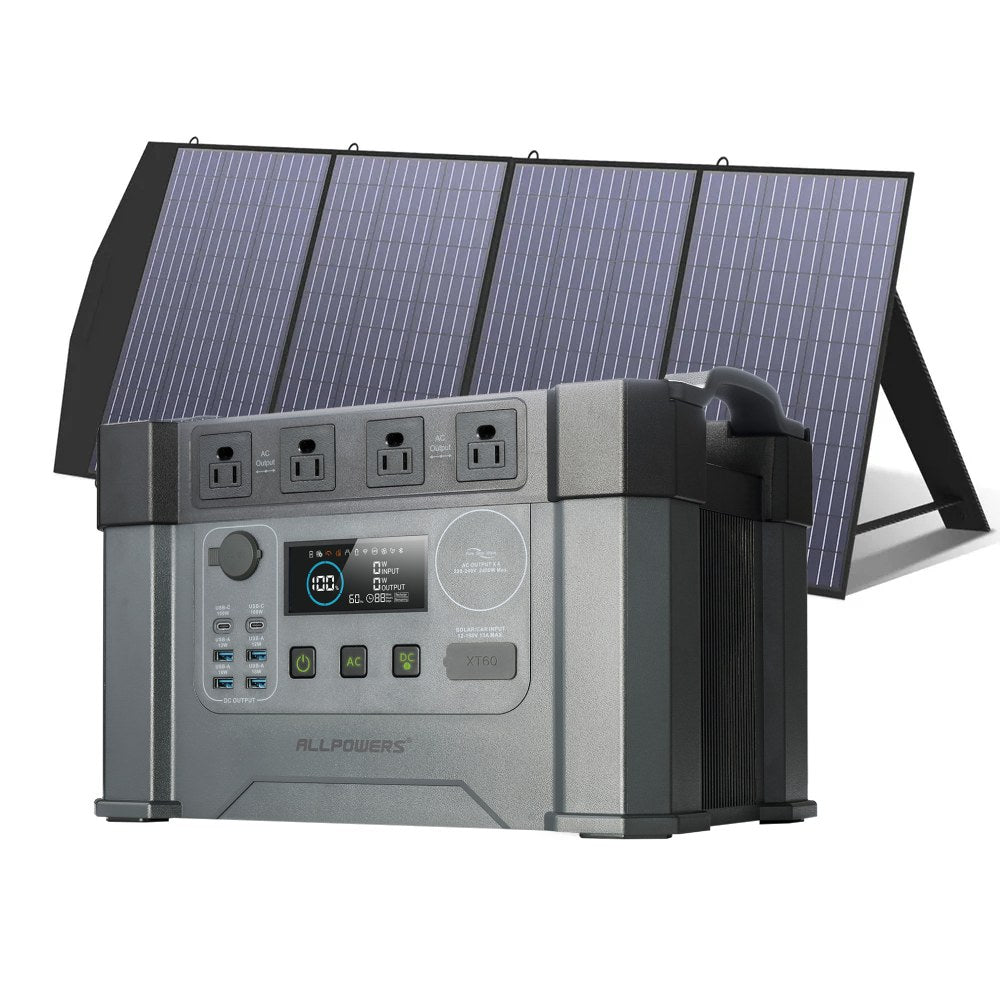
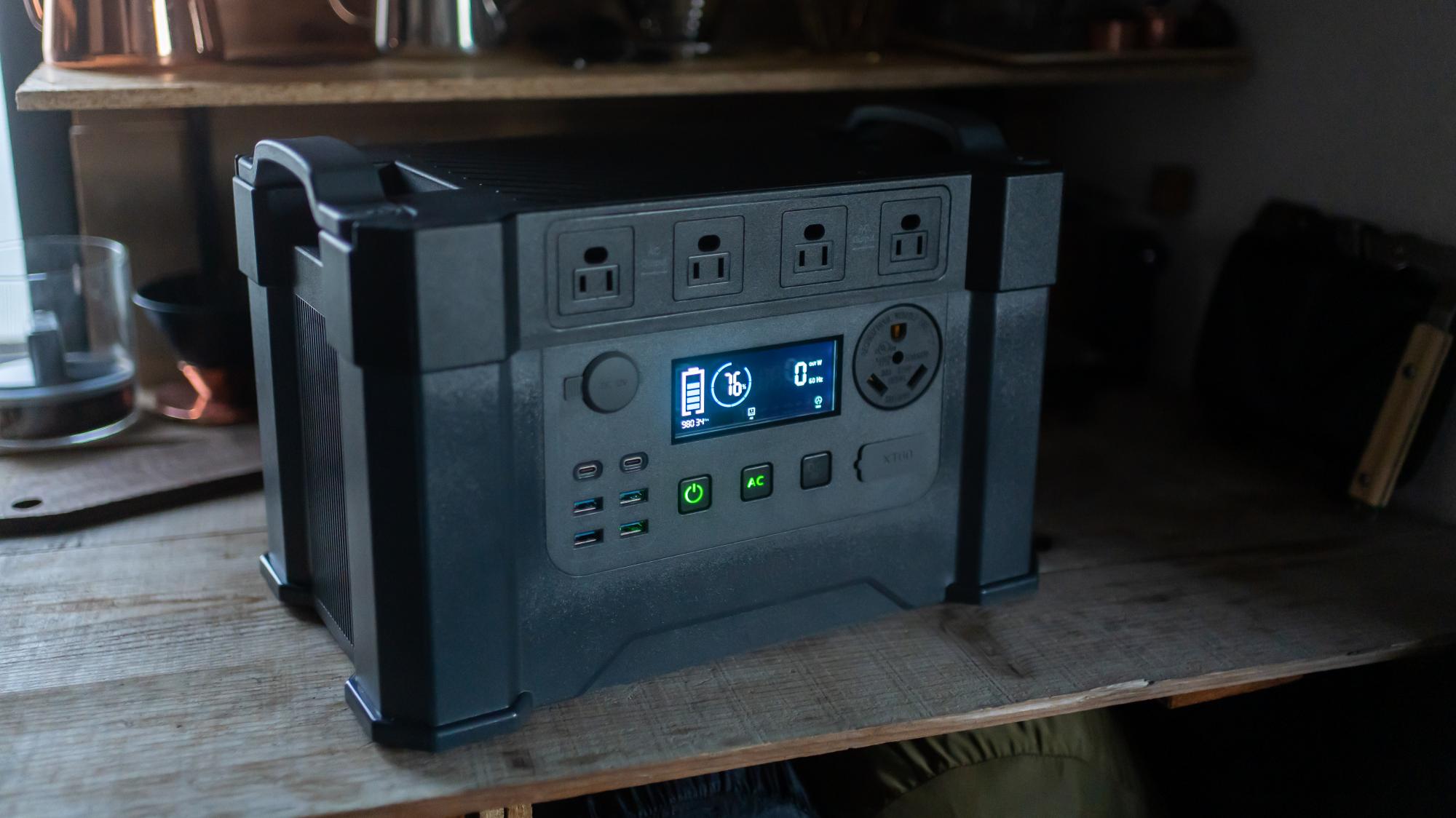
Many households now keep compact battery systems available for charging phones, radios, and other small electronics during outages.
Offline Emergency Information
Printed emergency contacts, maps, and instructions remain useful when digital devices lose power.
Powering Medical and Essential Devices
Households that rely on medical equipment should plan carefully for extended outages.
CPAP Machines and Medical Devices
Medical devices requiring overnight power may need dedicated battery systems or alternative backup energy planning.
Medication Storage
Some medications require refrigeration, which may become difficult during prolonged outages.
Prioritize Essential Devices
During emergencies, households often focus available backup energy on communication devices, medical equipment, and basic lighting before less essential electronics.
Staying Safe in Extreme Temperatures
Extreme heat and cold create some of the most dangerous conditions during long-term outages.
Winter Power Outages
Without heating systems, indoor temperatures may drop rapidly during winter storms.
Blankets, layered clothing, insulated sleeping areas, and safe indoor heating alternatives become critically important.
Summer Power Outages
Heat-related illnesses can become dangerous when air conditioning systems stop operating during high temperatures.
Hydration, airflow management, shaded areas, and cooling strategies may help reduce health risks during hot-weather outages.
Common Emergency Devices and Estimated Power Needs
| Device | Typical Usage | Power Priority | Emergency Importance |
|---|---|---|---|
| Phone Charger | Low Power | High | Communication |
| LED Lantern | Low Power | High | Lighting |
| CPAP Machine | Medium Power | High | Medical Support |
| Mini Refrigerator | Medium to High | Moderate | Food Preservation |
| Portable Fan | Low to Medium | Moderate | Cooling |
| Electric Heater | High Power | Variable | Cold Weather |
Smart Energy Planning During Emergencies
One of the biggest mistakes households make during outages is using available power too quickly.
Careful energy planning helps extend backup resources and maintain access to critical devices longer.
Prioritize Essential Devices
Emergency energy usage should focus first on communication, medical equipment, refrigeration, and basic lighting.
Avoid Unnecessary Consumption
Limiting nonessential device usage can significantly extend battery runtime during long outages.
Use Energy More Efficiently
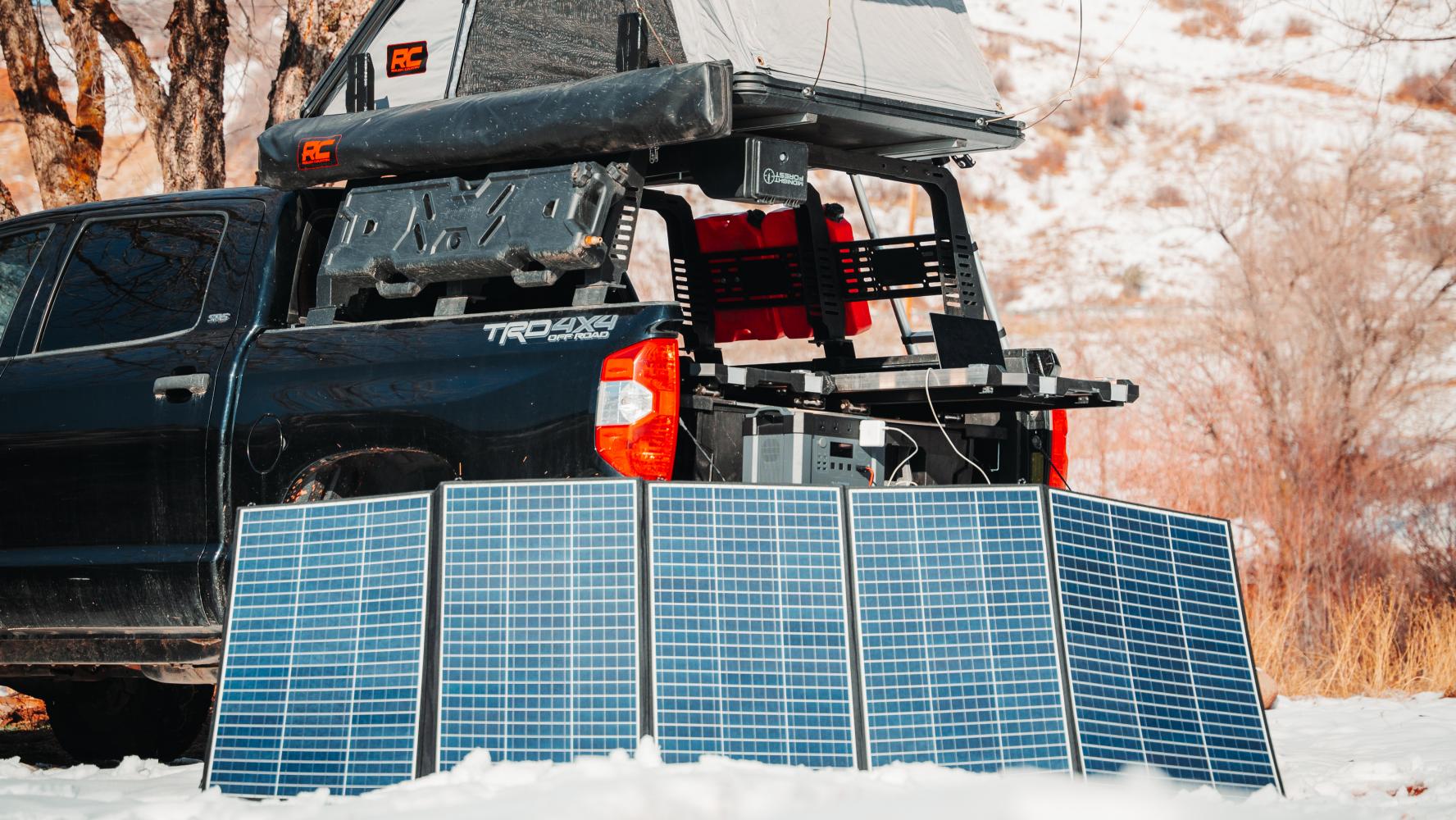
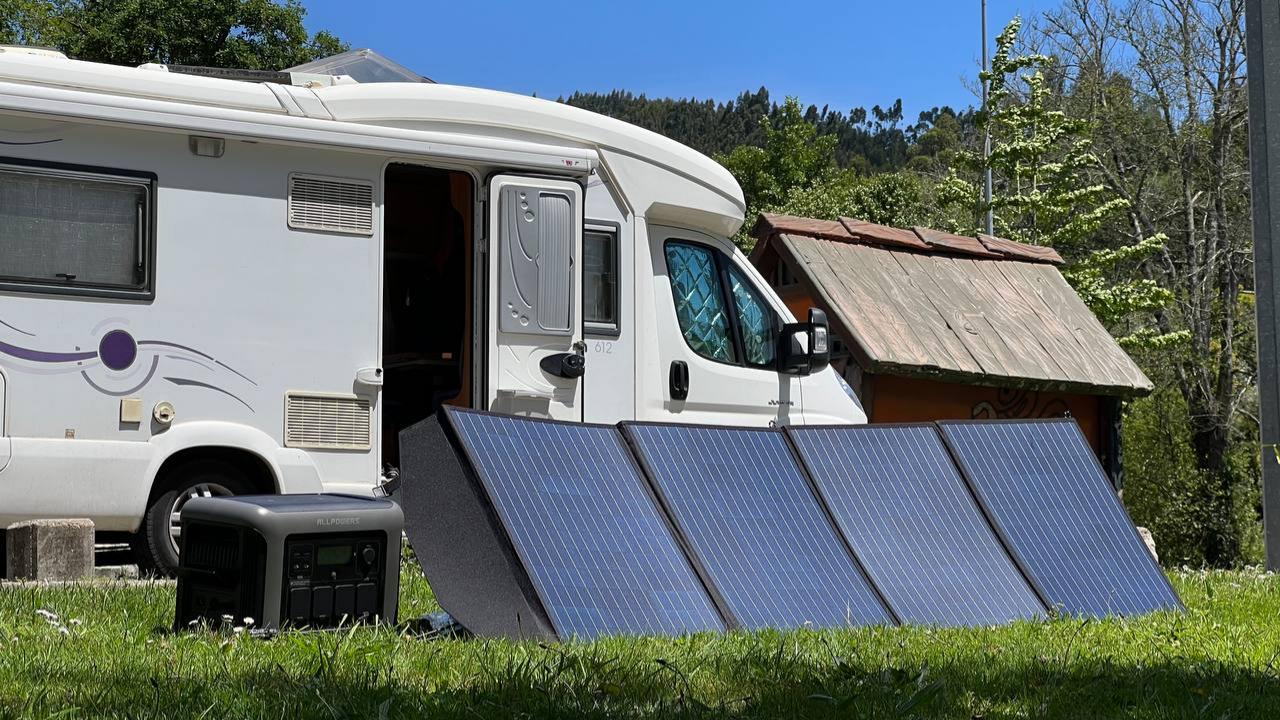
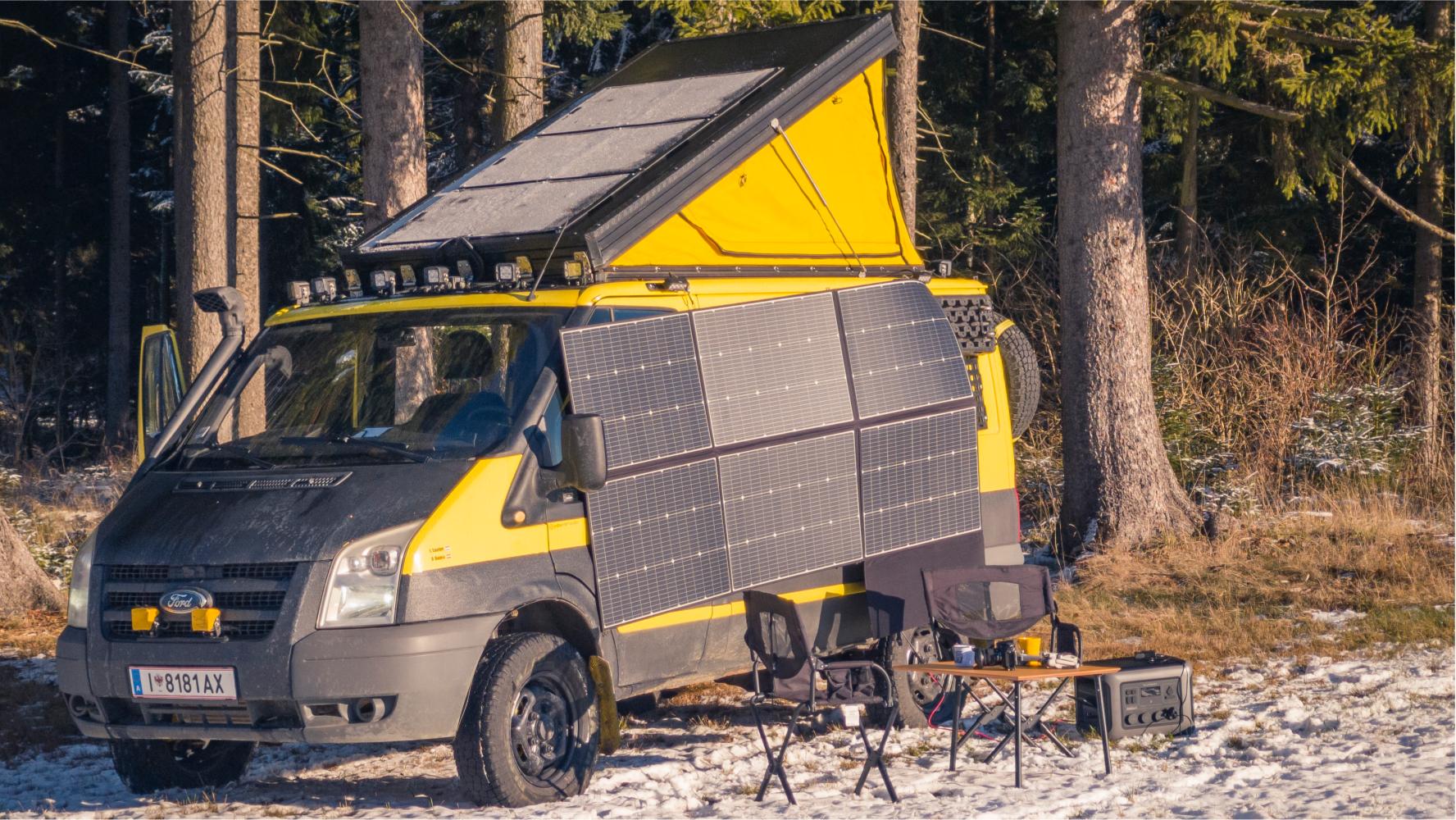
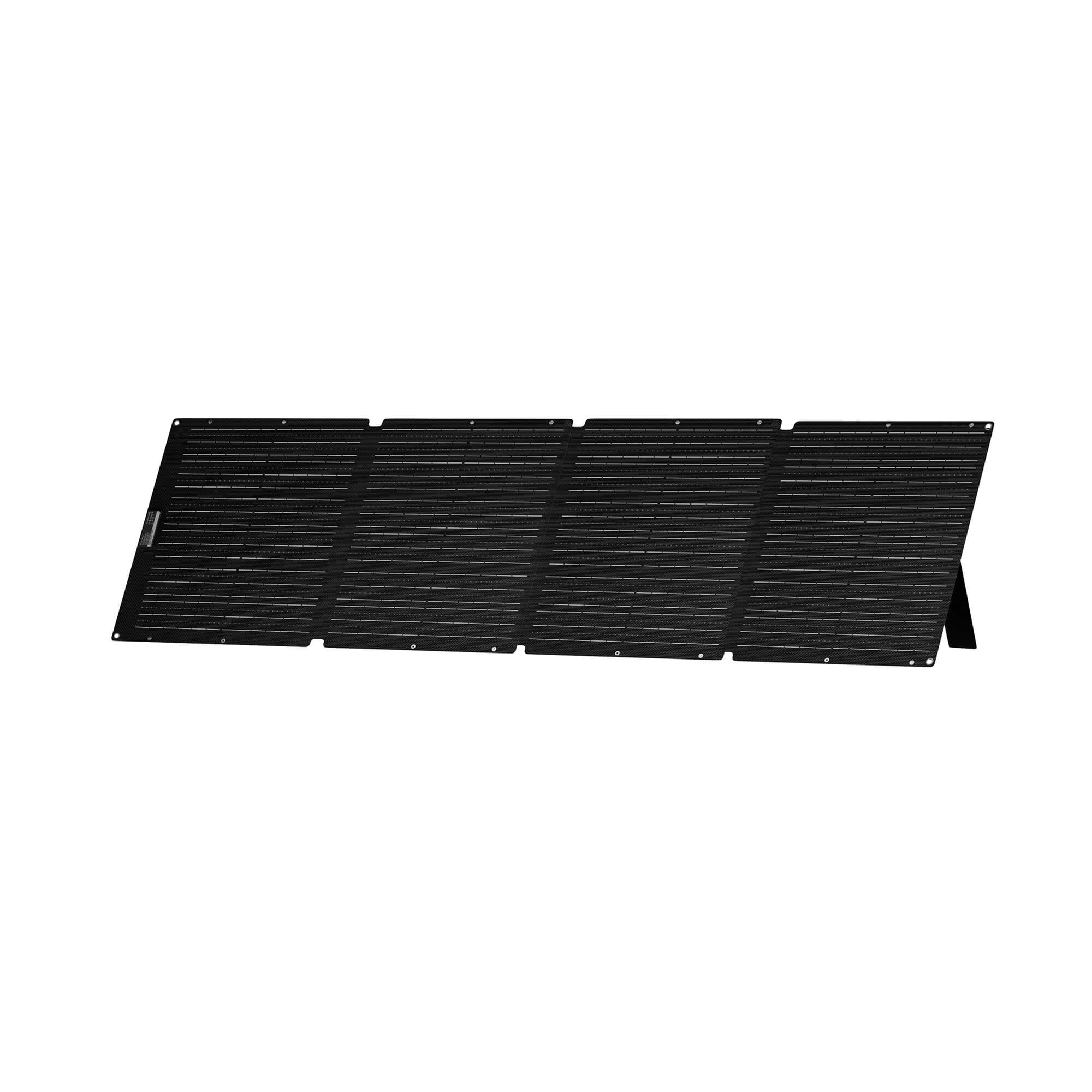
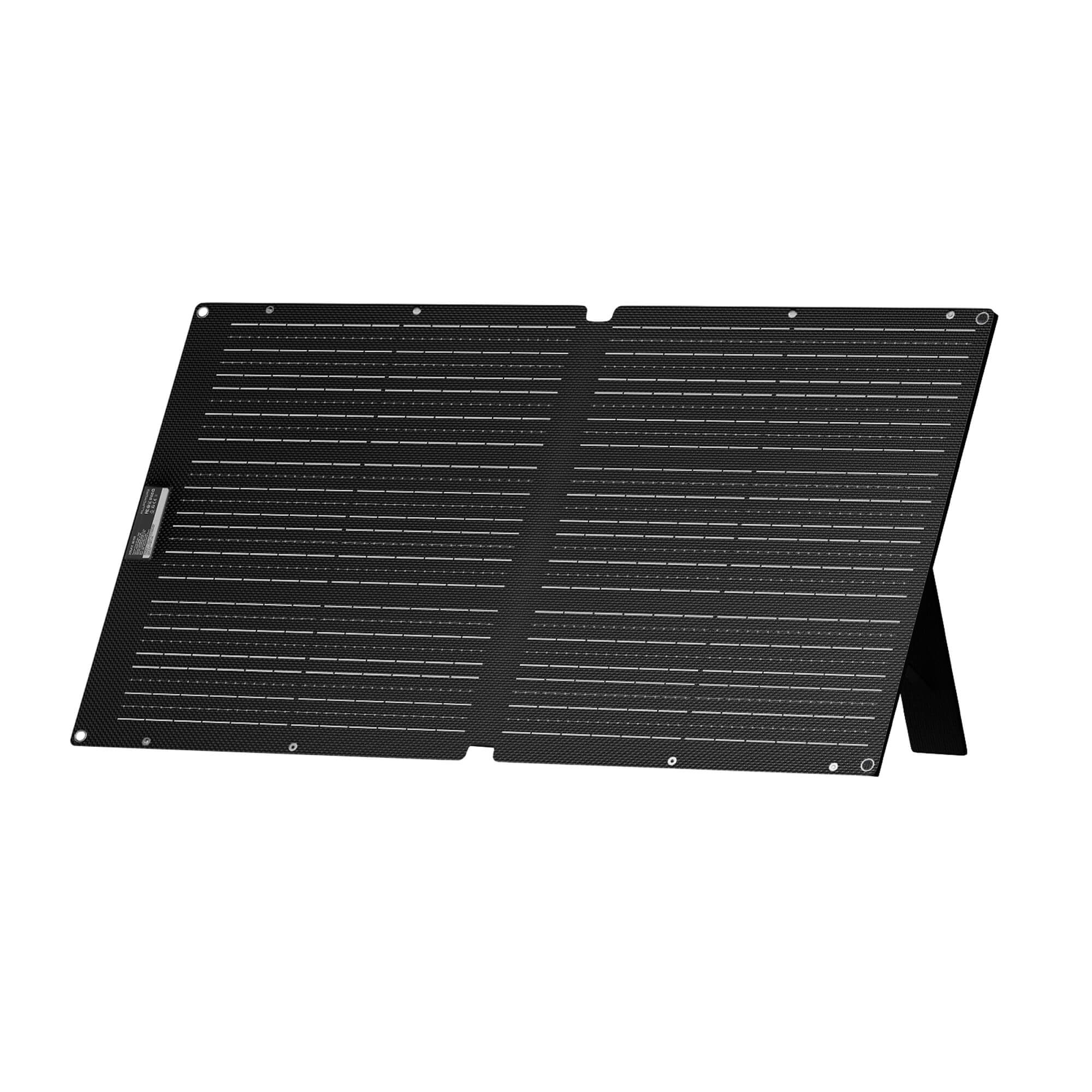
Many households now prepare smaller emergency energy setups capable of supporting phones, lights, fans, internet equipment, and compact appliances during outages without relying entirely on fuel-powered generators.
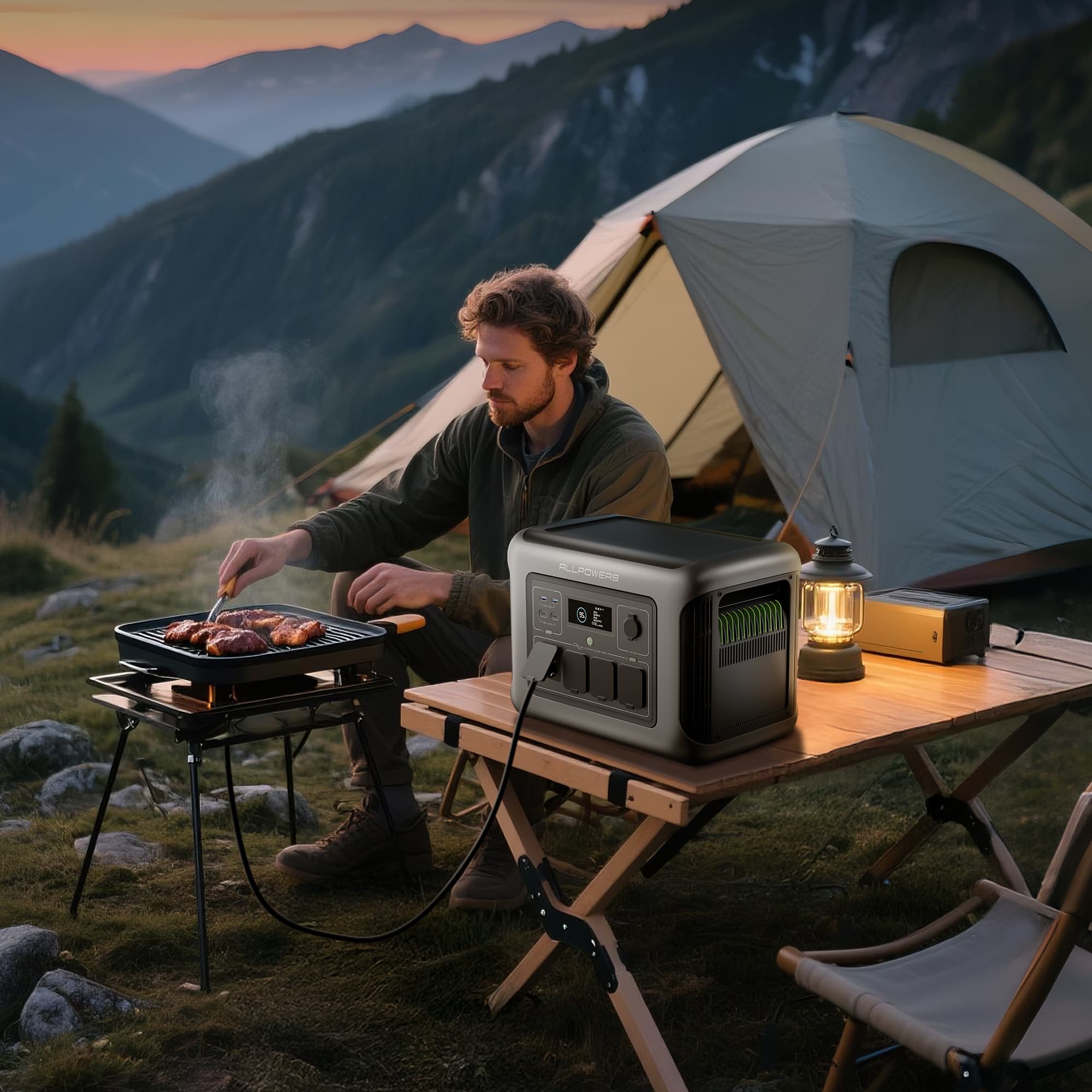
For example, some families use rechargeable battery systems to periodically power electric kettles or small cooking appliances for preparing warm meals and drinks while conserving energy carefully throughout the outage.
Why Preparation Matters More Than Ever
Long-term power outages can affect far more than simple convenience. Communication, food safety, medical care, temperature control, and access to reliable information all become more difficult when electricity remains unavailable for extended periods.
Households that prepare emergency supplies, backup lighting, communication tools, and realistic energy plans ahead of time are often better equipped to handle unexpected disruptions safely and calmly.
As weather patterns, energy demand, and grid challenges continue evolving, practical outage preparation is becoming an increasingly important part of modern household readiness.
Frequently Asked Questions
How long should you prepare for a power outage?
Many emergency experts recommend preparing for at least several days without electricity, especially during severe weather seasons.
What should you do first during a power outage?
Protecting food, water, communication devices, and medical equipment should become immediate priorities.
How can you keep food cold during a blackout?
Keeping refrigerator and freezer doors closed as much as possible helps preserve cold temperatures longer.
What devices are most important during a power outage?
Communication devices, lighting, refrigeration, and medical equipment are often the highest-priority electrical needs.
How can households prepare backup electricity safely?
Preparing rechargeable battery systems, emergency lighting, and carefully planned backup energy solutions can help households manage outages more effectively.