







Power outages can happen unexpectedly at any time, especially during severe weather, heat waves, grid failures, or utility maintenance.
While homeowners may have access to generators or larger backup systems, apartment residents often face additional limitations.
So, how should apartment residents prepare for a power outage effectively?
TL;DR:
Apartment residents can prepare for outages by building an emergency power plan, storing backup lighting, protecting refrigerated food, charging essential devices, preparing emergency water supplies, and understanding how their building operates during blackouts. Small energy-efficient backup solutions and careful preparation can make outages significantly safer and more manageable.
Why Power Outages Happen
Modern electrical grids are highly complex systems that must balance energy demand continuously across entire cities and regions.
Extreme weather, equipment failures, overloaded infrastructure, wildfires, storms, and utility maintenance can all trigger unexpected outages.
In urban environments, even short disruptions may affect thousands of residents simultaneously.
Apartment buildings are particularly vulnerable because multiple households depend on the same shared electrical infrastructure.
As electrical demand continues increasing during heat waves and extreme seasonal conditions, outages may become more disruptive for densely populated apartment communities.
Why Apartment Outages Are Different
Preparing for a power outage in an apartment differs significantly from preparing in a detached home.
Apartment residents often have limited space for emergency supplies and may not be allowed to use fuel-powered generators due to safety restrictions.
Limited Ventilation and Safety Restrictions
Gasoline generators should never be used indoors, on balconies, or inside enclosed apartment spaces because they produce dangerous carbon monoxide.
Elevators and Building Access
During outages, elevators may stop operating entirely. Residents living in high-rise buildings should prepare for limited elevator access and possible stair-only movement.
Shared Water Systems
Some apartment buildings rely on electrically powered pumps for water pressure. During extended outages, water availability may become limited.
Essential Emergency Supplies
Preparing emergency supplies before an outage occurs can make apartment living significantly safer and more comfortable during extended blackouts.
Flashlights and Backup Lighting
Battery-powered lighting is one of the most important apartment outage supplies.
Flashlights, rechargeable lanterns, and LED lights provide safer alternatives to candles inside small living spaces.
Candles may increase fire risks in apartment buildings, especially in densely populated units with limited ventilation or narrow hallways.
Portable Batteries and Charging Equipment
Keeping phones and communication devices charged is extremely important during emergencies.
Many apartment residents rely entirely on smartphones for news updates, emergency alerts, and communication.
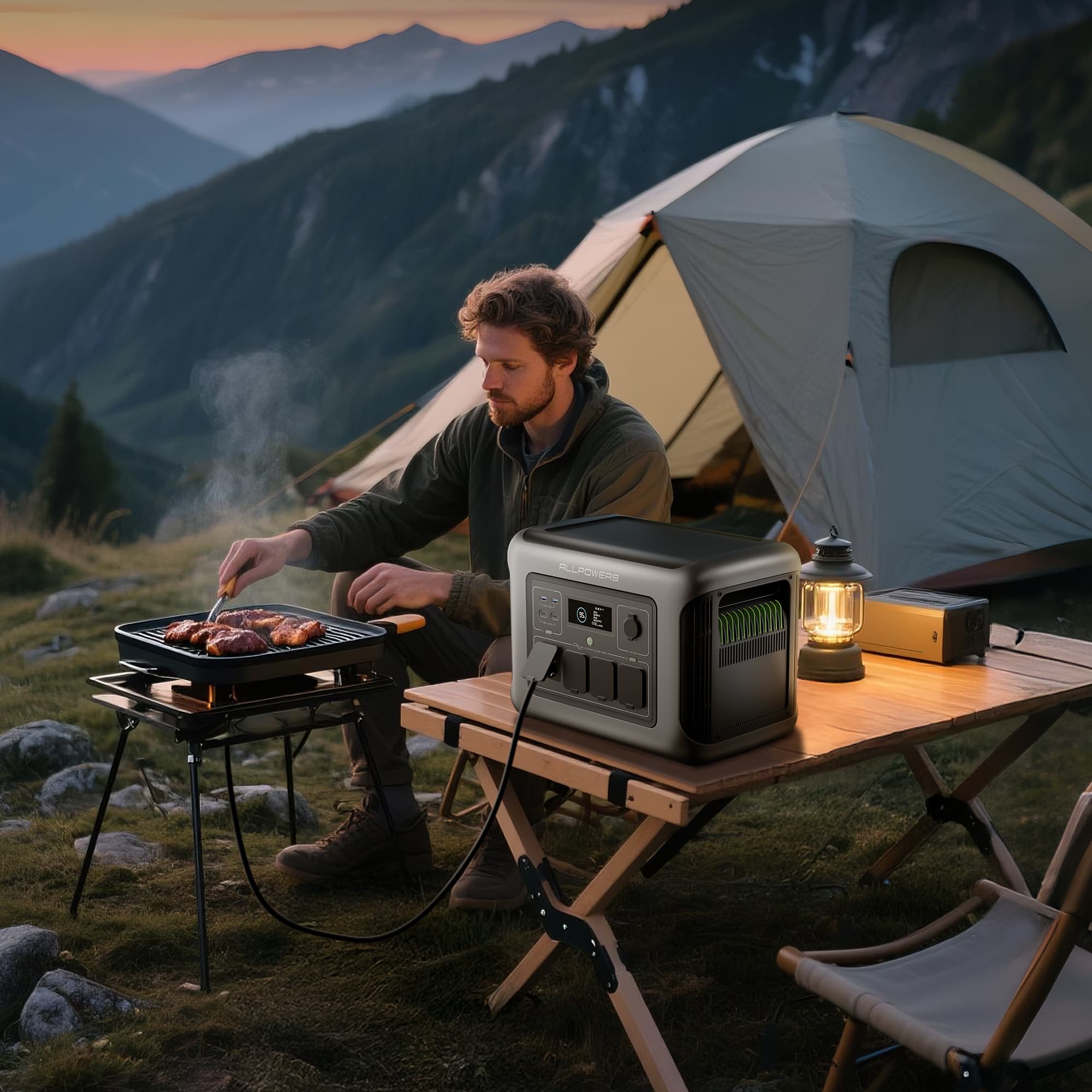
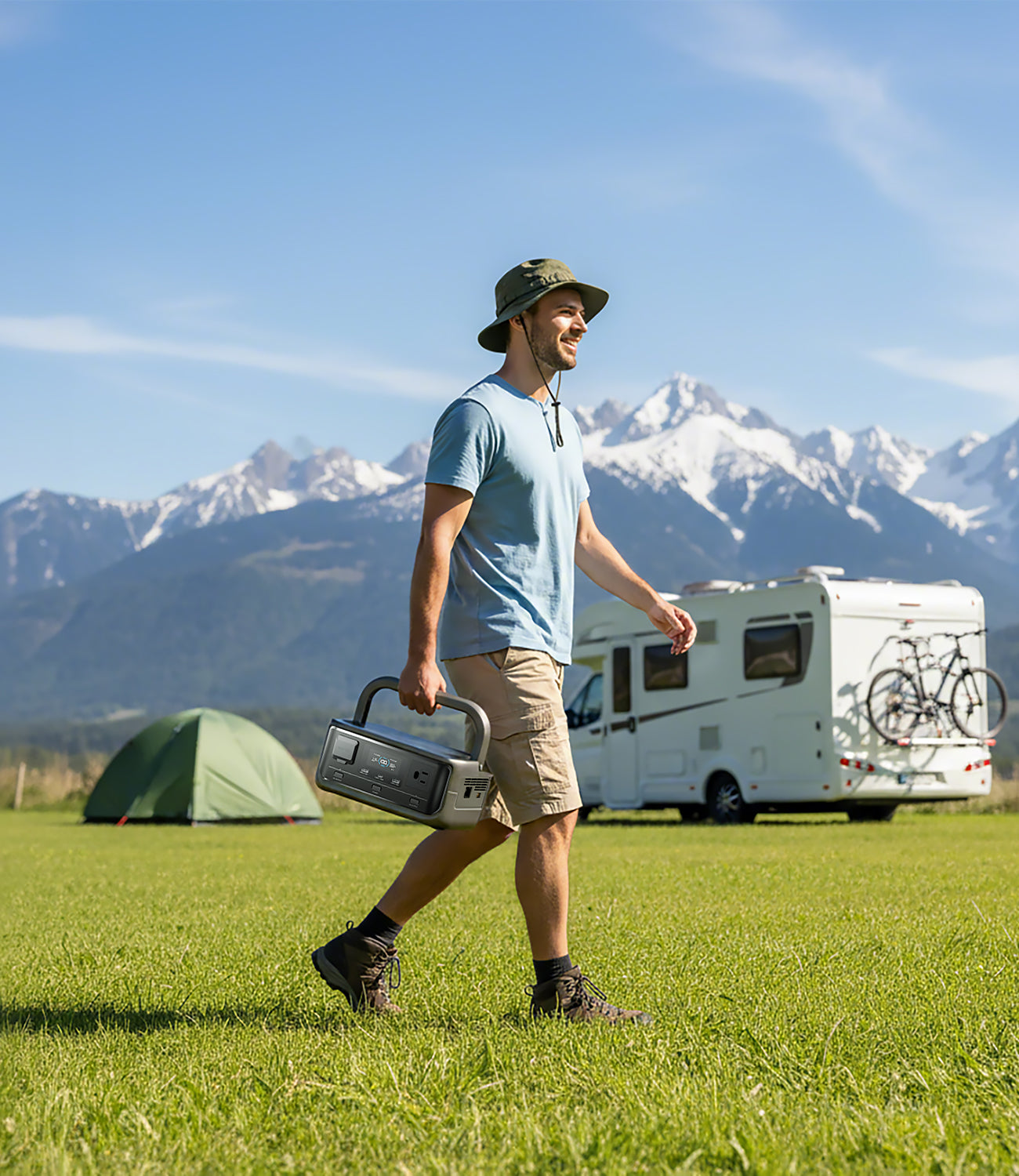
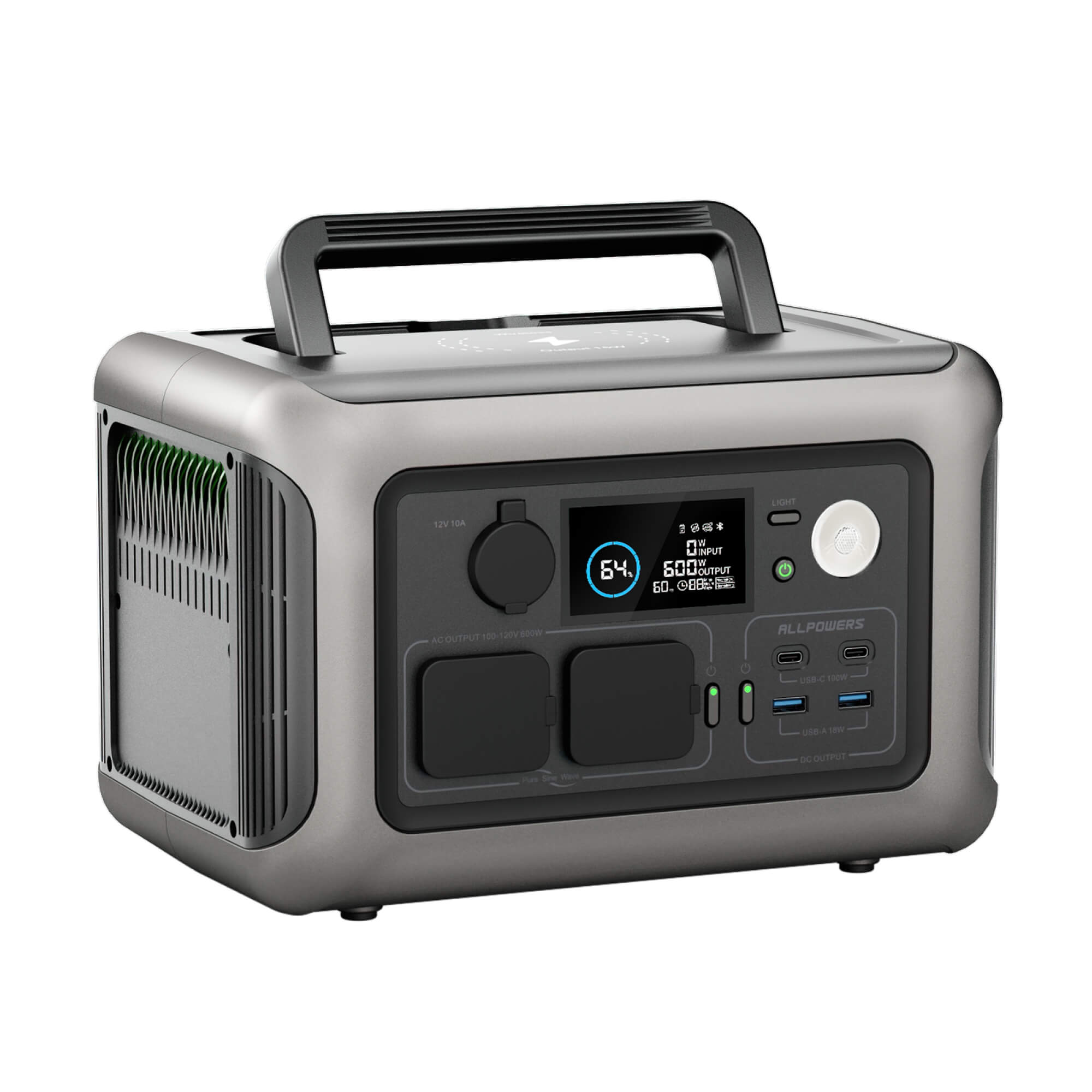
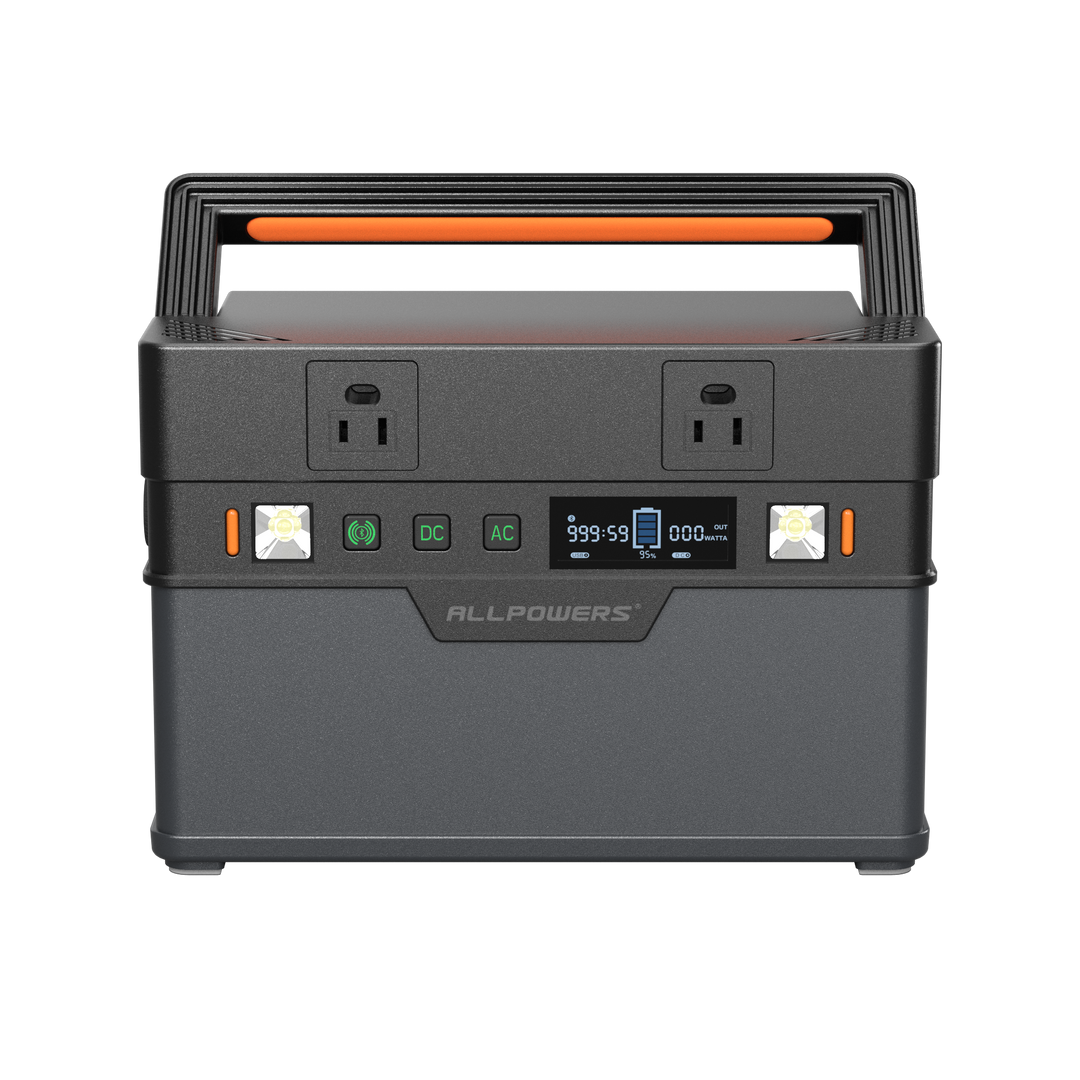
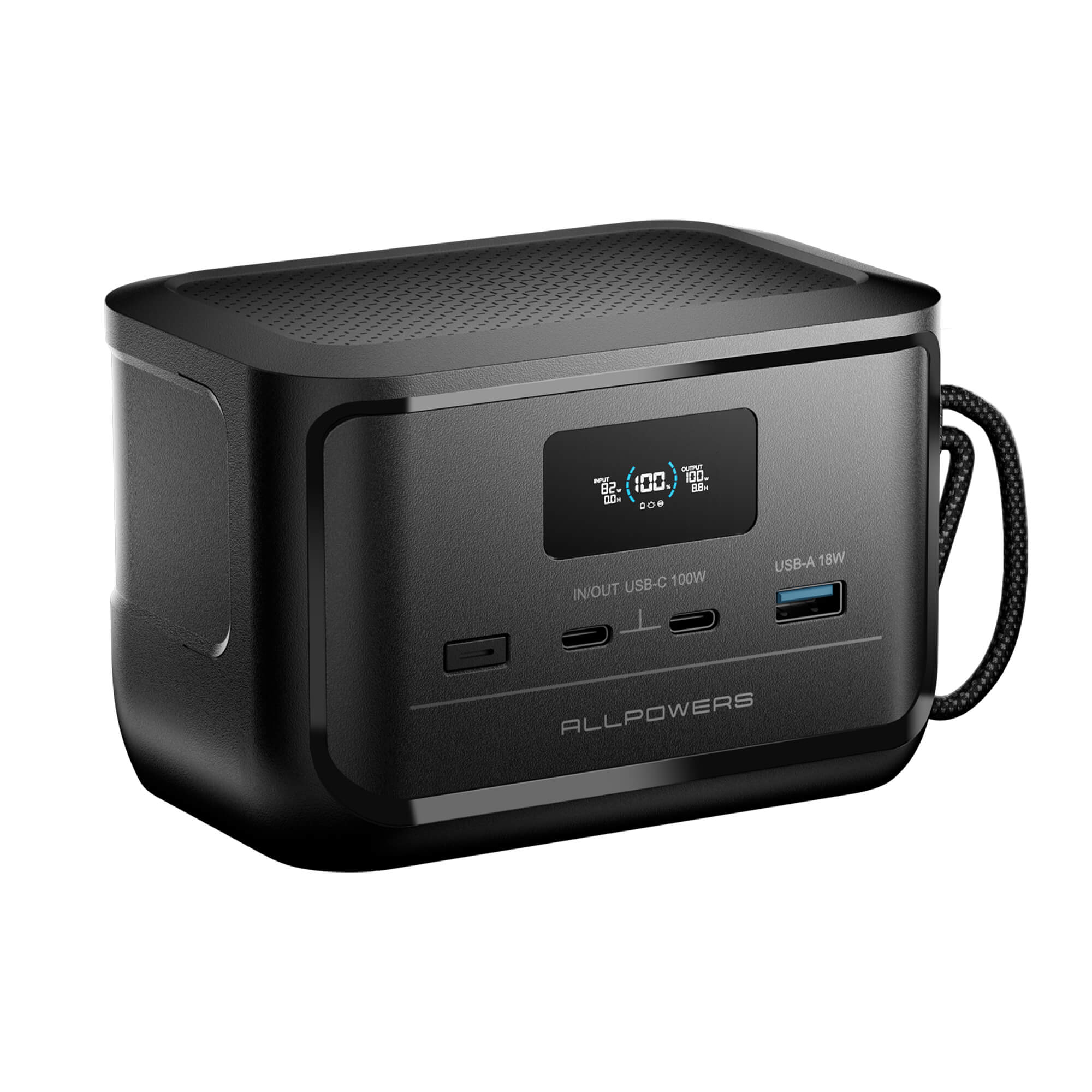
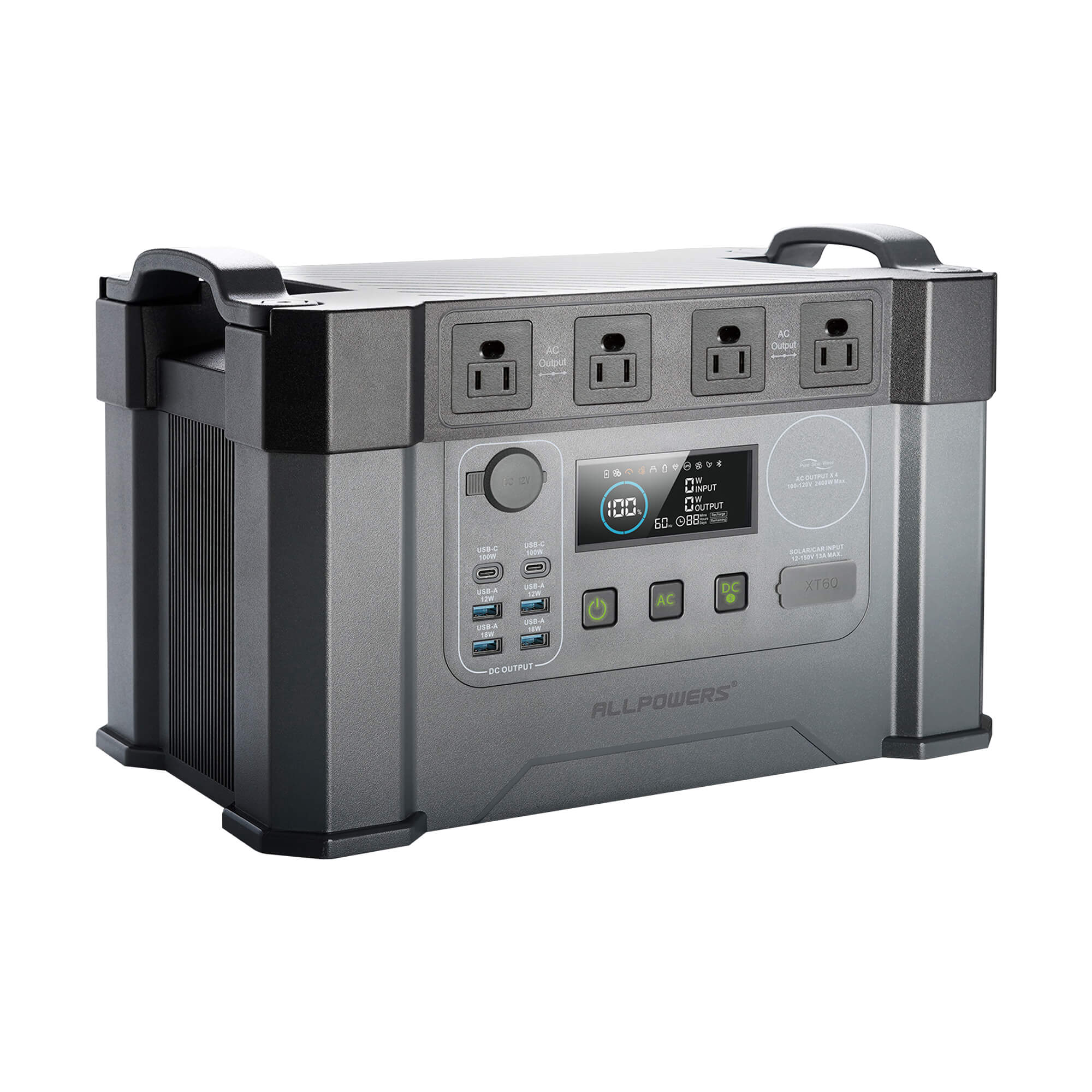
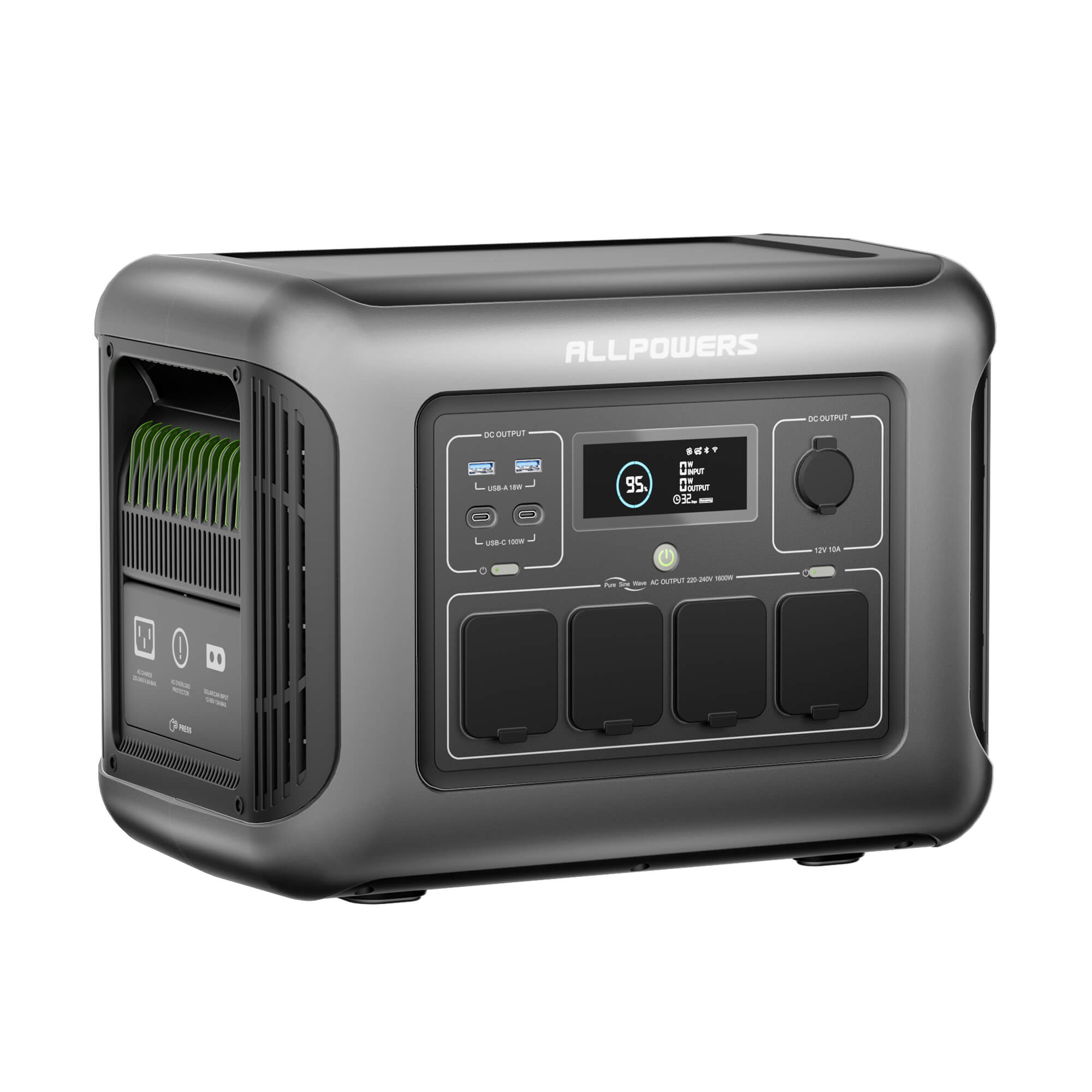
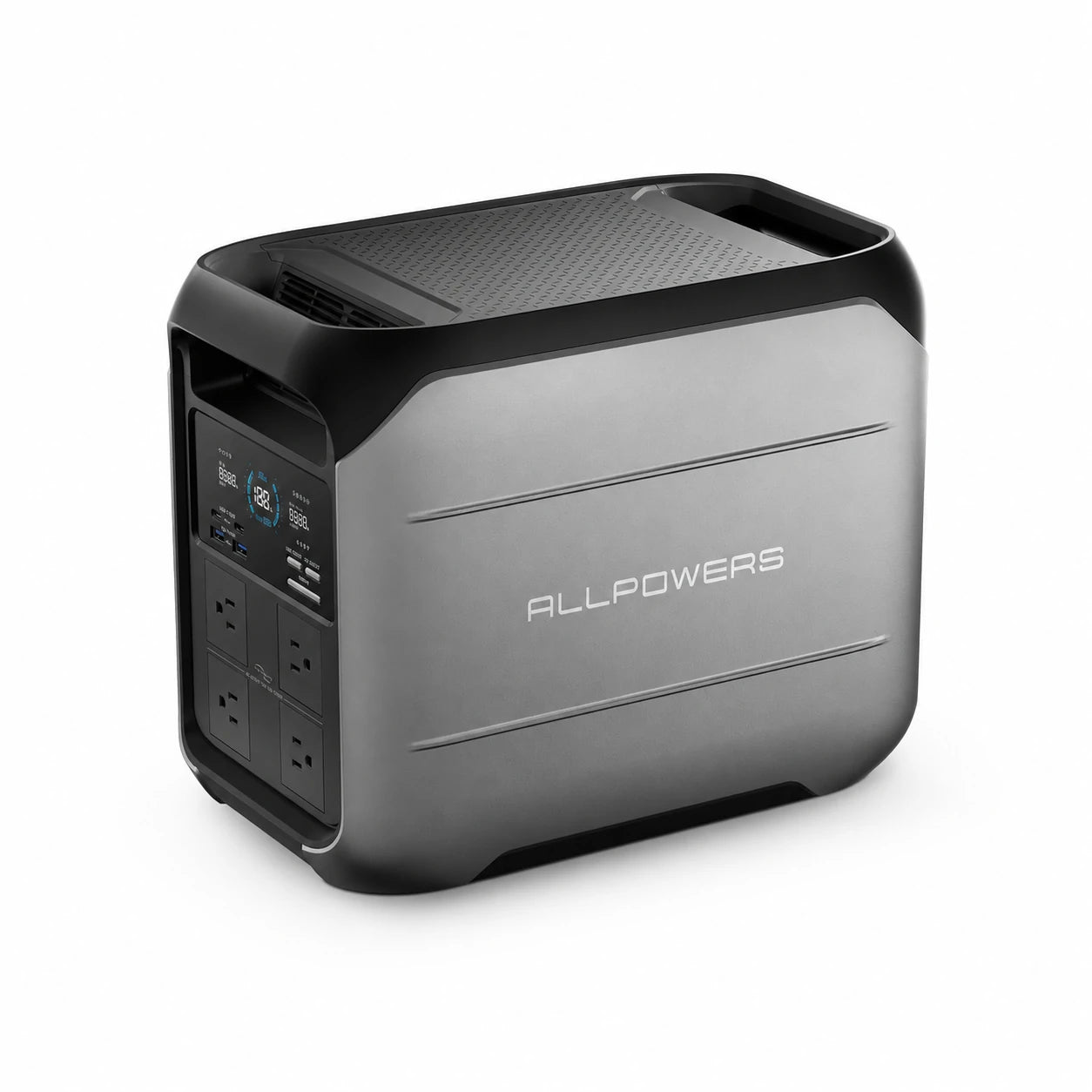
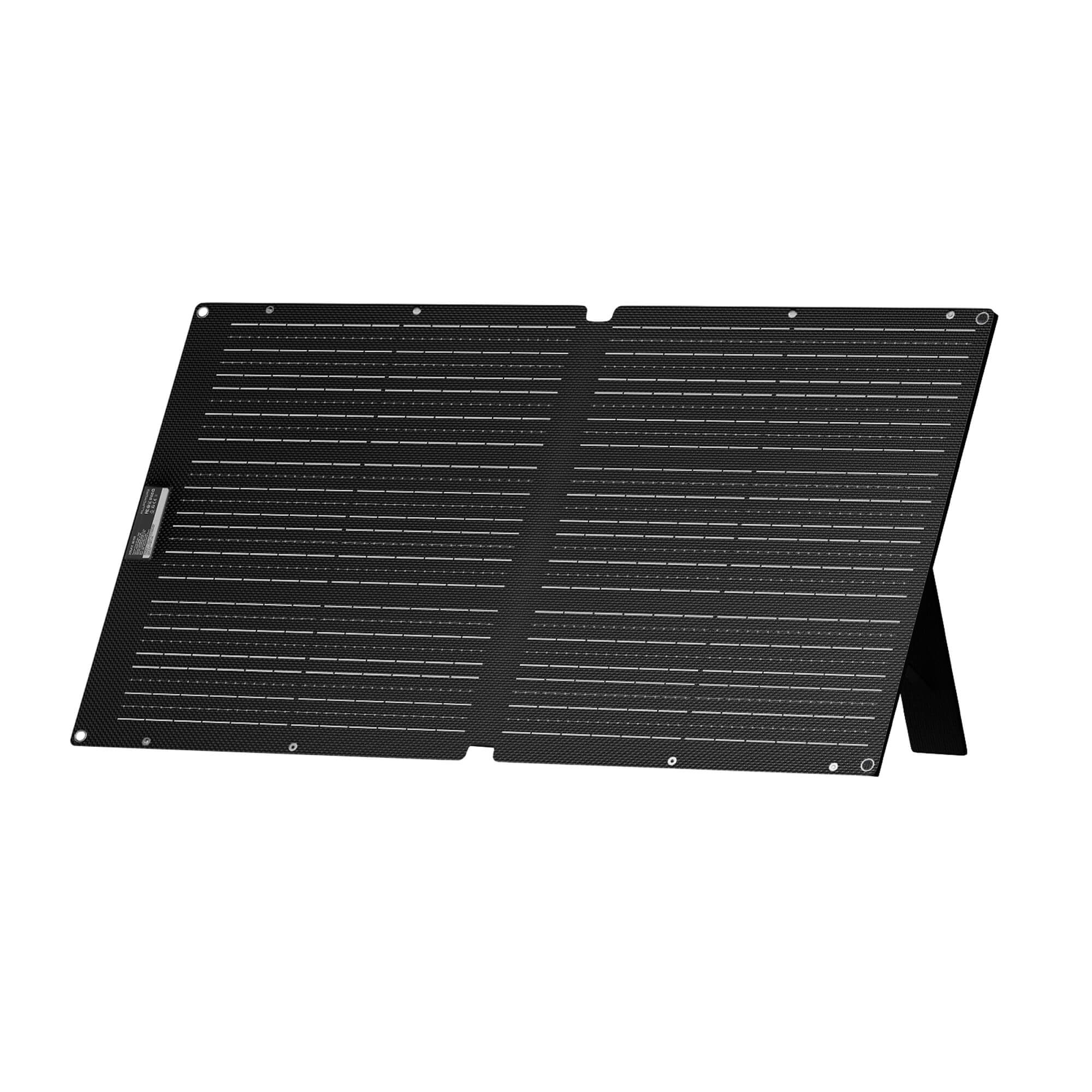
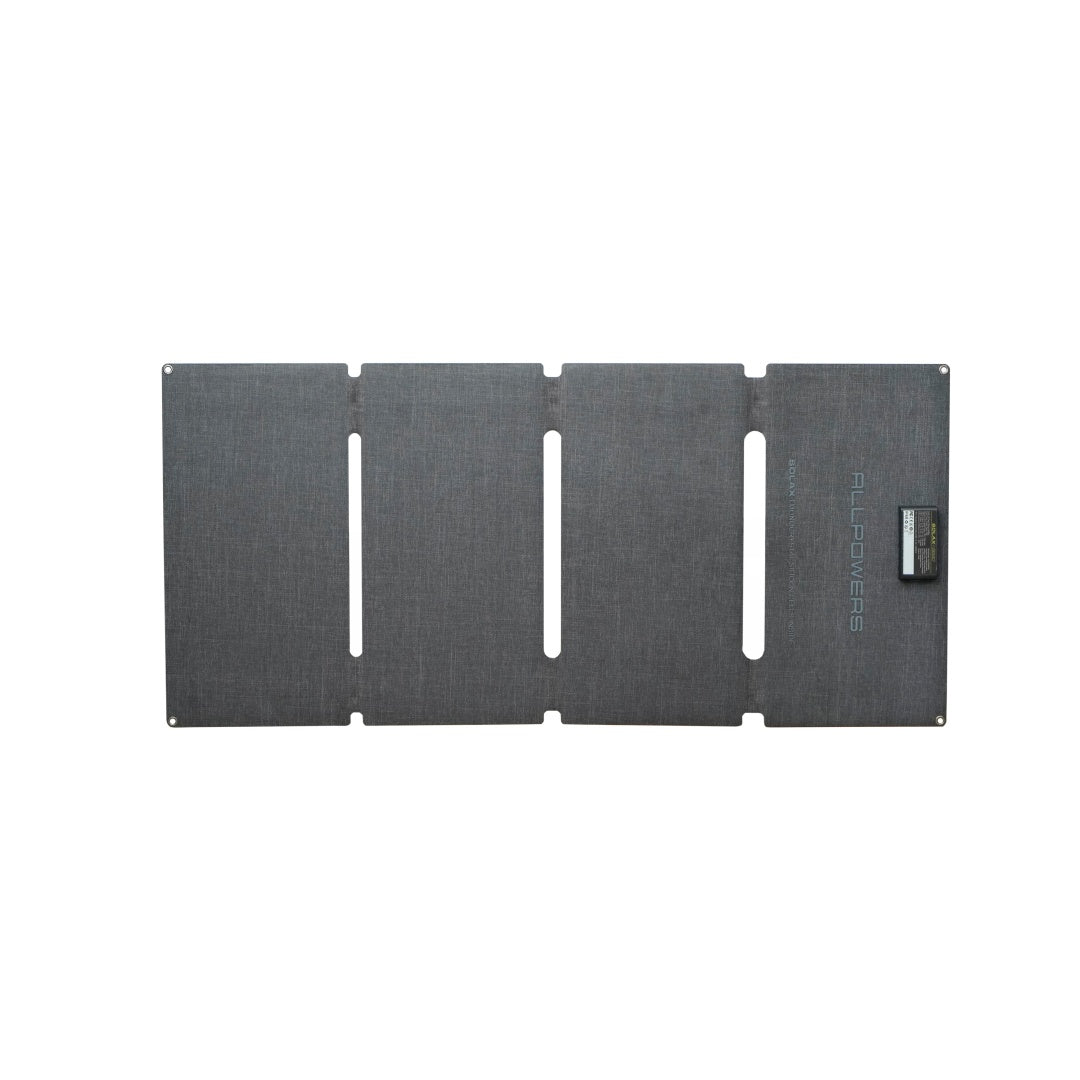
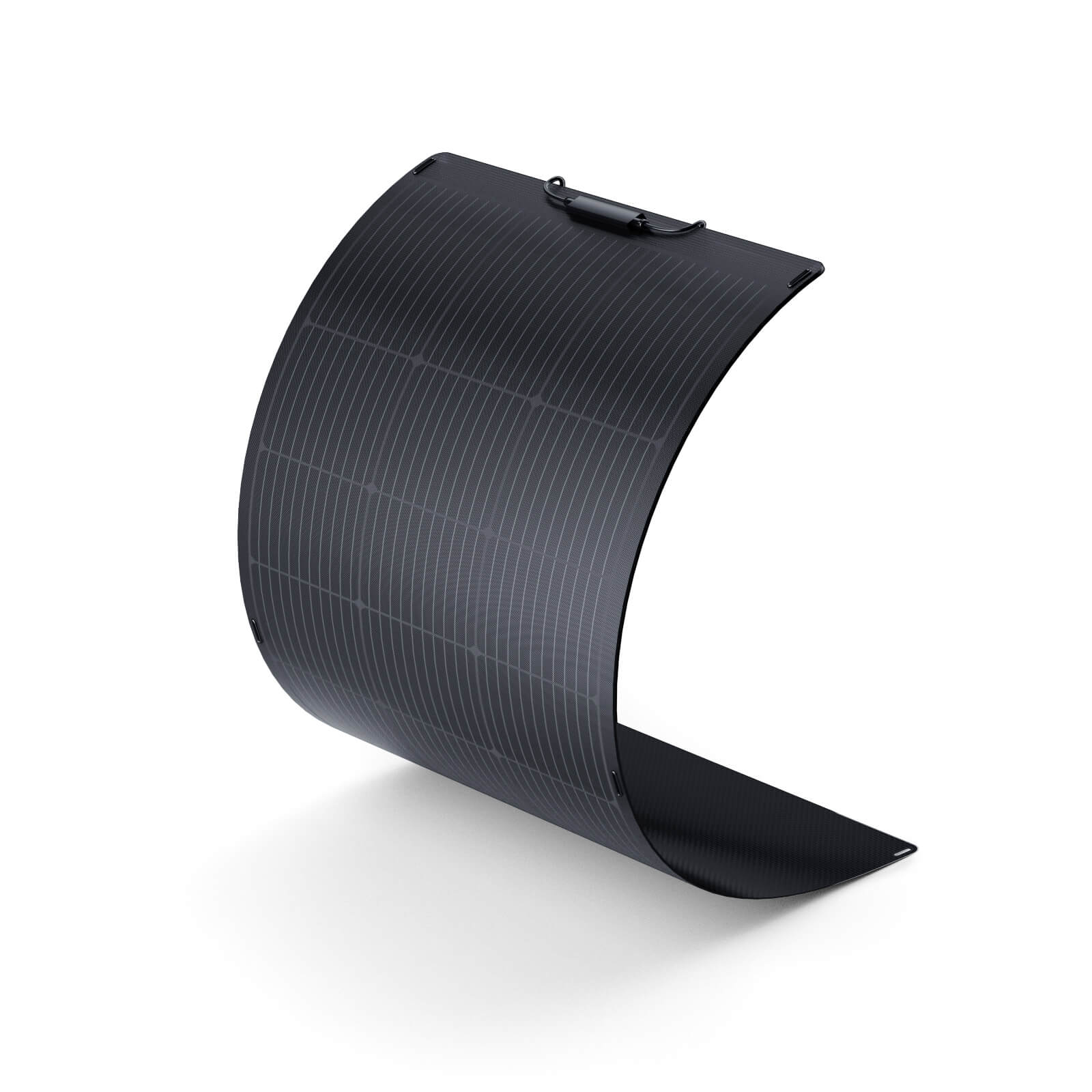
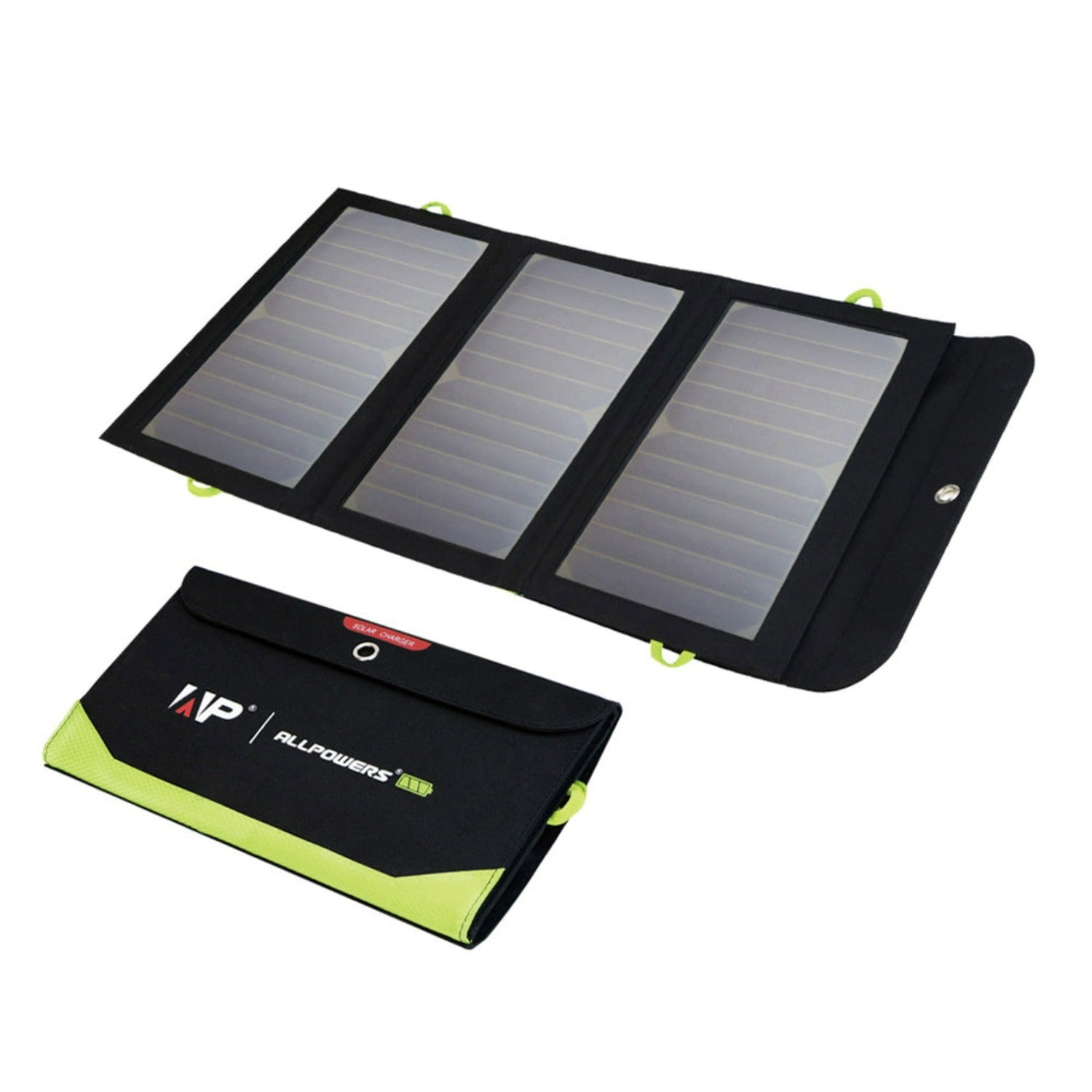
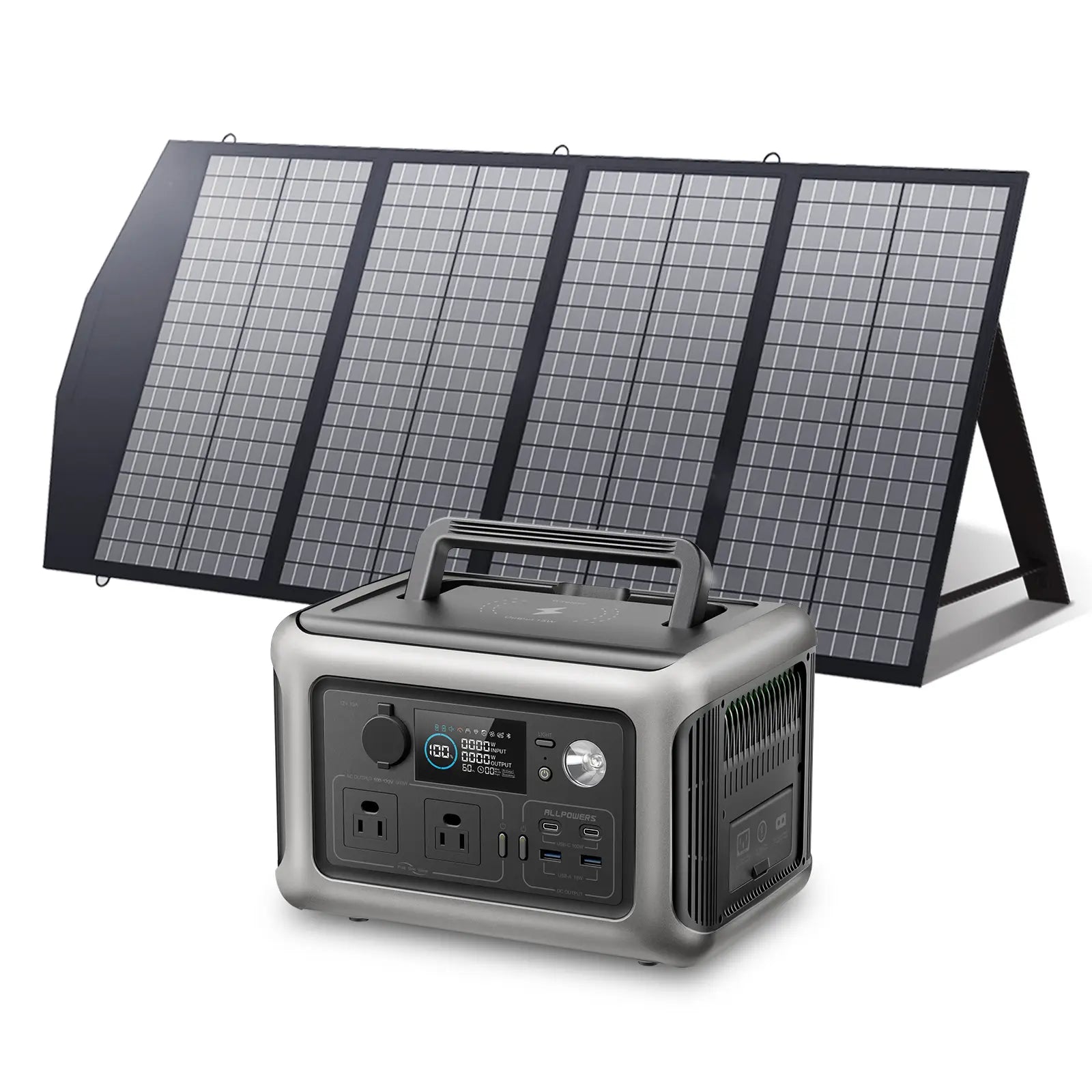
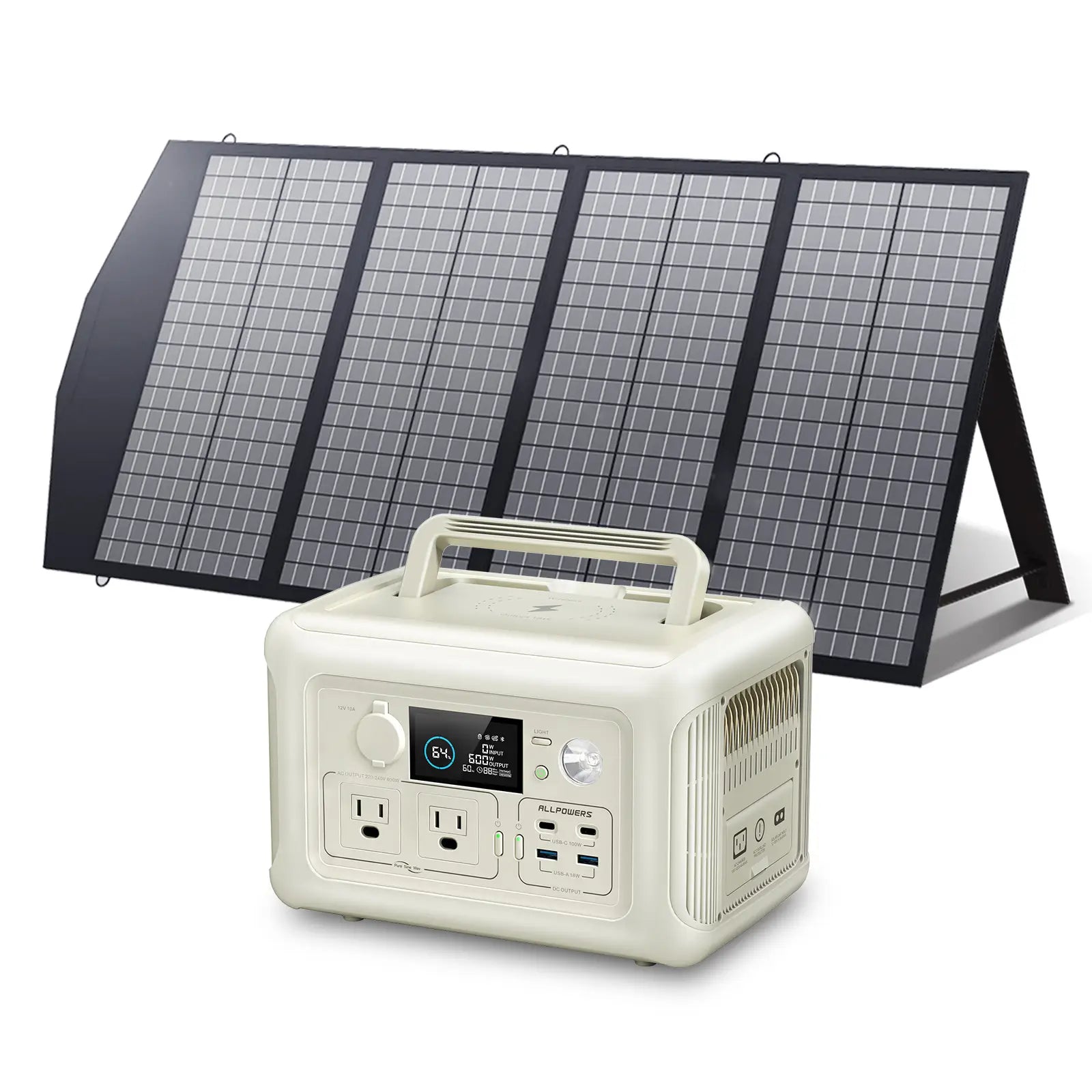
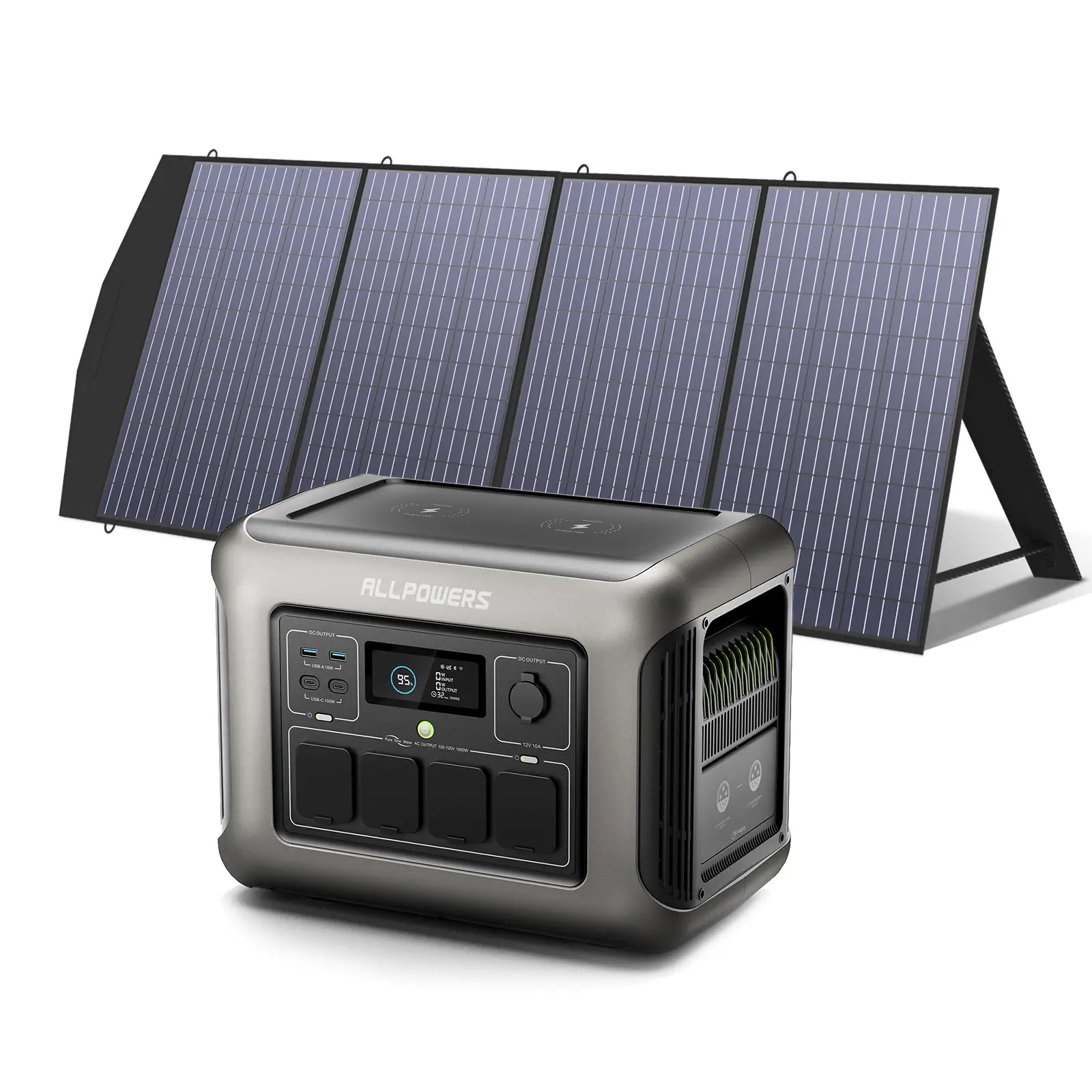
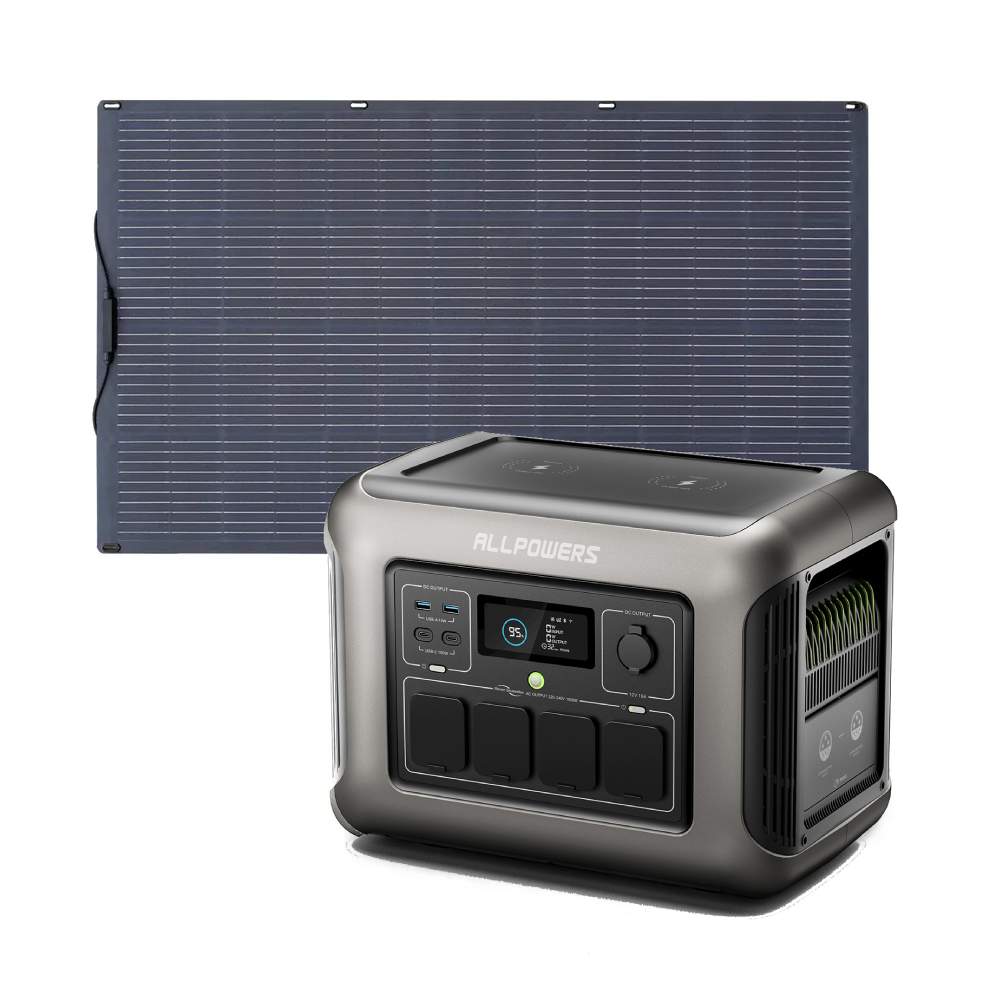
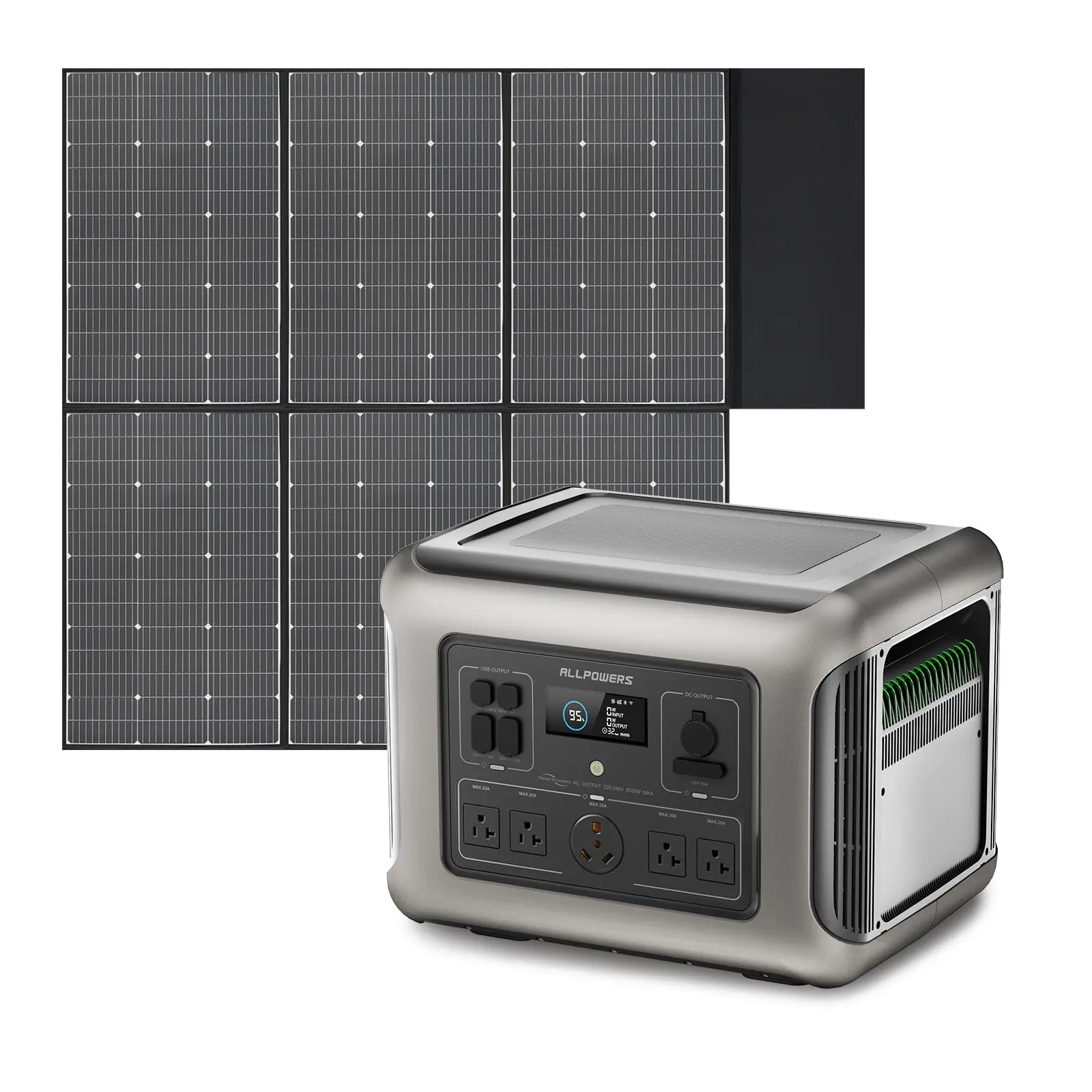
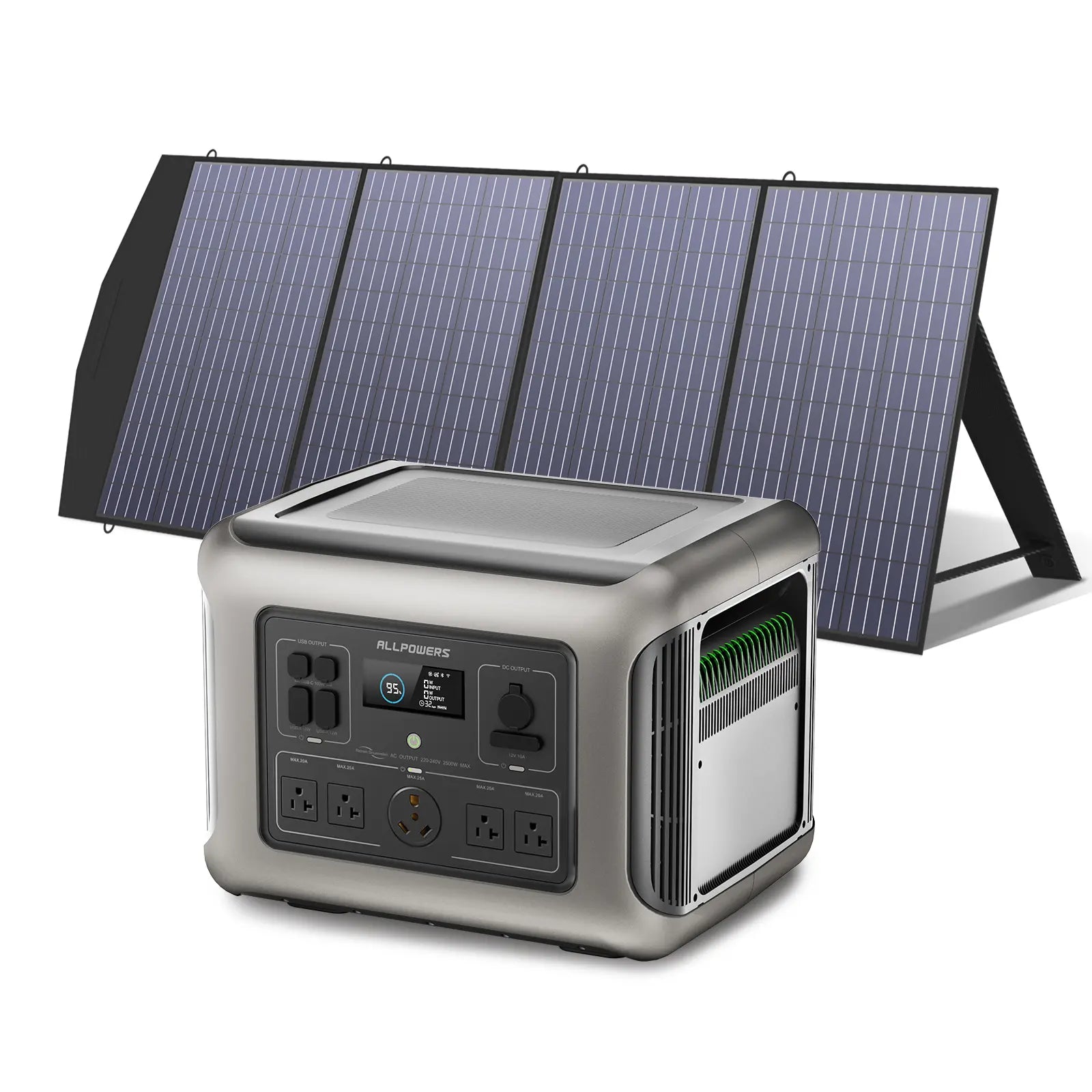
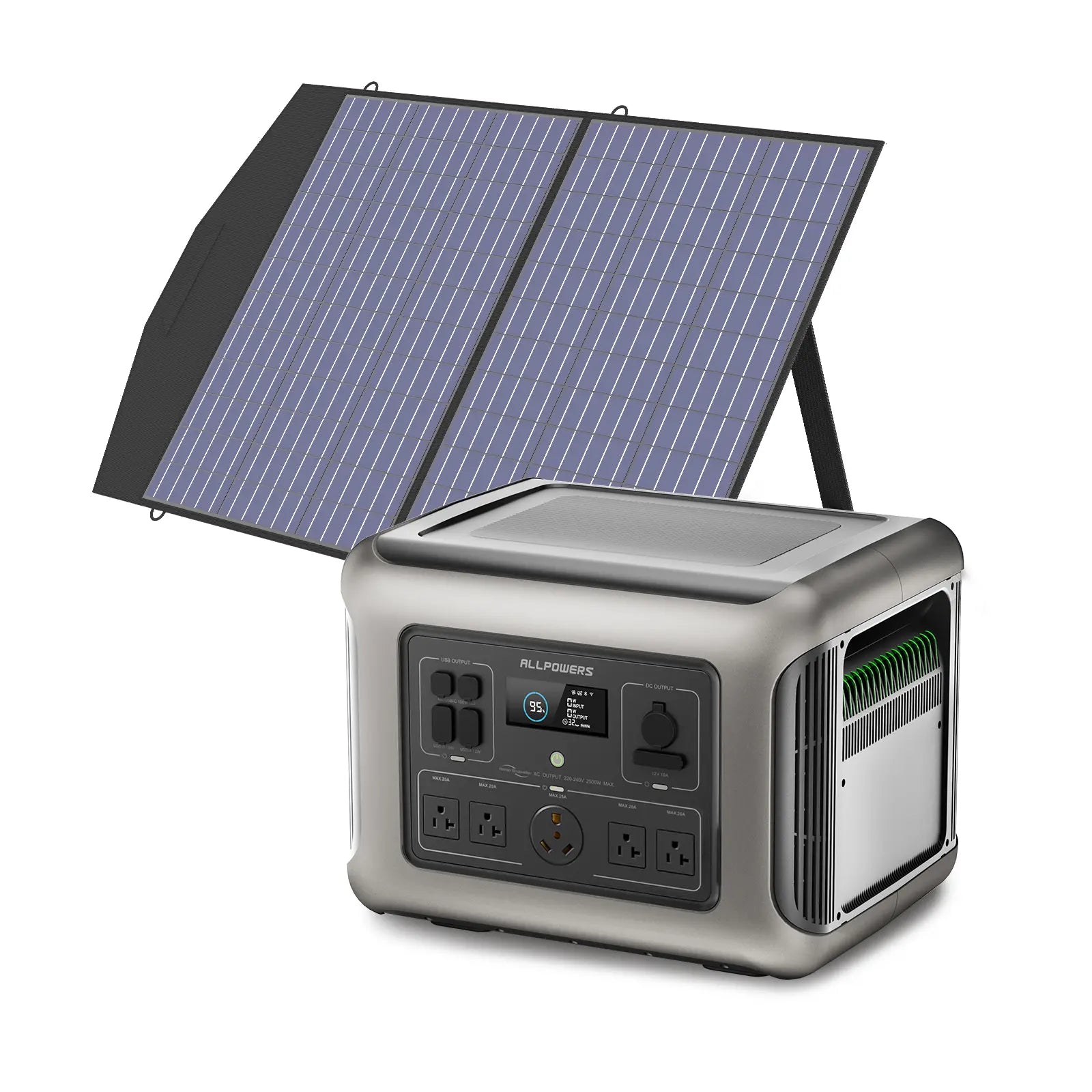
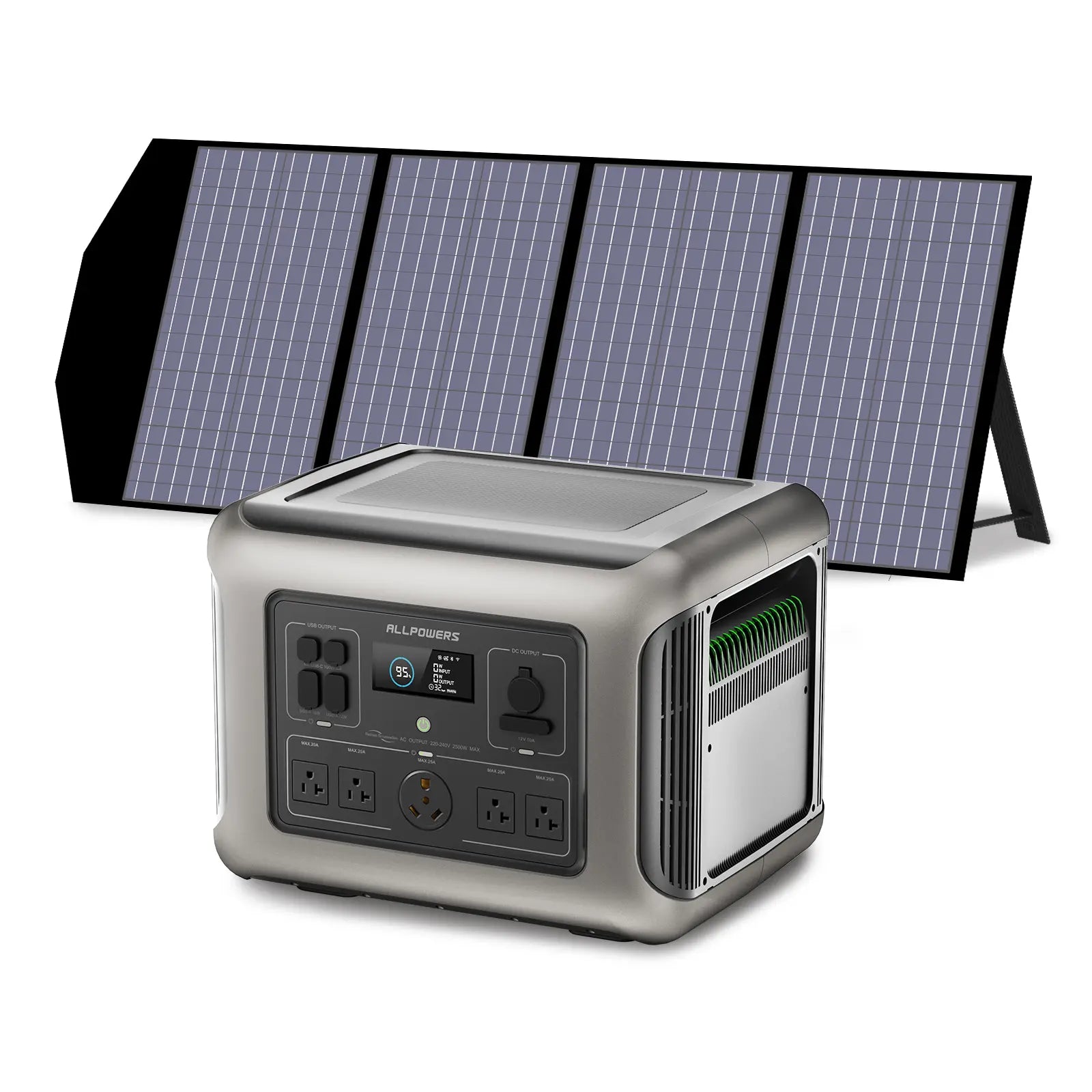
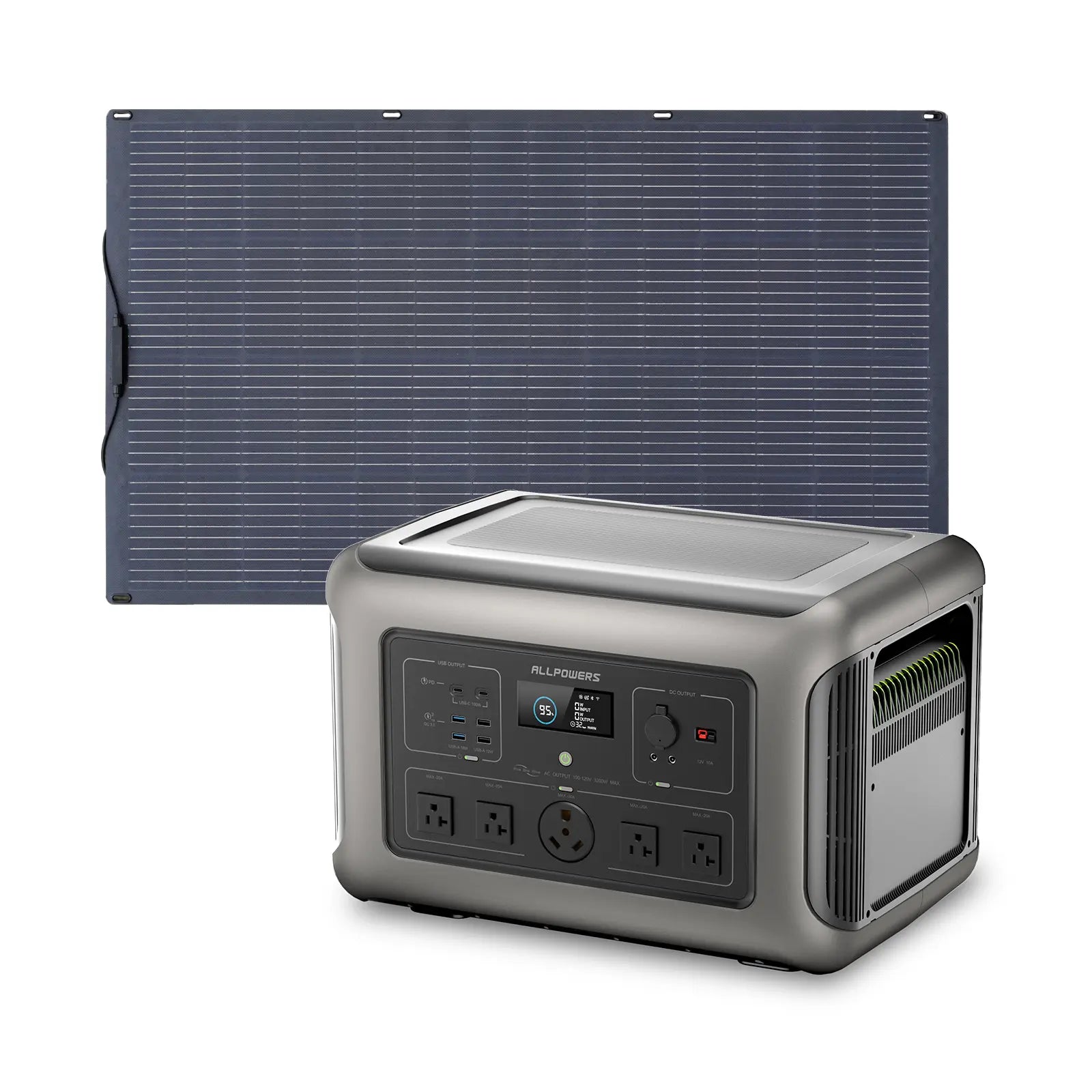
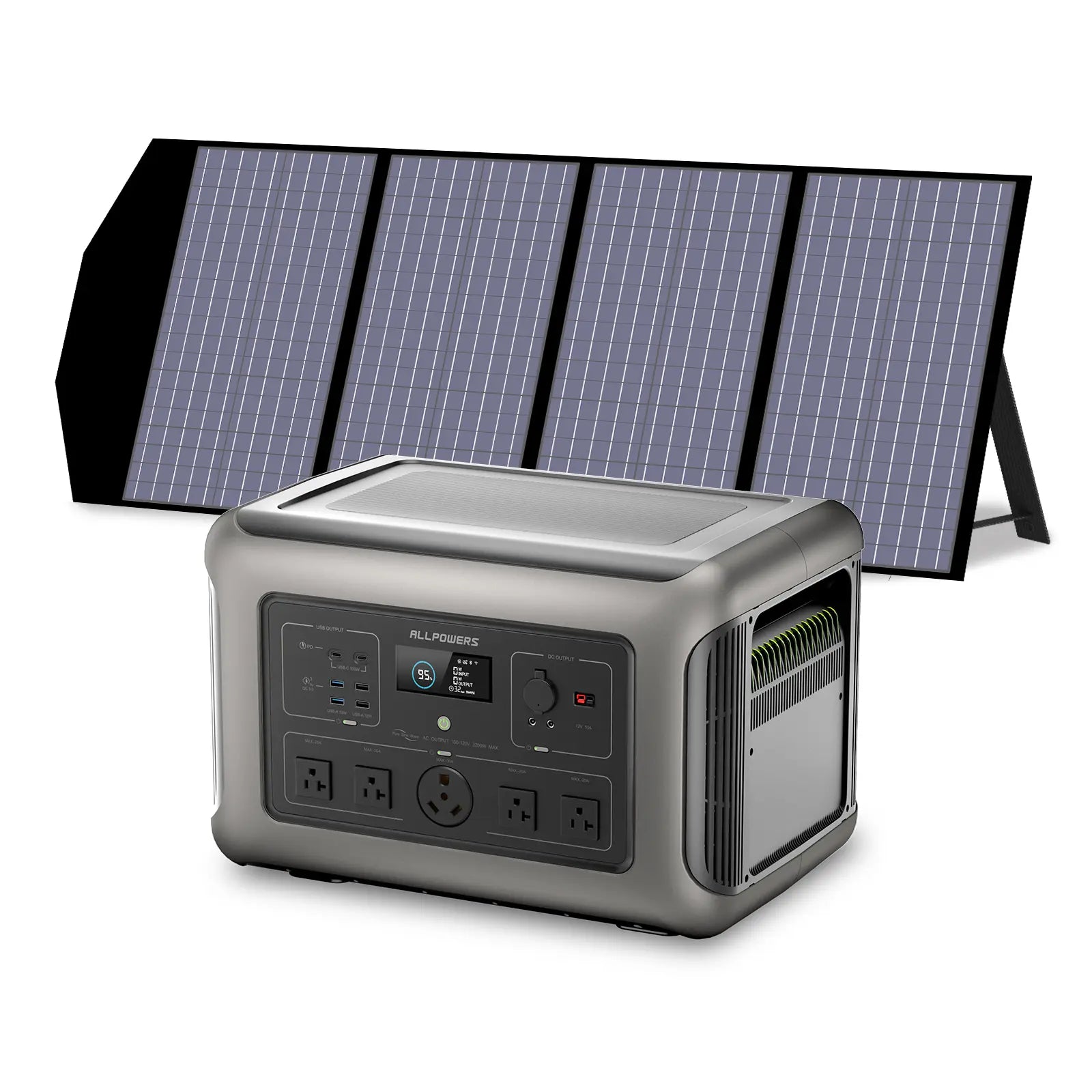
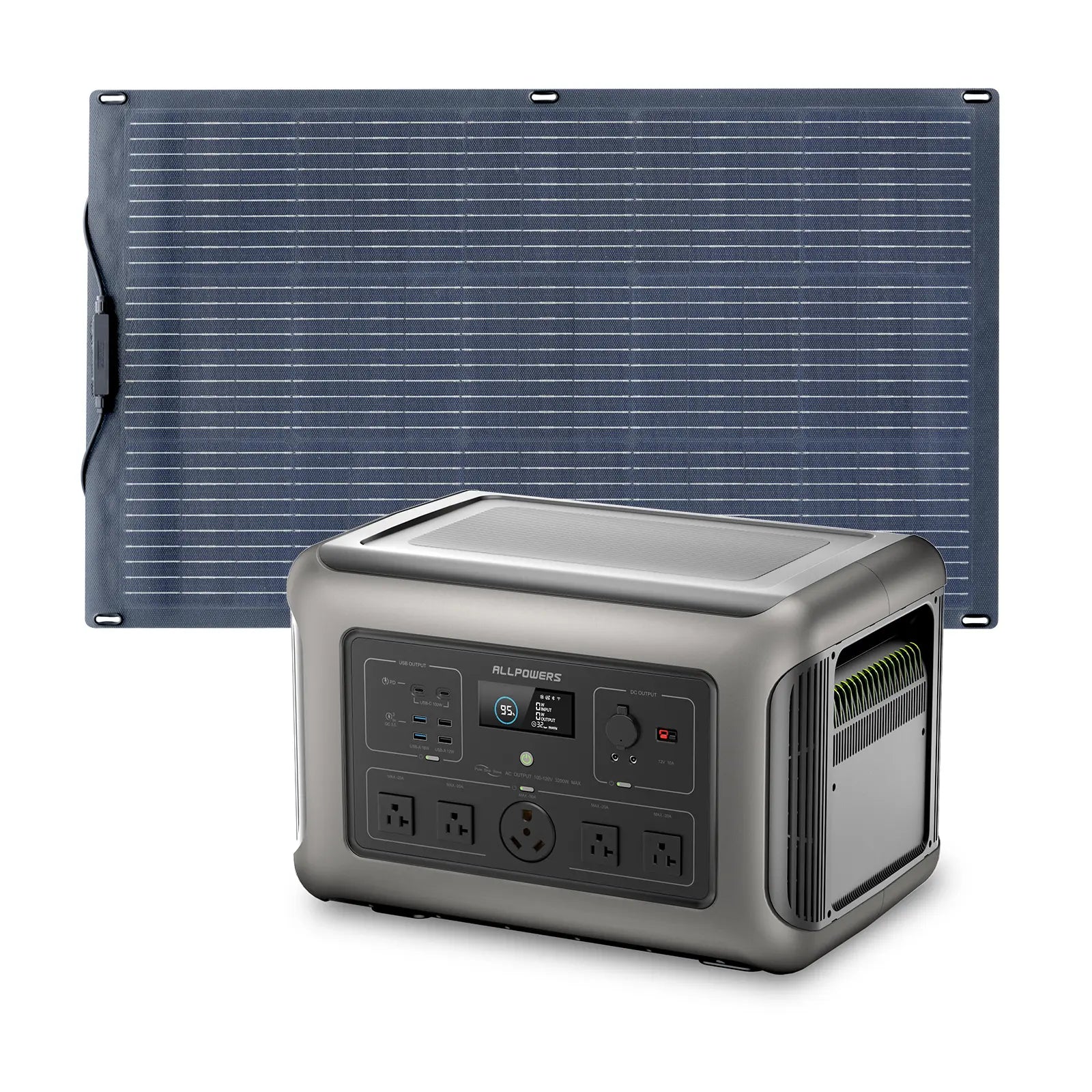
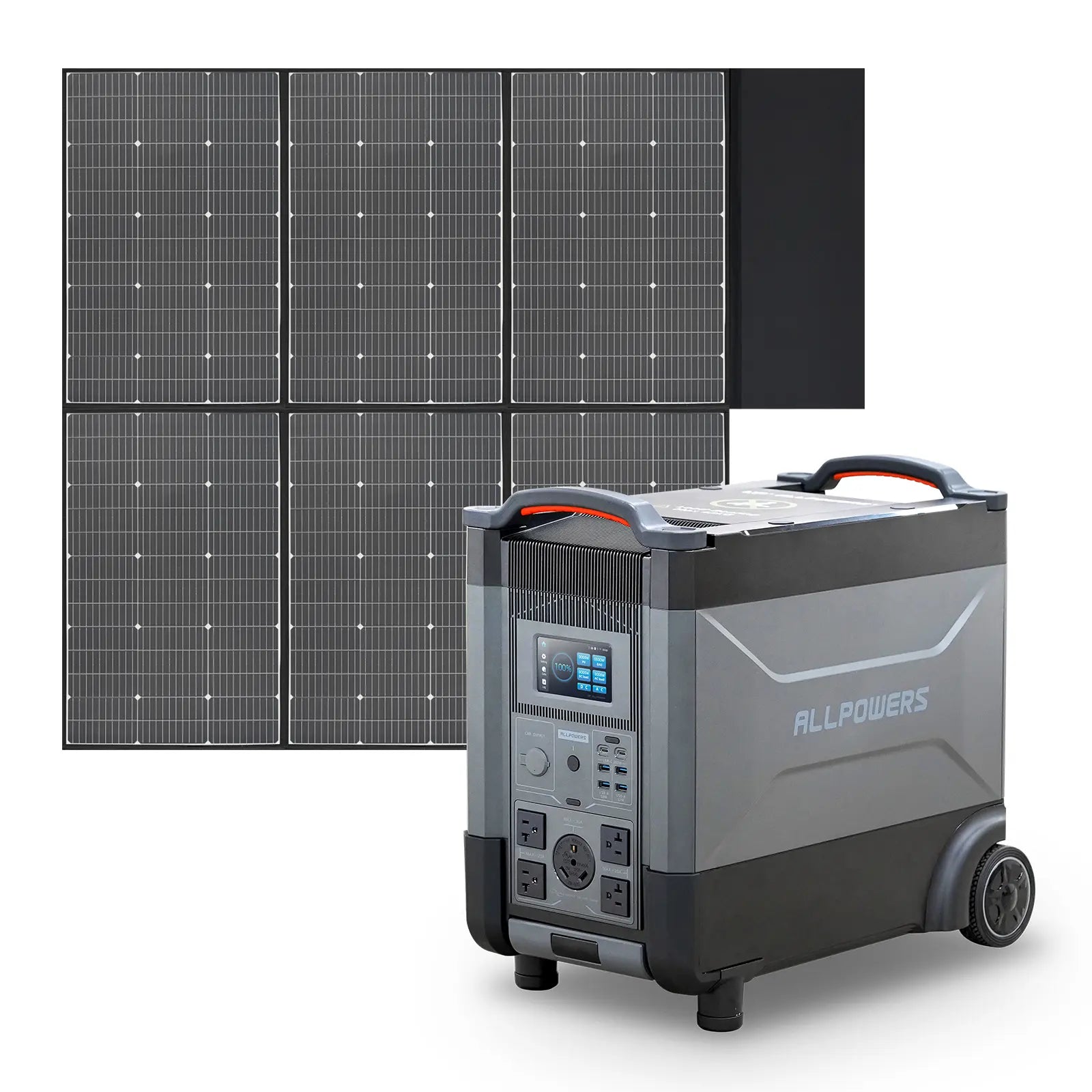
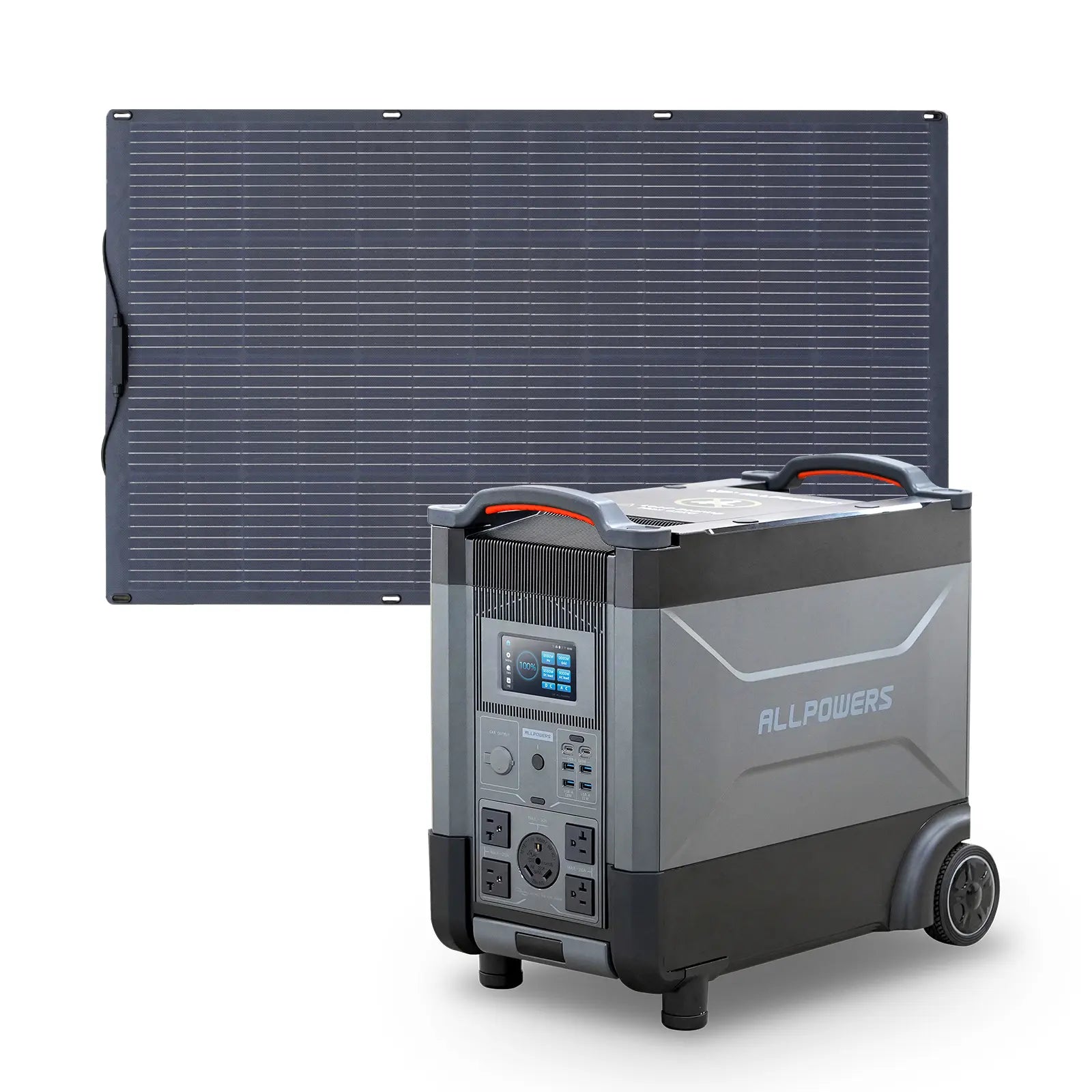
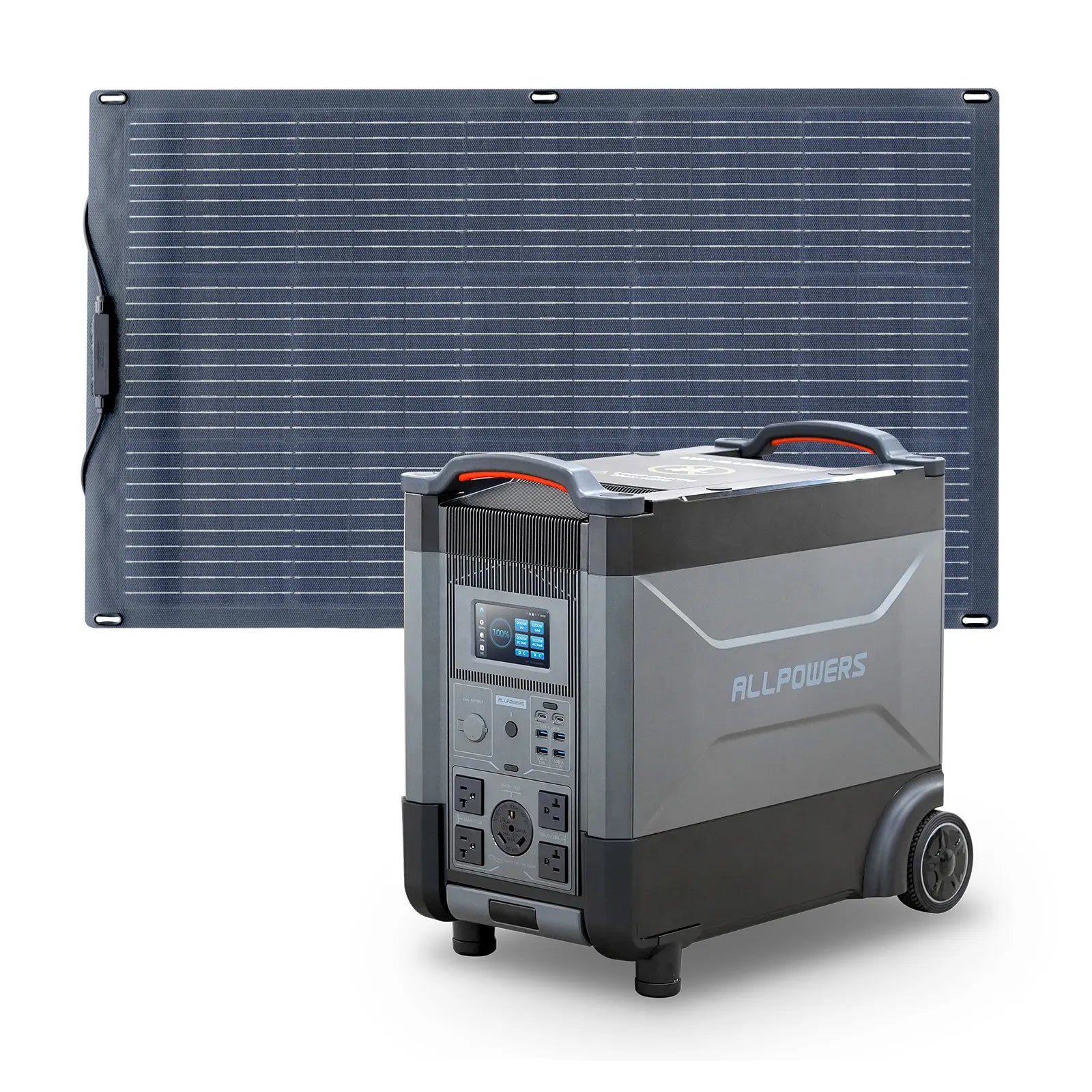
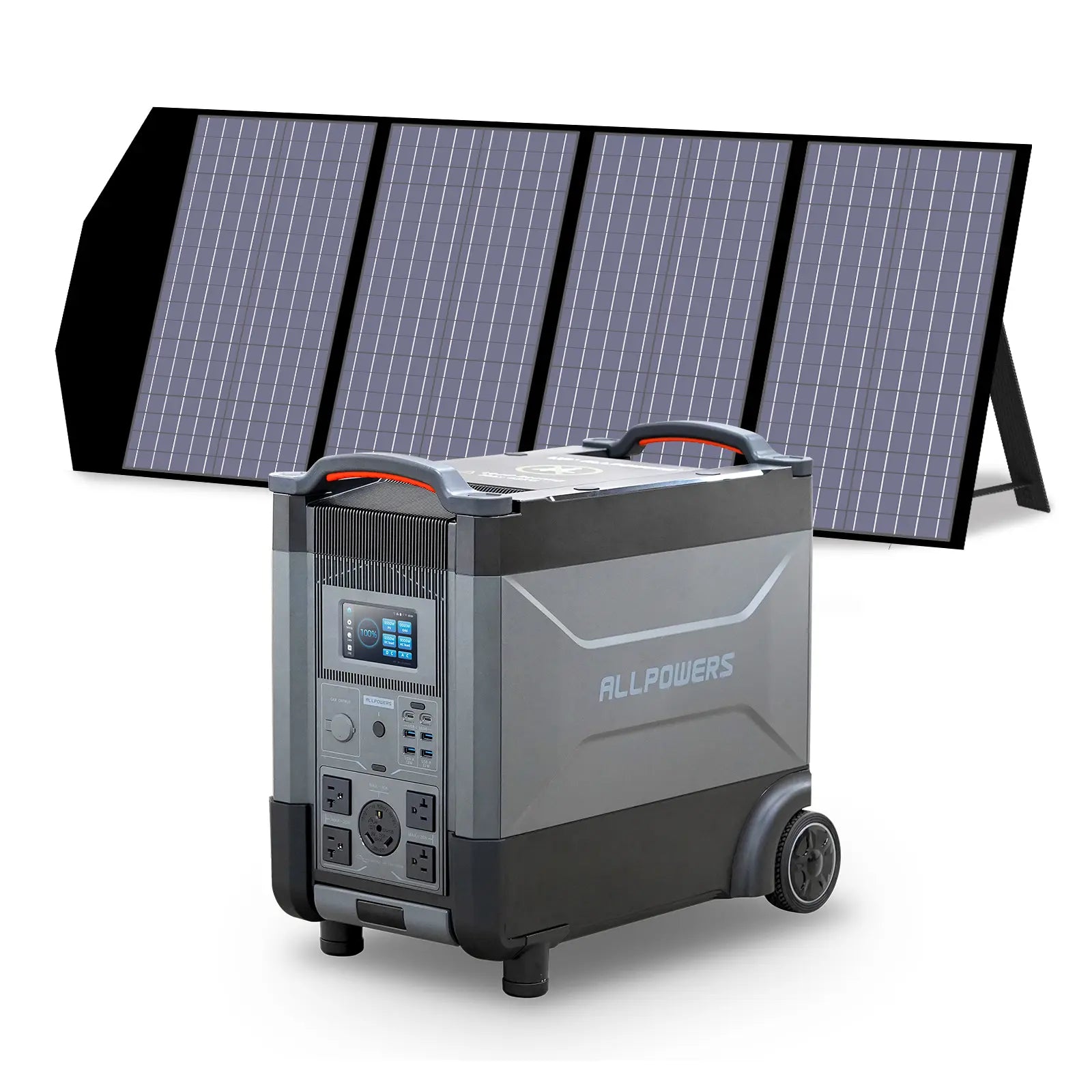
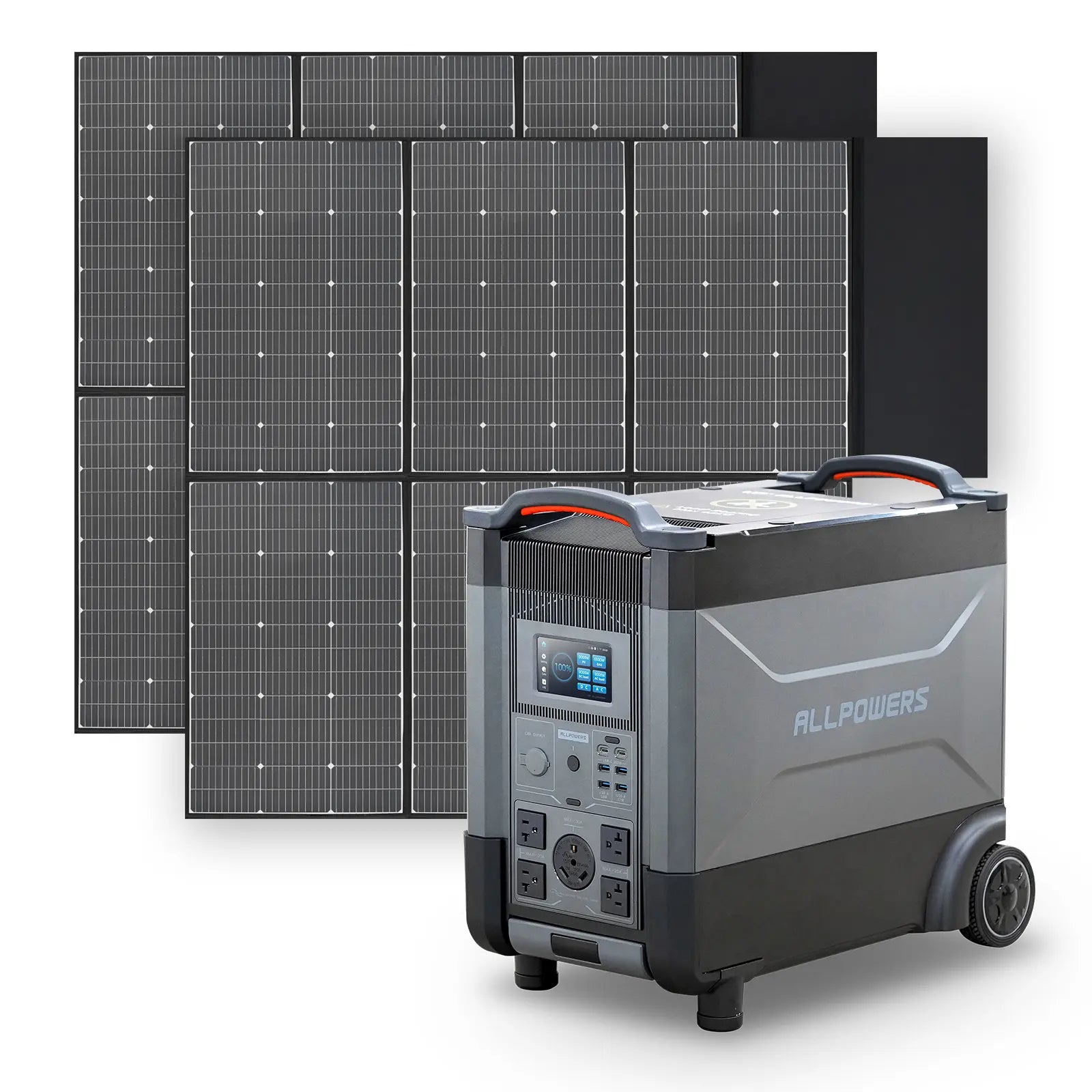
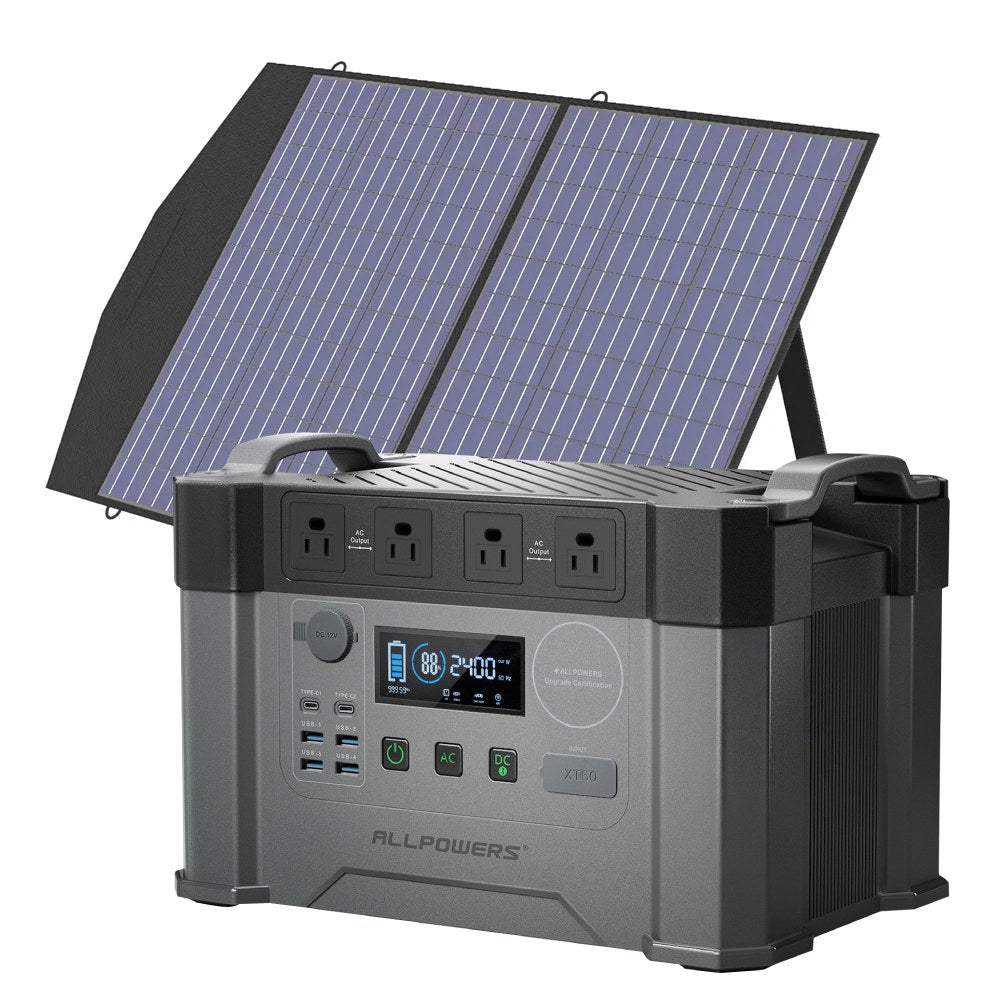
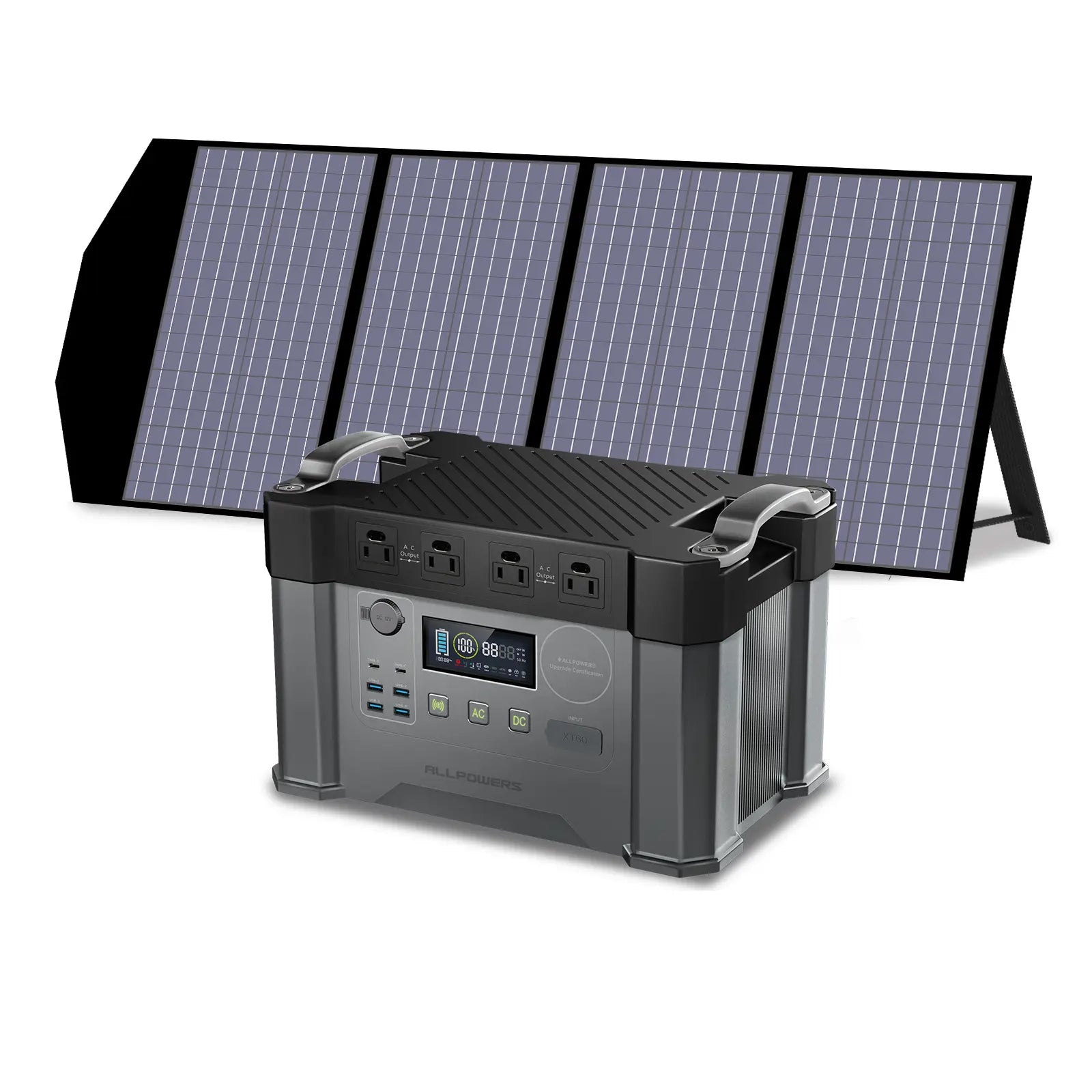
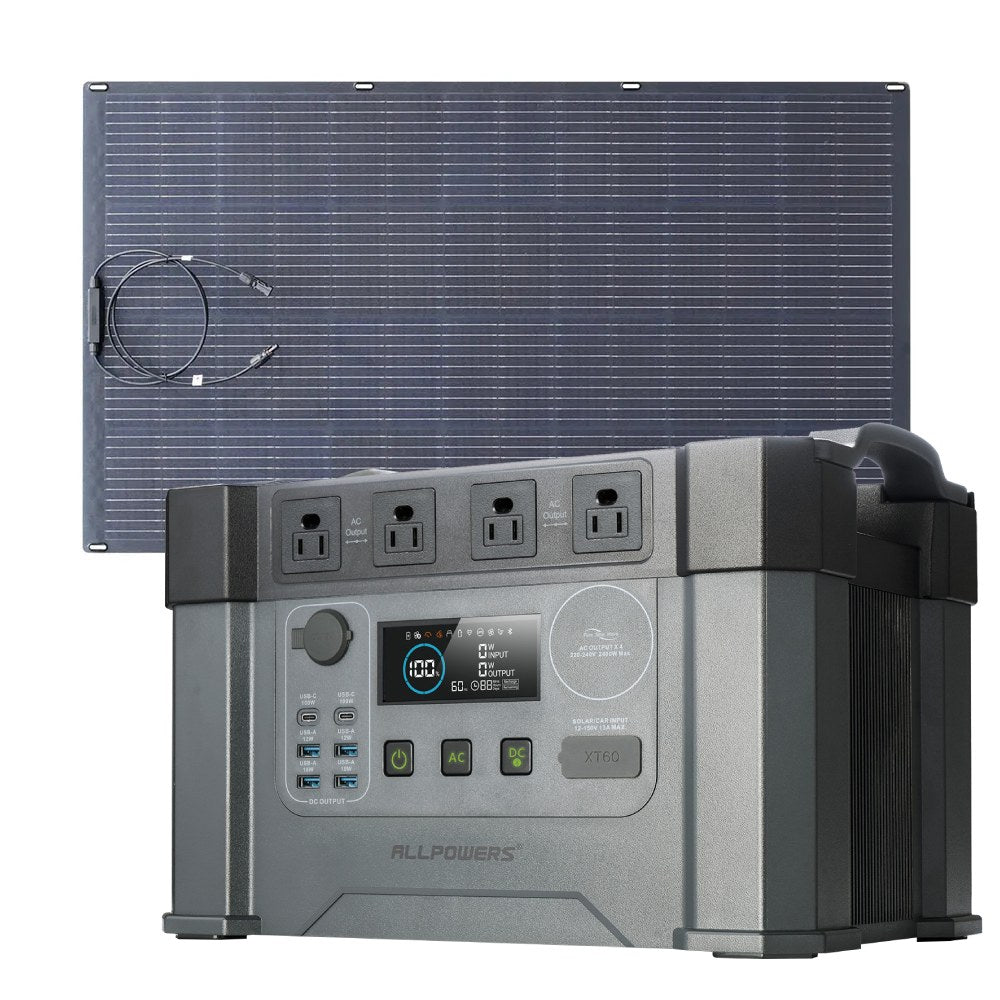
Some residents also keep compact backup energy systems available to recharge phones, tablets, routers, or small electronics during extended outages without relying on building power.
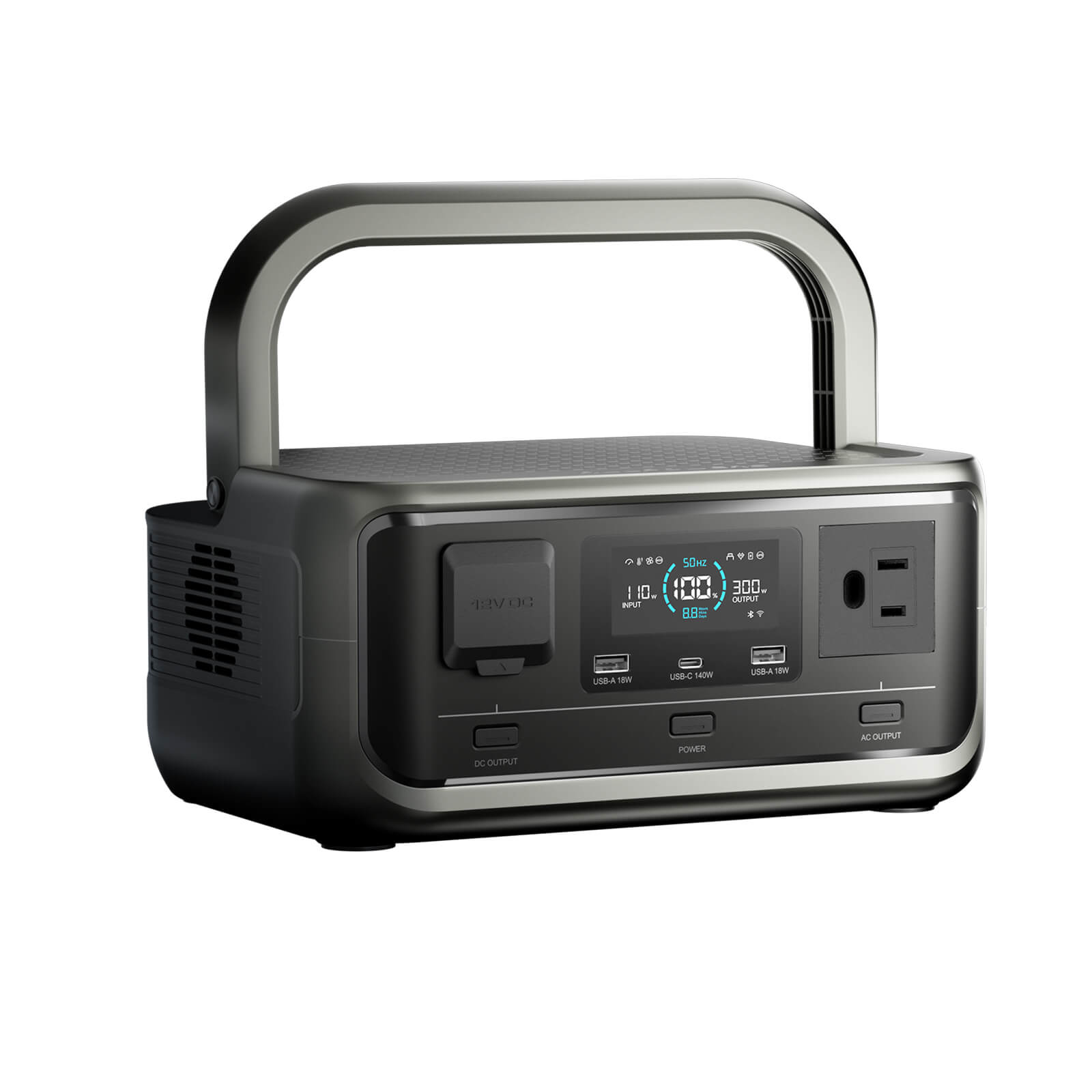
ALLPOWERS VOLIX P300 Portable Power Station
$149.00 $249.00
- 299Wh Capacity;
- 300W AC Output (600W Surge);
- Fast Charge 100% in 1 Hours;
- Ultra-quiet 30dB Under Load ;
- Long-Lasting And Safe Lifepo4 Battery;
Emergency Radios
Battery-powered or hand-crank radios can provide important emergency information if internet or mobile service becomes unreliable.
Food and Water Preparation
Many apartment residents underestimate how quickly food storage becomes difficult during extended outages.
Non-Perishable Foods
Keeping shelf-stable foods such as canned goods, protein bars, dry snacks, and ready-to-eat meals can help reduce dependence on refrigeration.
Water Storage
Clean drinking water is one of the most important emergency supplies during outages.
Some apartment buildings rely on electrically powered pumps to move water through upper floors. During severe outages, water pressure may become limited in certain buildings.
Managing Refrigerated Food
Keeping refrigerator doors closed as much as possible can help preserve cold temperatures longer during outages.
Apartment residents should also understand how long refrigerated food remains safe without electricity.
Keeping Phones and Devices Charged
Communication becomes especially important during apartment outages because residents often depend heavily on digital information and emergency notifications.
Backup Phone Charging
Rechargeable battery banks can help maintain communication access during short outages.
For longer outages, some residents prepare larger backup charging systems capable of supporting multiple devices simultaneously.
Internet and Wi-Fi Equipment
Even if internet providers remain operational, apartment Wi-Fi routers stop functioning without electricity.
Some apartment residents use small backup battery setups to temporarily power internet equipment during outages, especially when remote work or emergency communication is important.
Emergency Lighting and Safety
Lighting is one of the first problems apartment residents notice during outages, especially in larger buildings with interior hallways or stairwells.
LED Lanterns and Rechargeable Lights
LED emergency lighting typically lasts much longer than traditional incandescent lighting while generating less heat.
Avoiding Candle Risks
Candles may seem convenient, but they create additional fire hazards in apartment buildings where evacuation routes may already be limited.
Preparing Medical and Essential Devices
Some apartment residents rely on medical equipment or essential electronics that require continuous electricity.
CPAP Machines and Medical Equipment
Medical devices such as CPAP machines may require backup power planning during overnight outages.
Residents who depend on powered medical devices should understand battery requirements and emergency charging options before outages occur.
Medication Storage
Certain medications may require refrigeration, which can become difficult during long outages.
Apartment residents should discuss emergency storage recommendations with healthcare providers when necessary.
Apartment Power Outage Checklist
| Emergency Item | Purpose | Importance Level | Recommended Backup Duration |
|---|---|---|---|
| Flashlights and LED Lanterns | Emergency Lighting | High | Several Days |
| Battery Banks | Phone Charging | High | 1–3 Days |
| Emergency Water Supply | Drinking Water | Critical | Several Days |
| Non-Perishable Food | Emergency Meals | High | Several Days |
| Emergency Radio | News and Alerts | Medium | Extended Outages |
| Backup Medical Power | Medical Equipment | Critical | Overnight or Longer |
Common Apartment Blackout Mistakes
Waiting Until an Emergency Happens
Many residents only think about emergency preparation after the power has already failed.
Relying Entirely on Phones
Phones are useful, but battery life can become limited quickly during extended outages.
Using Unsafe Indoor Generators
Gas-powered generators should never be operated inside apartments, balconies, or enclosed spaces because of carbon monoxide risks.
Learn More: Can You Use a Generator in an Apartment?
Ignoring Building Policies
Some apartment buildings have restrictions regarding emergency equipment, open flames, or balcony power devices.
Creating a Practical Apartment Emergency Plan
Power outages are often unpredictable, but preparation can reduce stress and improve safety significantly.
Apartment residents do not necessarily need large amounts of equipment to prepare effectively. In many cases, simple planning, organized emergency supplies, reliable lighting, backup charging options, and clear communication strategies make the biggest difference during a blackout.
Urban living presents unique challenges during emergencies, but thoughtful preparation can help apartment residents remain safer, more comfortable, and better connected when the power suddenly goes out.
Frequently Asked Questions
How long should apartment residents prepare for a power outage?
Many emergency organizations recommend preparing for at least several days without normal utility services.
Can you use a gas generator inside an apartment?
No. Gas-powered generators should never be used indoors because they create dangerous carbon monoxide risks.
What is the safest lighting option during a blackout?
Battery-powered LED flashlights and lanterns are generally considered the safest emergency lighting solutions.
How can I keep my phone charged during a power outage?
Rechargeable power banks and backup battery systems can help maintain communication access during outages.
Will apartment buildings lose water during power outages?
Some buildings may experience water issues if water pumps rely on electricity to operate.