







Living in an apartment sounds simple on paper—plug in your devices, pay your utilities, and move on with life.
Then there’s the occasional power outage, when suddenly that rhythm stops.
It’s in that moment that many people wonder about backup power—Power goes out, you plug in your essentials, life goes on.
But is it permissible to use generators in a shared living space like an apartment building?
TL;DR:
Using a traditional fuel generator in an apartment is generally unsafe and often illegal due to fumes, fire risks, and noise restrictions. However, battery-based and solar-powered alternatives provide a safer, quieter way to keep essential devices running without violating building rules or risking health.
Why traditional generators are such a hard no indoors.
Safety concerns
Most traditional generators run on gasoline, propane, or diesel.
These fuels burn, and burning creates exhaust—specifically carbon monoxide.
That’s the silent, odorless gas you really don’t want anywhere near your living space.
In a house with a backyard, you can place a generator far from windows and doors. In an apartment? Not so easy.
Balconies are enclosed, airflow is unpredictable, and neighbors are close—sometimes uncomfortably close. Even a small unit can push fumes indoors, especially on still days.
You know what’s unsettling? Carbon monoxide poisoning doesn’t give you much warning. No smell, no visible smoke. Just a slow, dangerous buildup.
Noise
Traditional generators aren’t exactly known for being subtle. Even so-called “quiet” models can hum at around 50 to 60 decibels.
In an apartment, that matters. Walls are thinner than we like to admit. Floors carry vibrations.
And apartment living comes with its own unspoken rules. You tolerate your neighbor’s late-night TV; they tolerate your occasional music.
But a generator running for hours? That’s a different story.
Complaints can escalate quickly, and building management tends to side with collective comfort over individual convenience.
Space limitations
Apartments don’t leave much room for bulky equipment. A traditional generator needs space—not just for the unit itself, but also for safe operation.
You need clearance around it. You need proper ventilation. You need a stable, non-flammable surface.
And storage becomes its own headache. Fuel has to be kept somewhere, often in approved containers.
But storing gasoline indoors? That’s risky. Storing it on a balcony? That can violate fire codes.
Building regulations
Apartment living comes with layers of rules—fire codes, lease agreements, local regulations. And those rules exist for a reason.
Many cities explicitly ban the use of fuel-powered generators indoors or on balconies.
Fire departments don’t mess around with this. Fuel storage alone can violate safety codes.
Add in the risk of sparks, overheating, or improper ventilation, and it becomes clear why landlords are cautious.
Even if there isn’t a clear ban, most leases include clauses about hazardous equipment or activities that could endanger others.
A generator, especially a gas one, often falls into that gray area that quickly turns black-and-white if something goes wrong.
Power needs in apartments are smaller
In a house, you might think about HVAC systems, well pumps, large appliances.
In an apartment, the list shrinks. You care about keeping food from spoiling, staying connected, and having light.
A phone charger uses maybe 5–20 watts. A laptop, 50–100 watts. A small fridge might hover around 100–200 watts when cycling.
And honestly, when you break it down like that, the idea of hauling in a bulky, fuel-powered generator starts to feel… excessive.
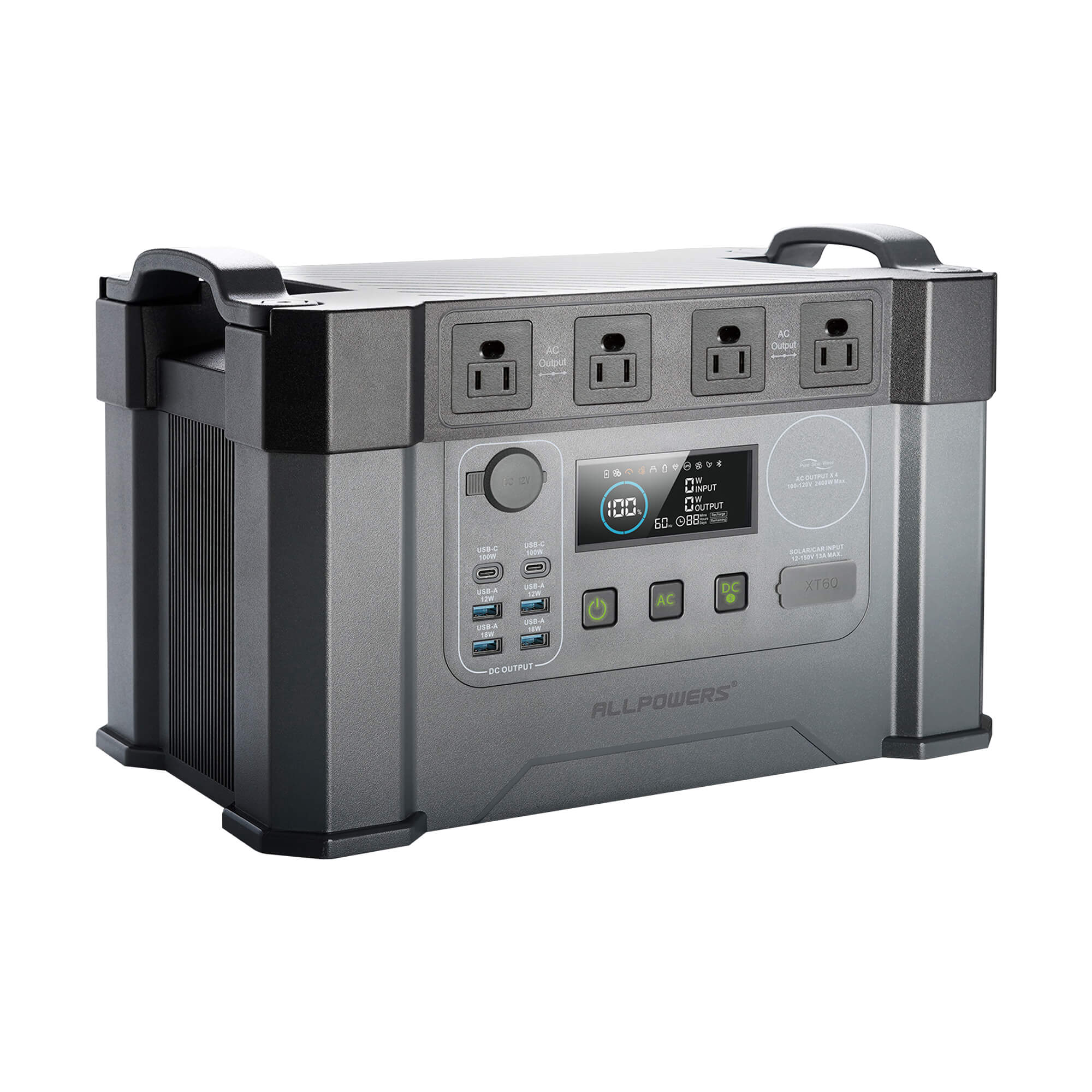
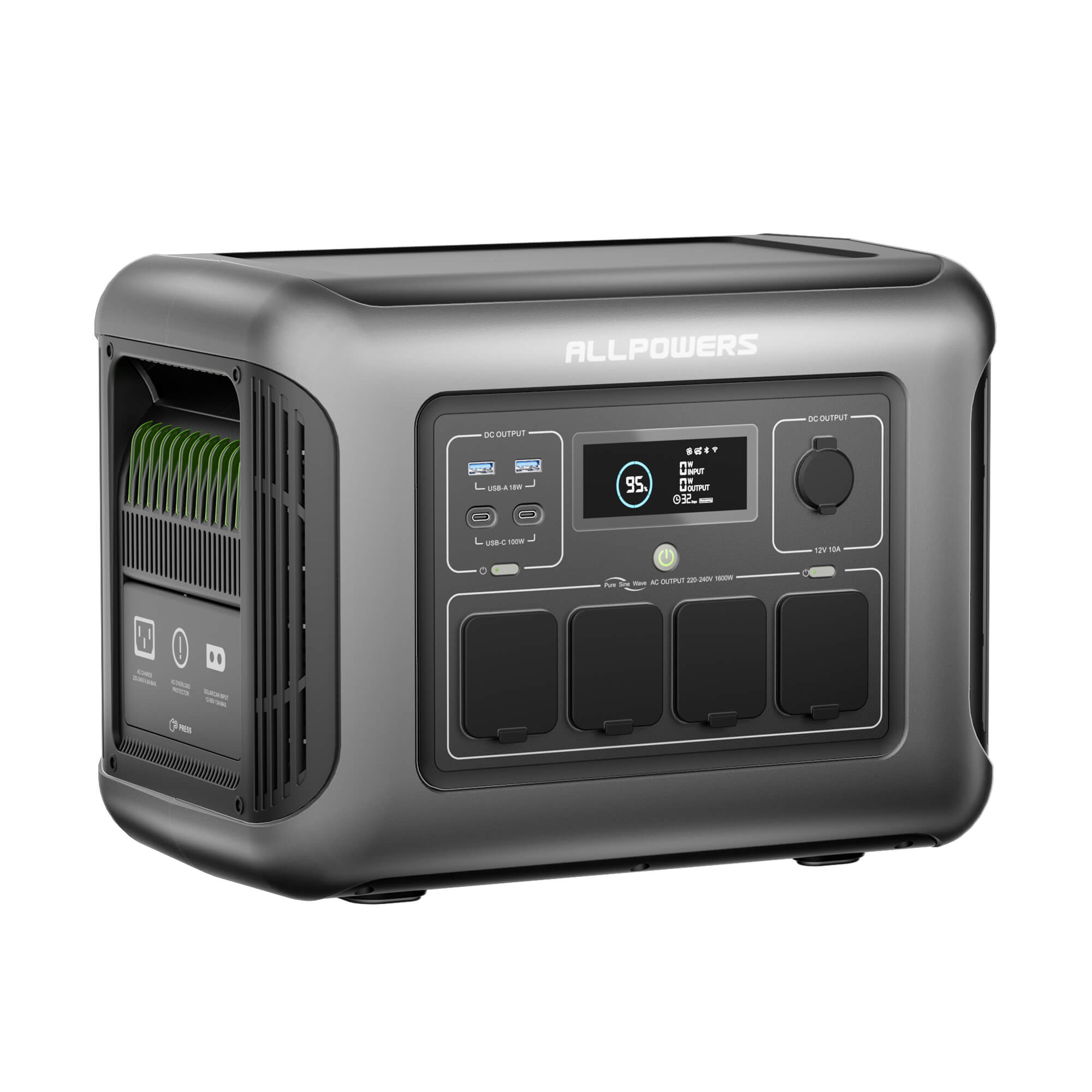
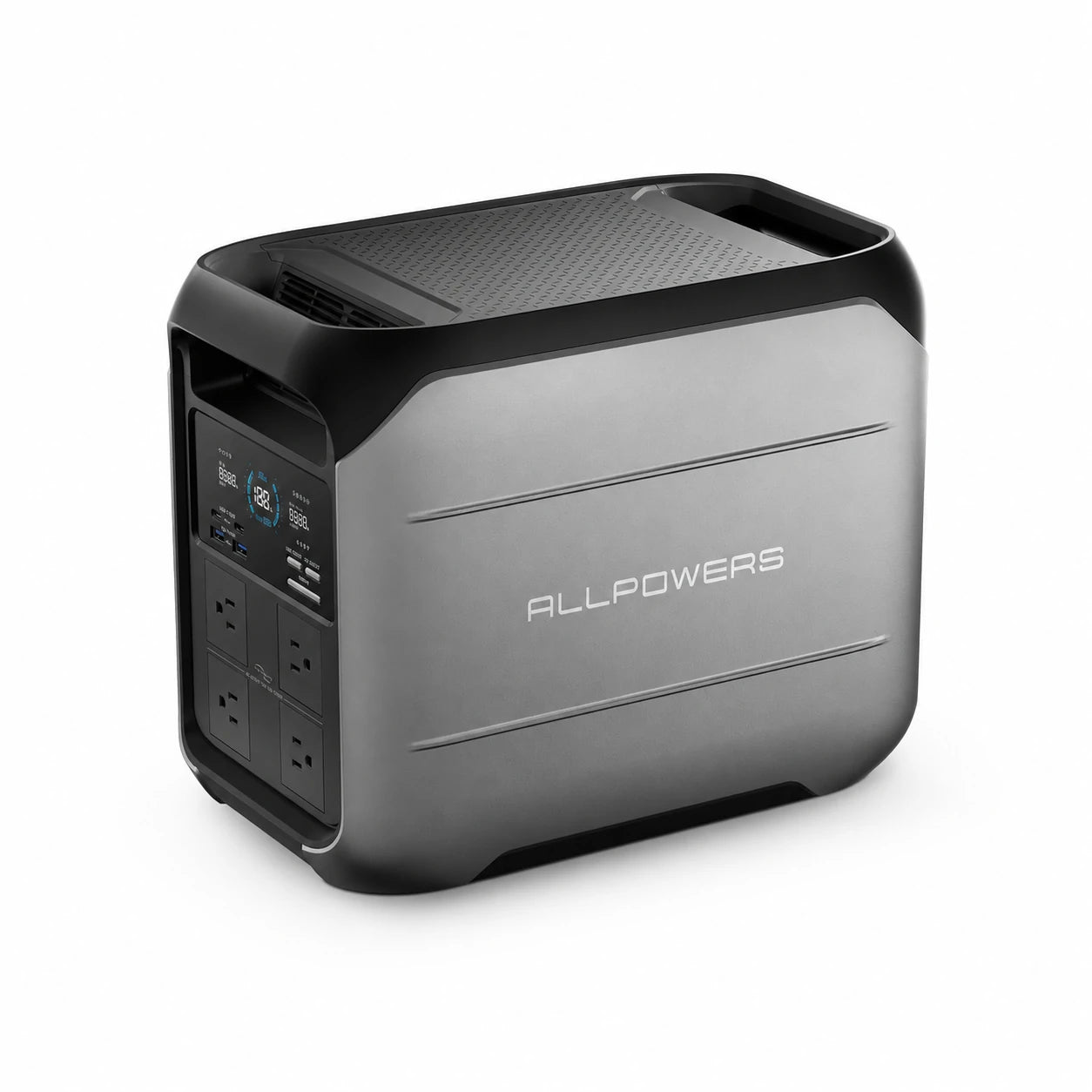
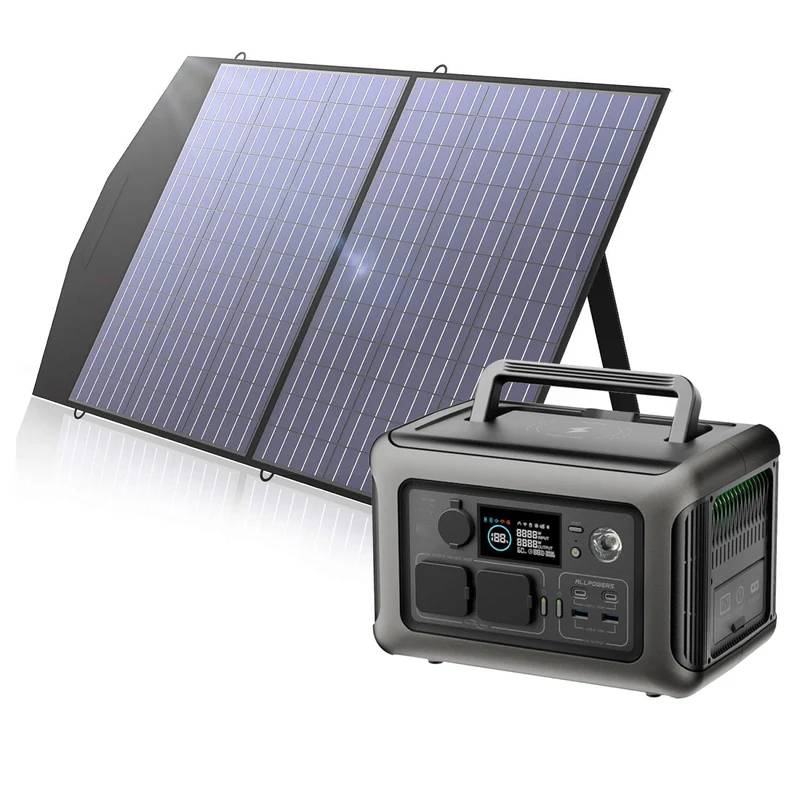
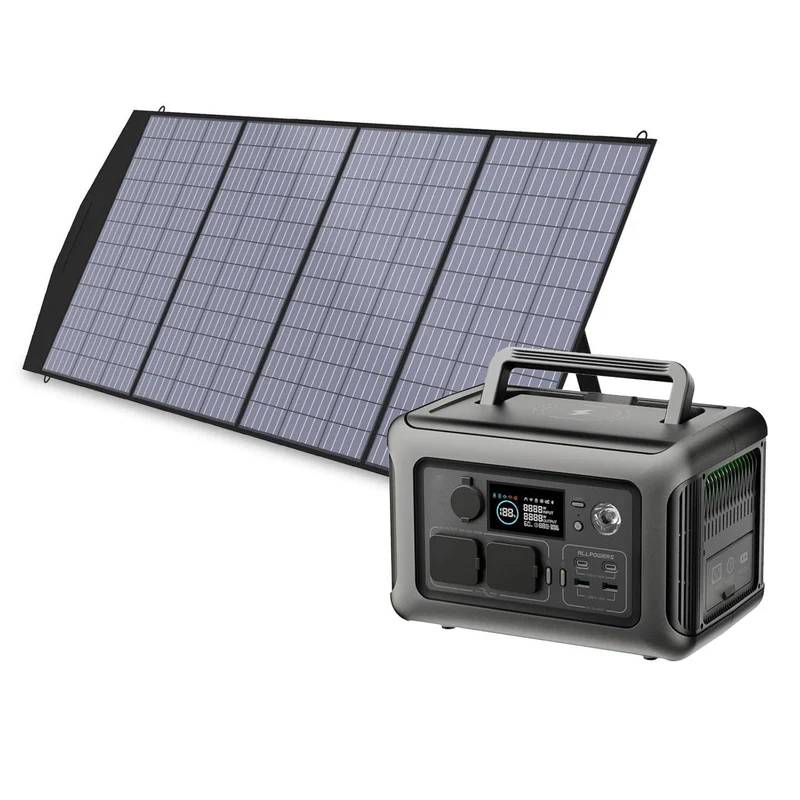
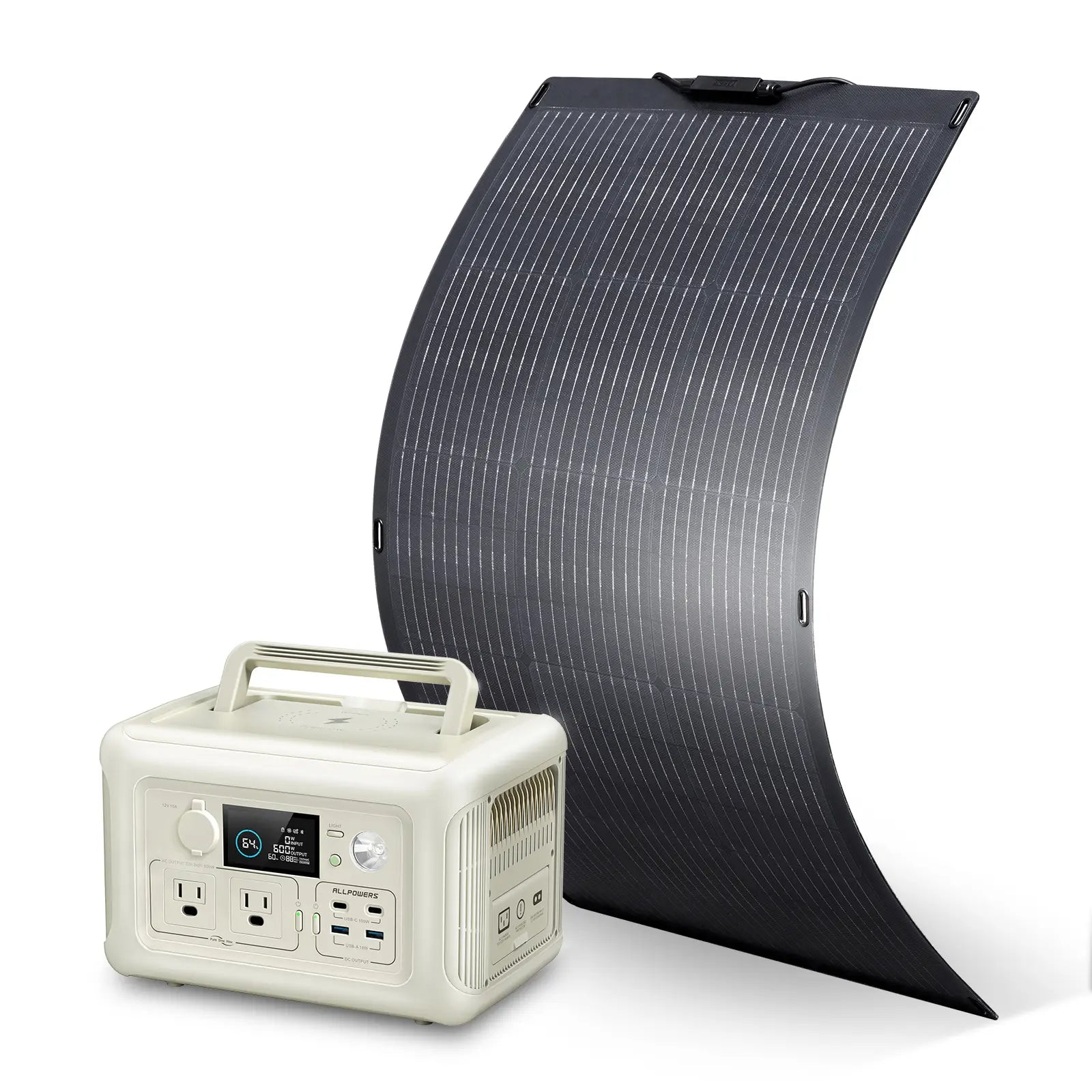
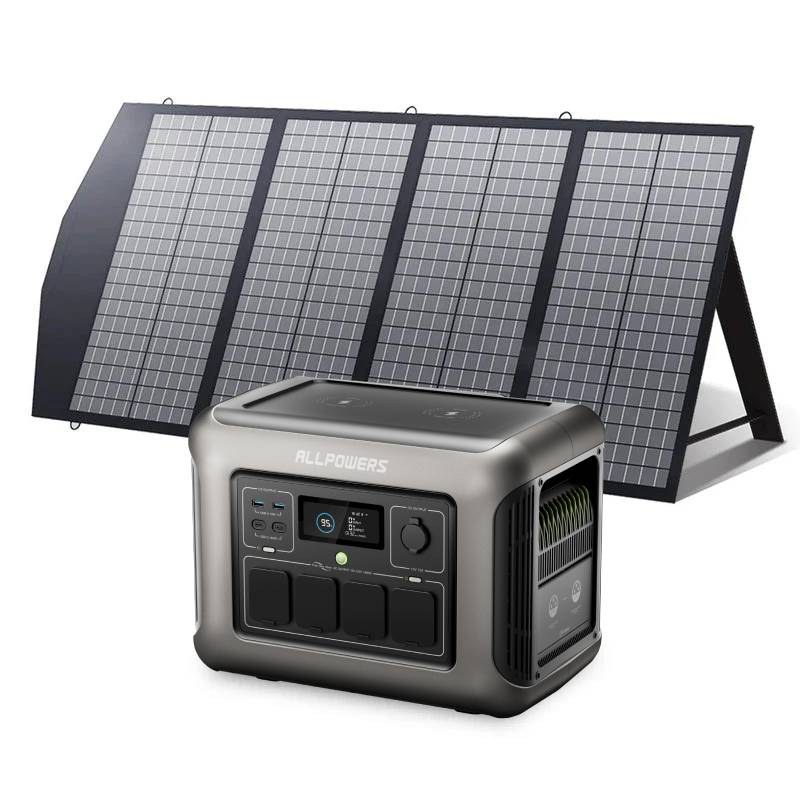
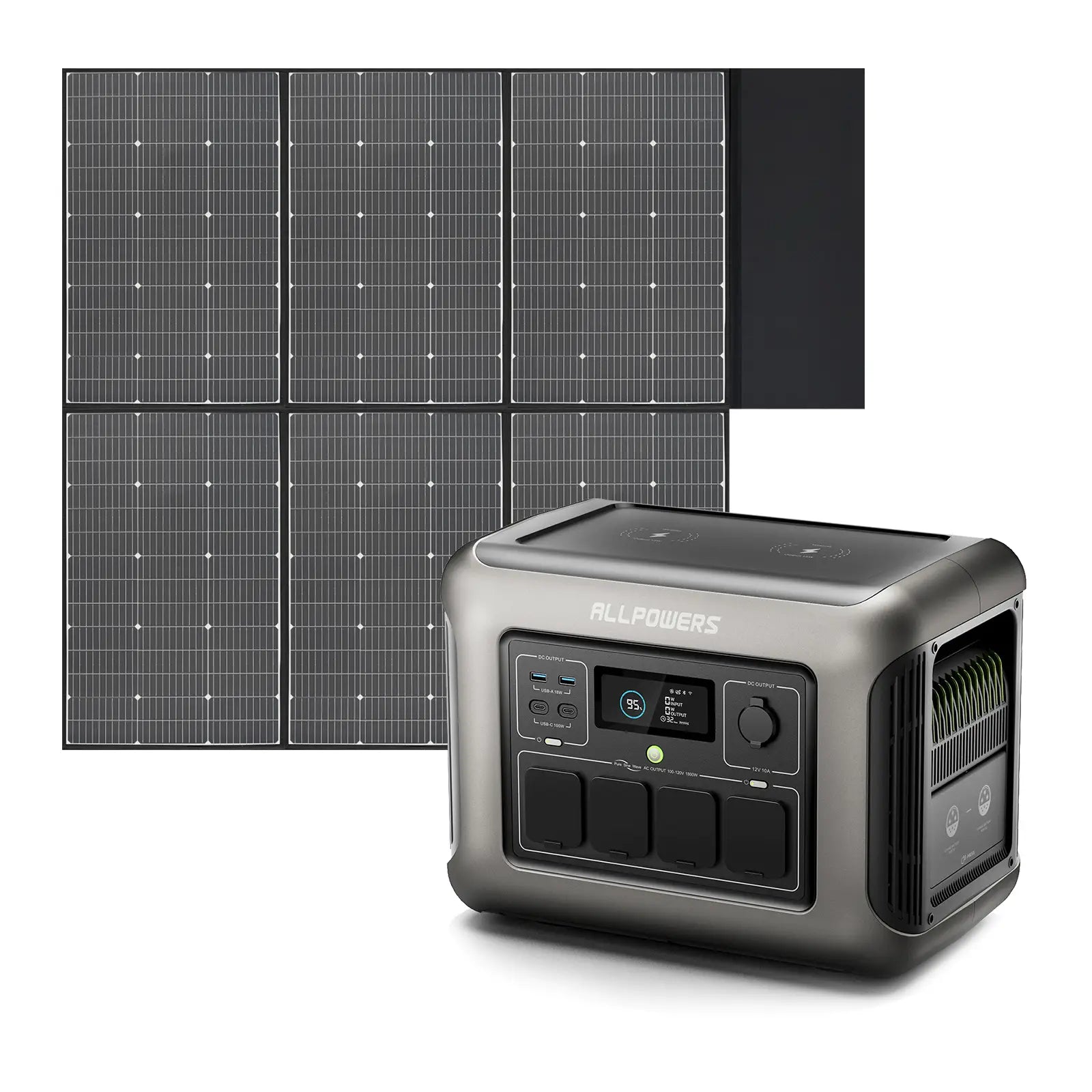
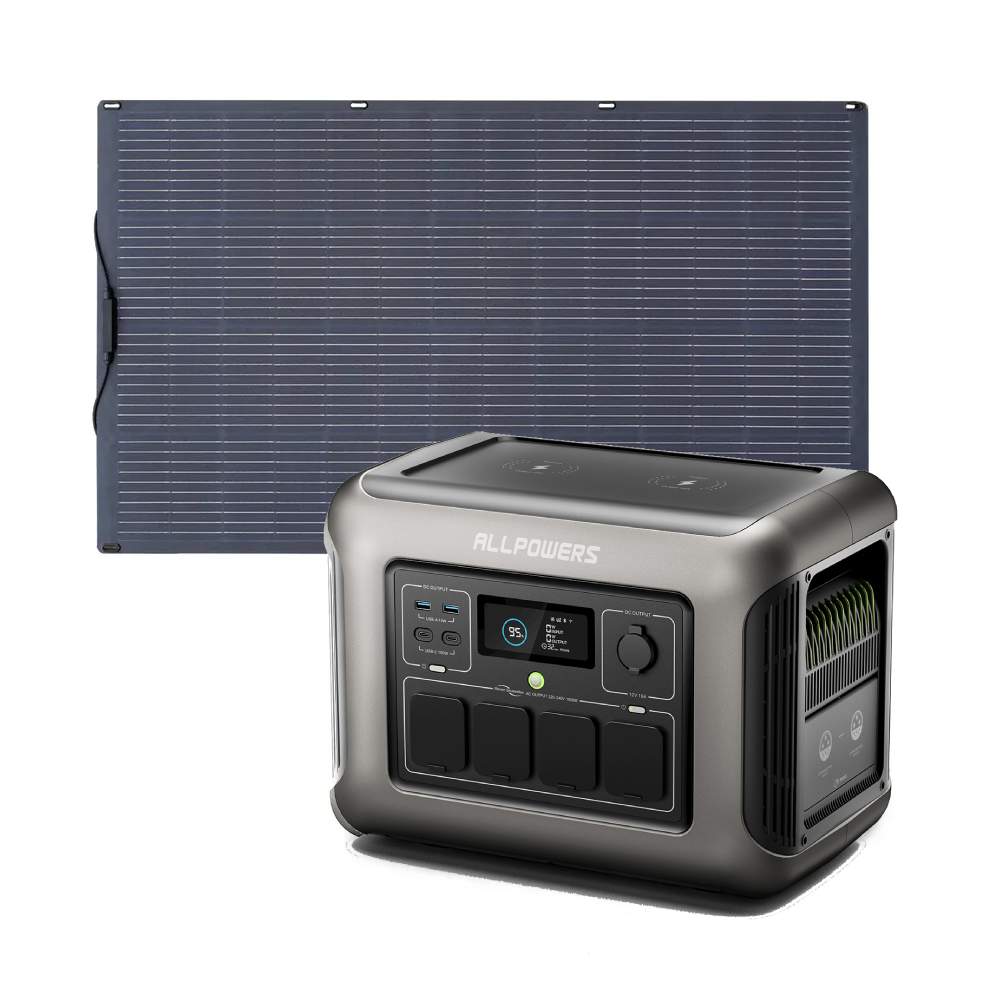
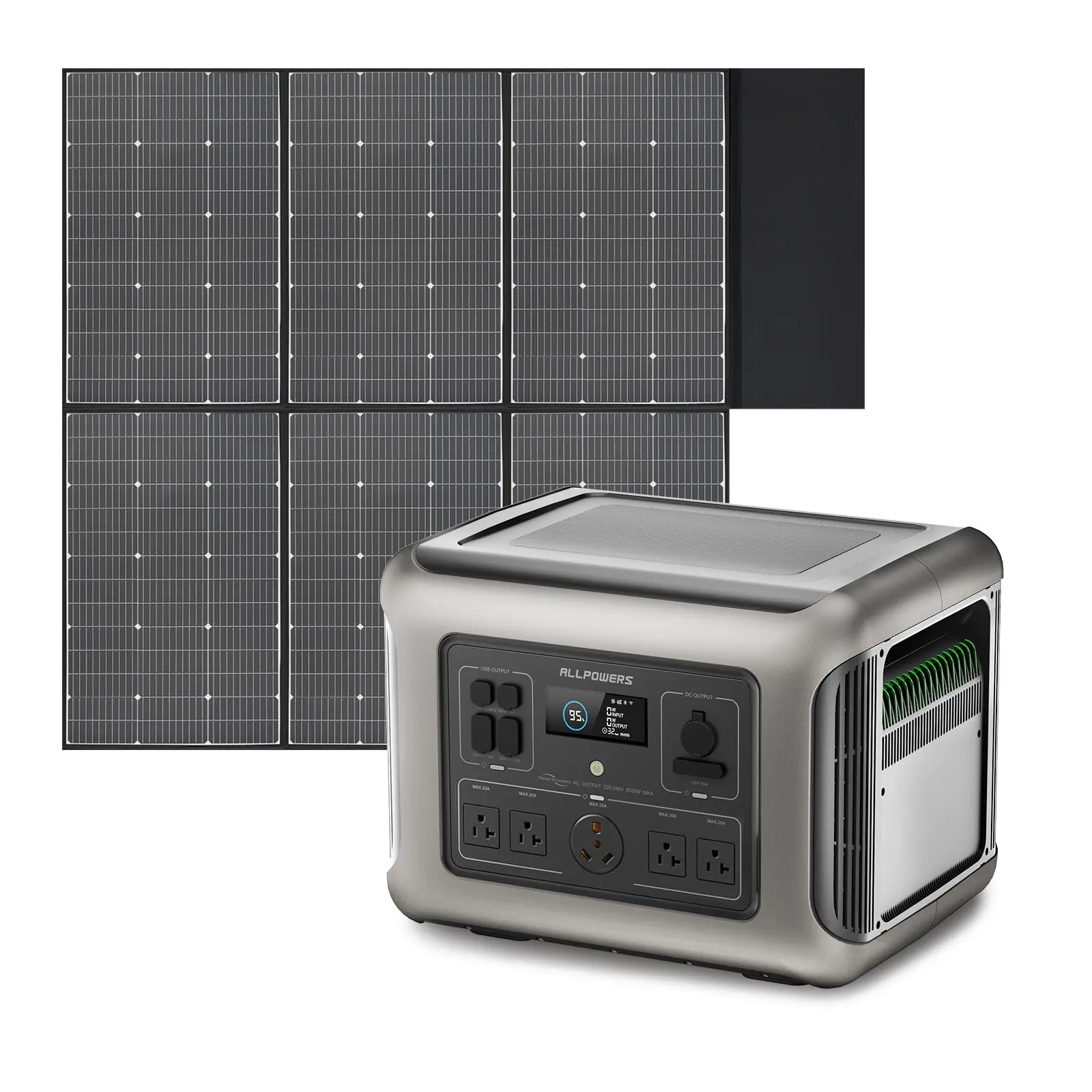
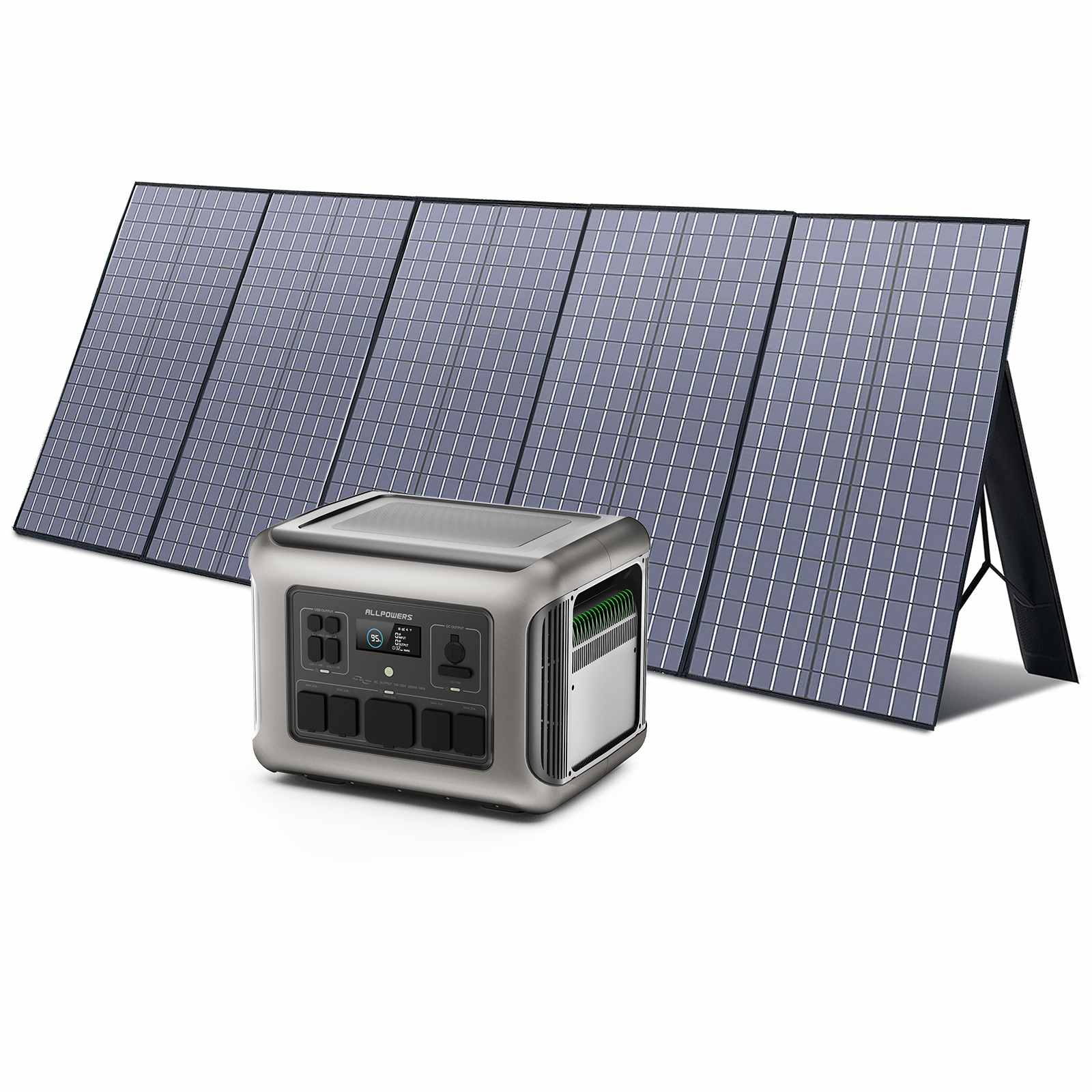
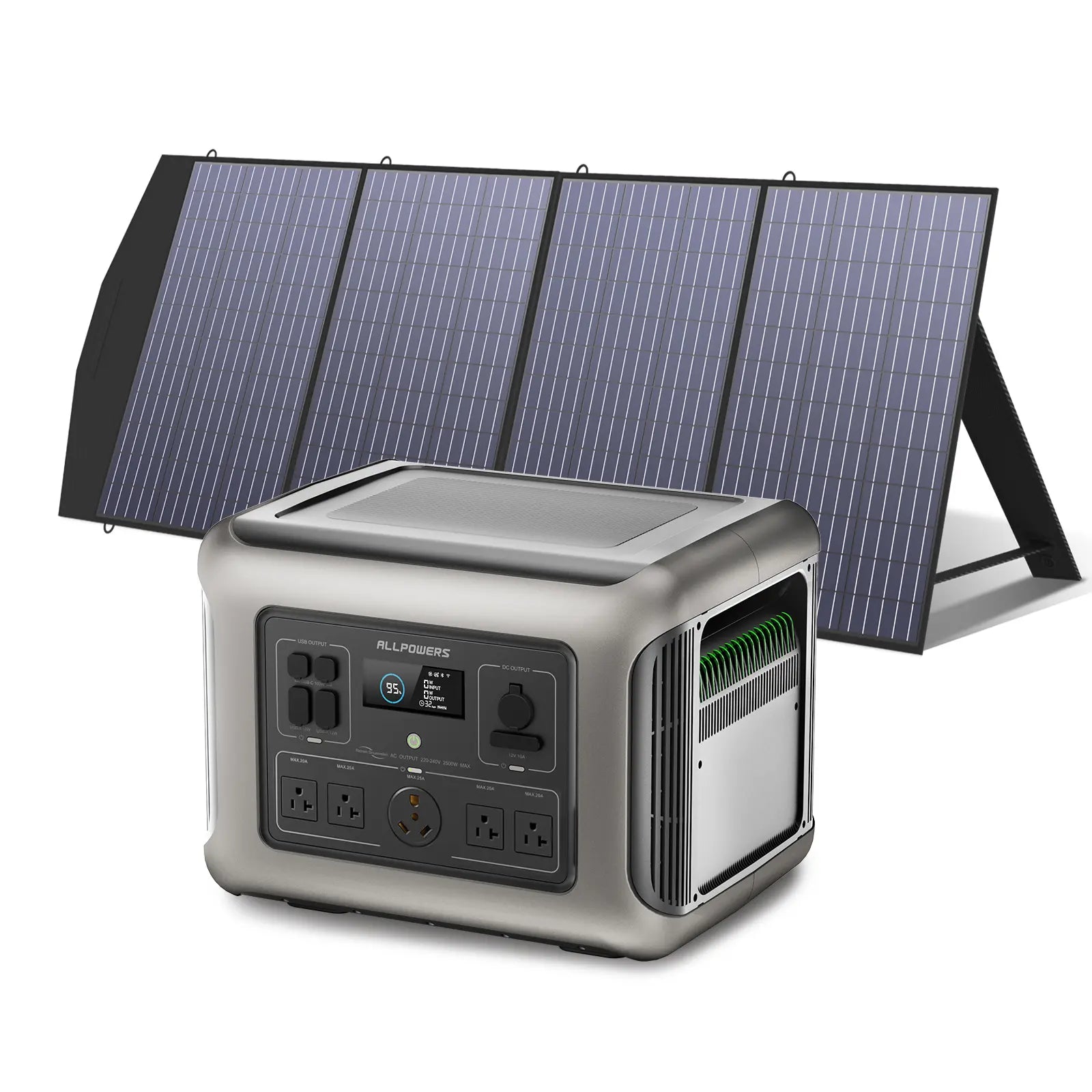
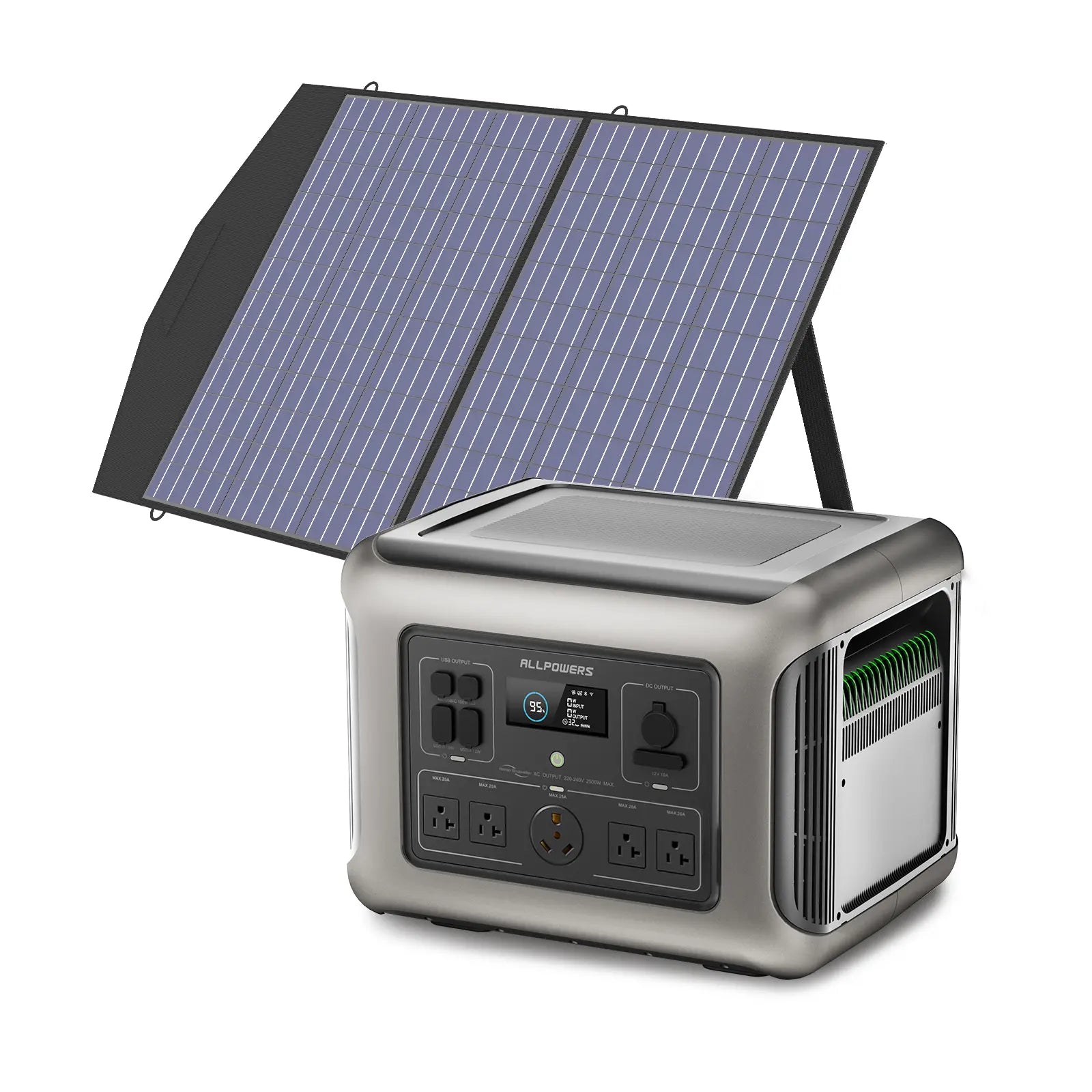
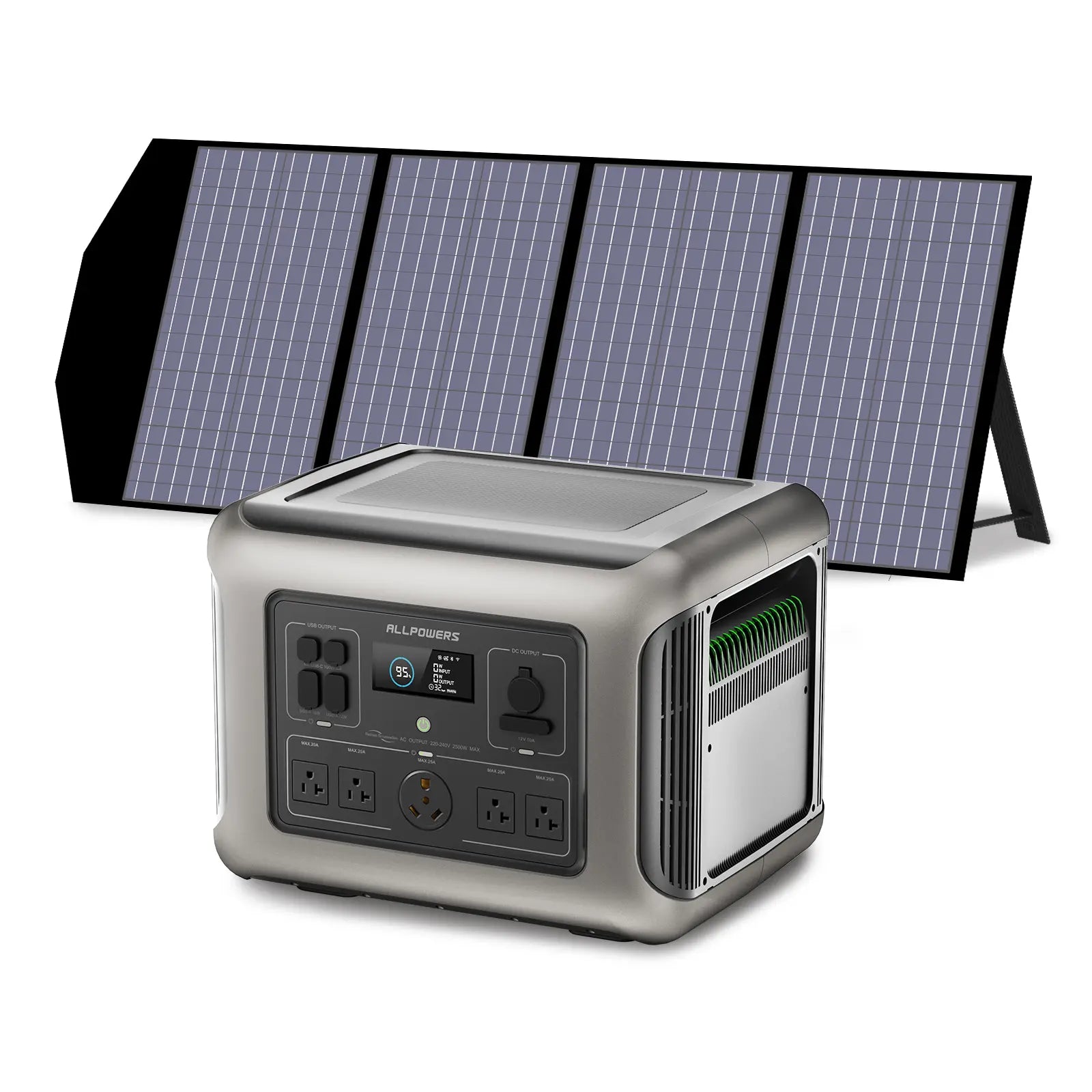
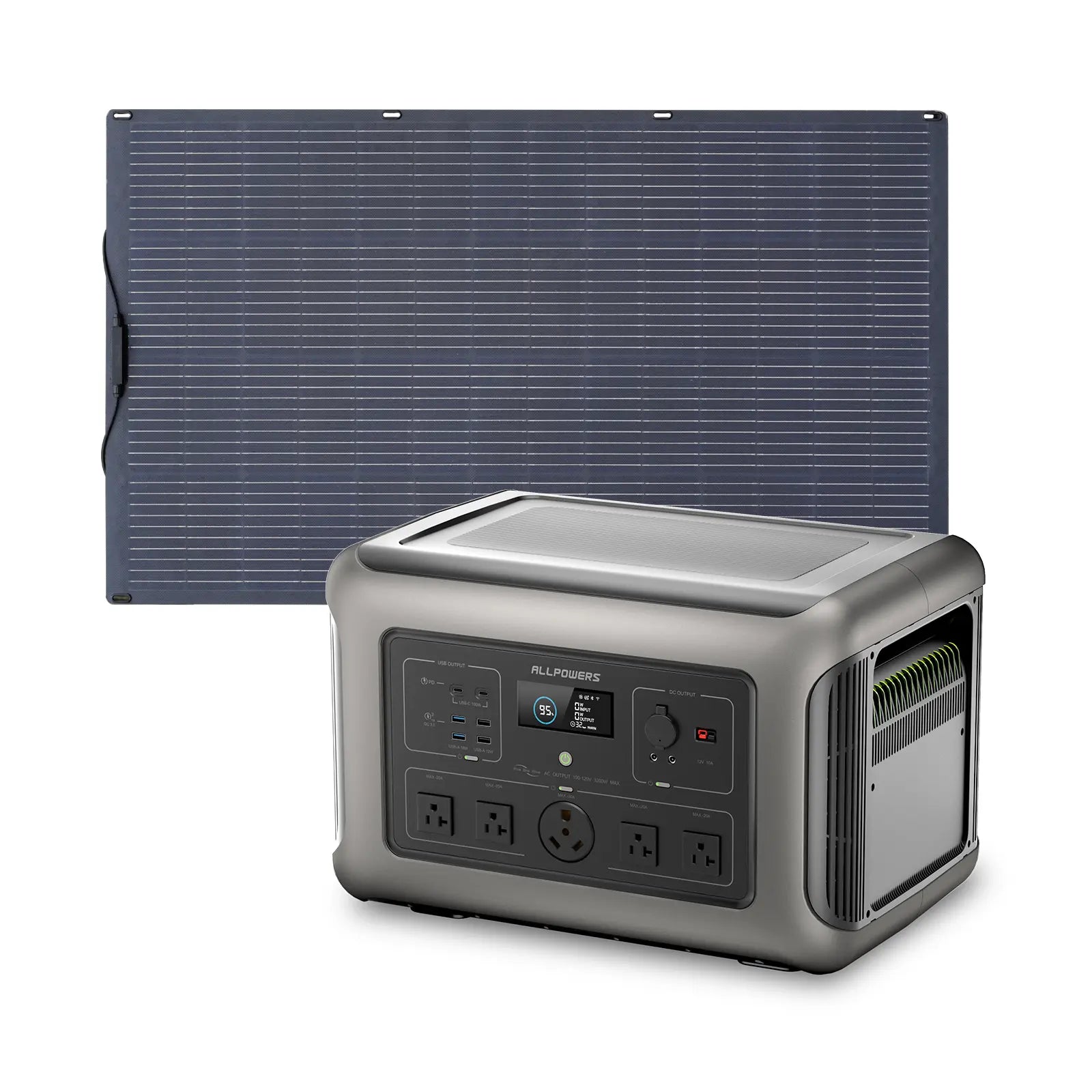
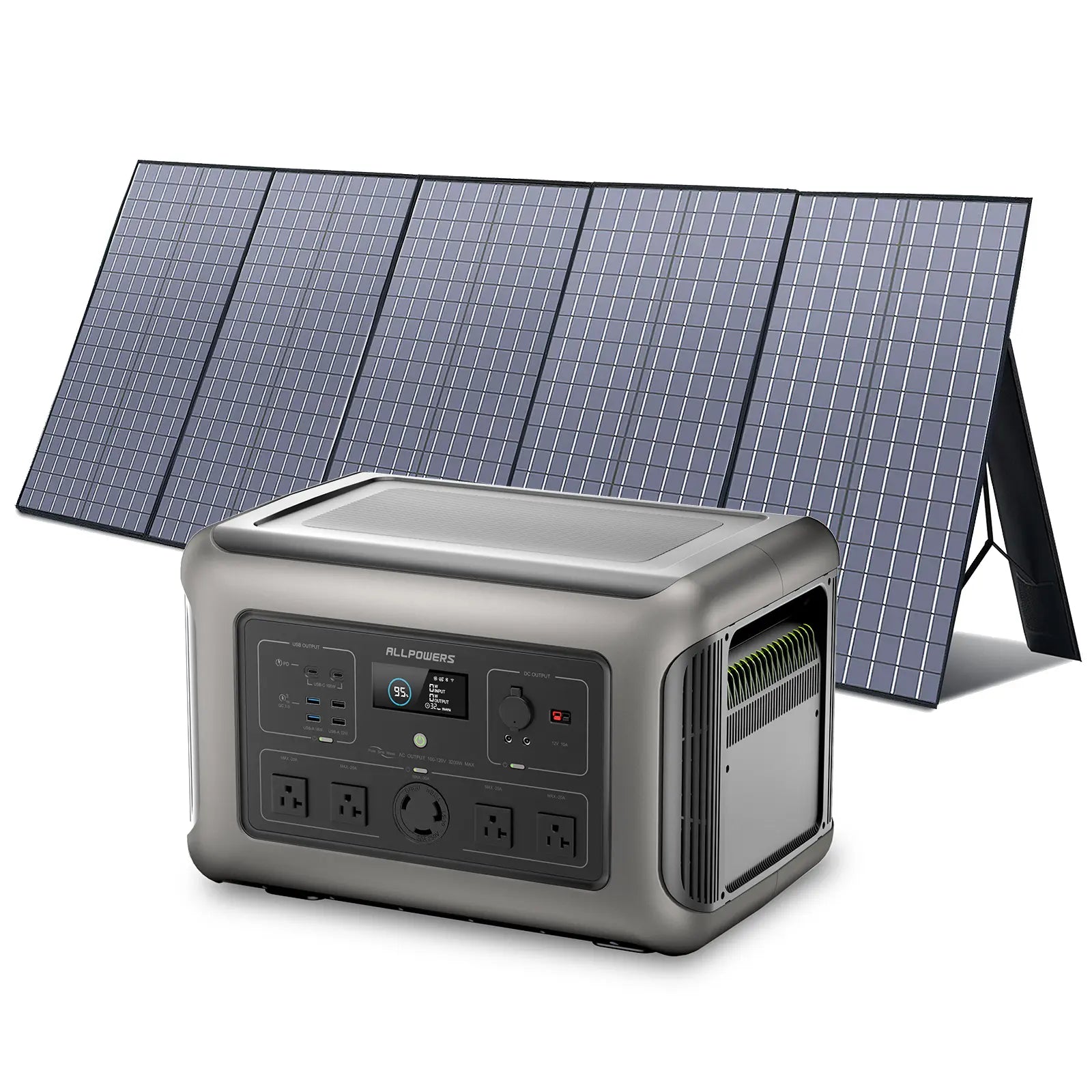
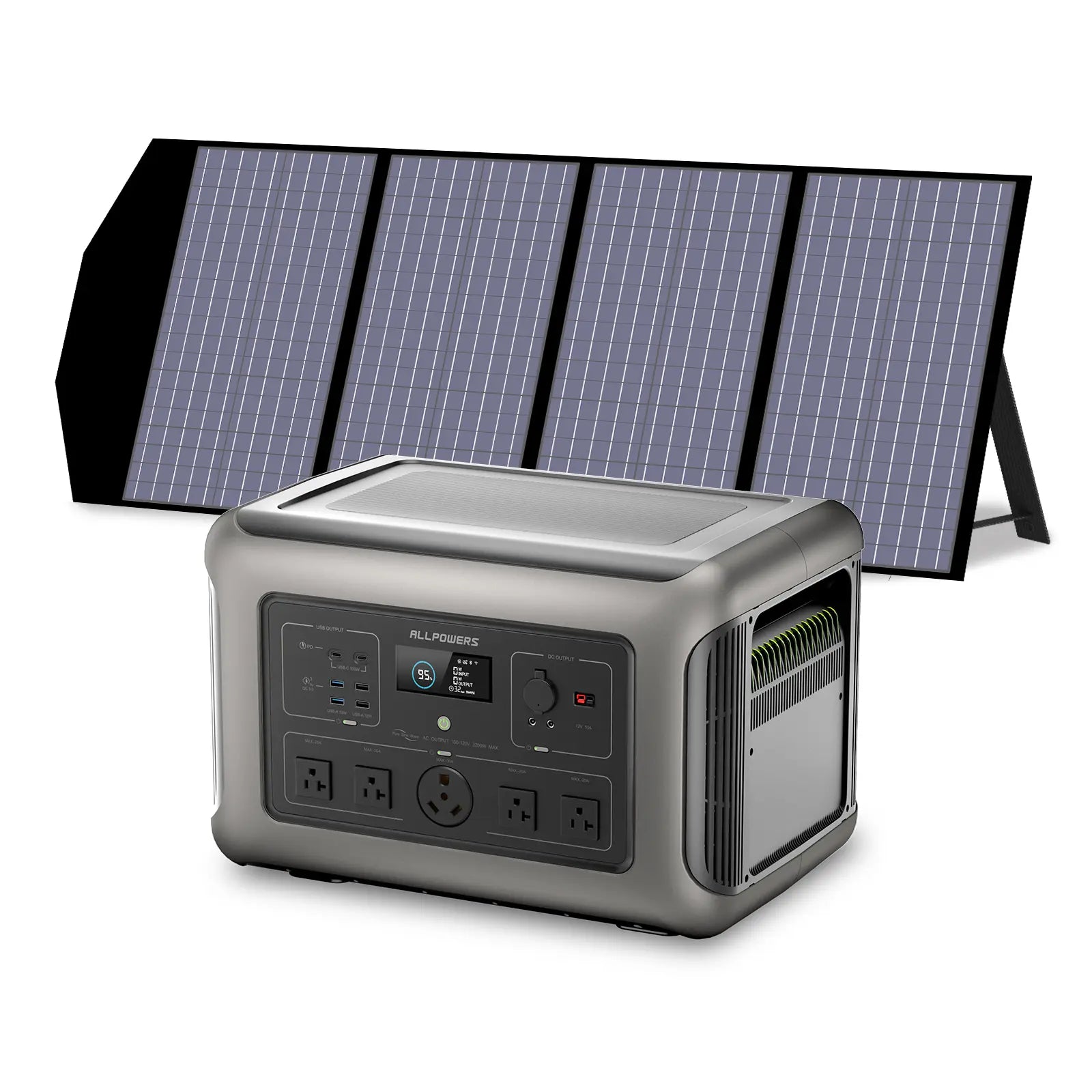
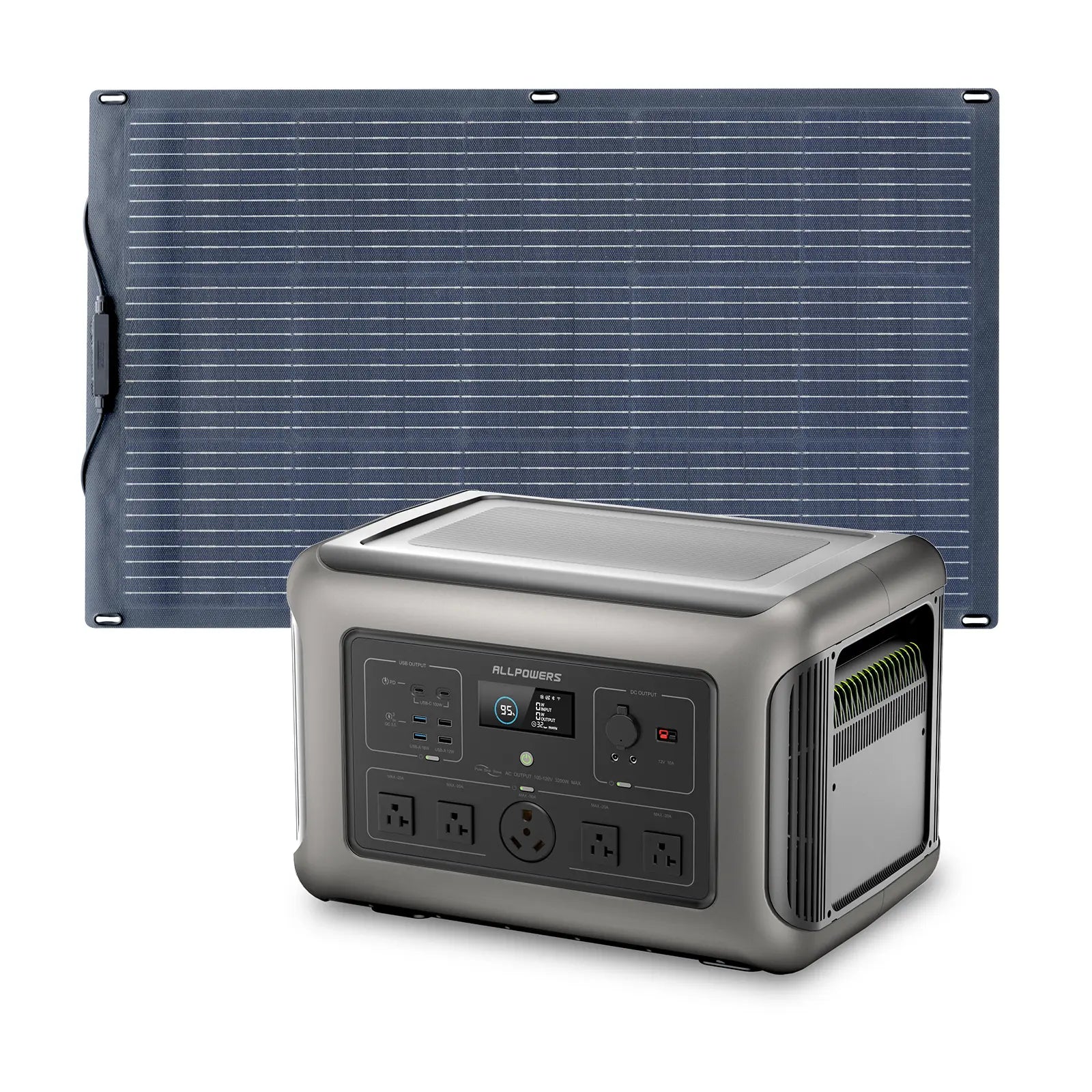
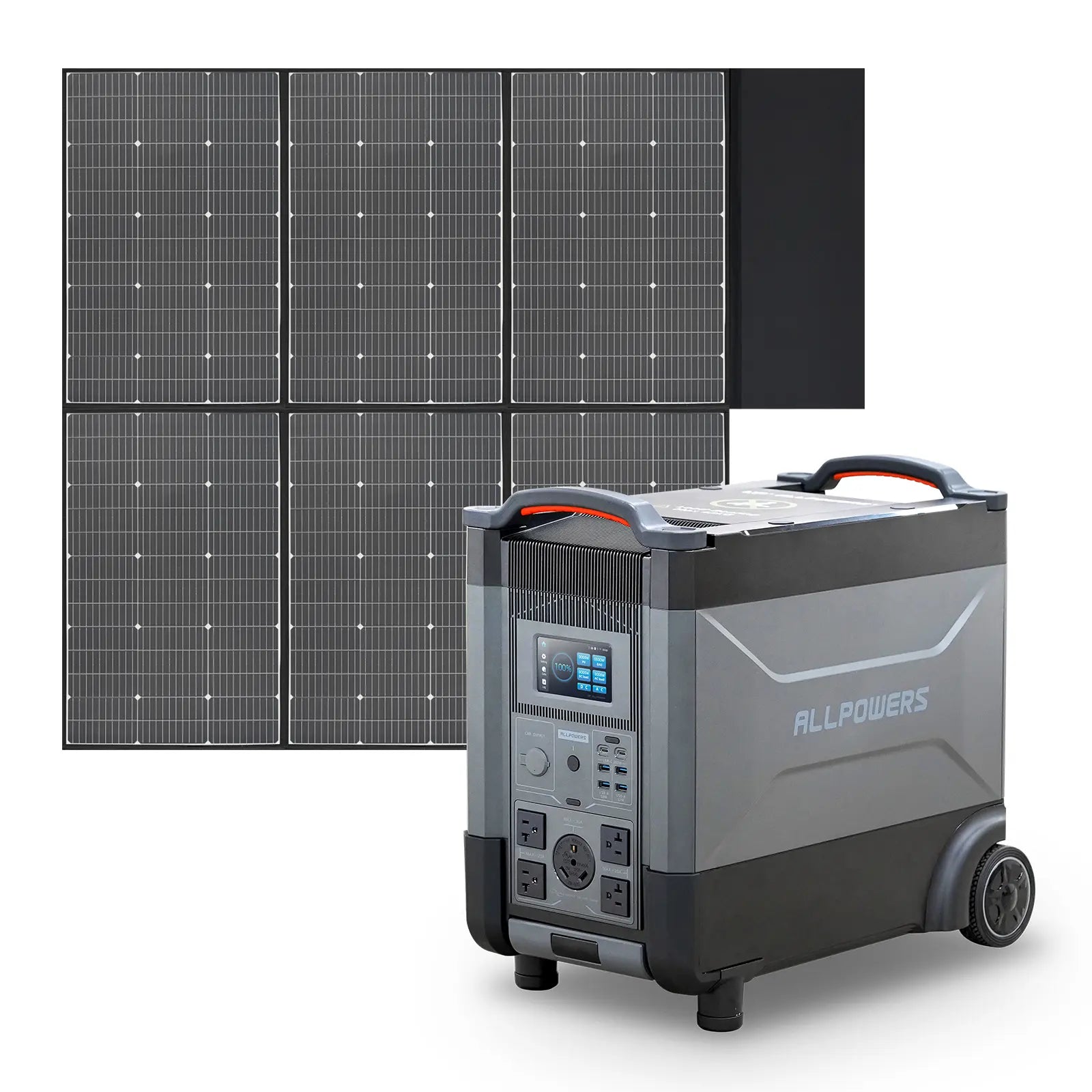
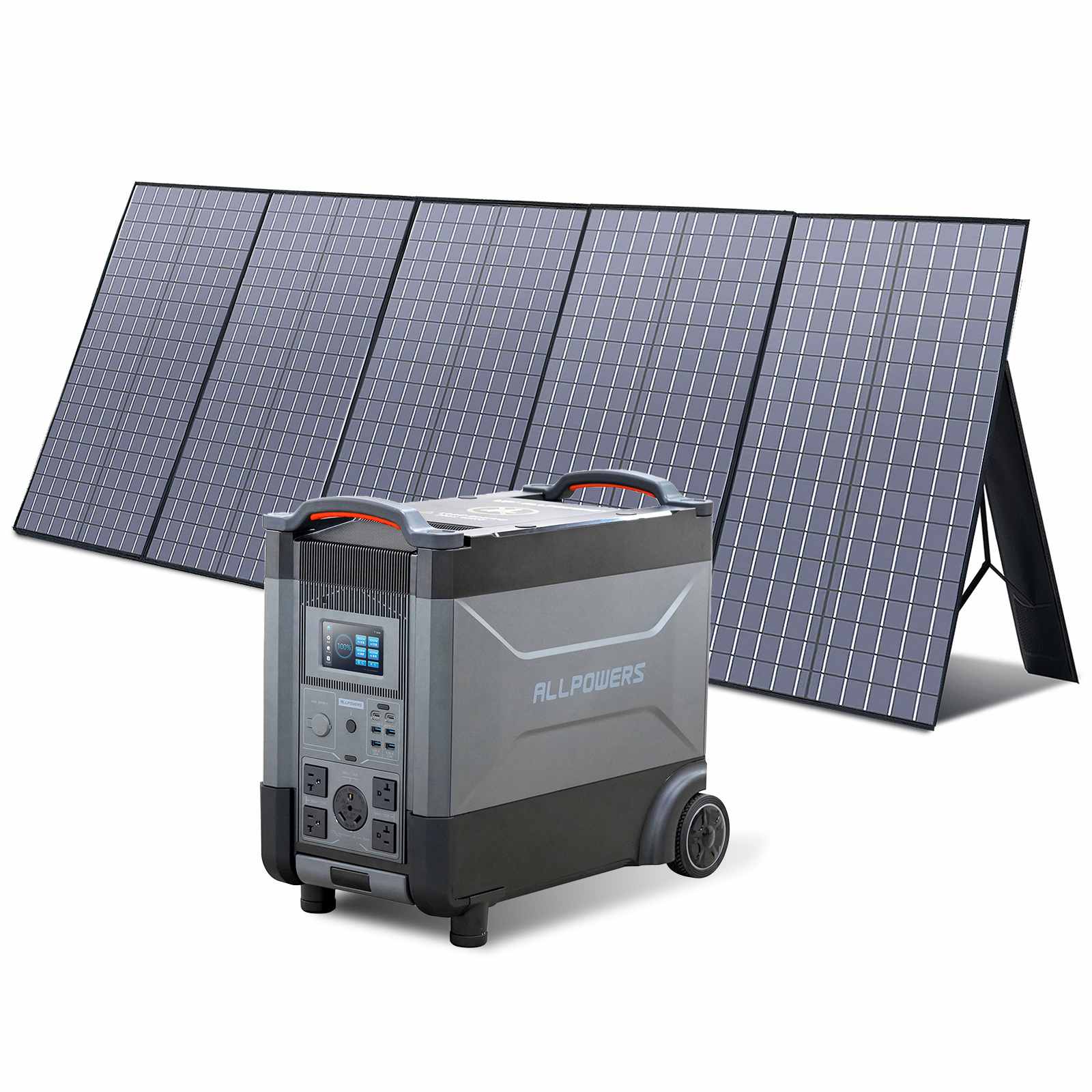
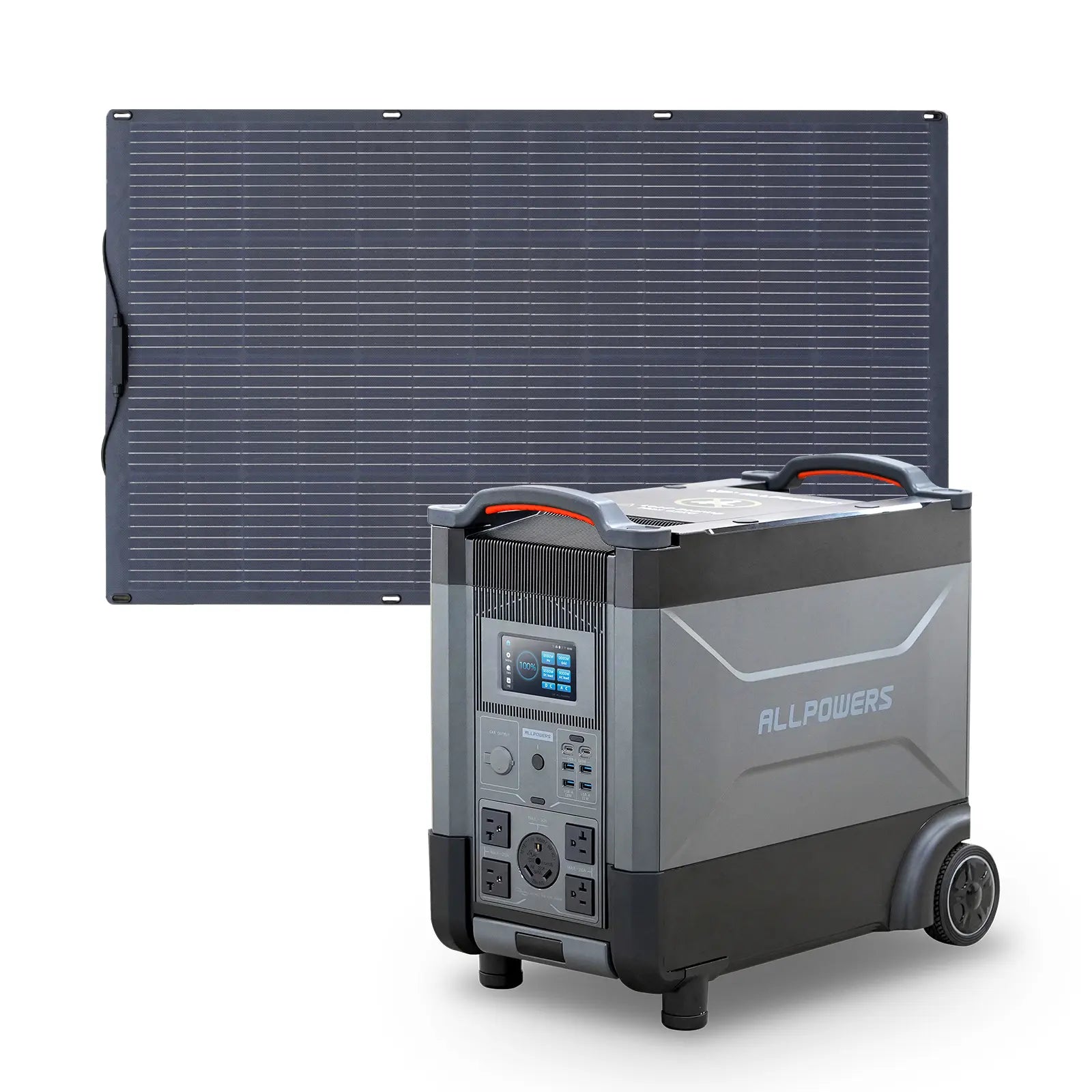
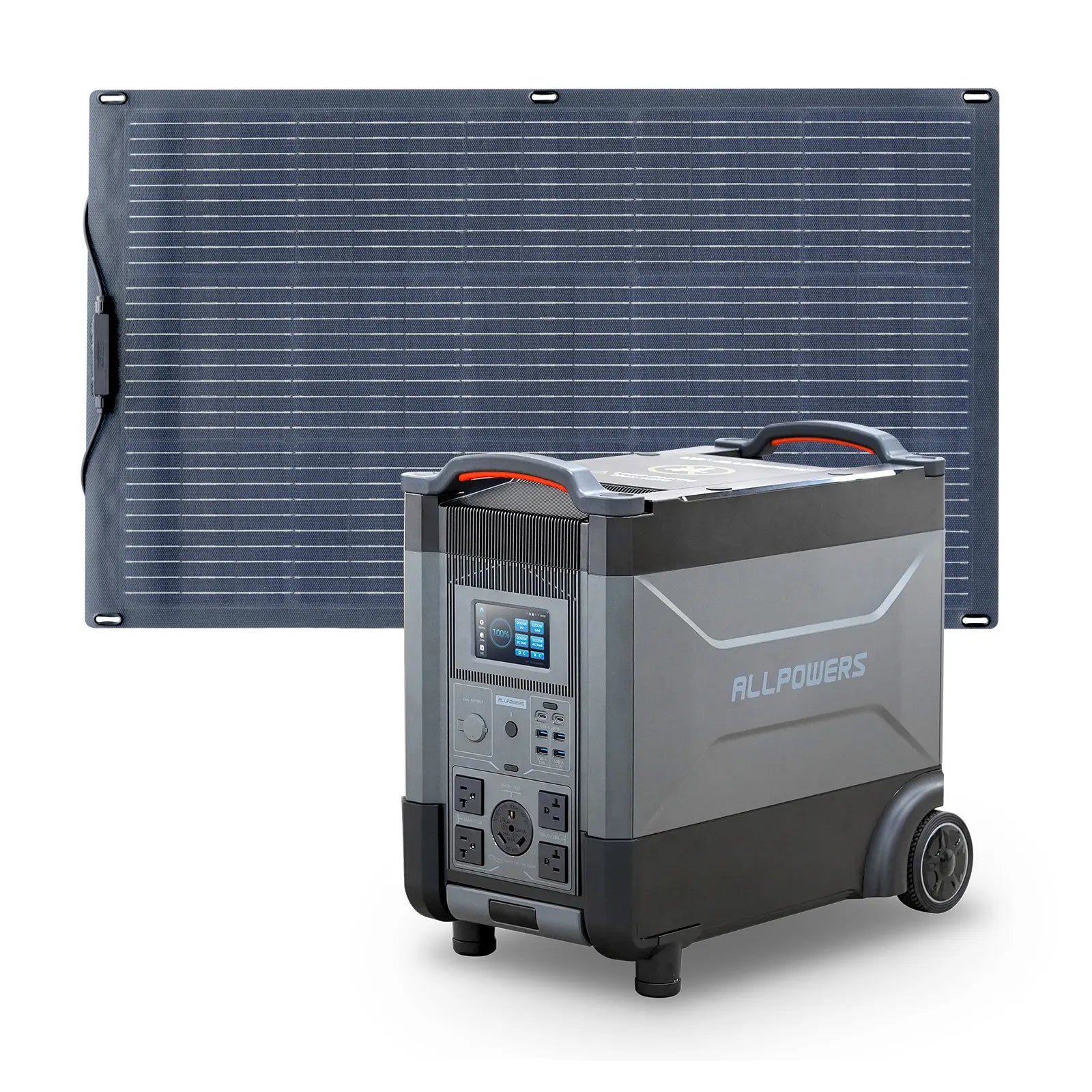
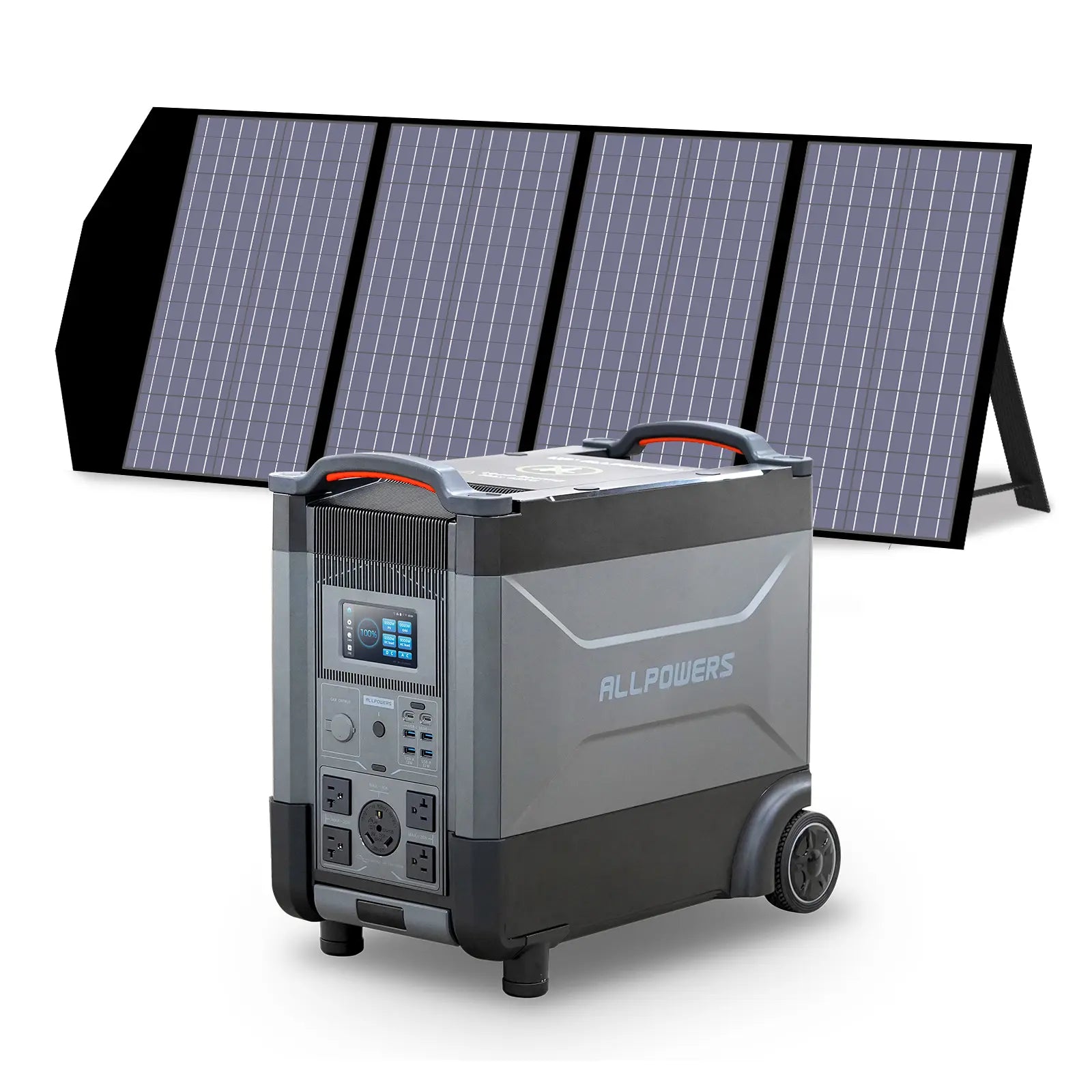
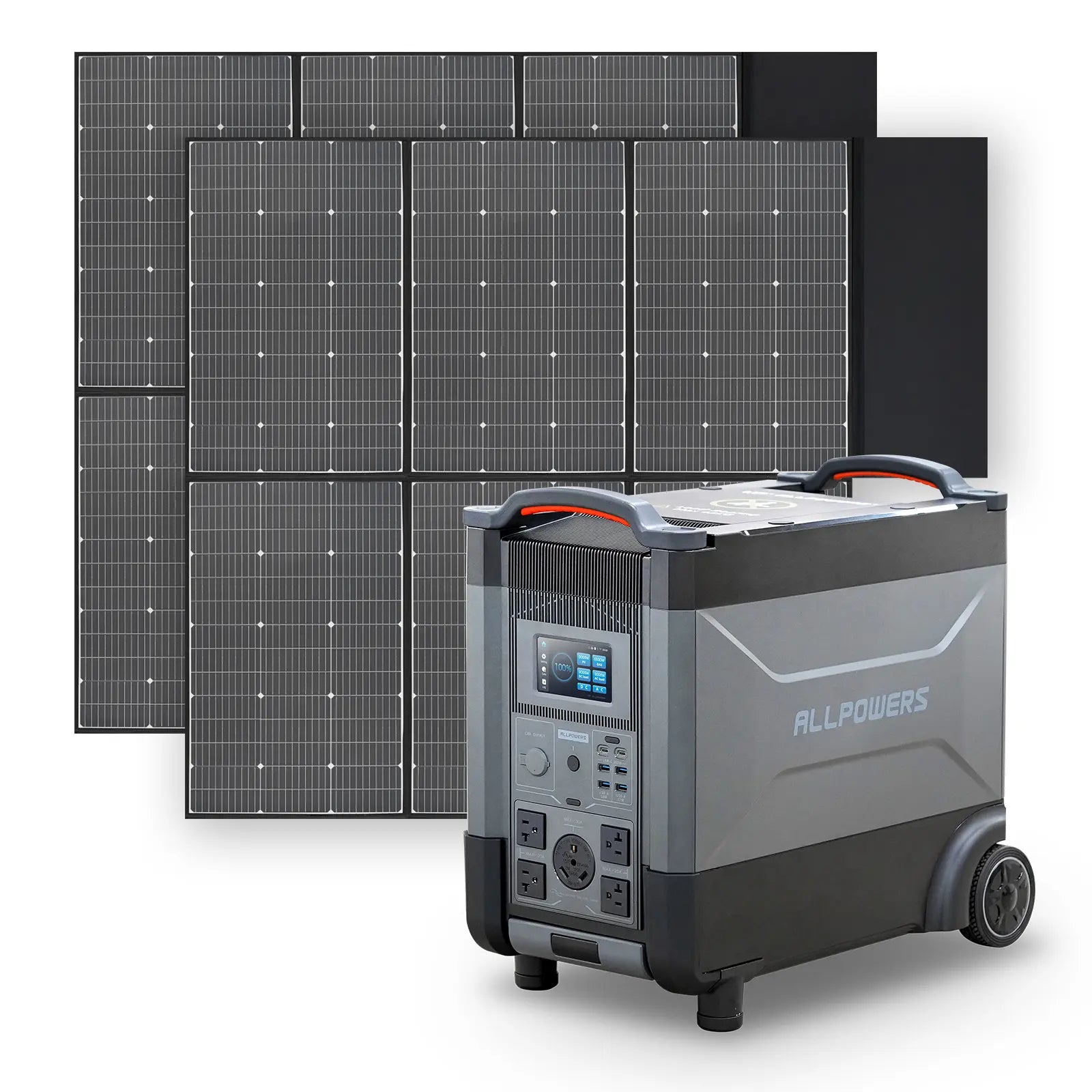
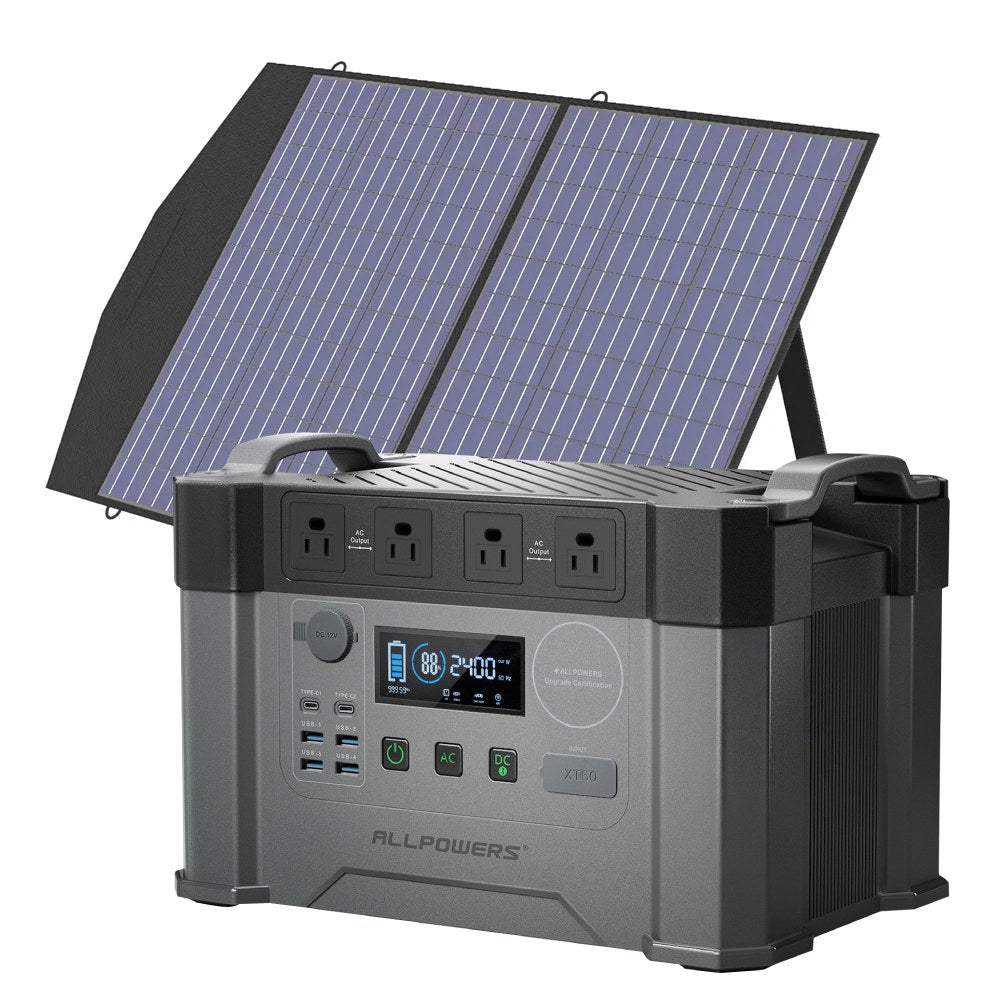
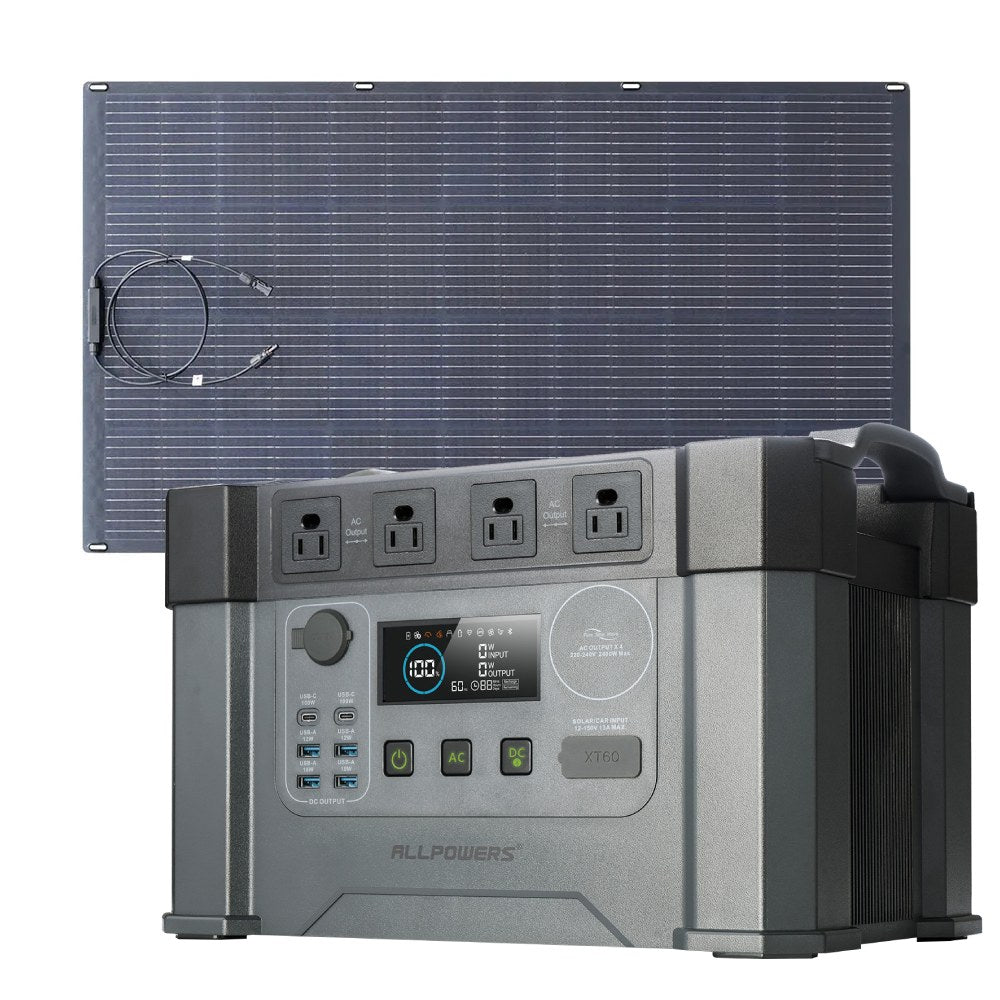
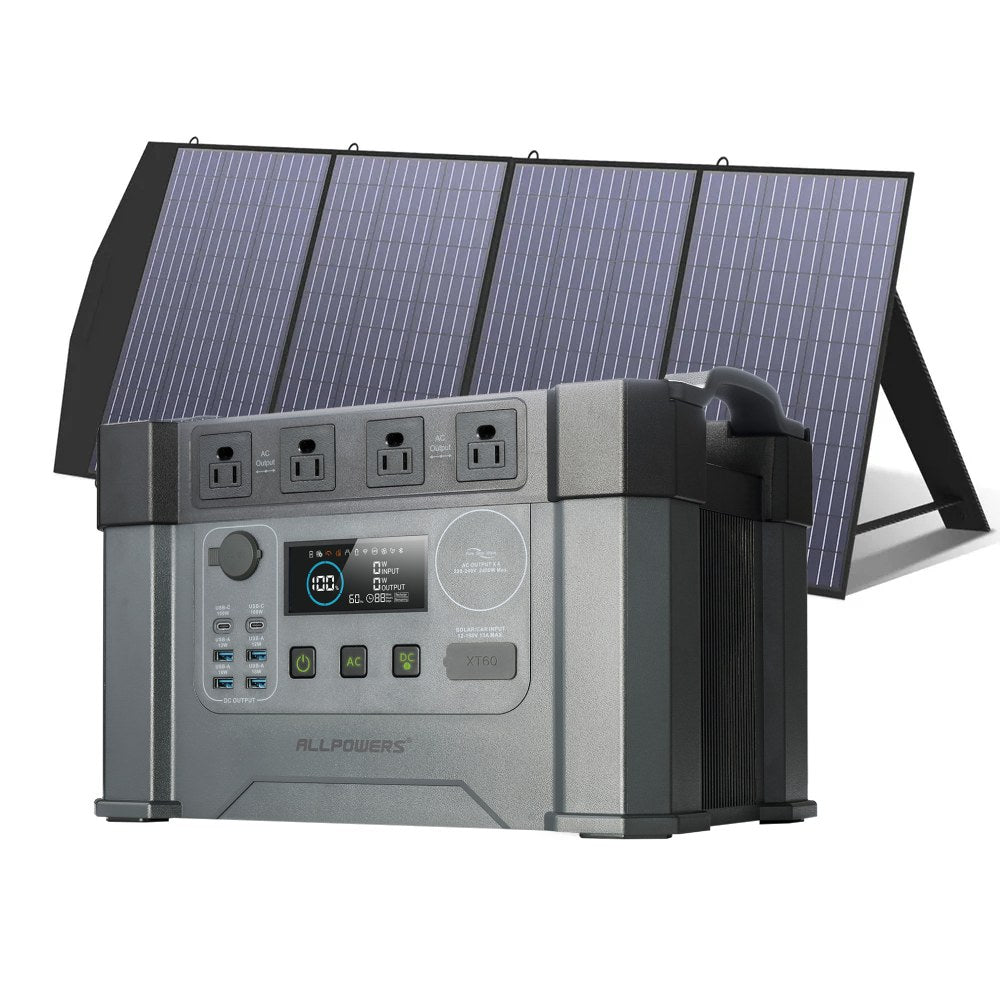
ALLPOWERS 2500W Solar Generator
$1,100.00 $1,799.00
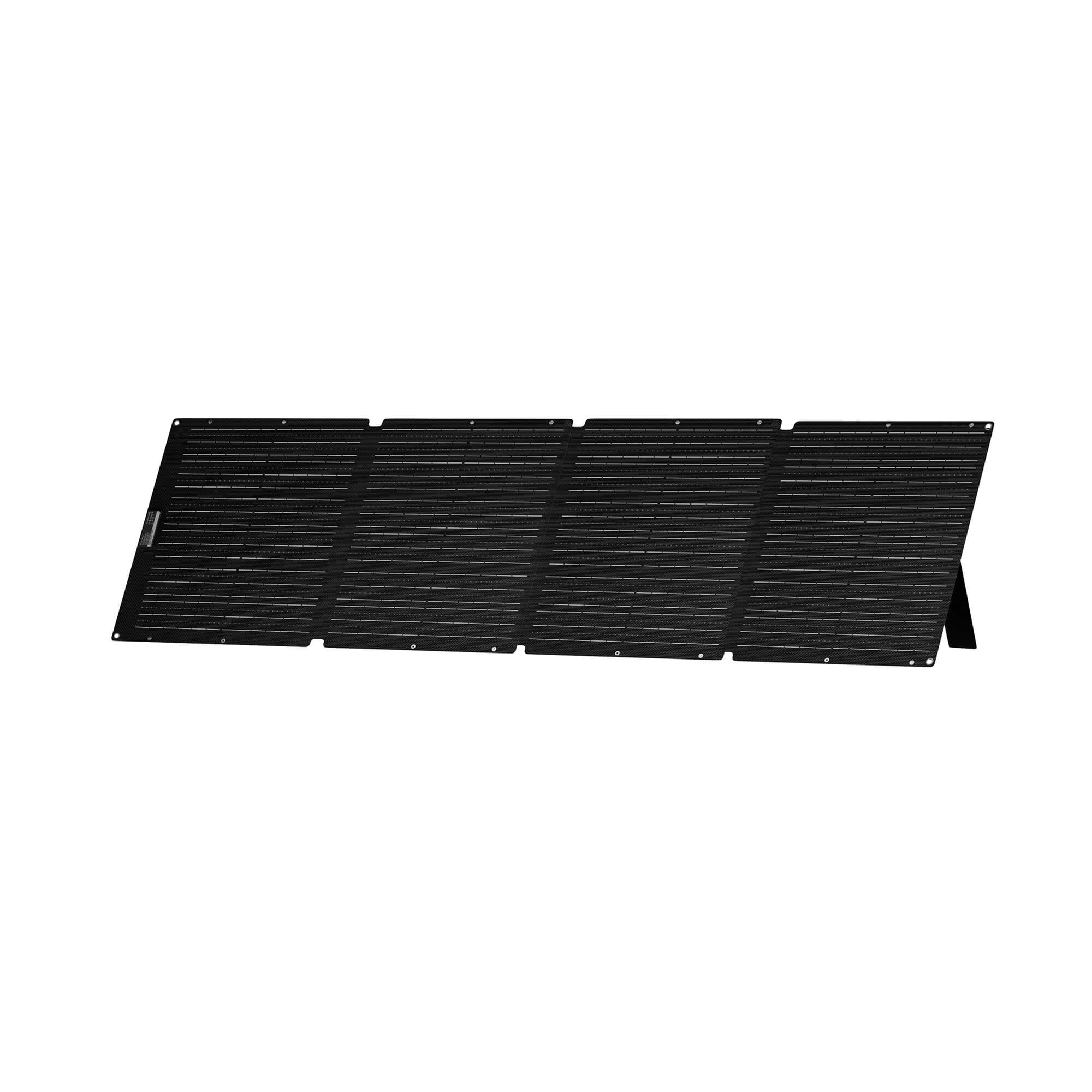
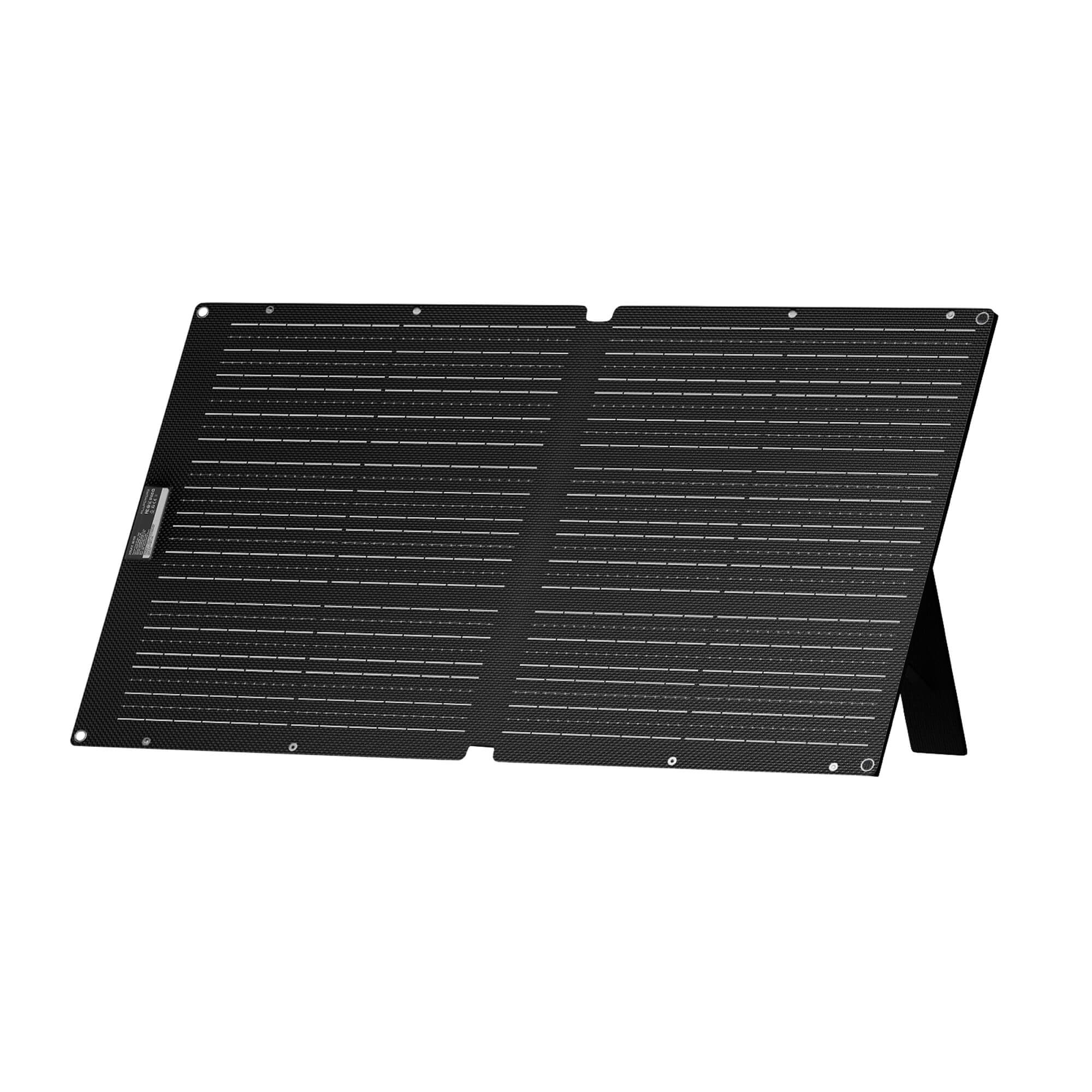
- 2016Wh Capacity + 400W Soalr Input;;
- 2500W AC Output (4,000W Surge);
- Fast Charge 100% in 1 Hours;
- Start UPS in 15 ms;
- Expandable Up to 3x B1000 Expansion Battery;
What kind of generator can be used in an apartment?
Because while traditional generators don’t fit apartment life well, the need for backup power hasn’t gone away.
Losing power isn’t just inconvenient anymore. It can interrupt work, spoil food, or cut off communication.
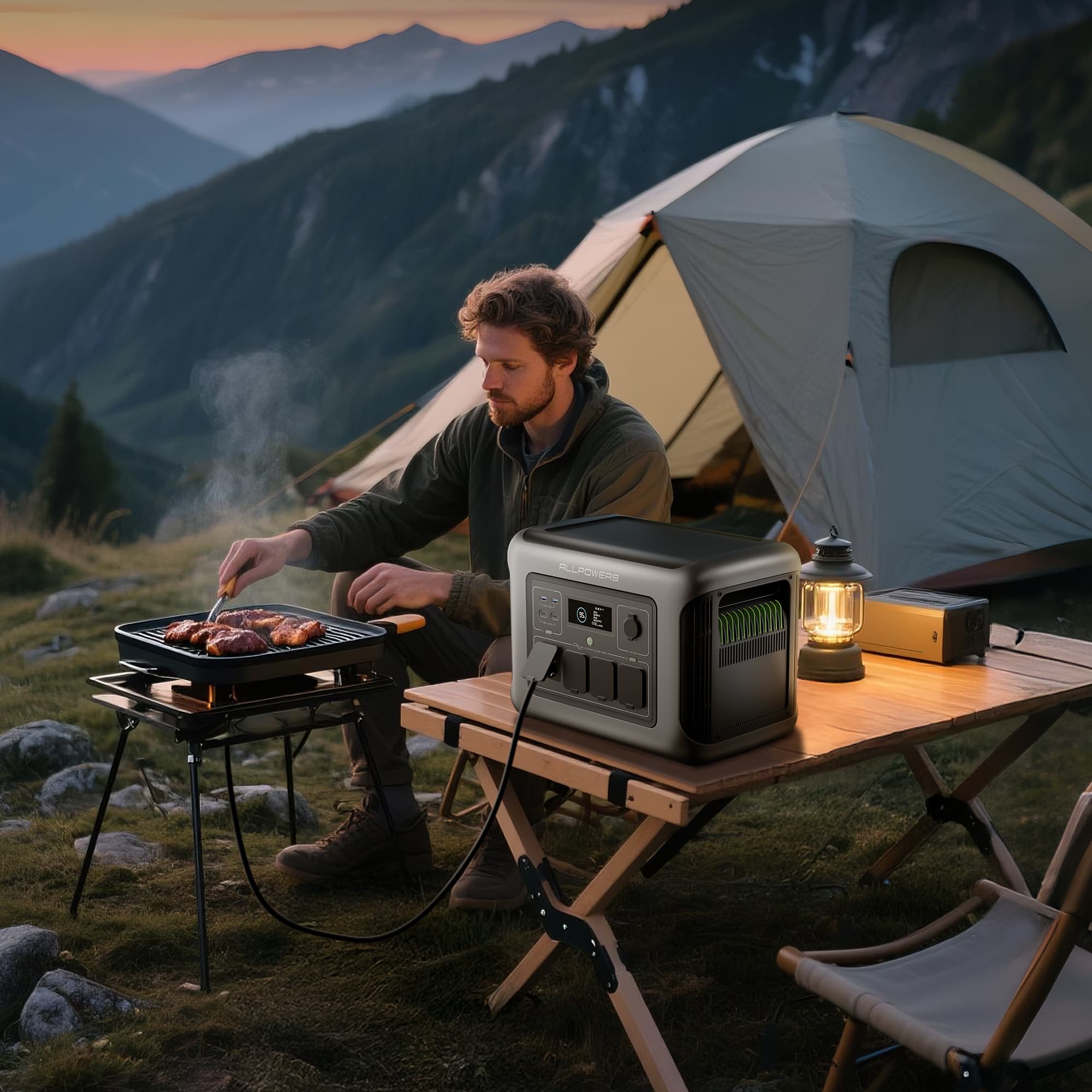
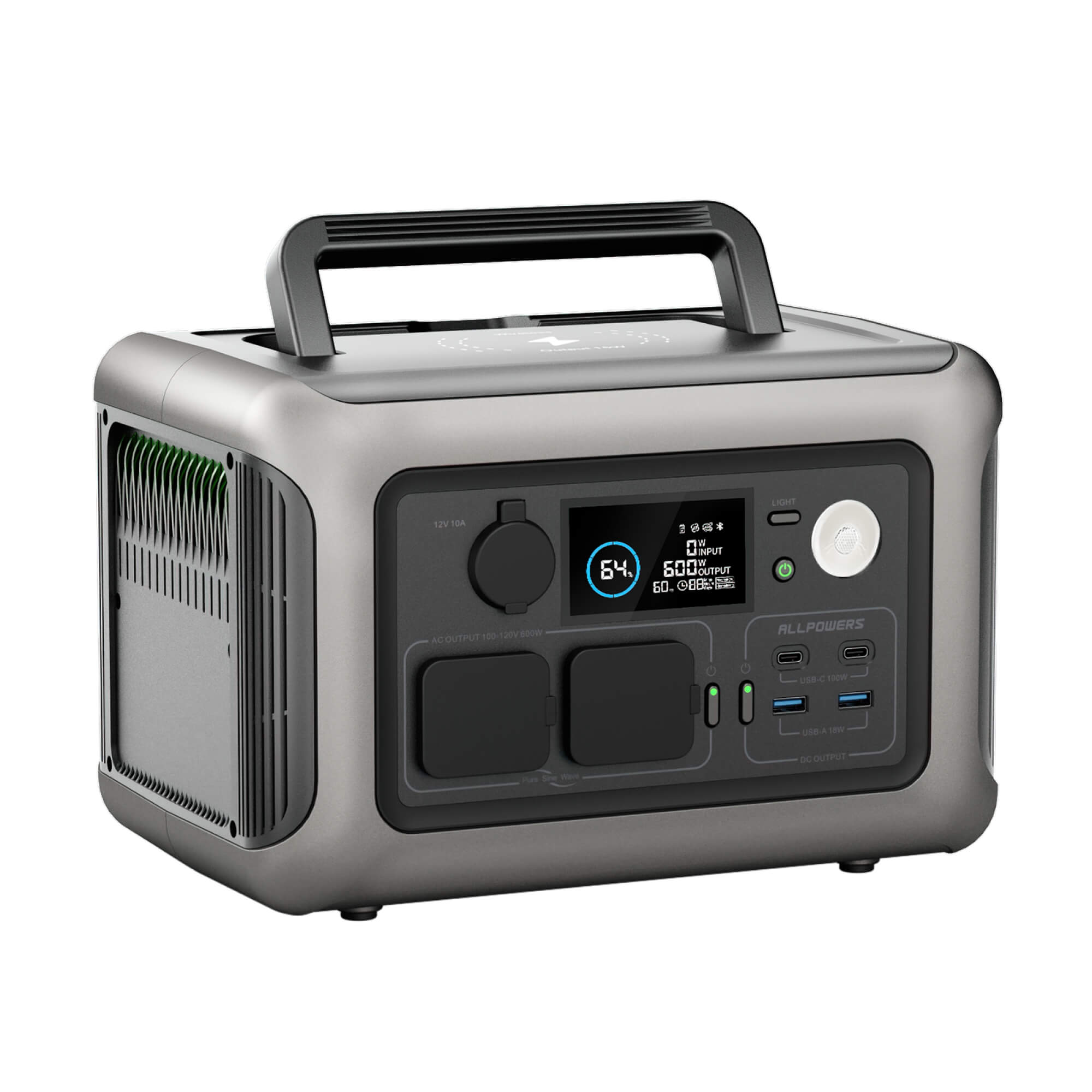
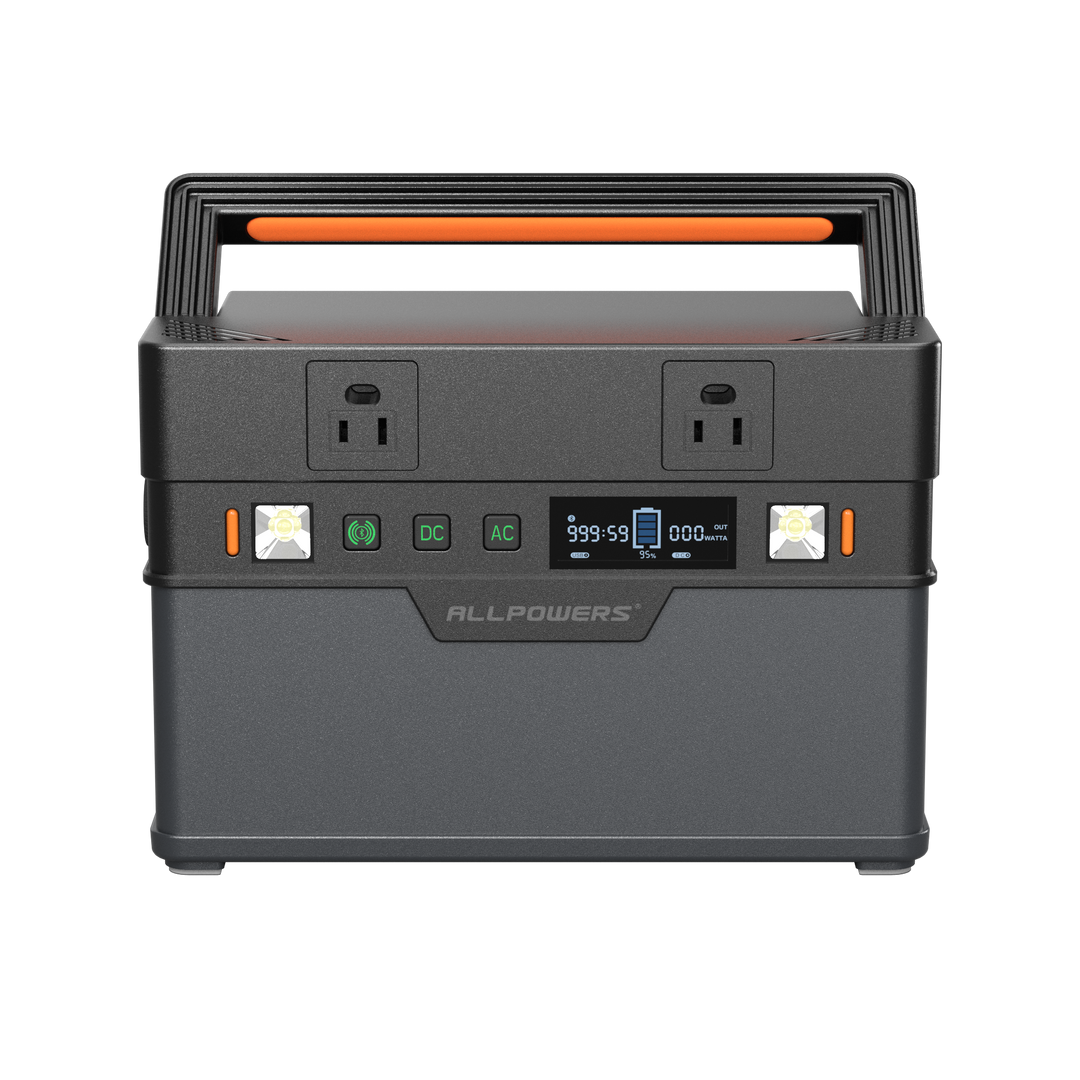
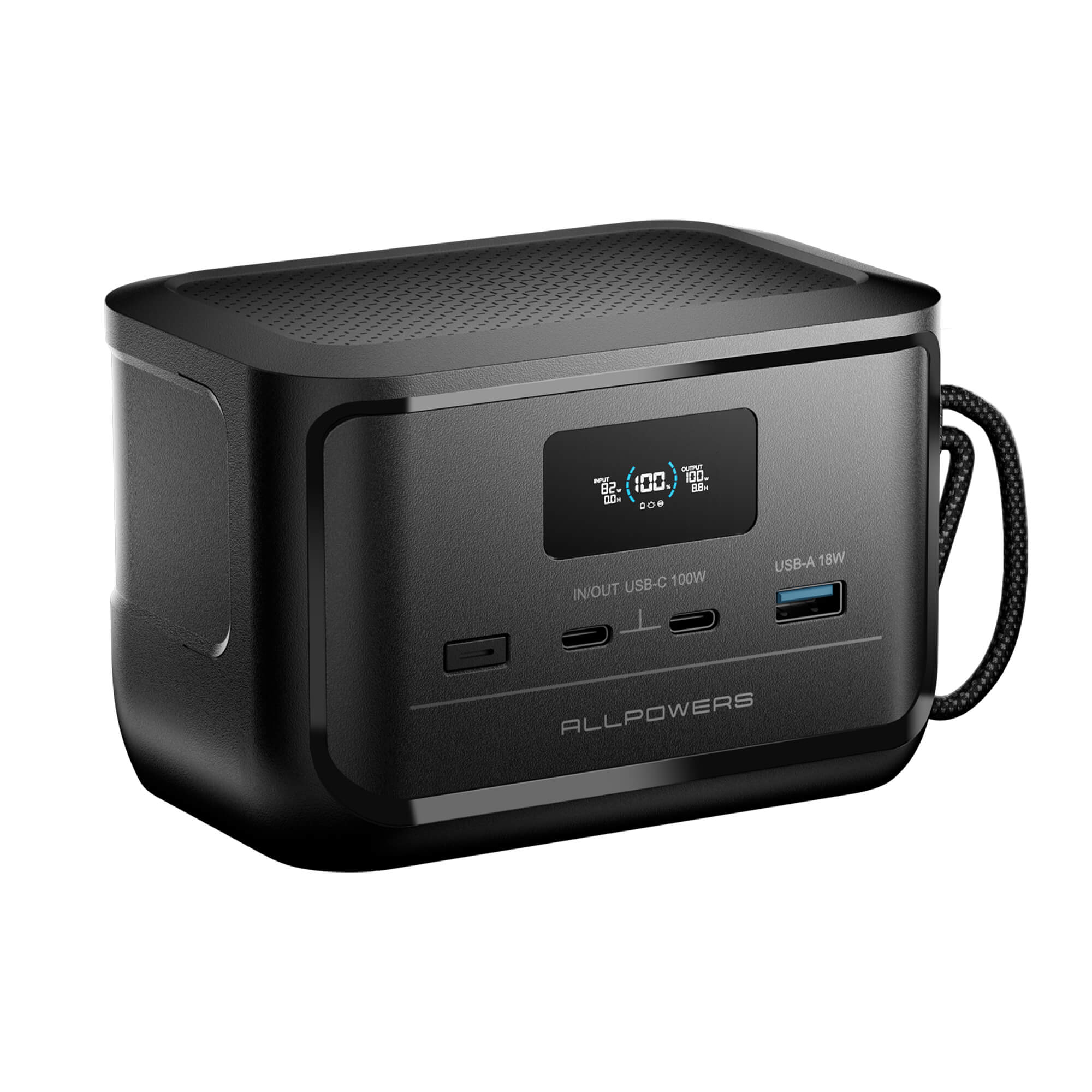
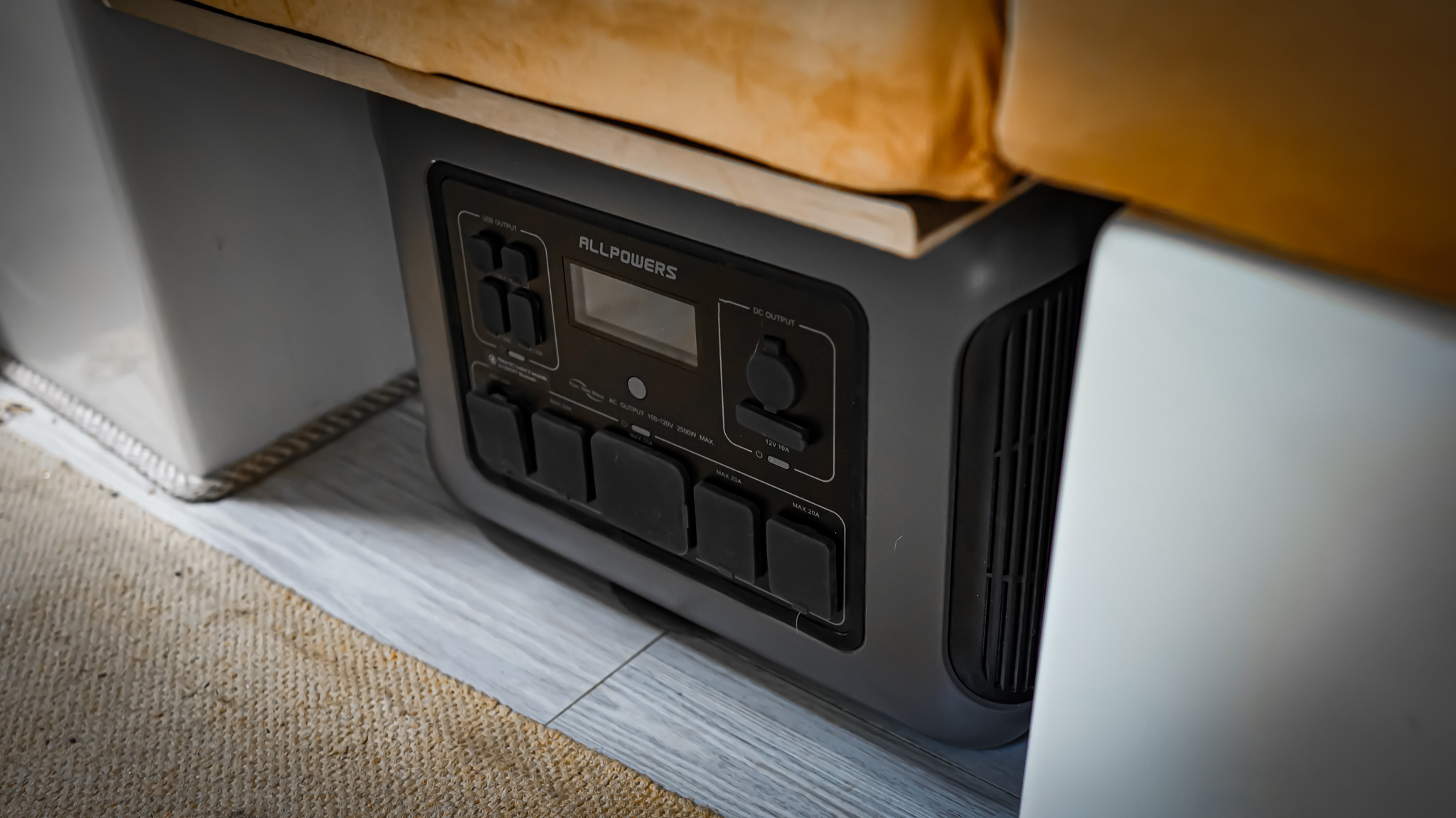
Battery-based power systems—often called portable power stations—have quietly changed the game. They don’t burn fuel, they don’t produce emissions, and they’re designed for indoor use.
Think of them as oversized, highly capable batteries. You charge them when power is available, and when an outage hits, they step in to keep essentials running.
Phones, laptops, Wi-Fi routers, even small appliances—within limits, of course.
What makes them particularly suitable for apartments is their silence. No engine noise, no exhaust, no need to place them outside. You can use them at 2 a.m. without anyone noticing.
And while they don’t have the raw output of traditional generators, they’re often enough for what apartment dwellers actually need during short outages.
Conclusion
So, can you use a generator in an apartment?
If we’re talking about traditional fuel-powered generators, the answer is still no—too risky, too restricted, too many things that can go wrong.
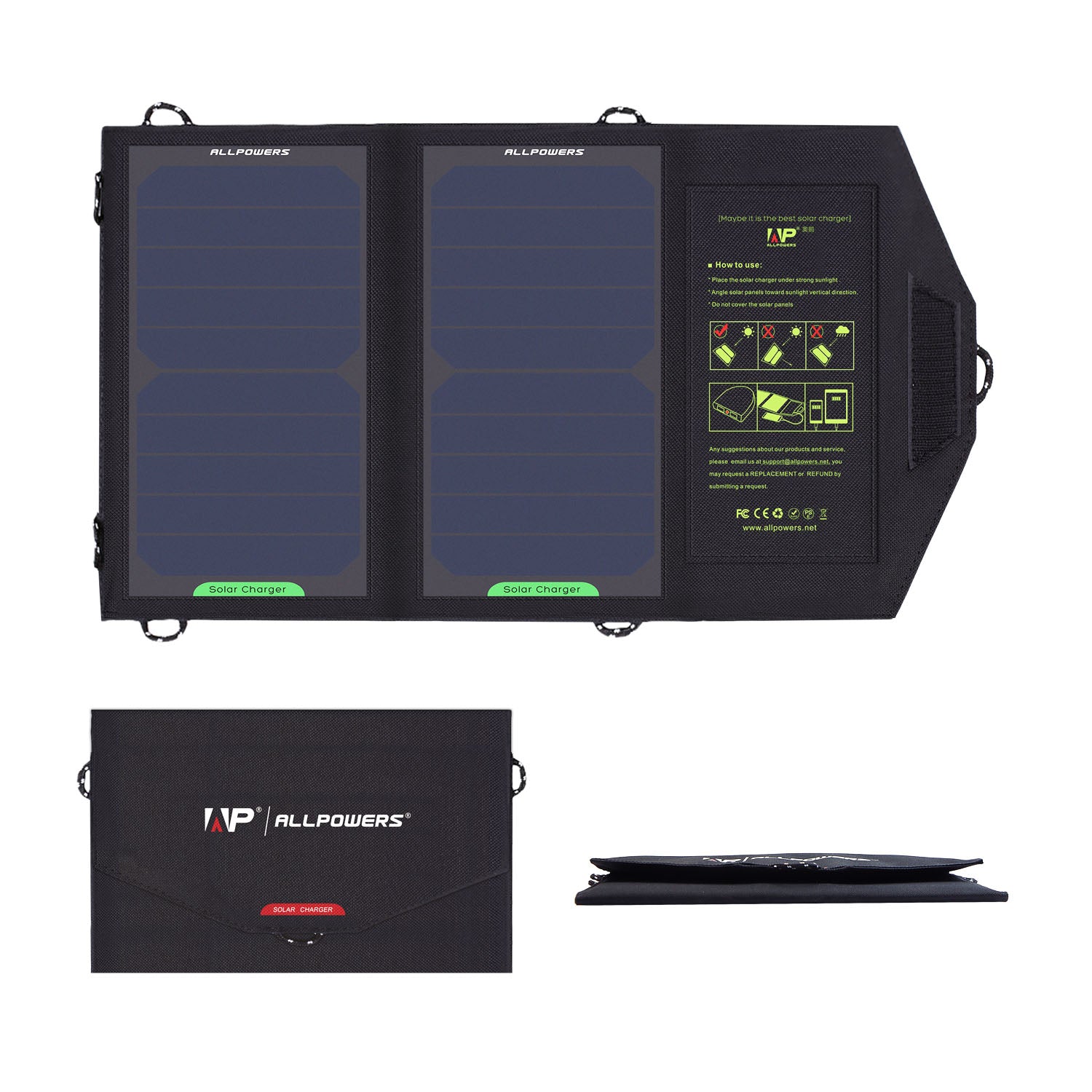
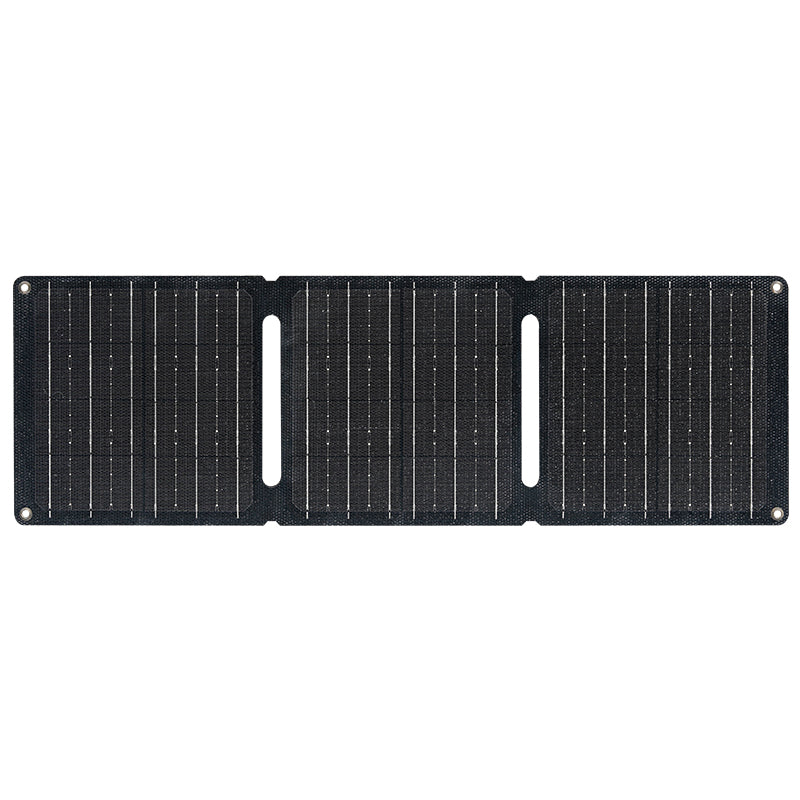
But if battery-based systems, often labeled as solar generators, are a different story. They fit the apartment lifestyle—quiet, safe, and adaptable.