








A 1200 square foot house sits in that middle ground—neither tiny nor sprawling, but big enough to demand real power planning when the lights go out.
Some people assume they need a massive generator just because “it’s a whole house,” only to realize later they were powering empty rooms and unused appliances.
Then again, I’ve also watched folks underestimate their needs and end up rationing electricity like it’s a camping trip gone wrong.
So, what size generator actually makes sense for a 1200 sq ft house?
TL;DR
For most 1200 sq ft homes, a generator in the 3,000 to 7,500 watt range covers essential needs like lights, fridge, fans, and basic electronics. If you want to run air conditioning, electric water heaters, or multiple appliances at once, you’re looking closer to 7,500 to 12,000 watts.
Electrical load of a typical 1200 sq ft home
Two homes of the same size can have wildly different power needs.
One household might run a minimalist setup—LED lights, a laptop, maybe a fan humming in the background.
Another could have a large refrigerator, an electric stove, multiple TVs, and a central air system working overtime.
Still, square footage gives us a rough mental frame.
A 1200 sq ft house is usually a small-to-medium home, often with two or three bedrooms.
That typically means a modest number of circuits, which helps narrow things down.
The refrigerator hums quietly in the kitchen. A few LED lights glow in the living room. Maybe a fan spins lazily overhead.
Add a Wi-Fi router—because let’s be honest, being offline feels worse than the dark sometimes.
Individually, these aren’t demanding. A refrigerator might use 600 watts when running, but spike to 1,200 watts on startup. LED lighting barely dents the total.
Fans sit somewhere in the low hundreds. Suddenly, you’re hovering around 2,000 to 3,000 watts for basic comfort.
Now layer in something heavier—say, a portable air conditioner or a microwave—and you quickly climb toward 4,000 to 5,000 watts. Add central air, and things escalate fast.
A small generator can cover the essentials surprisingly well
For short outages, many households get by with a generator in the 3,000 to 5,000 watt range.
It’s not glamorous, but it works.
You can run your refrigerator, a few lights, maybe a fan, and charge your devices. Rotate appliances if needed—microwave now, coffee maker later.
It’s a bit like camping indoors, honestly. Not uncomfortable, just slightly inconvenient.
And you know what? Some people prefer this approach. It keeps things simple and avoids over-investing in something you rarely use.
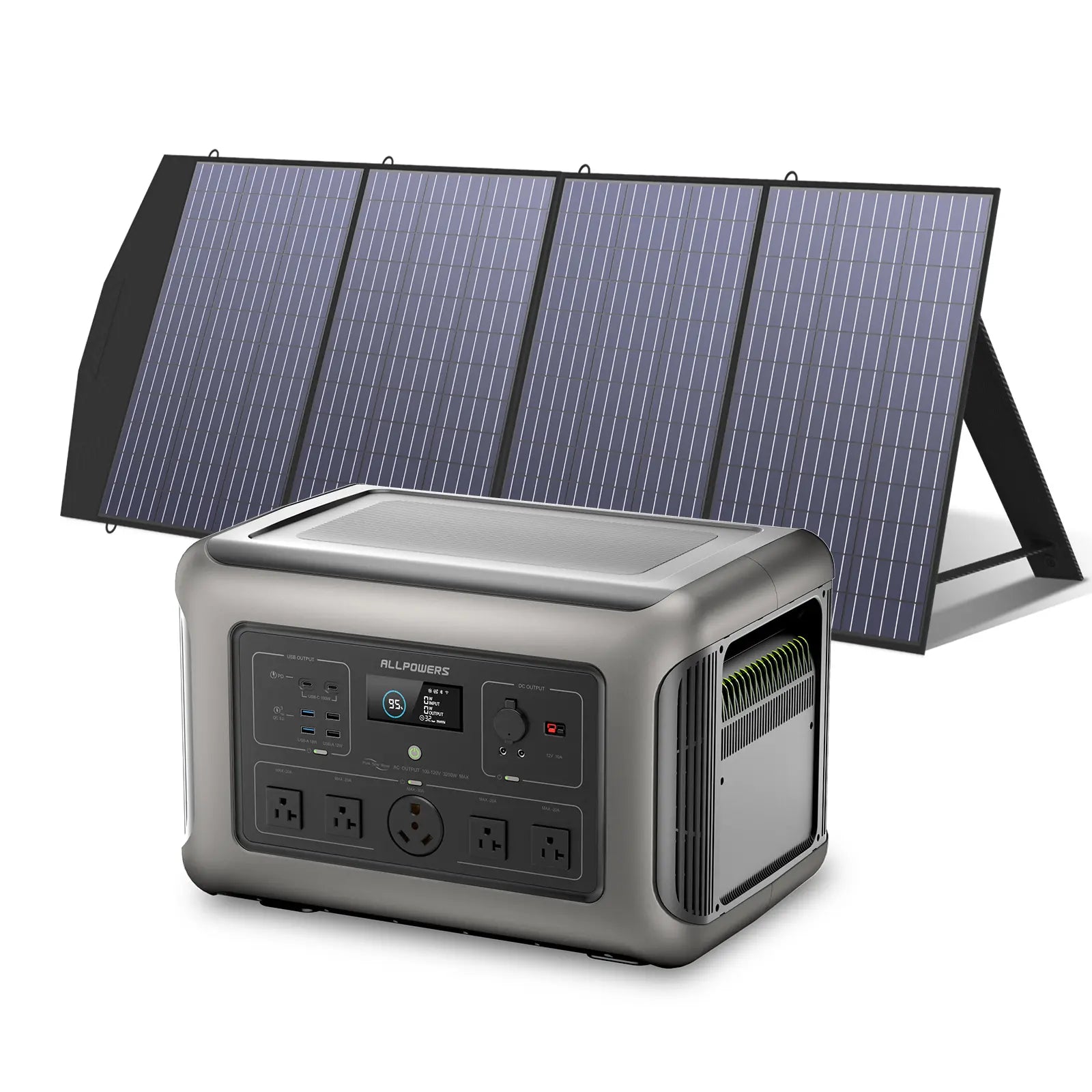
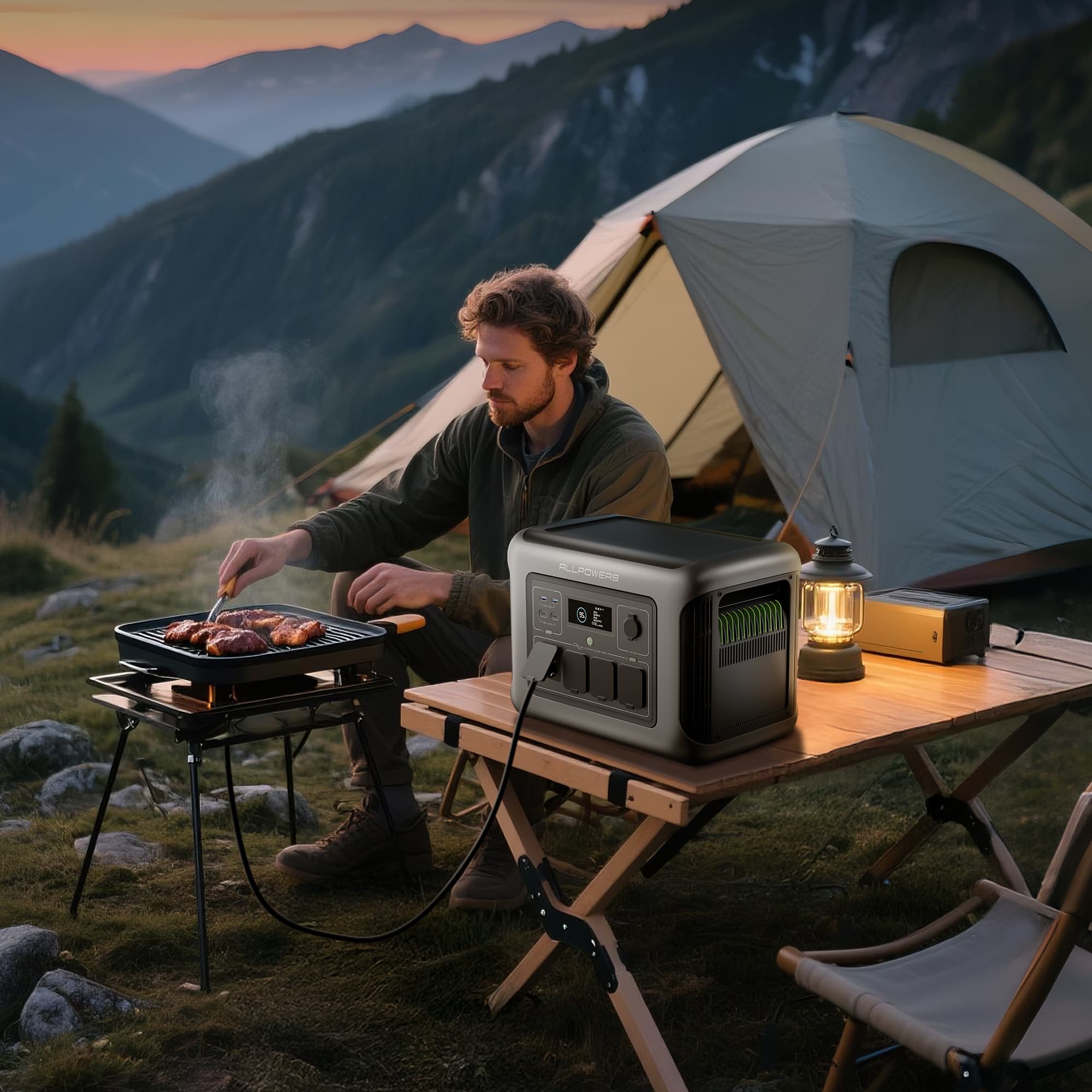
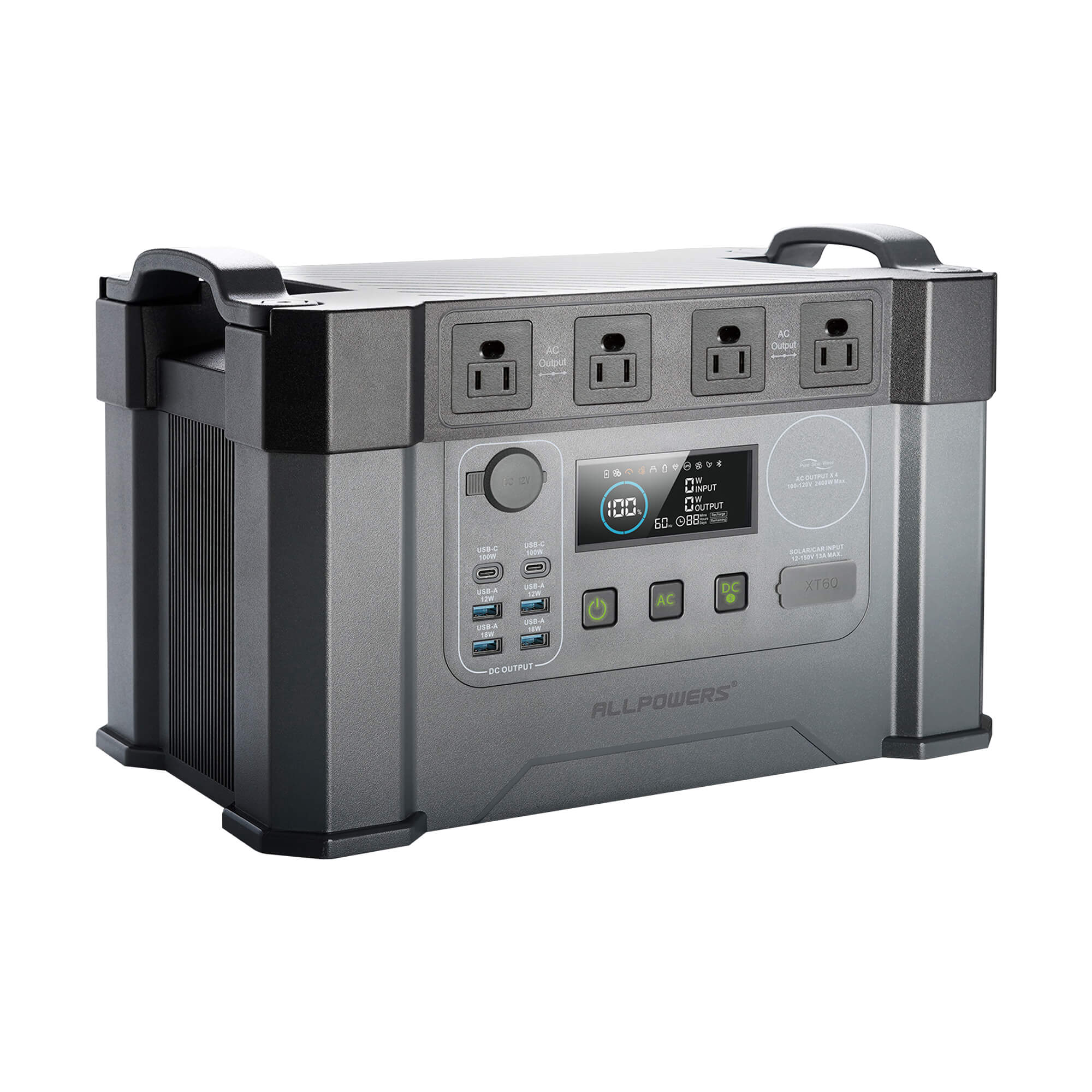
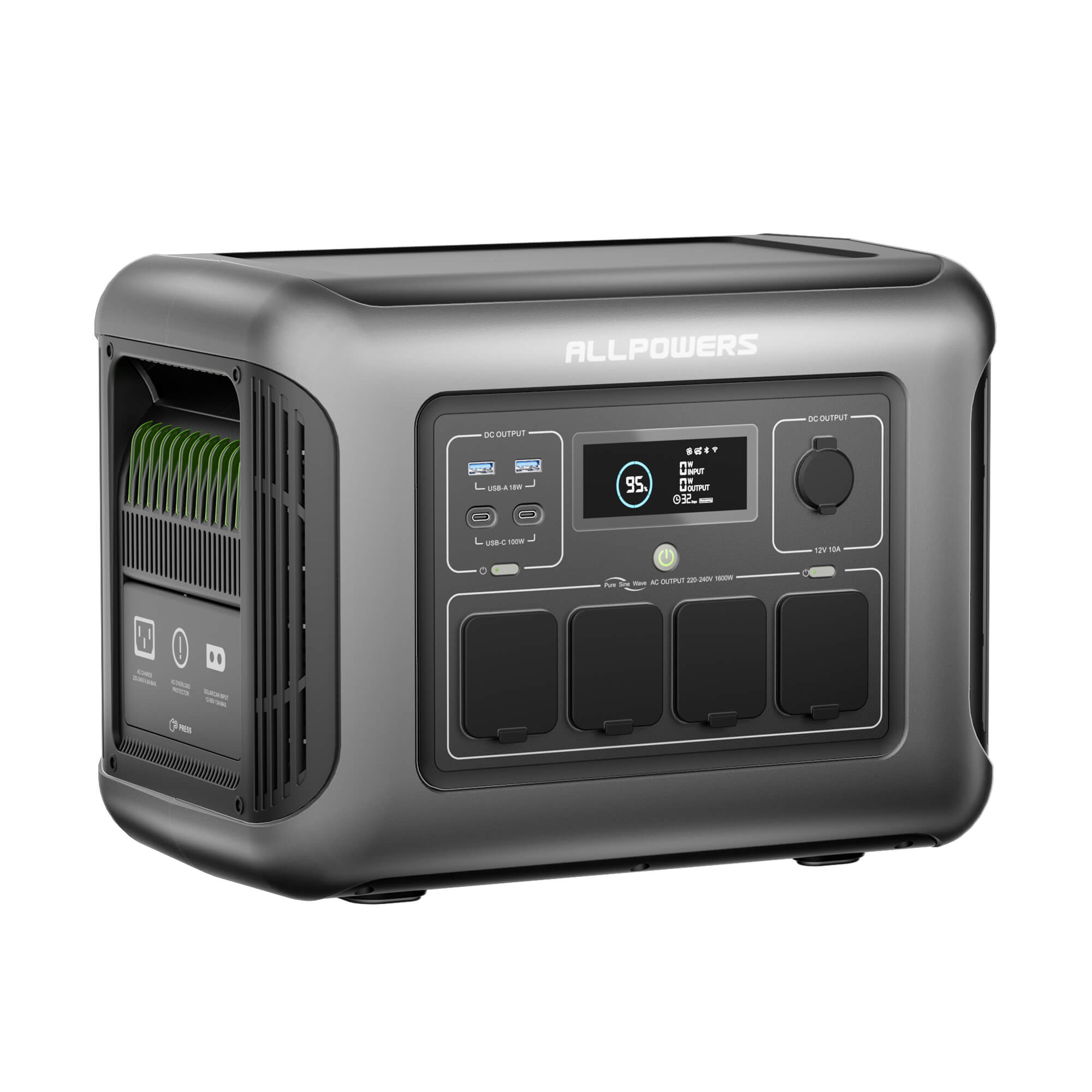
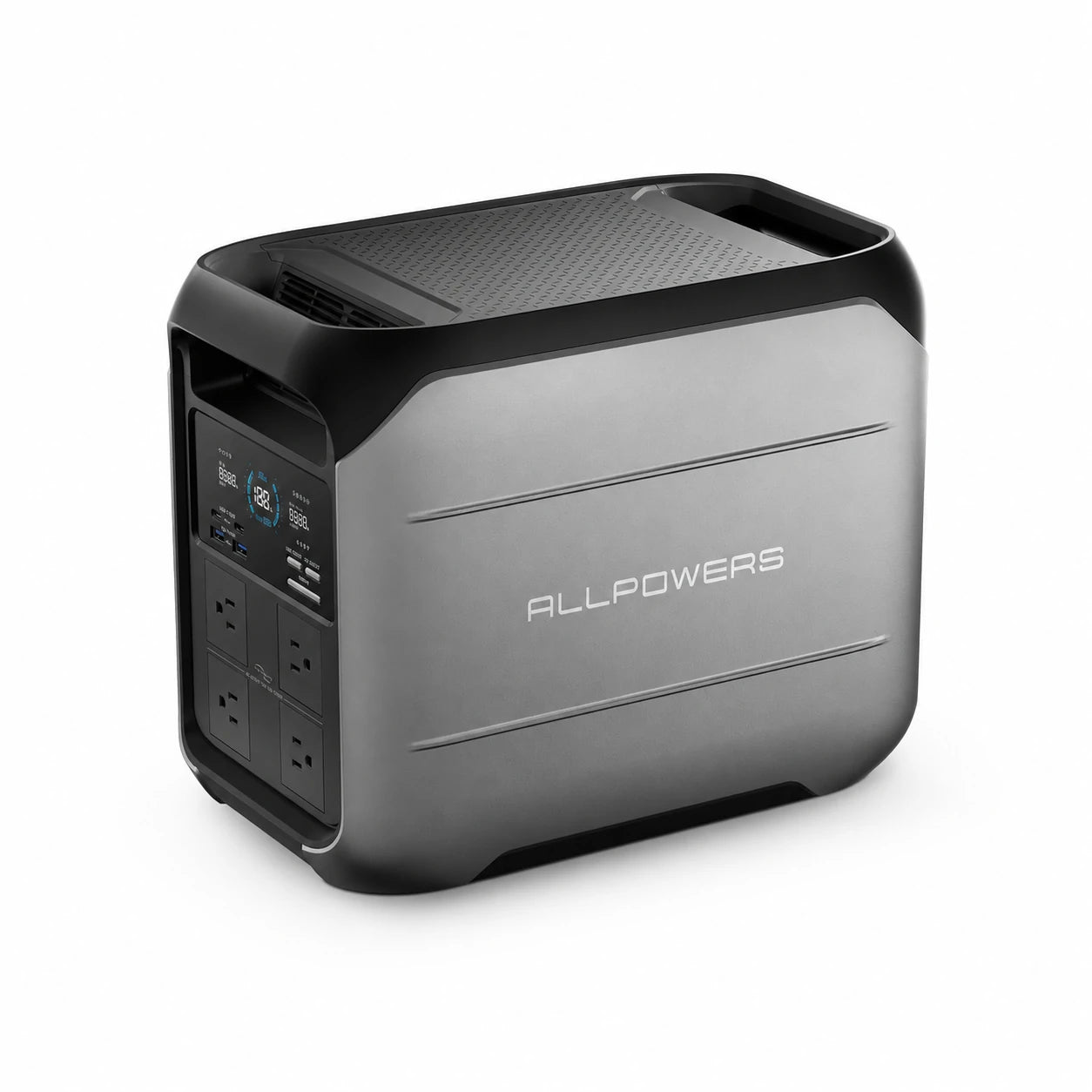
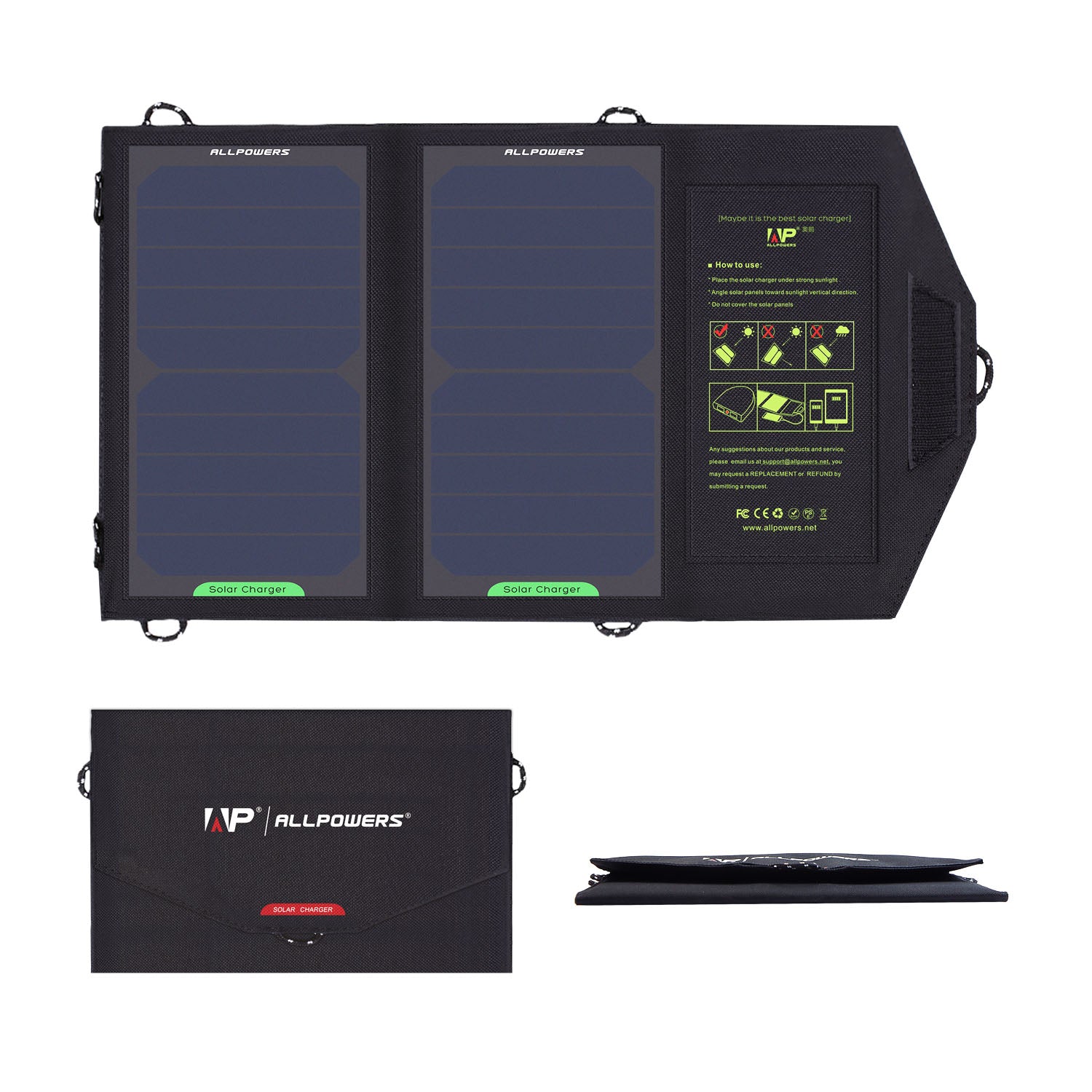
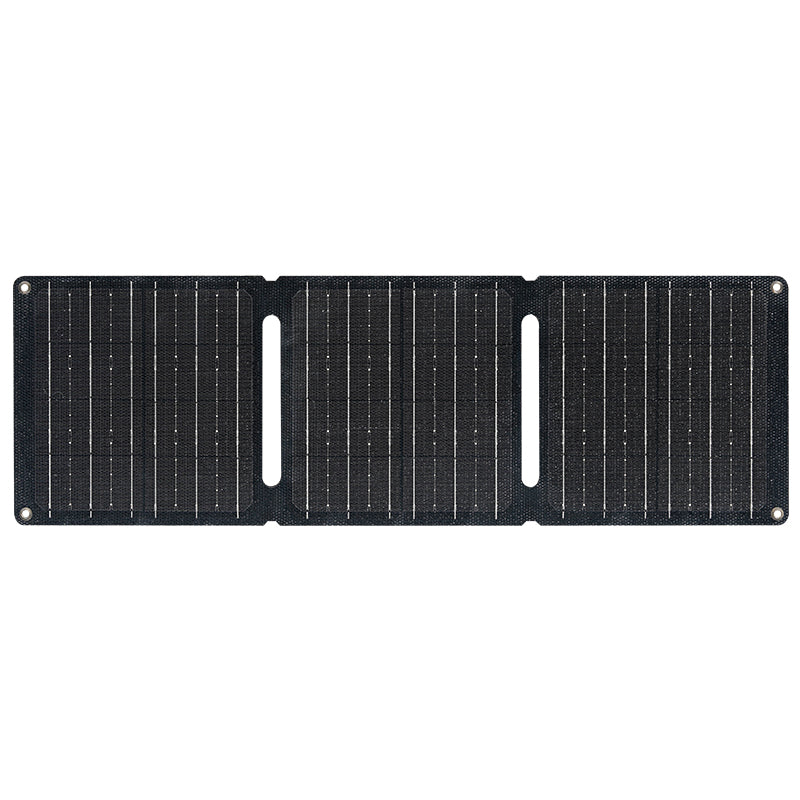
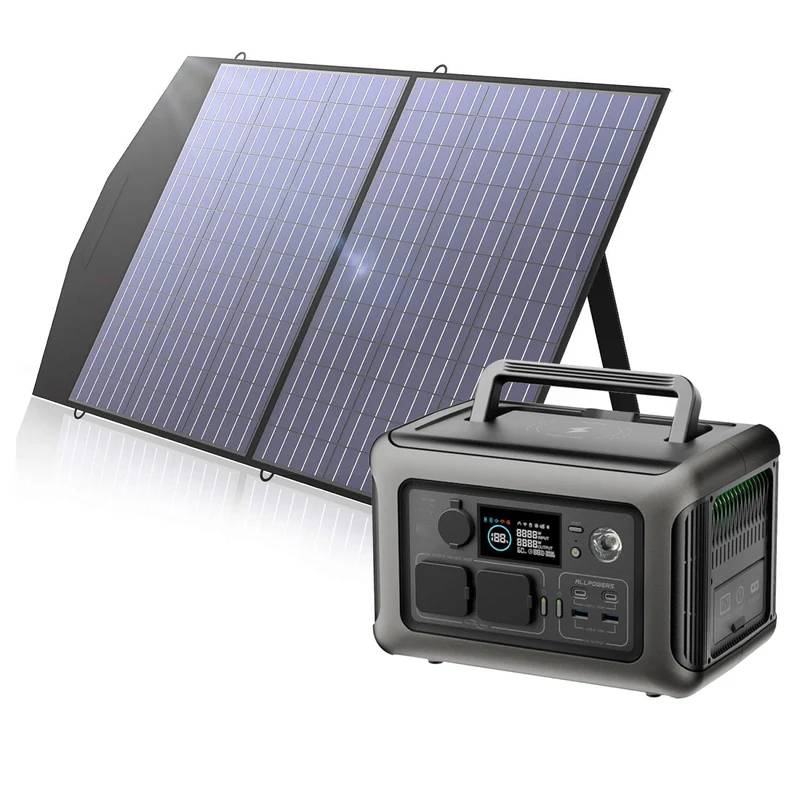
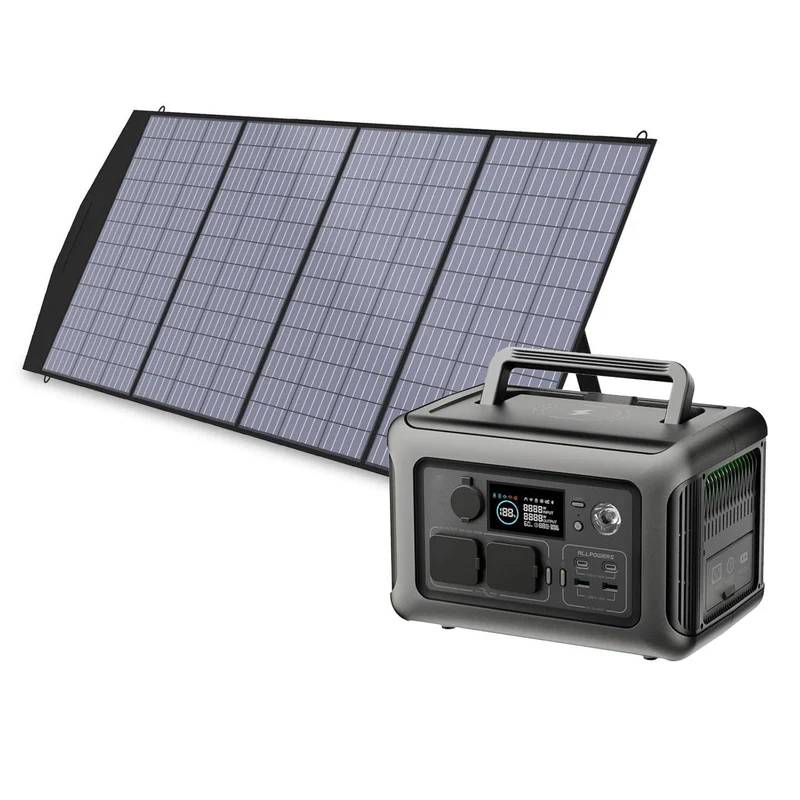
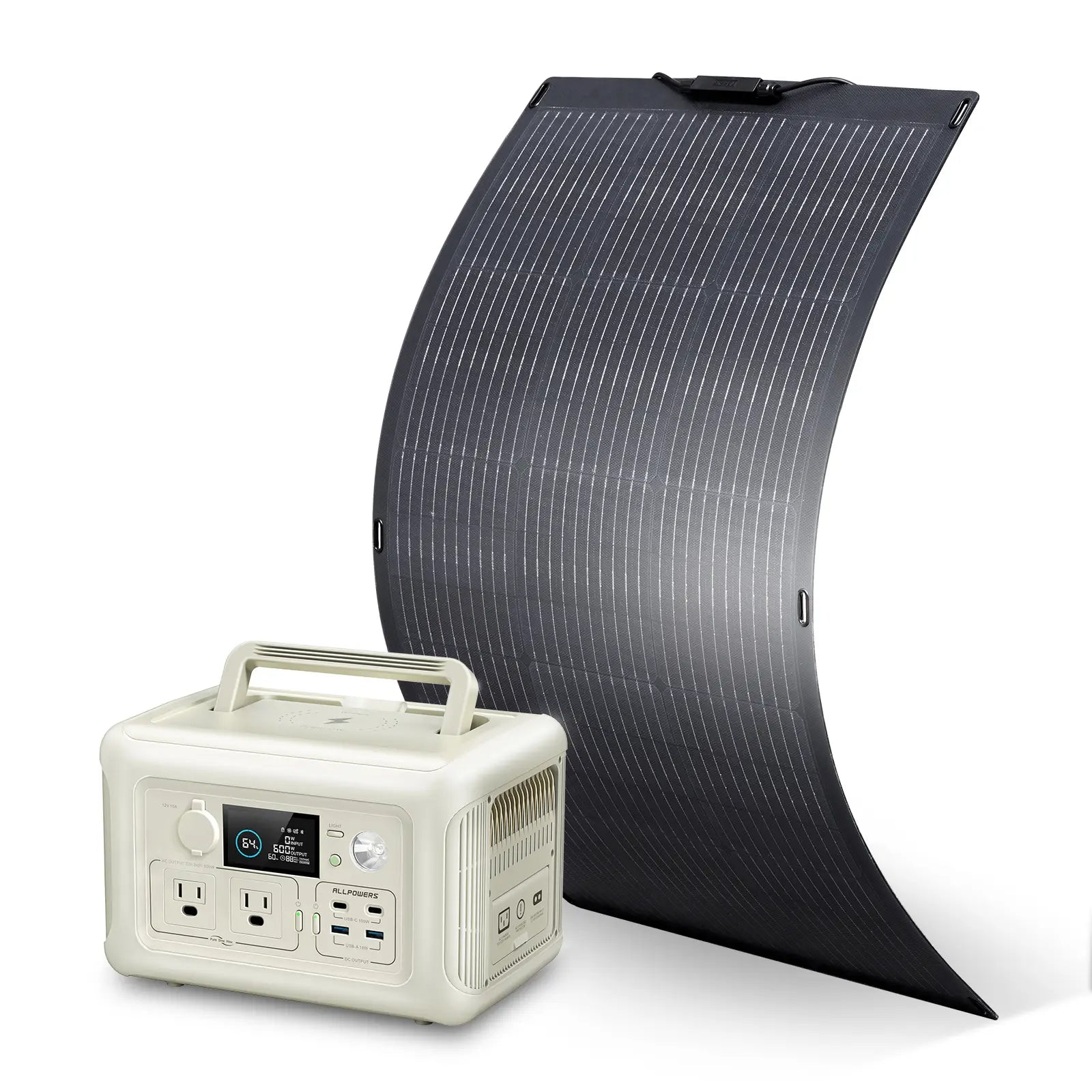
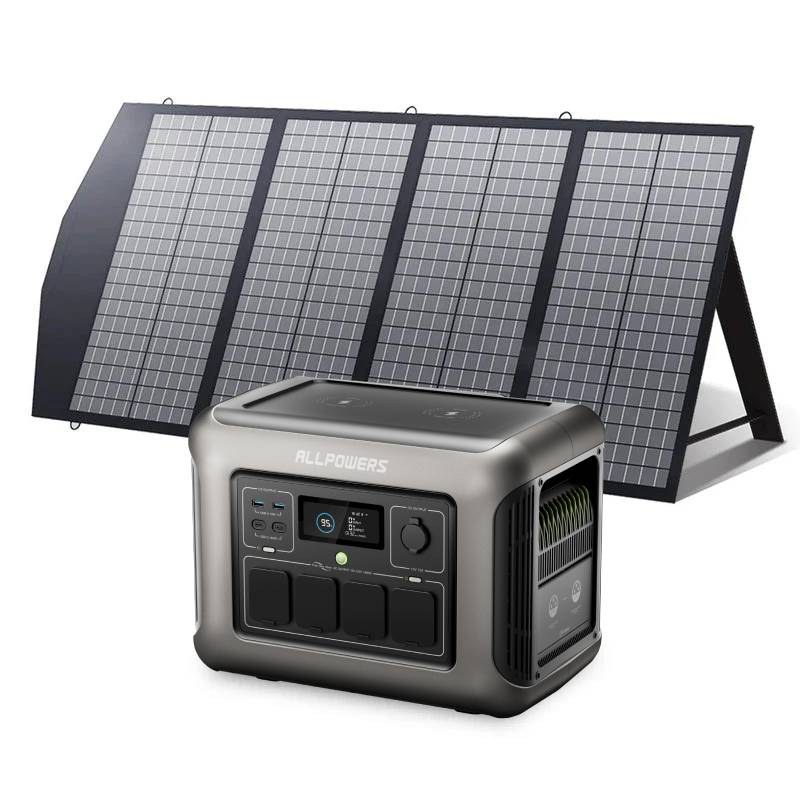
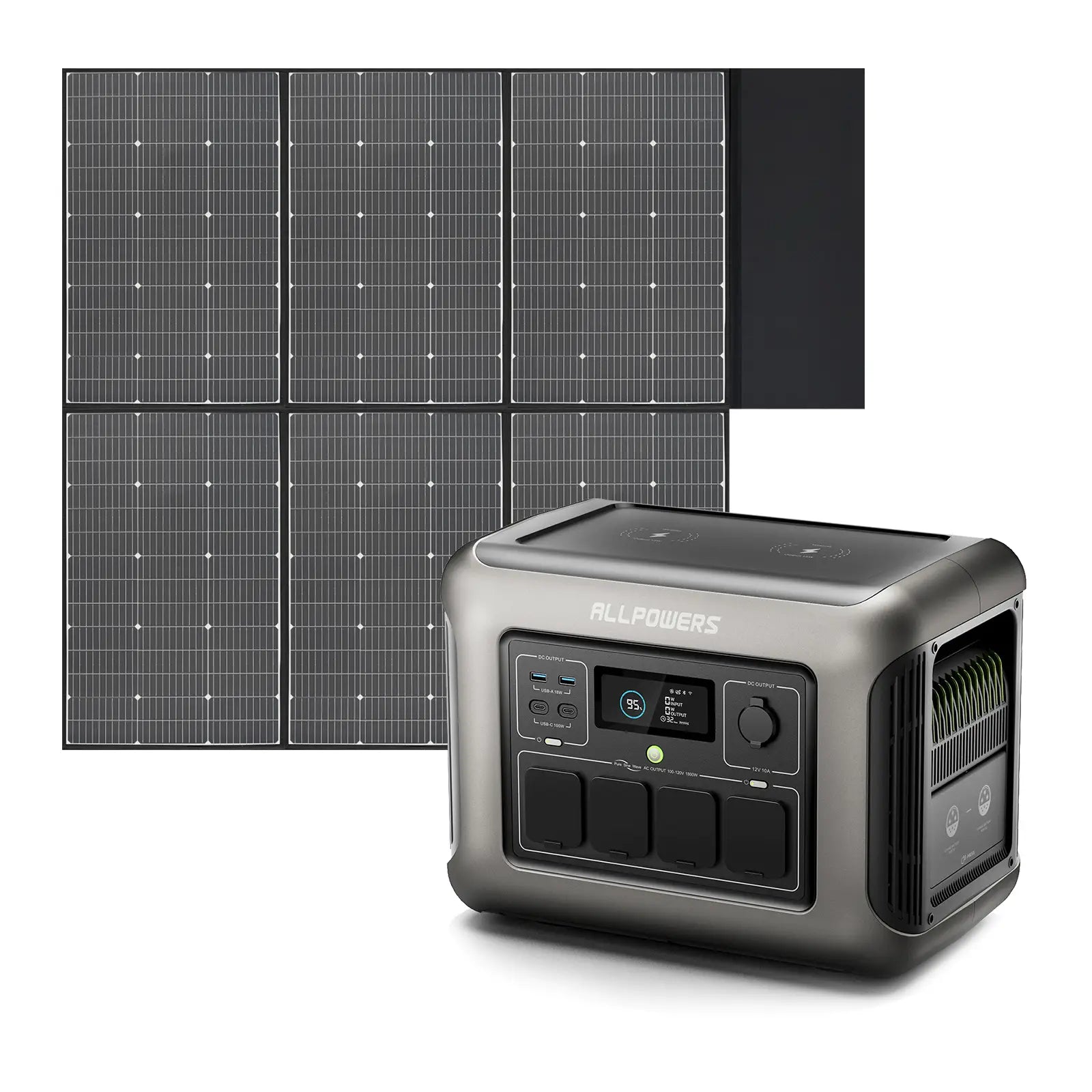
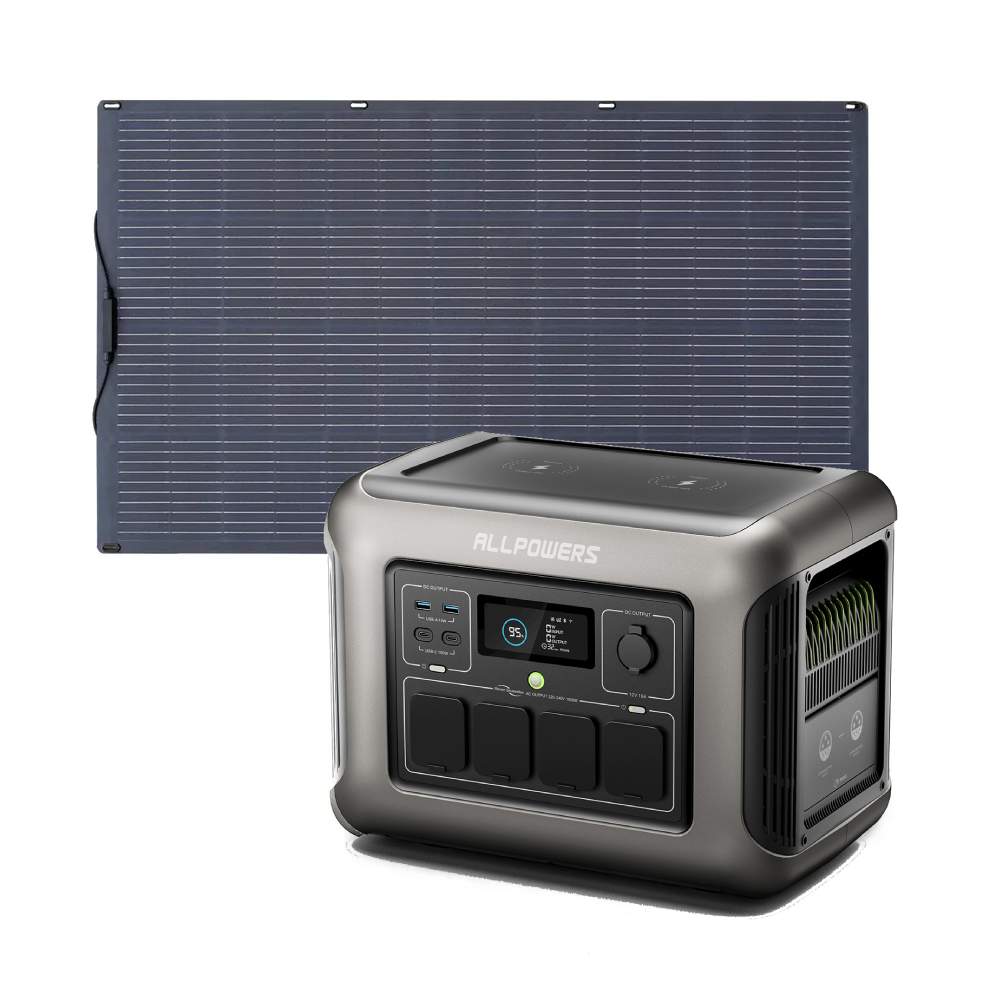
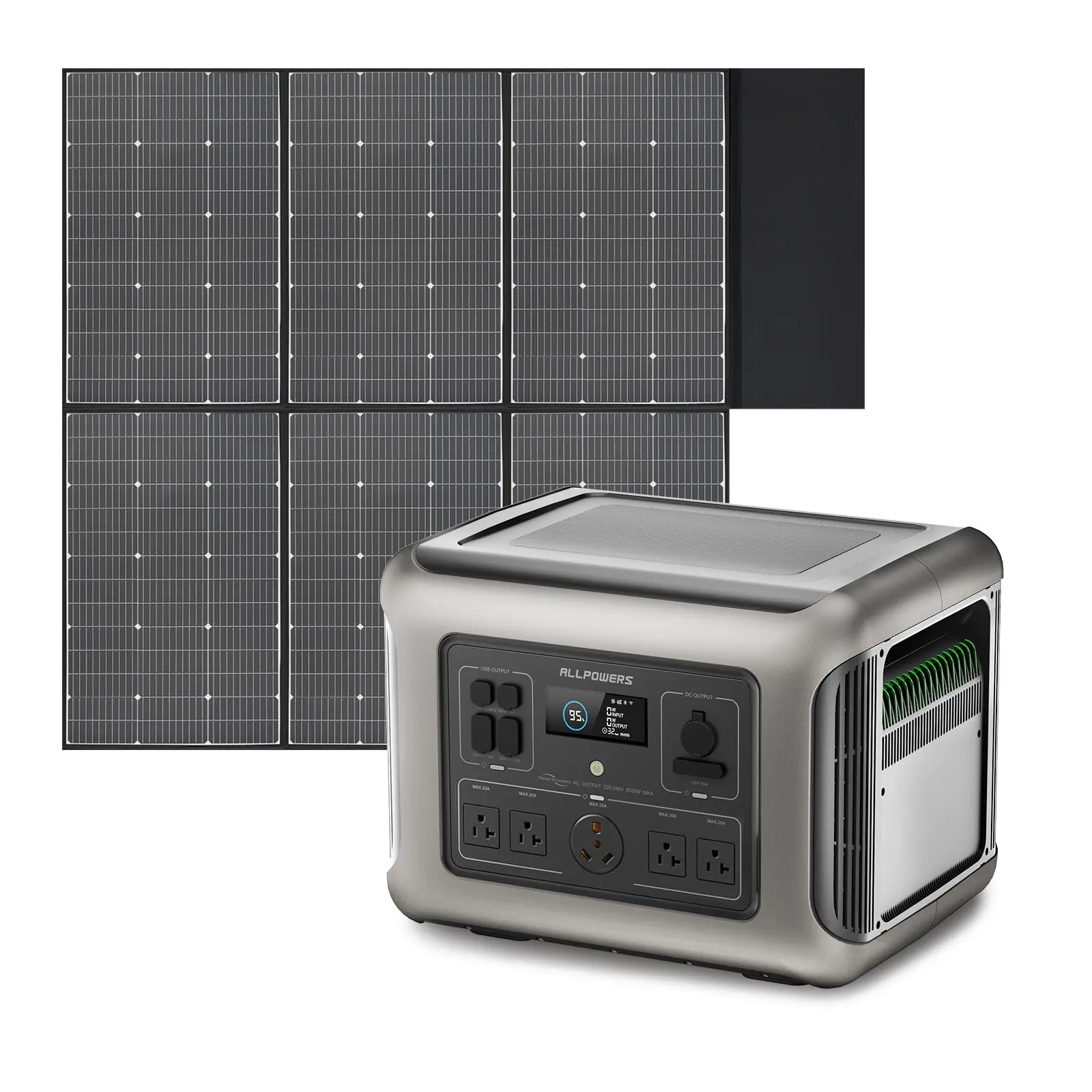
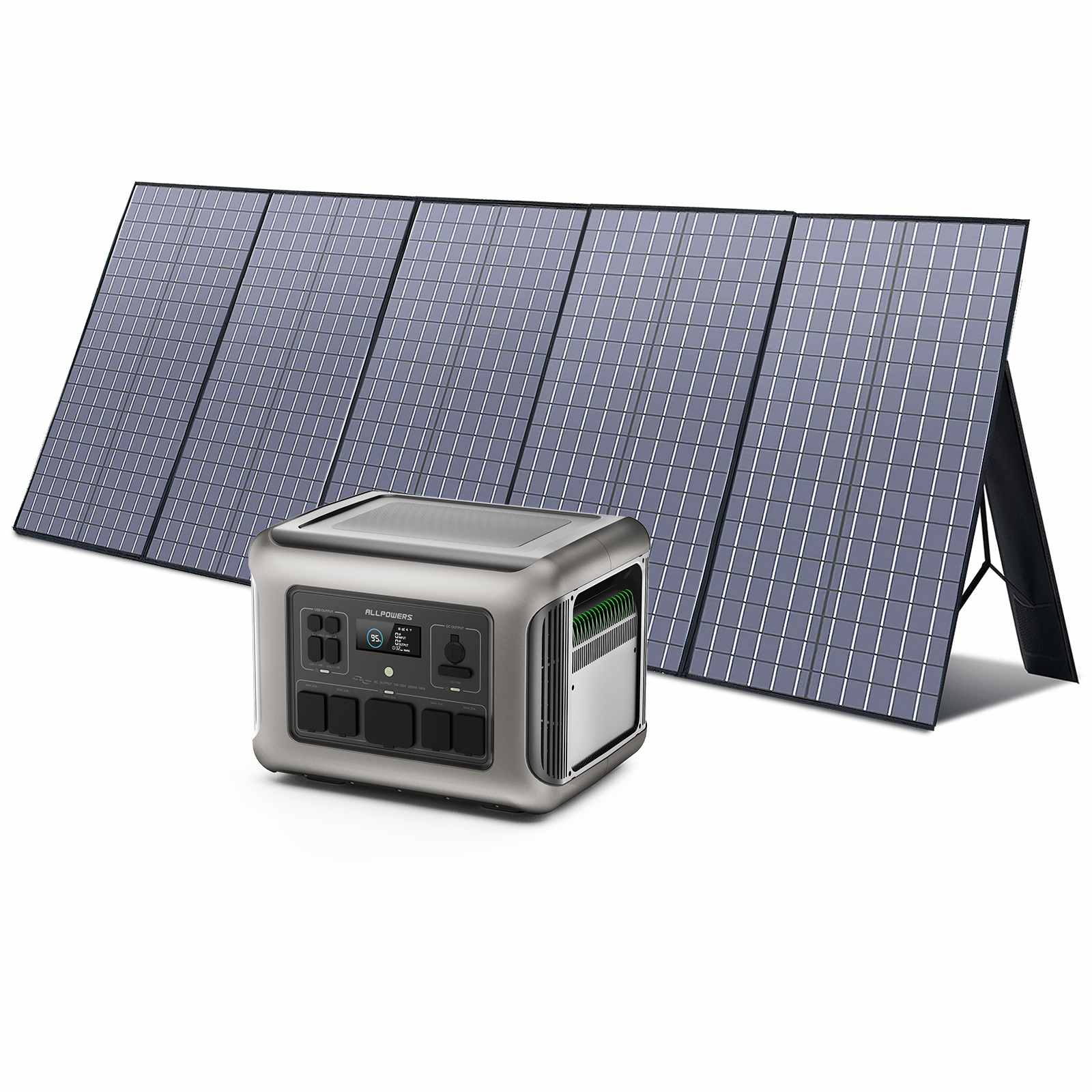
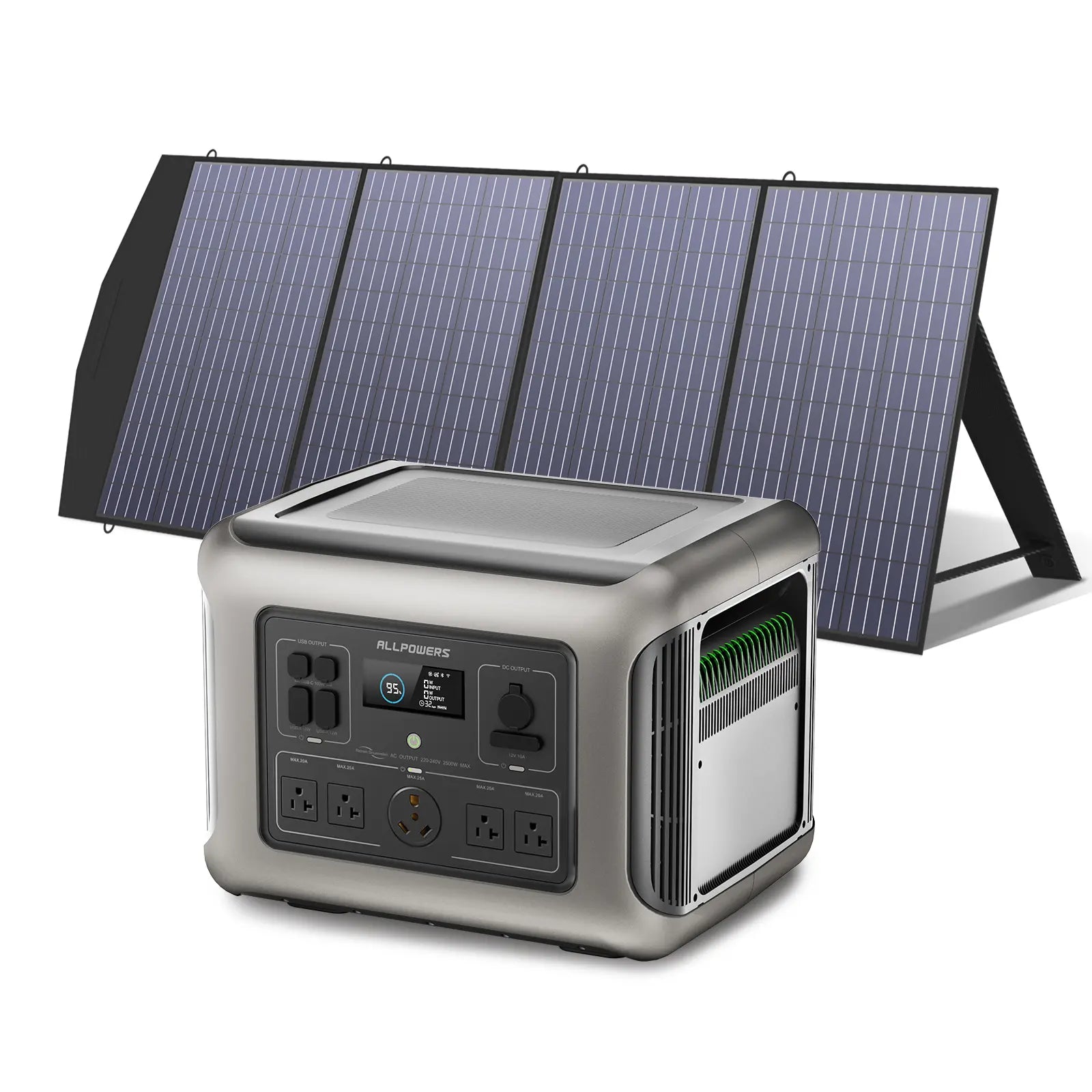
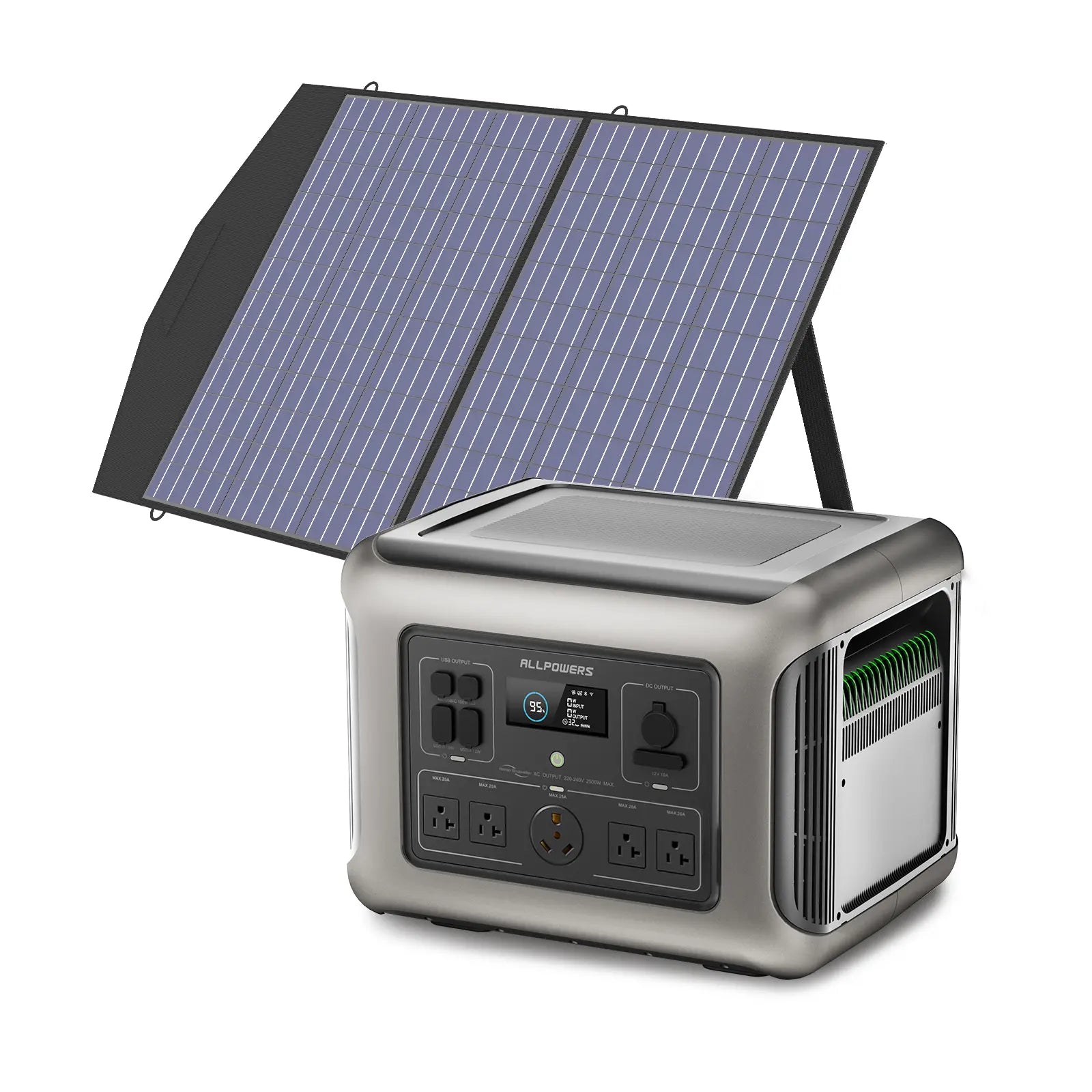
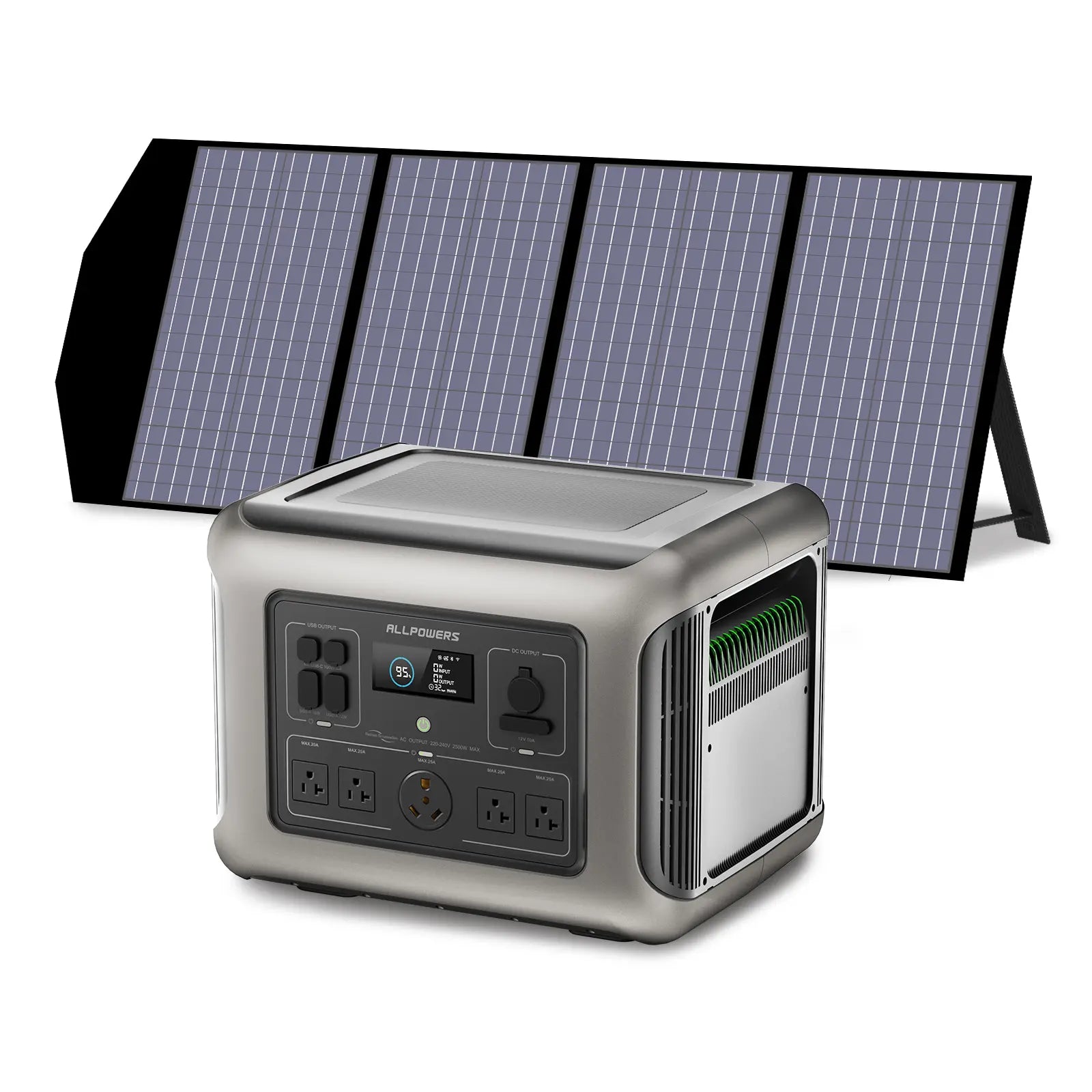
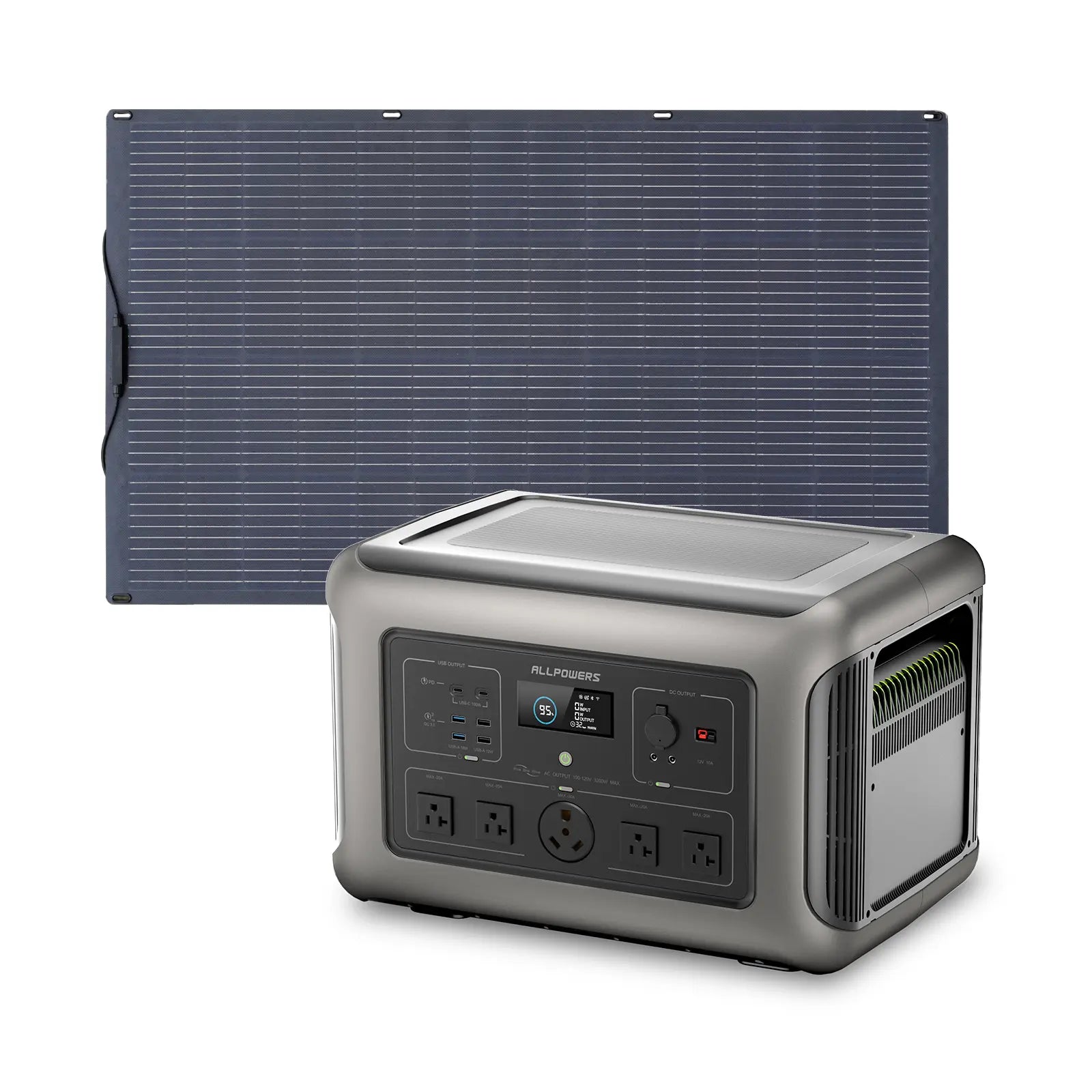
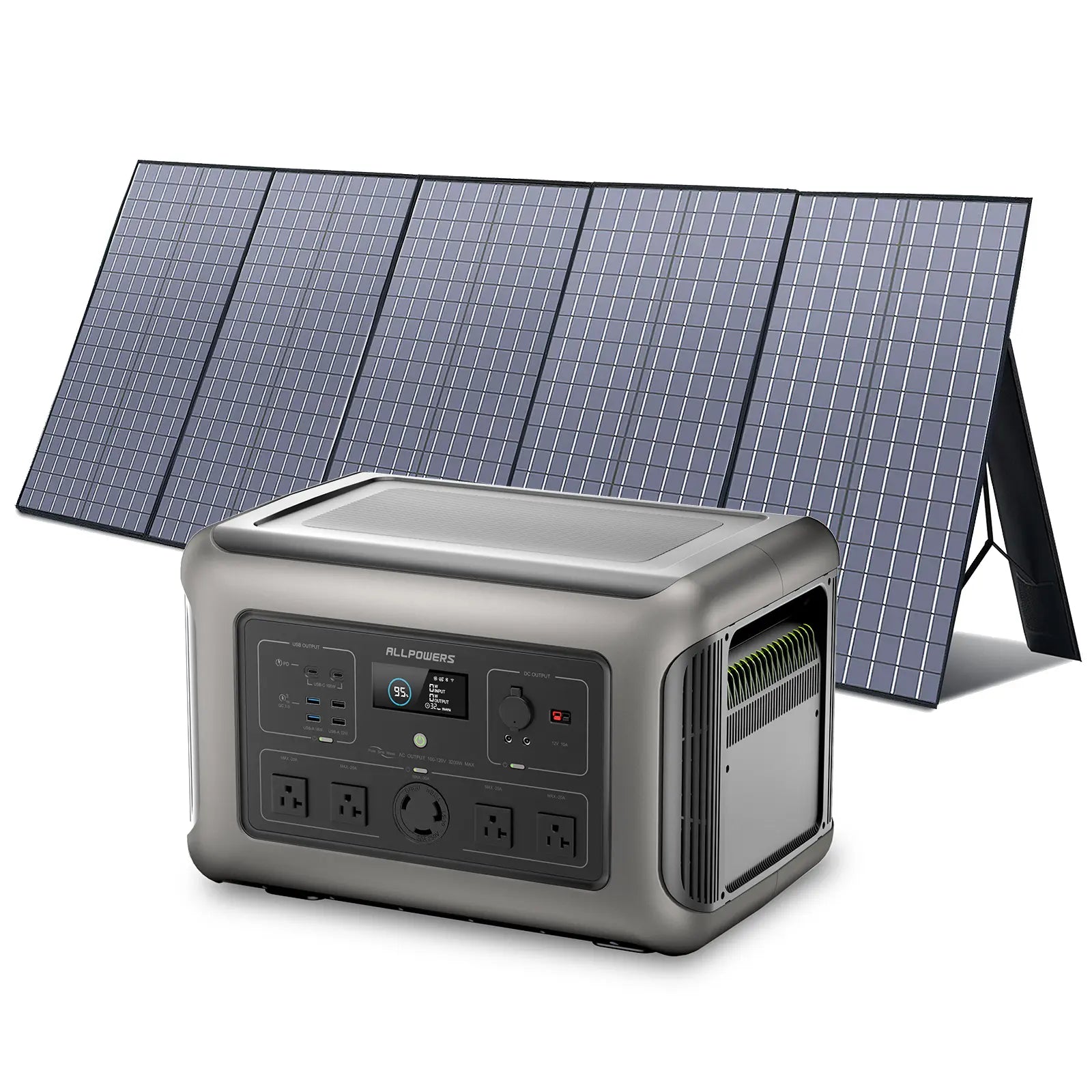
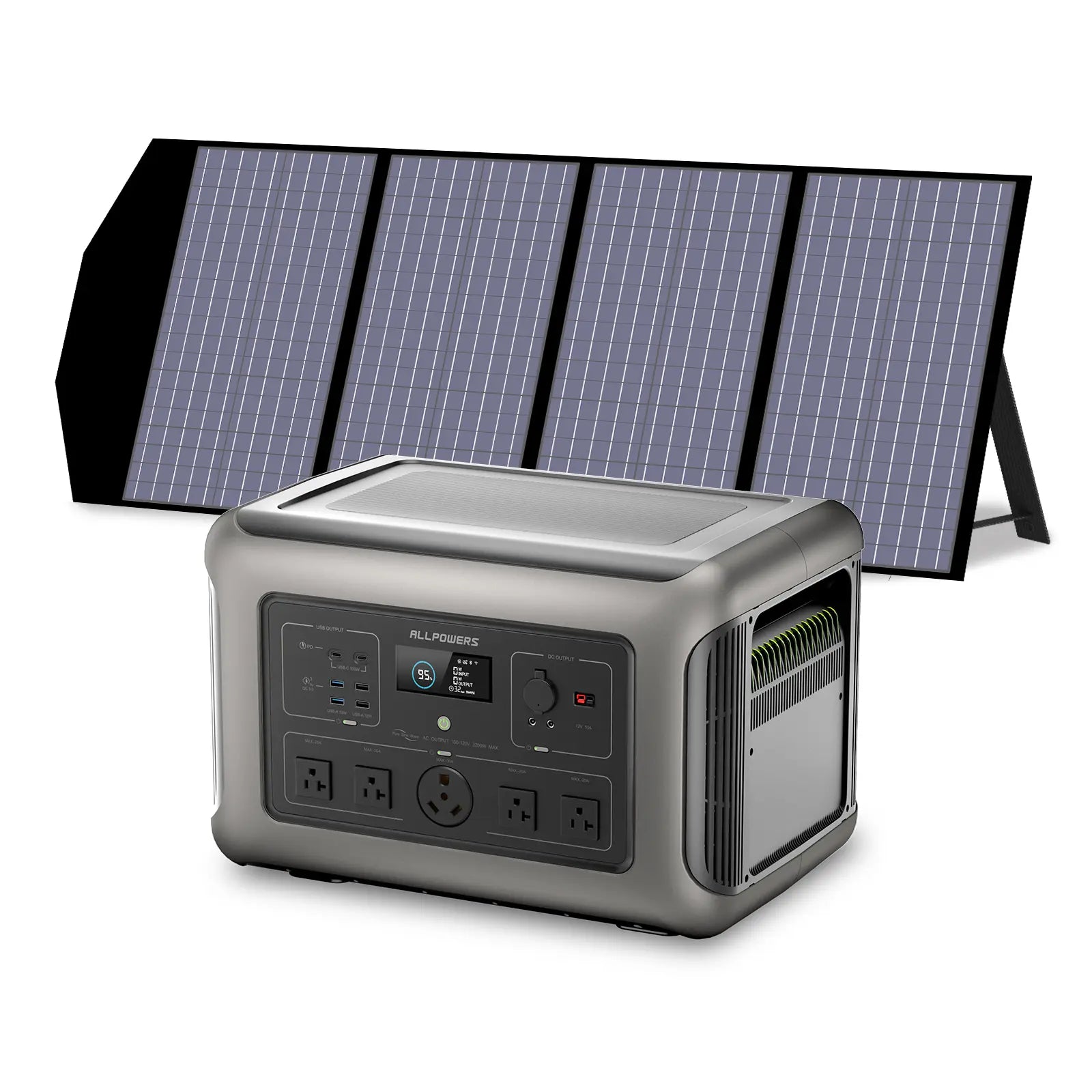
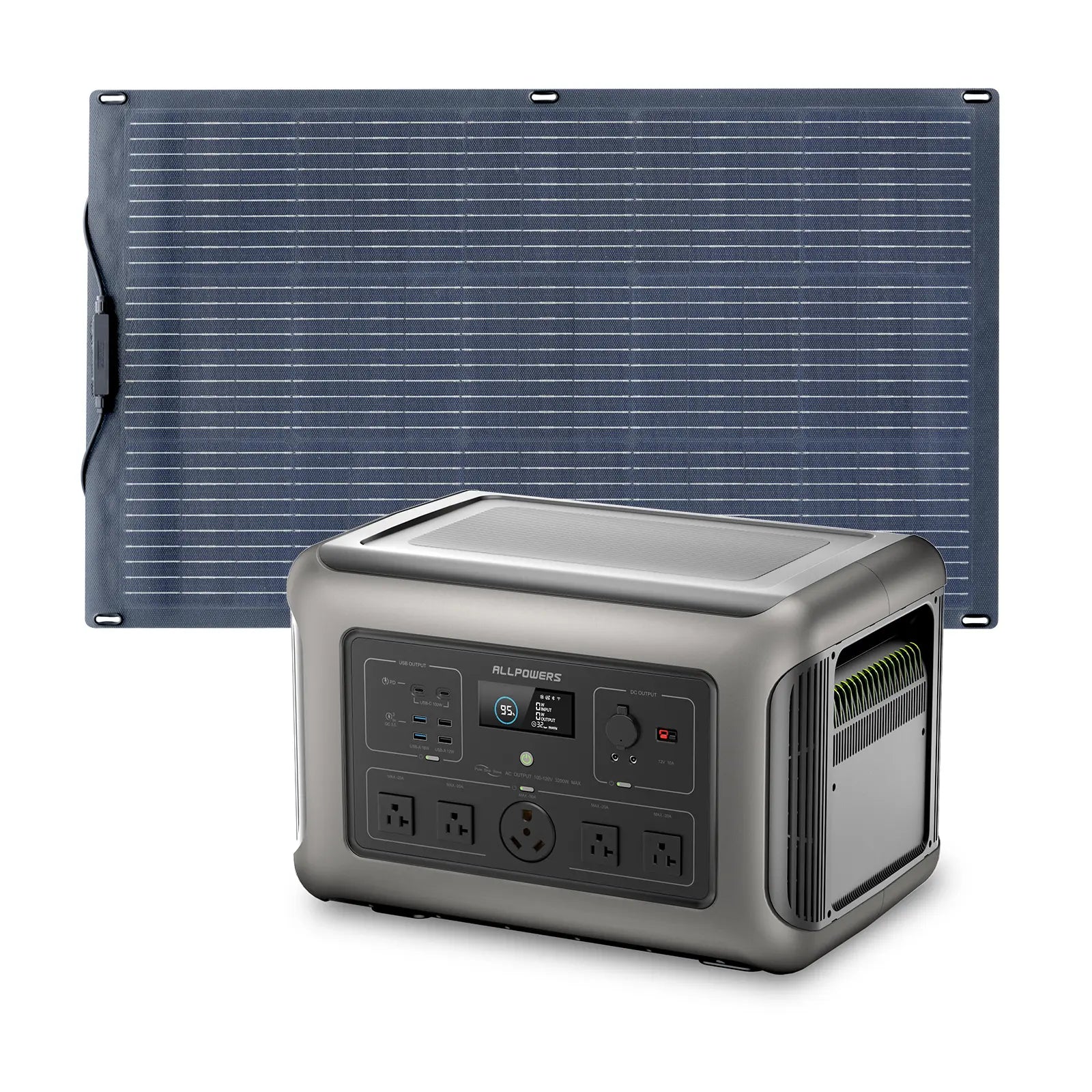
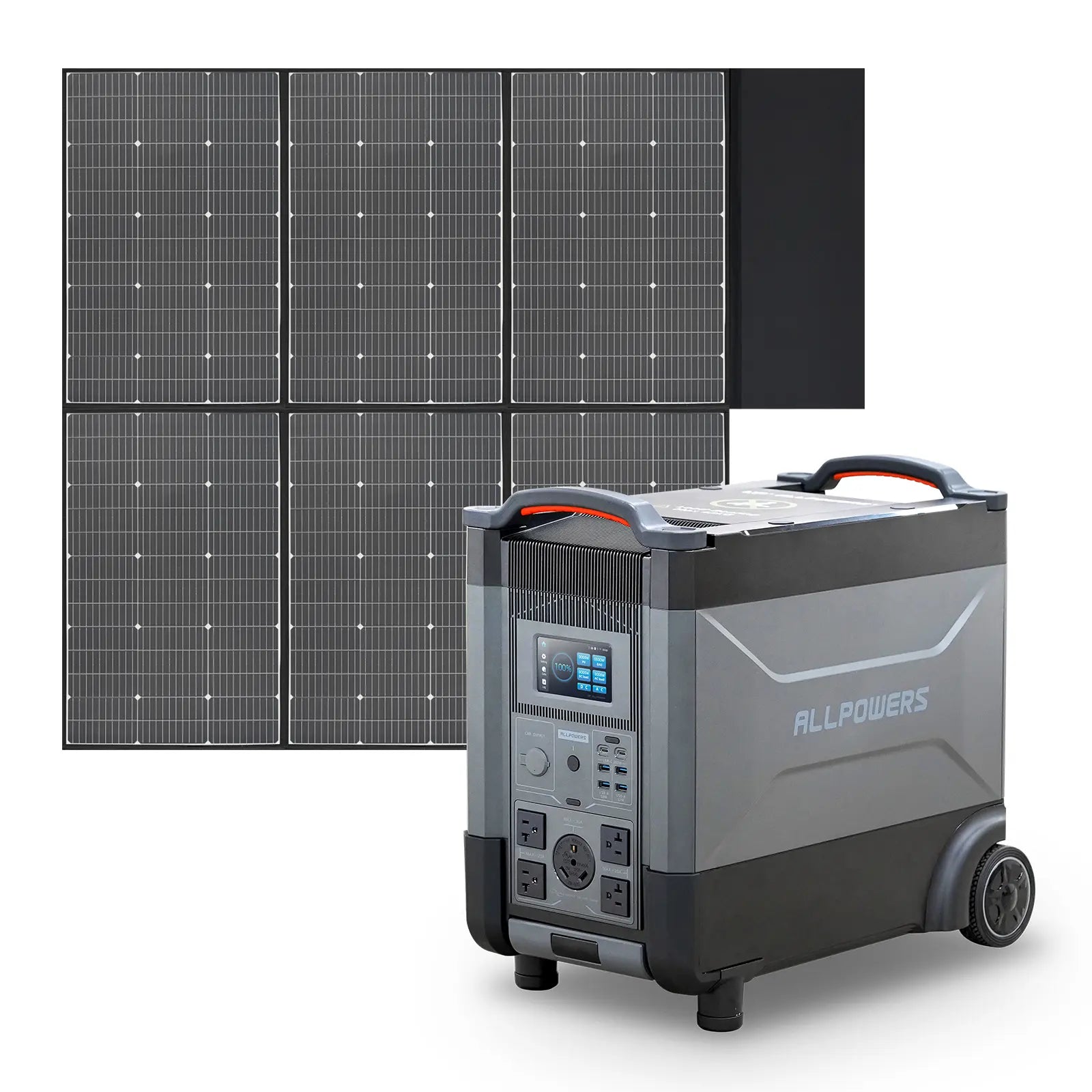
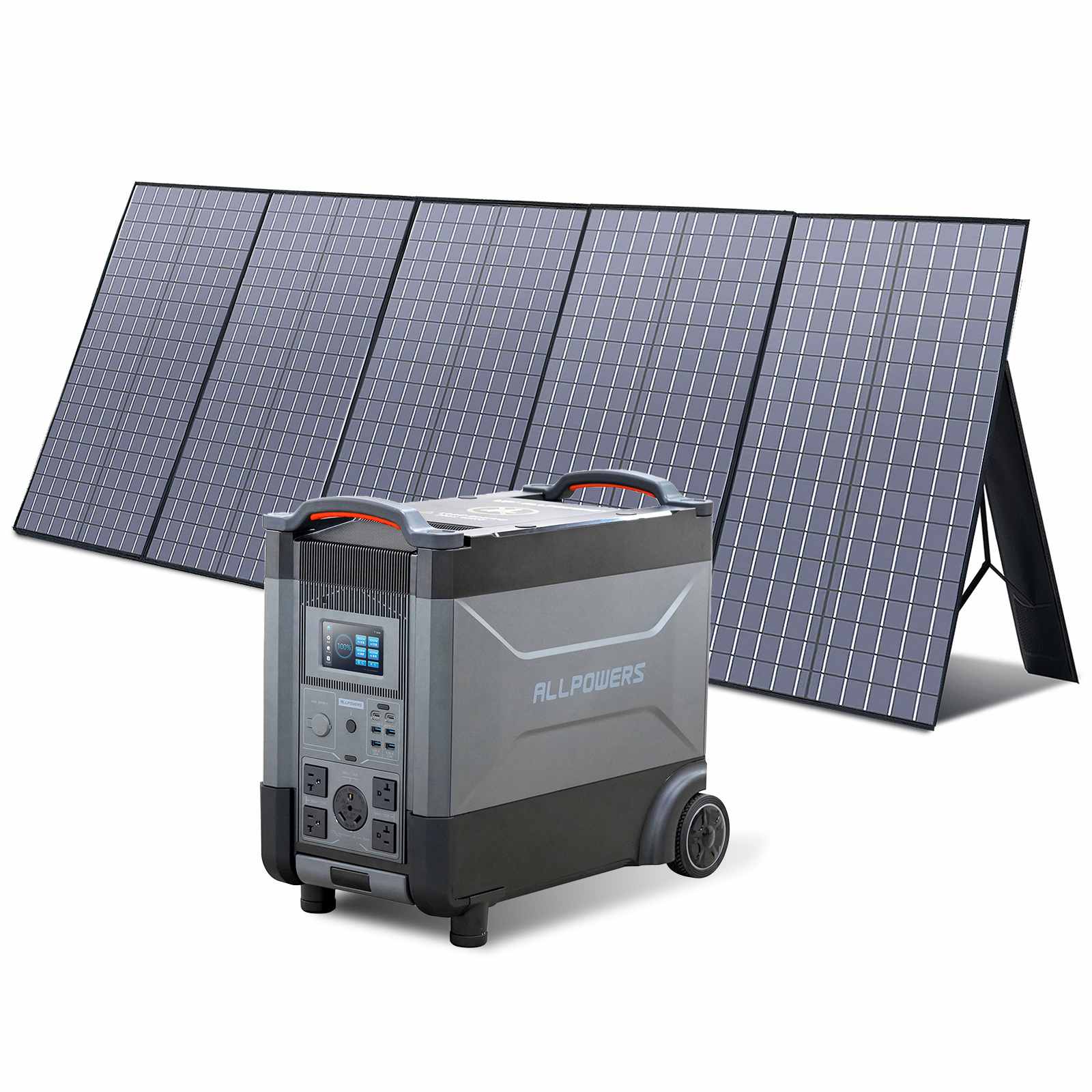
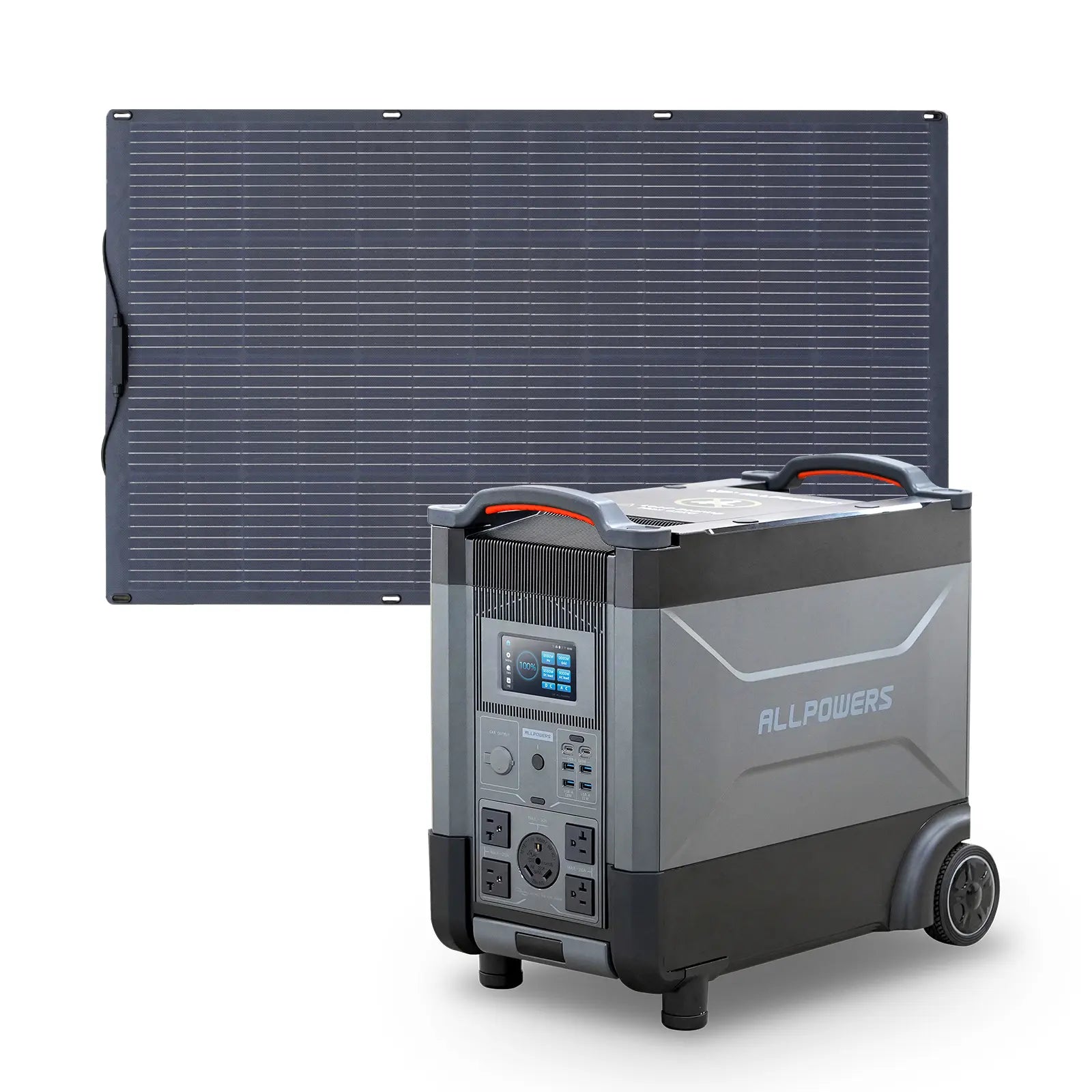
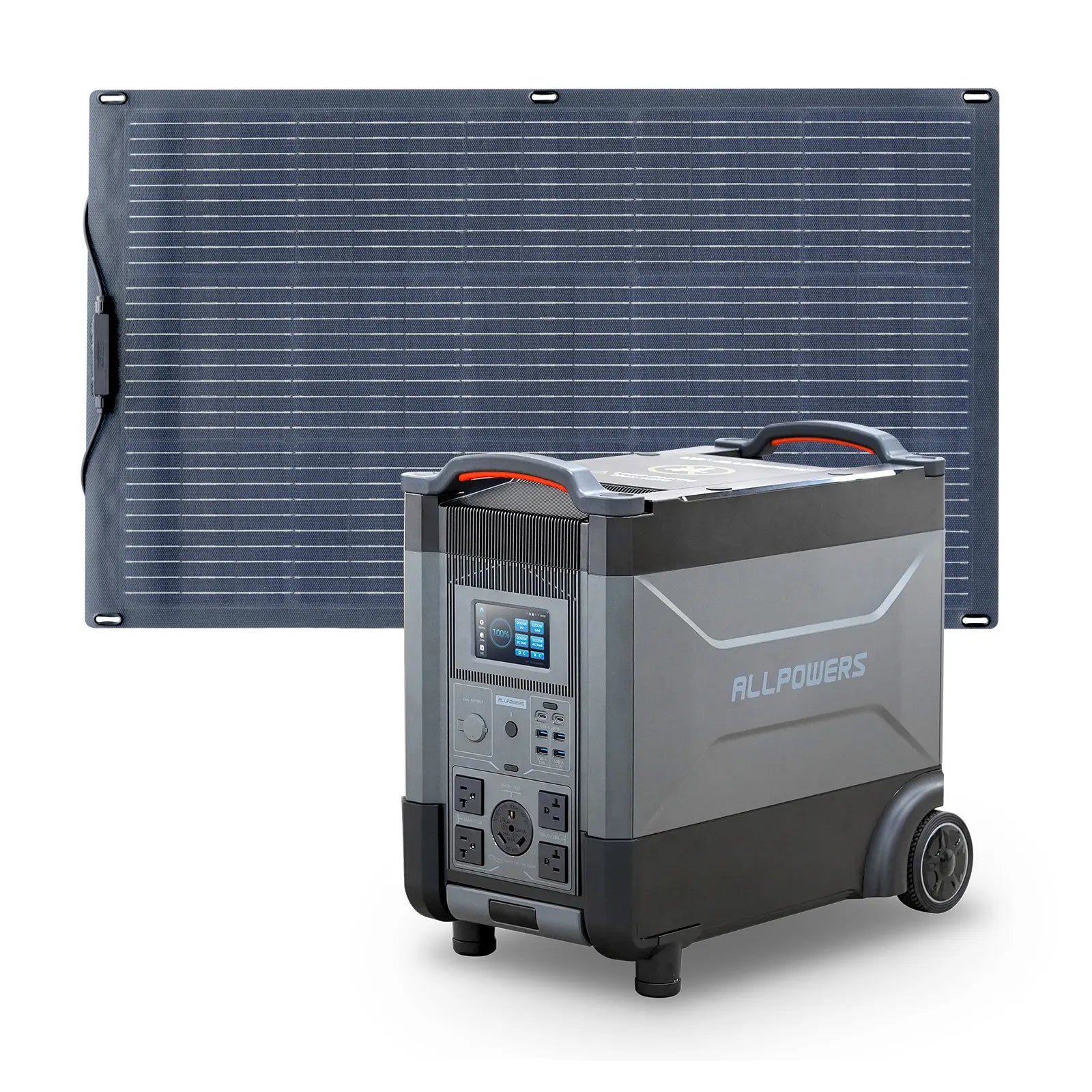
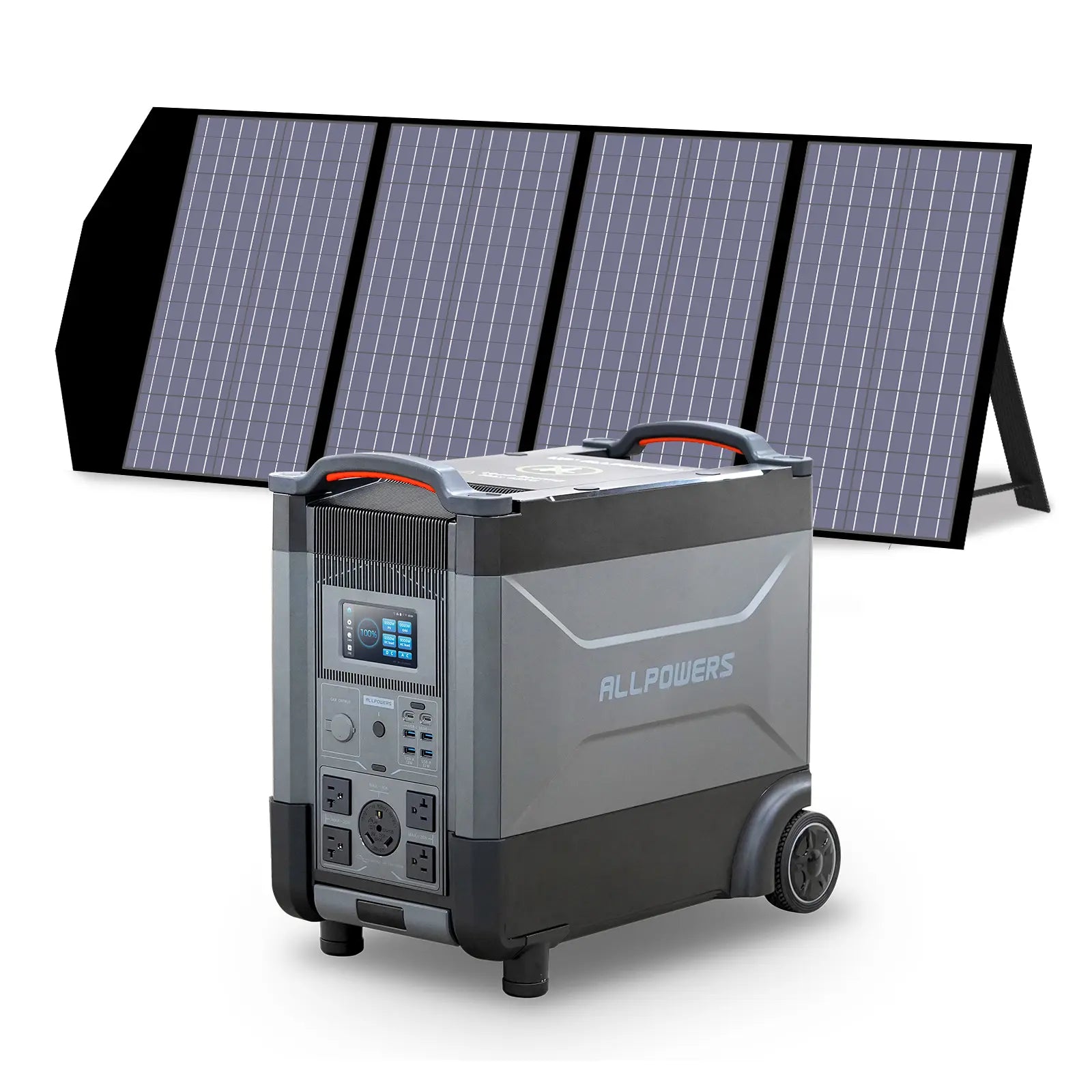
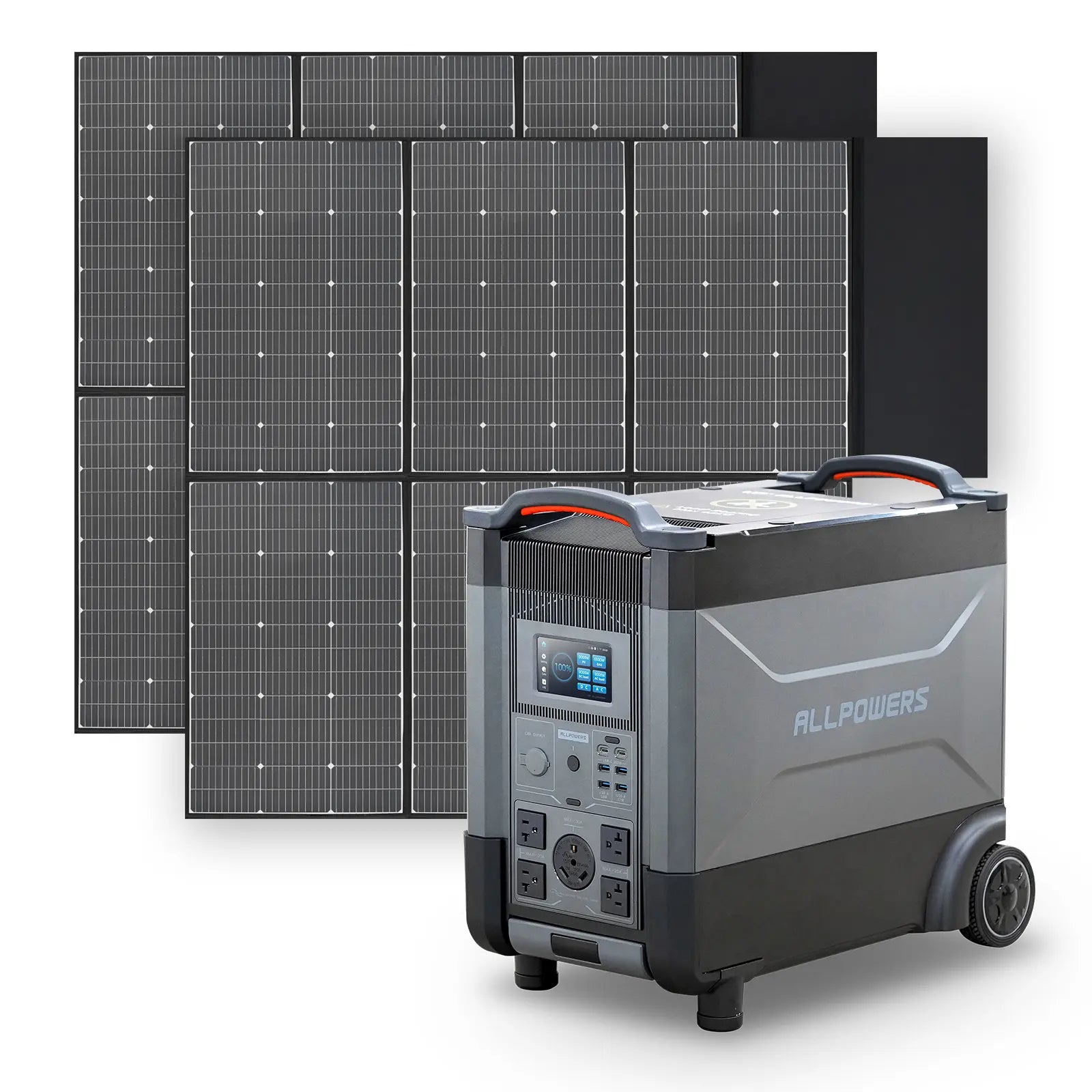
ALLPOWERS 3200W Solar Generator
$1,559.00 $2,399.00
- 3168Wh Capacity + 200W Soalr Input;
- 3200W AC Output (6000W Surge);
- Fast Charge 100% in 1 Hours;
- 2000W Max MPPT. Solar Input;
- Power 99% of Electrical Appliances;
Mid-sized generators hit the sweet spot for most homes
Once you step into the 5,000 to 7,500 watt range, things start to feel easier.
You’re not juggling appliances as much. You can run a small air conditioning unit along with your fridge and lighting.
Maybe even power a TV or a home office setup without worrying about overload.
This range is often the “sweet spot” for a 1,200 sq ft home—enough capacity for comfort without going overboard.
It’s also where many homeowners pause and think, “Okay, this feels manageable.”
Whole-home comfort requires a bigger commitment
If you want to power everything—central air, water heater, kitchen appliances, laundry—you’re stepping into 7,000 to 12,000 watts or more.
And honestly, this is where things get complicated.
Larger generators mean more fuel, more noise, and more maintenance. They’re powerful, sure, but they also demand more attention. It’s a bit like owning a pickup truck—you don’t just drive it; you maintain it.
Still, for longer outages or extreme climates, that extra capacity can feel less like a luxury and more like a necessity.
Why oversizing your generator is not always a good idea
It sounds counterintuitive, right? Bigger should be better.
But not exactly.
An oversized generator often runs inefficiently, especially when it’s only powering small loads.
It burns more fuel than necessary, creates more noise, and—this part gets overlooked—it can actually shorten the lifespan of the unit if it constantly operates below its optimal load range.
It’s a bit like driving a heavy-duty truck just to pick up groceries. Sure, it works, but it’s not exactly practical.
On the flip side, undersizing is just as problematic. That’s when you get overloads, shutdowns, and the occasional moment of panic when everything goes dark again.
So you’re walking a line here. Not too big, not too small—just right for your real-world needs.
A Practical Sizing Approach for a 1200 sq ft House
Here’s a really simple way to think about it (no spreadsheets, no whiteboards, just common sense).
Step 1: List Your Must‑Have Loads
Imagine you’re bracing for a storm. What must stay on? Usually:
-
Refrigerator and freezer
-
A few lights
-
Phone chargers and router
-
Maybe your furnace blower or well pump
Step 2: Add Up Their Running Watts
Grab a notepad or hunt for those little labels on appliances. You’ll start noticing patterns, like how a furnace blower might be 800–1,200 watts—suddenly significant.
Step 3: Add Starting Watts for Motor‑Driven Devices
Your fridge and well pump each need a bit extra when they kick in. Add those peaks.
Step 4: Add a Safety Margin
You want some breathing room. Add 10–20% so your generator isn’t constantly right at the limit.
Considering fuel types and how they shape your decision
Once you’ve got a rough wattage in mind, the next layer creeps in: fuel type.
Gasoline generators are common and easy to find, but fuel storage can be tricky, especially if outages last longer than expected.
Propane burns cleaner and stores better, though it may deliver slightly less power output. Diesel units are durable and efficient but tend to be louder and heavier.
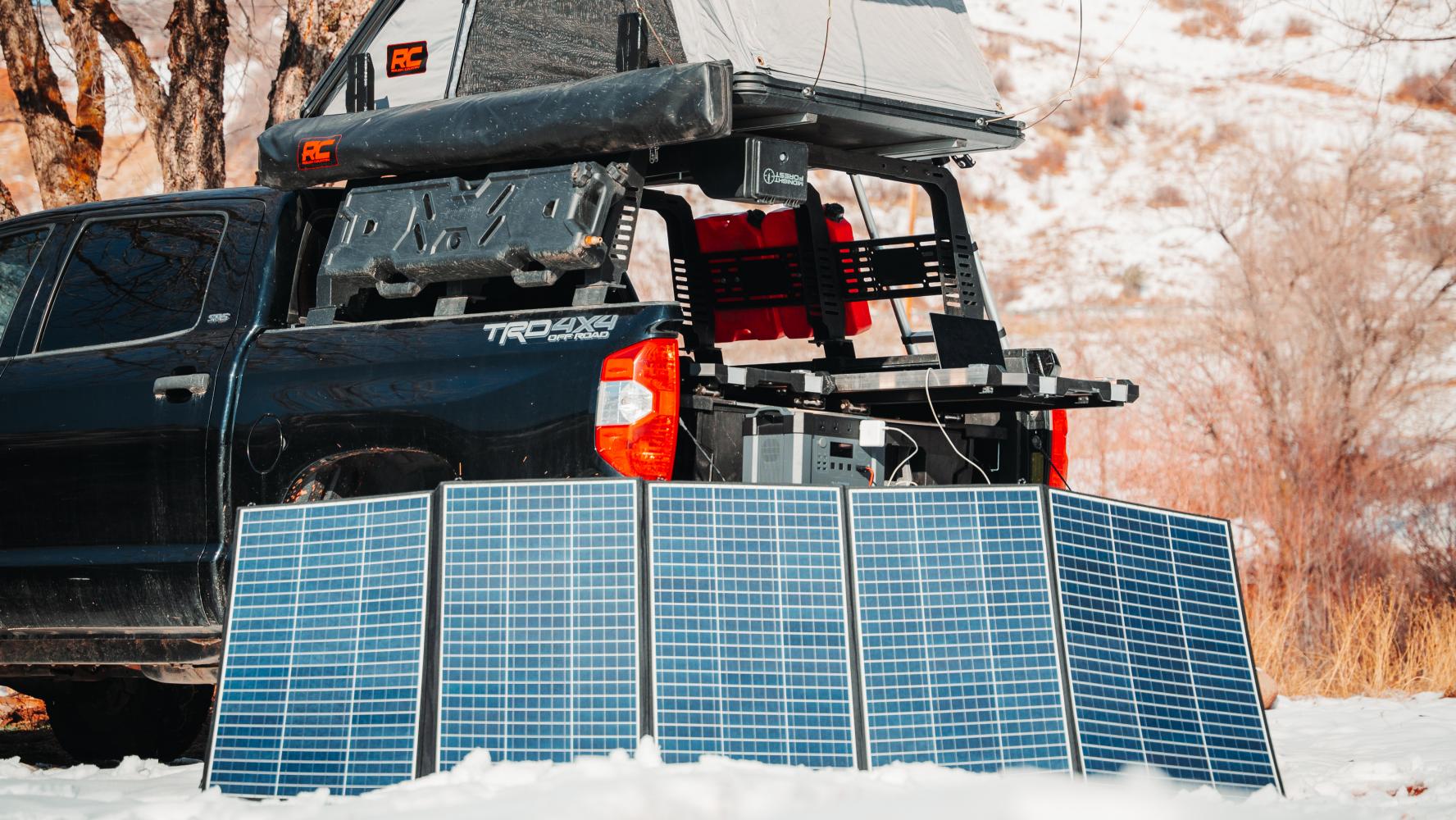
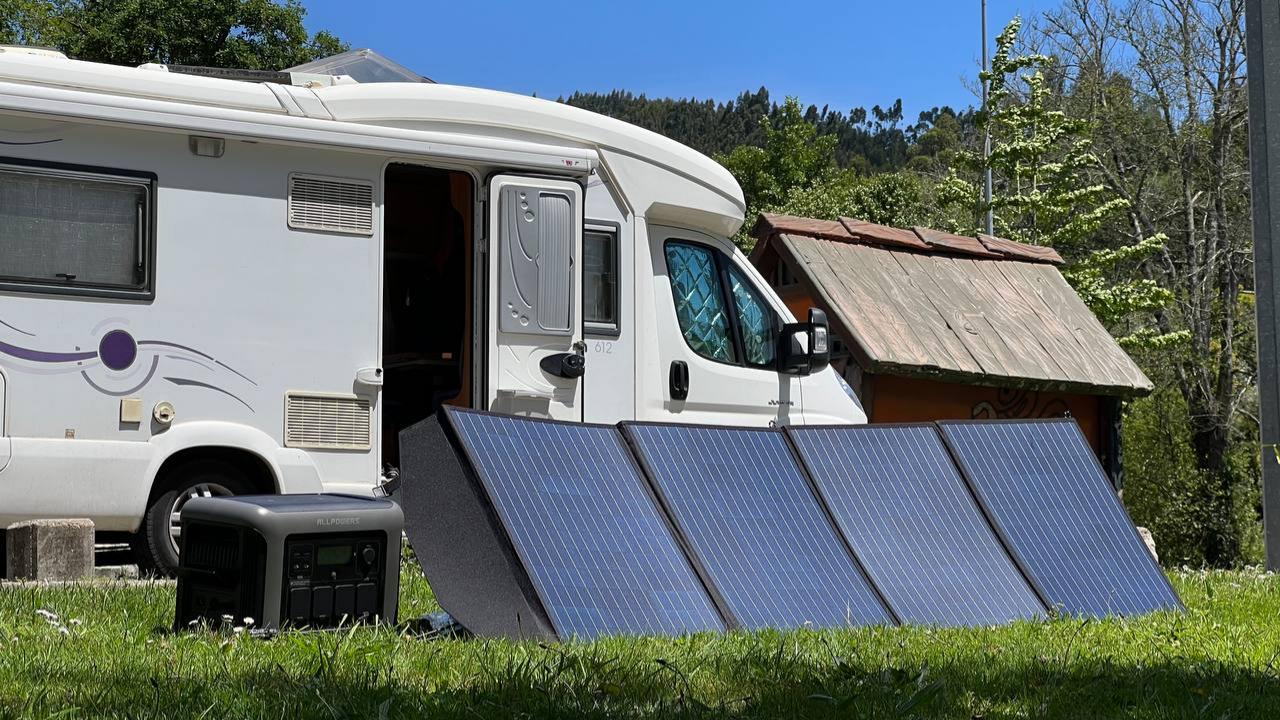
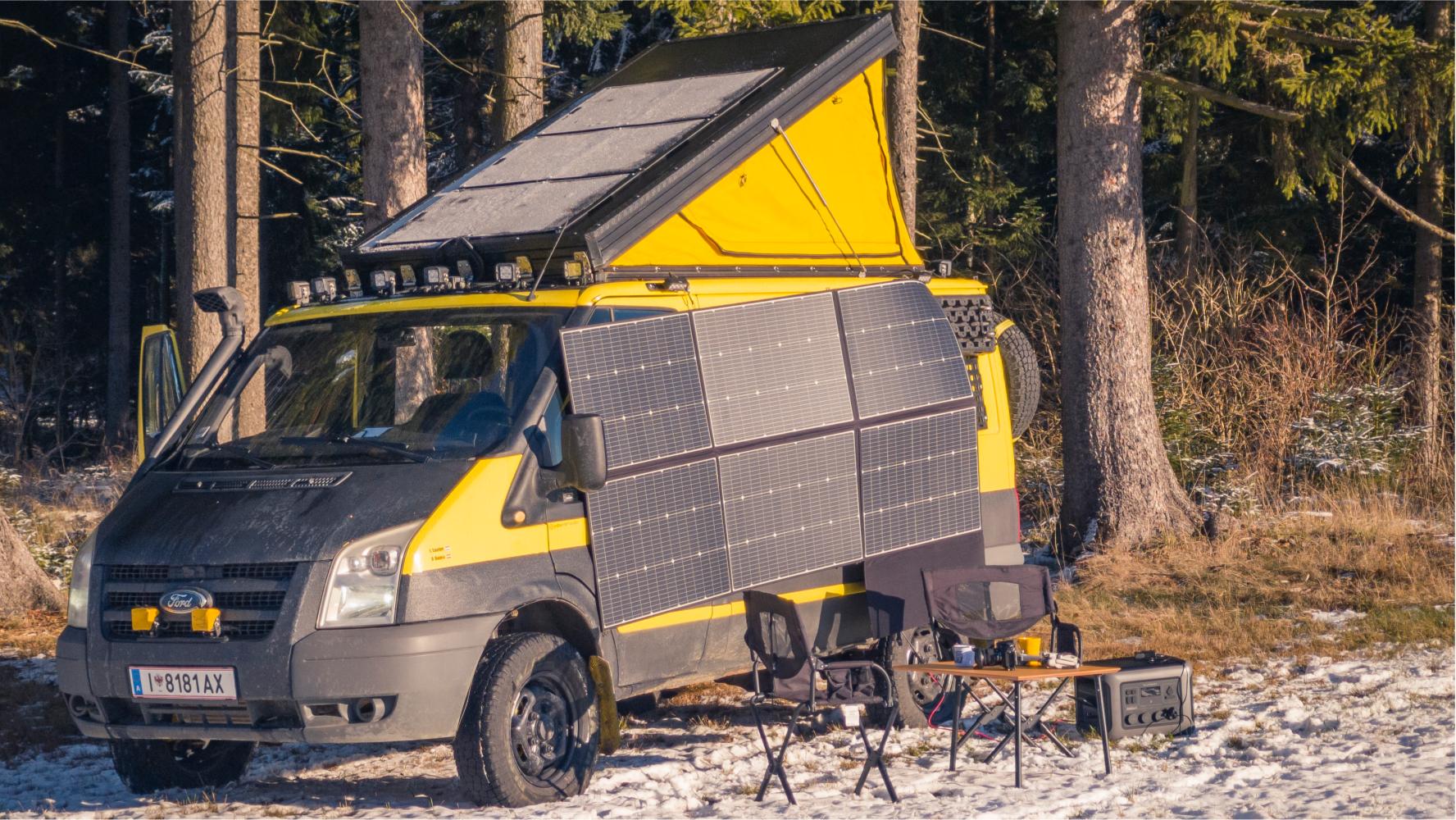
And then there’s the quiet shift happening—more people are turning toward battery-based systems paired with solar panels.
Not because they’re trendy, but because they solve a very real problem: silence, simplicity, and independence from fuel supply chains.
You don’t have to commit fully to one approach either. Hybrid setups—combining a traditional generator with a solar-based backup—are becoming more common, especially in regions where weather patterns are less predictable.
Learn More: What Type of Generator Do I Need?
Conclusion
So how big a generator for a 1200 sq ft house?
For most households of this size, a generator in the 3,000 to 5,000 watt range covers essential needs comfortably.
If you want to include air conditioning or multiple large appliances, stepping up to 6,000 or even 7,500 watts makes sense.
But—and this matters—those numbers assume average usage. Your actual needs might sit lower or higher depending on your habits, appliances, and tolerance for inconvenience.
If you’re someone who can live with a fan instead of full AC during an outage, you’ll need far less power. If not, well, your generator has to keep up.