





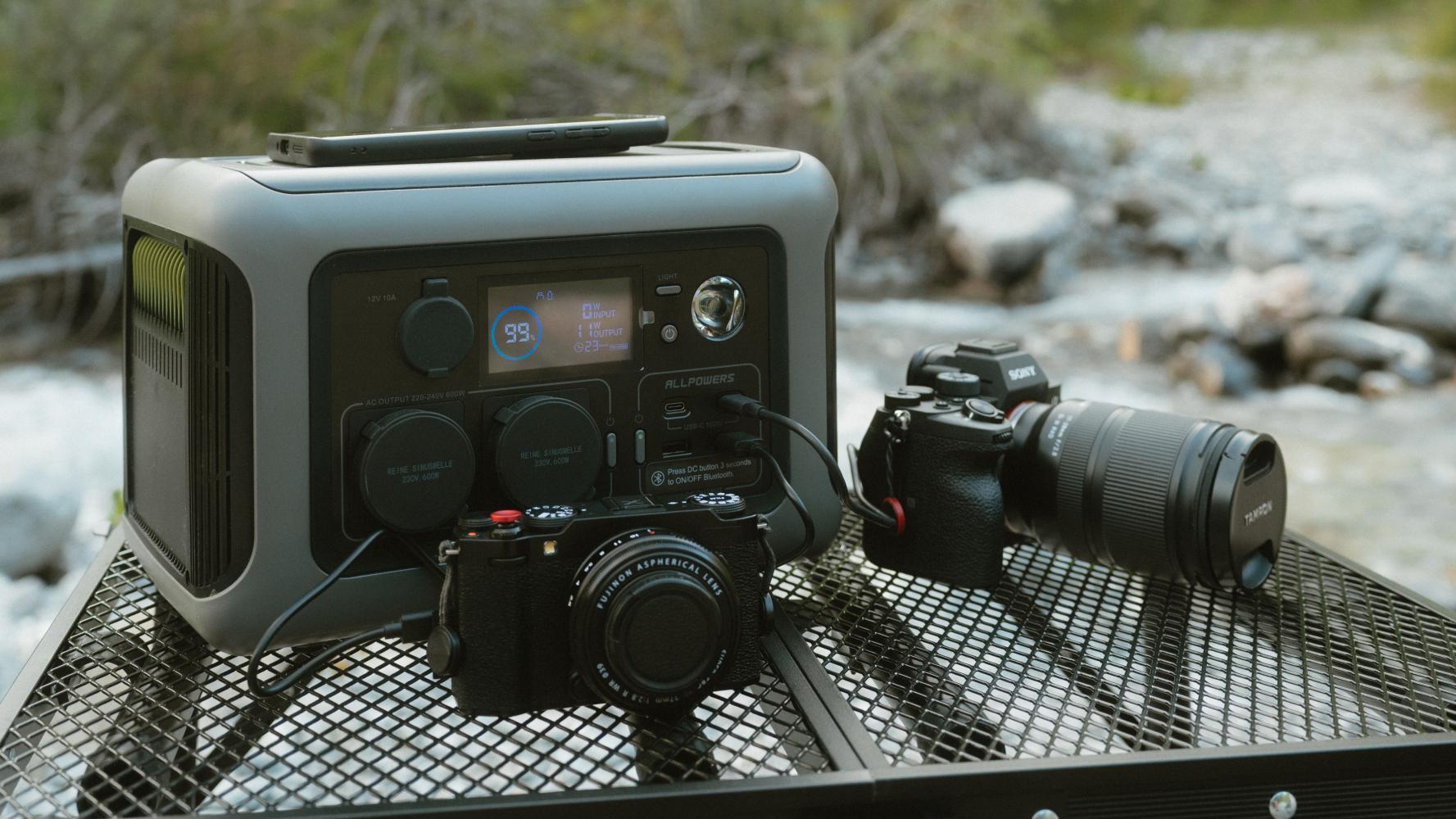
Modern cameras deliver incredible image quality, but they also consume more power than ever.
Without access to household electricity, keeping your batteries charged becomes an important part of trip planning.
So, how can you reliably charge a camera battery while camping?
TL;DR: Battery-powered charging systems, portable solar panels, vehicle charging, USB-compatible camera batteries, and smart power management all help keep cameras ready for every adventure.
How Much Power Does a Camera Battery Actually Need?
Most mirrorless camera batteries store between 14Wh and 25Wh, while DSLR batteries often fall within a similar range.
Although these numbers appear small, photographers who capture hundreds of RAW images or record high-resolution video may use several batteries during a single day.
Typical Camera Battery Capacities
| Camera Type | Typical Battery Capacity | Approximate Energy |
|---|---|---|
| Action Camera | 1200–1800mAh | 5–8Wh |
| Mirrorless Camera | 1800–2500mAh | 14–18Wh |
| DSLR Camera | 1800–2500mAh | 14–20Wh |
| Professional Video Camera | Varies | 20Wh+ |
*Actual battery life varies depending on screen brightness, video recording, autofocus usage, weather, and camera settings.
What Are the Best Ways to Charge a Camera Battery While Camping?
Several charging methods work well depending on your camping style and the length of your trip.
Use Campground Electrical Hookups
If you're staying at a developed campground with electrical service, charging your camera batteries is straightforward. Simply use the manufacturer's charger and recharge batteries overnight.
This is the easiest option but is only available at campgrounds that provide utility power.
Charge From Your Vehicle
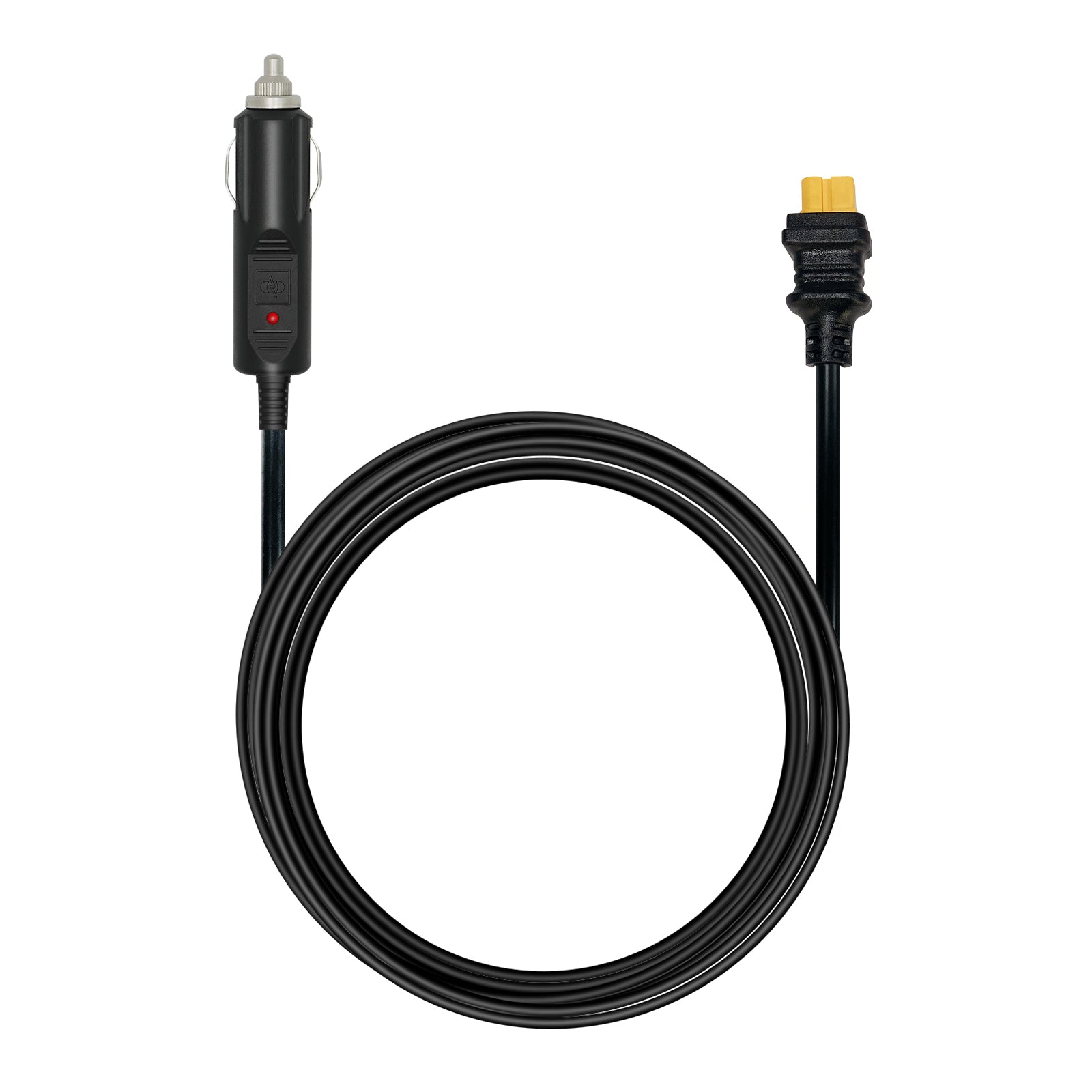
Many photographers recharge batteries while driving between destinations. USB adapters, AC inverters, or dedicated 12V camera chargers allow batteries to recharge during travel without taking additional time away from photography.
However, avoid charging from your vehicle for extended periods while the engine is off, as doing so may reduce the starting battery's available power.
Use Stored Battery Power
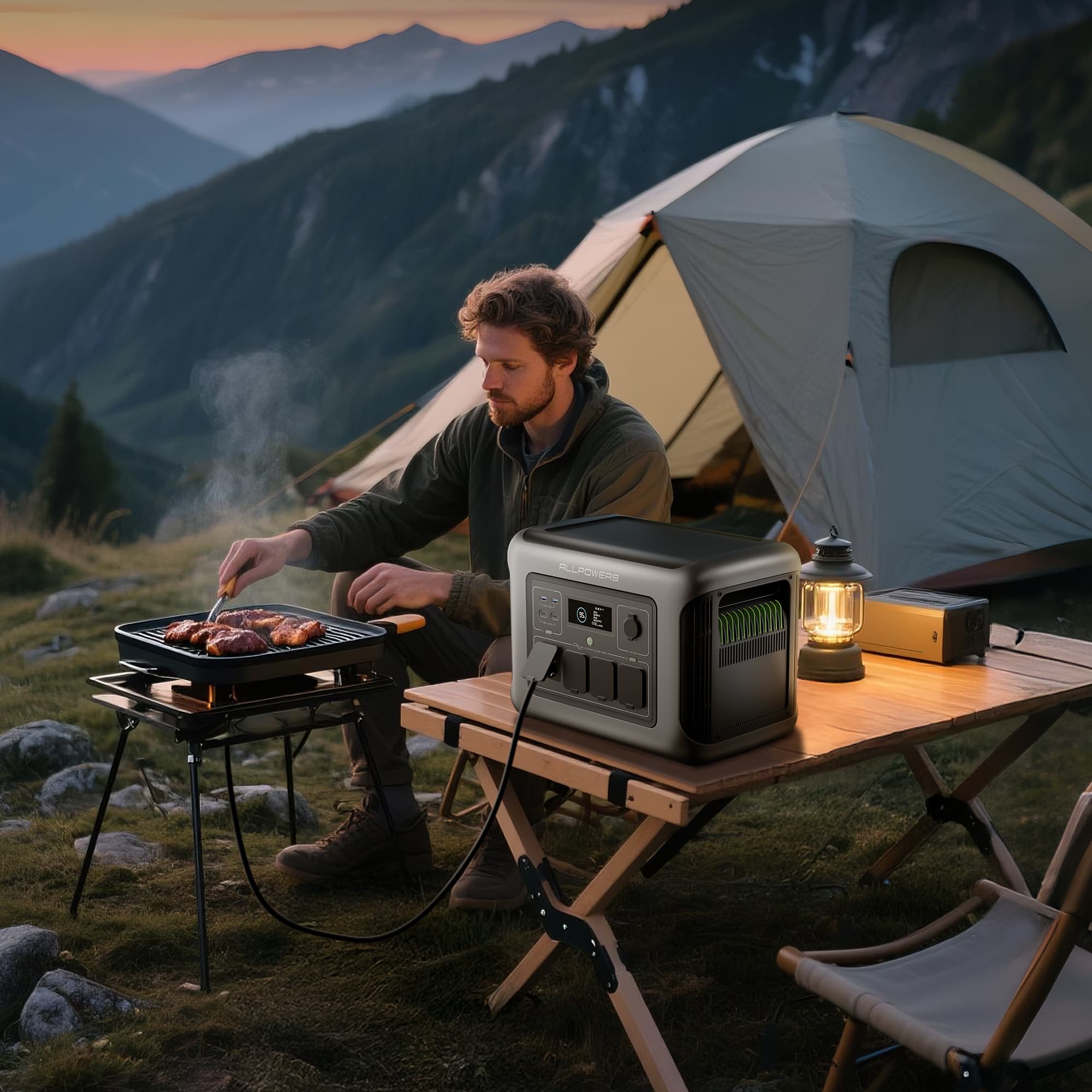
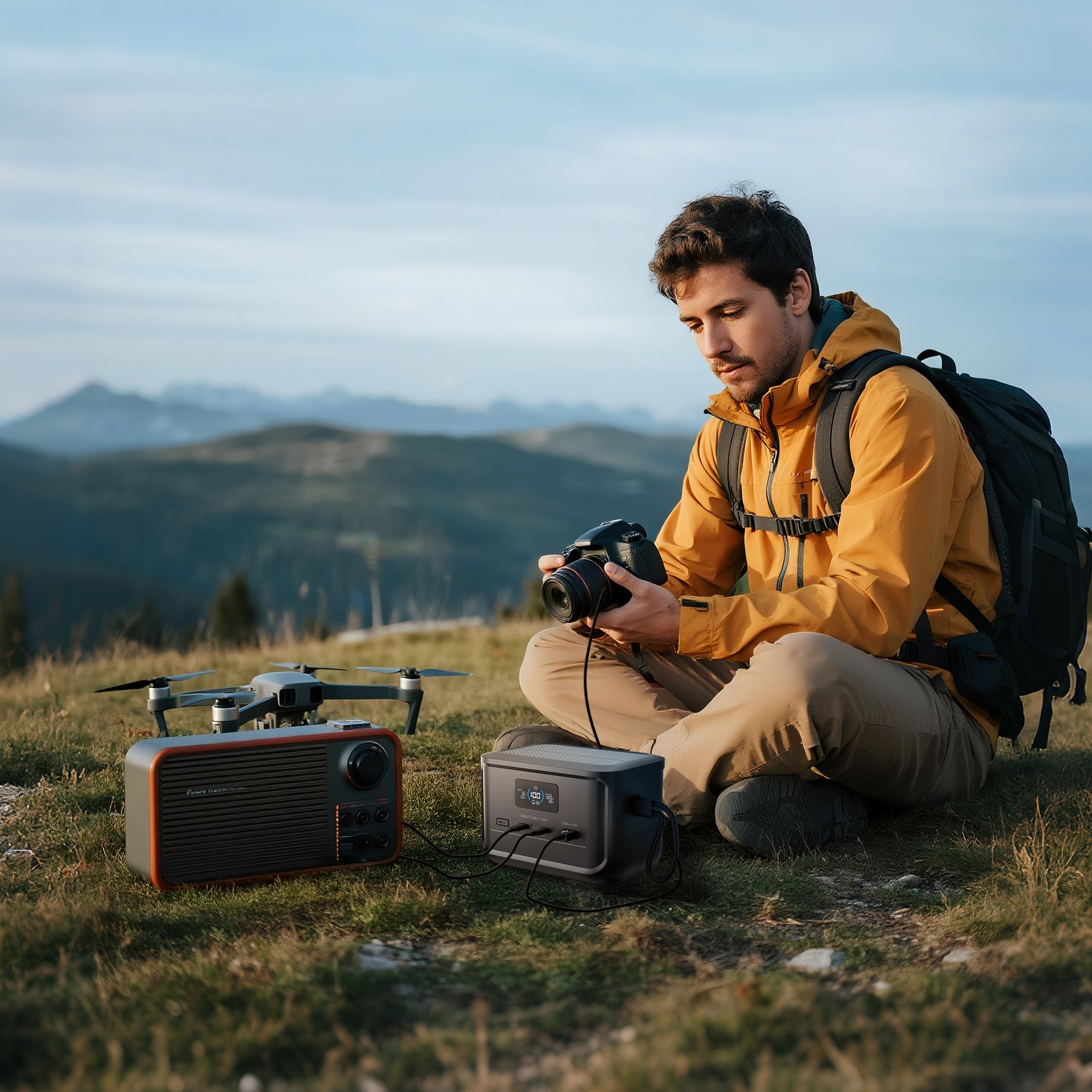
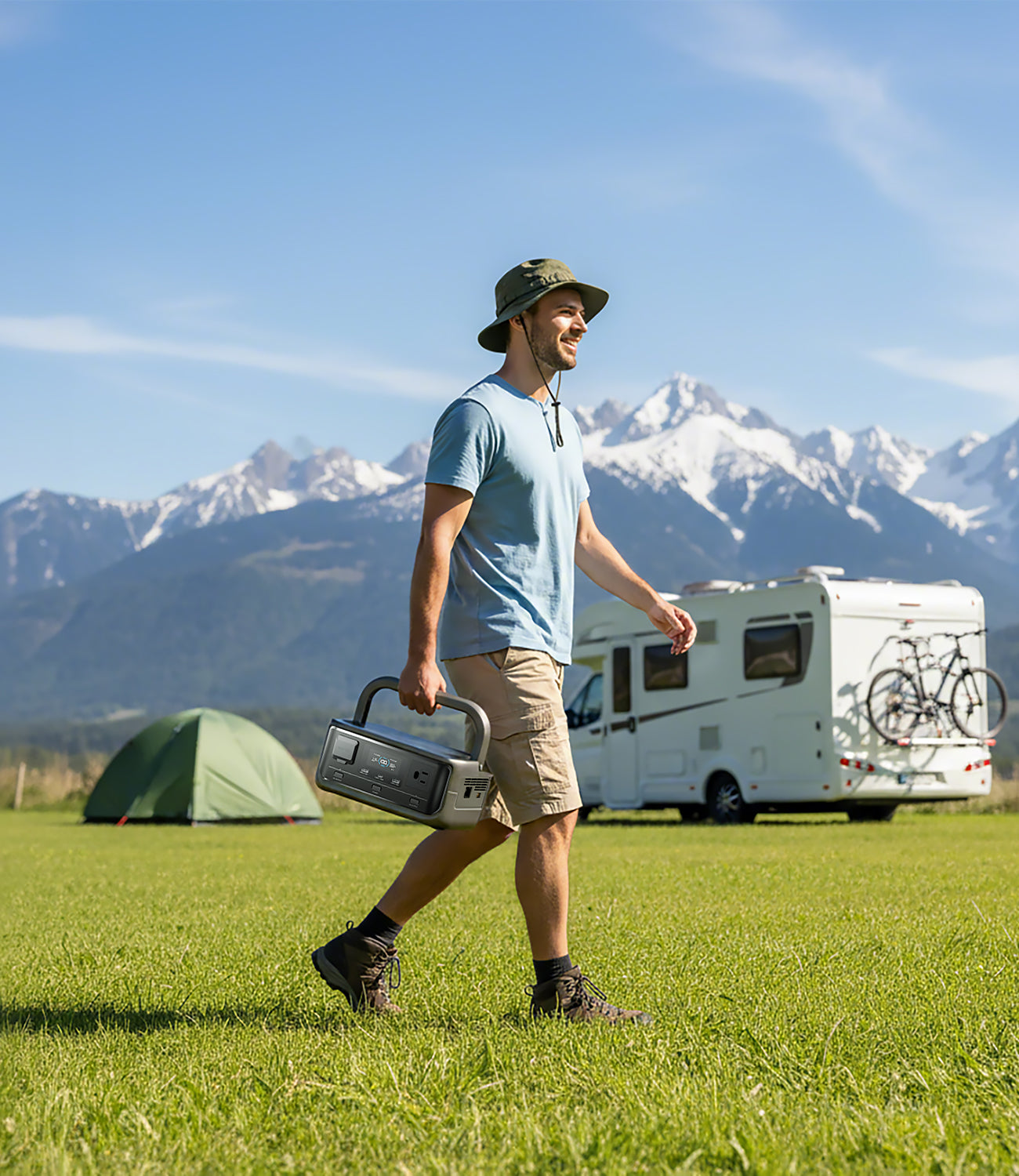
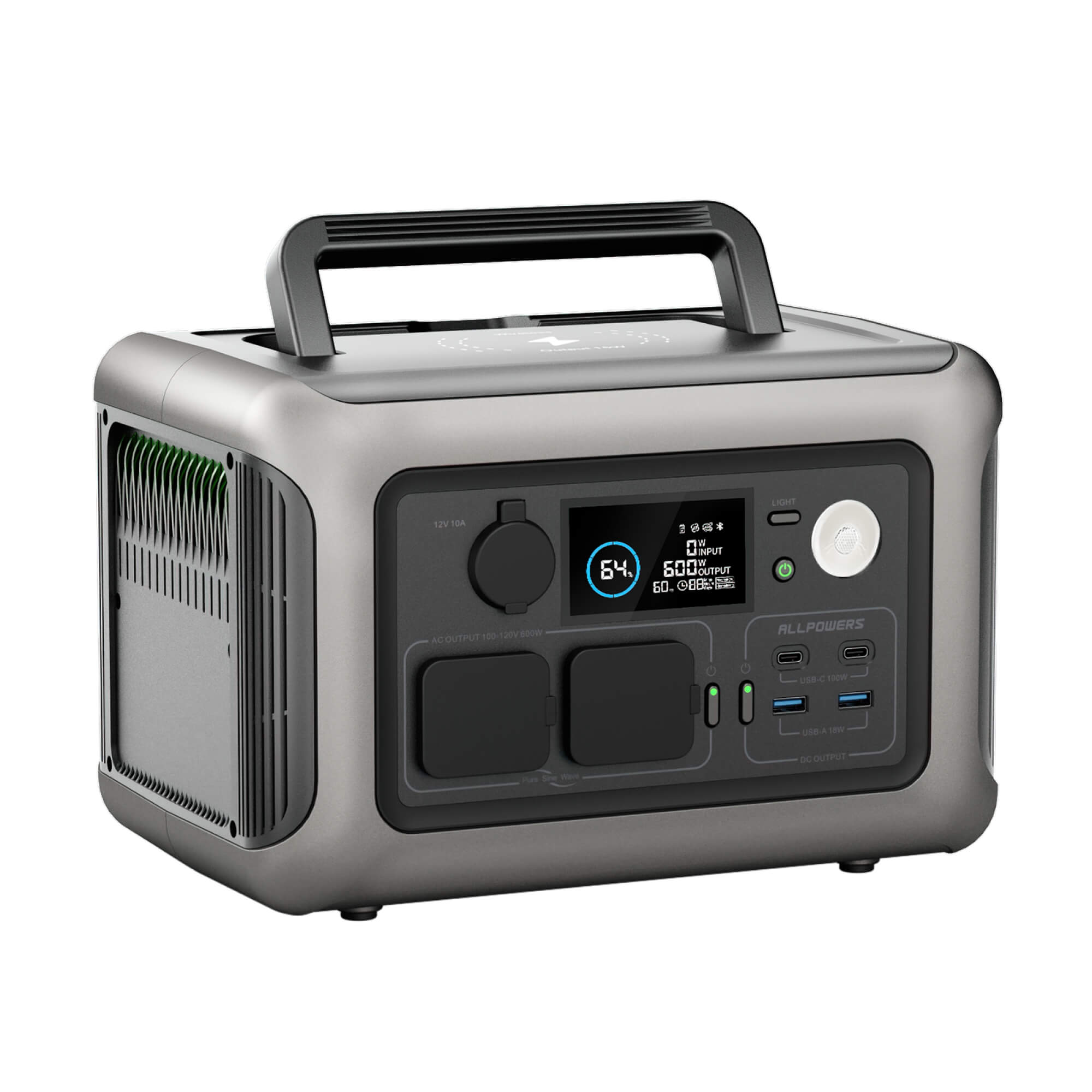
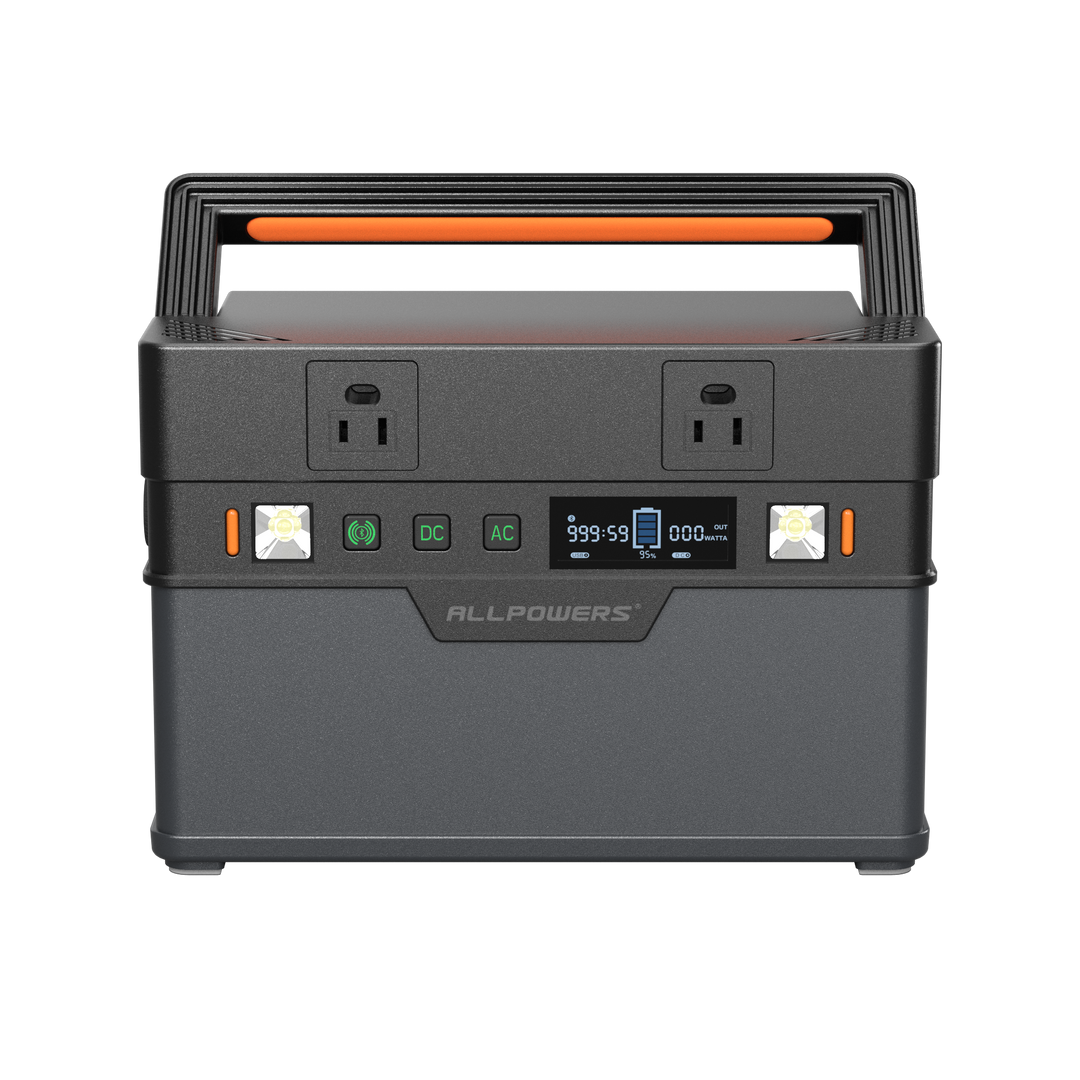
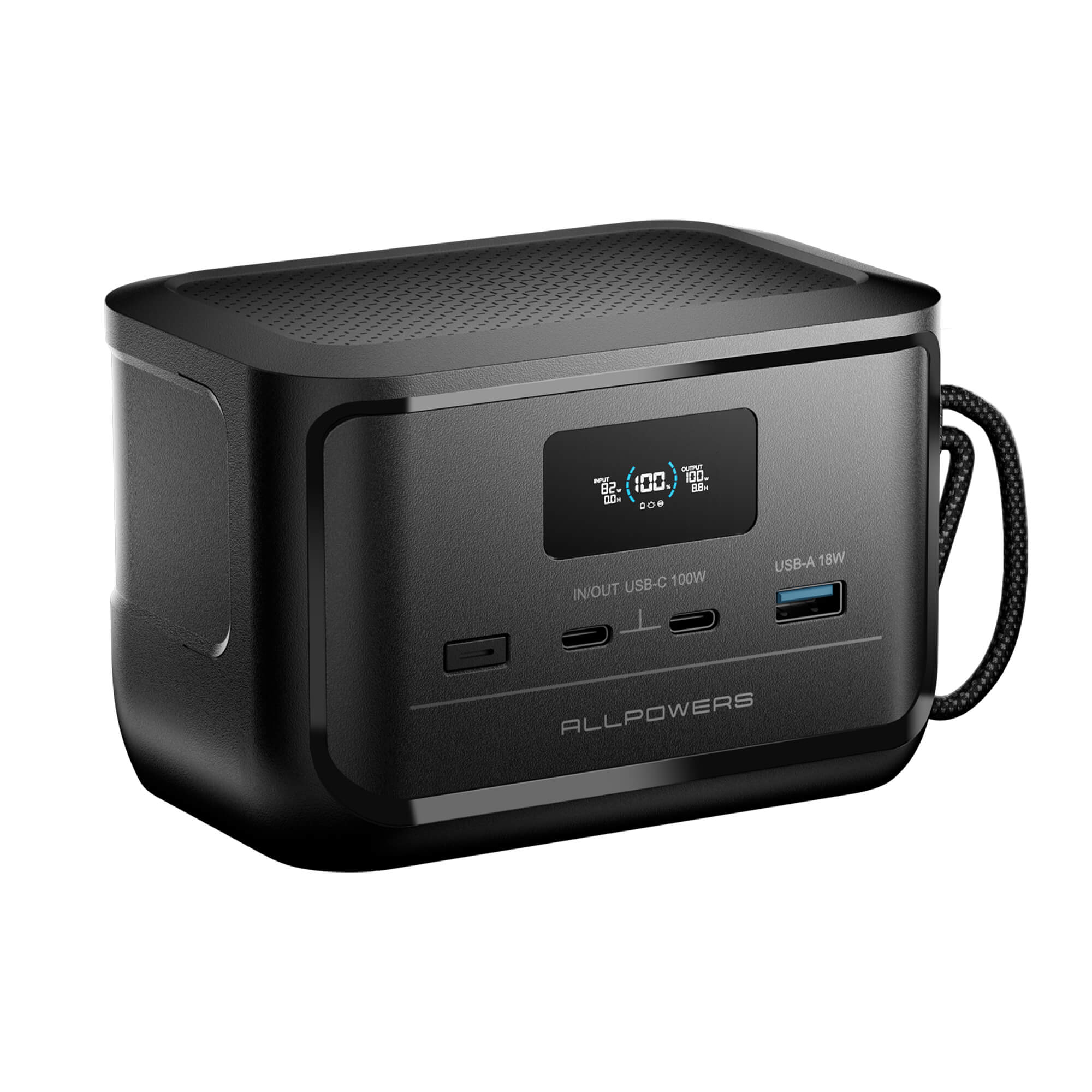
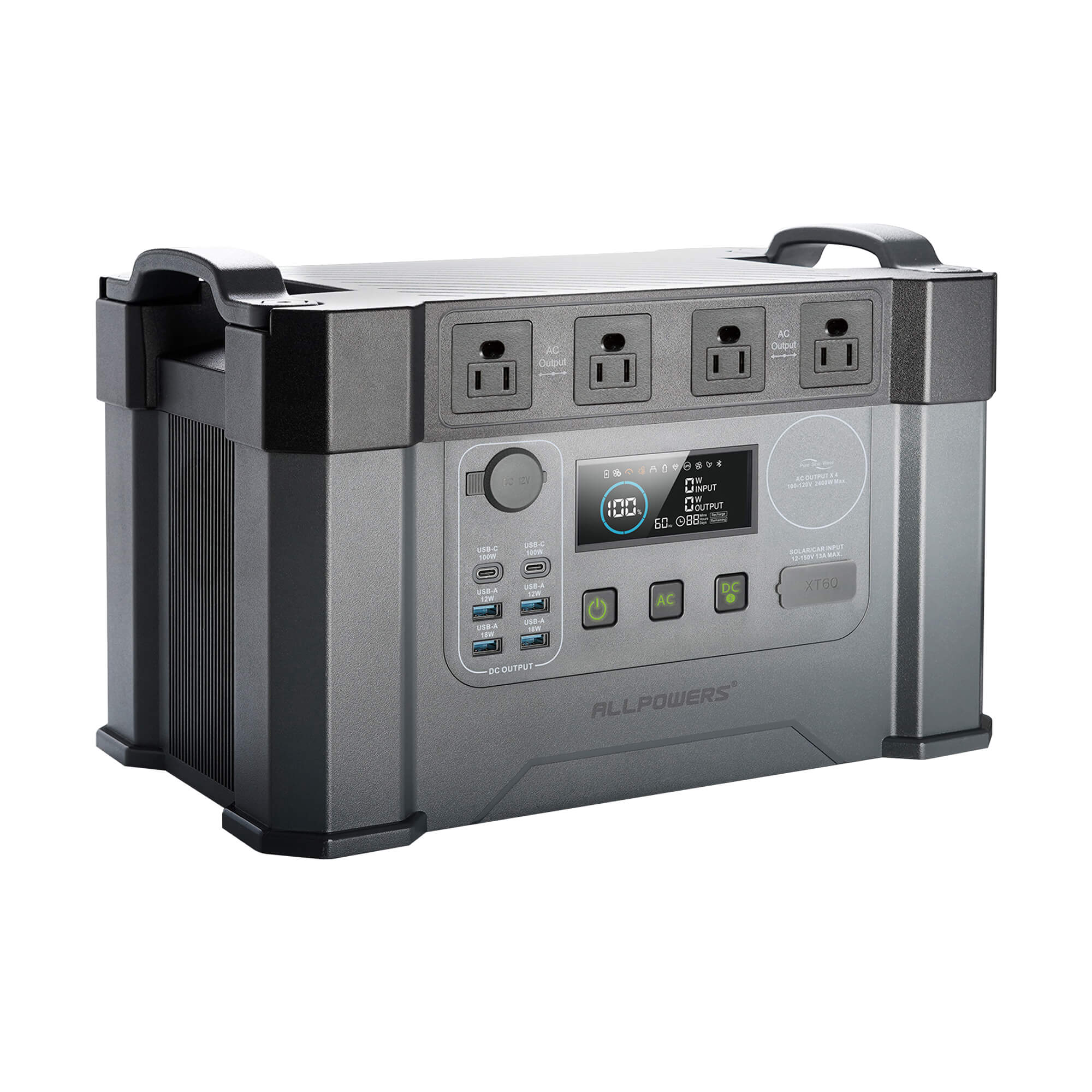
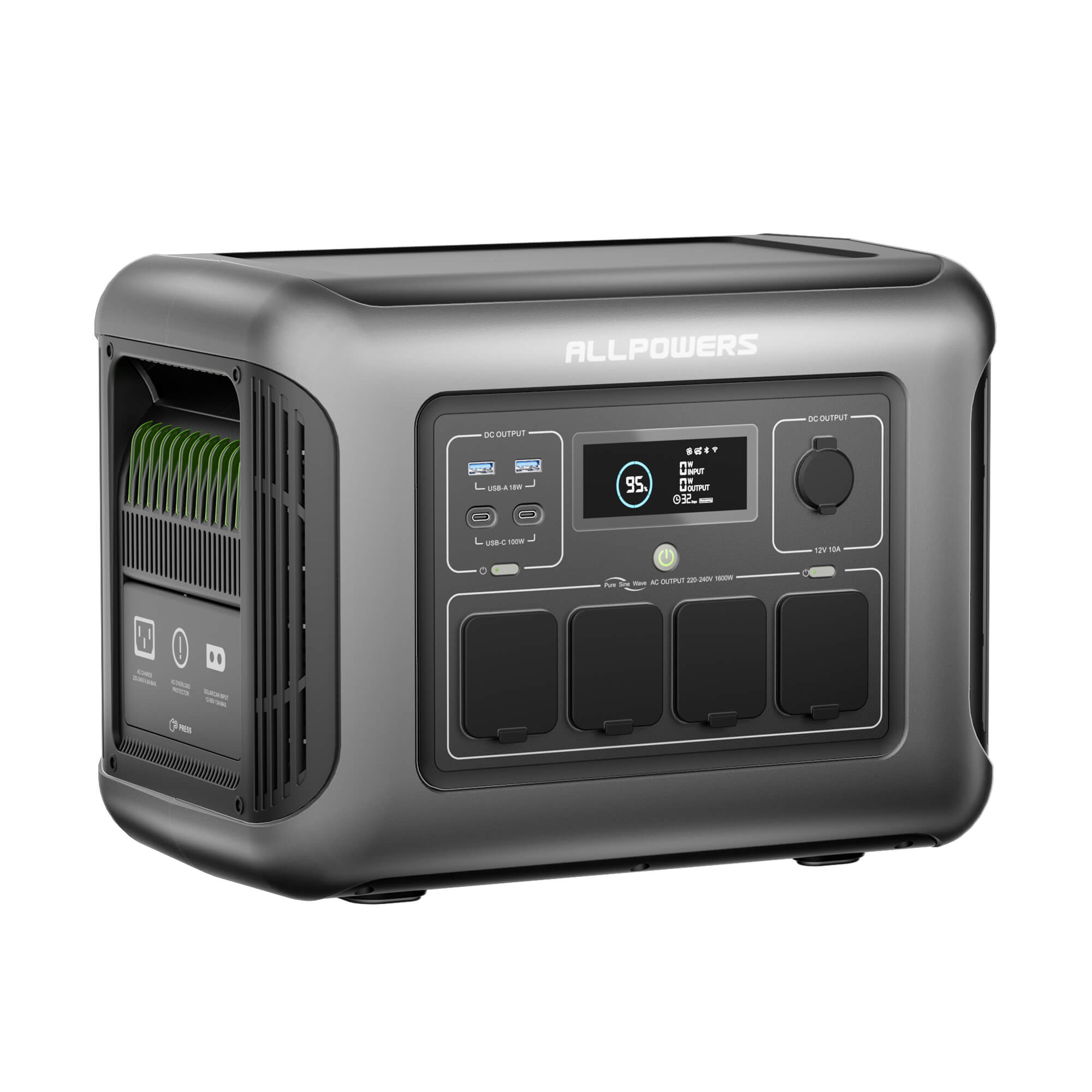
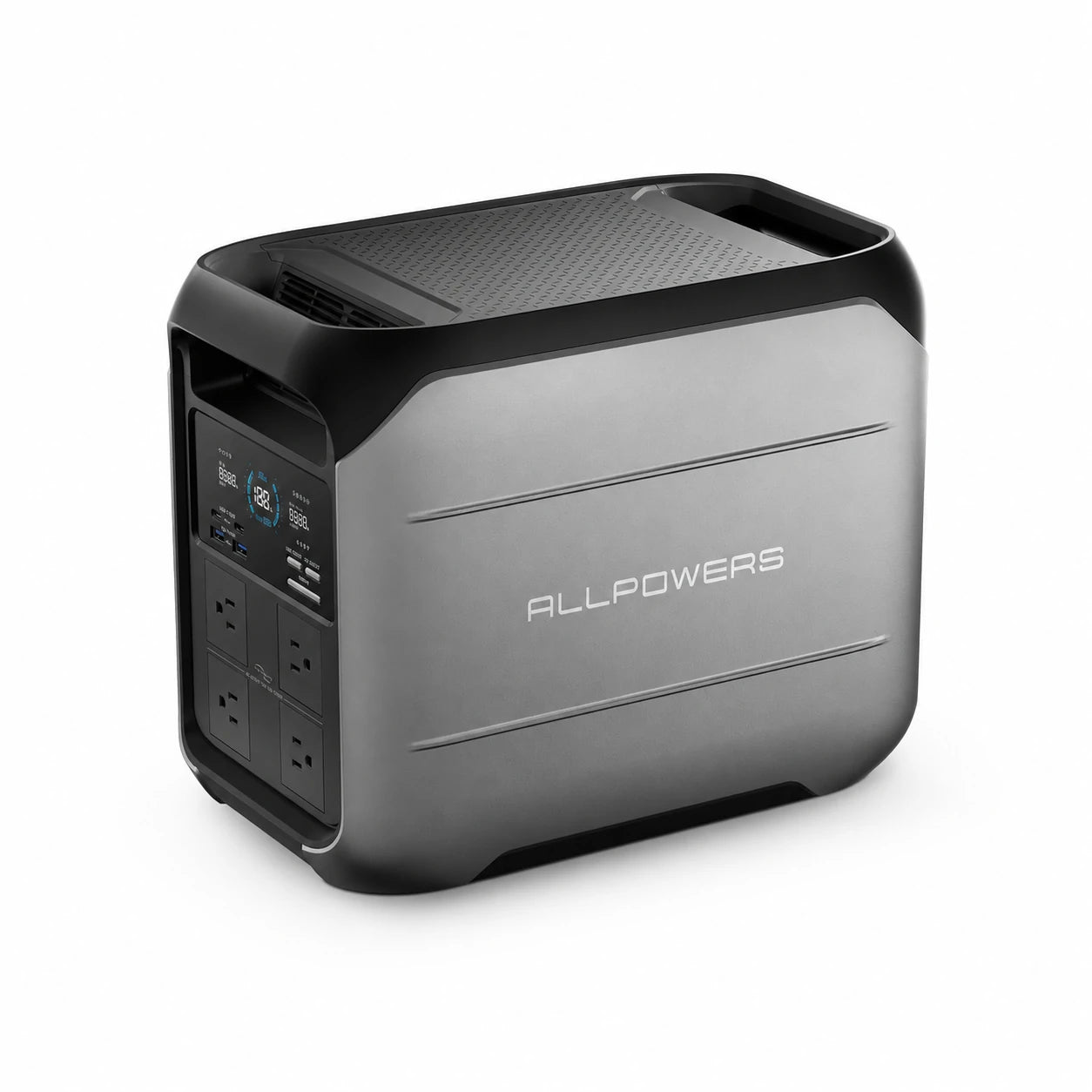
For multi-day trips away from vehicle access, many photographers carry rechargeable battery storage systems capable of powering USB chargers or dedicated camera charging docks.
These systems can also recharge other camping essentials such as phones, GPS devices, headlamps, and drones, reducing the need to carry several separate battery packs.
How Long Does It Take to Recharge a Camera Battery?
Most modern camera batteries recharge relatively quickly compared to larger outdoor electronics.
Fast USB-C charging can reduce charging times for compatible cameras, while older chargers may require several additional hours.
| Battery Capacity | Typical Charging Time | Common Camera Type |
|---|---|---|
| 14–16Wh | 1.5–2 hours | Compact cameras |
| 16–20Wh | 2–3 hours | APS-C mirrorless |
| 20–25Wh | 2.5–4 hours | Full-frame cameras |
Can Solar Panels Charge Camera Batteries?
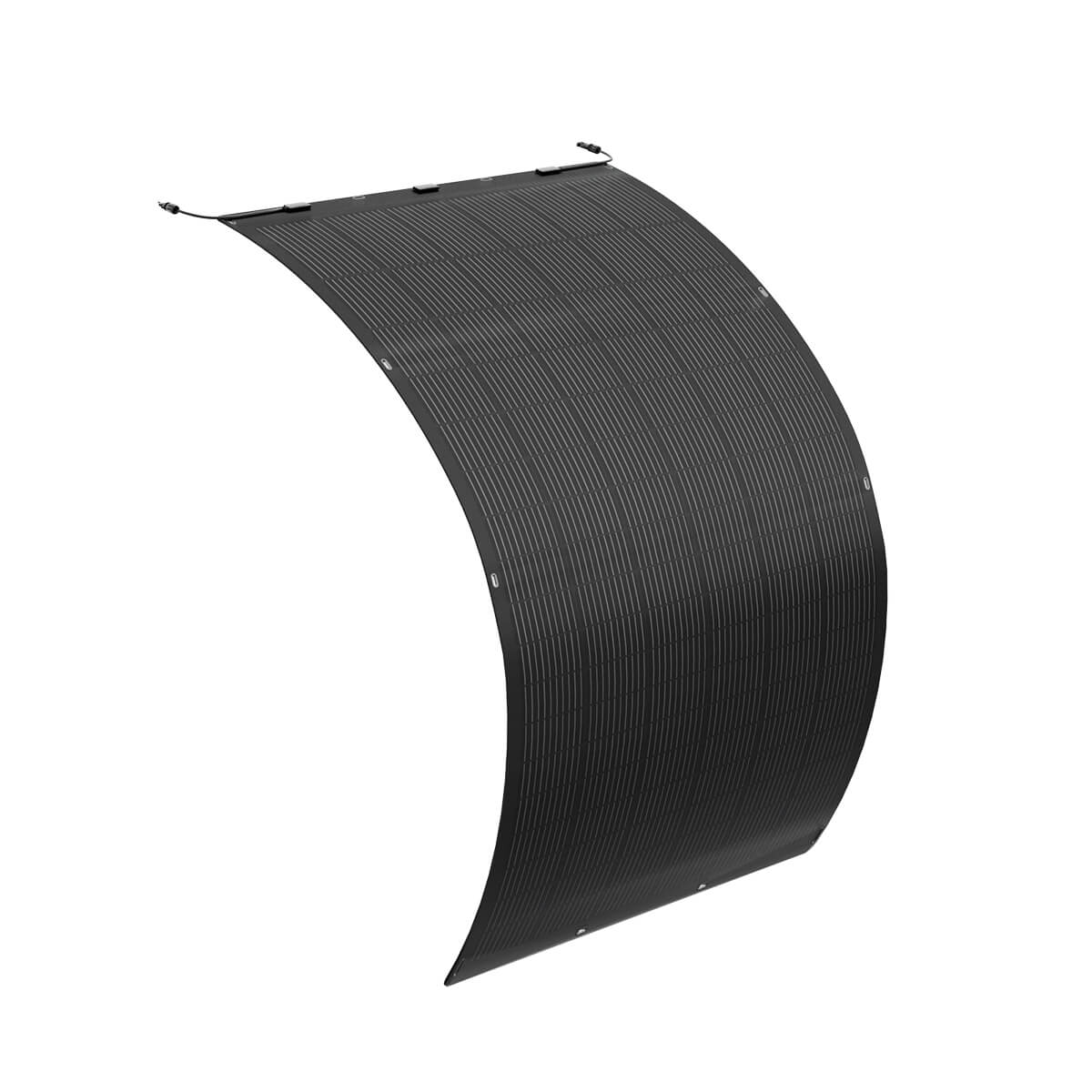
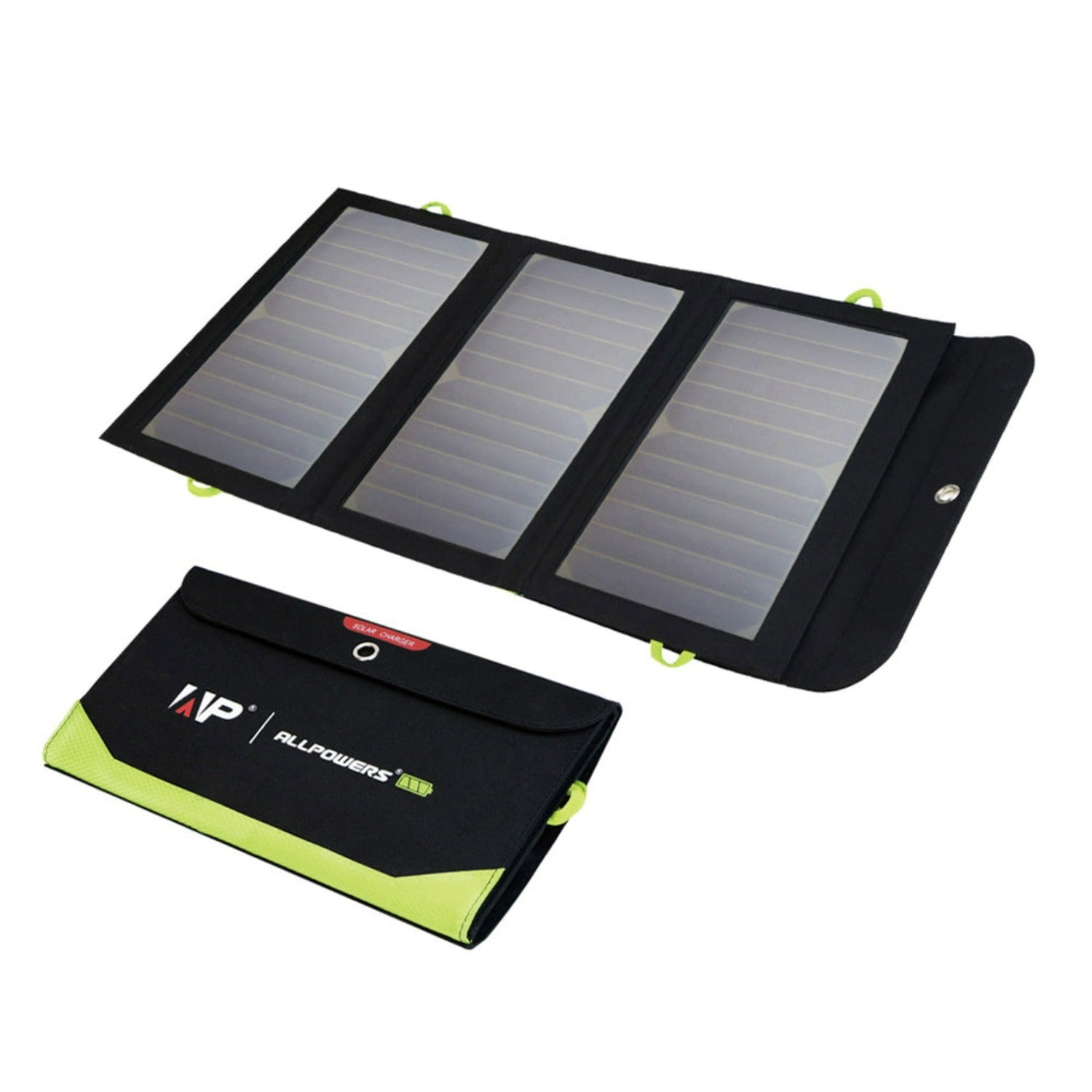
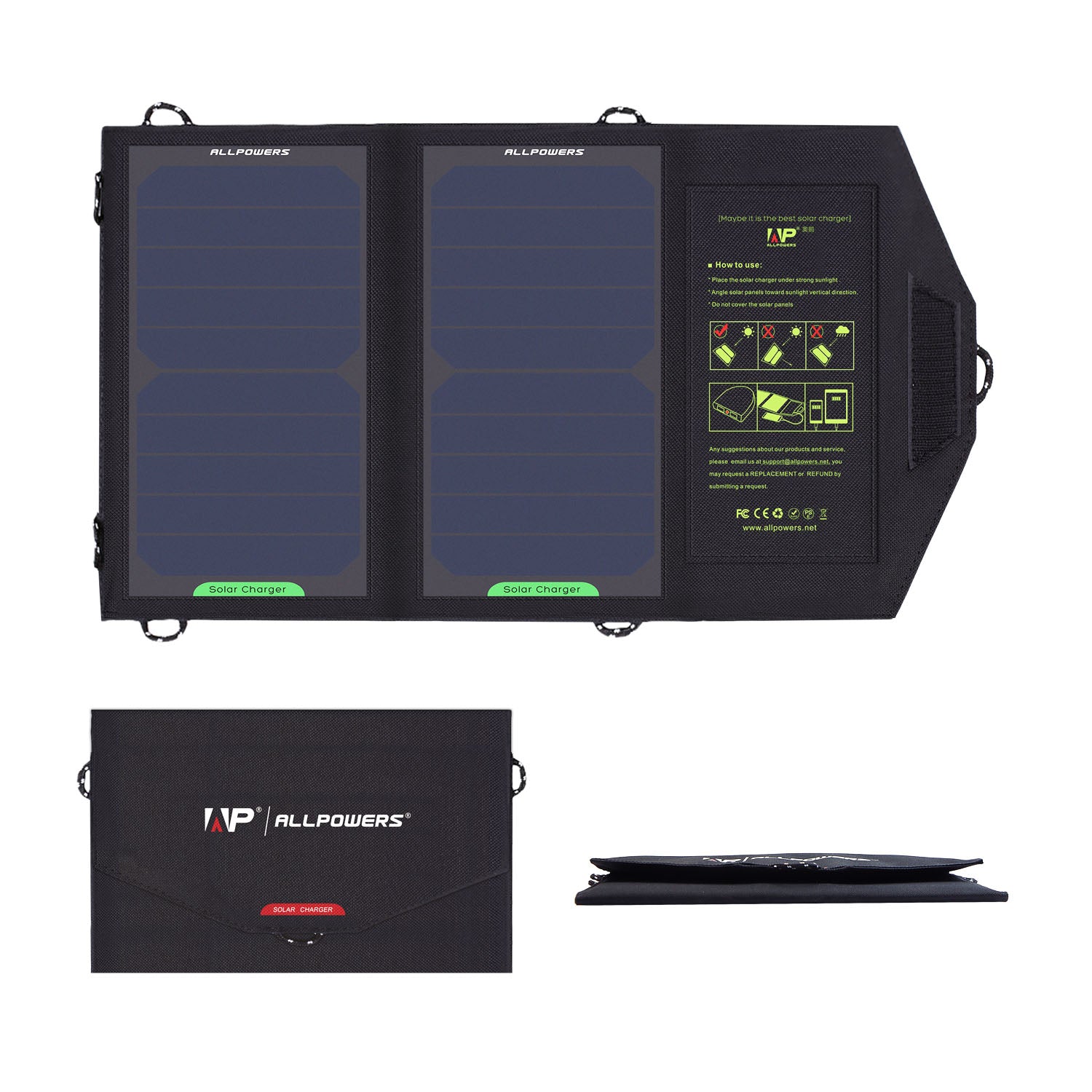
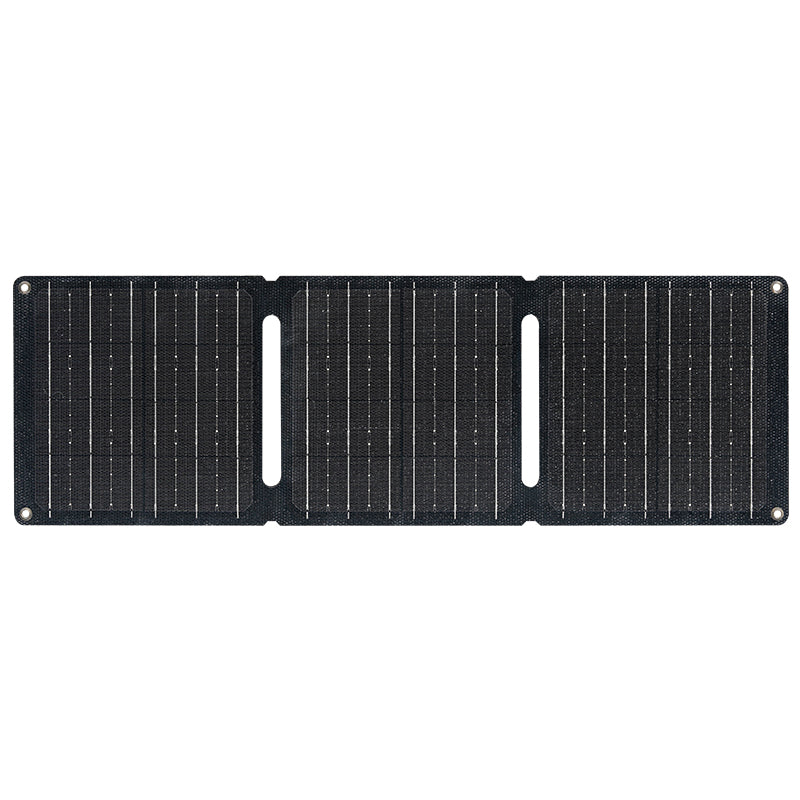
Yes, solar energy can be an effective solution for extended camping trips, particularly when staying several days in remote locations.
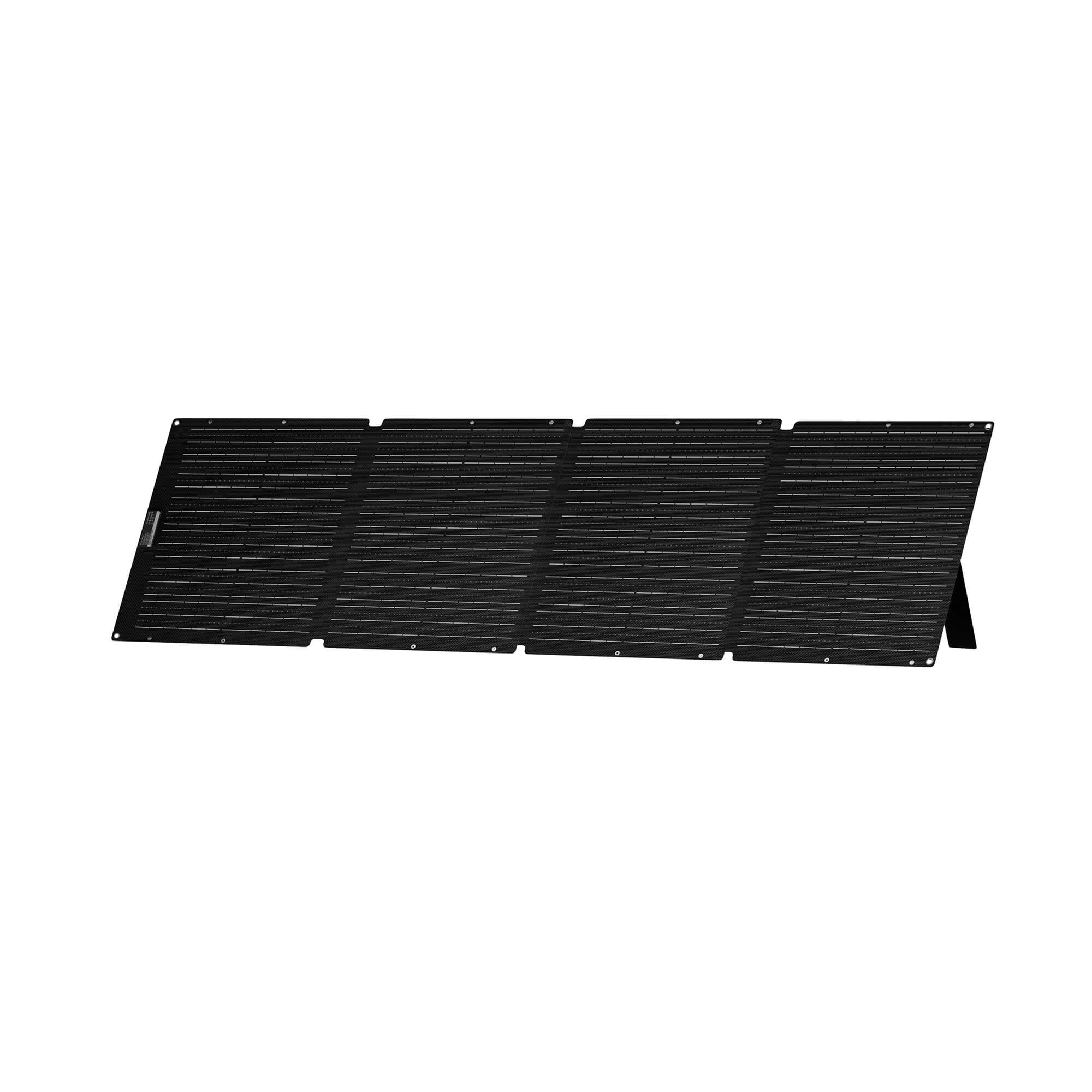
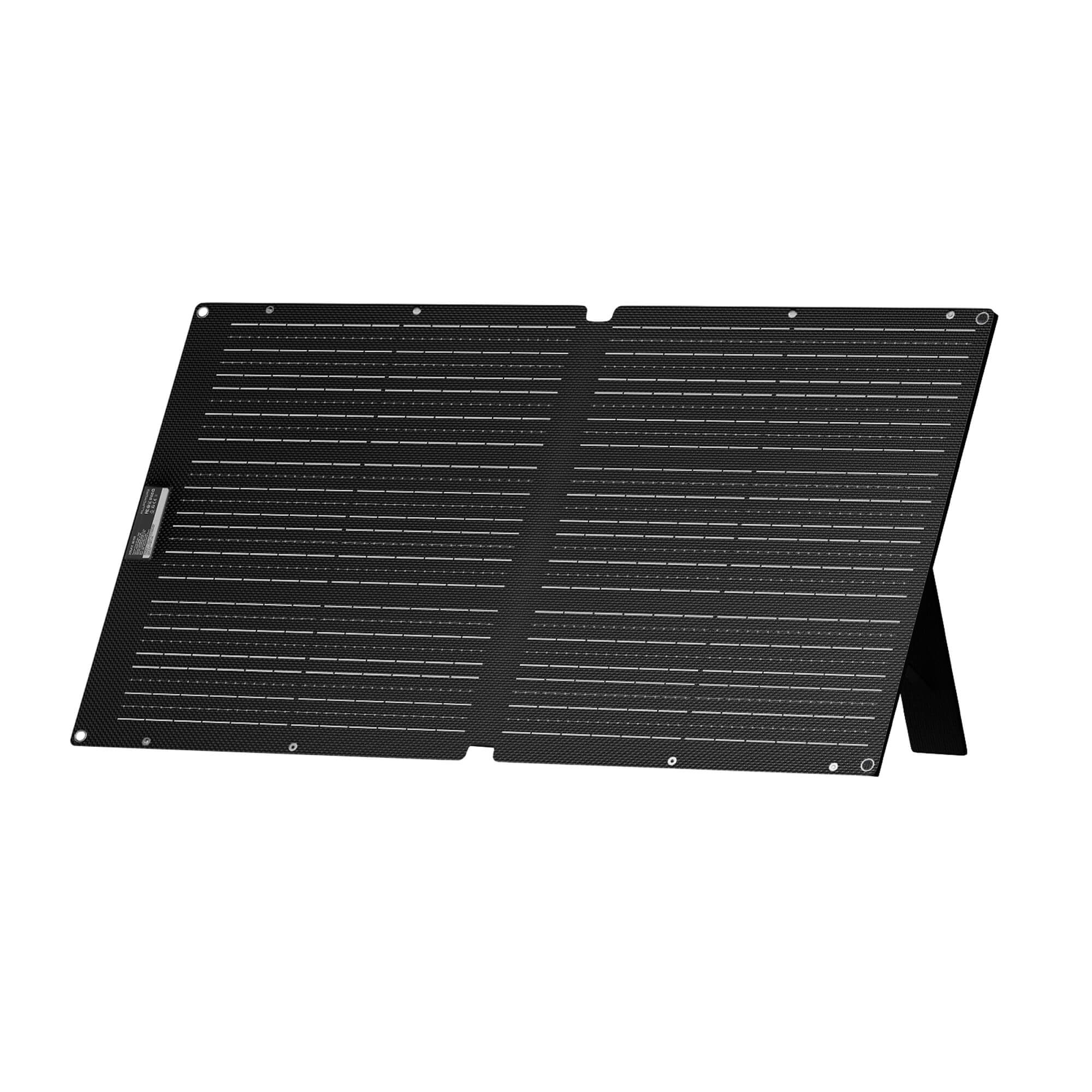
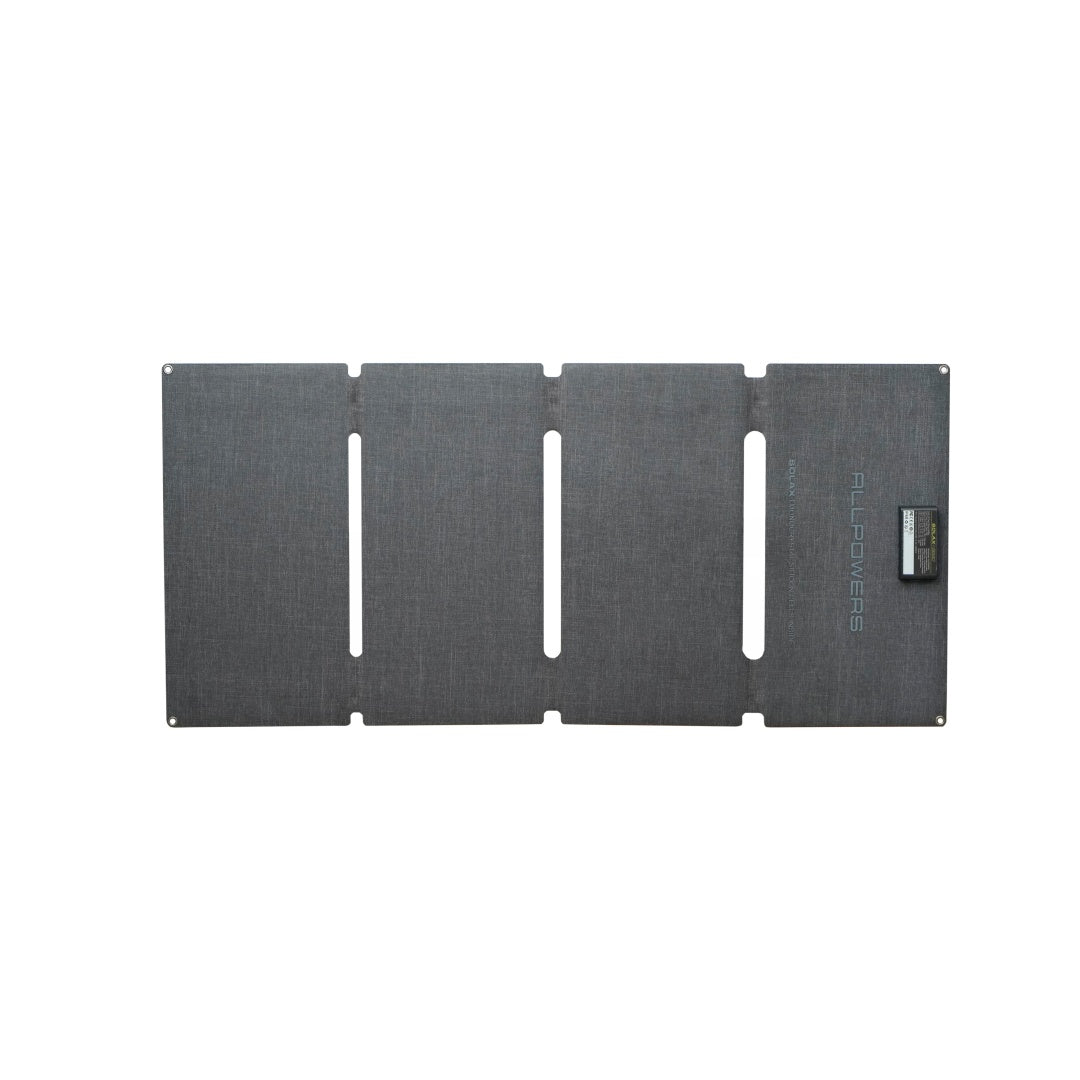
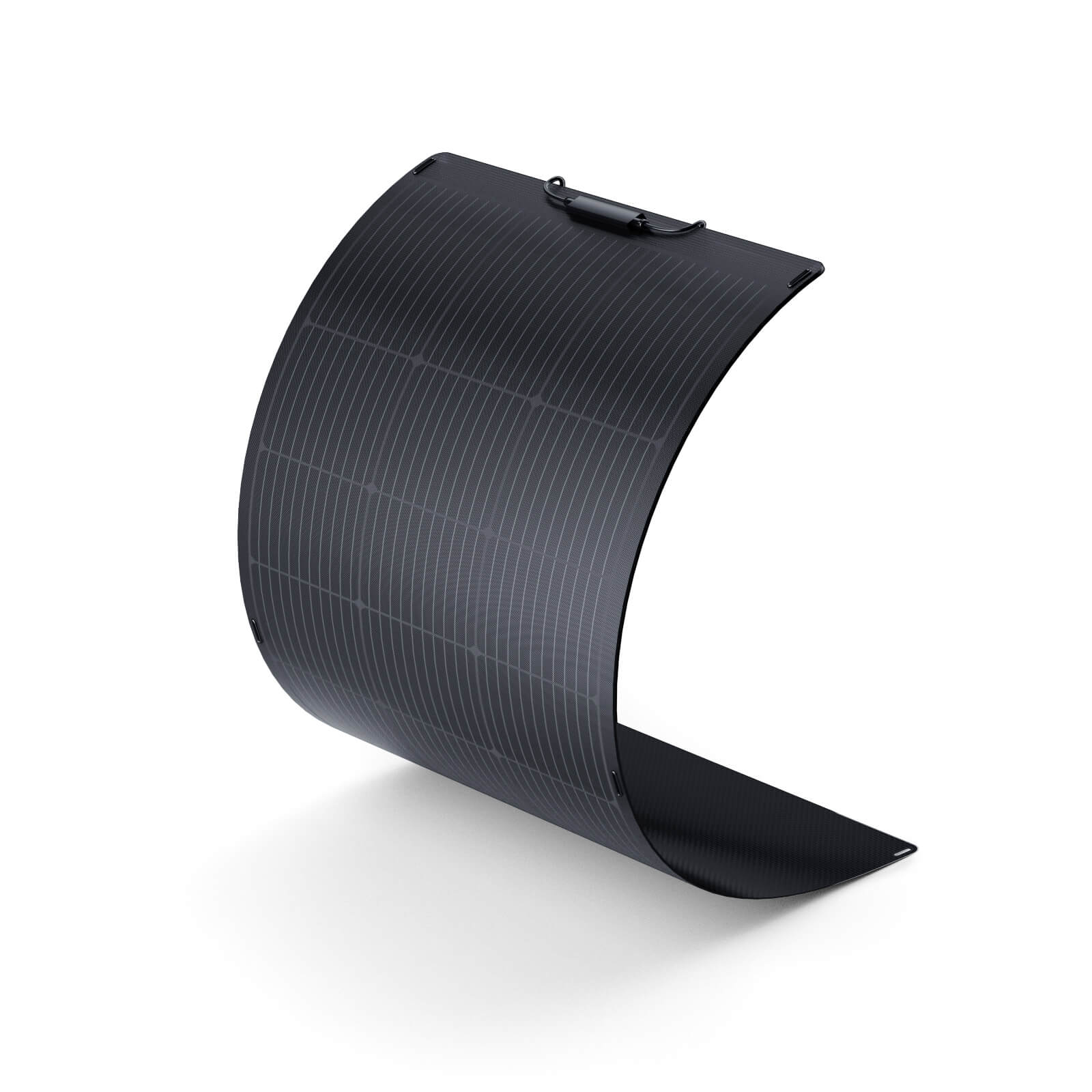
Instead of providing power directly to the camera, solar panels are typically used to recharge stored energy throughout the day.
This approach allows photographers to recharge camera batteries in the evening without depending entirely on fuel or campground electricity.
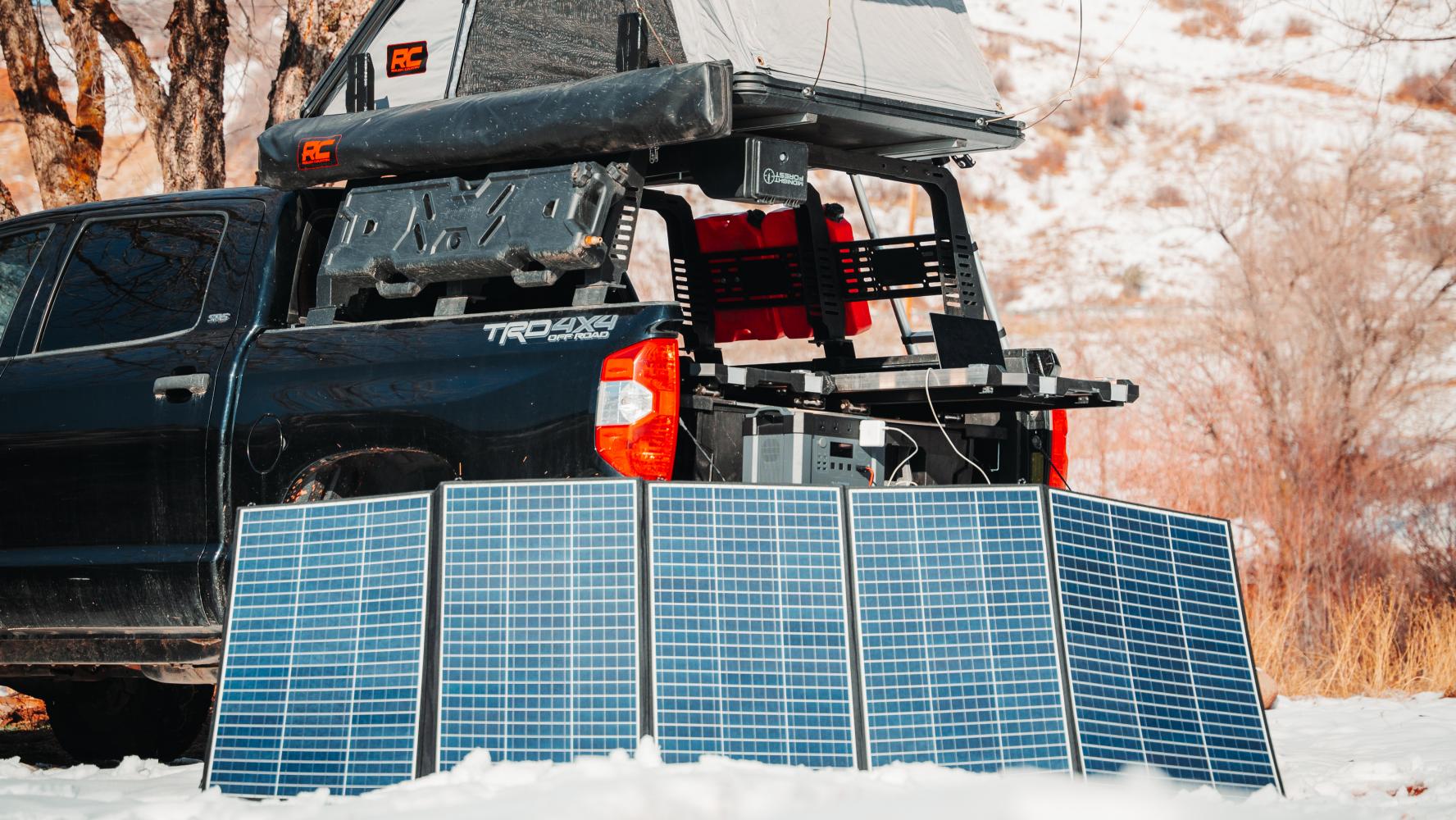
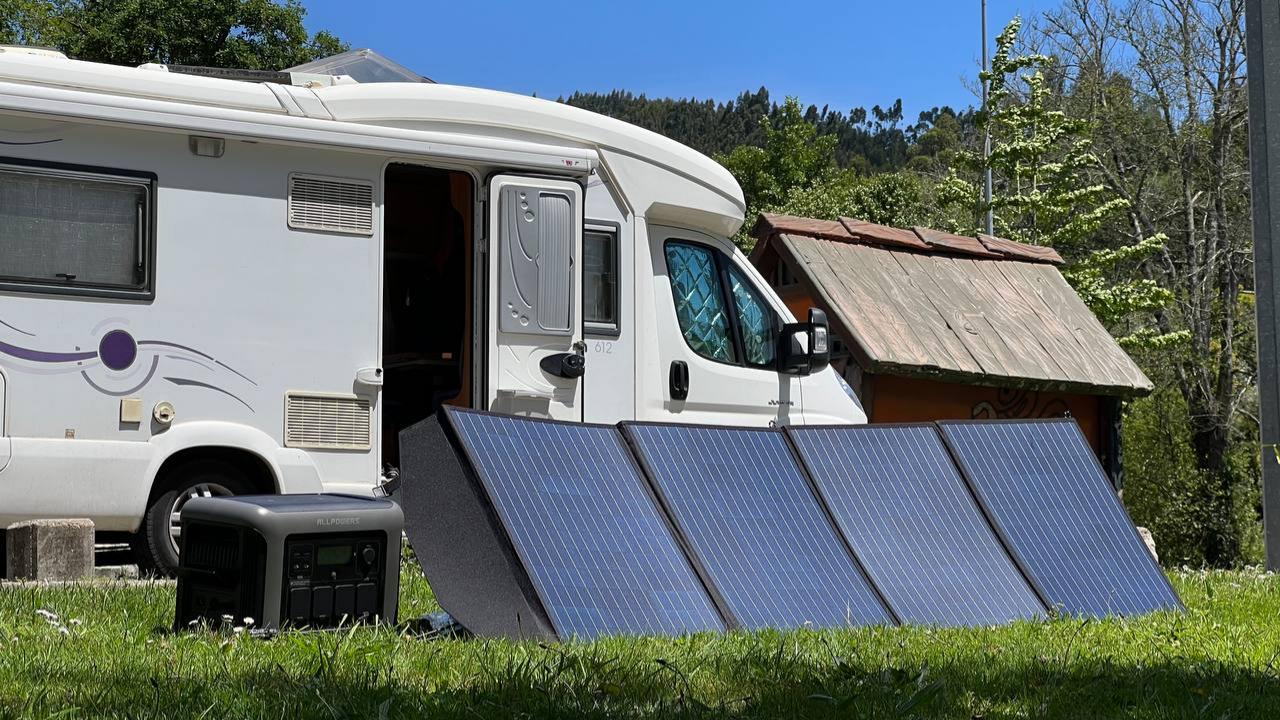
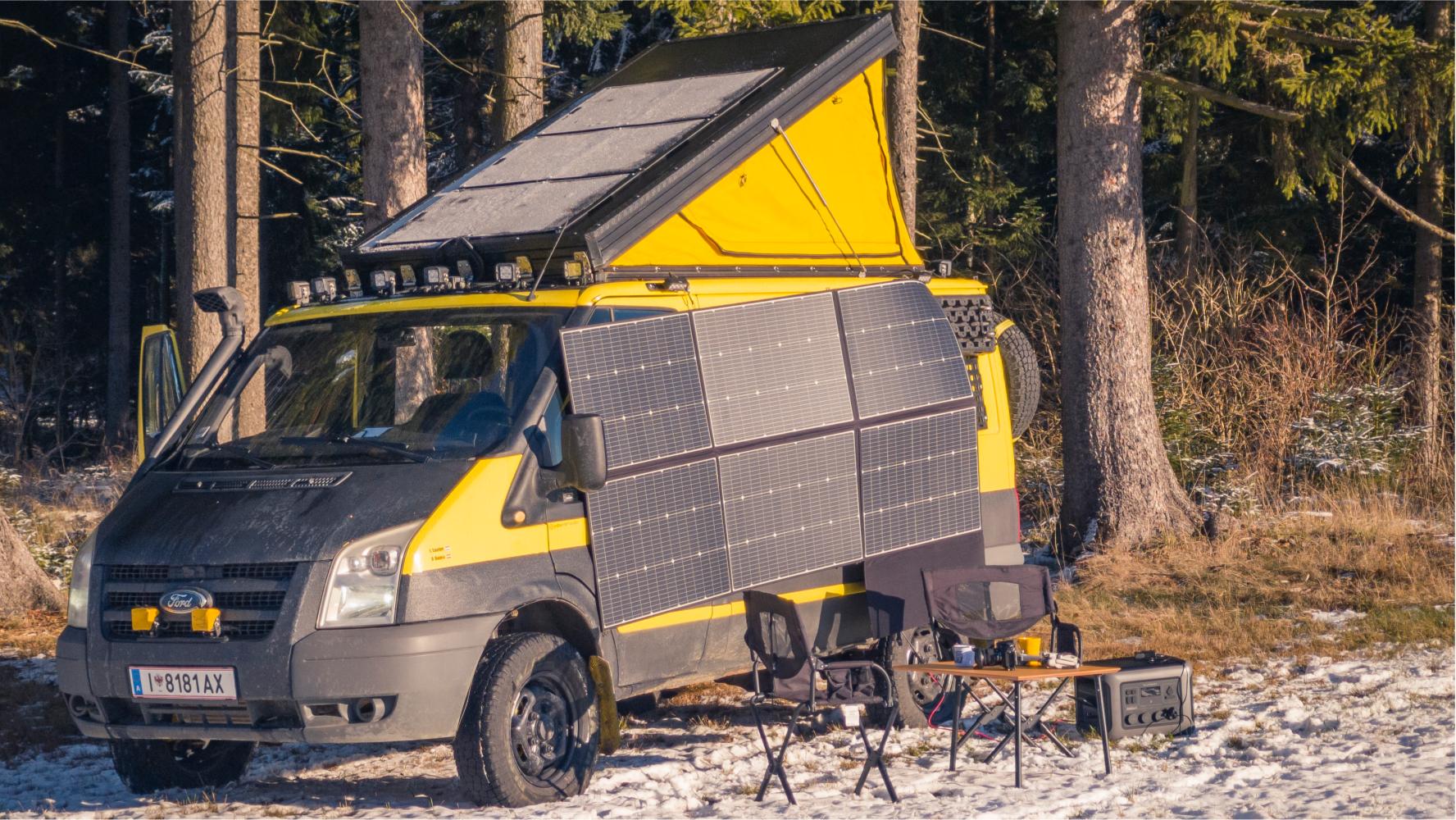
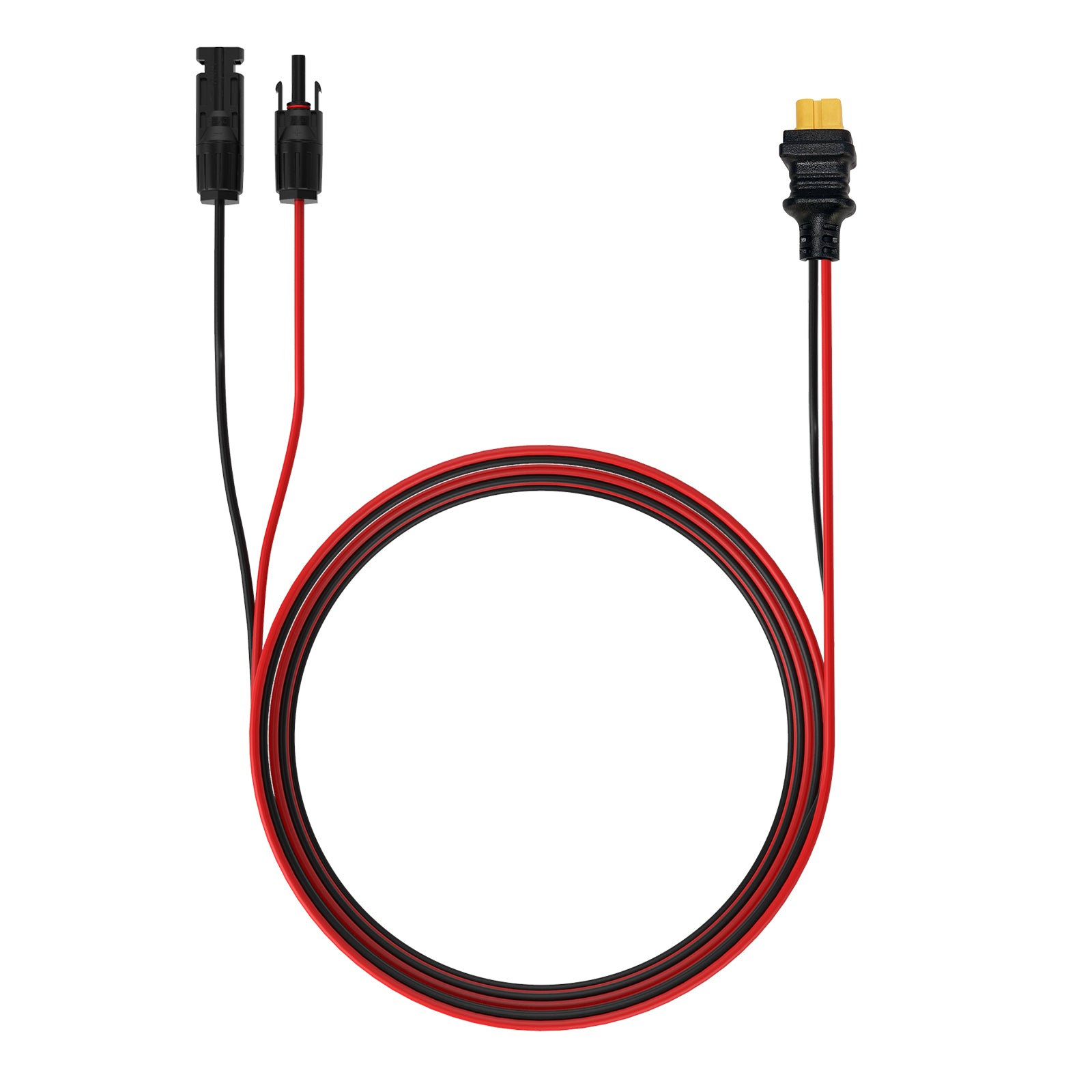
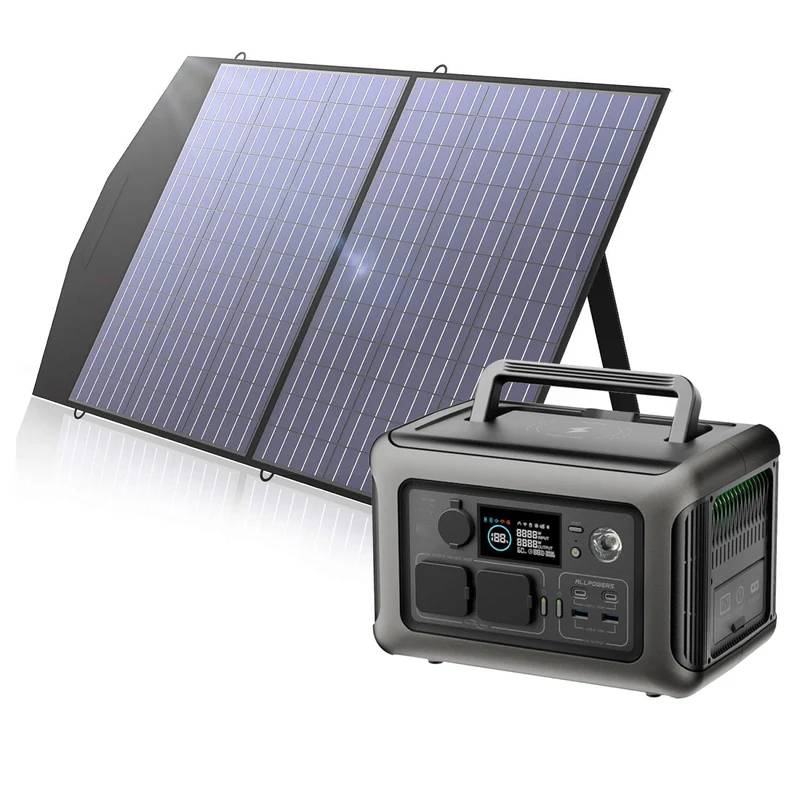
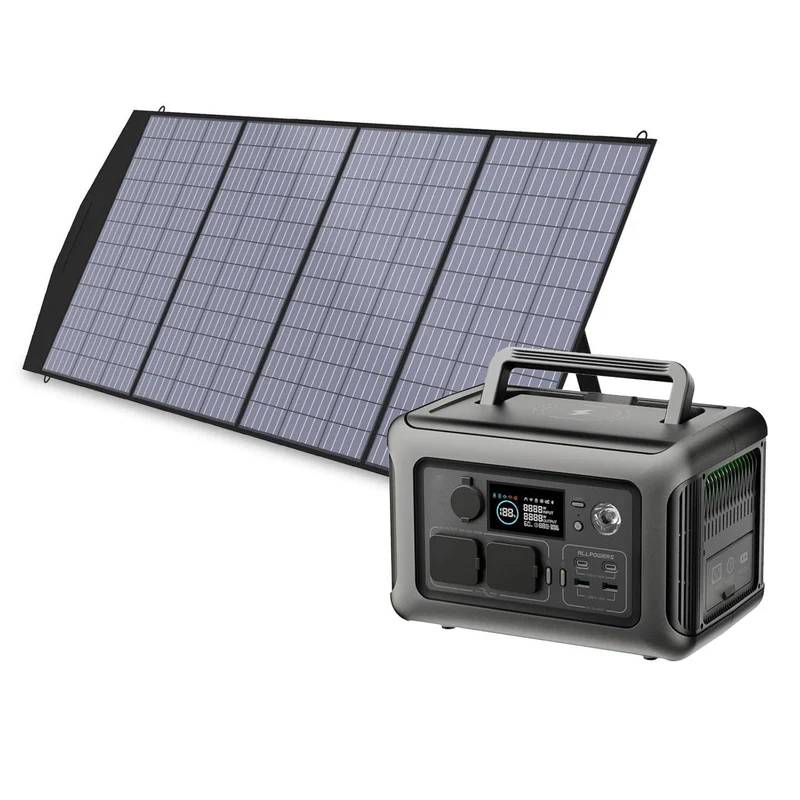
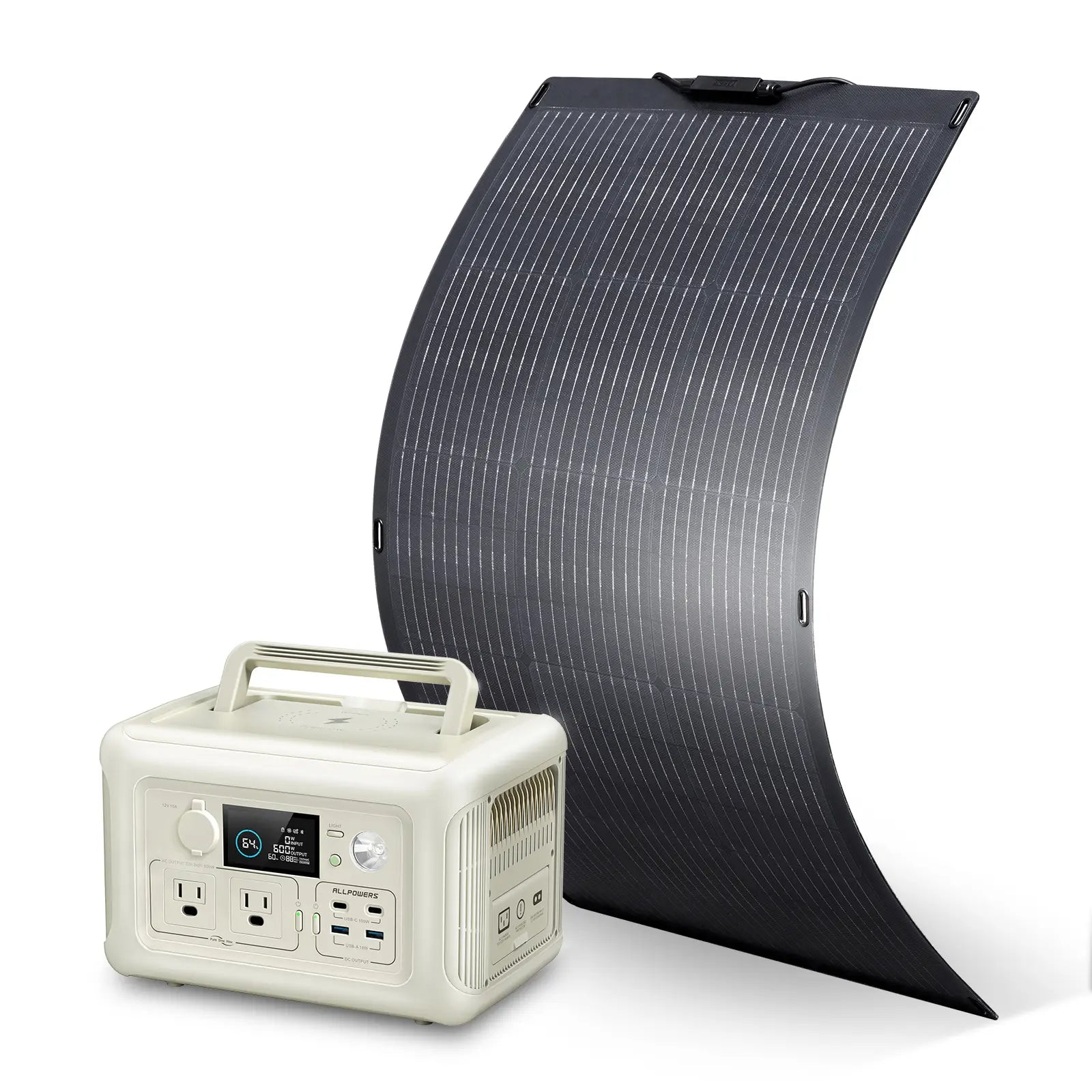
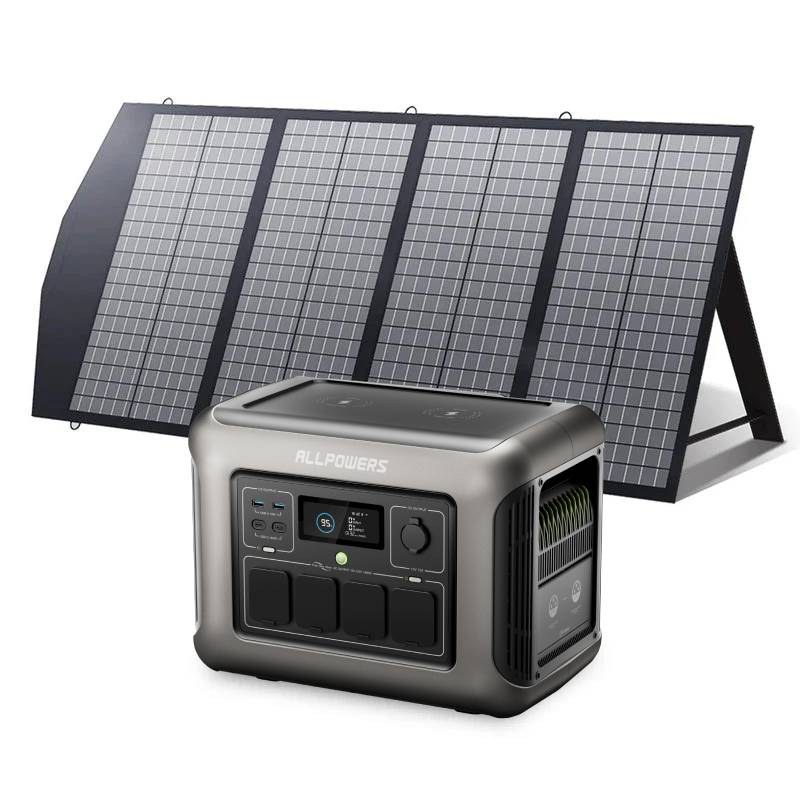
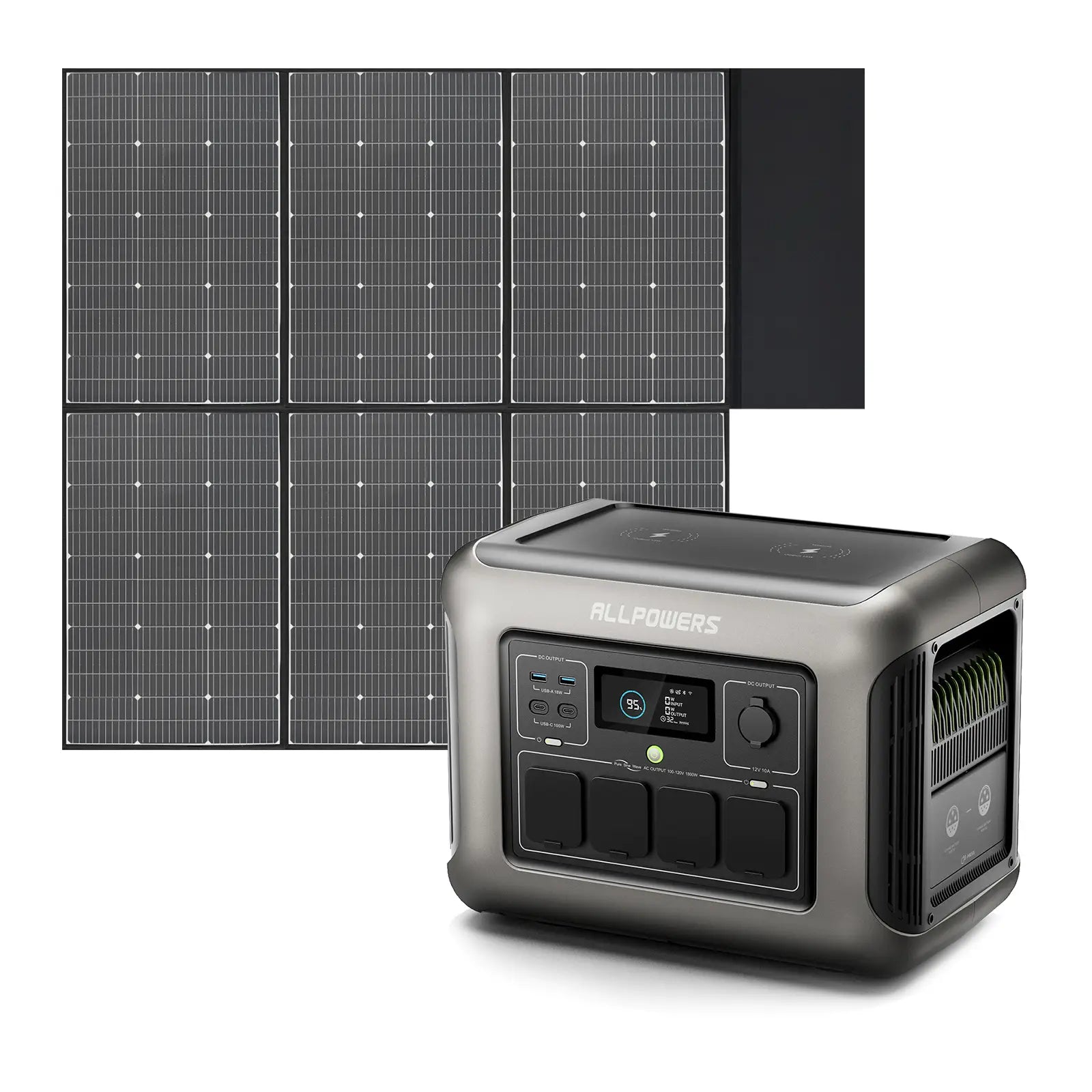
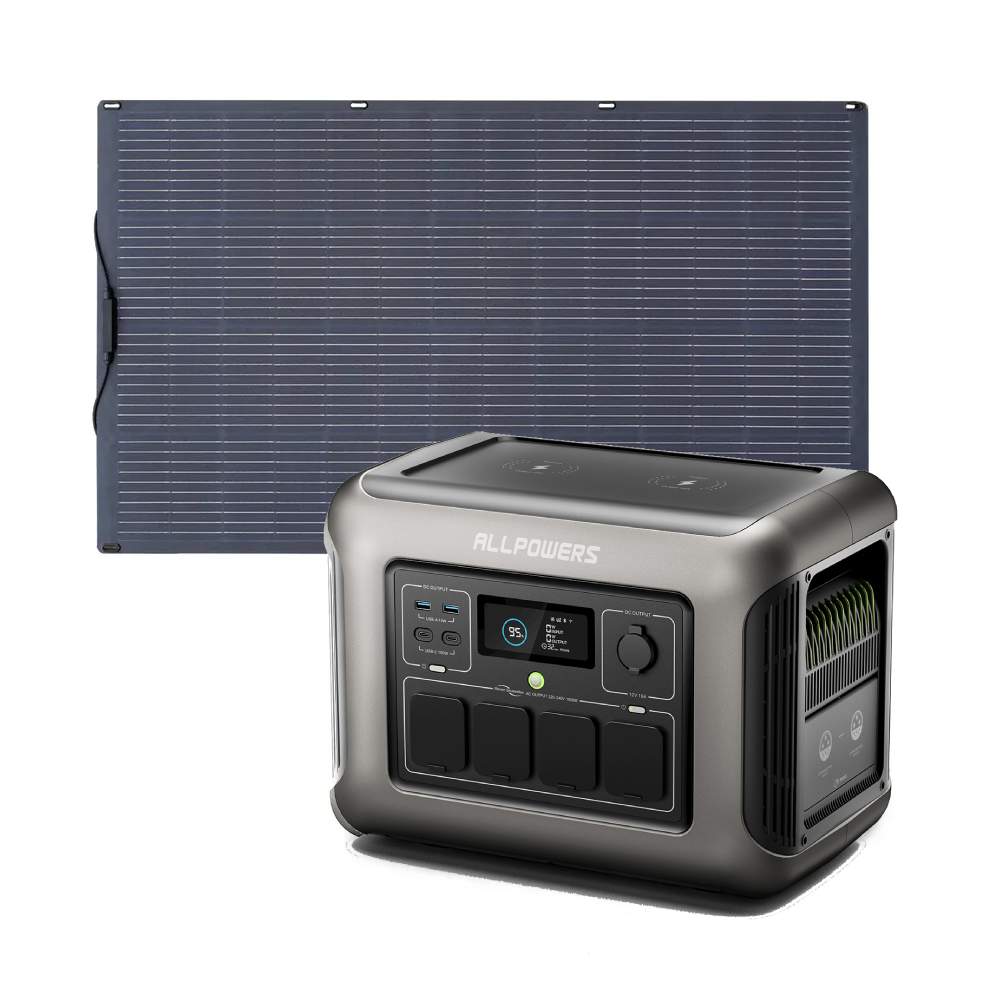
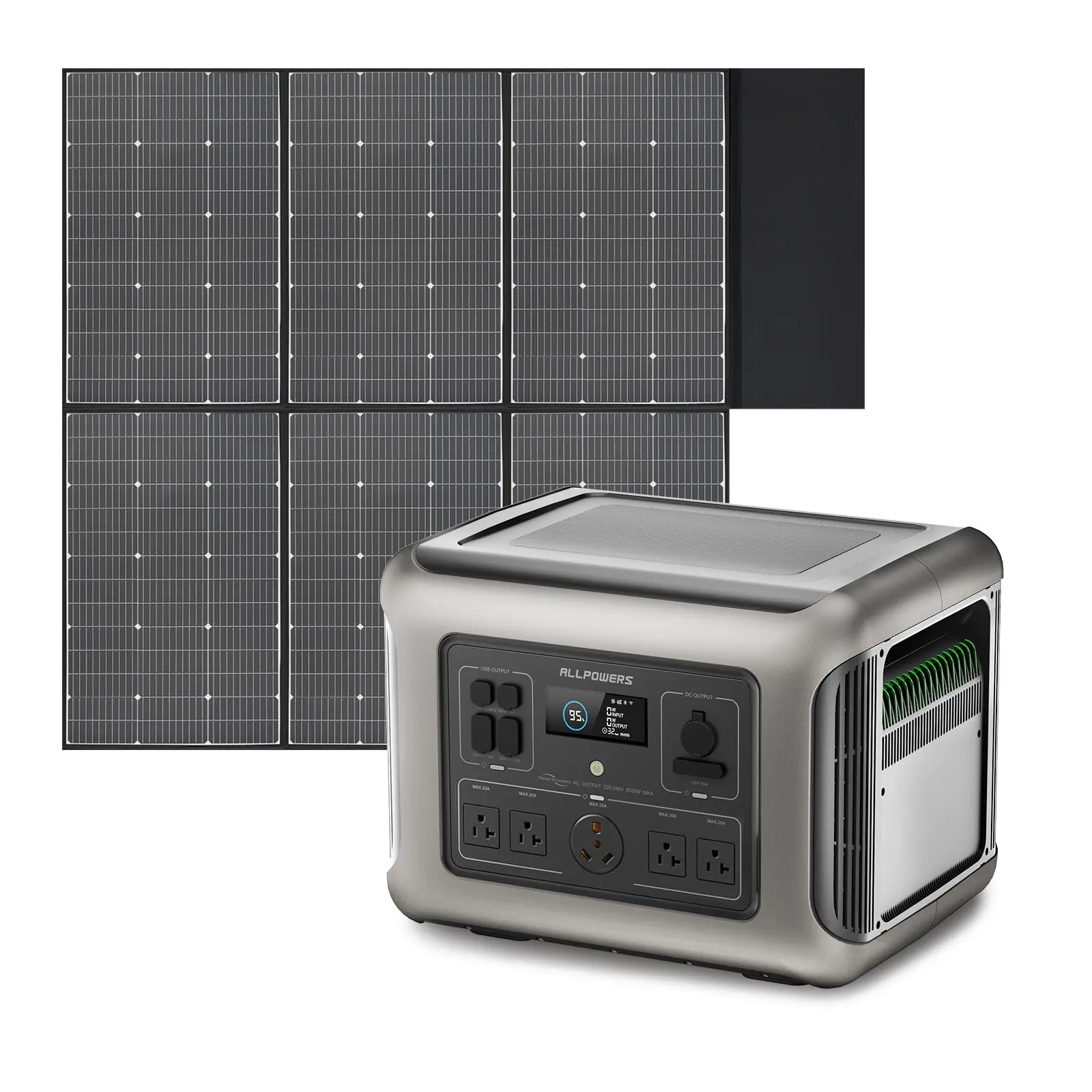
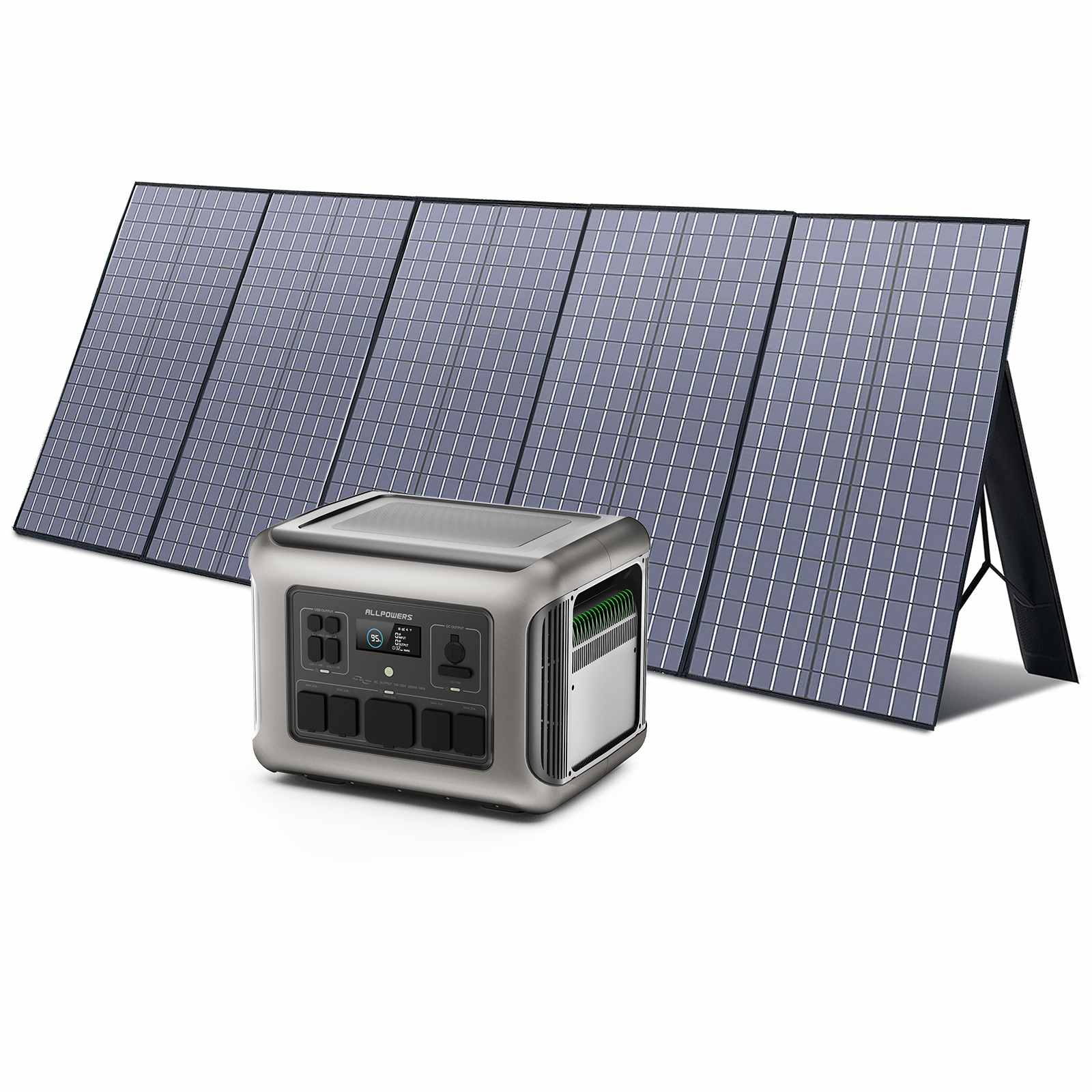
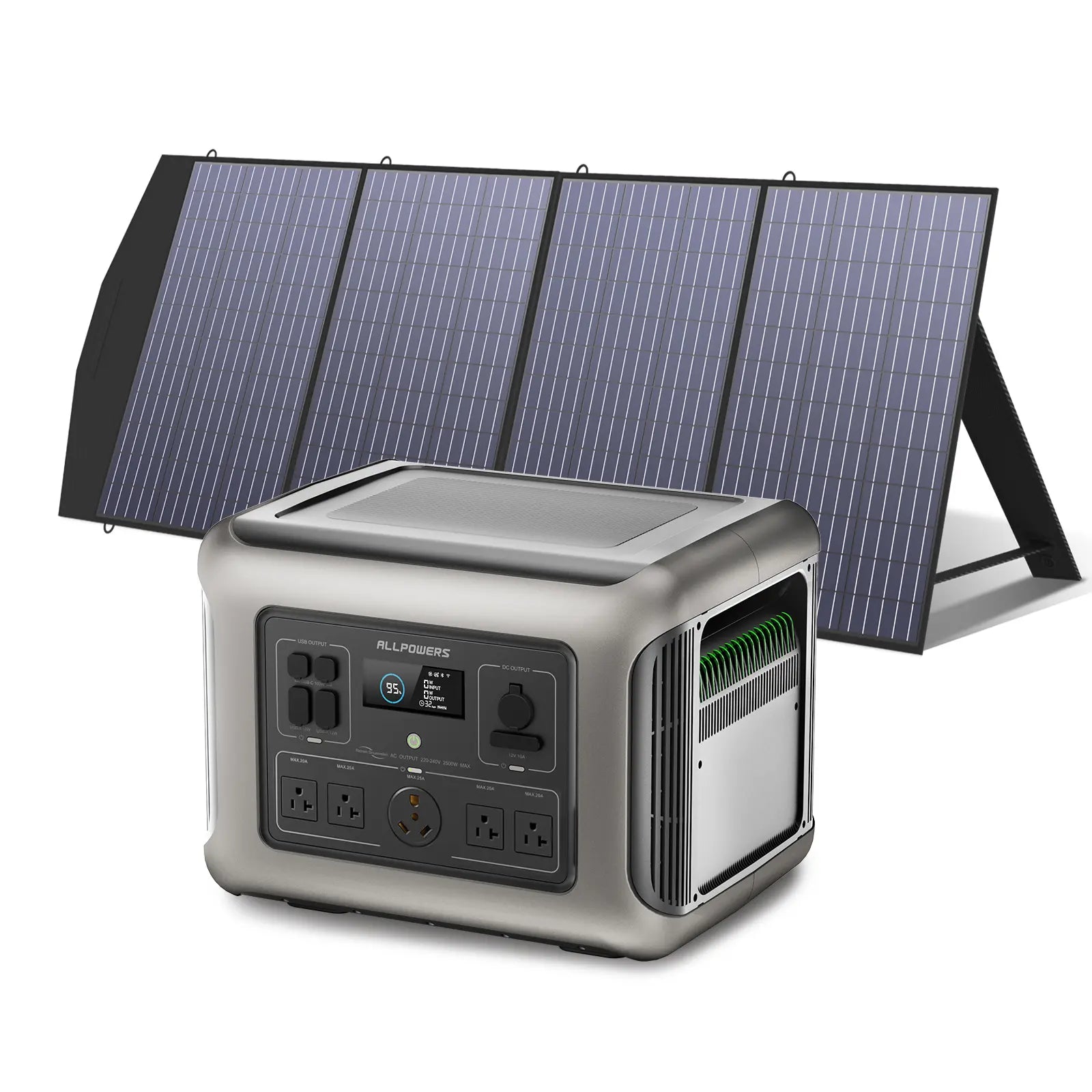
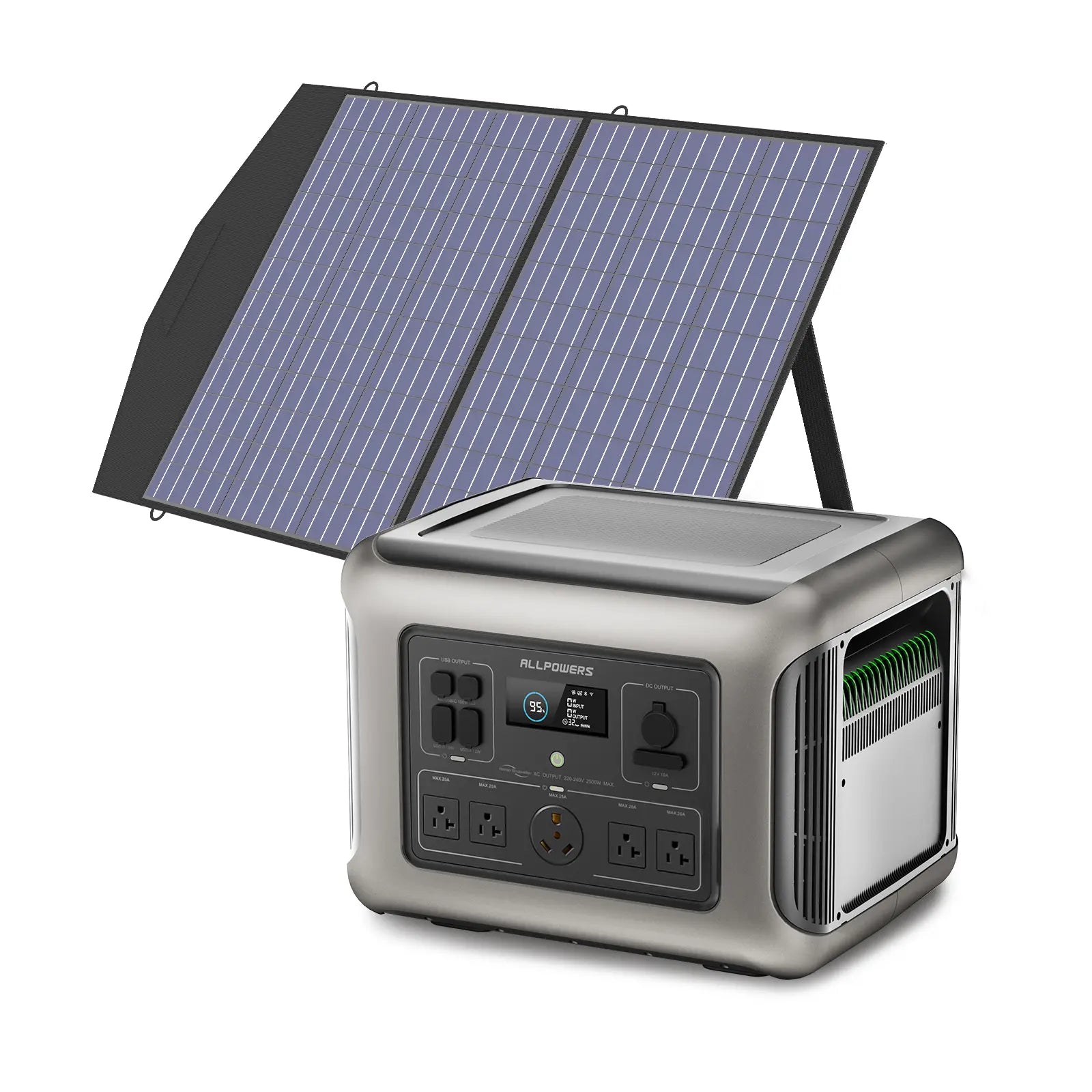
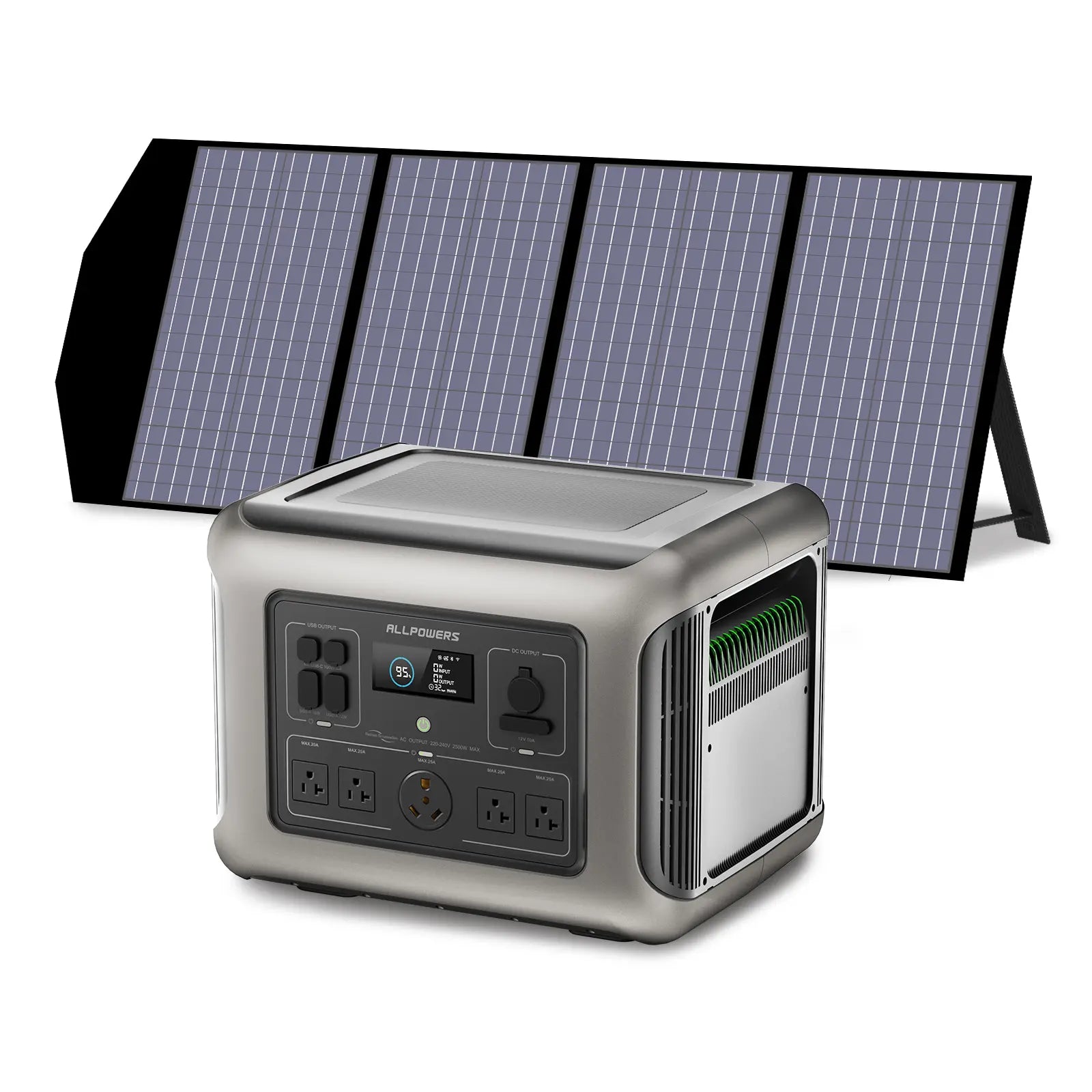
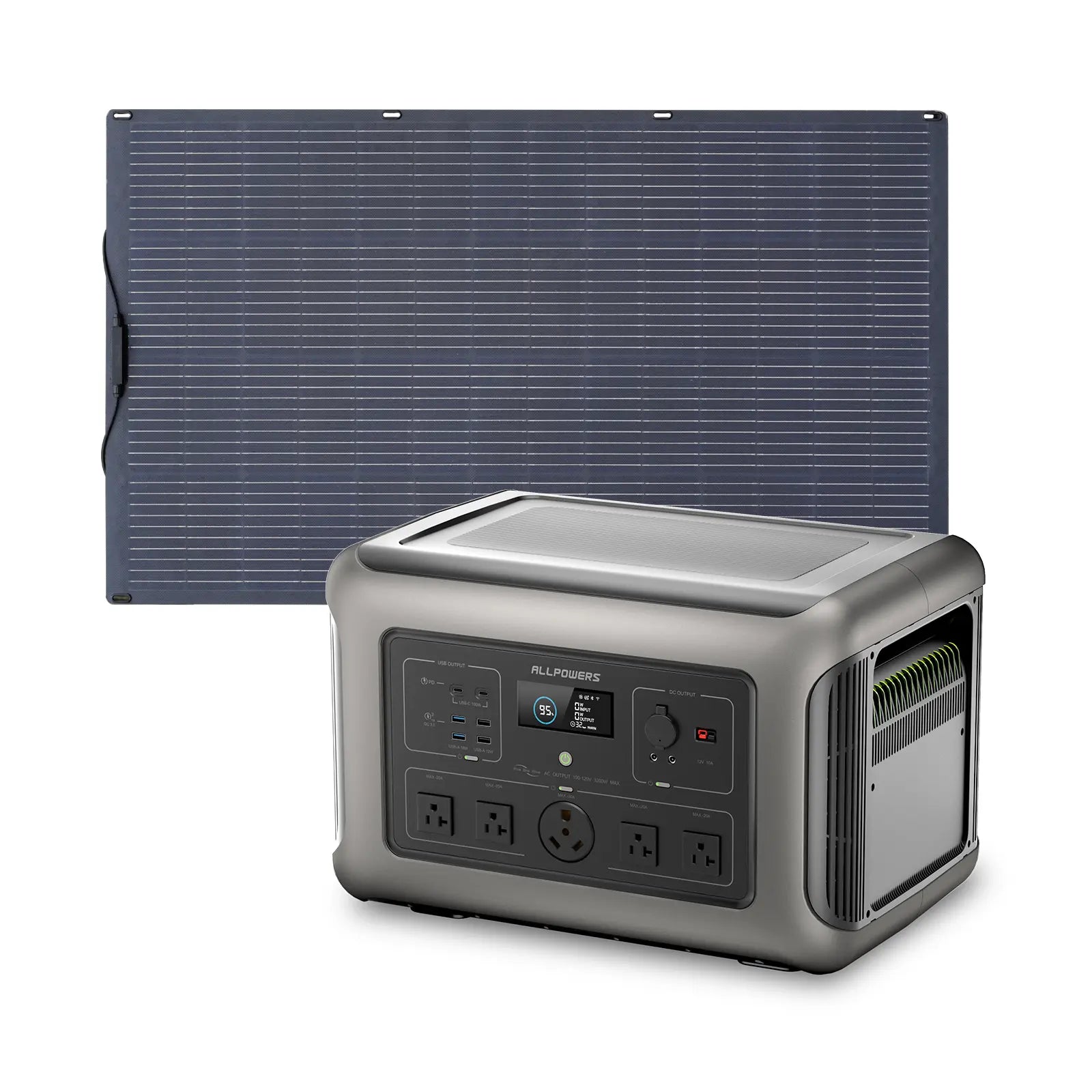
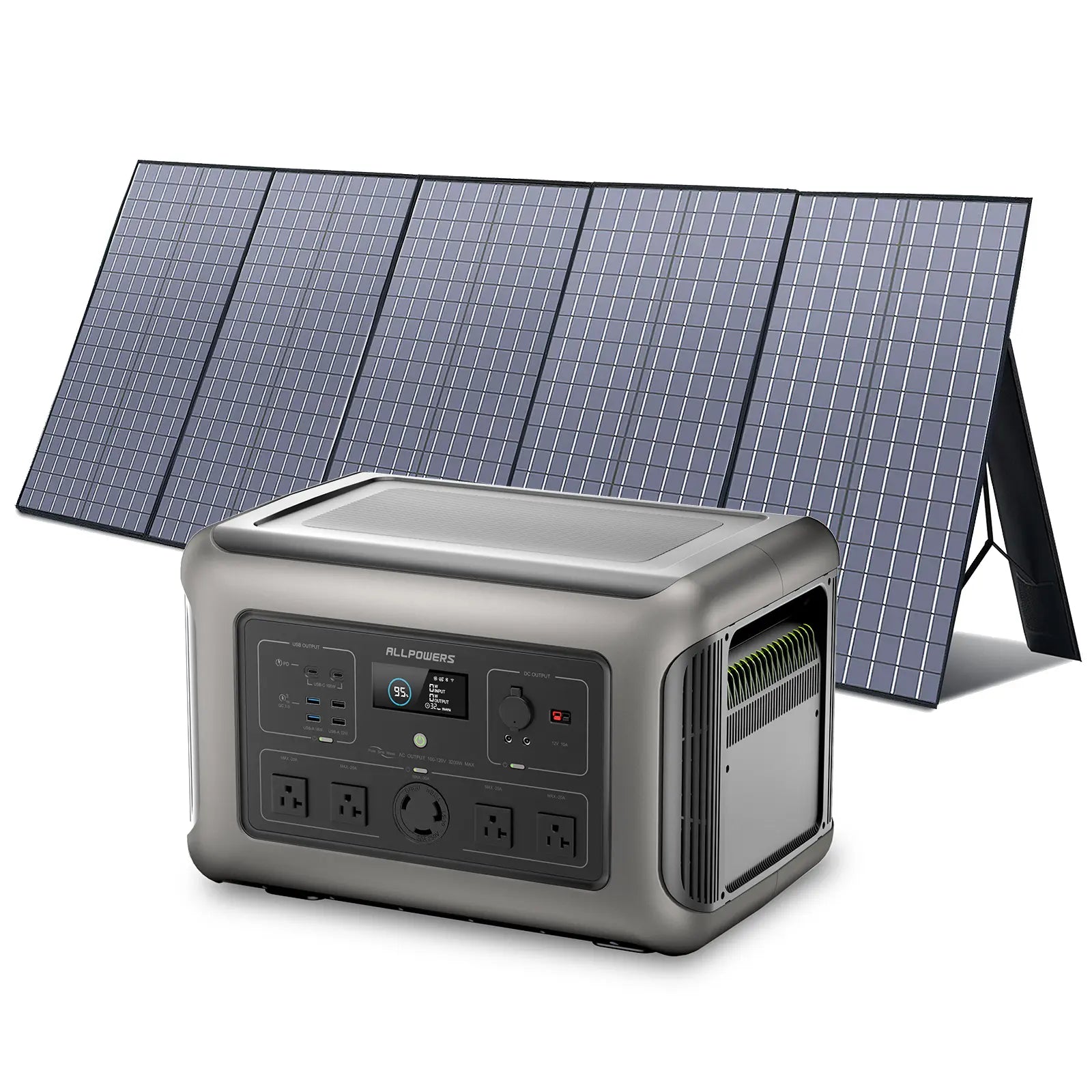
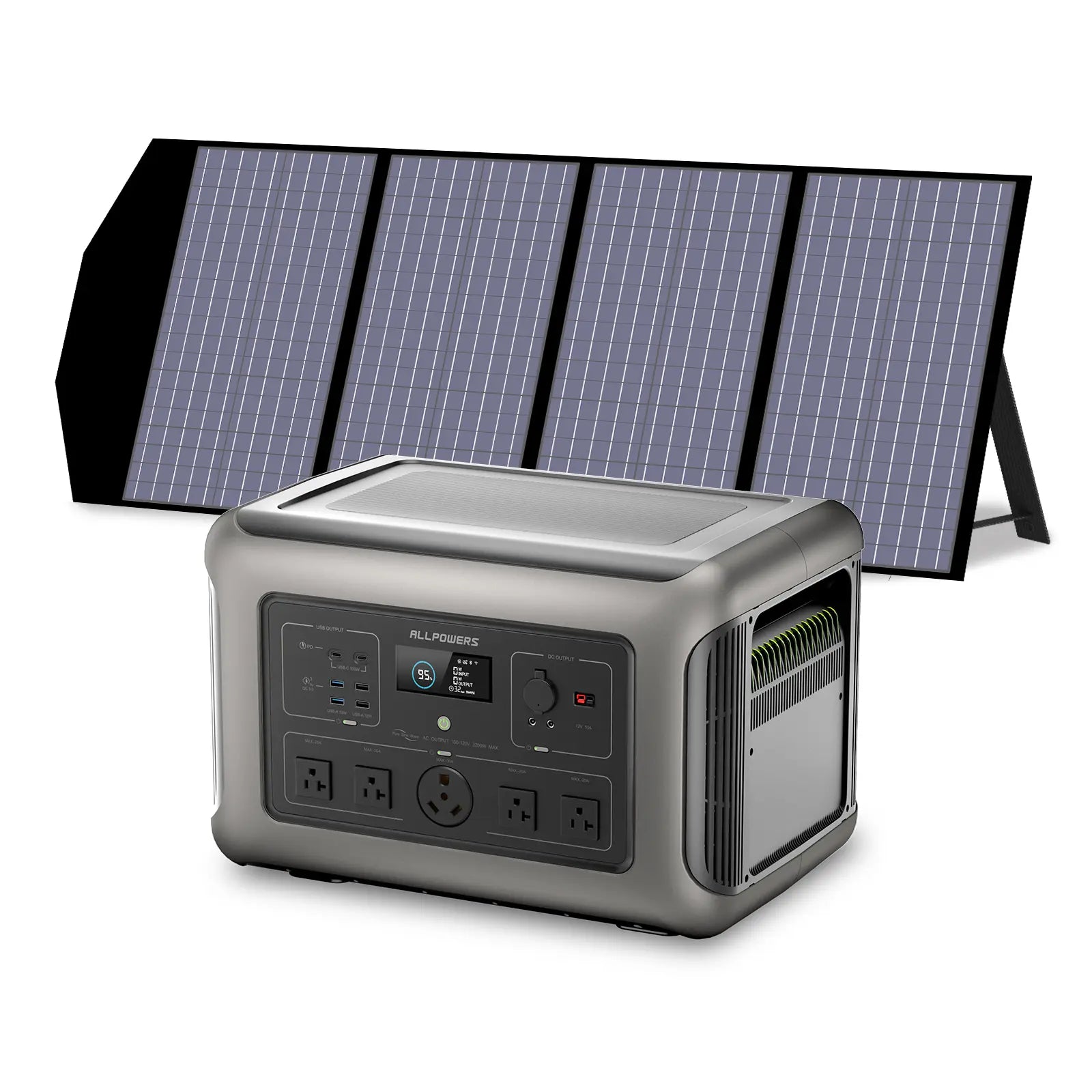
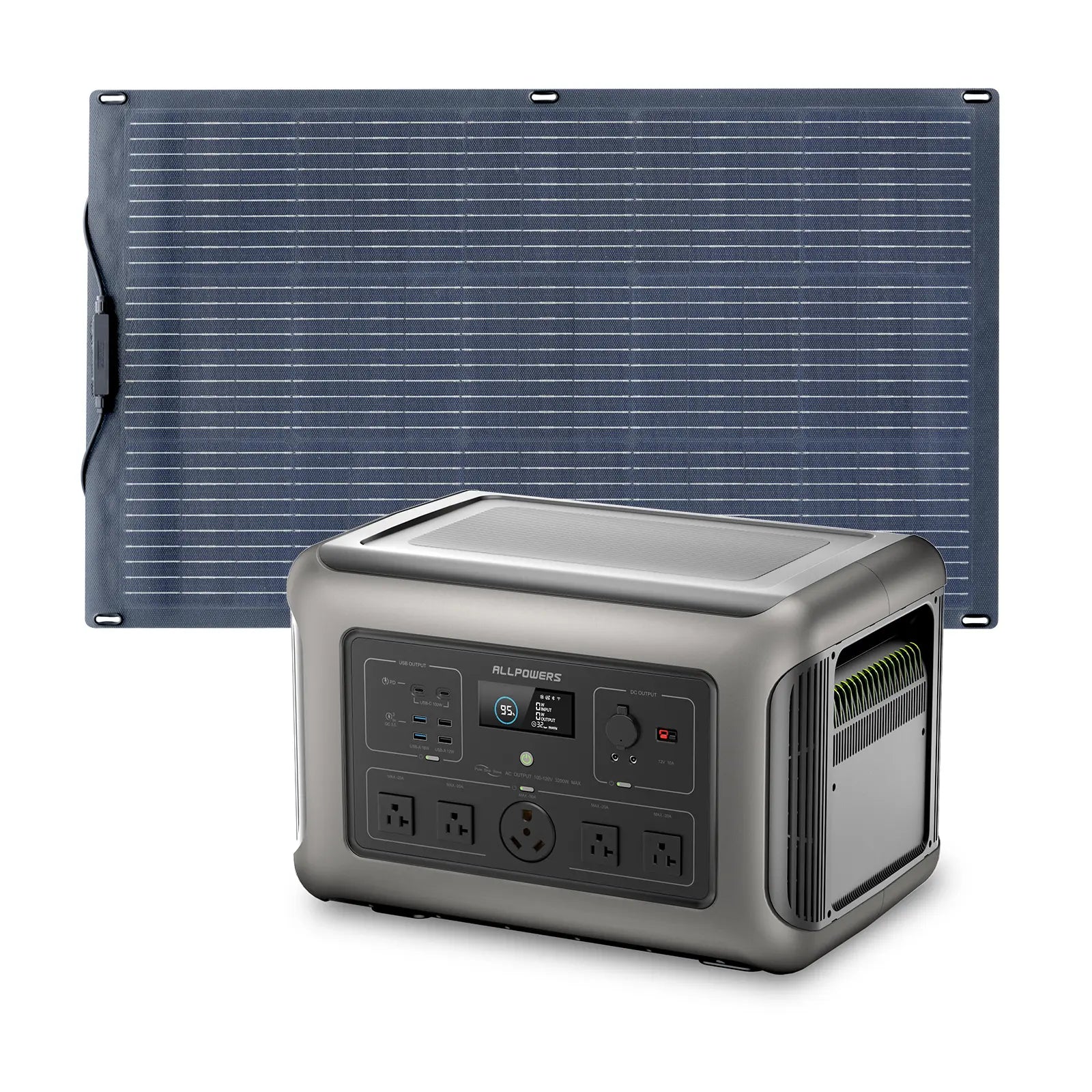
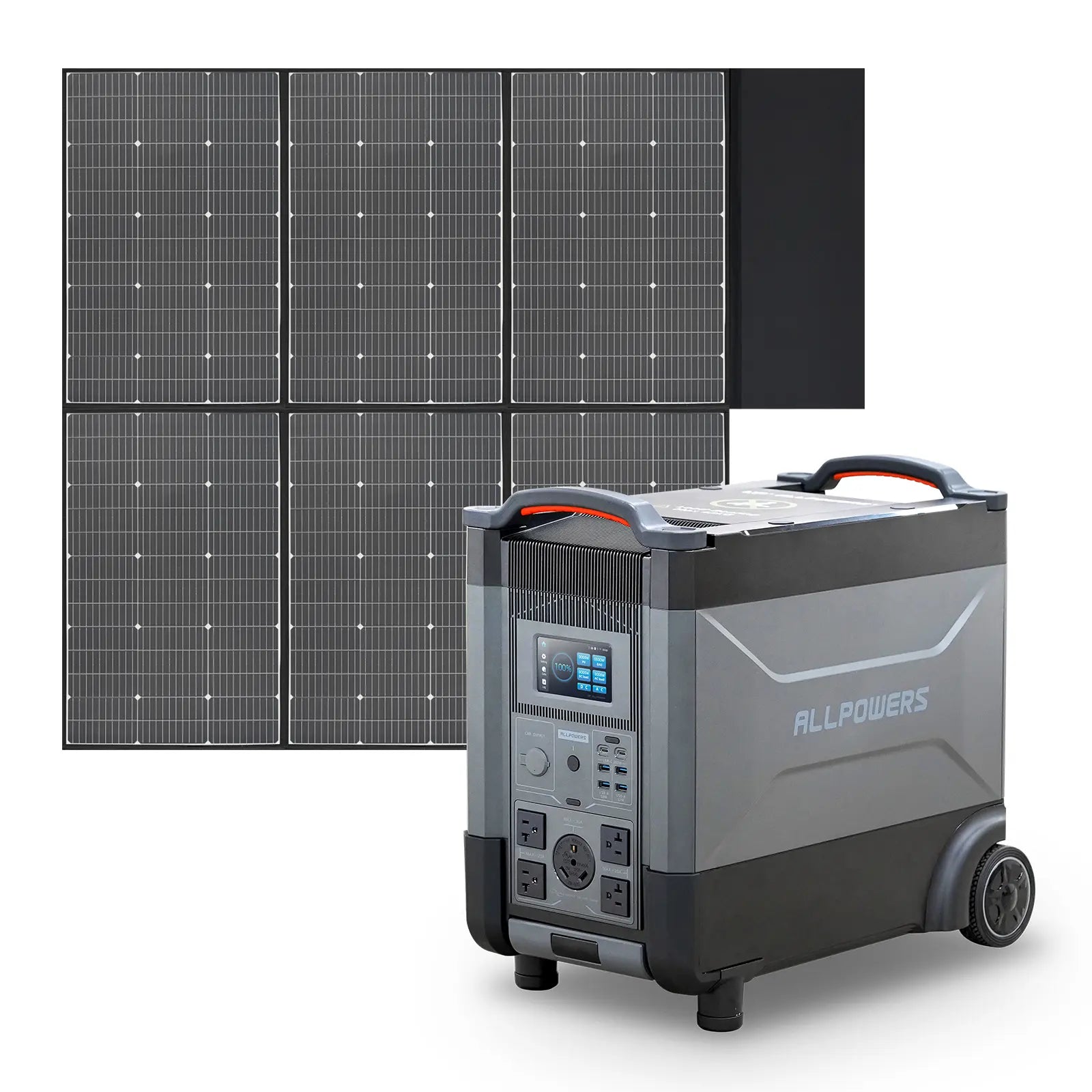
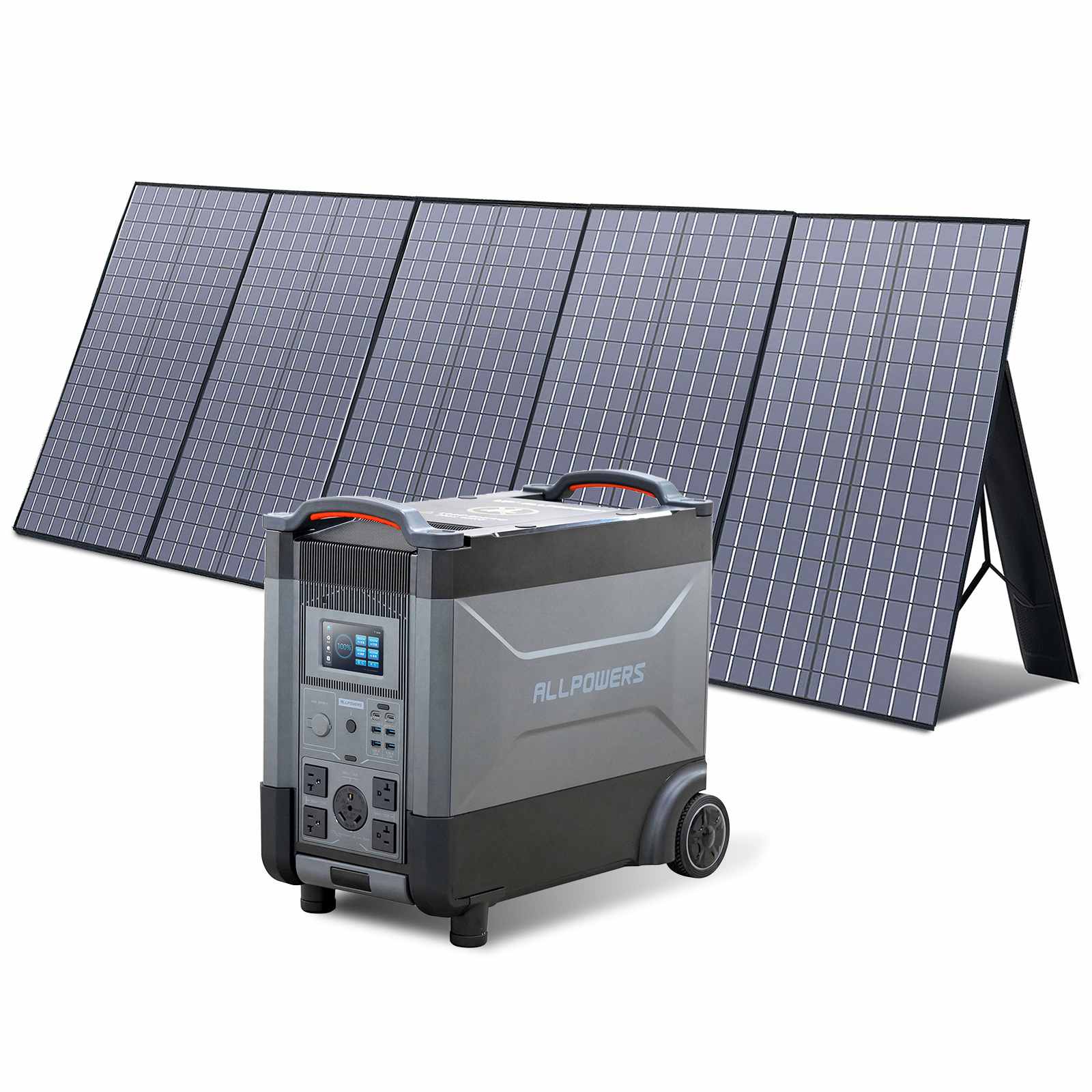
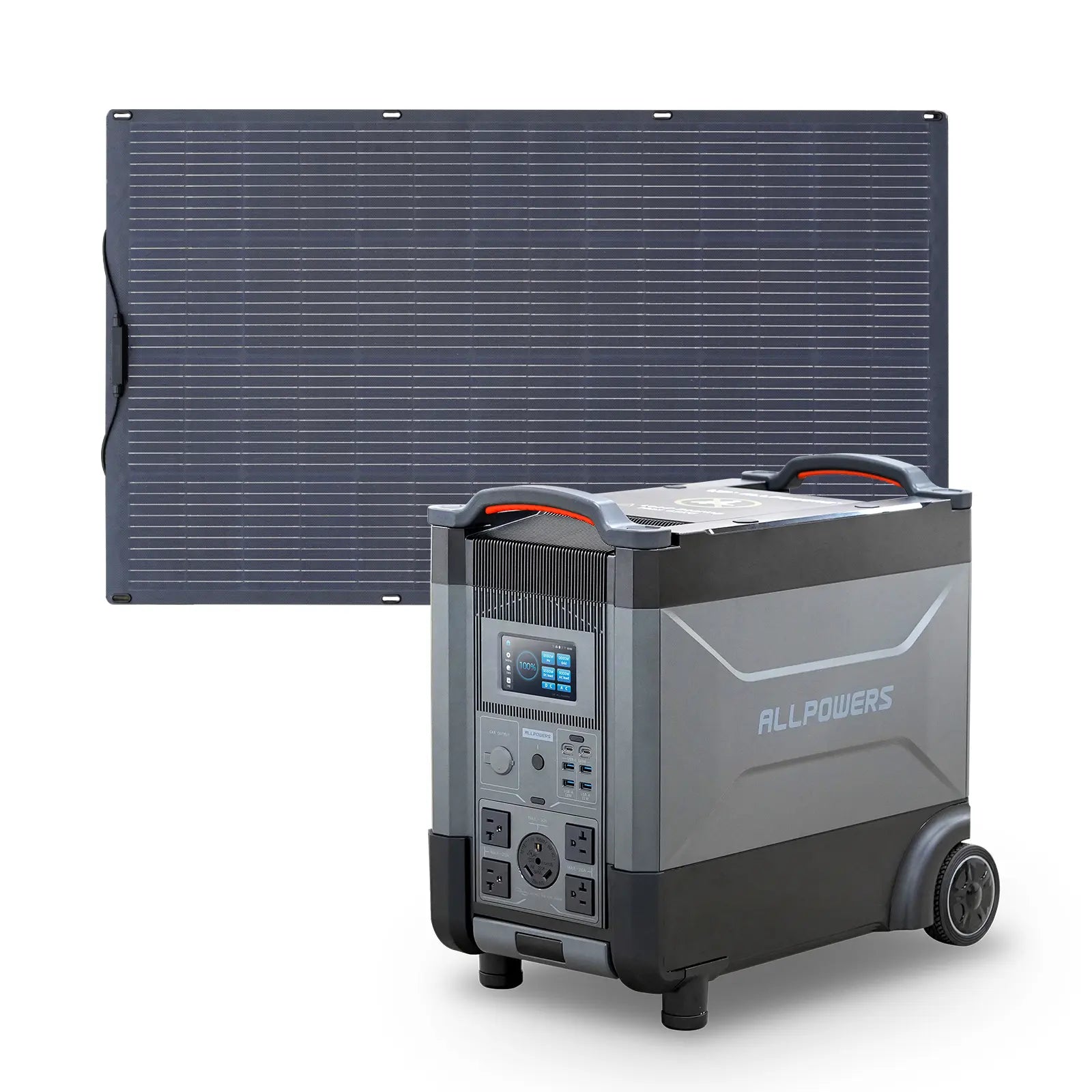
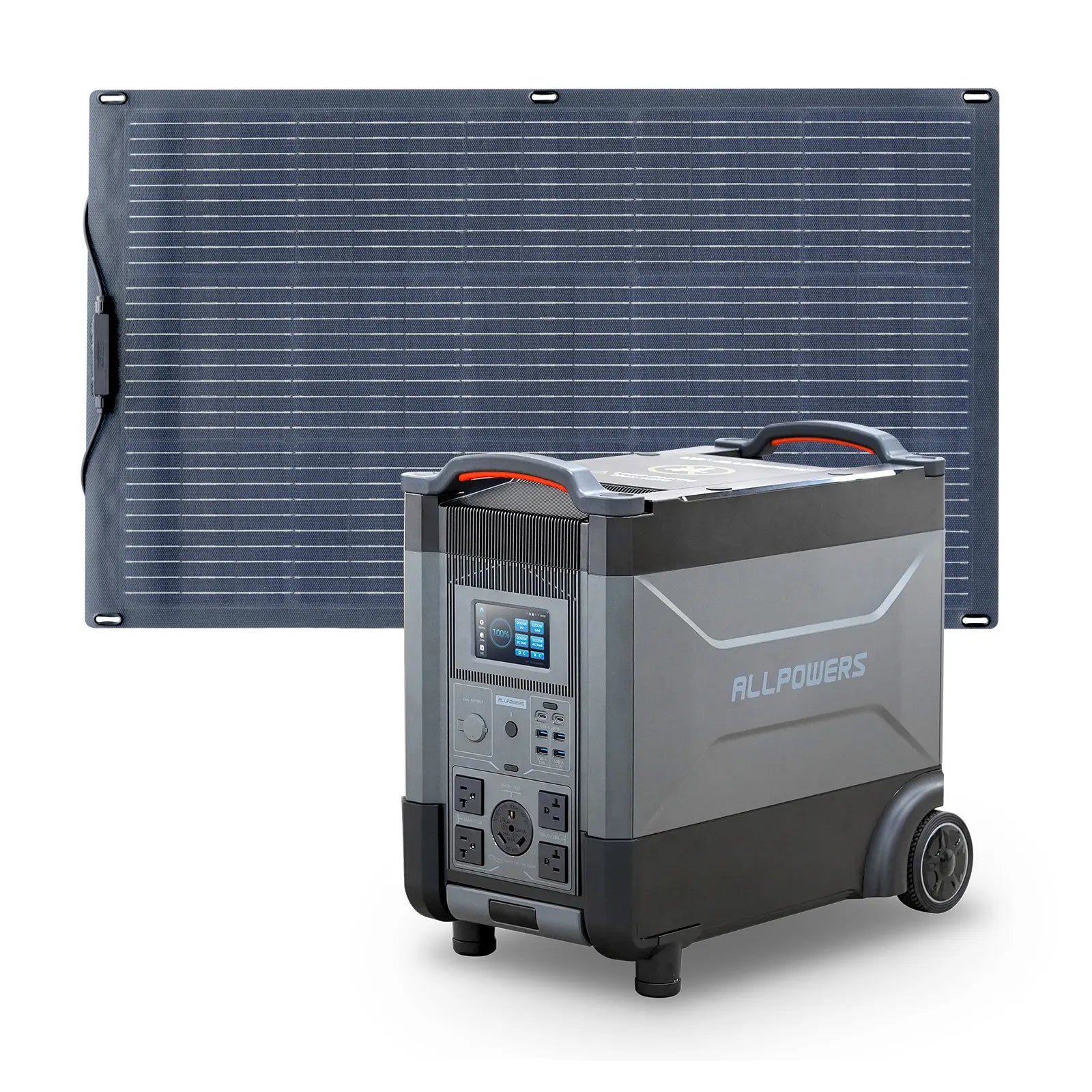
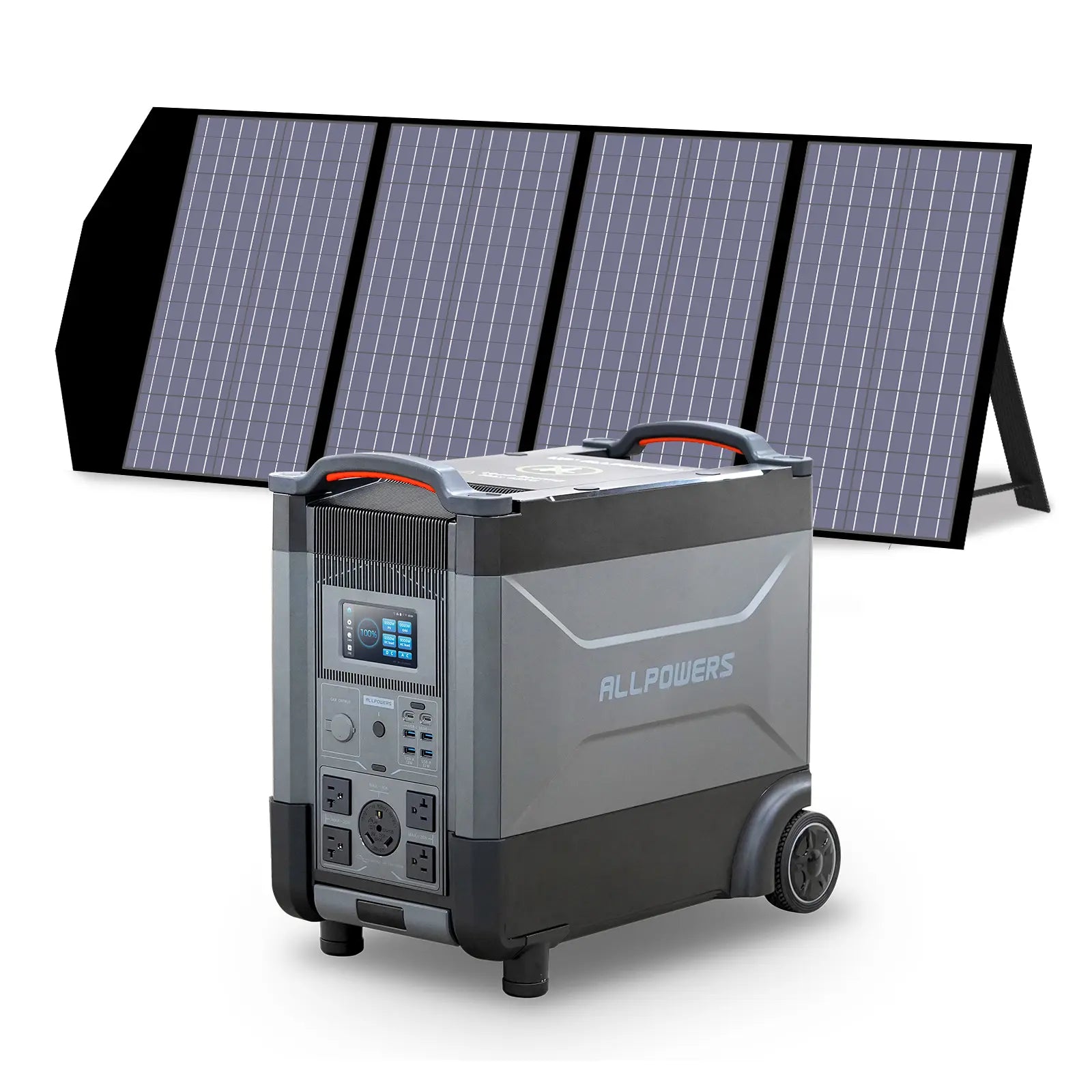
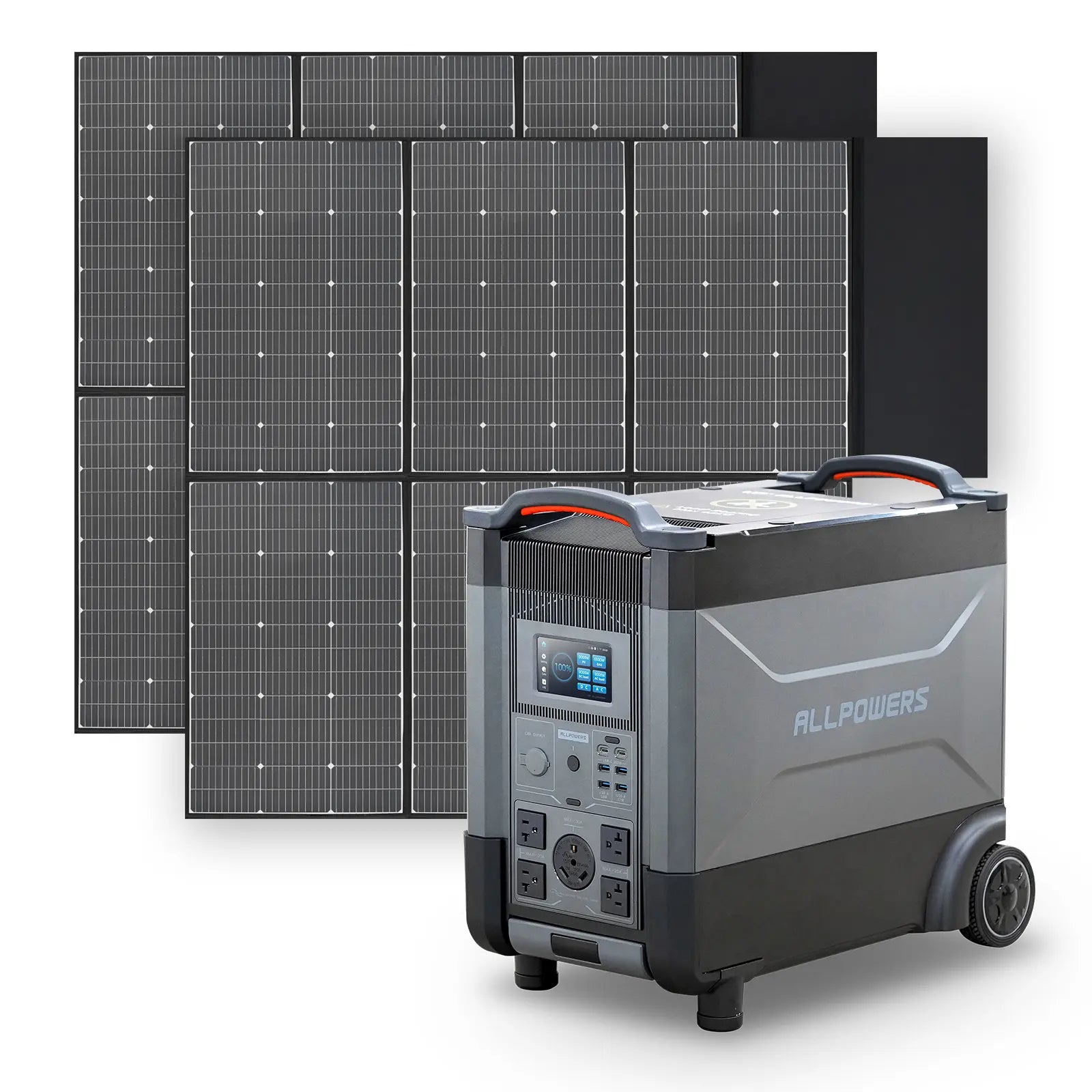
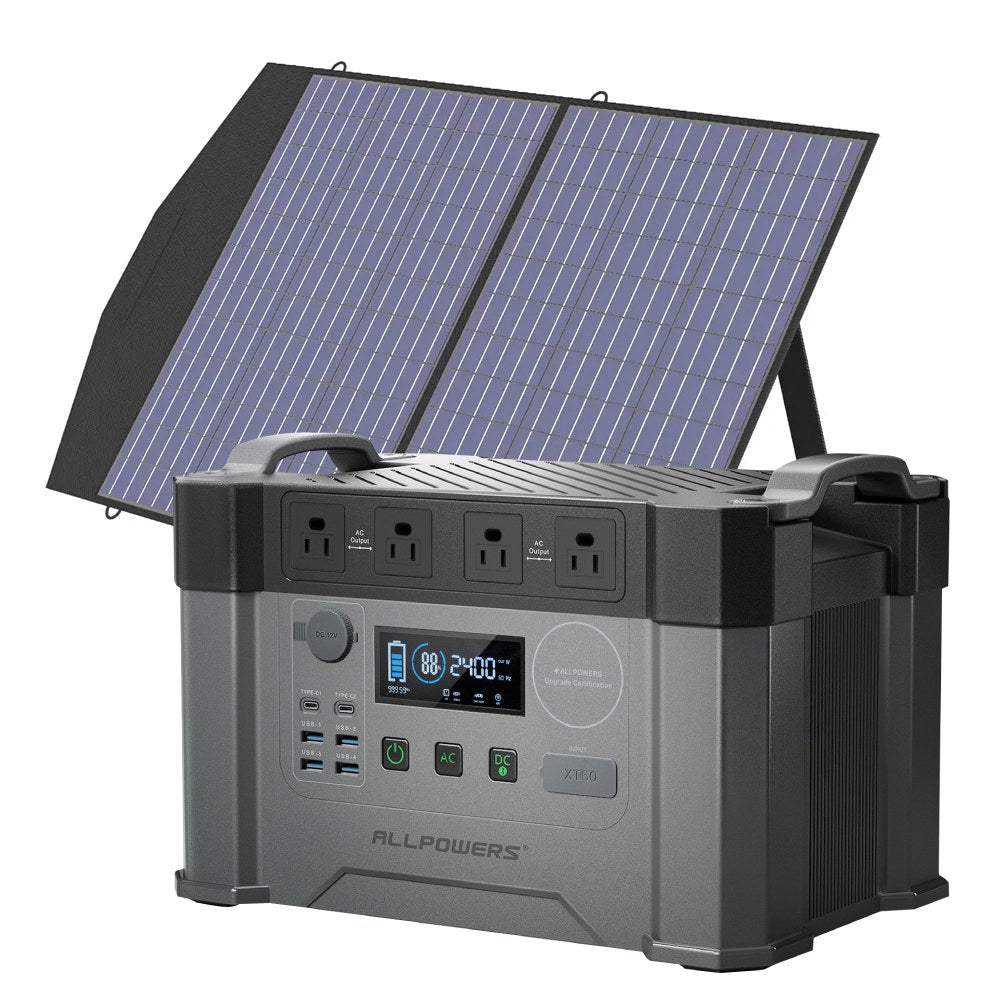
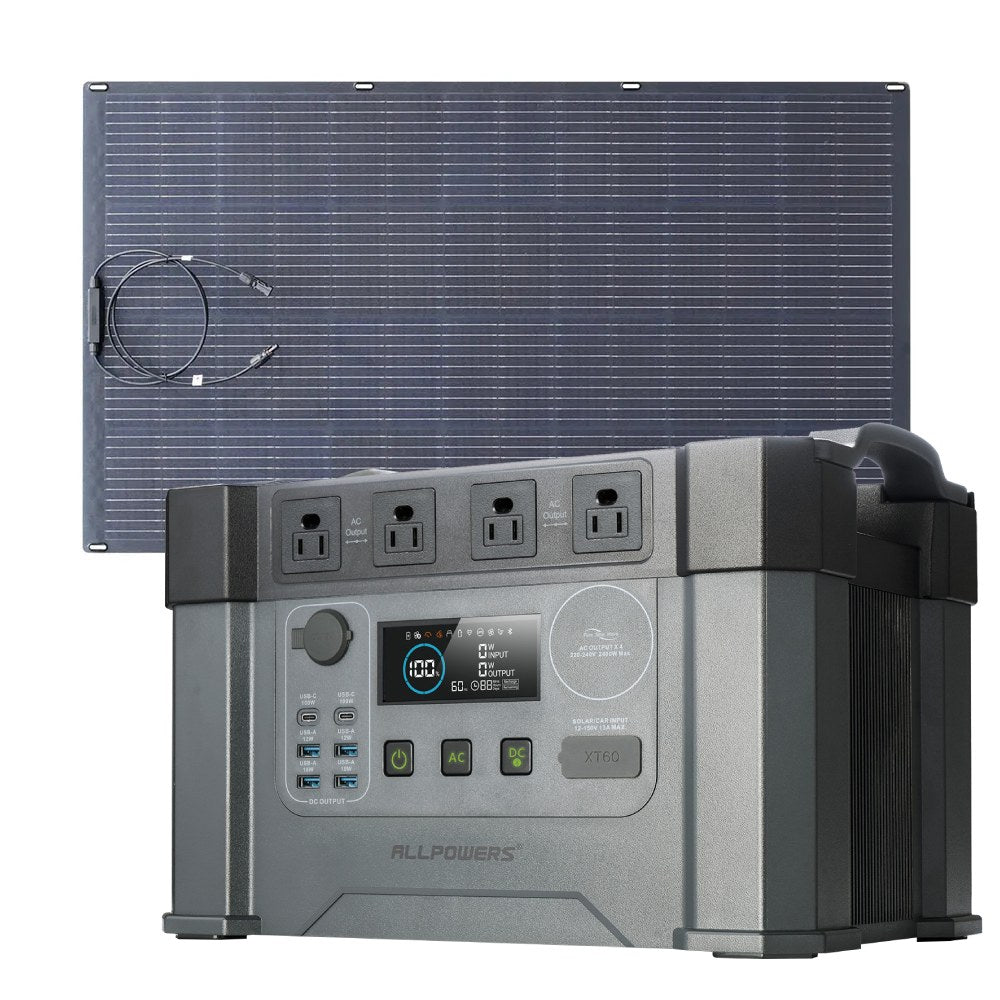
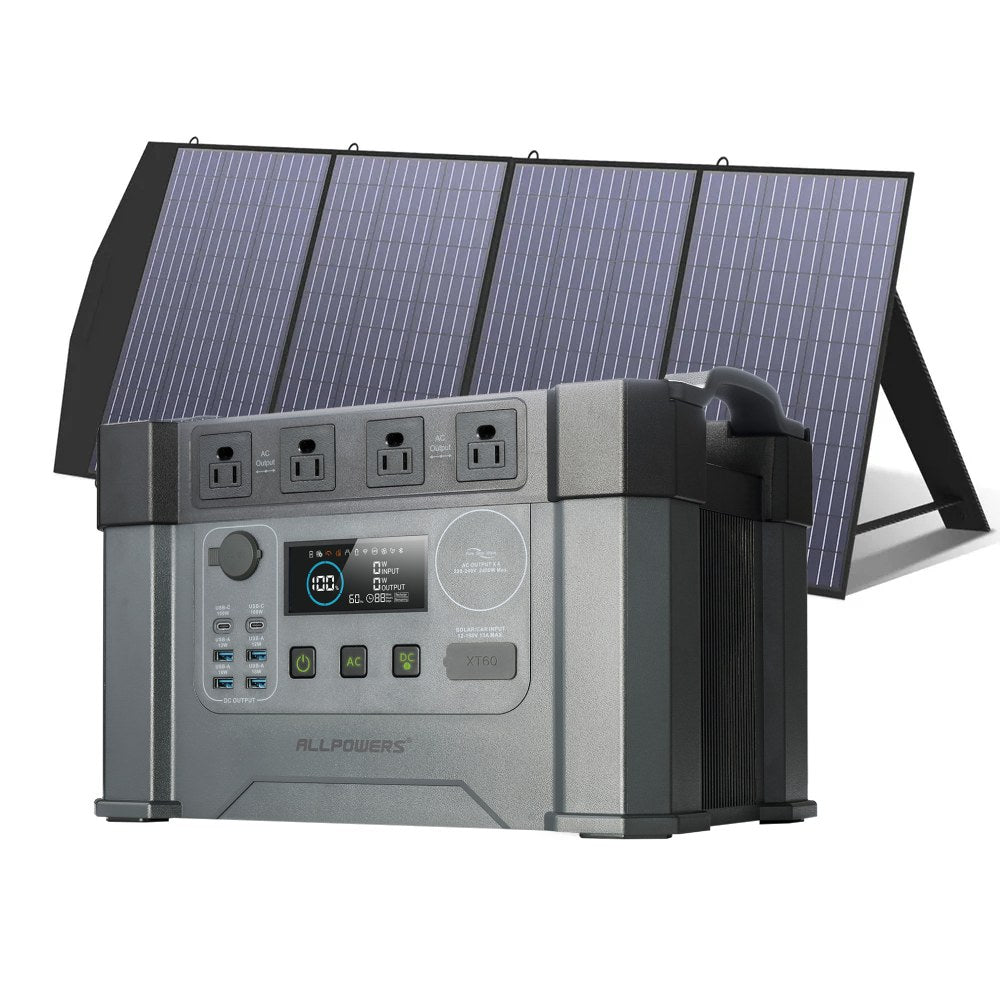
Many outdoor photographers combine lightweight solar panels with Portable Power Stations during longer expeditions, allowing them to recharge camera batteries alongside smaller electronics while taking advantage of available sunlight.
How Can You Make Camera Batteries Last Longer While Camping?
Reducing power consumption is often just as valuable as carrying extra charging equipment. A few simple adjustments can noticeably increase battery life.
Reduce Screen Usage
Reviewing every photo immediately after shooting can consume a surprising amount of energy. Turning off automatic image preview or shortening screen timeout settings helps preserve battery life.
Turn Off Wireless Features
Wi-Fi and Bluetooth continuously consume power, even when not actively transferring files. Disabling these functions when unnecessary extends runtime.
Carry Batteries Properly
Temperature has a major impact on lithium-ion batteries. In cold conditions, storing spare batteries inside an insulated pocket helps maintain performance.
What Other Photography Gear May Need Power?
Camera batteries are only one part of a modern outdoor photography kit. Many campers also carry drones, action cameras, LED lights, laptops, or external SSDs that require regular charging.
Instead of planning power for each device separately, it often makes more sense to estimate the total daily energy requirement for your entire photography setup. This approach makes charging more predictable and reduces the chance of running out of power unexpectedly.
For photographers spending several days off-grid, Portable Power Stations are sometimes used as a central energy source for charging camera batteries alongside other electronics, allowing multiple devices to be managed from a single power supply without relying on campground electricity.
Planning Power for Multi-Day Camping Trips
As camping trips become longer, charging strategy becomes increasingly important.
Rather than thinking only about camera batteries, experienced outdoor photographers often plan their entire campsite energy use, including headlamps, GPS devices, drones, phones, and laptops used for backing up photos.
Choosing equipment that works together can simplify power management considerably. For example, many photographers prefer USB-powered chargers and accessories because they reduce the number of different charging cables required.
Likewise, having a reliable battery source that can recharge multiple devices from the same campsite setup is often more practical than carrying several dedicated battery packs for individual electronics.
Frequently Asked Questions
Can I charge my camera battery while camping?
Yes. Many campers recharge camera batteries using rechargeable battery systems, vehicle power, portable solar panels, or USB charging, depending on their equipment.
How many camera batteries should I bring camping?
Most photographers recommend bringing at least one or two fully charged spare batteries, especially for trips lasting several days.
Can solar panels charge camera batteries?
Yes. Solar panels are commonly used to recharge battery storage systems, which can then power camera chargers later in the day.
Does cold weather affect camera batteries?
Yes. Cold temperatures temporarily reduce battery performance and shorten operating time.
What drains a camera battery the fastest?
Video recording, image stabilization, wireless connectivity, continuous autofocus, and frequent LCD screen use are among the biggest contributors to battery drain.