








Choosing a generator sounds simple at first. You need power, so you buy a generator. Done.
But the right generator depends less on the machine and more on your real-life needs.
Are you backing up a whole house or keeping a fridge and Wi-Fi alive during an outage?
TL;DR:
If you want to run heavy appliances or a whole house, you’ll need a higher-wattage gas, propane, or standby generator. If you need quiet, clean power for electronics, camping, or light backup, an inverter generator—or increasingly, a solar generator—makes more sense.
Understanding Power Needs
Understanding power needs is the foundation of generator selection.
Most people skip this step. They see a 7,500-watt unit and think, “That should cover it.” Maybe. Maybe not.
Bigger isn’t always better. An oversized gas generator running at 20% load wastes fuel and money. A properly sized system runs smoother and lasts longer.
What you should start with is math—simple math. Add up the running watts of the devices you want to power.
A refrigerator may need 600 to 800 running watts but can spike higher when the compressor kicks on.
A microwave often pulls 1,000 watts or more. A space heater? That’s easily 1,500 watts by itself.
Once you know your total load—both running and surge—you’re no longer guessing. You’re choosing with purpose.
Gas Generators
Portable gas generators are the classic choice.
They’re widely available, relatively affordable, and capable of high output.
If you need 5,000 to 8,000 watts for a home backup scenario, gas models from brands like Honda or Westinghouse are easy to find.
They’re powerful, yes—but they’re also loud. We’re talking 65 to 75 decibels, sometimes more.
That’s normal conversation volume turning into lawnmower territory. During a prolonged outage, that noise wears on you.
Fuel storage is another factor. Gasoline degrades within months unless treated.
During major storms—think Hurricane Ian—fuel lines get long, and availability becomes uncertain.
Gas generators make sense if you need high wattage for short periods and you’re comfortable managing fuel.
Diesel Generators
Diesel units are often associated with construction sites and industrial backup systems.
They’re fuel-efficient and built to last. A diesel engine can run longer under heavy loads and tends to have a longer lifespan.
However, they’re heavier and louder. Portability becomes relative.
You’re not tossing a 200-pound diesel generator into your SUV without planning ahead. They also cost more upfront.
For rural homeowners or job sites that already store diesel, the equation shifts.
If you’re running equipment daily or need sustained output for hours on end, diesel is practical.
For the average suburban homeowner facing occasional outages, it may be overkill.
There’s also emissions to consider. Diesel exhaust has improved with modern standards, but it’s still not something you want near living spaces.
Inverter Generators
If you’re running sensitive electronics—laptops, cameras, medical devices—you’ll want stable sine wave output. That’s where inverter generators step in.
Unlike traditional models that run at constant engine speed, inverter generators adjust engine RPM based on load.
That makes them quieter and more fuel-efficient. They also produce cleaner electricity with low harmonic distortion.
Campers love them. RV owners rely on them. And honestly, if you value conversation without shouting over machinery, they make life easier.
However, inverter generators usually offer lower maximum wattage compared to similarly priced conventional models.
You can parallel some models to double output, but at that point you’re managing two engines, two fuel tanks, and double maintenance.
Inverter generators are a refined option—lighter, smarter, but still dependent on fossil fuel.
Standby Generators
Standby generators connect directly to your home’s electrical panel and kick on automatically when grid power fails.
These systems often run on natural gas or propane, which solves the gasoline storage issue.
They can power an entire house—HVAC, water heater, kitchen appliances, everything.
For families in hurricane zones or regions with frequent grid instability, that reliability brings real peace of mind.
But installation costs can climb quickly. You’re looking at several thousand dollars, sometimes well beyond that. There’s also permitting, electrical work, and ongoing maintenance.
Here’s a mild contradiction: standby generators offer unmatched convenience, yet they tie you to one location.
If flexibility matters—if you camp, travel in an RV, or want backup power that moves with you—this solution feels fixed. Because it is.
Solar generators
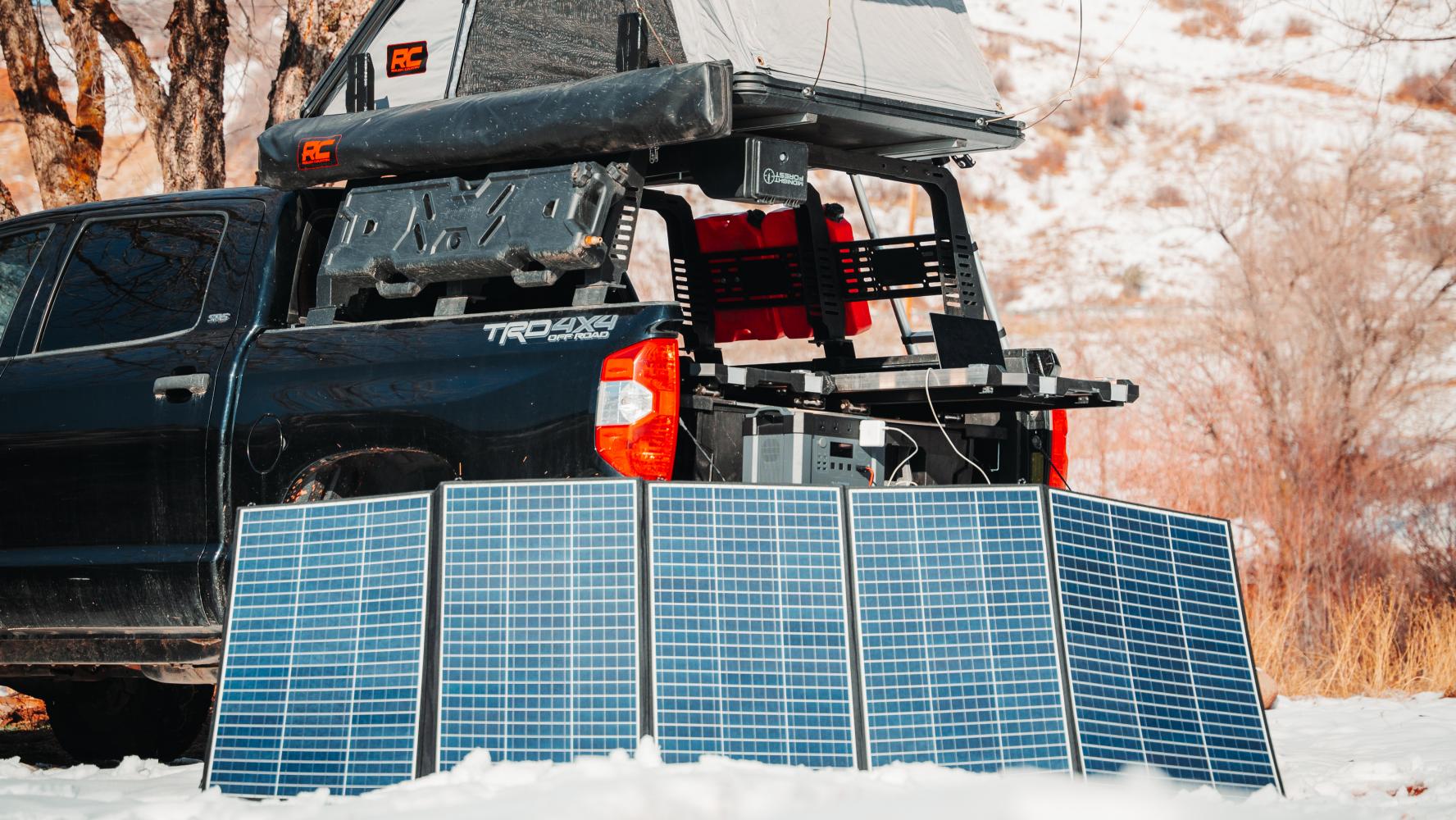
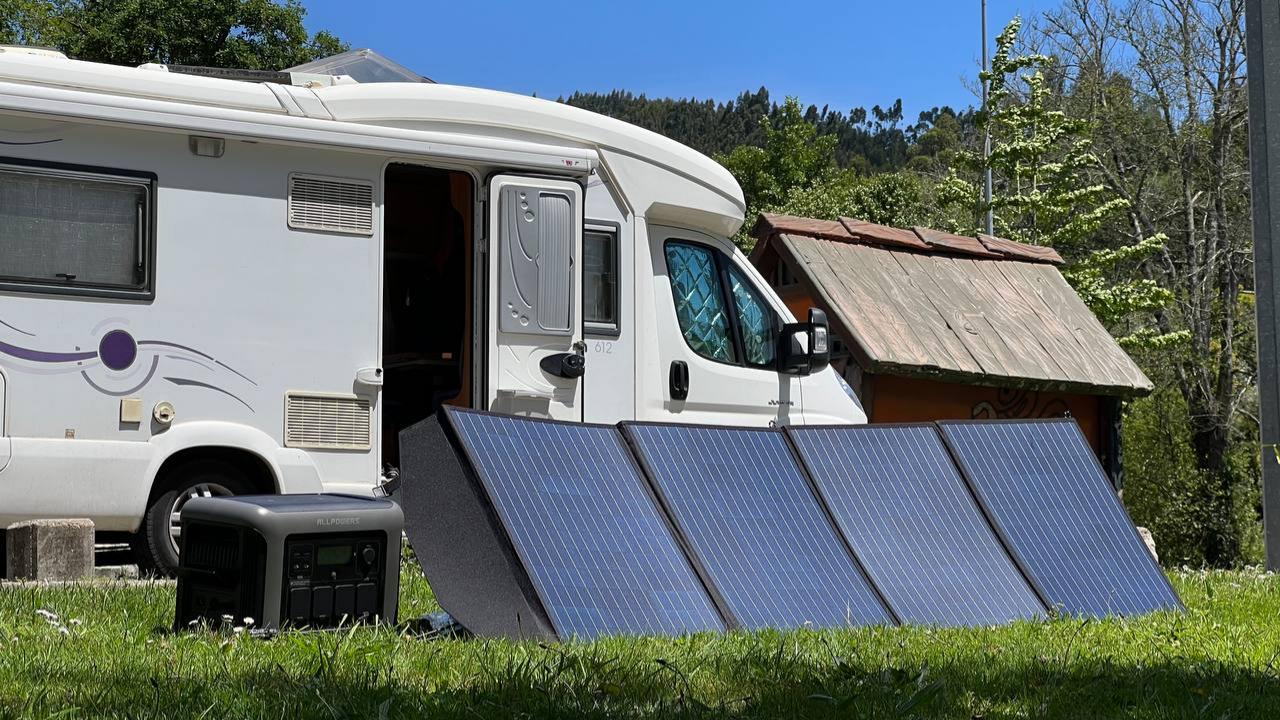
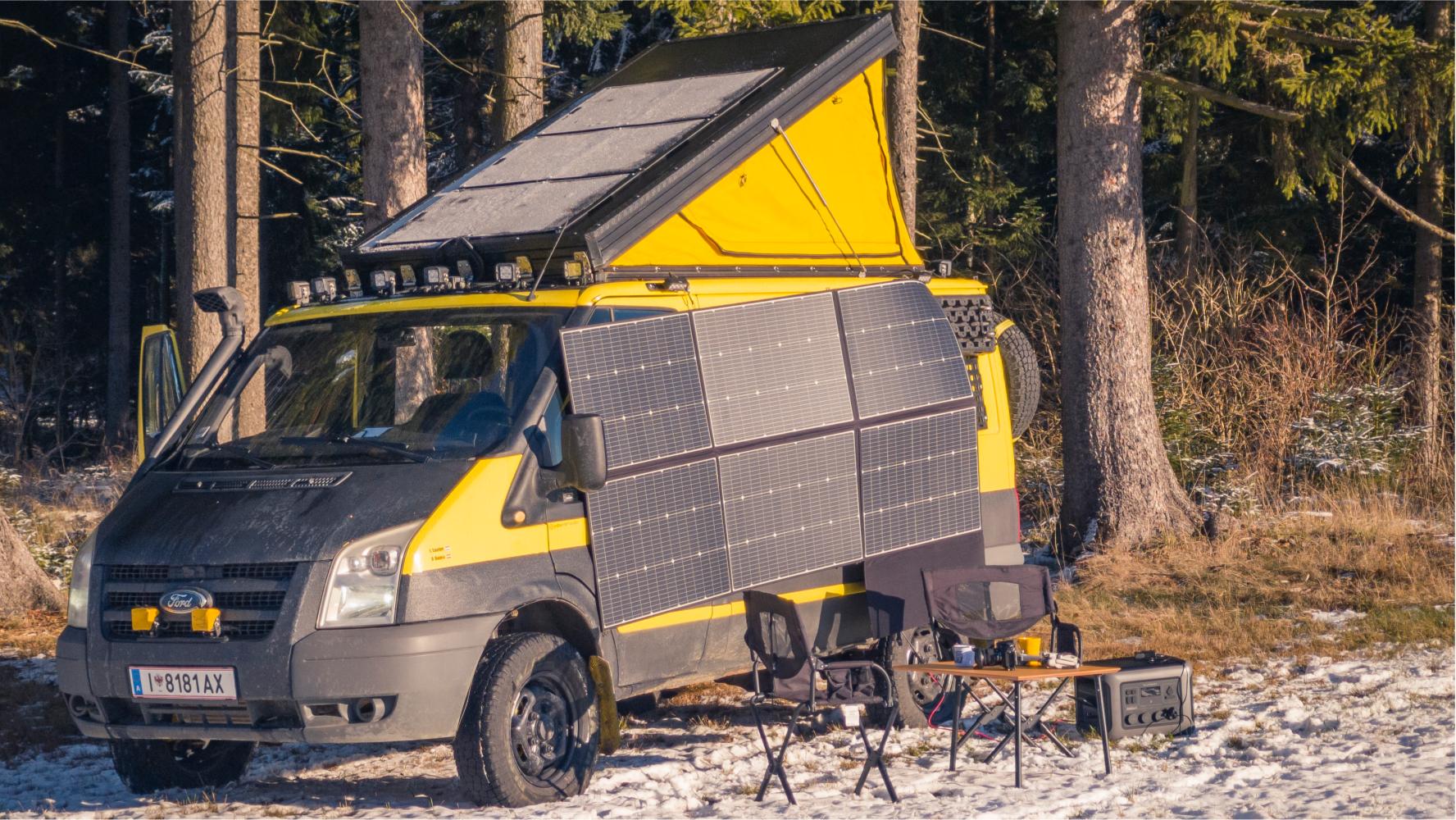
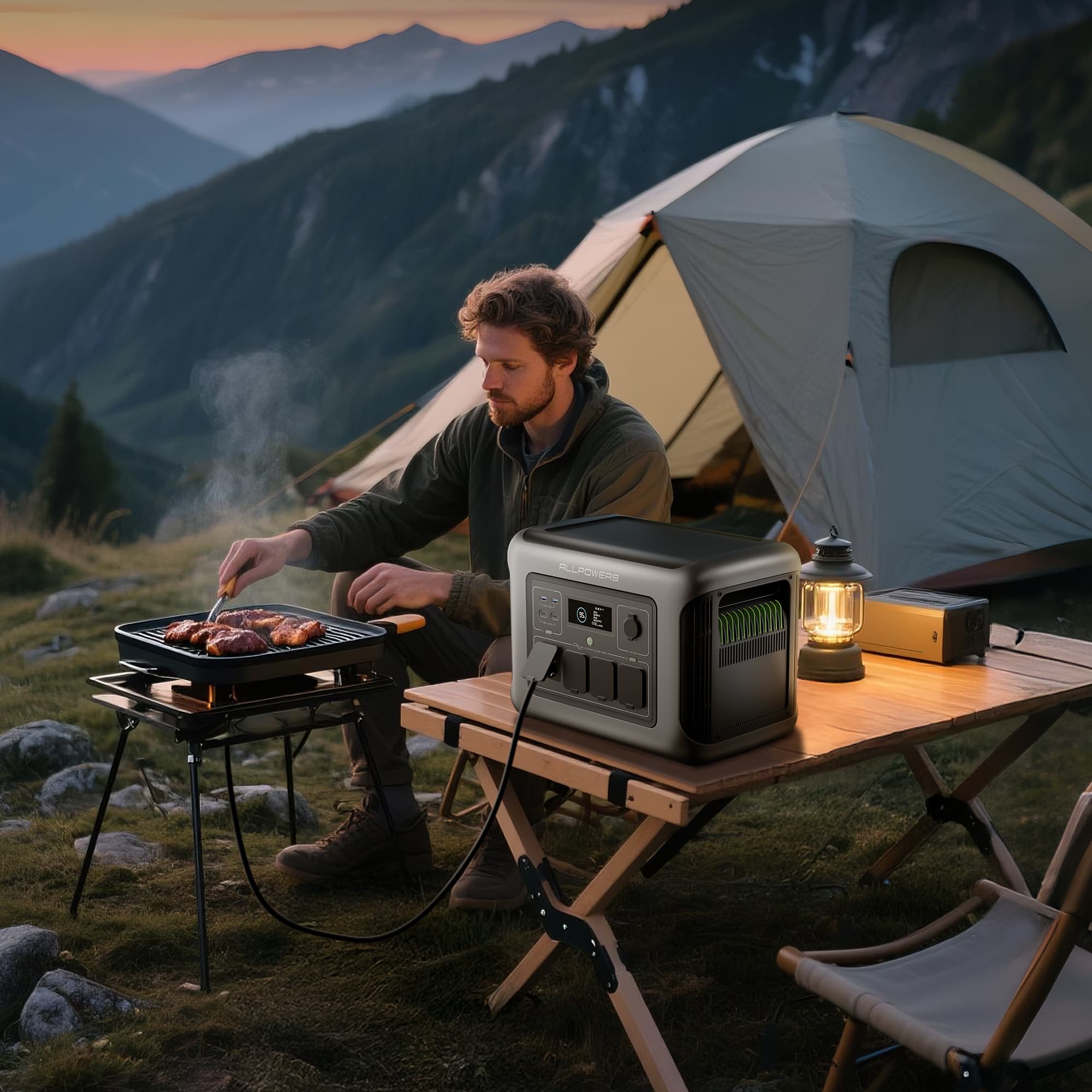
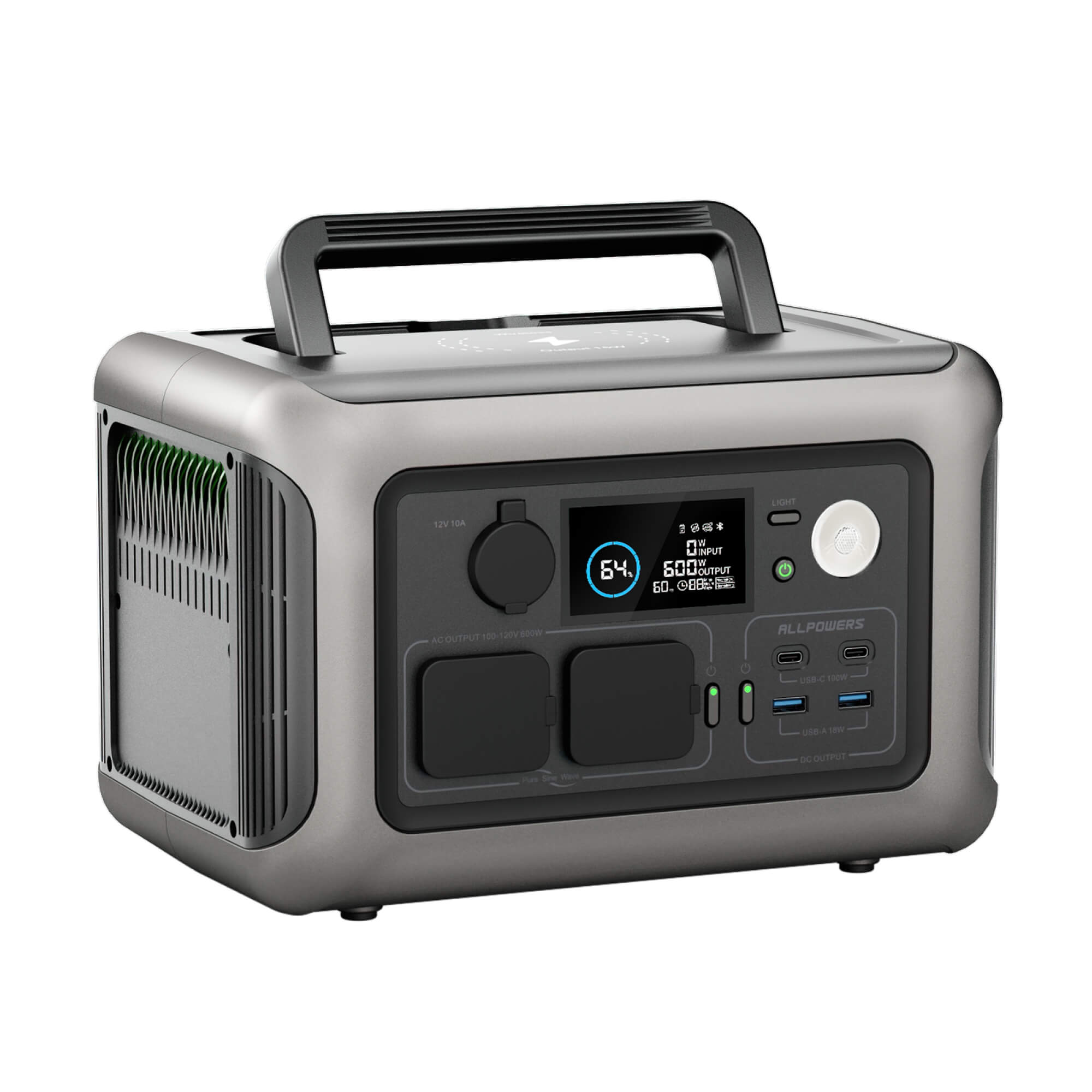
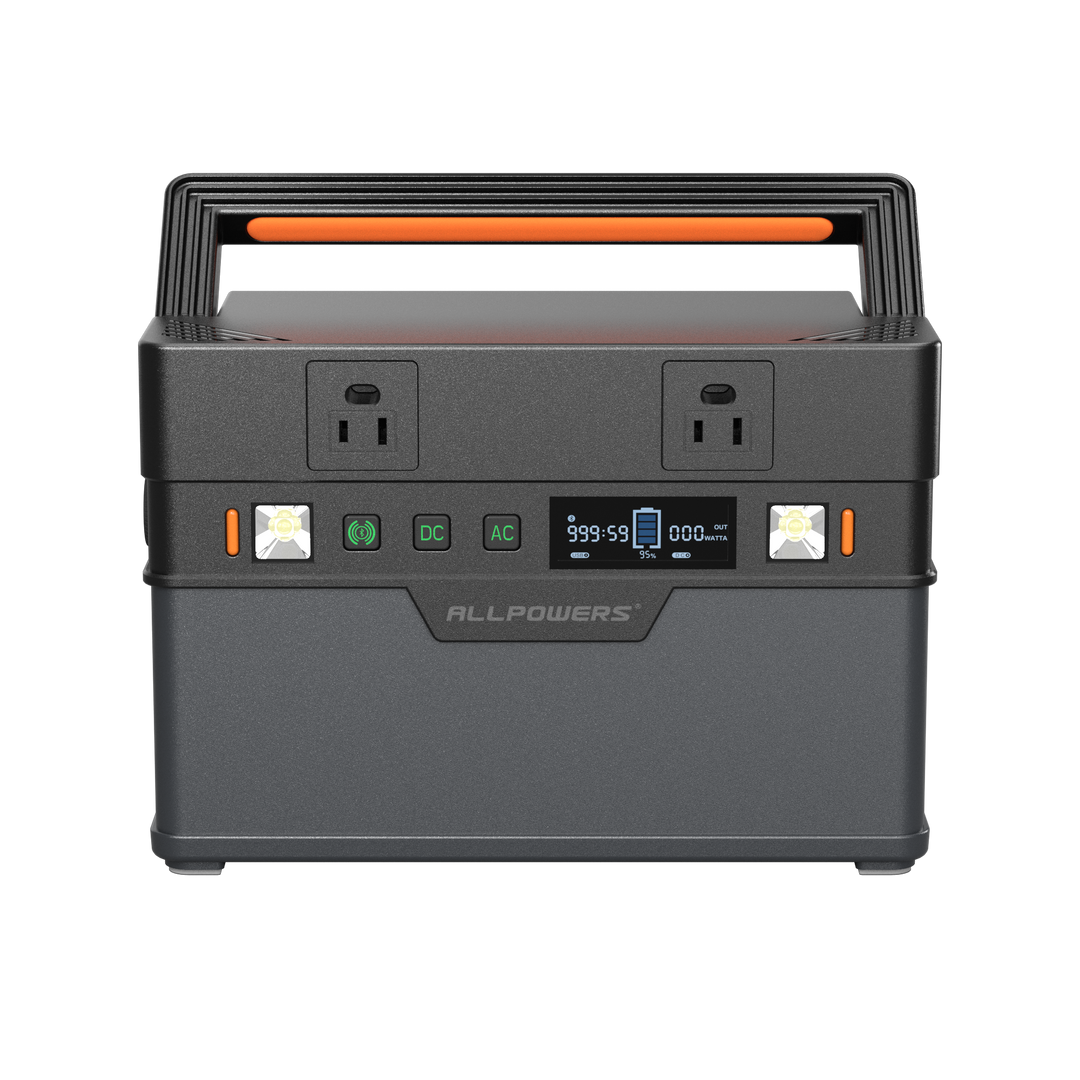
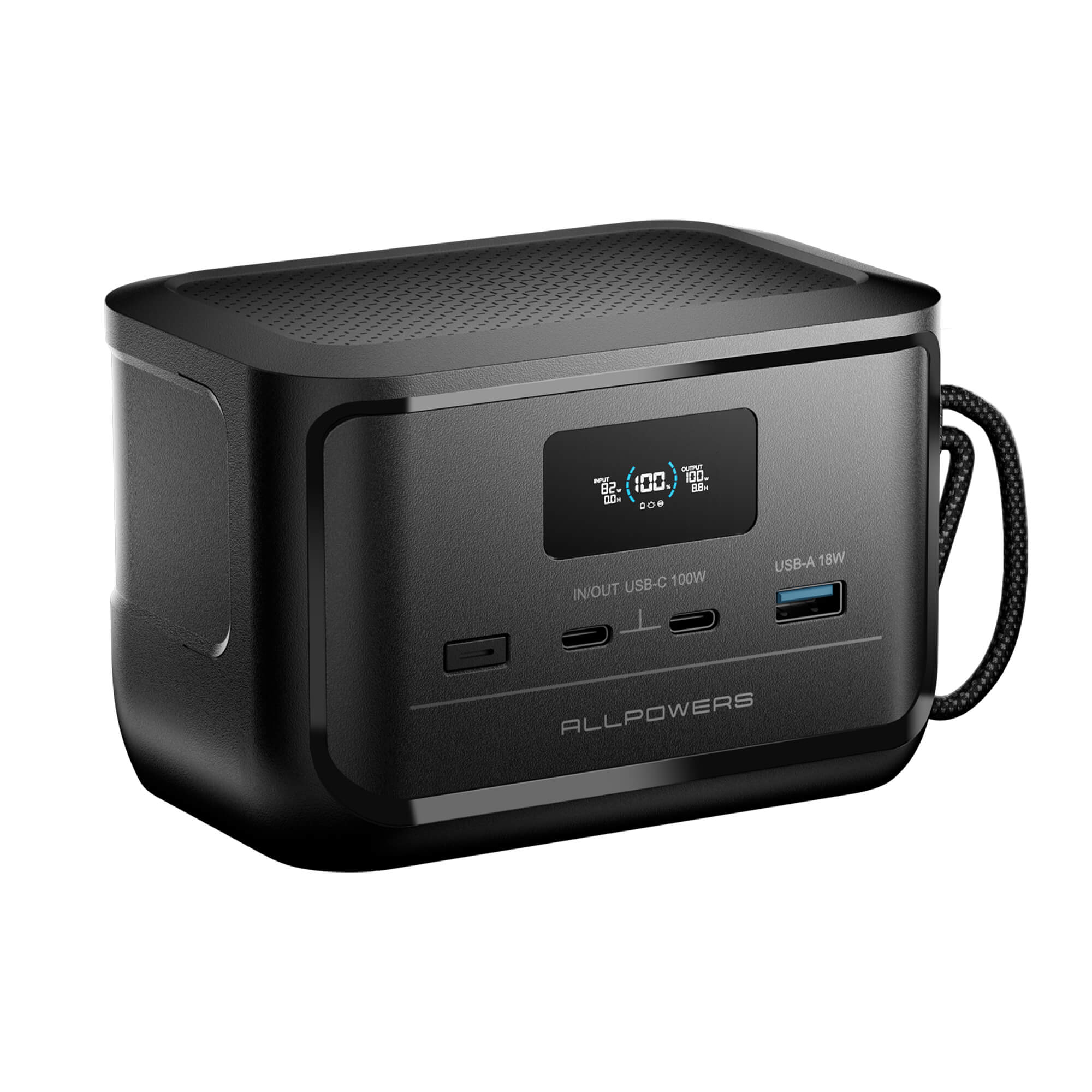
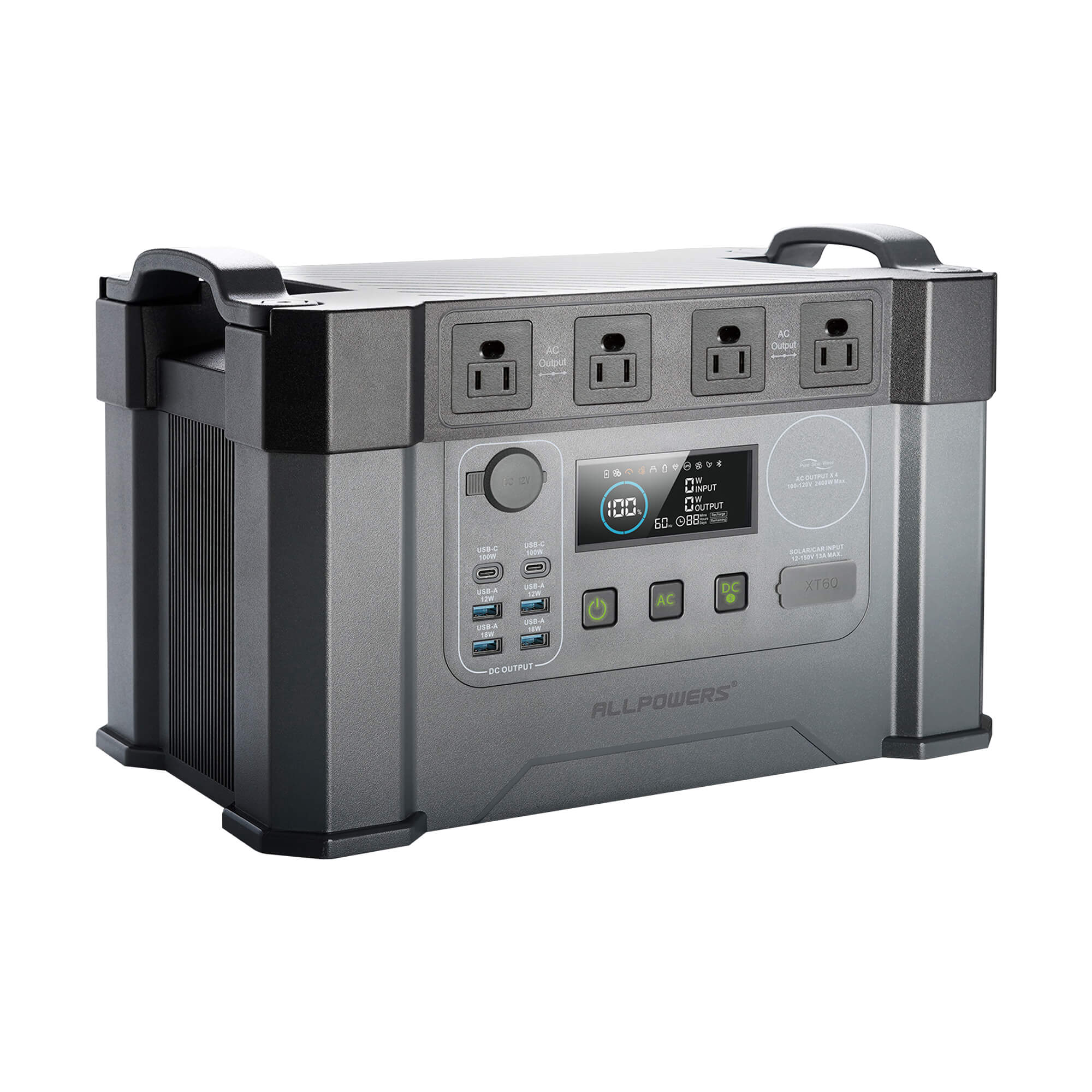
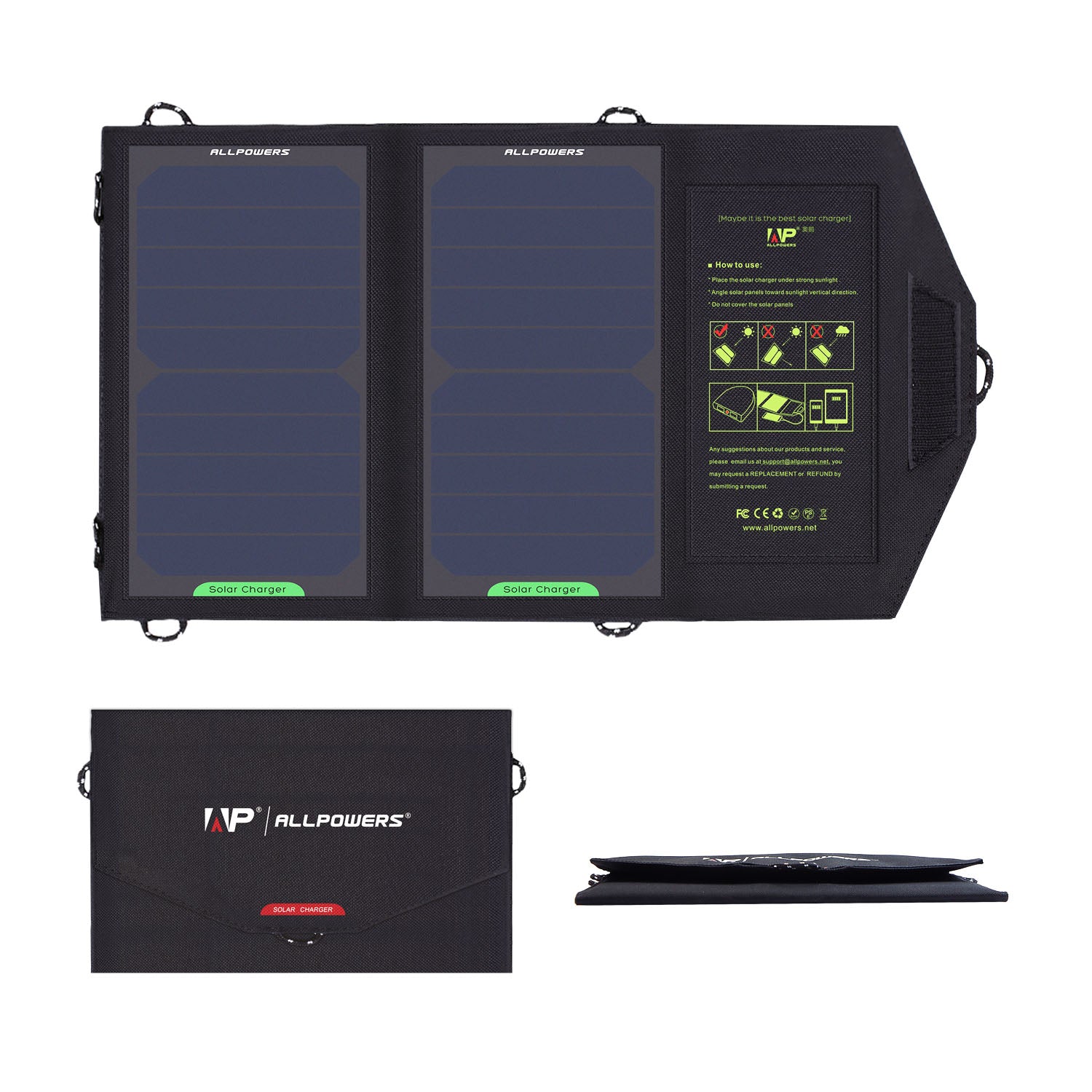
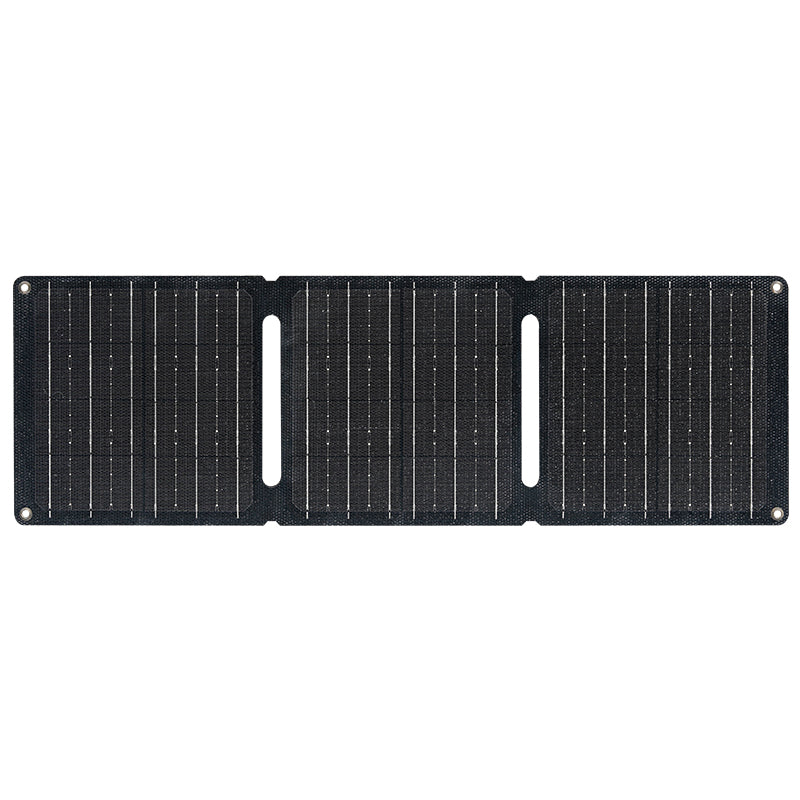
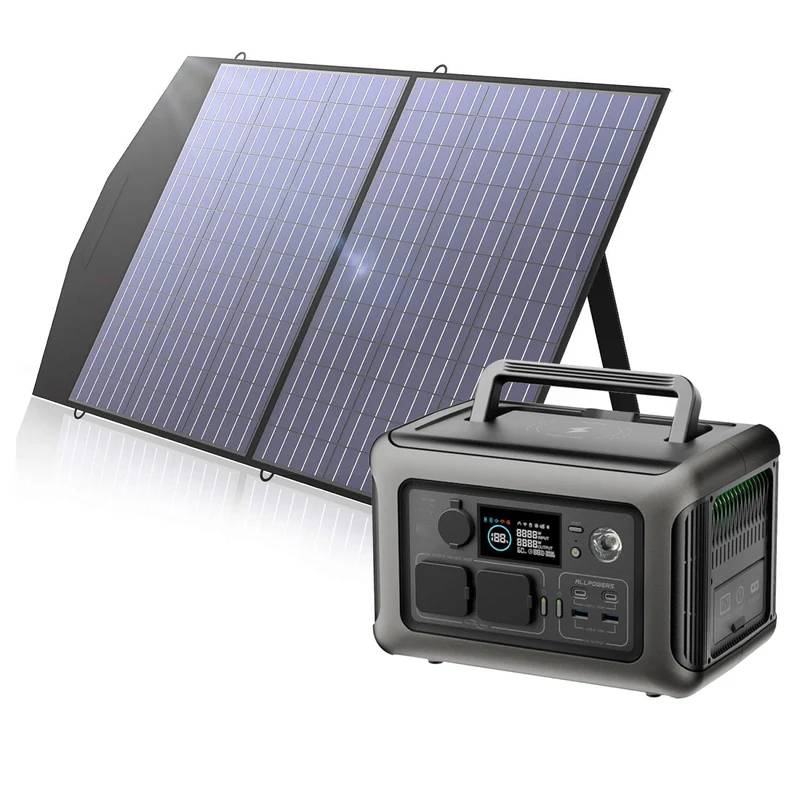
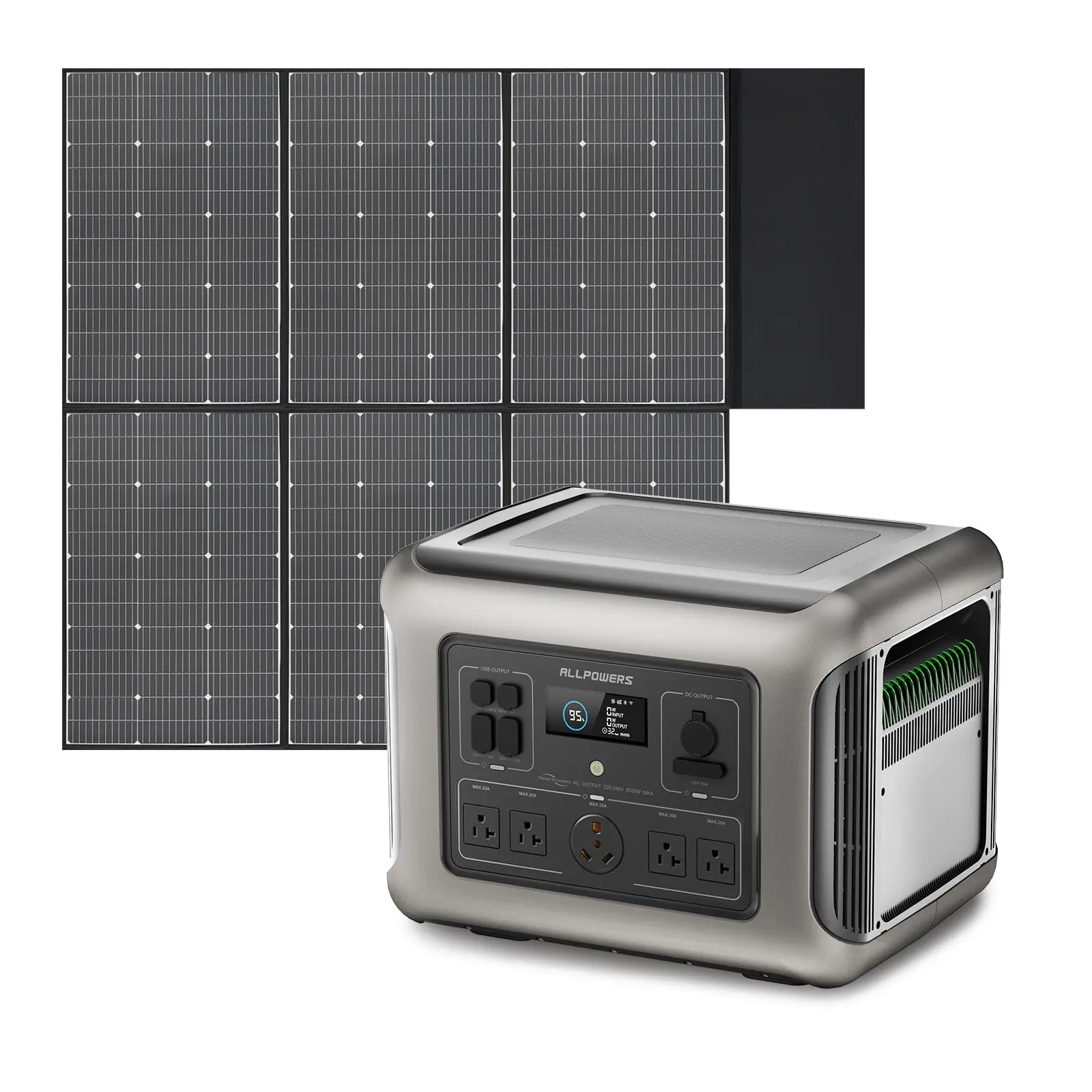
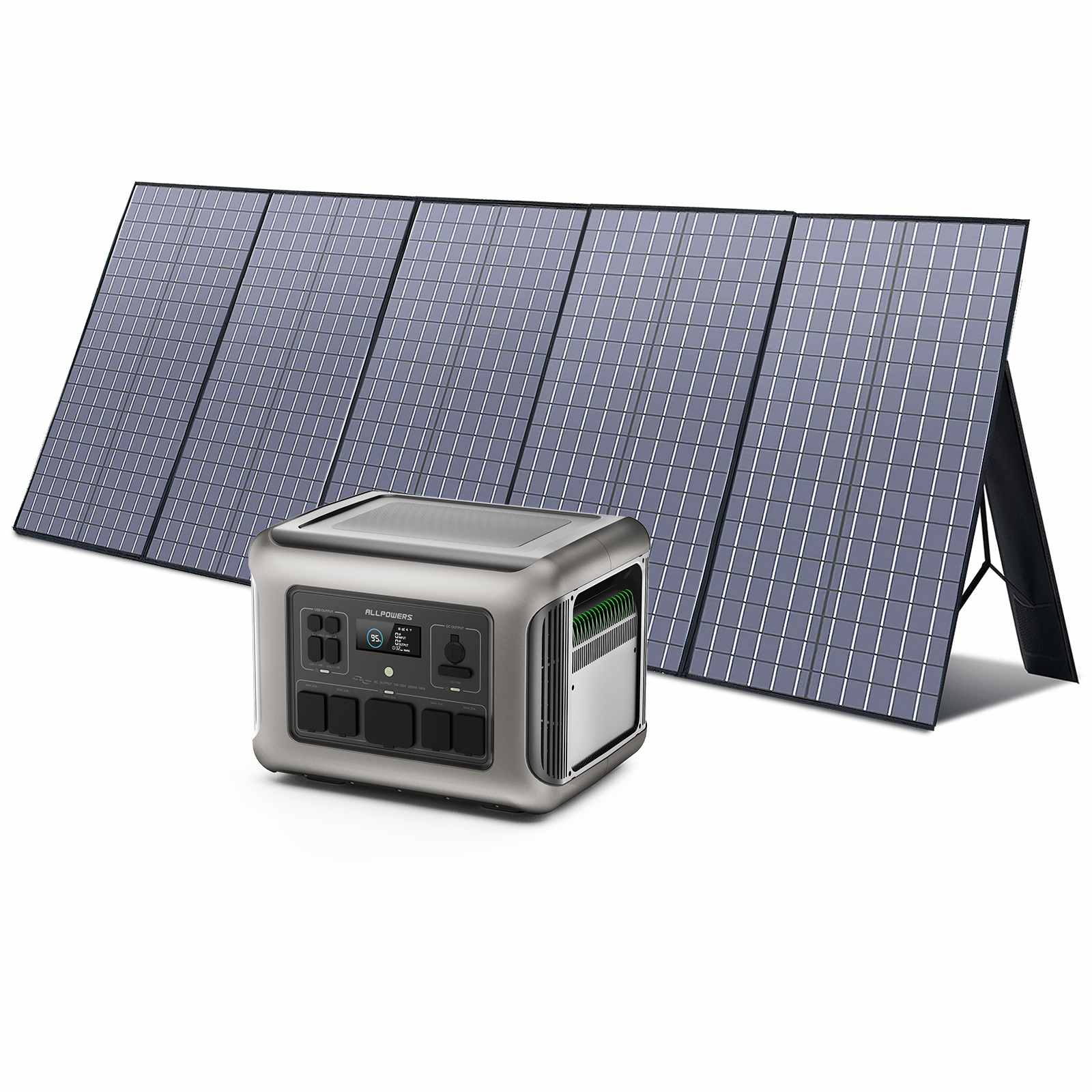
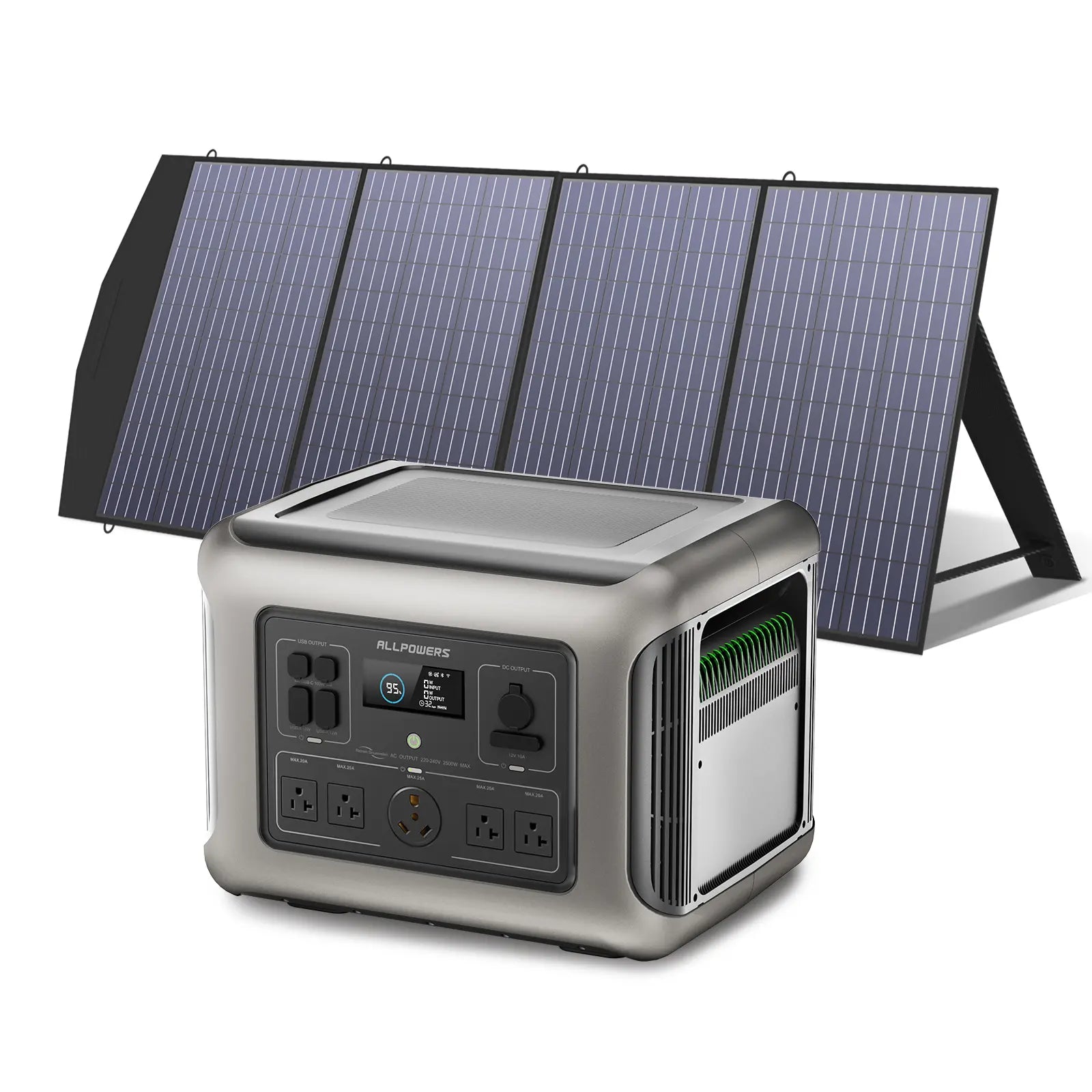
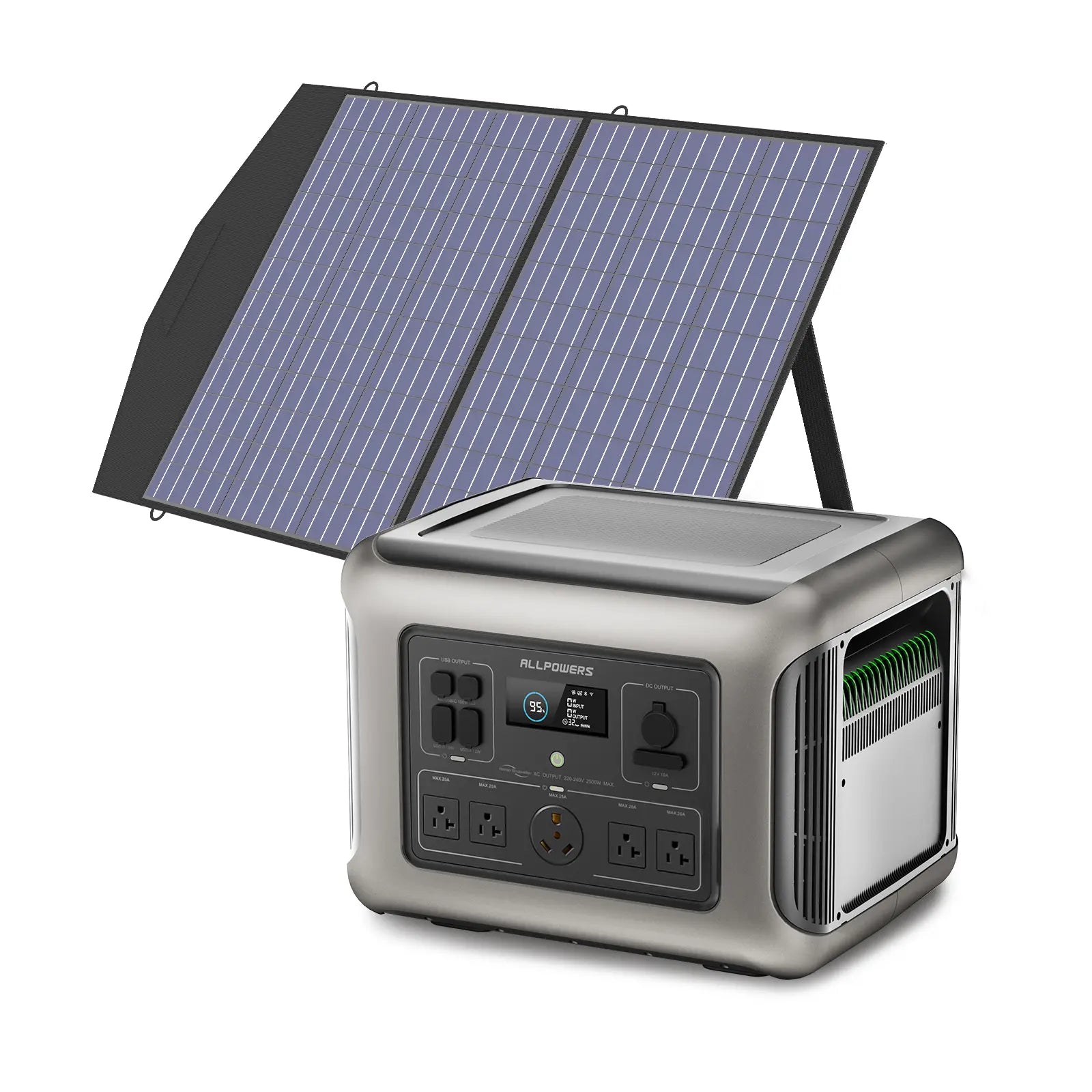
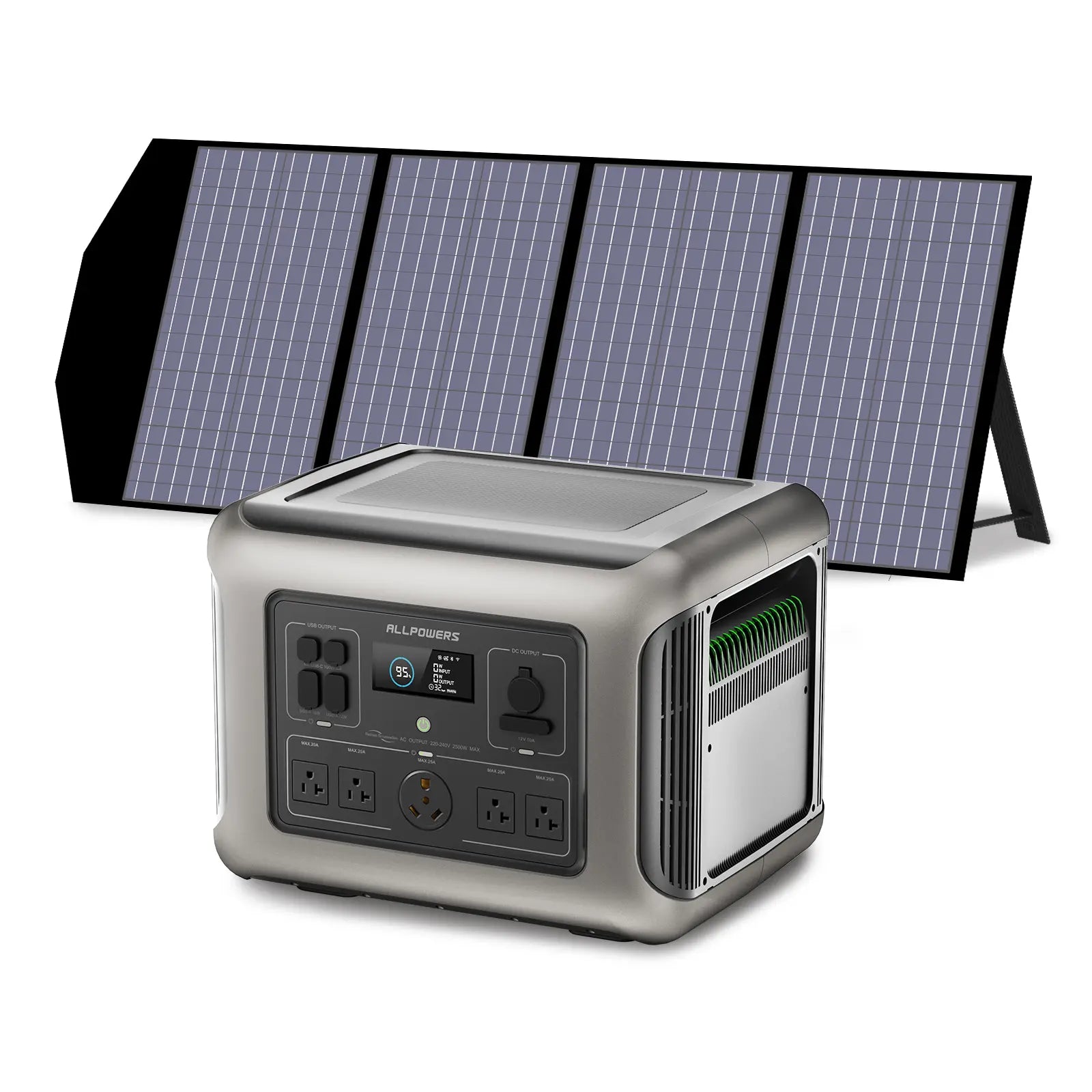
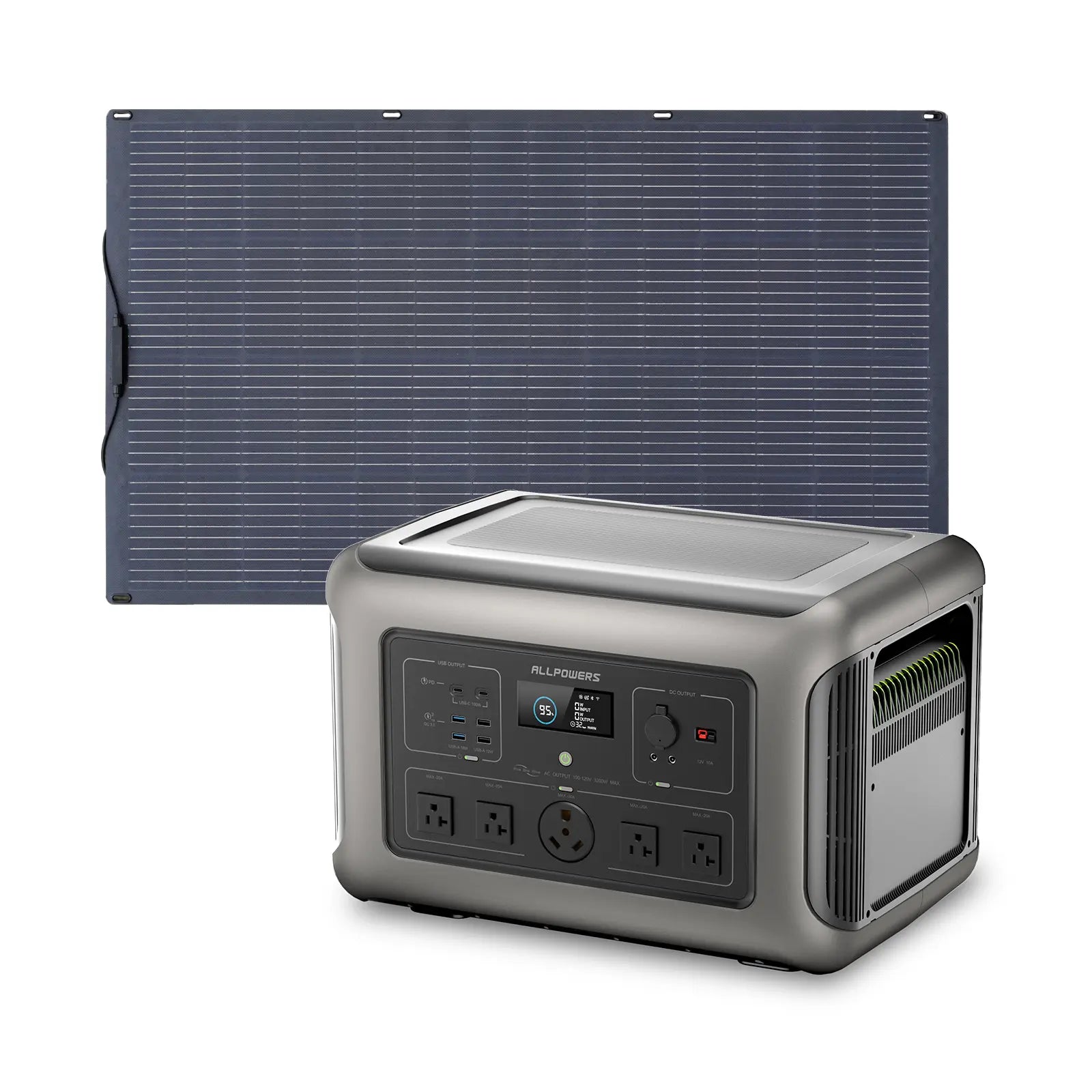
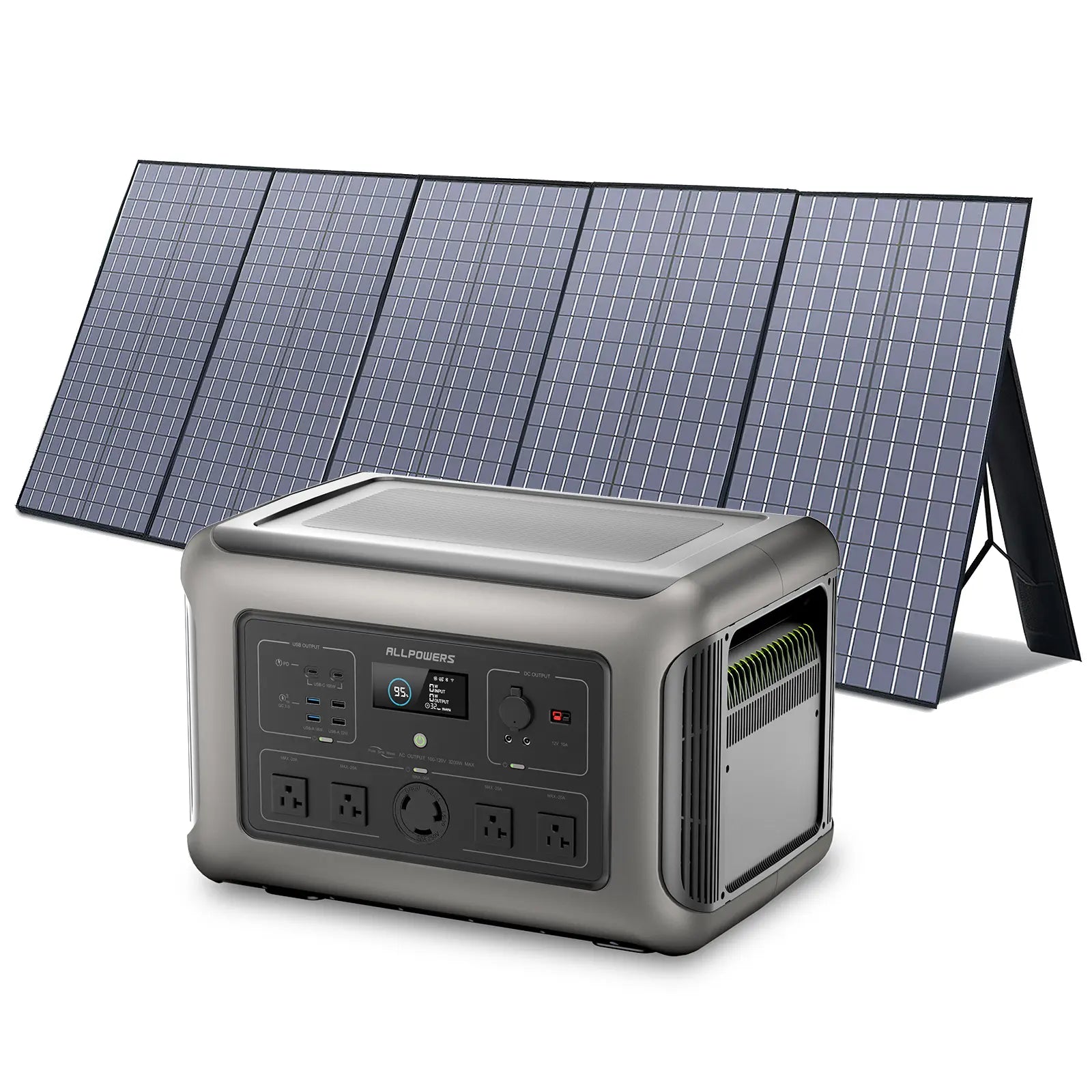
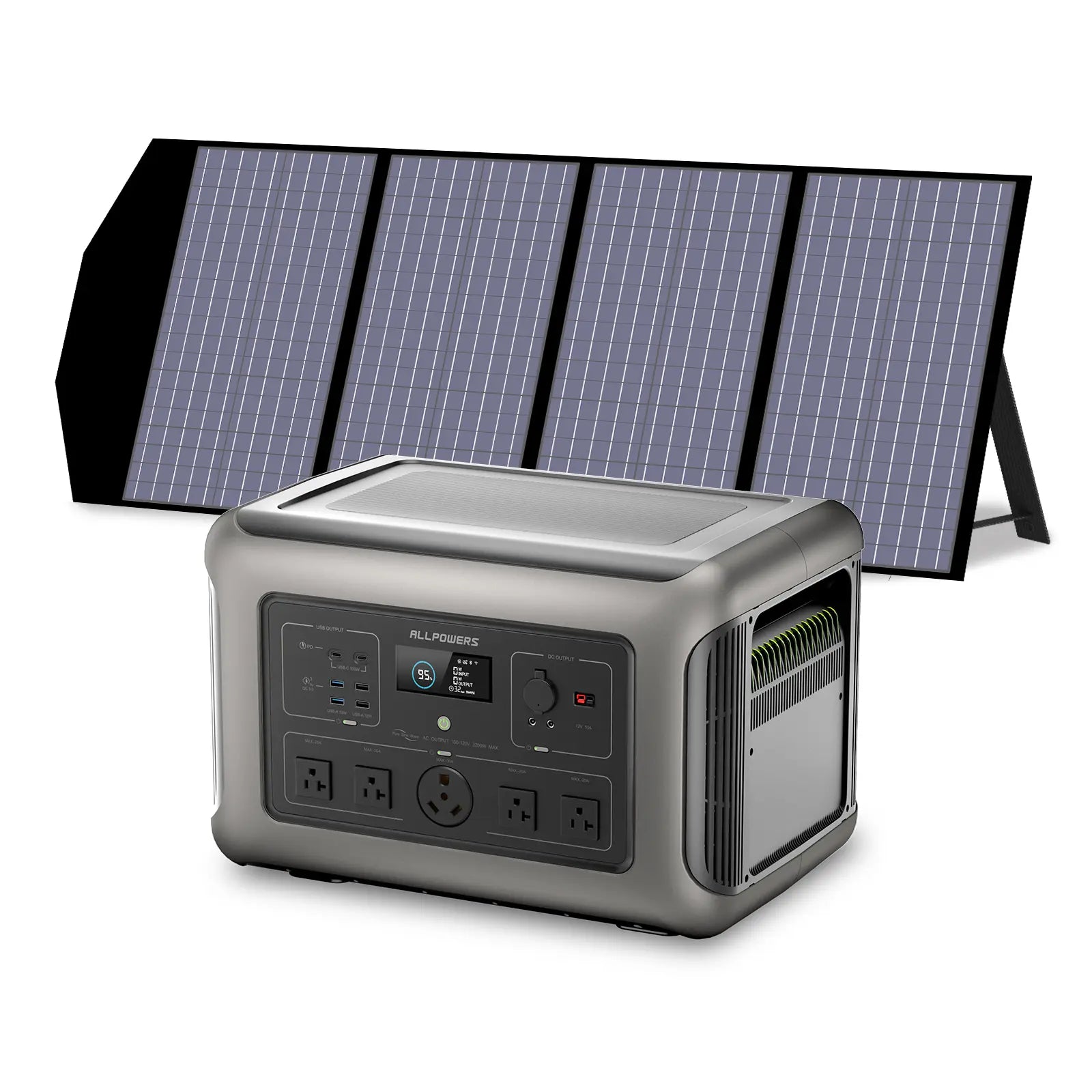
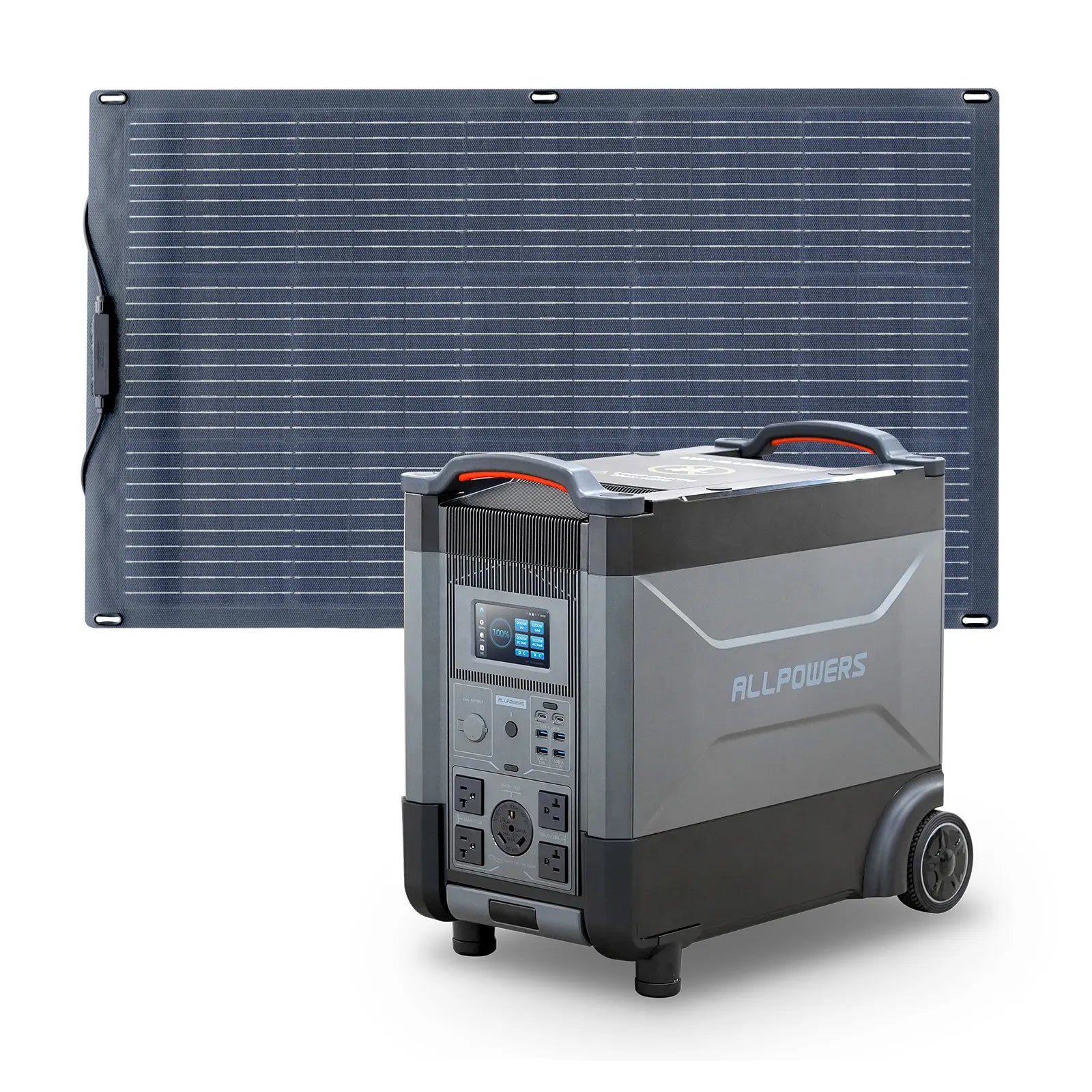
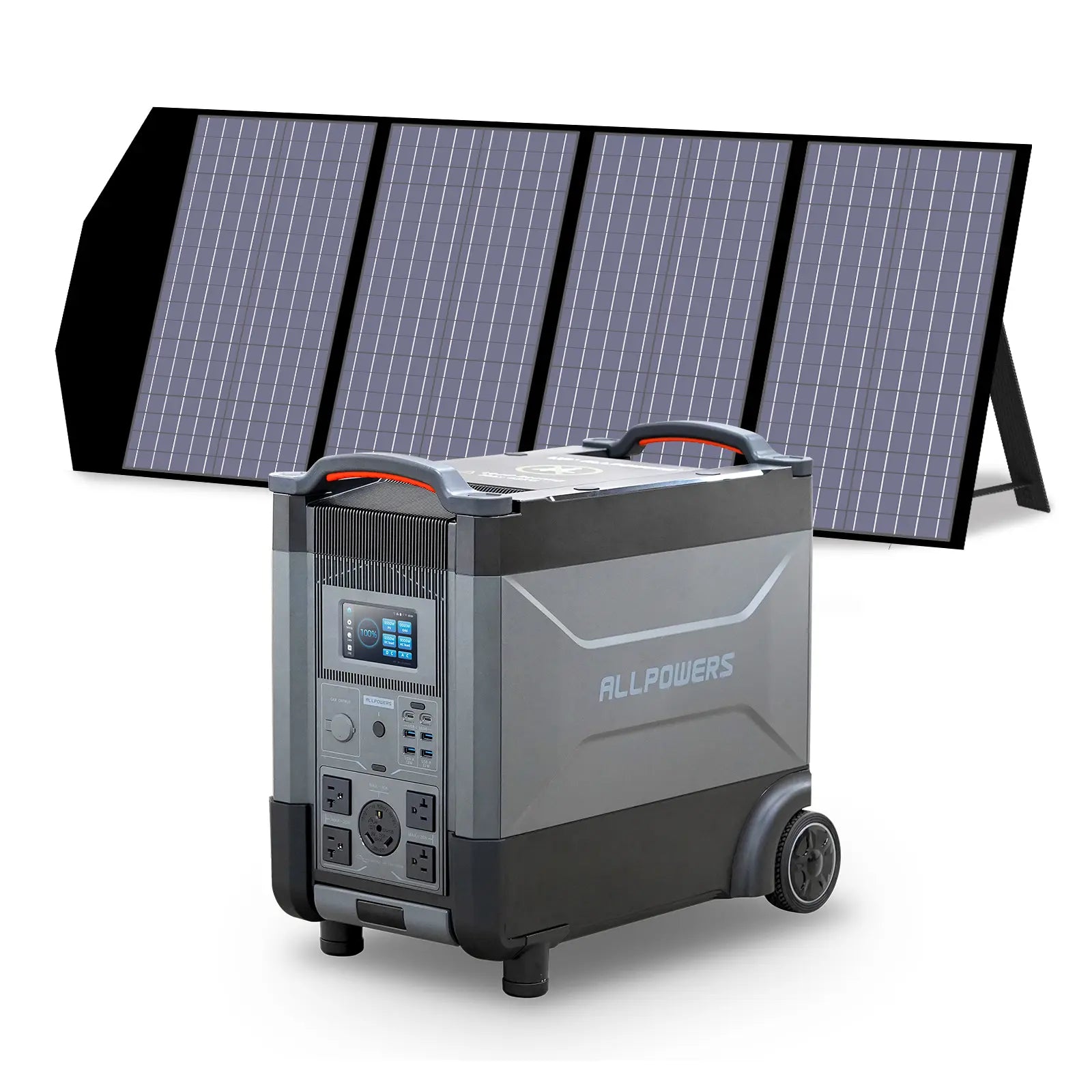
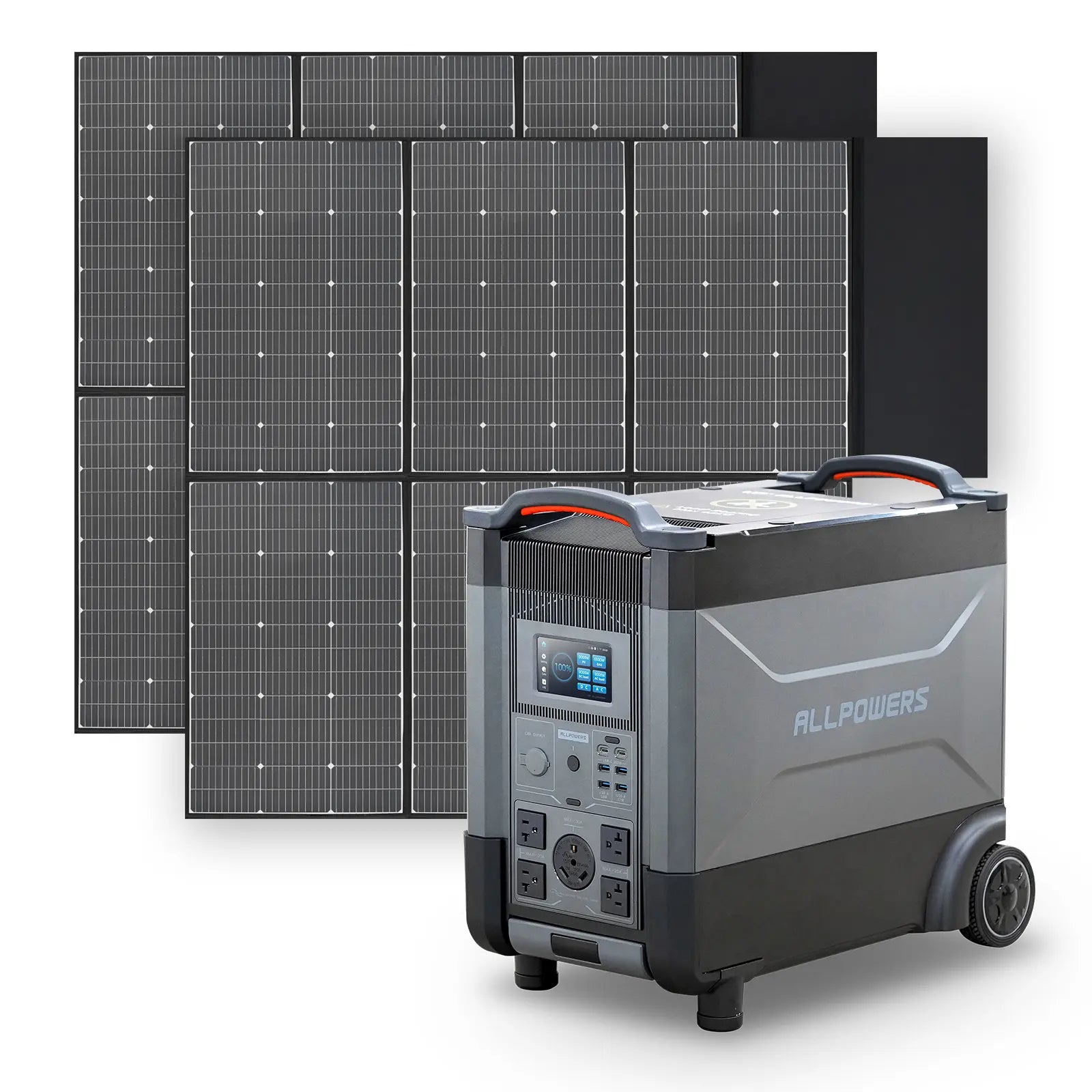
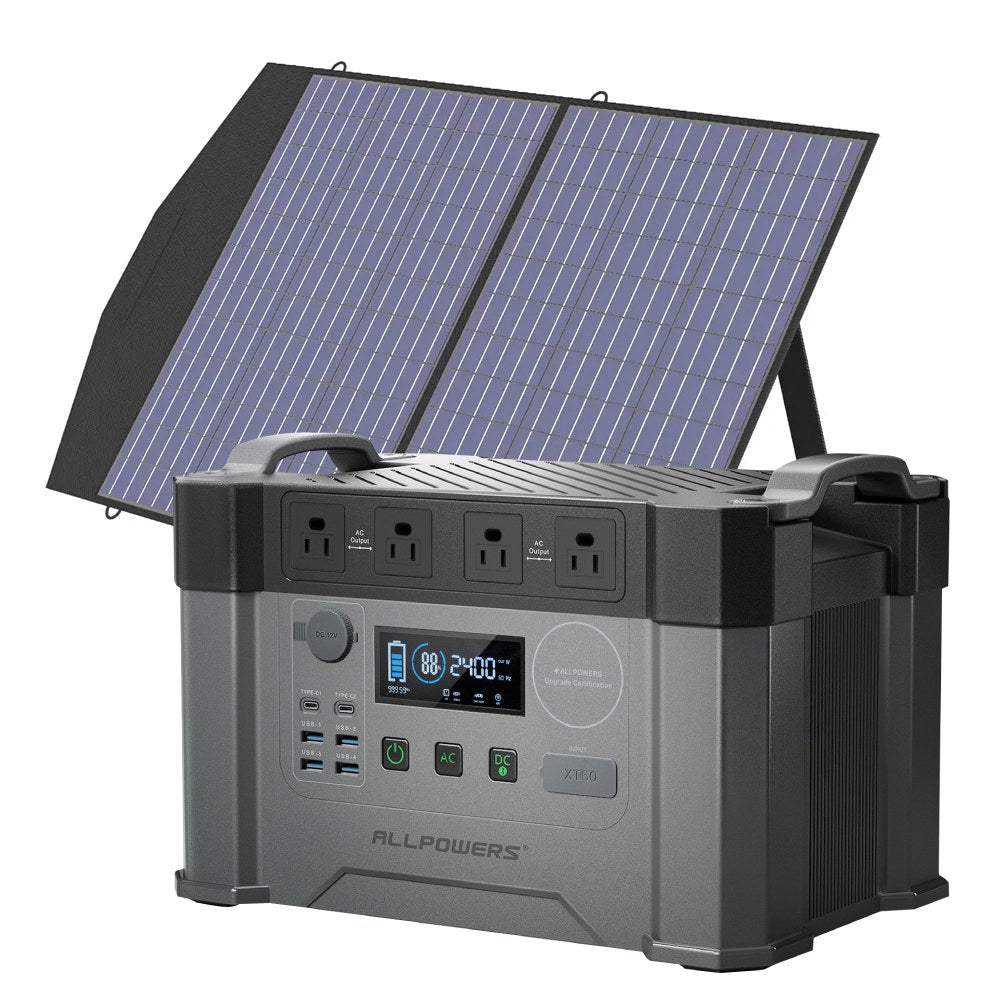
A solar generator—often called a portable power station with solar input—isn’t a generator in the traditional sense. There’s no combustion engine.
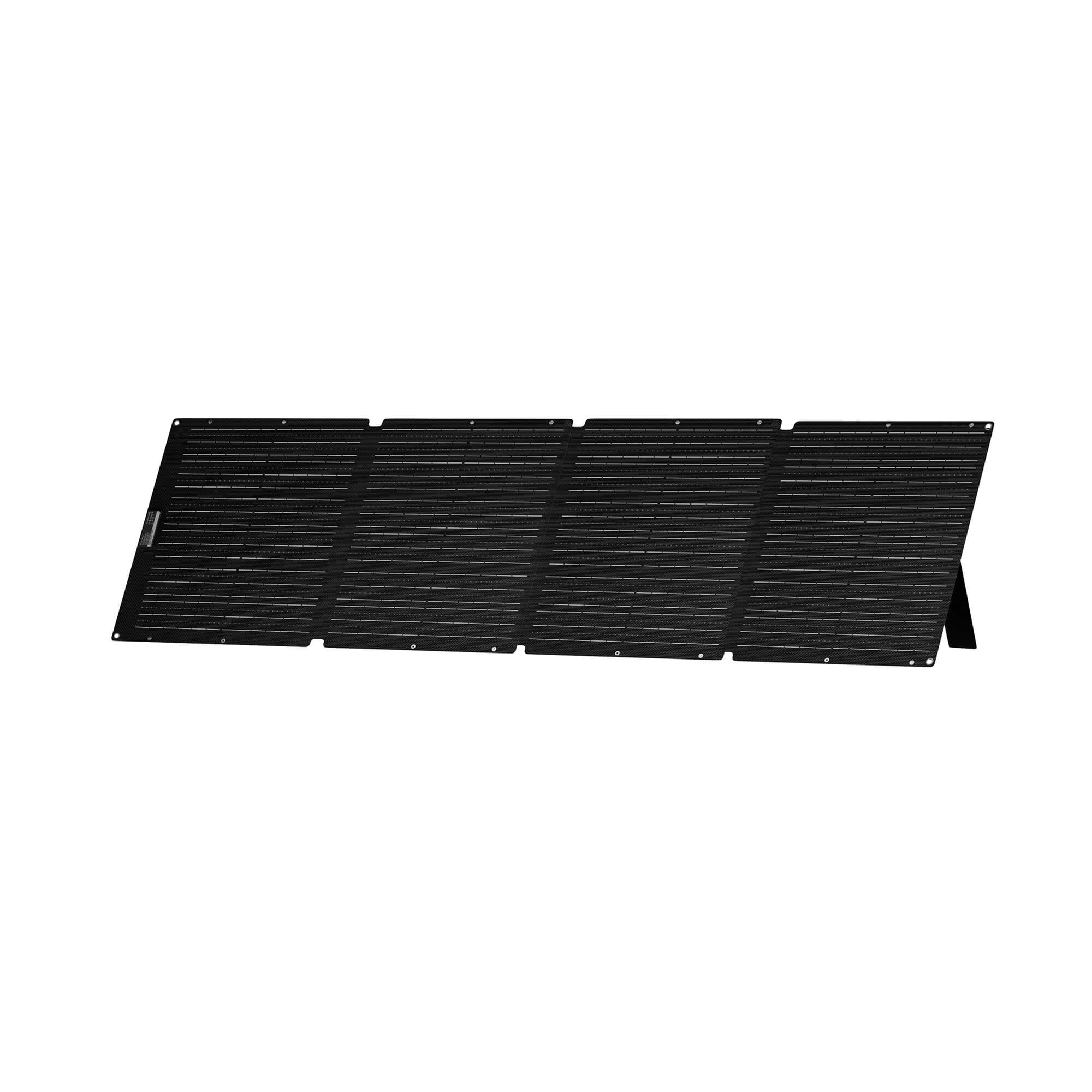
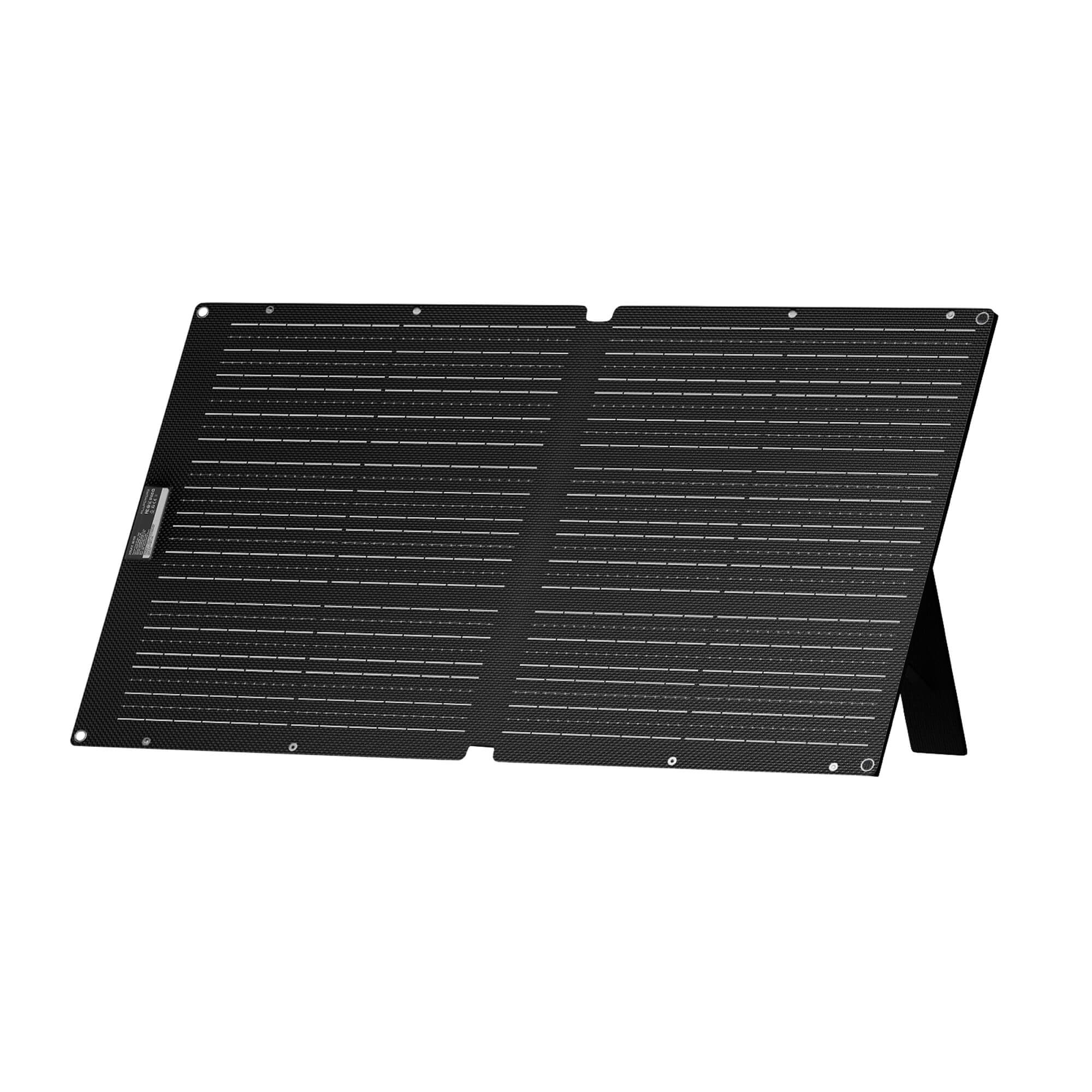
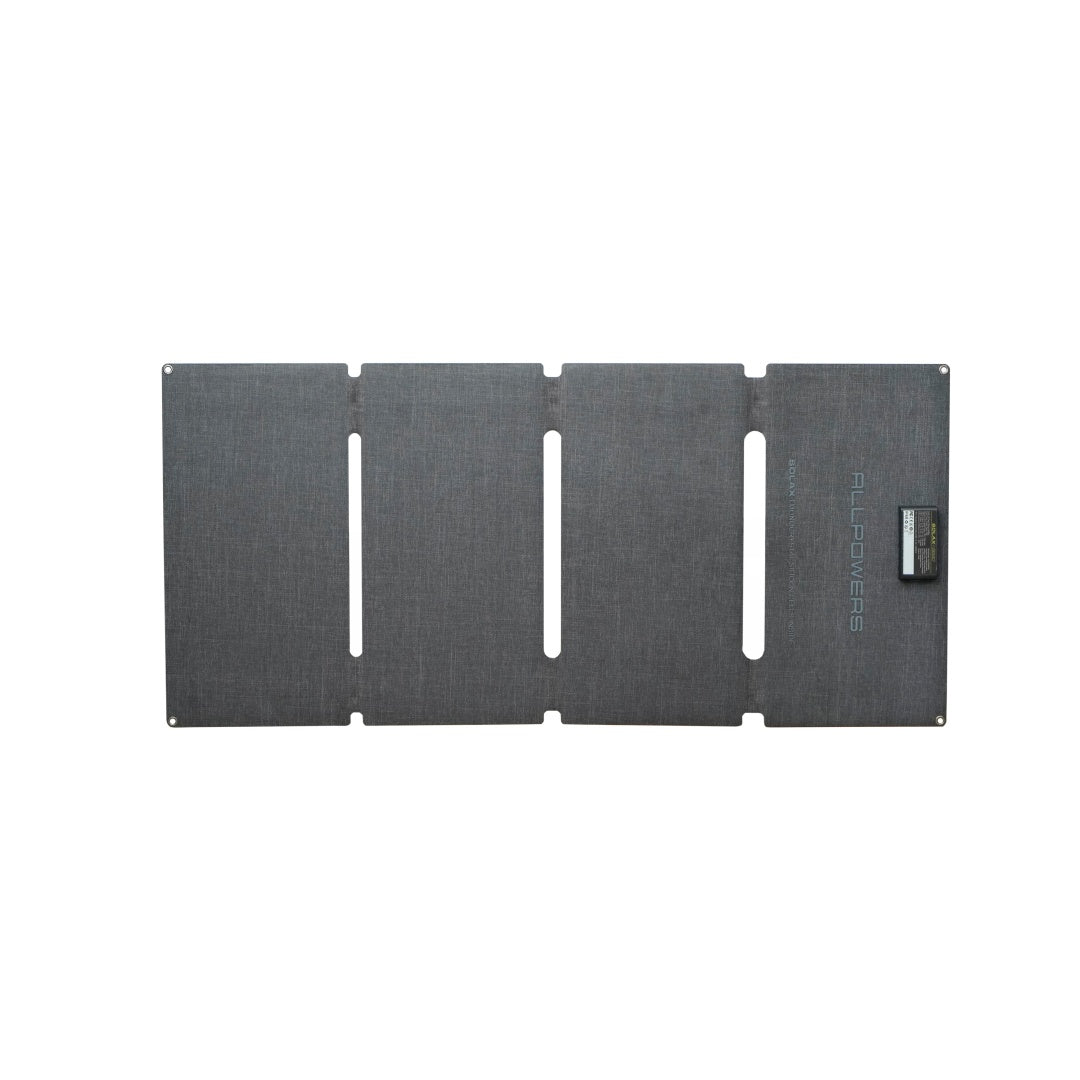
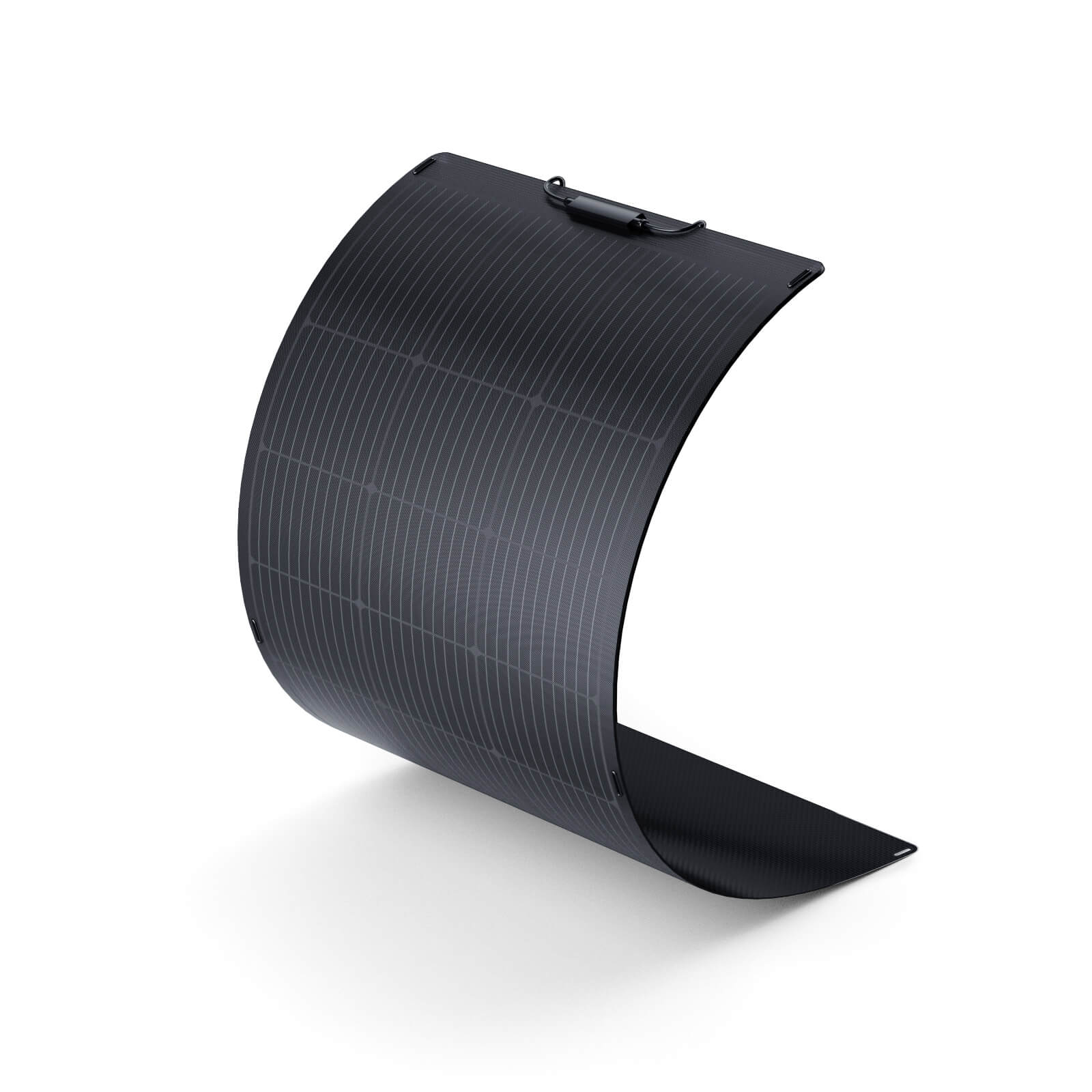
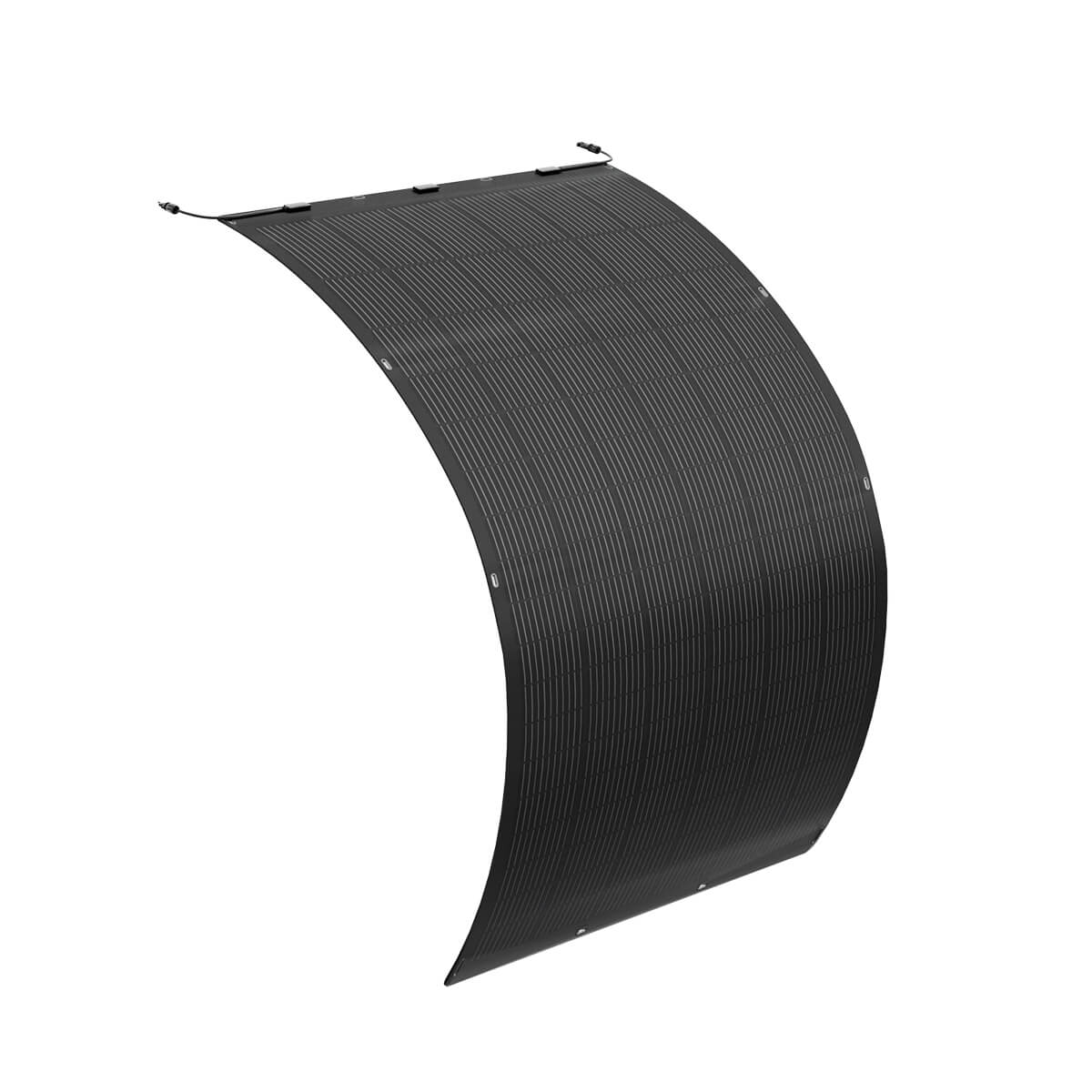
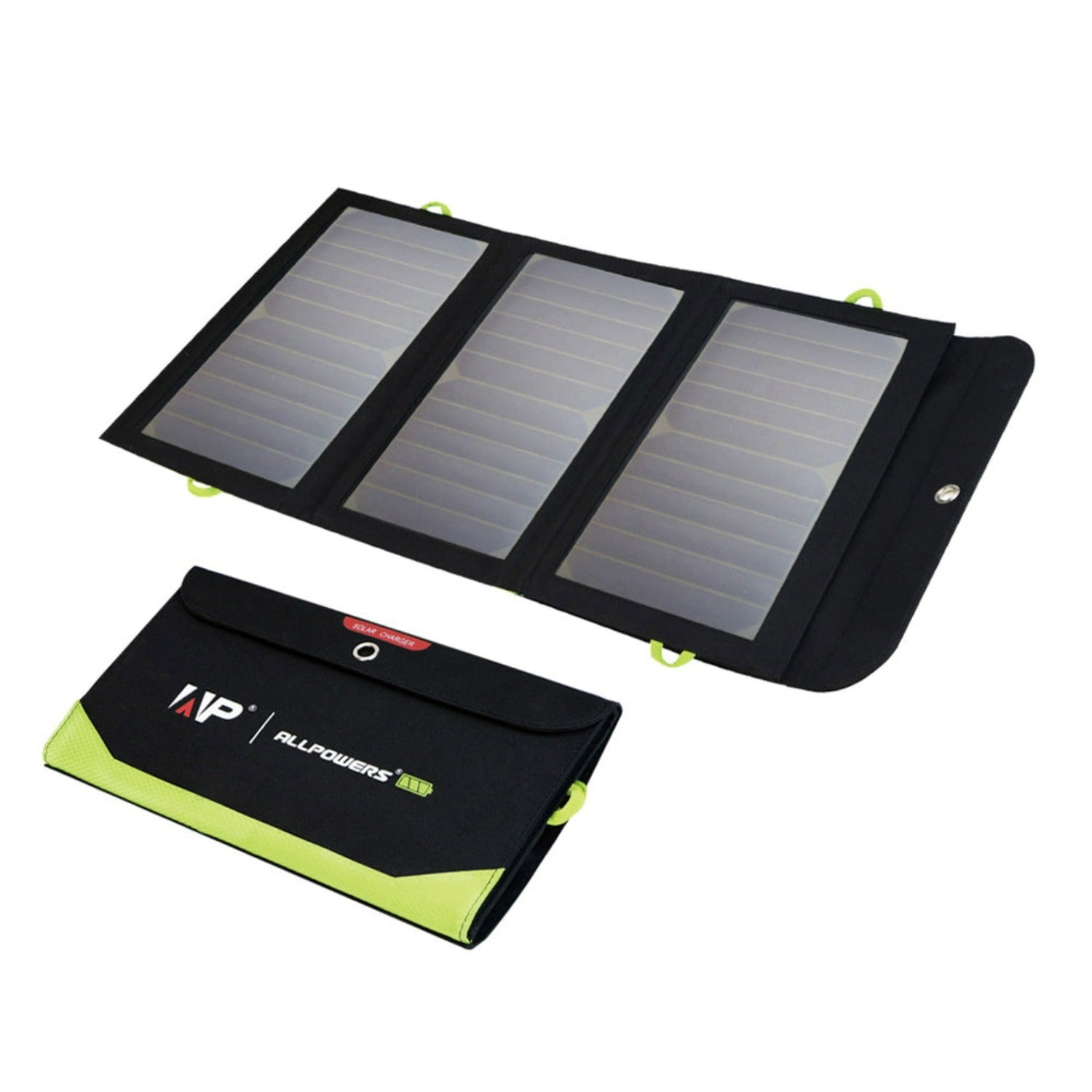
Instead, it’s a battery system with an inverter and charge controller, rechargeable via solar panels, wall outlets, or even car chargers.
No fumes. No engine noise. No oil changes.
During a power outage, you can run essentials indoors without worrying about carbon monoxide. That’s not a small detail.
The CDC reports that improper generator use causes thousands of carbon monoxide poisoning cases each year in the U.S.
The beauty is flexibility. You can use it at home during outages, then bring it camping in summer, then keep it in your truck for job sites.
Of course, initial costs can be higher compared to basic gas generators.
But operating costs drop significantly over time because sunlight is free, and maintenance is minimal.
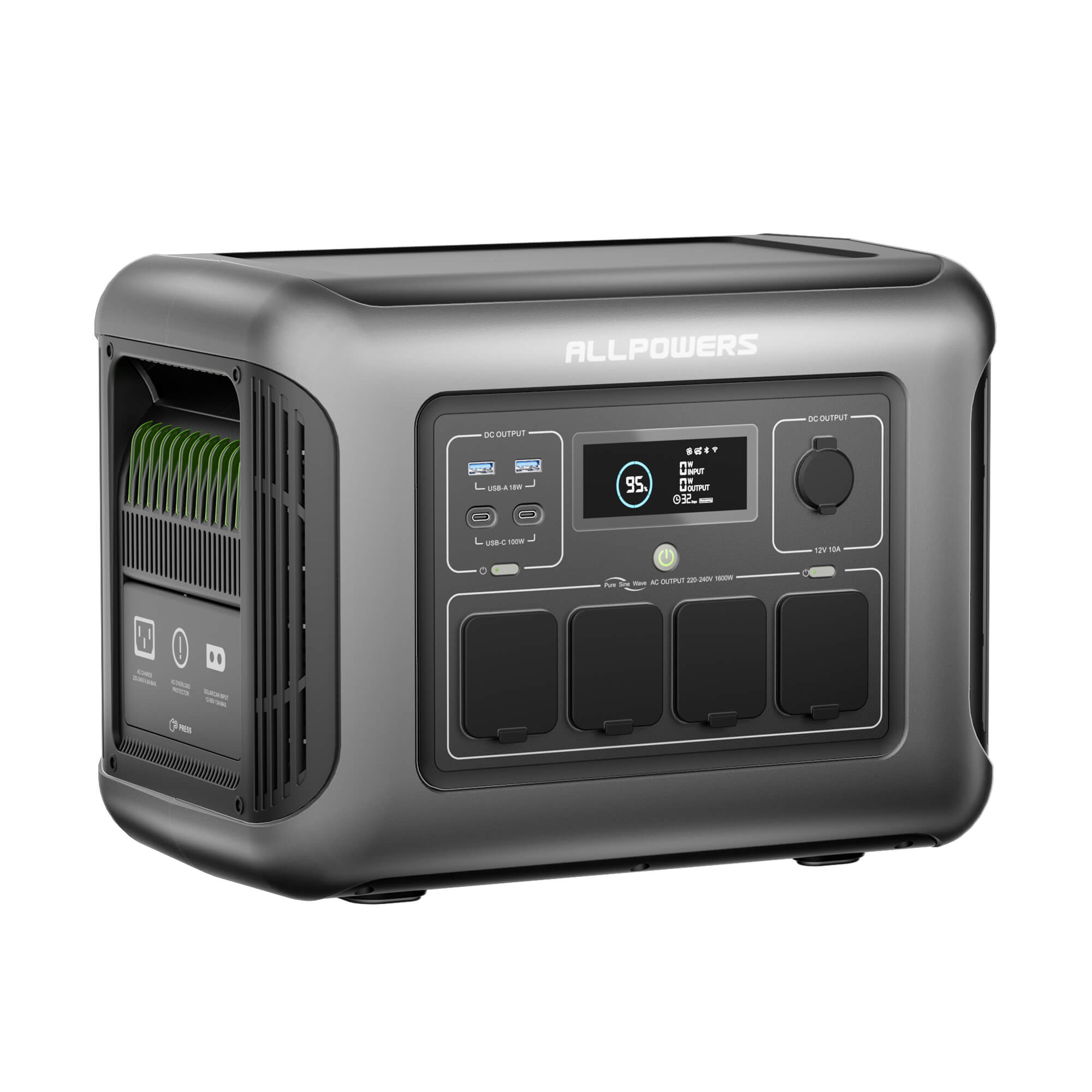
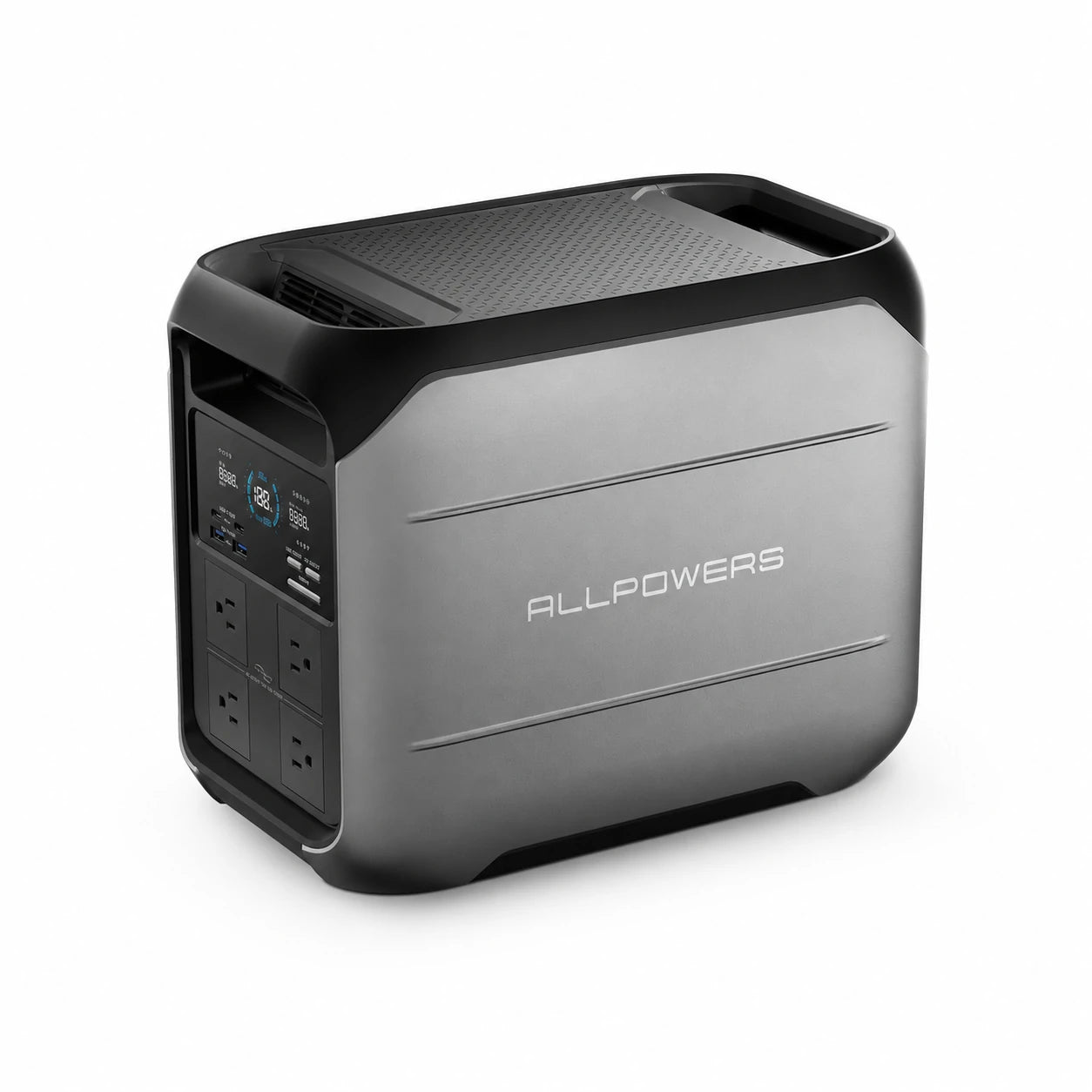
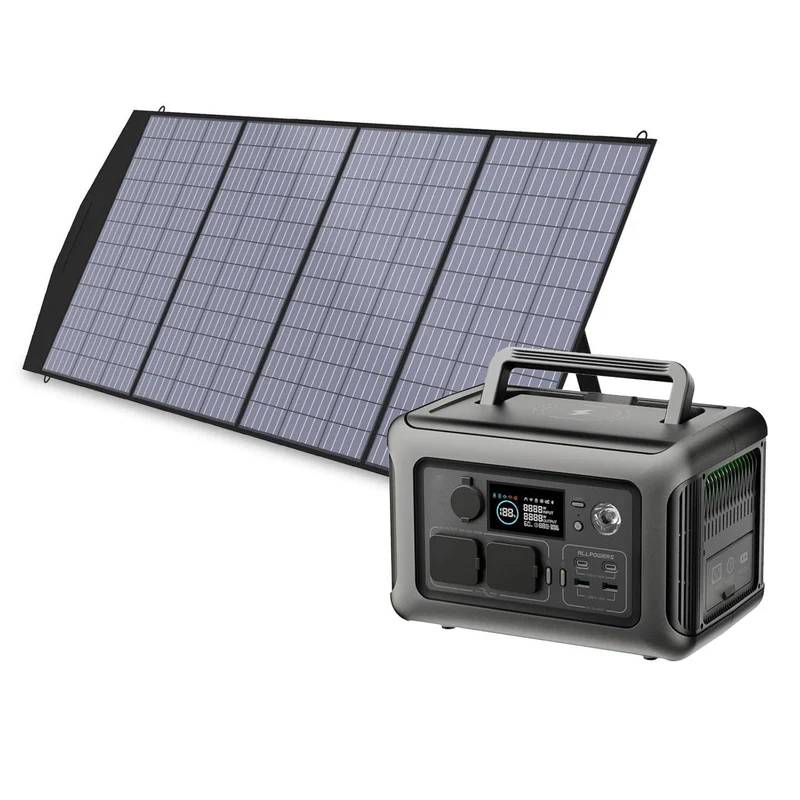
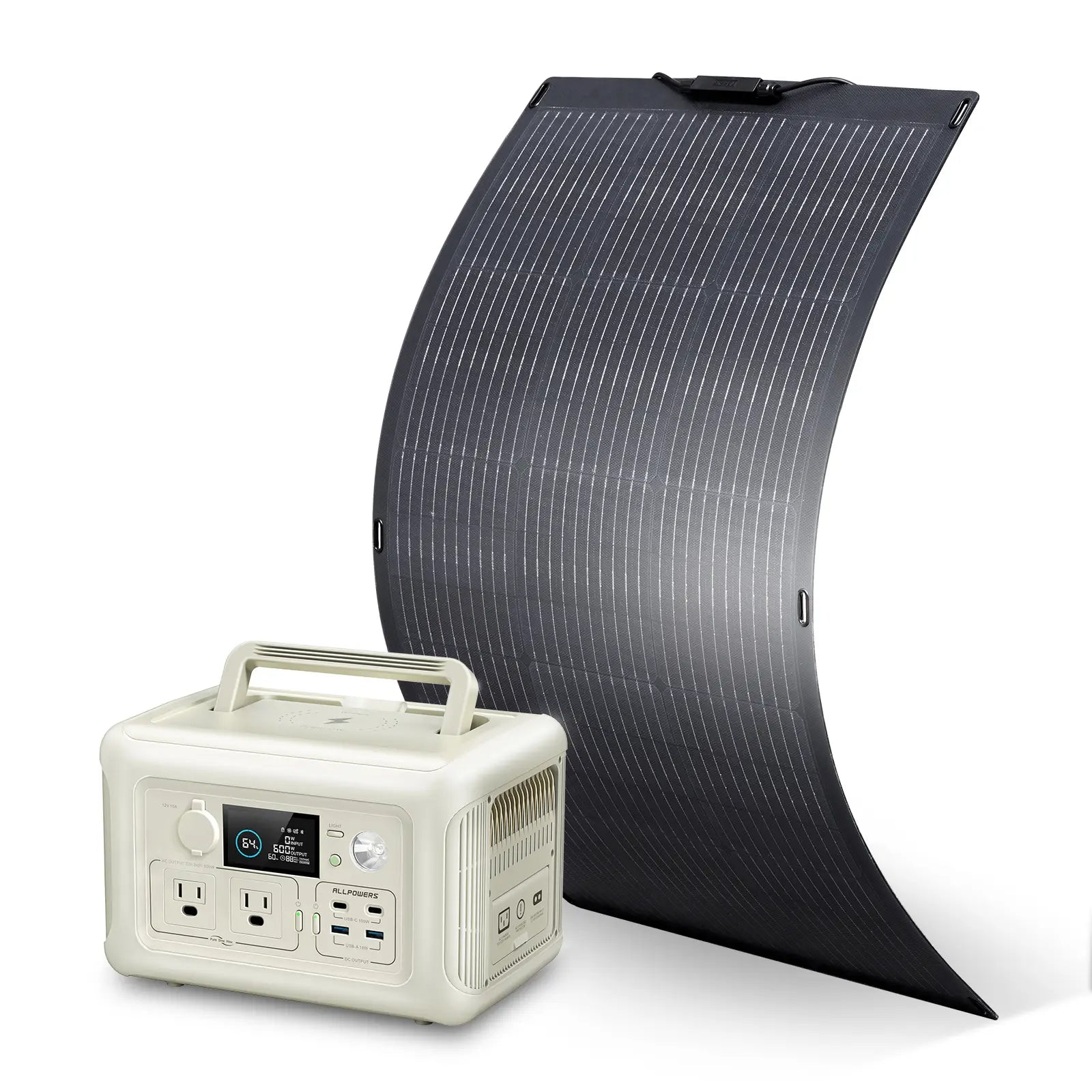
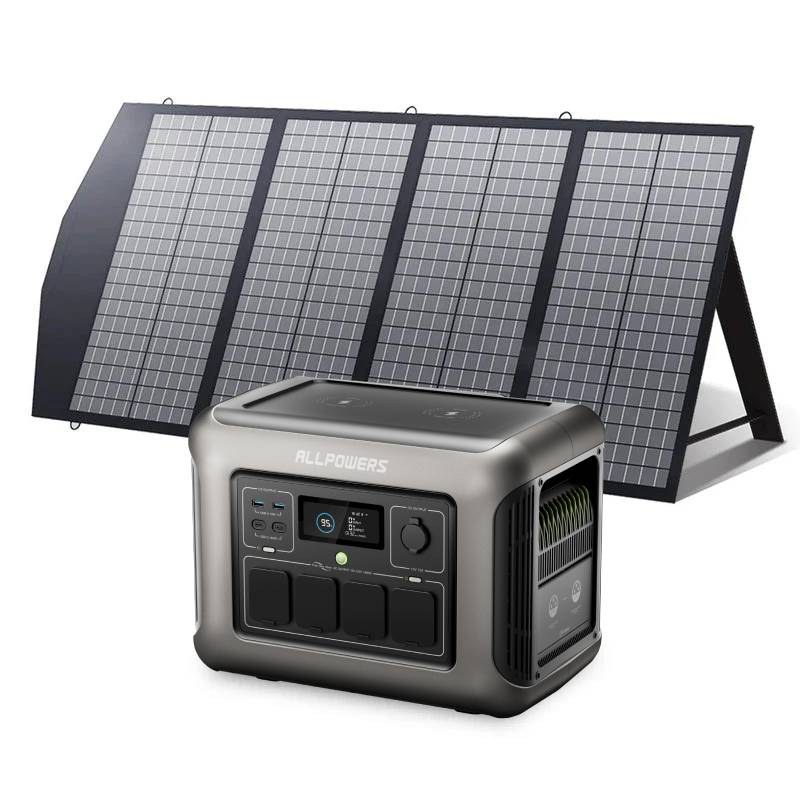
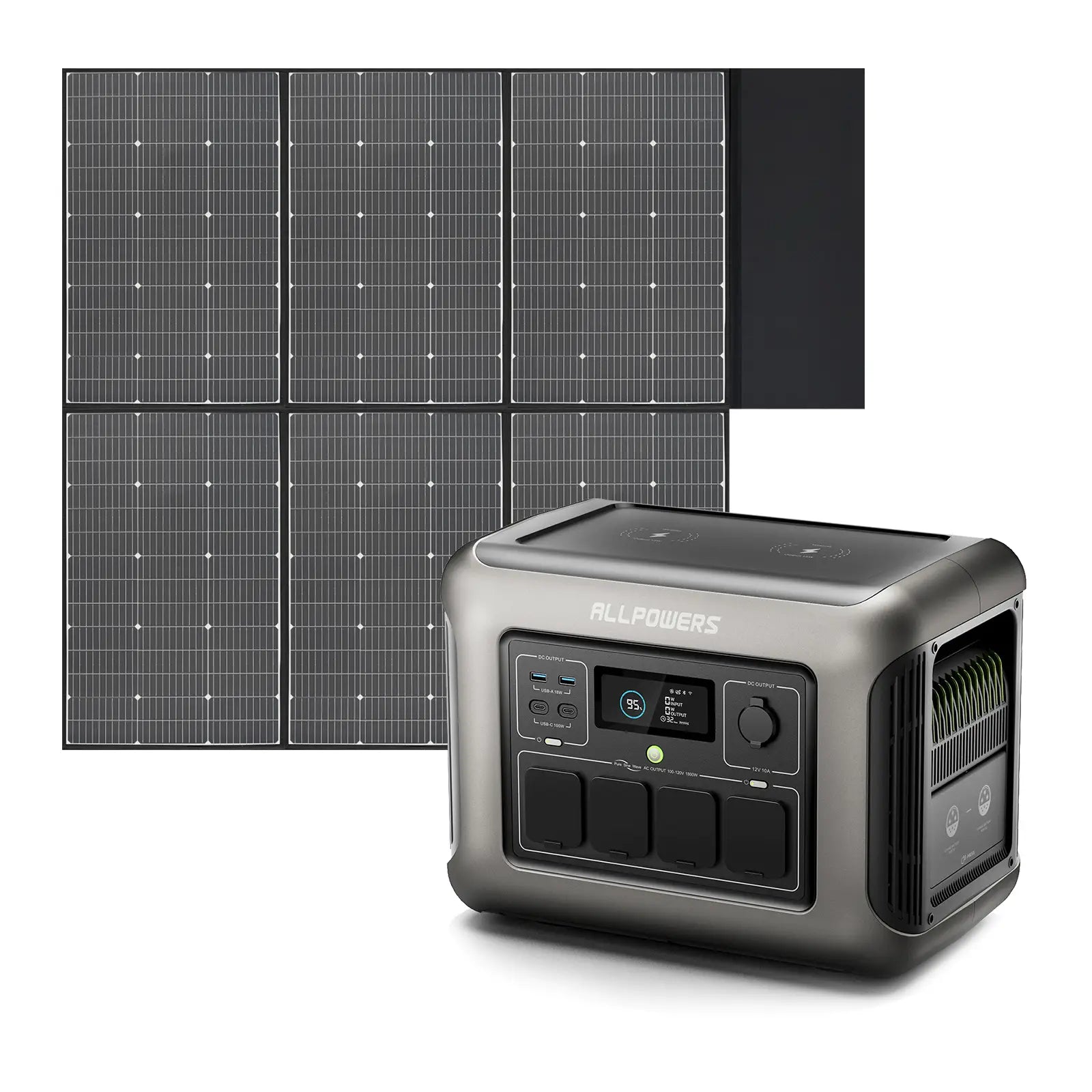
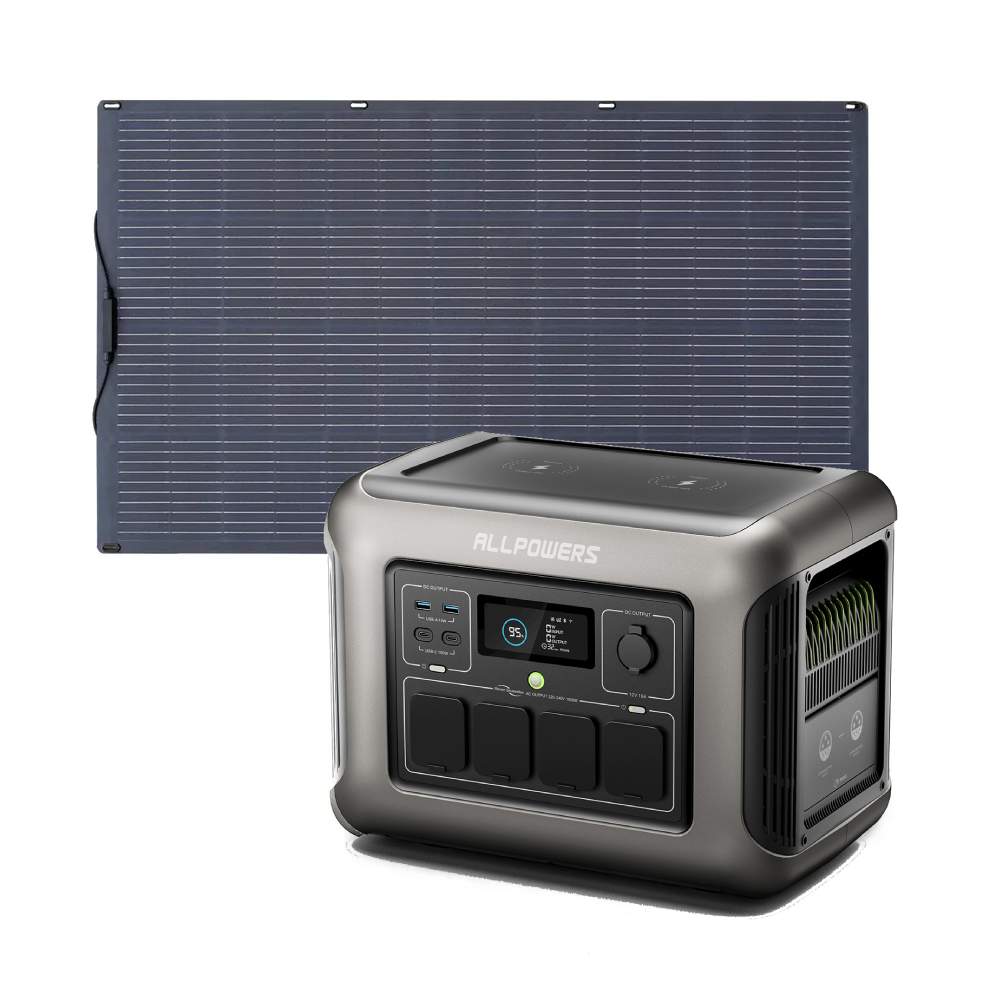
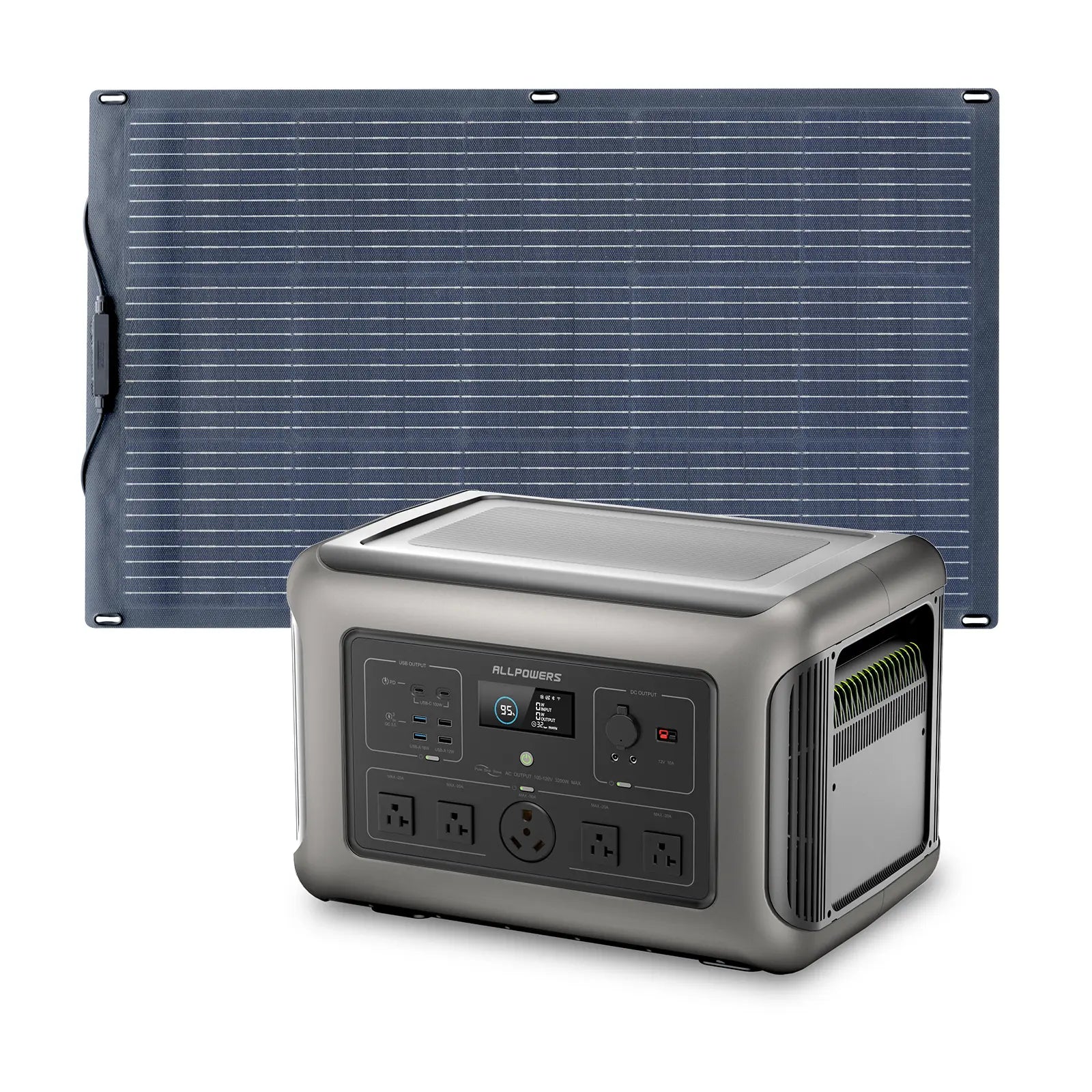
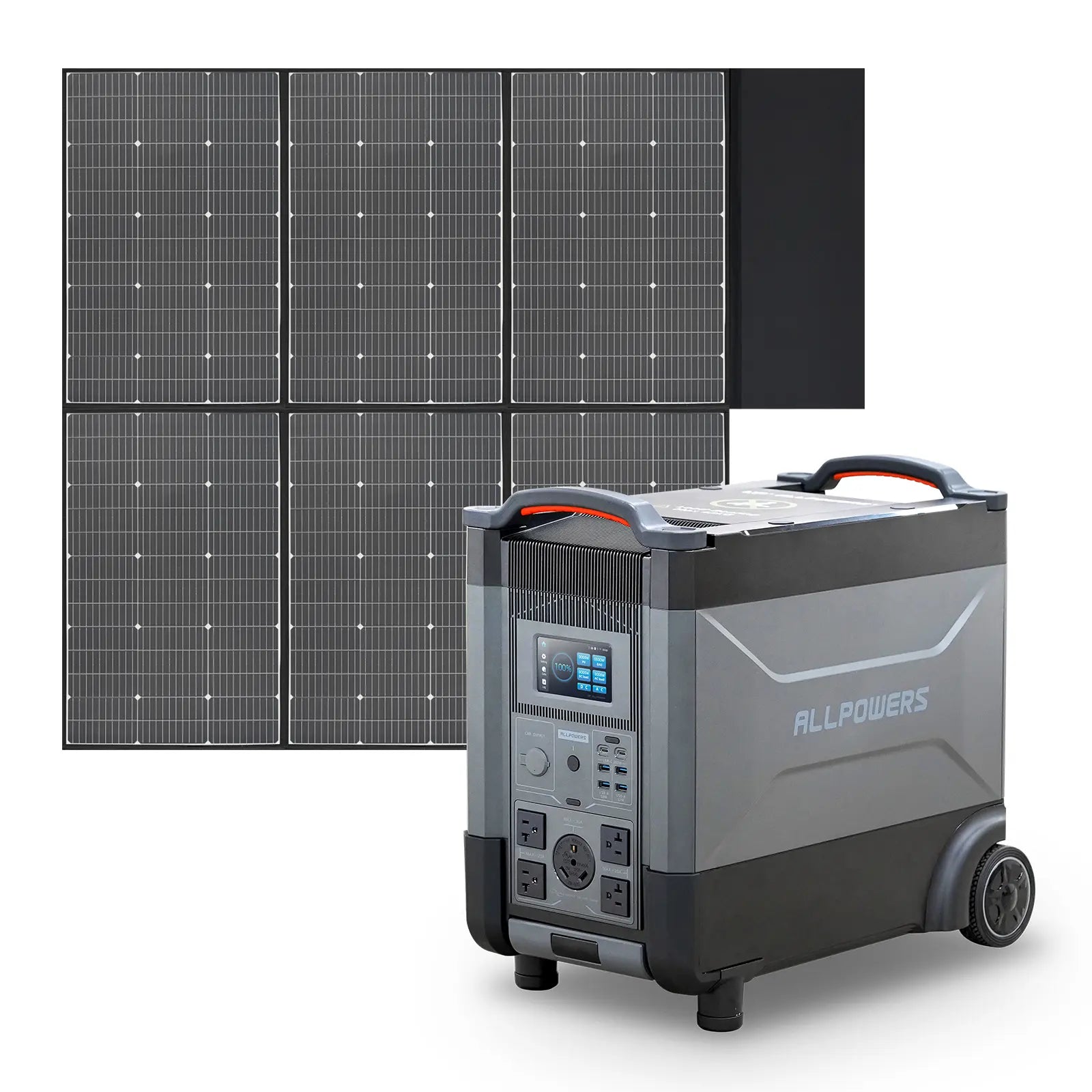
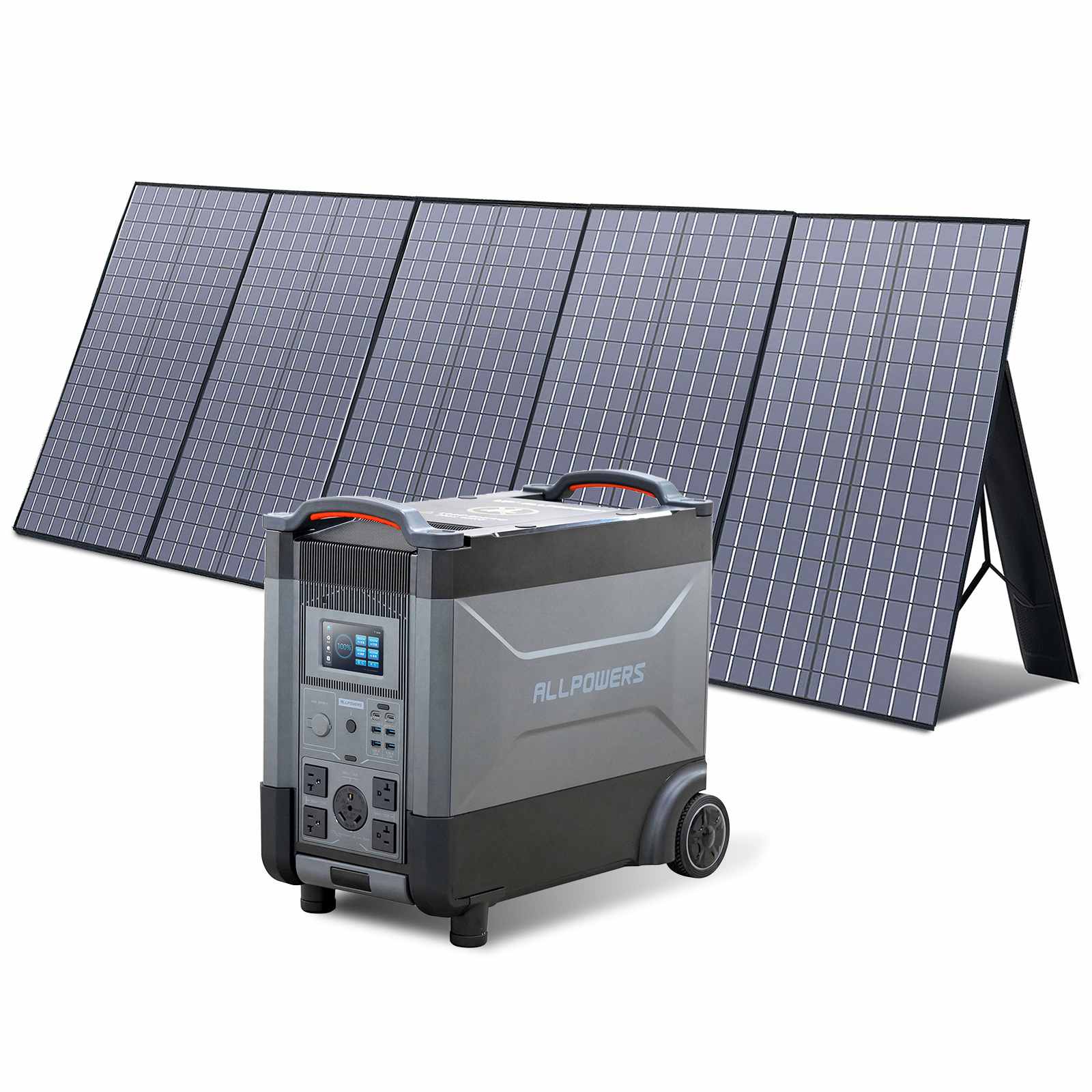
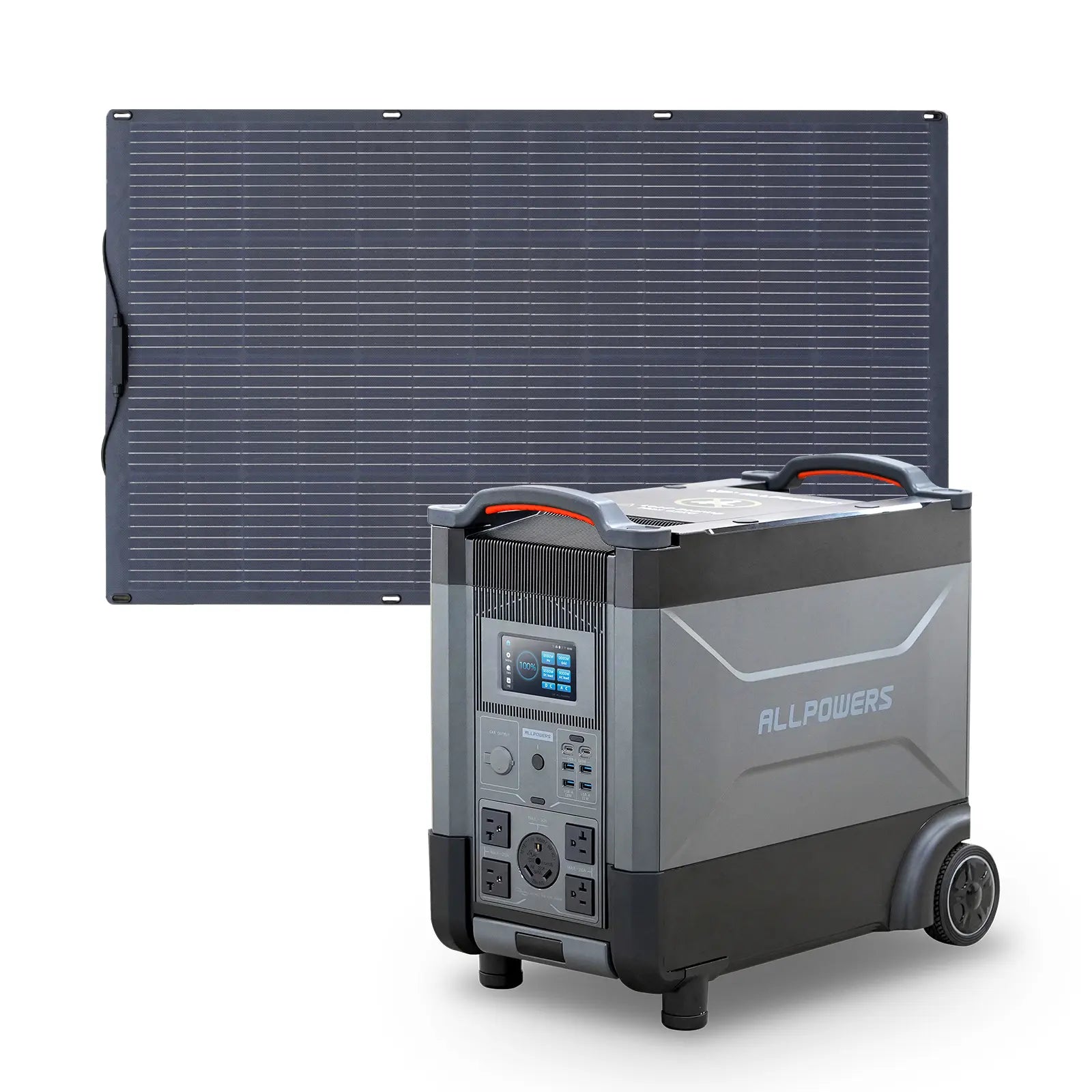
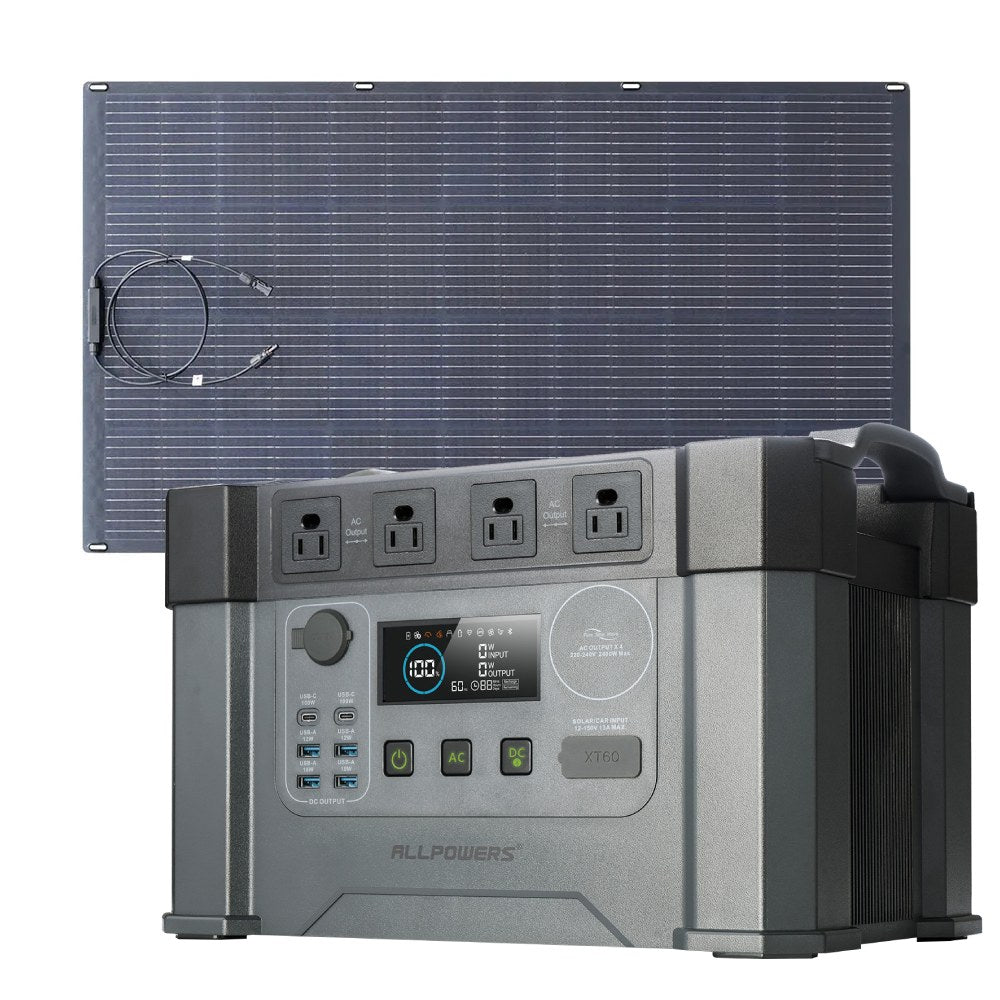
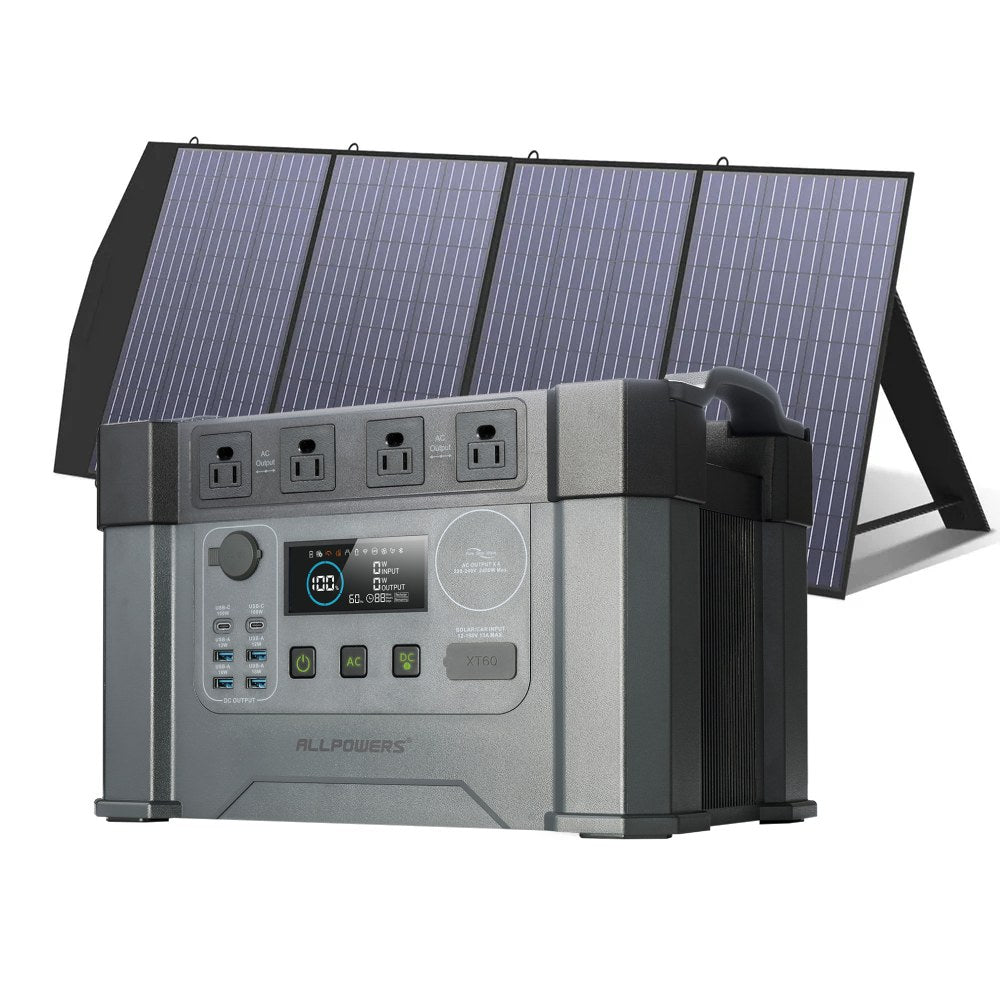
ALLPOWERS 2500W Solar Generator
$1,100.00 $1,799.00
- 2016Wh Capacity + 400W Soalr Input;;
- 2500W AC Output (4,000W Surge);
- Fast Charge 100% in 1 Hours;
- Start UPS in 15 ms;
- Expandable Up to 3x B1000 Expansion Battery;
Matching Your Needs to Generator Type
If you live in a hurricane-prone area and want to power a refrigerator, freezer, sump pump, and window AC for several days, a higher-wattage conventional or inverter generator may be necessary. Fuel logistics become part of your emergency plan.
If you camp often and need to run lights, a portable fridge, charge cameras, and maybe power a small projector for movie night, a solar generator makes more sense. Quiet matters. Convenience matters.
If you’re an RV owner, inverter generators or portable power stations are common because campgrounds often have noise restrictions. No one wants to be “that neighbor.”
For apartment dwellers, fuel generators may not even be allowed due to carbon monoxide risks. Battery-based power stations become one of the only safe backup options indoors.
And if you’re building long-term preparedness into your lifestyle—layered backup systems, rooftop panels, or partial off-grid capability—solar-based systems integrate more naturally.
Conclusion
Power is personal. The right generator isn’t the biggest or the loudest or even the most advanced.
Think in layers. Maybe it’s a compact inverter for camping now, and later, a larger home backup system.