







Choosing the right generator size for your RV isn’t just about watts on a spec sheet; it’s about comfort and how you actually travel.
Are you running just a few lights and charging phones, or do you expect your air conditioner to hum through a humid July night?
And maybe the bigger question is this: what kind of RV life do you really want to live?
TL;DR:
Most small to mid-size RVs do well with a 2,000–3,000 watt generator if you only run one air conditioner and basic appliances. Larger RVs with two AC units often need 4,000–5,500 watts or more.
Common RV appliances and their power needs
Let me explain what typical loads look like inside a modern RV. Numbers vary, but these ranges help you estimate.
An RV air conditioner often requires 1,300 to 1,800 running watts and up to 3,500 starting watts.
A microwave usually draws 900 to 1,500 watts.
A coffee maker consumes roughly 600 to 1,200 watts—worth noting if you refuse to greet the morning without one.
Refrigerators running on electric power may use 300 to 600 watts, though many RV fridges run on propane when off-grid.
Televisions, laptops, LED lighting, and phone chargers collectively draw less than 300 watts, which surprises many first-time RVers.
Add everything together and the total demand becomes clearer—and sometimes slightly intimidating.
Different RV types demand different power strategies
A small teardrop trailer has very different needs than a 40-foot fifth wheel.
Small travel trailers
If you own a lightweight travel trailer or a teardrop camper, you might not need a massive generator at all.
Many smaller rigs can run comfortably on 2,000 watts—especially if you’re not using air conditioning or if you install a soft-start device on your AC unit.
A soft-start system reduces that big startup surge, sometimes by 30–40 percent, which means a smaller generator can handle the load.
Honestly, this is where many people overspend. They buy a 4,000-watt generator “just in case,” only to carry around extra weight and burn more fuel than necessary.
If your camping style leans toward national parks, cooler climates, and modest appliance use, 2,000 to 3,000 watts may be more than enough.
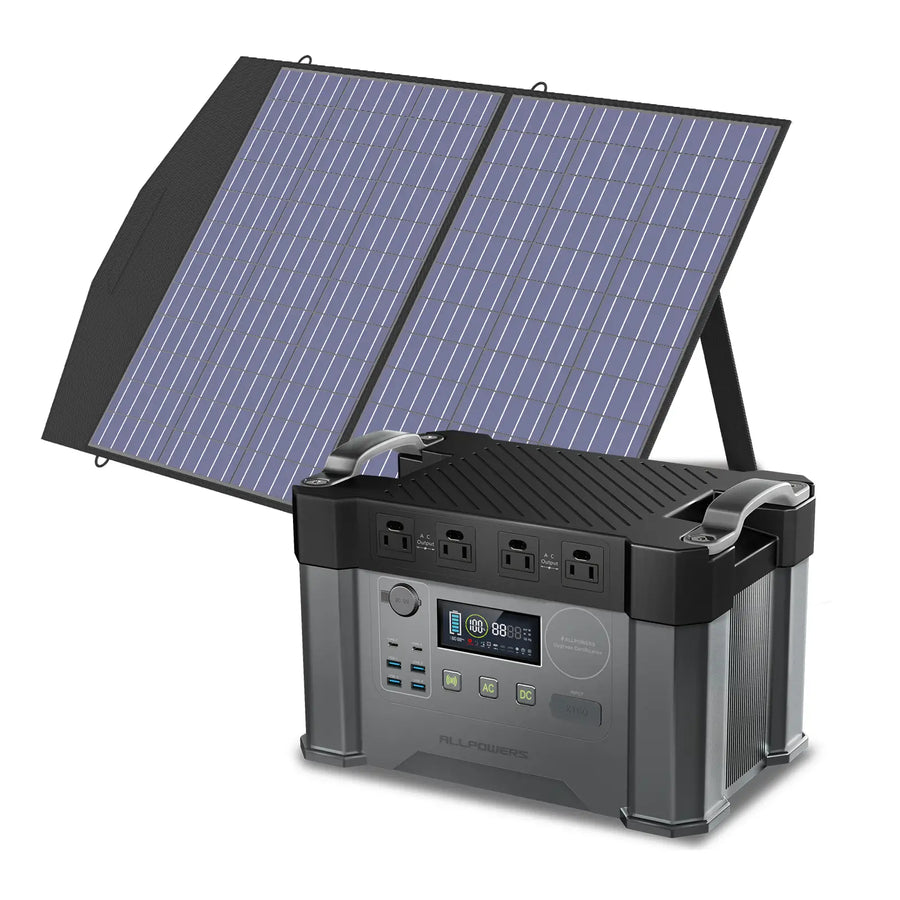
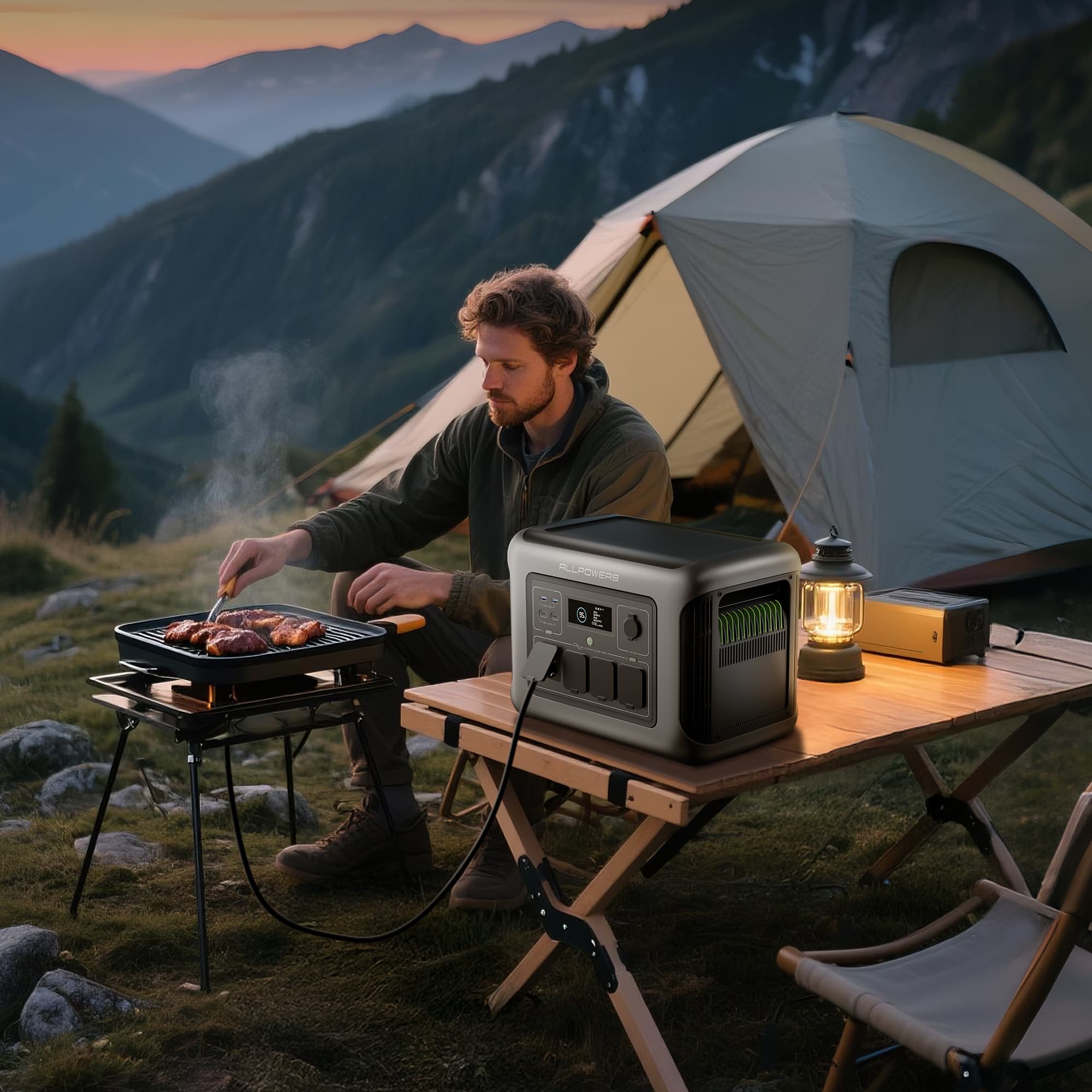
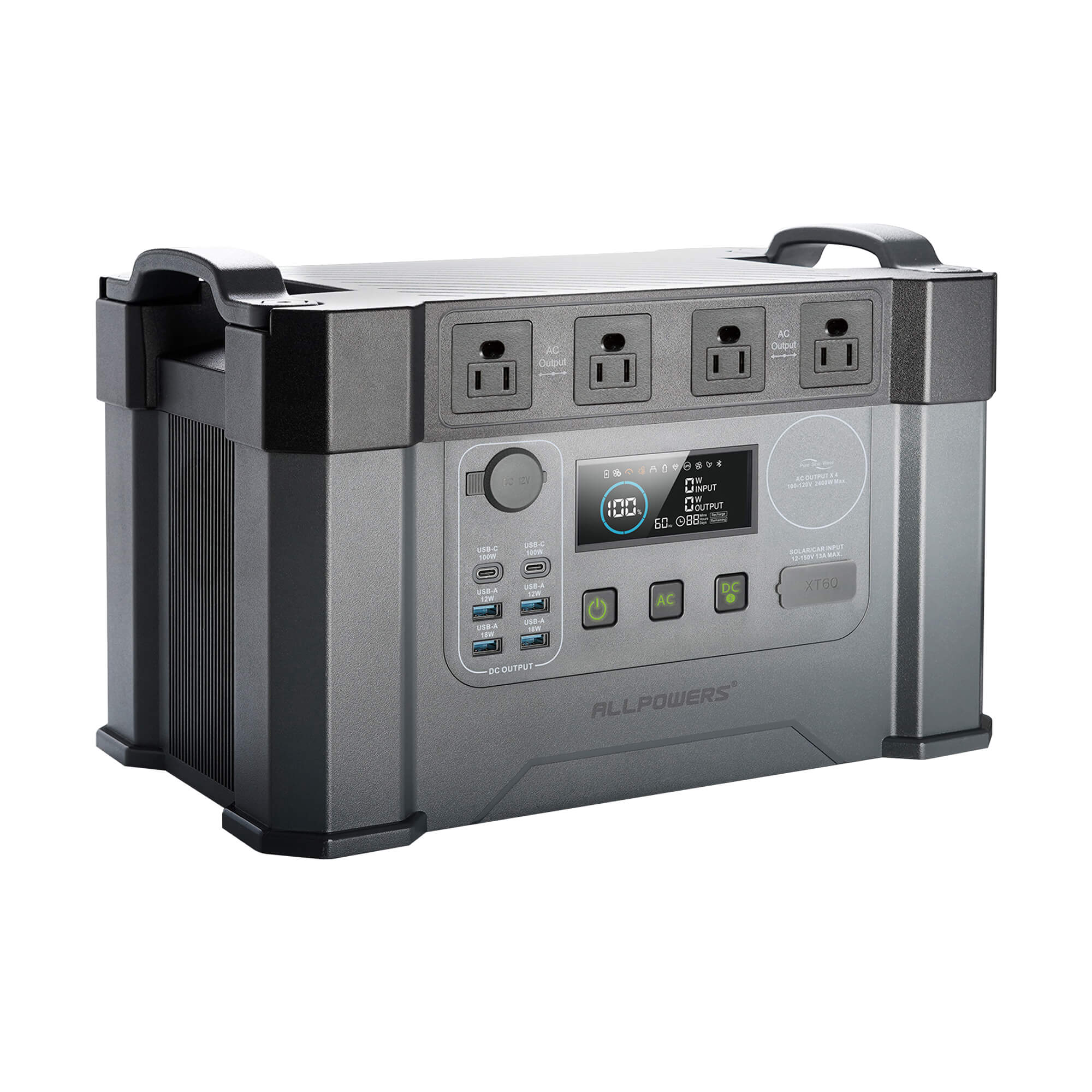
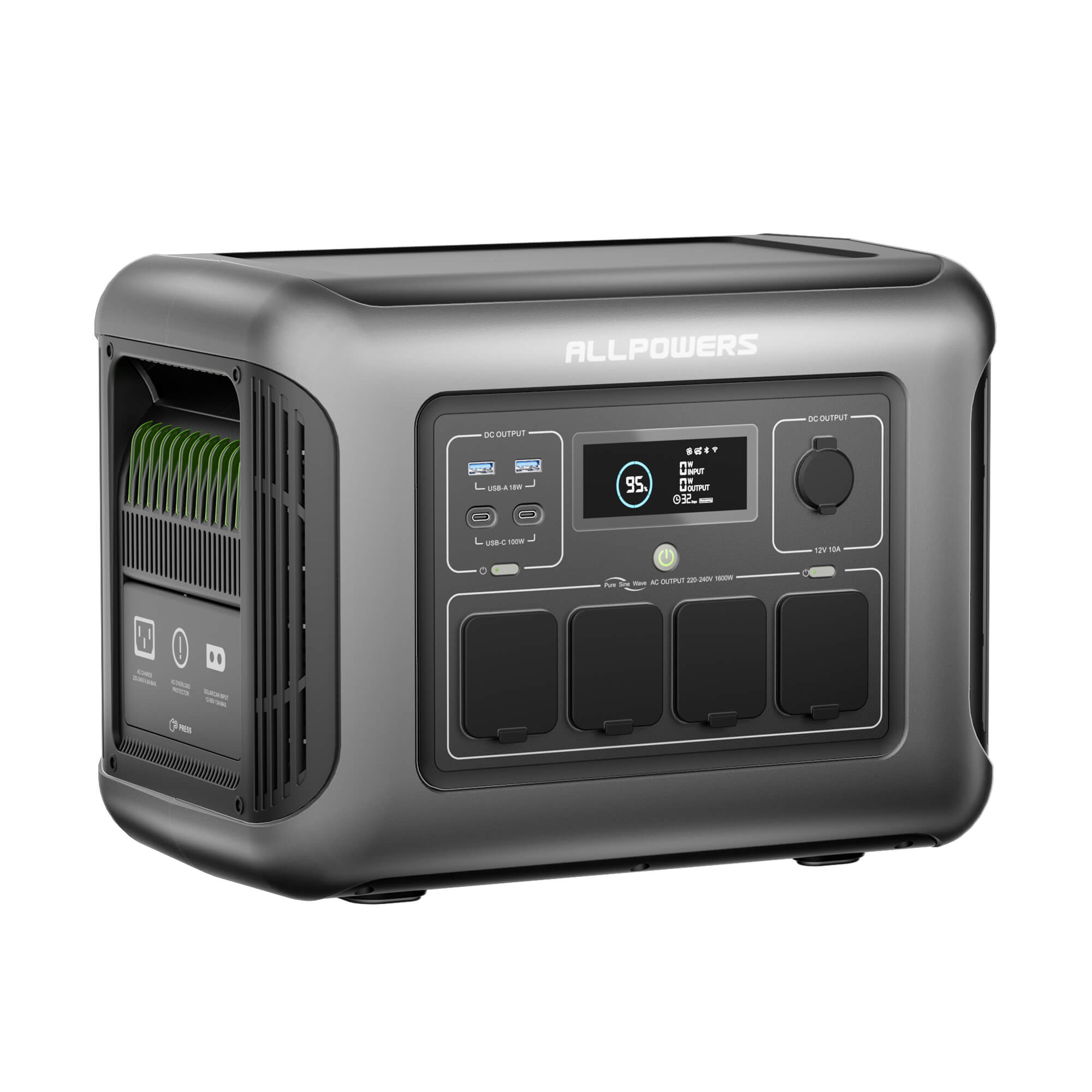
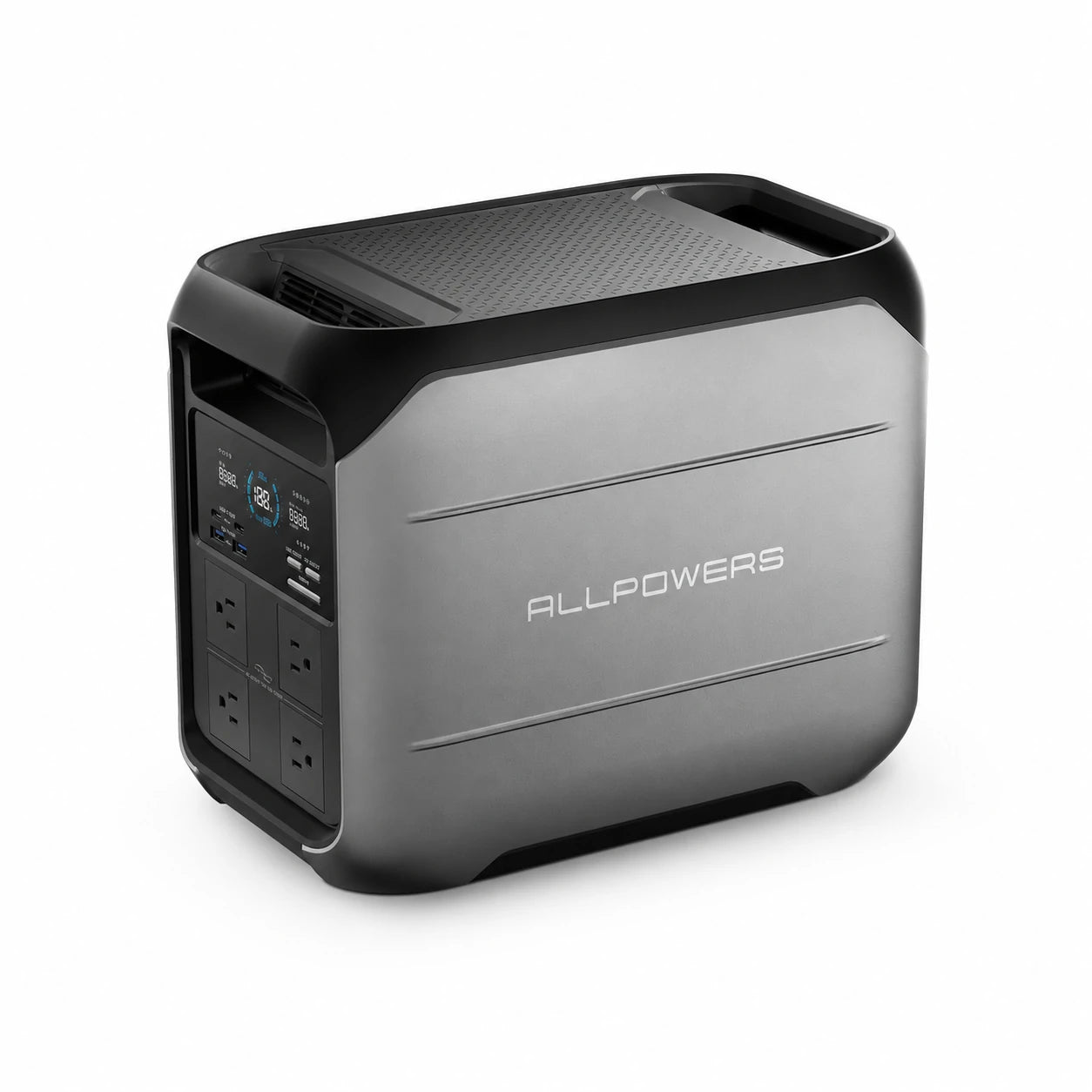
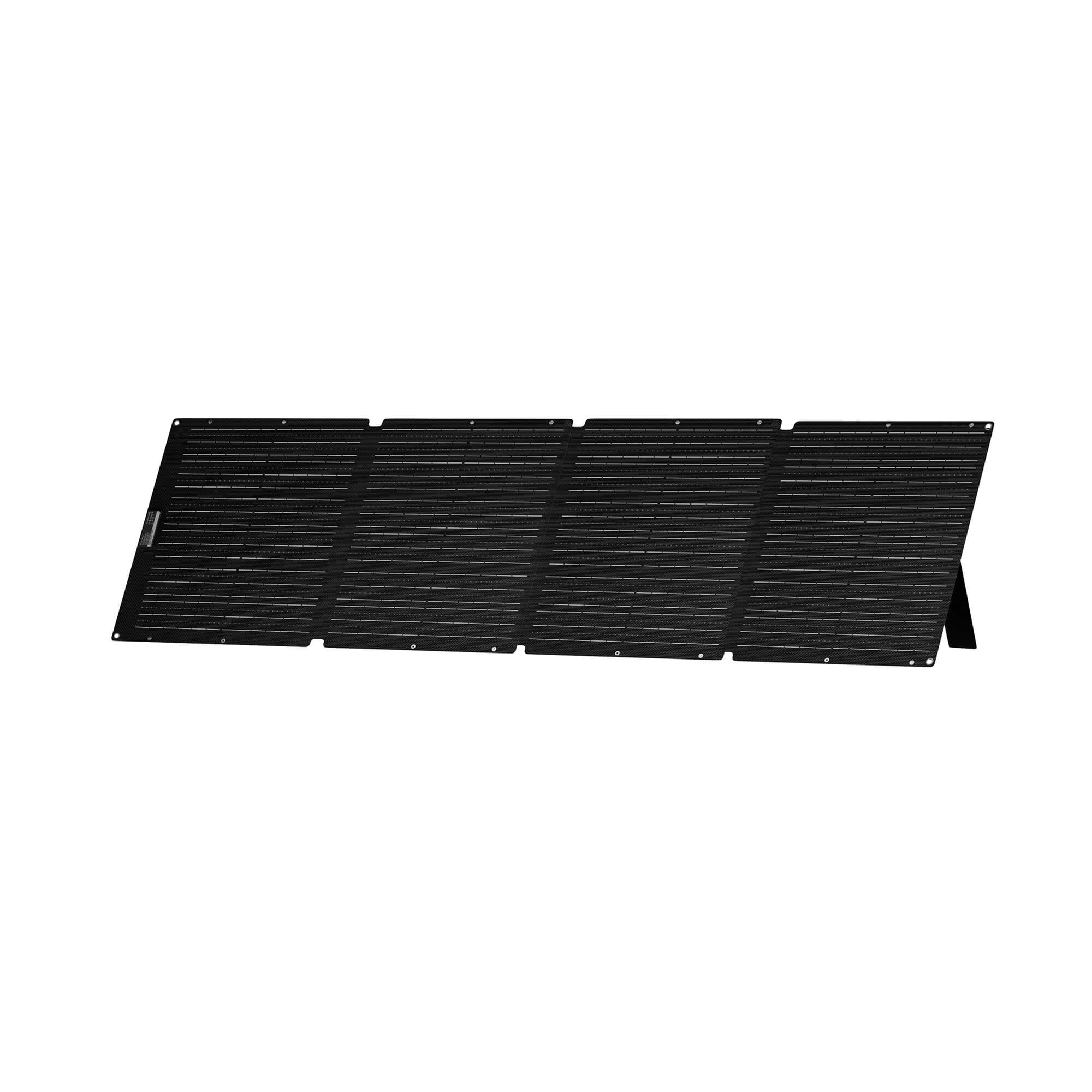
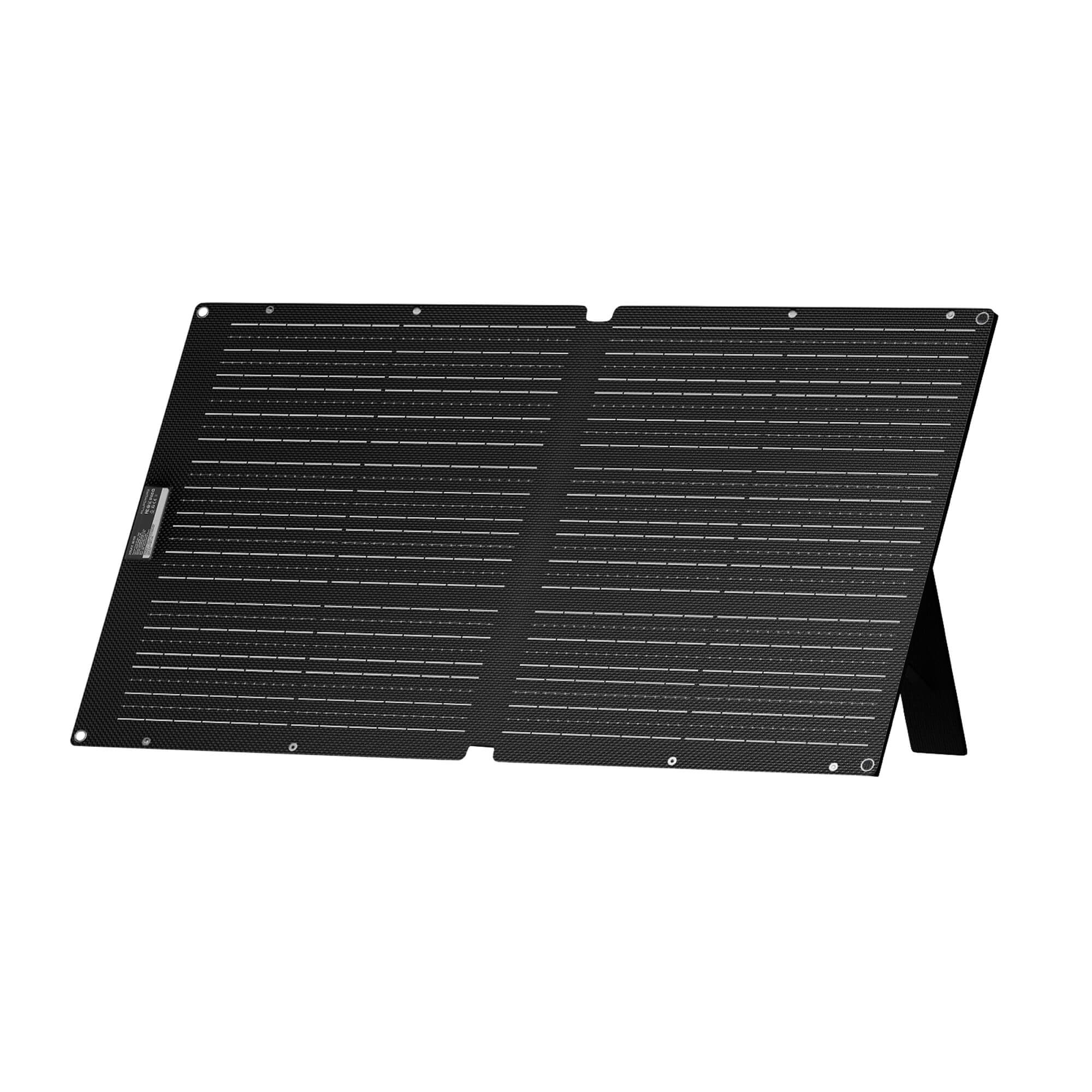
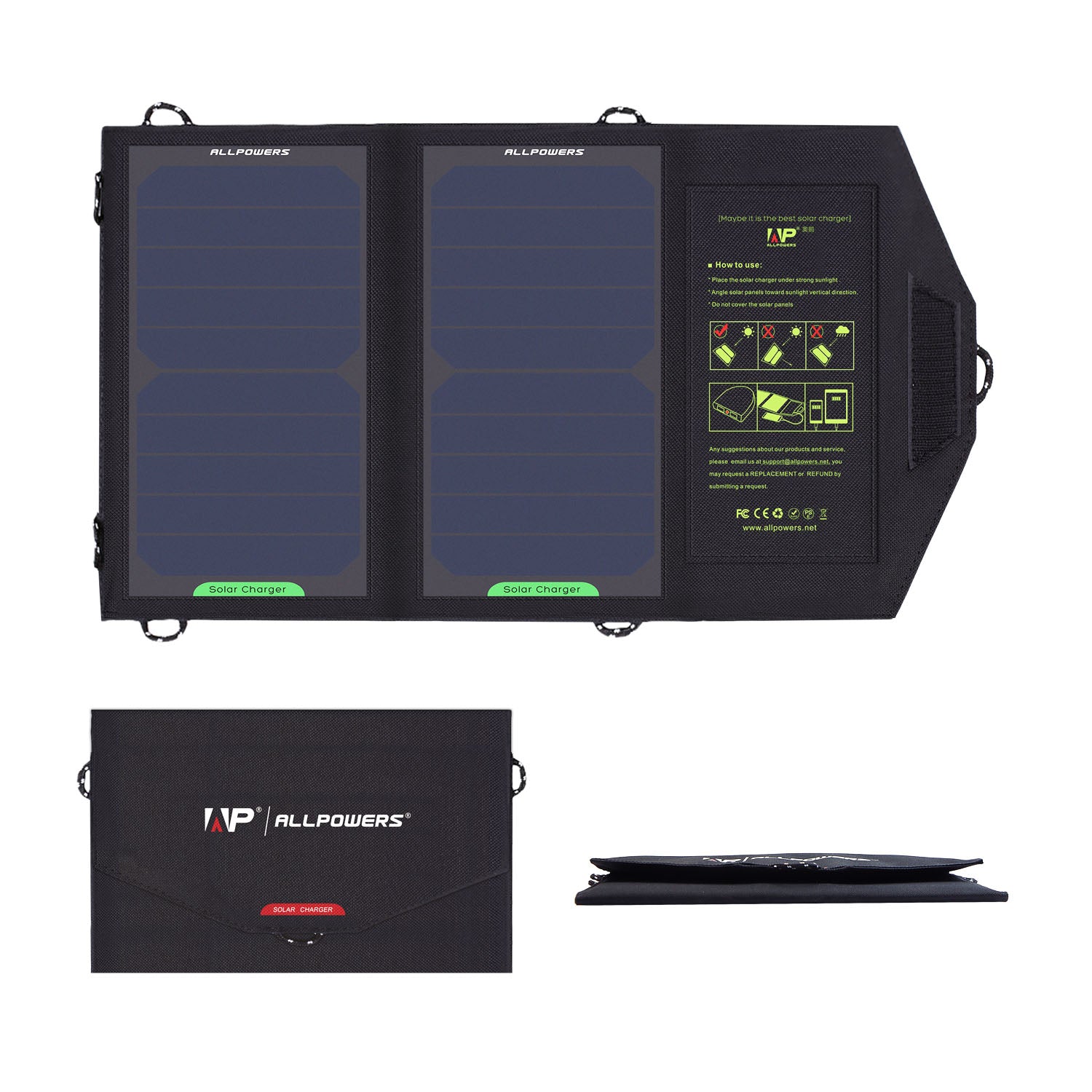
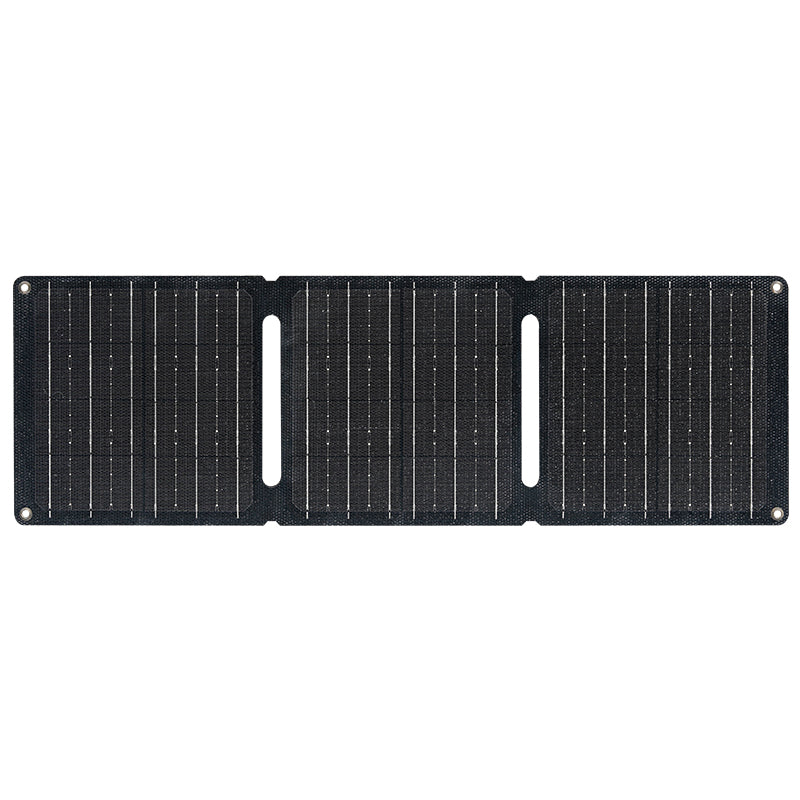
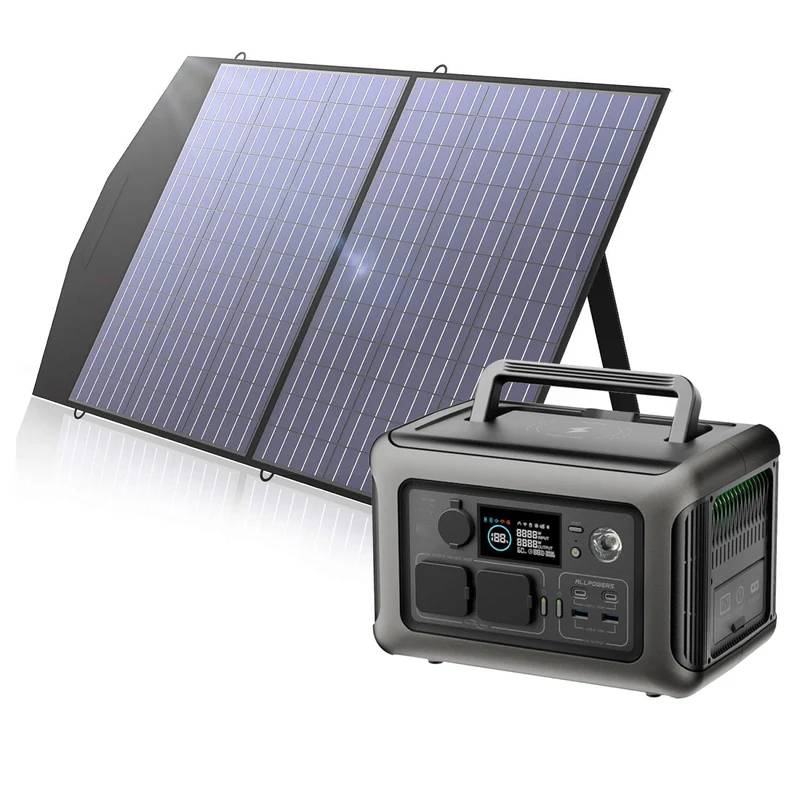
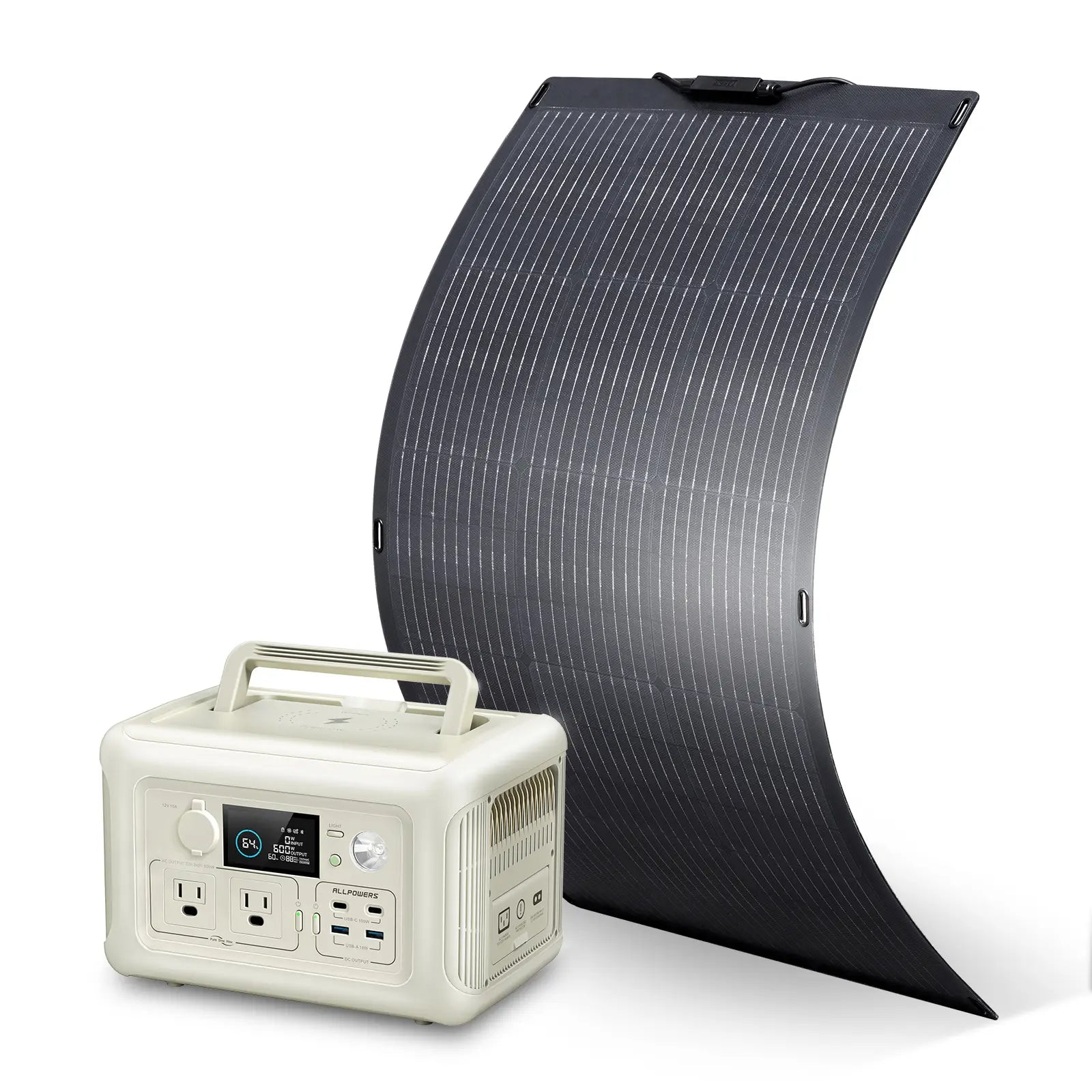
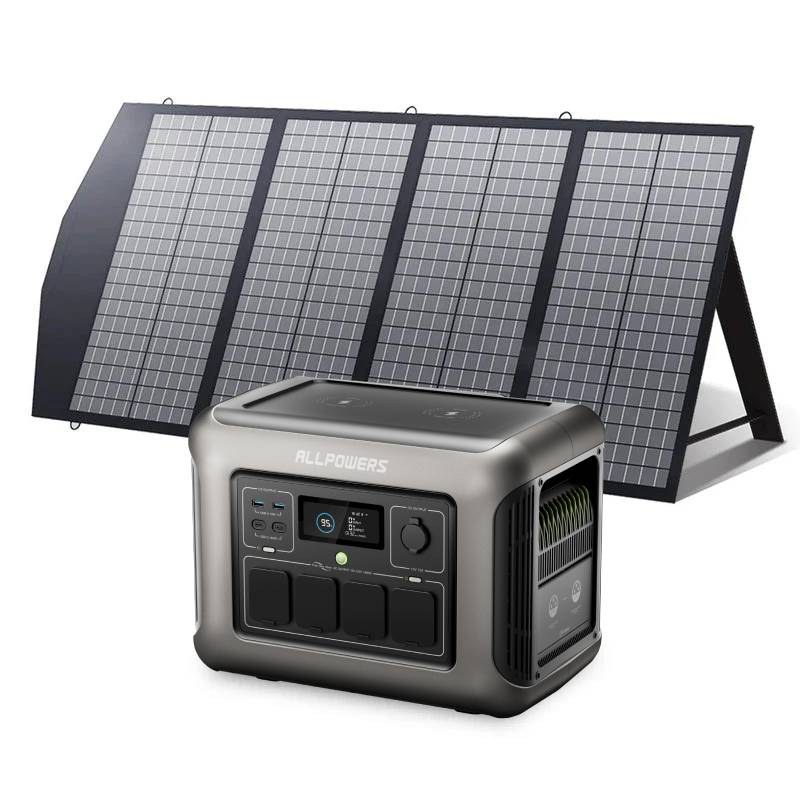
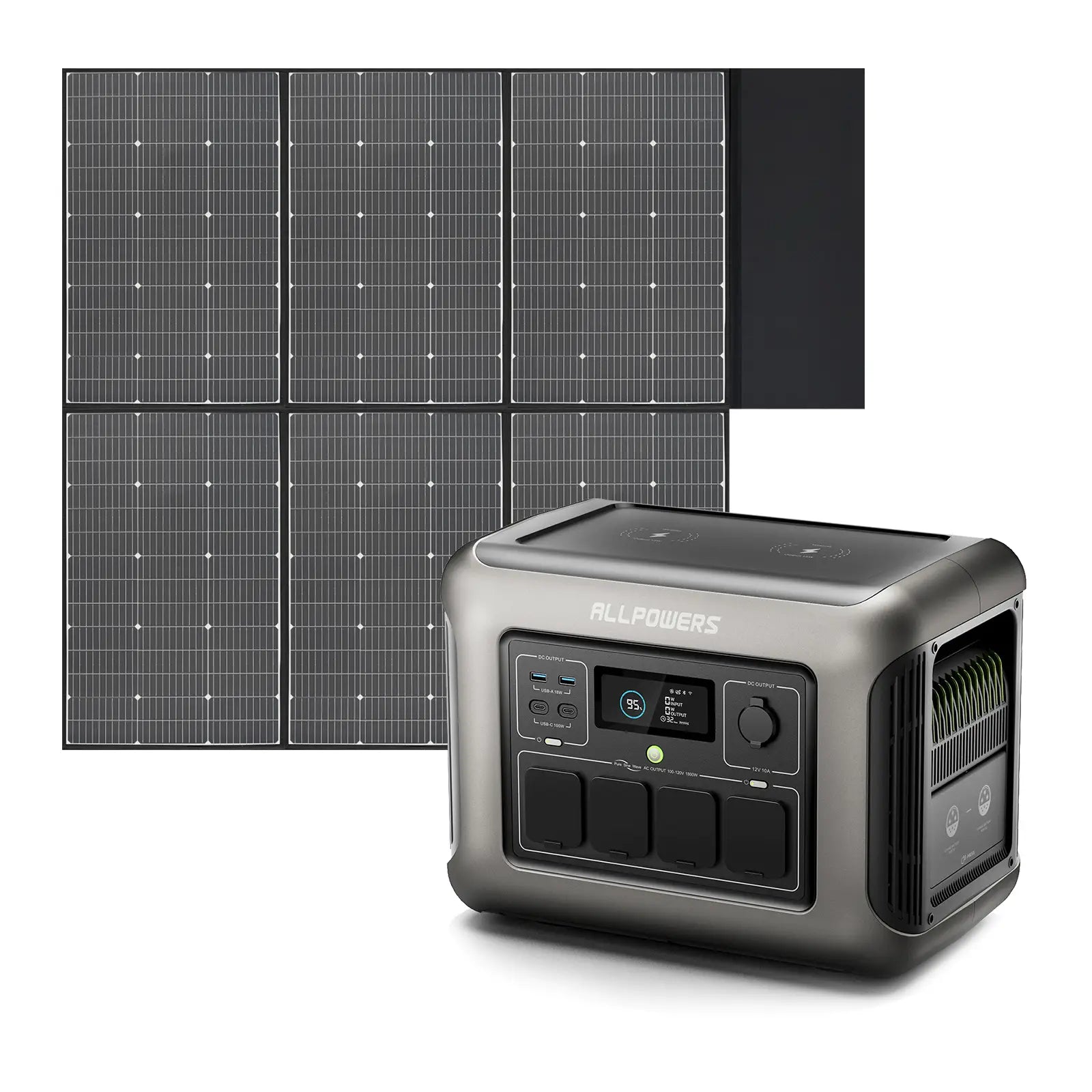
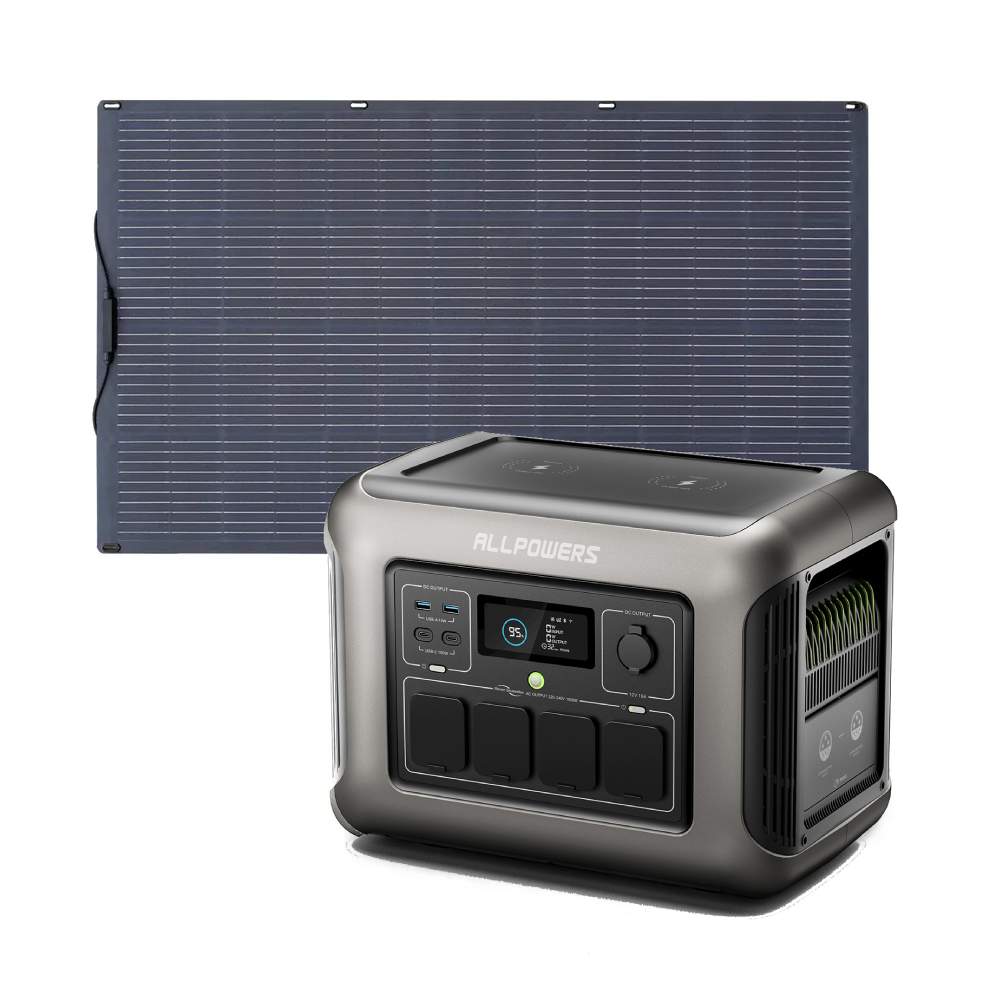
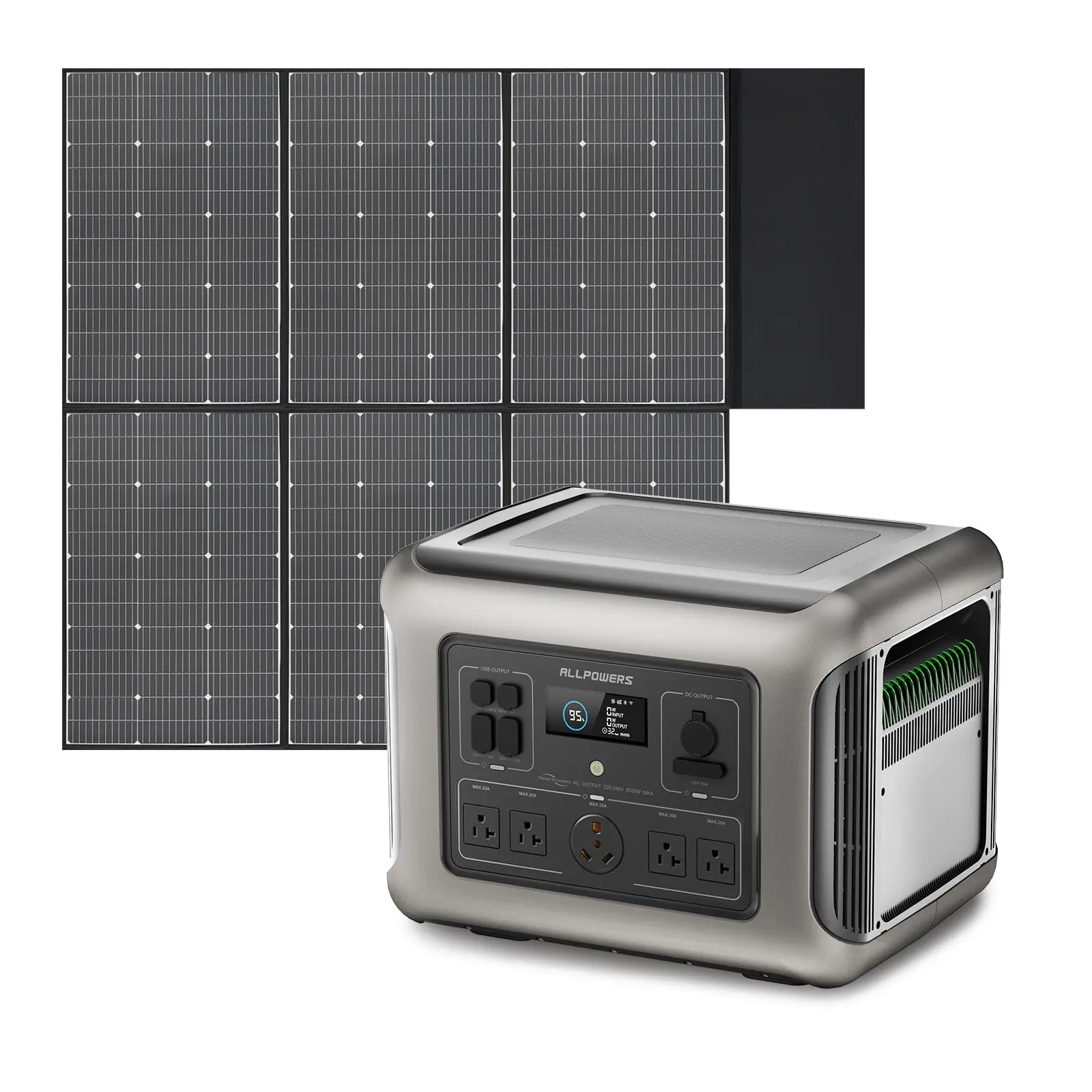
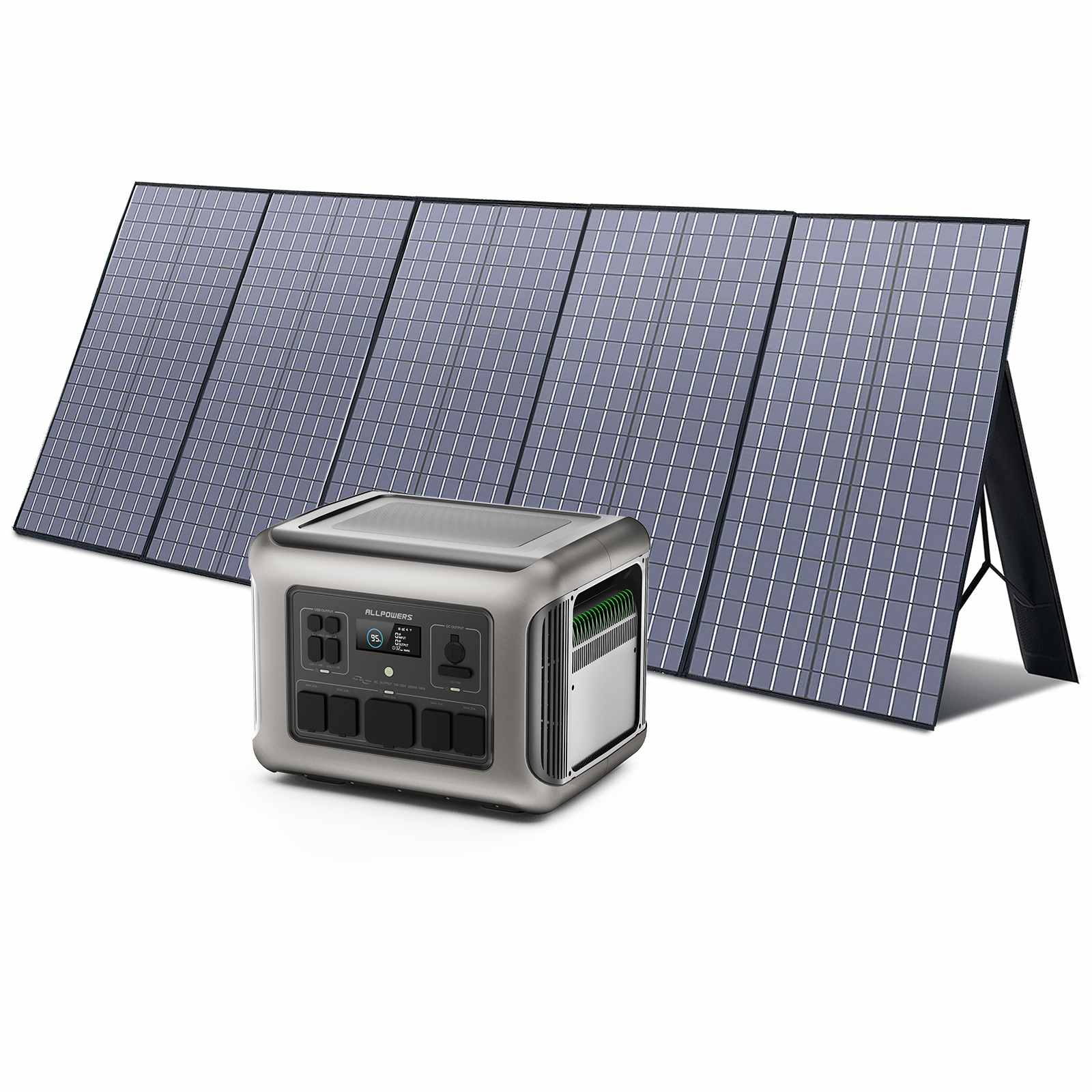
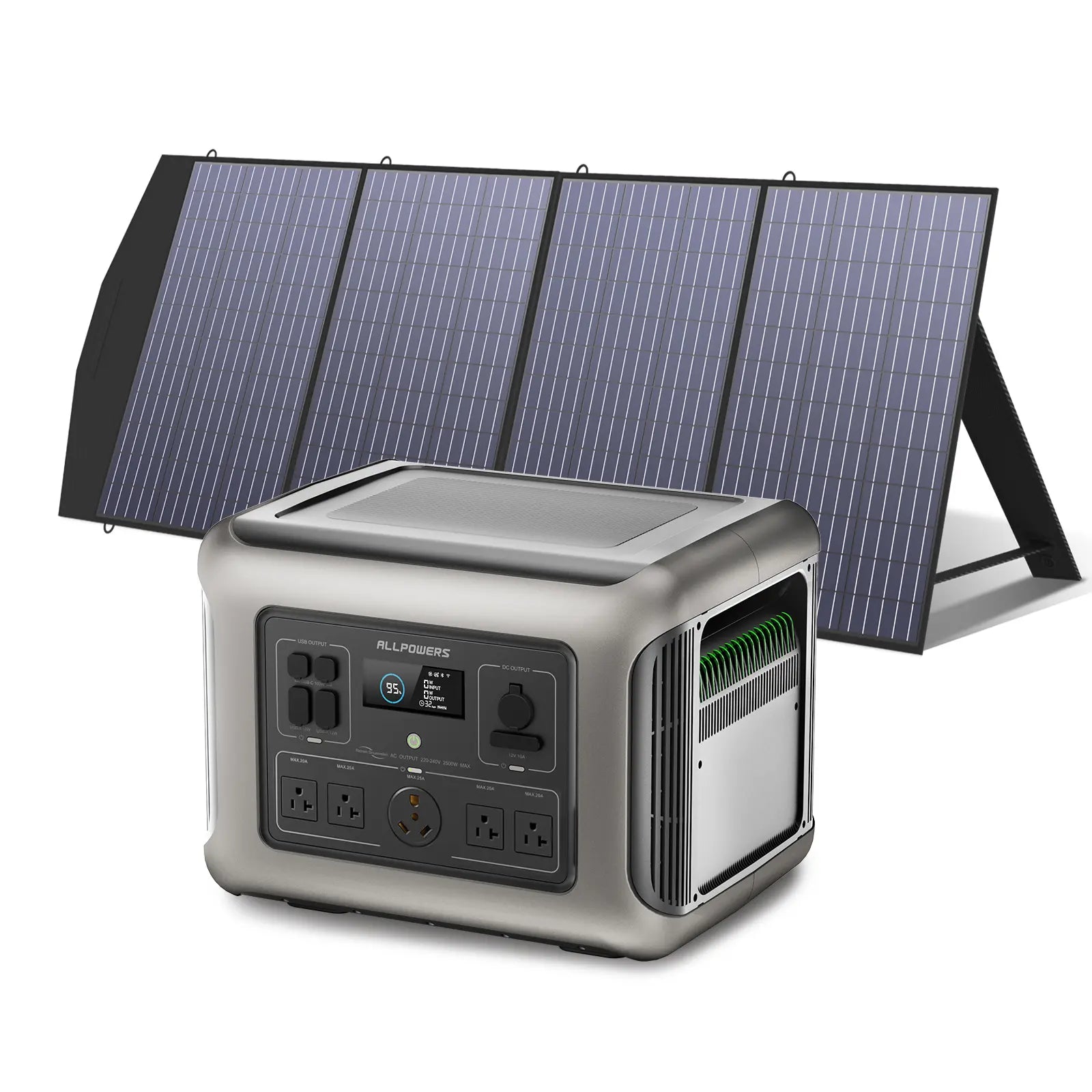
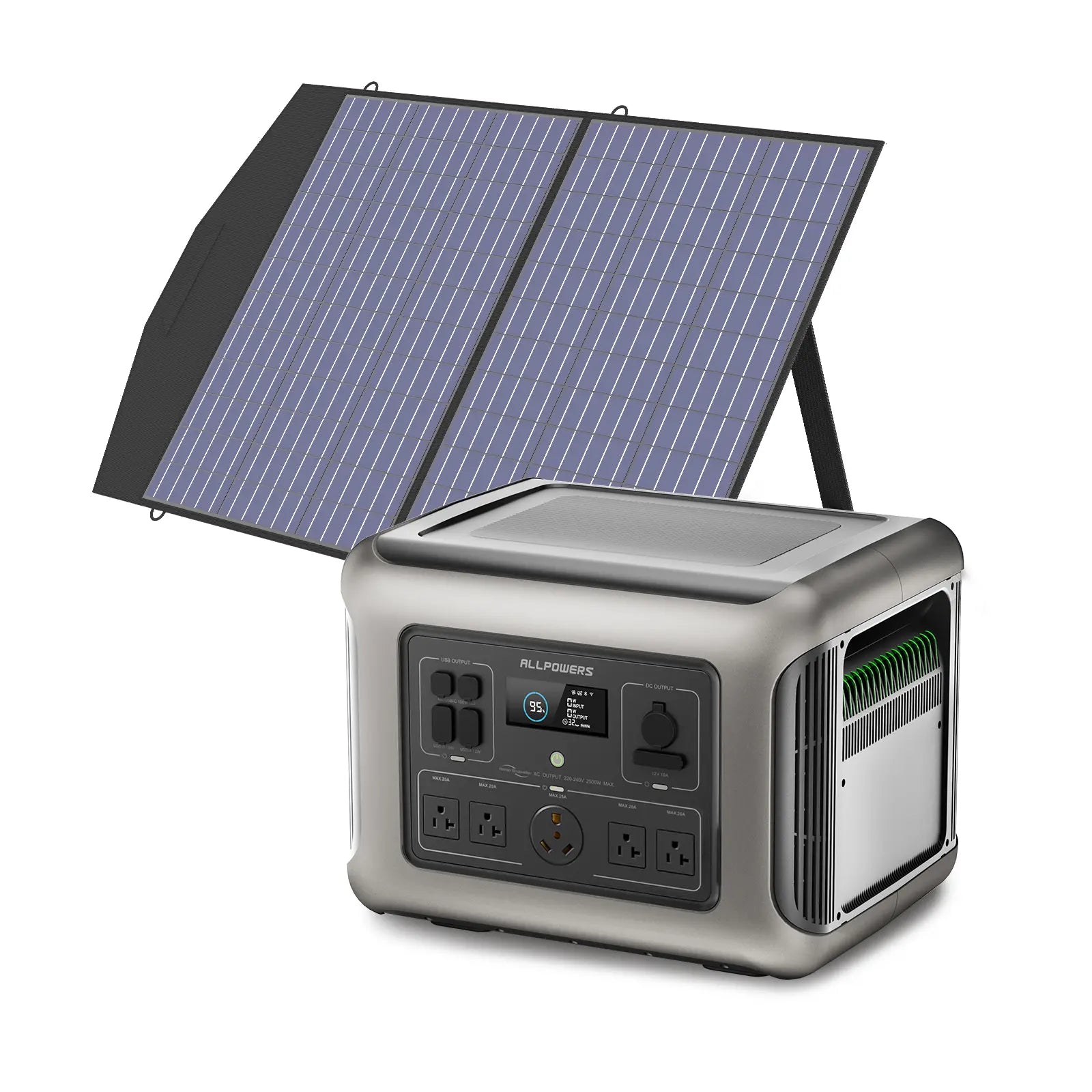
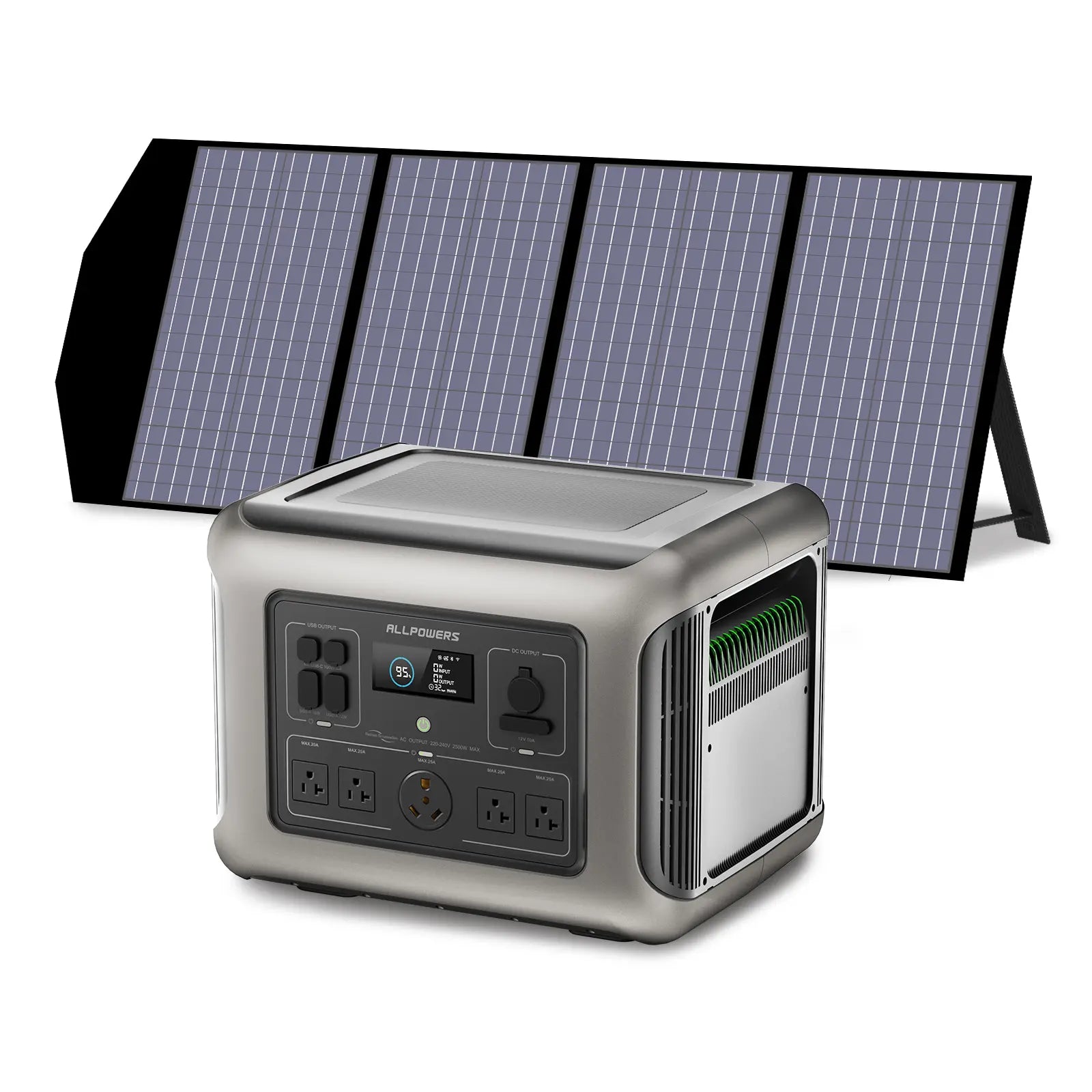
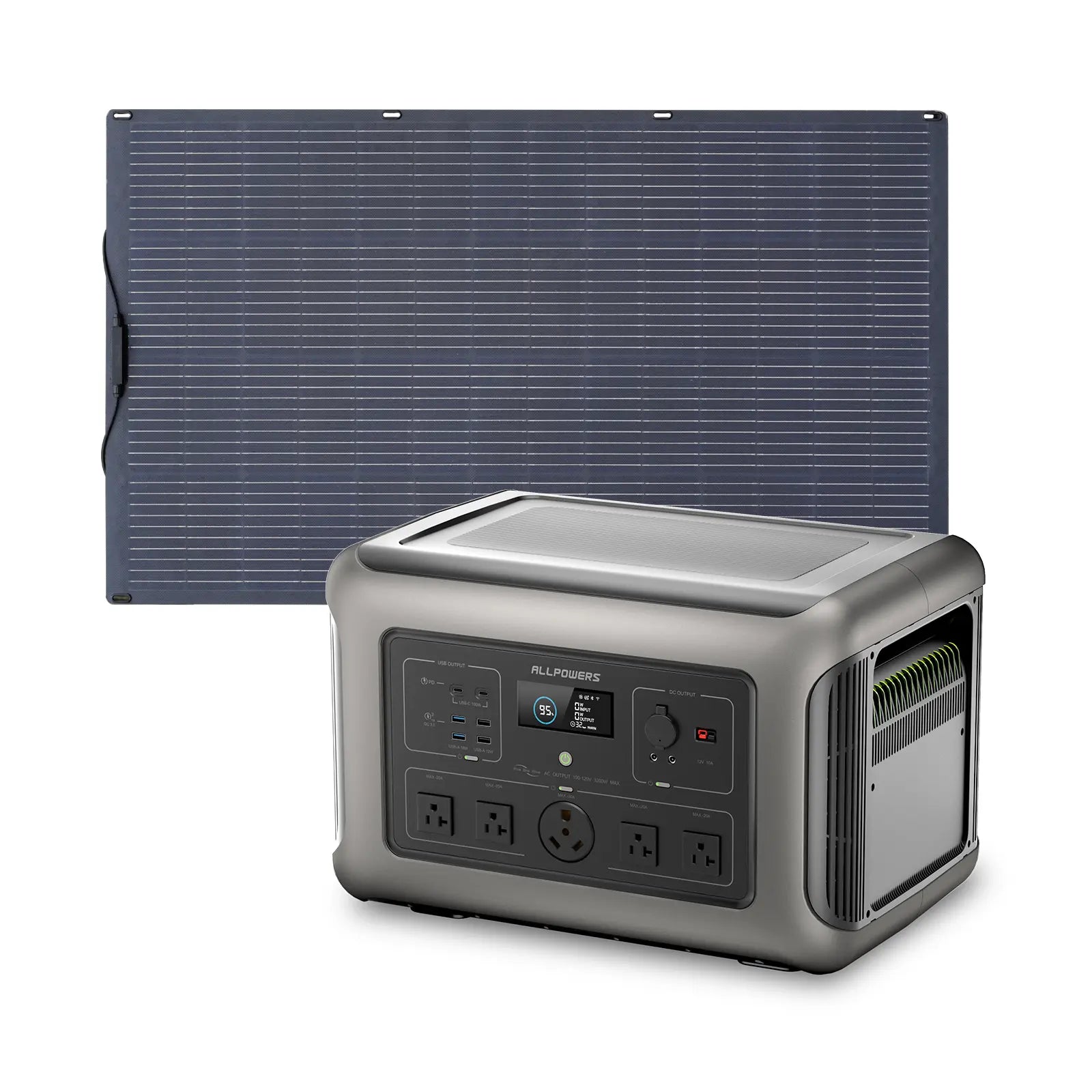
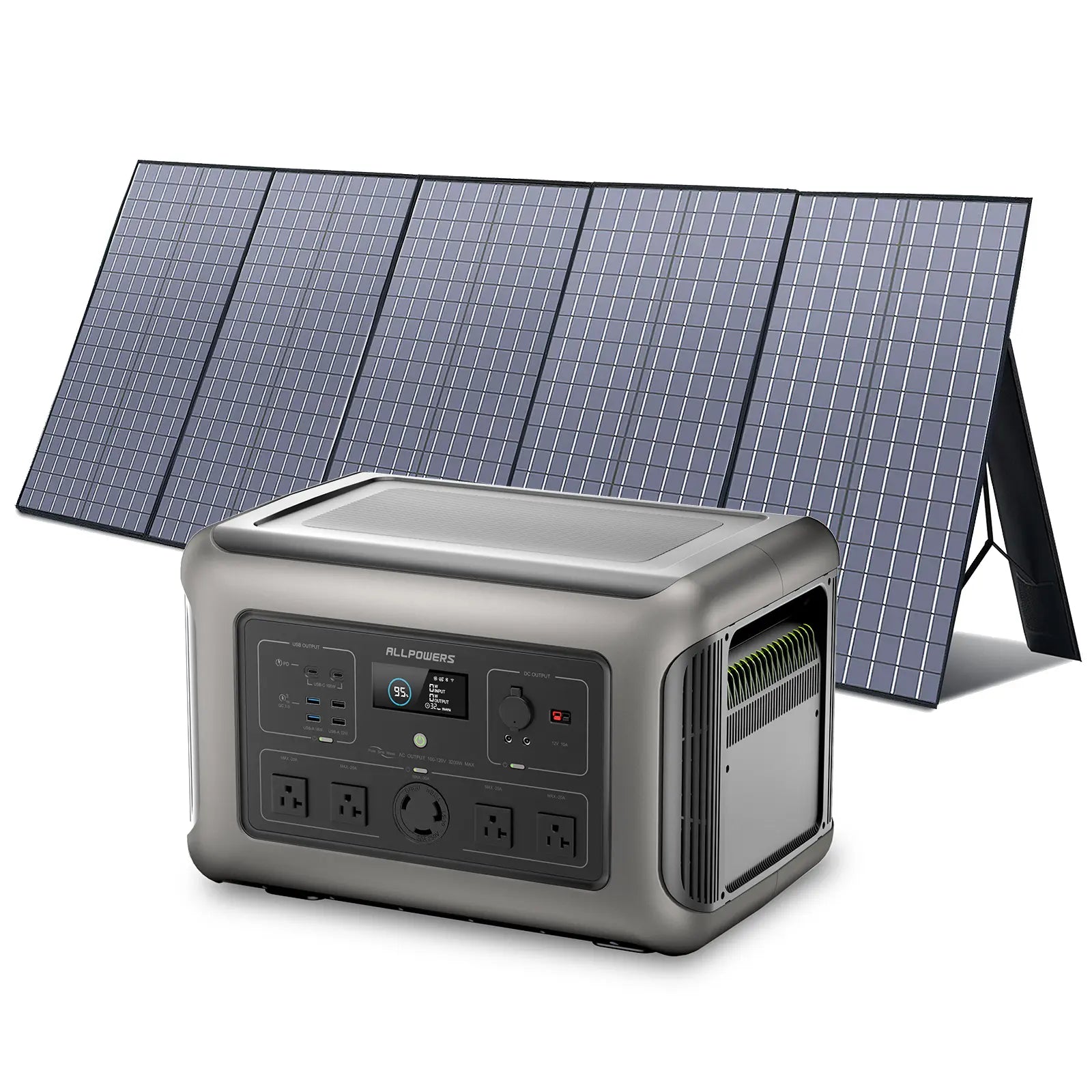
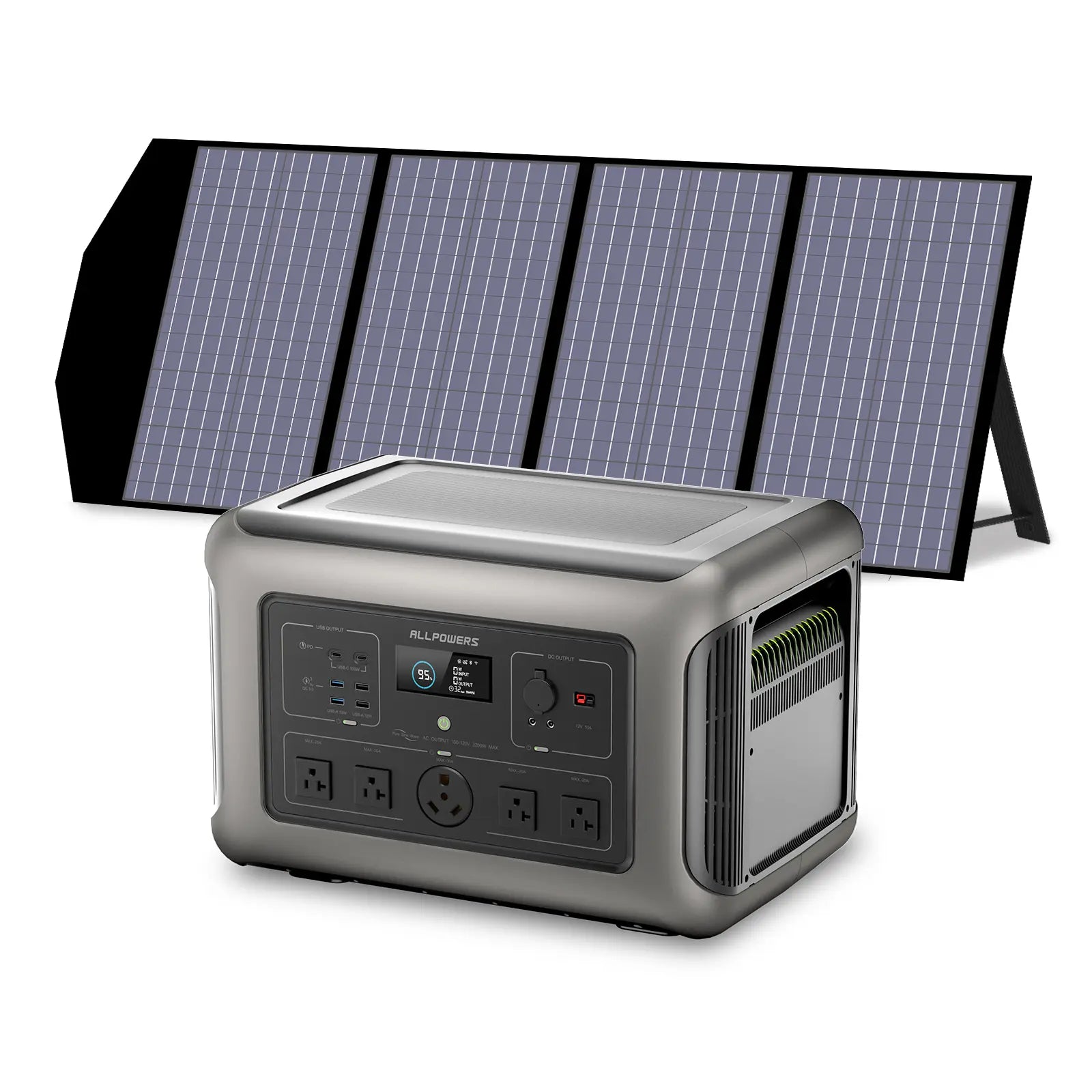
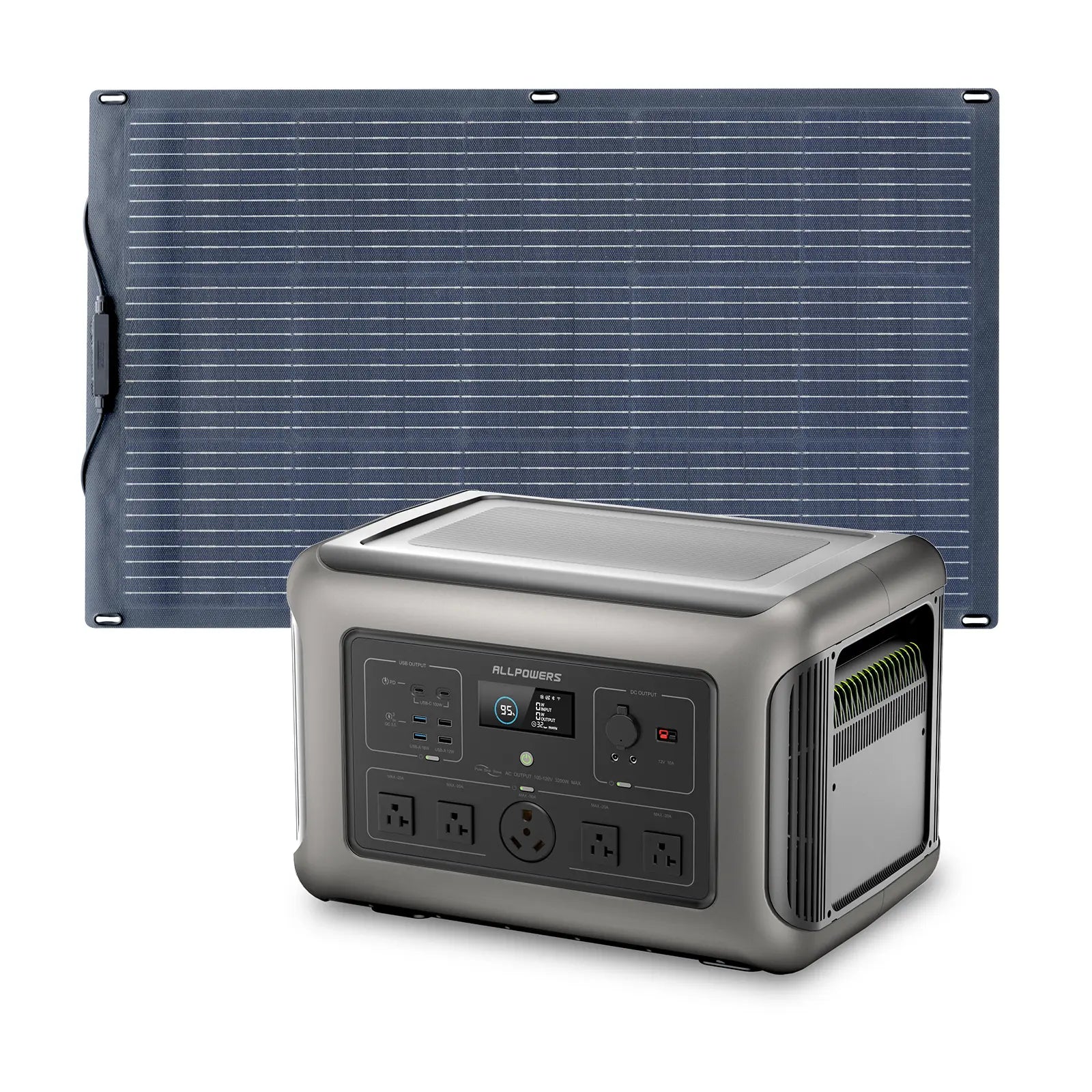
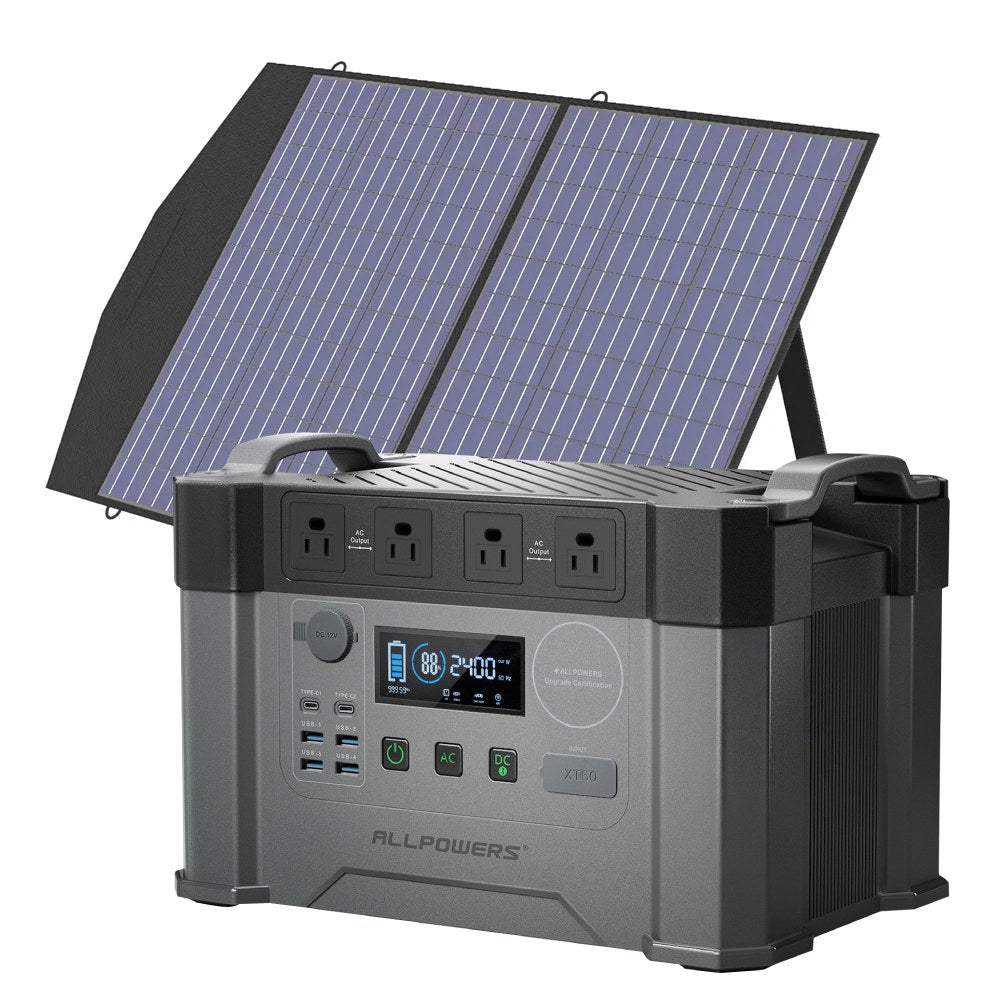
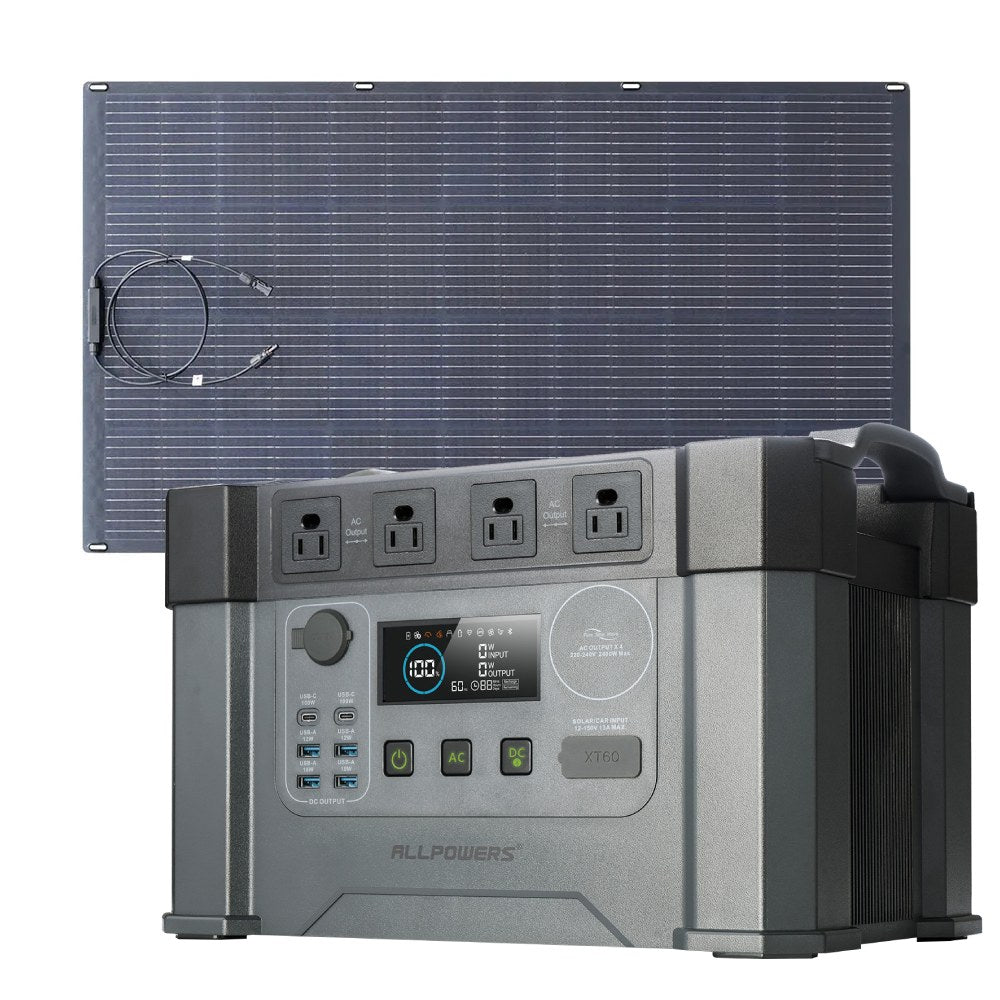
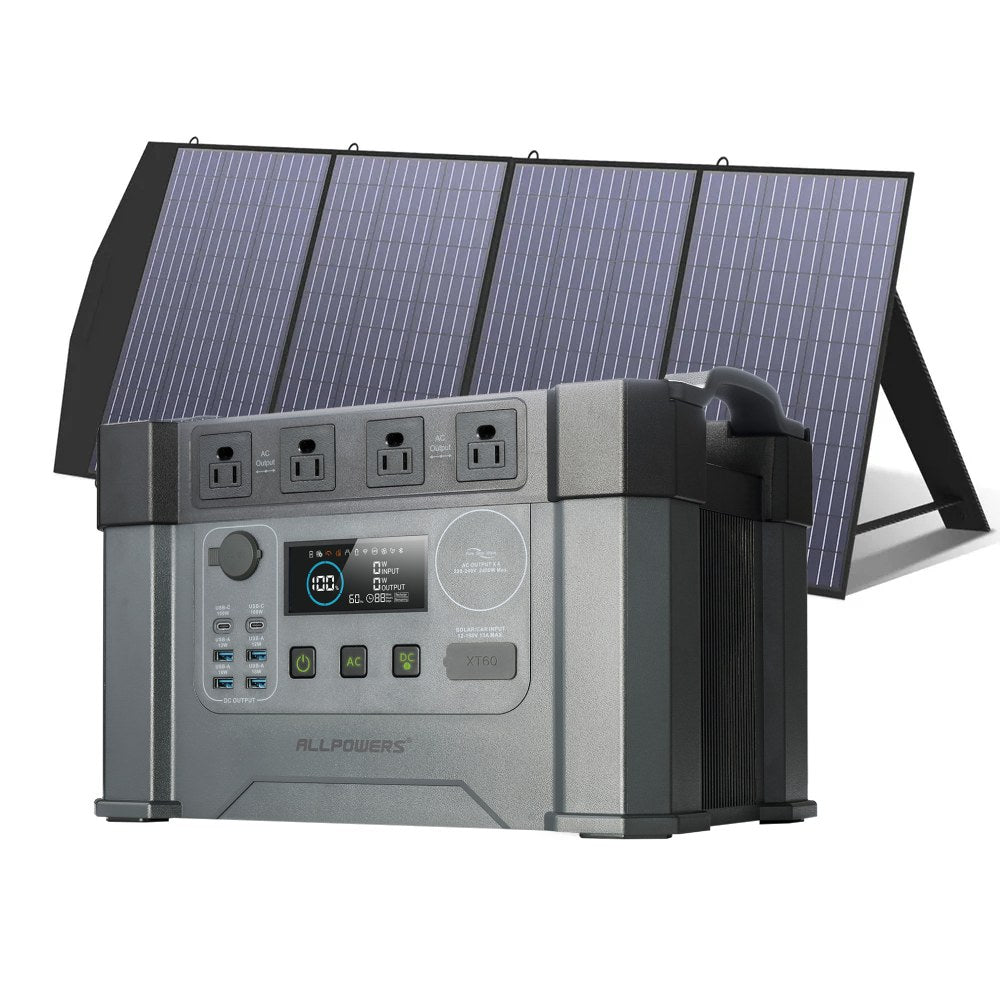
ALLPOWERS S2000 Pro + SP027
$710.00 $1,299.00
- 1450Wh Capacity + 100W Soalr Input;
- 2400W AC Output (4000W Surge);
- Fast Charge 100% in 1.6 Hours;
- 500W Max MPPT. Solar Input;
- Power 99% of Electrical Appliances;
Mid-size RVs
Now, once you step into 25- to 35-foot travel trailers or smaller fifth wheels, things change.
A single 15,000 BTU air conditioner alone can push your needs into the 3,000–3,500 watt territory.
Add microwave use while the AC runs, and you’ll want headroom—maybe 4,000 watts or more.
But here’s the mild contradiction. You don’t necessarily need to power everything at once.
Many experienced RVers practice load management. They switch off the AC briefly to use the microwave.
They avoid running high-draw appliances simultaneously. It’s not inconvenient; it becomes second nature after a few trips.
Generators in the 3,500 to 4,500 watt range often hit a sweet spot for mid-size RVs. They offer enough cushion for comfort without crossing into commercial-level bulk.
Large fifth wheels and motorhomes
If your RV feels more like a condo on wheels—with dual AC units, washer-dryer combos, and residential refrigerators—you’re likely looking at 5,000 watts and up.
Some Class A motorhomes come factory-equipped with built-in generators rated between 5,500 and 8,000 watts. Those are designed for full simultaneous loads, including multiple air conditioners.
However, larger capacity means heavier weight, higher fuel consumption, and more noise. And noise matters. Especially if you’re camping near others.
National parks and campgrounds often enforce quiet hours, and no one enjoys the constant drone of an oversized gas generator echoing through pine trees.
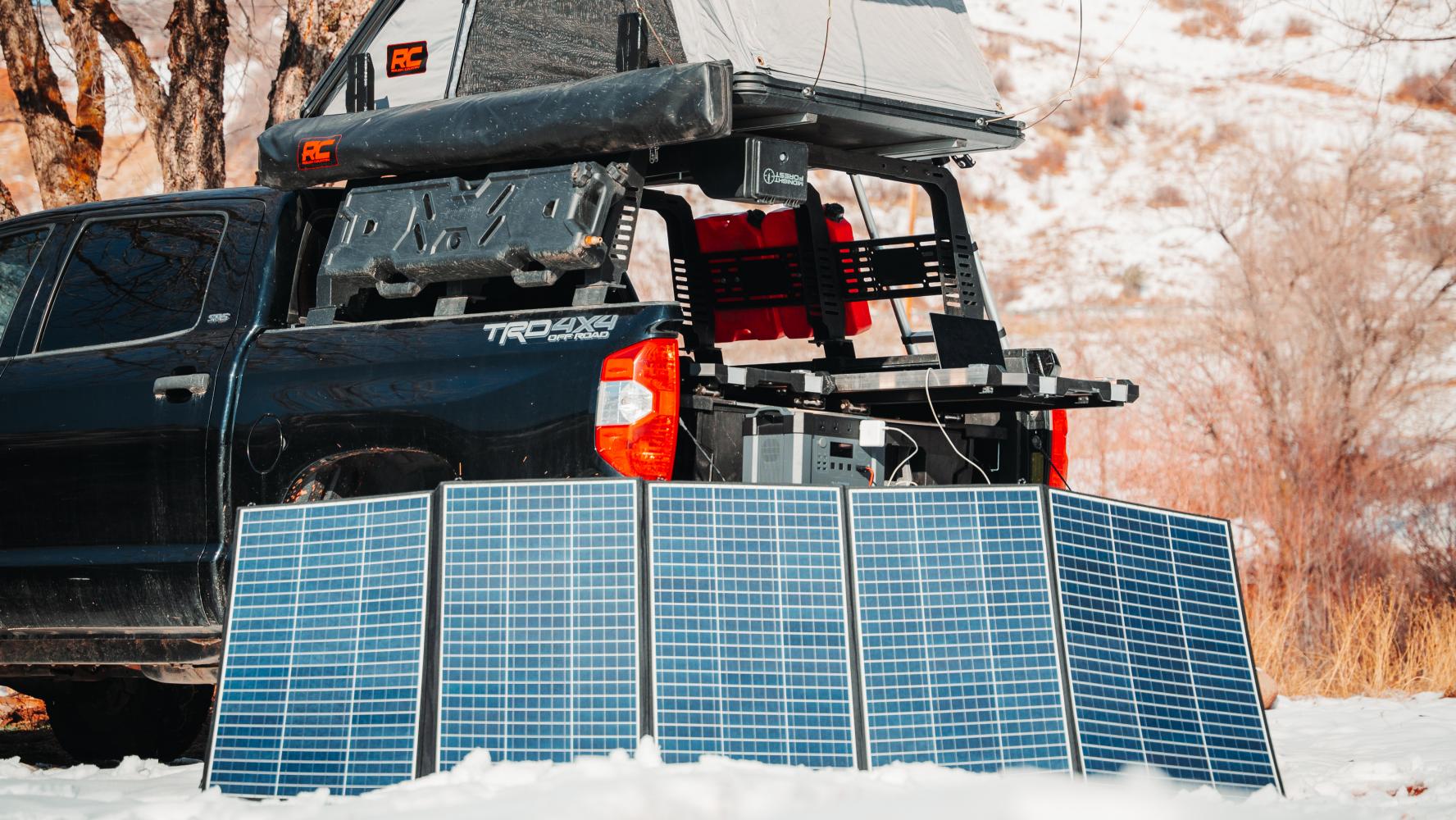
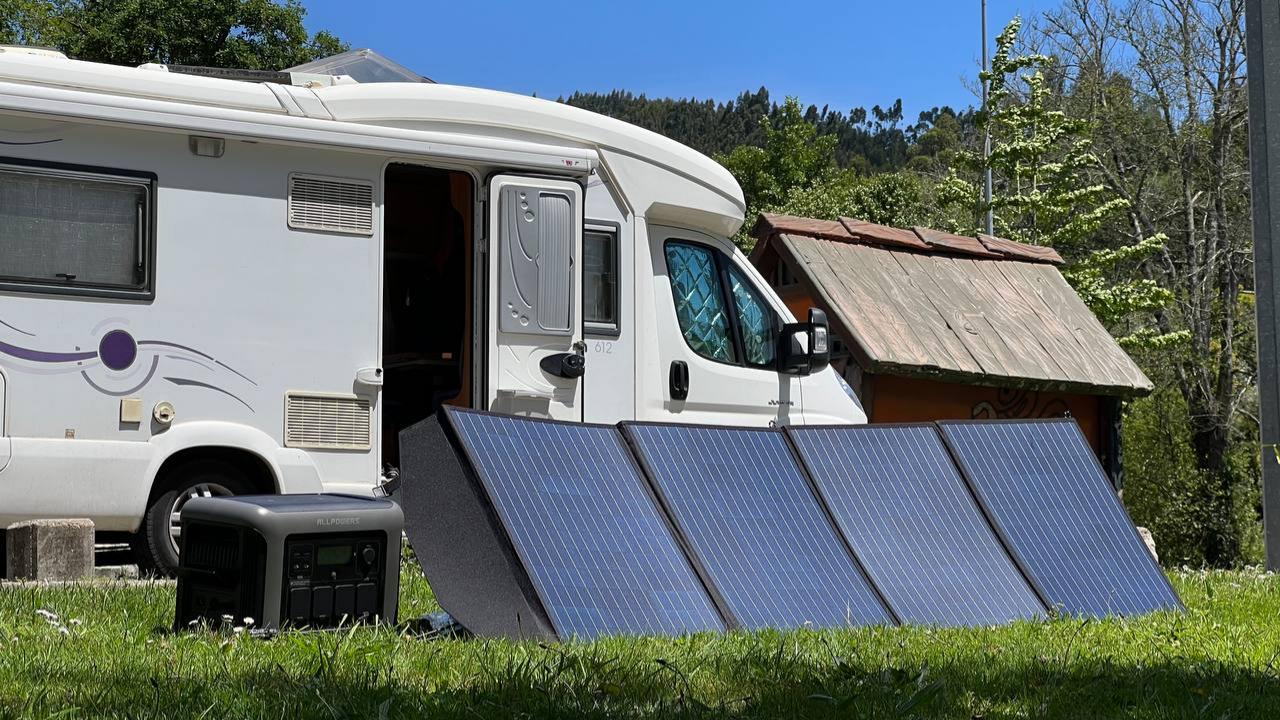
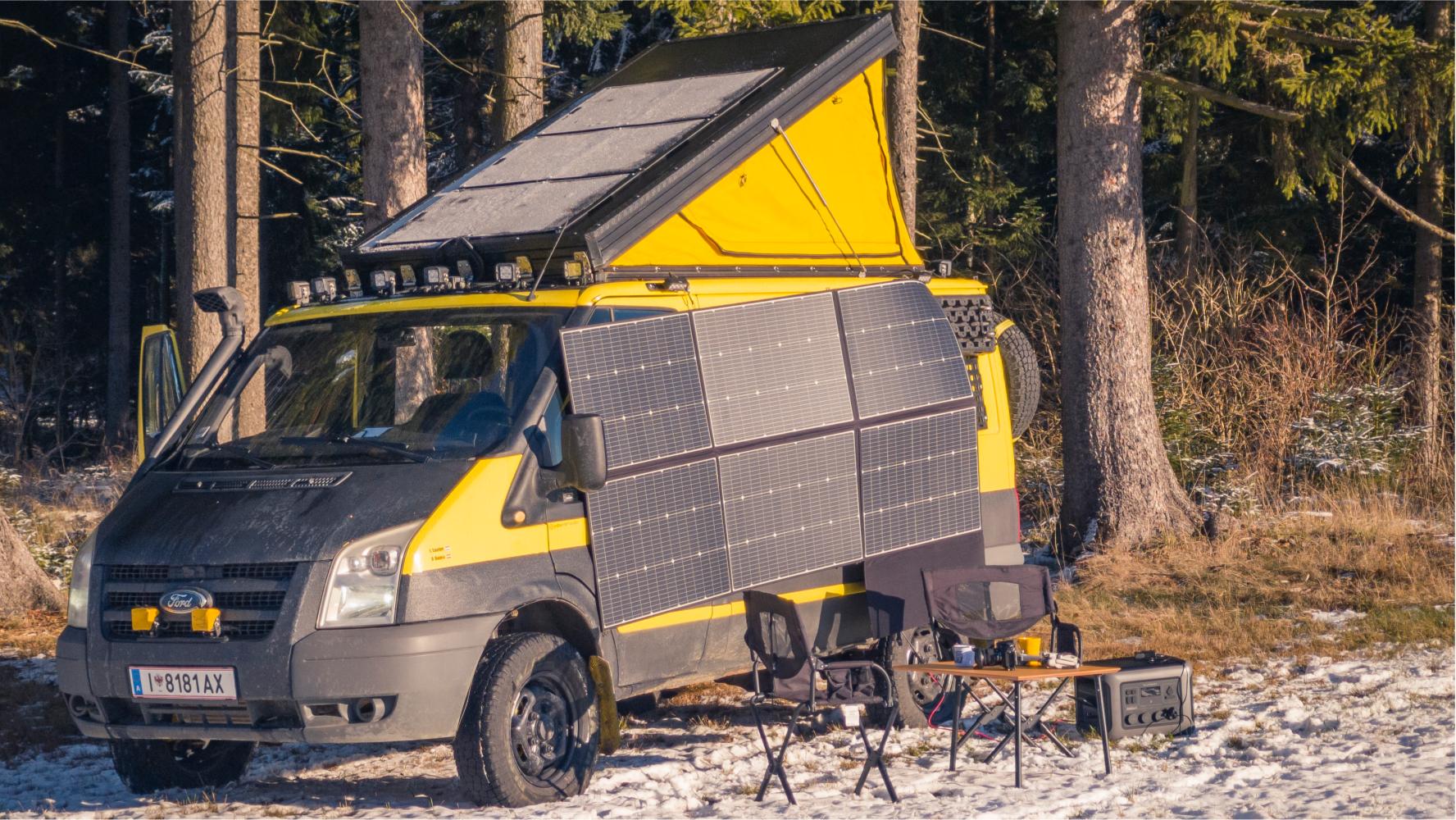
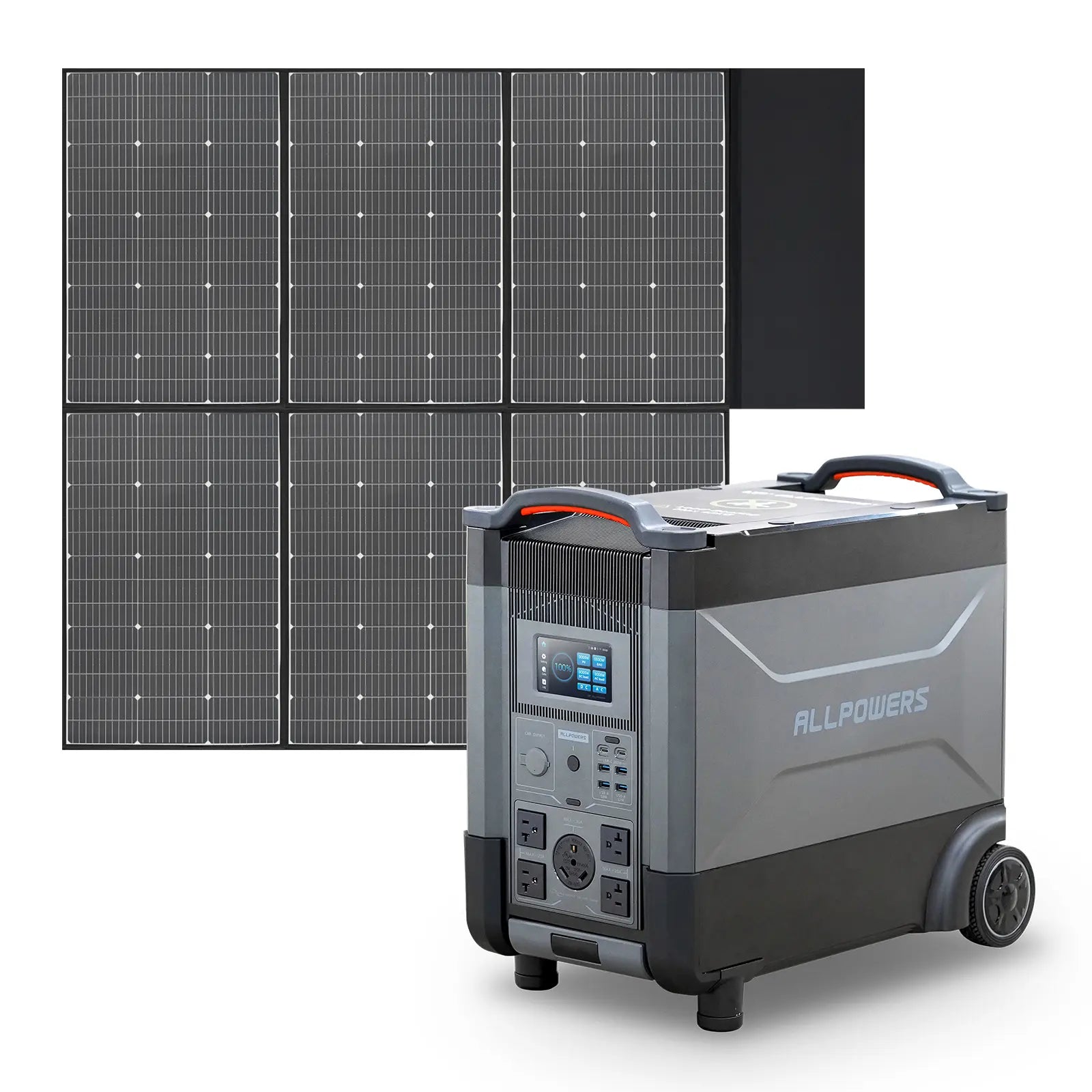
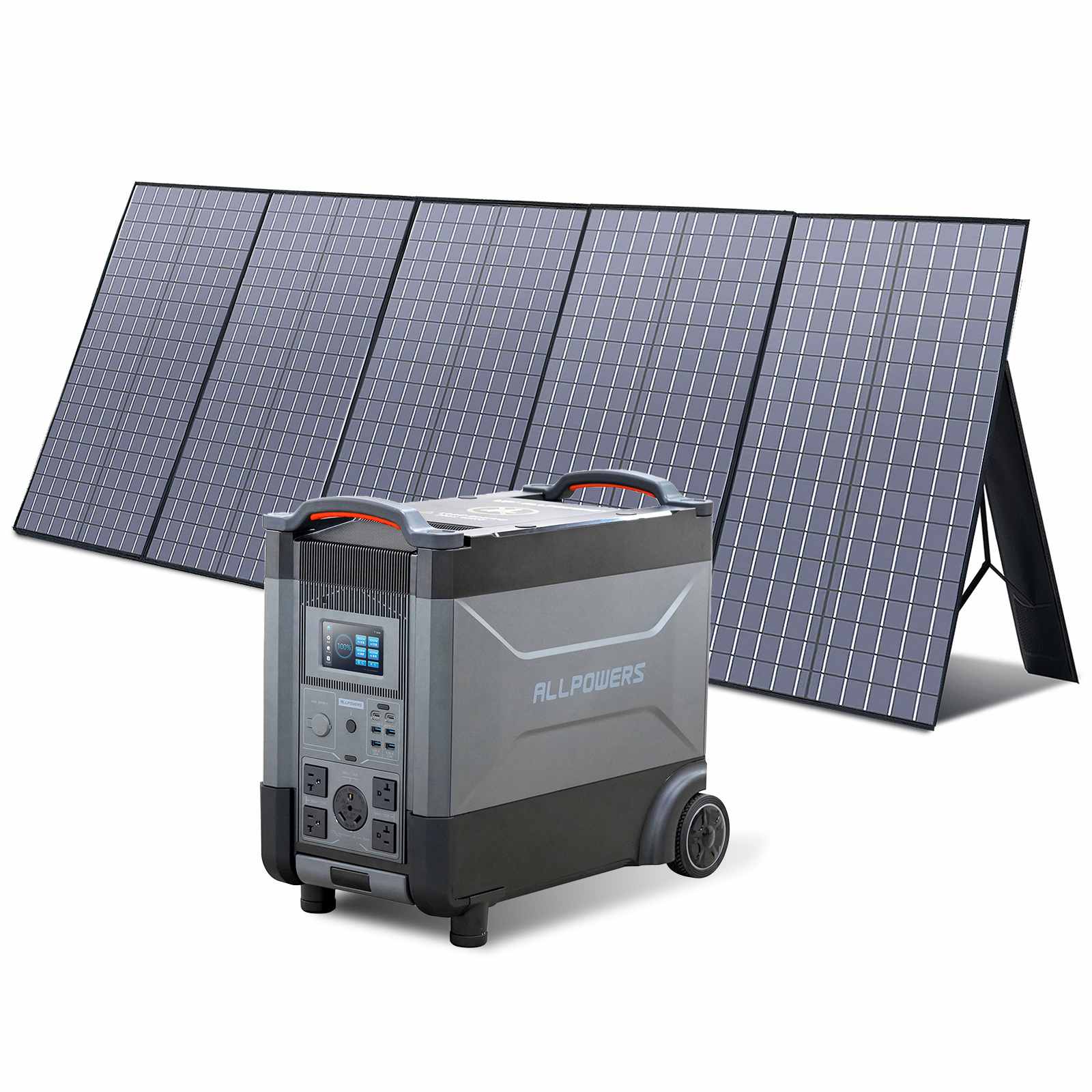
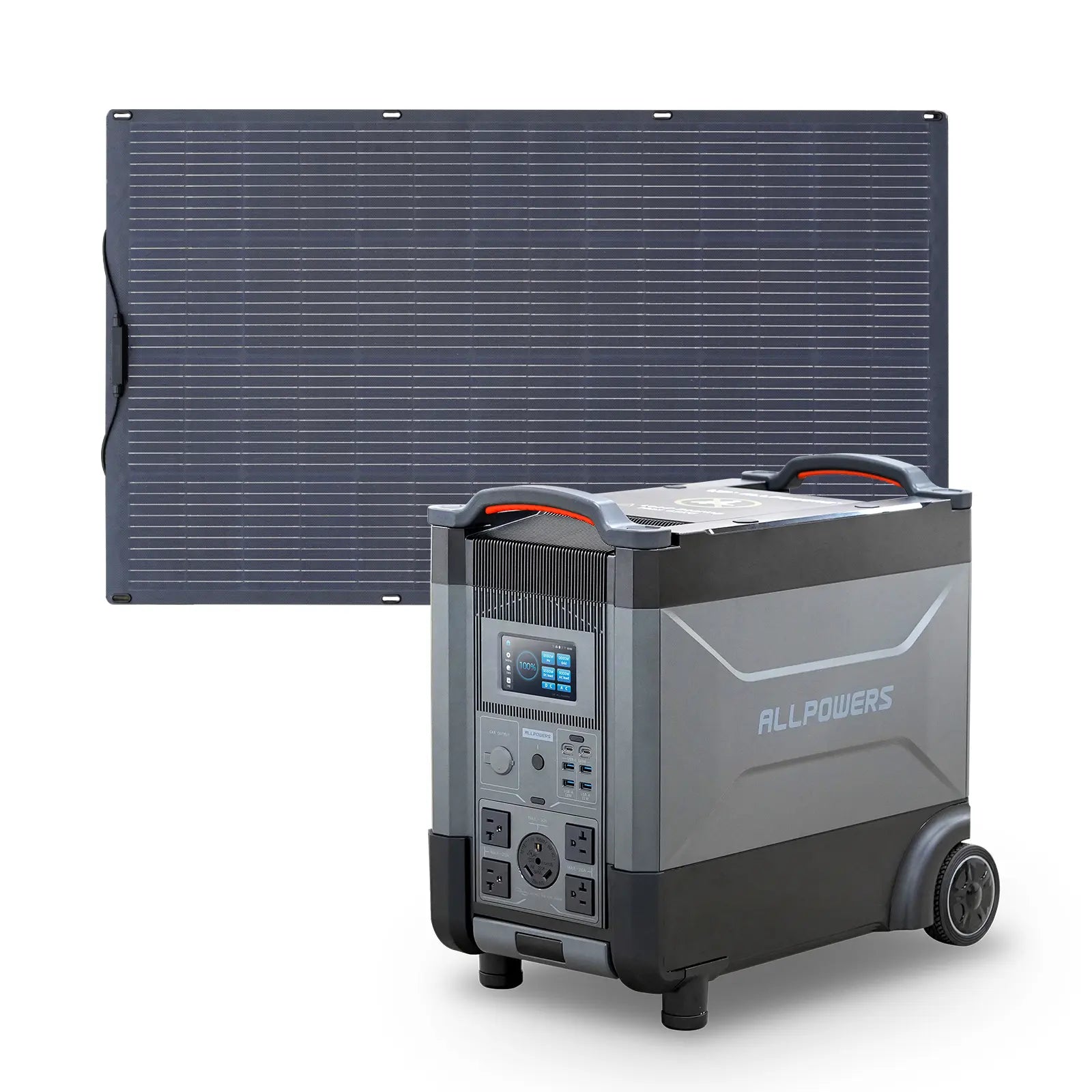
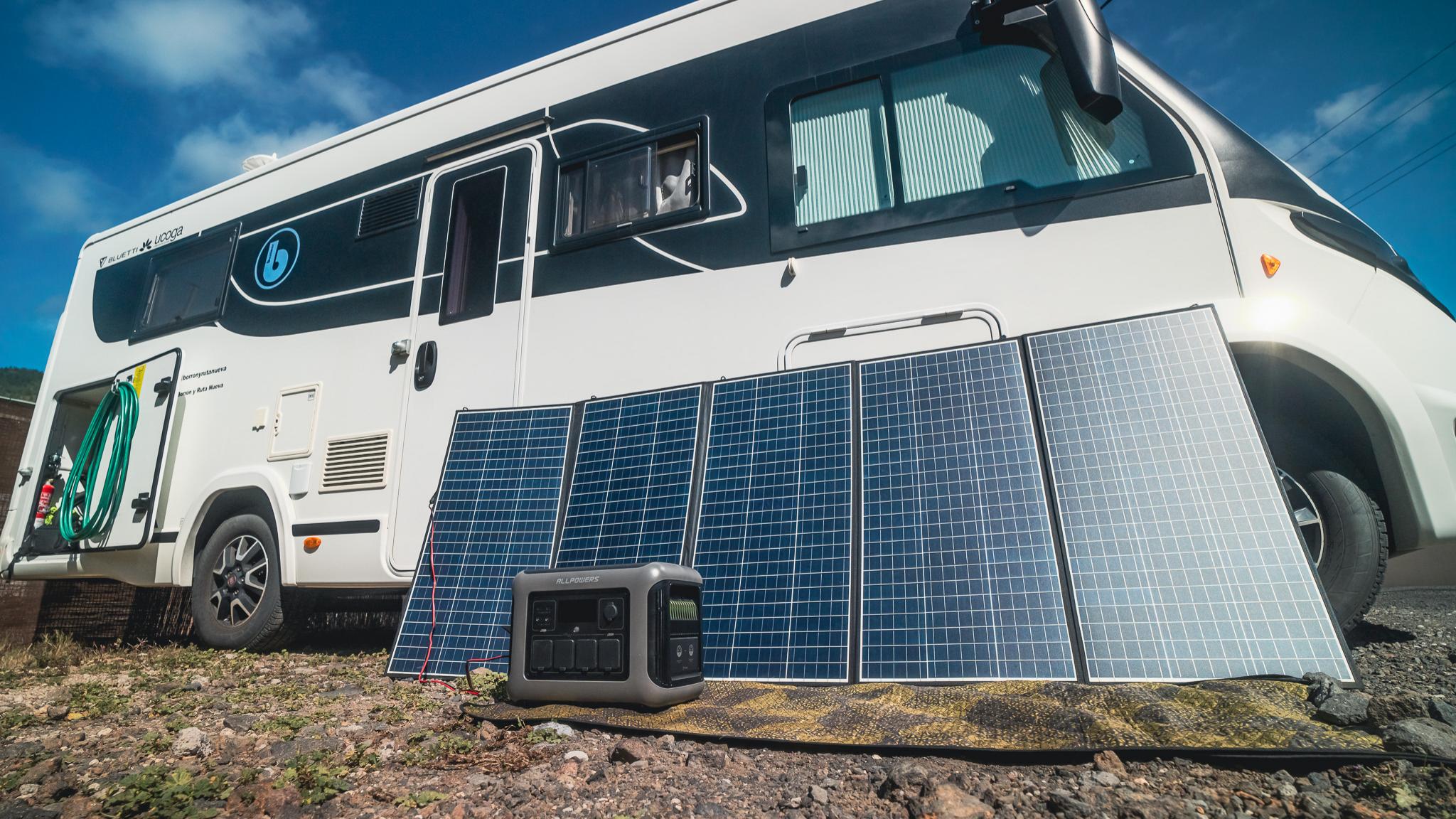
This is why many owners of larger rigs are now integrating a high-capacity solar generator into their setup.
By offloading those constant, smaller draws to a solar setup, they can keep the cabin quiet and comfortable without firing up the big internal combustion unit for every minor power need.
Seasonal camping patterns influence generator choice.
Your camping calendar matters.
If you chase mild weather and rarely run AC, your power needs shrink dramatically.
In that case, a compact 2,000–3,000 watt solution—whether fuel-based or battery-based—can handle most tasks comfortably.
If you’re a snowbird relying on electric space heaters, or a desert camper blasting AC nonstop, you’ll need more headroom.
Electric heaters can draw 1,500 watts each. Two heaters and an AC? Now we’re talking serious capacity.
So when calculating your generator size, think about when and where you camp most. One-size-fits-all rarely fits.
30-amp and 50-amp RVs operate in different power leagues
Here’s a detail that often gets overlooked.
A 30-amp RV running at 120 volts has a maximum theoretical draw of 3,600 watts (30 amps × 120 volts). That’s your hard ceiling.
Even if you buy an 8,000-watt generator, your 30-amp RV can’t use more than 3,600 watts at once without tripping its main breaker.
A 50-amp RV is different. It actually provides two 50-amp legs at 120 volts, effectively allowing up to 12,000 watts total.
That’s why large fifth wheels can run dual AC units, residential refrigerators, and more.
So your generator choice should match not just appliances—but your RV’s electrical service. It’s a small technical detail, yet it shapes everything.
Learn More: What Size Generator Is Needed for a 30 Amp RV?
Calculating Your Personal Wattage Requirement
Let’s get practical.
Walk through your RV and note the wattage label on each appliance.
If AC is essential, check its running and starting watts.
Add your converter, fridge, and maybe one high-draw appliance like a microwave.
Don’t stack every appliance unless you truly plan to run them simultaneously.
Then add a buffer. Ten to twenty percent is reasonable.
Generators running constantly at 100% load wear faster and consume more fuel.
Giving your system breathing room increases longevity.
Notice how I’m not shouting one universal number? That’s because there isn’t one.
Conclusion
So what size generator do you need for your RV? Honestly, the answer isn’t one number. It’s a range shaped by behavior.
If you’re like most RV owners, a 2,000-watt unit covers minimalist setups, 3,500–4,000 watts suits single-AC travel trailers, and 5,000 watts or more supports larger, power-hungry rigs.
The smart move is thinking long-term and choosing a setup that fits not just your RV, but your style of travel.