







When you start looking at power solutions, the 3500-watt mark is often the "sweet spot" people land on.
It’s not a tiny tabletop model that struggles to keep a few lights on, but it’s also not a lumbering 10,000-watt beast that demands its own trailer.
The real question, though, is this: with 3500 watts at your disposal, what can you actually run without tripping breakers or frying circuits?
TL;DR:
A 3500-watt generator can comfortably run most household essentials and common outdoor gear—think refrigerators, lights, TVs, power tools, and even a small air conditioner—but not all at the same time.
Household Essentials
Let’s start small, literally. Lighting is one of the simplest demands.
LED bulbs, even if you string up a dozen in your living room, won’t make a dent in your 3500 watt generator’s capacity.
You could technically power every lamp in a typical home for weeks without stressing the unit.
Next up, kitchen appliances. A microwave, for instance, averages around 1000 watts.
If your microwave is the only thing running, you’re well under the generator’s running capacity.
But add a refrigerator into the mix? That fridge doesn’t just sip power; when it starts, it can spike significantly.
Running both together is fine most of the time, but layering in a coffee maker or toaster could push you dangerously close to the limit.
It’s the classic “just enough to be comfortable” scenario.
You can’t forget about other common essentials, like certain heating devices in winter.
Electric space heaters are notorious for eating watts, sometimes 1,500 watts each, making them one of the fastest ways to hit your limits.
The 3500 watt generator handles these fine—just not in a giant stack with other high-draw devices.
Honestly, planning which devices run together is half the fun and half the survival game during a power outage.
| Appliance | Running Watts | Starting Watts (Surge) |
| Refrigerator/Freezer | 700 | 2200 |
| Microwave (1000W output) | 1500 | 1500 |
| Coffee Maker | 1000 | 1000 |
| Electric Sump Pump (1/2 HP) | 1050 | 2200 |
| Laptop Computer | 250 | 250 |
| LED Light Bulb | 10 | 10 |
Power Tools
Moving away from the home, let’s talk about power tools.
A 3500-watt generator feels right at home on a jobsite or DIY project.
Circular saws, miter saws, drills, and compressors all fall within its comfort zone—again, with timing in mind.
A typical circular saw might draw 1400 watts while cutting, with a higher surge at startup.
Air compressors vary wildly. Small pancake compressors can run around 1000 watts, but they spike hard when refilling the tank.
The mistake people make is assuming continuous draw. Tools cycle. Compressors rest.
That rhythm is what makes a mid-size generator workable. Run one heavy tool at a time, and it feels solid.
Try to power a full crew’s worth of equipment, and frustration sets in fast.
| Tool Type | Running Watts | Starting Watts |
| Circular Saw | 1400W | 2300W |
| Table Saw (10") | 1800W | 4500W (Too High!) |
| Drill (1/2") | 600W | 900W |
| Air Compressor (1 HP) | 1600W | 4000W (Risky) |
Mobile Living
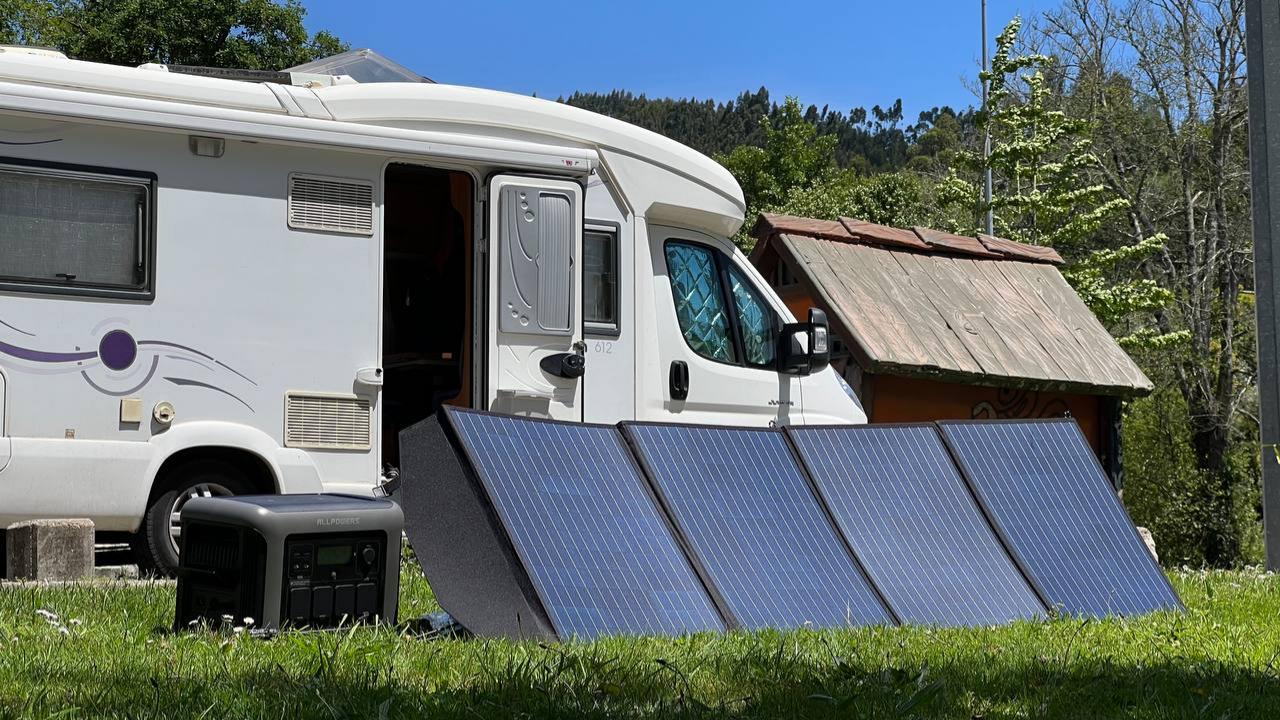
For the RV crowd, 3500 watts is the holy grail.
Most travel trailers come with a 13,500 BTU or 15,000 BTU air conditioner.
These units are notorious power hogs. A 15k BTU AC typically needs about 2800 to 3500 watts just to turn on the compressor.
If you have a "soft start" kit installed on your RV's AC, a 3500-watt generator will handle it with ease, leaving you plenty of overhead for the TV and some LED lights.
Without that soft start, you might see the lights flicker and the generator gasp every time the thermostat clicks.
It’s a bit like trying to sprint while breathing through a straw. You can do it, but you won't enjoy it.
Beyond the AC, you can comfortably run the water heater (on electric mode), the onboard converter to charge your house batteries, and the fans.
Just remember that the microwave and the AC are usually "one or the other" unless you have a very efficient setup.
Water Systems
Well pumps are one of those appliances people forget to calculate until they really need them.
Depending on size, a well pump may draw anywhere from 1000 to 2000 watts when running, with a higher surge at startup.
A 3500-watt generator can usually handle a standard residential well pump, but it might not leave much room for other heavy loads at the same time.
The smart move is staggering usage—pump water first, then run other appliances.
Sump pumps fall into a similar category. They’re essential during storms, and thankfully, most are compatible with this wattage range.
Just be mindful of what else is on when the pump cycles.
Learn More: Can a Portable Power Station Run a Sump Pump?
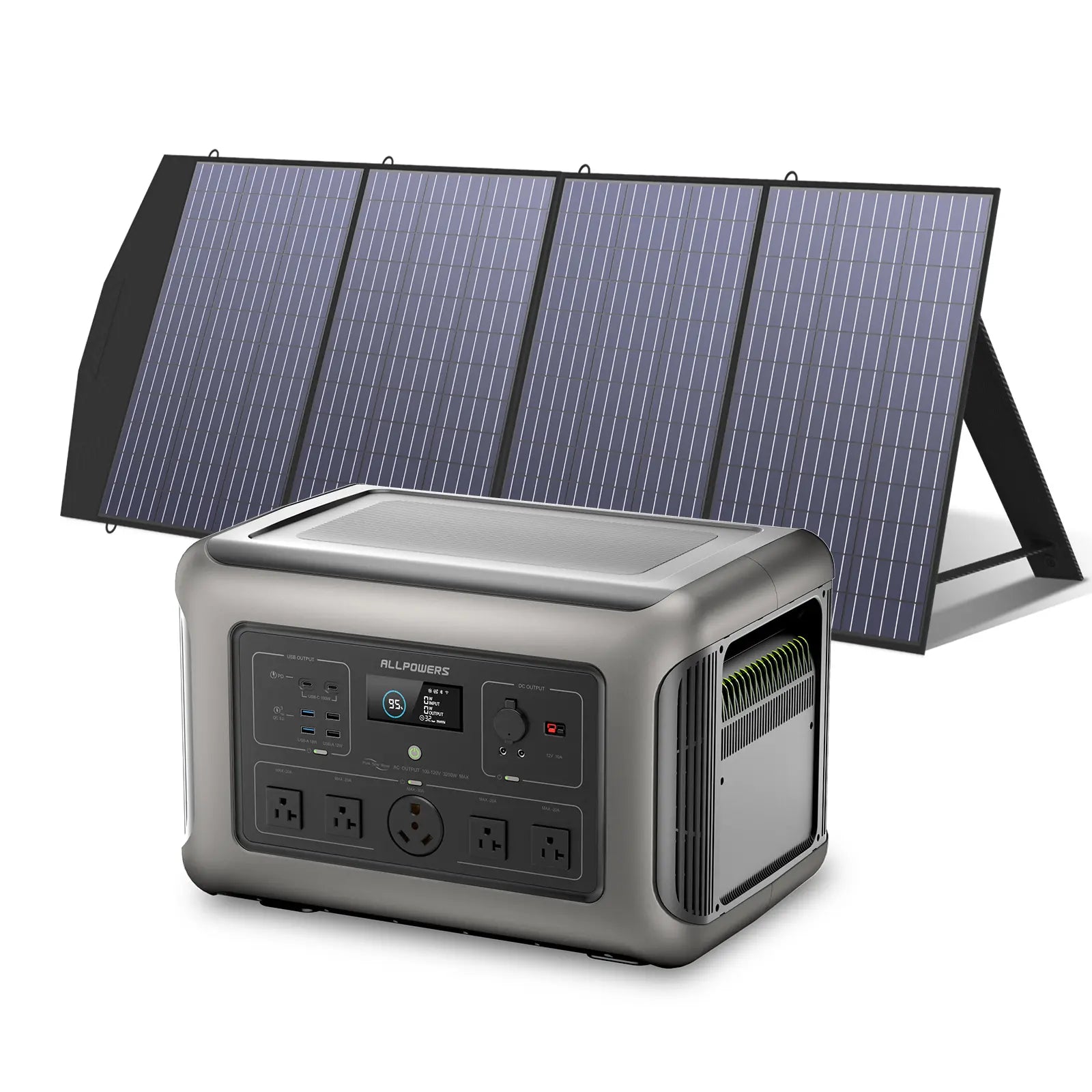
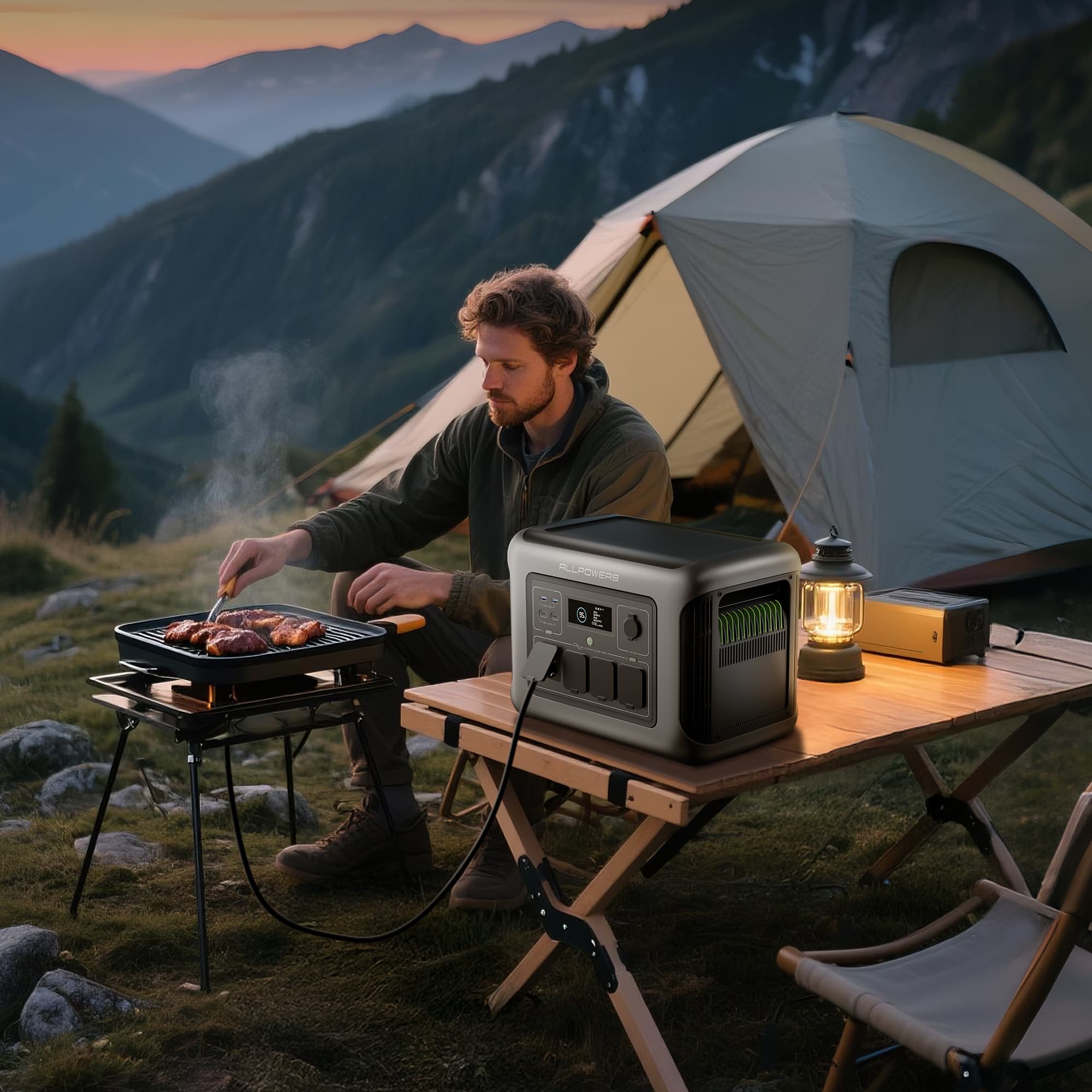
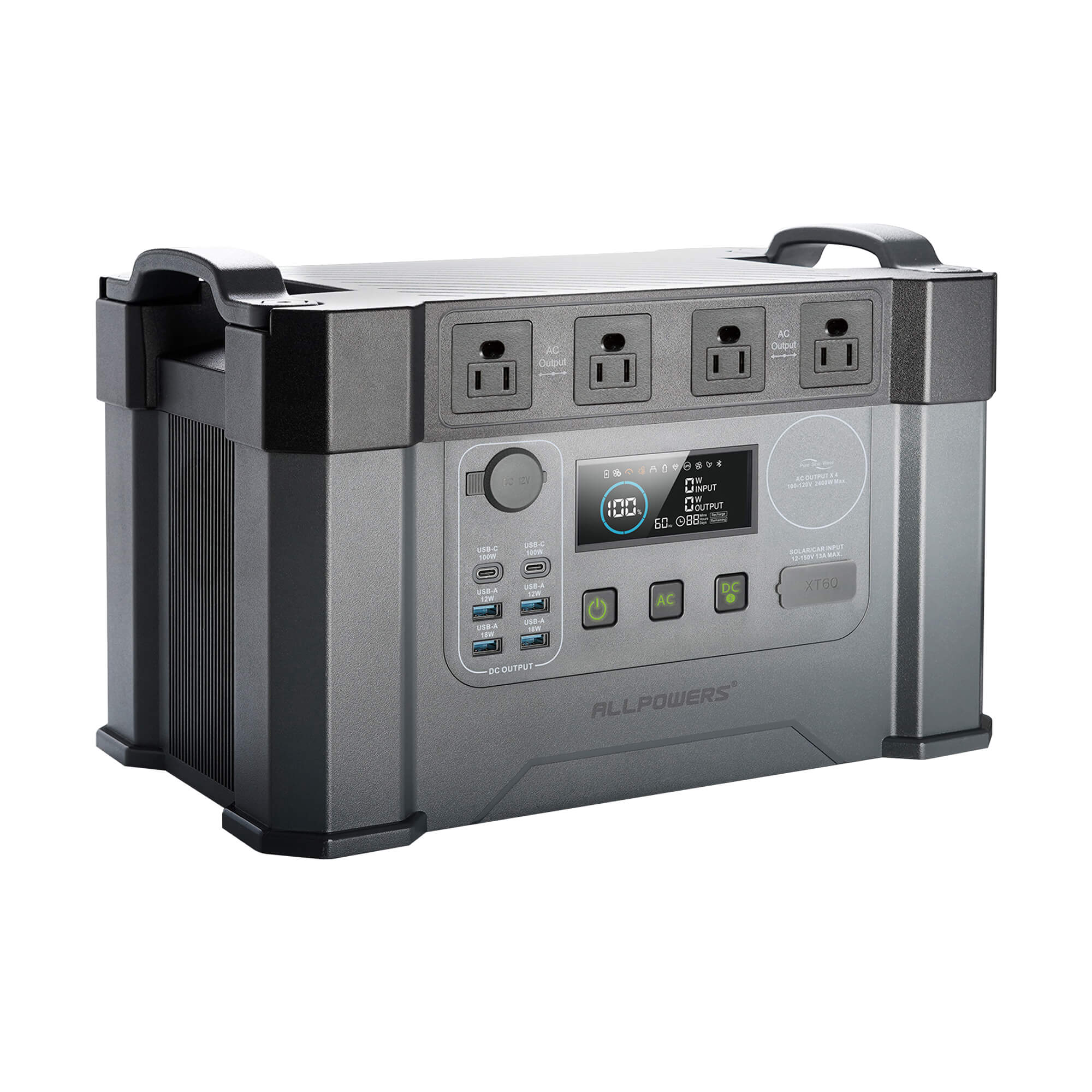
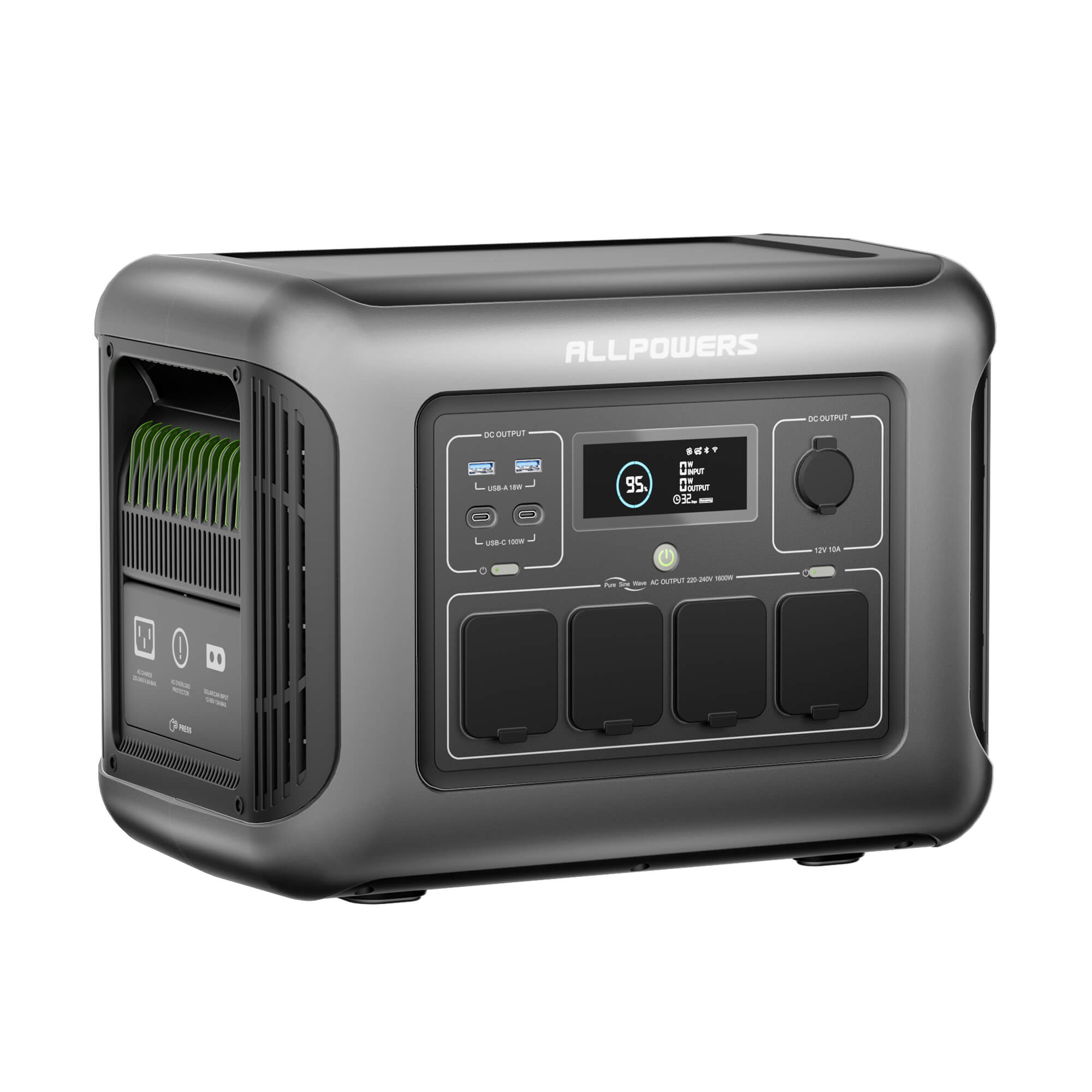
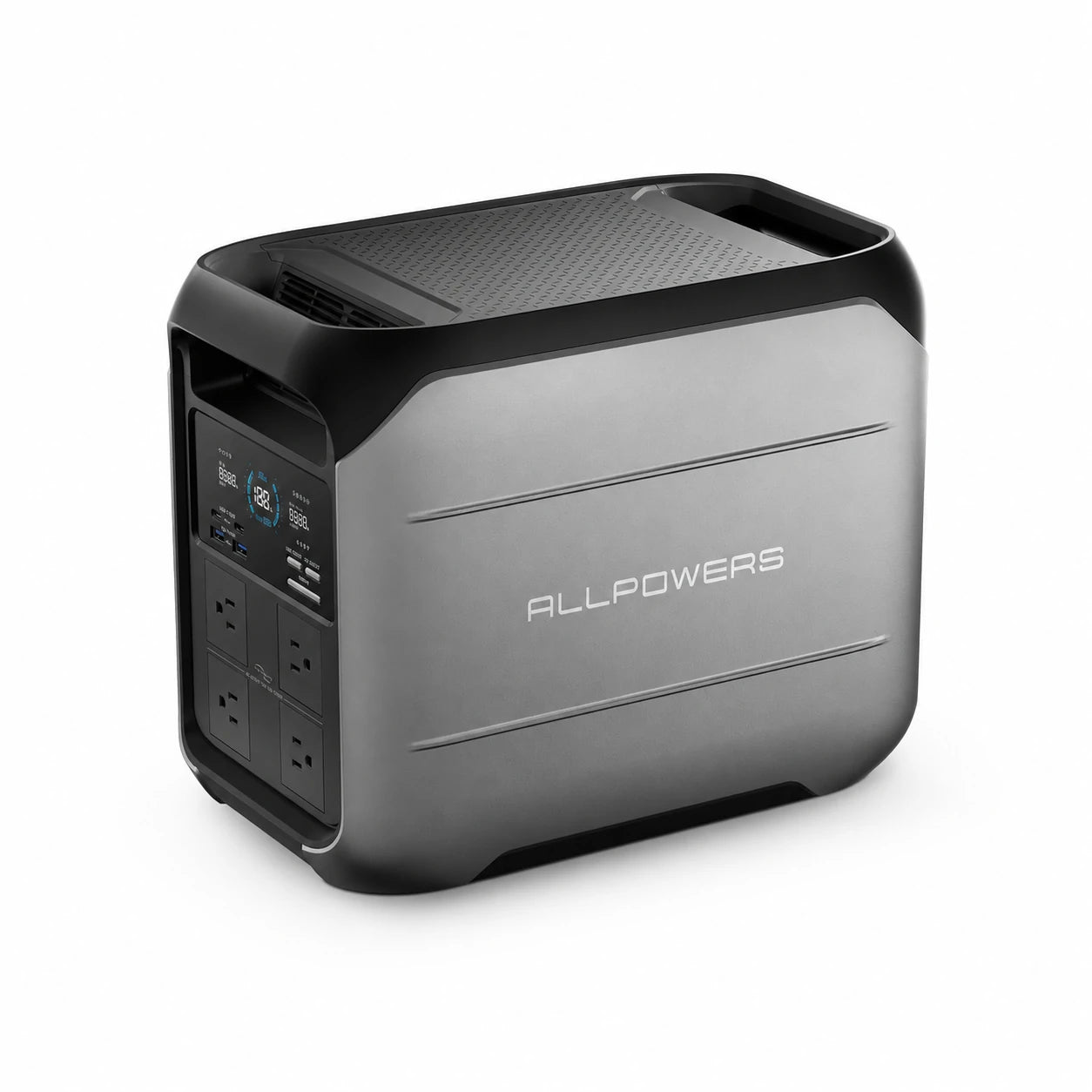
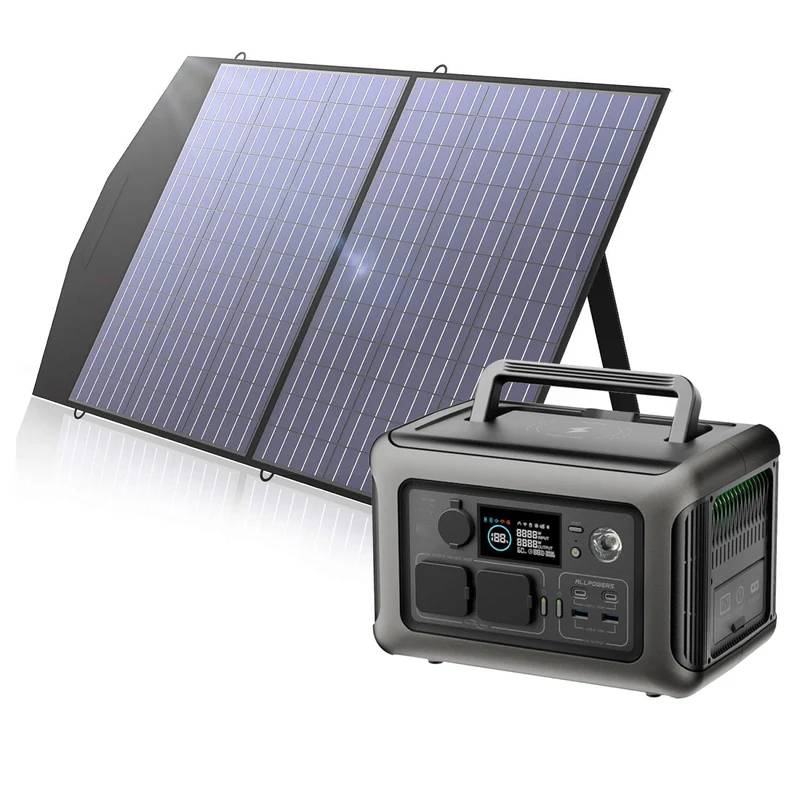
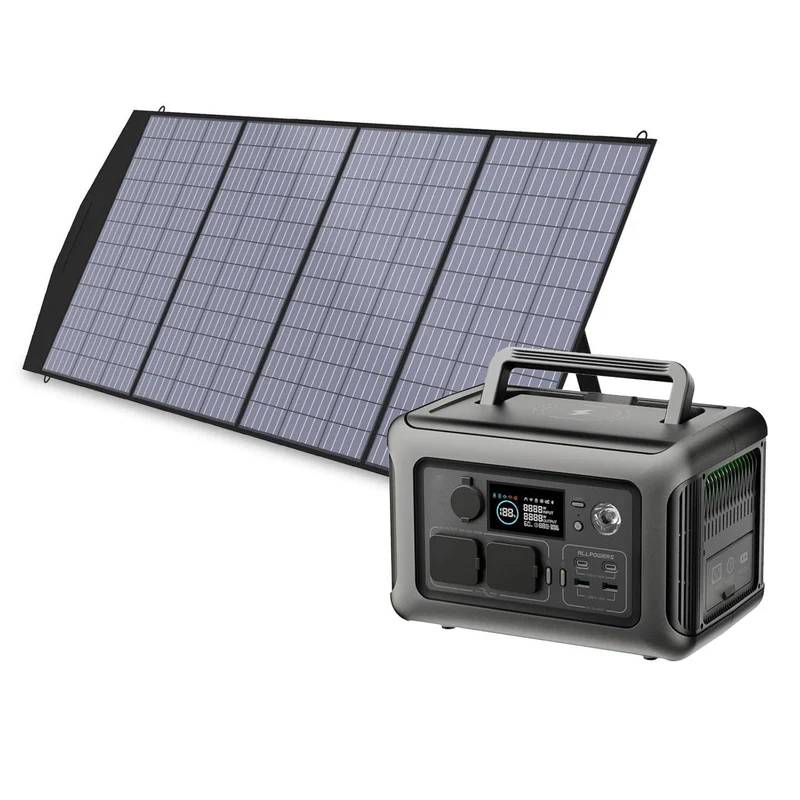
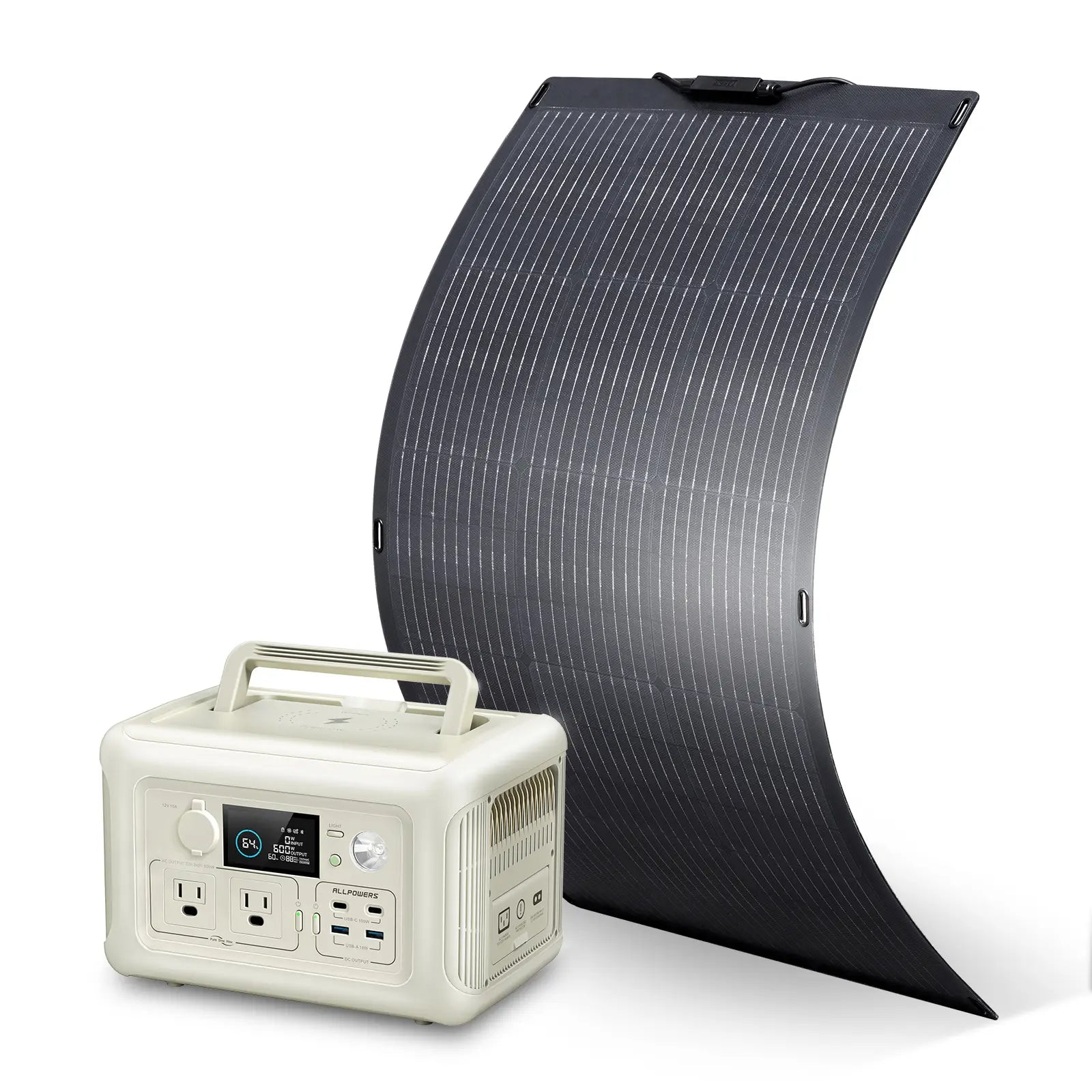
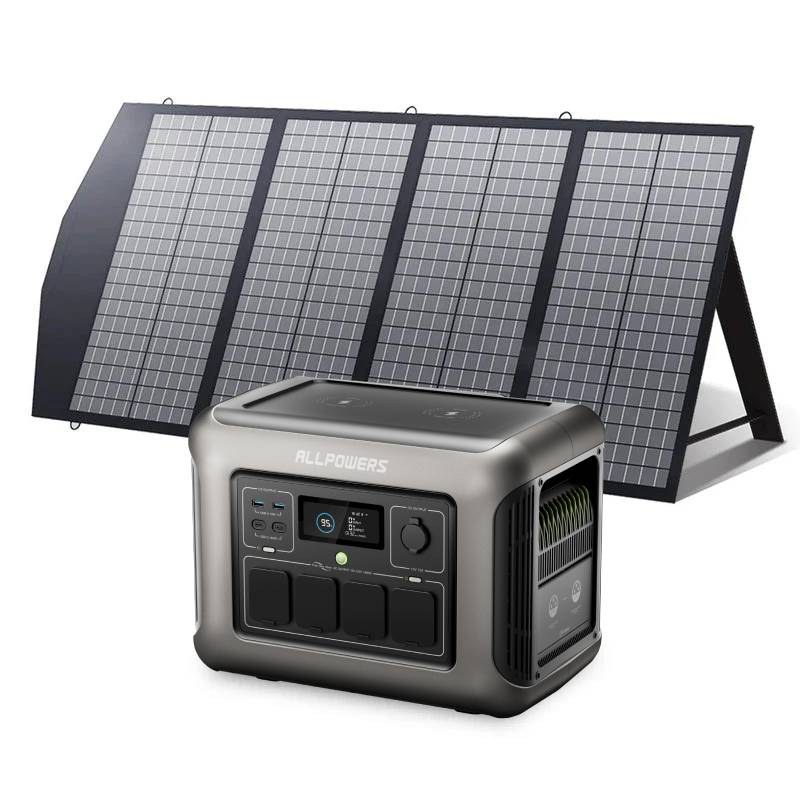
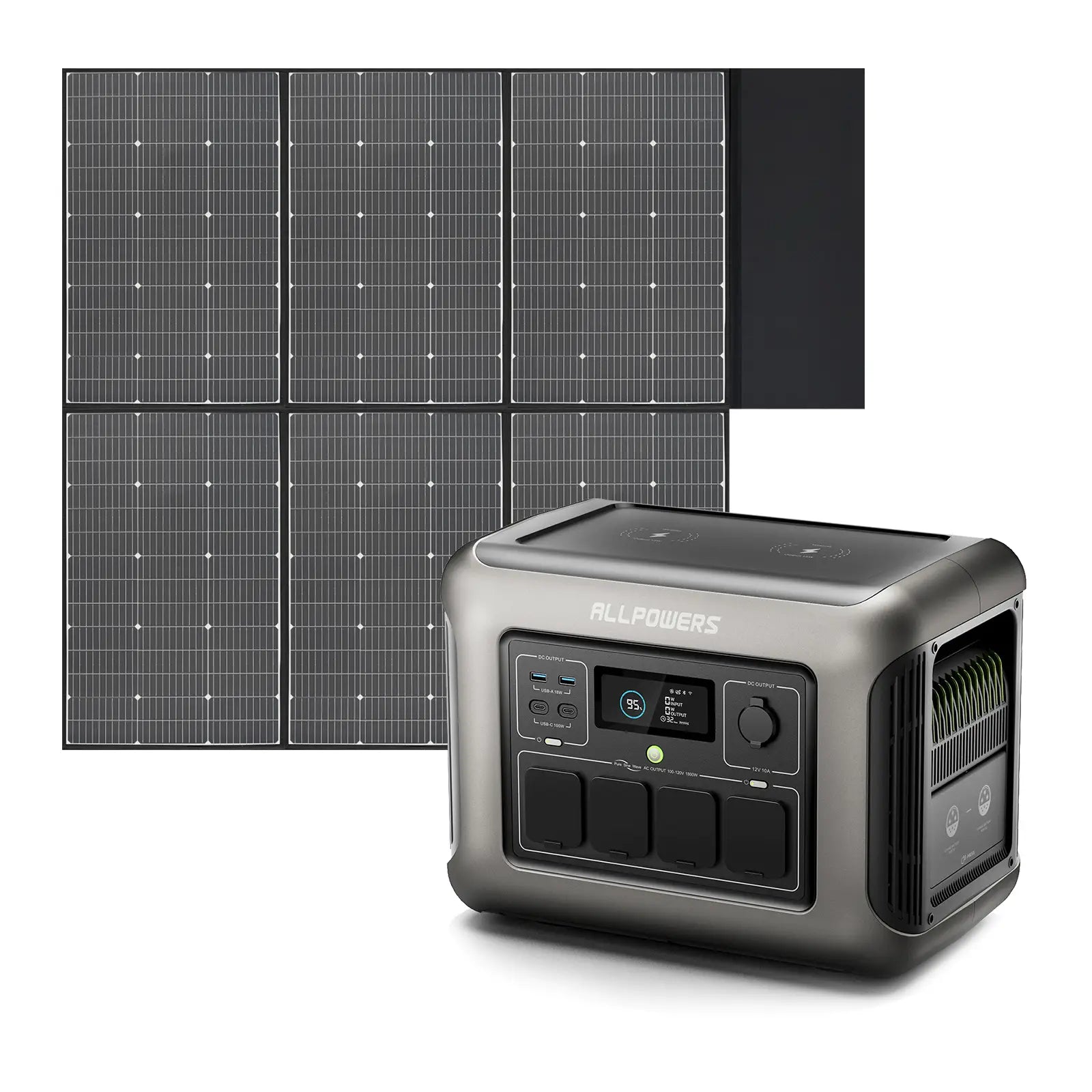
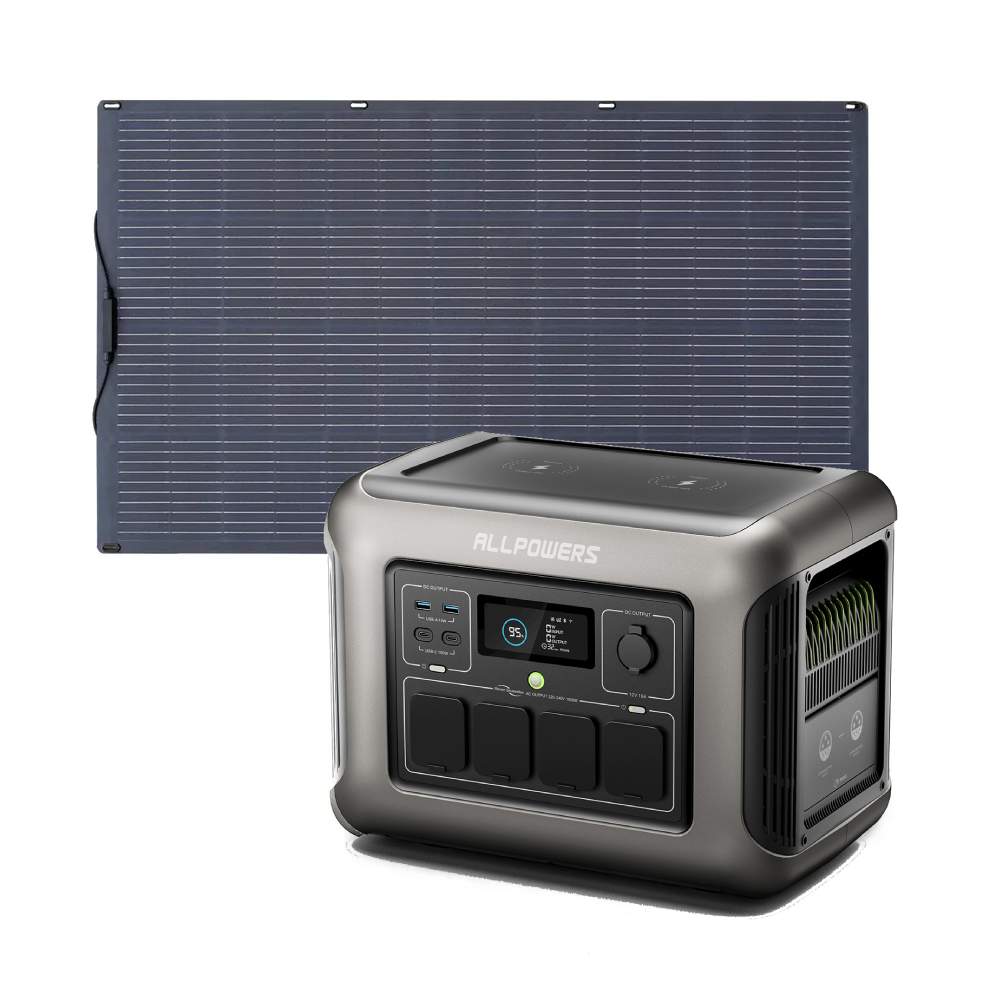
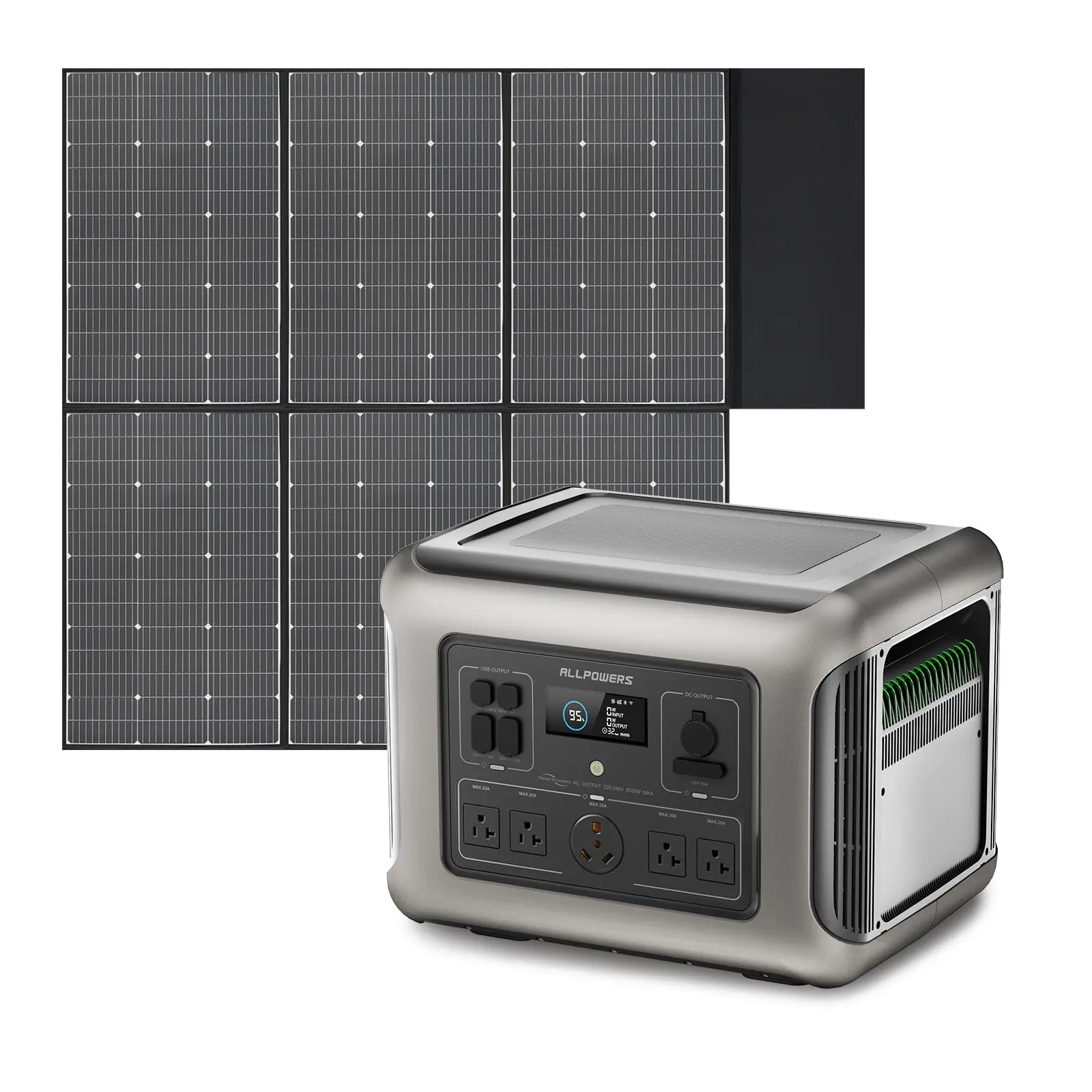
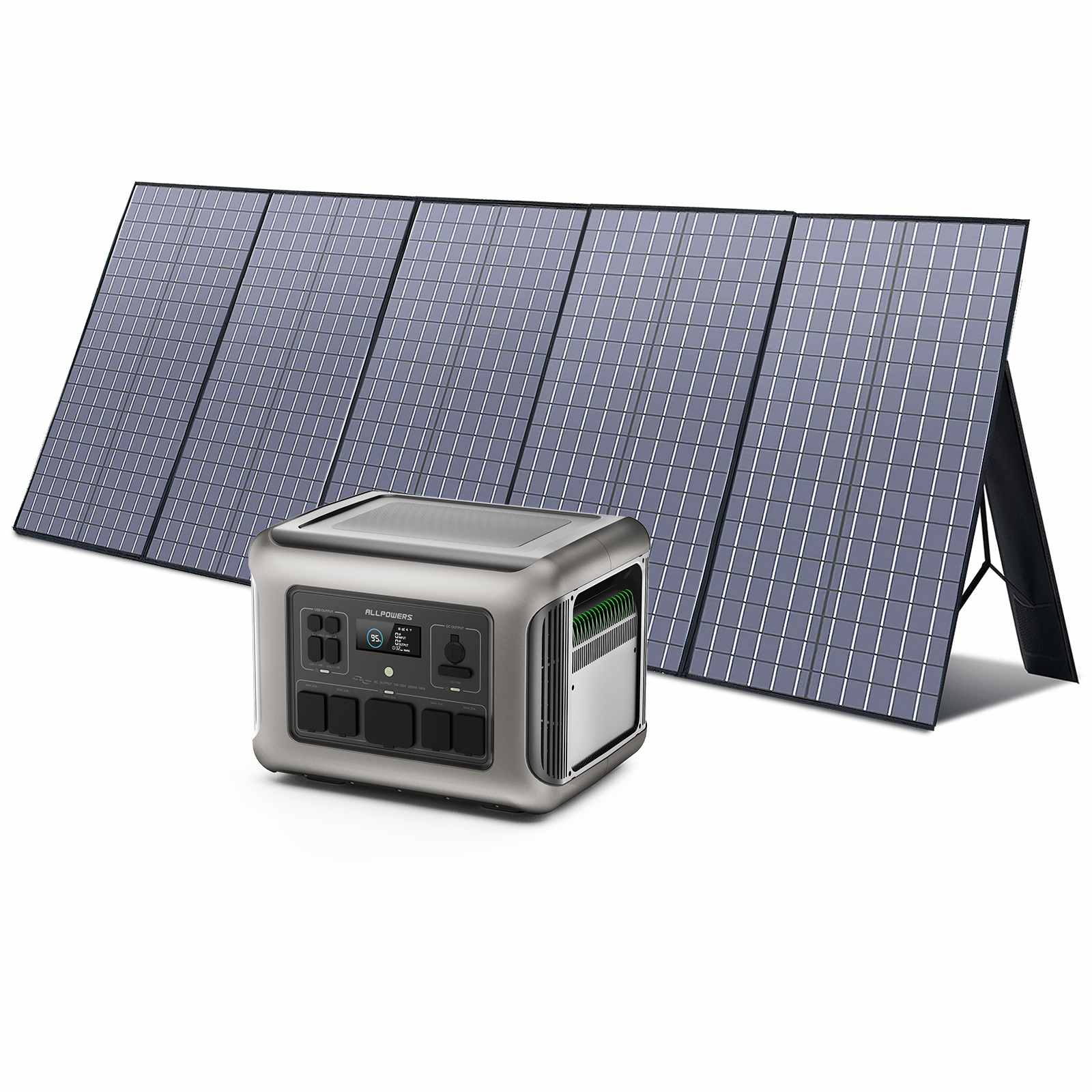
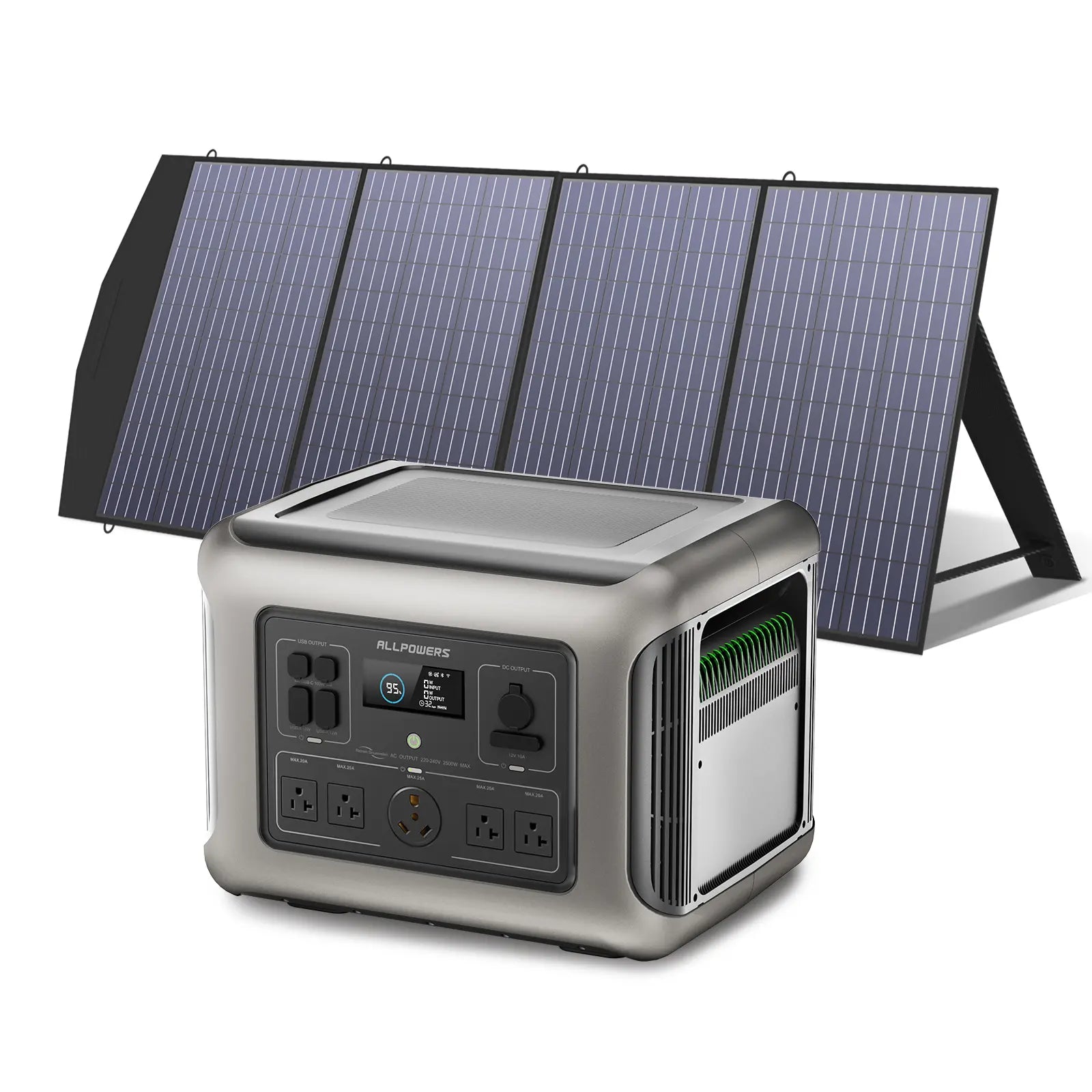
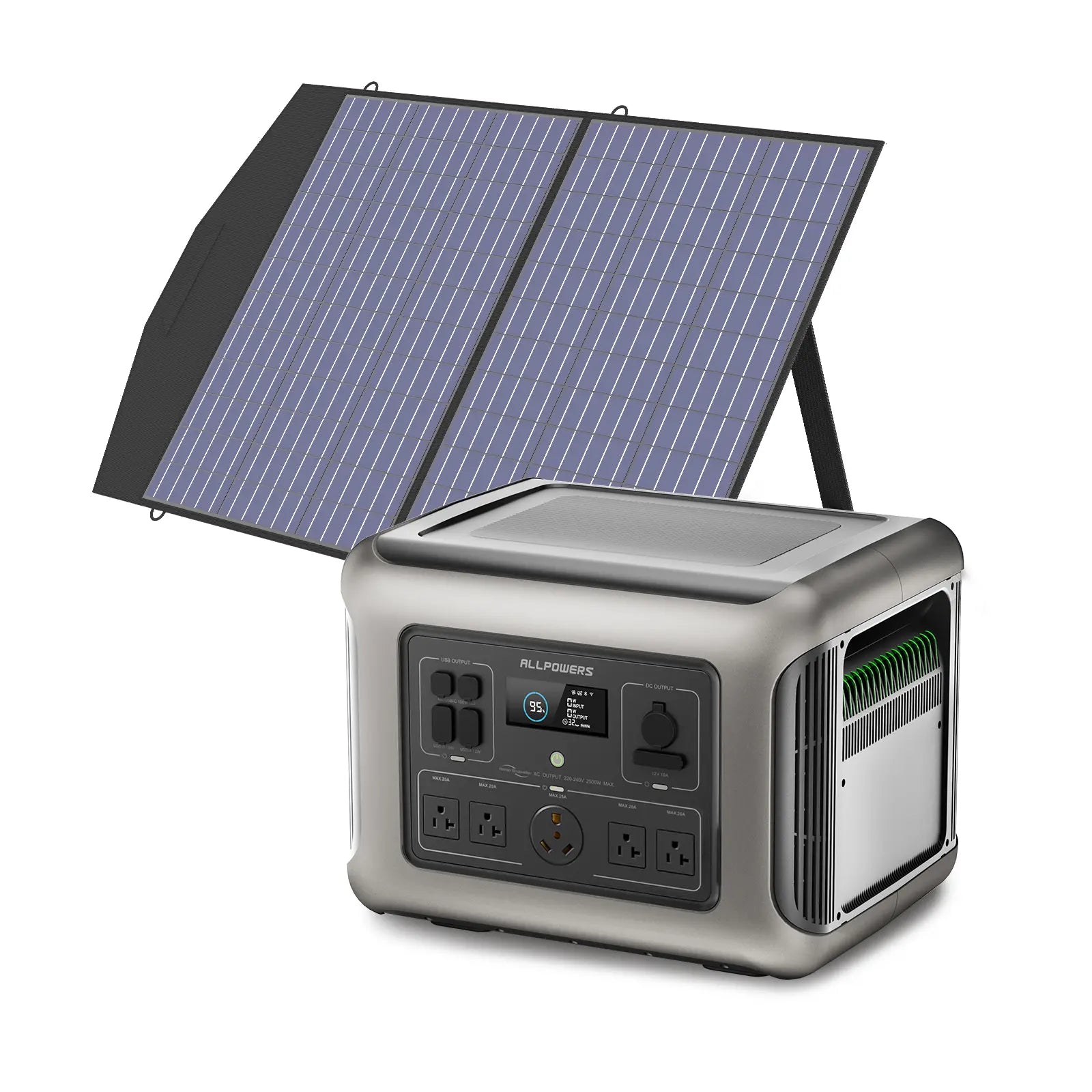
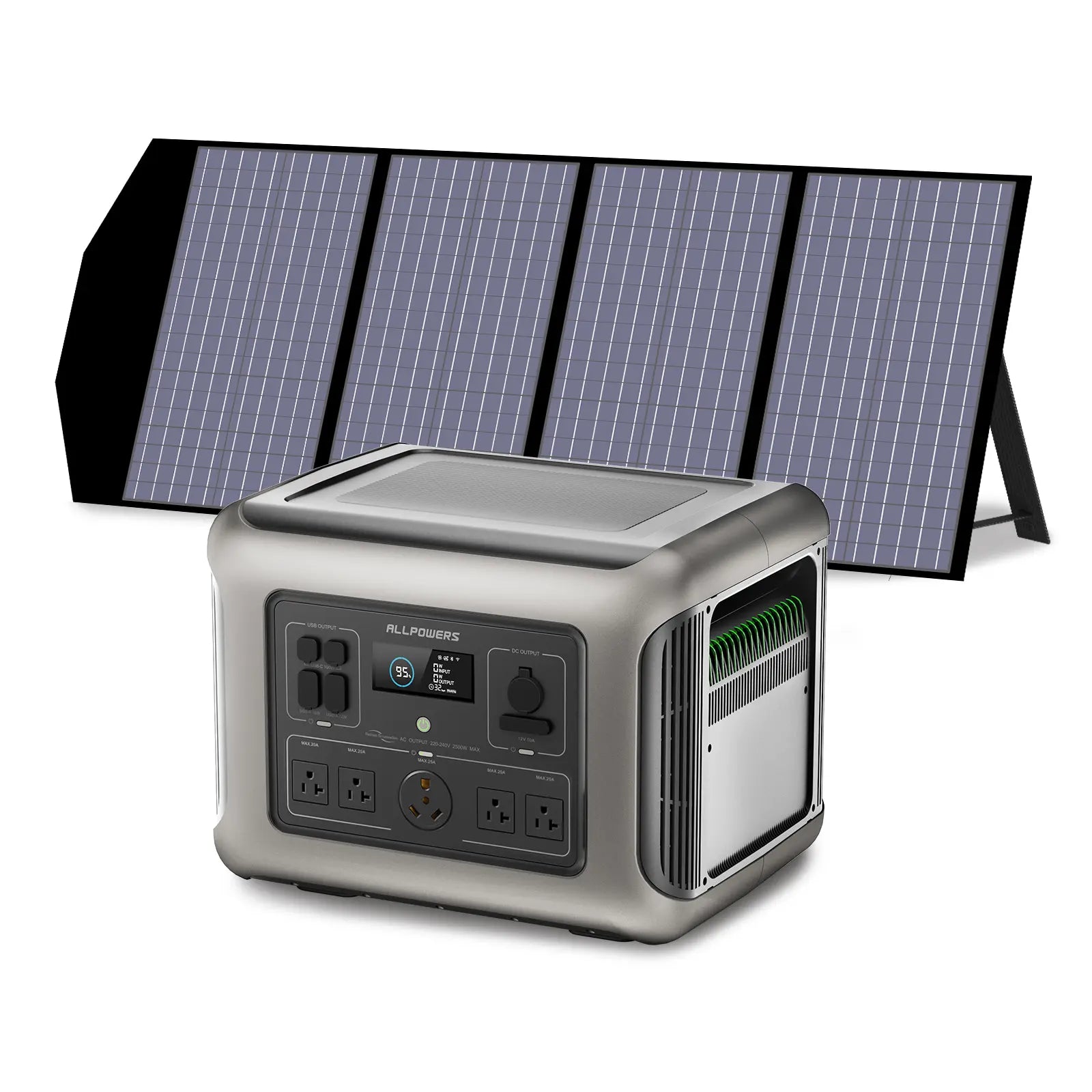
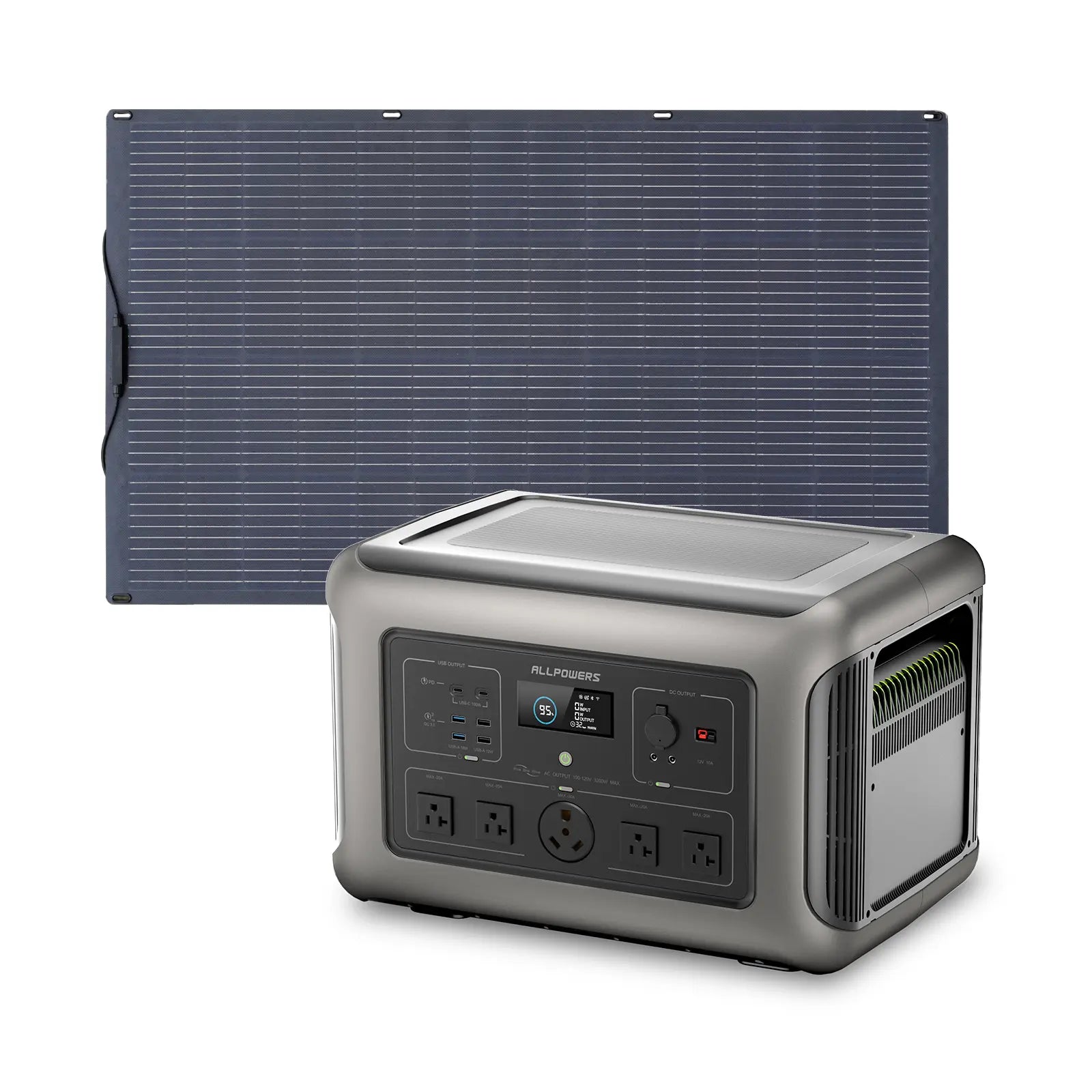
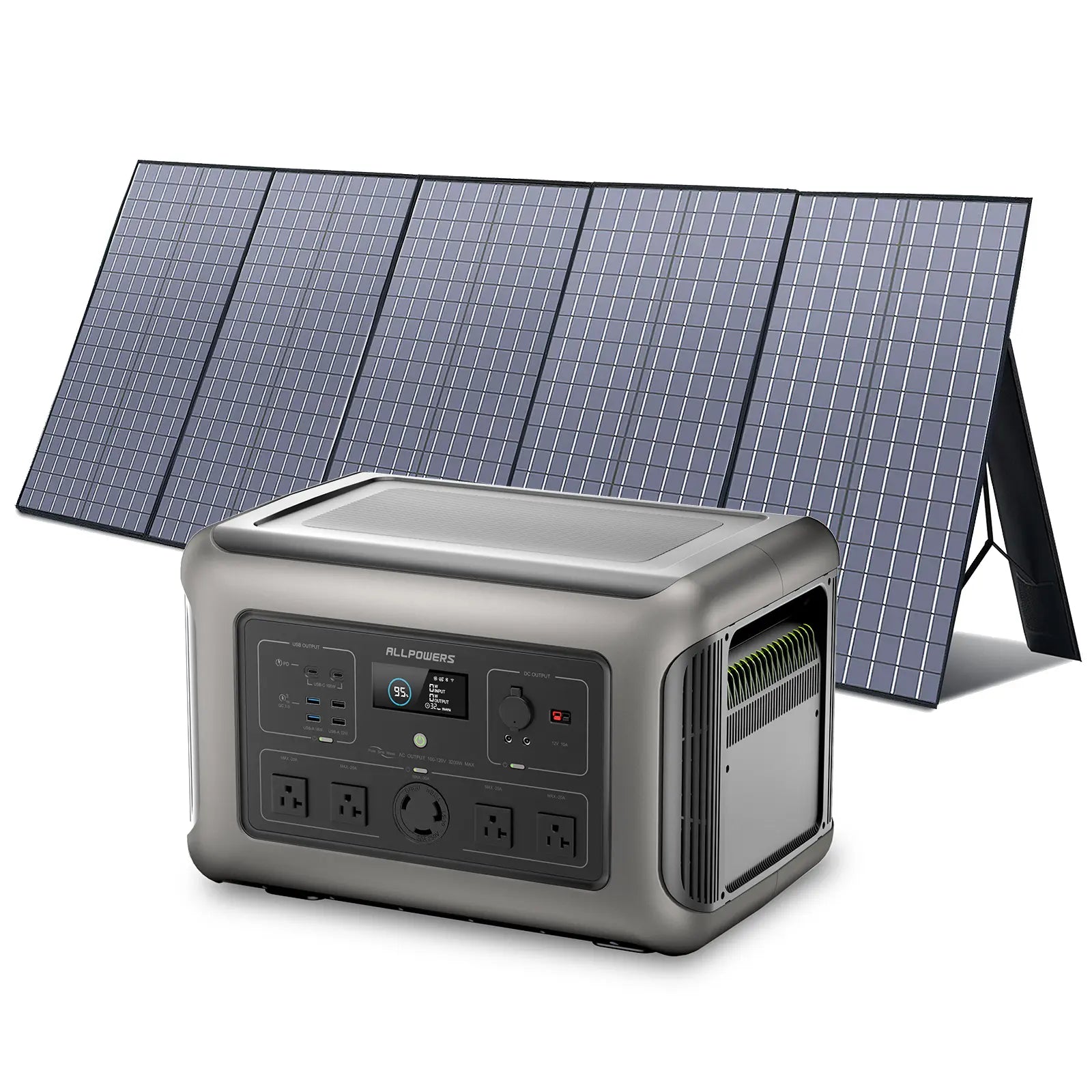
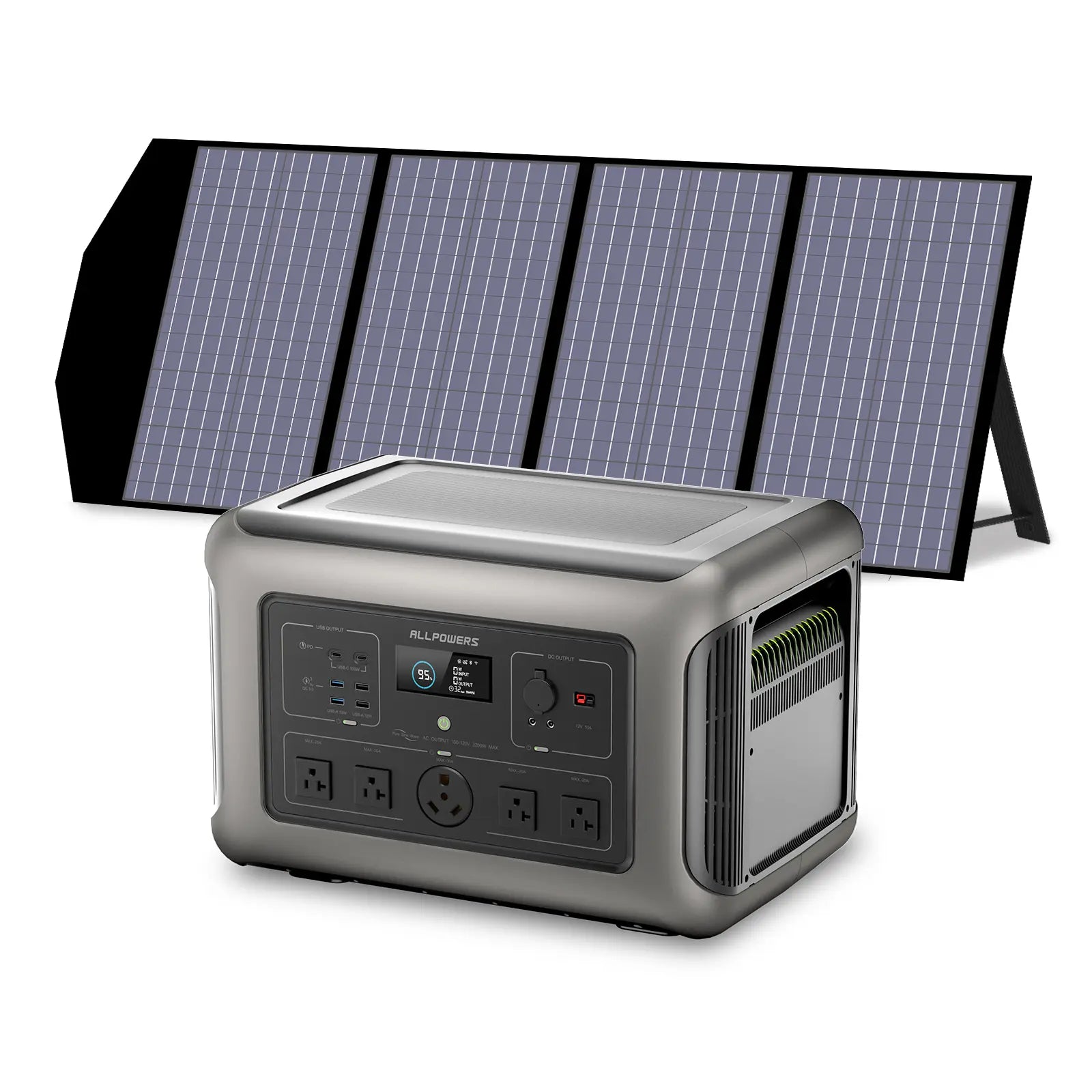
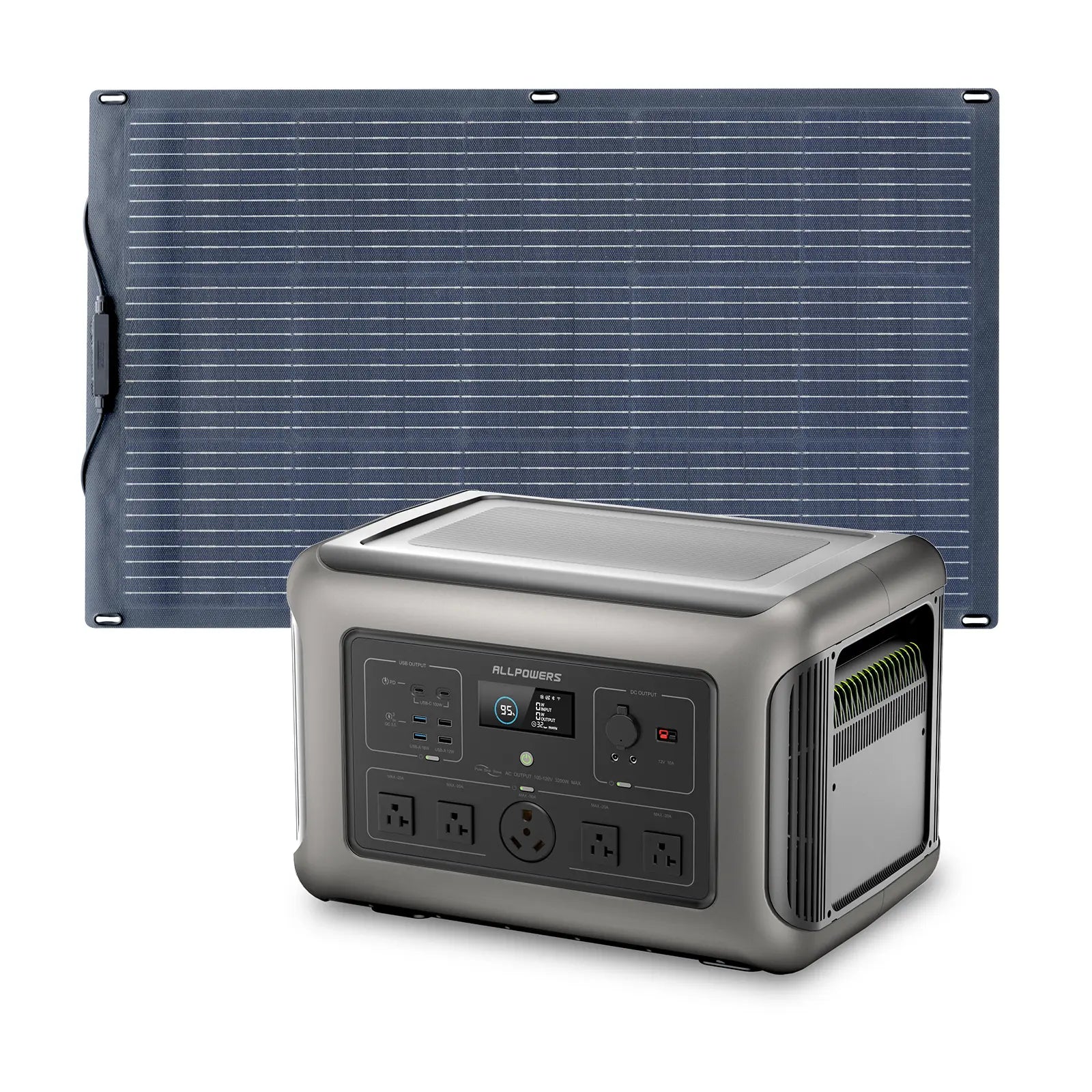
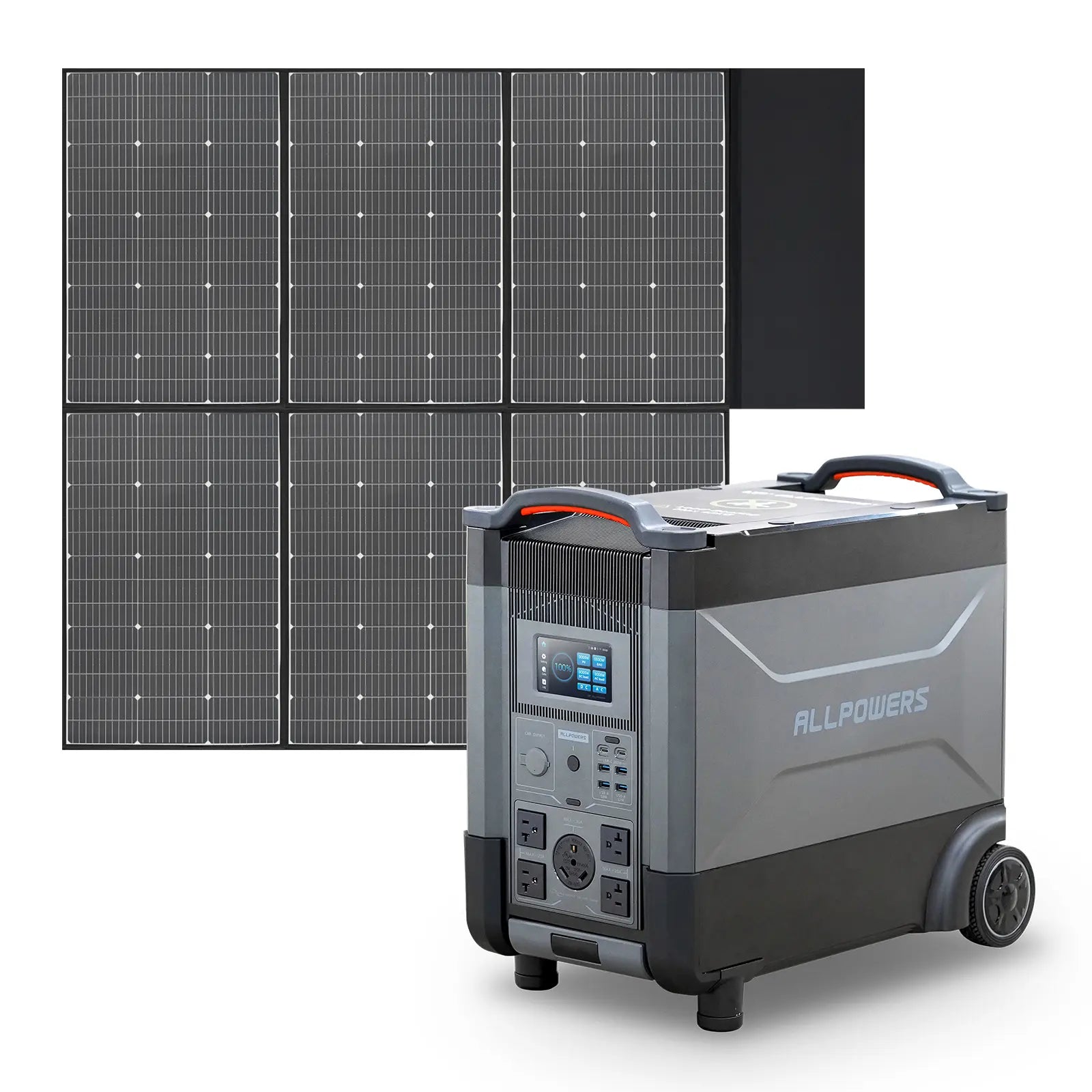
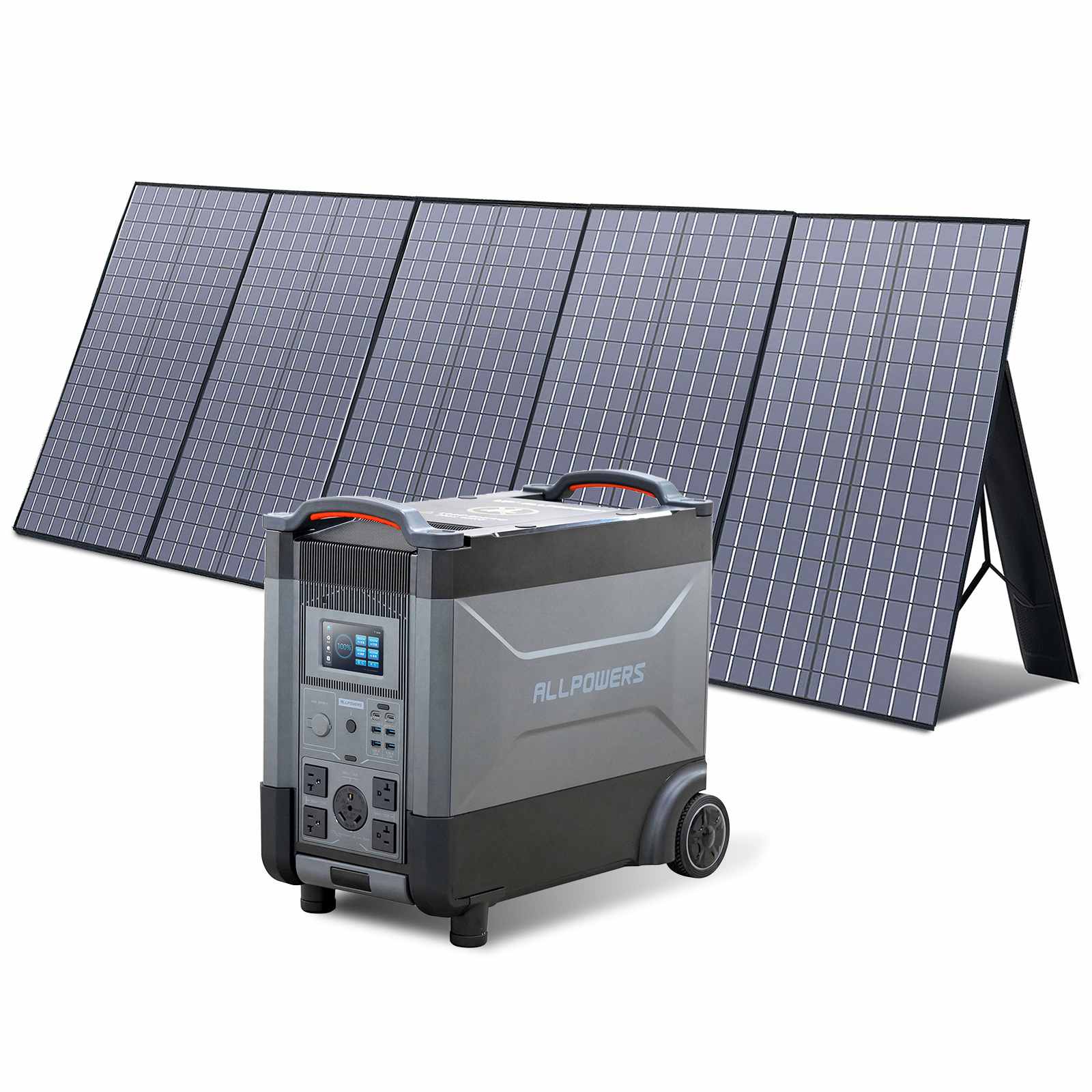
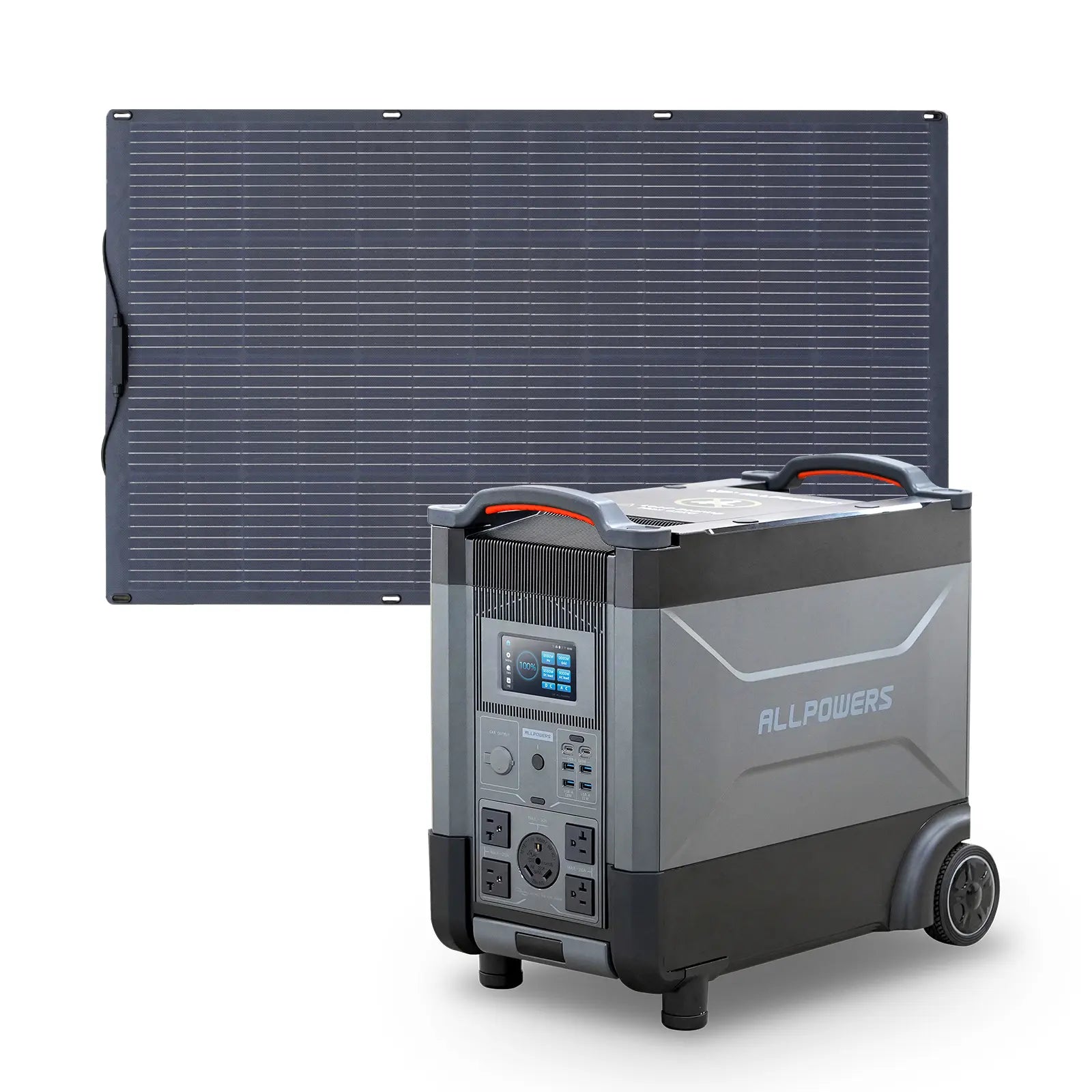
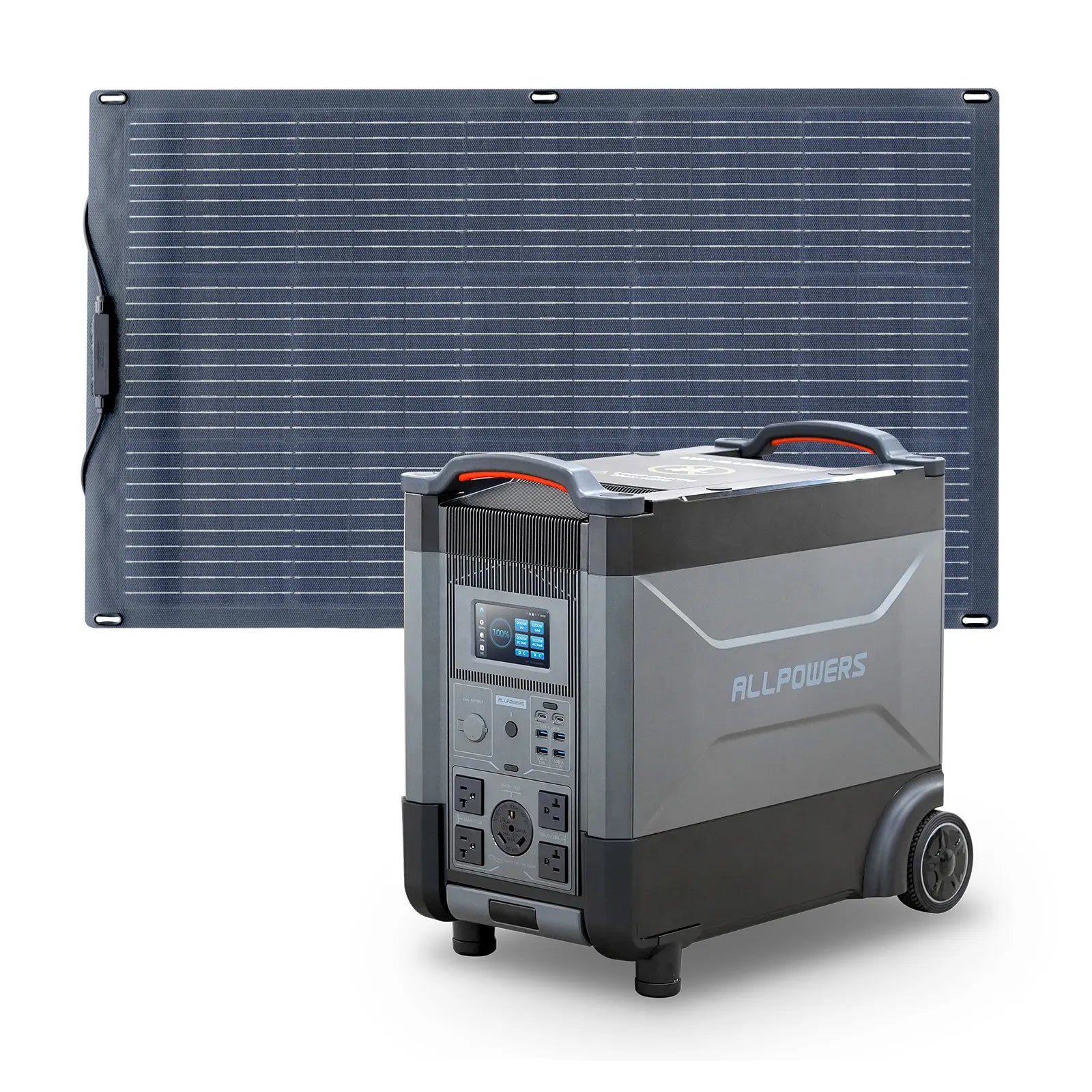
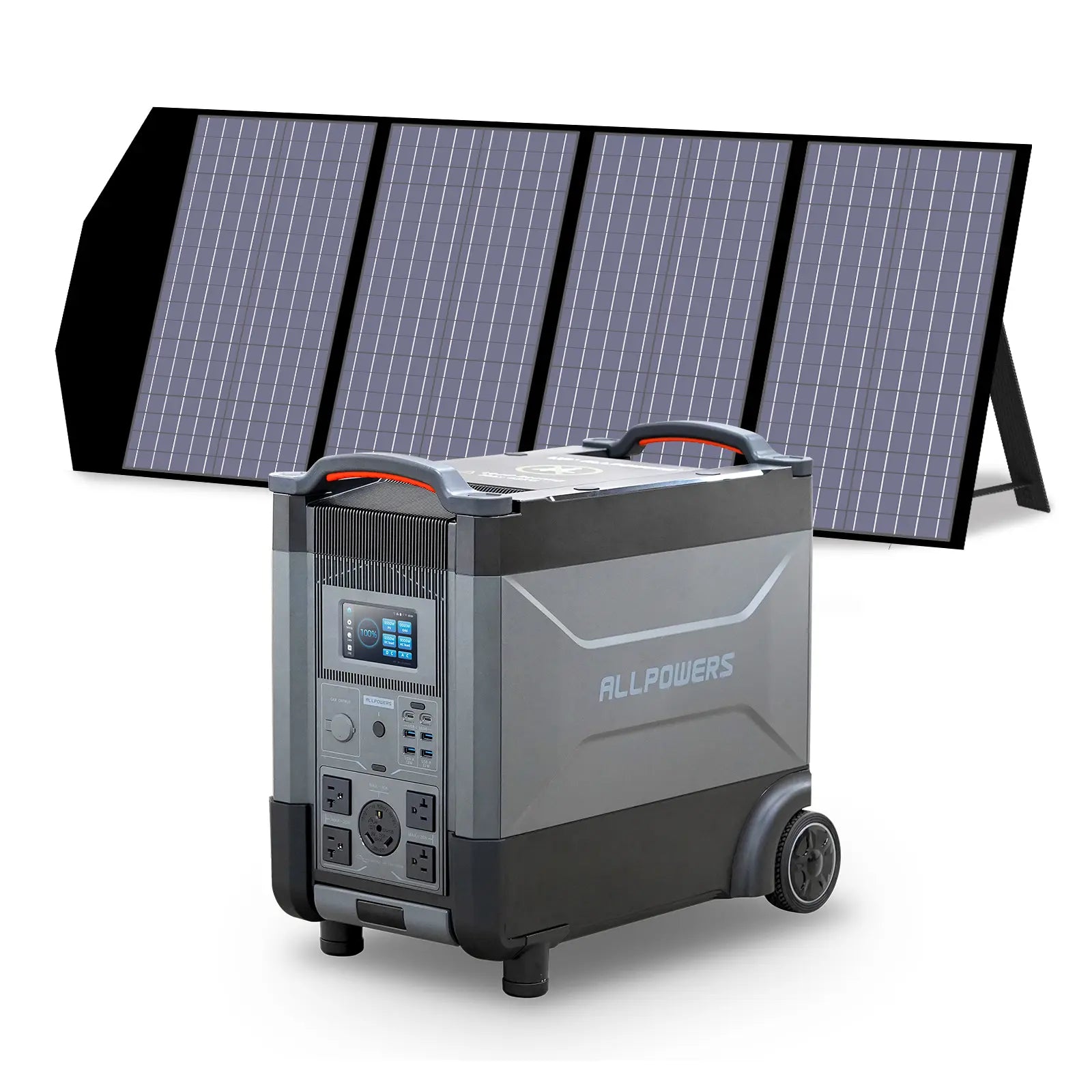
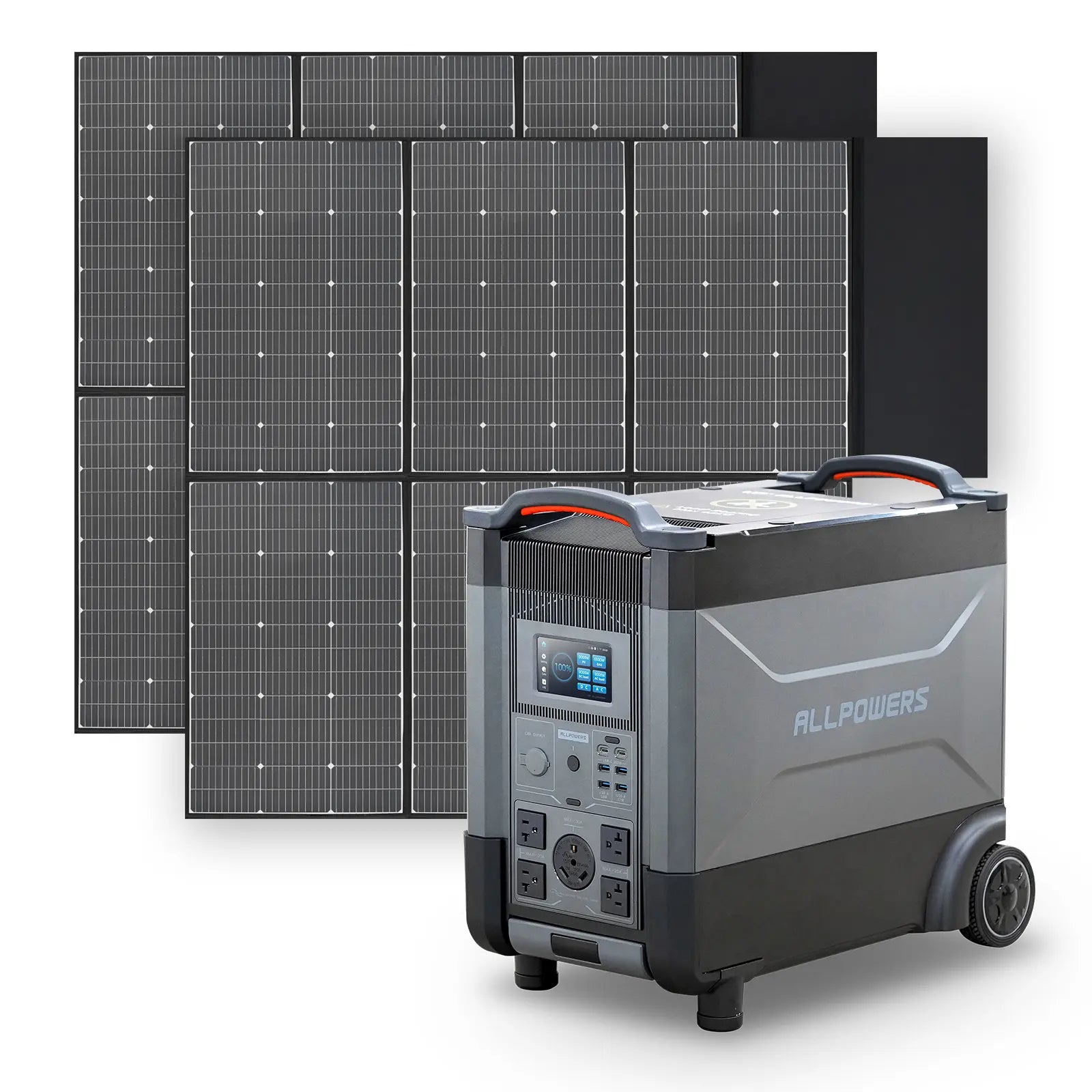
ALLPOWERS 3200W Solar Generator
$1,559.00 $2,399.00
- 3168Wh Capacity + 200W Soalr Input;
- 3200W AC Output (6000W Surge);
- Fast Charge 100% in 1 Hours;
- 2000W Max MPPT. Solar Input;
- Power 99% of Electrical Appliances;
When to Consider Upgrades or Alternatives
While a 3500 watt generator is versatile, there are times when bigger or alternative solutions are worth exploring.
Larger generators (5000-7000 watts) can handle heavier loads with more breathing room.
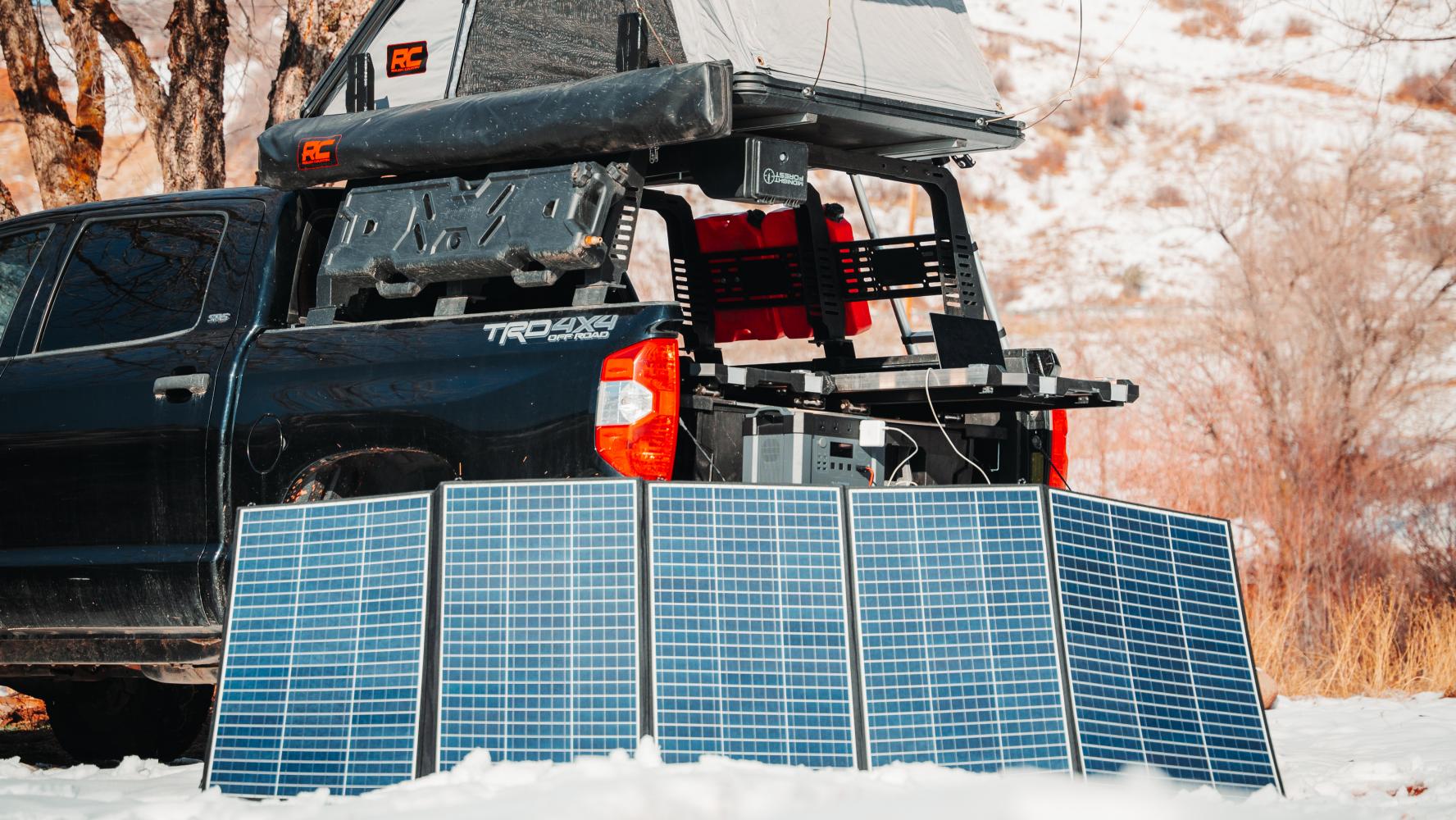
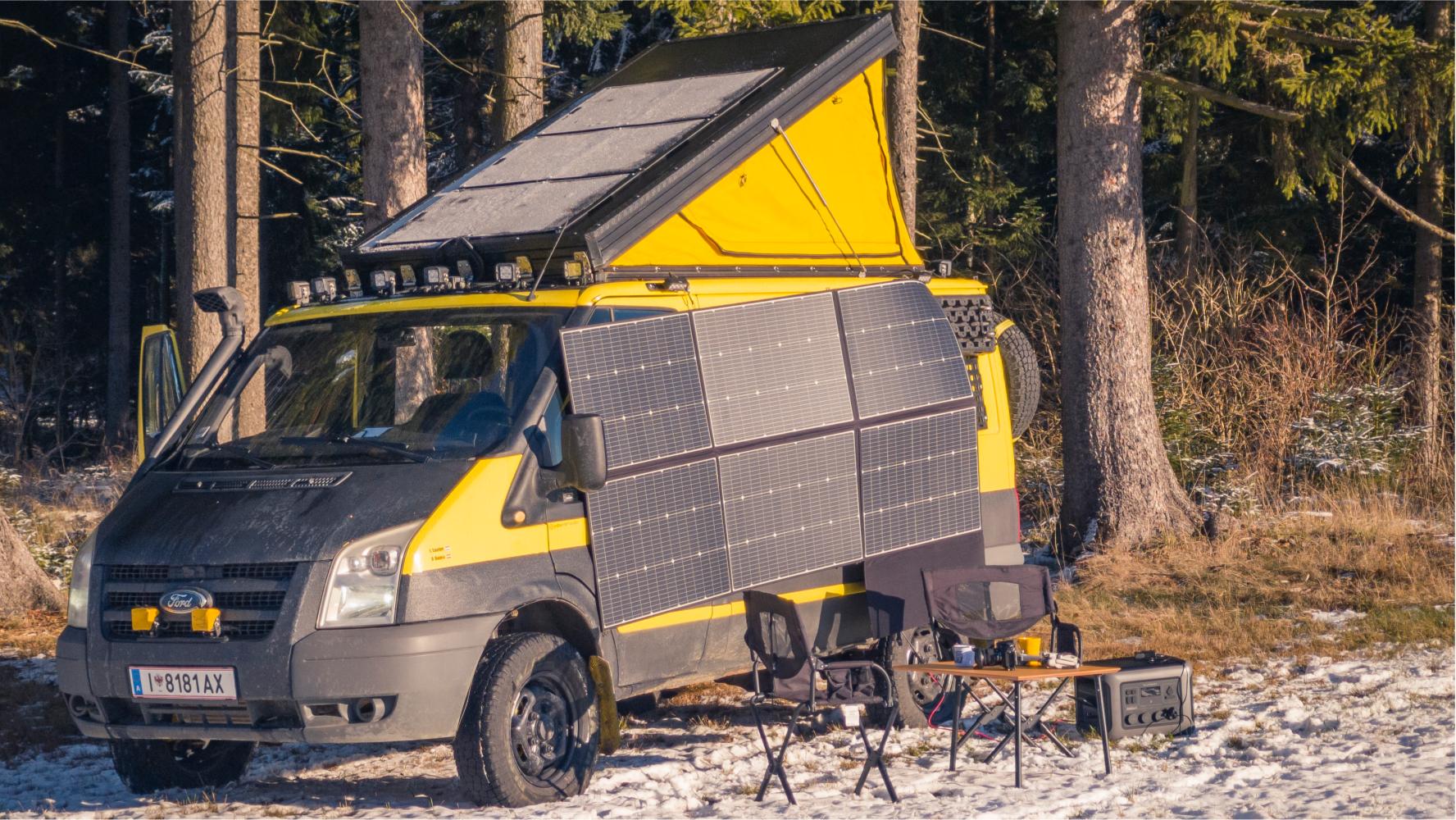
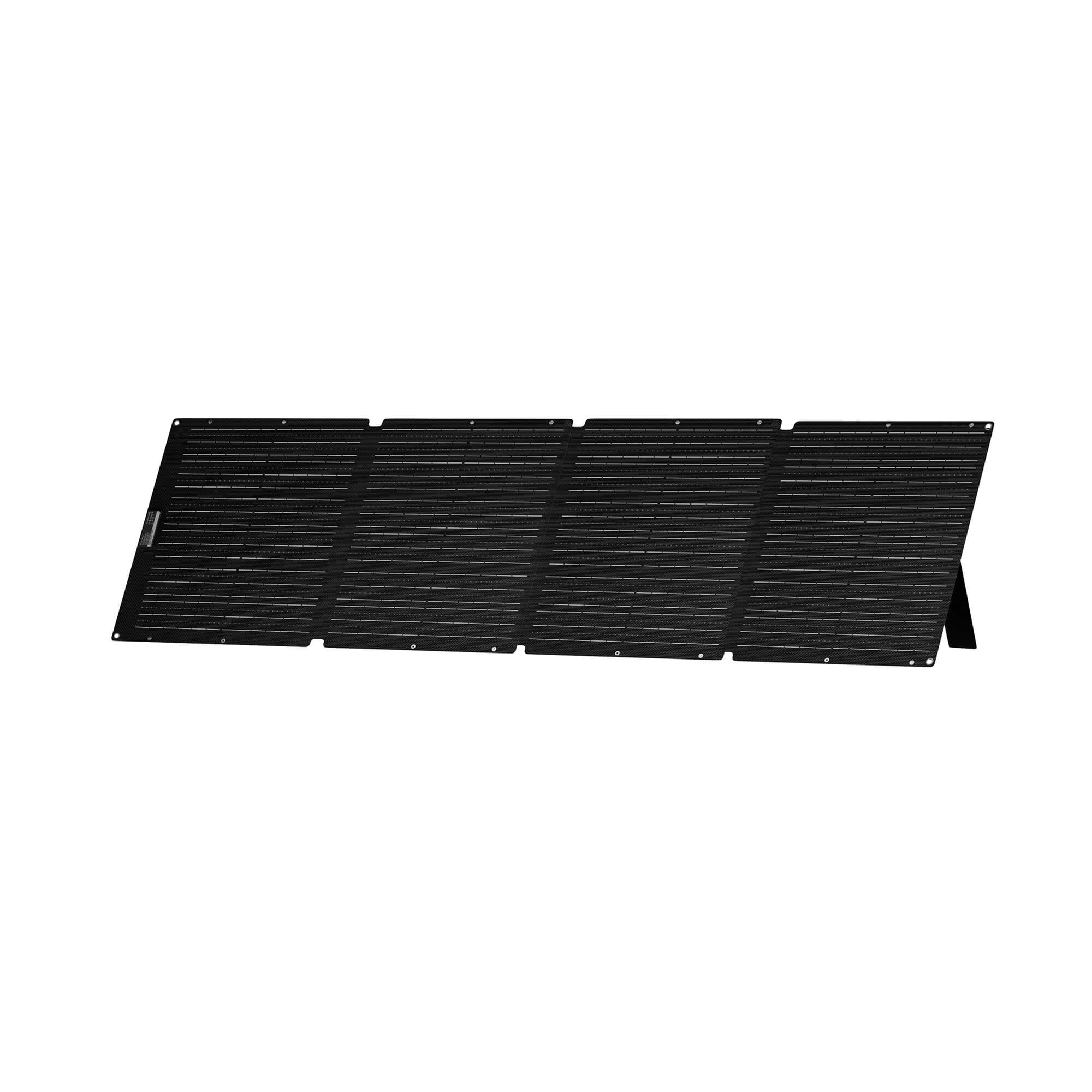
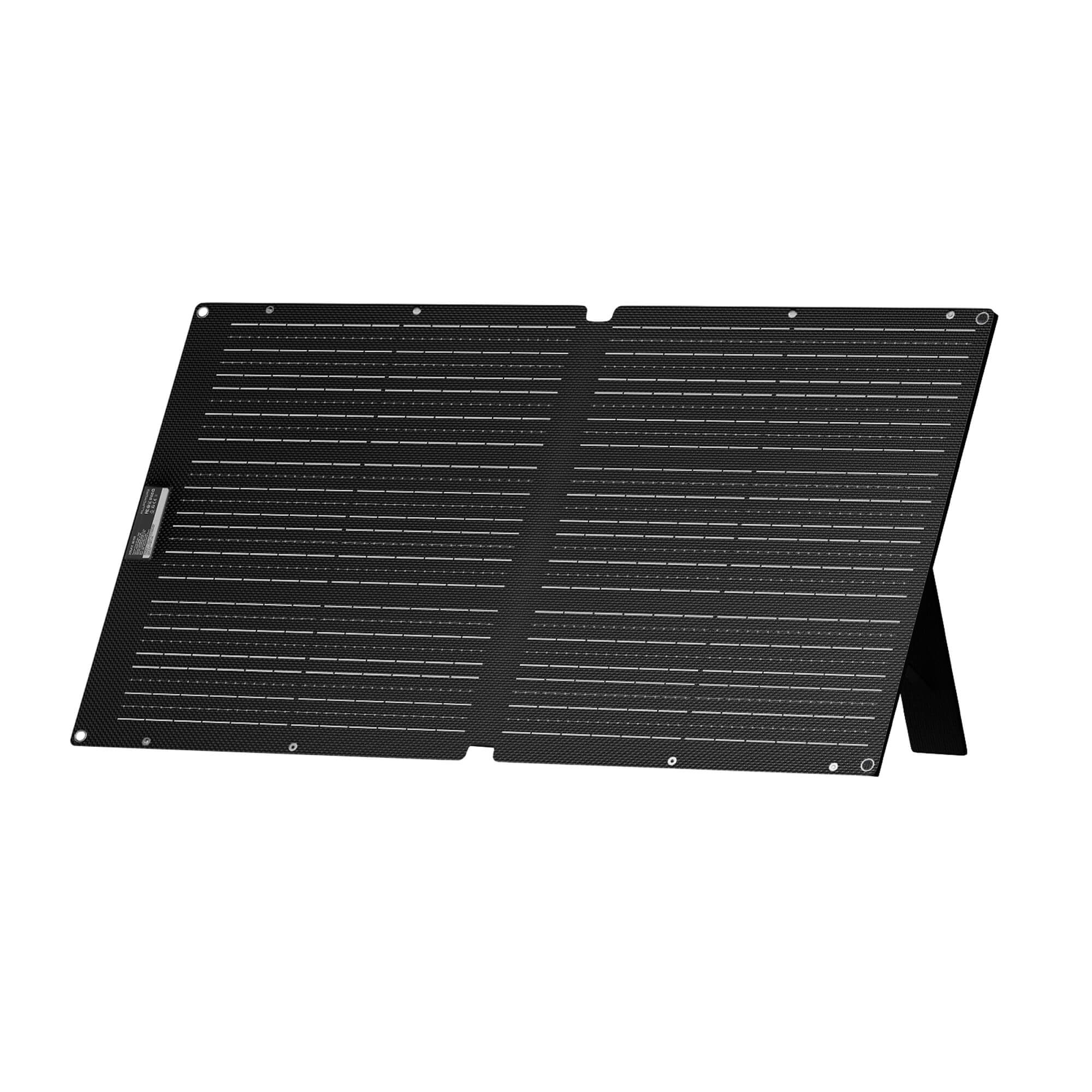
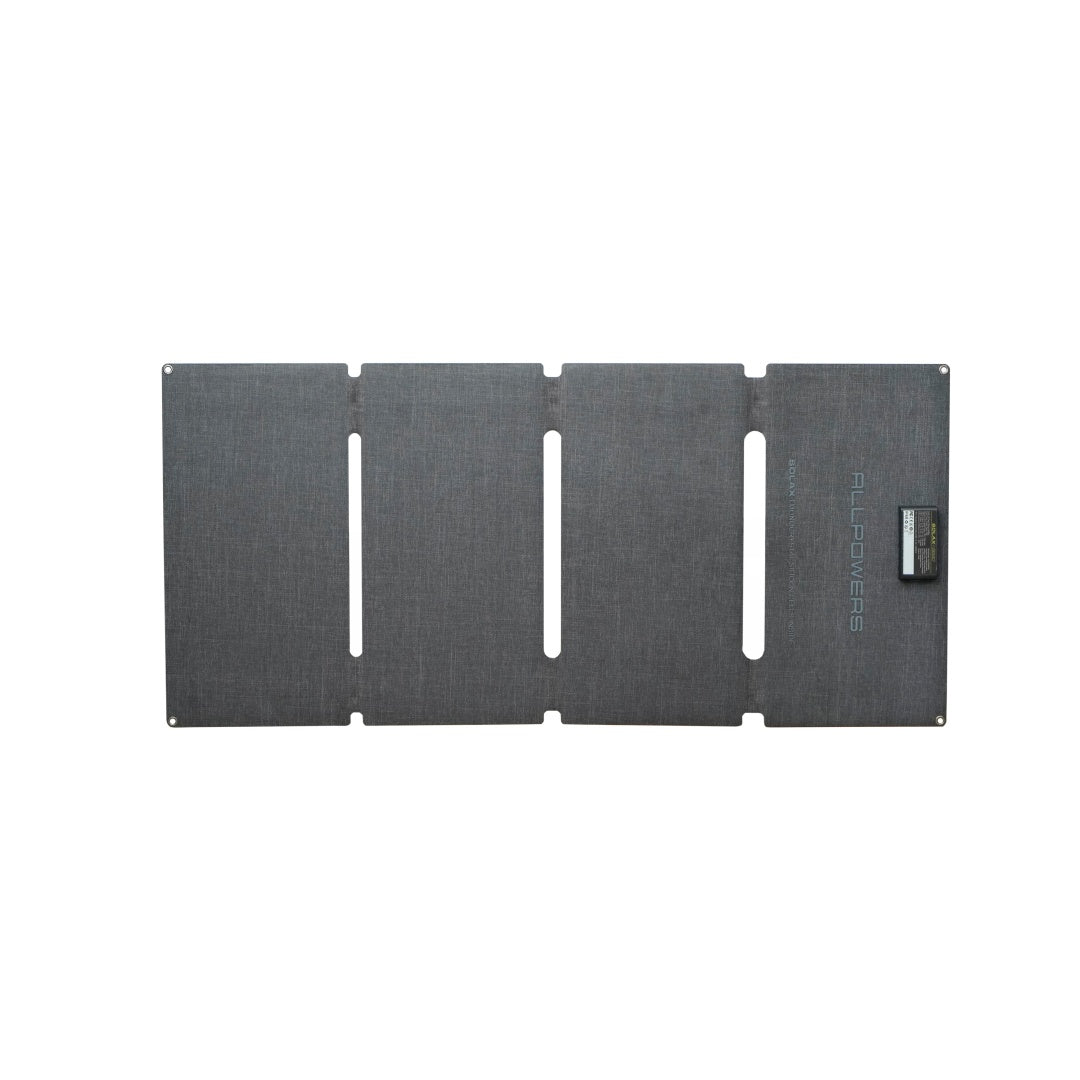
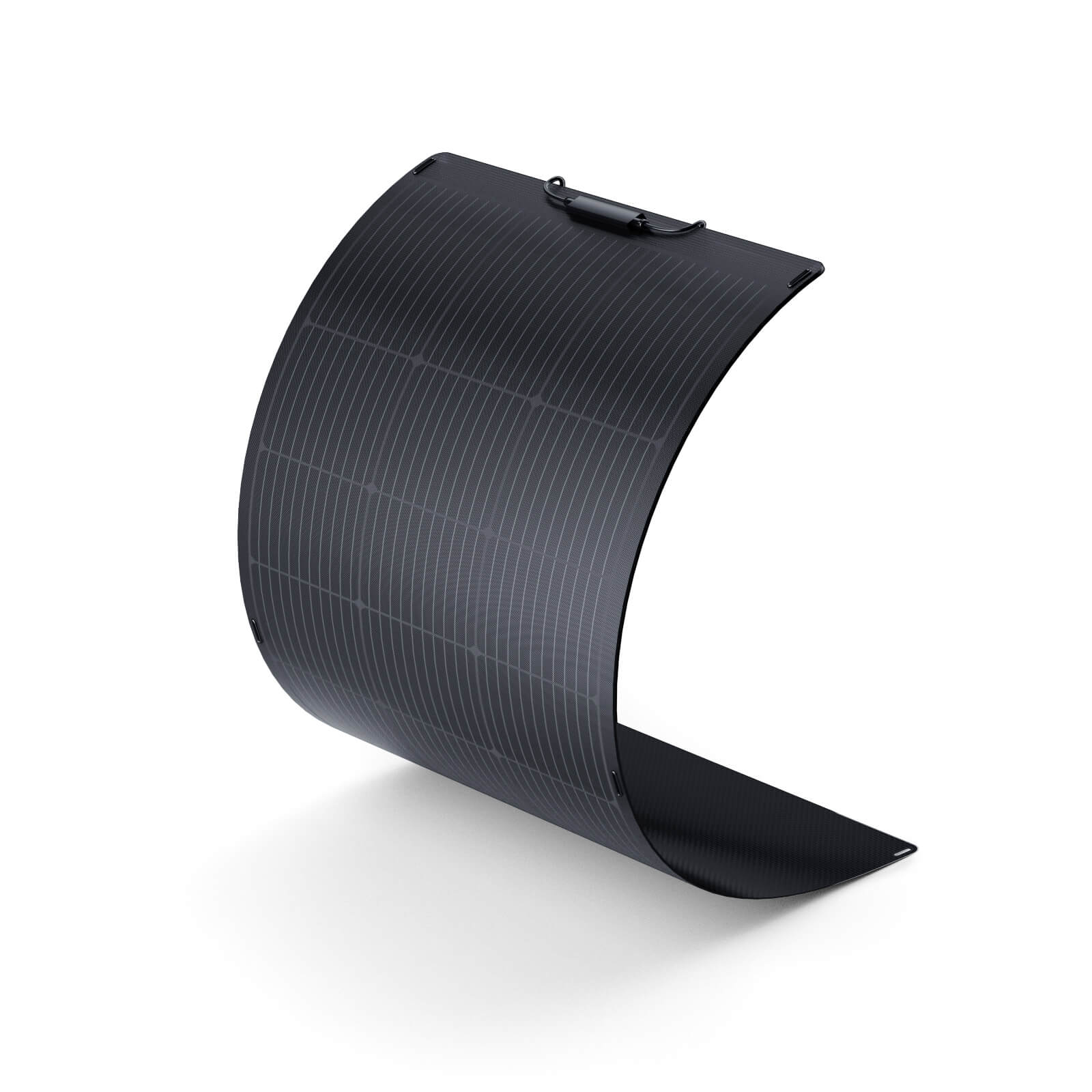
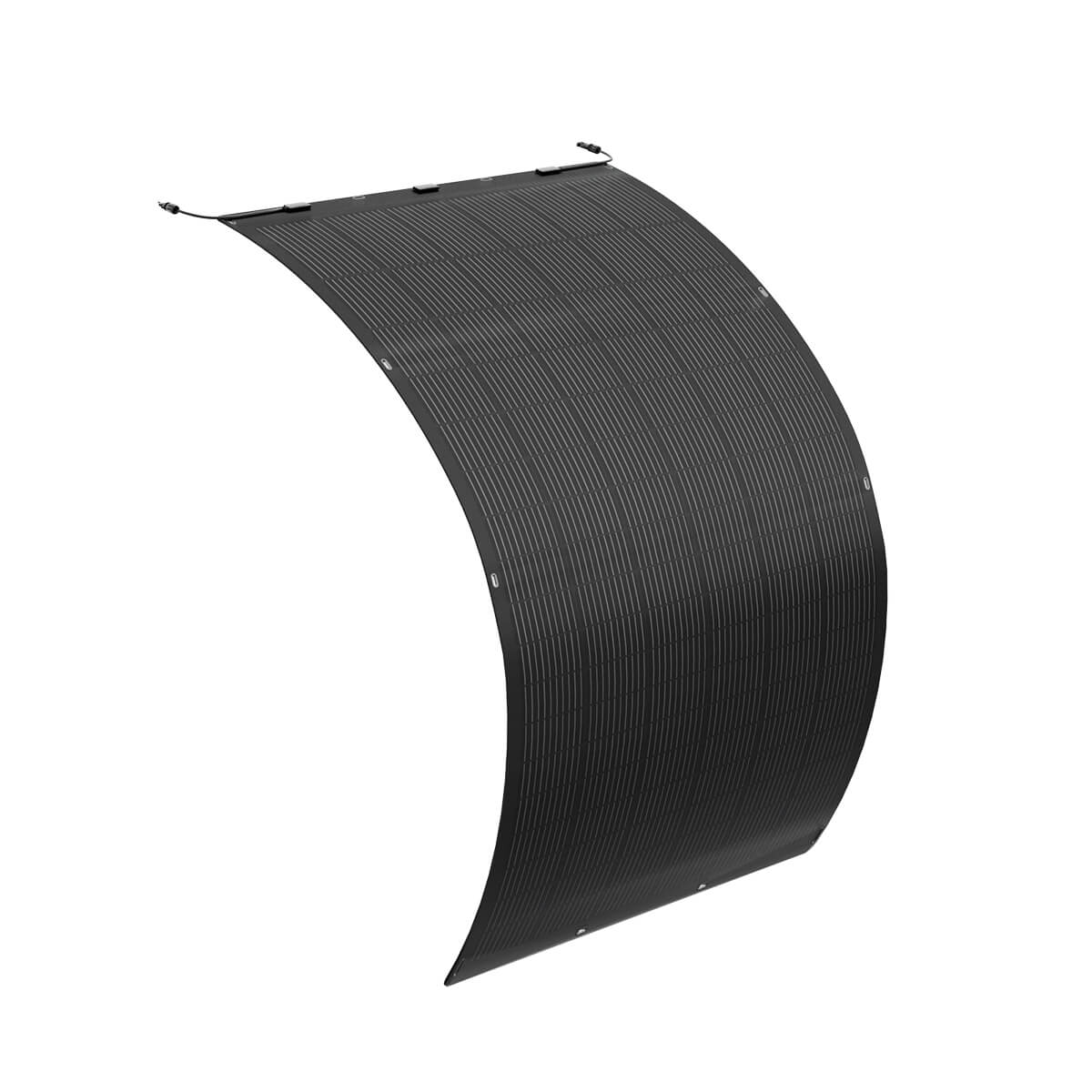
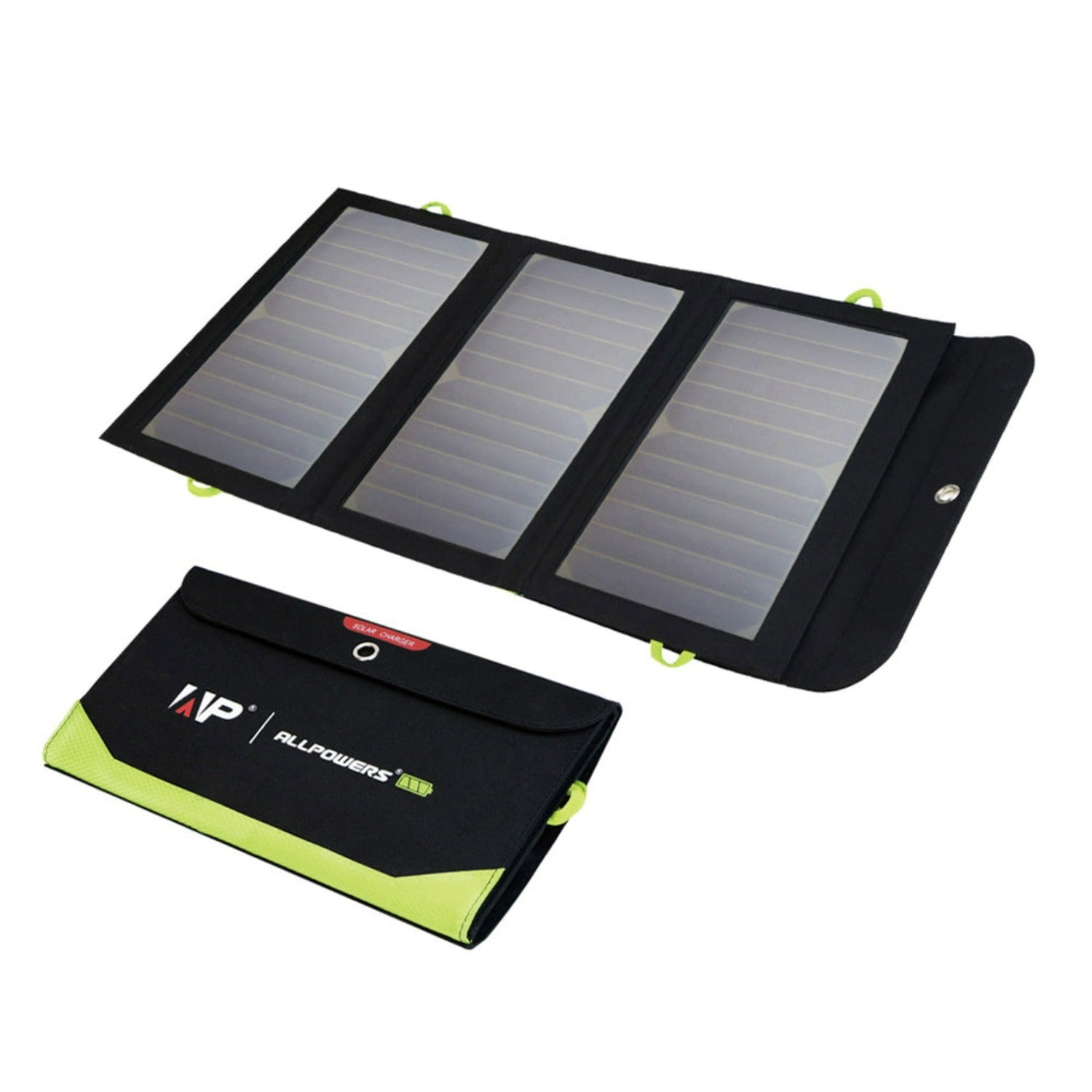
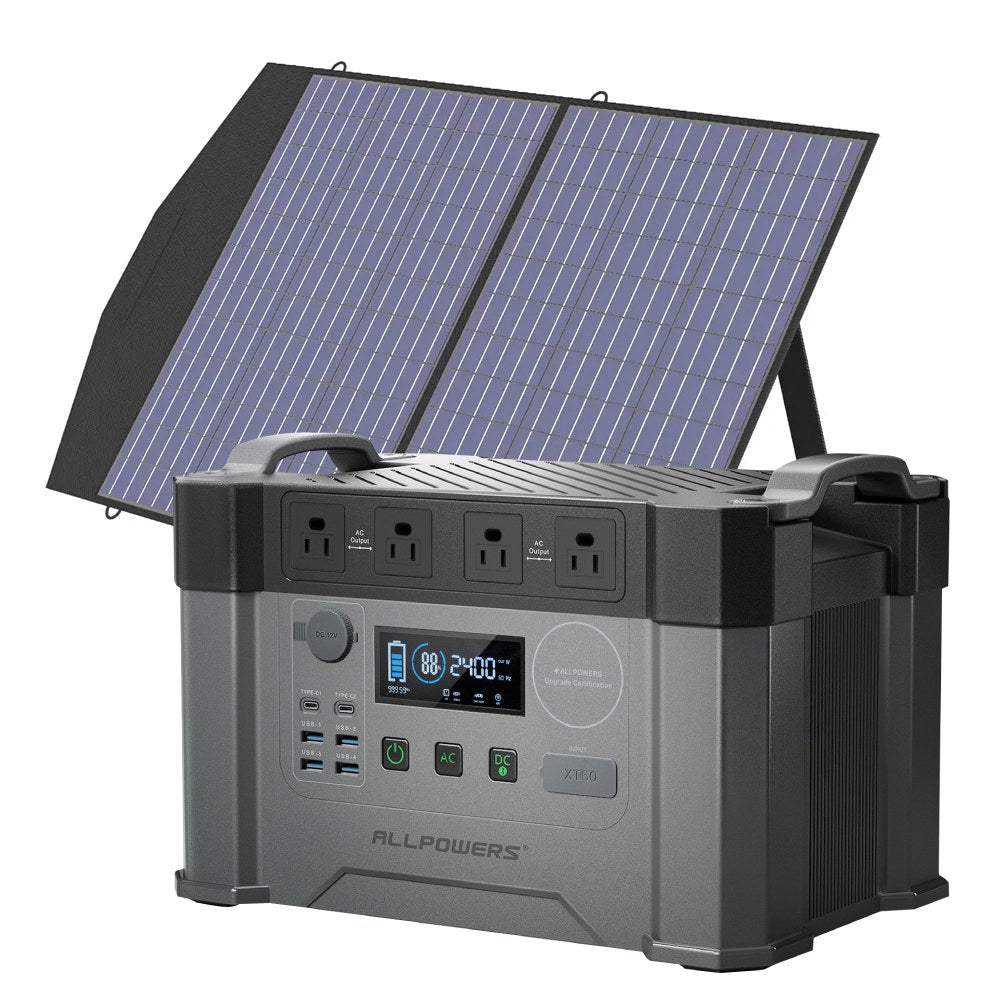
On the flip side, solar-powered generators are quietly growing in popularity.
They often provide lower continuous output, but with quiet operation, zero fuel dependency, and the ability to integrate with renewable setups, they offer a lot of flexibility.
You can’t necessarily run a large AC on a solar generator for hours, but for essential devices and weekend trips, they’re surprisingly effective.
Practical Life Hacks for Maximizing a 3500 Watt Generator
Here’s a few tricks to squeeze the most from your 3500 watts without headaches.
First, label circuits and plan your appliance usage. Keep high-demand devices separate from low-demand ones.
Second, consider smart power strips or load monitors—they help you avoid accidental overloads.
Third, regular maintenance—oil, spark plugs, filters—is essential. A generator is like a car: it’s only as reliable as your care.
And finally, think about positioning. Shade reduces engine stress in summer, and placing it slightly uphill prevents water intake in wet conditions.
Conclusion
At the end of the day, a 3500 watt generator is deceptively powerful, yet not limitless.
It’s perfect for medium-level power needs, emergency preparedness, and outdoor adventures.
It won’t power every appliance in your house simultaneously, but it will comfortably handle most essential devices and tools if you respect the limits.