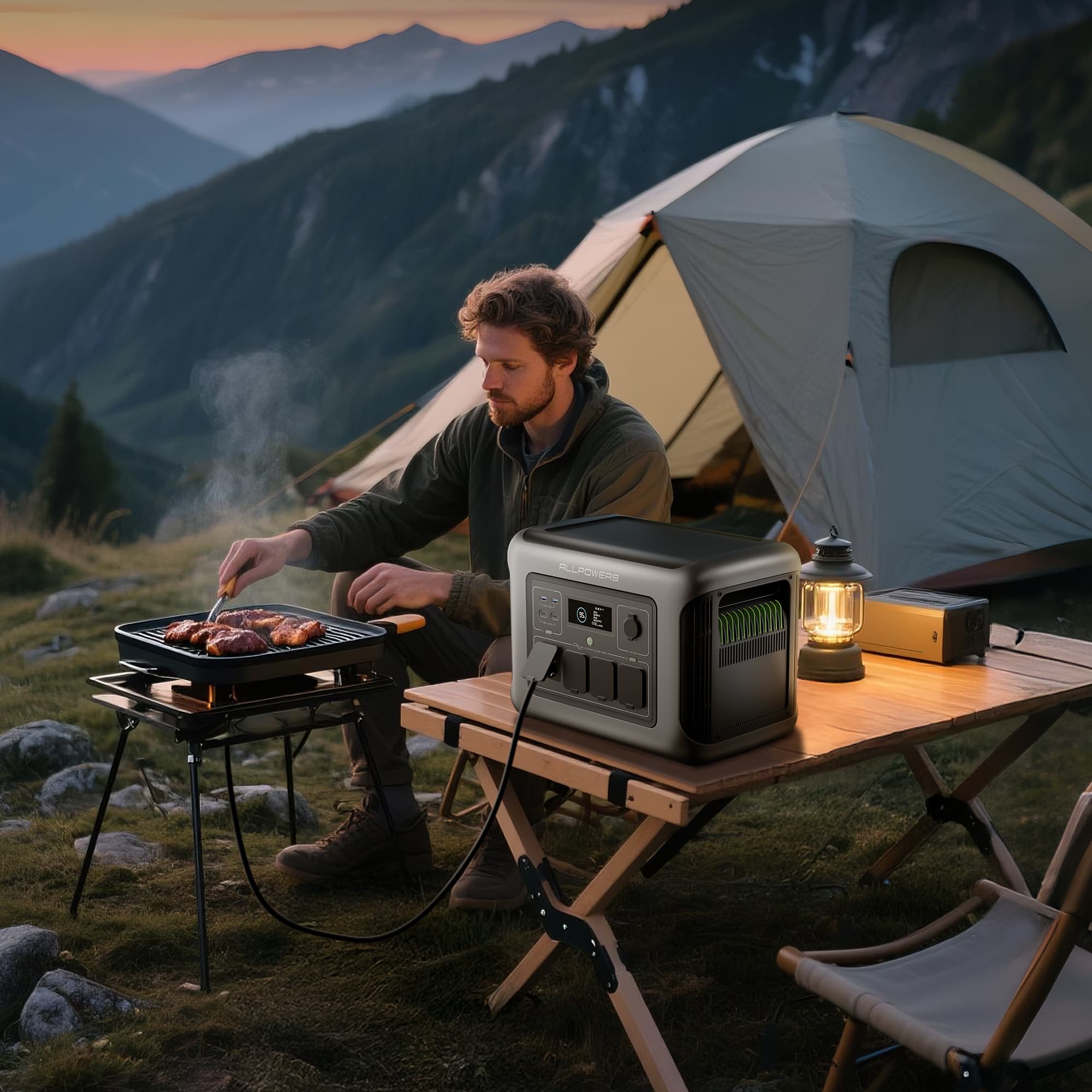








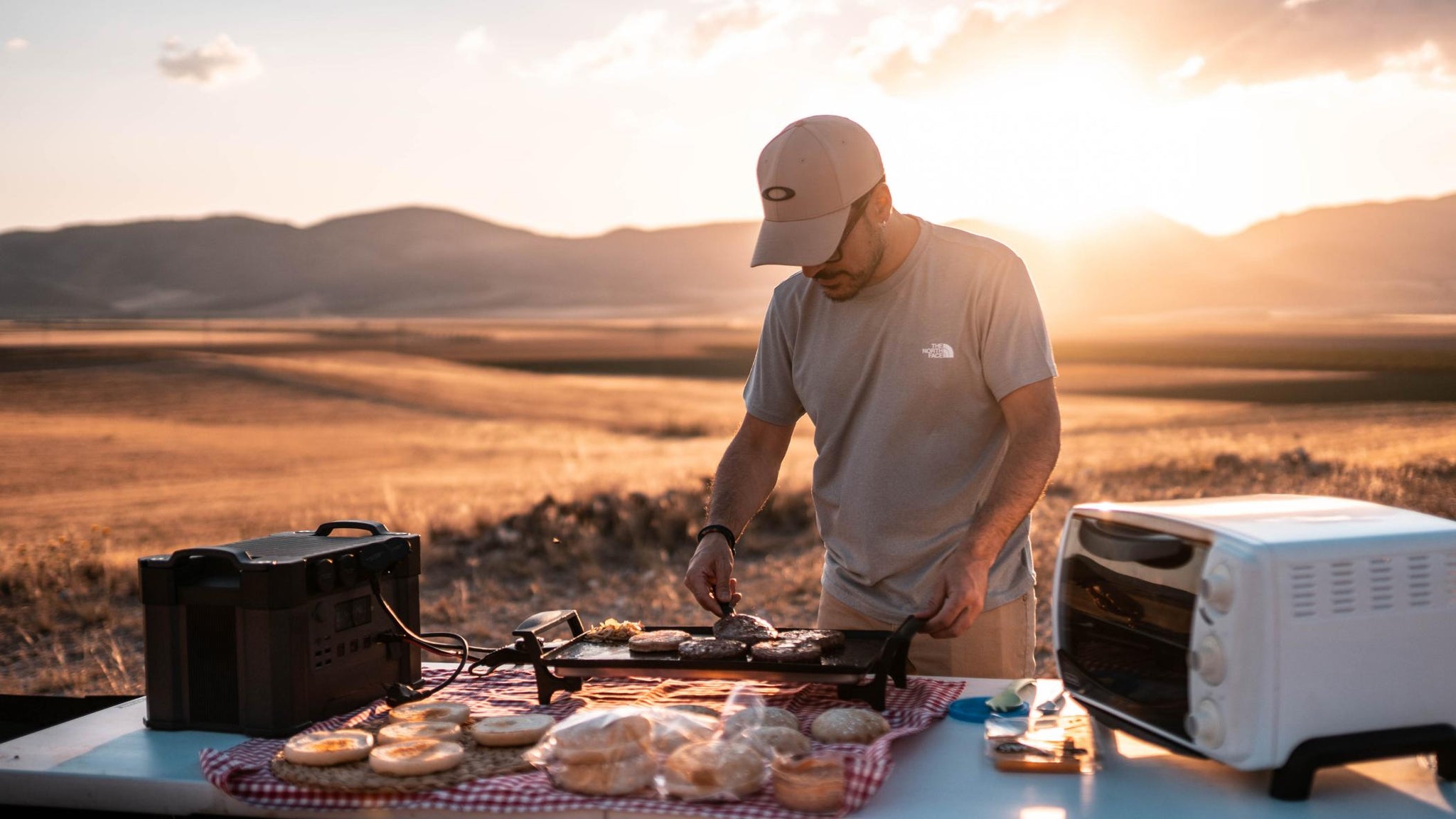
When people move off-grid—camping, RVing—they don’t just want light and phone chargers. They want to cook the way they’re used to cooking.
Thankfully, we don't always need a massive 30-inch range to get the job done when we are off the grid or dealing with a blackout.
A compact electric oven can bake bread, reheat leftovers, and even roast vegetables—all without an open flame, which becomes especially important when summer fire bans roll in.
But can a portable power station really handle the energy demands of an electric oven without throwing a digital tantrum?
TL;DR:
Yes, you can run an electric oven on a portable power station, but you need a station with a continuous AC output that exceeds the oven’s peak draw, and it has enough watt-hour capacity to last through your cook time.
How Many Watts Does An Electric Oven Use
Electric ovens feel deceptively simple. You turn a knob, it heats up, food goes in, dinner comes out.
No flame. No fuel smell. No visible drama. Under the surface, though, an electric oven is a high-demand appliance.
A standard household electric oven typically pulls between 2,000 and 5,000 watts when heating.
That’s not a typo. When the heating elements kick on, they draw hard, then cycle on and off to maintain the temperature.
Smaller countertop ovens—think toaster ovens or compact convection units—are gentler, often sitting between 1,200 and 1,800 watts.
Still, ovens don’t pull maximum power every second they’re on. They cycle. Heat up hard, back off, then heat again.
That cycling is your window of opportunity, especially when you’re running on stored electricity rather than the endless flow from a wall socket.
| Oven Type | Typical Running Wattage | Startup / Surge Wattage | Practical Notes |
|---|---|---|---|
| Full-size electric wall oven | 2,400–5,000 W | 5,000–7,000 W | Often exceeds portable inverter limits |
| Standard kitchen range oven | 2,000–4,800 W | 4,500–6,500 W | Large heating elements, long bake times |
| Countertop convection oven | 1,200–1,800 W | 1,800–2,400 W | Common choice for off-grid setups |
| Toaster oven | 1,000–1,500 W | 1,500–2,000 W | Short cycles, quick recovery |
| Air fryer oven combo | 1,400–1,700 W | 2,000–2,300 W | Efficient but still surge-sensitive |
How Long Can a Portable Power Station Keep an Oven Running?
If your portable power station can handle the wattage, the next question is simple: how long will it last?
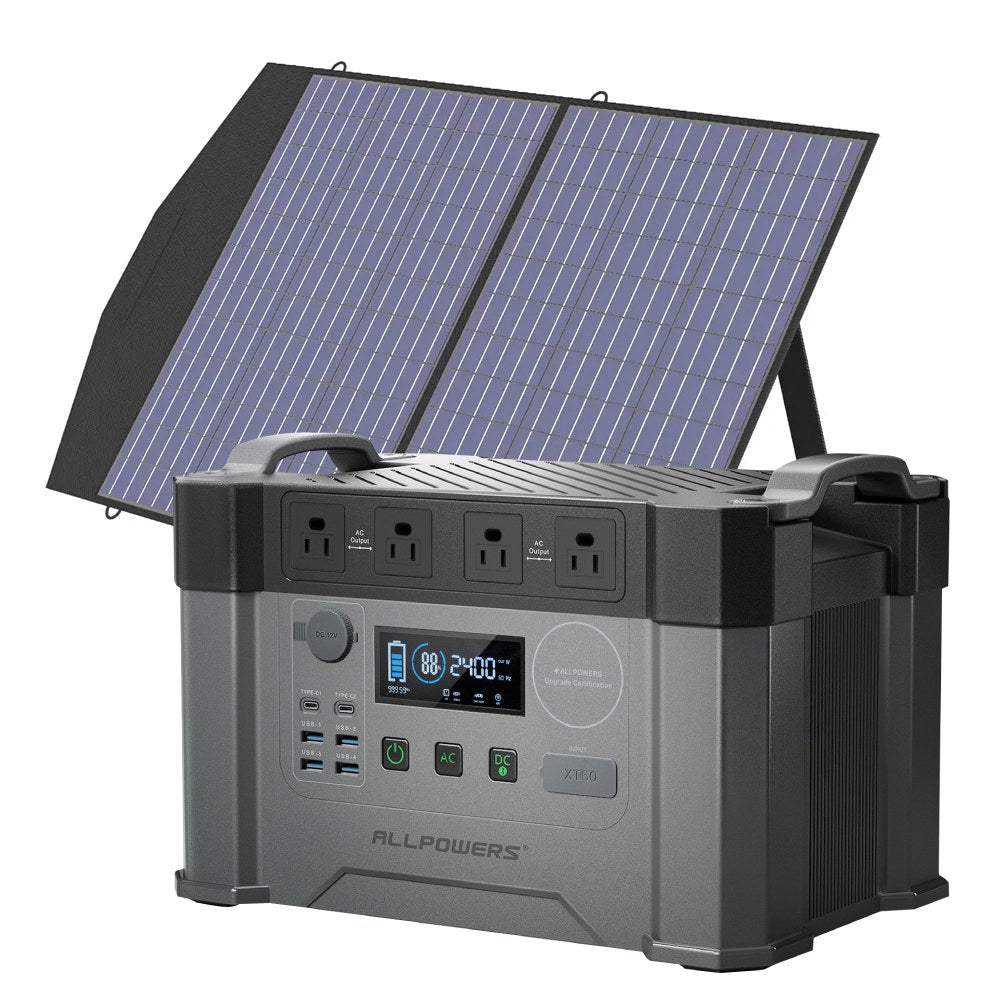
Imagine a power station with around 2,000 watt-hours of usable capacity. That’s a strong unit by most off-grid standards.
Now connect a 1,500-watt countertop oven and set it to bake.
It might give you a little over an hour, assuming perfect conditions. But ovens preheat aggressively, and heat loss causes frequent power cycling.
In practice, losses from inverter efficiency and thermal management shave that down. So maybe it’s 55 minutes. Maybe 45.
That sounds short, but think about how you actually cook outdoors or off-grid. You’re not roasting a turkey for Thanksgiving.
You’re baking a frozen lasagna, finishing a casserole, or crisping bread—short, intentional cooking sessions.
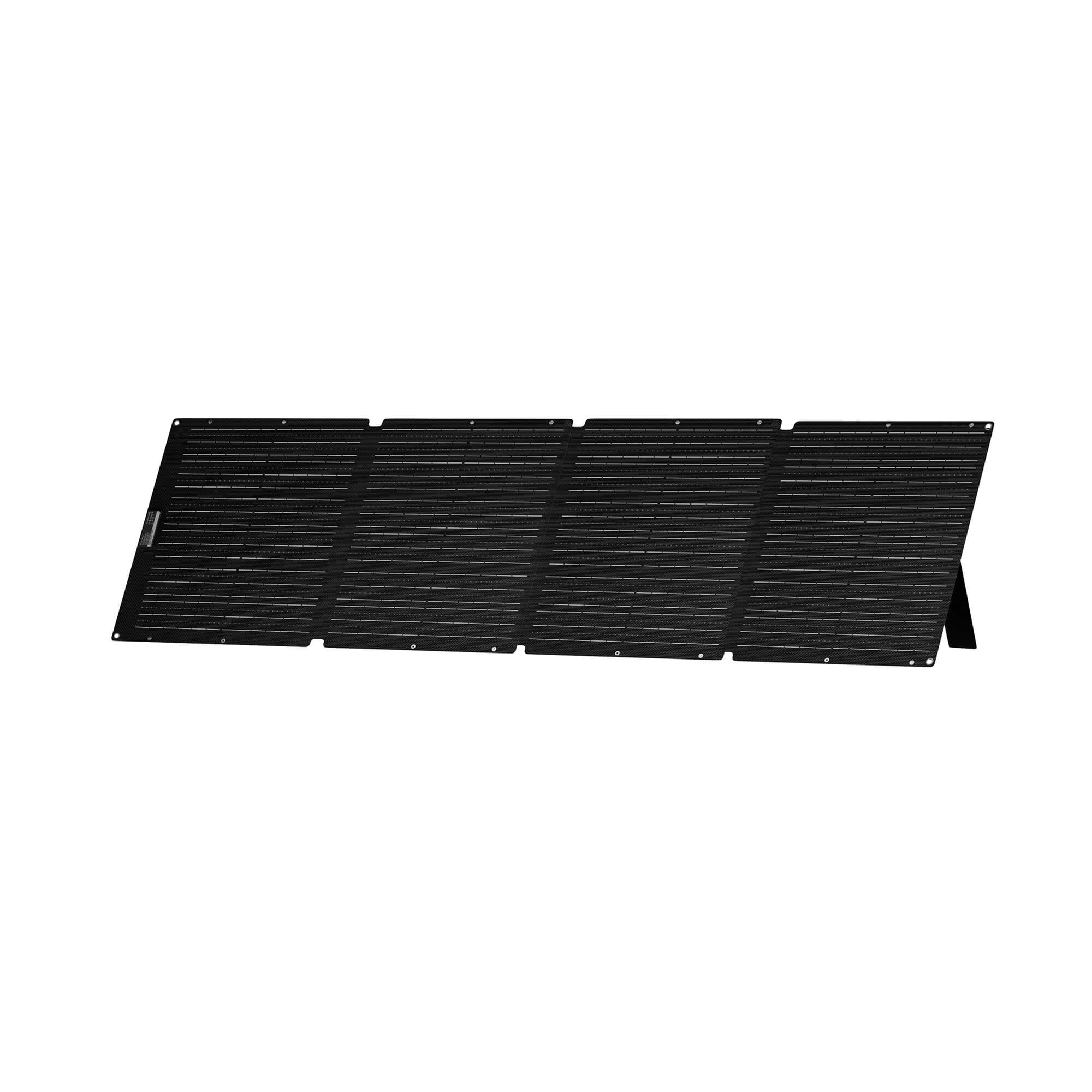
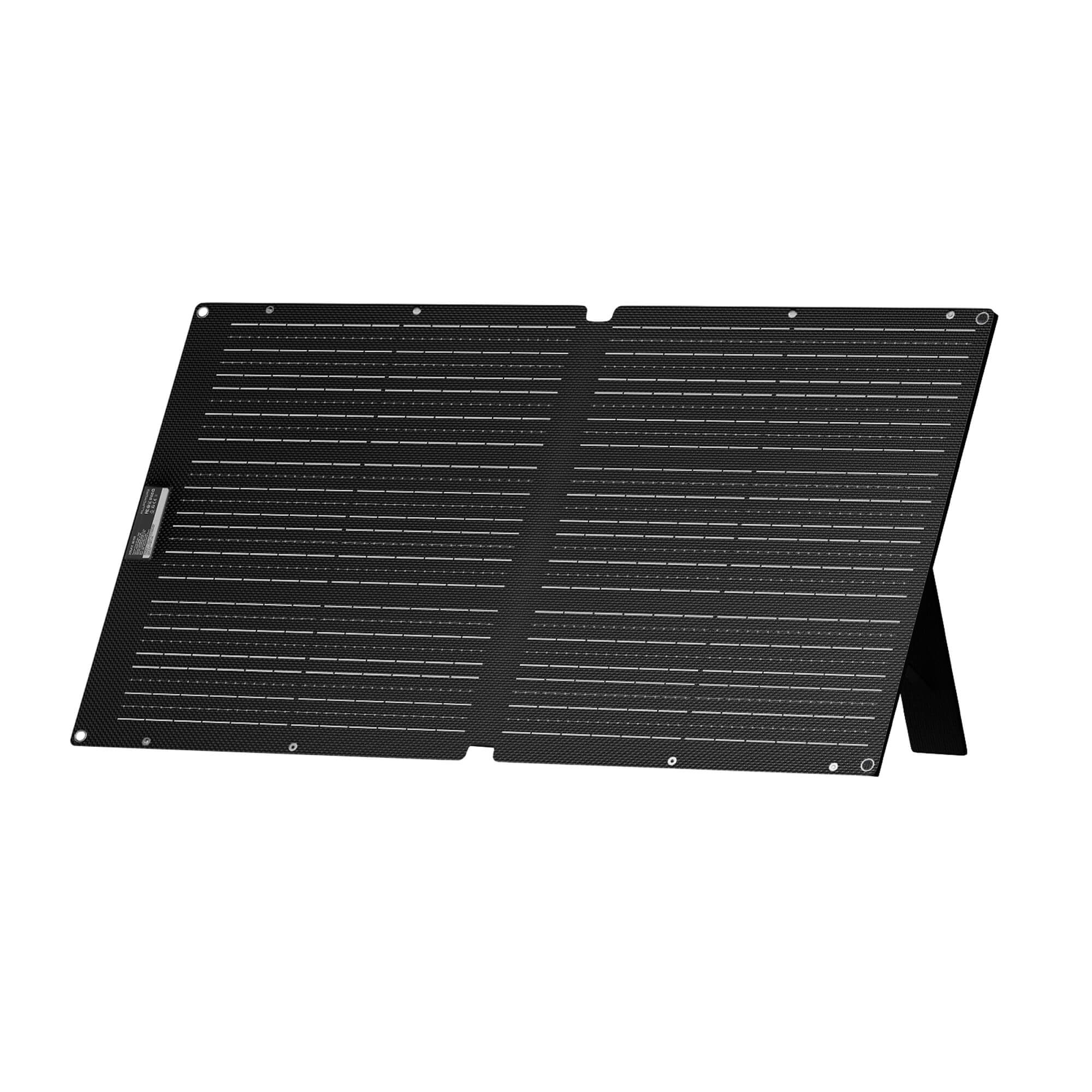
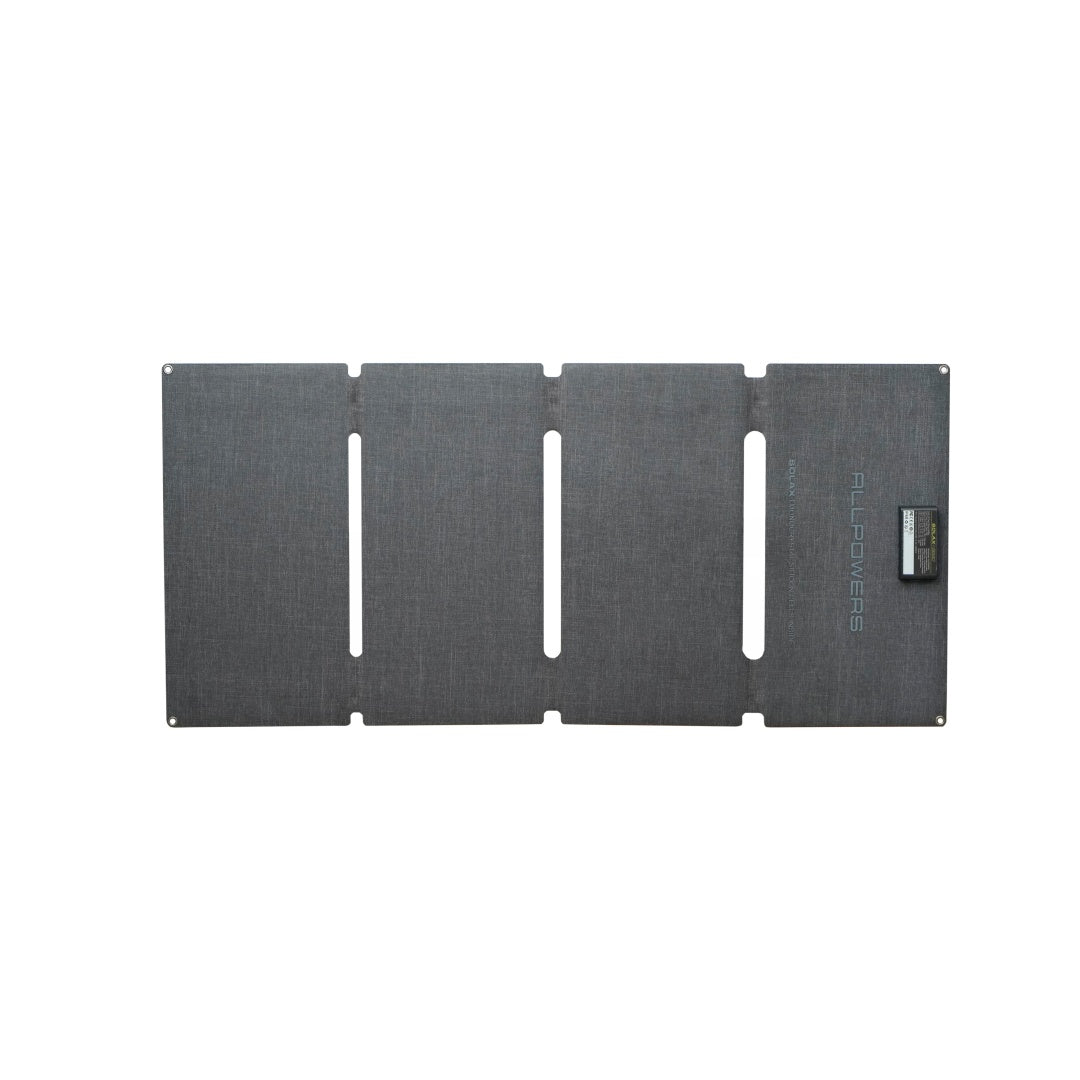
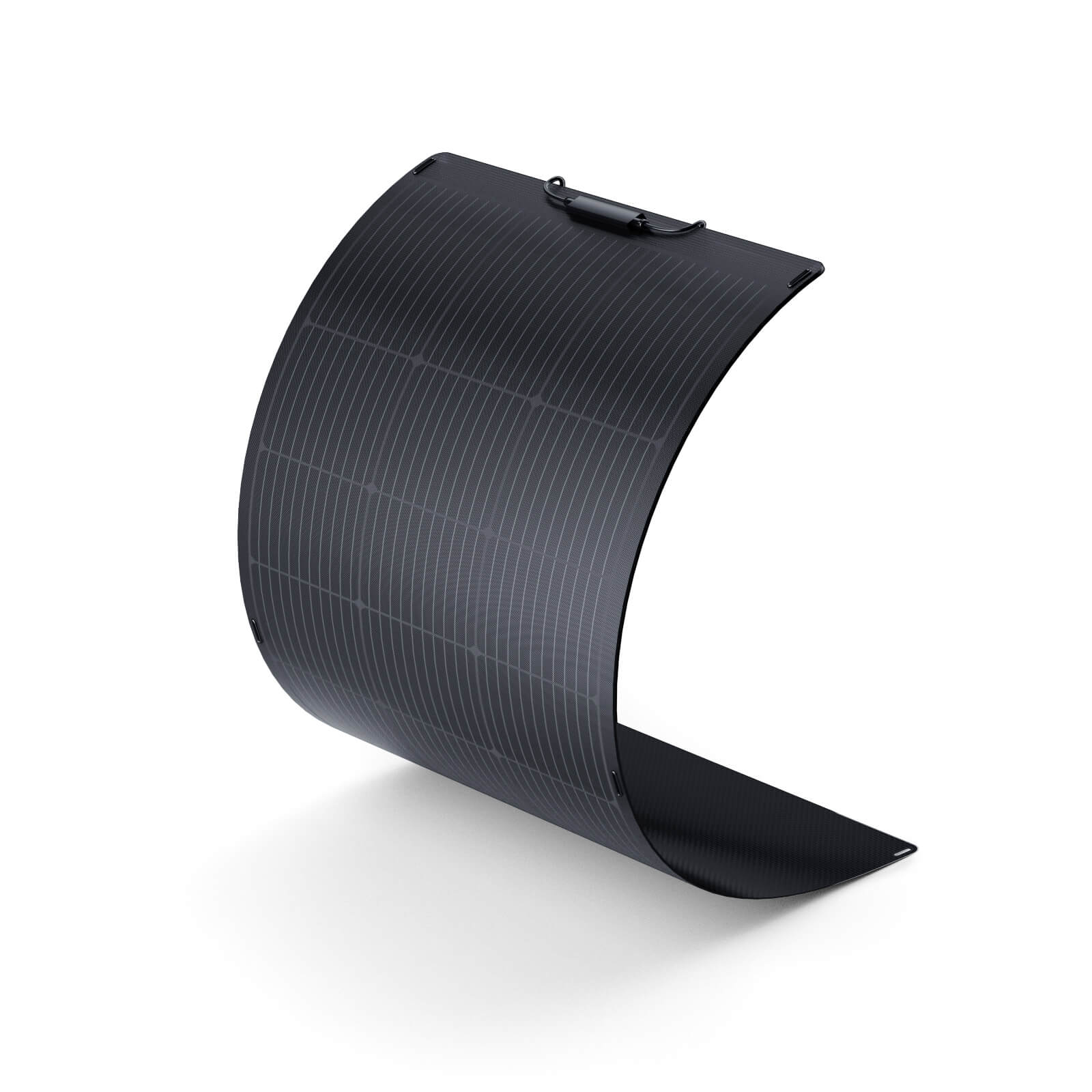
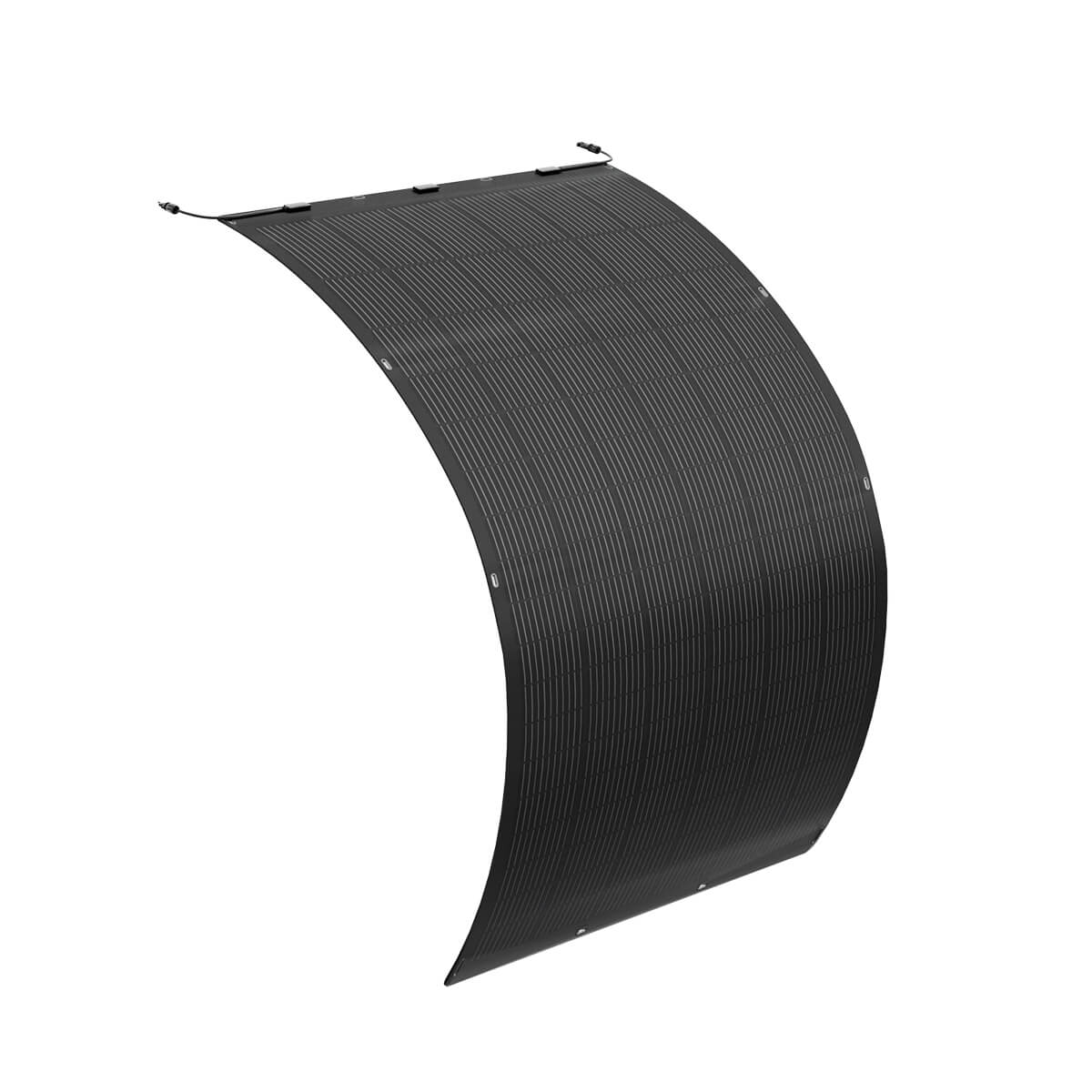
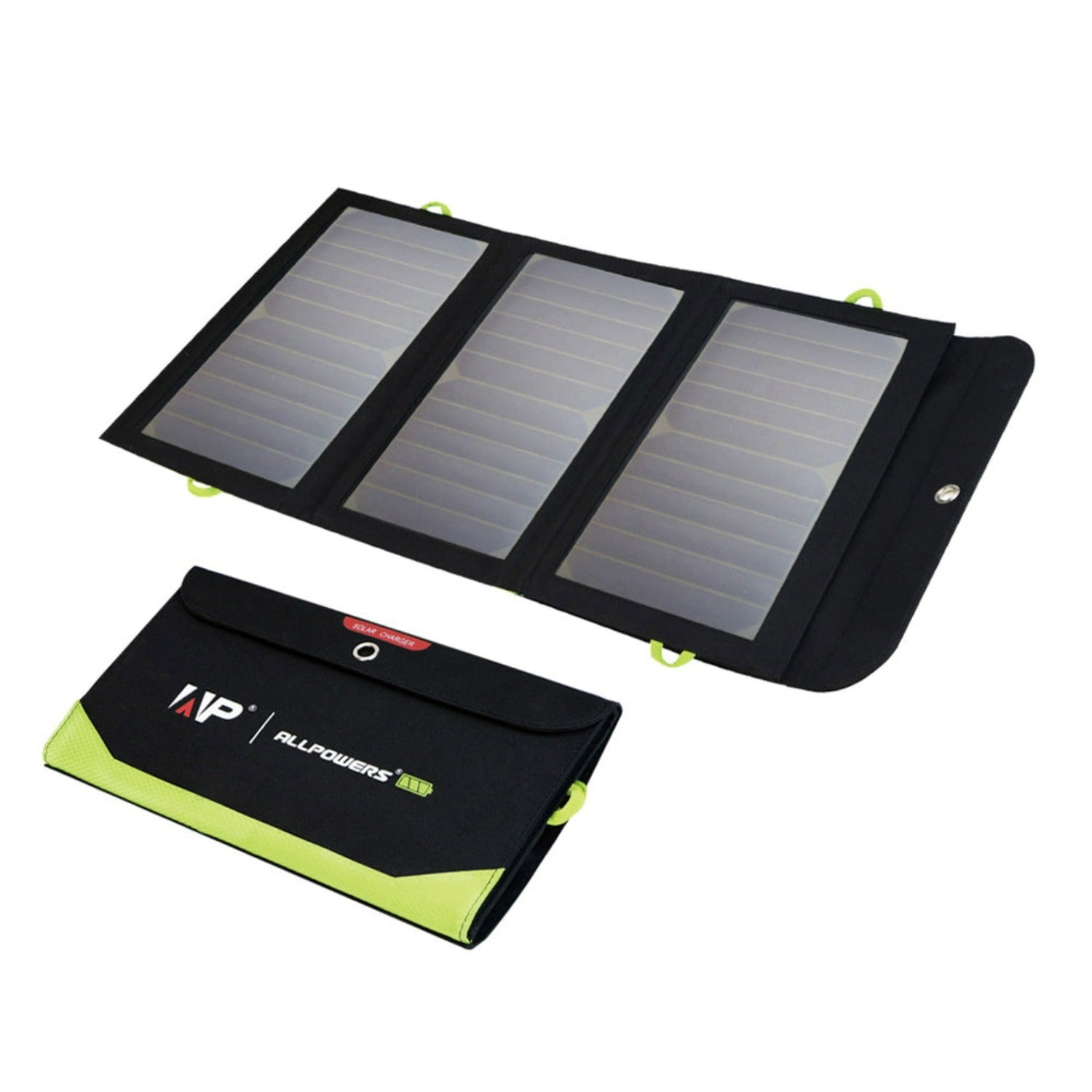
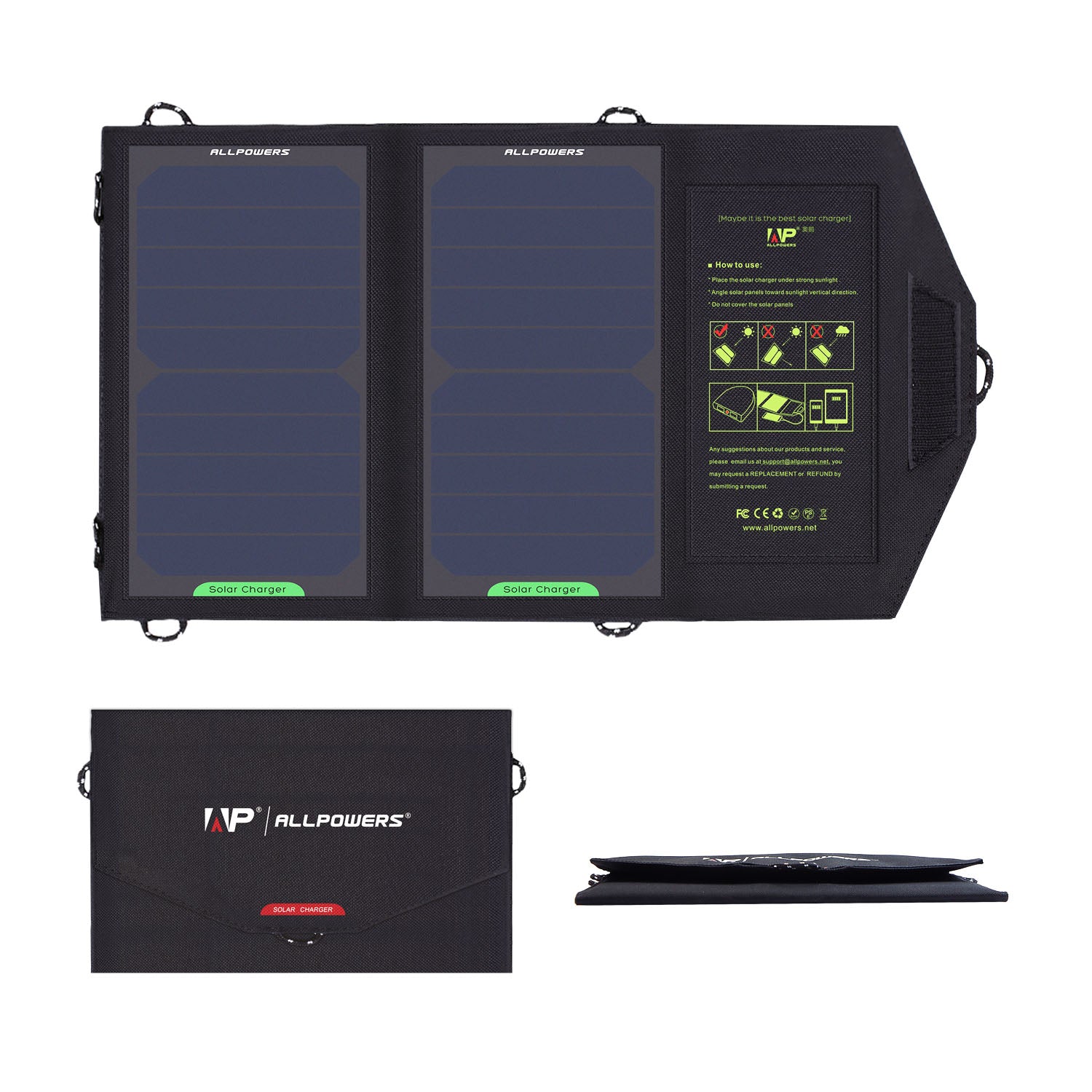
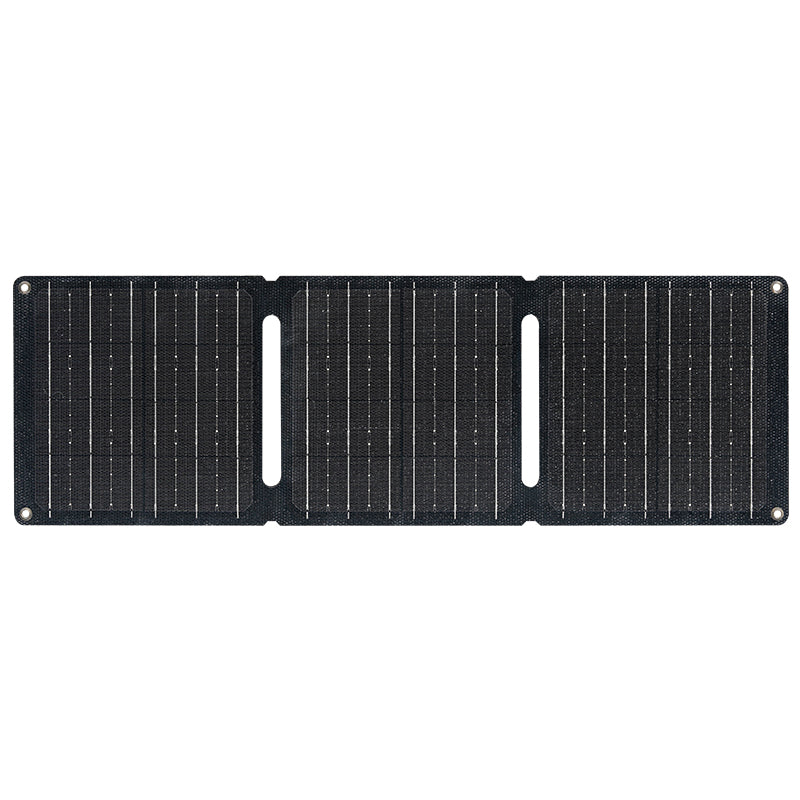
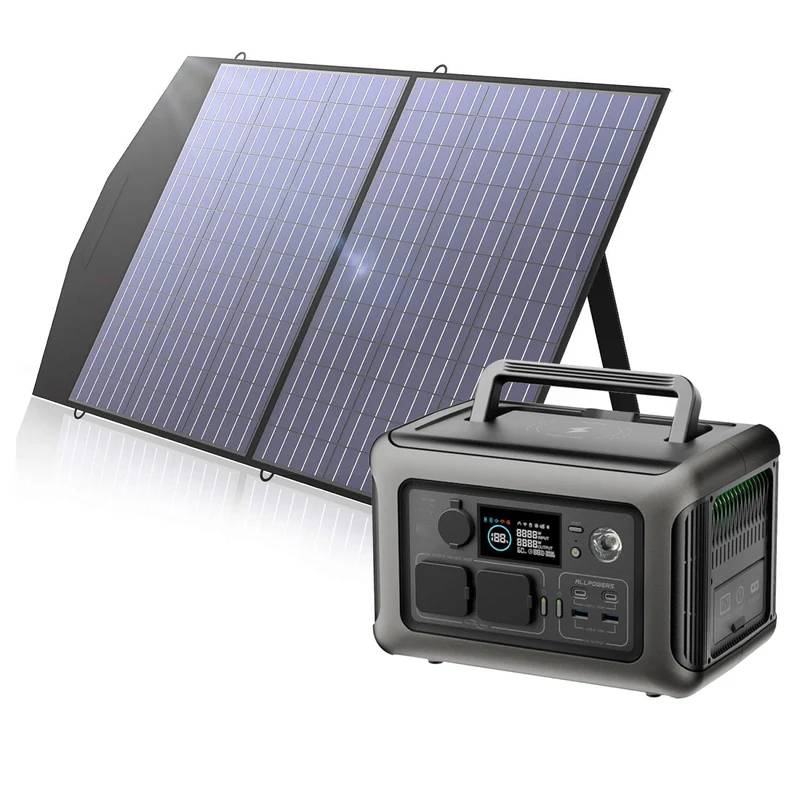
One overlooked factor is live input. If a portable power station is charging while powering an oven—say, via solar panels on a sunny day—the math changes.
This doesn’t mean solar panels magically run an oven. They don’t. But they can slow the drain enough to make short cooking sessions practical.
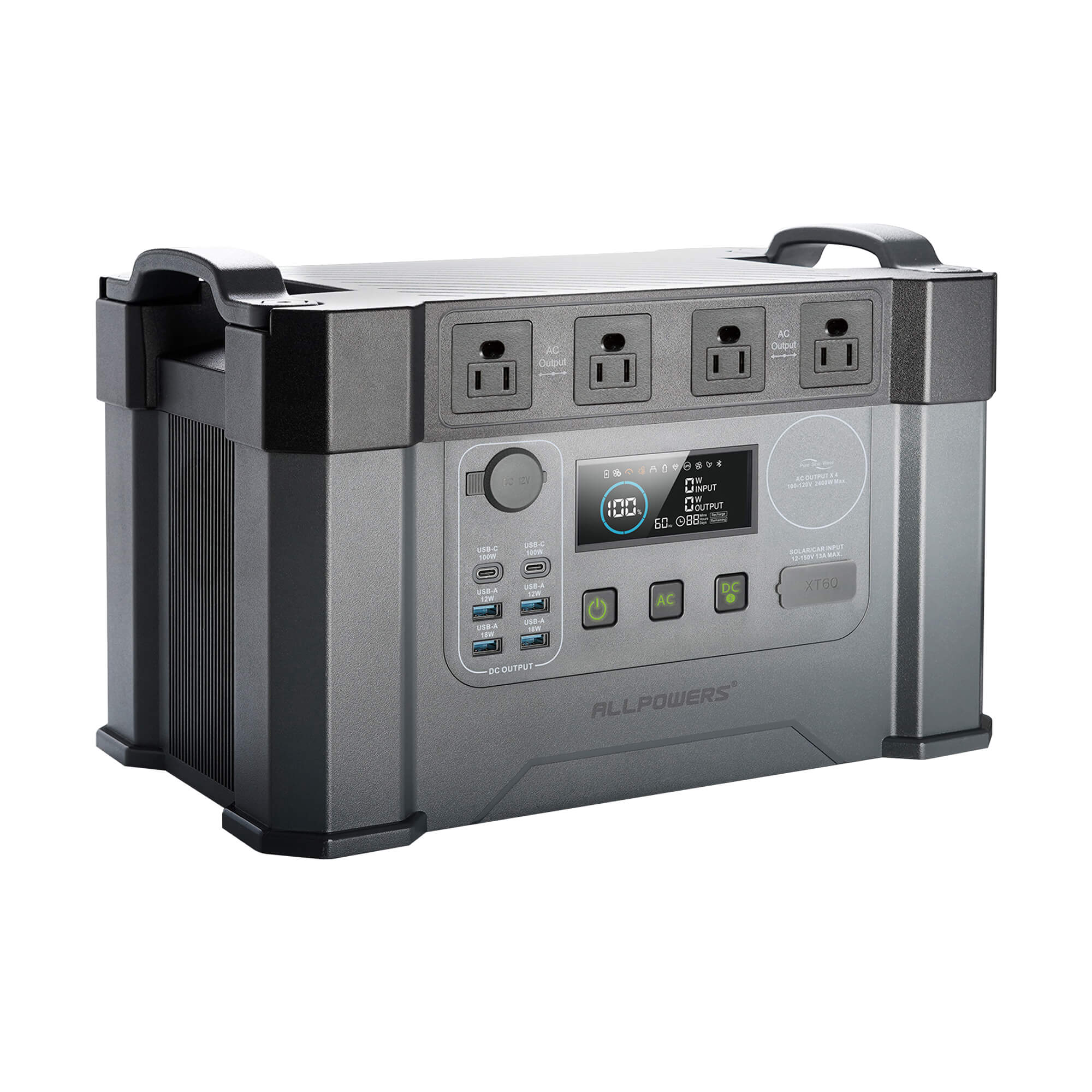
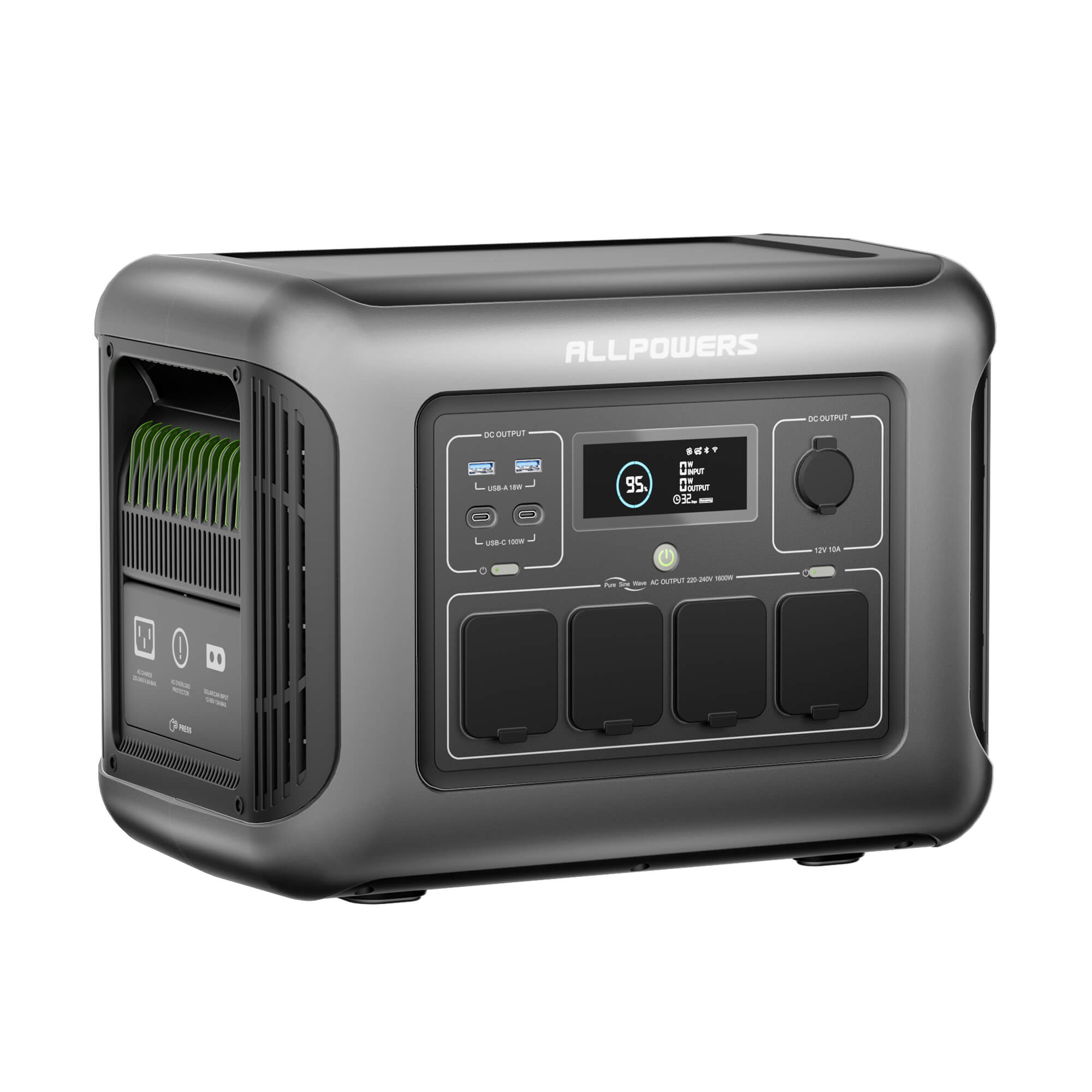
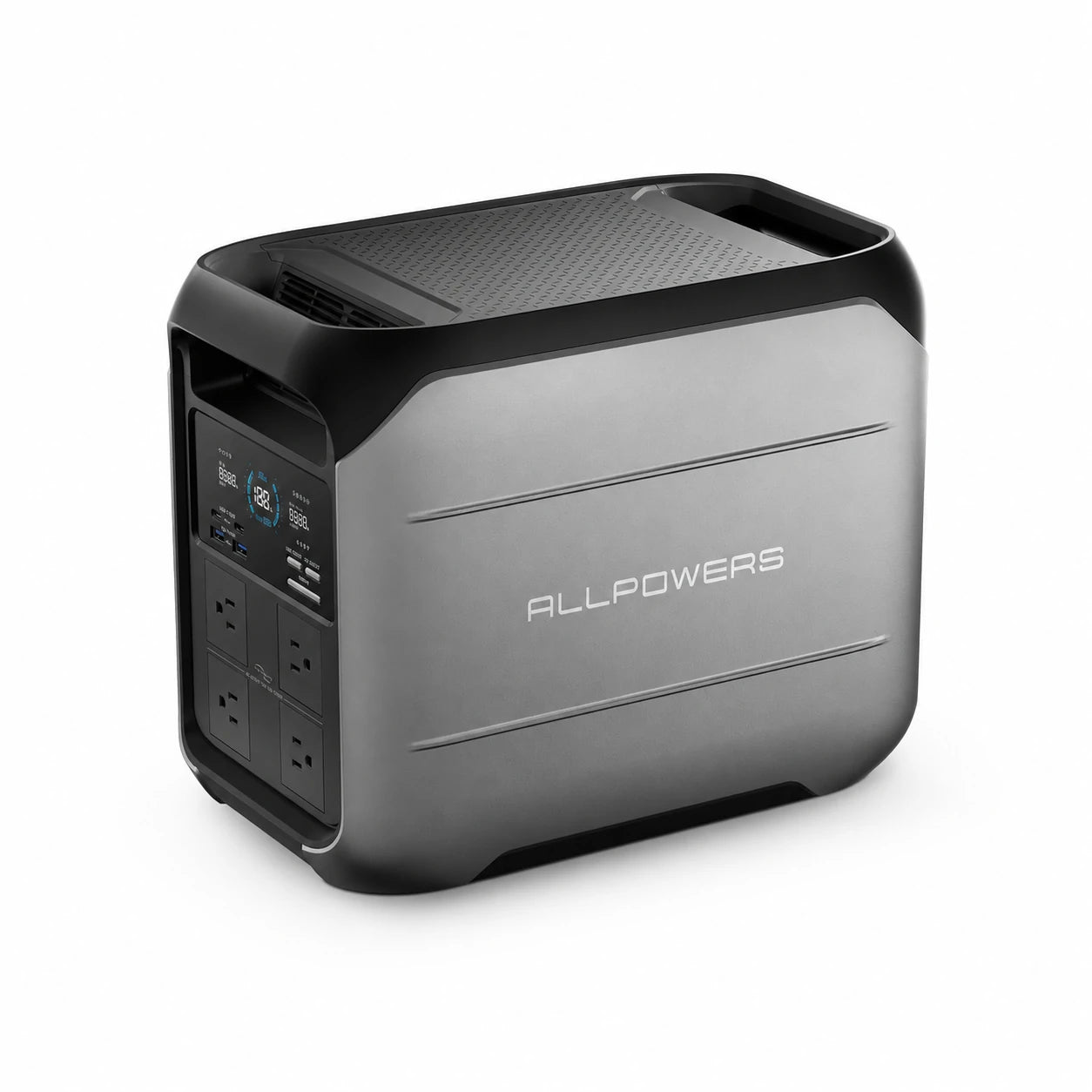
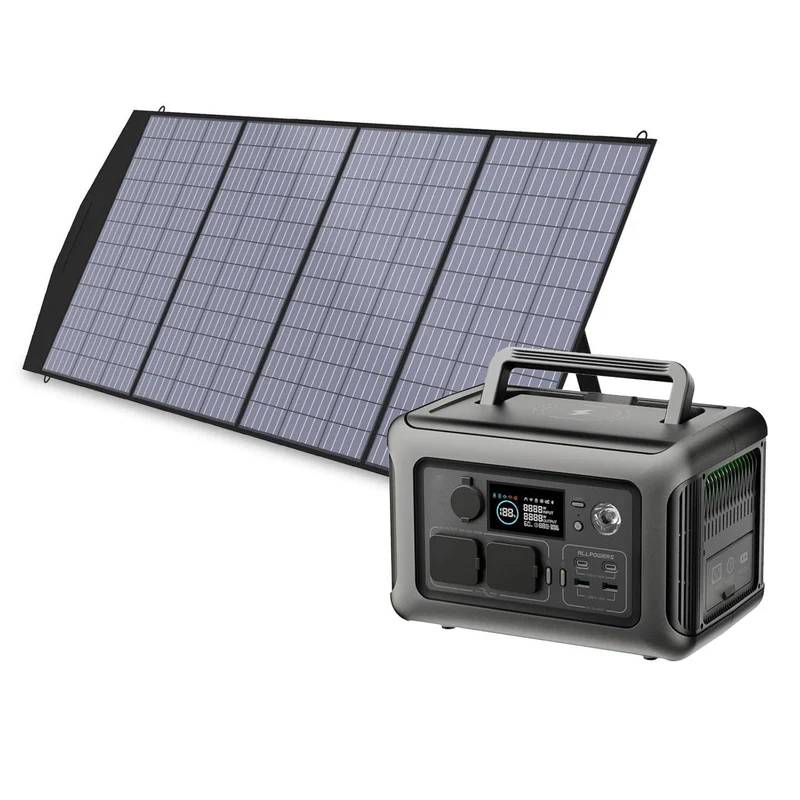
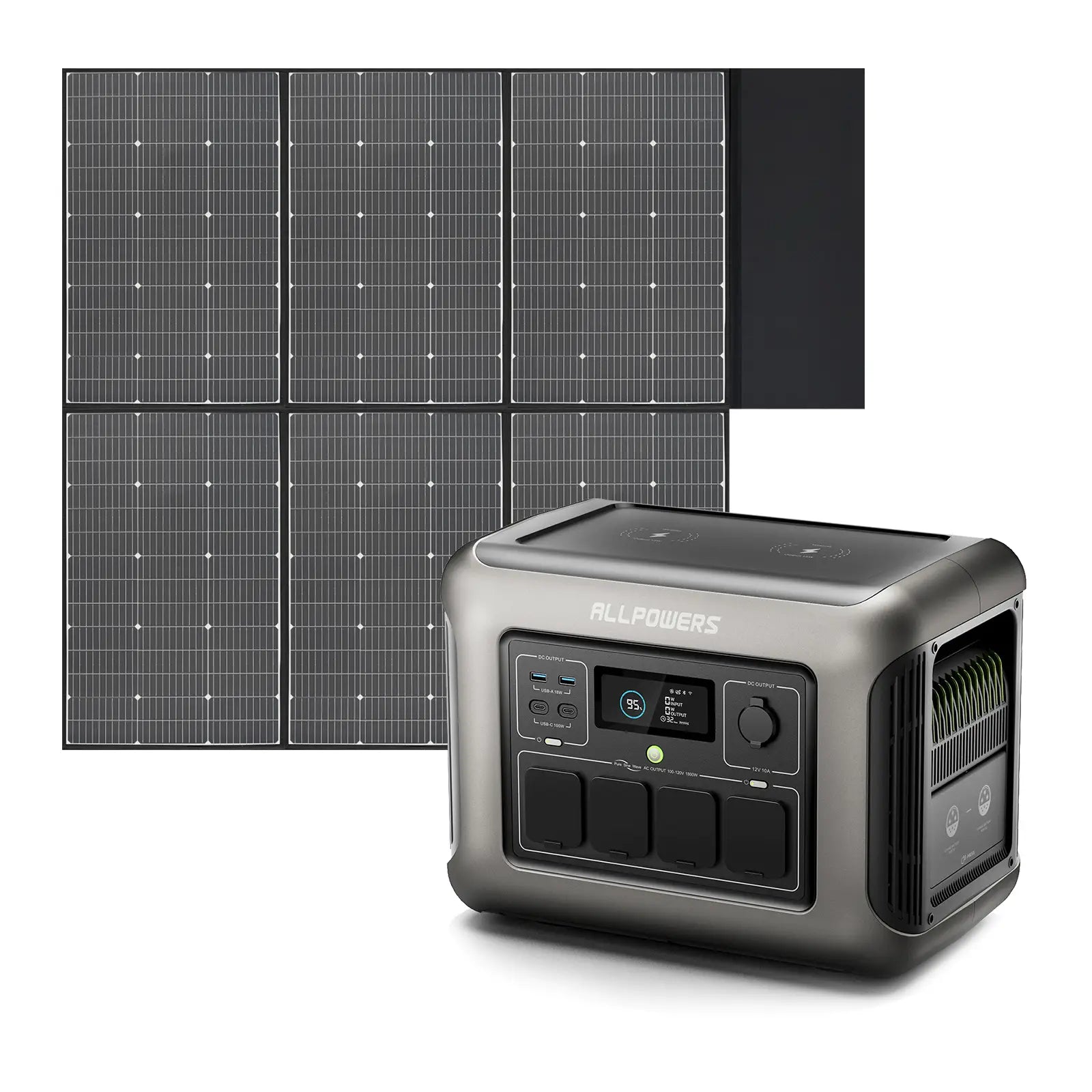
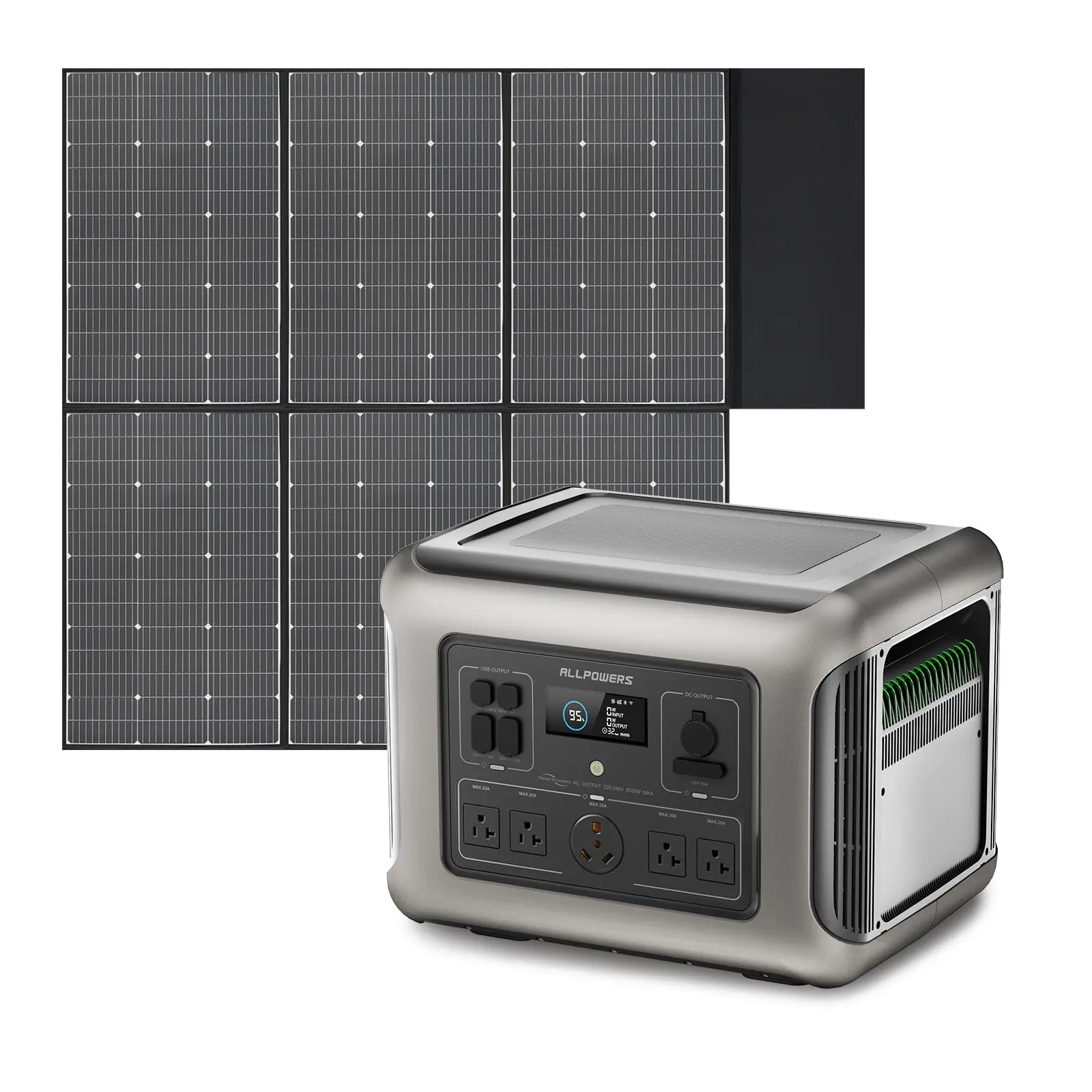
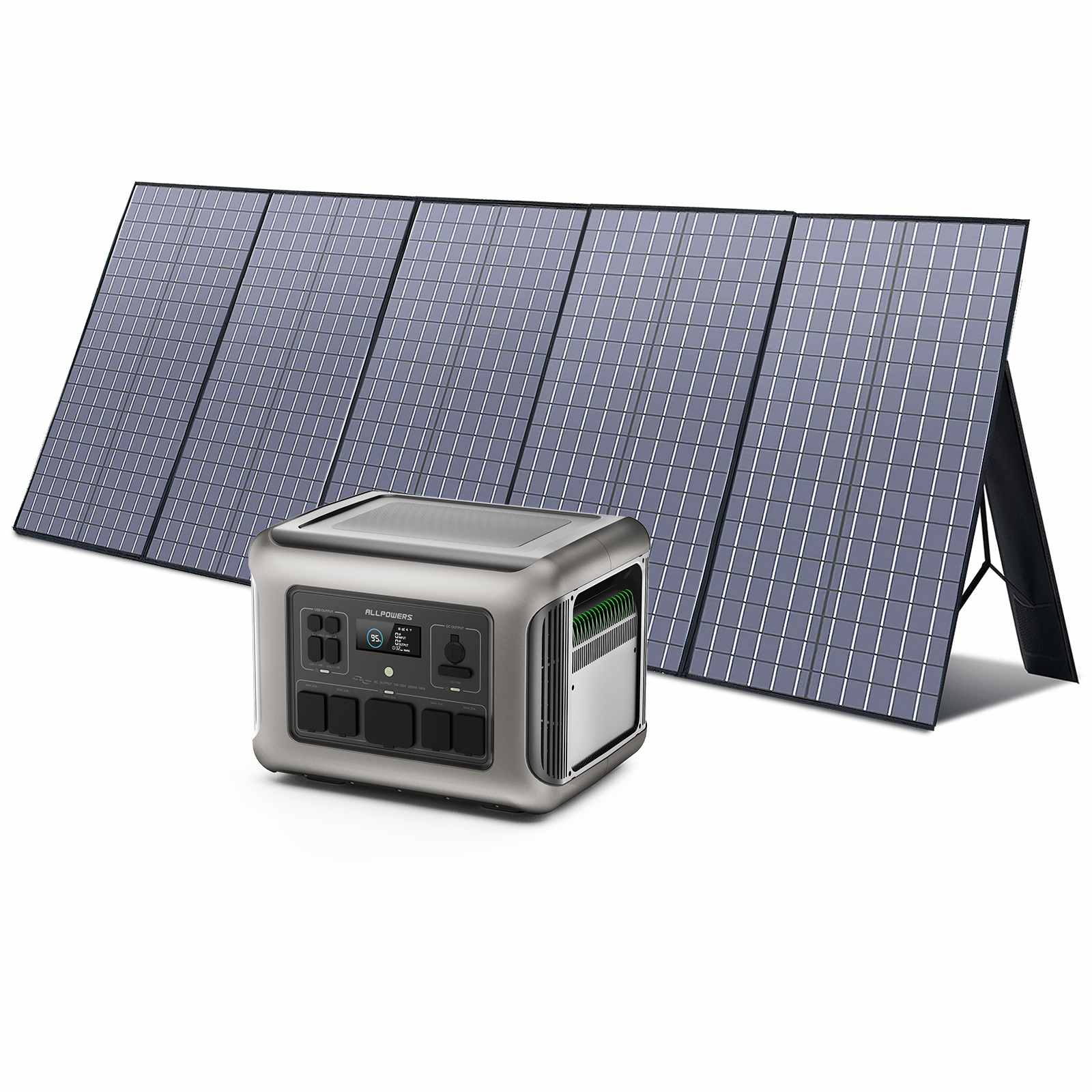
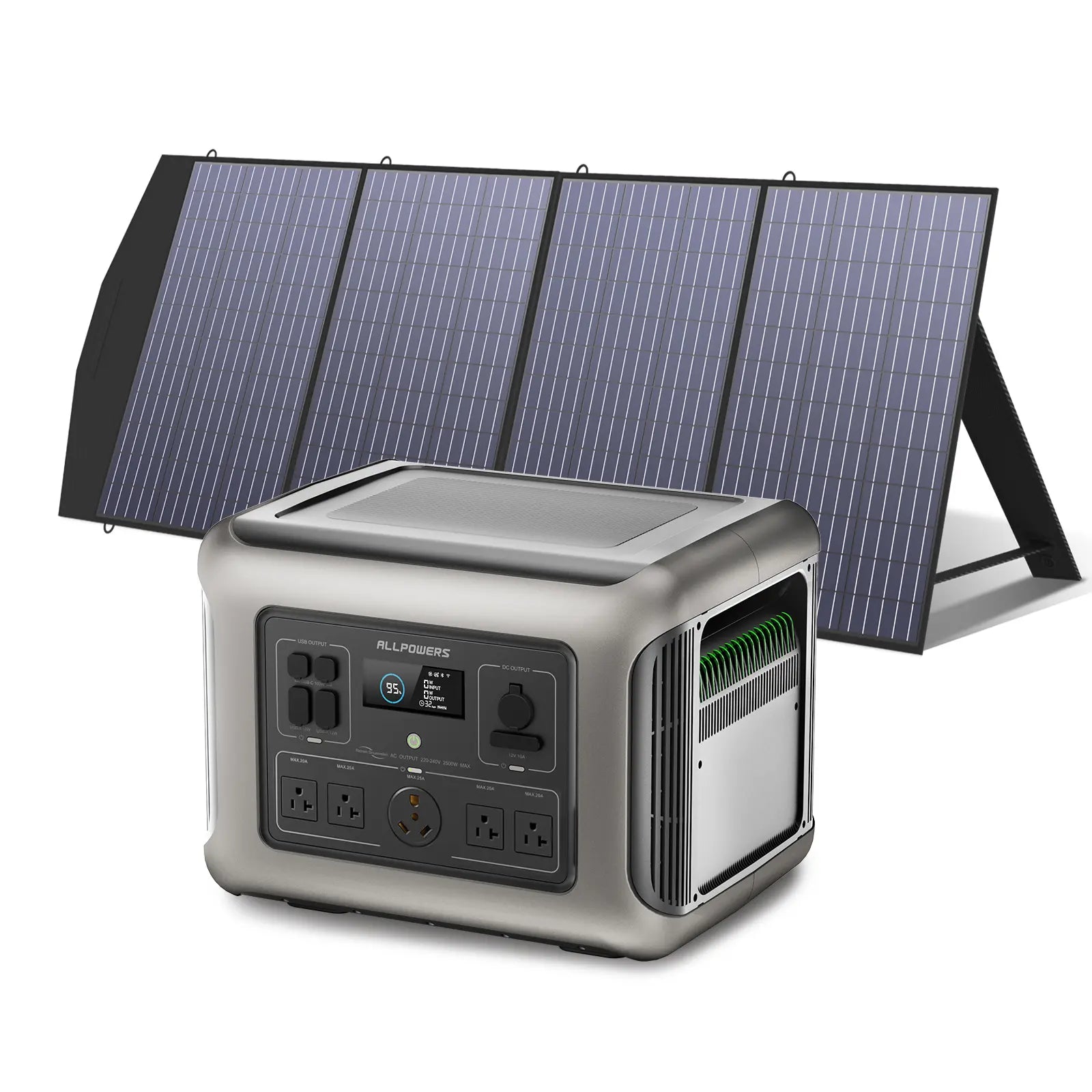
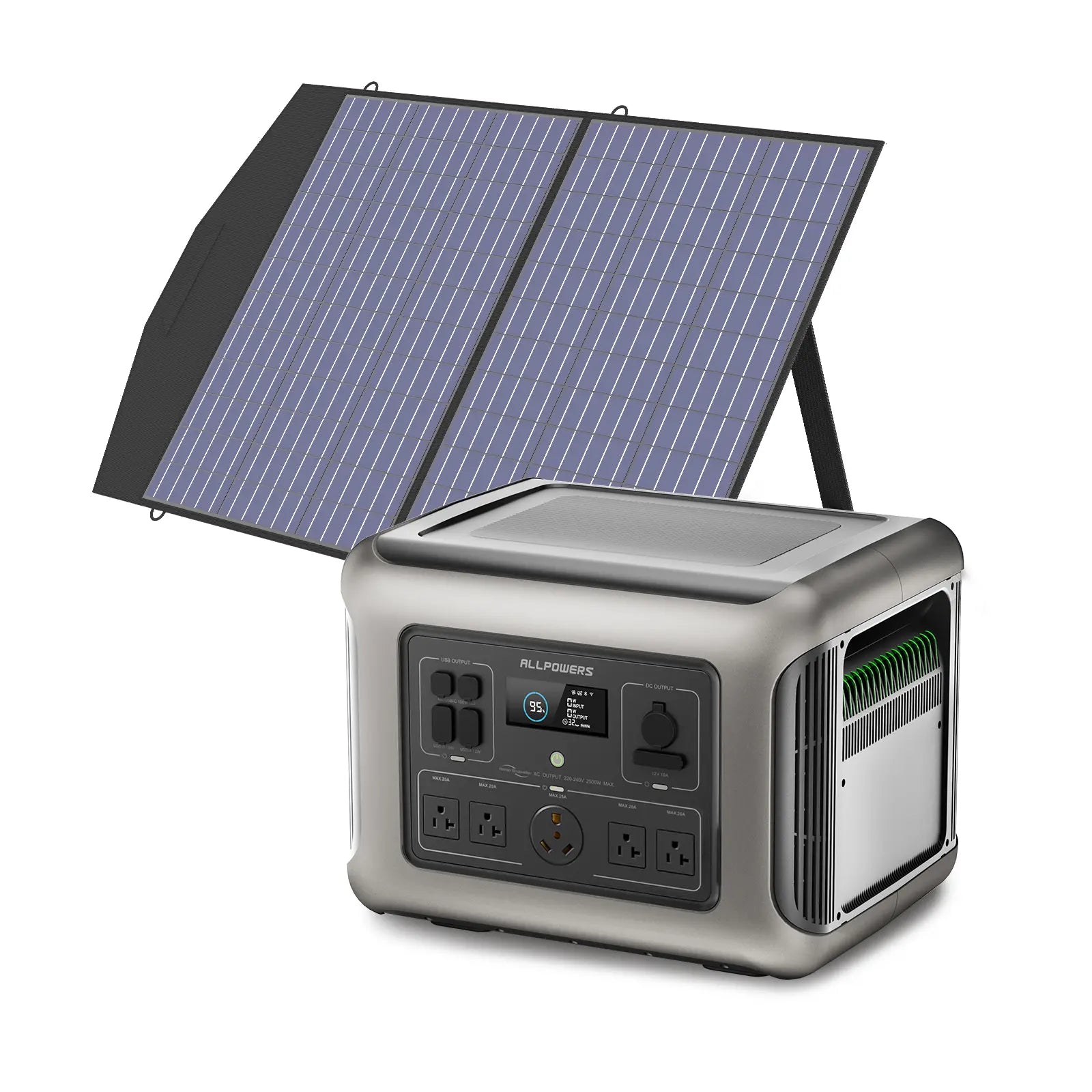
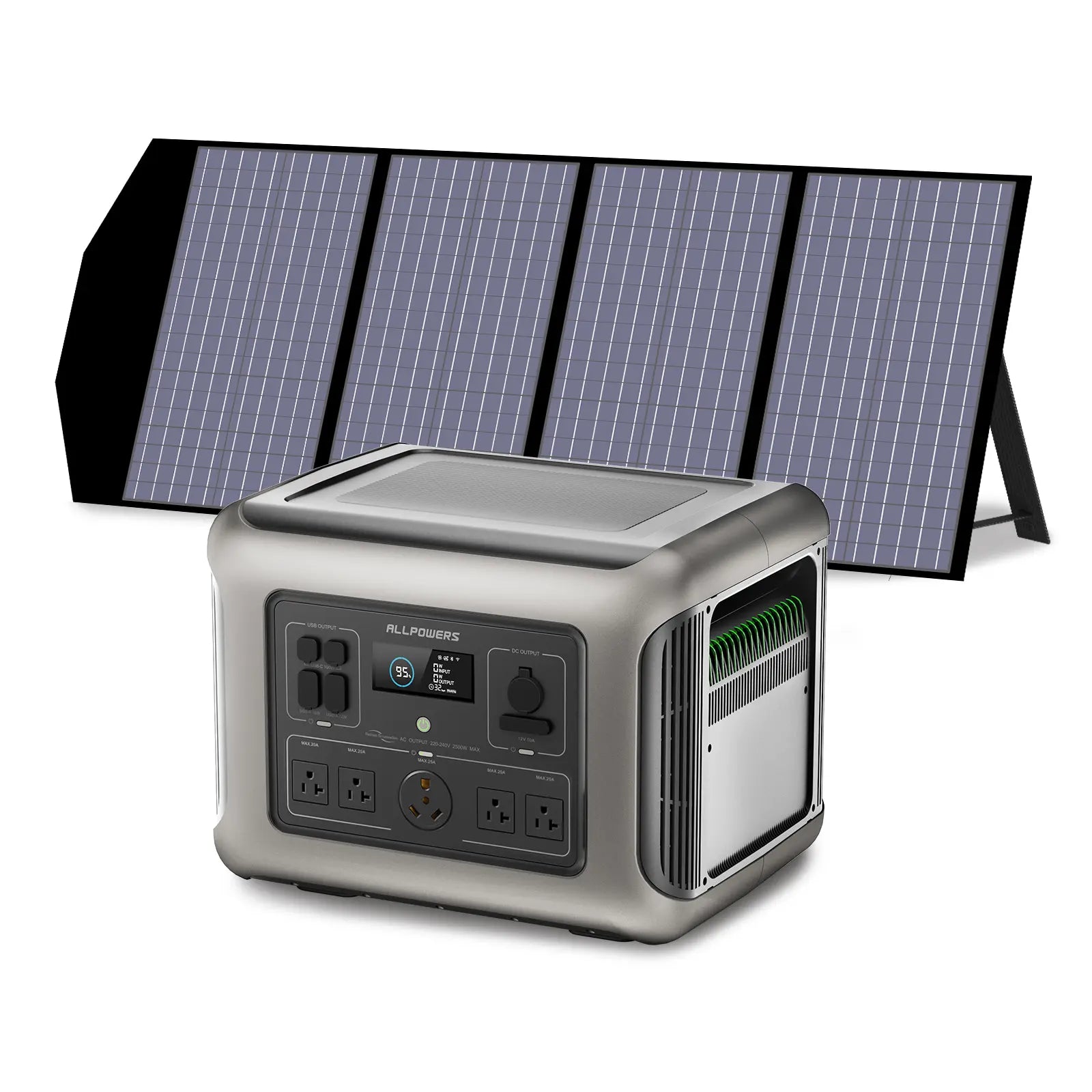
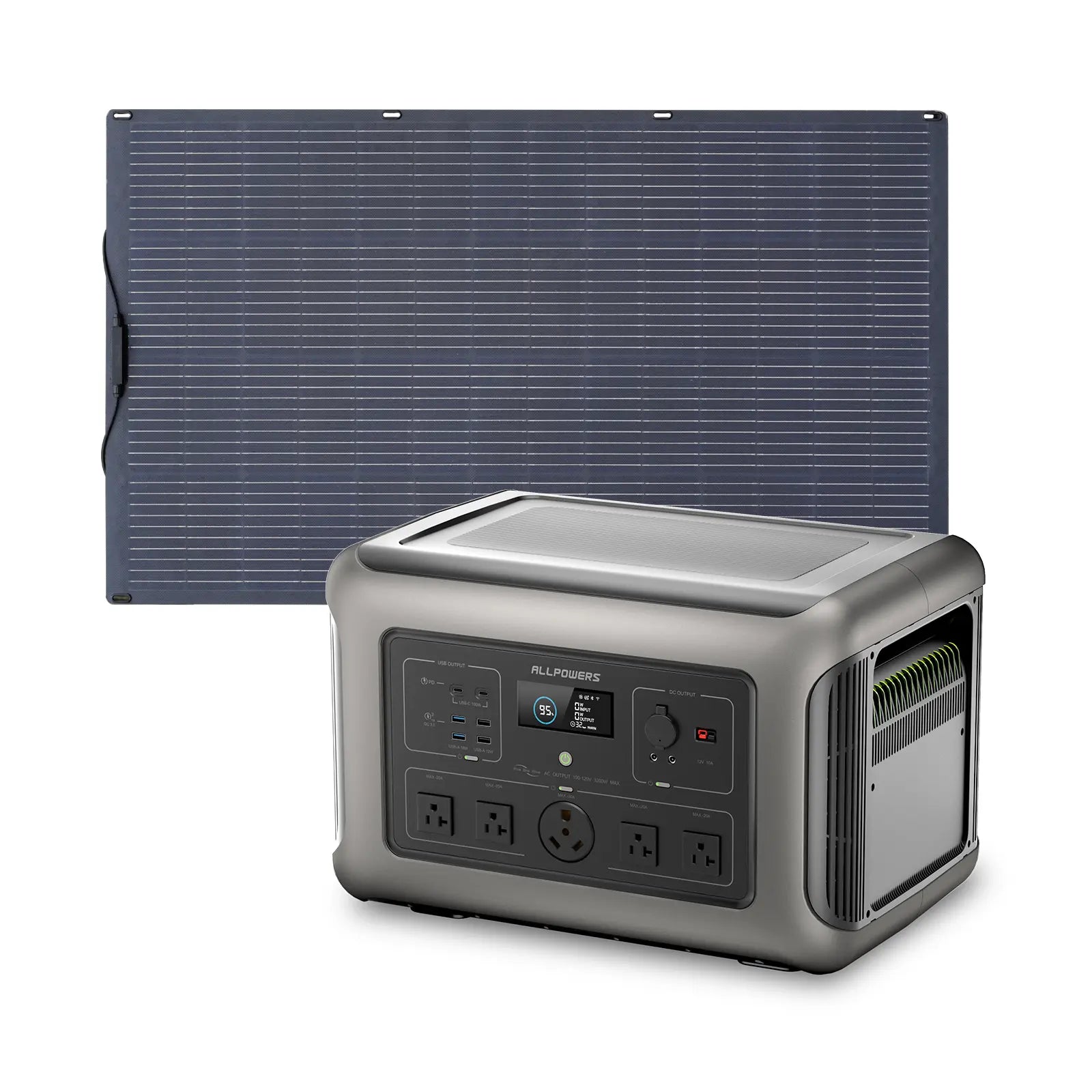
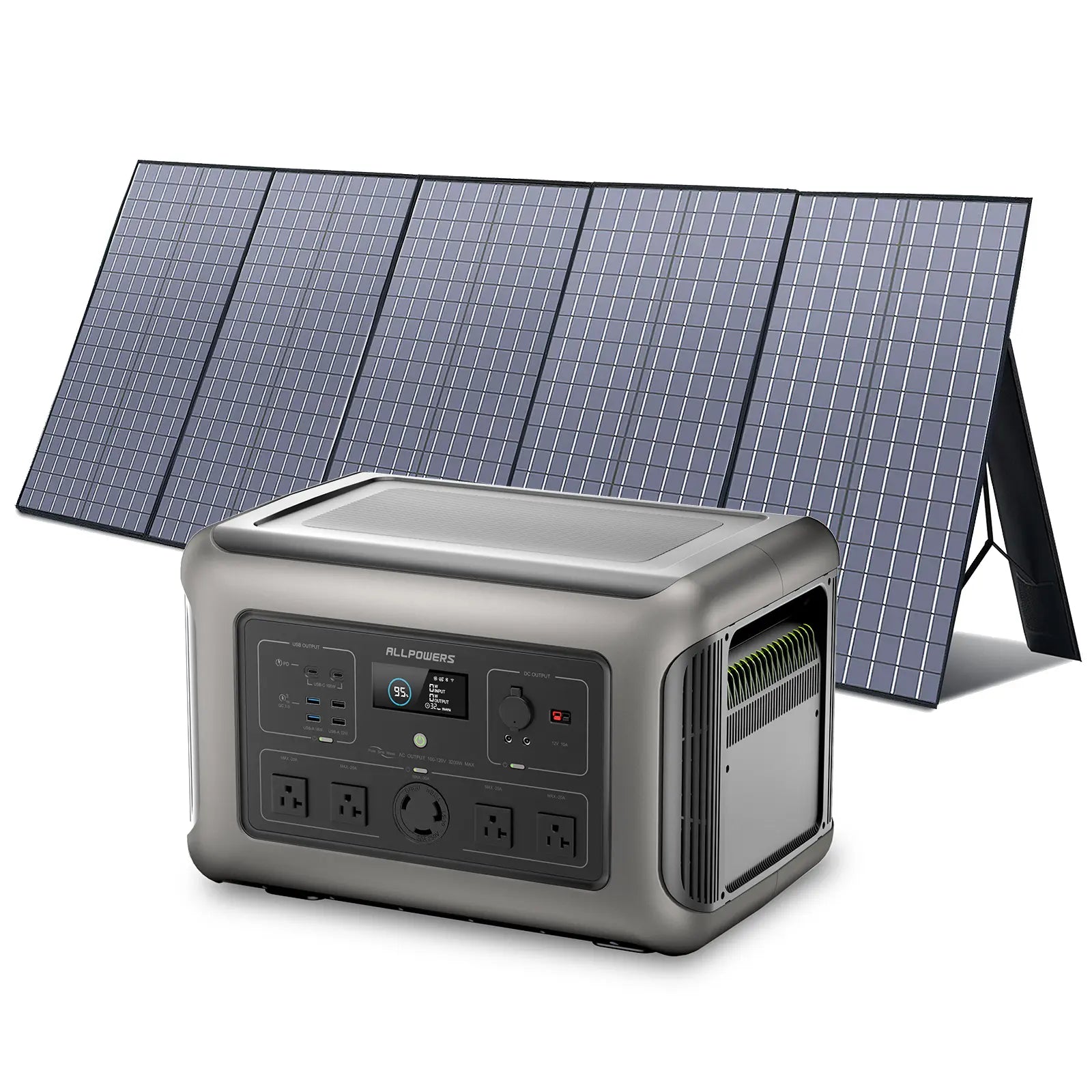
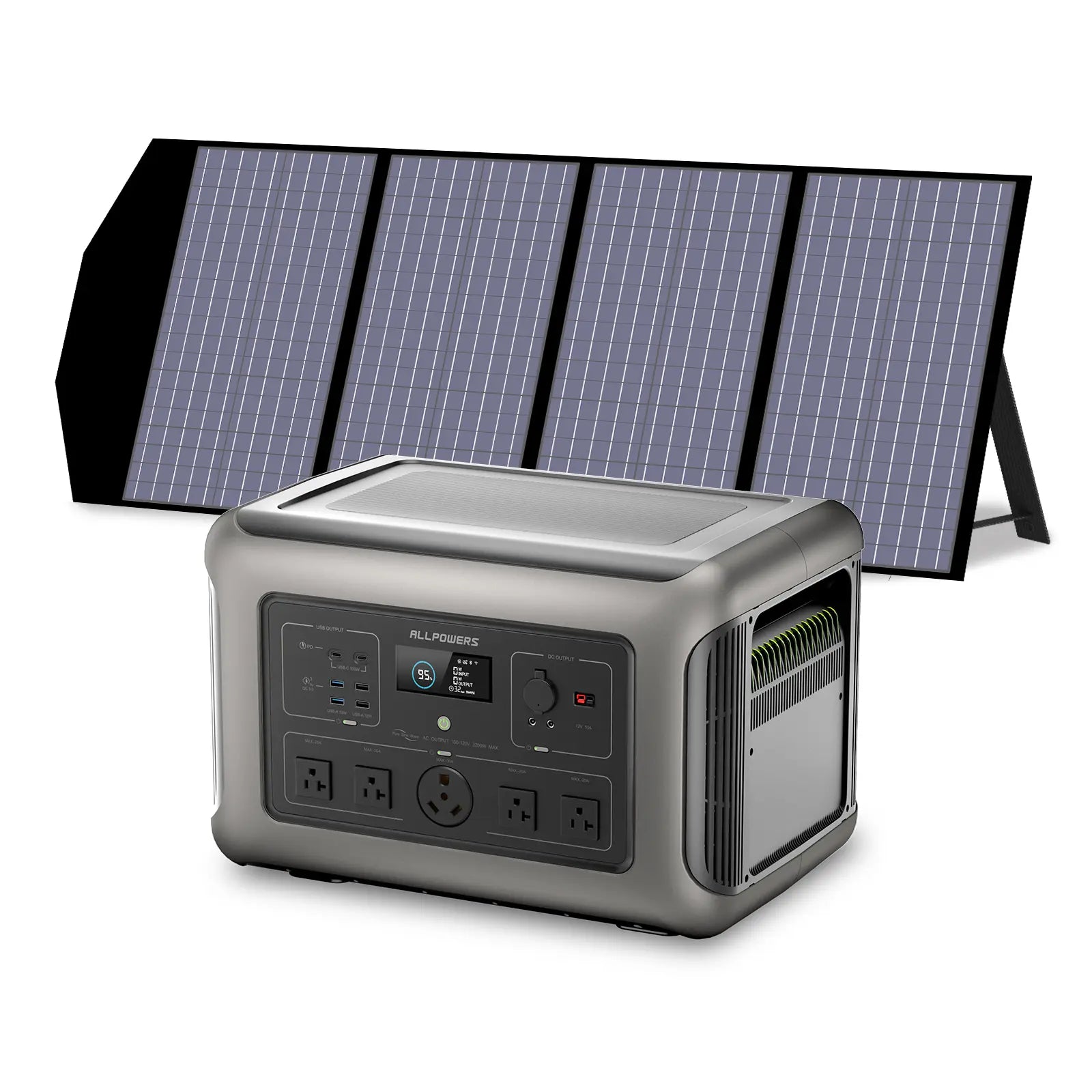
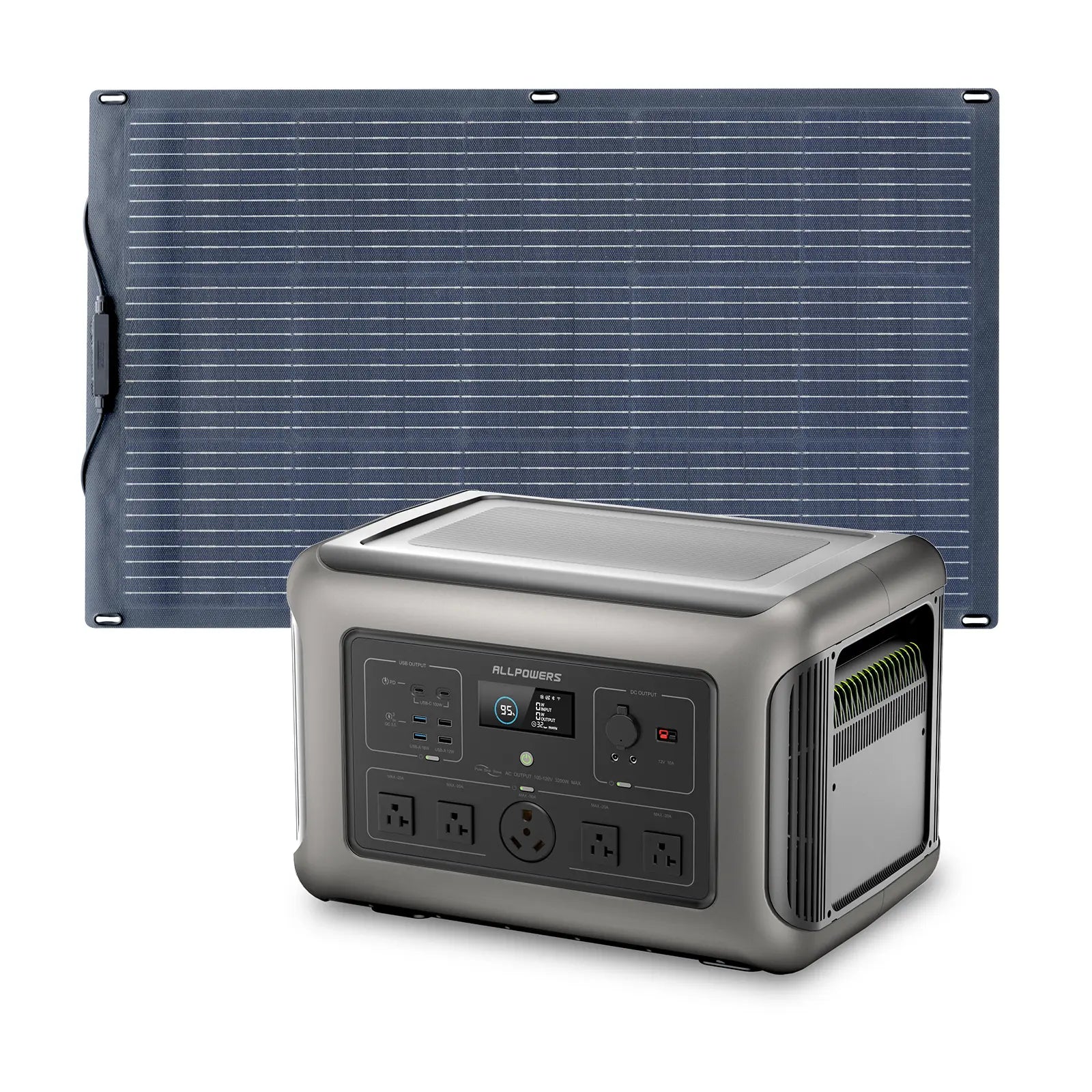
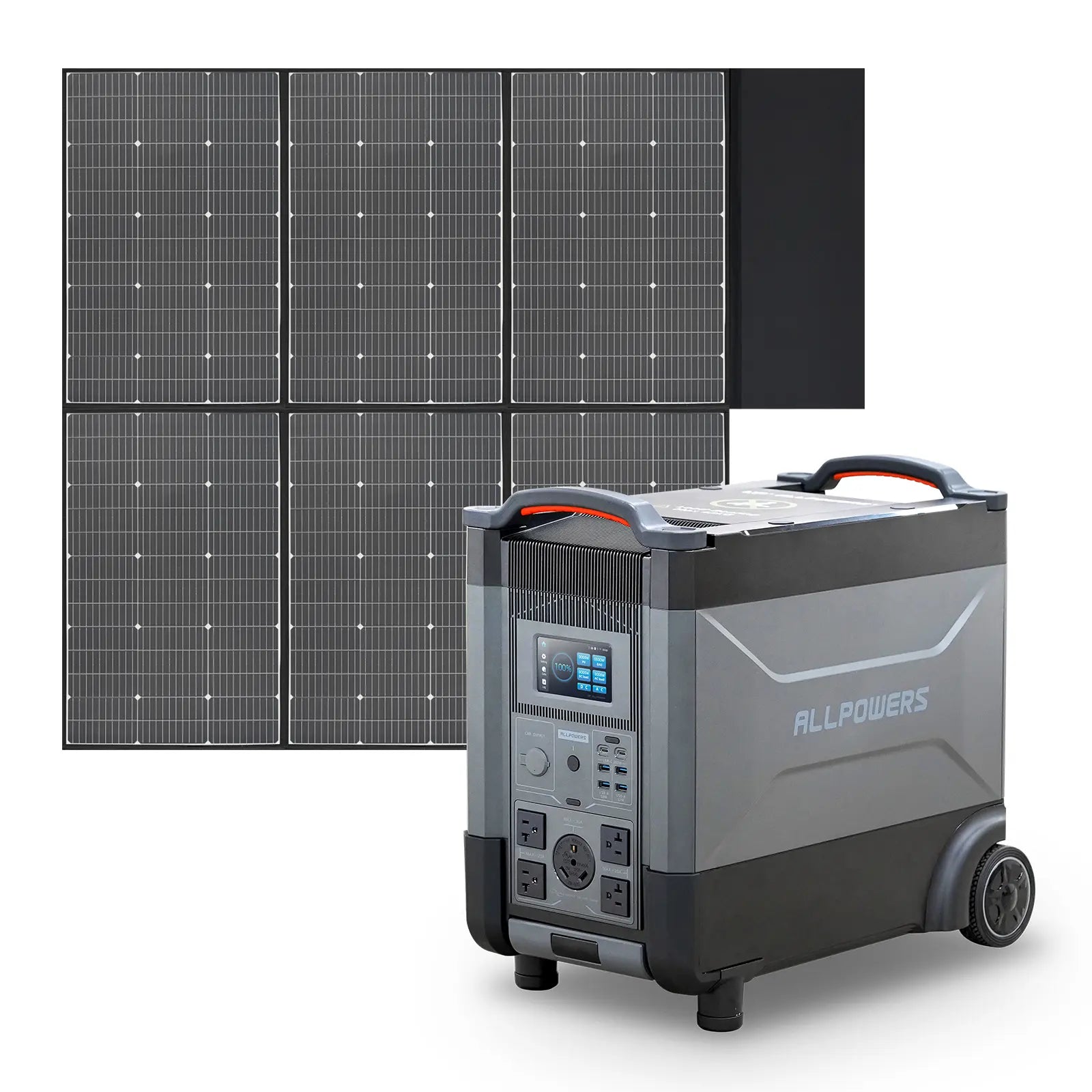
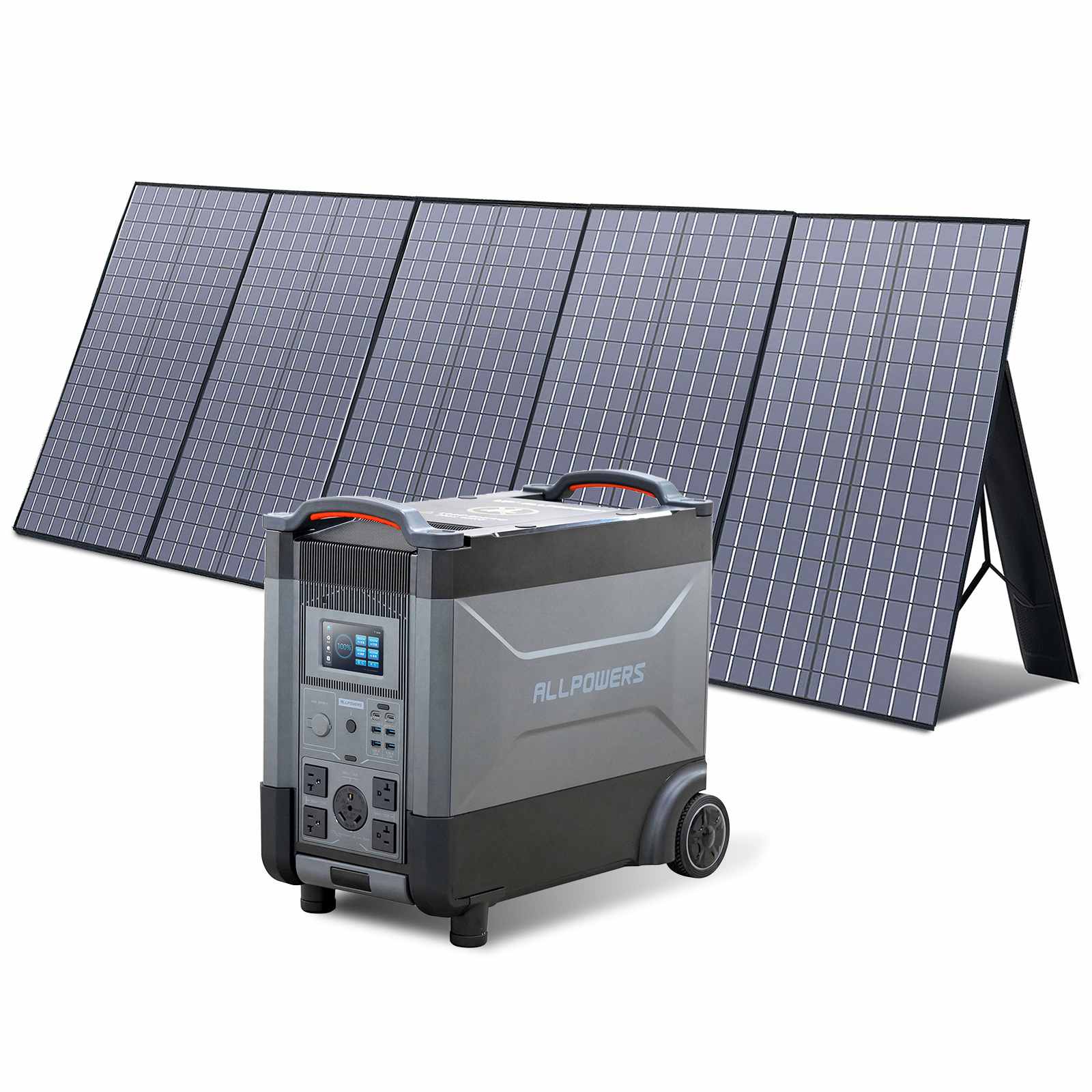
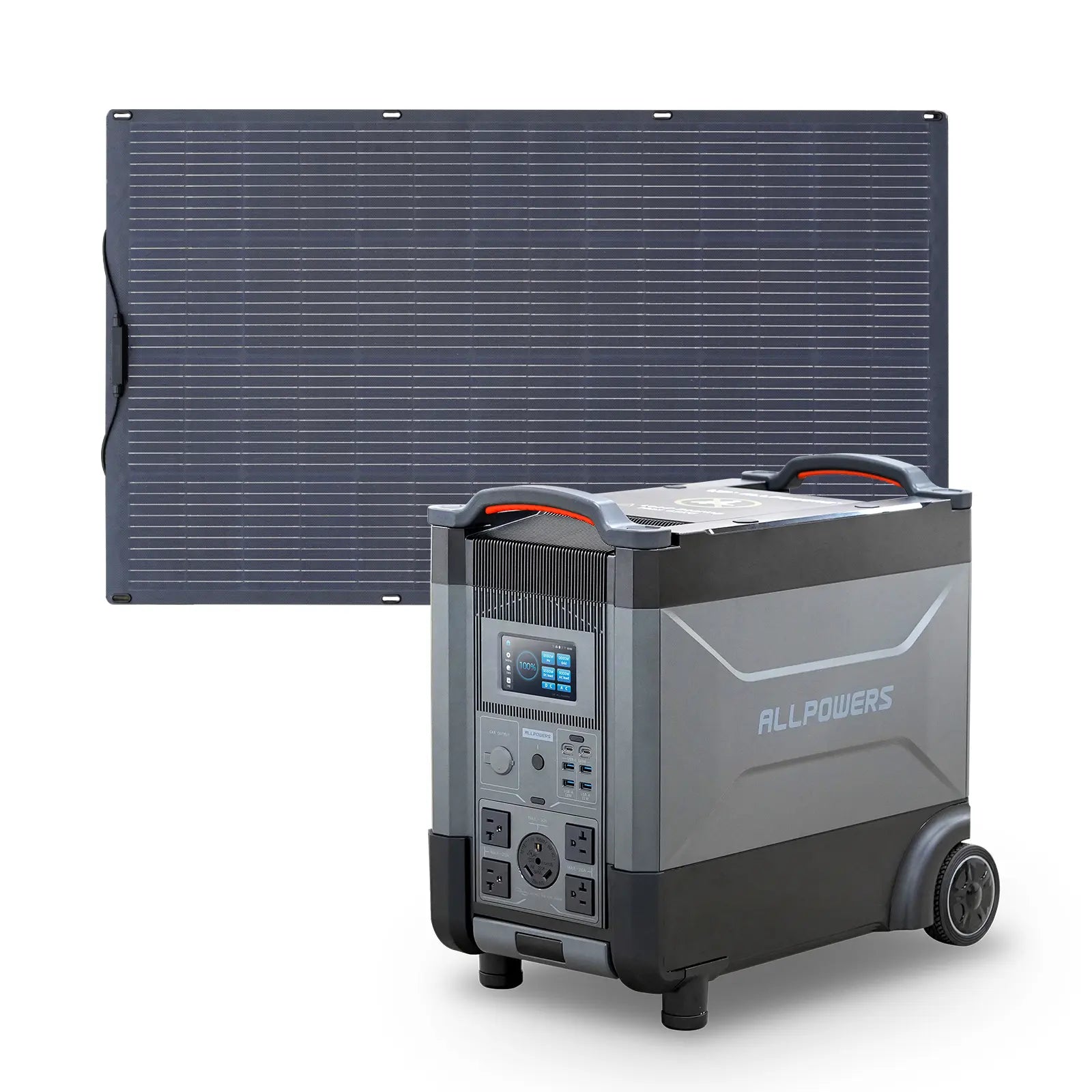
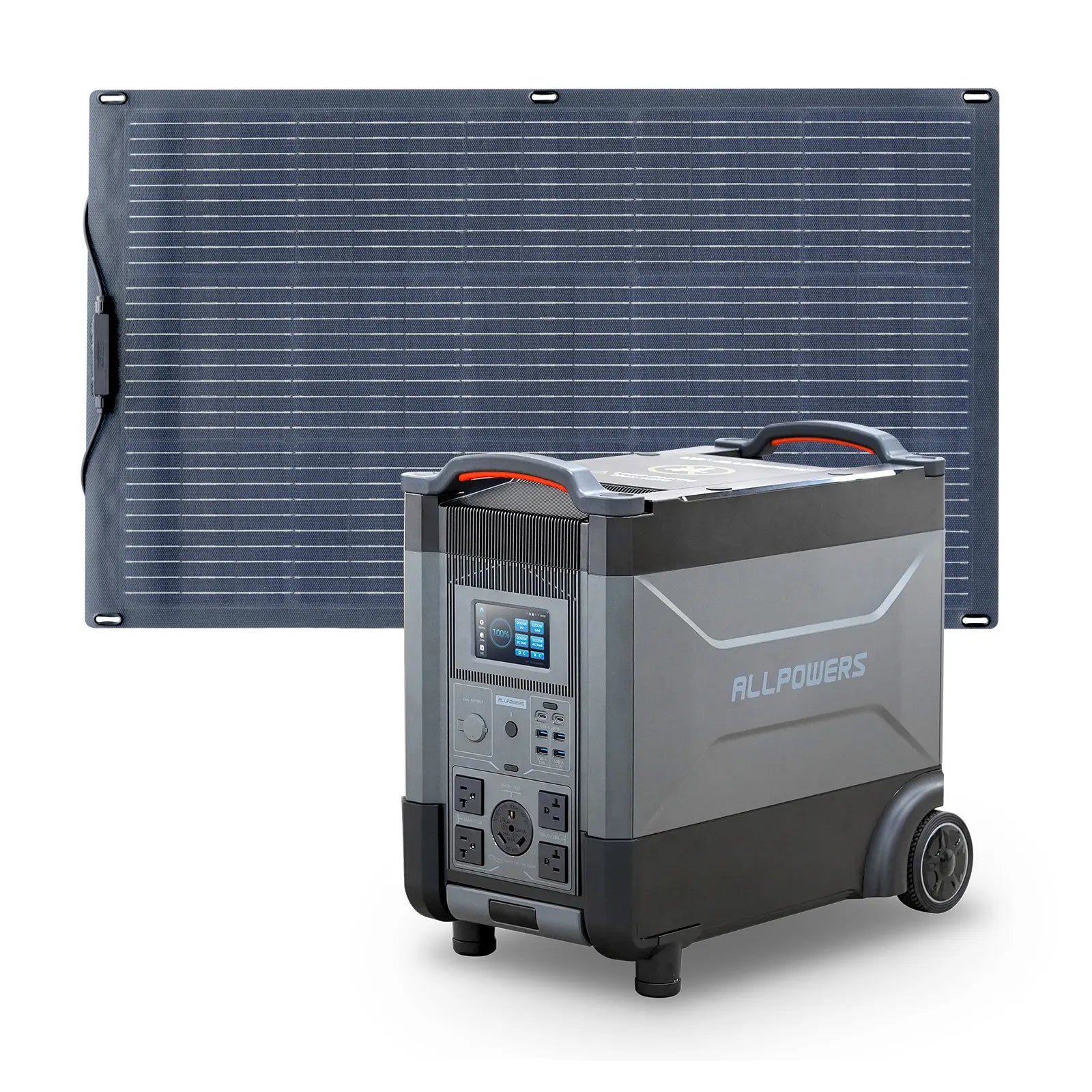
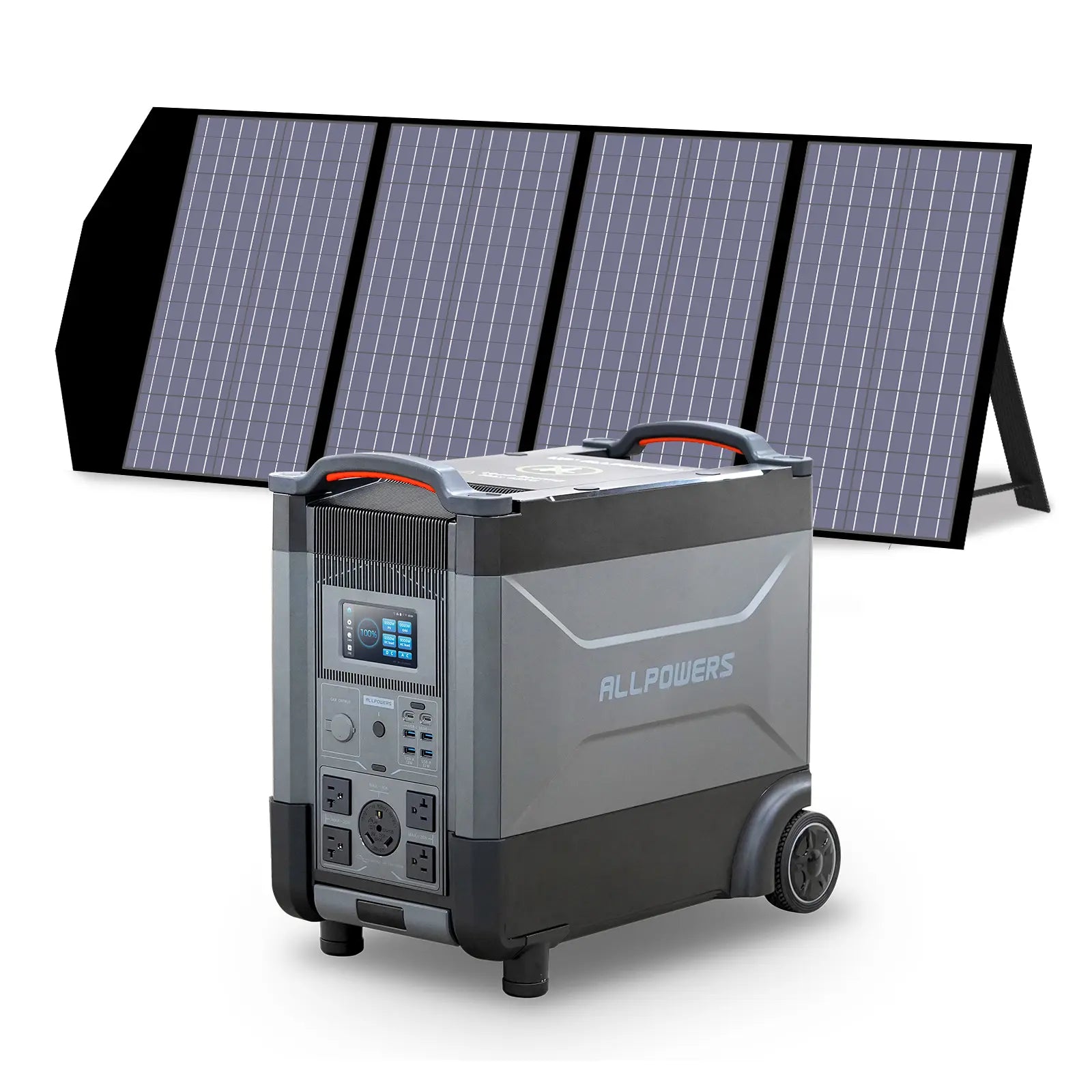
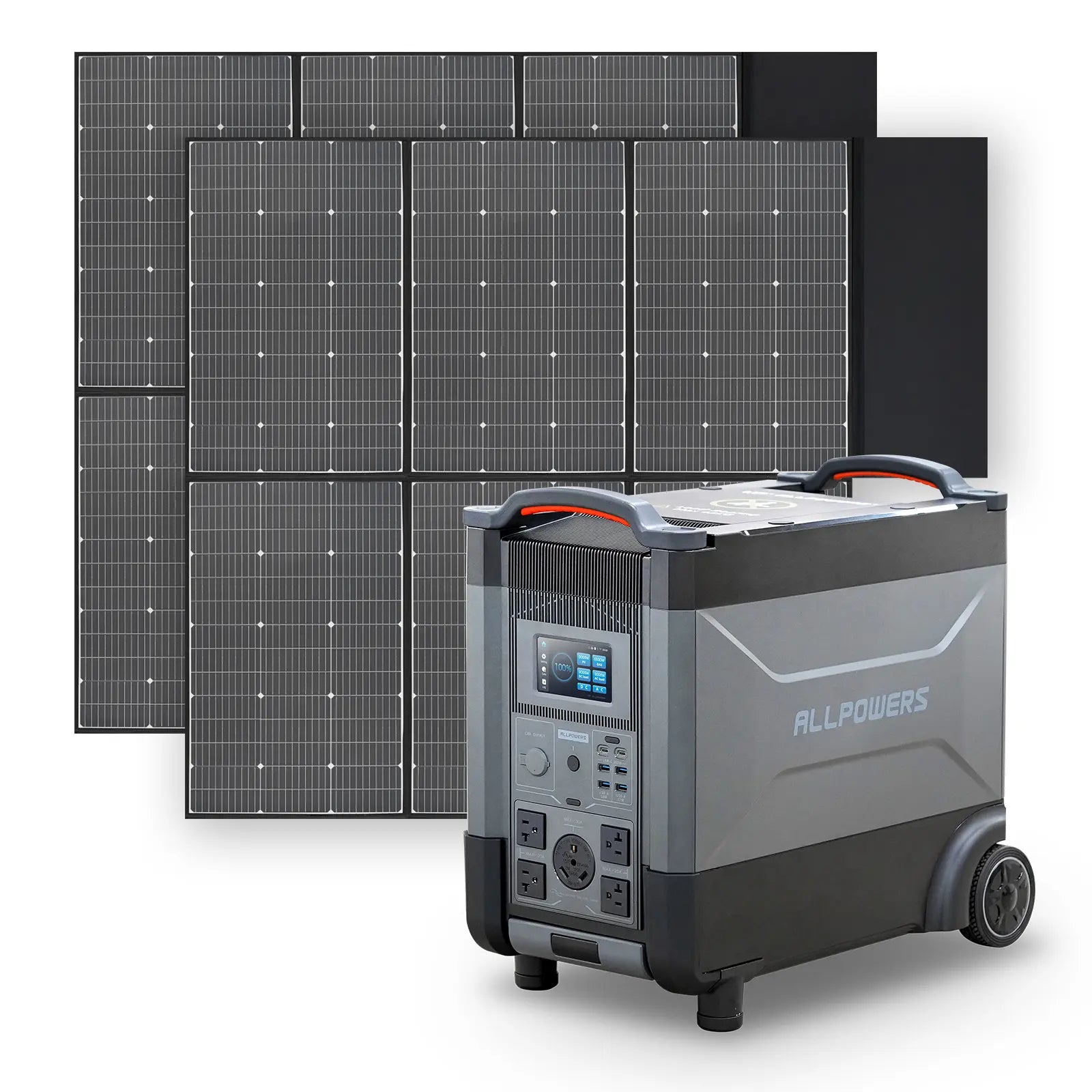
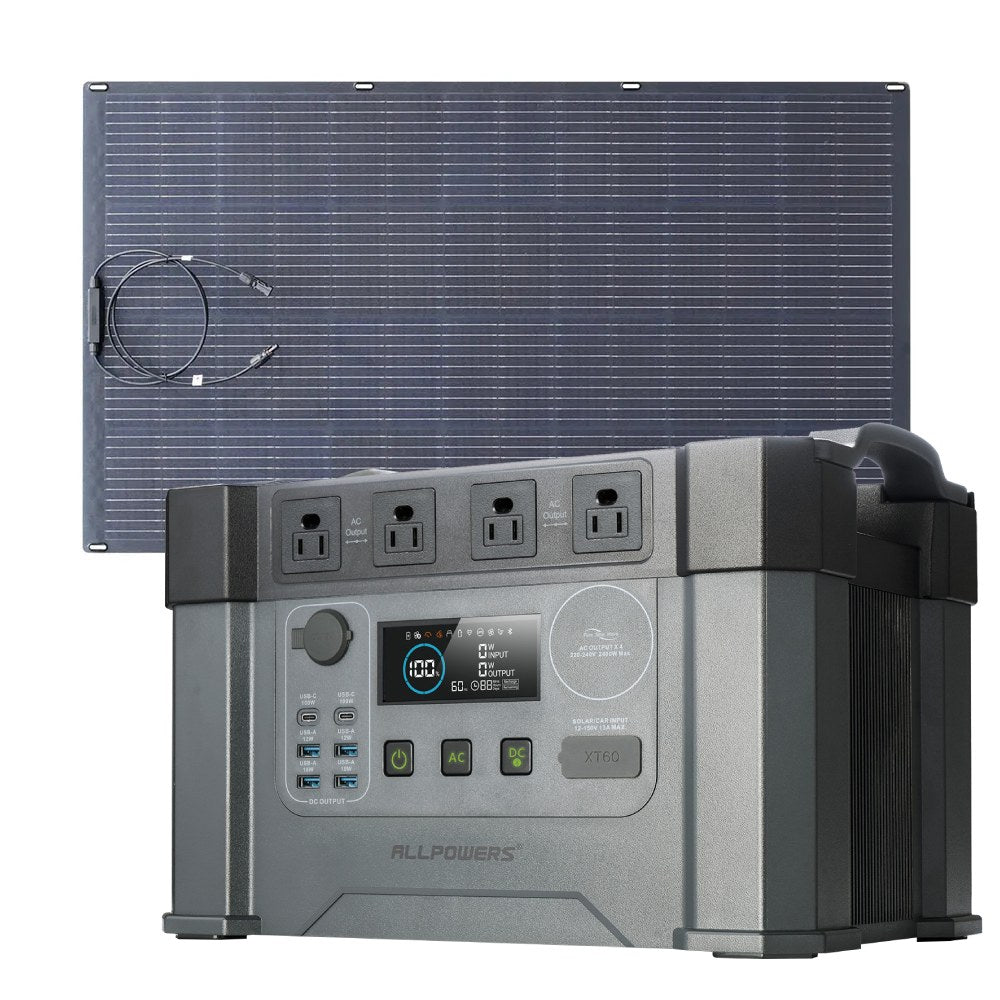
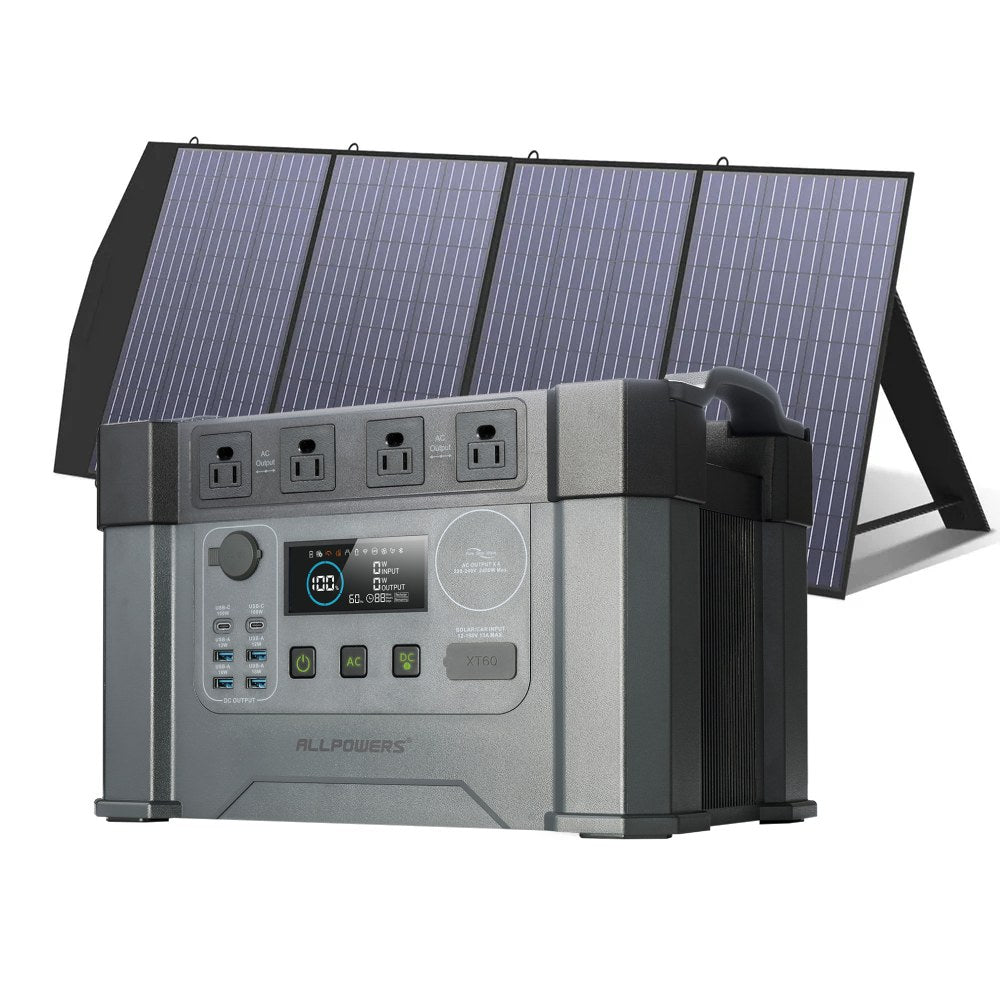
ALLPOWERS 2500W Solar Generator
$1,100.00 $1,799.00
- 2016Wh Capacity + 400W Soalr Input;
- 2500W AC Output (4,000W Surge);
- Fast Charge 100% in 1 Hours;
- Start UPS in 15 ms;
- Expandable Up to 3x B1000 Expansion Battery;
Practical Tips for Maximizing Your Baking Time
If you really want to make this work, there are a few "pro moves" you can pull.
First, pre-heat your oven at home if you can, or use the car’s alternator to power the pre-heat while you’re driving to the site.
Pre-heating is the most "energy-intensive" part. Once the oven is hot, maintaining that heat takes much less power.
Second, keep the oven door closed! Every time you "peek" at your cookies, you are dumping about 25% of the heat into the woods.
Your battery then has to work overtime to bring the temp back up. Use the little window and a flashlight instead.
It sounds "fussy," but when you're down to your last 10% of battery, you'll be glad you were disciplined.
Electric Ovens vs Other Cooking Tools
It’s worth saying out loud: electric ovens are not the most power-friendly cooking option off-grid.
Induction cooktops, toaster ovens, and even electric pressure cookers often deliver better results with less energy.
They heat faster, focus energy where it’s needed, and finish sooner.
That doesn’t mean ovens are off the table. It just means they’re special-occasion tools in portable power setups.
The roast you really care about. The bread you’ve been planning all day. Not every meal, not every time.
Why Choose a Portable Power Station to Power the Oven?
You might be wondering if it’s just easier to use a propane stove. Honestly? Sometimes it is.
Propane is dense, cheap, and doesn't care about "wattage." But there are plenty of reasons why people are moving toward electric cooking in the outdoors.
For one, it’s safer inside a van or a tent because there’s no open flame or carbon monoxide to worry about.
There’s also the convenience factor. Being able to push a button and have a controlled temperature for baking or air frying is a game-changer.
No more scorched pans or unevenly cooked meat because the wind kept blowing your flame around.
Plus, there’s the silence. Gas generators are loud and smelly, but a portable power station is silent.
It’s a much more peaceful way to enjoy nature.
Conclusion
So, can a portable power station run an electric oven? Yes—but the honest answer has footnotes.
Small electric ovens? Very doable. Full-size household ovens? Technically possible in rare cases, but rarely sensible.
In the end, portable power stations aren’t about replacing household electricity. They’re about choosing what matters when power is limited.