







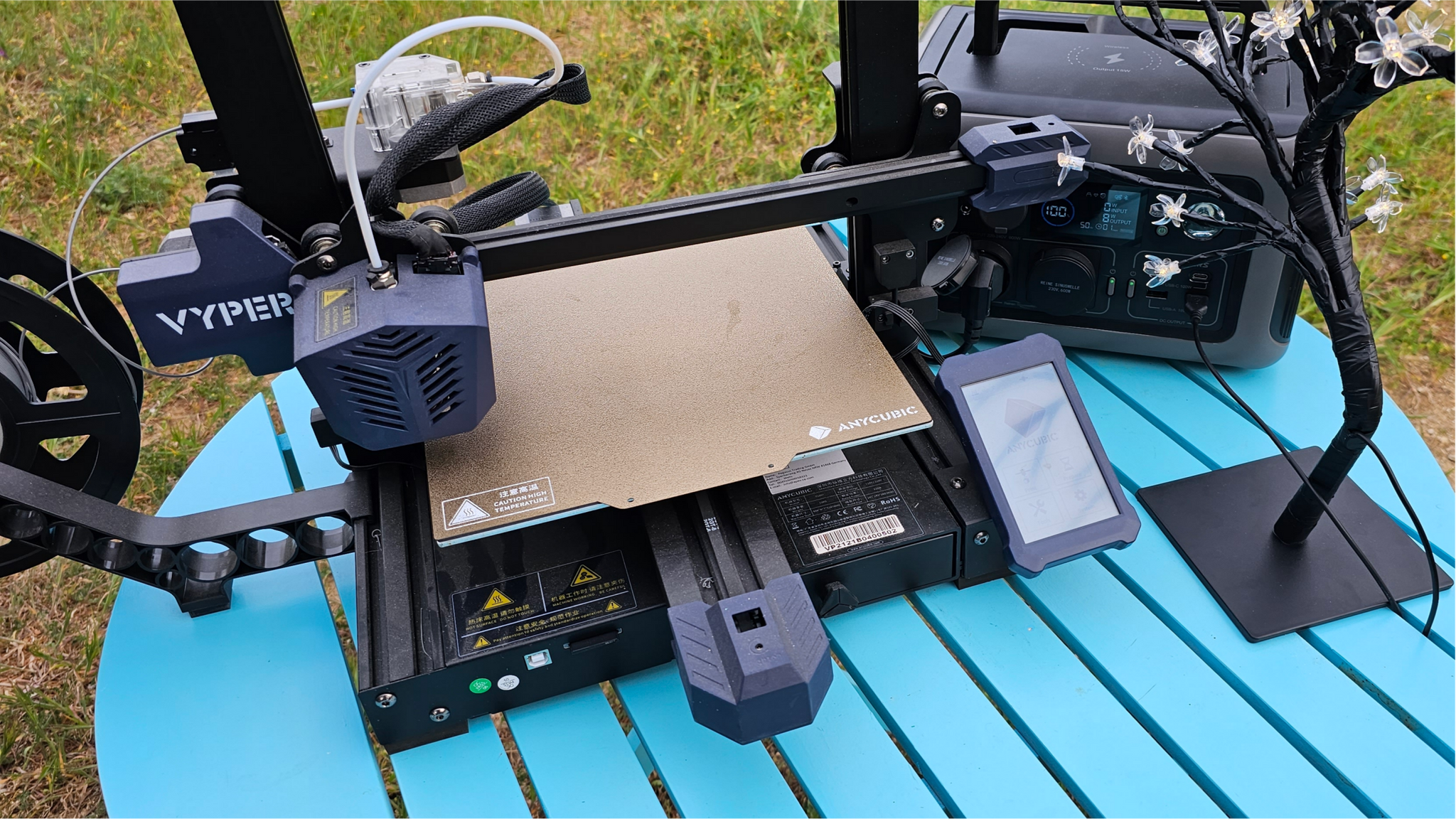
3D printing feels like one of those hobbies that demands a static workspace. But then life steps in.
Maybe you’re prototyping something for a cosplay piece at a convention booth, or testing a part for a remote job site that doesn’t have accessible power.
And another part is that power outages happen. Filament doesn’t care about your local grid stability.
If the electricity drops for even a second, an entire eight-hour print can be ruined unless the printer supports power-loss recovery.
Portable power stations become a kind of insurance policy. They turn a fragile print session into something more resilient.
But can a portable power station actually run a 3D printer without hiccups?
TL;DR
Yes, most modern 3D printers draw far less power than people assume, and a well-sized portable power station can run many consumer-level models for several hours, sometimes longer.
How Much Power Does it Take to Run a 3D Printer?
Most 3D printers don’t actually draw as much power as their mechanical swagger suggests.
Heated beds for common printers like the Ender 3, Anycubic Kobra, or Prusa MK3S often hover between 100–240 watts during initial warmup.
The nozzle heater might add another 30–50 watts depending on temperature.
Motors and electronics barely whisper by comparison—often under 20 watts total.
This means that the first 10–15 minutes of your print are the most demanding for the portable power station.
If your power station can handle the initial spike, it can usually manage the rest comfortably.
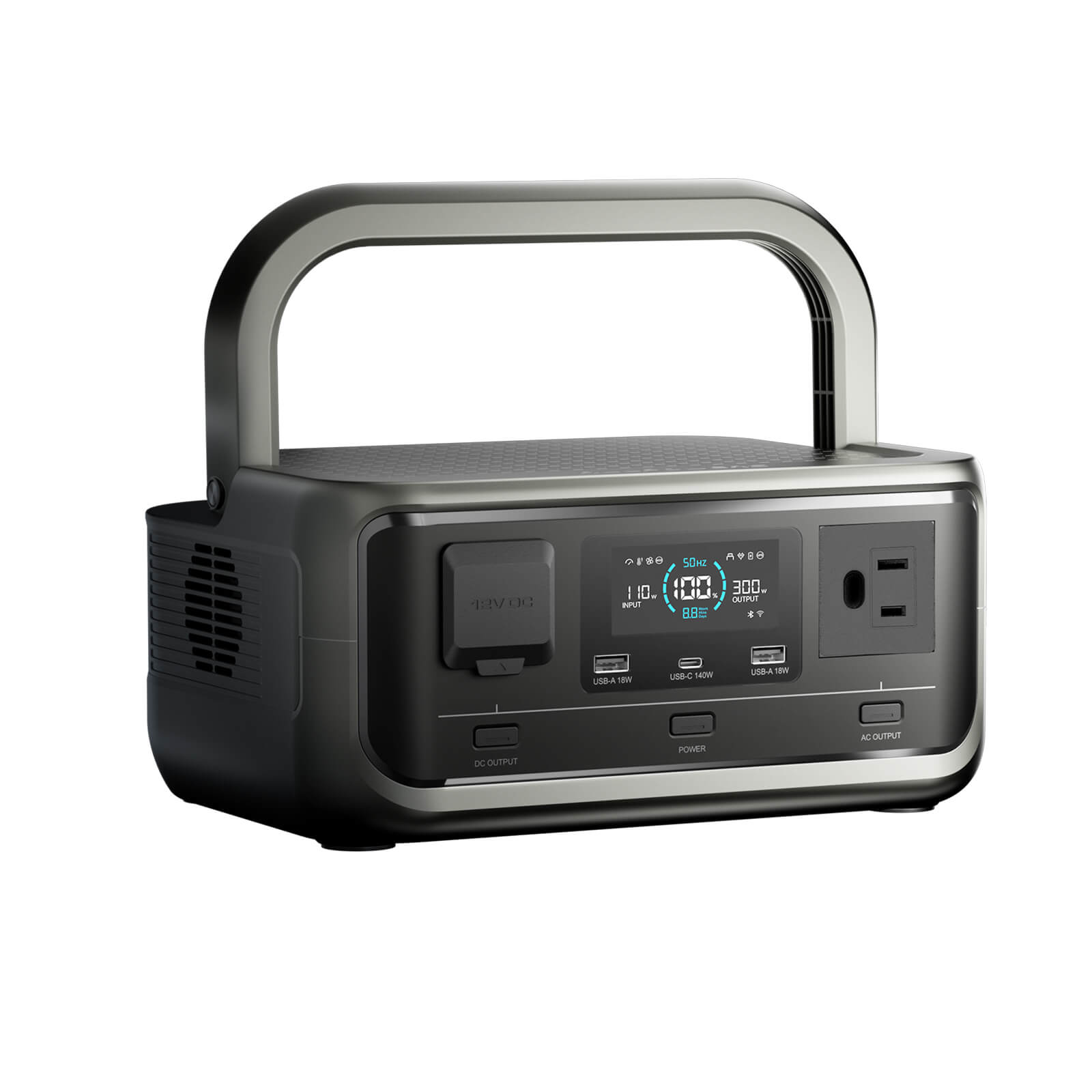
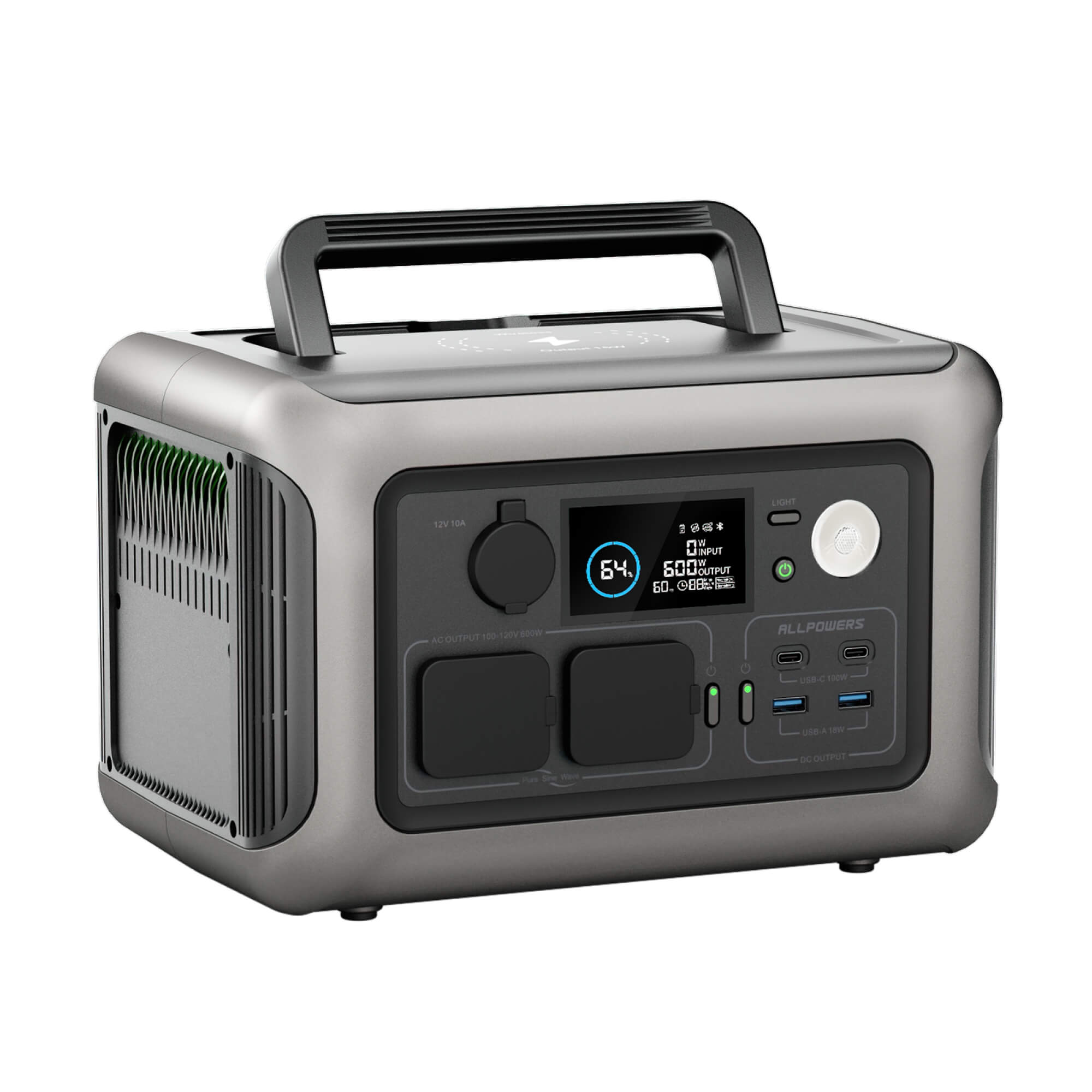
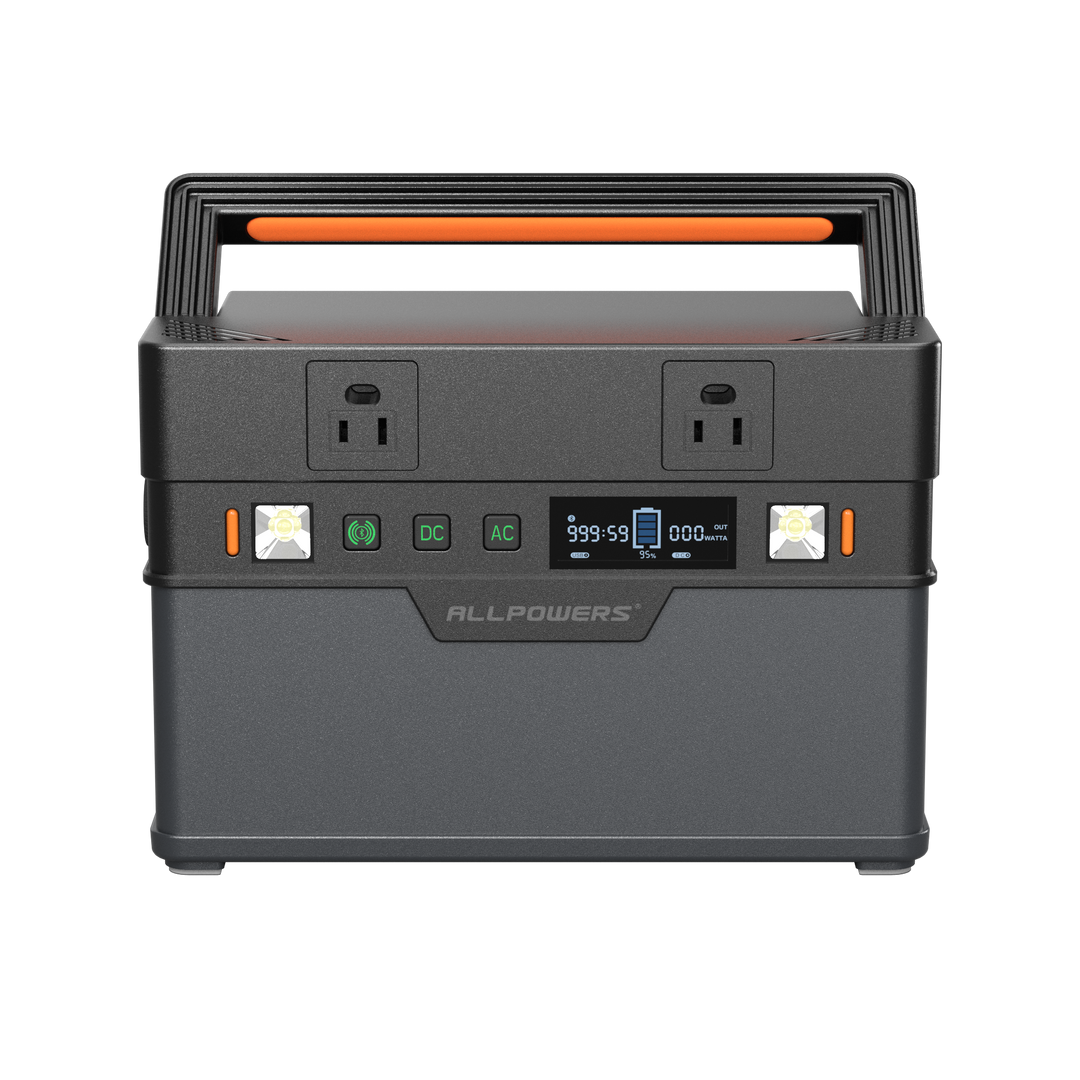
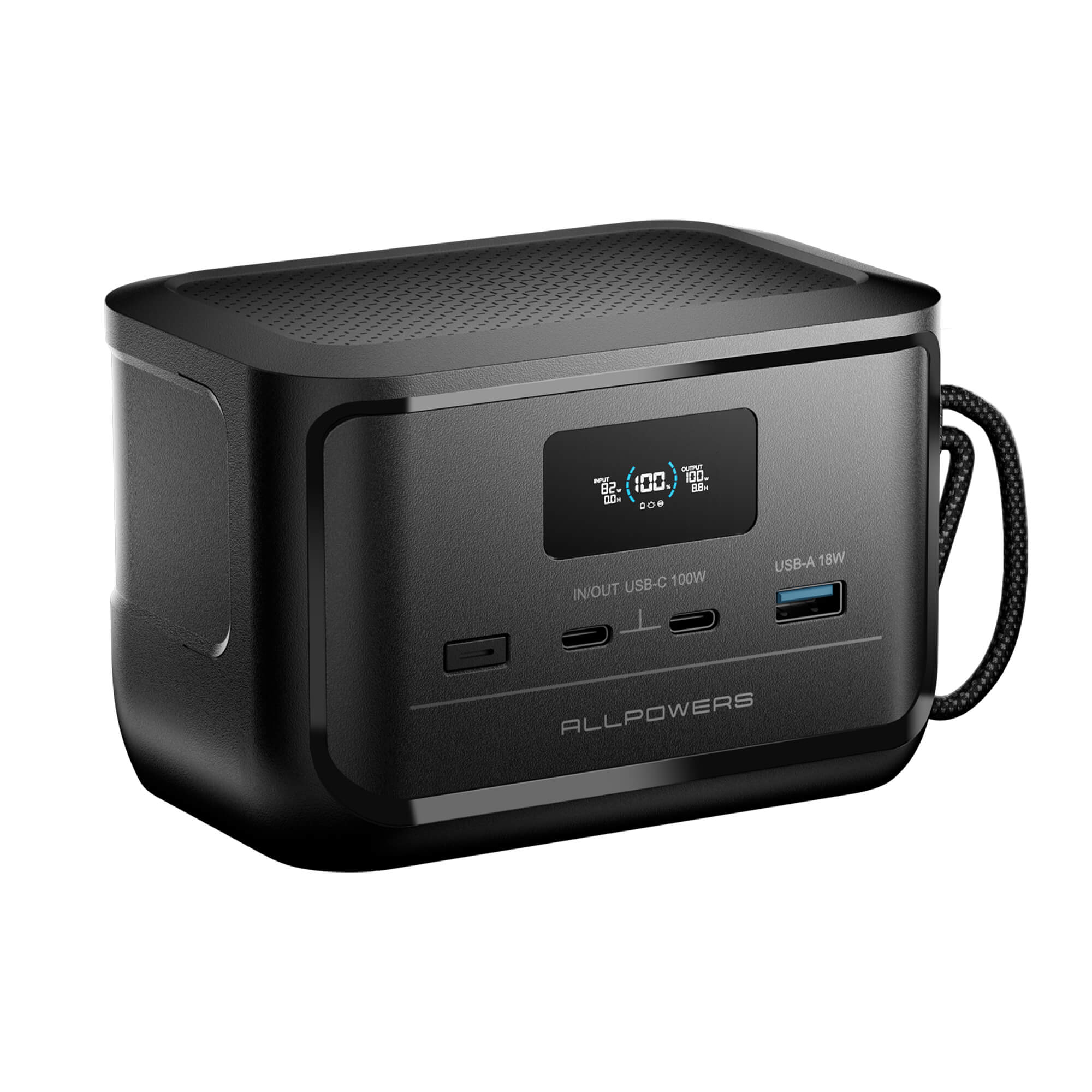
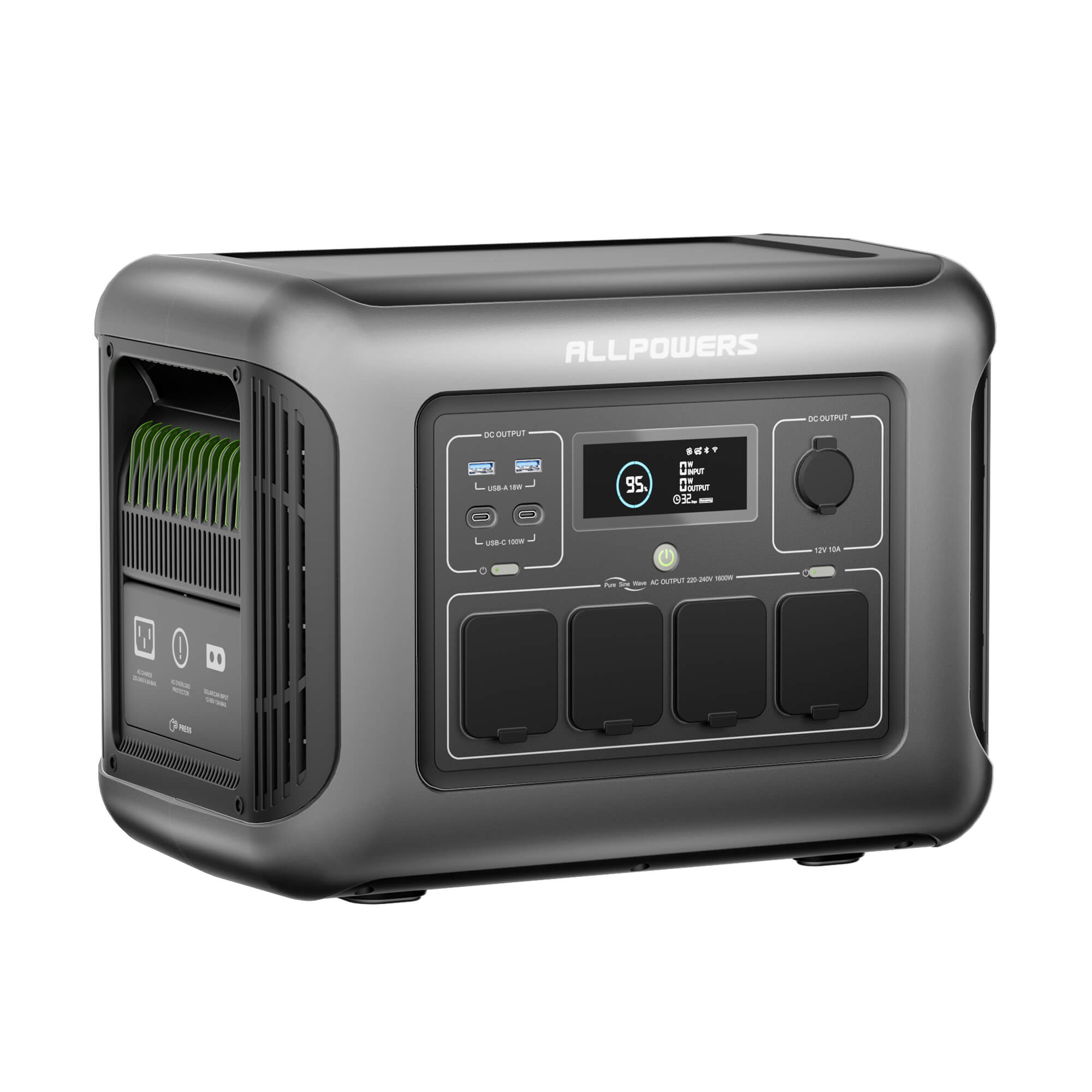
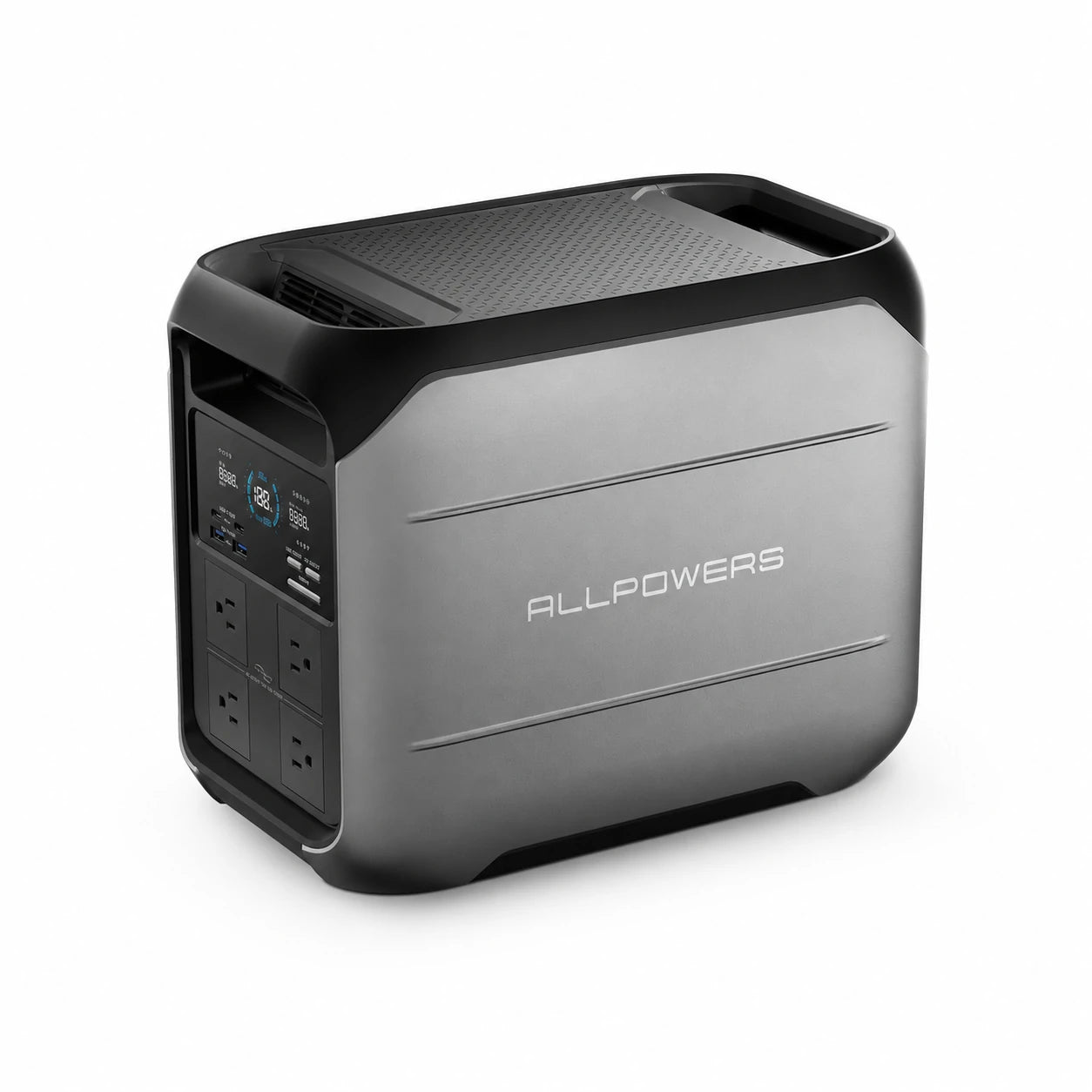
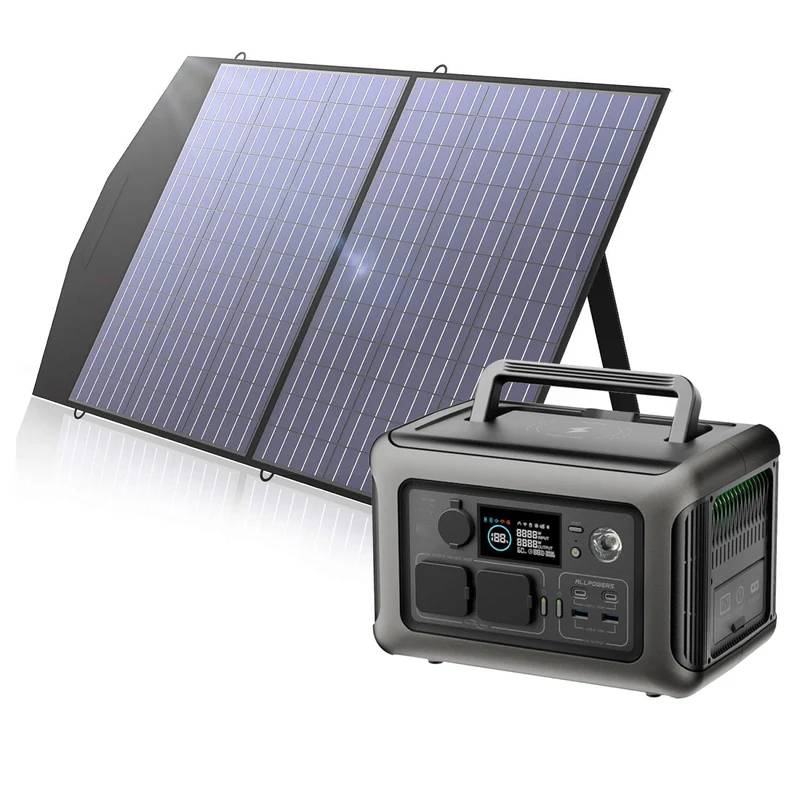
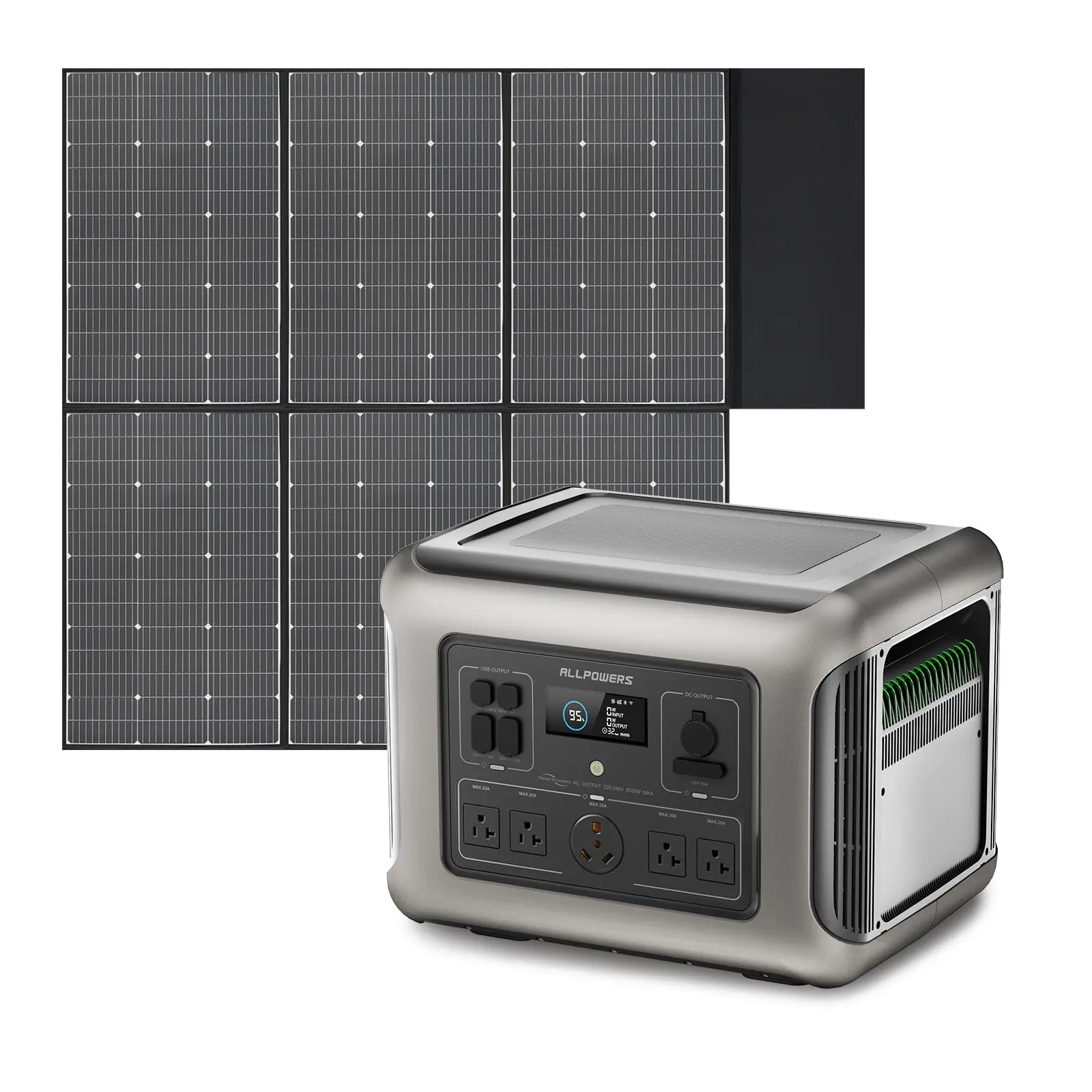
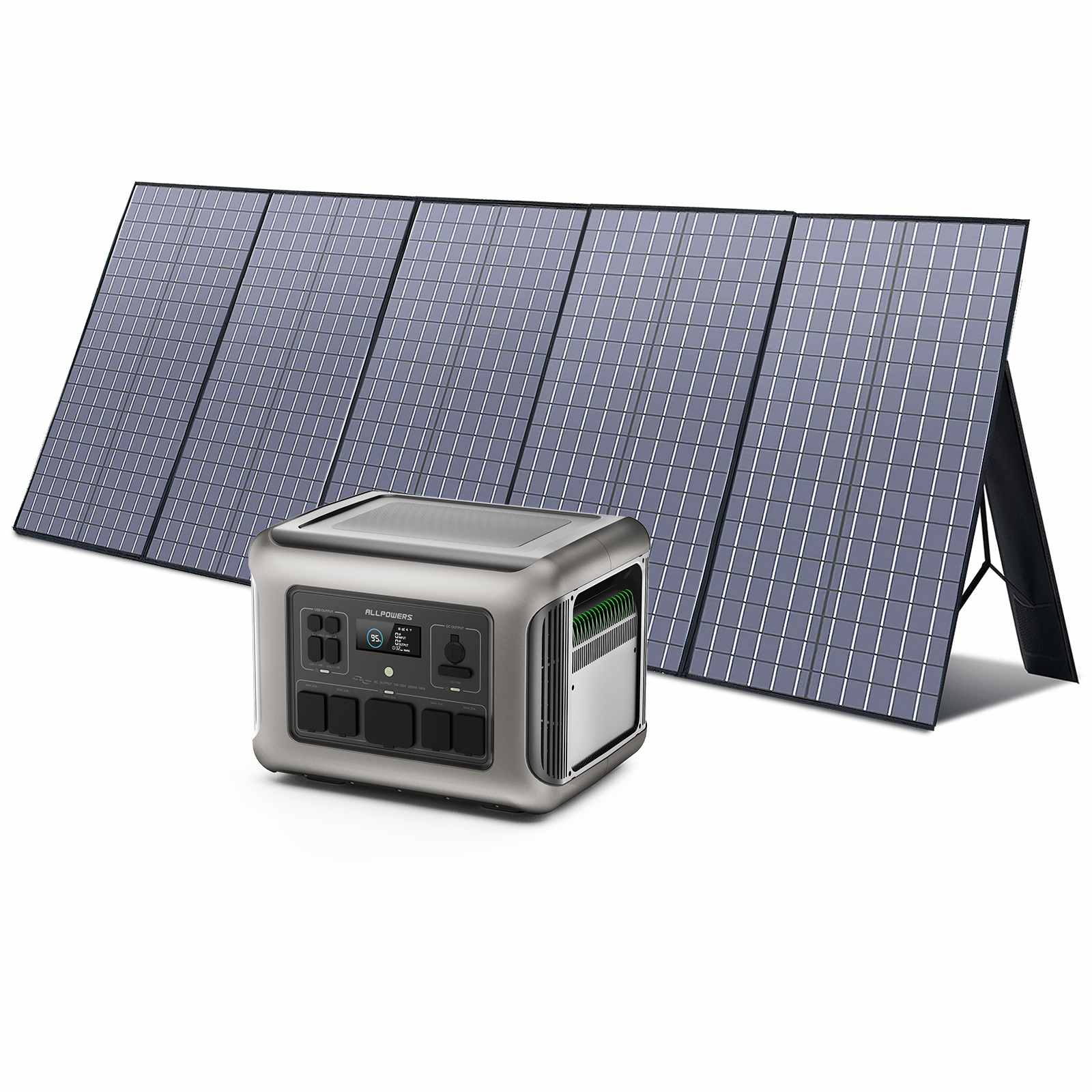
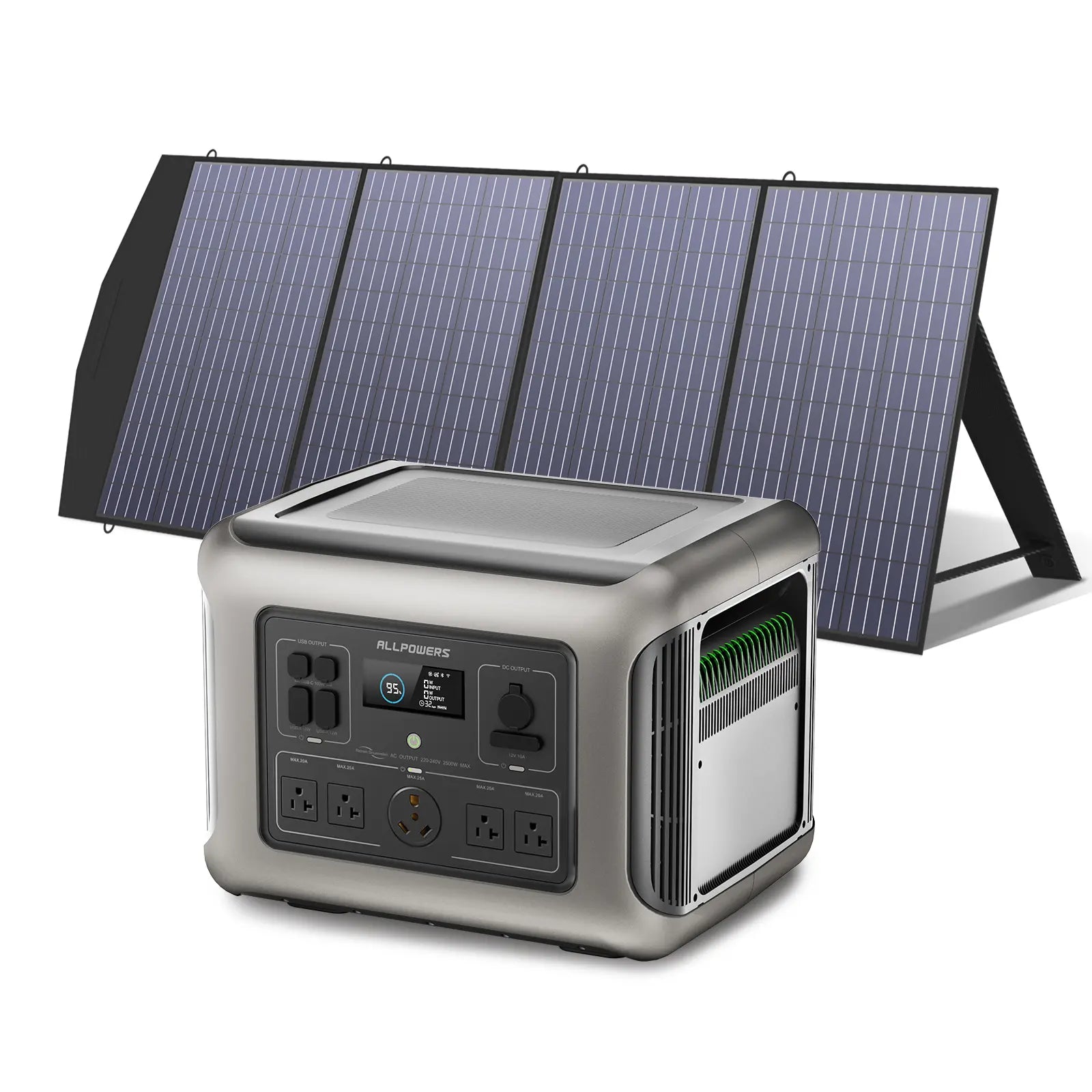
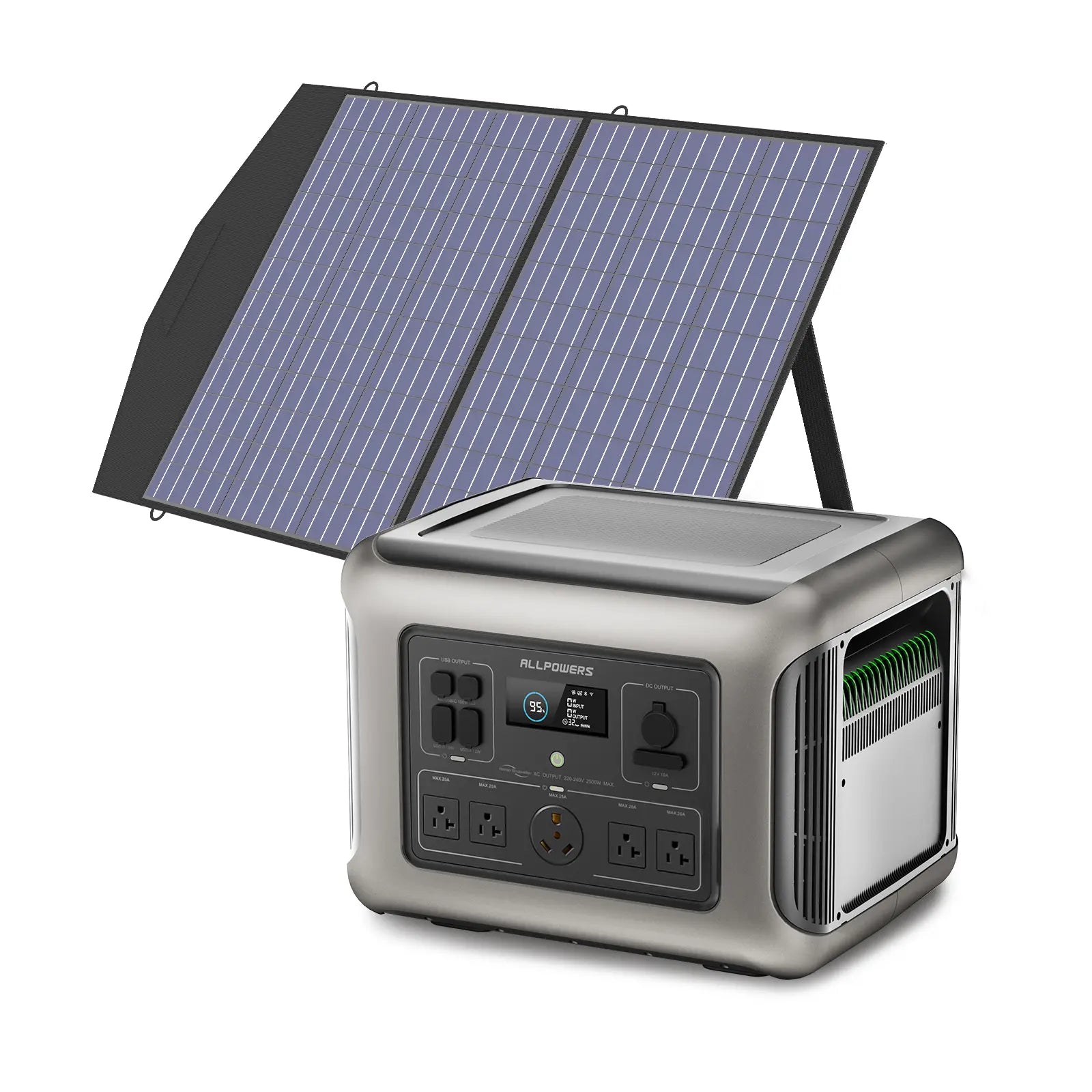
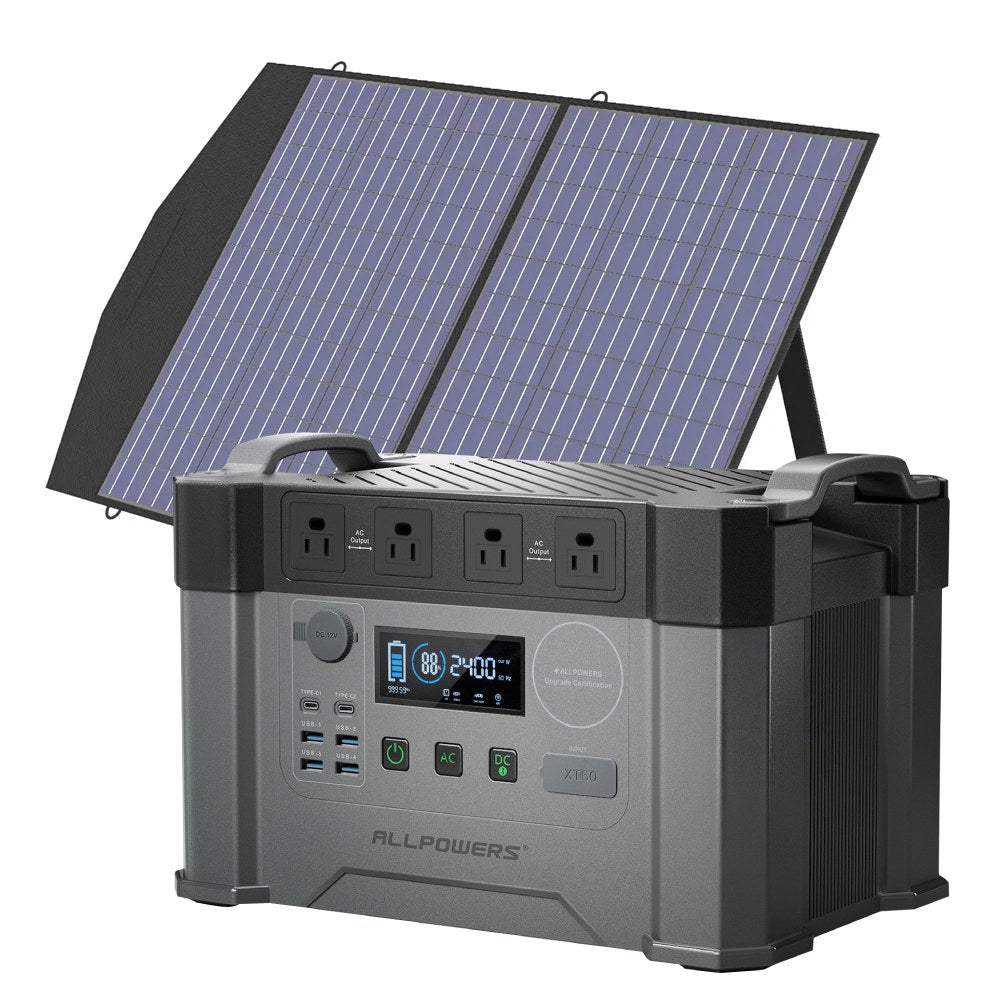
ALLPOWERS VOLIX P300 Portable Power Station
$149.00 $249.00
- 299Wh Capacity;
- 300W AC Output (600W Surge);
- Fast Charge 100% in 1 Hours;
- Ultra-quiet 30dB Under Load ;
- Long-Lasting And Safe Lifepo4 Battery;
How Long Can a Portable Power Station Keep a Printer Running?
Everyone thinks wattage is the challenge. Nope. It’s runtime.
3D printers are notorious for “that one print,” which says four hours but somehow morphs into ten.
And since portable power stations don’t pull from the grid, every extra hour actually matters.
Here’s an informal but reliable way to estimate printing duration from a portable power station:
Battery capacity (Wh) × 0.85 ÷ Printer wattage (average)
The 0.85 factor accounts for inverter losses, fan power, and the fact that real-world power flow is messy.
Say your printer averages 120W once things settle, and you use a portable power station with a clean 1 kWh battery.
1000 × 0.85 ÷ 120 ≈ about 7 hours.
But the heated bed turns on and off like a tiny furnace. If you’re in a cold garage, it might fire more often, eating more battery.
If you’re in a warm office or a summer campsite, the load feels lighter.
Tips for Maximizing Runtime
First, lower the heated bed temperature if possible. Many filaments can print fine at slightly lower temps, and every degree counts when you’re drawing from a limited battery.
Second, use energy-efficient printers. Some new models have better stepper motor drivers and more efficient heaters—basically, they sip electricity rather than guzzle it.
Third, consider intermittent printing. If you’re not in a rush, break the print into smaller segments. Recharge between sections if needed. It’s more work, yes, but it ensures you never run dry mid-layer.
Lastly, monitor in real-time. Many portable power stations have companion apps that let you check remaining watt-hours and output.
Can You Charge the Power Station While Printing?
People ask this a lot, and the answer is almost always yes—if your power station supports pass-through operation.
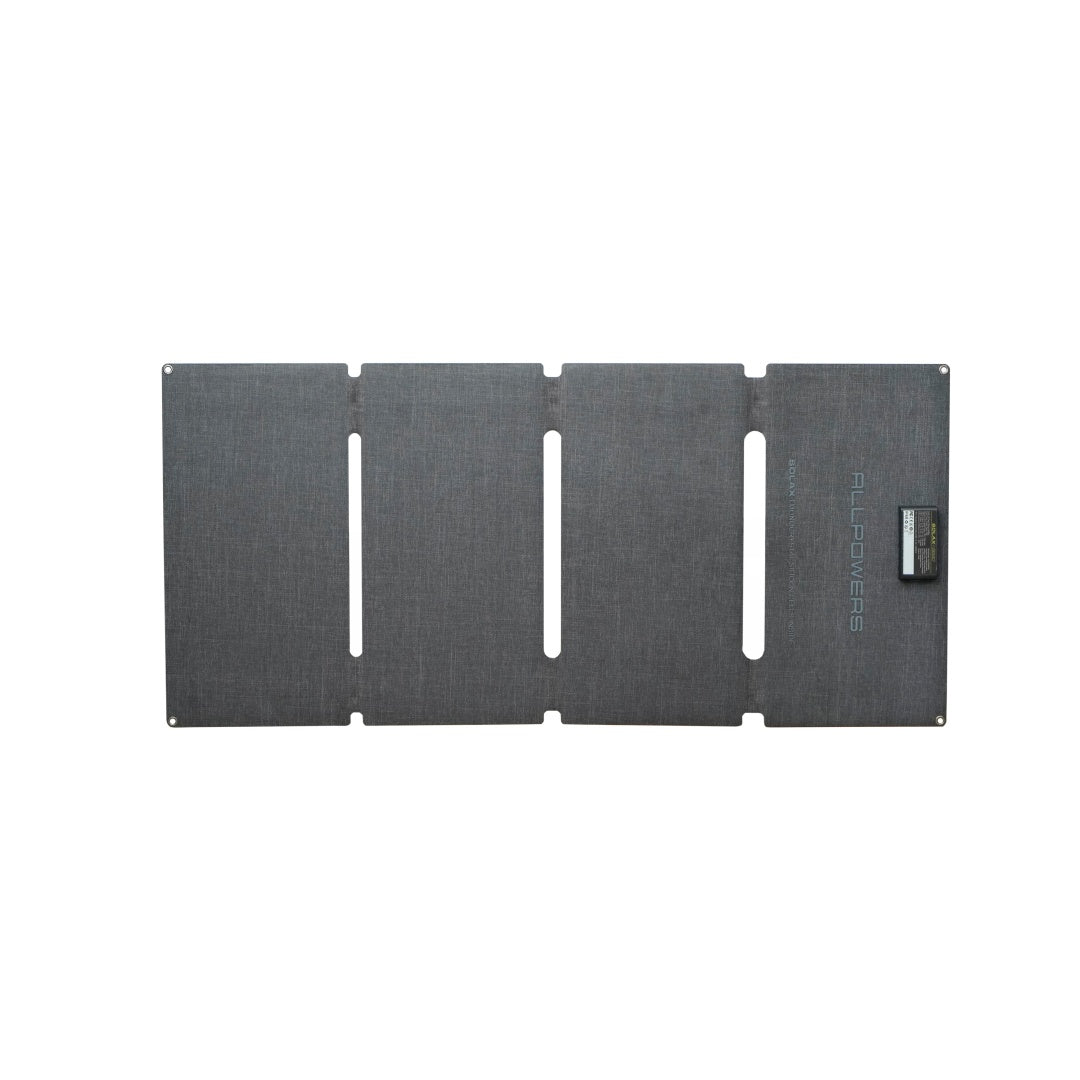
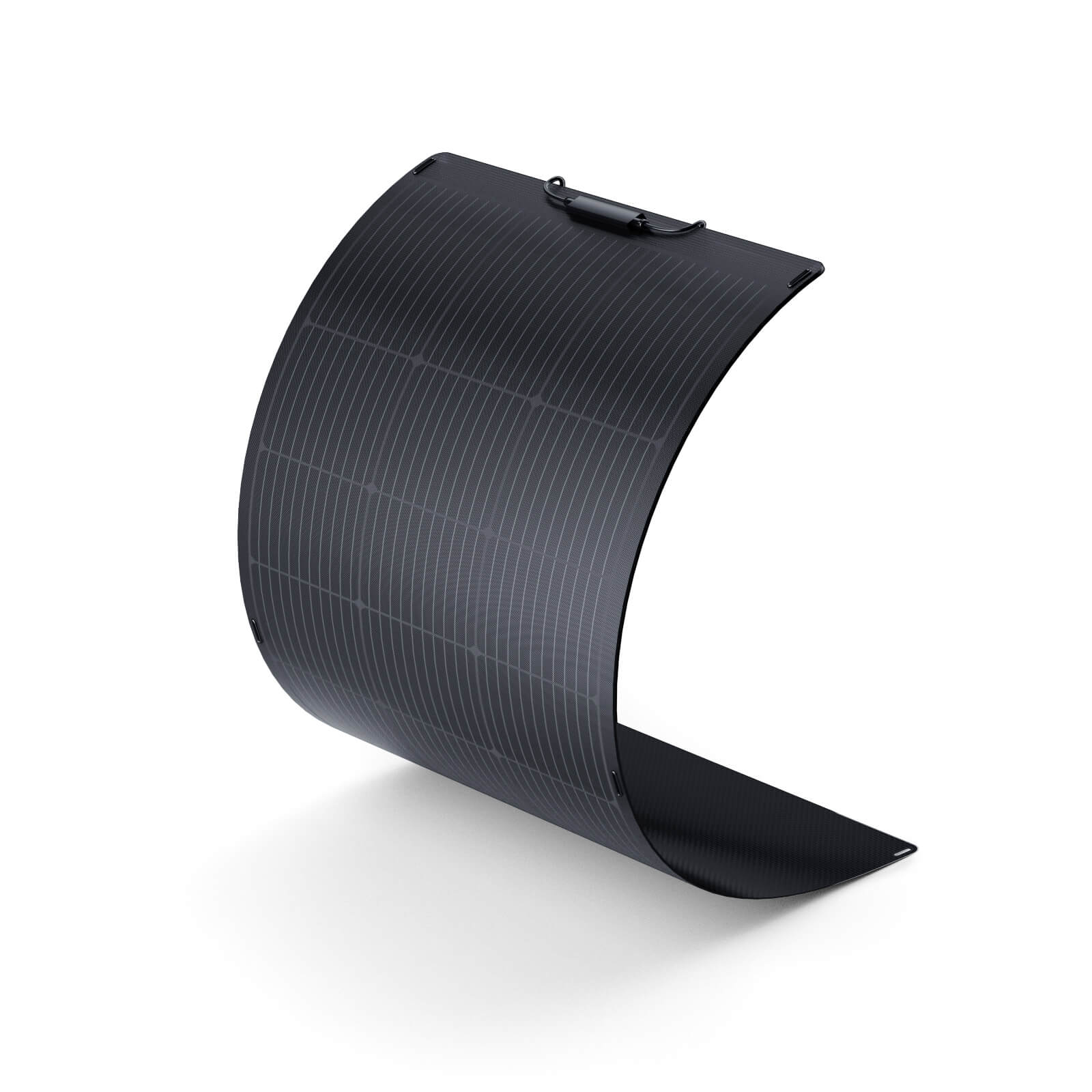
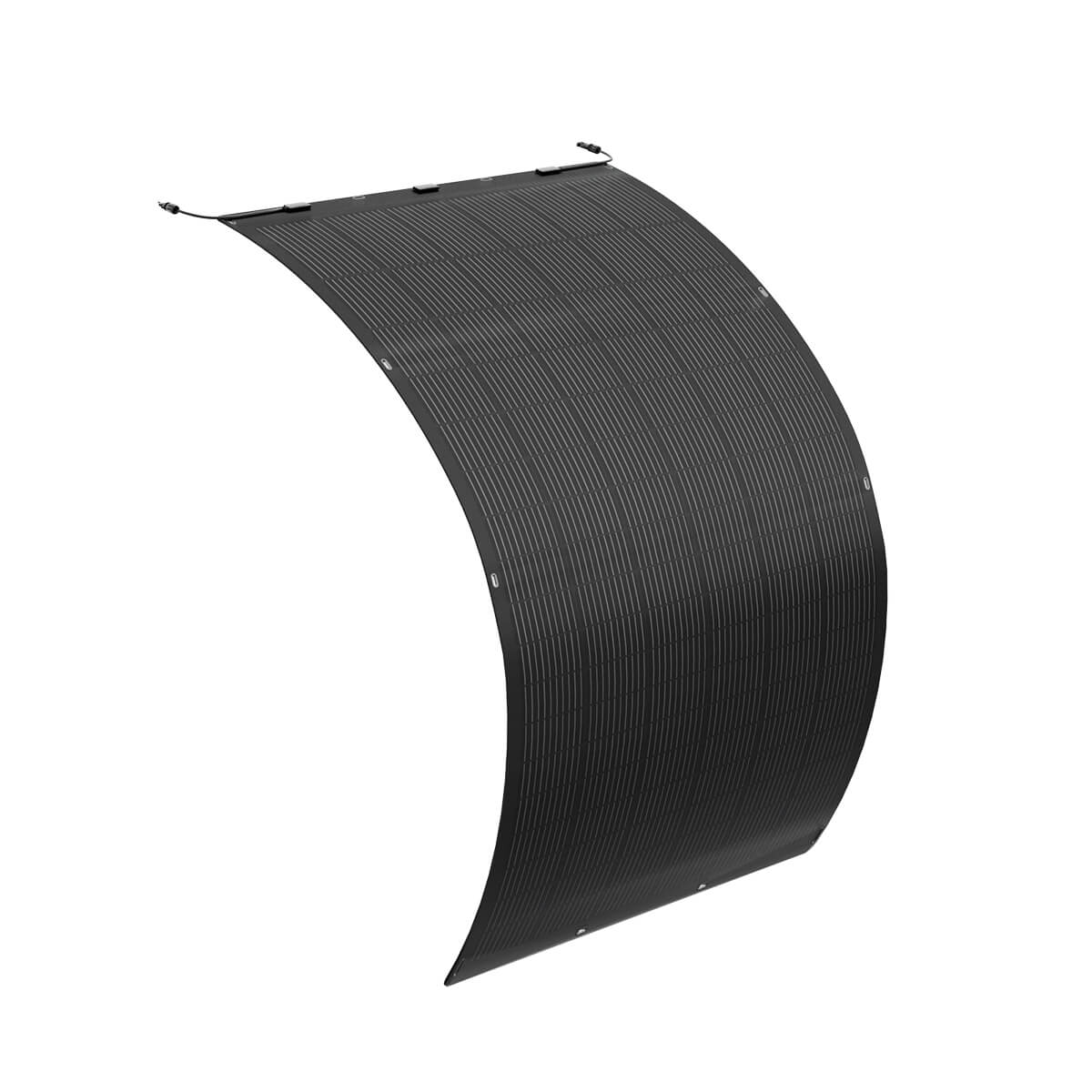
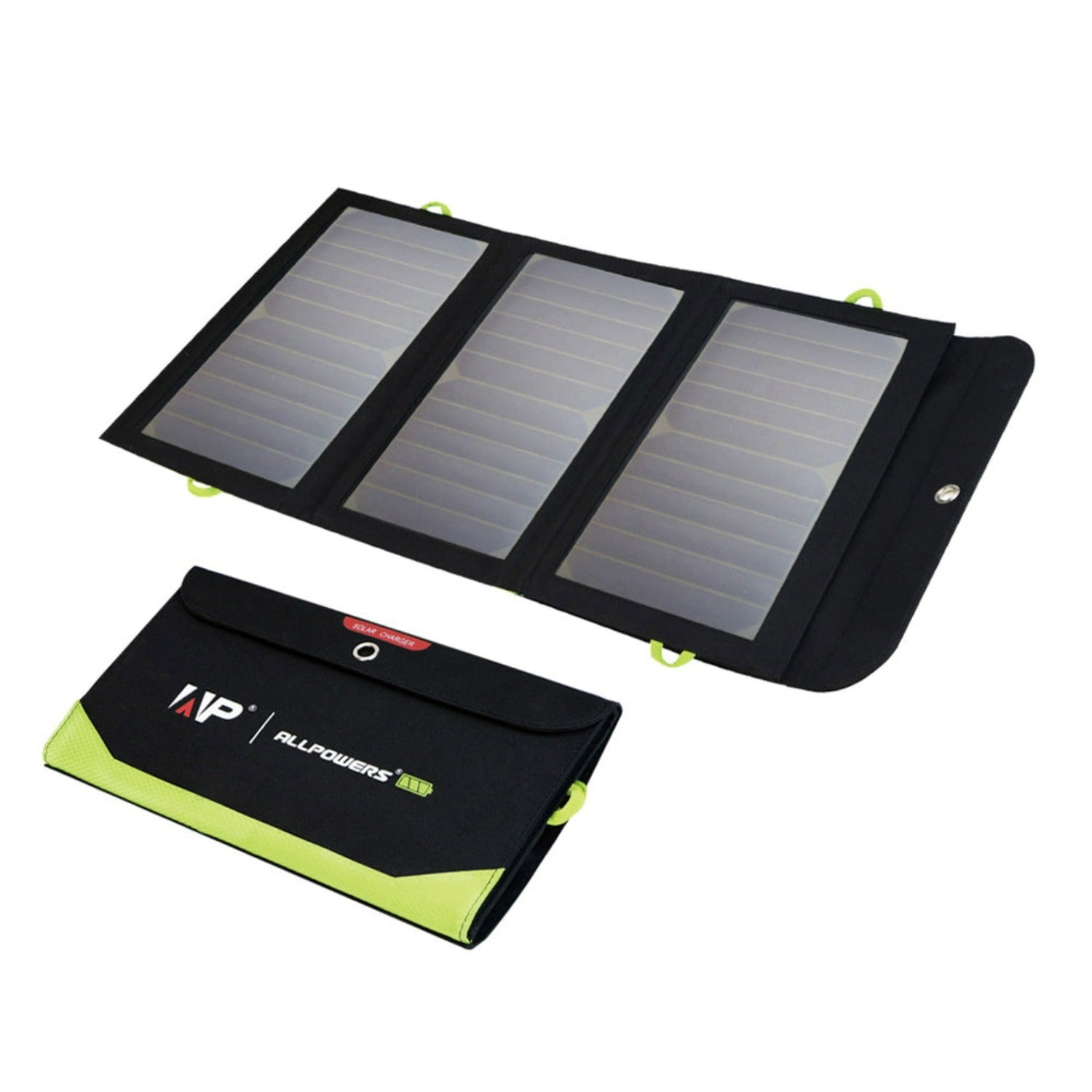
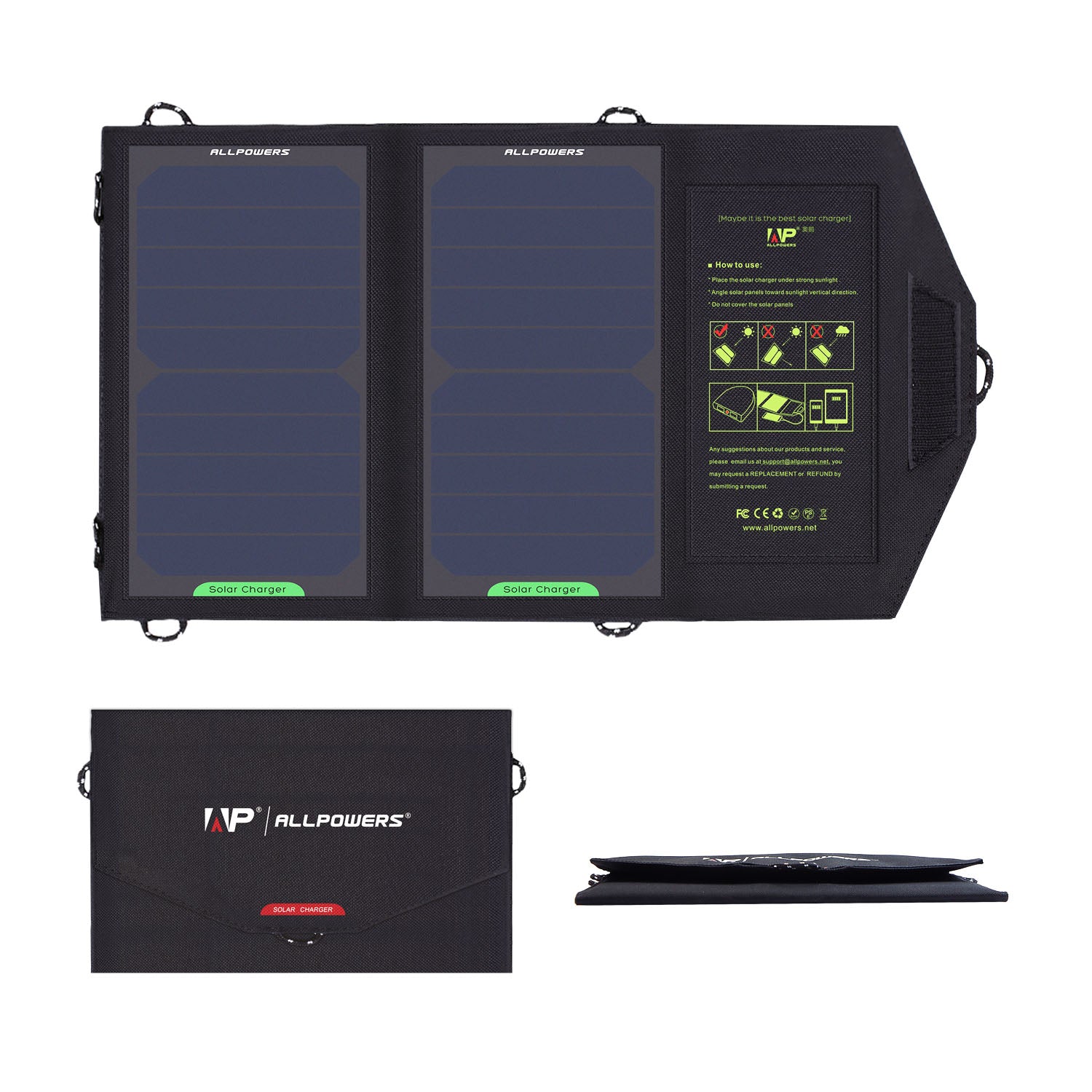
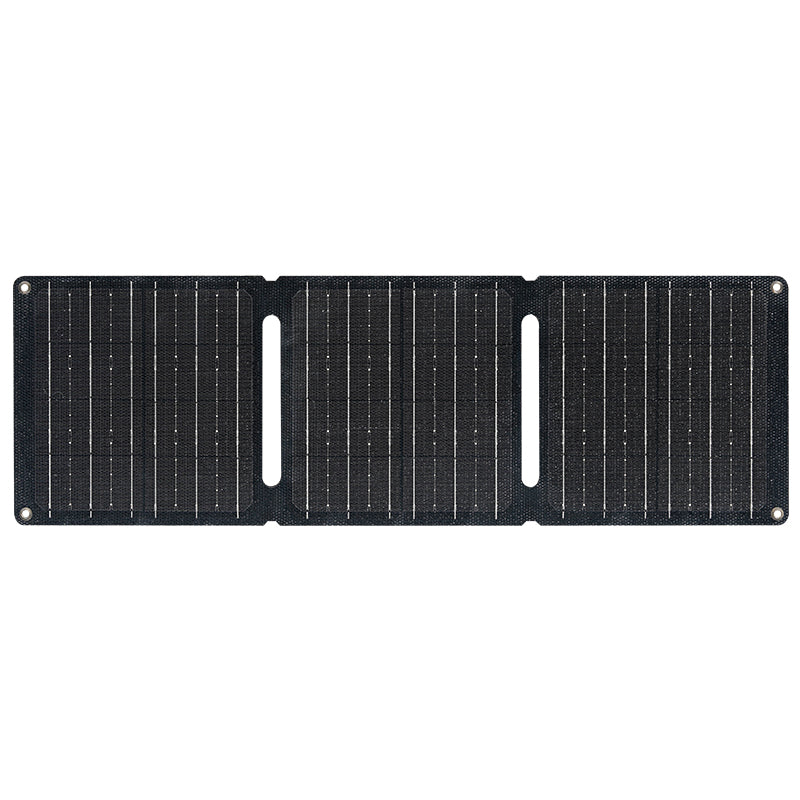
Solar, wall power, or even car charging can help extend your runtime.
But remember that charging speed and printing speed don’t always line up.
Sometimes you’re adding energy slower than you’re consuming it. Sometimes you’re breaking even.
Choosing the Right Power Station for a 3D Printer
Not all portable power stations are created equal.
Some are built for light camping electronics—charging phones, running LED lights—while others are designed for heavier loads like power tools or small appliances.
For 3D printing, you’ll want a station that can comfortably handle the printer’s peak wattage and has enough battery capacity to match your typical print duration.
Here’s a practical approach: start by checking your printer’s specs.
Note the rated wattage, typical operating wattage, and peak wattage for heated beds or dual extruders.
Then, match it to a portable power station with at least 20–30% more wattage headroom.
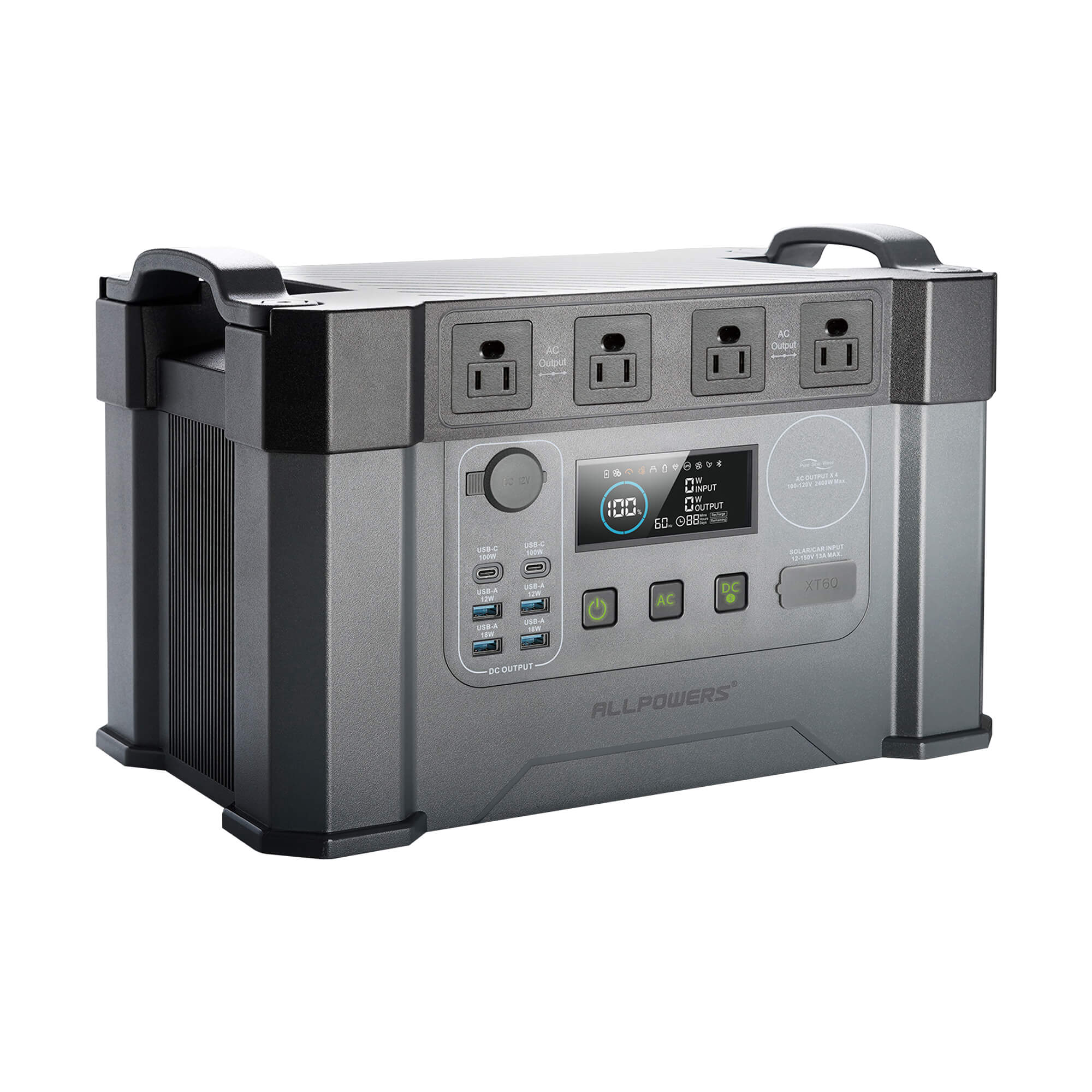
Also, consider portability versus capacity. High-capacity stations can weigh 30–40 pounds and are larger than a small suitcase.
Not exactly what you’d call “grab-and-go,” but if your printing setup is stationary for several hours or days, the weight isn’t a dealbreaker.
Smaller, lighter units are convenient but may limit the size or number of prints you can run without recharging.
Bottom Line
So, can a portable power station run a 3D printer? Absolutely.
As long as you match wattage, consider runtime, and account for ambient conditions, you can absolutely print using stored power.
They let creators work in new places and keep prints alive through unexpected outages.