







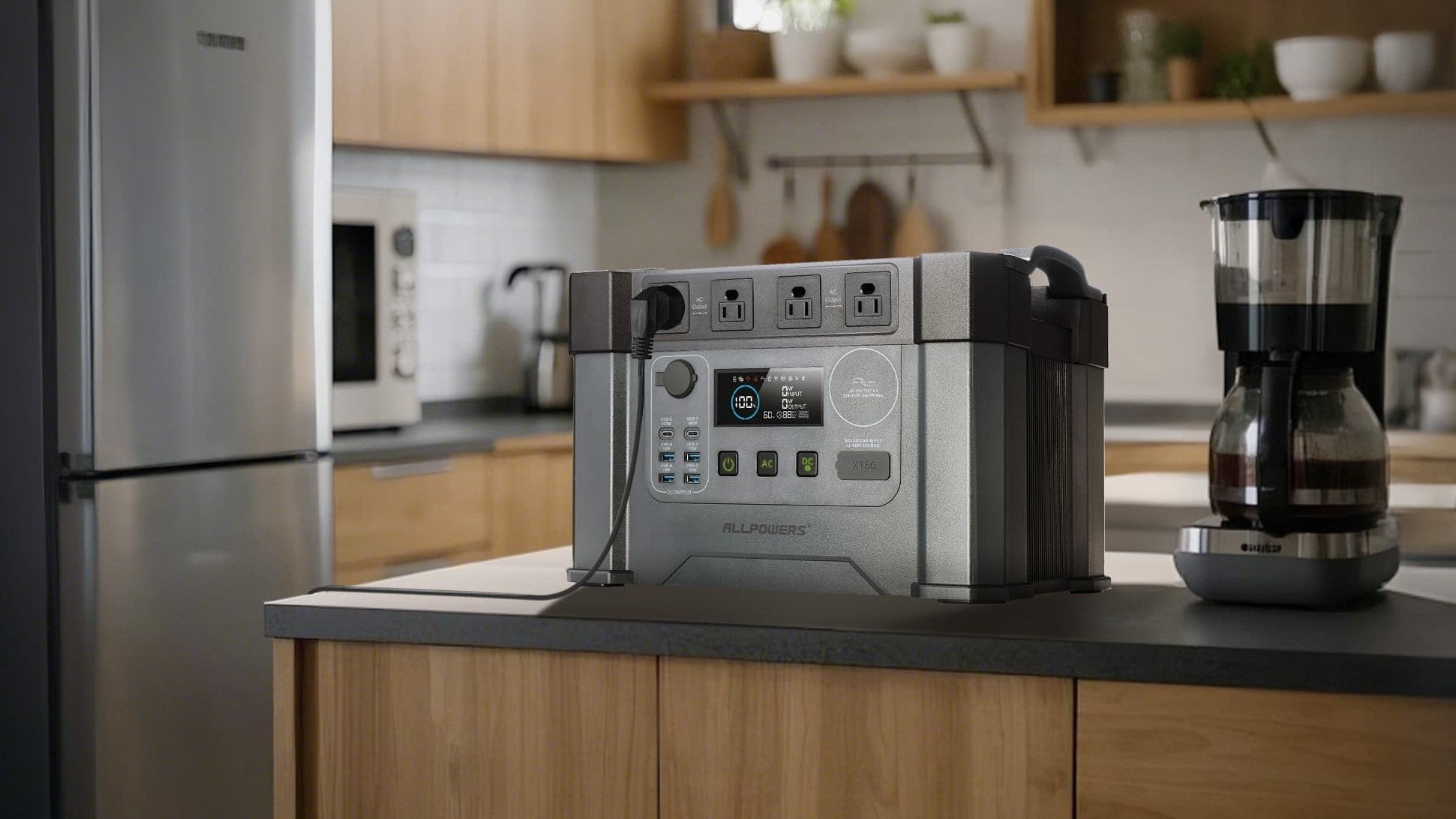
When the lights go out, and your refrigerator is no longer humming, the clock starts ticking on how long your food will stay fresh.
The freezer's no better—everything's starting to melt. But you can avoid that catastrophe. The key is choosing the right generator.
So, what size generator do you actually need to keep your fridge and freezer running smoothly when the power goes out?
TL;DR:
To run a refrigerator and freezer, you’ll need a generator that can handle their startup and running wattage. A typical refrigerator uses around 600-800 watts, while a freezer may require about 600 watts. However, both appliances require higher surge wattage to start—around 1200-2000 watts each. So, a generator with a capacity of at least 3000 watts would be ideal for both
How Much Power Does a Refrigerator and Freezer Need?
First, let’s talk about refrigerators. After all, it’s not like you’re turning on a hair dryer or running an electric stove.
Well, refrigerators use electricity in two phases: the running phase and the startup phase.
In the running phase, a standard fridge needs anywhere from 100 to 800 watts, depending on size and energy efficiency.
But the startup phase? That’s where it gets a little more interesting.
When a fridge first kicks on, it can demand two to three times its normal running wattage—especially older or larger models.
So, if you’ve got an old-school side-by-side or a big chest freezer attached to your fridge, expect that startup wattage to be in the range of 1600 to 2400 watts.
What About Freezers? They’re pretty similar to refrigerators in terms of power needs.
A basic chest freezer can draw anywhere from 400 to 800 watts for its normal operation.
The startup surge is roughly the same as a refrigerator: around 1600 to 2400 watts.
However, freezers typically run less frequently because they don't have to stay on constantly like fridges, which can actually help you save some generator fuel.
Plus, because a freezer is better insulated, it will retain cold much longer, which means your generator doesn’t have to run non-stop.
In total, you’ll want a generator that can supply at least 2,500 watts to handle both appliances starting up at once (a common scenario in power outages).
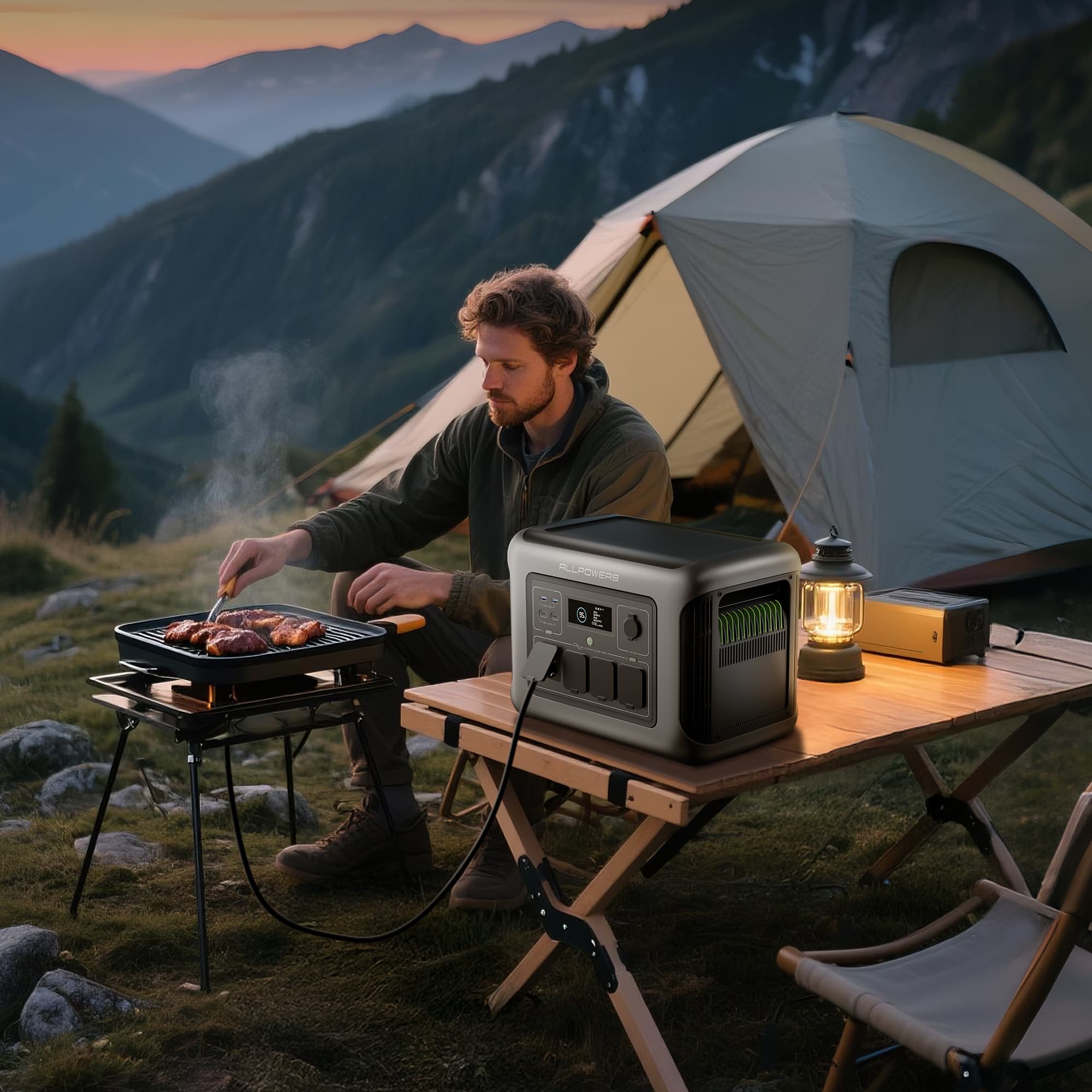
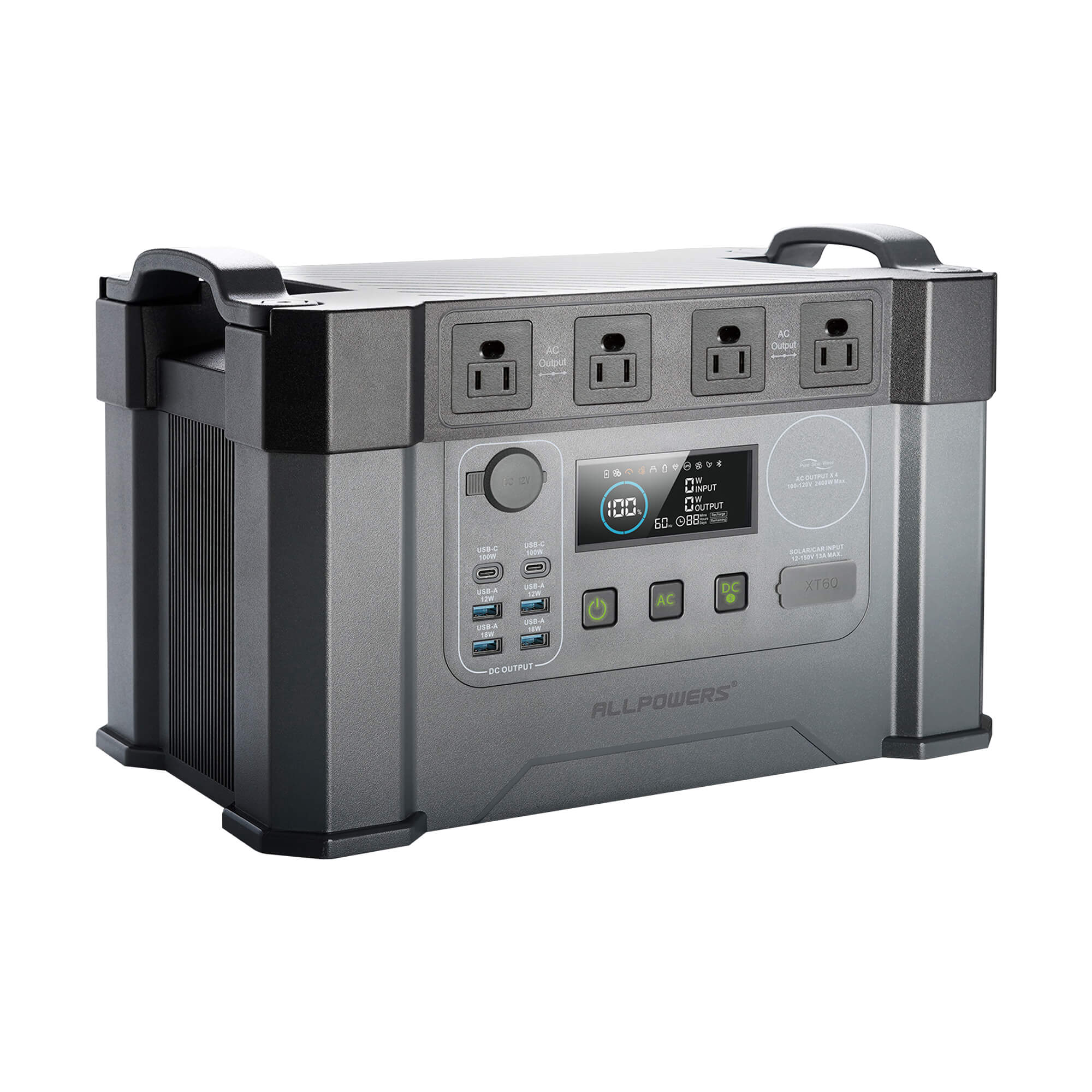
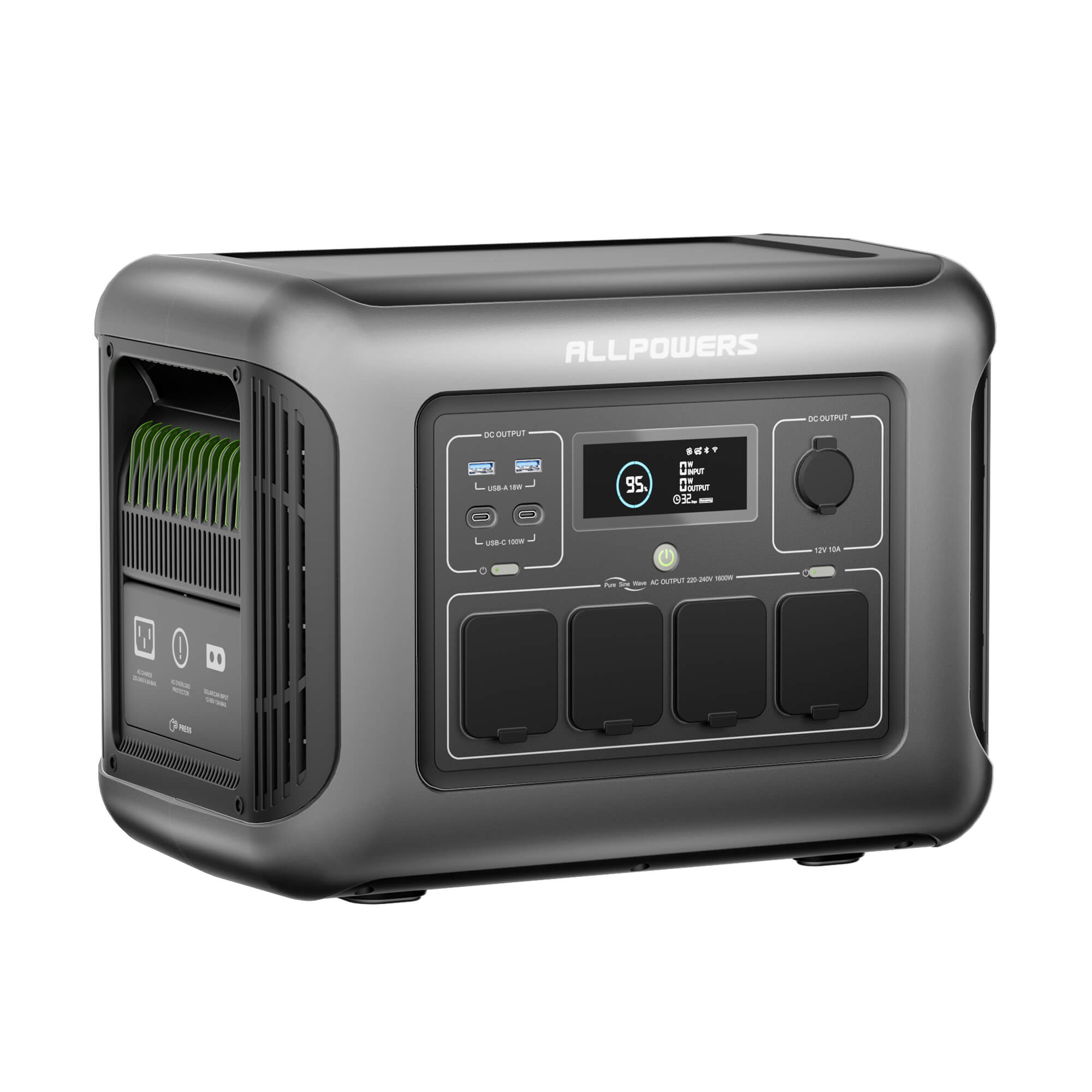
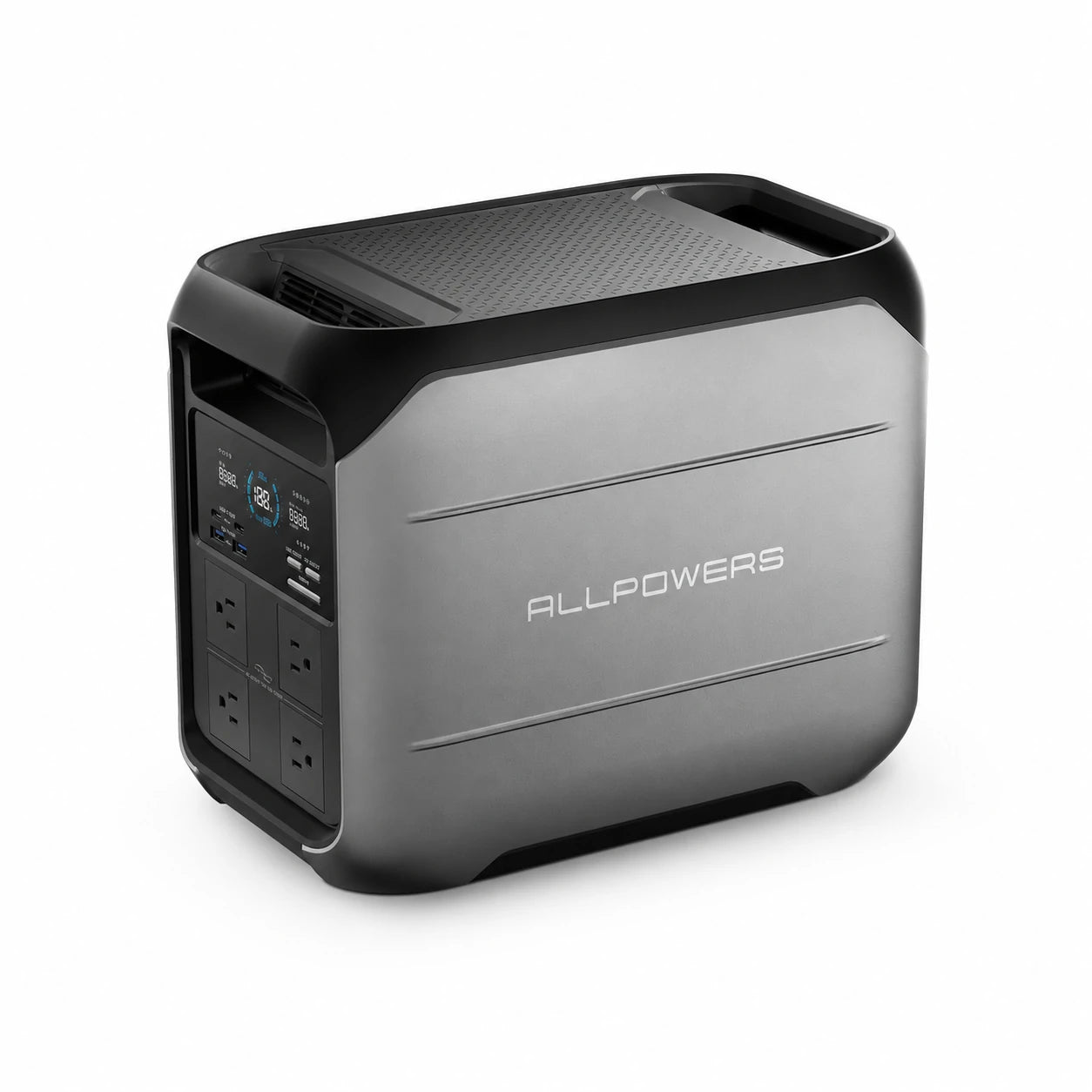
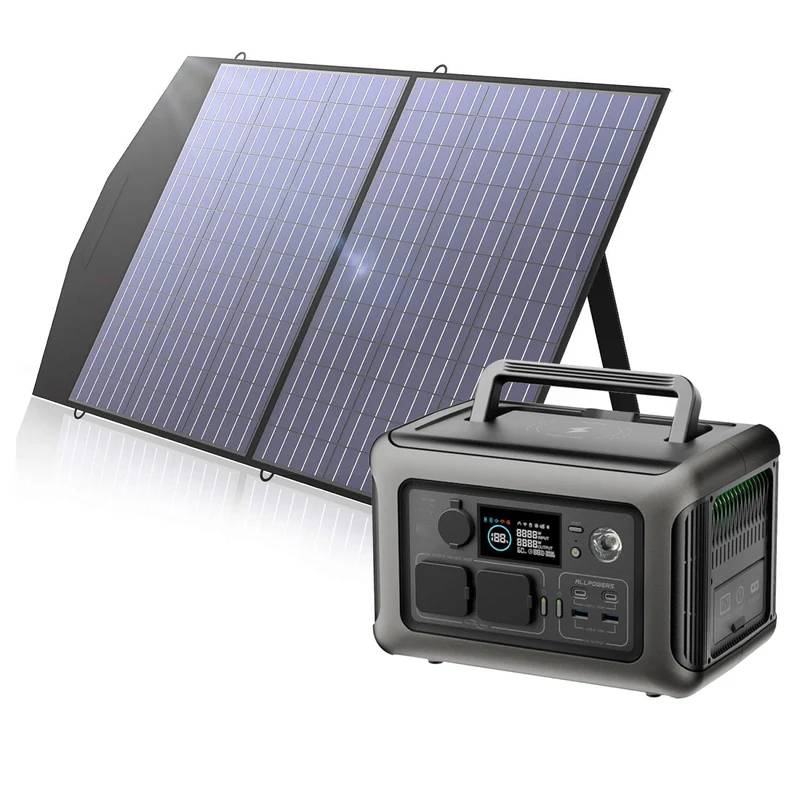
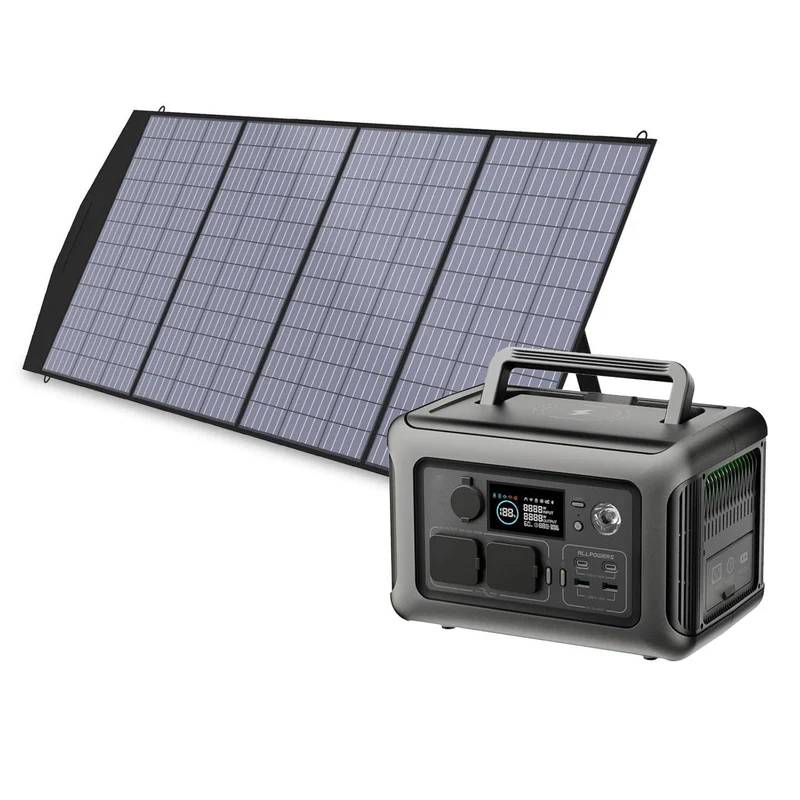
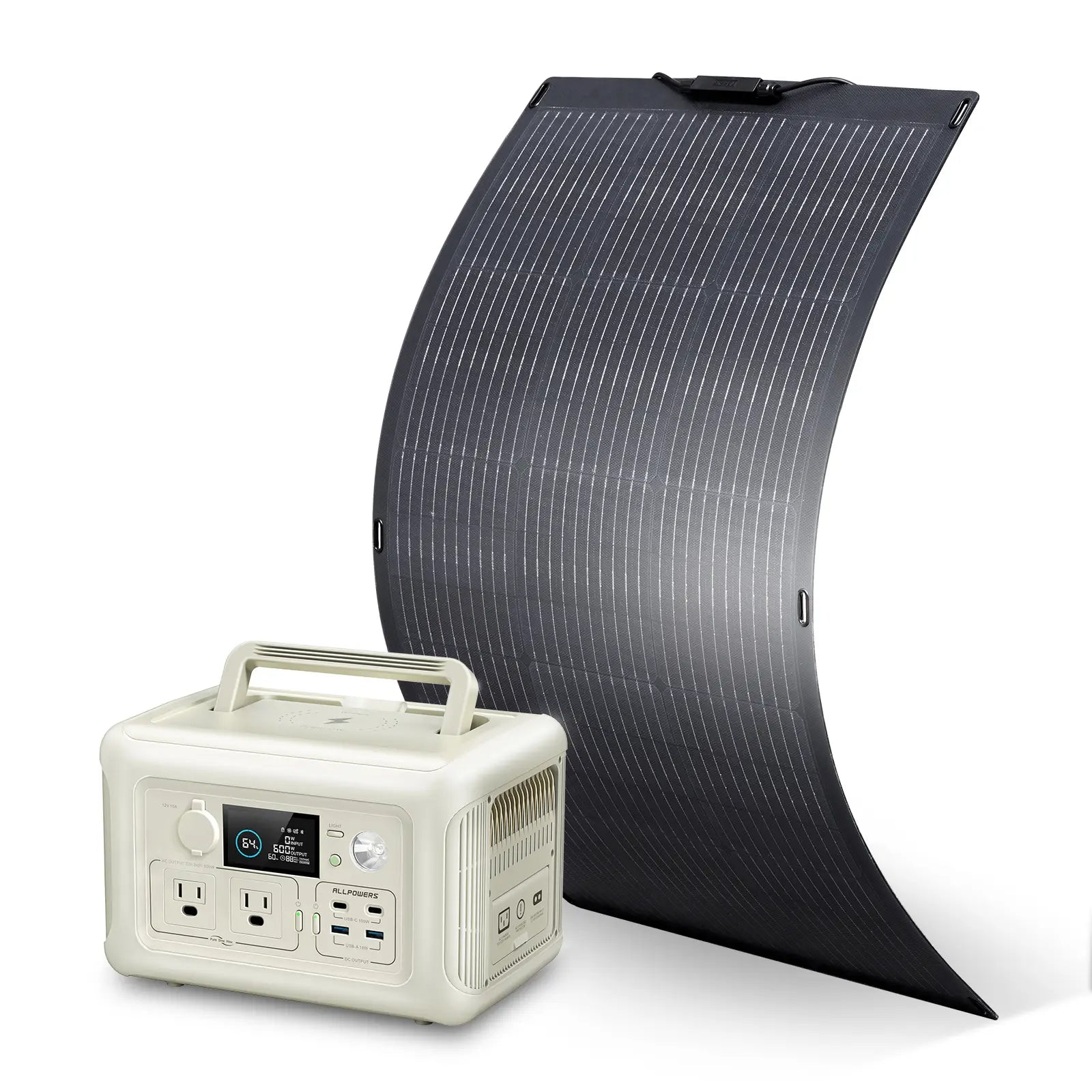
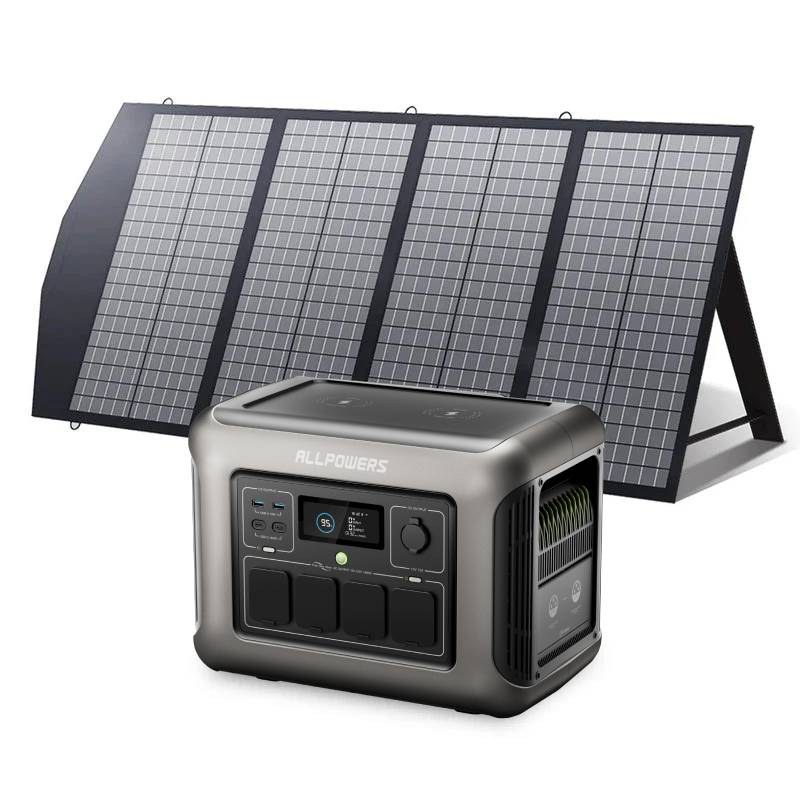
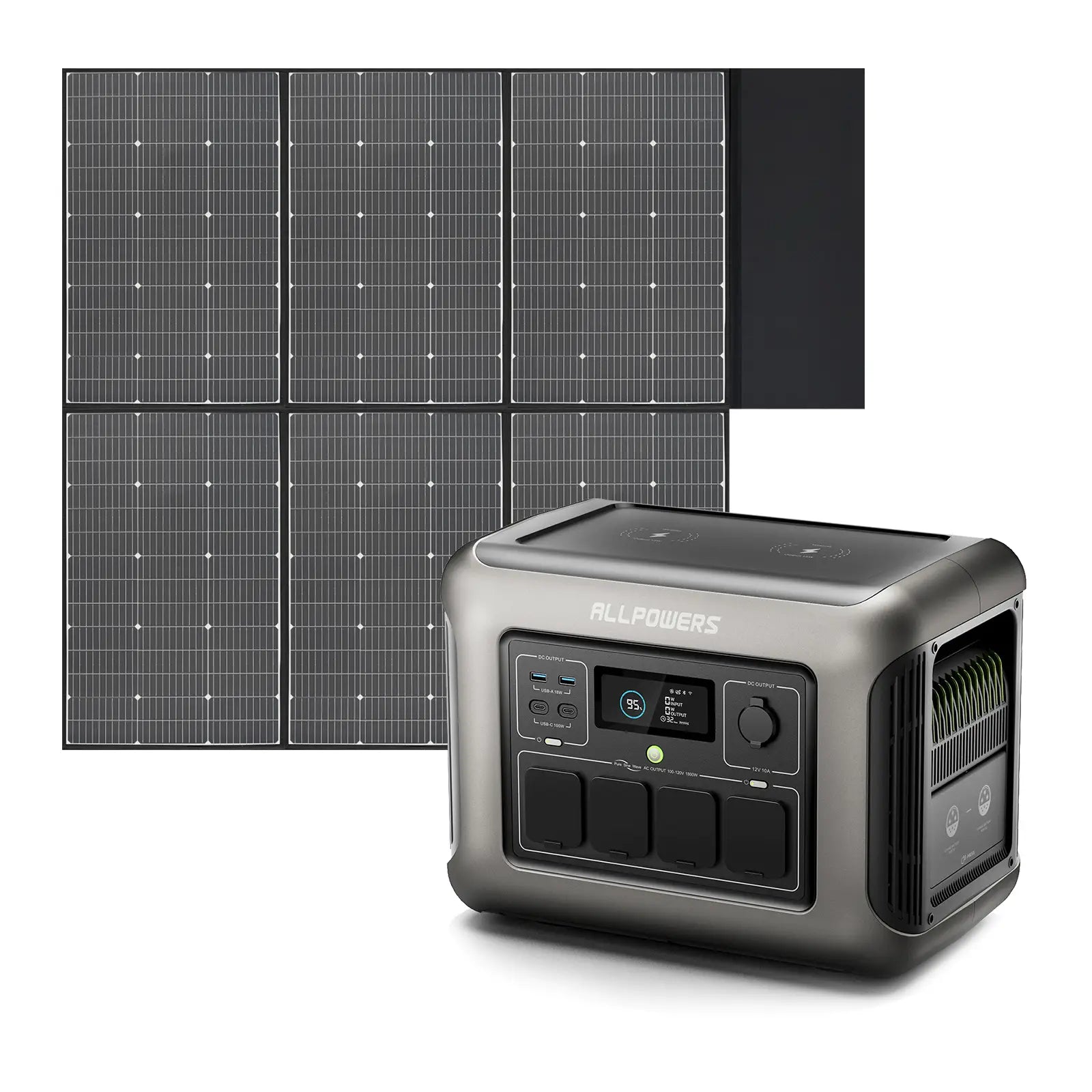
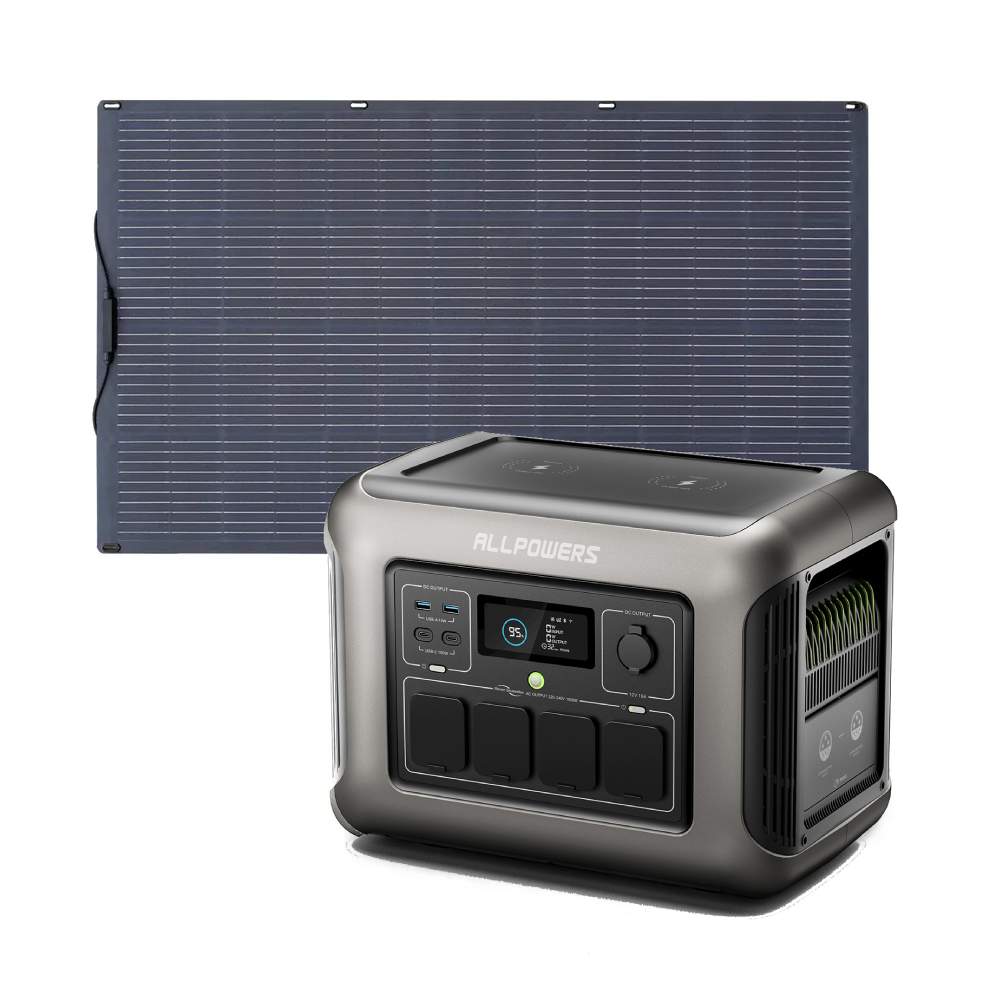
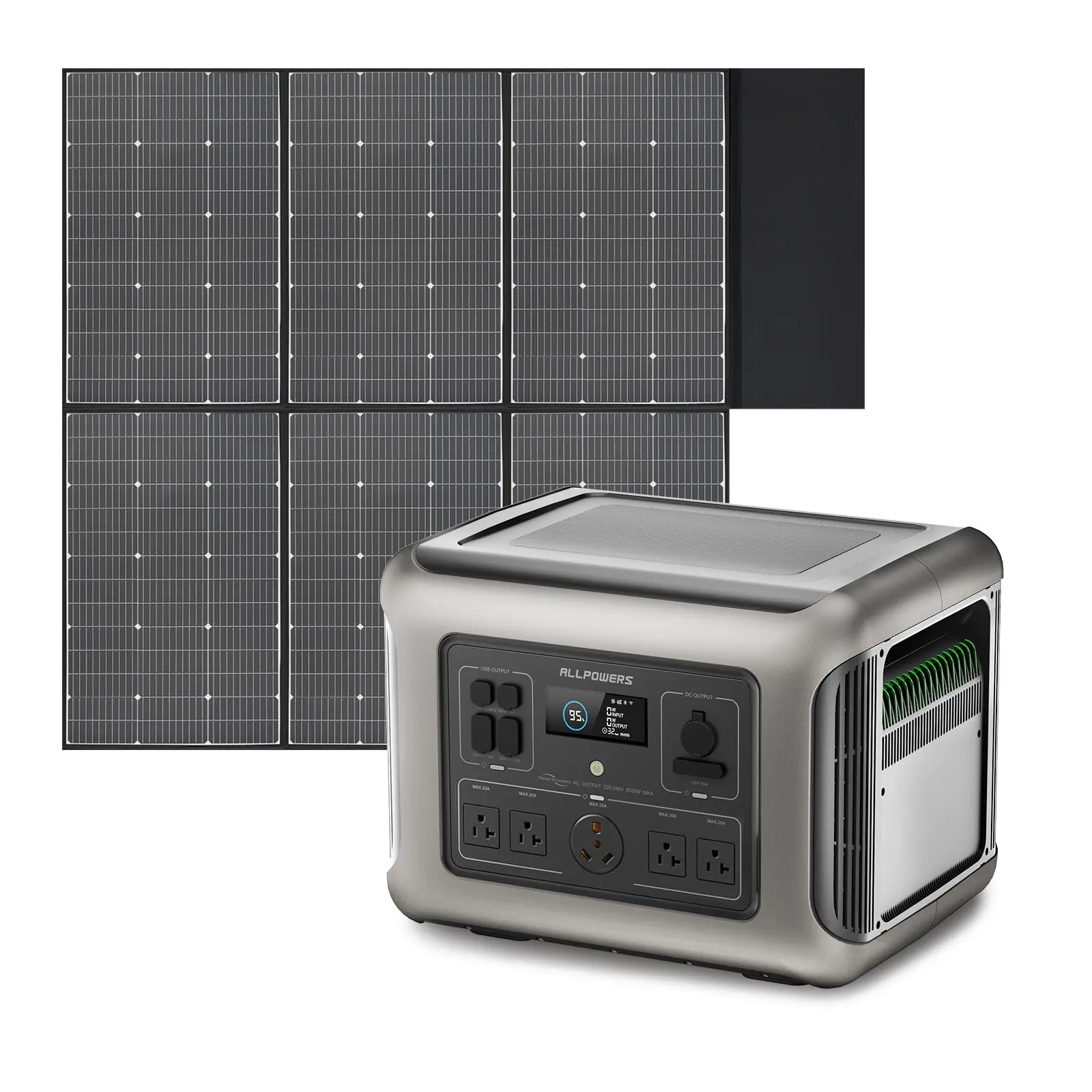
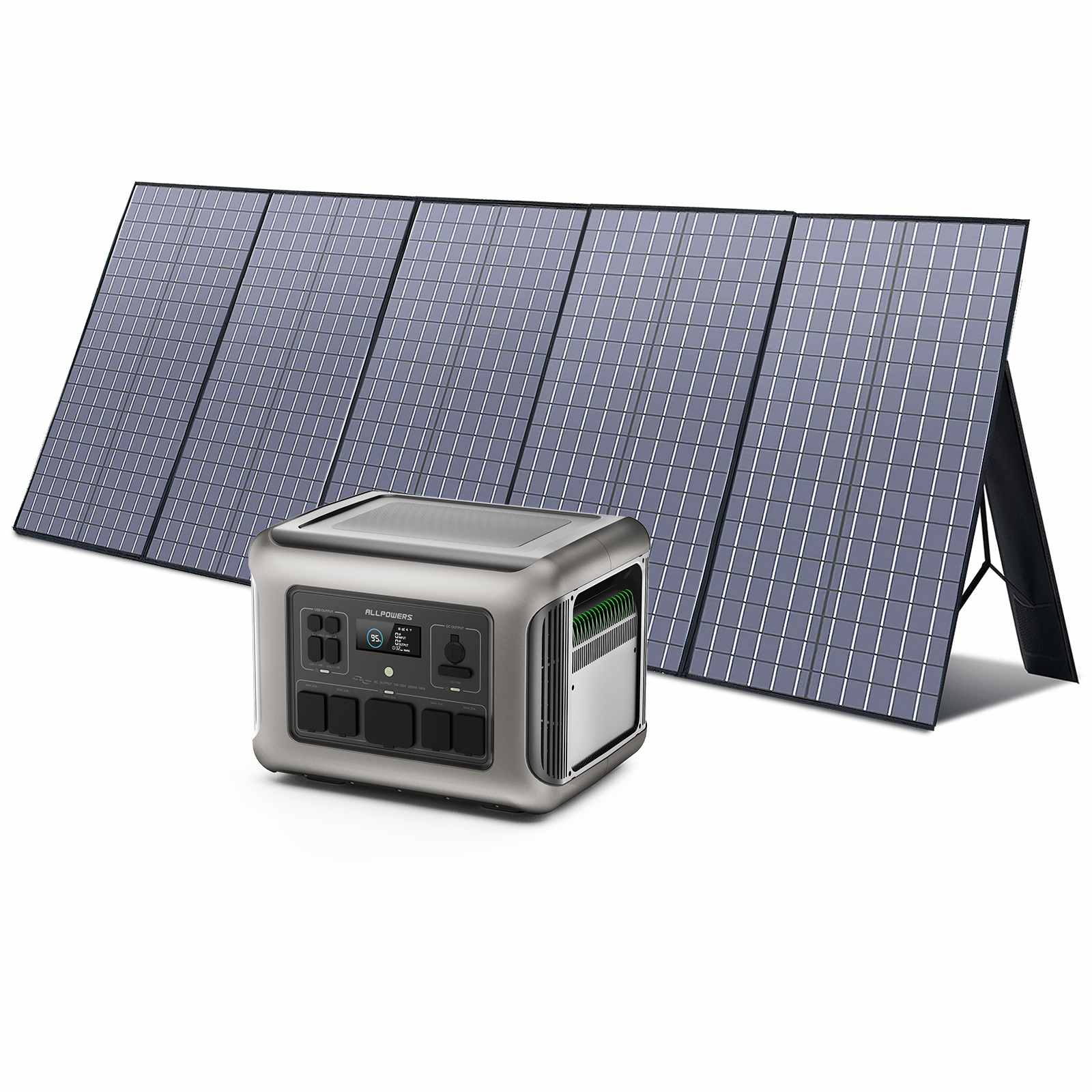
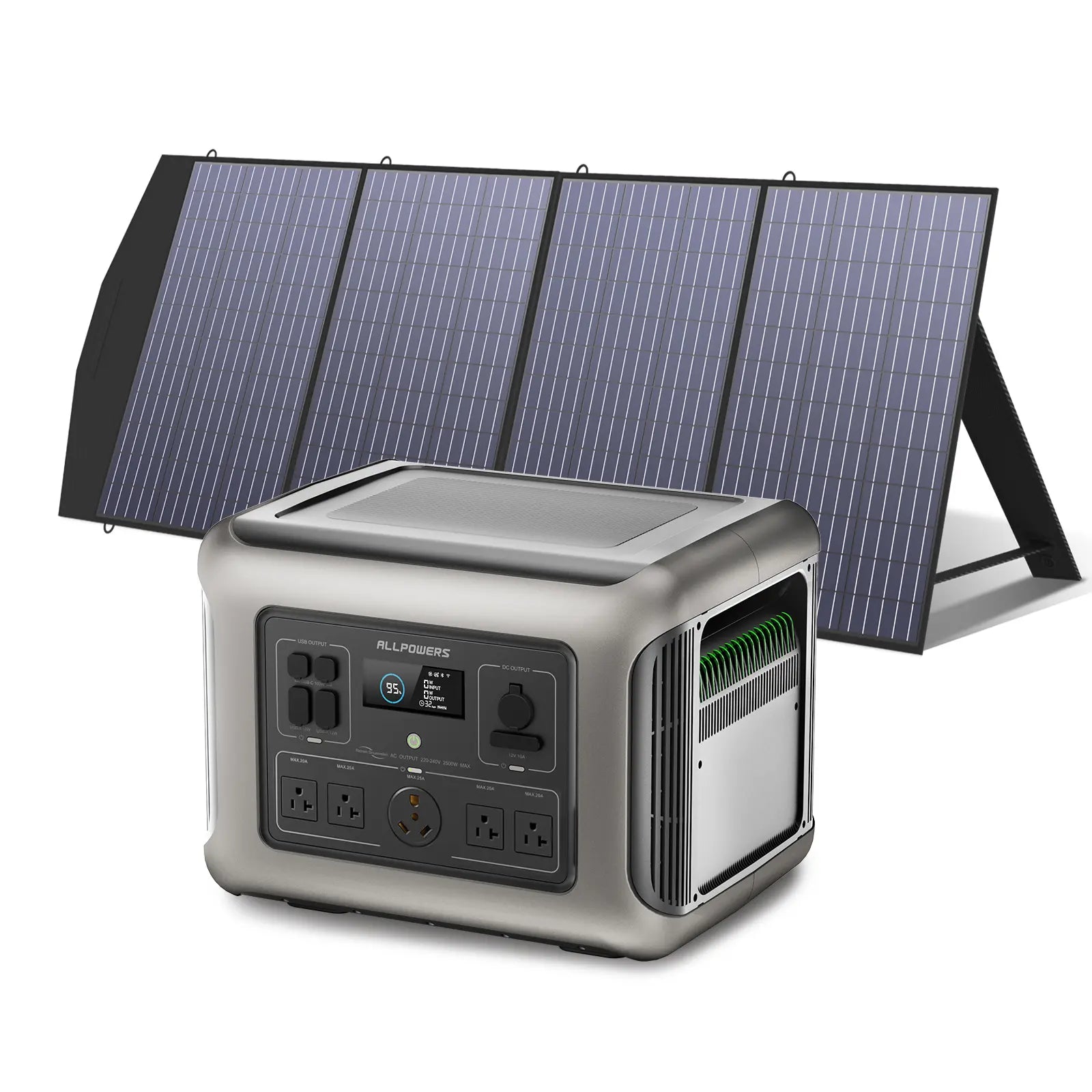
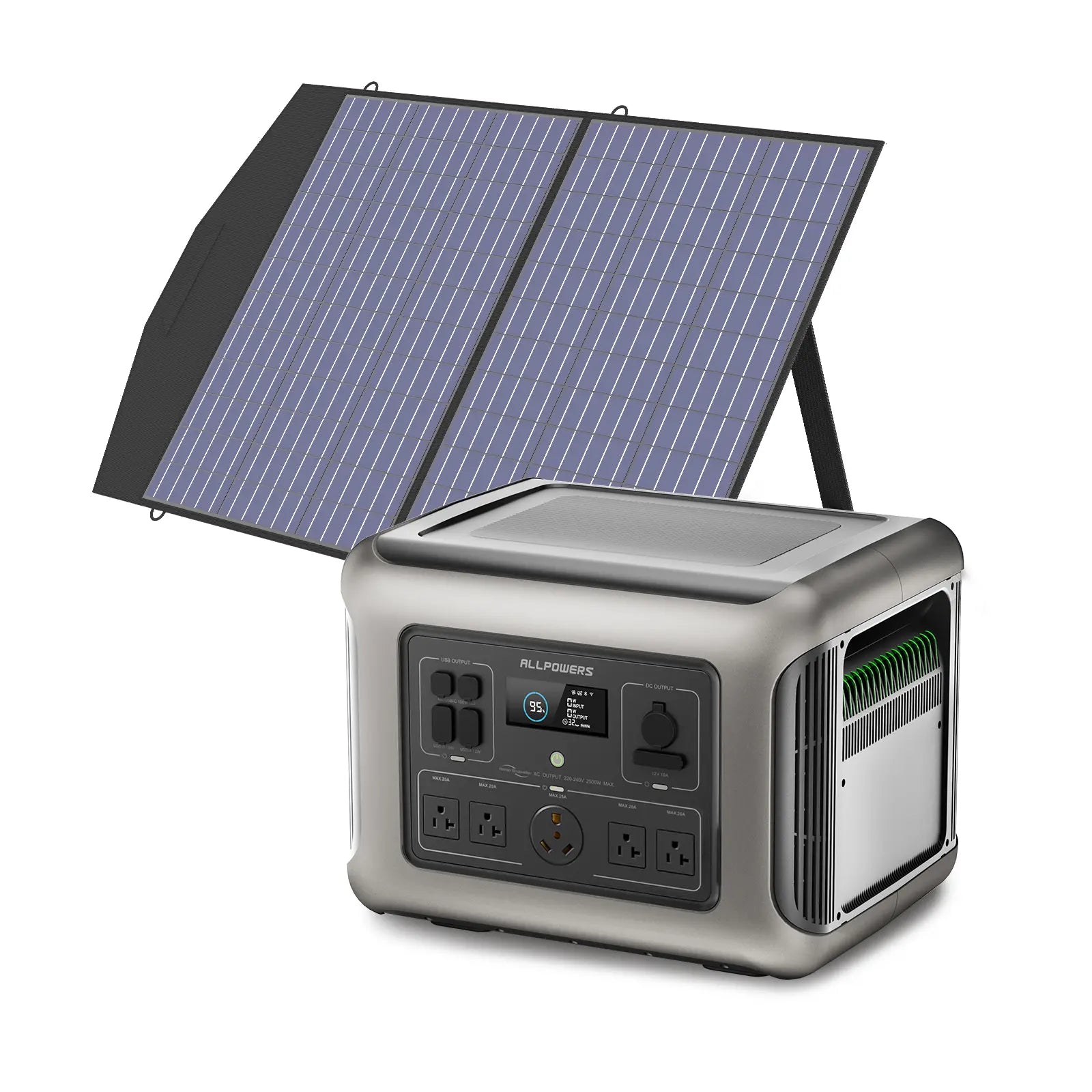
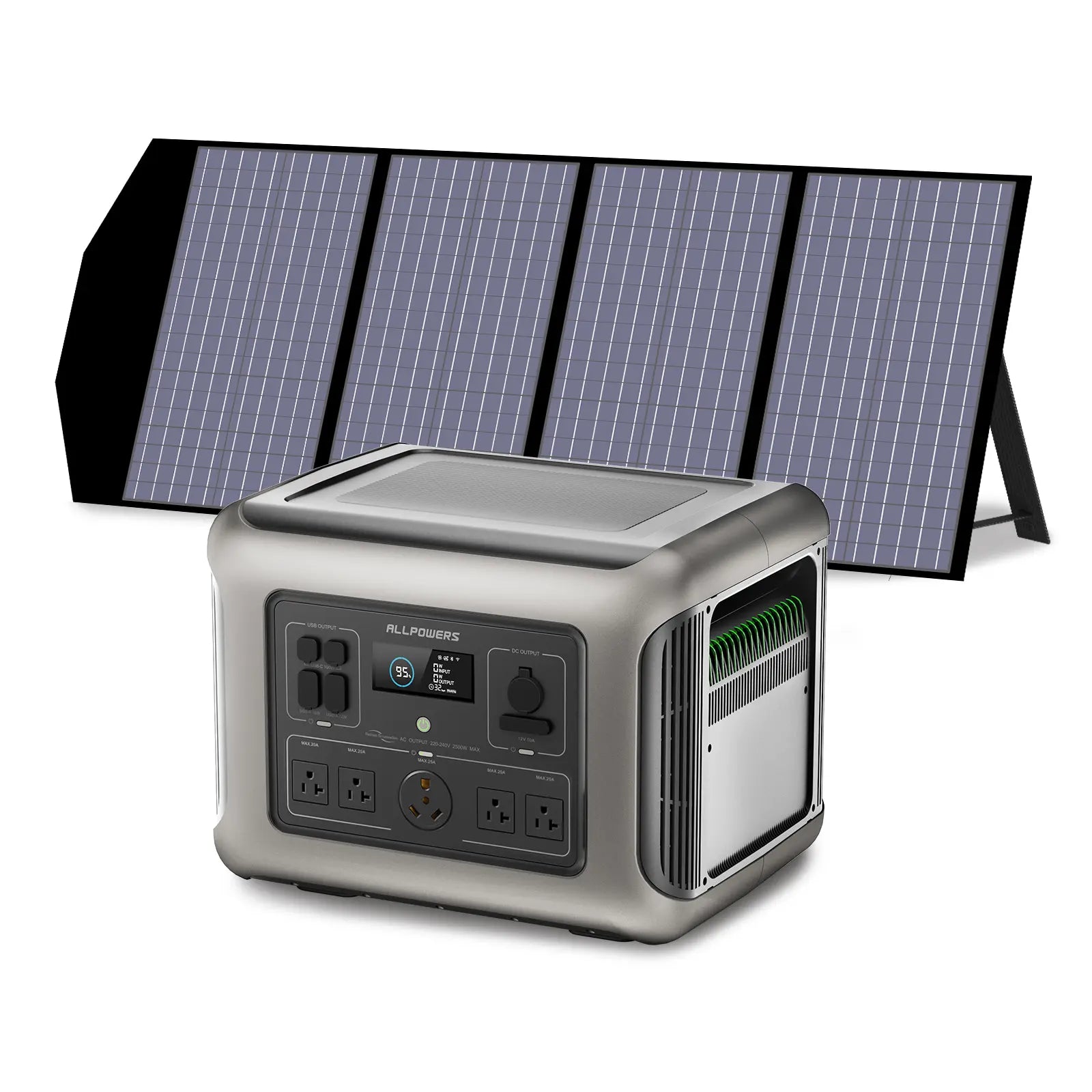
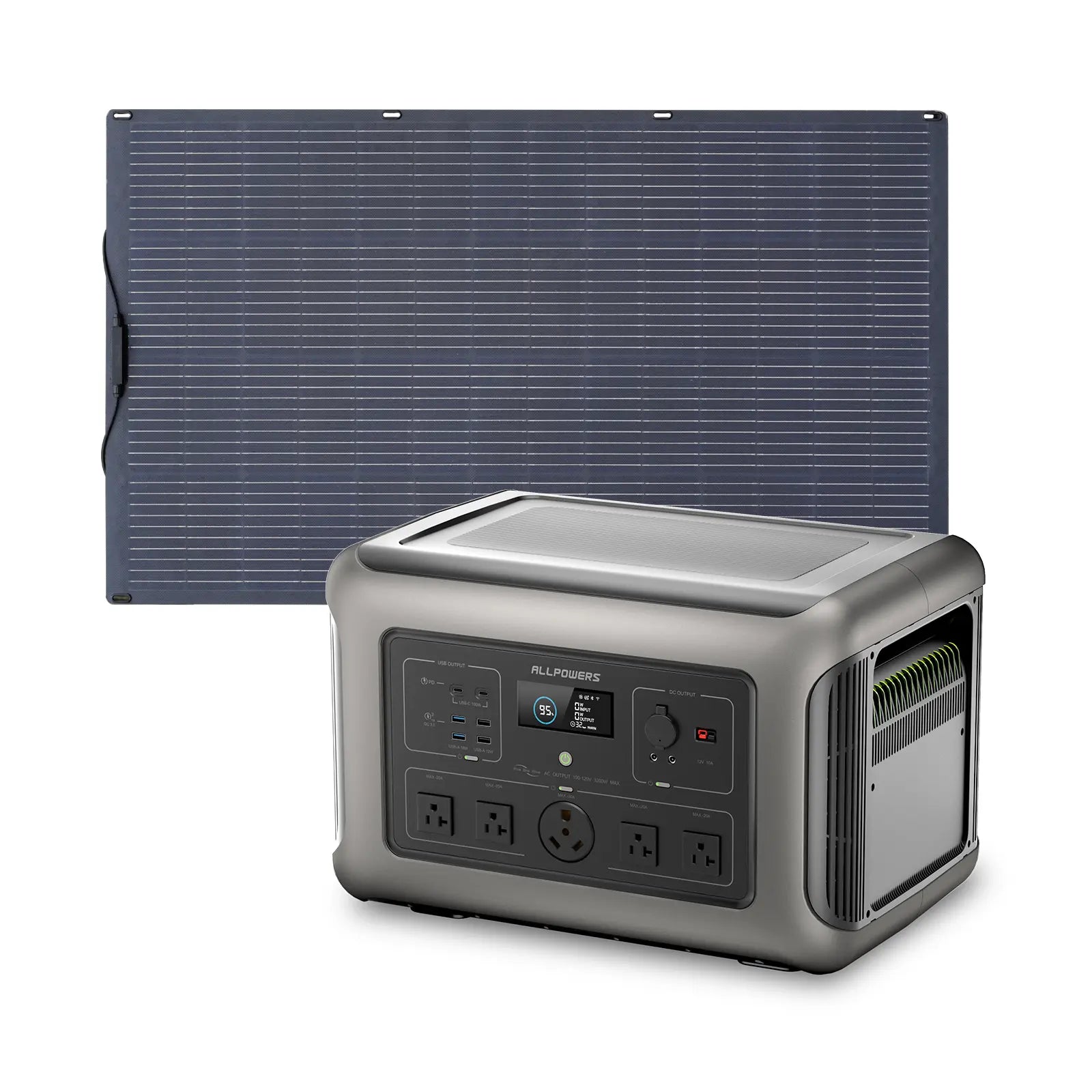
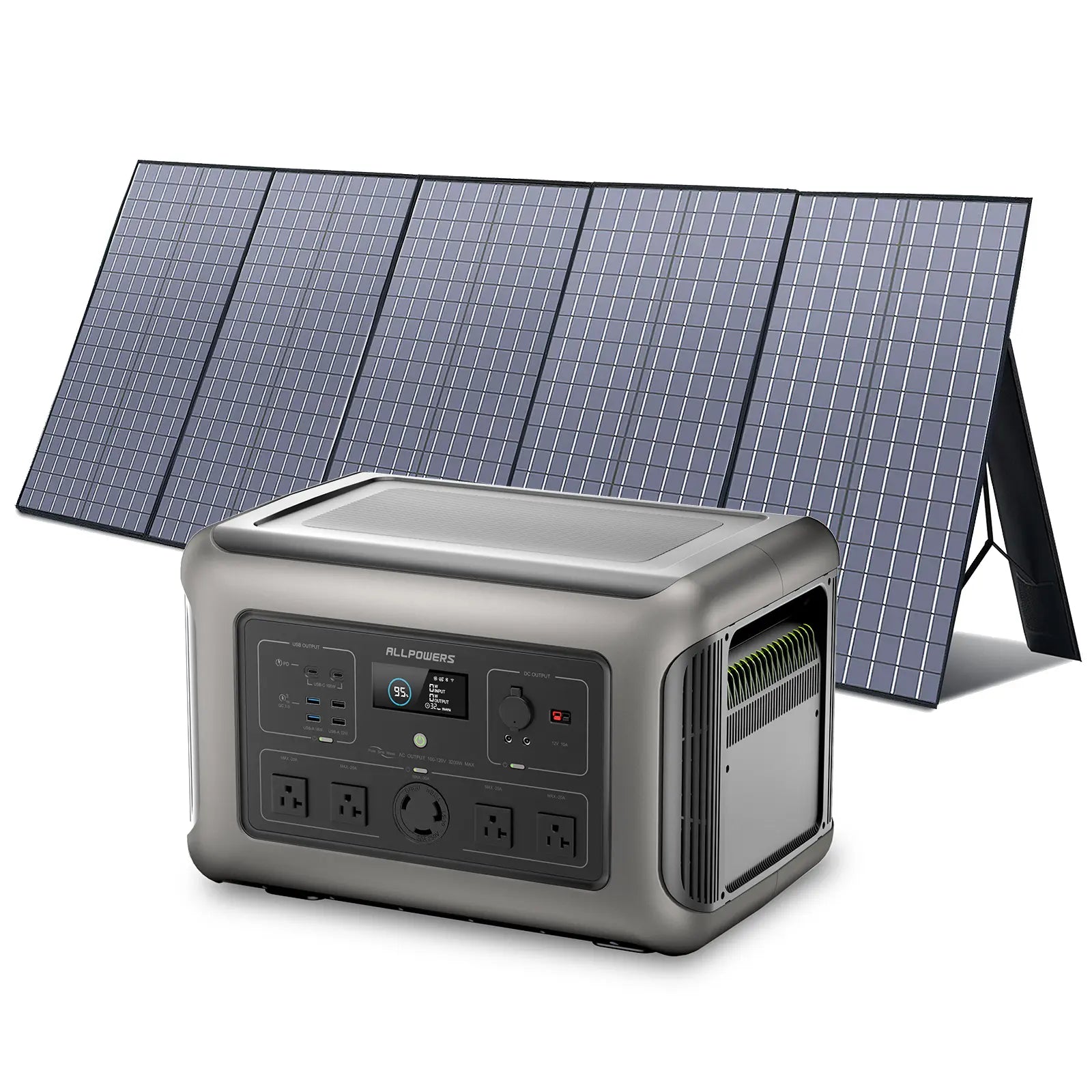
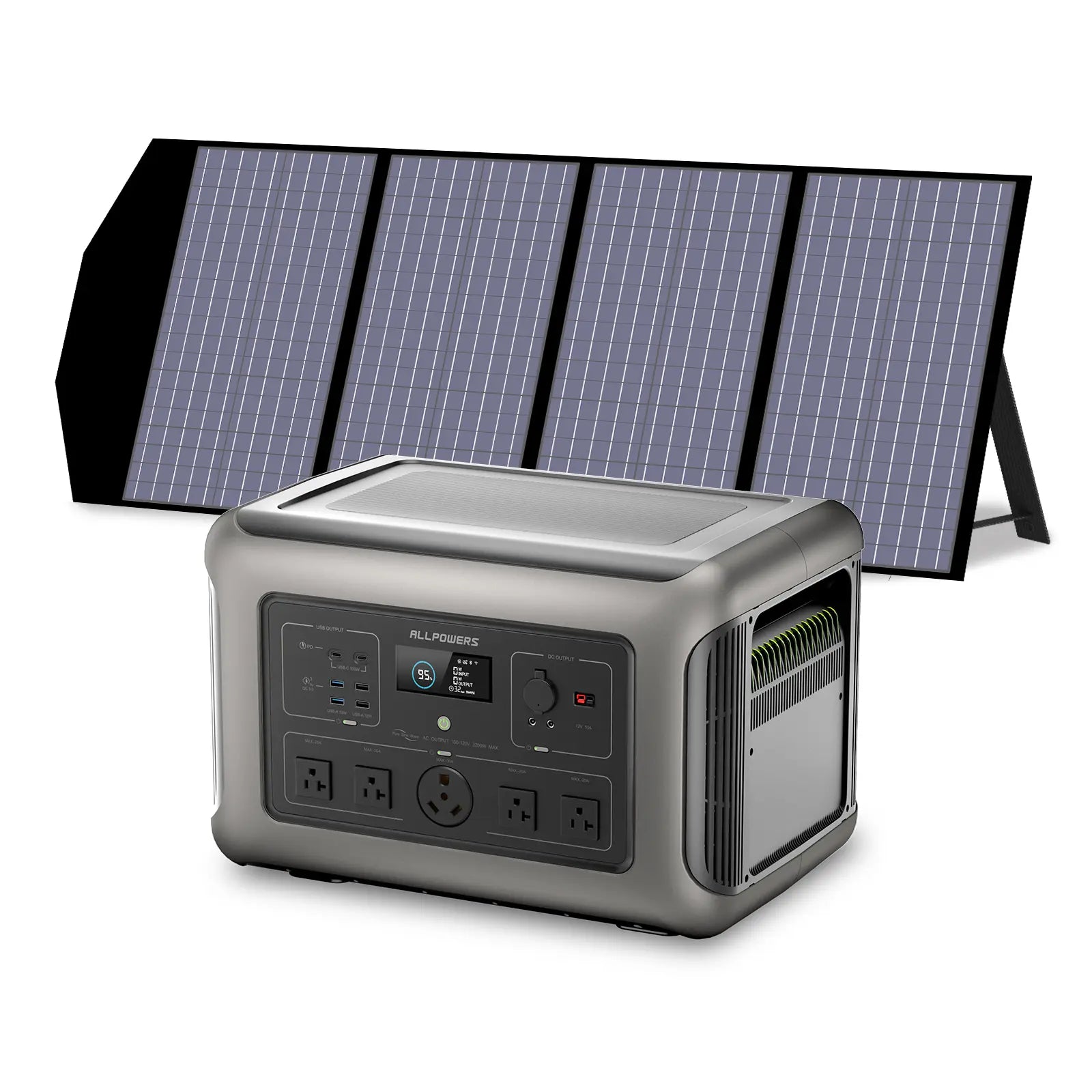
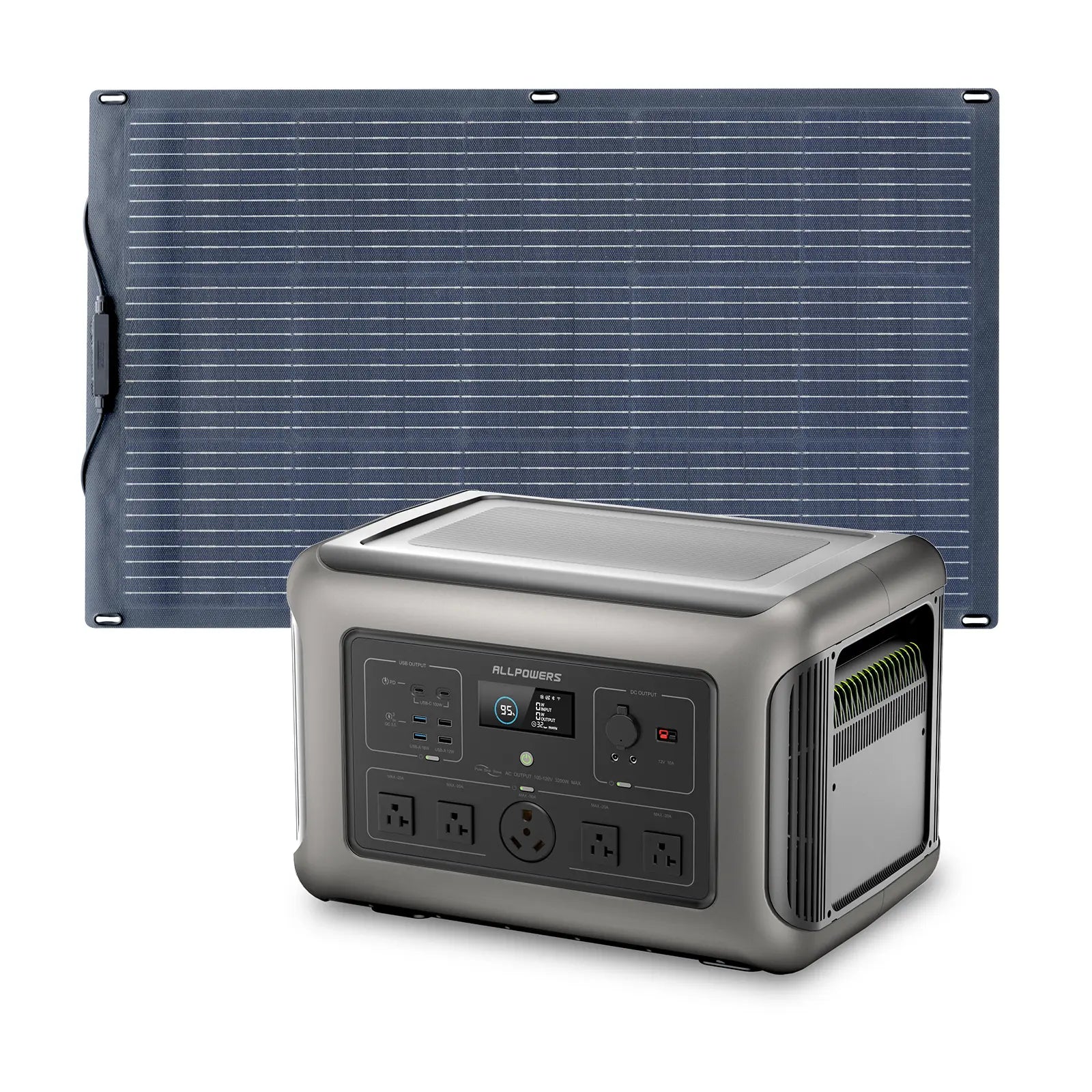
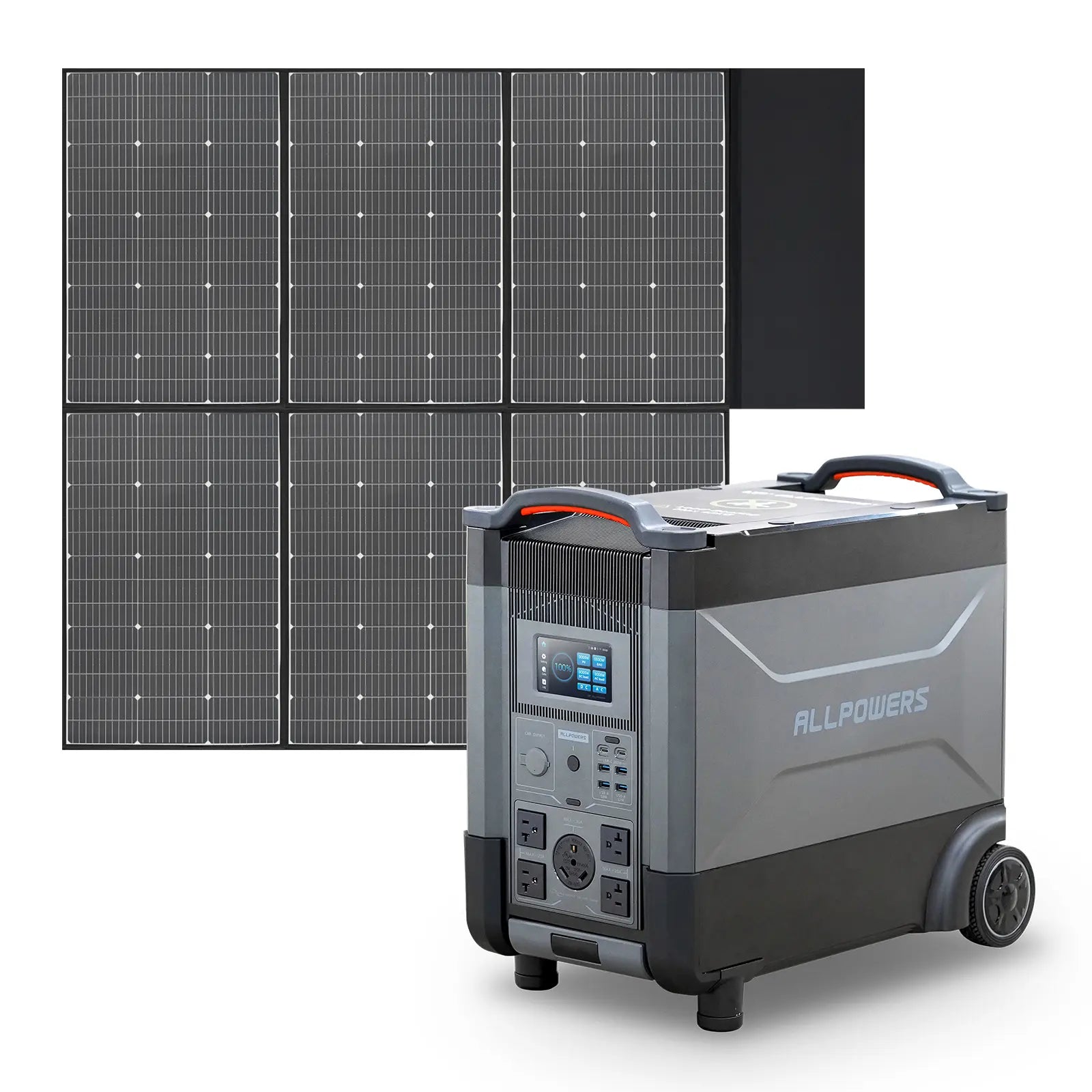
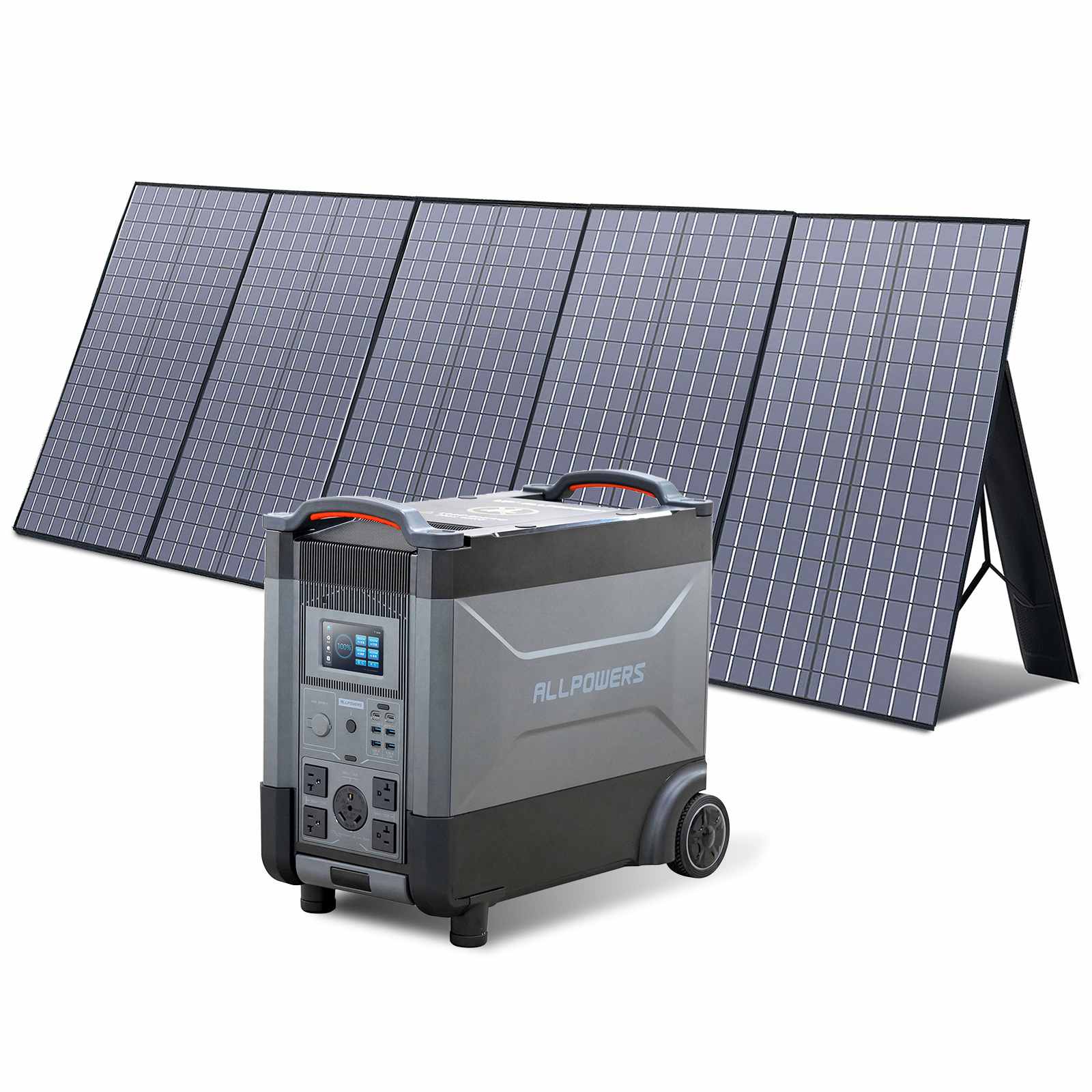
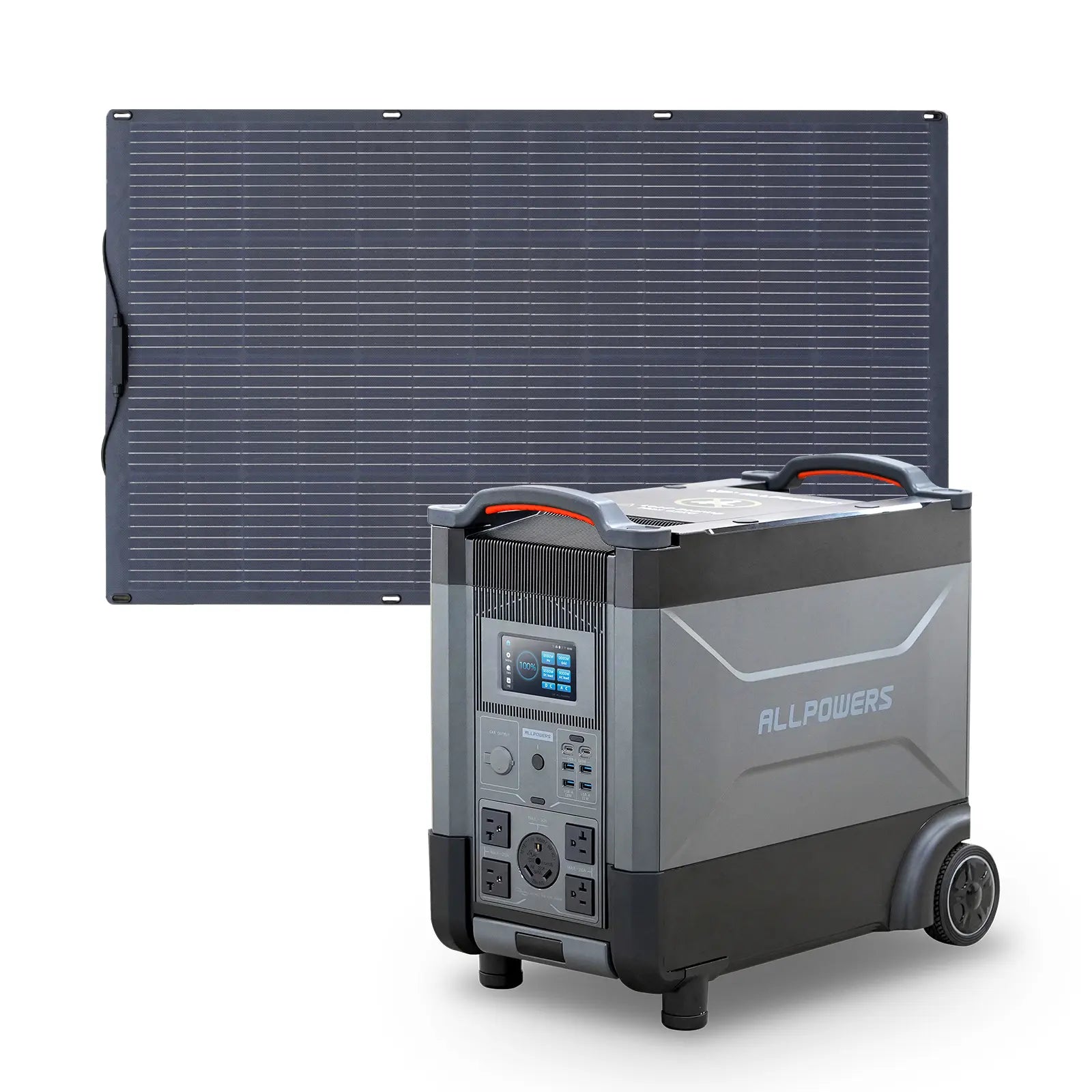
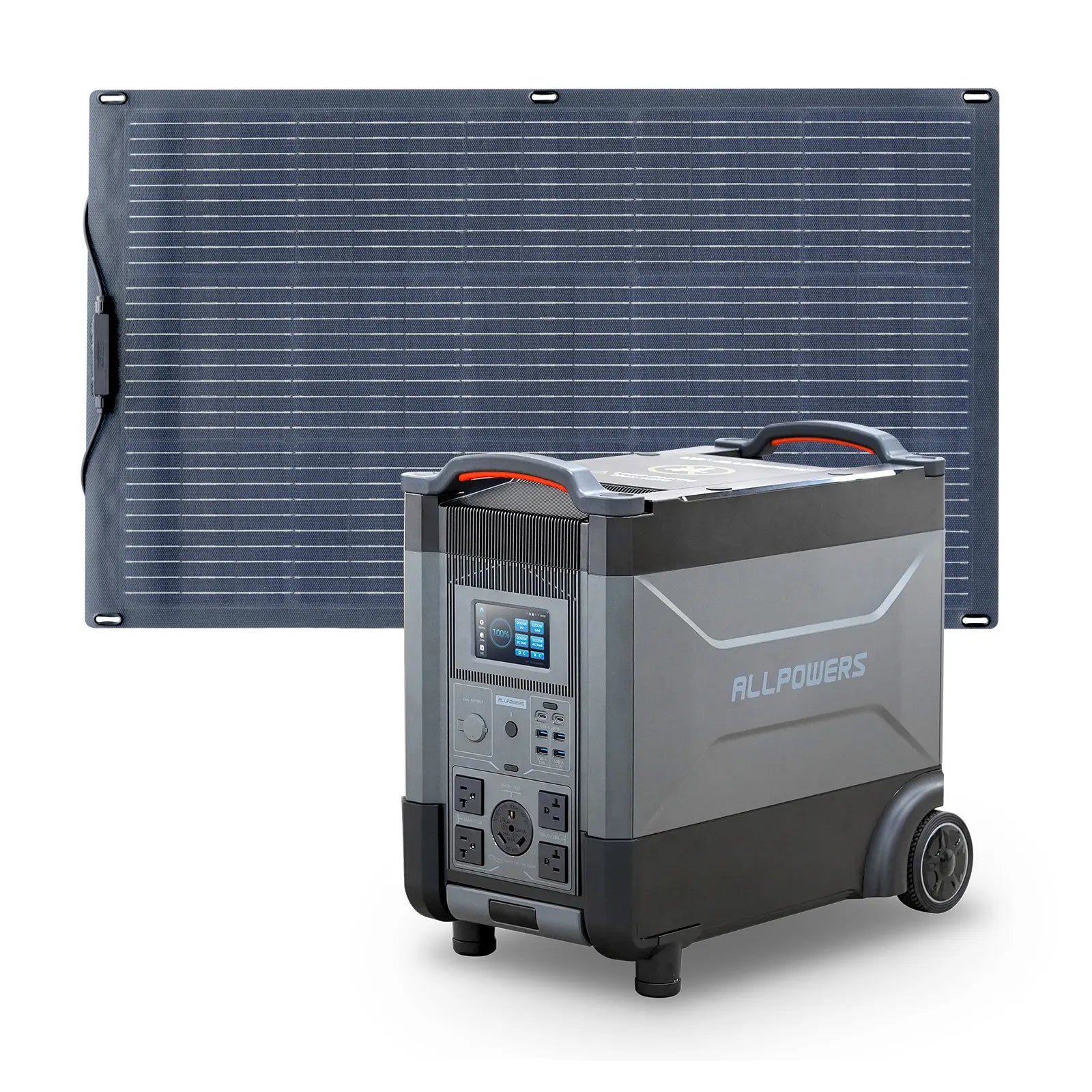
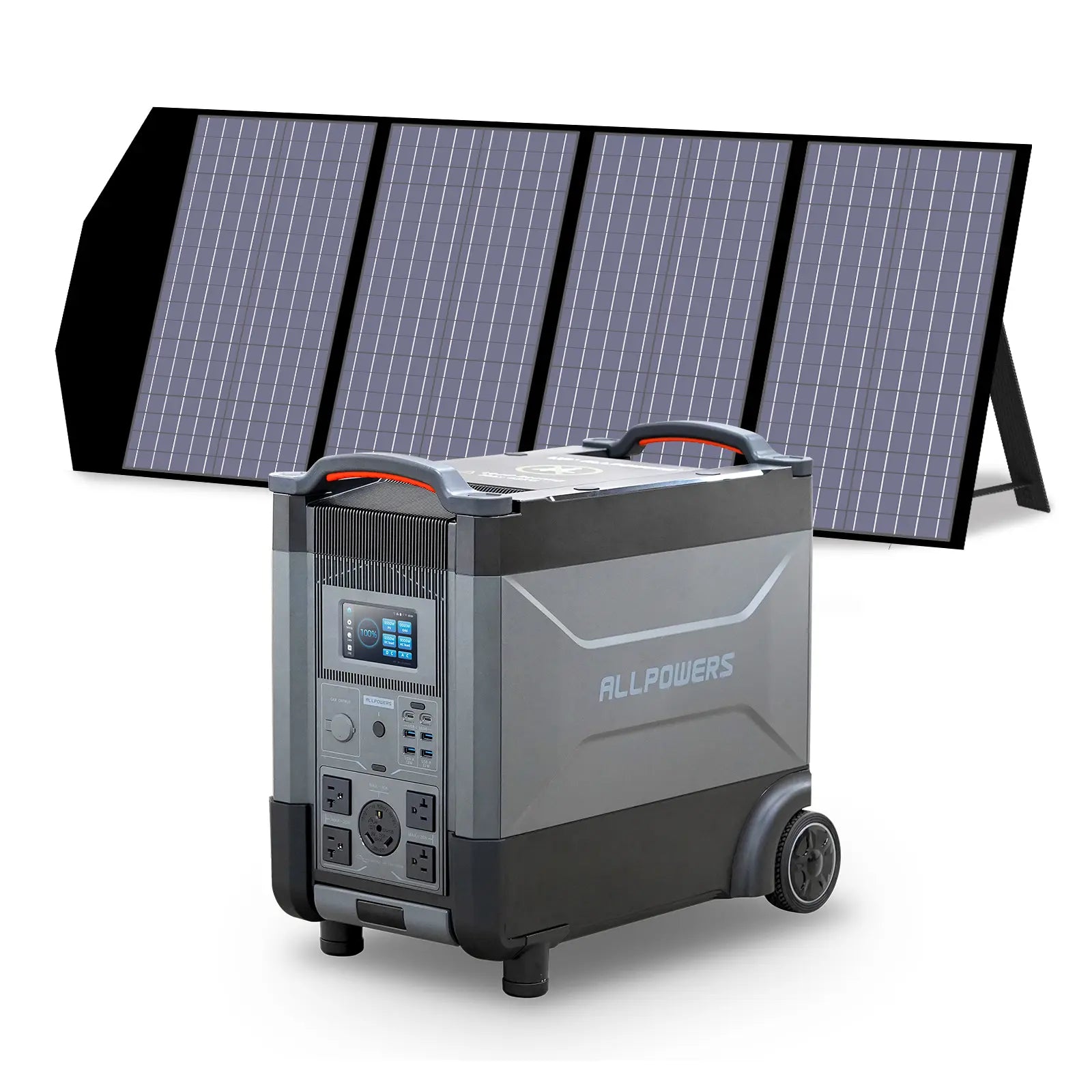
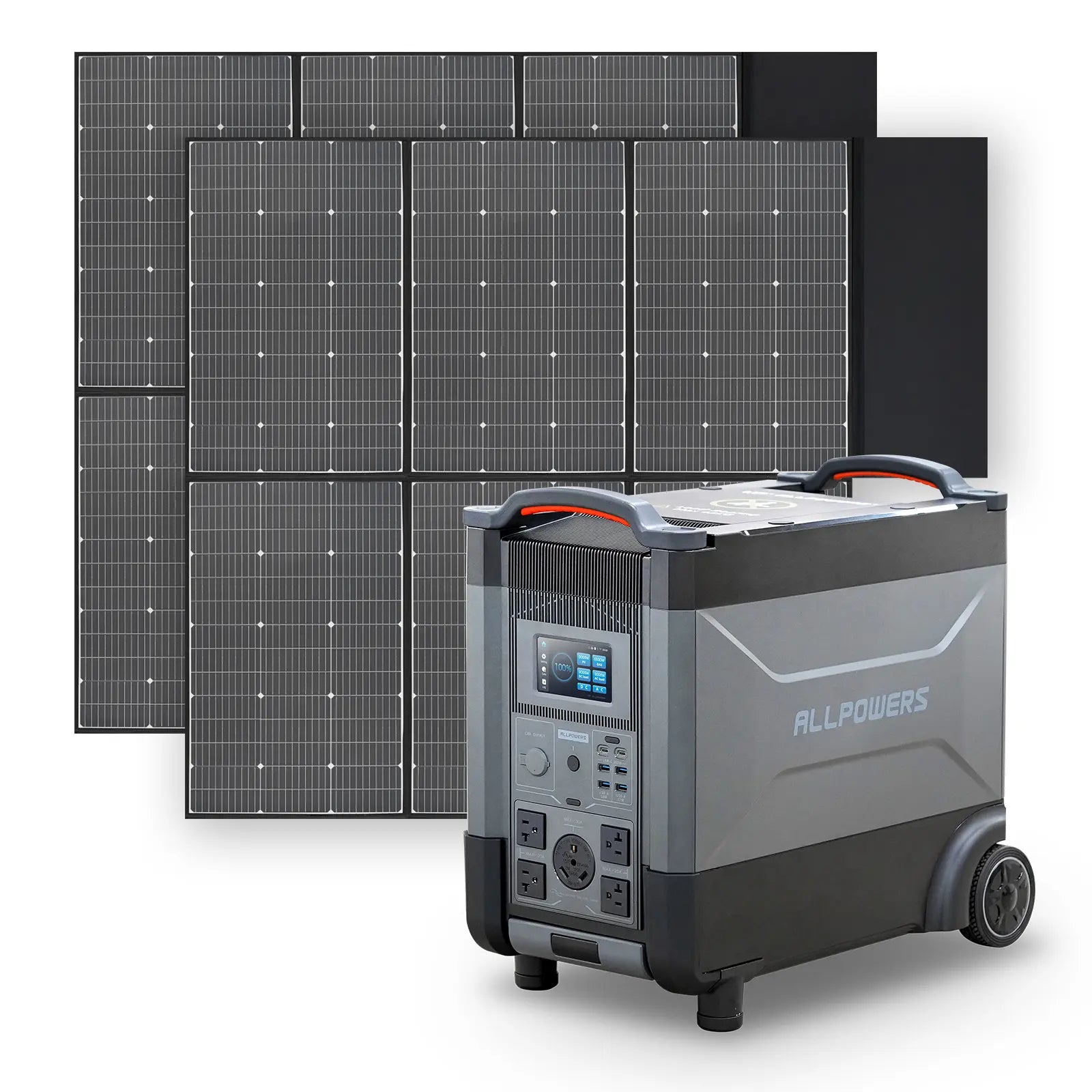
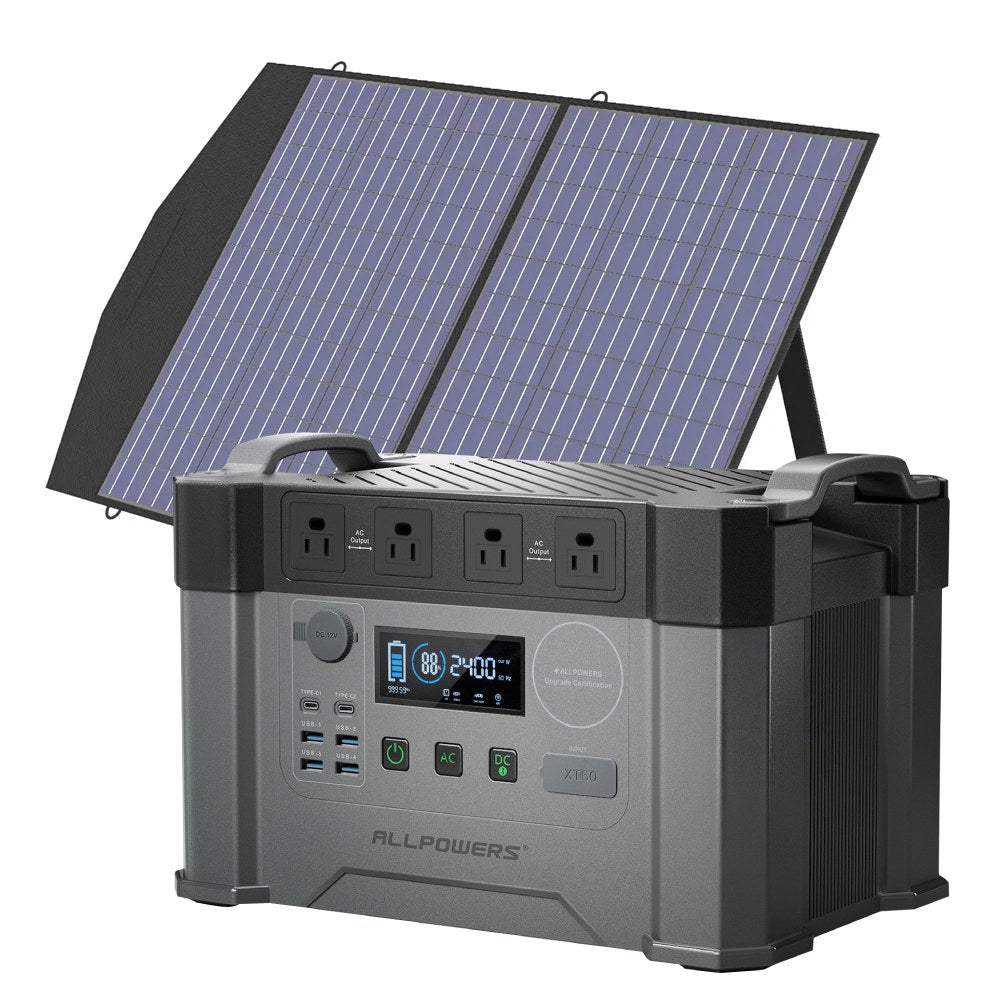
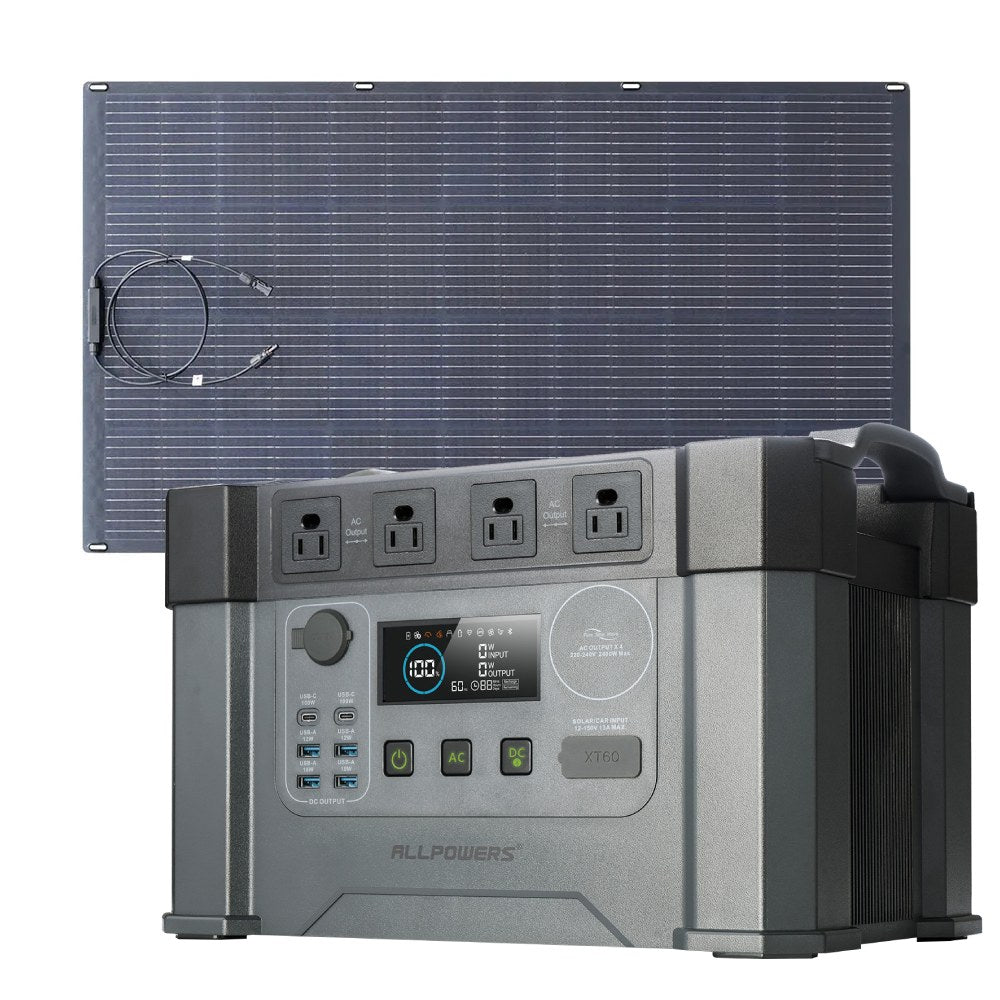
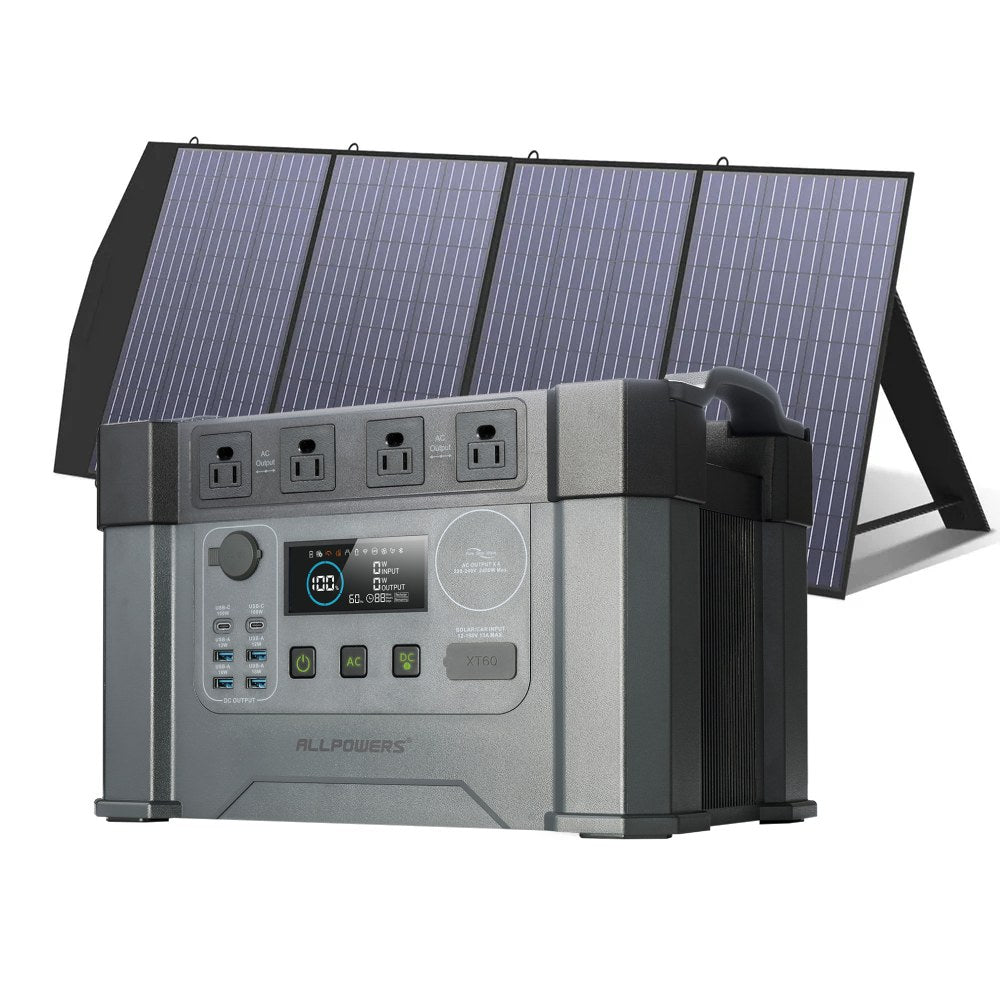
ALLPOWERS 2500W Solar Generator
$1,100.00 $1,799.00
- 2016Wh Capacity + 400W Soalr Input;
- 2500W AC Output (4,000W Surge);
- Fast Charge 100% in 1 Hours;
- Start UPS in 15 ms;
- Expandable Up to 3x B1000 Expansion Battery;
Should You Run Other Appliances Simultaneously?
It's also worth thinking about whether you'll be running more than just your fridge and freezer.
While a 2,500-watt generator might be enough for basic fridge and freezer needs, if you plan to use additional appliances, like a microwave, coffee maker, or lights, you’ll want to account for those extra wattages.
For example, a coffee maker may require 1,000 watts, and a microwave might need 1,200 watts.
So, if you're running all these devices at the same time, your total power needs could push the generator into overload.
If you're going to need multiple appliances, consider a 3,000-watt generator or larger.
Types of Generators: Gas vs. Solar
Generators come in all shapes and sizes, but when it comes to powering home appliances like a refrigerator and freezer, you’ll likely be deciding between a gas-powered generator and a solar-powered generator.
Gas-powered generators are the traditional choice. They’re reliable, powerful, and can handle larger loads.
When it comes to running a refrigerator and freezer, gas generators are often the go-to because they’re affordable and deliver the necessary wattage.
However, there are some downsides to keep in mind:
Depending on how long the outage lasts, you’ll need to ensure you have enough fuel on hand to keep your generator running.
These generators can be loud, which might be a concern, especially if you're trying to keep things peaceful at home.
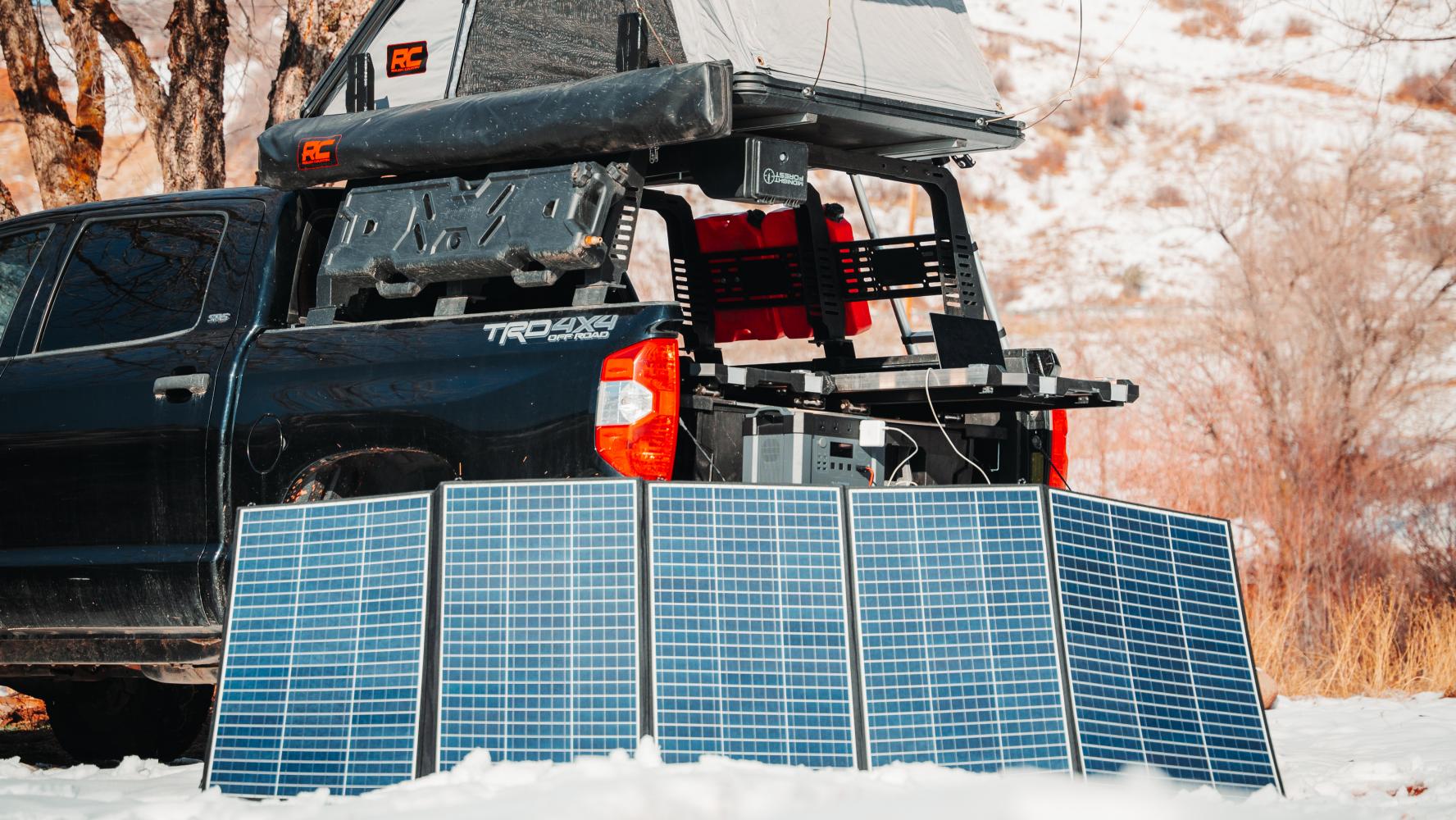
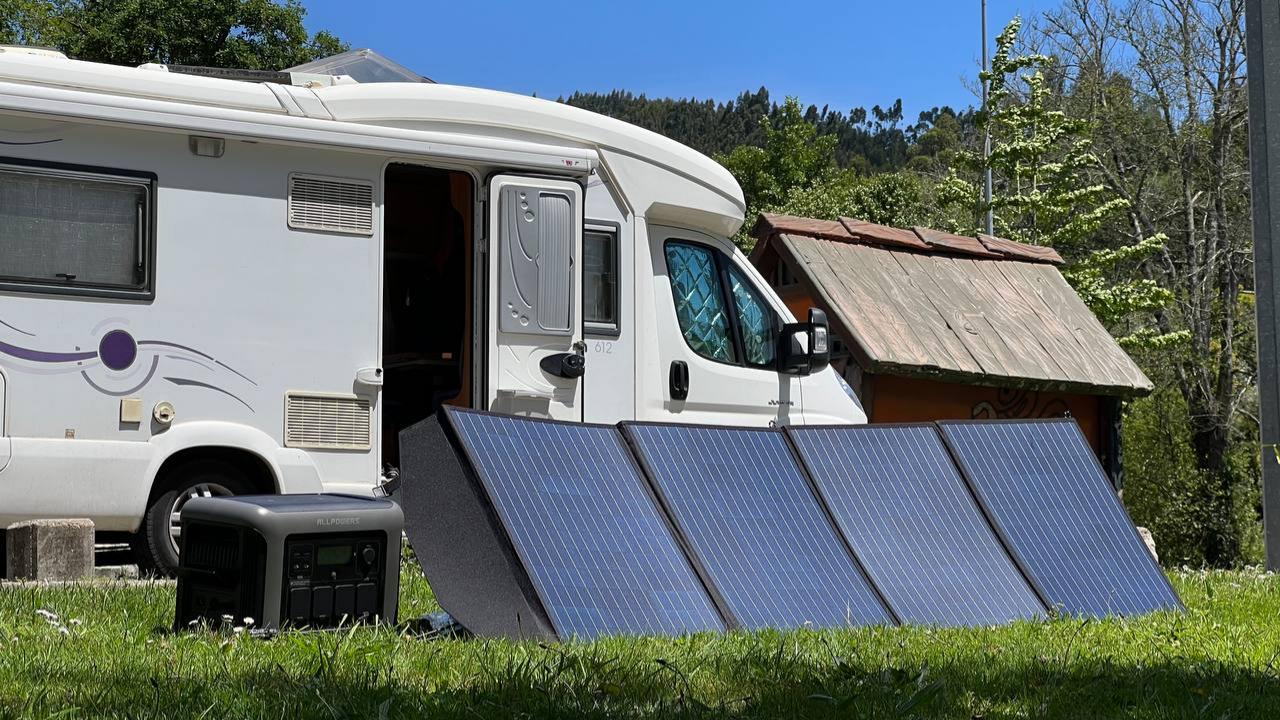
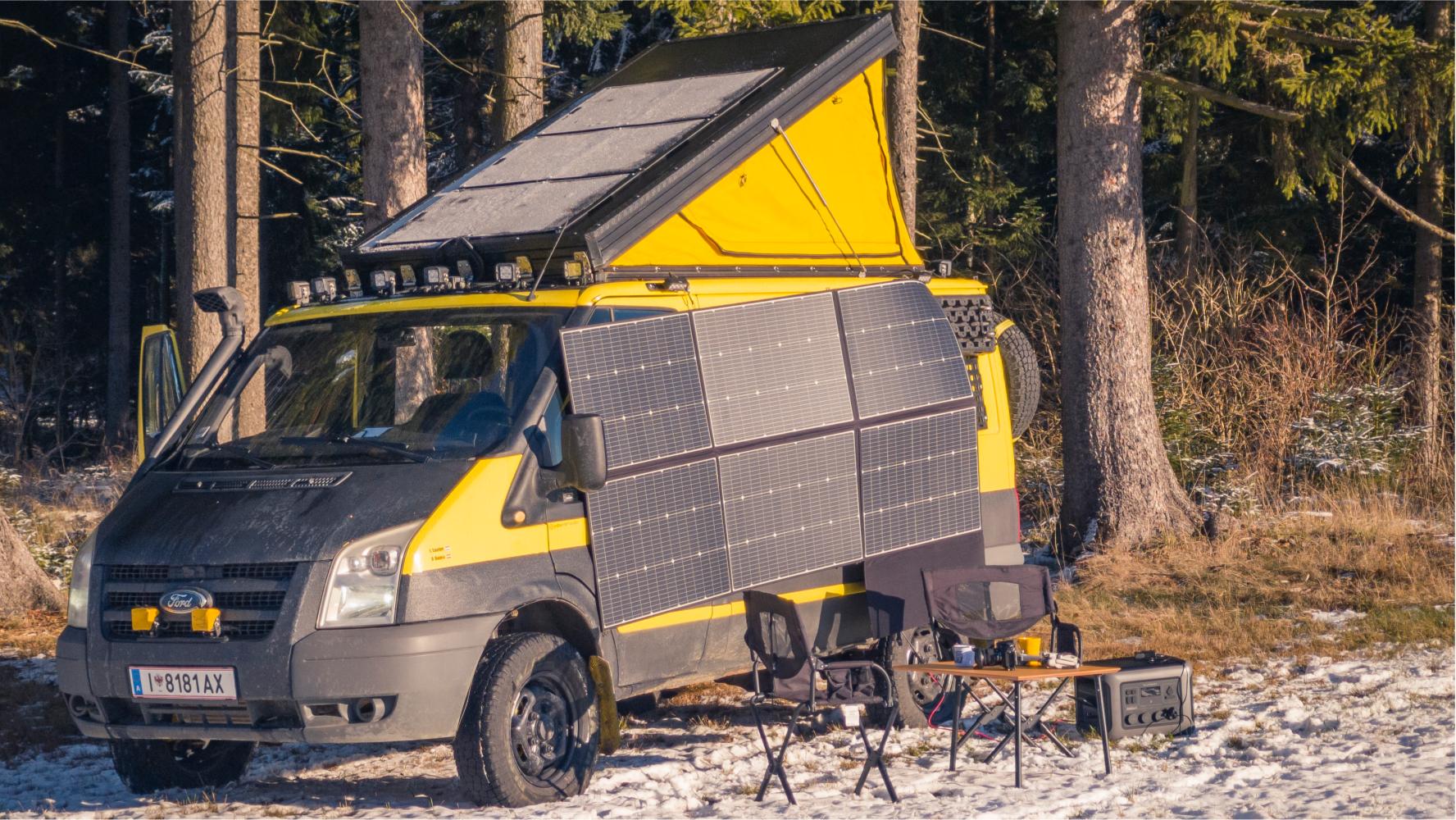
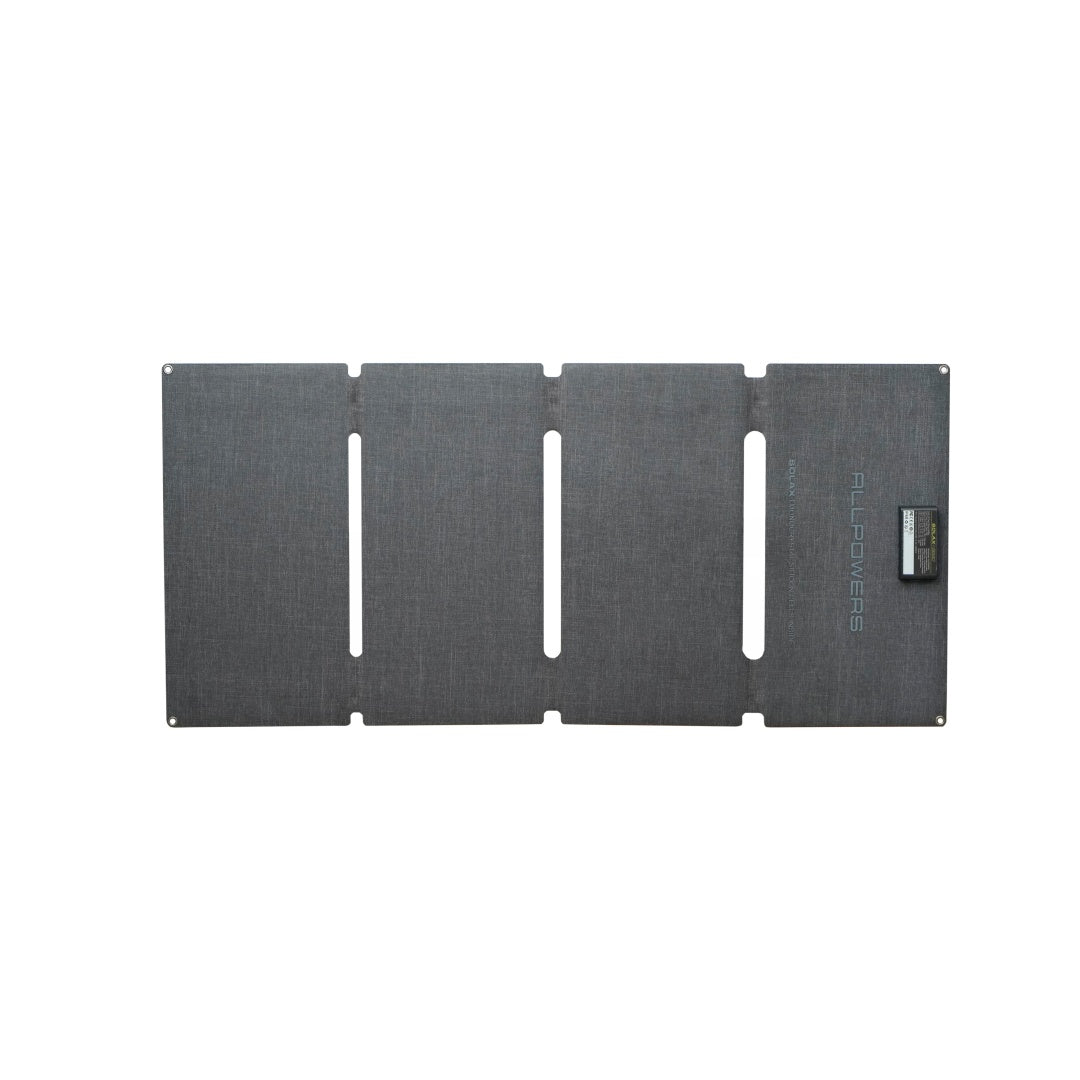
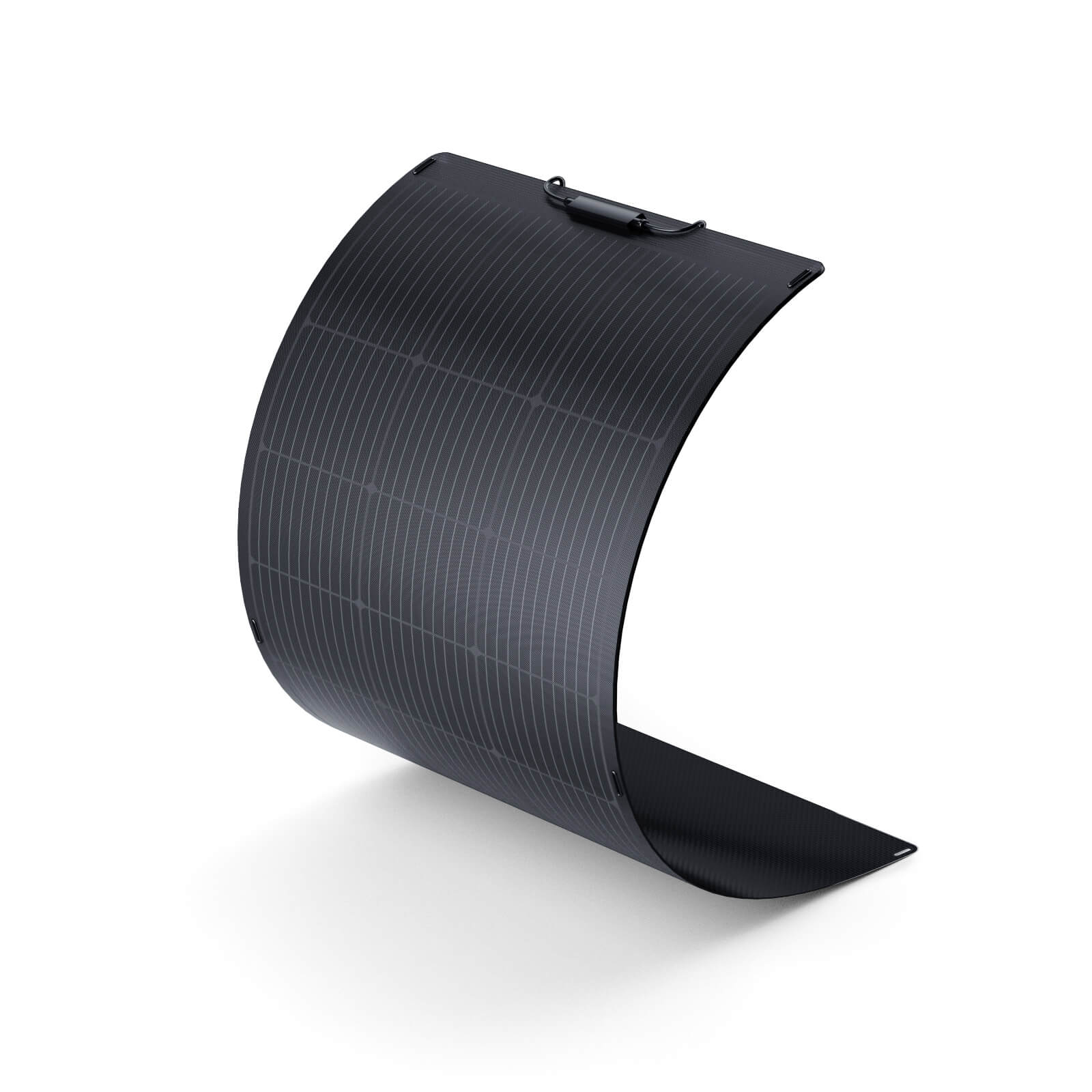
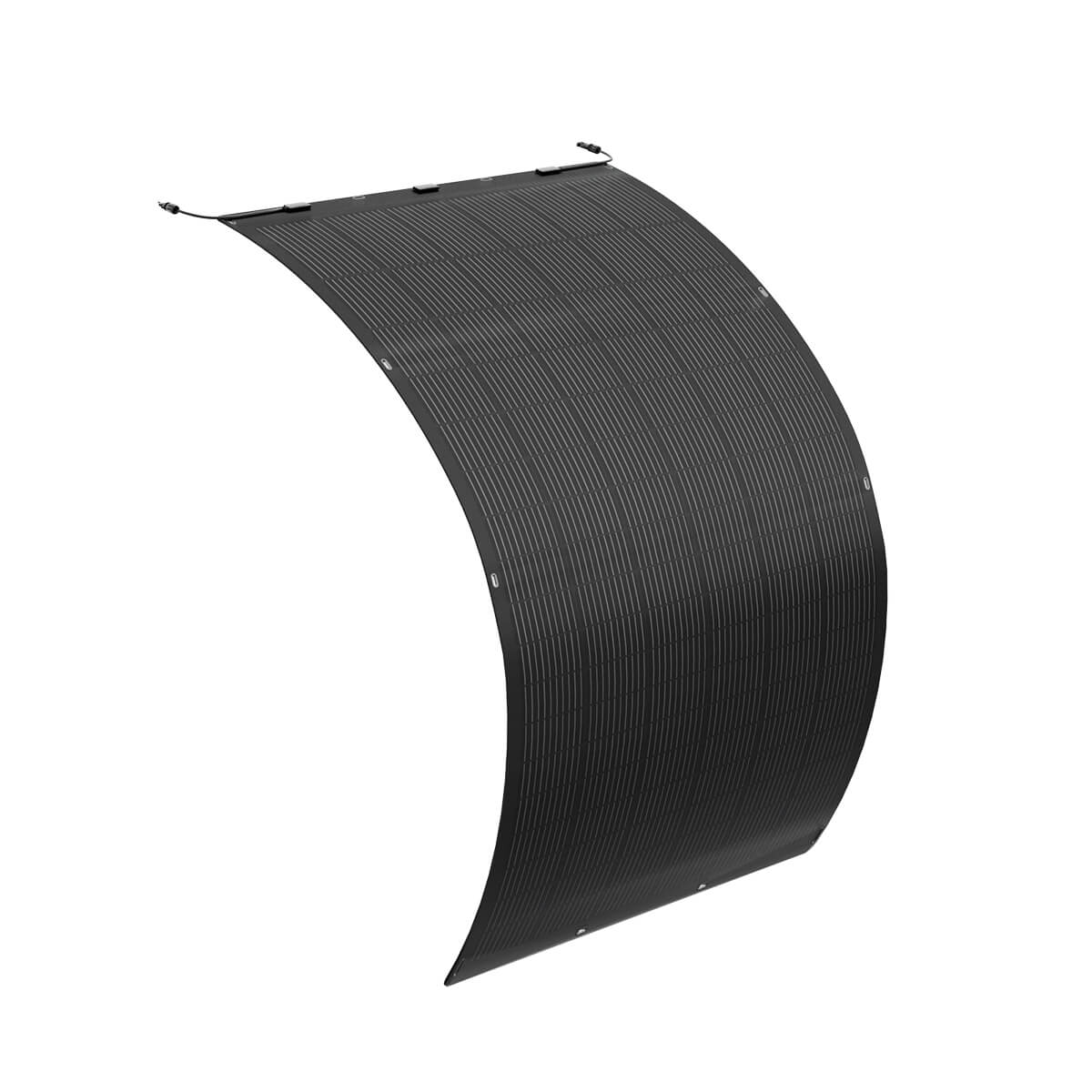
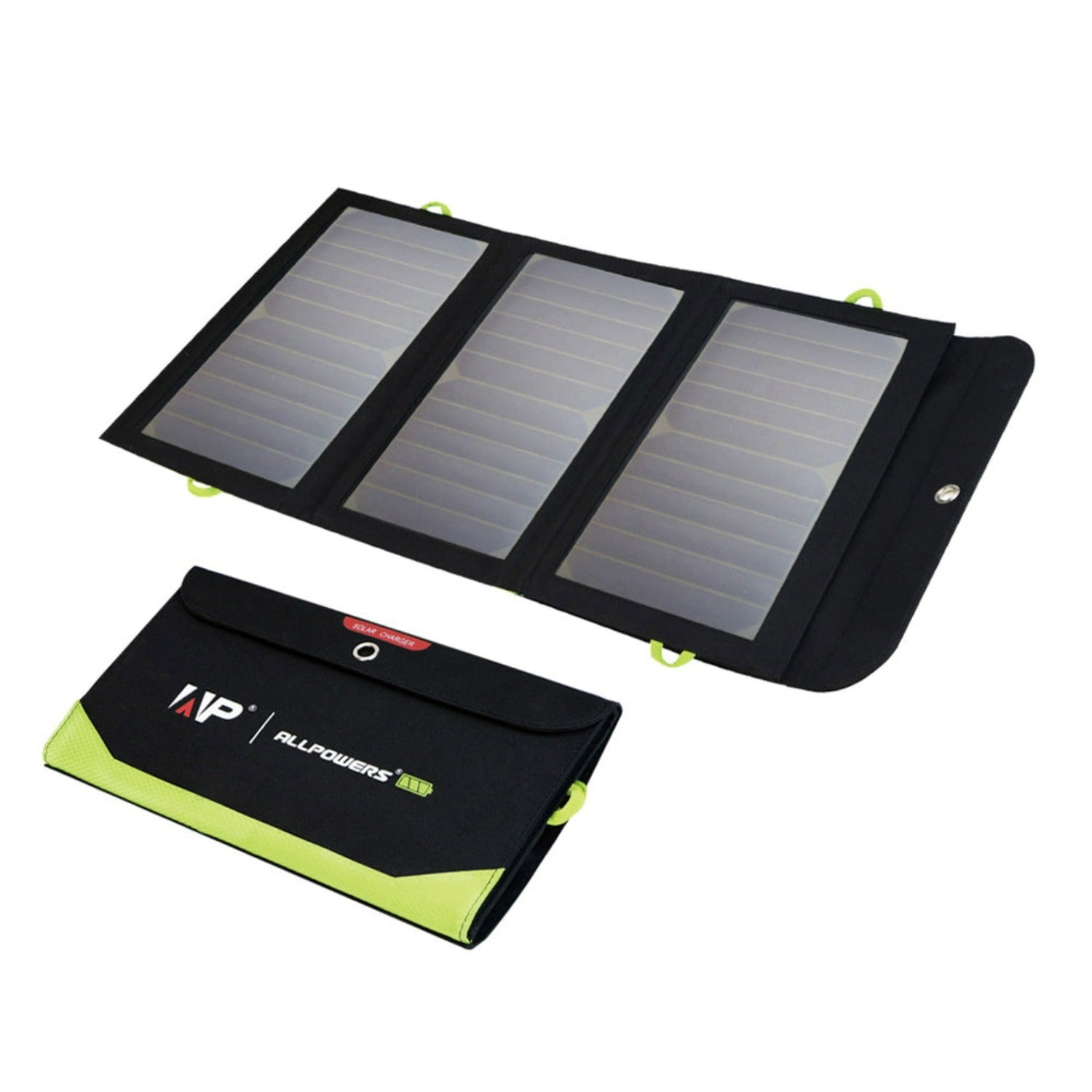
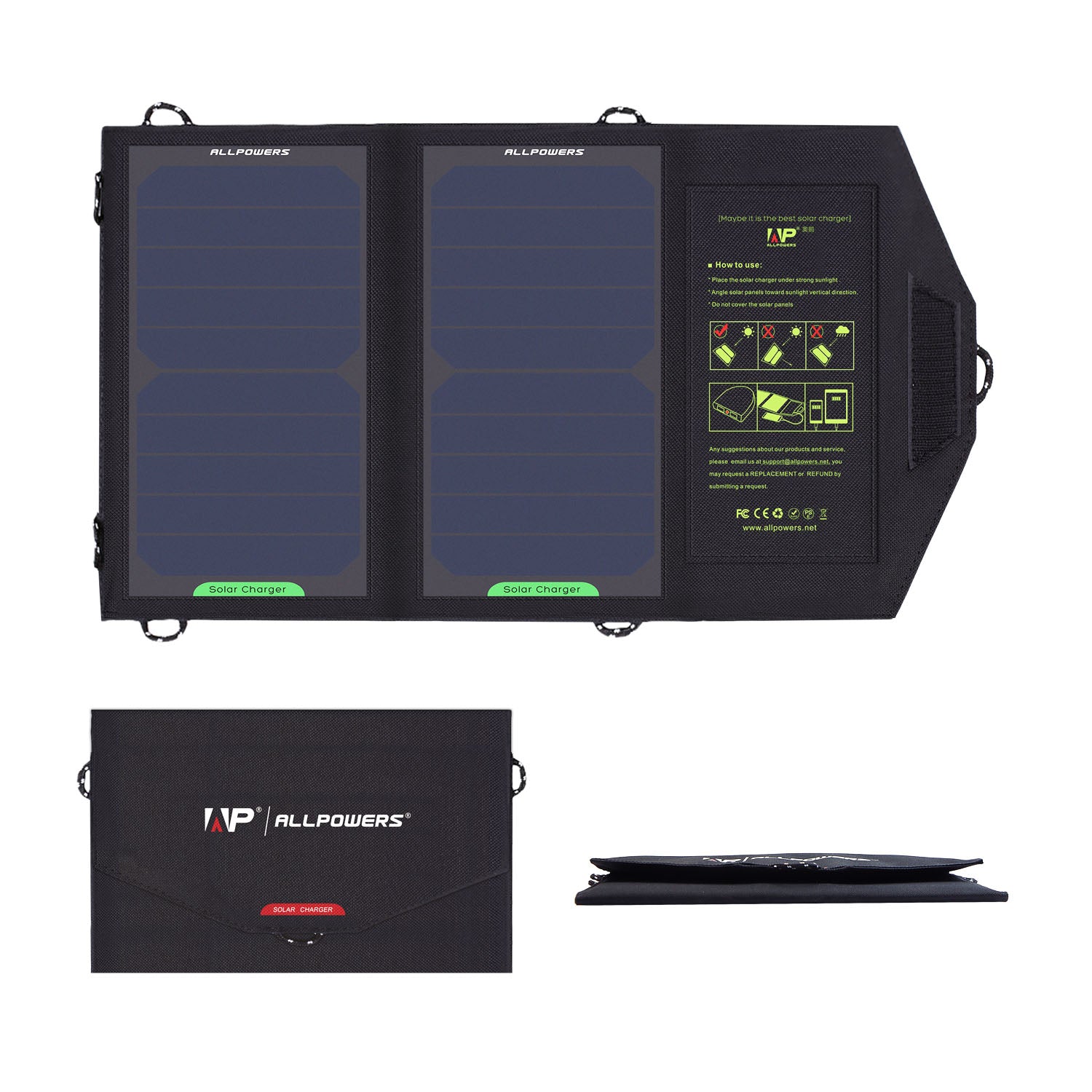
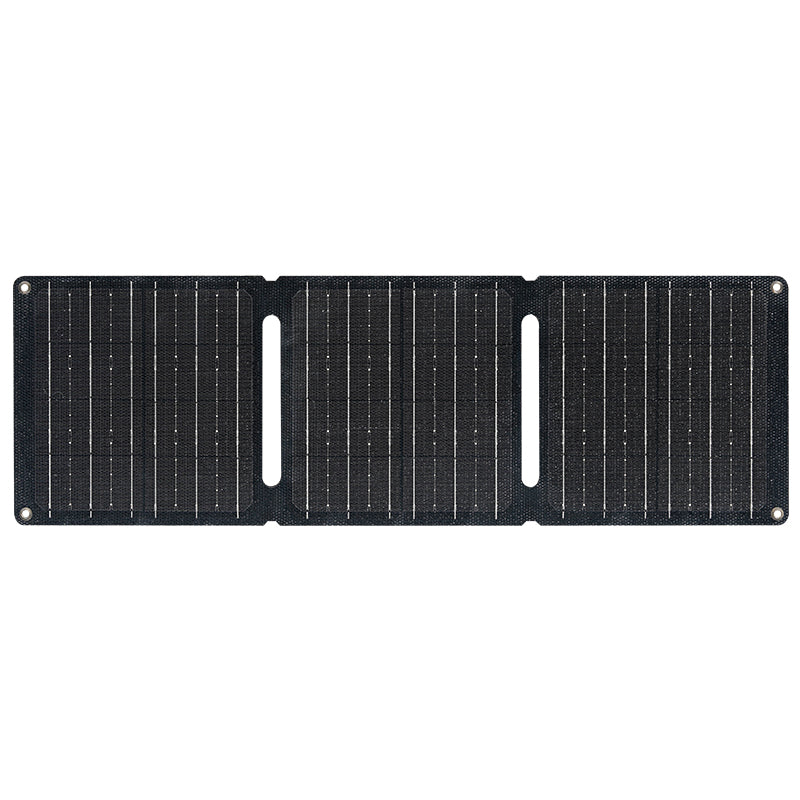
Solar-powered generators, on the other hand, are a quieter, cleaner, and more sustainable option.
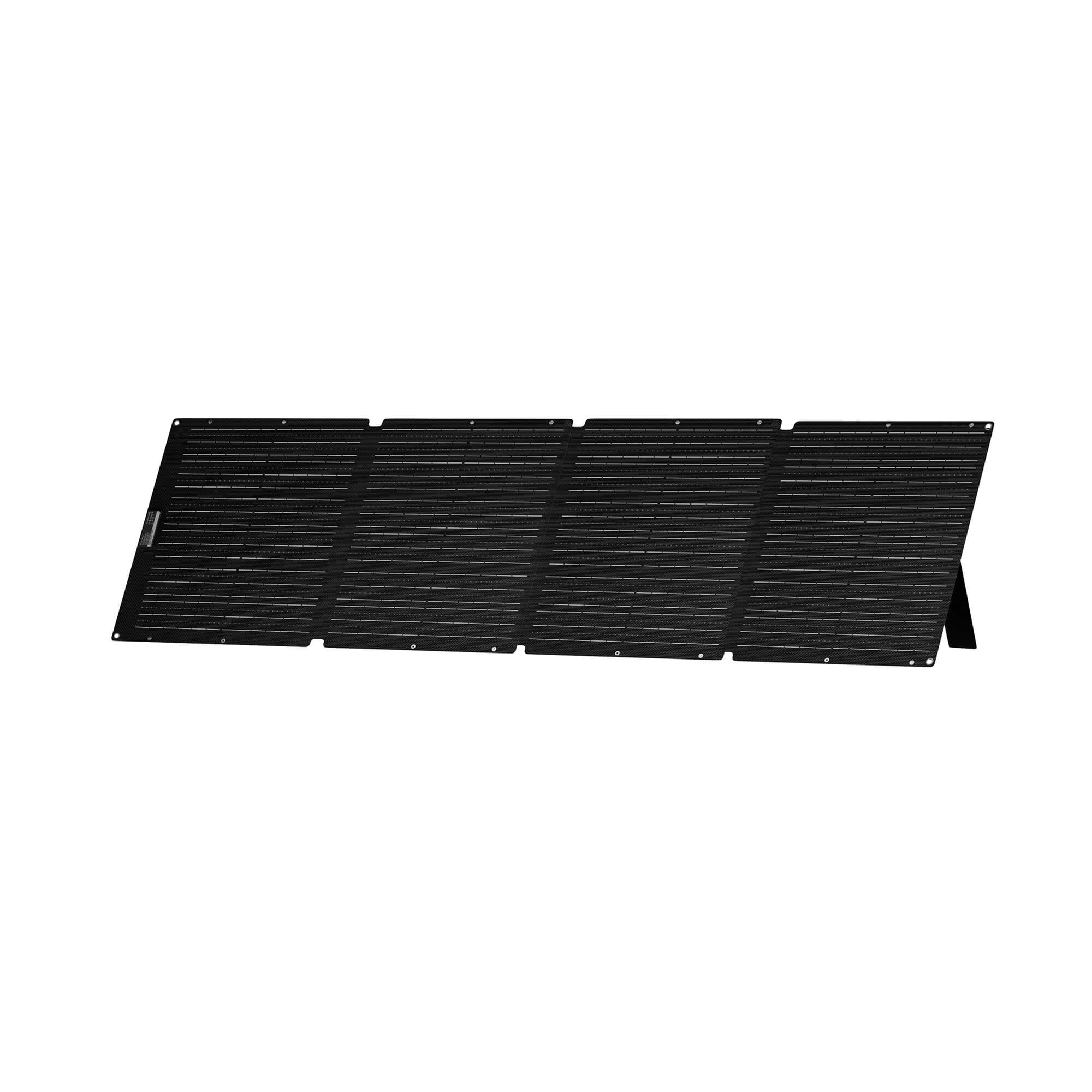
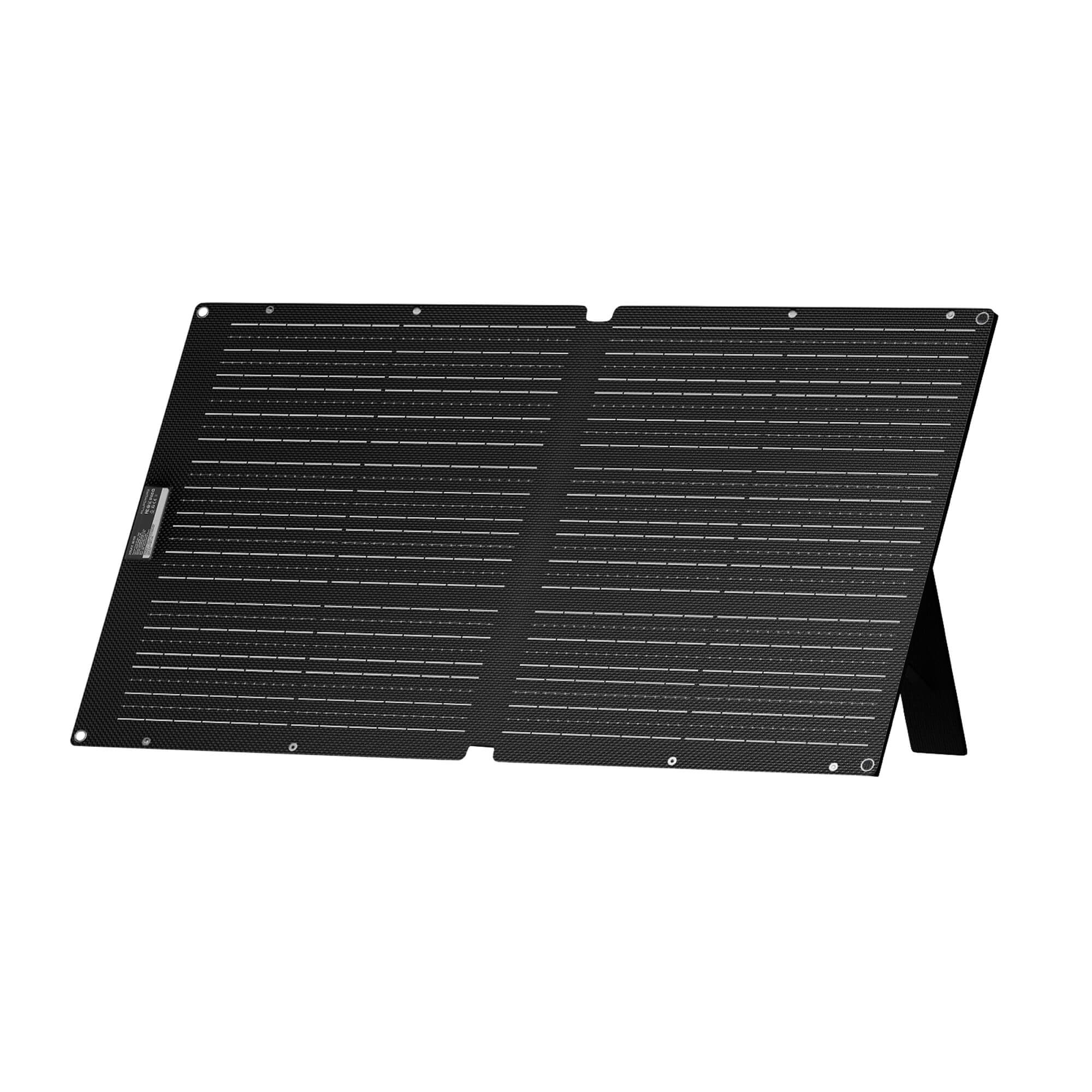
While they may not have the raw power of a gas generator, if you have the right setup with ample solar panels, it can power these appliances for hours.
Solar generators are best suited for off-grid living or emergency situations where you're looking for a longer-term power solution.
The main thing with solar generators is that they require sunlight to recharge.
So, if you live somewhere with limited sunshine or are in a prolonged power outage, this might not be the best option unless you have a backup battery.
How Long Can a Generator Run a Refrigerator and Freezer?
Great, you've got your generator picked out—now, how long can it keep everything running?
Typically, a 2,000 to 4,000-watt generator can run your fridge and freezer for several hours on a tank of fuel, but the exact time will vary based on the load and generator type.
Unlike gas-powered generators, solar generators are only as good as the batteries that store their energy and the solar panels that recharge them.
For instance, with a 3000-watt solar-powered generator, you might get anywhere from 6-12 hours of usage, depending on battery size and the conditions in which you’re using it.
But if you're in a particularly sunny area or using a system designed for high capacity, you might be able to stretch that runtime longer.
How to Maximise Generator Run Time
If you want your generator to keep your fridge and freezer going as long as possible, there are a few strategies to stretch its run time.
First, try to minimise unnecessary power consumption.
Don’t run other appliances like air conditioners, space heaters, or high-wattage devices at the same time as your fridge and freezer.
The more you load the generator, the faster the fuel will burn.
Also, keep the doors of your refrigerator and freezer closed as much as possible.
Opening them lets the cold air escape and forces the units to work harder to maintain their temperature, ultimately burning more power.
If you’re using a gas-powered generator, keep a few extra gallons of fuel on hand just in case.
For solar generators, having extra batteries or a secondary power source can make a huge difference, especially if you’re looking to get through a longer outage.
Conclusion
Ultimately, the right generator for your refrigerator and freezer boils down to your needs.
If you just want to keep the essentials running, a 2,000-3,000-watt generator should do the trick.
But if you have larger appliances, want to power other devices, or prefer a bit more peace of mind, stepping up to a 3,000-4,000-watt generator may be the better choice.