







When you hit the road in an RV, three things are always on your mind: space, comfort, and power.
Specifically, how to stay powered up once you’ve left the grid behind.
Generators are the go-to solution, but since no two models are alike, choosing the right one can be tricky.
This brings us to the big question: What’s the ideal generator size for a 30-amp RV setup?
TL;DR: A 30-amp RV typically needs a generator that provides at least 3,000 watts, though many setups benefit from 3,500 to 4,000 watts, especially if you plan to run the air conditioner along with other appliances.
Electrical Demands of a 30-Amp RV
A 30-amp RV has a service panel rated for 30 amps at 120 volts. Multiply those, and you get a theoretical maximum of 3,600 watts.
Simple, right? But here’s the kicker—Every RV has a unique setup. Some have full-sized air conditioners, while others might just run a small rooftop unit.
A typical RV air conditioner can easily pull 1,500 to 2,000 watts at startup, a microwave somewhere around 1,000 watts, and lights plus electronics add another few hundred watts.
You start to see why a 3,500-watt generator becomes the sweet spot—it’s enough to cover daily essentials and occasional surges without constantly maxing out.
You might be thinking, “Why not just get a giant 6,000-watt generator and call it a day?” Honestly, you could, but bigger isn’t always better.
Bigger generators handle surges easily, yes, but they guzzle fuel, weigh more, and can be a bear to store or transport.
That’s why a generator rated at 3,500 watts might technically work, but a 4,000–4,500-watt model provides a buffer, ensuring your AC kicks on without tripping the system.
Matching Your Generator Size to Your Camping Style
Choosing a generator isn’t just about wattage; it’s about how you camp. Two people can own the same RV but need completely different power setups.
If you are a minimalist who only uses the RV as a hard-sided tent, you can get away with a smaller 2,500-watt unit.
You will have to turn off the AC to use the microwave, but for some, that's a fair trade-off for a lighter piece of gear.
However, most of us want the luxury of the RV experience. For the average camper, a 3,500-watt inverter generator is the gold standard.
It provides enough grunt to handle the AC surge while keeping the fridge cold and the TV on.
Generators actually lose power as you go up in altitude or as the temperature rises. If you are at 5,000 feet of elevation, your 3,500-watt generator might only be putting out 3,000 watts.
This is why many veteran travelers "over-buy" and go for a 4,500-watt unit. It provides a safety net that keeps the lights on when the conditions get tough.
Calculating Your True Power Needs
Step one: list every appliance and its wattage.
ACs, microwaves, coffee makers, water heaters, lights, and entertainment systems—everything.
Typical items might include a 13,500 BTU RV air conditioner (around 1,500 running, 2,500 starting), a microwave (900–1,200 watts), coffee maker (800–1,200 watts), refrigerator (600 watts), and chargers or electronics (usually negligible, 100–300 watts).
Step two: calculate the running watts and note the starting watts for devices with motors.
Step three: add a buffer of at least 20–30% to avoid straining the generator during simultaneous use.
For example, a 13,500 BTU AC might need 1,600 starting watts and 1,200 running watts.
Add in a microwave at 1,000 watts, a refrigerator at 600 watts, and miscellaneous lights and chargers at 300 watts.
Your total running wattage might hit 3,100 watts, but your peak starting surge could approach 4,500 watts. See why that buffer matters?
| Appliance | Running Watts (Approximate) | Starting Watts (Approximate) |
| Rooftop AC (13,500 BTU) | 1,500 | 2,800 - 3,000 |
| Microwave | 1,000 | 1,500 |
| Electric Water Heater | 1,200 | 1,200 |
| Refrigerator (Electric Mode) | 300 | 600 |
| Laptop Charger | 60 - 100 | 100 |
| LED Lighting (Total) | 50 | 50 |
Gas vs. Solar Generators
You know what’s often overlooked? The type of generator.
There’s a difference between a traditional gas-powered generator and more modern inverter-based units.
Traditional gas generators have been the go-to for decades—they’re reliable, powerful, and can run almost anything.
They get the job done, no question, but they’re loud, heavy, and let’s be honest—clunky.
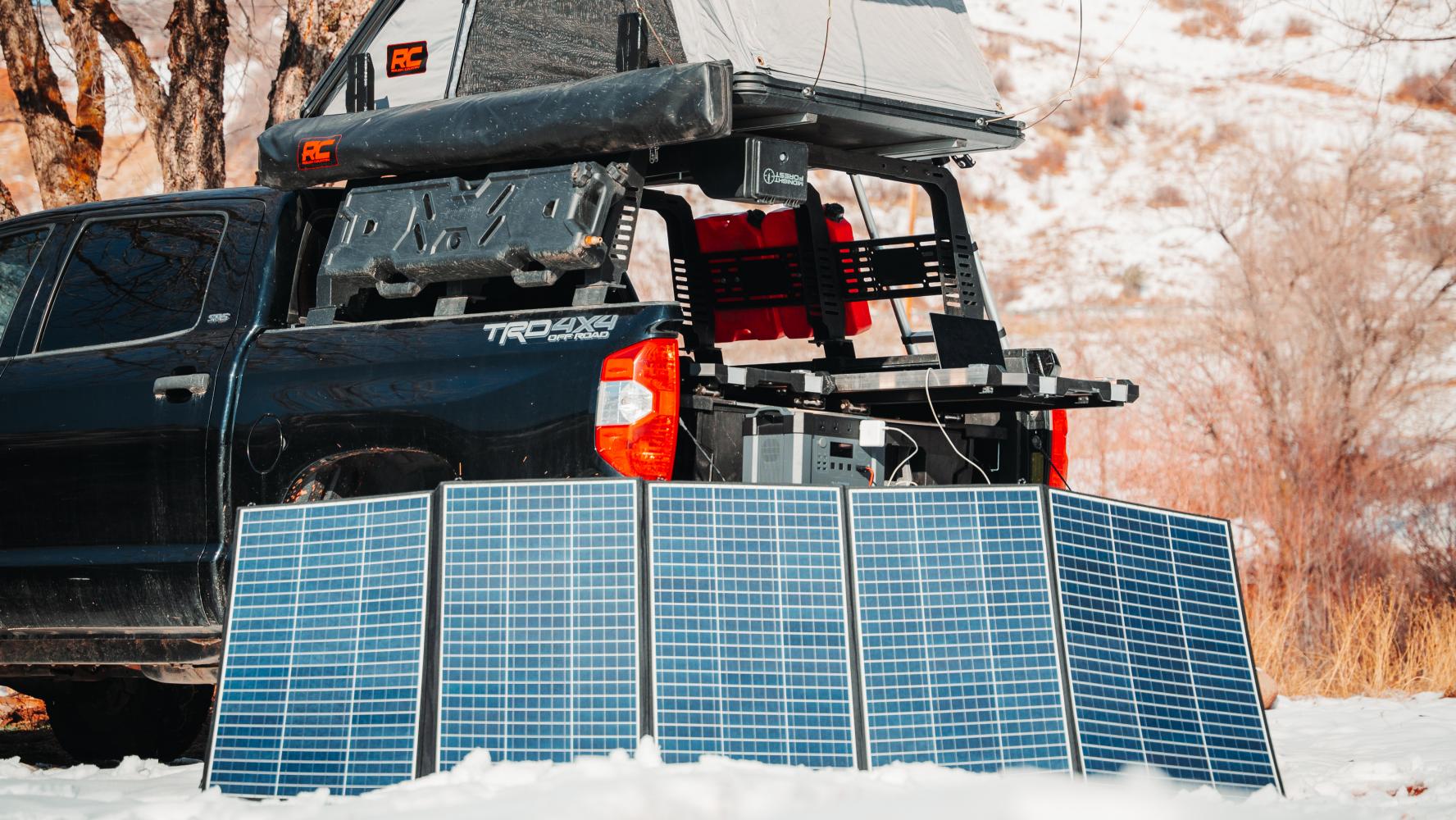
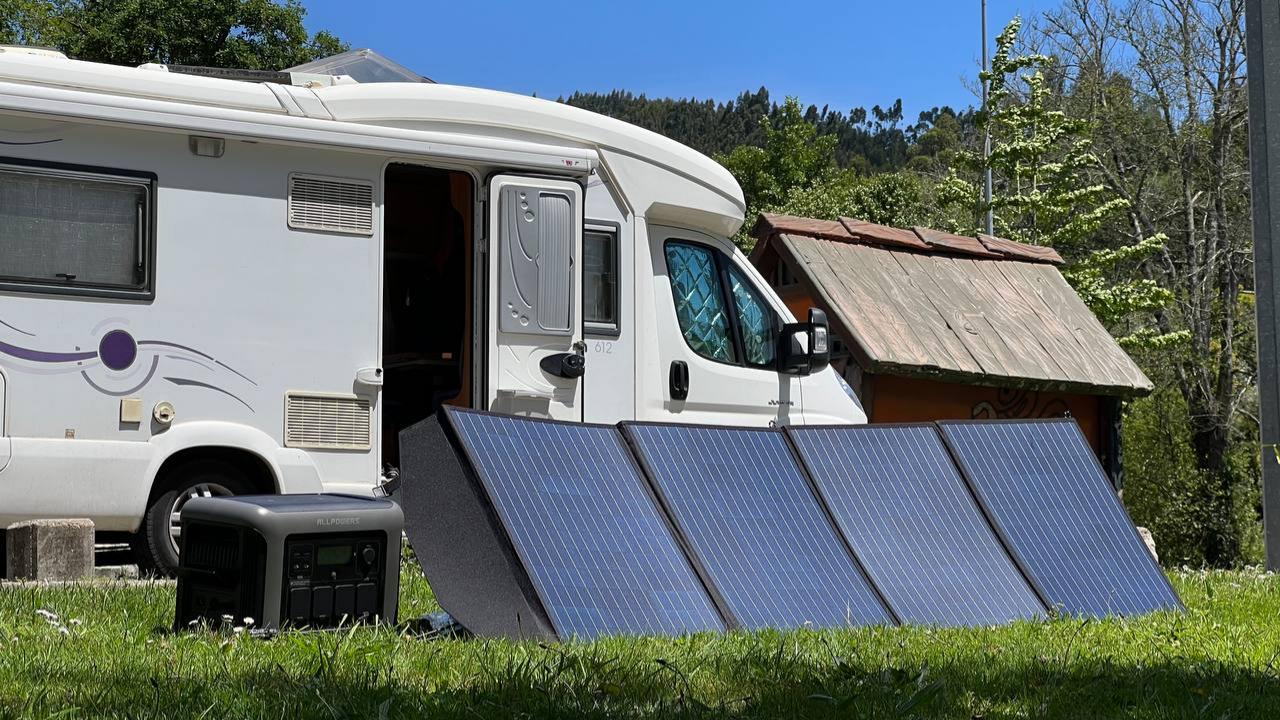
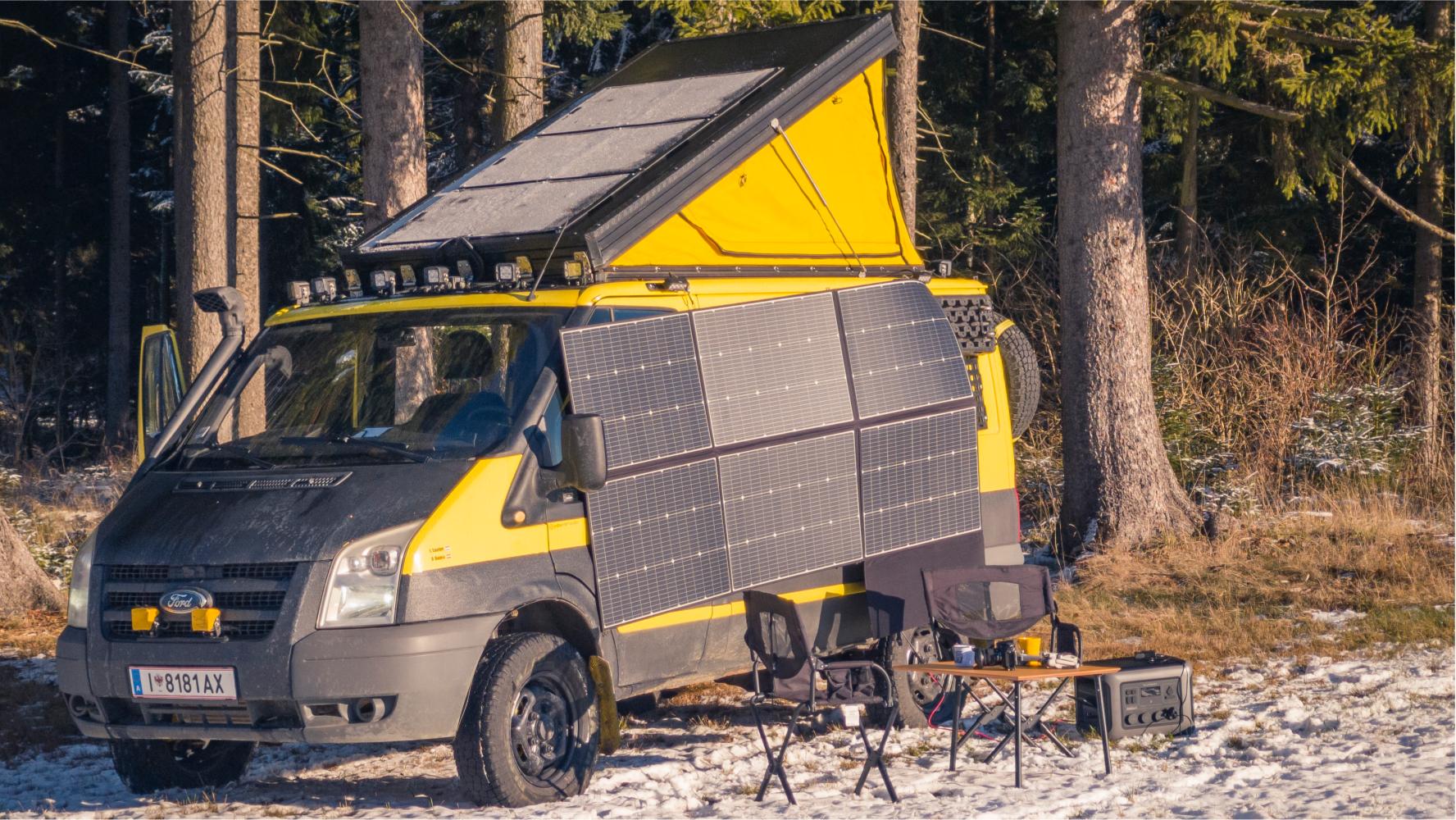
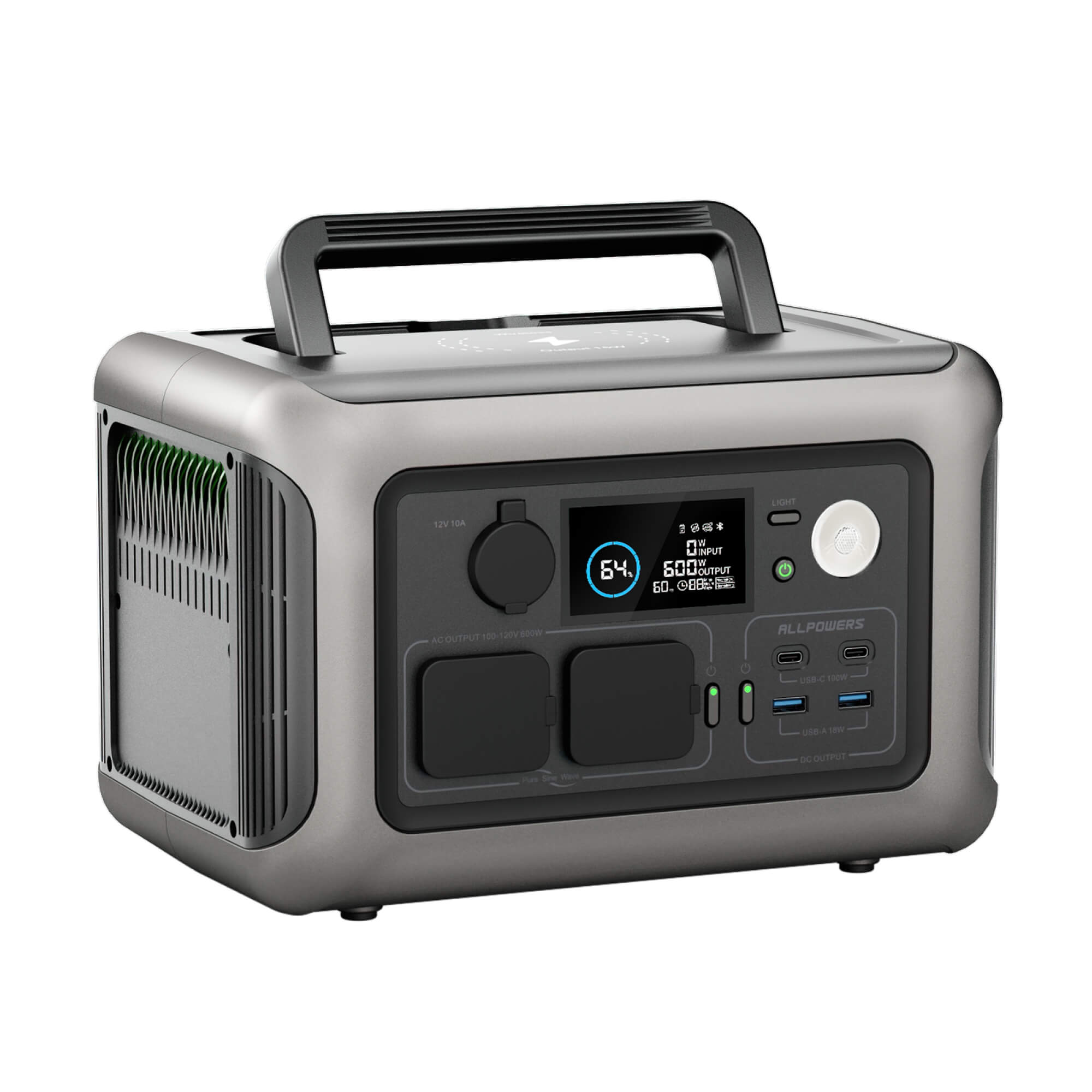
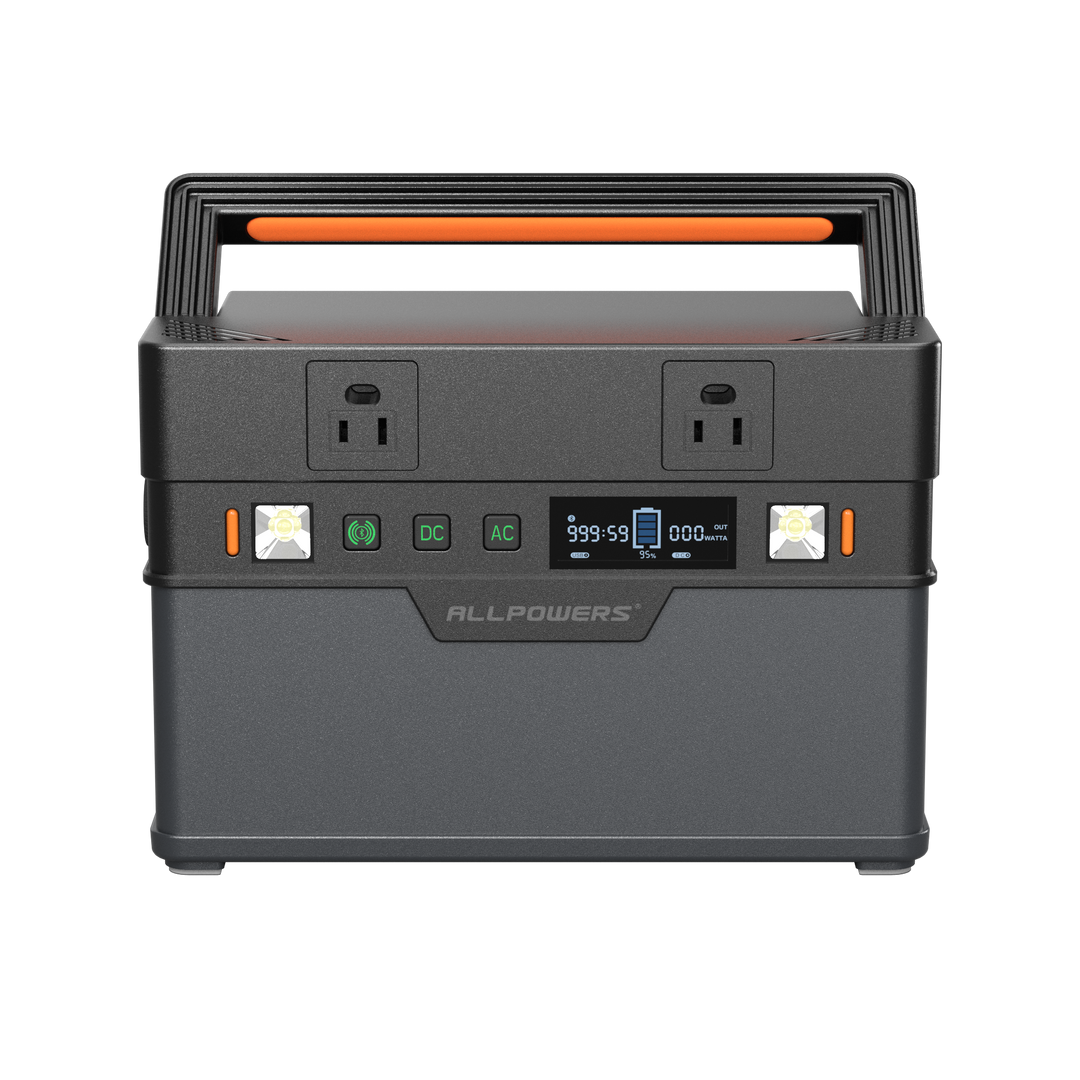
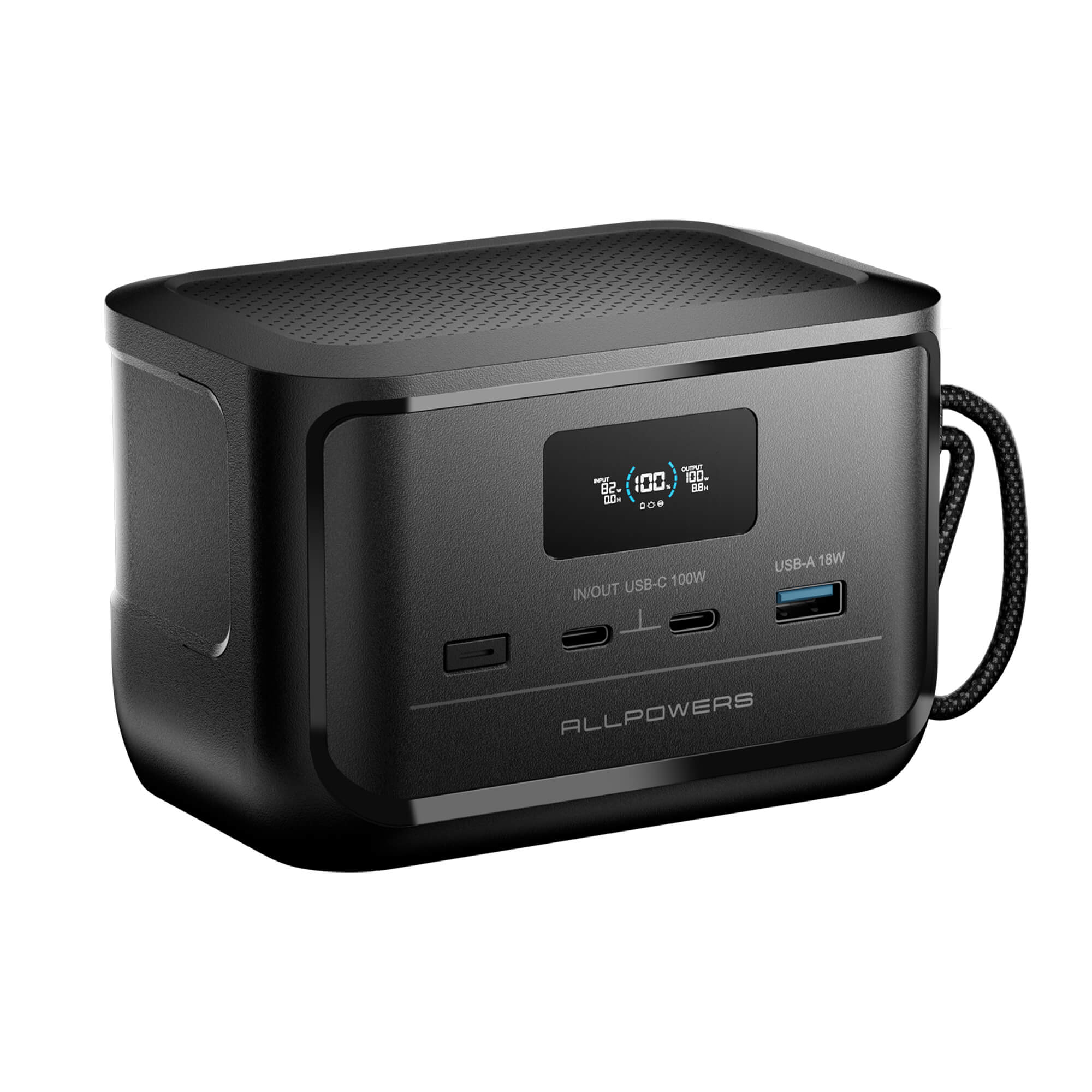
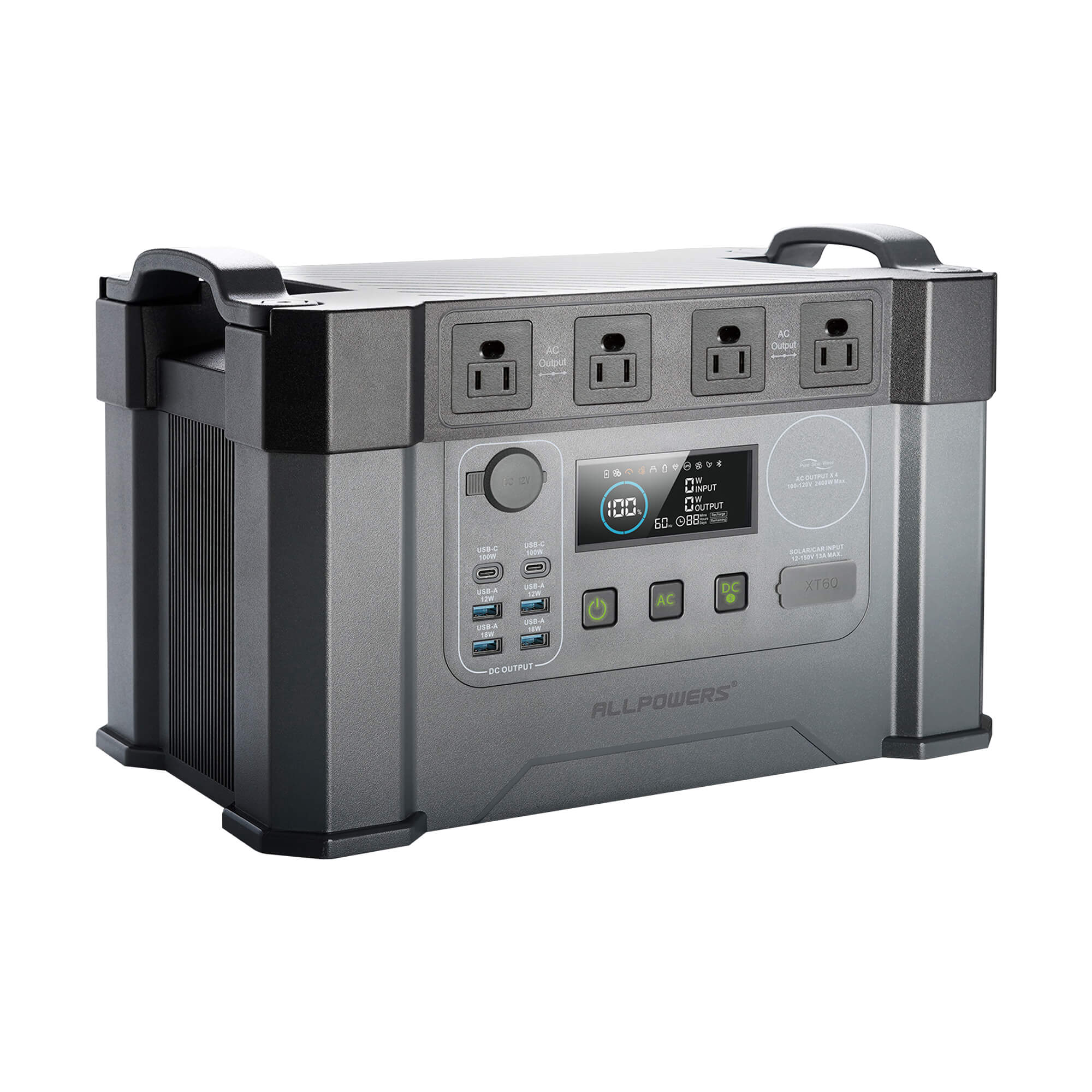
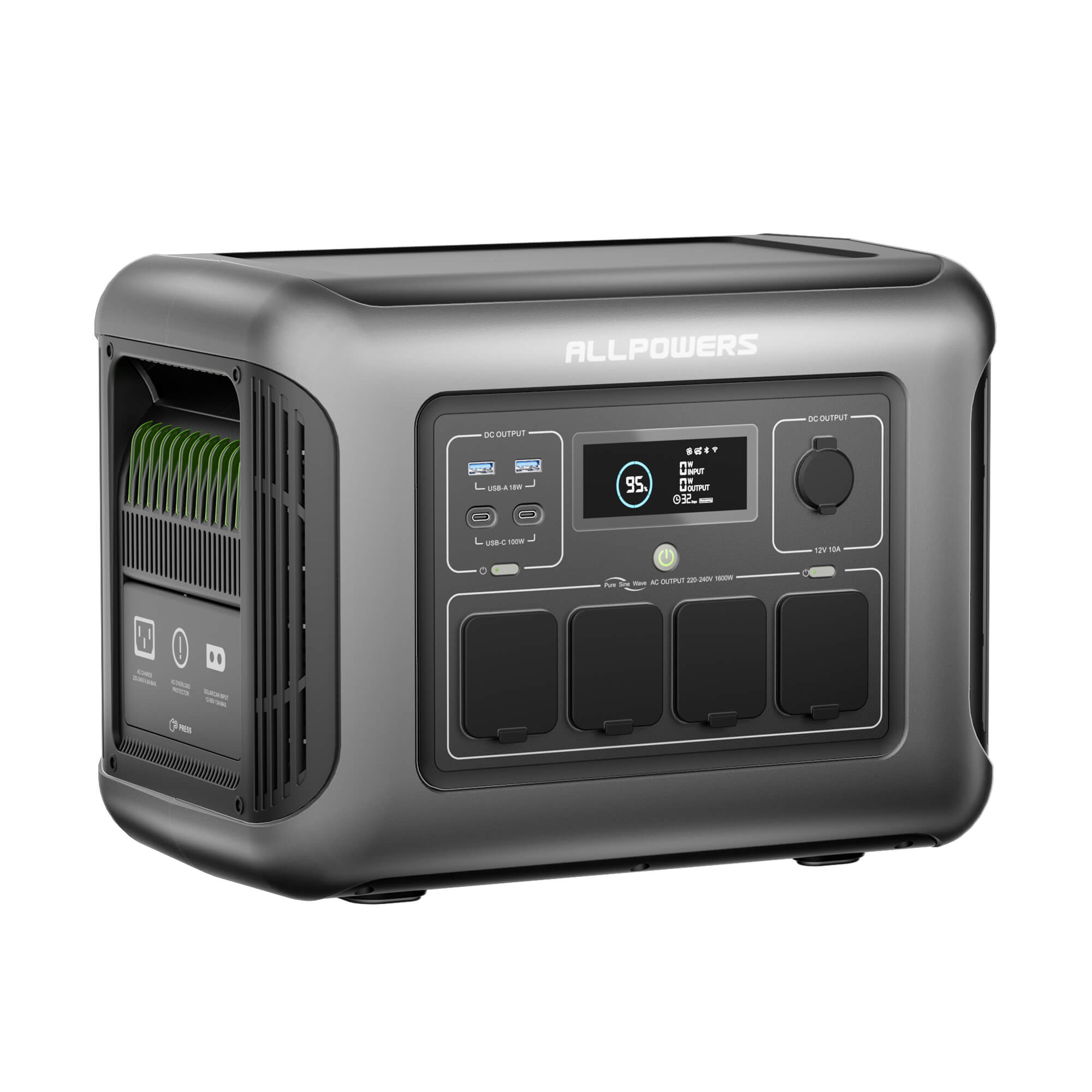
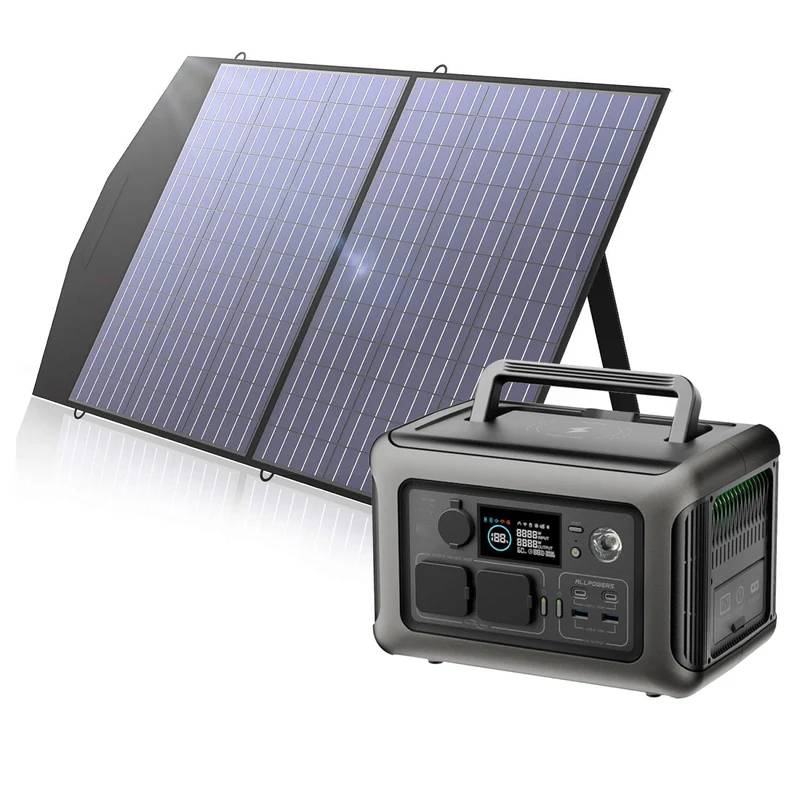
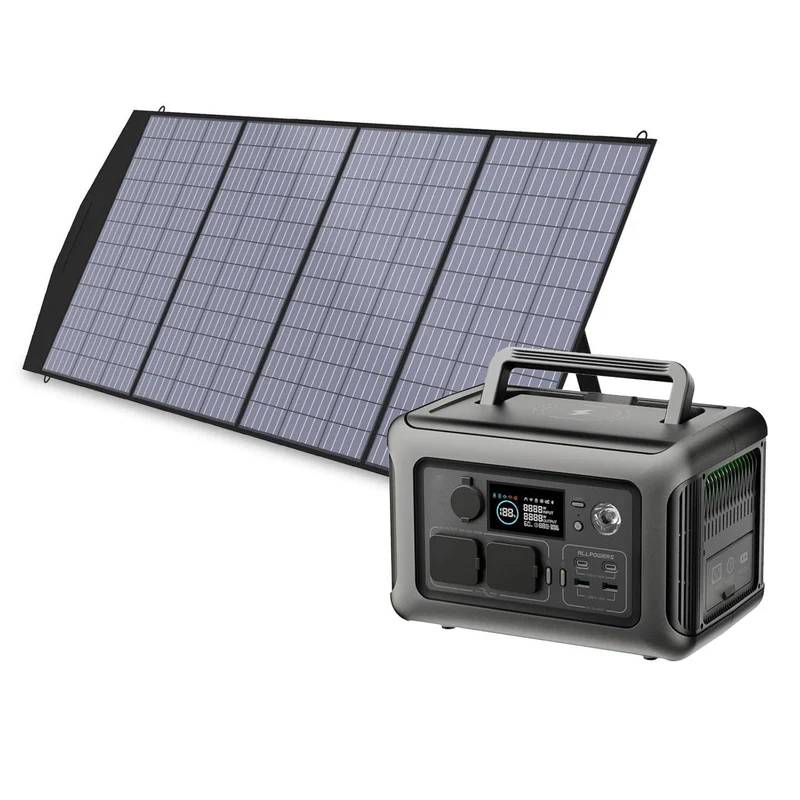
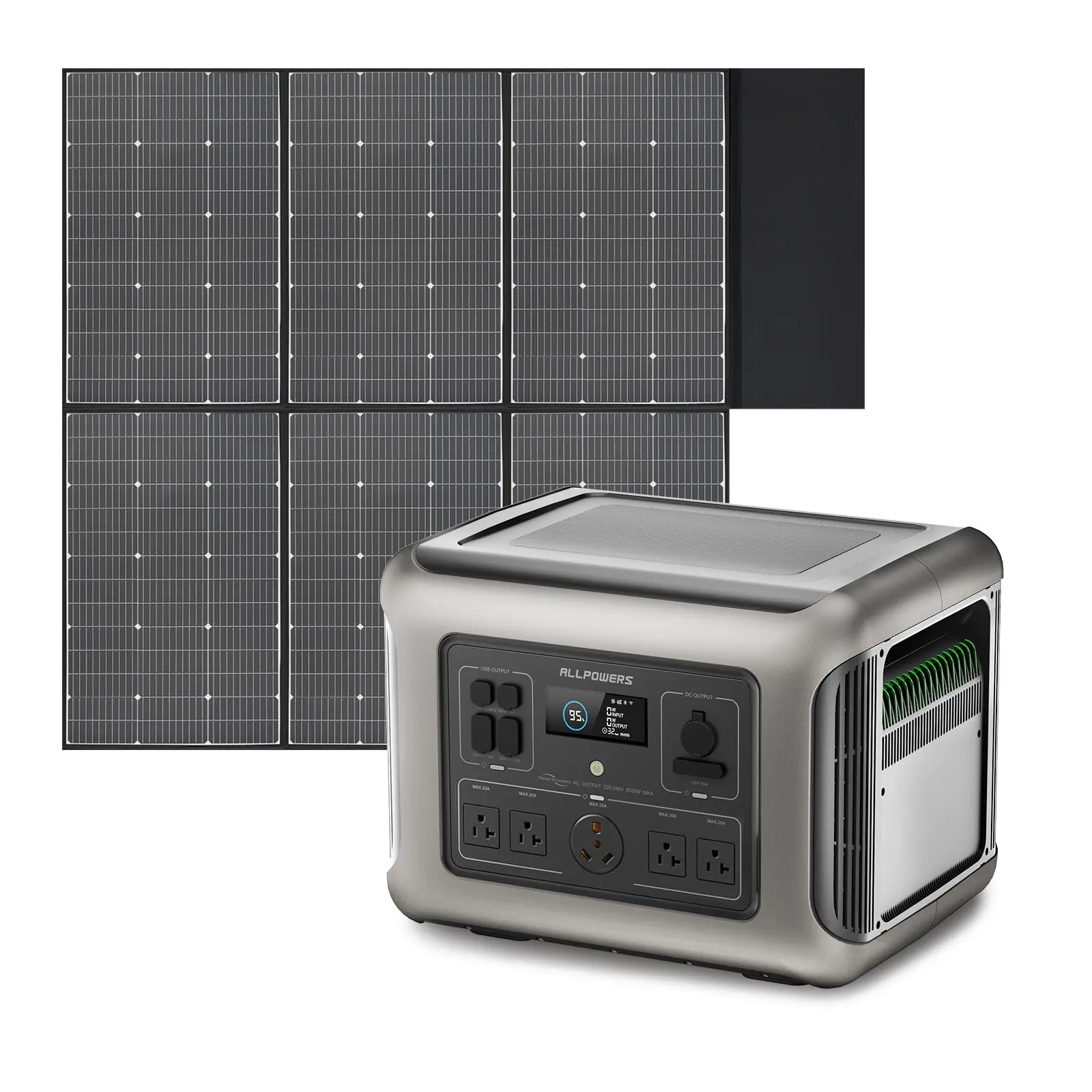
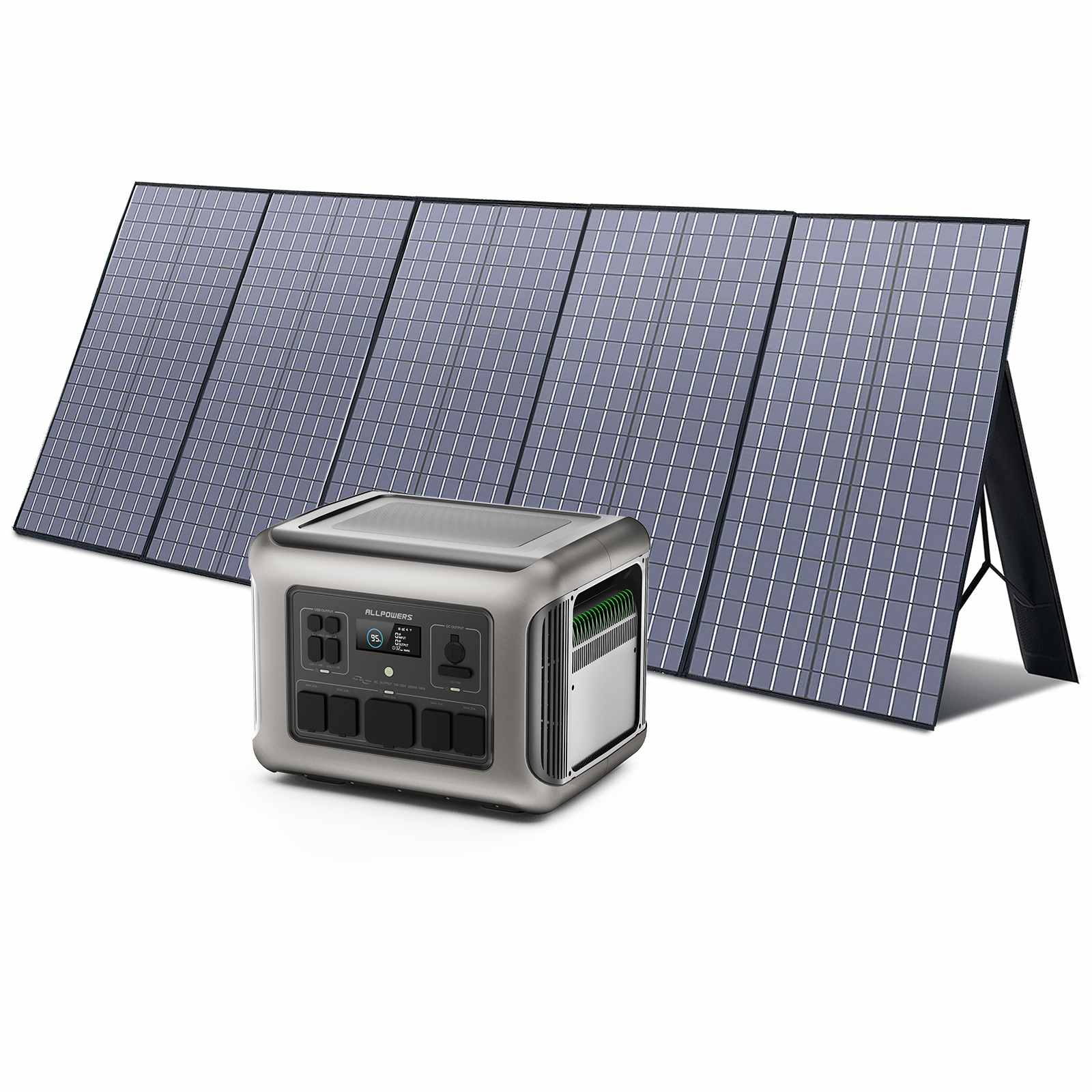
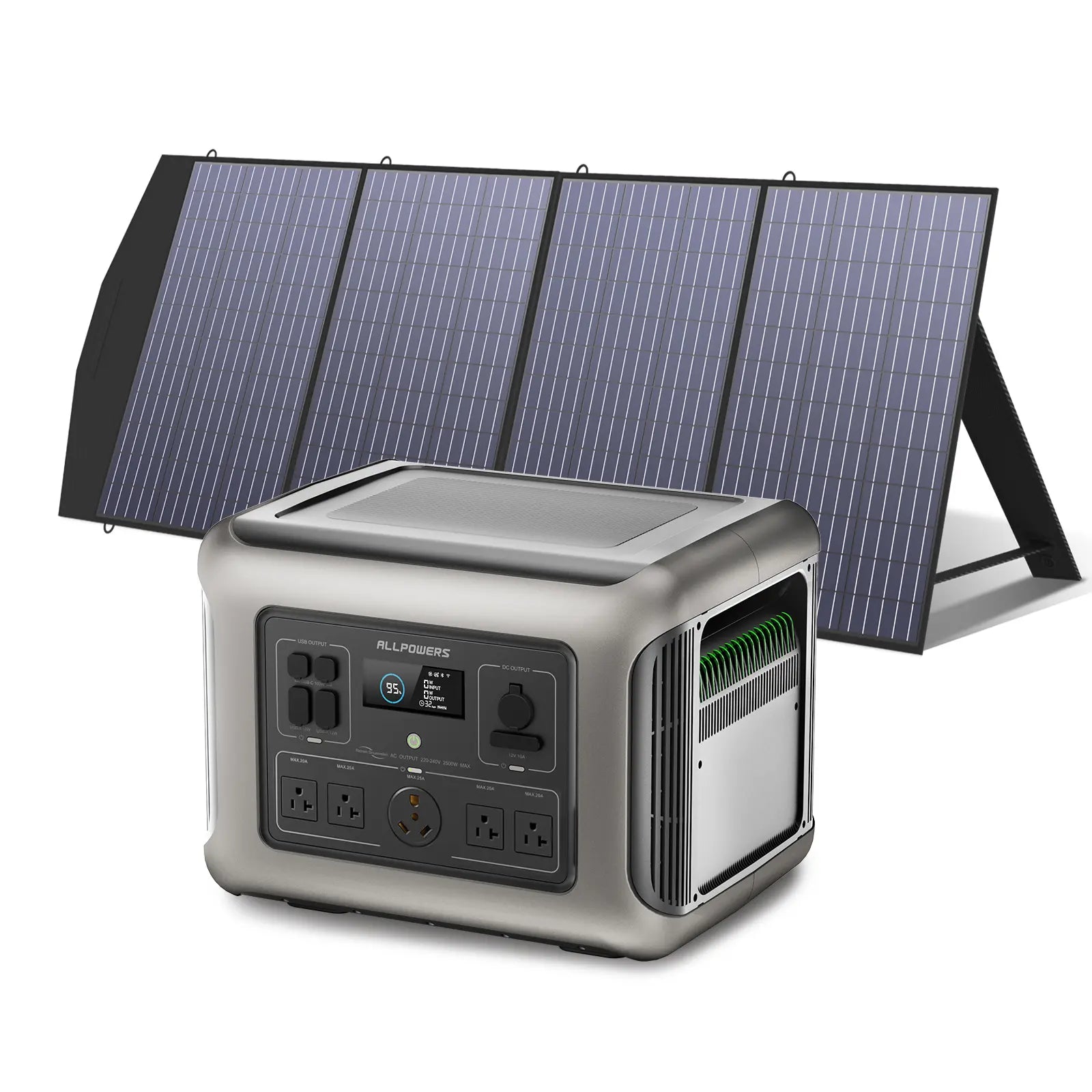
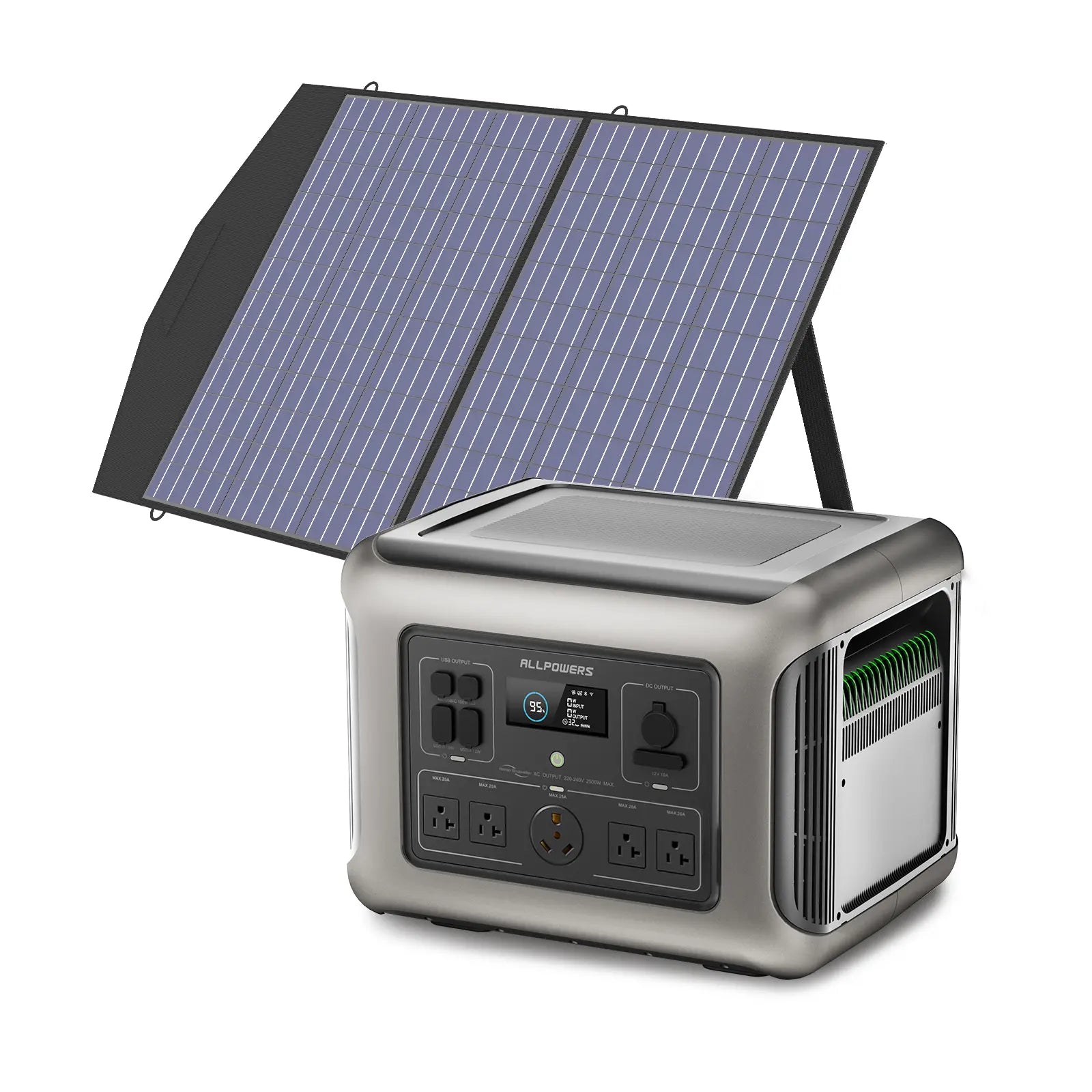
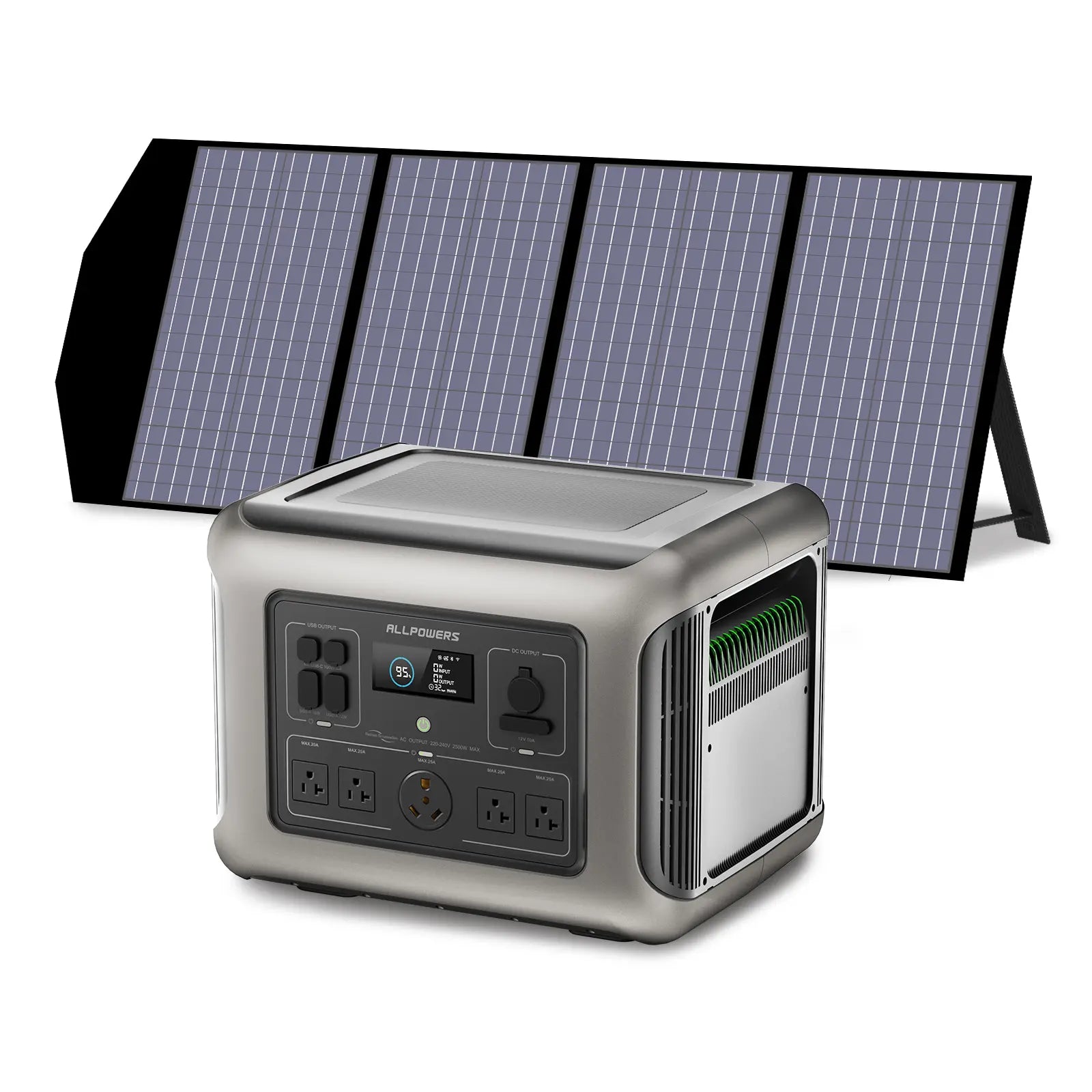
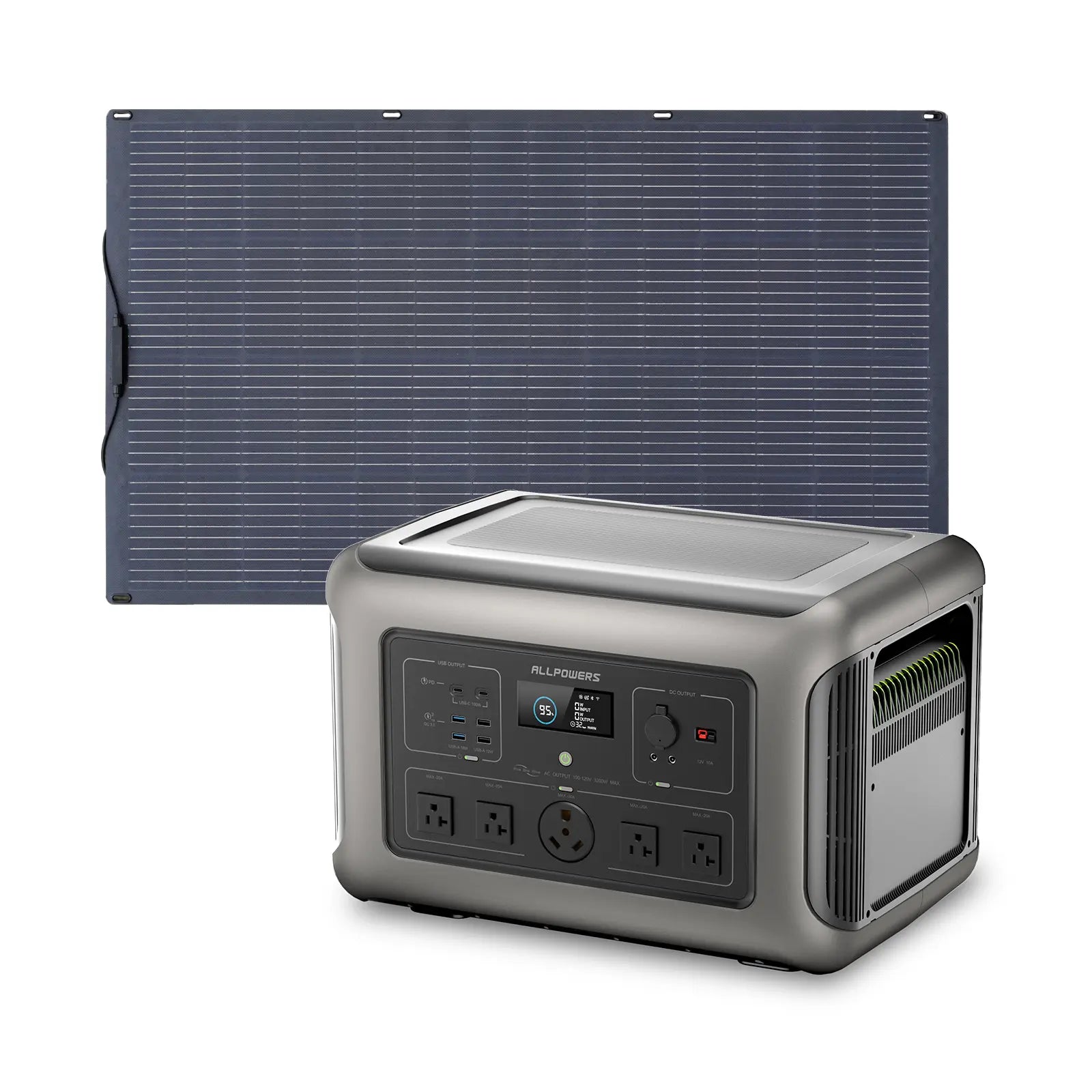
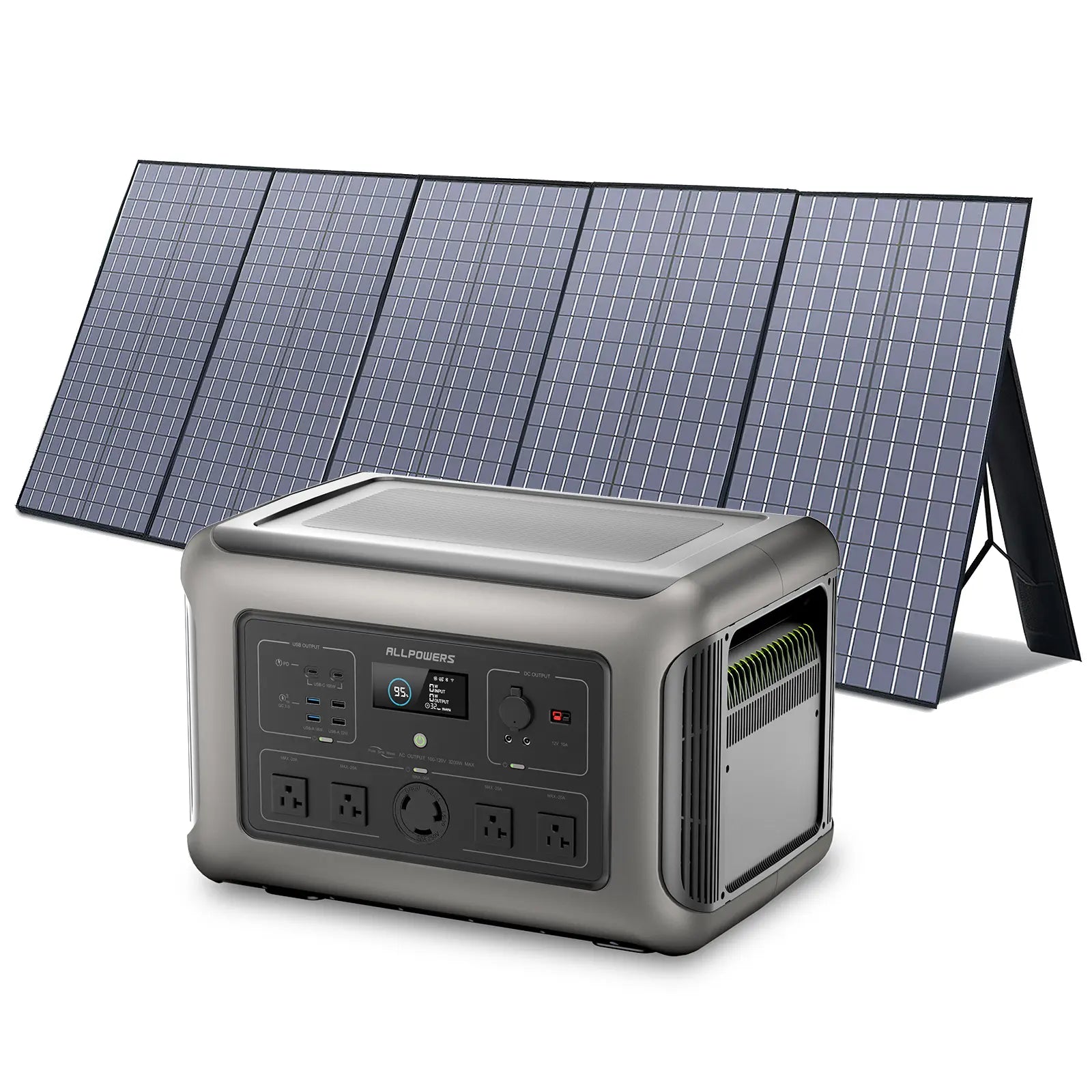
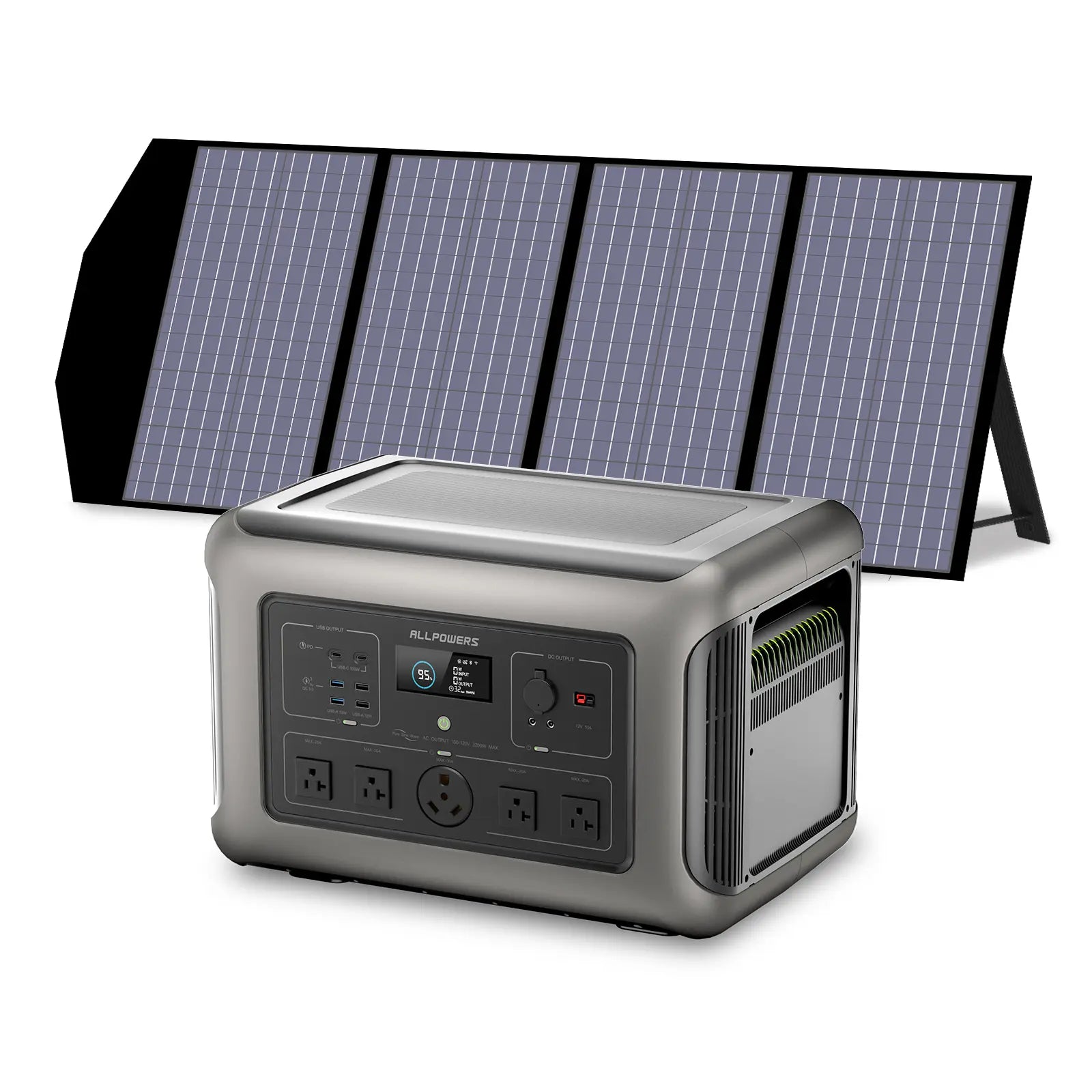
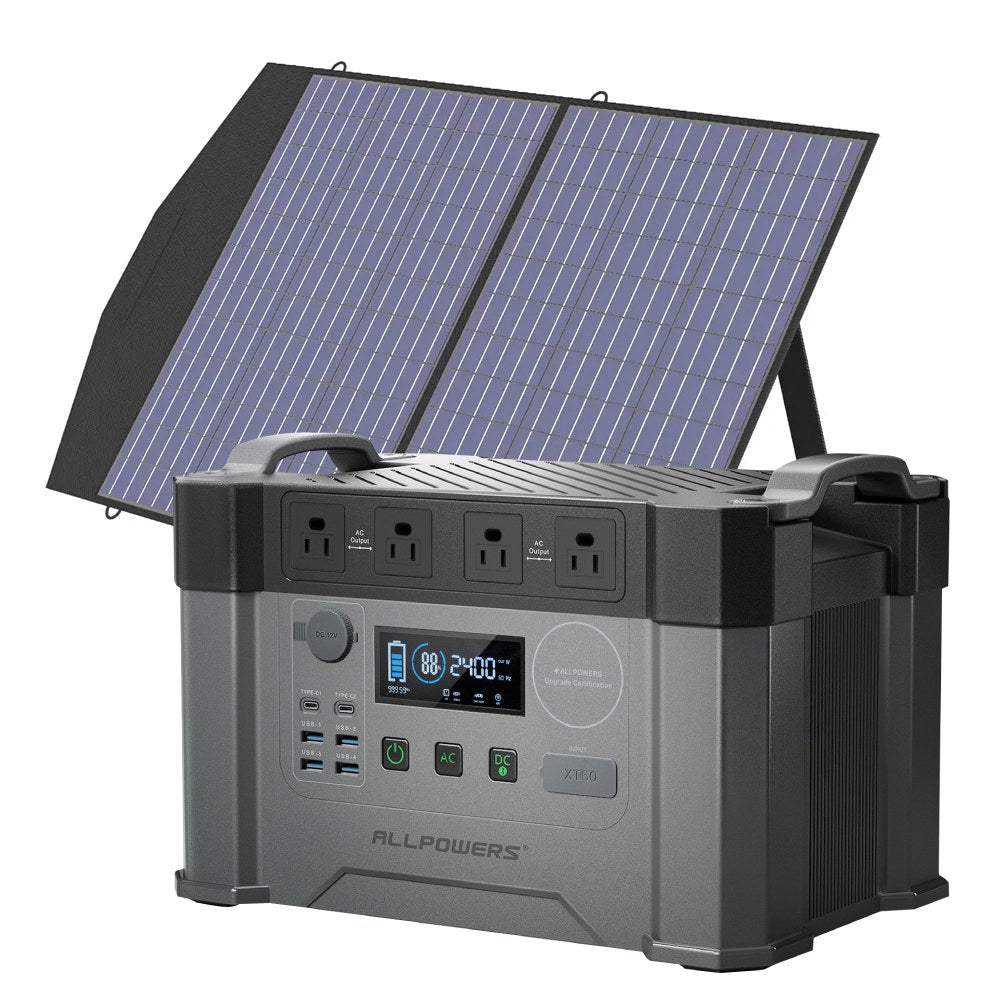
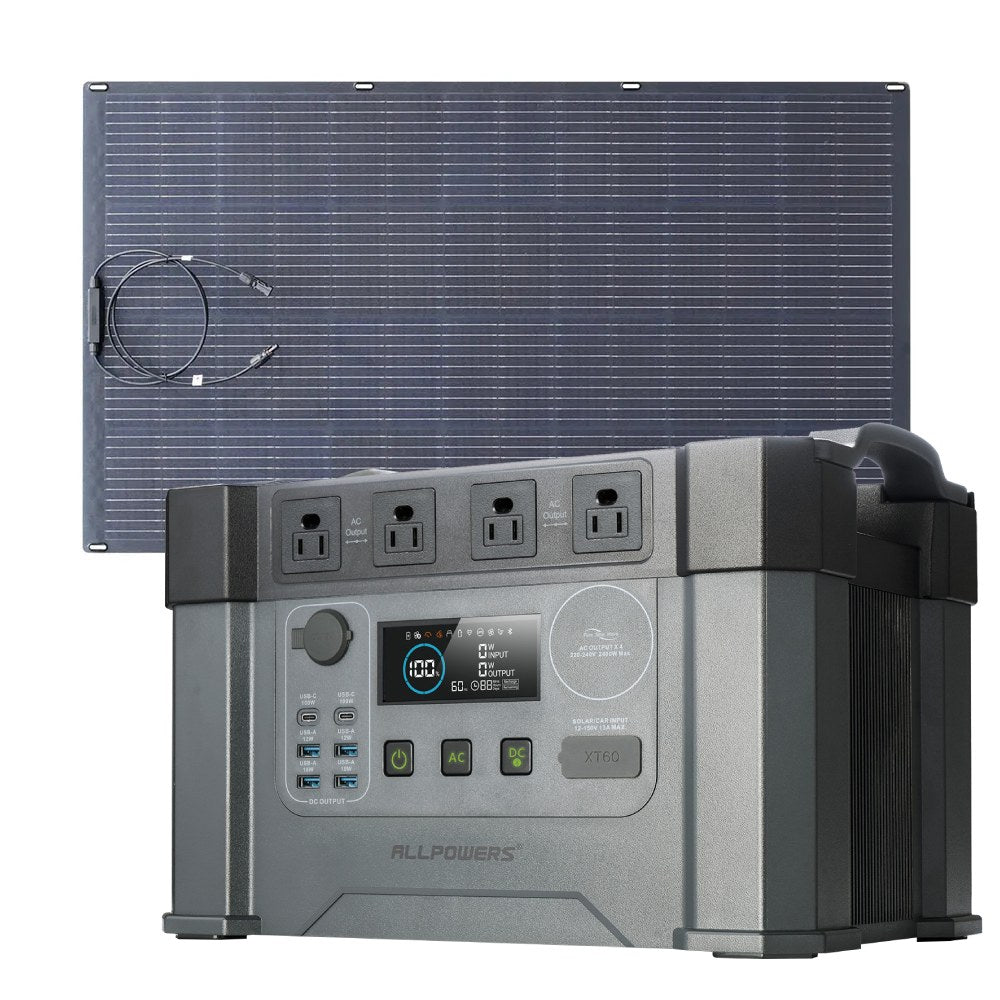
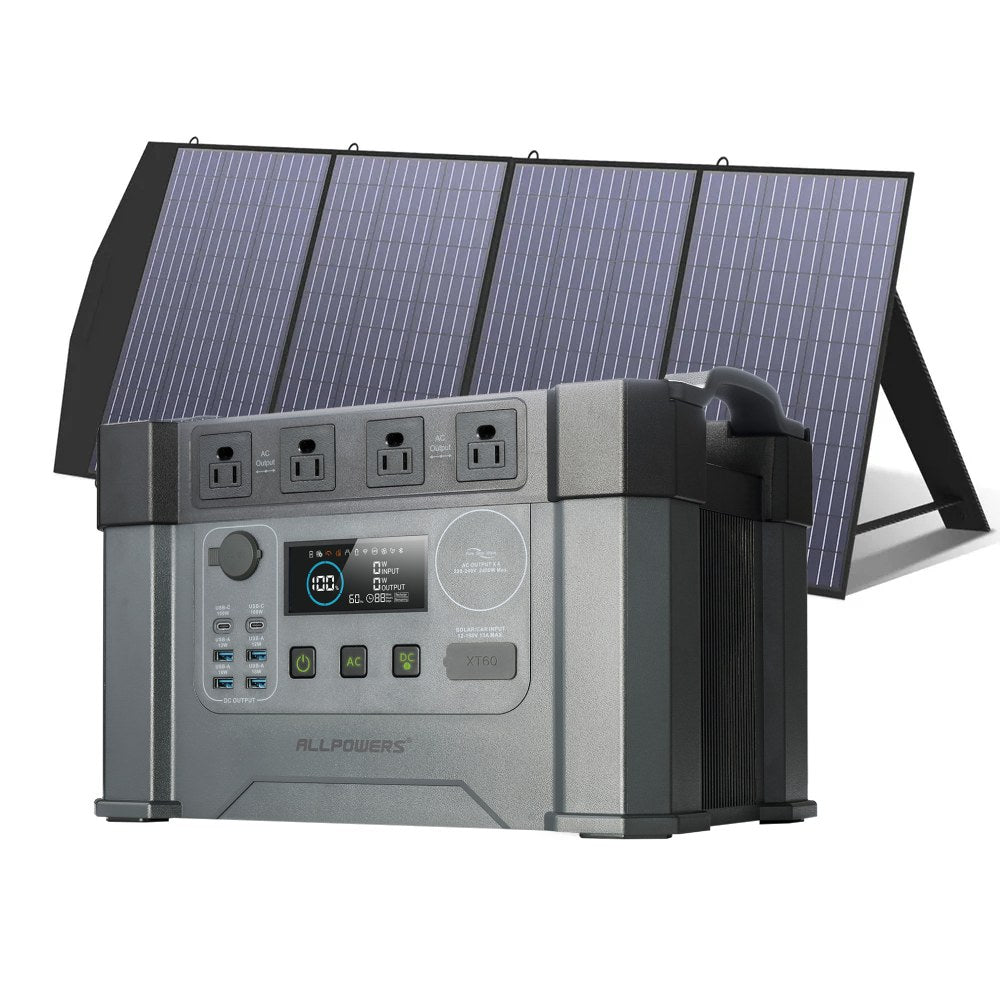
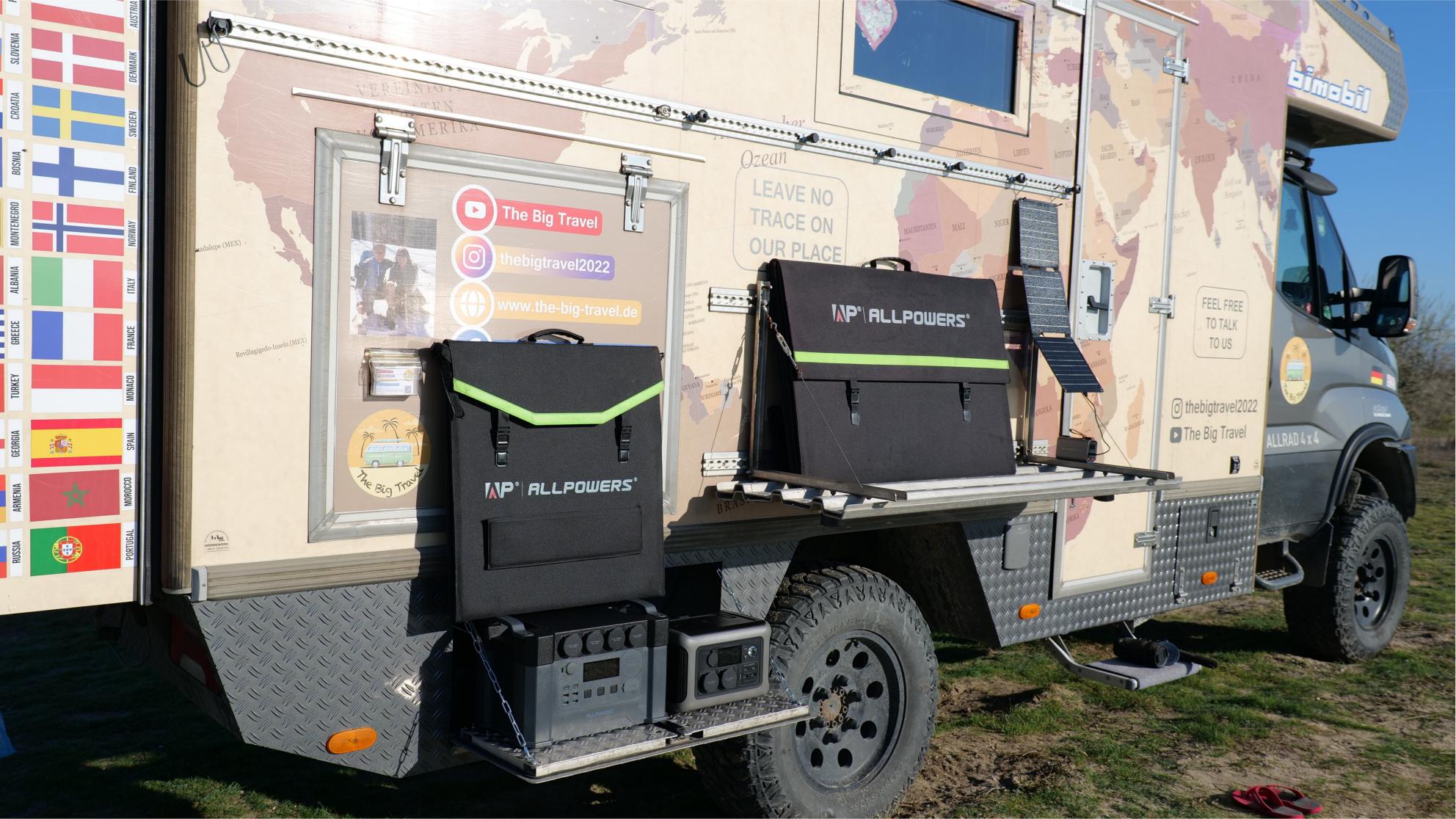
Modern solar generators combine battery storage with smart inverters, making them perfect for light-to-moderate loads.
Some high-capacity models can handle partial AC loads or multiple devices simultaneously, and the best part?
They’re silent, require no gasoline, and are much cleaner for the environment.
For full-blown AC units, however, a hybrid approach is often necessary: a conventional generator for peak loads and solar generators for day-to-day conveniences.
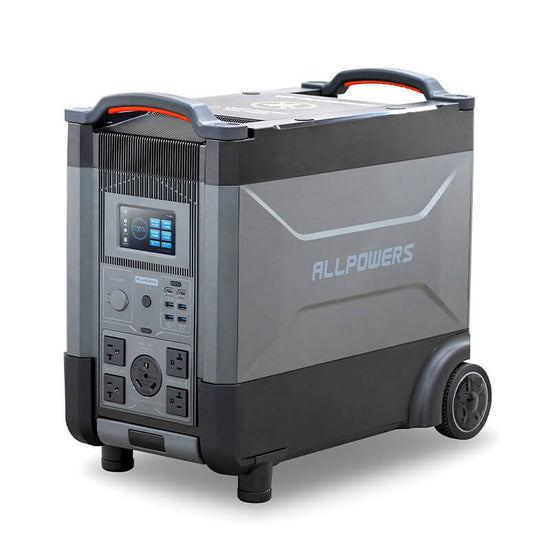
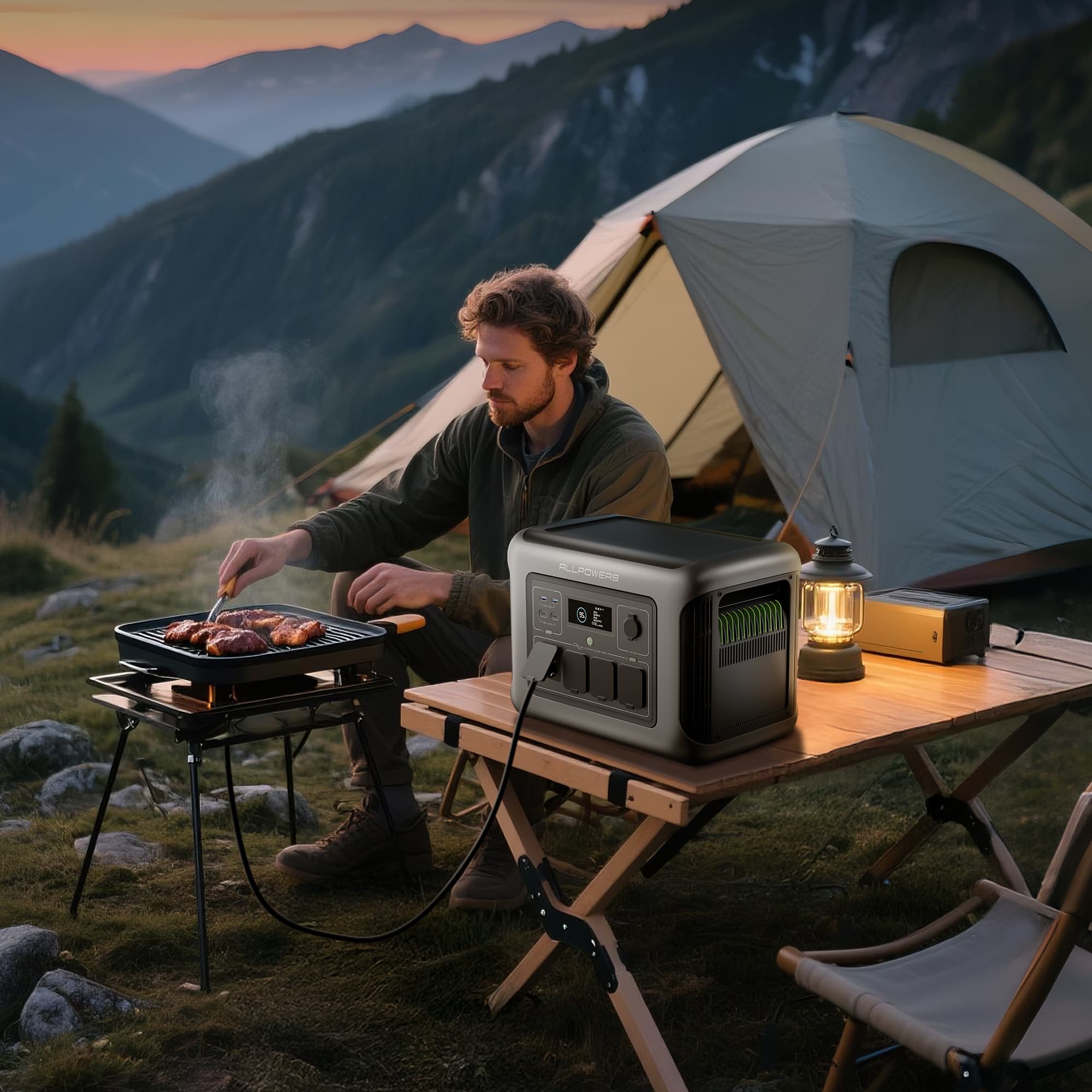
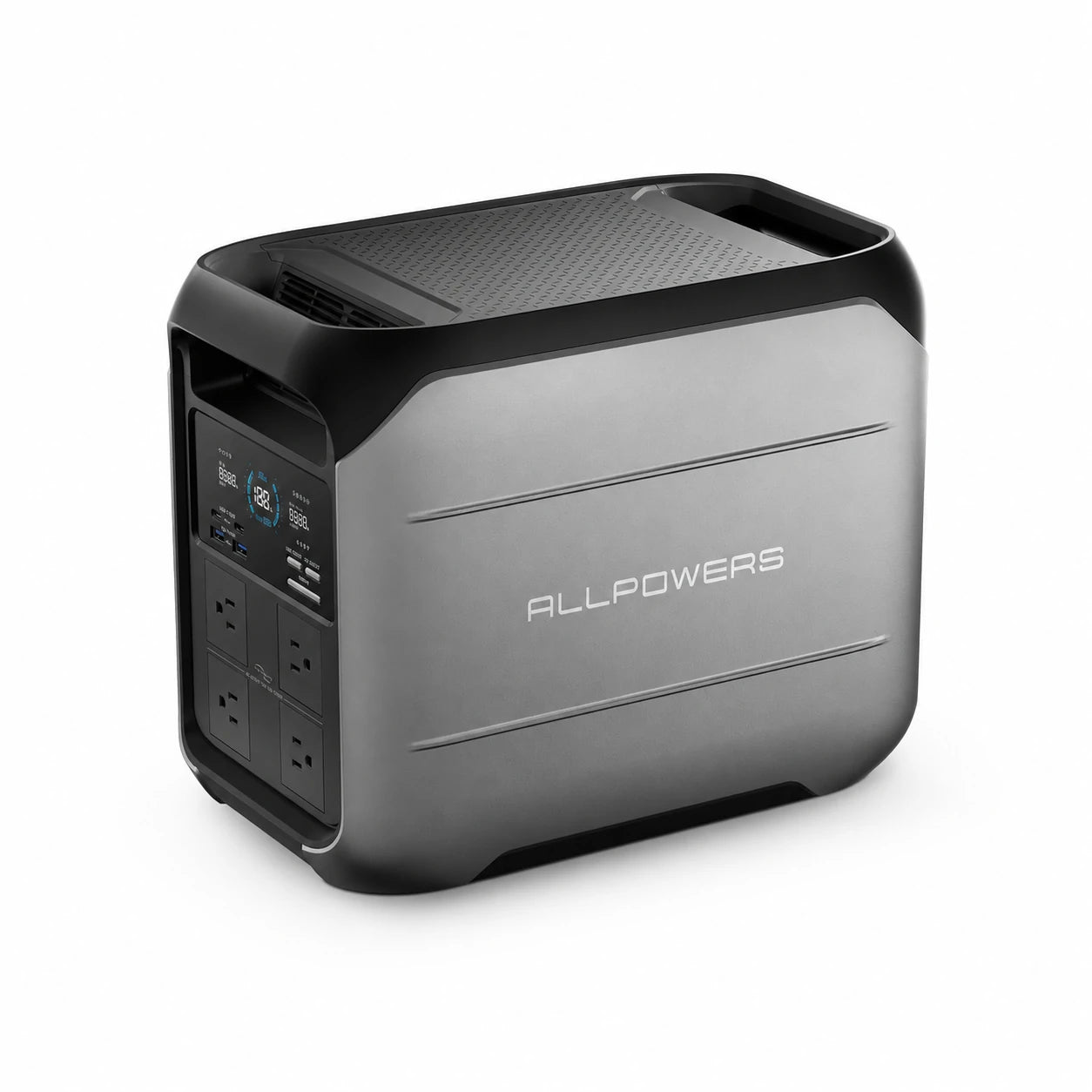
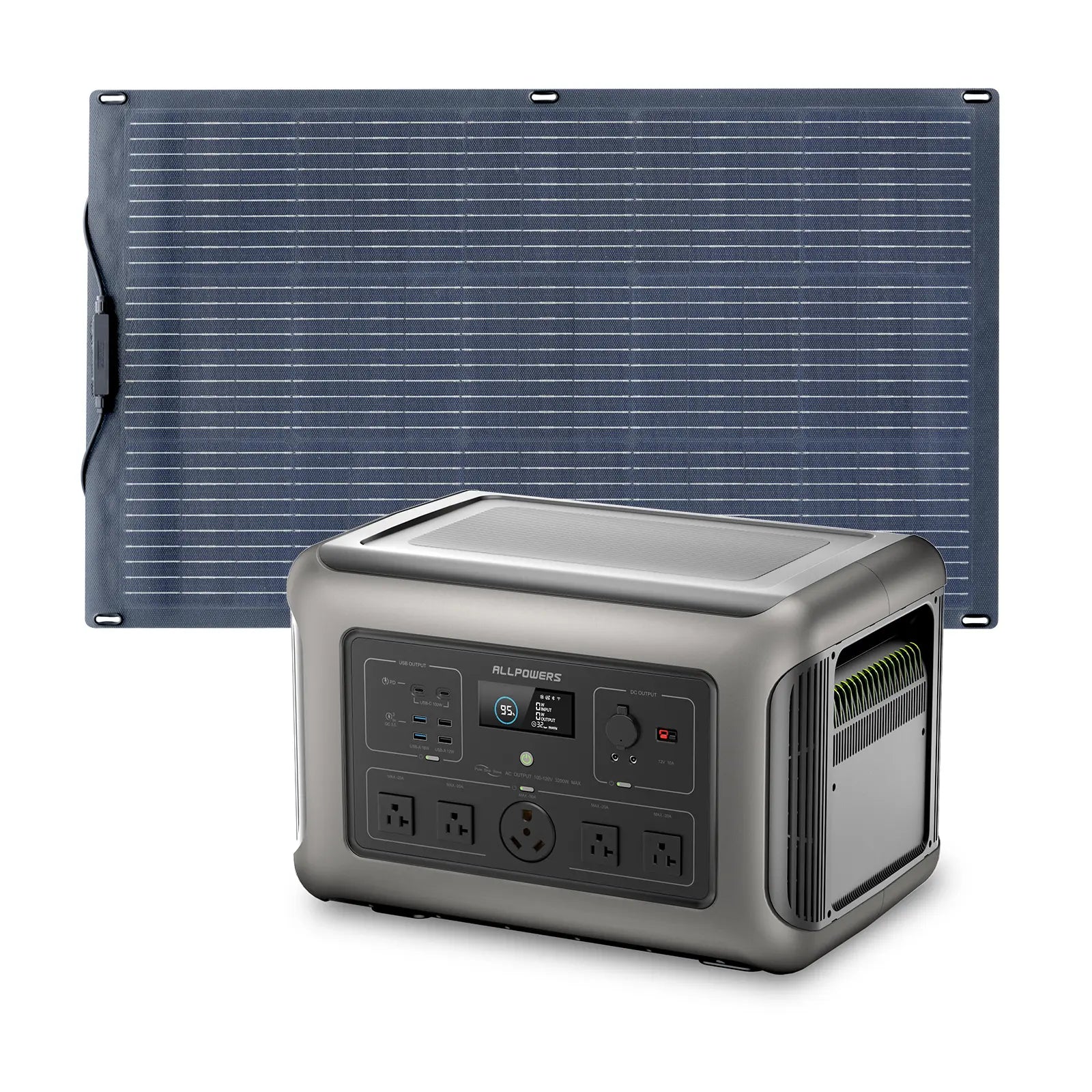
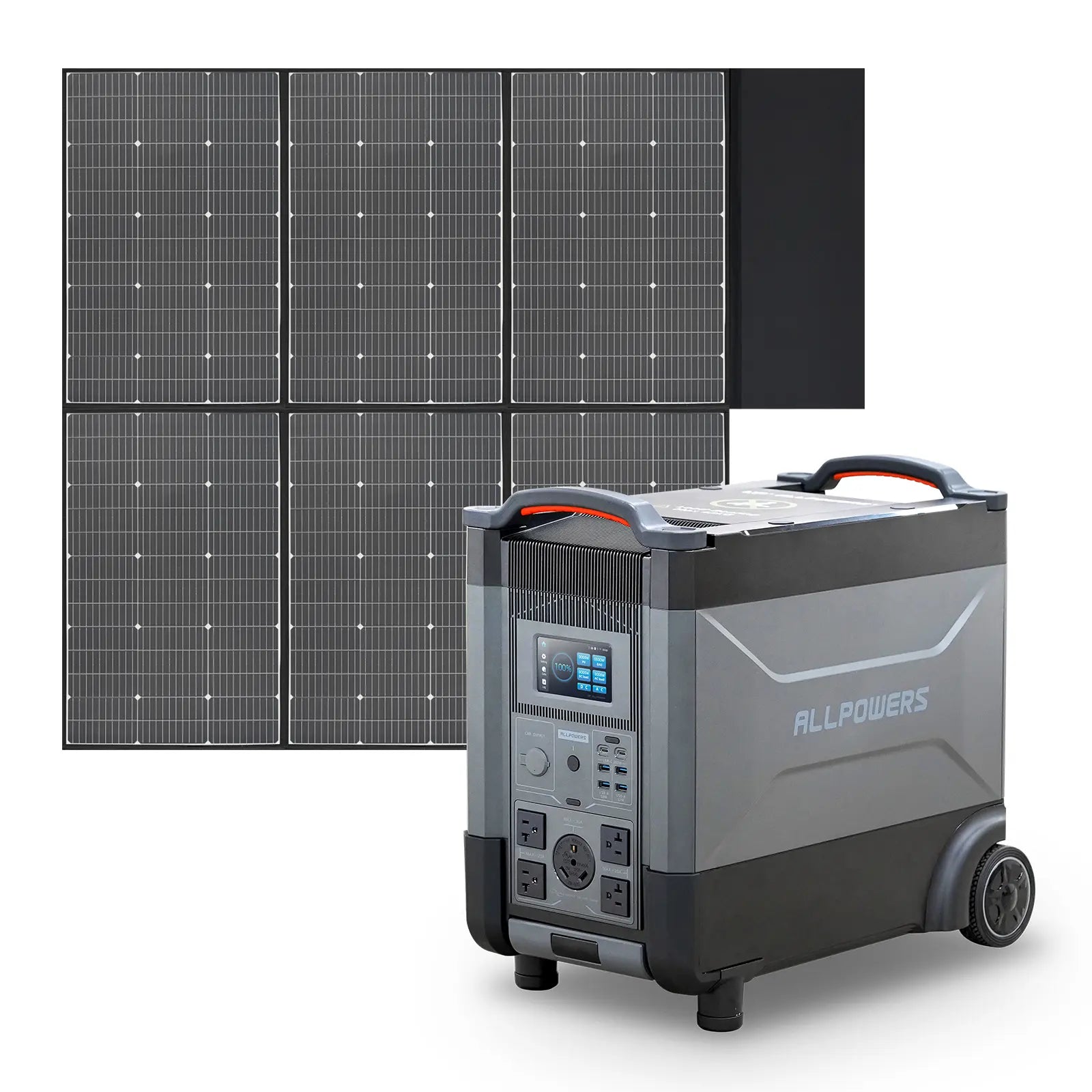
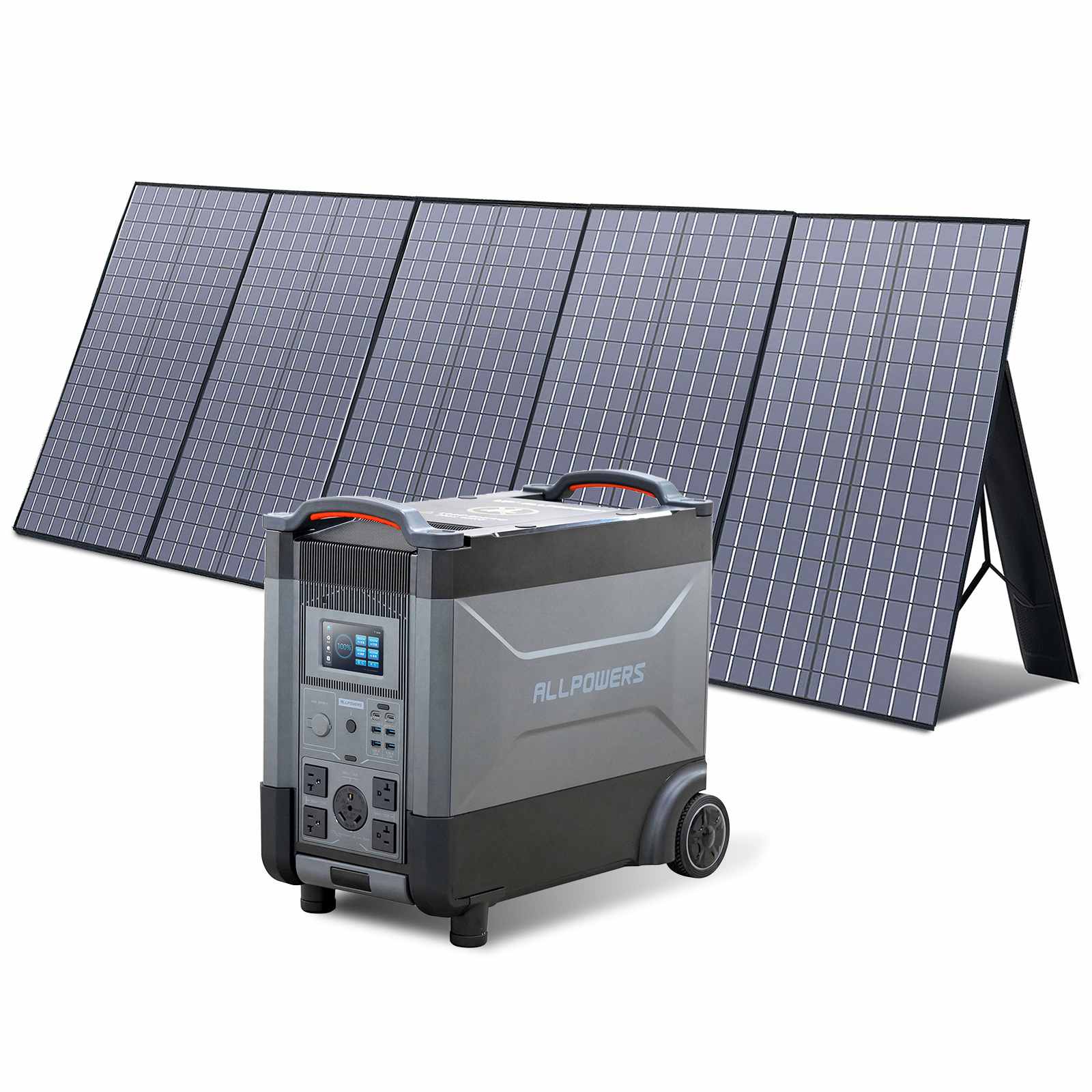
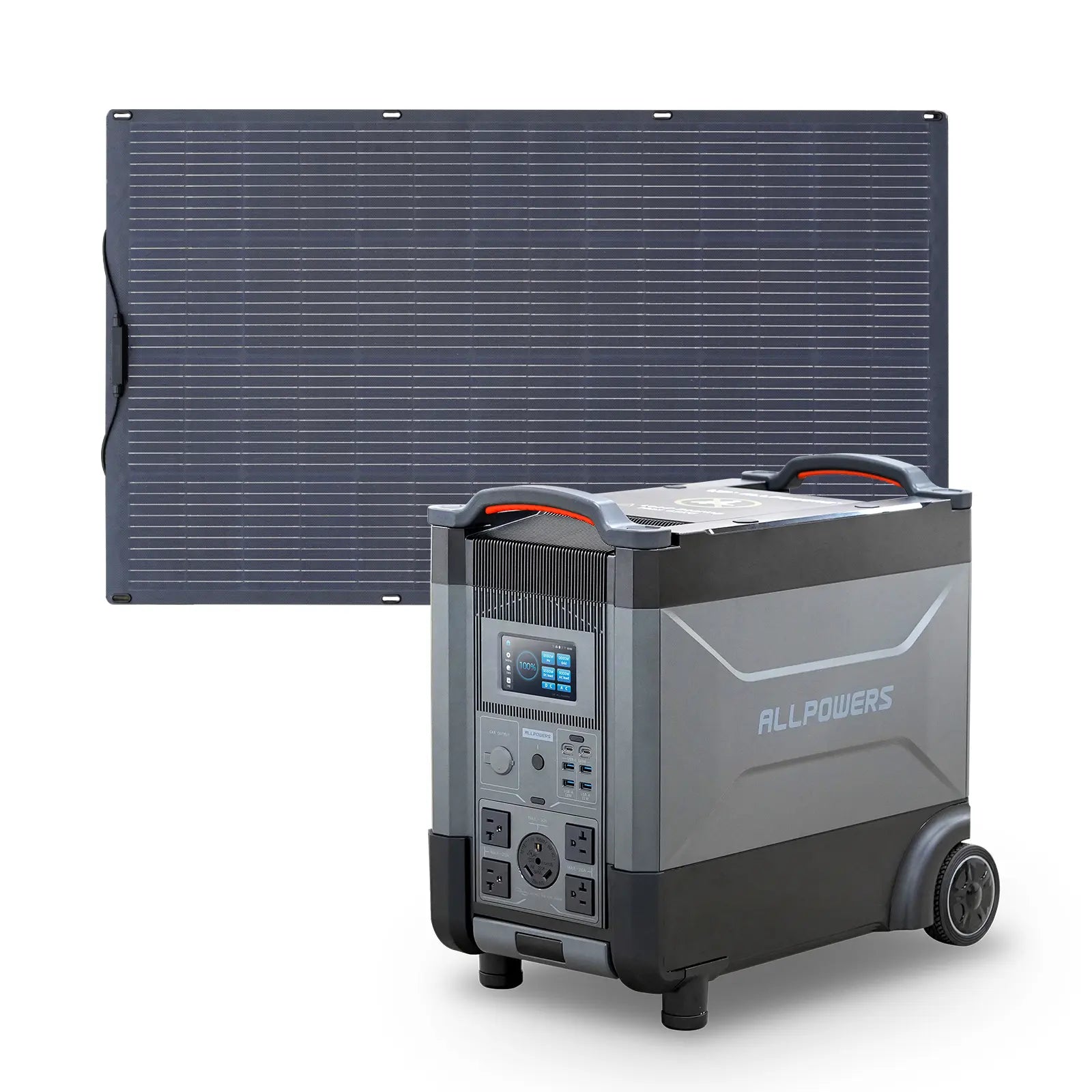
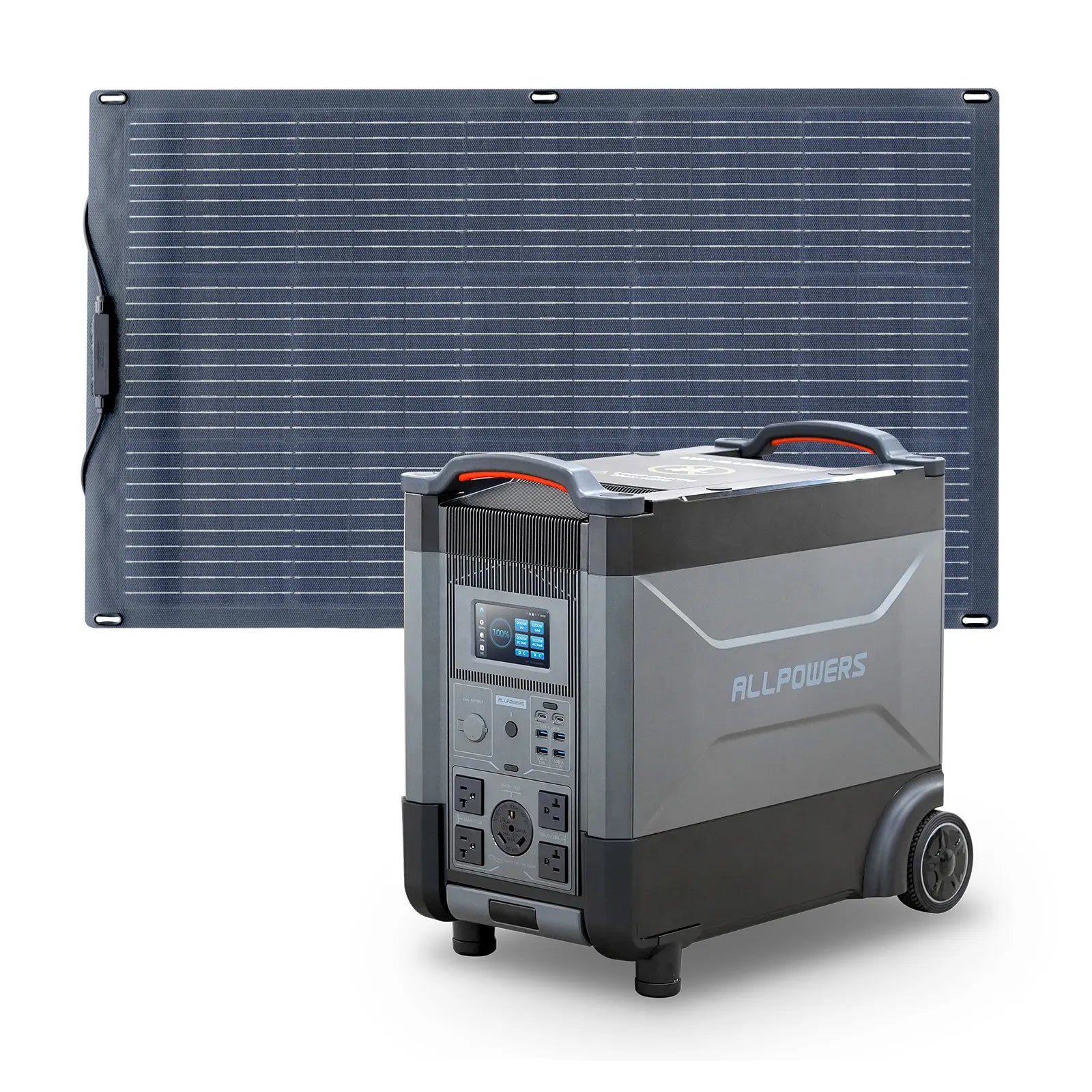
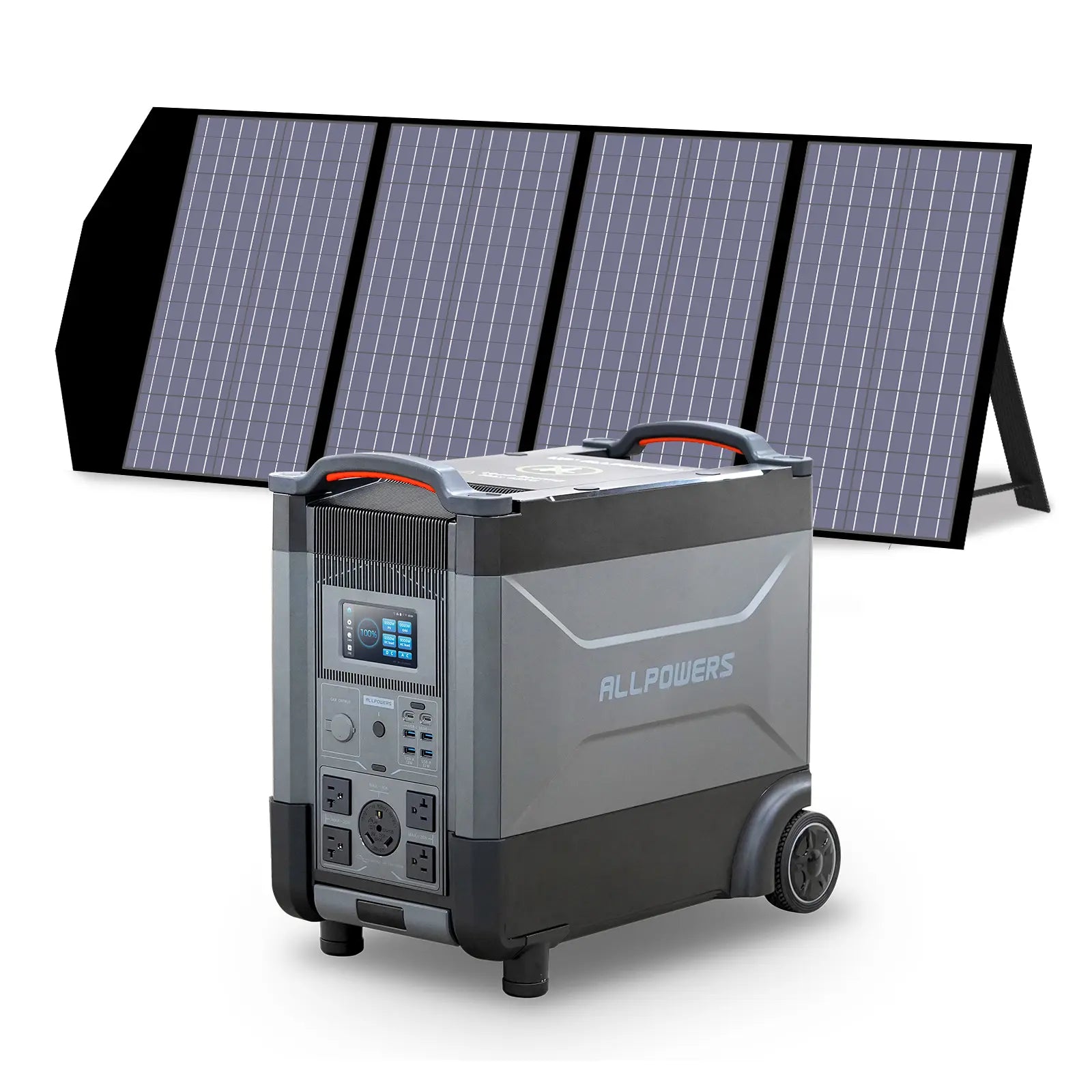
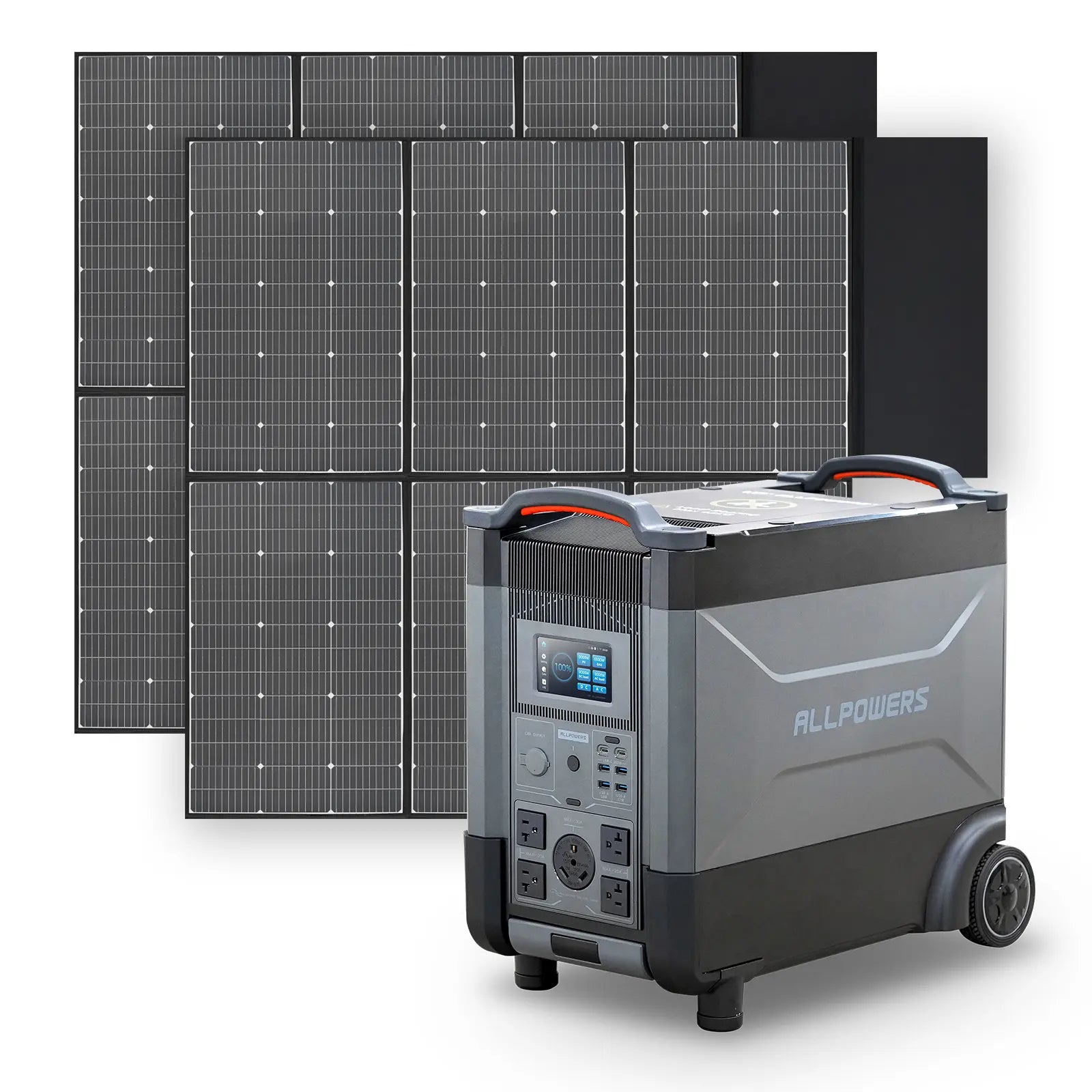
ALLPOWERS R4000 Portable Power Station
$1,999.00 $3,299.00
- 3456Wh Capacity;
- 3600W AC Output (6,000W Surge);
- Come With A 15A RV outlets;
- Fast Charge 100% in 1.2 Hours;
- Long-Lasting And Safe Lifepo4 Battery;
Conclusion
So, what size generator do you need for a 30-amp RV?
For most people, something between 3,000 and 4,500 watts is the sweet spot.
It covers the AC, handles the surges, and gives a little breathing room.
But the right choice depends on your appliance usage, your noise tolerance, and your travel rhythm.