








Planning for power outages can feel a little like preparing for a miniature apocalypse.
You’ve stocked up on canned goods, flashlights, and maybe even a couple of camping chairs for those unexpected evenings without electricity.
But have you thought about what it actually takes to keep a modest 1000 square foot home running when the lights go out?
It’s tempting to assume that any standby generator will do, but the truth is that the generator's size has to match your home’s energy demands.
So, what size generator do you really need to keep a 1000 sq ft house humming comfortably during a blackout?
TL;DR:
For a typical 1000 square foot home, you’re usually looking at a generator in the 5,000 to 7,500-watt range for whole-house coverage, but if you’re only trying to power essentials—think fridge, lights, and a few outlets—a 3,000 to 4,500-watt model might do the trick.
What a 1000 Sq Ft House Really Needs in Daily Power
A typical 1000 sq ft home usually centers around a few crucial loads that keep life moving.
You’ve probably heard the usual suspects—refrigerator, lights, TV, WiFi, and maybe a microwave.
A refrigerator that draws around 150W–200W running power but spikes to 1200W when the compressor kicks in.
A microwave that jumps between 800W and 1200W. Lights that barely sip power but add up when every switch is on.
Chargerwere s scattered across counters. TVs. Routers. Maybe a dehumidifier or a portable AC unit when the season gets brutal.
And if they have compressors, they need a surge wattage cushion—sometimes double the running watts.
That’s why a generator that seems adequate on paper can sputter the moment the AC kicks in.
Put them together—again, not all running at once—and your minimum practical backup range ends up in the 3,000–4,500 watt category.
But if you're thinking about comfort instead of survival—say you want AC, the fridge, the lights, maybe even a coffee maker humming during a storm—you’re inching toward 5,000–7,500 watts.
| Appliance | Running Watts | Starting (Surge) Watts | Importance Level |
| Refrigerator/Freezer | 700W | 2,200W | Critical |
| Sump Pump (1/2 HP) | 1,000W | 2,150W | High (if you have a basement) |
| Window AC (10k BTU) | 1,200W | 2,900W | Medium |
| Microwave | 1,200W | 1,500W | Medium |
| Wi-Fi Router & Modem | 20W | 20W | High |
| Laptop / Desktop | 60W - 300W | 300W | High |
| LED Light Bulbs (x10) | 100W | 100W | Low |
| Coffee Maker | 1,000W | 1,000W | Essential |
| LCD Television | 150W | 150W | Low |
| Cell Phone Charger | 10W | 10W | High |
The Role of Lifestyle in Deciding the Right Size
Every home carries its own rhythm. Some people cook daily using ovens and induction cooktops.
Others barely touch anything beyond a microwave and coffee maker. The wattage totals shift with your habits.
For instance, someone working remotely needs steady power for a laptop, monitor, router, and perhaps a laser printer.
That’s not much on its own, but combined with household loads, it pushes the generator size upward.
Meanwhile, a retired couple may only need enough power to keep lights, a refrigerator, and some comfort appliances running.
People rarely think about seasons when choosing a generator, yet seasons often decide everything.
Winter outages bring heating concerns—gas furnaces, space heaters, electric blankets, sump pumps for melting snow.
Summer outages prioritize cooling—AC units, fans, dehumidifiers.
A generator that works perfectly in October may feel inadequate in August when you’re sweating through a heatwave and your AC refuses to cooperate with the wattage limits.
Even solar capacity changes seasonally. Winter sunlight is shorter and softer, while summer offers stronger and longer charging windows.
If your 1000 sq ft home sits somewhere with four distinct seasons, it might be wise to size the generator for the toughest season, not the most comfortable one.
How Long Can You Expect Power to Last?
Here’s a question that often gets overlooked: runtime.
It’s one thing to size a generator correctly; it’s another to keep it running for hours or days without constant refueling.
Fuel type plays a major role. Gasoline is common but requires frequent refills and careful storage.
Diesel burns longer but is heavier and sometimes harder to source. Propane is cleaner but offers lower energy density per gallon.
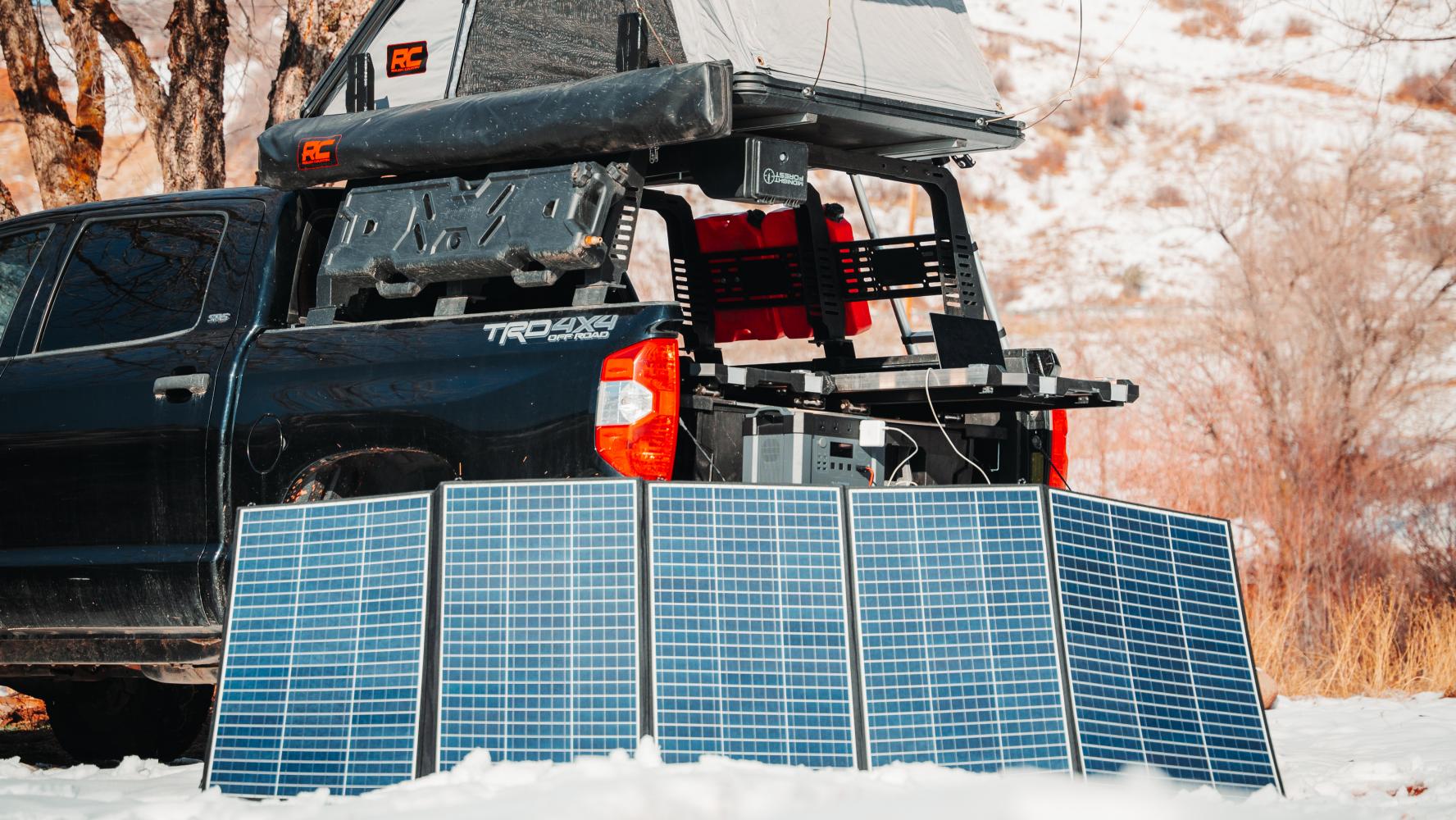
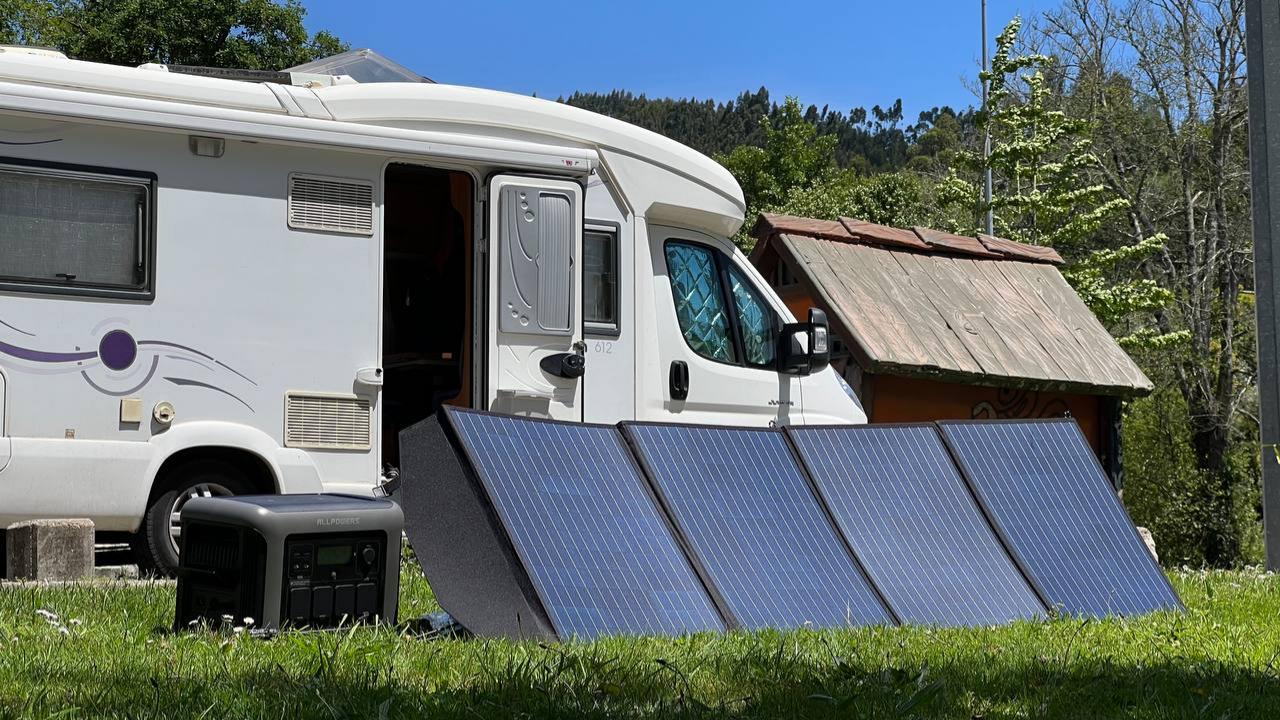
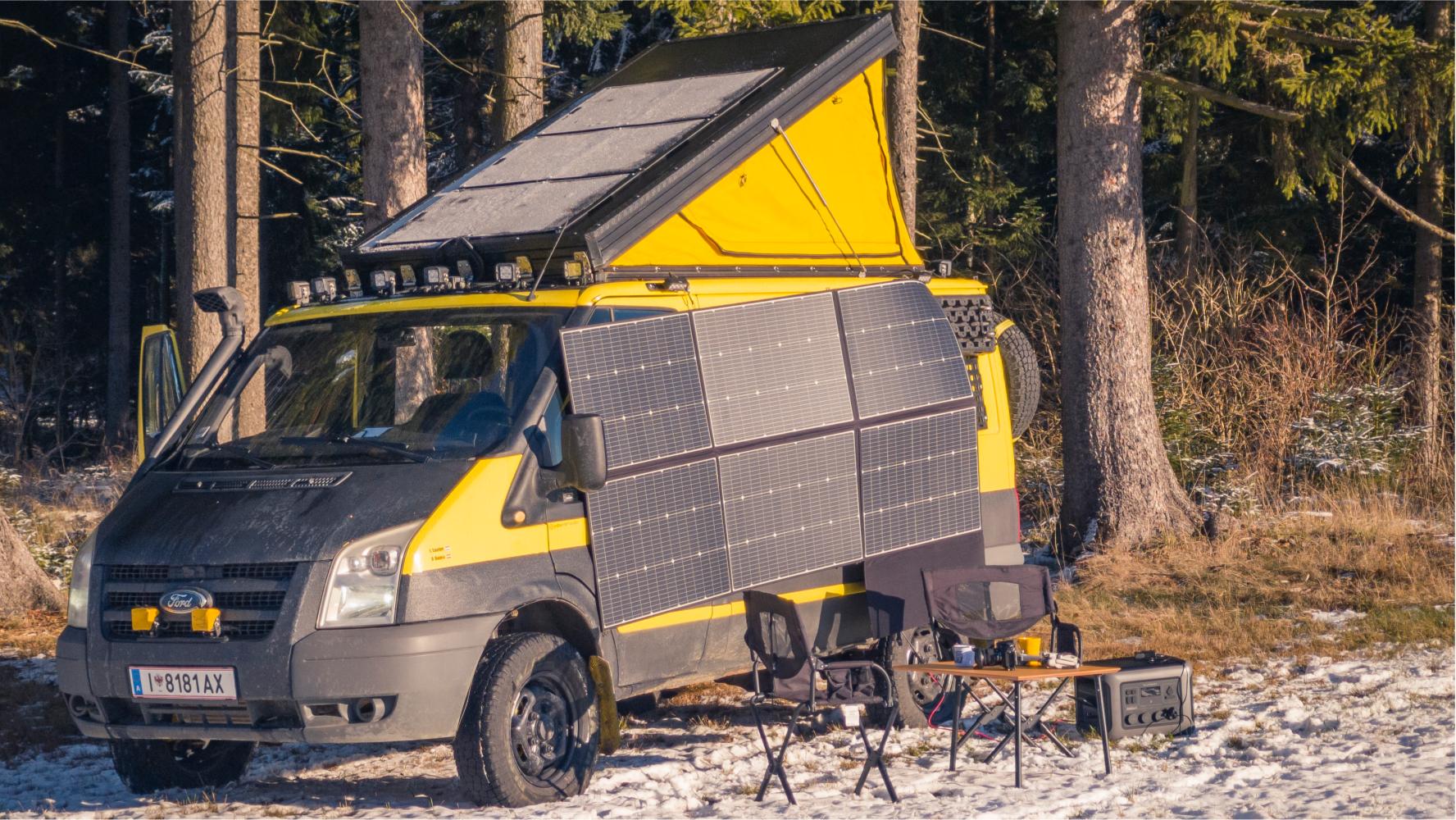
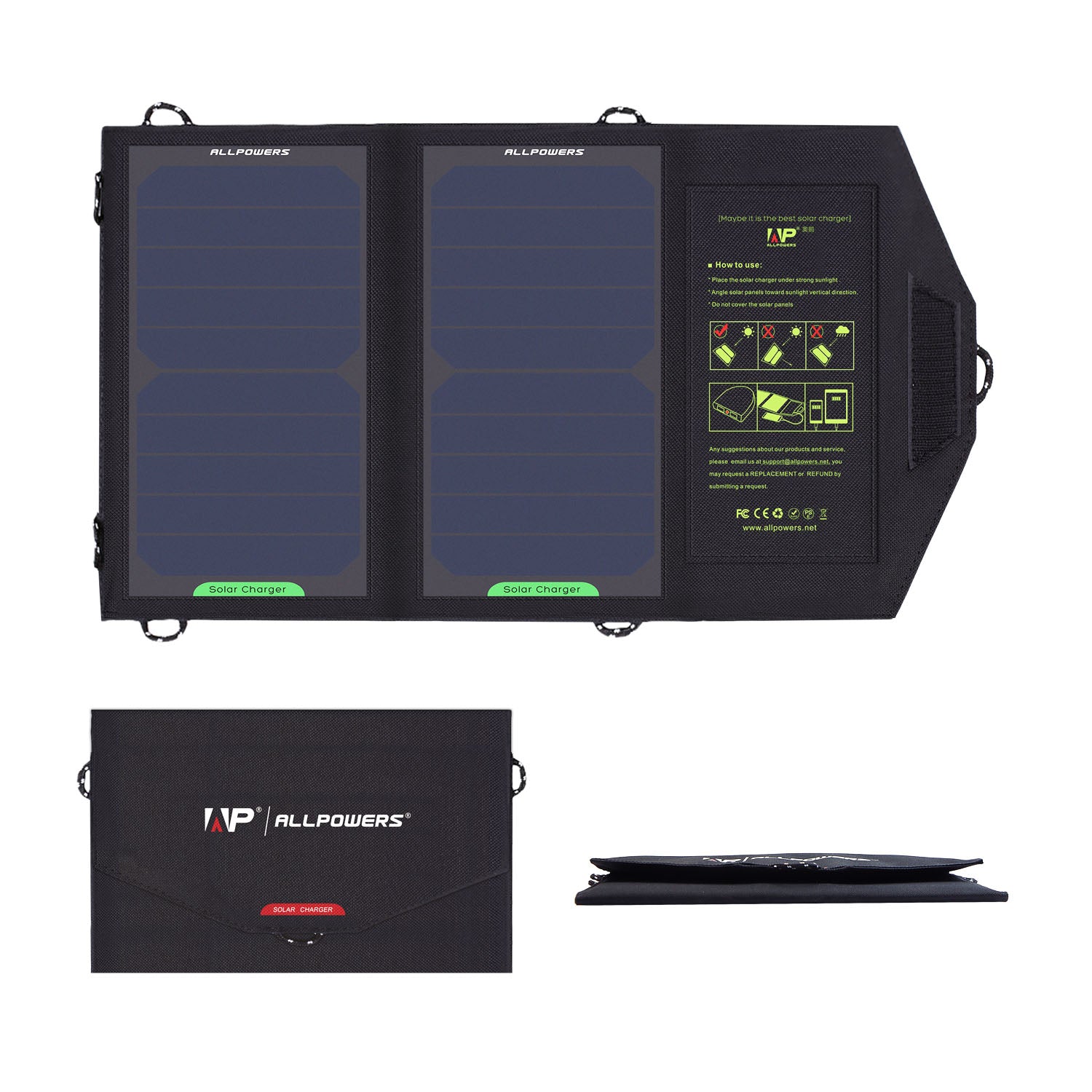
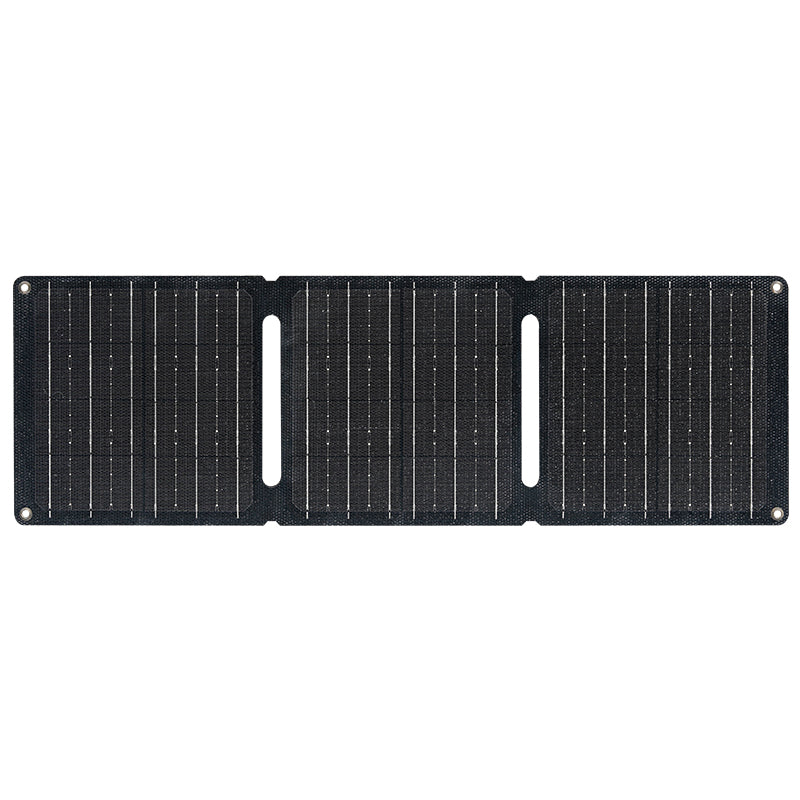
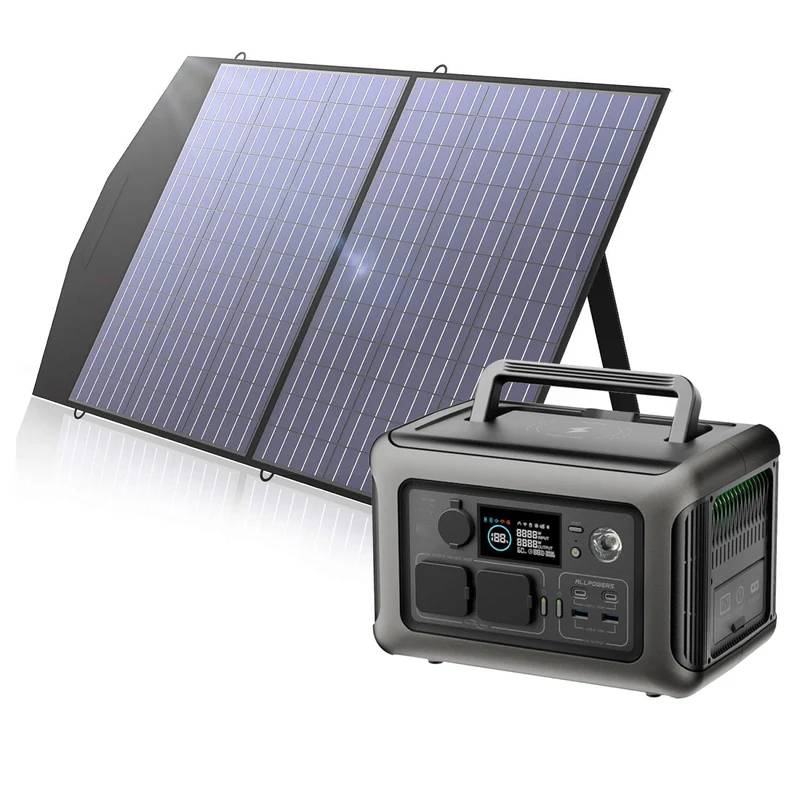
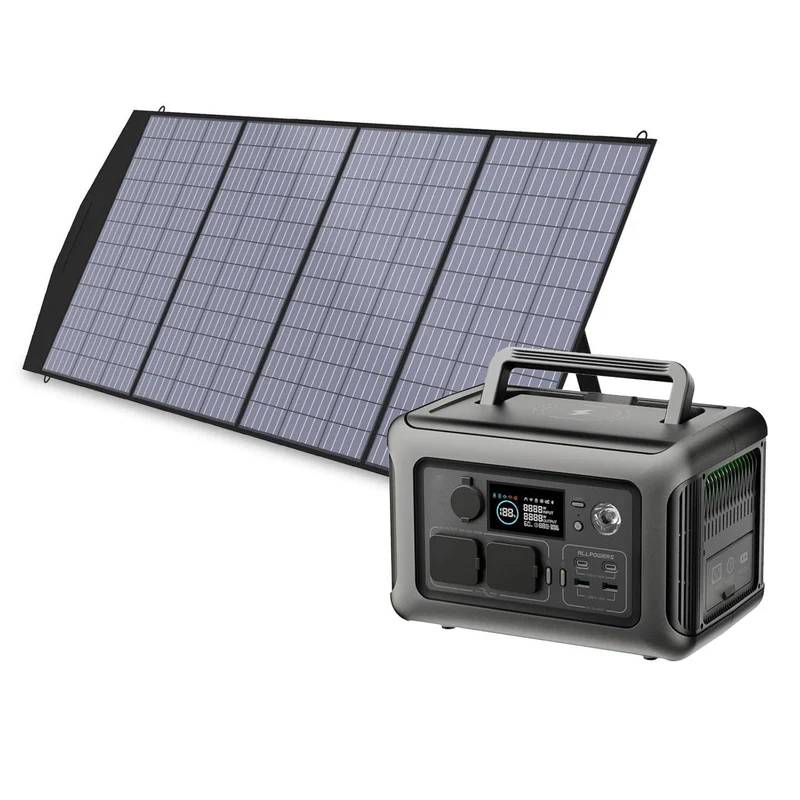
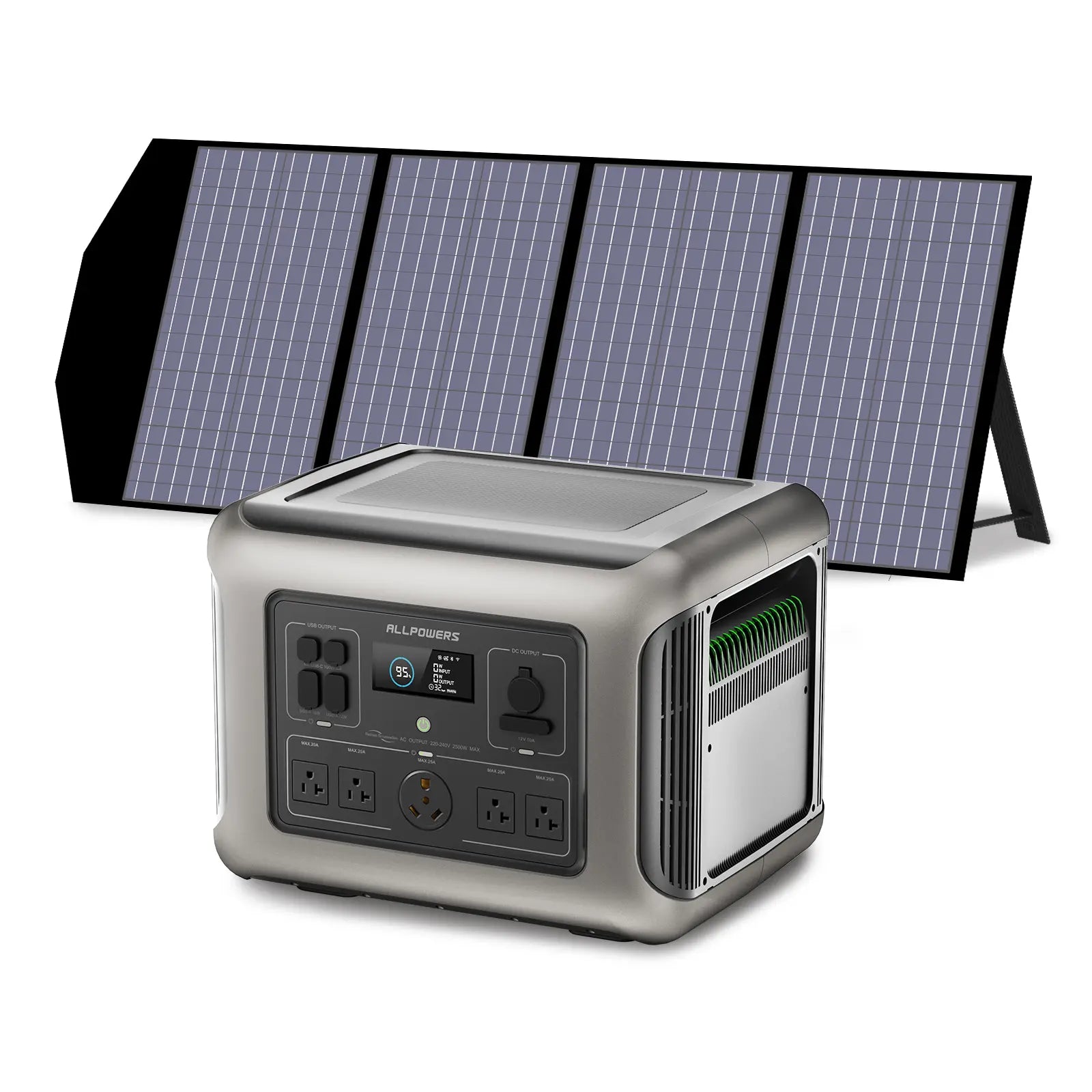
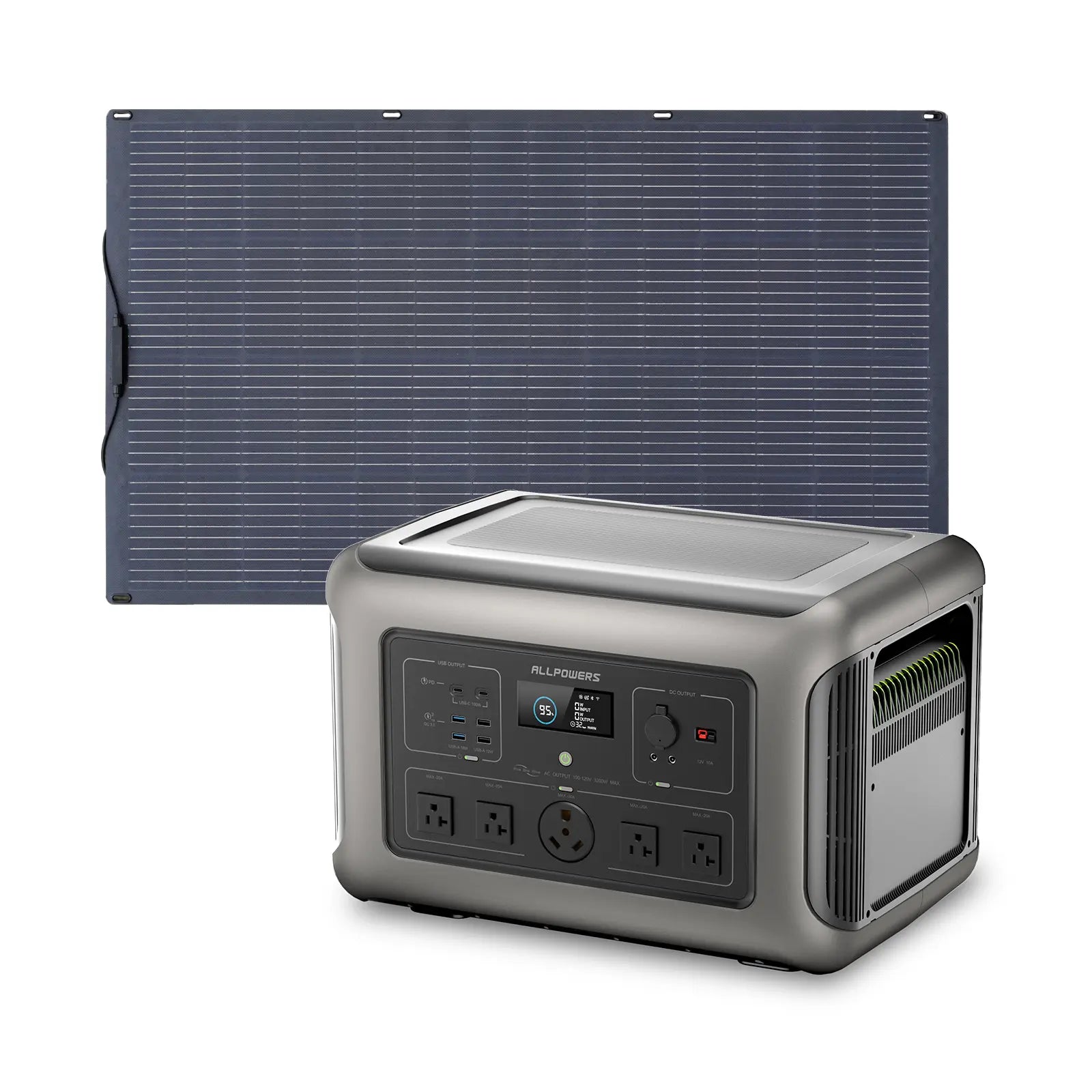
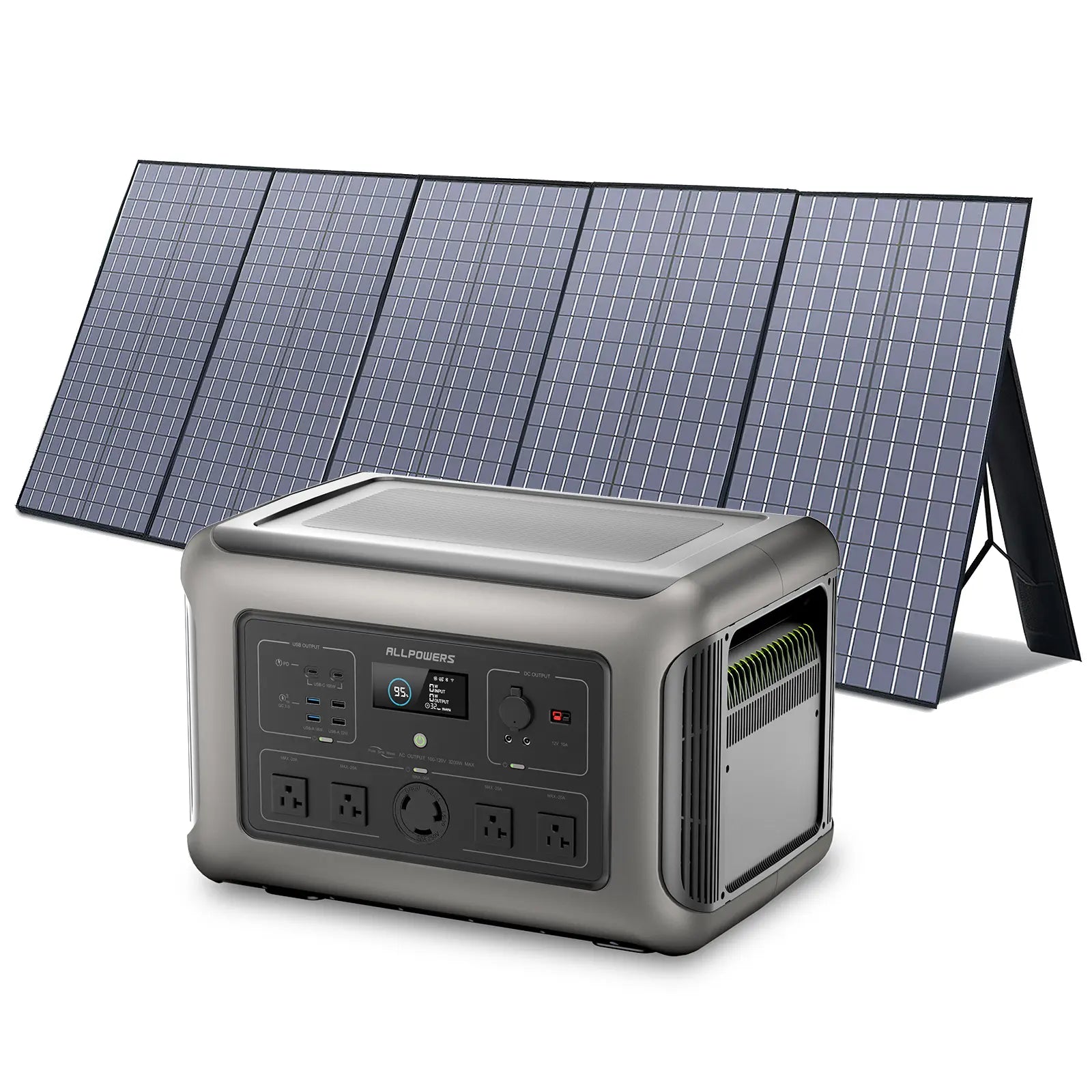
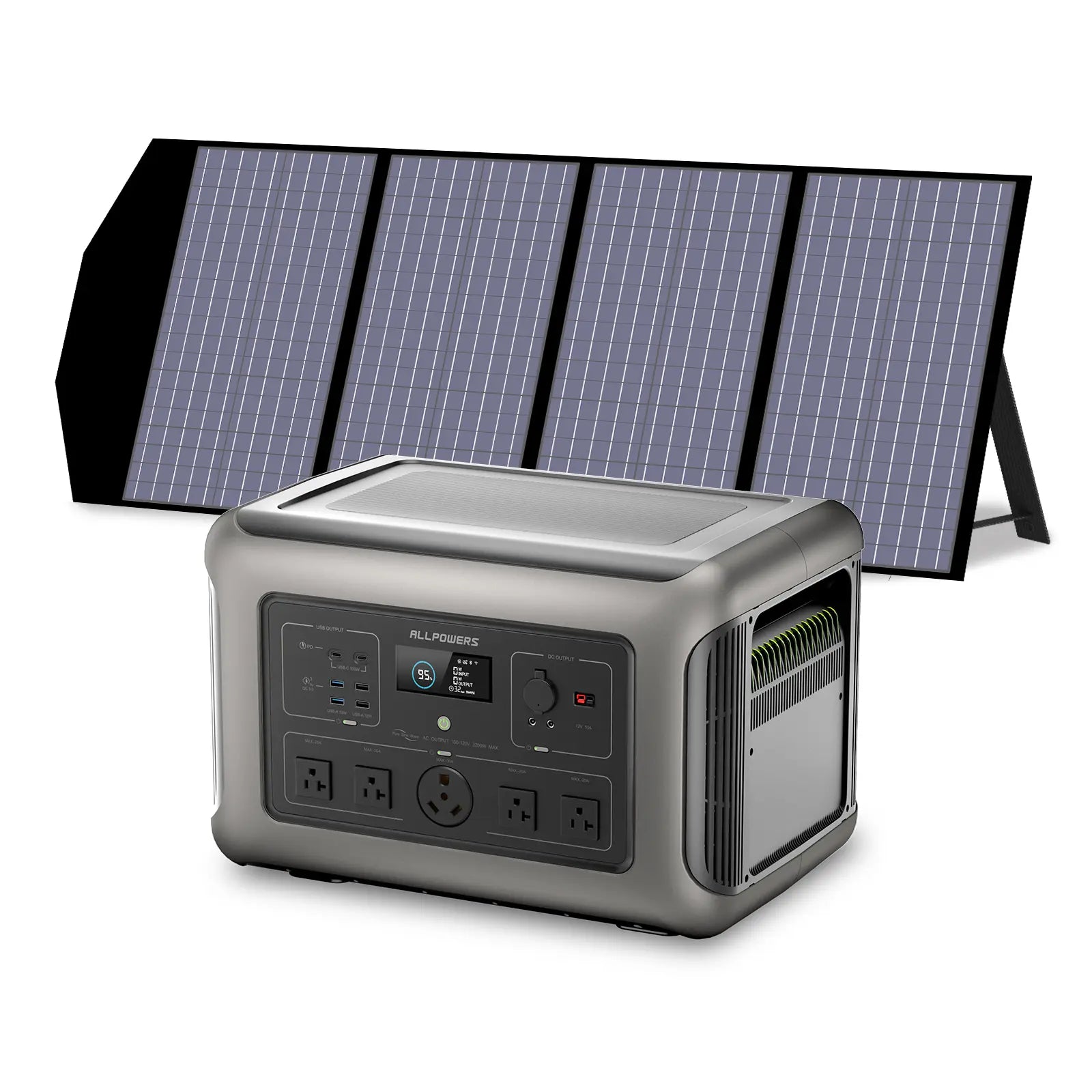
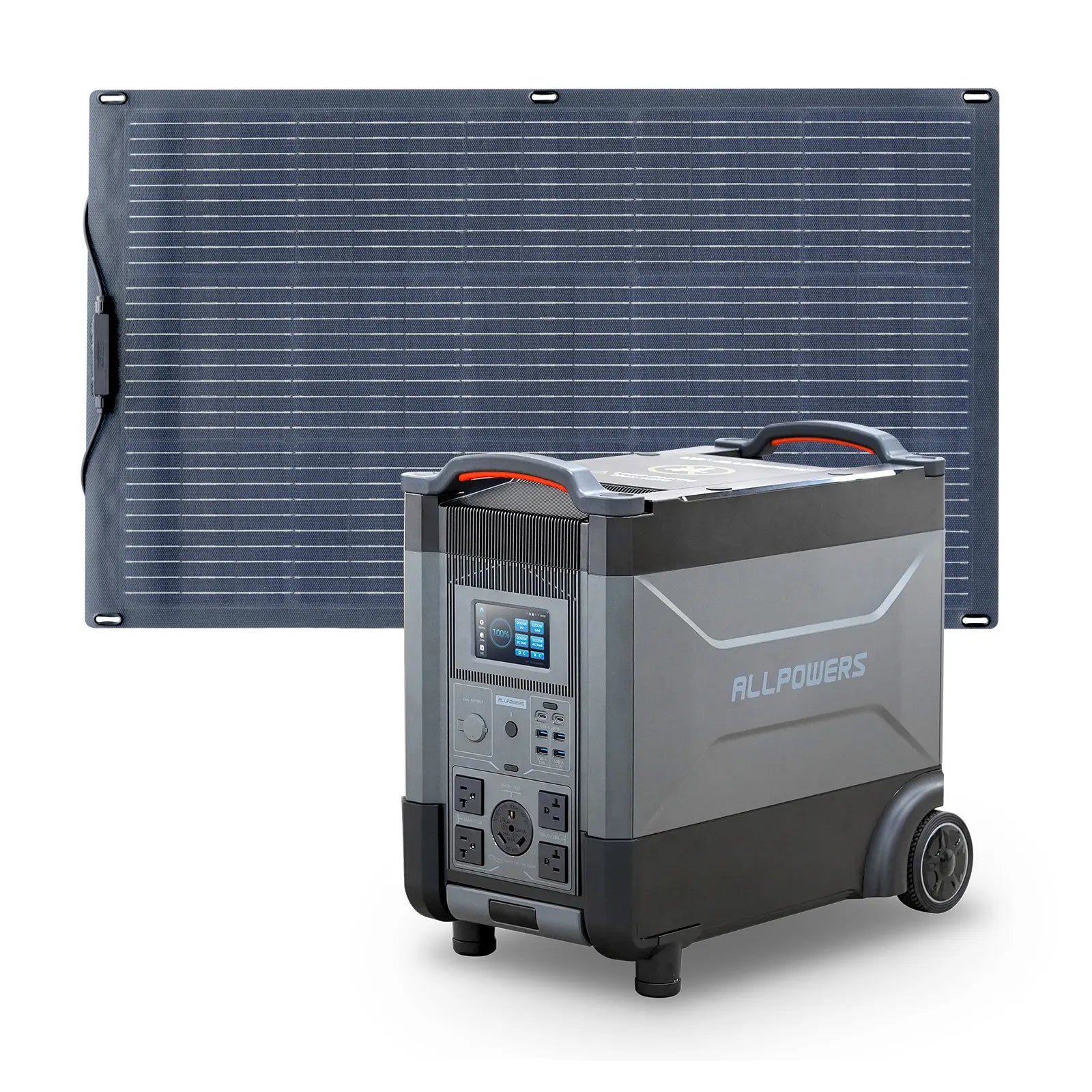
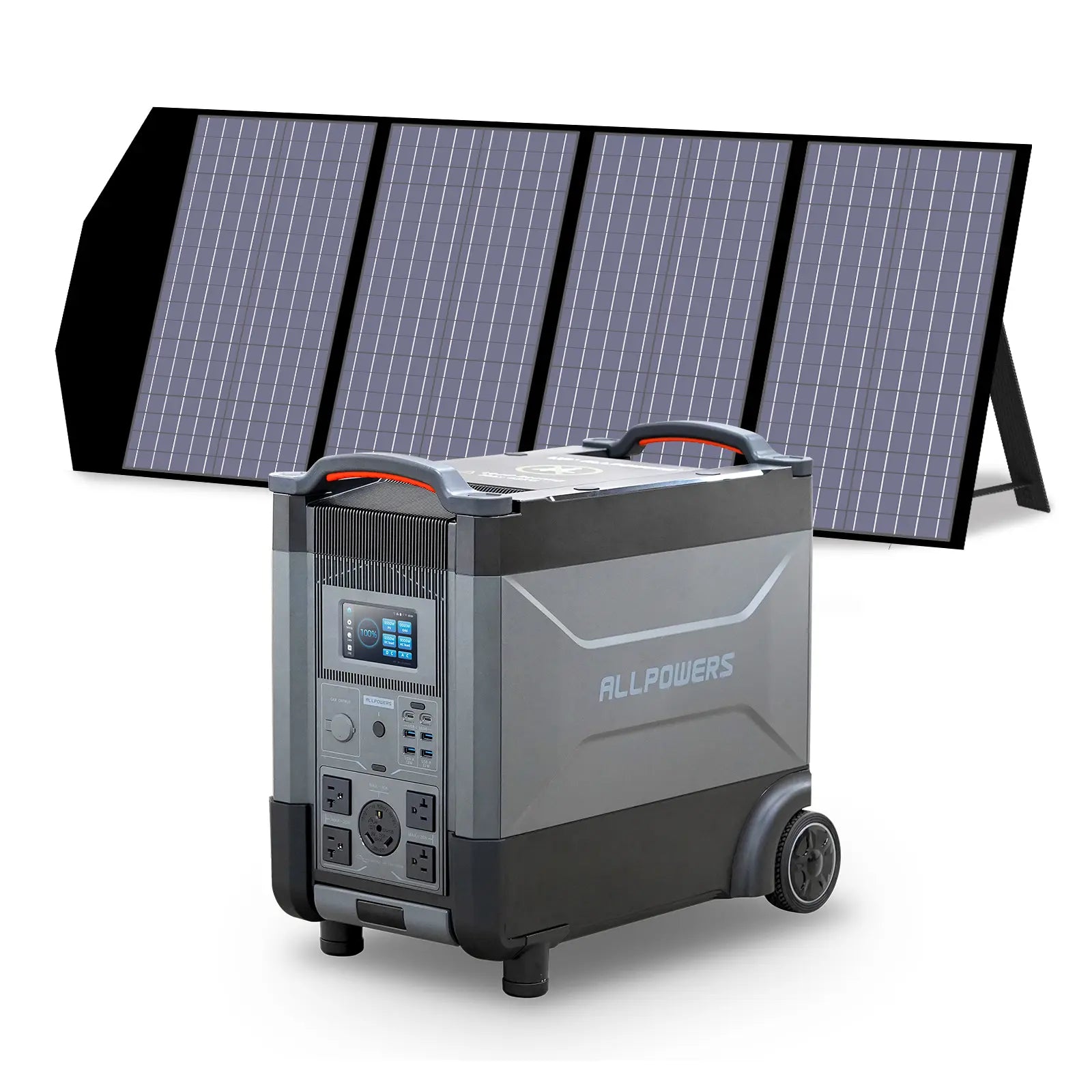
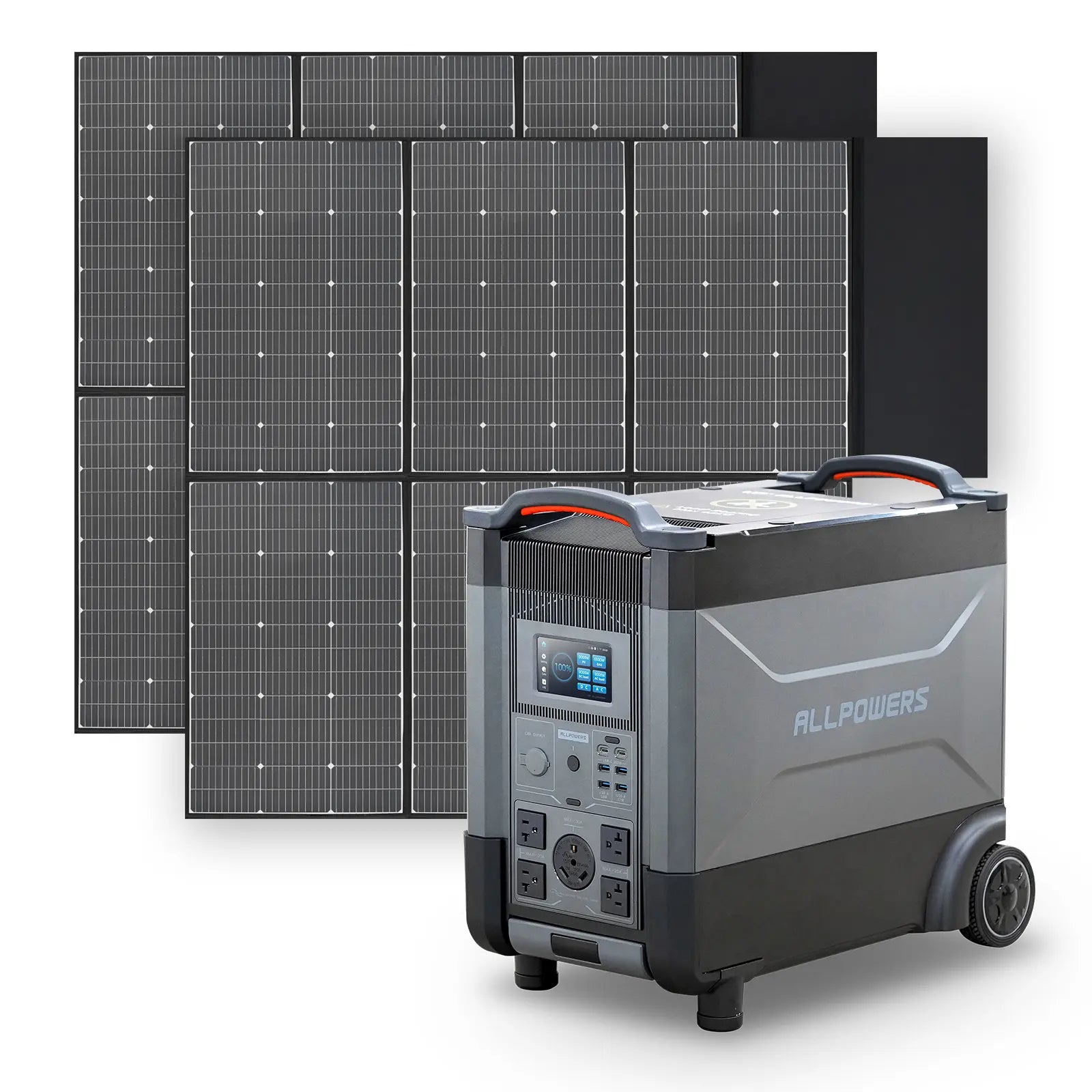
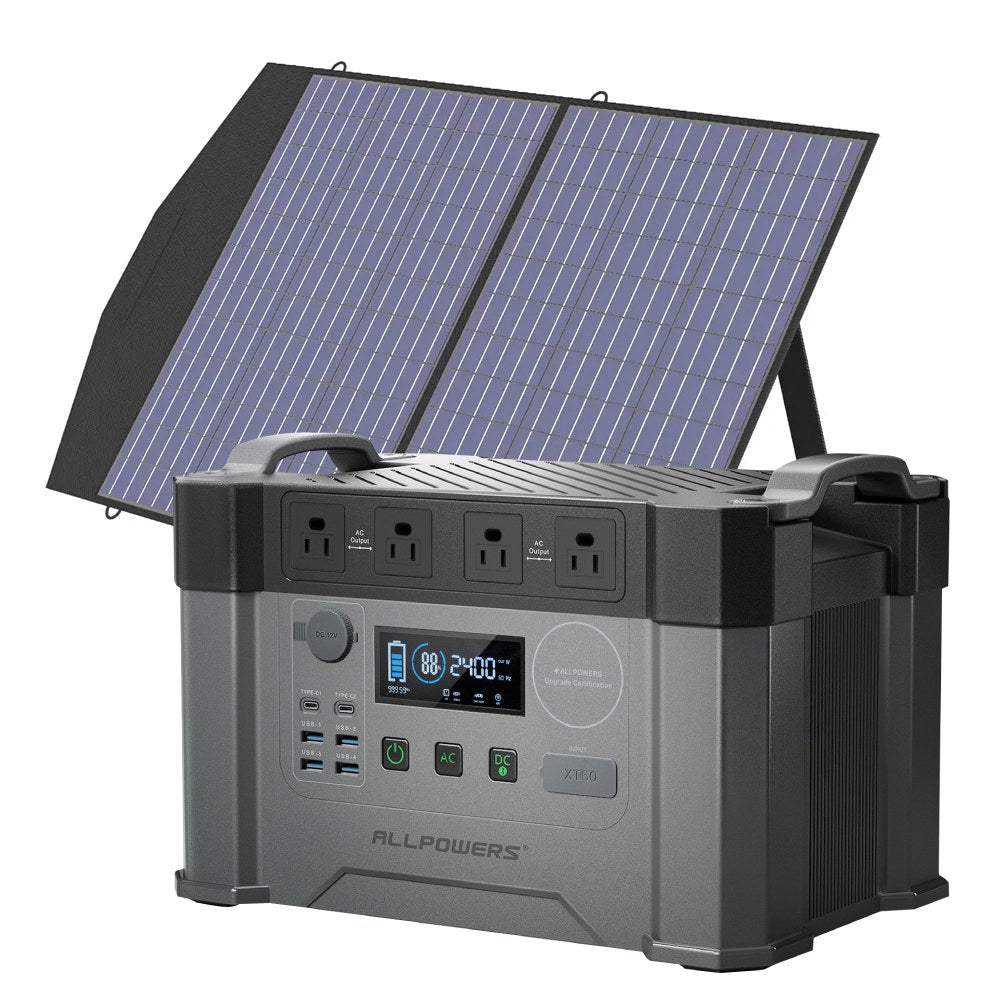
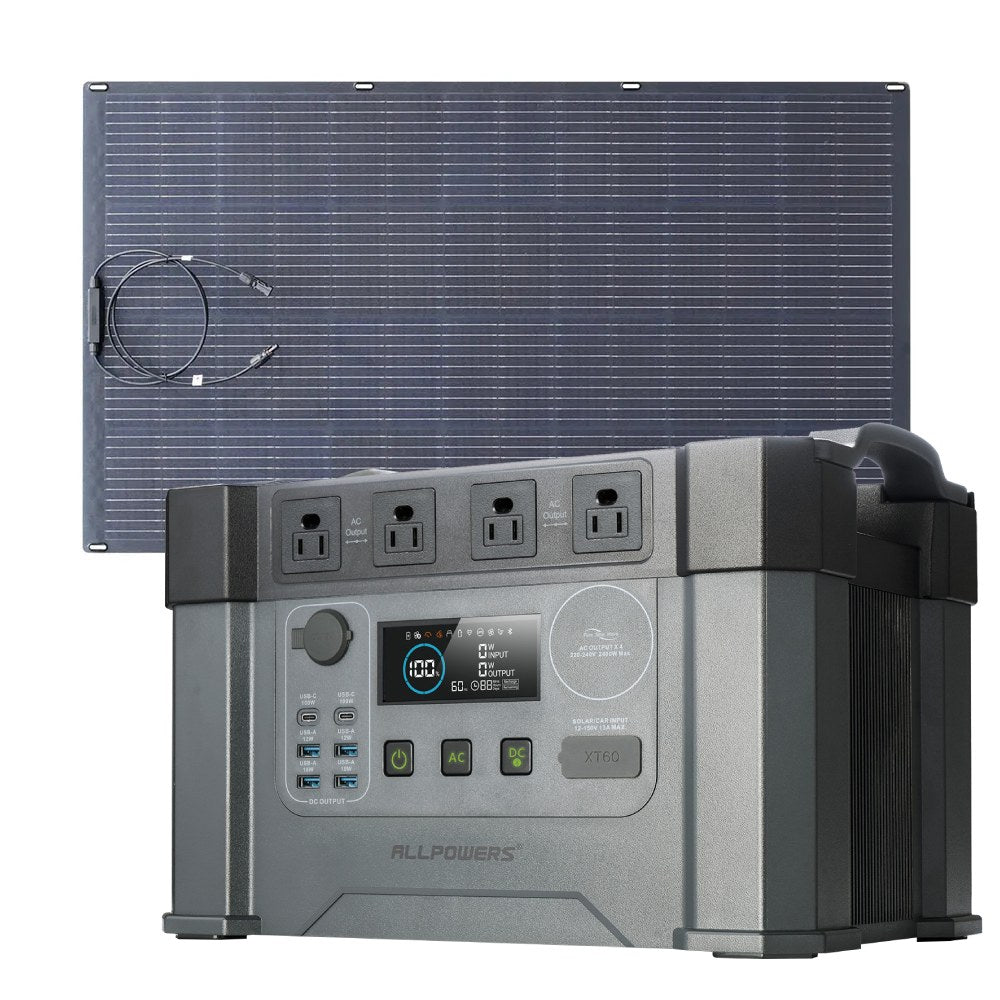
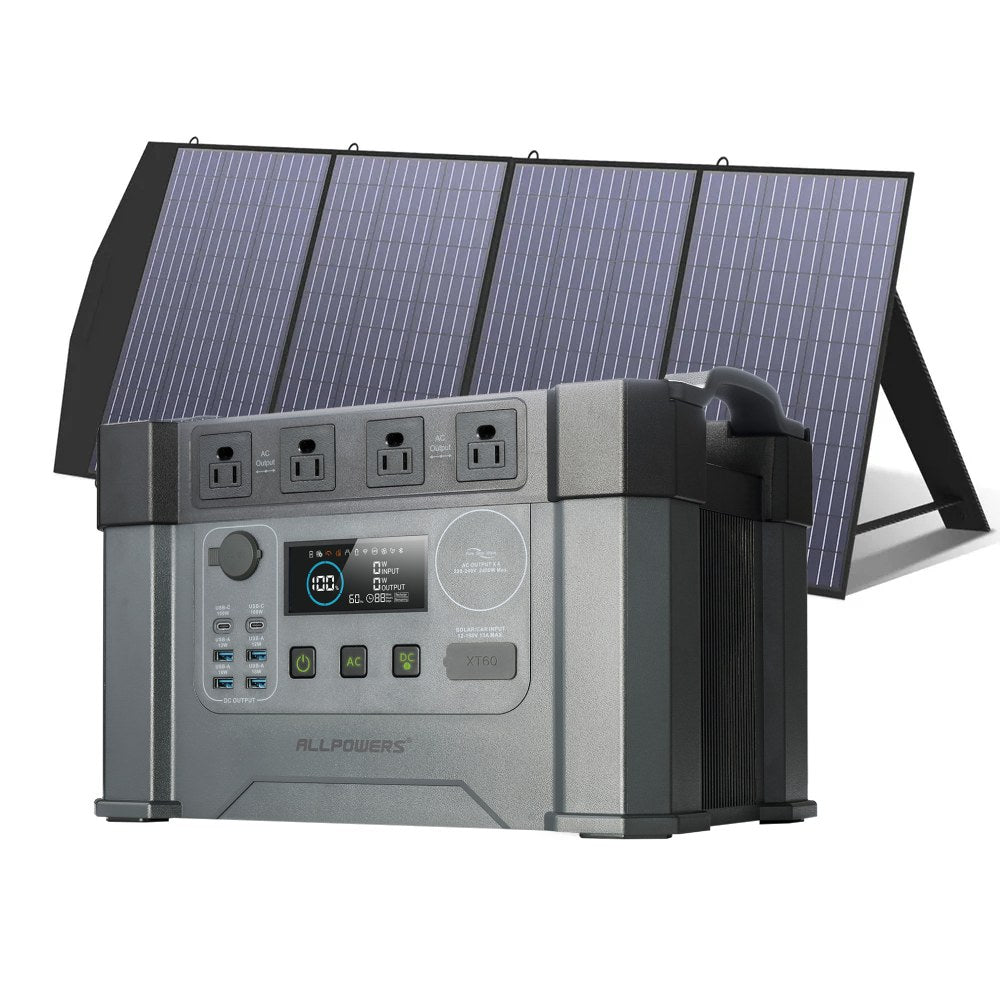
Interestingly, solar generators—yes, the kind powered by sunlight—offer a different approach.
While they often don’t reach the same raw wattage as gas models, they can provide continuous backup for essential devices without the noise, fumes, or fuel logistics.
Plus, you can recharge them during the day for overnight use. In a small home, solar generators can handle lights, a refrigerator, and charging needs without breaking a sweat.
They may not power a central AC, but for emergency preparedness or off-grid living, they’re surprisingly effective.
Learn More: Which is Better, a Solar Generator or a Gas Generator?
Why Portable Power Stations Have Become a Real Alternative
While traditional gas generators still dominate backup power, the landscape is shifting.
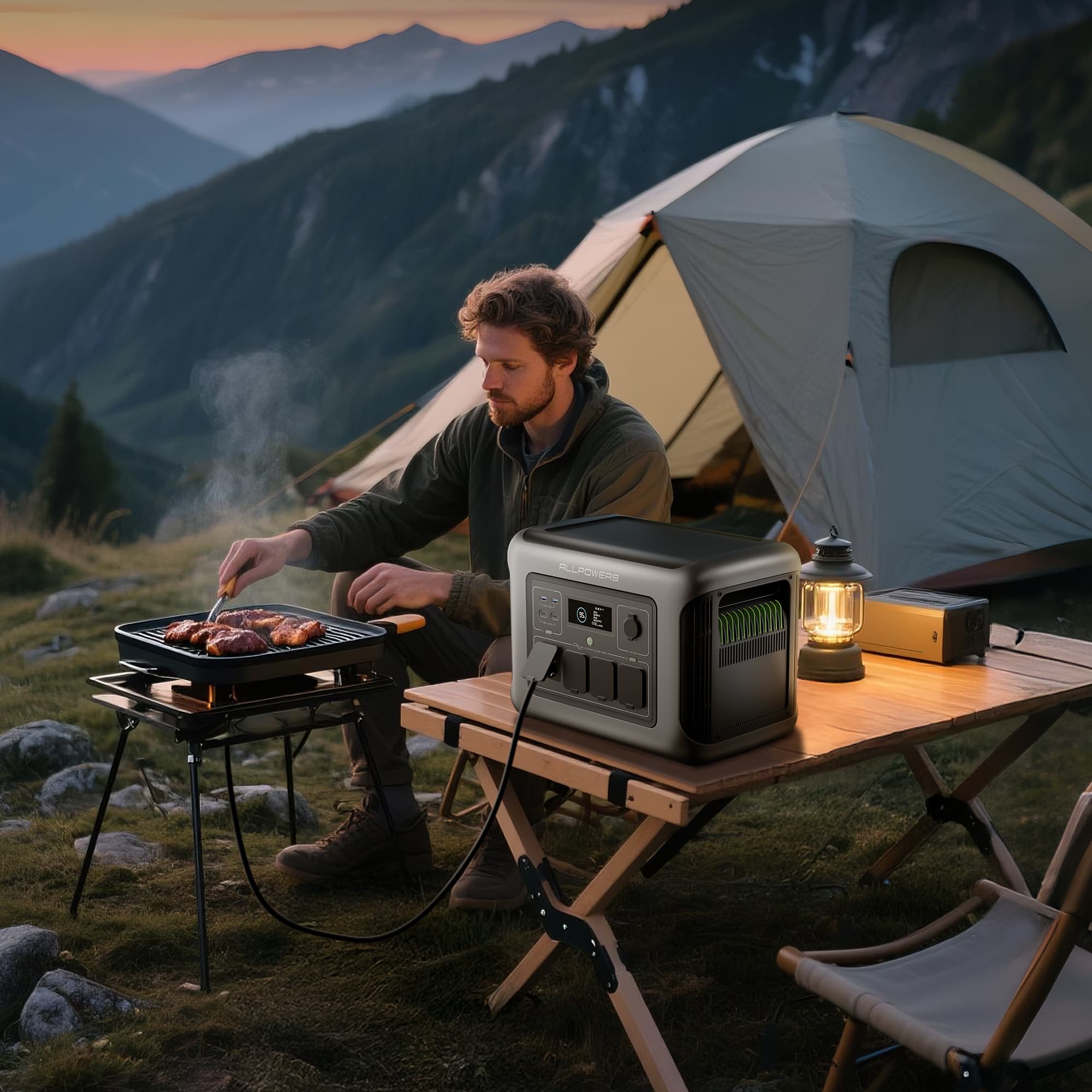
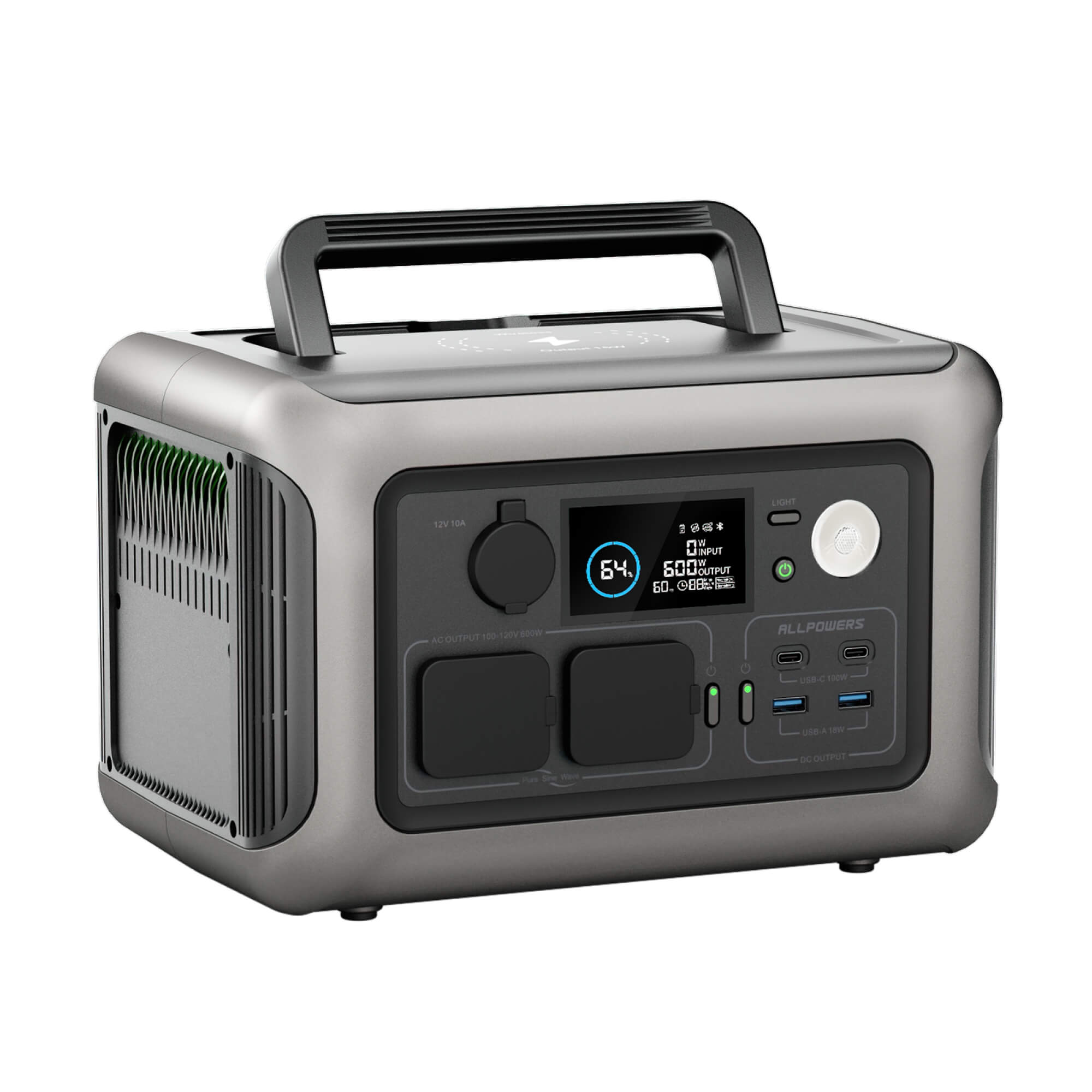
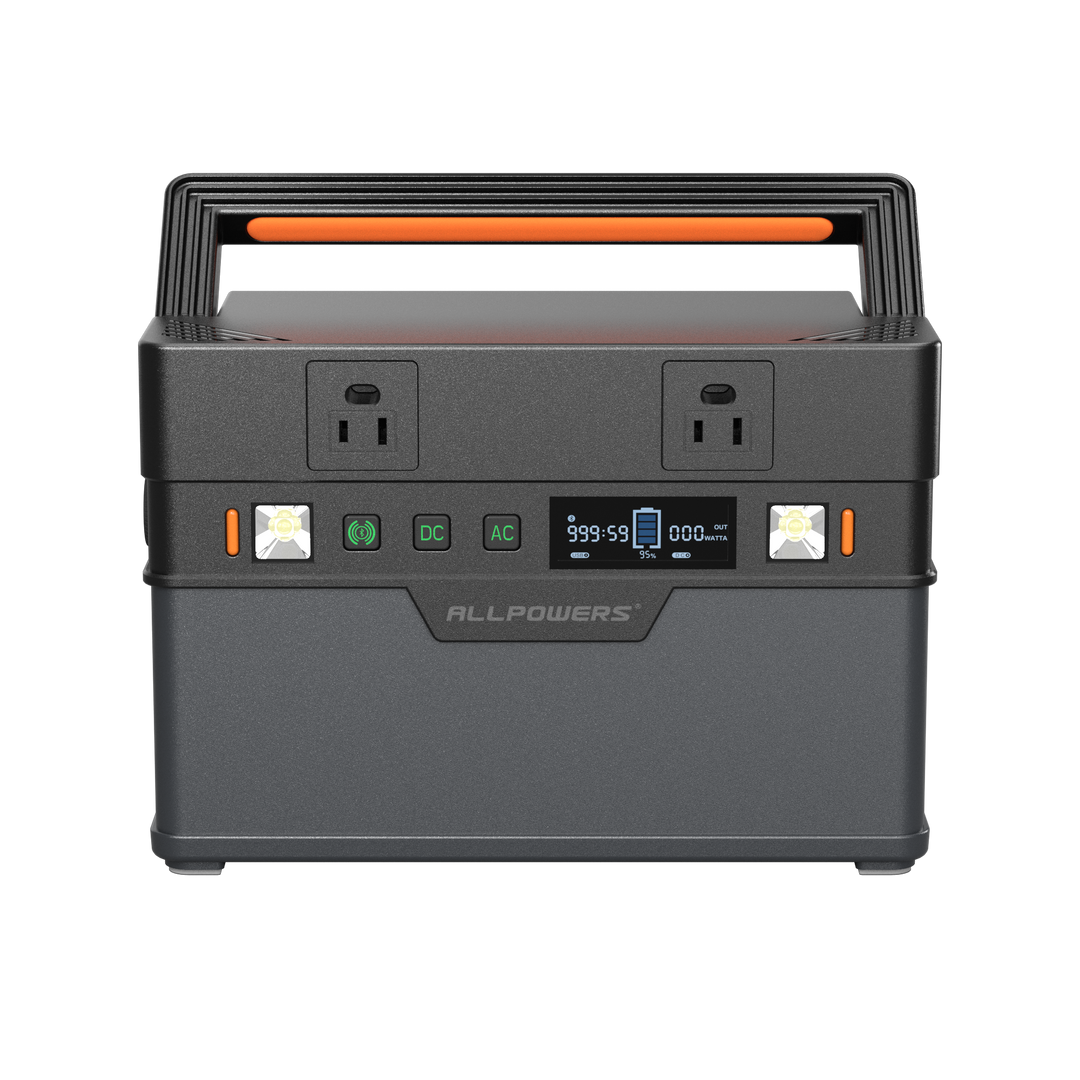
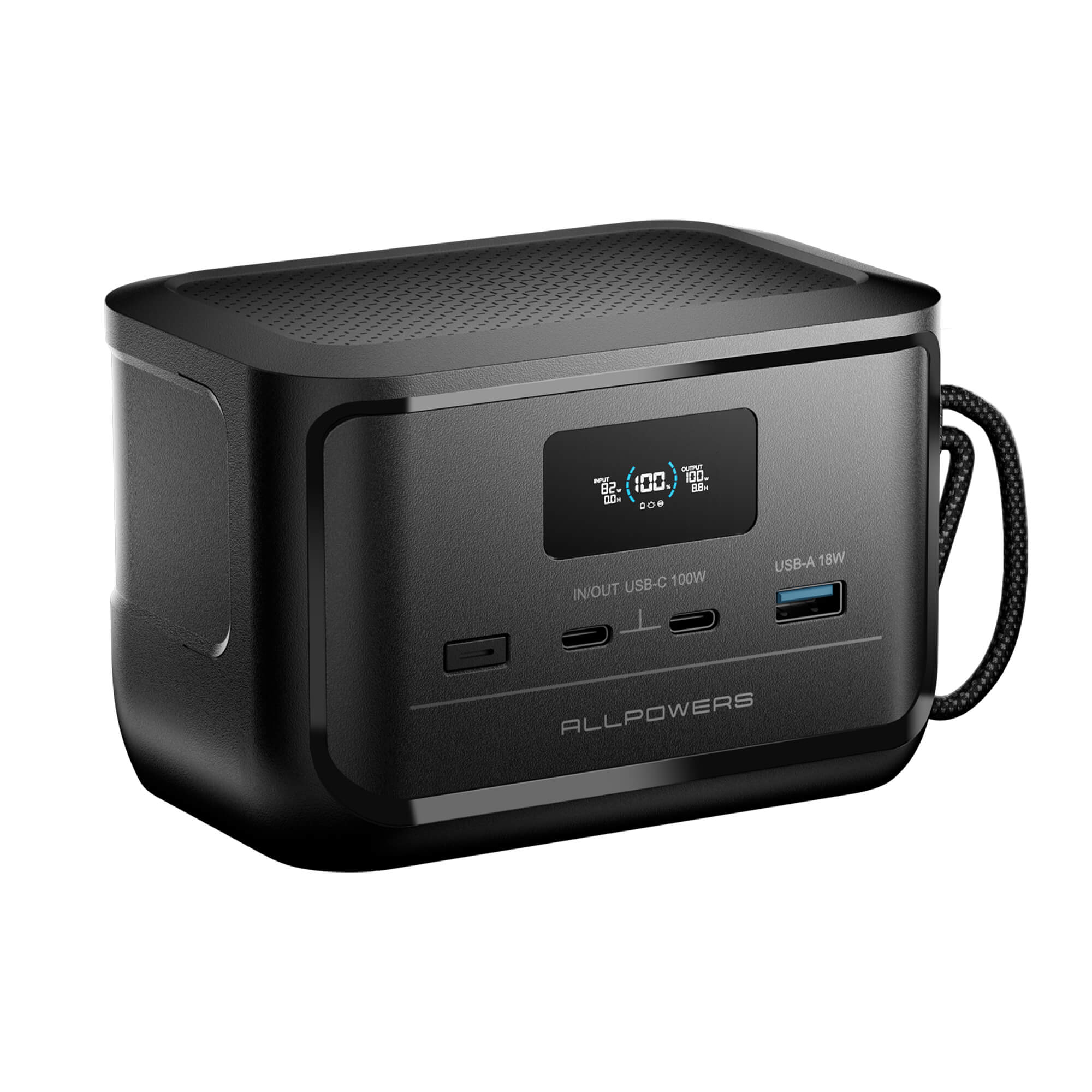
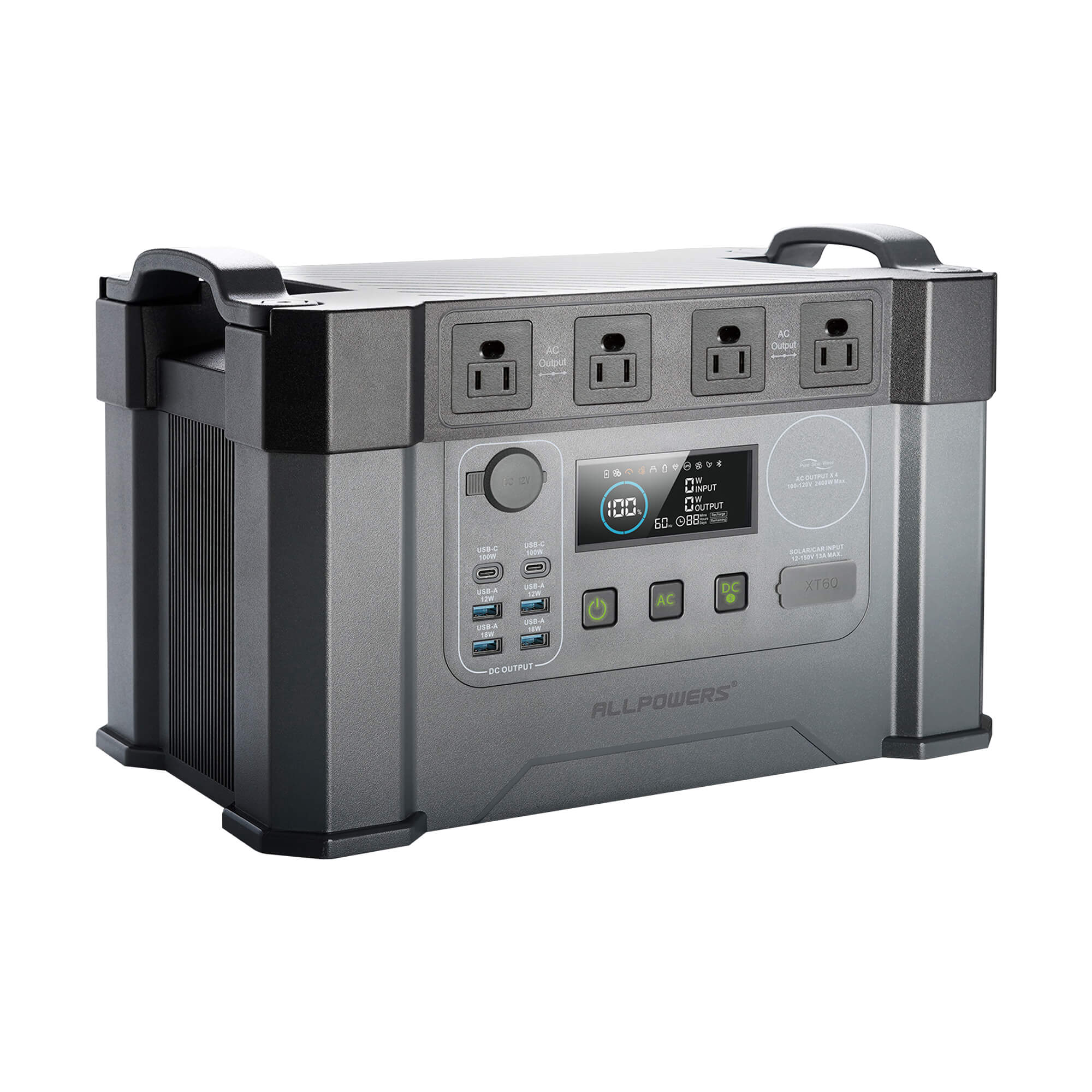
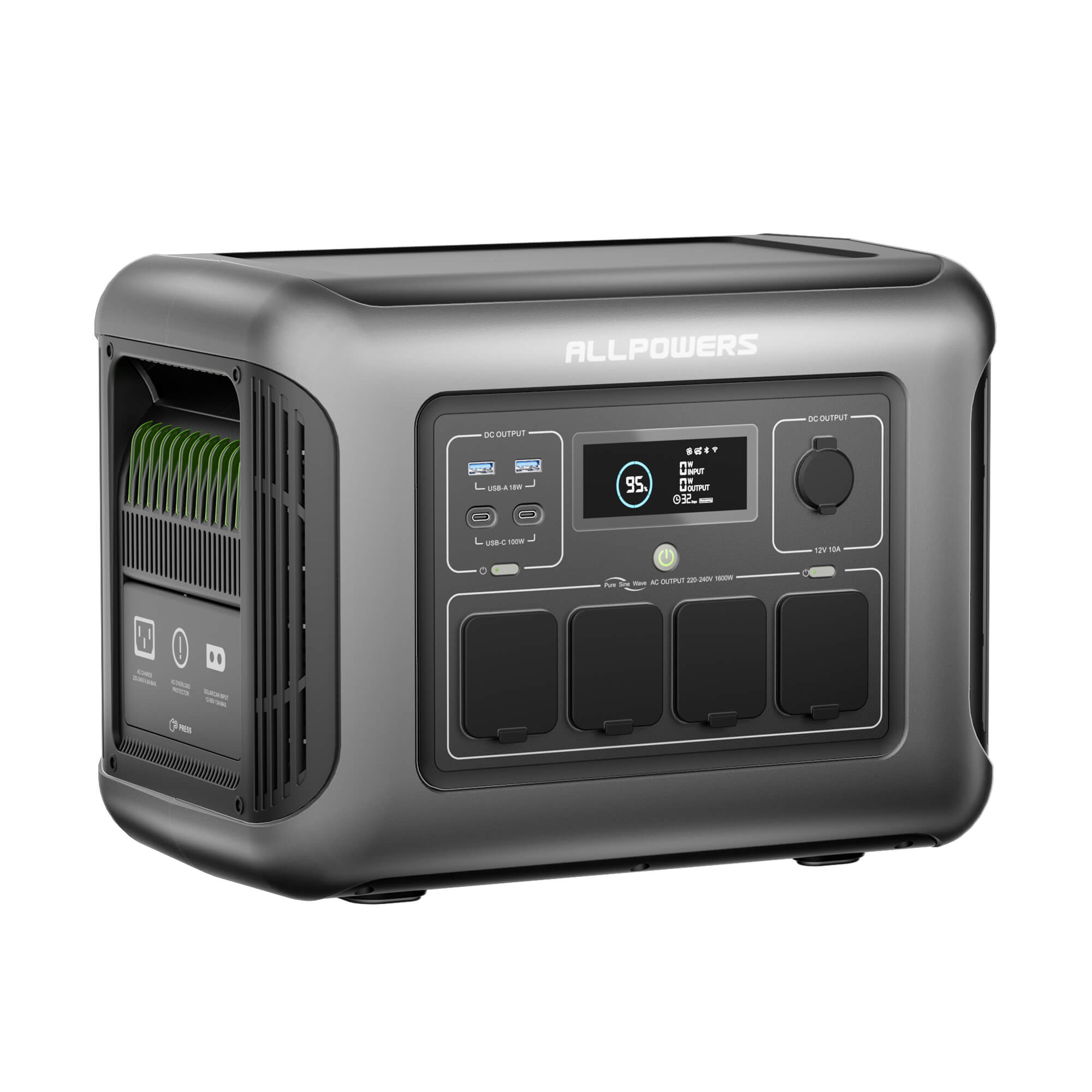
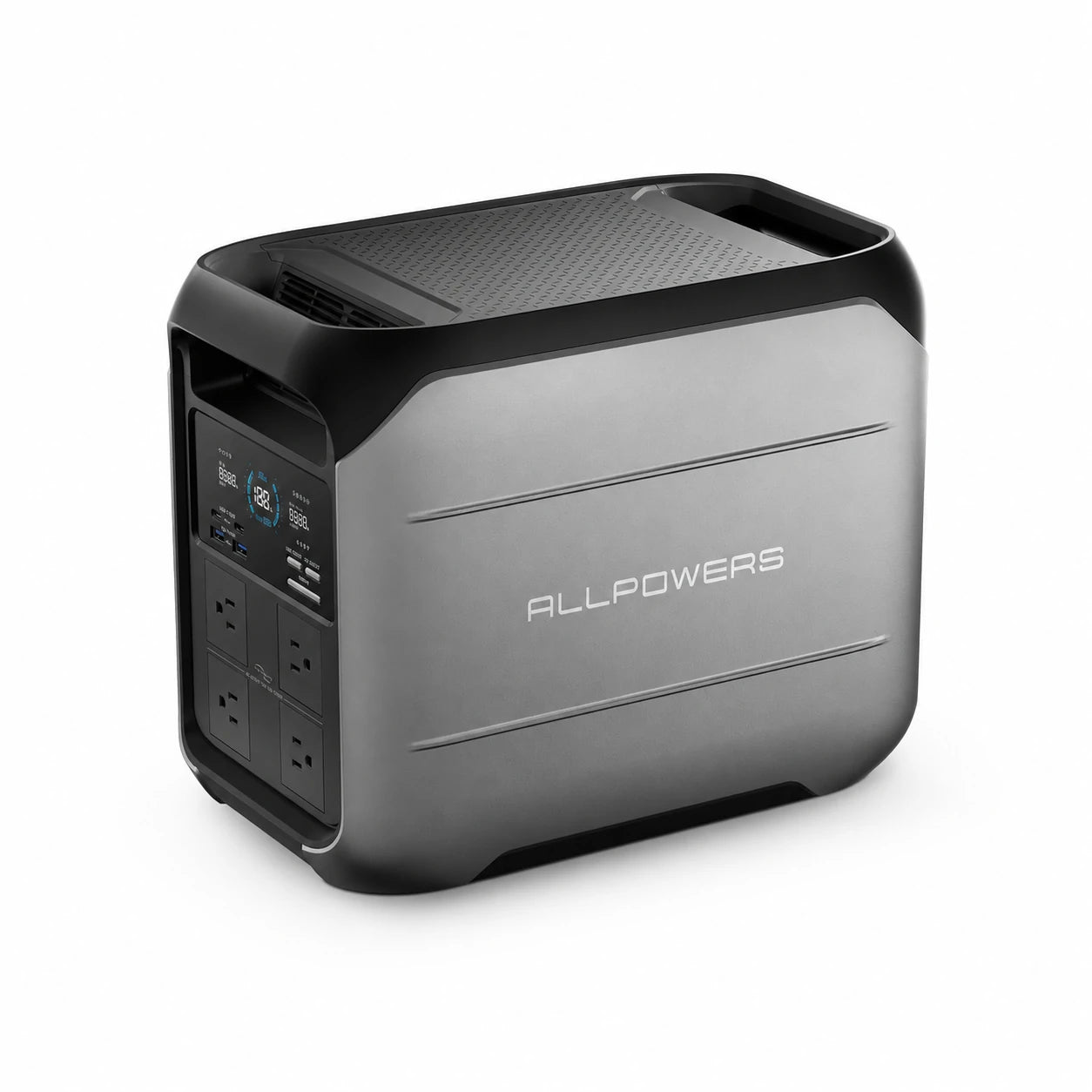
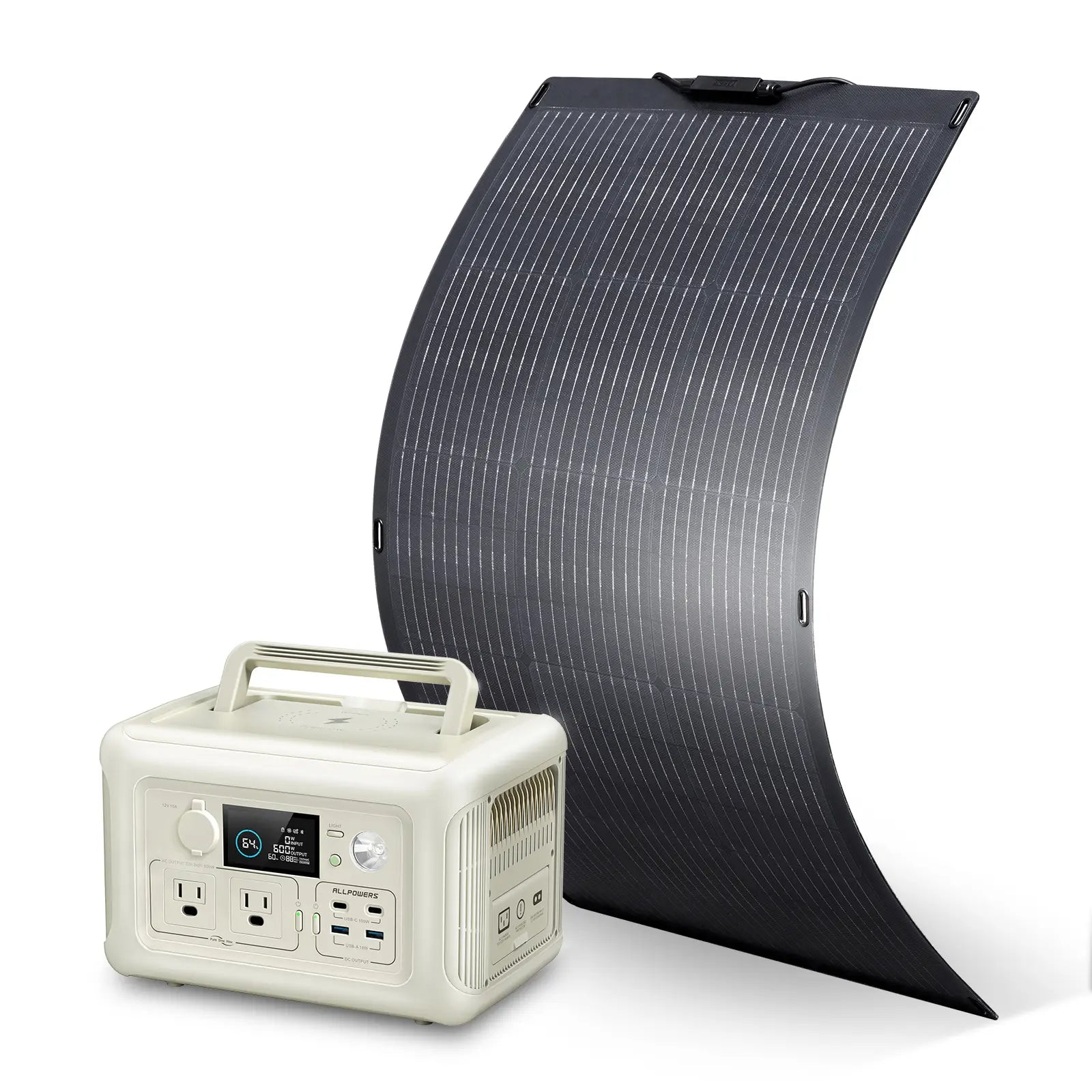
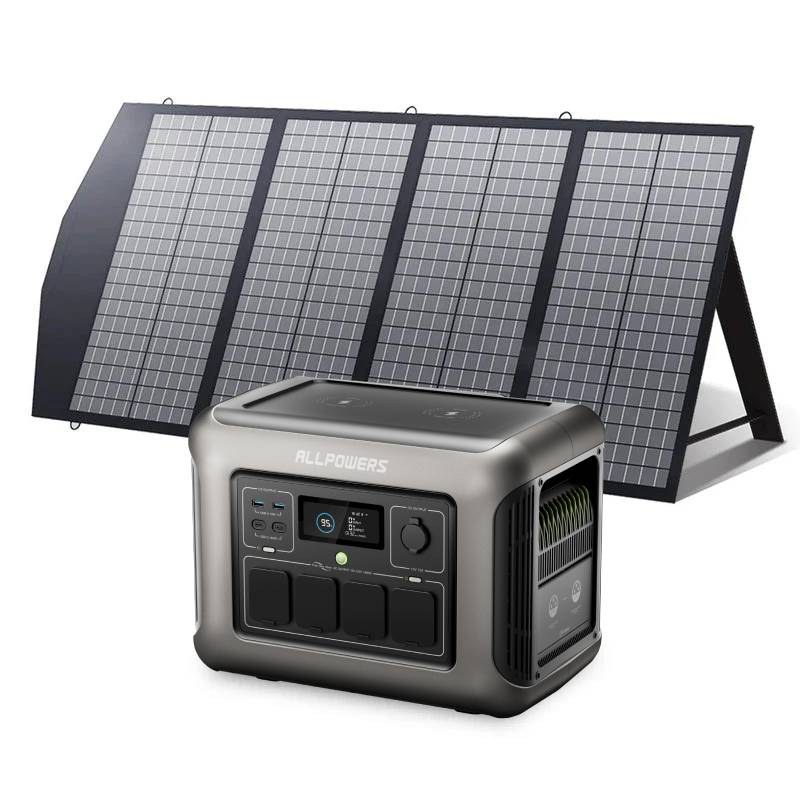
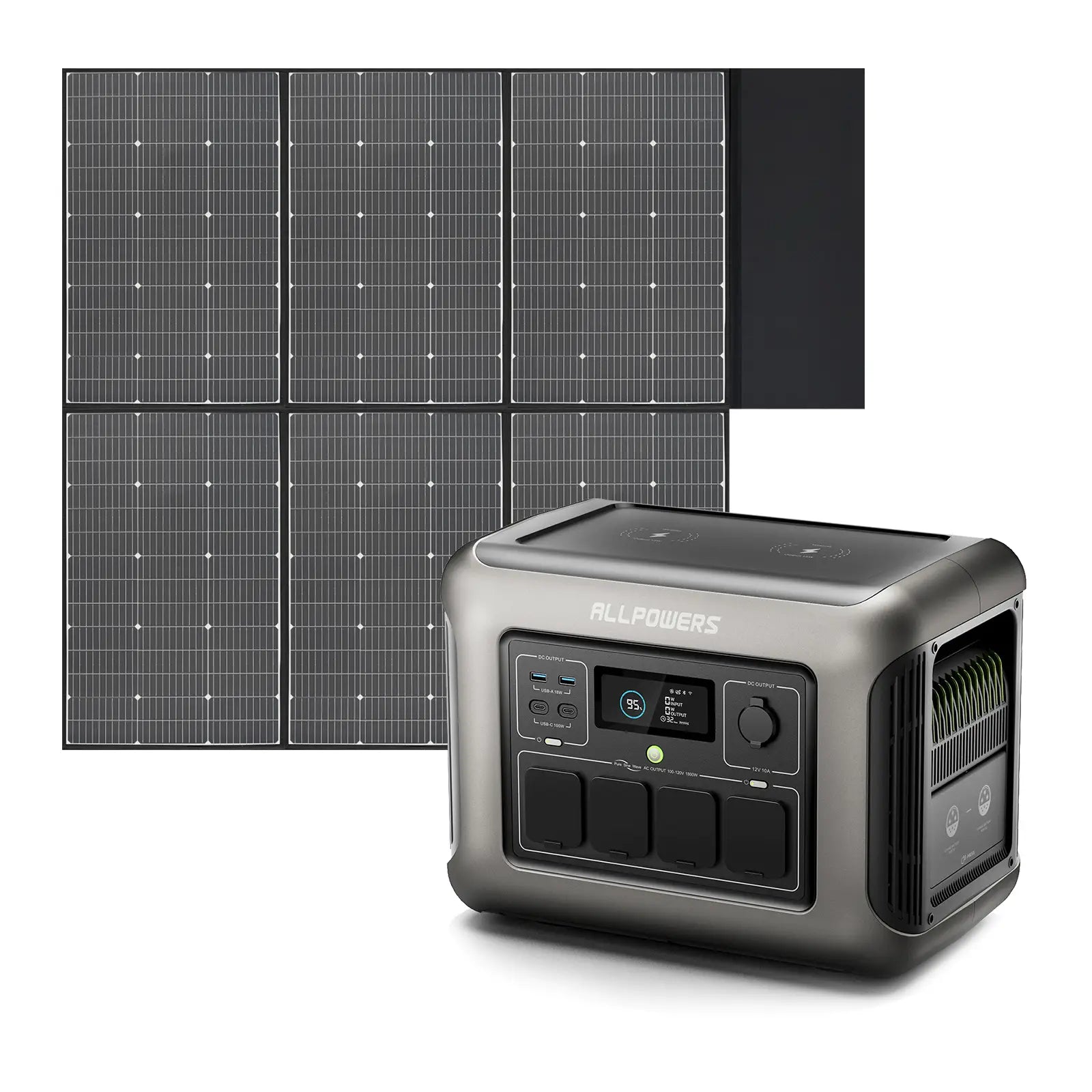
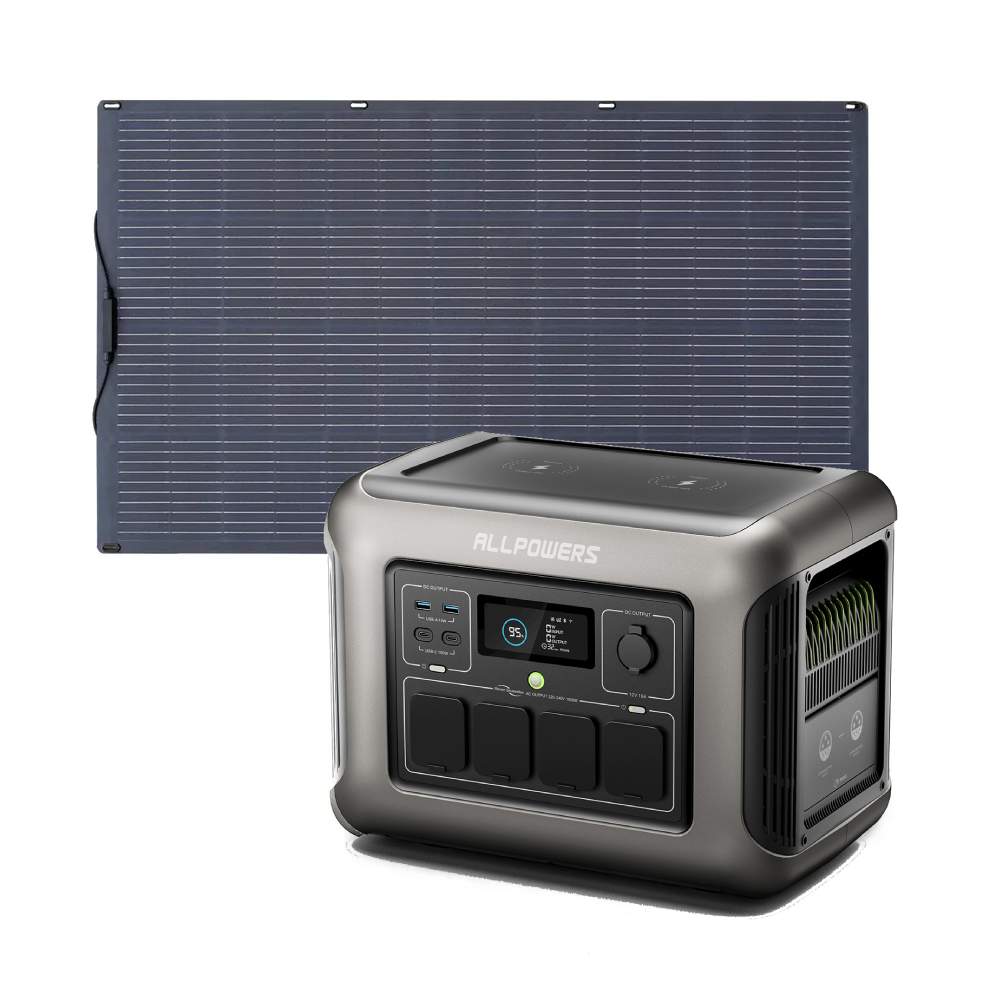
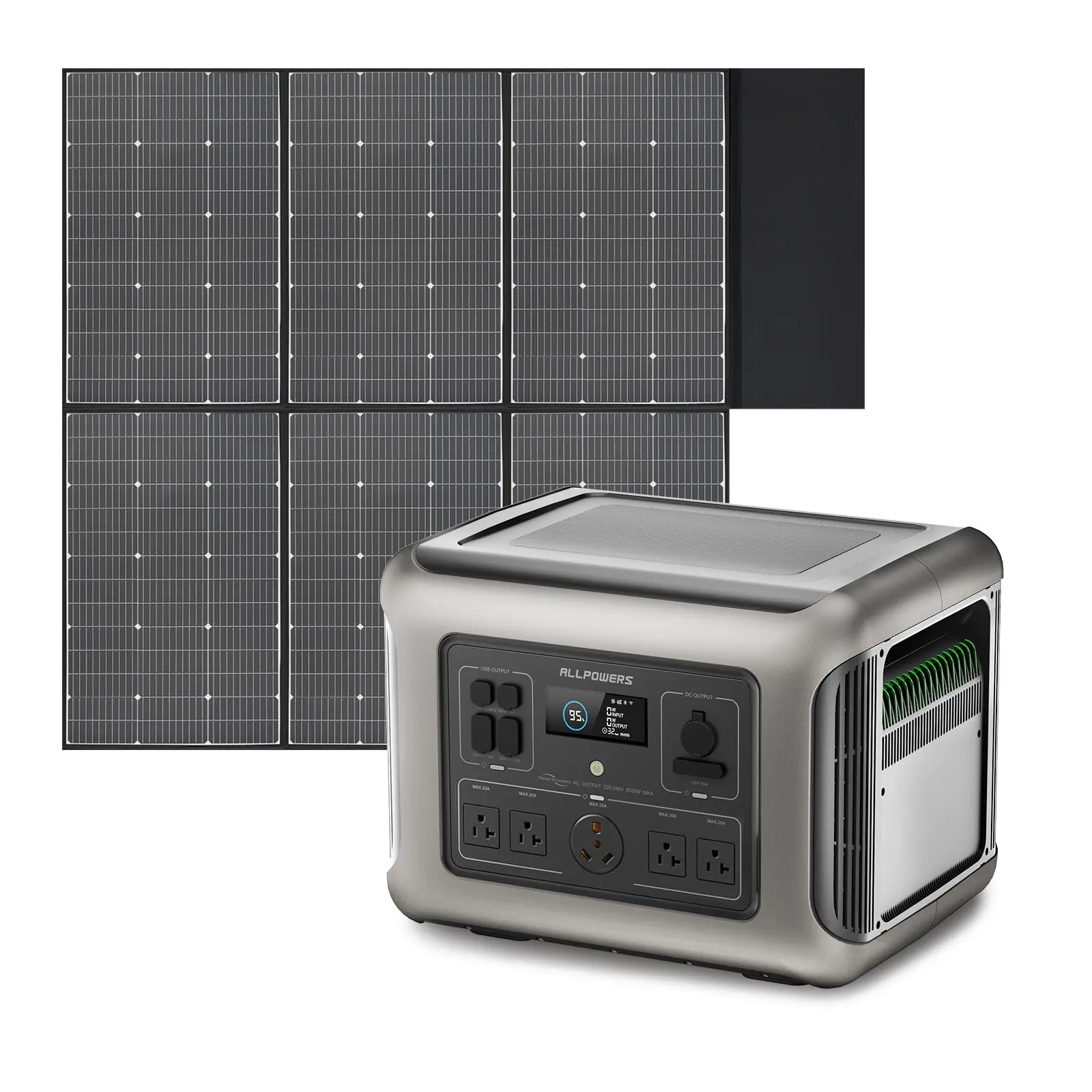
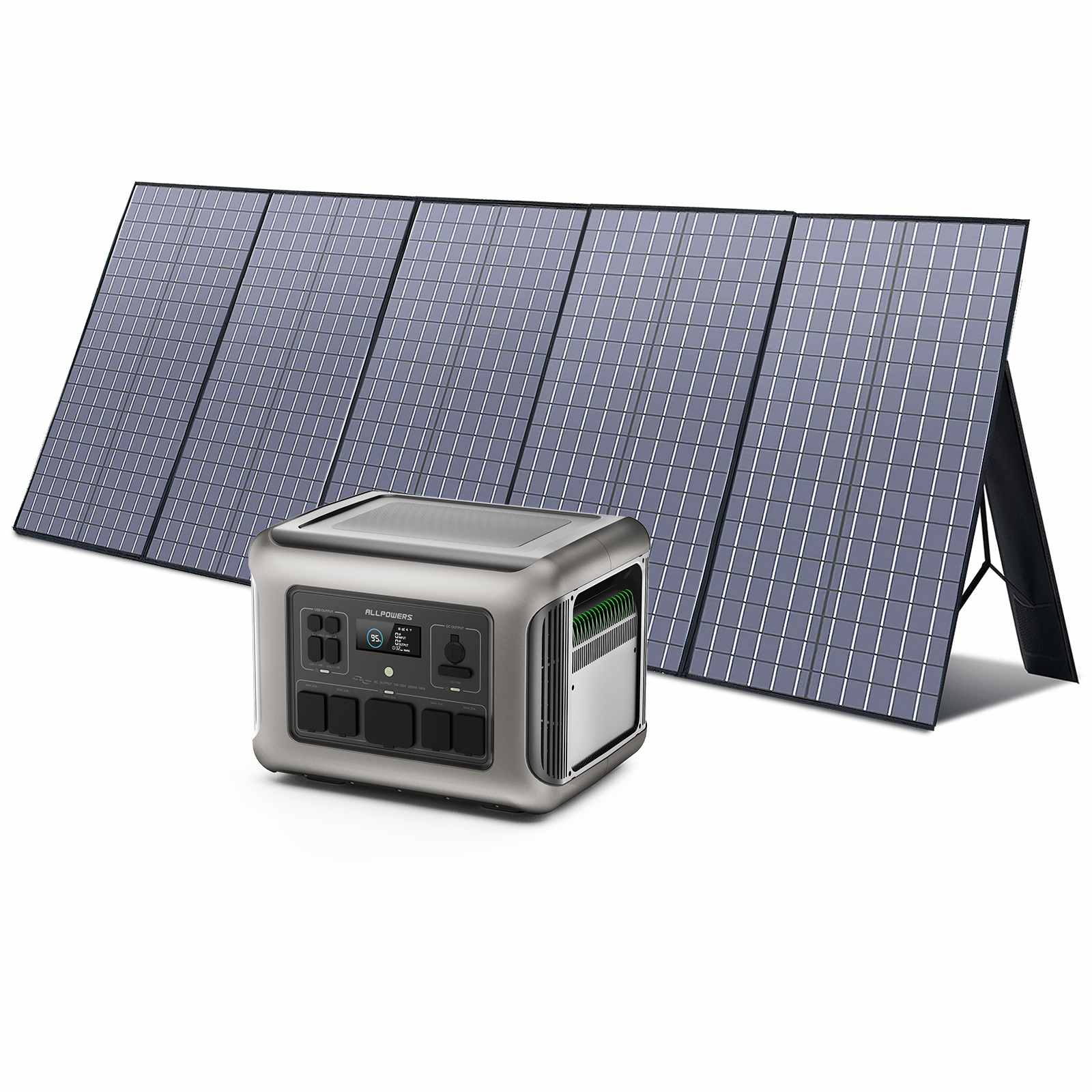
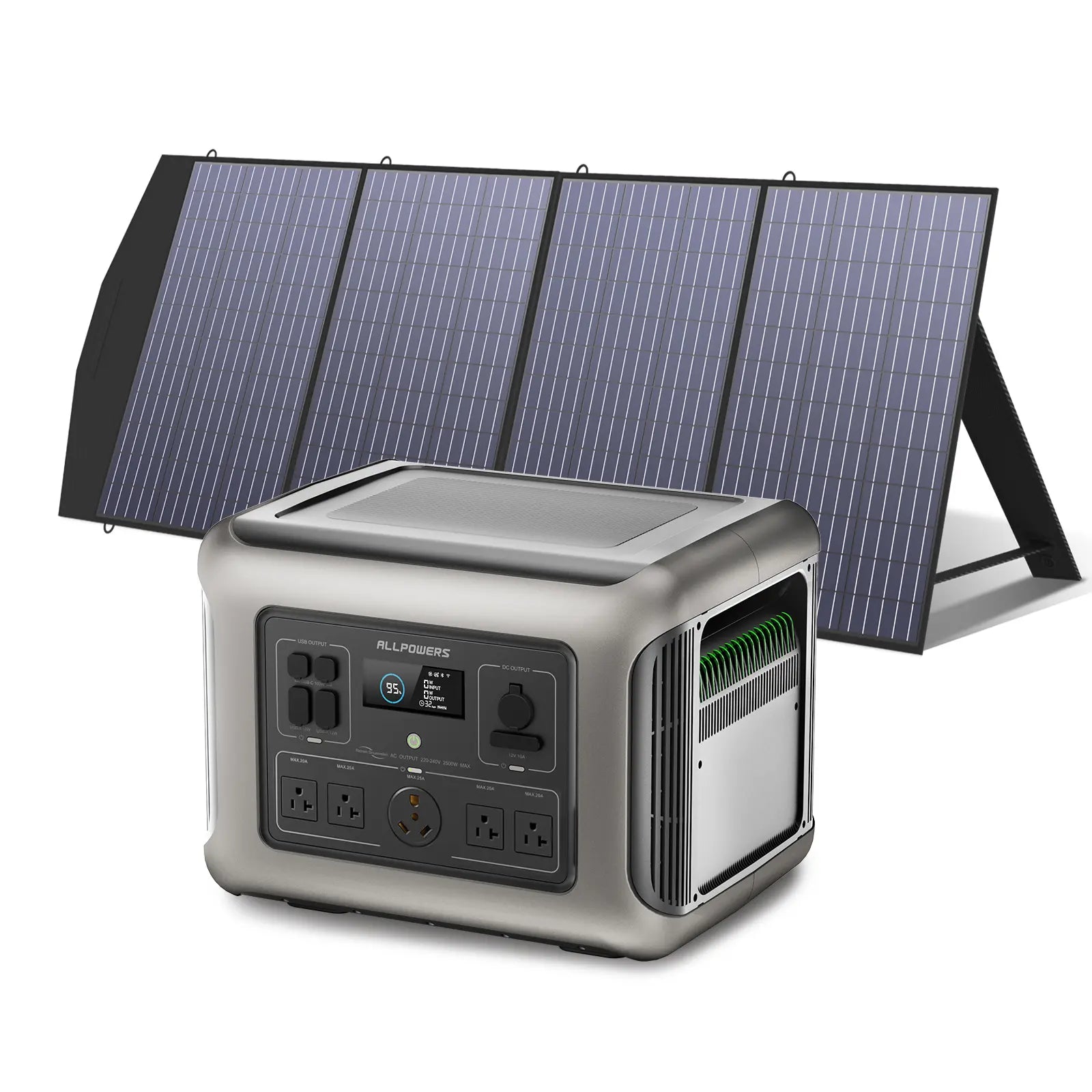
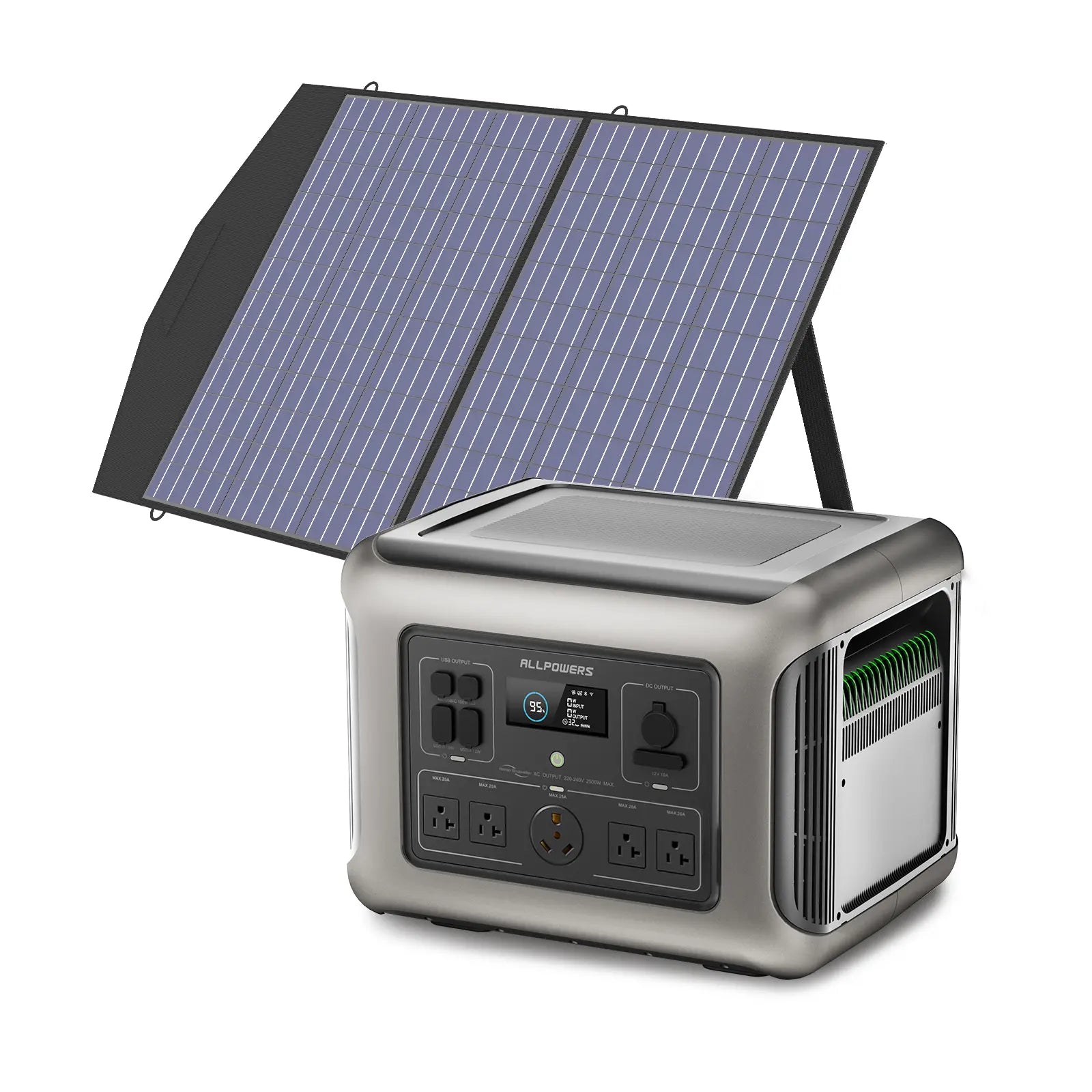
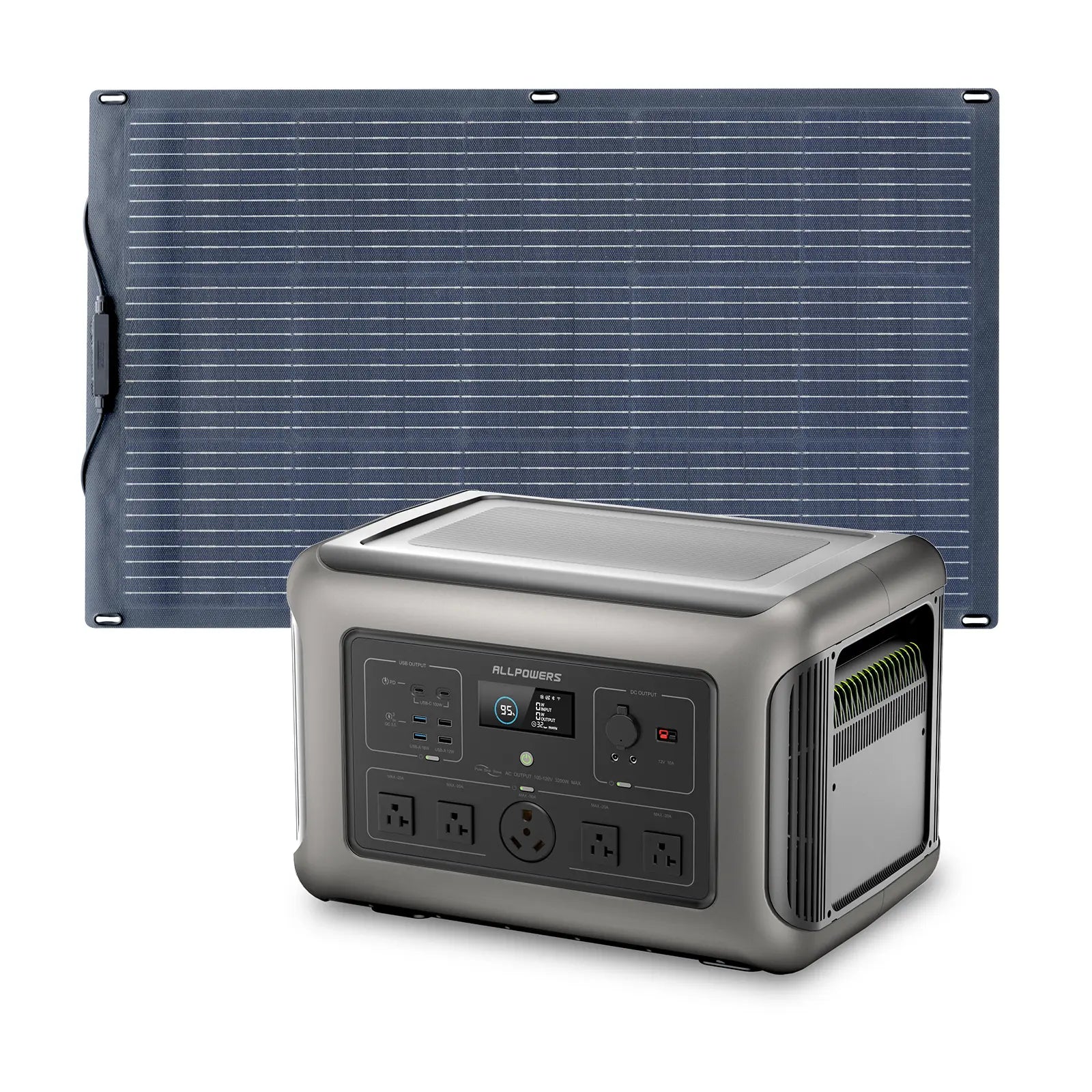
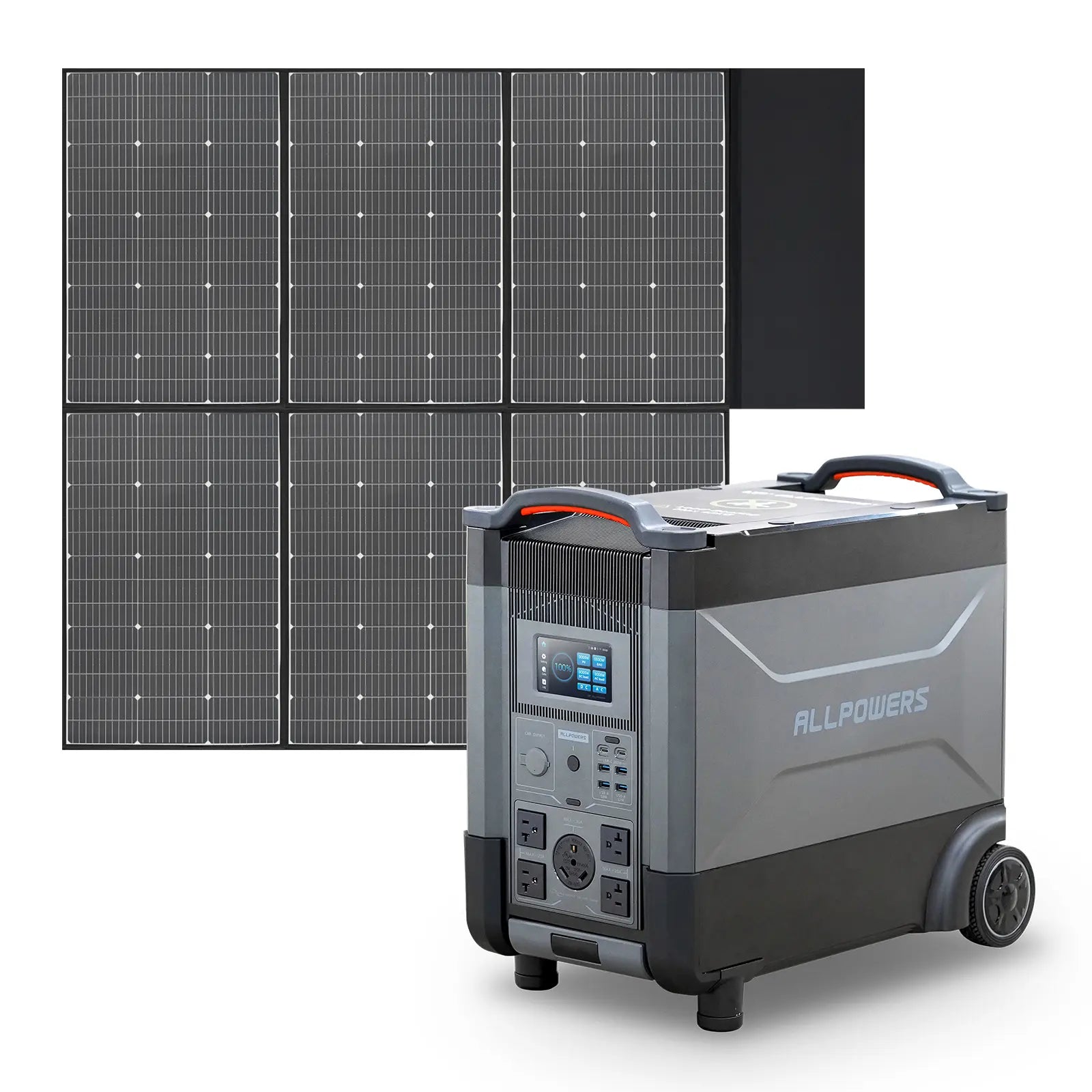
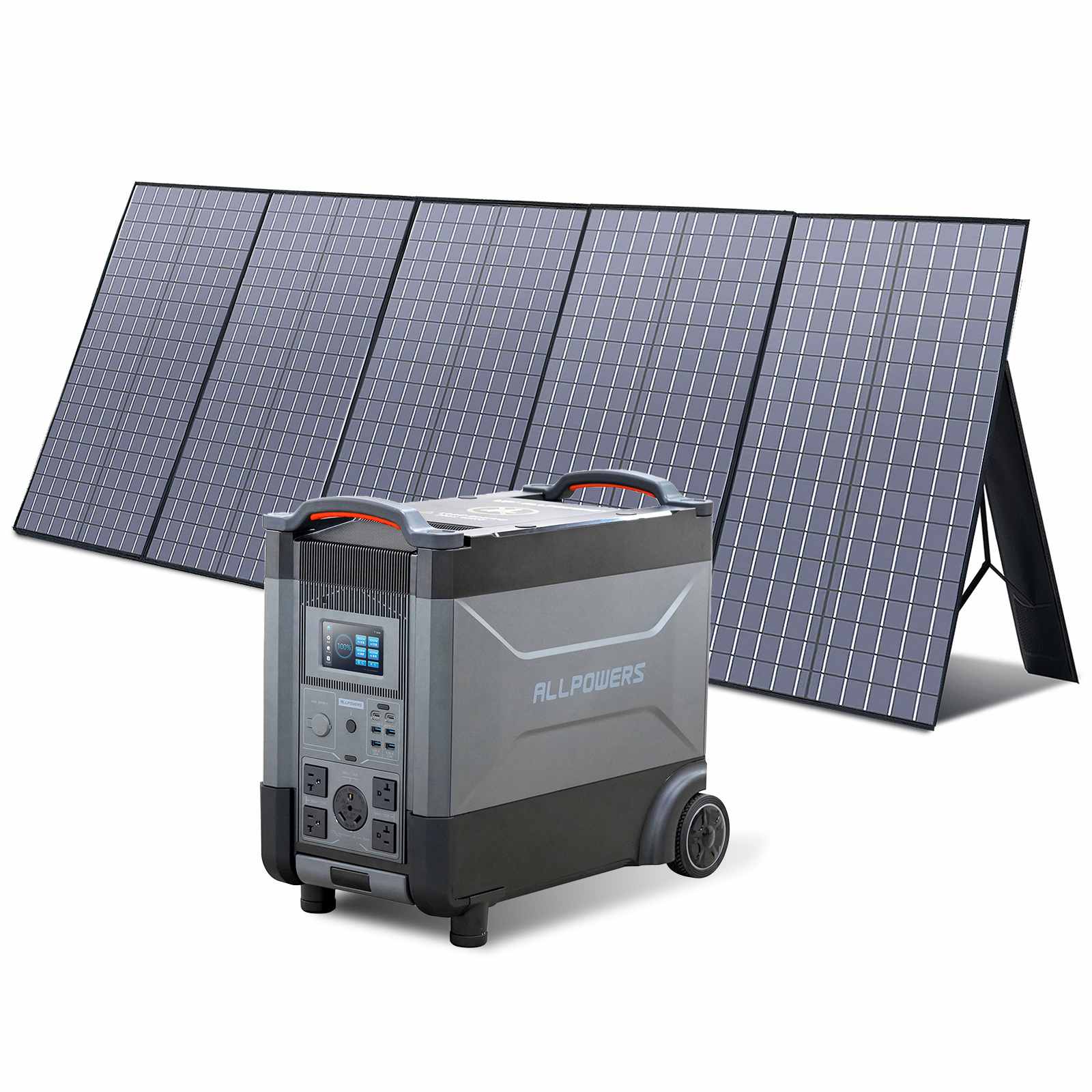
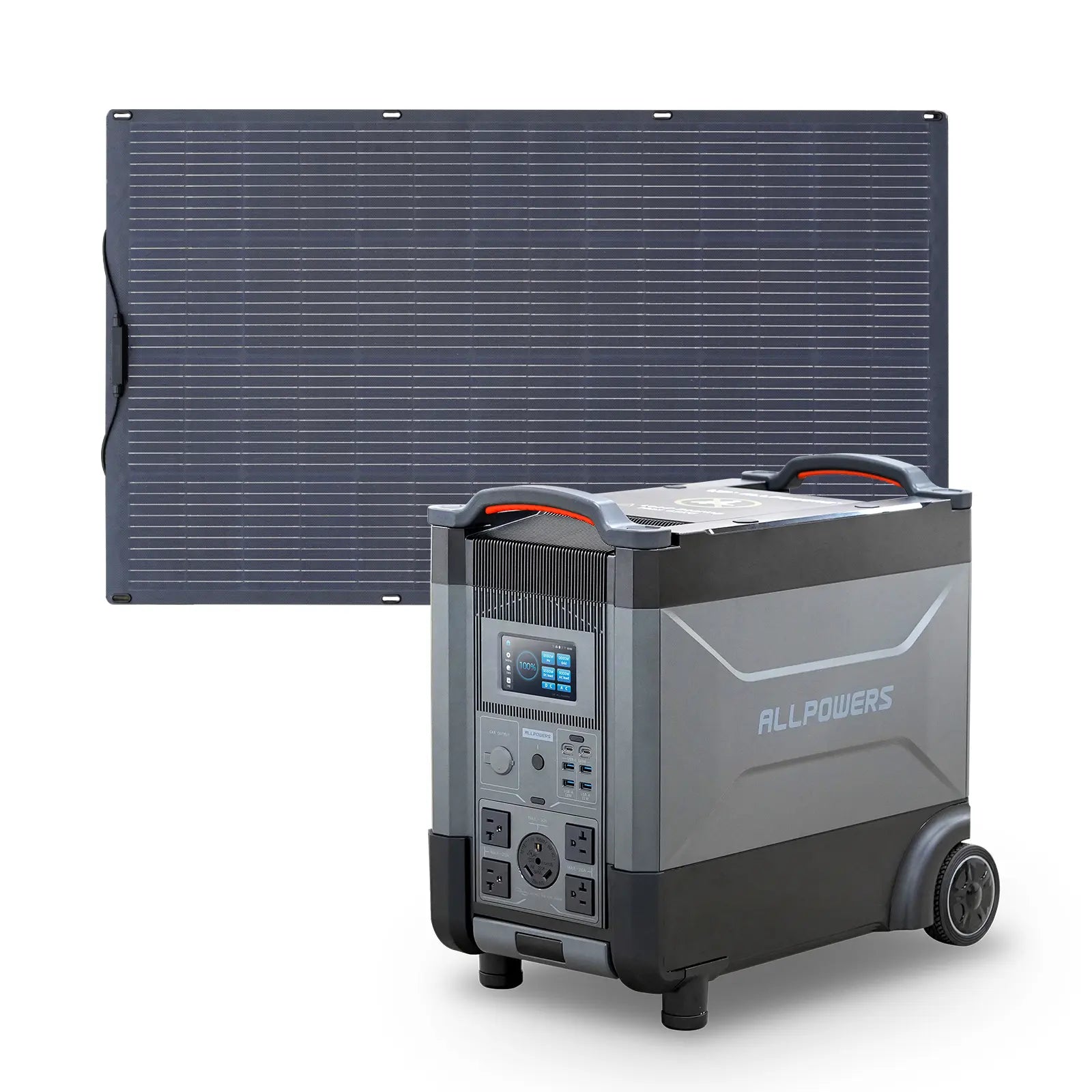
Portable power stations, particularly the higher-capacity lithium models, now provide enough wattage for many household essentials without fumes, noise, or fuel.
I’m not saying they replace a 7,500-watt gas generator in every scenario—heavy HVAC loads or electric heating still lean toward combustion engines.
But for essential loads or moderate whole-home support, portable power stations offer something people increasingly care about: clean, quiet, simple backup.
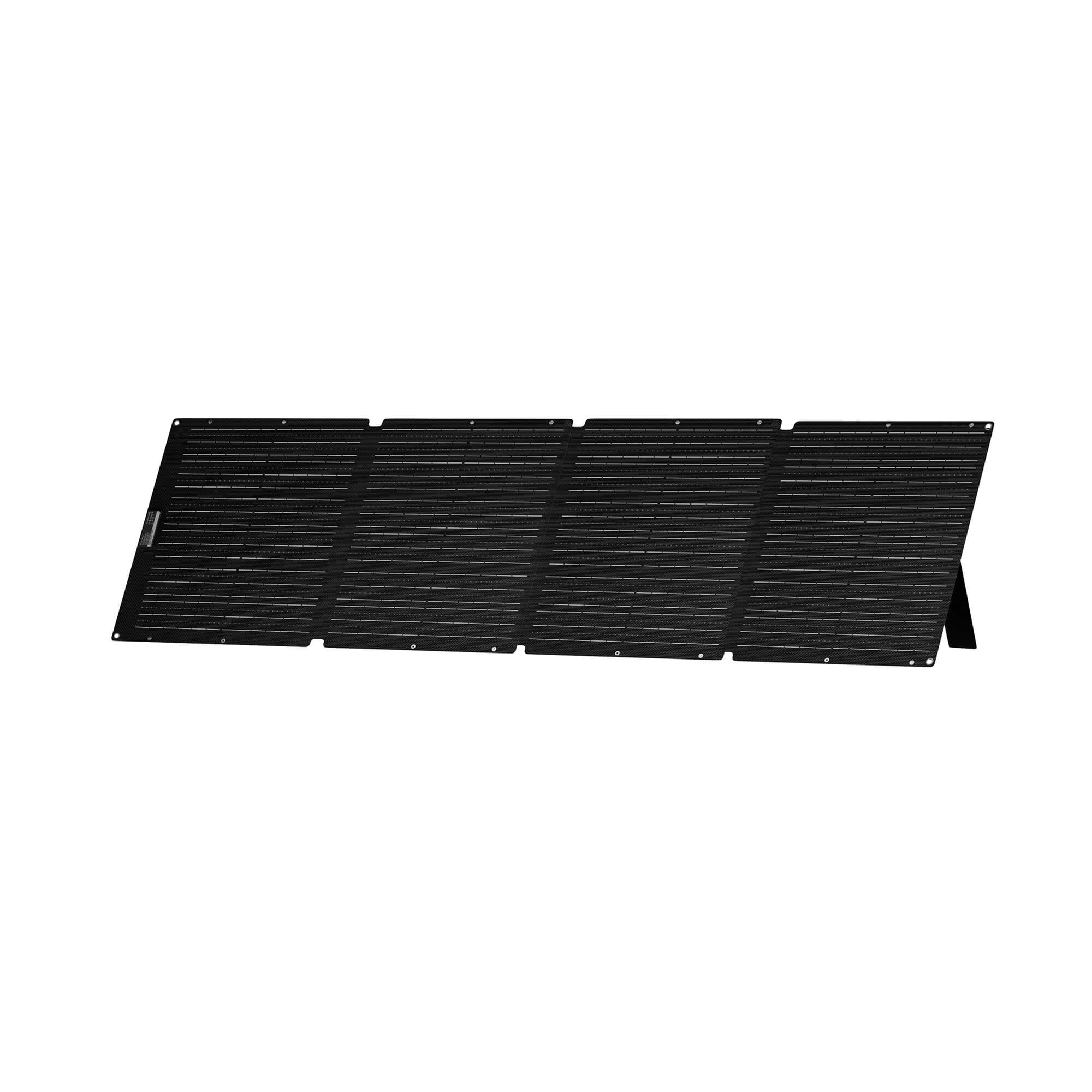
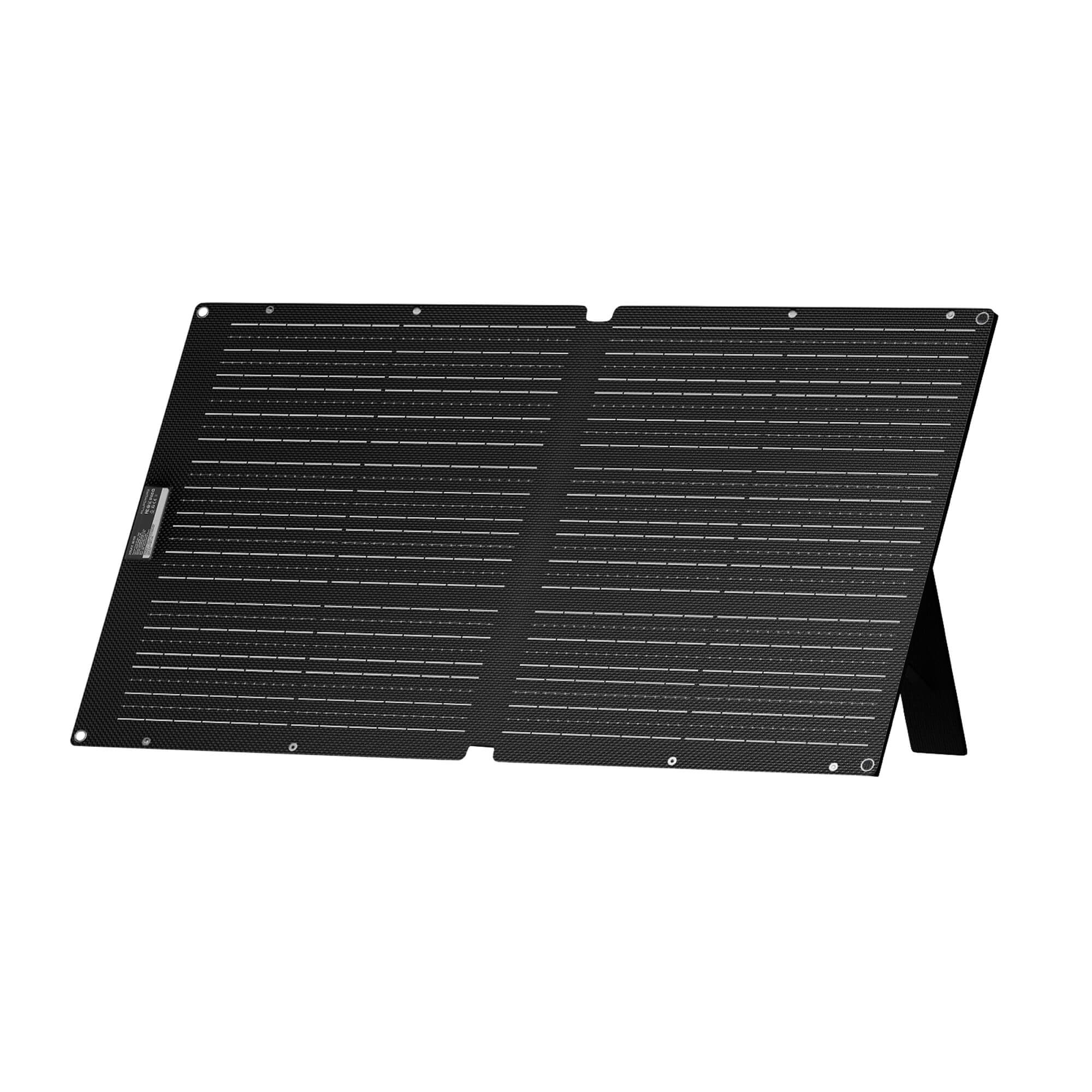
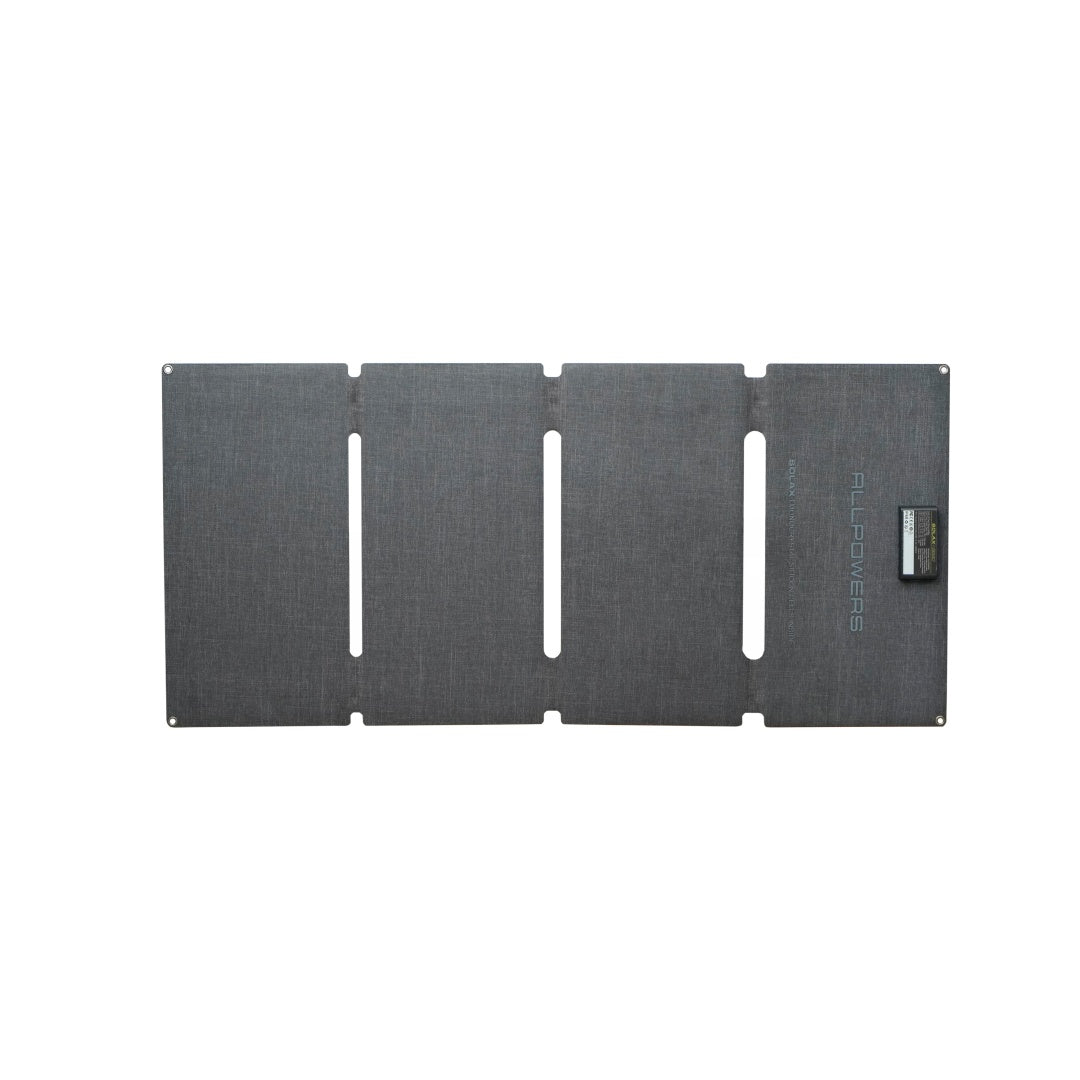
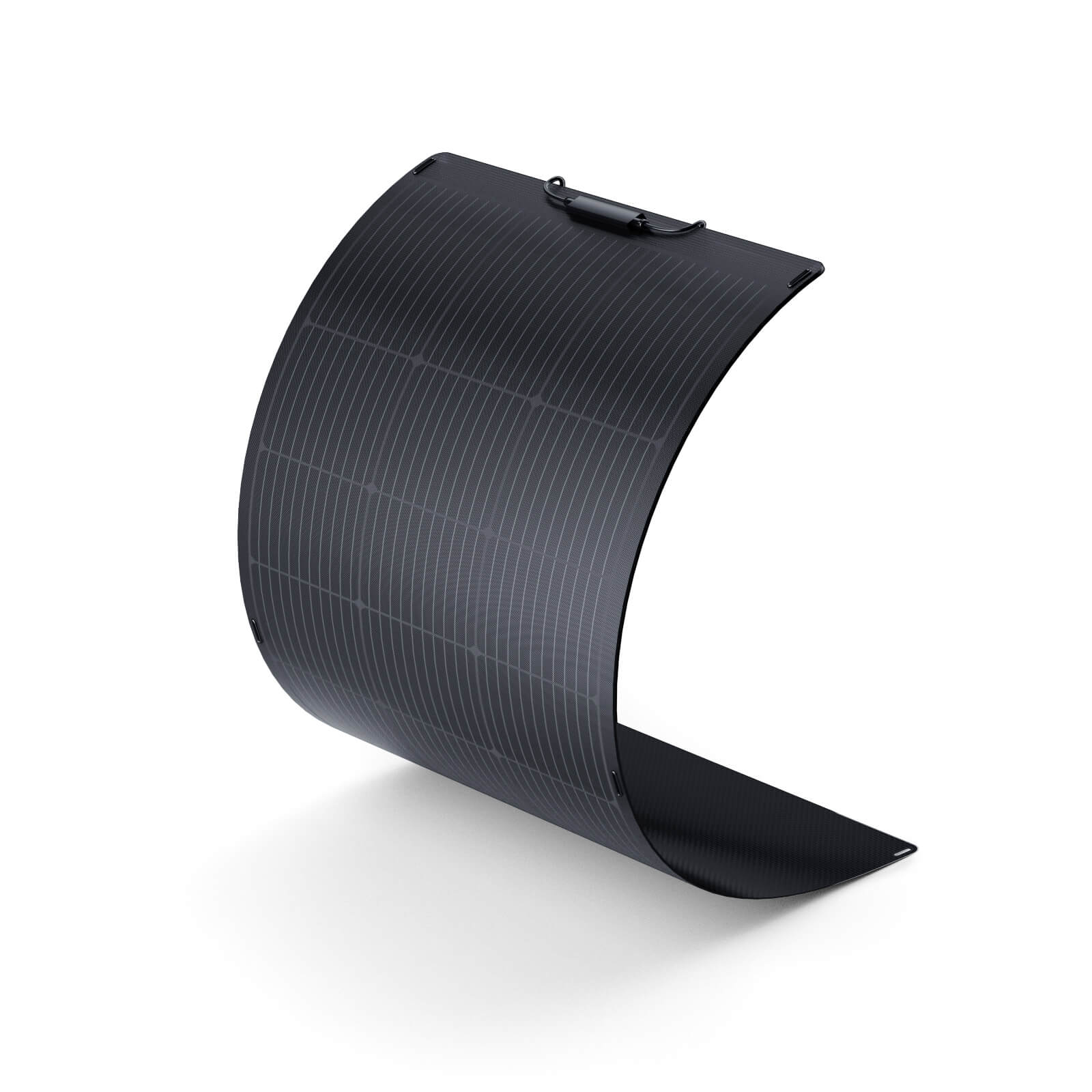
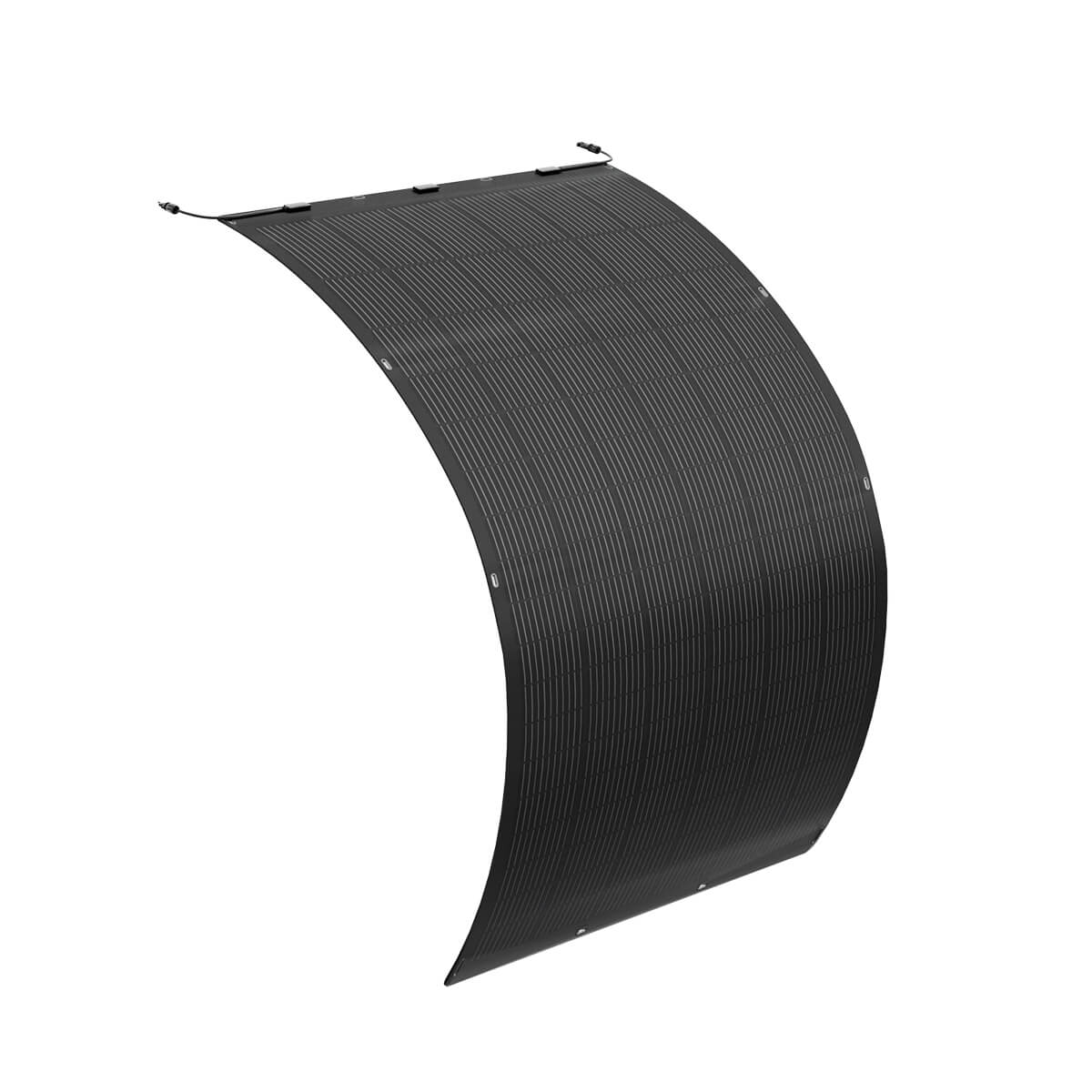
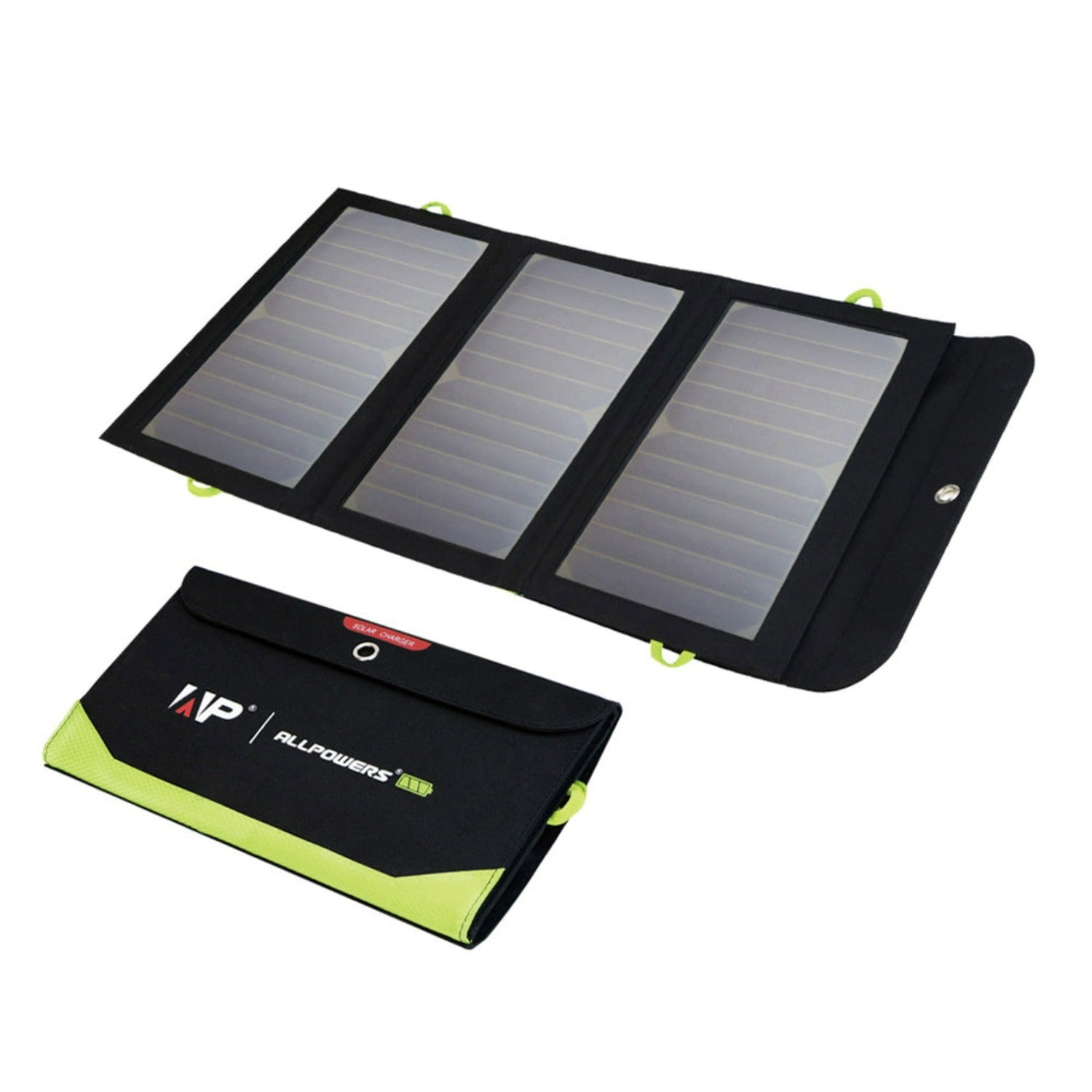
They also pair naturally with rooftop or portable solar panels, letting you recharge throughout the day during prolonged outages.
And because they deliver stable, pure sine wave power, sensitive electronics run safely without the voltage dips many small generators struggle with.
Even if someone uses a gas generator for whole-home backup, a portable power station can handle nighttime needs or indoor essentials more comfortably.
It’s often the combination that creates the most resilient, flexible setup.
How Appliance Choices Influence Total Wattage
Newer appliances can dramatically cut your wattage needs. An Energy Star fridge often uses half the power of an old top-freezer model.
LED lighting practically sips electricity. High-efficiency gas furnaces run smarter and draw gentler loads.
Upgrading appliances doesn’t just reduce your daily bill—it shrinks your emergency power requirements.
A 1000 sq ft home with modern electronics might run smoothly on a smaller generator than a similarly sized home with aging equipment.
Conclusion
A generator with around 3,500 to 4,500 running watts can usually cover the most essential parts of a home this size.
If you want more comfort, especially with air conditioning or high-surge tools, then 5,000 to 7,500 watts gives a better buffer.
Gas generators offer extended runtime and heavy-duty capacity but come with noise, fumes, and maintenance.
Solar generators are quieter, cleaner, and easier to integrate into small spaces, though they shine best for essentials rather than full-home power.