

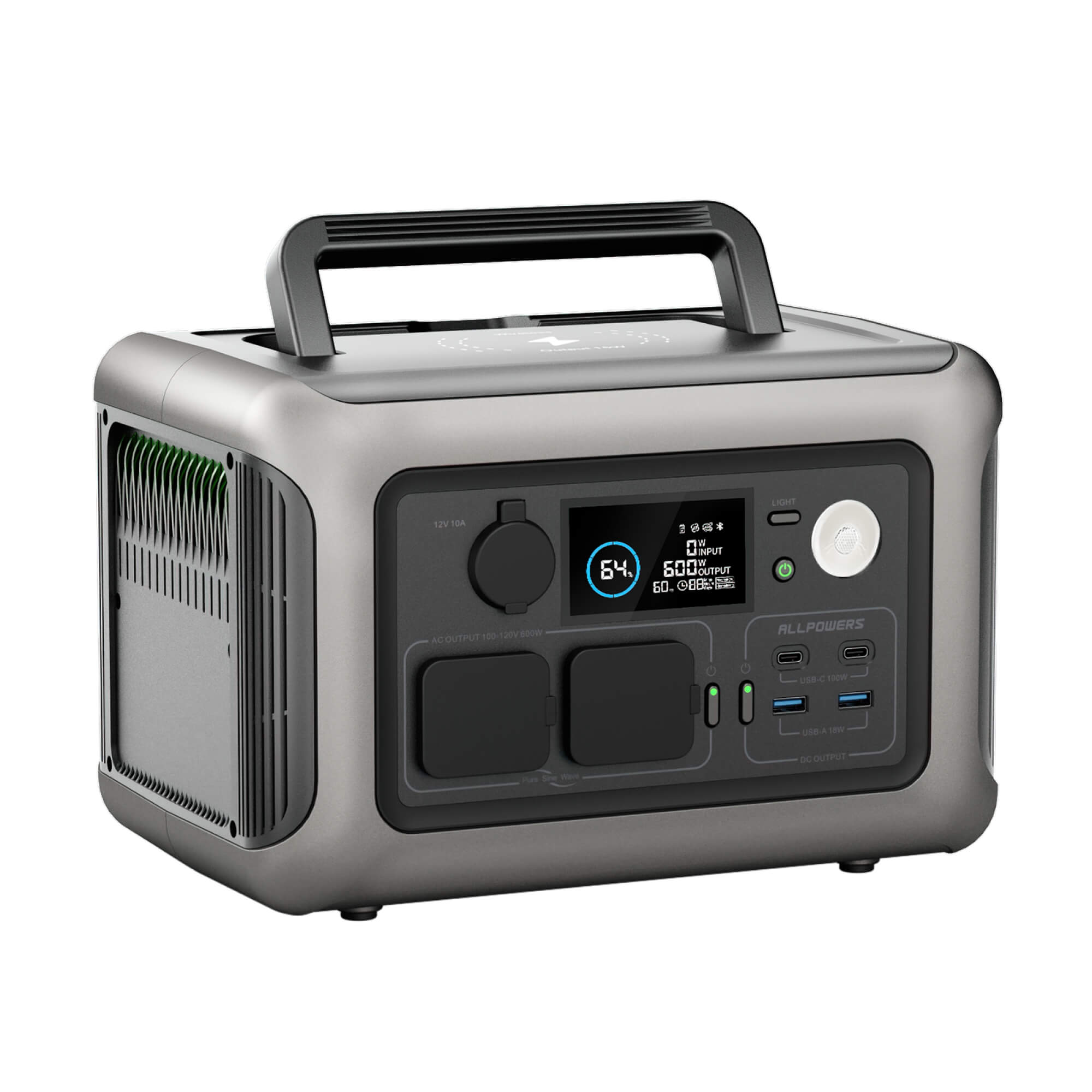
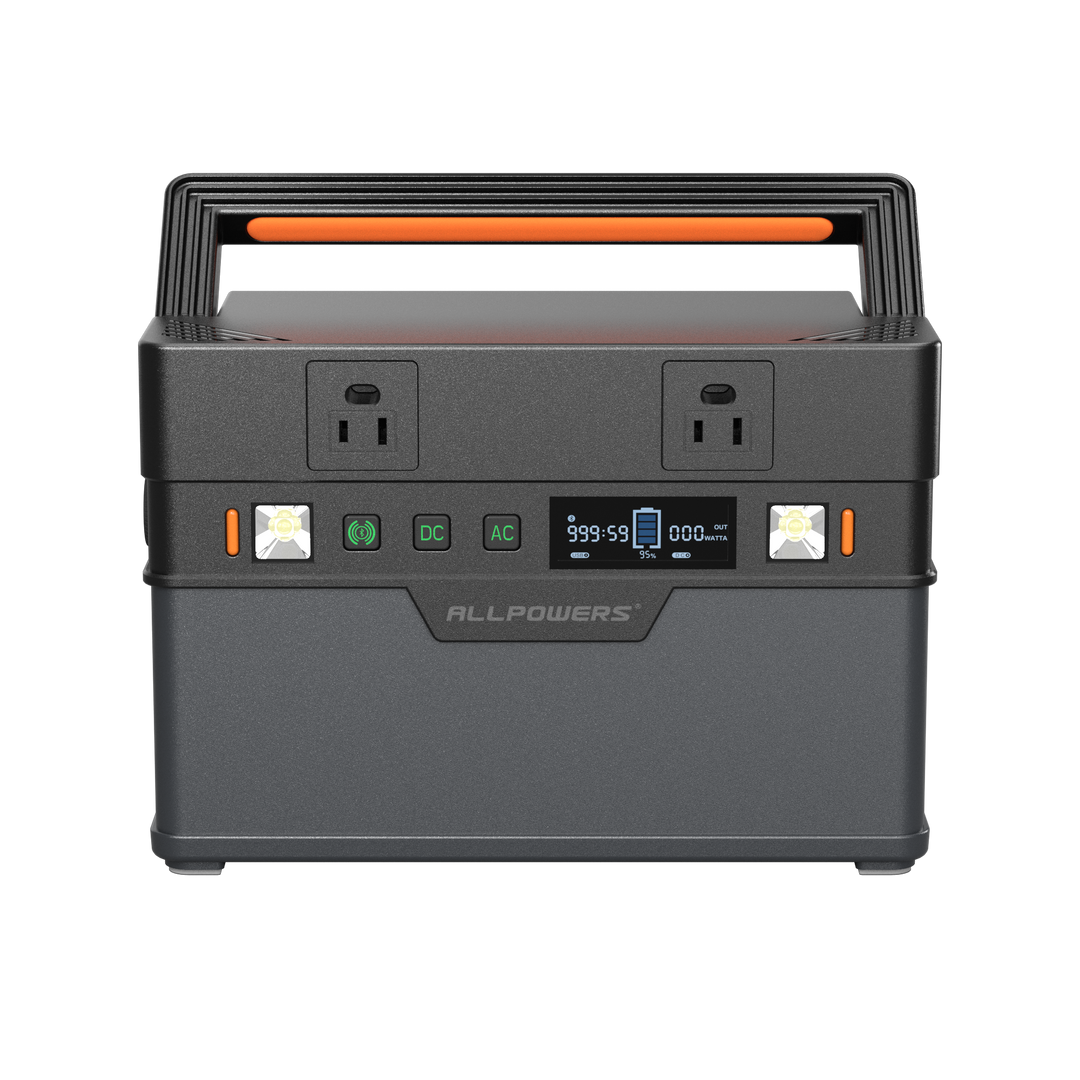

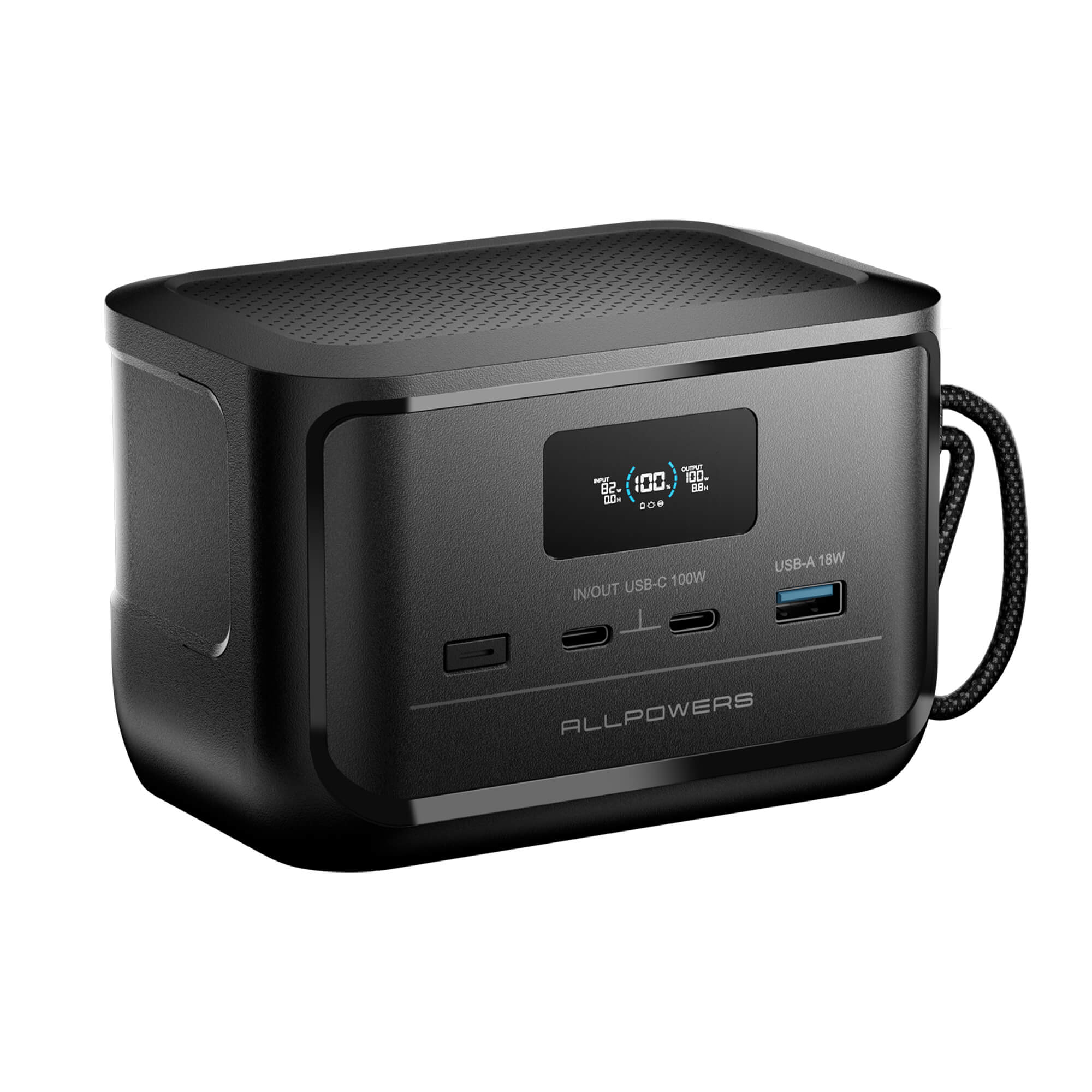

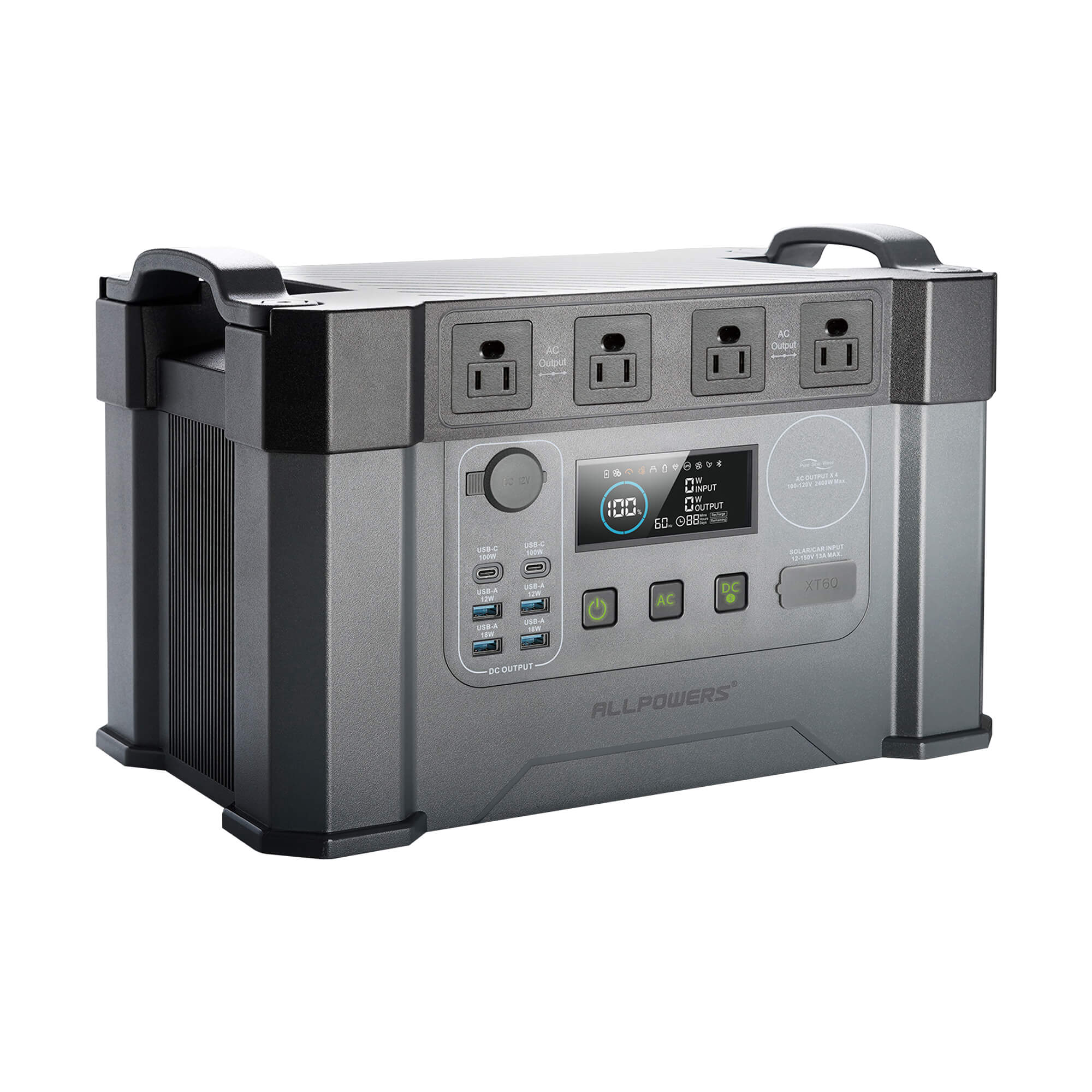




Power outages have a bad habit of showing up at the worst possible moment—usually during a heavy storm.
If you've ever waded through a flooded basement, you know the panic that sets in when a sump pump fails.
It's not just water—it's your carpet, your furniture, your memories on the line.
So it’s only natural to ask whether a portable power station can really run a sump pump when the lights go out, and the rain won’t quit, right?
TL;DR
Yes, a portable power station can run a sump pump—but only if the numbers line up. You need enough surge power to handle startup, enough battery capacity to last through the outage, and the right expectations about runtime.
What a Sump Pump Actually Needs to Run
On paper, most residential sump pumps look modest.
A typical 1/3 horsepower pump might list a running wattage between 600 and 800 watts. A 1/2 horsepower model might creep closer to 1,000 watts.
That doesn’t sound terrible. But the part that trips people up is the startup surge.
When a sump pump motor kicks on, it briefly draws two to three times its running power.
That means a pump rated at 1,000 watts could spike to 2,000 or even 3,000 watts for a split second.
Honestly, this is why some folks think portable power stations “don’t work” for sump pumps.
So yes, wattage matters, but surge capacity matters more.
| Pump Horsepower (HP) | Typical Running Watts (W) | Critical Starting Watts (W) | Typical Application / Use Case |
| 1/3 HP | 600W – 800W | 1,200W – 2,900W | Smaller homes, light rainfall, lower water tables. Most common entry-level pump. |
| 1/2 HP | 800W – 1,050W | 2,150W – 4,100W | Standard residential workhorse. Handles heavy rain and higher water tables. |
| 3/4 HP | 1,000W – 1,500W | 3,000W – 4,500W | Basements prone to severe flooding, commercial applications, or very large volumes of water. |
How Power Stations Compare to Traditional Generators
Gas generators absolutely work for sump pumps. No argument there. They can run for days with fuel. They handle heavy loads easily. Contractors love them.
But they also require ventilation, maintenance, and a steady fuel supply. During regional outages, fuel lines form fast. Noise becomes an issue, especially at night.
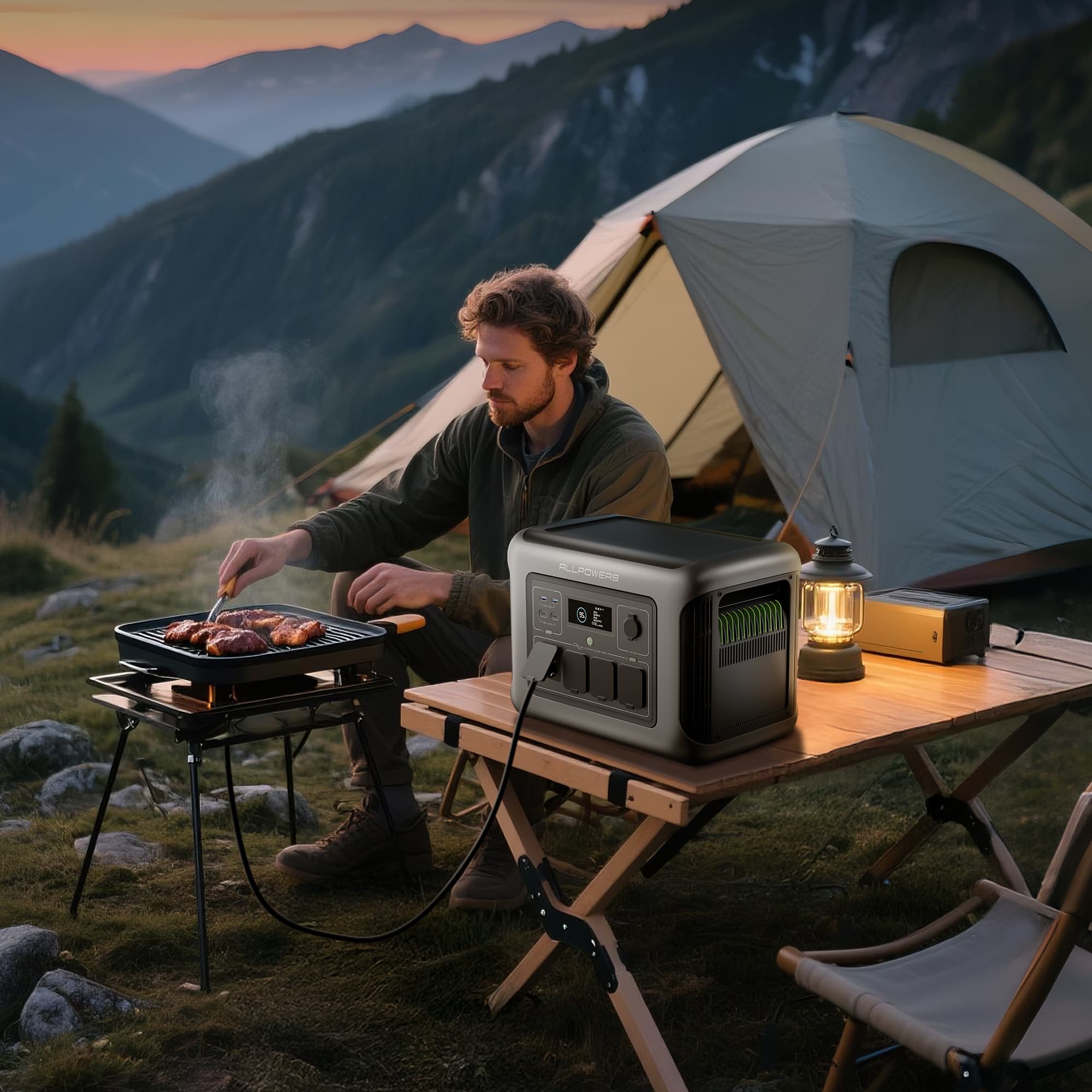
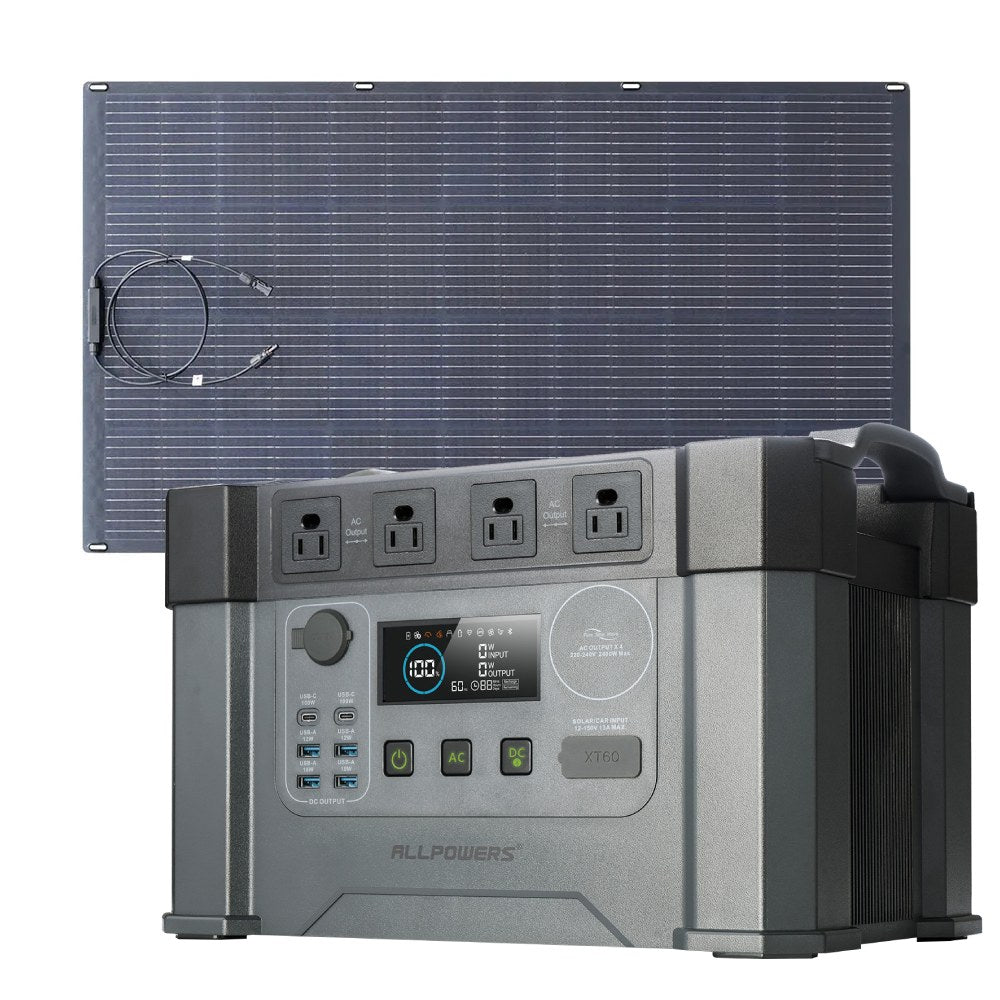
Portable power stations trade raw endurance for simplicity. No fumes. No pull cords. No oil. They’re quiet enough to forget they’re running.
For many households, especially those dealing with occasional outages rather than prolonged ones, the quiet reliability of a battery-based solution feels… calmer.
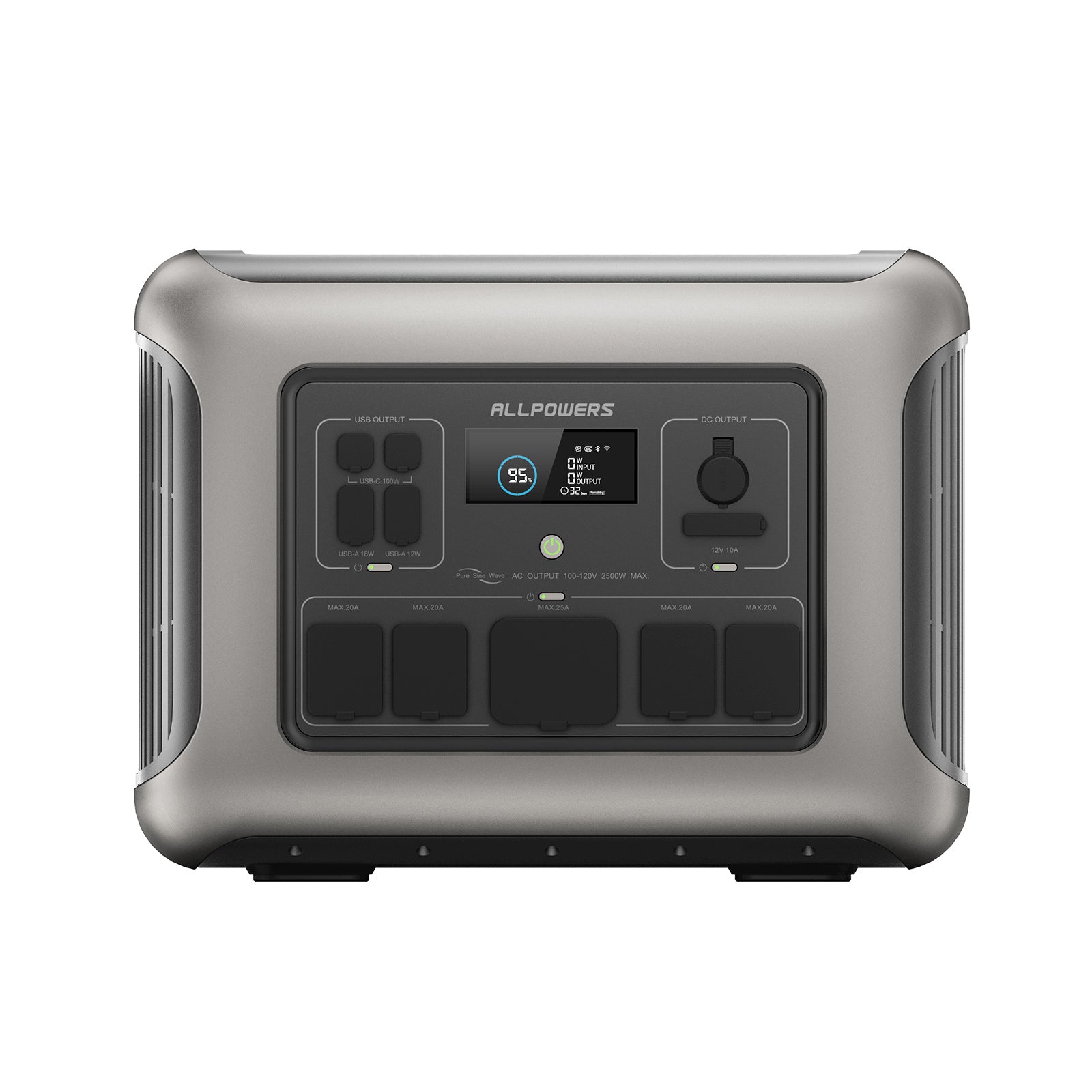
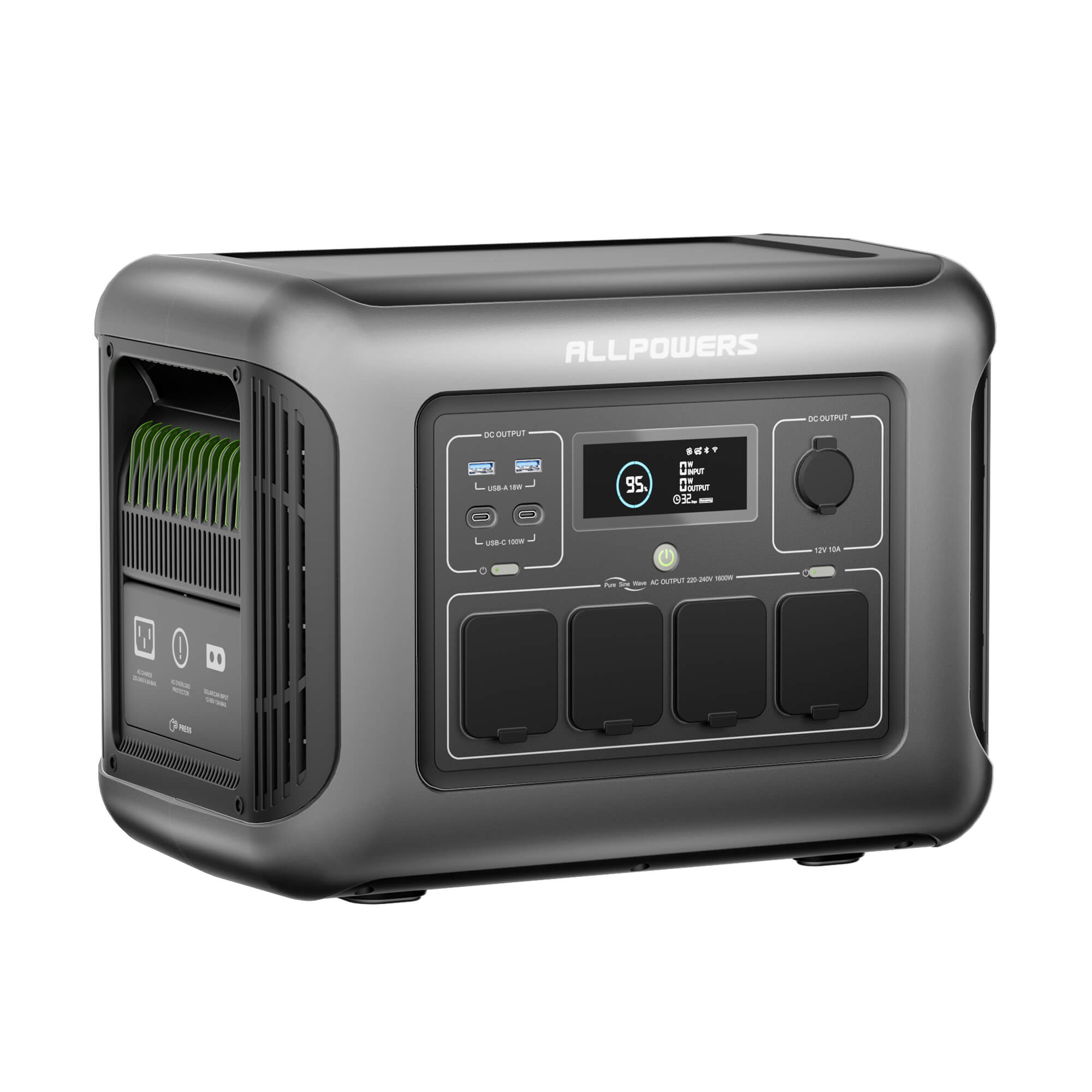
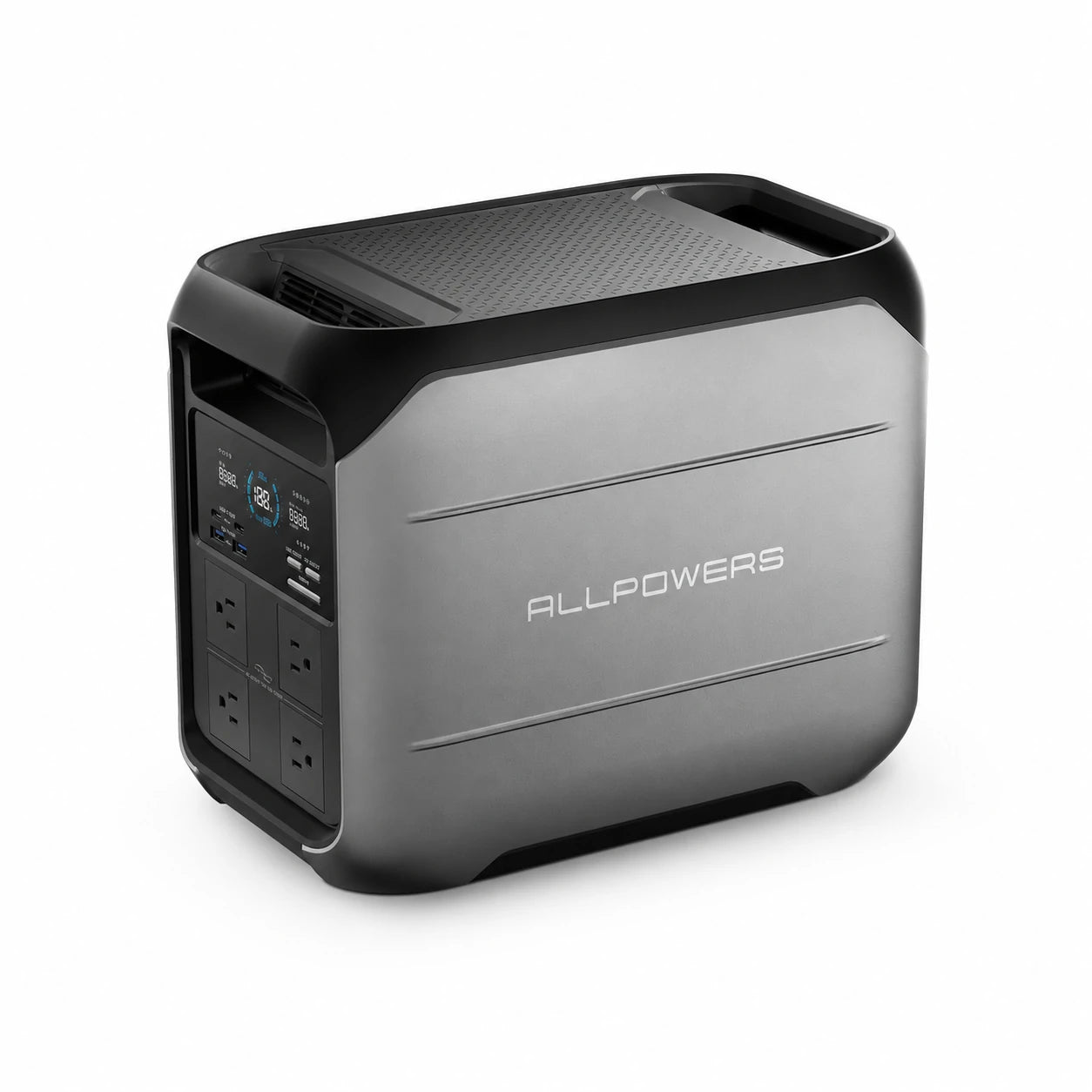
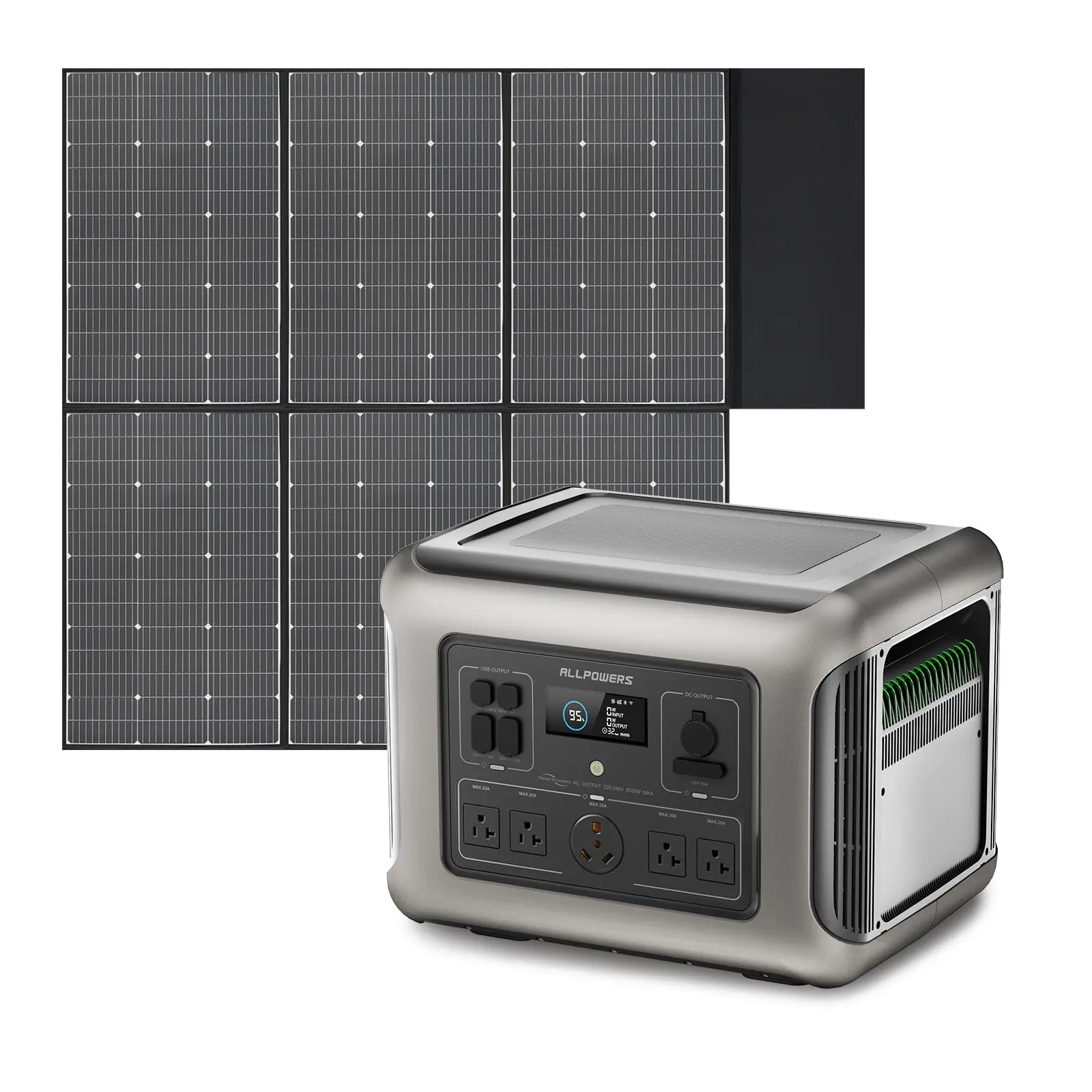
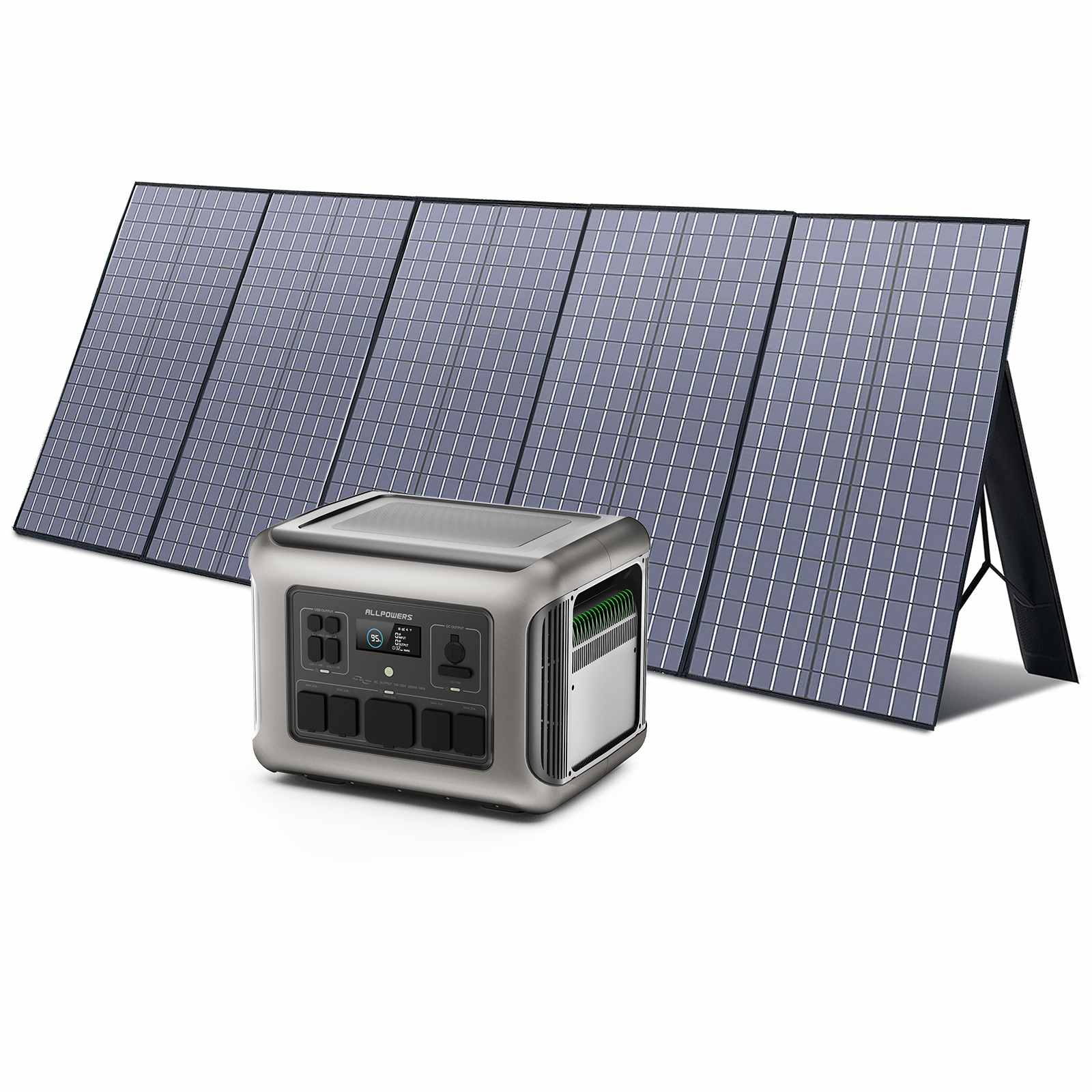
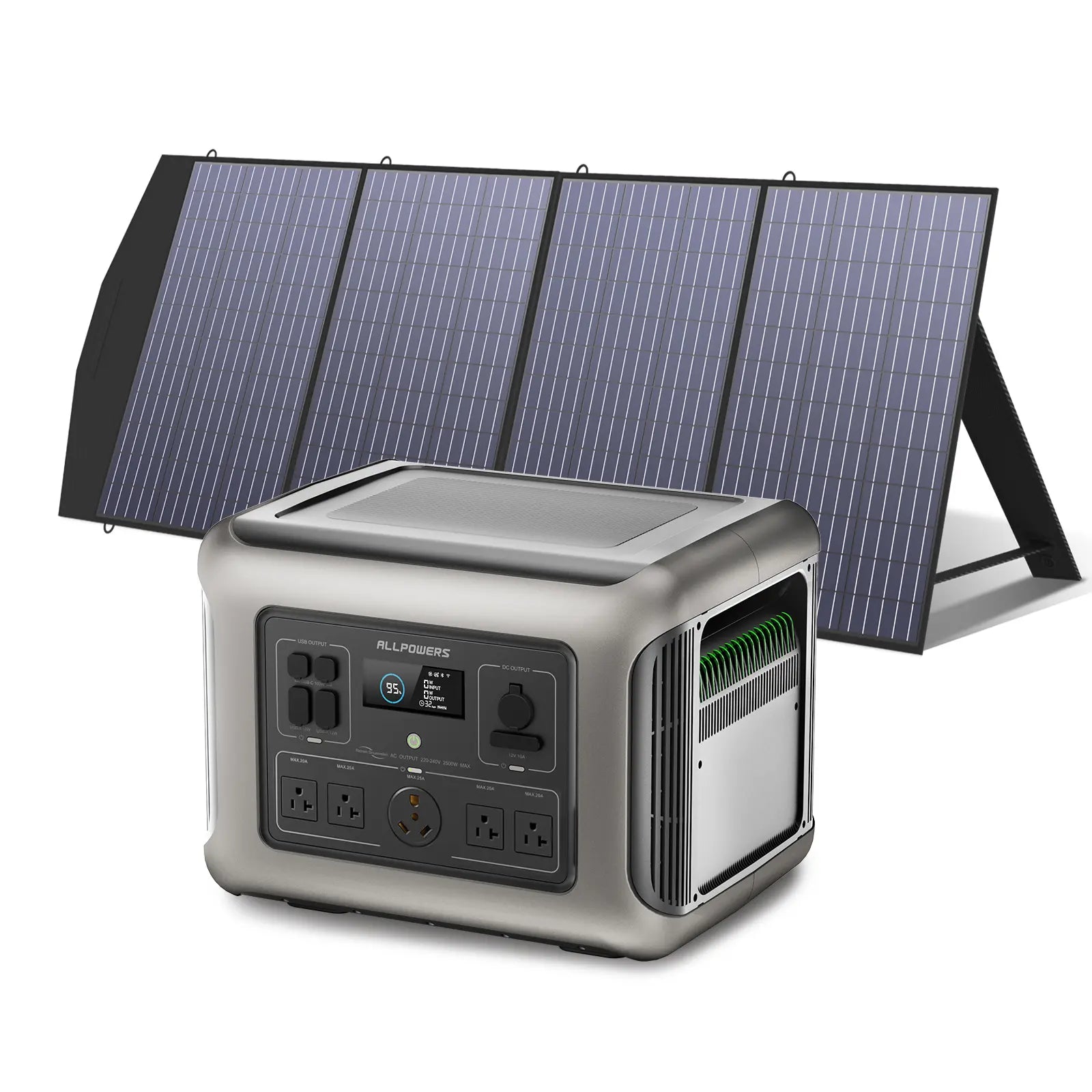
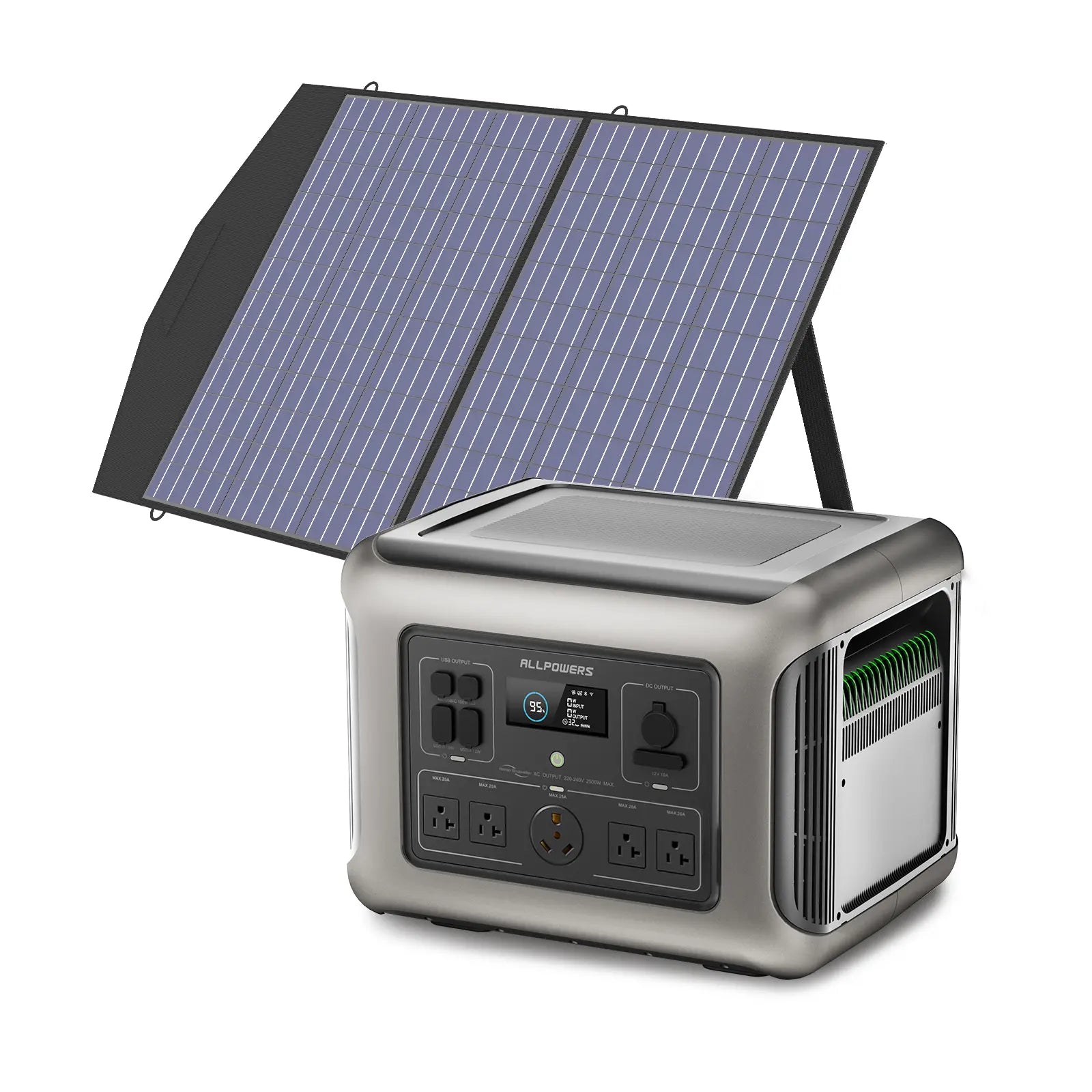
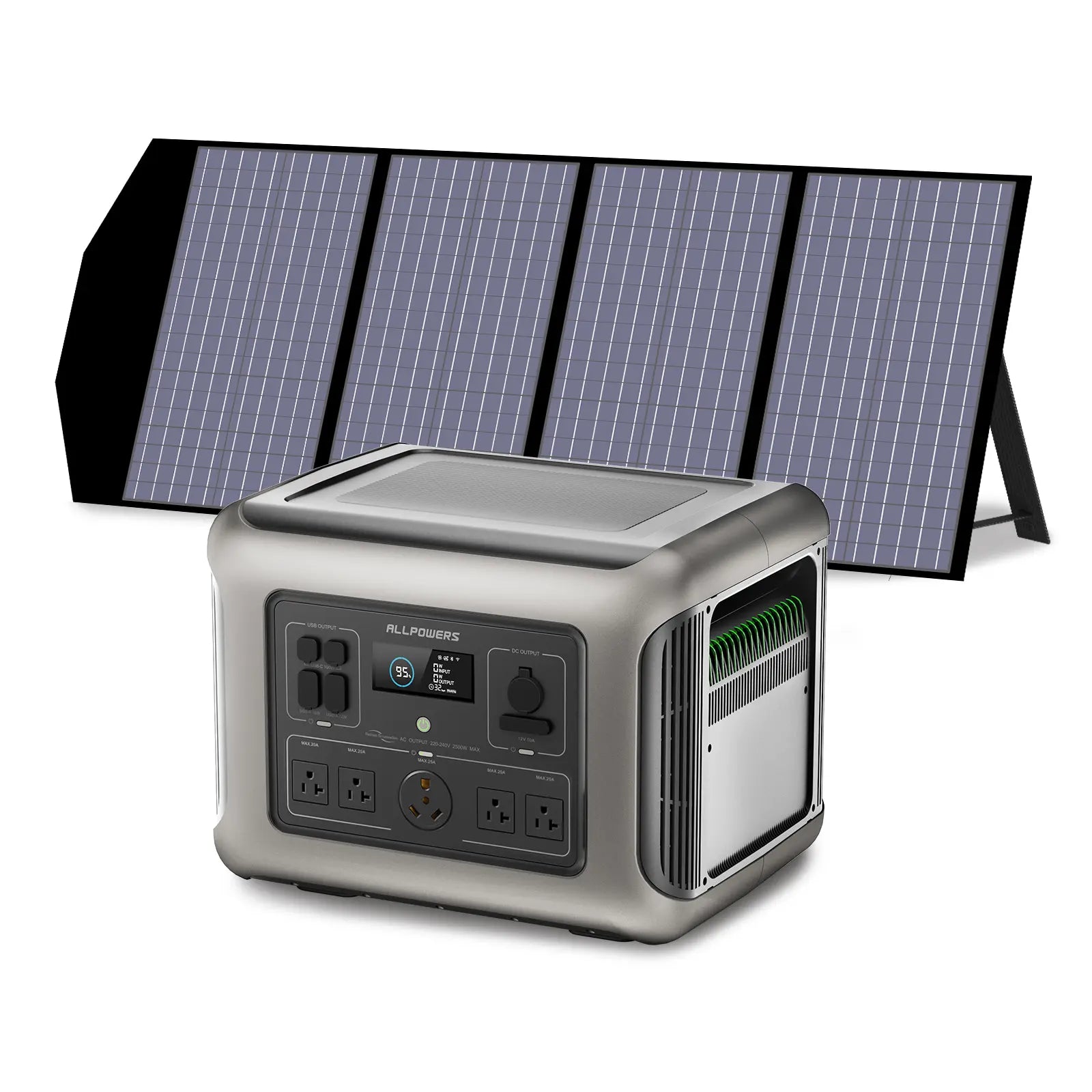
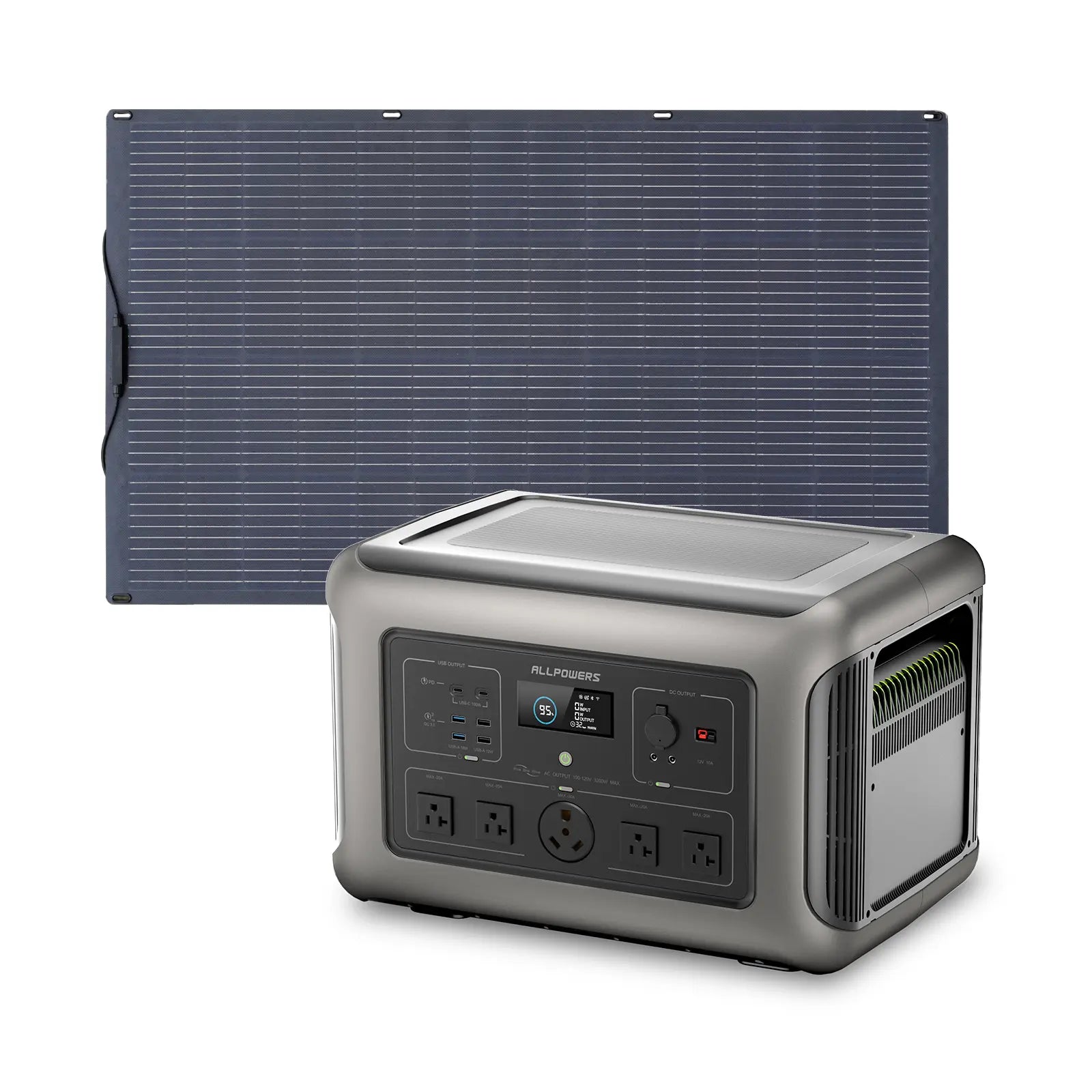
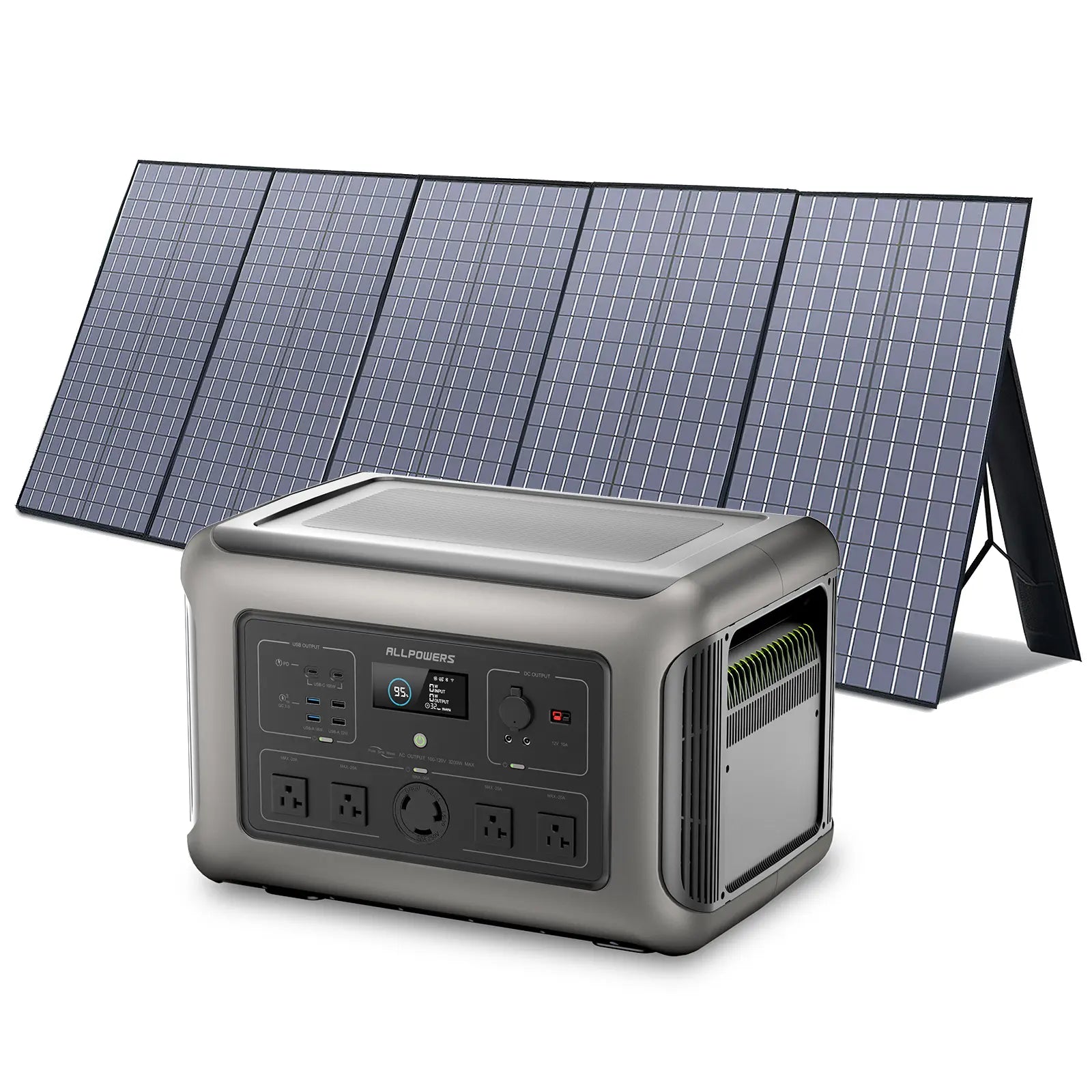
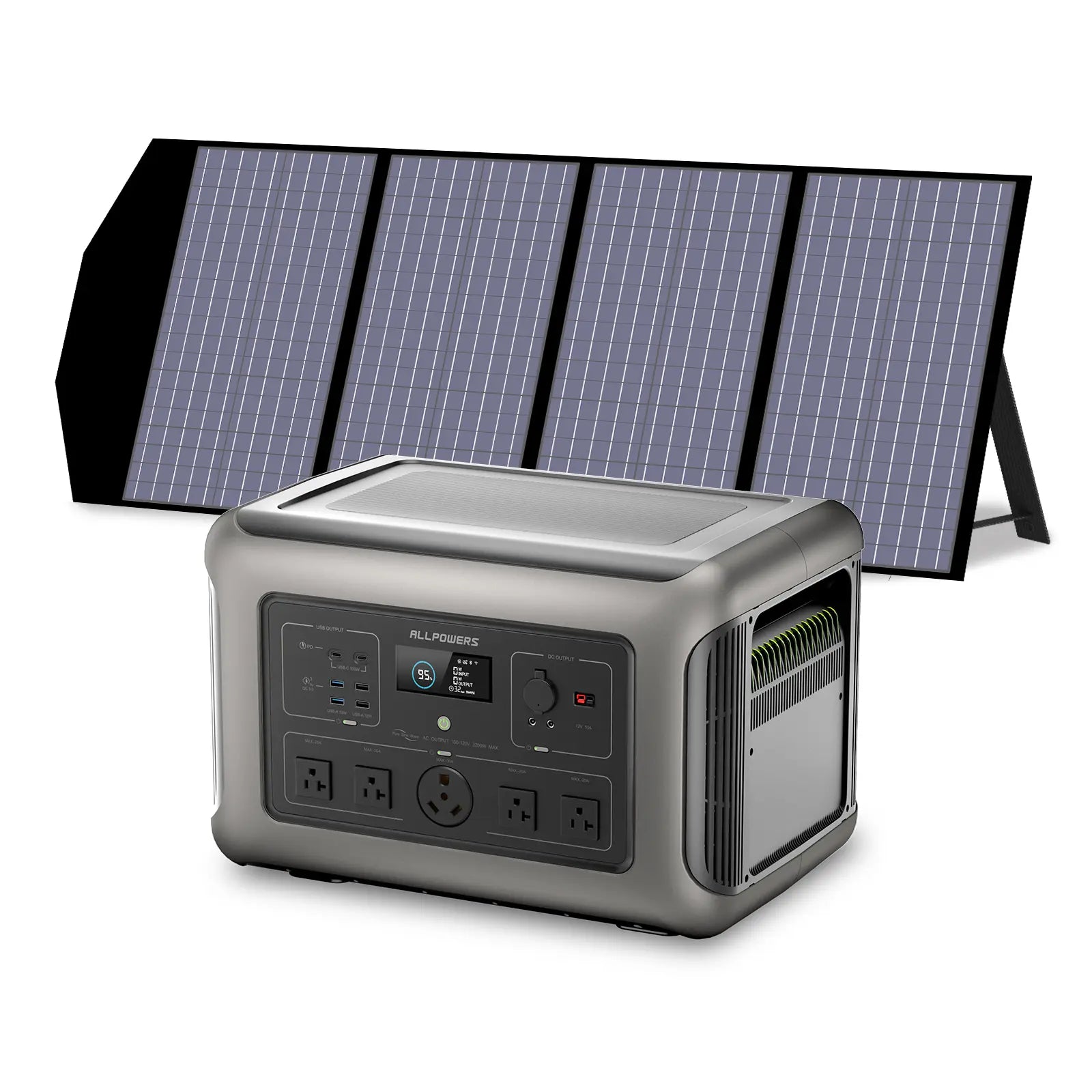
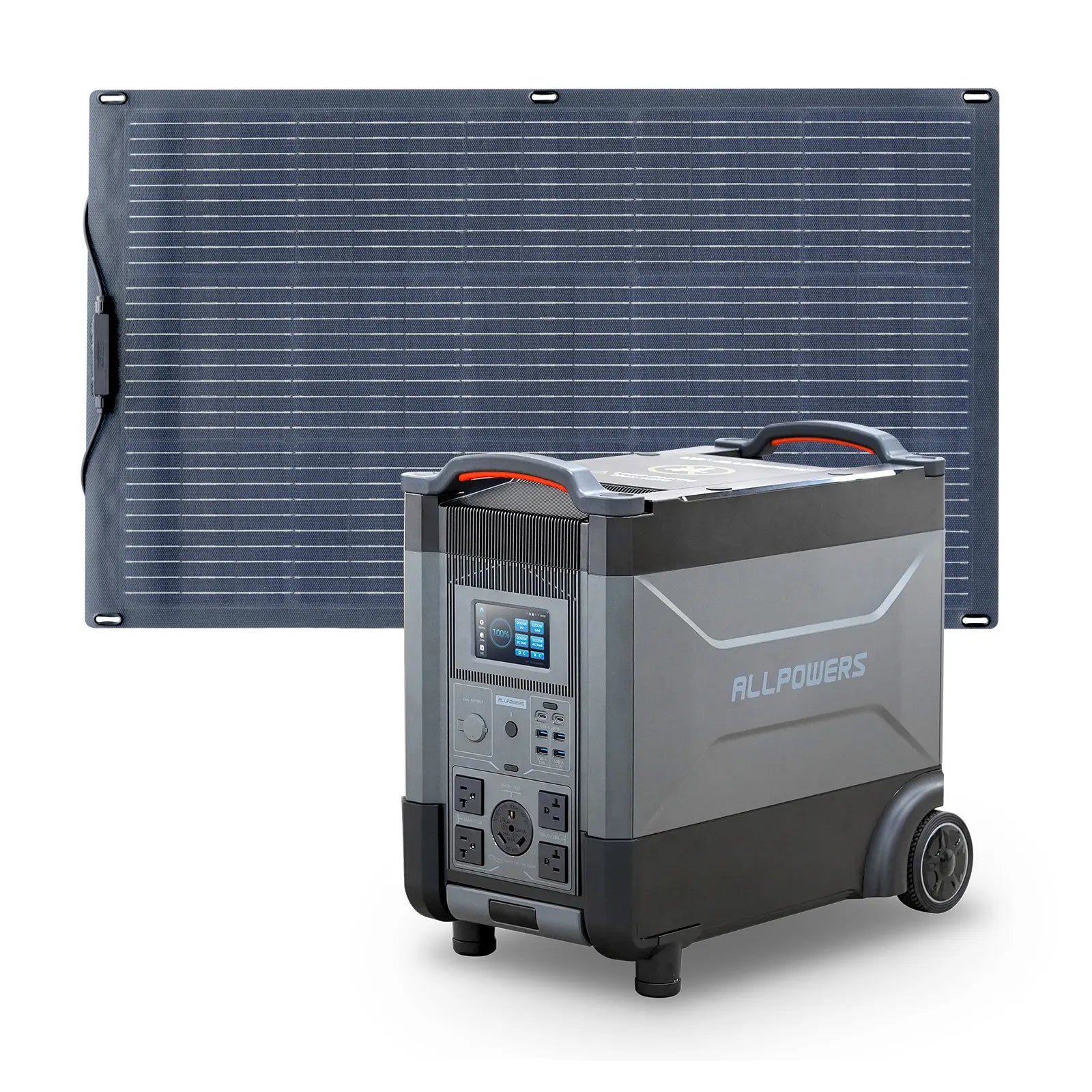
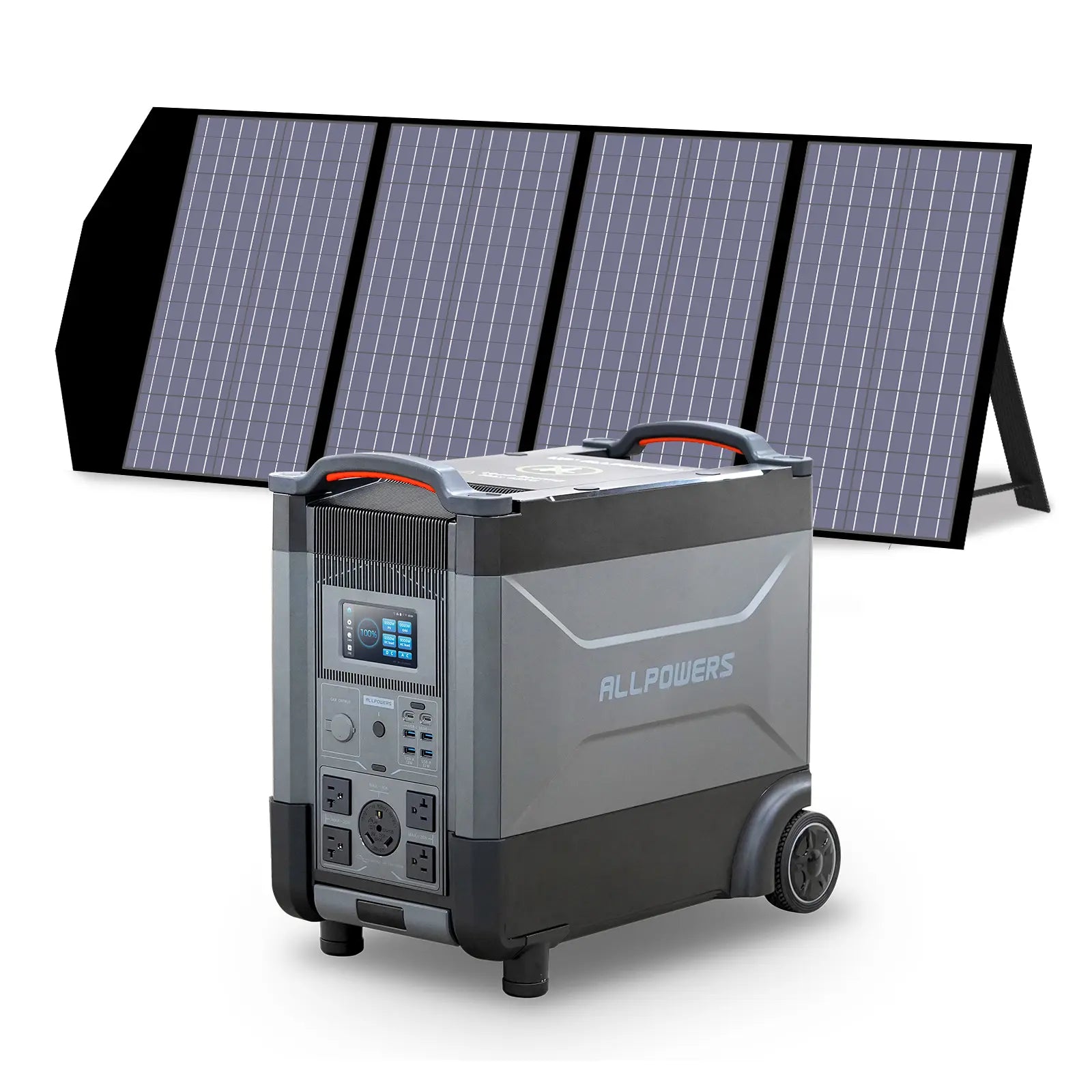
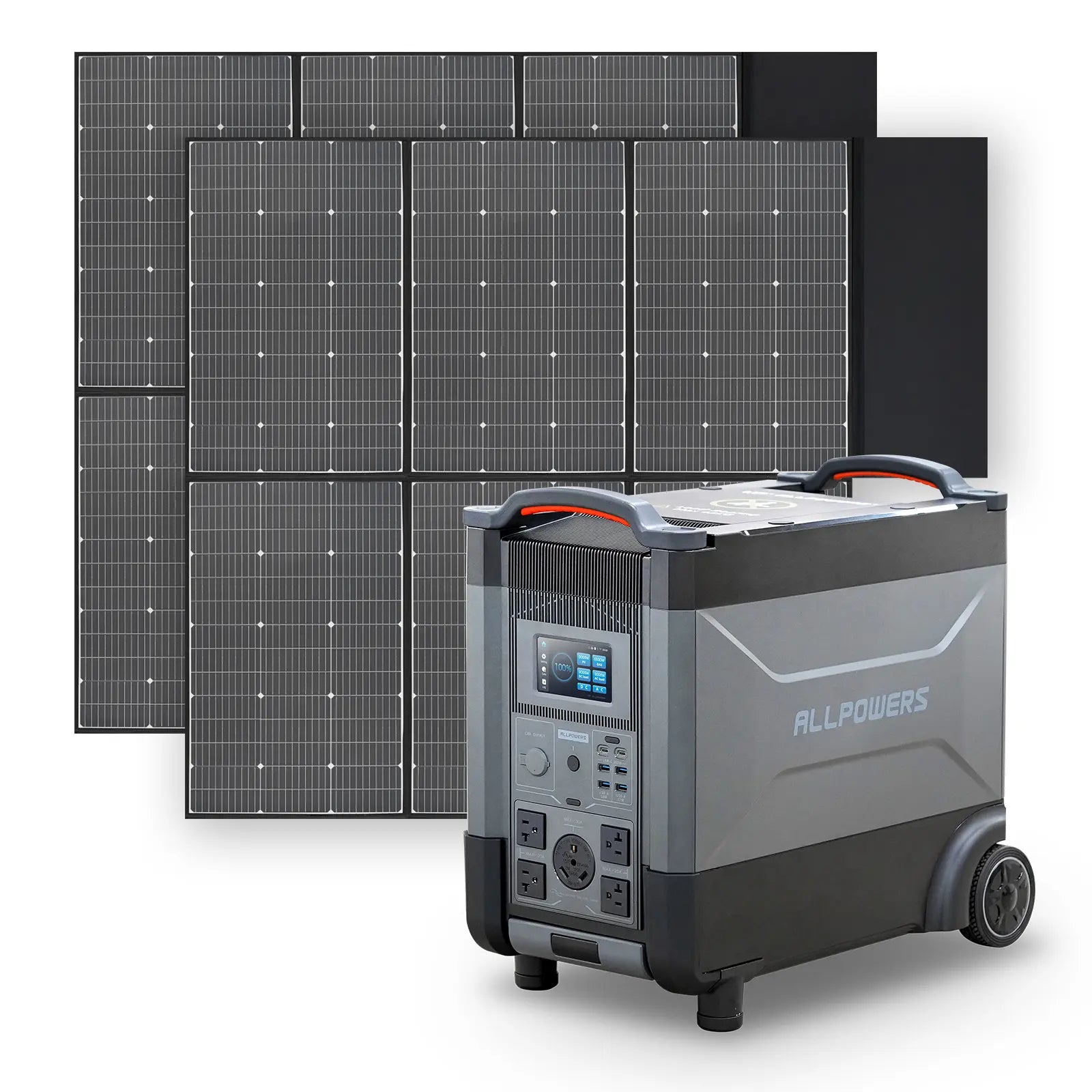
ALLPOWERS R2500 Portable Power Station
$719.00 $1,599.00
- 2016Wh Capacity;
- 2500W AC Output (4,000W Surge);
- Fast Charge 100% in 1 Hours;
- Start UPS in 15 ms;
- Expandable Up to 3x B1000 Expansion Battery;
How Do You Make Sure the Portable Power Station is Up to the Job?
You need to check three key specs on the power station, and you need to look at the pump itself.
First, and most important for the surge, is the Continuous and Peak AC Output.
If your sump pump has a 3,000-Watt starting surge, your power station needs an inverter that can handle at least that much peak power.
Frankly, giving yourself a little headroom, say a unit with a 3,500-Watt surge capacity, is just smart planning.
Second is the Battery Capacity, measured in Watt-hours (Wh) or Kilowatt-hours (kWh). This determines how long your power station can run the pump.
If your pump runs at 1,000 Watts, and you have a 1,500 Wh battery, theoretically, you get about an hour and a half of continuous runtime.
But here’s the good news: a sump pump doesn't run continuously. It cycles on for a few minutes, shuts off, and waits.
Finally, you need a Pure Sine Wave Inverter.
It's a non-negotiable requirement for sensitive motor-driven appliances like a sump pump.
It means the electricity coming out is clean and consistent, just like what comes from your wall outlet.
Learn More: Pure Sine Wave Inverter Vs Modified Sine Wave Inverter
How Long Can a Portable Power Station Run a Sump Pump?
To estimate the run time, you use a simple formula:
Run Time (hours) = Power Station Capacity (Wh) \ Pump Running Wattage (W)
However, there’s a little wrinkle here: a sump pump doesn't run continuously. It cycles on and off as the pit fills up.
You need to estimate your pump's duty cycle. Is it running 10 minutes out of every hour? That’s a 10% duty cycle.
Let's say your pump runs at 800W and cycles on for 15 minutes out of every hour during a bad storm.
You're using 800W for only a quarter of that hour, which means your average hourly consumption is only 200Wh (800W × 0.25 hours).
If you have a 2000Wh power station, at a 25% duty cycle, your run time would be roughly 2000Wh/200Wh/hour = 10hours.
But during a true flood event, that duty cycle could creep up to 50% or more, quickly cutting your run time in half. That’s why a high-capacity unit is a genuine lifeline.
When a Portable Power Station Might Not be the Right Answer
Of course, there are limitations. A sump pump running constantly for several hours can drain even a large portable power station.
Extended power outages might require multiple stations or an additional backup plan, like a generator or a secondary pump on a different circuit.
But for short-term outages, unexpected storms, or emergencies, a portable station can absolutely handle the job.
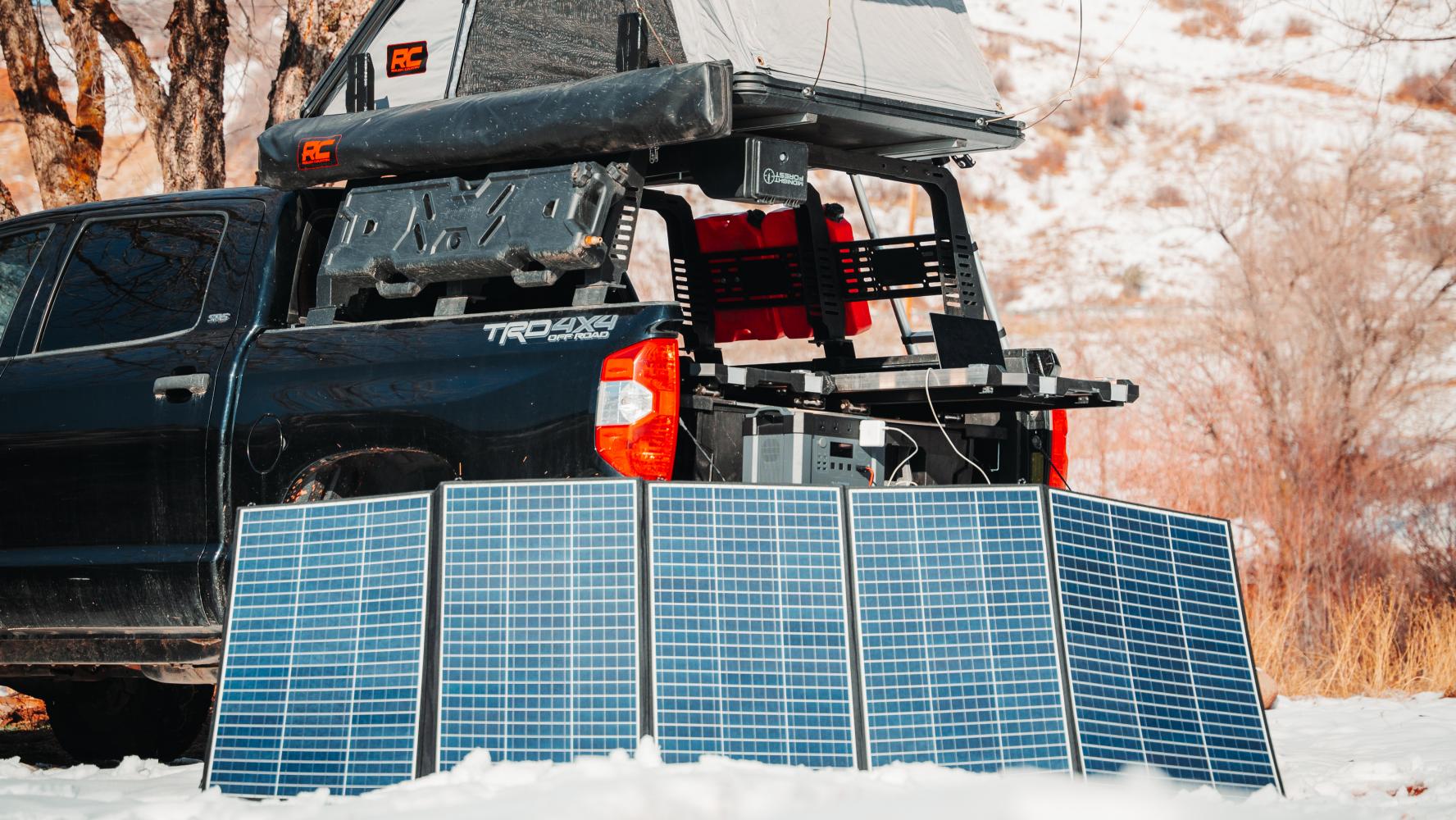
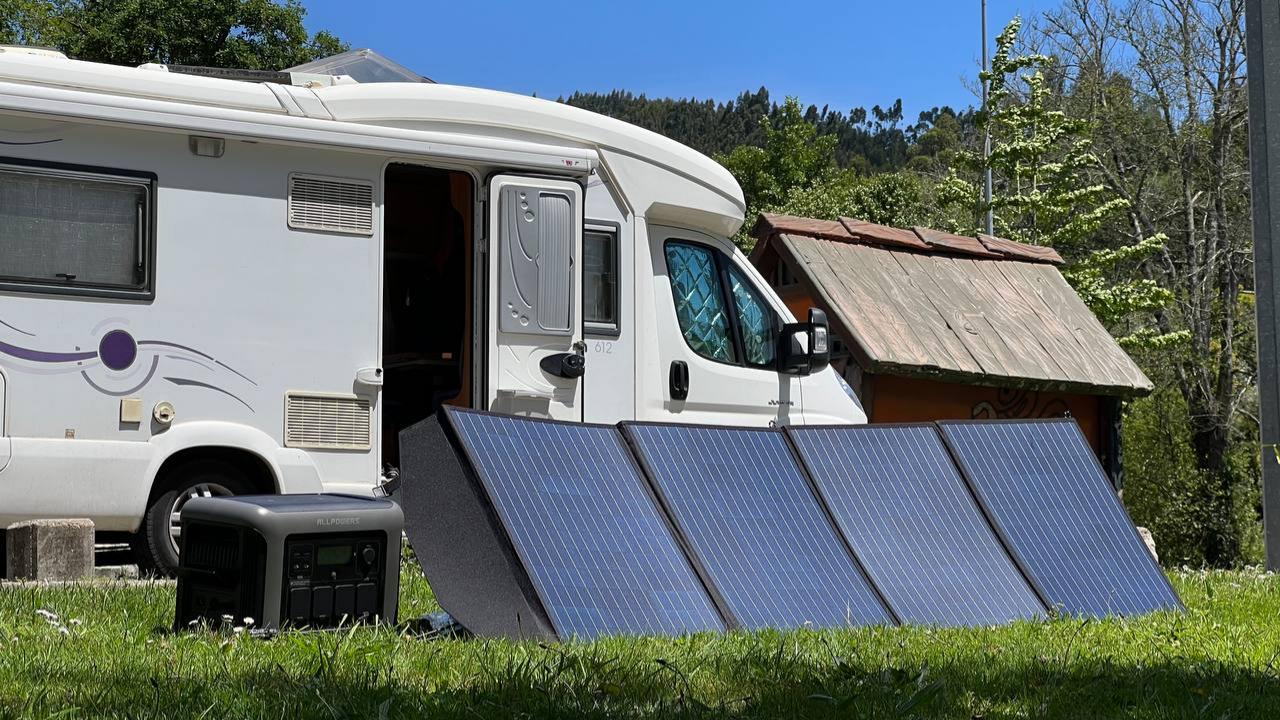
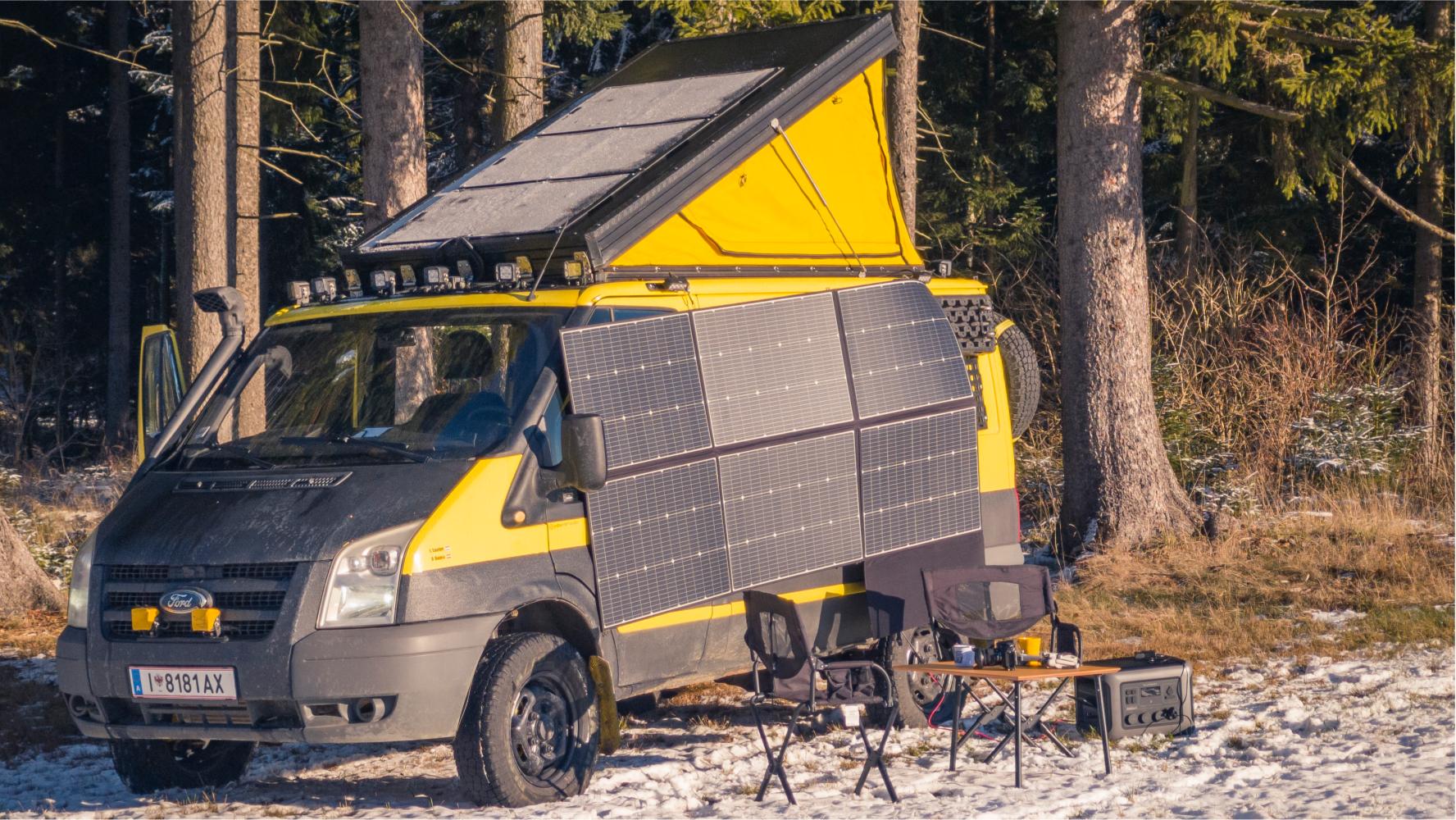
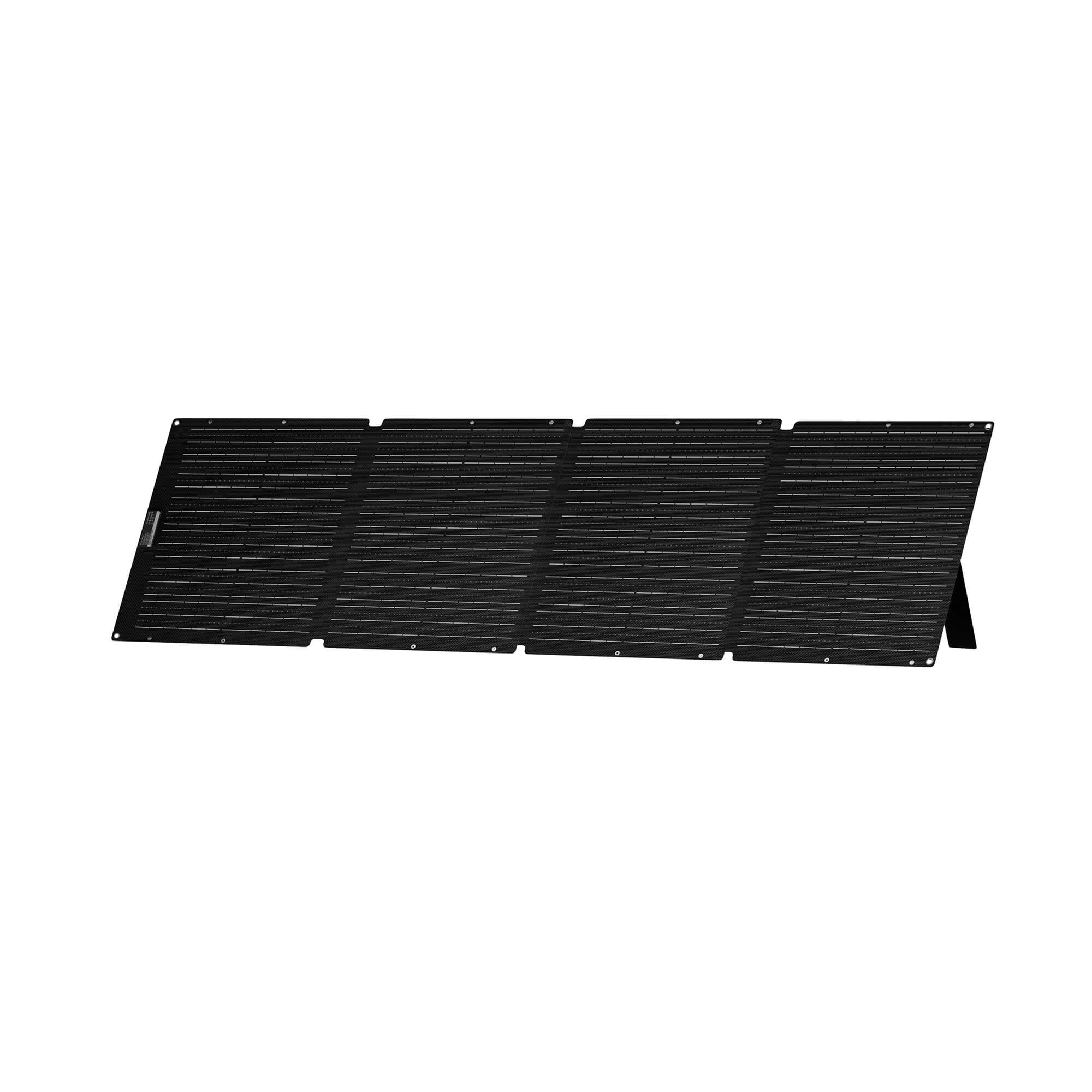
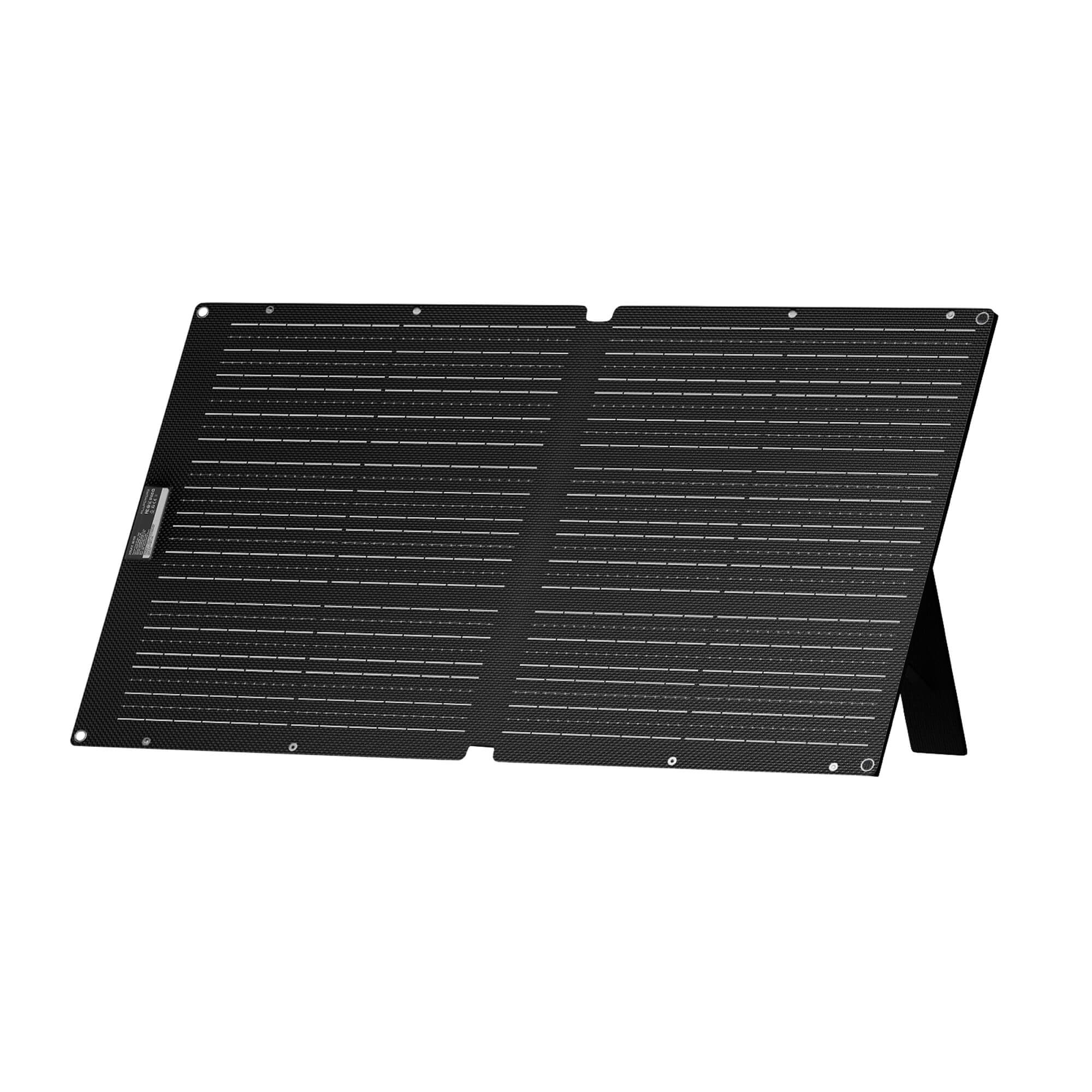
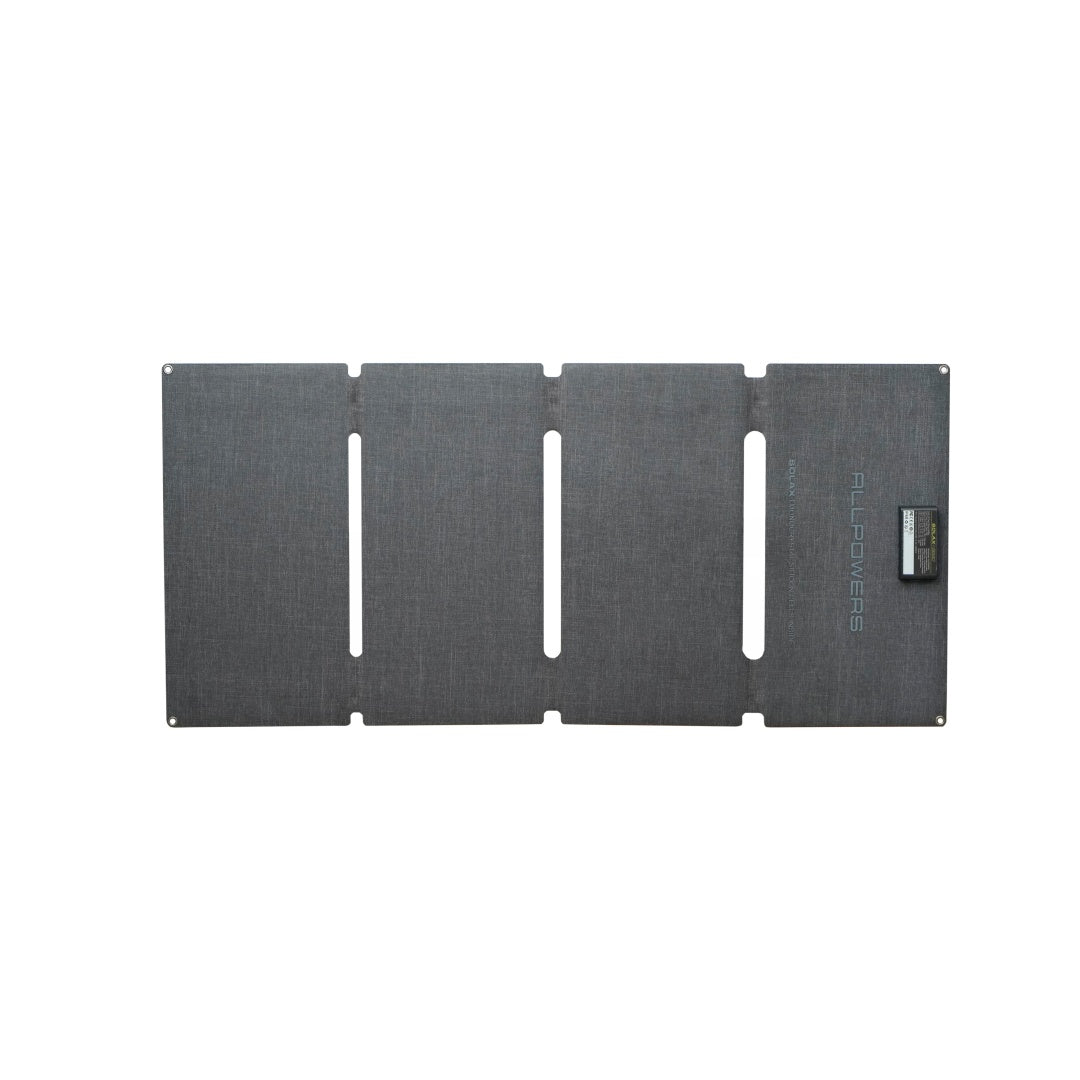
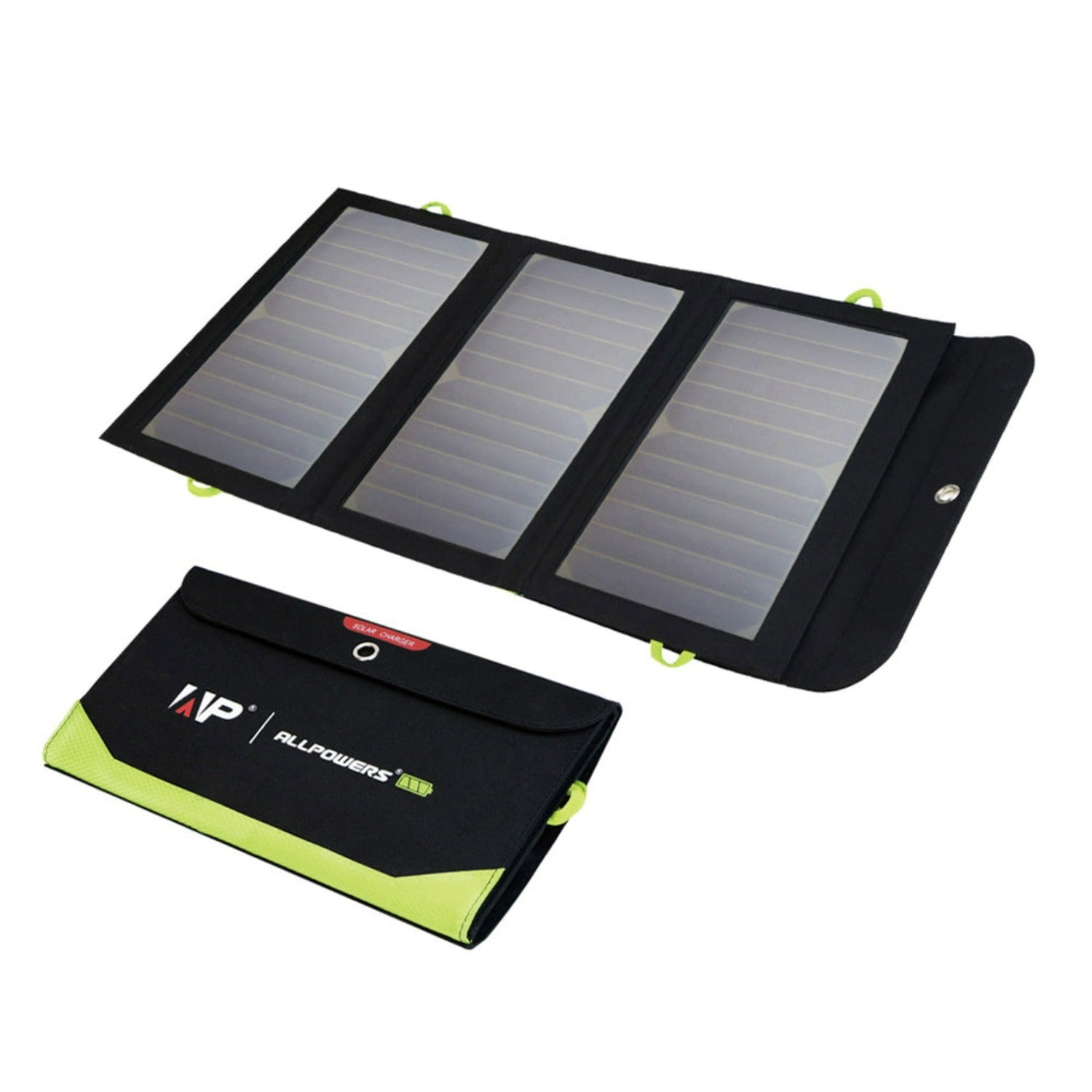
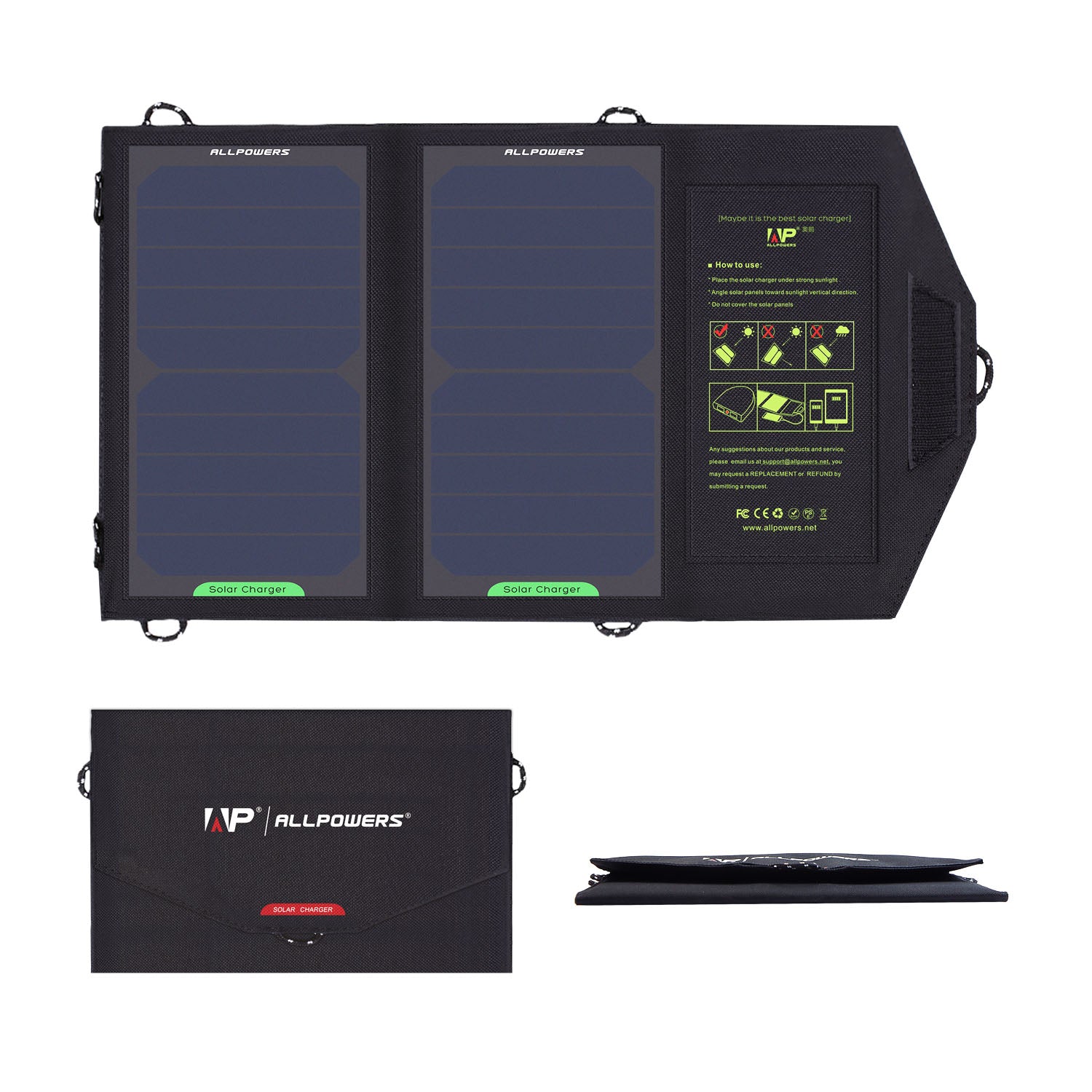
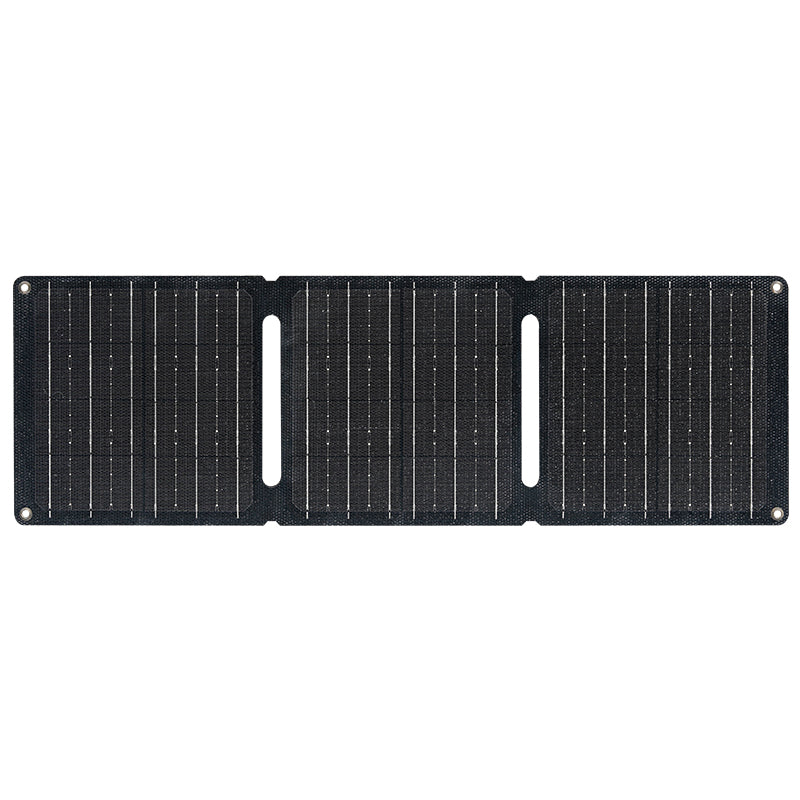
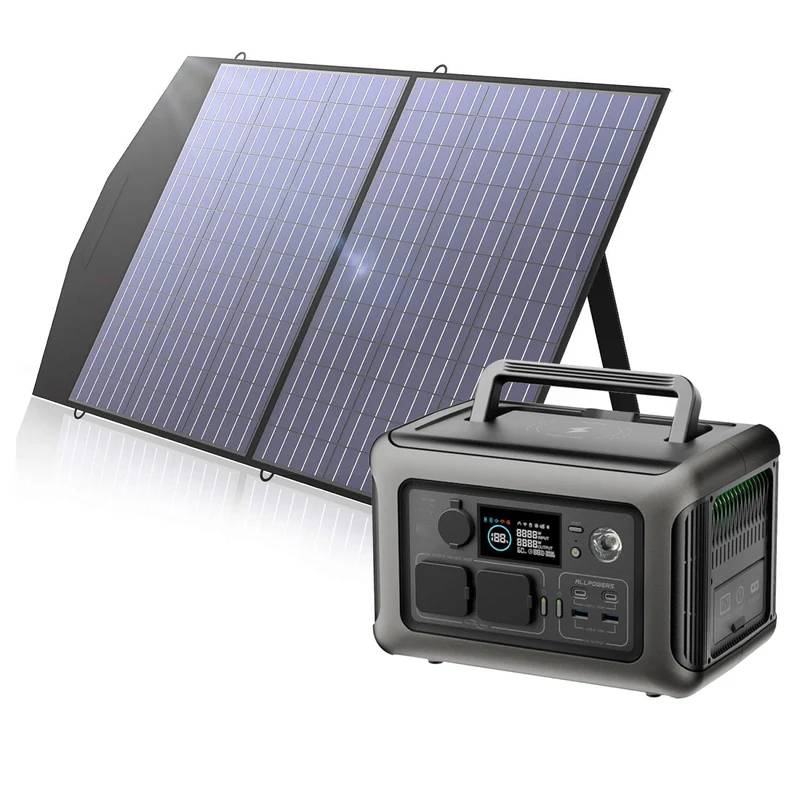
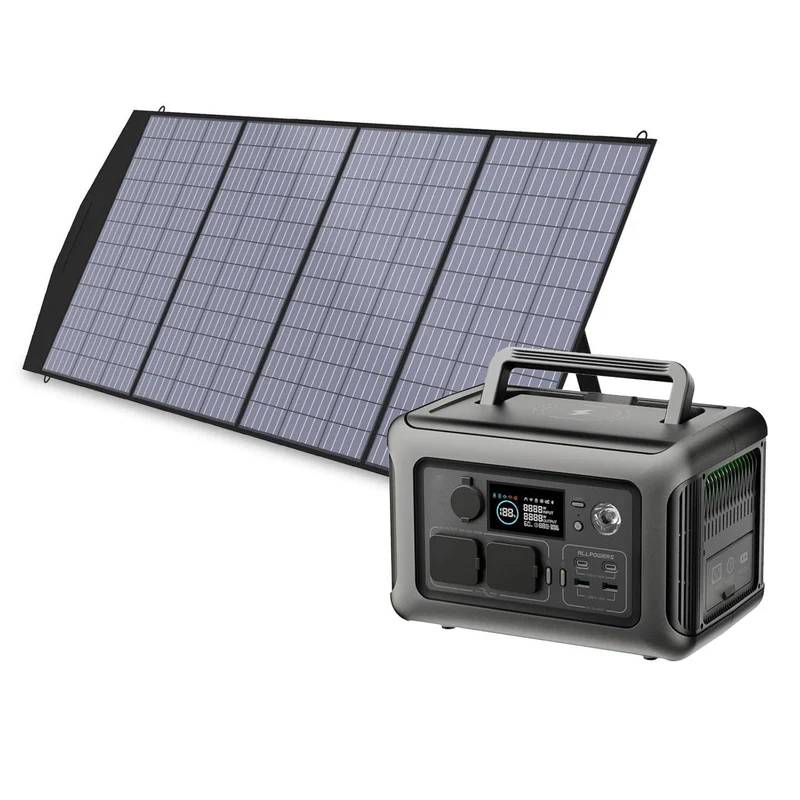
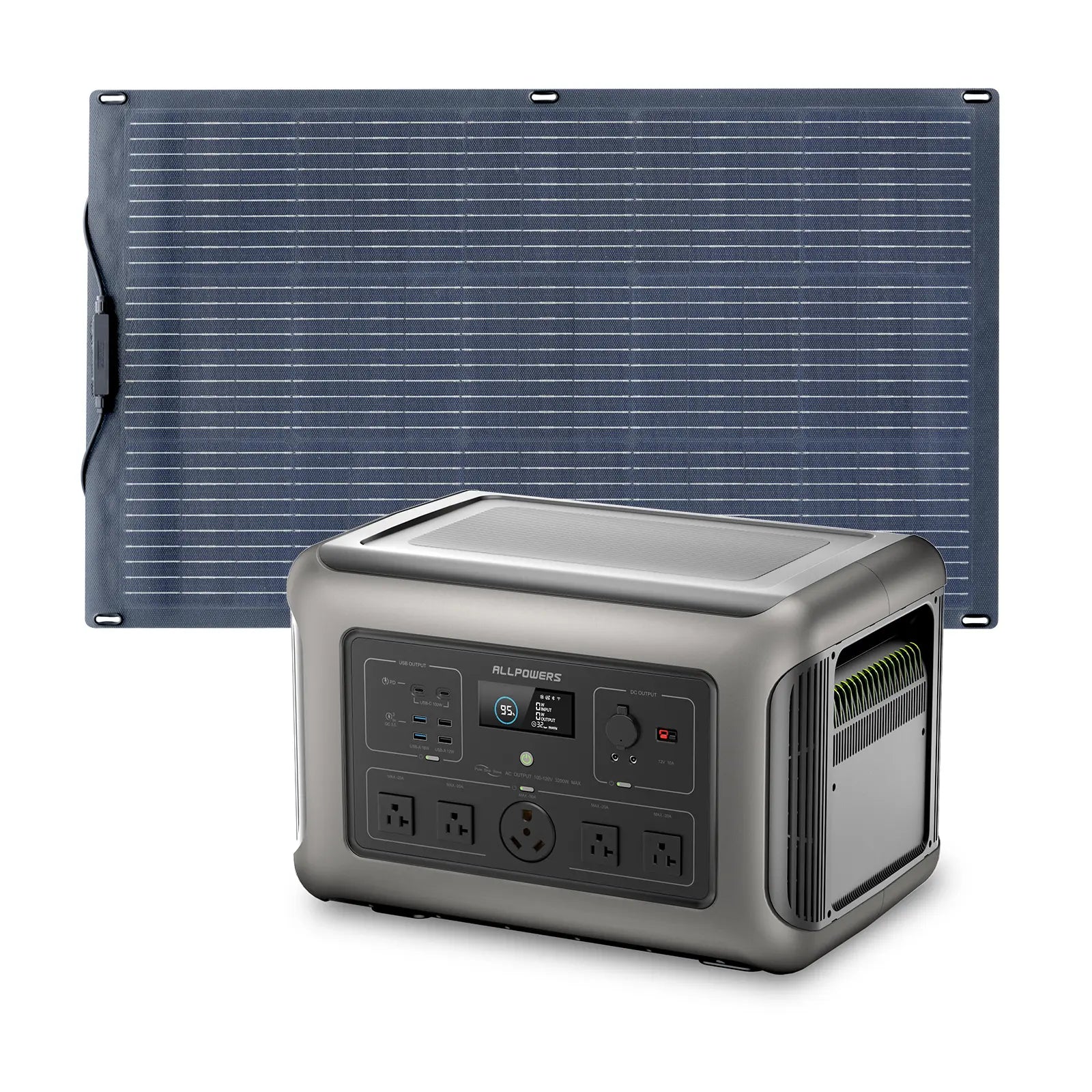
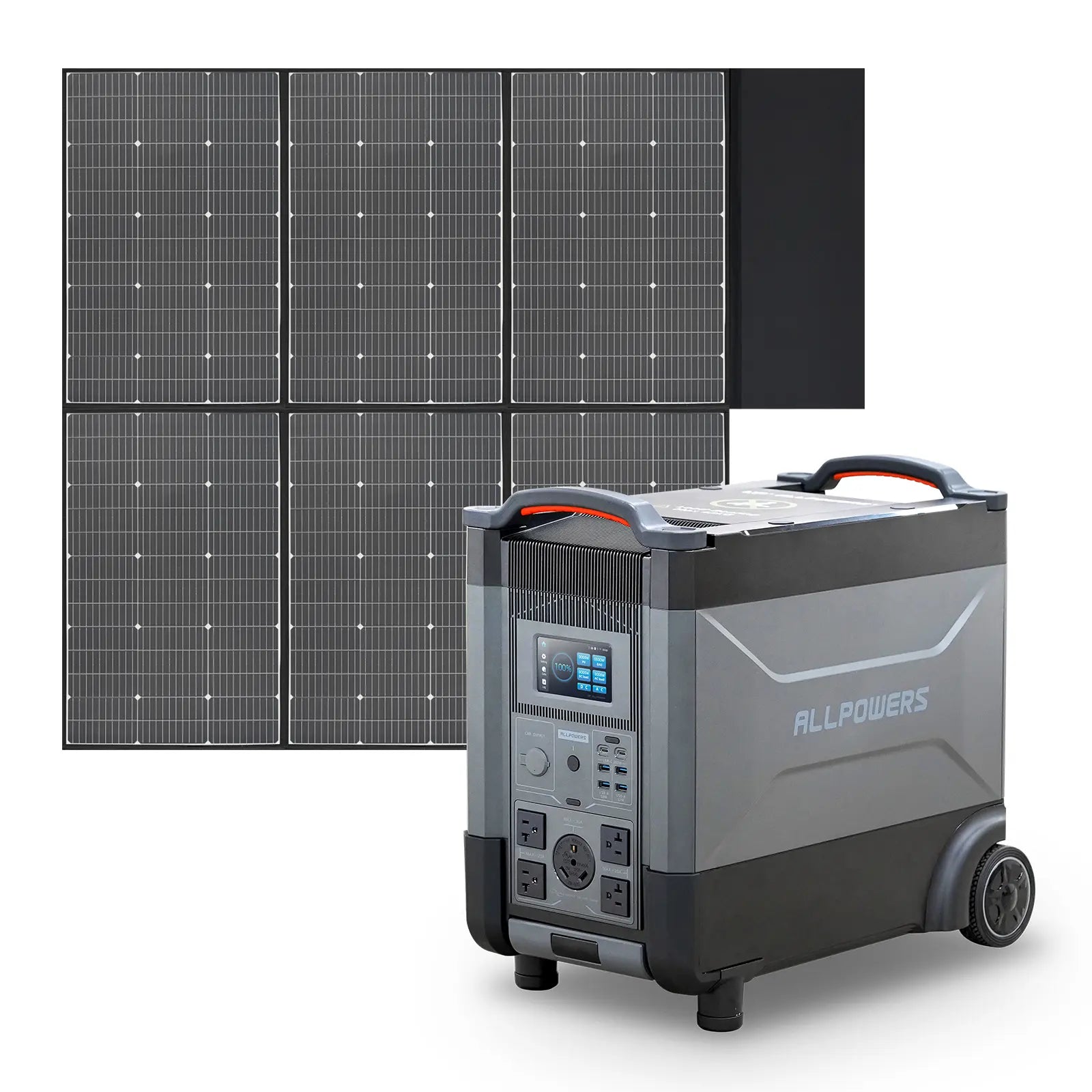
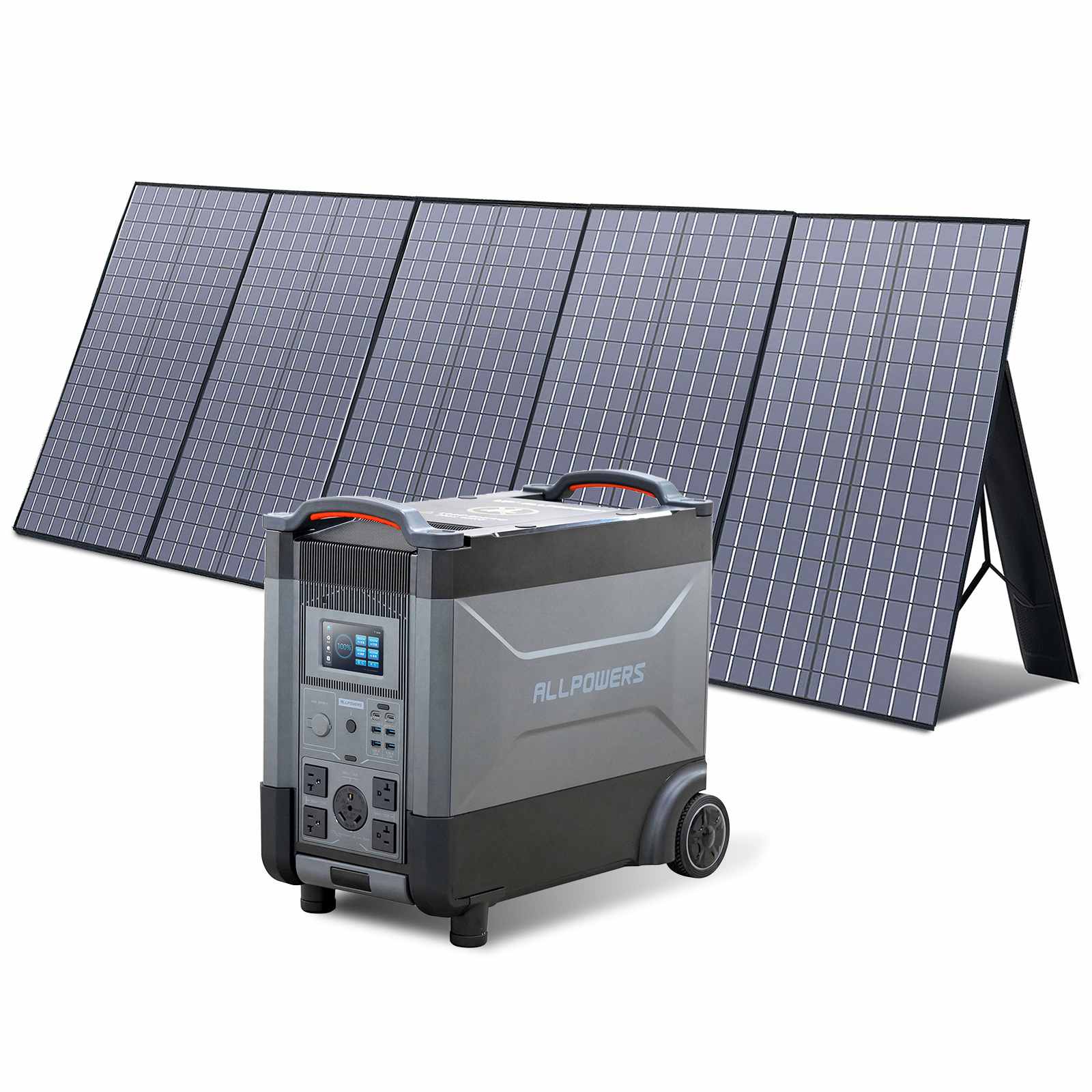
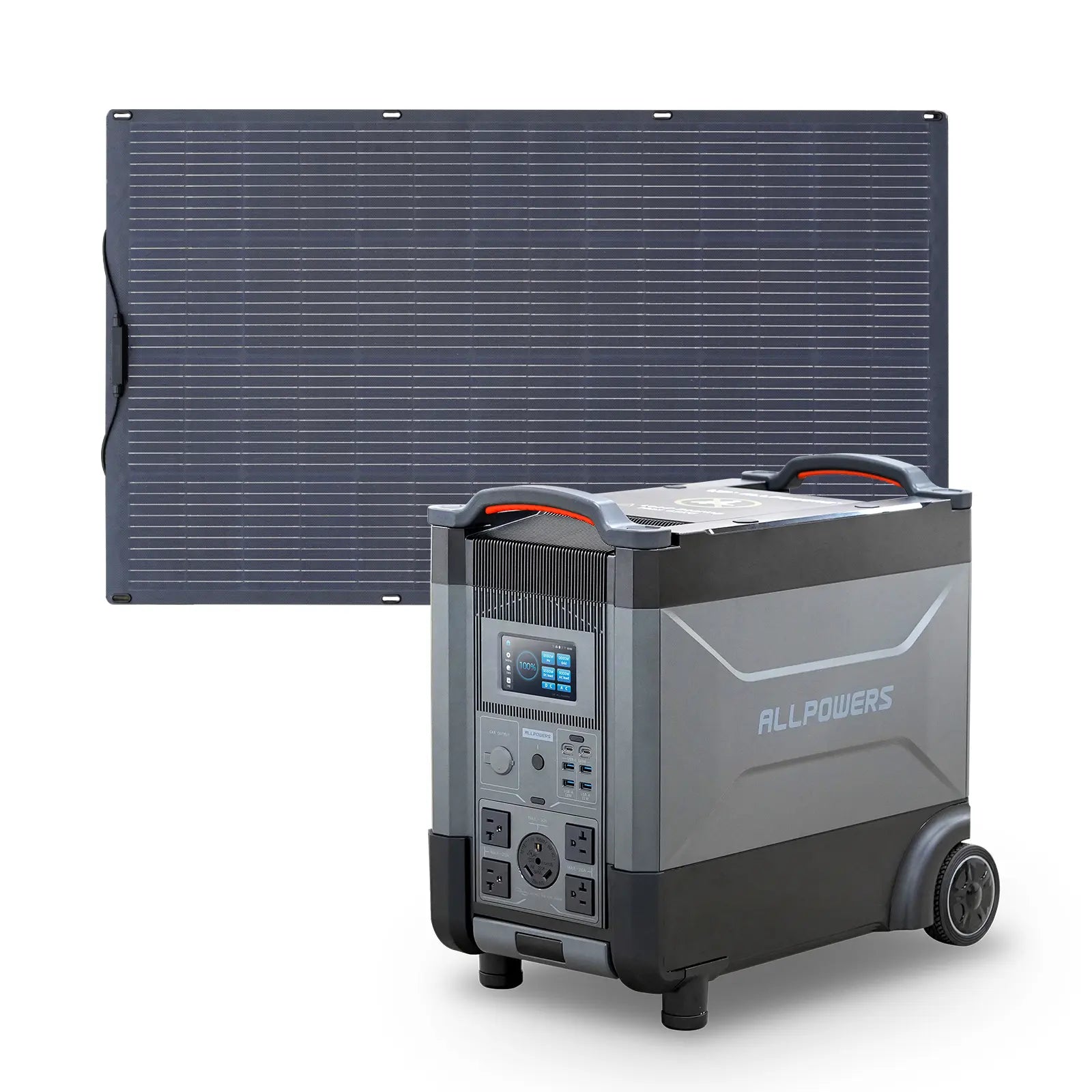
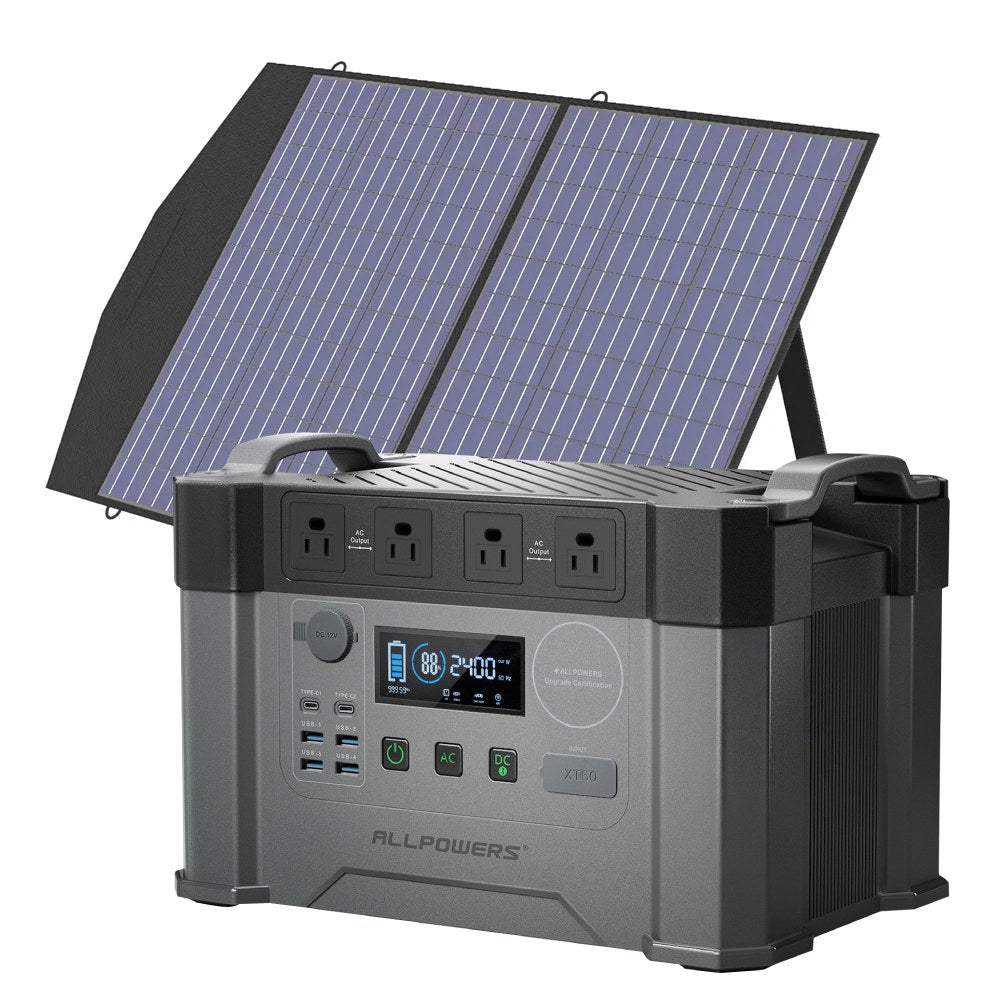
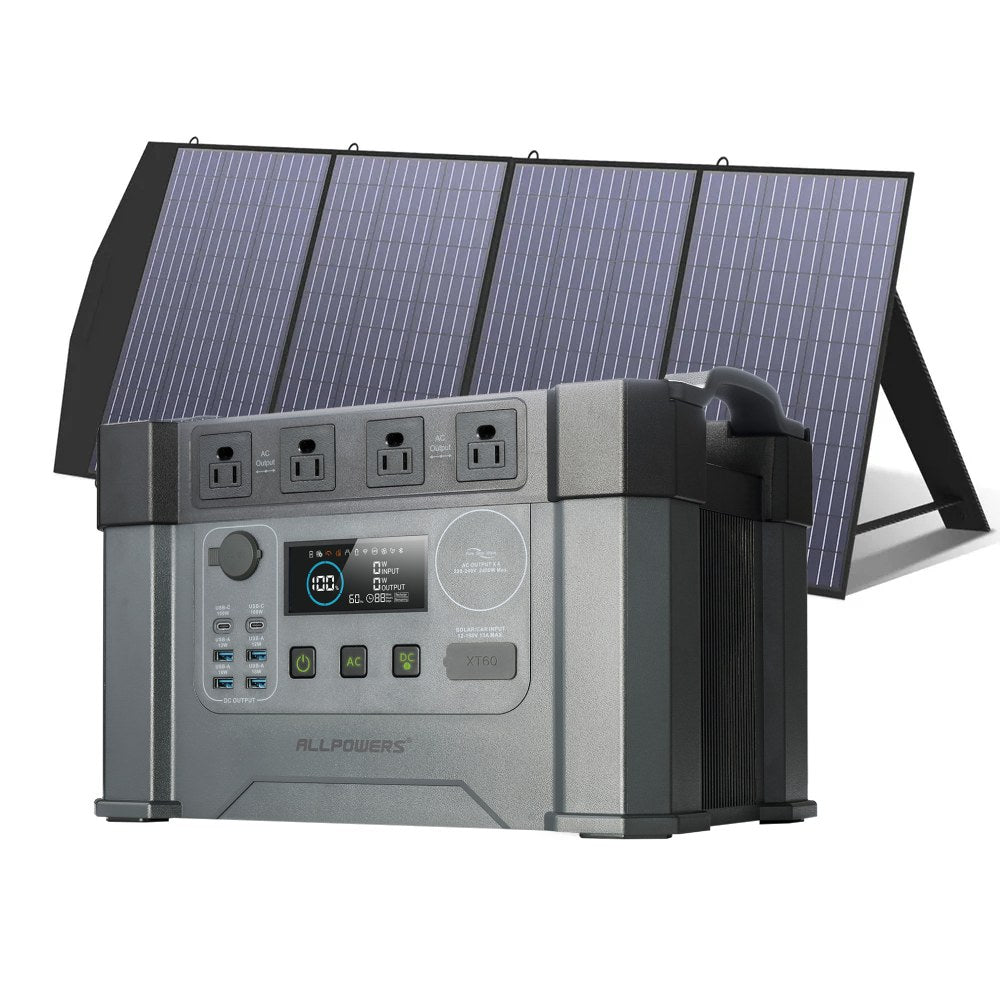
Some homeowners even experiment with smart setups—linking their sump pump to a solar-charging station.
During the day, the station tops up from solar panels, while at night, it’s ready to power the pump if rain arrives.
Safety Considerations When Running Pumps on a Power Station
Water and electricity? Yeah, that’s a classic recipe for disaster if you’re careless. Always double-check cords, connections, and placement.
Keep the station dry, and never submerge it. Circuit breakers and ground fault interrupters are your friends—treat them like family during storm season.
Another subtle point: frequent, heavy-duty cycling can heat batteries, especially if the station is housed in a confined space. Ventilation matters.
Your pump might be saving your basement, but overheating batteries could create a different, equally urgent problem.
Conclusion
So, can a portable power station run a sump pump? Absolutely—but with caveats.
Knowing your pump’s power demands, the station’s battery capacity, and accounting for startup surges is critical.
With the right approach, a portable power station can be a quiet hero in your home, ready to step in when the power fails.