








If you’ve ever stared at your energy bill or glanced at a portable power station’s specs, you’ve probably bumped into two units—kW and kWh.
At first glance, they look almost identical—just a single letter apart—but they actually describe very different things.
So what’s the real difference between kW and kWh?
TL;DR:
kW (kilowatt) is the measure of power—the rate at which energy is used or produced. In contrast, kWh (kilowatt-hour) is the measure of energy—the amount of power used over a specific time. Think of kW as speed and kWh as quantity.
The Kilowatt (kW)
Let's start with the kilowatt, the simpler of the two.
The unit itself is pretty straightforward once you break it down. You know a watt (W), right?
It’s the base unit of electrical power, named after James Watt, the guy who made big improvements to the steam engine.
One watt is a tiny amount of power, maybe enough to run a single LED bulb.
So, a kilowatt (kW) is just 1,000 watts—the 'kilo' prefix, just like in kilogram or kilometer, means a thousand.
It tells you the instantaneous demand of a device.
For example, a big microwave might pull about 1 kW when it’s running; a standard hairdryer, maybe 1.5 kW.
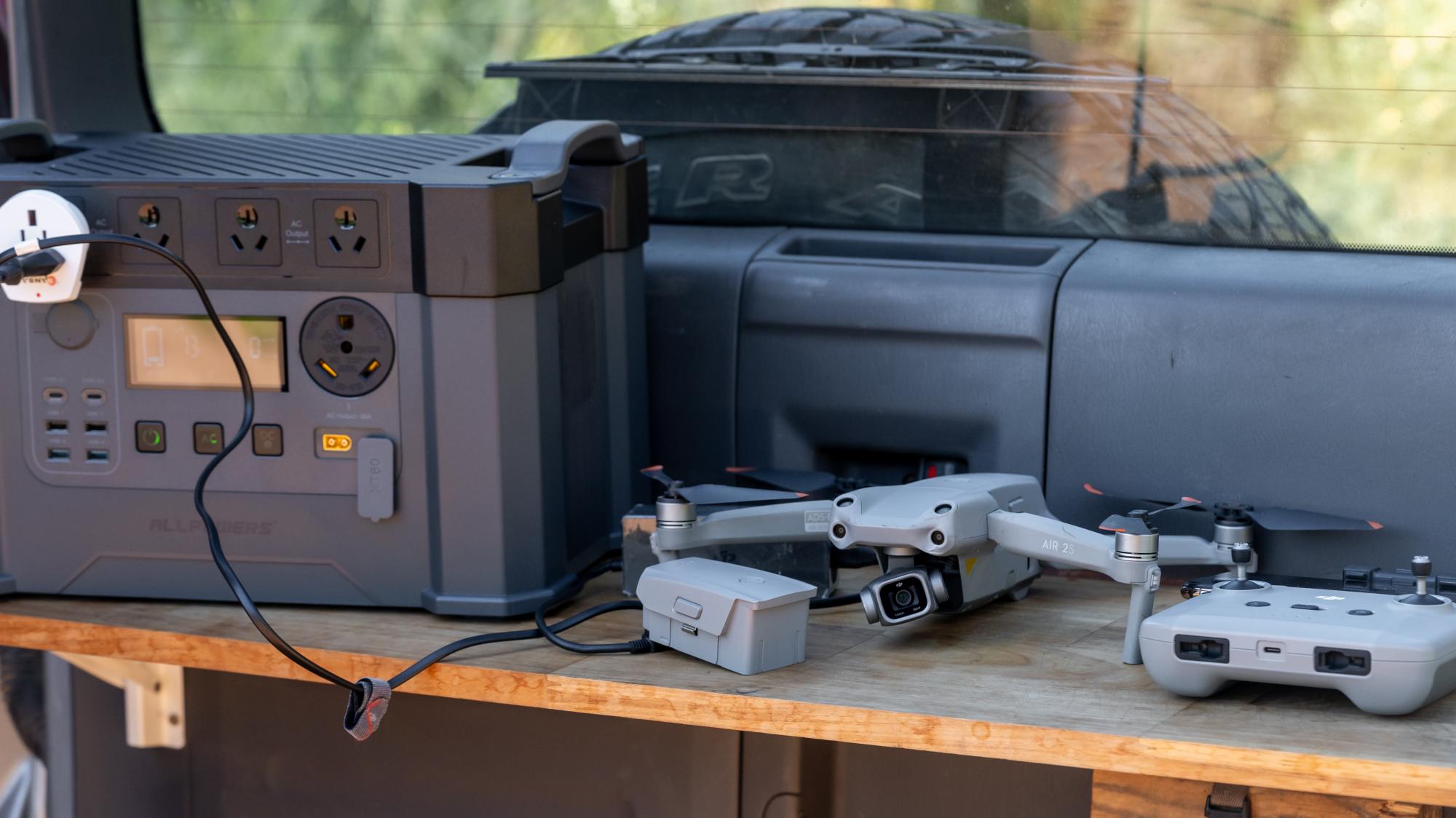
This rating is crucial because it determines whether a portable power station or inverter can actually handle starting and running that appliance.
If you try to plug a 2 kW heater into a power station rated for only 1.5 kW of continuous output, you're going to have a bad time.
The power station will simply shut down—it can’t physically flow that much power all at once. It’s all about the speed of usage.
The Kilowatt-Hour (kW)
Now we add the 'h'—the kWh, or kilowatt-hour.
If kW is the speed (how fast you're using power), kWh is the distance (how much total energy you've used).
The kWh is the standard unit of electrical energy. It’s literally the result of multiplying the rate (kilowatts) by the time (hours).
Energy (kWh) = Power (kW) × Time (h)
Honestly, this is the number that matters for your wallet and for your camping battery life.
Your electric company isn't charging you for how fast you can use power (kW); they're charging you for the total amount of energy you actually consume (kWh).
The Practical Use of kW Appears
kW tells you what a system can handle at any moment.
A tool with a high surge requirement—say a blender or a small pump—needs a power source that can deliver that burst without shutting down.
Even a CPAP machine has a running wattage and sometimes a brief startup draw that matters for system sizing.
Professionals sizing solar inverter systems rely heavily on kW ratings because they determine whether the system can run certain appliances at all.
If the peak load passes the power threshold, the equipment cannot support it, regardless of how much stored energy is available.
That’s why experienced users often talk about “surge capacity,” even when discussing portable power solutions.
A 2 kW heater will not run from a system rated at 1 kW, no matter how many watt-hours the battery promises.
The Practical Use of kWh Appears
kWh, in contrast, reveals how long your devices can run.
Energy storage numbers are always expressed in watt-hours or kilowatt-hours because that reservoir is what determines longevity.
People often overestimate runtime because they only look at power draw.
They see a device pulling 100 watts and assume it will run “all night” on a battery that stores several hundred watt-hours.
But real-world use introduces inefficiencies, inverter loss, temperature effects, and the simple fact that appliances don’t always behave as expected.
For example, a 500 Wh energy supply powering a 100 W device won’t last 5 hours exactly—more likely 4 to 4.5 because of conversion loss.
How kW and kWh work together in real-world scenarios
Here’s the thing—kW and kWh aren’t rivals. They work side by side, giving you the full picture.
Let’s say your appliance needs 800 watts (0.8 kW) of power. But what matters next is how long you’ll run it. If you run it for 5 hours, that’s:
0.8 kW × 5 hours = 4 kWh of energy consumed.
This formula is the basis of everything from utility bills to portable battery use to solar planning.
If you’ve ever wondered how long something will last on a certain energy source, you were really asking for kWh.
Learn More: How Long Does a Portable Power Station Last?
Why kW and kWh Matter for Portable Power Systems
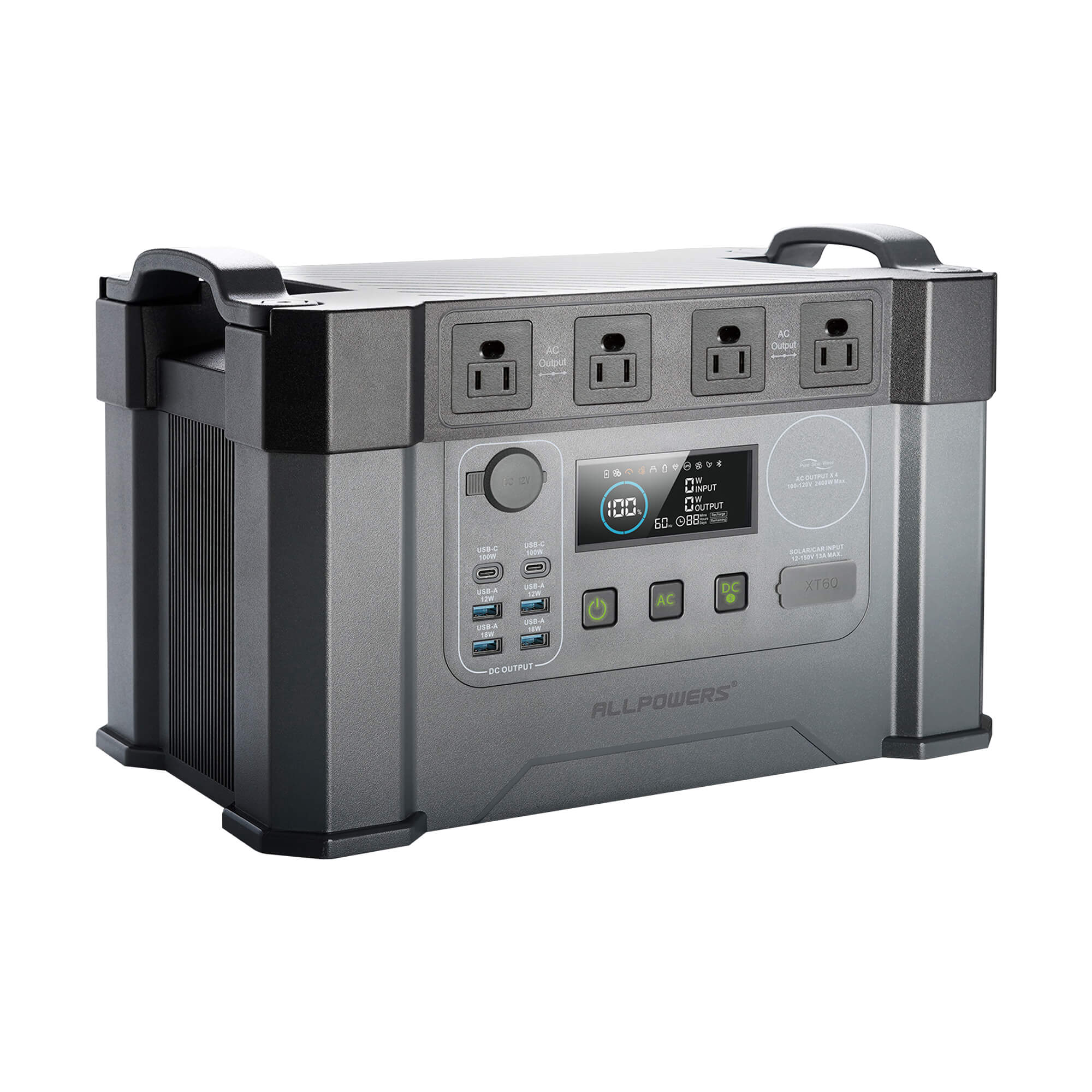
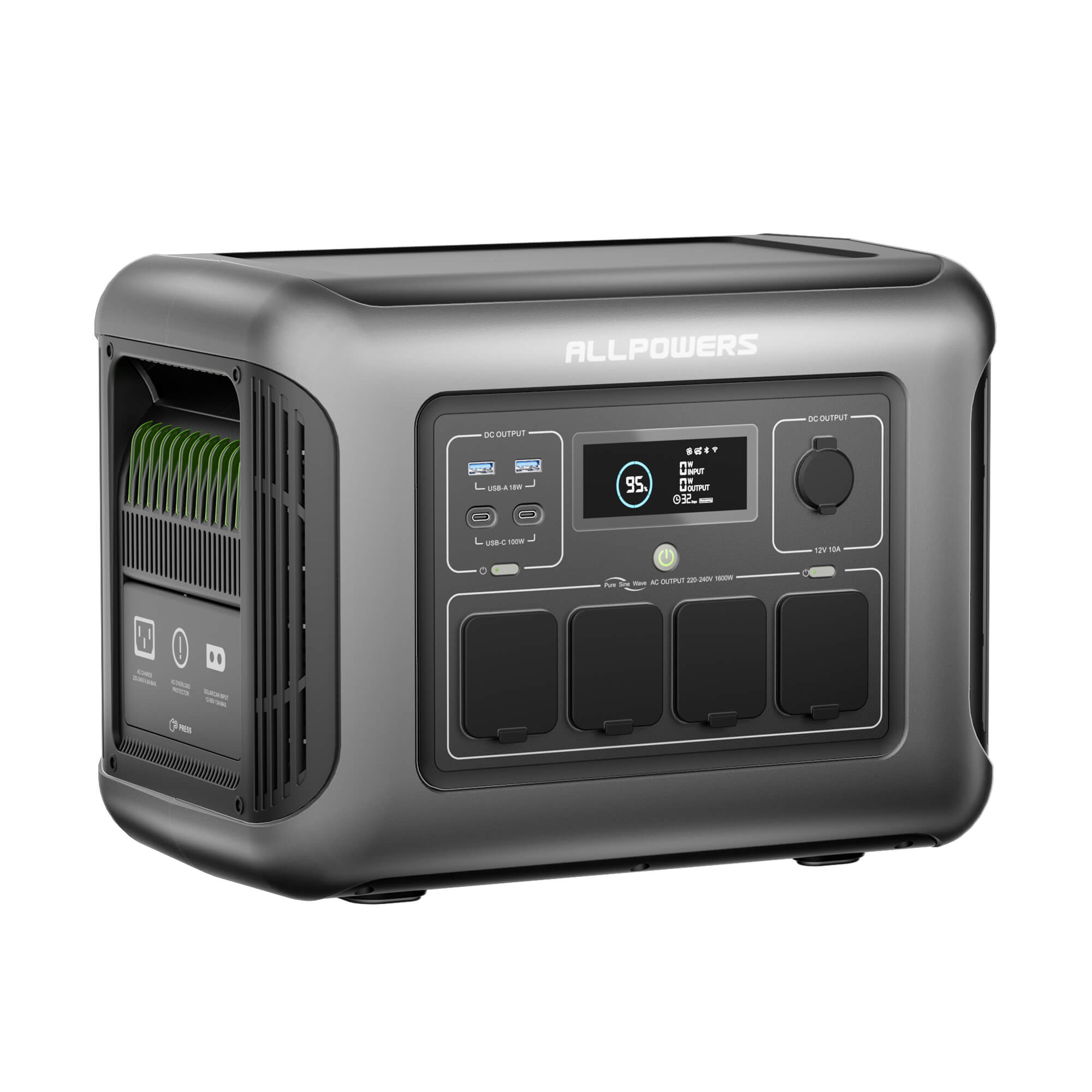
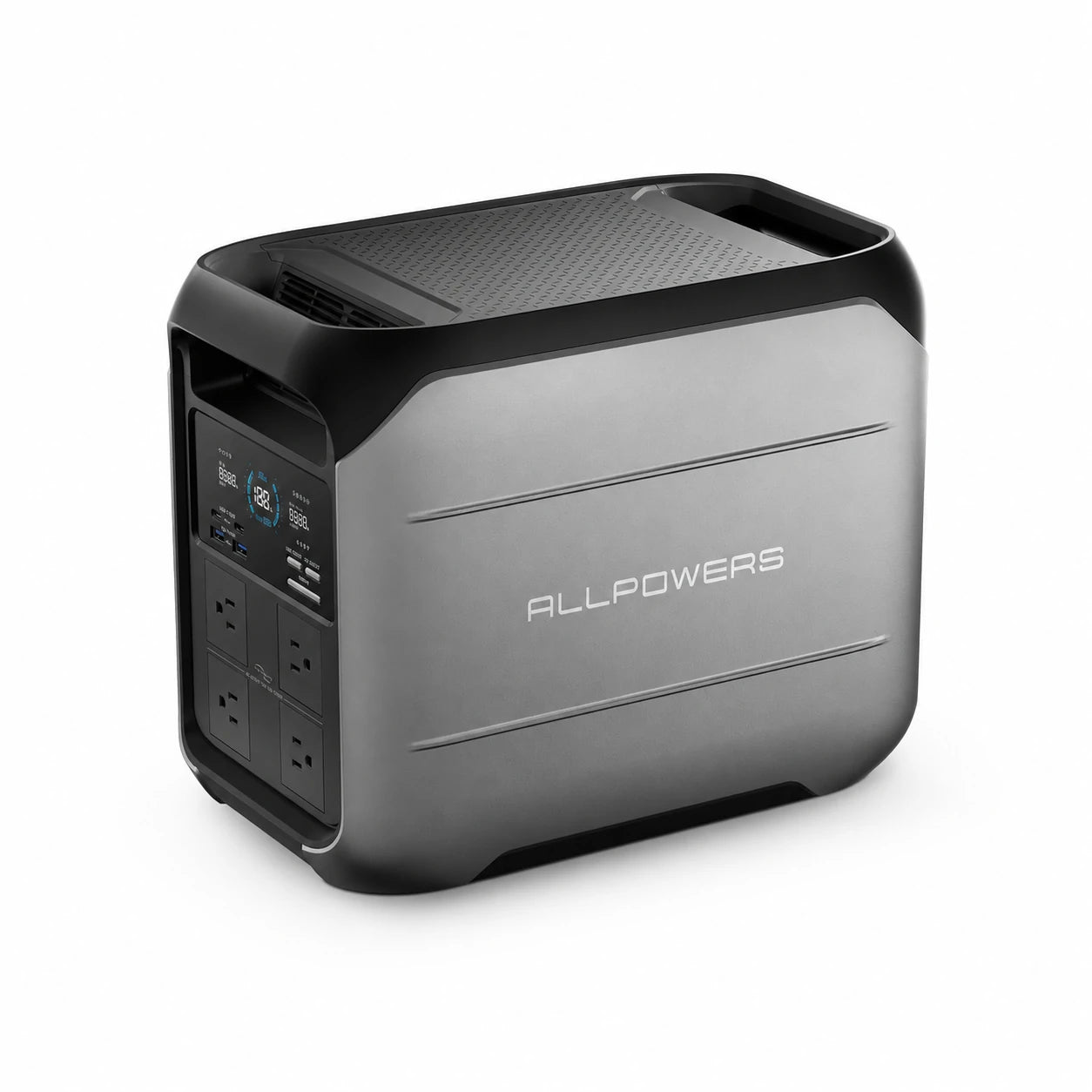
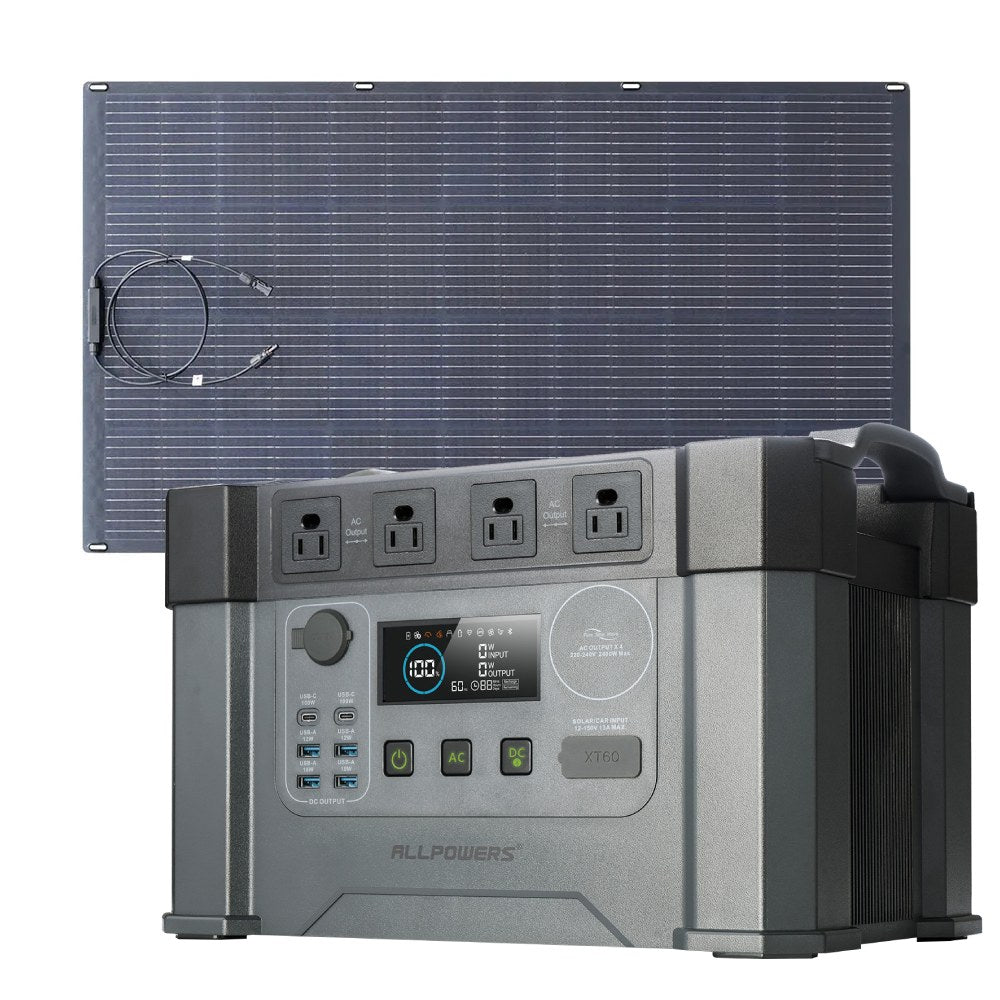
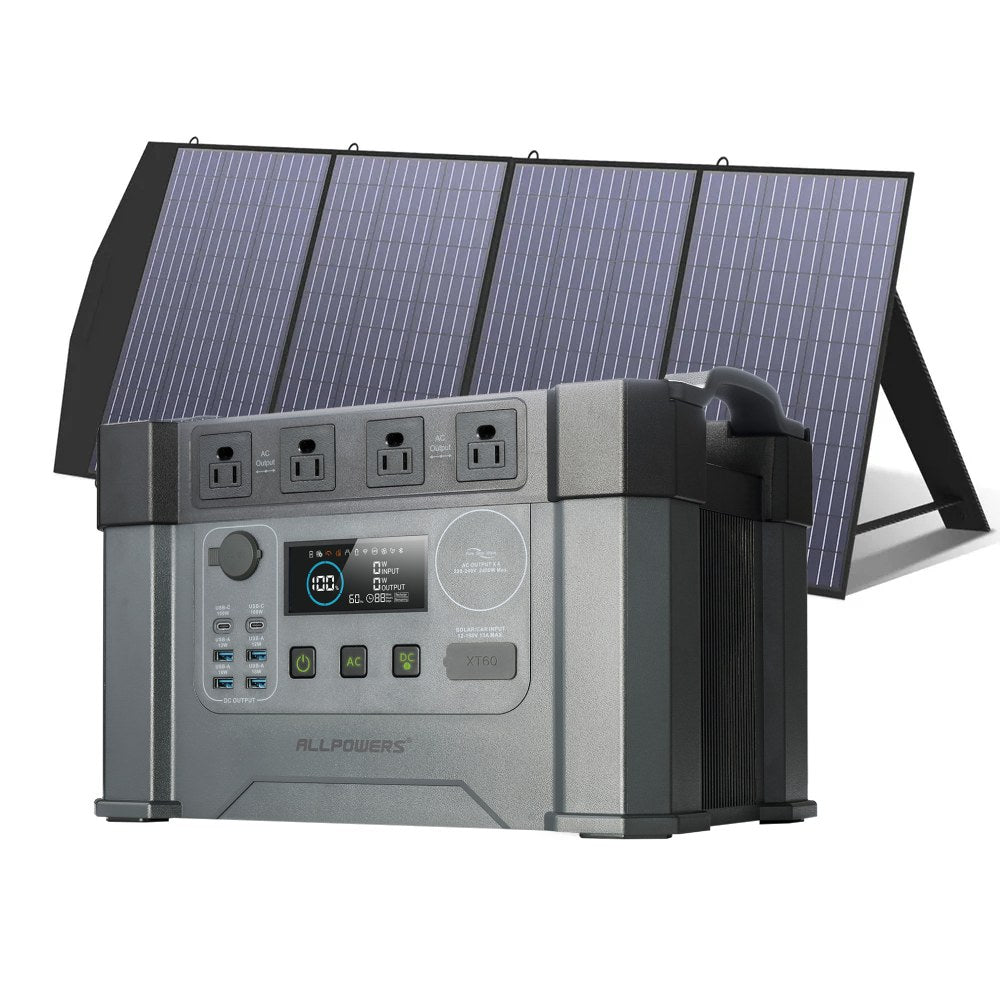
These systems list their battery capacity in watt-hours or kilowatt-hours, and their output capability in watts or kilowatts.
If you know the difference between the two units, you suddenly know how to choose intelligently, without trial and error.
A system that can deliver 2000 watts instantly (2 kW) might sound powerful, but if it only stores 500 watt-hours (0.5 kWh), it will empty quickly.
On the flip side, something storing 2000 watt-hours (2 kWh) but offering only 300 watts of output may run for a long time but can’t handle heavier appliances.
You need both: a strong enough output to support what you're powering and a large enough reservoir to keep things running.
Learn More: What Size Portable Power Station Do I Need?
Conclusion
So what’s the difference between kW and kWh? It comes down to rate versus amount, flow versus storage, intensity versus endurance.
kW tells you how strong or demanding a device is at a given moment. kWh tells you how long energy reserves last and how much total power you consume over time.
Together, they reveal the whole picture of how your devices run, how long they last, and what kind of system truly meets your needs.