









If you’ve ever shopped for a portable power station, you’ve probably run into two terms that feel deceptively similar: modified sine wave inverter and pure sine wave inverter.
The terminology is too technical, and it often comes without a clear explanation of why it matters.
So what actually separates the two, and which type will actually suit your needs?
TL;DR:
A pure sine wave inverter delivers cleaner, smoother electricity that mimics grid power, making it better for sensitive electronics like laptops and appliances with motors or compressors. Modified sine wave inverters are cheaper and fine for simple tools or basic devices.
The Role of the Inverter in Portable Power Systems
An inverter is the quiet worker in the background—converting the DC energy stored in a battery into AC energy that your everyday devices expect.
Most of the gadgets we love take AC power. Your laptop. Your camera charger. Even that tiny air pump you're using to inflate a paddleboard.
So if the inverter is acting like the translator between battery and appliance, then the “language” it uses—modified or pure sine wave—matters more than you might think.
The Pure Sine Wave
First, let’s step back and talk about electricity itself.
Think about the electricity coming out of the wall sockets in your house.
That power is delivered as an alternating current (AC), meaning the voltage cycles smoothly and continuously, reversing direction regularly.
When you look at that cycling voltage plotted on a graph, it forms that beautiful, flowing sine wave—hence the name.
Pure sine wave inverters, as the name suggests, produce electricity that closely mimics the AC from your wall outlet.
The waveform rises and falls in a perfect curve. It’s clean, predictable, and gentle on electronics.
The Modified Sine Wave
Now, let's talk about the modified sine wave (sometimes called Modified Square Wave).
Historically, these were everywhere because they were much simpler and therefore much cheaper to manufacture.
Instead of creating a smooth curve, they use a series of sudden, sharp steps or pauses—a staircase pattern, if you will—to mimic the average voltage of a sine wave.
It’s like trying to draw a circle by connecting a series of short, straight lines. It kind of looks like a circle from far away, but up close, it’s jagged and rough.
Efficiency
Efficiency is more than just a buzzword—it’s about how much usable energy you get from your battery and how well your devices perform.
Modified sine wave inverters can waste energy on certain appliances.
A microwave or refrigerator, for instance, might pull more power and take longer to run than it would on a pure sine wave inverter.
Over time, that inefficiency can add up, especially if you’re off-grid or relying on solar panels with limited daily yield.
Compatibility
This is where things get practical. Most everyday gadgets—simple lights, heaters, basic power tools—will tolerate a modified sine wave.
But many modern devices aren’t just “gadgets.” Think laptops, smartphones, CPAP machines, gaming consoles, and high-end audio equipment.
Medical devices are particularly sensitive. CPAP users, for example, can’t risk waveform distortion causing a malfunction mid-night.
Audio enthusiasts notice the faint hum in speakers, and photographers see slower or erratic battery charging for cameras.
Sound
Here’s a little thing most people overlook: sound.
Devices running on a modified sine wave inverter can produce a noticeable hum or buzz.
Sometimes it’s subtle, sometimes it’s like nails on a chalkboard. A pure sine wave inverter is silent in comparison.
Longevity
Then there’s the wear-and-tear factor.
Sensitive electronics don’t just hum; they can overheat or degrade faster if exposed to irregular waveforms.
While the differences might not be noticeable after a single use, repeated exposure to modified sine wave power can shorten the lifespan of expensive devices.
Pure sine wave inverters protect your gear in the long run, which is something every careful camper or off-grid enthusiast appreciates.
Cost
Modified sine wave inverters have a clear advantage when it comes to cost.
You can get a functional inverter for a fraction of the price of a pure sine wave model.
For basic setups—like powering simple lights, charging phones, or running small tools—they’re economically sensible.
But here’s the subtle nuance: the initial savings can be offset by inefficiency, device wear, and the potential need for replacements.
Pure sine wave inverters carry a higher upfront cost, yes, but the stability, efficiency, and device protection often justify the price over time.
Key Differences Table:
| Feature | Pure Sine Wave Inverter (PSW) | Modified Sine Wave Inverter (MSW) |
| Output Waveform | Produces a smooth, continuous, perfect curve, virtually identical to standard household AC power. | Produces a waveform with sharp steps or pauses (a "staircase" pattern) to mimic the sine wave. |
| Compatibility | Excellent. Compatible with virtually all electronic devices. | Fair/Basic. Generally fine for simple devices. |
| Efficiency | High efficiency. Devices run cooler and use power efficiently. | Lower efficiency. Can cause appliances (like microwaves or refrigerators) to pull more power and run longer. |
| Noise | Very quiet or silent operation. | Devices may produce a noticeable hum or buzz. |
| Device Longevity | Protects and preserves the lifespan of connected electronics due to clean power. | Can cause electronics to overheat or degrade faster due to the irregular, rough waveform. |
| Cost | Higher upfront cost. | Significantly lower upfront cost. |
| Motor Performance | AC motors (in blenders, compressors, etc.) run cooler and quieter. | AC motors may hum, overheat, or run less efficiently. |
Why Pure Sine Wave Inverters Often Win the Day
Pure sine wave inverters, are where things start to feel a little more… professional.
They produce a smooth, continuous waveform, virtually identical to the electricity from your home outlet.
That makes them the preferred choice for sensitive electronics, high-end audio equipment, refrigerators, medical devices, and anything with microprocessors.
Here’s an interesting tidbit: devices with AC motors, like blenders or compressors, run cooler and quieter on a pure sine wave inverter.
Modified sine waves can cause motors to hum, overheat, or run less efficiently.
Pure sine wave inverters eliminate that irritation and provide a level of reliability that’s hard to beat.
Why Modified Sine Wave Inverters Still Exist
Modified sine wave inverters remain popular because they’re inexpensive and simple. For budget builds or extremely basic loads, they’re still useful.
Lighting equipment, older TV models, non-smart appliances, or simple resistance-based heating elements generally tolerate blocky waveforms without complaint.
But let’s be real: fewer people bring those kinds of devices outdoors anymore. And during a power outage at home, we rely on electronics that expect consistent, grid-like power.
That puts modified sine wave inverters in an awkward spot—still functional, but less compatible with modern living.
So Which One Should You Choose?
Start with the devices you plan to power. If it’s lights, fans, and basic tools, a modified sine wave inverter can be sufficient.
But if you have laptops, medical devices, sensitive kitchen appliances, or just want worry-free operation, a pure sine wave inverter is worth it.
Also, consider your environment. Are you camping in remote areas, where every watt counts?
Are you relying on your portable power station during power outages? Smooth, clean power can prevent stress, inefficiency, and potential damage.
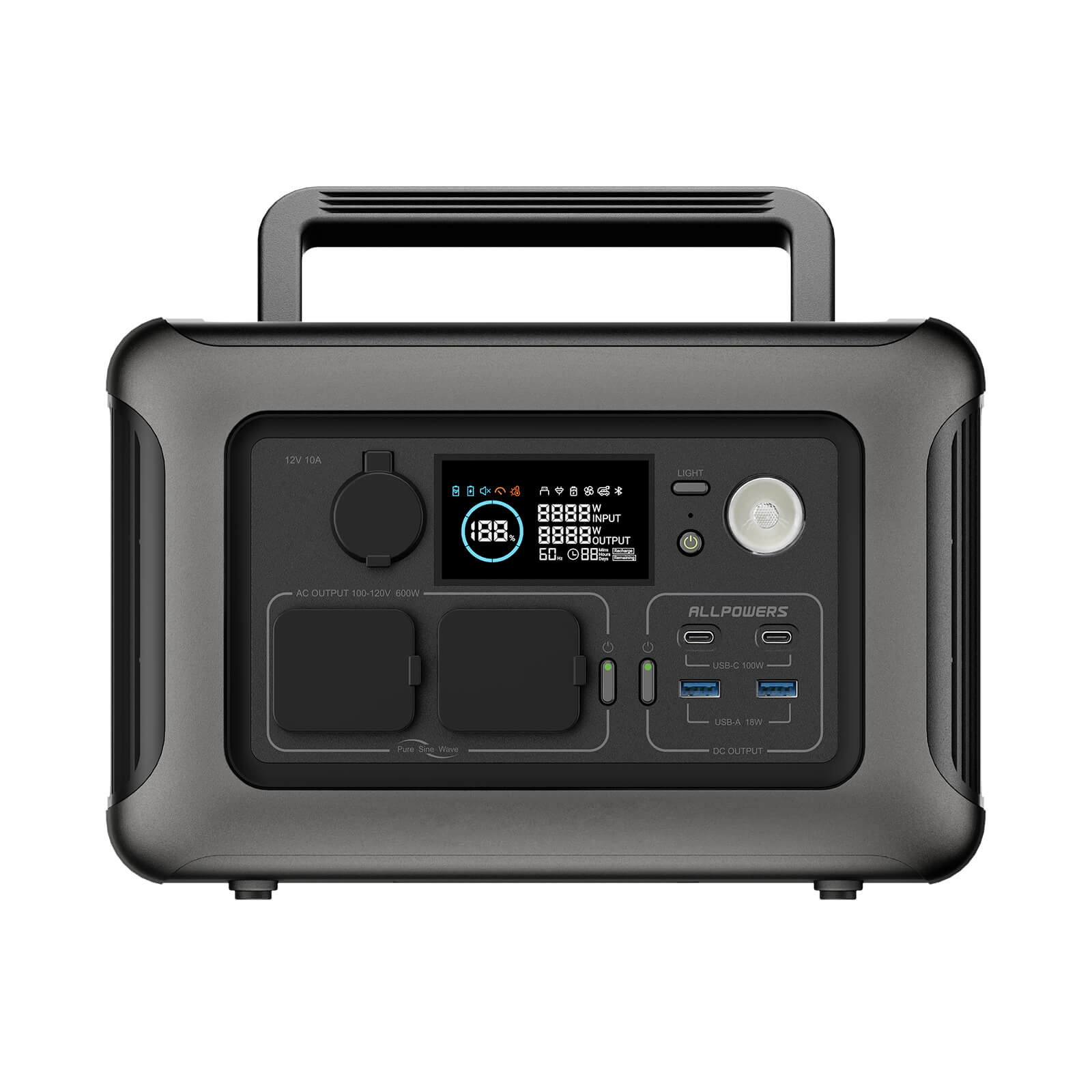
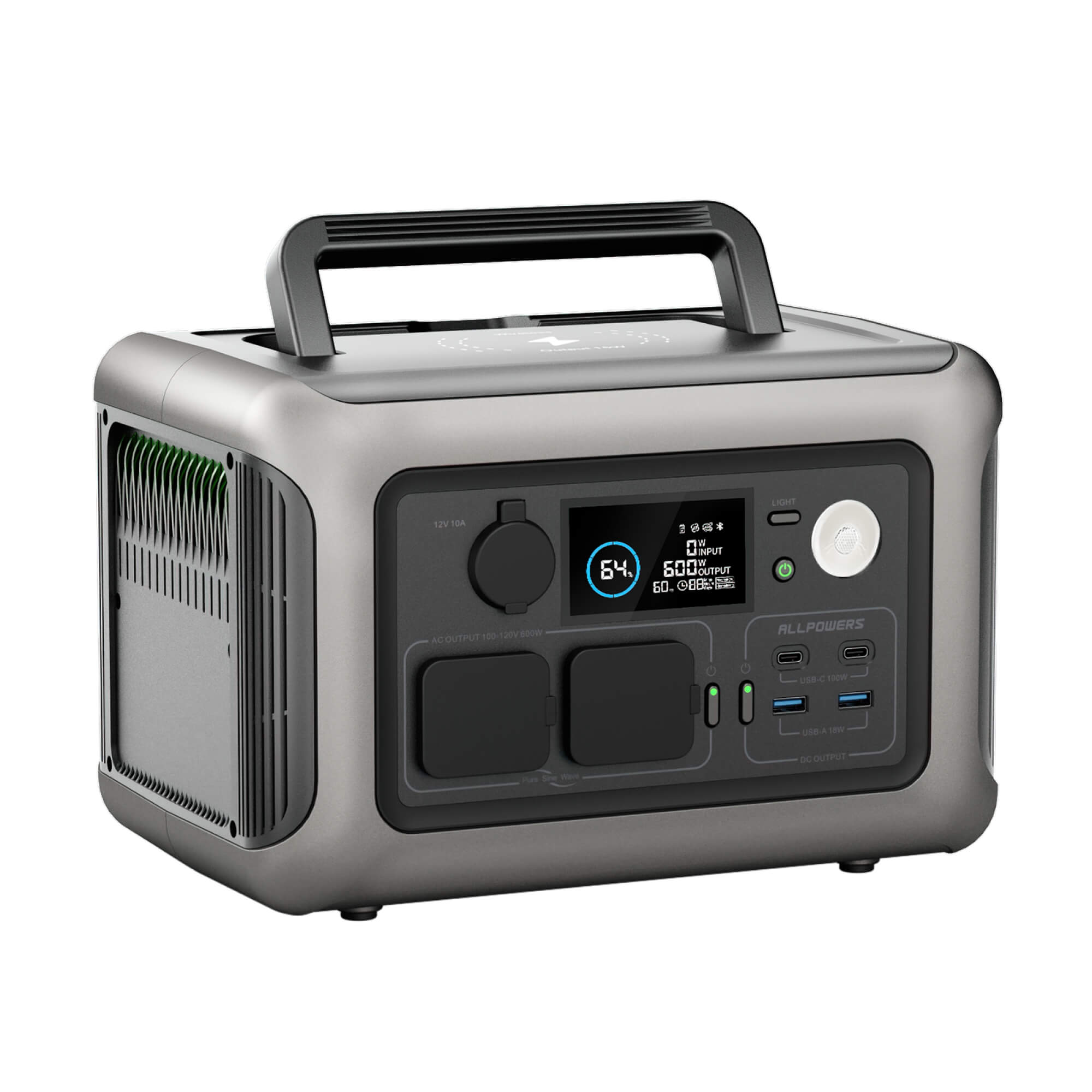
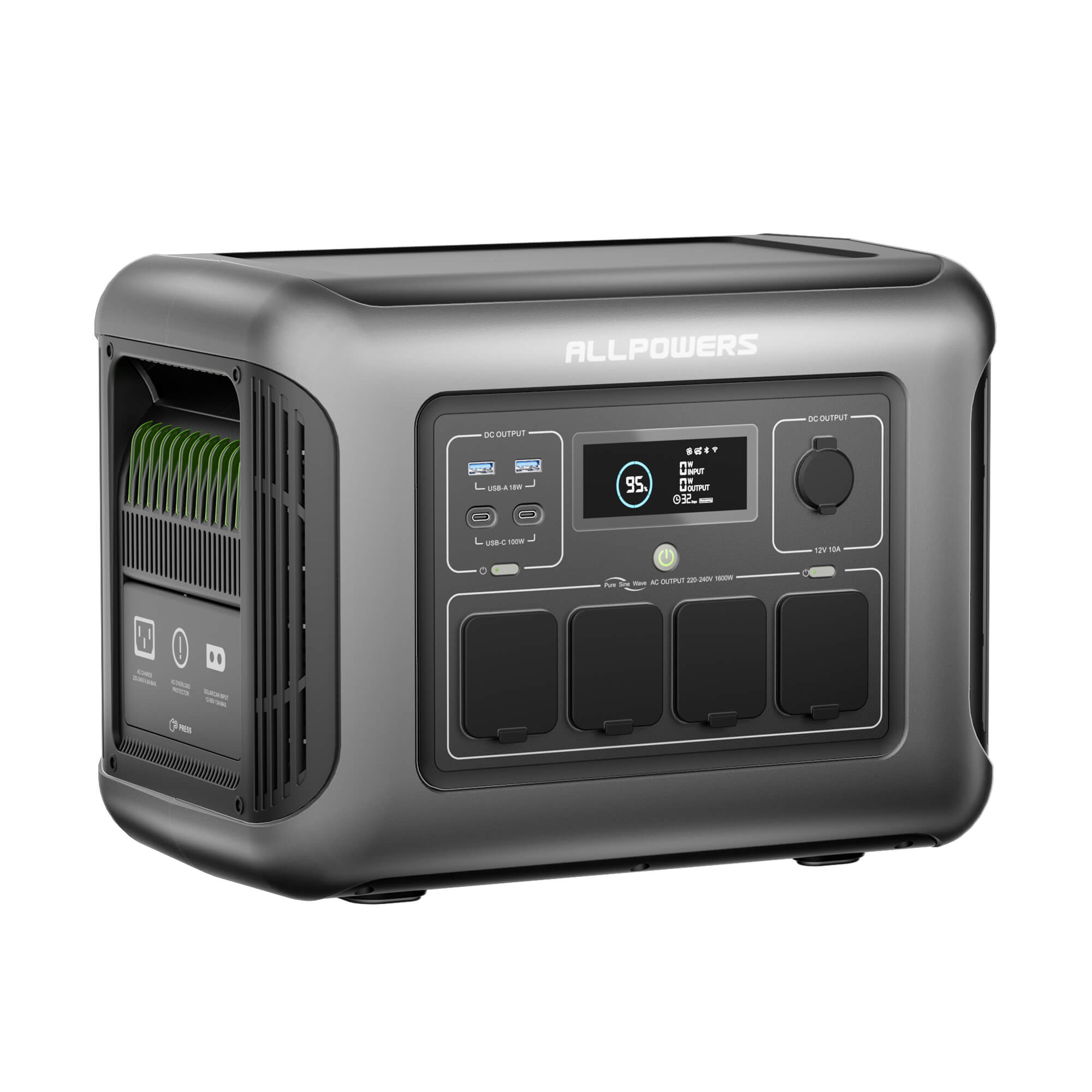
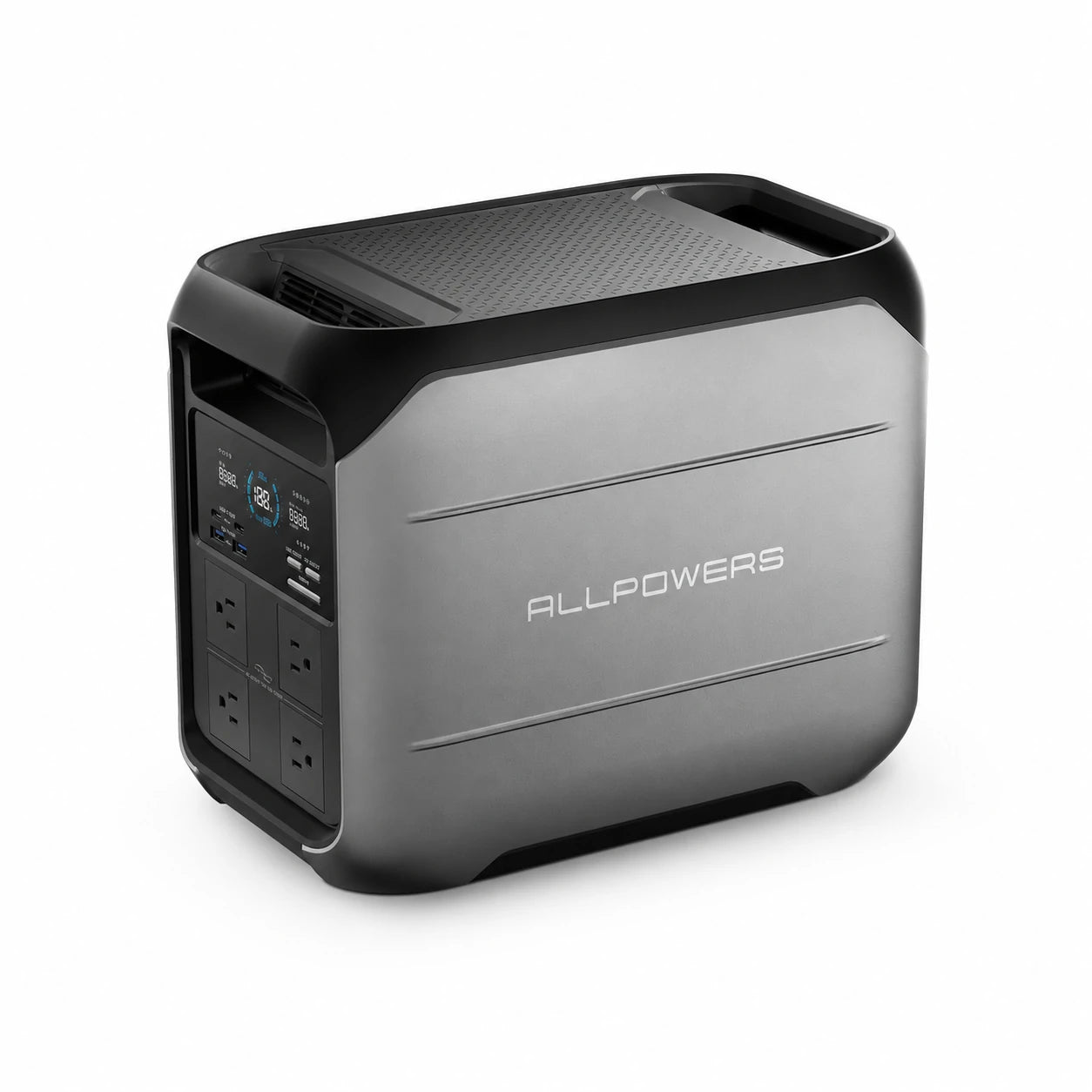
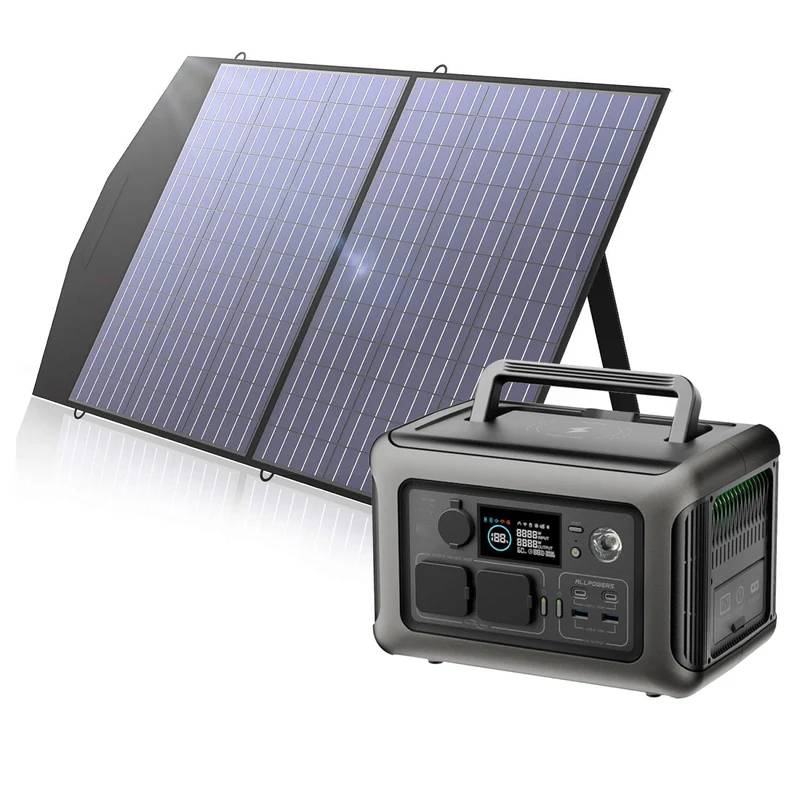
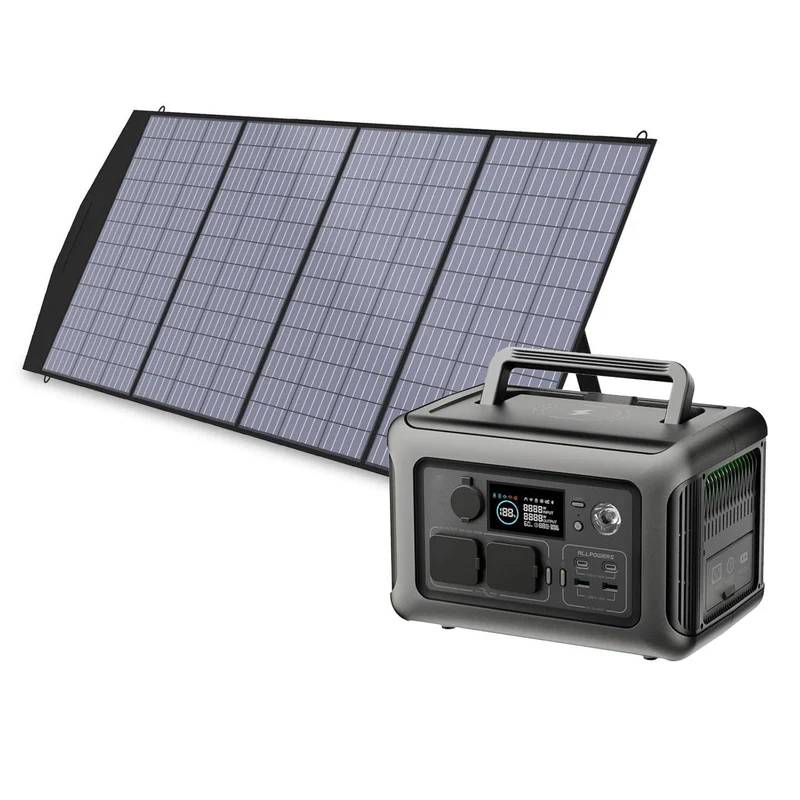
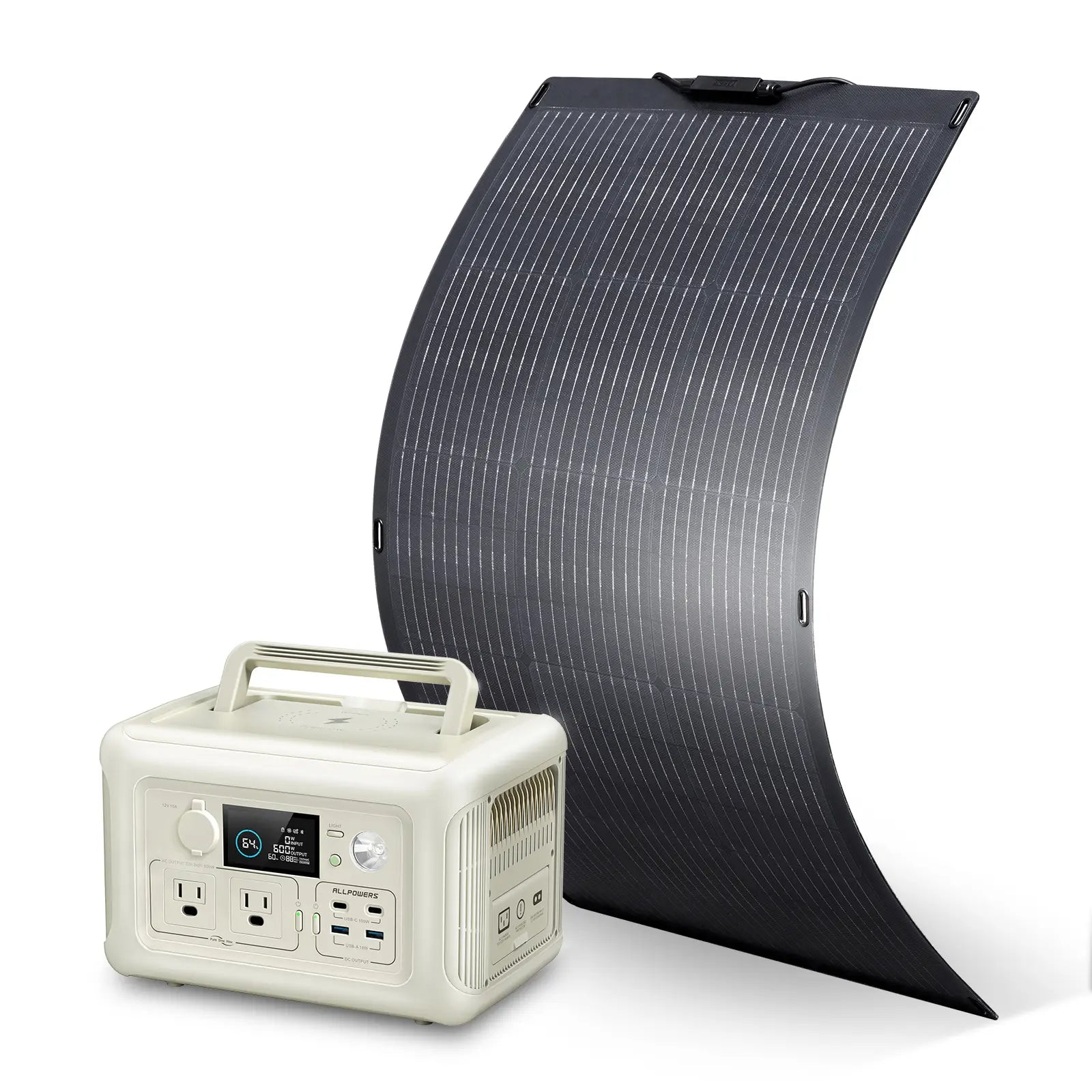
ALLPOWERS R600 Portable Power Station
$199.00 $269.00
- 299Wh Capacity;
- 600W Pure Sine Wave Output;
- Fast Charge 100% in 1 Hours;
- Start UPS in 10 ms;
- Long-Lasting And Safe Lifepo4 Battery;
Conclusion
So yes, modified sine wave inverters have their place — they’re budget-friendly and fine for simple devices.
But pure sine wave inverters create a smoother, quieter, safer power experience that mirrors what you expect from the grid.
If you're relying on your power setup for comfort, safety, or anything mission-critical, the smoother path really is the smarter one.