








There’s a moment every summer—the kind of heat that sticks to your skin, and your window air conditioner hums like a lifeline.
But what happens when you’re off-grid, camping, or dealing with a blackout and still craving that same cool air?
Can something as compact as a portable power station really handle the demand of a window air conditioner?
TL;DR
Yes, a portable power station can run a window air conditioner—but only under specific conditions. You need enough battery capacity (watt-hours), sufficient output power (watts), and an efficient AC unit. Smaller window ACs (around 5,000–8,000 BTU) are the most realistic match. Even then, the runtime may be limited unless you’re pairing the setup with solar input or using it in short bursts.
How a window air conditioner really draws power
Here’s the thing—window AC units aren’t exactly gentle on electricity.
Even the smaller ones, say 5,000 to 6,000 BTU, typically pull between 500 and 700 watts while running.
That’s steady draw. But the real kicker? The startup surge.
When the compressor kicks in, it can briefly demand double or even triple that amount.
And if your power station can’t handle that surge, the system simply won’t start.
Larger units, say 10,000 BTU and above, can easily climb past 1,000 watts running, with surge spikes well beyond that.
That’s not outrageous compared to, say, a central HVAC system, but it’s still a serious load for a battery.
Interestingly, newer inverter-style air conditioners are more power-efficient.
They ramp up and down instead of constantly switching on and off, which reduces those harsh startup surges.
That alone can make them more compatible with battery-based setups.
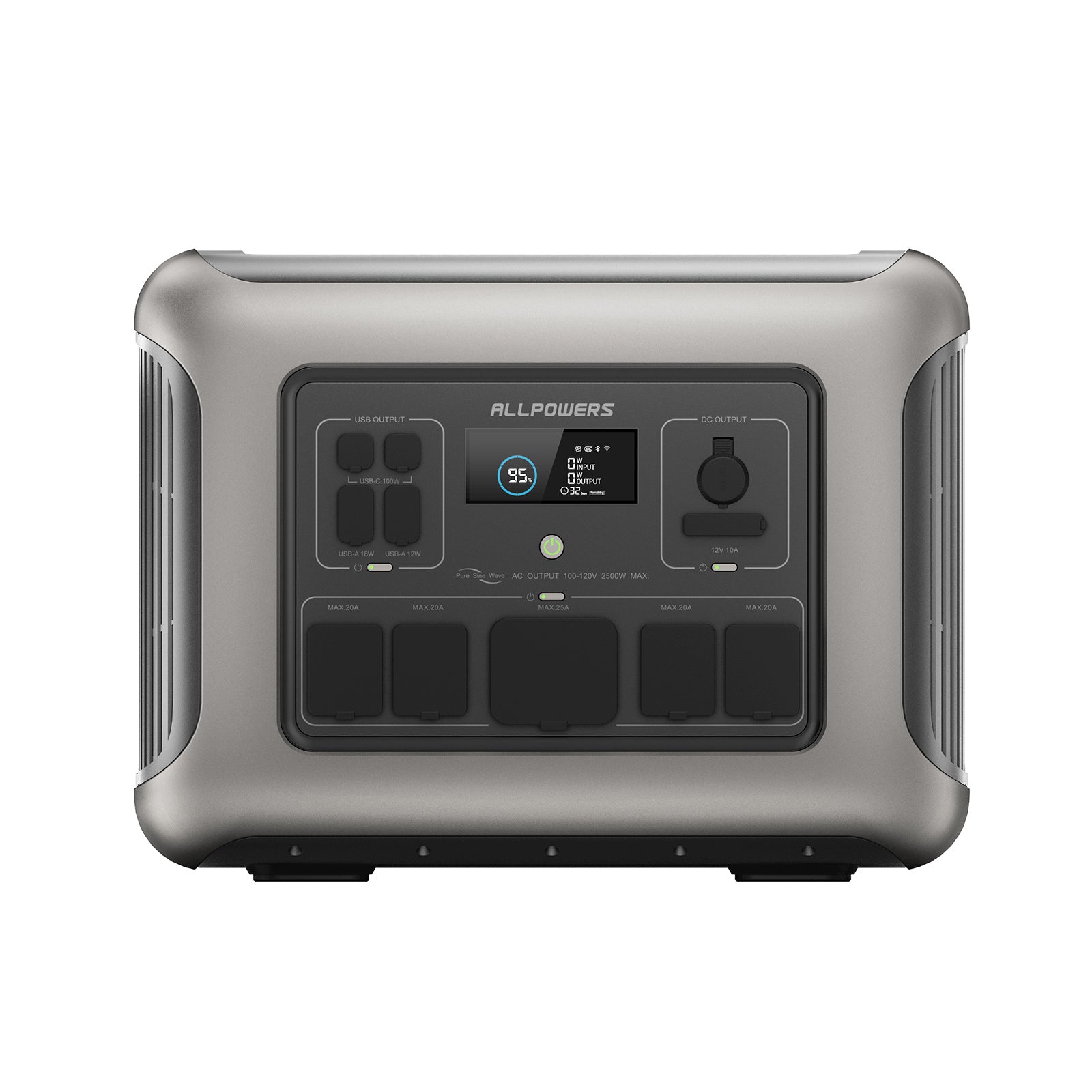
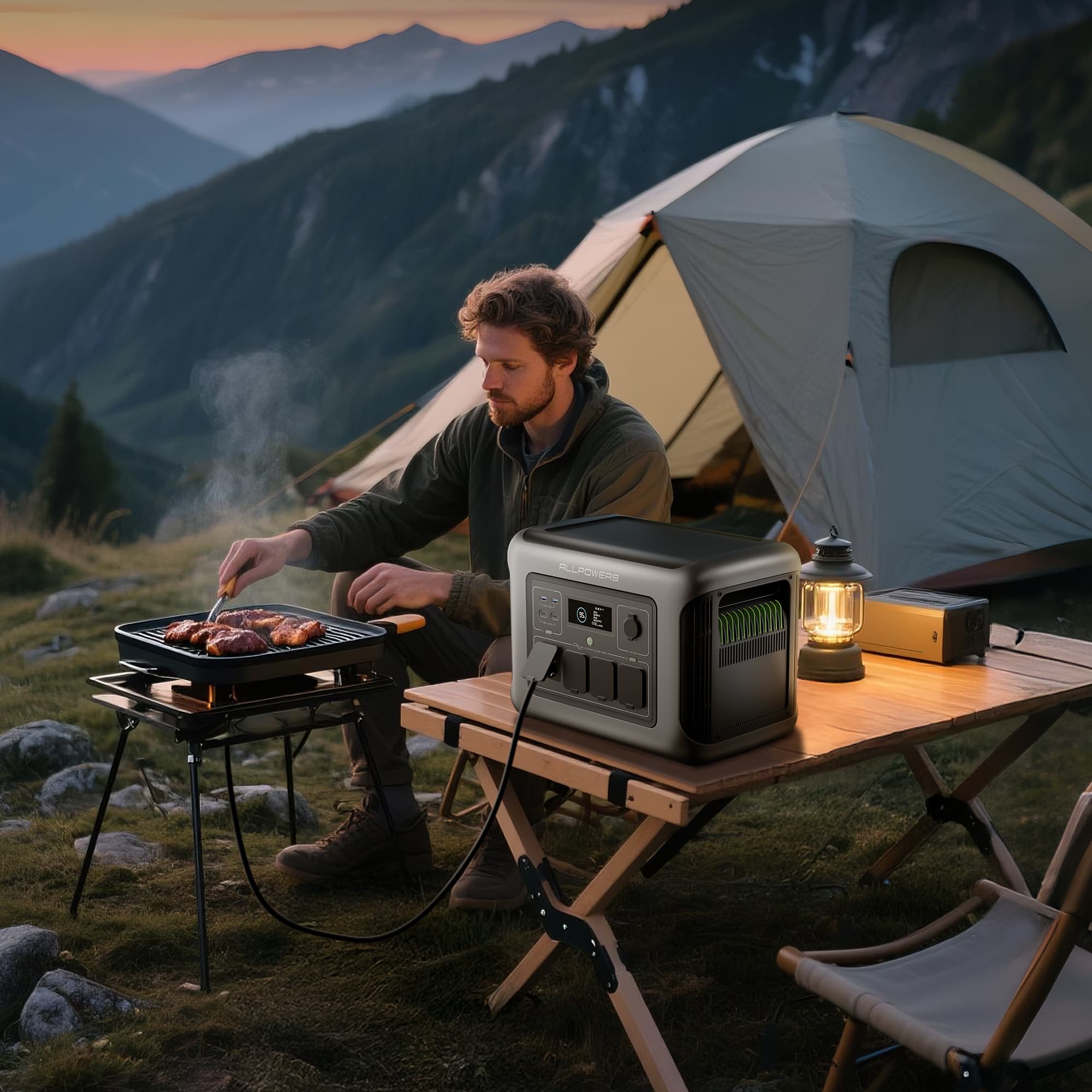
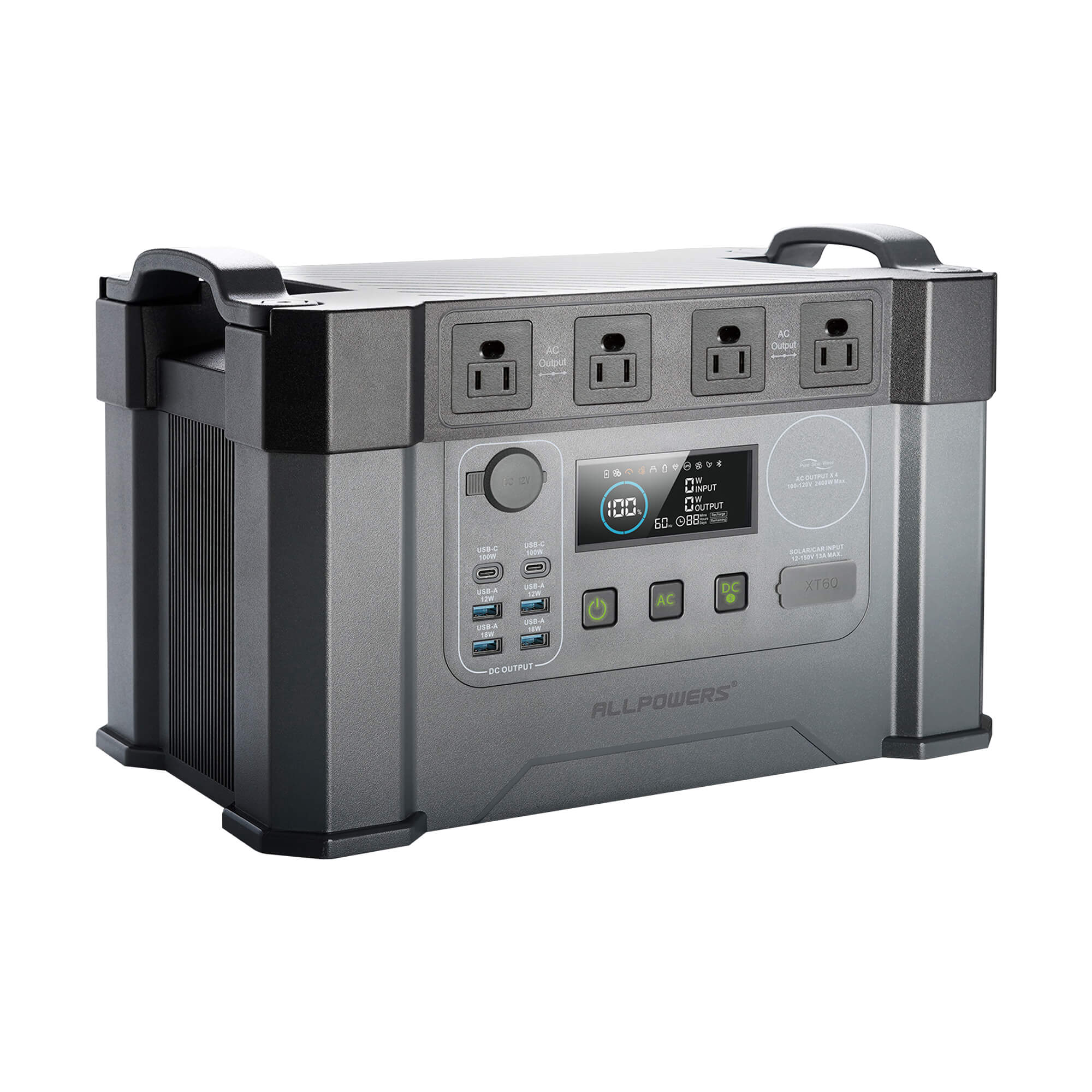
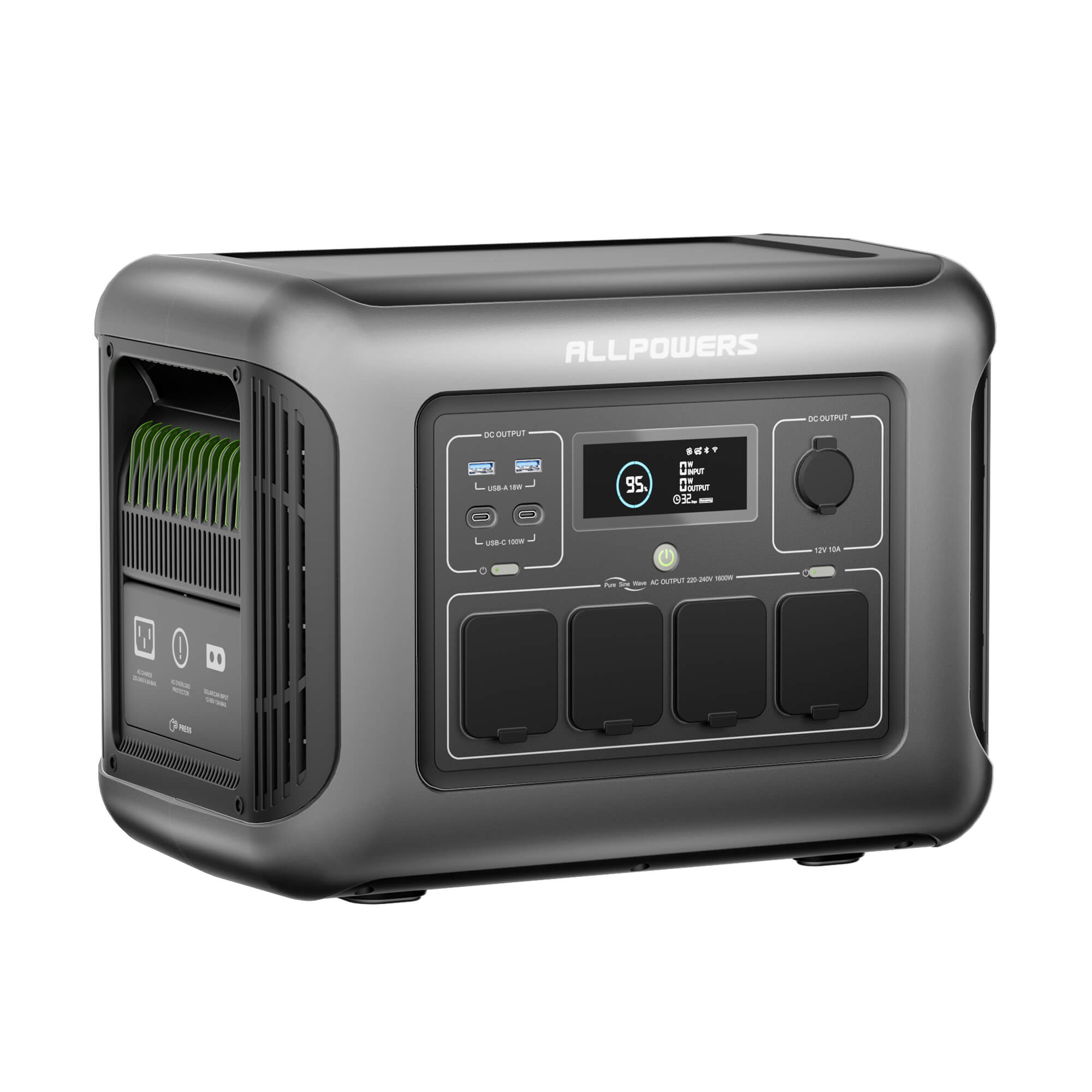
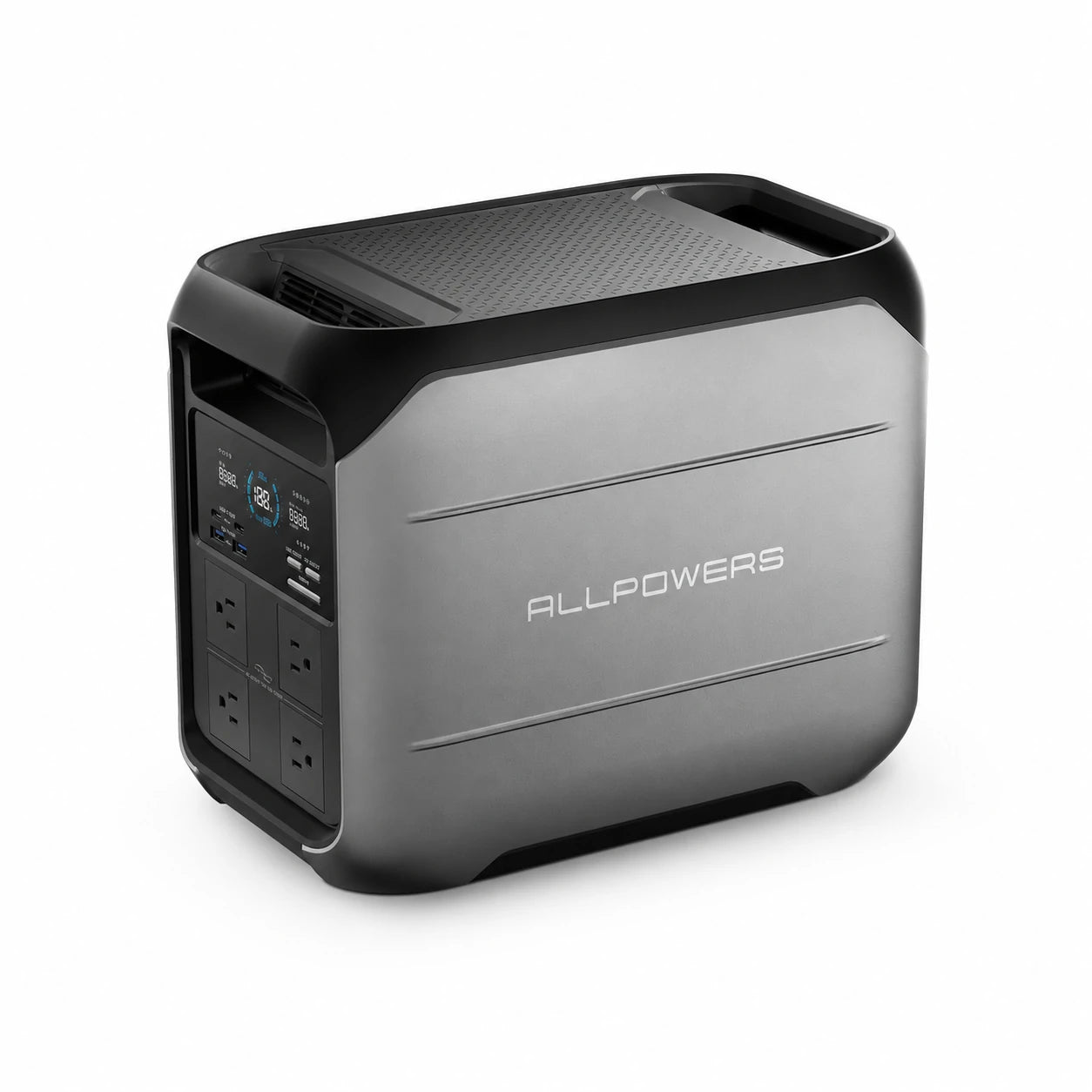
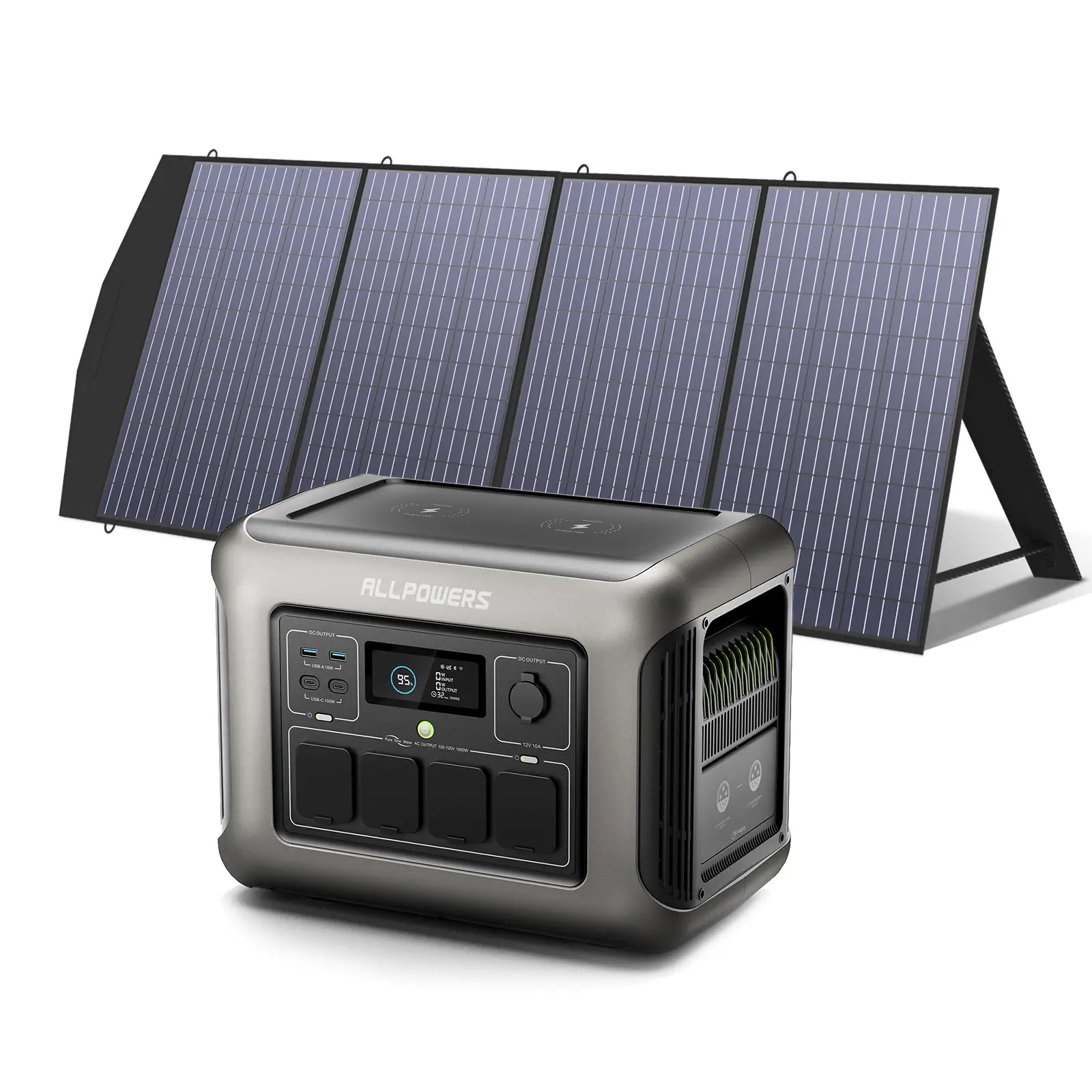
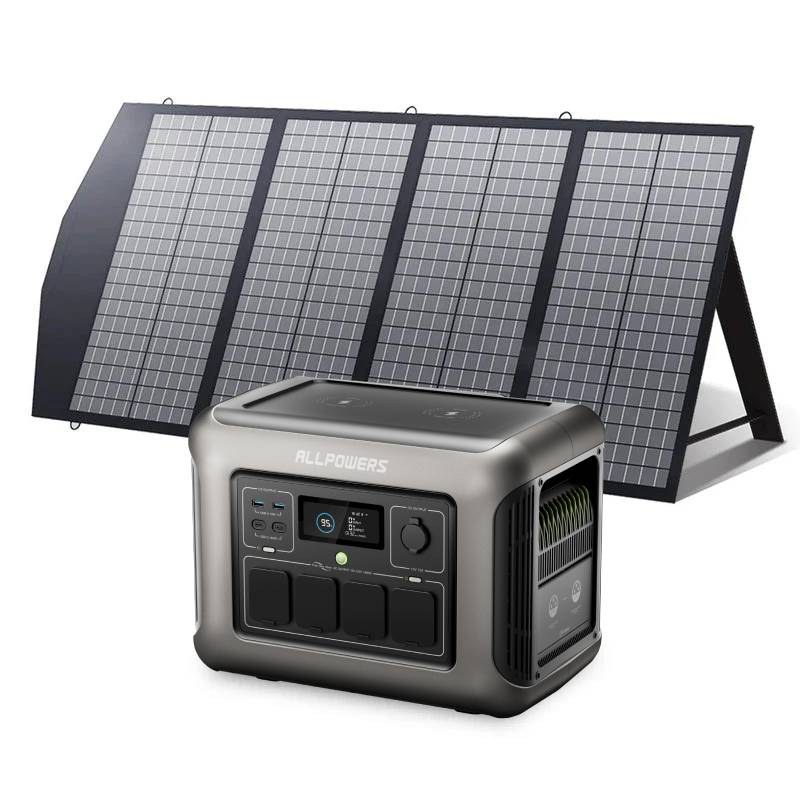
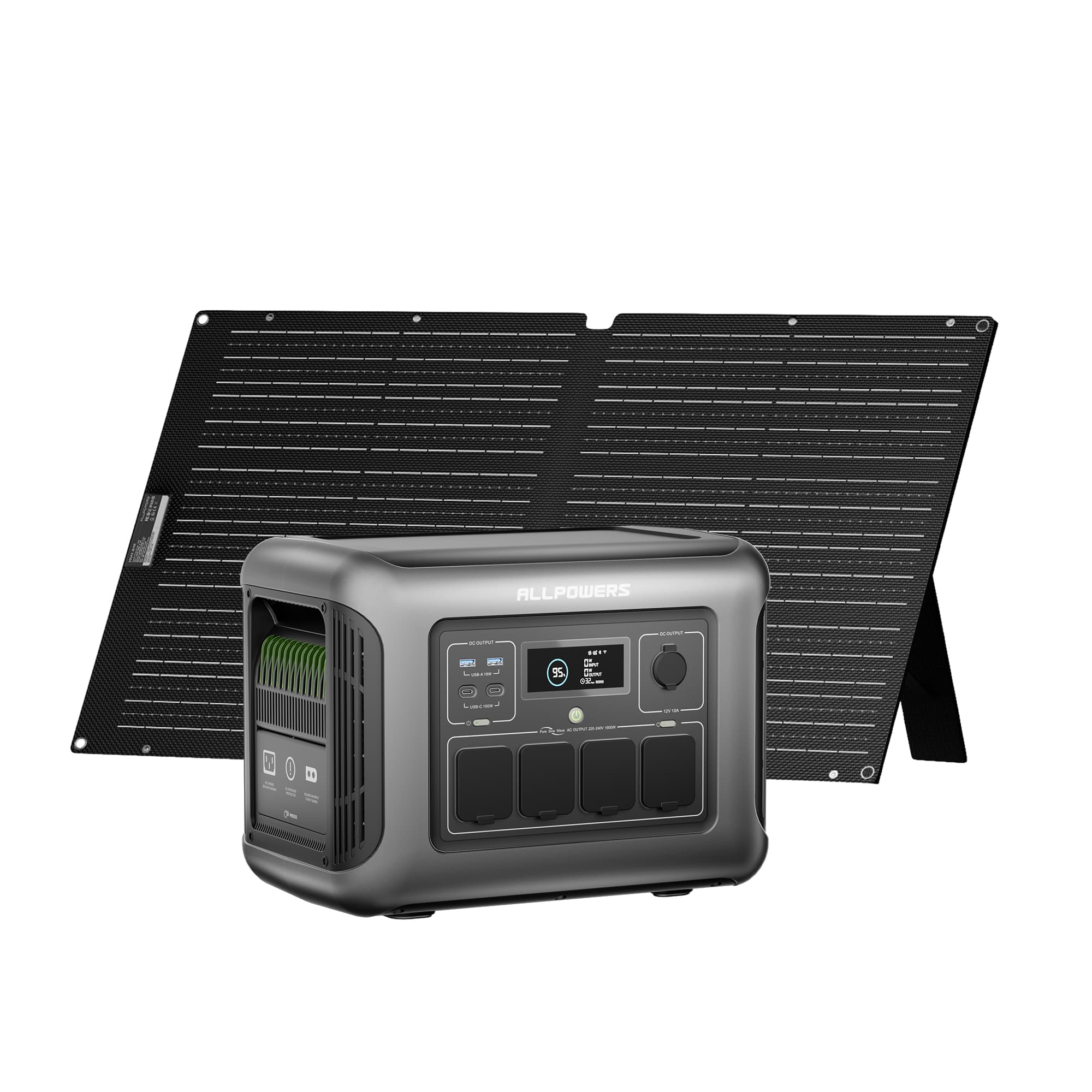
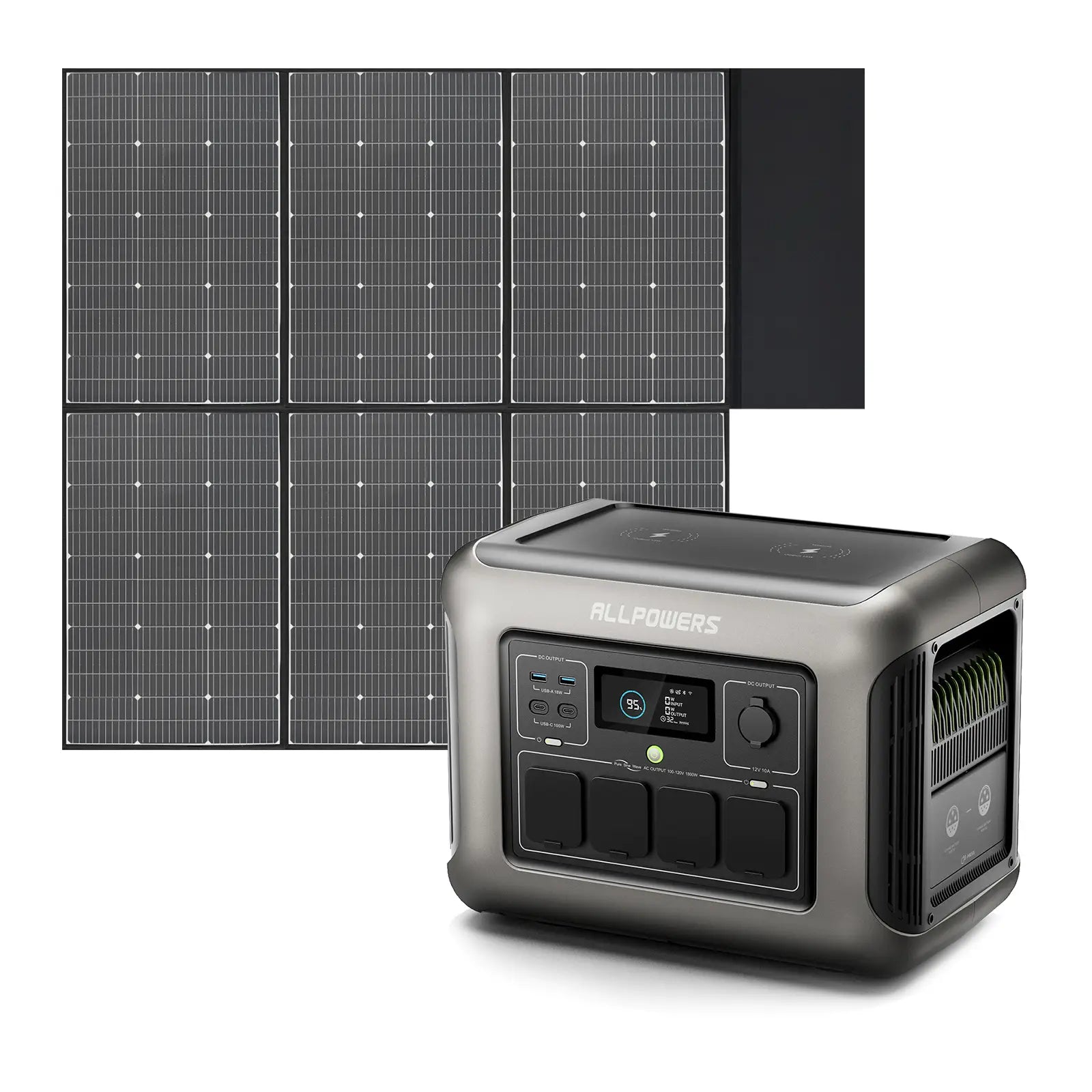
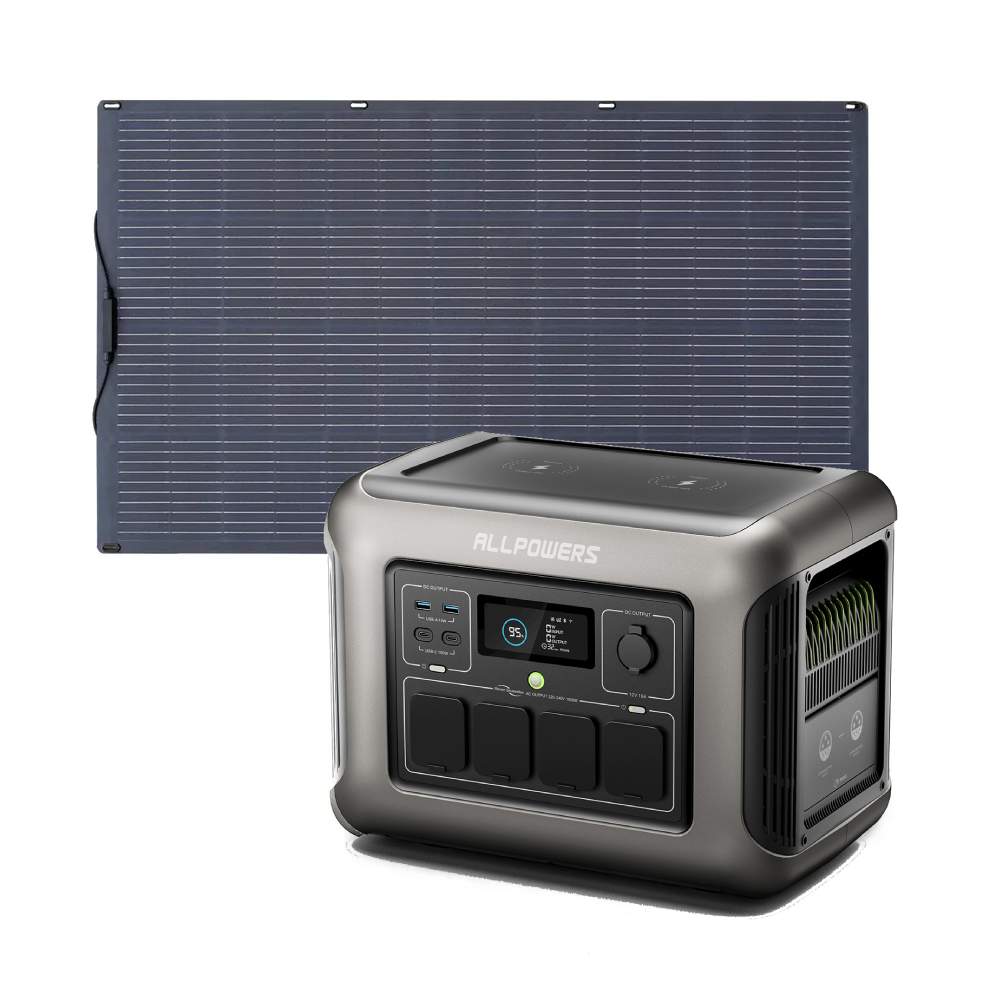
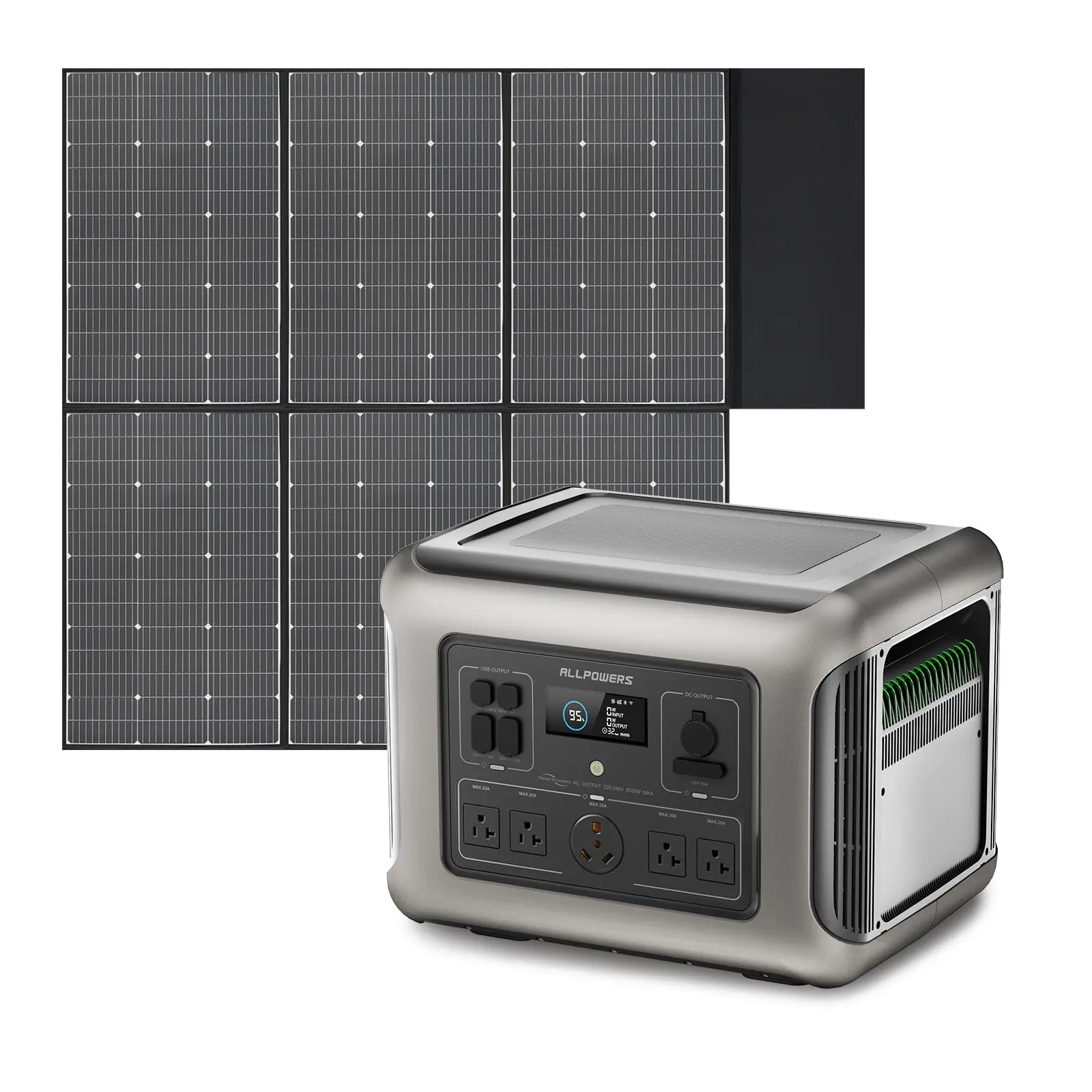
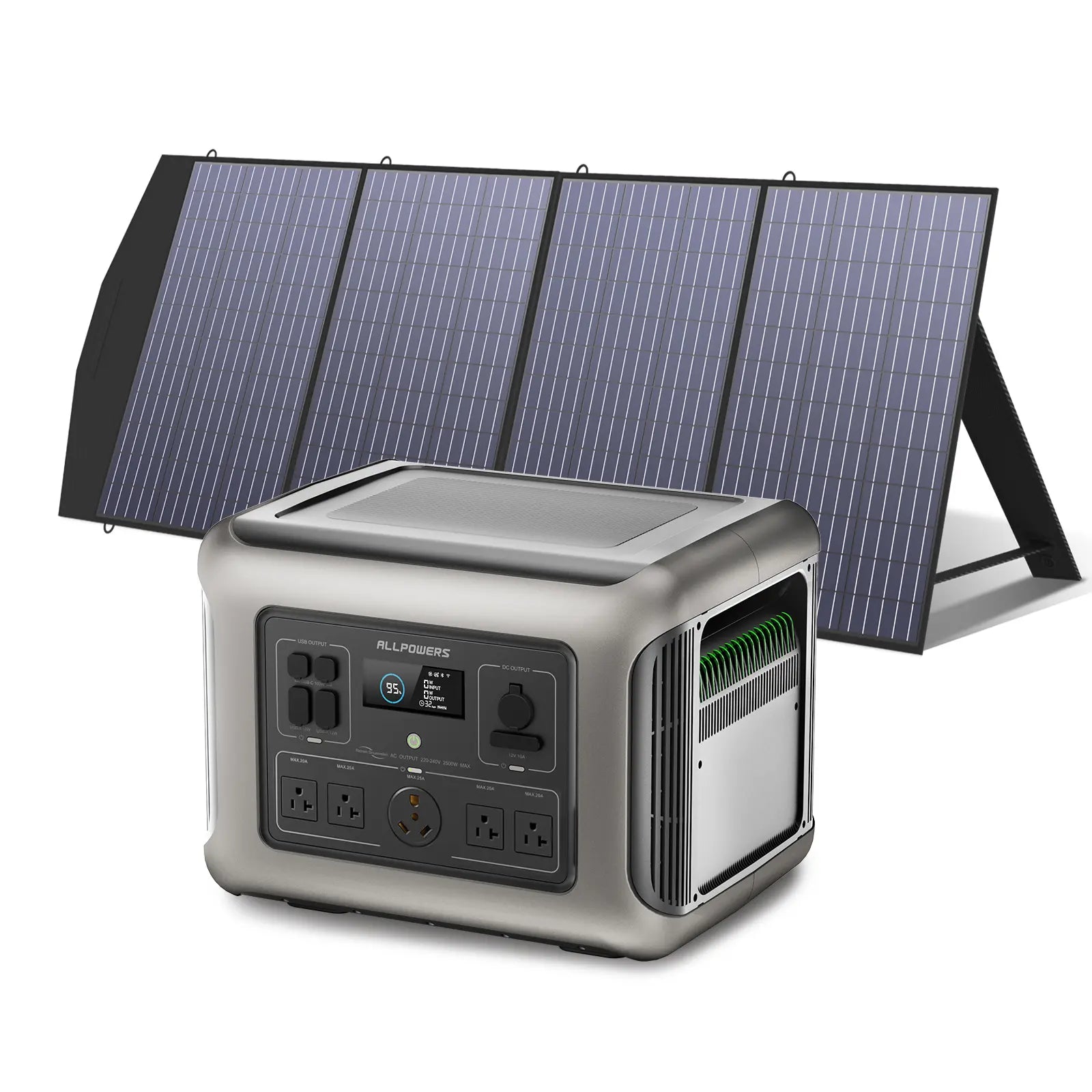
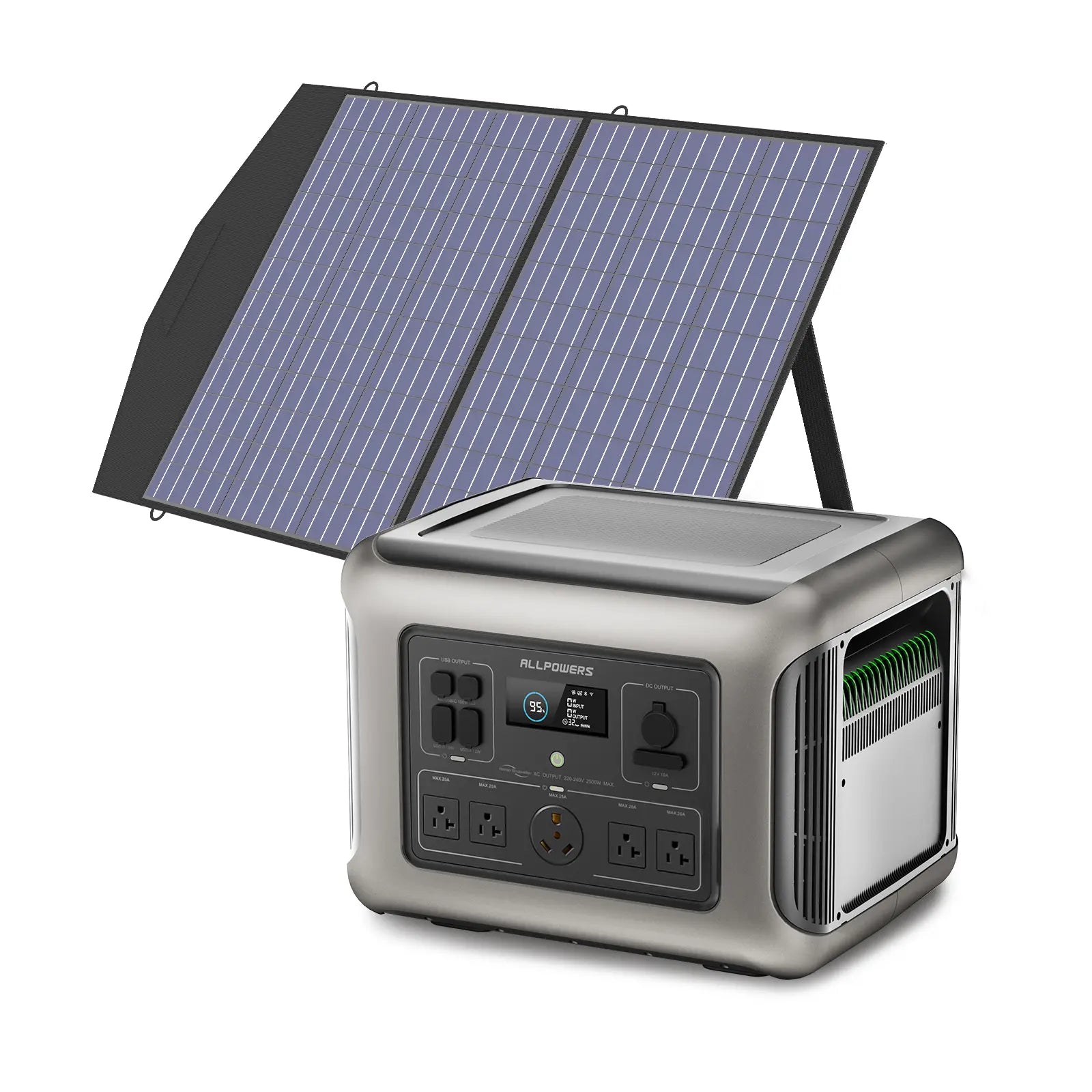
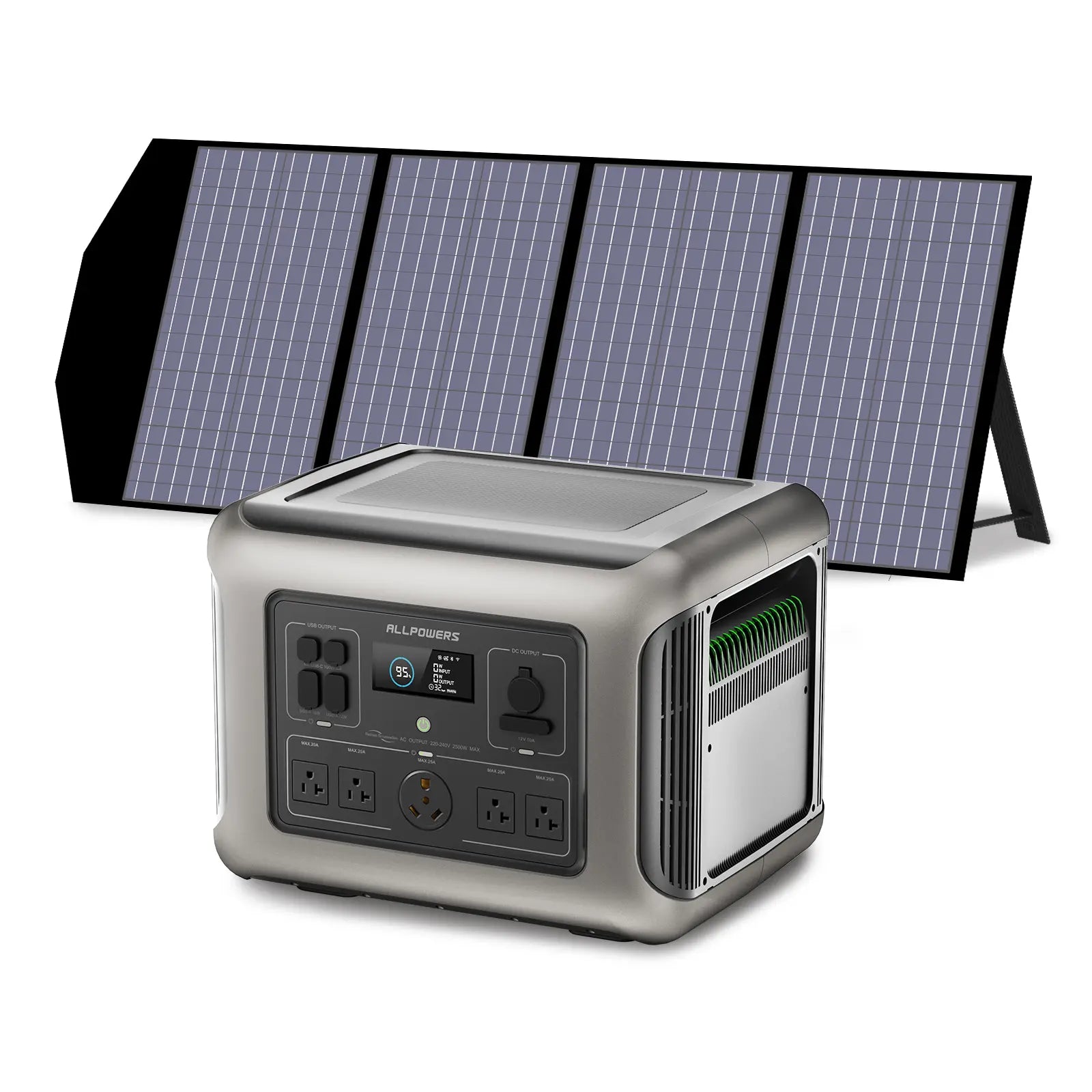
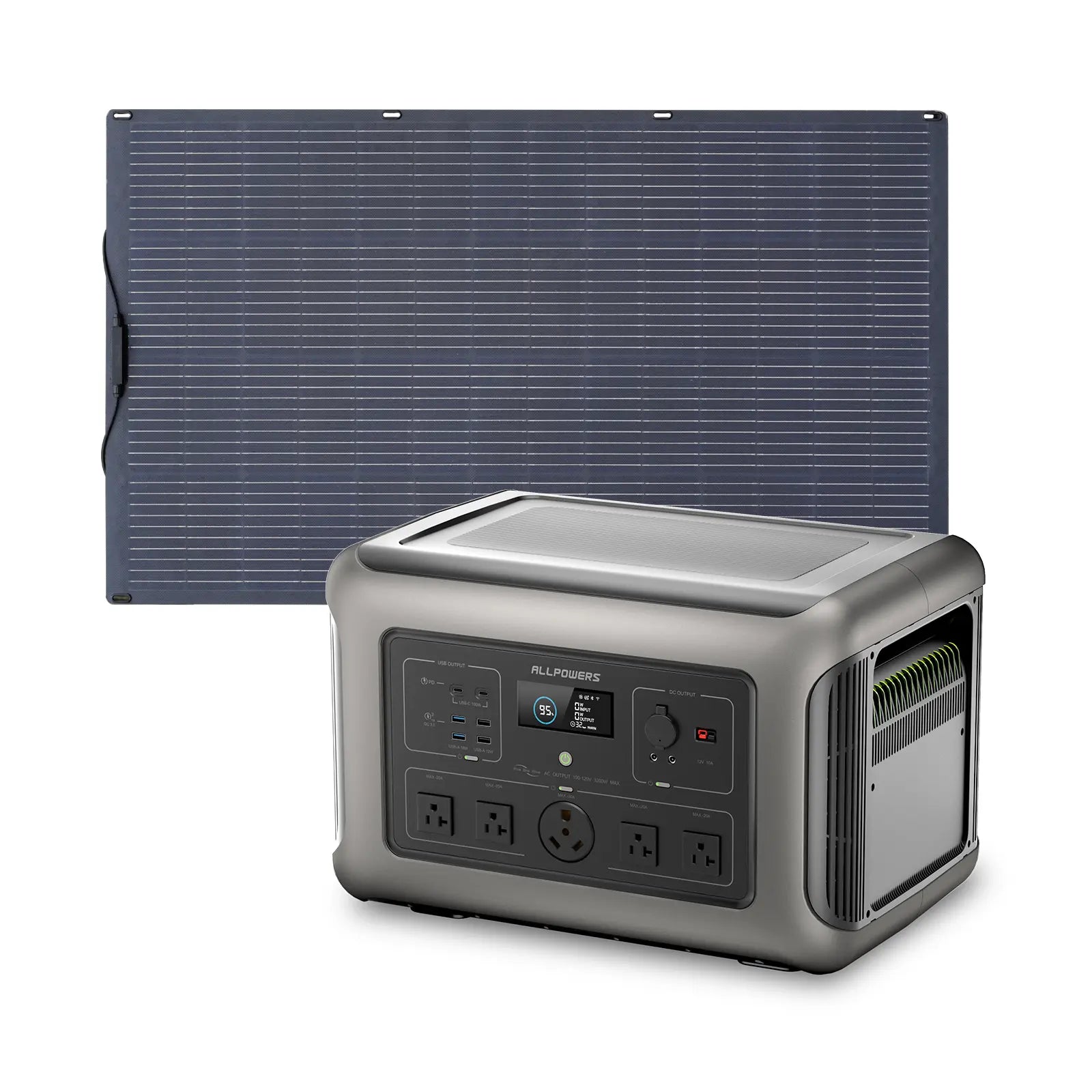
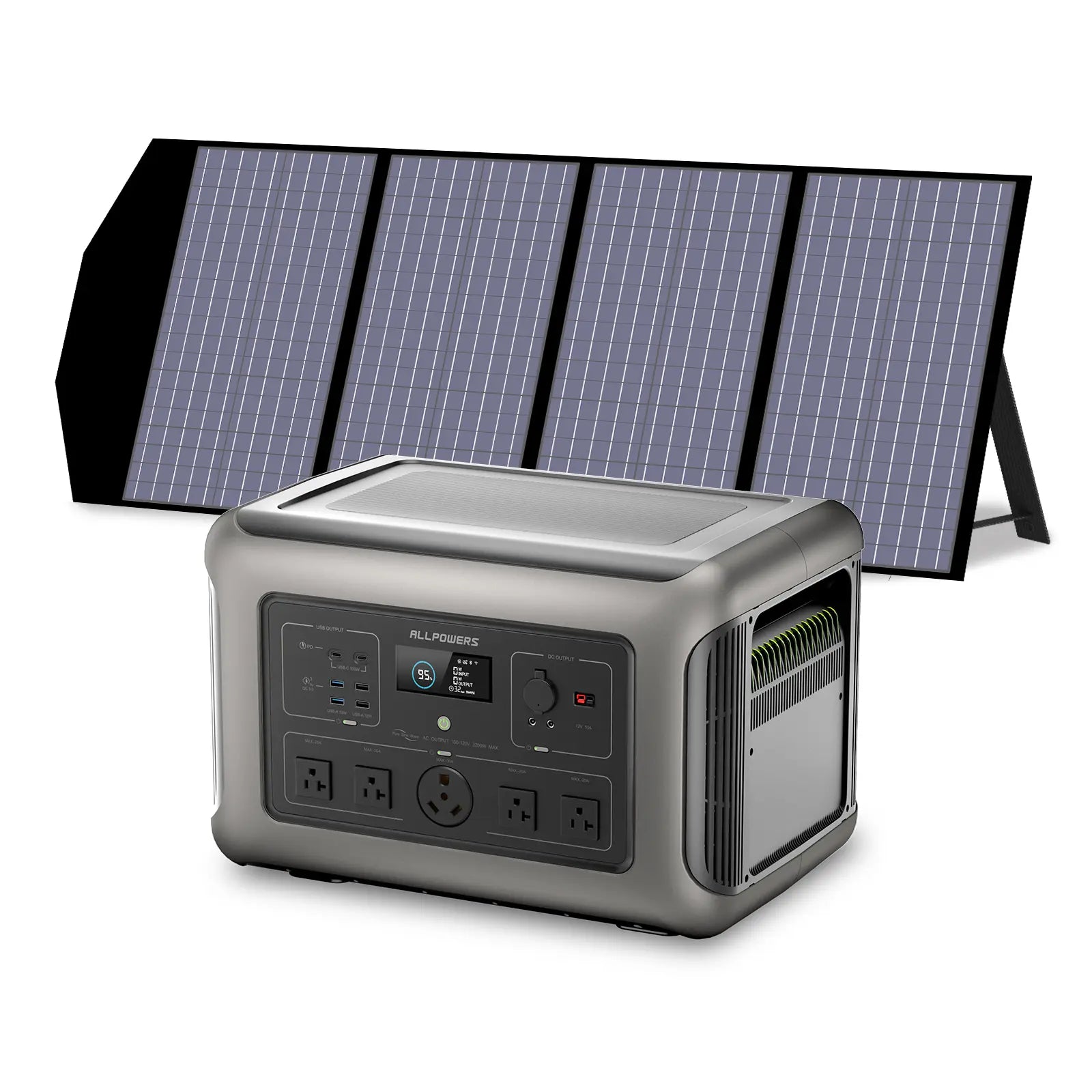
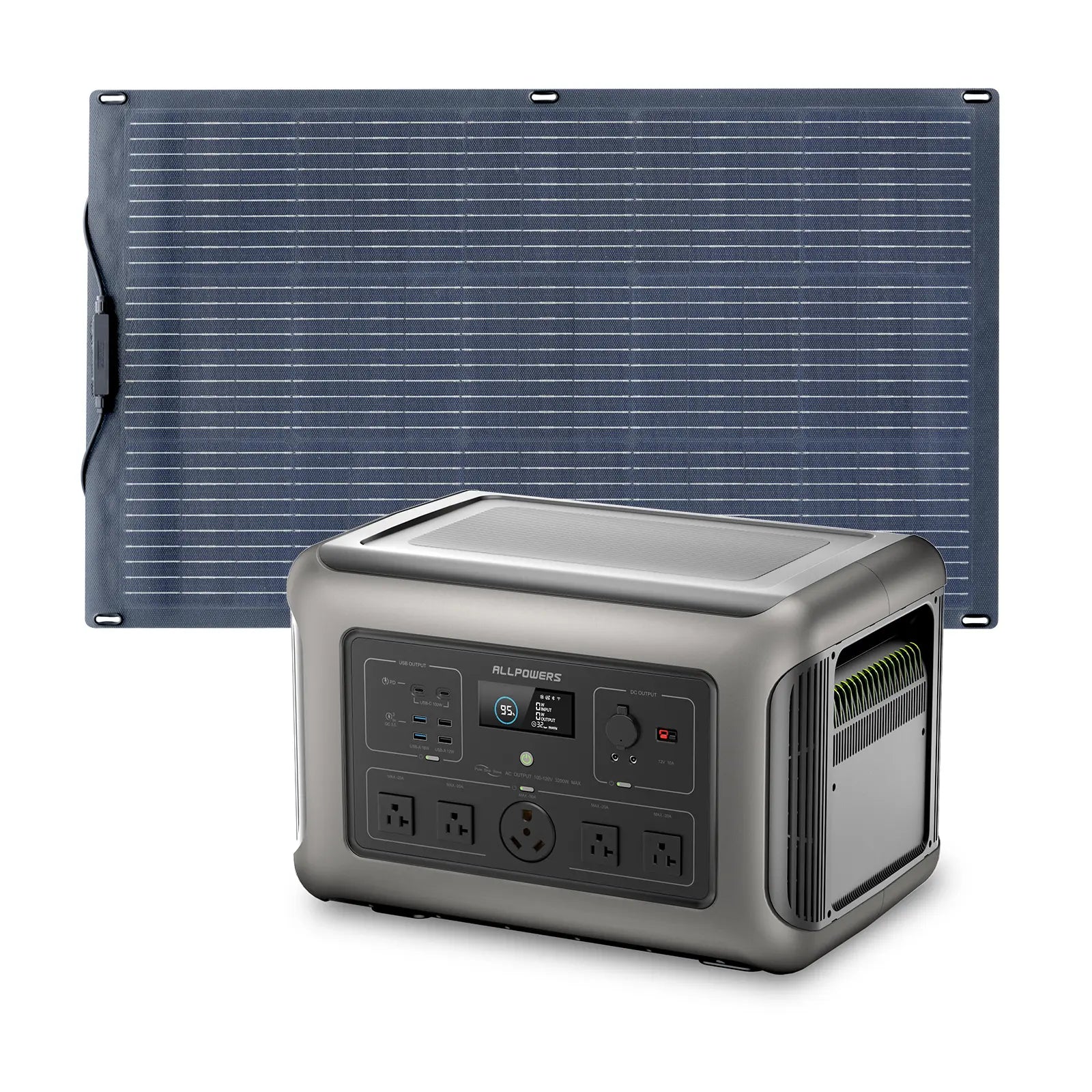
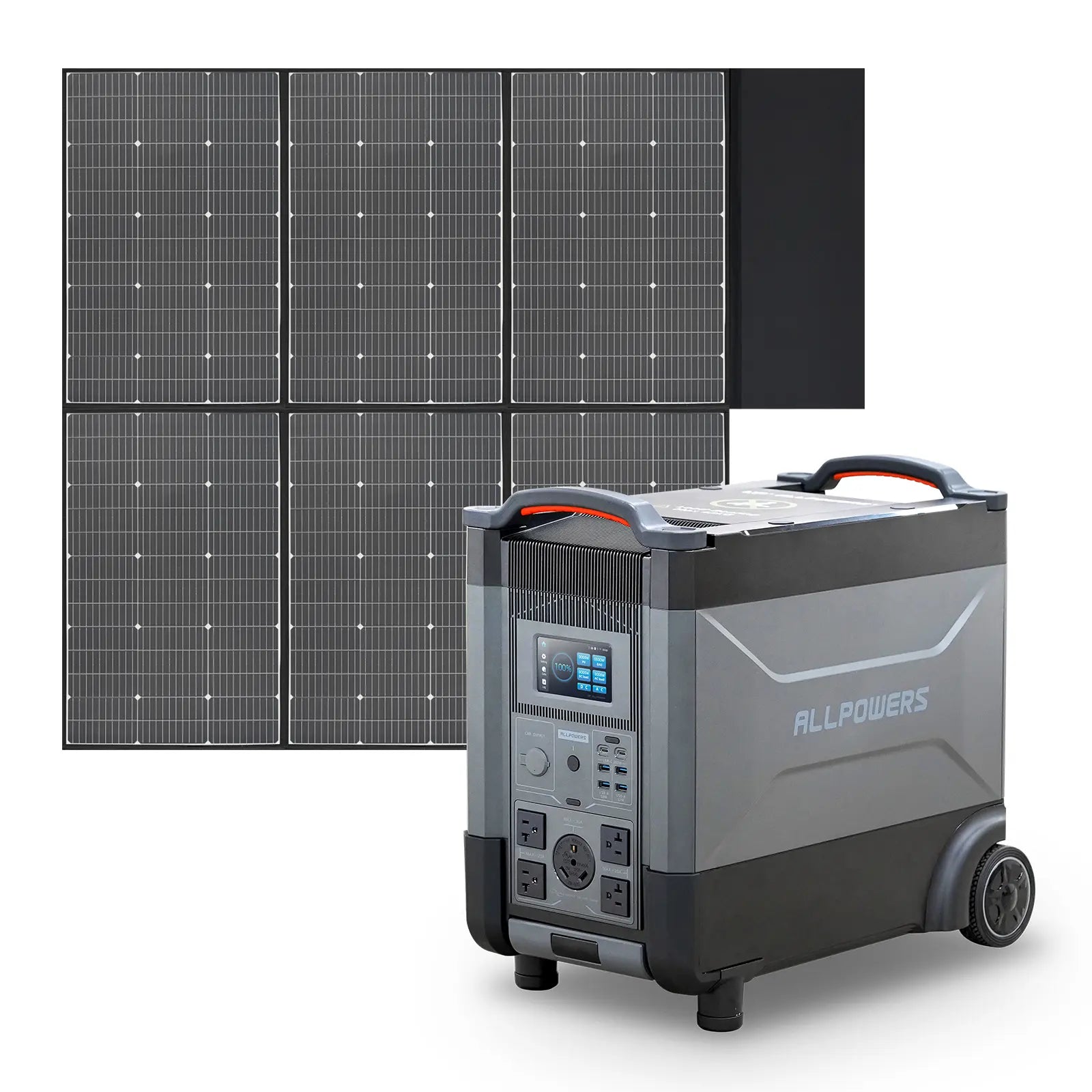
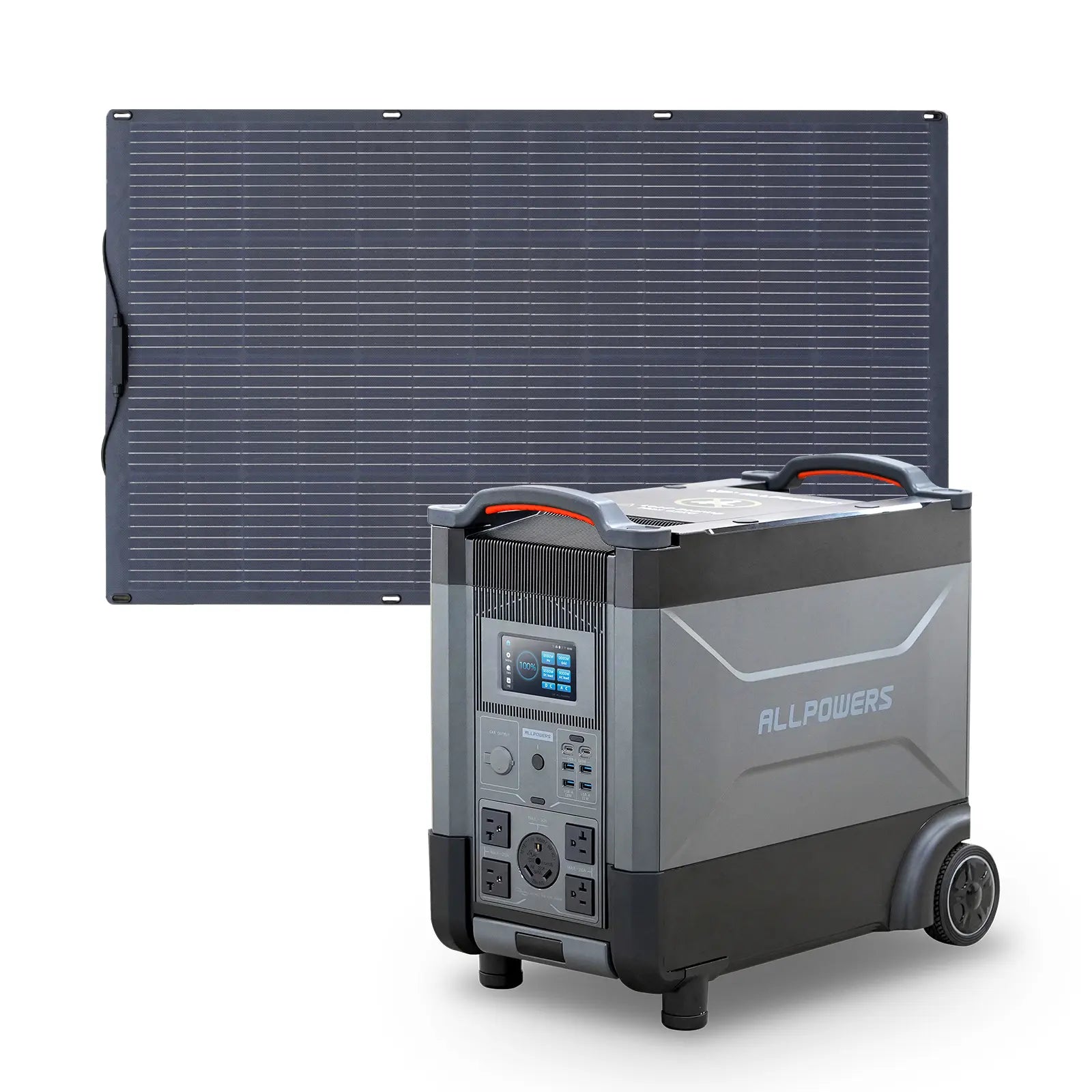
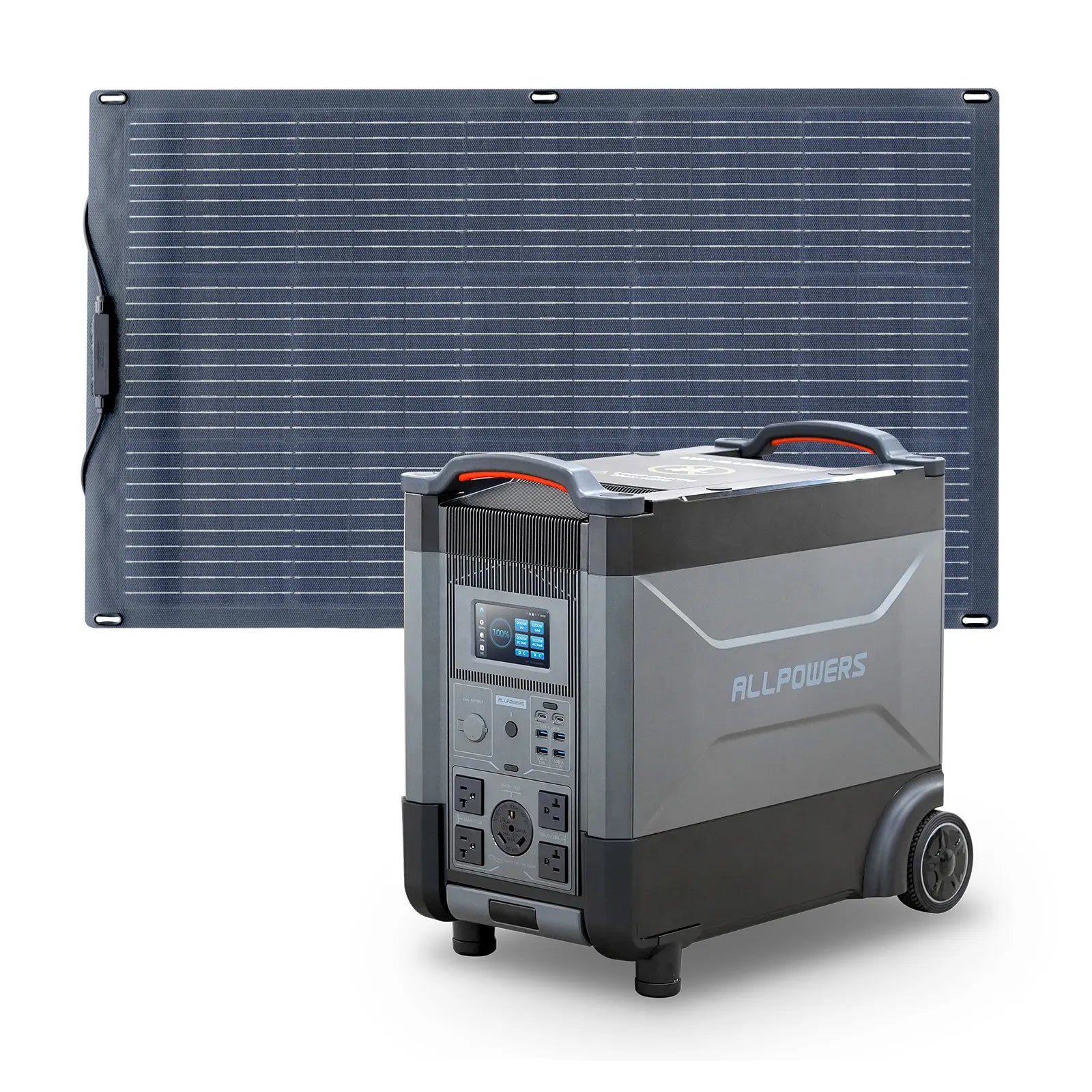
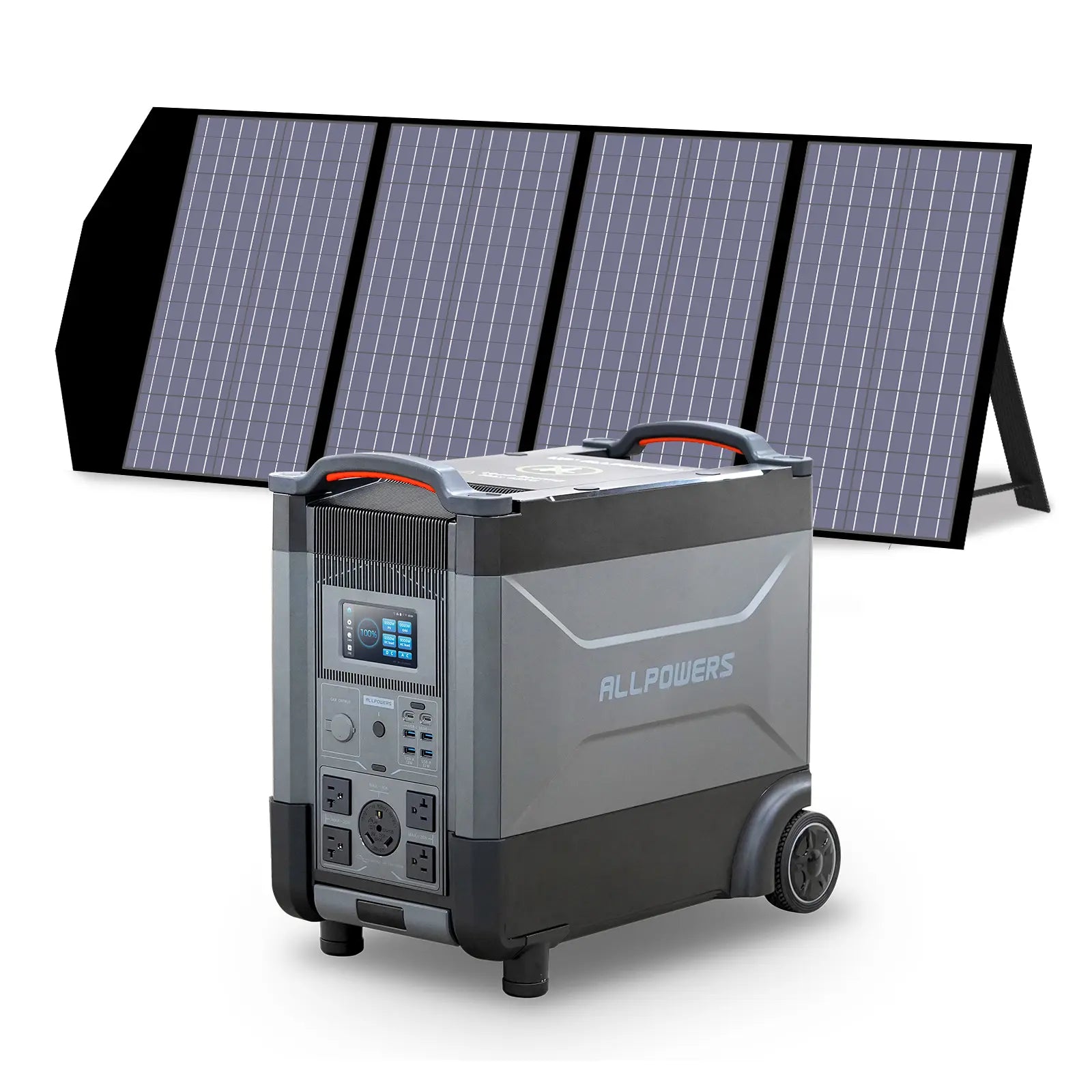
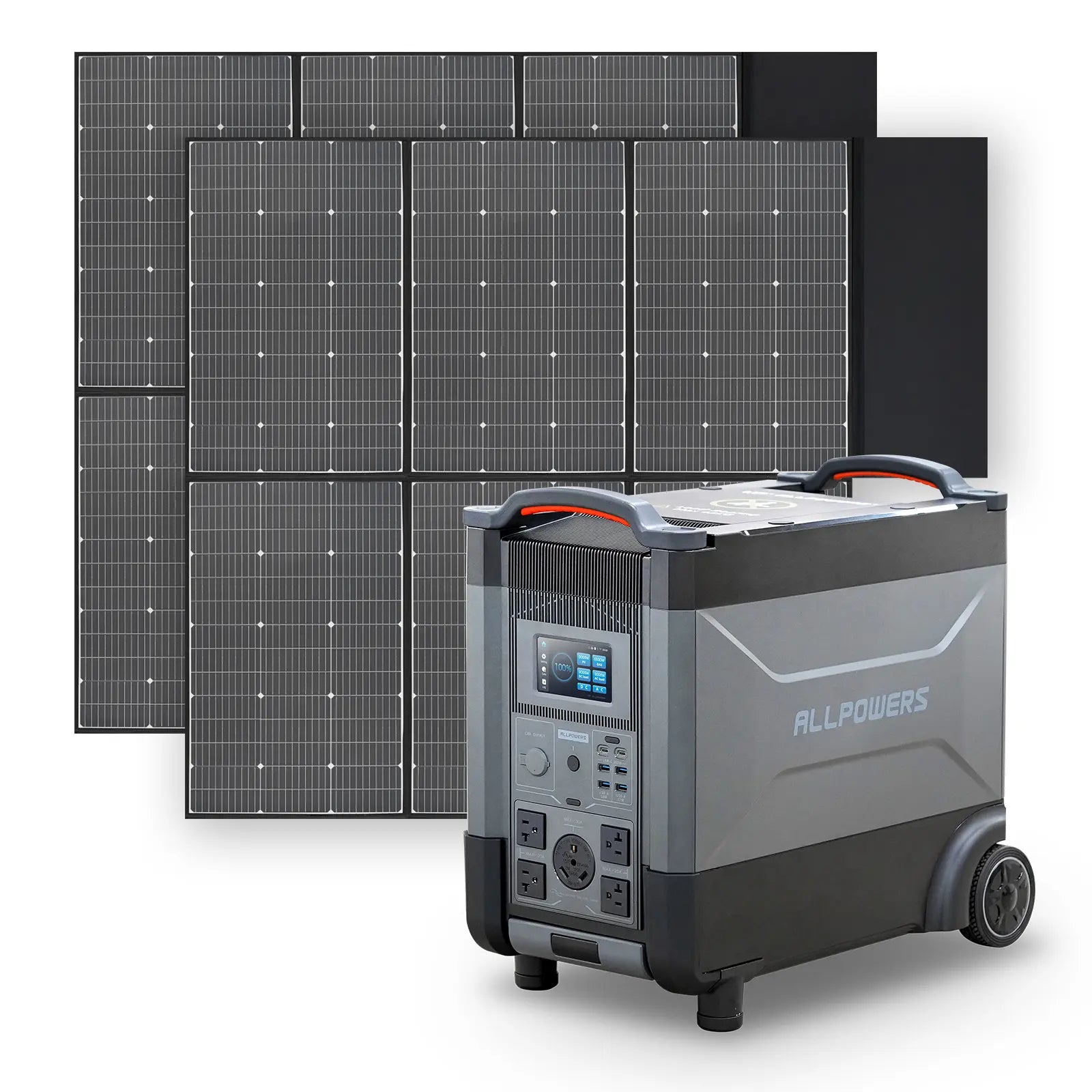
ALLPOWERS R2500 Portable Power Station
$719.00 $1,599.00
- 2016Wh Capacity;
- 2500W AC Output (4,000W Surge);
- Fast Charge 100% in 1 Hours;
- Start UPS in 15 ms;
- Expandable Up to 3x B1000 Expansion Battery;
How long can a power station run a window AC unit?
Now, suppose you can run the AC. Great. But for how long? This is where watt-hours (Wh) come into play.
Let’s say you have a 1000Wh portable power station and a window AC that draws 600 watts continuously.
On paper, that gives you around 1.5 hours of runtime.
But in real-world conditions? You might get closer to 1.2 hours. Maybe less.
Why? Because energy conversion isn’t perfect. There are losses—in the inverter, in the wiring, in the system itself.
And then there’s cycling. Air conditioners don’t run nonstop; they turn on and off to maintain temperature.
That helps a bit, but the startup surge keeps coming back every cycle, quietly eating into your available power.
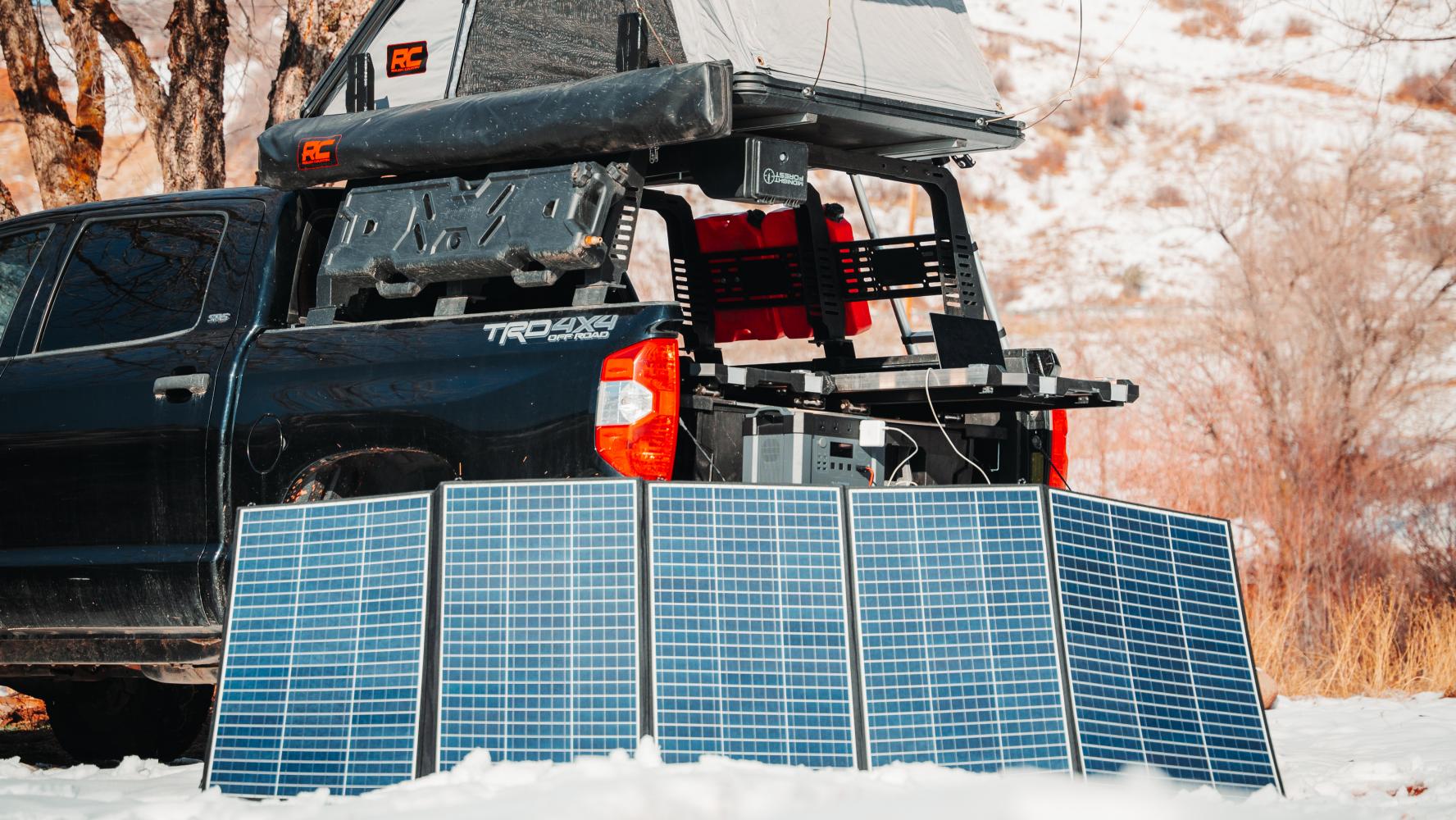
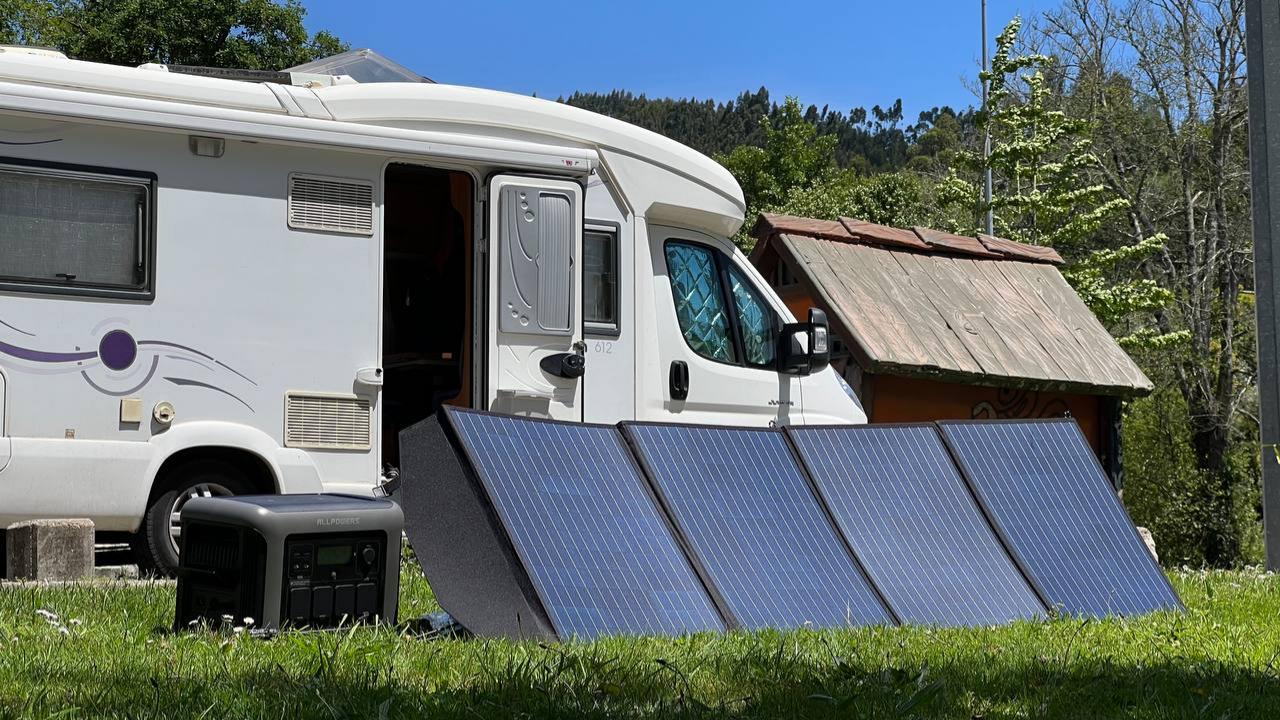
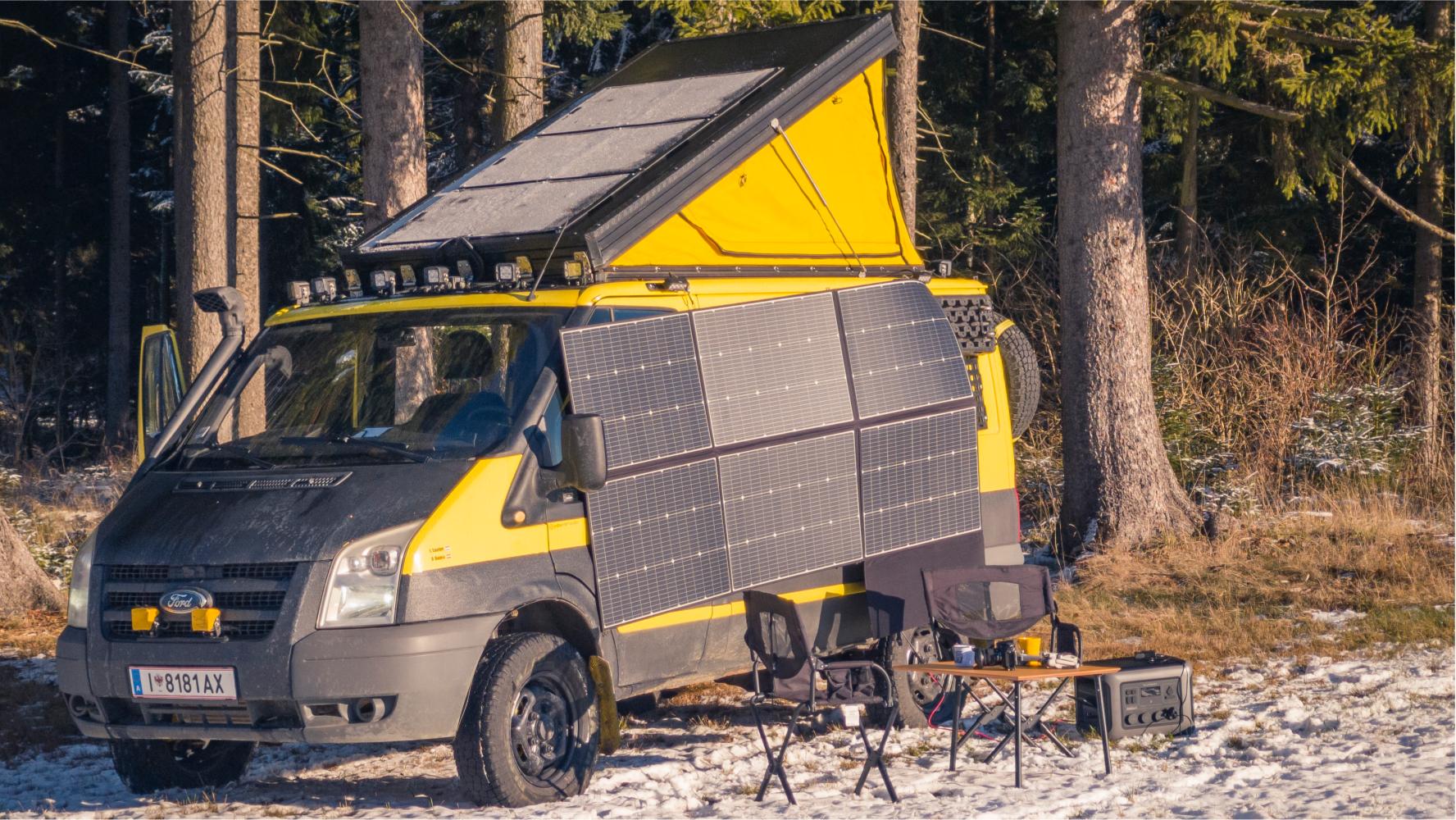
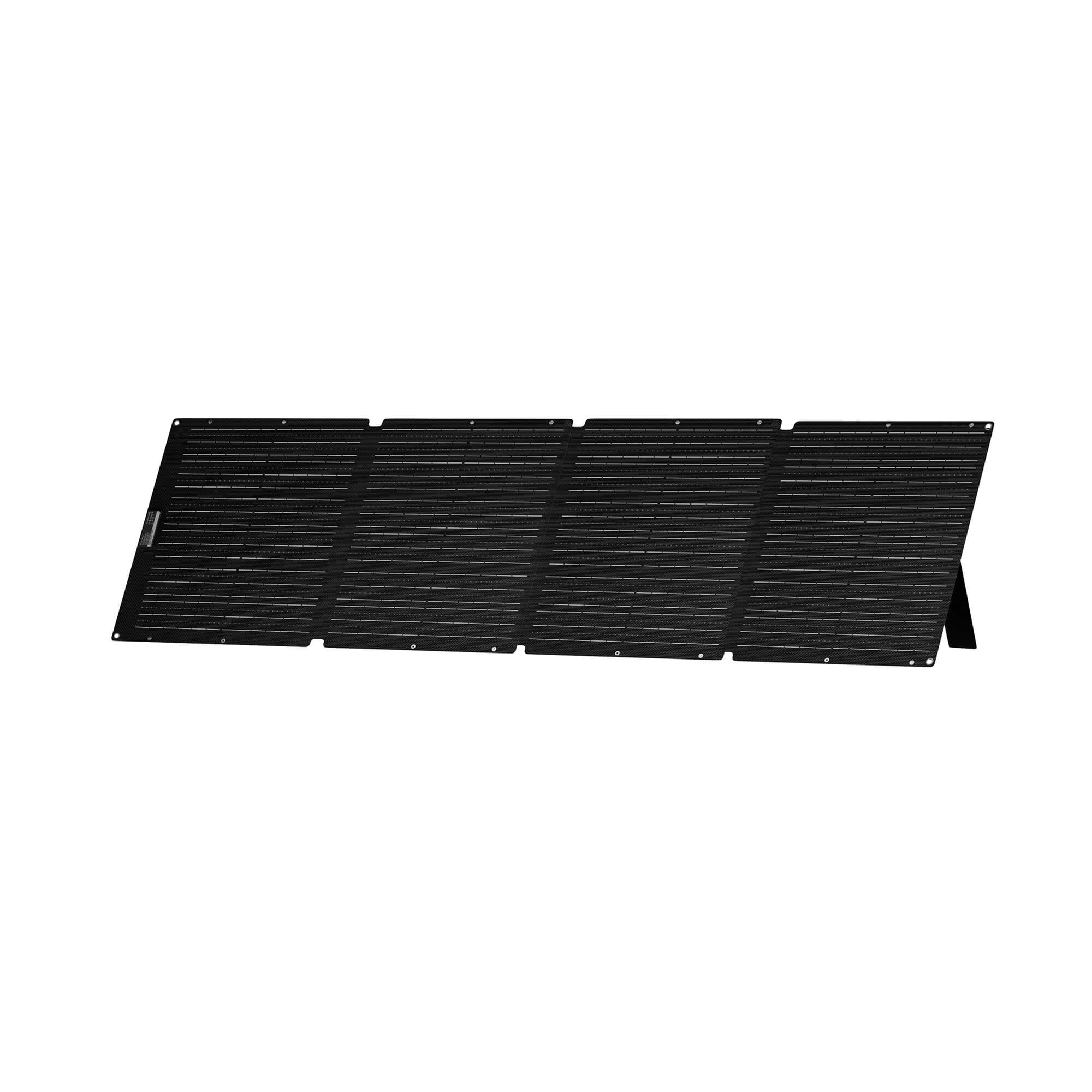
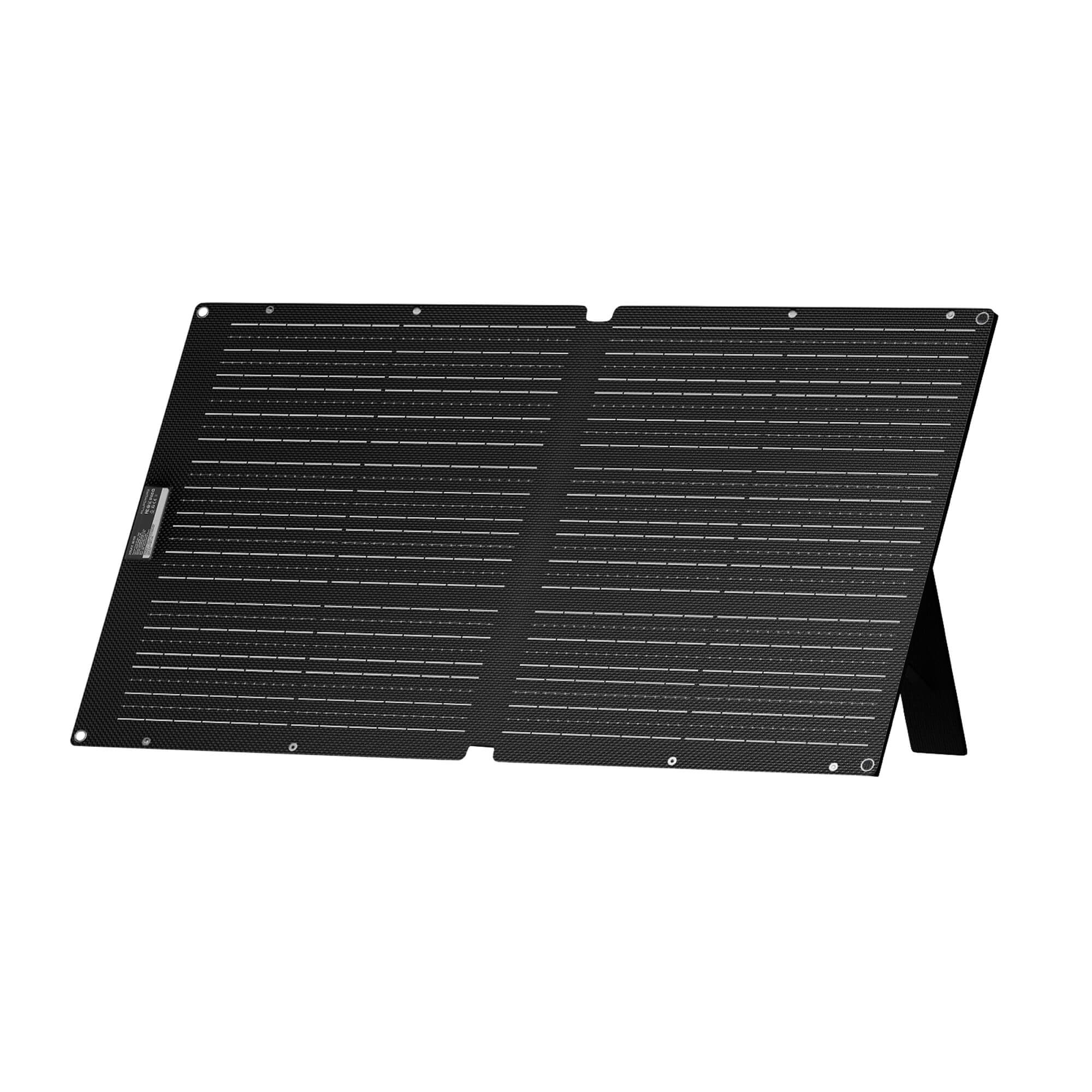
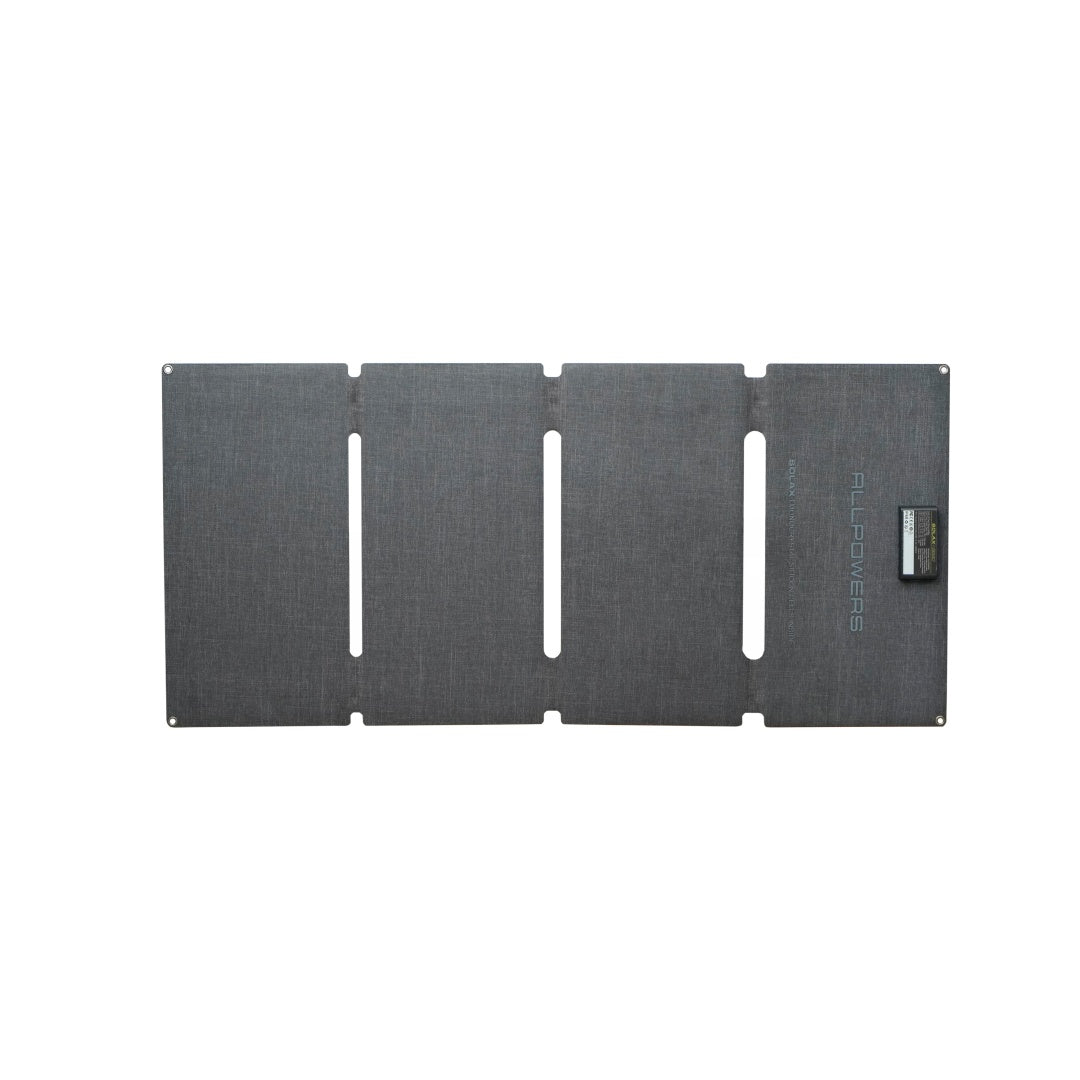
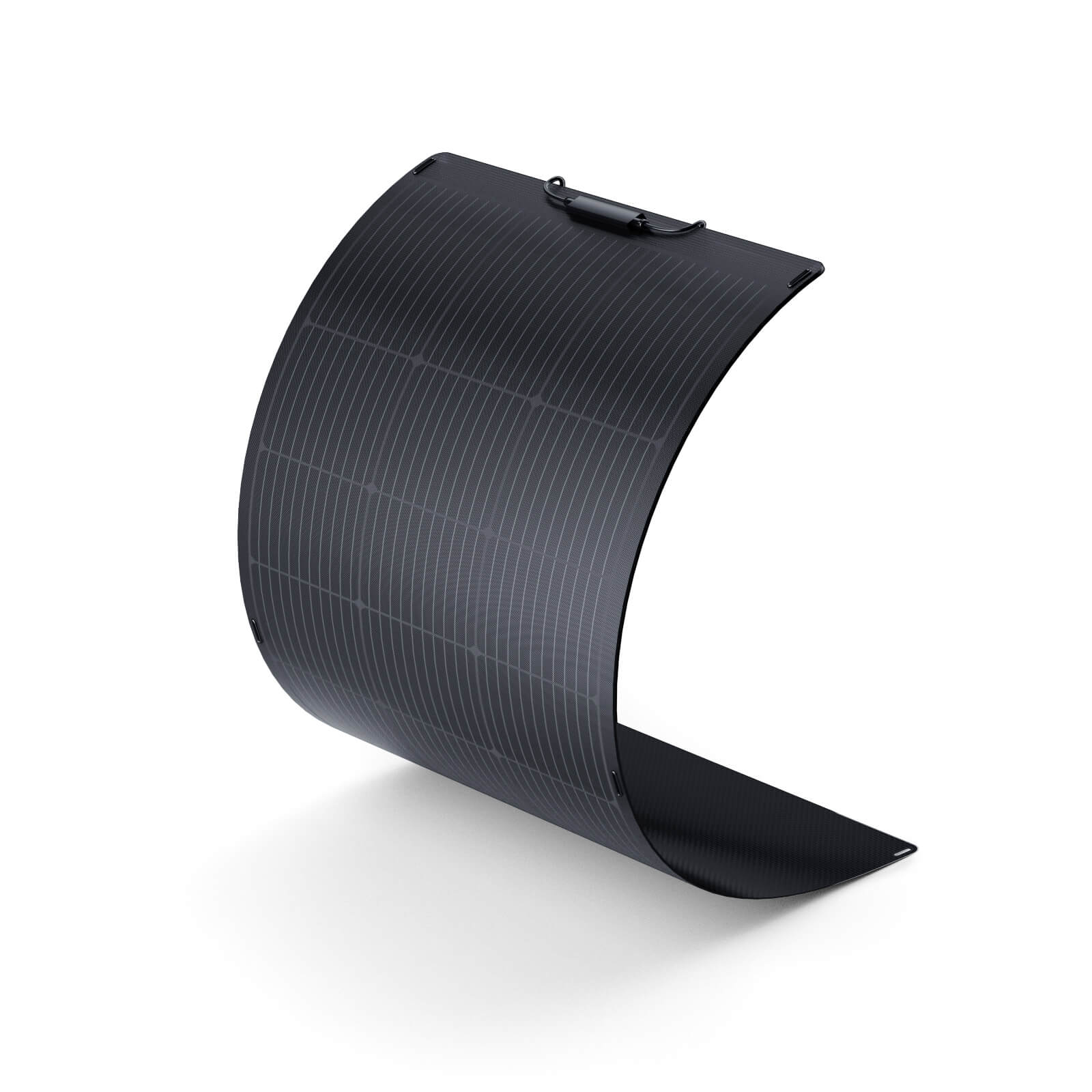
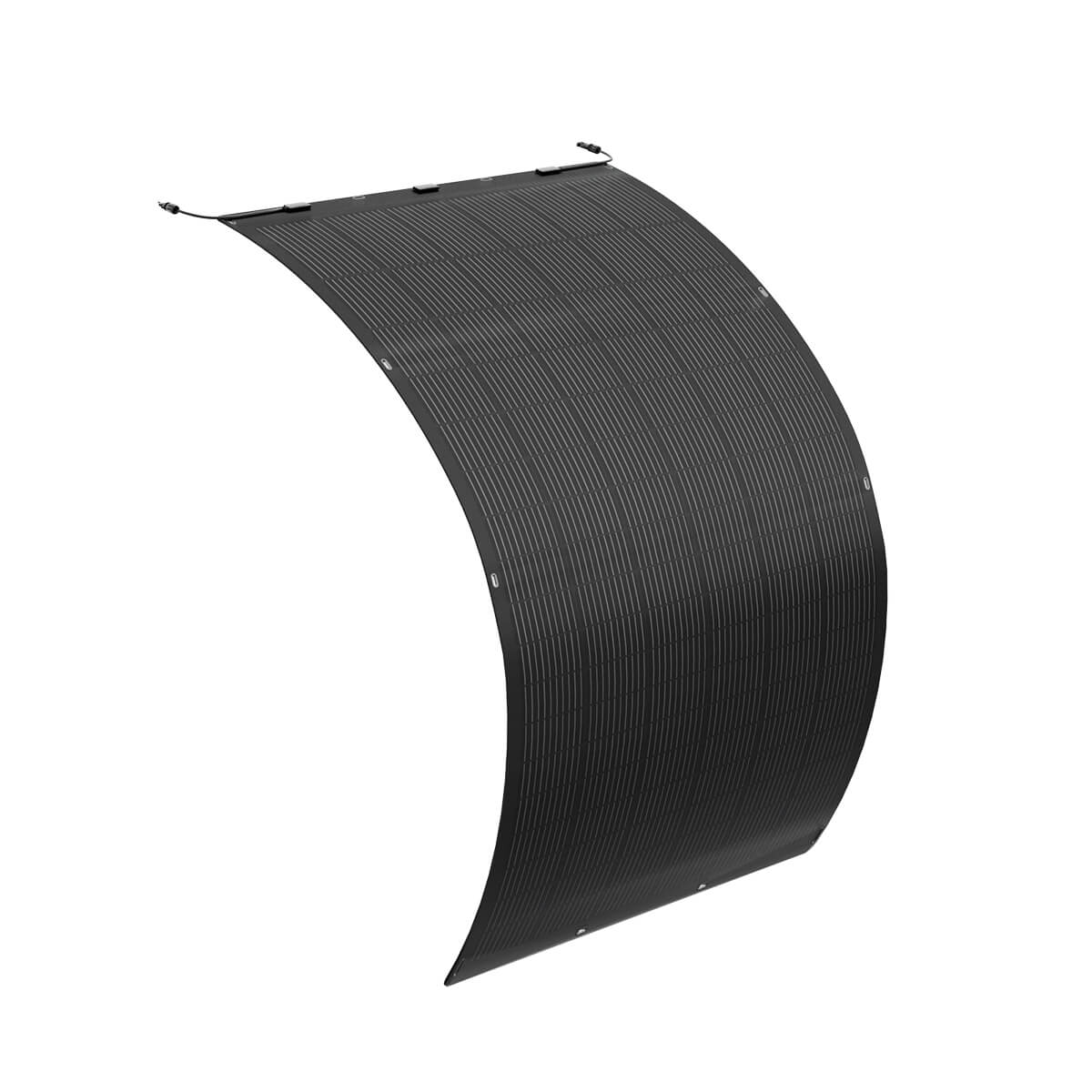
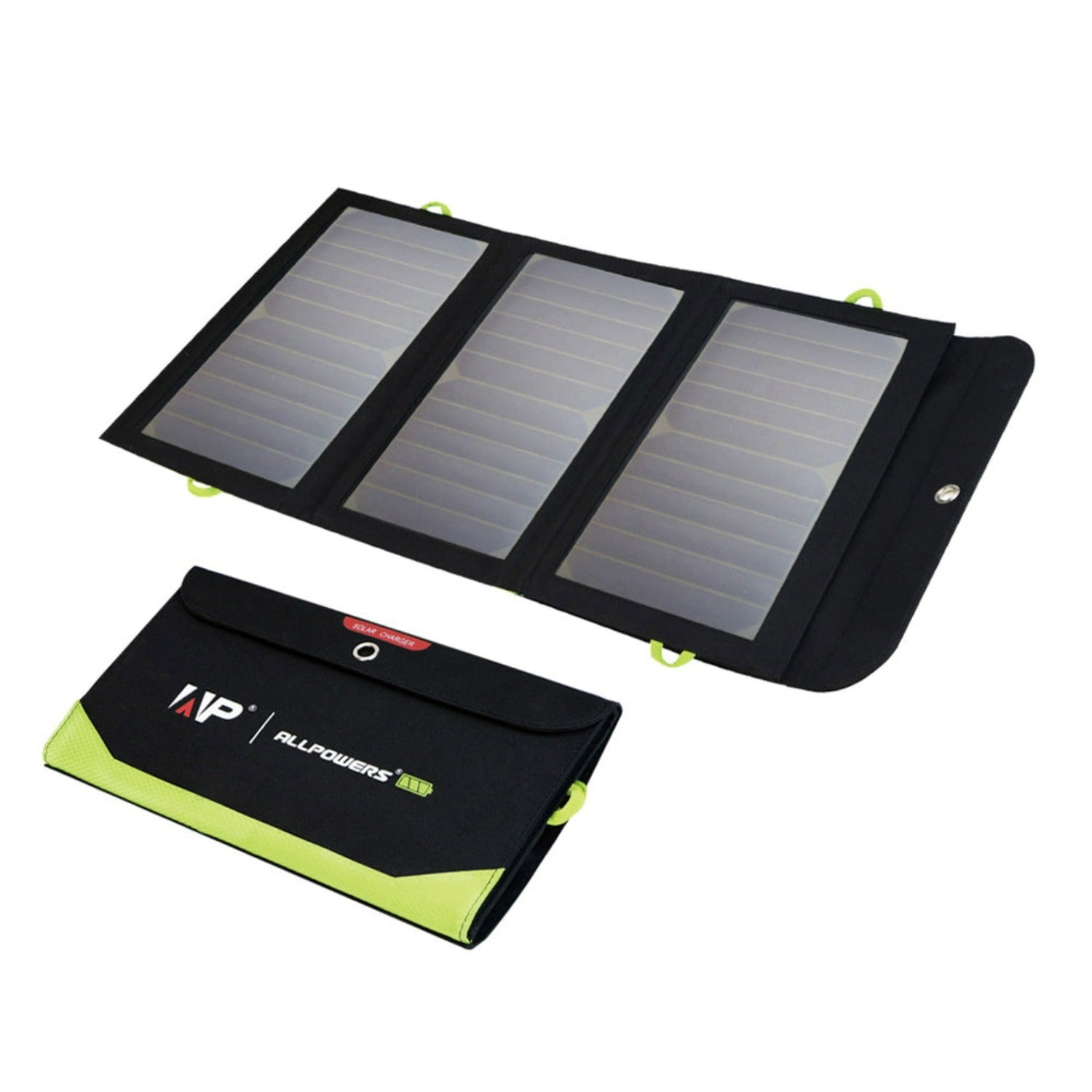
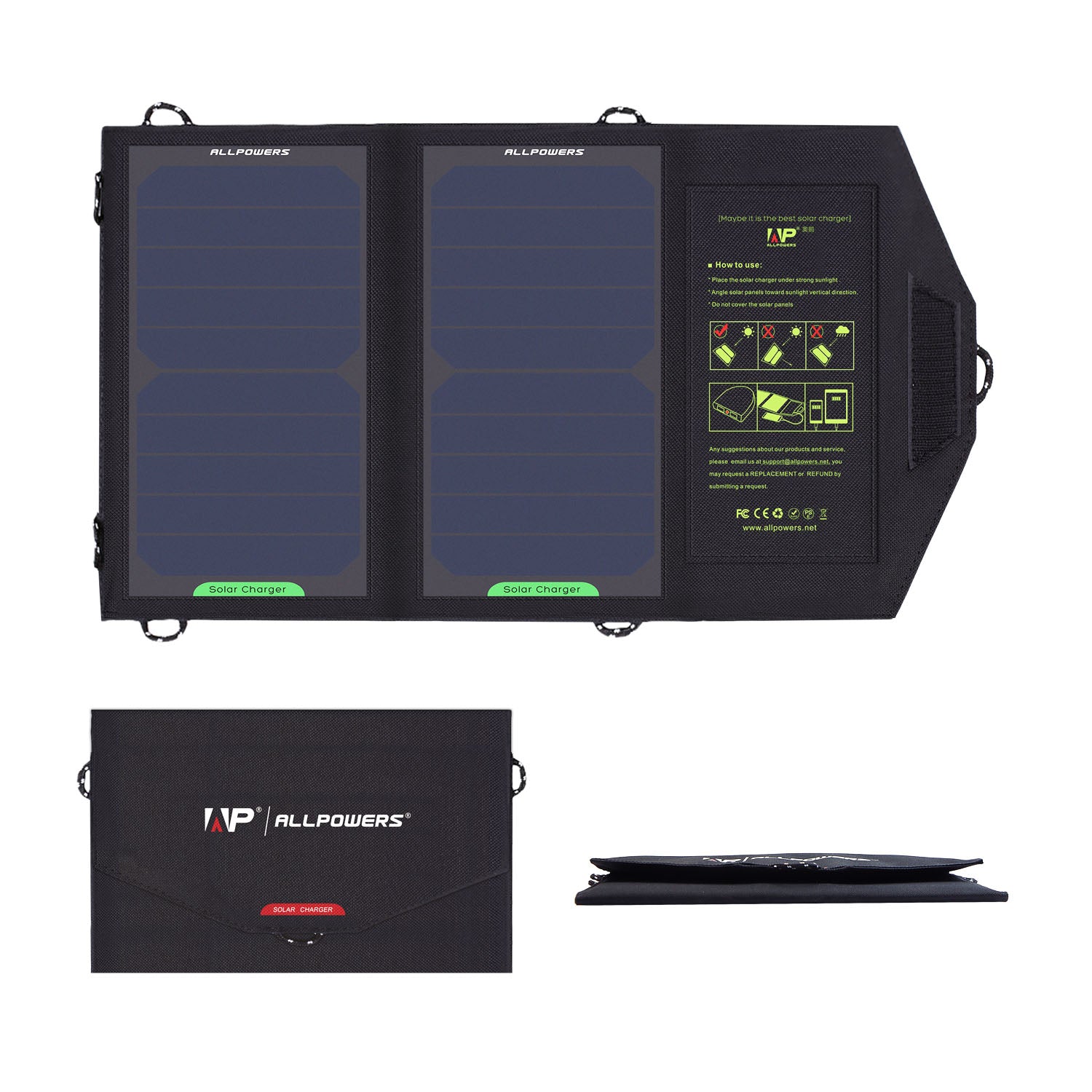
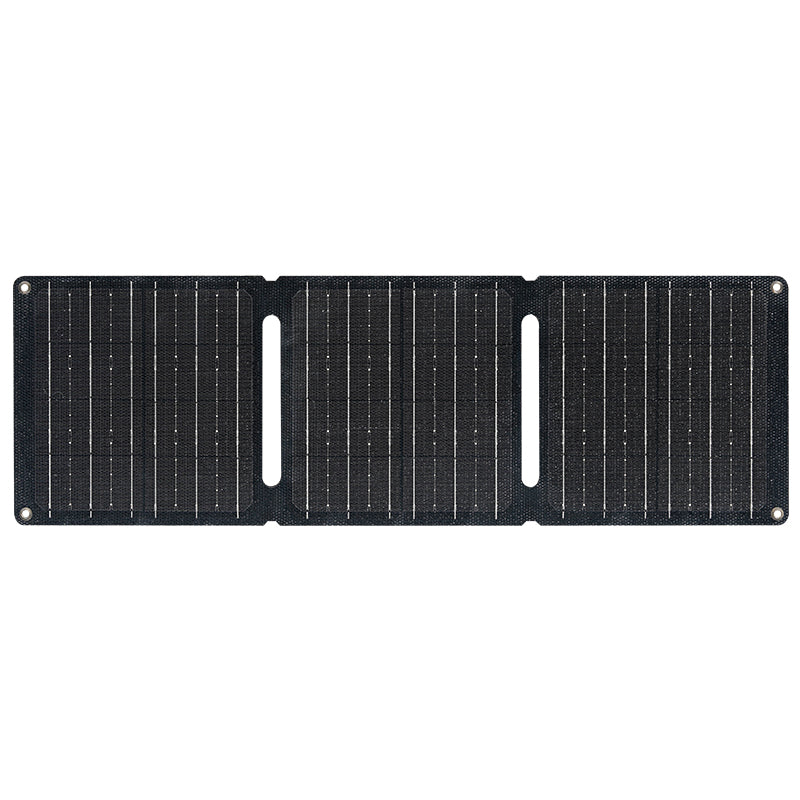
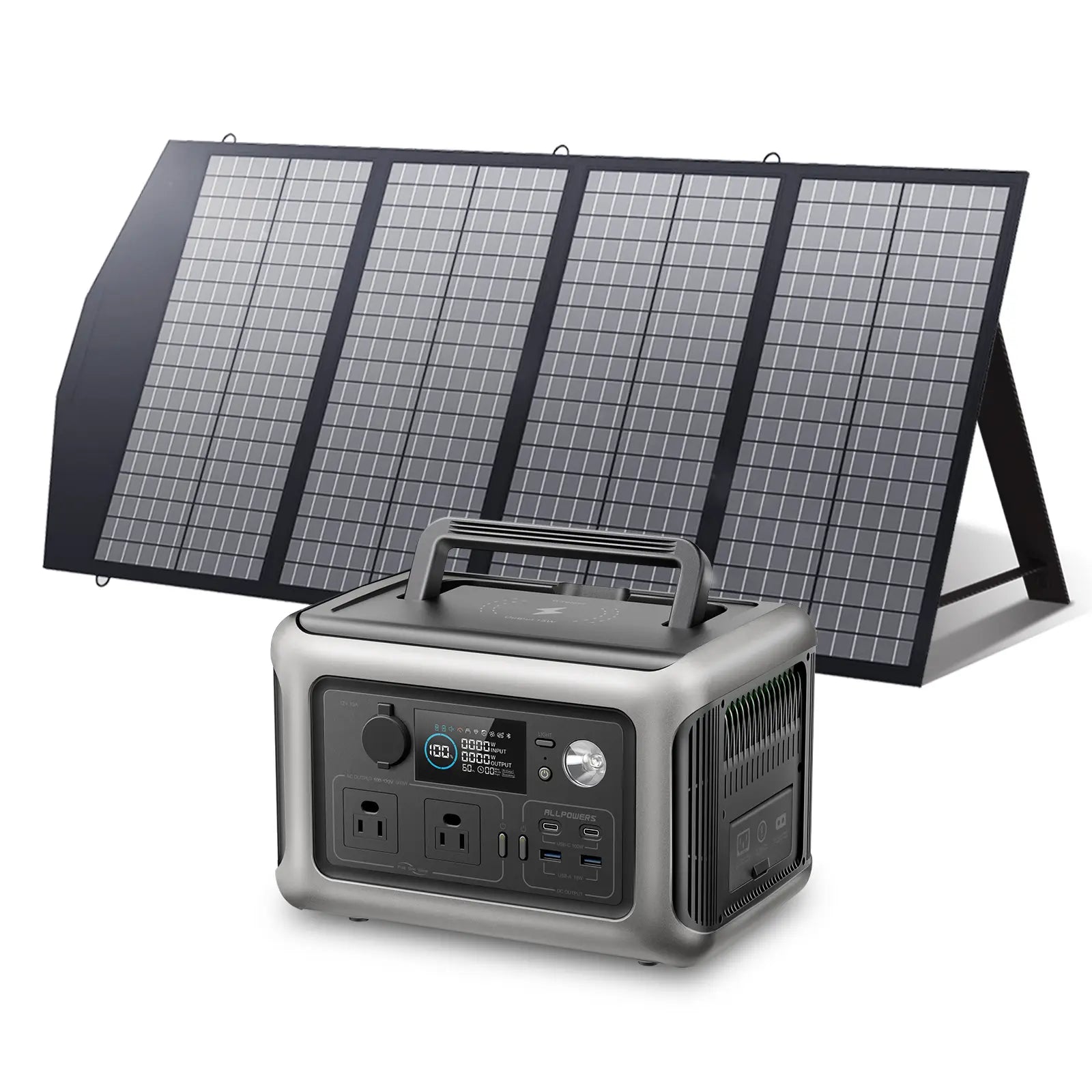
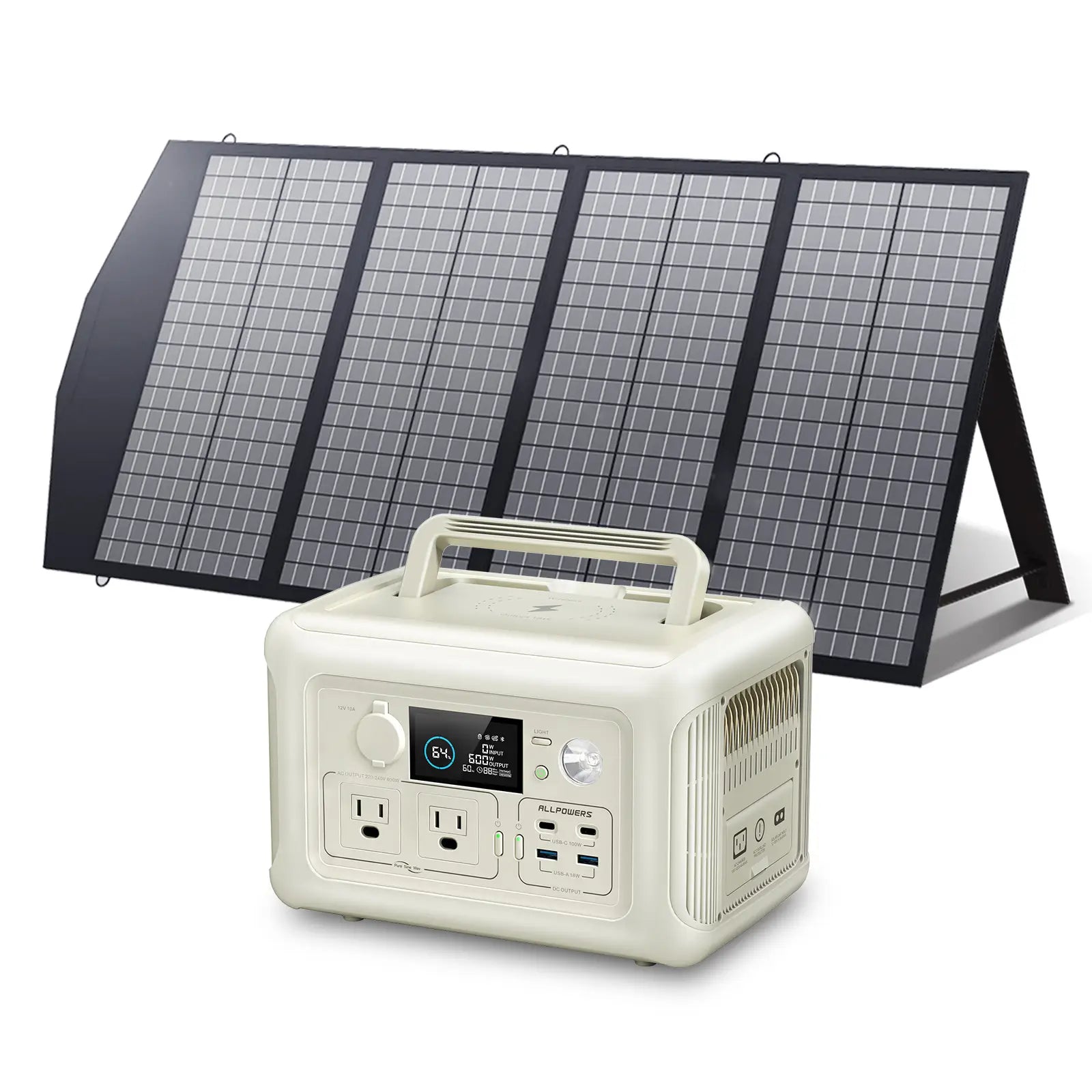
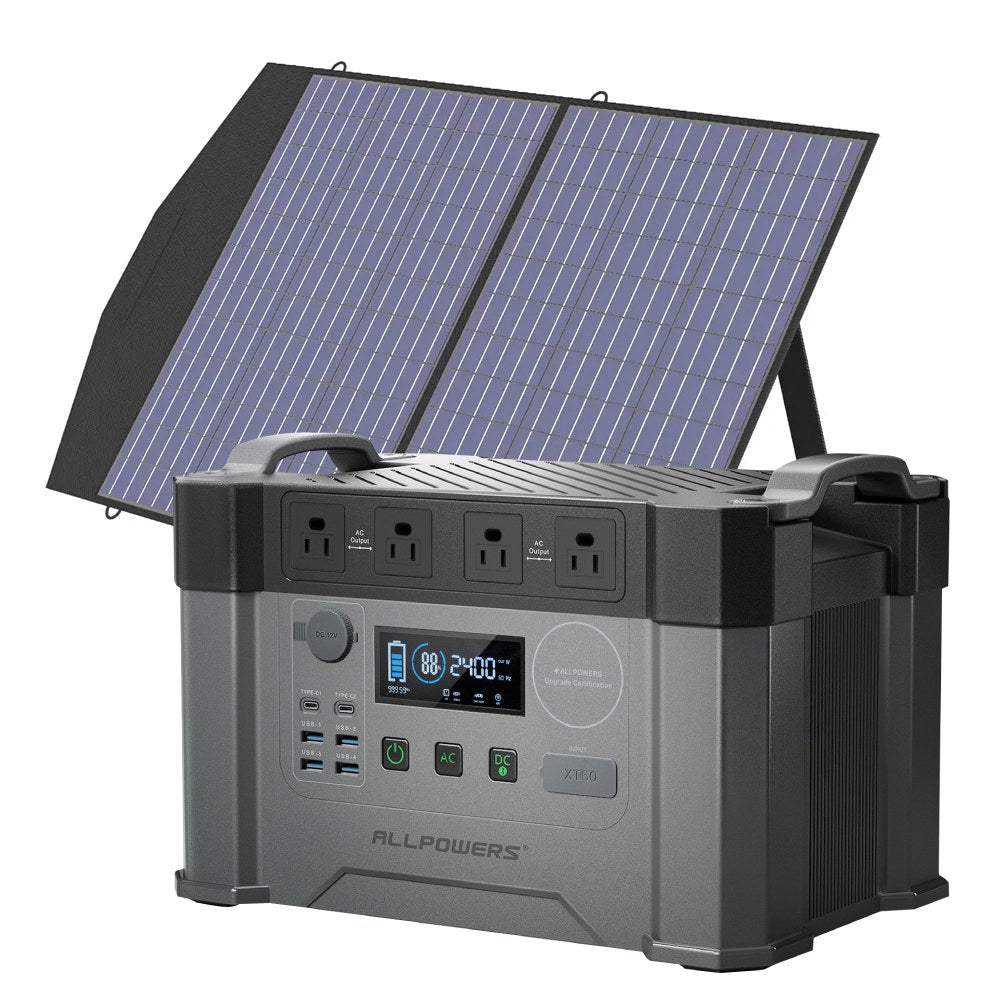
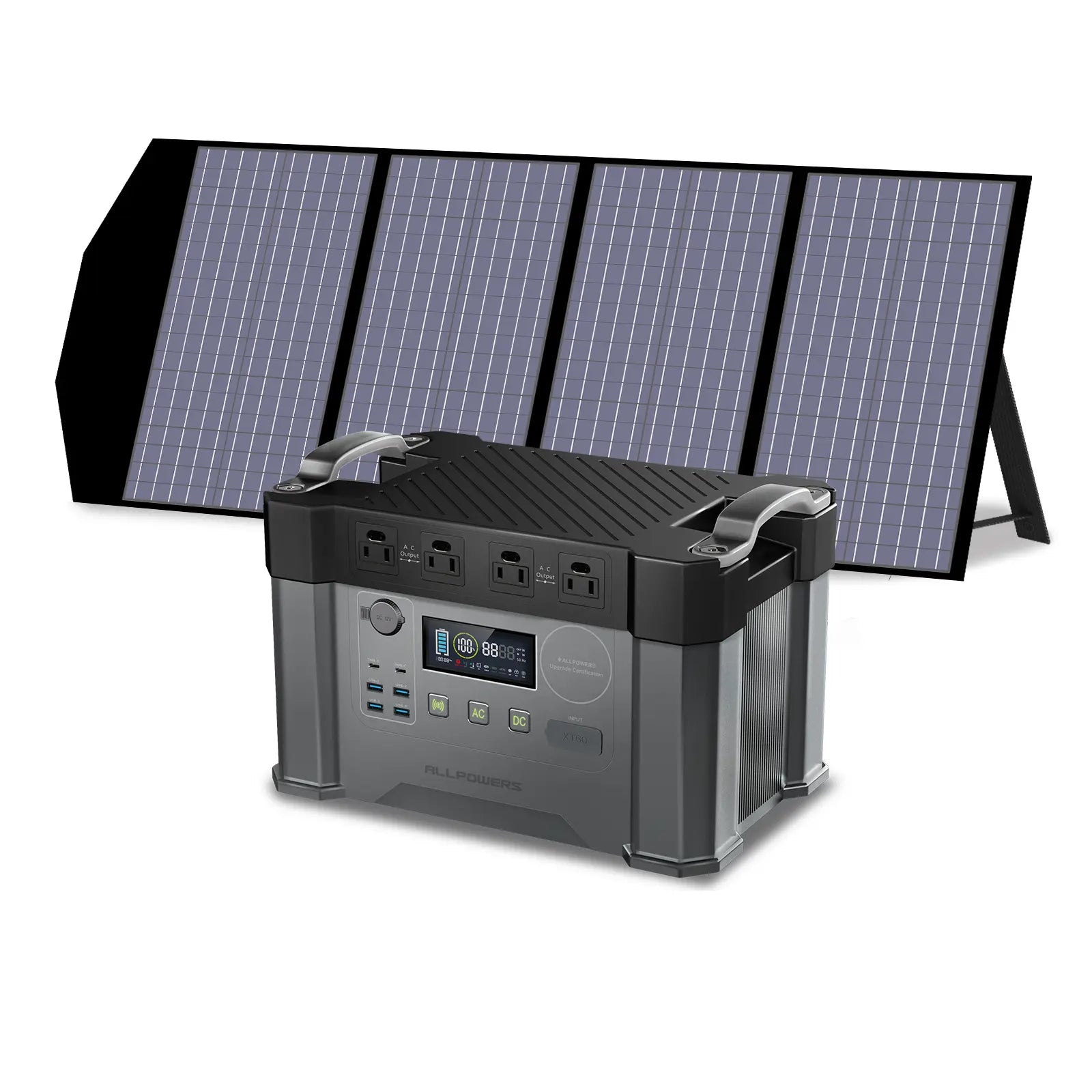
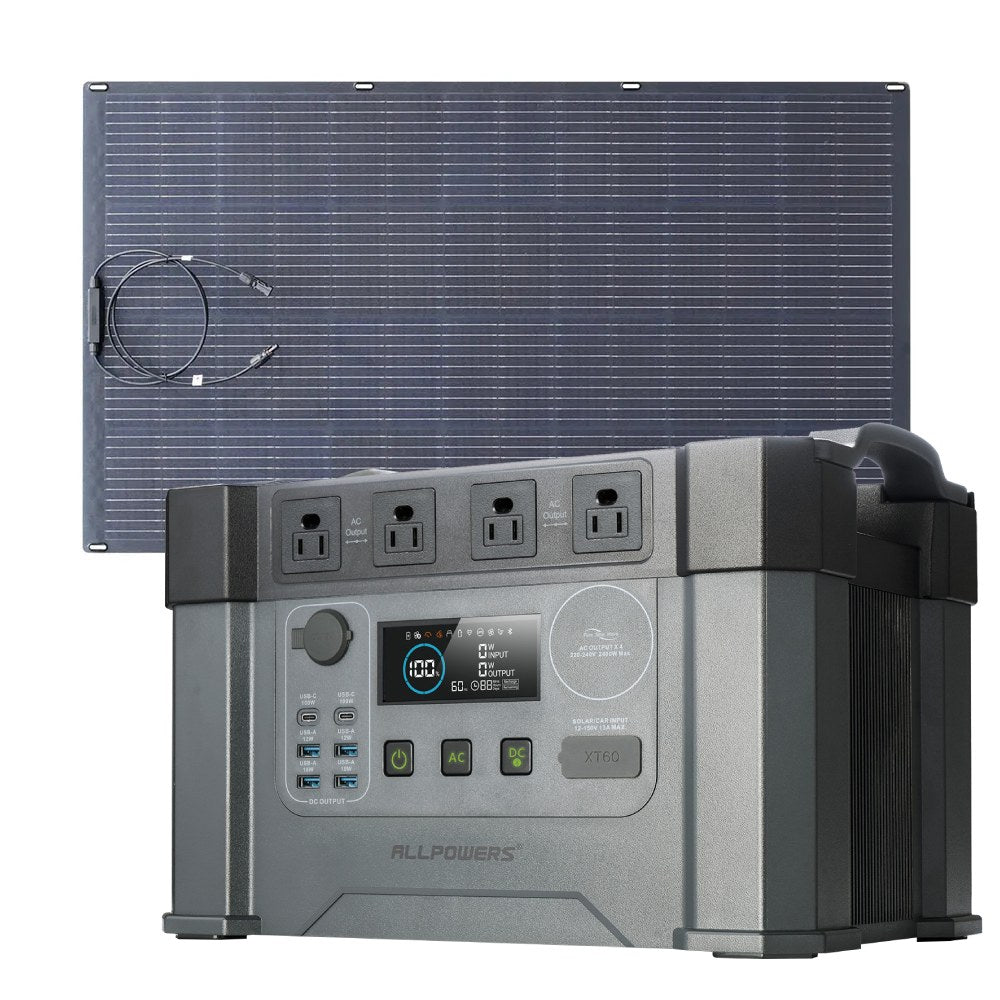
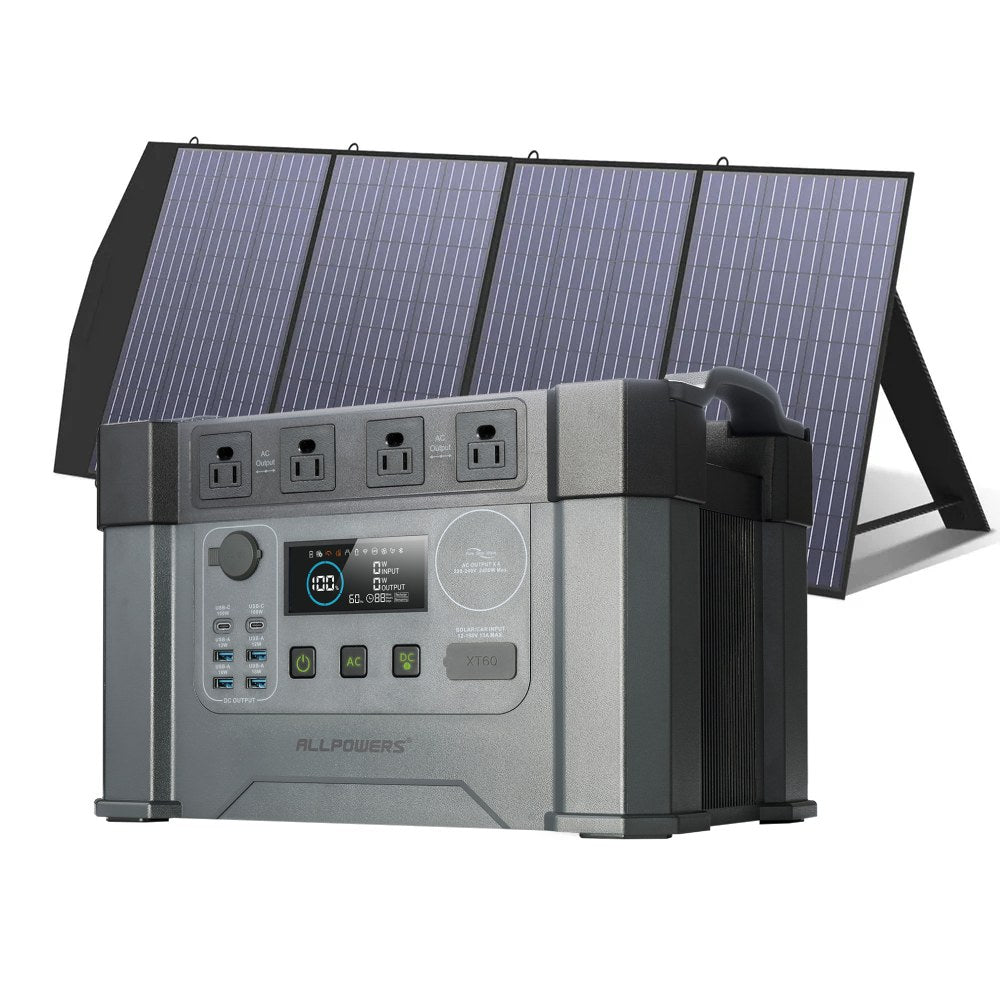
By the way, using a portable power source in conjunction with a solar panel can significantly extend the operating time.
During peak sunlight, you can offset some or even most of the AC’s energy draw.
But—and this is important—solar input isn’t constant.
A 200W solar panel might produce close to its rated power at noon, but much less in the morning or late afternoon.
So while solar can stretch your cooling time, it usually won’t fully sustain a window AC unless you have a fairly large array and ideal conditions.
Matching your power station to your AC unit requires
Here’s the thing—people tend to overcomplicate this part, but it’s actually pretty manageable.
Start with your AC’s running wattage. Let’s say it’s 500W.
Then check the surge requirement—maybe 1,200W.
Now look at your power station. It needs to support at least 1,200W surge and comfortably handle 500W continuous output.
Finally, check battery capacity. If it’s 1,000Wh, expect roughly 1.5–2 hours of runtime, depending on cycling.
That’s it. No engineering degree required.
Environmental conditions change everything in practice
You know what? Temperature plays a bigger role than most people realize.
If you’re trying to cool a space in mild weather, your AC doesn’t have to work as hard. It cycles less frequently, uses less energy, and your battery lasts longer.
But in peak summer heat—especially in places with high humidity—the compressor runs almost constantly. That steady demand drains your power station much faster.
And then there’s insulation. A well-insulated camper or tent holds cool air better, reducing the load on your AC. Poor insulation? It’s like trying to fill a bucket with a hole in it.
Here’s a detail people often miss: temperature affects batteries.
Lithium-ion batteries—commonly used in portable power stations—don’t love extreme heat. Efficiency drops. Capacity shrinks.
Efficiency tricks that actually make a difference
This is where small adjustments quietly carry a lot of weight.
Lowering the thermostat just a bit higher than you normally would—say 26°C instead of 22°C—can reduce the compressor workload significantly.
Pairing the AC with a simple fan helps circulate cool air, making the space feel more comfortable without extra strain.
And insulation—honestly, it’s underrated.
Whether it’s a camper van, a tent with reflective lining, or even just blocking direct sunlight, reducing heat gain makes your power setup feel stronger than it actually is.
It’s a bit like stretching your budget. Same resources, better results.
Conclusion
So, Can a Portable Power Station Run a Window Air Conditioner?
Yes, it can—but not in every situation, and not without a bit of planning.
If you’re working with a smaller window unit, a capable power station, and realistic expectations, the answer leans strongly toward yes.
But if you’re hoping to run a large AC unit all night without interruption, the answer becomes more complicated.
Not impossible—but you’ll need a larger setup, maybe even multiple batteries or a hybrid system.