







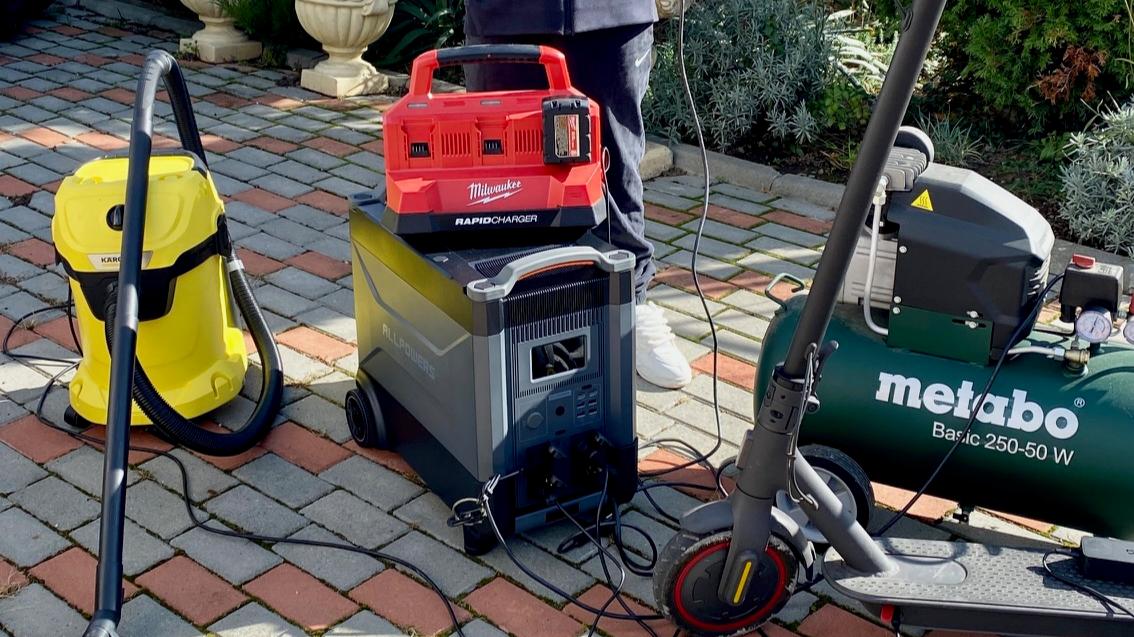
Running an air compressor sounds simple—plug it in, flip the switch, and let it roar to life.
But if you’re off-grid, on a job site, or out camping with tools in tow, that demand suddenly matters a lot more than you expected.
So, what size generator is actually needed to run an air compressor?
TL;DR
Small compressors (under 2 HP) typically need a 2,000–4,000 watt generator, while larger units (3–5 HP) may require 5,000–8,000 watts or more. Always check both the compressor’s rated amps and starting surge requirements, and leave headroom—because compressors rarely behave gently when they kick on.
Why air compressors are power-hungry machines
Air compressors look simple. A tank, a motor, some piping. Nothing dramatic.
But the motor inside, especially if it’s induction-based, pulls a sharp burst of power when it starts.
So if your compressor says 2,000 watts on the label, don’t be fooled. It might demand 4,000–6,000 watts for a split second.
And yes, that split second matters. A generator that can’t handle it will trip, stall, or simply refuse to start the compressor.
How many watts are needed to run an air compressor?
Air compressors are usually labeled in horsepower (HP). A 1 HP motor roughly equals 746 watts in theory.
But real-world efficiency losses push that higher—often closer to 1,000–1,200 watts when running.
A small pancake compressor you’d use for inflating tires or running a nail gun is relatively forgiving. These usually sit in the 1–2 HP range.
Pair them with a generator that offers around 2,000 to 4,000 watts, and you’re generally safe—assuming it can handle surge power well.
Step up to a mid-sized compressor, say 3 HP, and things change quickly.
Now you’re looking at needing at least 5,000 watts, often closer to 6,000 or more if you want smooth operation without hiccups.
Then there are larger shop compressors—5 HP and above. These machines don’t just need power; they demand it.
Running them reliably often means a generator in the 7,500 to 10,000-watt range, sometimes higher depending on the design.
Tank size will influence generator performance
Now, tank size doesn’t directly change the wattage requirement, but it does shape how often the compressor cycles on and off.
A smaller tank fills quickly and triggers more frequent starts, which means repeated surge demands on your generator.
Think of it like stop-and-go traffic versus cruising on a highway. The total distance might be the same, but the strain on the engine feels very different.
A larger tank, on the other hand, allows longer run times with fewer starts. That can actually make life easier for your generator, even if the compressor itself is bigger.
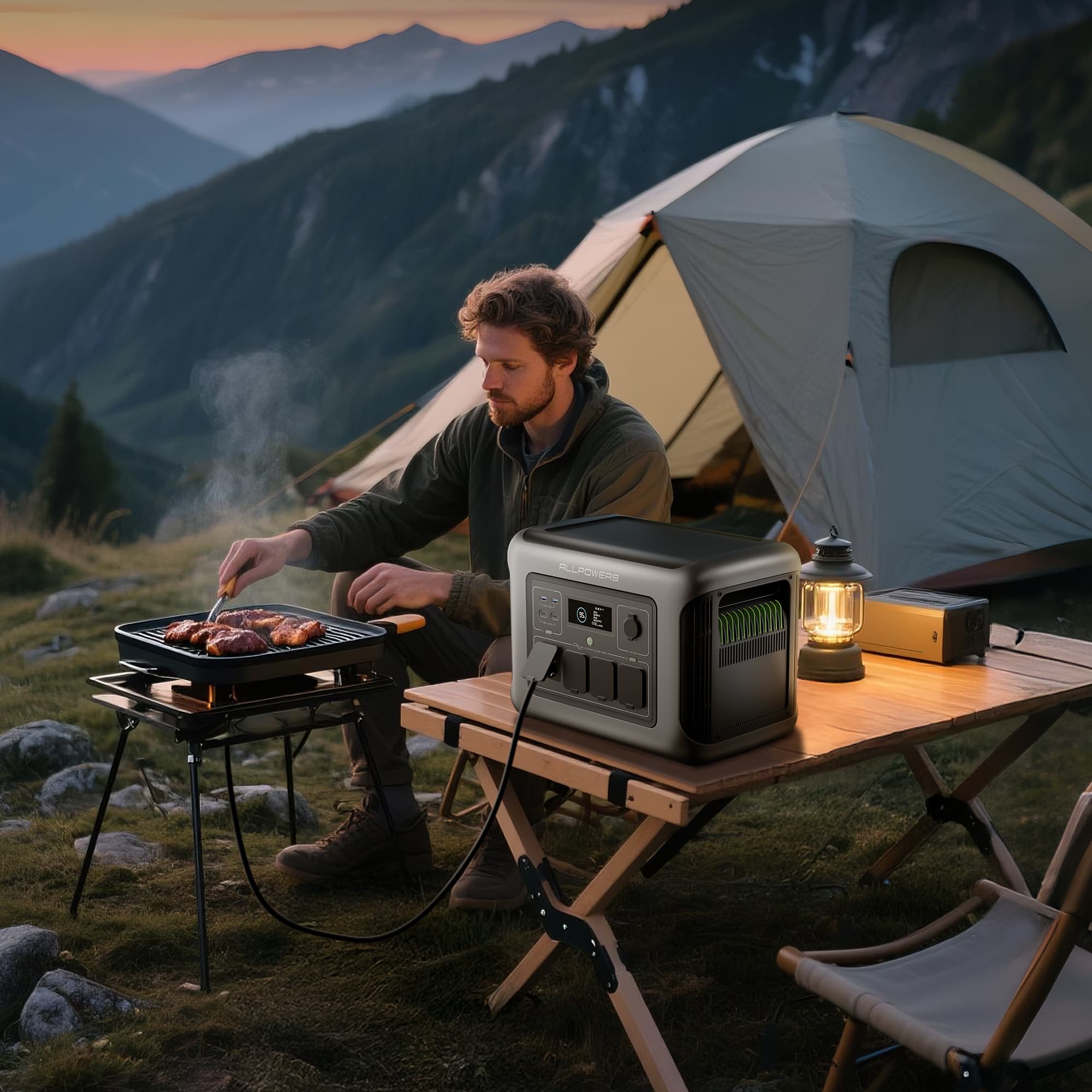
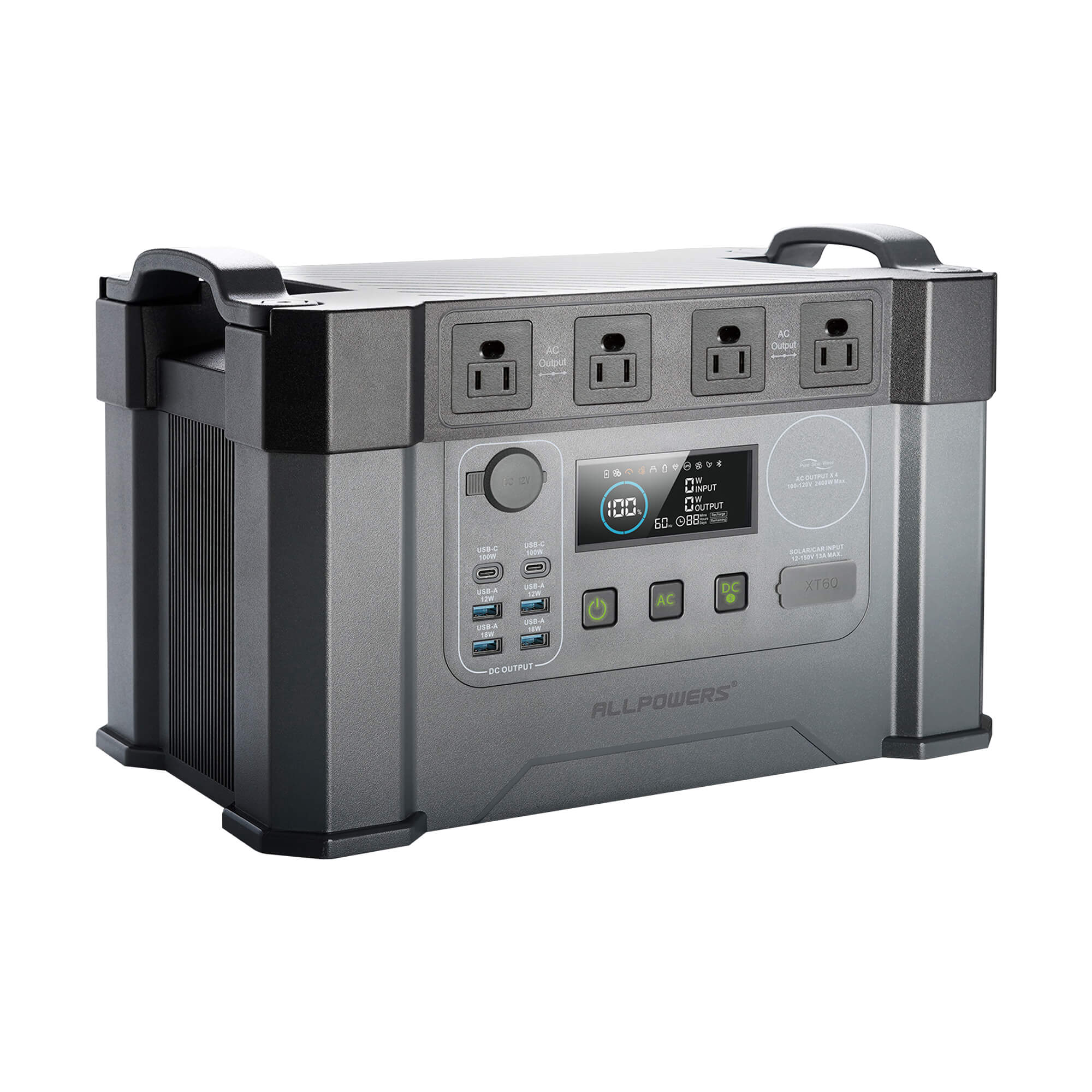
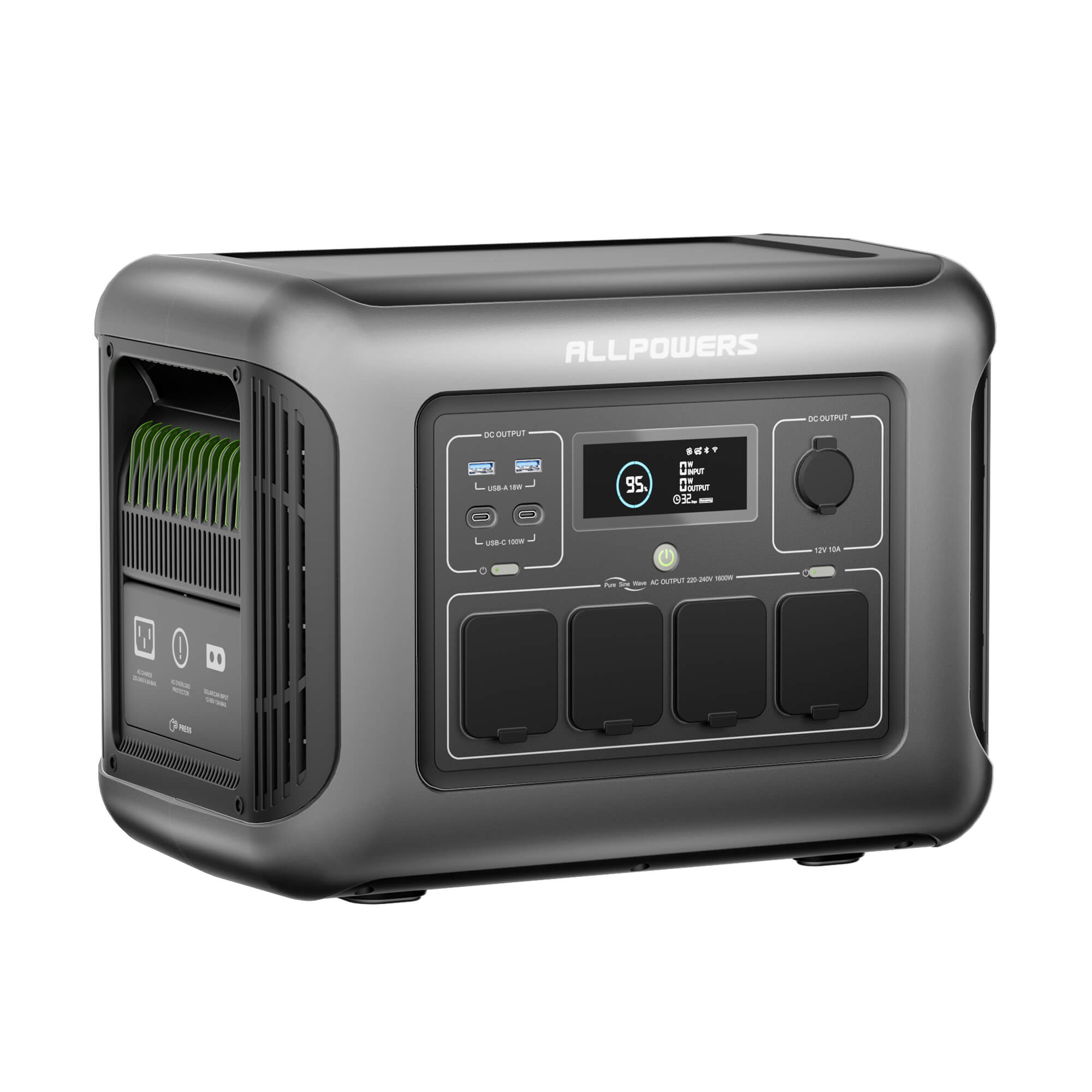
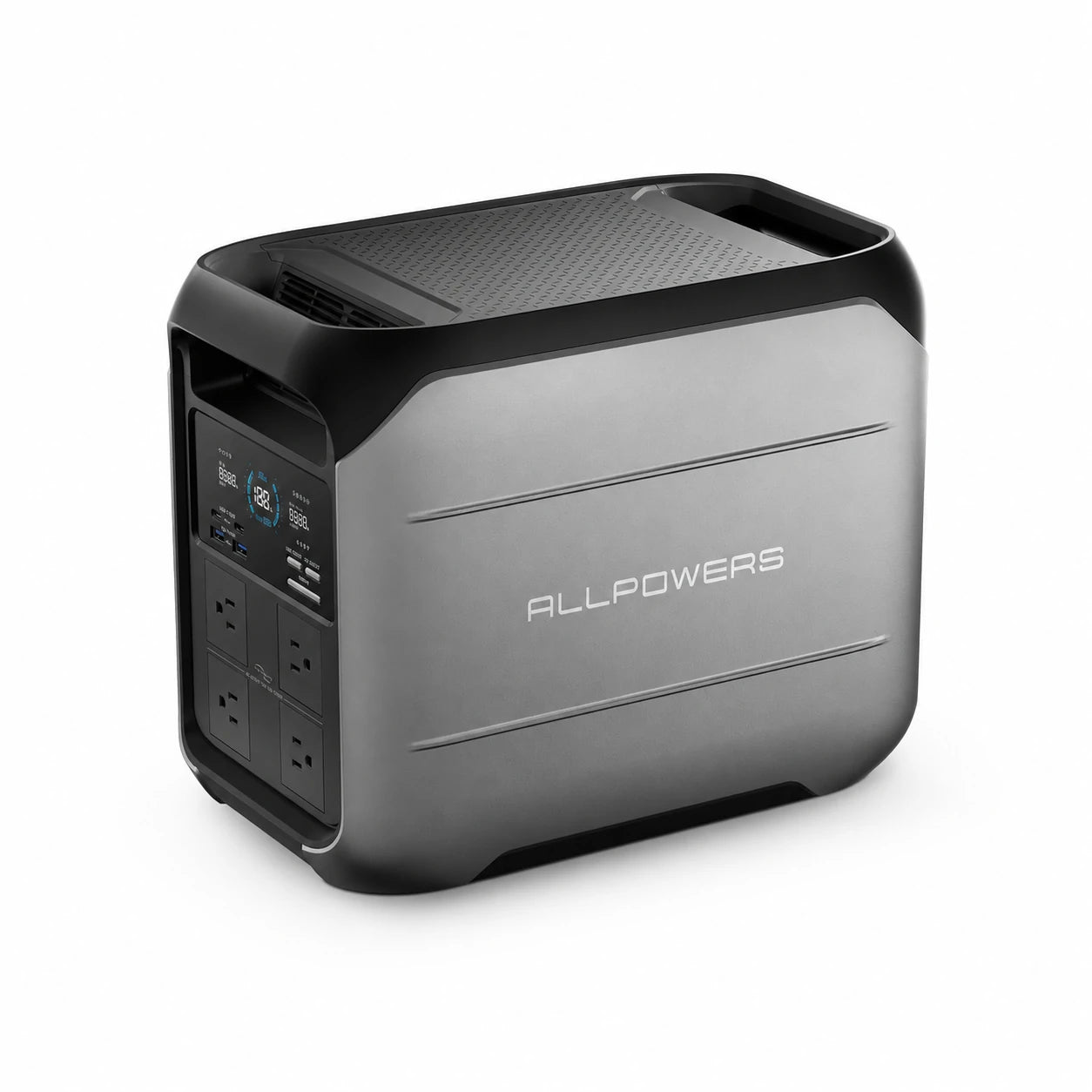
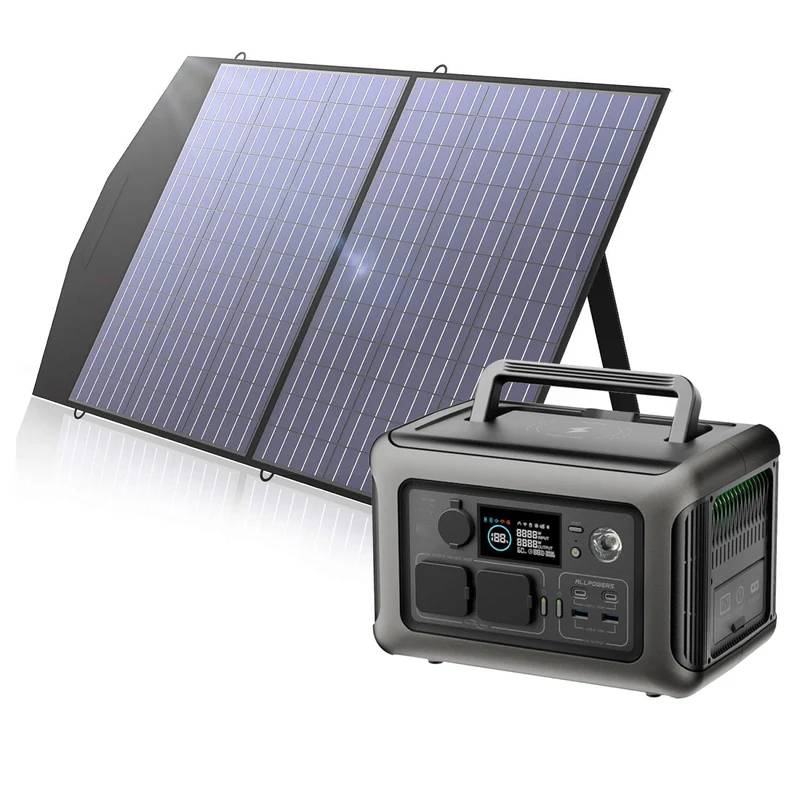
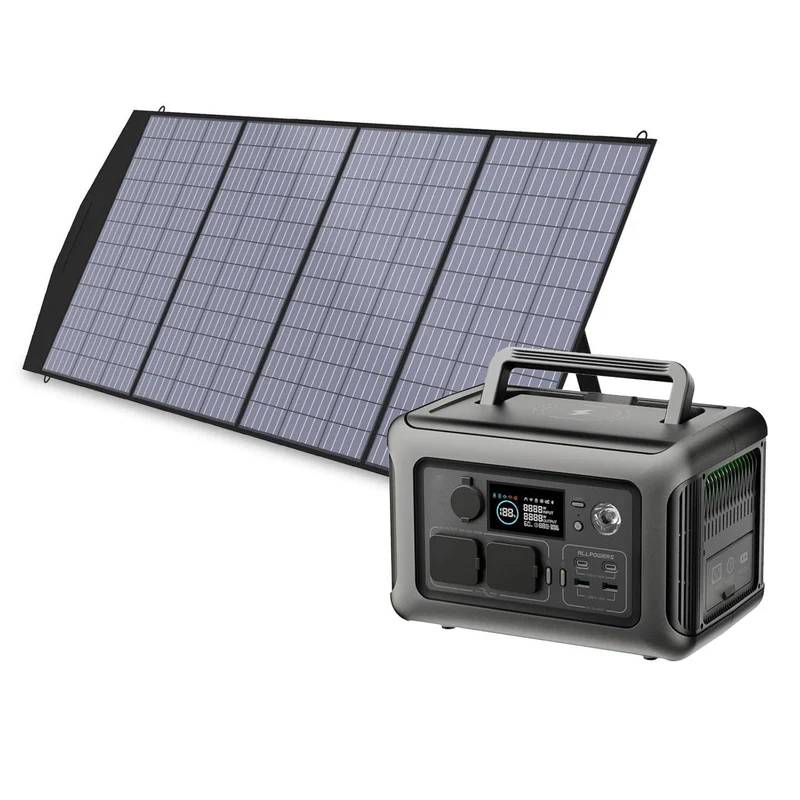
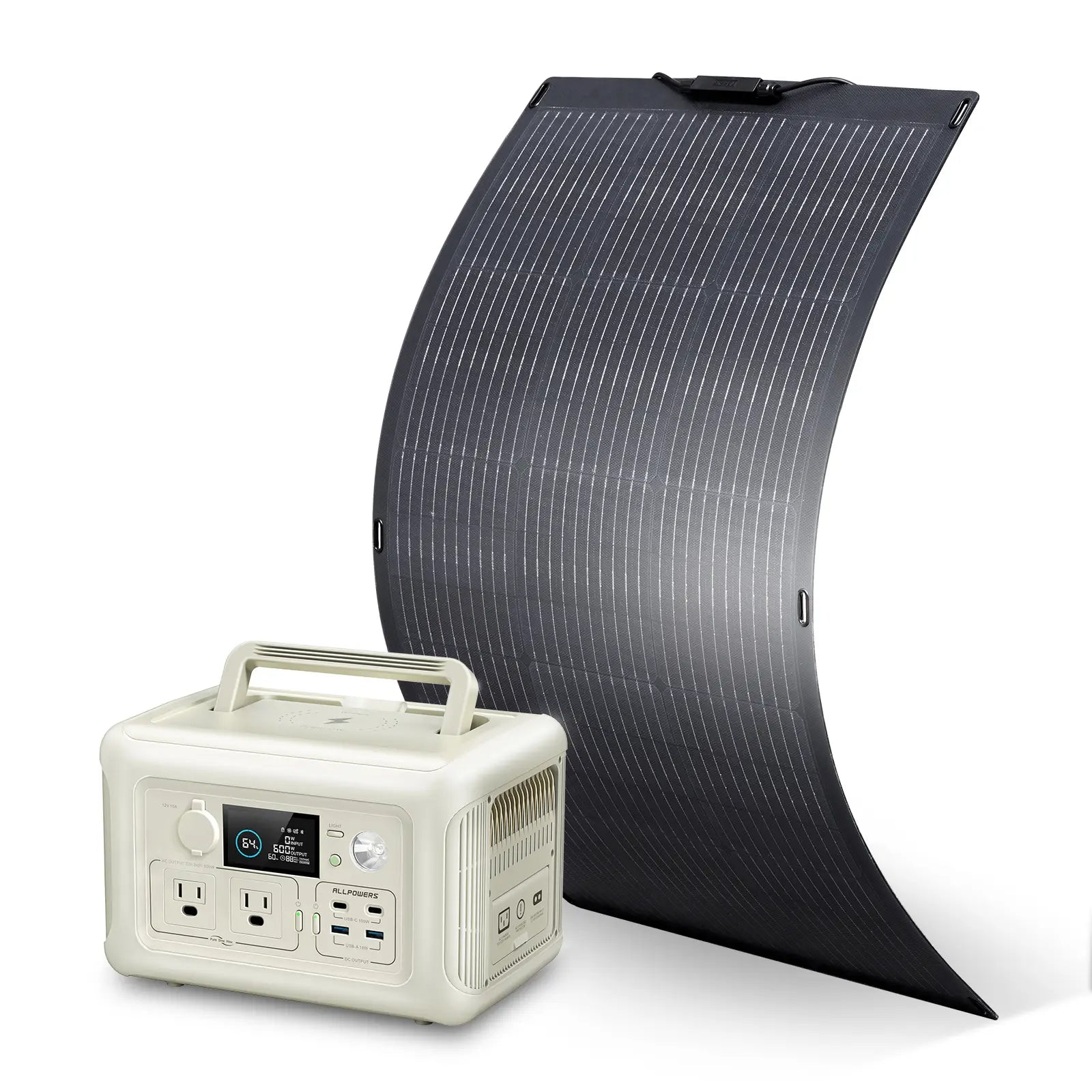
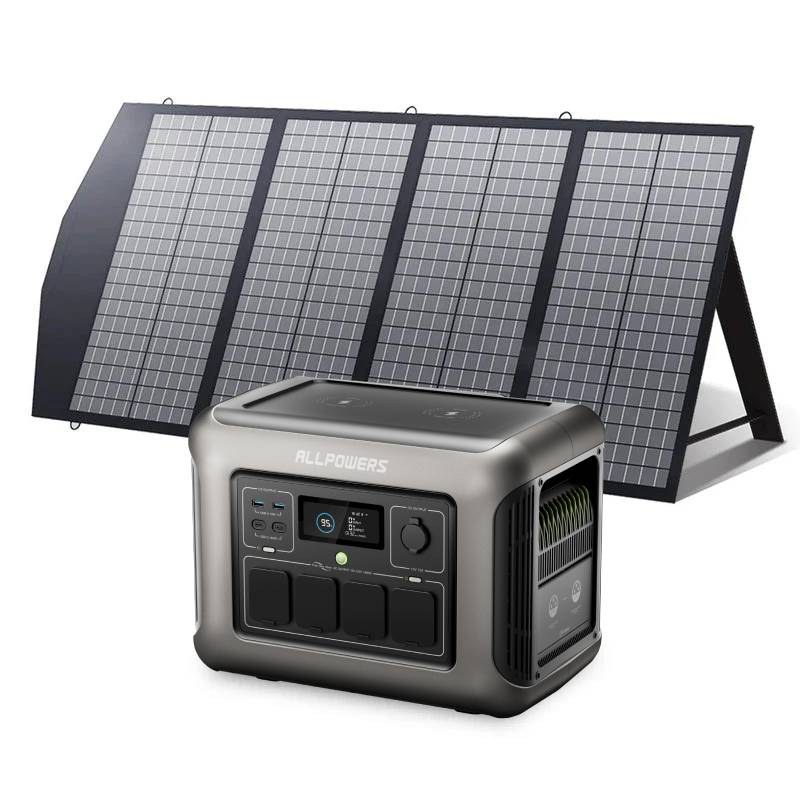
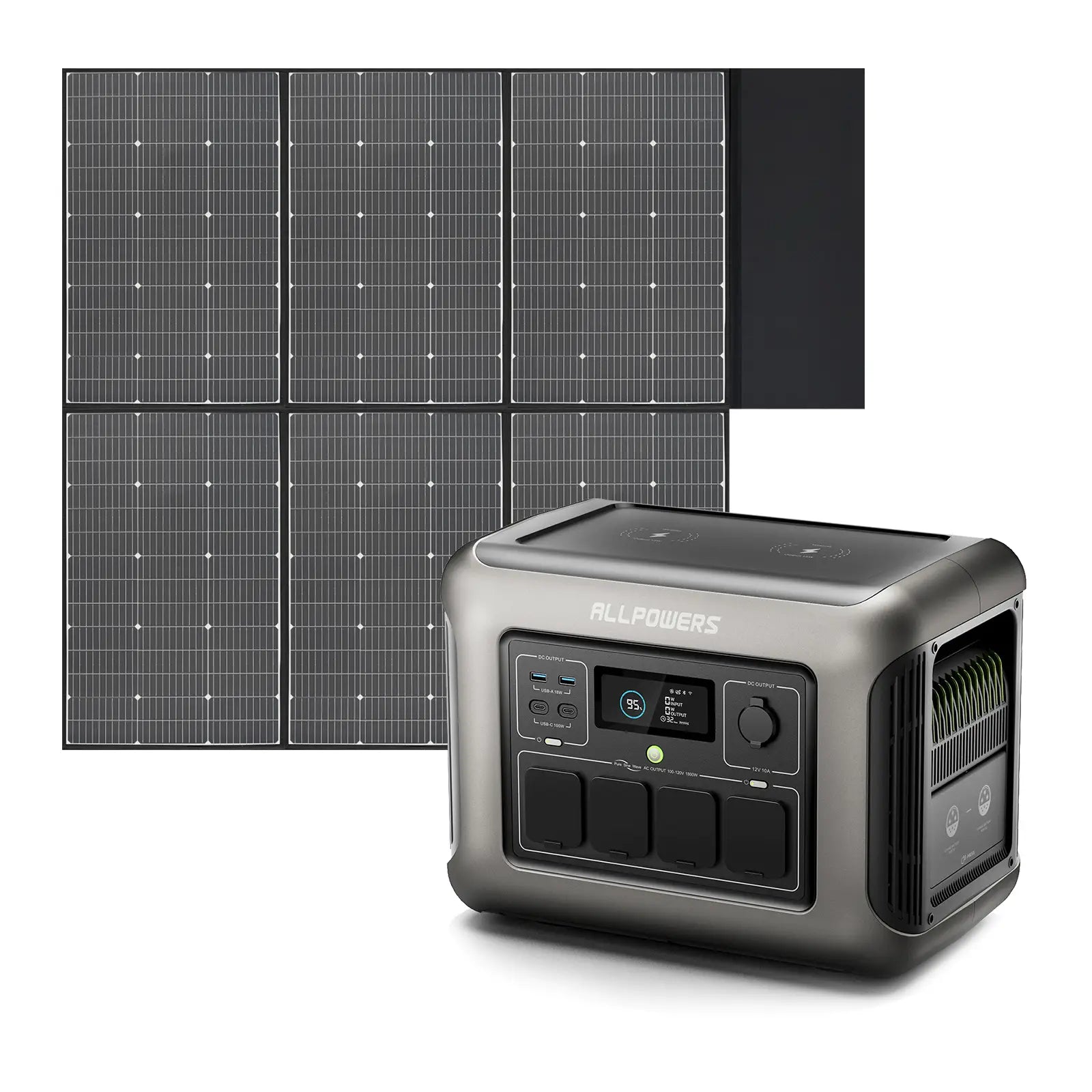
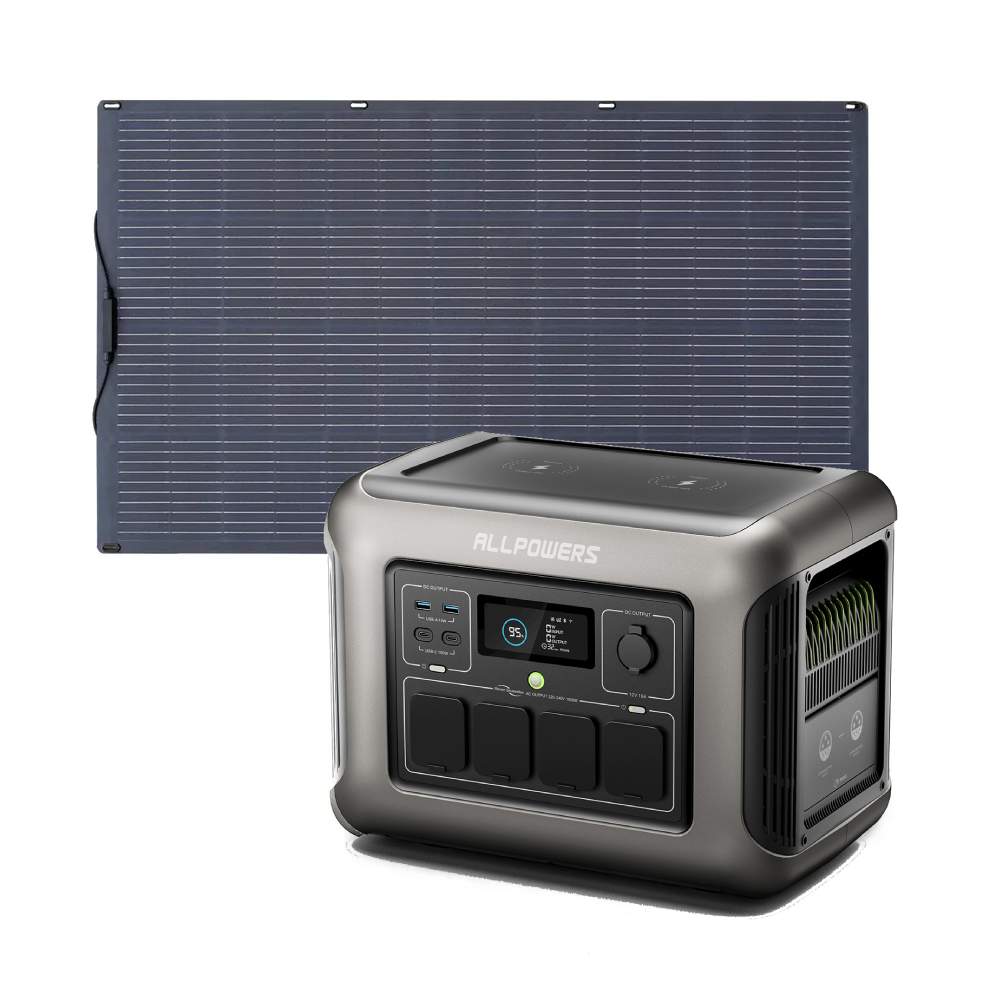
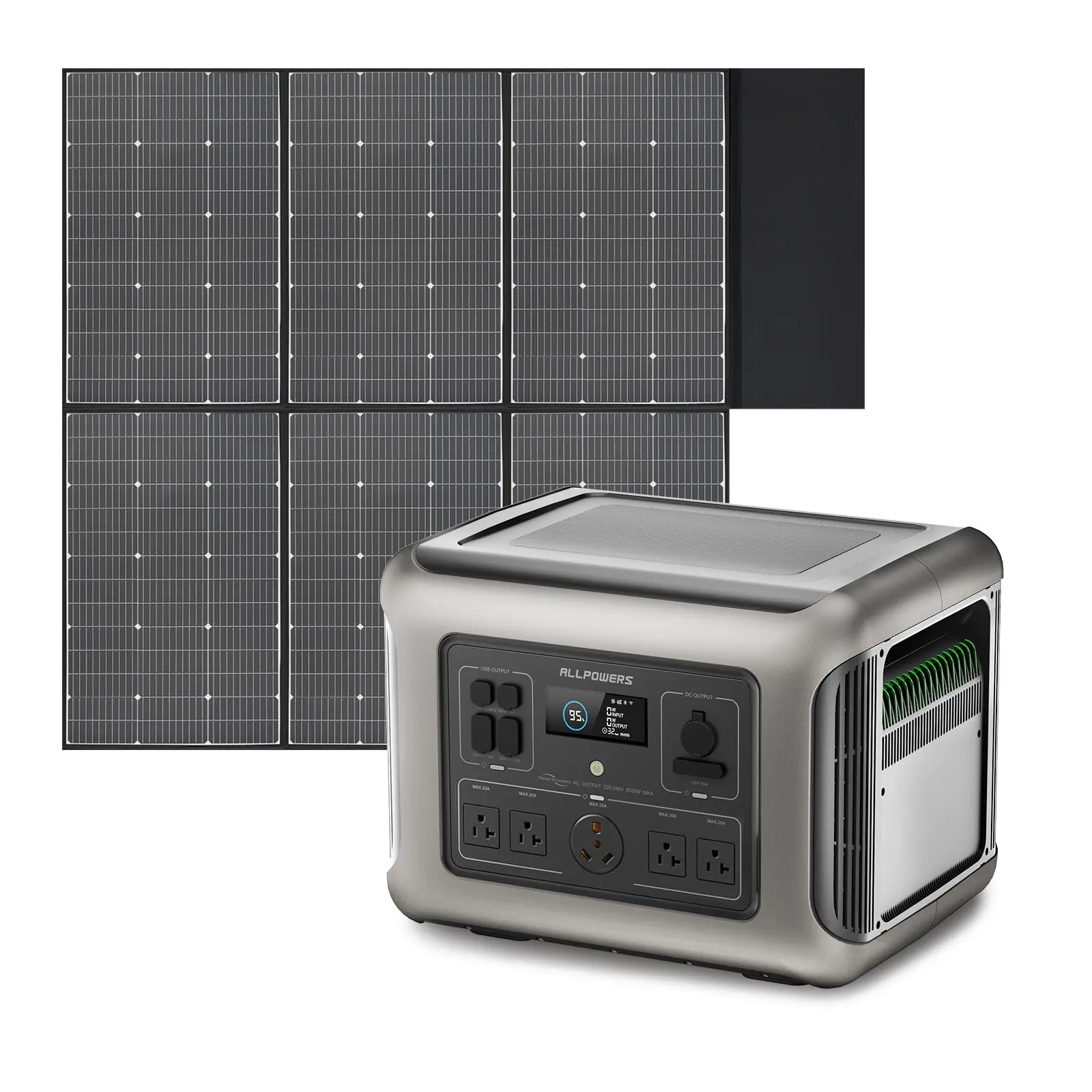
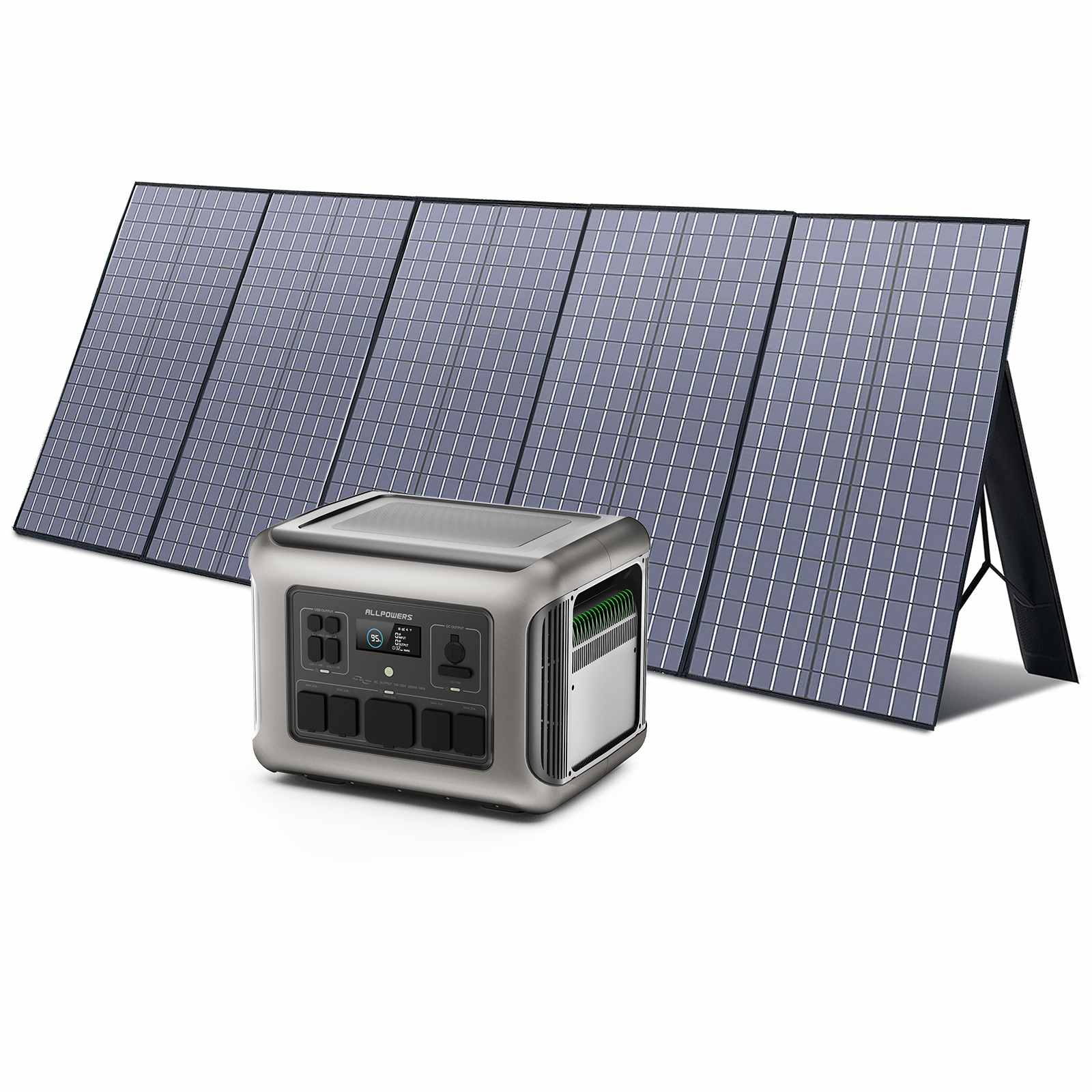
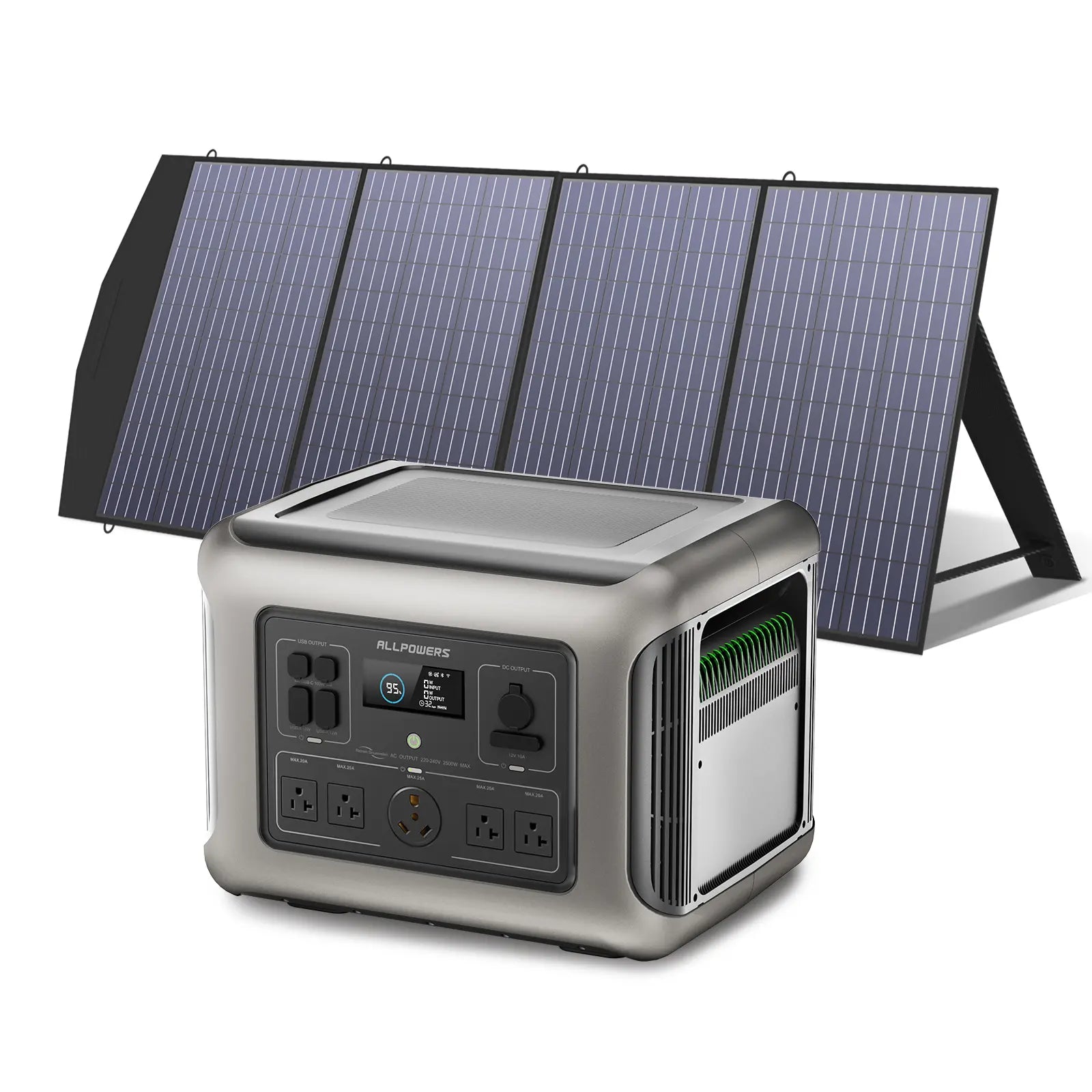
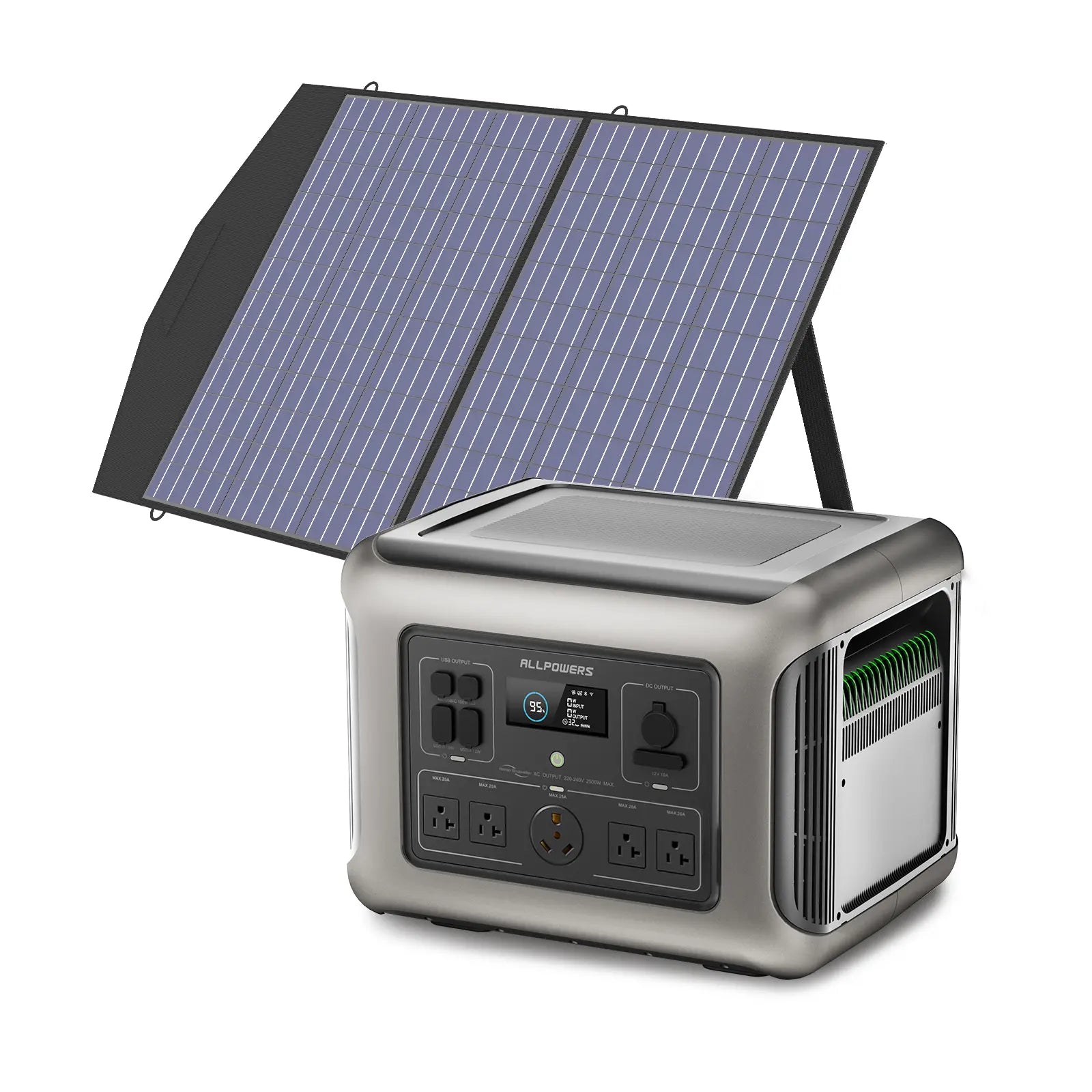
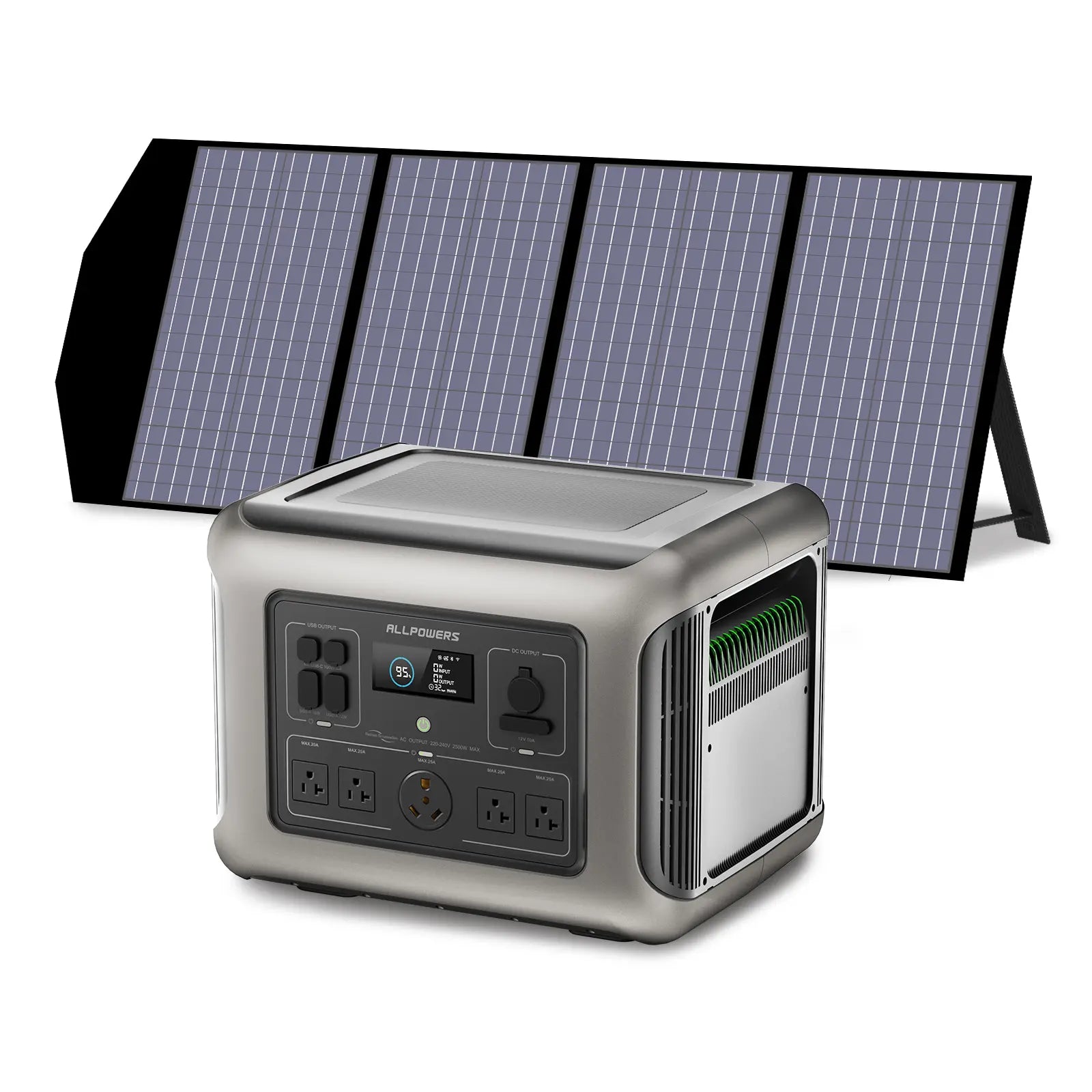
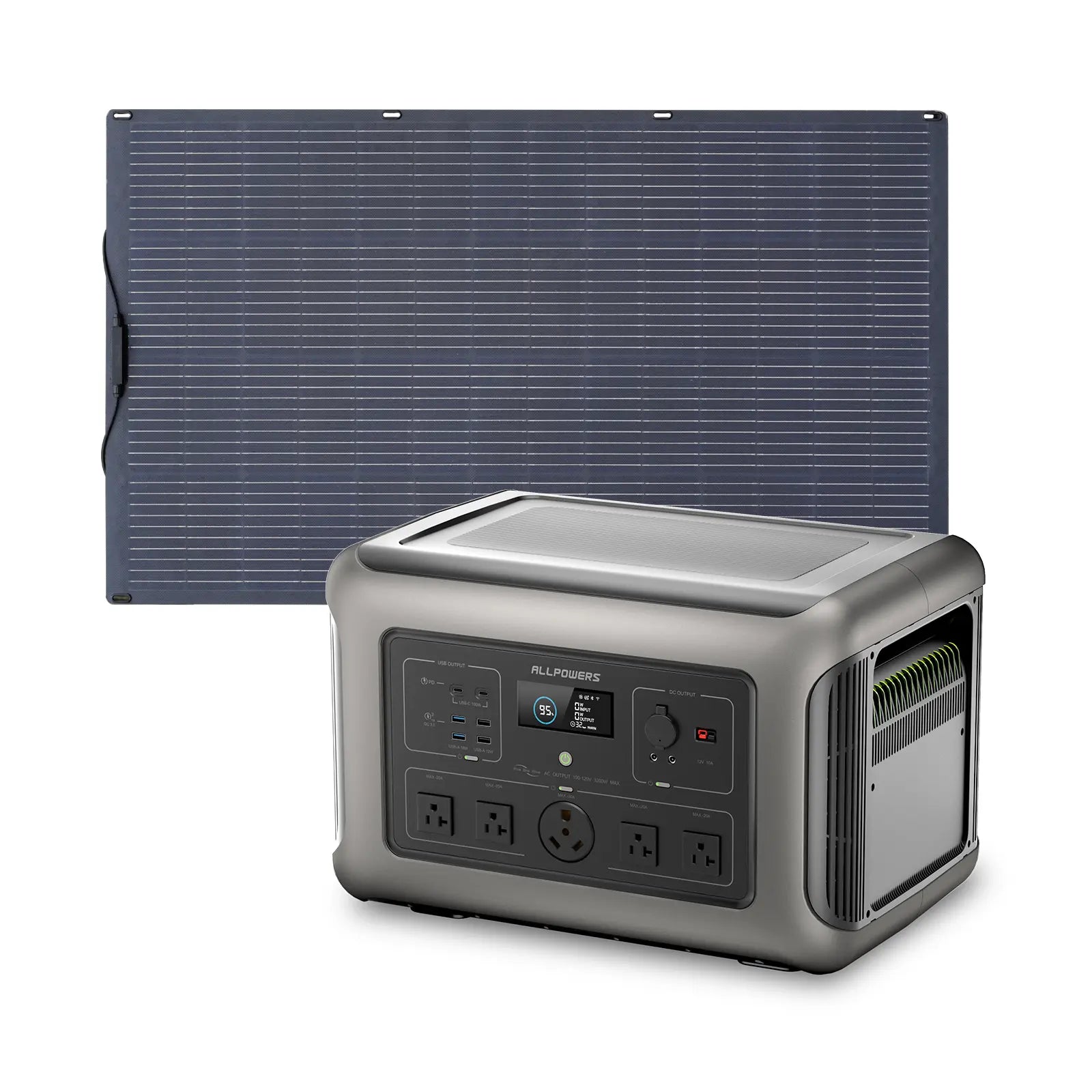
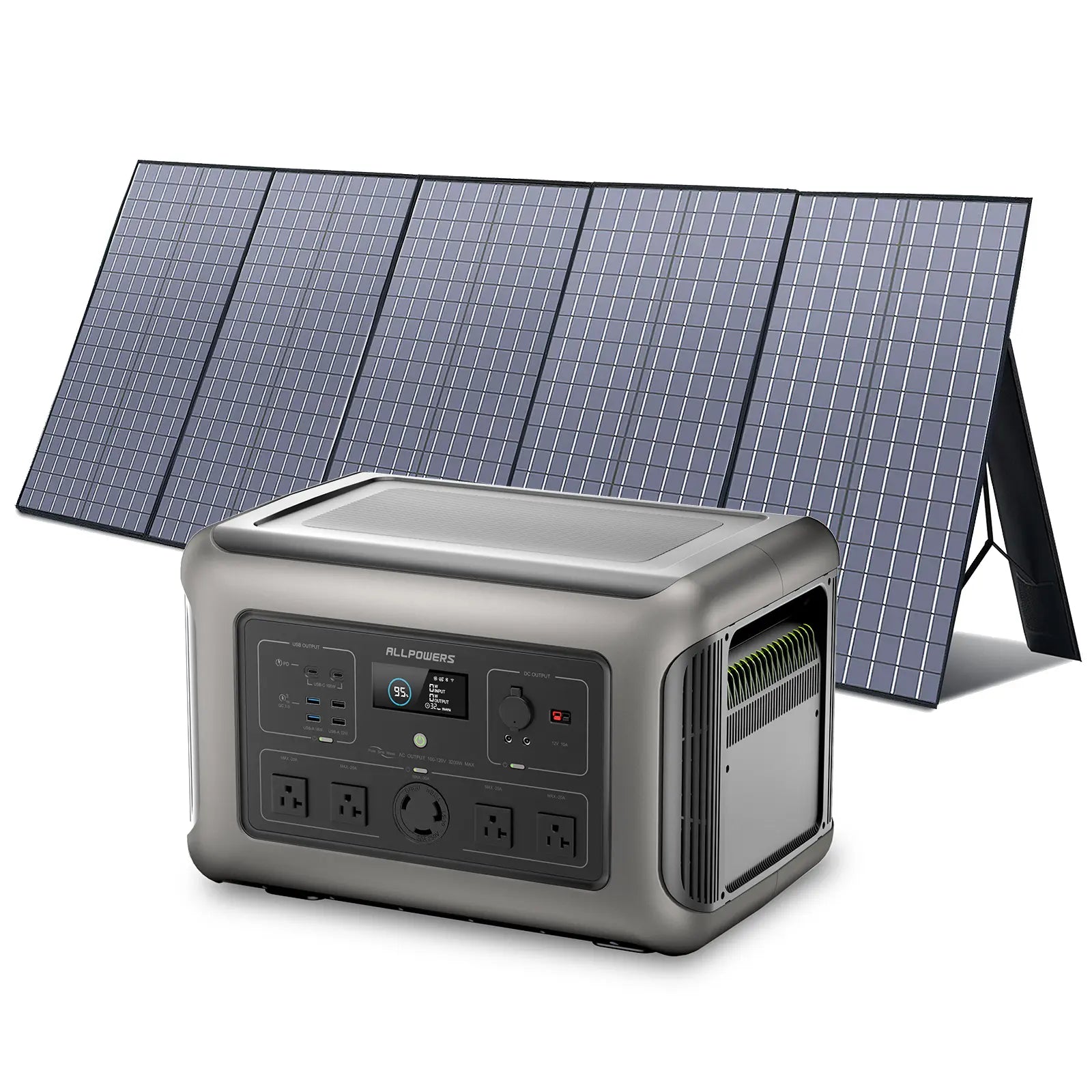
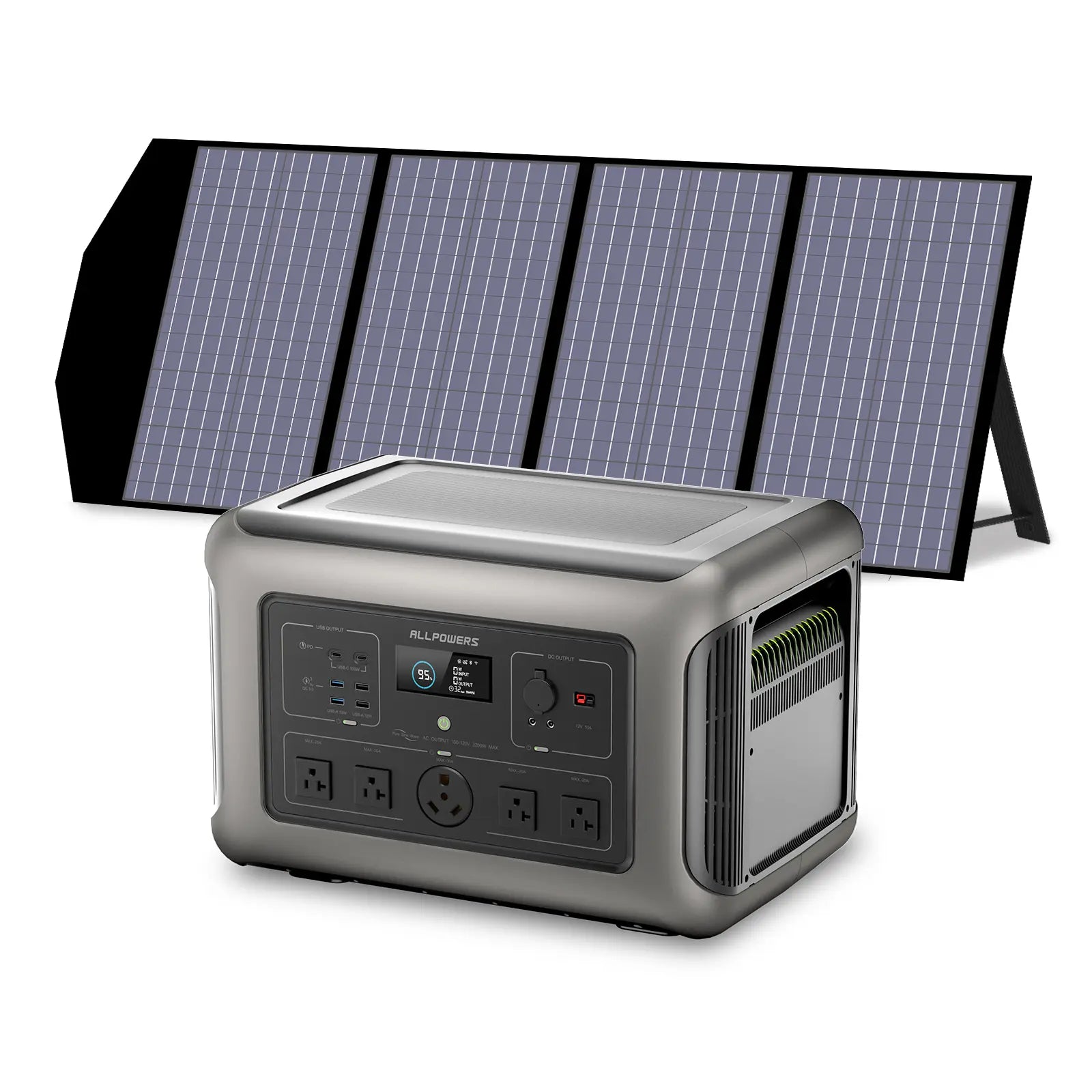
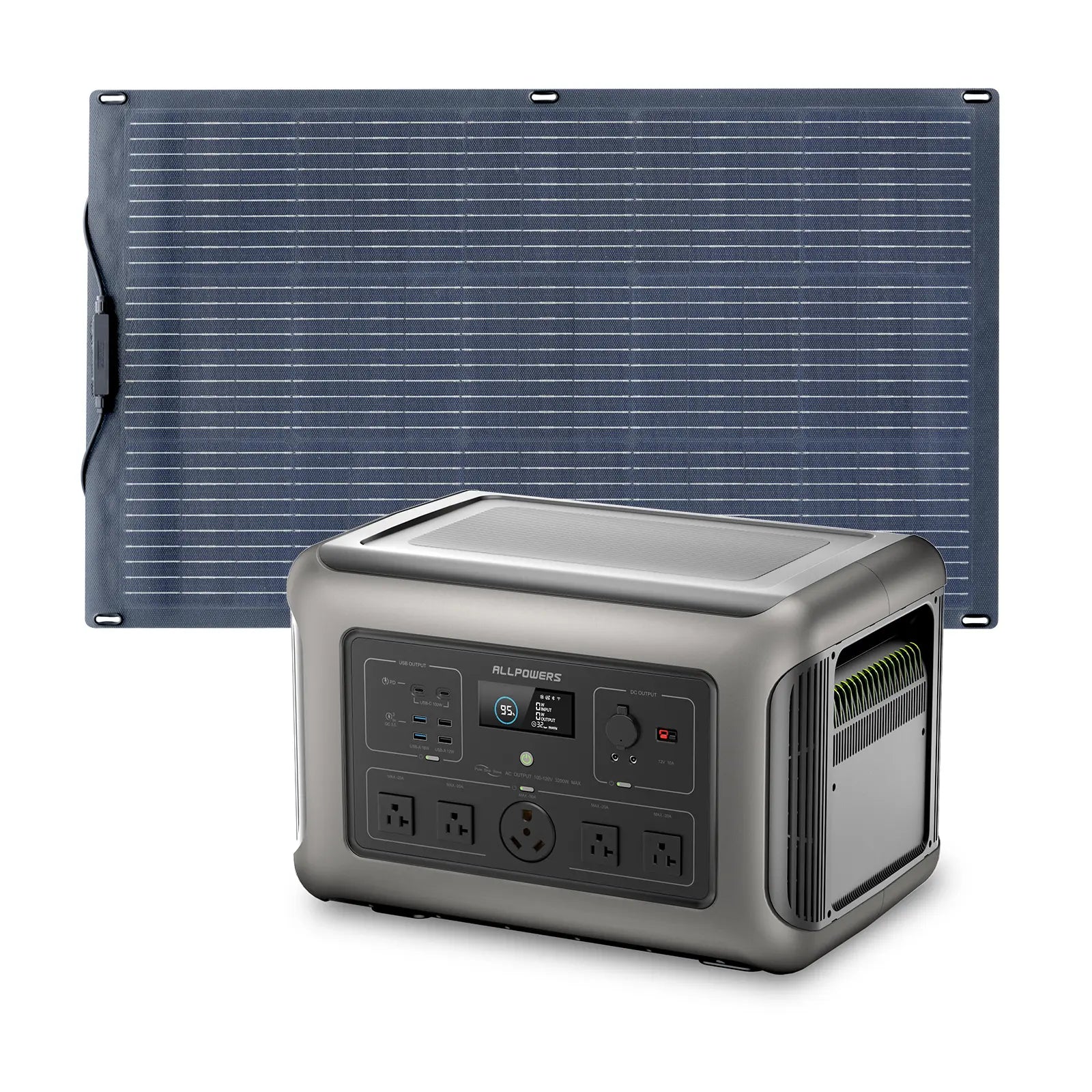
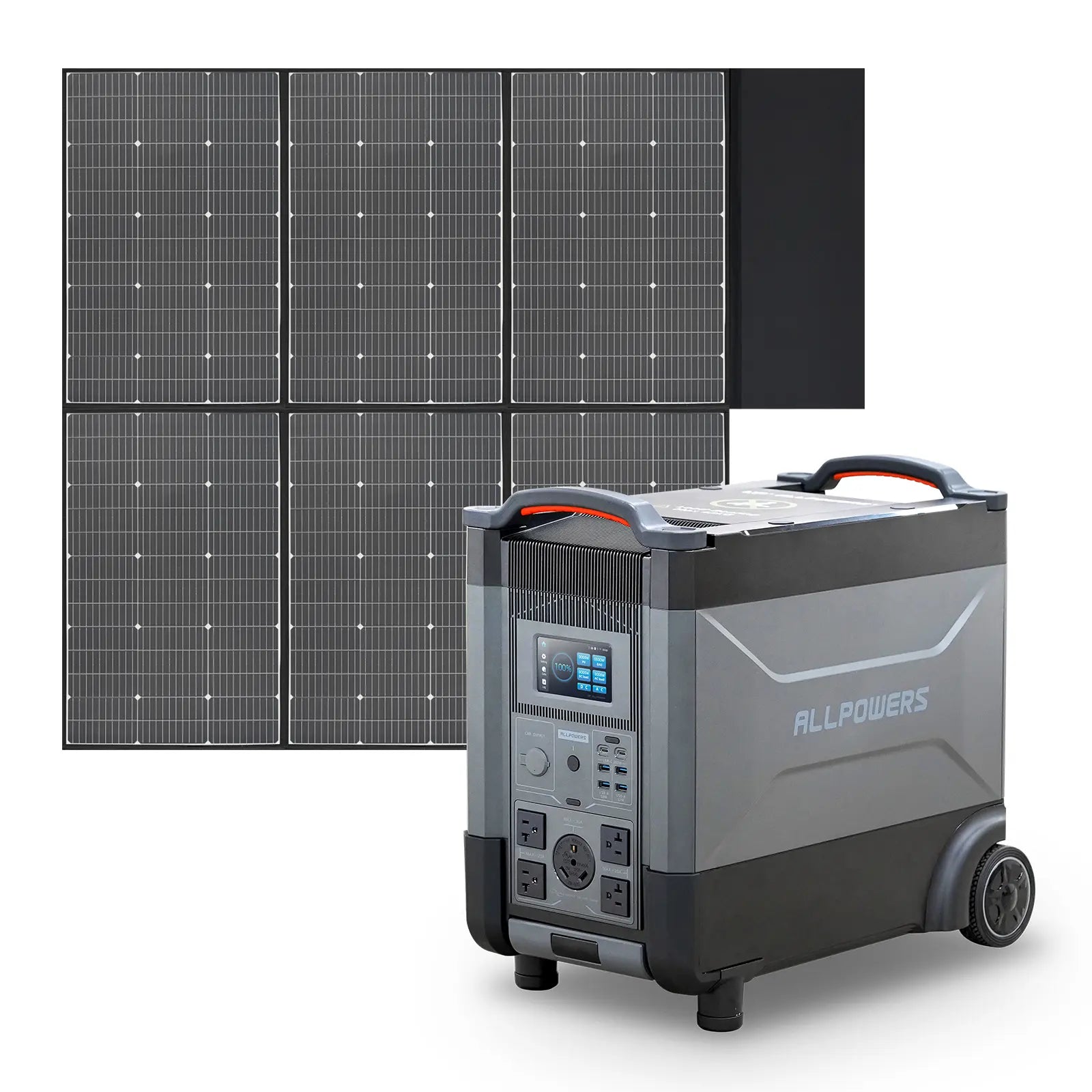
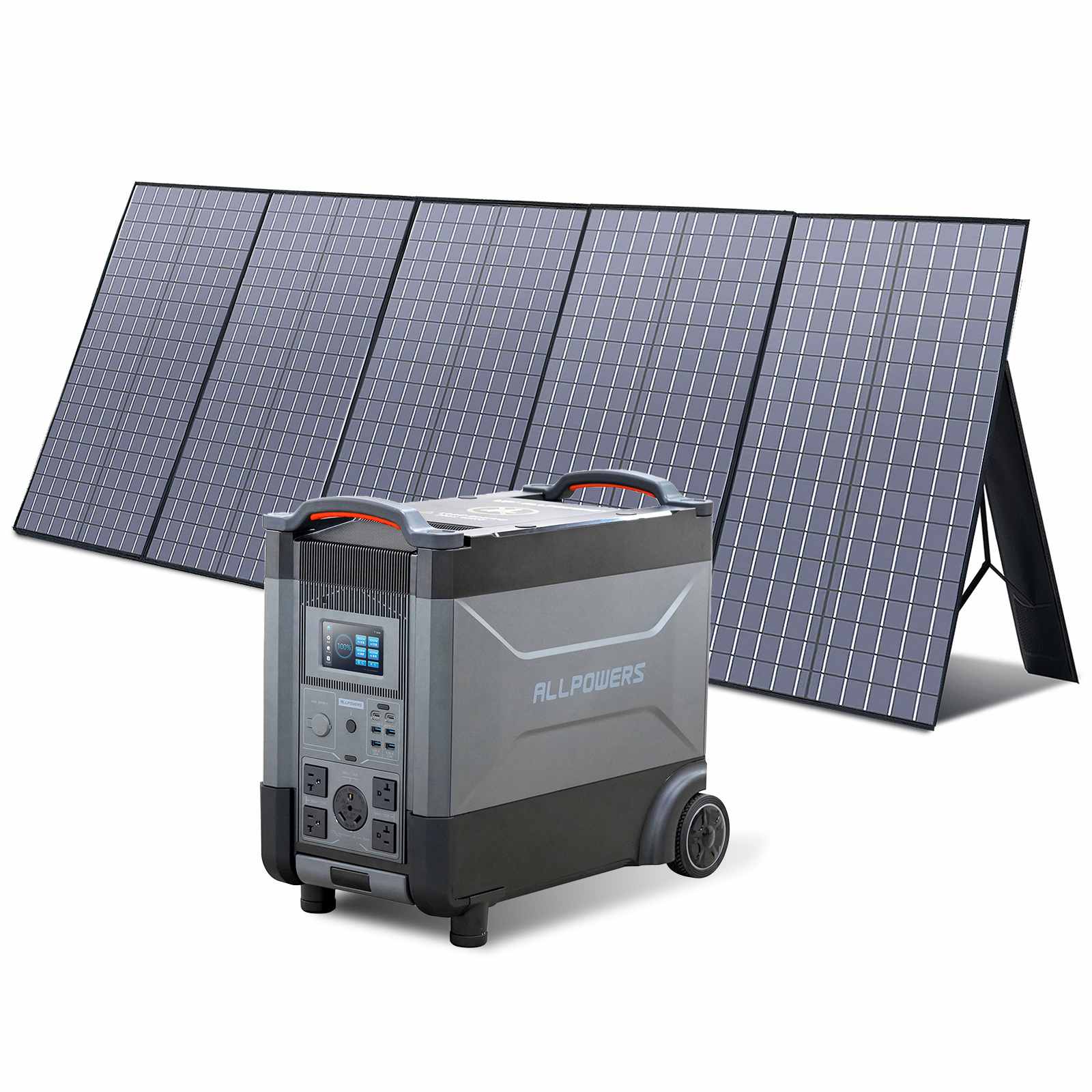
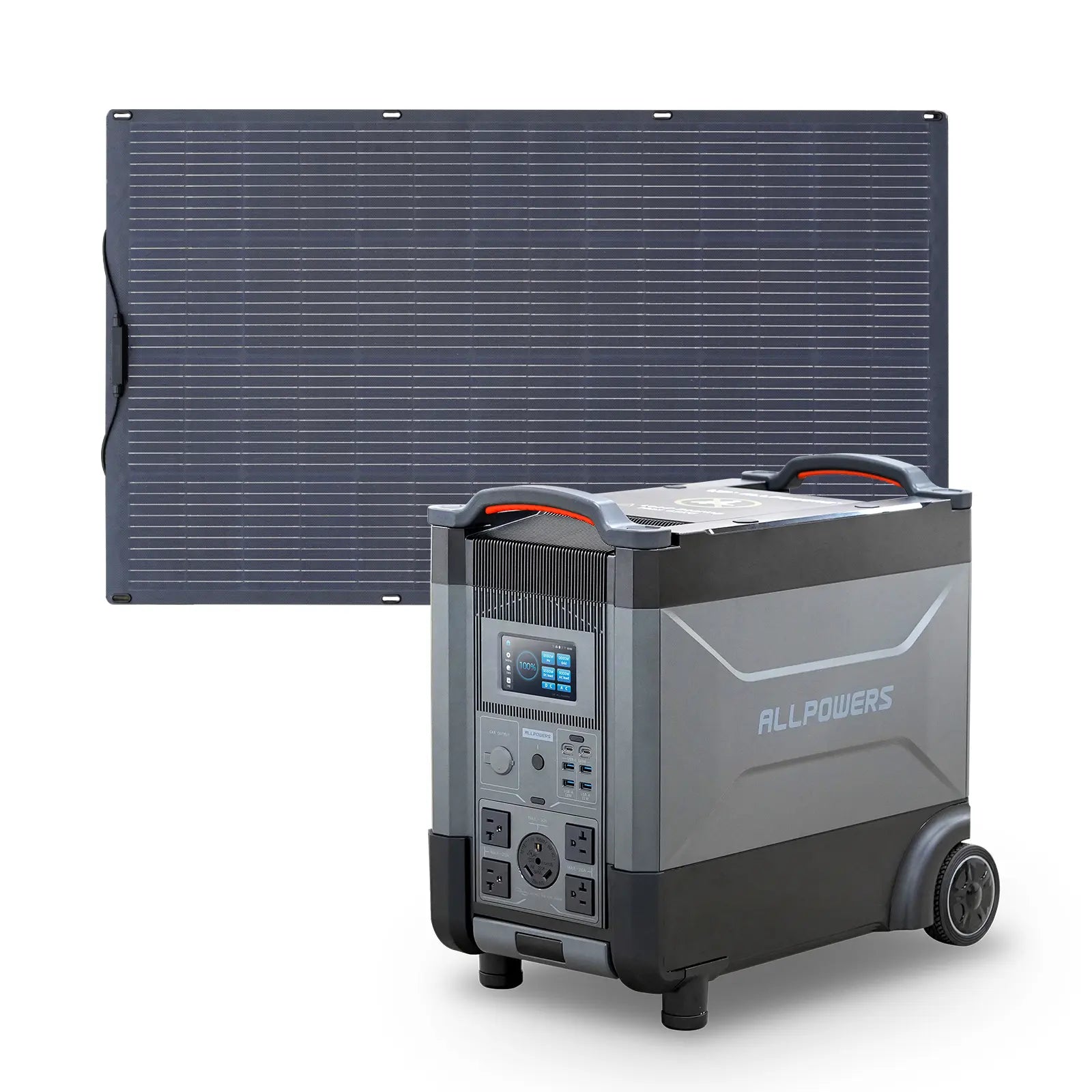
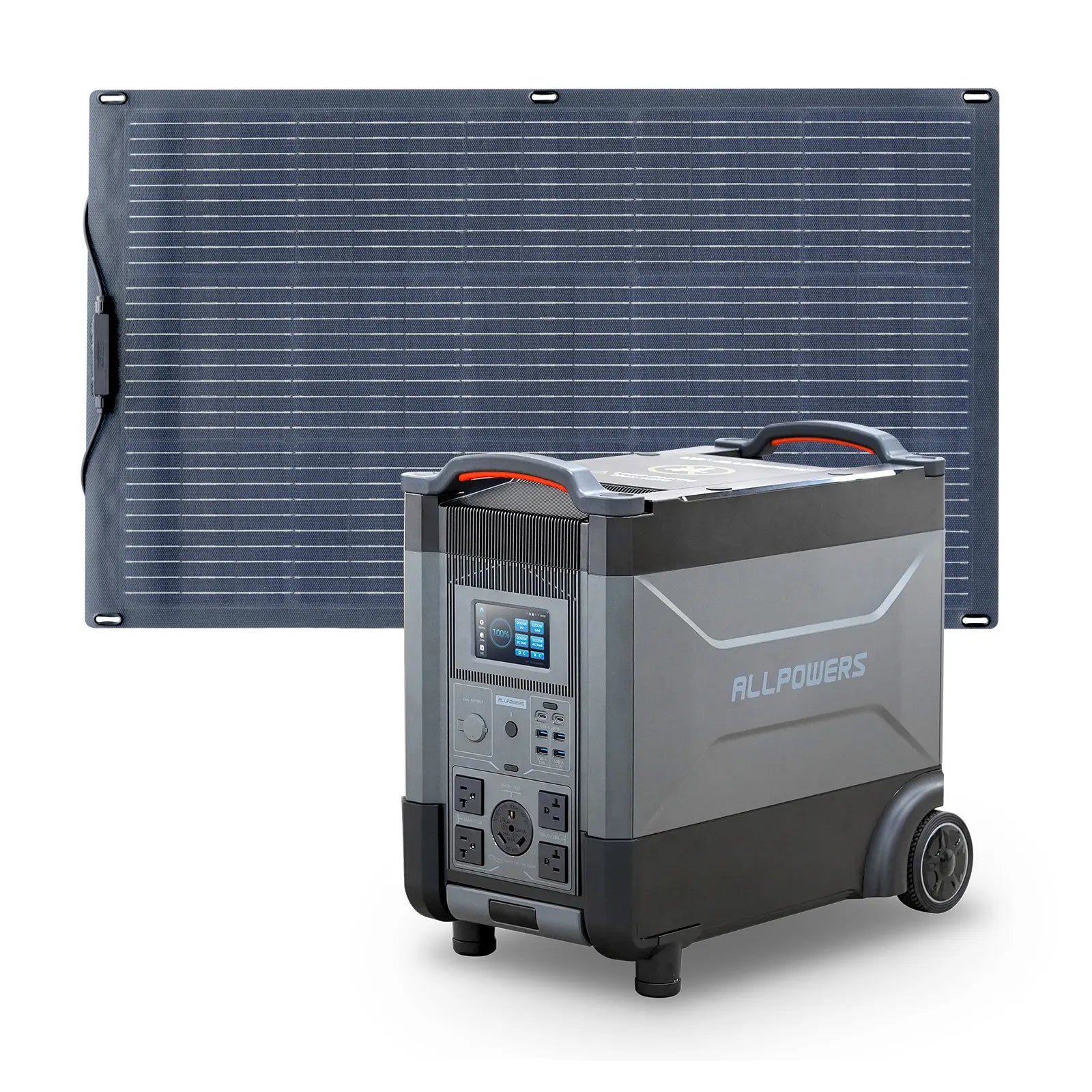
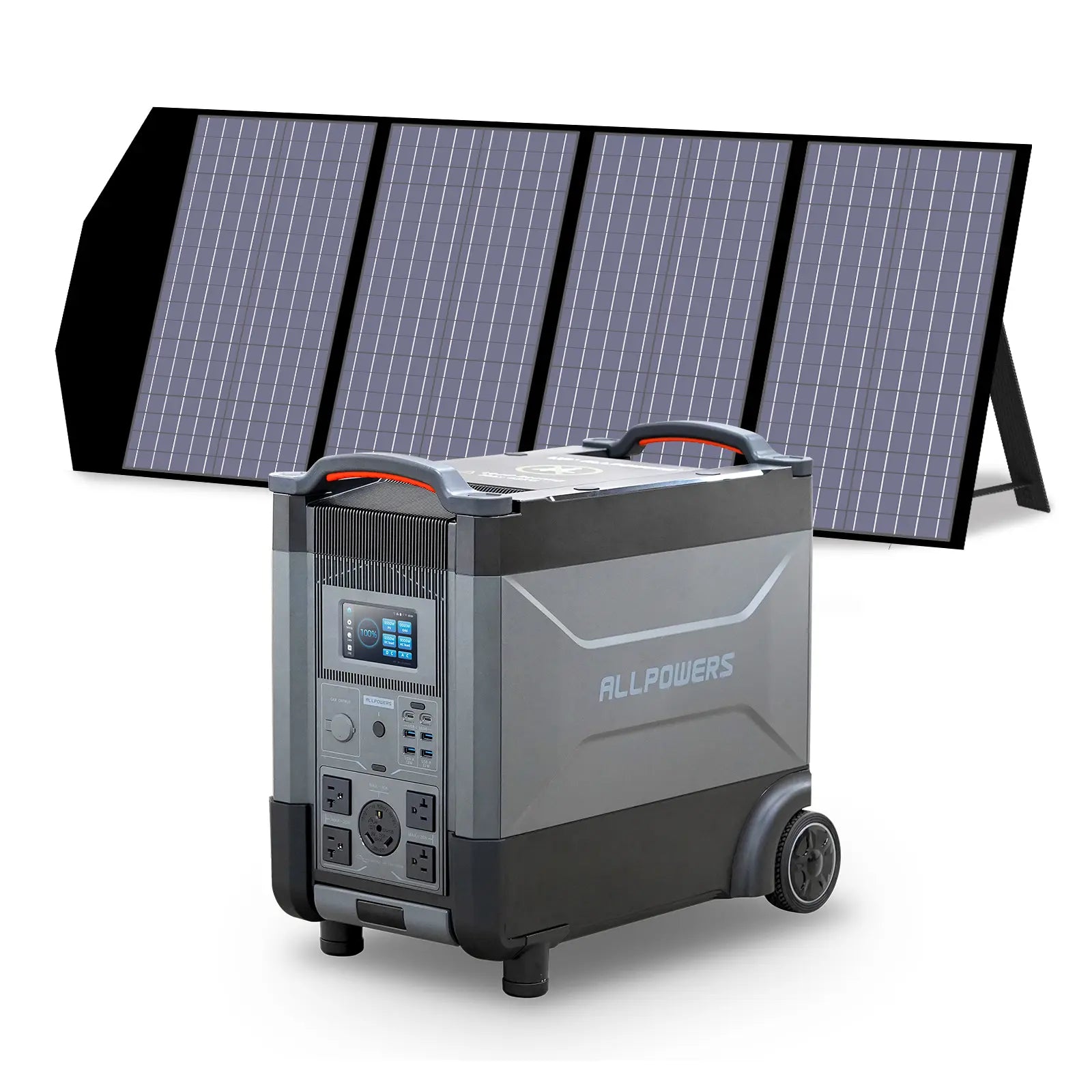
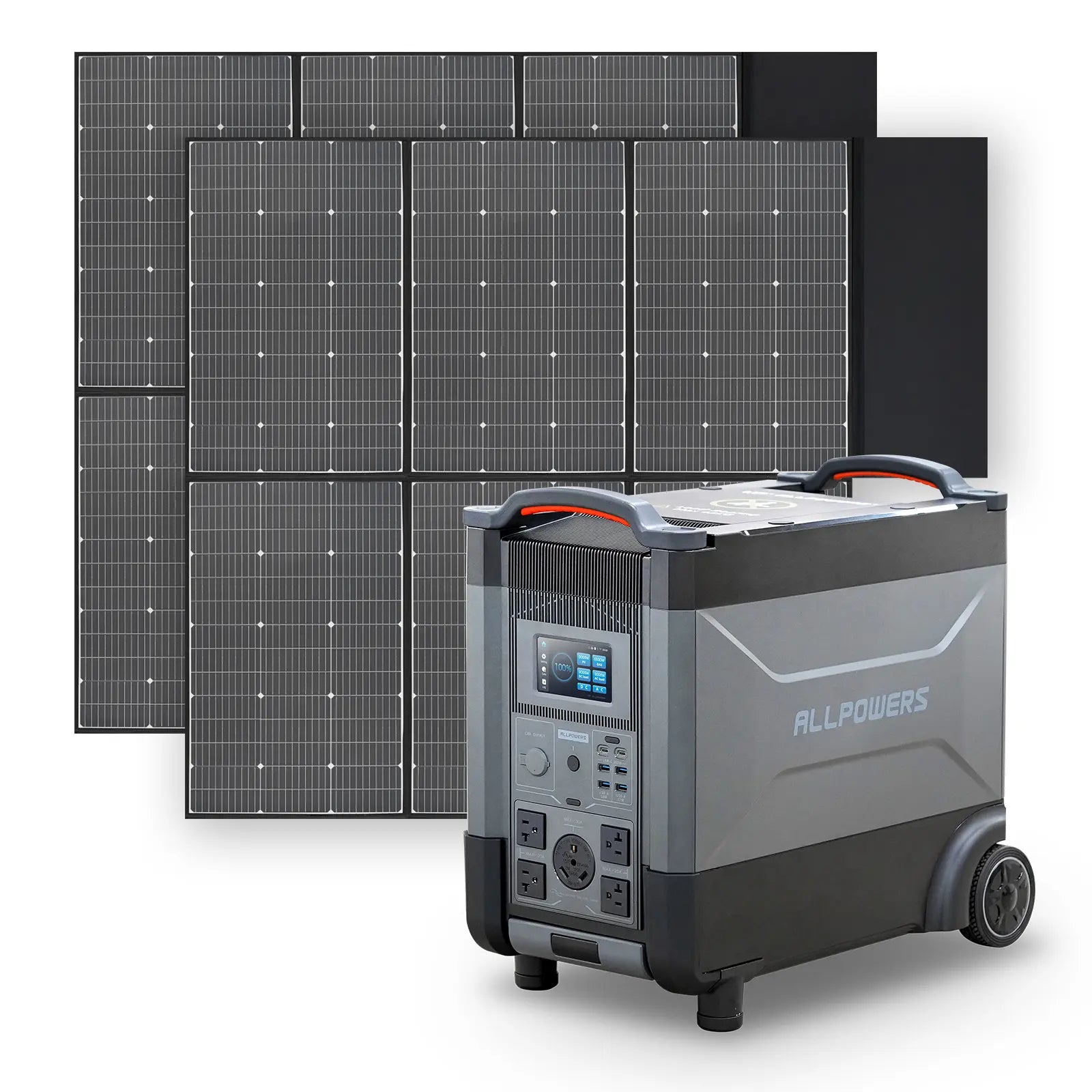
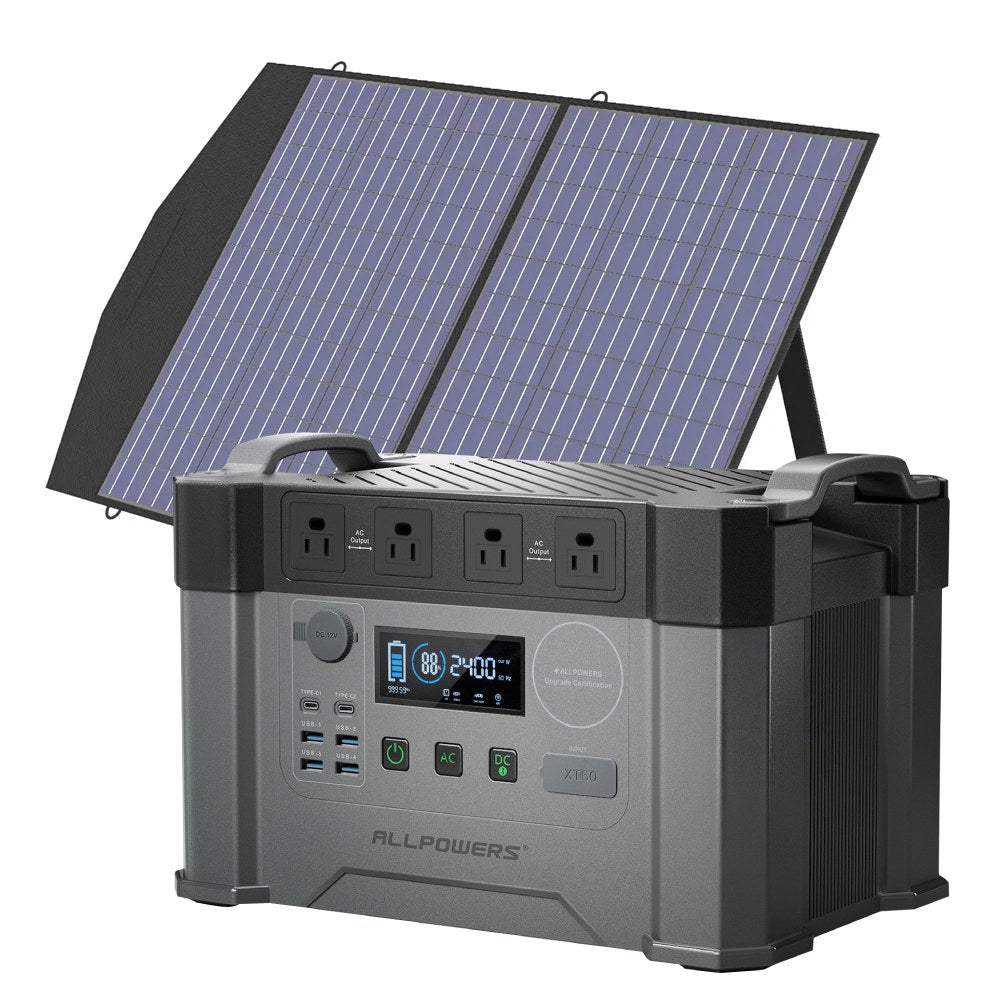
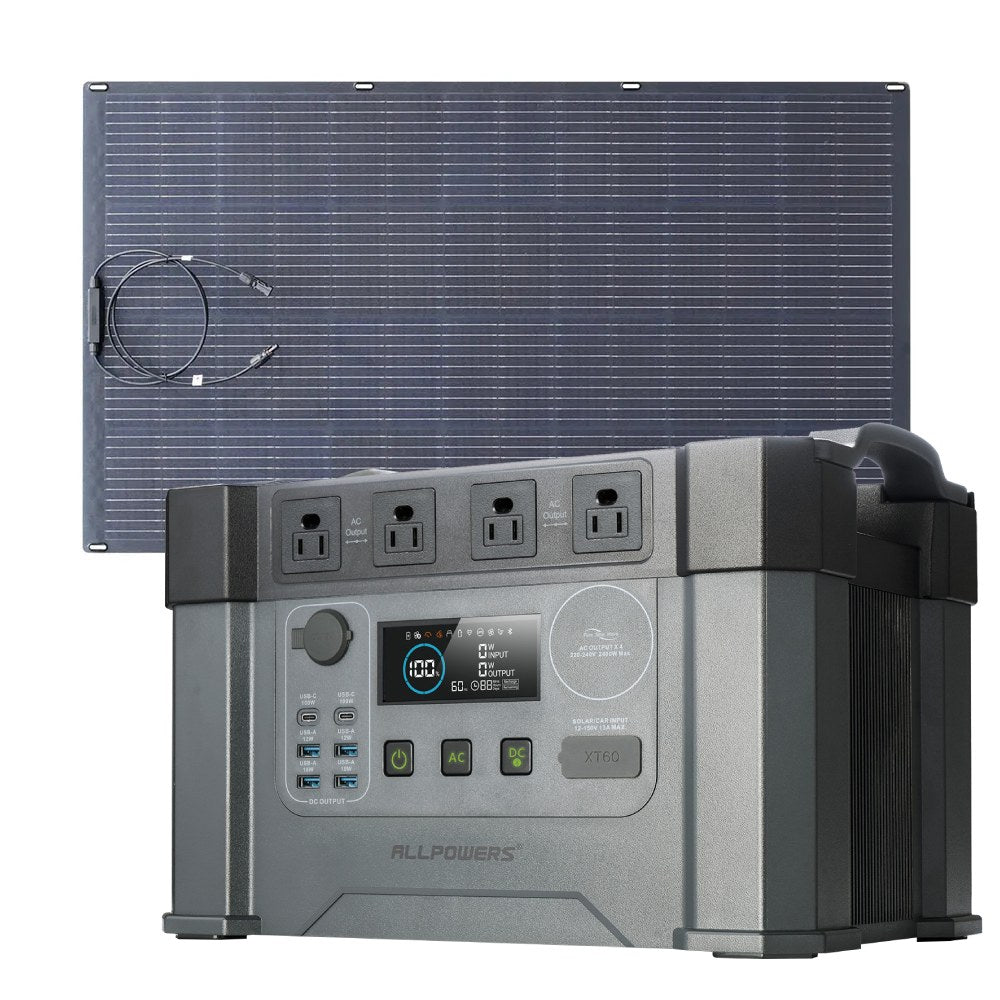
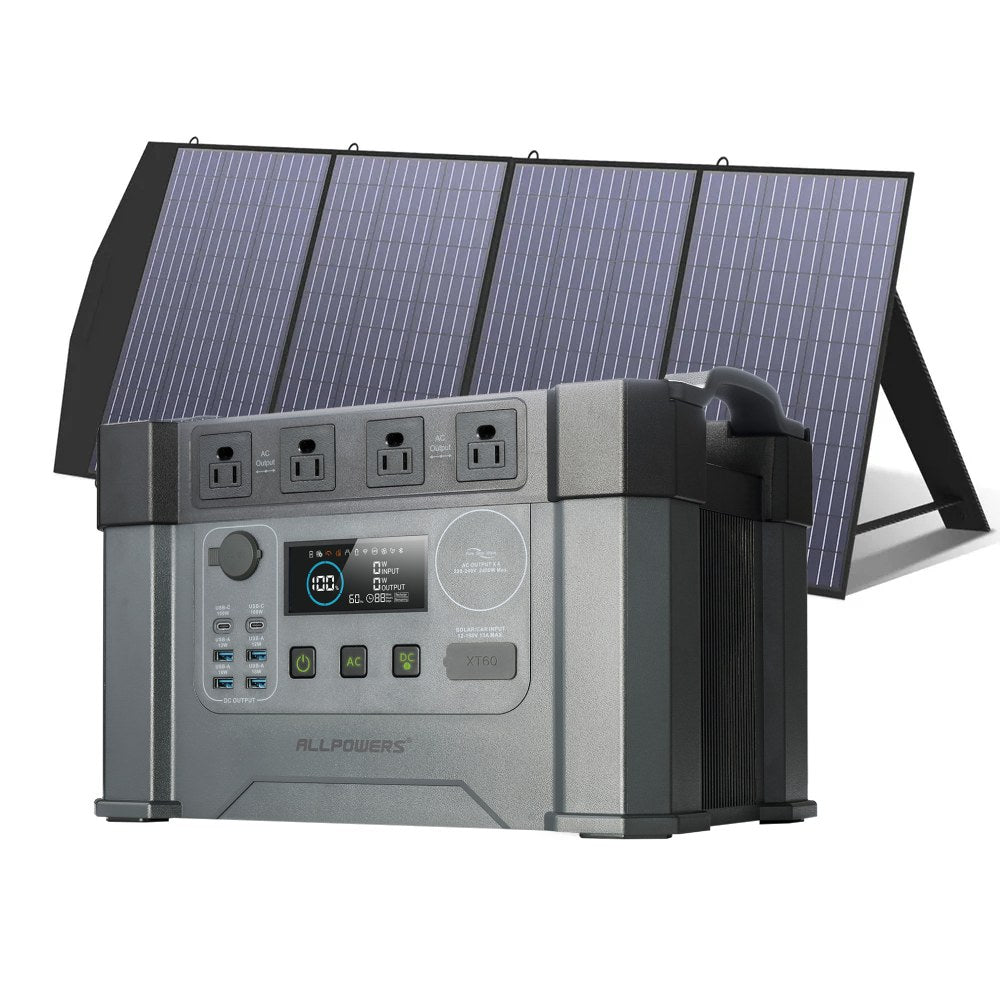
ALLPOWERS 2500W Solar Generator
$1,100.00 $1,799.00
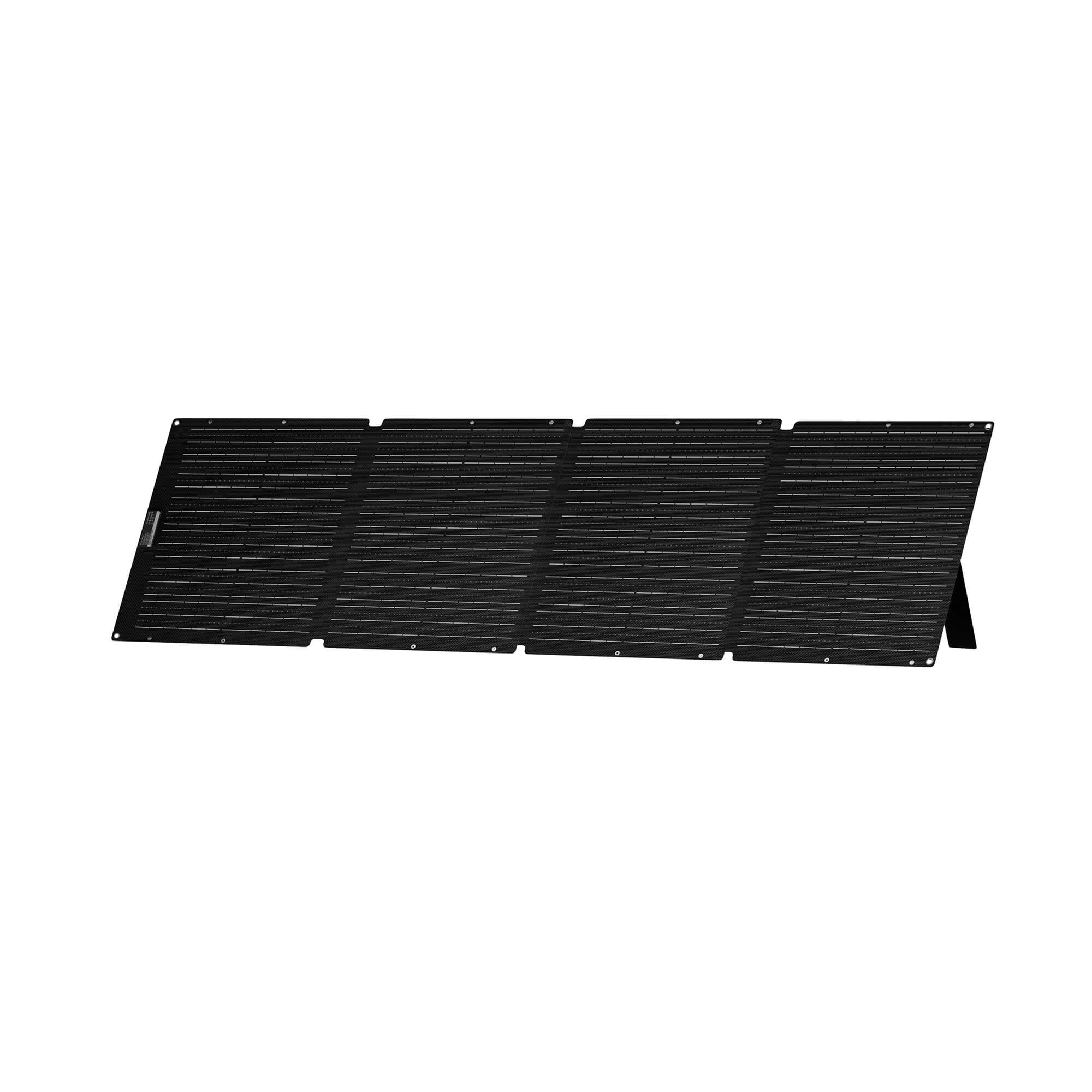
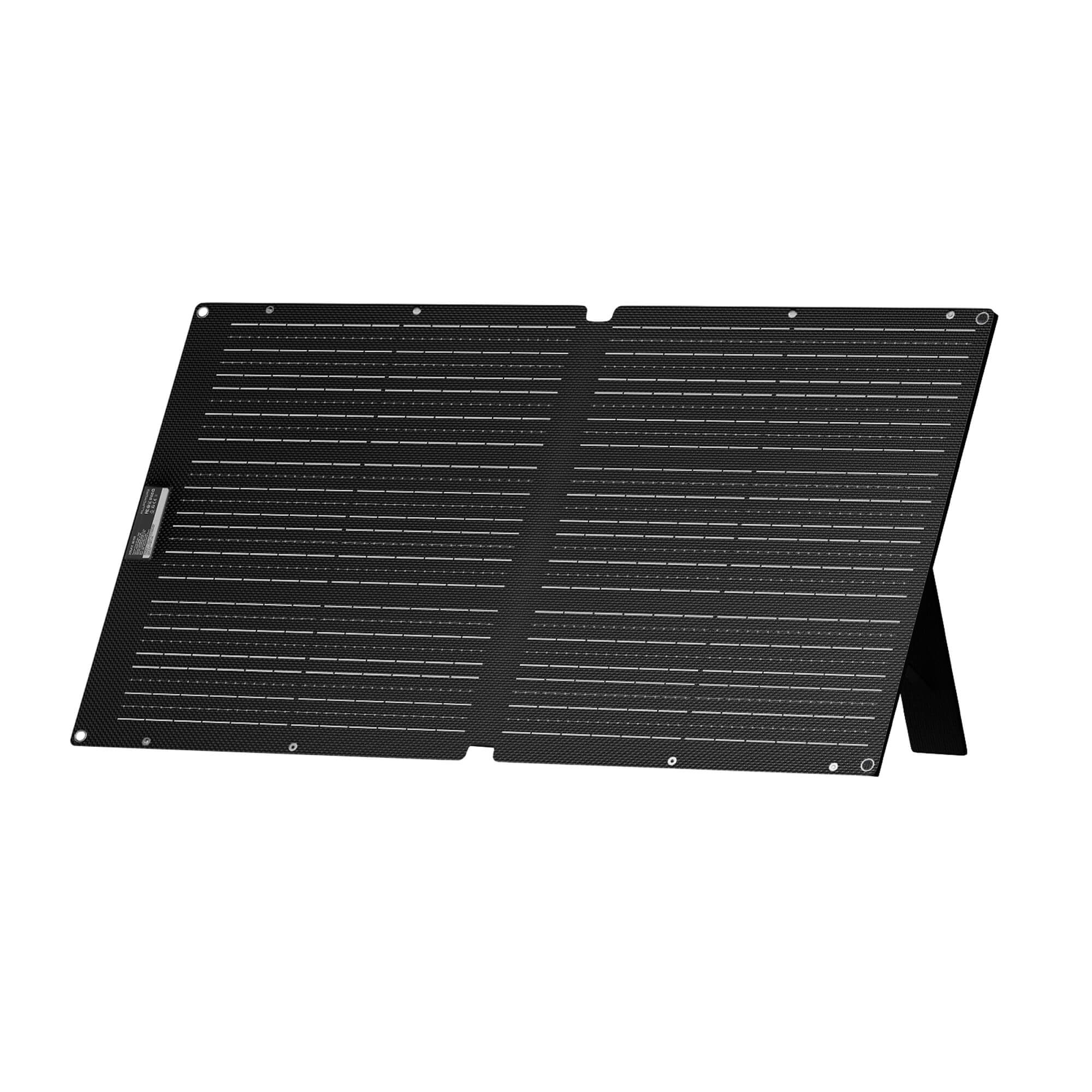
- 2016Wh Capacity + 400W Soalr Input;;
- 2500W AC Output (4,000W Surge);
- Fast Charge 100% in 1 Hours;
- Start UPS in 15 ms;
- Expandable Up to 3x B1000 Expansion Battery;
The importance of matching the generator type
Here’s something people don’t talk about enough.
Air compressors—especially newer models—can be sensitive to power quality.
Fluctuations, inconsistent voltage, or unstable output can affect performance or even shorten the lifespan of the motor.
Traditional generators can sometimes produce “rough” power, especially under variable loads.
In contrast, inverter generators—especially modern portable power stations deliver a more consistent waveform.
That translates into smoother motor operation. Less stress. Fewer surprises. It’s subtle, but over time, it adds up.
Think of it like feeding your body. Junk food works in the short term—but consistency matters in the long run.
Learn More: Inverter vs Generator: What Is the Difference?
How to calculate the right generator size
You don’t always need a calculator.
Here’s a rough approach that works surprisingly well in the field:
Take the compressor’s horsepower, multiply it by 1,000 to estimate running watts. Then double it for startup.
Add a 20–30% buffer.
That gives you a realistic generator size.
It’s not perfect, but it’s practical.
Common mistakes when choosing a generator
One of the most frequent errors is underestimating startup power requirements.
Many users focus only on running watts and overlook surge demand, which leads to repeated tripping or failed startups.
Another common mistake is ignoring real-world conditions. Factors such as altitude, temperature, fuel quality, and generator age can all reduce effective power output.
This means a generator operating near its maximum rating may struggle even if calculations appear correct.
Users also often forget that compressors do not operate in isolation. Additional loads like lighting, power tools, or electronics increase total demand and must be included in the calculation.
Finally, running a generator continuously at full capacity can reduce its lifespan. Most experts recommend keeping loads below maximum rated output for long-term reliability and efficiency.
Conclusion
So, what size generator do you need to run an air compressor?
Technically, it’s about matching running watts and covering startup surge—usually with a comfortable margin.
A small compressor might run fine on a 2,000-watt generator. A larger unit could demand 7,000 watts or more.
And once you factor in real-world conditions, comfort, and long-term use, the decision starts to feel less like a calculation and more like a fit.