








When people discuss backup power, the conversation almost always centers on the same two devices: inverters and generators.
They both promise electricity when the grid can’t help you, but they don’t work the same way at all, and the experience of using them can feel completely different.
So, what’s really the difference between an inverter and a generator, and how do you figure out which one actually fits your needs?
TL;DR:
Inverters produce cleaner, more stable power, run quieter, and adjust output based on demand. Traditional generators provide raw power at higher wattage levels but come with more noise, fuel use, and maintenance.
How Each One Produces Electricity
Let’s start with the classic workhorse: the generator.
Generators have been around for decades, and for a good reason—they’re reliable. At their core, they convert mechanical energy into electrical energy.
Typically, you fuel them with gasoline, diesel, or propane, and an engine turns a rotor inside a magnetic field to create electricity. Simple, yet effective.
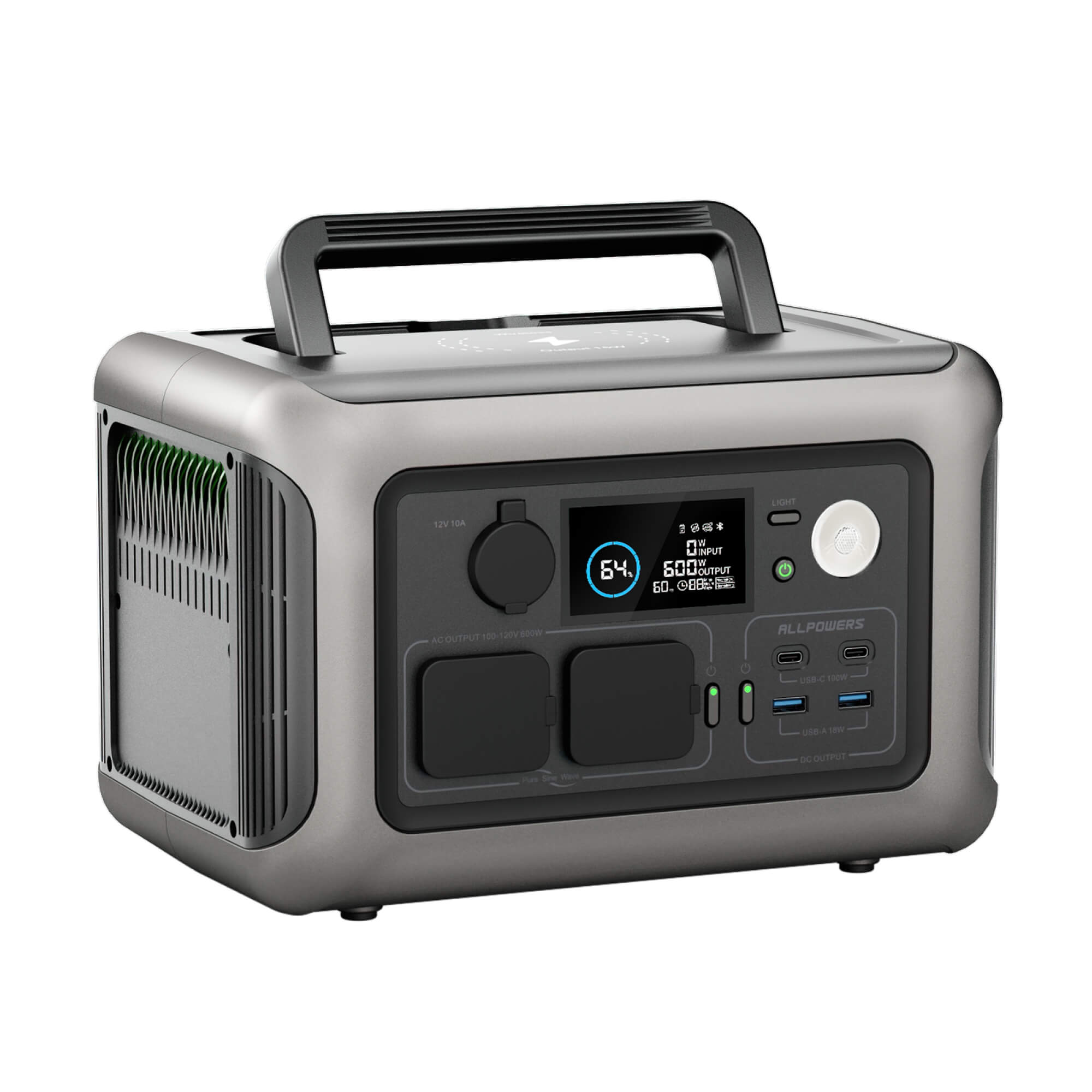
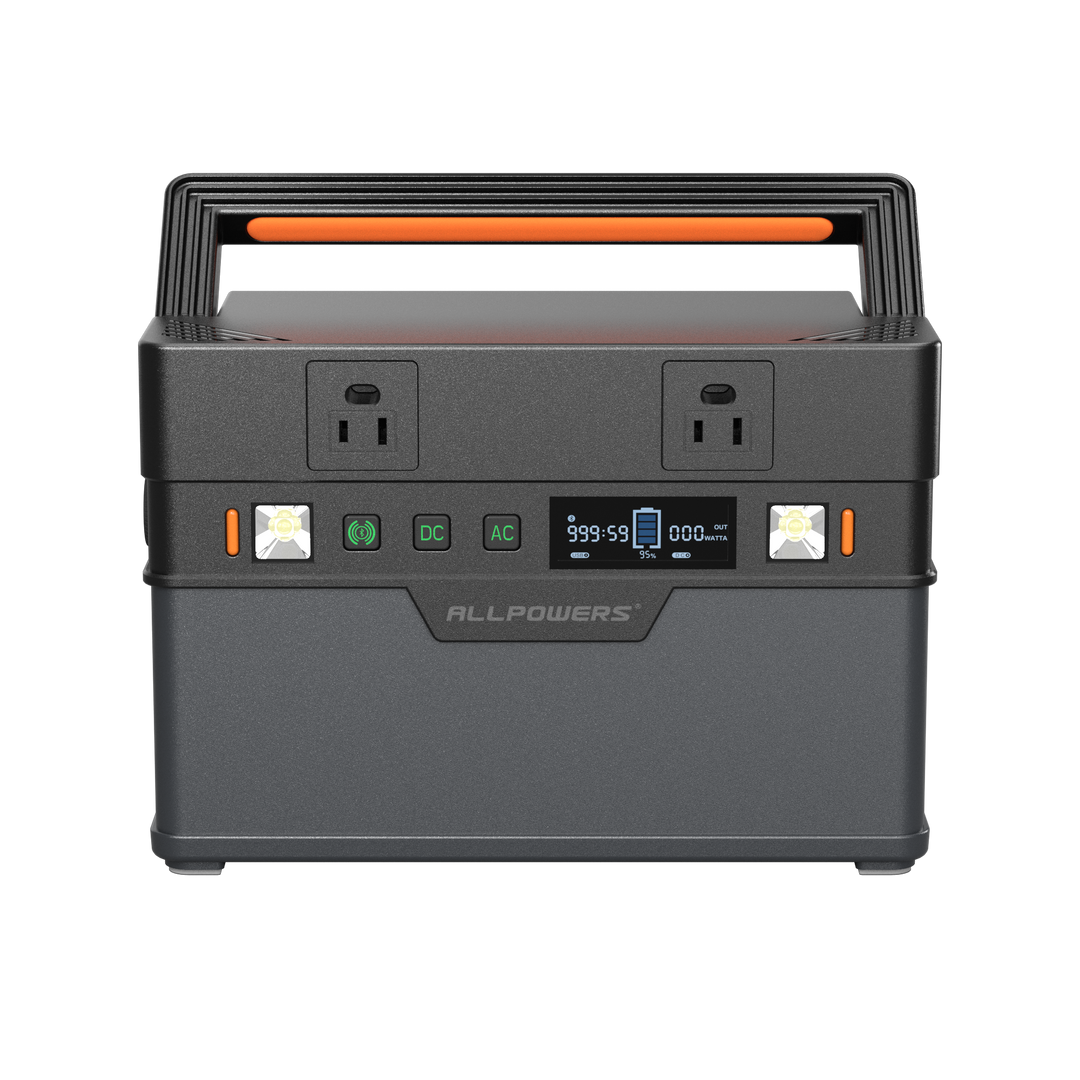
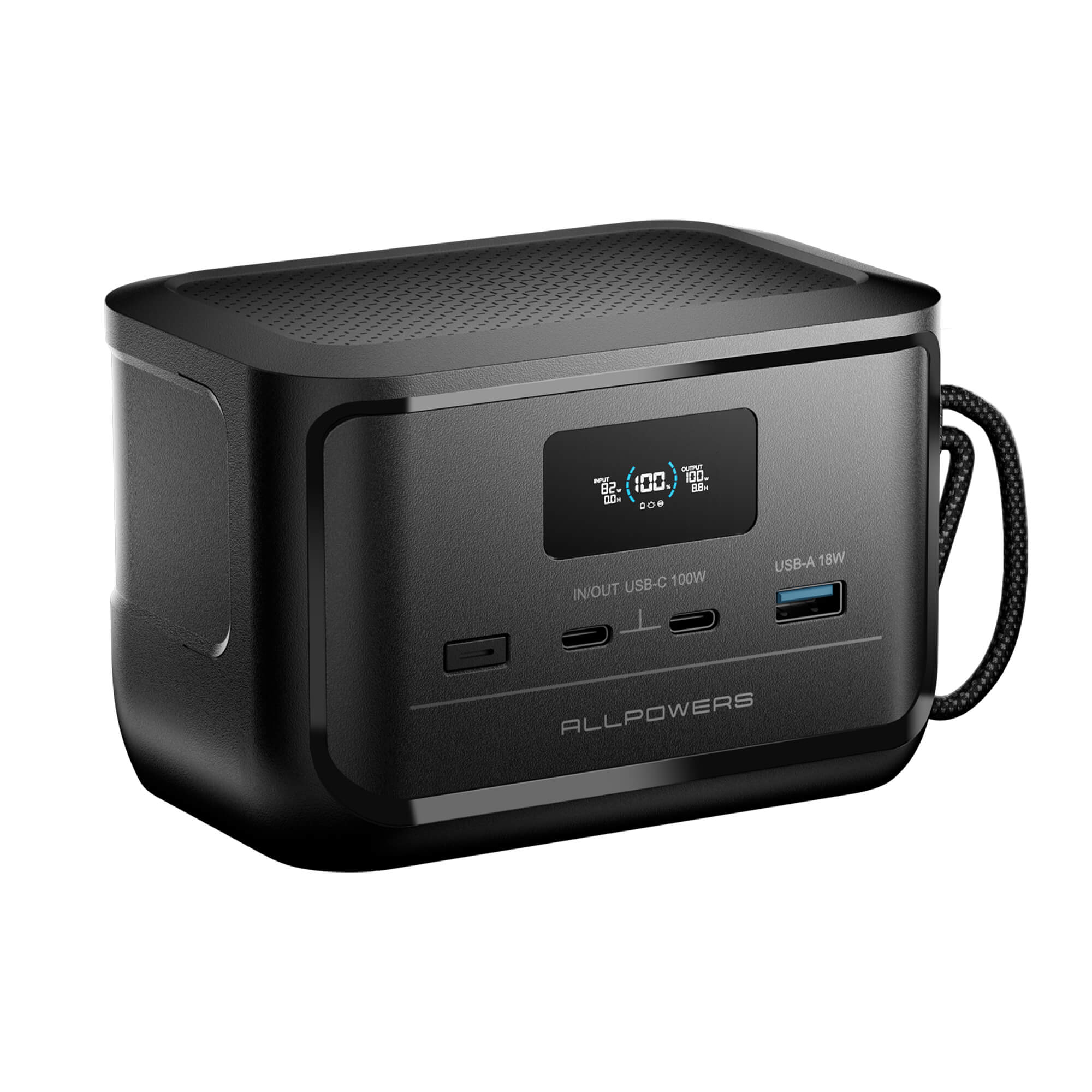
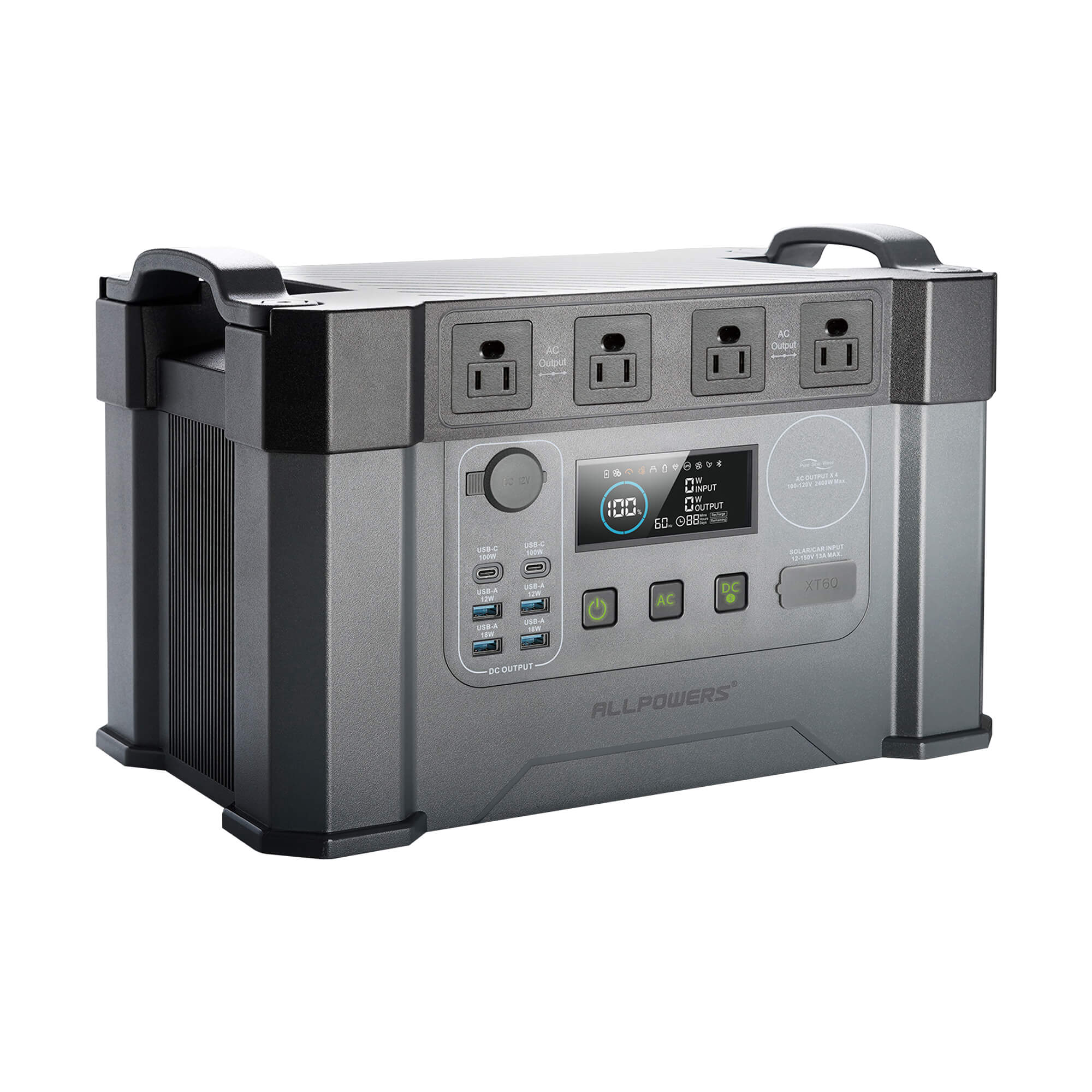
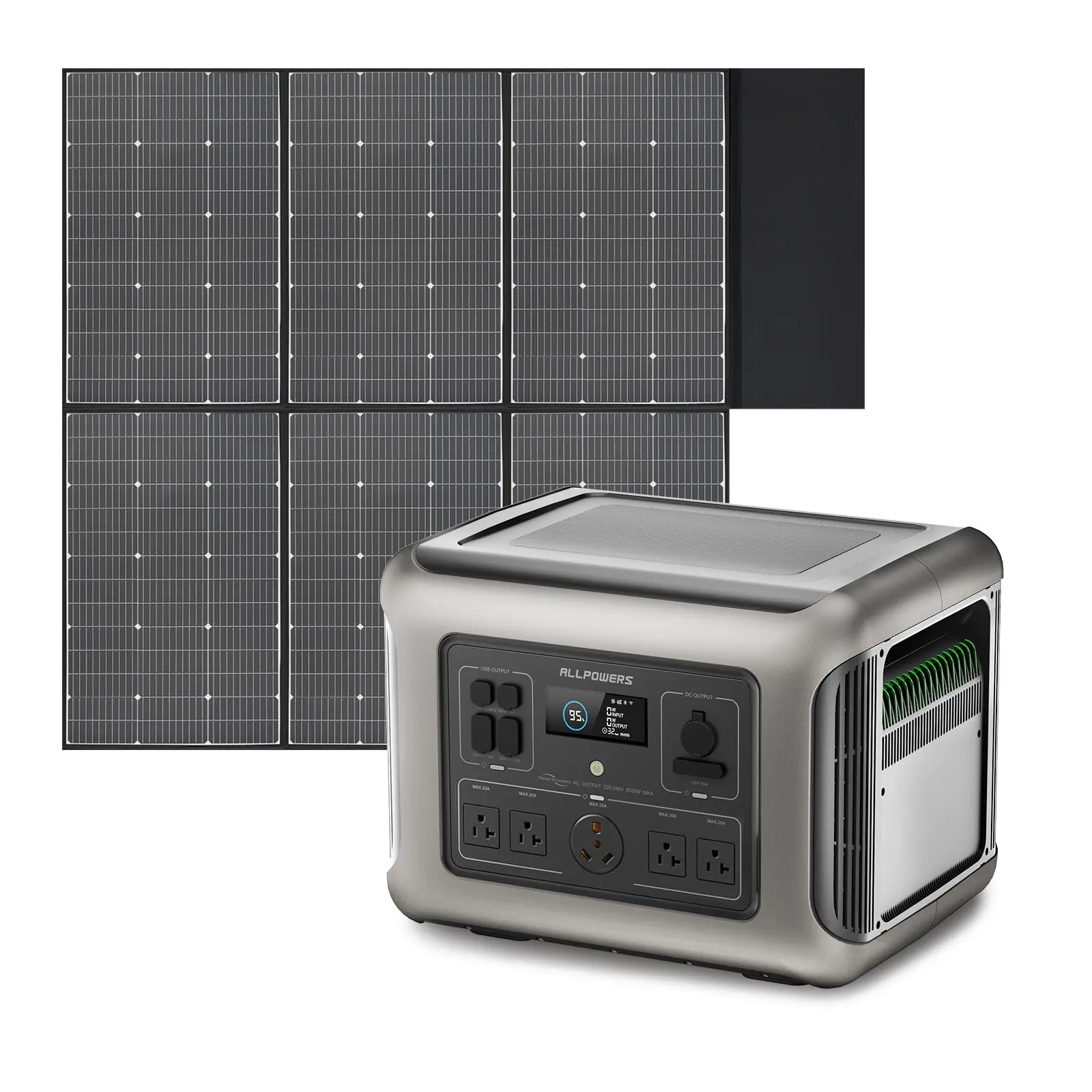
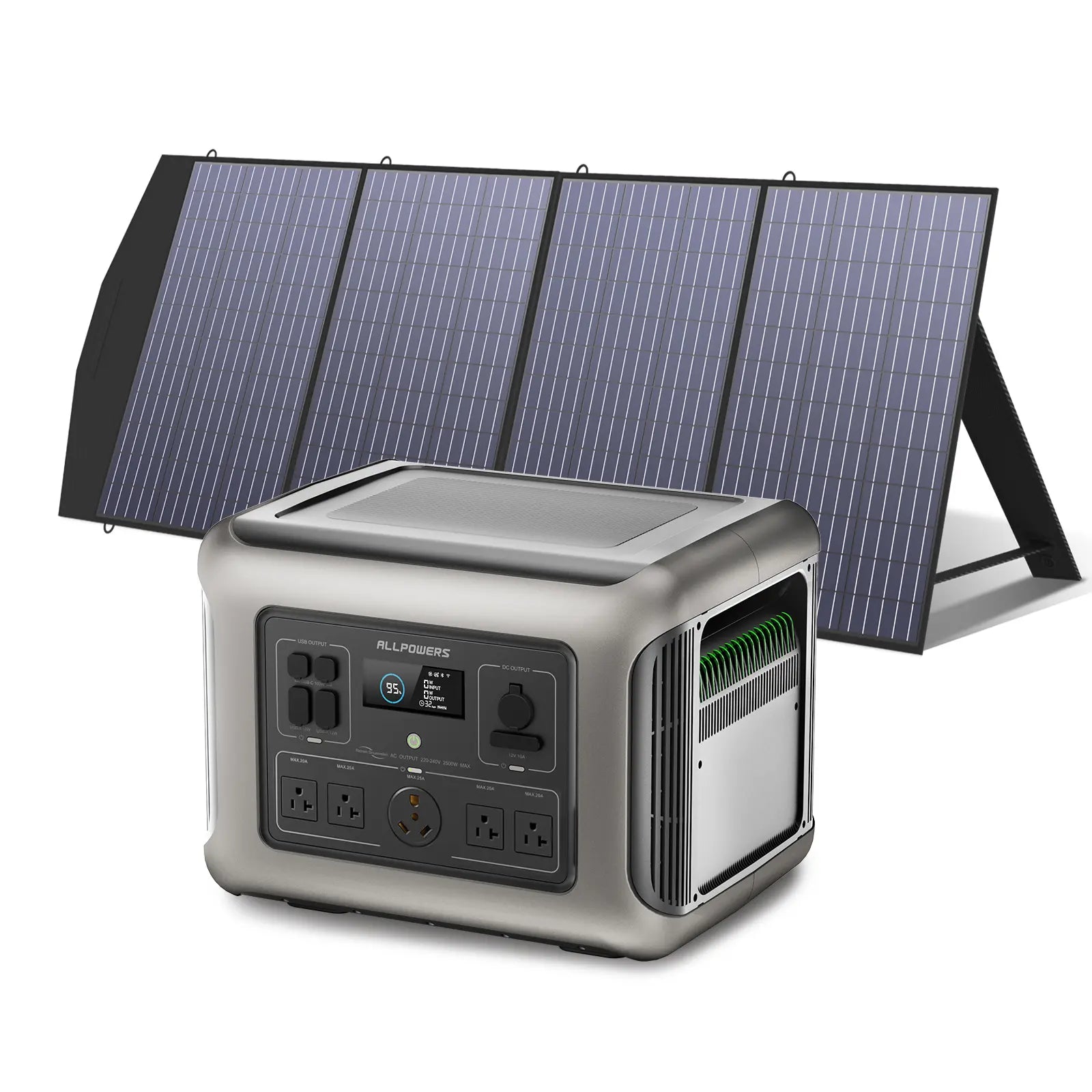
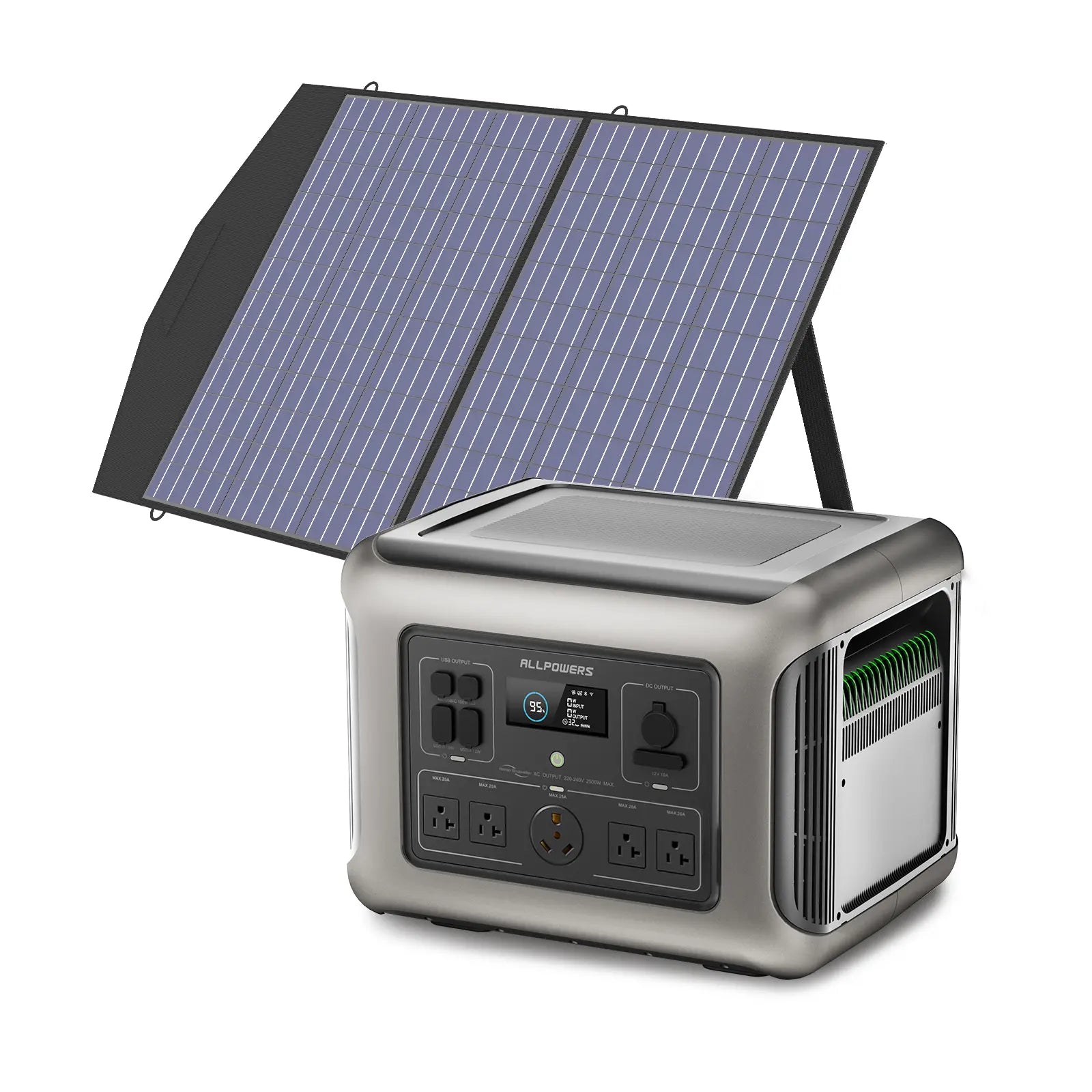
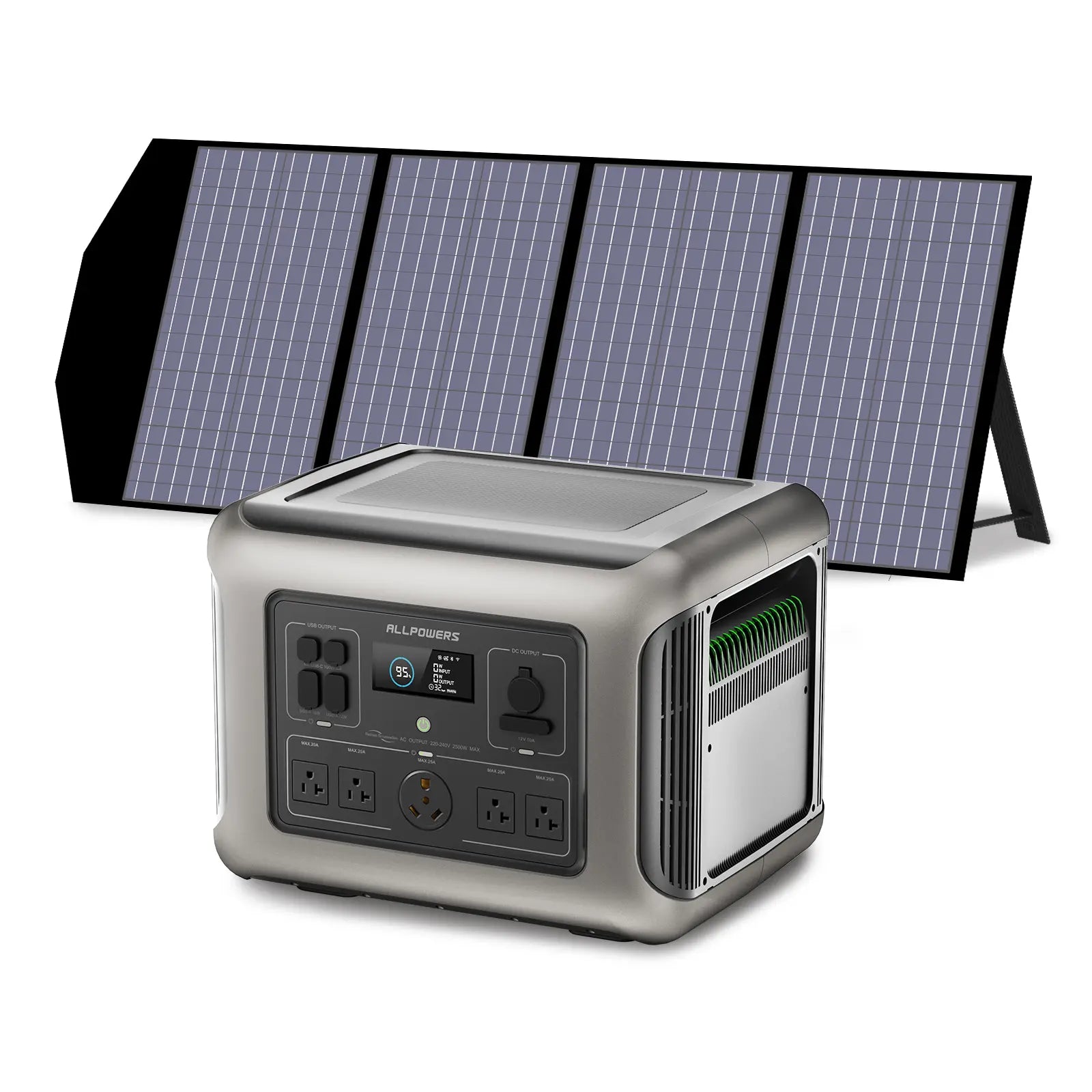
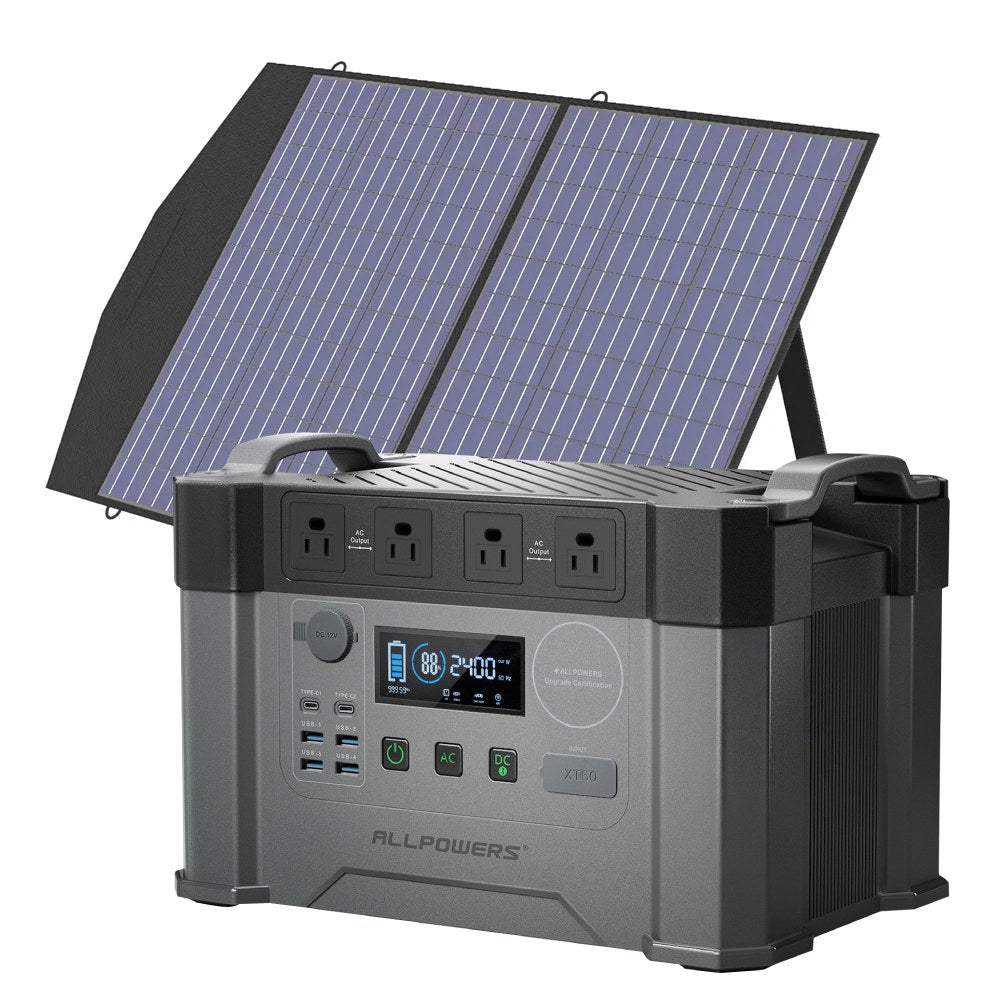
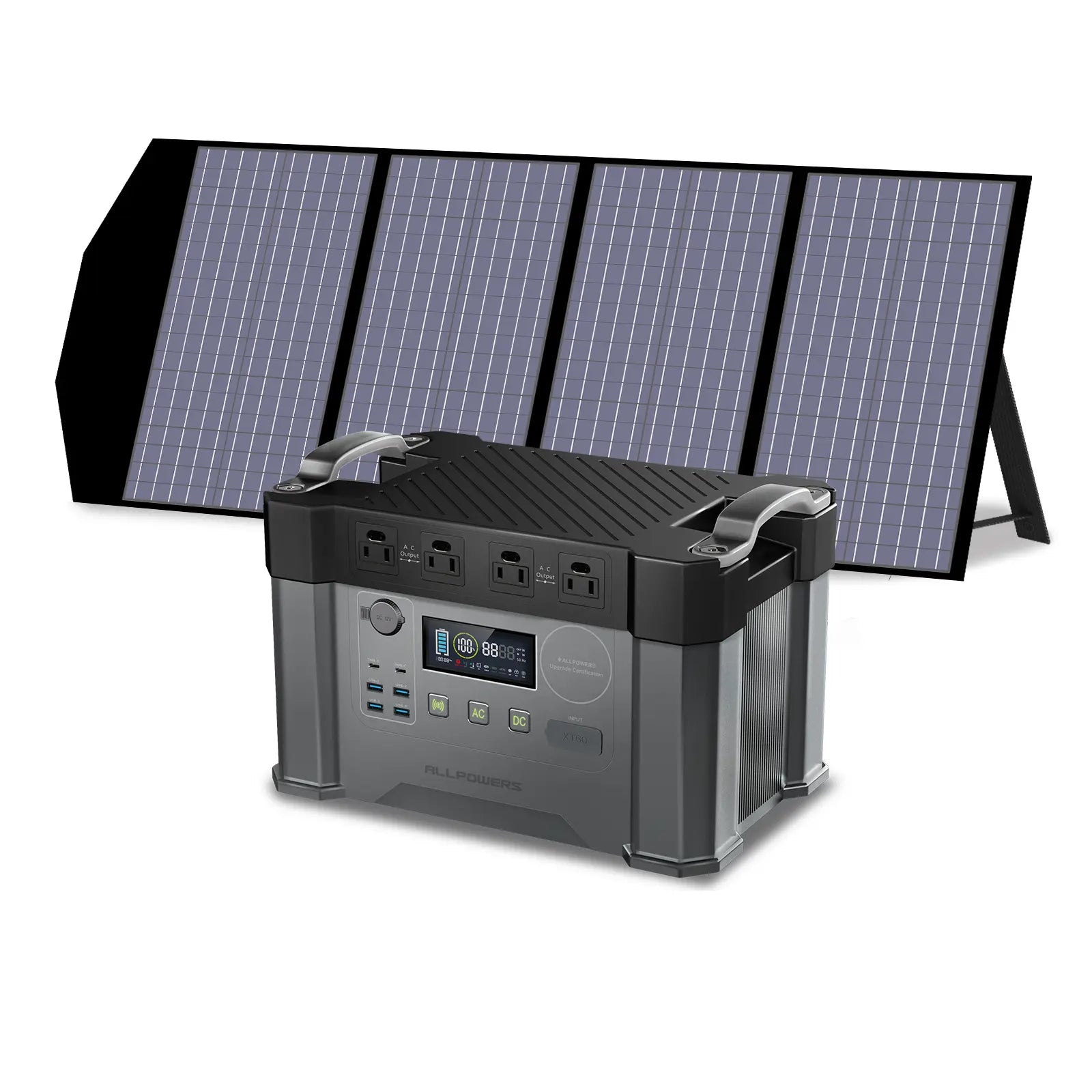
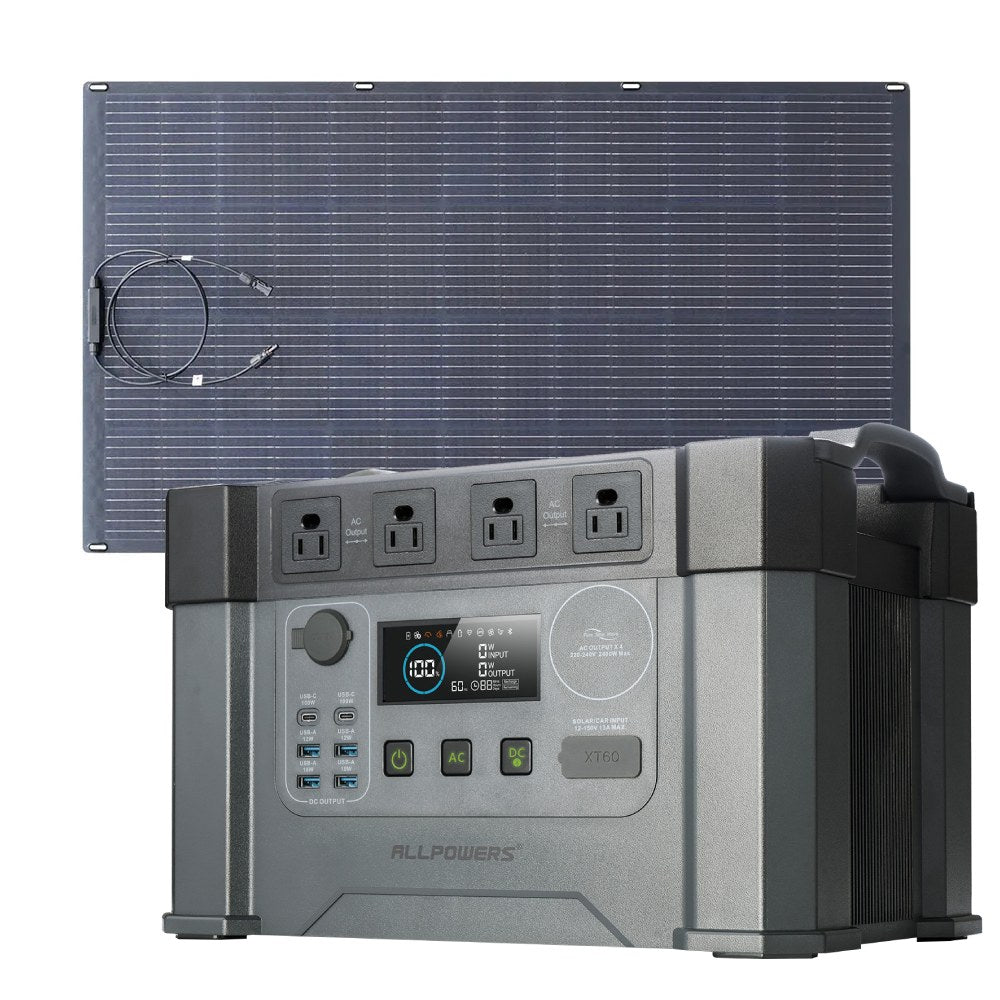
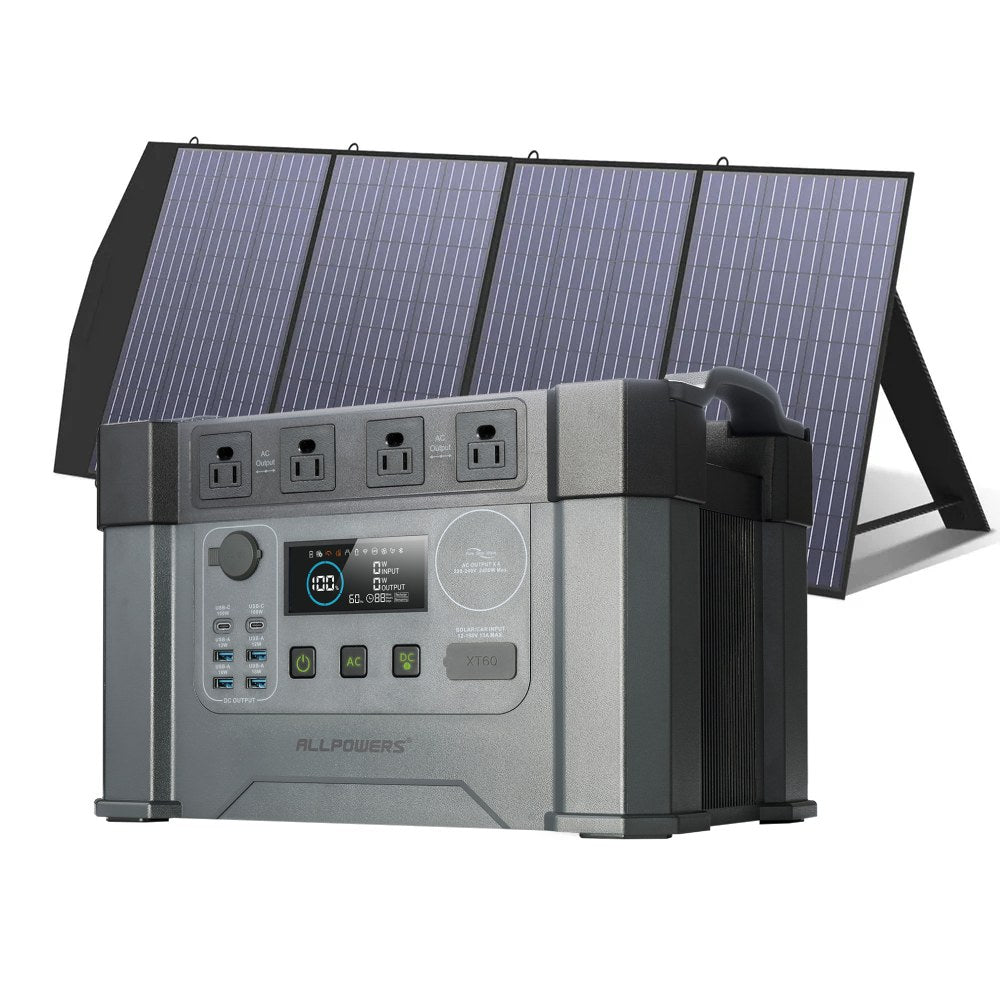
Inverters, by contrast, work differently. Instead of burning fuel directly to produce AC electricity, they typically draw from a battery.
This battery powers a device that converts the stored DC electricity into a stable AC output, suitable for sensitive electronics. In simple terms, you get smoother, cleaner power.
Power Output Differences
Generators, particularly mid-size or large models, can produce significant power over long stretches.
If you’re powering a refrigerator, AC unit, sump pump, and several tools at once, a generator handles that without blinking.
Inverters usually provide lower output, limited by the battery’s stored energy and the unit’s circuit design.
But for moderate workloads or short bursts of high power, modern inverters now hold their own.
Power Quality Differences
Generators often produce less stable electricity because their output depends on engine speed.
If the engine fluctuates—and it will—the electricity fluctuates. Sensitive electronics don’t love that.
Inverters usually create pure sine wave AC power, which mimics the clean, stable electricity from your home sockets.
This makes them easier on devices with chips, sensors, and delicate circuits.
Energy Efficiency Differences
Generators burn fuel to produce power, and engines lose a lot of energy as heat.
If you’ve ever stood next to a generator after an hour of use, you can feel that heat radiating off the casing.
Inverters don’t generate heat the same way. They convert existing stored energy, which is far more efficient, especially when paired with modern batteries.
Environmental Impact Differences
There’s no avoiding the environmental conversation when discussing generators.
They burn fuel, and with that comes emissions, smell, and the occasional accidental spill.
Some campsites and RV parks even limit generator hours because of this, which can be a dealbreaker on long trips.
Inverters powered by batteries avoid all of that. They produce no fumes and don’t disrupt the air around you.
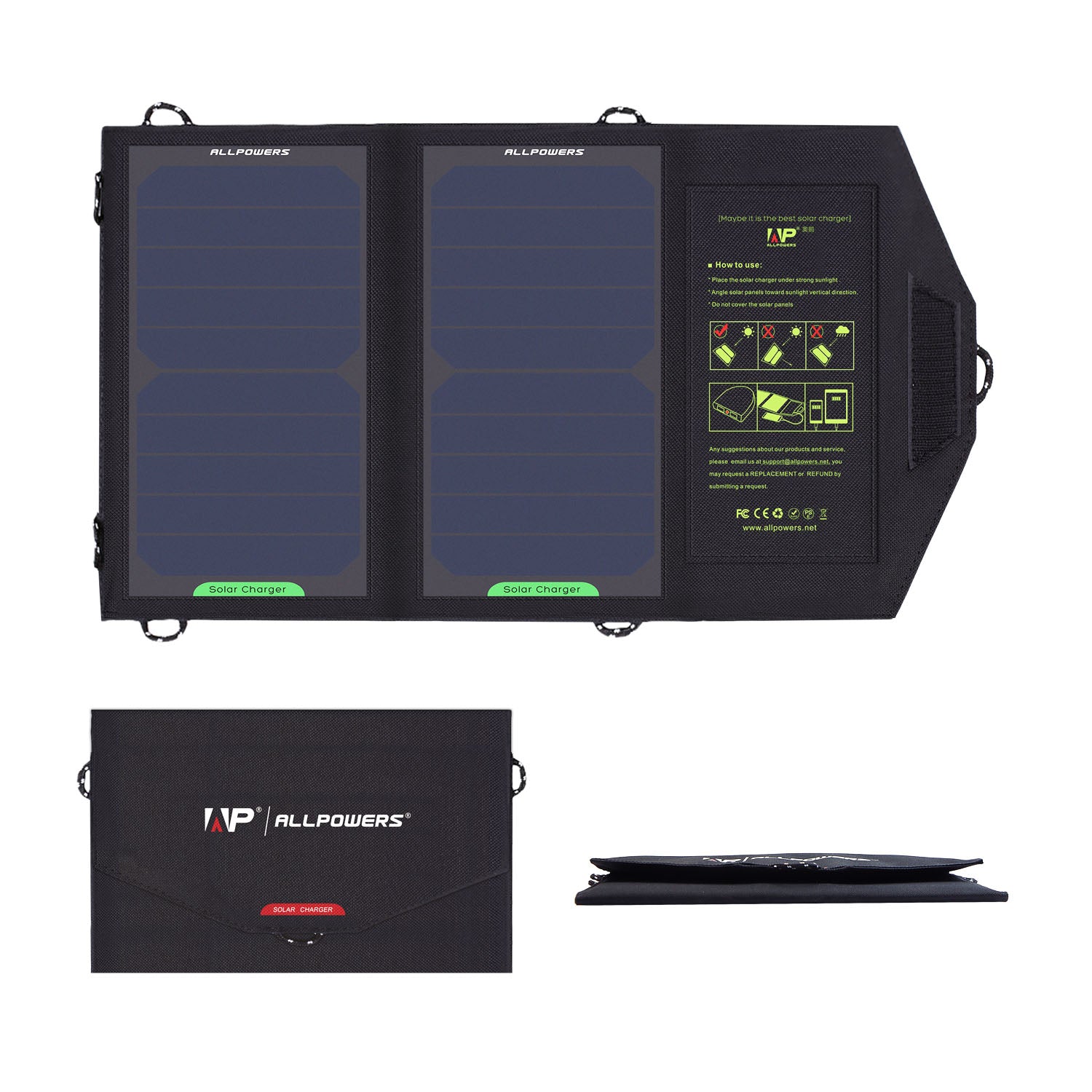
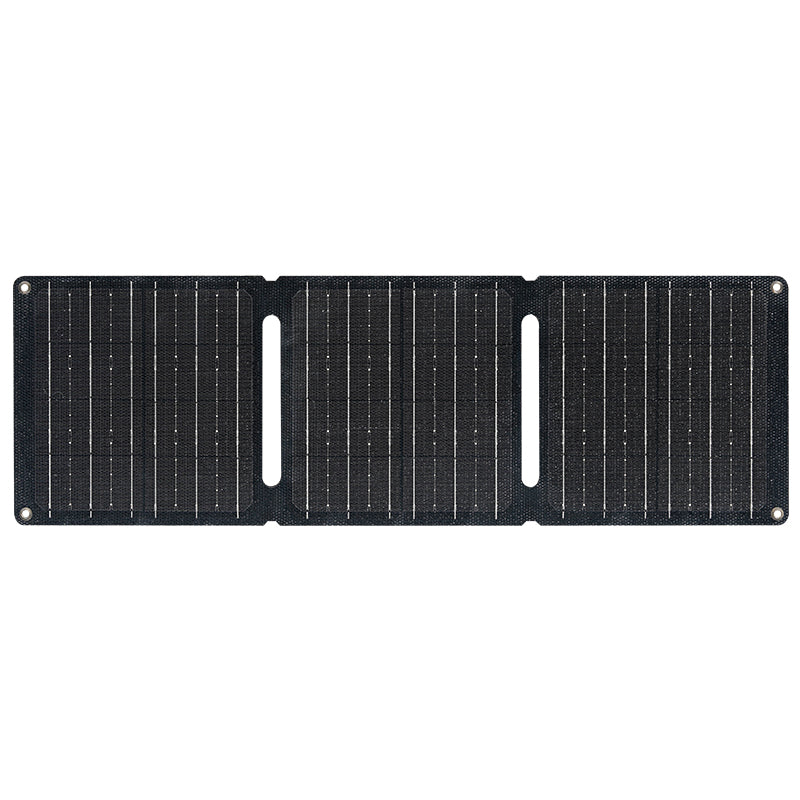
Solar adds another clean layer, often turning a simple device into something that feels almost futuristic.
Safety Differences
Generators carry some risks that users must manage carefully, including carbon monoxide buildup, fuel handling, and hot surfaces.
Even seasoned users sometimes forget how quickly fumes accumulate. It’s no joke.
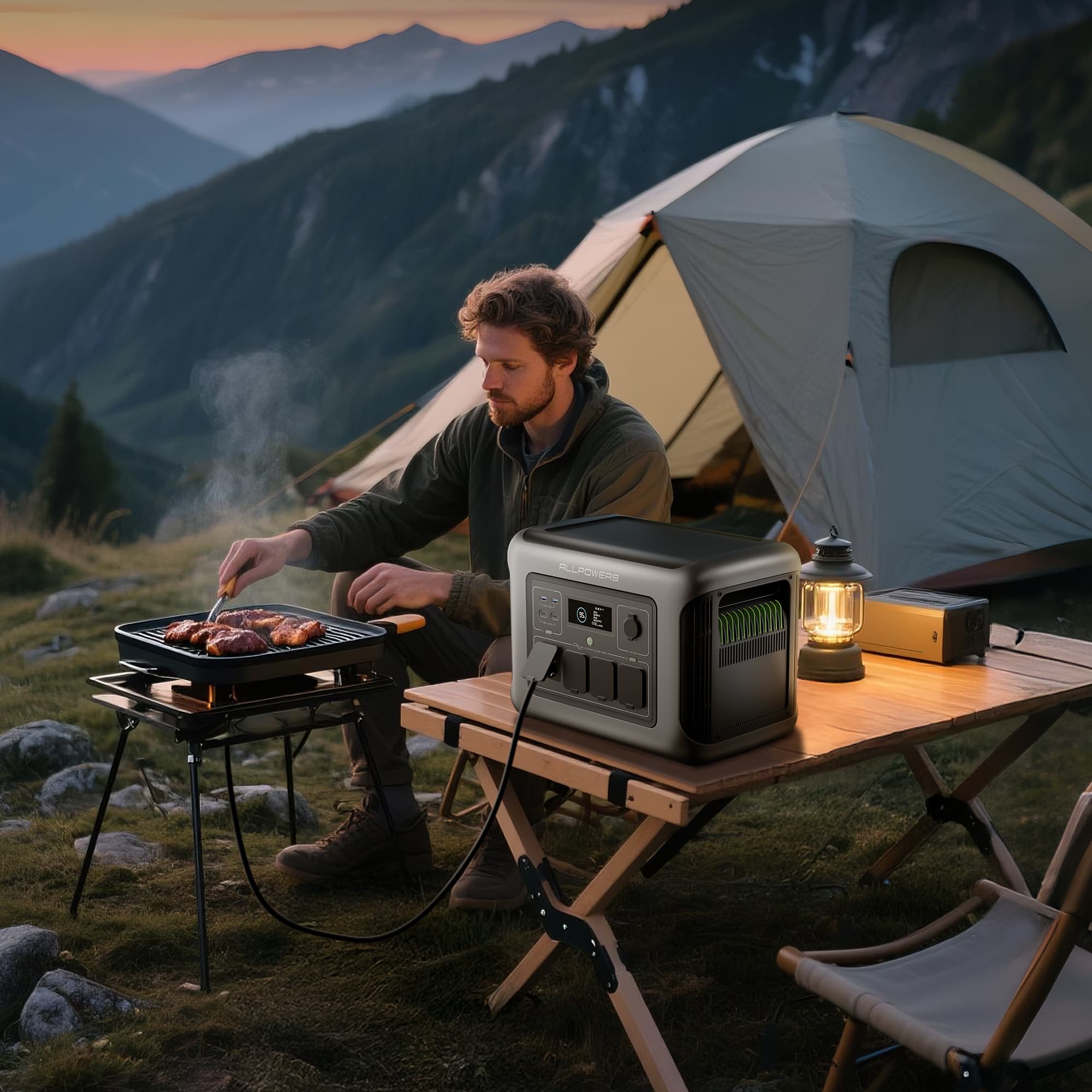
Inverters, on the other hand, don’t produce emissions. They don’t need ventilation, and they’re safe to use inside tents, RVs, cabins, or apartments—as long as you follow basic electrical safety rules.
And modern systems include protections—BMS (battery management systems), overload protection, temperature sensors—that make them almost foolproof for casual users.
Portability Differences
You know what? Weight can surprise people. A small gas generator may weigh between 40 and 90 pounds depending on capacity.
Add fuel and the number climbs even higher. Carrying it across a campground or up stairs becomes a whole-body workout.
Inverters—especially those housed in portable battery systems—are usually smaller, lighter.
Even larger ones have handles, wheels, or built-in grips that make them manageable for one person.
And because there’s no sloshing tank or engine block, the weight feels more compact—denser but easier to control.
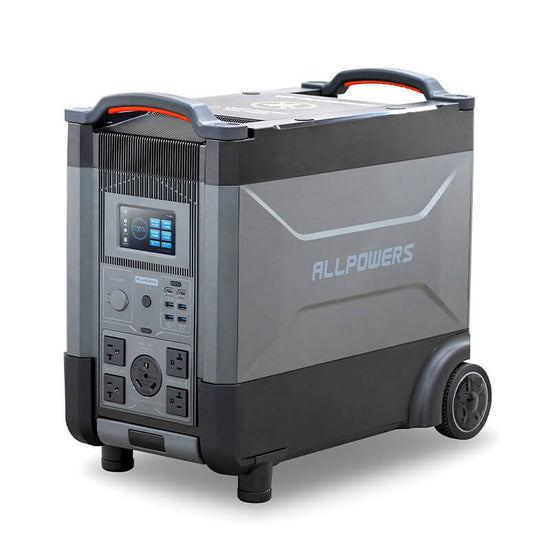
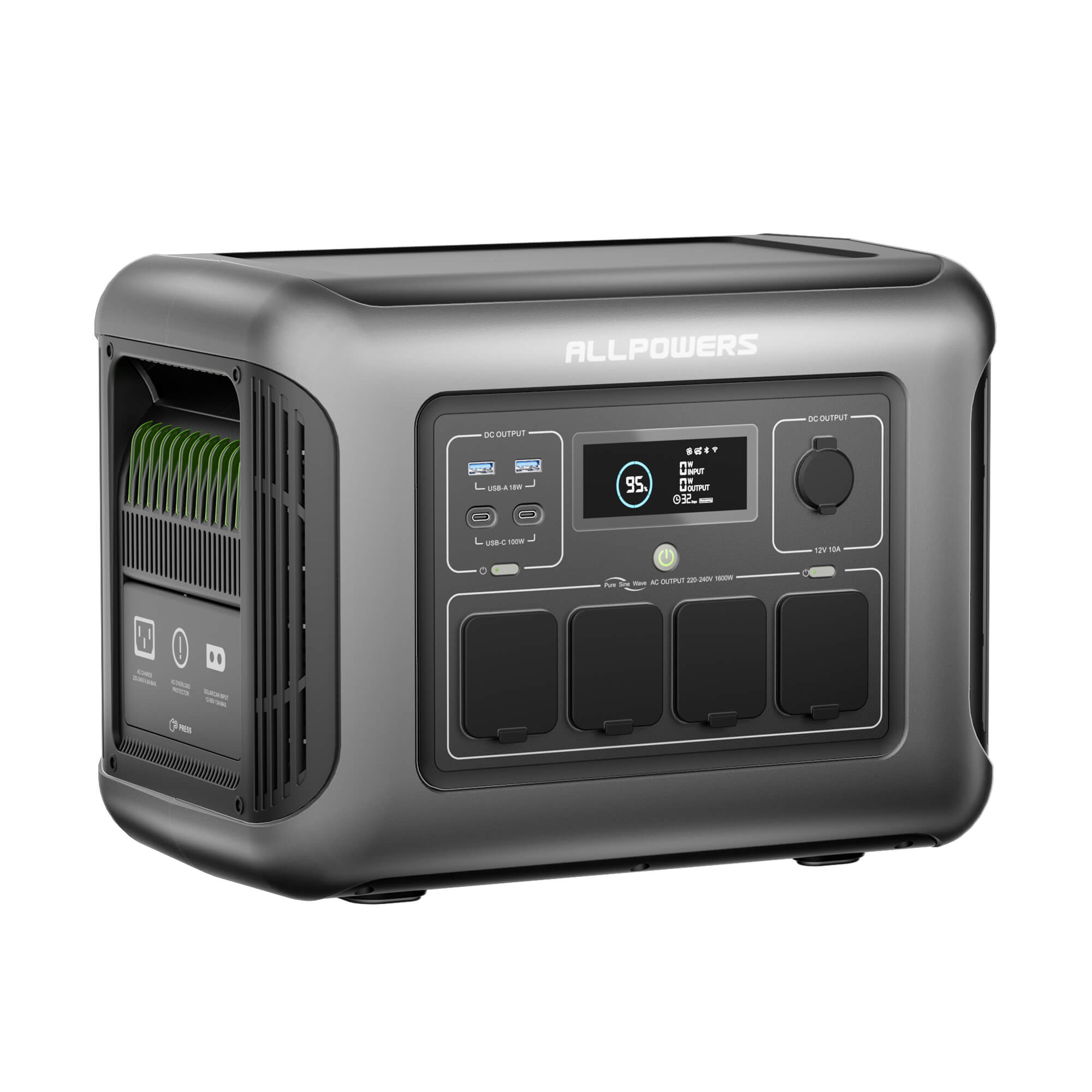
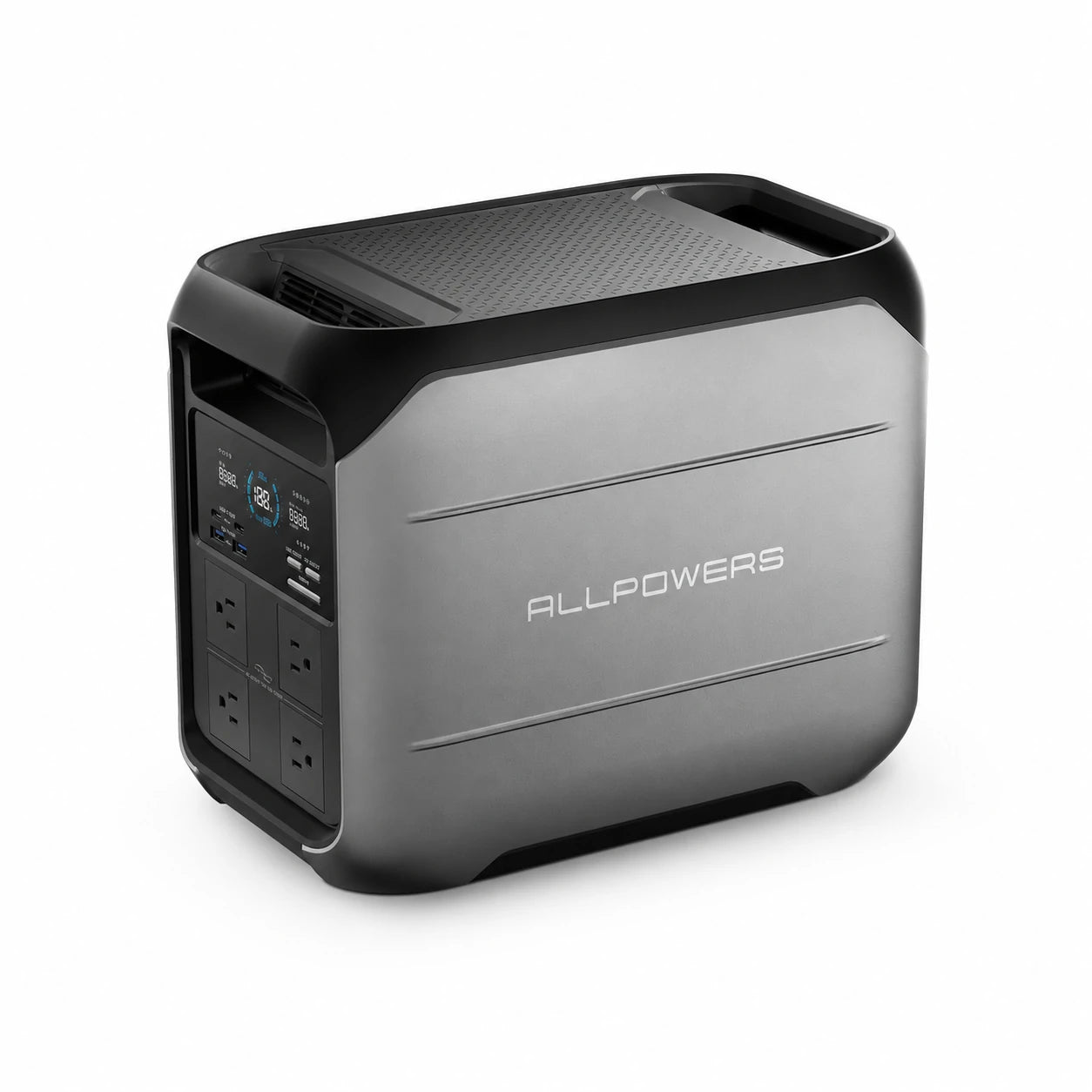
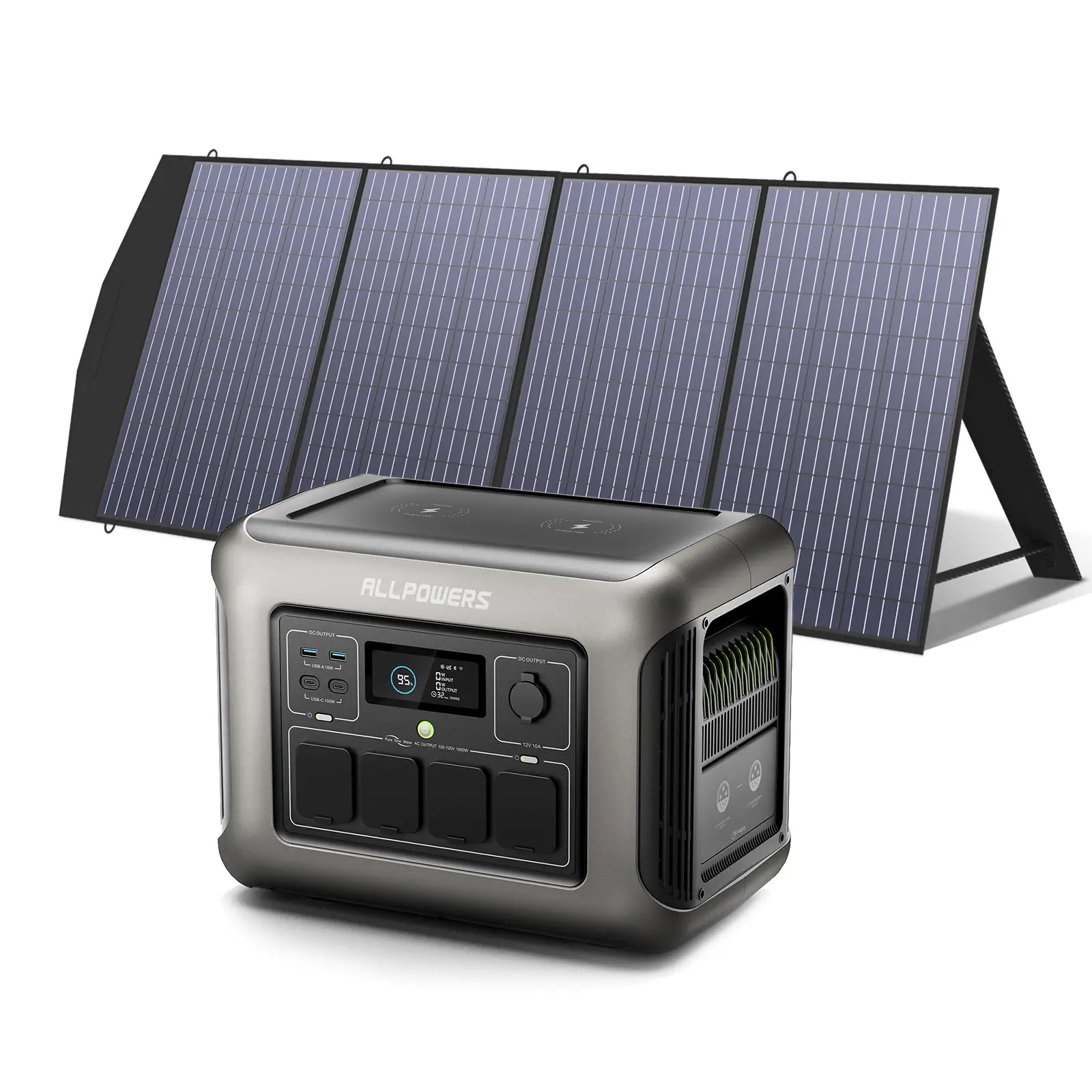
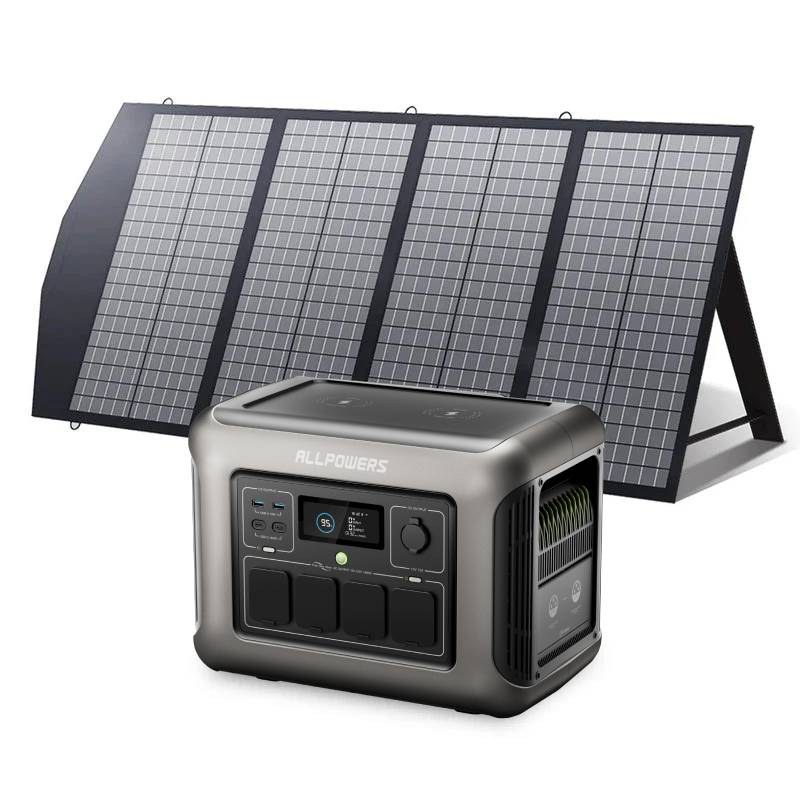
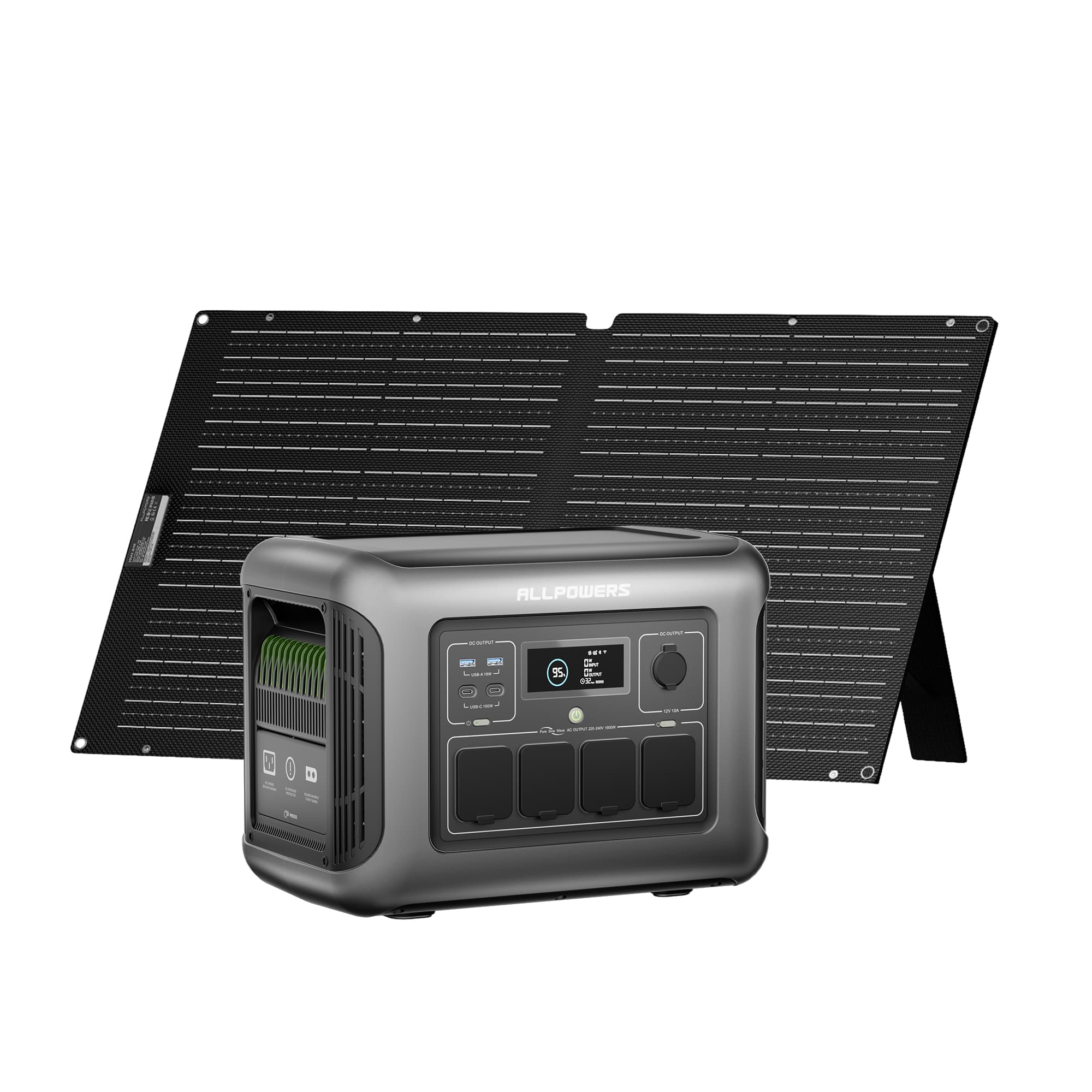
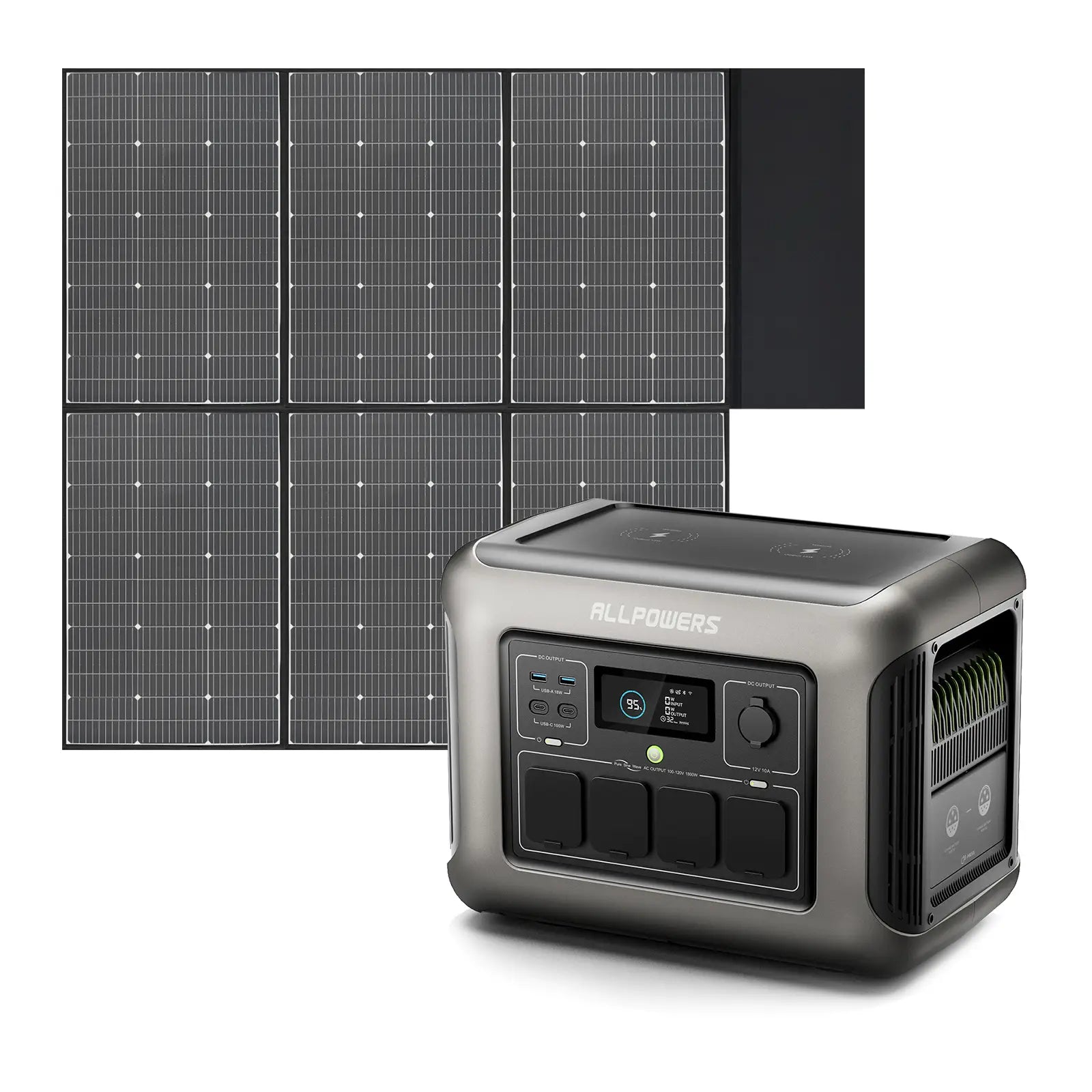
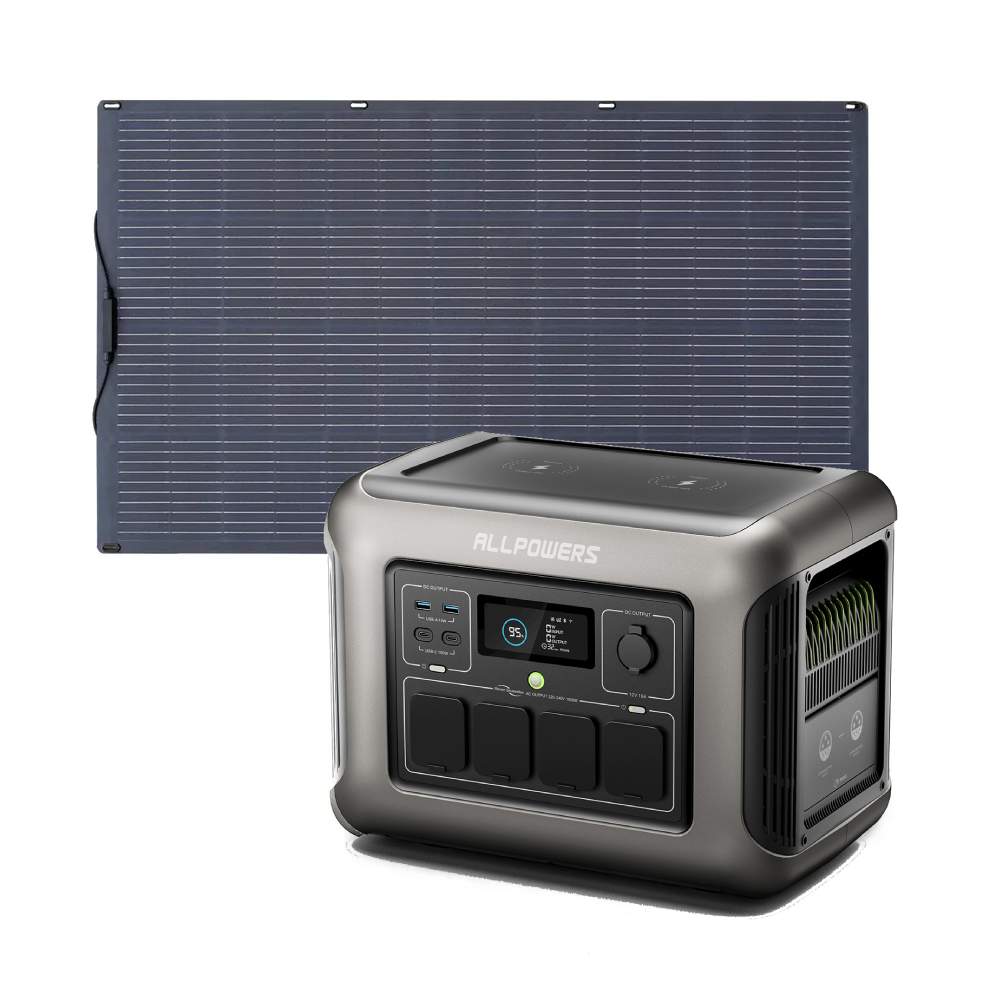
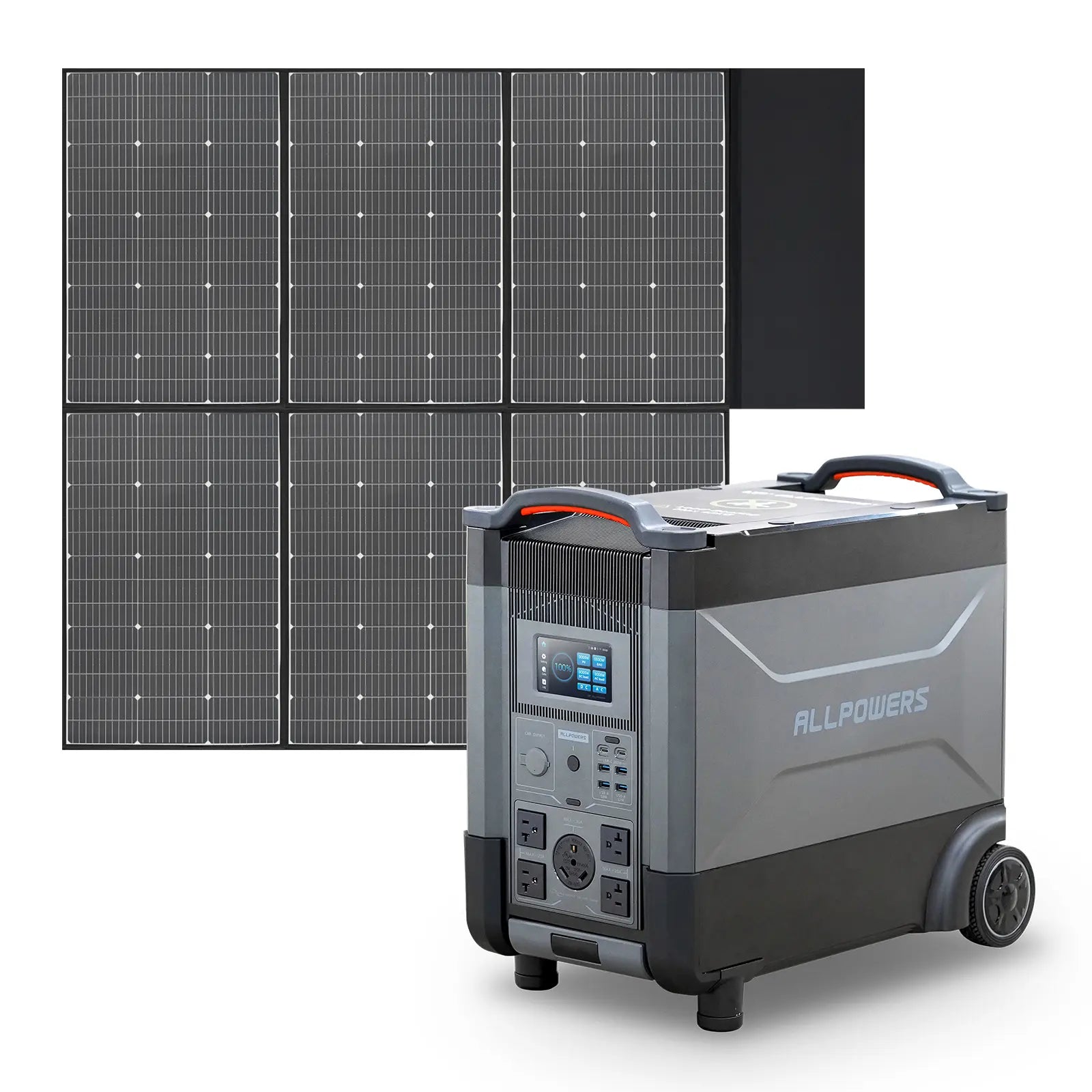
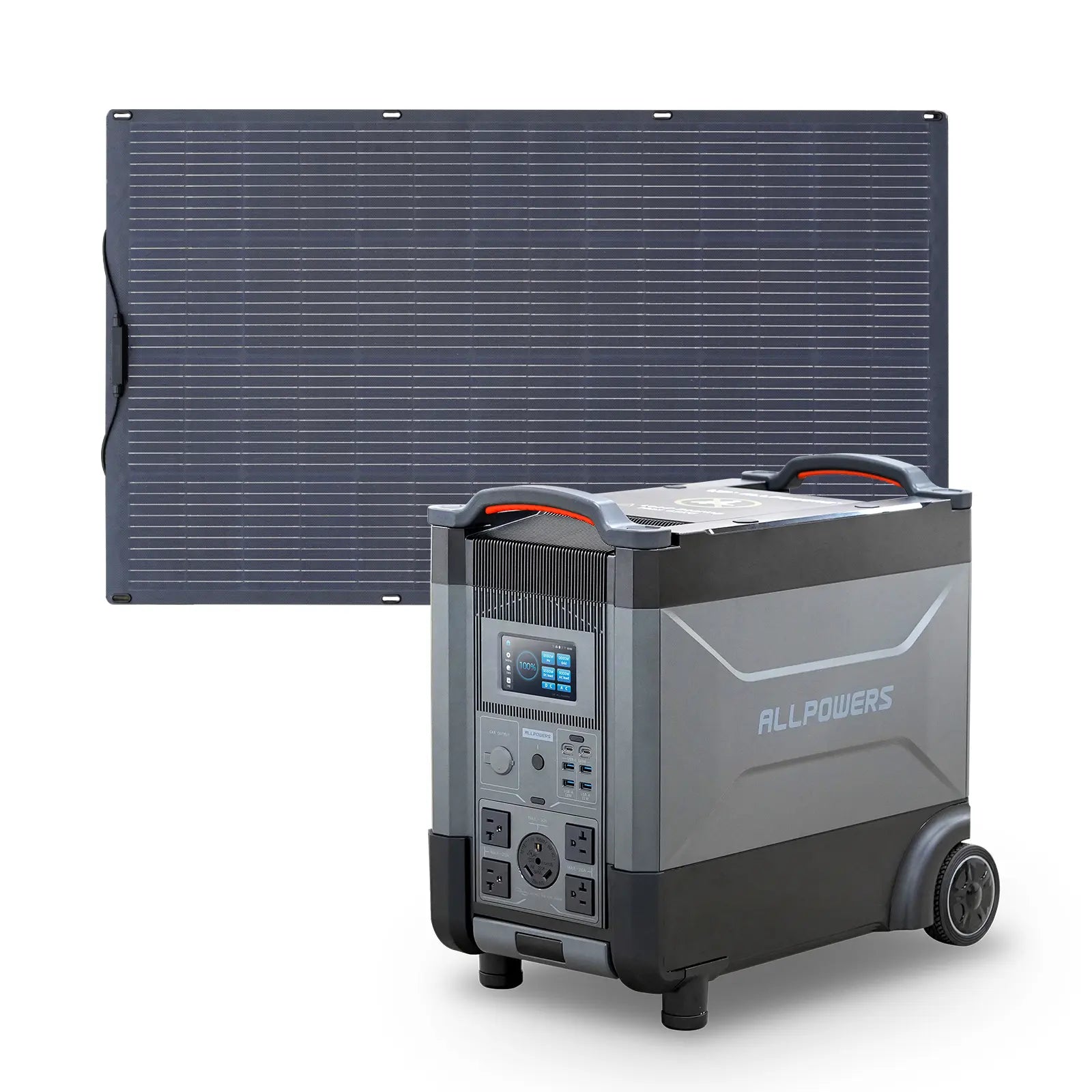
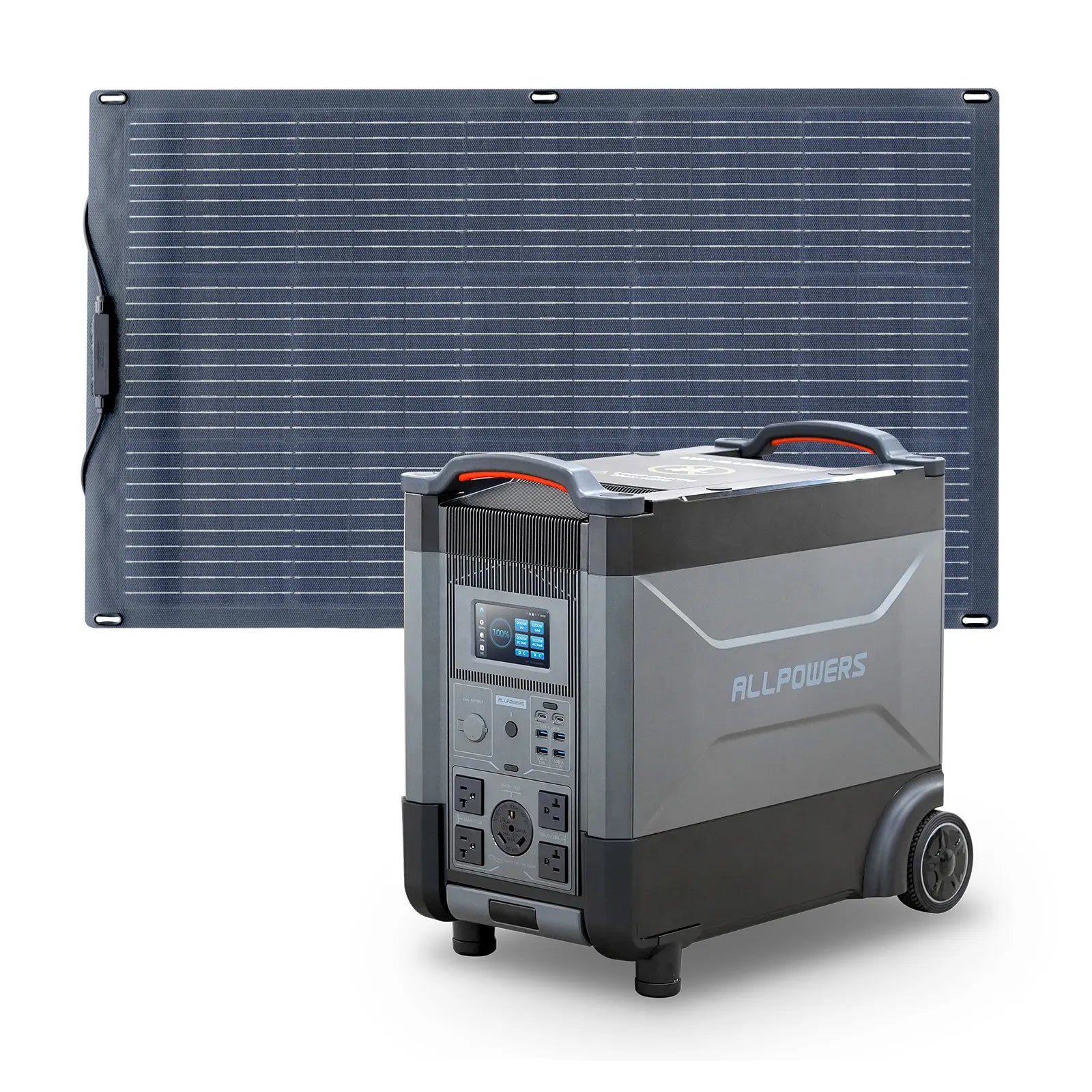
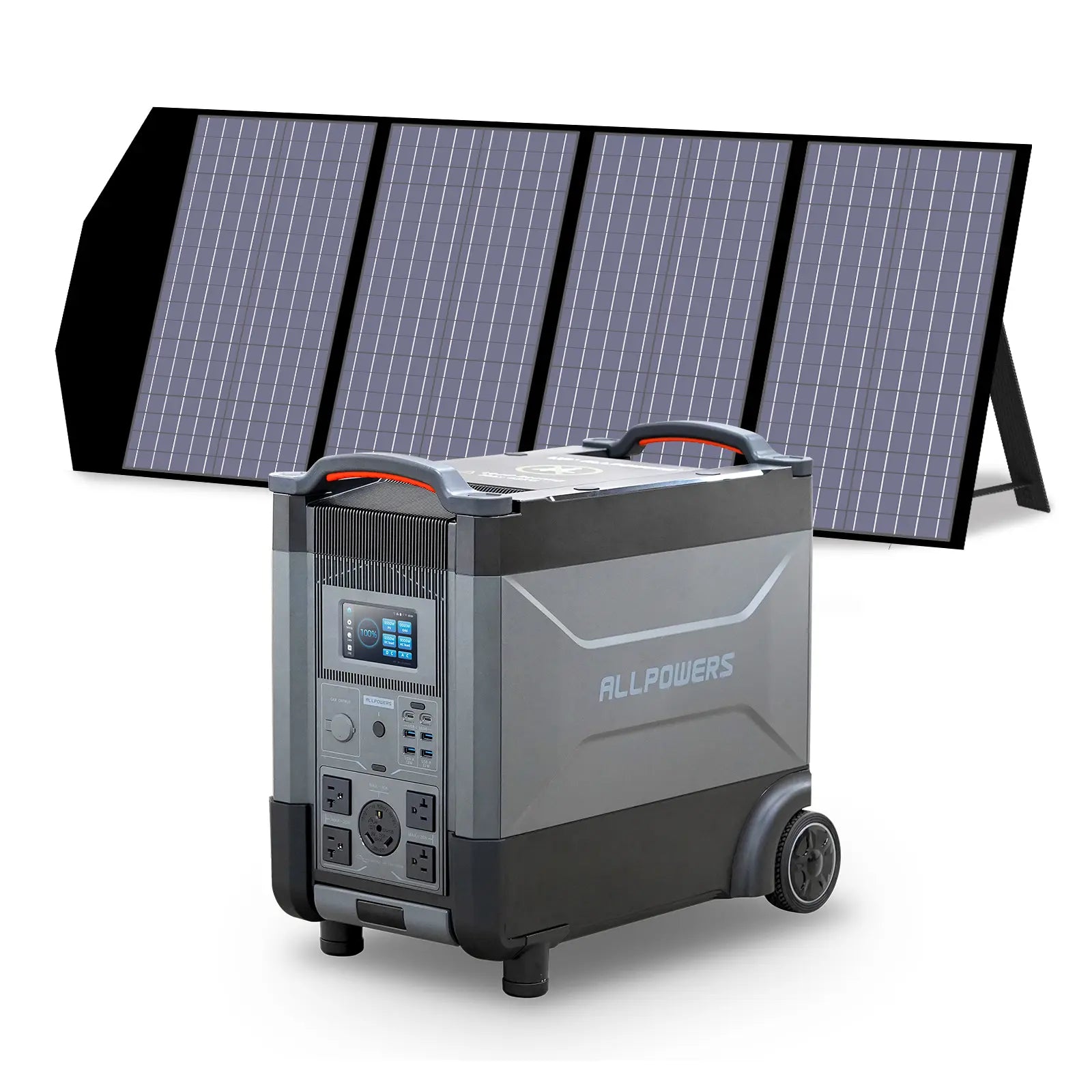
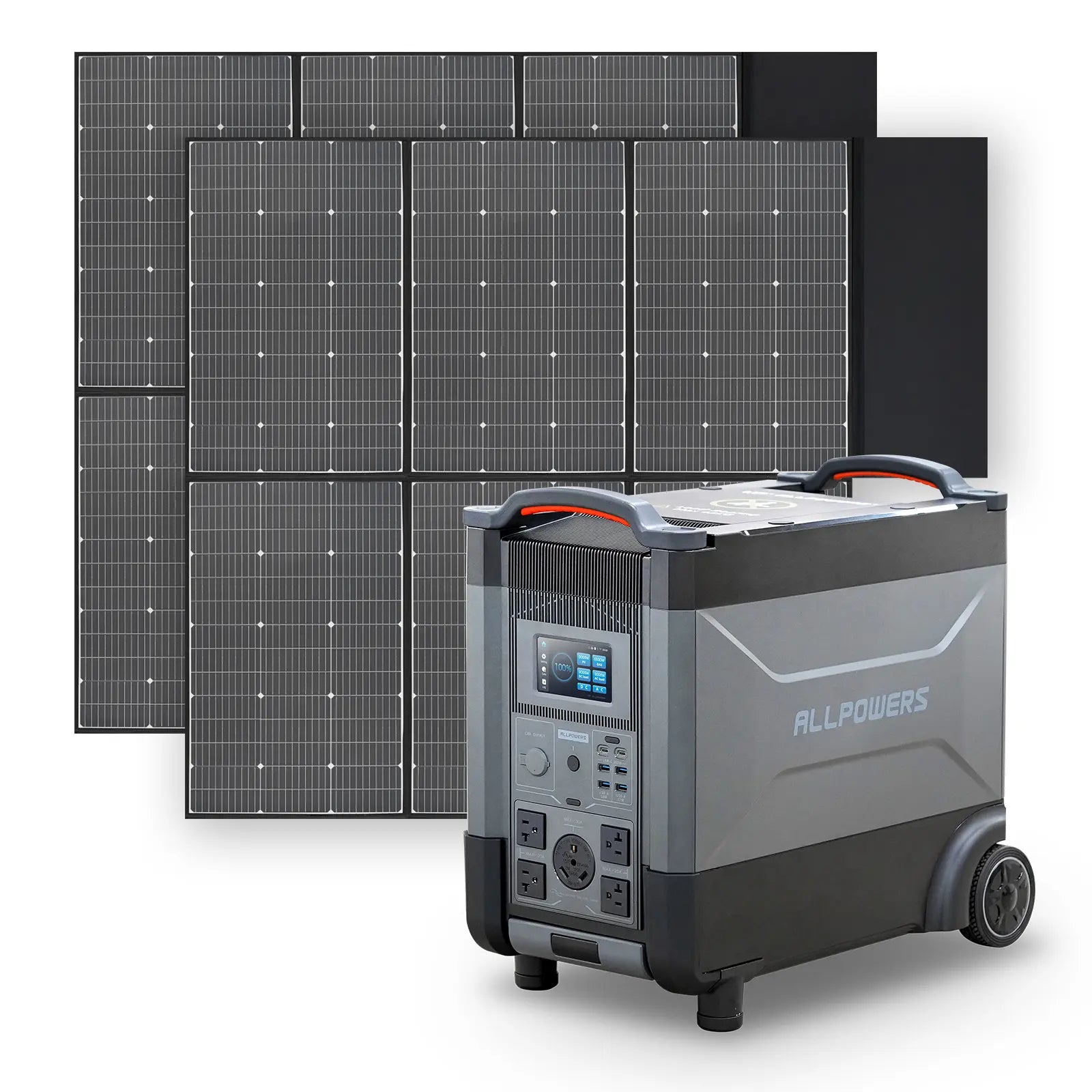
ALLPOWERS R4000 Portable Power Station
$1,899.00 $3,299.00
- 3456Wh Capacity;
- 3600W AC Output (6,000W Surge);
- Come With A 15A RV outlets;
- Fast Charge 100% in 1.2 Hours;
- Long-Lasting And Safe Lifepo4 Battery;
User Experience Differences
Here’s a part most people forget when comparing the two: the experience of using them.
A gas-powered generator isn’t shy about announcing its presence. It’s loud, often ranging from 60 to 90 decibels.
Add the smell of gasoline or diesel wafting through the air, and you’ve got a very tangible footprint.
It’s not unpleasant for a short stint, but over hours—or worse, days—it starts to grate.
Inverters, by contrast, are whisper-quiet. Some units operate at barely 40 decibels, roughly the sound of a quiet library.
And no fumes. You can keep one indoors, in your tent, or in a small cabin without setting off a mini environmental disaster.
Fuel Dependence Differences
Generators need fuel—gasoline, diesel, propane, you name it. If the tank runs dry, your power disappears instantly.
During storm seasons, this can become a real headache. Fuel stations close early, lines grow long, and sometimes gasoline simply isn’t available.
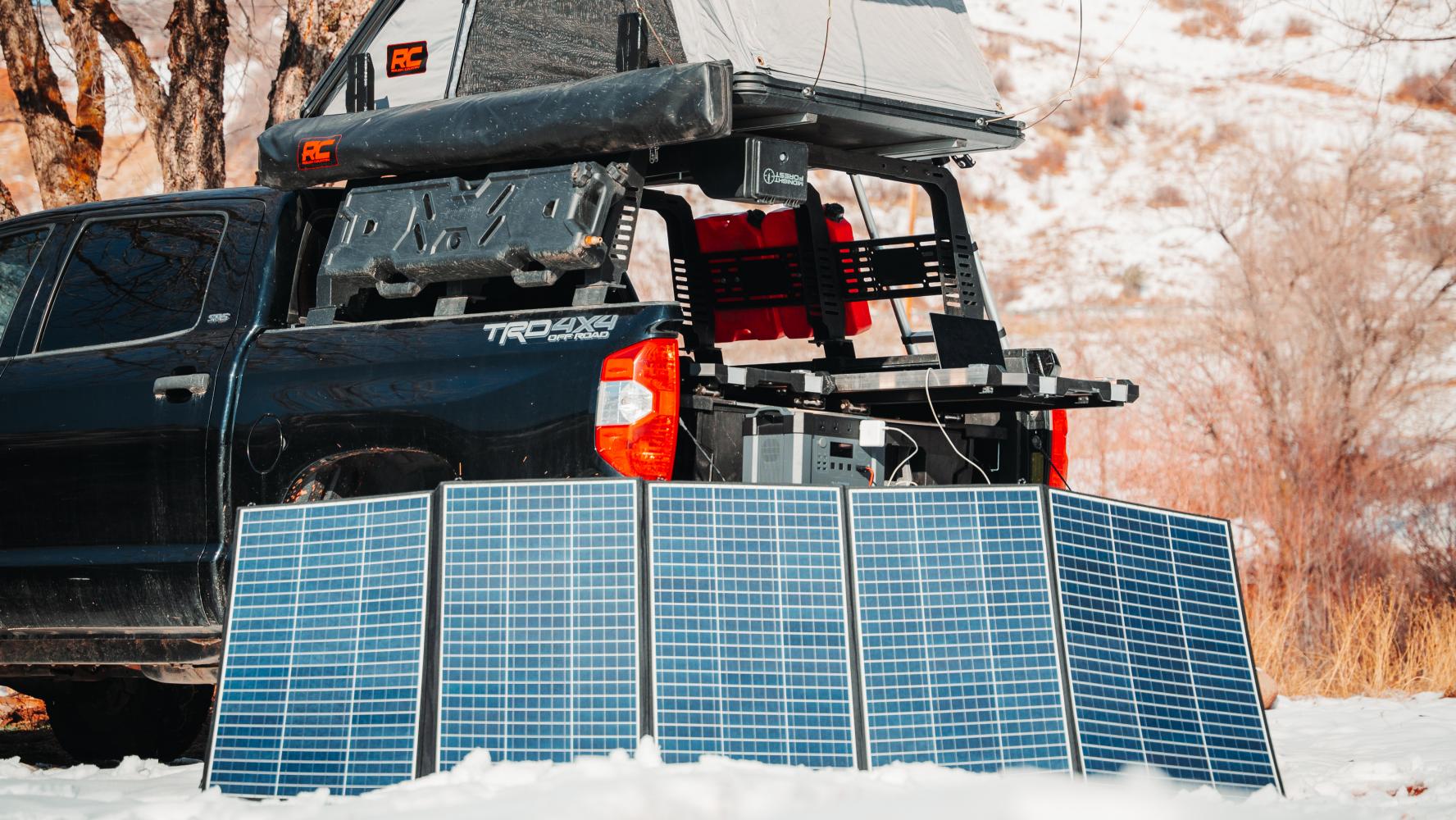
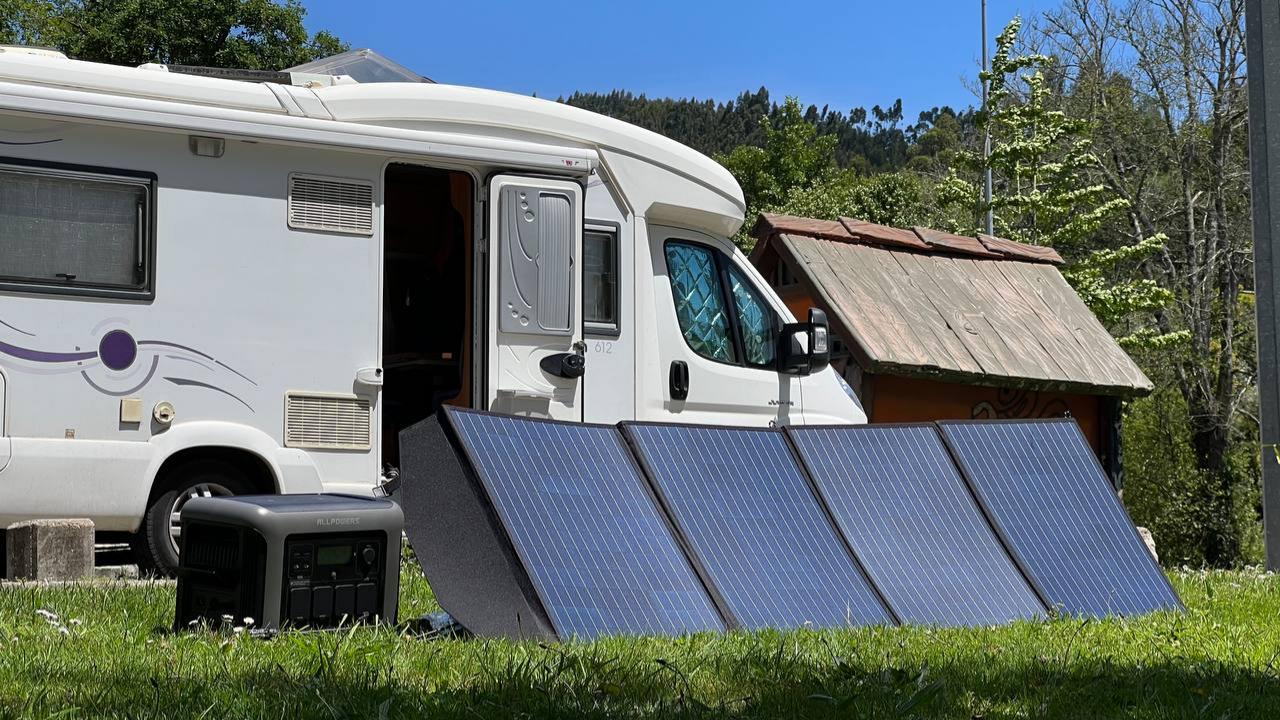
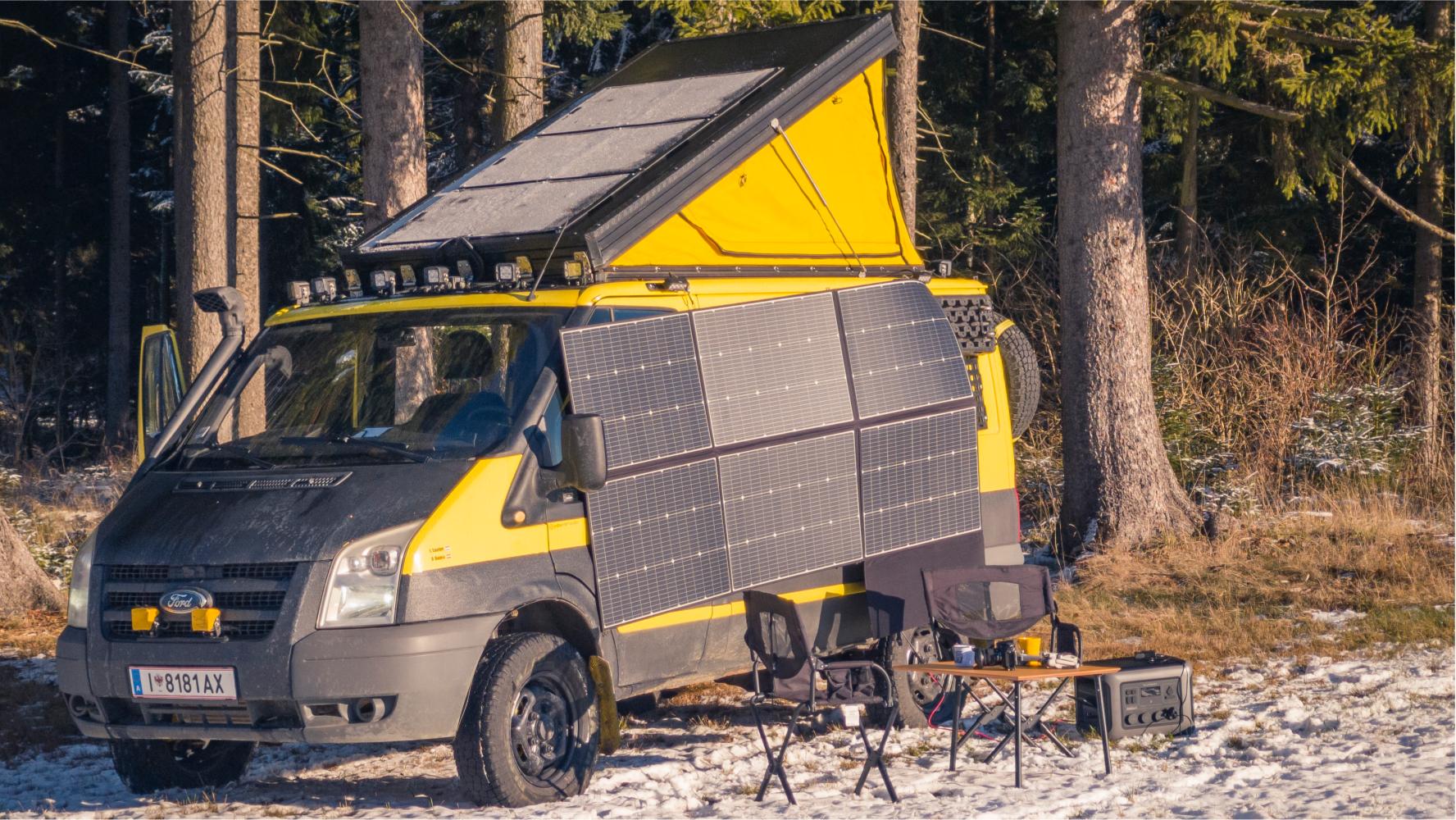
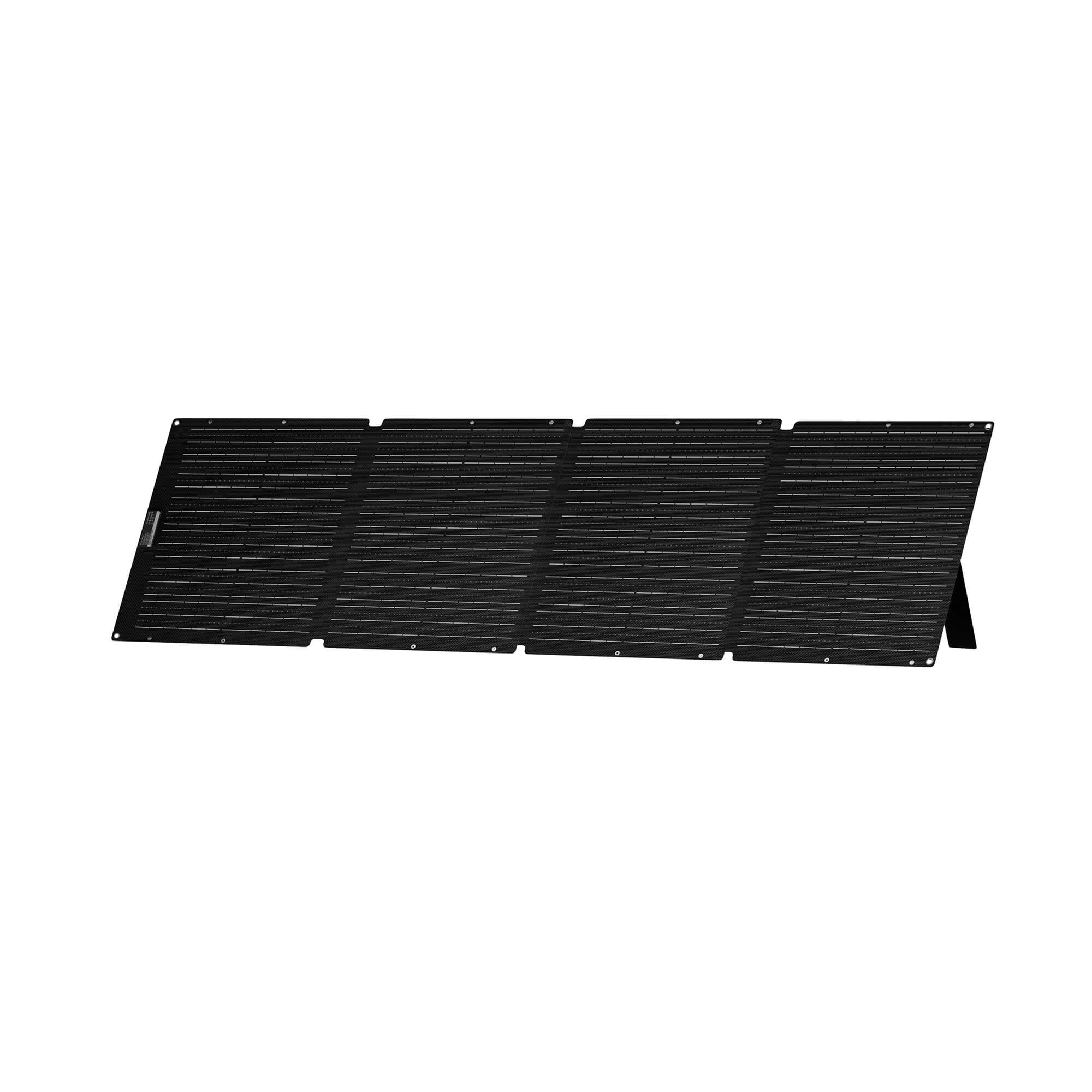
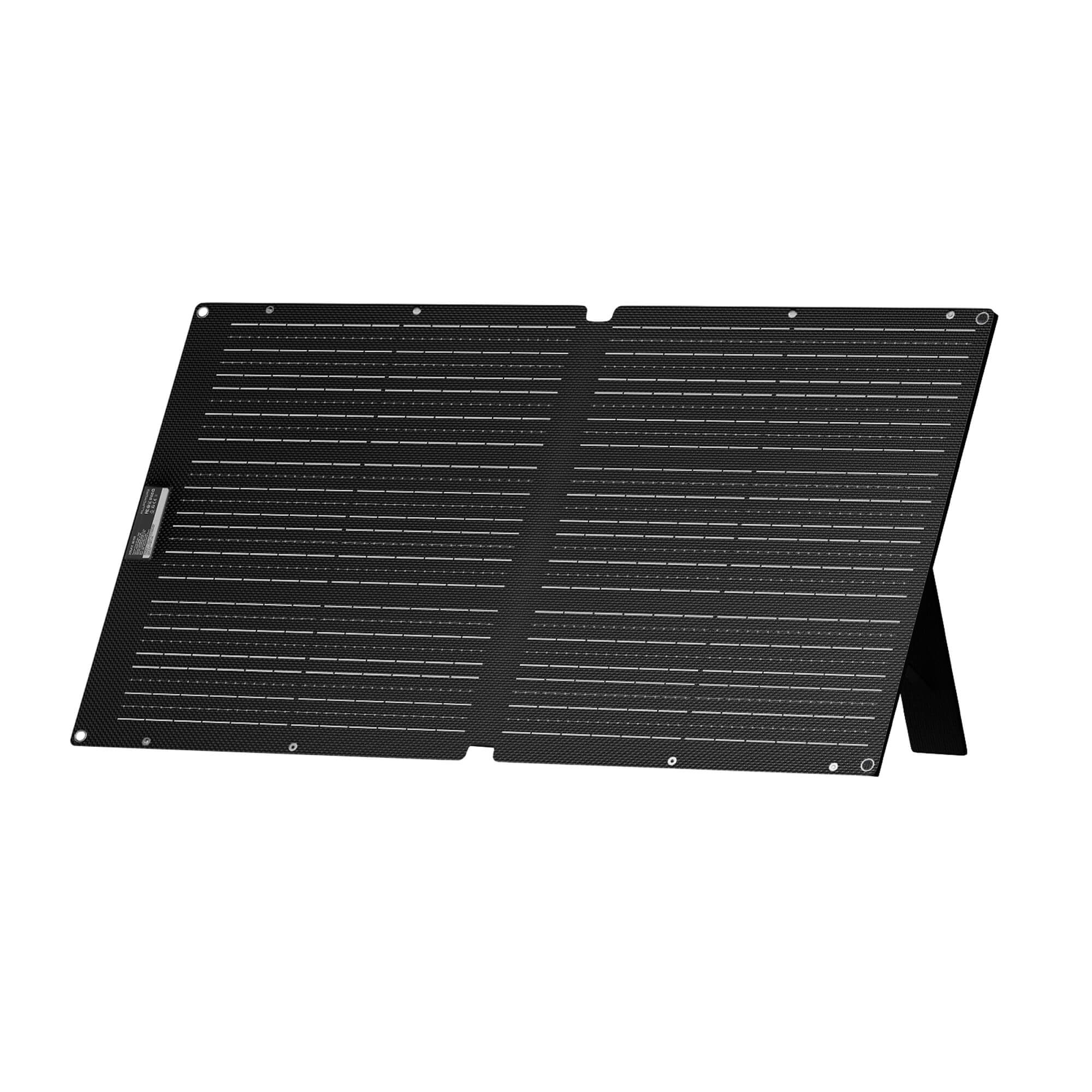
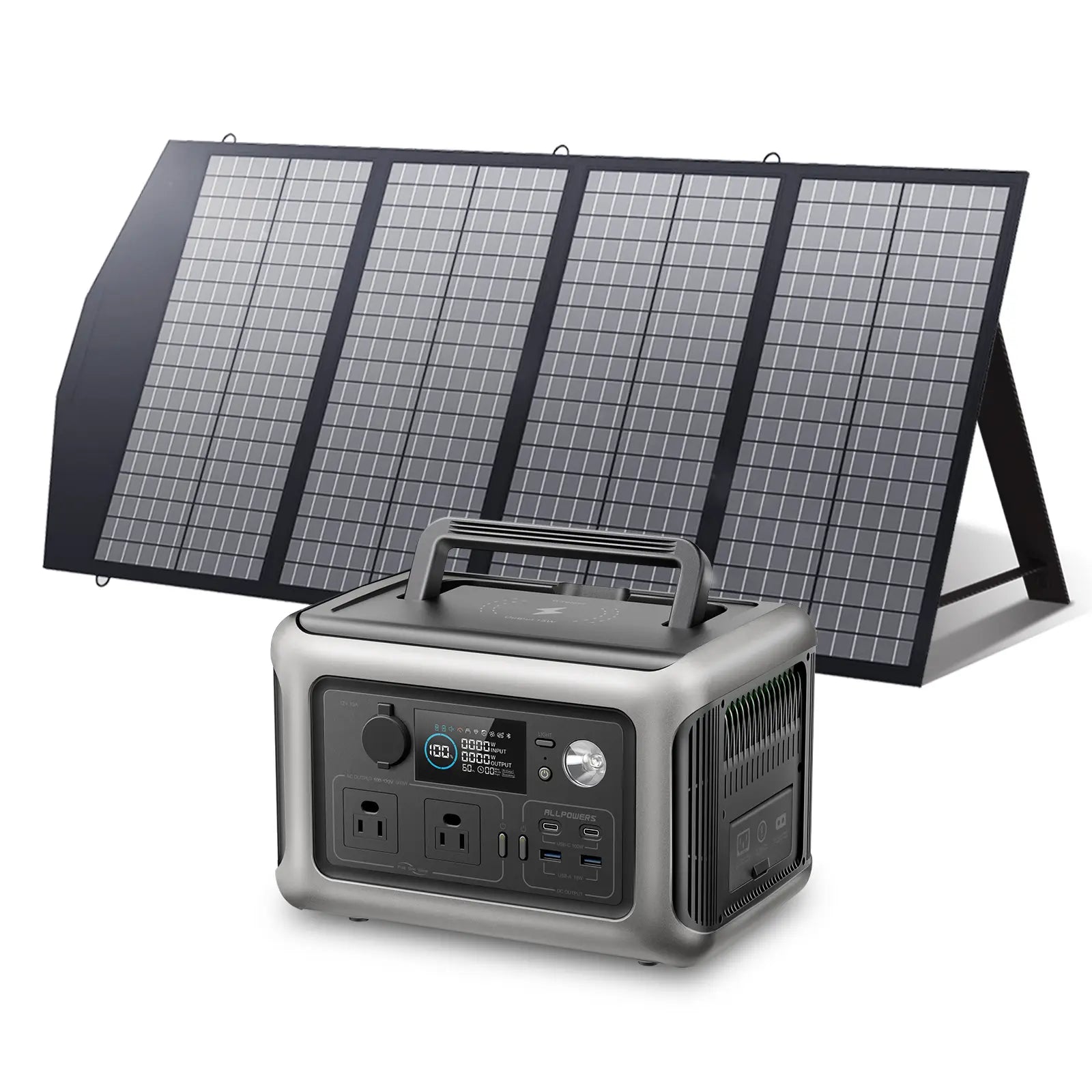
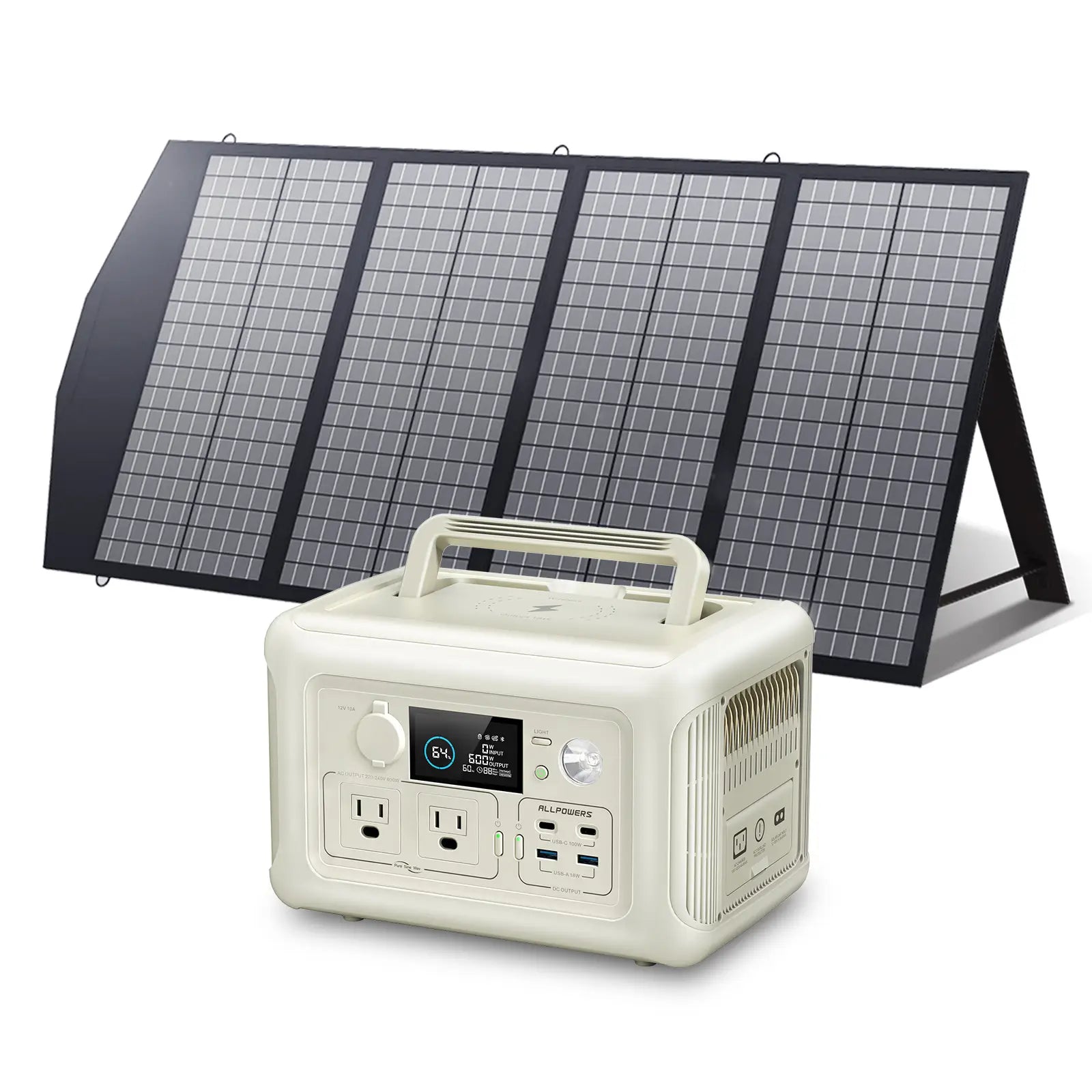
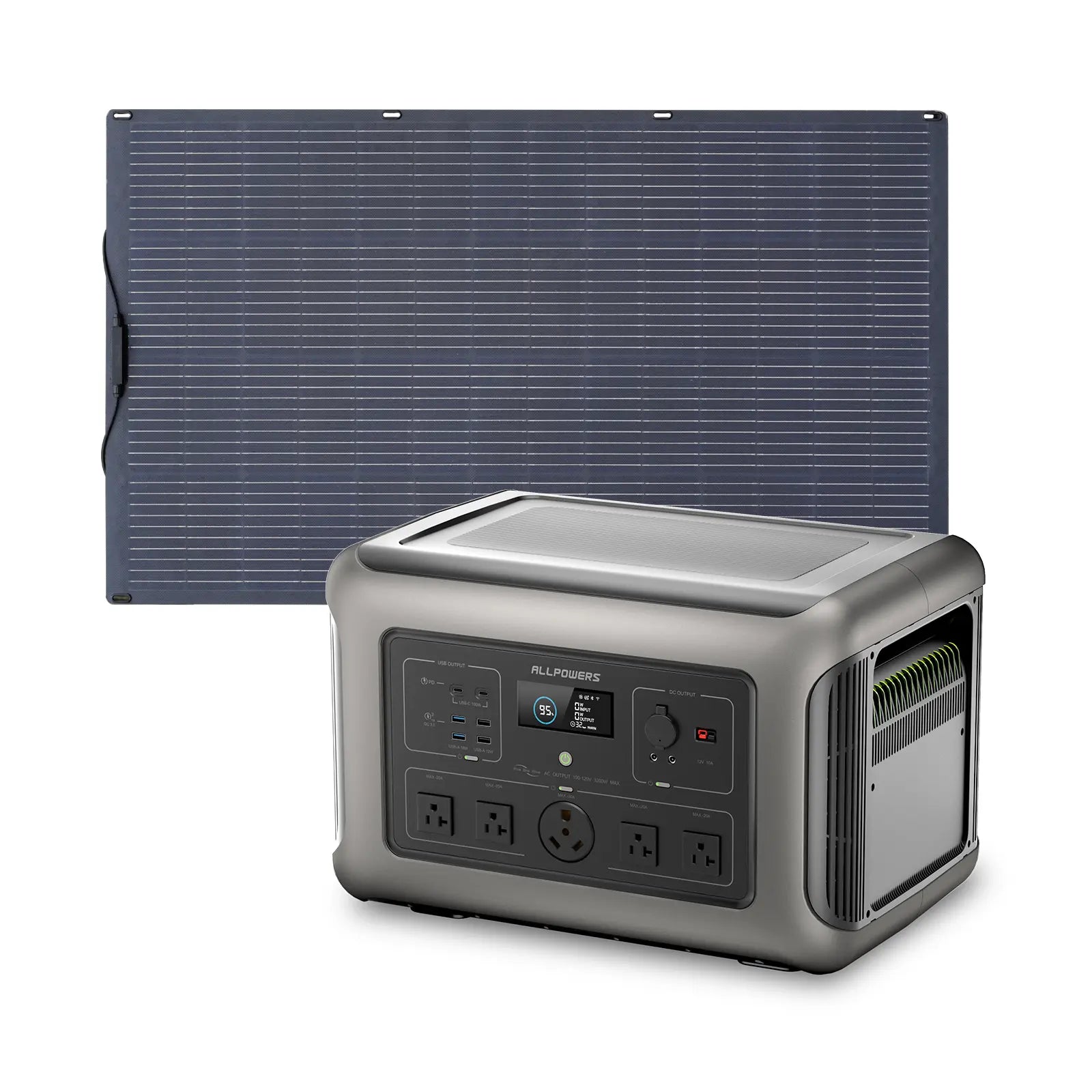
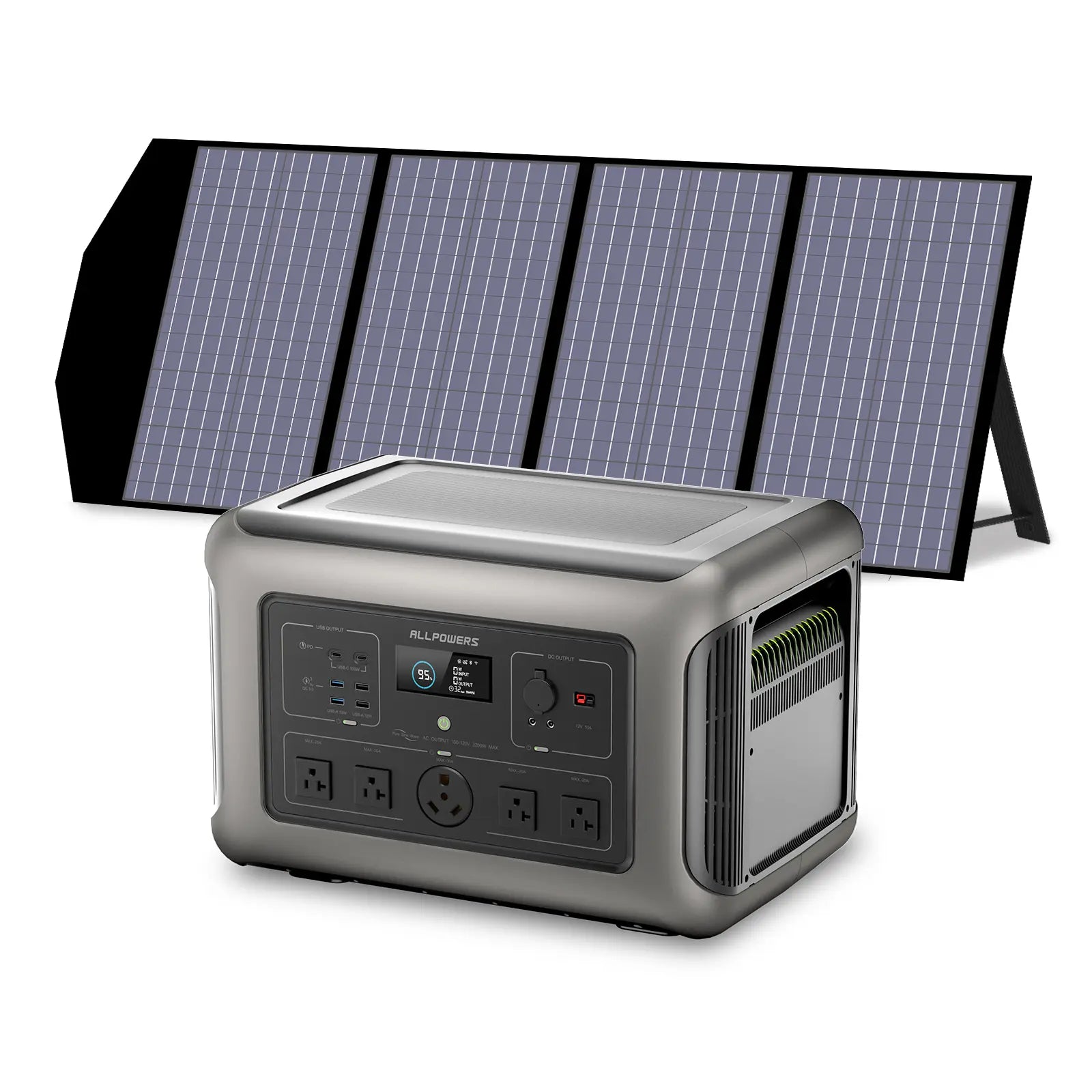
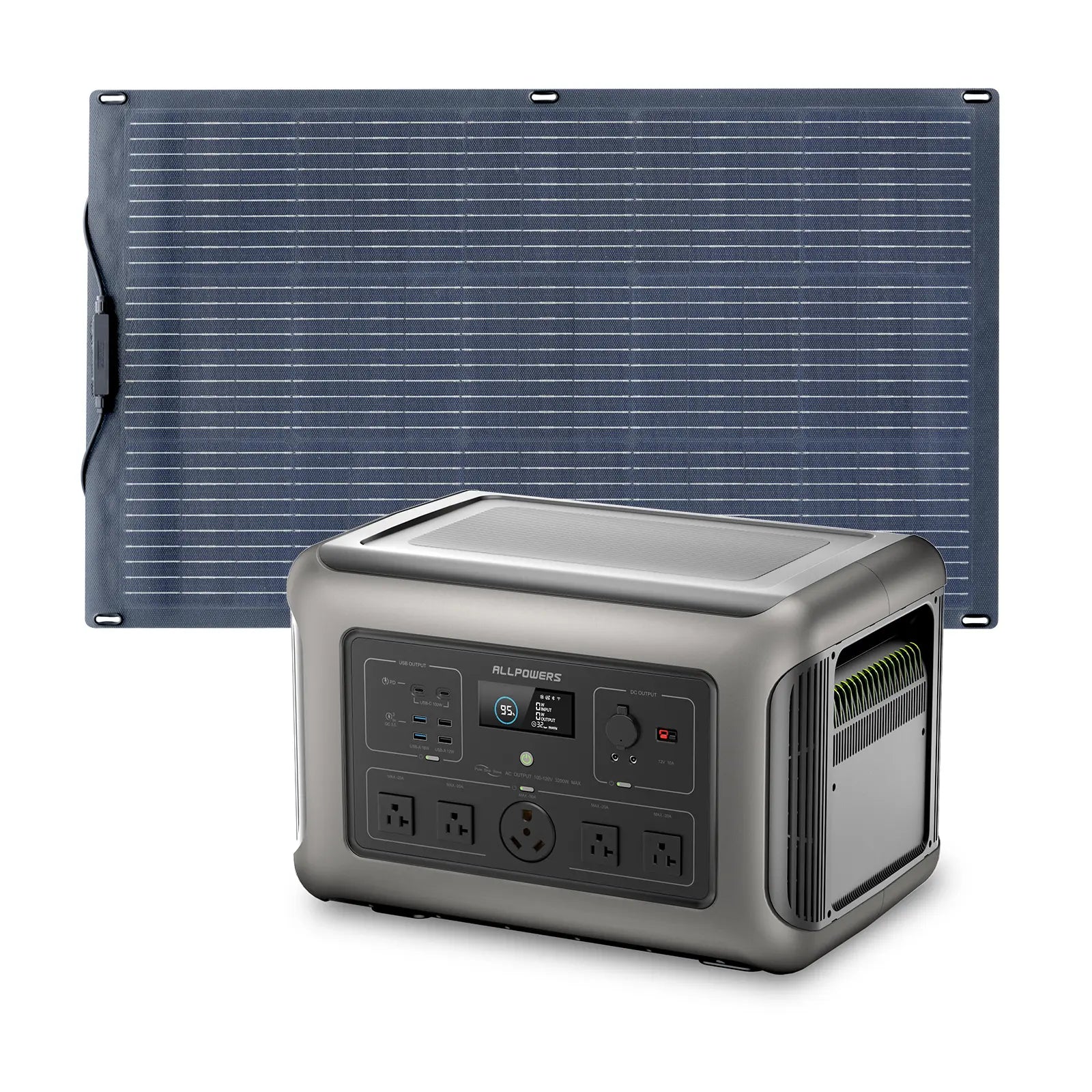
Meanwhile, inverters depend on battery storage. You can charge their batteries through a wall outlet, your car’s auxiliary port, or—here’s the big one—solar panels.
With a portable power station that includes an inverter and MPPT controller, the sun becomes your steady fuel source.
Maintenance Differences
Generators require upkeep. Oil changes, spark plugs, fuel stabilizers, air filters, carburetor cleaning—the whole works. It’s not difficult, but it’s a routine.
Inverters, by contrast, need almost no maintenance except keeping them clean and charged.
If they’re inside a portable power station, most of the complexity disappears behind user-friendly displays and automatic regulation systems.
Cost Differences
At first glance, generators look cheaper. A traditional gasoline generator with solid wattage might cost far less than a high-capacity battery system. But long-term costs complicate the picture.
Generators require fuel. Oil. Maintenance. Sometimes replacement parts. Over the years, those costs add up.
Inverters, especially integrated battery systems, have higher upfront prices, but the ongoing cost of use is minimal—especially if you charge with solar.
And as battery lifespans stretch into thousands of cycles, the economics begin to shift.
Conclusion
So, how do you decide? Honestly, it comes down to your lifestyle, your tolerance for noise and fumes, and what devices you want to power.
Need heavy-duty, all-day power for tools or appliances? A generator might be your ally. Want quiet, safe, and portable power for electronics or a weekend camping trip? An inverter is likely the smarter move.
And if you’re thinking ahead, combining a generator with a portable inverter system gives you flexibility, efficiency, and peace of mind all at once.