














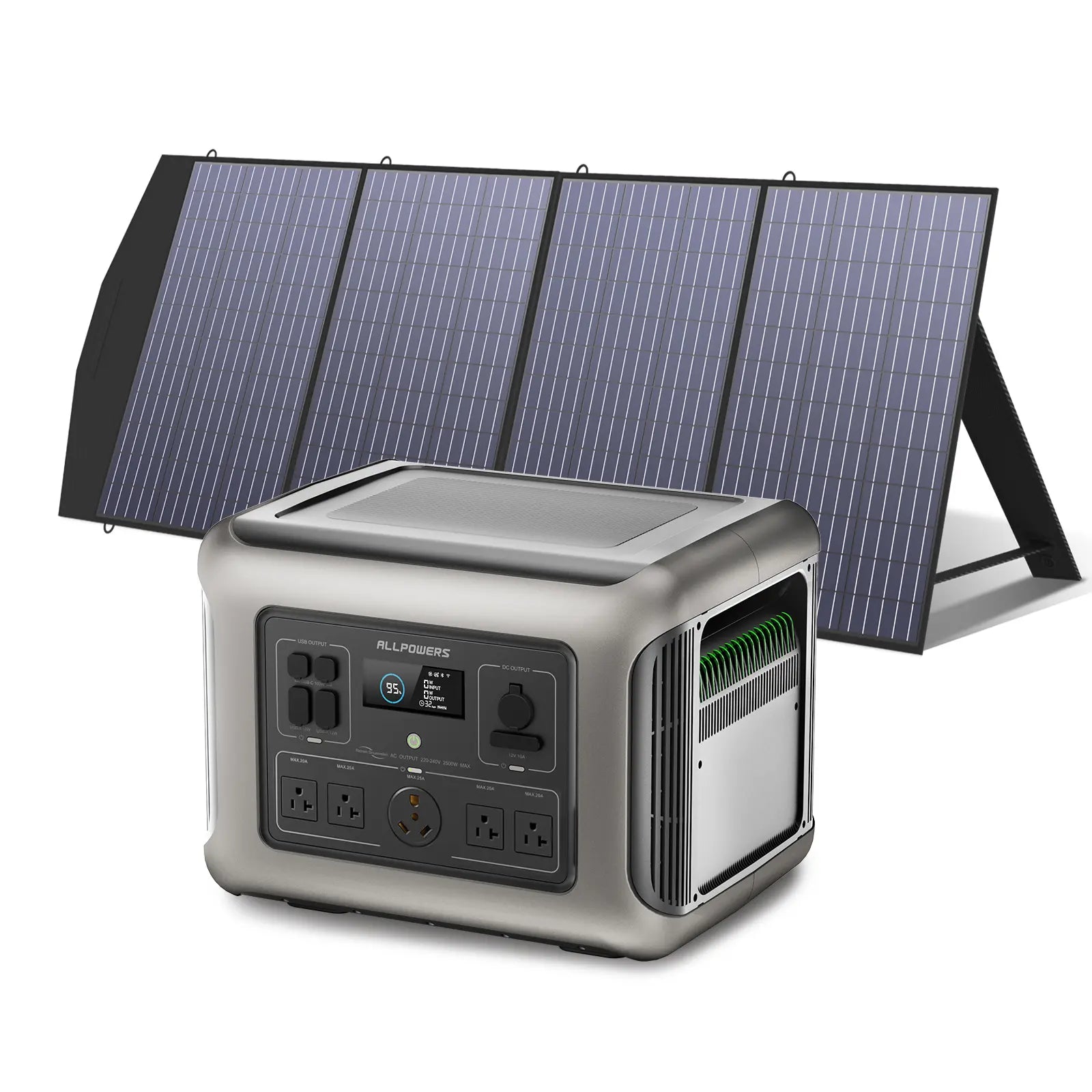
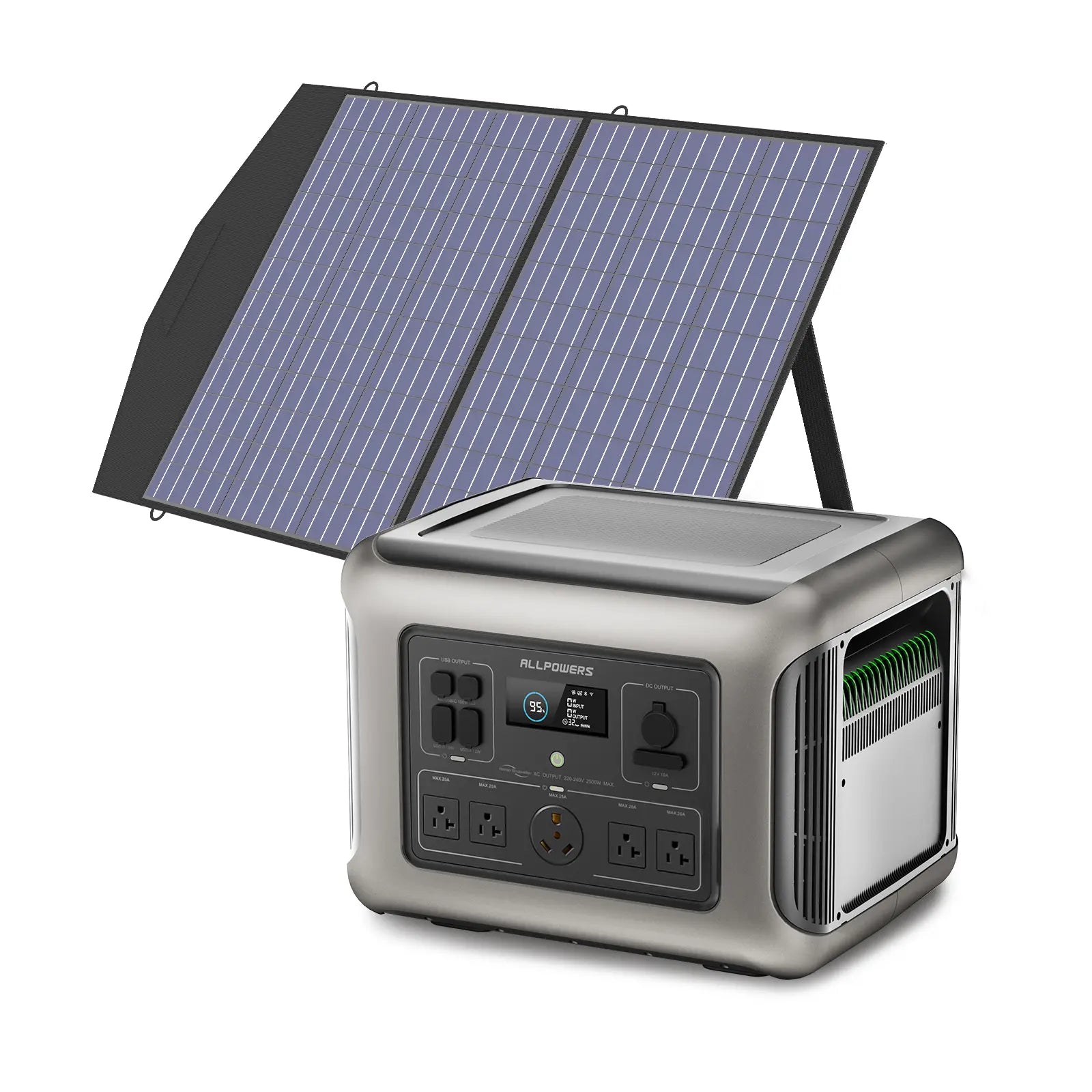
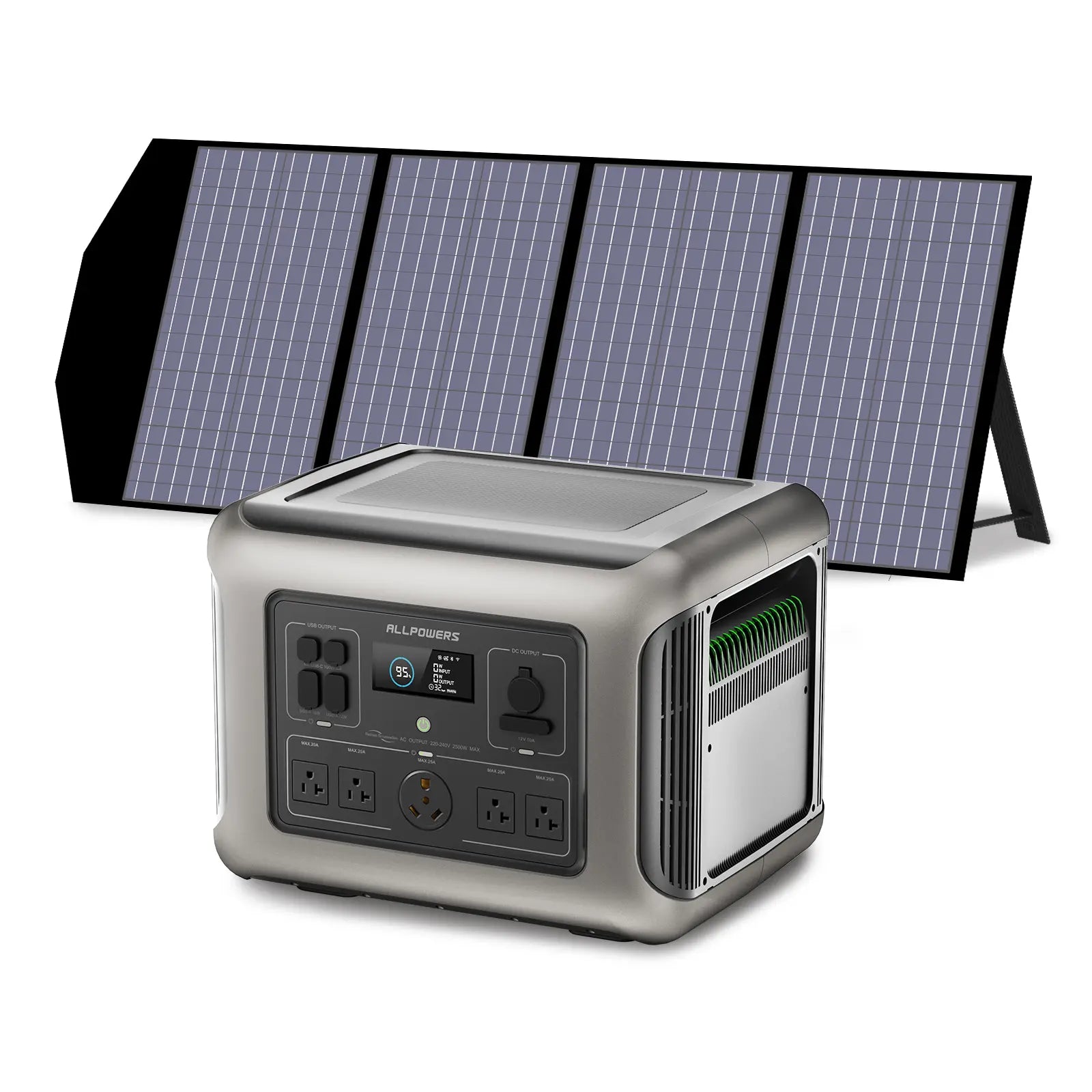
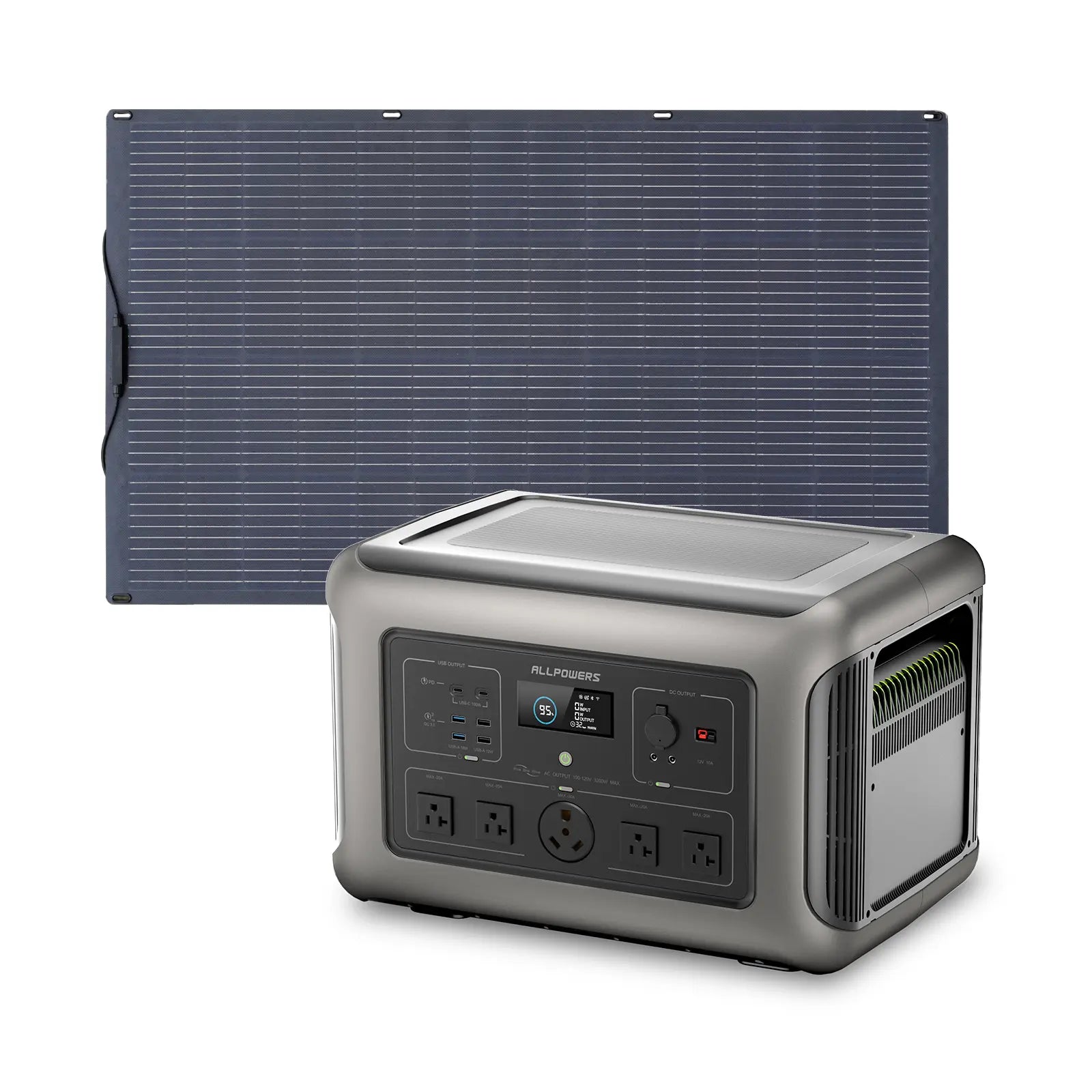



Most folks hear the phrase “Battery Management System” and think it sounds technical—maybe even a little boring.
Yet the moment you rely on any device that stores energy, you’re already depending on one.
So what exactly is a Battery Management System, and why does it matter so much?
TL;DR:
A battery management system—often shortened to BMS—is the control center that monitors voltage, temperature, current, state of charge, balance between cells, and overall conditions to prevent damage, extend lifespan, and ensure stable output.
Definition of a Battery Management System
A battery management system, often shortened to BMS, is a built-in electronic system that monitors and manages a rechargeable battery’s performance.
It sounds fairly technical, but the idea is simple. Think of it like the conductor of an orchestra—every cell in the battery has a job, but without someone keeping track of timing, intensity, and harmony, things can go off-beat fast.
The BMS measures voltage, current, temperature, and the general health of the battery. It keeps everything in check.
And if something unusual happens—a surge, an overheating event, a drop in voltage—the BMS steps in quietly, cutting off power, reducing load, or regulating the charge.
You might hear technicians call it the “protection board,” and honestly, that name fits surprisingly well.
What Does a Battery Management System Do?
This guardianship revolves around a few core roles: monitoring, protecting, balancing, and reporting. Each one seems simple on its own, but together they shape the battery’s lifespan, safety, and performance.
Voltage Monitoring
Voltage monitoring might sound mundane, but it’s one of the pillars of safe battery operation.
Every lithium cell has a voltage range where it’s happy and healthy. Too high, and it risks swelling or overheating; too low, and it suffers damage that you can’t really reverse. The BMS checks each cell—or each group of cells—constantly.
Current regulation
When a device pulls too much current—say, a heavy tool starts up or multiple gadgets are plugged into a power station simultaneously—the BMS can restrict flow or shut things down.
Sometimes small electronics with motors, compressors, or fast charging circuits create sudden surges. The BMS sees all of this and reacts far faster than any human could.
Temperature Control
Temperature is one of the most important factors in battery health. A BMS constantly measures how warm—or how cold—the battery is.
If temperatures drift outside a safe range, charging slows down, discharging may pause, or the system might shut off entirely.
Cell Balancing Maintains
Even when cells are manufactured at the same time, no two behave exactly the same. Some degrade faster, some hold slightly more charge, and some lose voltage sooner.
Over time, these tiny differences can snowball. The BMS redistributes energy across the pack so that no cell is overworked or undercharged.
State of Charge Estimation
State of Charge (SOC) basically tells you how full the battery is. Voltage changes with temperature, current, age, and load.
A battery at 50% full under light use could behave like it’s only 30% full under heavy load. The BMS uses algorithms and sensor data to estimate SOC accurately enough to be useful.
State of Health Assessment
State of Health (SOH) is more like the battery’s overall fitness level.
Is the battery aging quickly? Are certain cells degrading faster than others? Has the capacity dropped noticeably after hundreds of cycles?
The BMS watches these patterns, stores data, and reports trends that help manufacturers—and sometimes users—catch issues early.
Communication
Many modern BMS units don’t just monitor and regulate—they talk.
They communicate through CAN bus, UART, or other protocols, sharing data with displays, controllers, chargers, inverters, and even apps.
This communication allows for smarter charging, more precise power regulation, and real-time diagnostics.
Protection Features
Overvoltage protection, undervoltage protection, short circuit protection, overcurrent protection, overtemperature protection—each of these might sound like keywords pulled from a manual, but they’re real safety nets.
If something unexpected happens—say a sudden internal short or a wiring fault—the BMS is the first and fastest responder. Humans can’t act in milliseconds, but the BMS can.
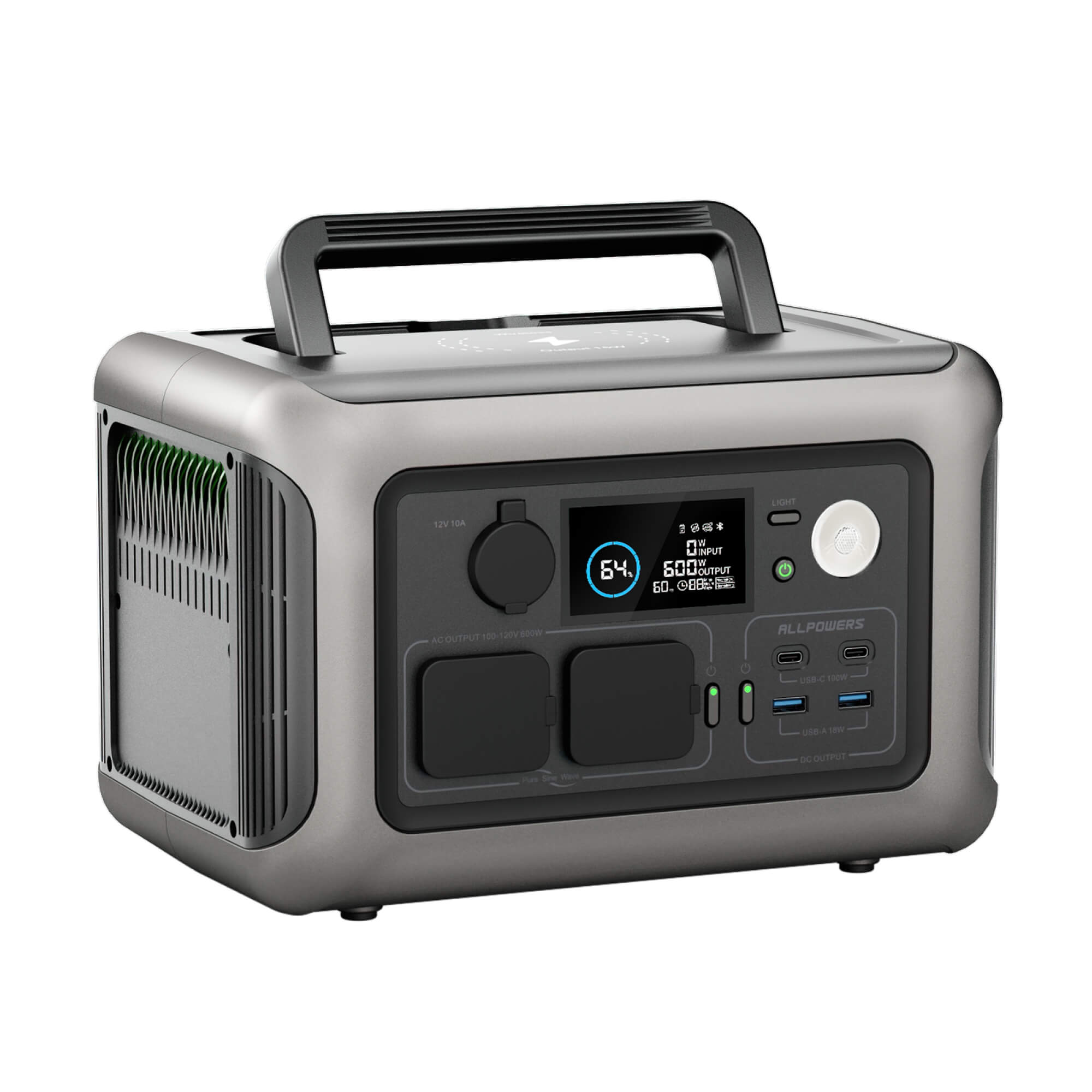
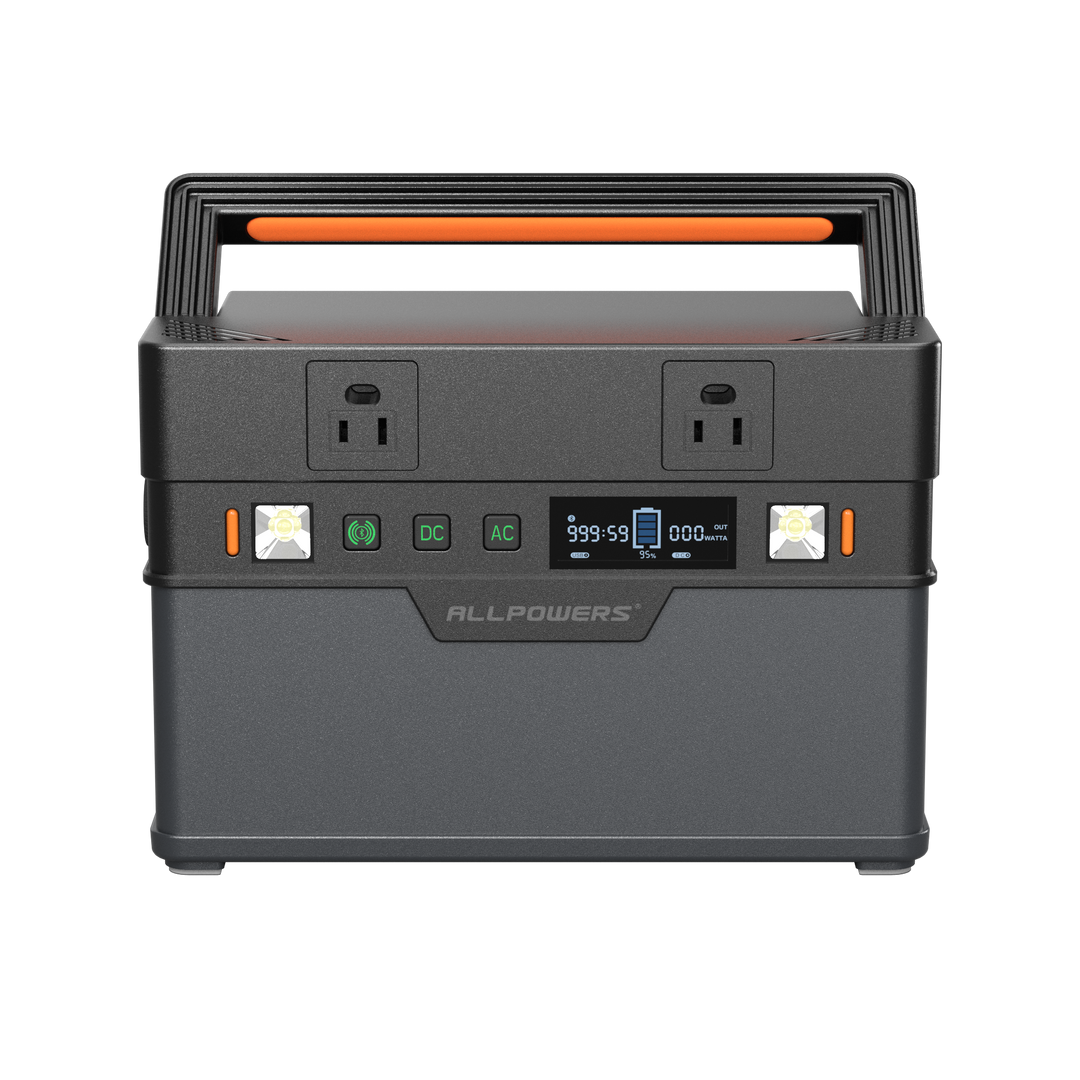
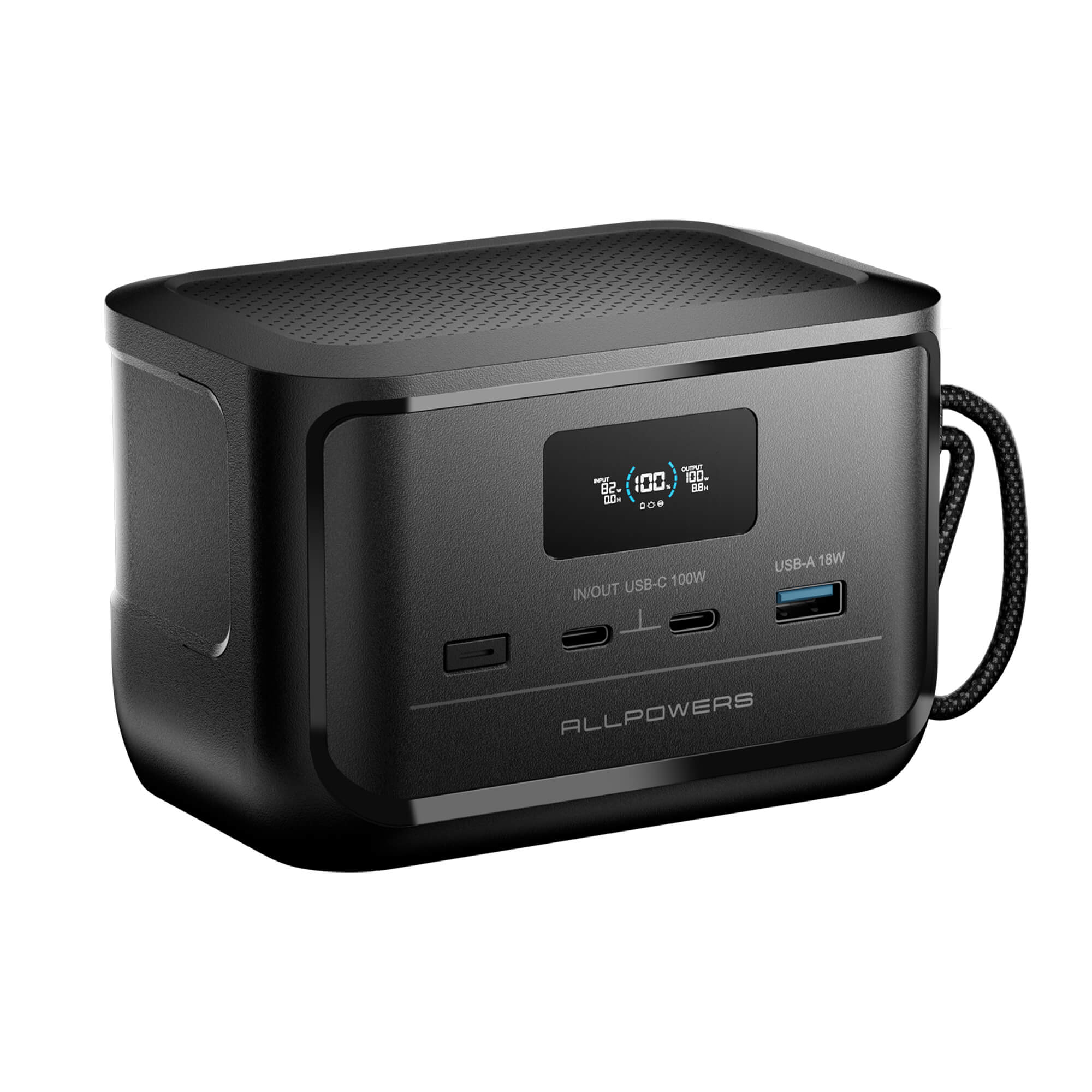
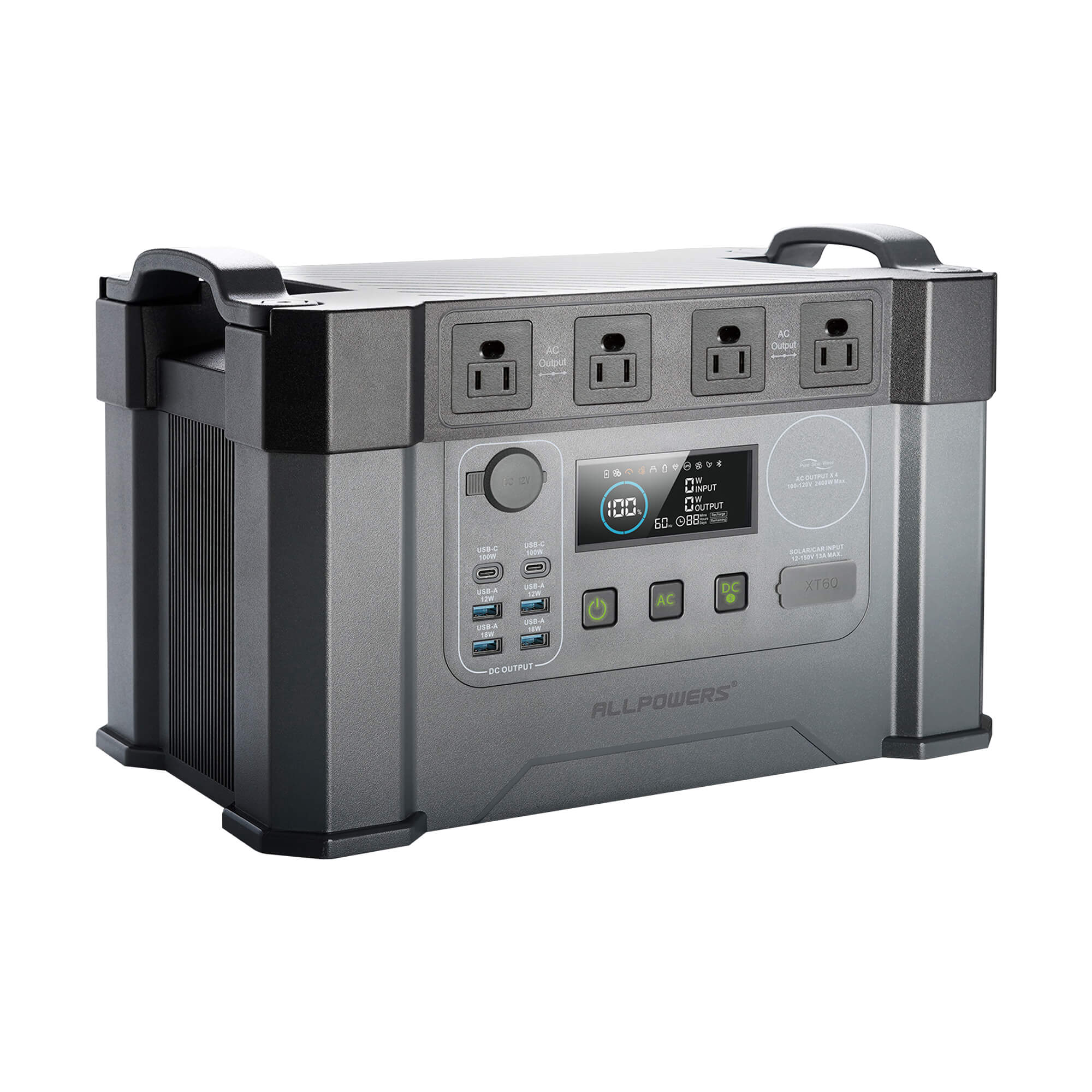
Why Portable Power Stations Depend So Heavily on BMS Technology
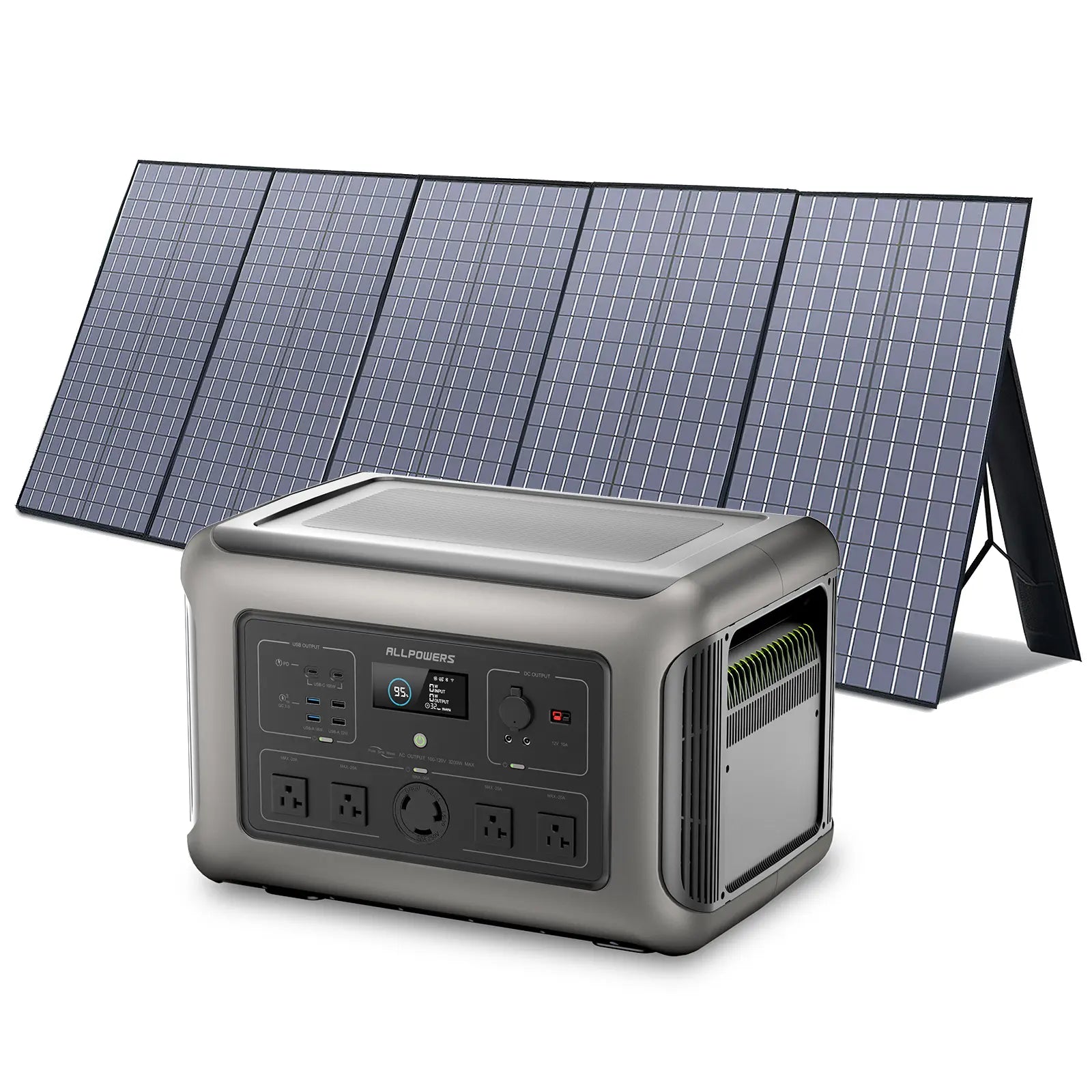
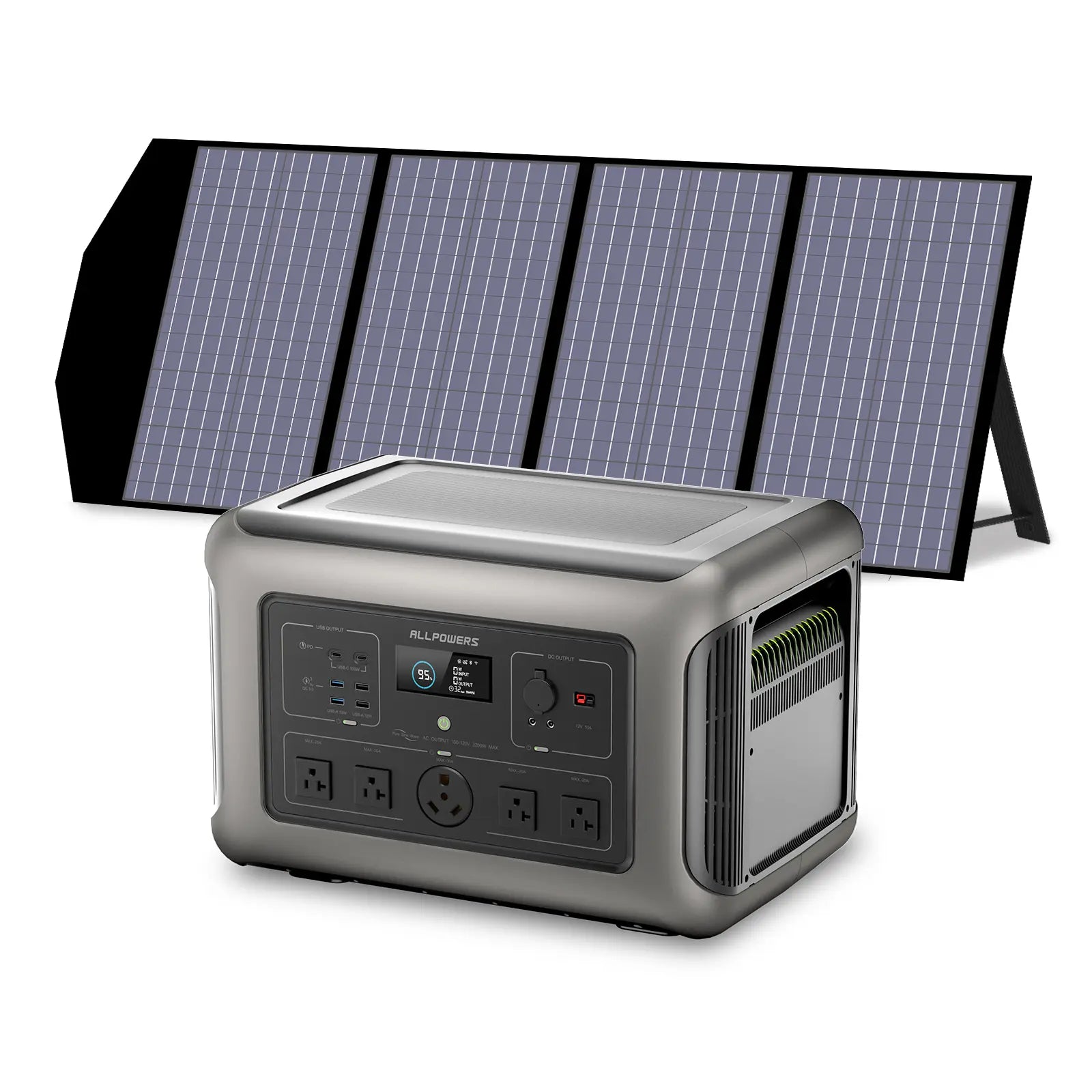
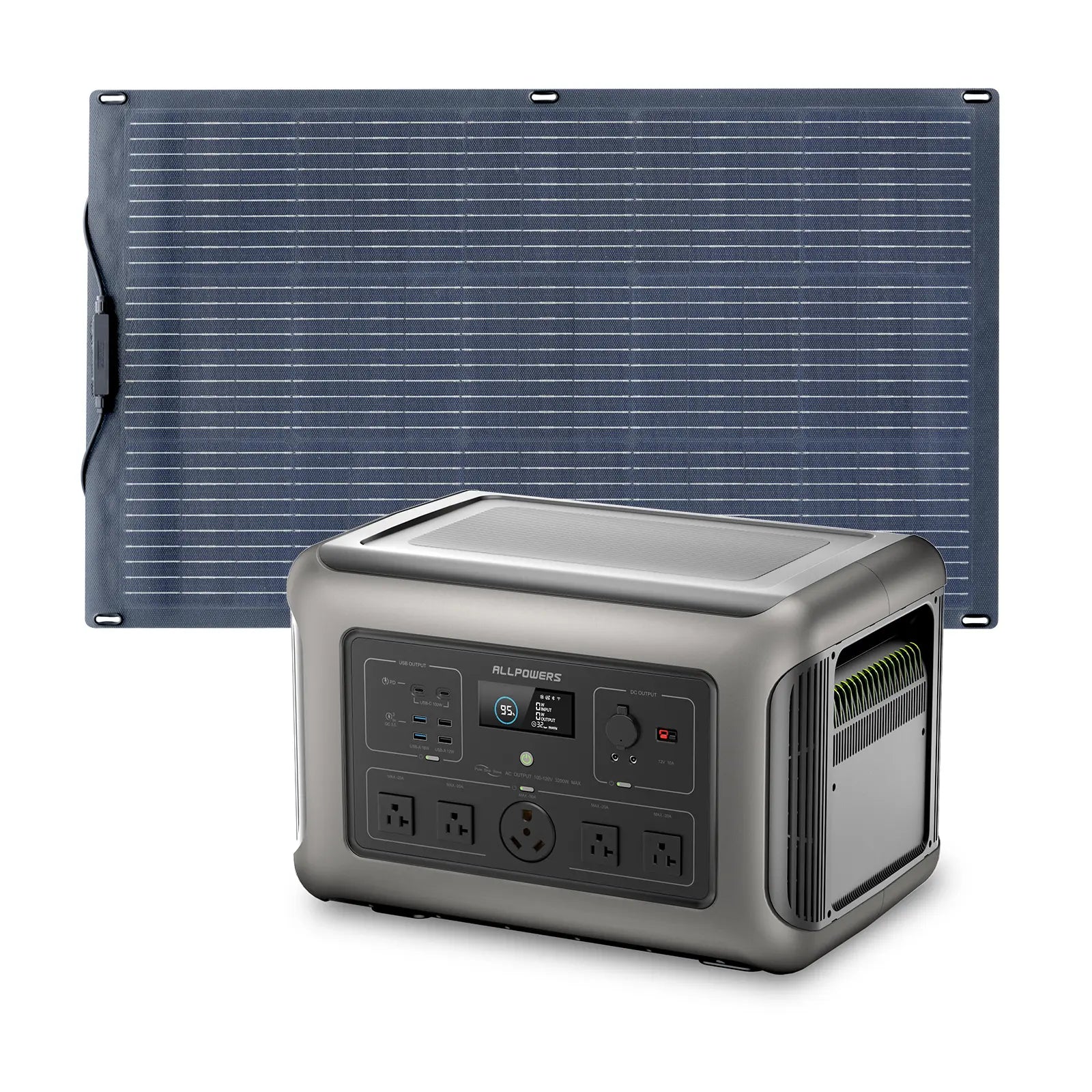
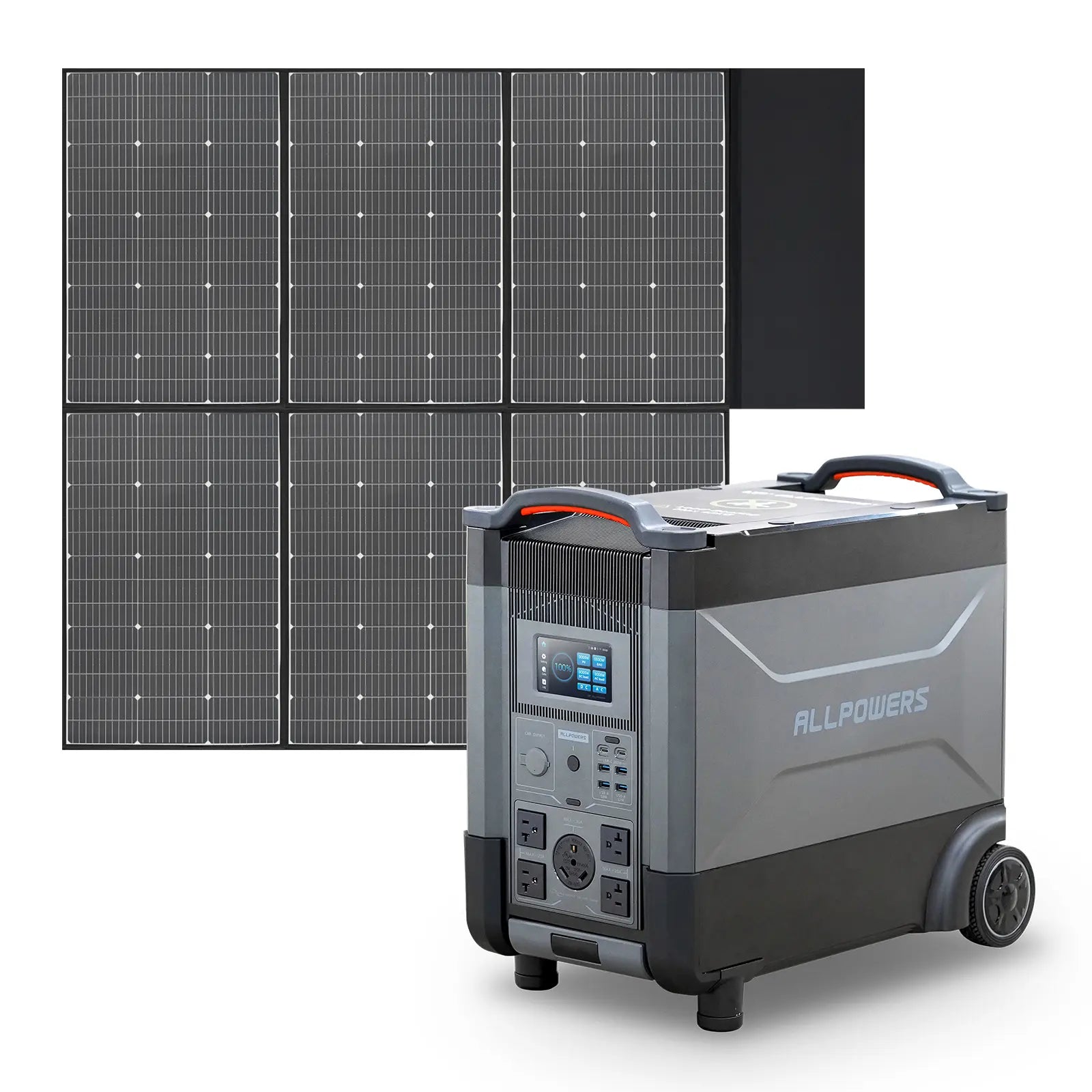
A portable power device has to handle unpredictable loads, long storage periods, temperature swings, and varying charging sources (from wall outlets to solar panels).
That’s a lot of variables for a battery to manage alone. The BMS makes all of this possible.
It keeps the battery calm during heavy loads, efficient during regular use, and protected during storage.
Simply put, a power station with a solid BMS is safer, more reliable, and longer-lasting.

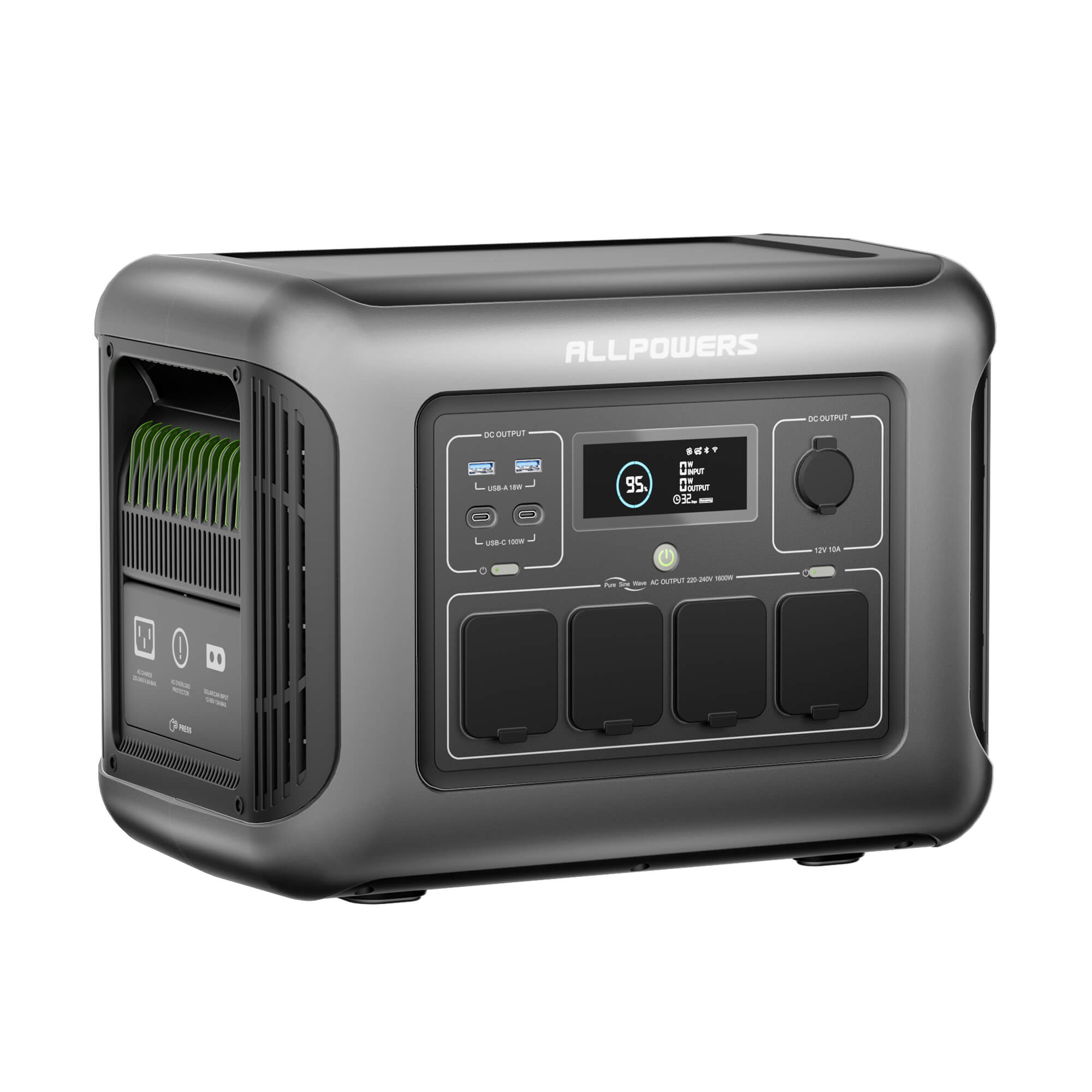
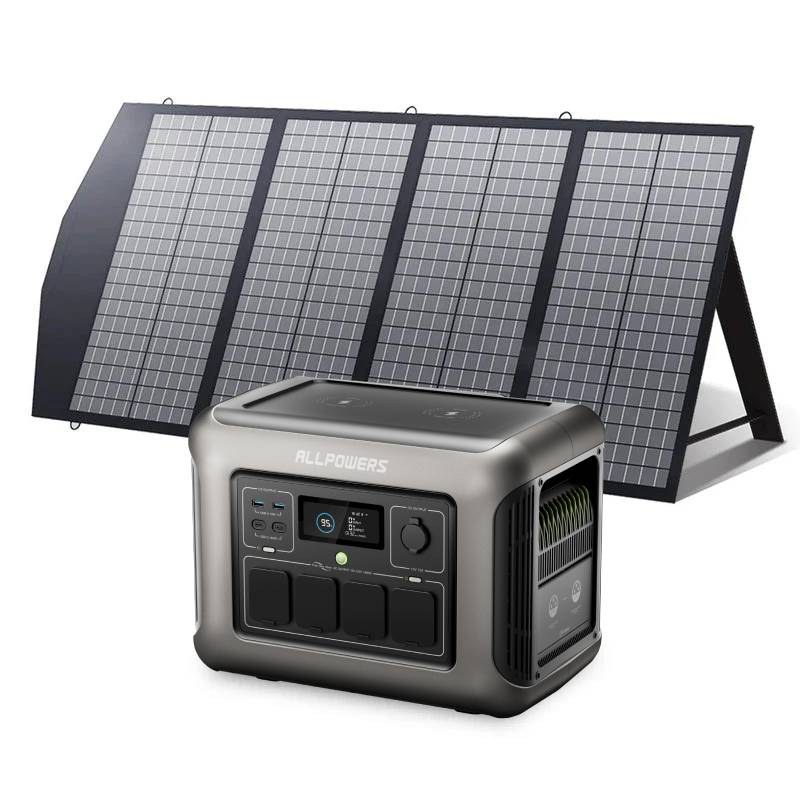
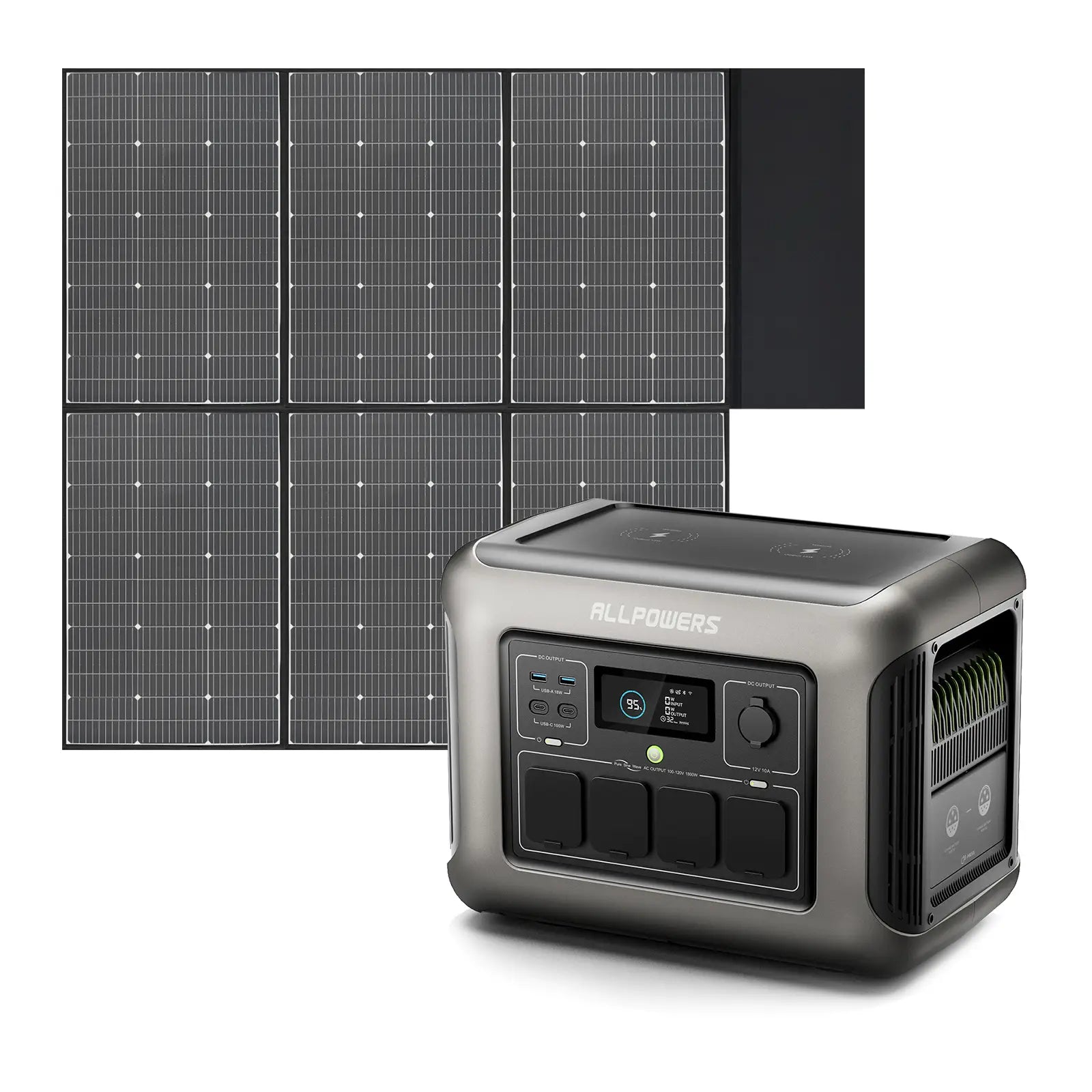
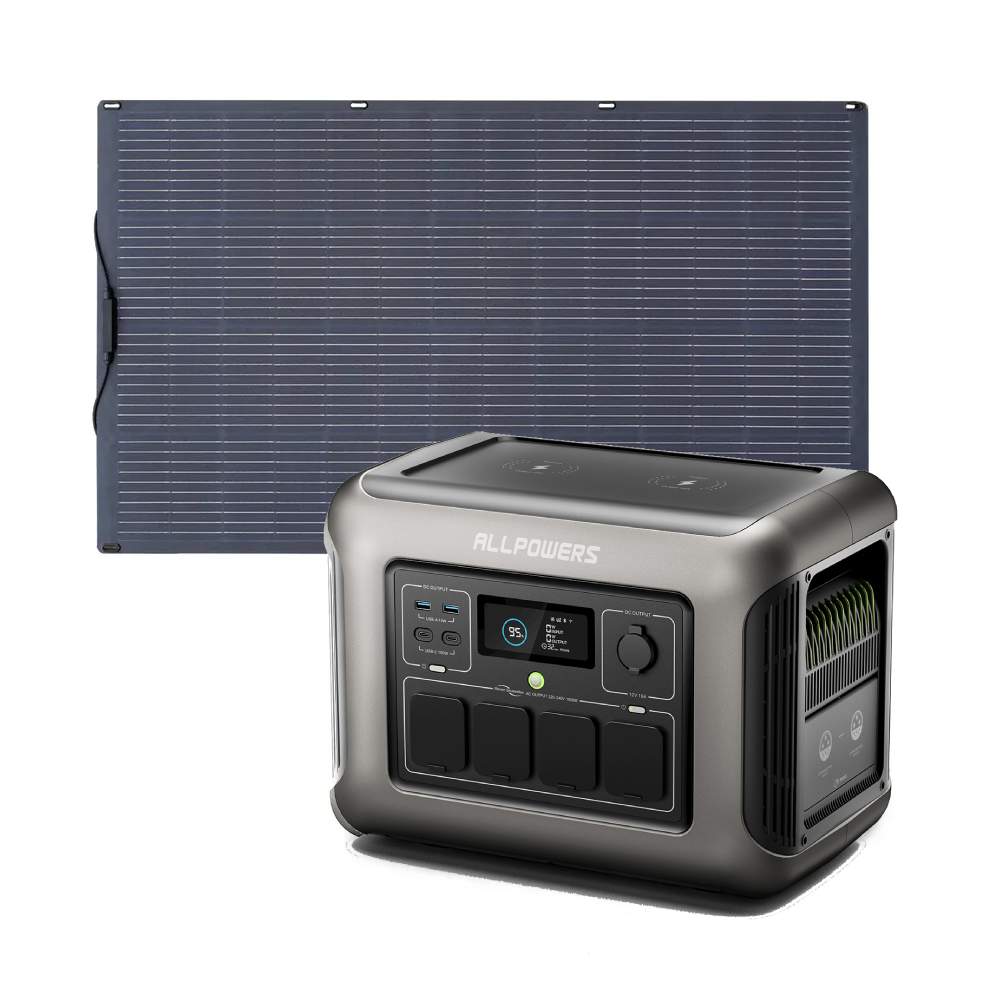
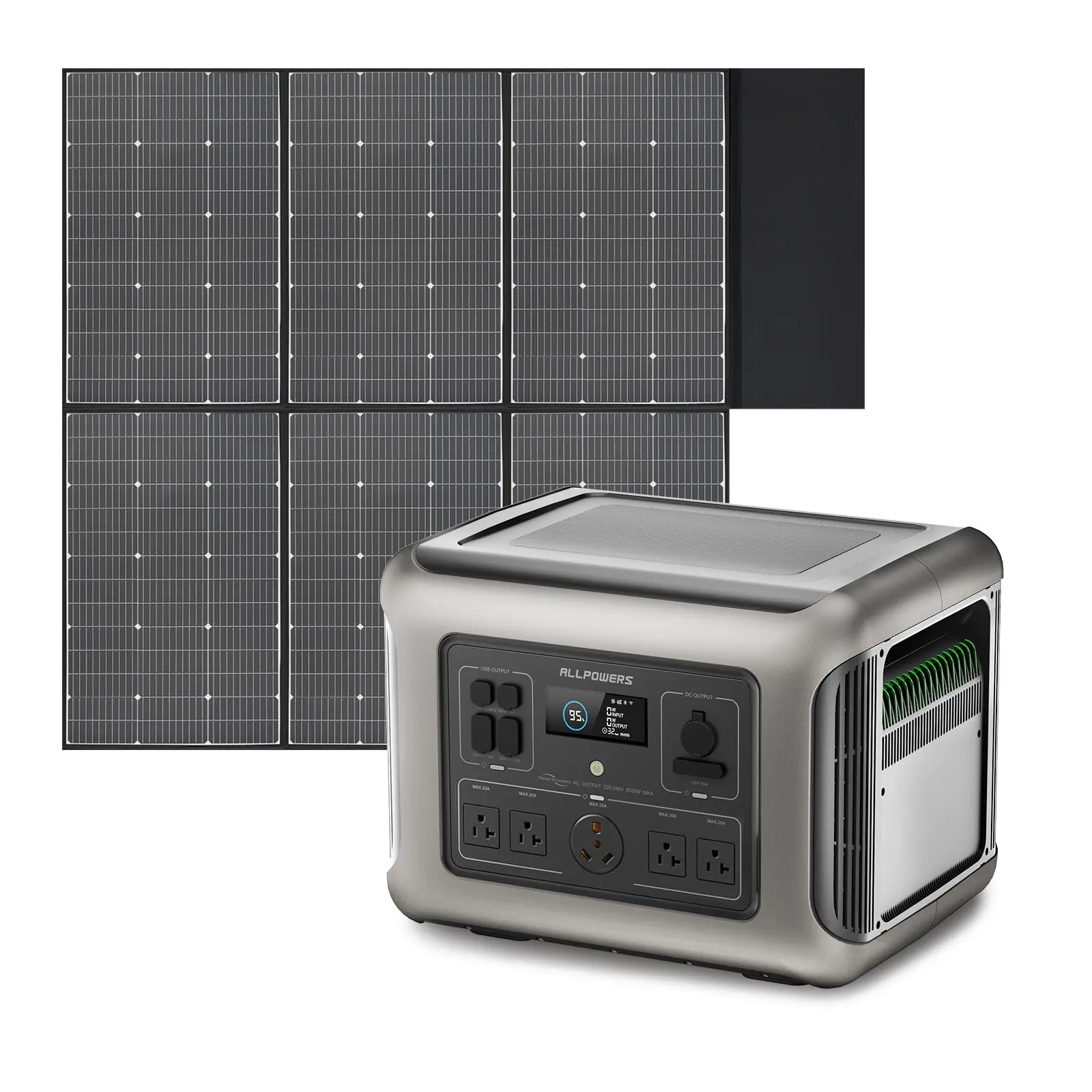
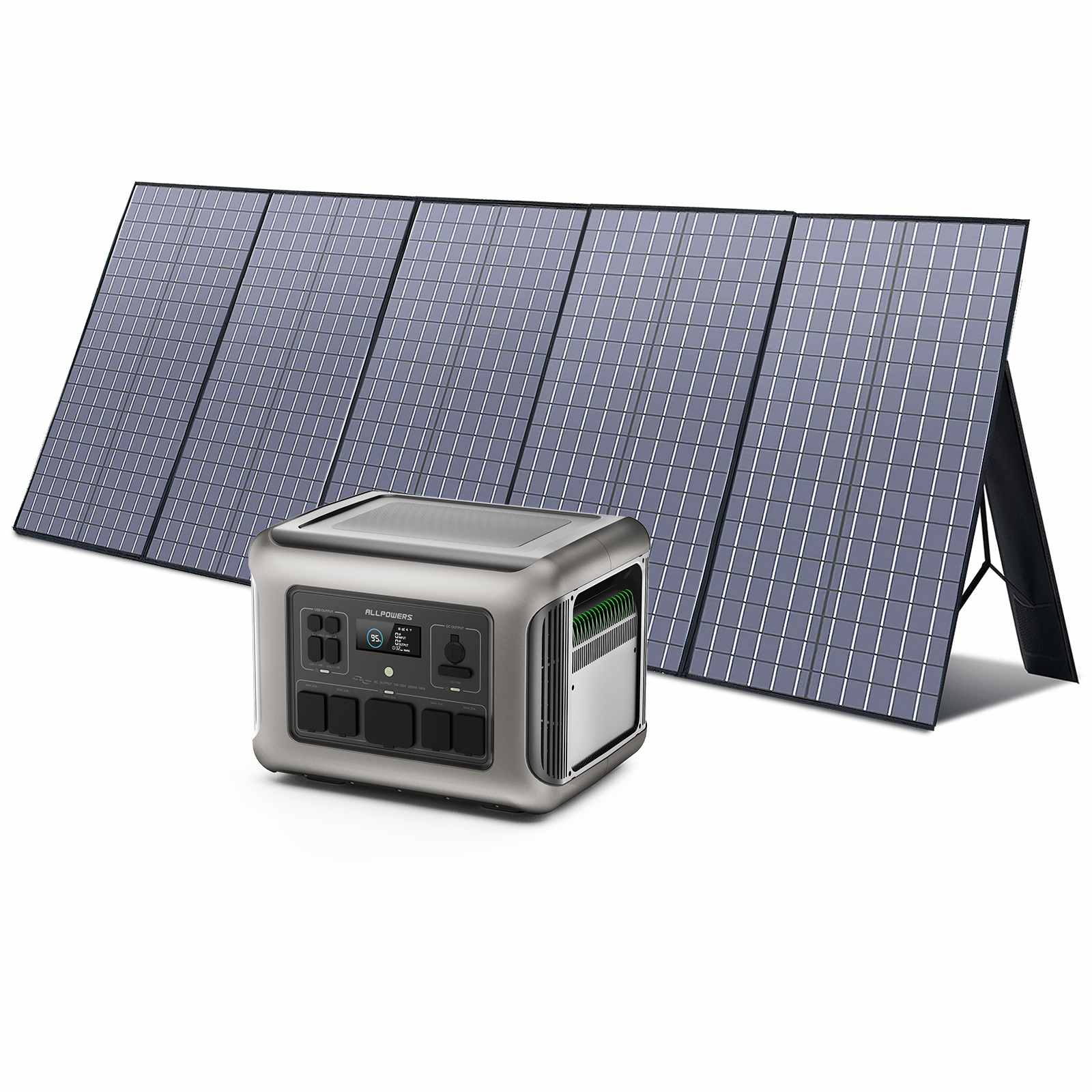
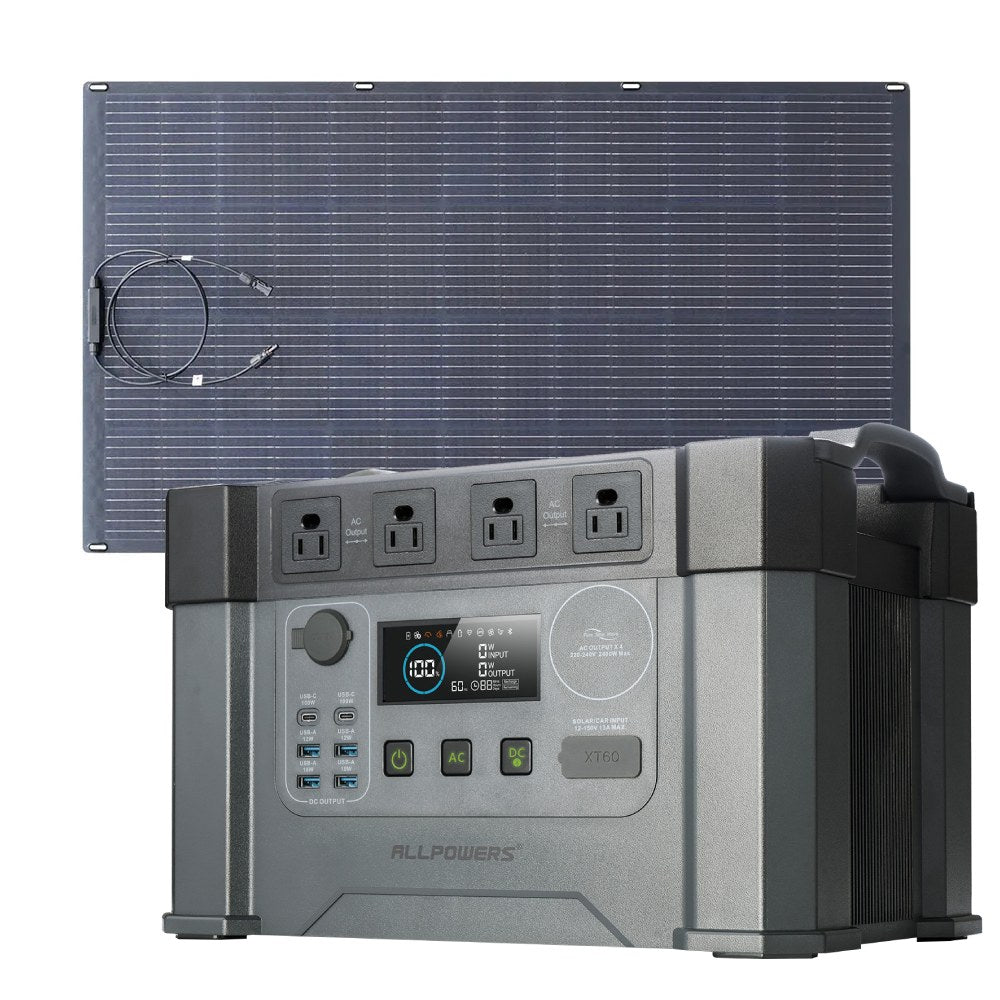
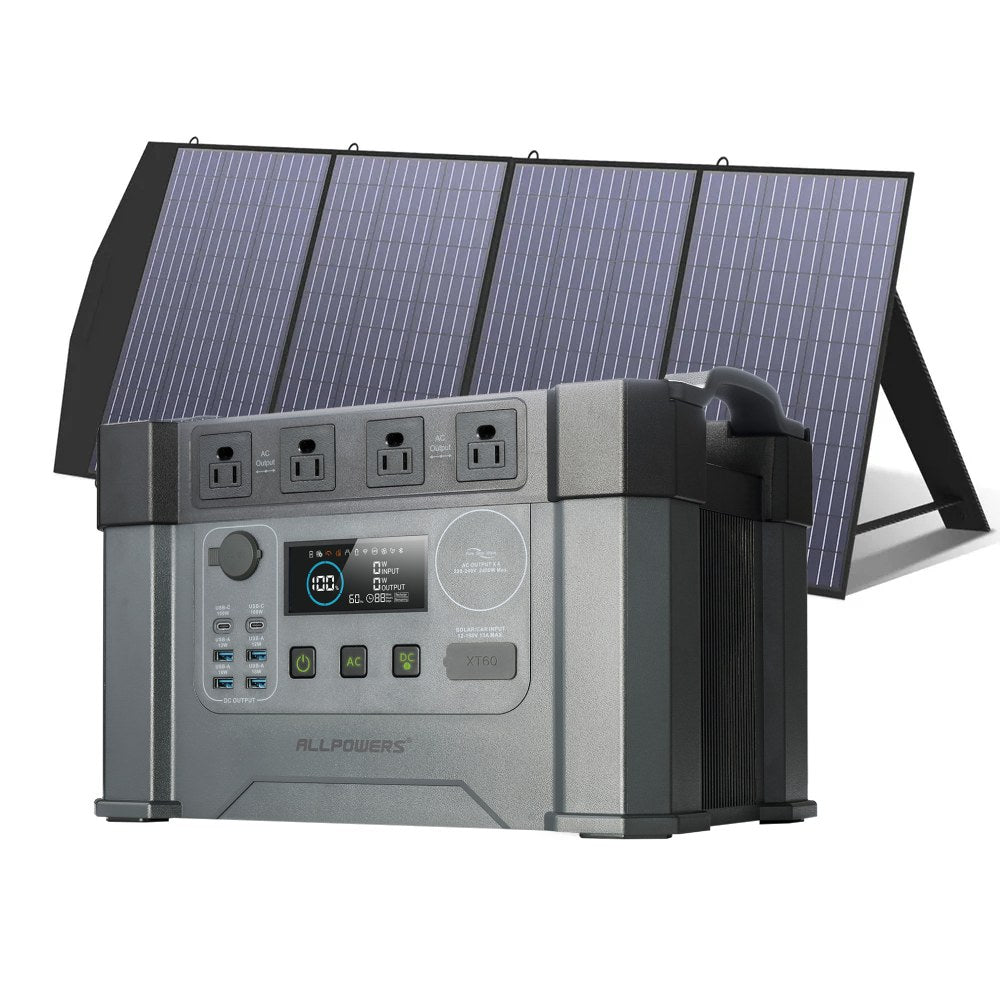
ALLPOWERS R1500 Lite Portable Power Station
$378.00 $799.00
- 1056Wh Capacity;
- 1600W AC Output (3000W Surge);
- 650W Solar Fast Charging;
- 10 Ports Charge All Needs Simultaneously;
- 15ms Uninterruptible Home Backup UPS;
A Battery Management System Affects Real Life More Than You Think
Let’s get practical for a second. What does all of this mean for everyday users?
It means your portable power stays safer when left charging overnight. It means you don’t have to worry when the weather swings unexpectedly.
It means your battery lasts longer—sometimes years longer—because the system reduces unnecessary stress.
For campers, it means your gear remains stable even in colder mornings or hotter midsummer afternoons.
For homeowners in storm-prone regions, it means the battery you store for emergencies remains reliable when the lights go out.
And for people who bring power stations on road trips, it means everything simply works—without guessing, worrying, or fiddling.
Conclusion
At the end of the day, a battery management system may not be glamorous, but it’s essential.
It quietly monitors, balances, protects, and communicates, ensuring that batteries remain safe, reliable, and long-lived.
Without it, even the most advanced portable power solution would be risky and unpredictable.