







A sump pump is one of the most important appliances in a home when it comes to preventing basement flooding and water damage.
Unfortunately, the exact situations that make a sump pump most necessary are often the same situations that can knock out electrical service.
That is why many homeowners consider purchasing a generator to keep their sump pump running during emergencies.
However, choosing the wrong generator size can lead to startup failures, overloaded circuits, or unnecessary expenses.
So, what size generator do you need to run a sump pump?
TL;DR: Most residential sump pumps require between 800 and 2,500 starting watts, depending on horsepower and motor type. While many 1/3 HP pumps can operate with a generator rated around 2,000 watts, larger 1/2 HP and 3/4 HP models often require generators capable of handling 3,000 watts or more due to startup surge demands. Always size a generator based on both running watts and starting watts.
Why Generator Size Matters for a Sump Pump
Many homeowners assume that a sump pump uses very little electricity because the motor appears relatively small.
However, electric motors behave differently than most household electronics.
When a sump pump first starts, it requires a brief burst of extra power known as starting wattage or surge wattage.
If a generator cannot supply enough startup power, the pump may fail to start, trip the generator's protection system, or operate unreliably during critical flooding conditions.
This is why simply matching a generator to the pump's running wattage is often not enough.
How Much Power Does a Sump Pump Use?
The amount of electricity a sump pump uses depends primarily on its horsepower rating, motor efficiency, pumping height, and overall design.
Most residential sump pumps fall into three common categories: 1/3 HP, 1/2 HP, and 3/4 HP models.
1/3 Horsepower Sump Pumps
A 1/3 HP sump pump is one of the most common options found in residential basements. These pumps are typically sufficient for moderate water removal needs.
Running wattage often falls between 400 and 800 watts, while startup requirements may exceed 1,000 watts.
1/2 Horsepower Sump Pumps
Homes located in areas with higher groundwater levels or heavier rainfall often use 1/2 HP sump pumps.
These pumps typically require more starting power because of their larger motors and increased pumping capacity.
3/4 Horsepower Sump Pumps
Larger residential or light commercial installations may utilize 3/4 HP sump pumps for more demanding water management applications.
These units often require considerably more surge wattage than smaller models.
Learn More: Can a Portable Power Station Run a Sump Pump?
How to Calculate Generator Size
The most reliable way to size a generator is to determine both the running wattage and startup wattage of the sump pump.
The manufacturer's specifications often provide these values directly. If not, homeowners may need to estimate power requirements based on motor size and electrical ratings.
Step 1: Identify Horsepower Rating
The sump pump's horsepower rating provides a useful starting point for estimating electrical demand.
Step 2: Determine Running Watts
Running watts represent the electricity required during normal operation after the motor is already running.
Step 3: Account for Startup Surge
Starting watts are often two to three times higher than running watts because electric motors require additional energy during startup.
Typical Generator Requirements for Sump Pumps
| Sump Pump Size | Running Watts | Starting Watts | Recommended Generator Size |
|---|---|---|---|
| 1/4 HP | 600–800W | 1200–1600W | 2000W Generator |
| 1/3 HP | 800–1000W | 1300–2200W | 2000–2500W Generator |
| 1/2 HP | 1000–1200W | 2100–3000W | 3000–3500W Generator |
| 3/4 HP | 1300–1800W | 3000–4500W | 4500W+ Generator |
| 1 HP | 2000W+ | 4000–6000W+ | 6000W+ Generator |
Can a Generator Power Other Appliances Too?
Many homeowners want a generator that can do more than operate a sump pump.
During an outage, it may also be desirable to power a refrigerator, freezer, internet equipment, lights, or communication devices.
In these situations, the generator must be sized based on the combined electrical load of all devices that may operate simultaneously.
For example, a sump pump and refrigerator may each contain electric motors with startup surges that occur unexpectedly.
A generator sized too closely to minimum requirements may struggle when multiple motors start around the same time.
This is one reason many homeowners choose backup power systems with additional capacity beyond their immediate needs.
Common Generator Sizing Mistakes
Ignoring Startup Wattage
The most common mistake is selecting a generator based solely on running wattage instead of accounting for motor startup requirements.
Assuming All Pumps Are the Same
Different sump pump models can have dramatically different power requirements, even when they share the same horsepower rating.
Forgetting Additional Loads
Many households eventually connect lighting, refrigeration, charging equipment, or communication devices during an outage, increasing total power demand.
Buying the Smallest Possible Generator
Choosing a generator with no safety margin often leads to performance issues when conditions become demanding.
Choosing a Reliable Backup Power Solution
When evaluating backup power options, reliability is often more important than simply meeting minimum wattage requirements.
A properly sized generator should start the sump pump consistently, operate safely for extended periods, and provide enough flexibility to handle unexpected electrical loads.
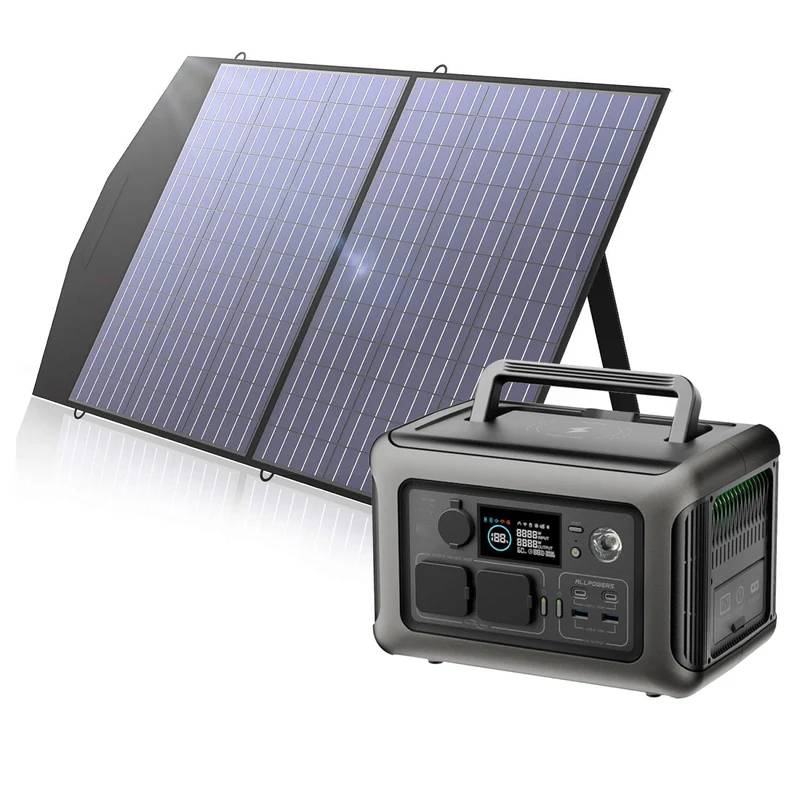
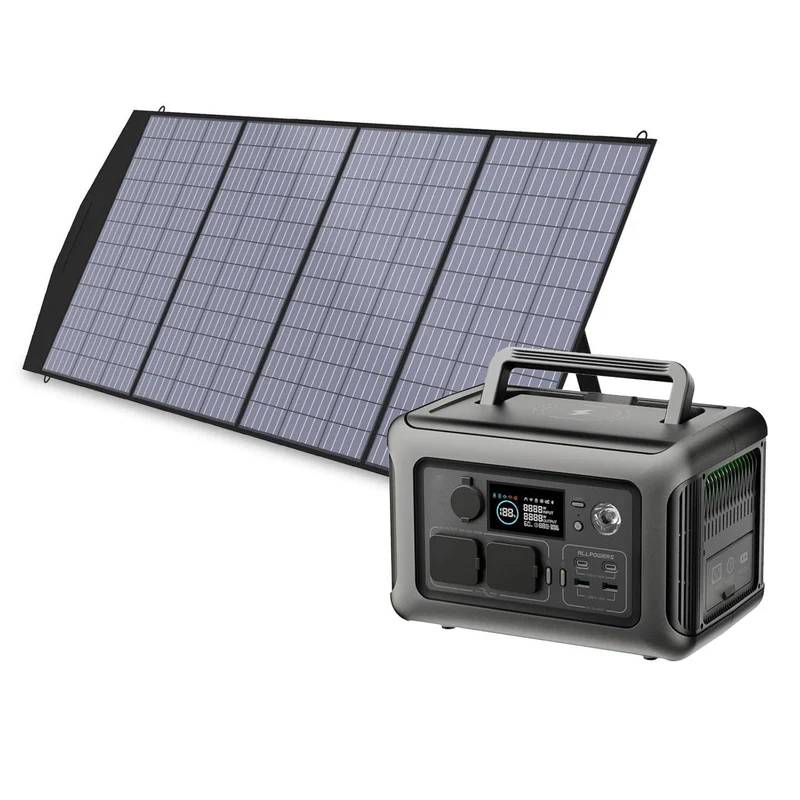
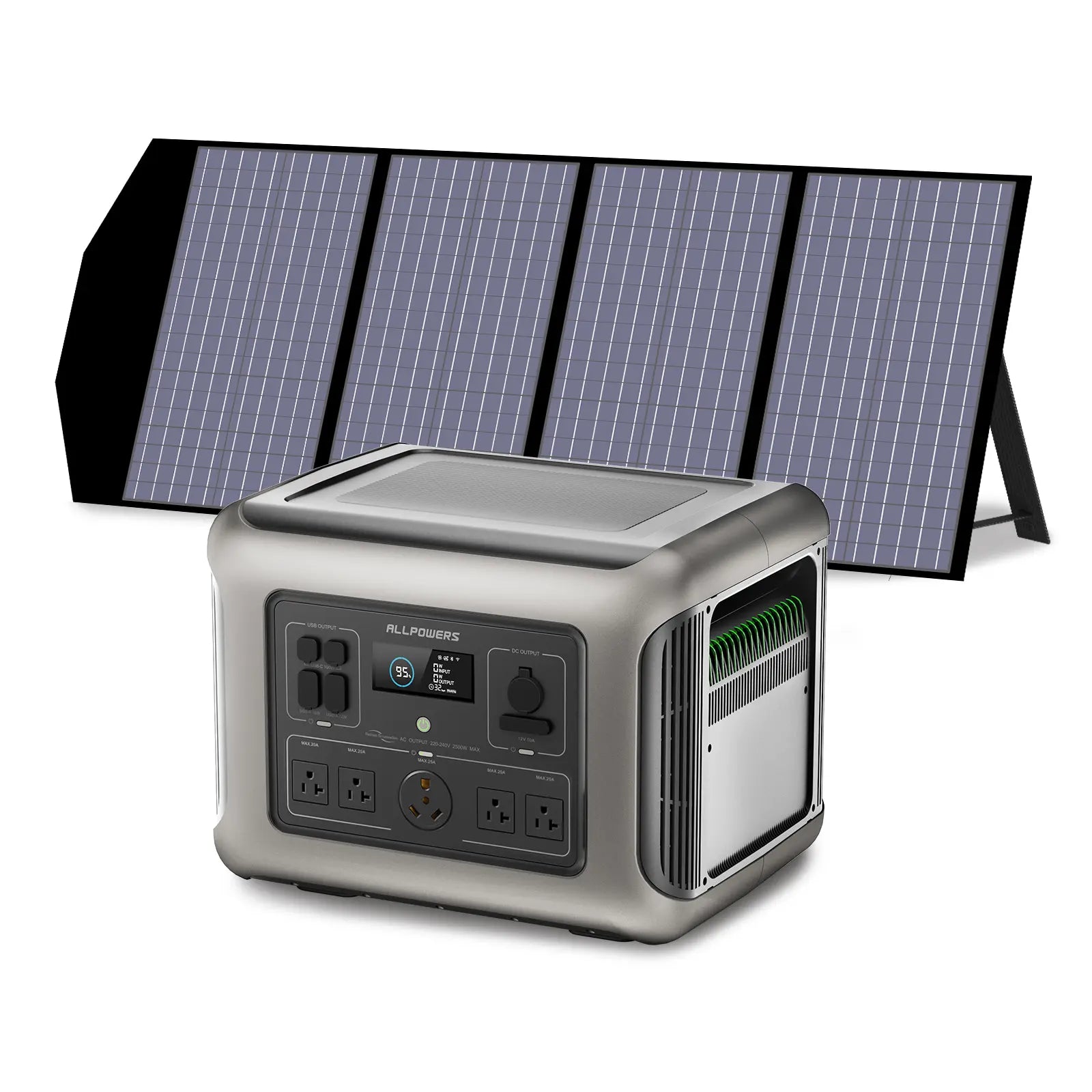
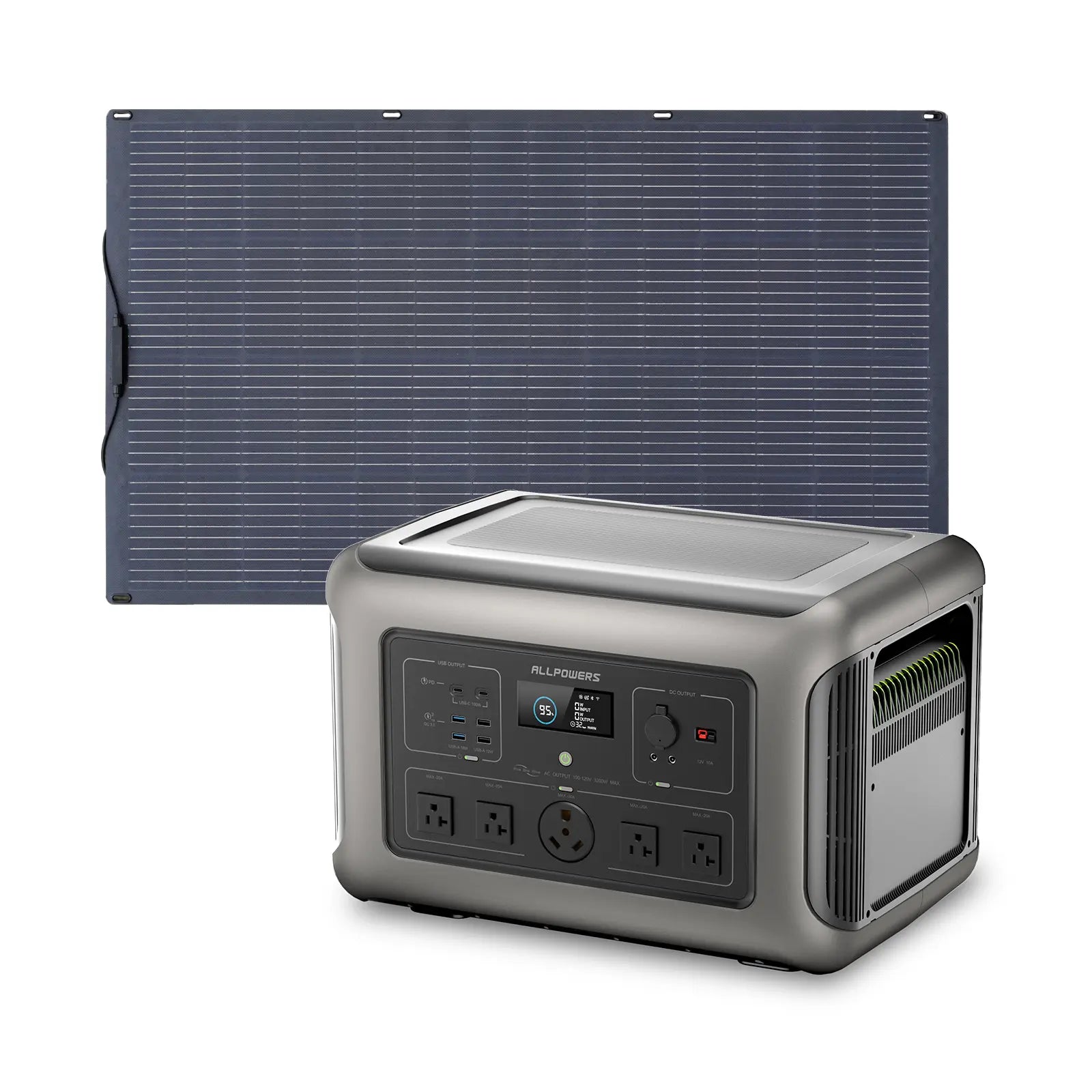
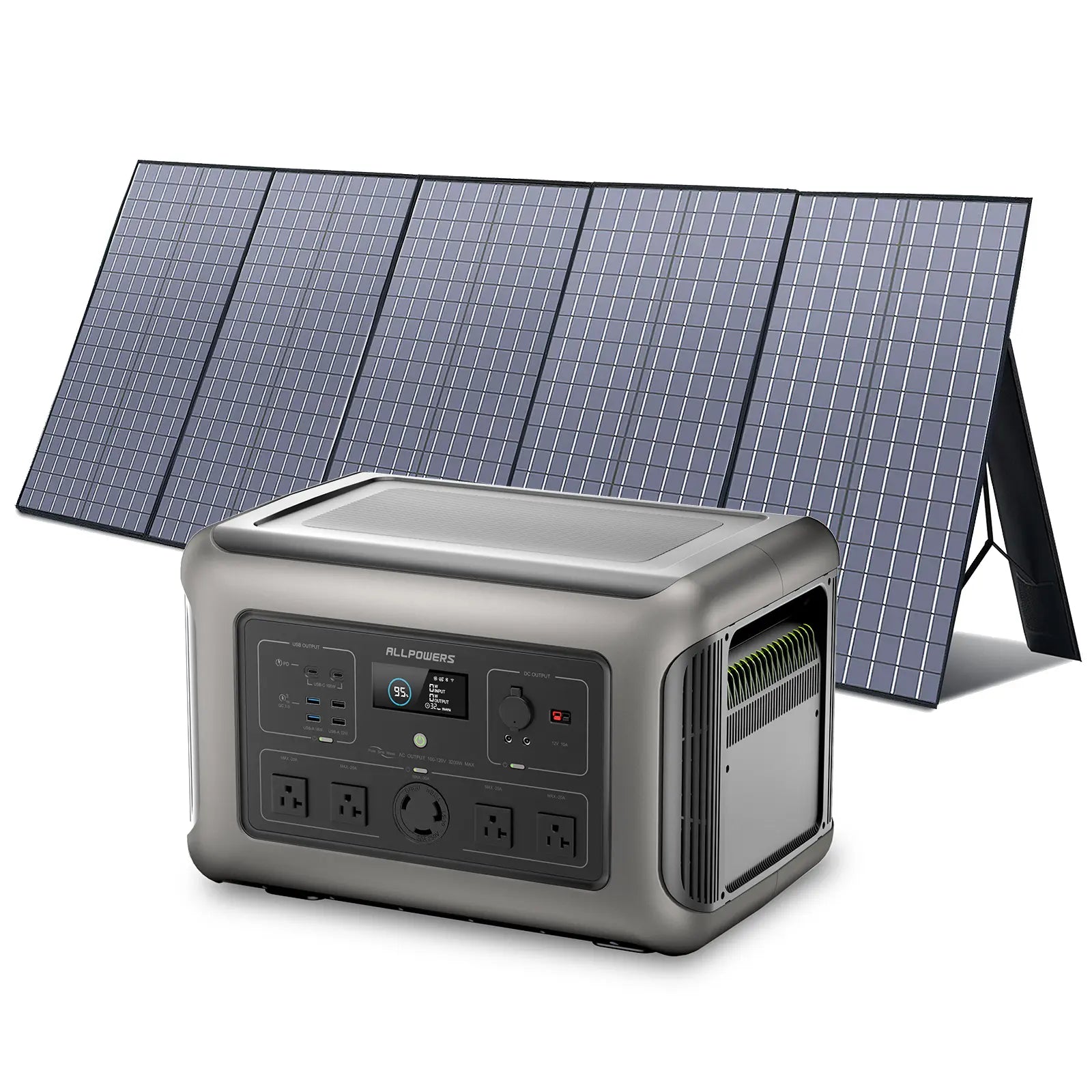
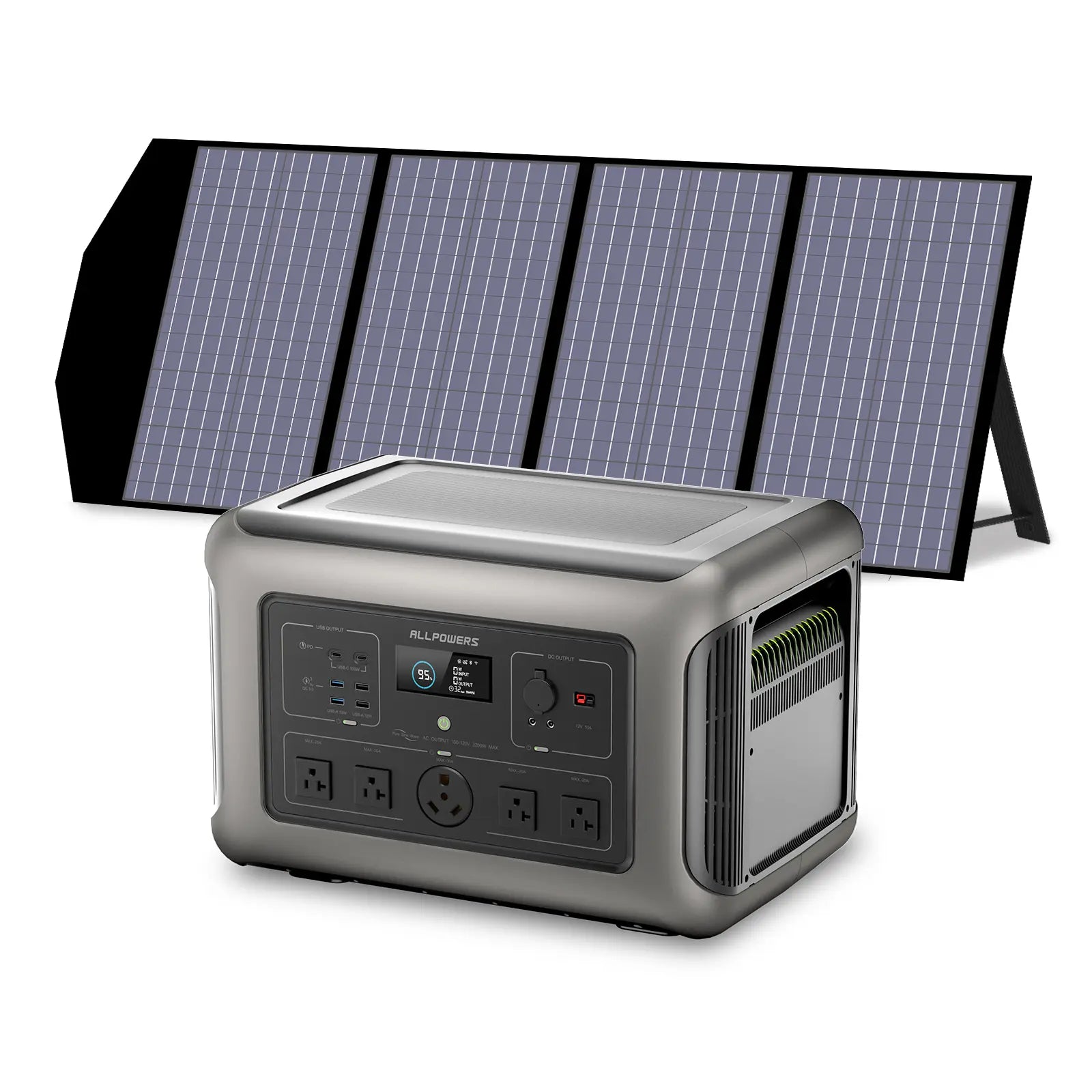
Some homeowners also consider inverter-based backup systems or battery-powered energy storage solutions when they want quieter operation, reduced maintenance, or the ability to support essential electronics during outages.
In situations where a sump pump shares backup power with devices such as routers, phones, lighting, or small appliances, having additional reserve capacity can improve overall resilience during severe weather events.
Frequently Asked Questions
Will a 2,000-watt generator run a sump pump?
A 2,000-watt generator may run some 1/4 HP sump pumps, but startup wattage requirements should always be verified before use.
How many watts does a 1/2 HP sump pump need?
Many 1/2 HP sump pumps require approximately 1,000–1,200 running watts and up to several thousand watts during startup.
Why does a sump pump need more power to start?
Electric motors require a temporary surge of electricity during startup before reaching normal operating speed.
Can one generator power a sump pump and refrigerator?
Yes, provided the generator has enough capacity to handle the combined startup and running loads of both appliances.
Should I oversize a generator for a sump pump?
Many experts recommend choosing a generator with some additional capacity to accommodate startup surges and future power needs.