







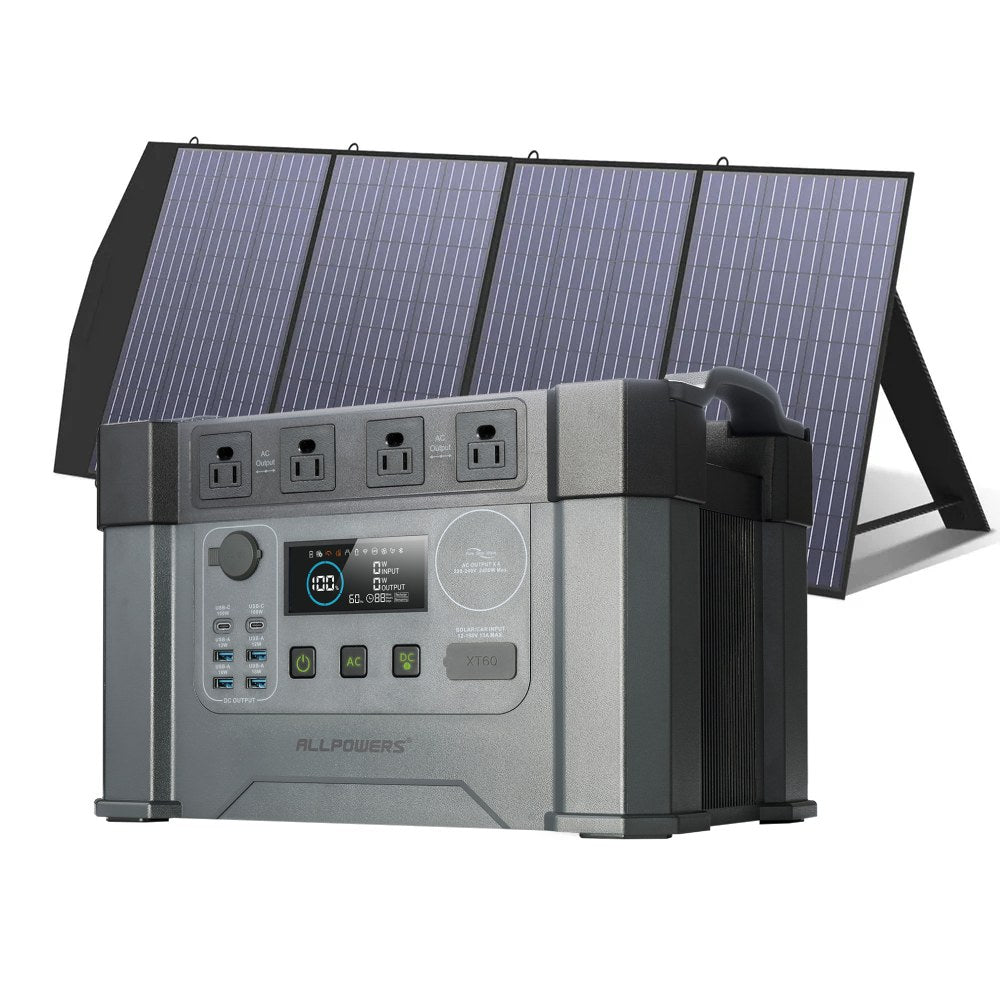
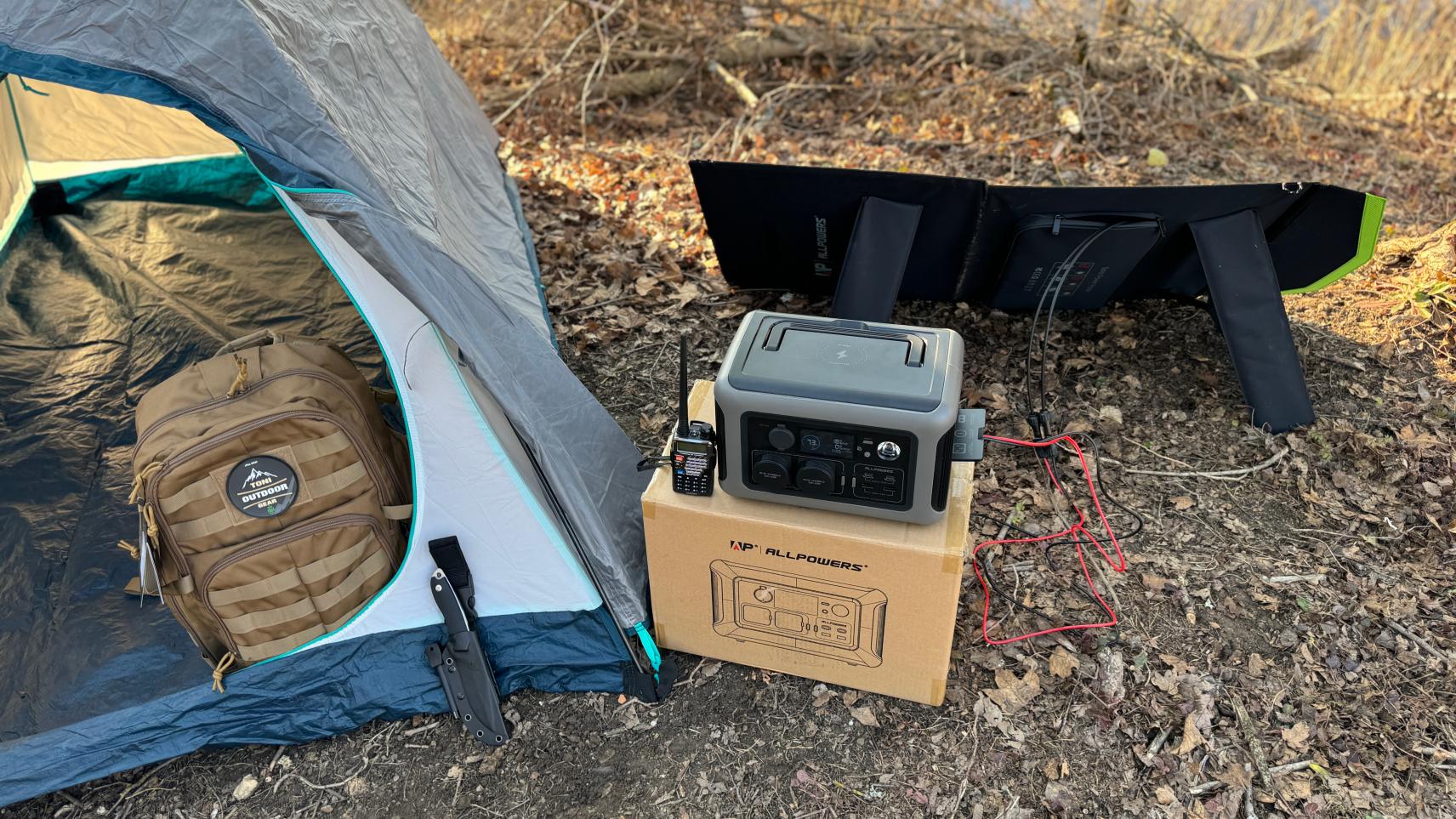
Power outages can happen unexpectedly due to storms, grid failures, extreme weather, or maintenance issues.
A power outage can be an inconvenience for most households, but for people who rely on CPAP therapy, it can quickly become a serious concern.
A CPAP machine is an important part of nightly sleep apnea treatment, and losing power during the night can interrupt therapy and affect sleep quality.
So, what should you do if your CPAP stops working because the power goes out?
TL;DR:
If the power goes out, CPAP users should first determine how long the outage is expected to last and whether backup power options are available. Common solutions include battery-powered backup systems, DC power sources, emergency power supplies, and temporary adjustments to sleeping arrangements.
Why Power Matters for CPAP Therapy
CPAP machines are designed to deliver a continuous stream of pressurized air that helps keep airways open during sleep.
For people with obstructive sleep apnea, this airflow plays an important role in reducing breathing interruptions throughout the night.
When electricity suddenly stops, most CPAP machines immediately shut down unless a backup power source is available.
This can be especially concerning for individuals who depend heavily on nightly therapy to manage symptoms.
Although a single missed night may not create serious consequences for everyone, repeated interruptions can reduce the overall effectiveness of treatment.
Learn More: How Much Power Does a CPAP Use?
What to Do Immediately After Power Loss
If your CPAP machine suddenly stops during the night, the first step is to determine whether the issue is caused by a local outage, a tripped circuit breaker, or a disconnected power cord.
Many modern CPAP machines automatically shut down when power is interrupted, while others may display warning messages or alarms.
Check Whether the Outage Is Temporary
Some outages last only a few minutes. If power is expected to return quickly, remaining calm and monitoring the situation may be sufficient.
Disconnect Sensitive Electronics
During severe weather events, power restoration can sometimes cause voltage fluctuations. Disconnecting sensitive electronics may help reduce the risk of electrical damage.
Activate Backup Power If Available
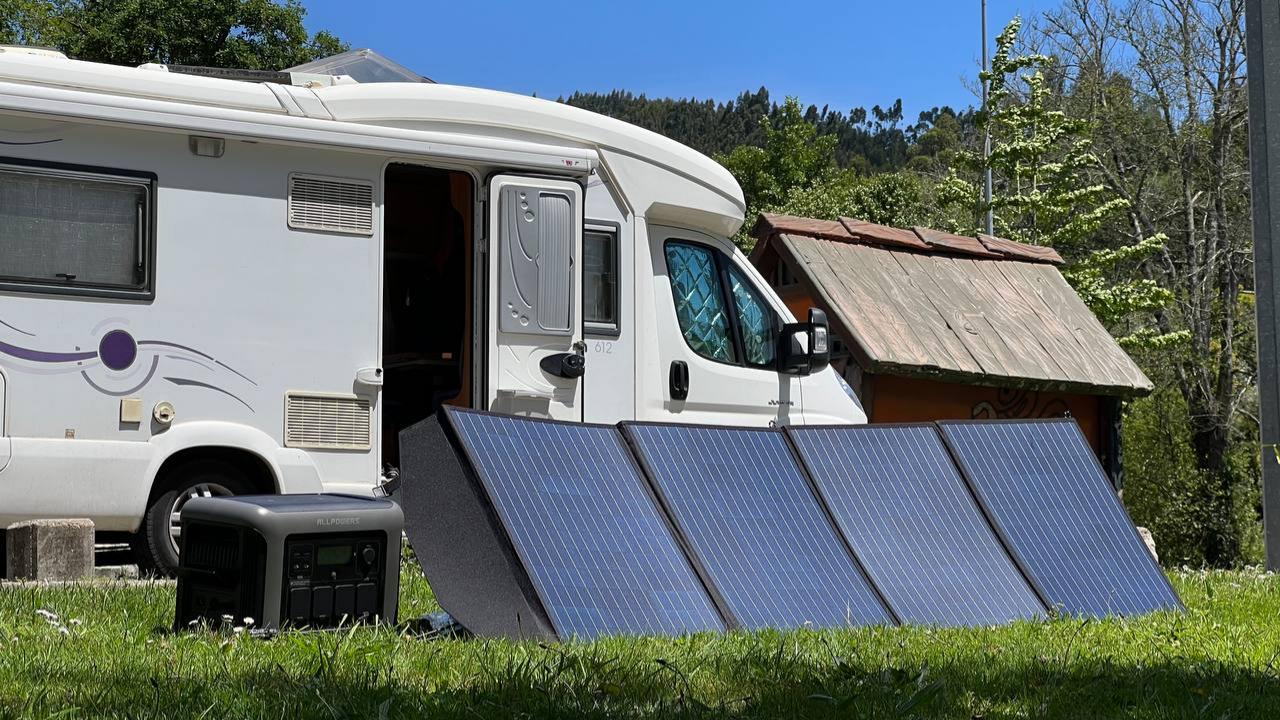
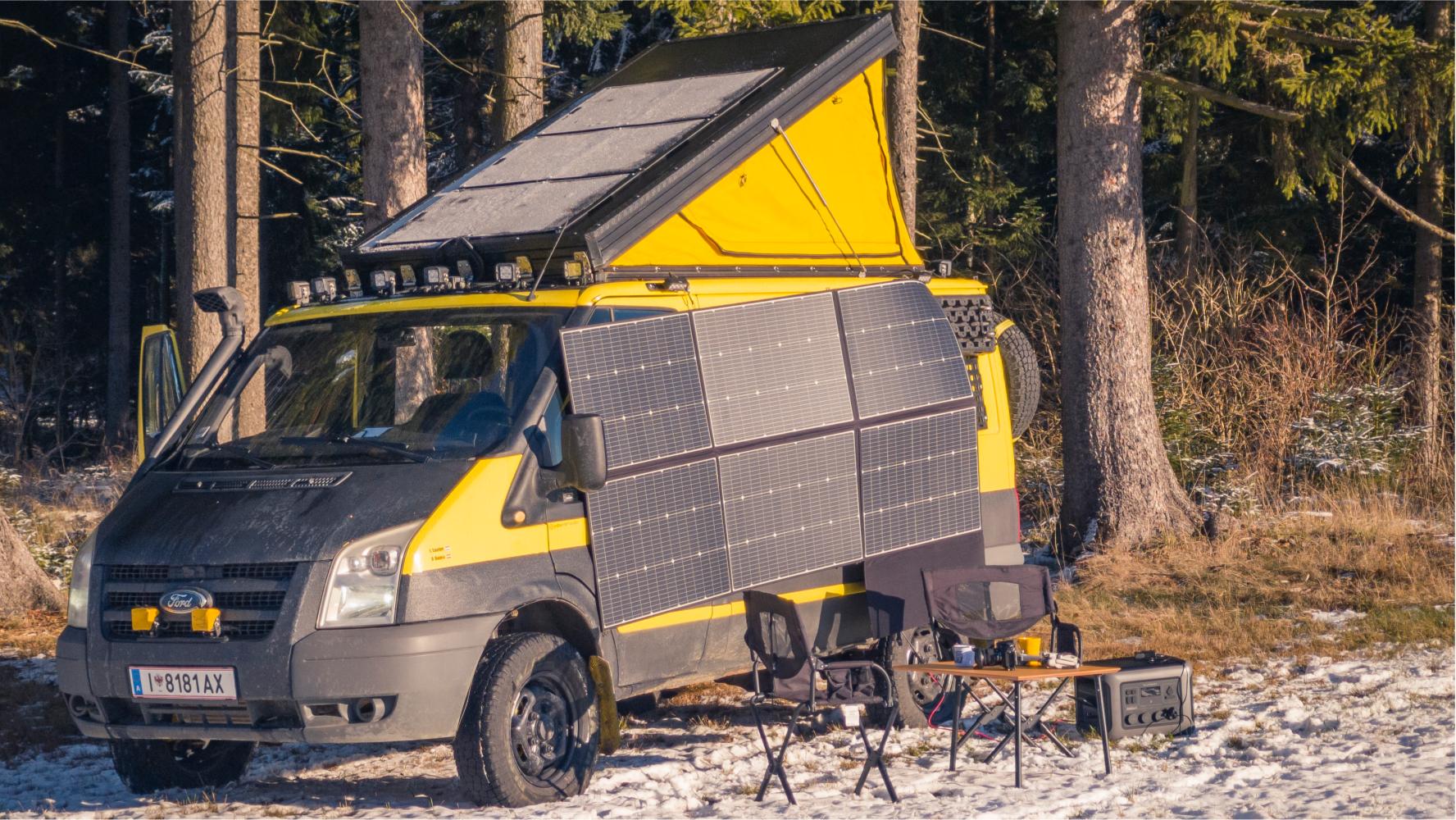
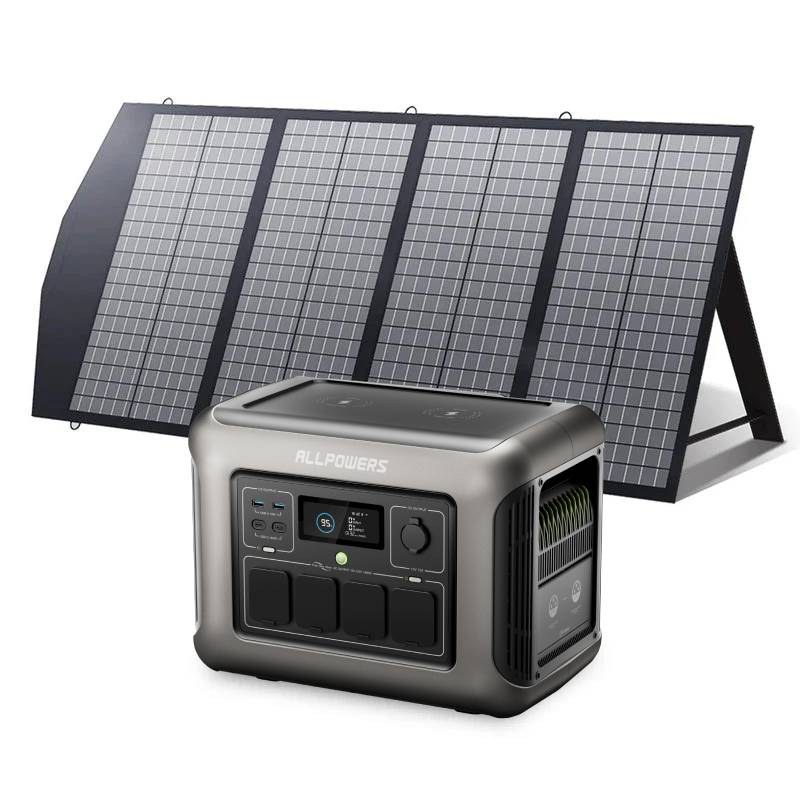
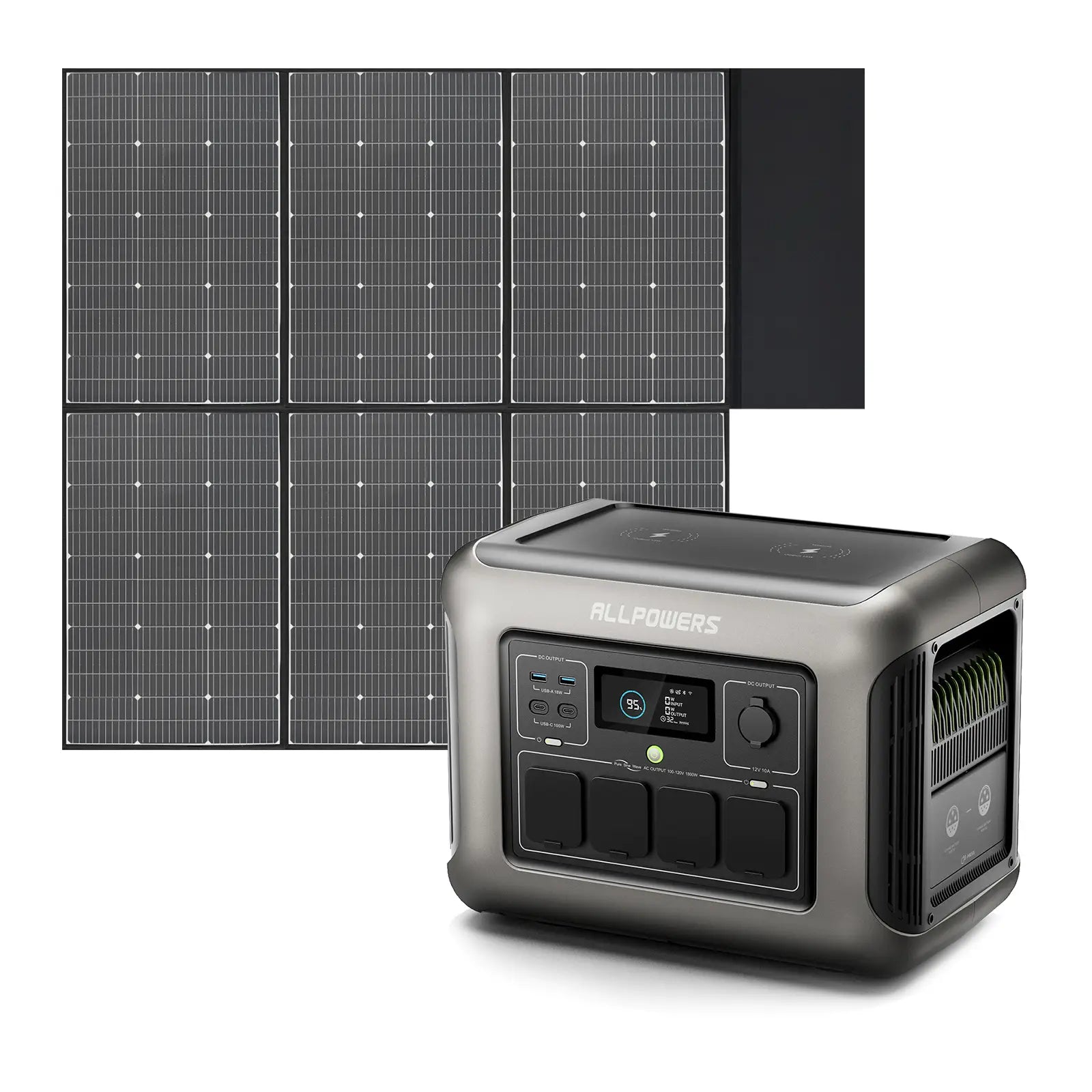
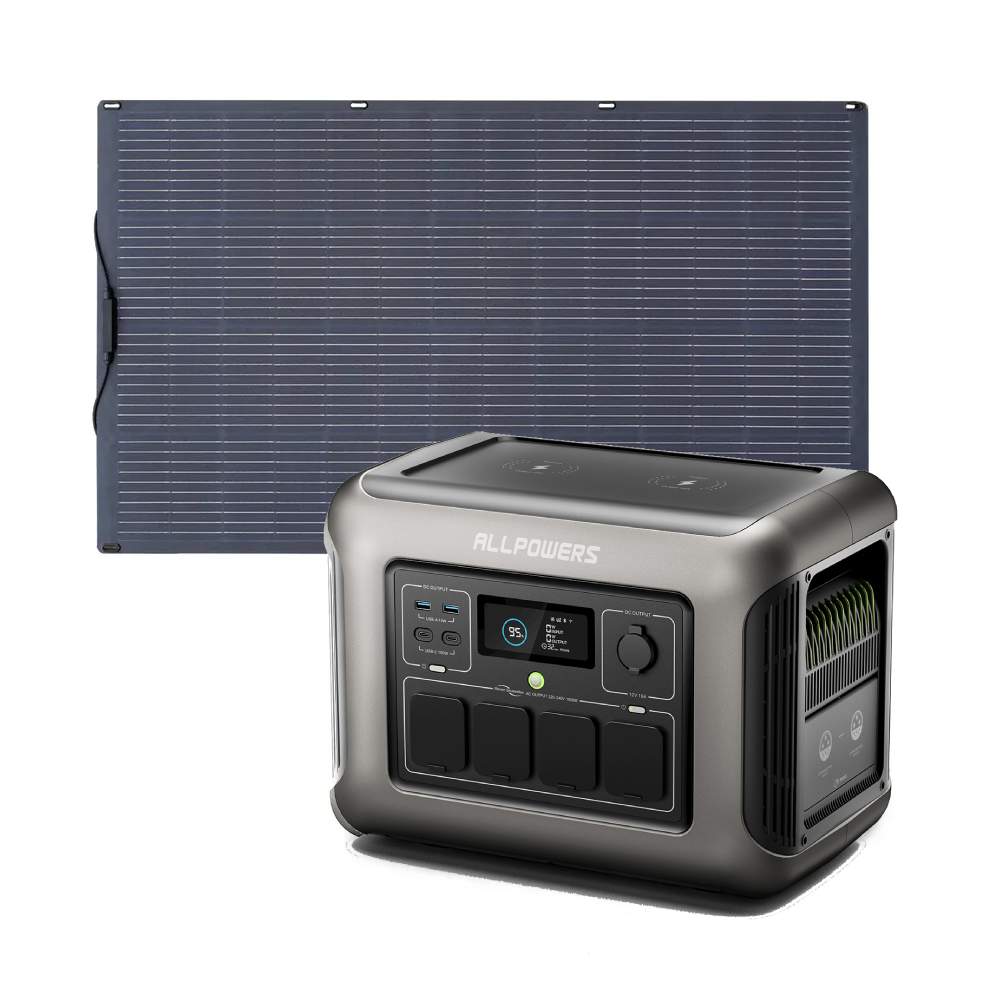
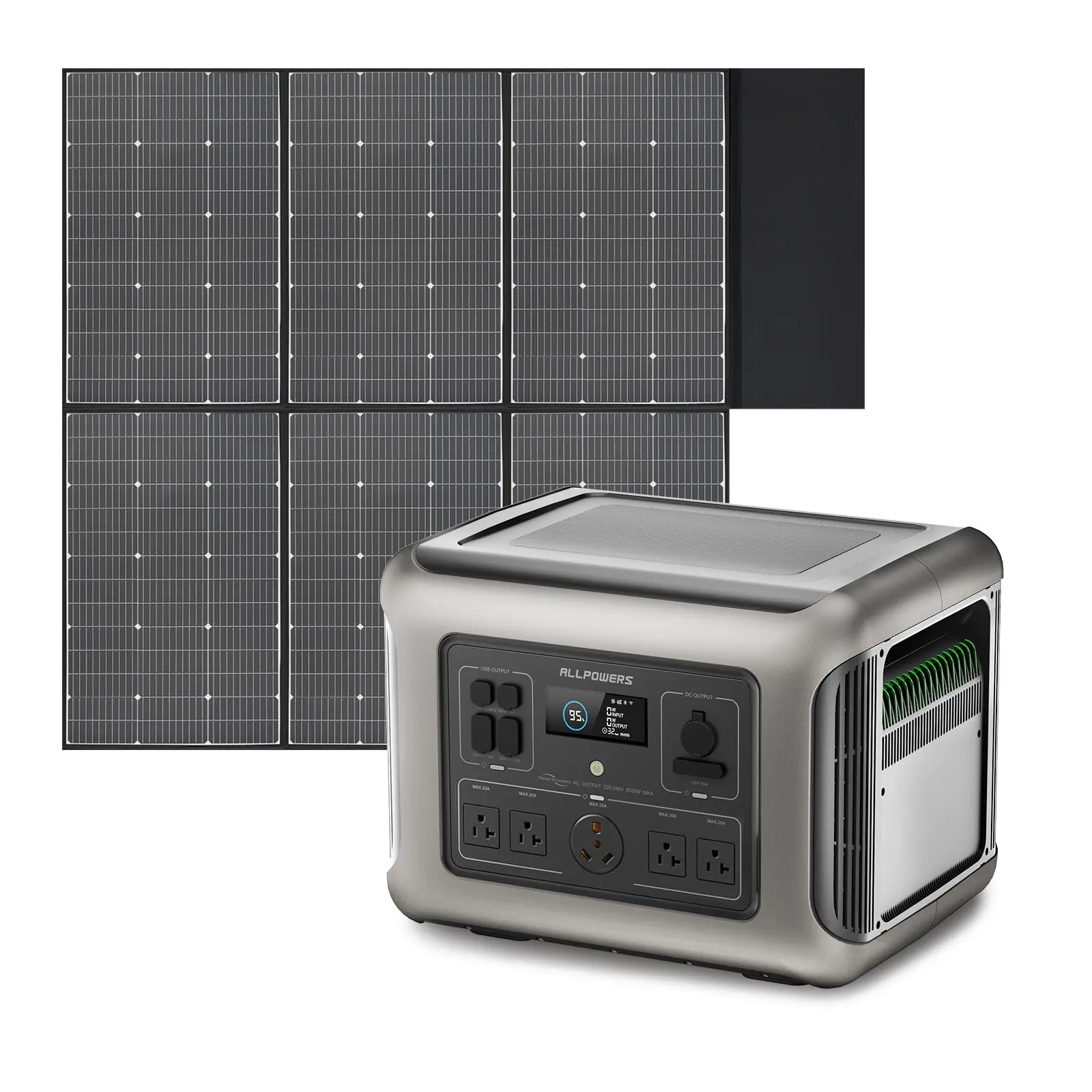
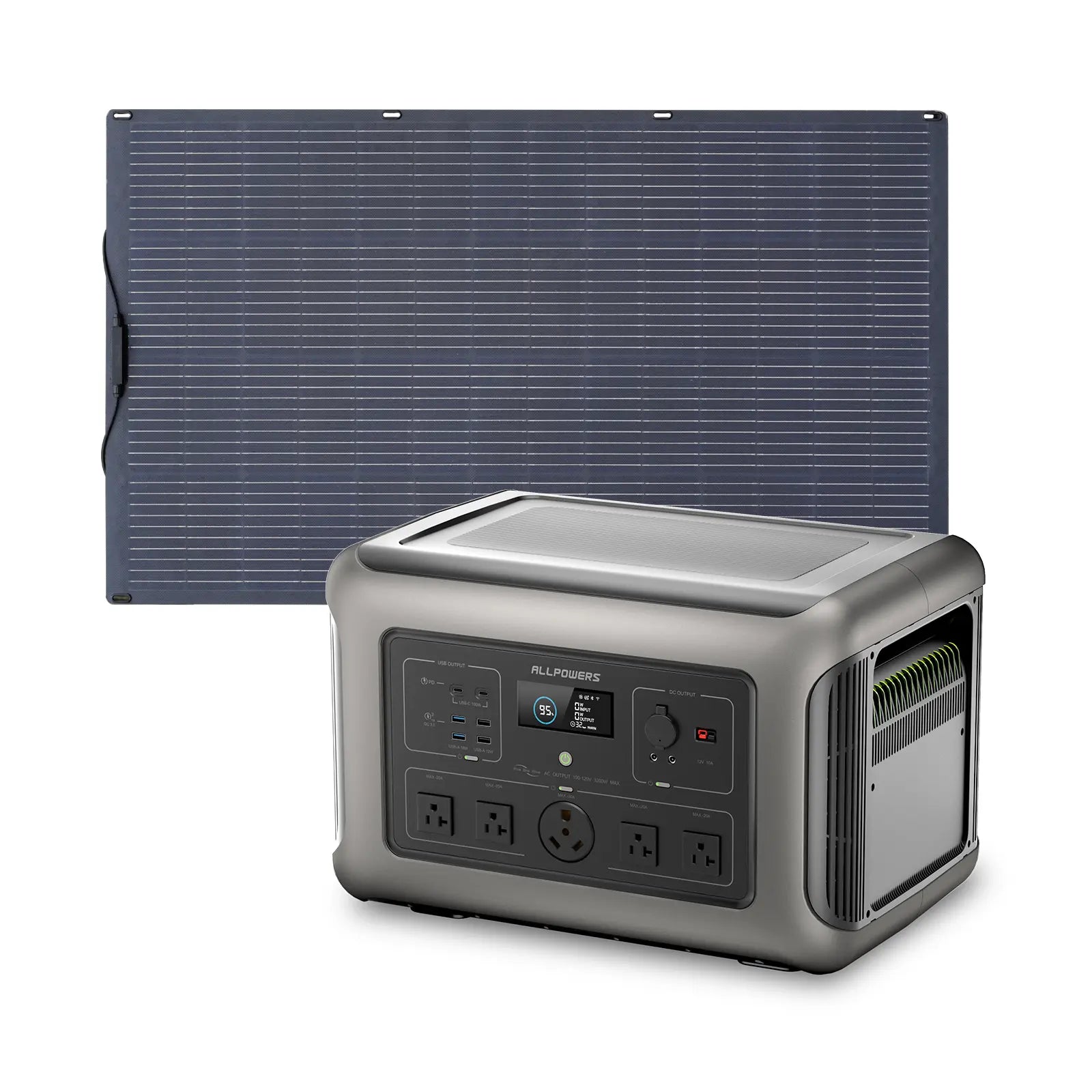
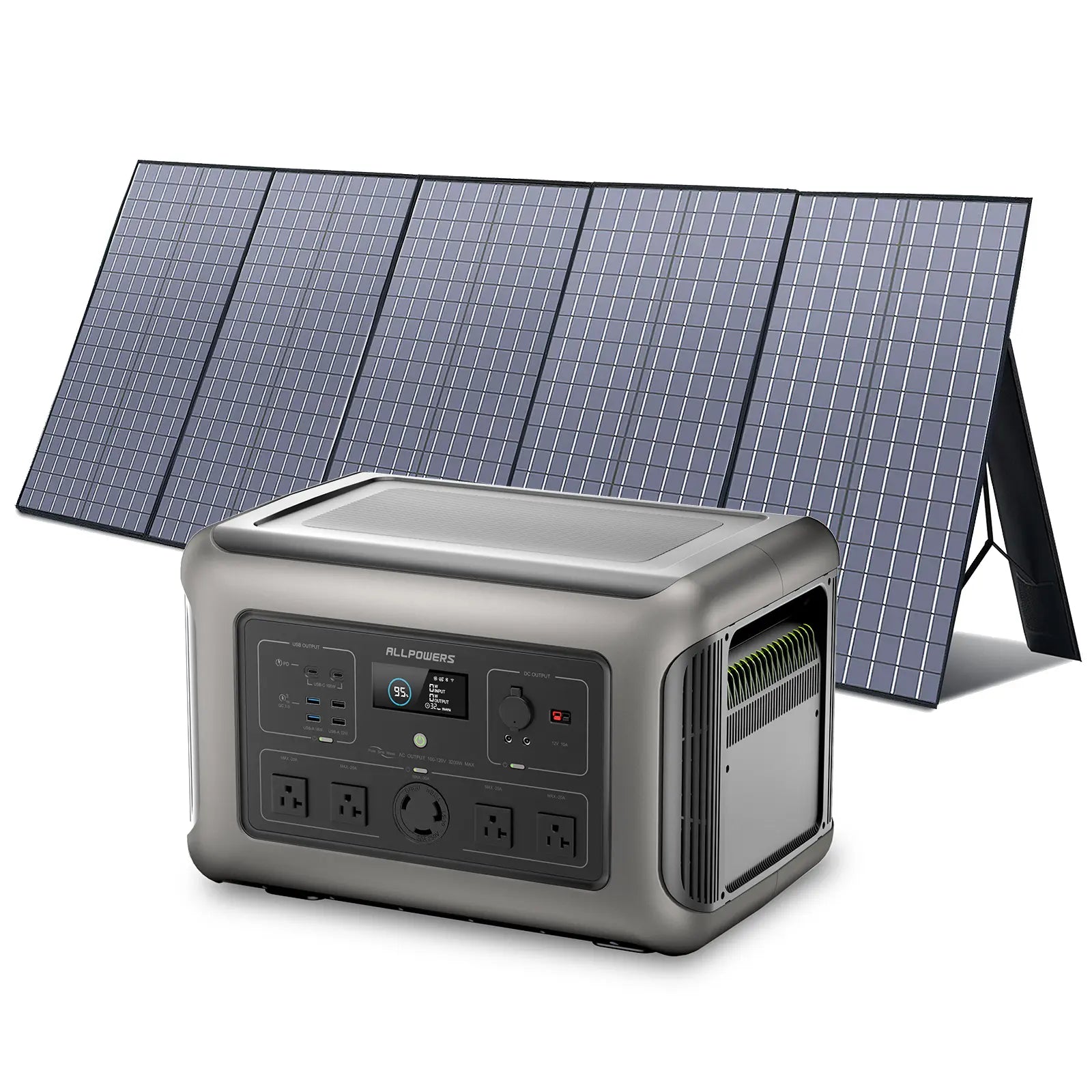
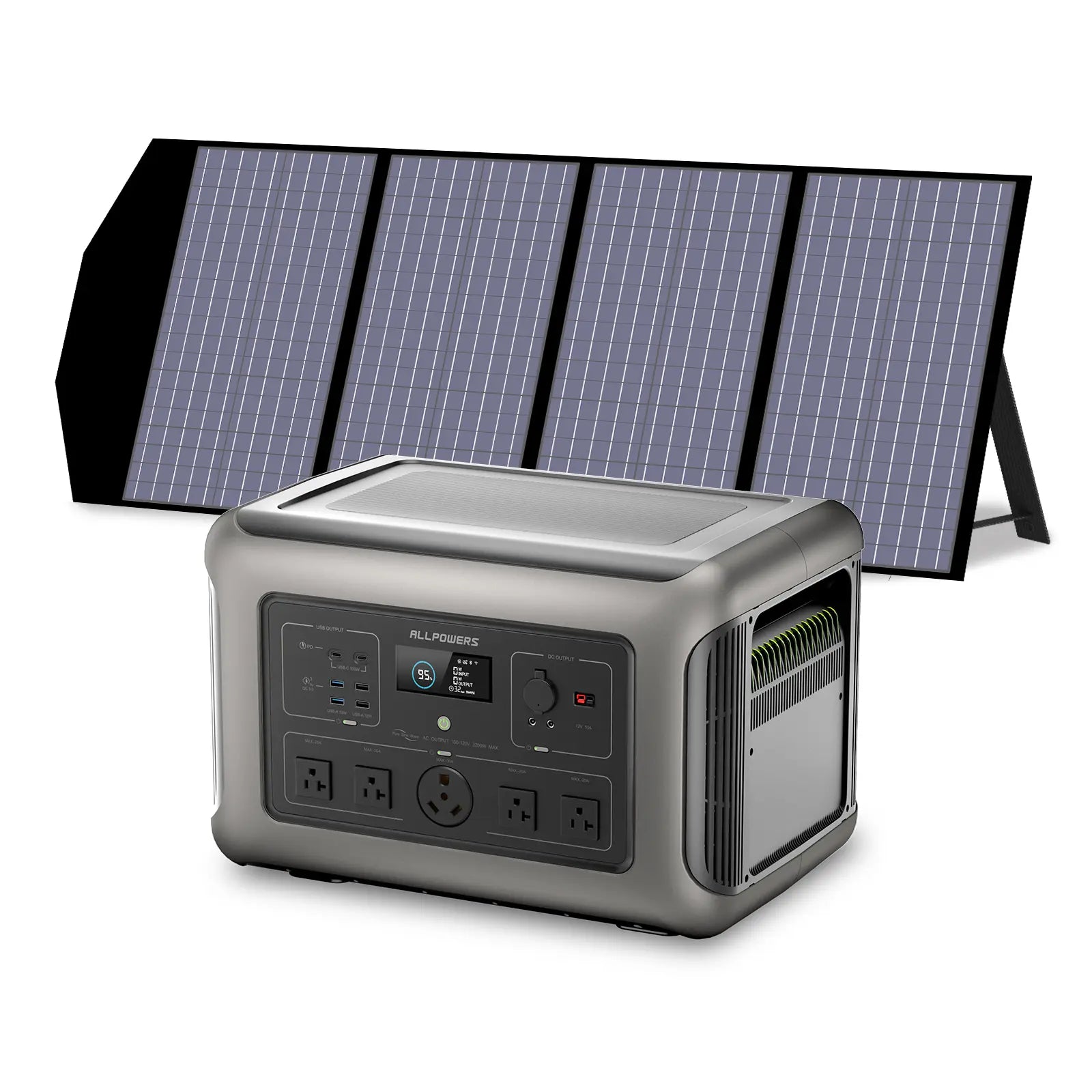
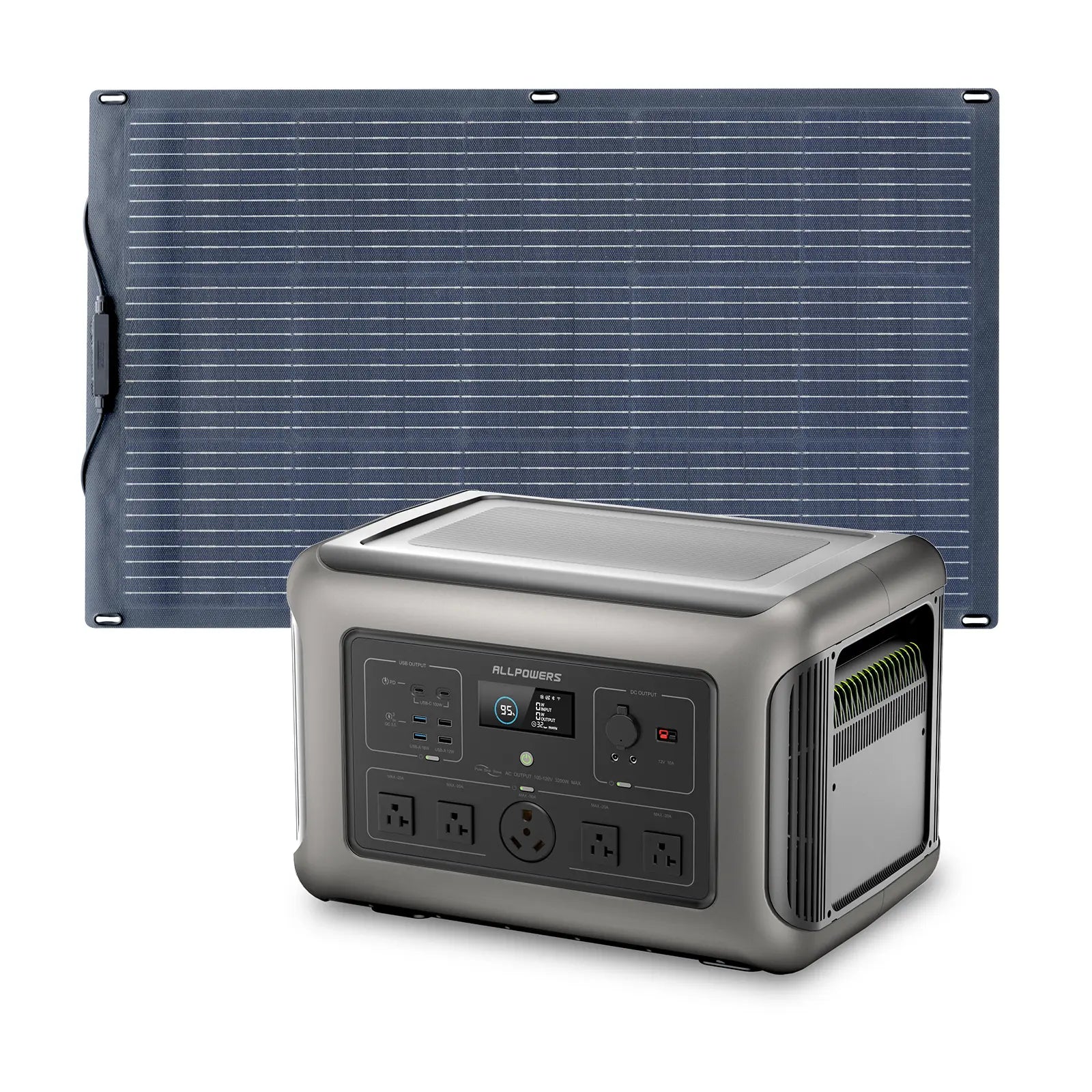
If you have already prepared an emergency power solution, switching to your backup system can help restore CPAP operation quickly.
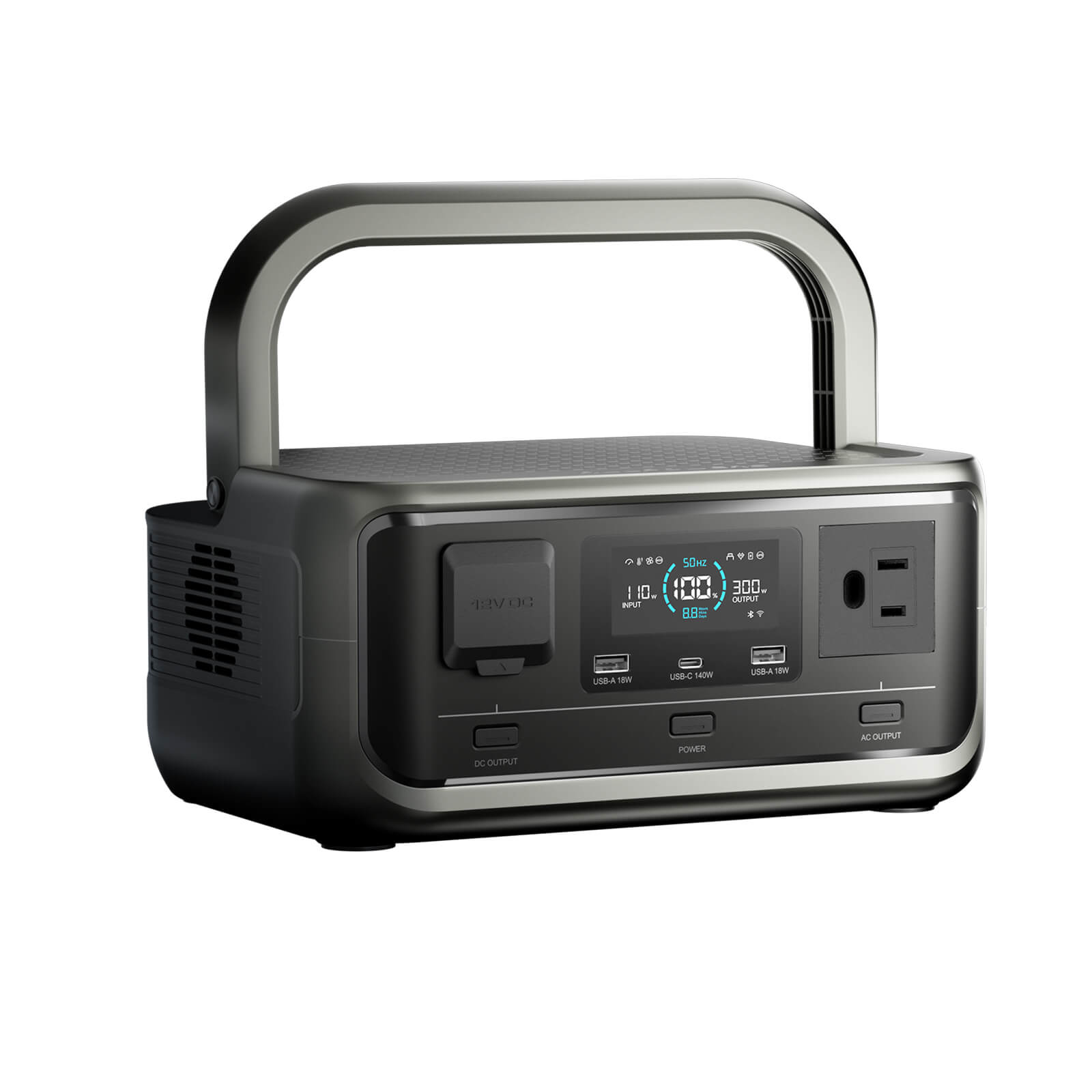
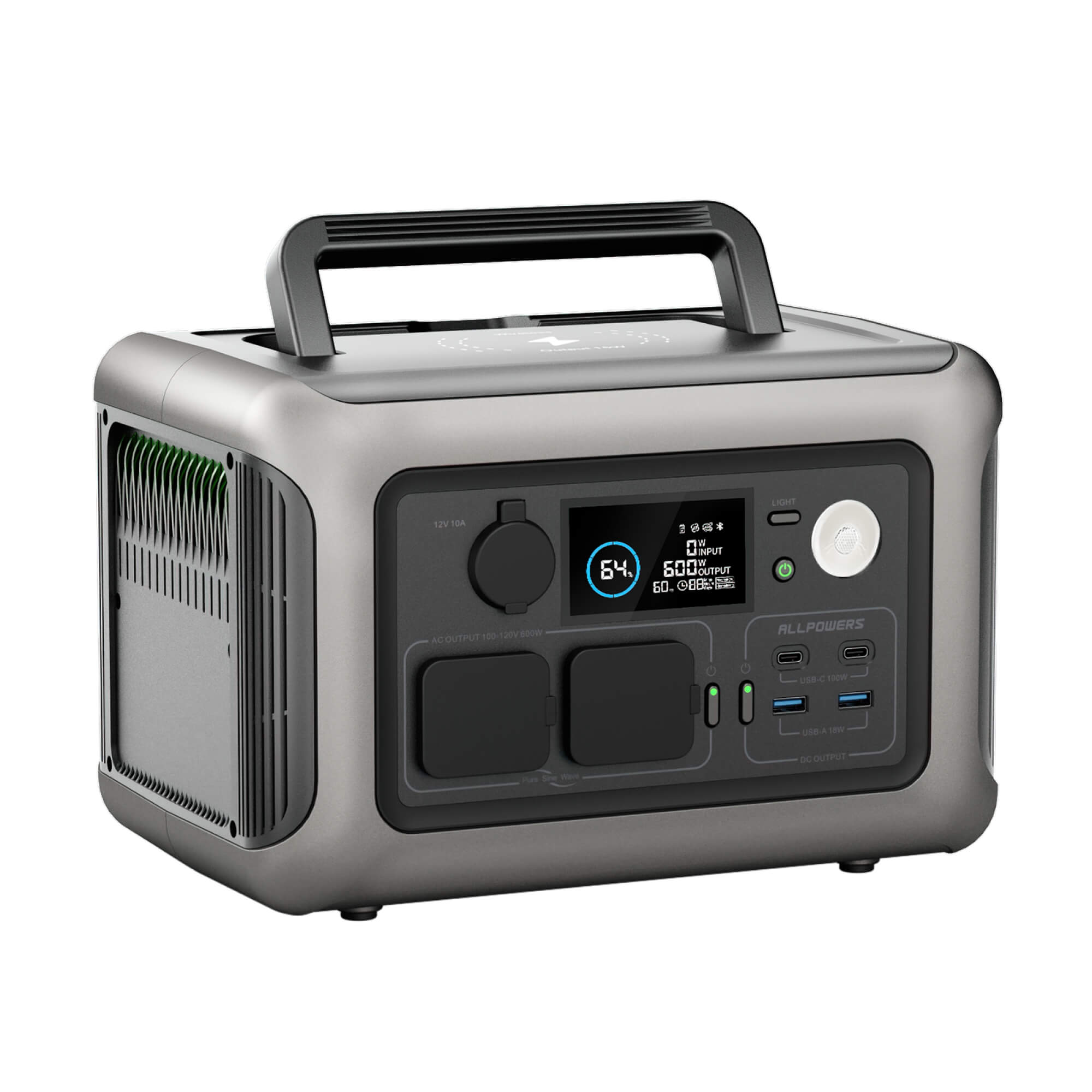
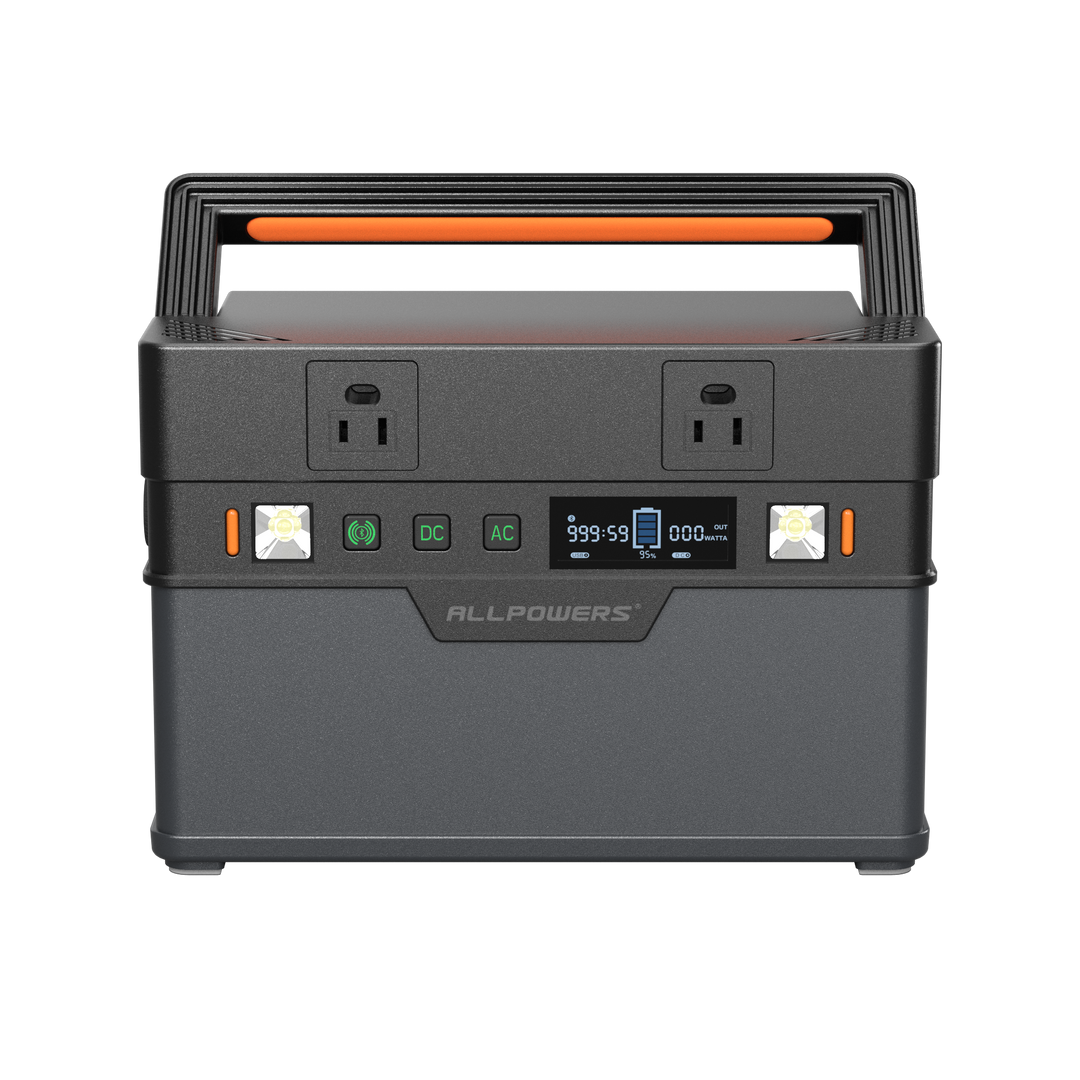
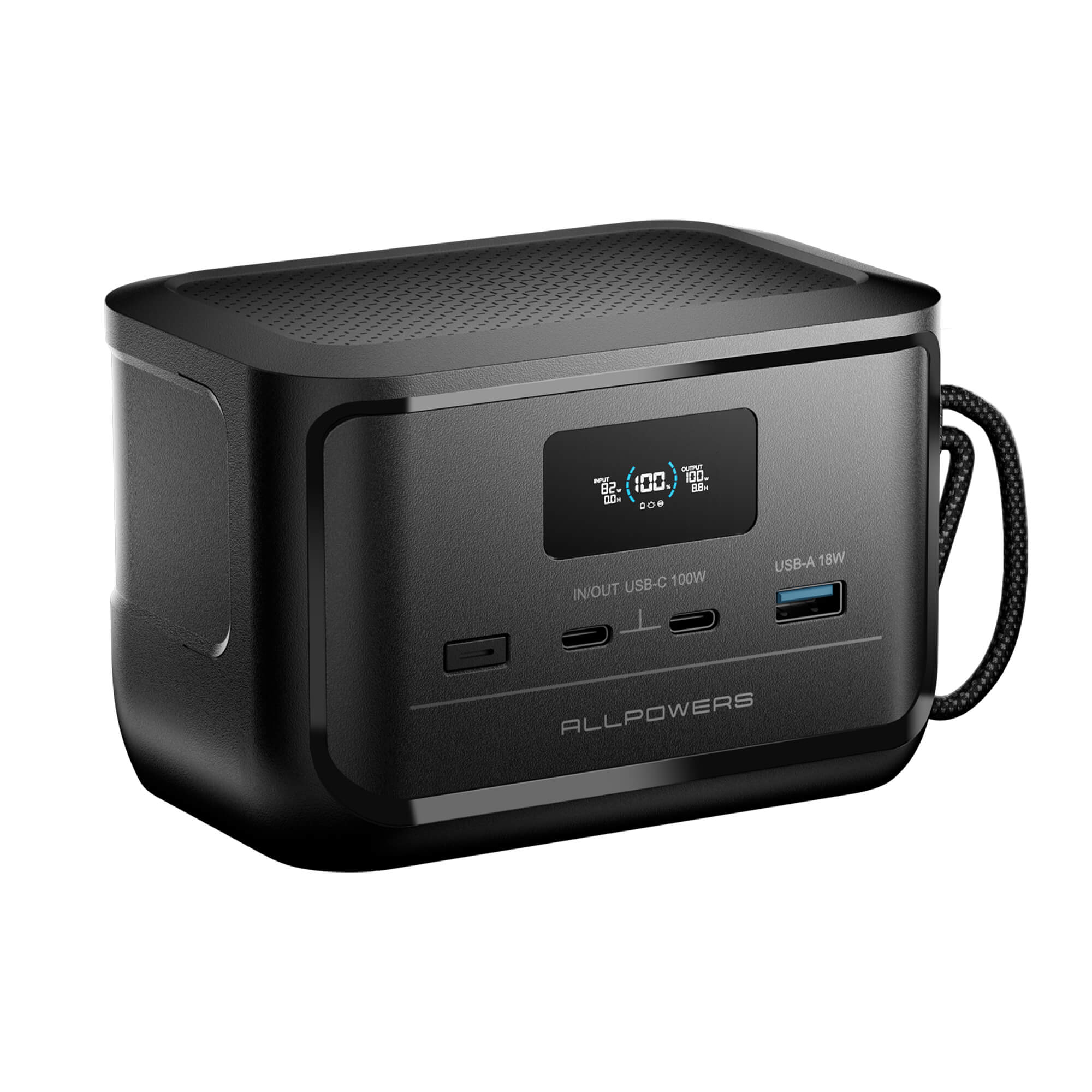
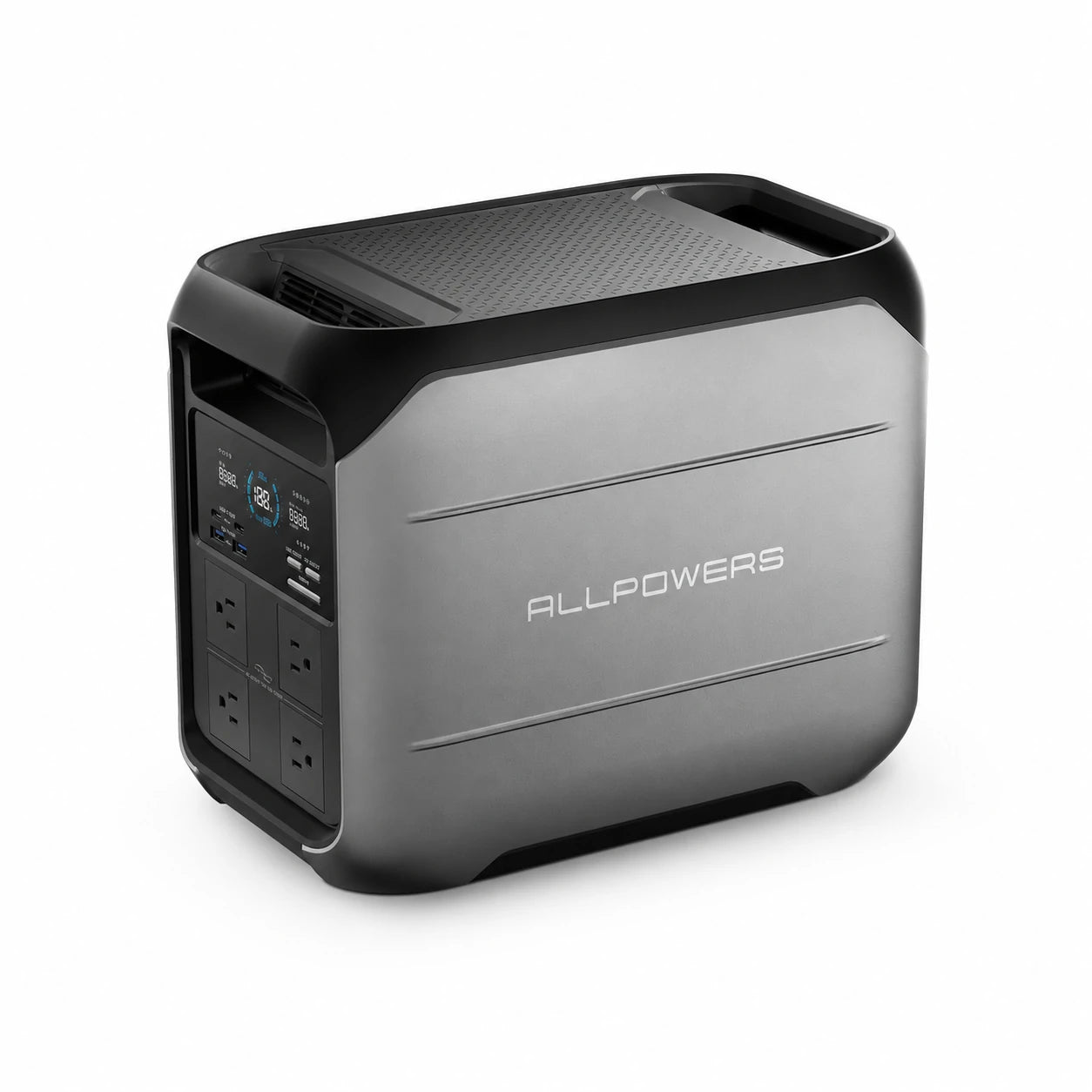
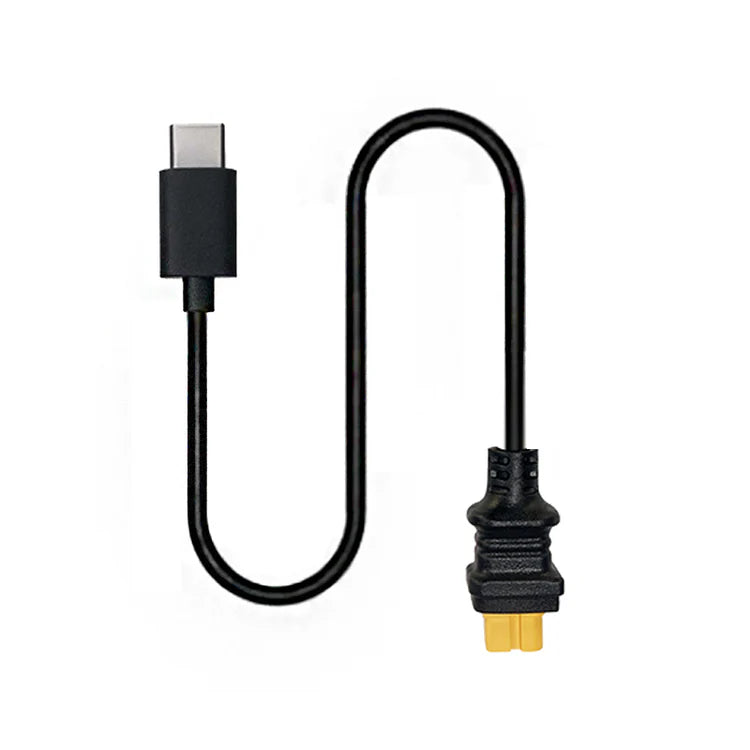
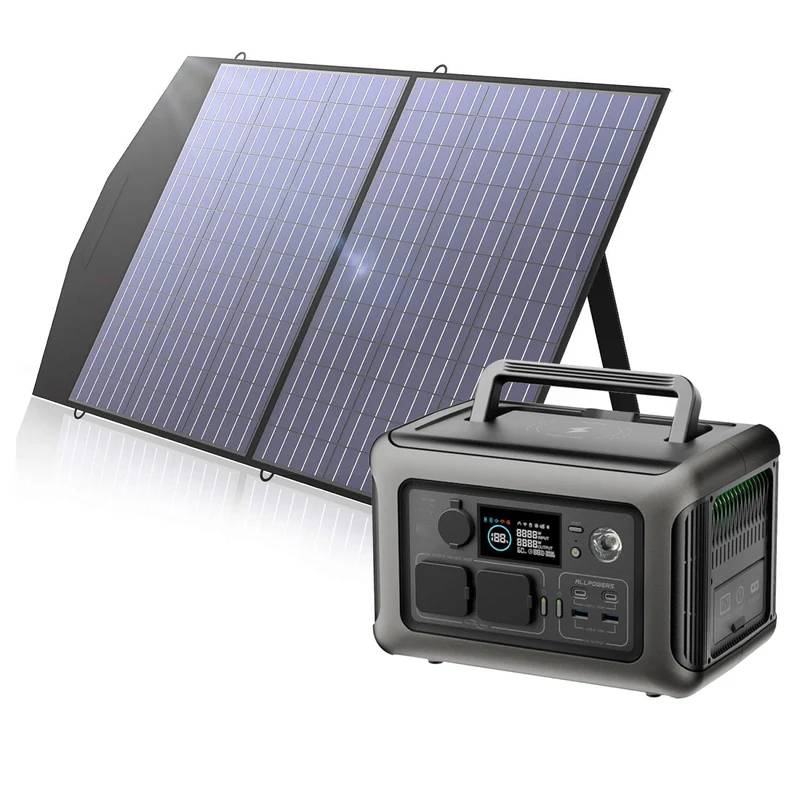
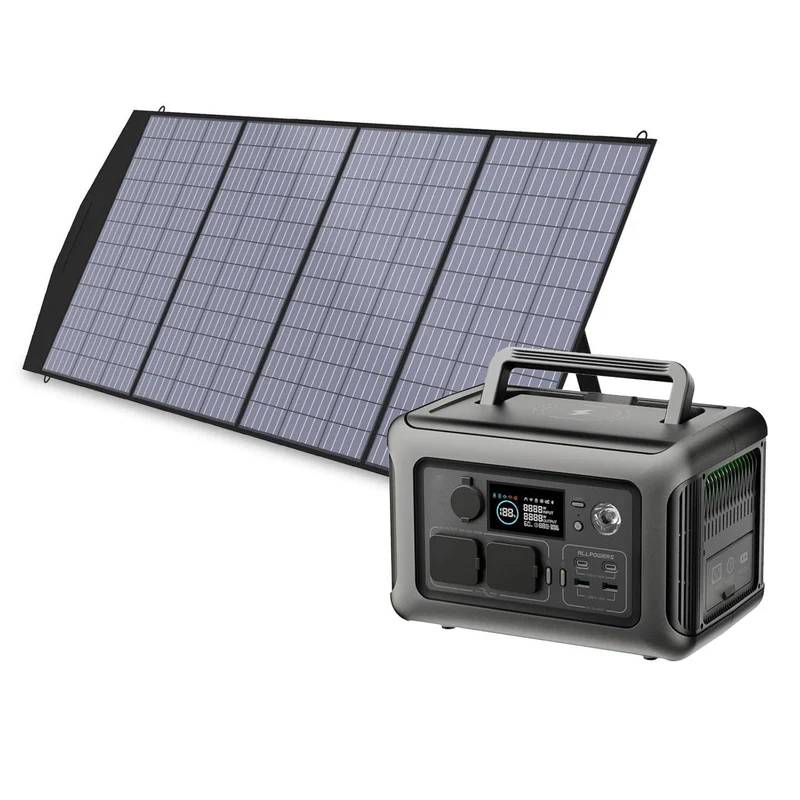
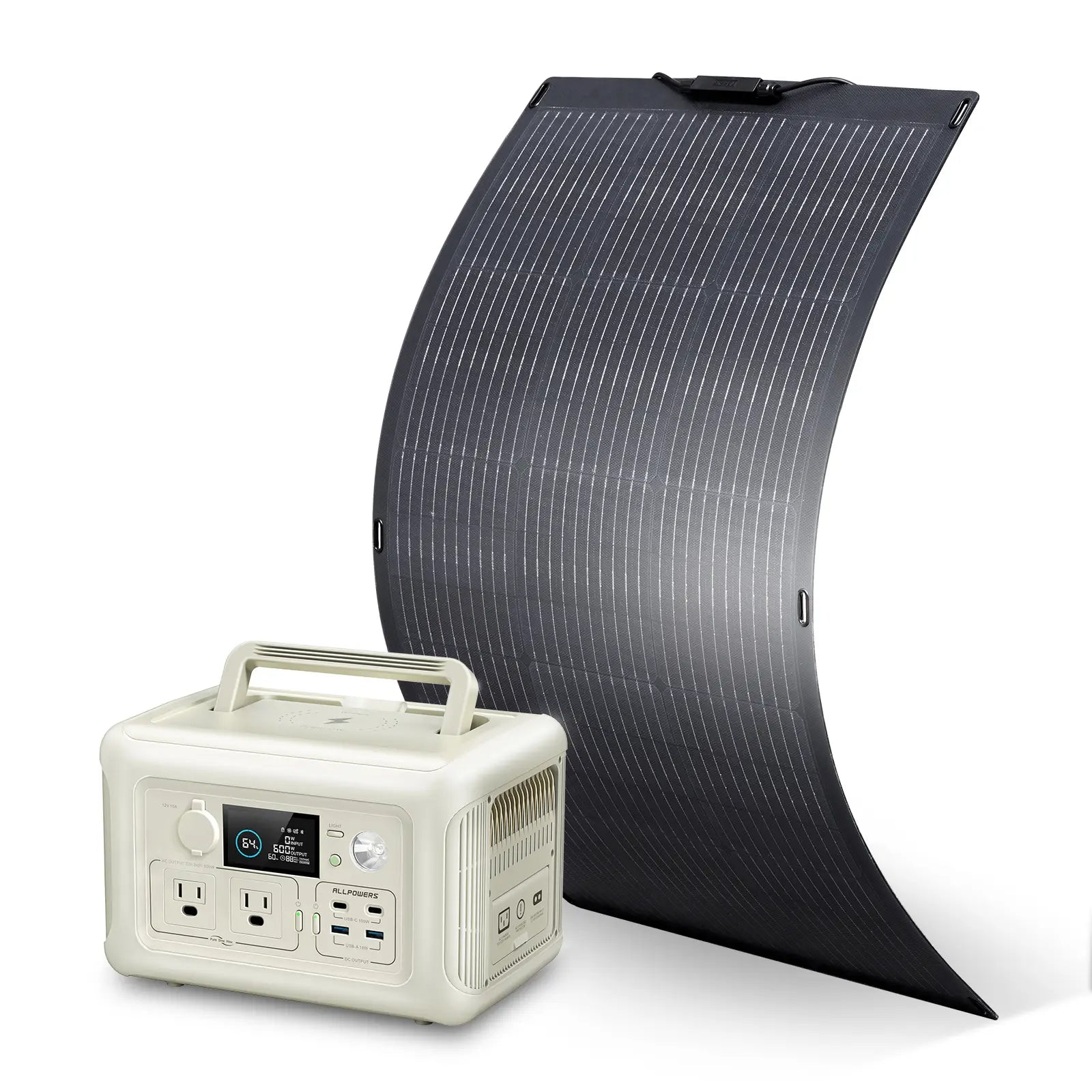
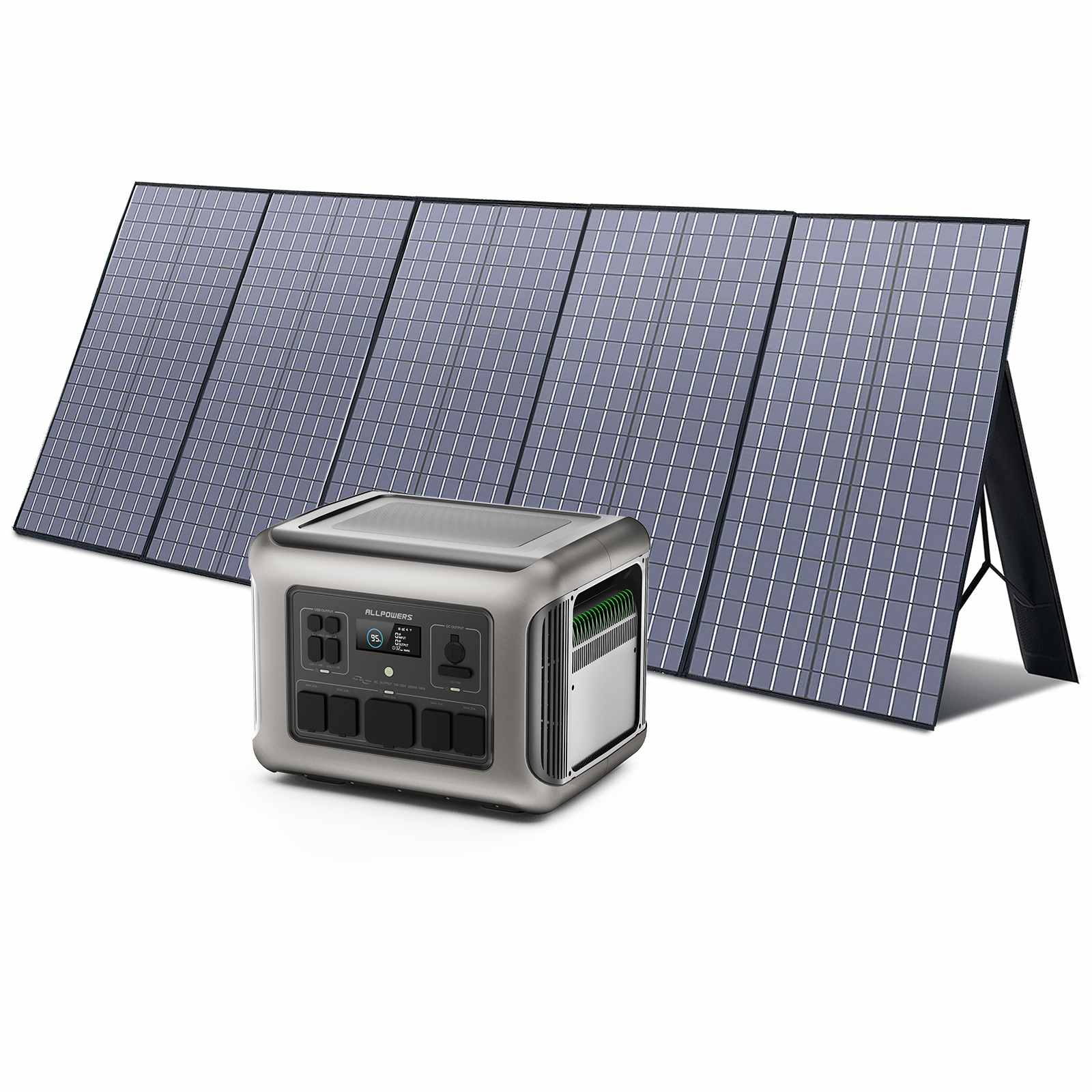
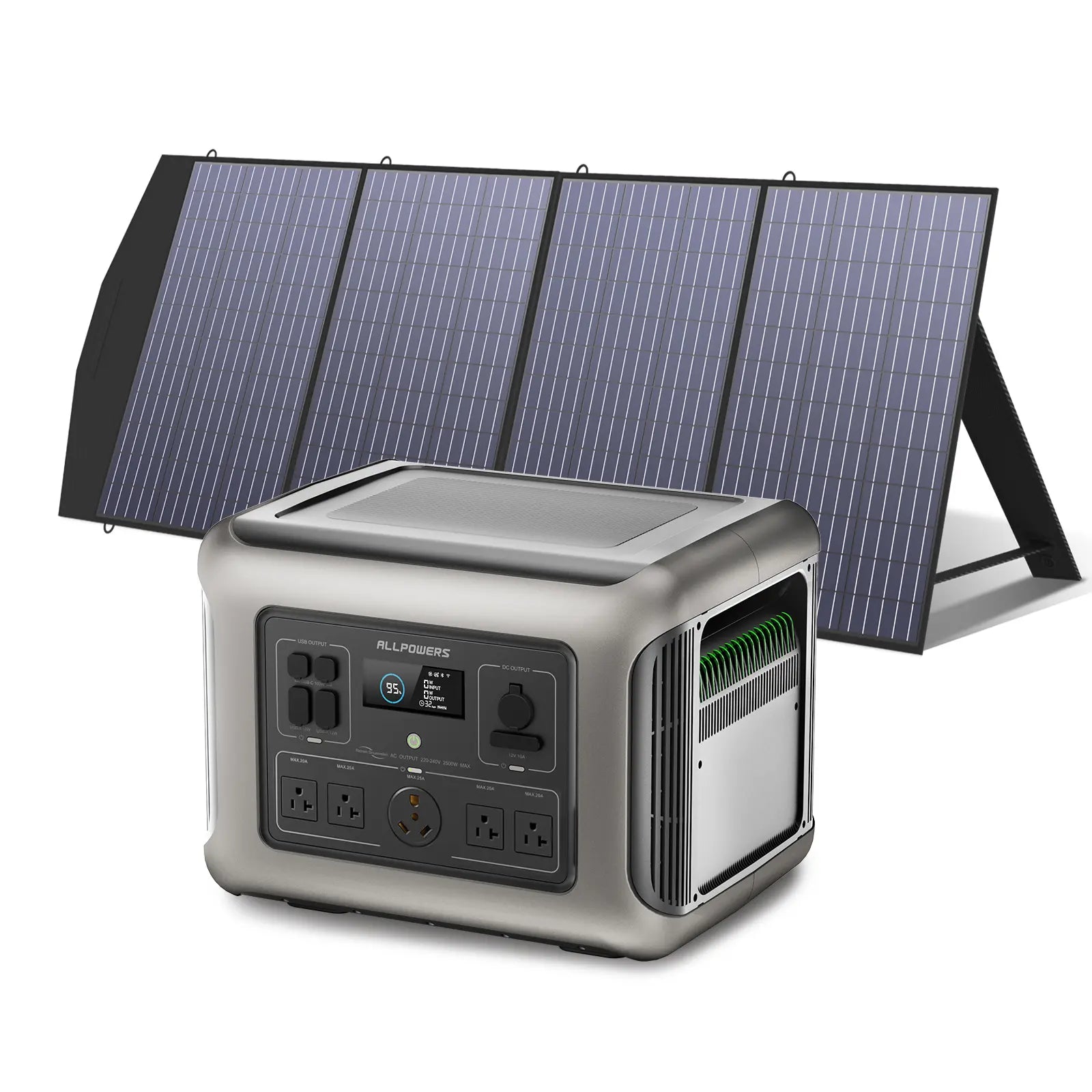
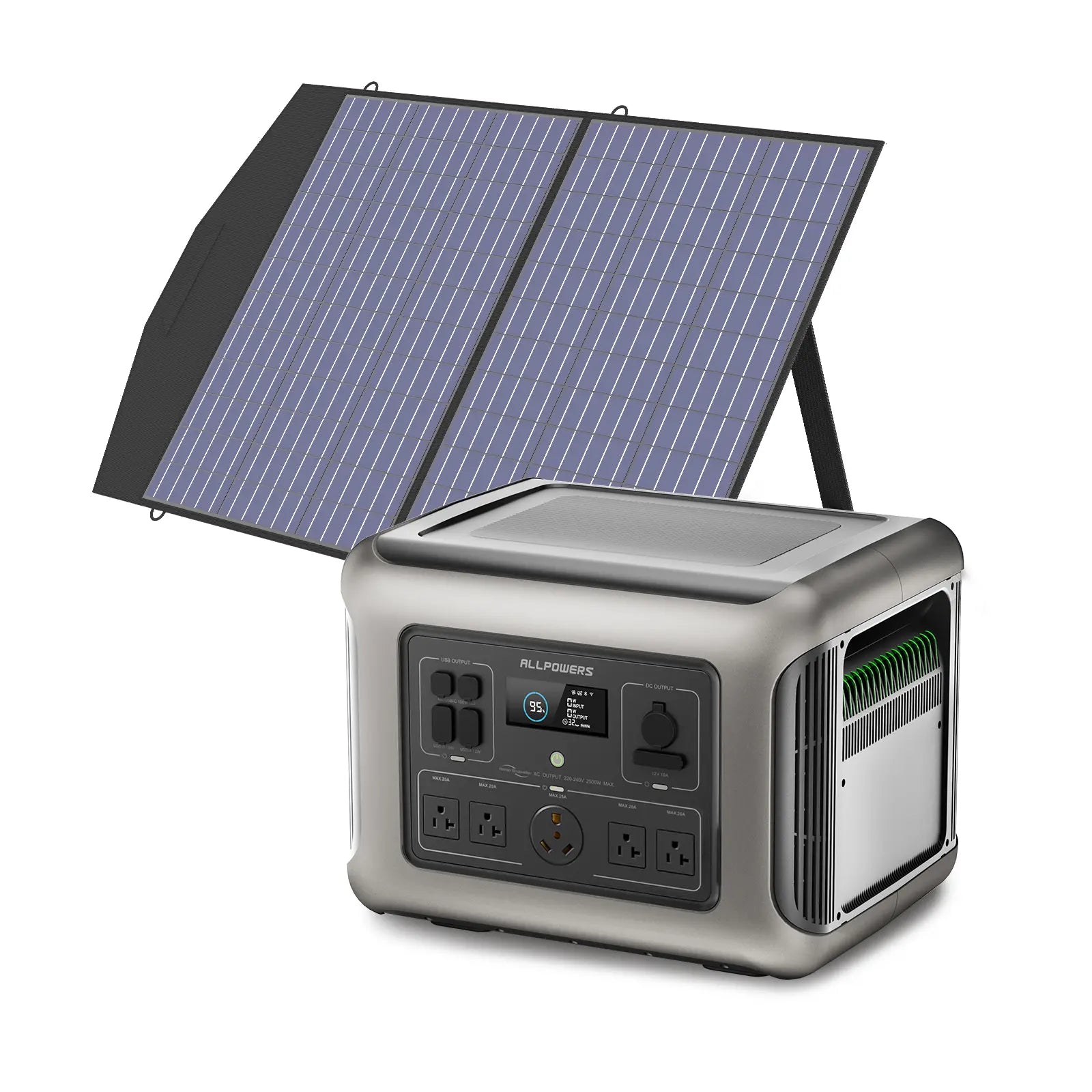
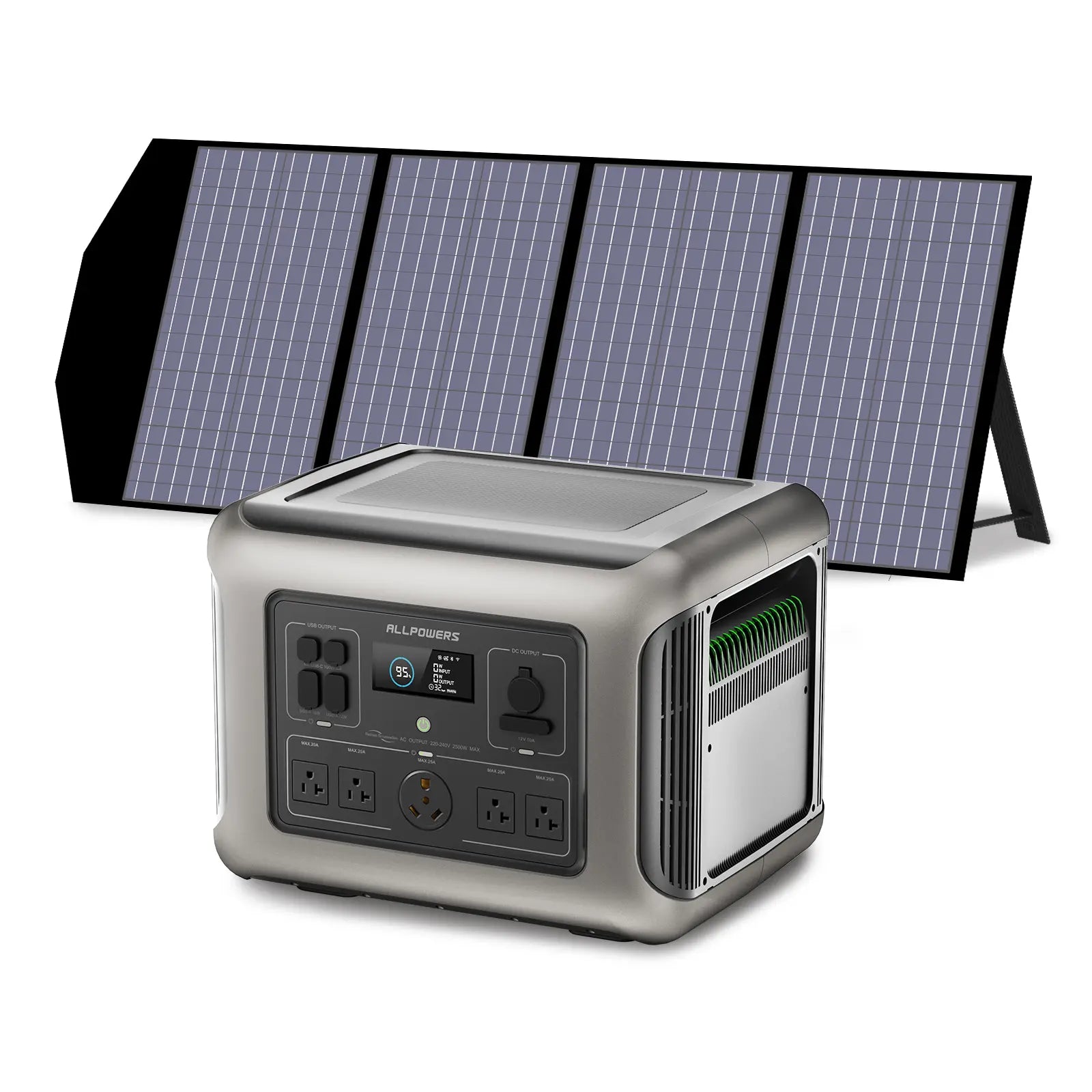
ALLPOWERS VOLIX P300 Portable Power Station
$99.00 $249.00
- 299Wh Capacity;
- 300W AC Output (600W Surge);
- Fast Charge 100% in 1 Hours;
- Ultra-quiet 30dB Under Load ;
- Long-Lasting And Safe Lifepo4 Battery;
Can You Skip One Night of CPAP Therapy?
This is one of the most common questions CPAP users ask during emergencies.
The answer depends on several factors, including the severity of sleep apnea, individual health conditions, and how often therapy is interrupted.
Short-Term Interruption Risks
Some individuals may experience only minor symptoms after a single missed night, while others may notice significant reductions in sleep quality.
Medical Guidance Matters
Healthcare providers are the best source of guidance regarding how temporary interruptions may affect individual treatment plans.
For this reason, many users choose to prepare backup power options before emergencies occur.
Backup Power Options for CPAP Users
Many CPAP users prepare for outages by maintaining some form of emergency power solution.
Dedicated CPAP Batteries
CPAP battery systems are specifically designed to provide temporary power during travel, camping, or emergency situations.
Many models can support a full night's therapy depending on machine settings and battery capacity.
Vehicle Charging Options
In certain situations, vehicles may provide temporary charging capabilities. However, users should avoid draining a vehicle's starting battery unnecessarily.
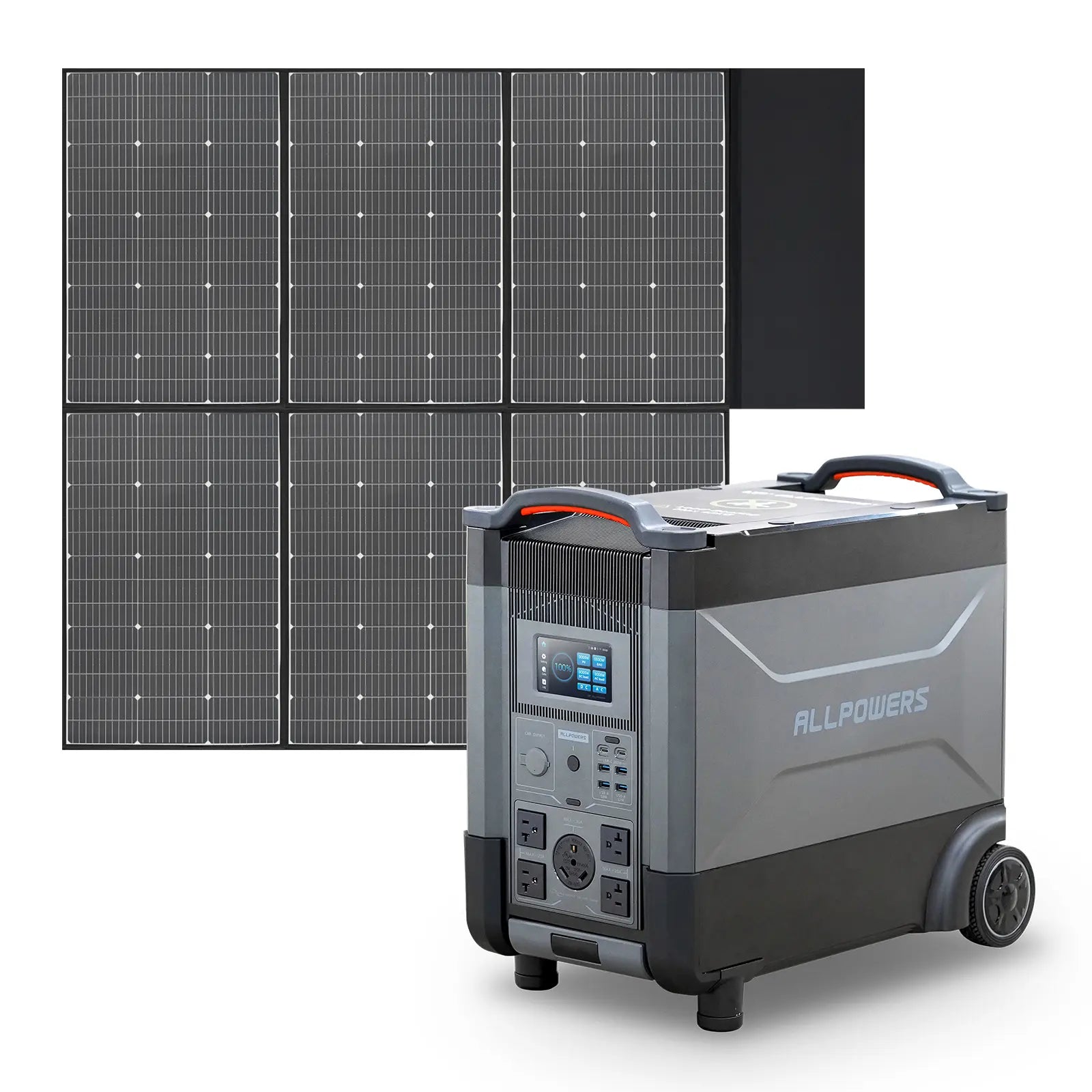
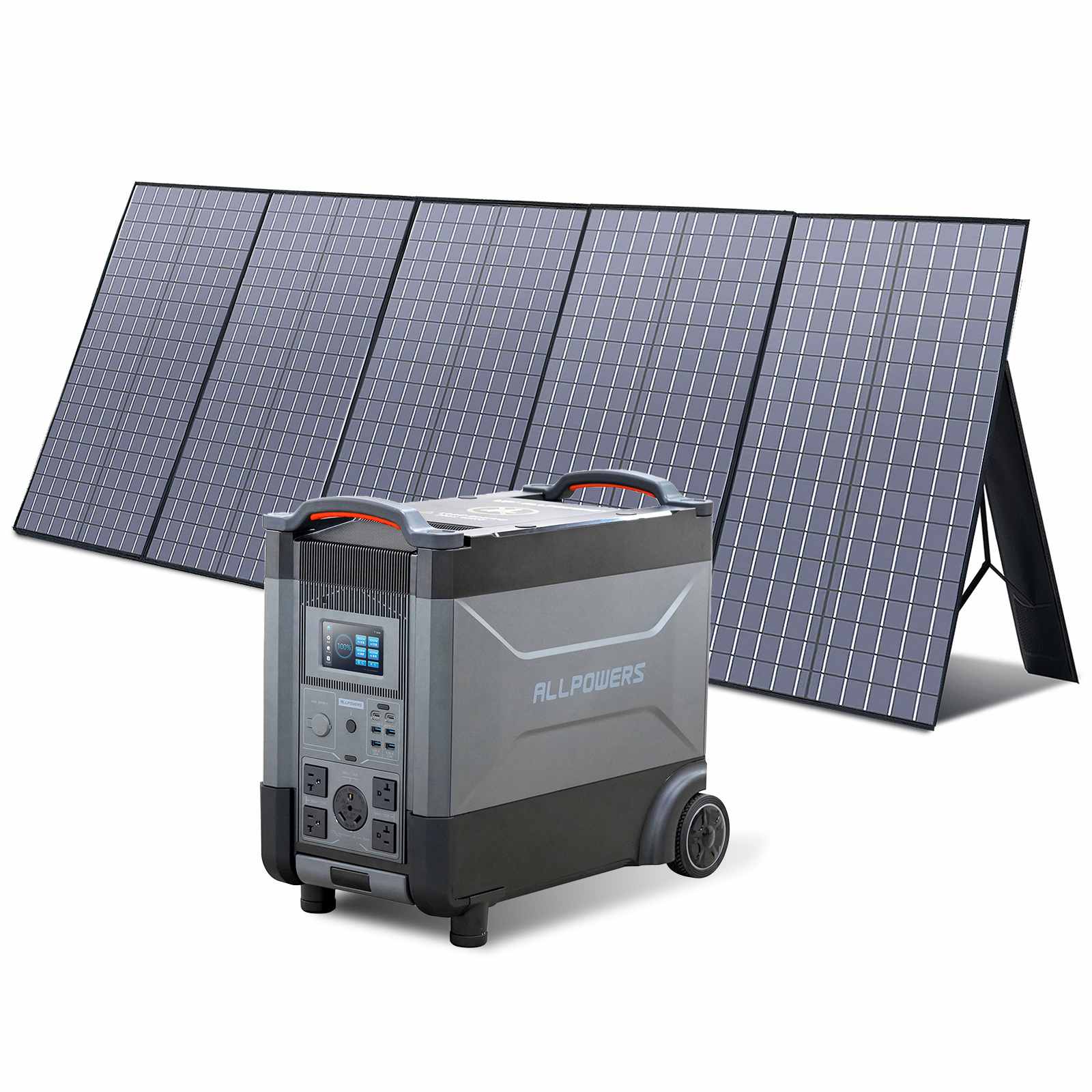
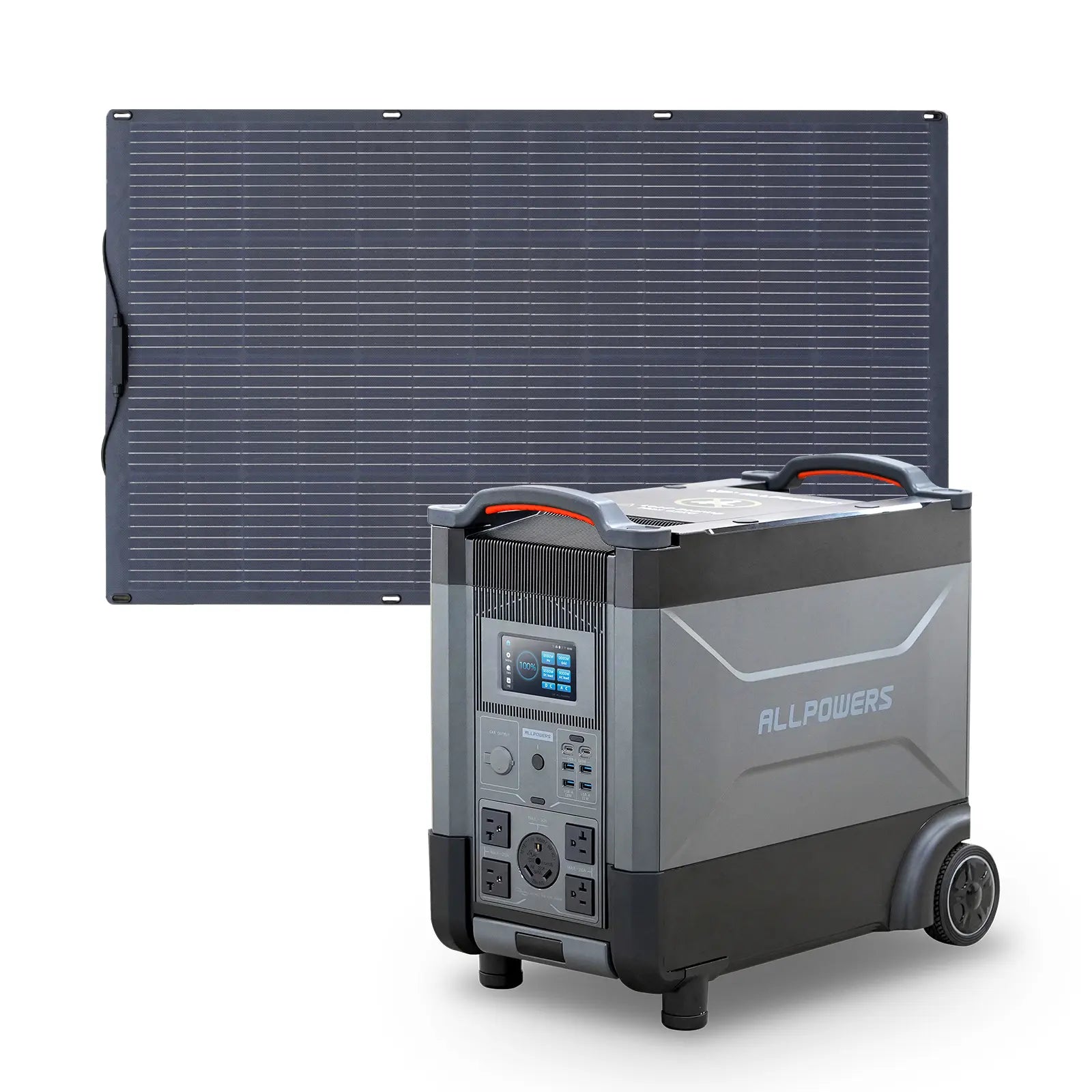
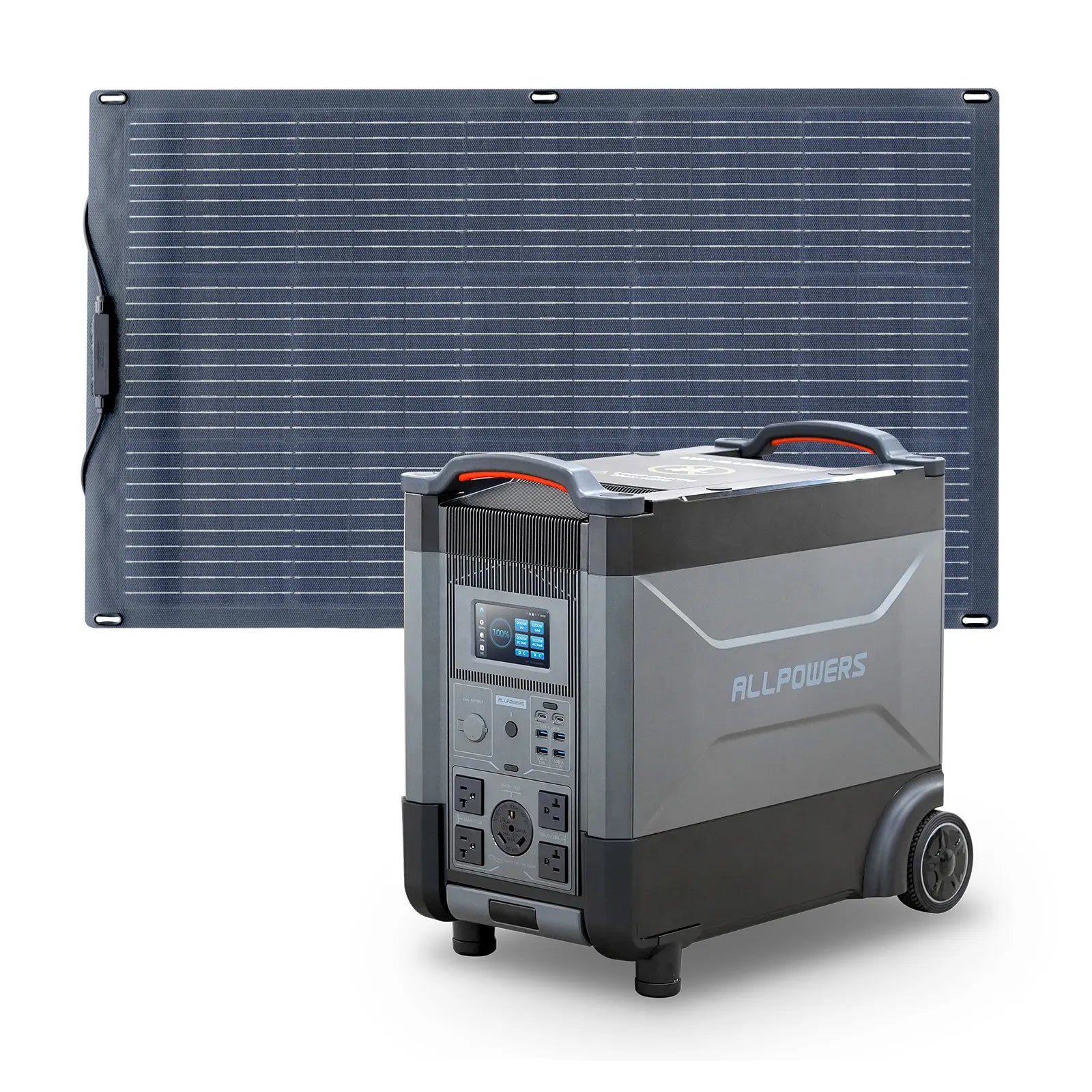
Emergency Home Power Systems
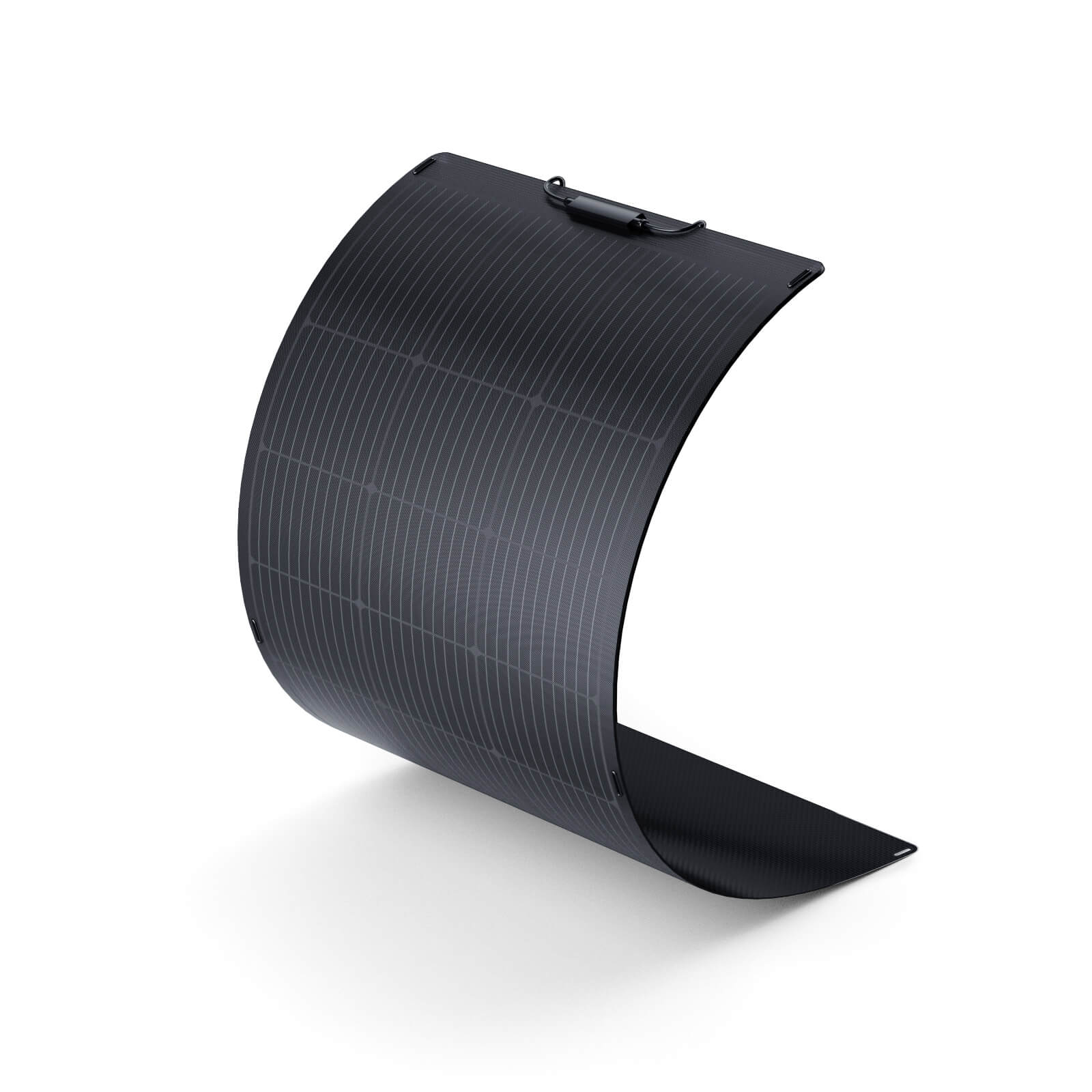
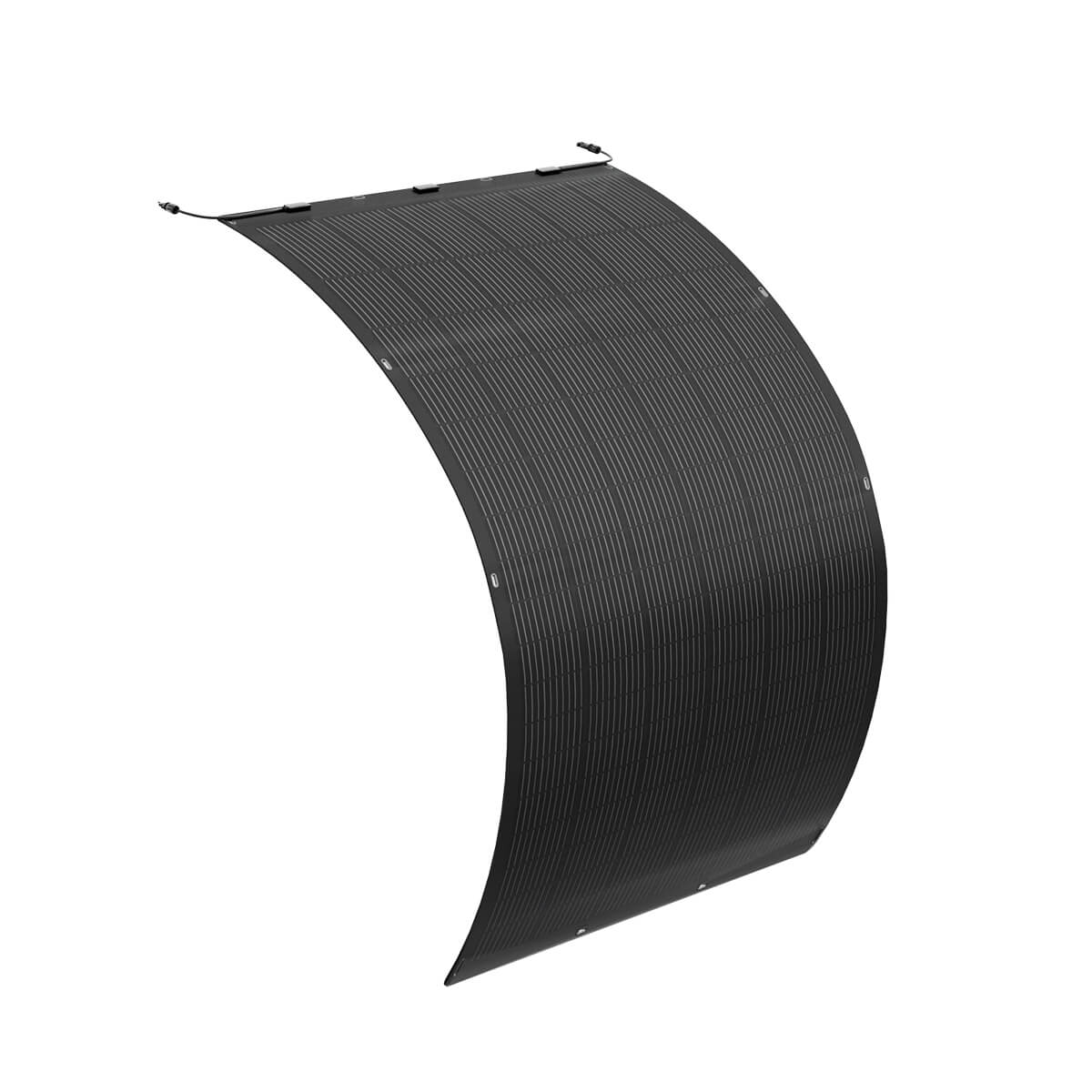
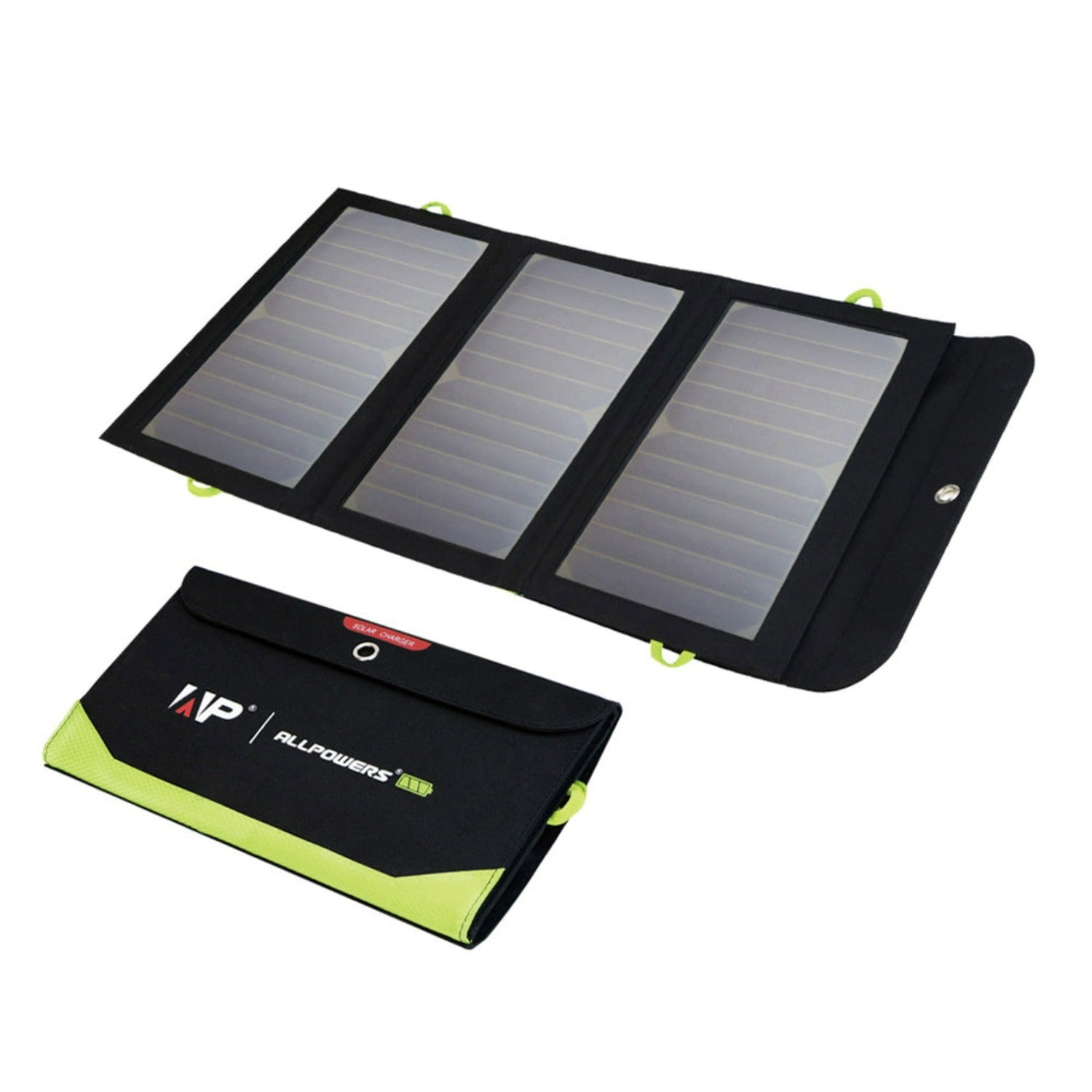
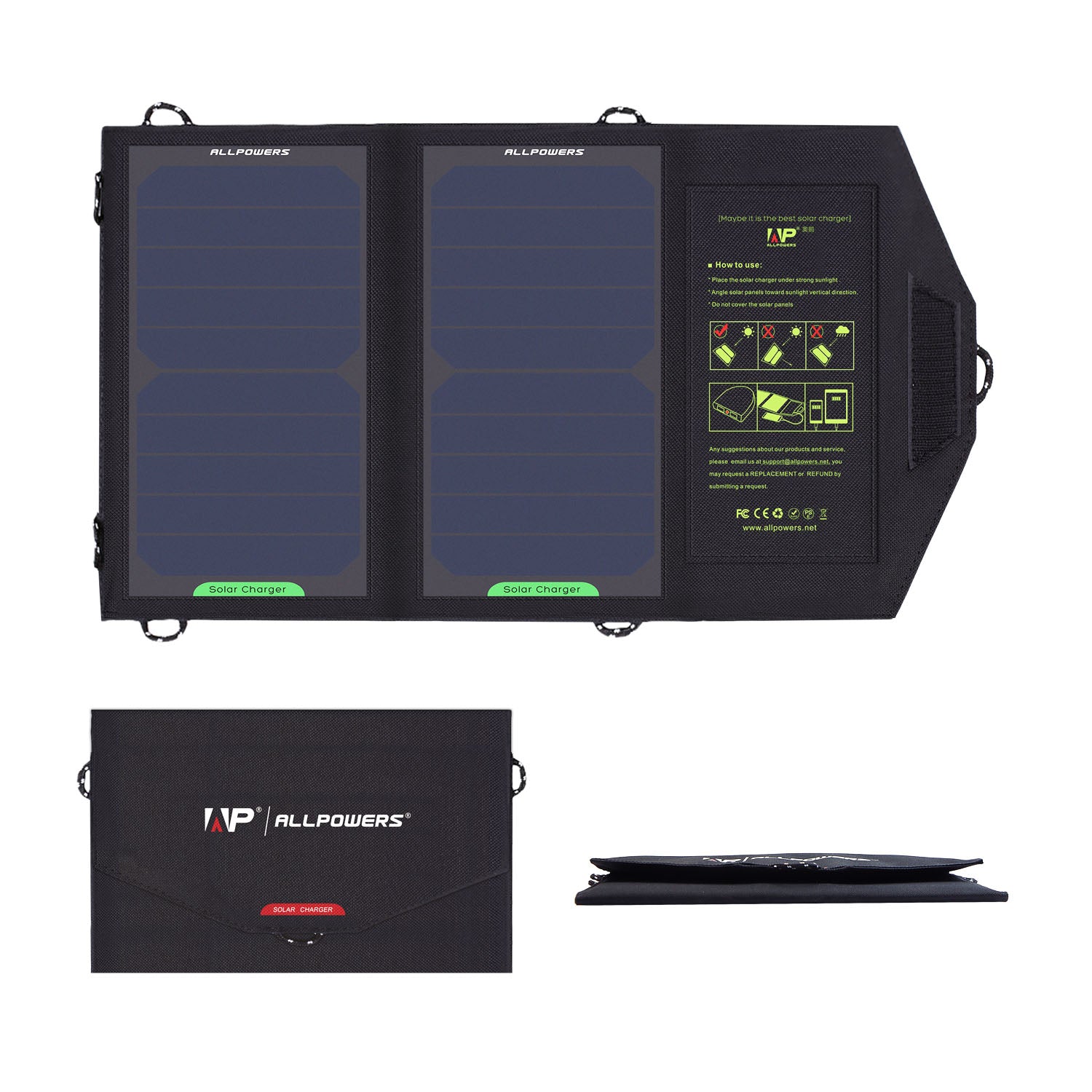
Households that experience frequent outages sometimes incorporate backup energy solutions as part of broader emergency preparedness plans.
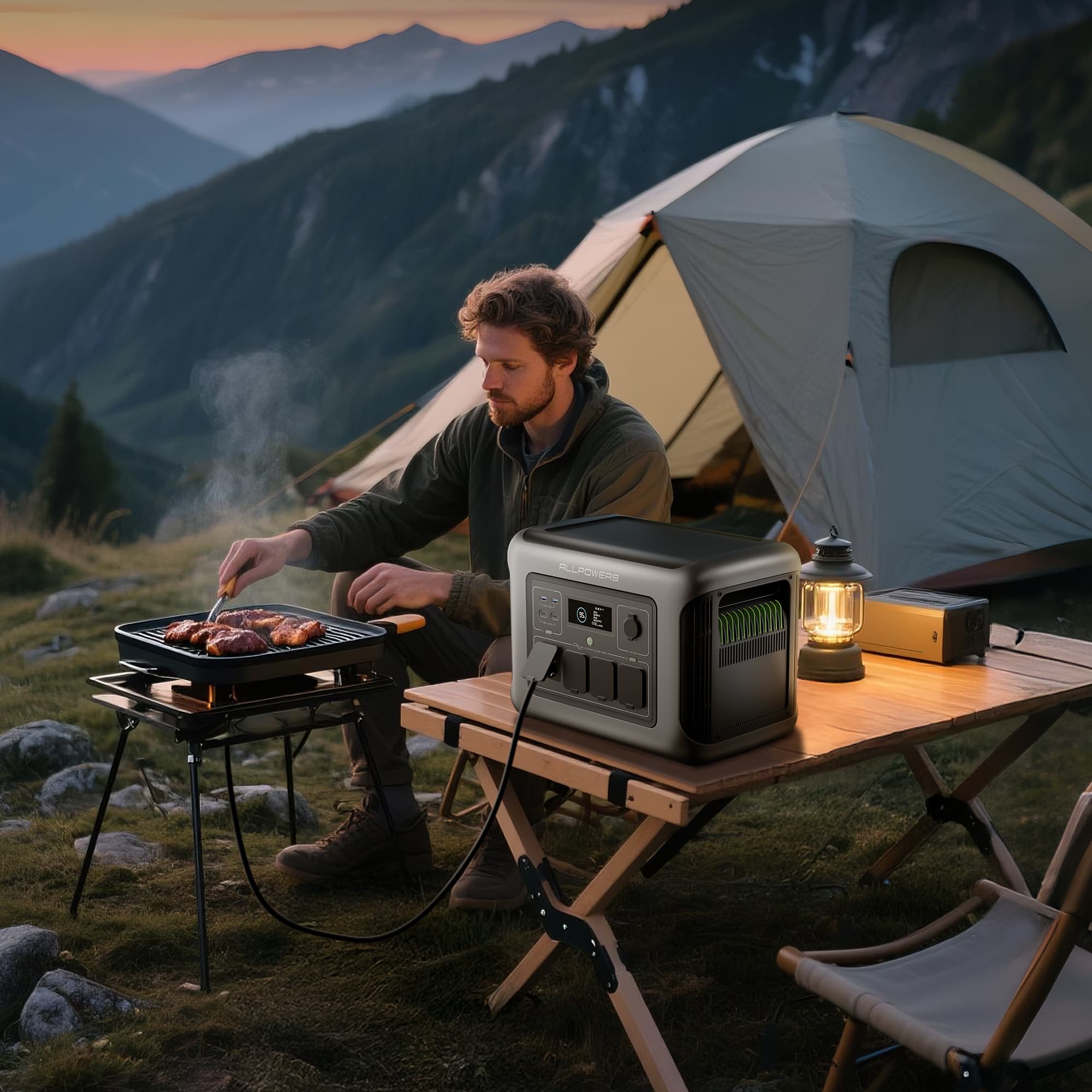
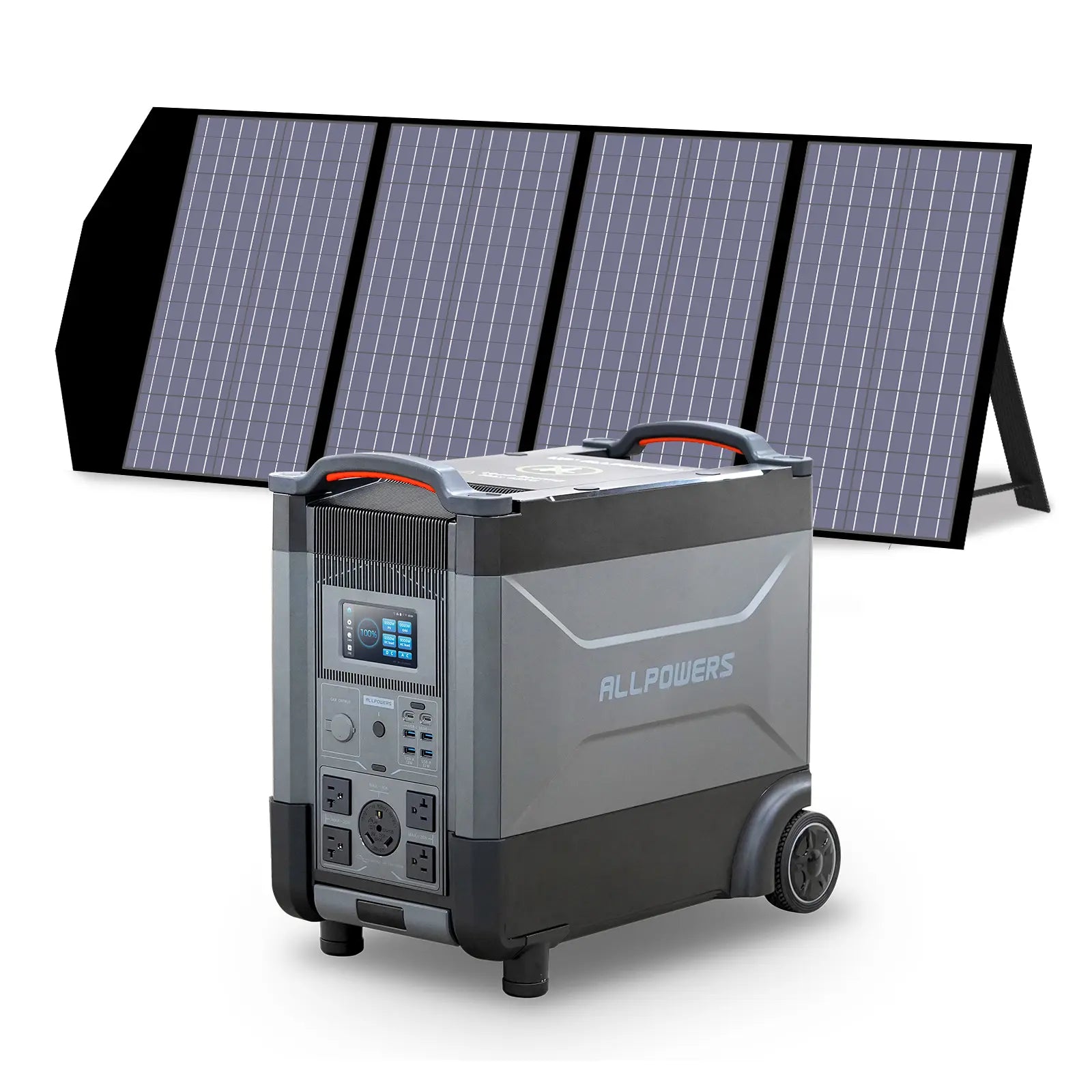
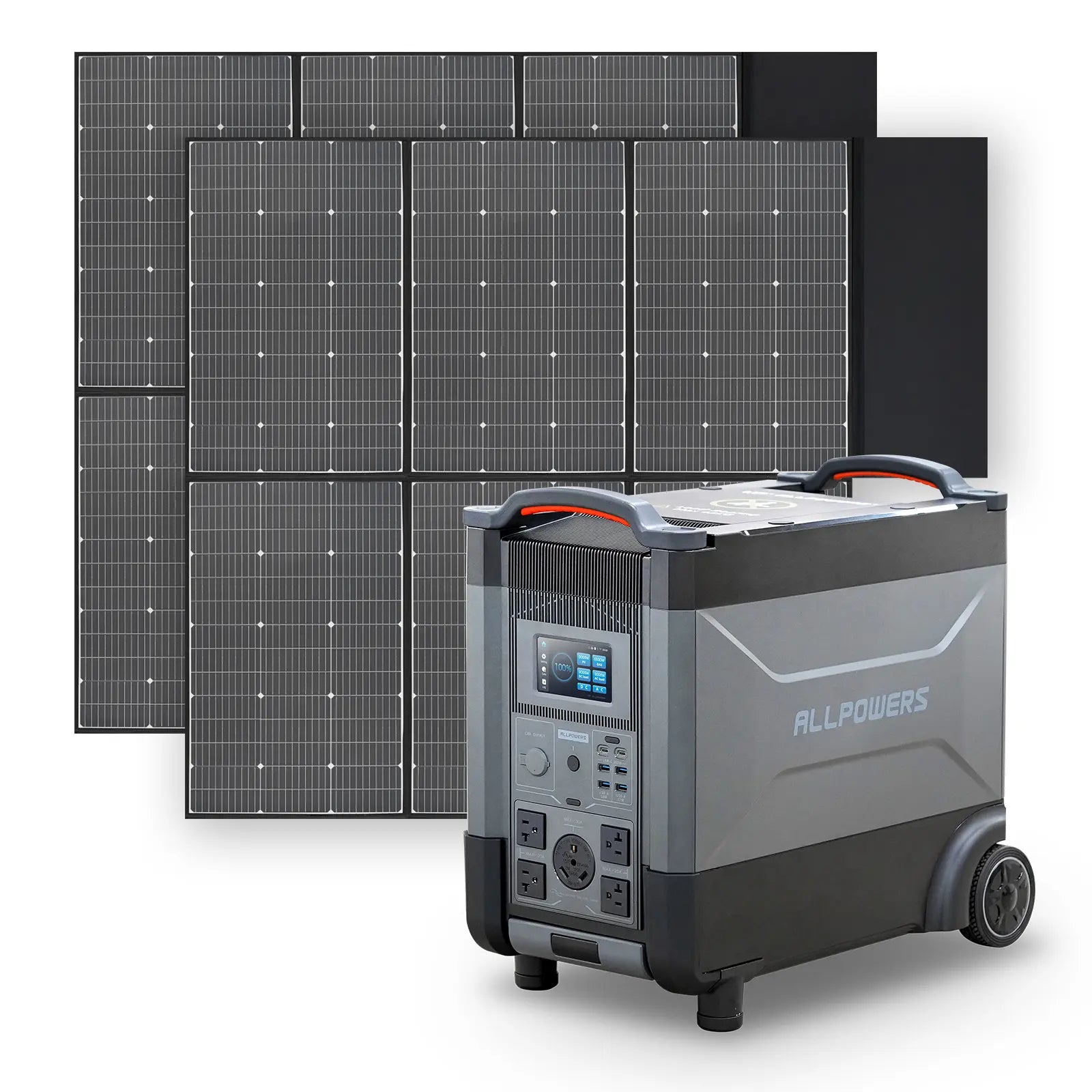
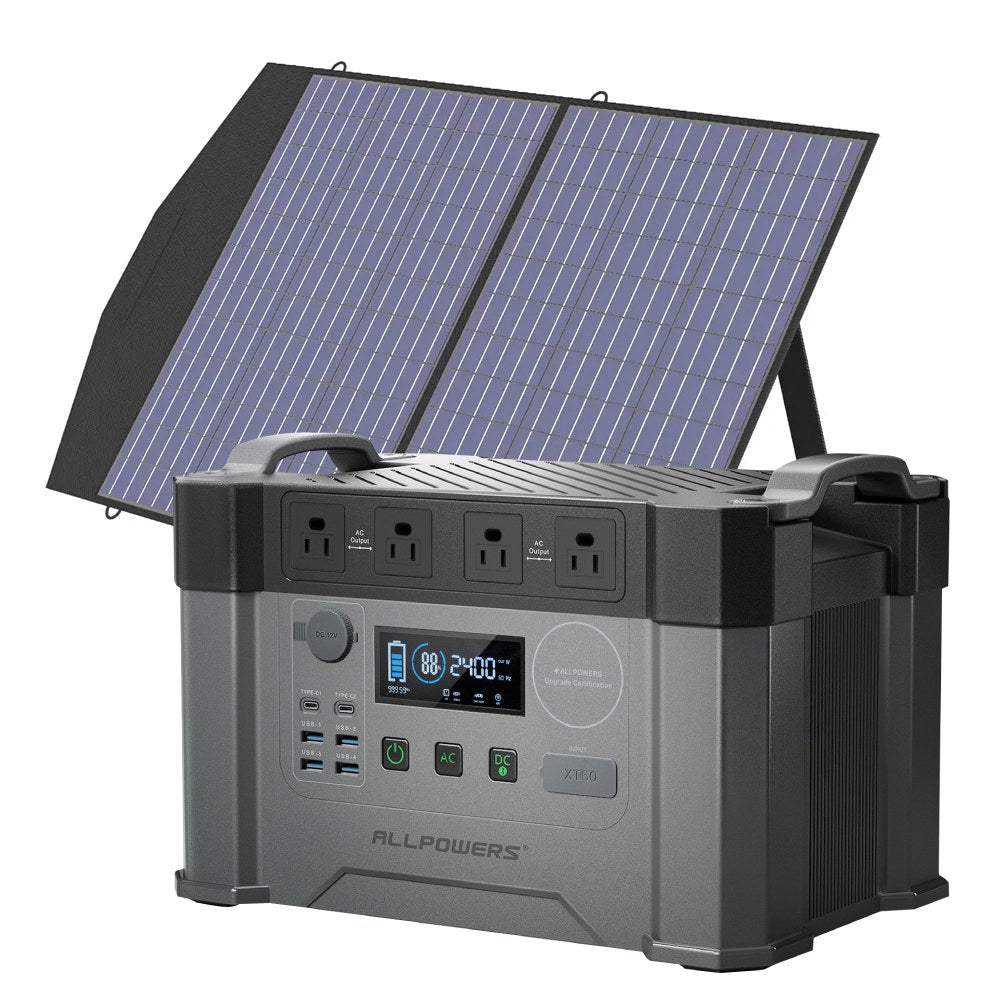
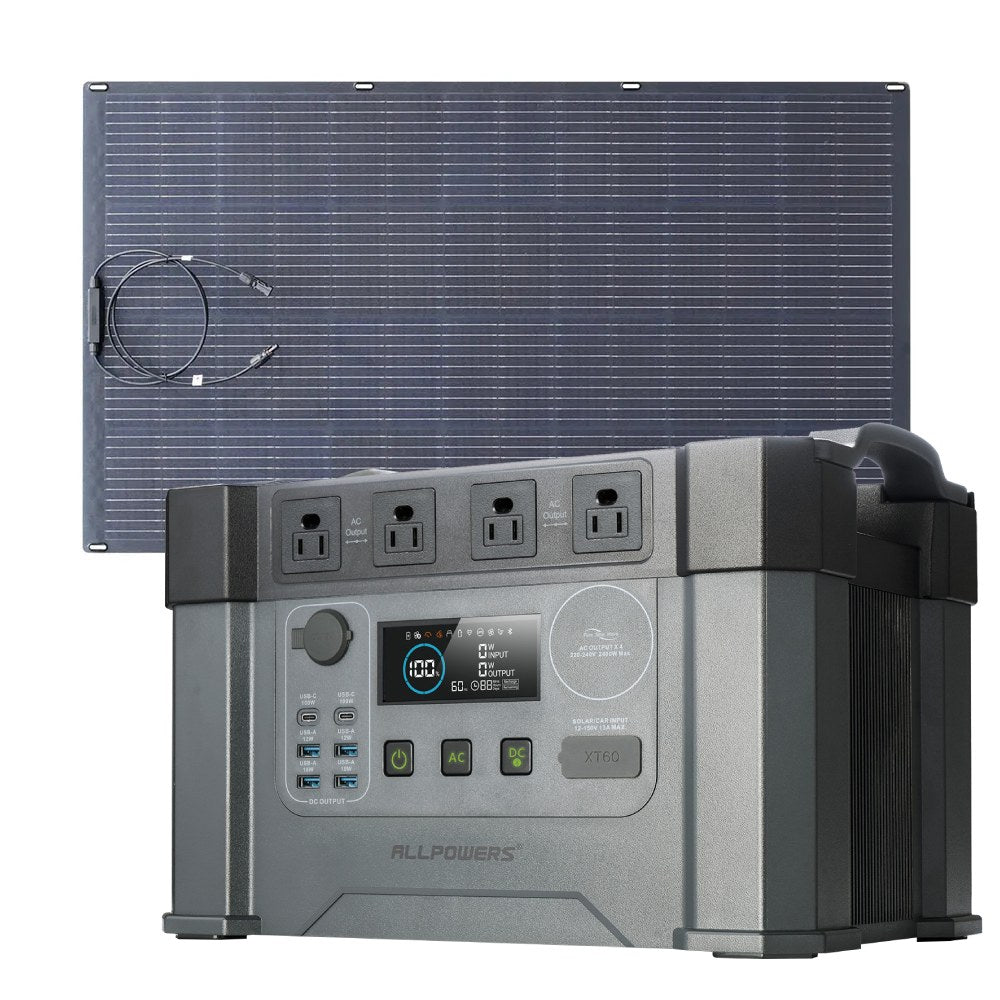
In these situations, a single backup system may help support several essential devices simultaneously, including lighting, communication devices, and medical equipment such as CPAP machines.
Ways to Reduce CPAP Power Consumption During an Outage
Conserving energy becomes particularly important during prolonged outages when replacement power sources may be limited.
Disable Heated Humidification
Reducing humidifier use is often the fastest way to extend battery runtime.
Use DC Power When Available
Direct DC operation can improve overall efficiency and reduce unnecessary energy loss.
Charge Devices Before Severe Weather
Monitoring weather forecasts and preparing equipment before major storms can help avoid unexpected interruptions.
Prioritize Essential Equipment
When backup power capacity is limited, focusing on critical medical devices may help maximize available resources.
These small adjustments can make a significant difference during overnight outages.
CPAP Power Requirement Comparison
| CPAP Configuration | Relative Power Usage | Runtime Impact | Efficiency Level |
|---|---|---|---|
| CPAP Without Humidifier | Low to Medium | Long Runtime | High |
| CPAP With Humidifier | Medium to High | Reduced Runtime | Moderate |
| CPAP With Heated Tubing | High | Shorter Runtime | Low |
| DC-Powered CPAP | Optimized | Improved Runtime | High |
| Energy-Efficient Setup | Low | Extended Runtime | Very High |
What to Do After Power Is Restored
Once electricity returns, verify that your CPAP machine powers on normally and resumes its standard settings.
Check for any system notifications, unusual error messages, or clock settings that may have been affected by the outage.
If backup equipment was used during the outage, recharge batteries as soon as possible so they are ready for future emergencies.
Why Preparation Is More Important Than the Outage Itself
Most power outages eventually end, but the difference between a stressful experience and a manageable one often comes down to preparation.
For CPAP users, understanding power requirements, maintaining backup options, and developing an emergency plan can help reduce uncertainty when outages occur.
Rather than waiting until the lights go out, taking a proactive approach allows users to focus on maintaining consistent therapy and getting the restful sleep they depend on every night.
Frequently Asked Questions
Can I use a CPAP machine during a power outage?
Yes, if you have access to a compatible backup power source that can support your machine's electrical requirements.
Will one night without CPAP hurt me?
The effects vary by individual, but some users may experience poor sleep quality, increased fatigue, or other symptoms if therapy is interrupted.
Do CPAP humidifiers use a lot of power?
Yes. Heated humidifiers often consume significantly more energy than airflow generation alone.
How can I make my CPAP battery last longer?
Reducing humidifier usage, disabling heated tubing, and minimizing unnecessary power consumption can help extend runtime.
Should CPAP users prepare for power outages?
Emergency planning is often recommended because outages can occur unexpectedly and may interrupt essential nightly therapy.