





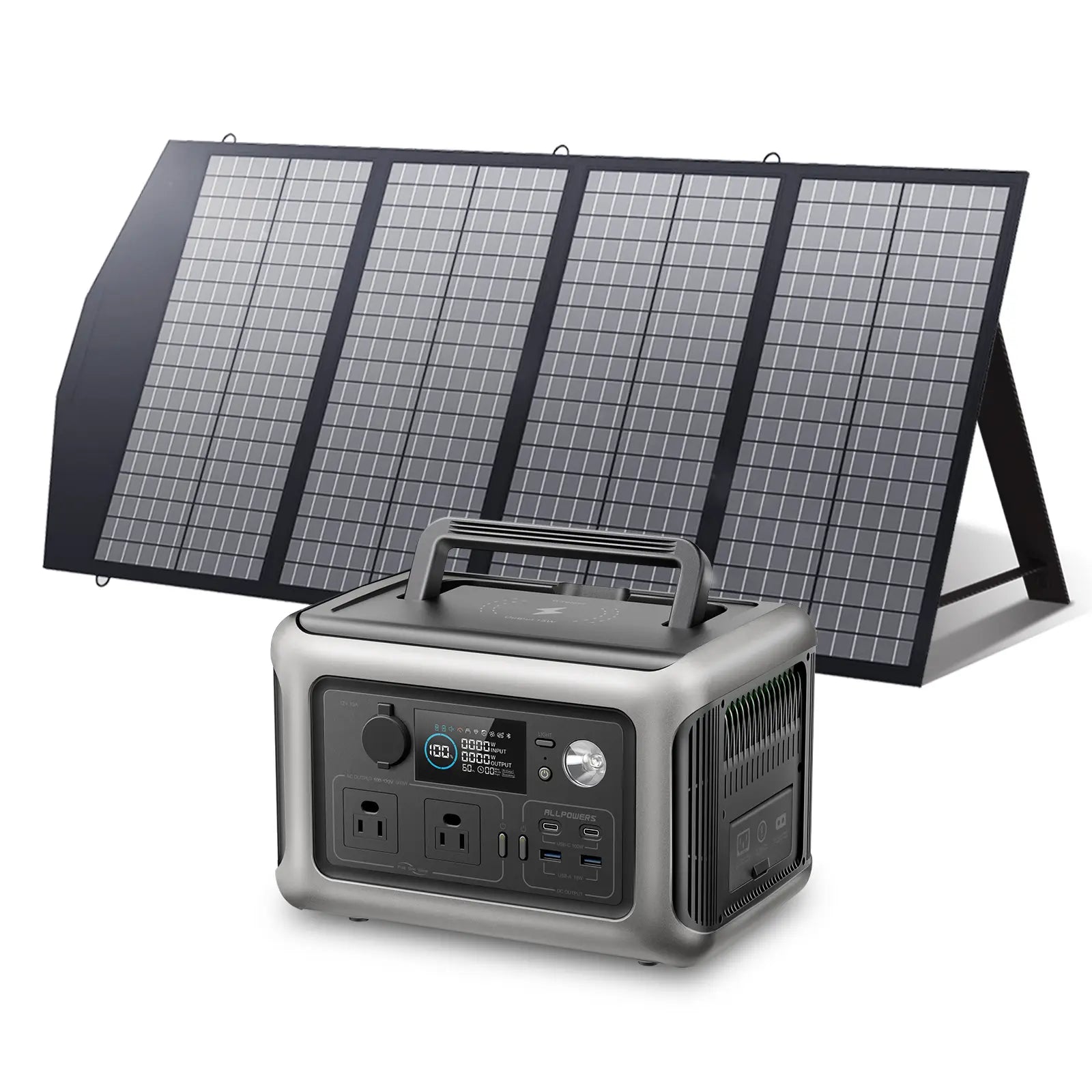
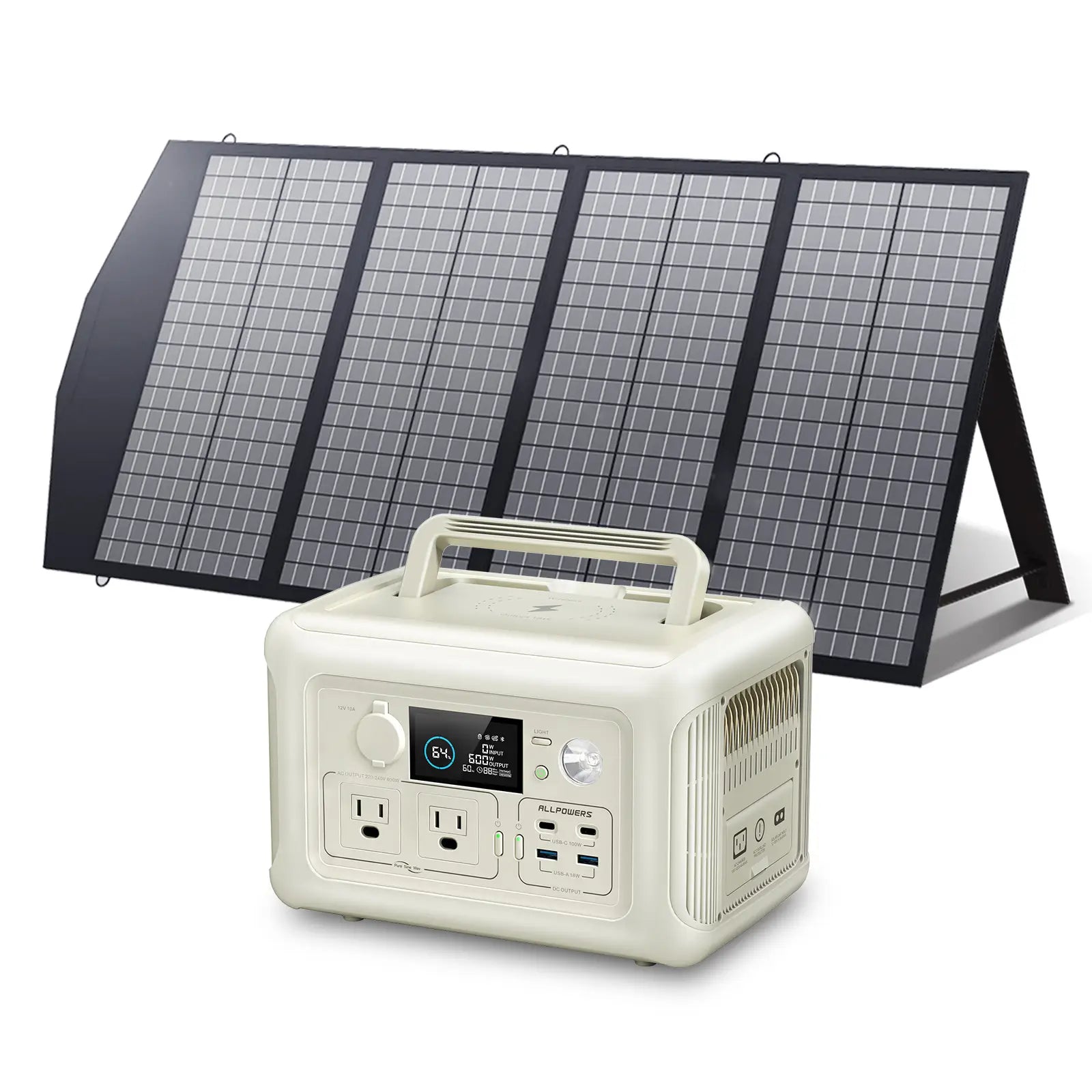
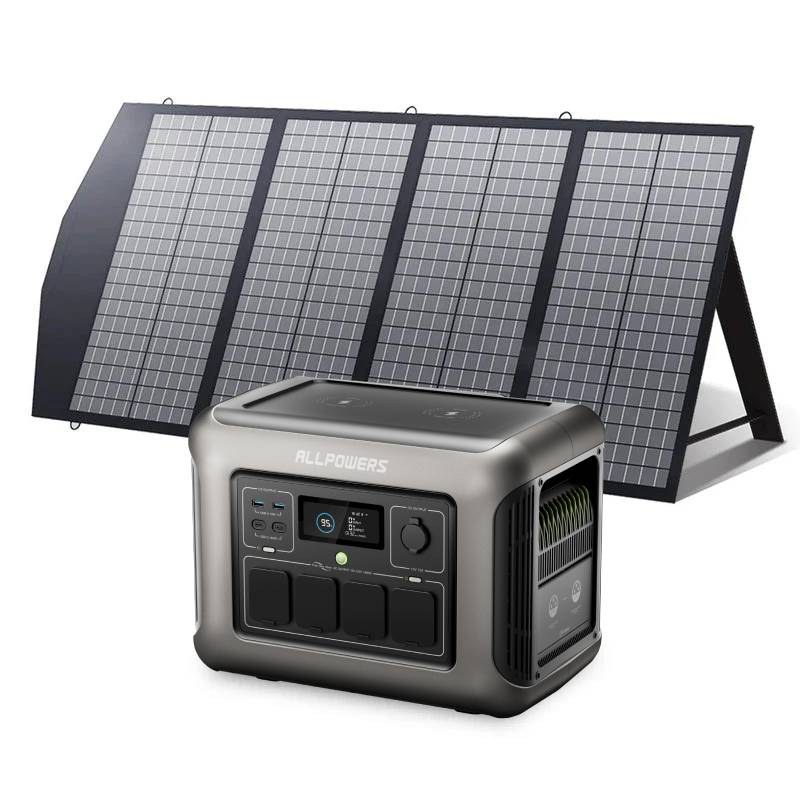
One of the biggest advantages of owning a camper is the freedom to travel beyond traditional campgrounds and explore remote destinations.
While leaving traditional campsites behind offers a greater sense of adventure, it also means taking responsibility for your own electricity supply.
So, what is the most efficient way to keep your camper powered when there's no shore power available?
TL;DR:
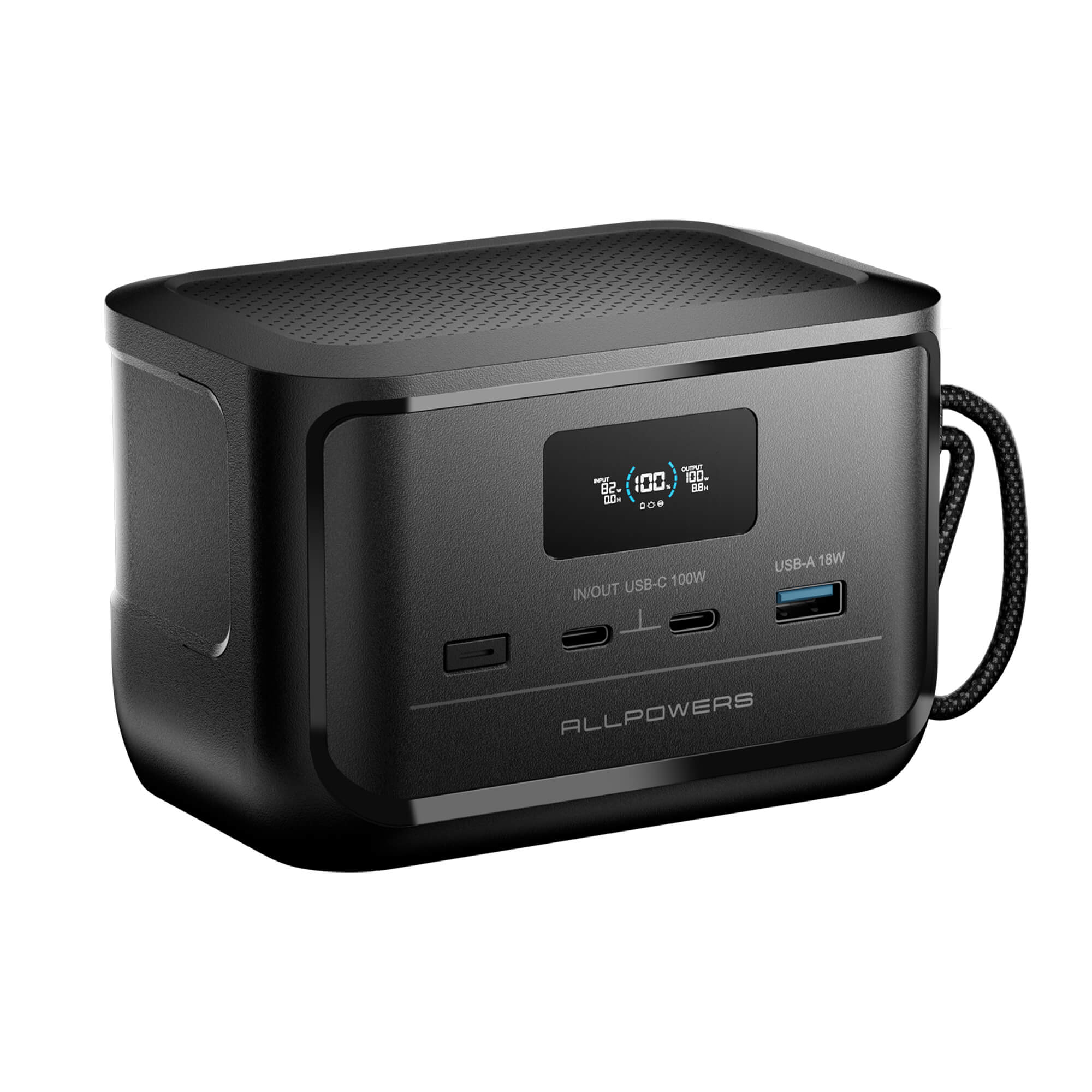
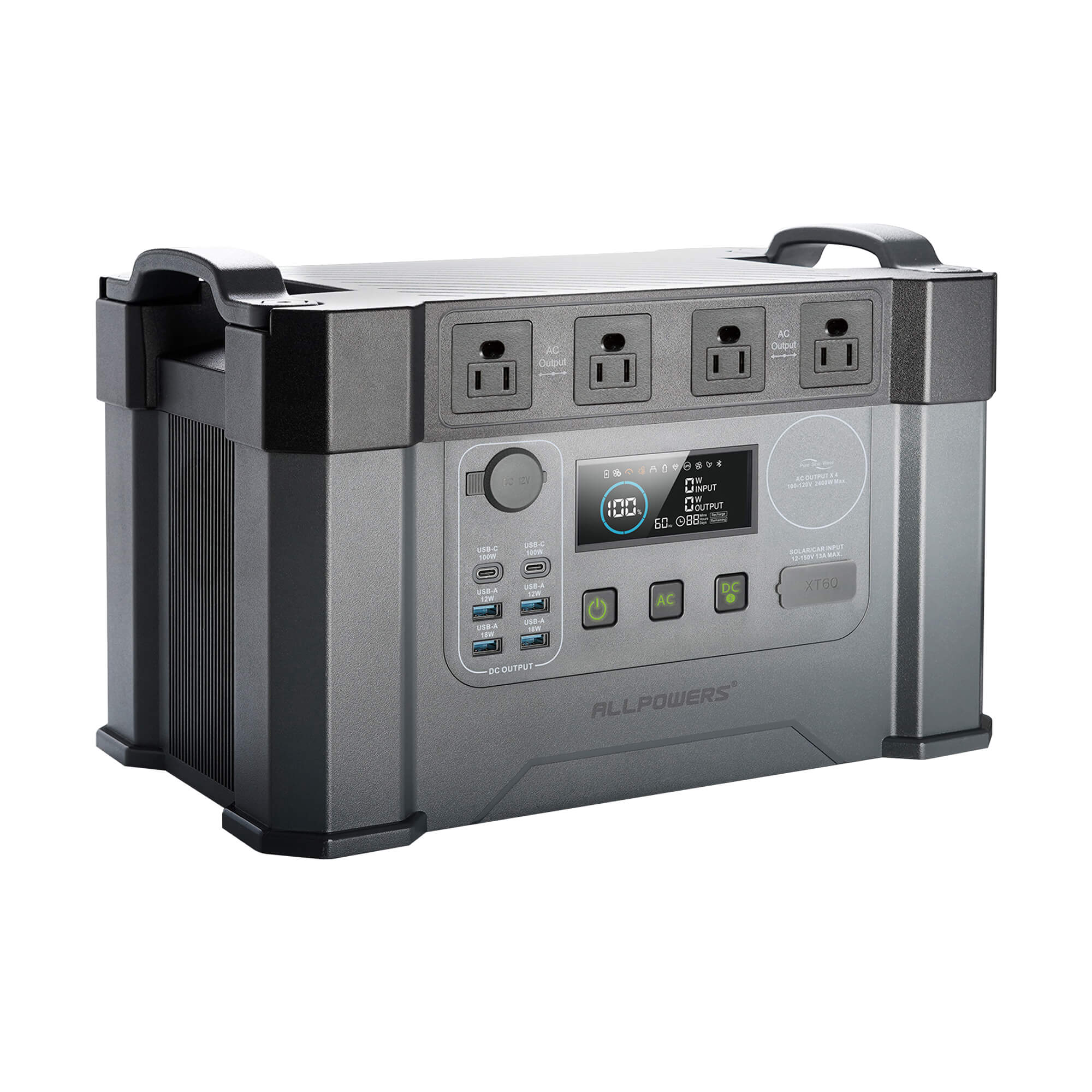
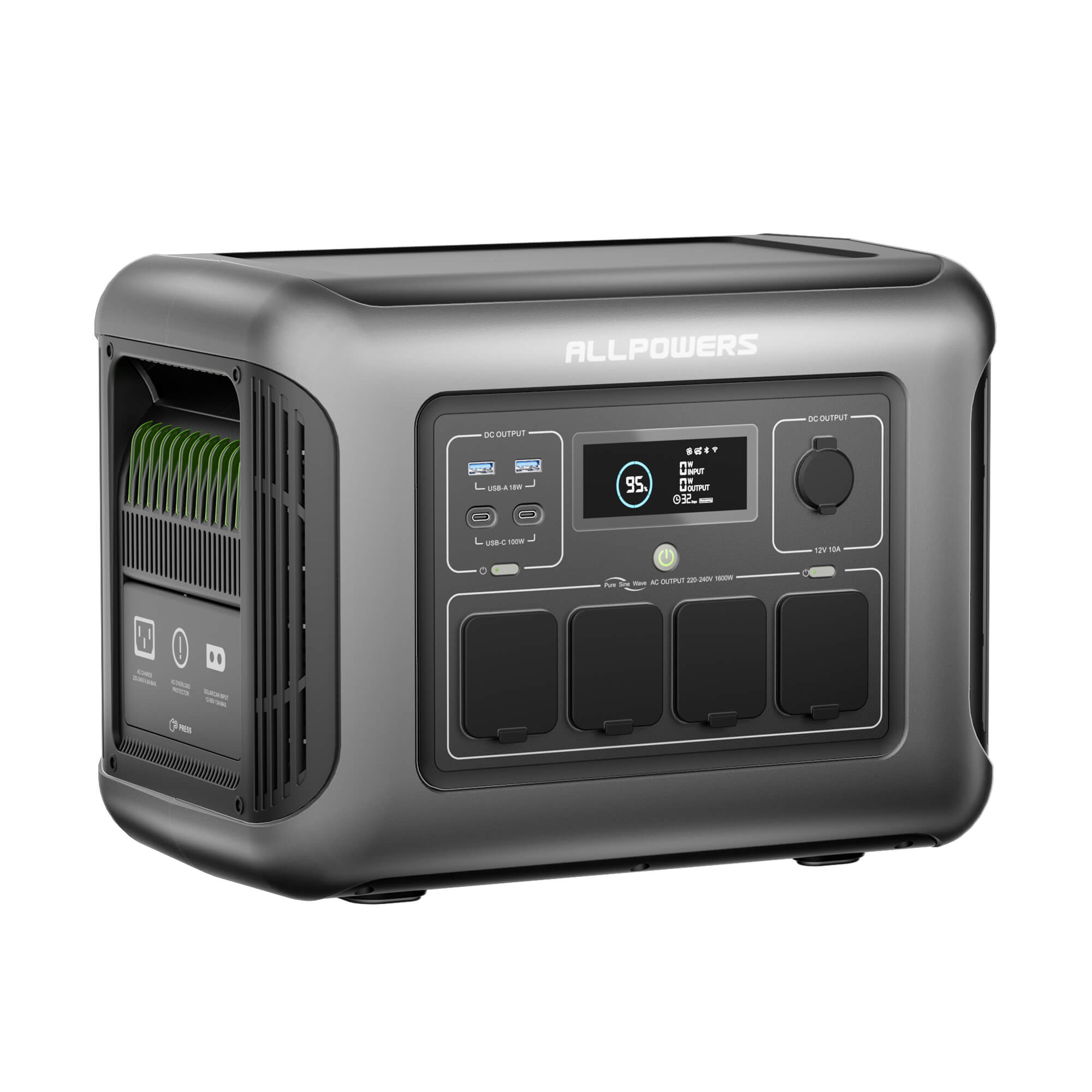
Powering a camper off-grid typically involves combining battery storage with one or more charging methods, such as solar panels, vehicle charging, shore power before departure, or a generator when appropriate.
What Uses Electricity in a Camper?
Many first-time camper owners underestimate how many systems depend on electricity.
While individual appliances may use relatively little power, their combined energy consumption over an entire day can become significant.
Refrigerators
Compressor refrigerators cycle on and off throughout the day to maintain safe food temperatures, making them one of the largest continuous energy users in many campers.
Learn More: How Do You Power a Fridge When Camping?
Lighting
Modern LED lighting consumes very little electricity compared with older incandescent bulbs, but lights that remain on for several hours every evening still contribute to overall battery usage.
Water Pumps
Freshwater pumps operate only when needed, yet frequent dishwashing, showers, and sink use can gradually increase energy consumption during longer trips.
Electronics
Laptops, smartphones, cameras, Wi-Fi routers, tablets, and televisions have become common equipment in modern campers.
Individually they may seem insignificant, but together they often account for a meaningful portion of daily electricity demand.
| Appliance | Typical Power Draw | Daily Usage | Energy Impact |
|---|---|---|---|
| RV Air Conditioner | 1,200–2,000W | 2–8 hours | Very High |
| 12V Refrigerator | 40–80W | 24 hours (cycling) | Medium |
| LED Lighting | 5–20W | 4–6 hours | Low |
| Laptop Charger | 45–90W | 2–4 hours | Low |
| Electric Kettle | 800–1,500W | 10–15 minutes | Medium |
How to Calculate Your Daily Power Needs
One of the biggest mistakes new campers make is estimating battery size without first calculating how much electricity they actually use.
Instead of focusing only on appliance wattage, consider how long each device operates during a typical day.
Daily energy consumption is usually measured in watt-hours (Wh), making it easier to compare total usage with available battery capacity.
Start with Essential Devices
Items such as refrigerators, lighting, water pumps, and communication devices typically take priority because they support daily comfort and safety.
Separate Essential and Optional Loads
Entertainment systems, coffee makers, televisions, and other convenience appliances may consume considerable electricity but are often used less frequently.
Knowing which devices are essential helps you make better energy decisions during longer trips.
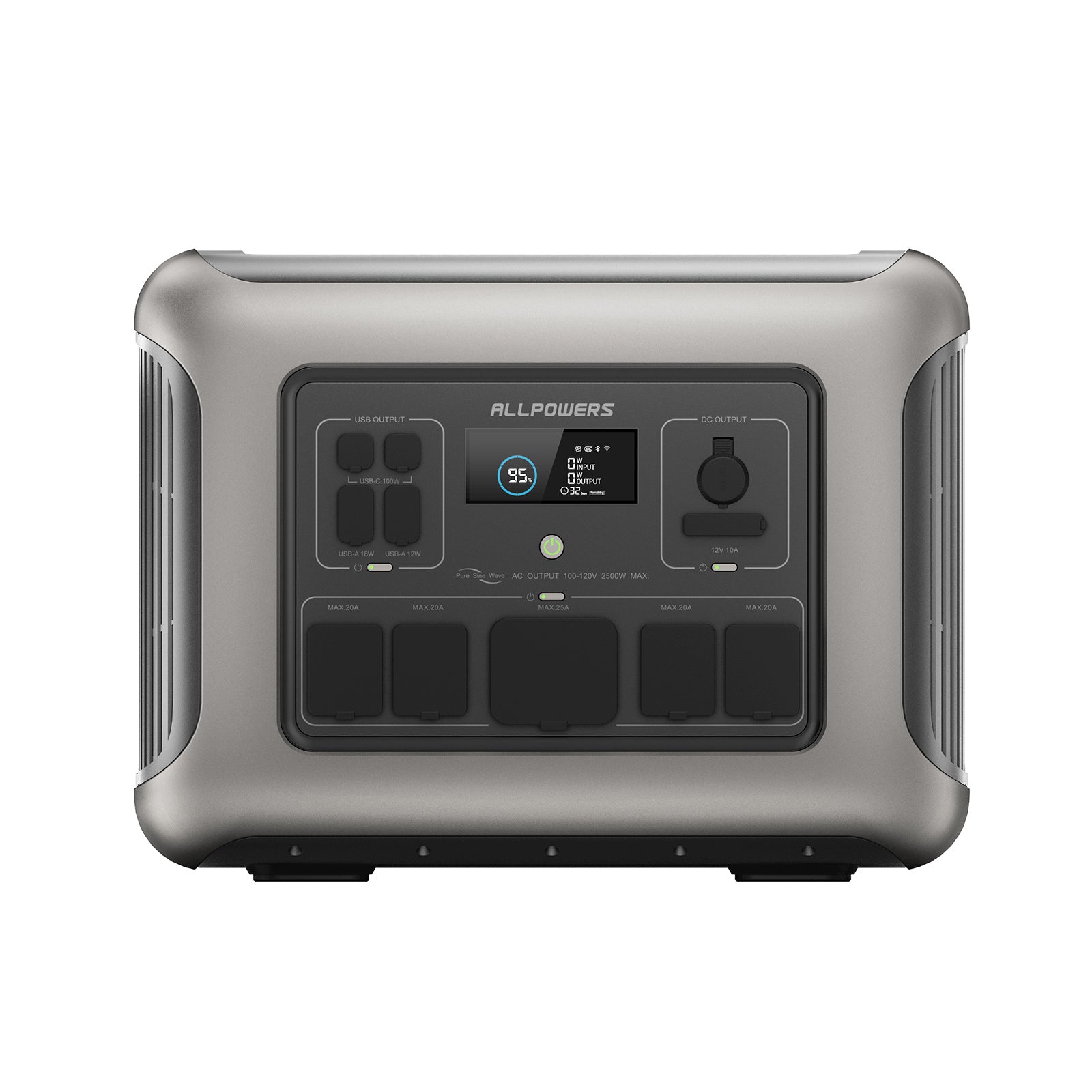
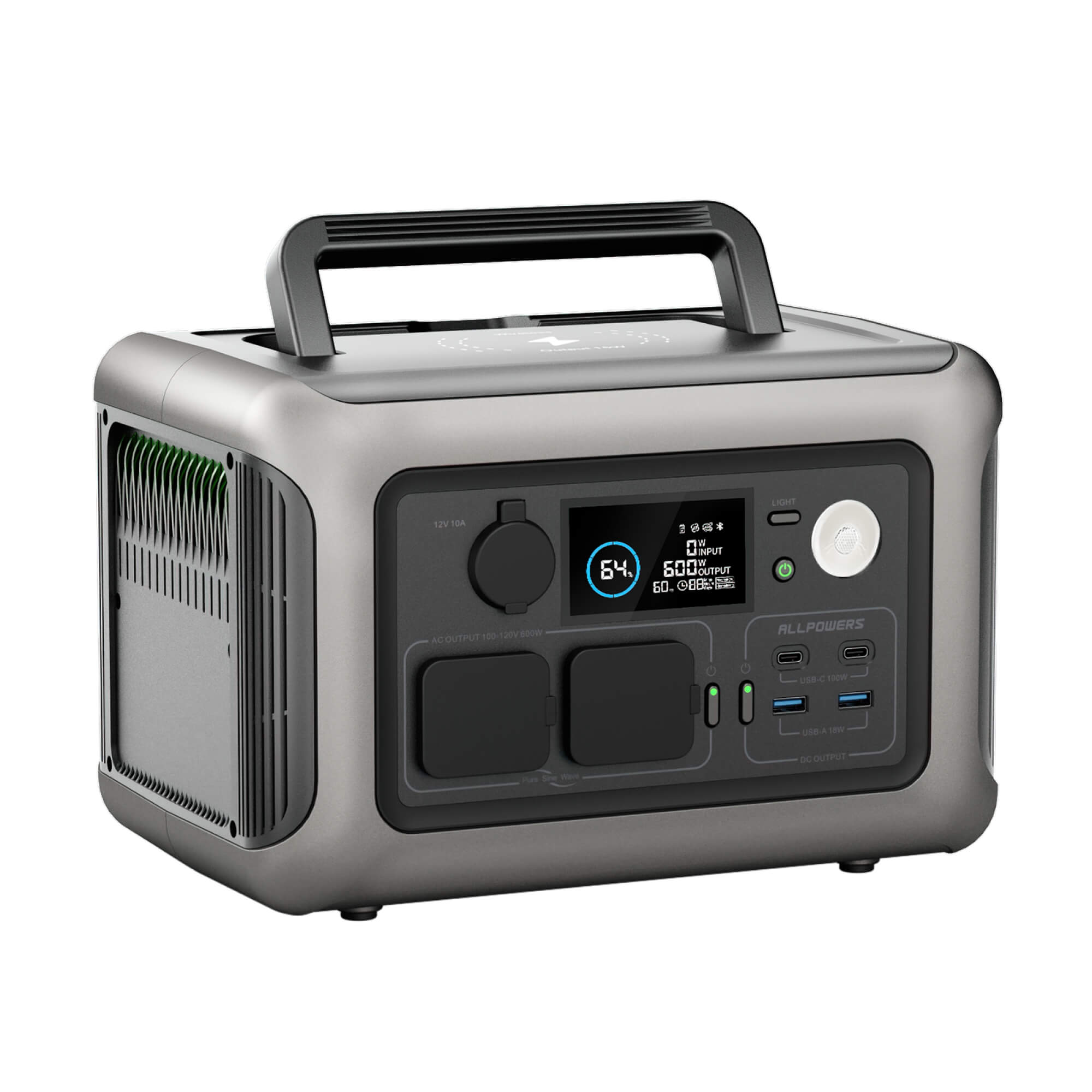
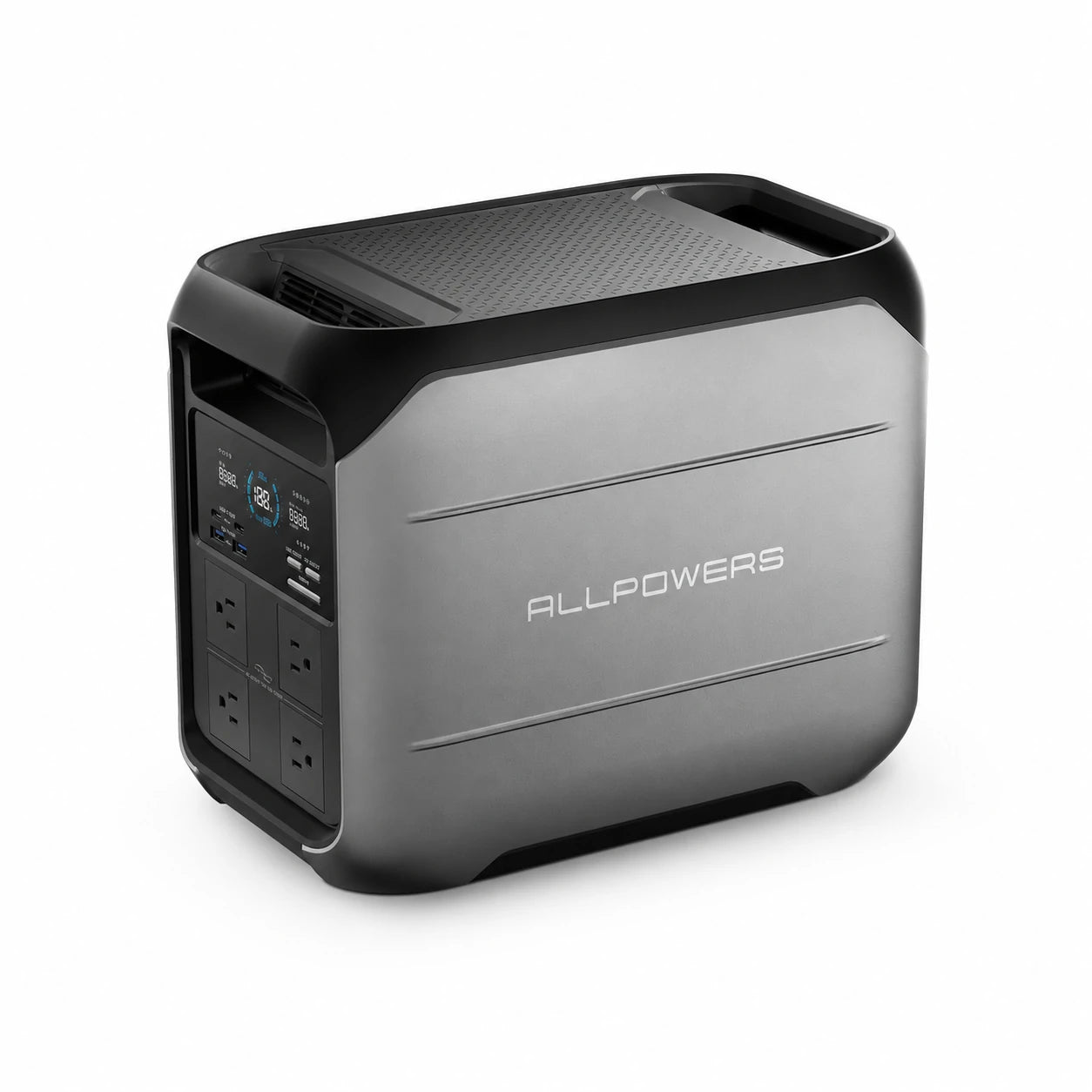
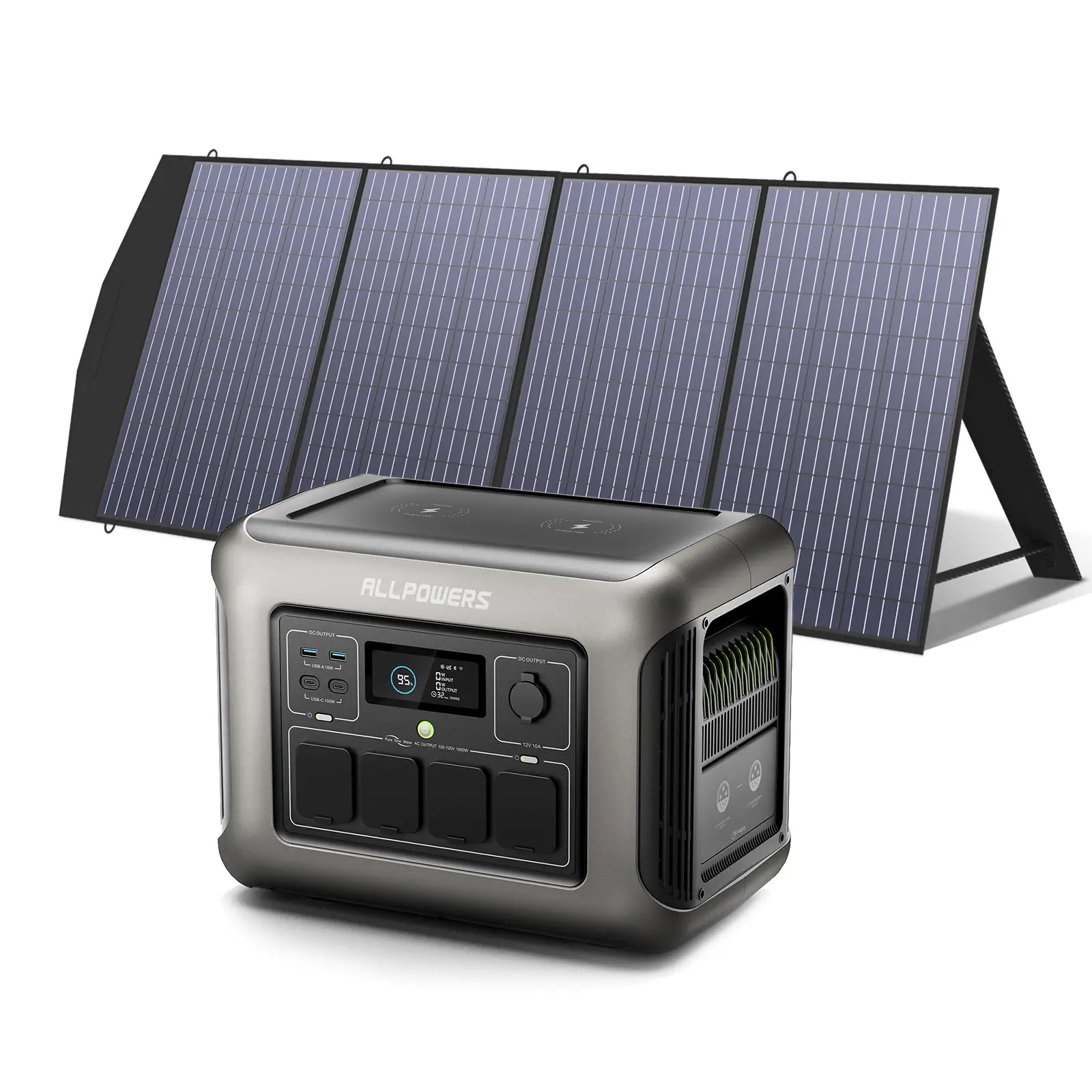
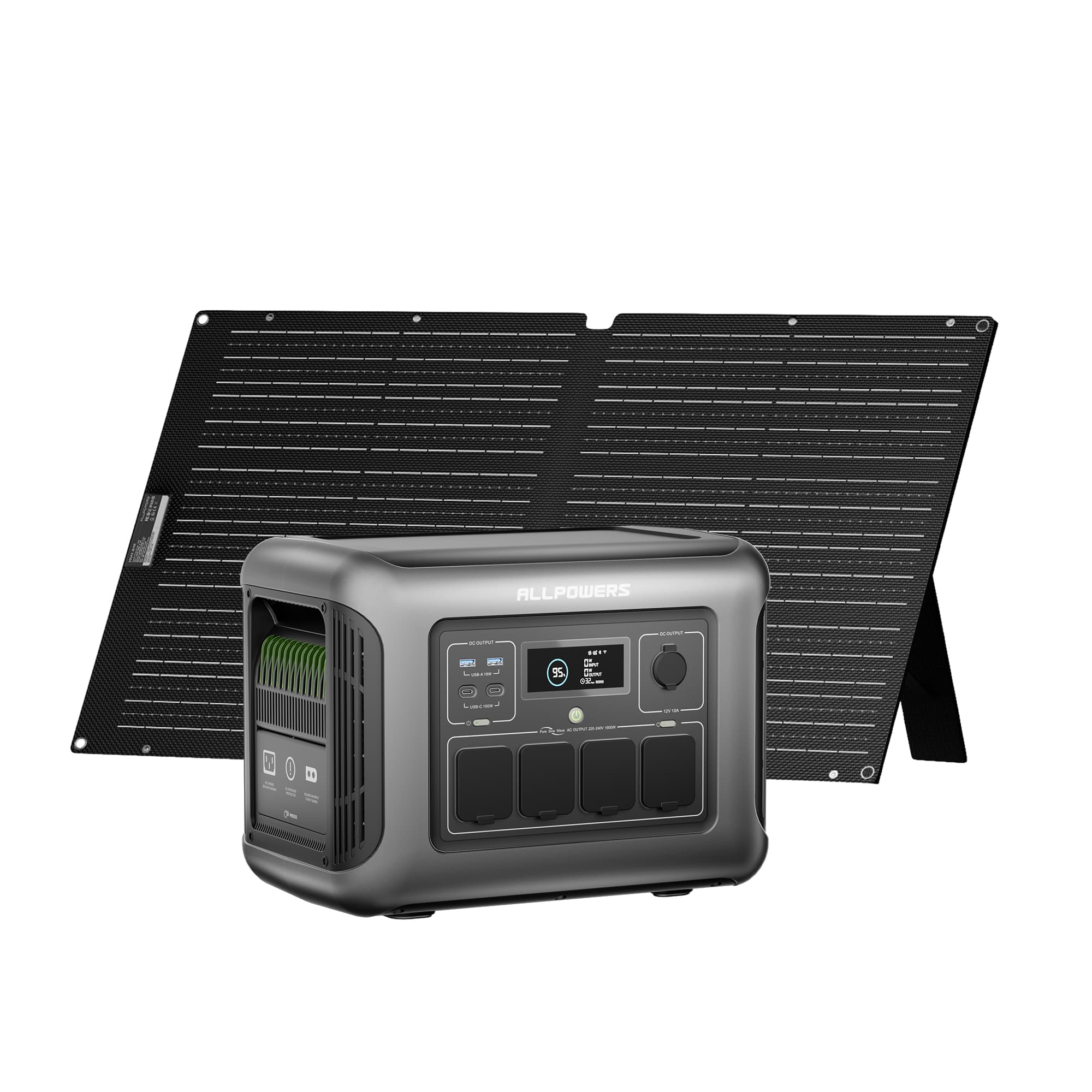
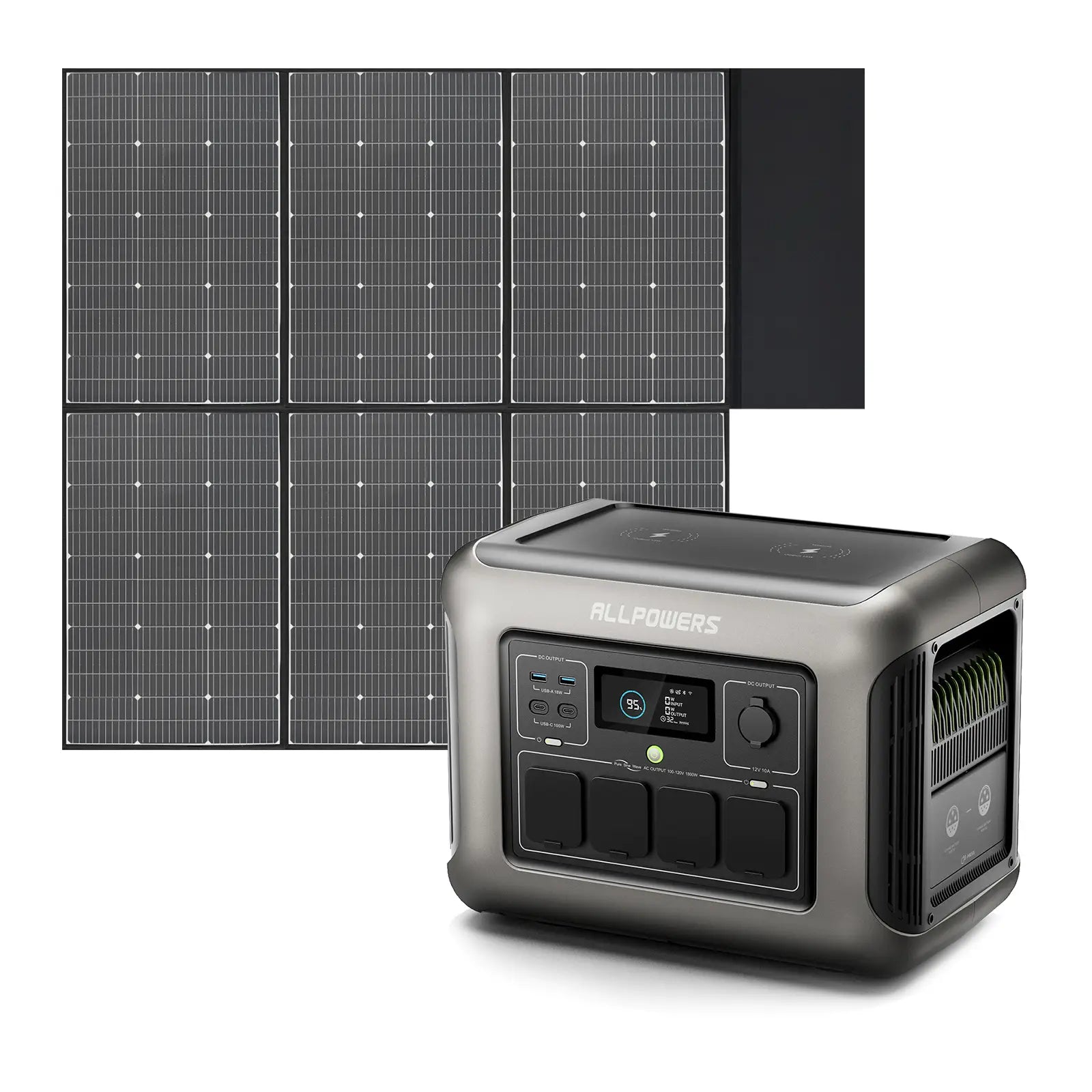
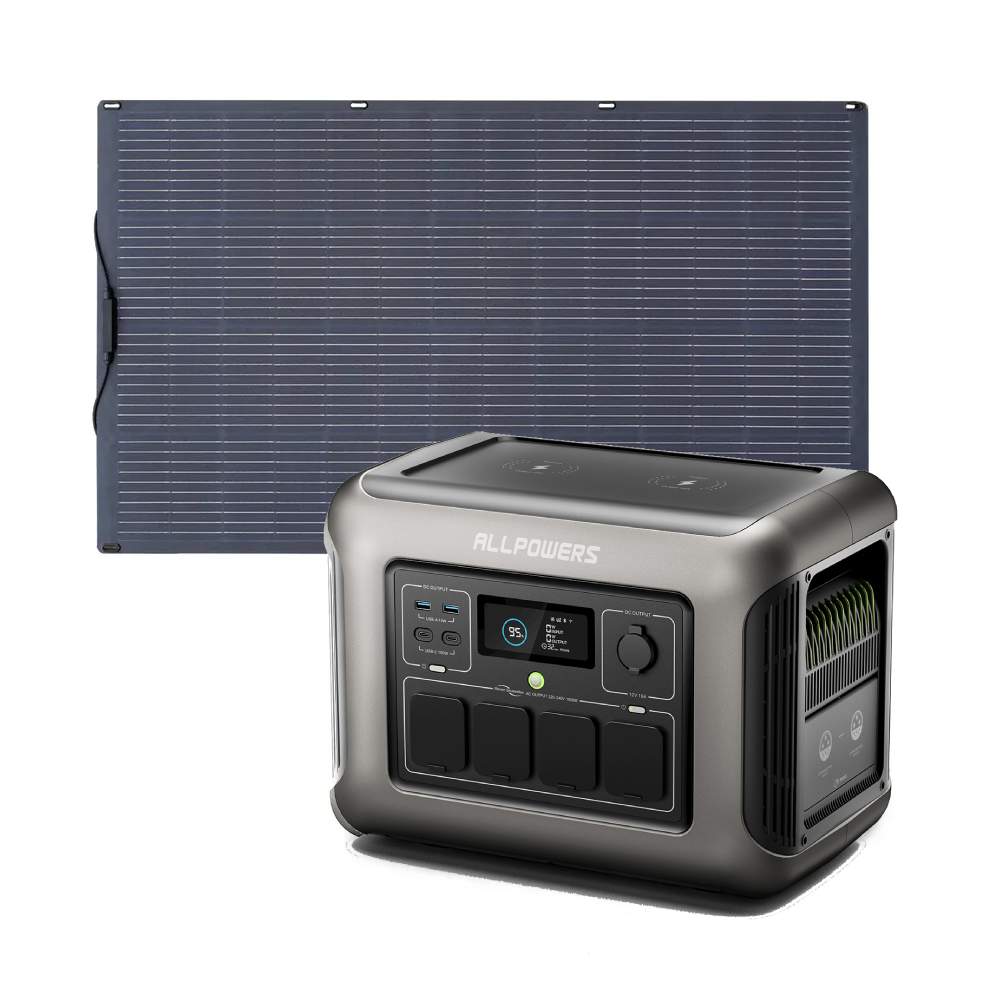
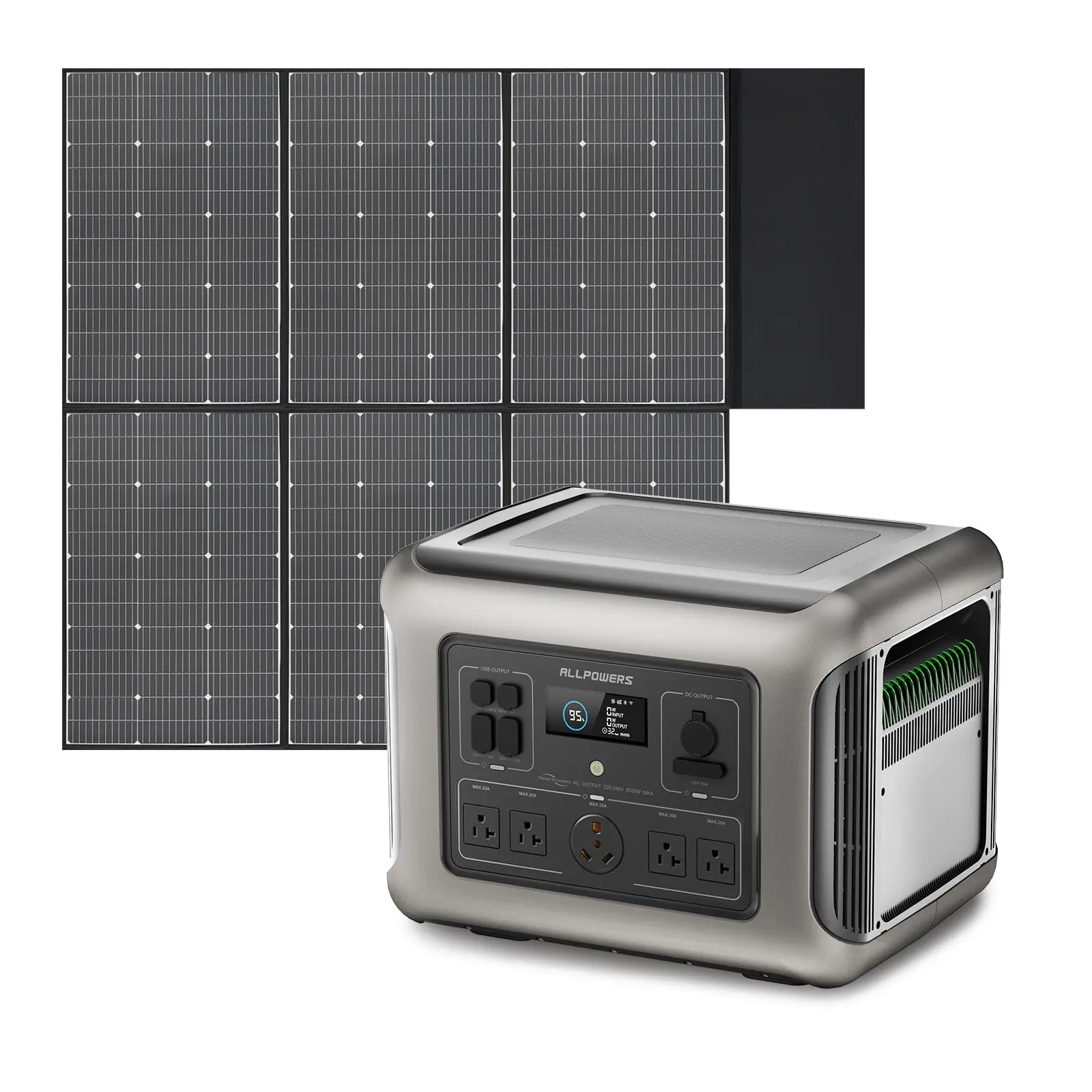
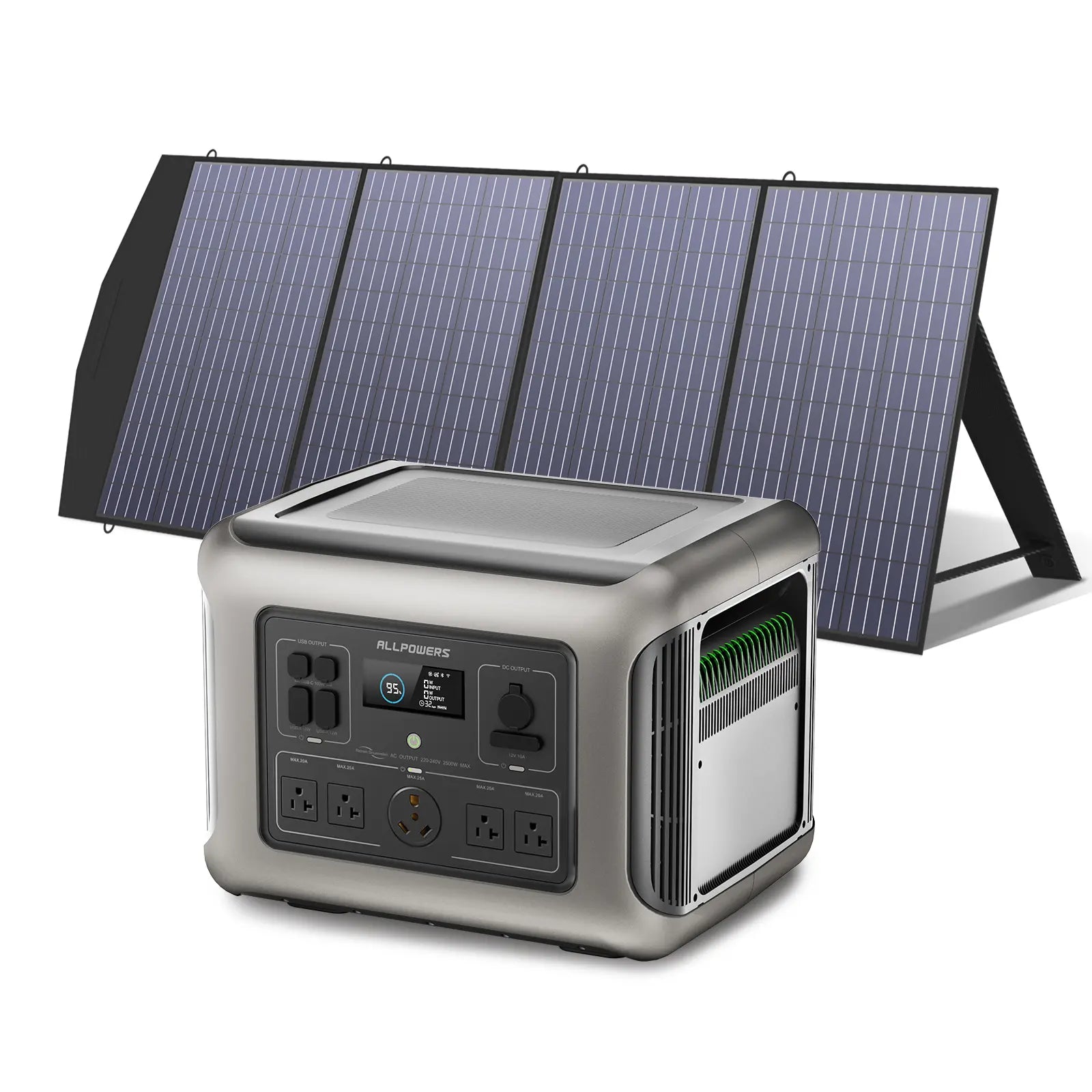
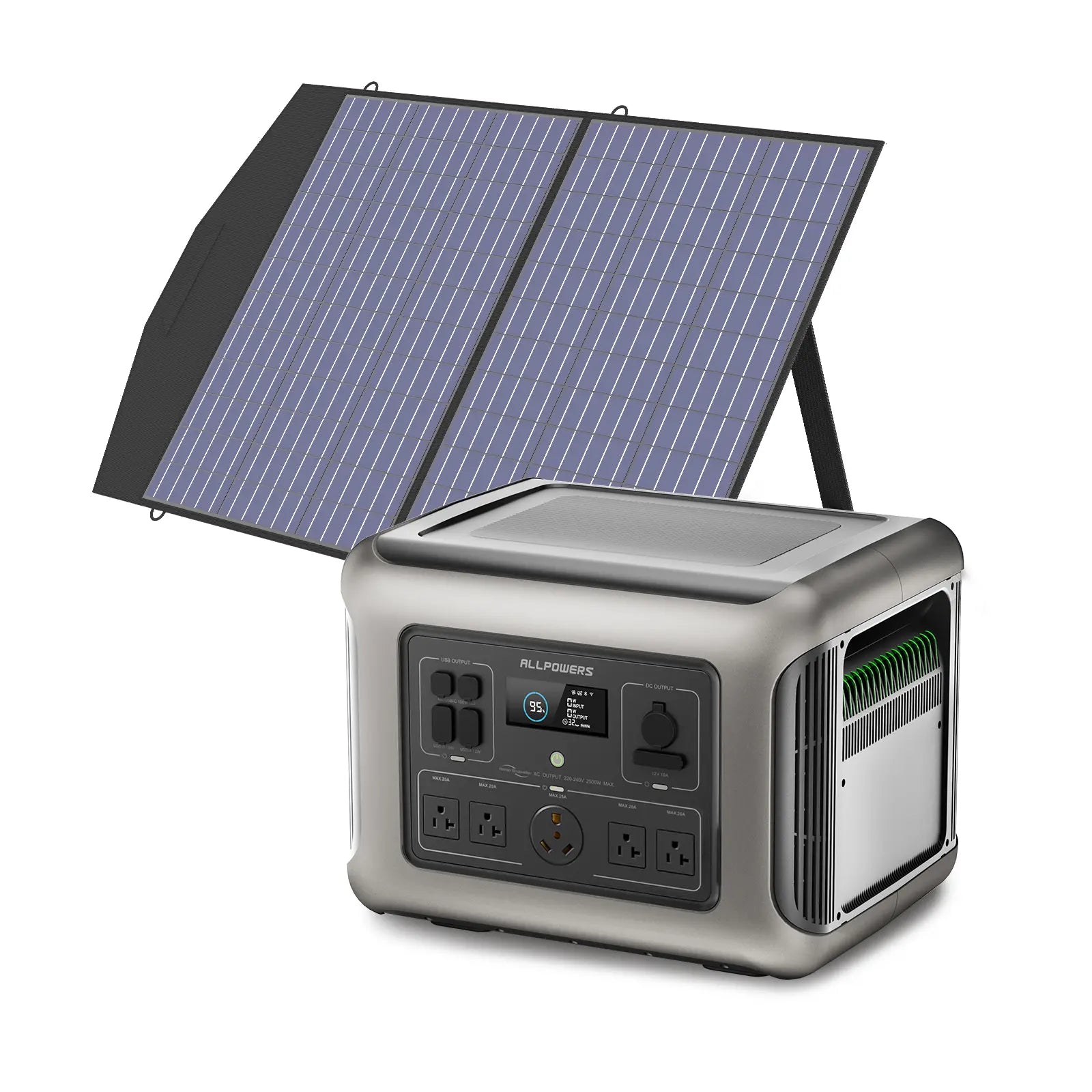
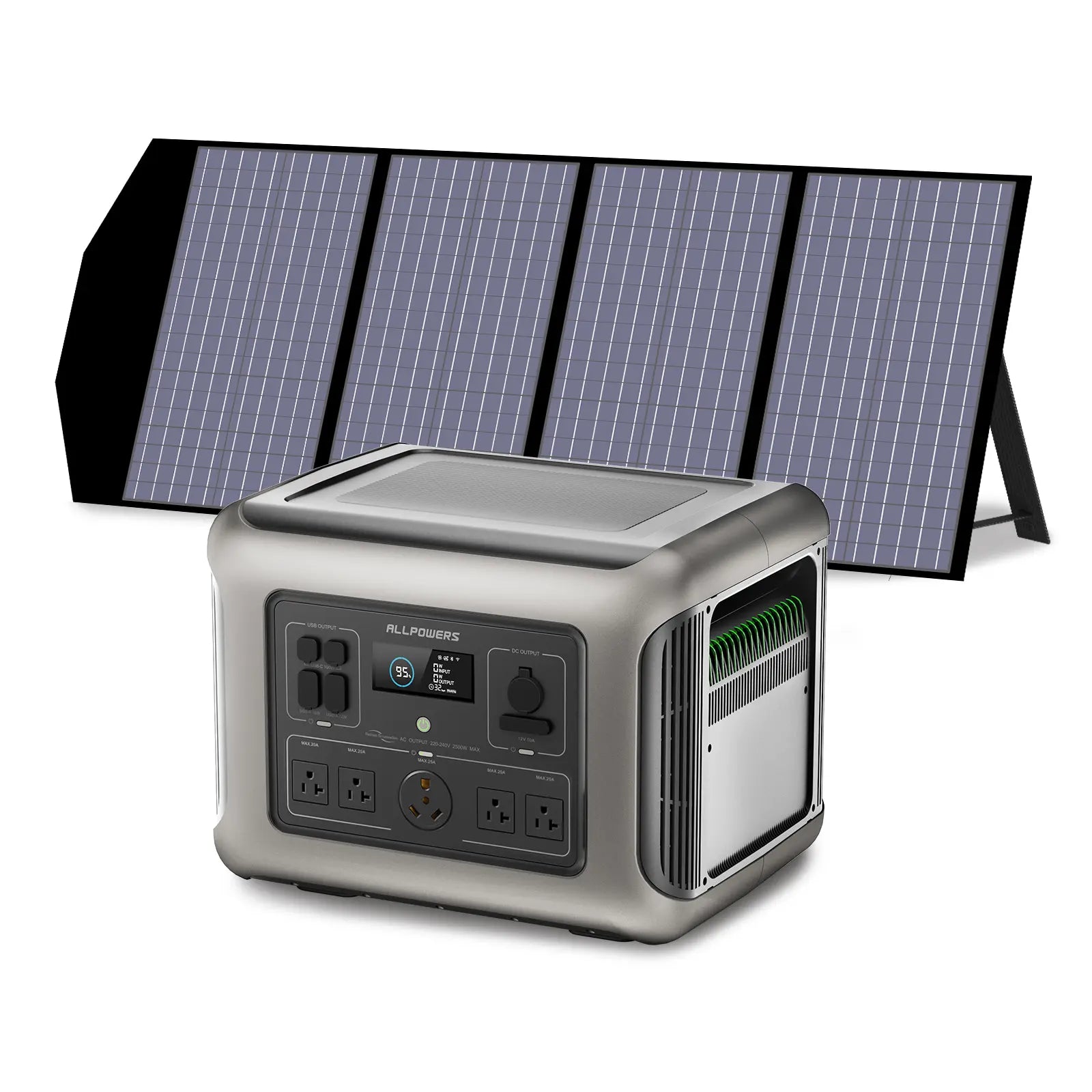
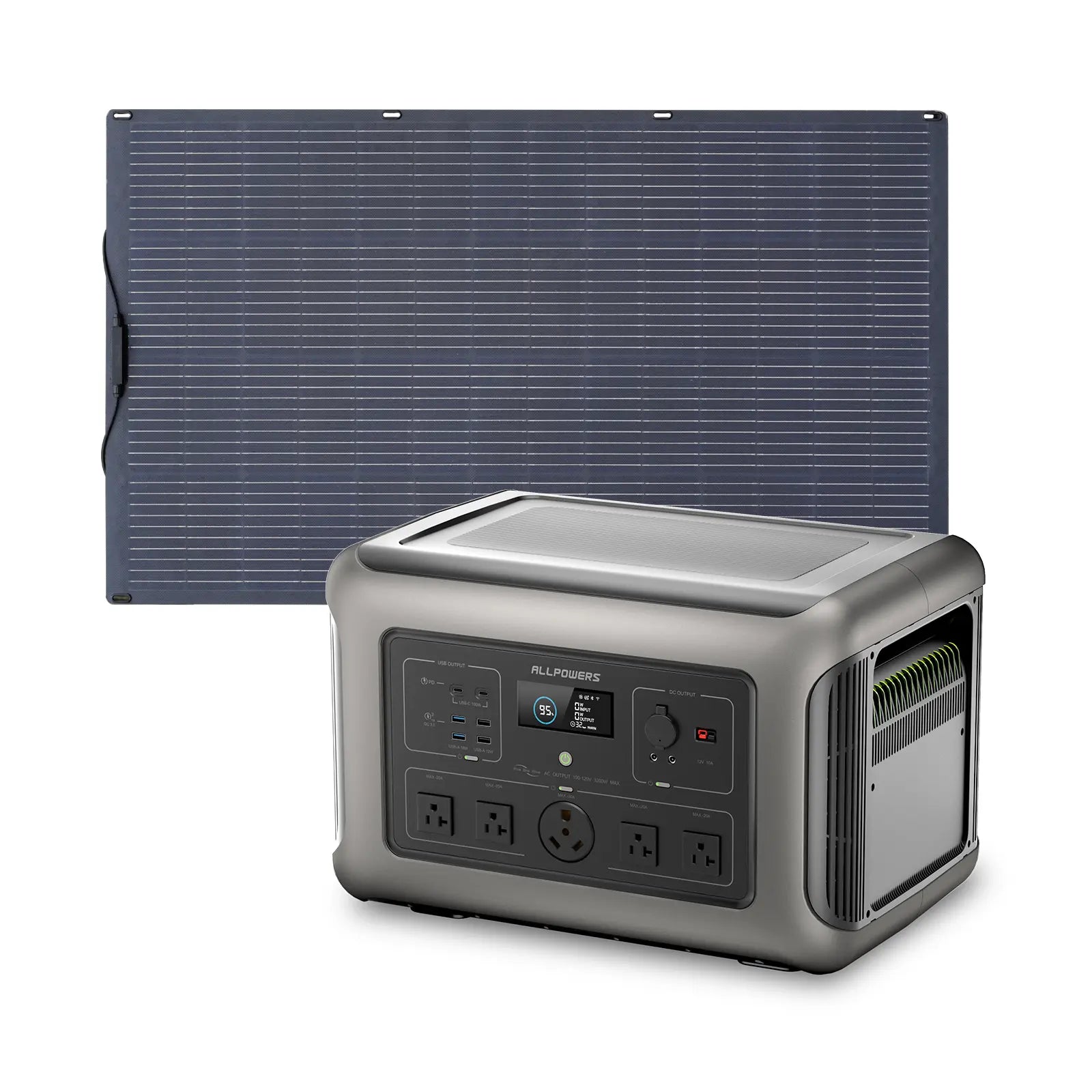
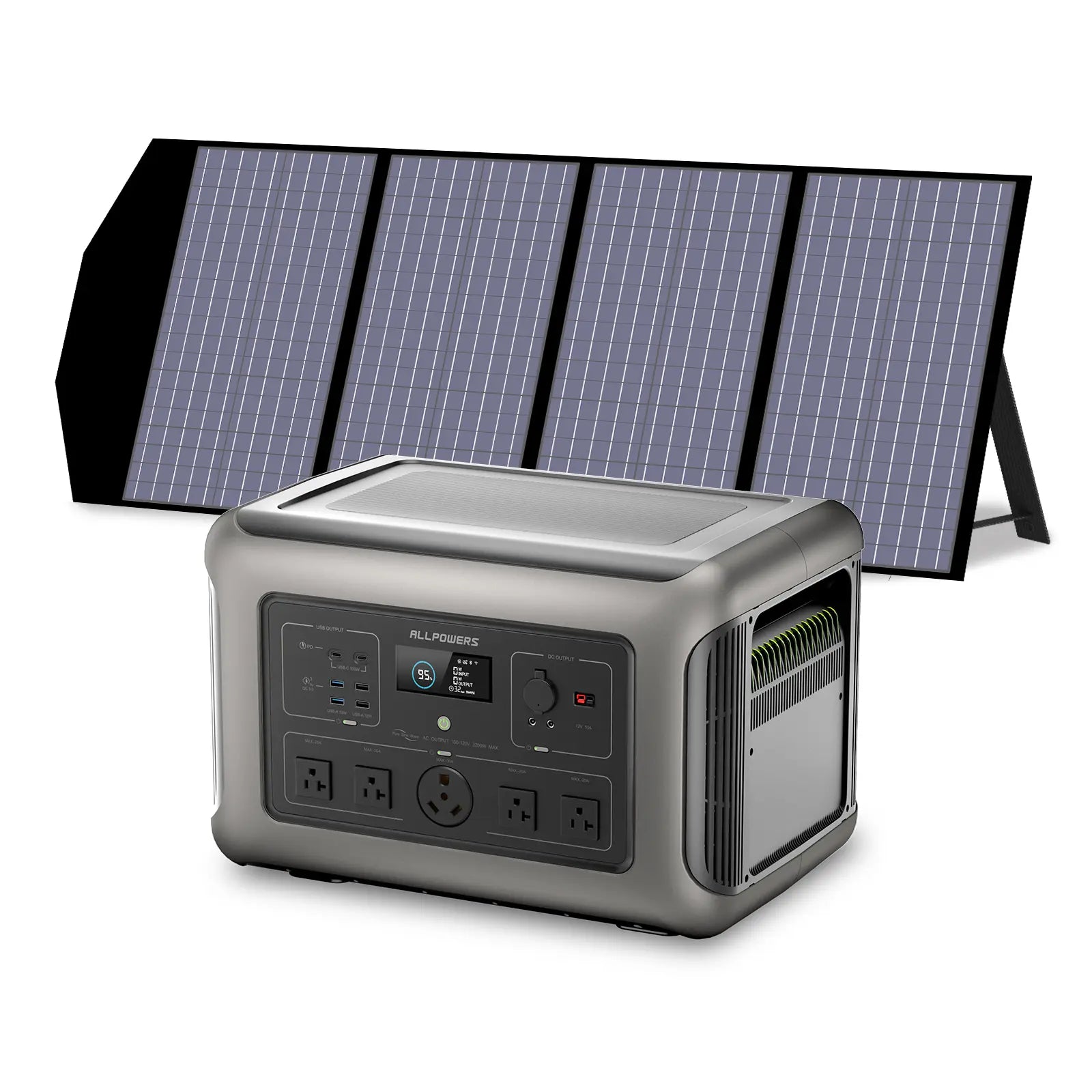
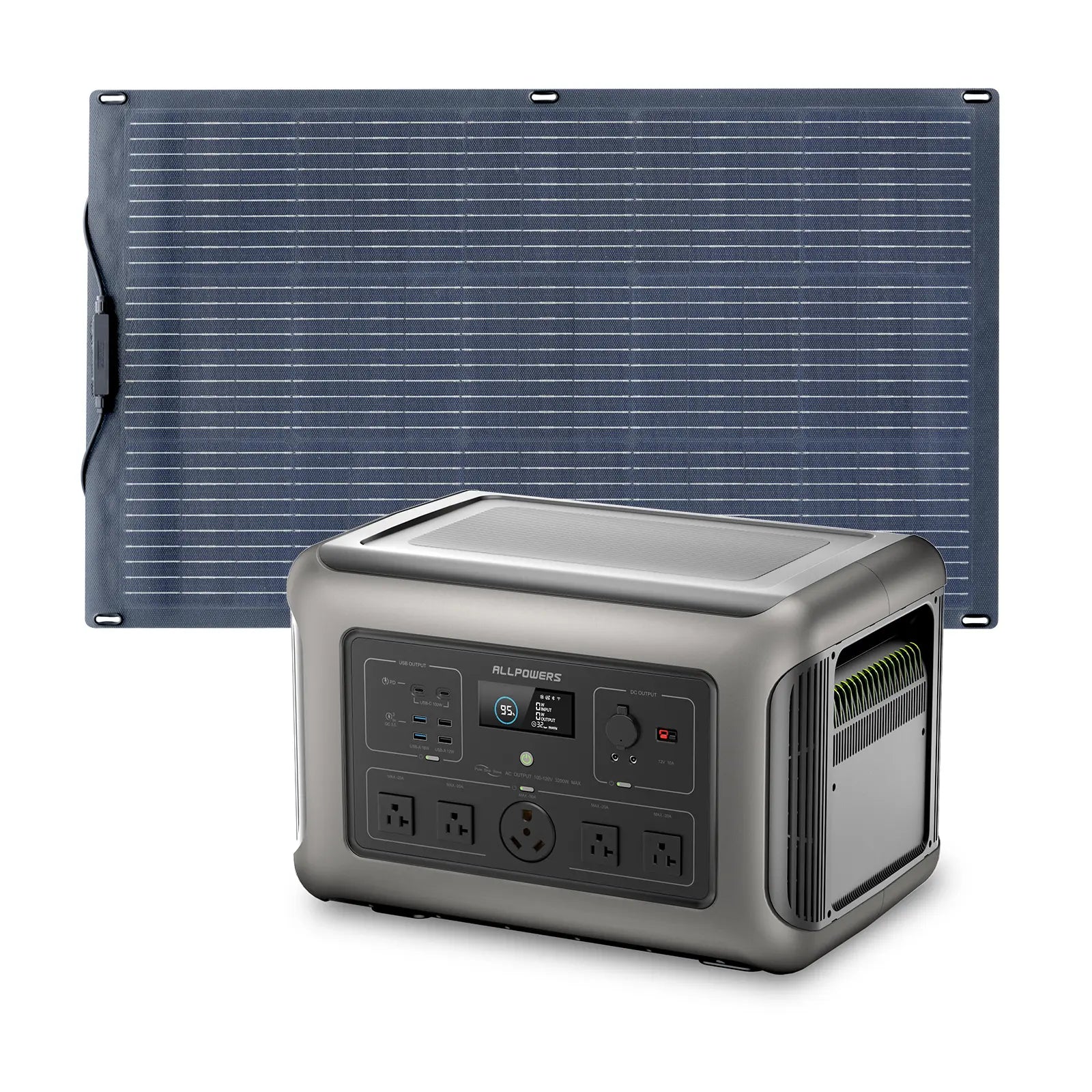
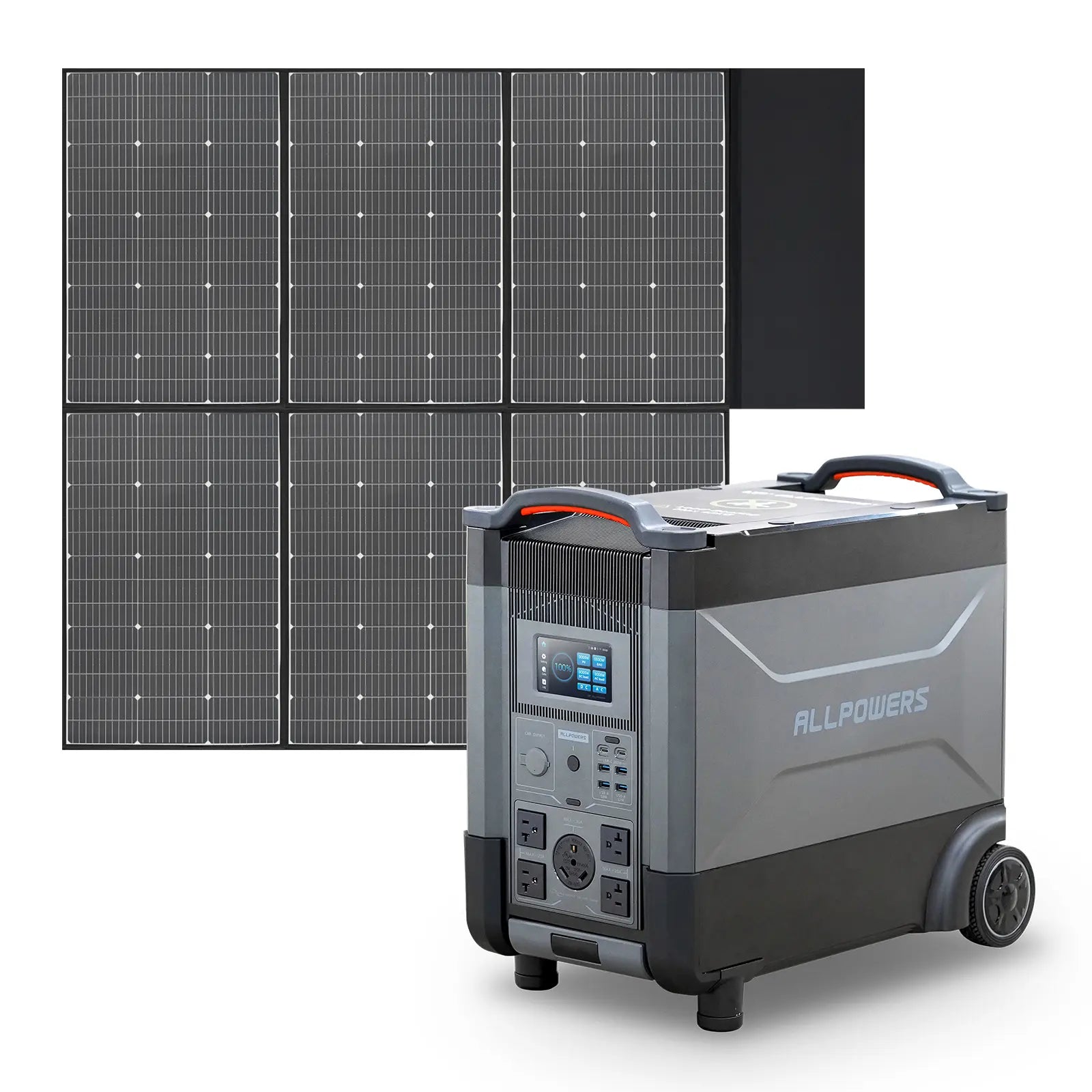
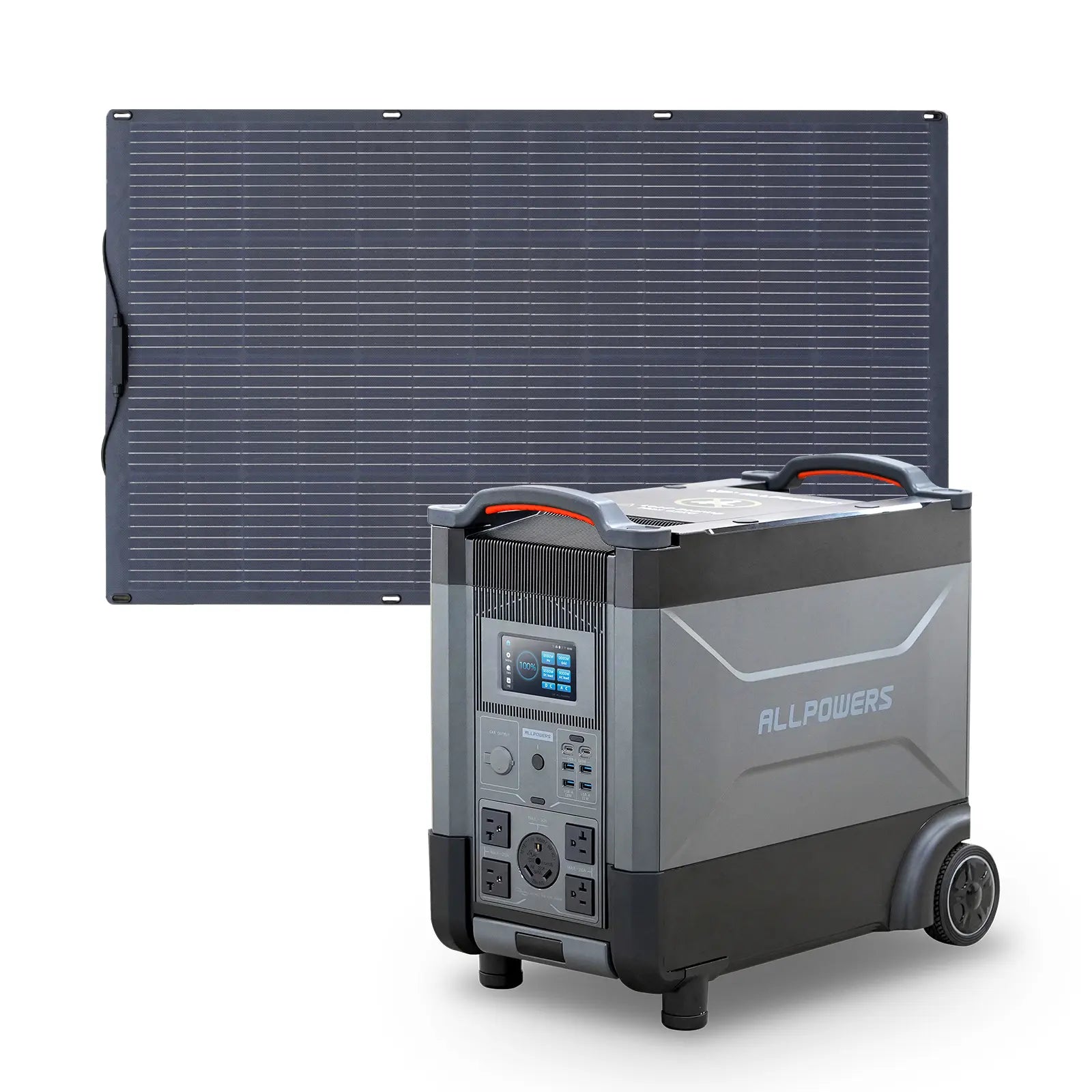
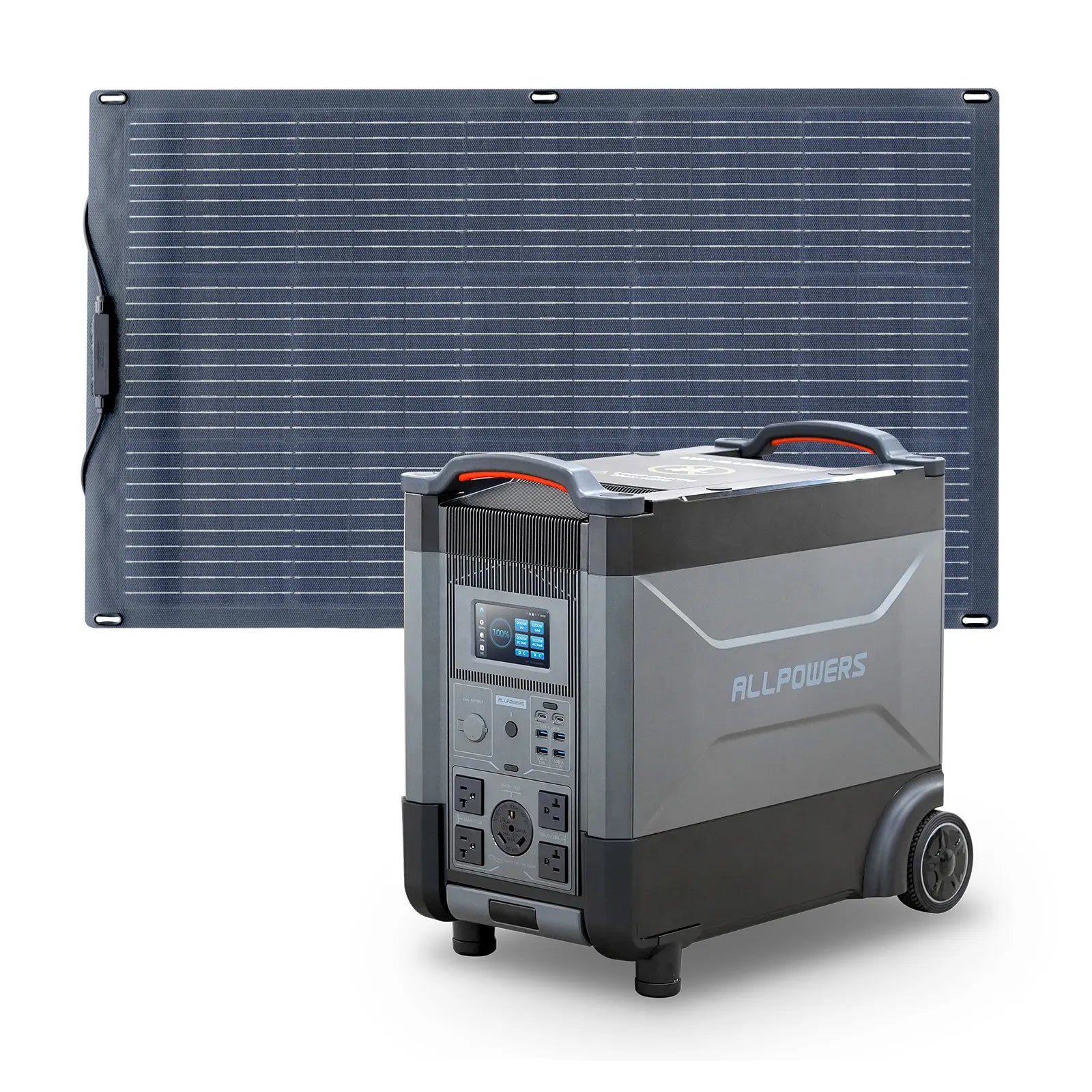
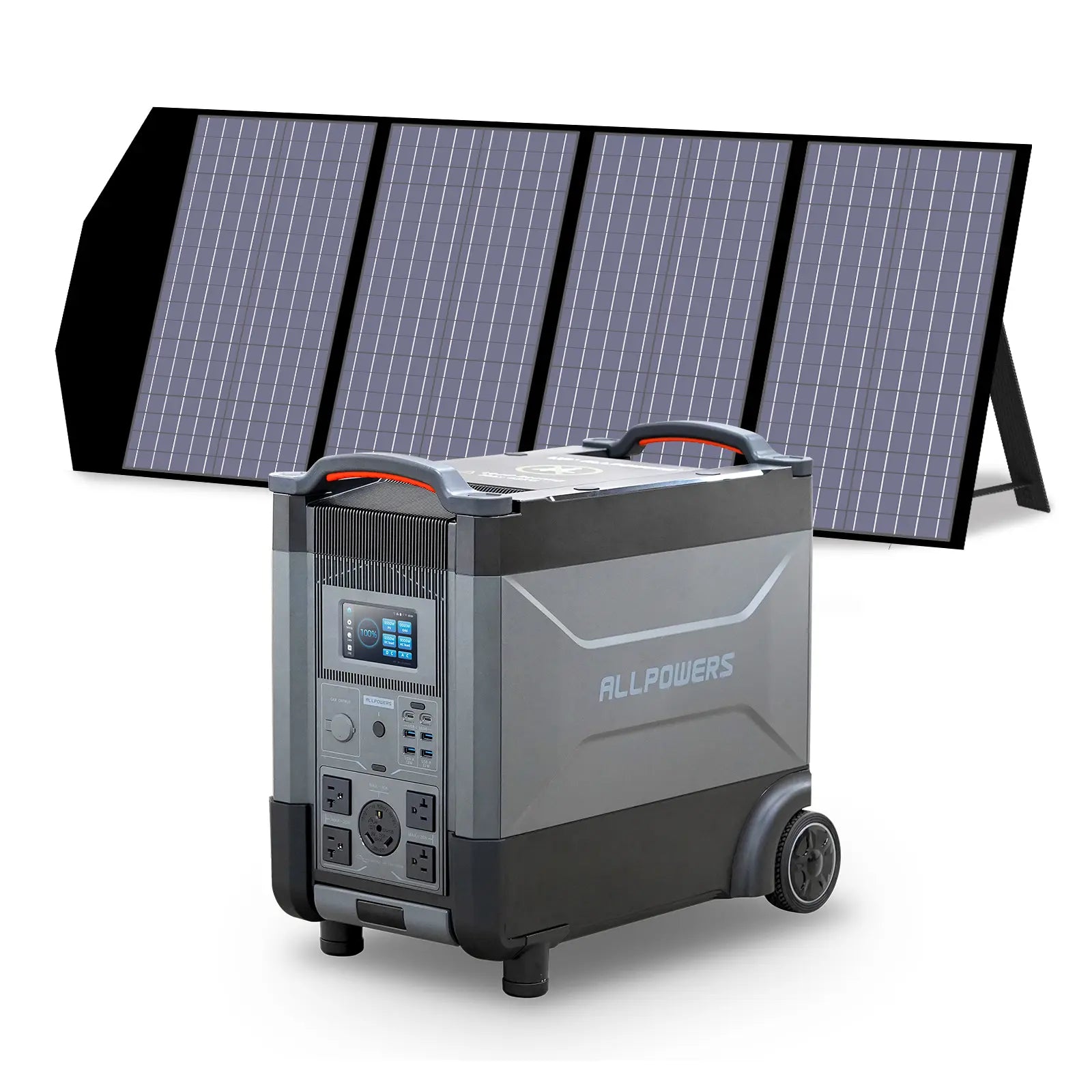
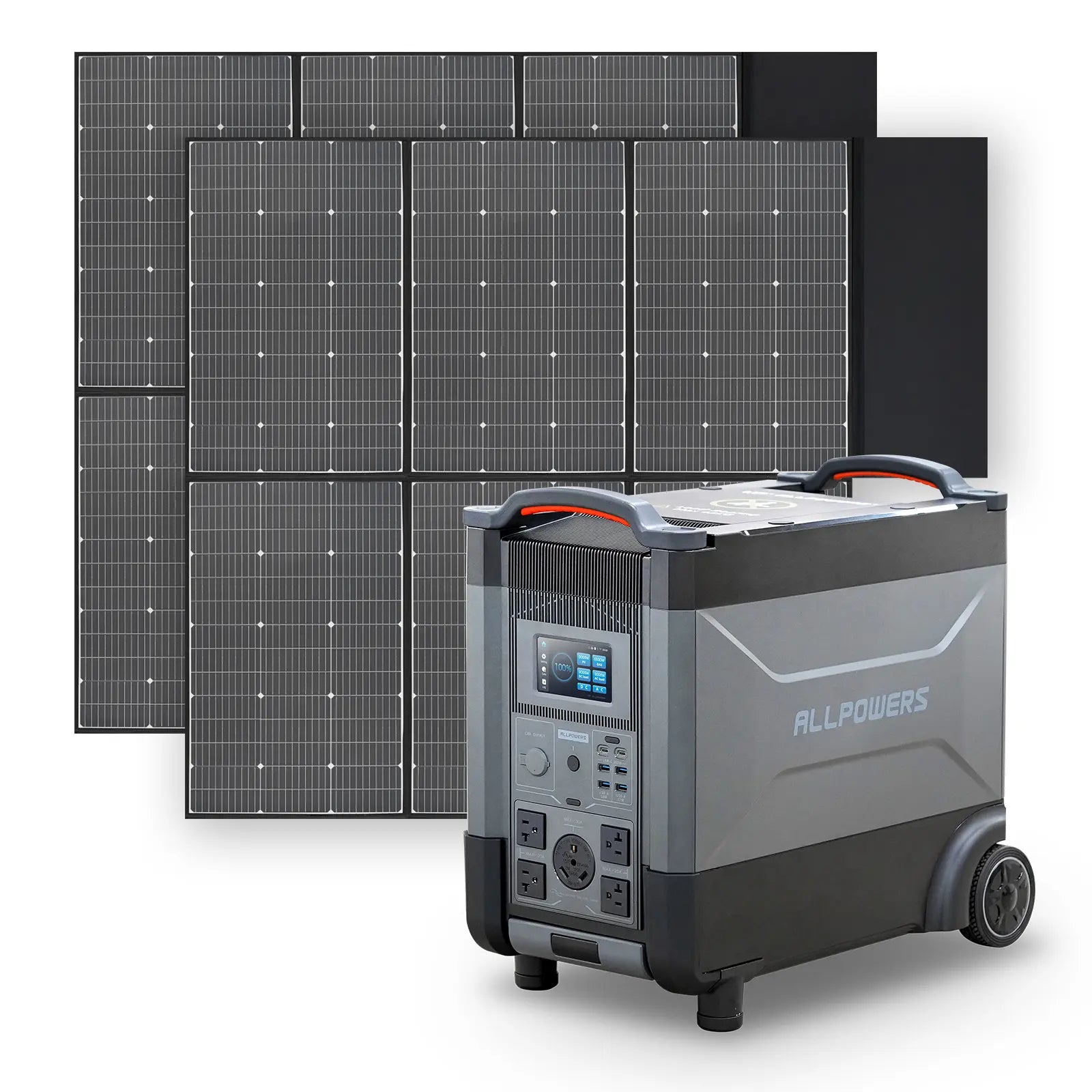
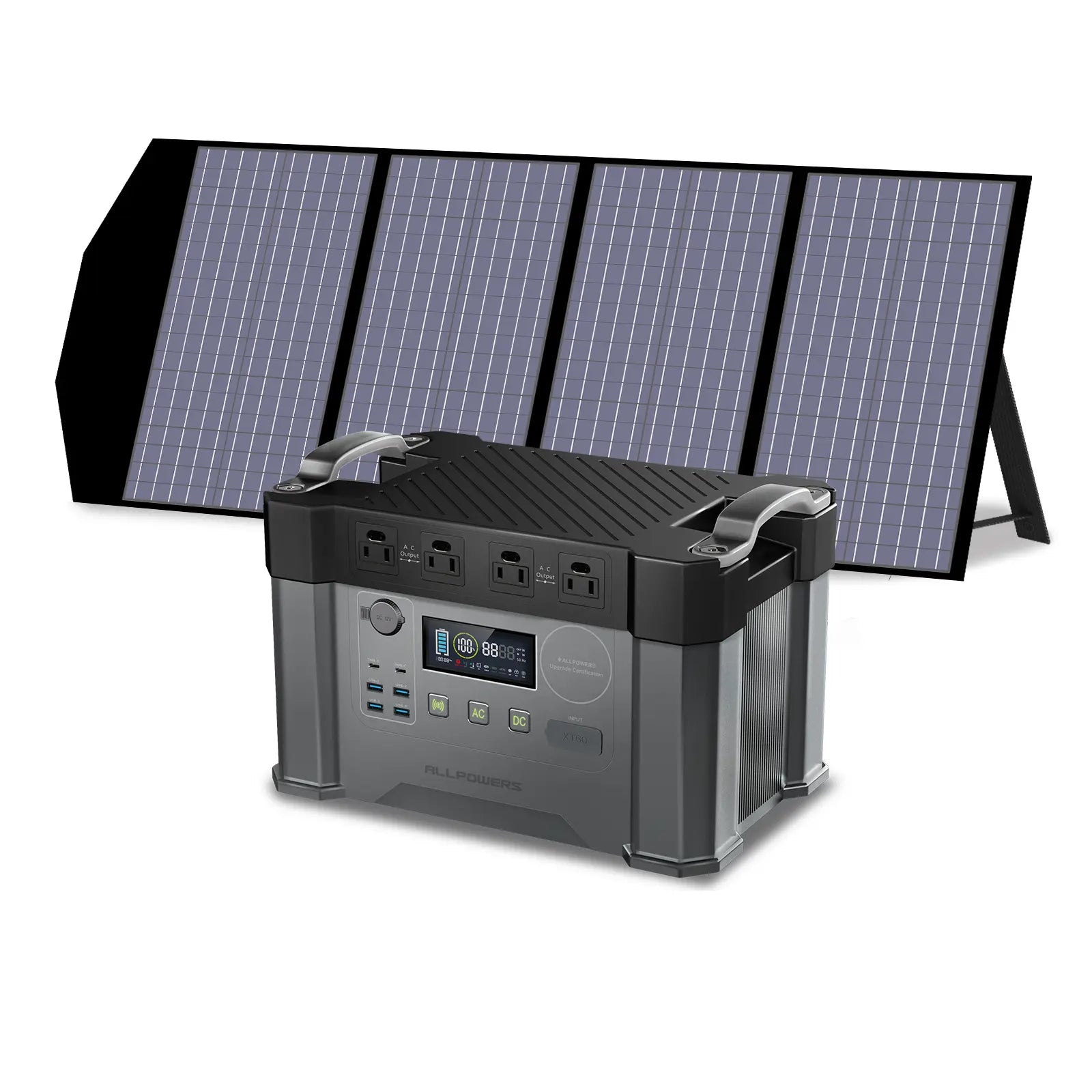
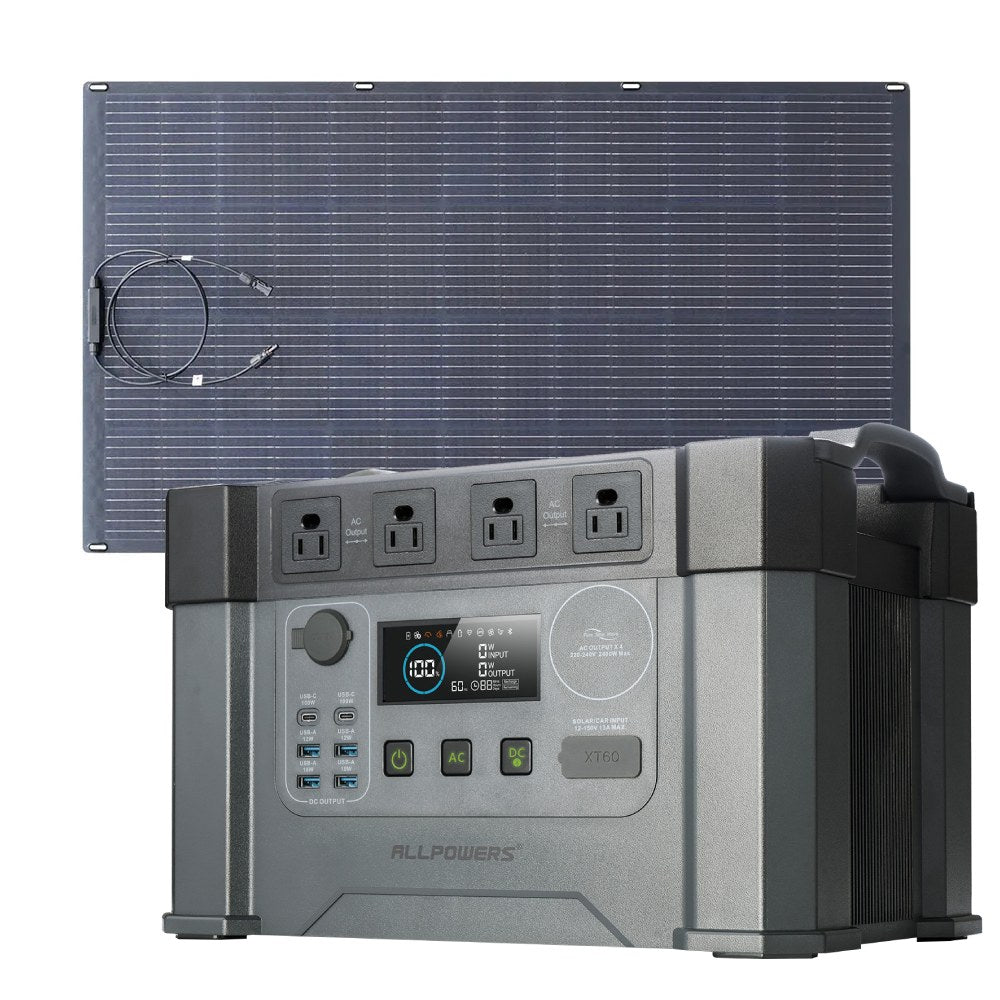
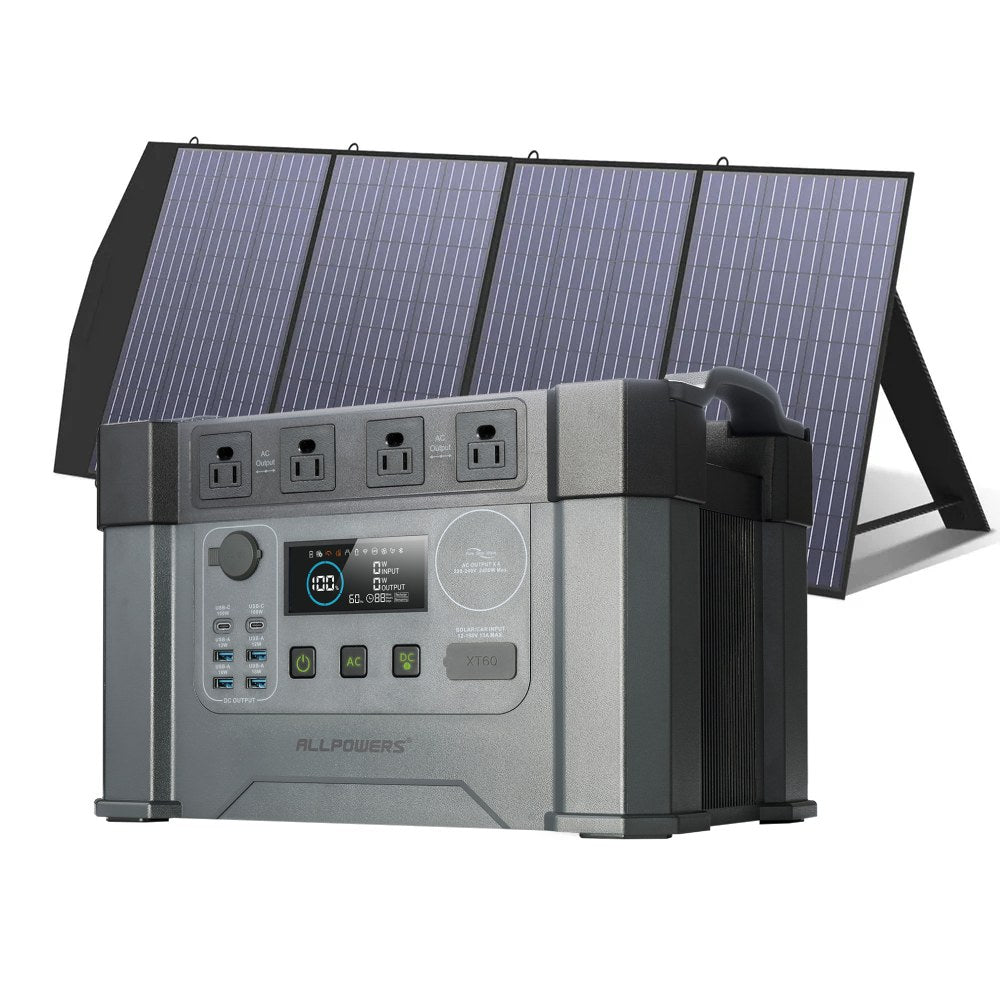
ALLPOWERS R2500 Portable Power Station
$719.00 $1,599.00
- 2016Wh Capacity;
- 2500W AC Output (4,000W Surge);
- Fast Charge 100% in 1 Hours;
- Start UPS in 15 ms;
- Expandable Up to 3x B1000 Expansion Battery;
What Are the Main Ways to Power a Camper Off-Grid?
Most off-grid campers rely on several complementary power sources rather than a single solution.
This approach improves flexibility and reduces the risk of running out of electricity during longer trips.
Battery Storage
Battery systems provide stored electricity for nighttime use and cloudy days. Modern lithium batteries have become increasingly popular because they offer higher usable capacity, faster charging, and longer service life than traditional lead-acid batteries.
Learn More: LiFePO4 vs Lithium-Ion: Which One Is Right for You?
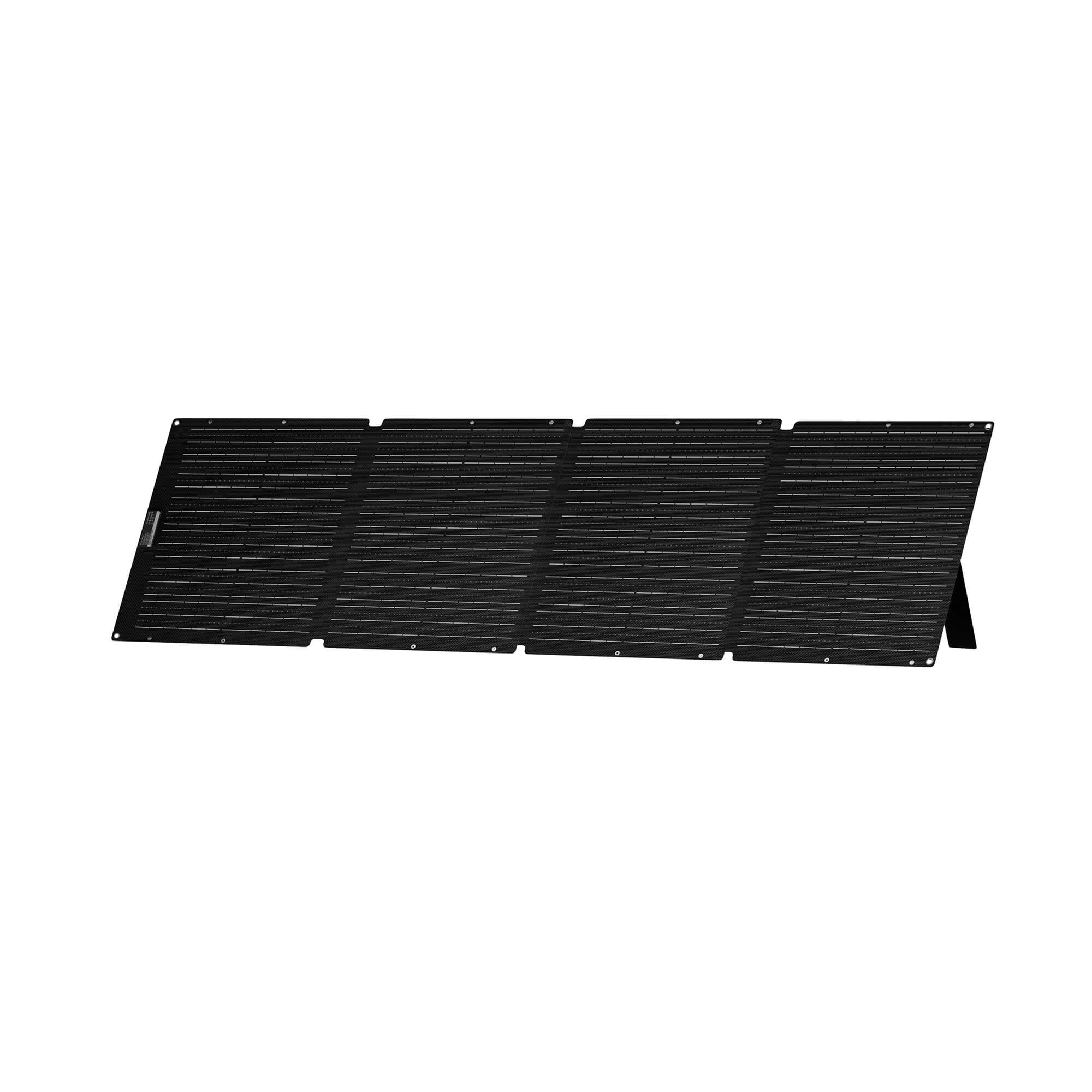
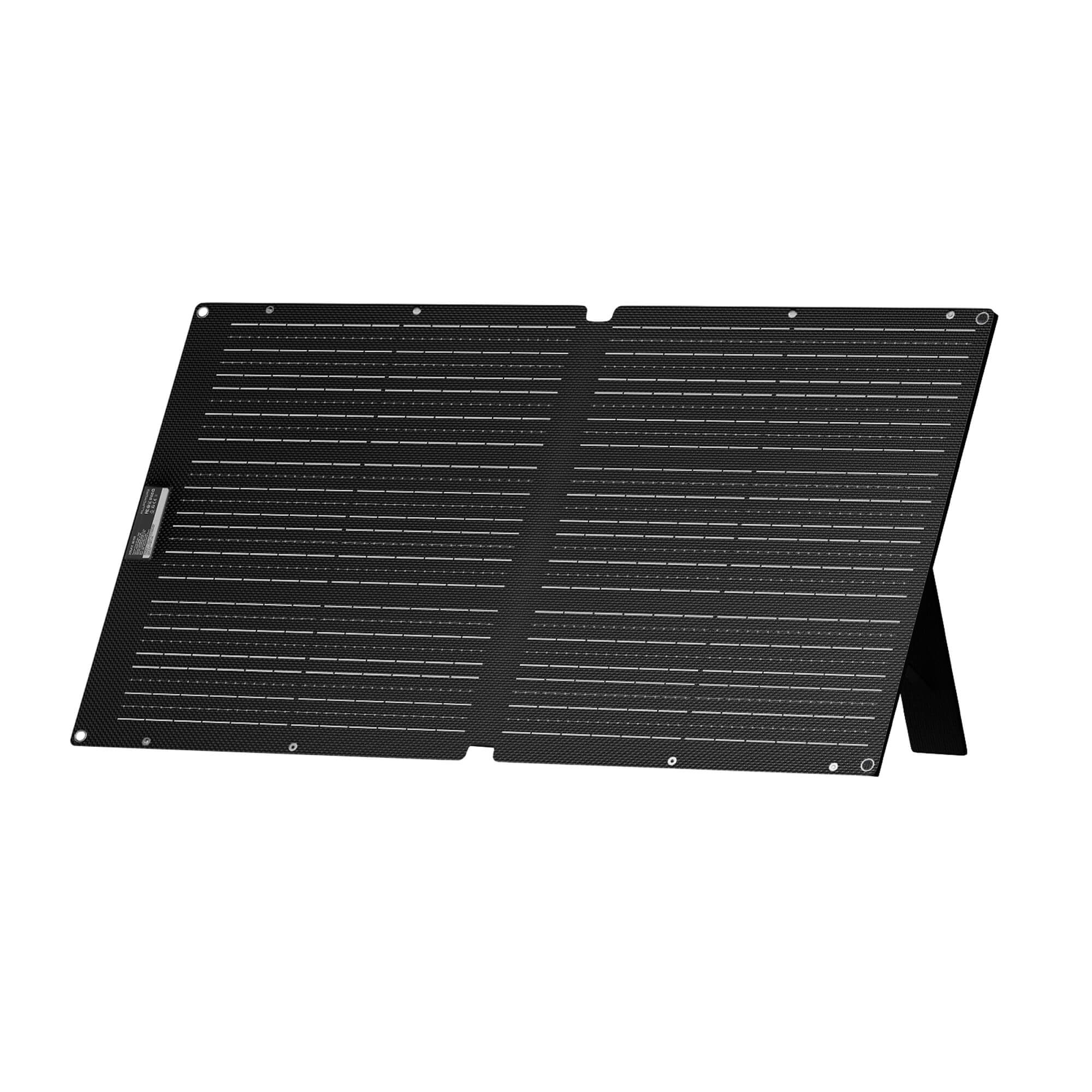
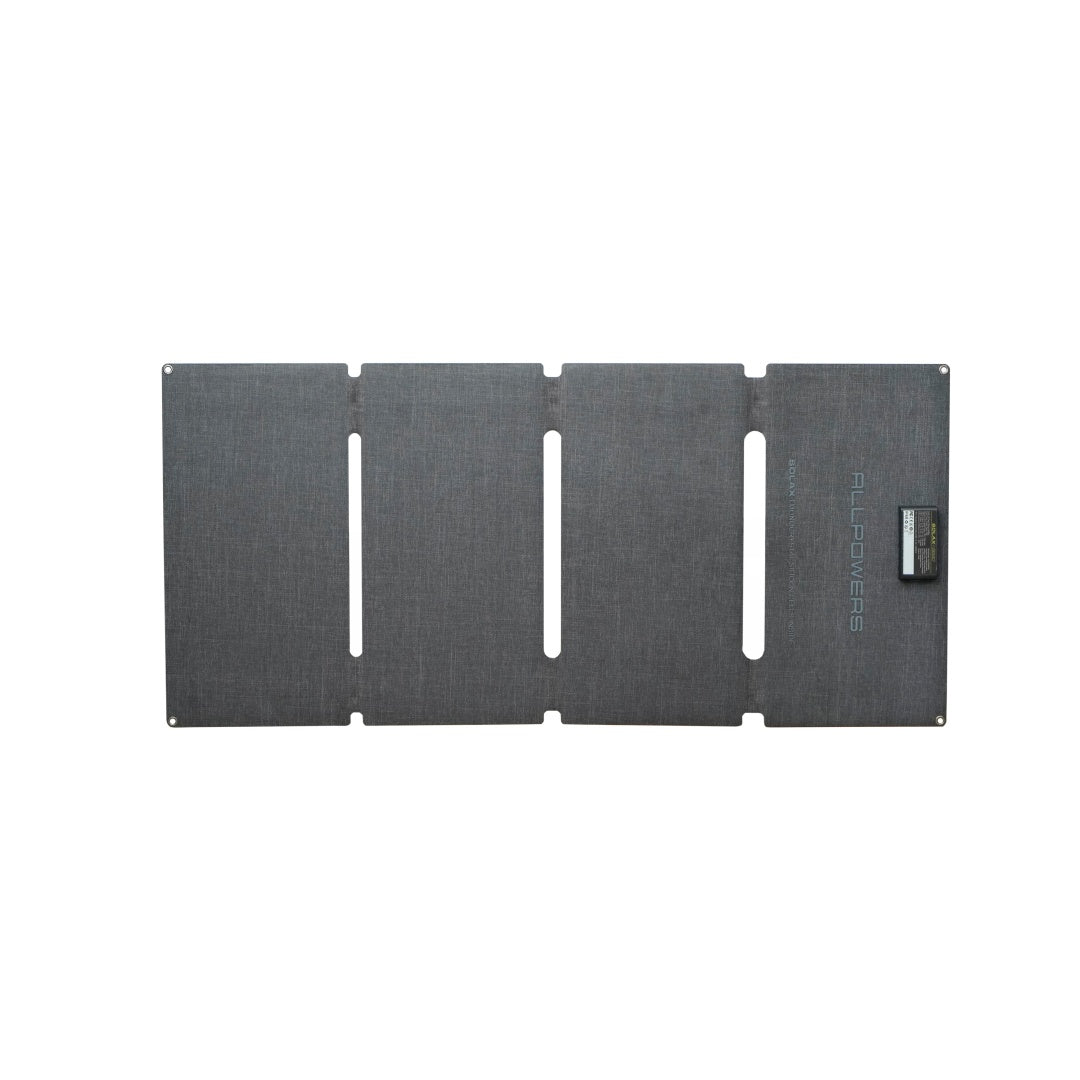
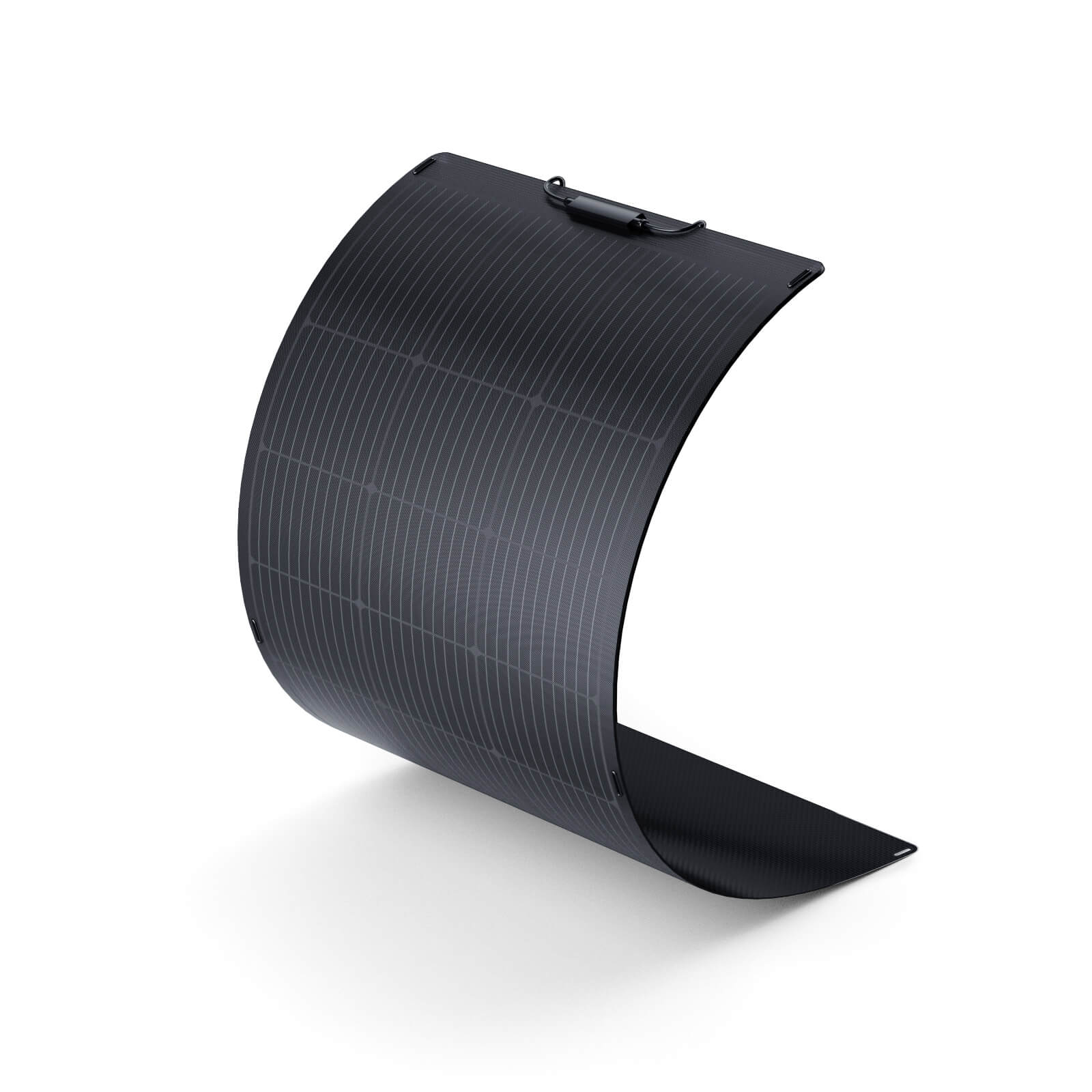
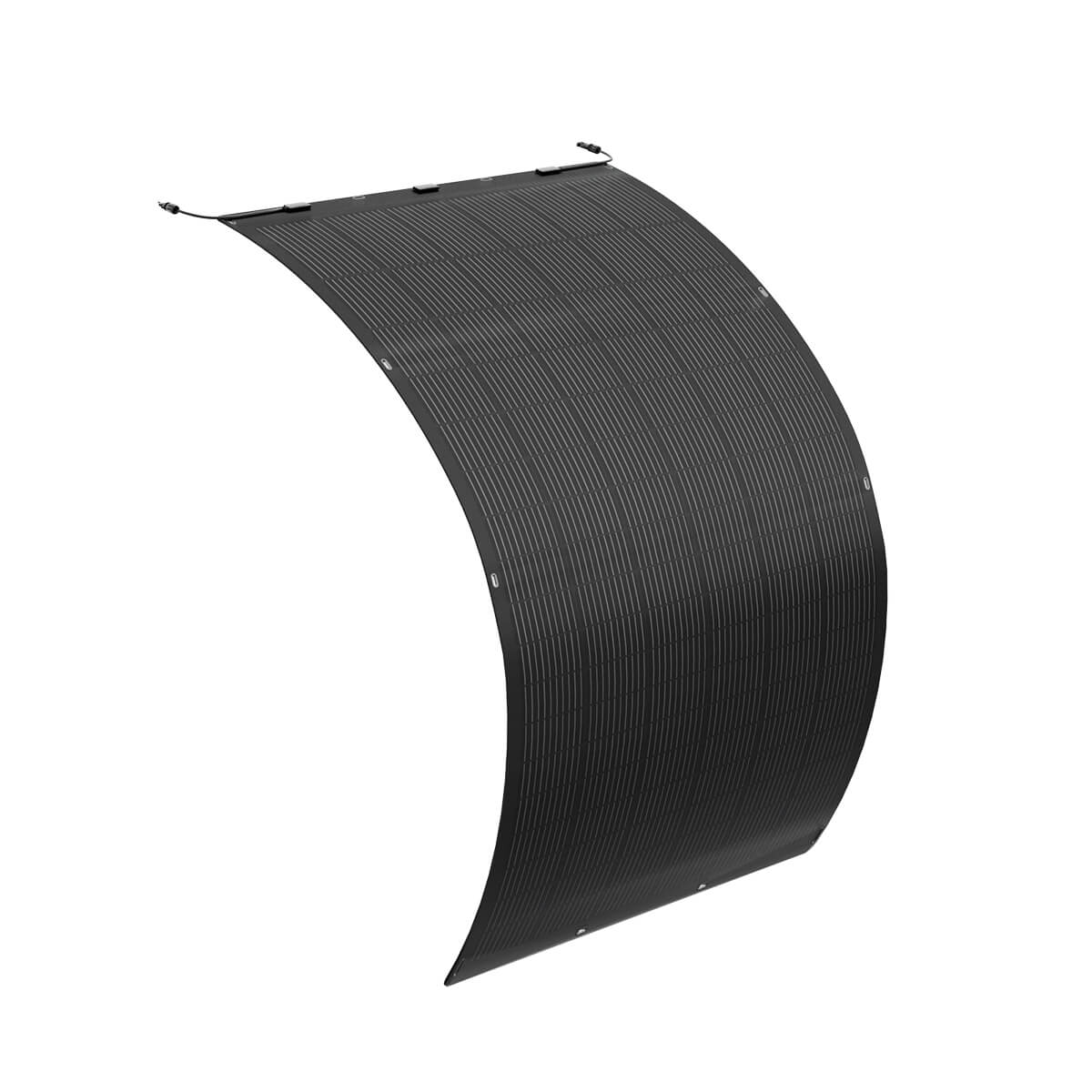
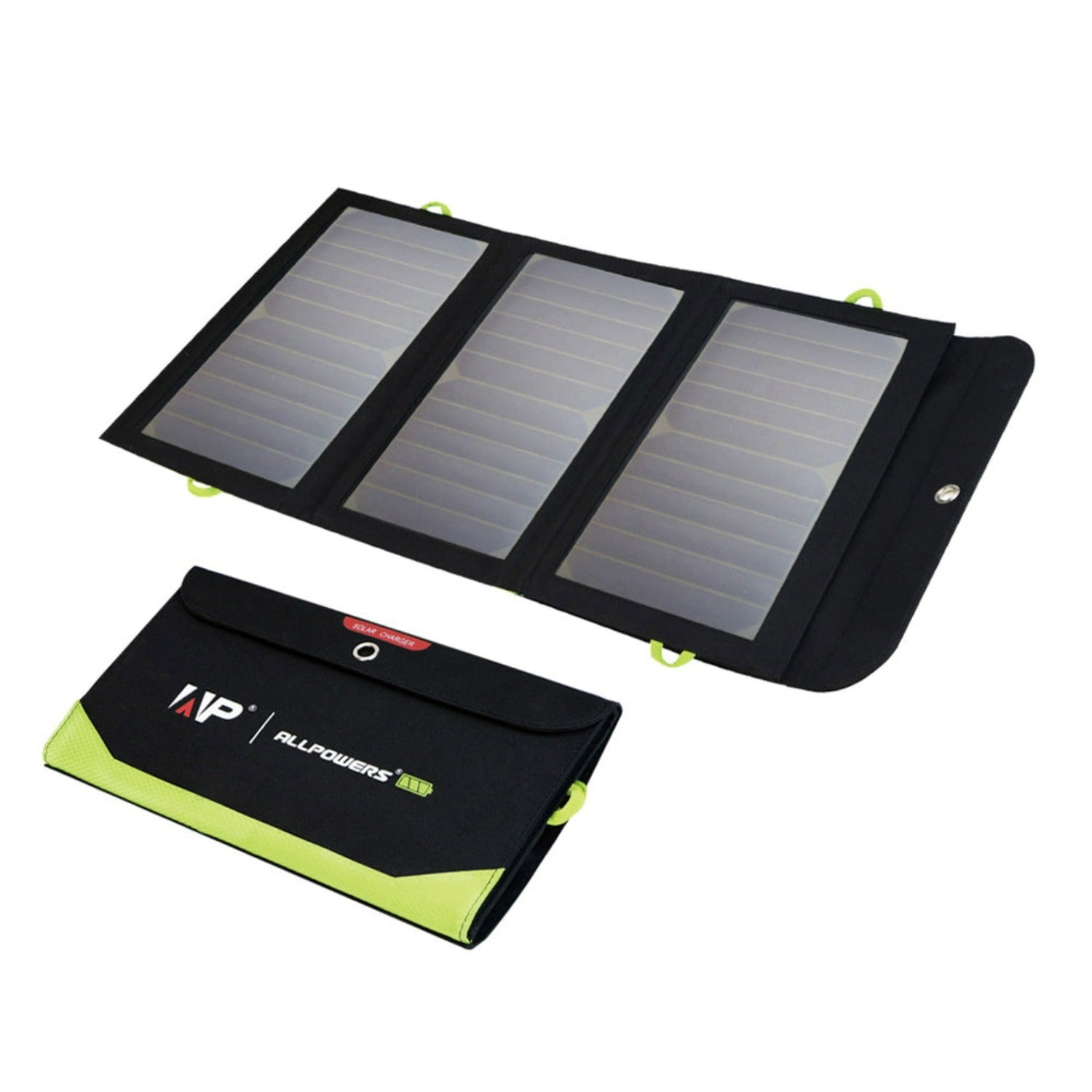
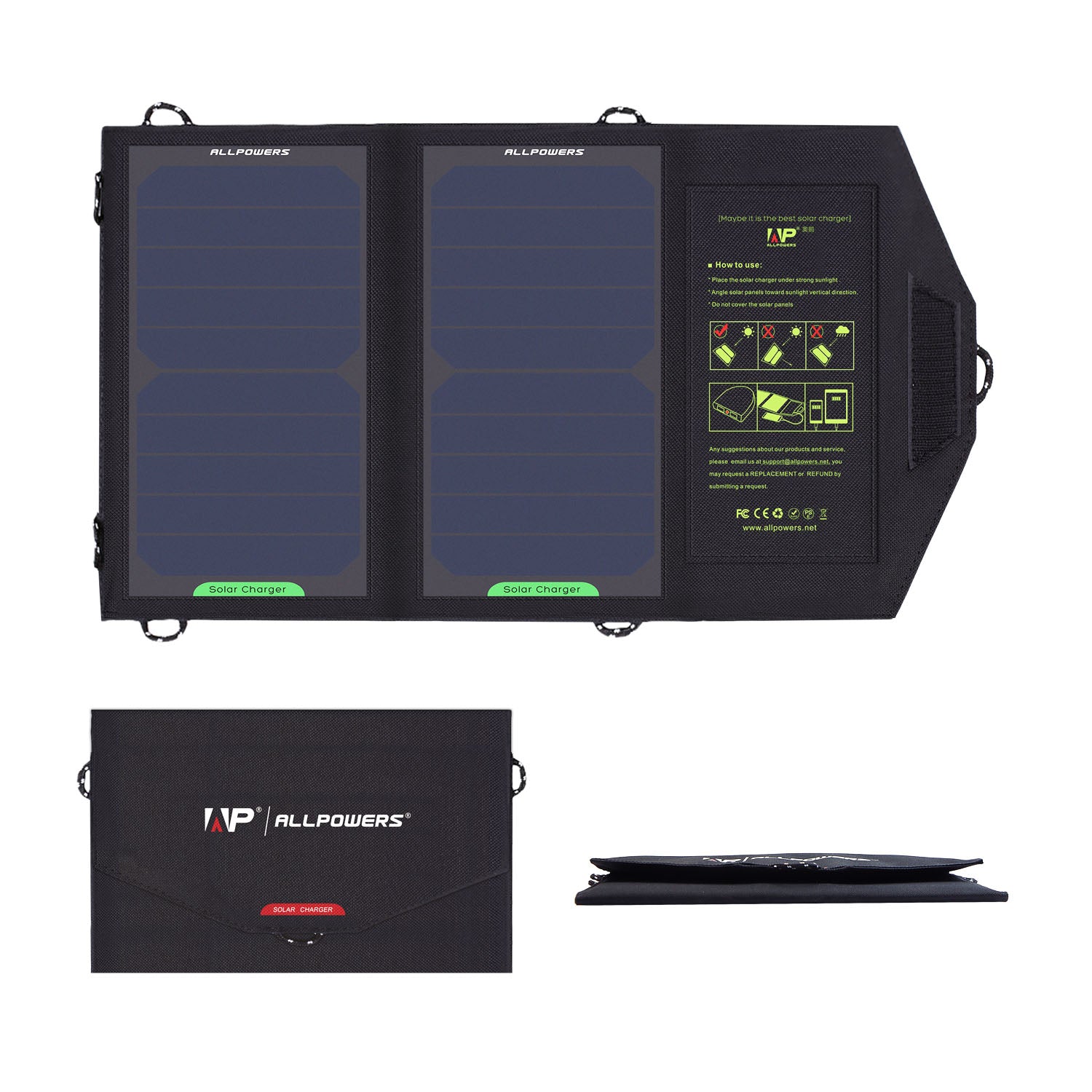
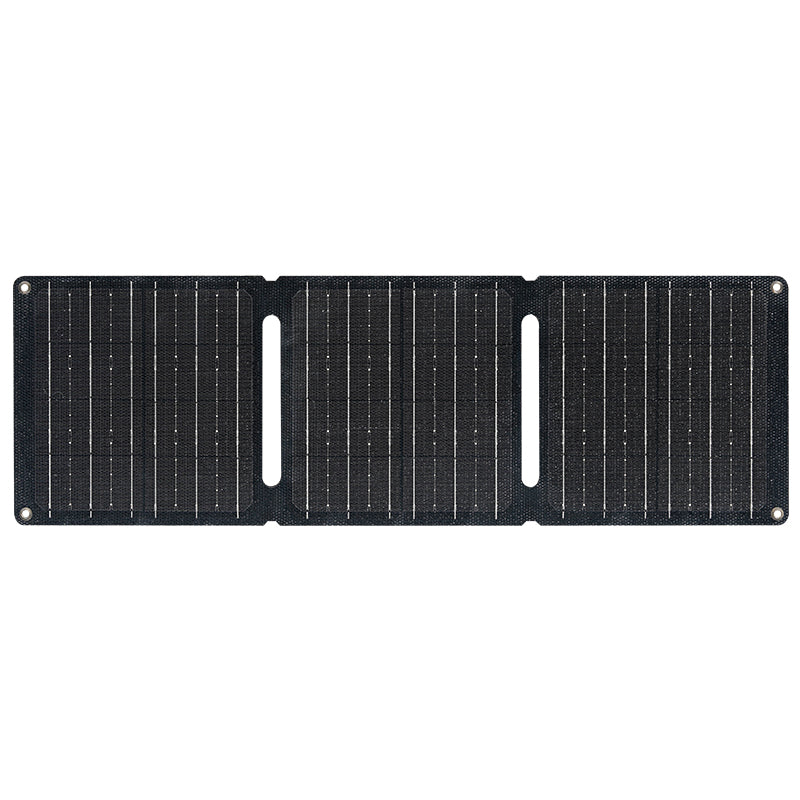
Solar Panels
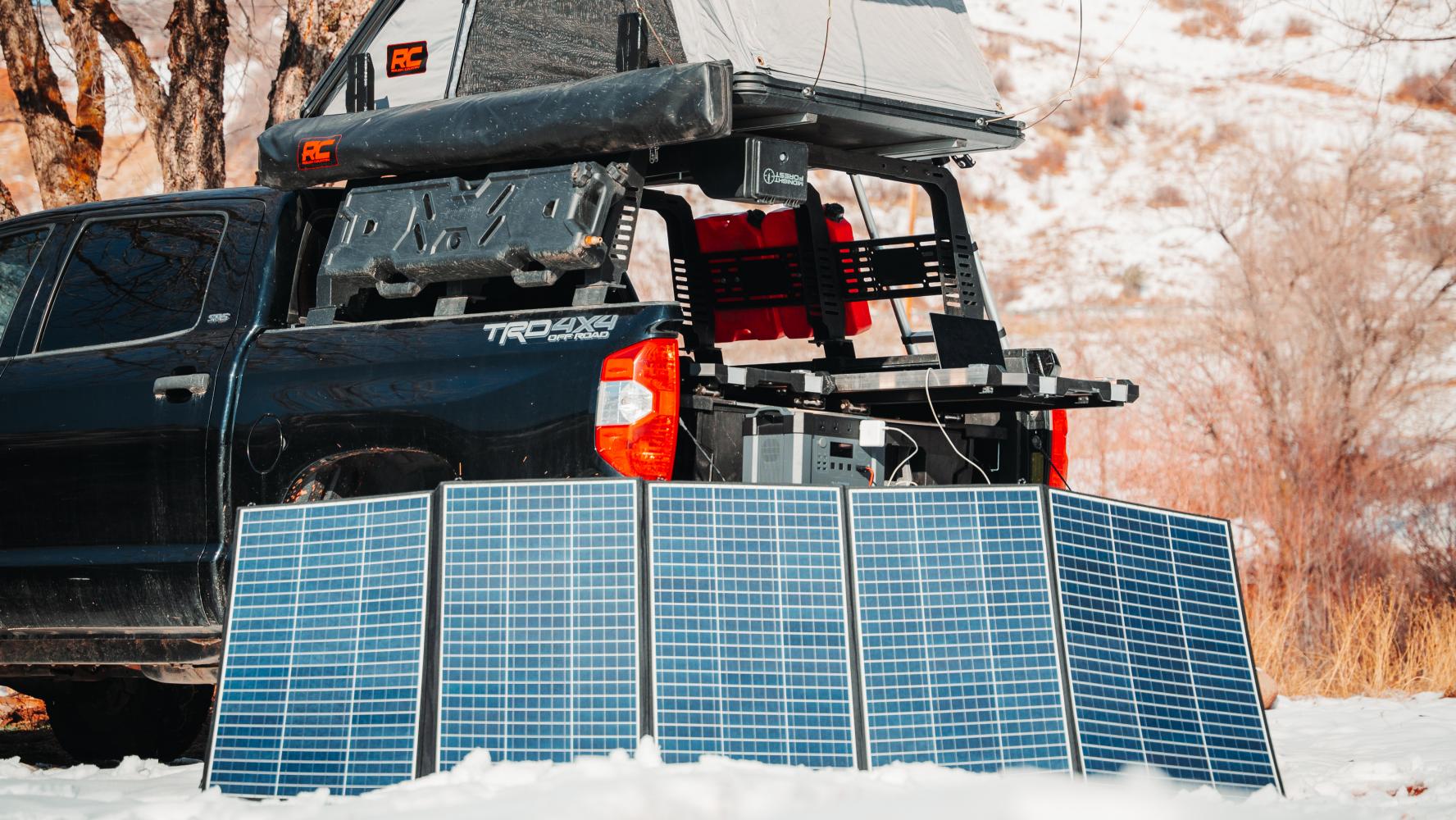
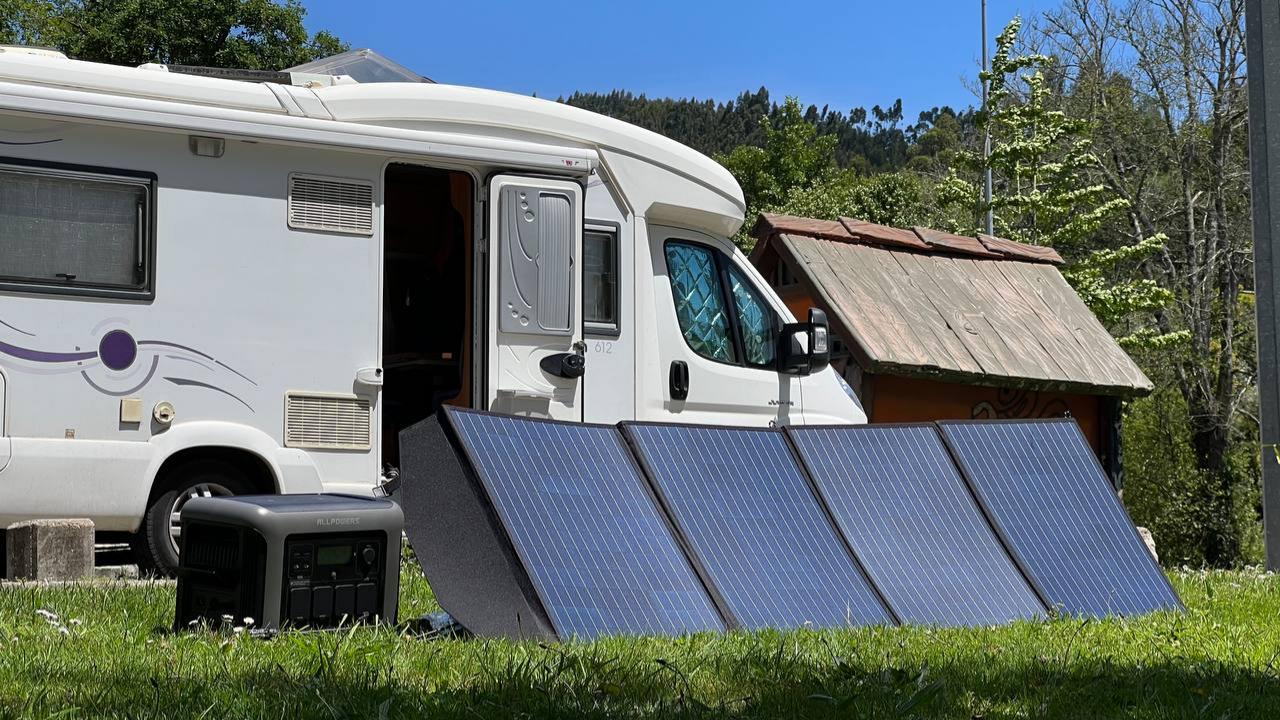
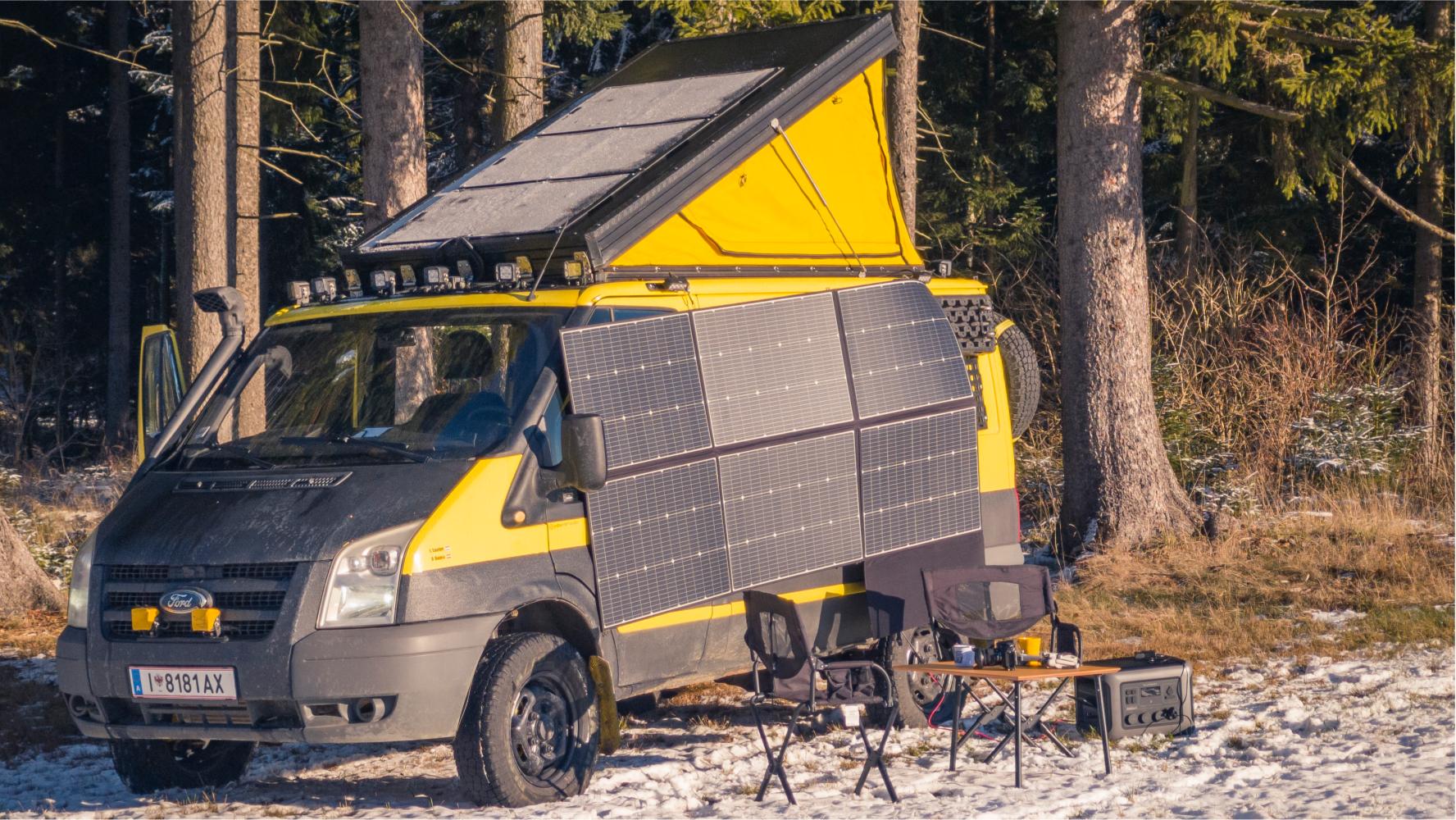
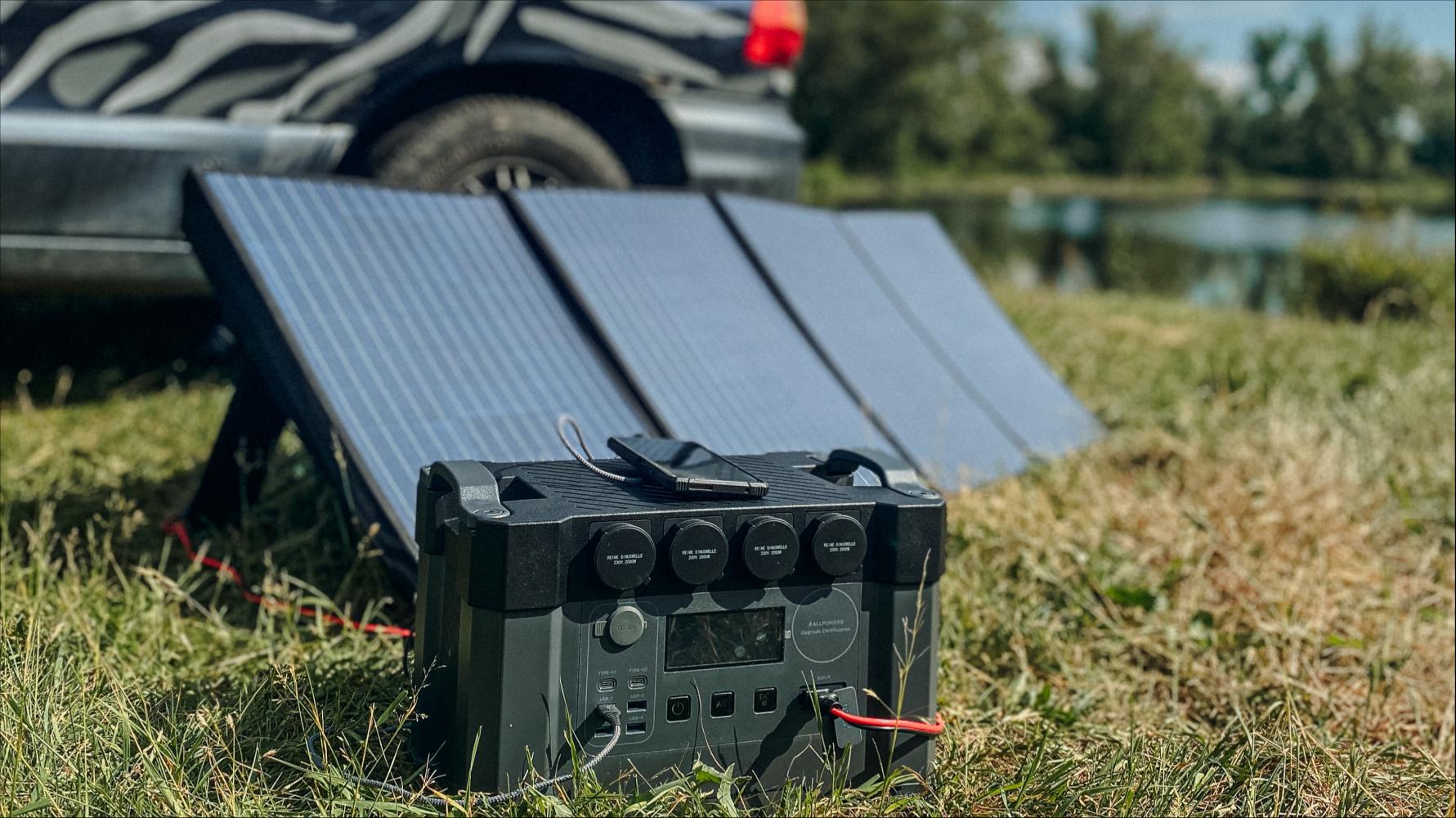
Solar panels generate electricity whenever sufficient sunlight is available. During multi-day camping trips, they can continuously recharge batteries throughout the day, helping offset energy consumed overnight.
Vehicle Charging
Many campers also recharge their batteries while driving between destinations. The tow vehicle or camper's alternator can provide valuable supplemental charging, particularly during road trips with frequent travel days.
| Power Source | Best Use | Main Advantage | Limitation |
|---|---|---|---|
| Battery Storage | Nighttime Power | Quiet Operation | Finite Capacity |
| Solar Panels | Daily Recharging | Renewable Energy | Weather Dependent |
| Vehicle Charging | Travel Days | No Extra Fuel Required | Requires Driving |
| Shore Power | Campgrounds | Continuous Electricity | Unavailable Off-Grid |
Should You Bring a Generator?
Many campers still rely on generators as an important backup power source, particularly during extended trips or periods of poor weather when solar charging becomes less effective.
Generators are especially useful for powering large appliances such as RV air conditioners, which often require more electricity than batteries alone can comfortably provide for long periods.
Rather than replacing other charging methods, generators often work best as part of a balanced off-grid energy strategy.
How Can You Make Your Camper More Energy Efficient?
Generating more electricity is only one side of the equation. Reducing unnecessary consumption often produces even greater benefits.
Simple habits like switching to LED lighting, minimizing microwave use, parking in shaded areas during summer, and keeping refrigerator doors closed can noticeably extend available battery runtime.
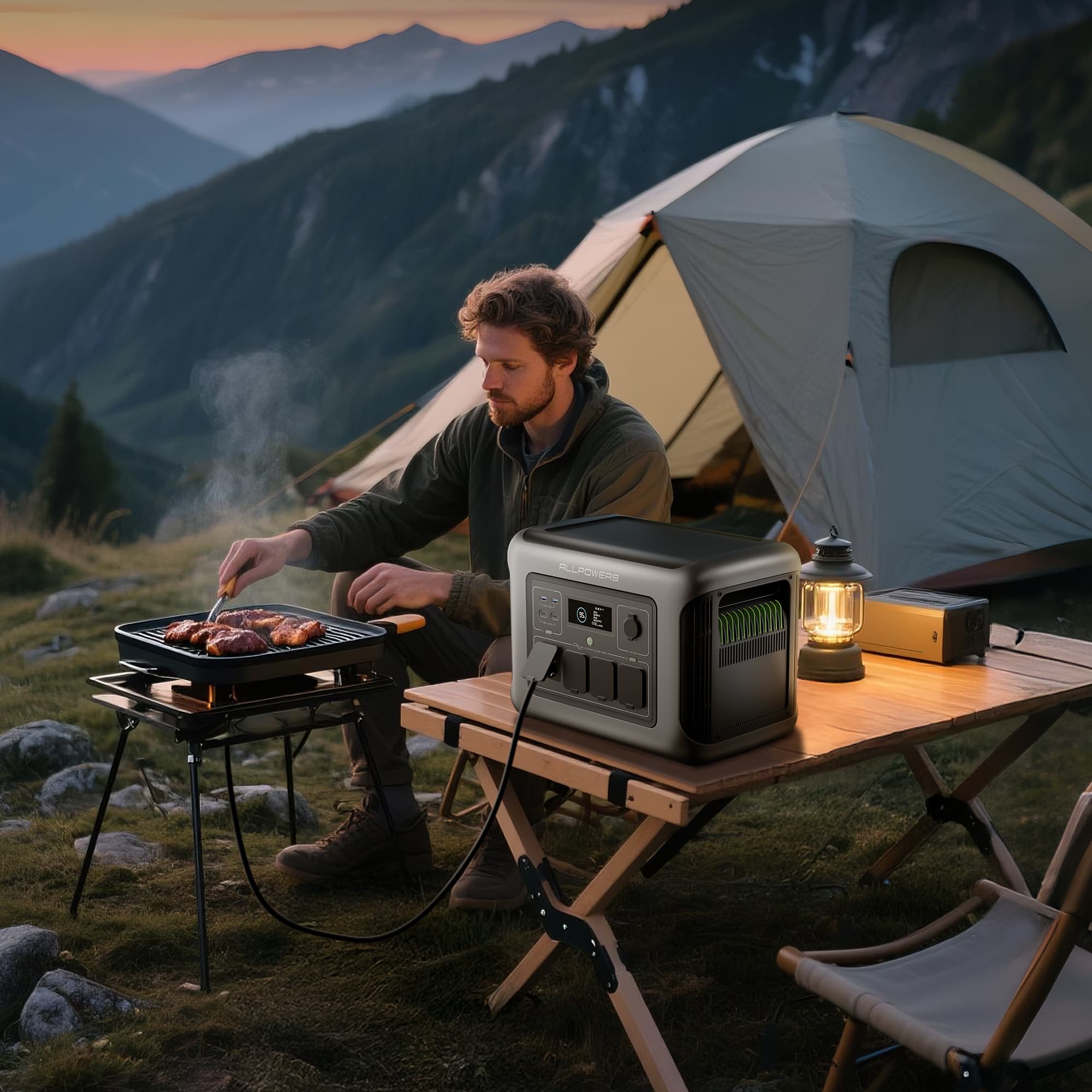
Some campers also prepare meals outdoors, reducing the need for high-powered kitchen appliances inside the camper.
| Energy-Saving Strategy | Potential Benefit |
|---|---|
| Use LED Lighting | Lower Daily Consumption |
| Cook Outdoors | Reduce High Appliance Loads |
| Charge Devices During Daylight | Better Solar Utilization |
| Improve Camper Insulation | Reduce Heating & Cooling Needs |
| Monitor Battery Levels Regularly | Avoid Deep Battery Discharge |
Planning for Longer Off-Grid Trips
Multi-day camping requires thinking beyond a single day's electricity usage. Consecutive cloudy days, unexpected device charging, or changes in weather can all affect your available energy.
Experienced campers often build a reasonable energy reserve into their plans instead of sizing their system for perfect conditions.
This approach provides greater flexibility when travel plans change or charging opportunities become limited.
Rather than focusing on powering individual appliances one by one, treating the camper as a complete energy ecosystem—from refrigeration and lighting to communications and meal preparation—helps create a more reliable and enjoyable off-grid experience.
Frequently Asked Questions
What is the best way to power a camper off-grid?
Most campers combine battery storage with solar charging while reducing unnecessary electricity consumption through efficient appliances and energy management.
How much electricity does an RV use per day?
Daily energy usage varies depending on the appliances used, the length of the trip, weather conditions, and personal camping habits.
Can solar panels power an entire camper?
Yes, when properly sized and paired with sufficient battery storage, solar panels can support many common camper appliances during off-grid travel.
What uses the most electricity in a camper?
Refrigerators, heating or cooling equipment, Starlink systems, laptops, and kitchen appliances are typically among the largest consumers of electricity.
How can I make my camper batteries last longer?
Using LED lighting, monitoring battery levels, charging during daylight hours, and reducing unnecessary appliance use can all help extend available battery runtime.