








A portable generator can be invaluable during power outages, camping trips, RV adventures, and outdoor events.
However, one drawback that many users quickly notice is the constant engine noise.
A loud generator can disturb neighbors, interrupt conversations, and reduce the enjoyment of spending time outdoors.
So, how can you make a generator quieter?
TL;DR: You can reduce generator noise by increasing the distance from living areas, placing it on sound-absorbing surfaces, building proper sound barriers, reducing unnecessary engine load, and choosing quieter power solutions when appropriate.
Why Are Generators So Loud?
Most portable generators rely on internal combustion engines that burn gasoline, diesel, or propane to produce electricity.
During operation, noise is generated from several different sources, including engine combustion, cooling fans, exhaust systems, and mechanical vibration.
The louder the engine works, the more noticeable these sounds become. Larger electrical loads often require the engine to operate at higher speeds, increasing both fuel consumption and overall noise output.
Although some modern generators are designed to operate more quietly than older models, every fuel-powered generator produces a combination of engine and exhaust noise.
How Loud Is a Typical Generator?
Generator noise is measured in decibels (dB). A difference of just 10 dB represents a significant increase in perceived loudness, meaning small changes in sound ratings can make a generator seem much quieter.
| Sound Source | Typical Noise Level | How It Feels |
|---|---|---|
| Normal Conversation | 55–60 dB | Comfortable |
| Quiet Inverter Generator | 50–65 dB | Comparable to conversation |
| Standard Portable Generator | 70–85 dB | Noticeably loud |
| Gas Lawn Mower | 85–95 dB | Very loud |
If your generator sounds excessively loud compared with similar models, the cause may be poor placement, inadequate maintenance, or worn engine components rather than normal operation.
Effective Ways to Reduce Generator Noise
Reducing generator noise usually involves managing sound waves rather than changing the engine itself.
Increase the Distance
One of the simplest ways to reduce perceived noise is by placing the generator farther away from the area where people are gathered.
Because sound energy decreases over distance, even moving a generator several additional meters can noticeably lower the noise level.
Place It on a Soft Surface
Concrete and asphalt reflect sound and vibration, while grass, soil, or rubber mats help absorb some of the vibration generated during operation.
Using an anti-vibration mat can also reduce mechanical noise transferred into decks, patios, or other hard surfaces.
Use Sound Barriers
A sound barrier is one of the most effective ways to lower generator noise without modifying the machine itself.
Unlike a fully enclosed box, a sound barrier blocks direct sound waves while still allowing fresh air to circulate around the generator.
Use Eco Mode When Available
Many modern generators include an economy mode that automatically lowers engine speed when electrical demand is light.
Lower engine RPM generally produces less noise while also improving fuel efficiency.
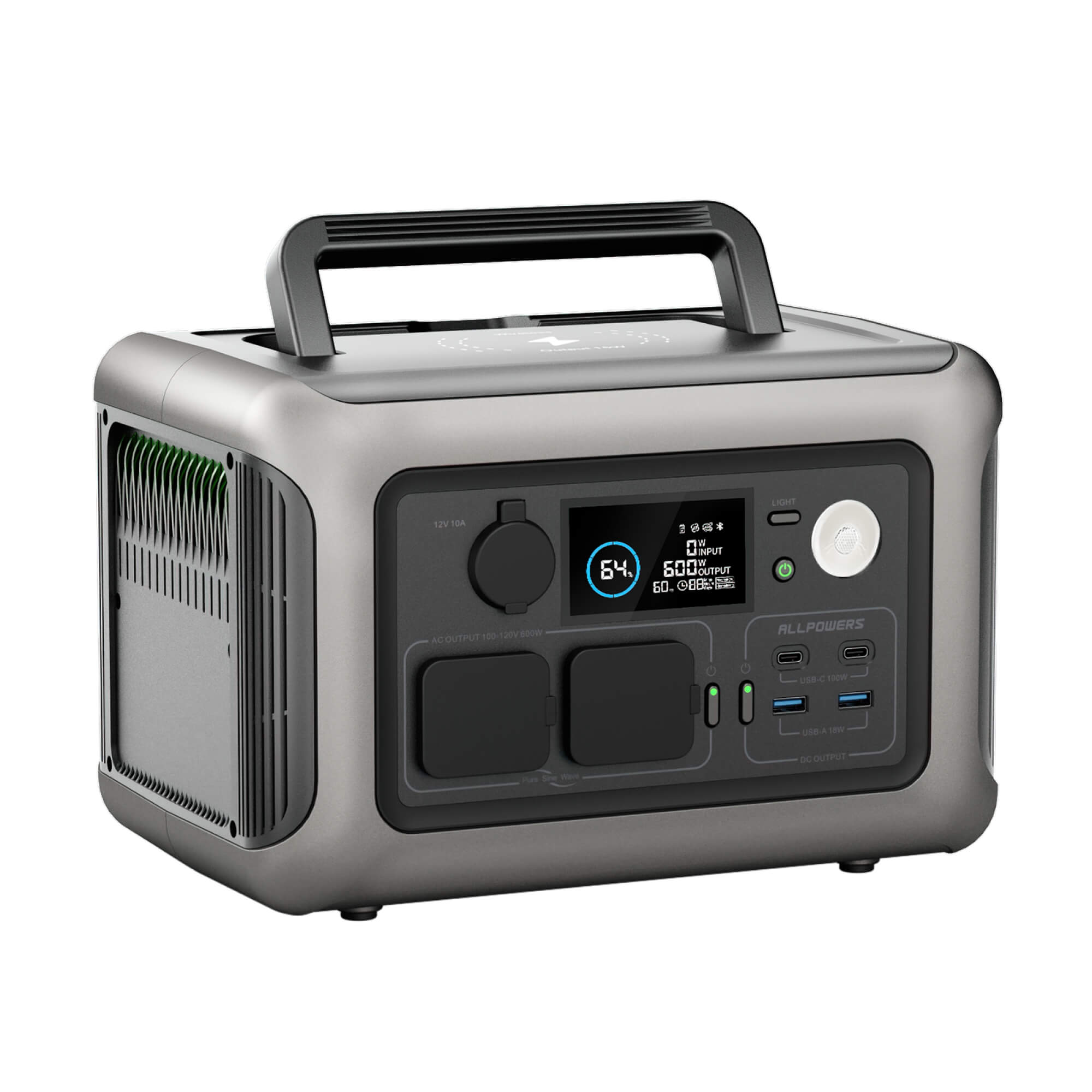
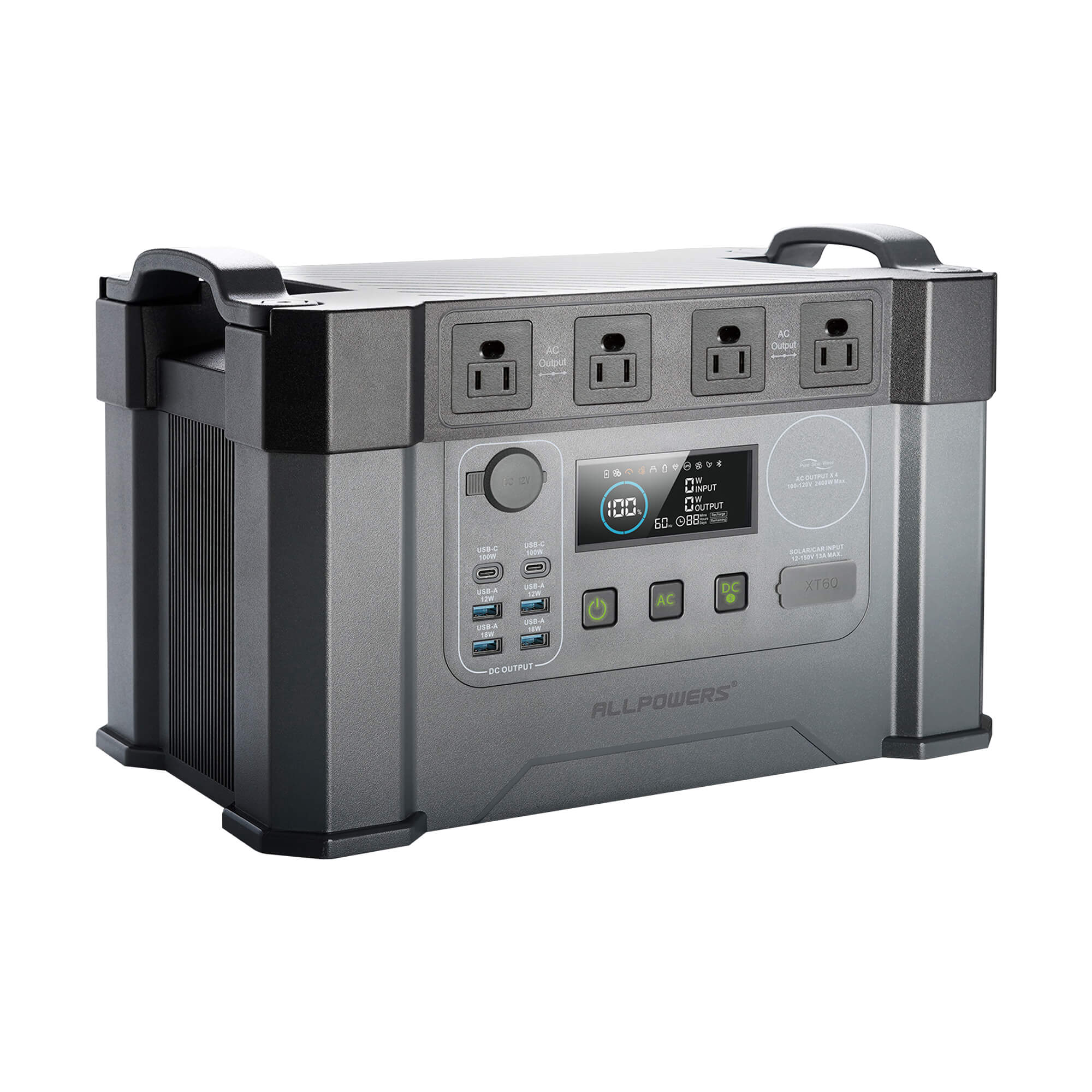
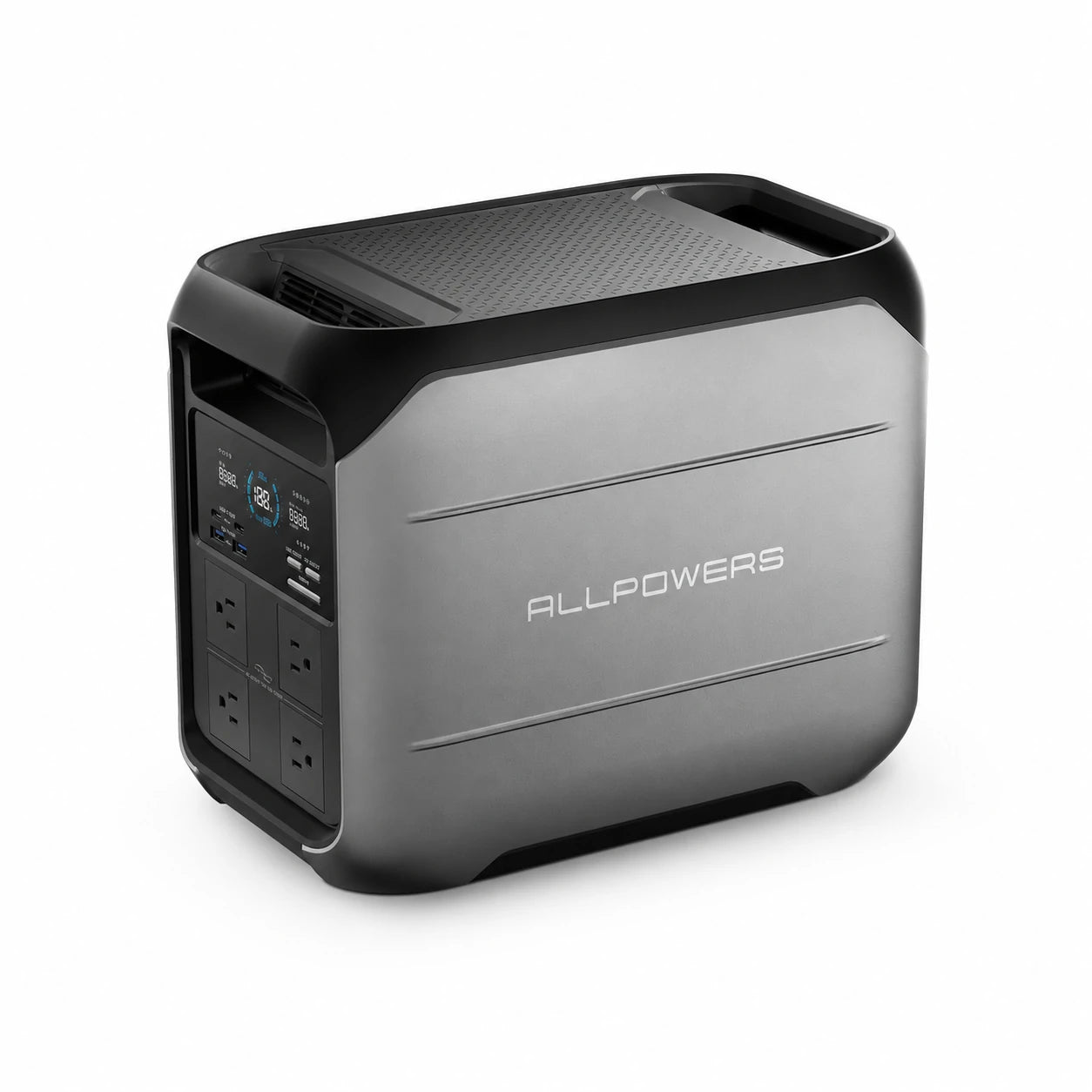
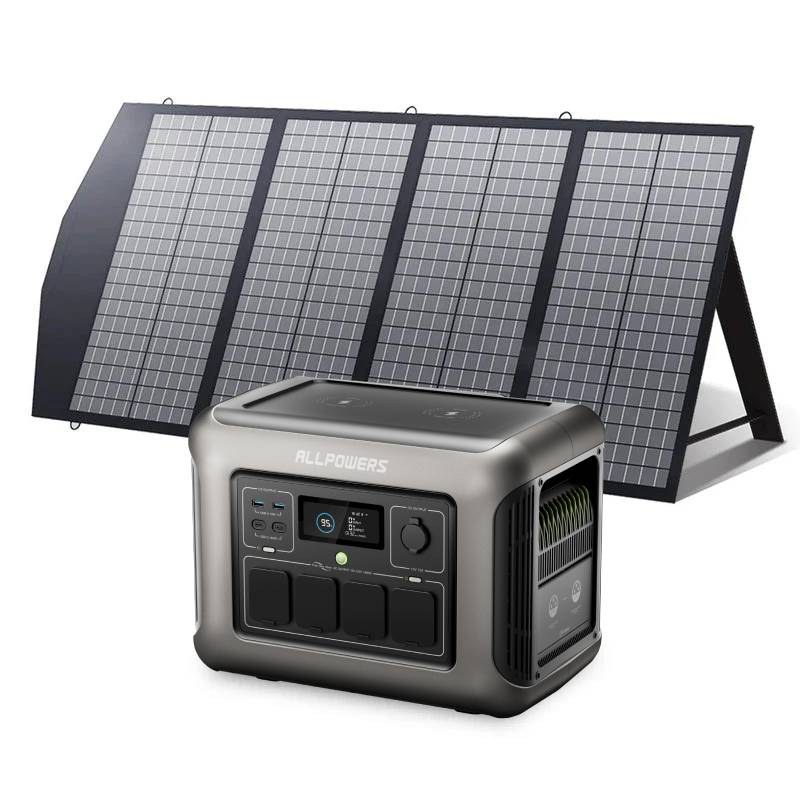
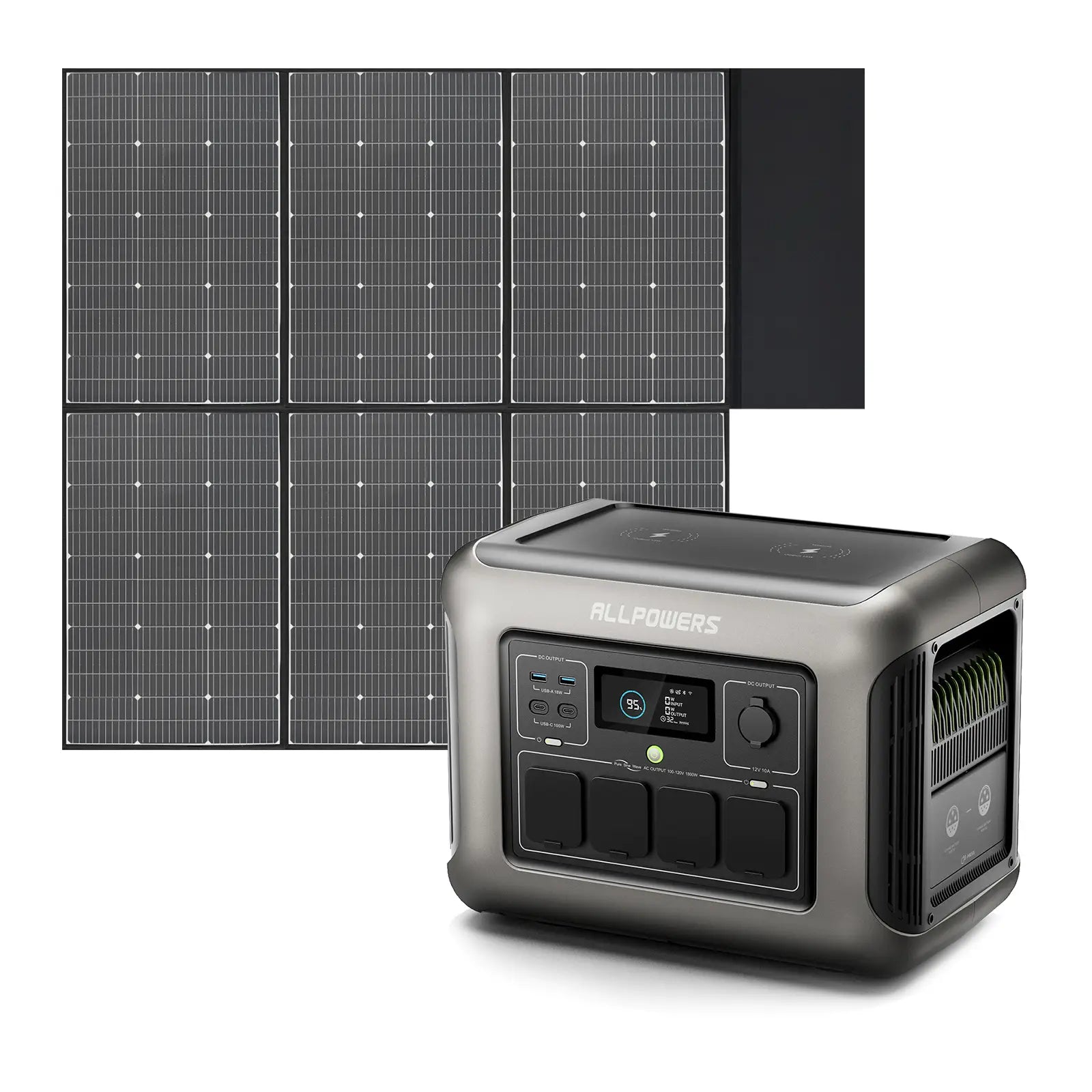
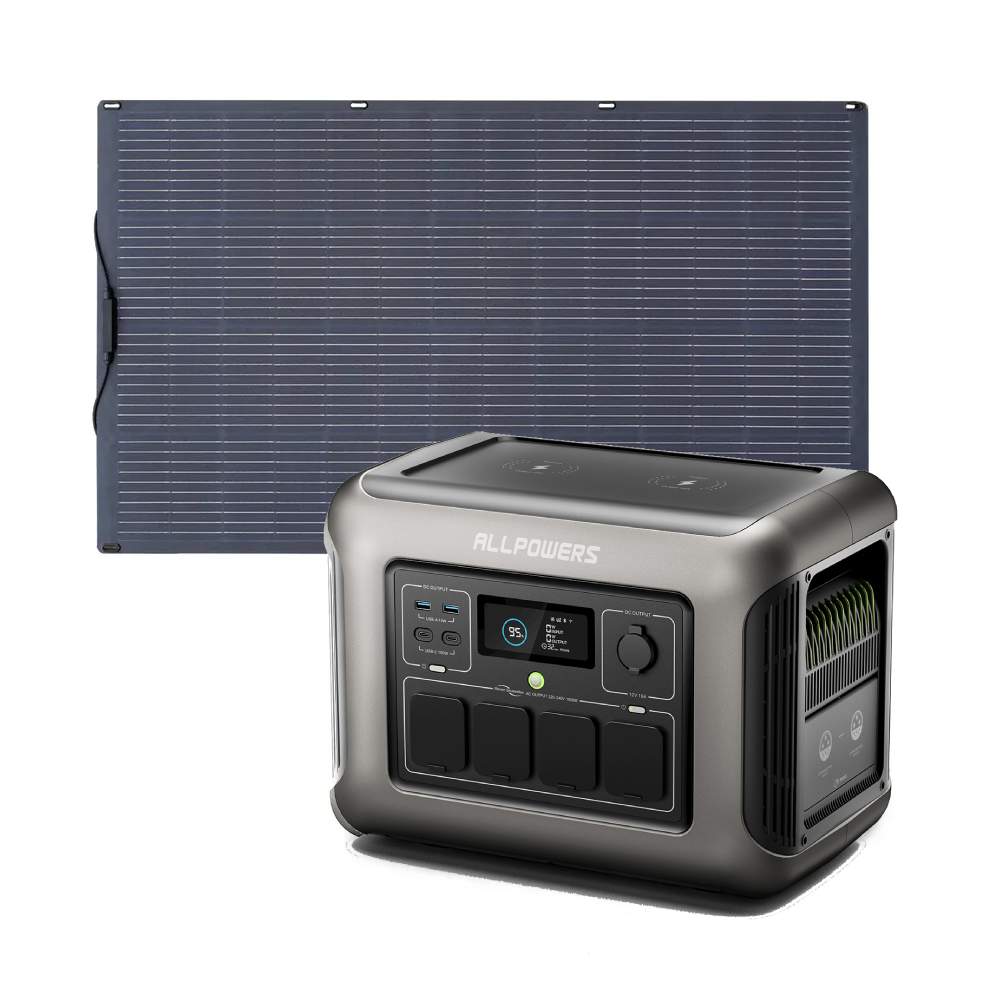
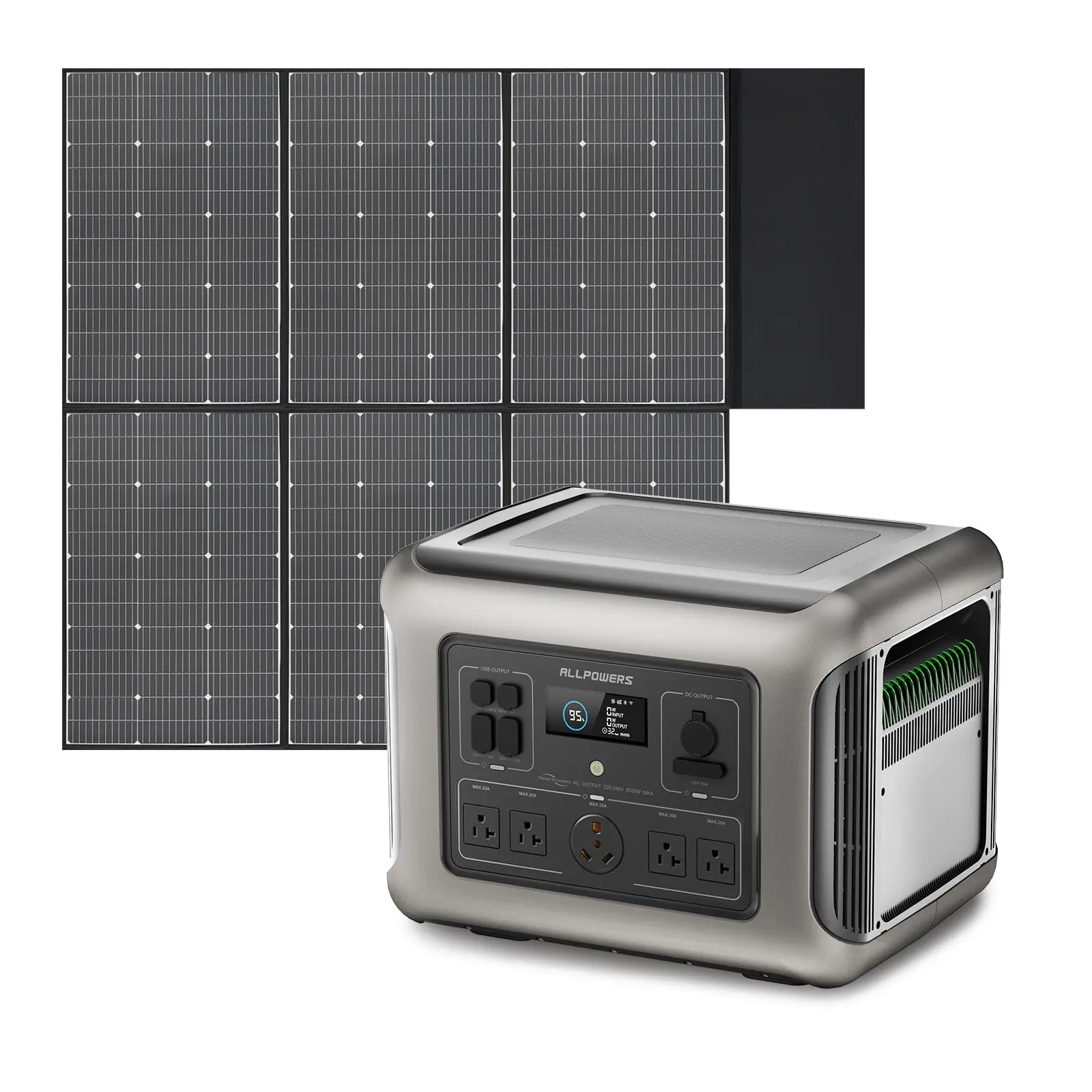
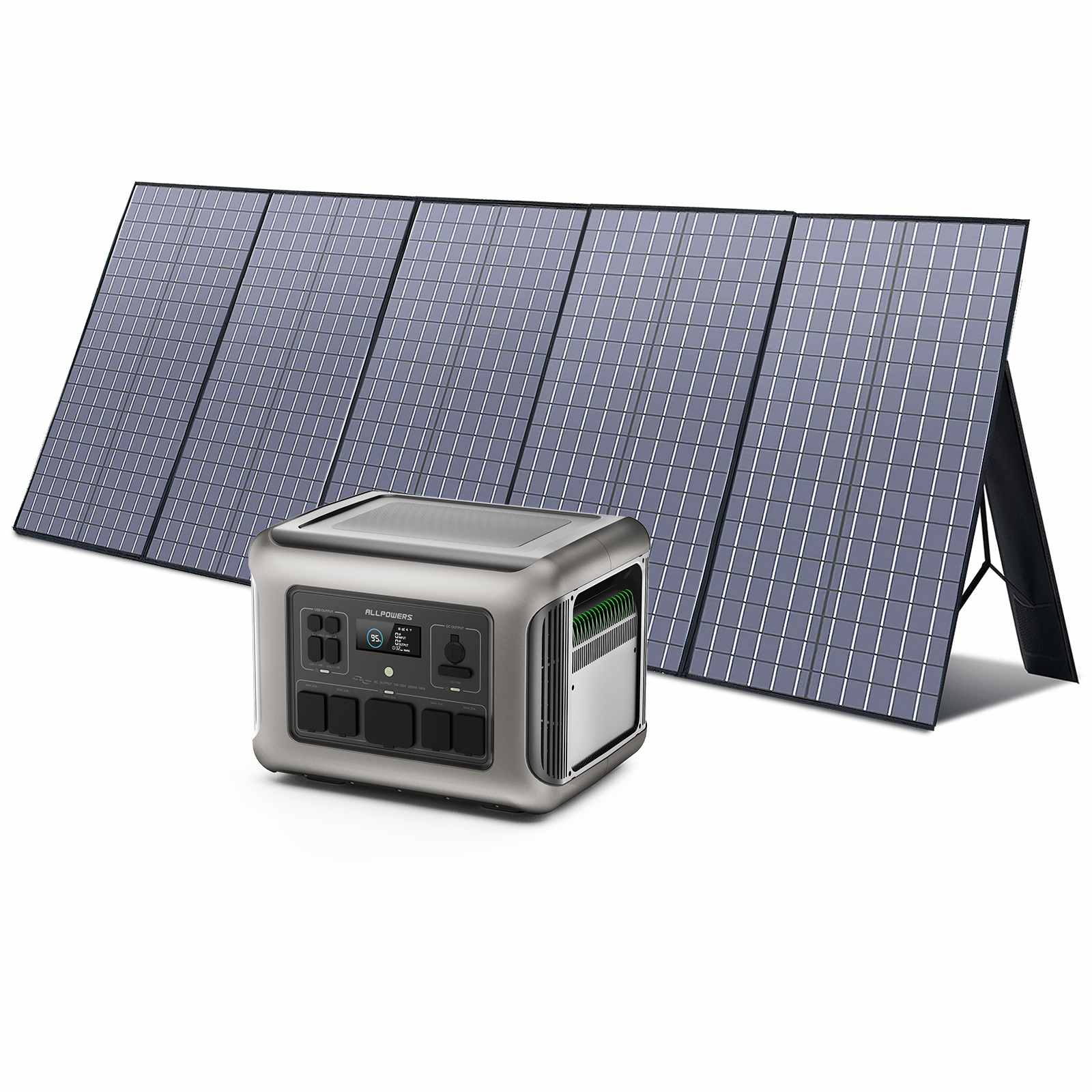
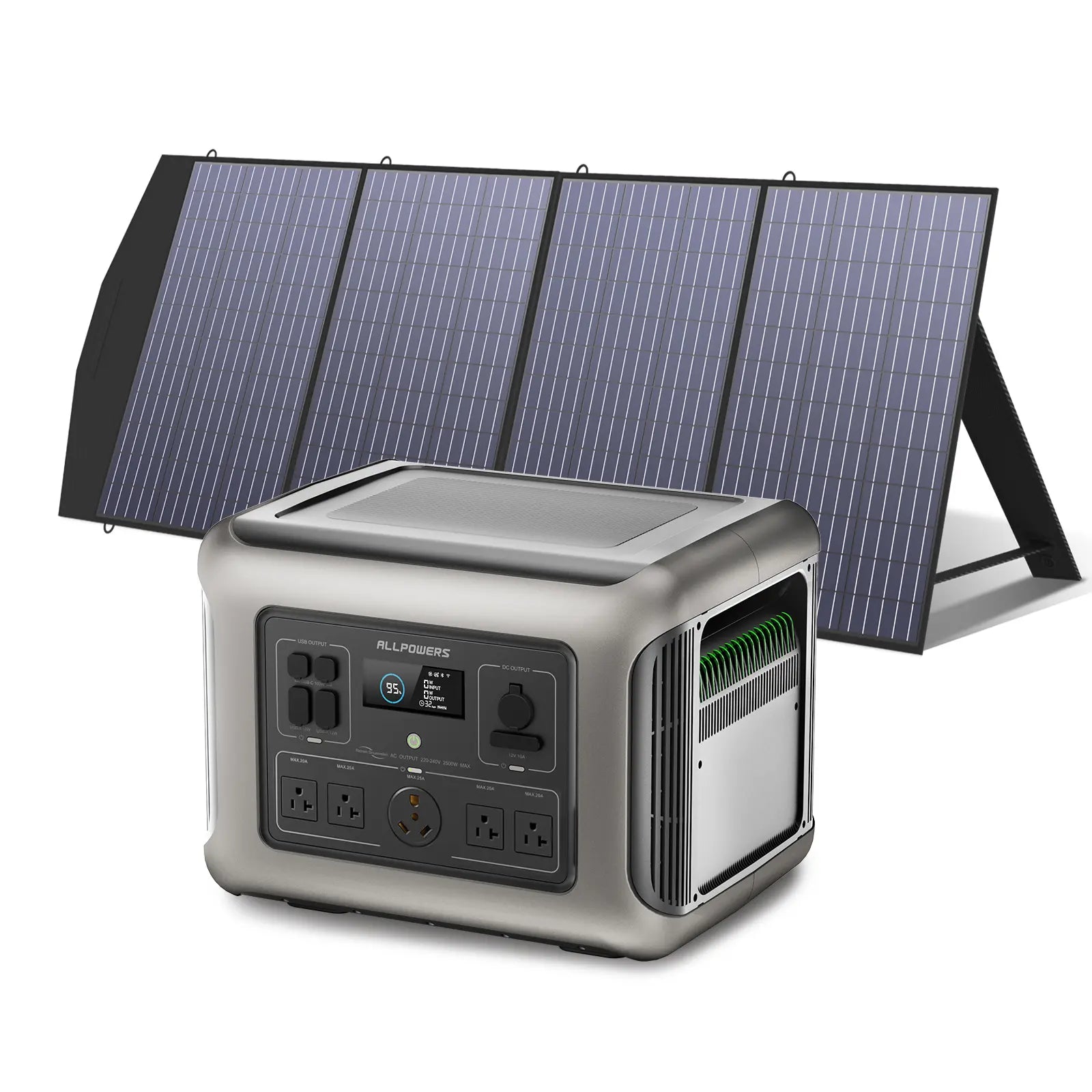
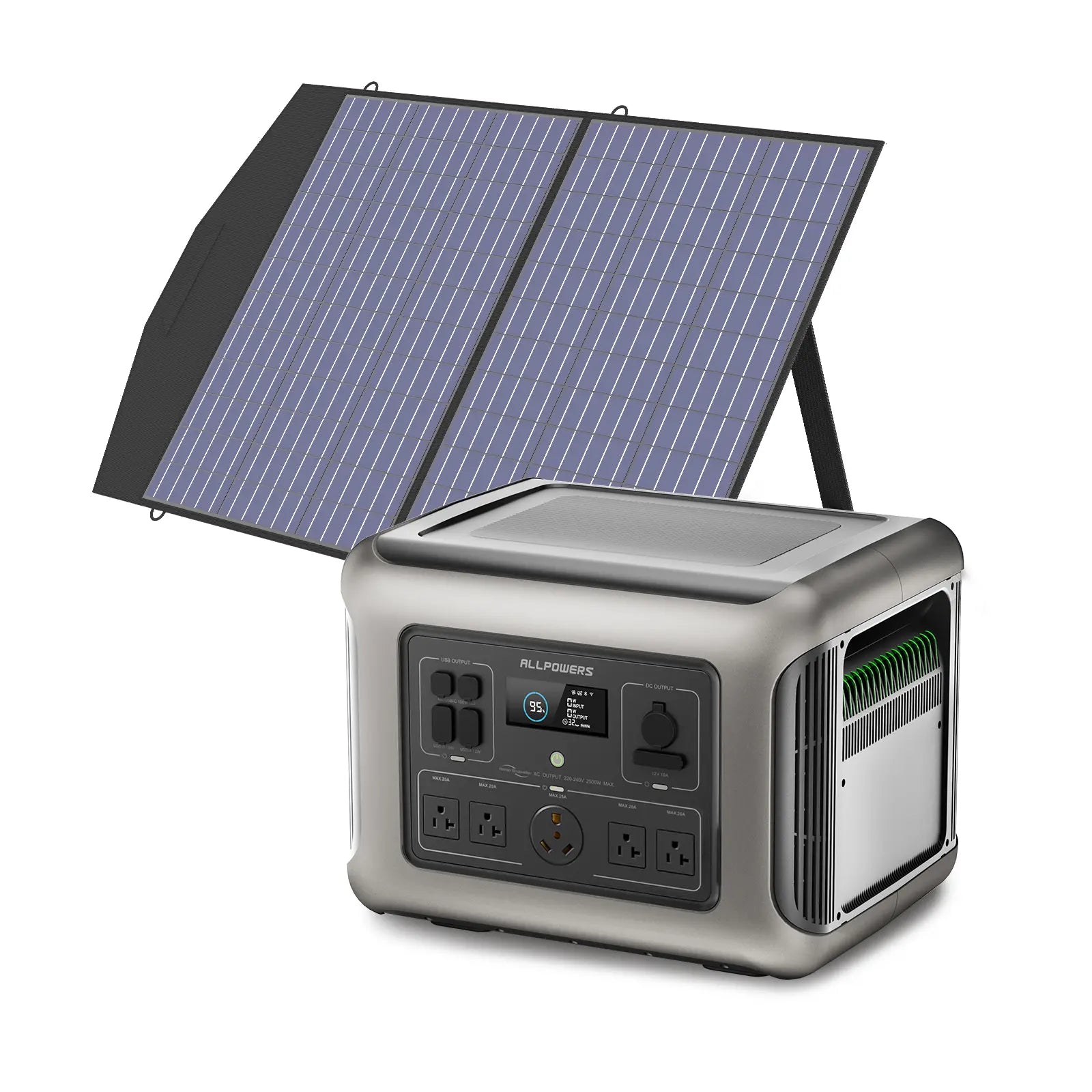
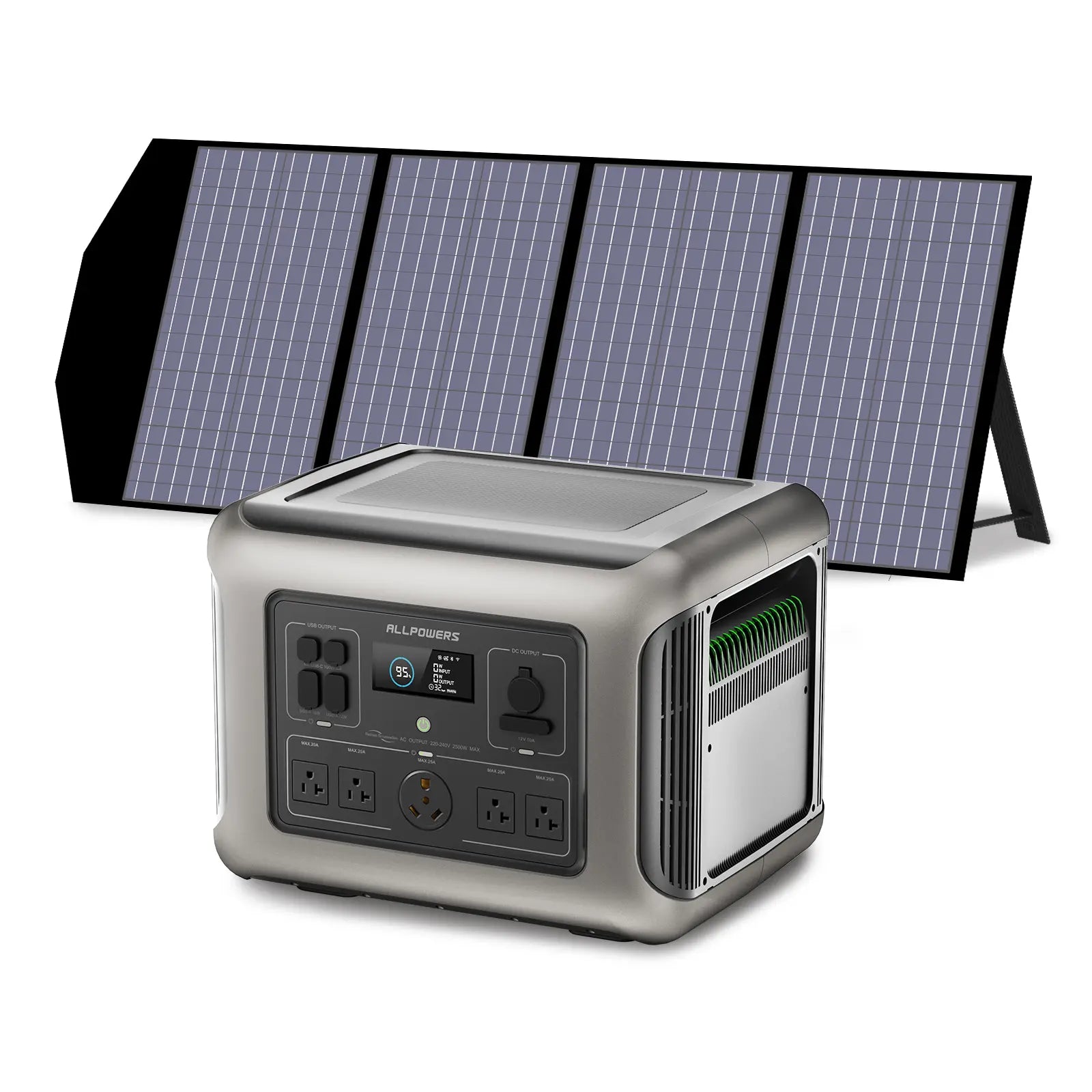
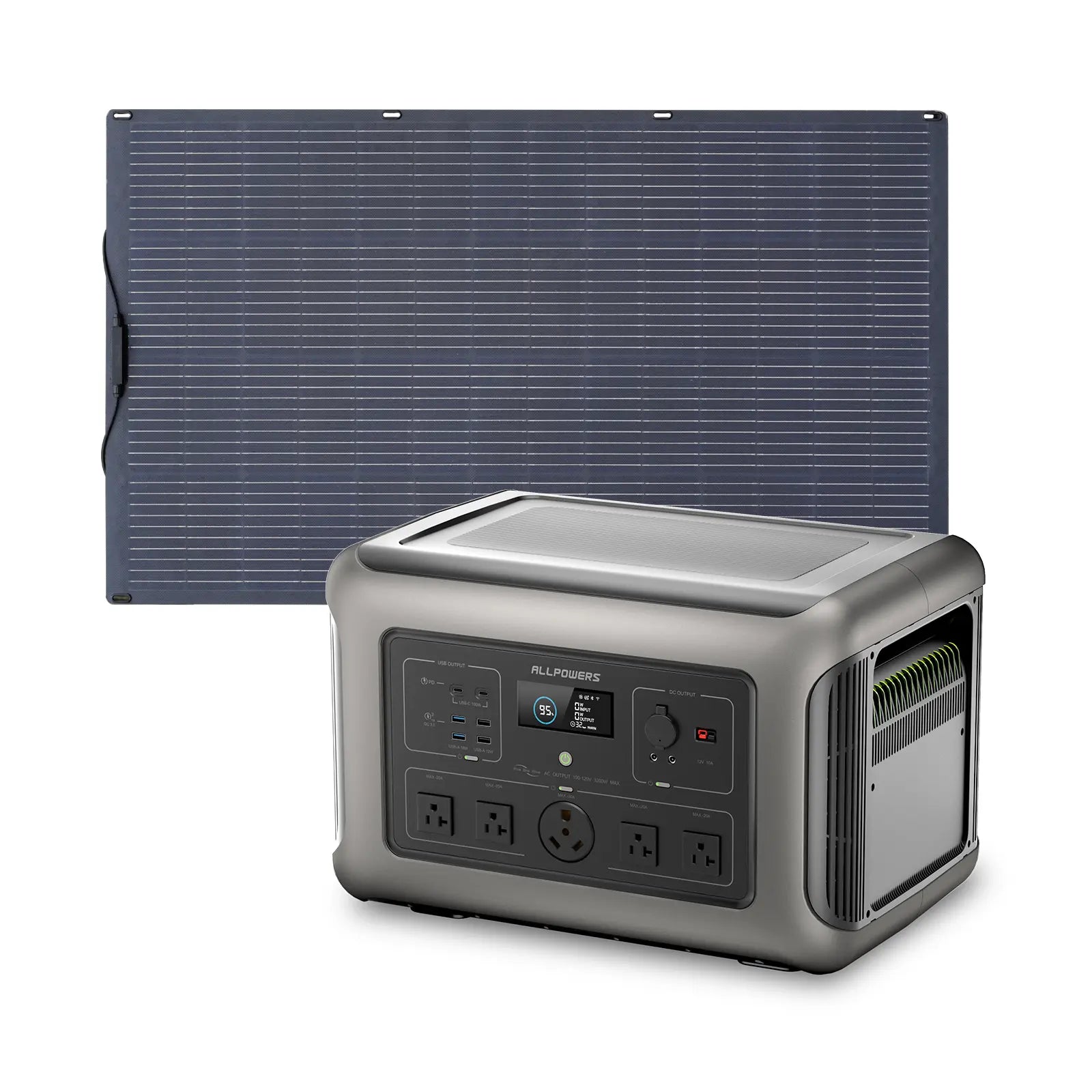
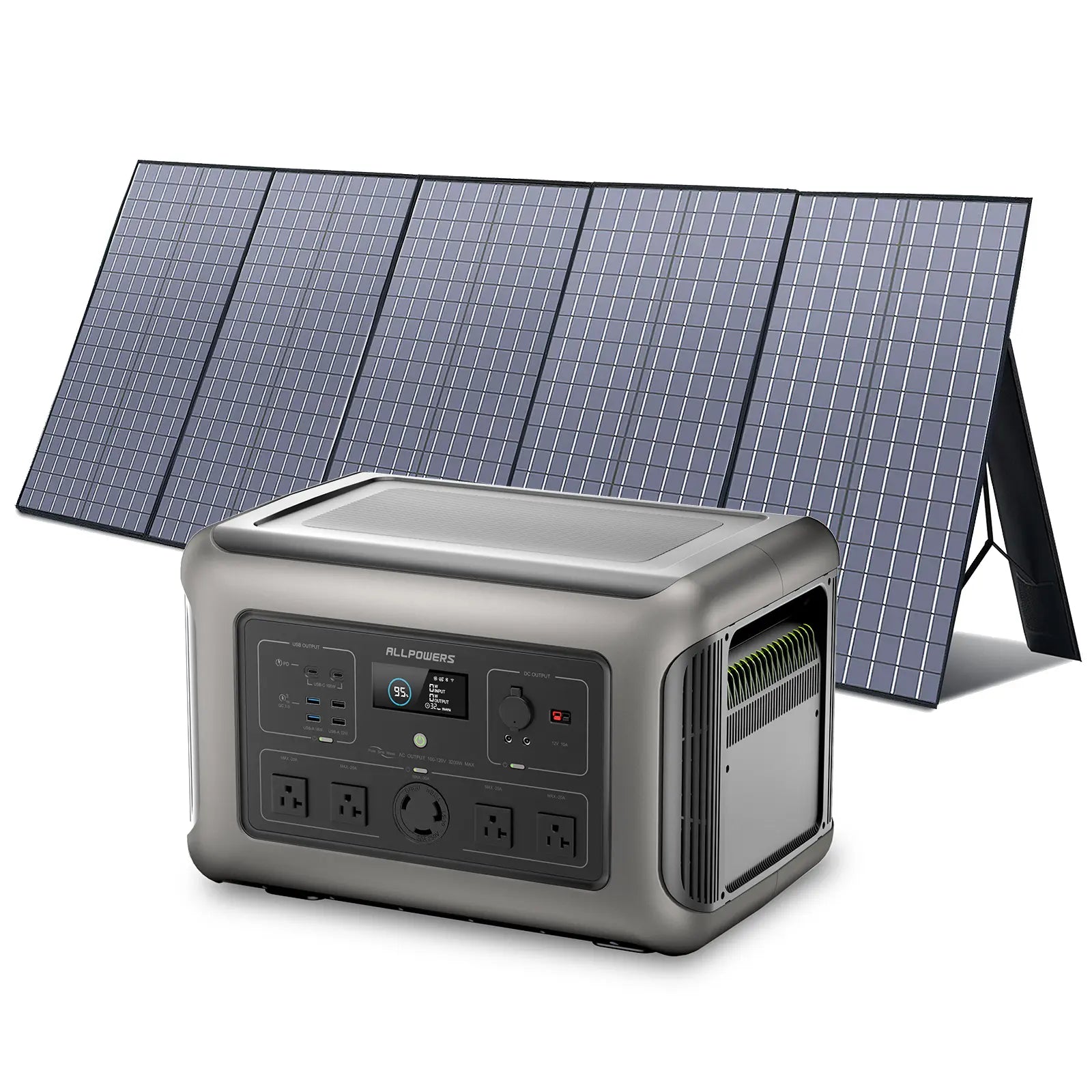
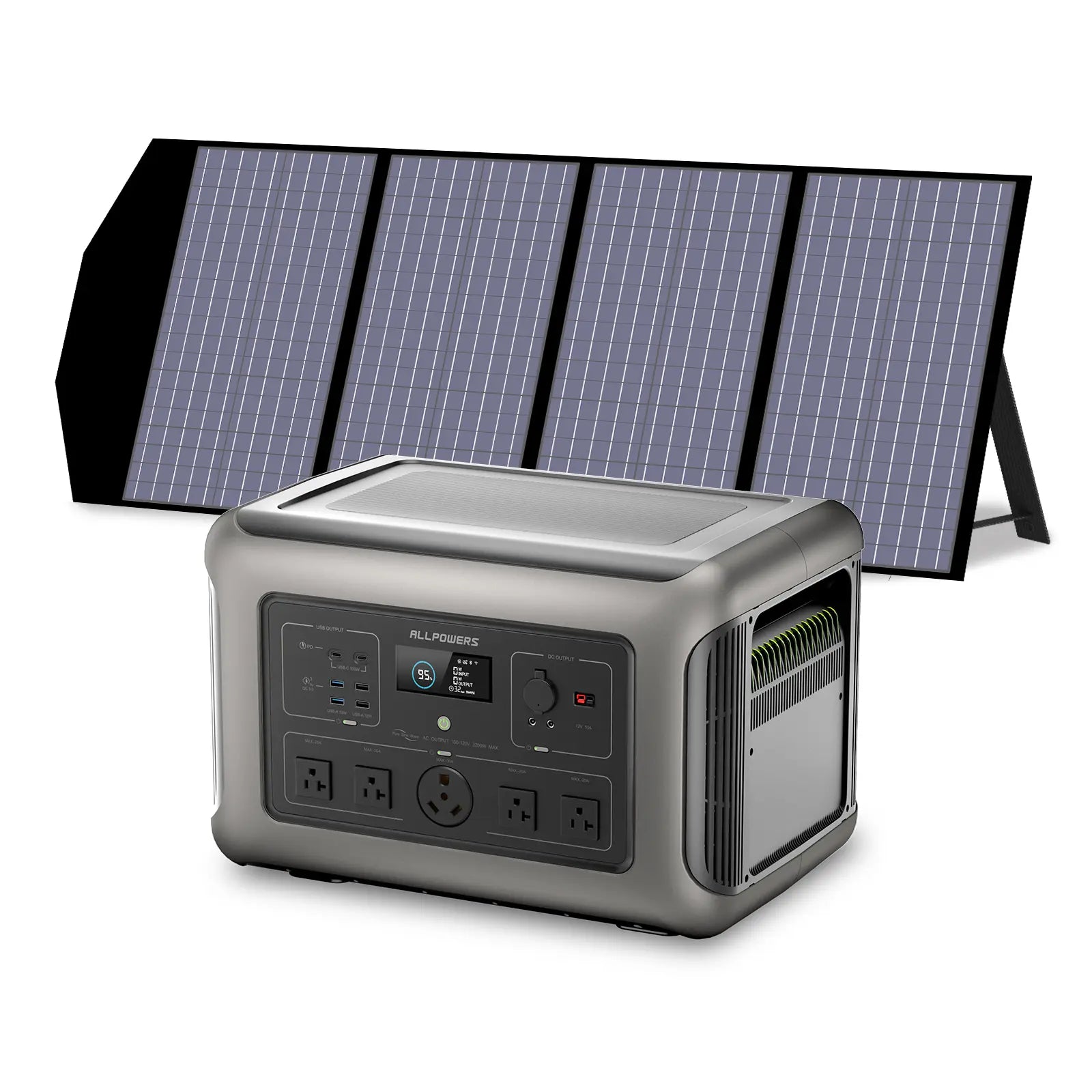
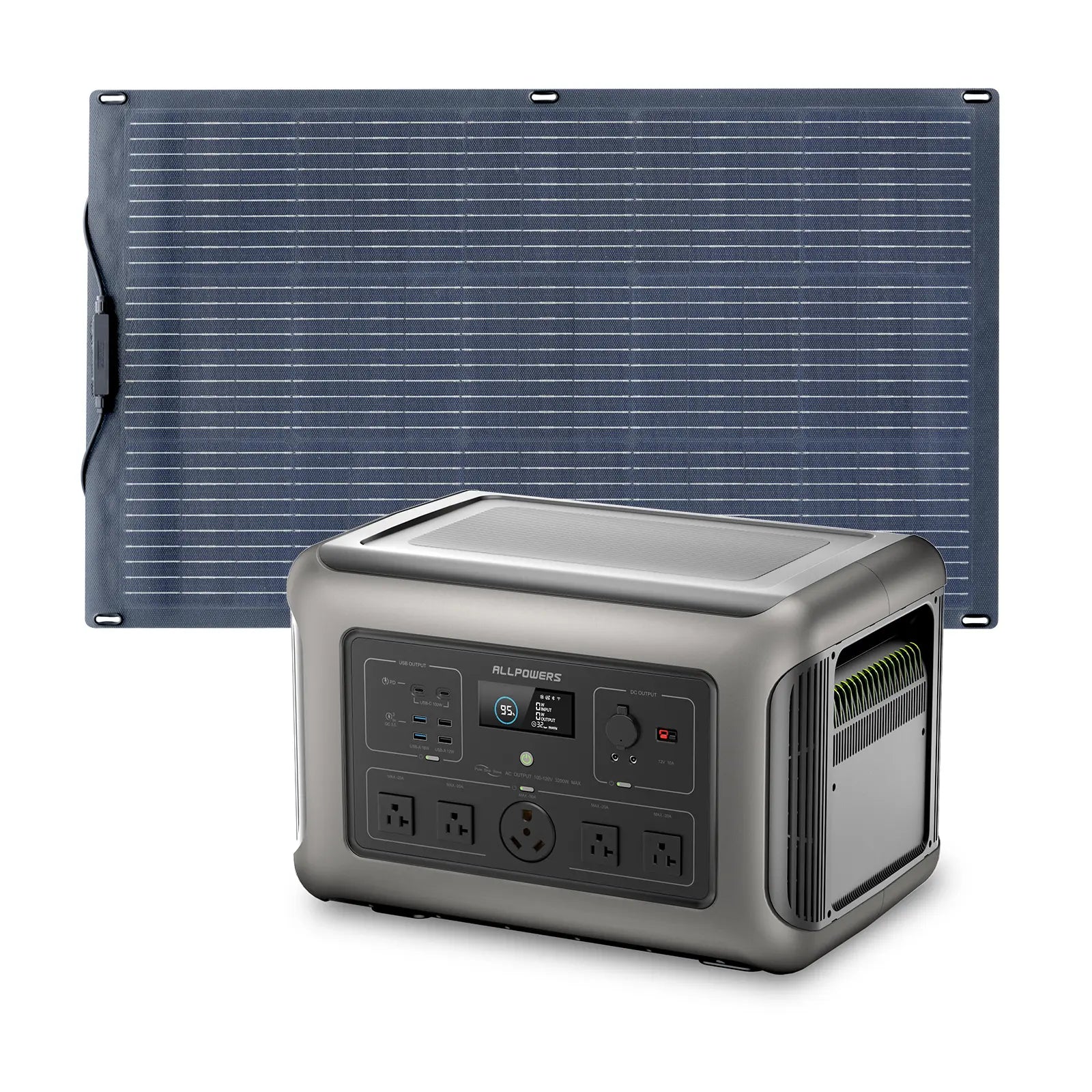
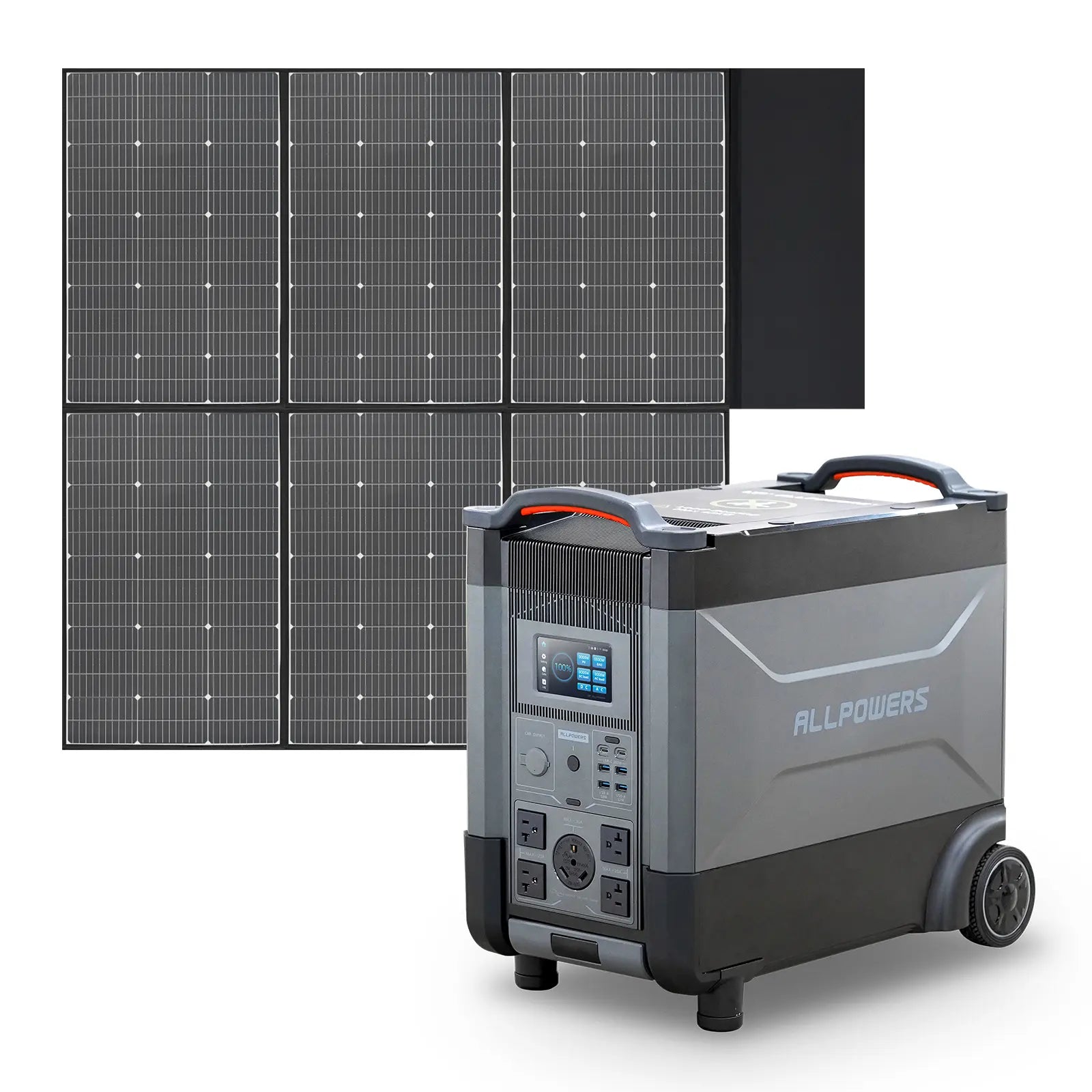
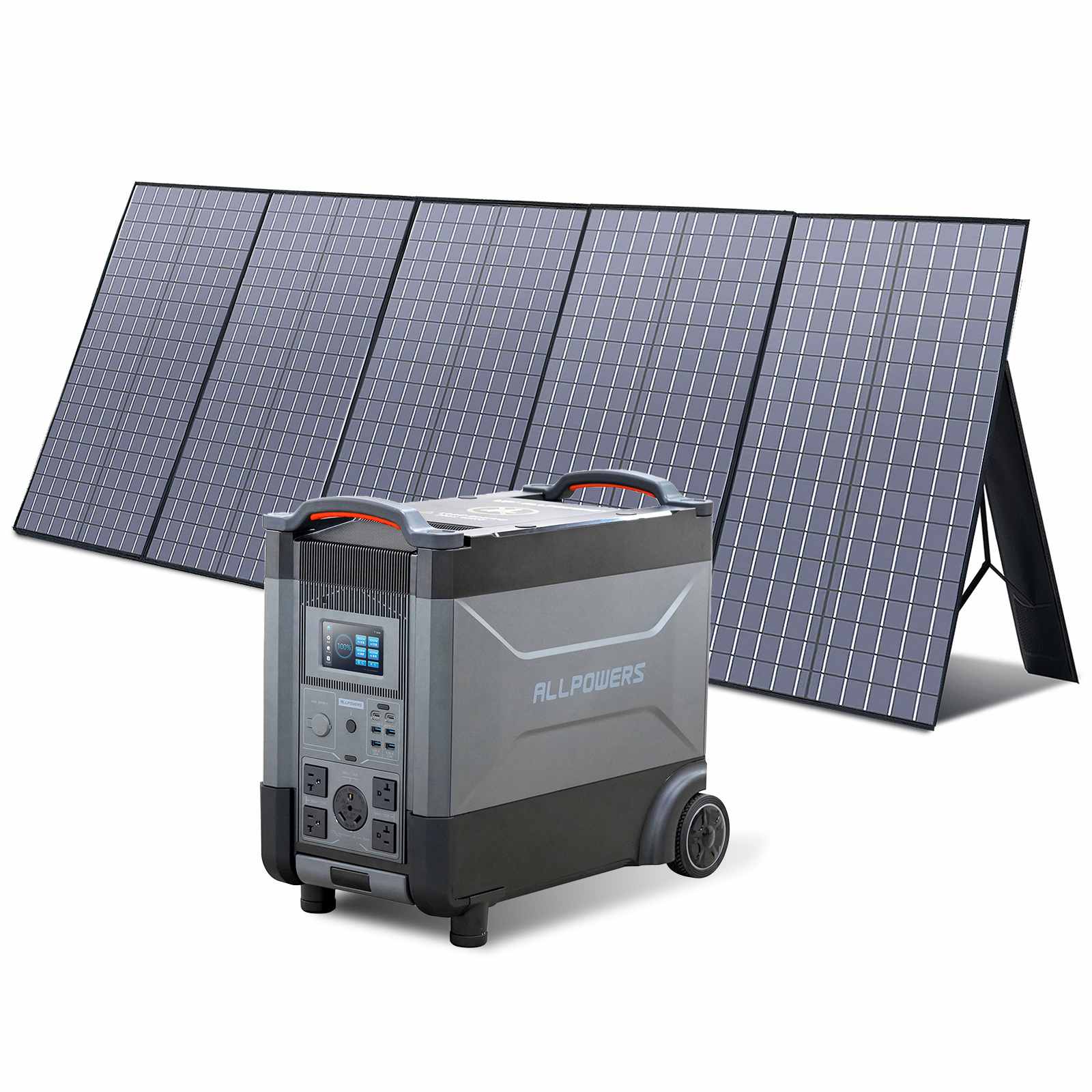
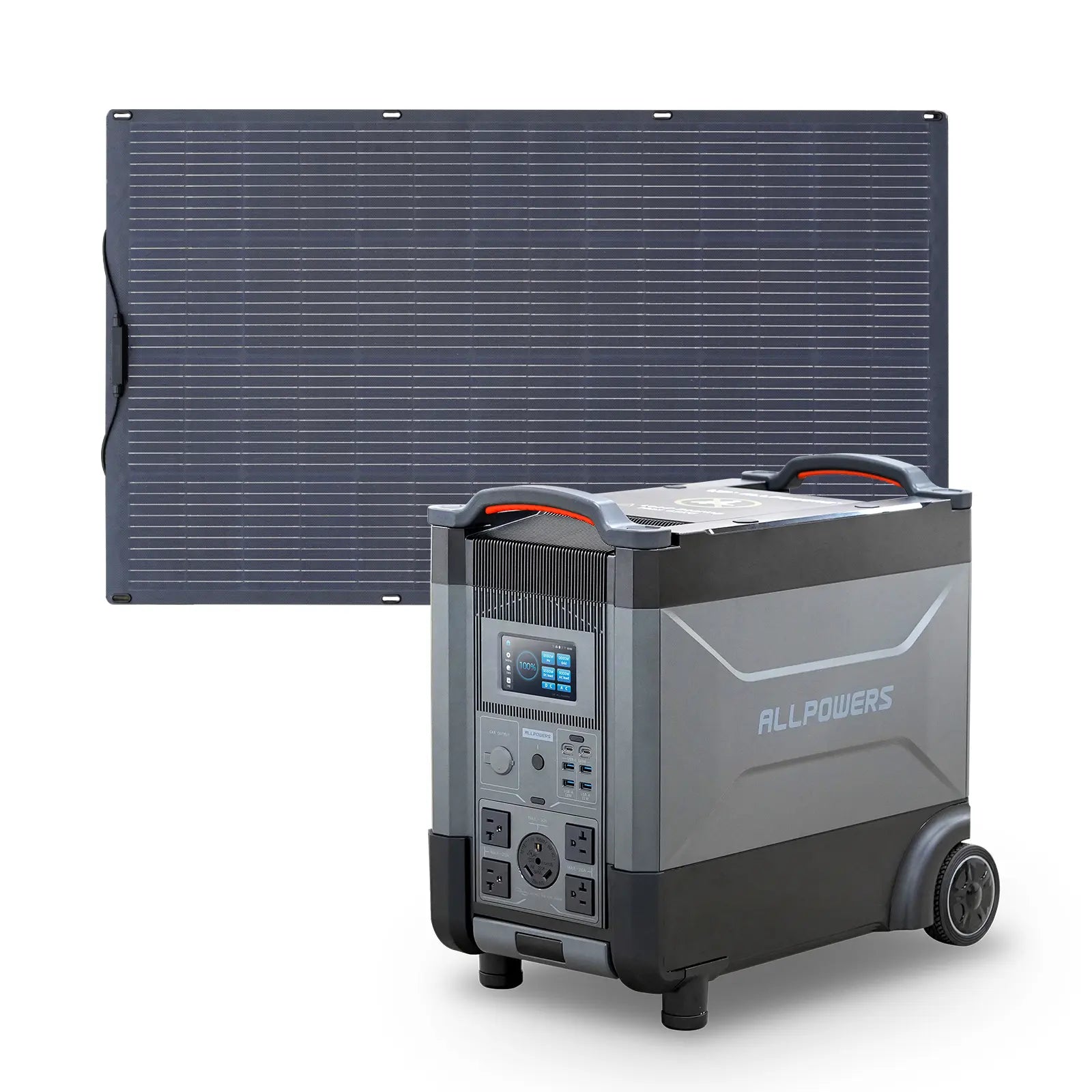
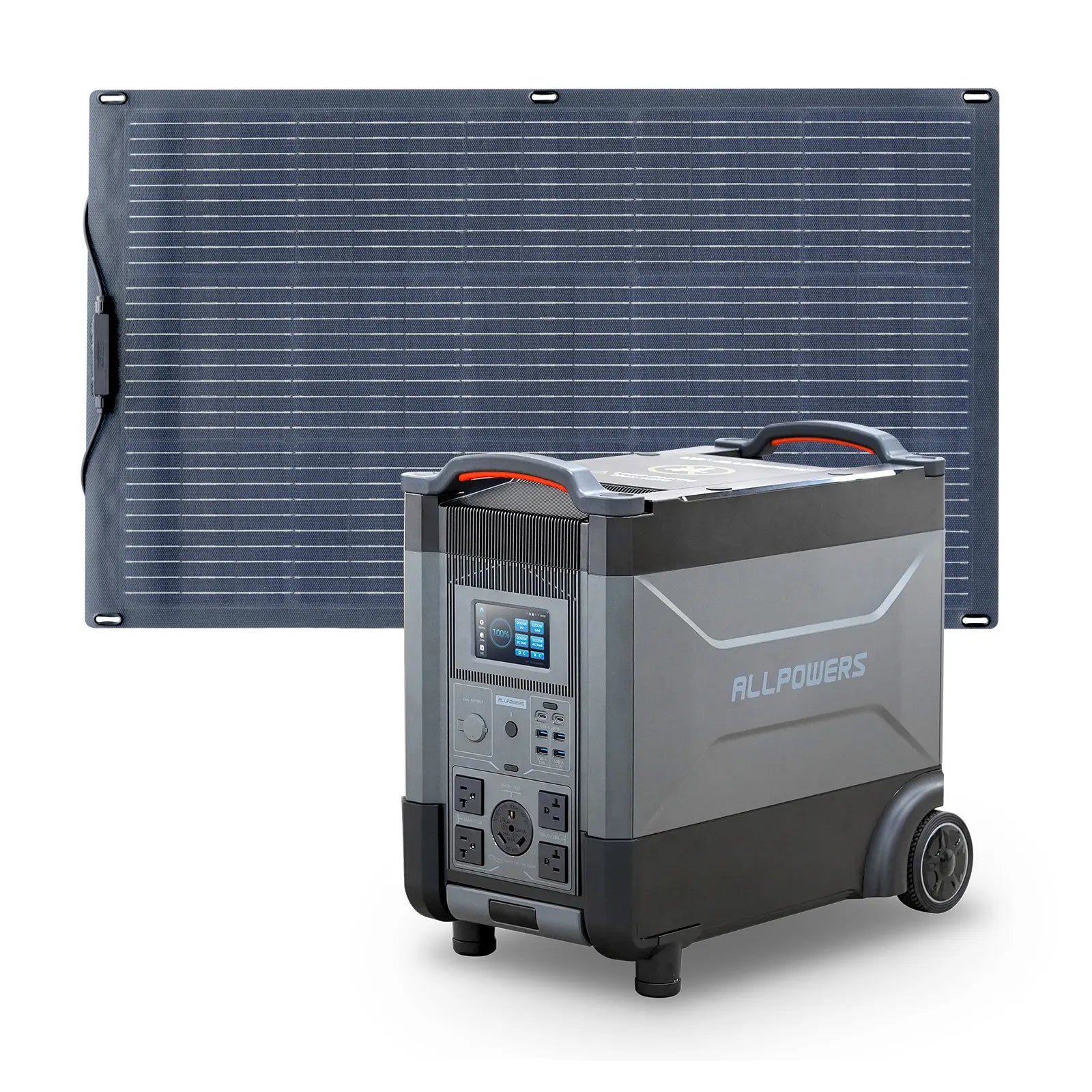
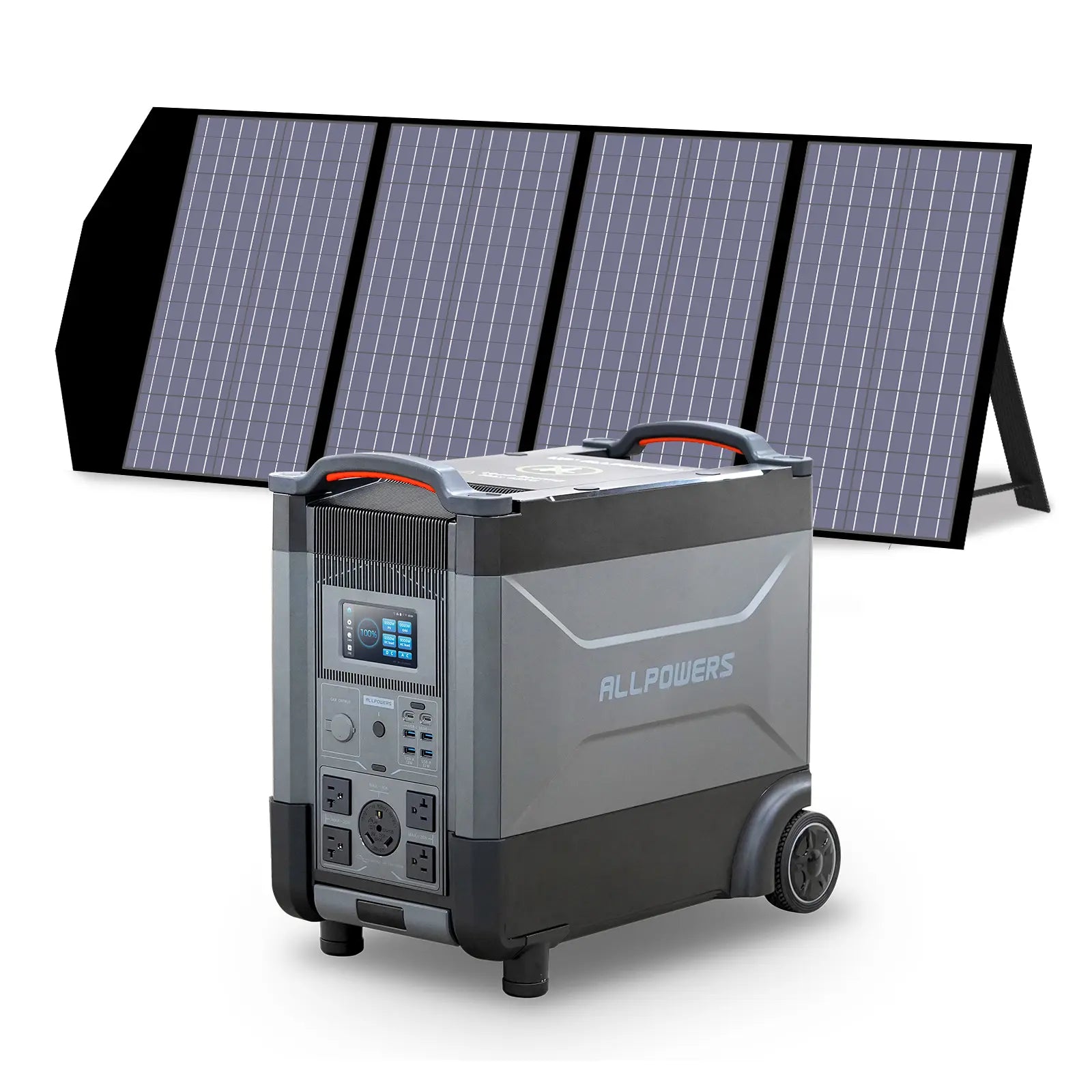
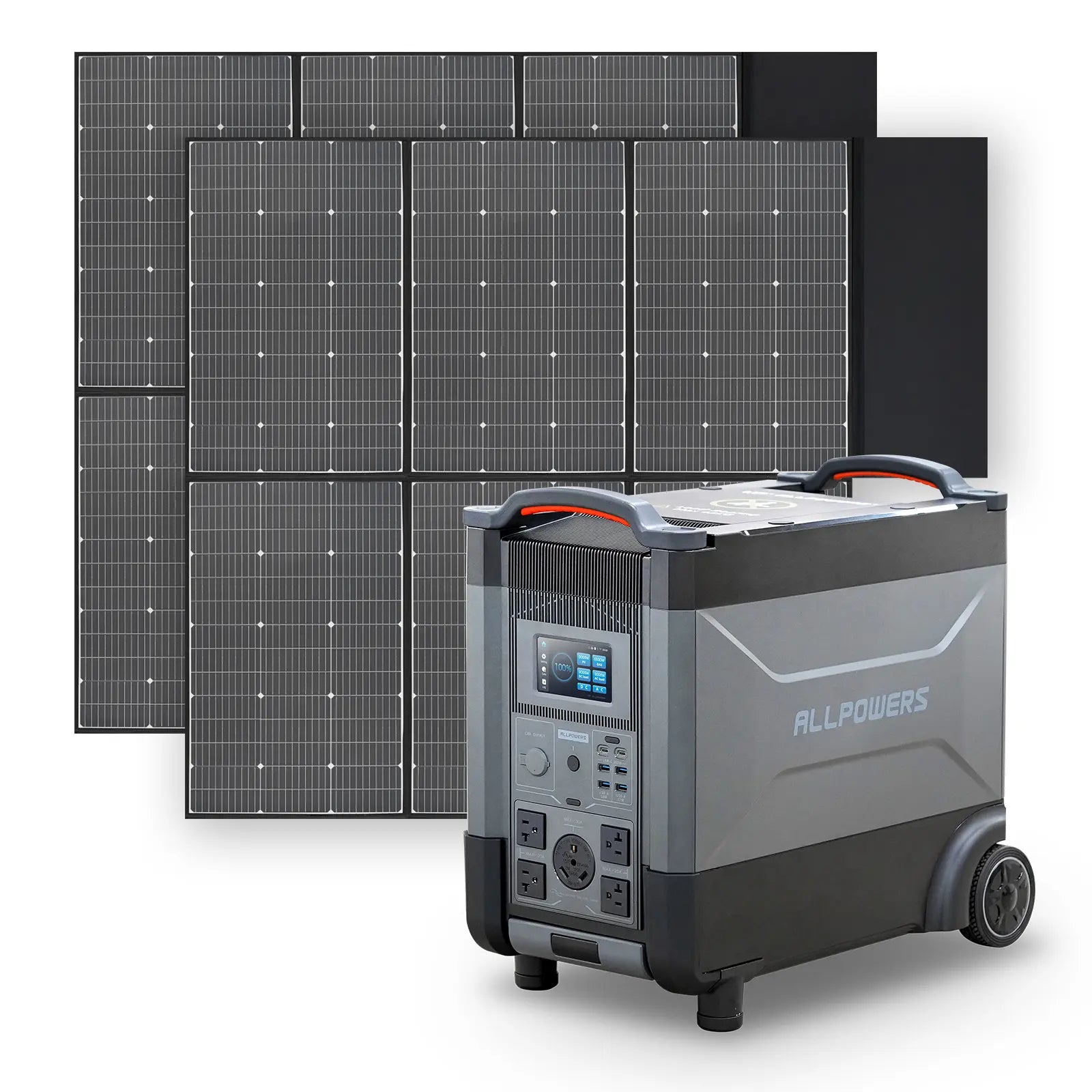
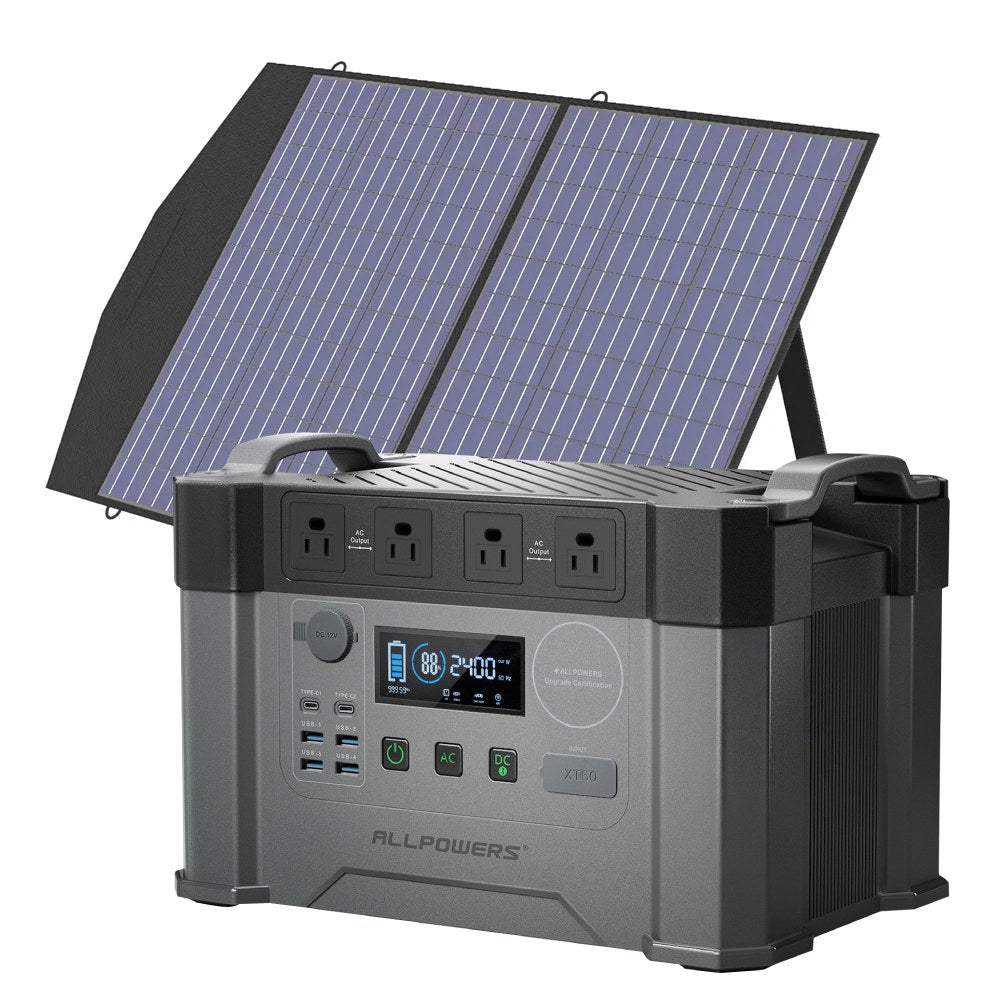
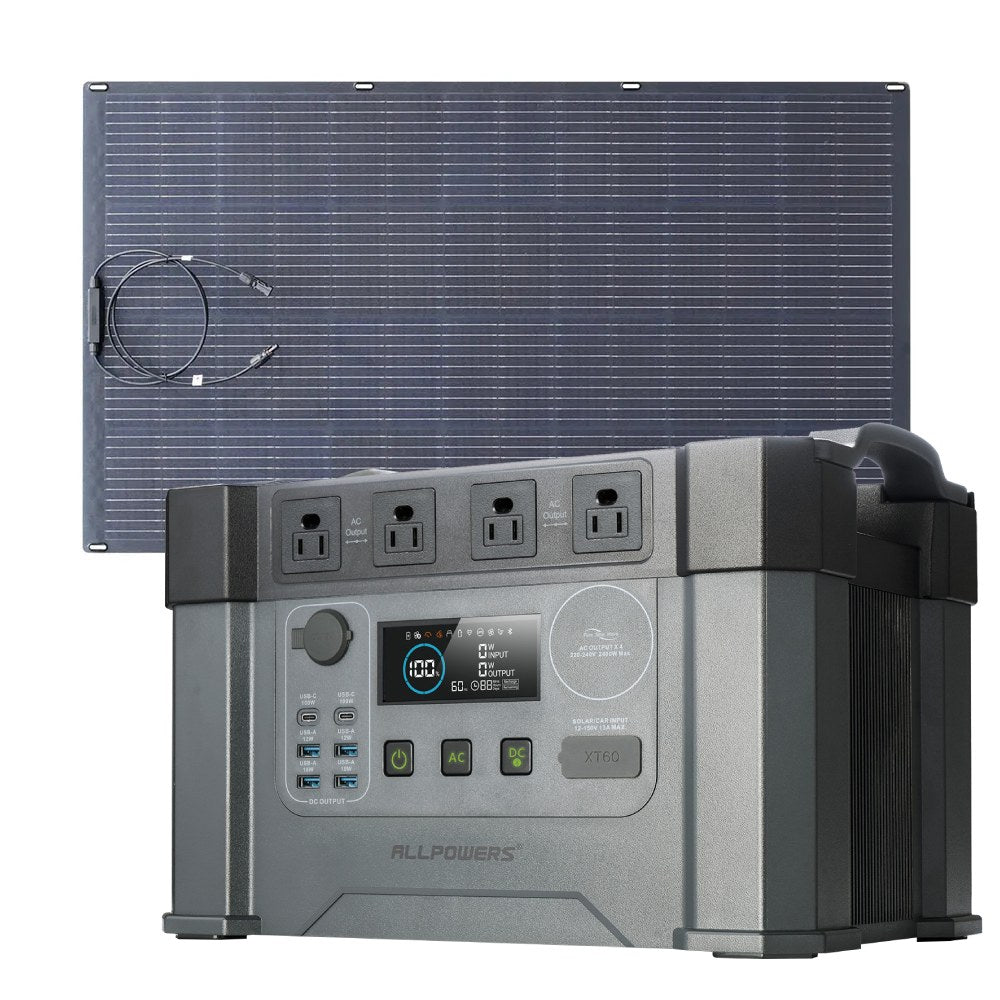
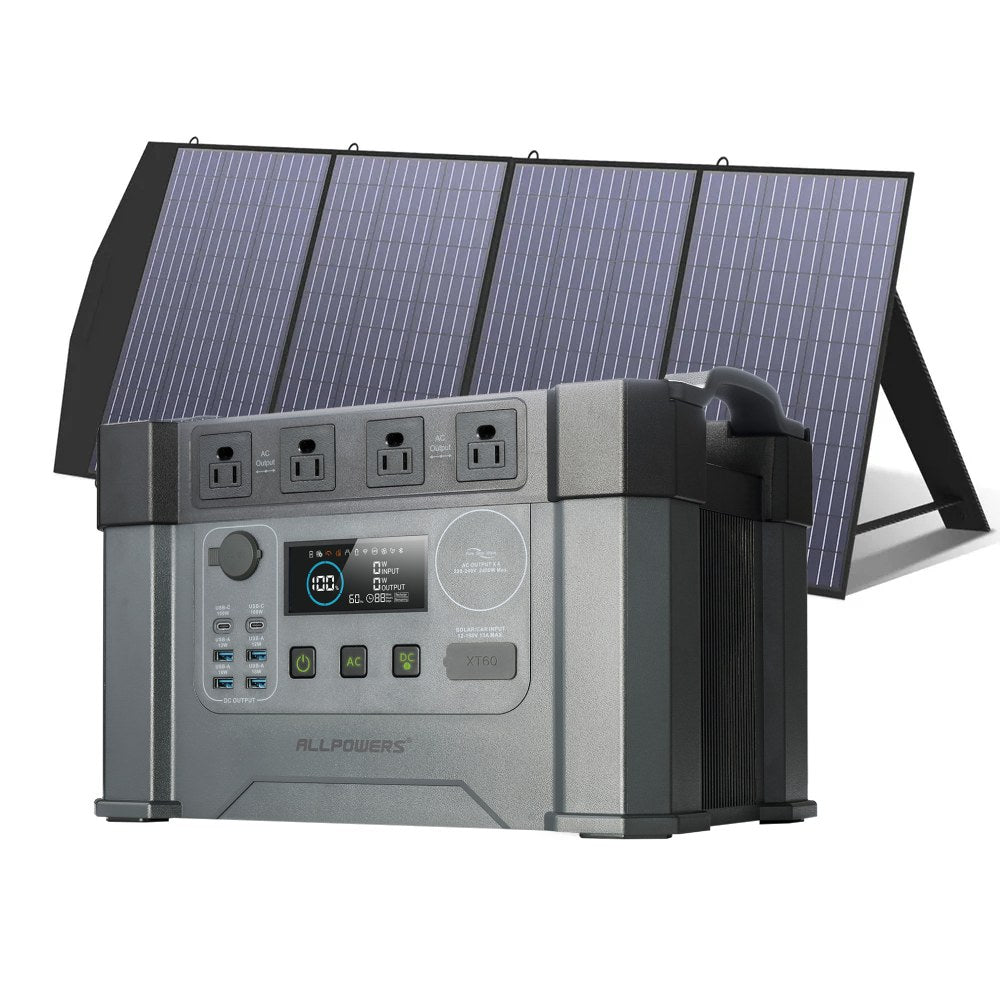
ALLPOWERS 2500W Solar Generator
$1,100.00 $1,799.00
- 2016Wh Capacity + 400W Soalr Input;;
- 2500W AC Output (4,000W Surge);
- Fast Charge 100% in 1 Hours;
- Start UPS in 15 ms;
- Expandable Up to 3x B1000 Expansion Battery;
Choosing the Right Generator for Quieter Operation
If reducing noise is one of your highest priorities, generator technology should be considered before making a purchase.
Inverter generators generally operate more quietly because they automatically adjust engine speed according to electrical demand instead of running at full speed continuously.
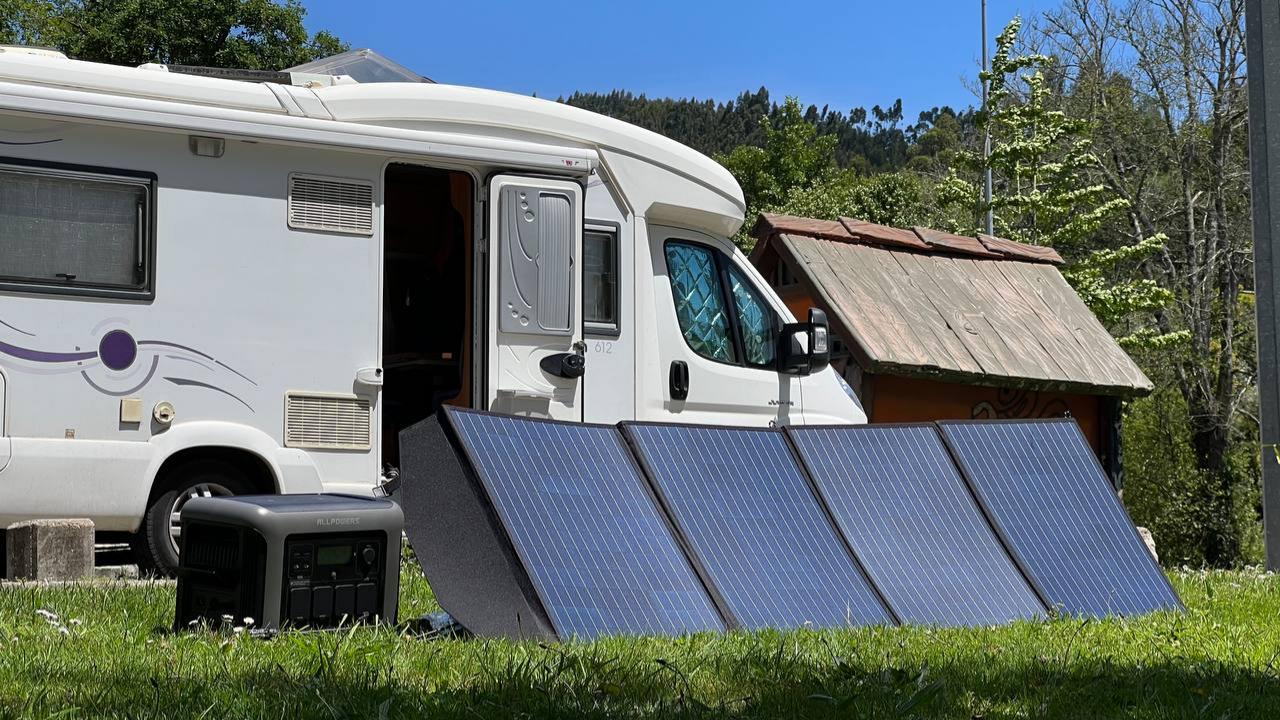
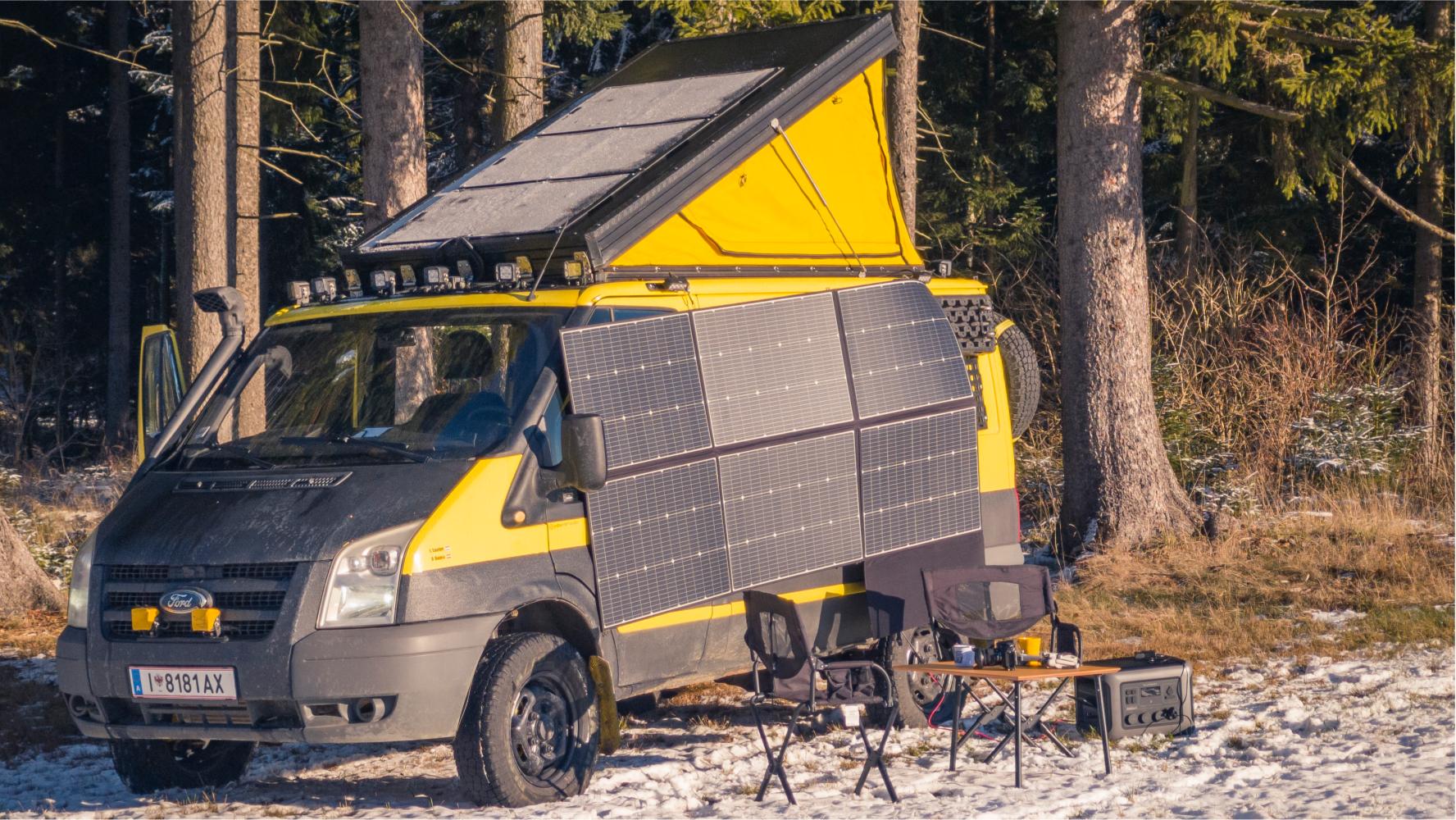
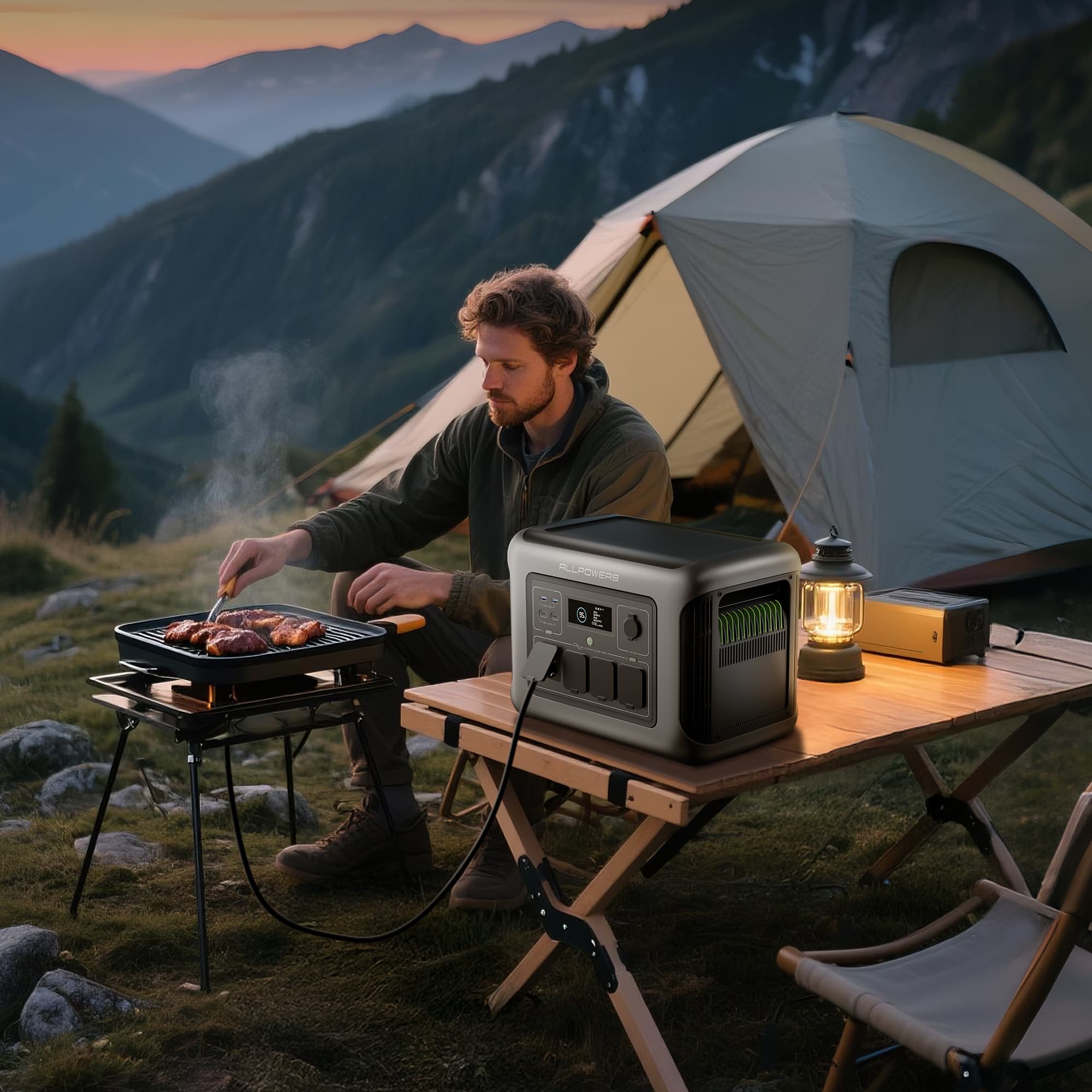
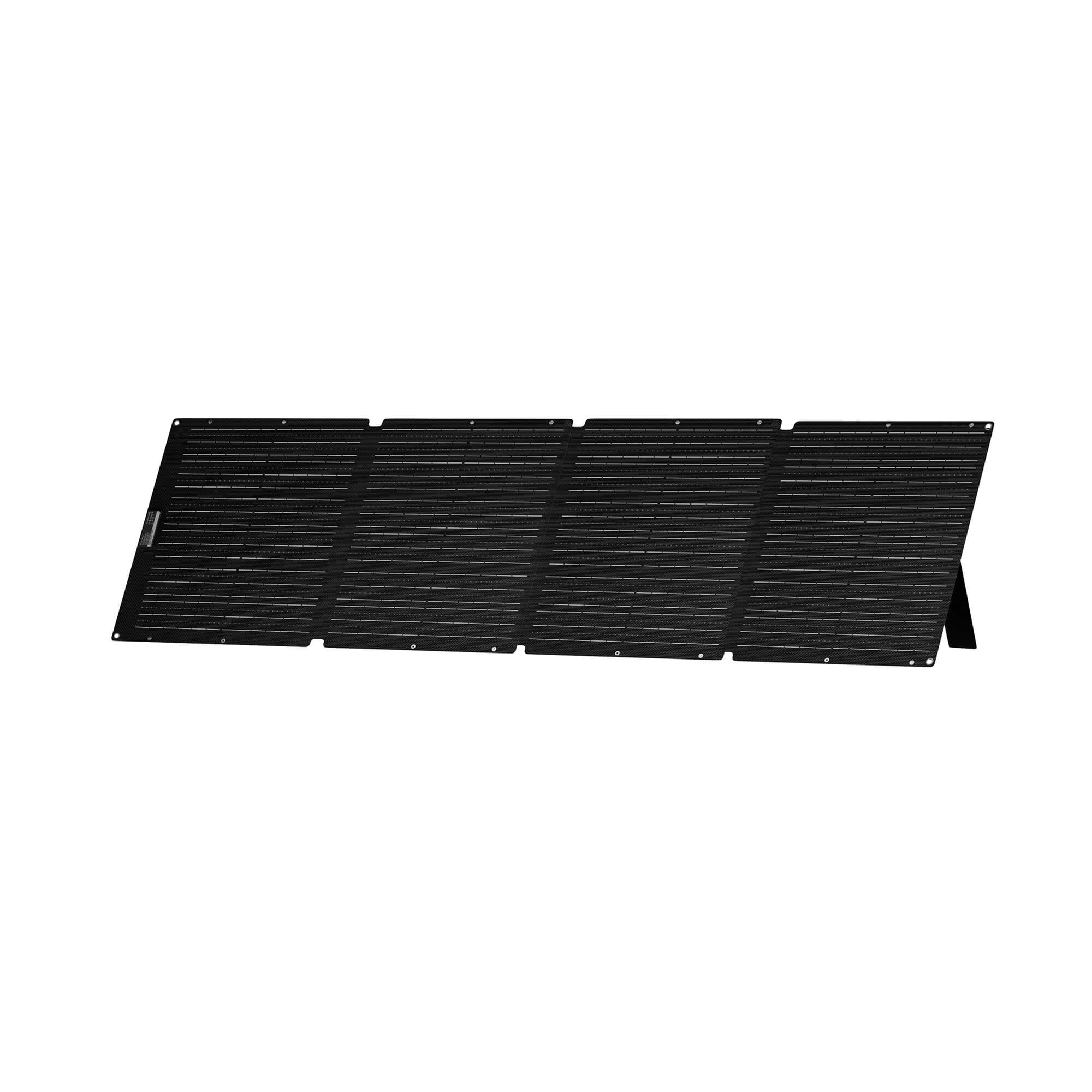
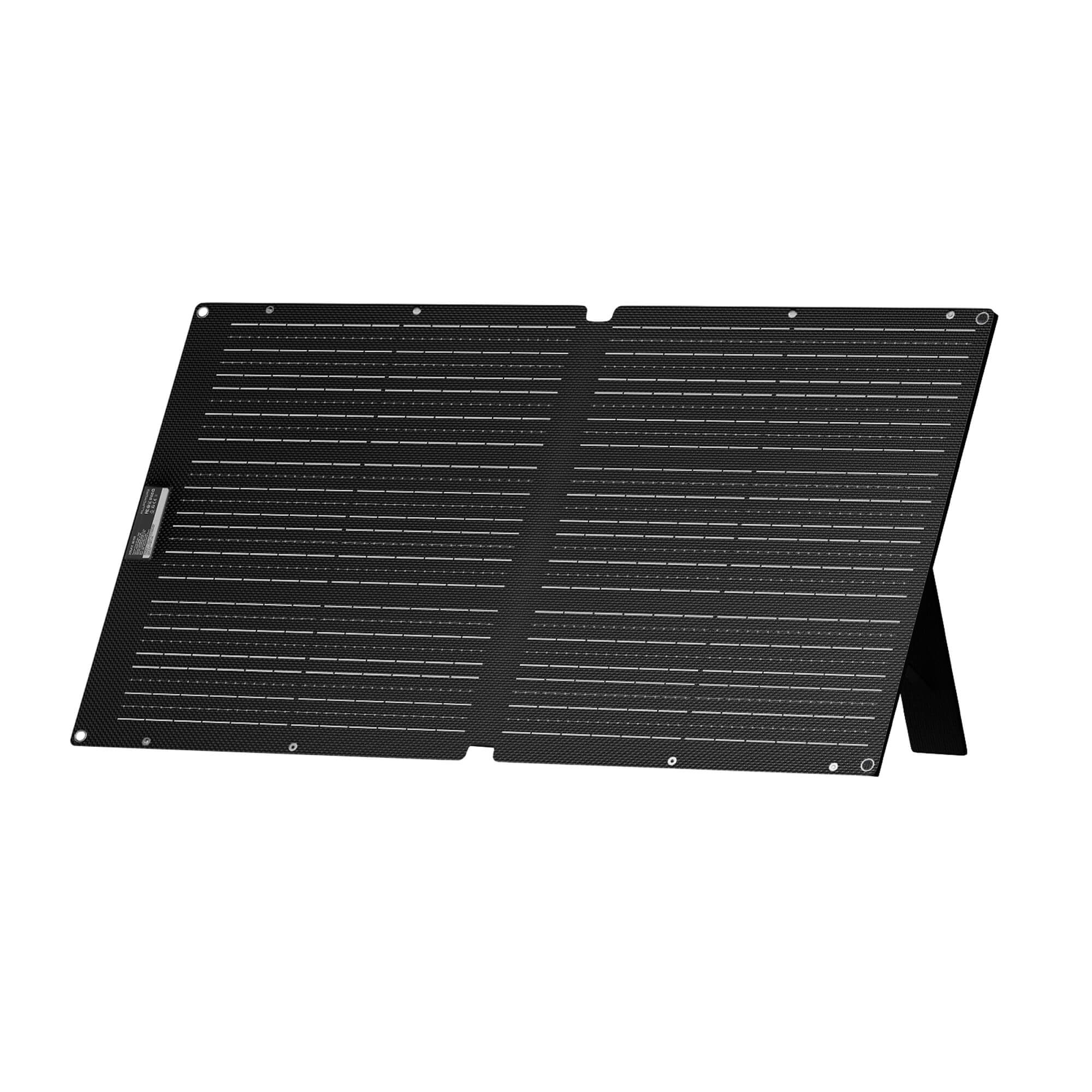
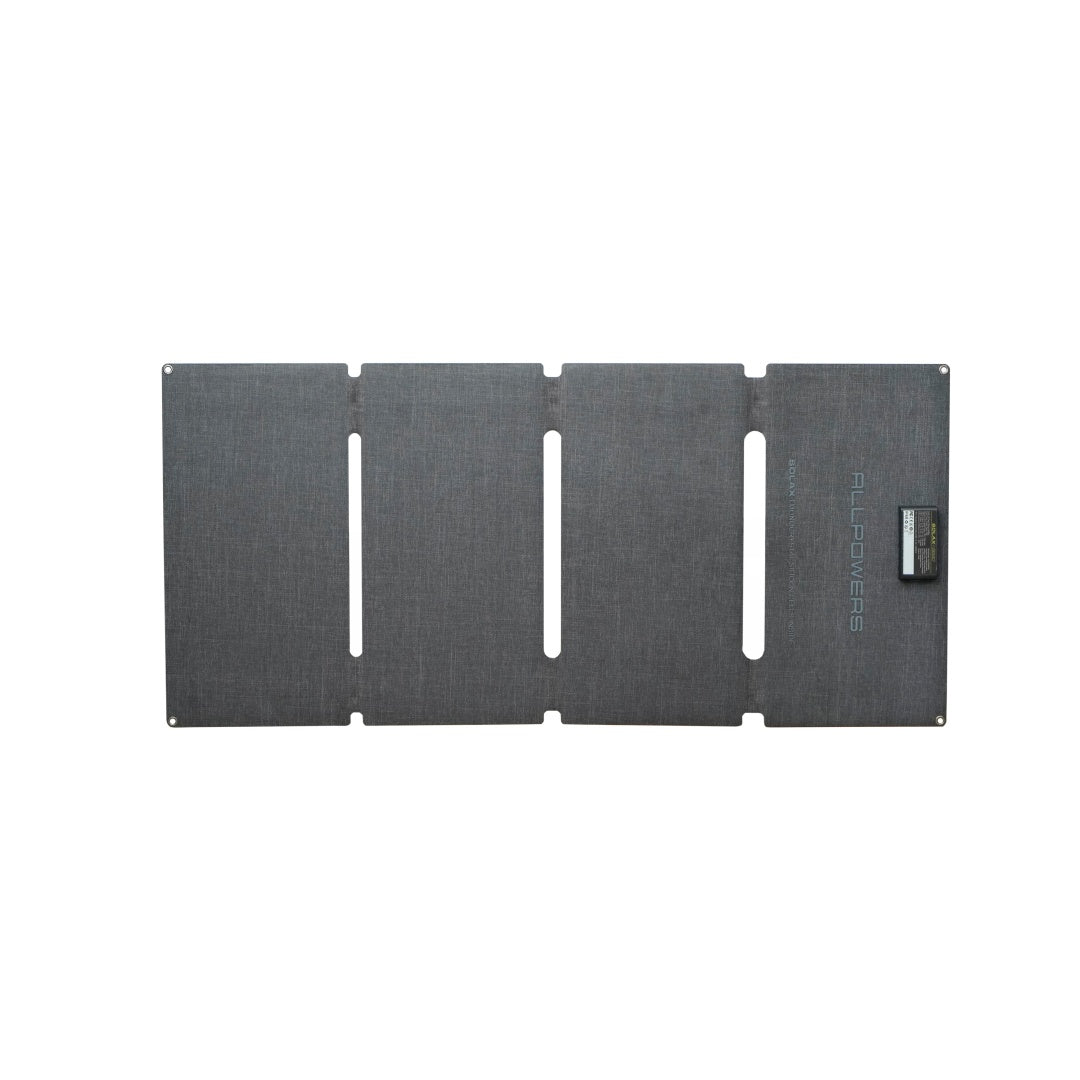
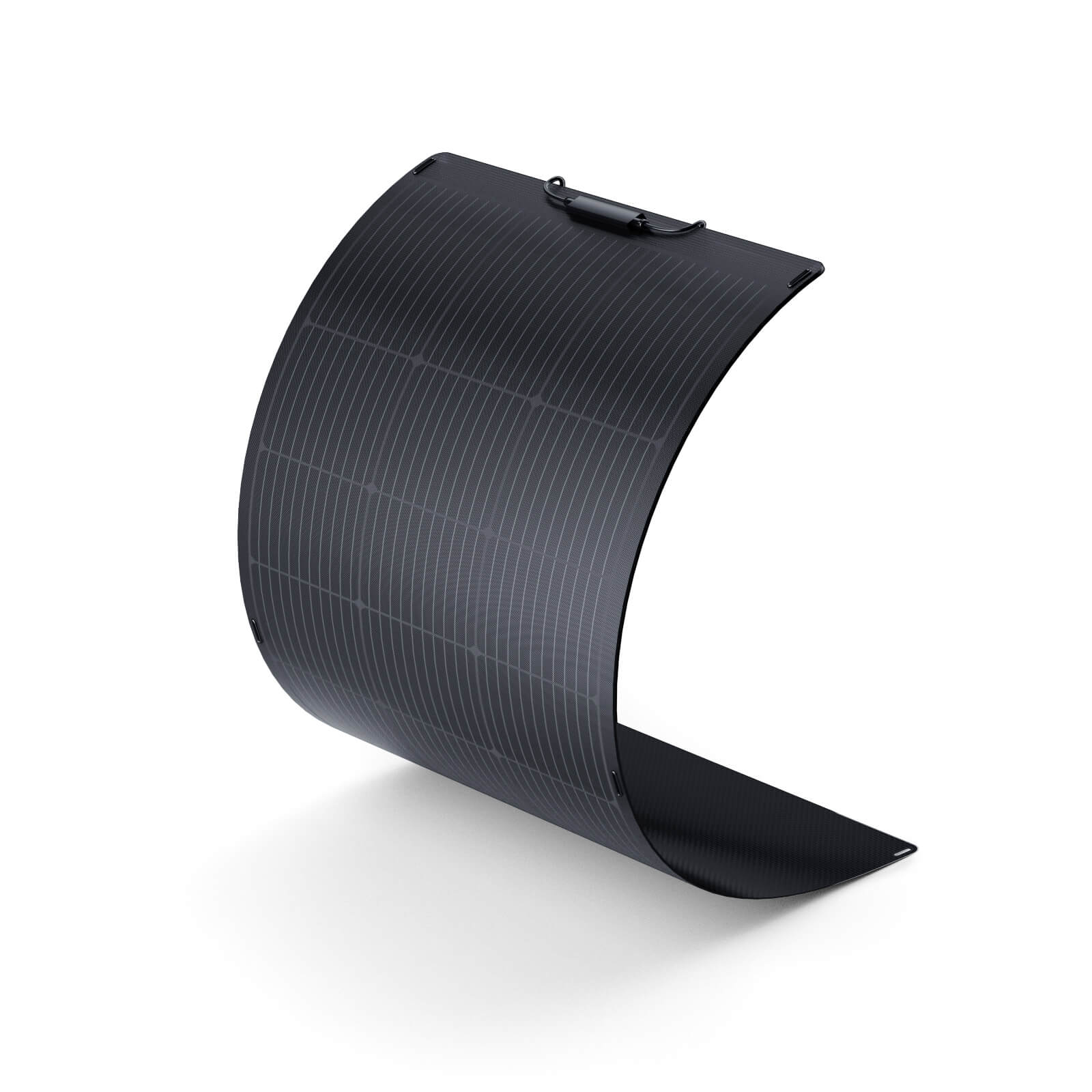
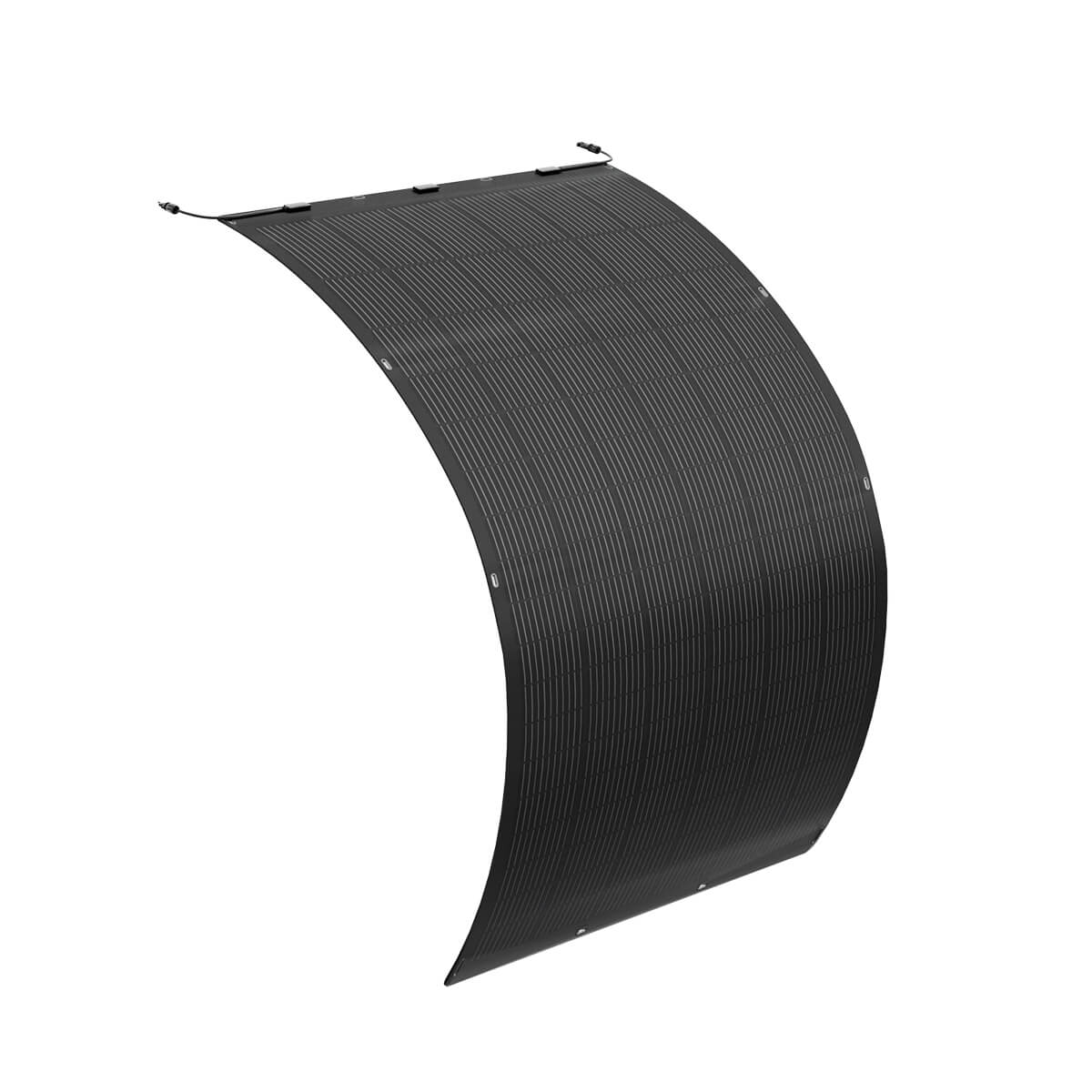
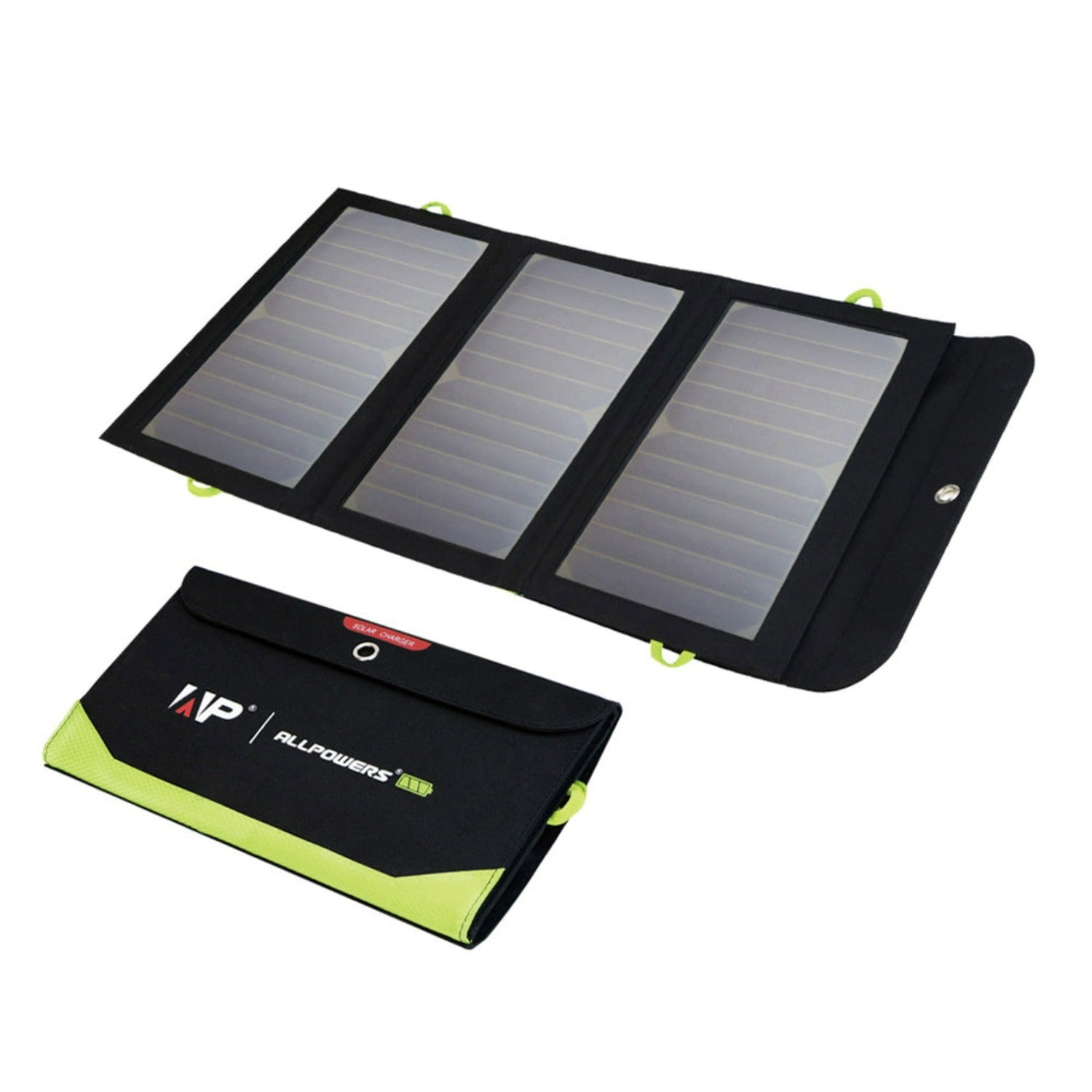
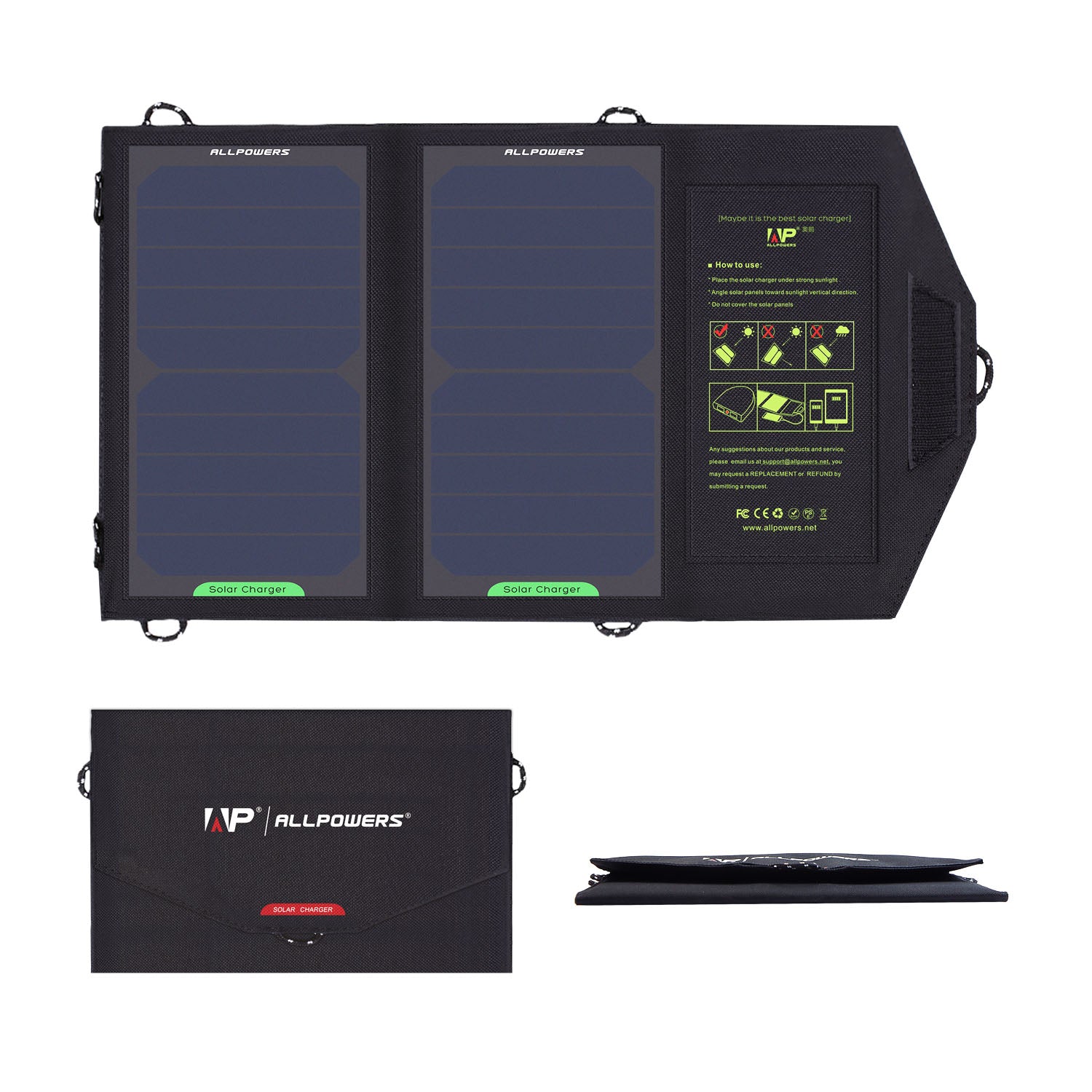
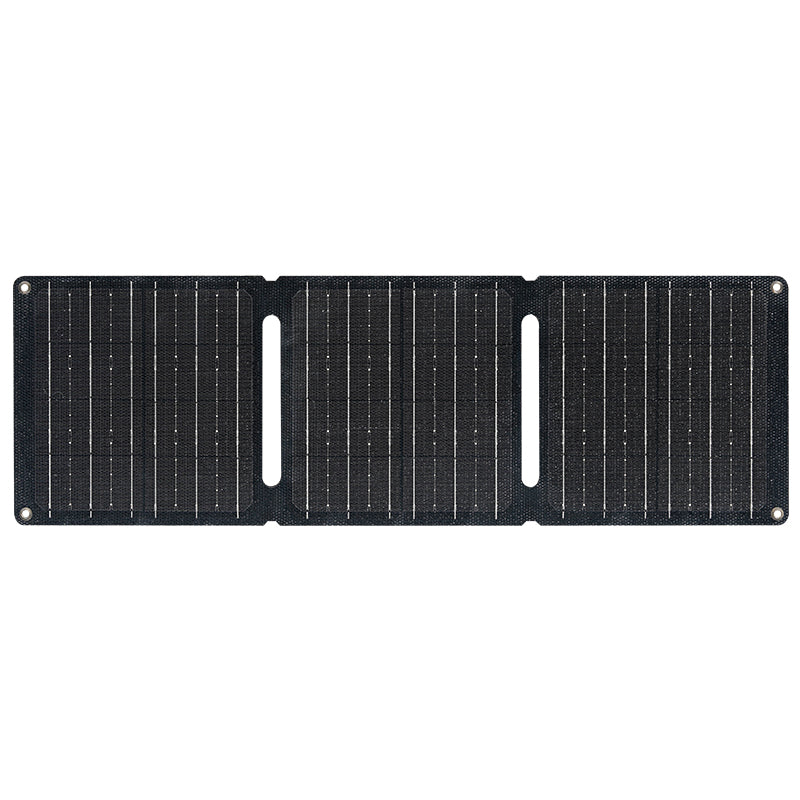
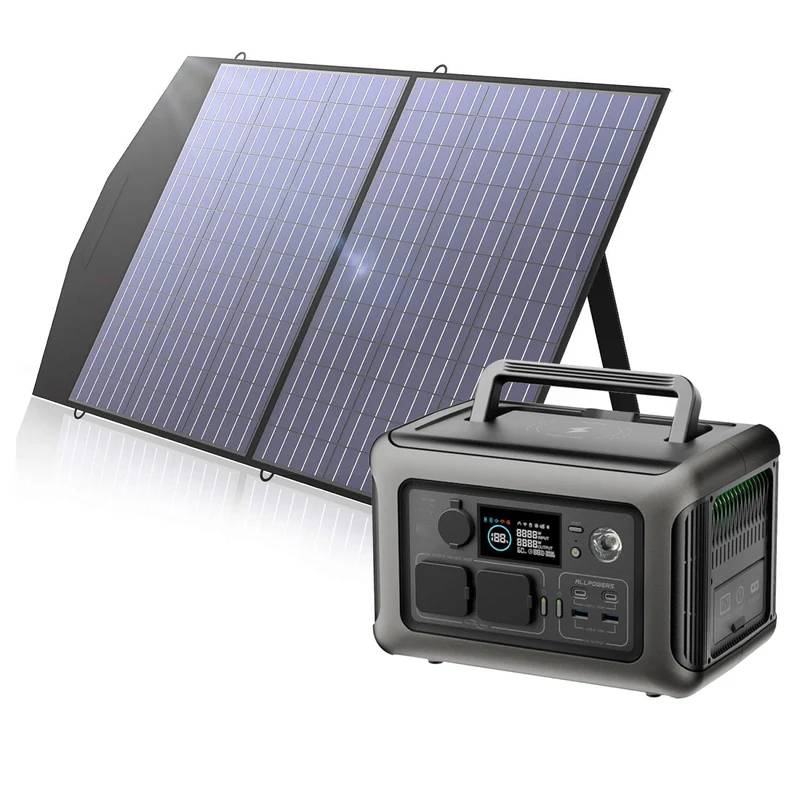
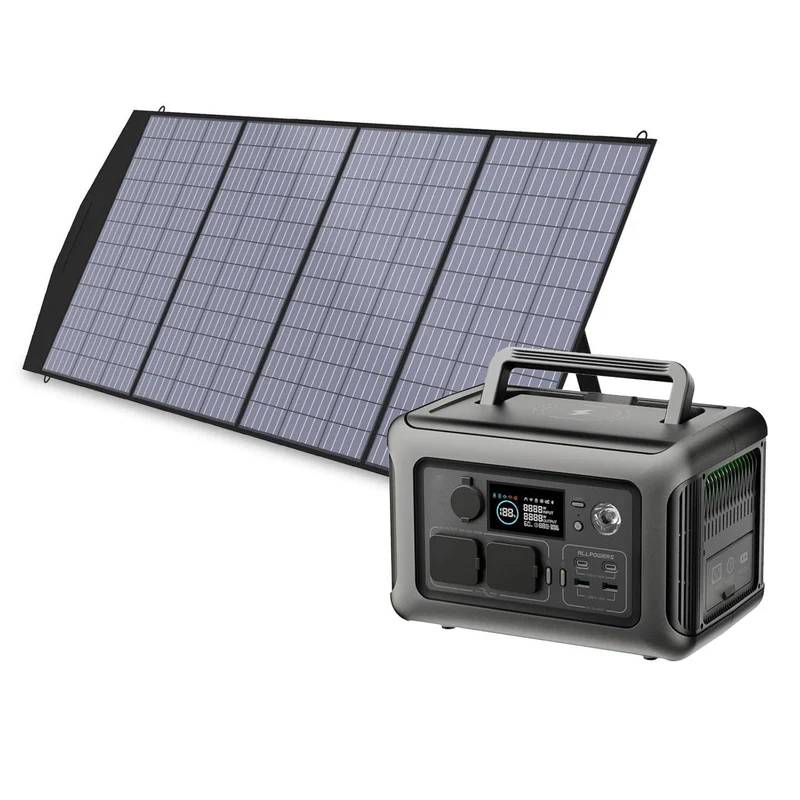
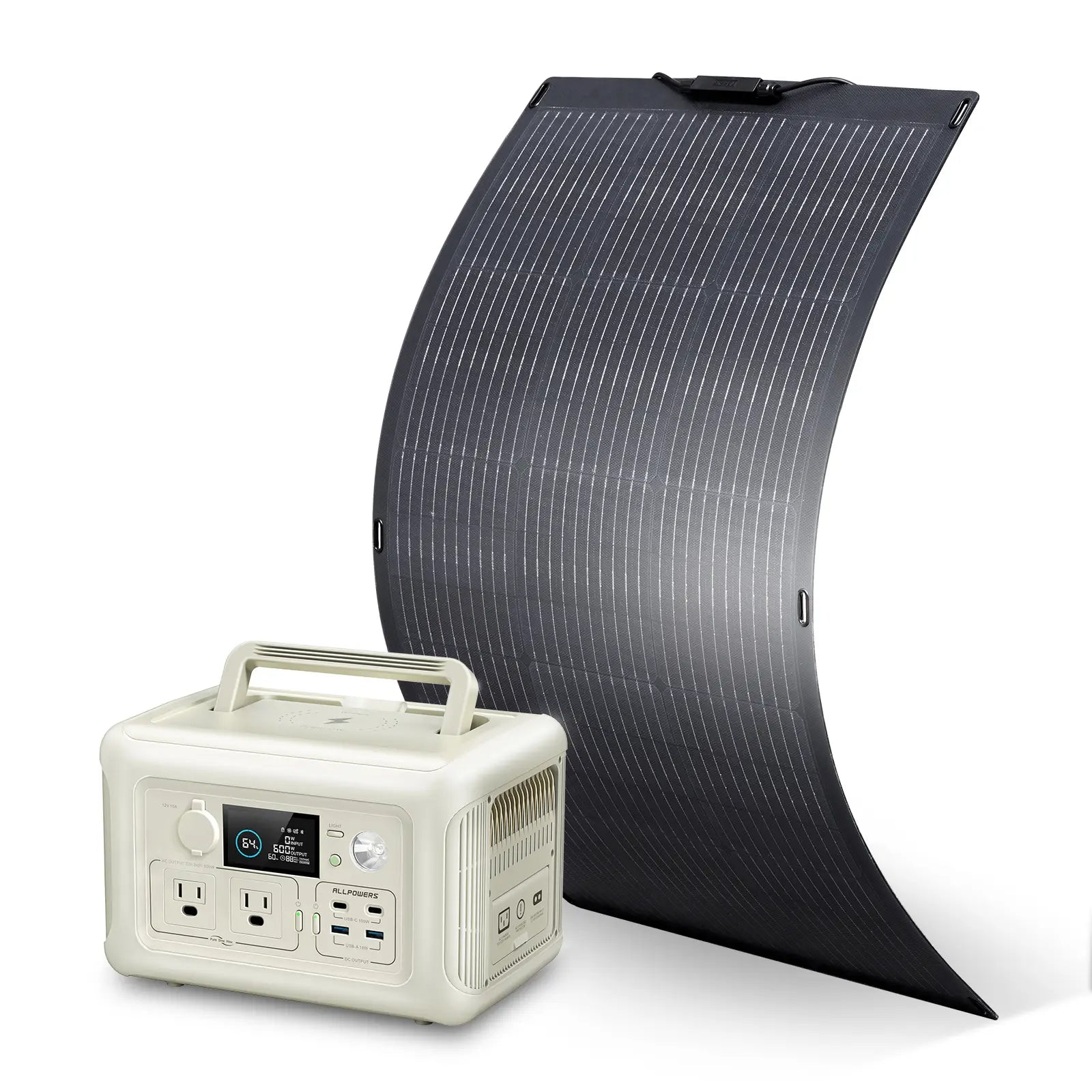
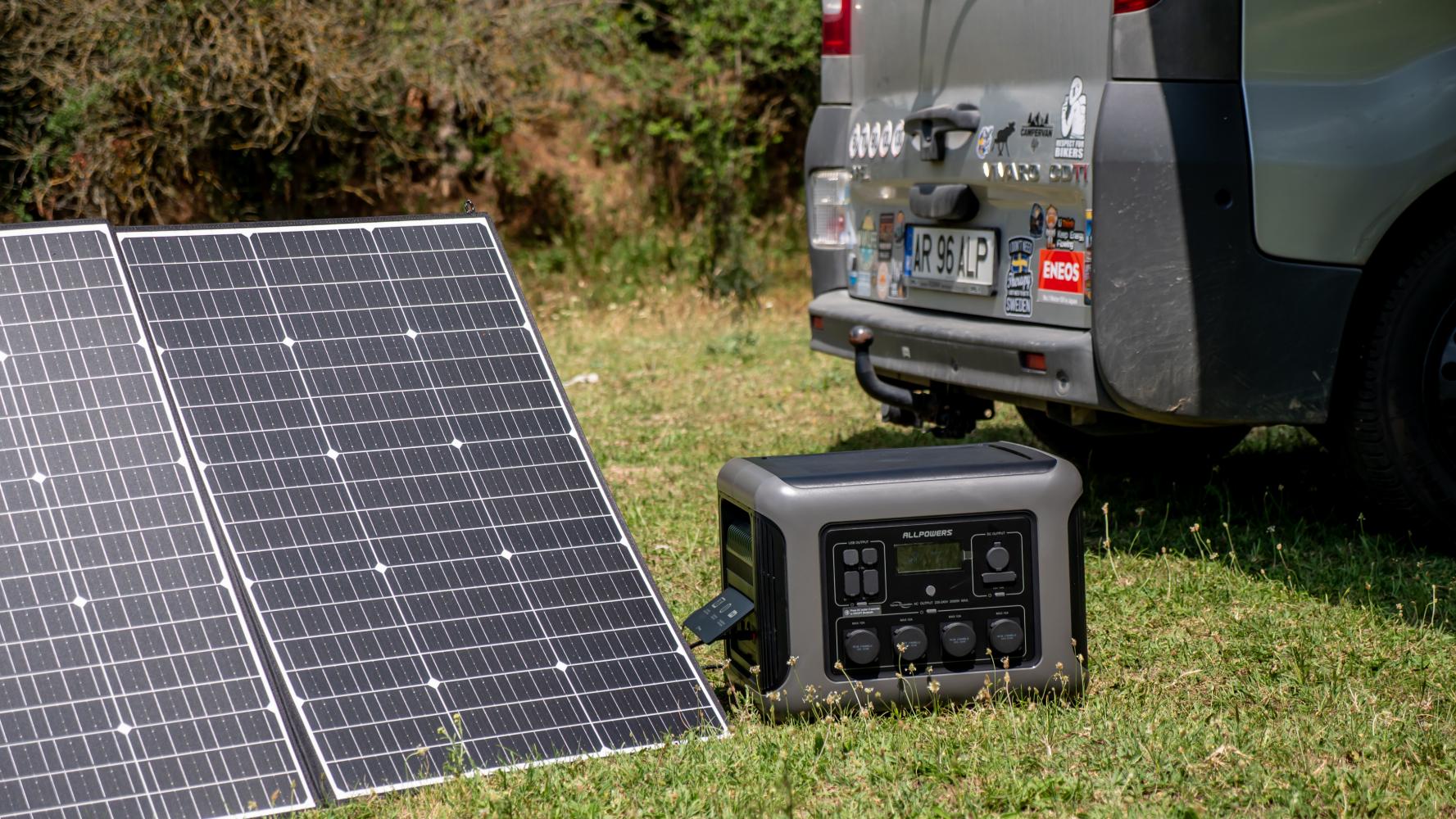
For campers or homeowners with relatively light power needs, some people also explore solar generators, which produce virtually no operating engine noise while supplying electricity for compatible electronics and small household devices.
Many campers and RV travelers choose to run fuel-powered generators only when high-demand appliances are needed, then switch to quieter battery-based power systems for lighting, charging electronics, or overnight use.
This approach not only reduces overall noise but also minimizes fuel consumption during periods of lower electricity demand.
Does Regular Maintenance Affect Generator Noise?
Regular maintenance is often overlooked, yet it can have a noticeable effect on both generator performance and operating noise.
Loose bolts, damaged exhaust components, clogged air filters, and worn spark arrestors may all increase engine vibration and mechanical noise over time.
| Maintenance Item | Potential Effect on Noise |
|---|---|
| Change Engine Oil | Smoother engine operation |
| Clean Air Filter | Improves combustion efficiency |
| Tighten Fasteners | Reduces vibration noise |
| Inspect Muffler | Prevents excessive exhaust noise |
| Replace Worn Parts | Helps eliminate rattling sounds |
Following the manufacturer's maintenance schedule not only improves reliability but can also prevent gradual increases in operating noise.
Can Accessories Help Reduce Generator Noise?
Several accessories can reduce vibration and improve the overall acoustic environment around a generator.
Rubber anti-vibration mats, upgraded feet, and flexible mounting pads help isolate engine vibration from the ground.
Some users also install extended exhaust systems where permitted by the manufacturer, although any modification should follow the manufacturer's guidance to avoid affecting safety or warranty coverage.
Choosing the Right Noise Reduction Strategy
There is no single solution that eliminates generator noise completely.
Instead, the best results usually come from combining several small improvements, such as better placement, vibration control, regular maintenance, and thoughtful load management.
For most homeowners and campers, these practical adjustments can noticeably reduce perceived noise without requiring expensive equipment or complicated modifications.
Frequently Asked Questions
Can I put a blanket over my generator to reduce noise?
No. Covering a running generator can block ventilation, cause overheating, and create dangerous fire and carbon monoxide hazards.
Do inverter generators run quieter than conventional generators?
Yes. Inverter generators generally operate at variable engine speeds, making them quieter during lighter electrical loads.
Does placing a generator on grass make it quieter?
Grass may absorb some vibration compared with concrete, but the generator should always be placed on a stable, level surface to ensure safe operation.
Will a longer extension cord reduce generator noise?
Using an appropriately rated outdoor extension cord allows the generator to be positioned farther away, which can significantly reduce the noise heard at the point of use.