







Running a generator for an extended period sounds like a practical solution during a prolonged power outage or a remote work project.
After all, if it keeps producing electricity, why not leave it running around the clock?
So, can you really run a generator 24/7 without causing problems?
TL;DR:
Some generators can operate continuously for several days, but very few are designed to run indefinitely without interruption. Allowing the generator to rest, changing the oil on schedule, and avoiding overload are essential for safe long-term operation.
Is It Safe to Run a Generator Continuously?
Running a generator for an entire day is not unusual during emergencies, but doing so safely requires more than simply keeping the fuel tank full.
Every generator produces heat, experiences engine wear, and relies on clean lubrication to continue operating efficiently.
Portable generators are generally intended for temporary power rather than permanent use.
Although many models can run for 8 to 20 hours on a single tank of fuel, manufacturers often recommend shutting them down periodically for inspection, refueling, and maintenance.
In other words, a generator may be capable of running for long periods, but it should never be left unattended for extended stretches of time.
How Long Can Different Types of Generators Run?
The amount of time a generator can operate depends largely on its design.
Some models are built for occasional backup power, while others are engineered for commercial or whole-home applications.
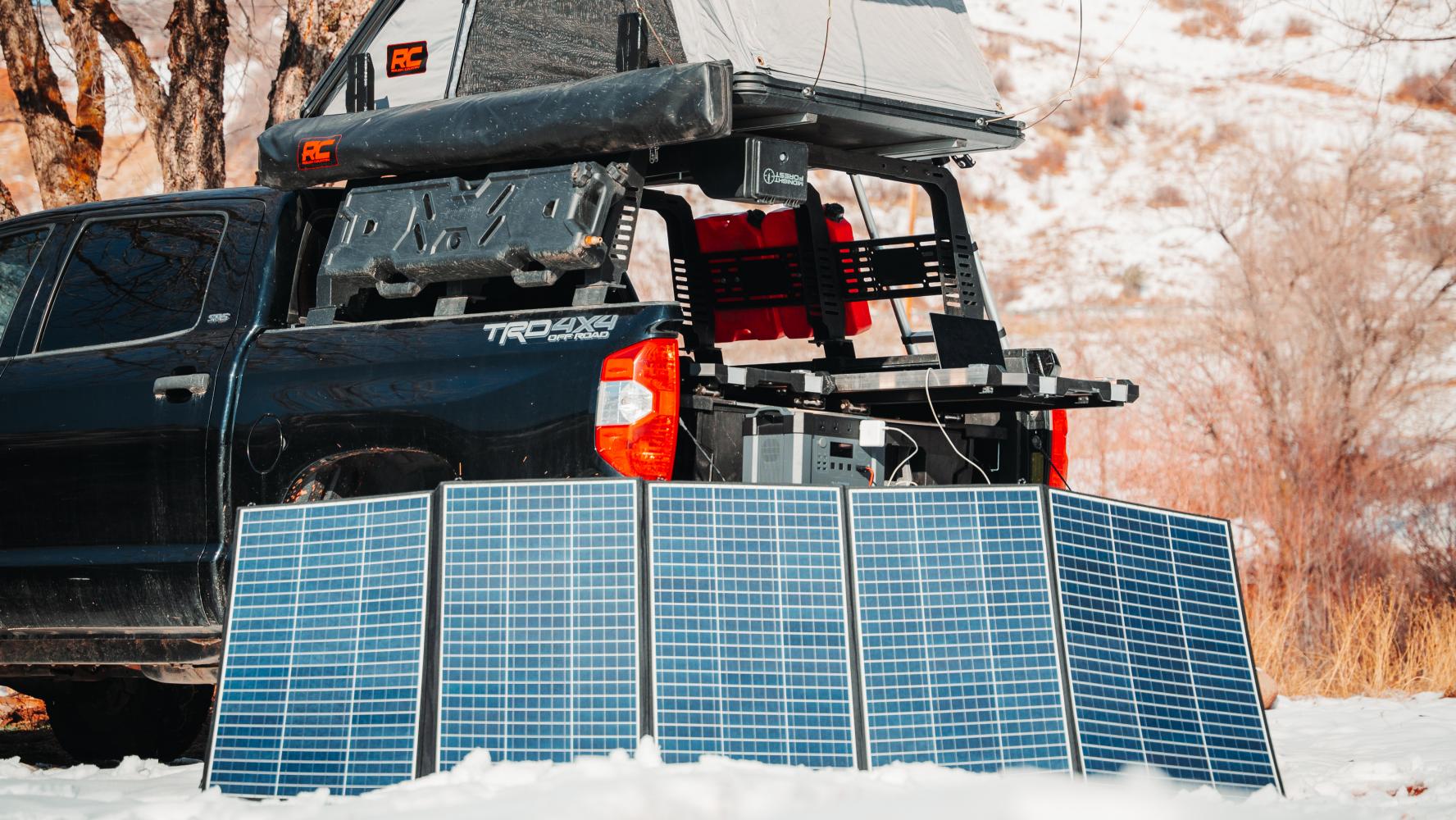
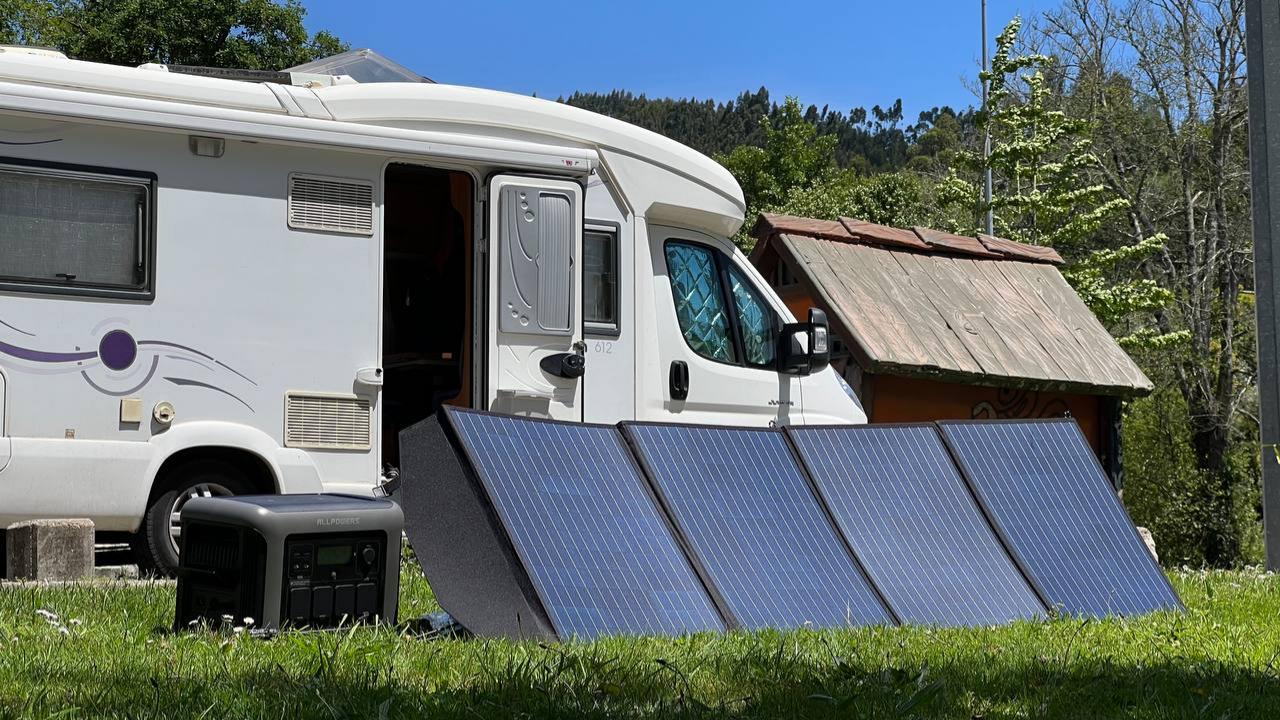
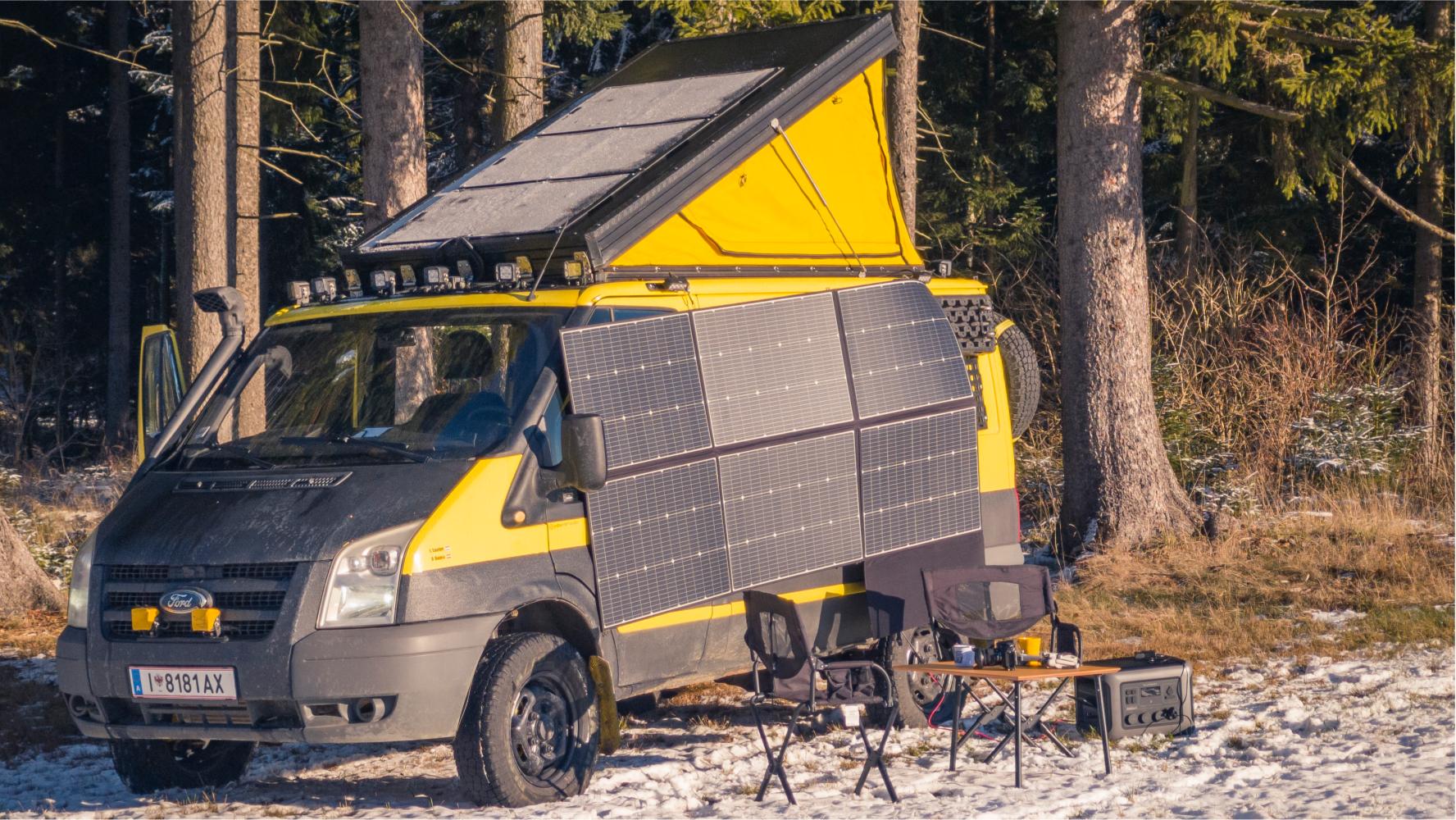
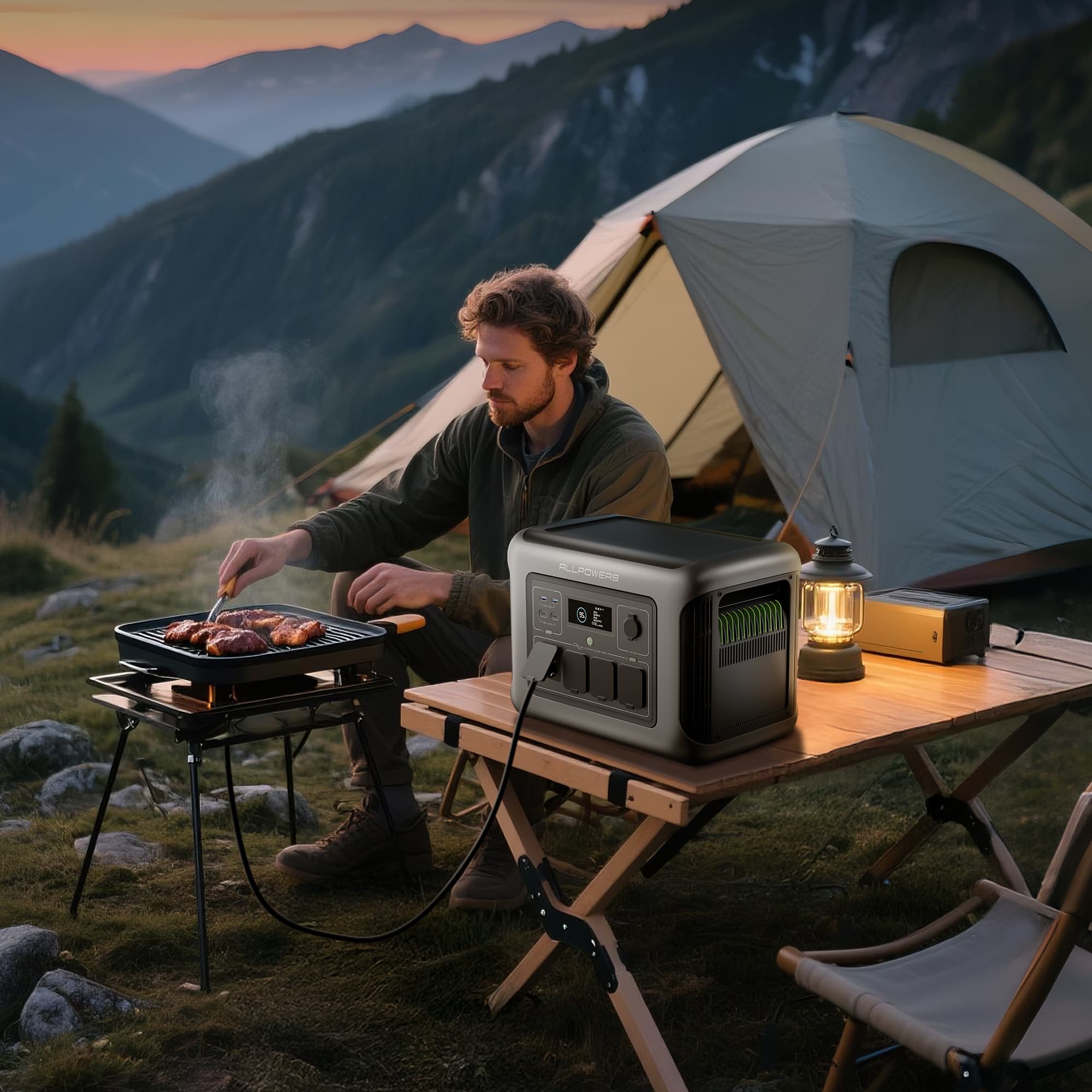
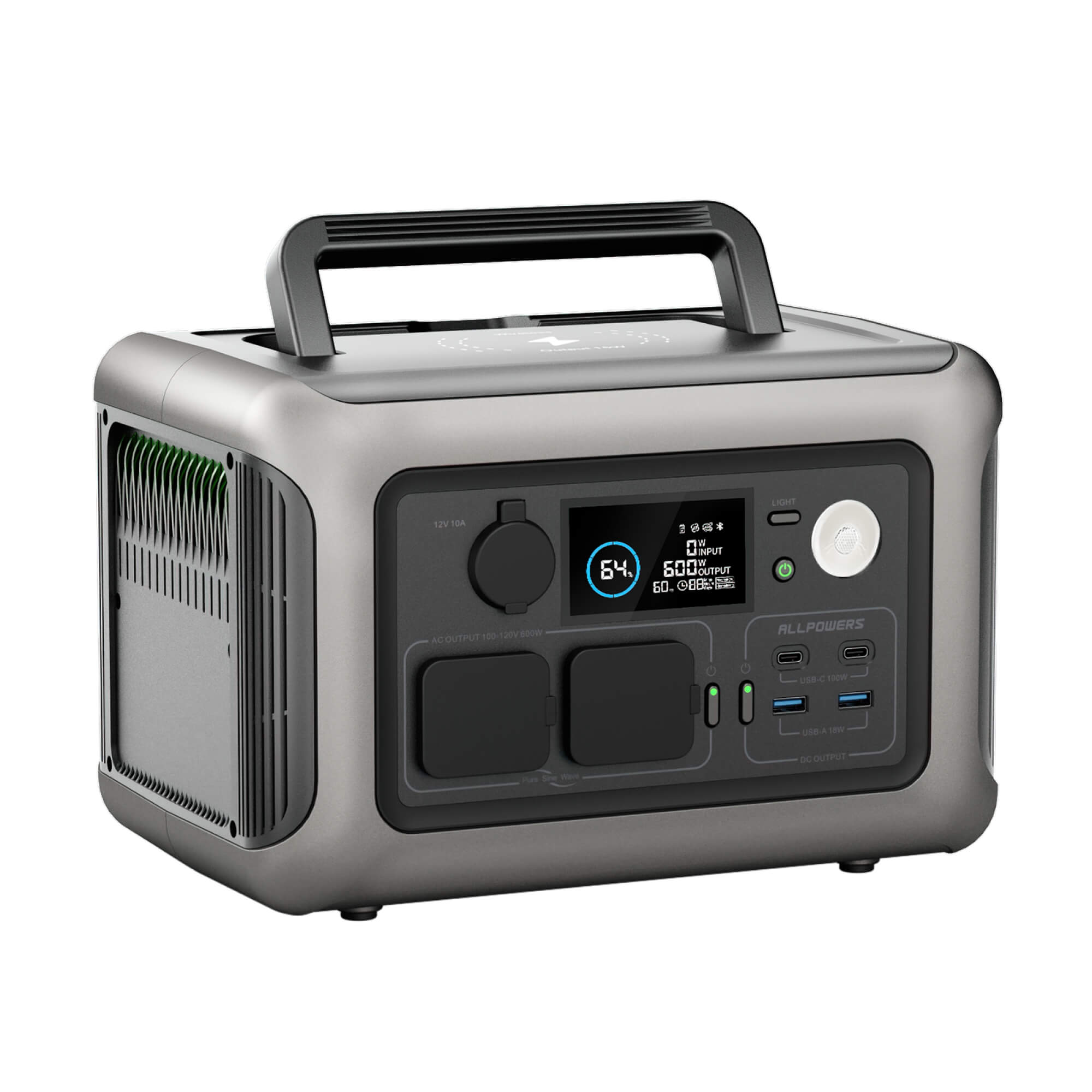
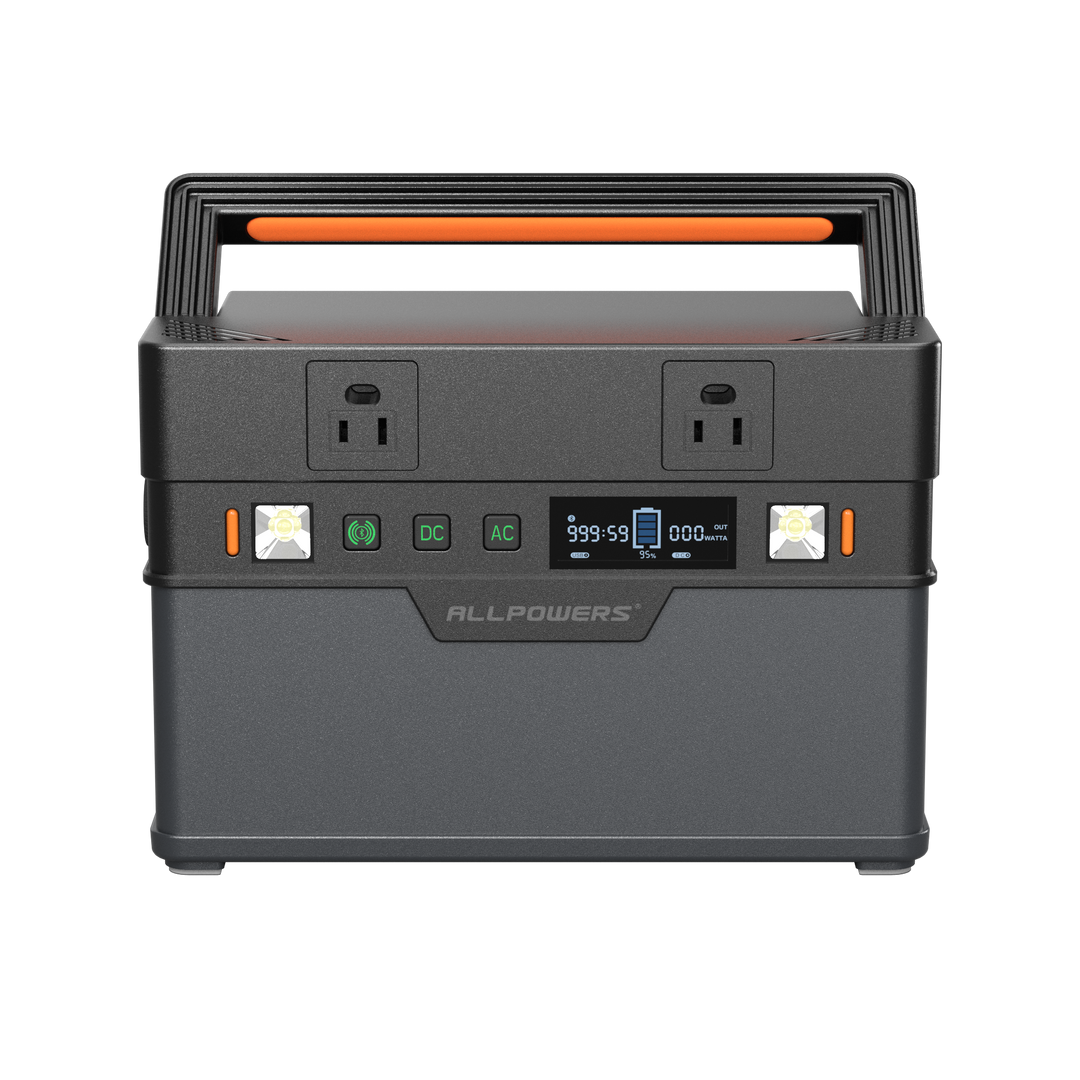
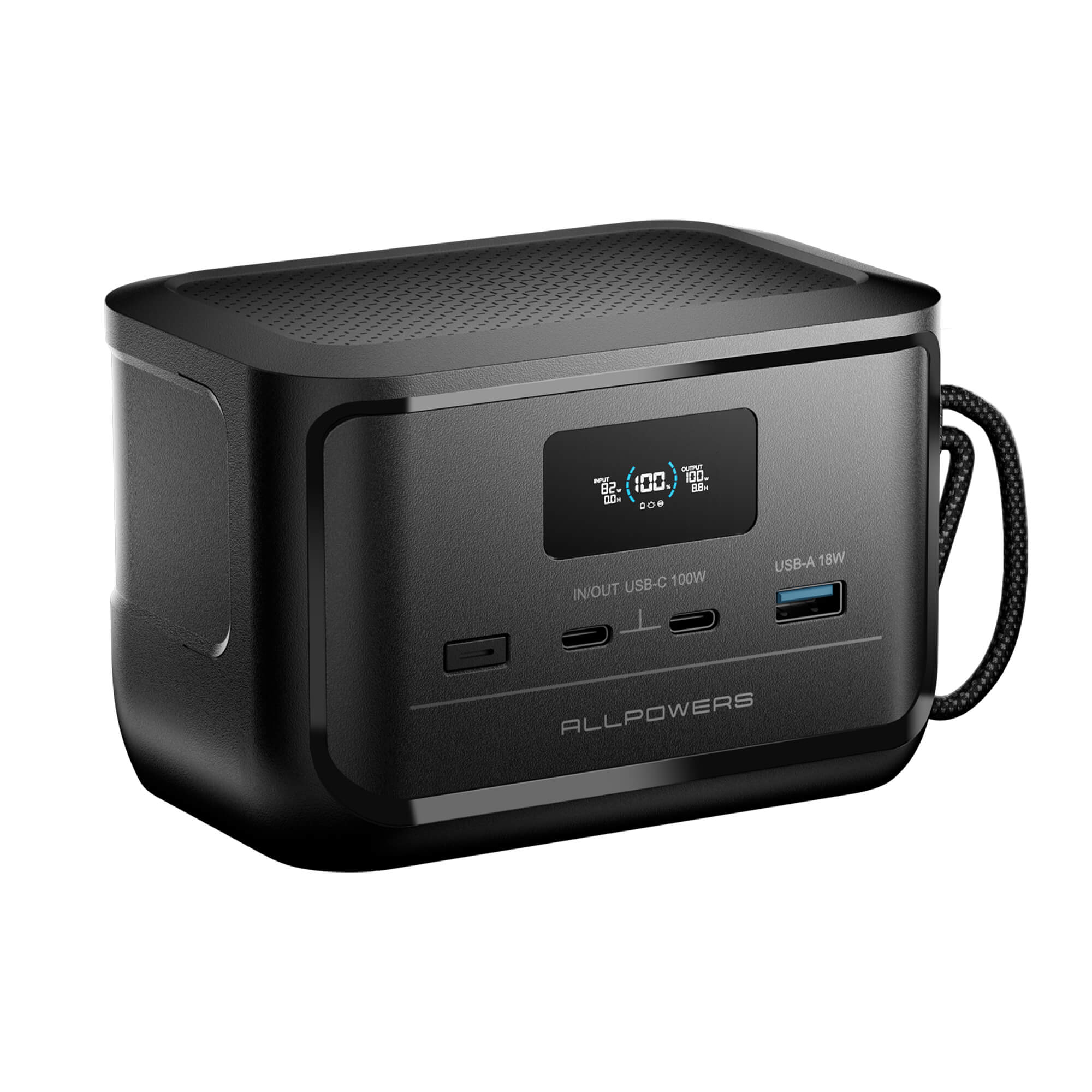
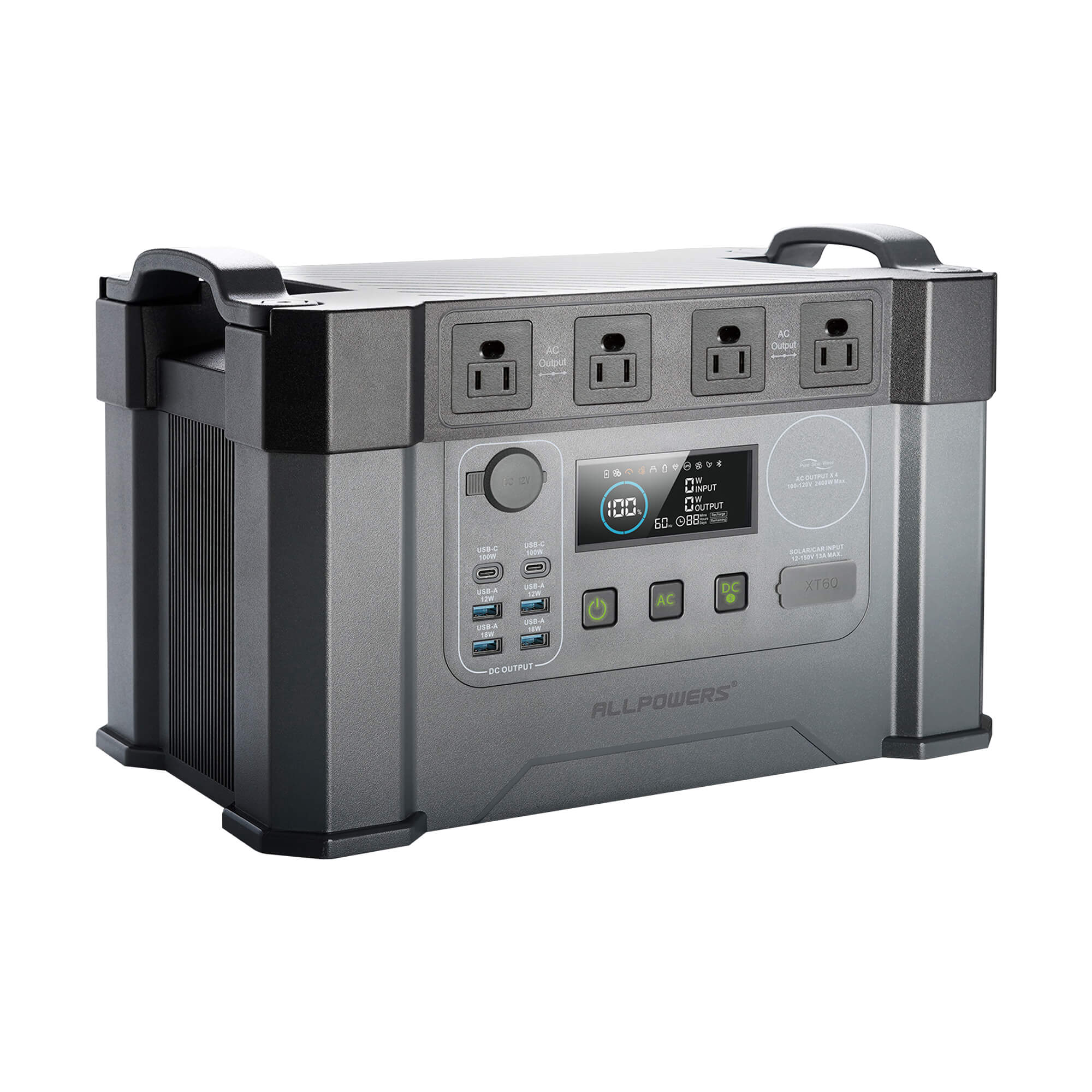
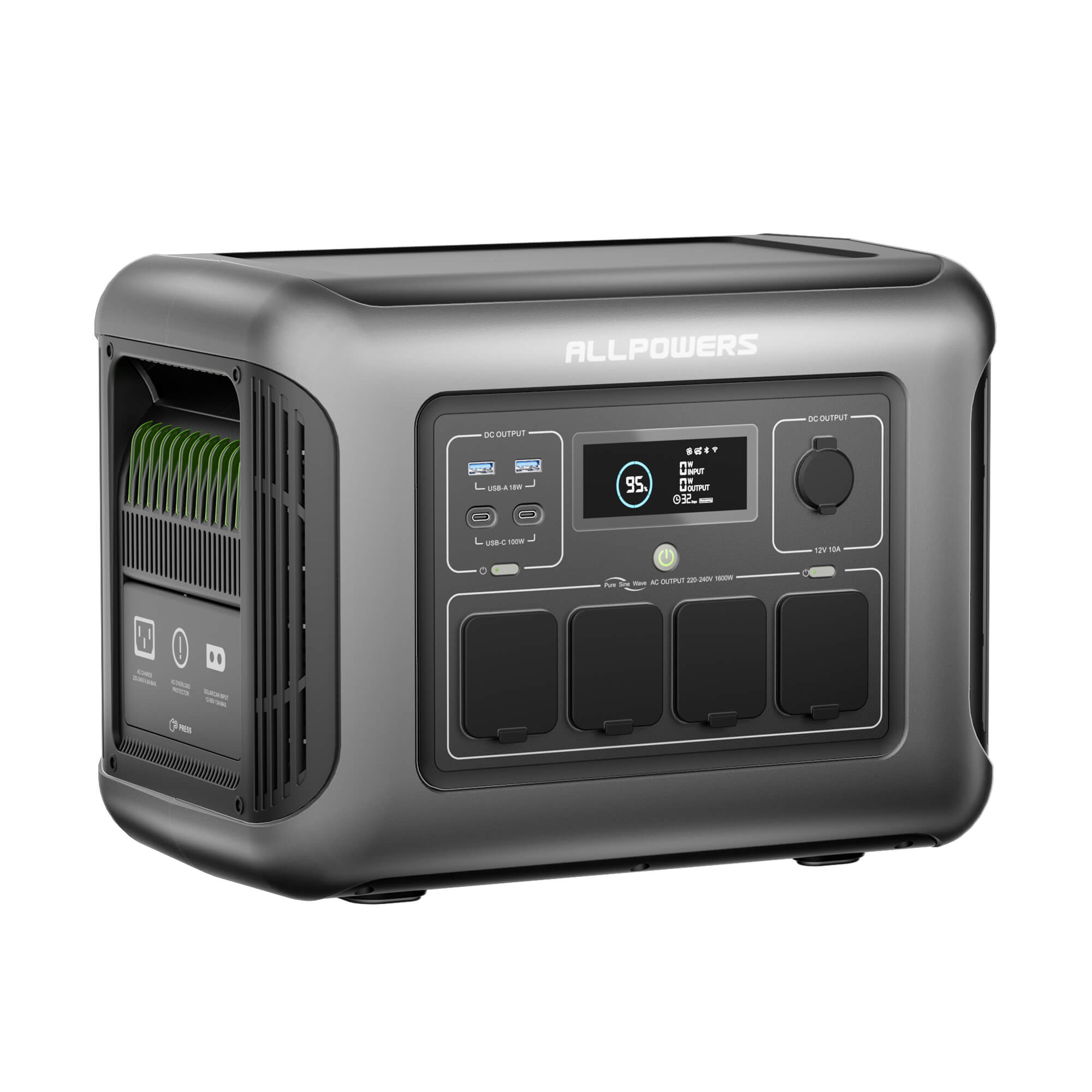
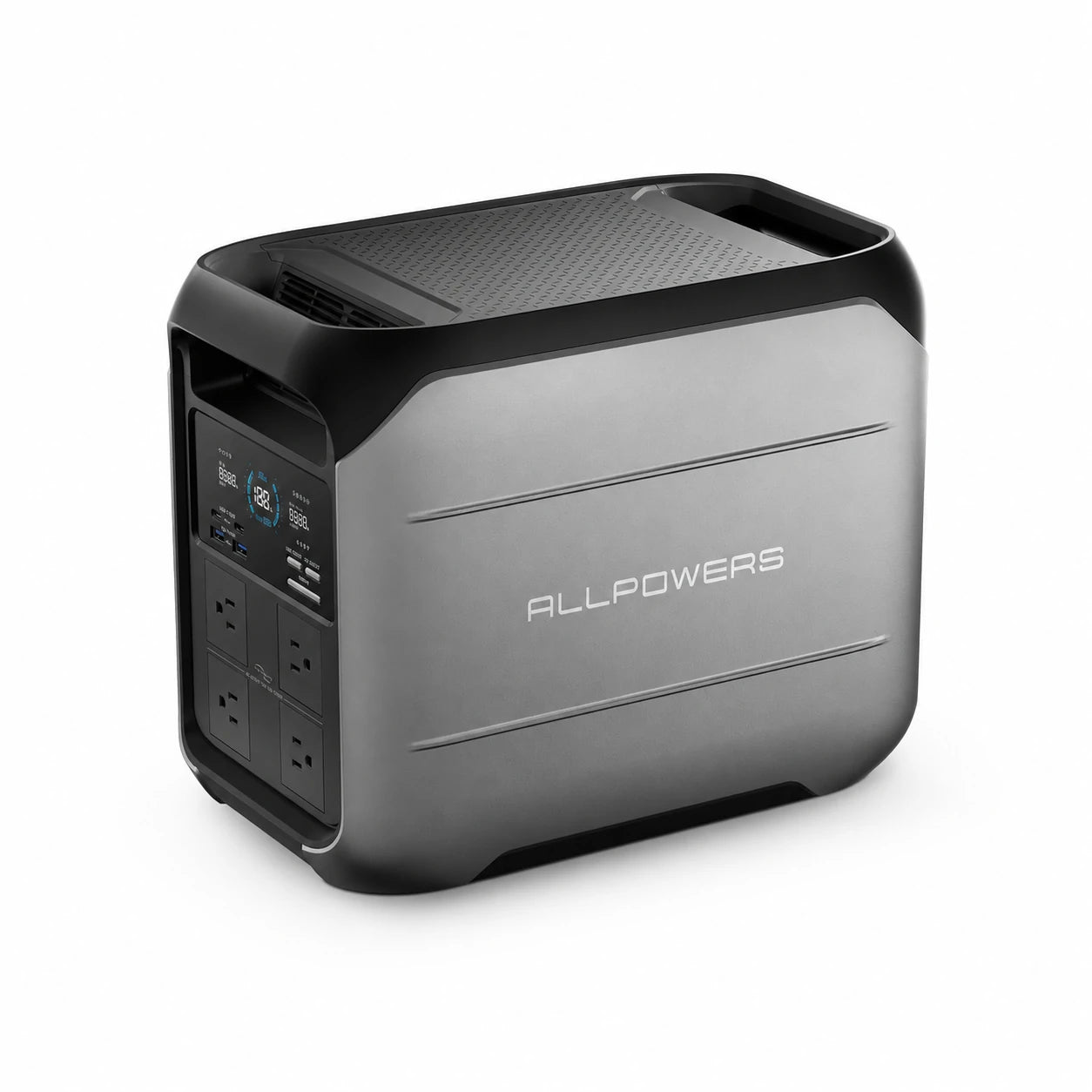
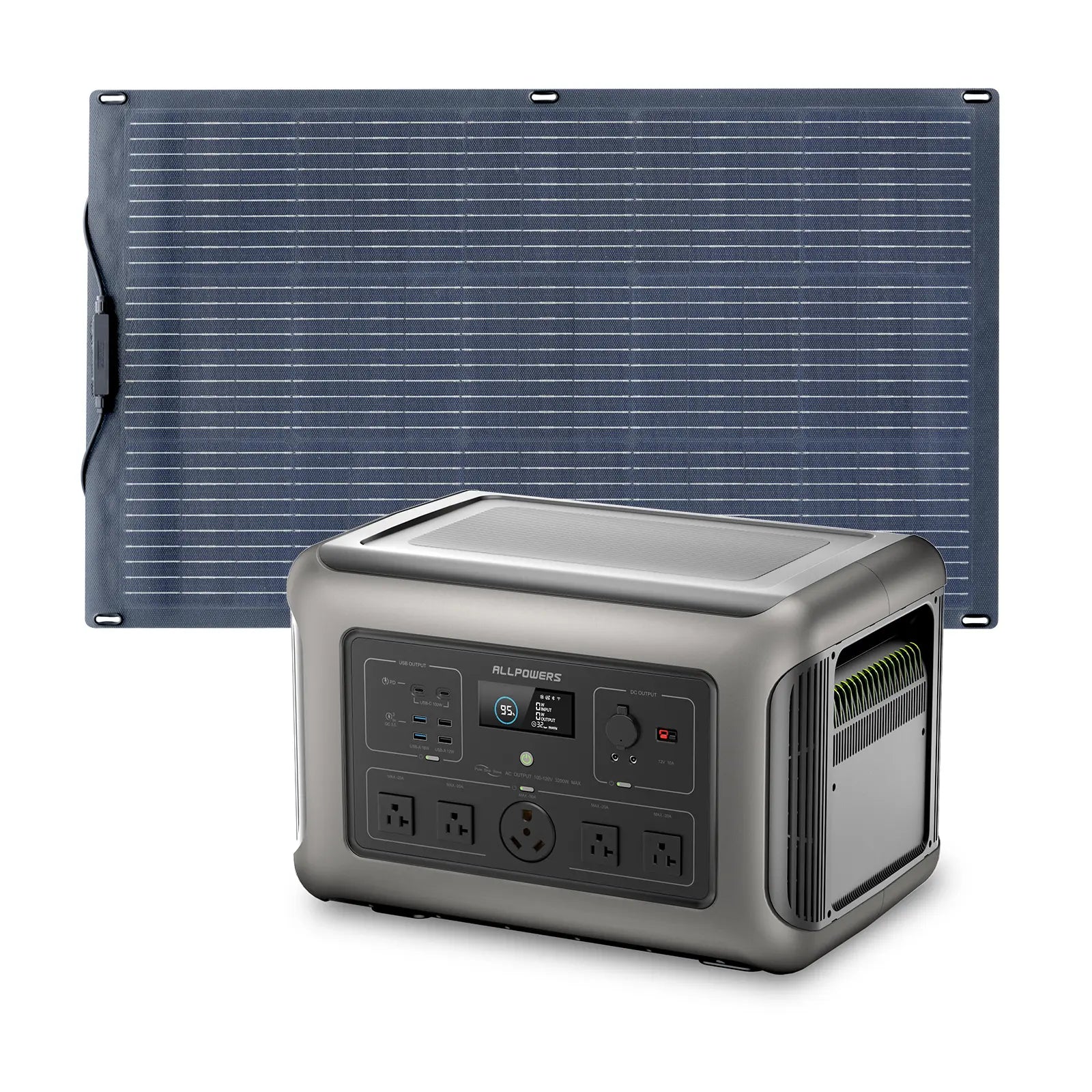
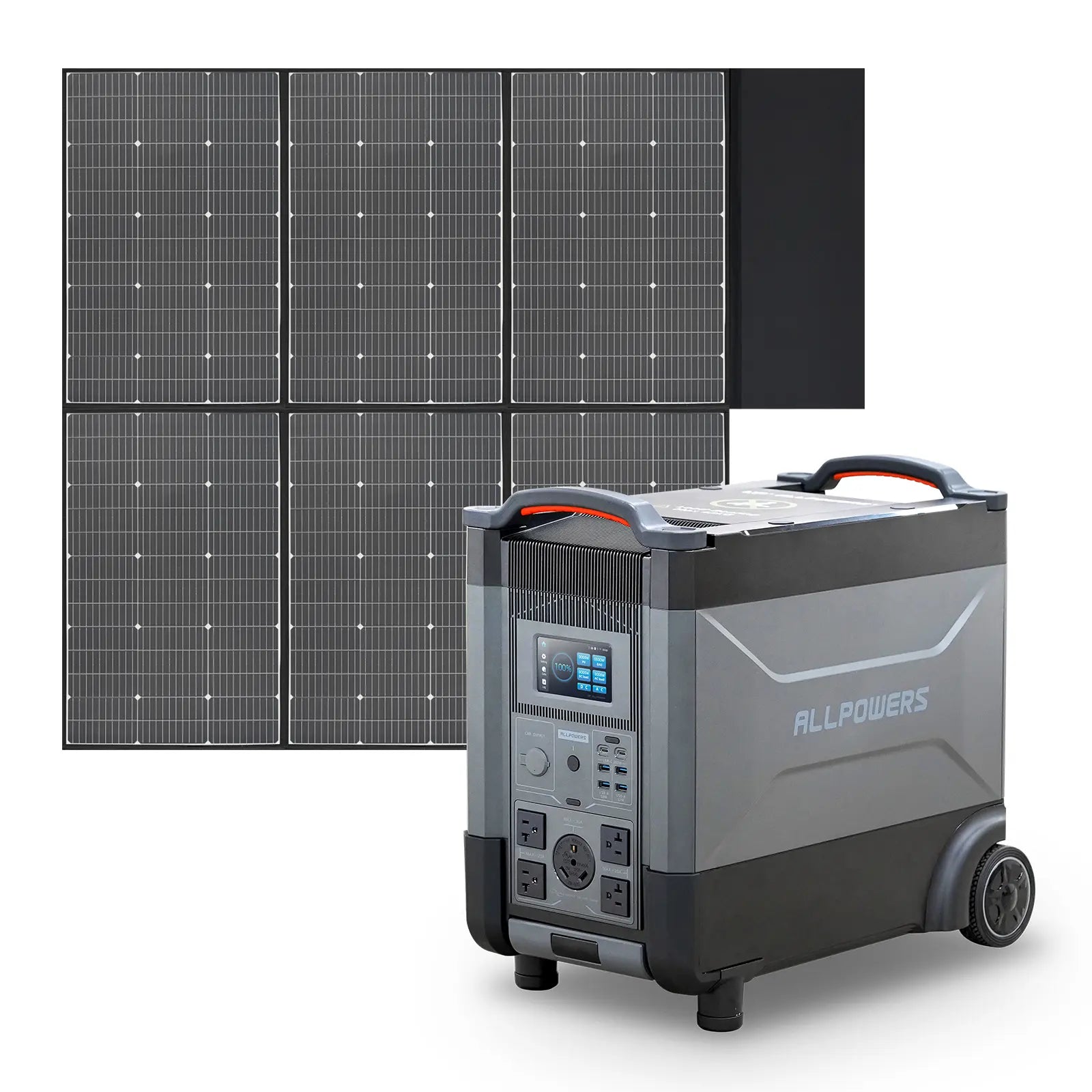
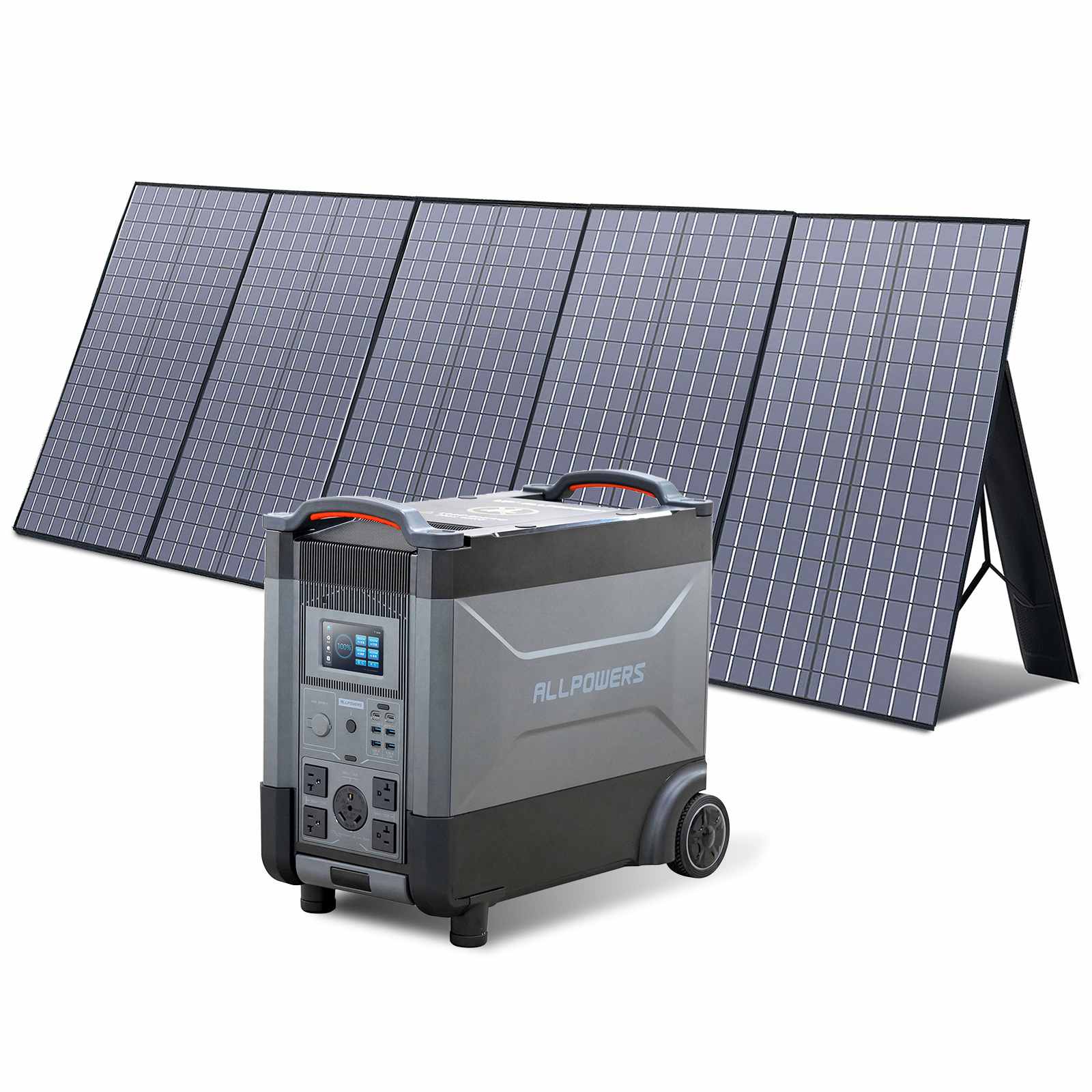
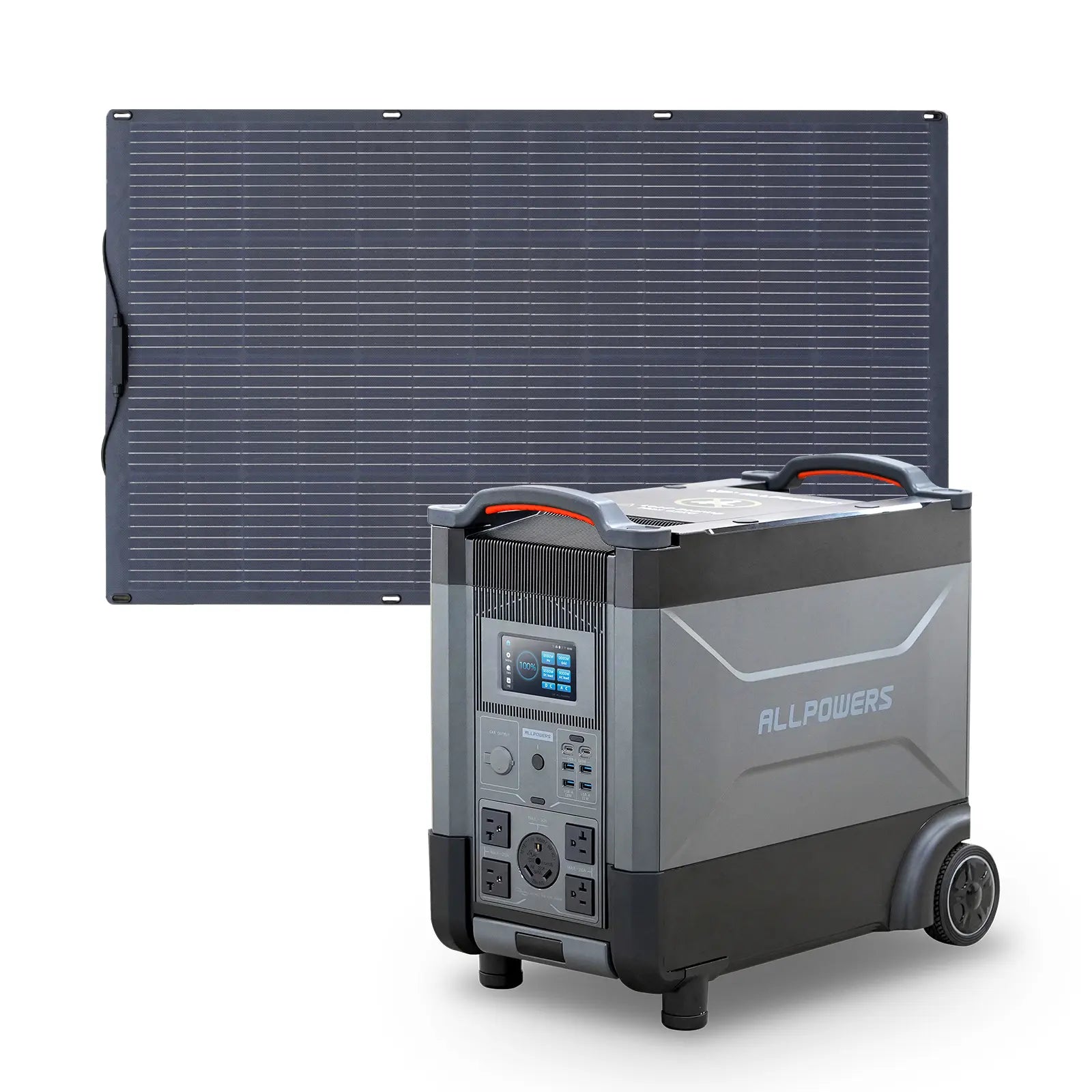
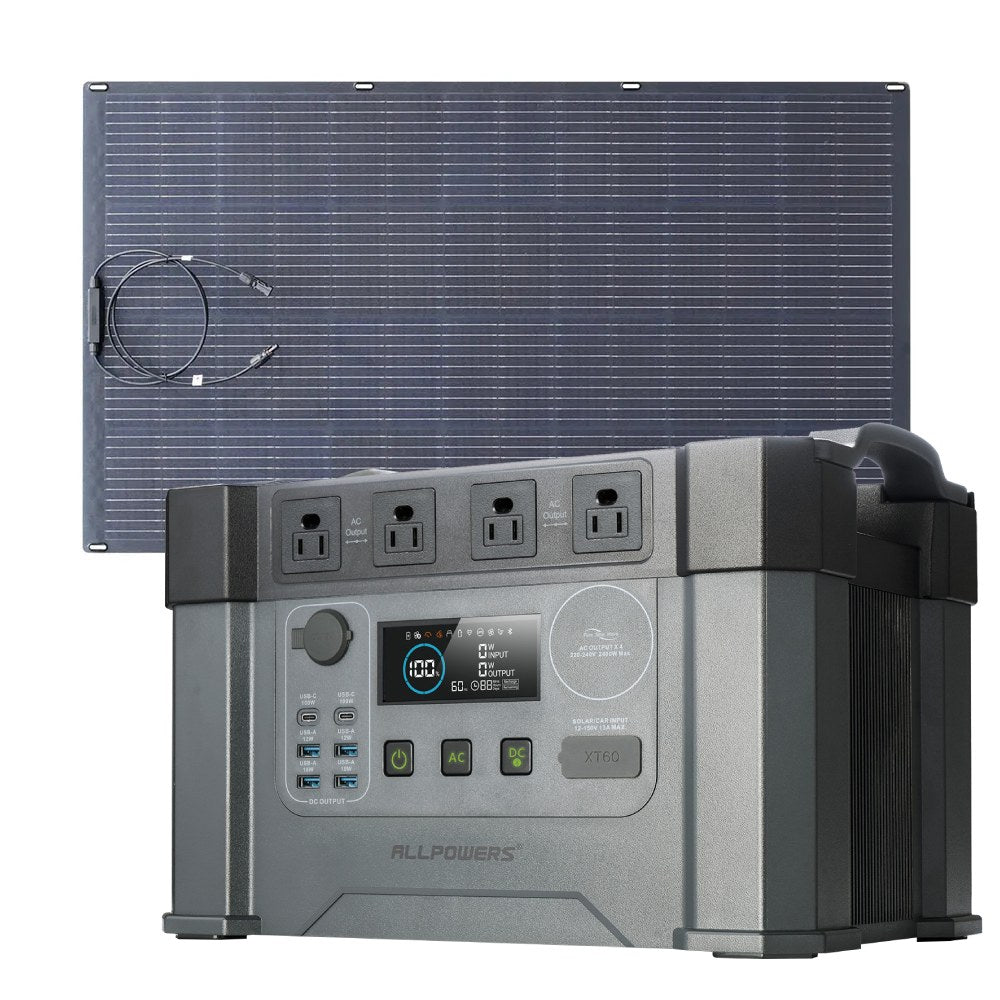
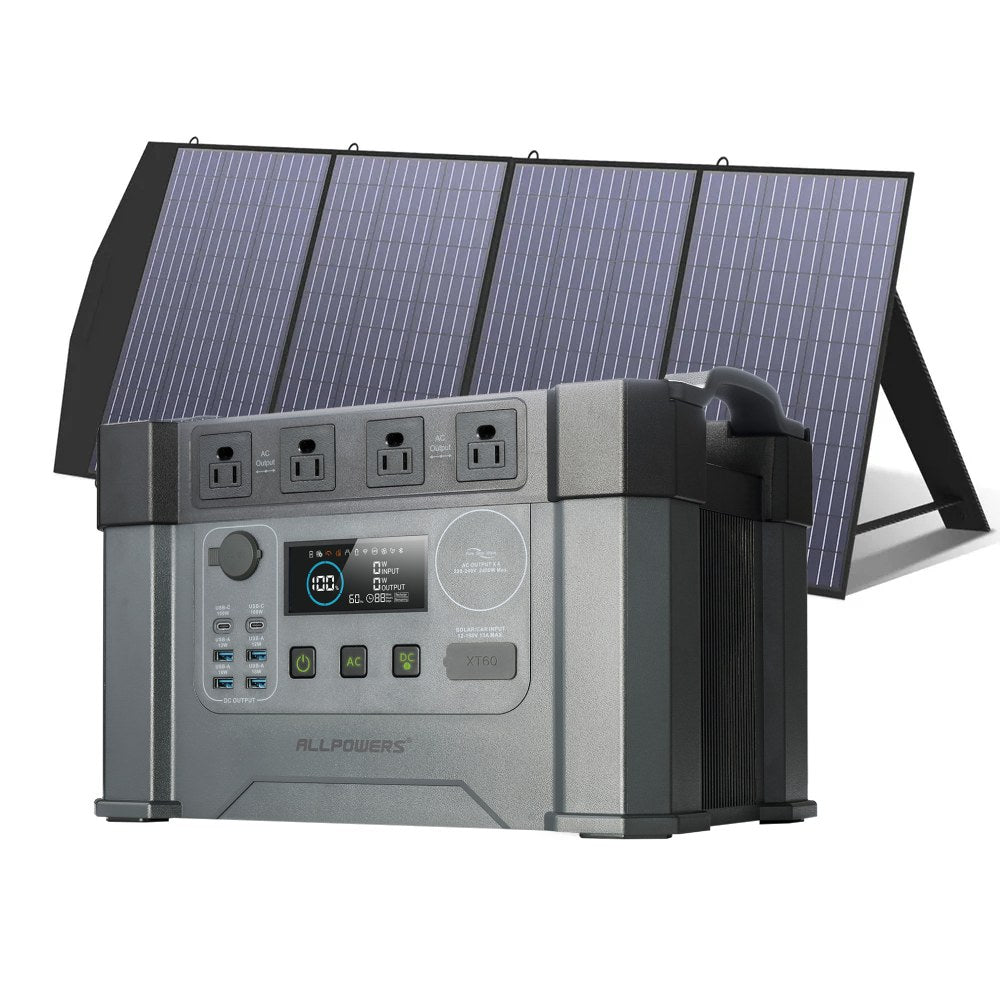
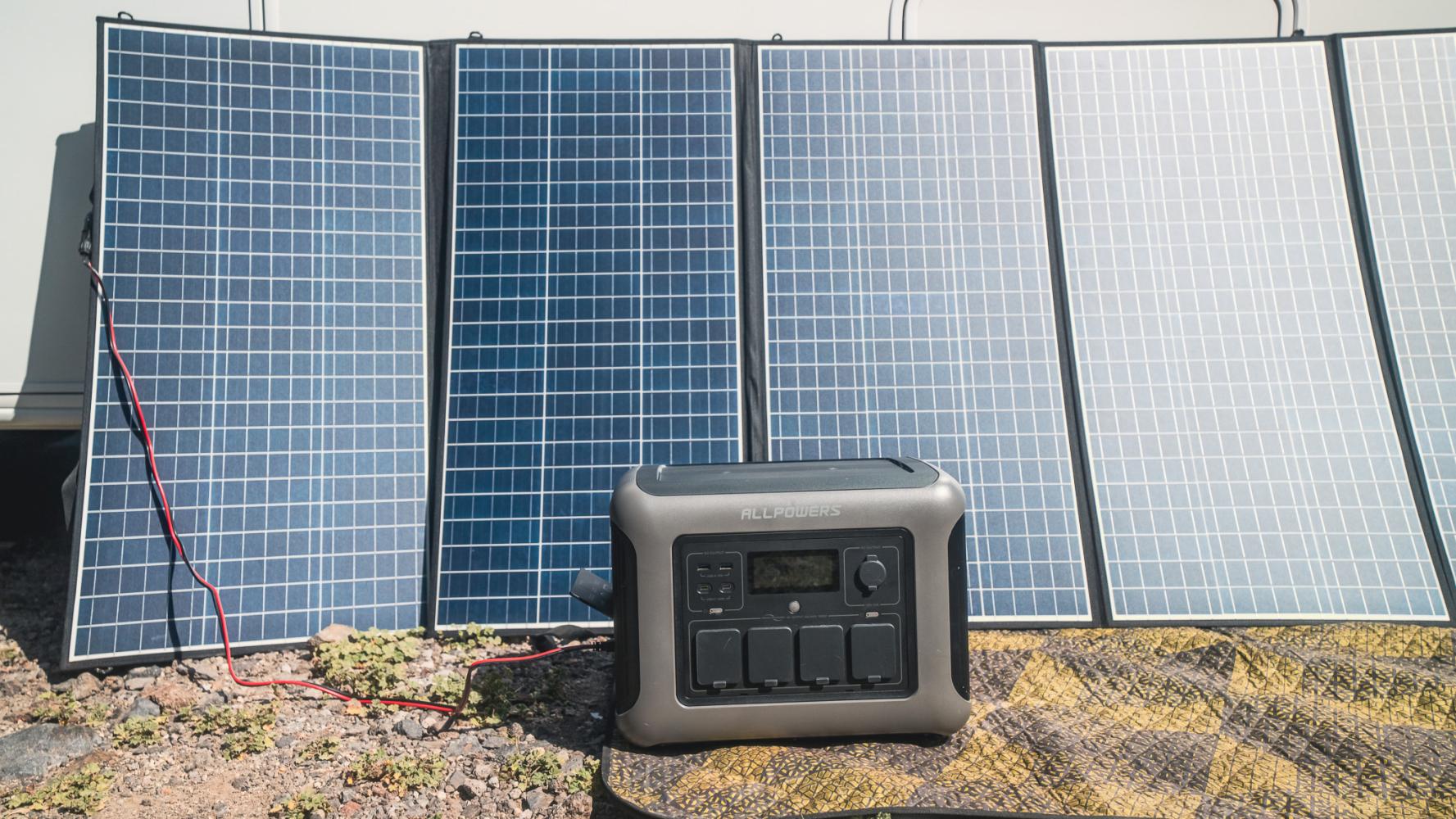
In recent years, solar generators have also become a popular option for clean, quiet, and renewable backup power.
Portable Generators
Most portable generators are designed to provide electricity during short-term outages or outdoor activities.
Their runtime is usually limited by the fuel tank size, although engine maintenance also becomes a factor during prolonged use.
Standby Generators
Standby generators are permanently installed and connected to natural gas or propane supplies.
Because they do not rely on small fuel tanks, they can often operate much longer than portable models during widespread outages.
Inverter Generators
Inverter generators automatically adjust engine speed according to the electrical demand.
This improves fuel efficiency, reduces engine wear, and often allows for longer runtimes compared with conventional portable generators operating under similar loads.
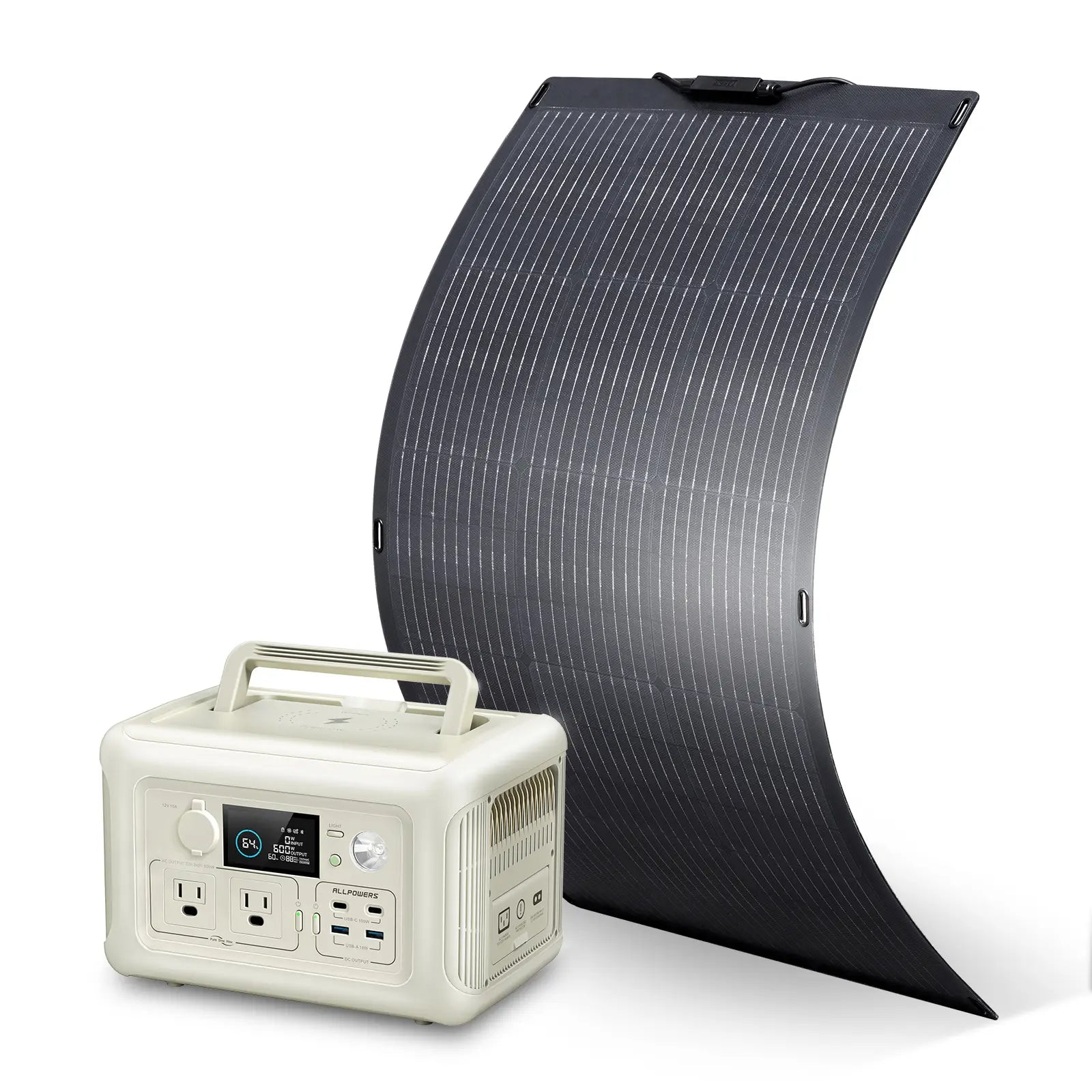
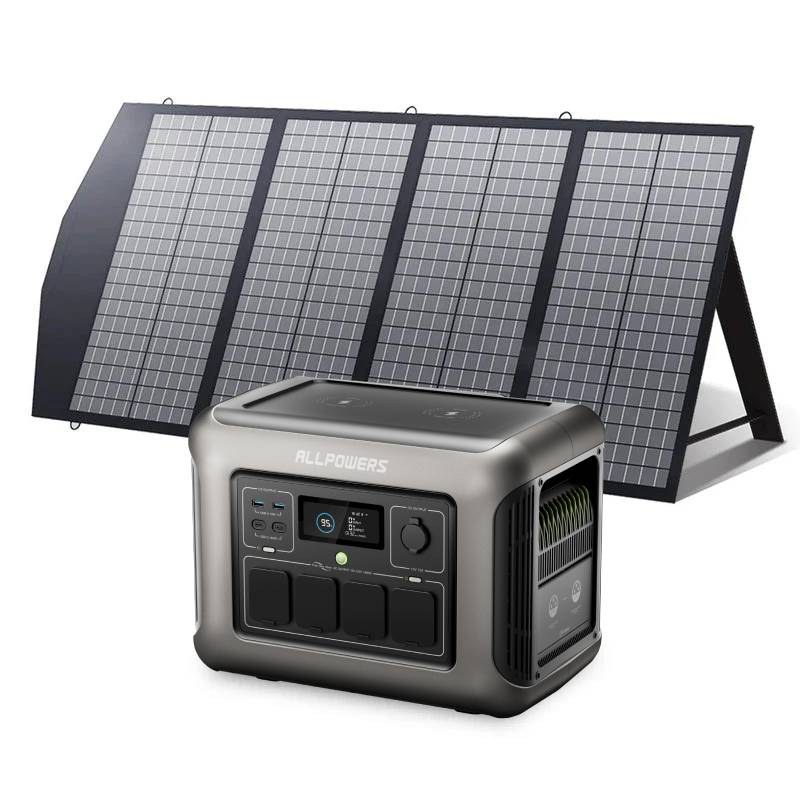
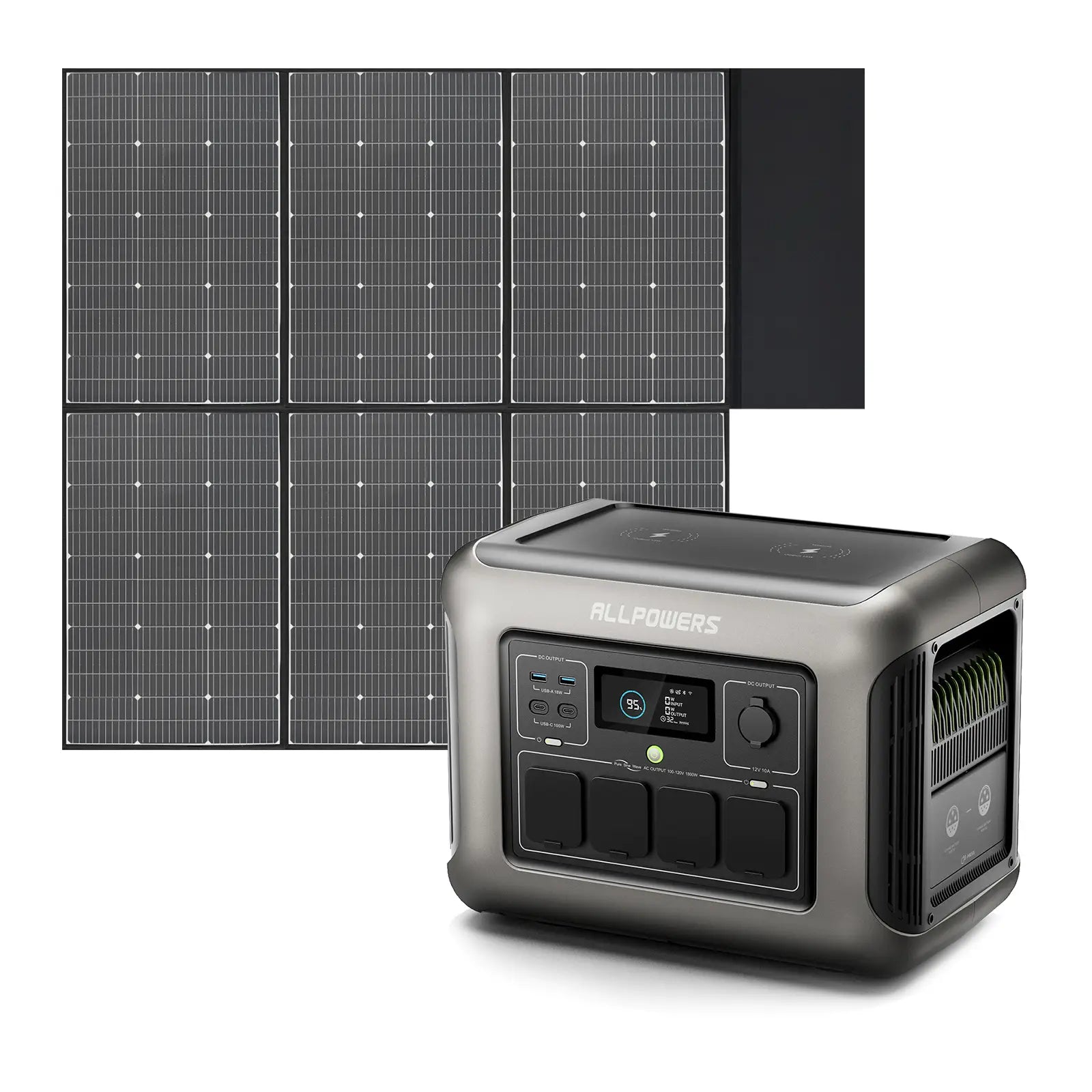
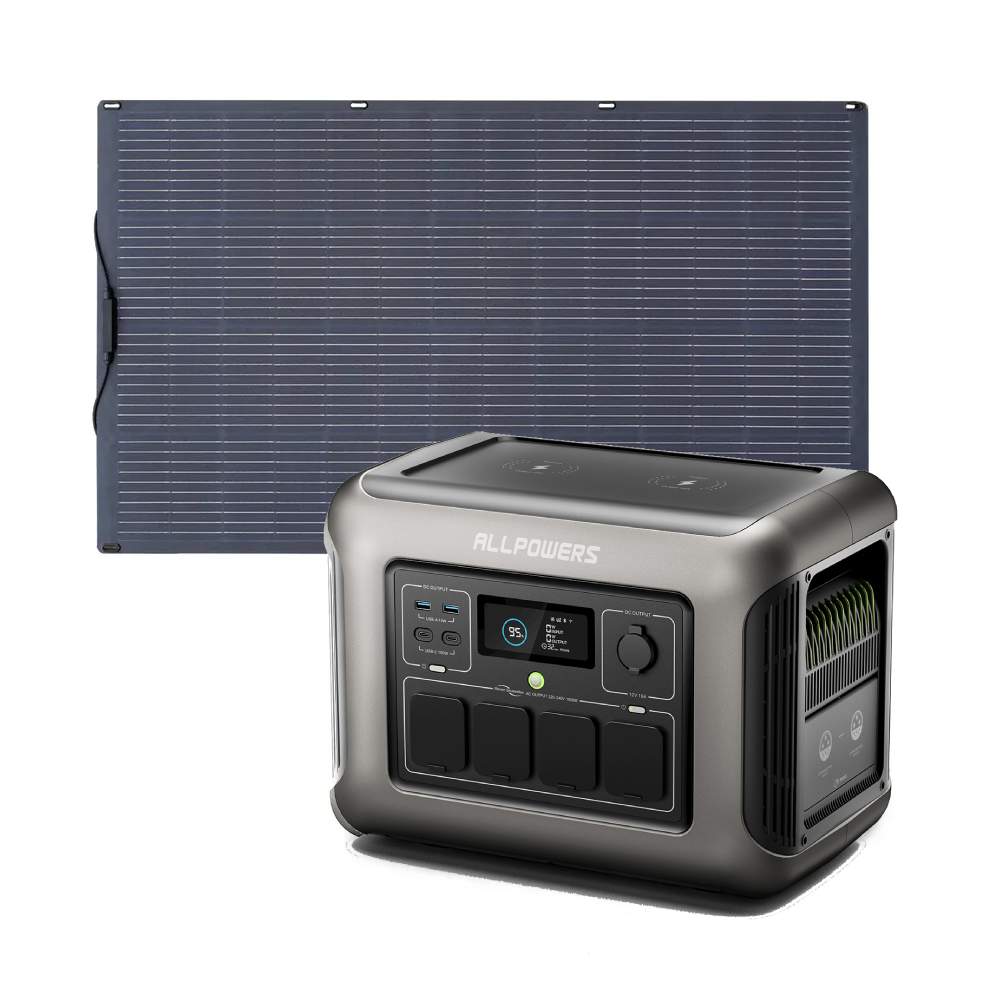
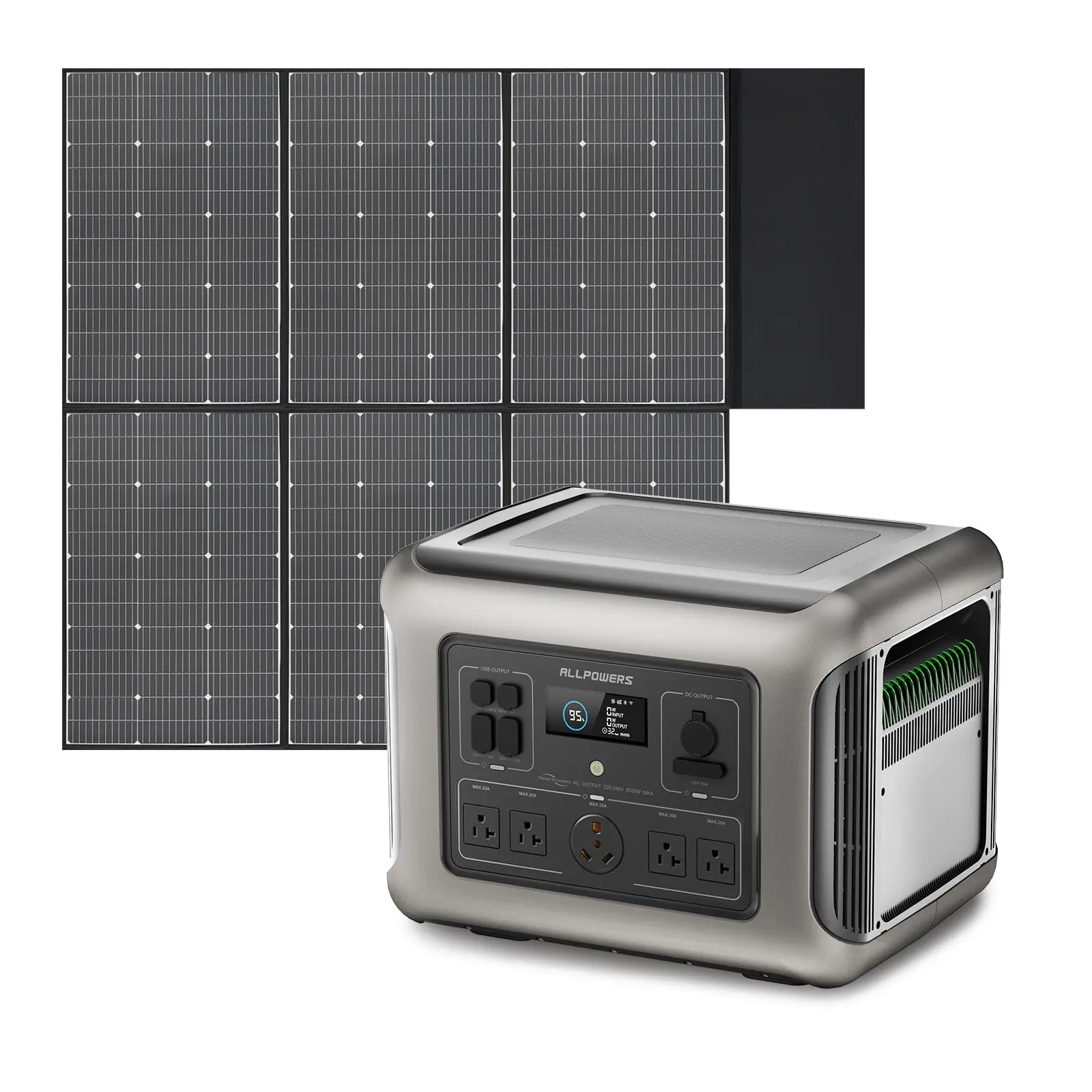
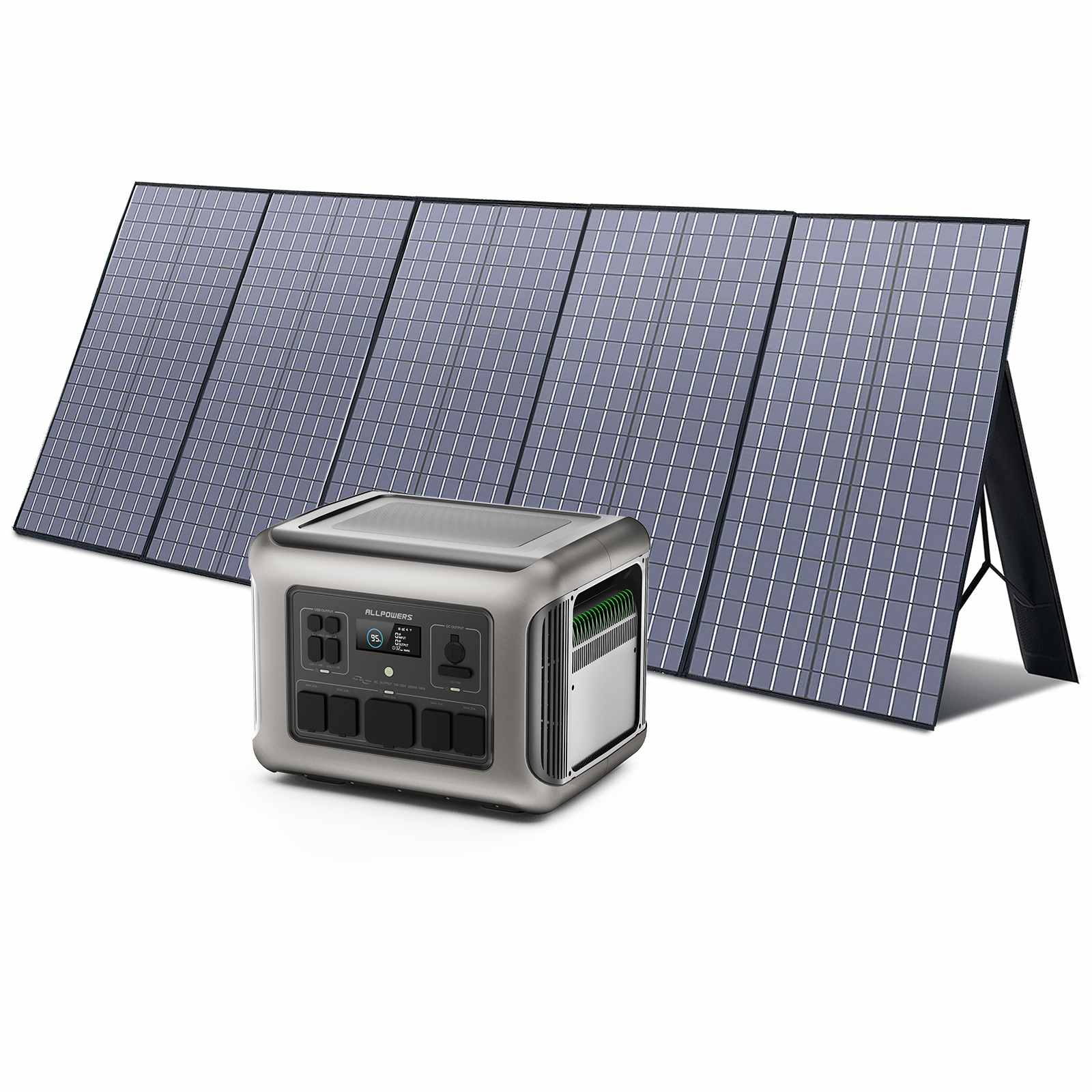
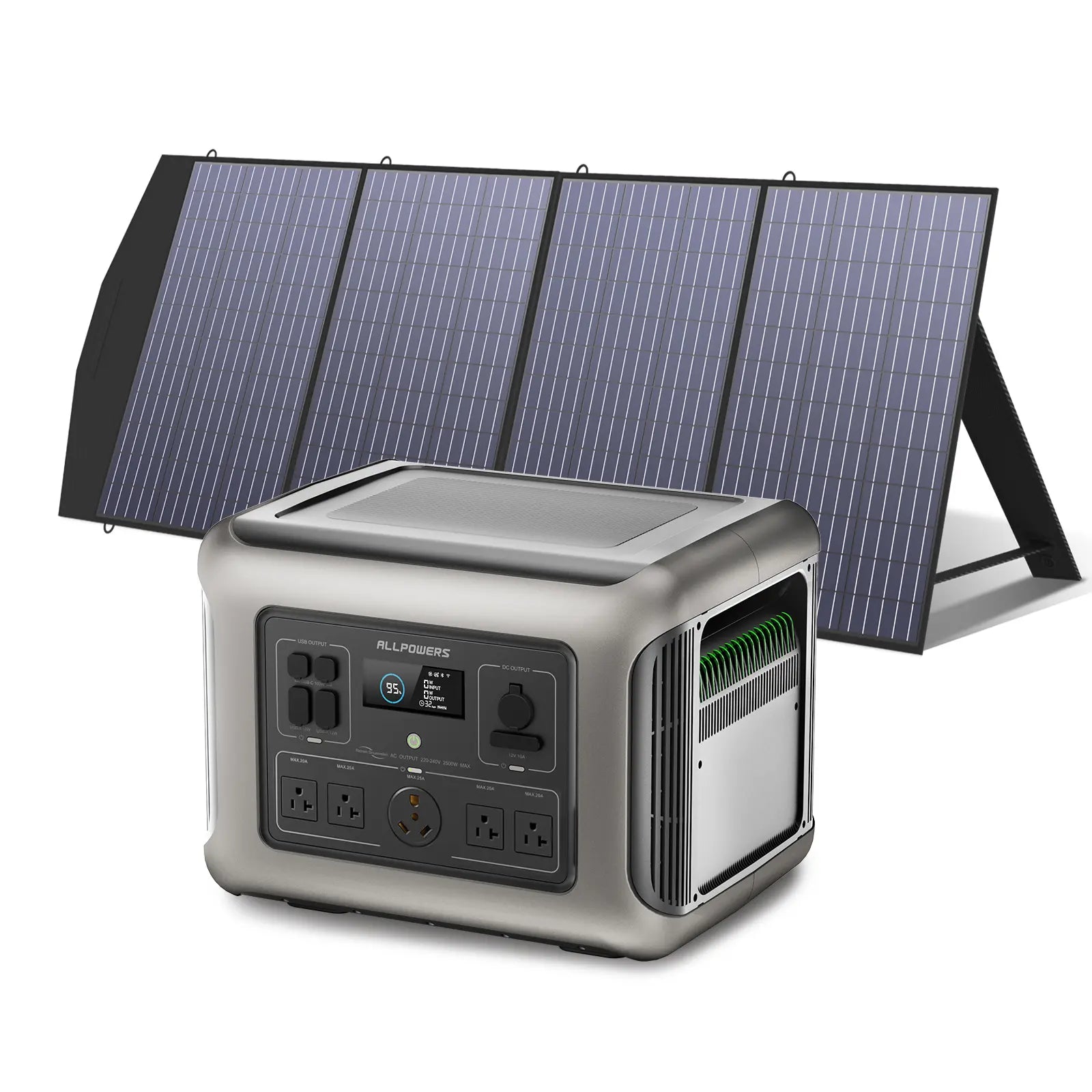
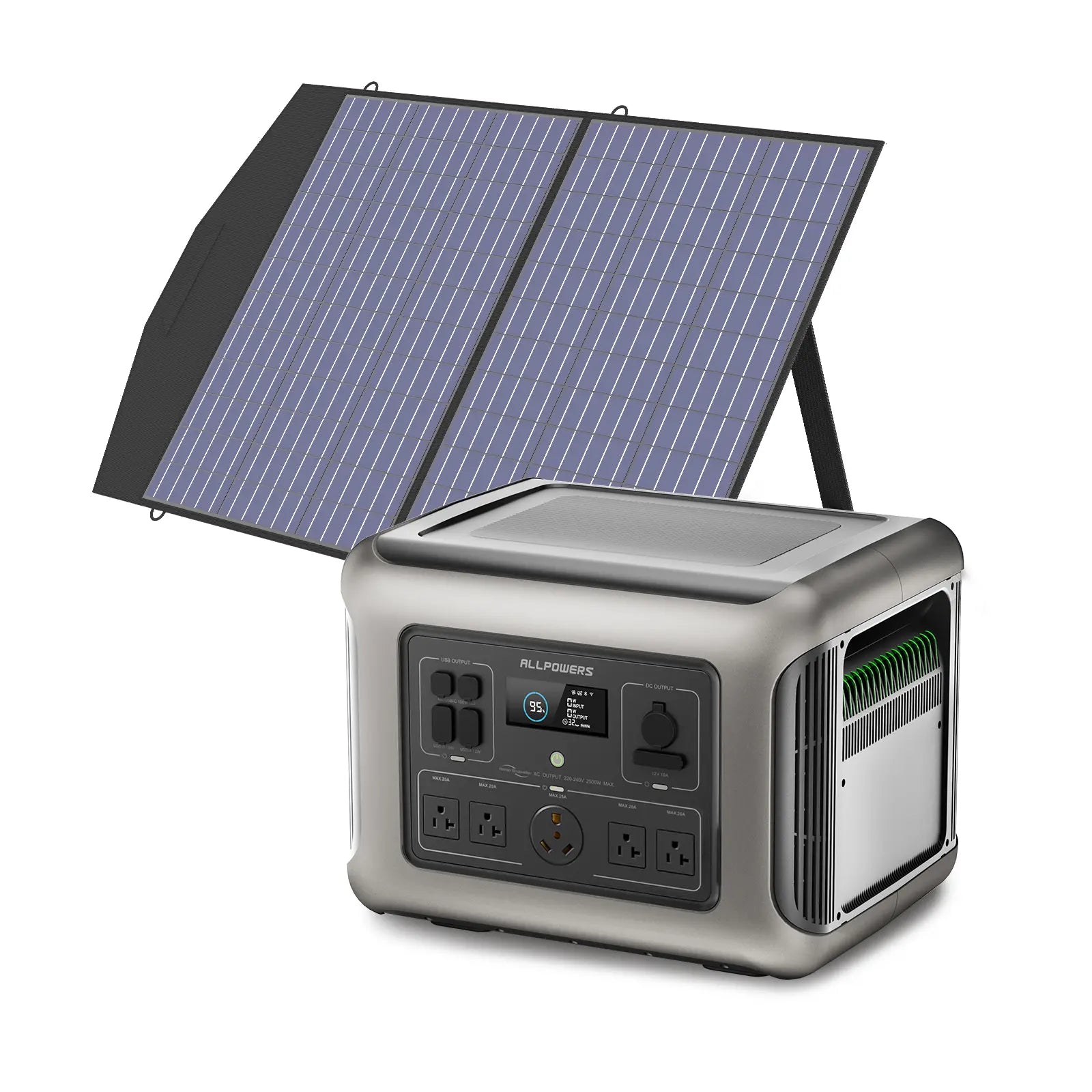
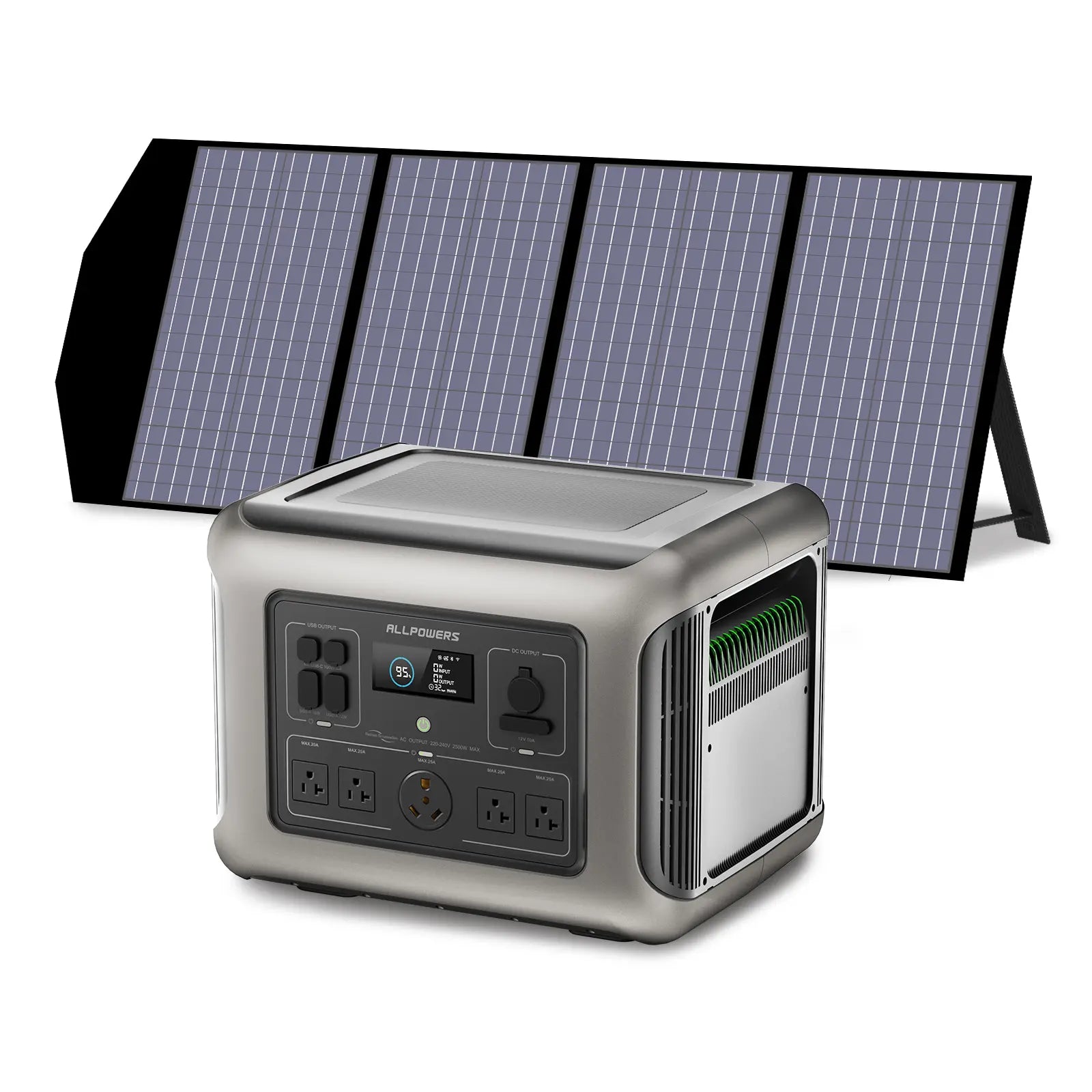
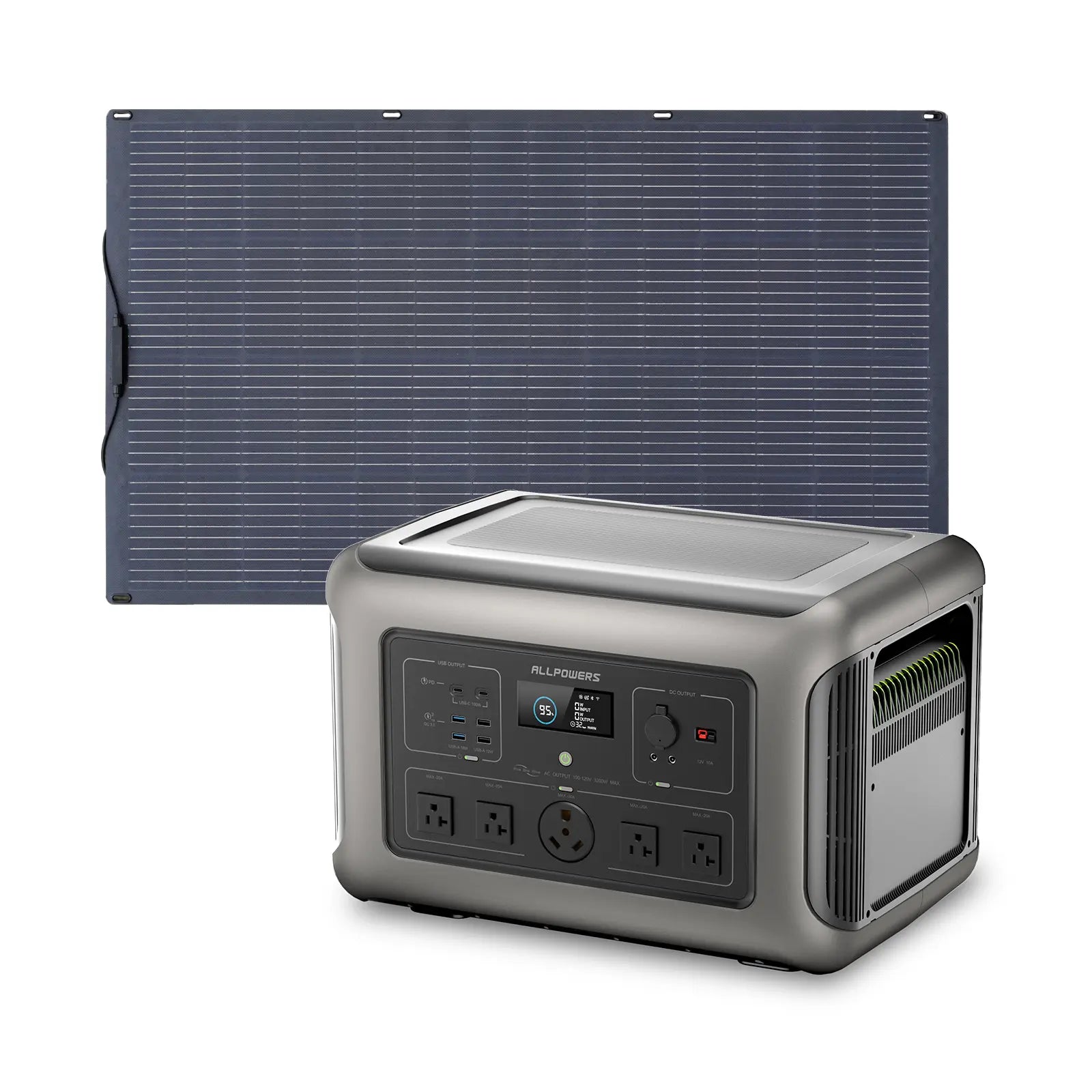
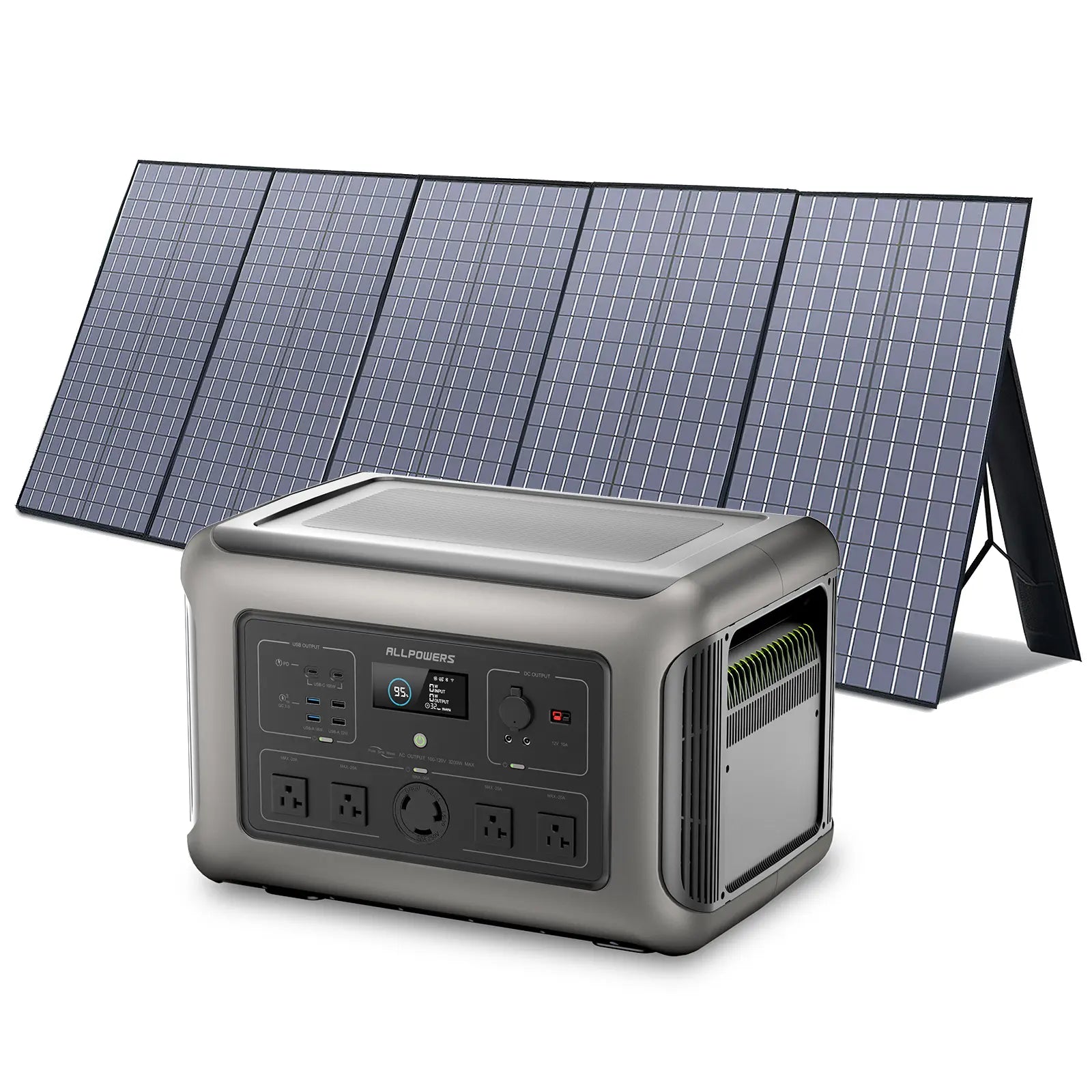
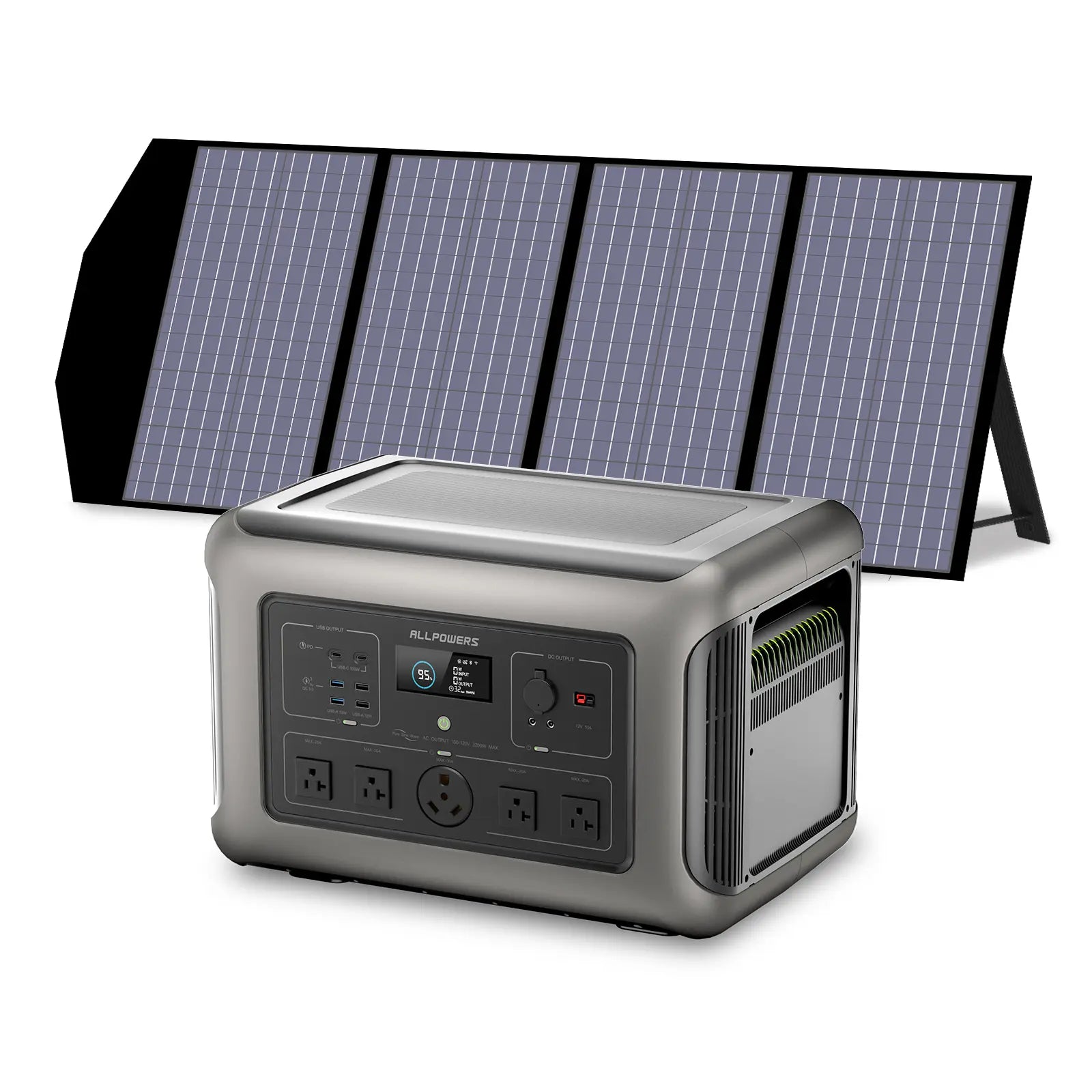
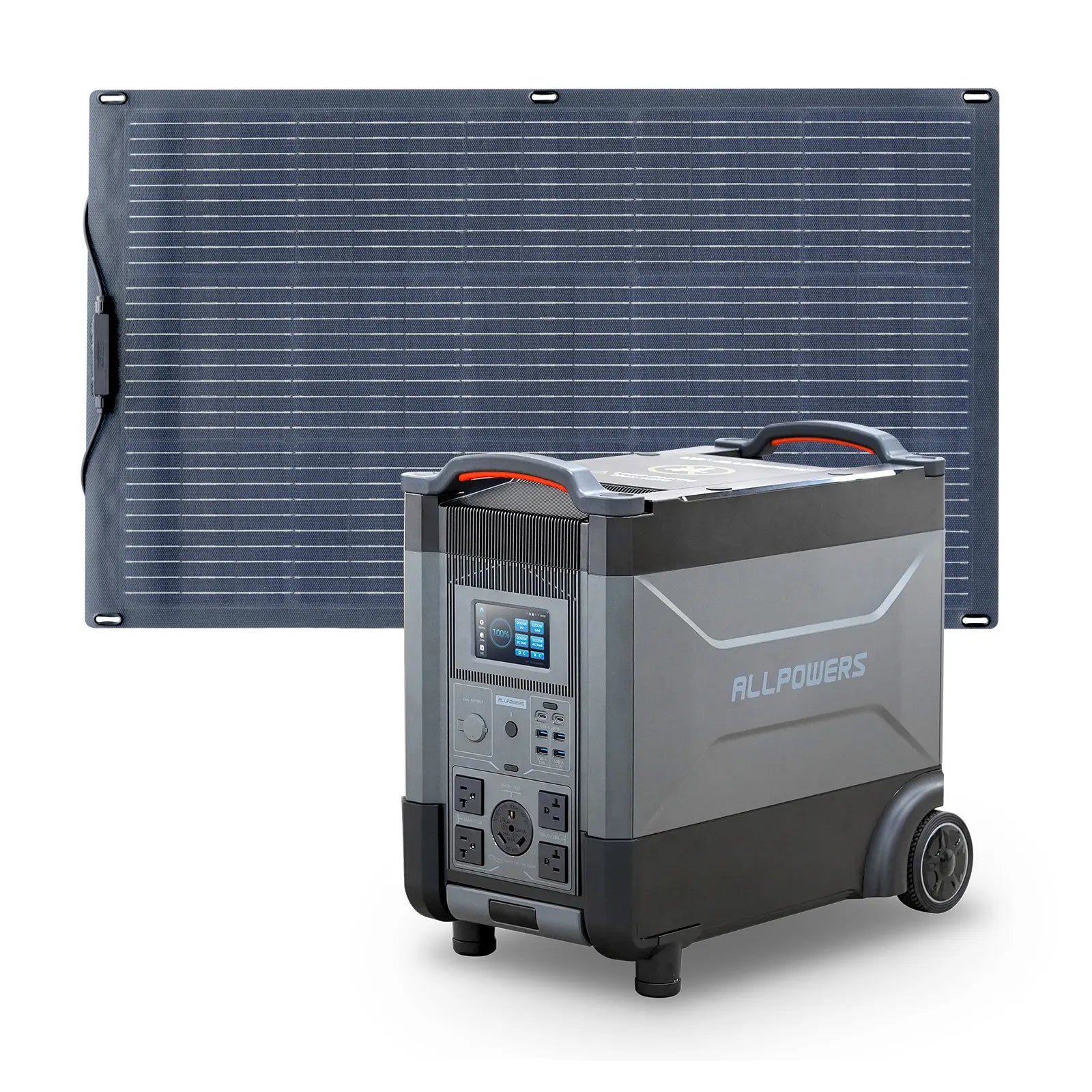
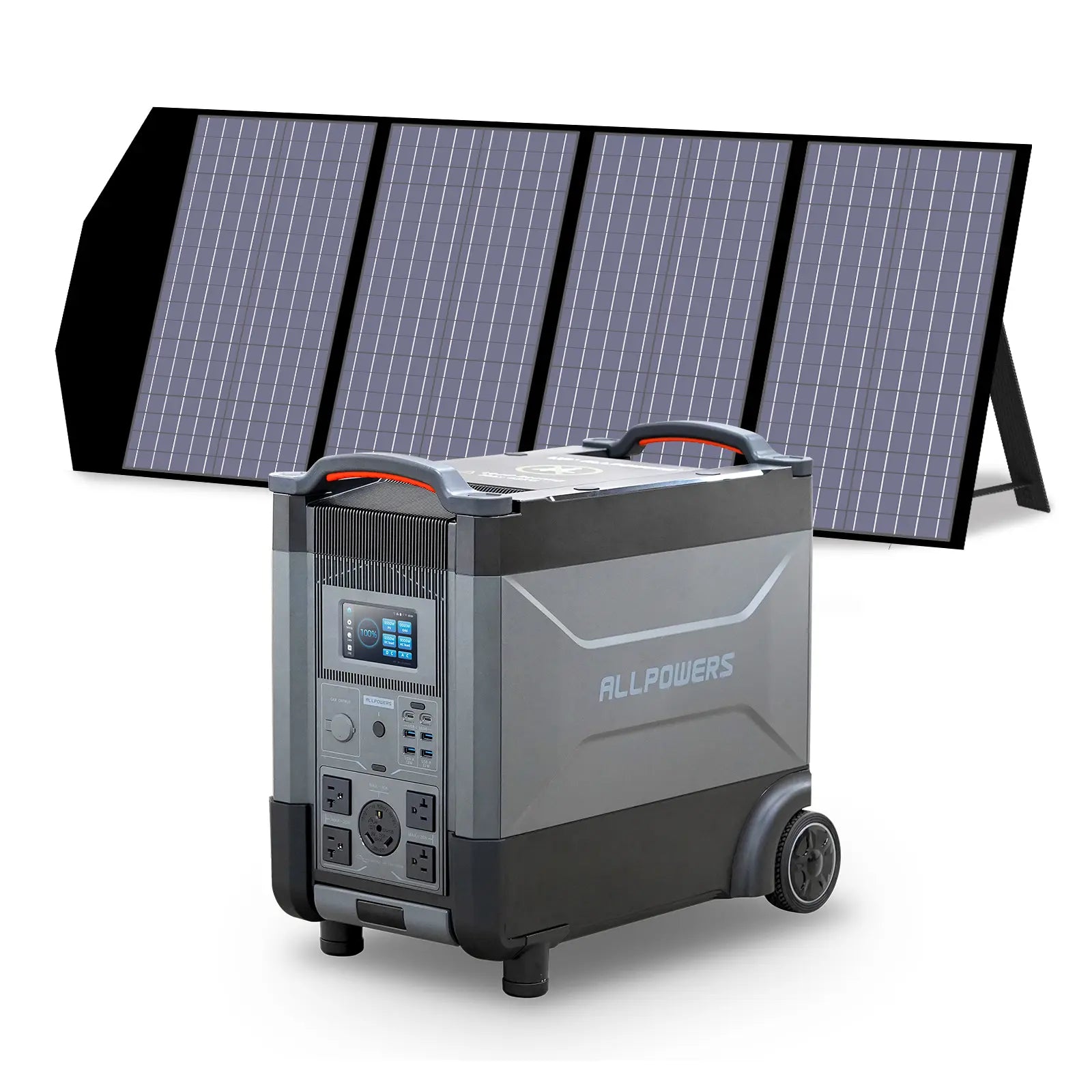
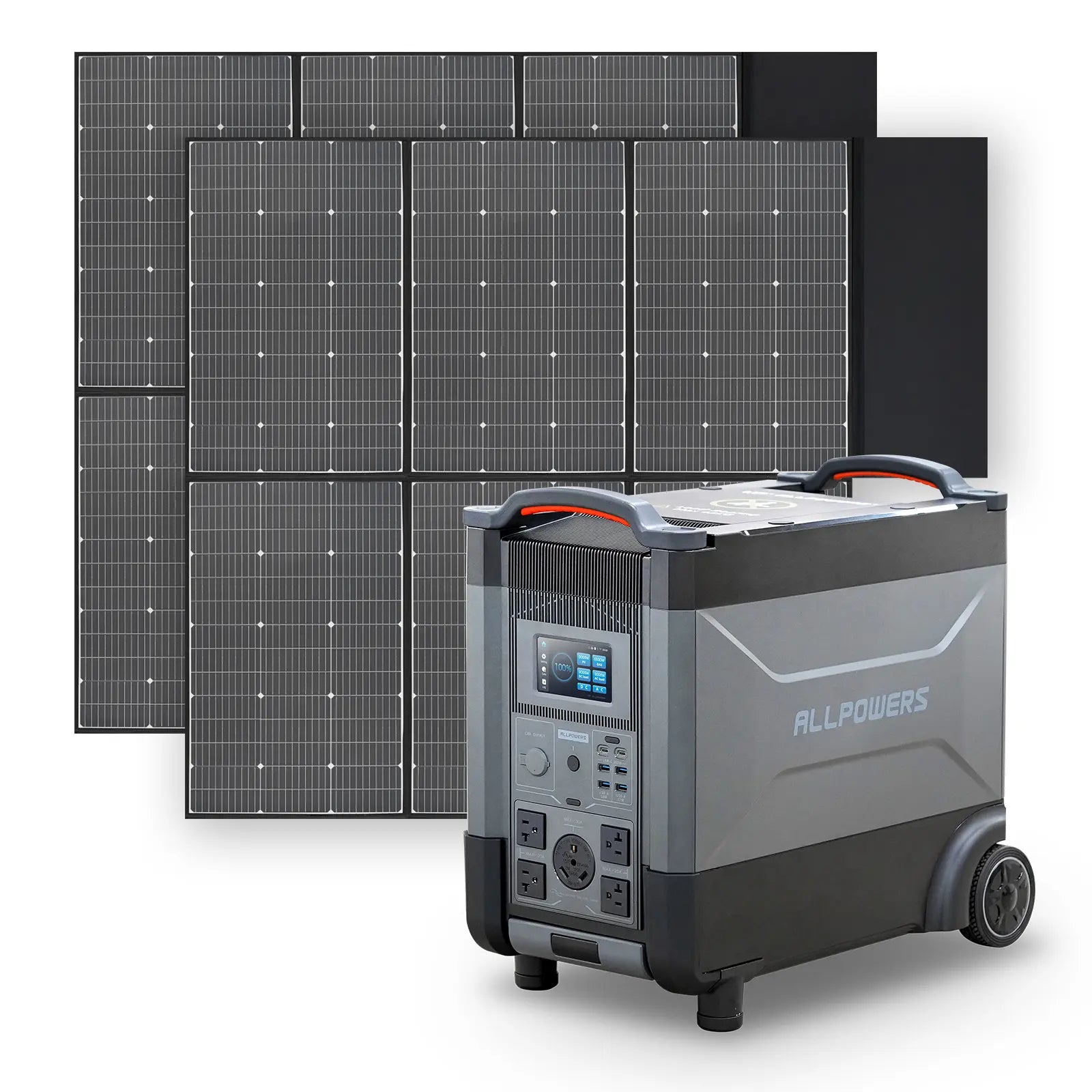
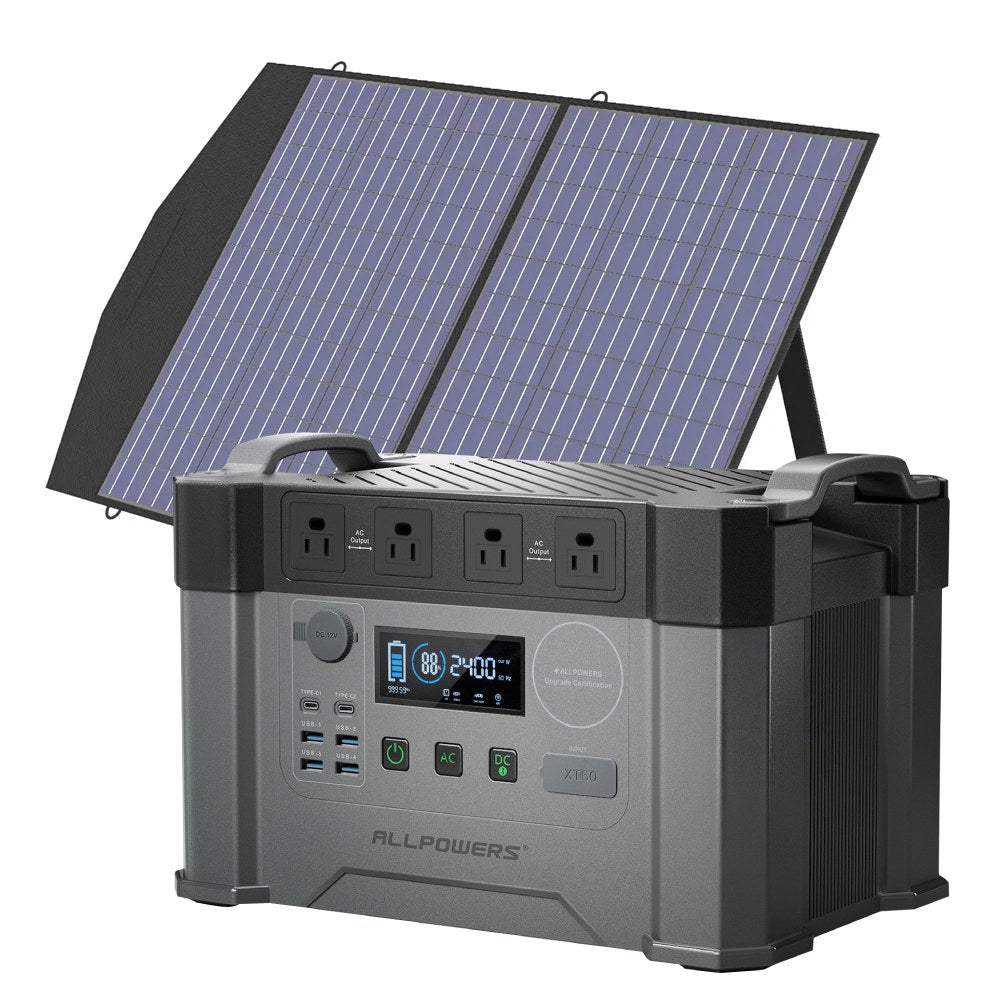
Solar Generators
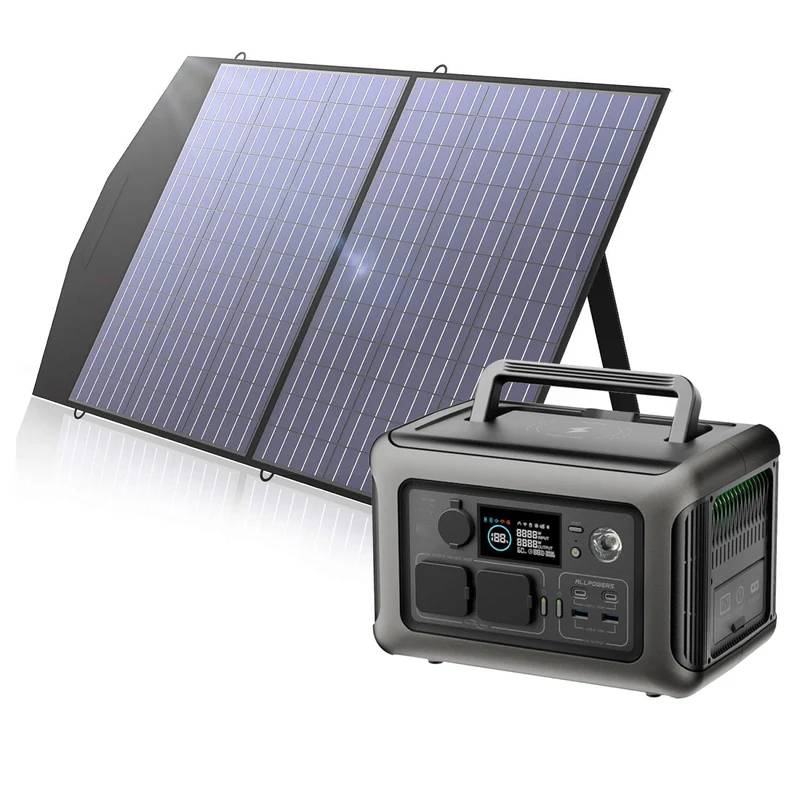
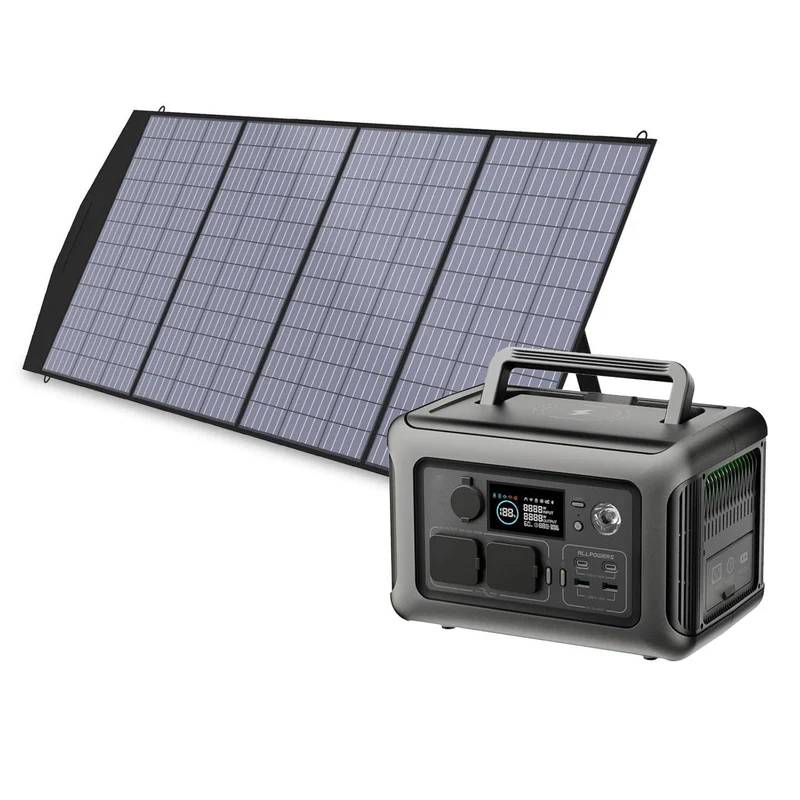
Unlike fuel-powered generators, solar generators store electricity in rechargeable batteries rather than burning gasoline or propane.
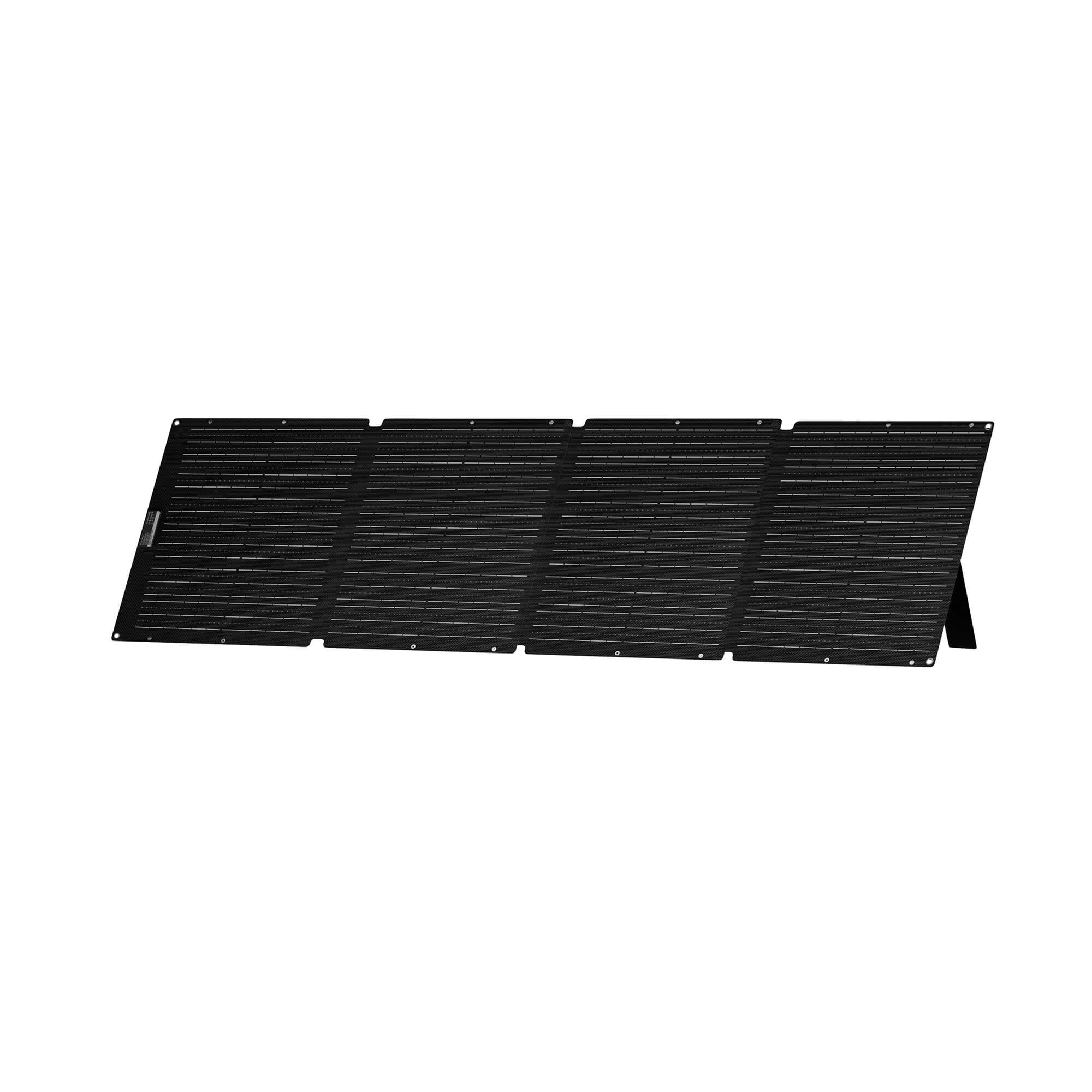
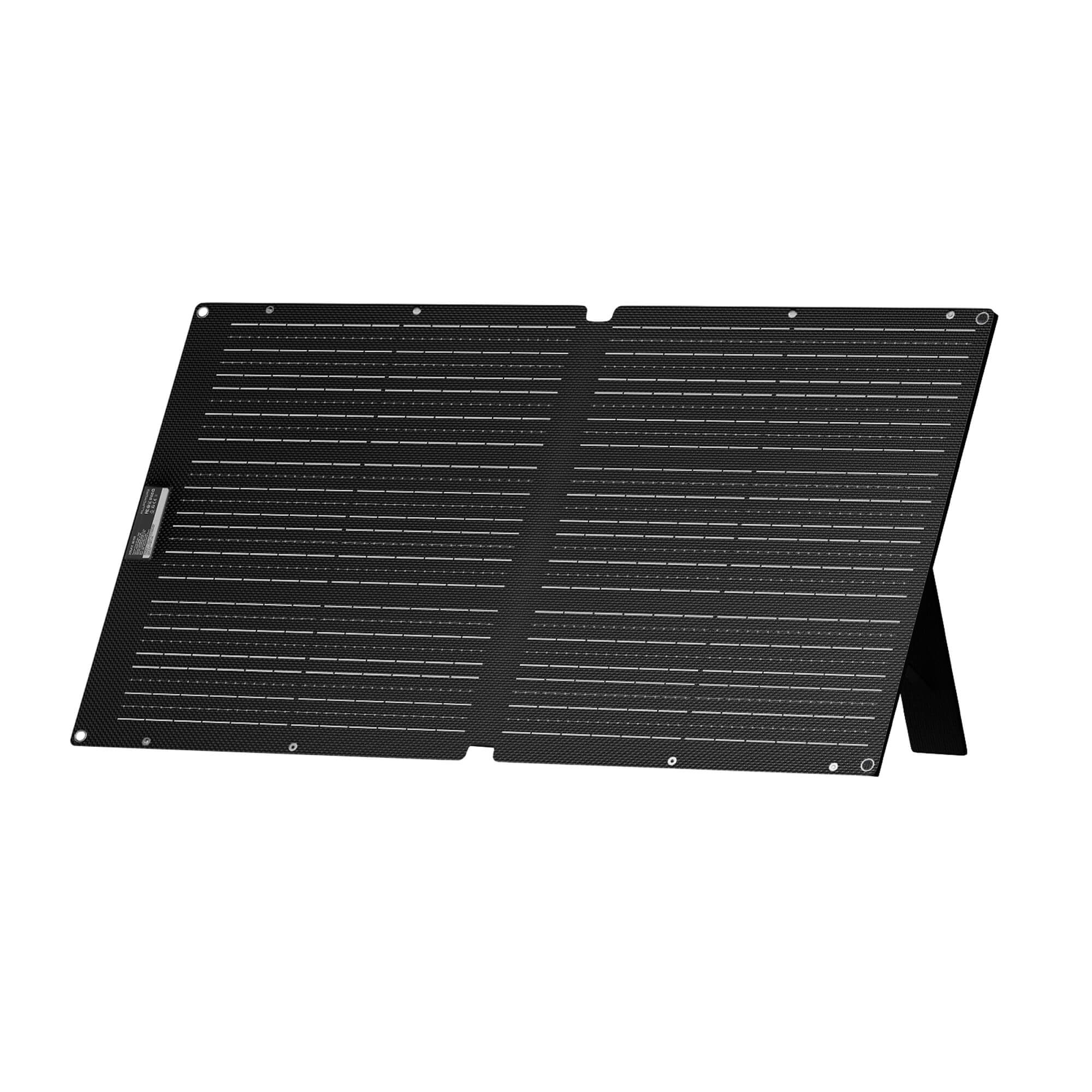
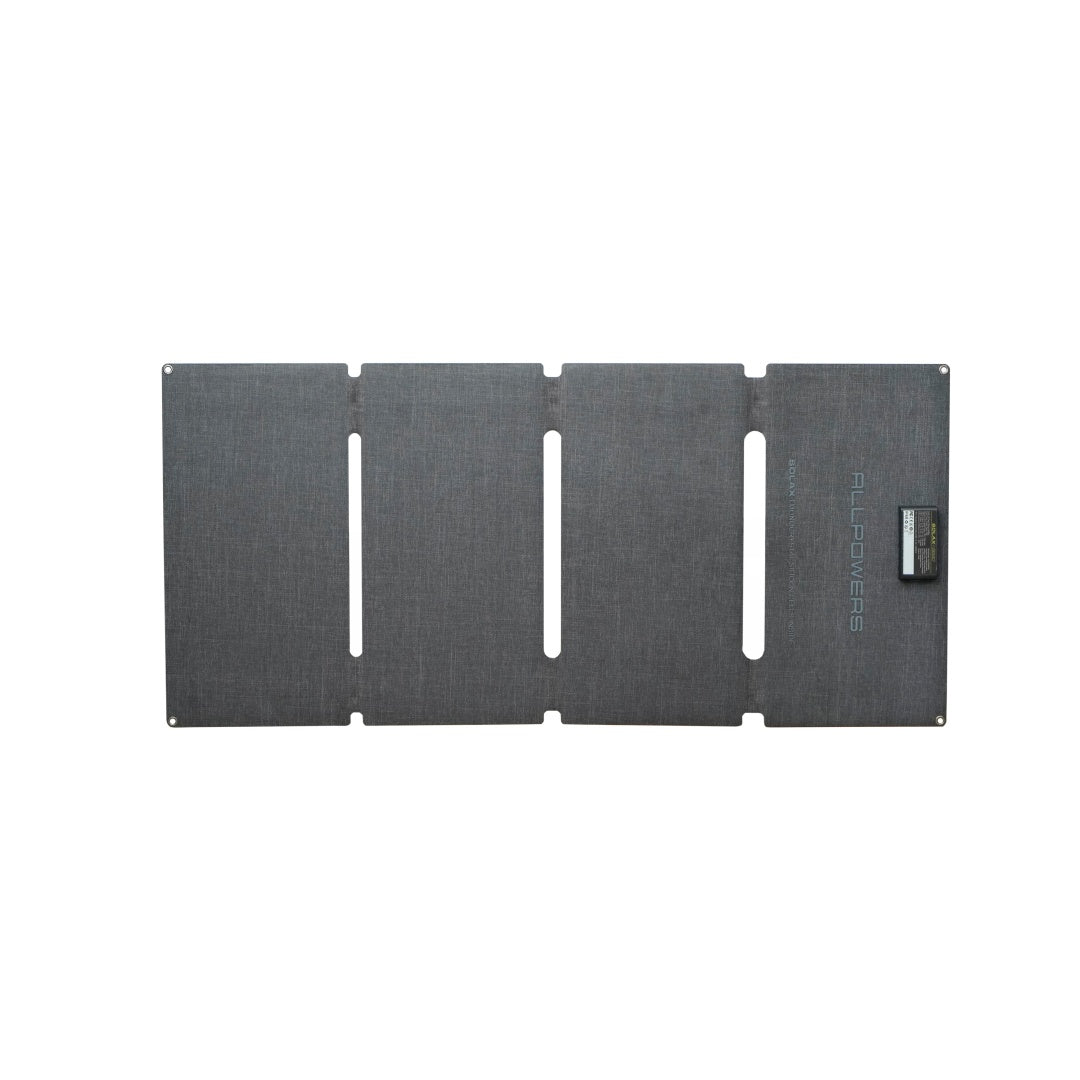
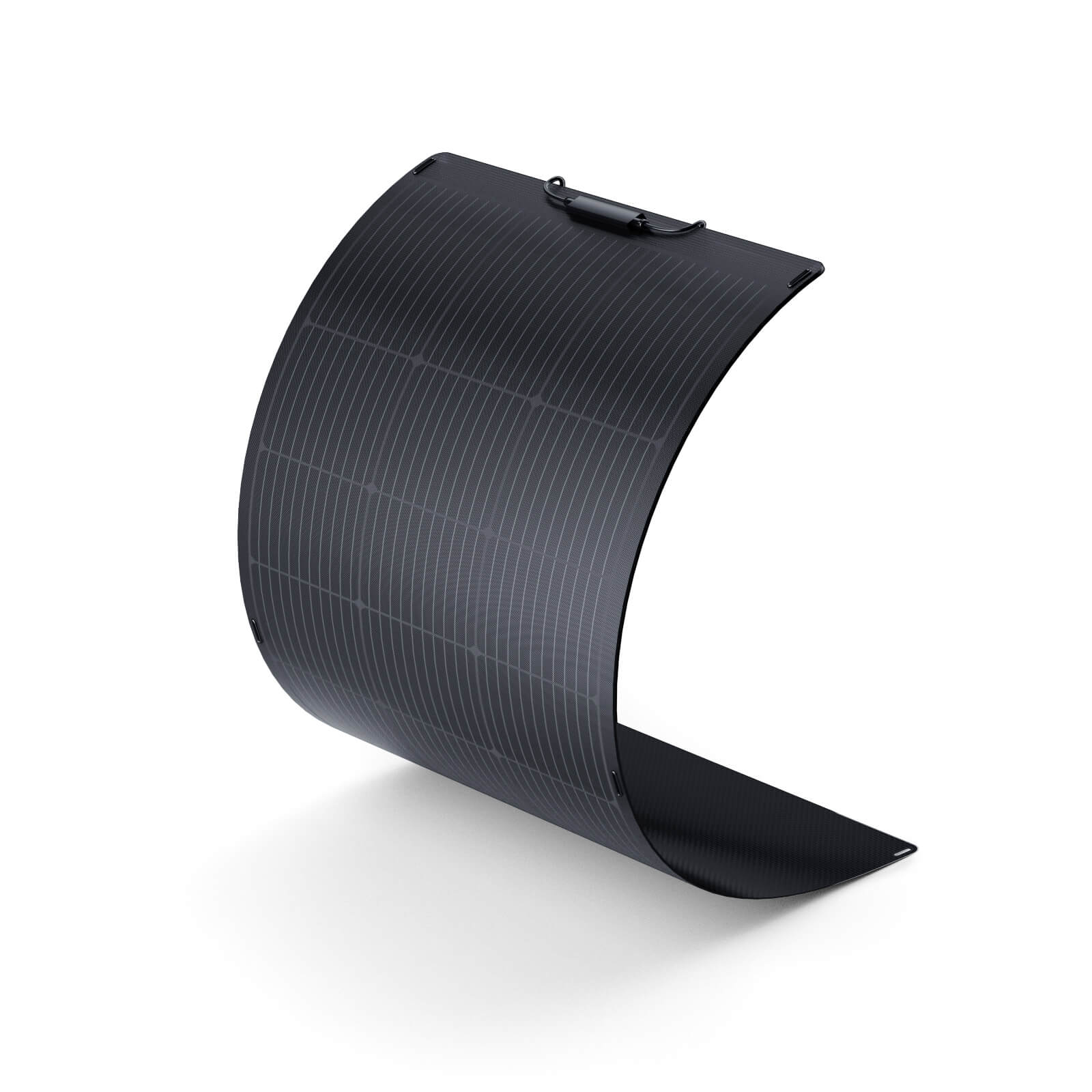
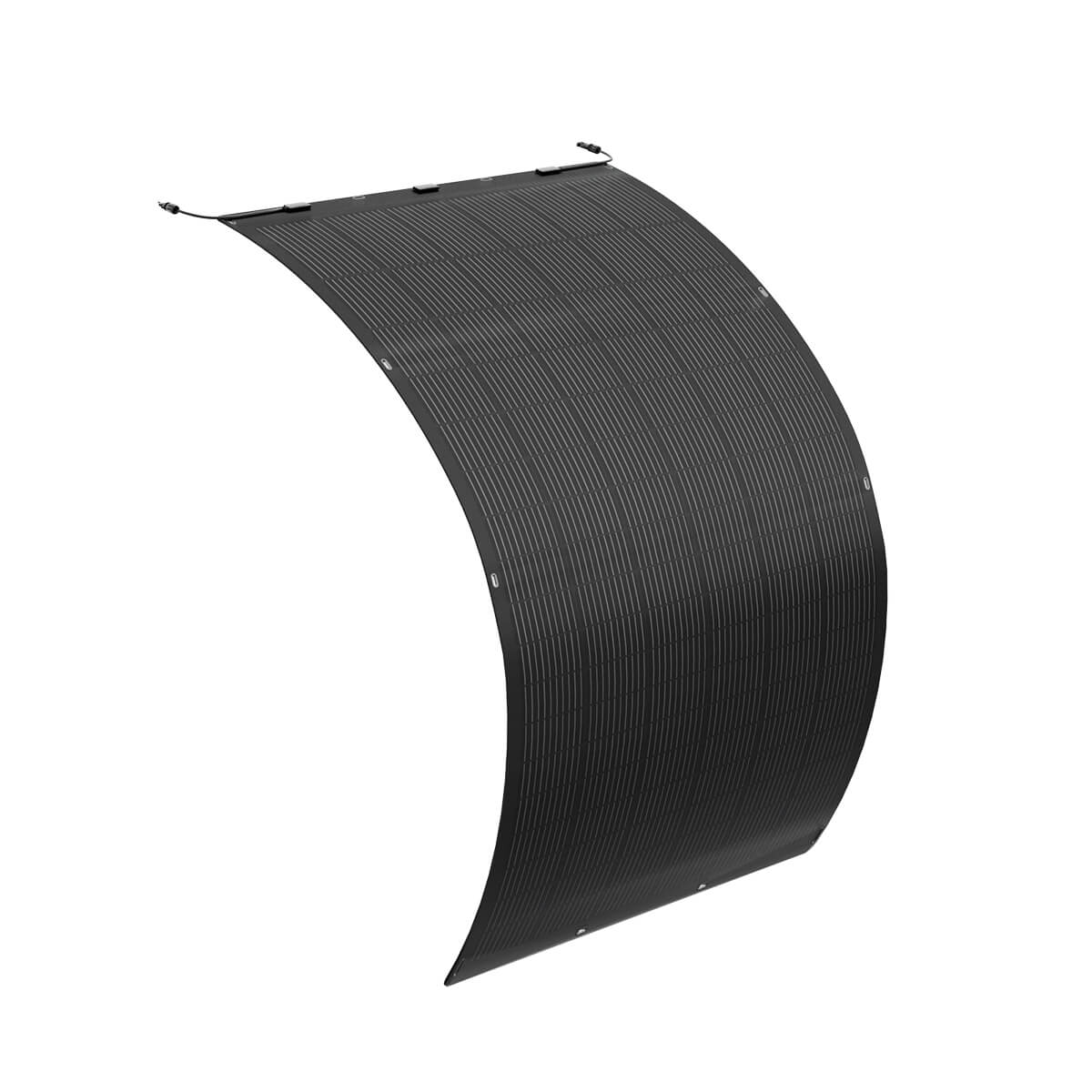
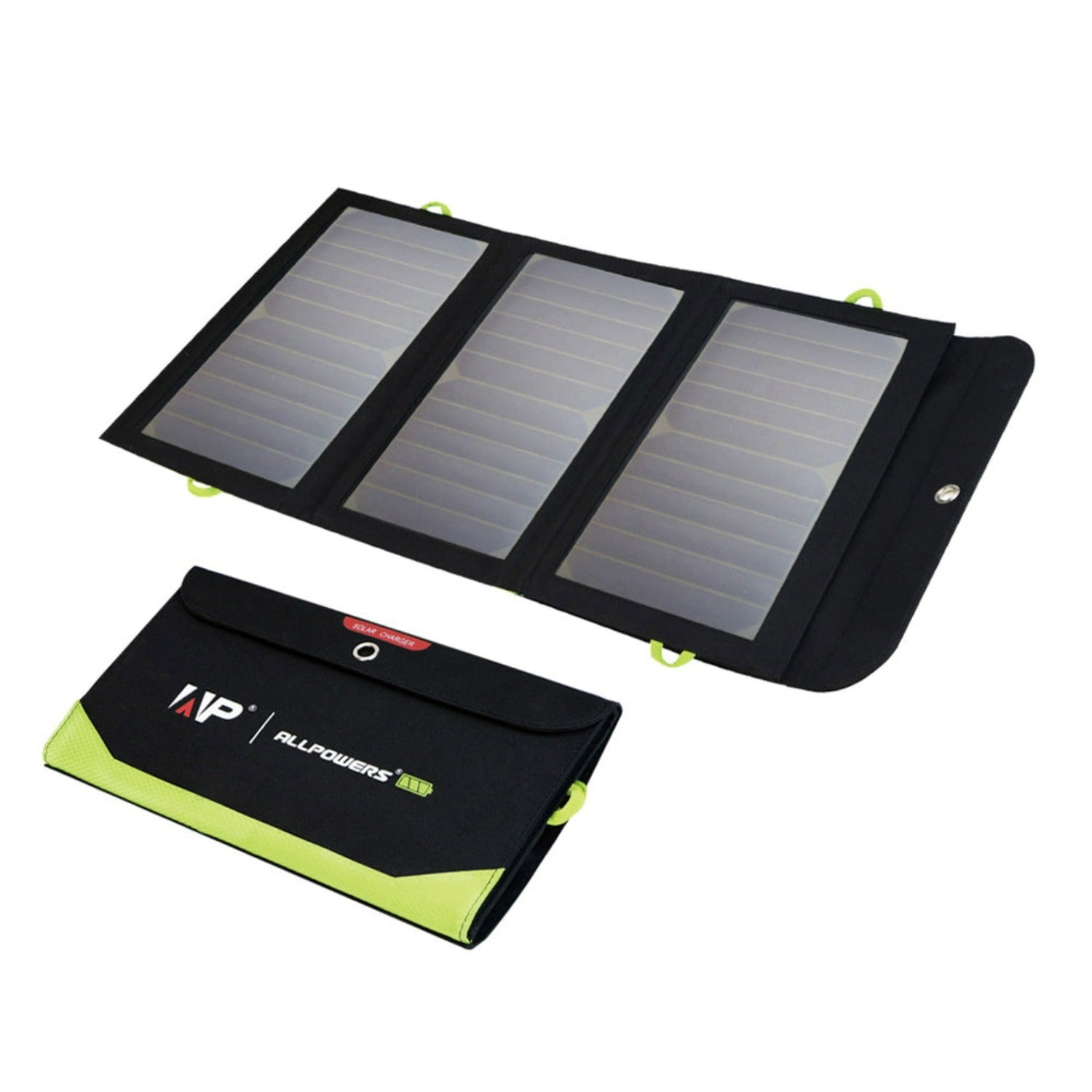
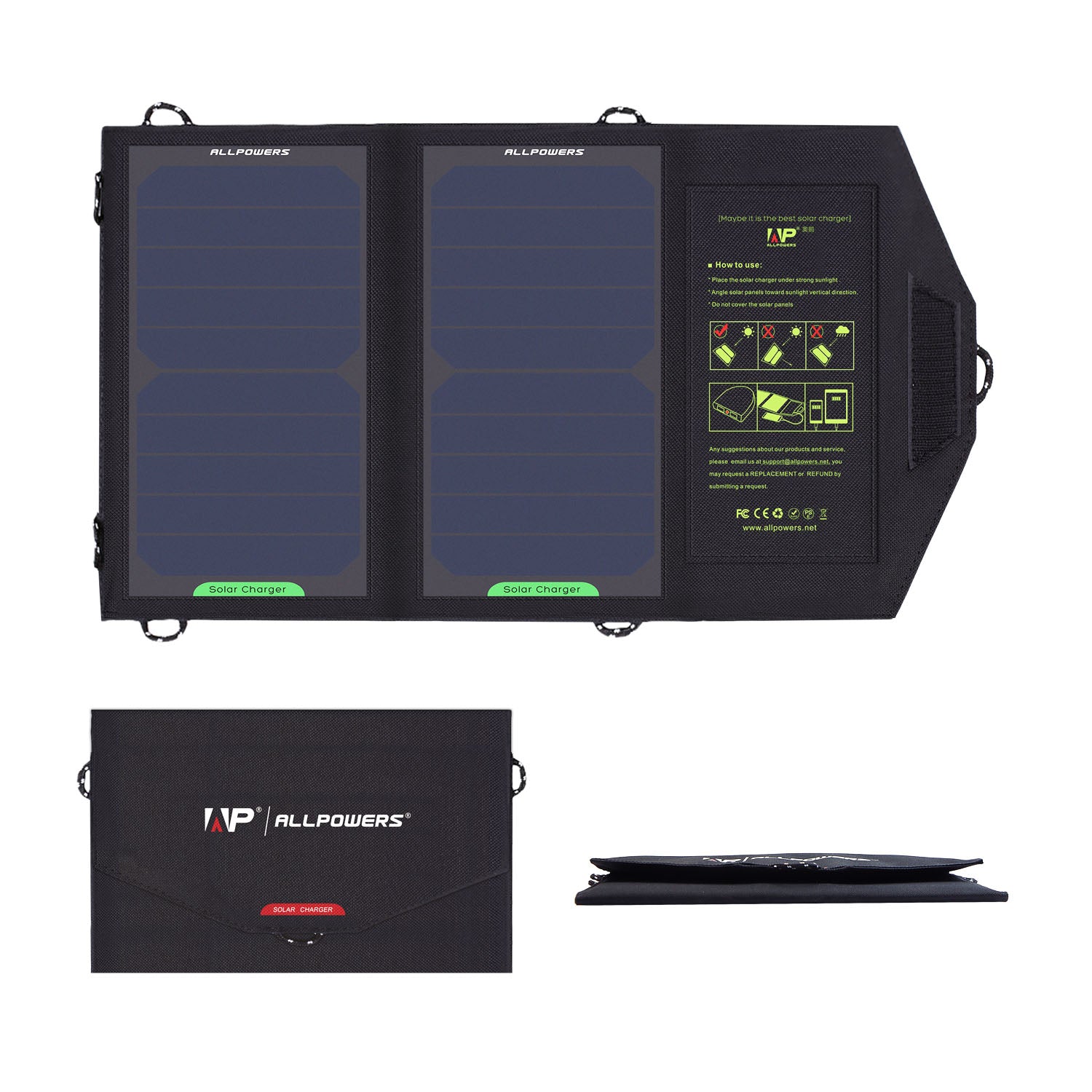
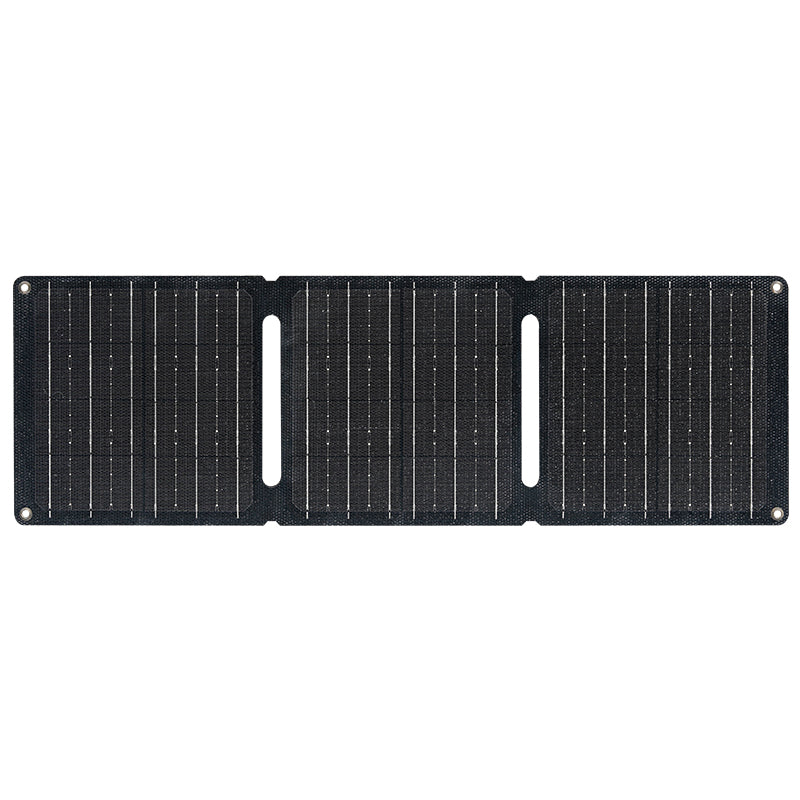
When paired with solar panels, they can be recharged during the day, allowing them to support essential appliances for extended periods without consuming fuel.
Learn More: What Generators Provide the Longest Run Time?
| Generator Type | Typical Runtime | Primary Use | Continuous Operation |
|---|---|---|---|
| Portable Generator | 8–20 Hours | Emergency Backup | Moderate |
| Inverter Generator | 10–18 Hours | Camping & RV | Good |
| Solar Generator | Varies by Battery Capacity (2–48+ Hours) | Camping, RV & Home Backup | Good (Rechargeable with Solar) |
| Standby Generator | Multiple Days | Whole-Home Backup | Excellent |
What Determines How Long a Generator Can Run?
Several factors influence whether a generator can safely operate for long periods. Understanding these variables helps prevent unnecessary wear while maximizing performance.
Fuel Capacity
A generator can only run as long as it has fuel available. Larger fuel tanks naturally provide longer runtimes, while smaller portable models require more frequent refueling.
Engine Design
Commercial-grade engines are generally built to withstand longer operating hours than entry-level recreational models. Heavy-duty components generate less wear during continuous use.
Electrical Load
Running a generator close to its maximum rated output for hours at a time places much greater stress on the engine than operating at 40–60% of its capacity. Moderate loads typically improve both fuel efficiency and engine longevity.
Can Running a Generator Continuously Damage It?
Continuous operation itself does not automatically damage a generator. Instead, damage usually results from operating under poor conditions or neglecting maintenance.
For example, consistently running at maximum output increases engine temperatures, accelerates oil degradation, and places additional stress on moving components.
Similarly, dirty air filters or low oil levels can significantly reduce engine life, even if the generator has relatively few total operating hours.
How Can You Reduce Generator Runtime?
One of the simplest ways to improve fuel efficiency is to reduce the number of devices drawing electricity at the same time.
Prioritizing only essential appliances lowers fuel consumption while decreasing engine wear.
Many households also combine different energy sources during extended outages.
Instead of relying entirely on a fuel-powered generator throughout the day, some people use solar generators to support lower-power devices such as laptops, phones, lighting, or medical equipment, allowing the fuel generator to focus on larger household appliances when necessary.
When Should You Turn a Generator Off?
Even during extended outages, there are situations where shutting the generator down briefly is the smarter choice.
Refueling should always be performed with the engine turned off and allowed to cool.
Scheduled inspections also provide an opportunity to check oil levels, remove debris, and verify that cooling vents remain unobstructed.
Short maintenance breaks are often far less costly than dealing with an engine failure during an emergency.
Final Thoughts
Can you run a generator 24/7? In many situations, yes—but only if the generator is properly maintained, operated within its rated capacity, and placed in a safe outdoor location with adequate ventilation.
Rather than thinking only about maximum runtime, it's more useful to consider the generator as part of a broader energy strategy.
Managing electrical loads, performing regular maintenance, and using power wisely can help extend equipment life while providing reliable electricity throughout an extended outage or off-grid adventure.
Frequently Asked Questions
How long can a portable generator run continuously?
Many portable generators can operate for several hours on one tank of fuel, but continuous operation over multiple days requires regular maintenance and refueling.
Is it bad to run a generator all day?
Not necessarily. Running a generator continuously is acceptable if it is maintained properly and operated within the manufacturer's recommended limits.
Should you turn a generator off at night?
If power is still required overnight, many generators can continue operating safely, provided they are installed outdoors with proper ventilation and sufficient fuel.
Does running a generator at full load damage it?
Operating near maximum capacity for extended periods can increase engine wear and fuel consumption. Moderate loads are generally more efficient for long-term operation.