







Electricity prices are no longer as simple as paying one flat rate all day long.
Across the United States and many other countries, utility companies are increasingly using time-of-use pricing.
But when is electricity actually the cheapest?
TL;DR:
Electricity is usually cheapest late at night, early in the morning, and sometimes on weekends because demand on the power grid is lower. Peak pricing often happens in the late afternoon and evening when people return home and use appliances, heating, cooling, and electronics simultaneously.
Why Electricity Prices Change Throughout the Day
Electricity demand constantly rises and falls.
During busy hours, utility companies must generate more power to meet demand, which often requires using more expensive energy sources.
During quieter periods, the grid experiences less stress, and electricity becomes cheaper to produce and distribute.
This pricing structure is commonly called Time-of-Use pricing, or TOU pricing. Many utility providers across the United States and other countries have introduced these plans to encourage consumers to use electricity during lower-demand periods.
The highest demand typically occurs when people return home from work and school. Air conditioners, ovens, televisions, washing machines, and lighting systems often run simultaneously during these hours.
As a result, utilities classify this period as “peak hours,” which usually carry the highest rates.
By contrast, electricity usage drops significantly overnight. Fewer homes are actively consuming large amounts of power, allowing utilities to offer lower off-peak pricing.
As electricity pricing becomes more dynamic, many households are paying closer attention to when they consume power instead of simply how much they consume.
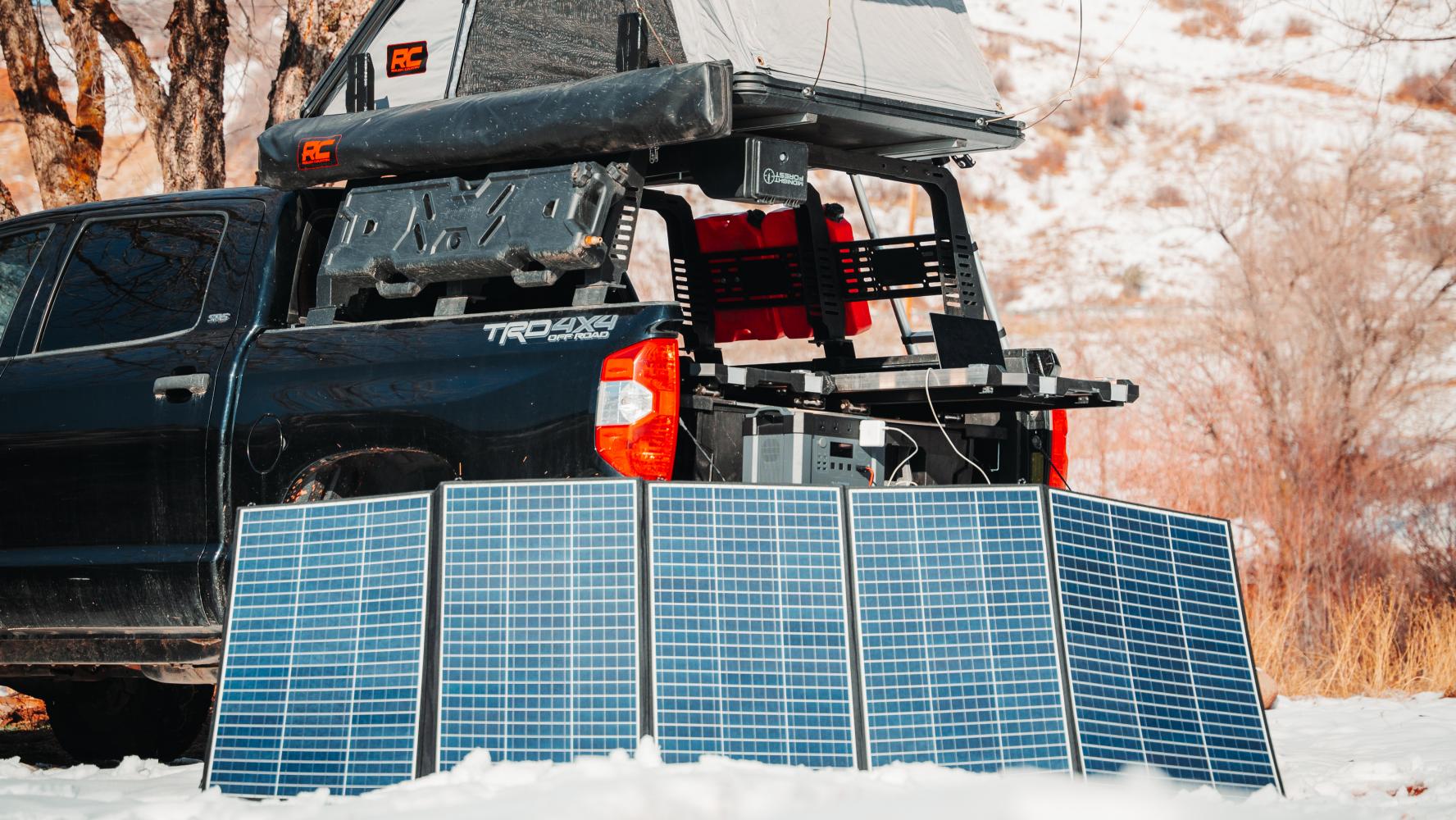
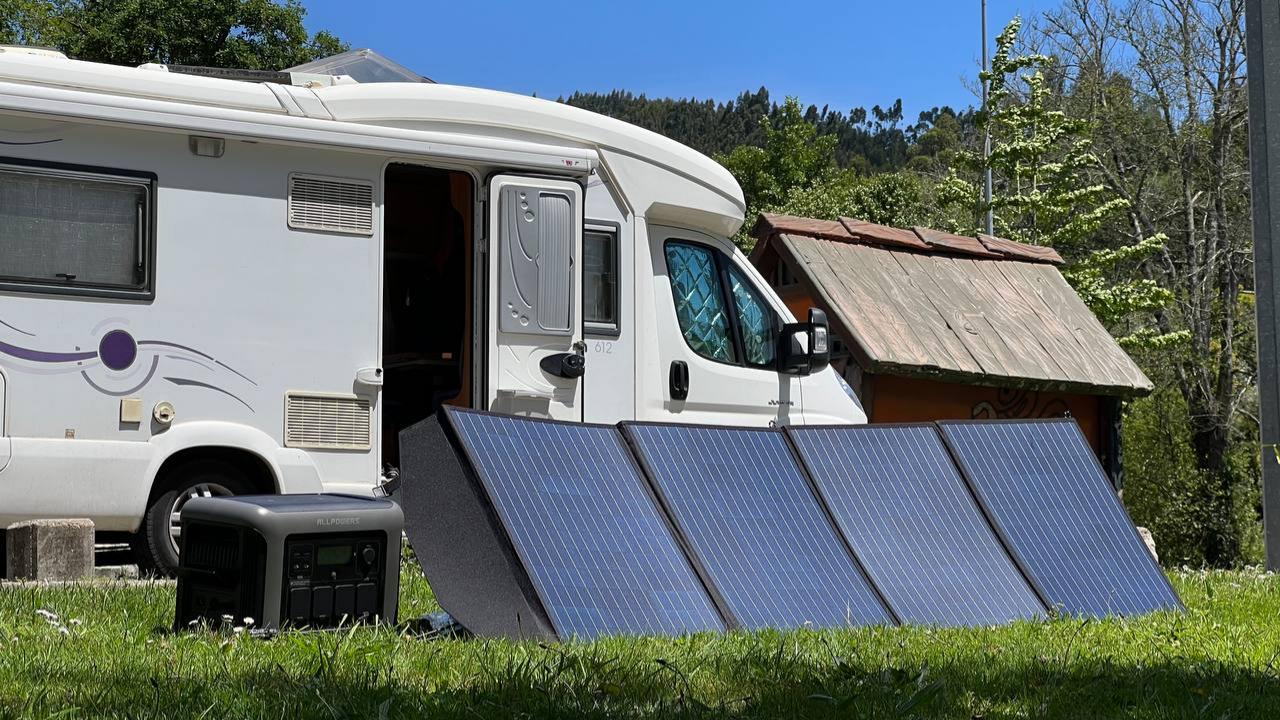
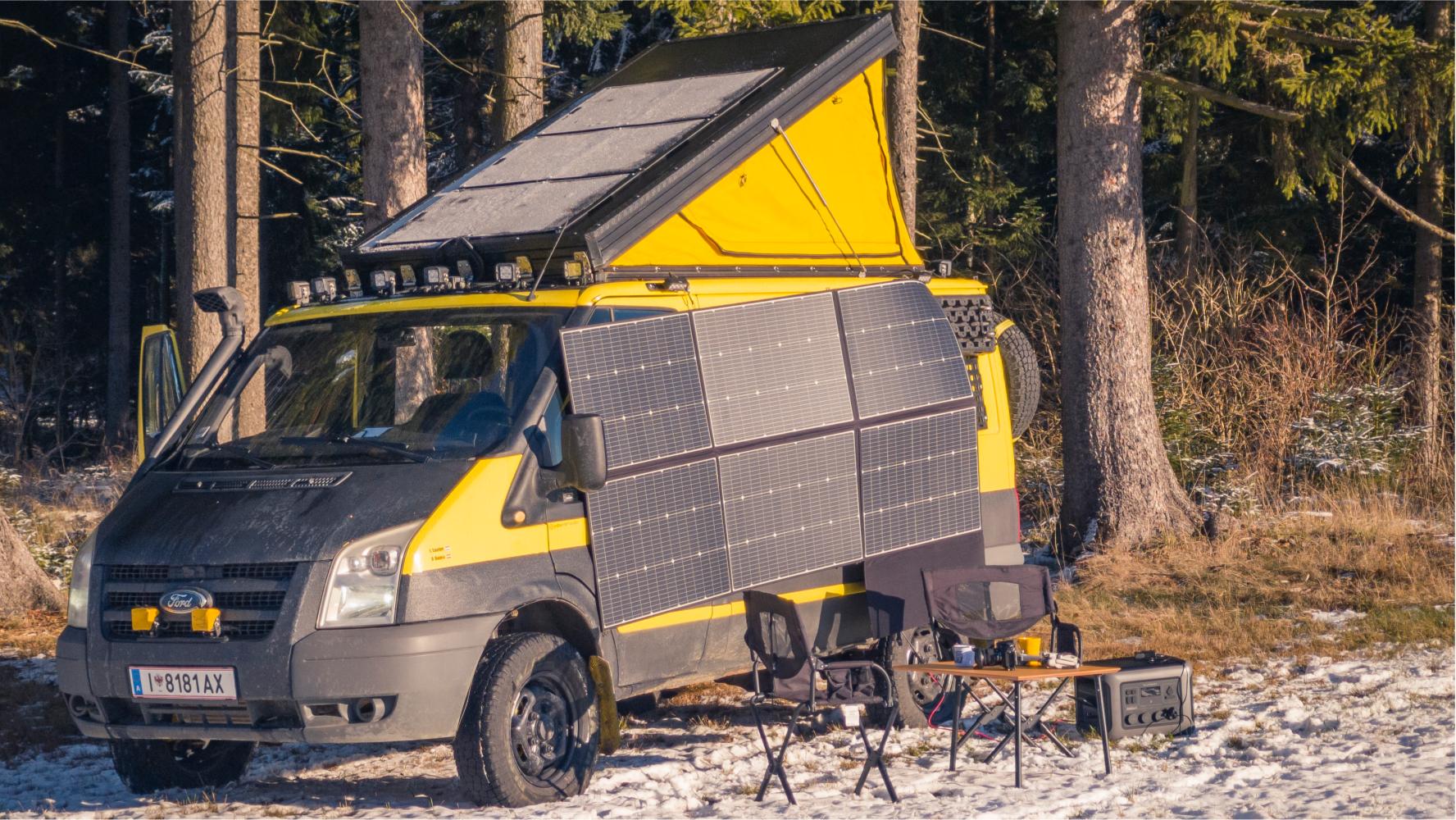
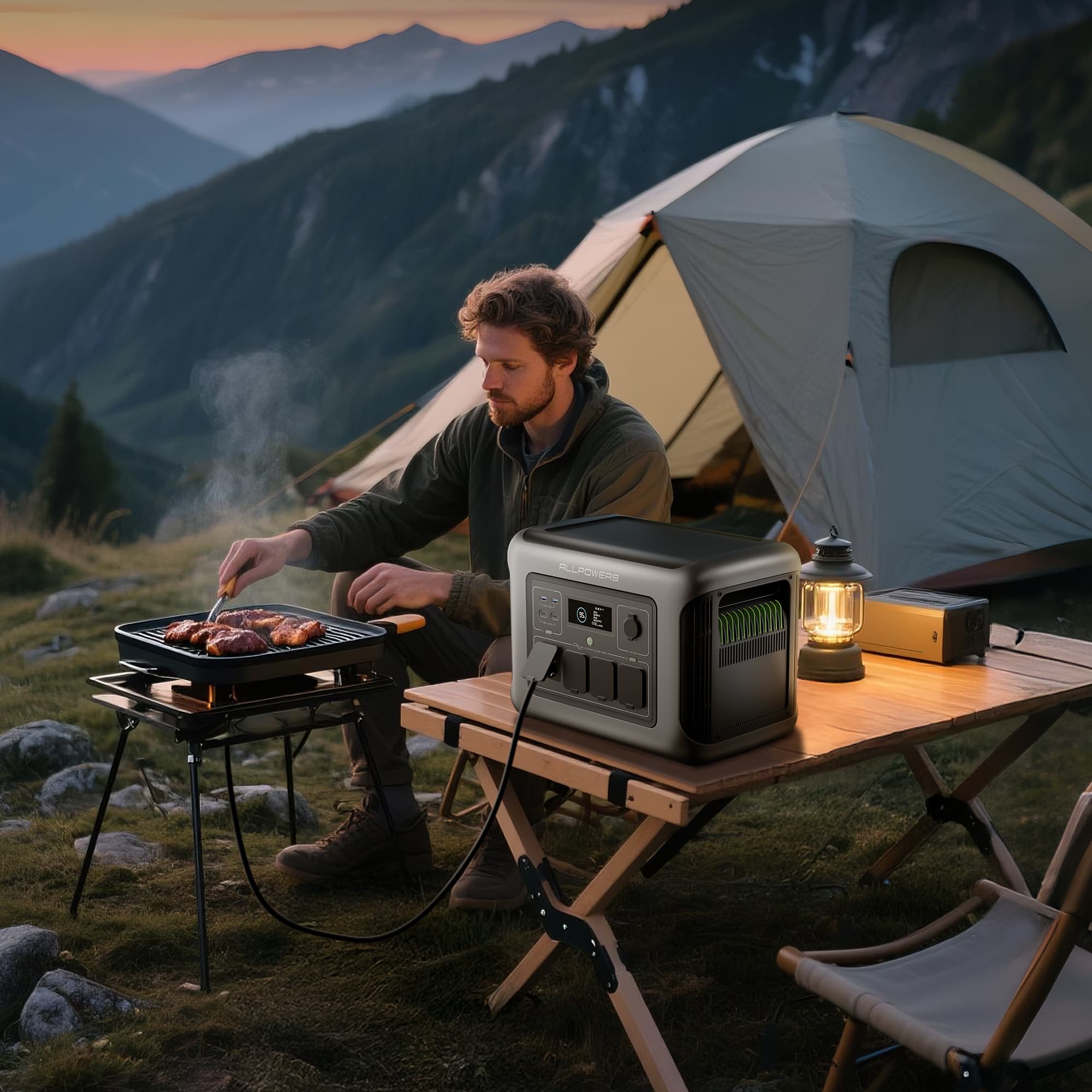
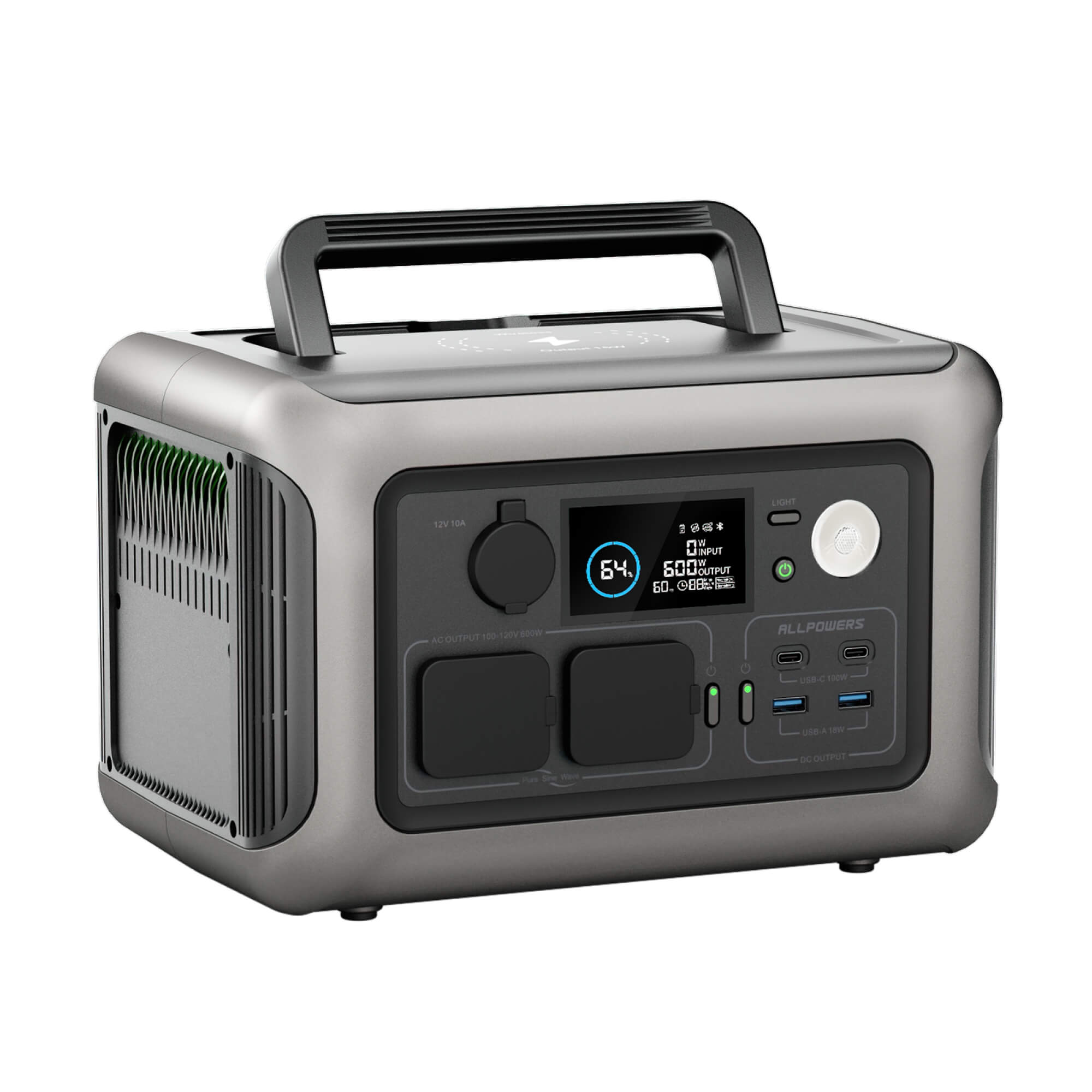
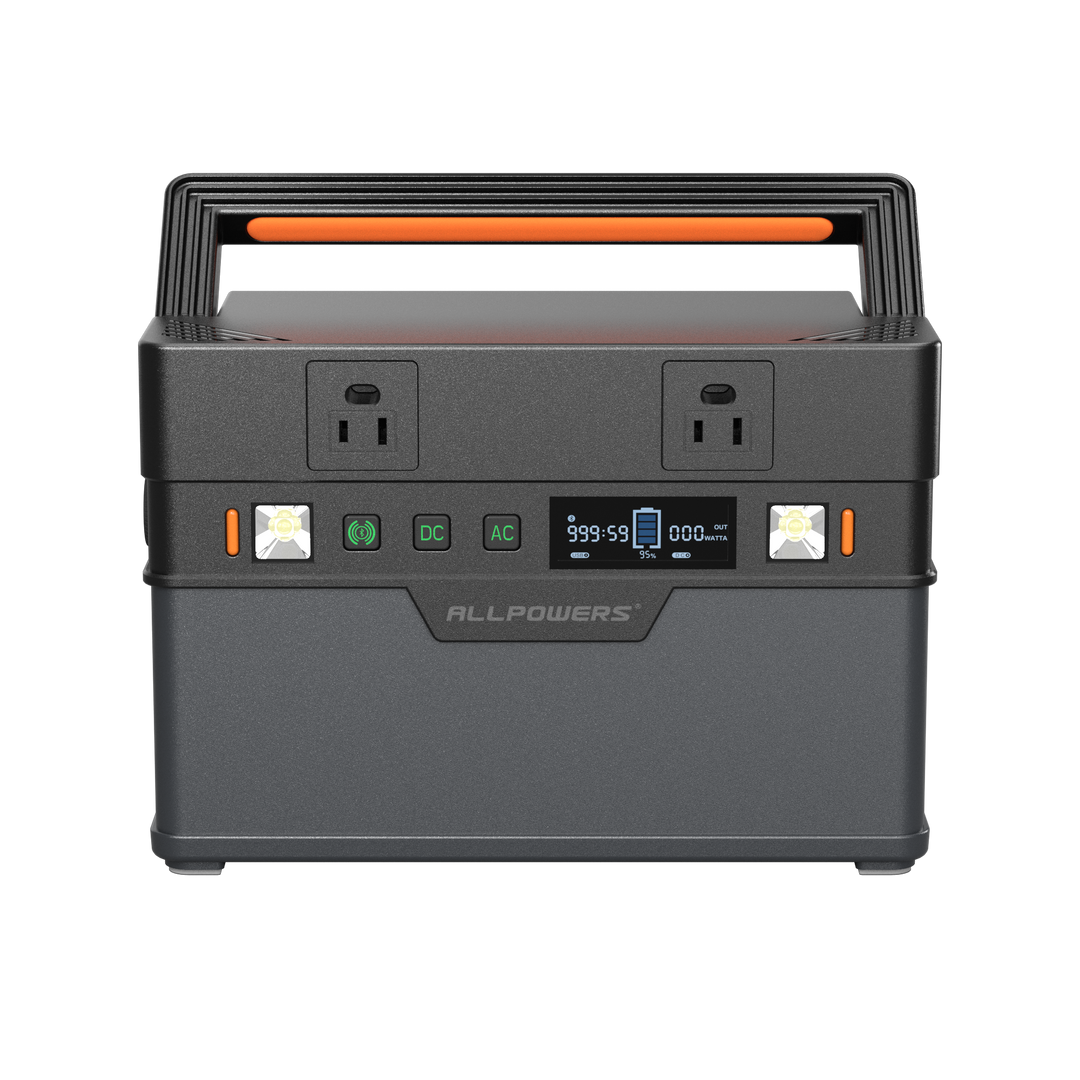
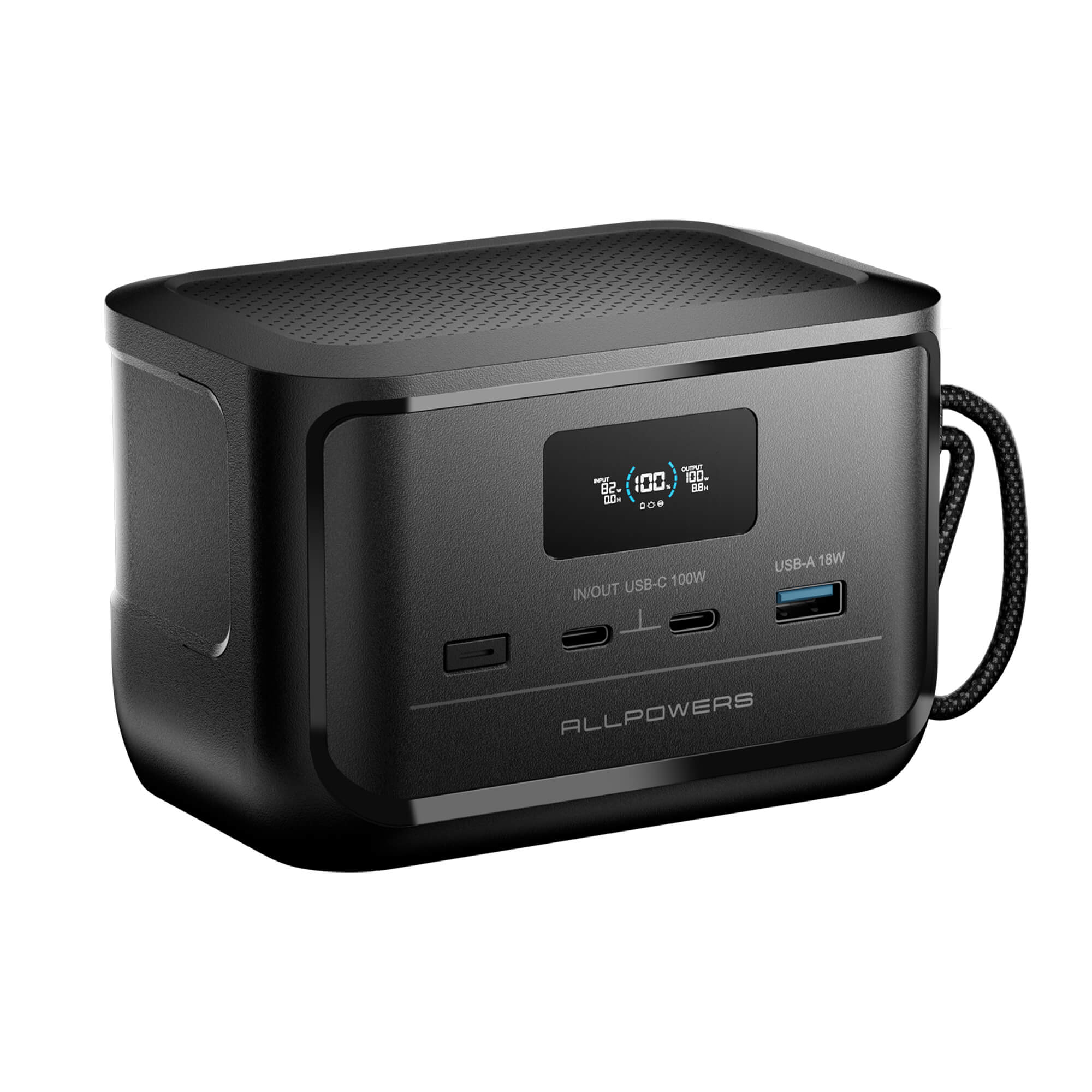
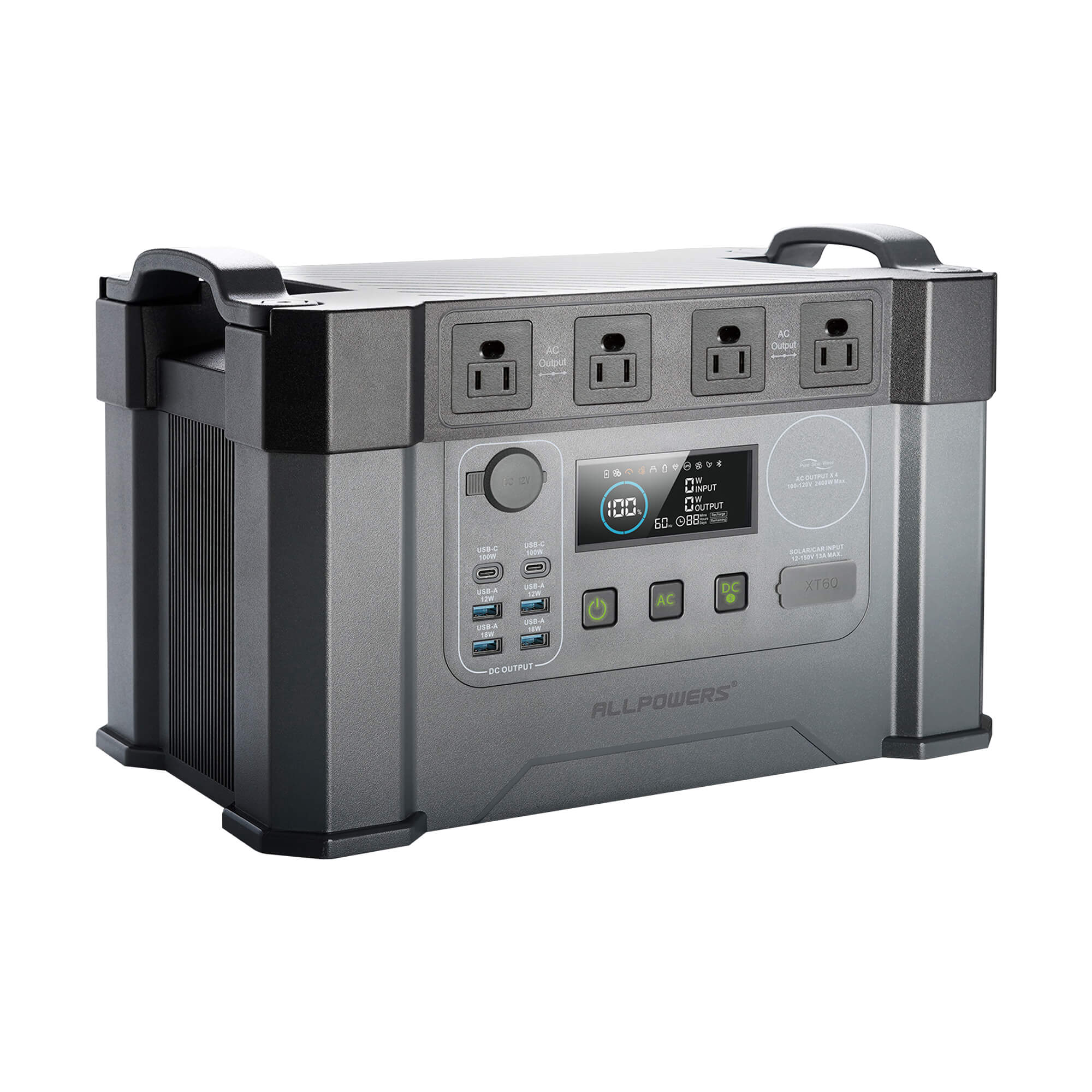
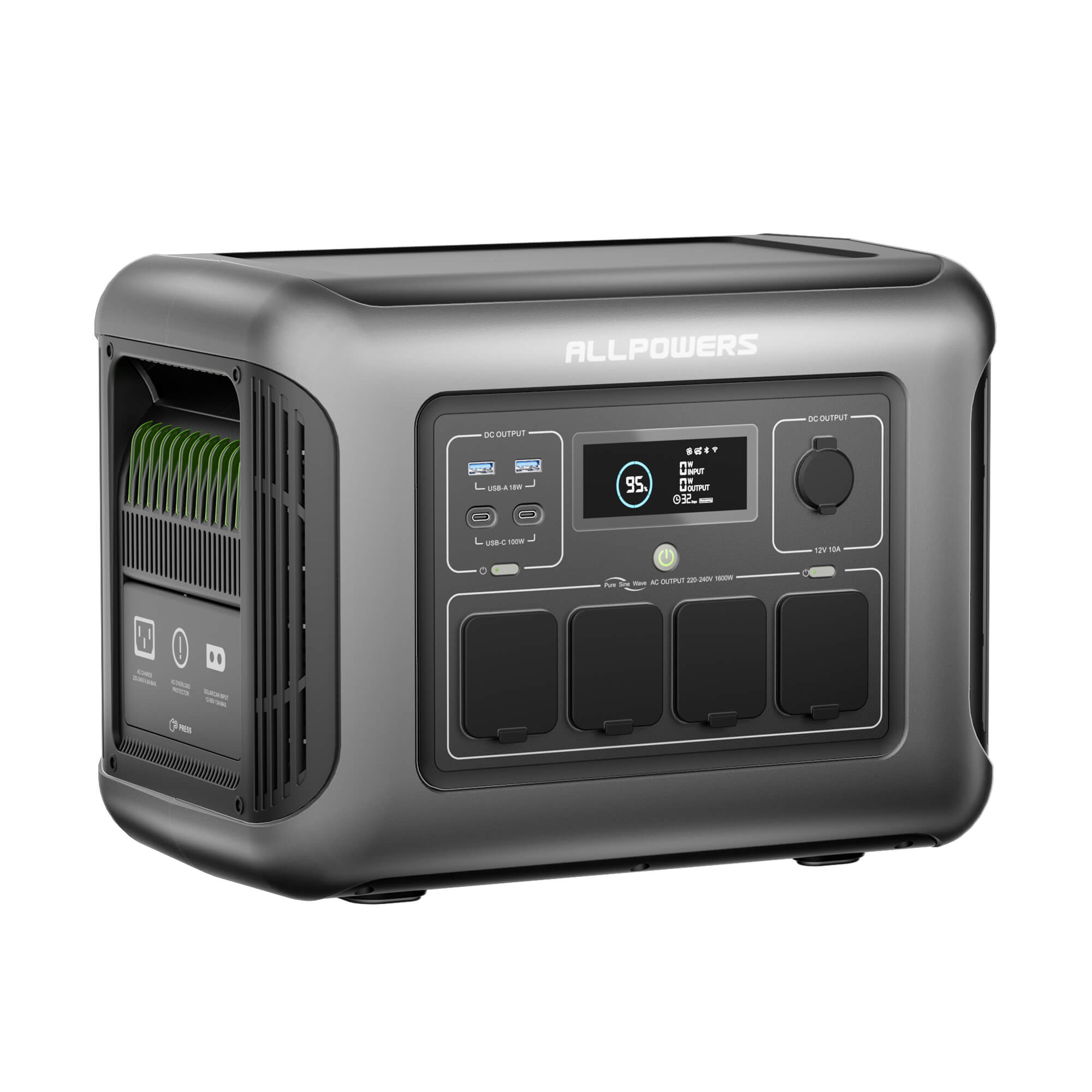
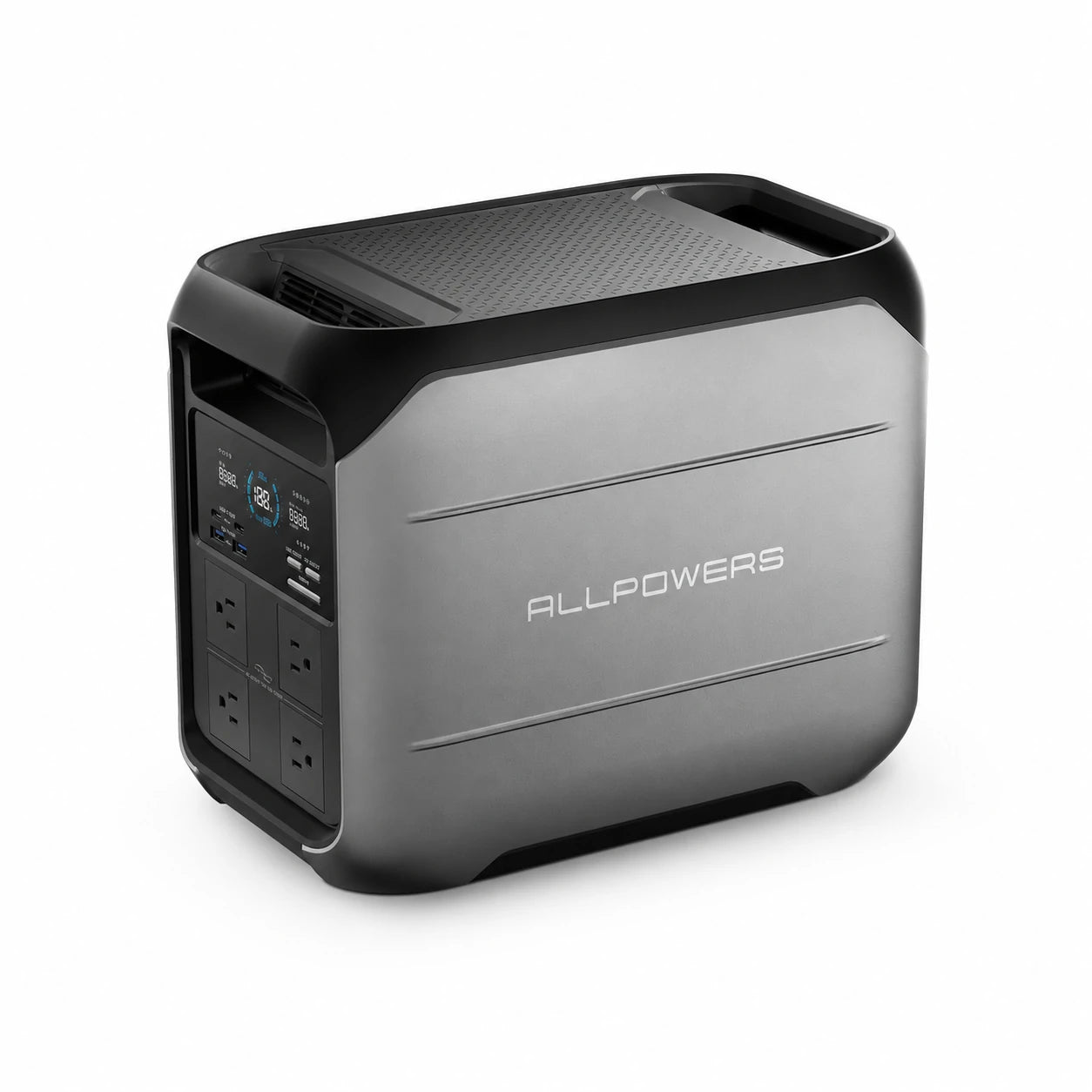
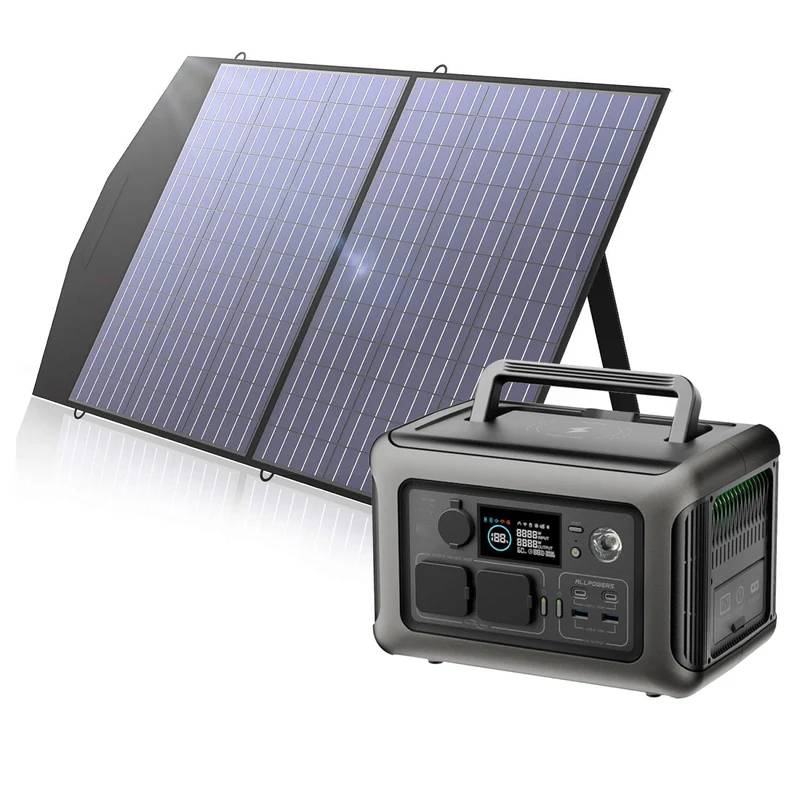
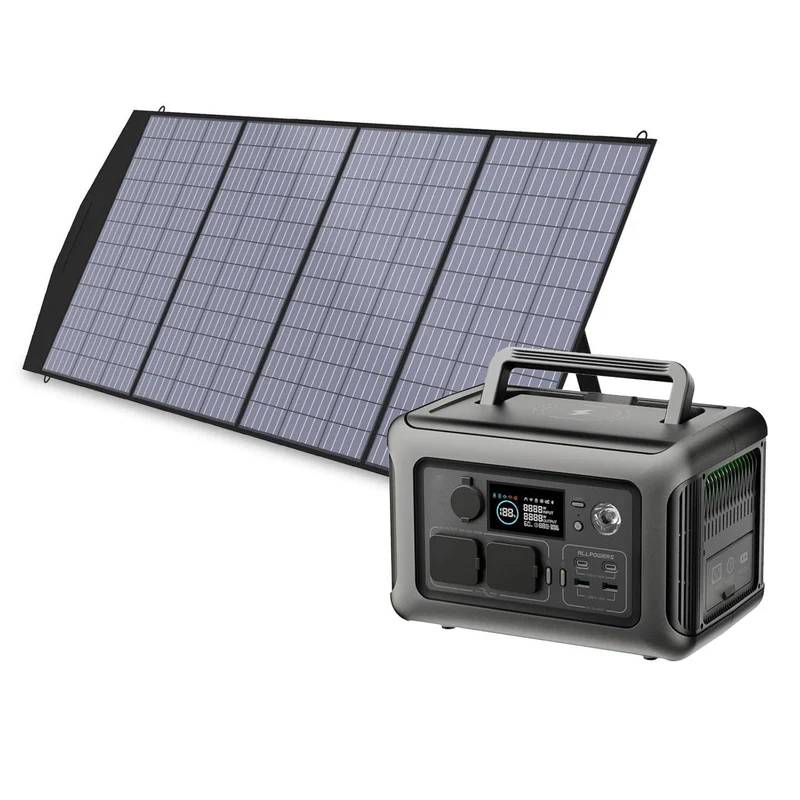
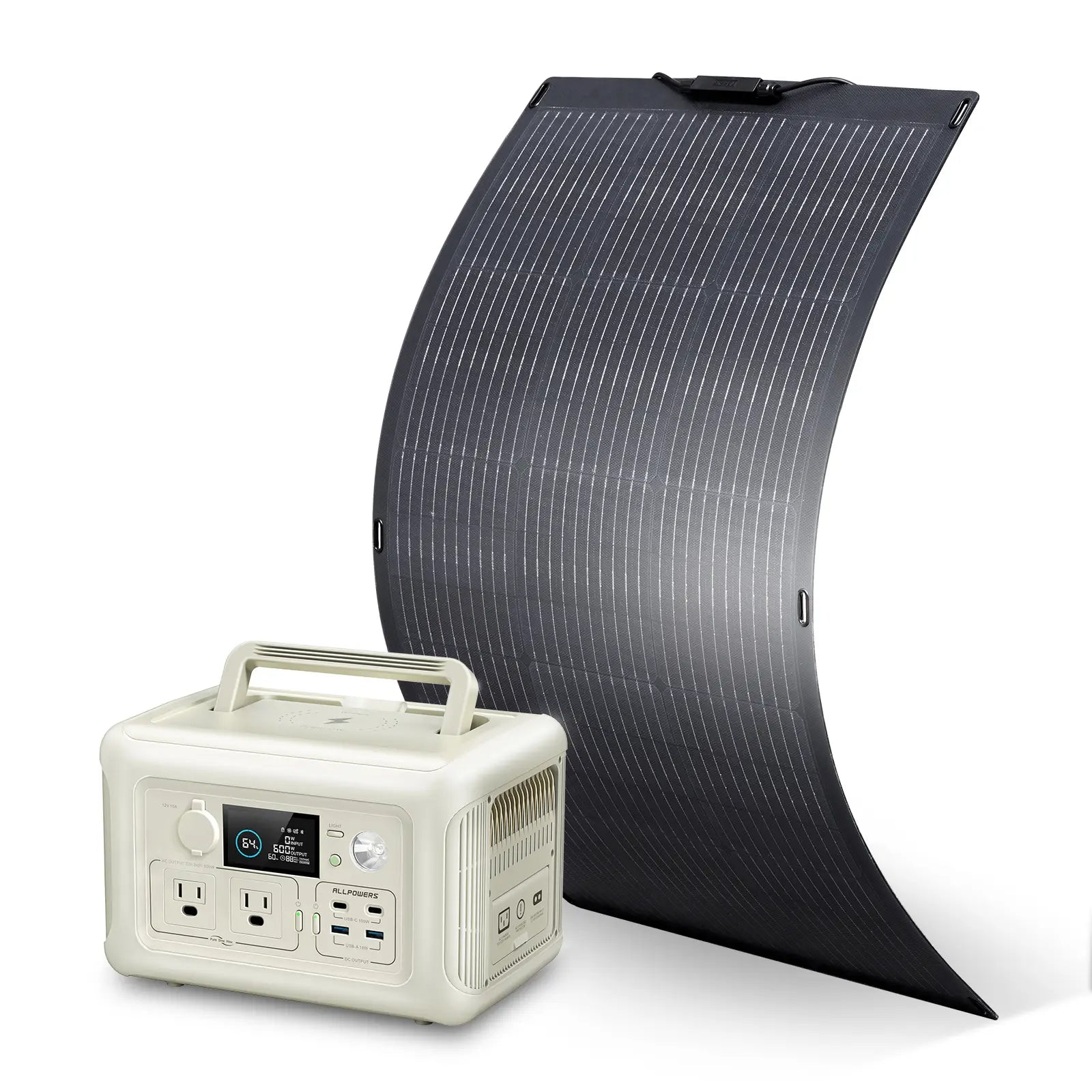
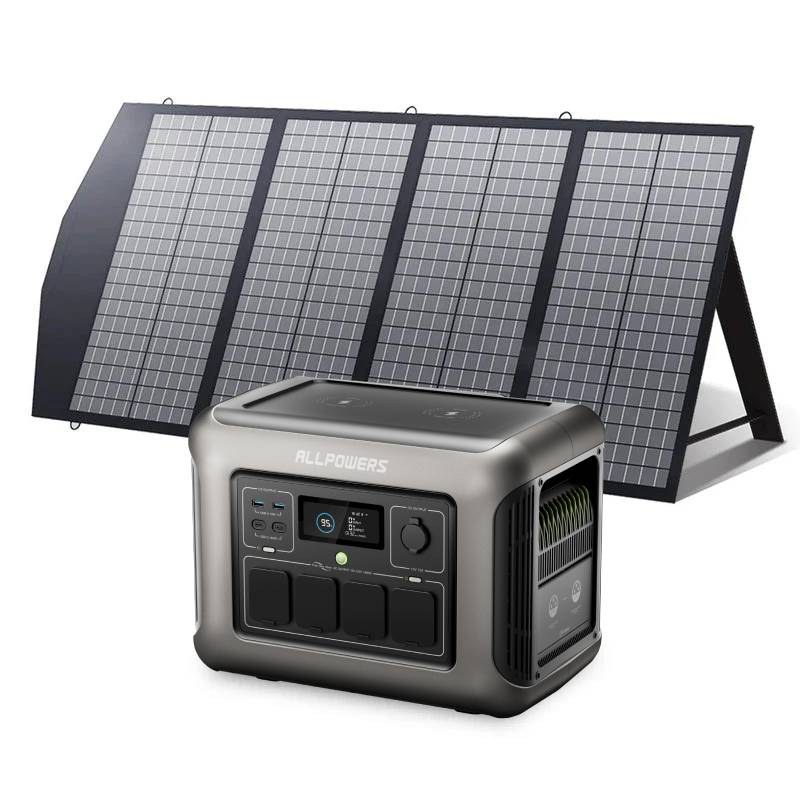
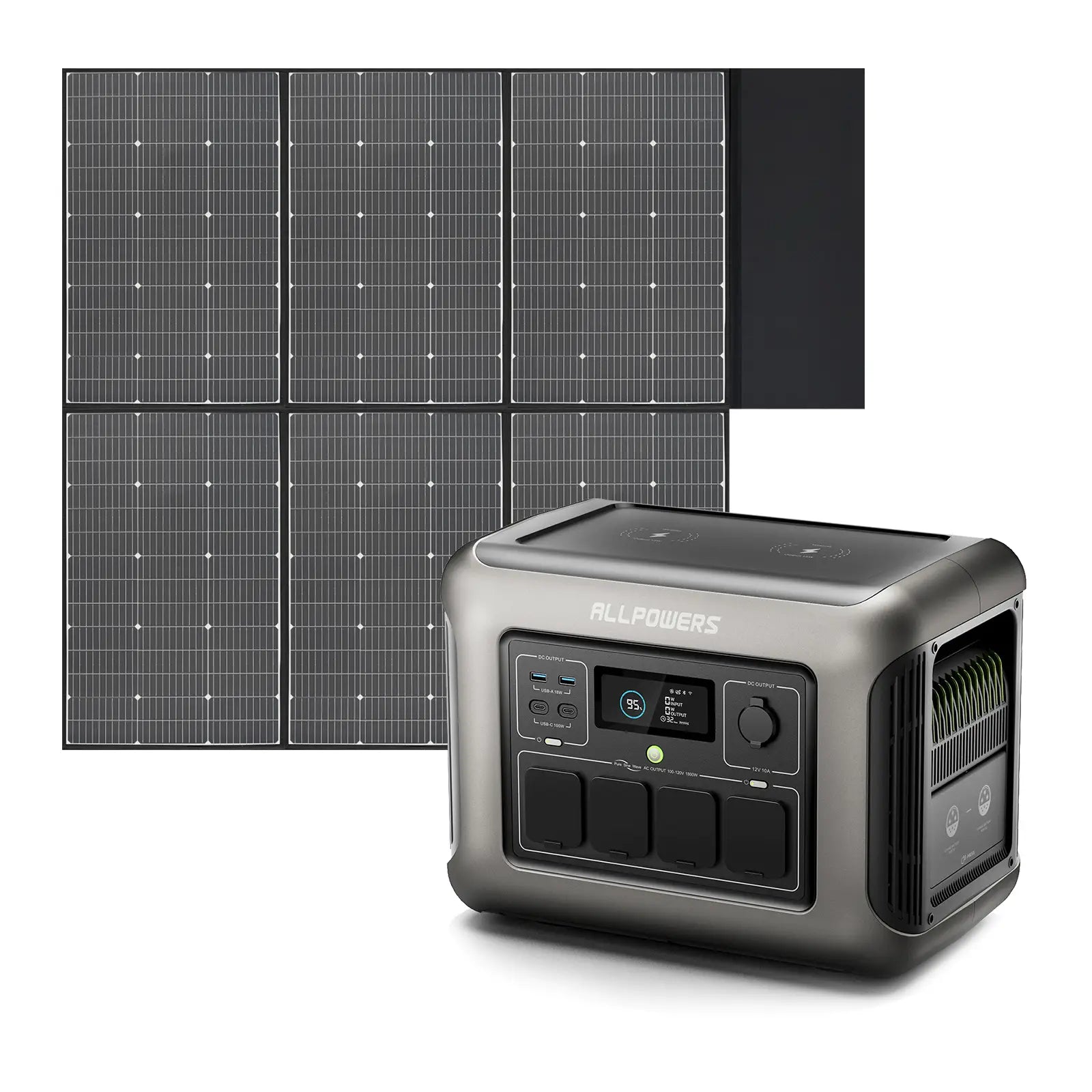
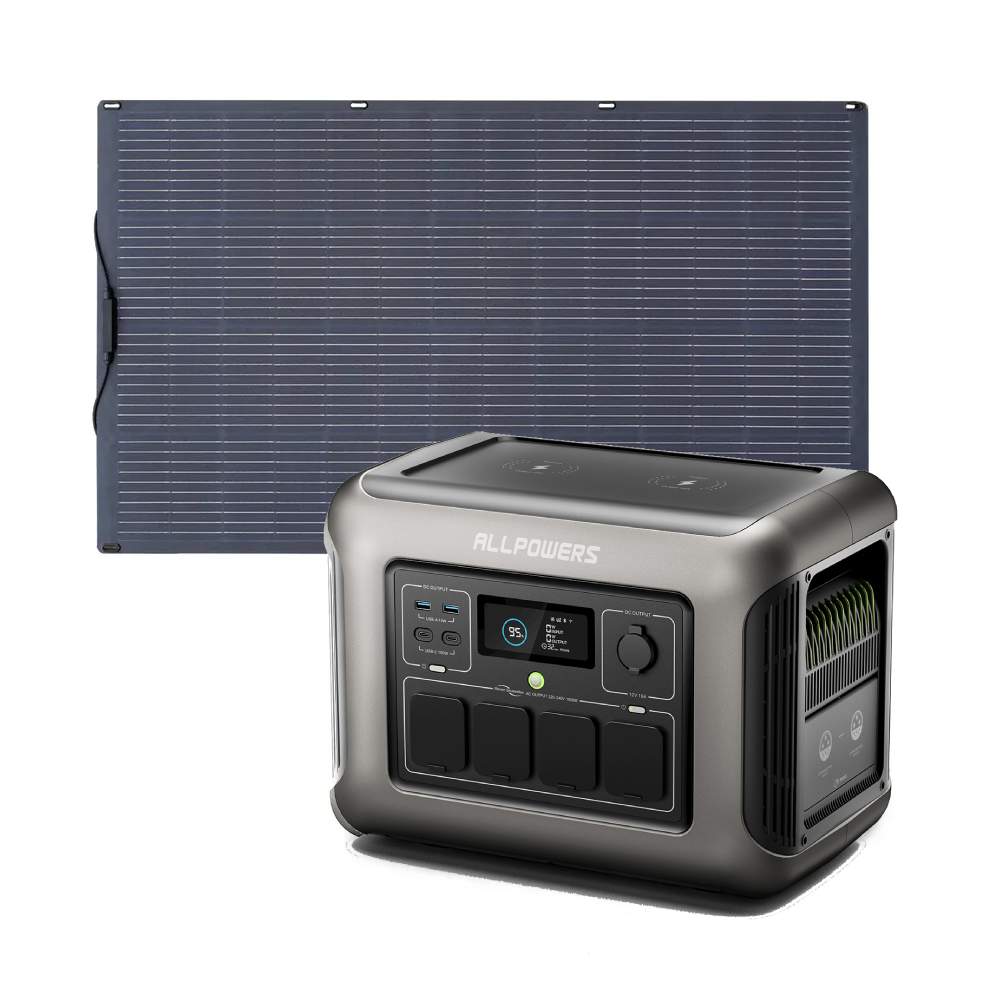
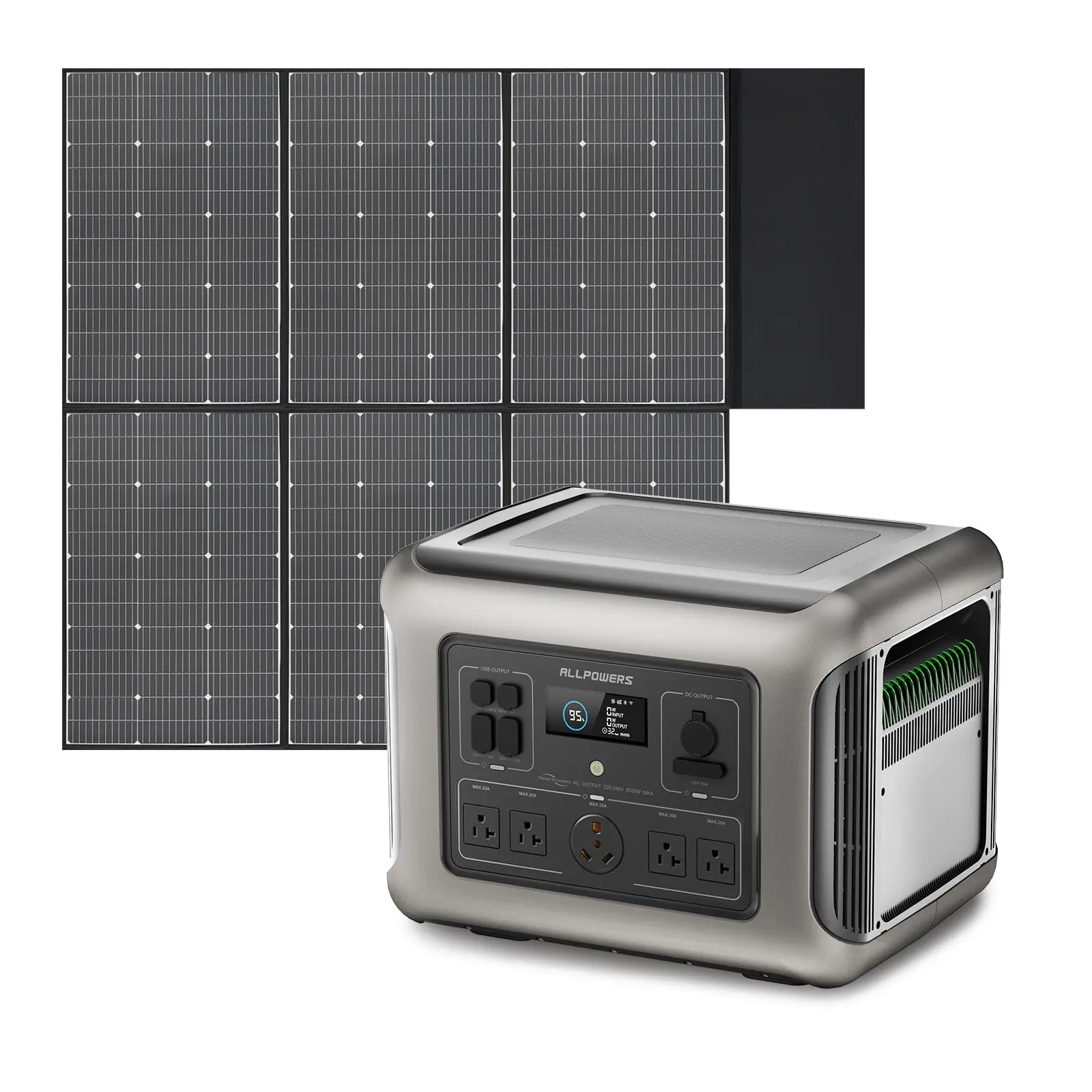
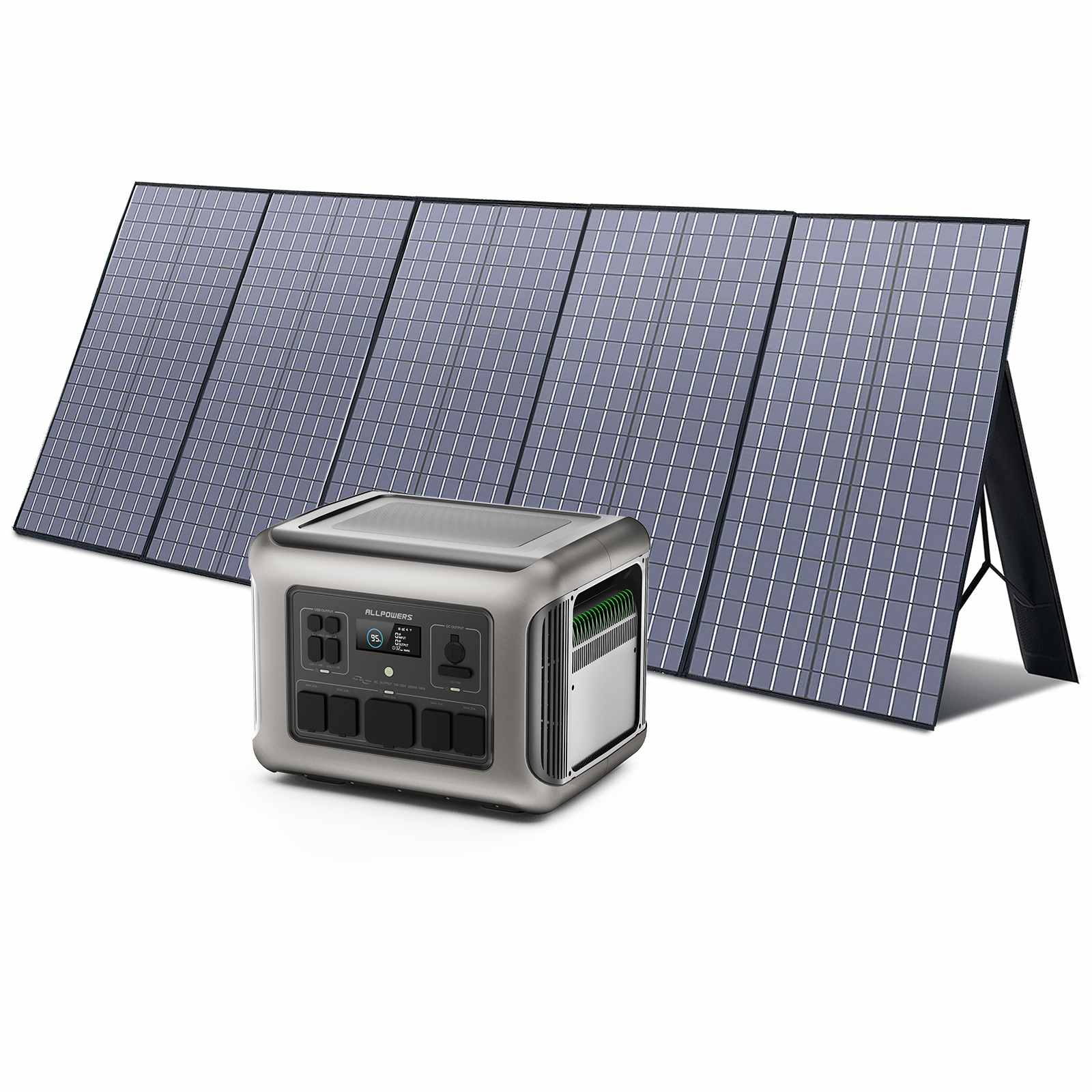
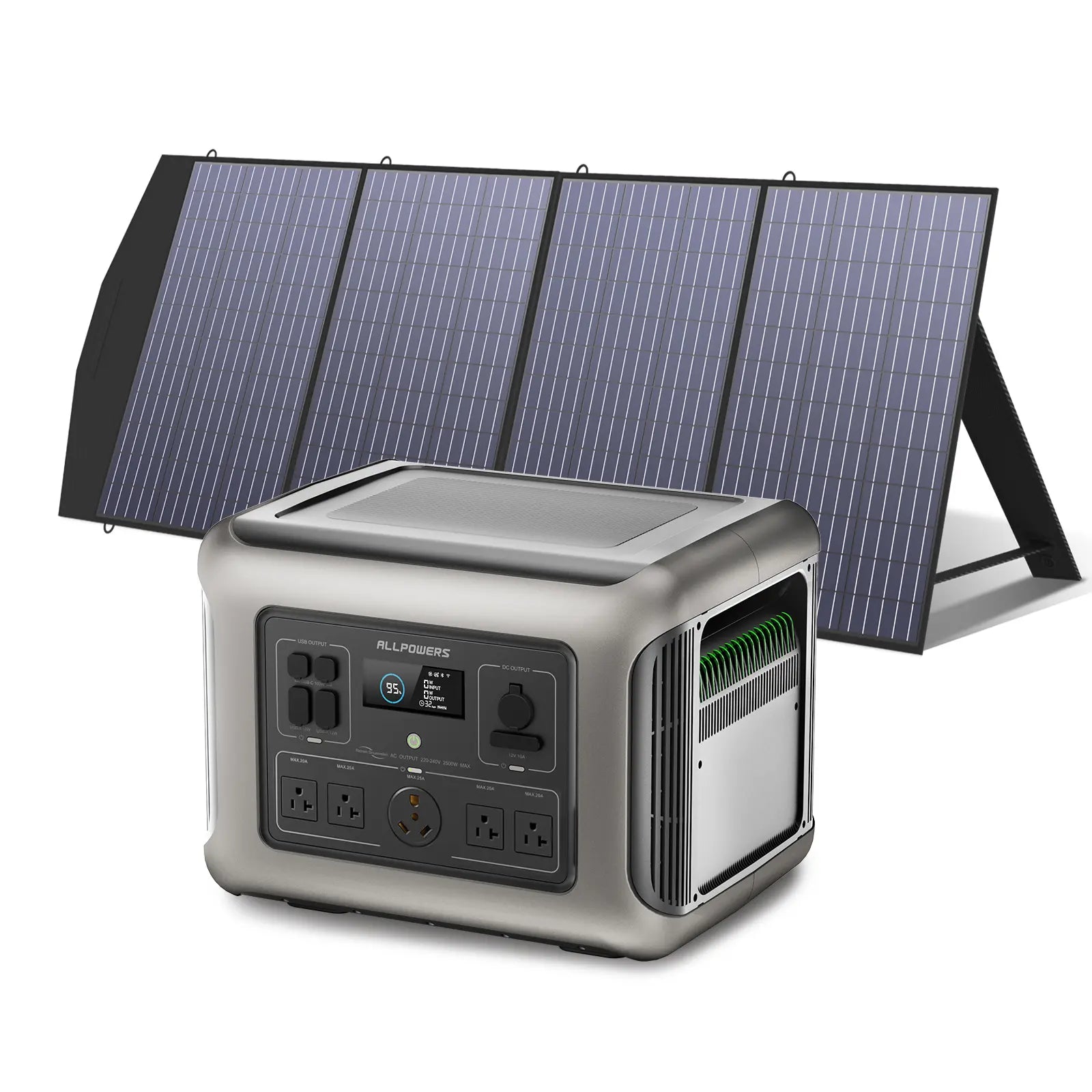
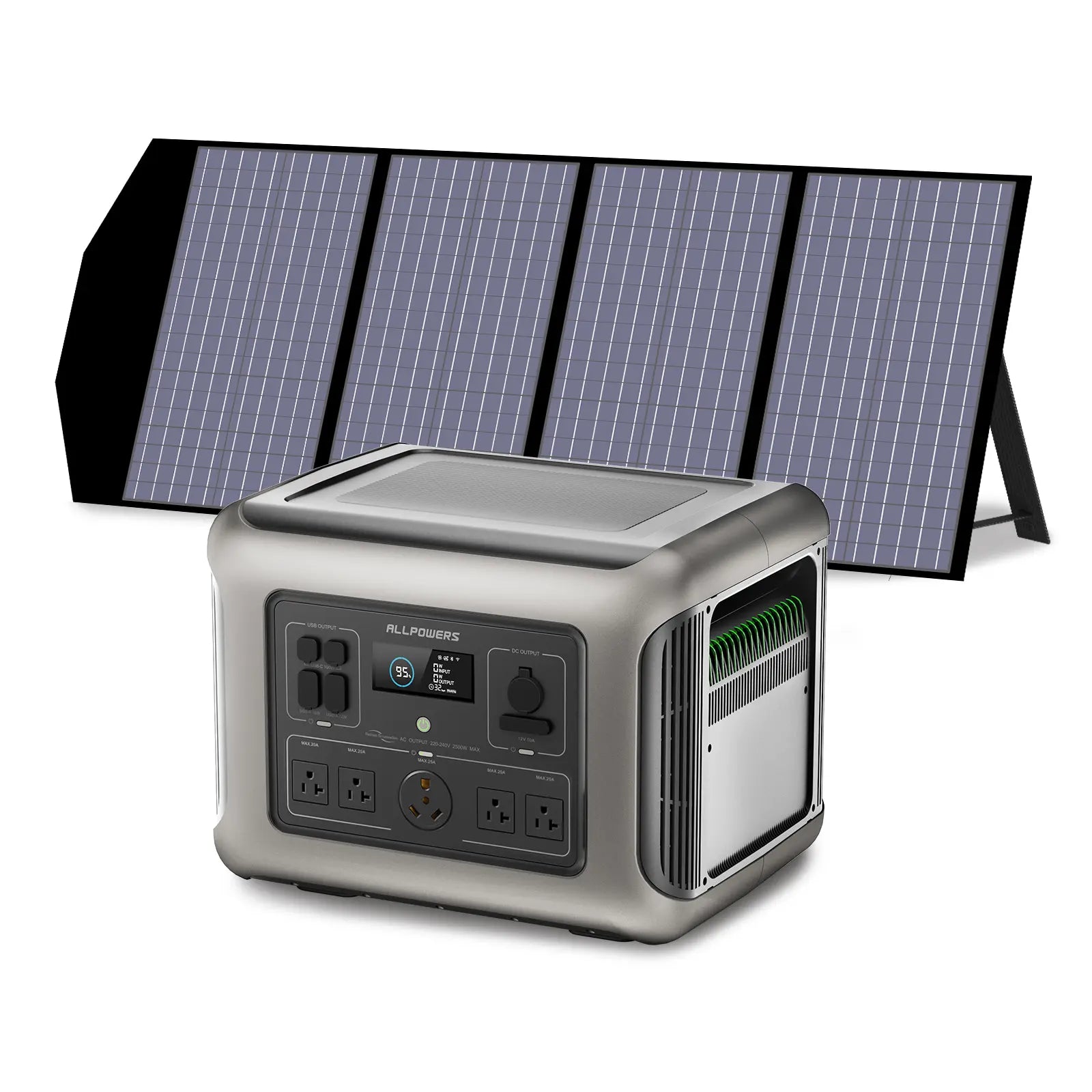
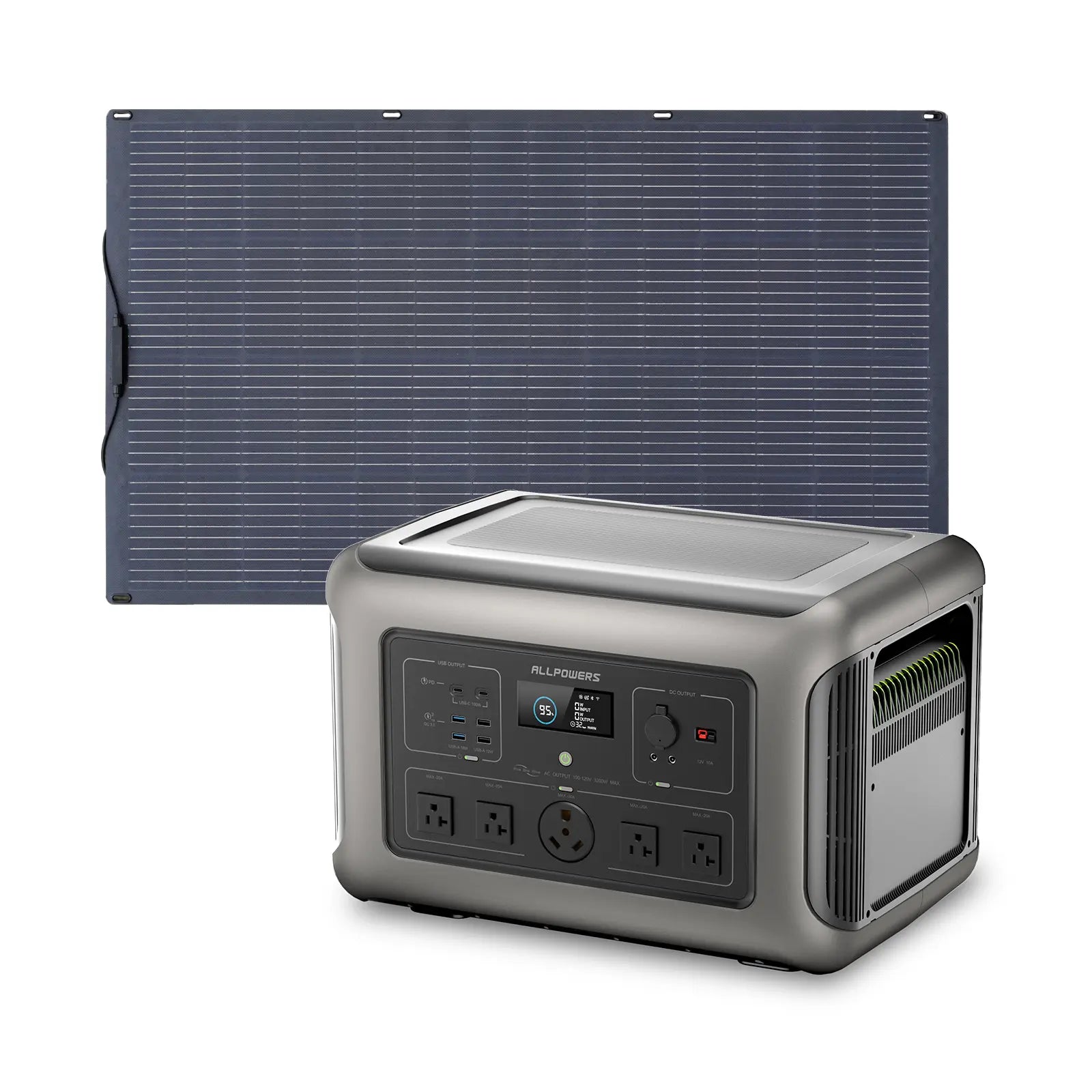
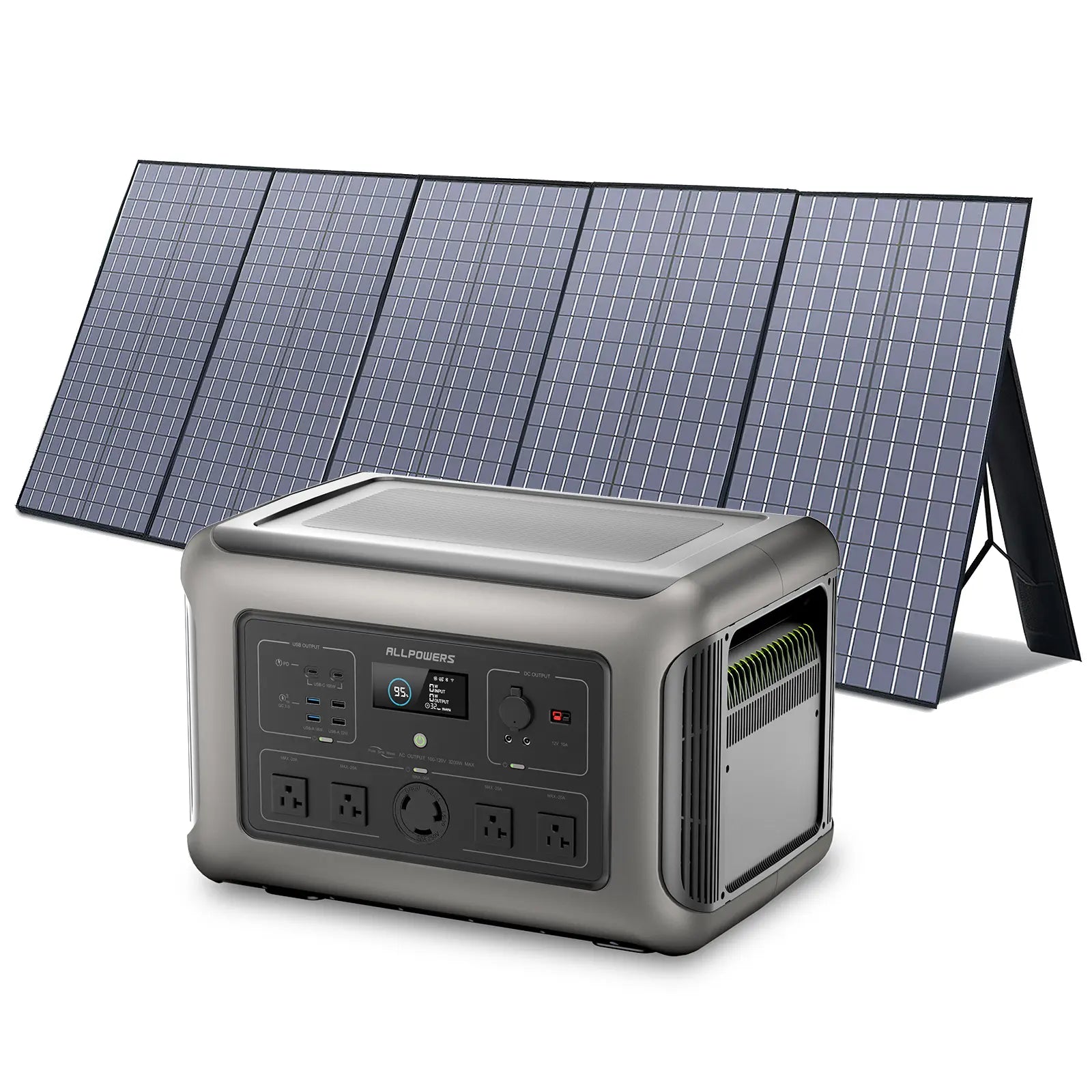
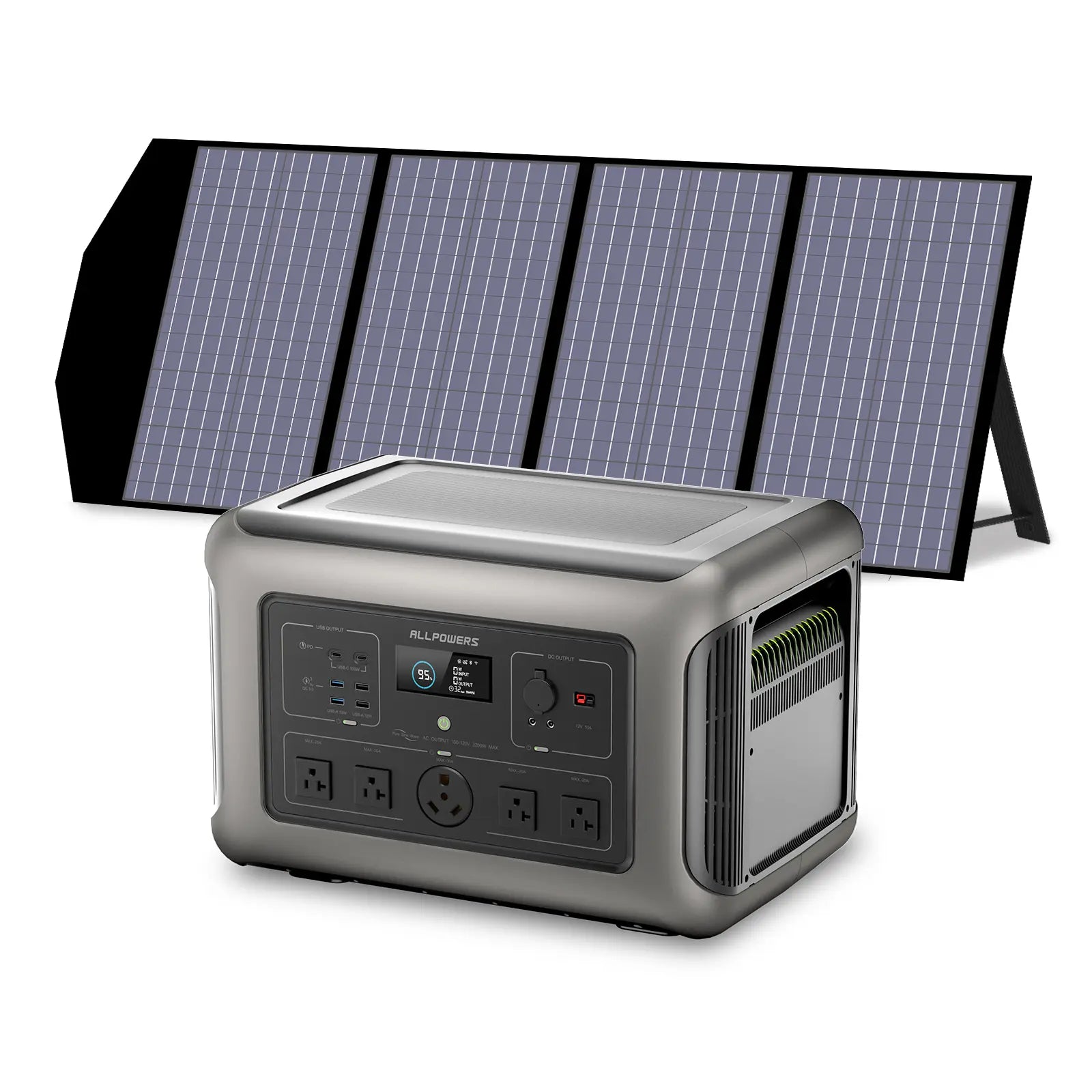
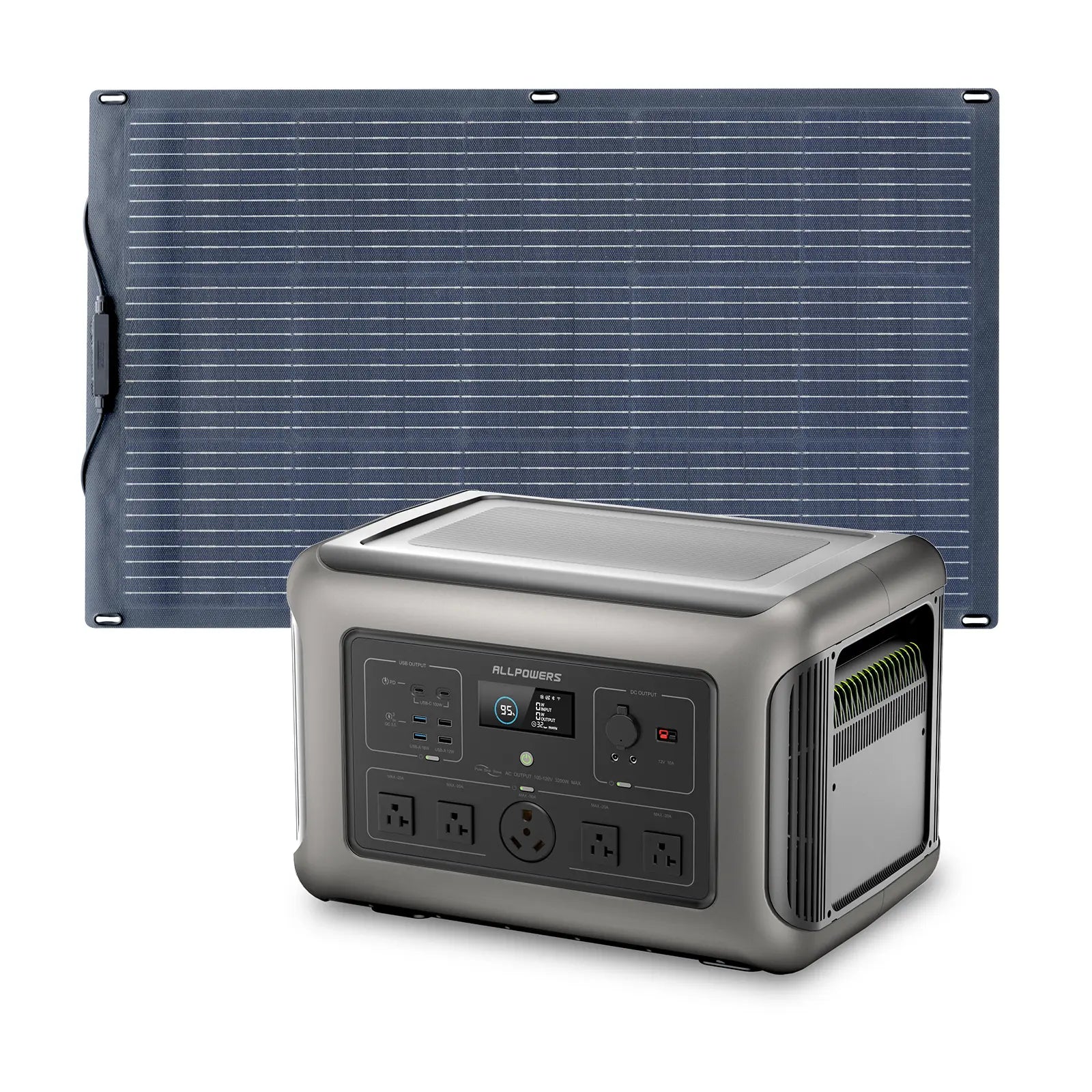
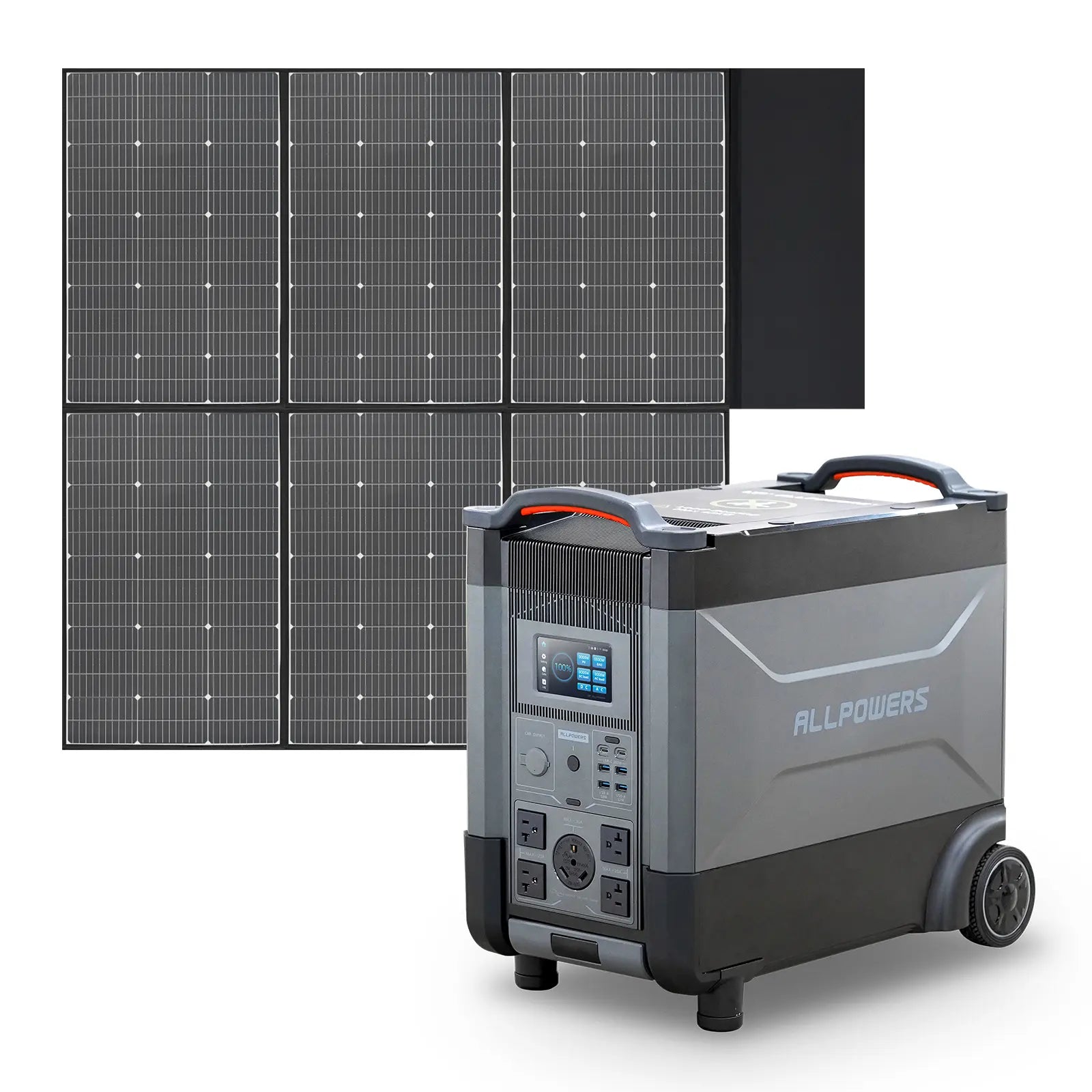
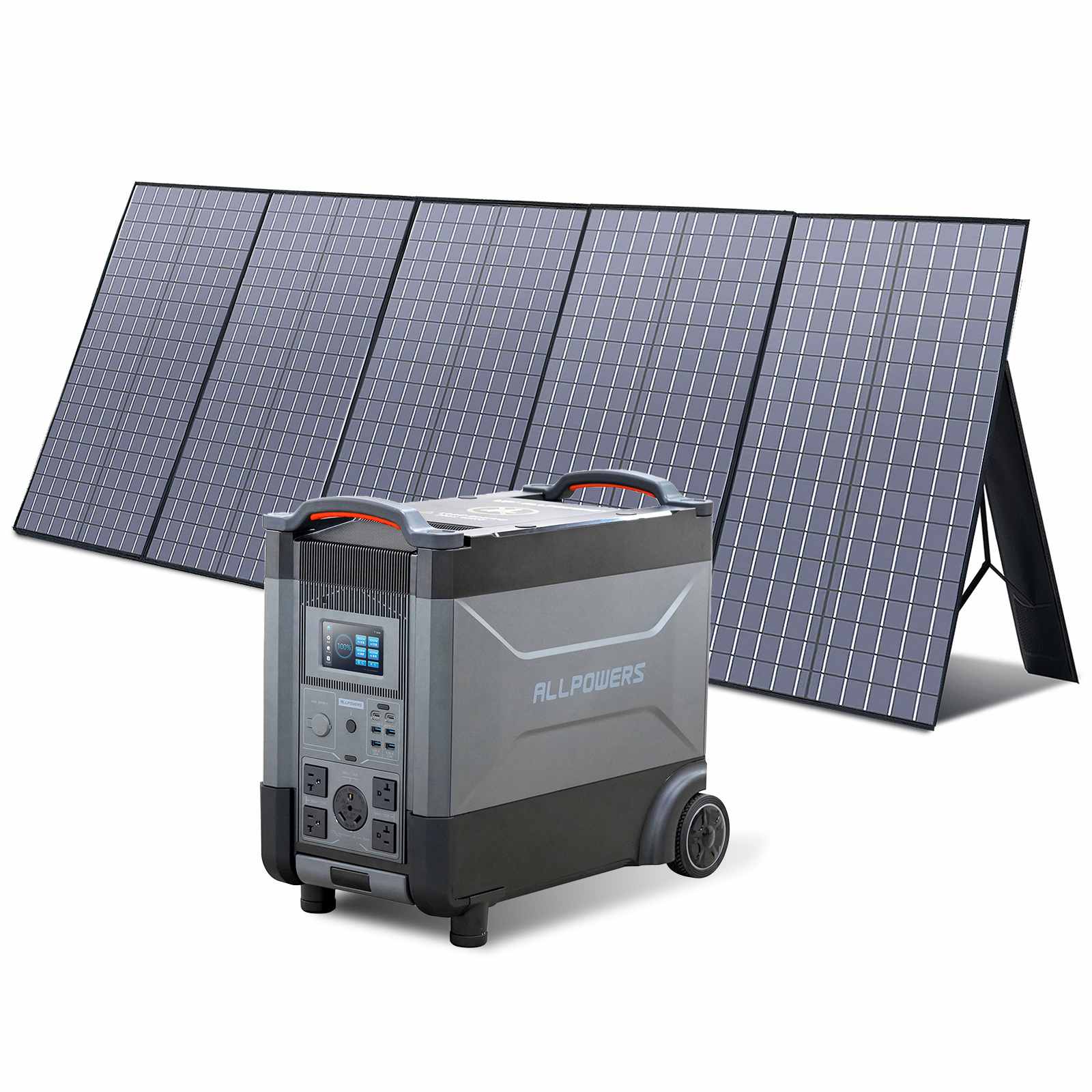
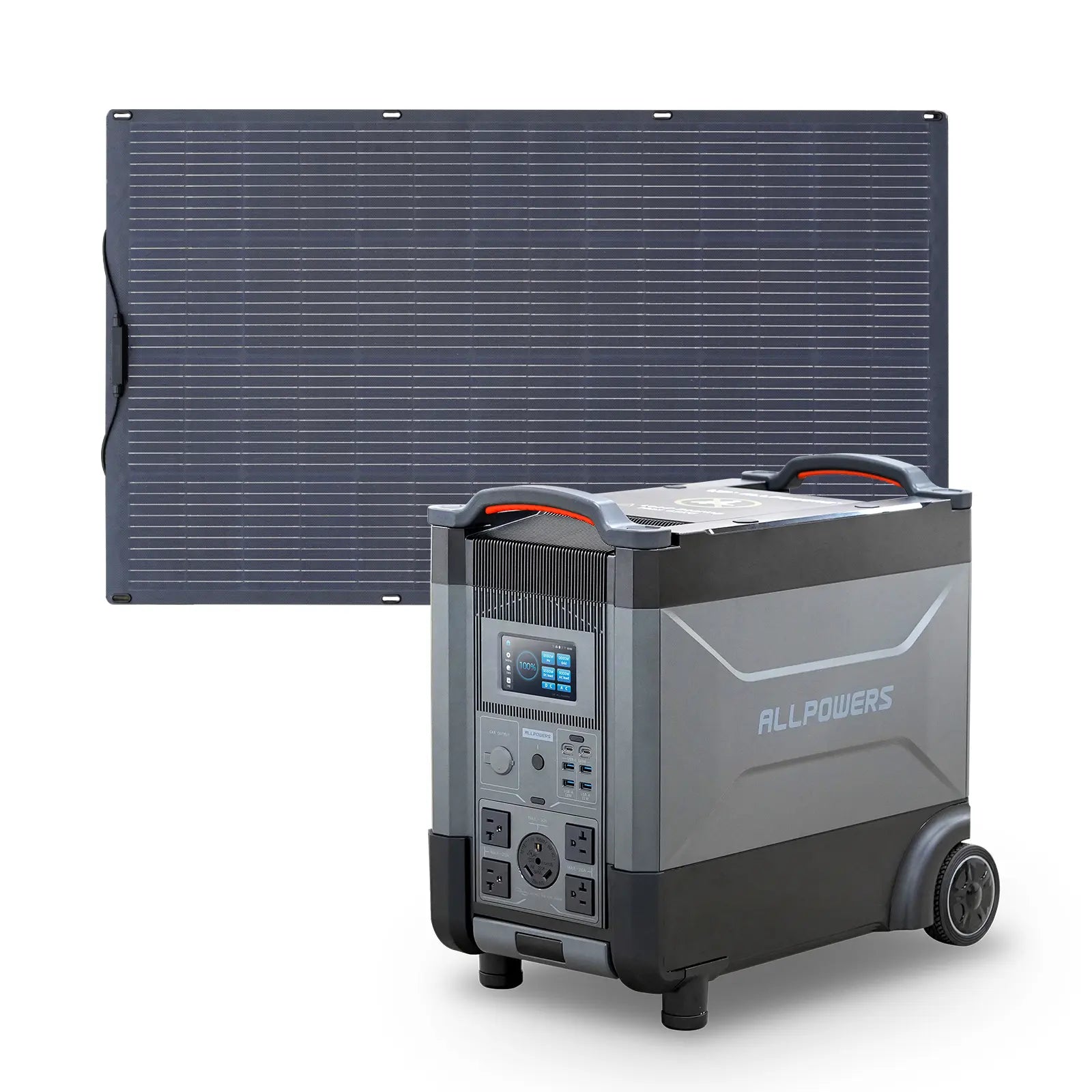
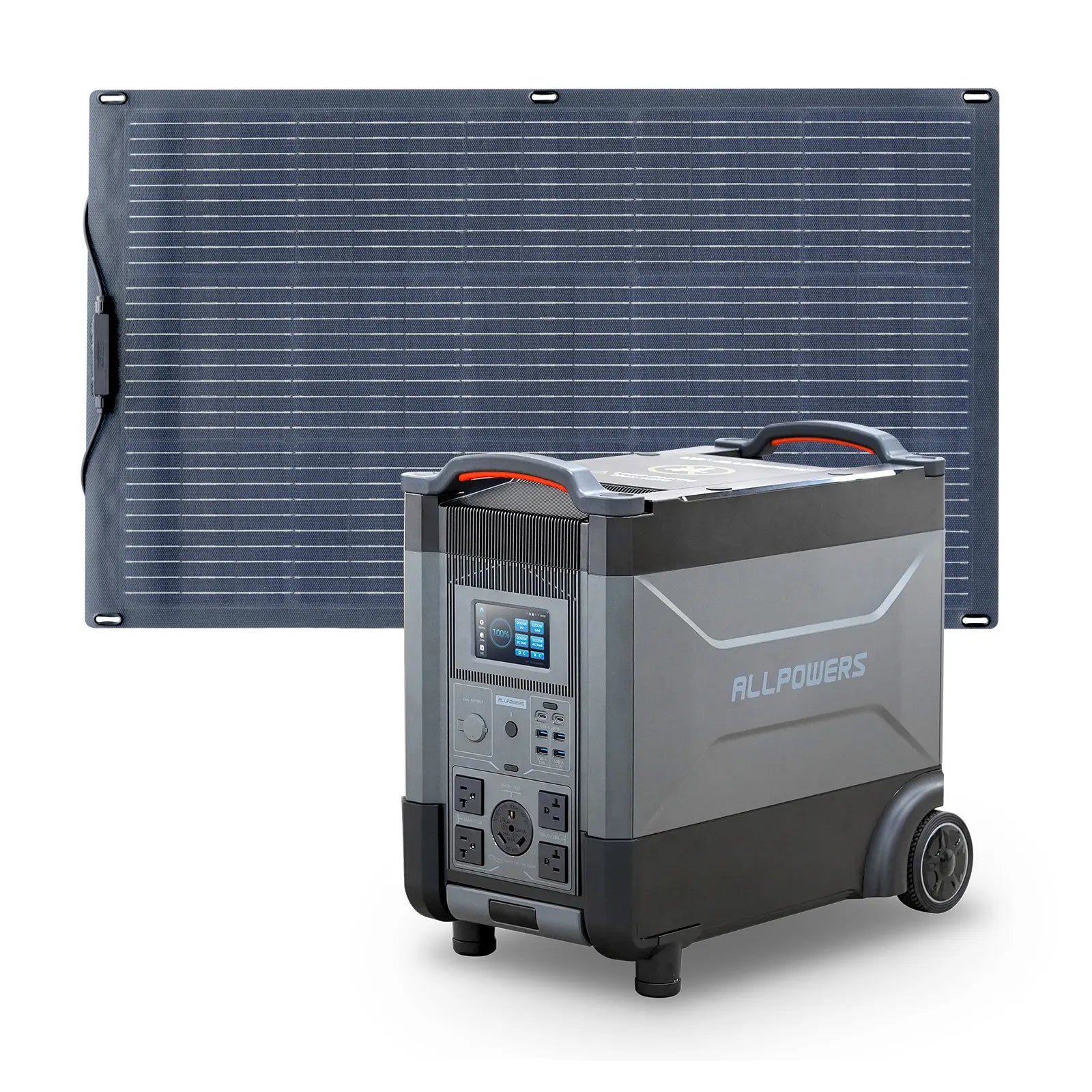
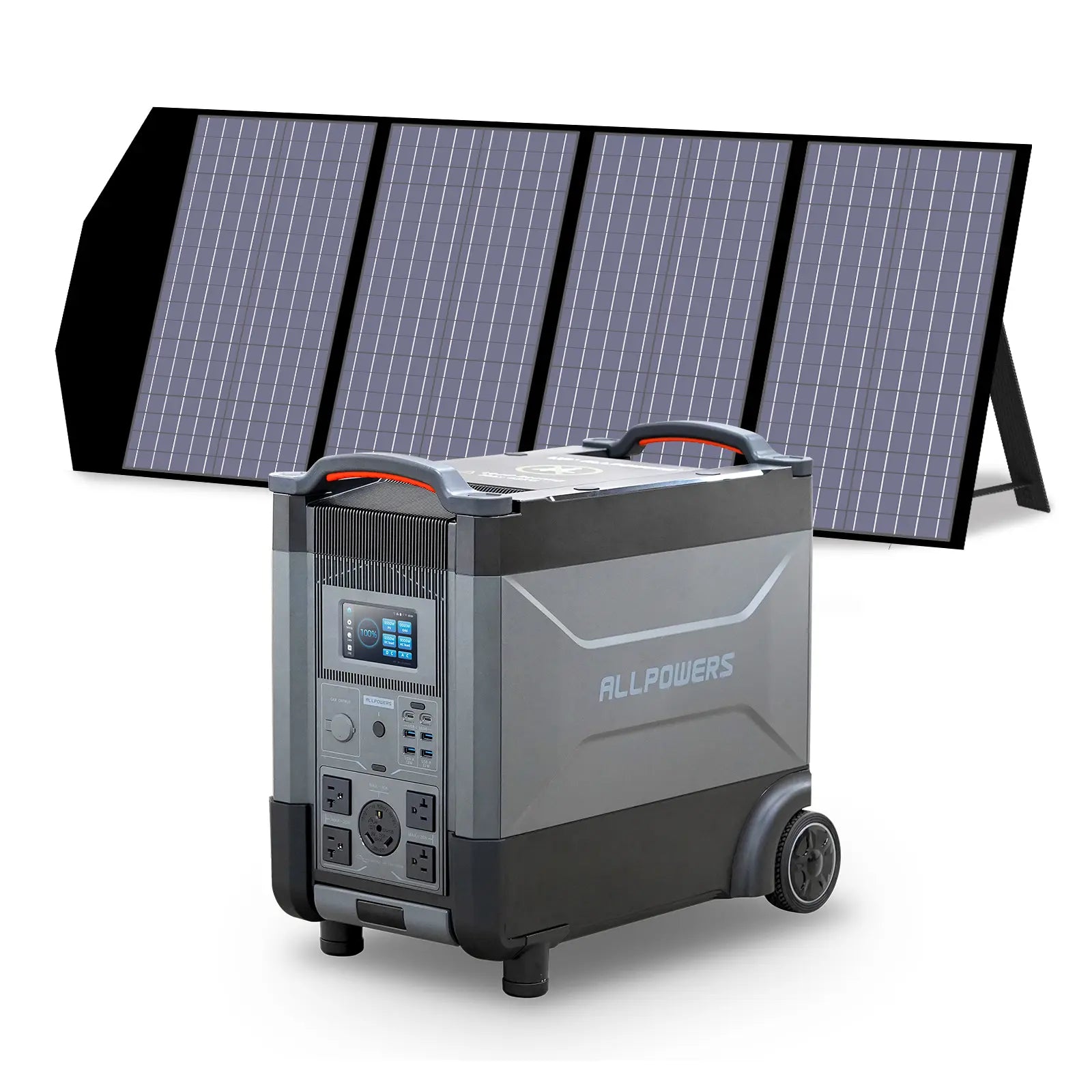
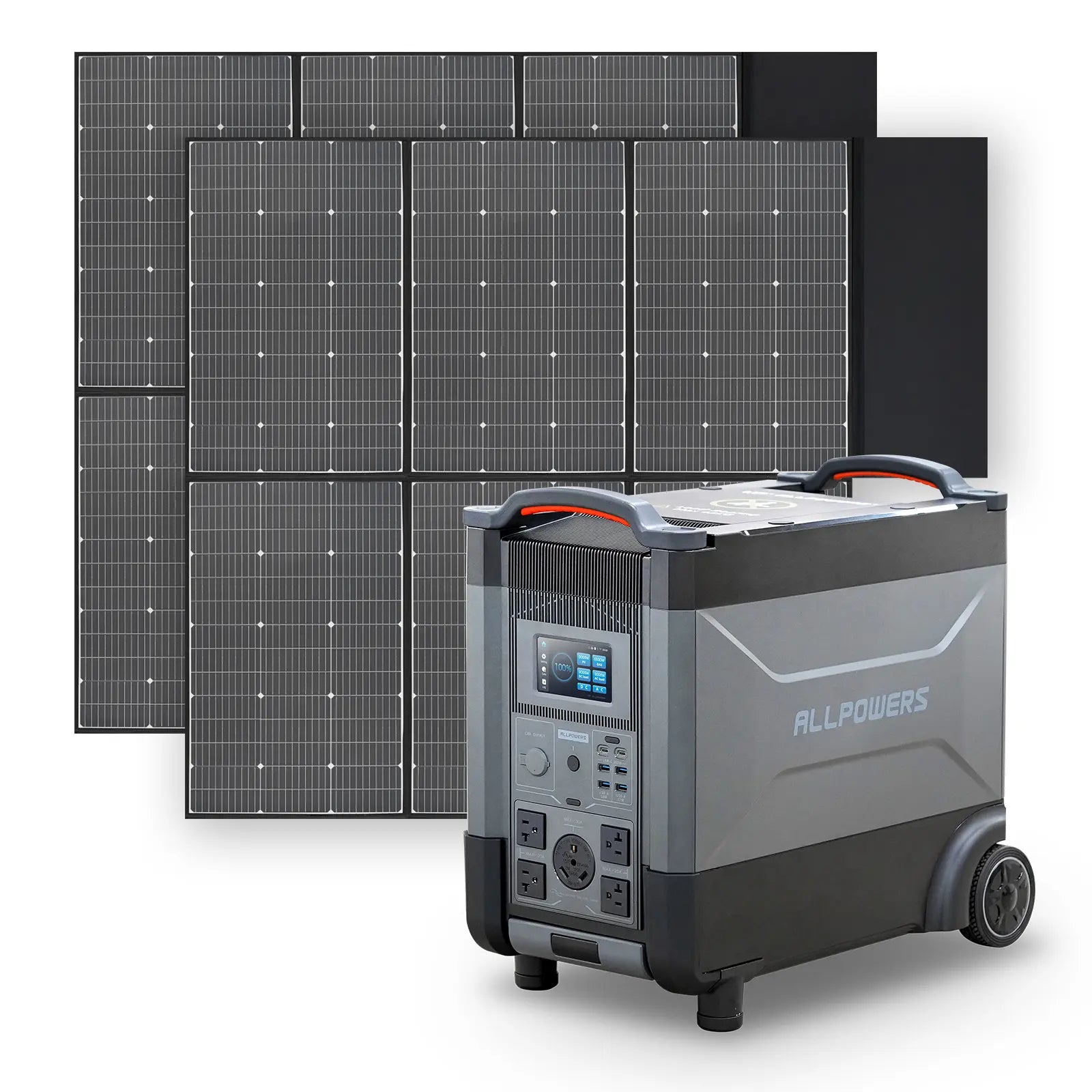
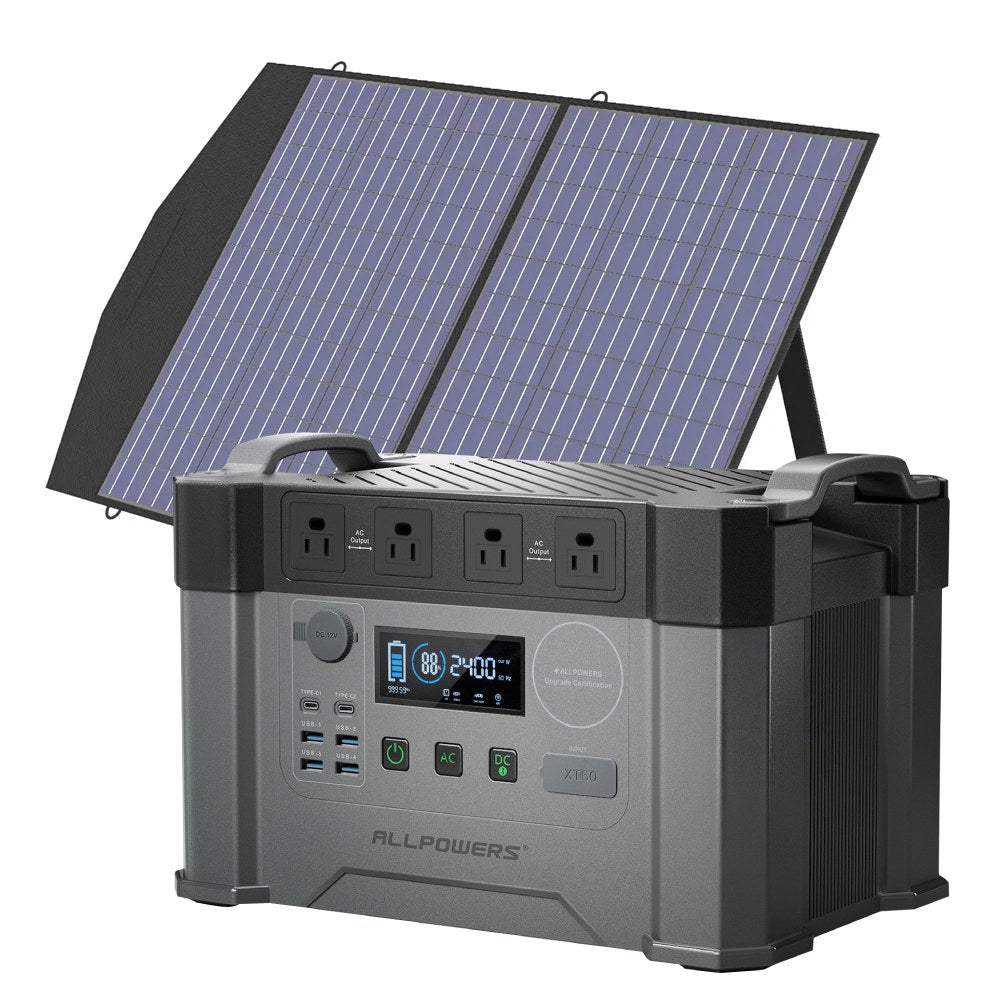
This shift has increased interest in backup batteries and portable power stations that can store electricity for later use during expensive peak periods.
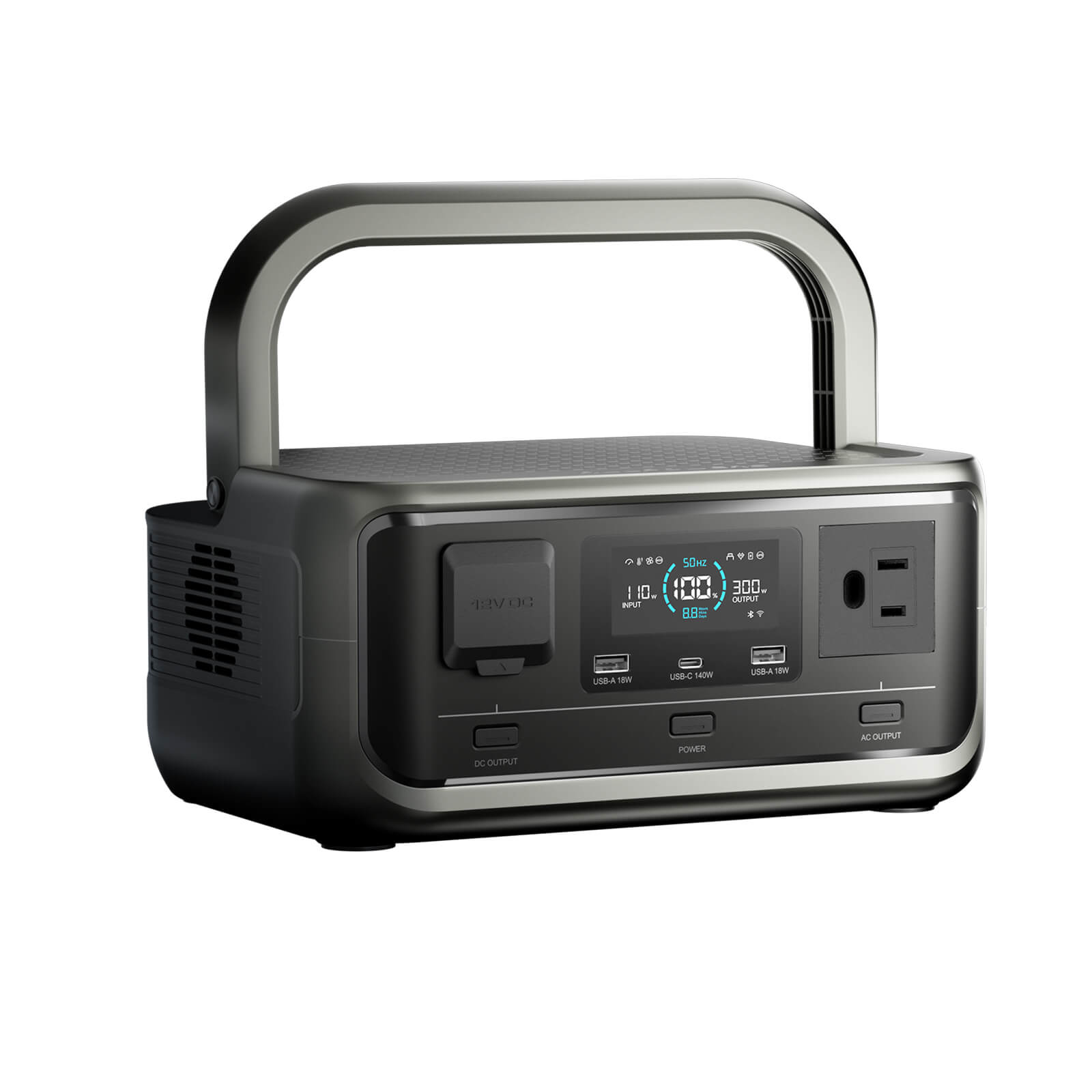
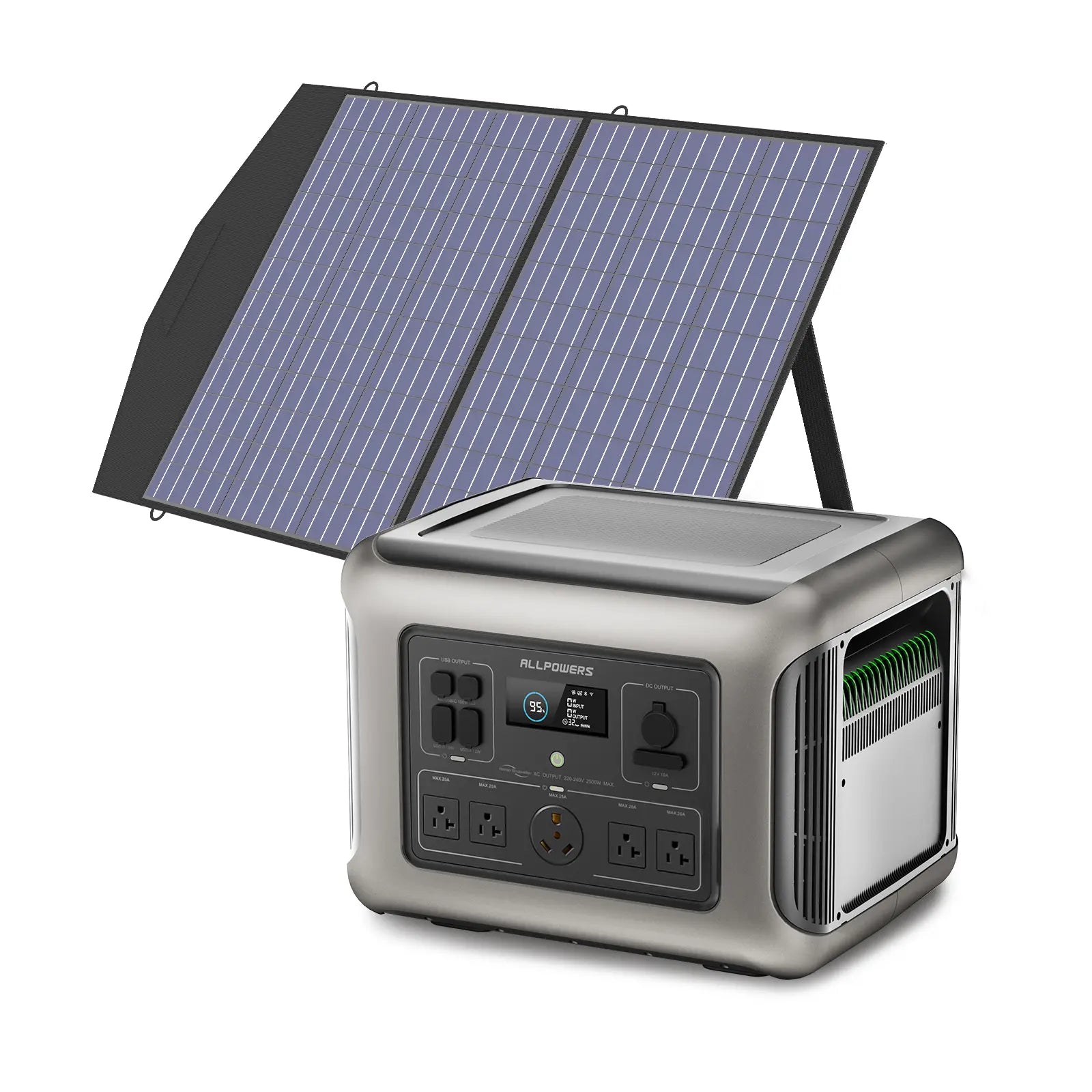
ALLPOWERS VOLIX P300 Portable Power Station
$149.00 $249.00
- 299Wh Capacity;
- 300W AC Output (600W Surge);
- Fast Charge 100% in 1 Hours;
- Ultra-quiet 30dB Under Load ;
- Long-Lasting And Safe Lifepo4 Battery;
What Time Is Electricity Usually Cheapest?
In most regions, electricity is cheapest during overnight hours.
Common off-peak windows include midnight to 6 a.m. or late evening through early morning. Some utility providers also treat weekends and holidays as off-peak periods.
Although exact schedules vary depending on your provider and location, several patterns appear consistently across different utilities:
Overnight Hours Are Usually the Cheapest
Late-night and early-morning hours typically have the lowest electricity demand. Many providers define these periods as off-peak or even “super off-peak” hours.
For example, some utilities set off-peak pricing from midnight until 6 a.m., while others extend it through early morning hours.
This is why many people schedule large appliances like dishwashers, laundry machines, or electric vehicle chargers to run overnight.
Weekends Often Have Lower Rates
Some electricity companies classify weekends as entirely off-peak because commercial and industrial demand drops.
Residential neighborhoods still use power, but overall grid strain is often lower than on weekdays.
As a result, Saturday and Sunday can become ideal times for energy-intensive household activities.
Why Is Electricity Cheaper at Night?
Electricity becomes cheaper at night because overall energy demand falls dramatically.
Fewer businesses operate overnight, and most households reduce their electricity usage while sleeping.
Energy grids are designed to handle maximum demand, but maintaining that capacity is expensive. Utilities therefore encourage customers to shift usage away from crowded peak periods.
Interestingly, some energy sources continue producing electricity overnight even when demand is low.
Nuclear plants, for example, often operate continuously because reducing output is difficult and inefficient. Wind energy production may also remain high overnight in certain regions.
When supply exceeds demand, utilities have more incentive to offer discounted rates during nighttime hours.
Is Electricity Cheaper at Night Everywhere?
Electricity is not automatically cheaper at night for everyone. Savings depend on the billing plan offered by the utility company.
Some customers remain on flat-rate pricing where electricity costs the same 24 hours a day.
In these cases, using appliances at night may not reduce costs directly, although it can still help reduce grid strain.
However, Time-of-Use plans are becoming increasingly common across the United States as utilities modernize their systems and install smart meters.
Many providers now encourage customers to monitor hourly energy use through mobile apps and online dashboards.
Why Electricity Prices Vary by Region
Electricity pricing is highly regional. States with large renewable energy generation may experience different peak pricing patterns than states dependent on fossil fuels.
California, for example, often sees high evening peak prices because solar production drops around sunset while residential demand remains strong.
In colder northern states, winter heating demand can create very different pricing schedules.
Local infrastructure also matters. Regions with aging grids or limited generation capacity may experience more aggressive peak pricing.
Areas with abundant hydroelectric or nuclear power sometimes maintain more stable electricity rates.
Regulations also influence pricing structures. Some utilities require customers to opt into time-of-use plans, while others automatically enroll households with smart meters.
How Seasonal Changes Affect Electricity Prices
Electricity demand changes dramatically throughout the year. As a result, some utilities use different peak schedules depending on the season.
During summer, peak periods often occur in the late afternoon because air conditioning demand rises sharply.
In winter, some providers see morning and evening peaks when households use heating systems before and after work.
This means the cheapest time to use electricity in July may not be exactly the same as in January.
Customers on TOU plans should review seasonal schedules carefully to maximize savings.
Conclusion
Electricity is generally cheapest when demand on the grid is lowest, especially late at night, early in the morning, and sometimes on weekends.
Peak pricing usually occurs during late afternoon and evening hours when homes consume the most energy.
By adjusting when electricity is used rather than simply reducing consumption, many households can improve energy efficiency and lower monthly bills without major lifestyle changes.